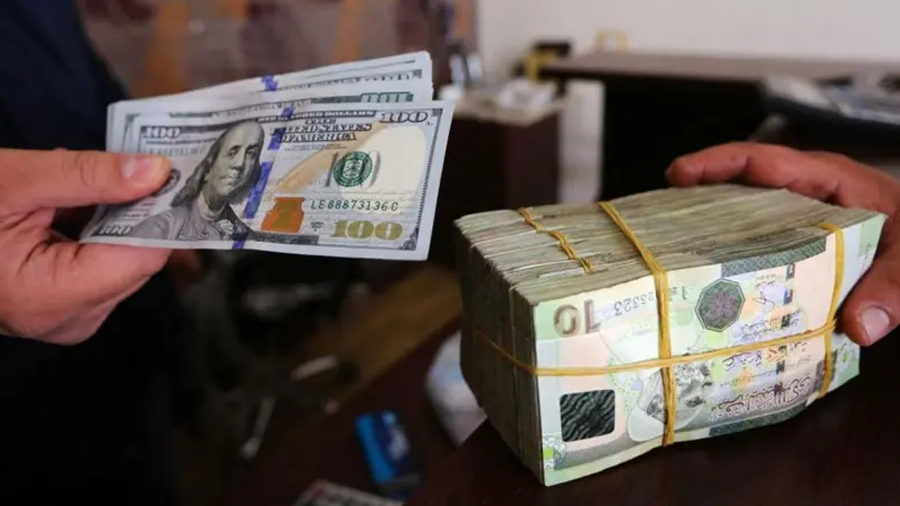
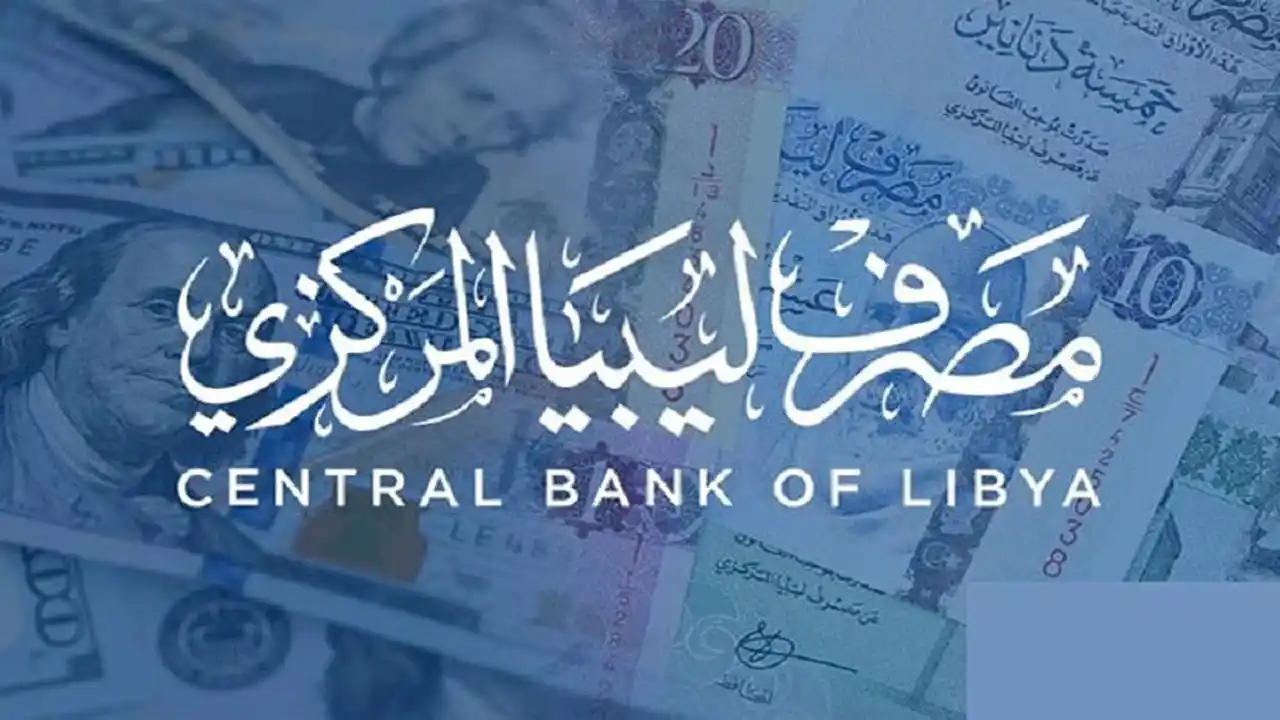
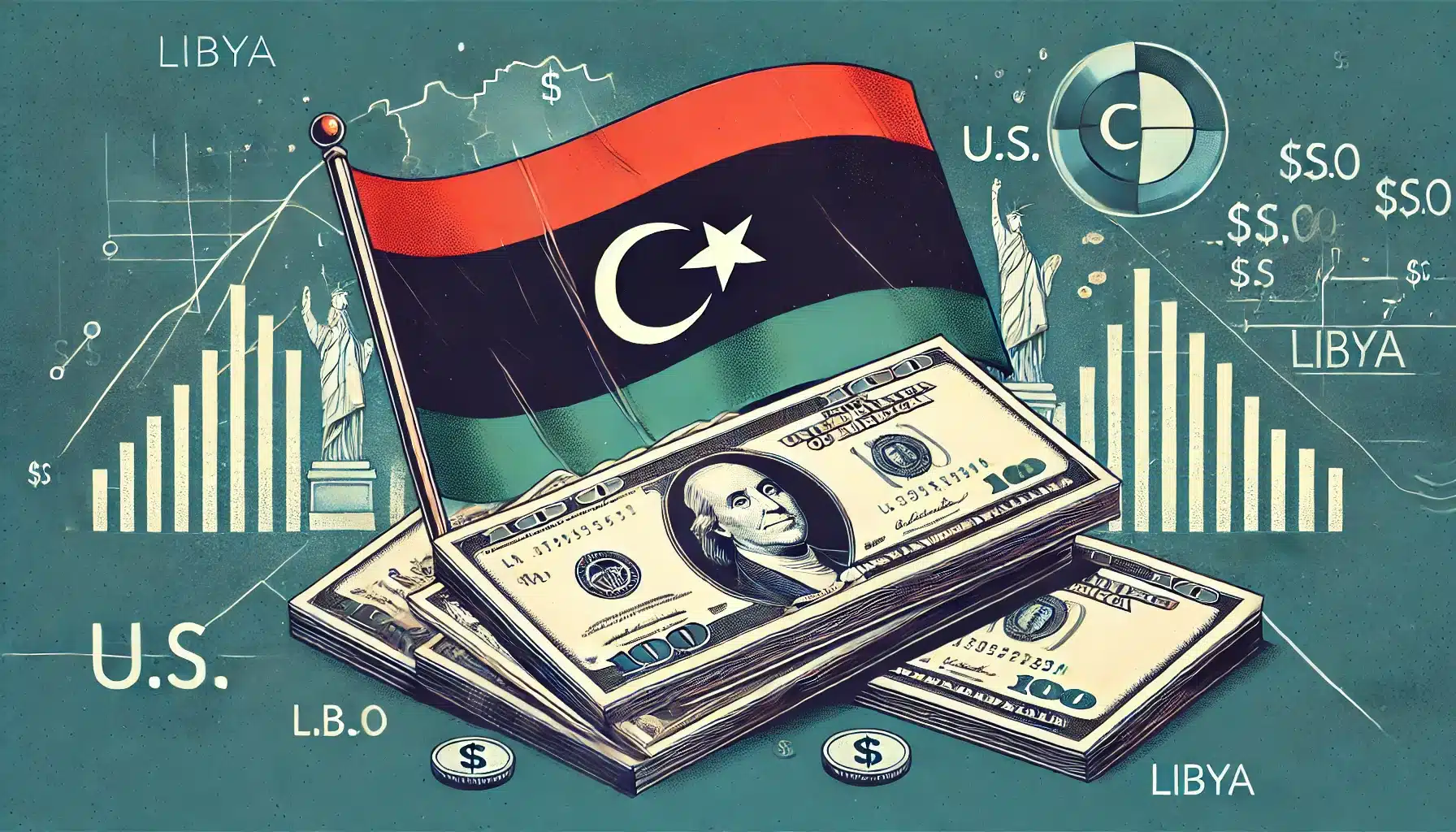
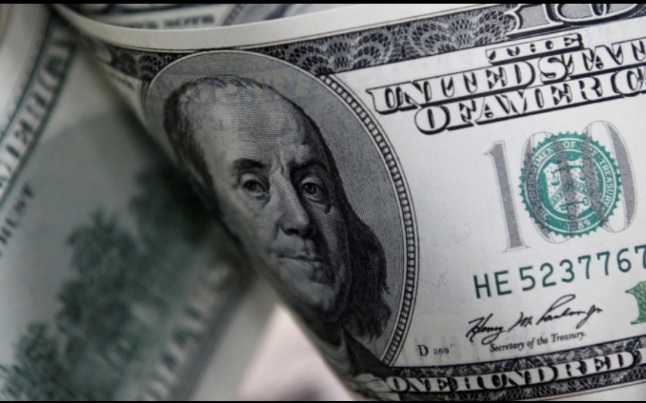
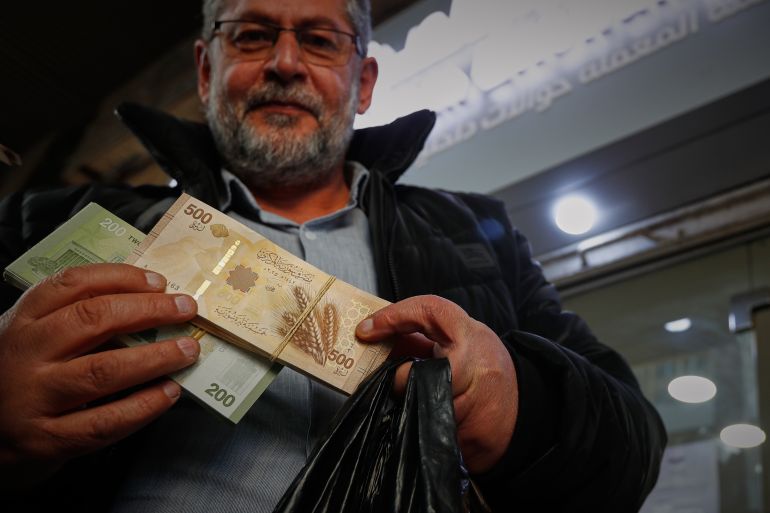
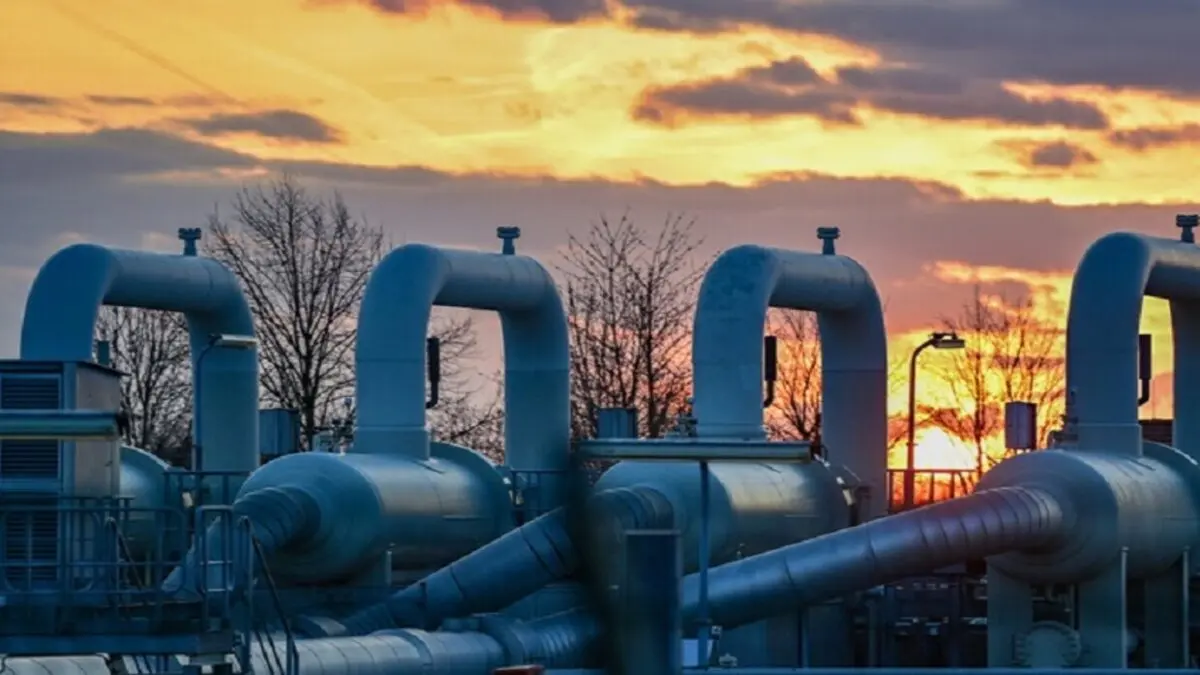
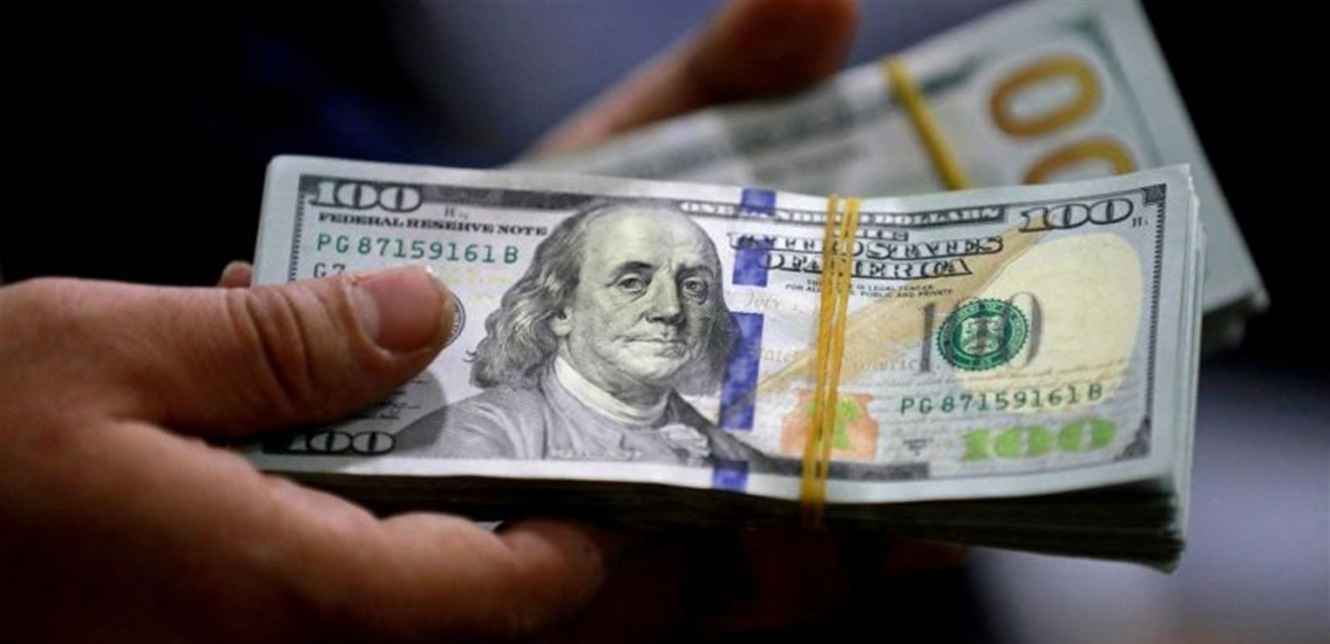
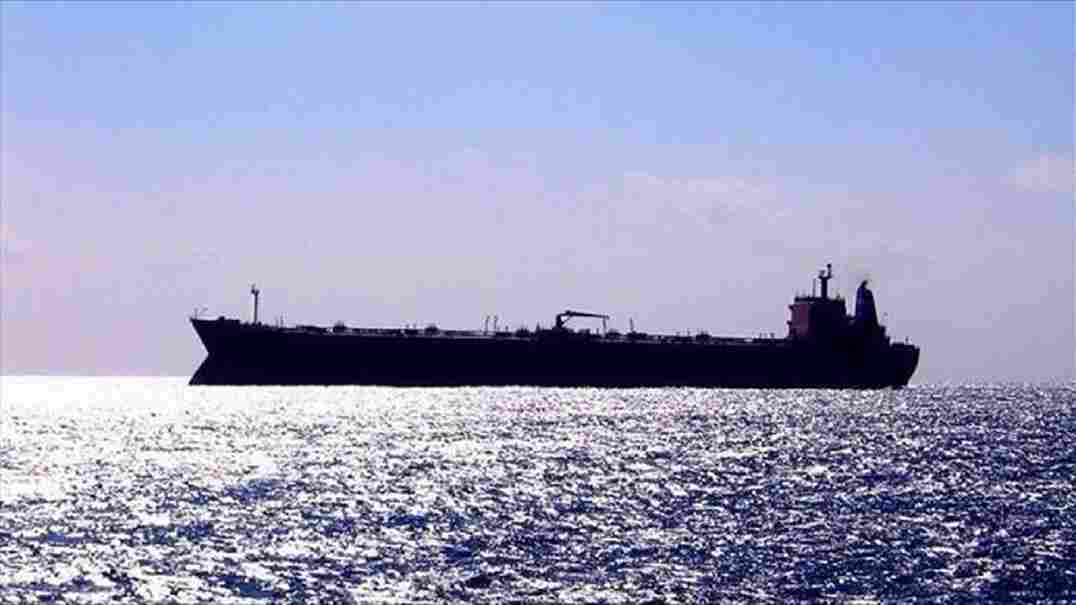
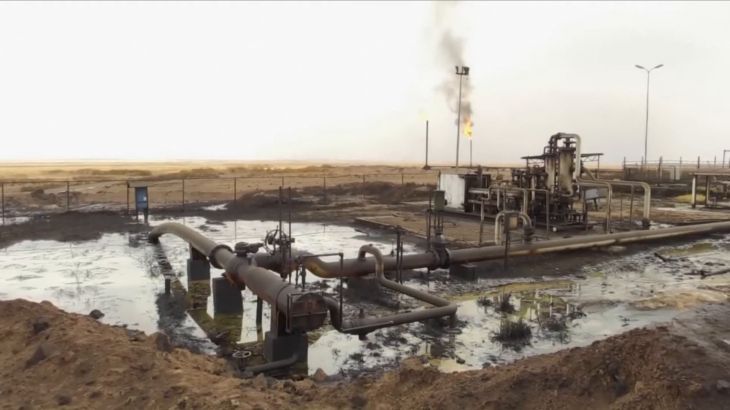
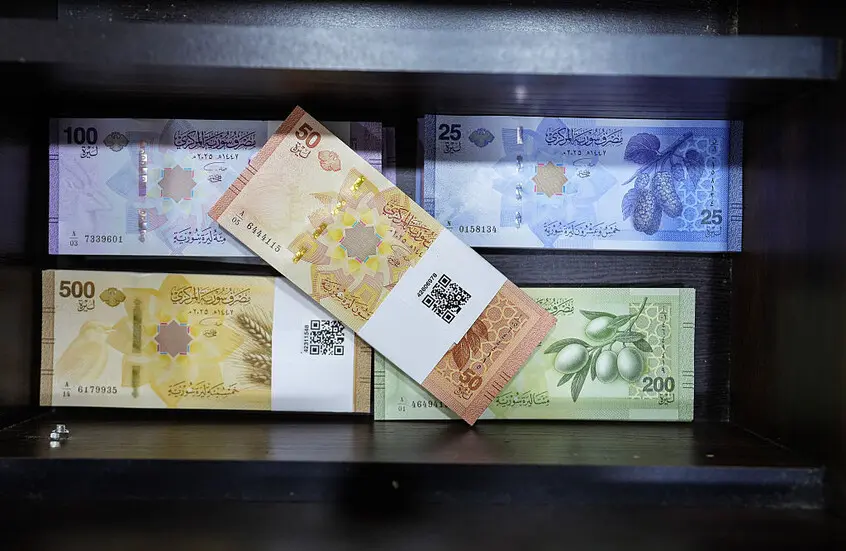
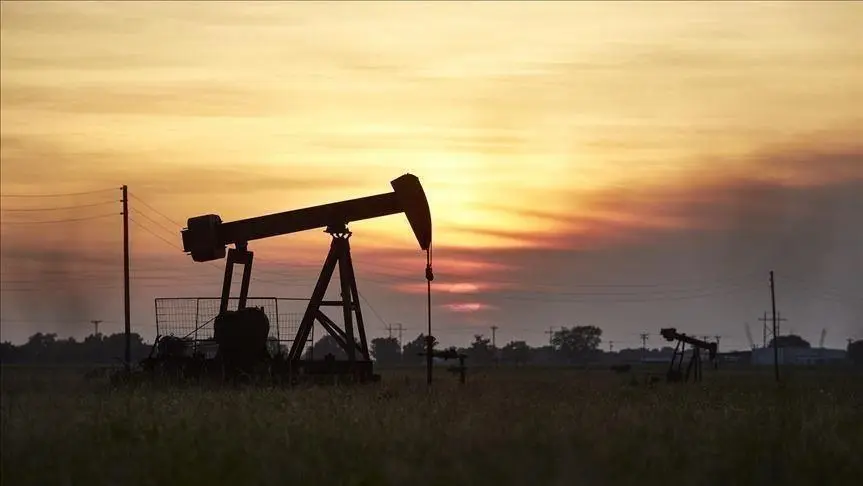
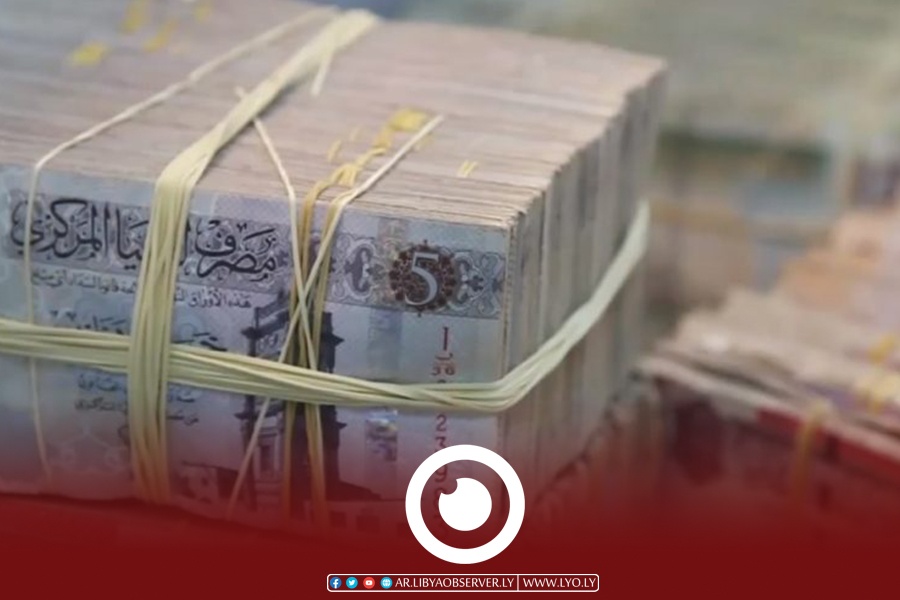
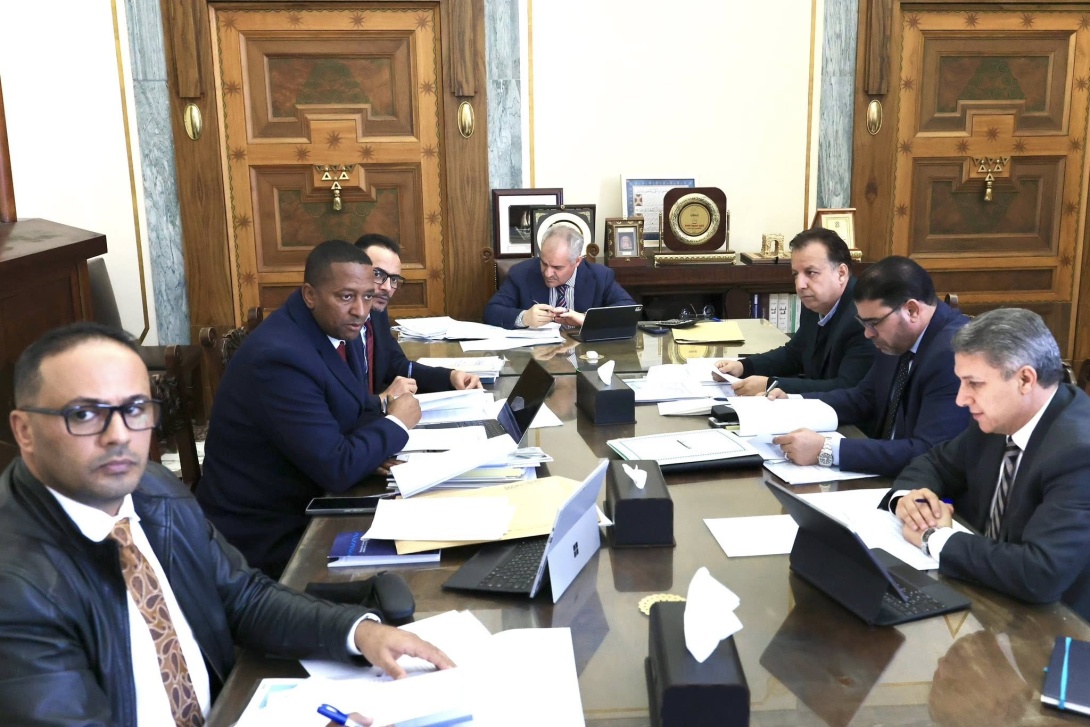
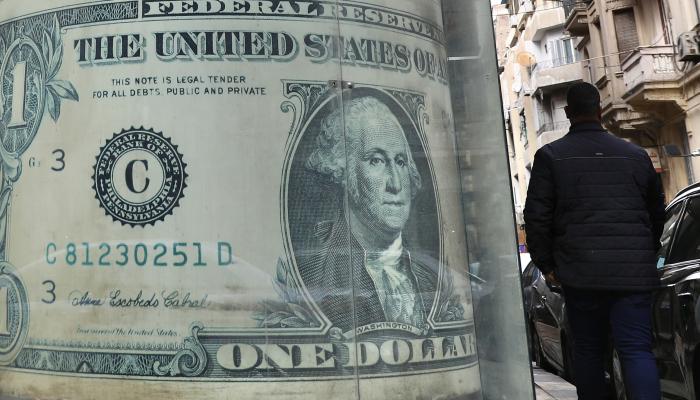
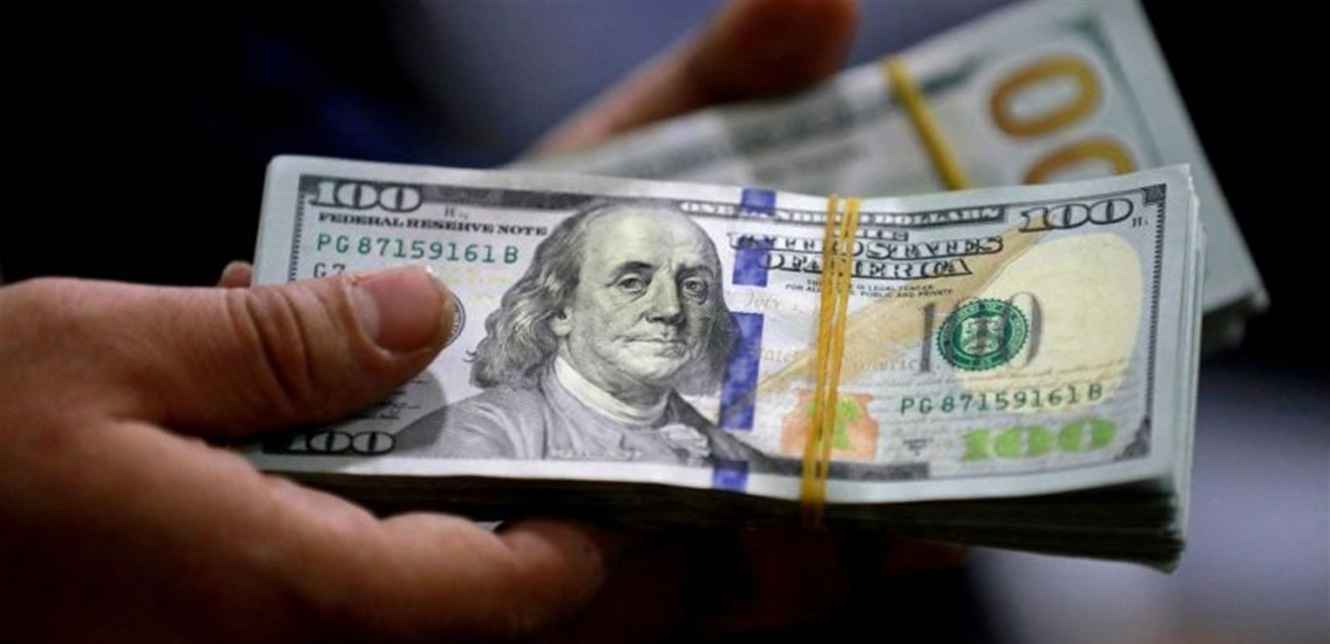
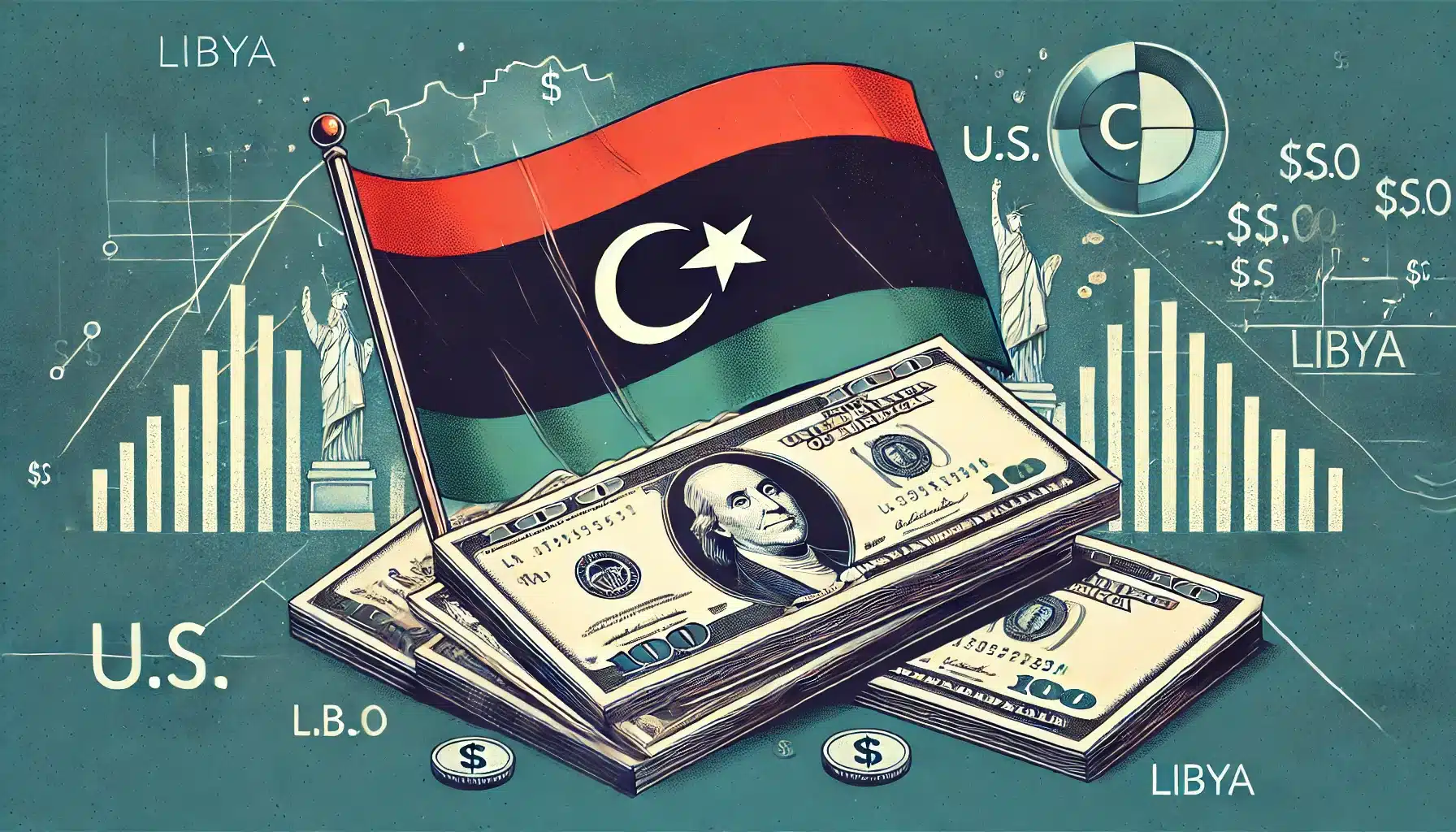
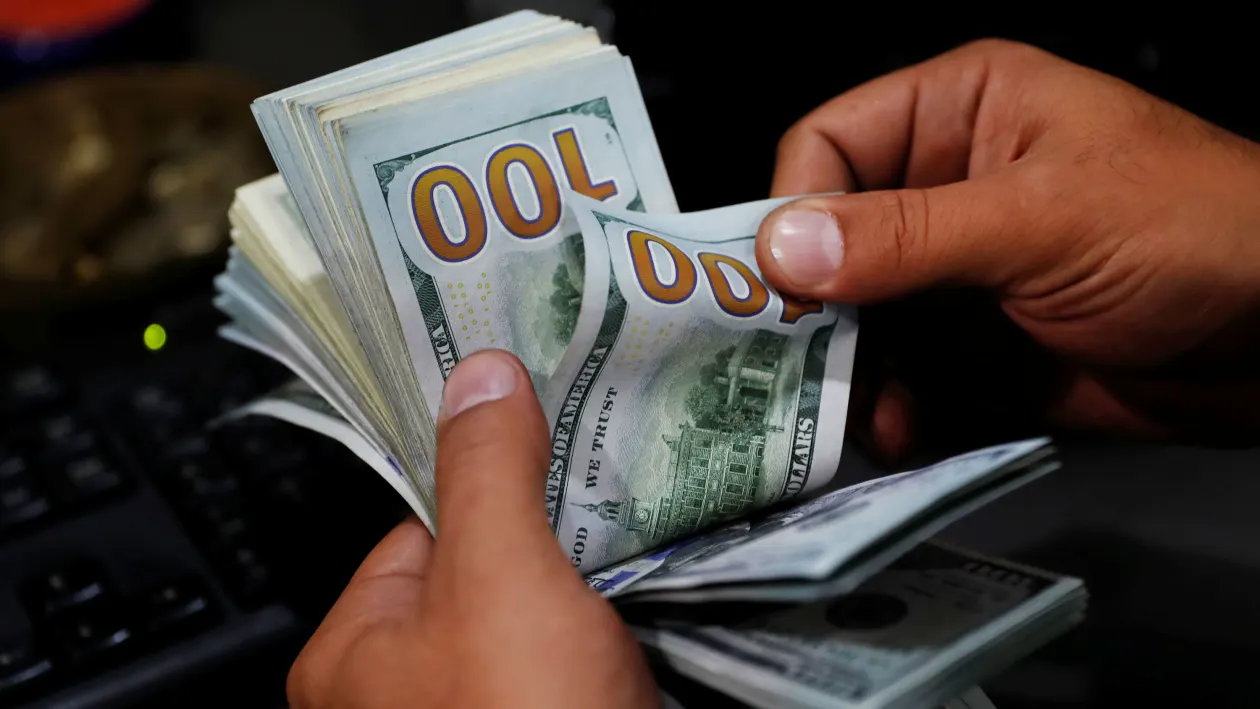
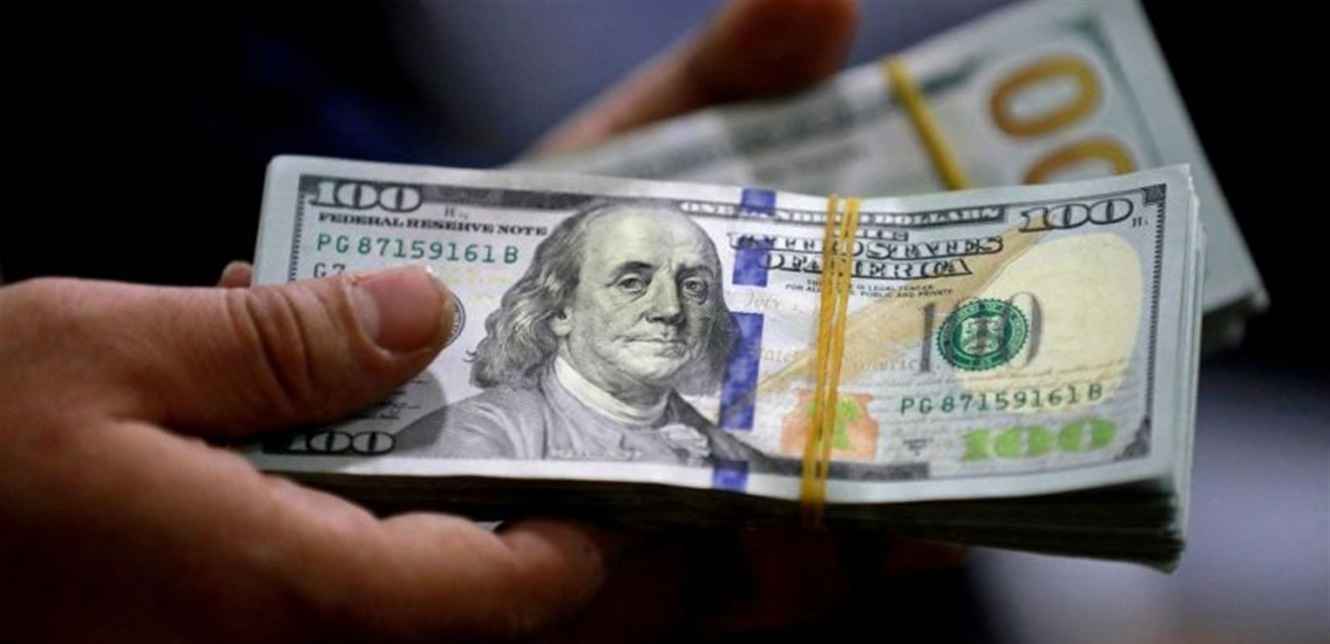
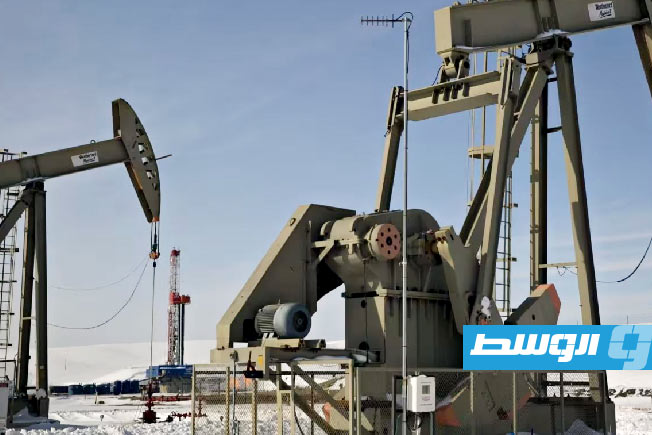
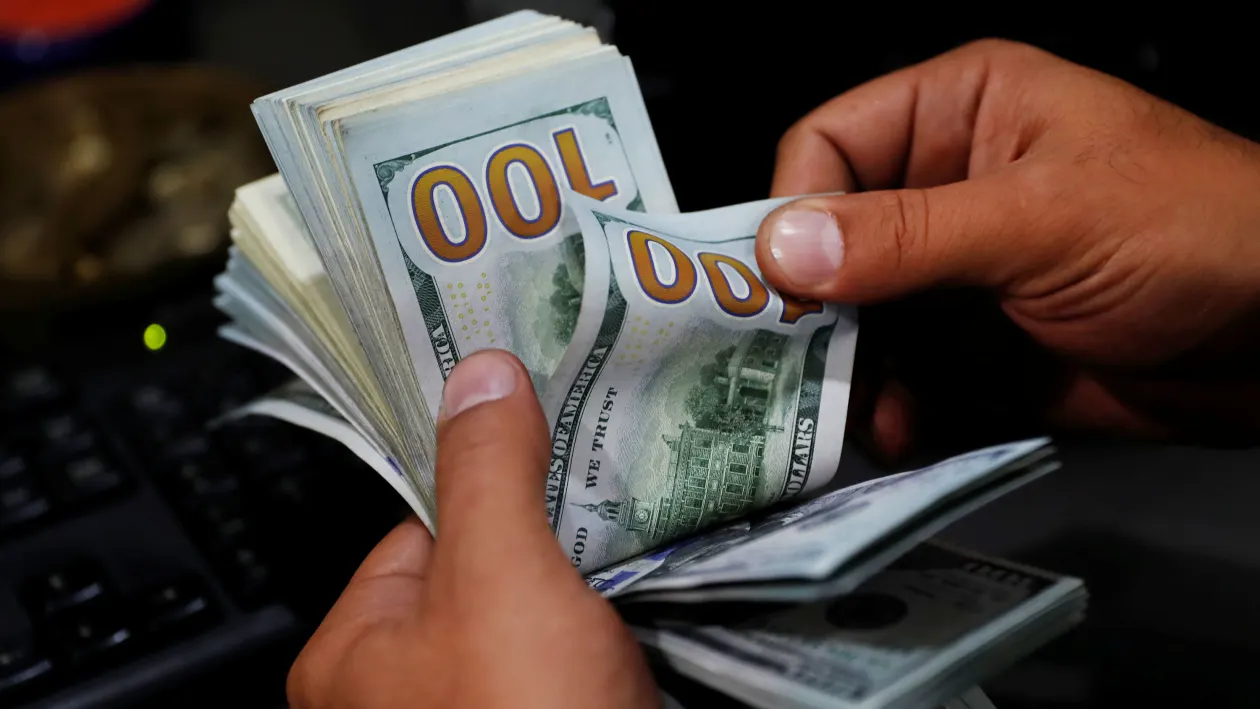
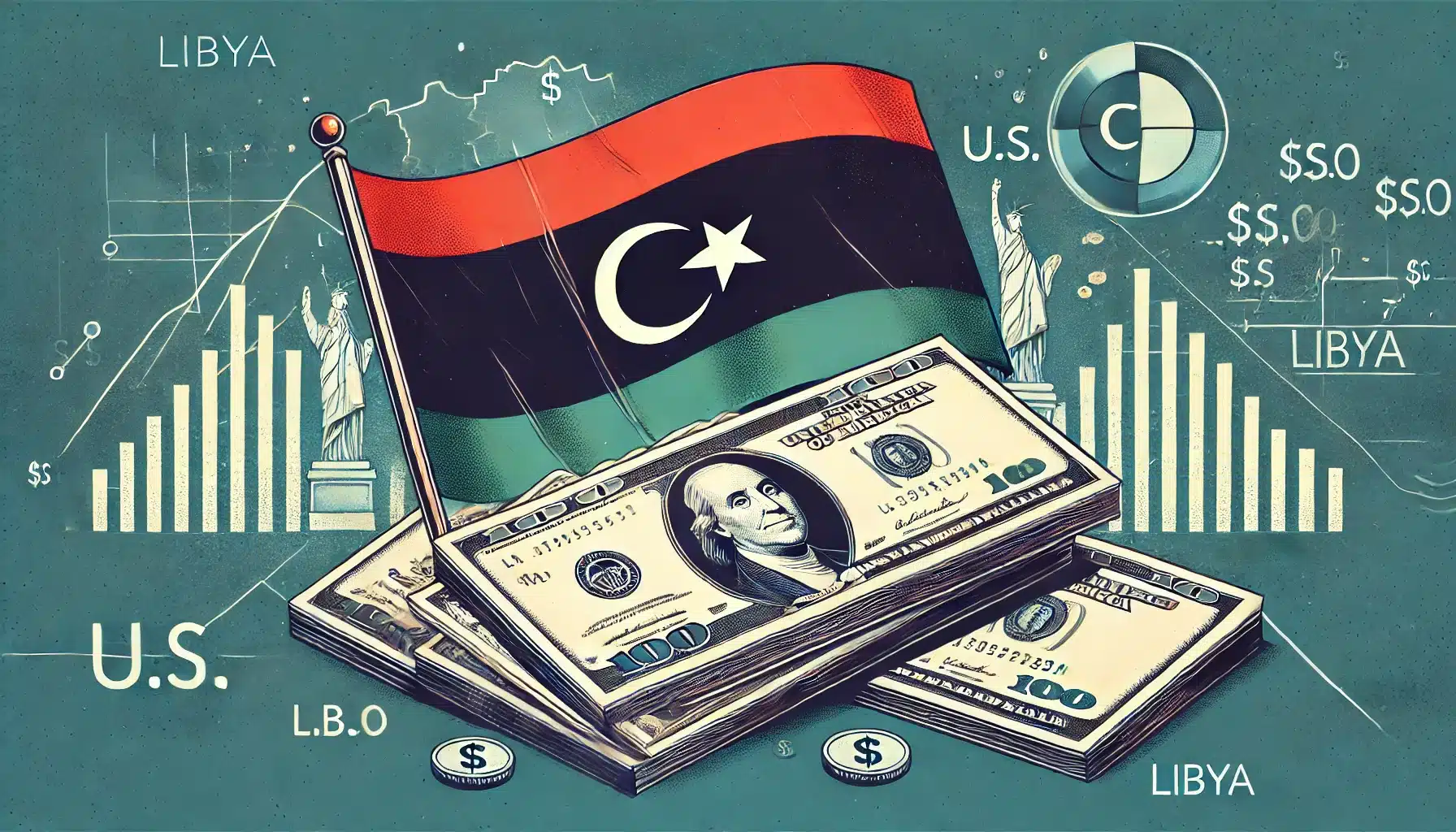
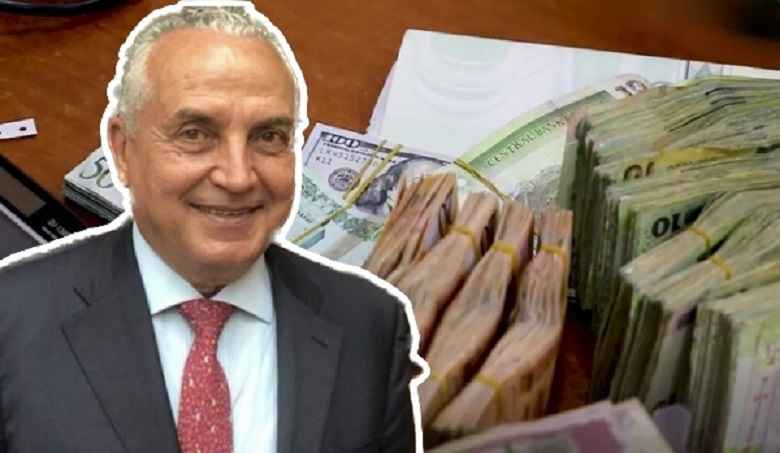
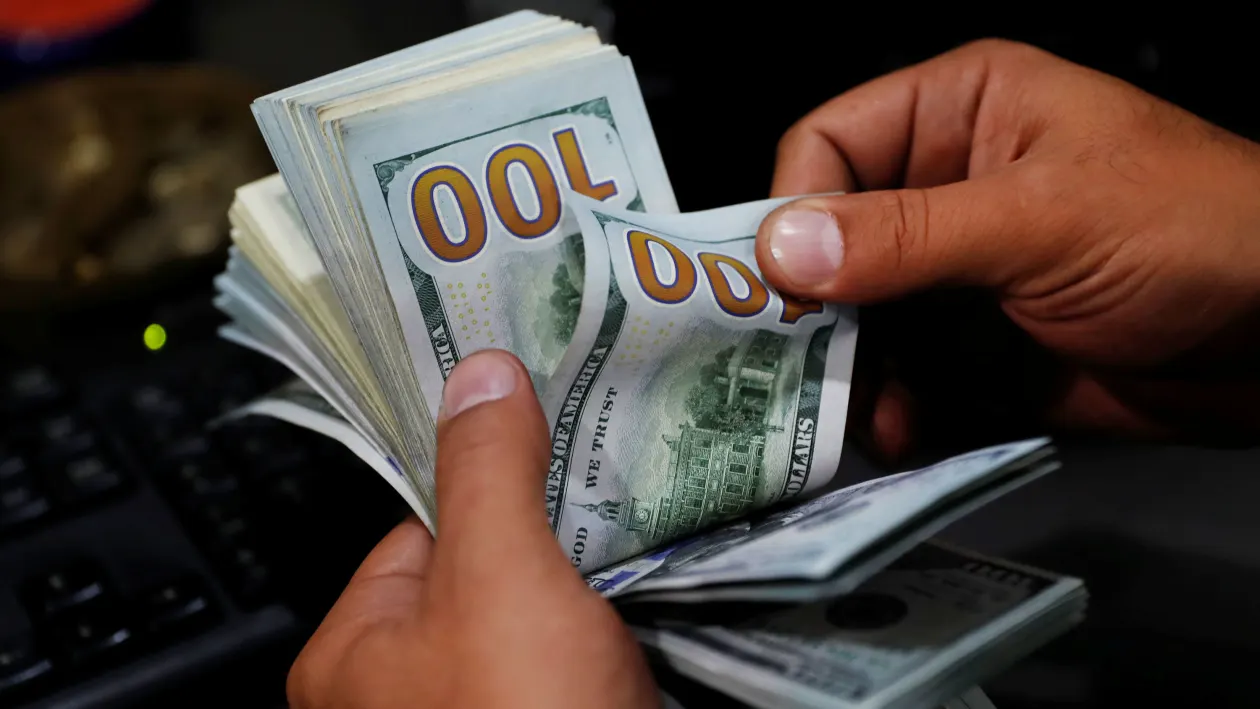
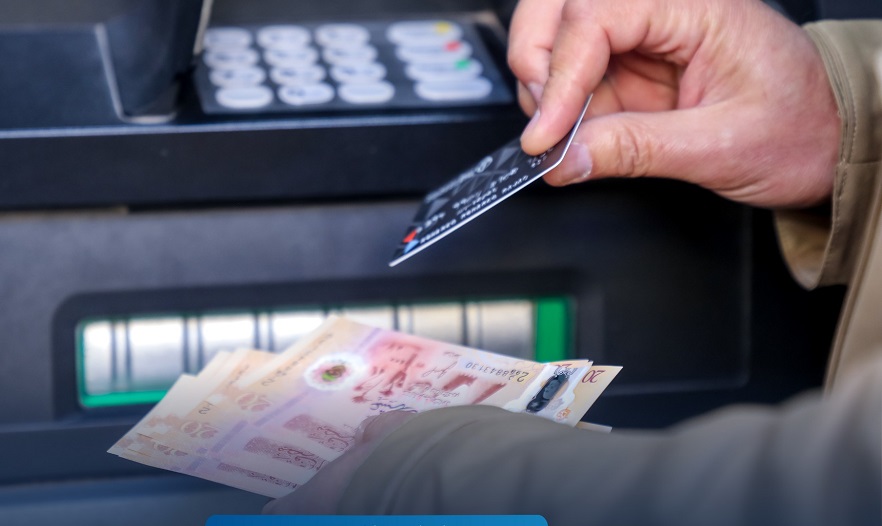
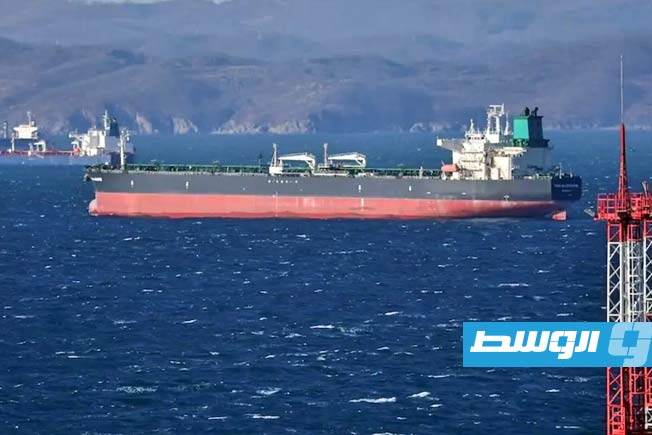
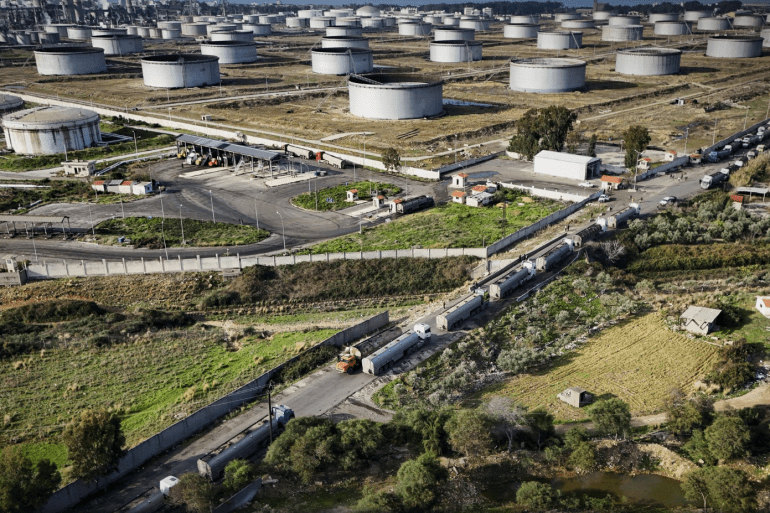
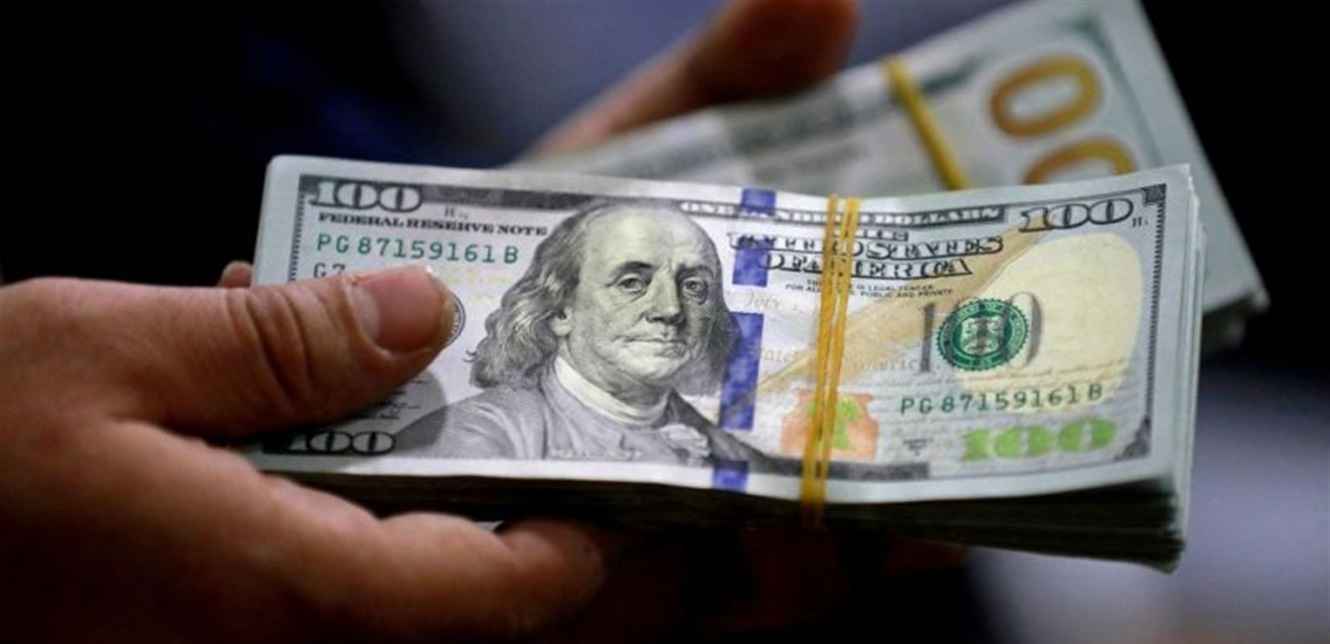
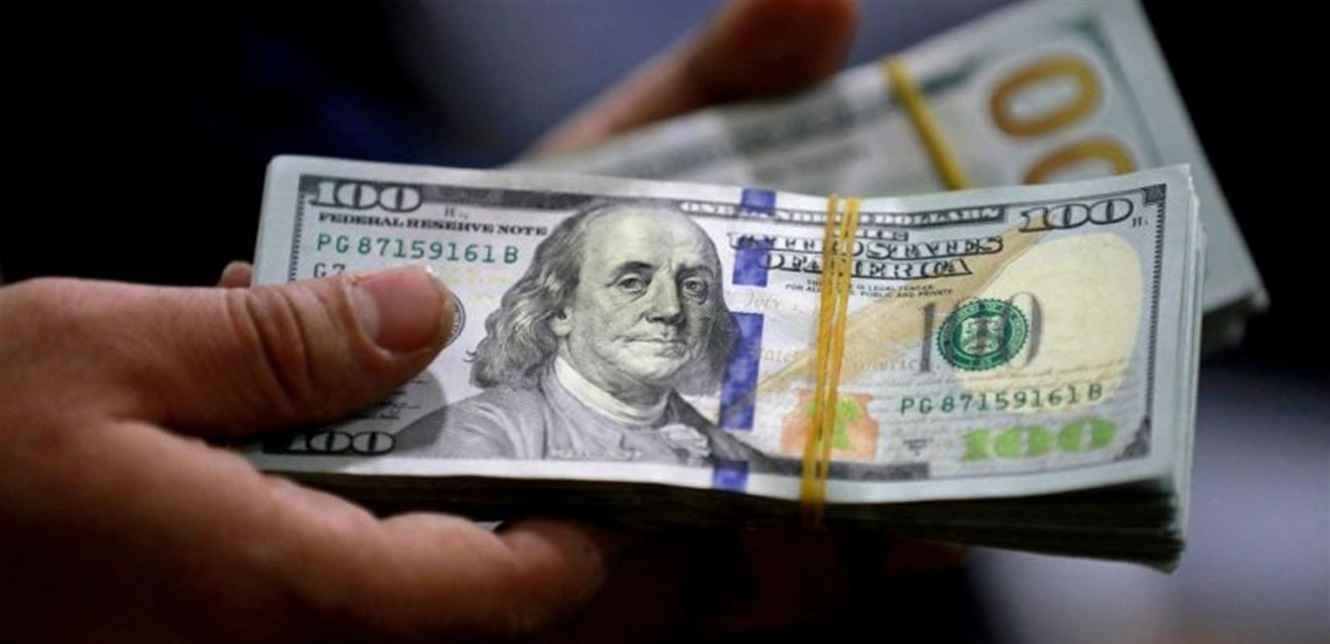
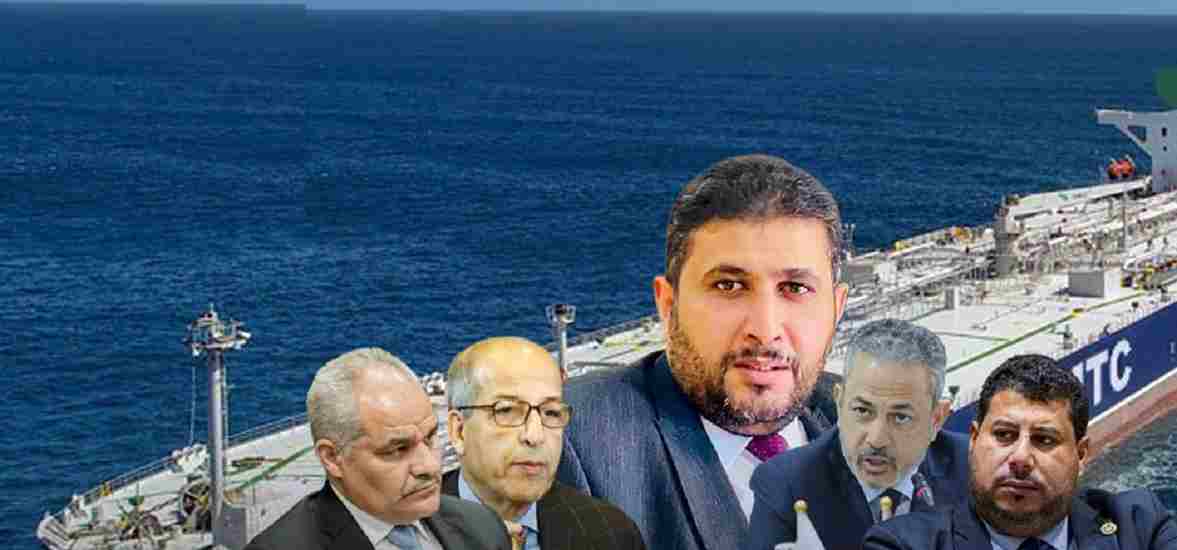
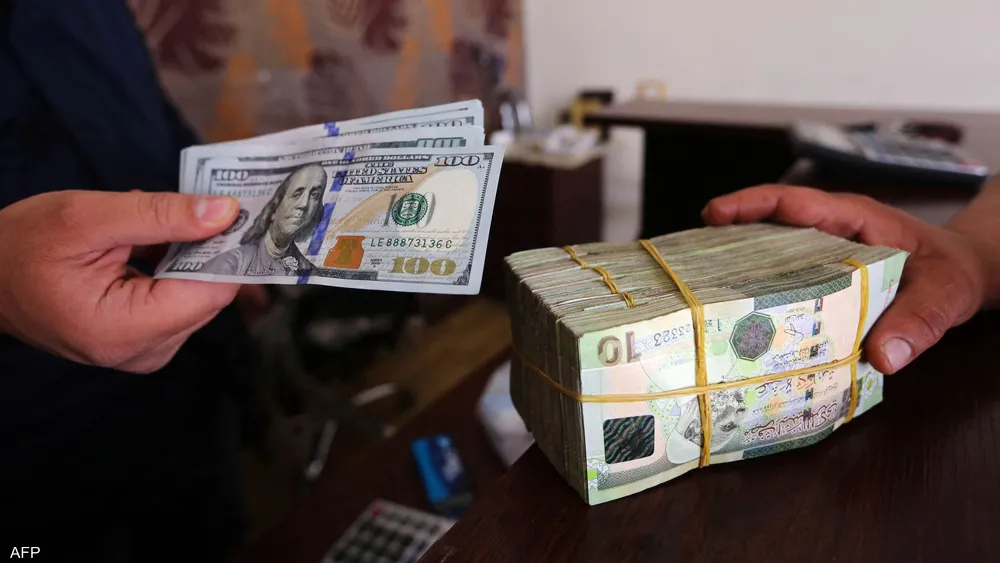
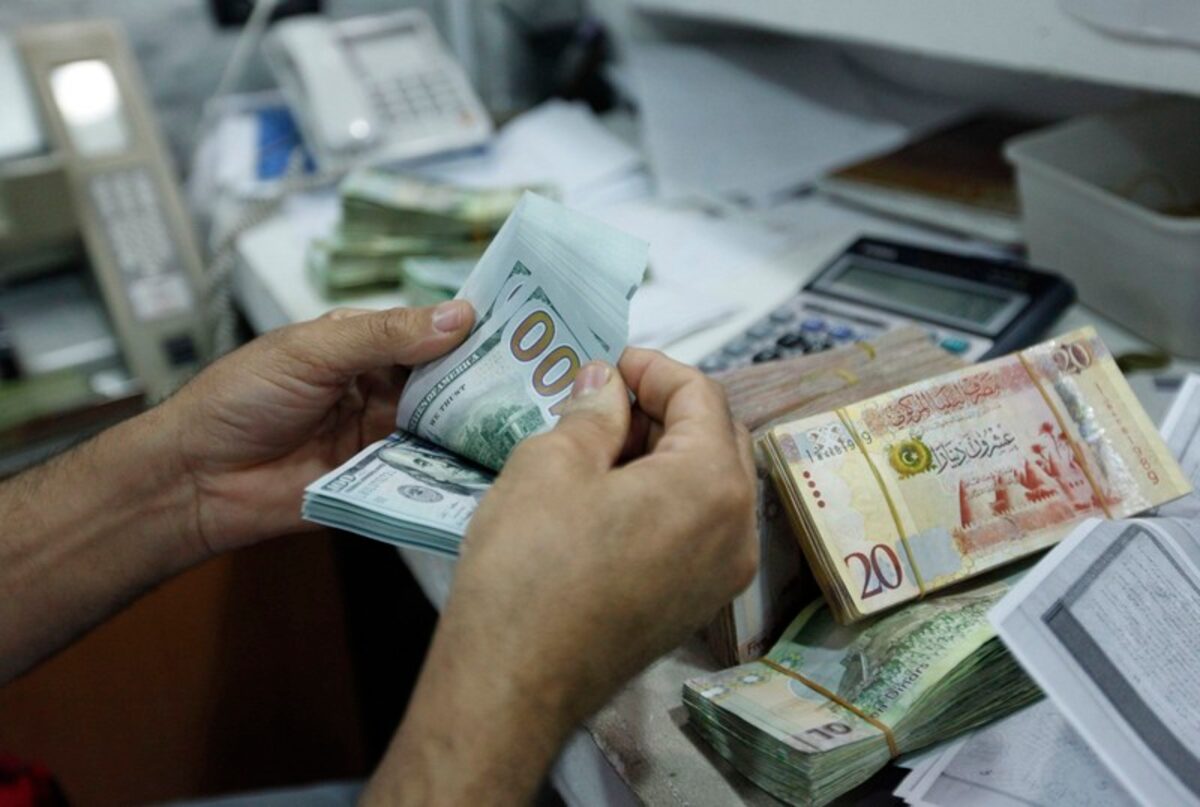
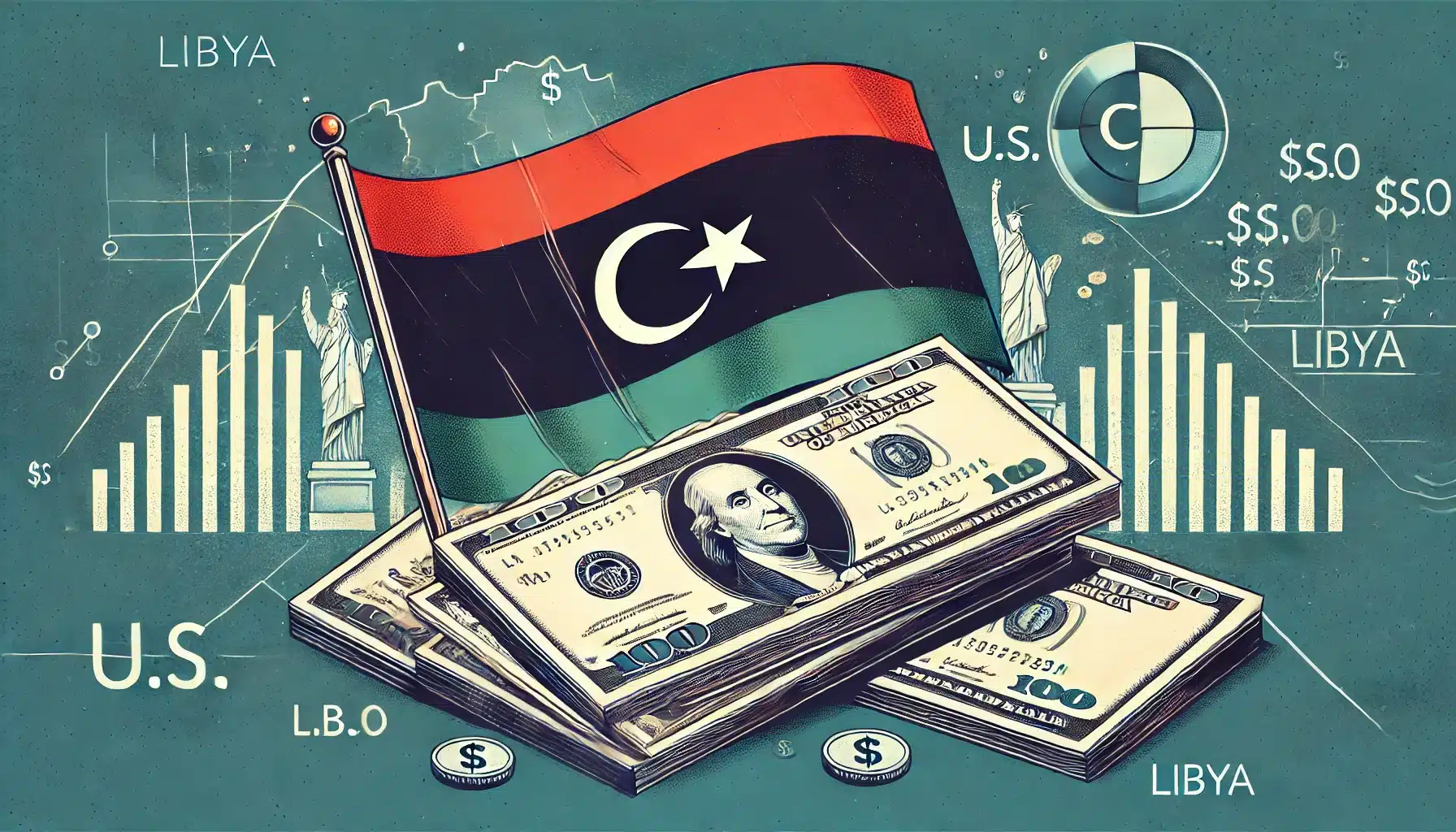
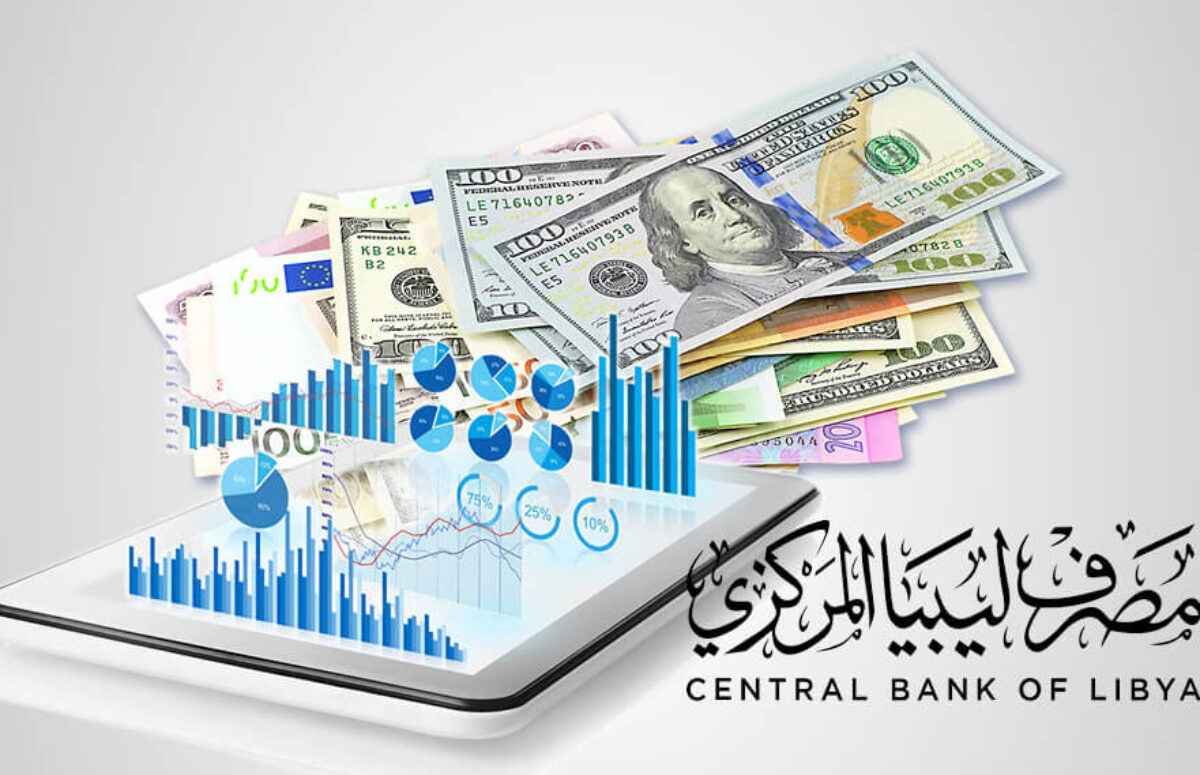
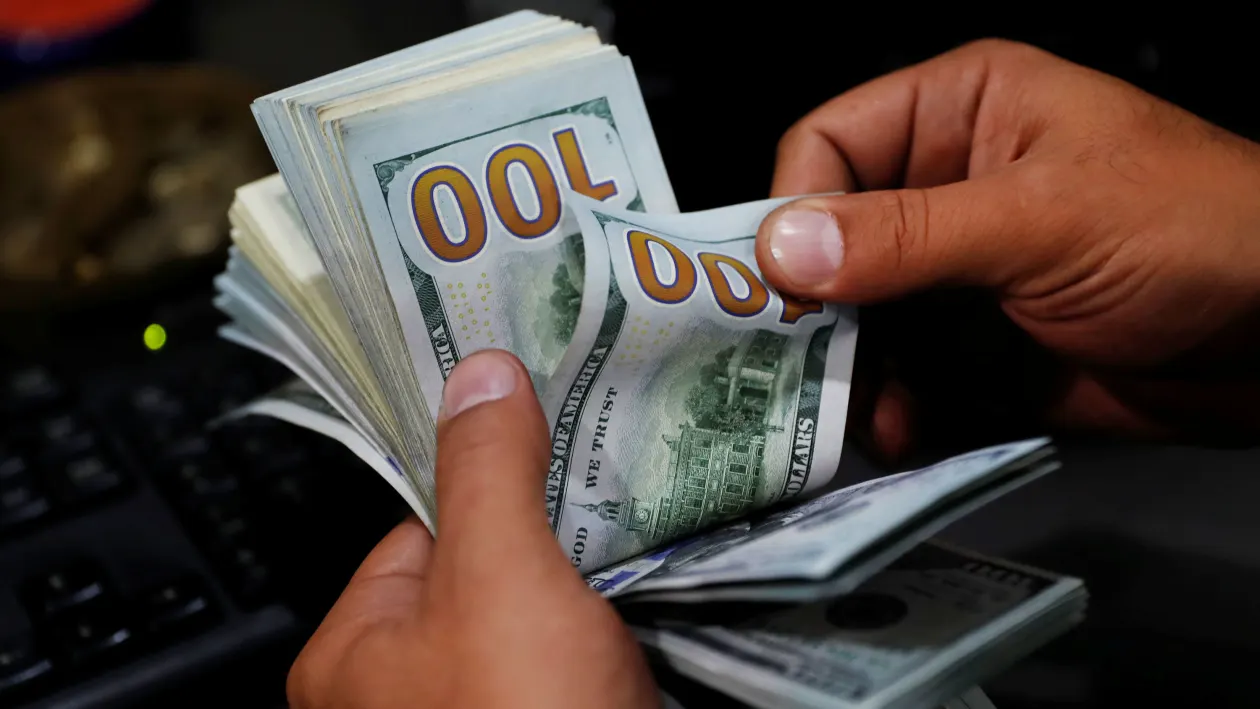
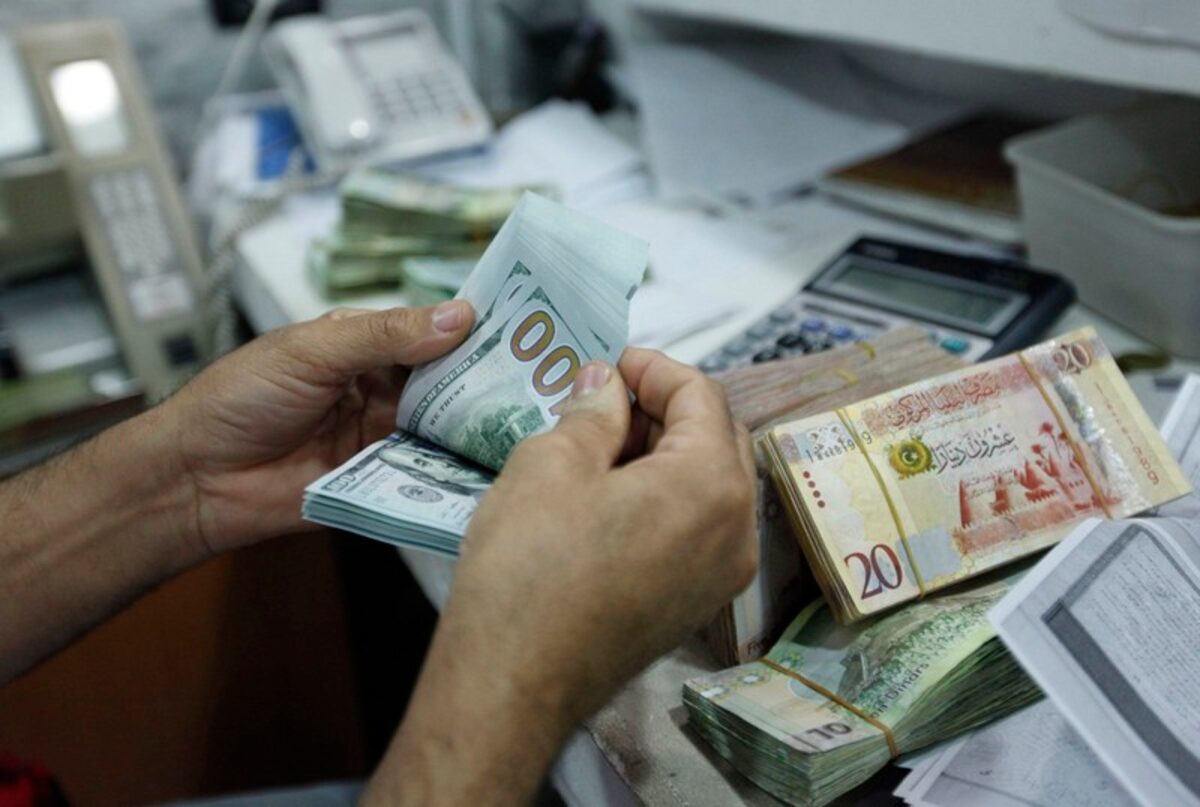
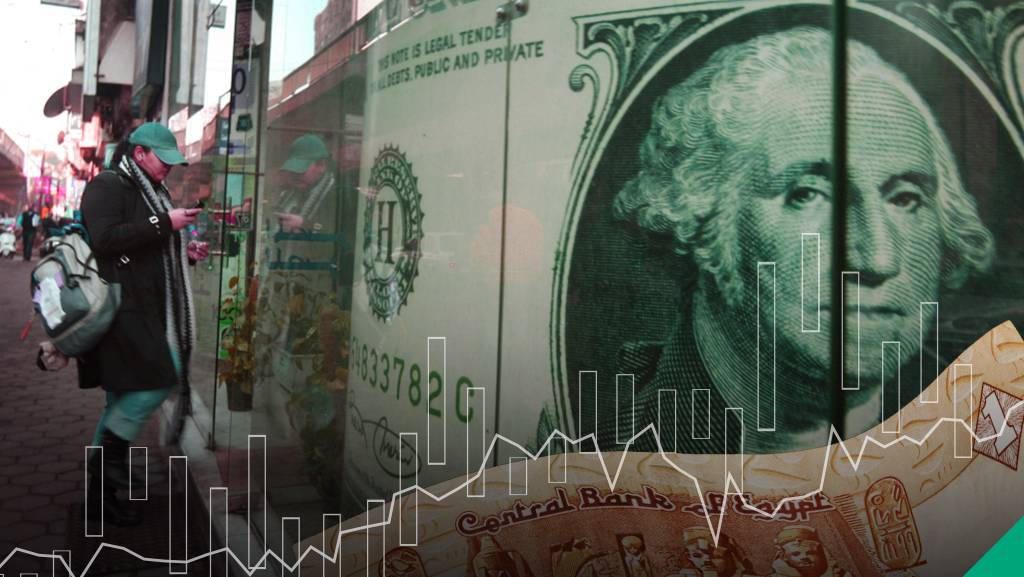
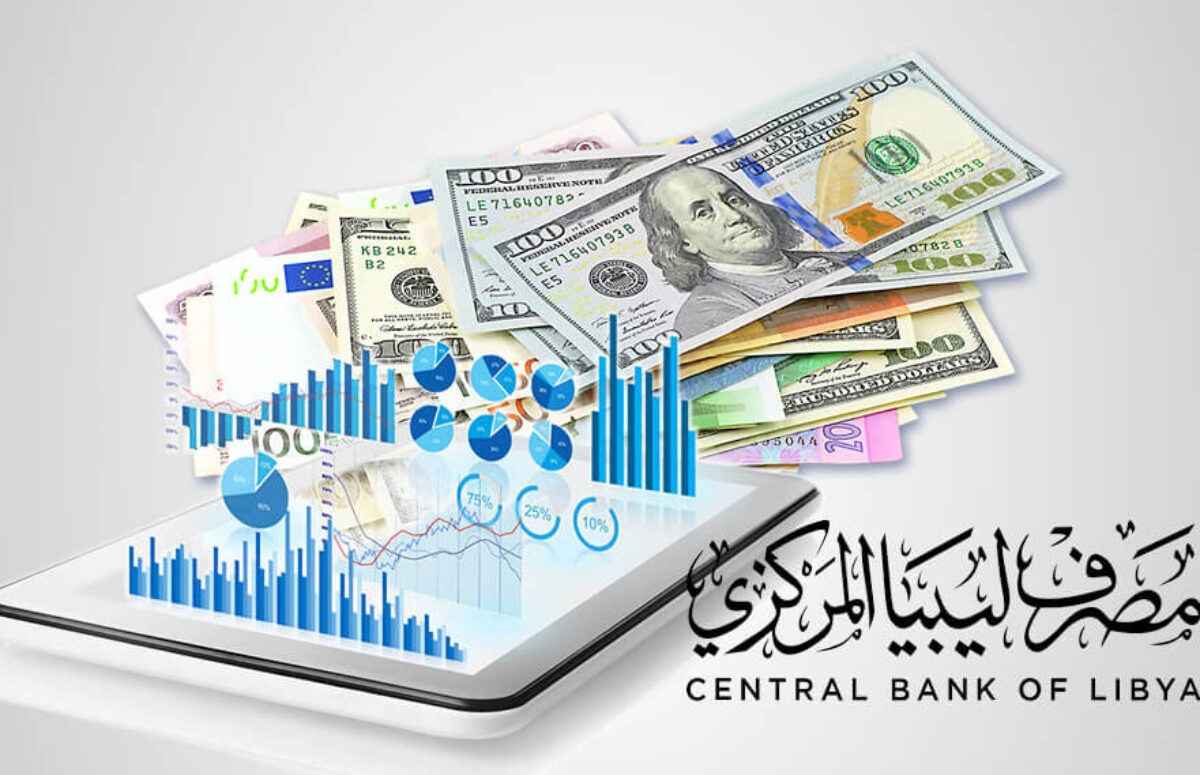
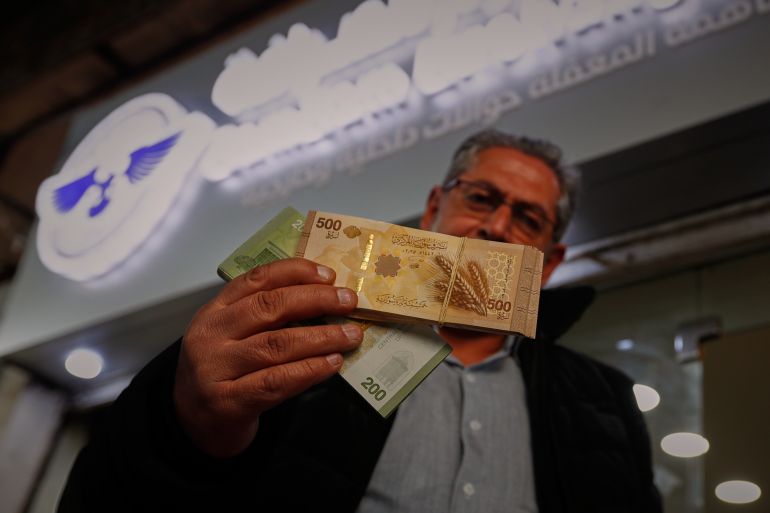
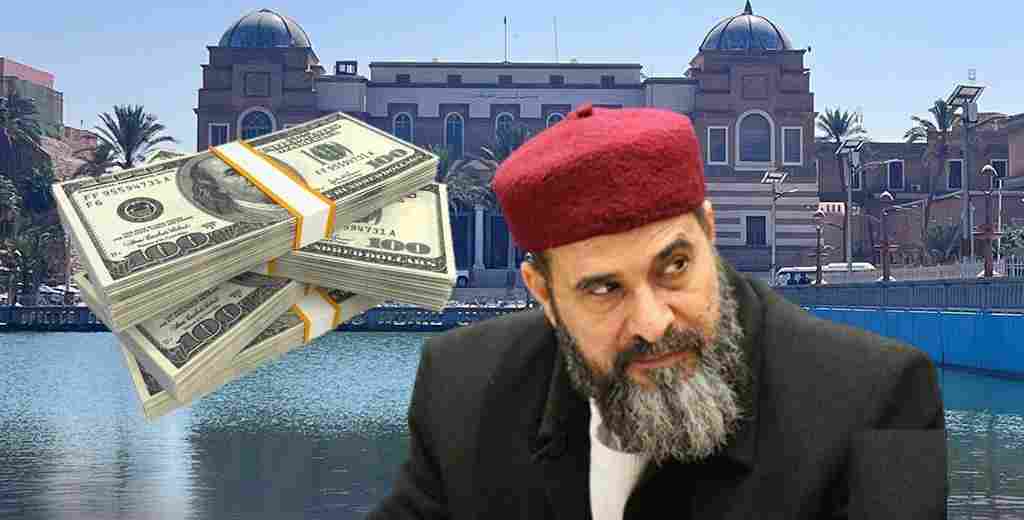
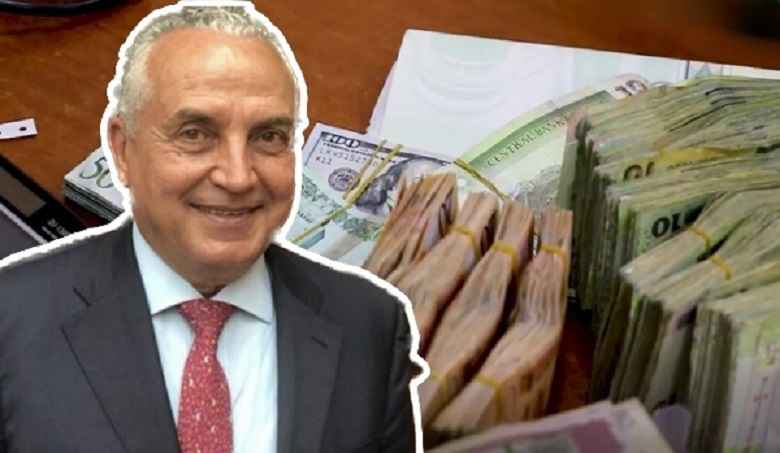
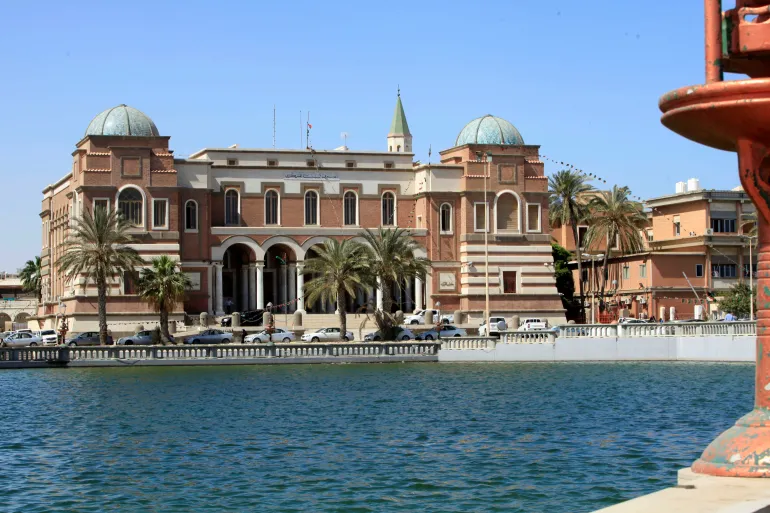
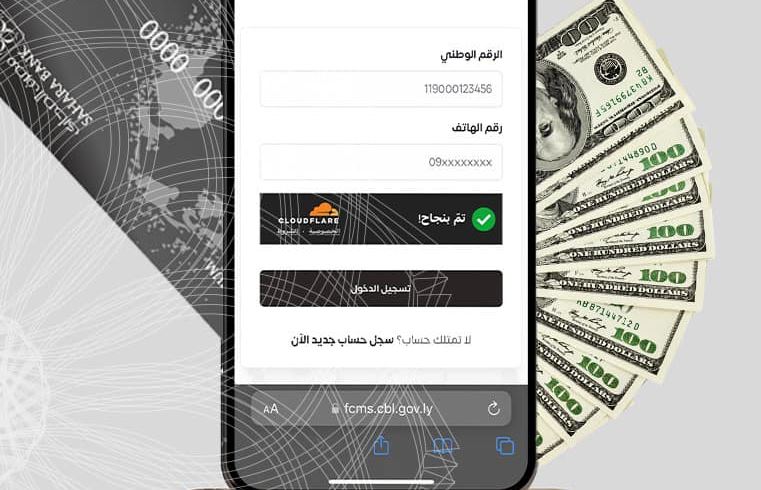
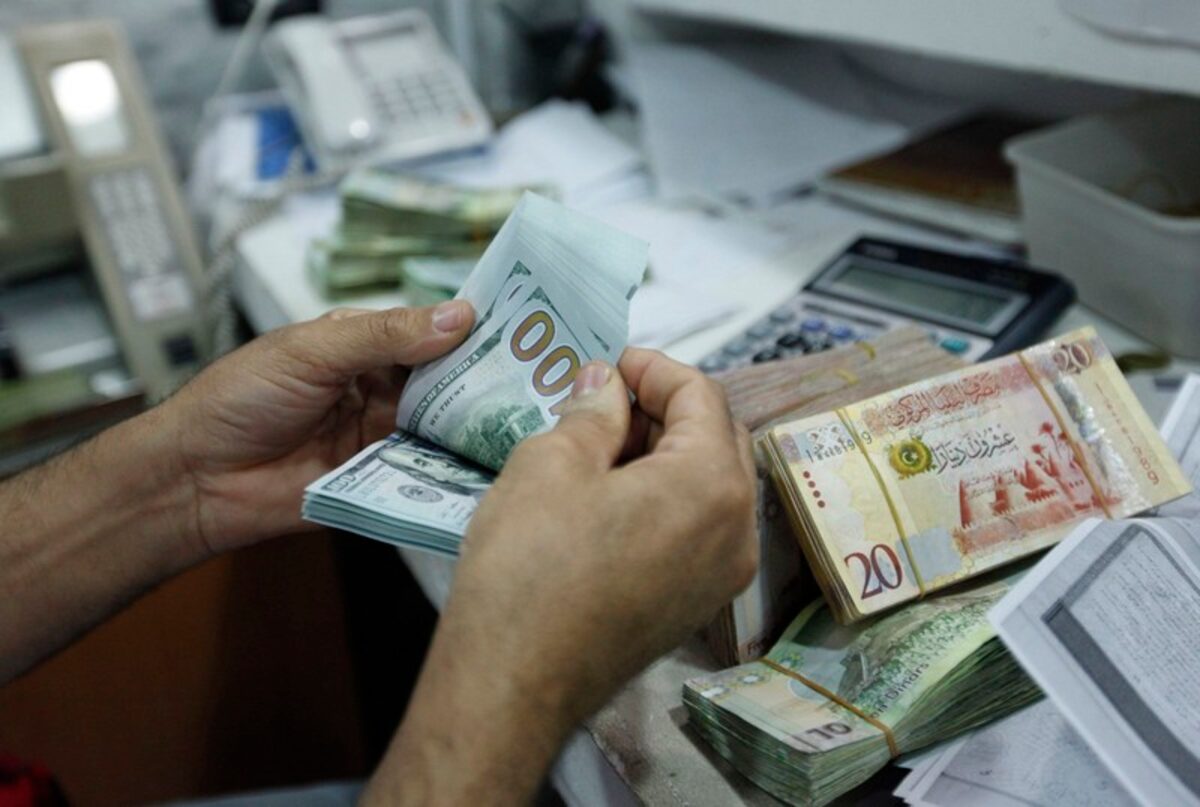
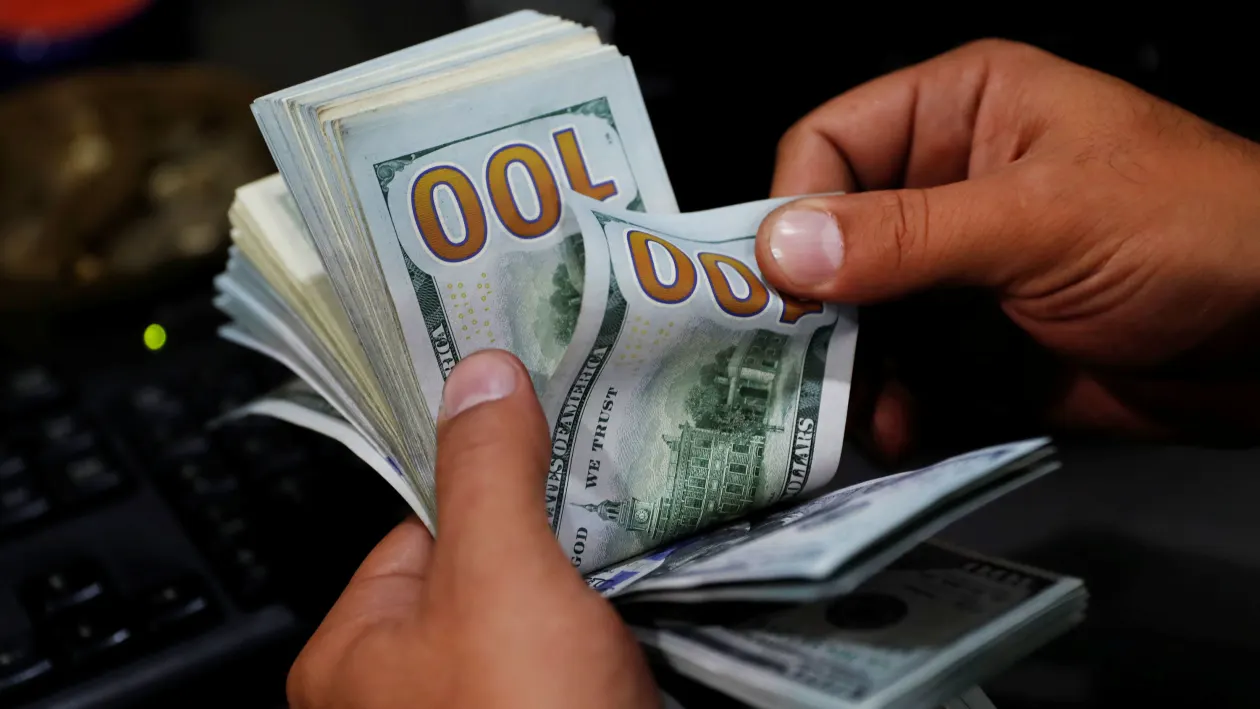
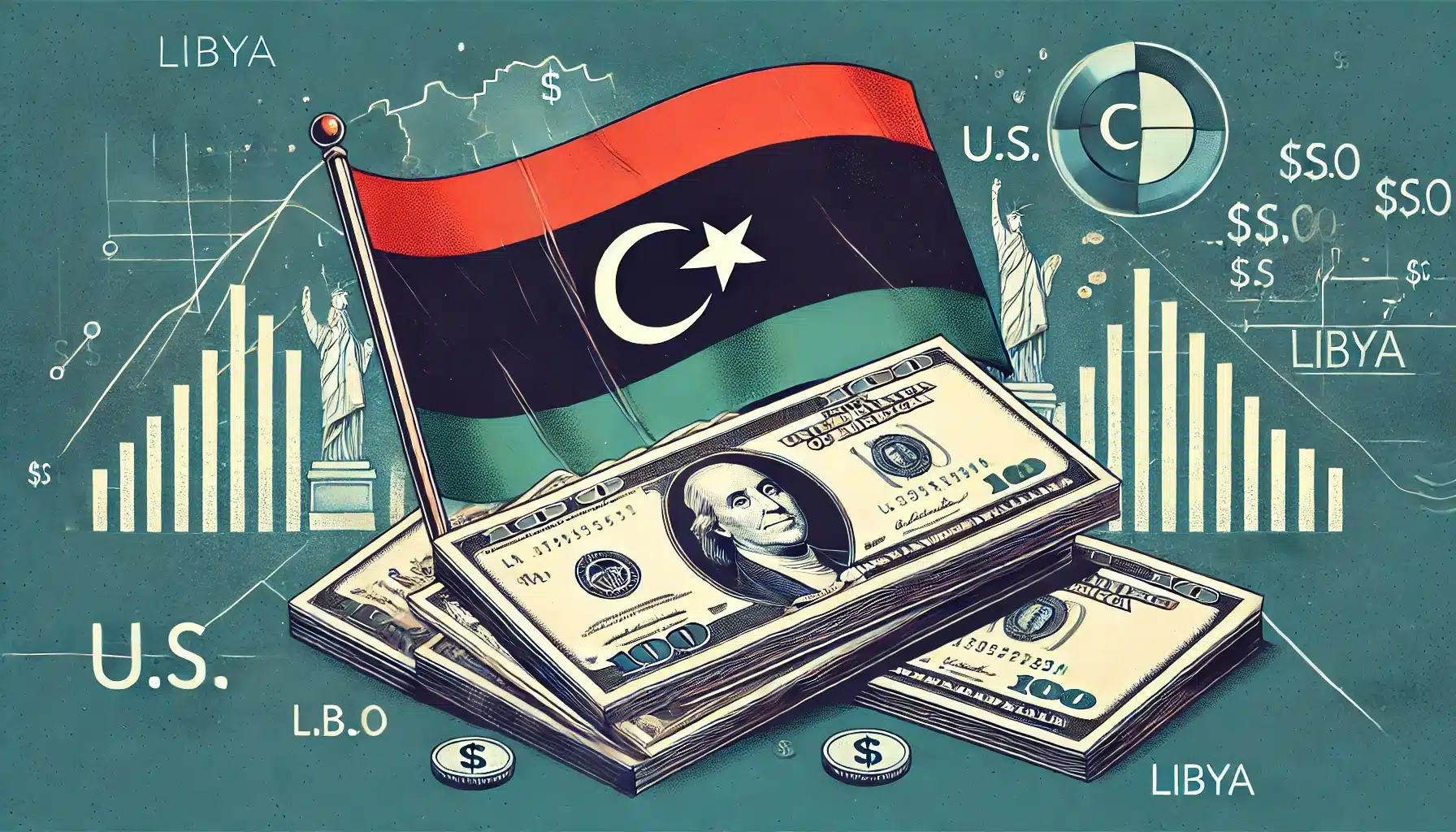
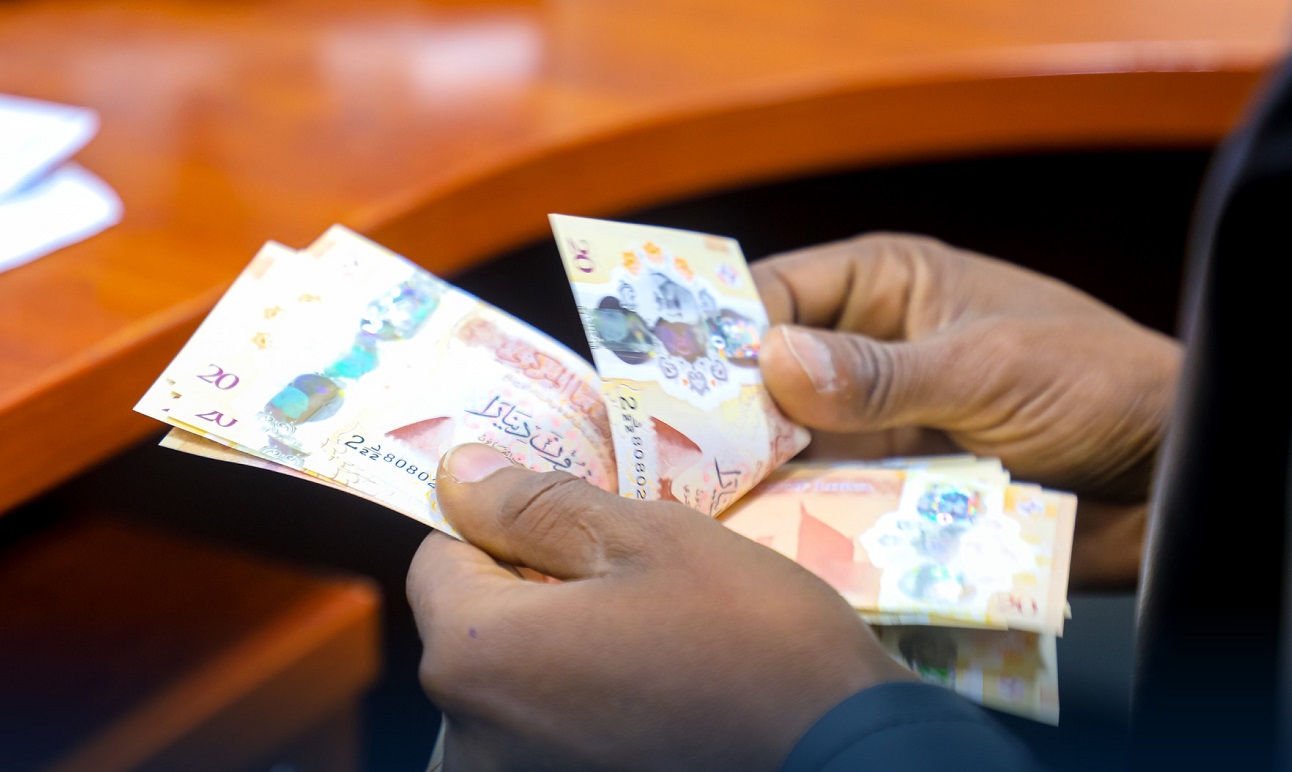
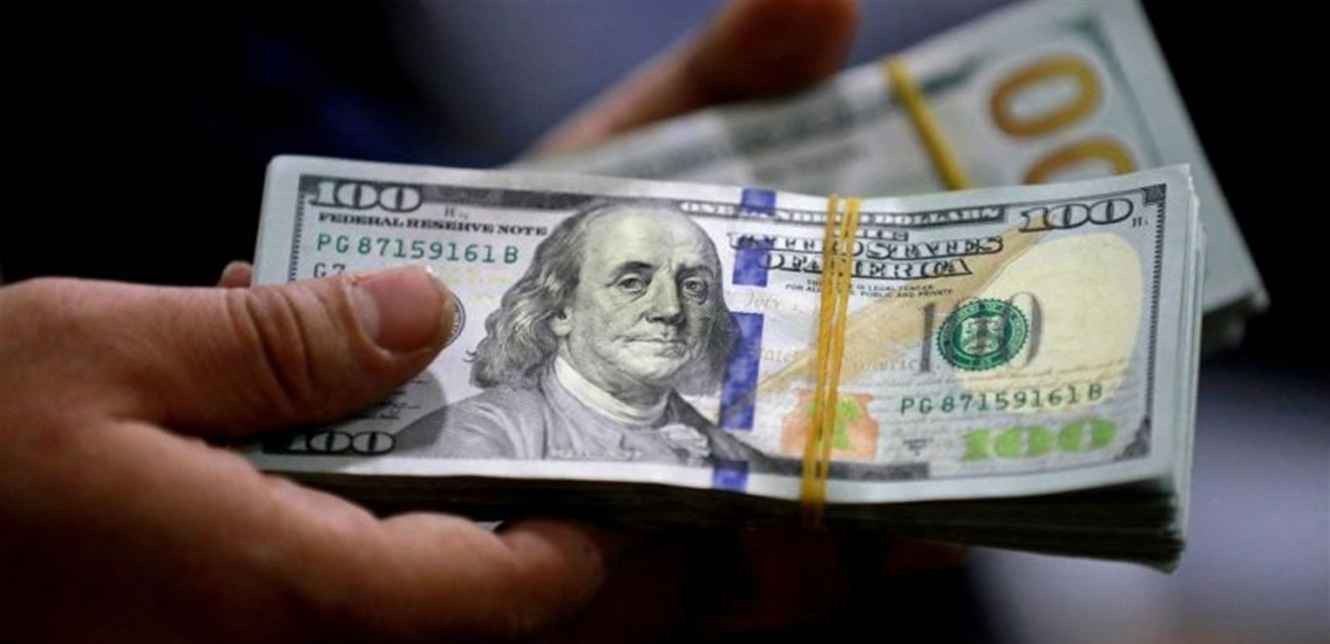
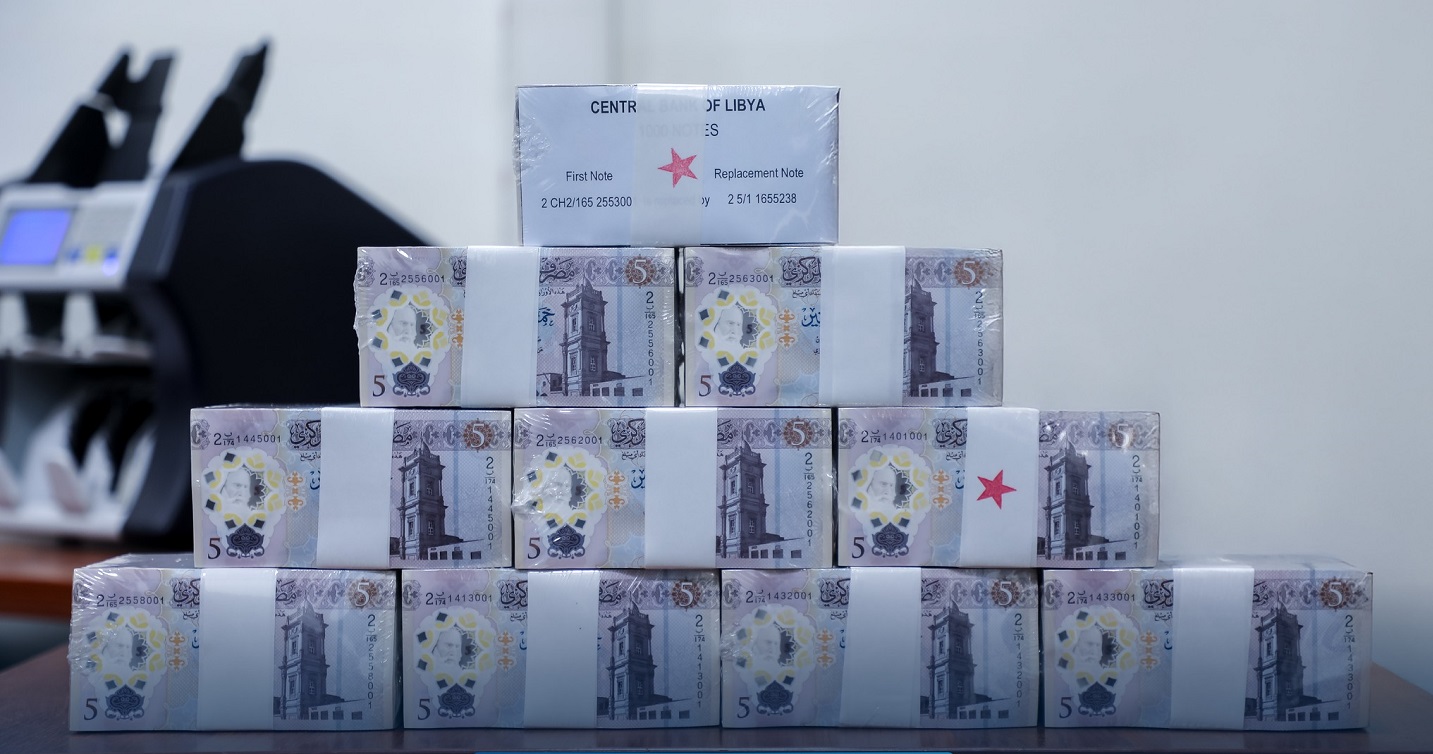
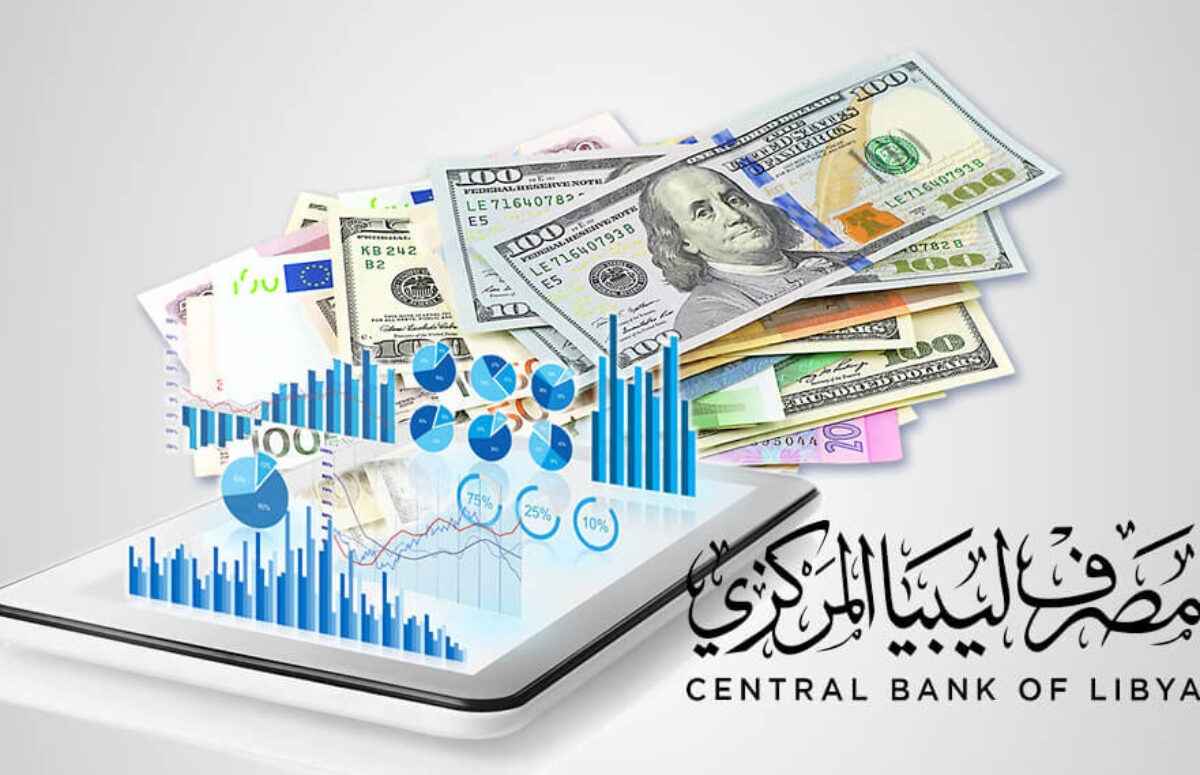
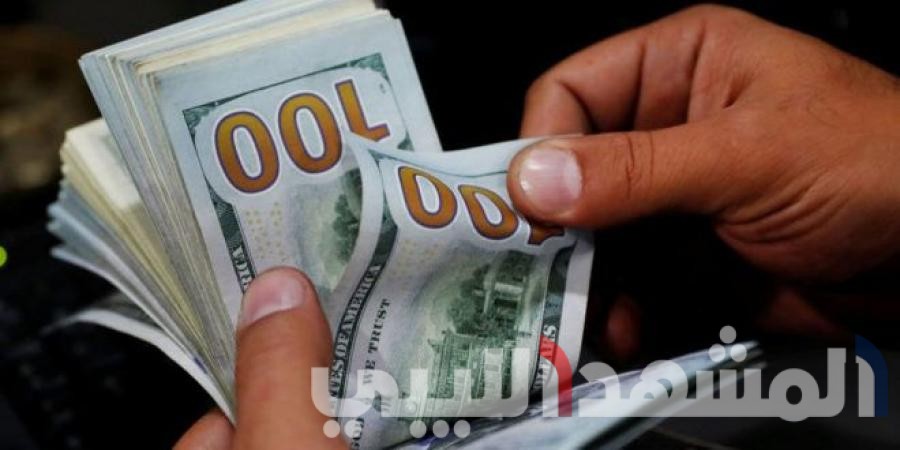
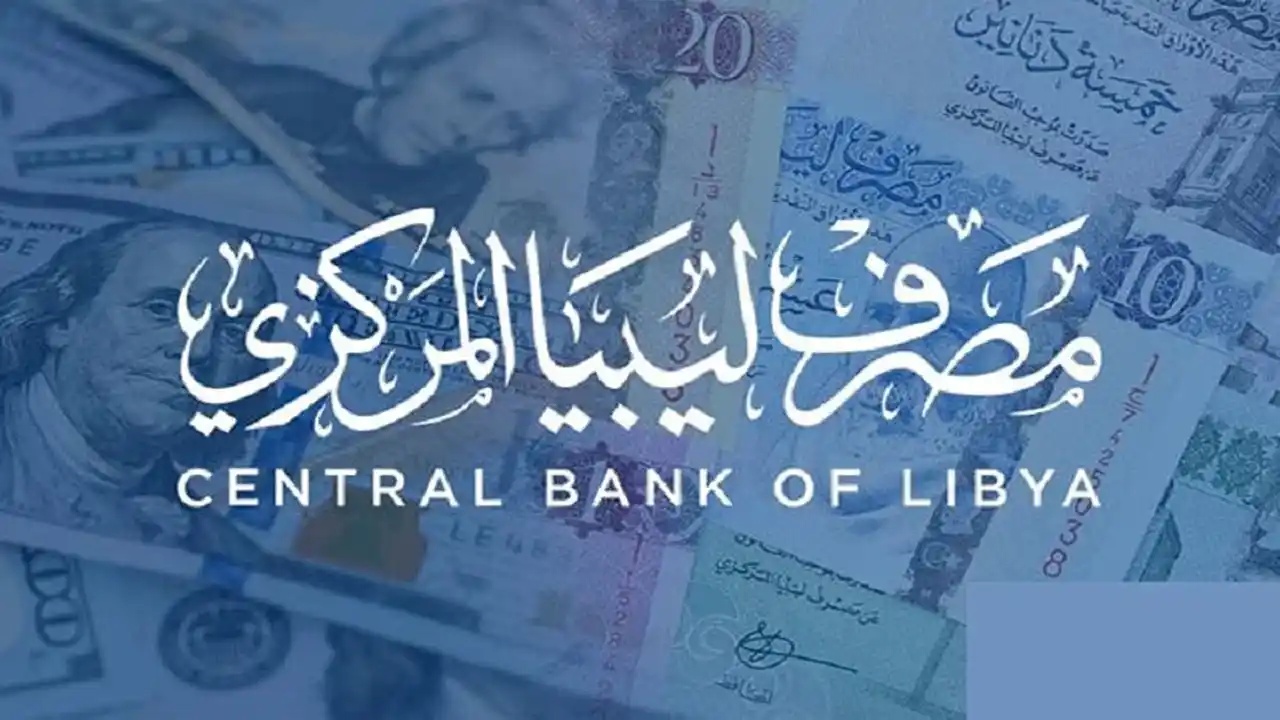
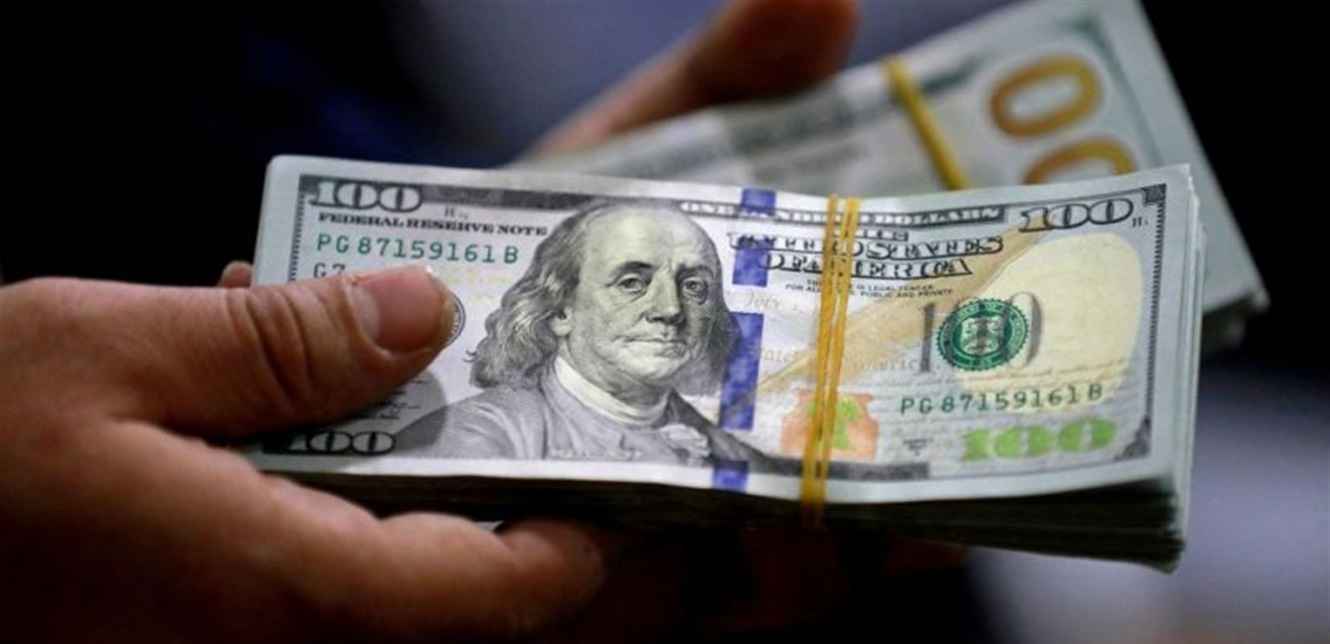
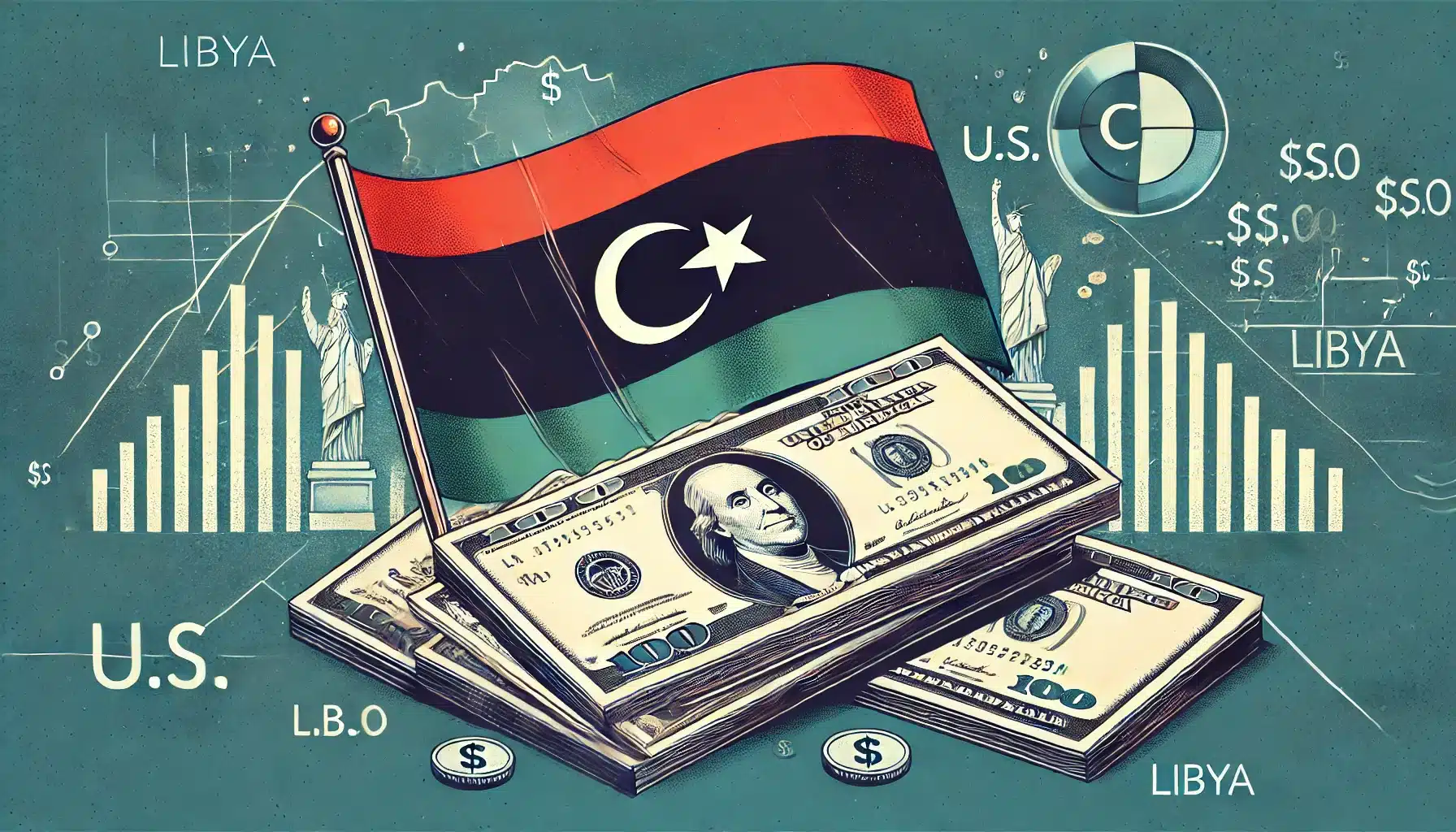
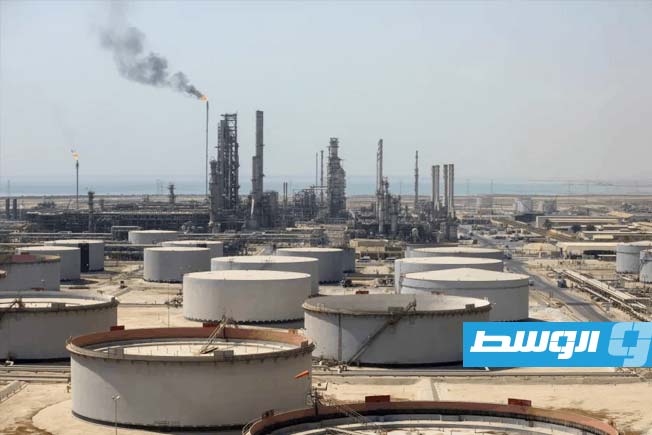
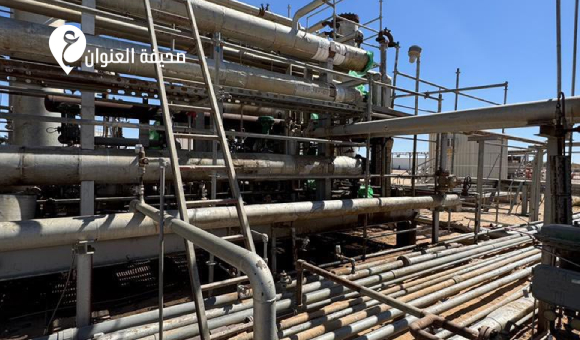
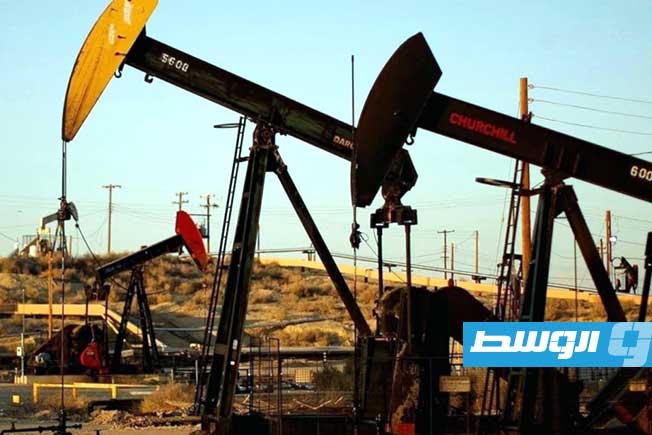
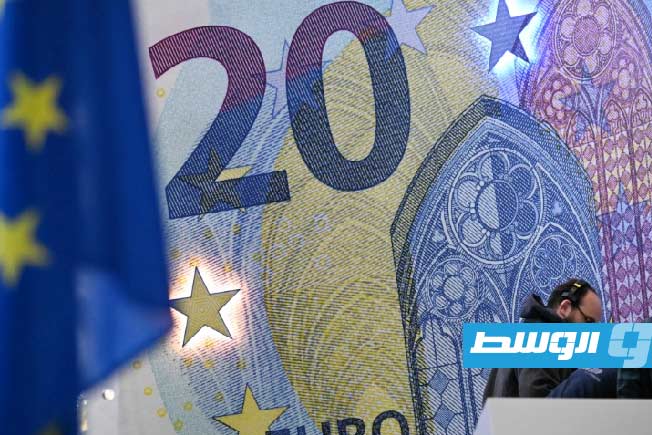
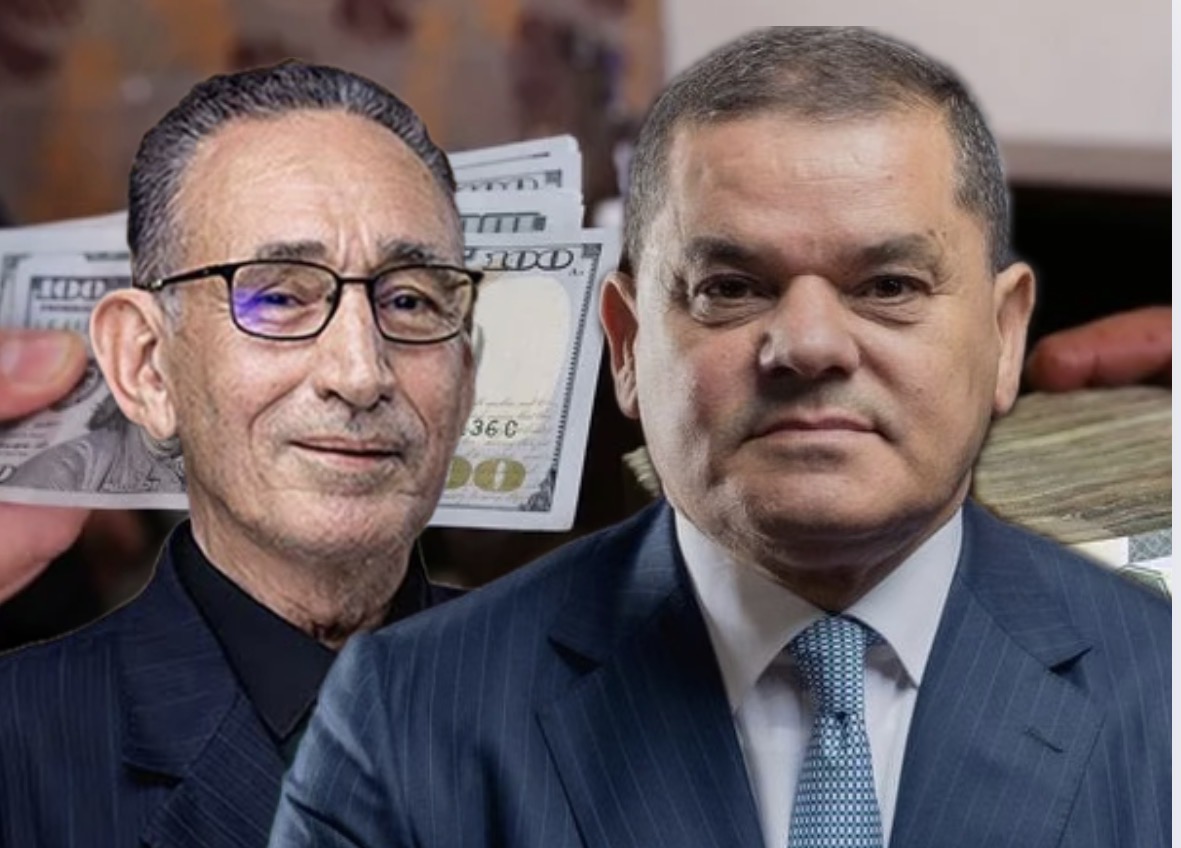
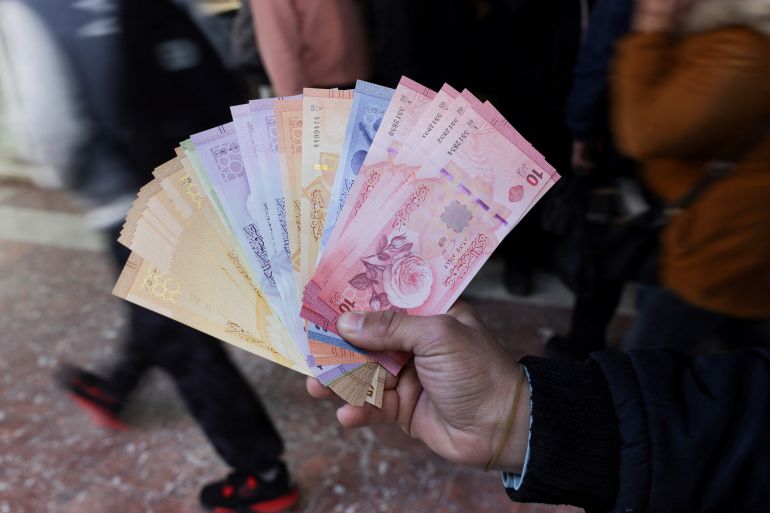
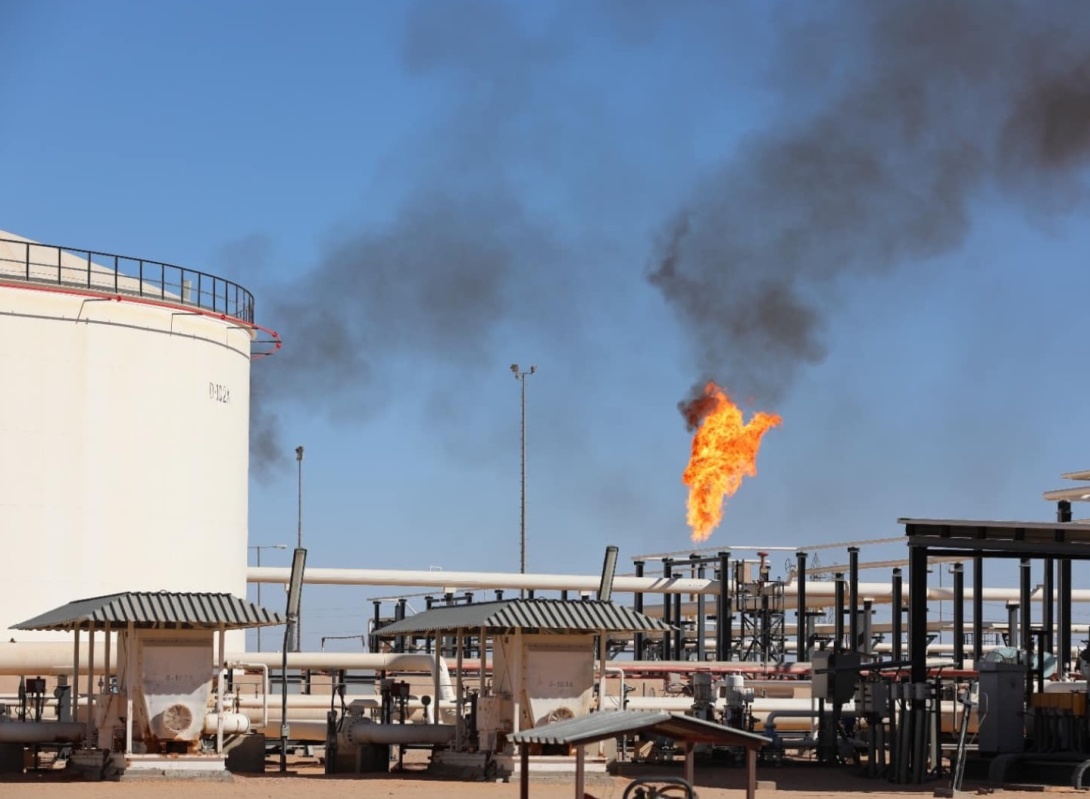
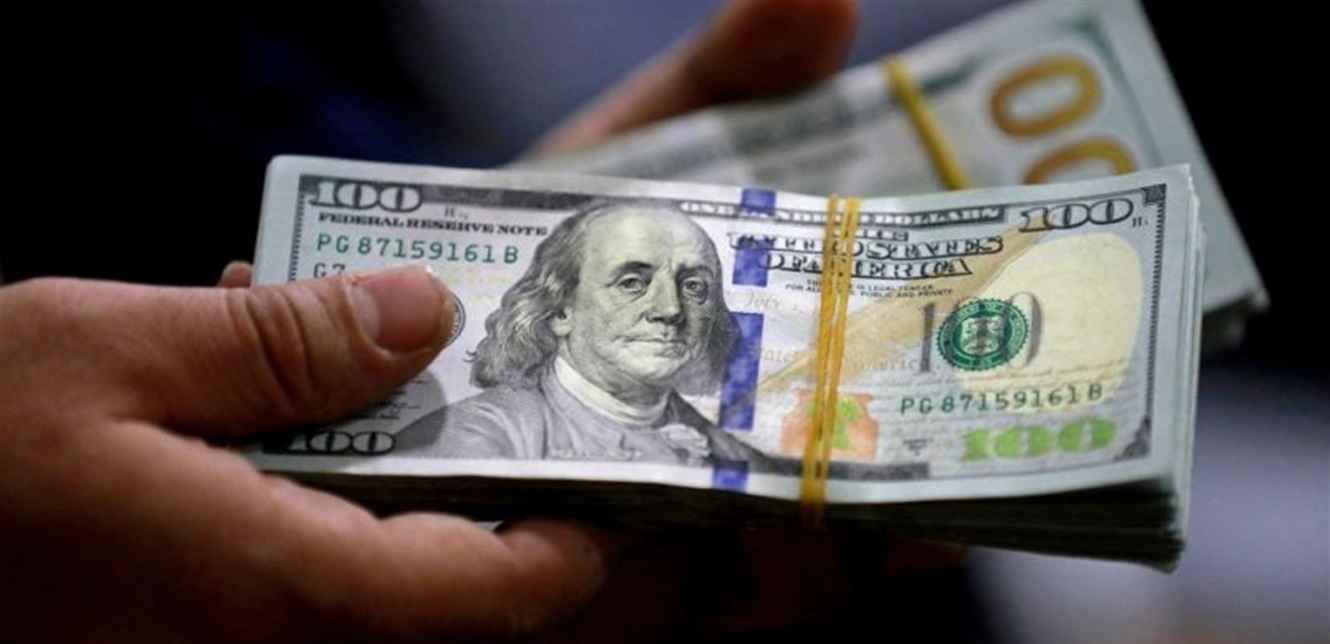
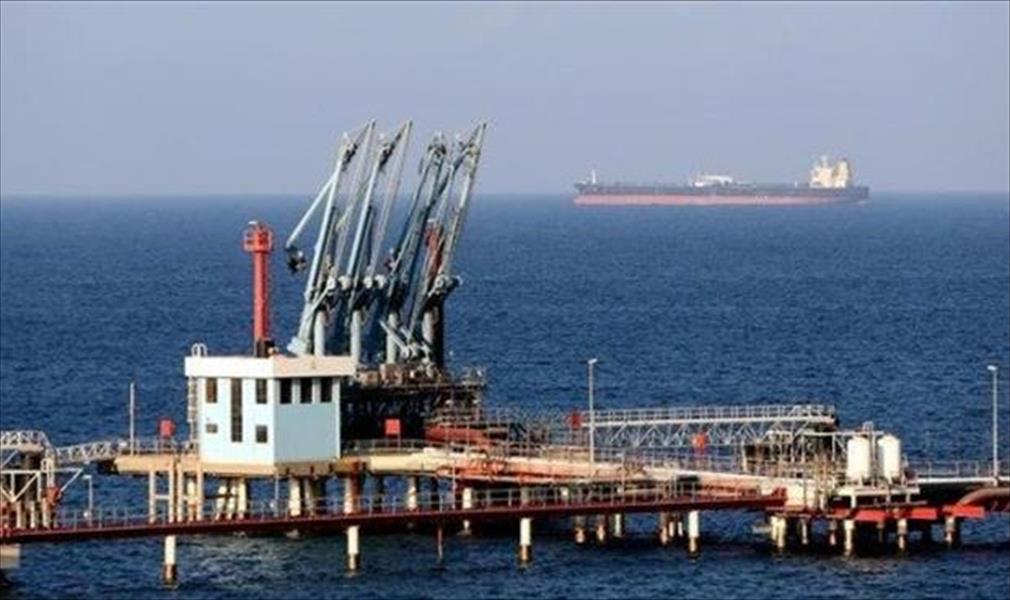
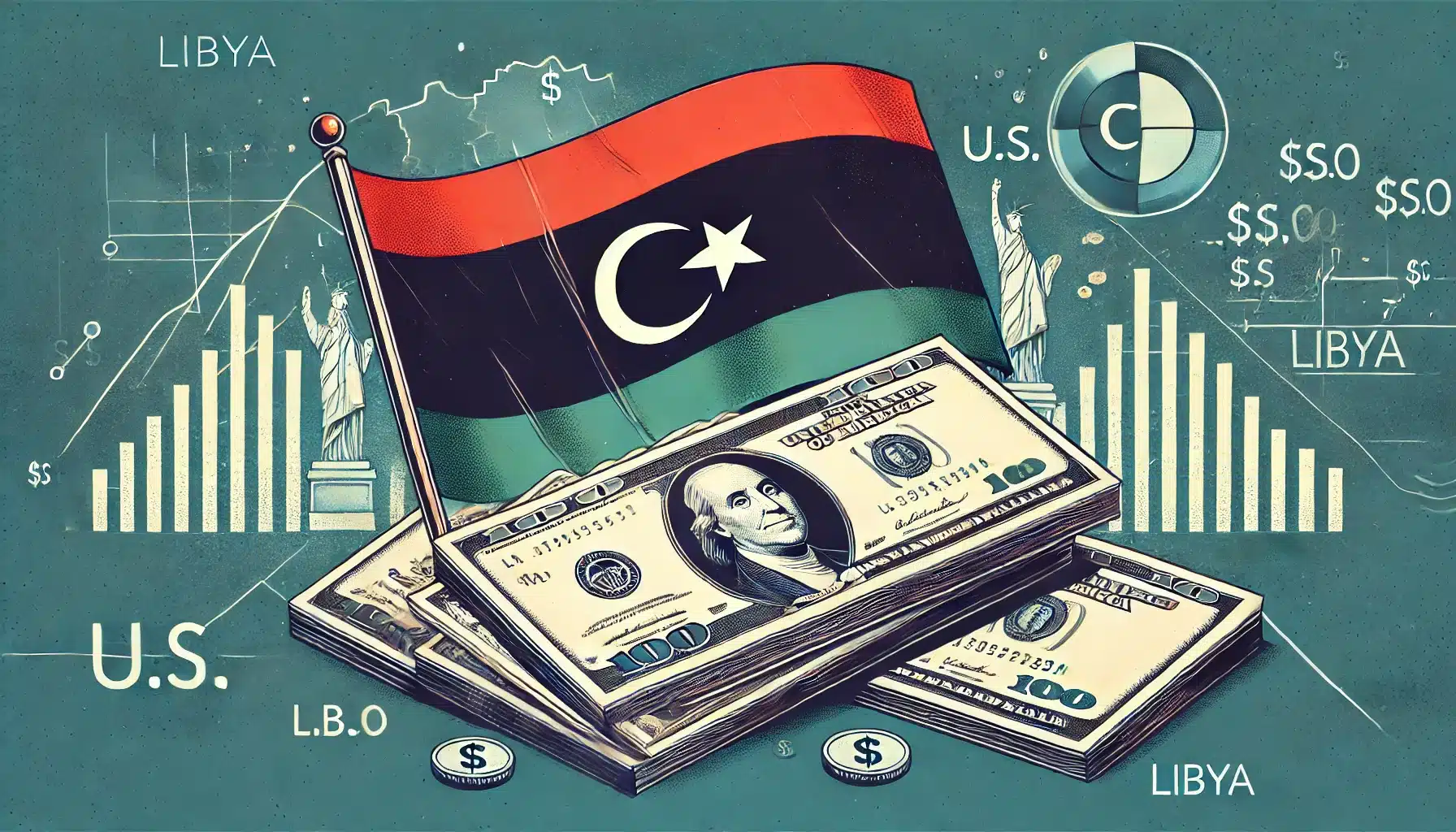
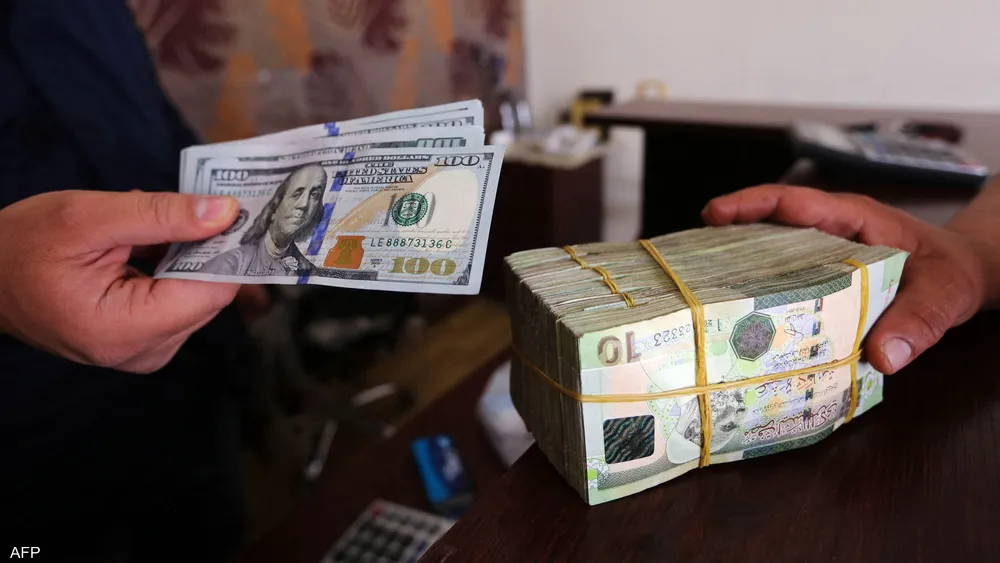
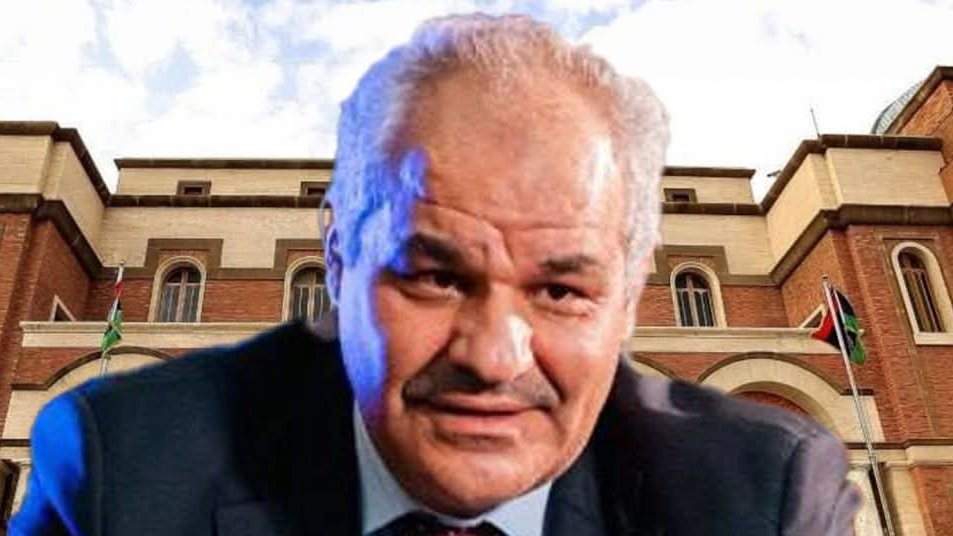
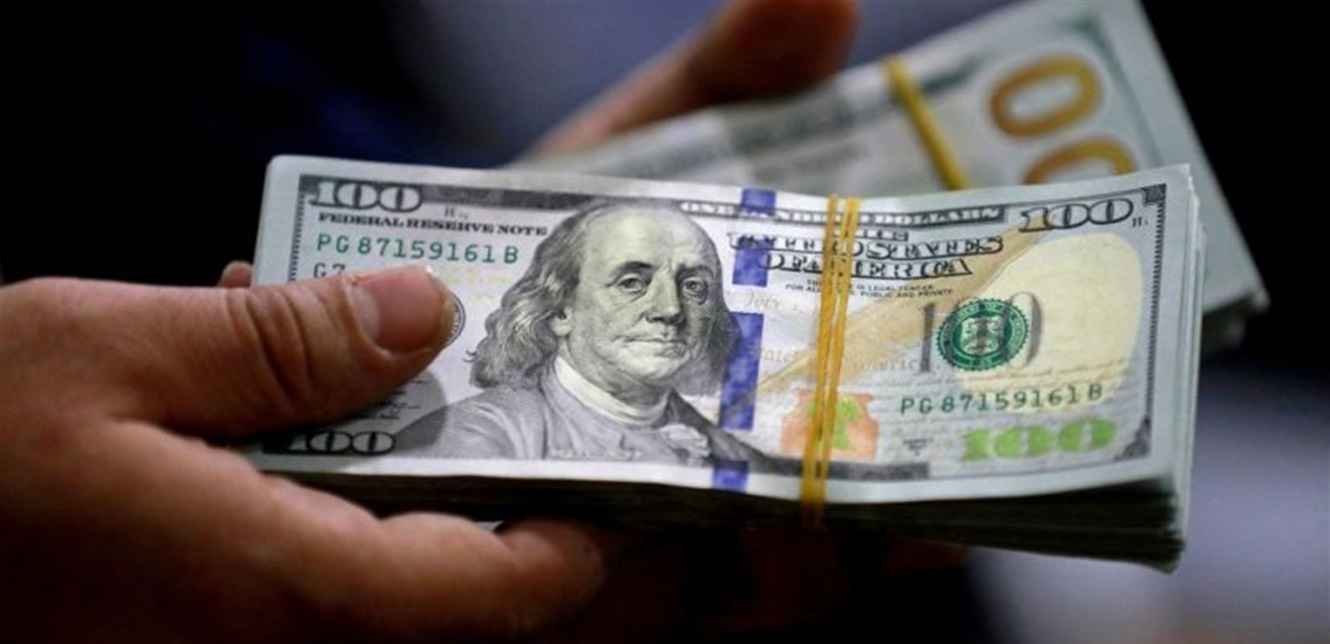
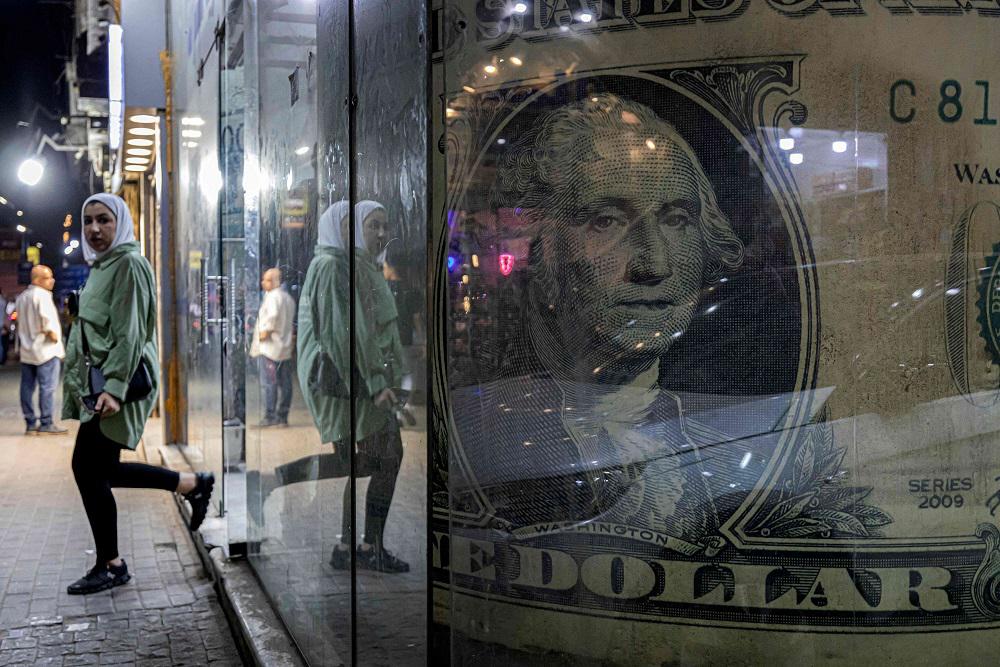
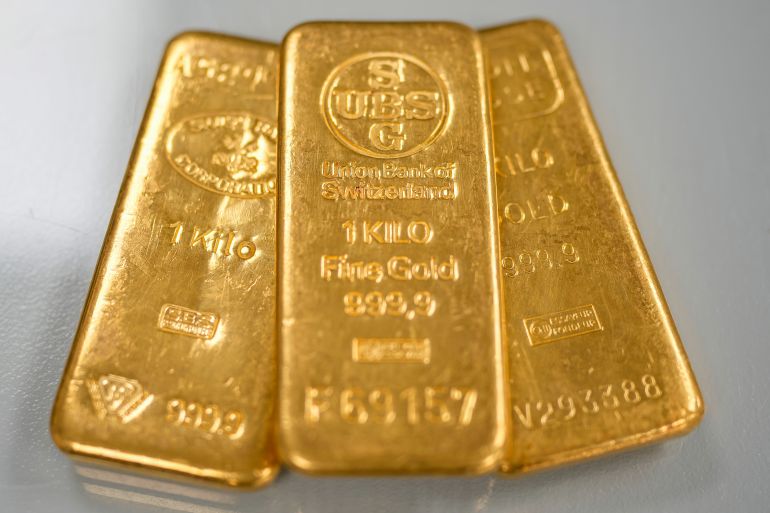
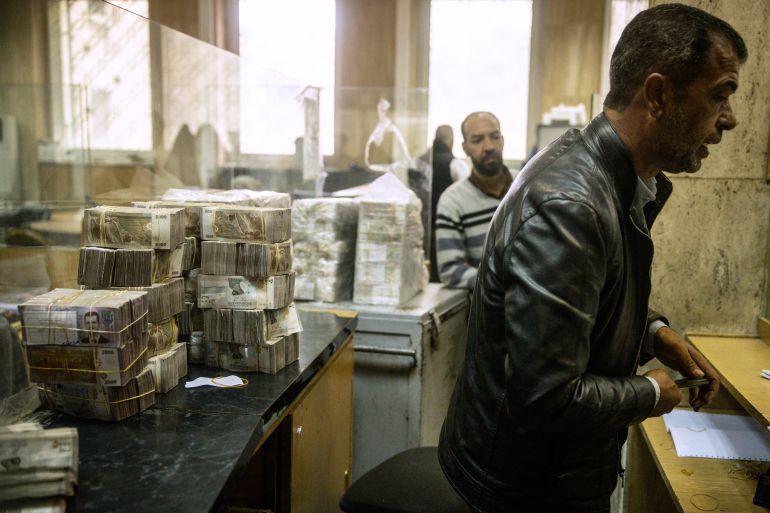
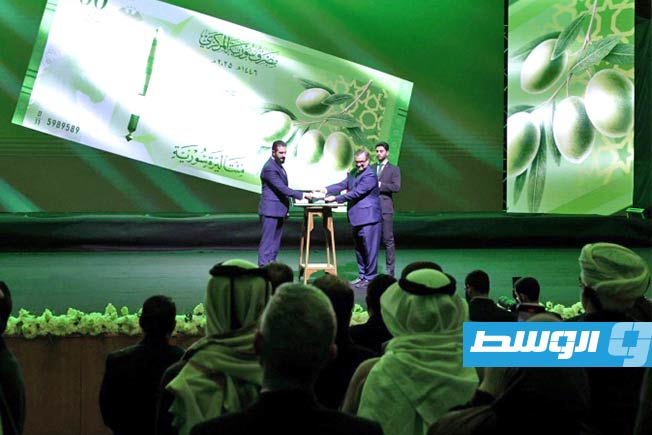
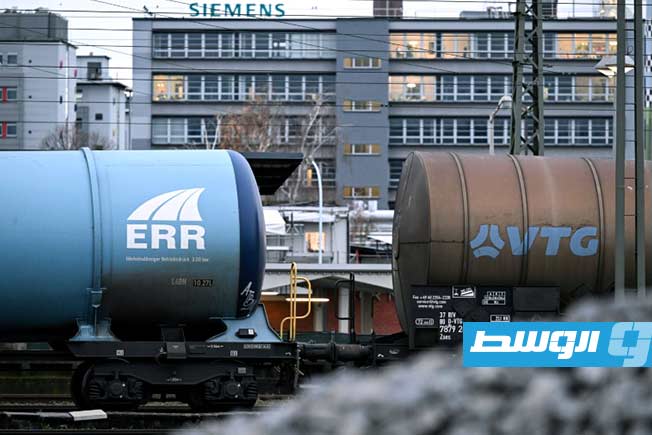
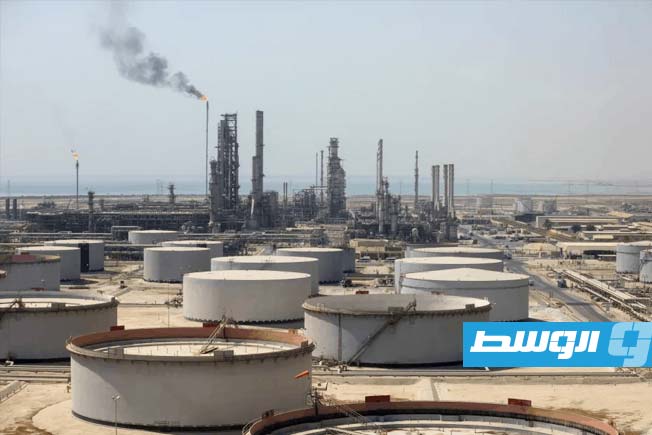
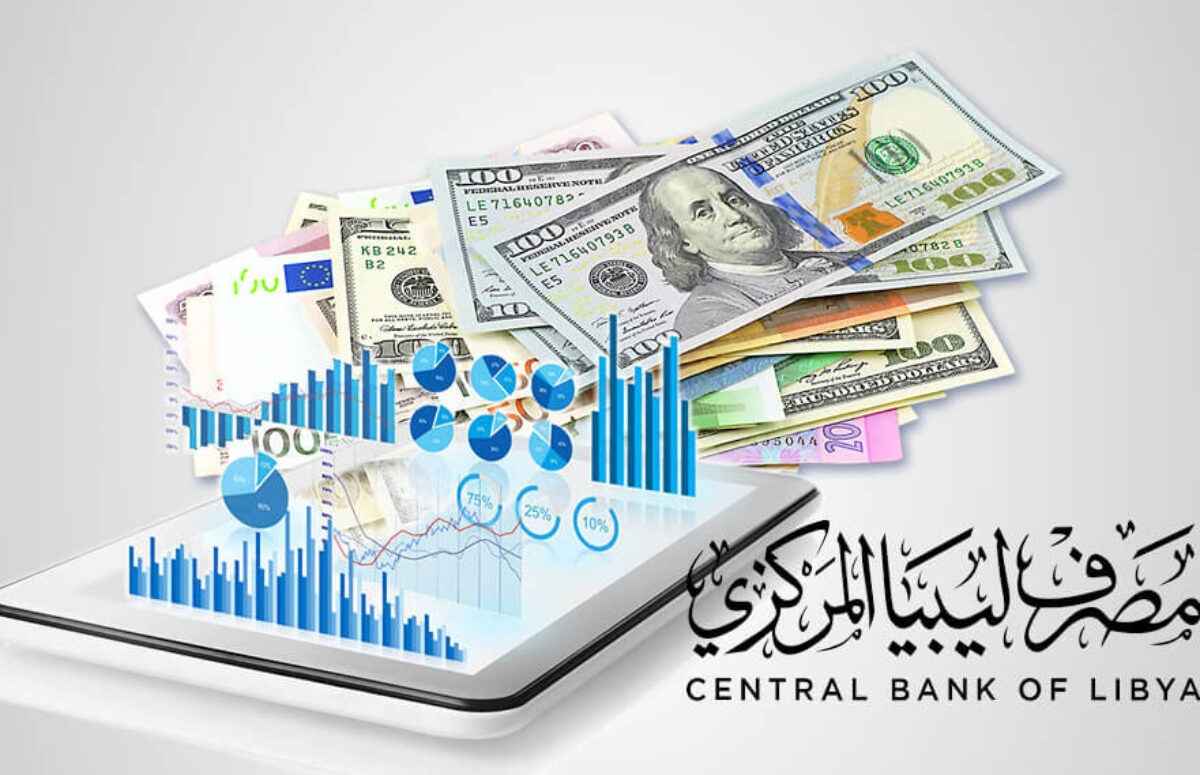
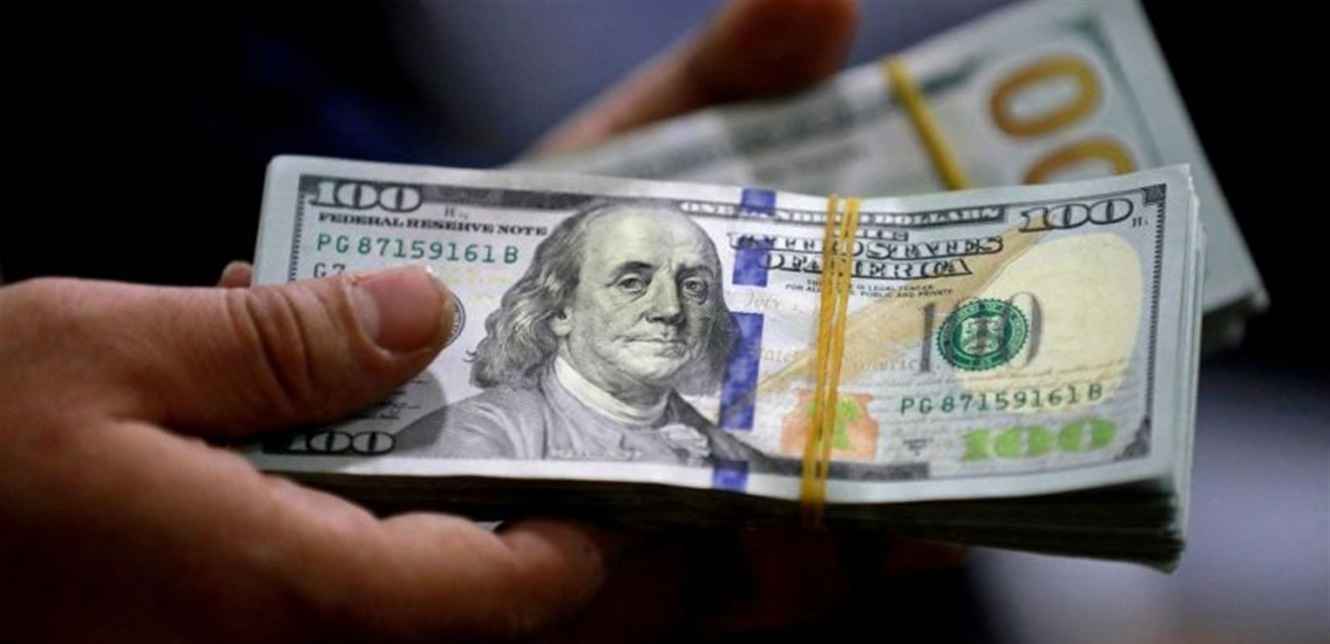
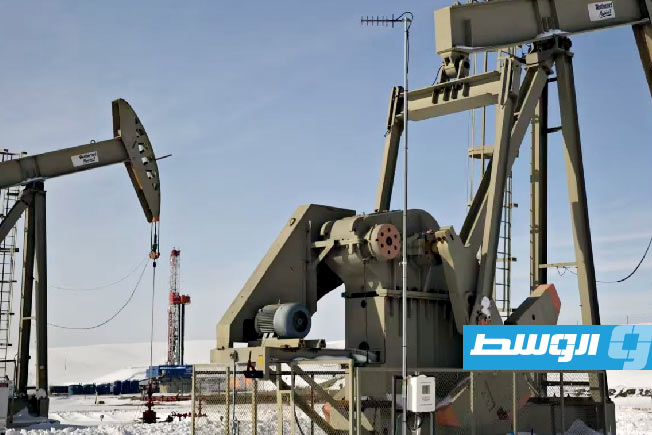
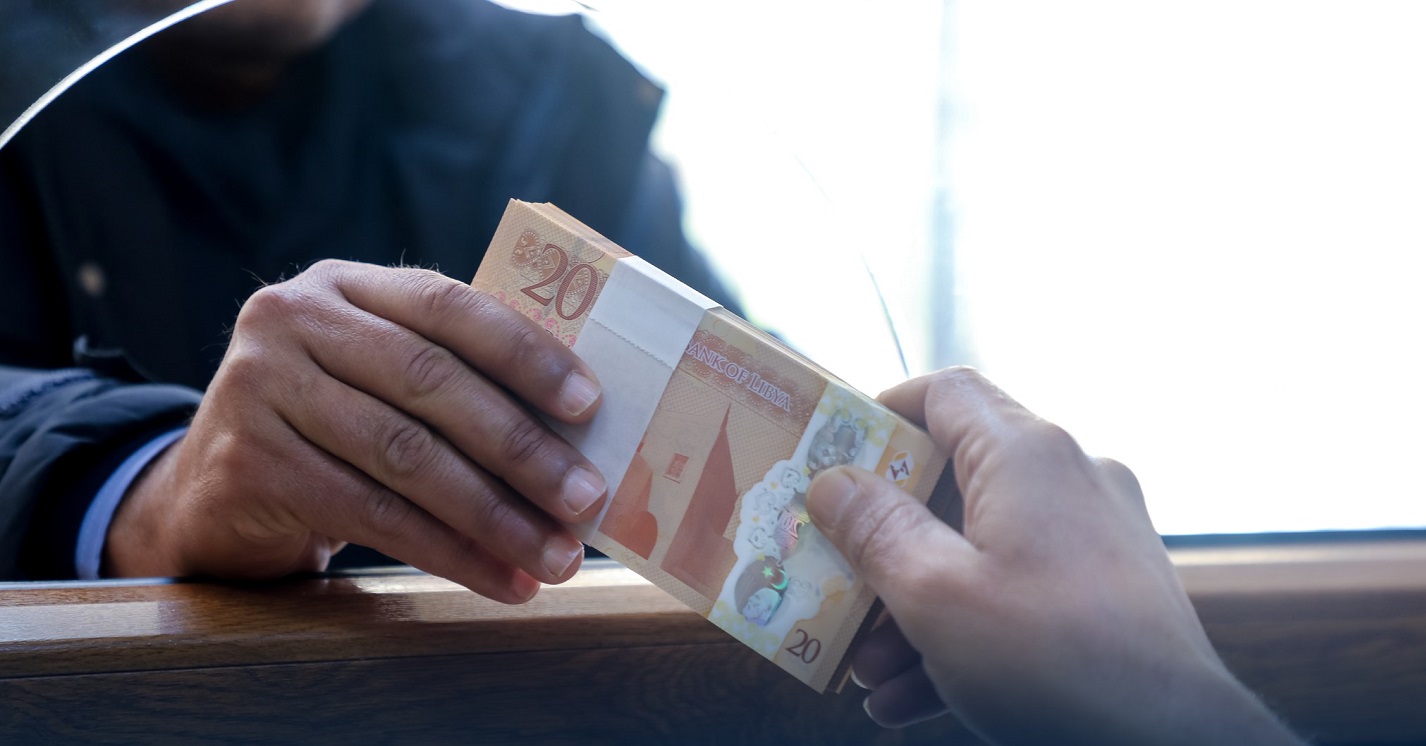
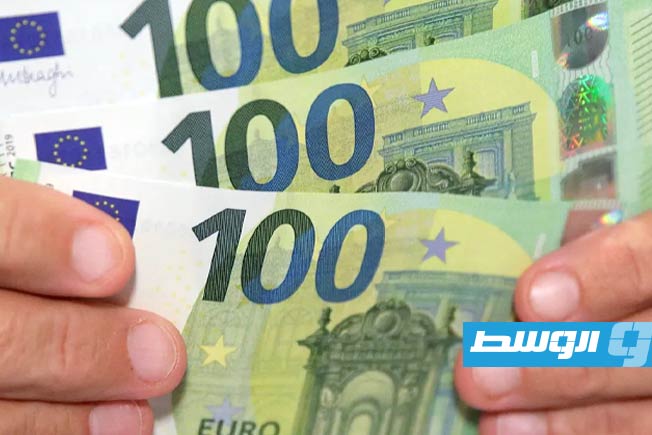
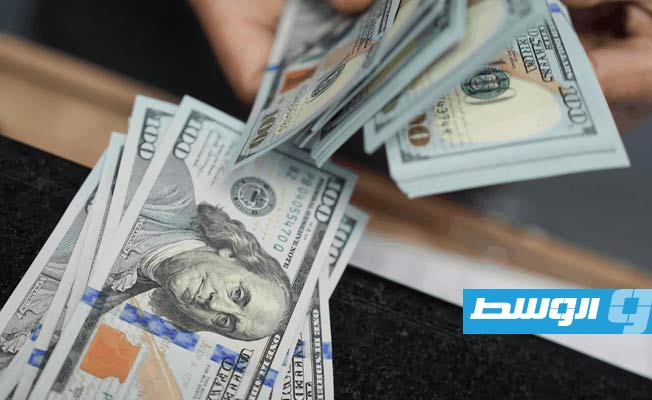
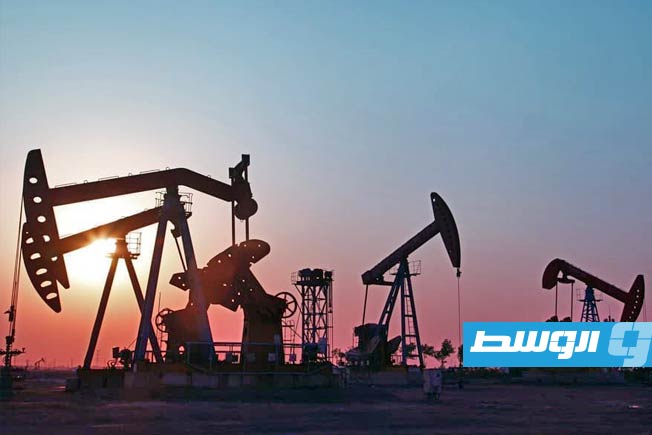
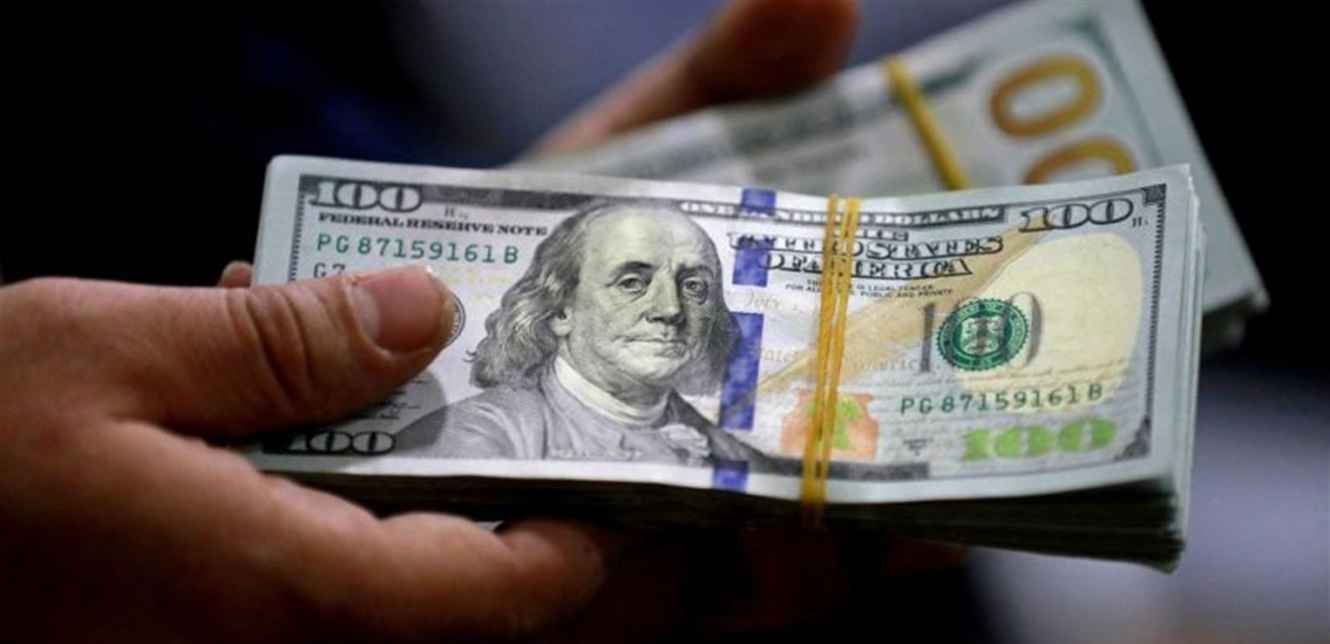
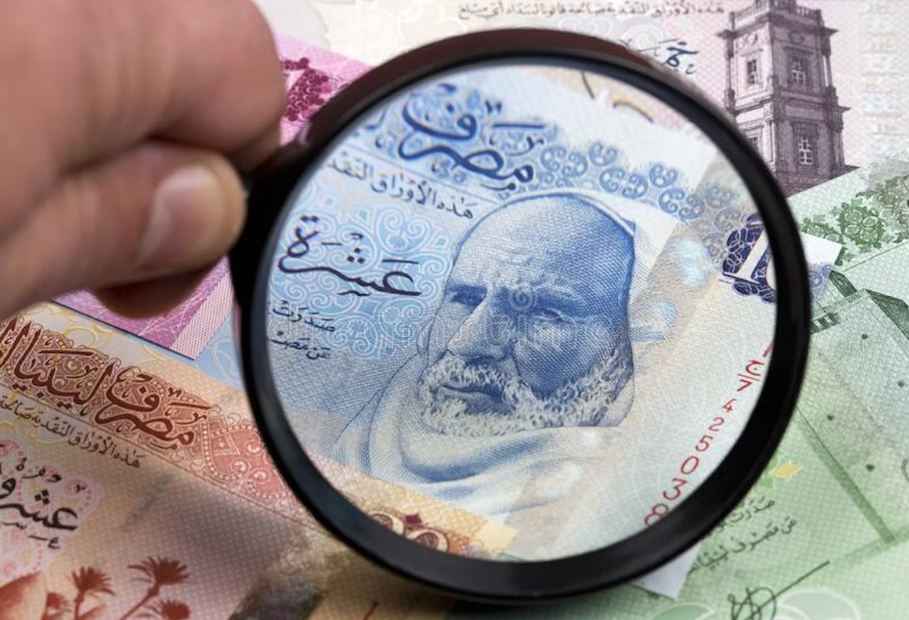
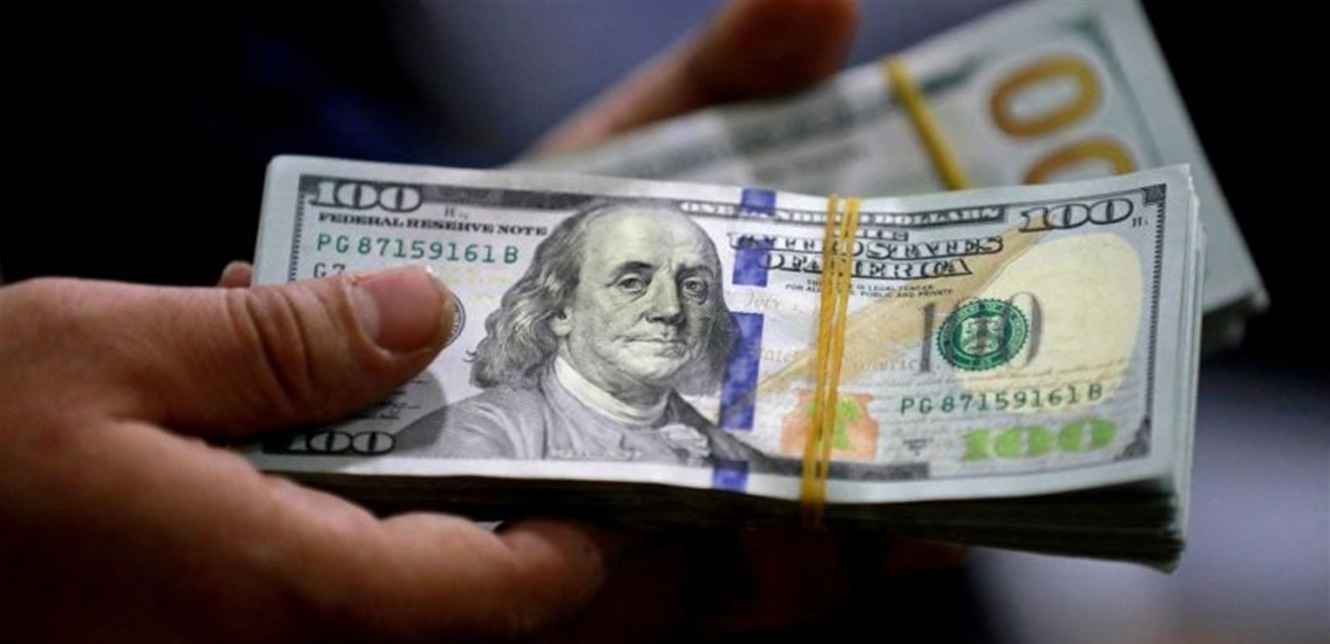
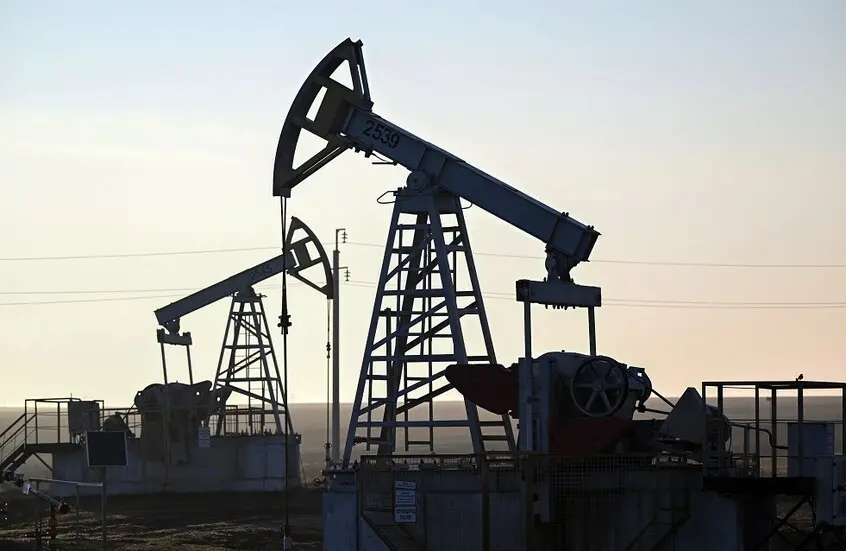
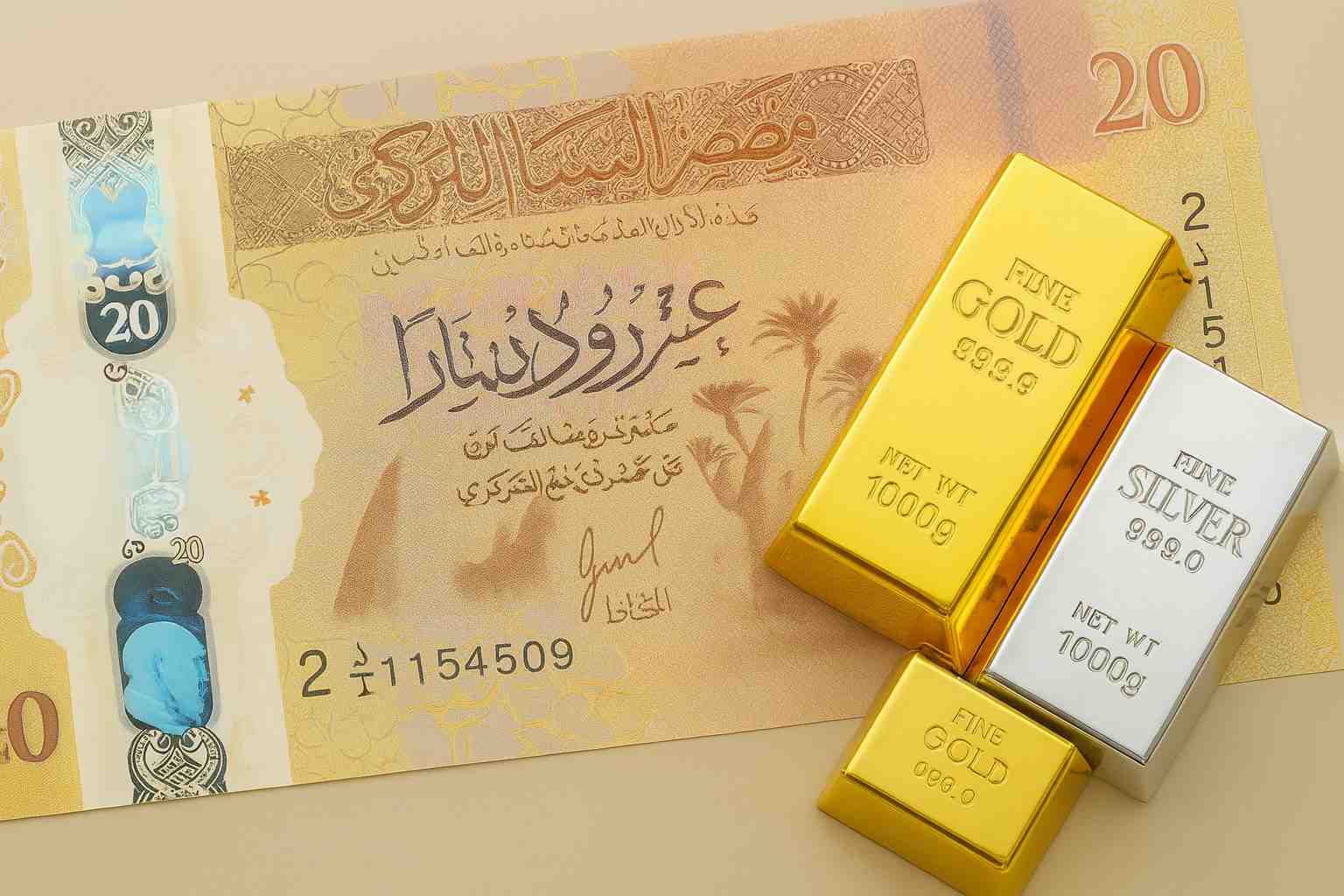
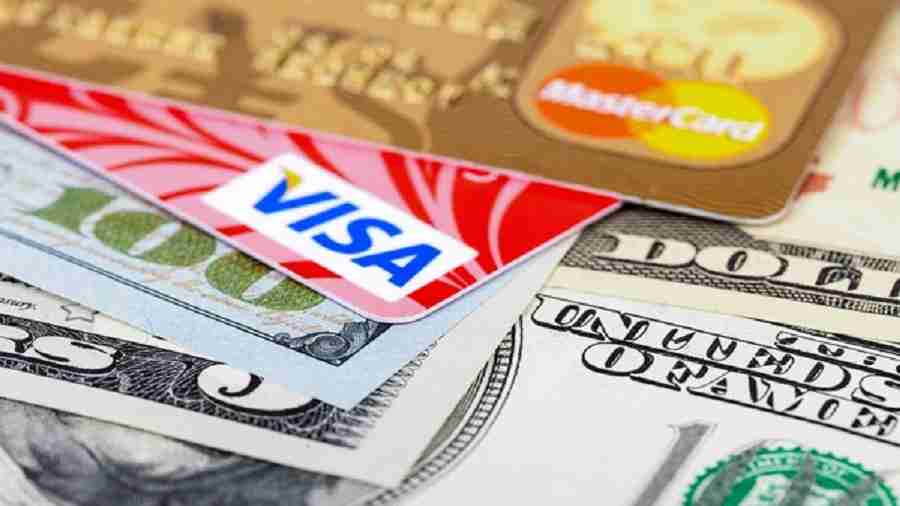
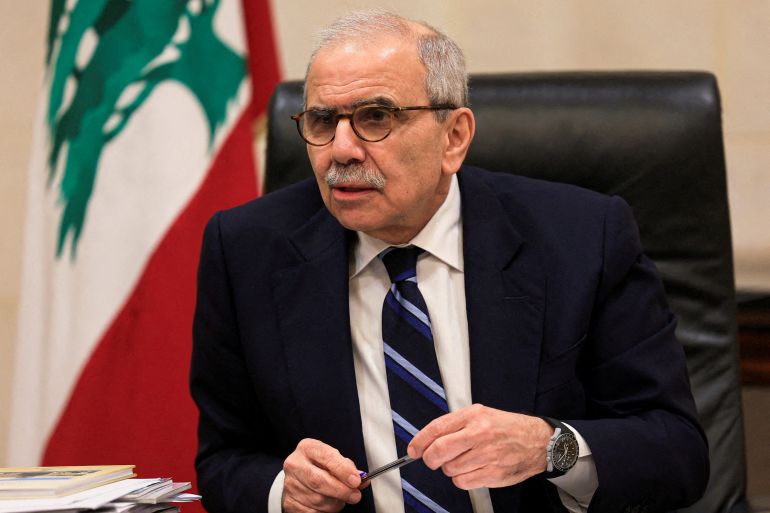
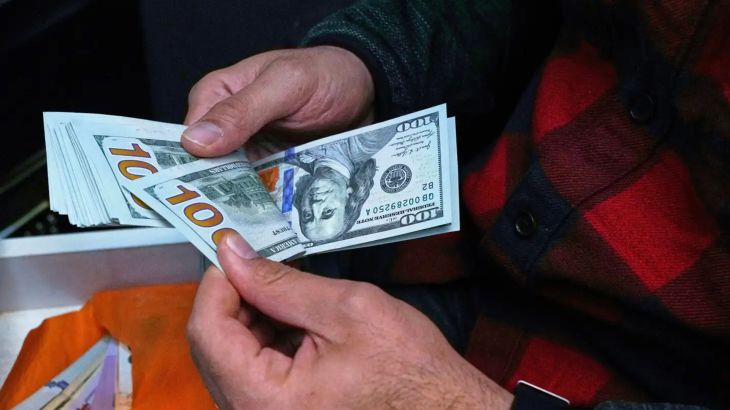
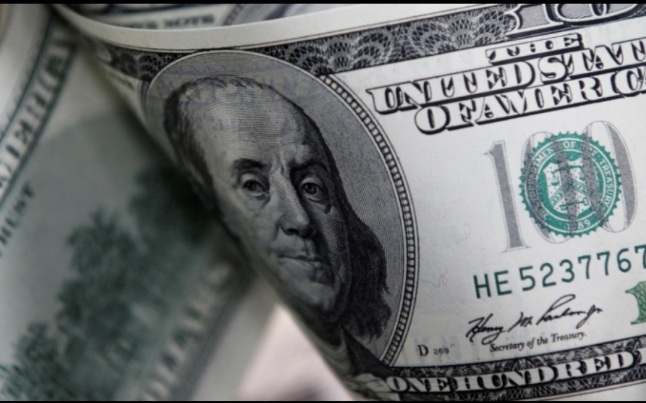
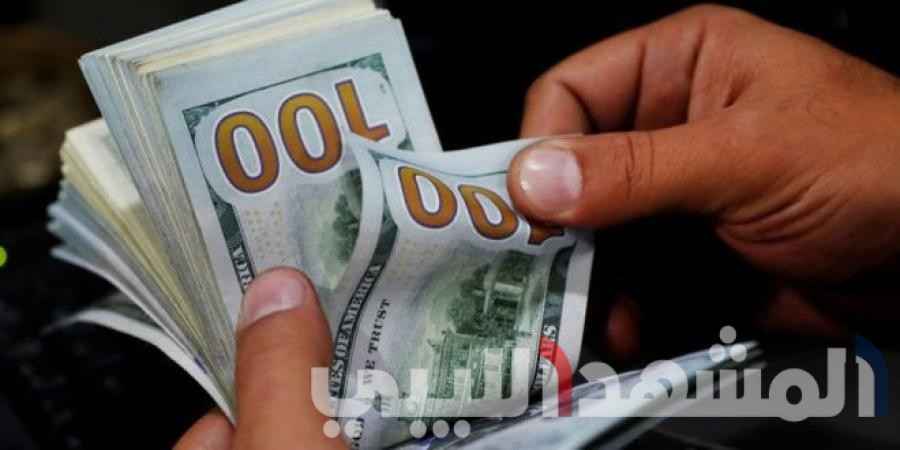
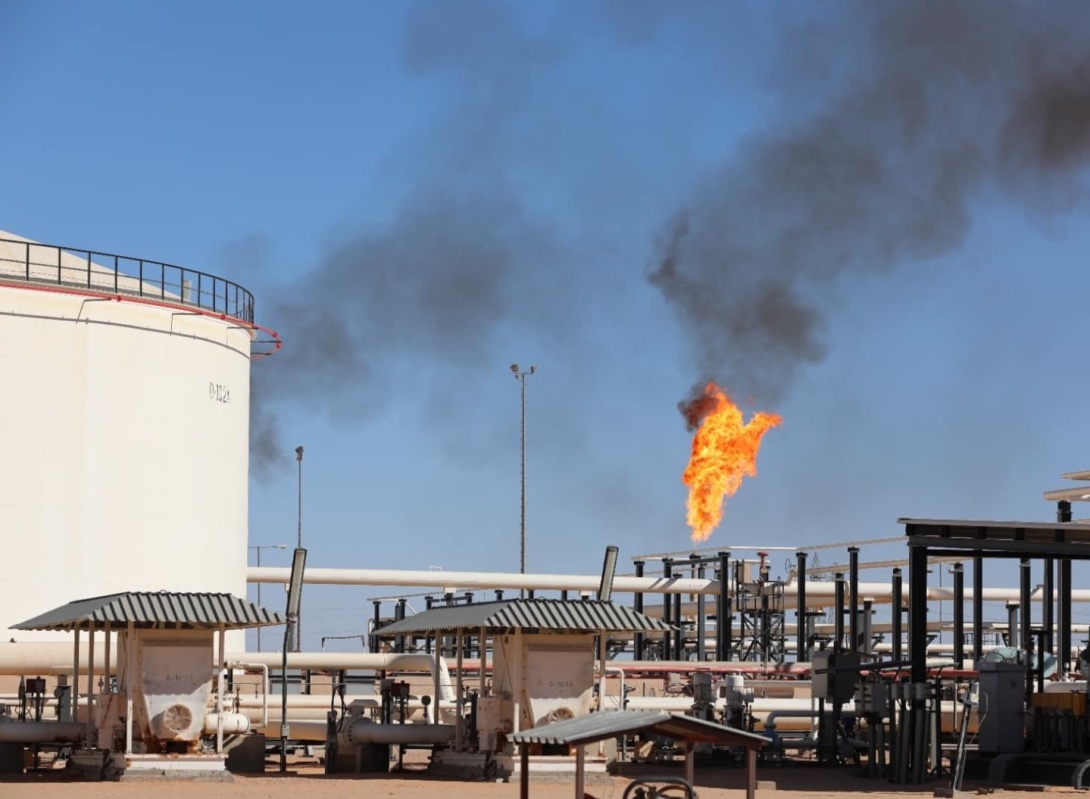
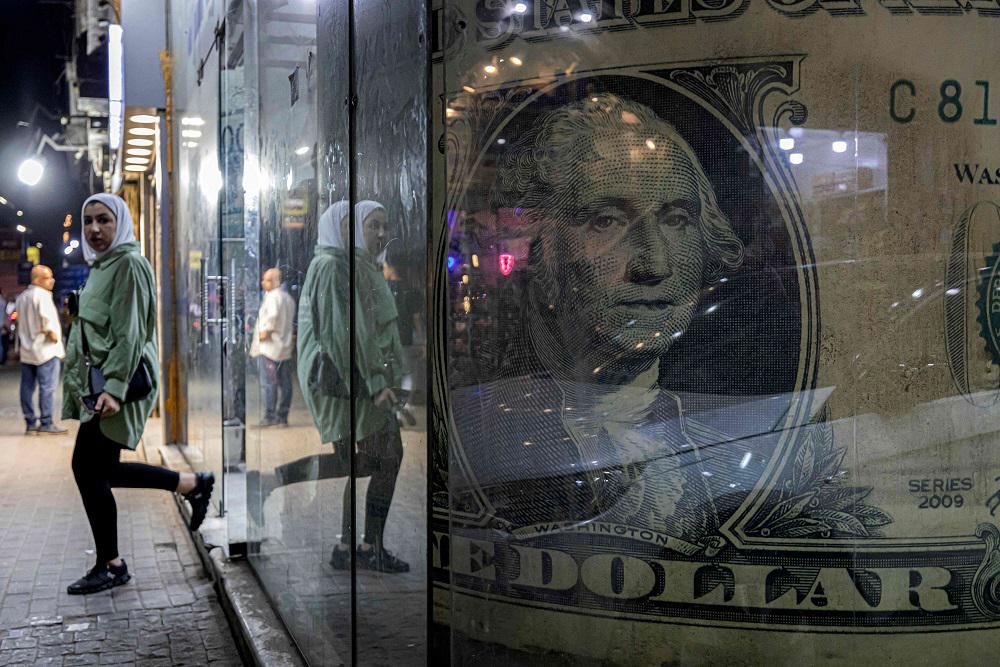
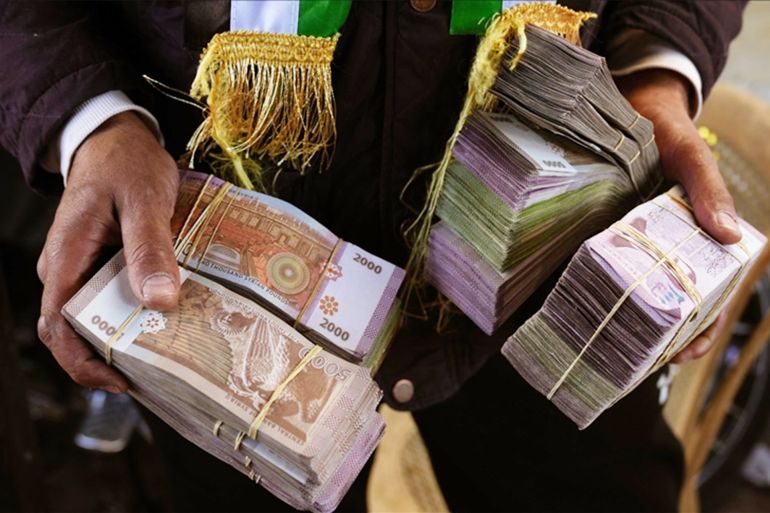
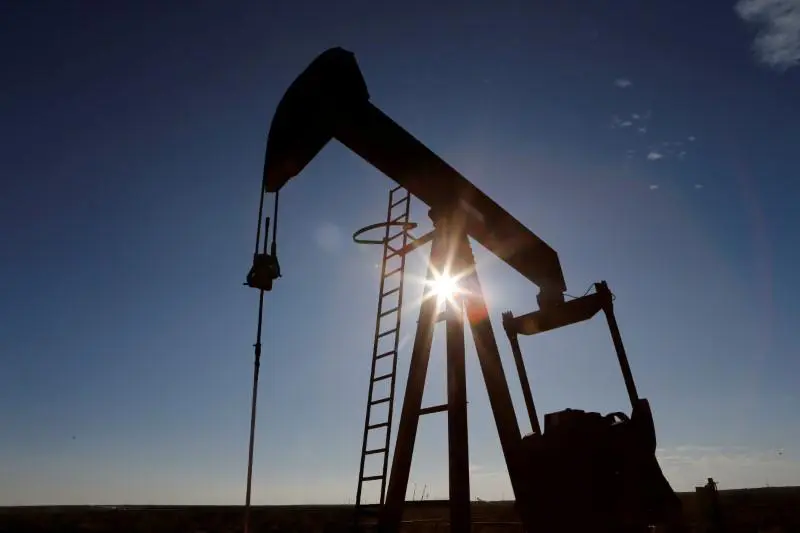
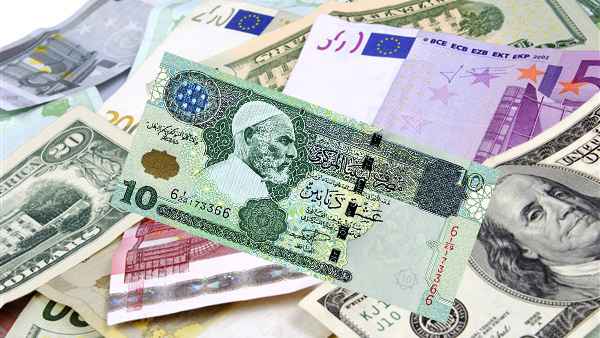
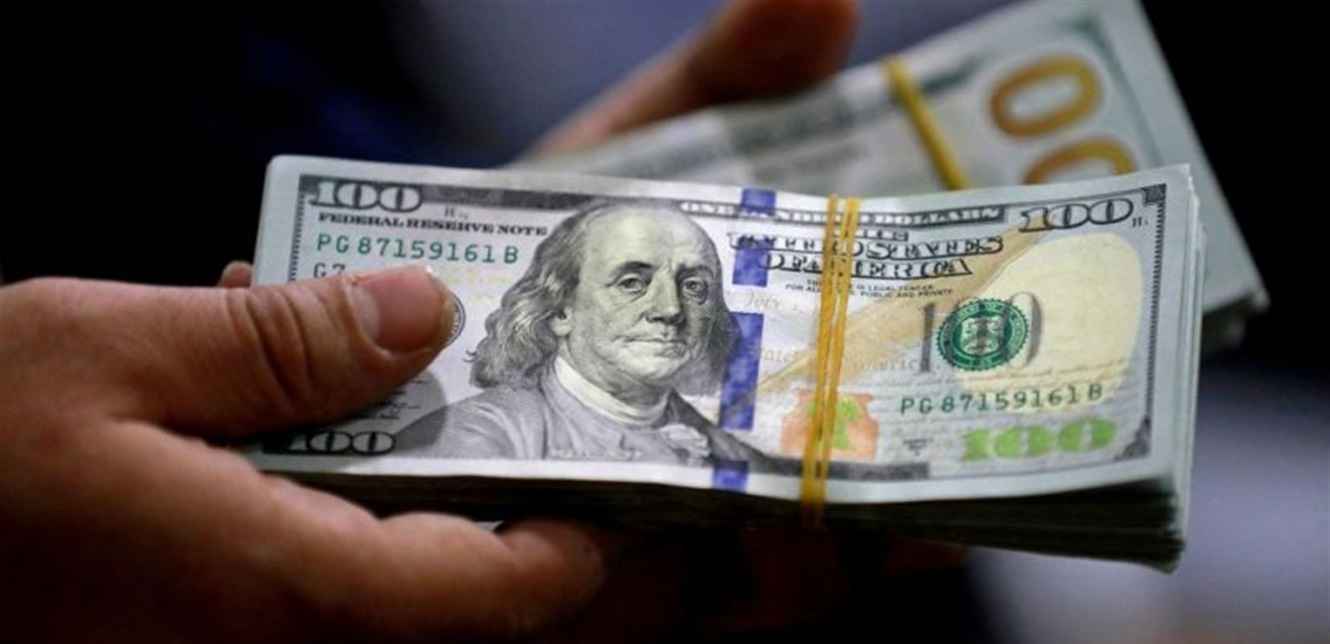
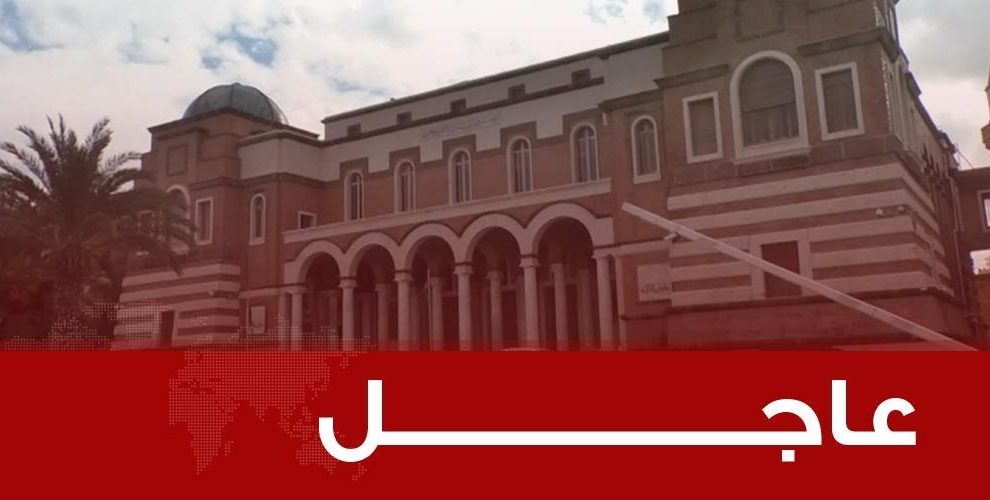
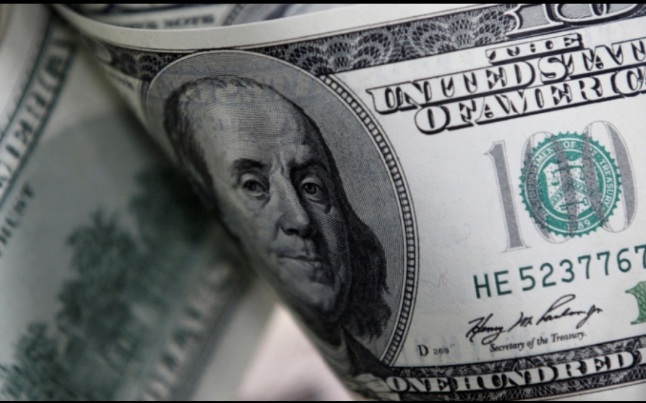
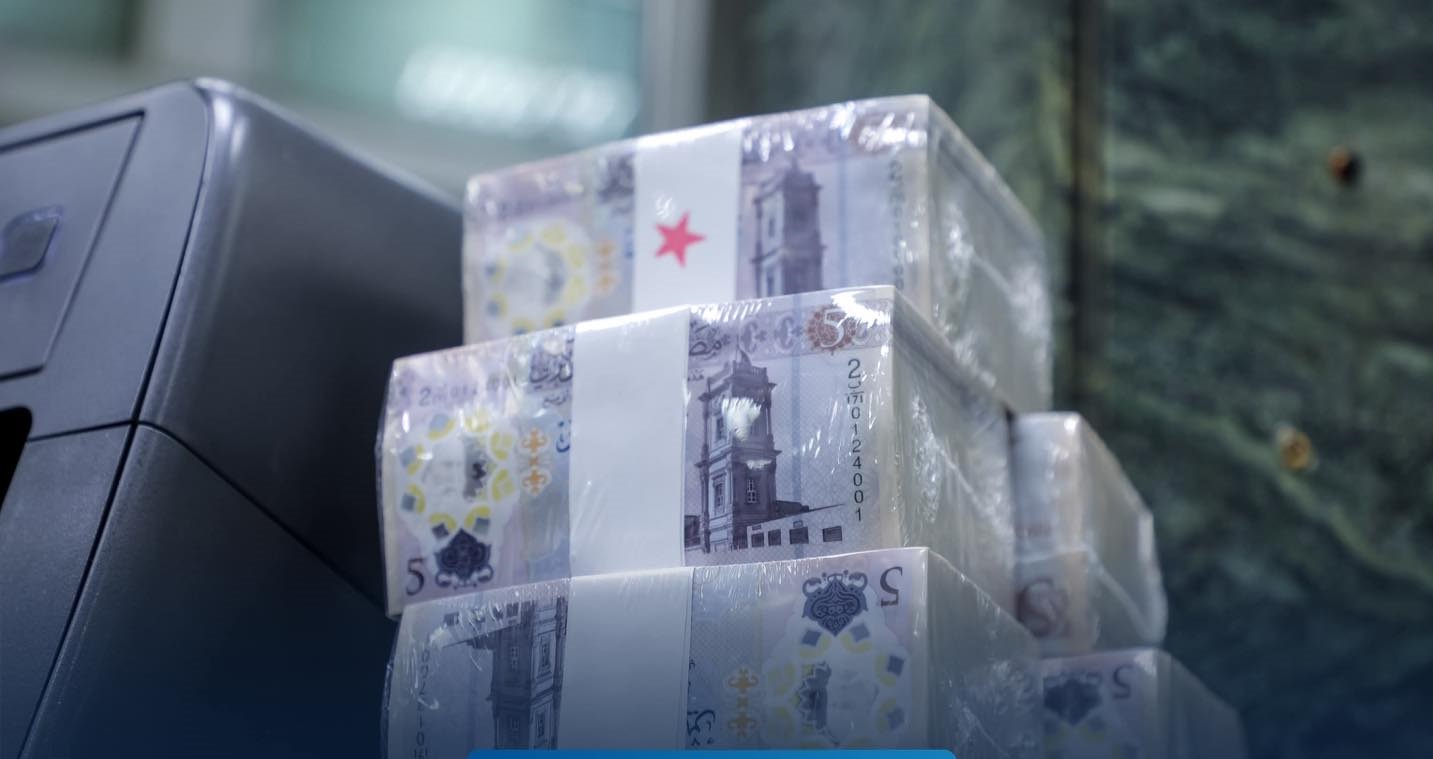
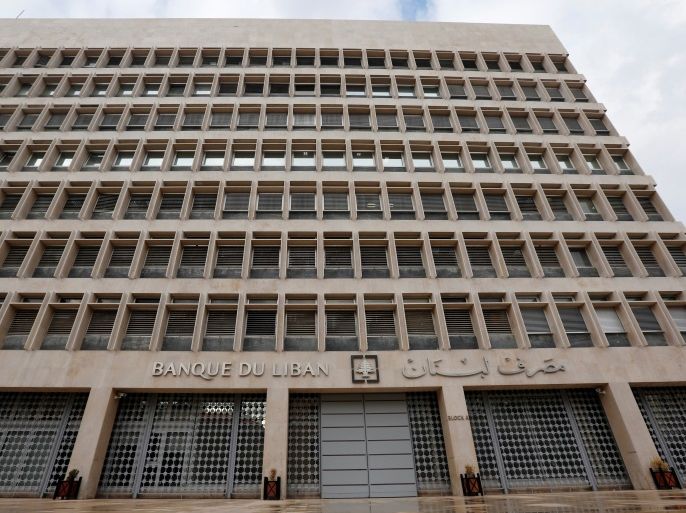
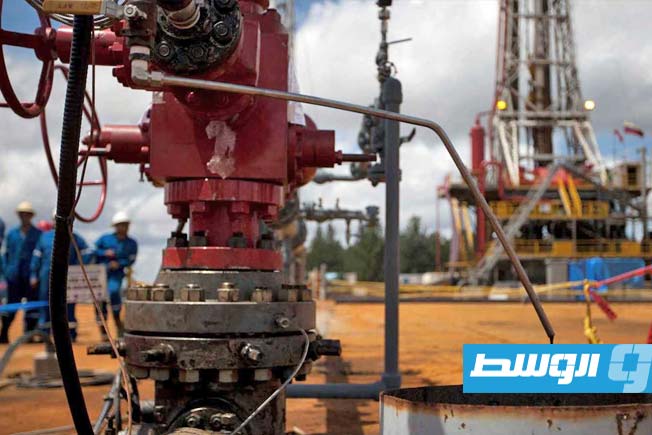
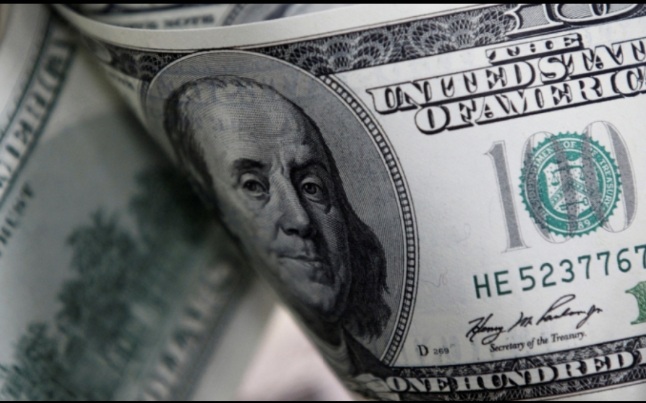
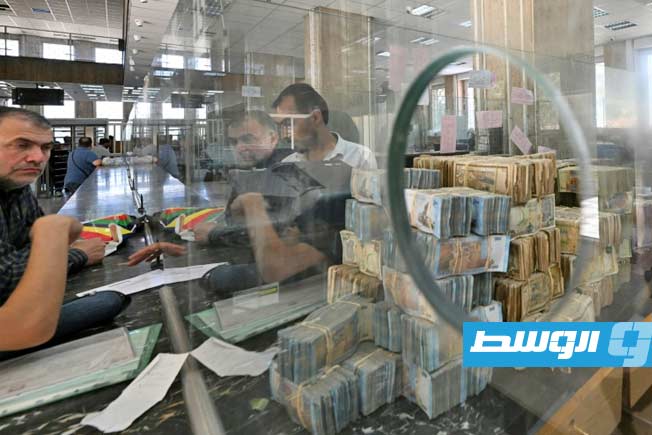
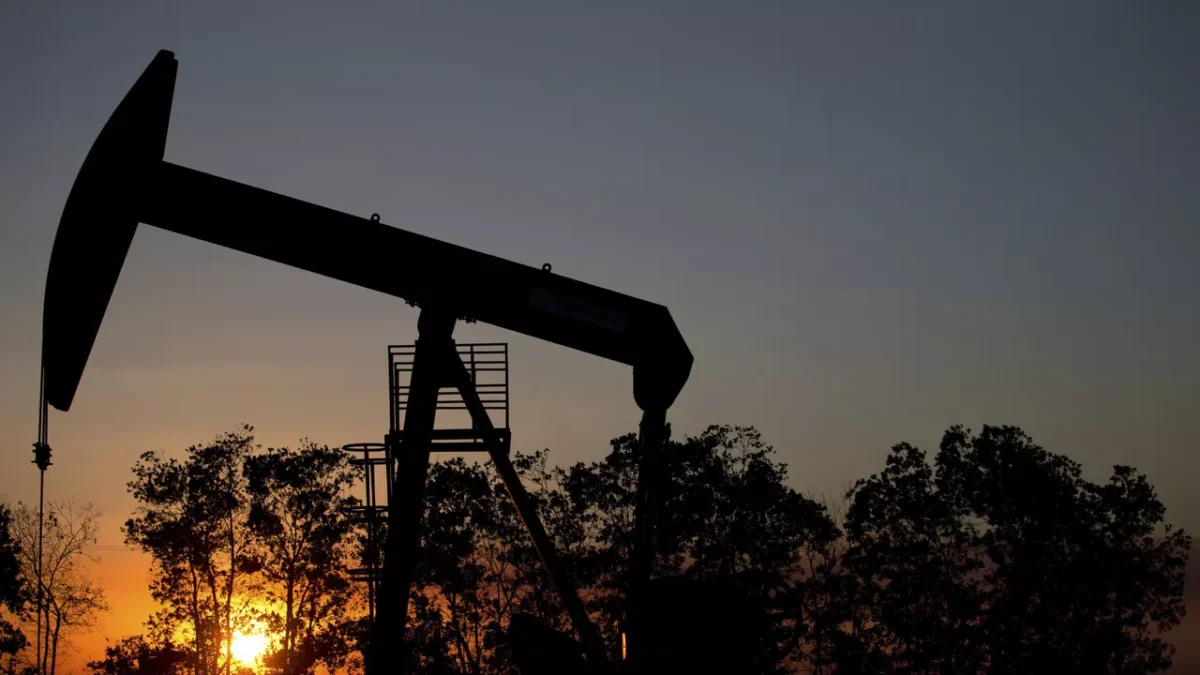
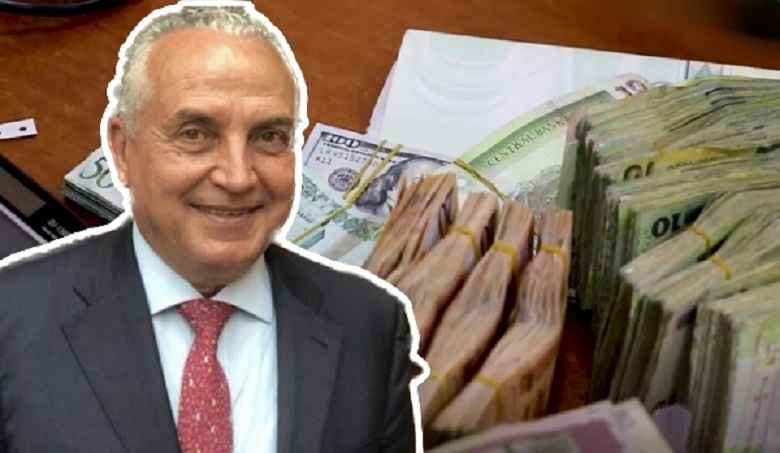
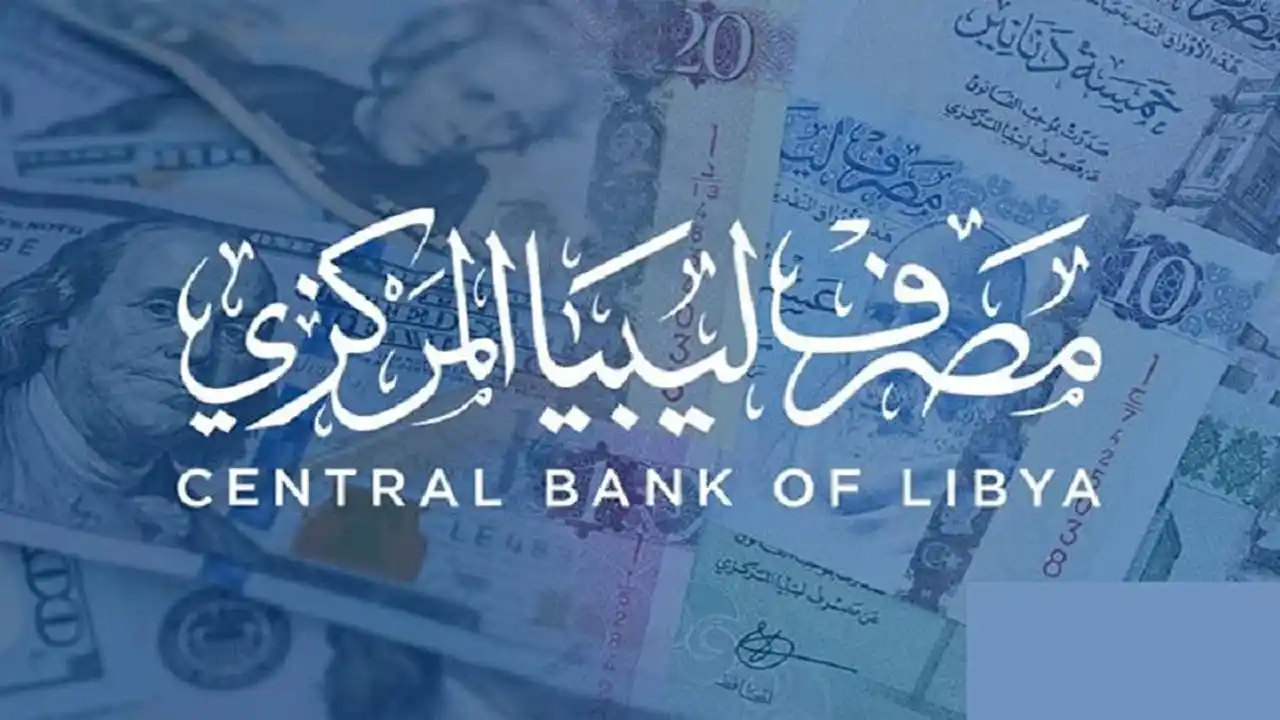
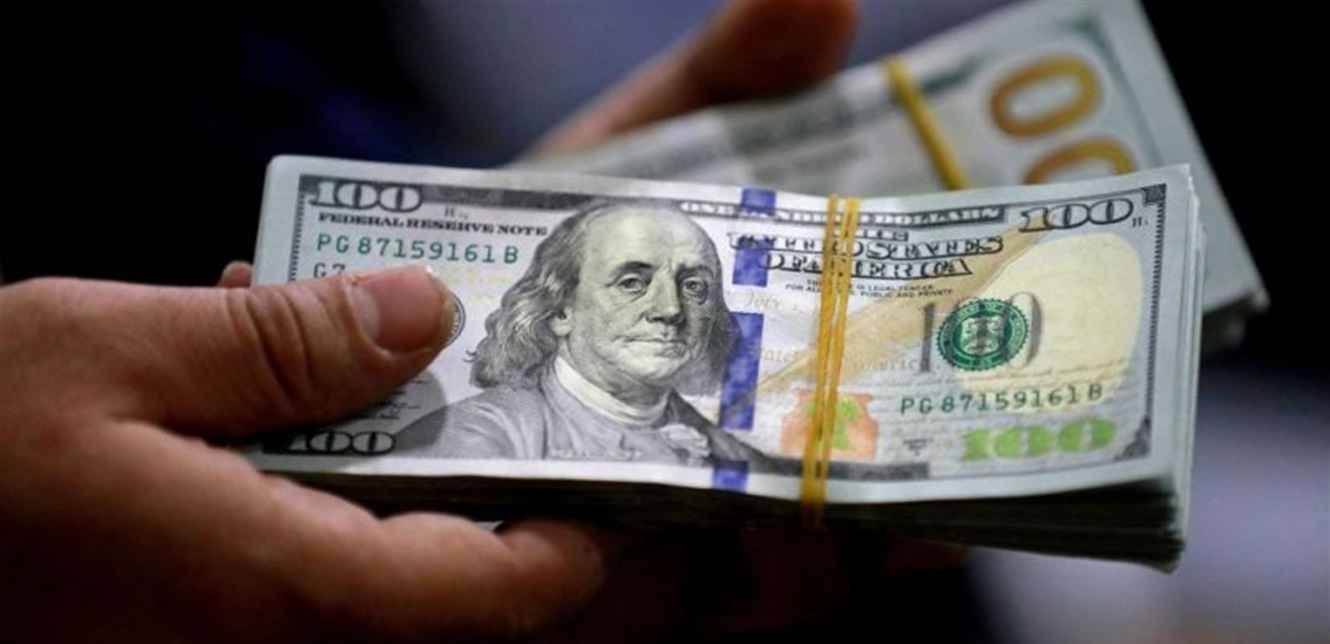
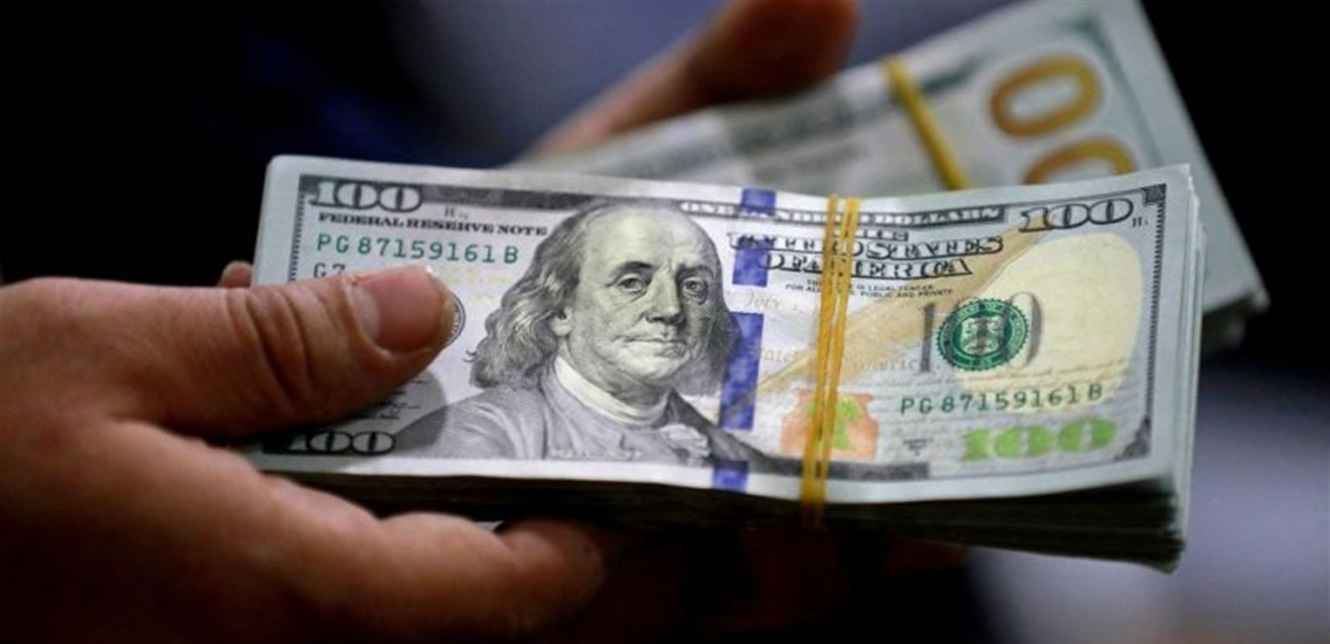
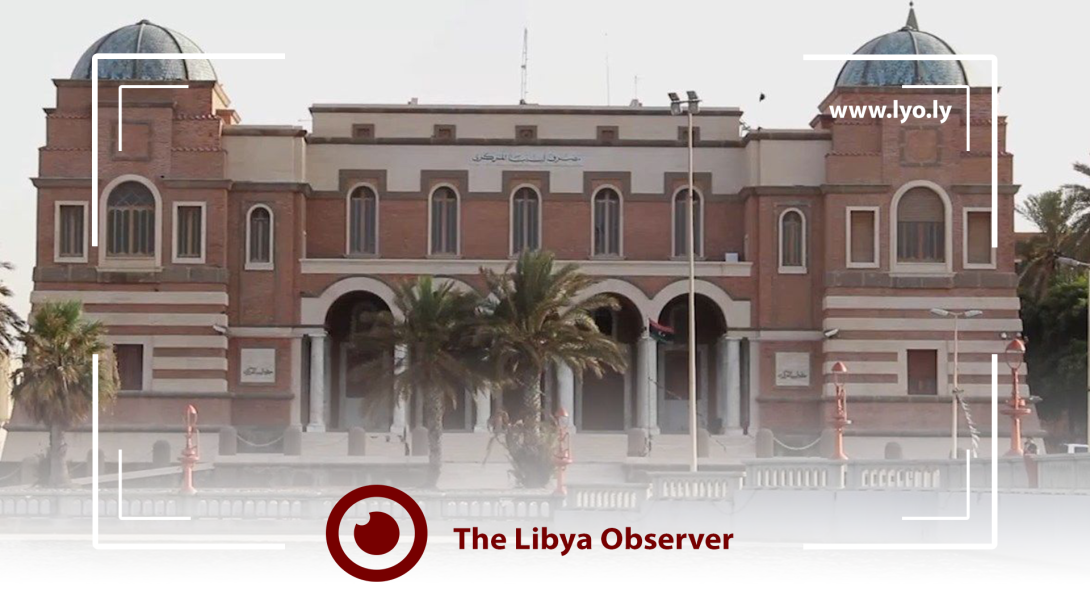
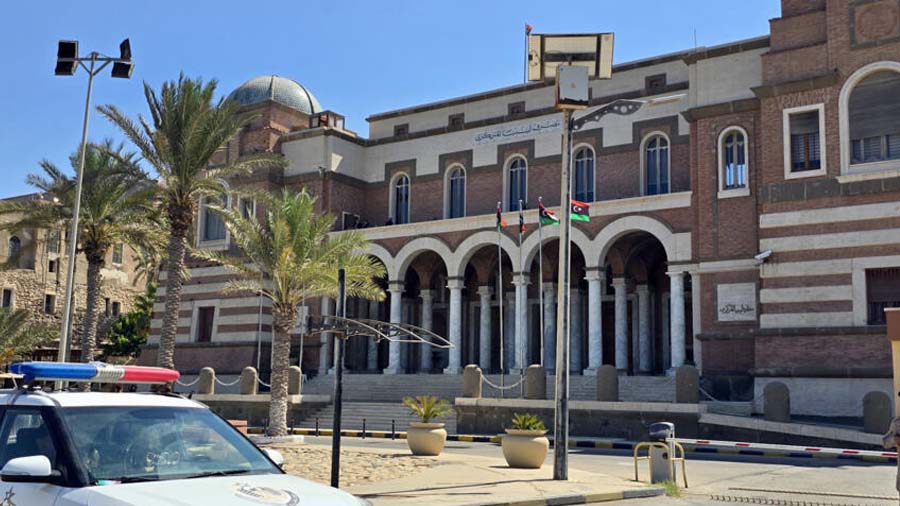
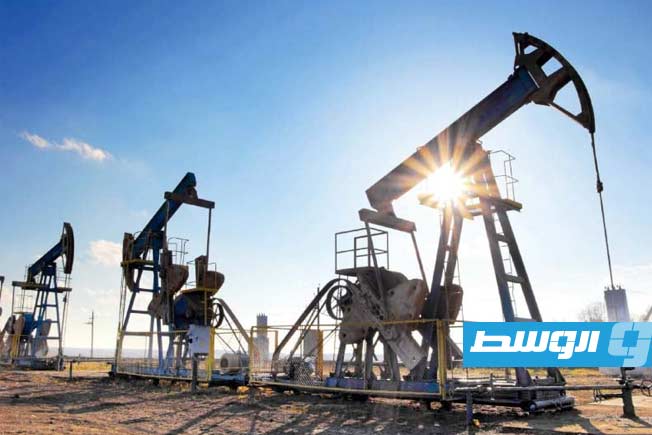
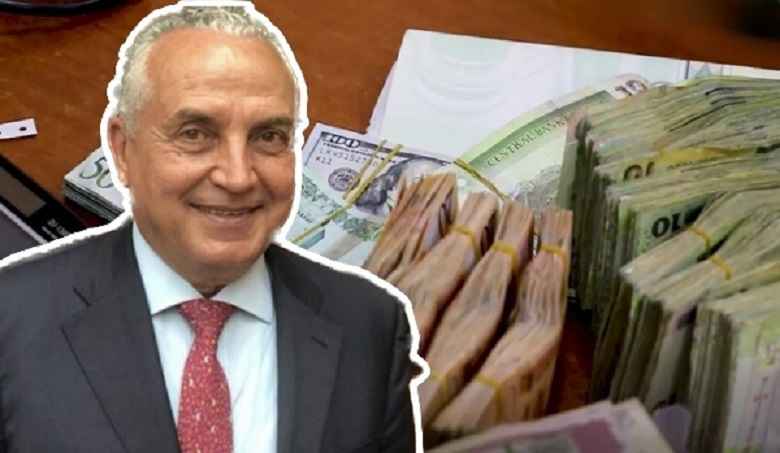
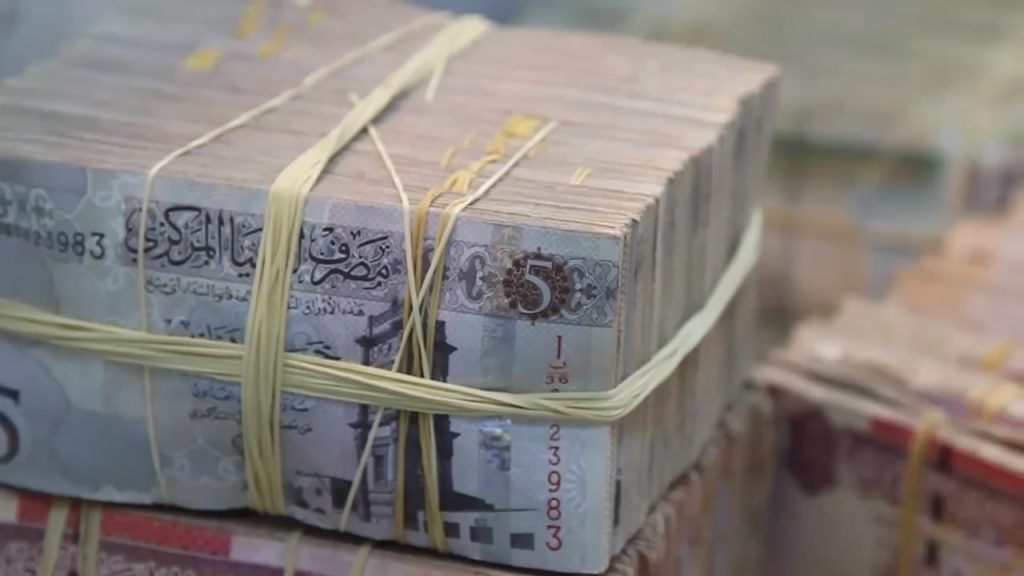
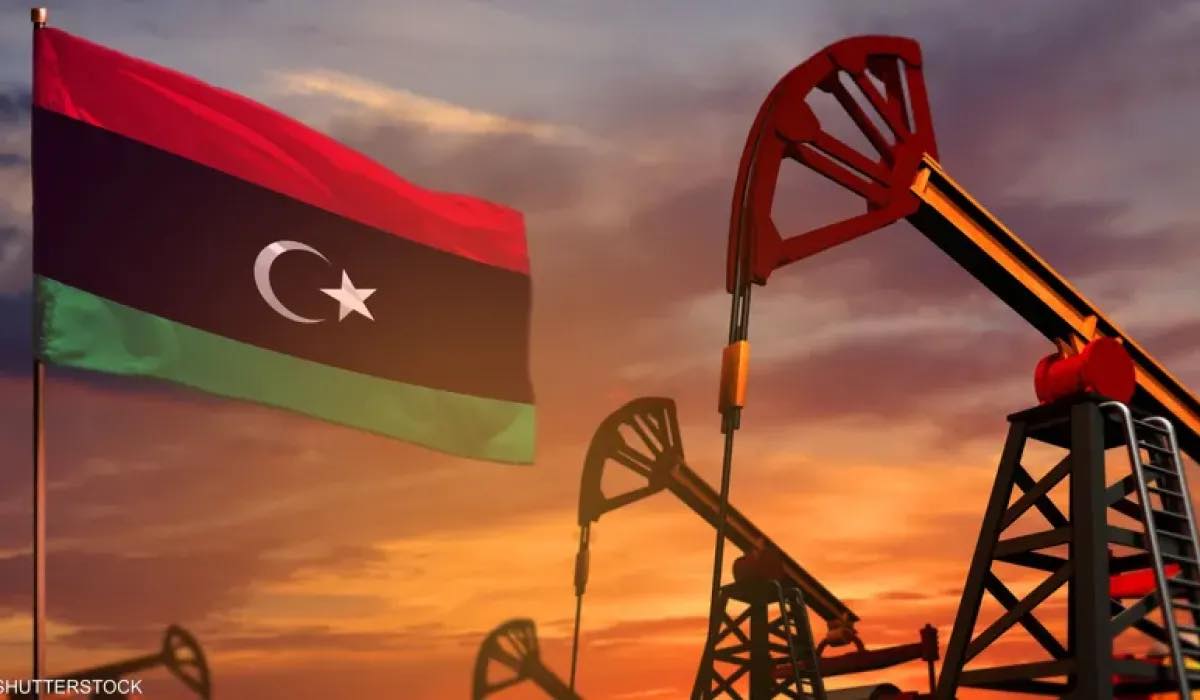
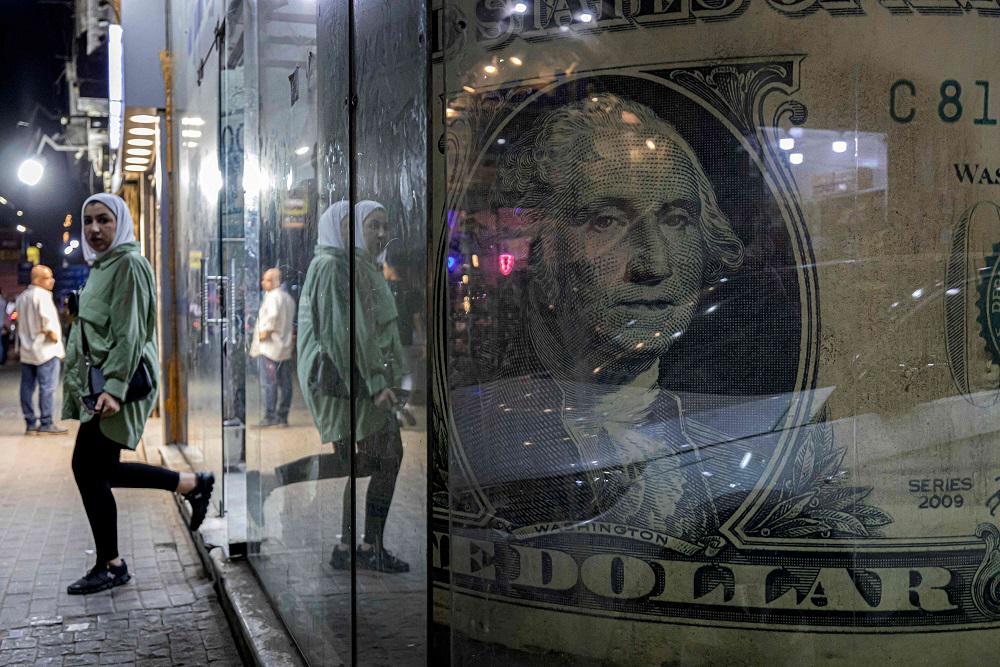
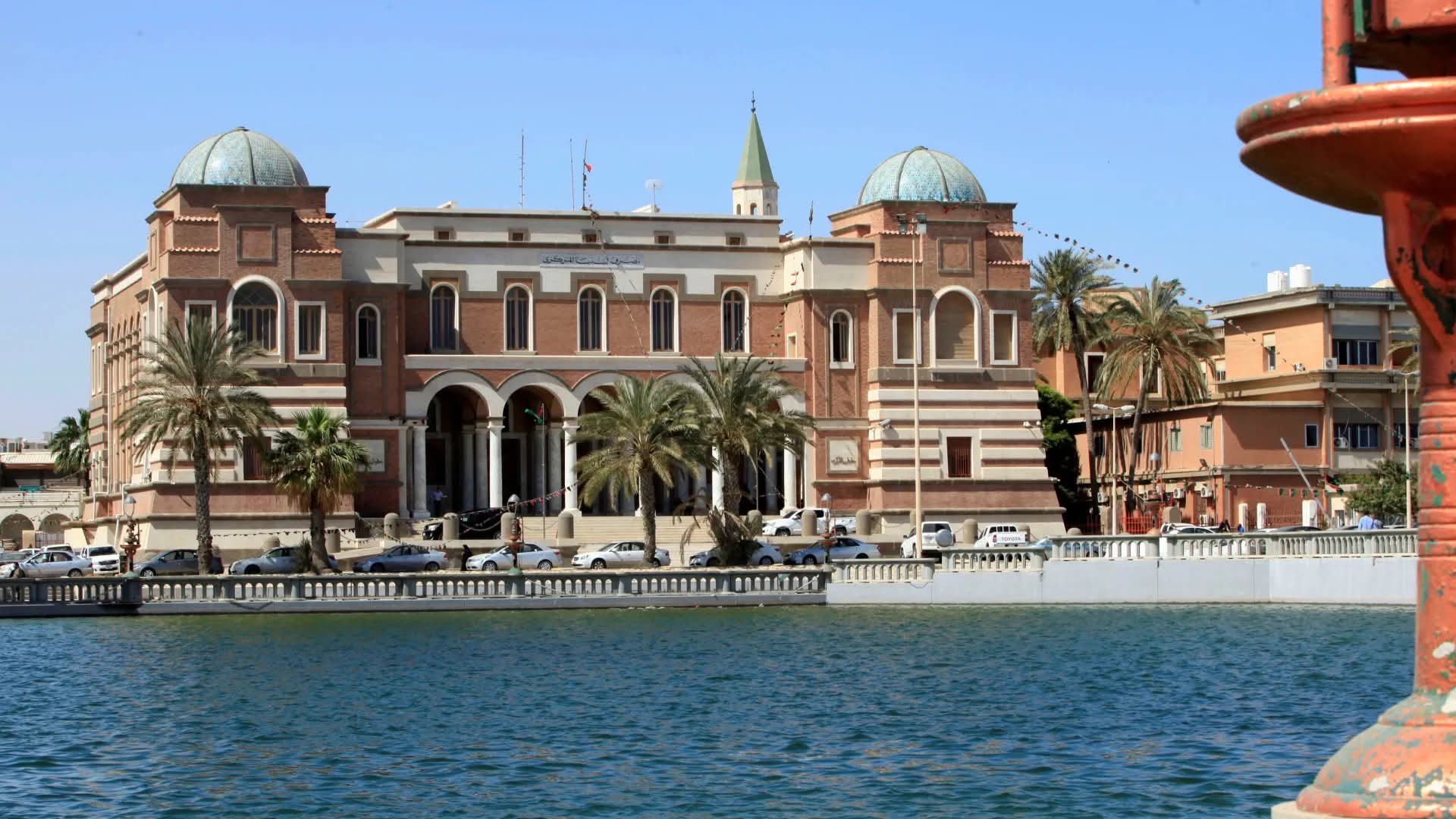
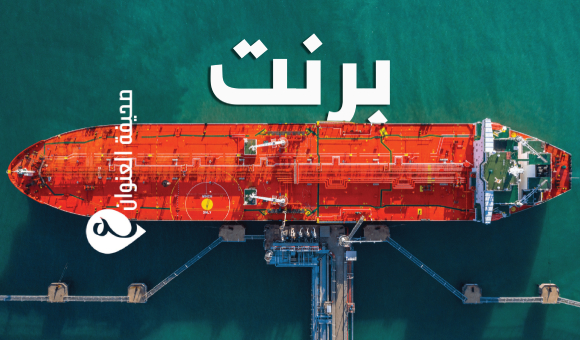
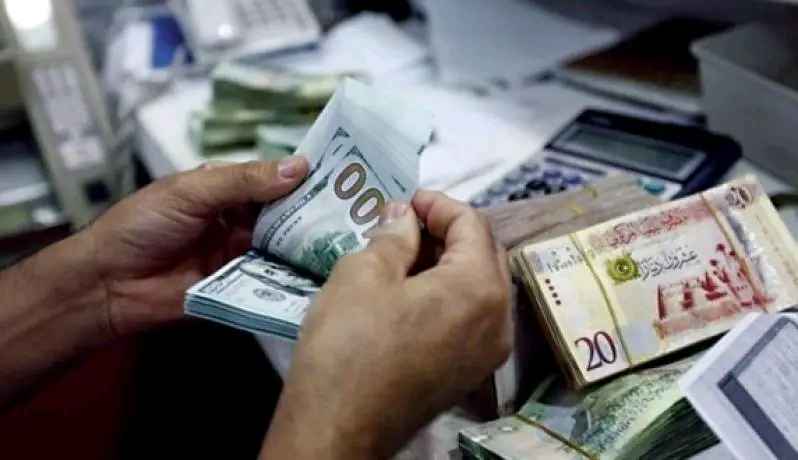
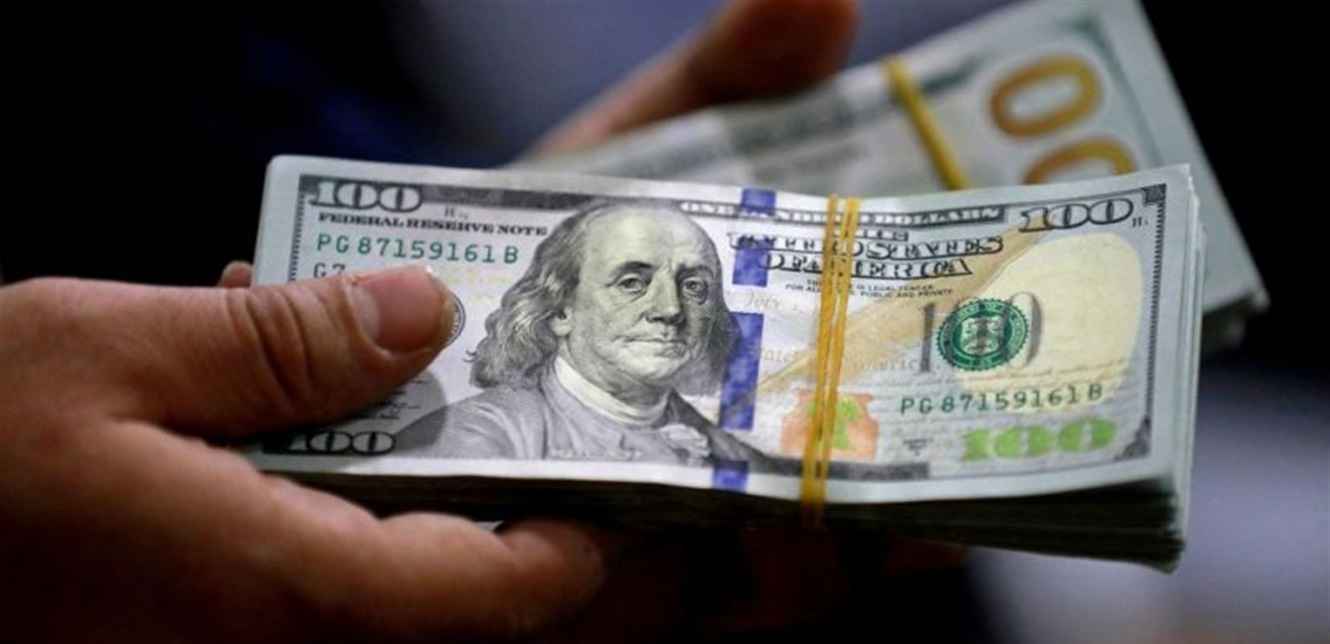
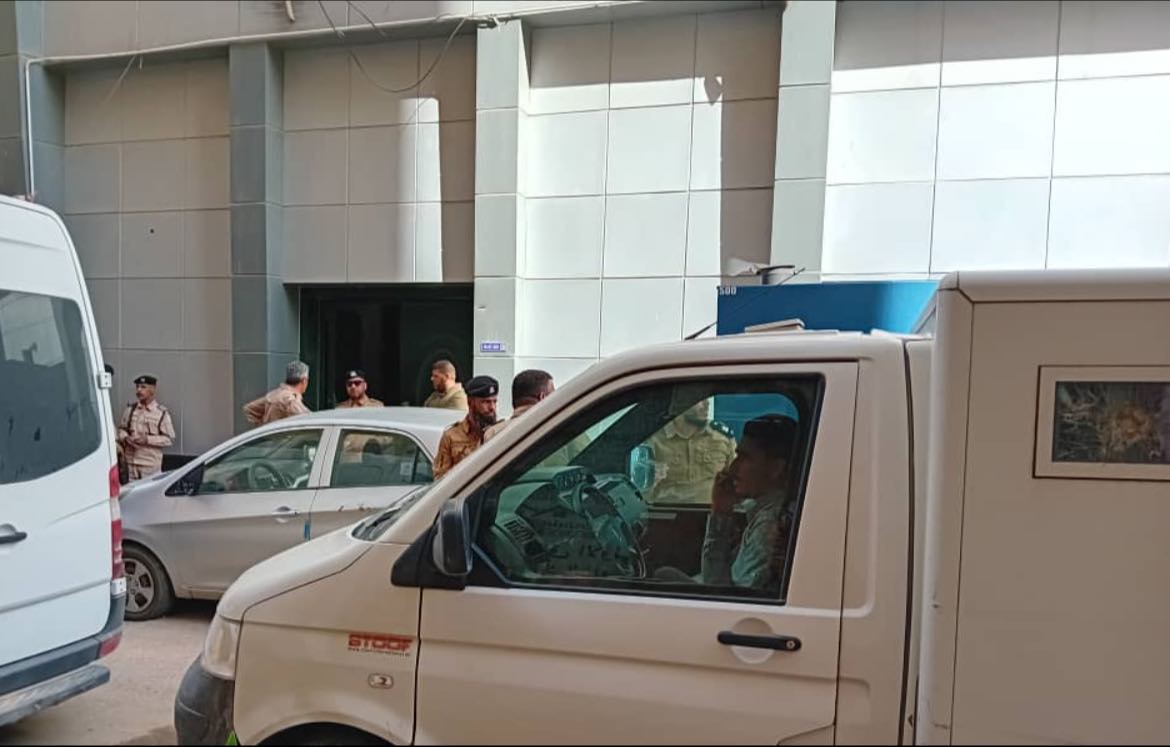
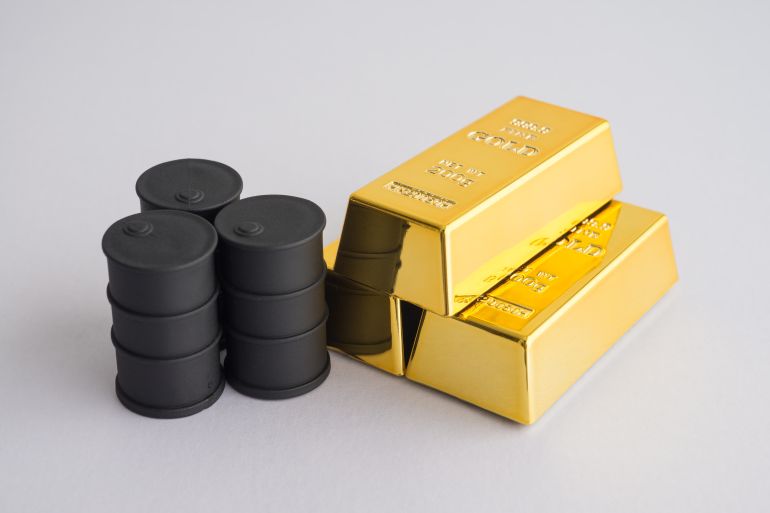
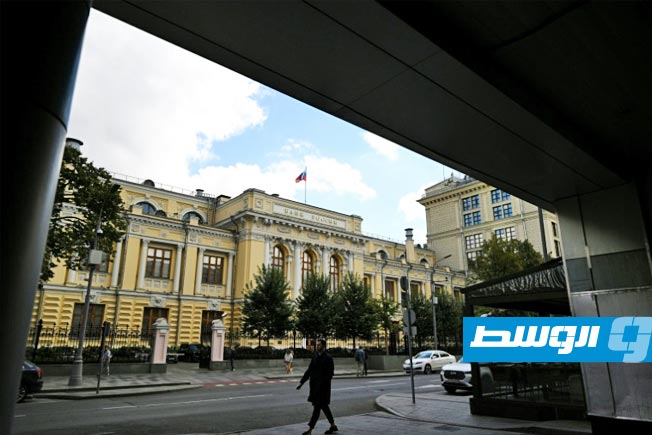
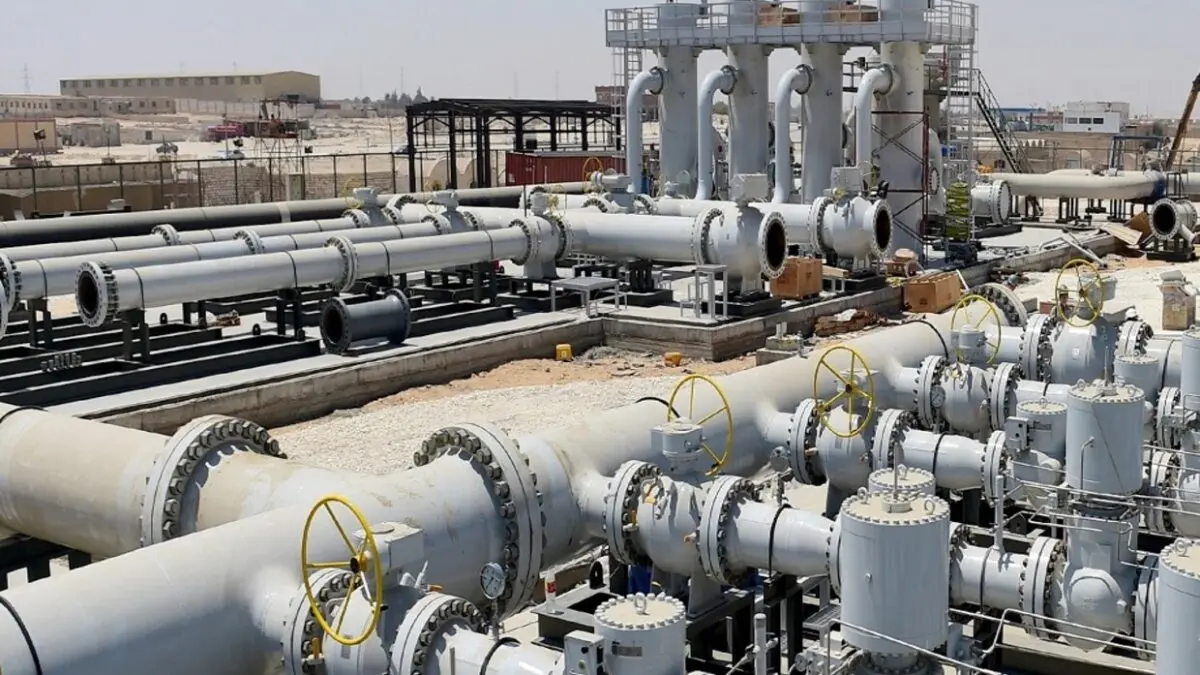
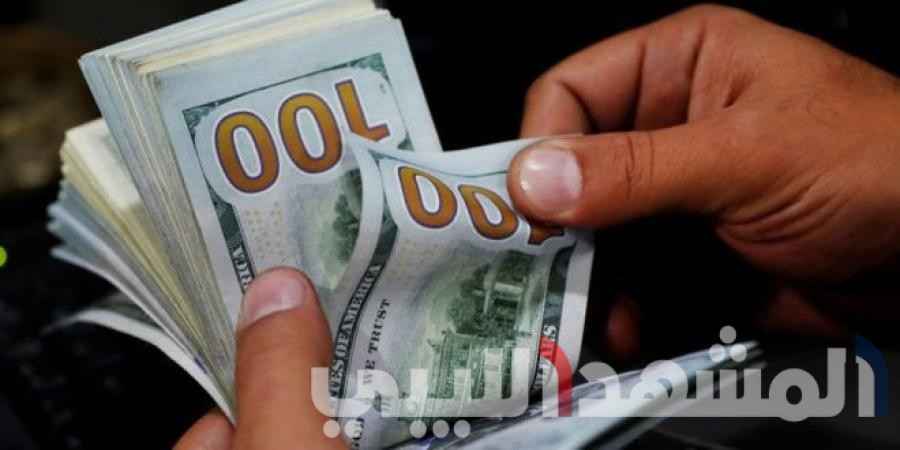
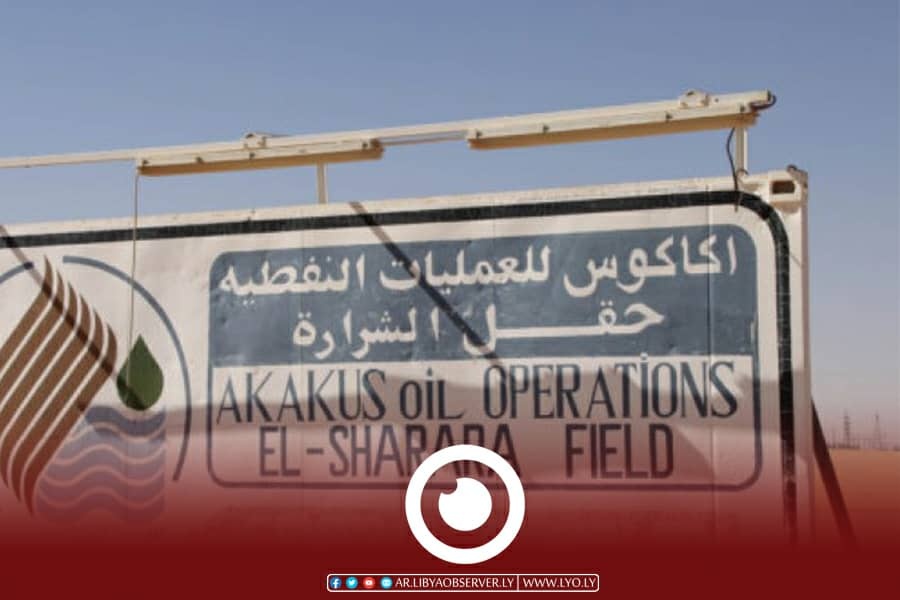
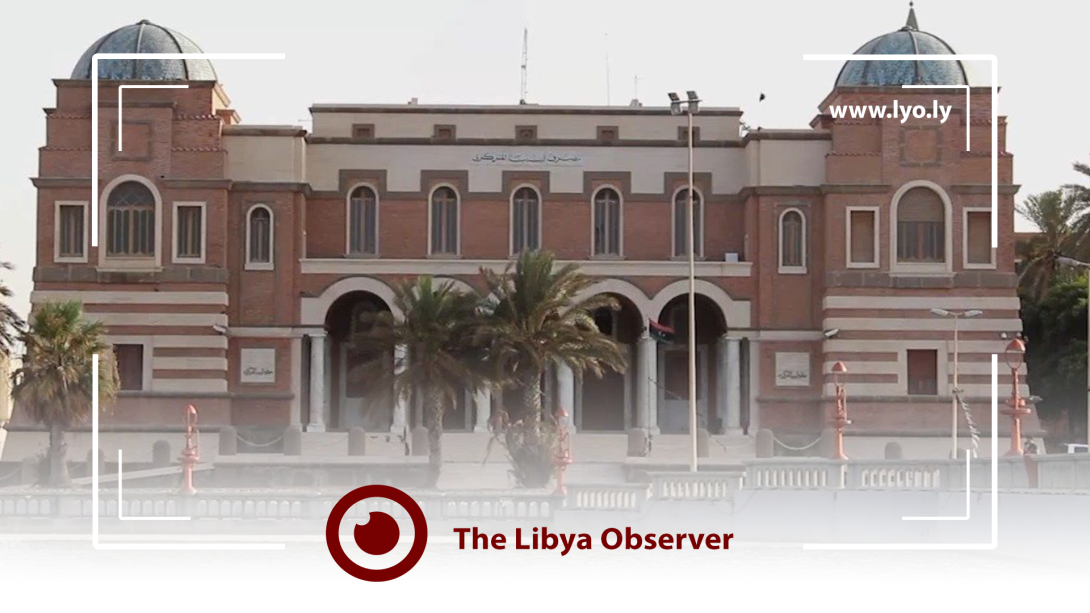
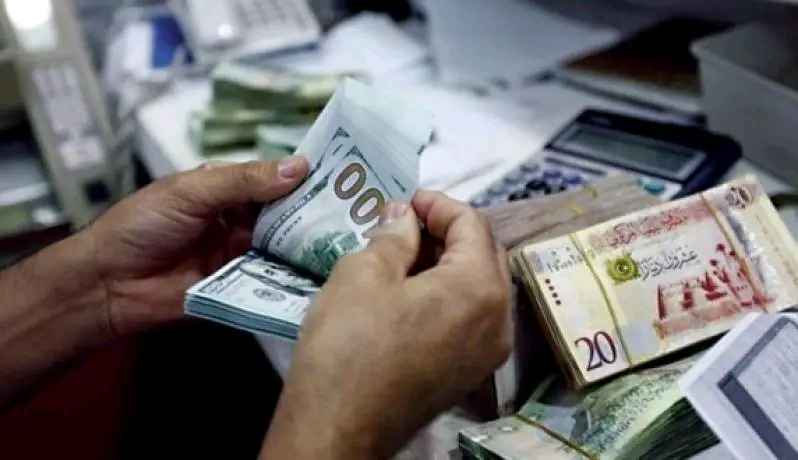
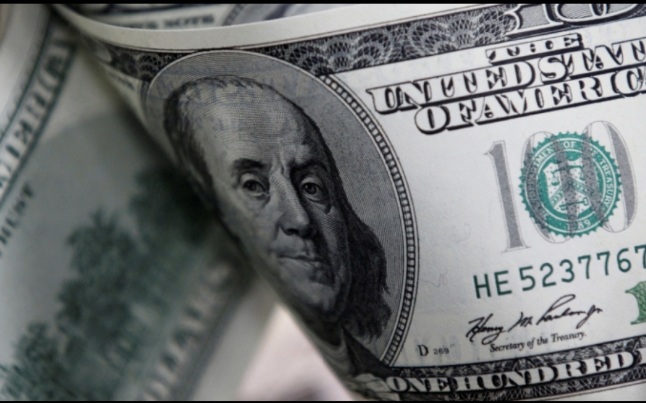
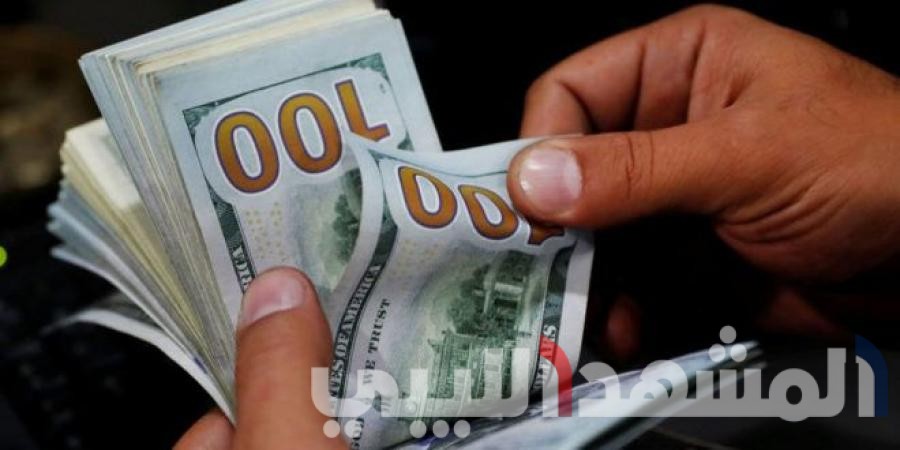
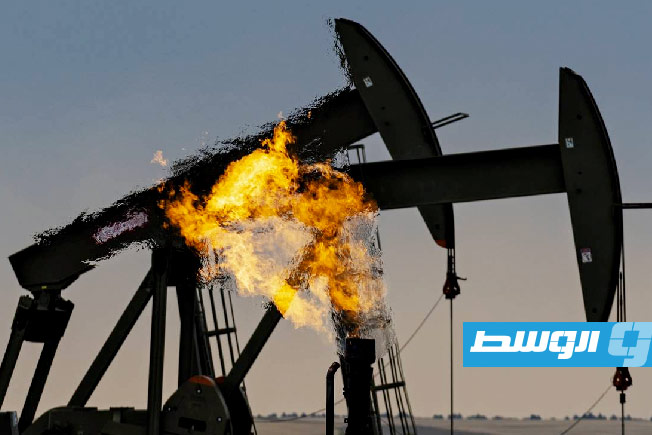
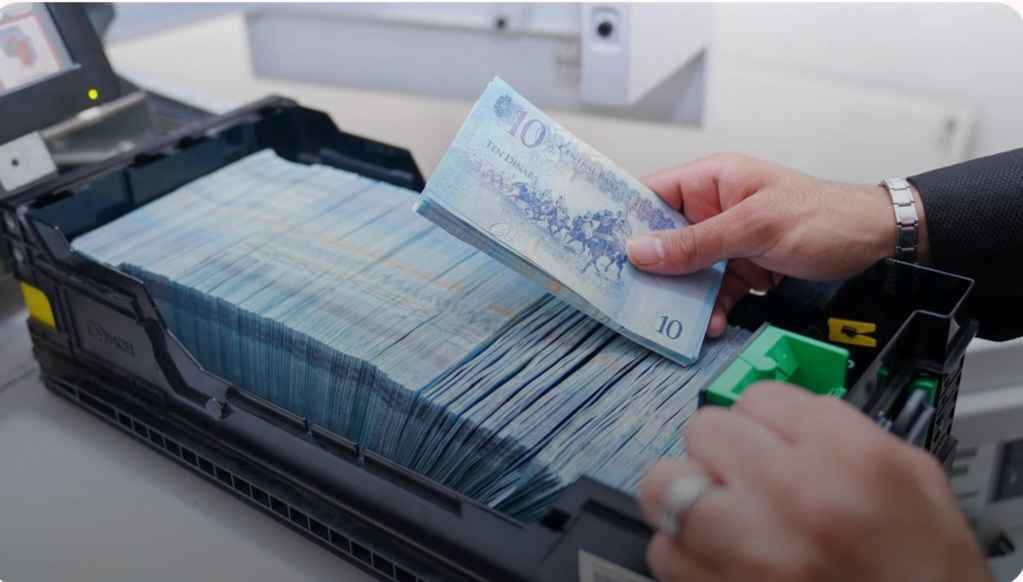
Tripoli – The Central Bank of Libya announced that the value of oil revenues transferred to it from the beginning of January until the 8th of this month amounted to only 155 million dollars, at a time when total foreign currency sales during the same period exceeded the one billion dollar mark.
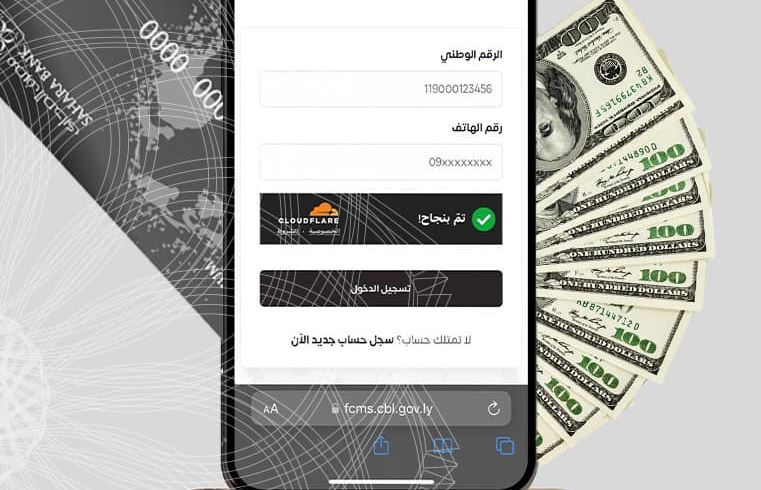
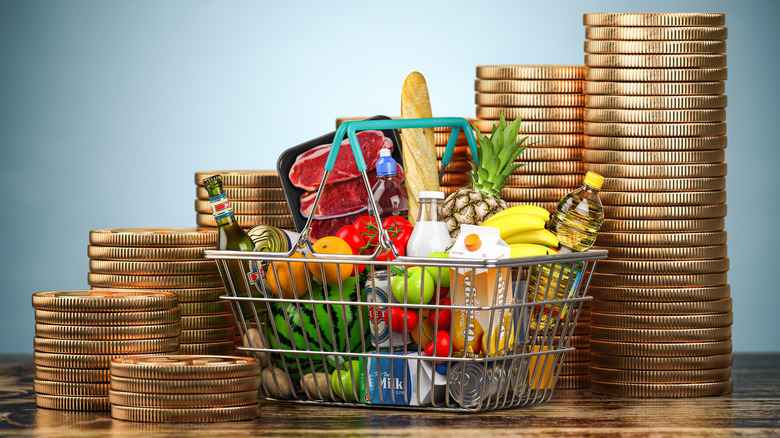
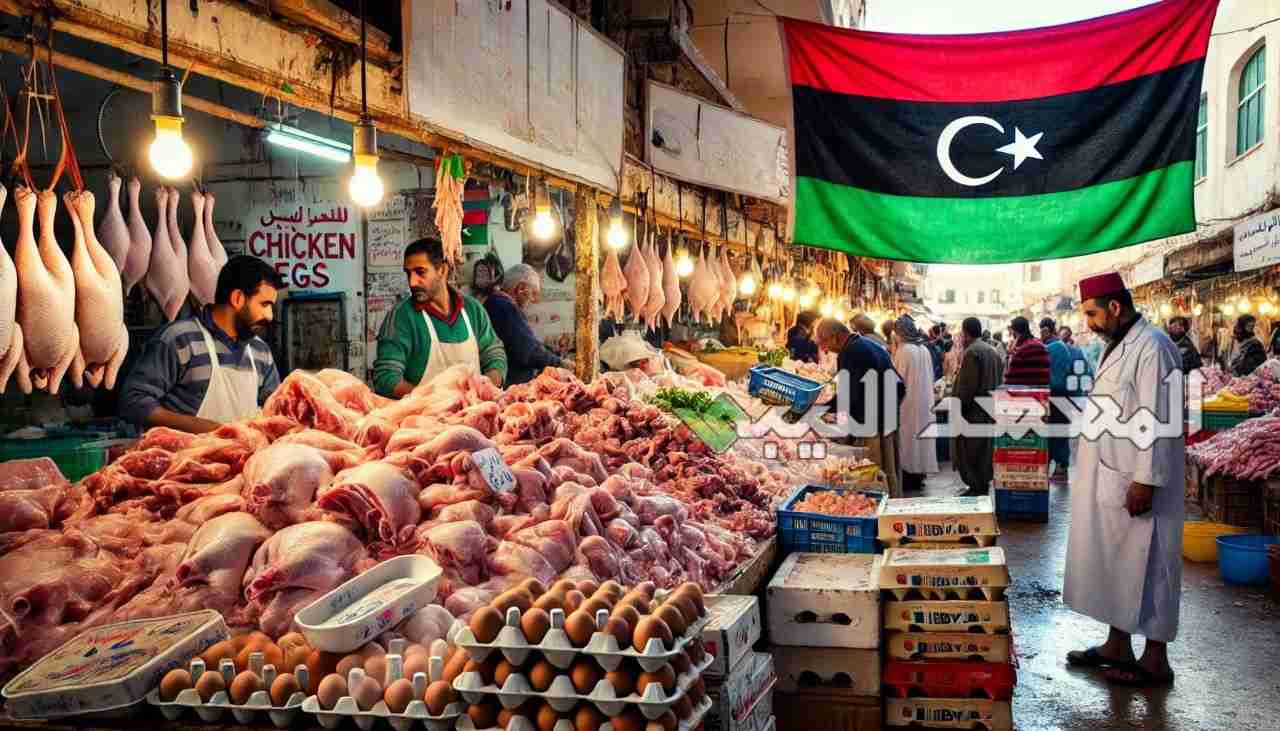
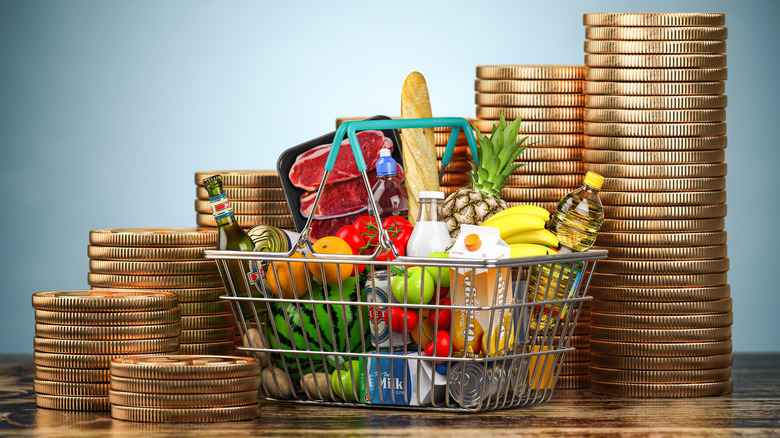
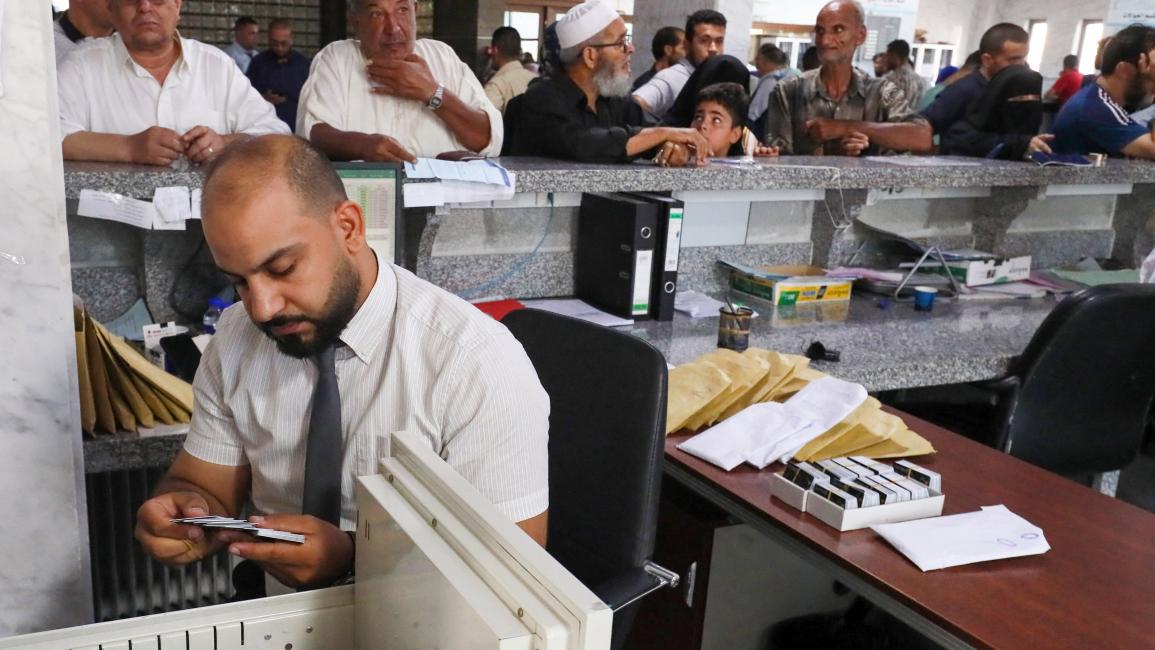
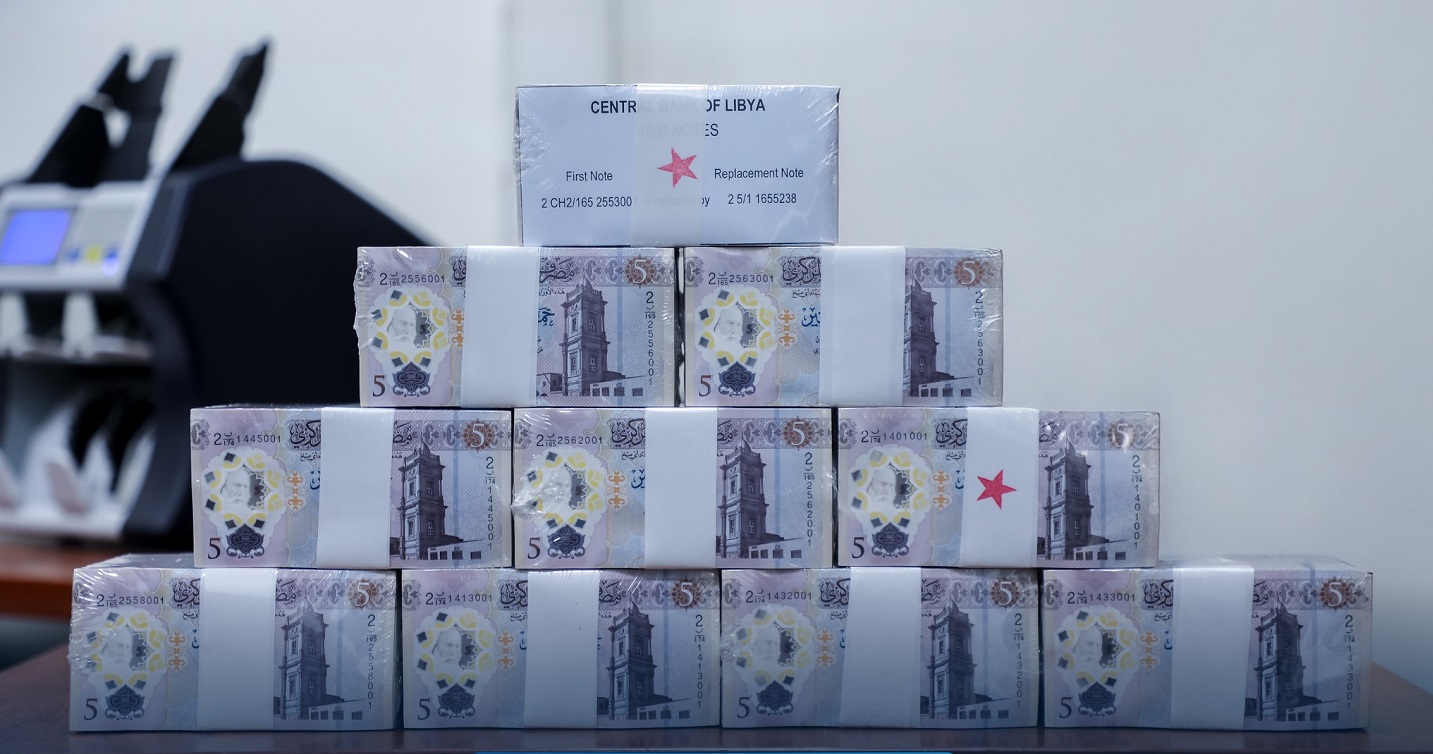
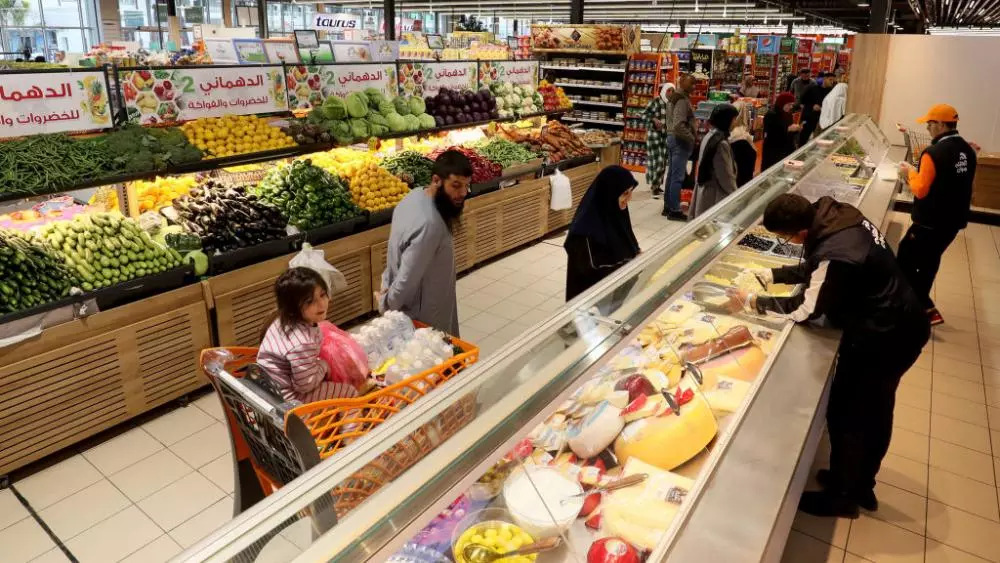
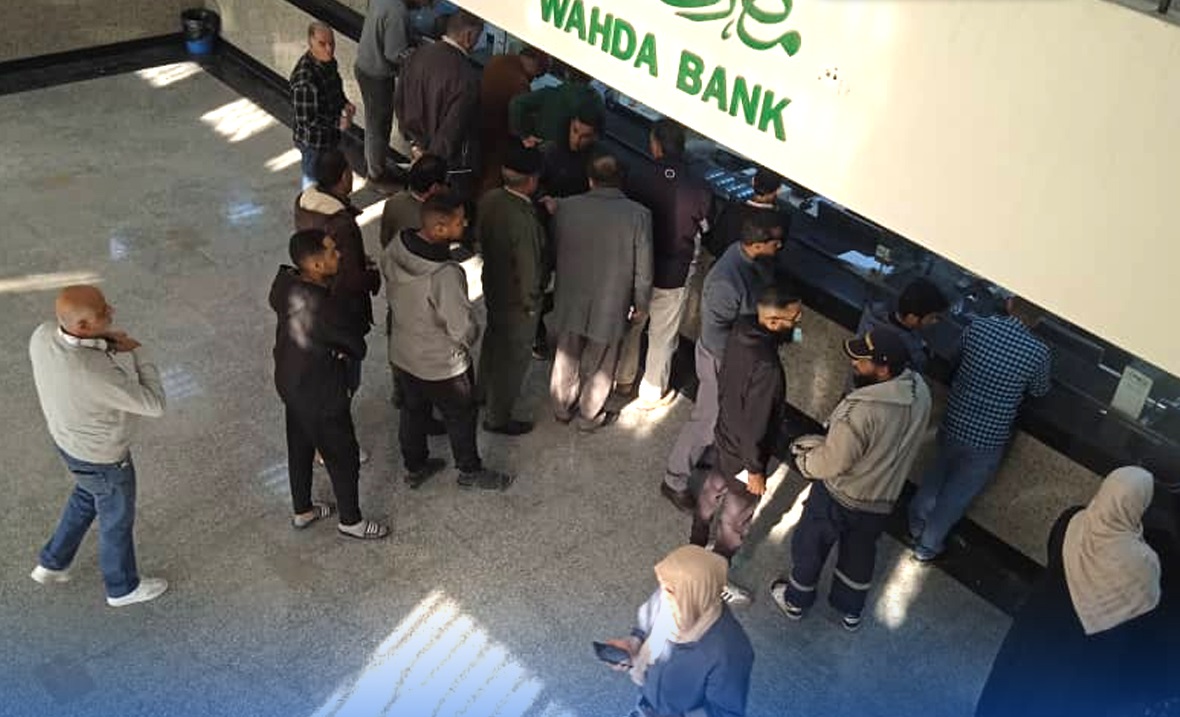
The bank confirmed in its statement that it continues to provide foreign currencies to meet the needs of the local market, stressing that the primary goal is to achieve the country’s financial stability and ensure the availability of essential goods for citizens before the arrival of the month of Ramadan.
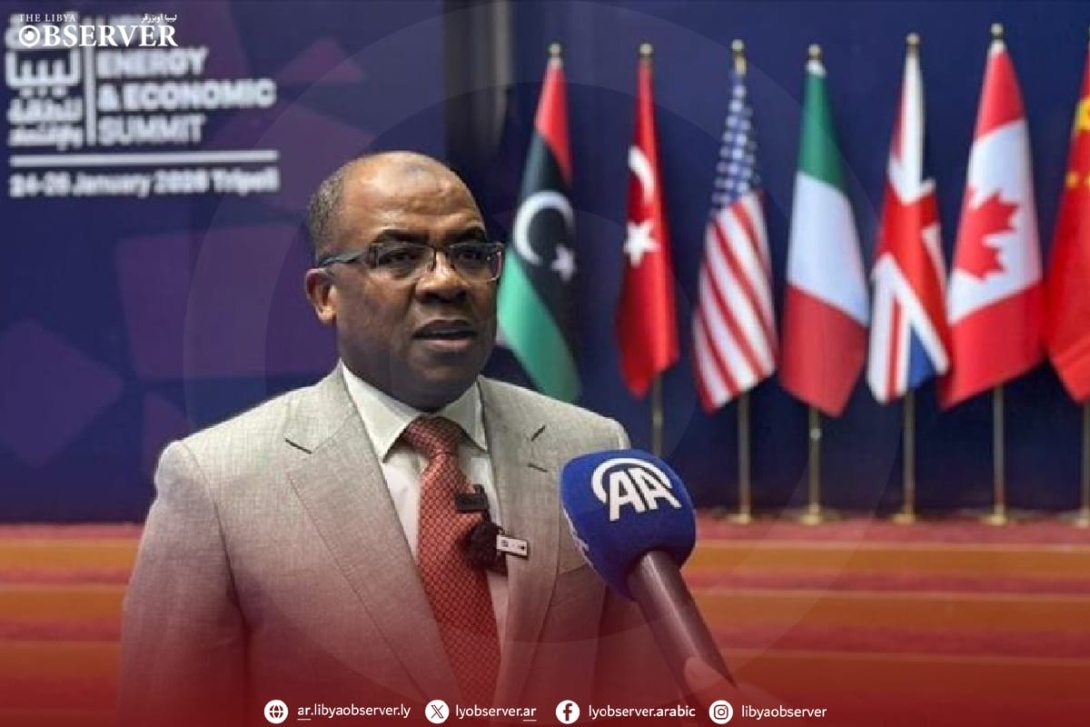
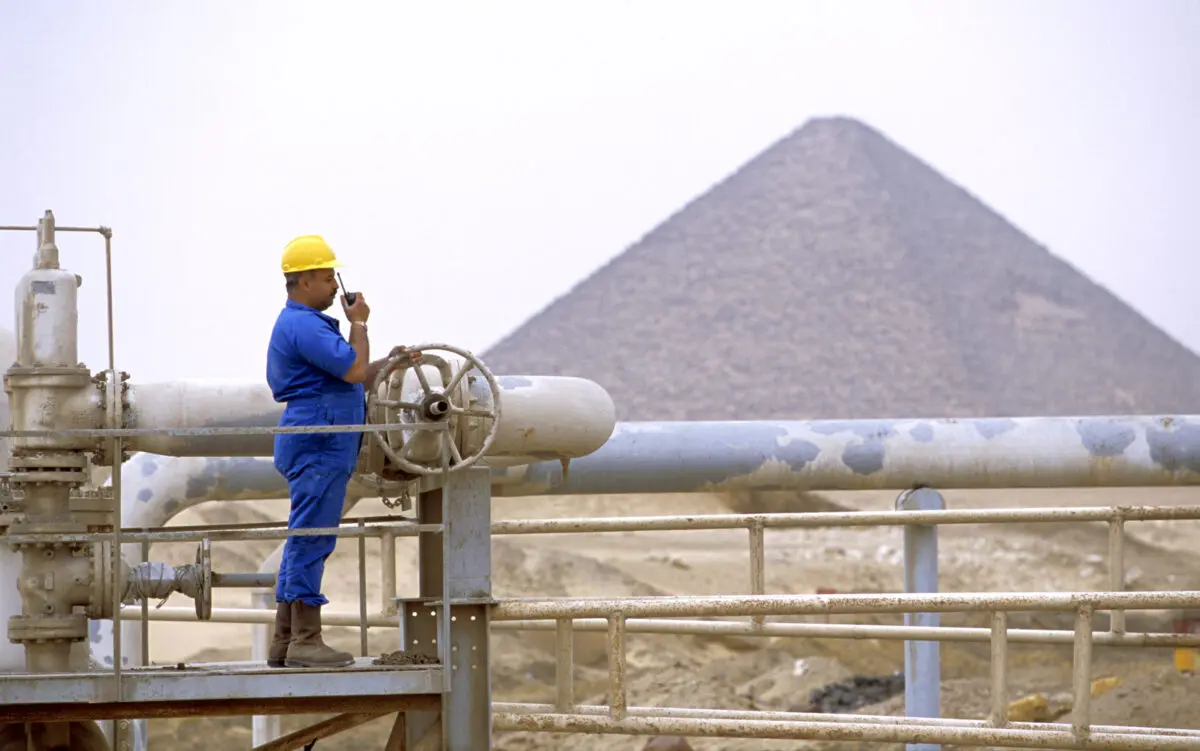
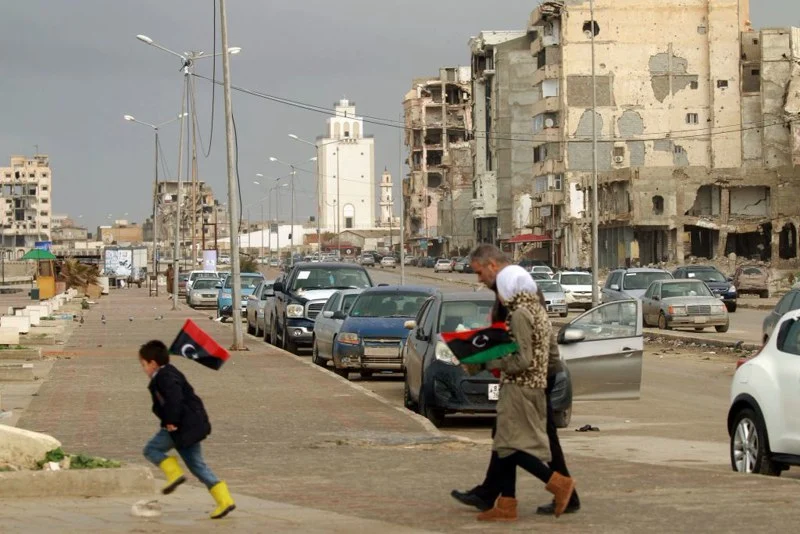
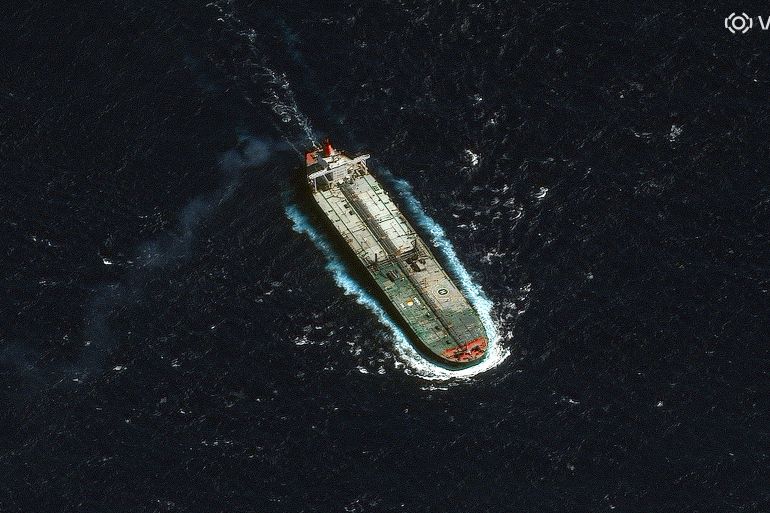
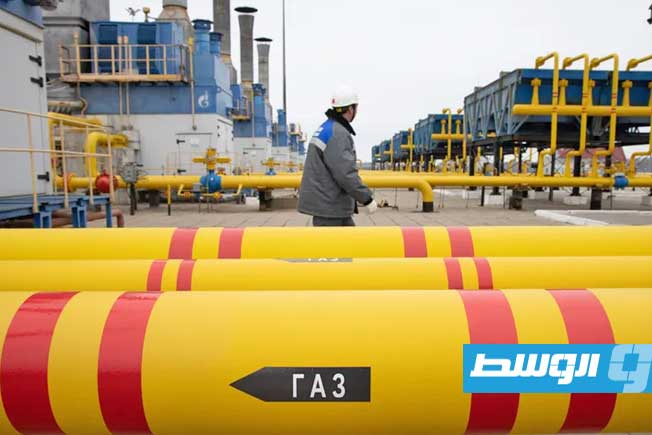
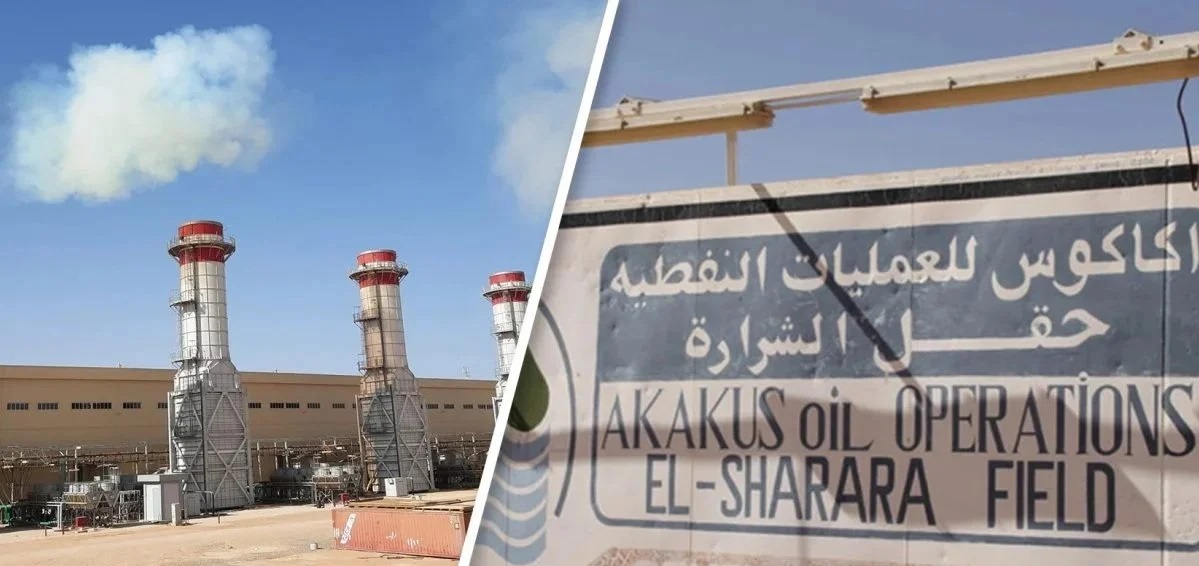
This announcement comes amidst the ongoing economic challenges facing Libya, where oil constitutes the main source of public revenue, while the Central Bank seeks to manage foreign currency resources in a way that ensures market balance and supports living stability.
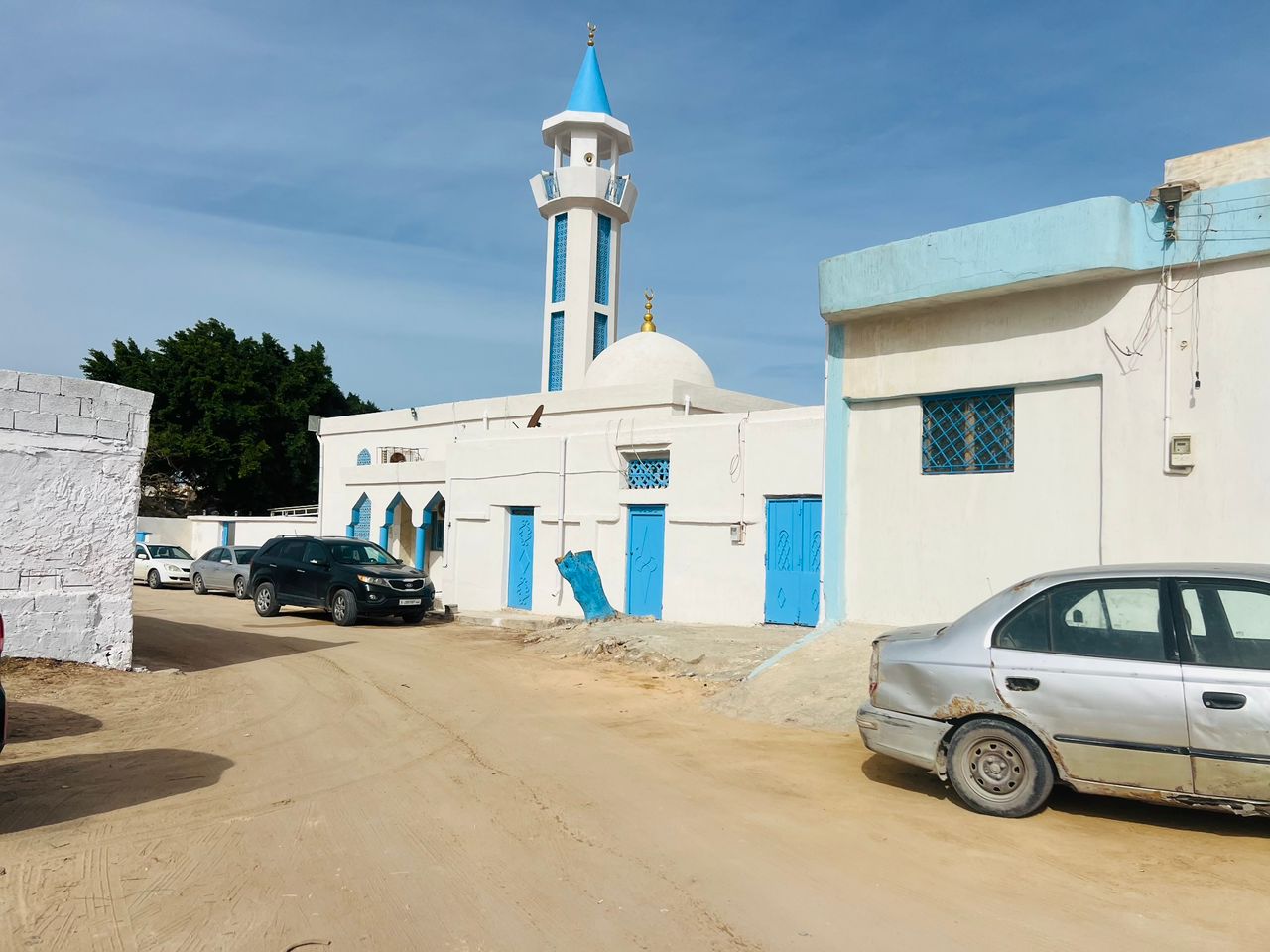
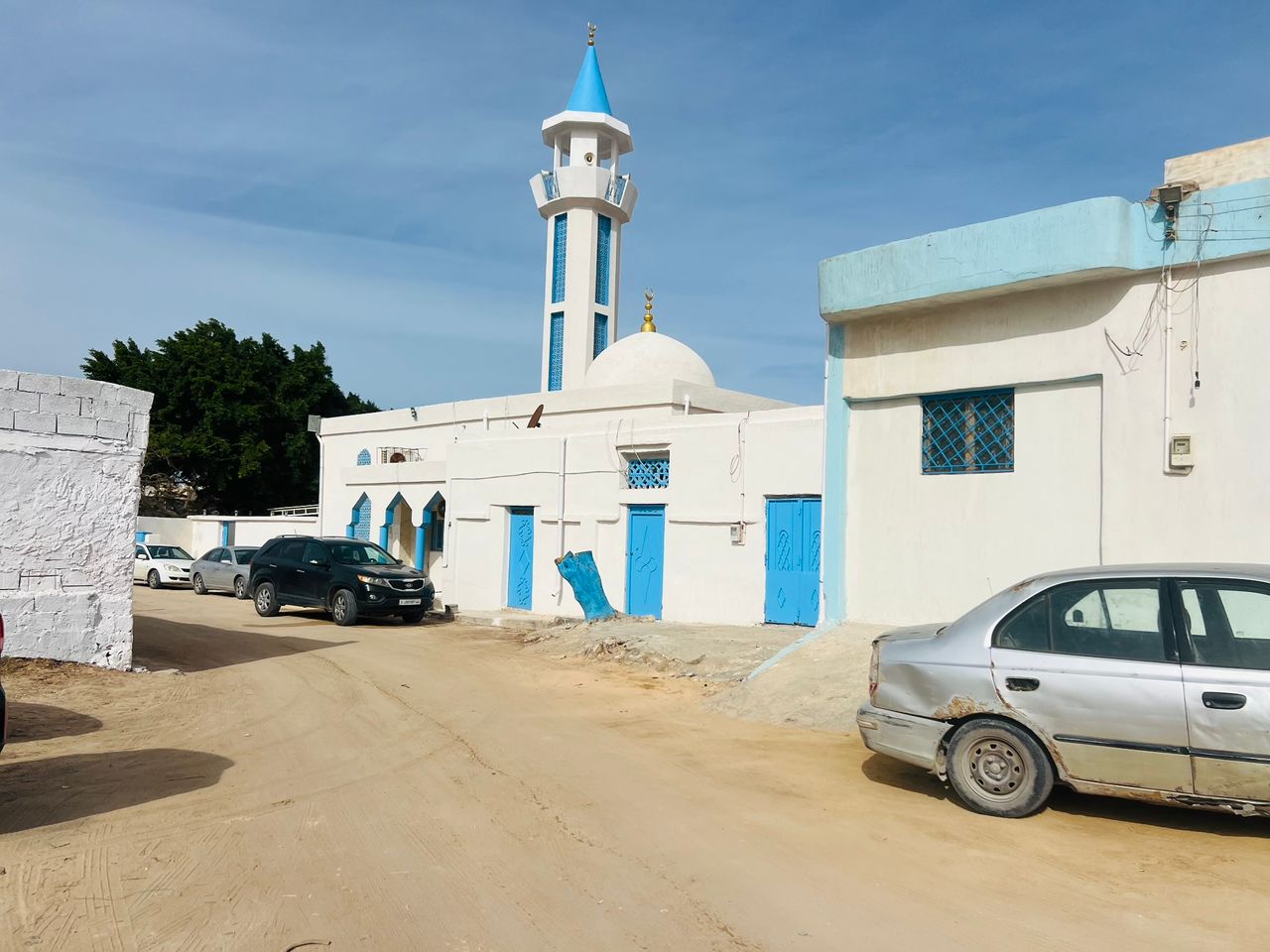
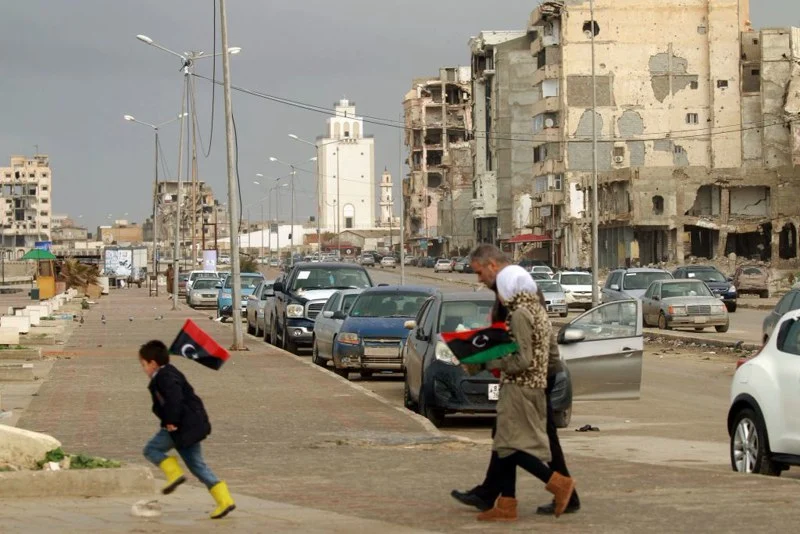
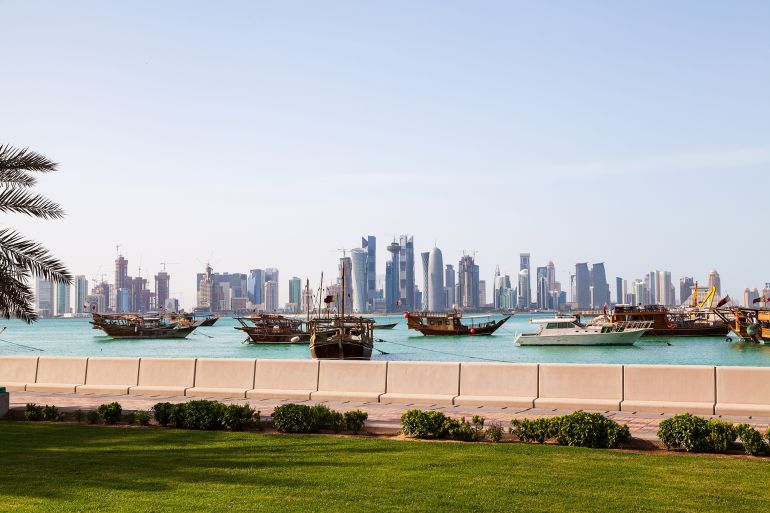
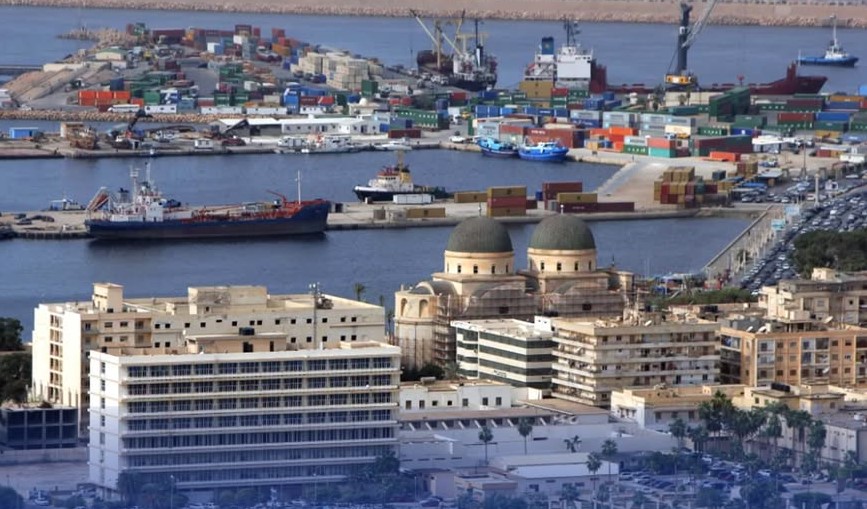
Tripoli
Tripoli is the capital and largest city of Libya, with a history dating back to the 7th century BC when it was founded by the Phoenicians. It later came under Roman, Byzantine, Arab, Ottoman, and Italian rule, which is reflected in its historic architecture, such as the old Medina and the Red Castle (Assai al-Hamra).
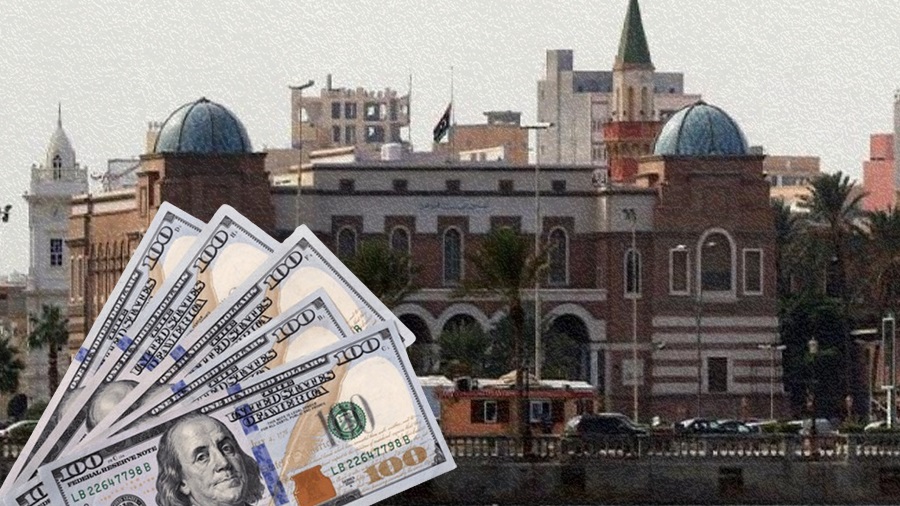
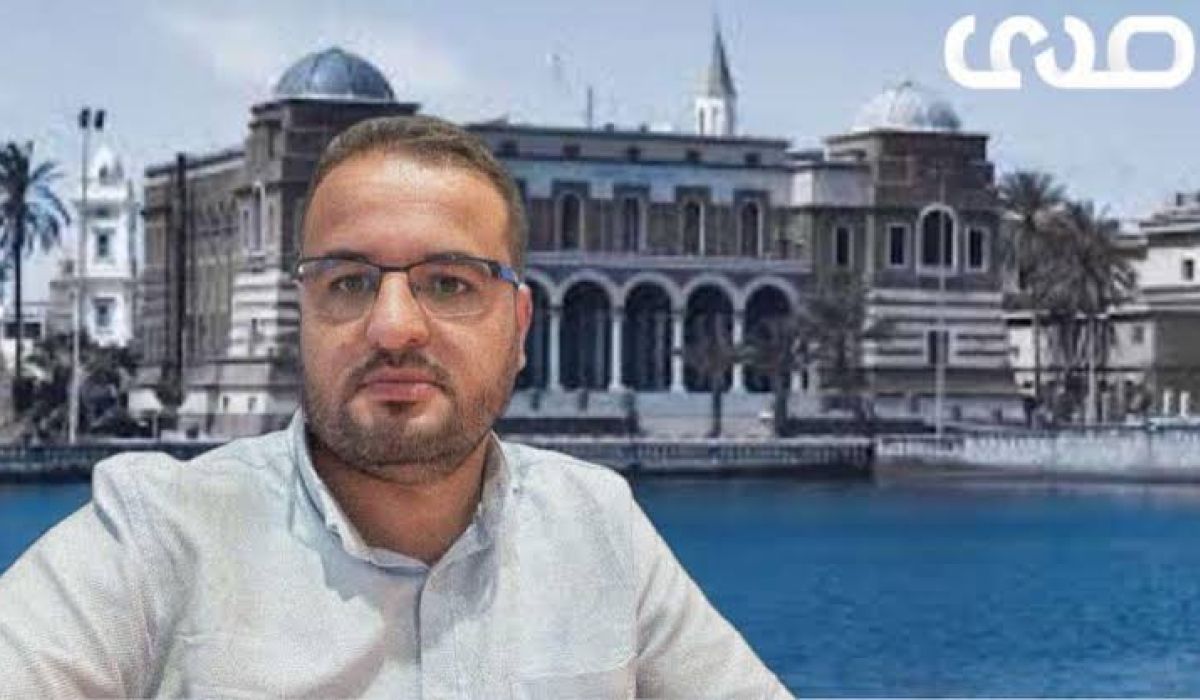
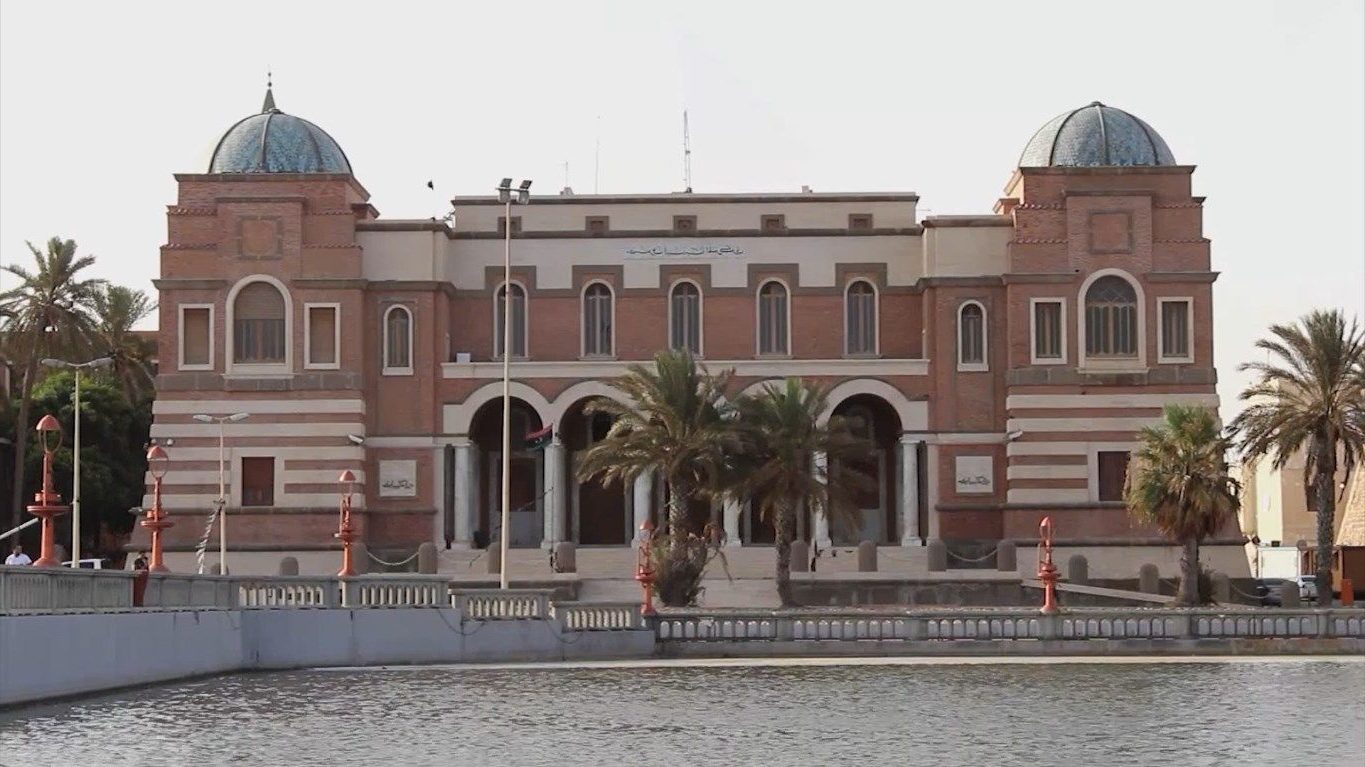
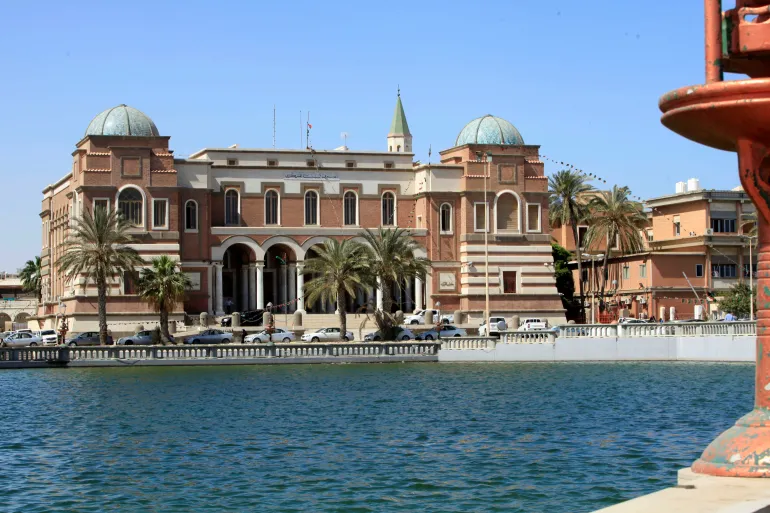
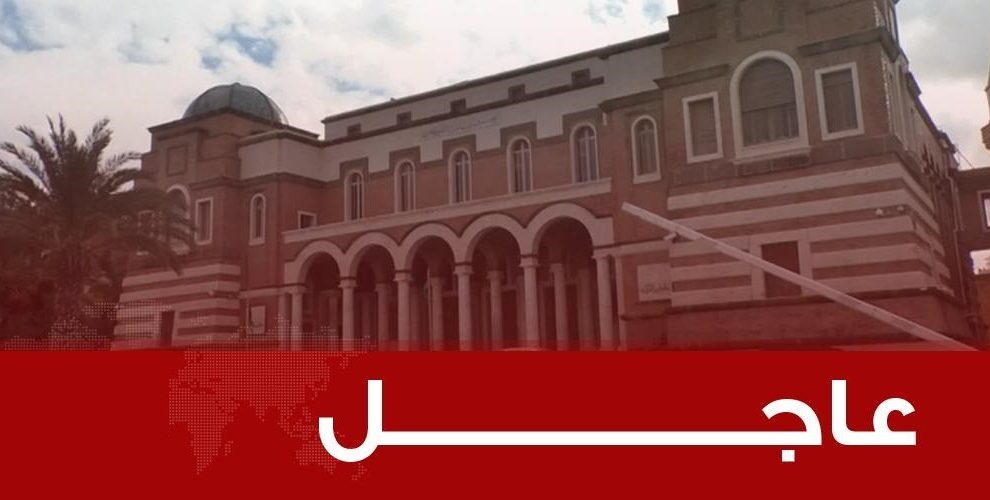
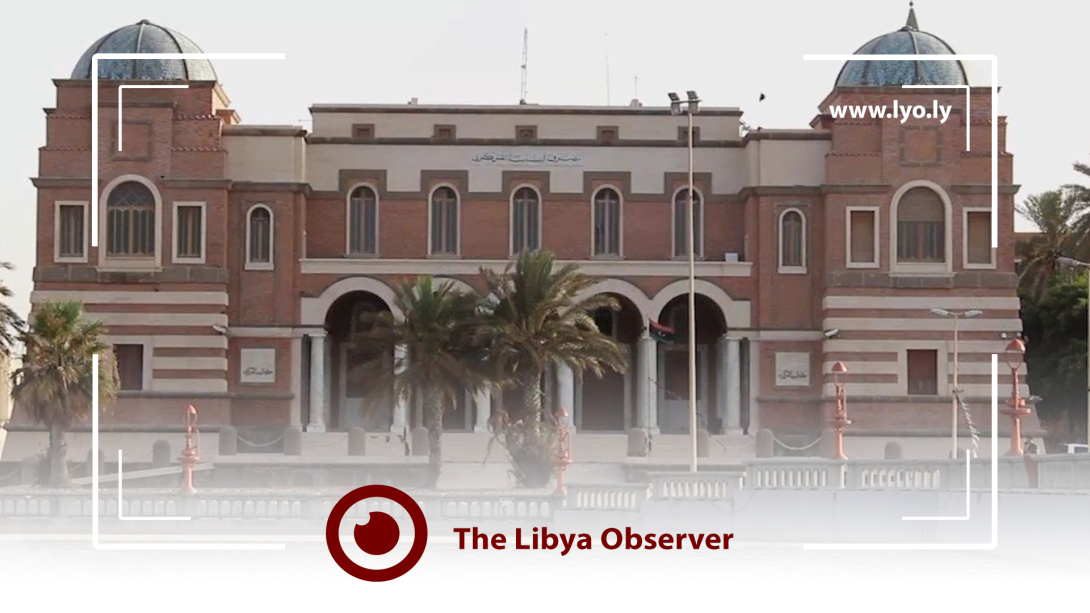
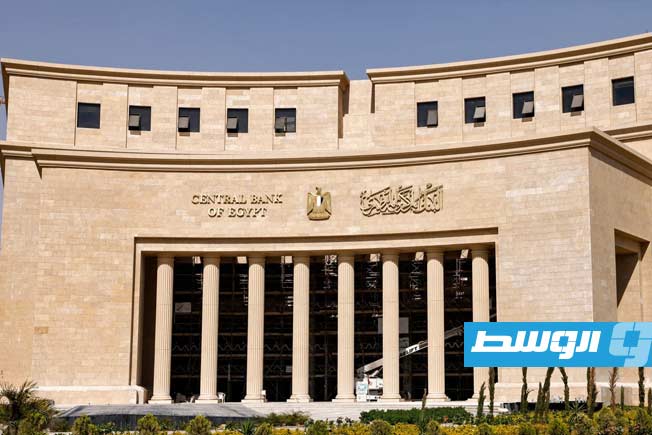
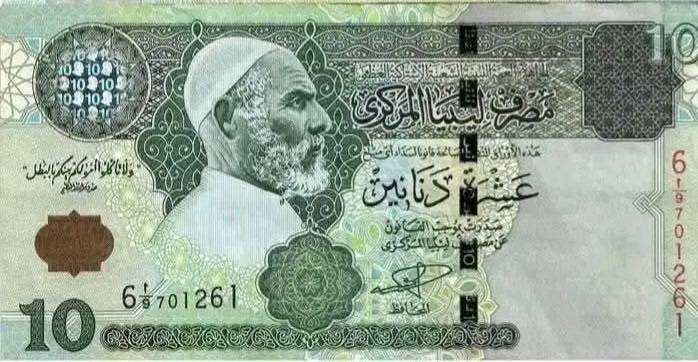
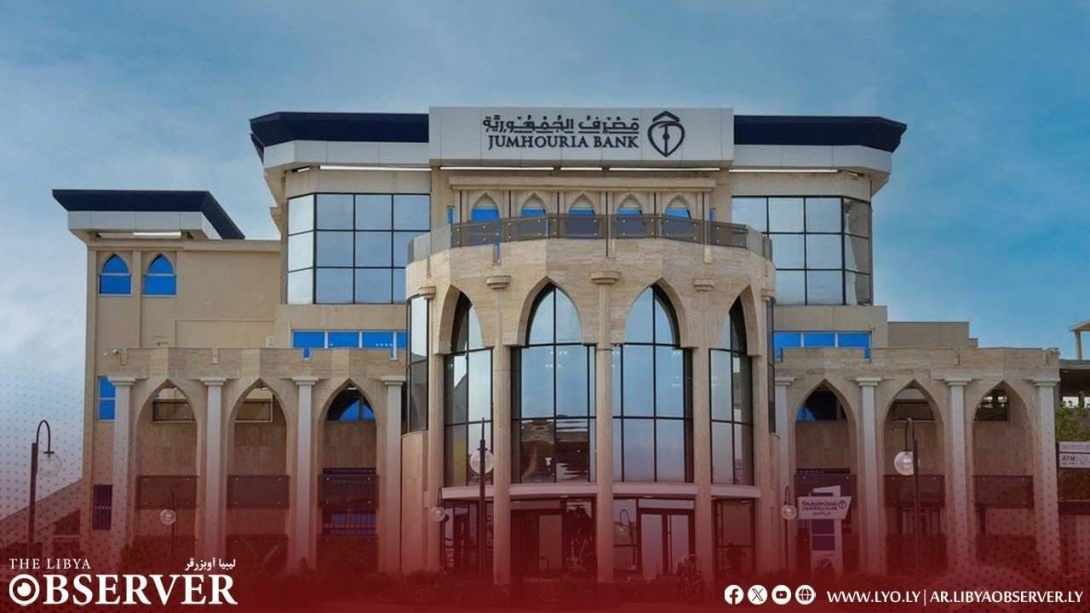
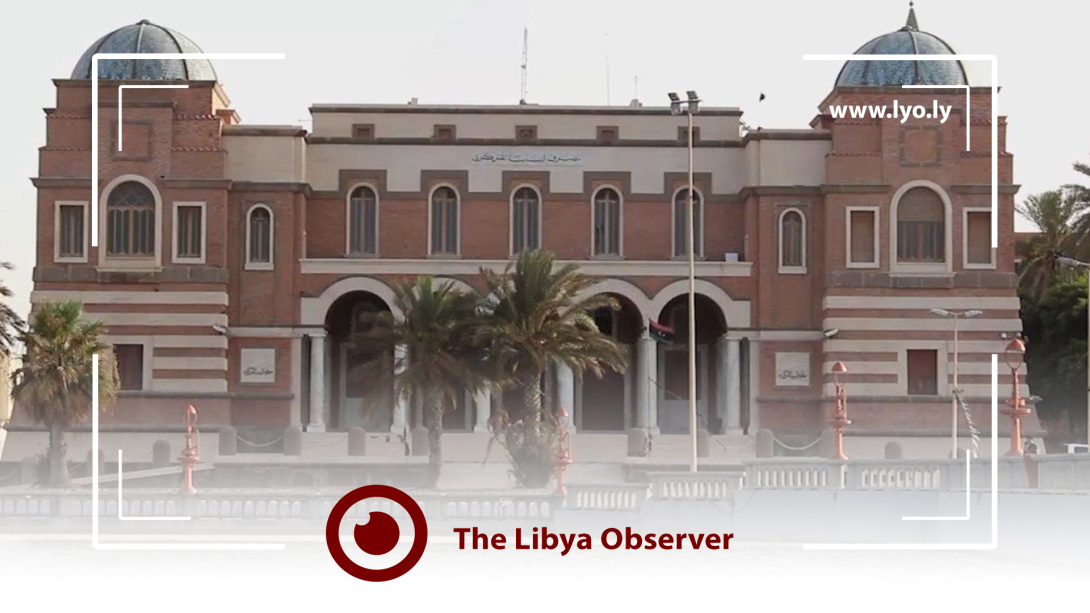
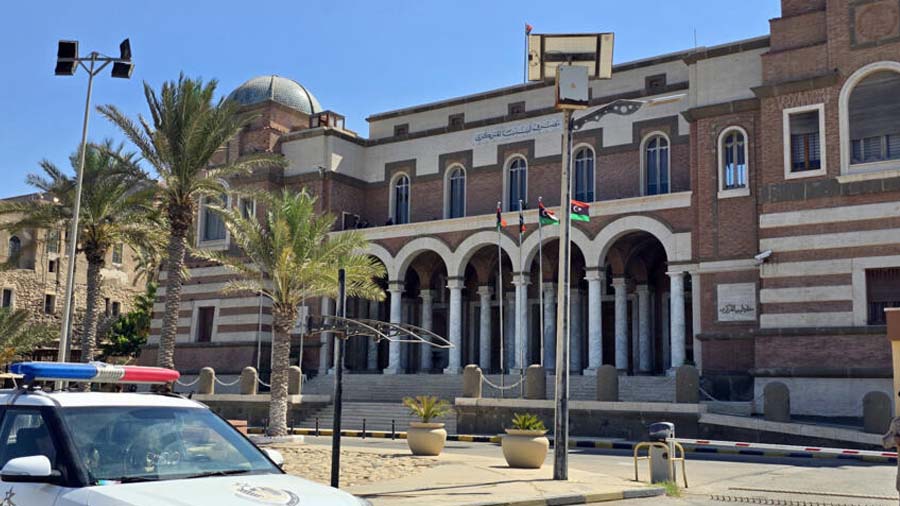
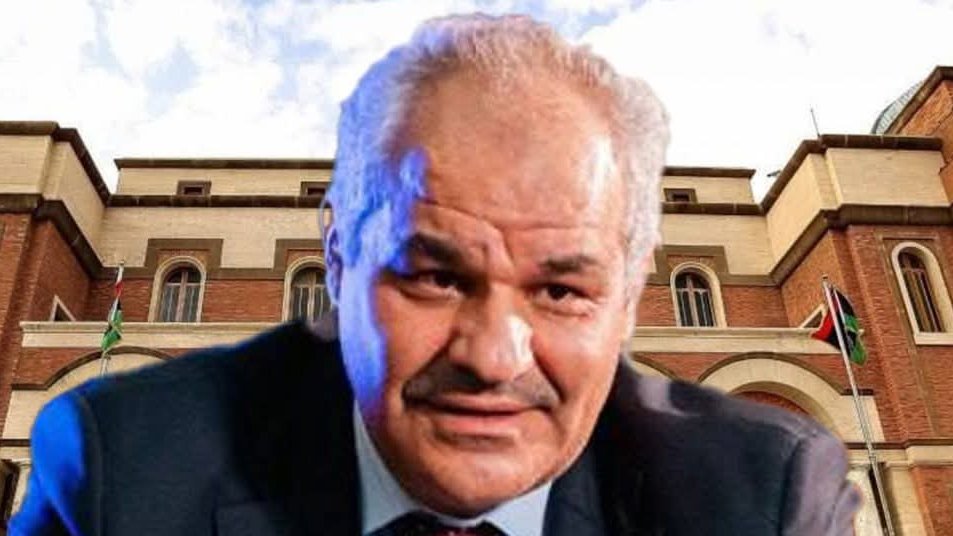
Central Bank of Libya
The Central Bank of Libya is the primary monetary authority of Libya, established in 1956 to issue currency and manage the country’s financial reserves. Its history has been deeply impacted by political conflict, particularly since 2011, leading to periods where rival governments have claimed control over its branches and assets.
Libya
Libya is a North African country with a rich history rooted in ancient civilizations like the Phoenicians and Romans, followed by centuries of Arab and Ottoman influence. In the modern era, it was an Italian colony before gaining independence in 1951, later ruled by Muammar Gaddafi from 1969 until the 2011 revolution. It is home to UNESCO World Heritage sites, such as the ruins of Leptis Magna, which attest to its significant historical legacy.