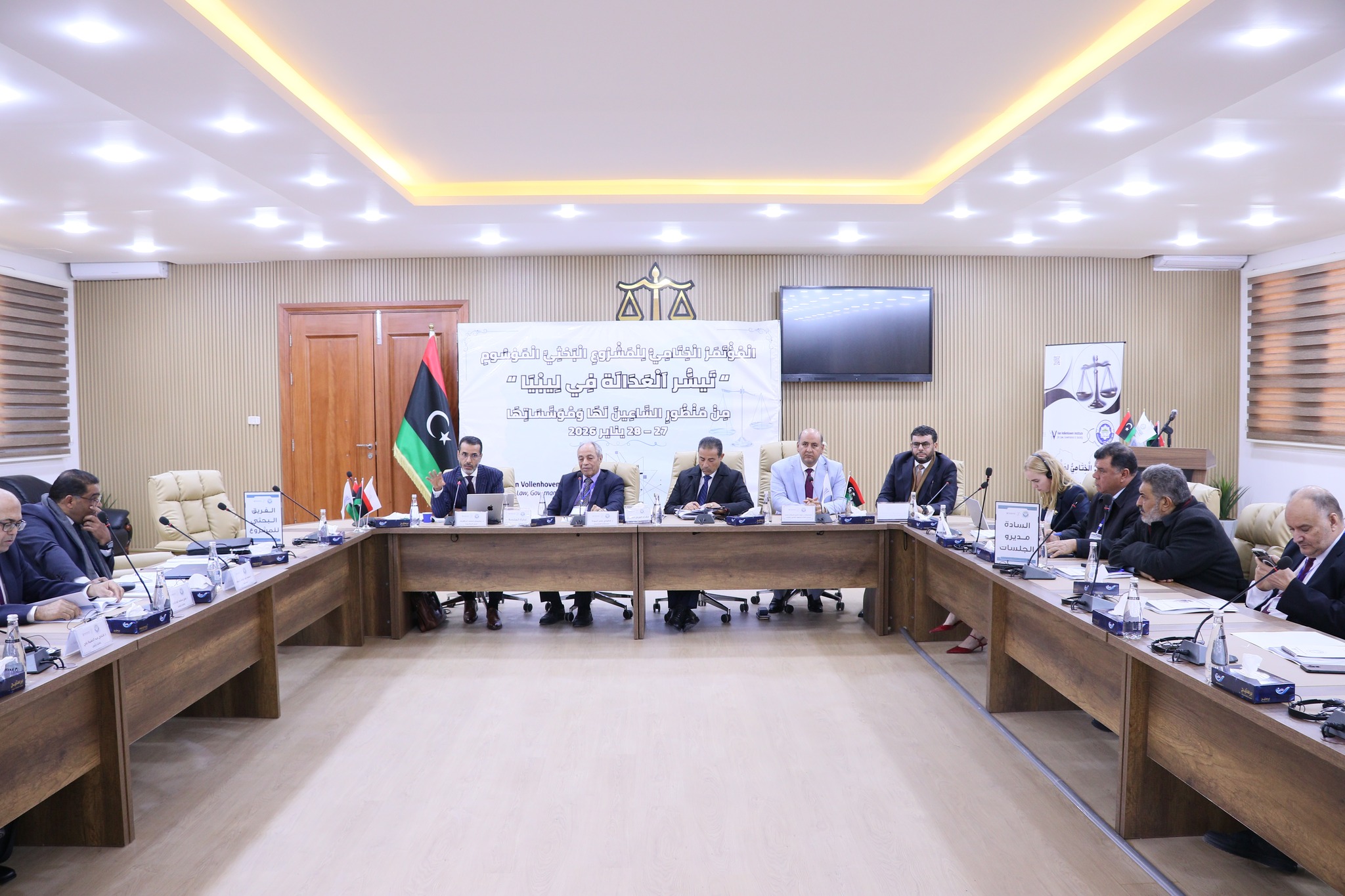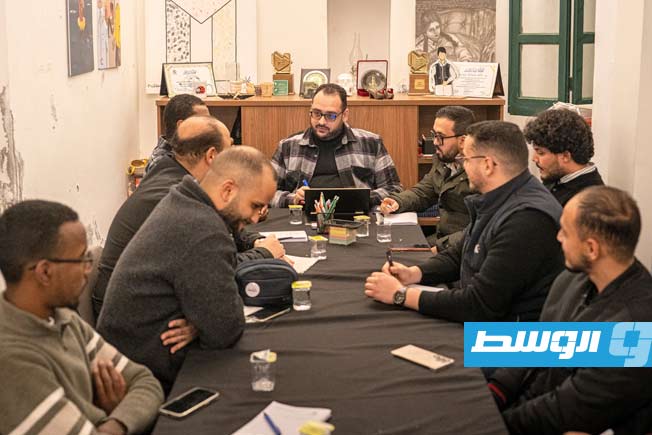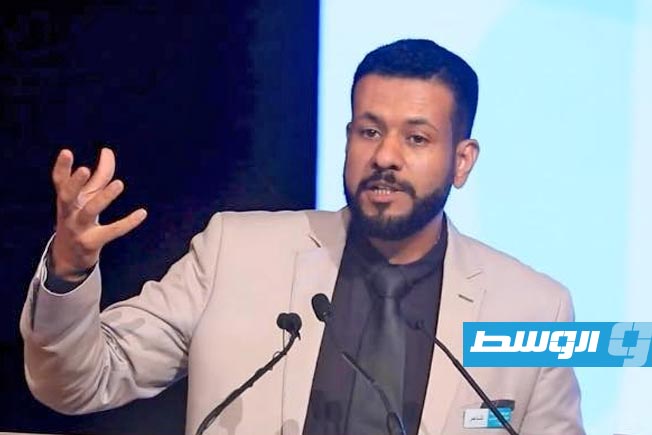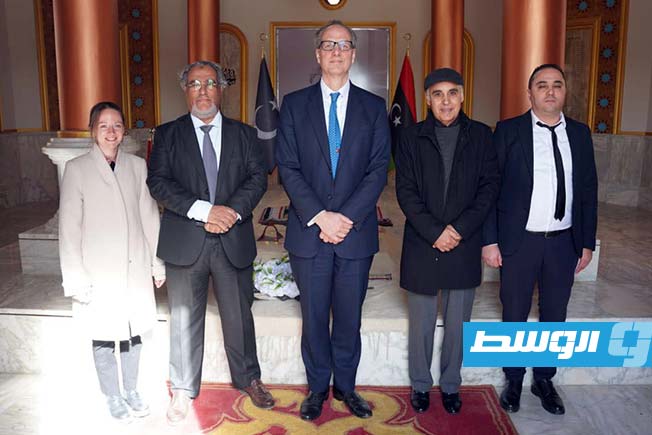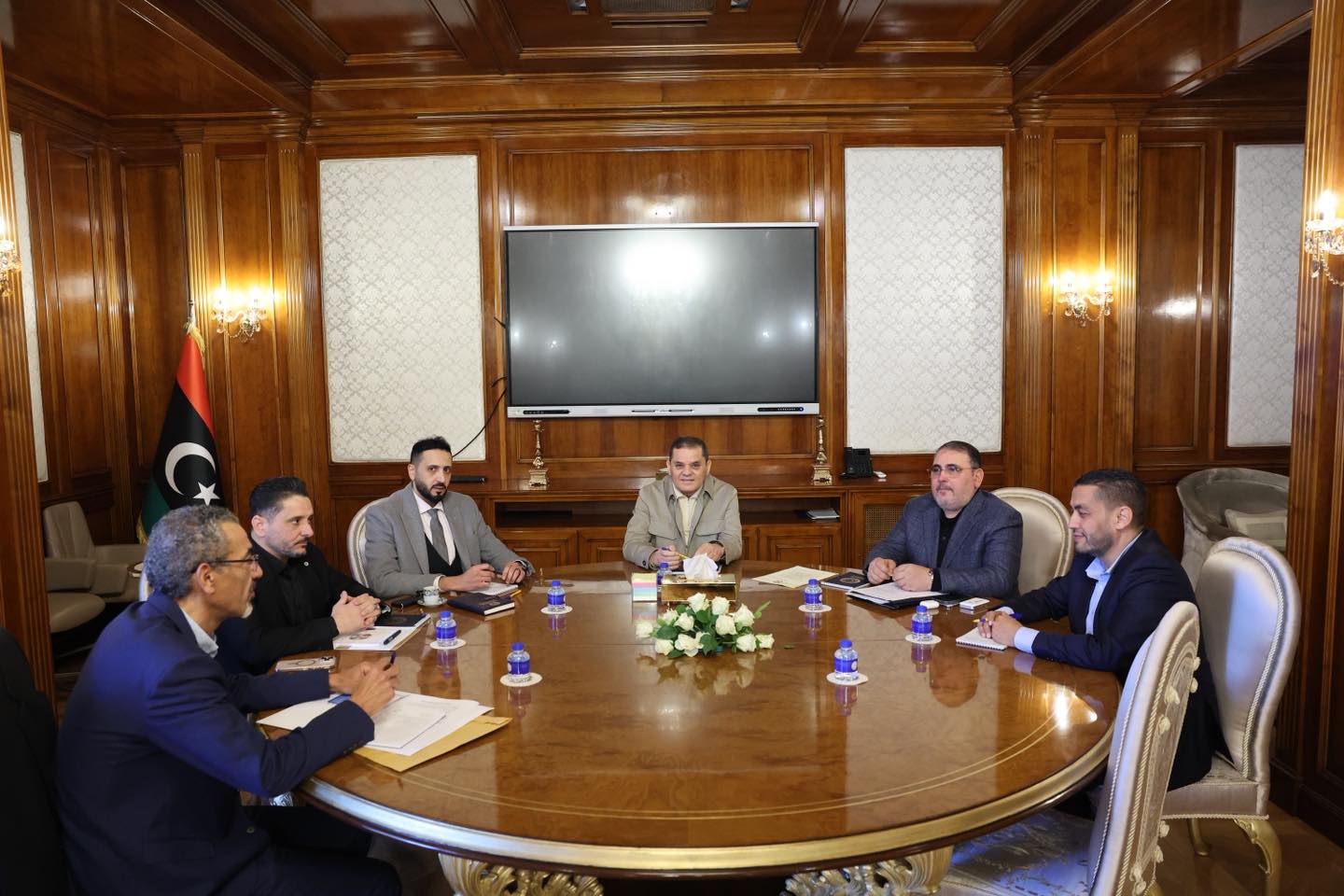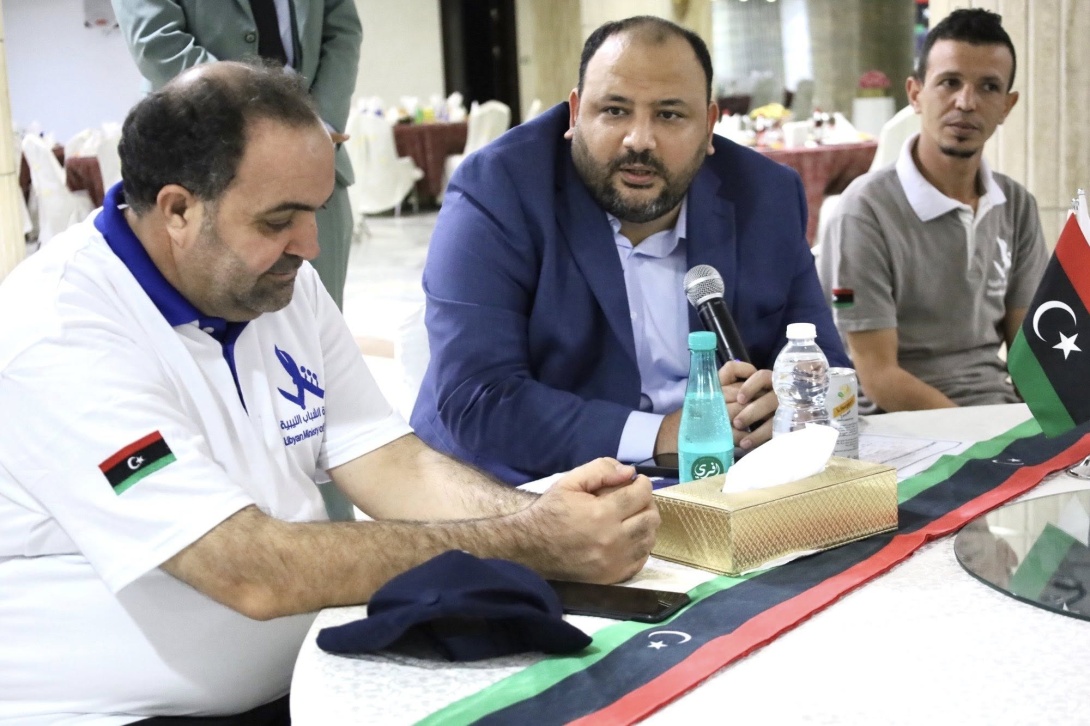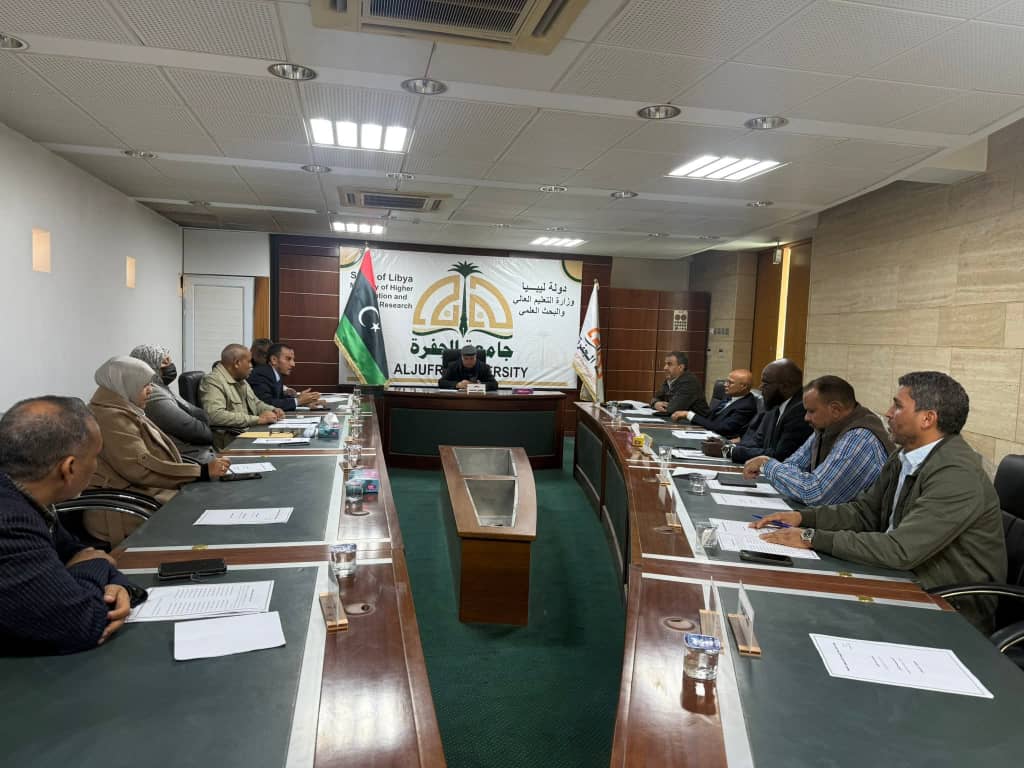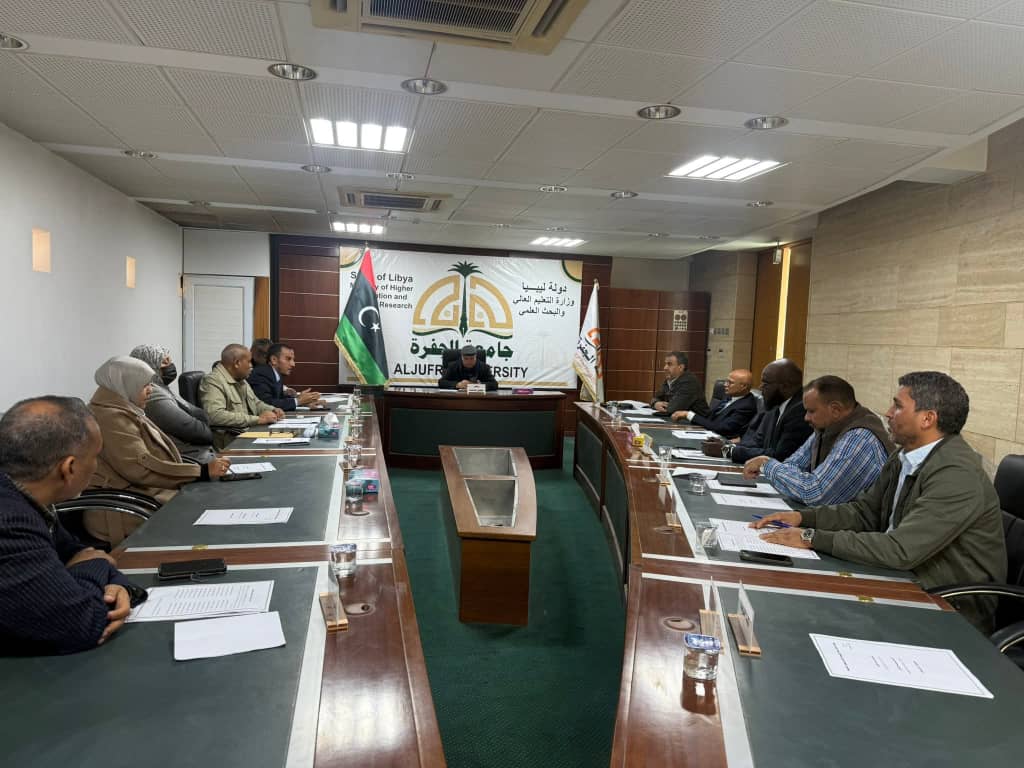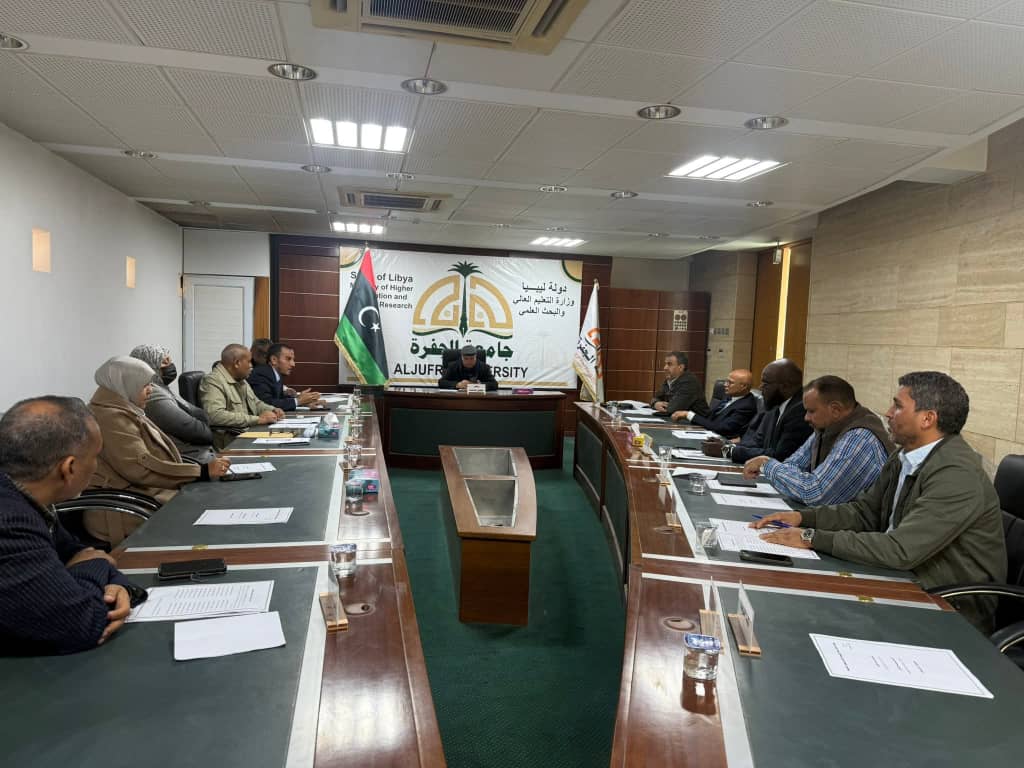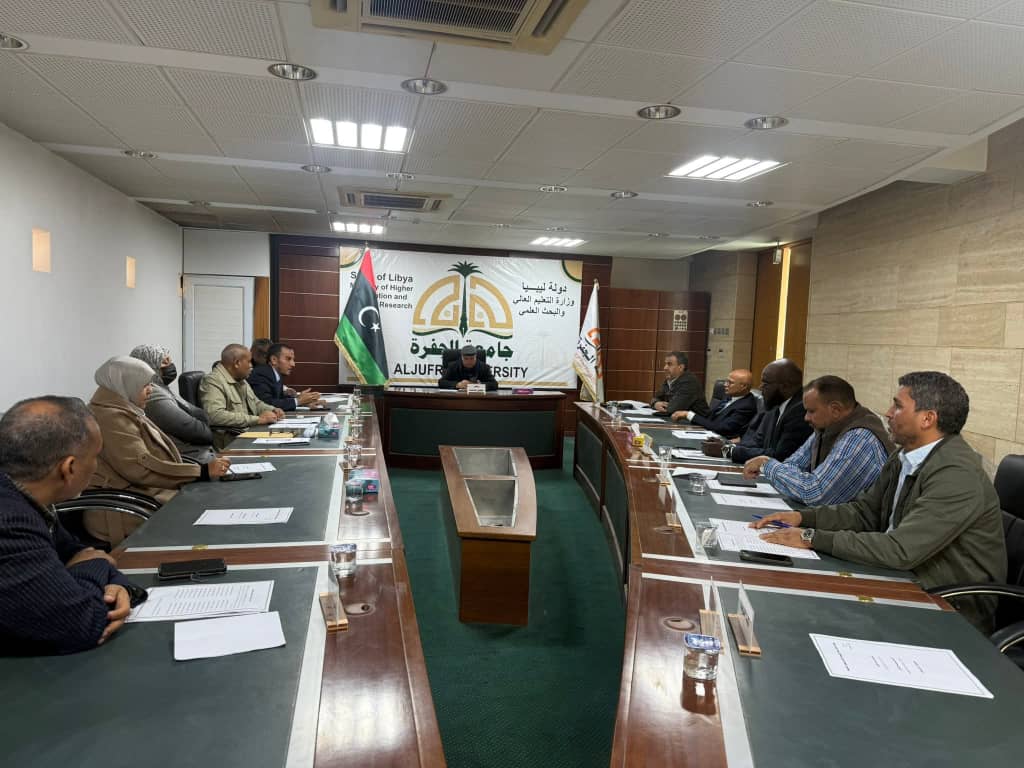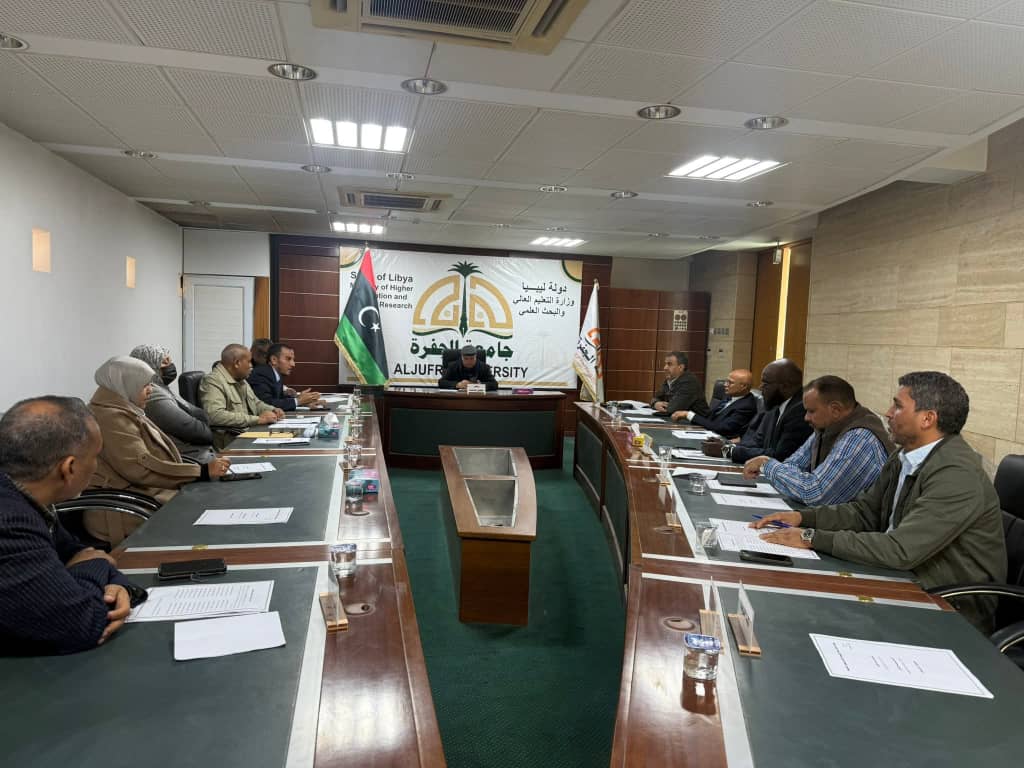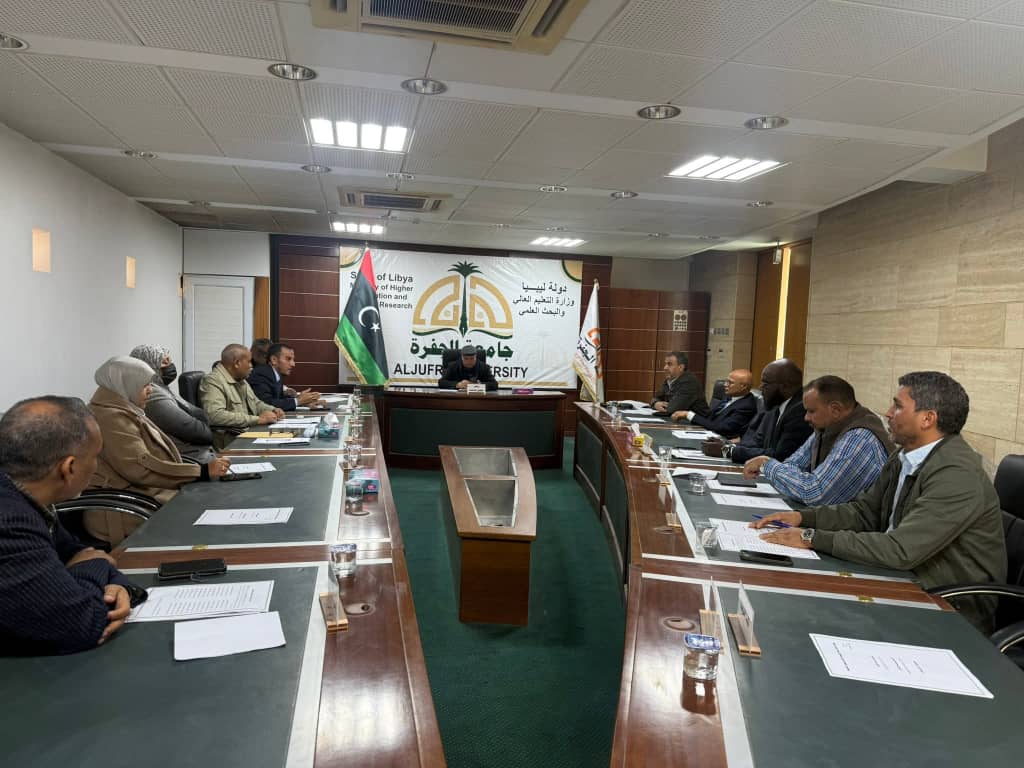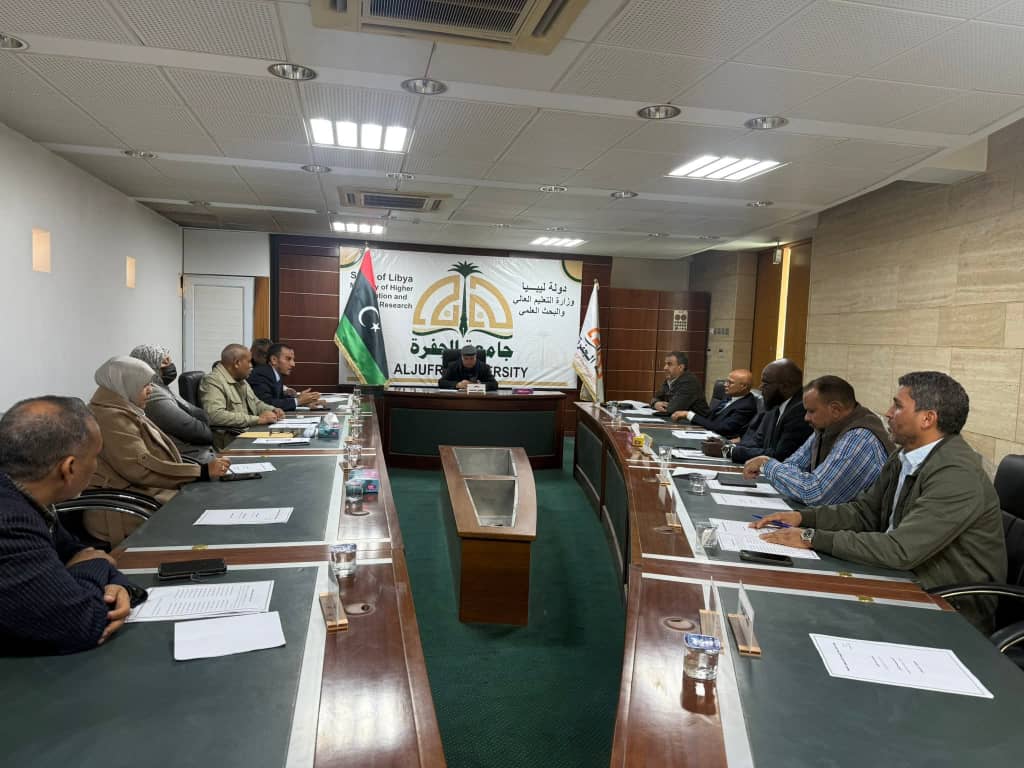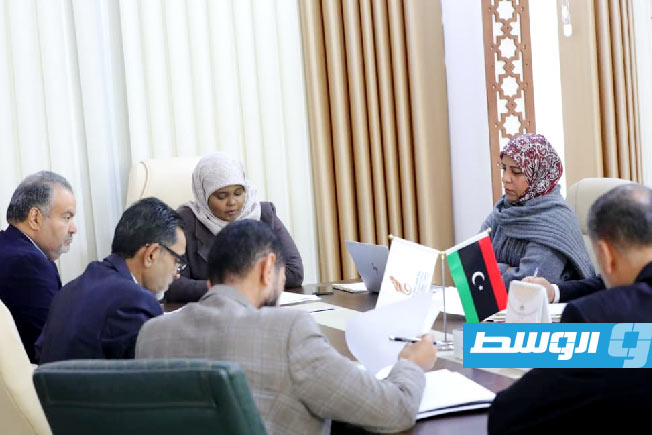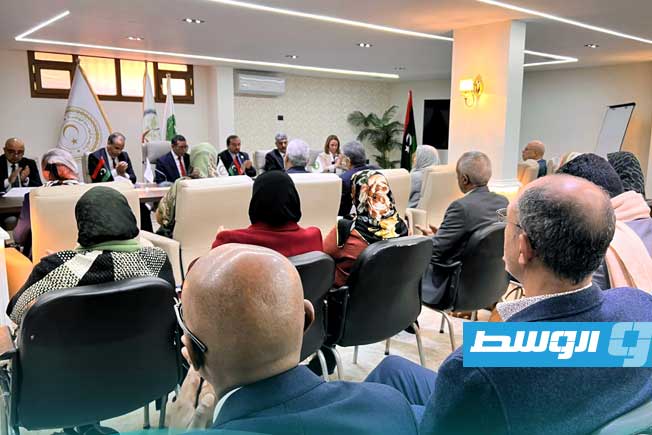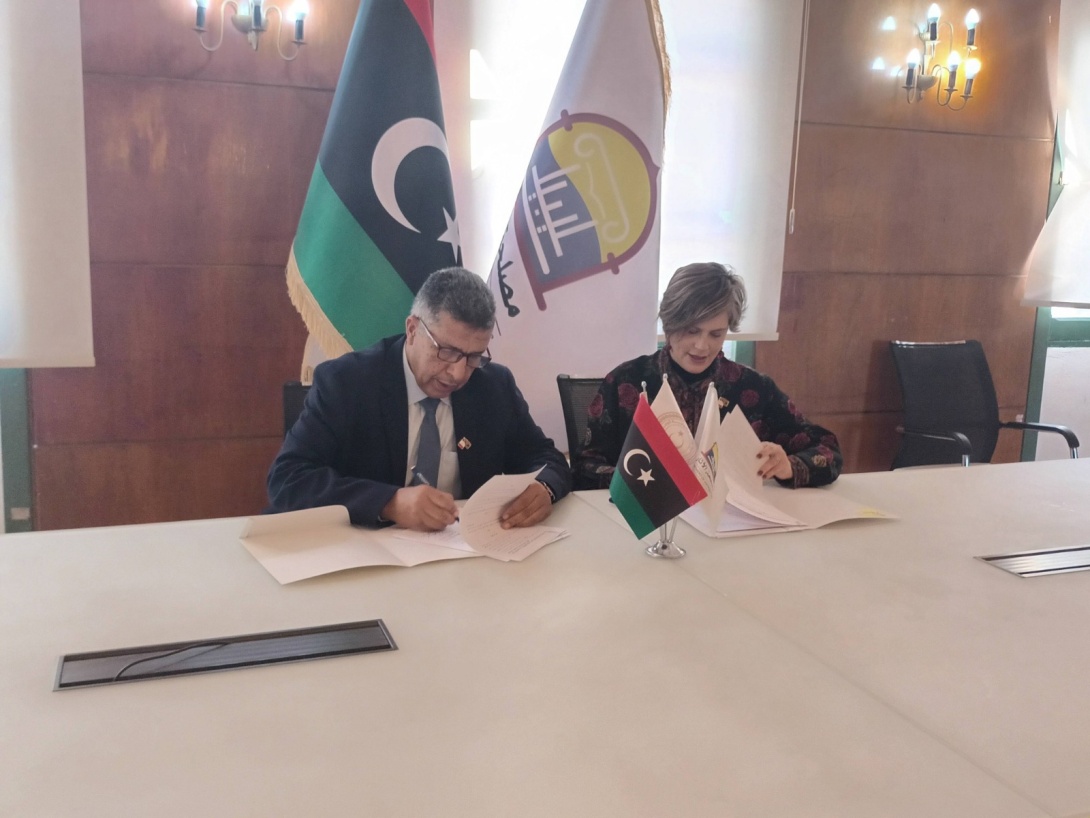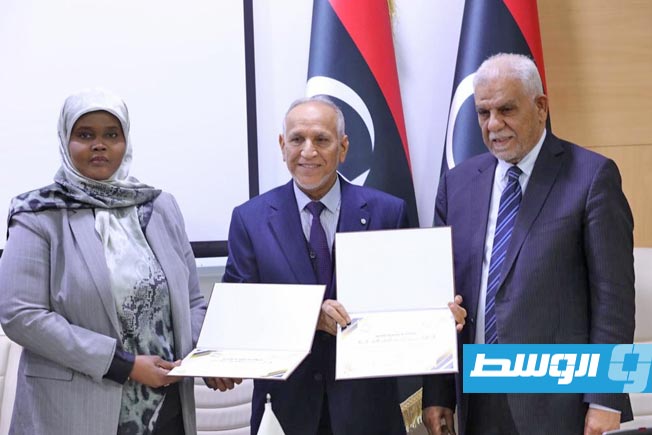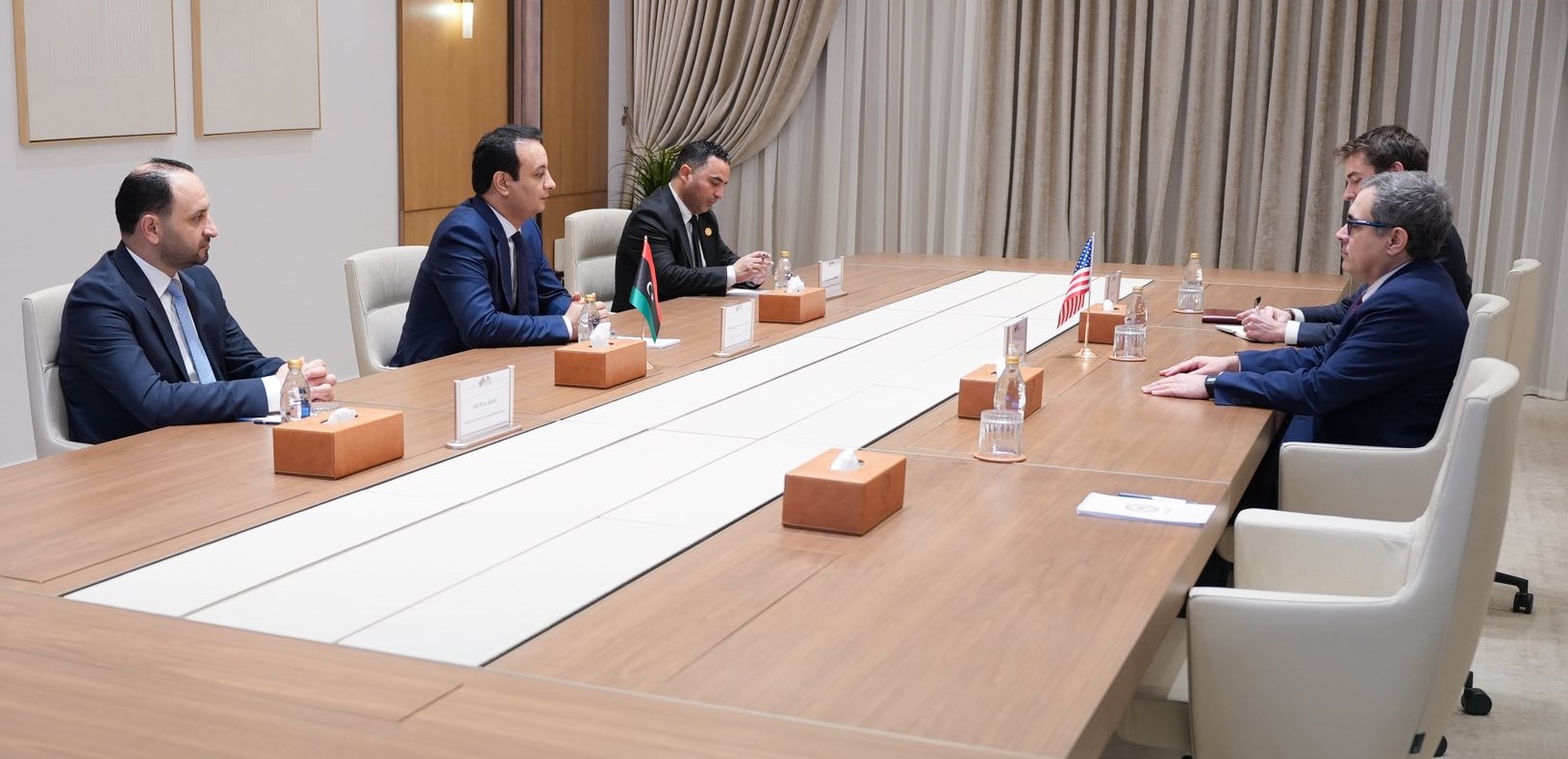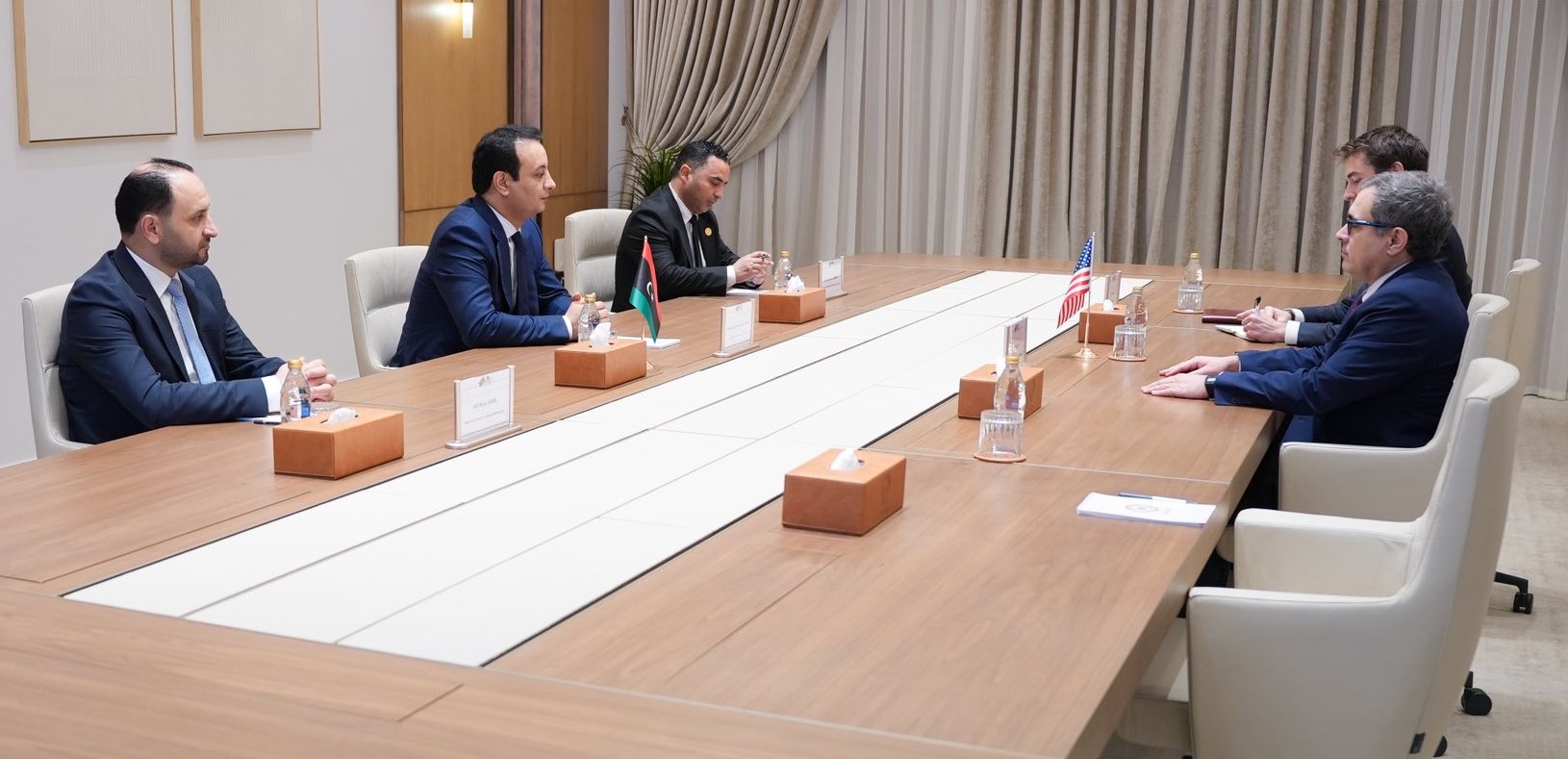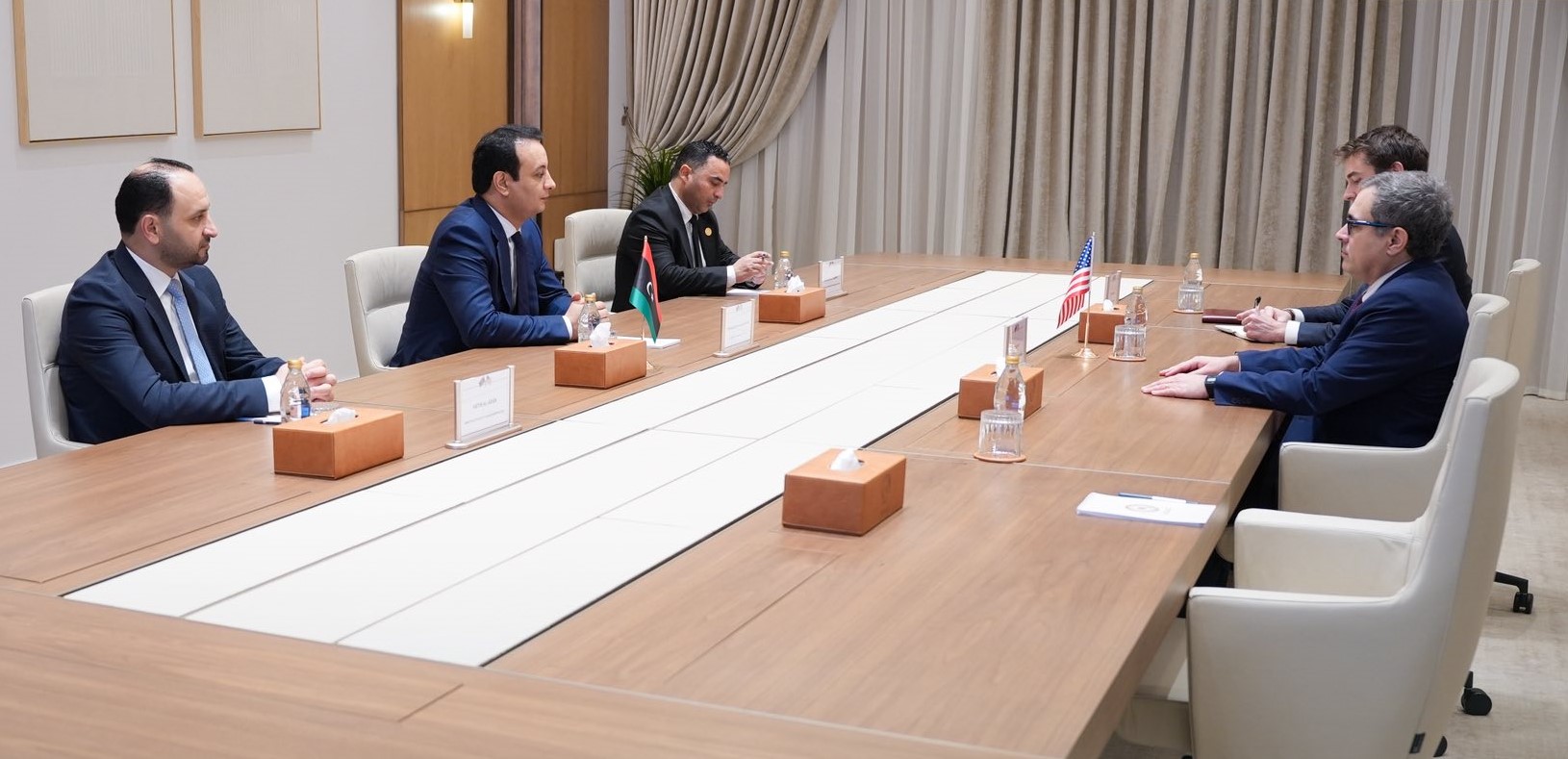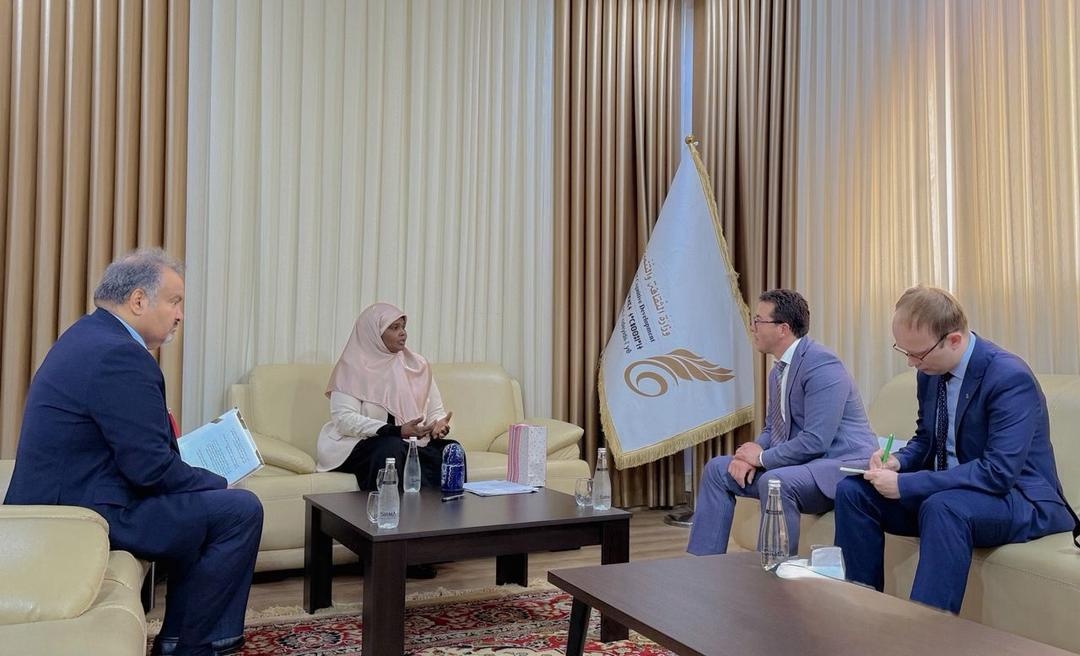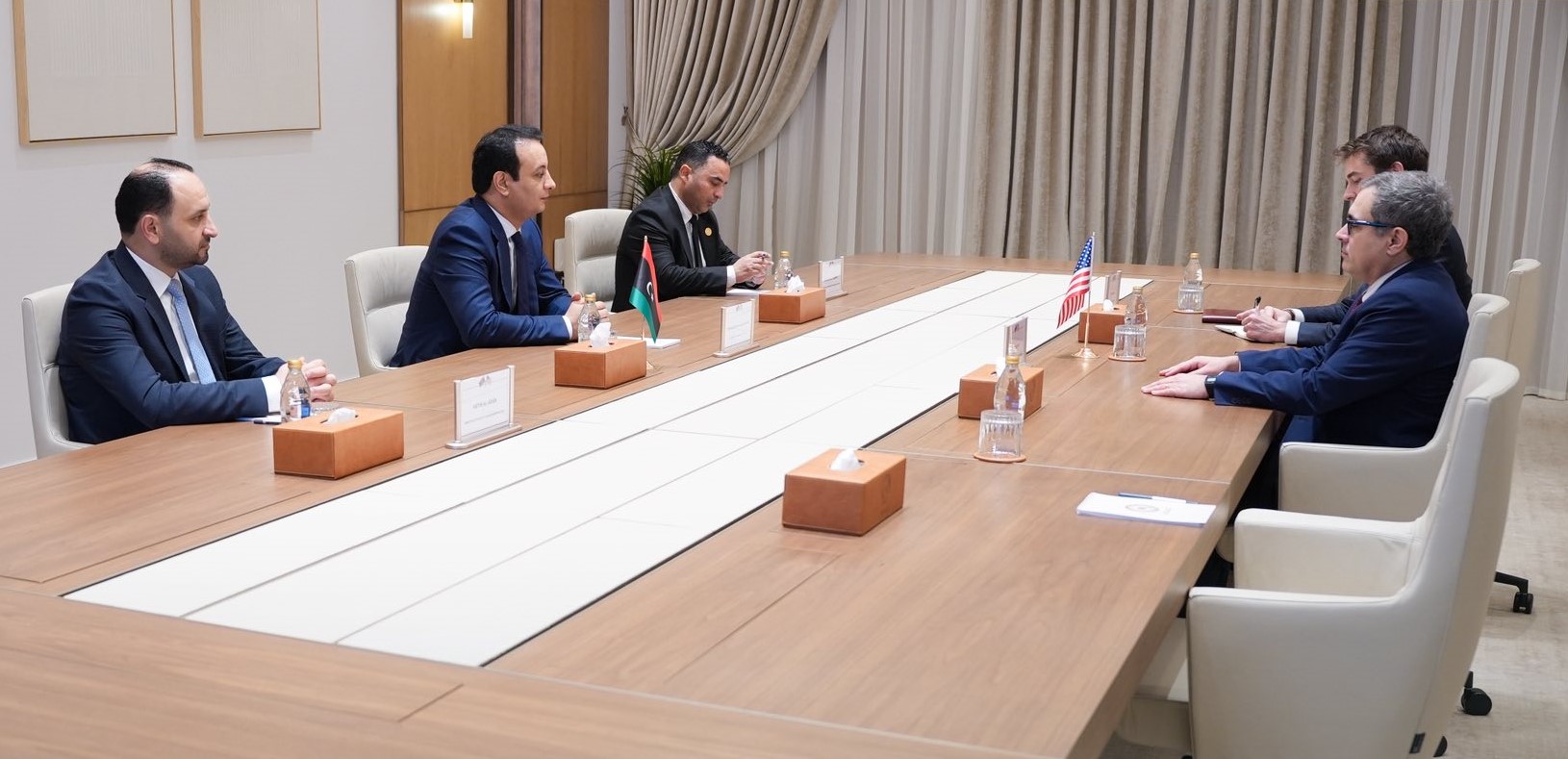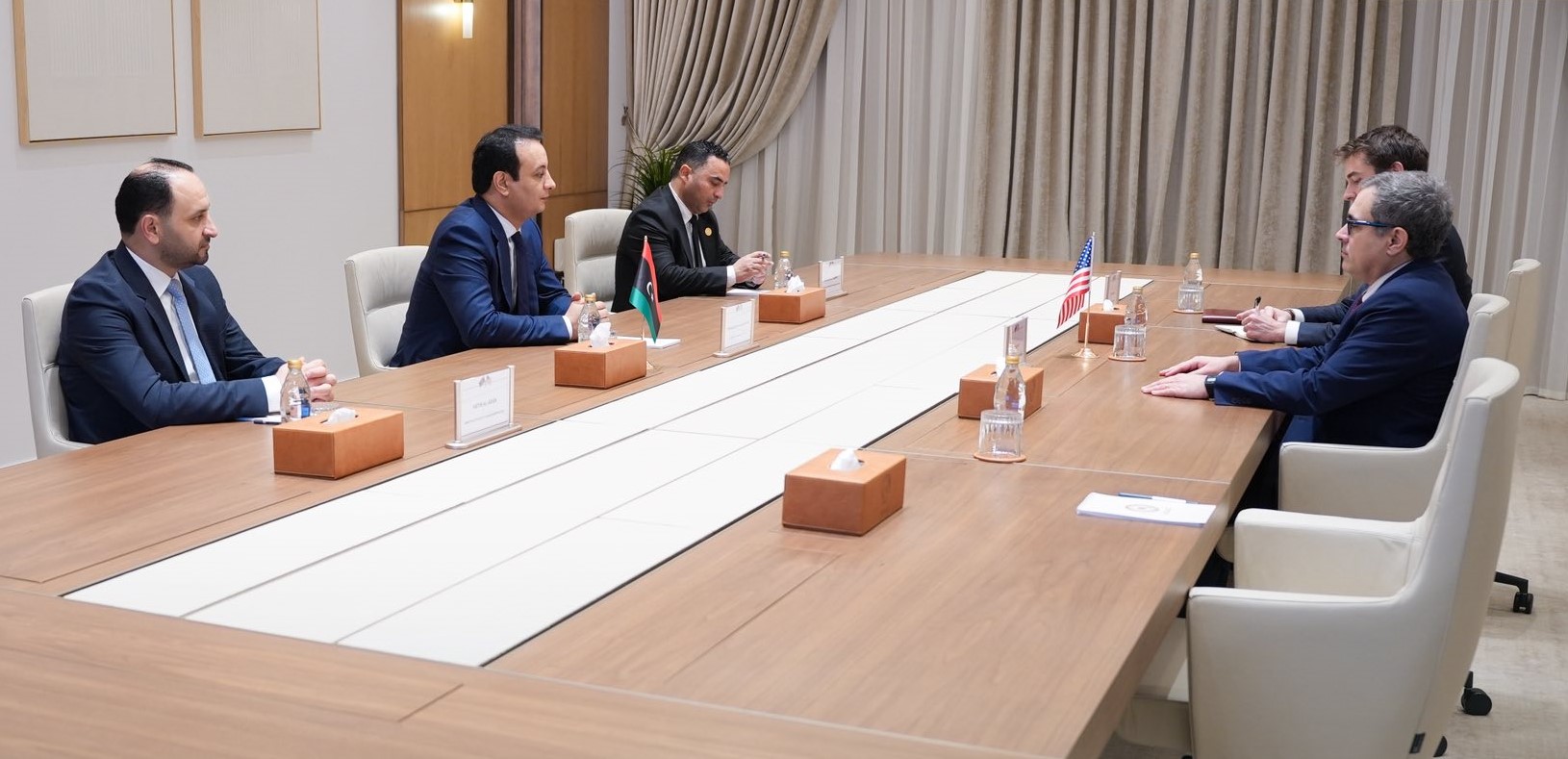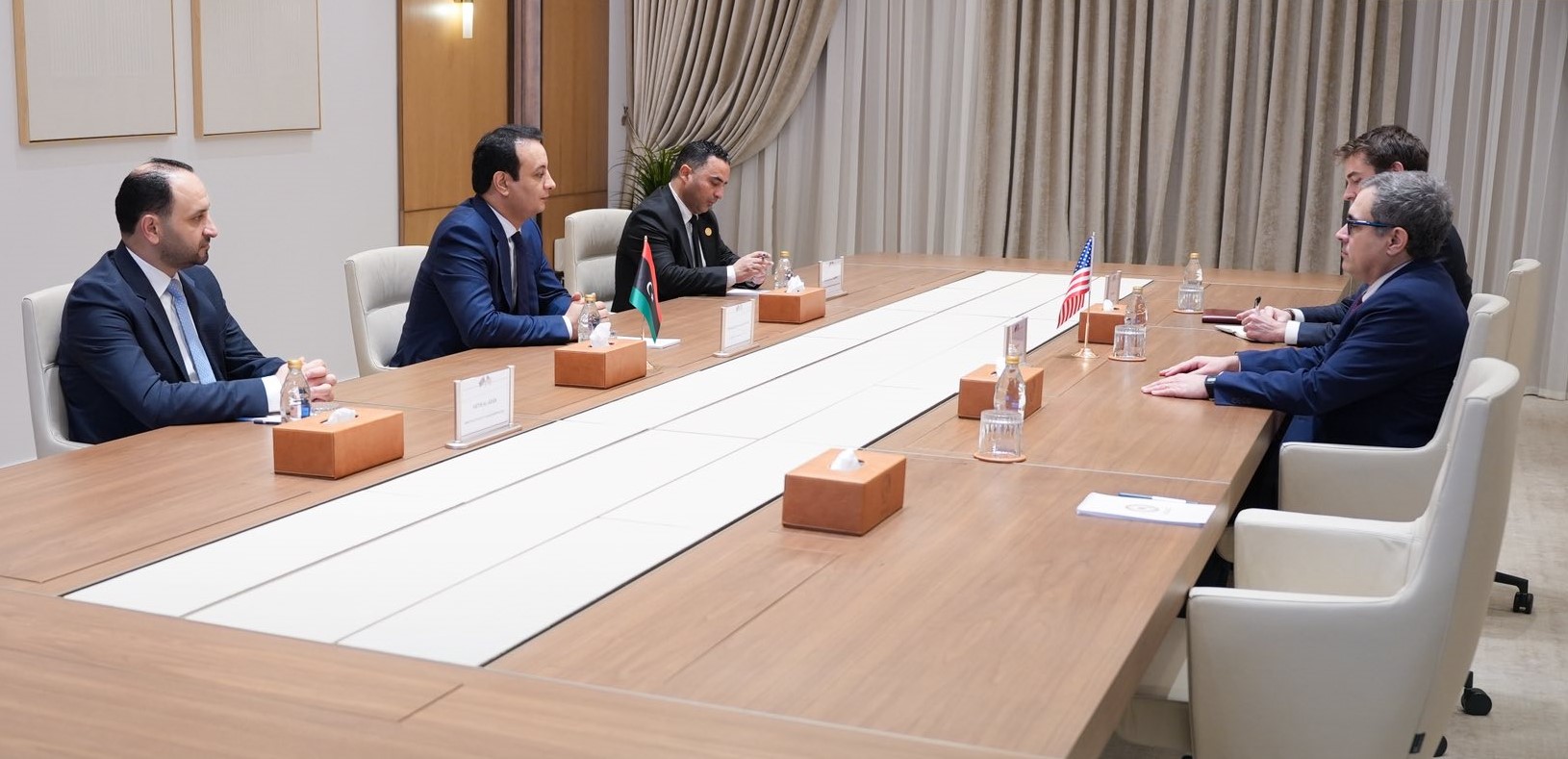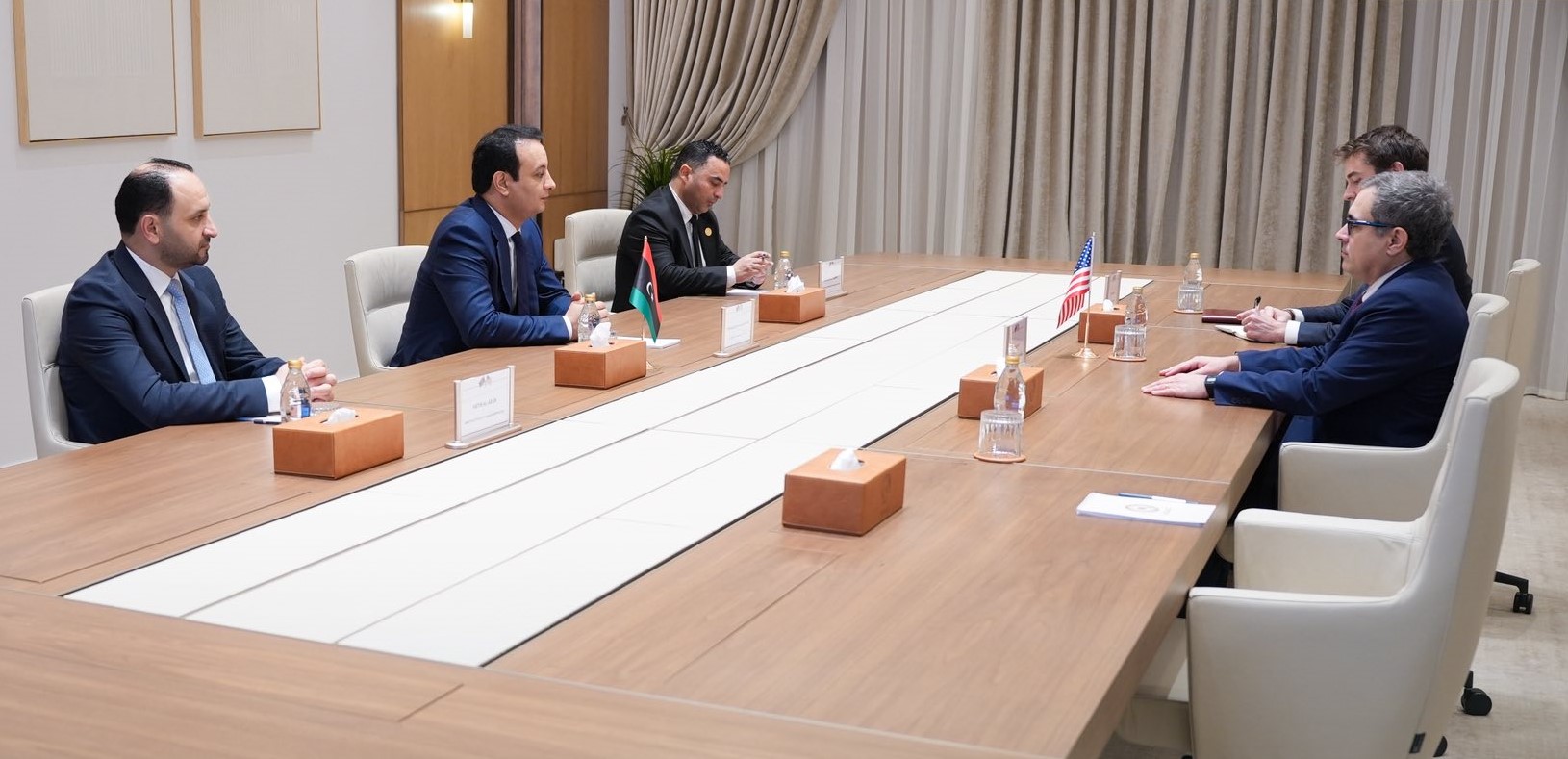
Tripoli, January 27, 2026 – The Supreme Committee for Implementing the Strategic Plan to Combat Corruption at the Audit Bureau held a coordination meeting today with representatives of the international community. This meeting is part of efforts to enhance integrity, transparency, and support institutional reform.
The meeting, held at the Bureau’s headquarters in Tripoli, reviewed the progress level in implementing the national anti-corruption strategy. It discussed the key indicators and achievements made during the past period, in addition to defining priorities, practical pathways, and proposed action plans for 2026. This contributes to enhancing integrity, transparency, and supporting institutional reform efforts.
During the meeting, emphasis was placed on the importance of continued coordination and cooperation with international partners. Appreciation was expressed for the support provided by international community representatives for Libya’s efforts in combating corruption, promoting principles of good governance, and institution-building.
This meeting comes within the framework of a commitment to unify national and international efforts and work jointly towards establishing the foundations of a state of law and entrenching the values of transparency and accountability.
…