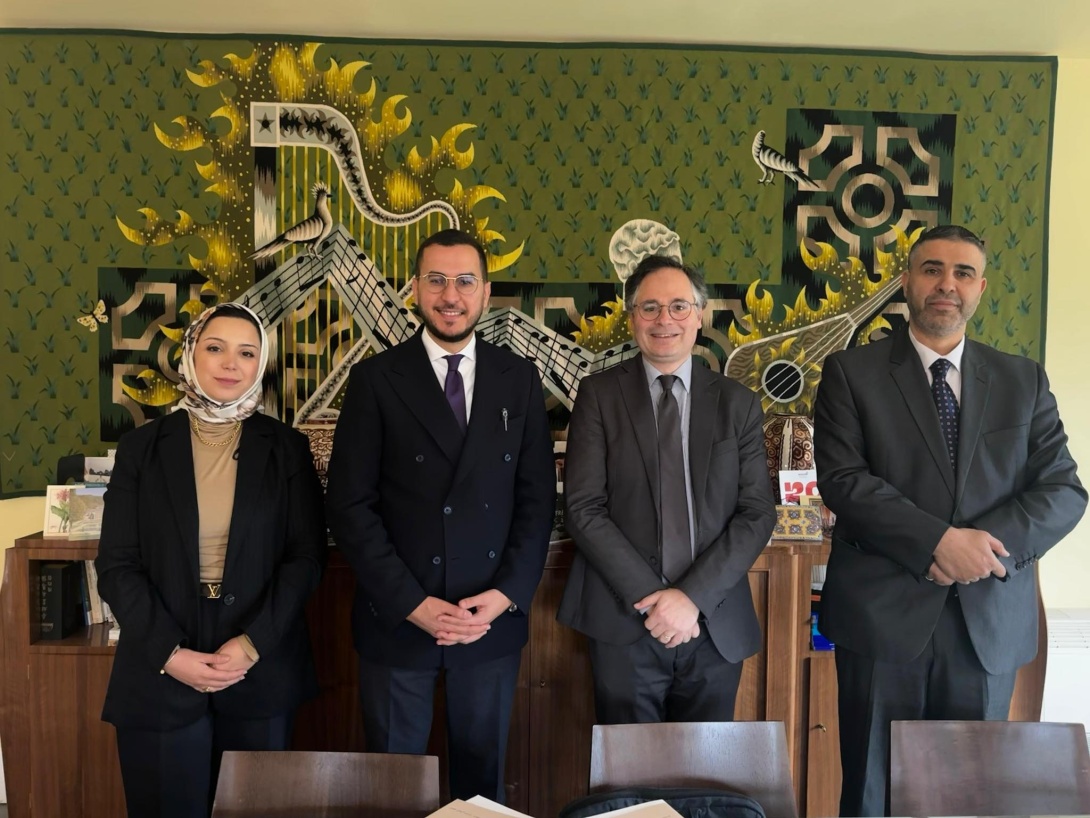
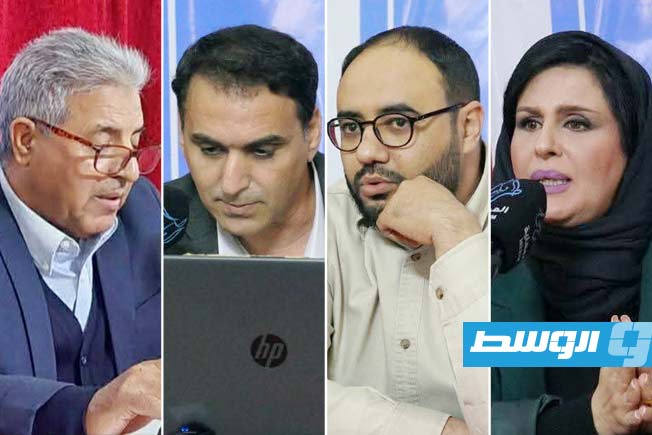
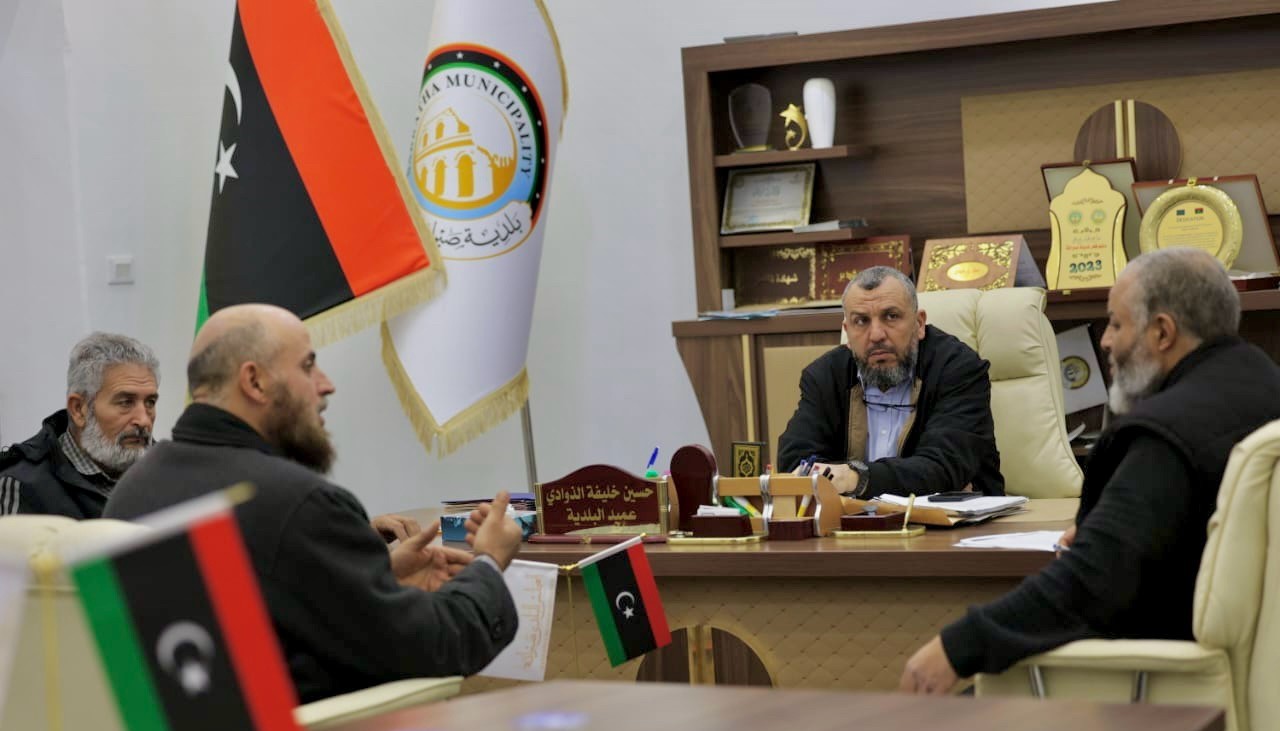
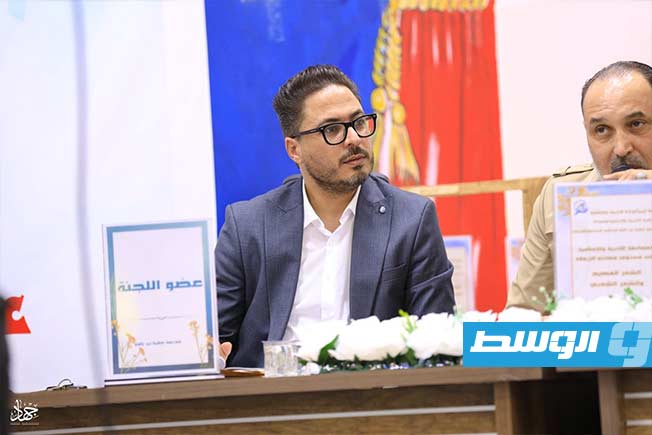
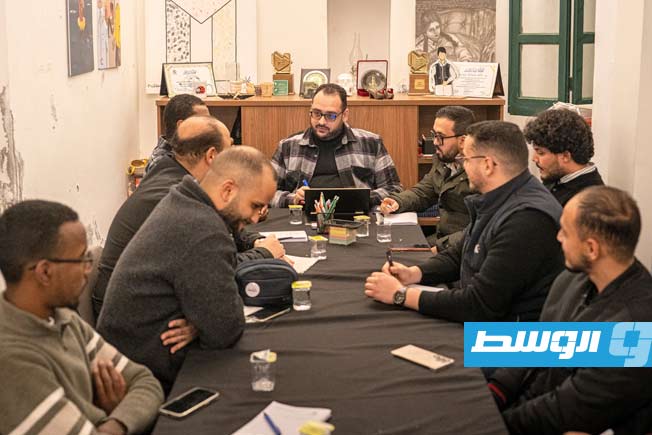
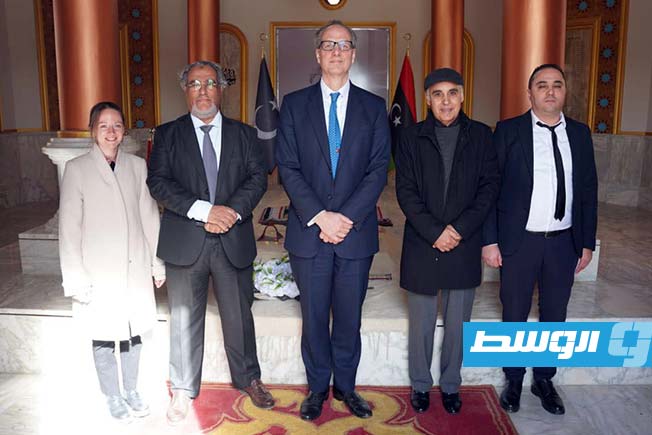
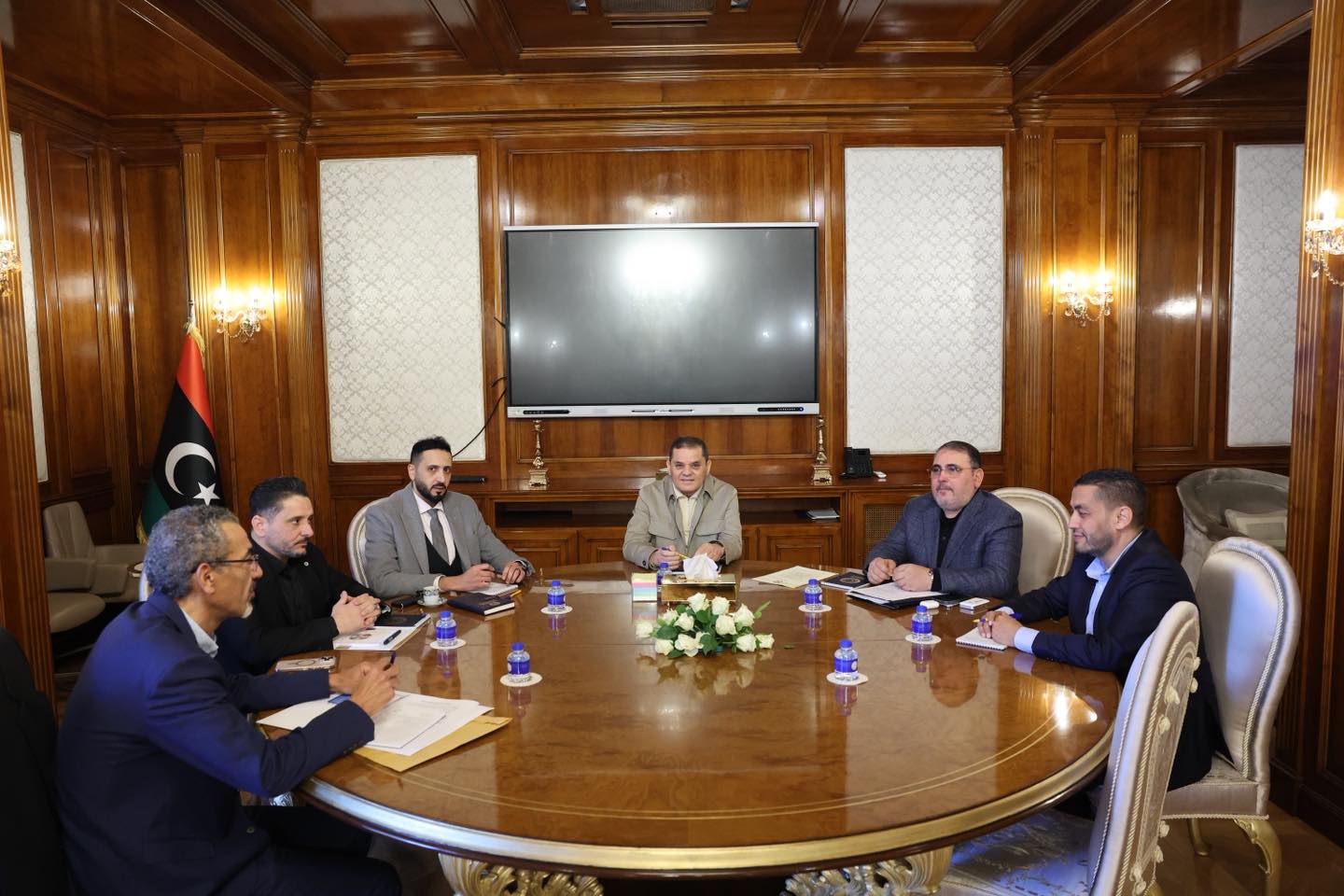
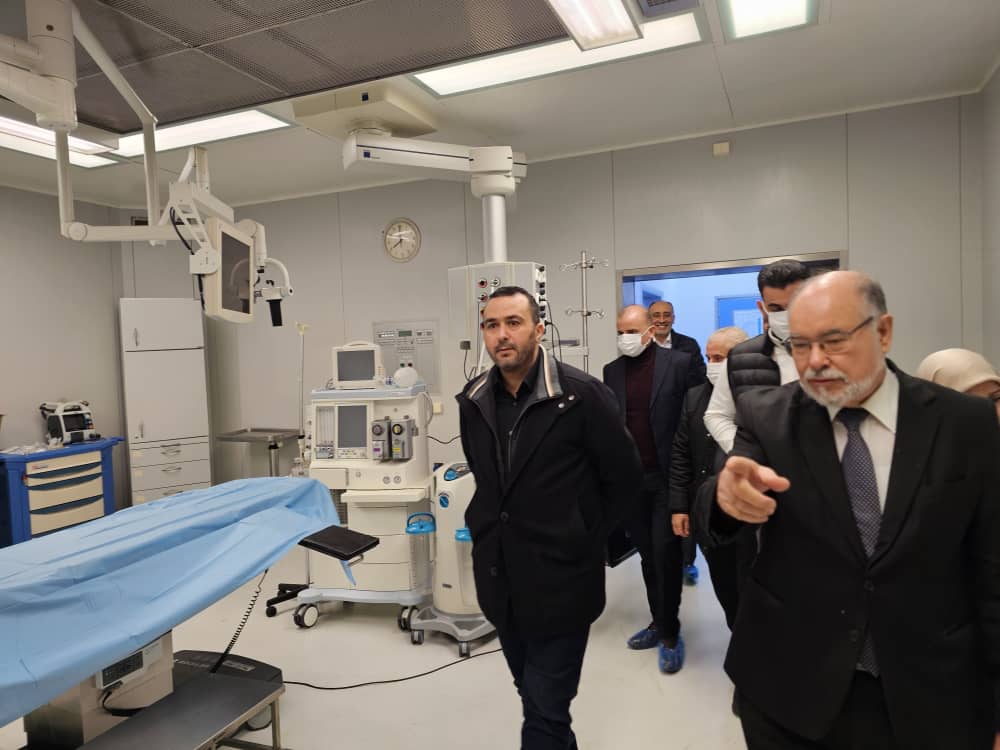
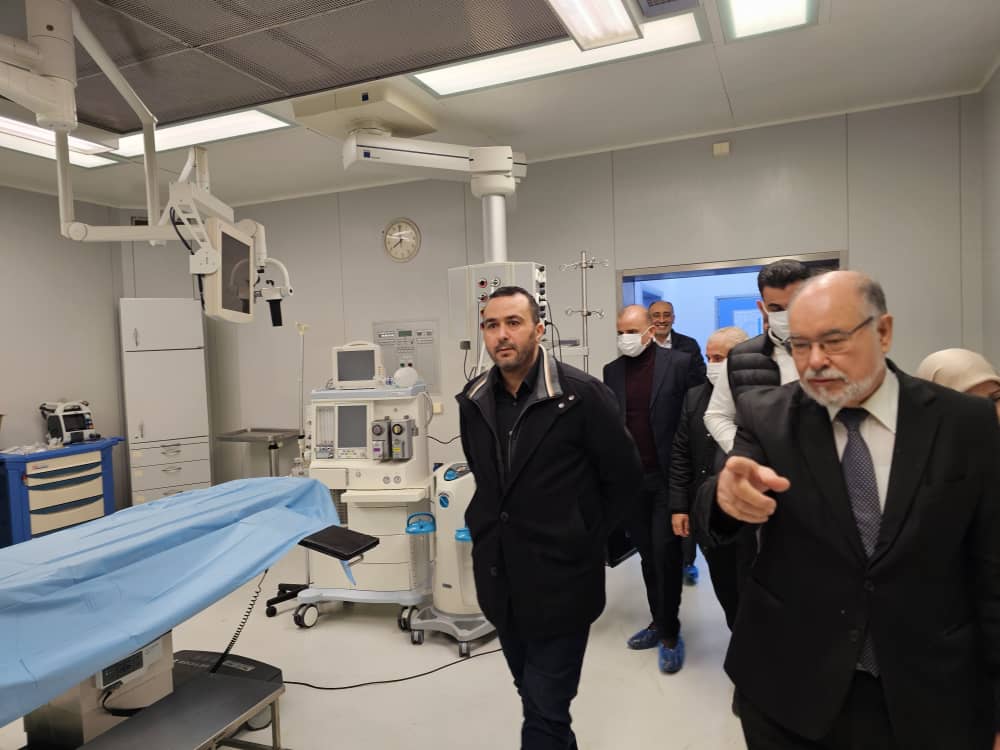
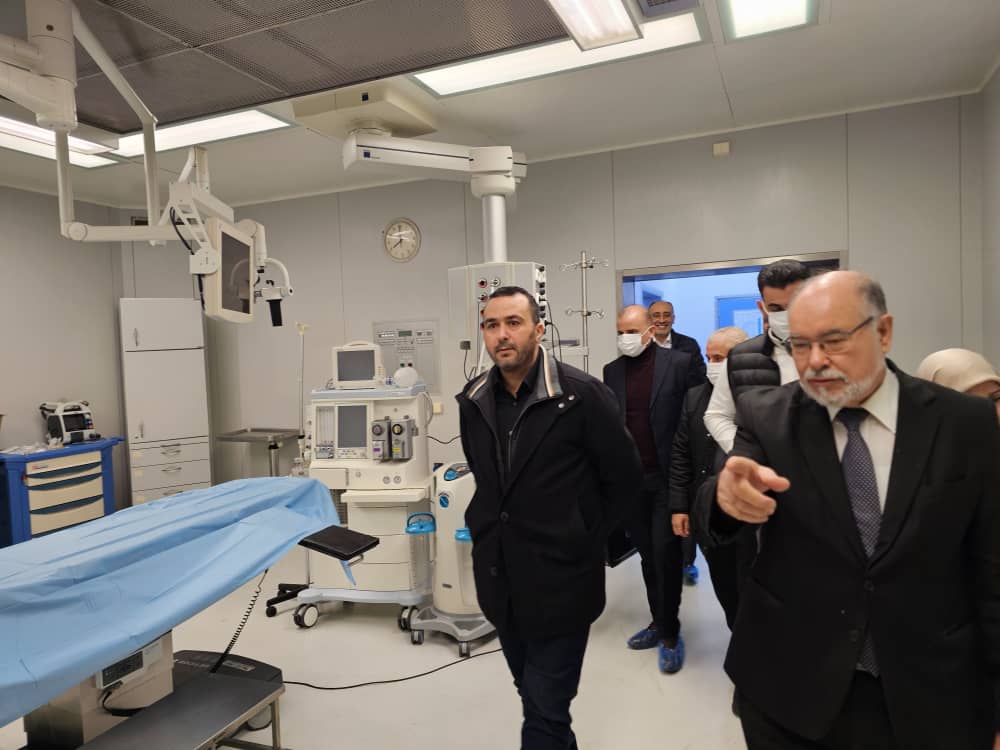
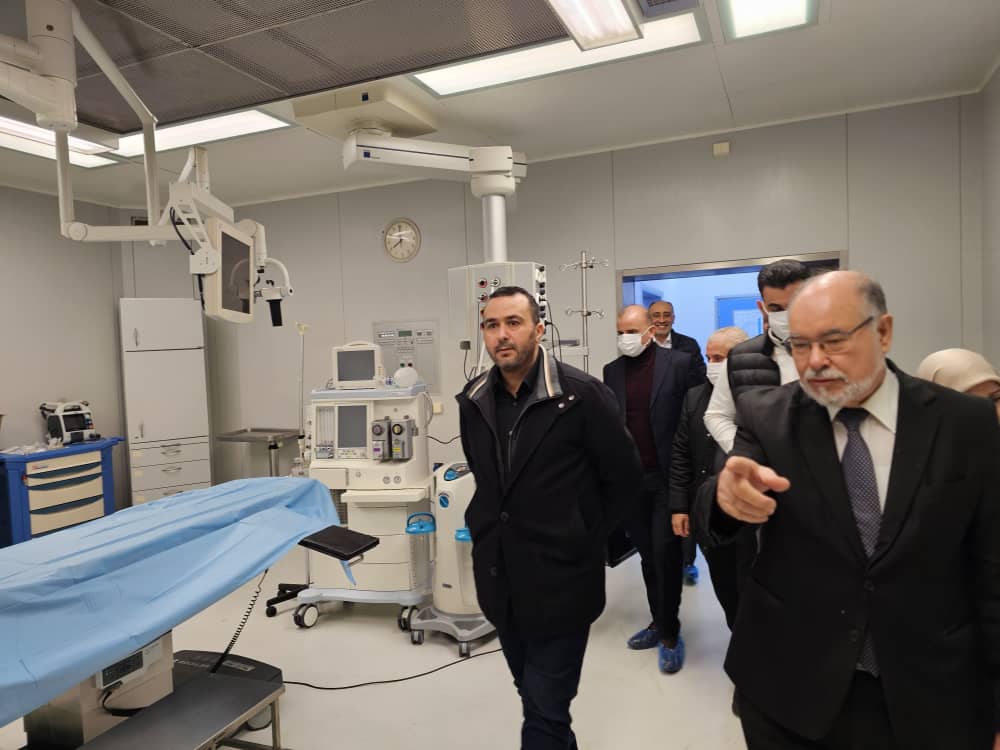
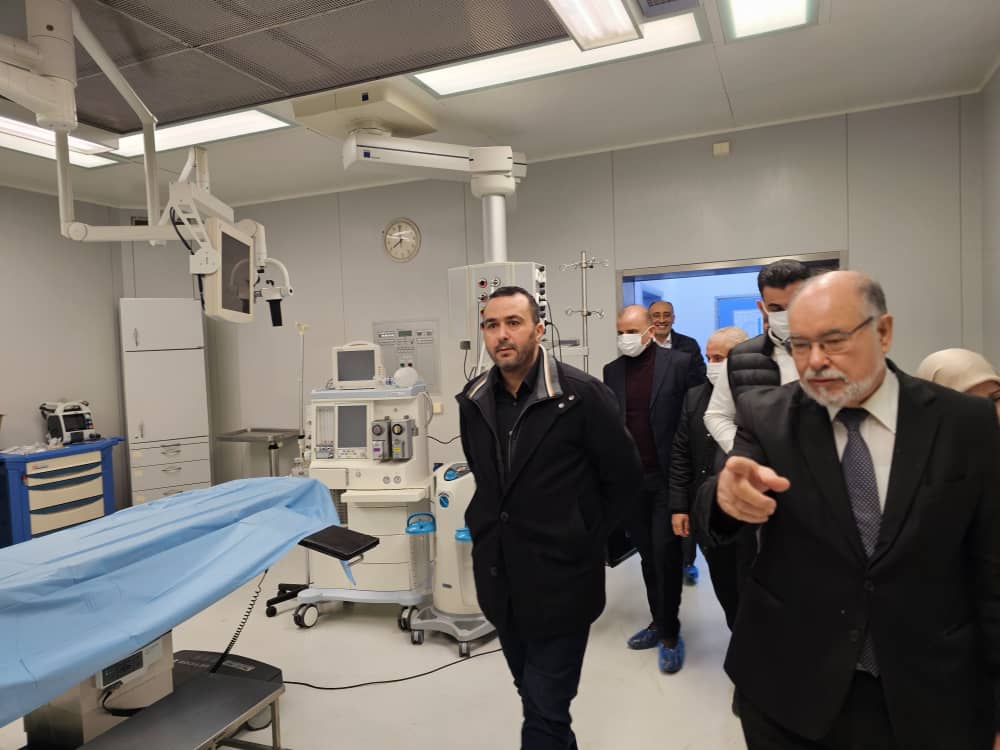
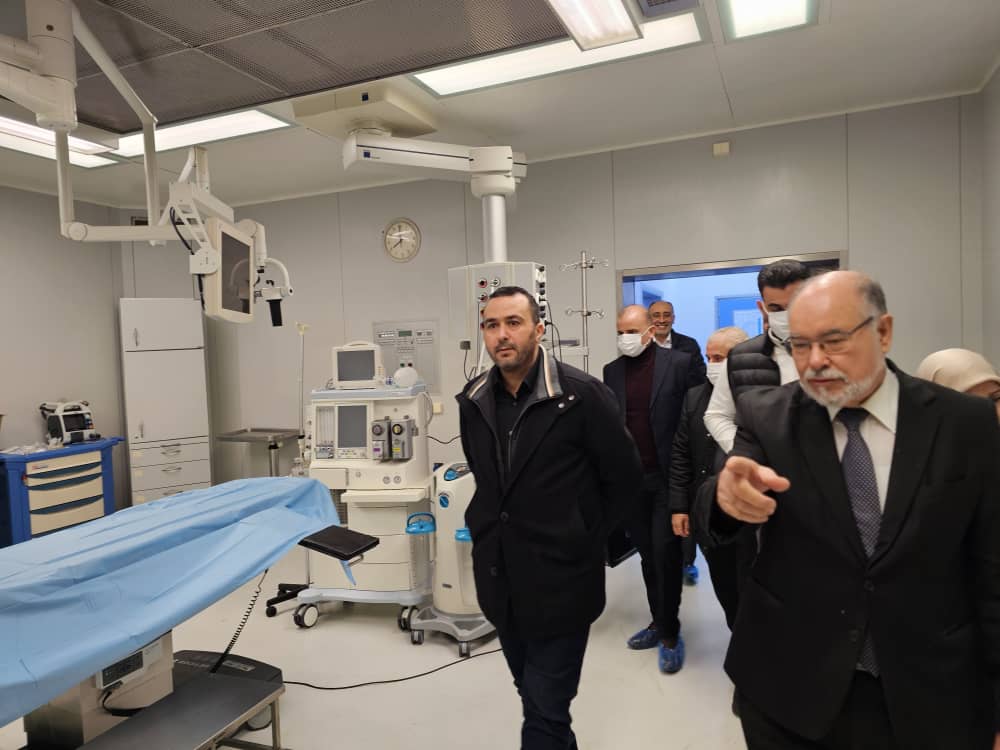
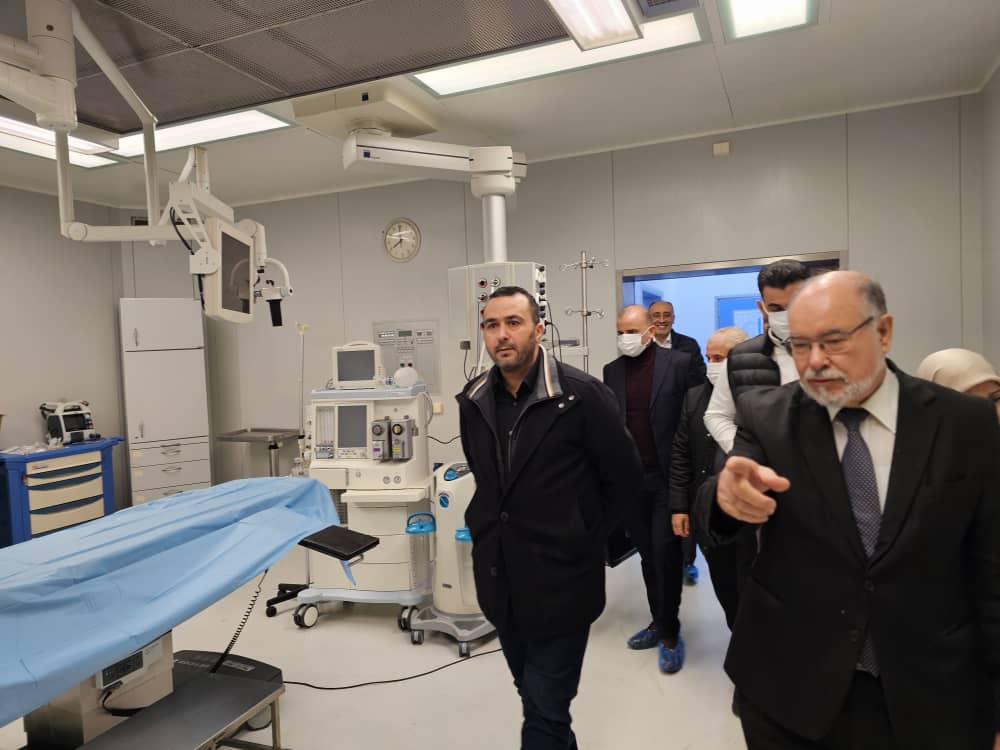
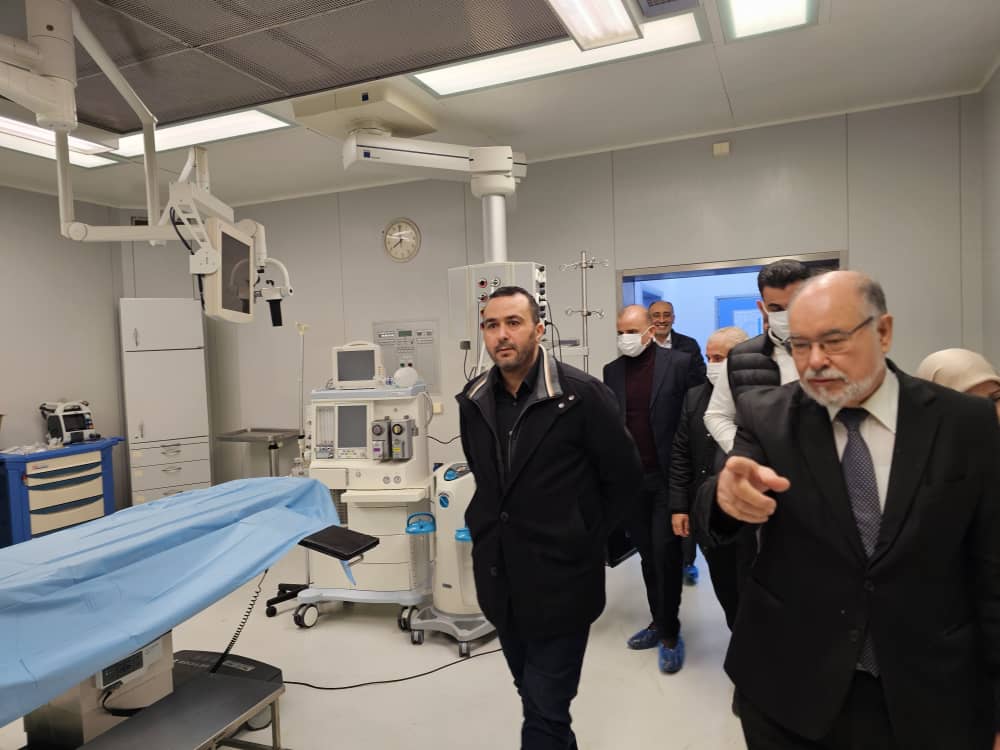
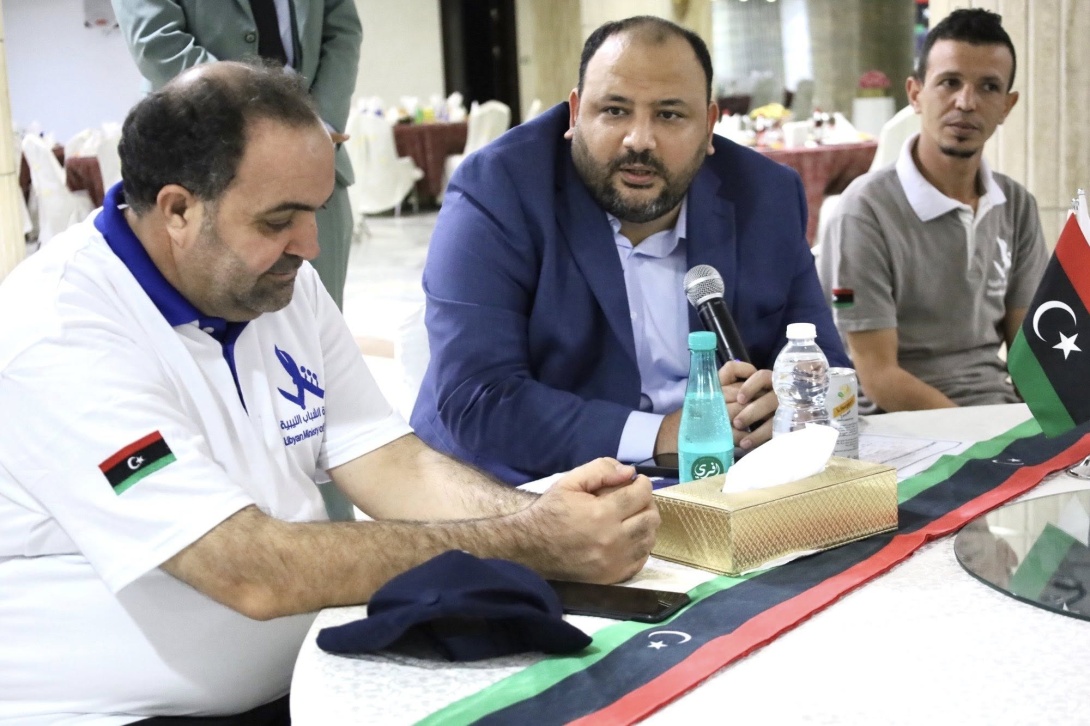
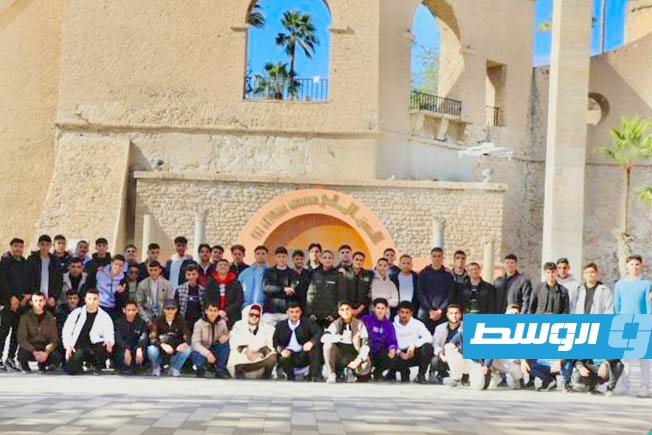
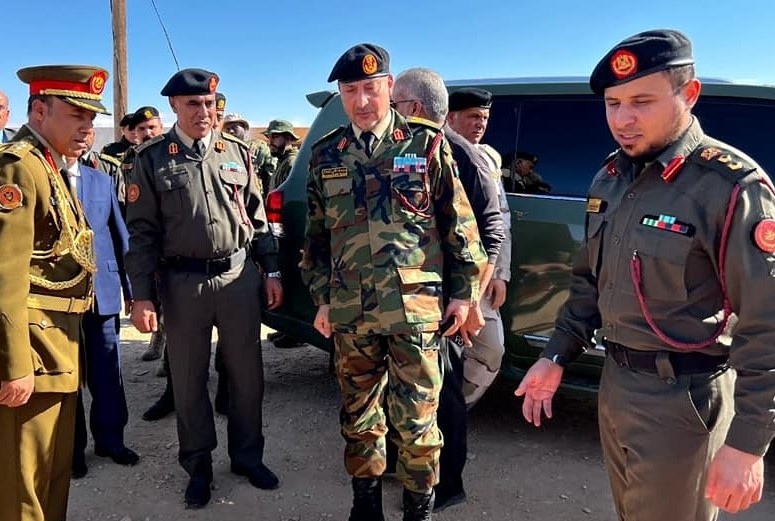
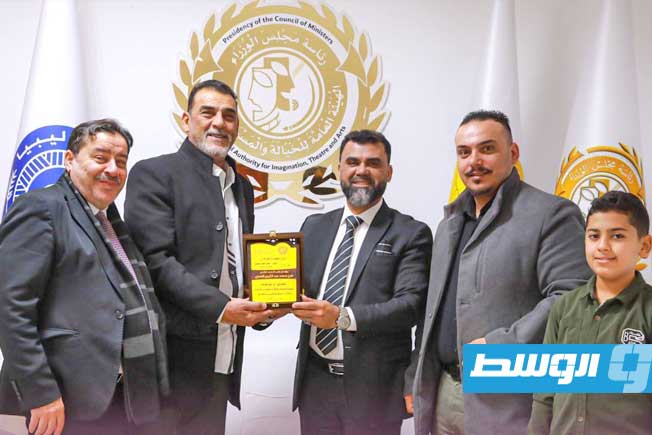
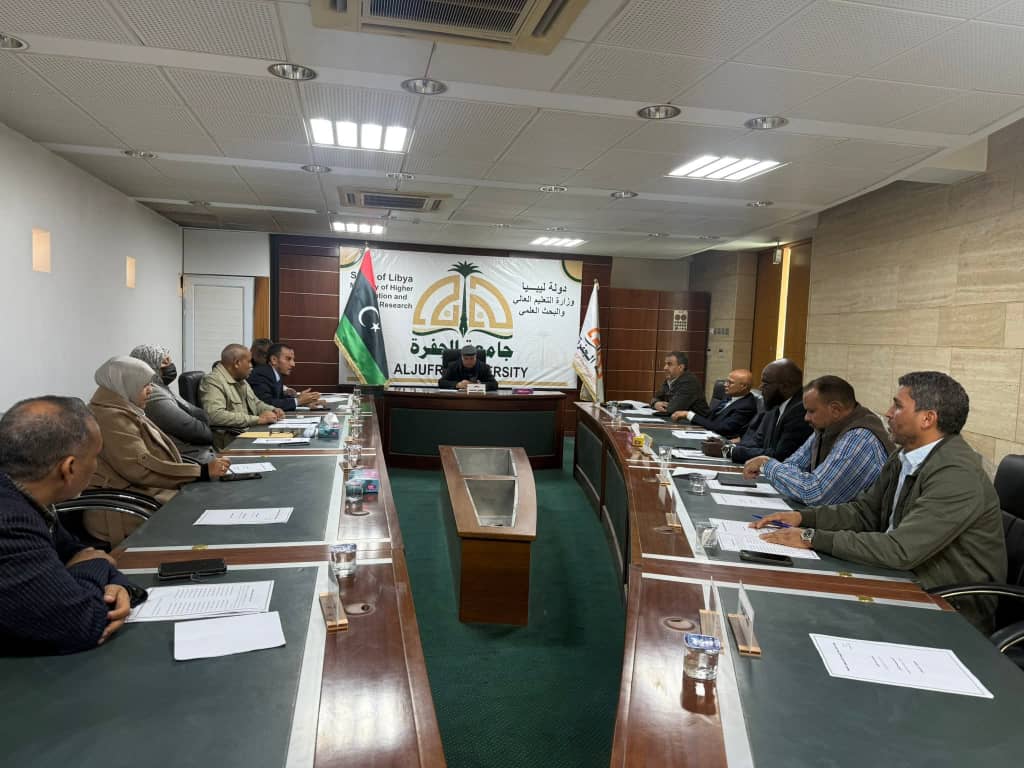
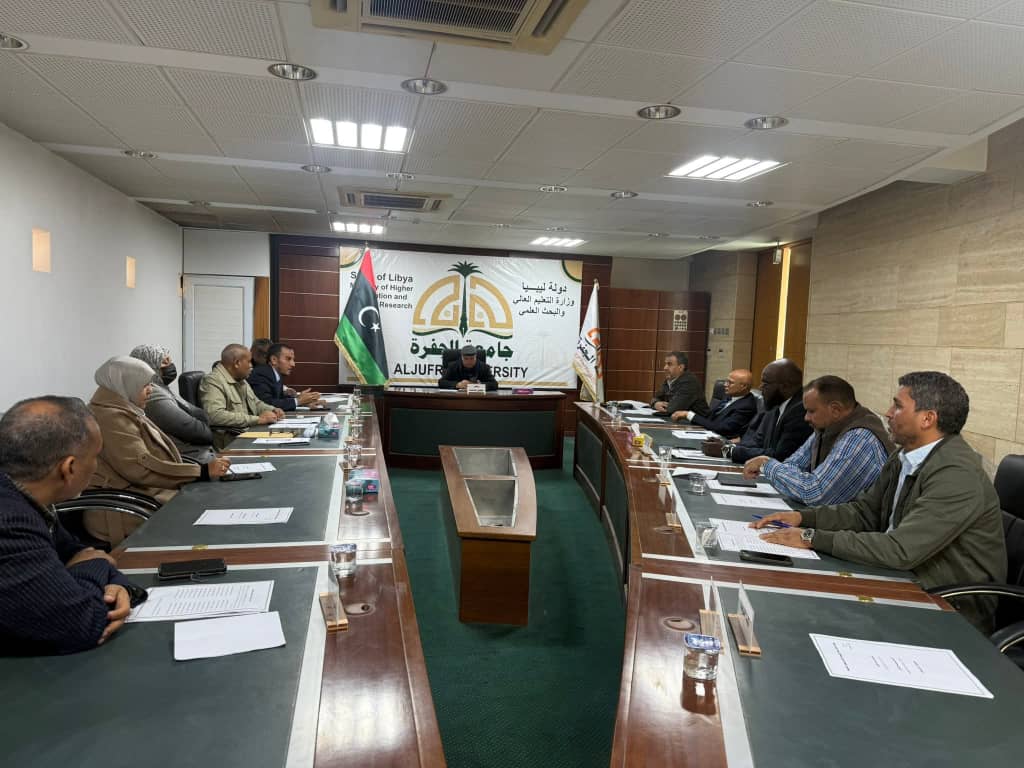
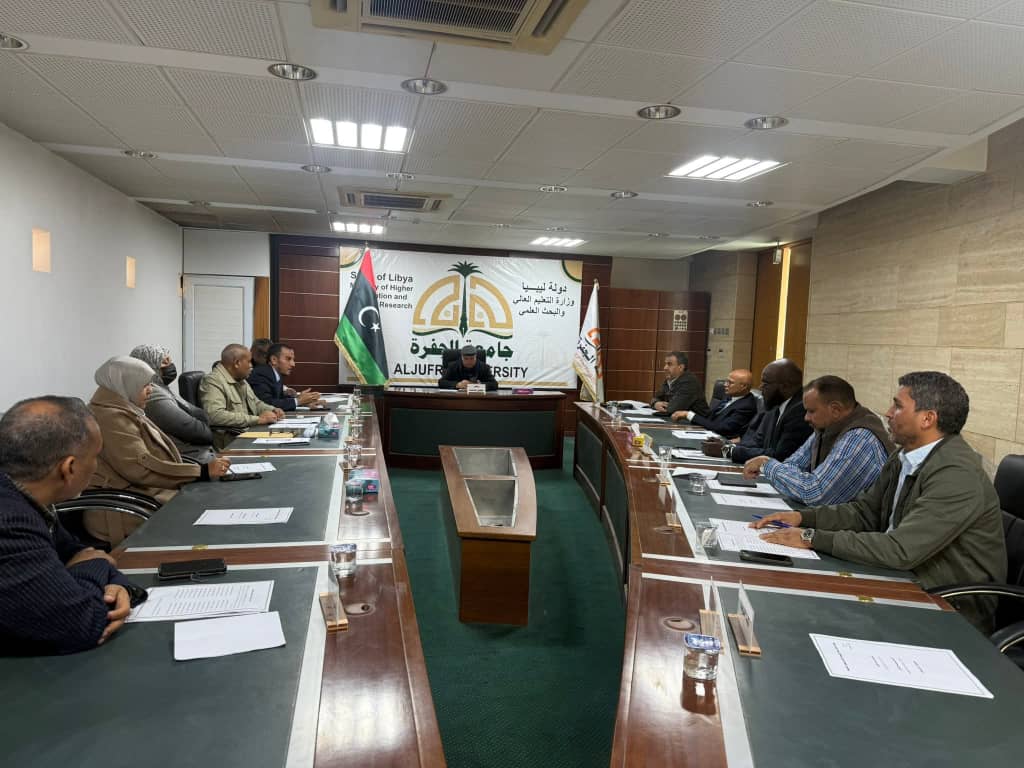
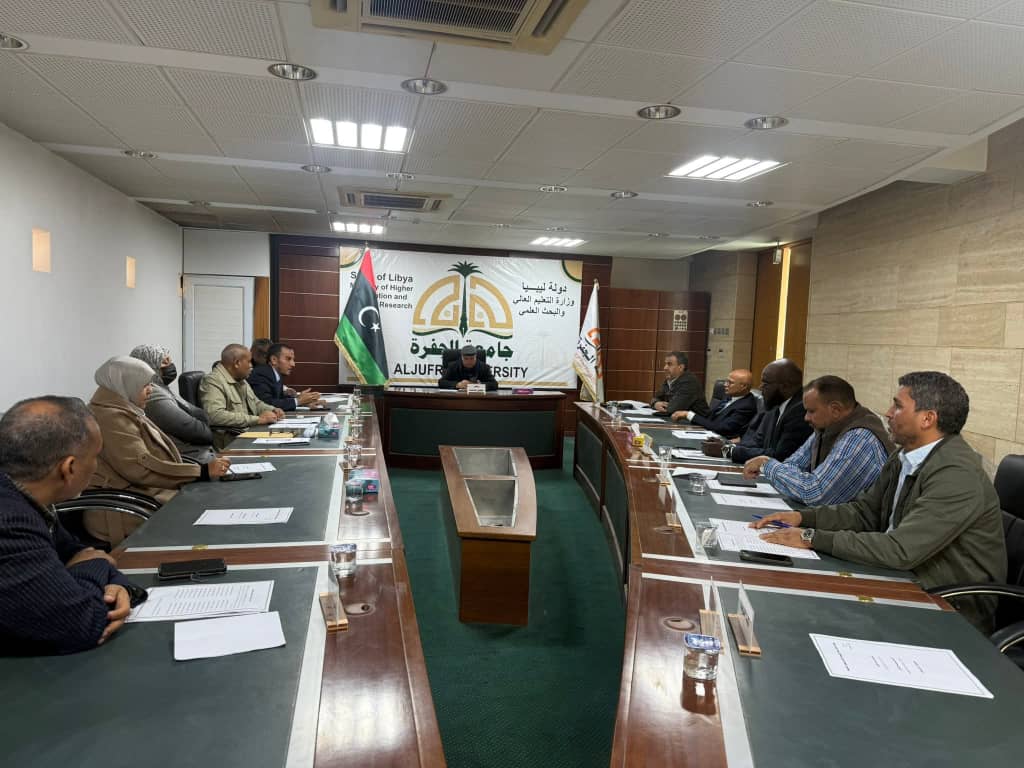
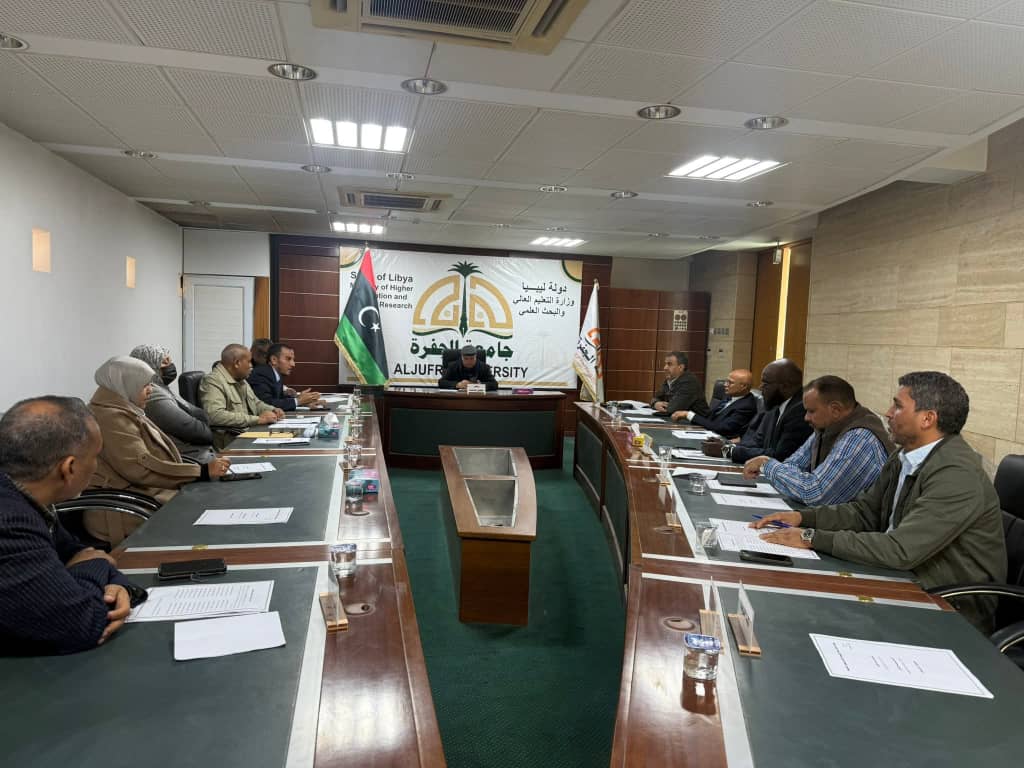
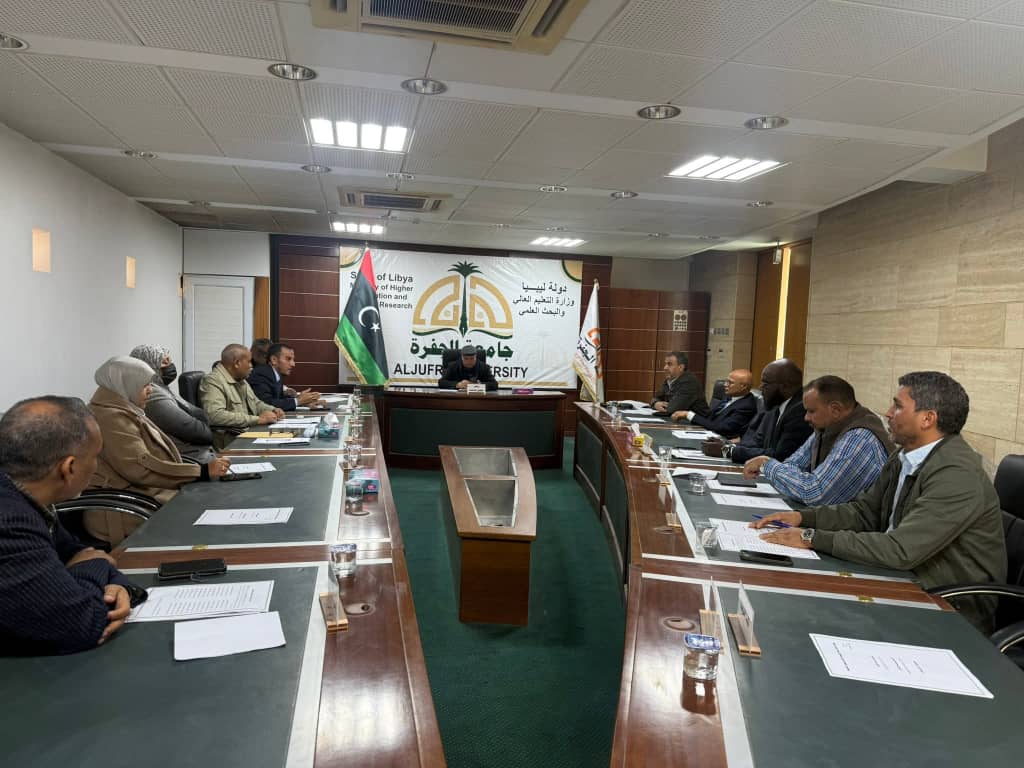
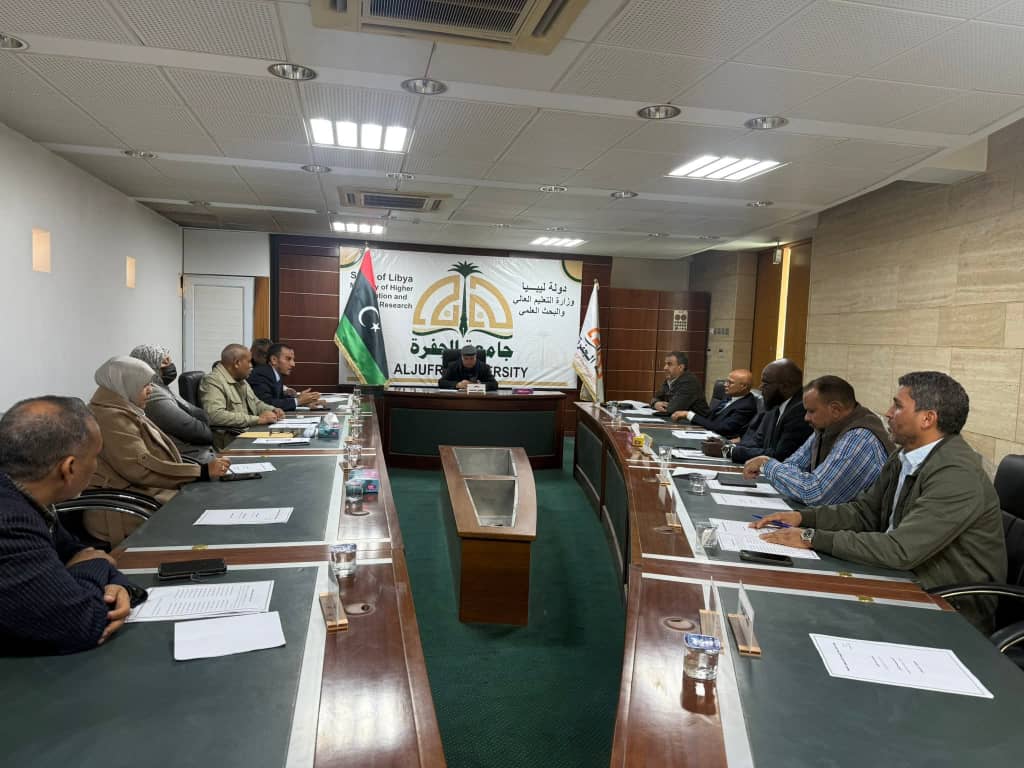
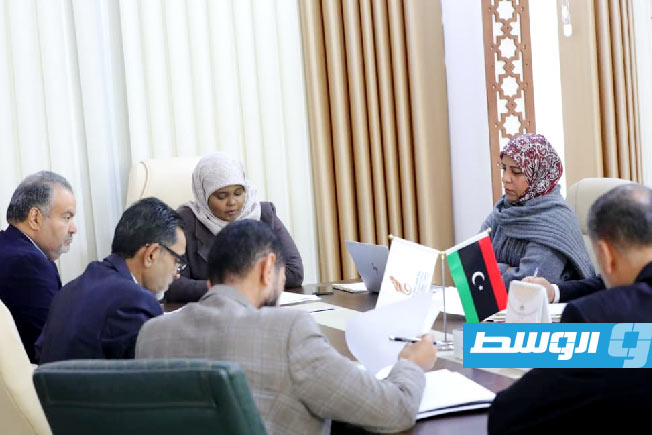
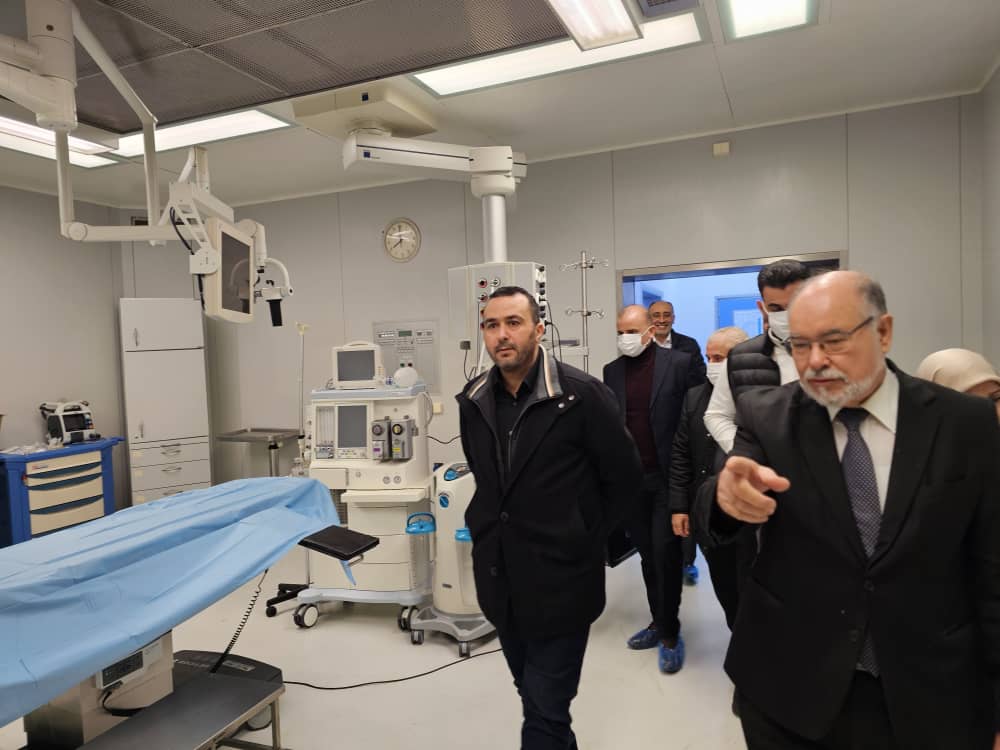
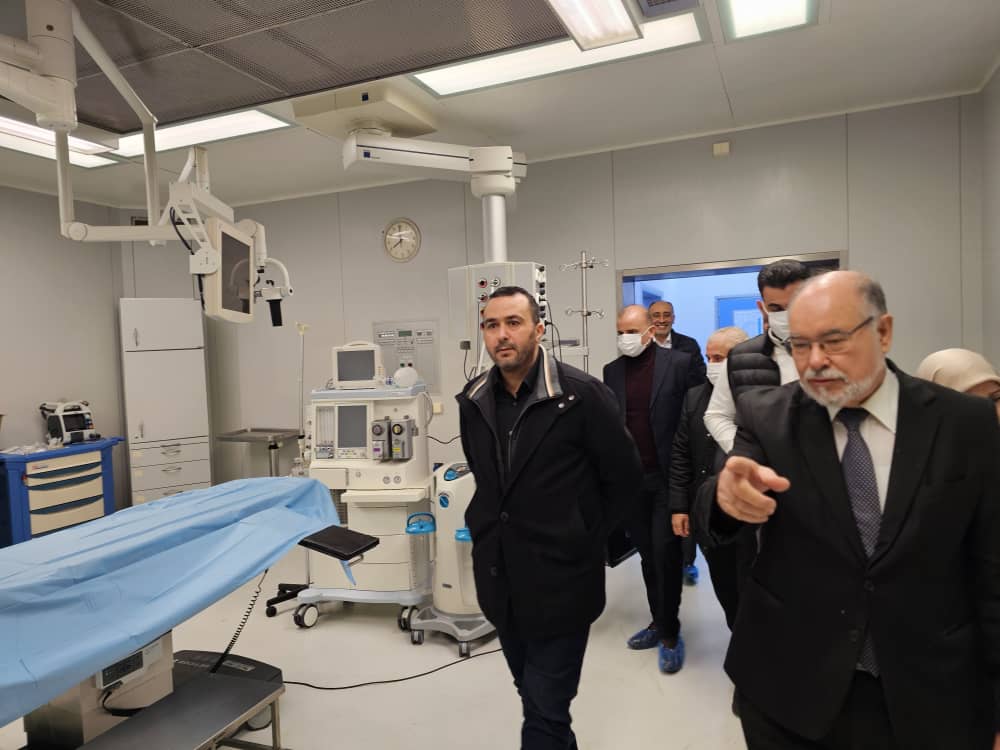
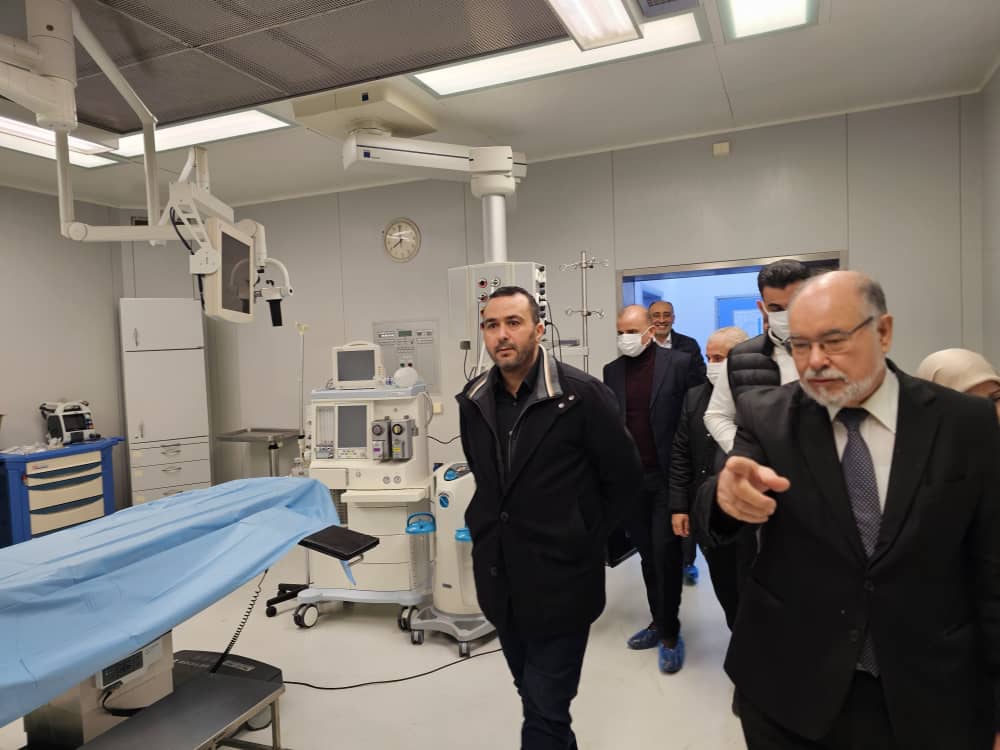
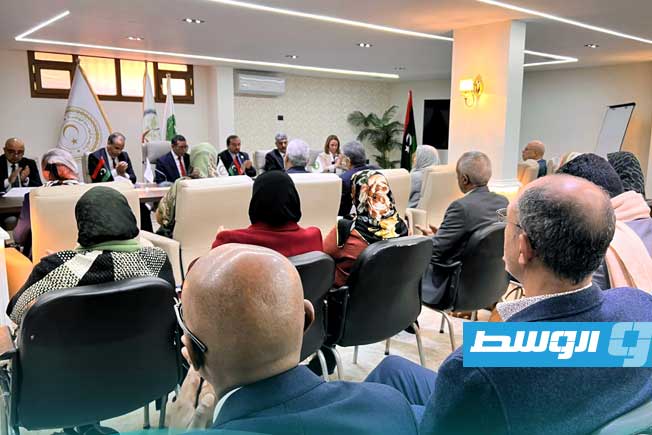
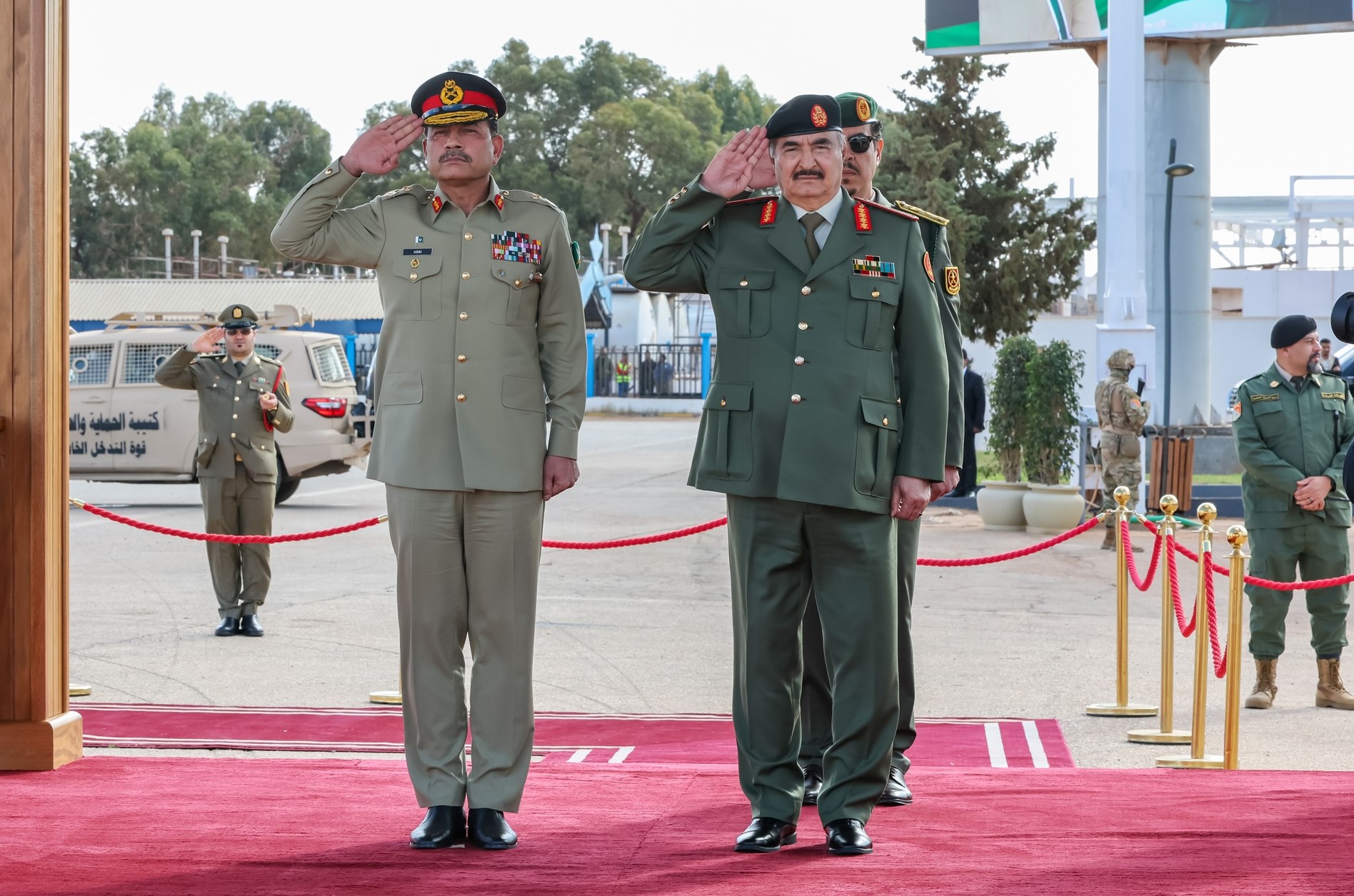
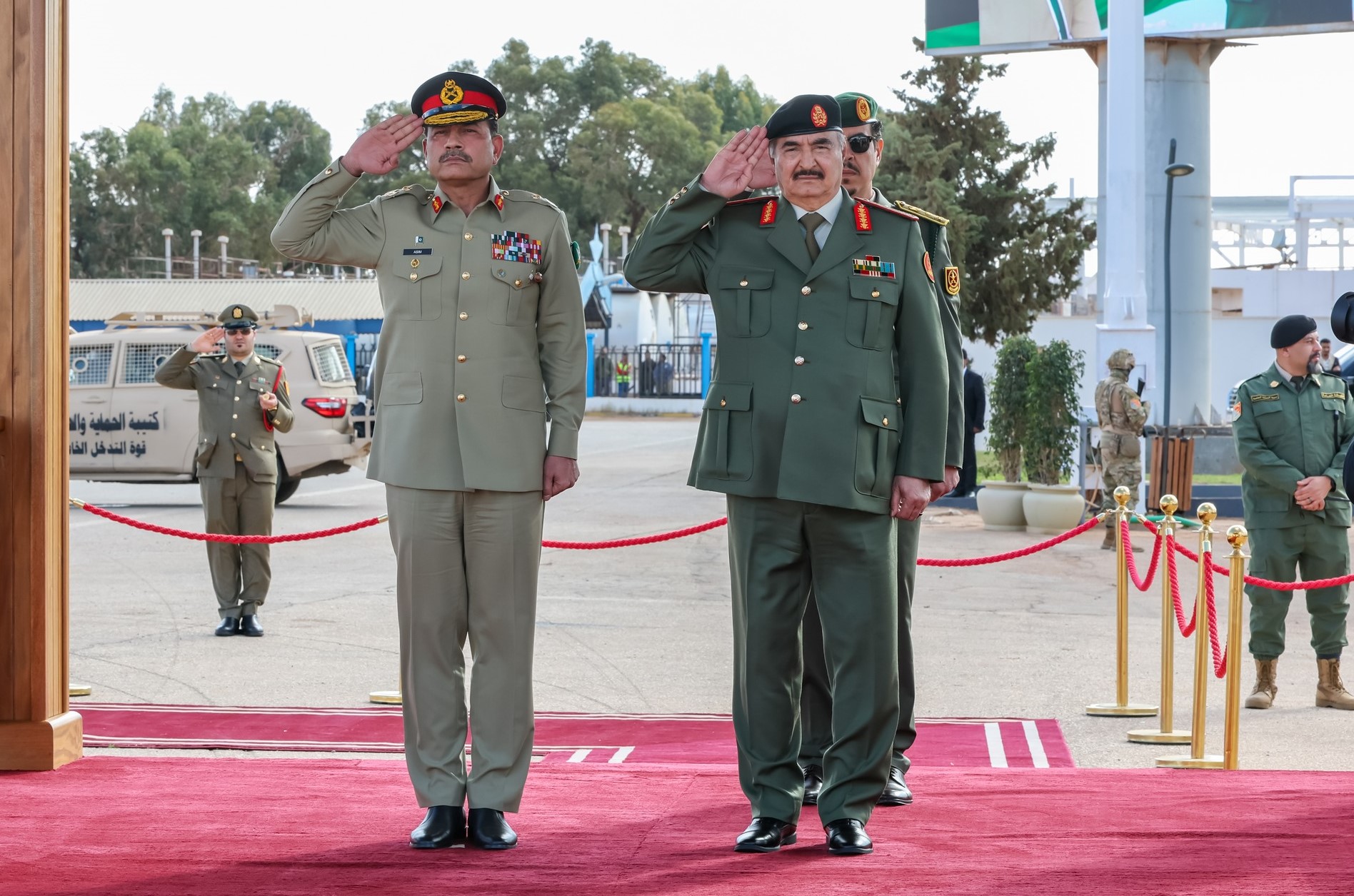
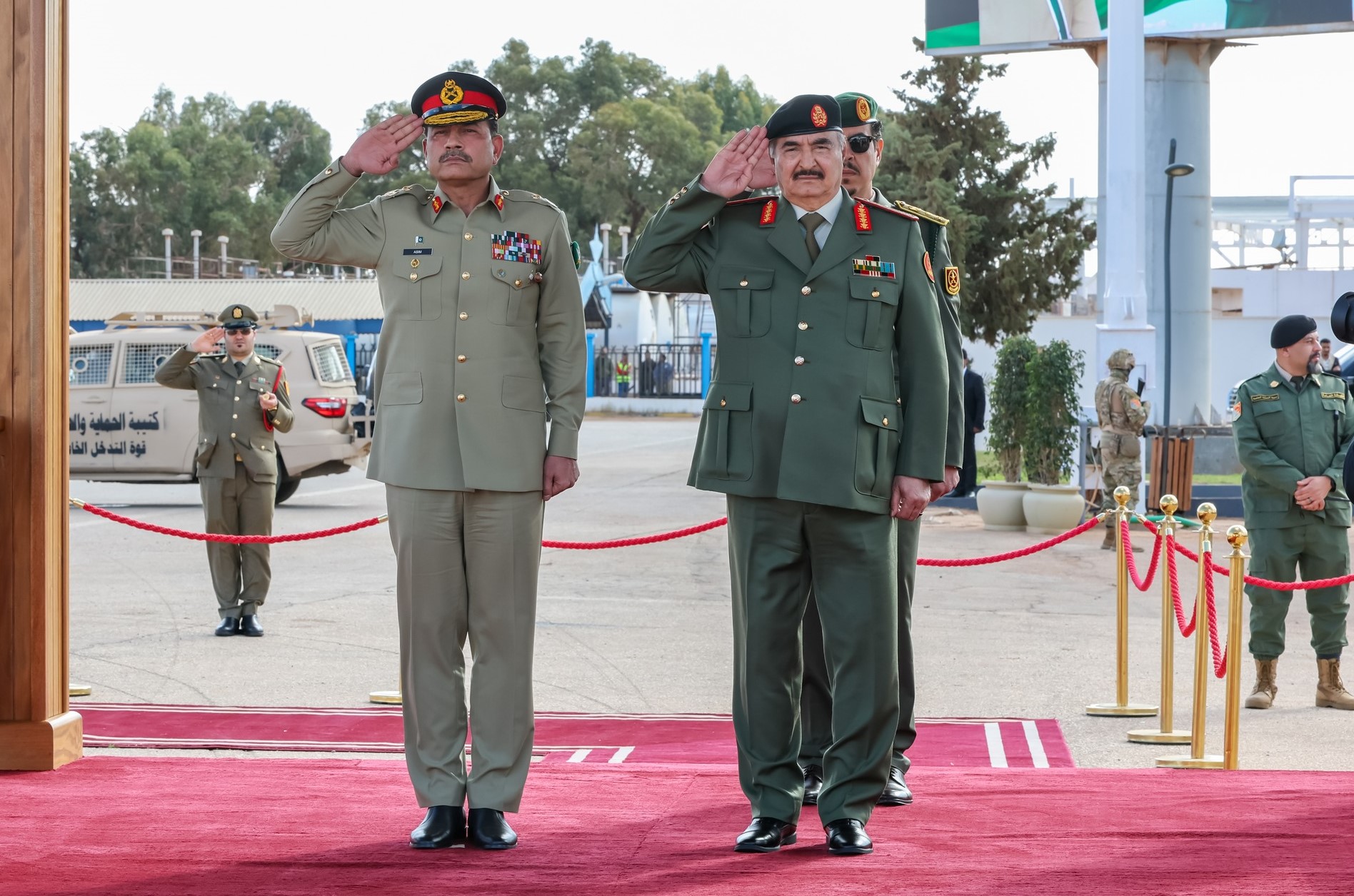
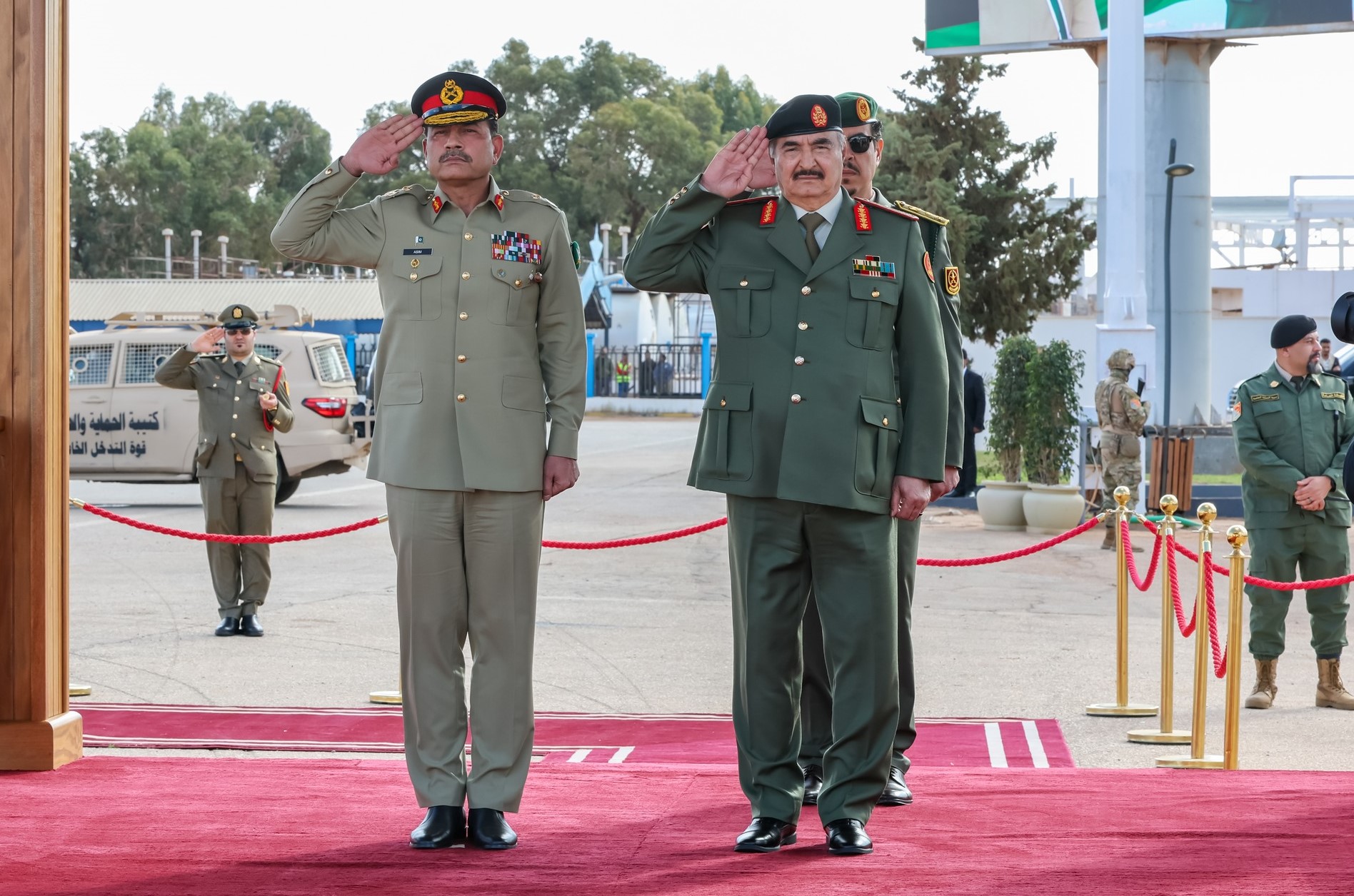
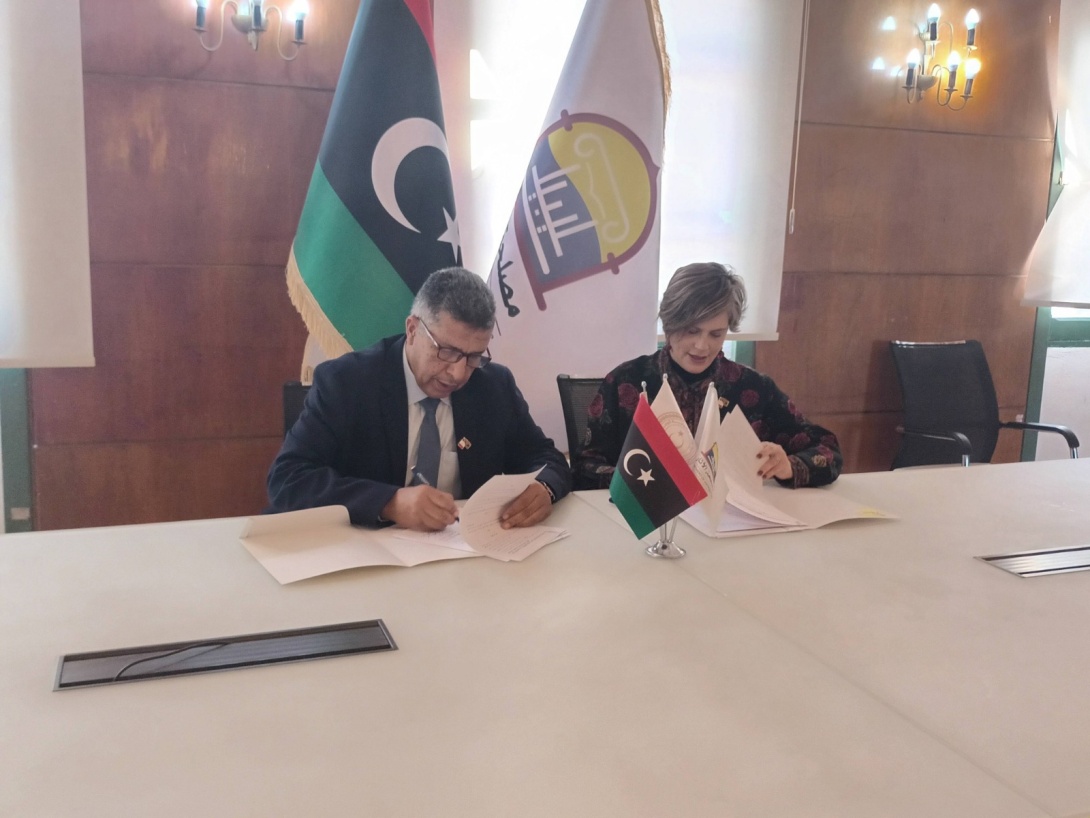
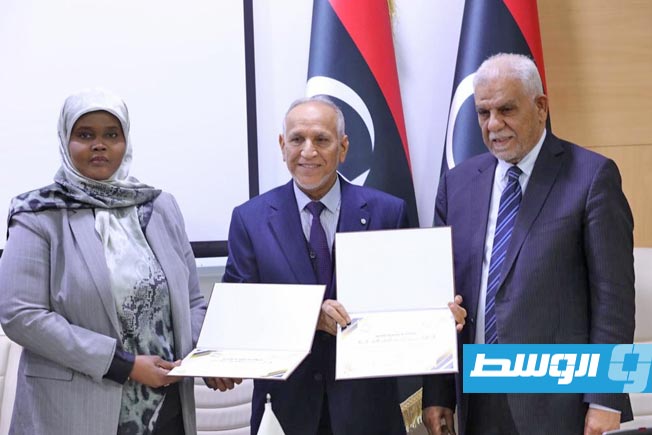
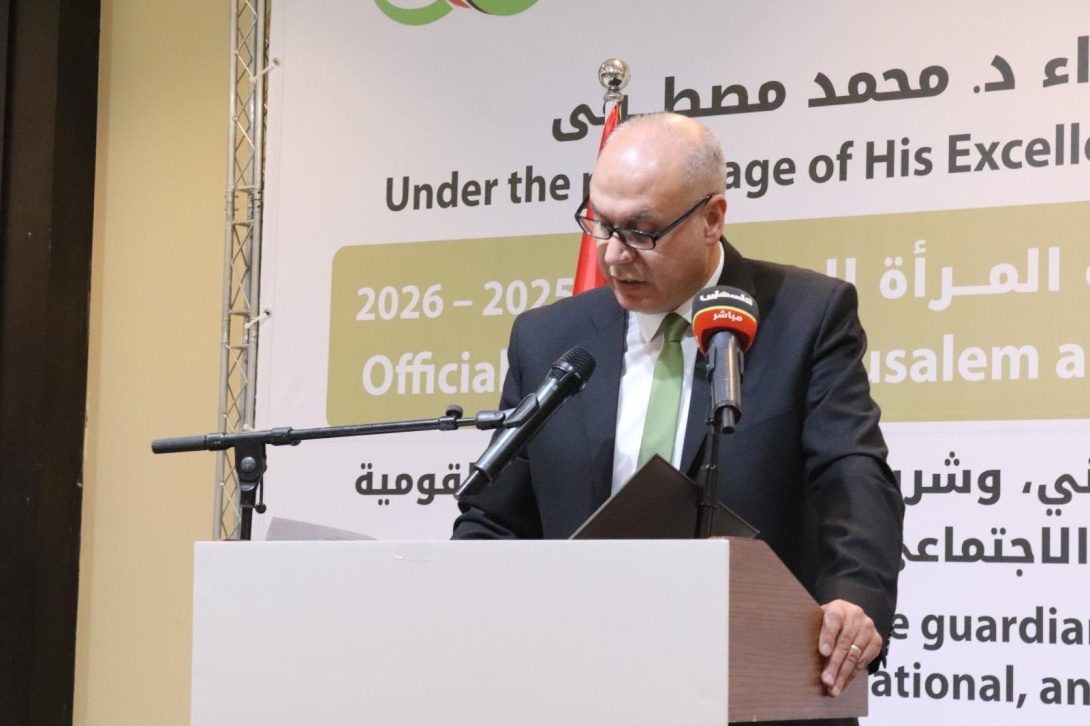
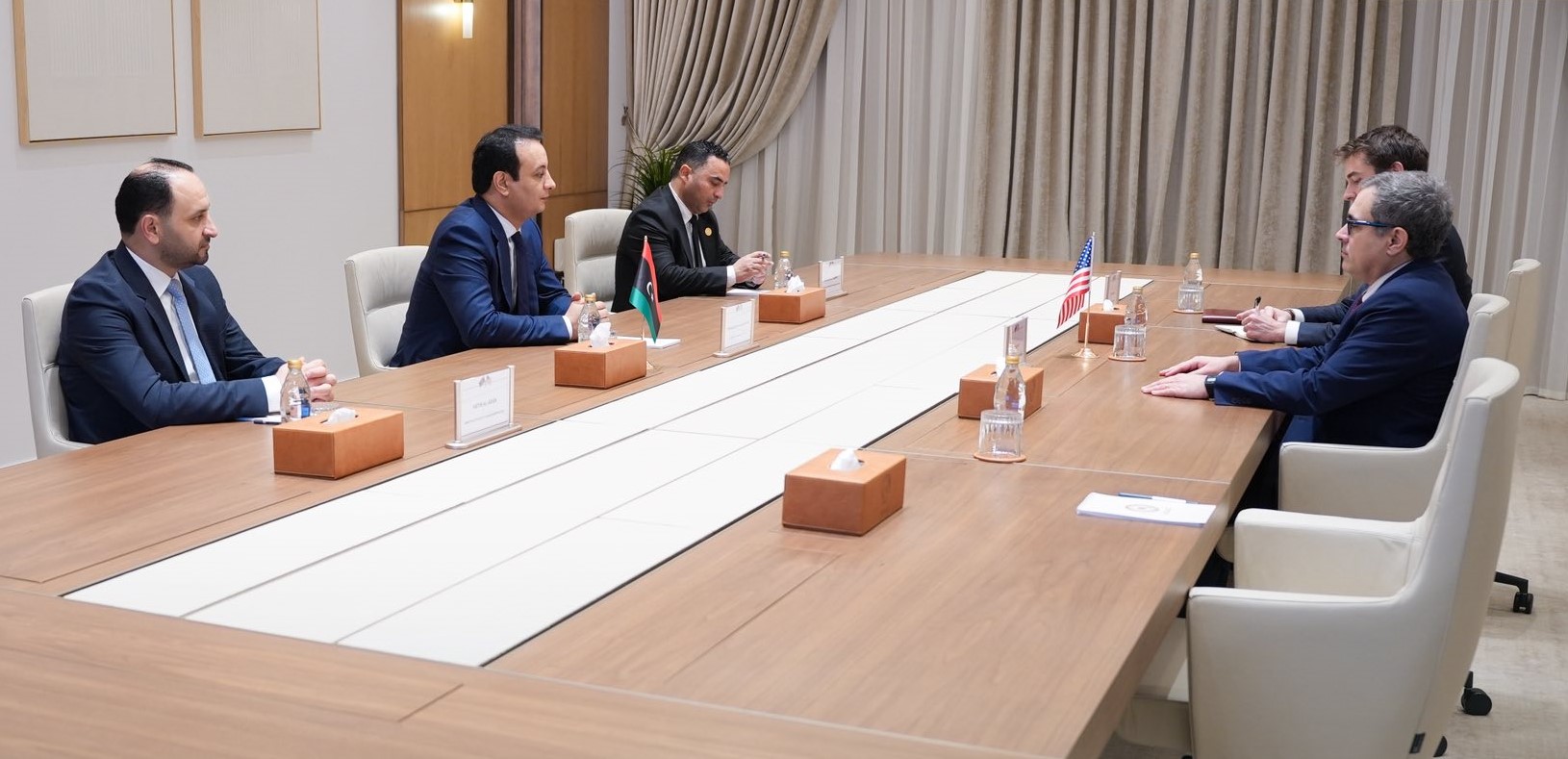
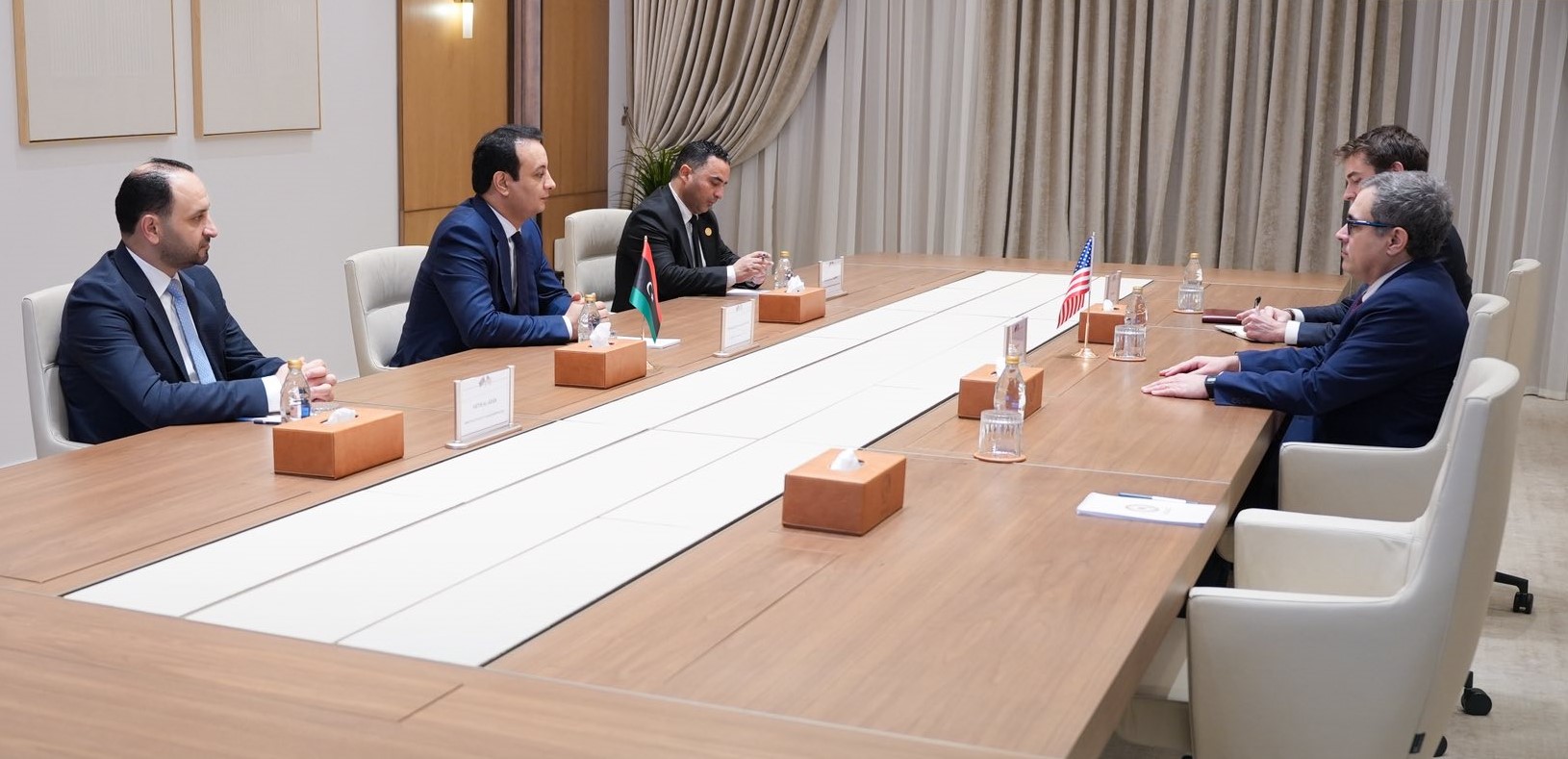
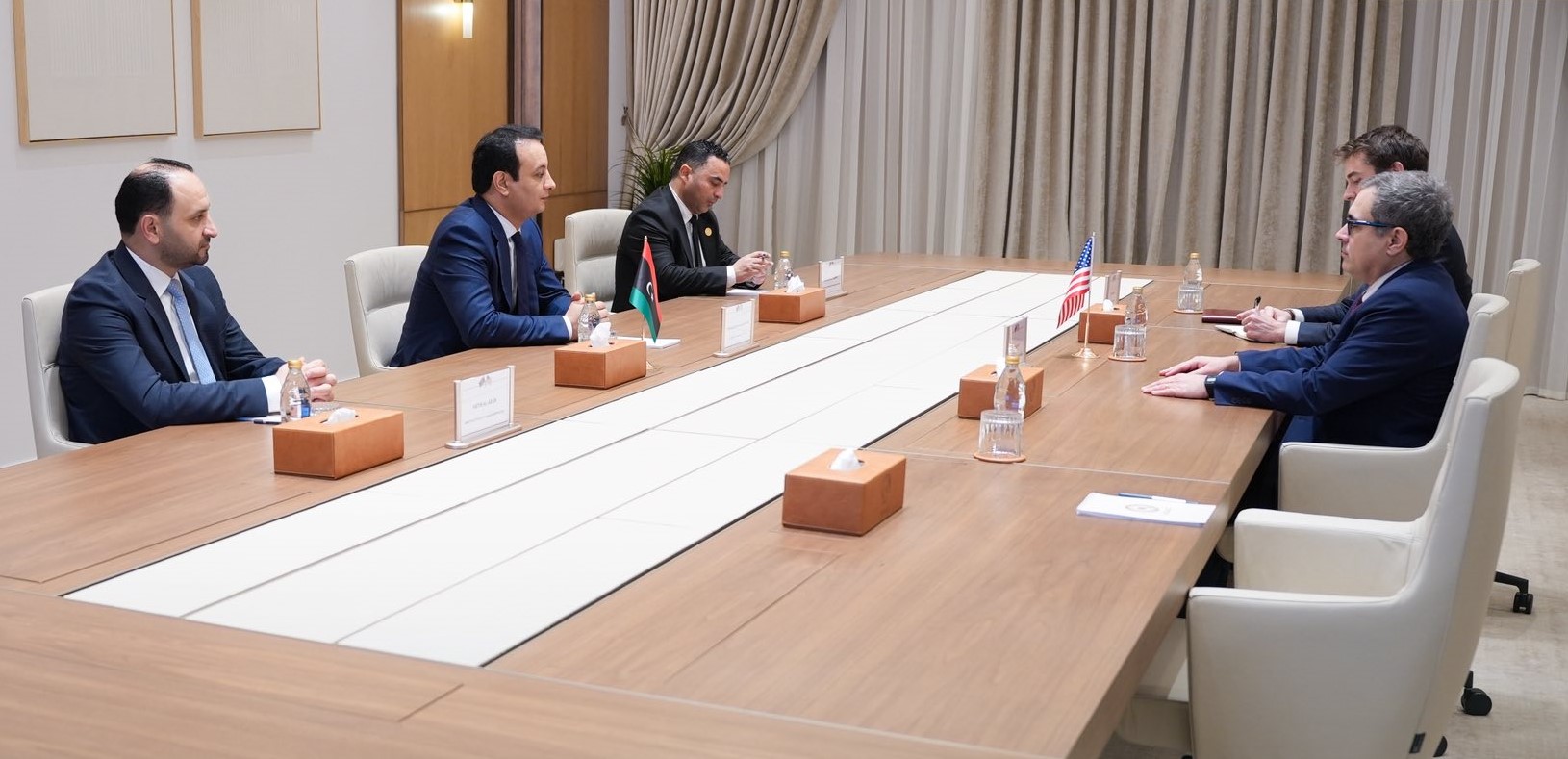
Tripoli, February 11, 2026 – The Libyan Audit Bureau concluded the activities of the fourth and final stop of the second edition of the “Clarification Forum” on Communication and Statement, in partnership with the Ministry of Local Governance, hosted by the Officers College of the Municipal Guard in the city of Tripoli.
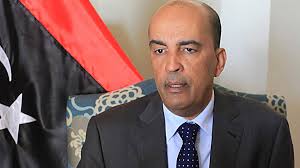
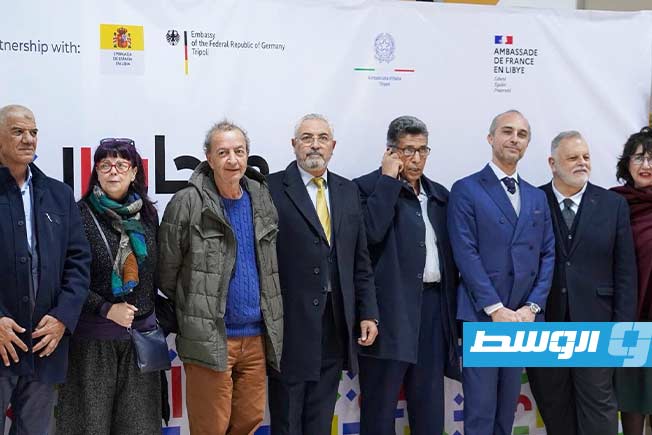
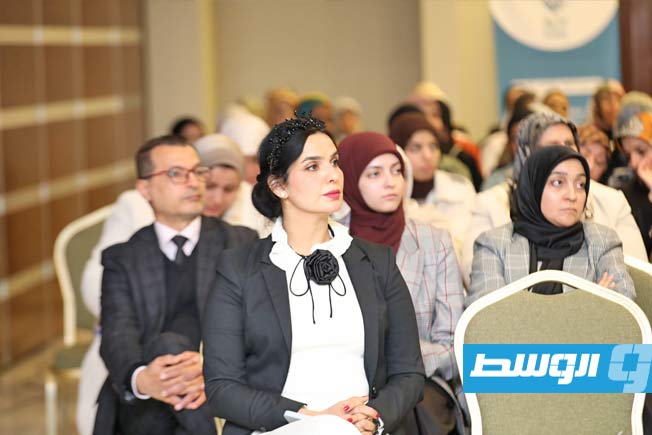
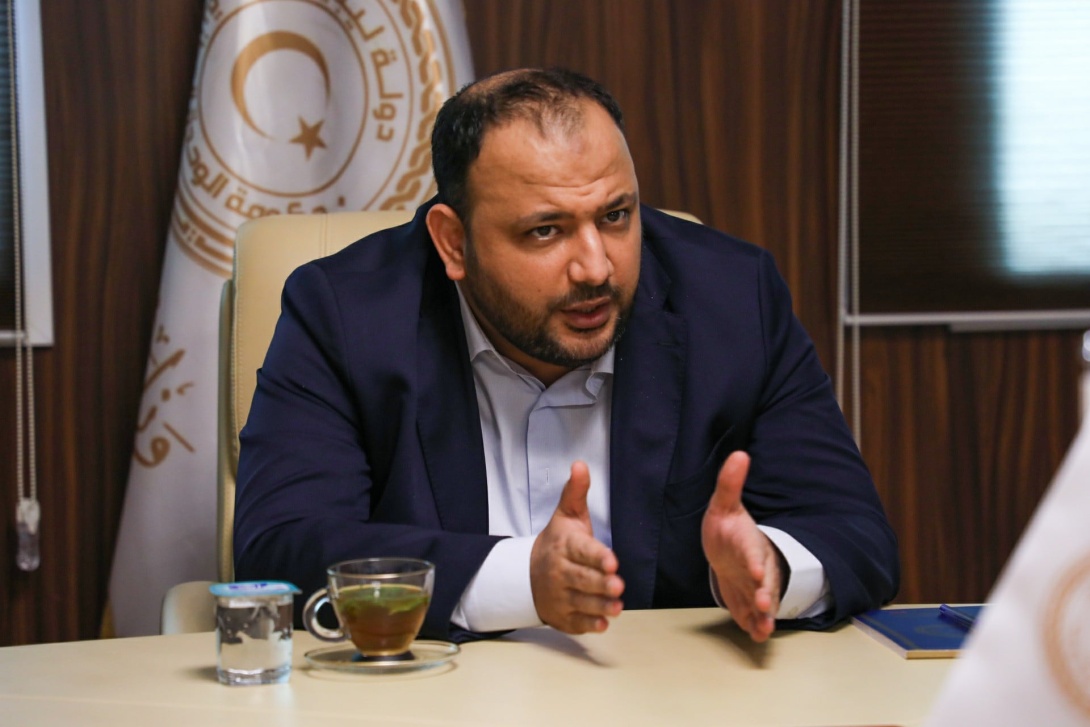
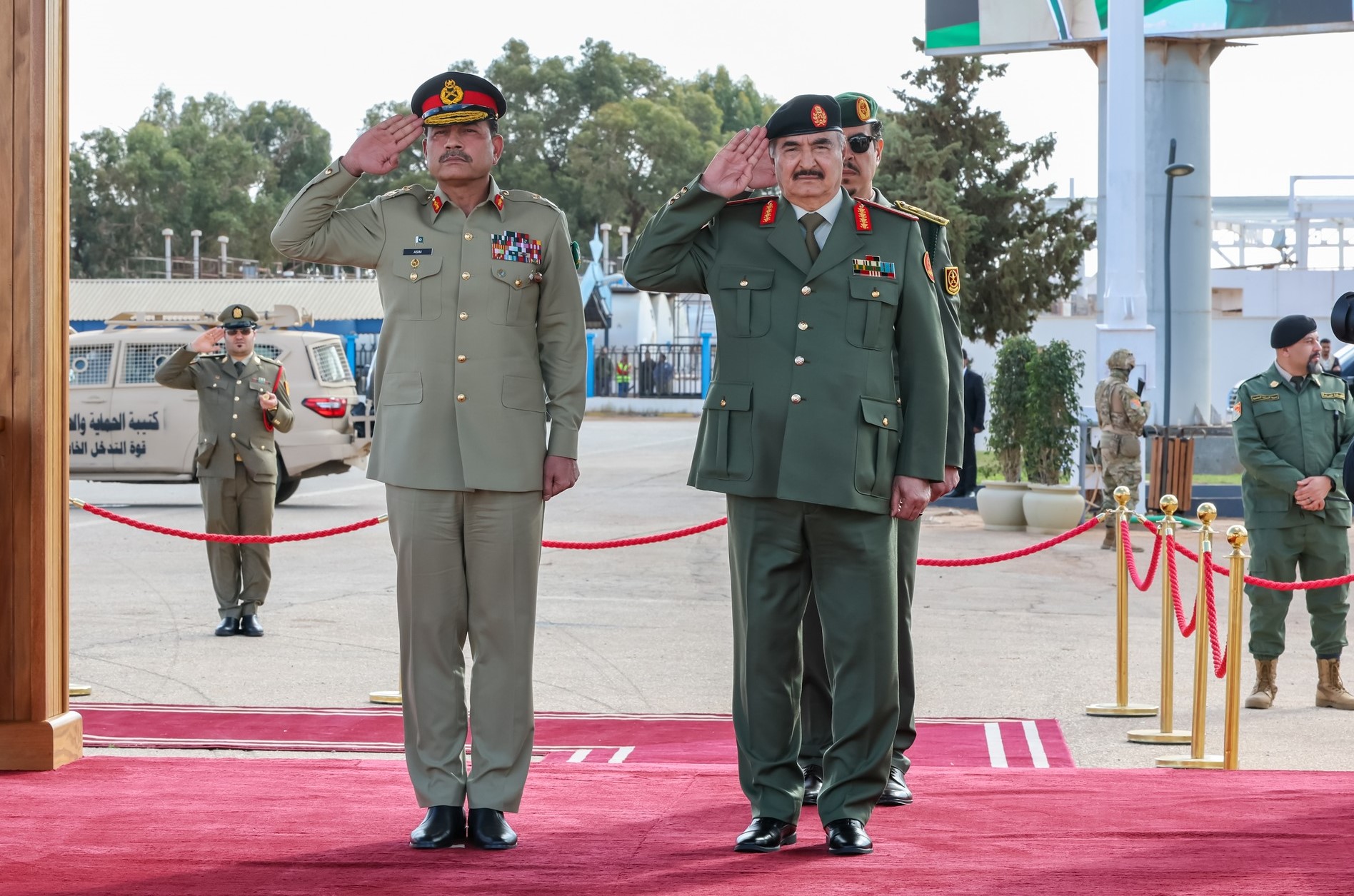
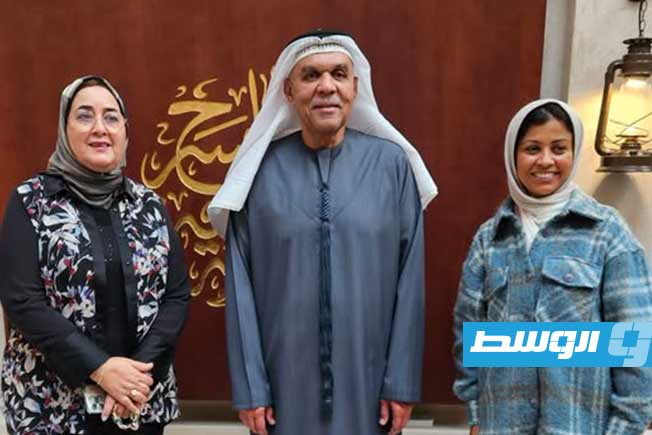
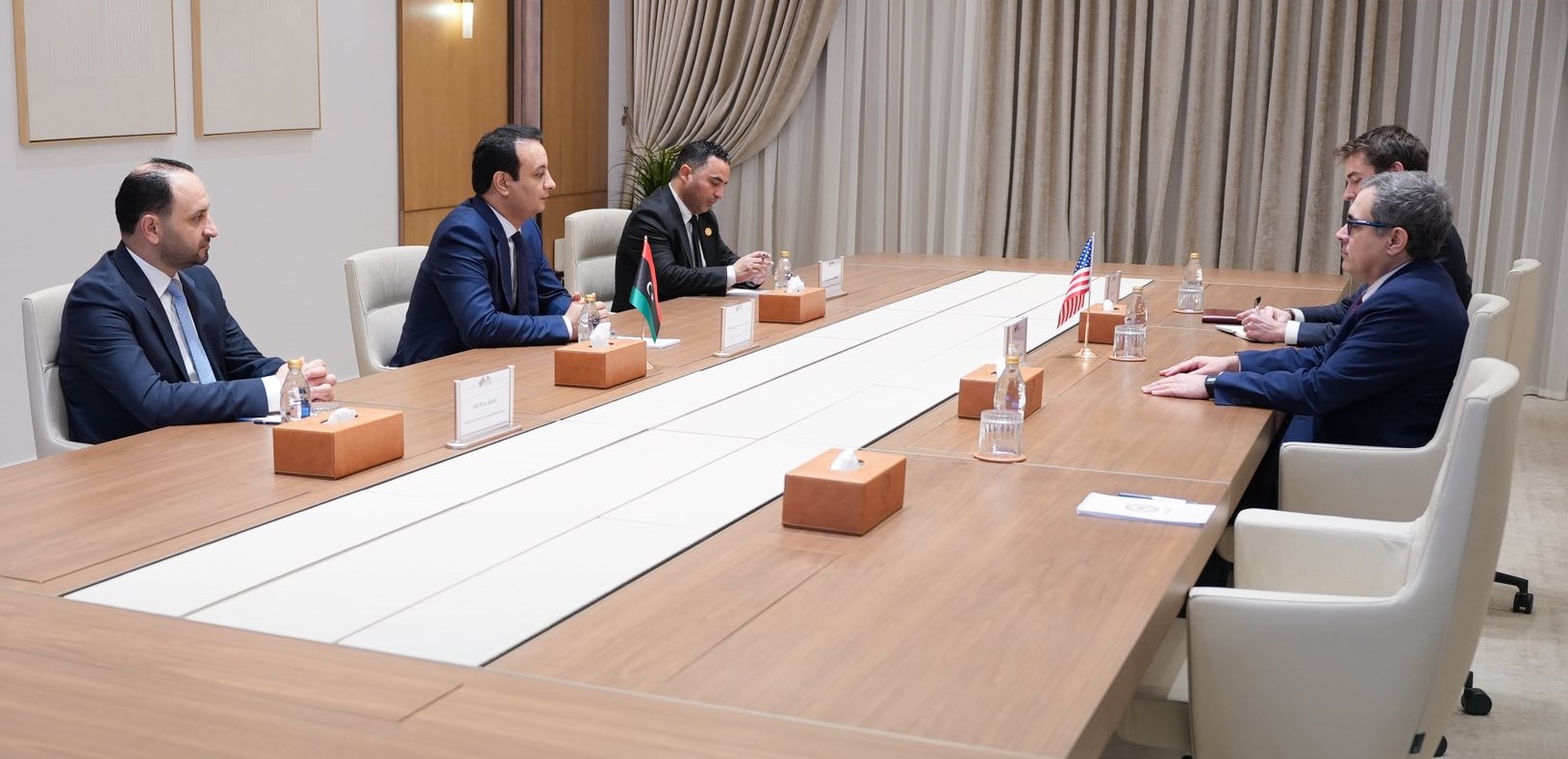
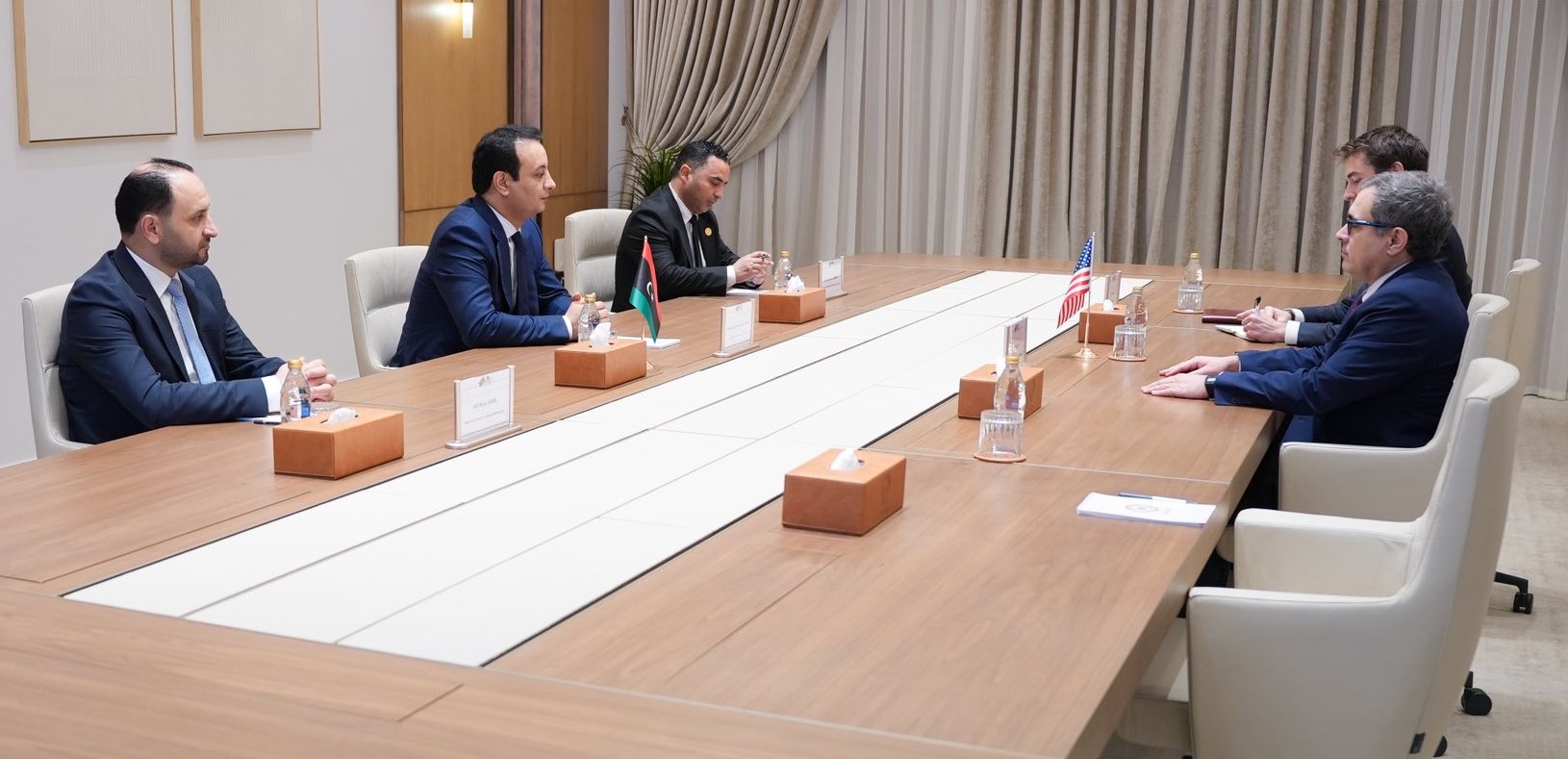
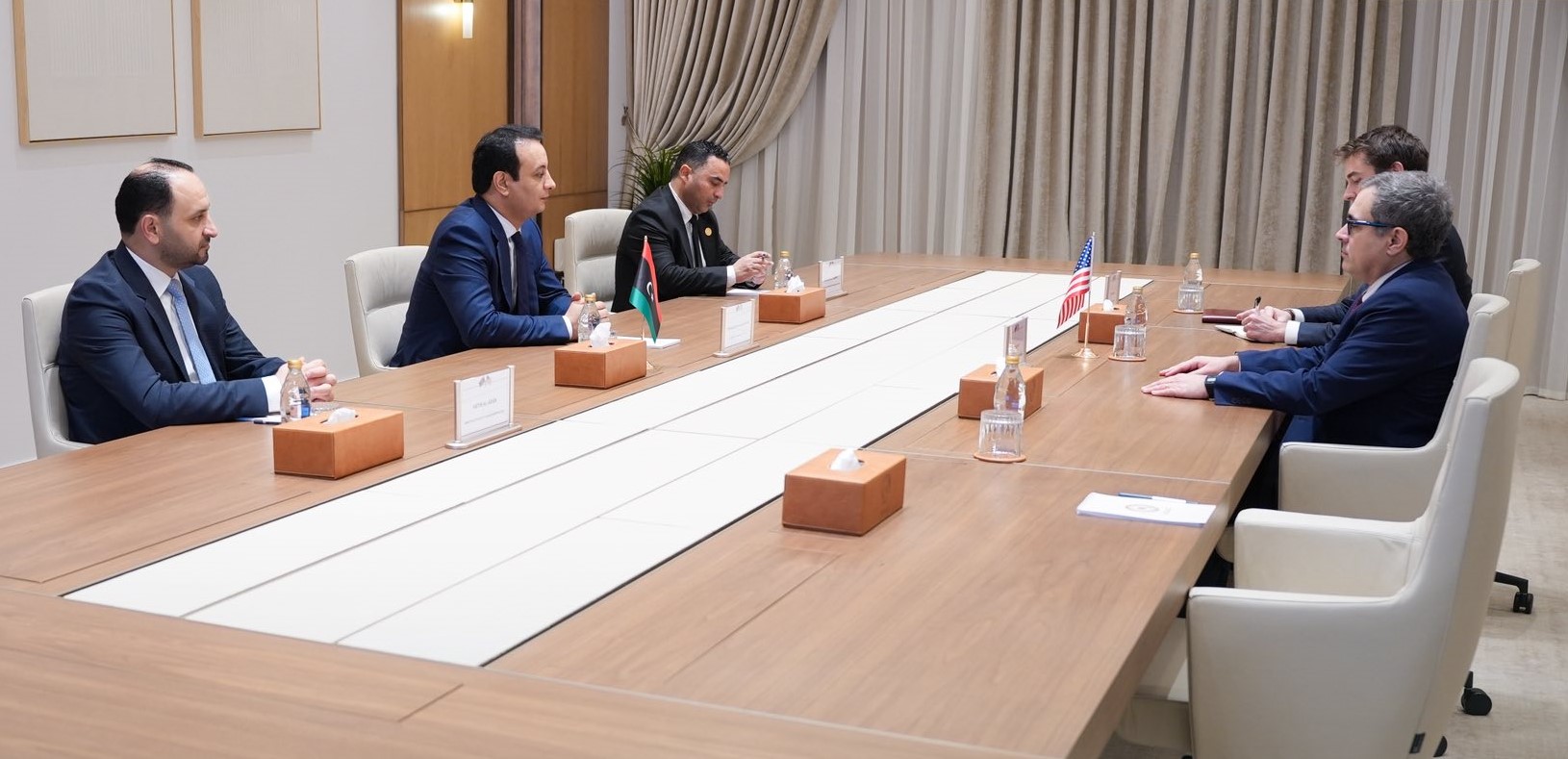
The forum’s activities witnessed high-level attendance, including members of the House of Representatives, the President of the Audit Bureau, the Minister of Finance, the Minister of Local Governance, the Minister of State for Women’s Affairs, as well as representatives of local and international organizations.
The forum featured numerous speeches, which collectively emphasized the importance of transparency and institutional integration, the role of the Audit Bureau in supporting financial and administrative reform, and enhancing partnership with executive and oversight bodies. This contributes to protecting public funds and improving the efficiency of government performance.
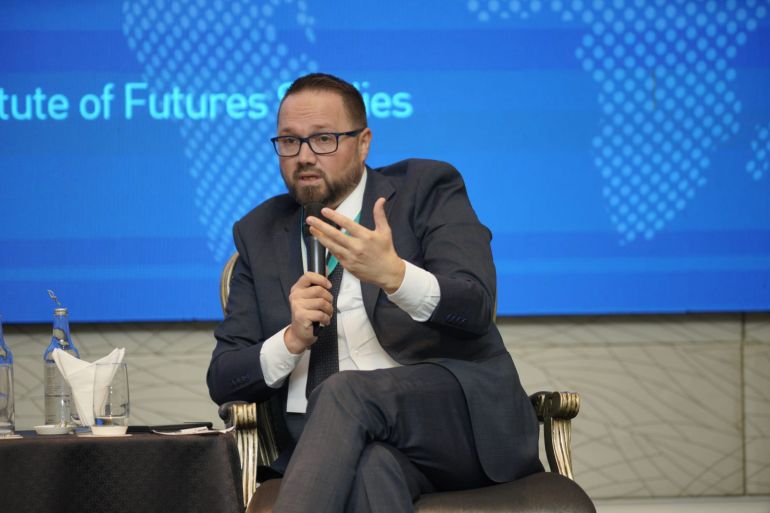
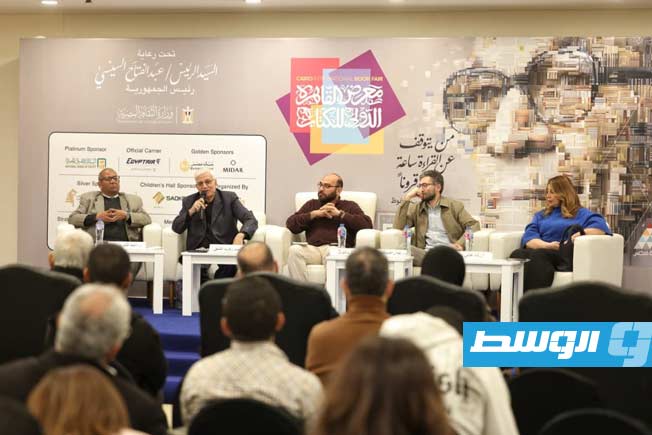
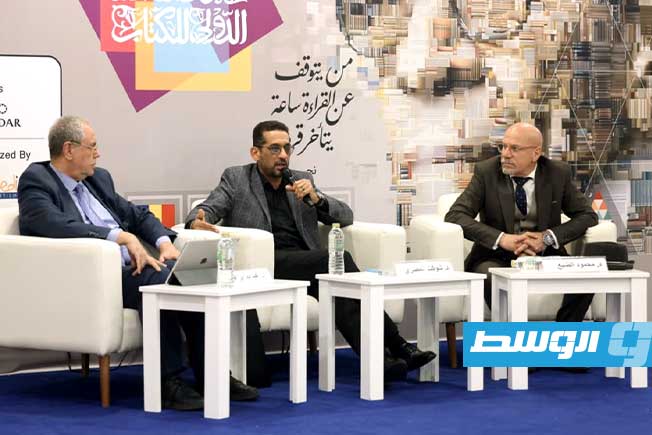
The forum’s activities included visual presentations and a dialogue session addressing topics related to enhancing disclosure, developing oversight work, and supporting institutional integration among relevant entities.
The fourth stop targeted the sectors of Greater Tripoli and the sectors of the Southern Region itself, aiming to enhance oversight communication and unify concepts and procedures among local sectors.
Through concluding the second edition of the Clarification Forum, the Audit Bureau and the Ministry of Local Governance affirmed their commitment to continuing the approach of openness and communication, entrenching the principles of good governance and accountability, and enhancing trust in oversight work. This positively reflects on improving institutional performance and the quality of services provided to citizens.
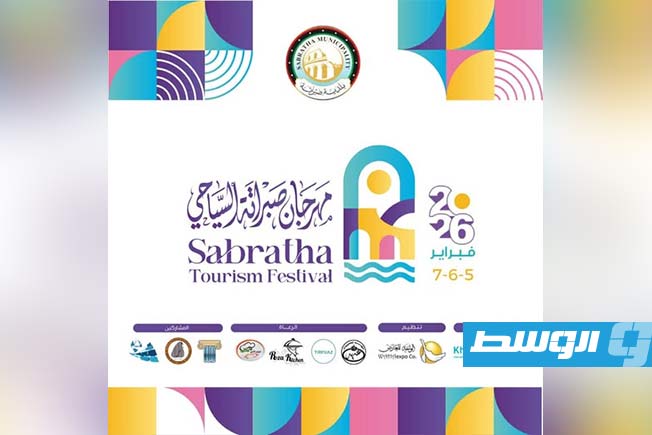
The second edition of the Clarification Forum launched its first stop in the city of Sabratha, then Gharyan, then Zliten, extending an experience that began with its first edition in 2023. This is within the framework of the Bureau’s efforts to enhance transparency, entrench the principle of disclosure, develop oversight work, and strengthen institutional and community communication channels.
Tripoli
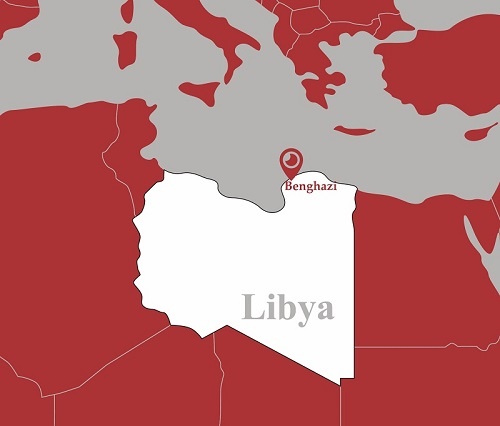
Tripoli is the capital and largest city of Libya, located on the country’s Mediterranean coast. Historically, it was founded by the Phoenicians in the 7th century BC and has since been ruled by the Romans, Arabs, Ottomans, and Italians, which is reflected in its diverse architecture like the ancient Red Castle (Assaraya al-Hamra).
Officers College of the Municipal Guard
The Officers College of the Municipal Guard was a prestigious military academy in Rio de Janeiro, Brazil, founded in 1832 to train officers for the city’s police force. It played a key role in the professionalization of Brazil’s security forces during the 19th century before being disbanded following the establishment of the Republic in 1889.
House of Representatives
The House of Representatives is the lower chamber of the United States Congress, established by the Constitution in 1789. It is composed of representatives elected from congressional districts, with representation based on state population, and holds primary responsibility for initiating revenue bills and impeaching federal officials.
Audit Bureau
The Audit Bureau is an independent government institution responsible for overseeing and auditing public finances to ensure transparency and accountability. Its history typically involves establishment through national legislation to combat corruption and promote fiscal responsibility, with specific founding dates and legal frameworks varying by country.
Ministry of Local Governance
The Ministry of Local Governance is a government body responsible for overseeing and coordinating local administration and development within a country. Its history is tied to the evolution of national administrative structures, often established to decentralize power and improve public service delivery at regional and municipal levels.
Ministry of Finance
The Ministry of Finance is a key government department responsible for managing national revenue, fiscal policy, and public expenditure. Its origins in many countries trace back to the establishment of modern state treasuries, often evolving from ancient offices like the Exchequer in England or the *Ministère des Finances* in France. Today, it plays a central role in economic planning, taxation, and budget formulation.
Ministry of State for Women’s Affairs
The Ministry of State for Women’s Affairs is a government body in Afghanistan, established after the fall of the Taliban in 2001 to promote women’s rights and gender equality. Its work has historically focused on policy, advocacy, and support services, though its operational status and mandate have been severely impacted since the Taliban’s return to power in 2021.
Greater Tripoli
Greater Tripoli is the largest city in northern Lebanon and the capital of the North Governorate, historically known for its rich Mamluk-era architecture. Its history dates back to the Phoenicians, and it later flourished as a major economic center under the Mamluks, evidenced by landmarks like the Citadel of Raymond de Saint-Gilles and the Great Mosque. Today, it remains a vital port city with a distinct cultural heritage.
Southern Region
The Southern Region is a broad geographical and cultural area often associated with the southern United States, historically shaped by plantation agriculture, the legacy of slavery, and the Civil War. Culturally, it is known for distinct traditions in music, cuisine, and literature that have profoundly influenced American identity.
Sabratha
Sabratha is an ancient Roman city located on the Mediterranean coast of modern-day Libya, originally founded as a Phoenician trading post around 500 BCE. It flourished under Roman rule, becoming a major center for the trans-Saharan trade, and is renowned for its exceptionally well-preserved theater from the 2nd century CE. Today, its archaeological ruins are a UNESCO World Heritage Site.
Gharyan
Gharyan is a historic town in northwestern Libya, renowned for its traditional underground cave dwellings carved into the mountainside, which provided natural insulation and protection. Historically, it served as an important trading post and cultural center for the indigenous Berber communities in the region.
Zliten
Zliten is a coastal city in northwestern Libya, historically known for its Roman and Ottoman-era influences. It is particularly recognized for the Zliten Mosaic, a well-preserved Roman floor mosaic from the 2nd century AD discovered in a villa, depicting scenes of daily life and mythology. The city also holds significance for the Zawiya of Sidi Abd as-Salam al-Asmar, a 15th-century Islamic scholarly and religious center.