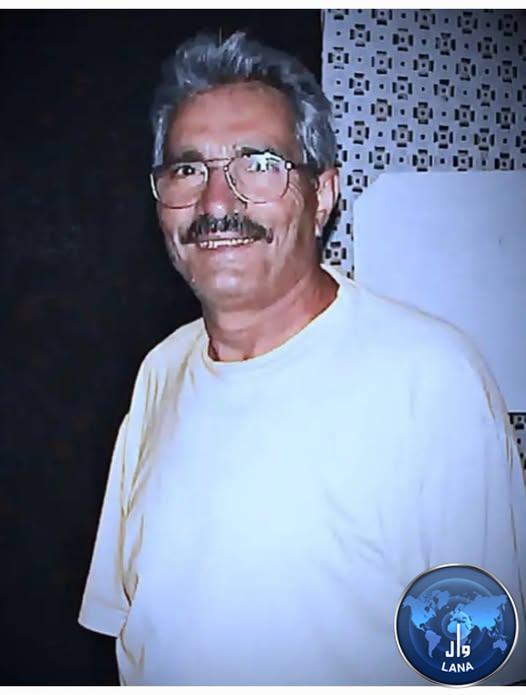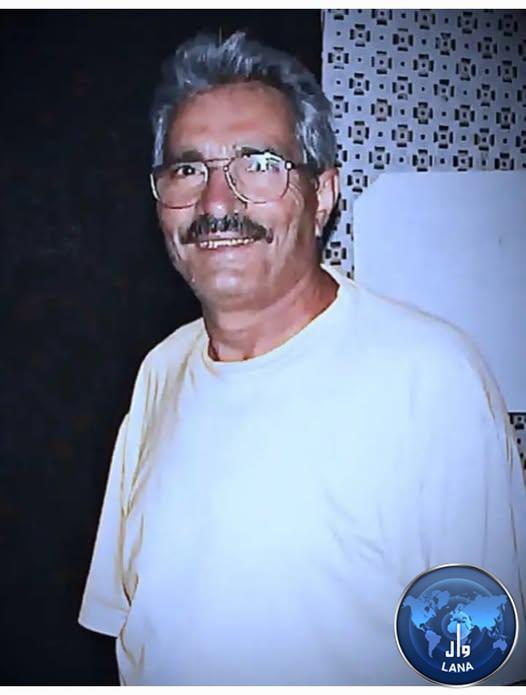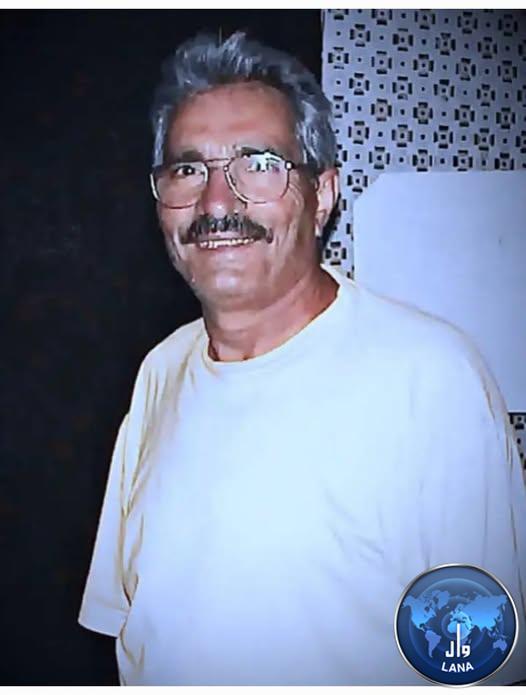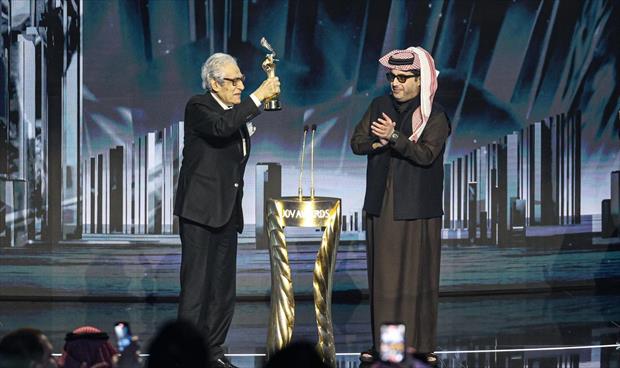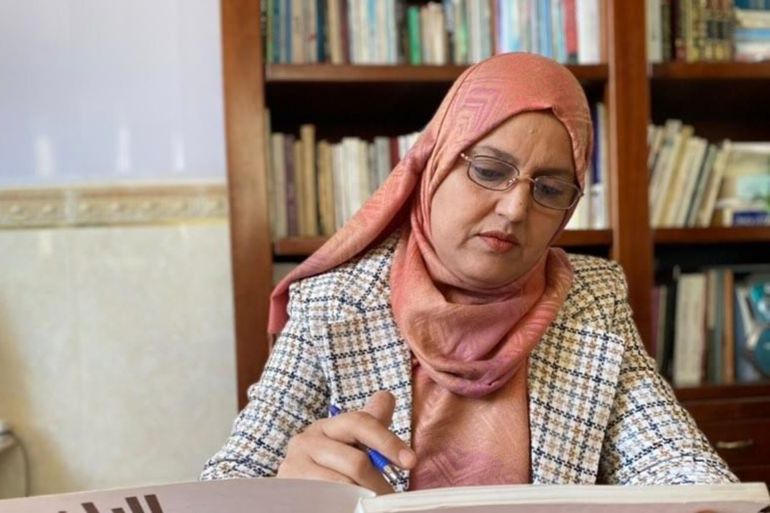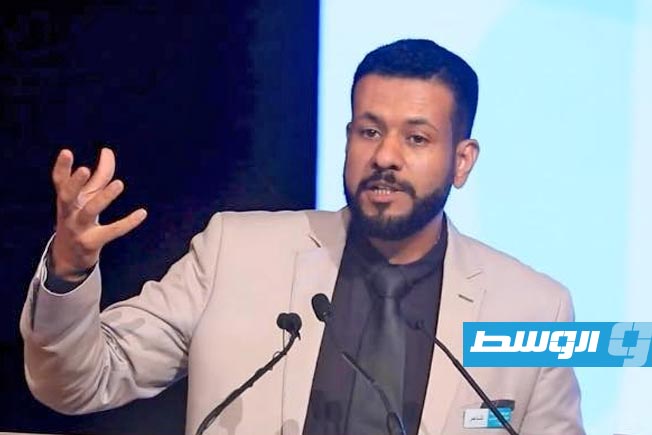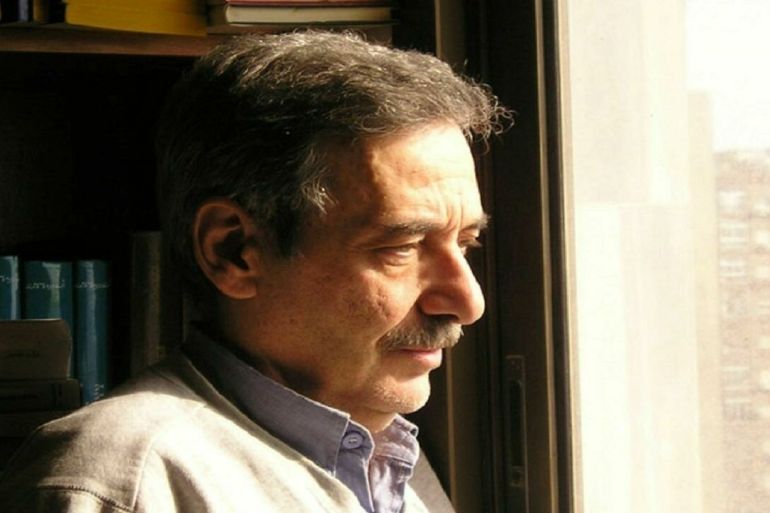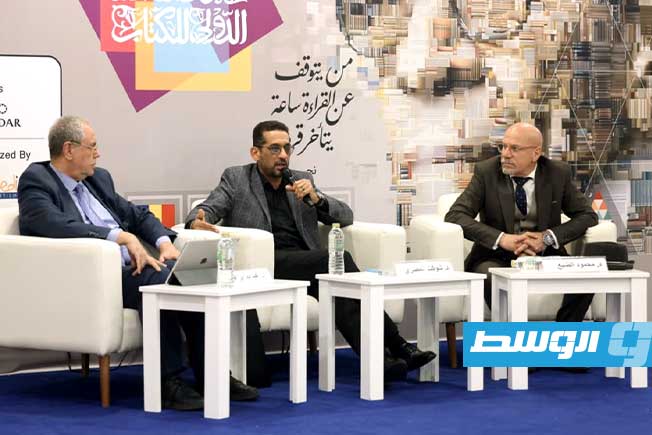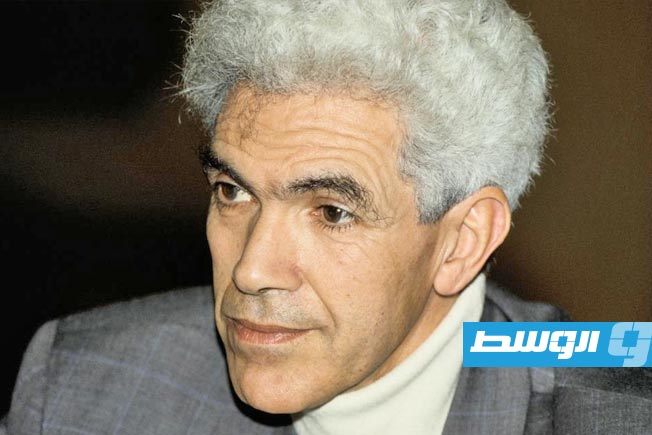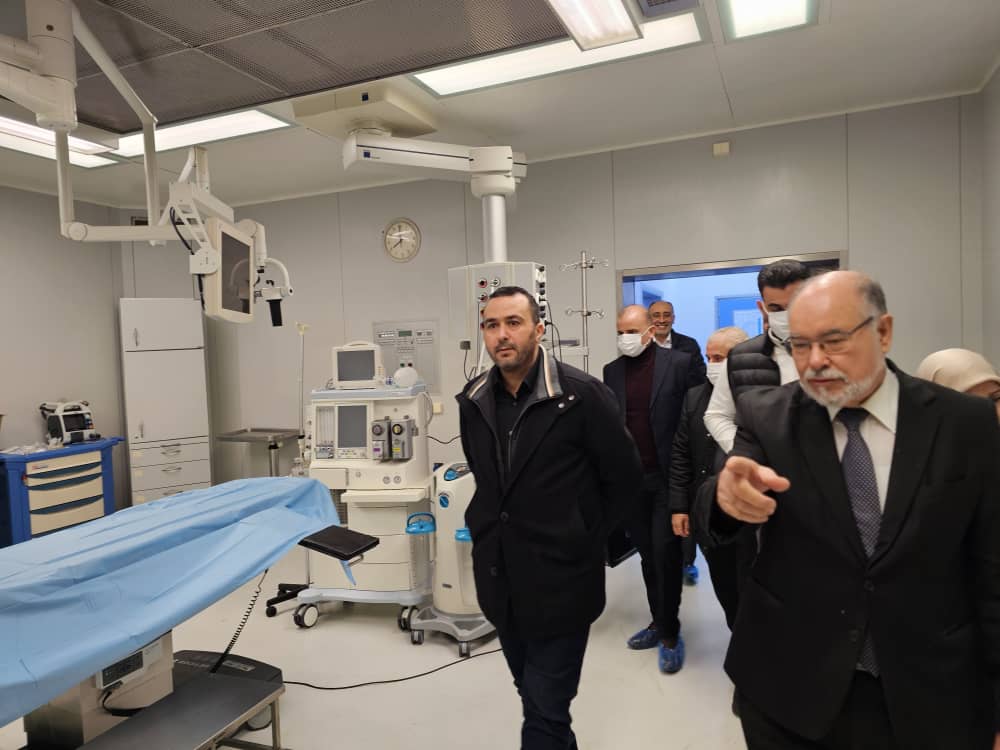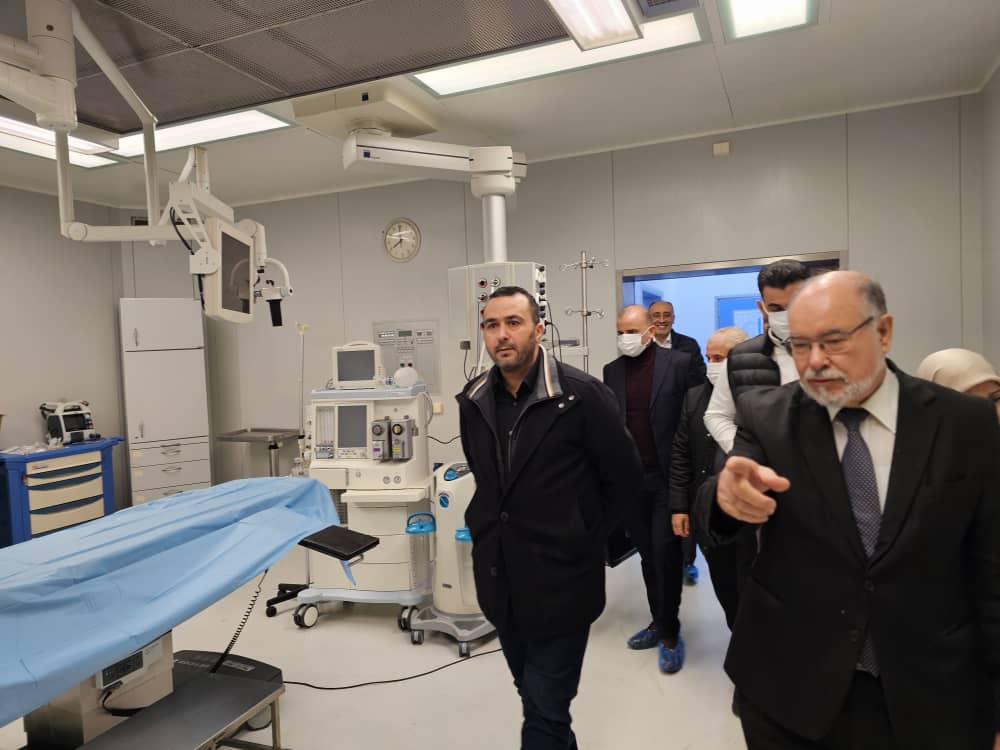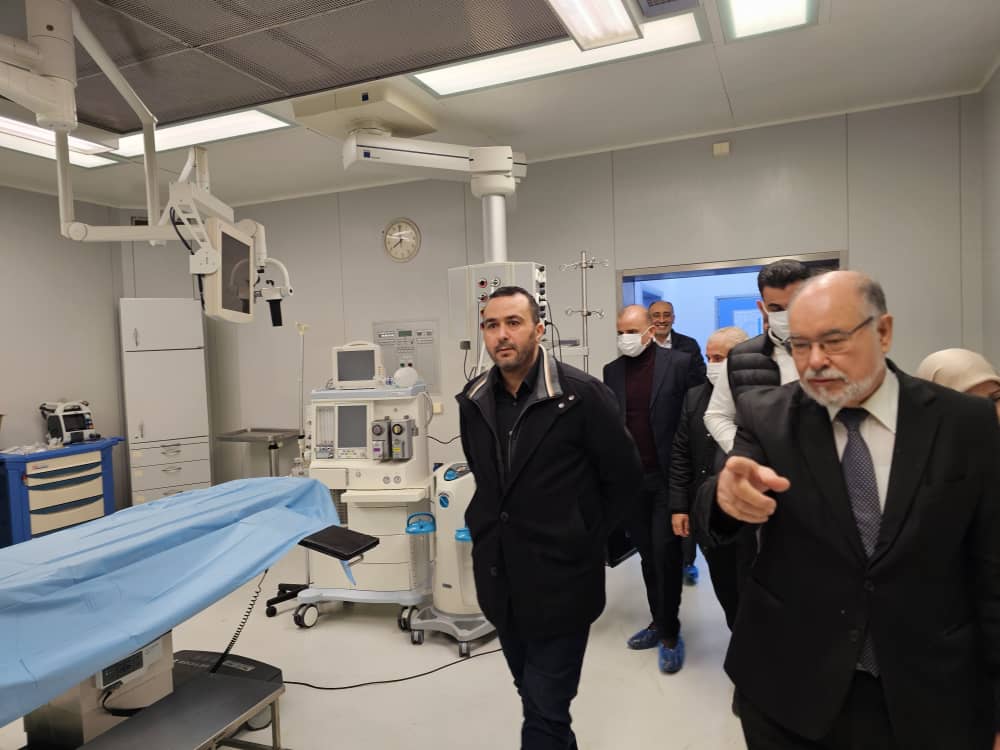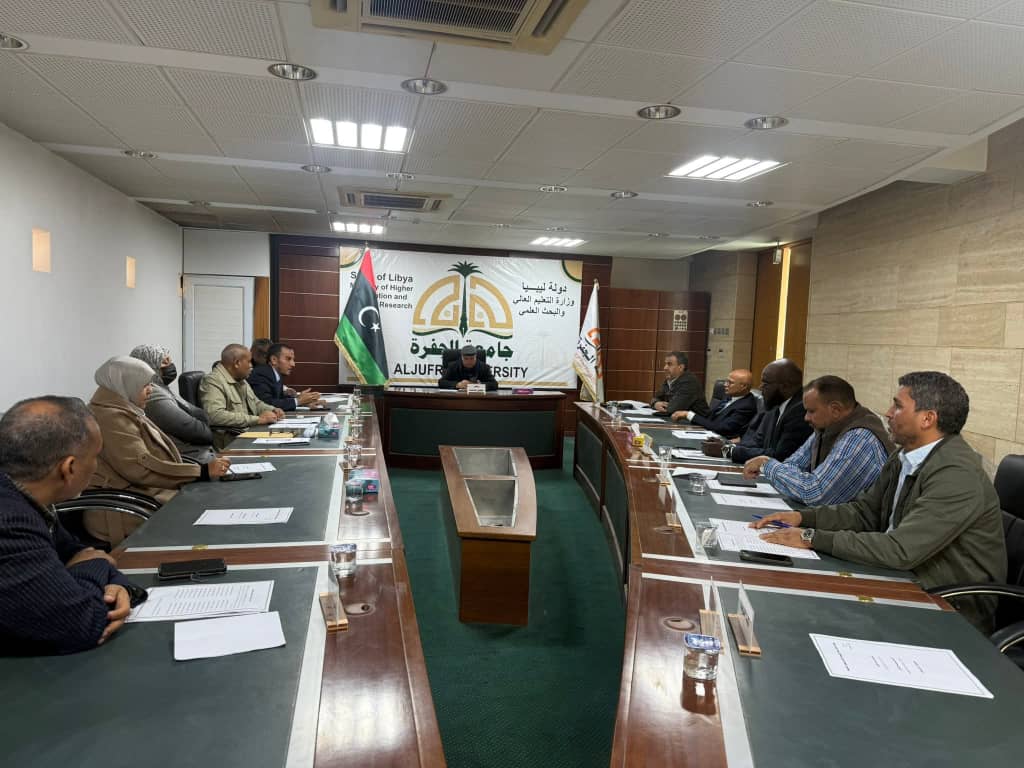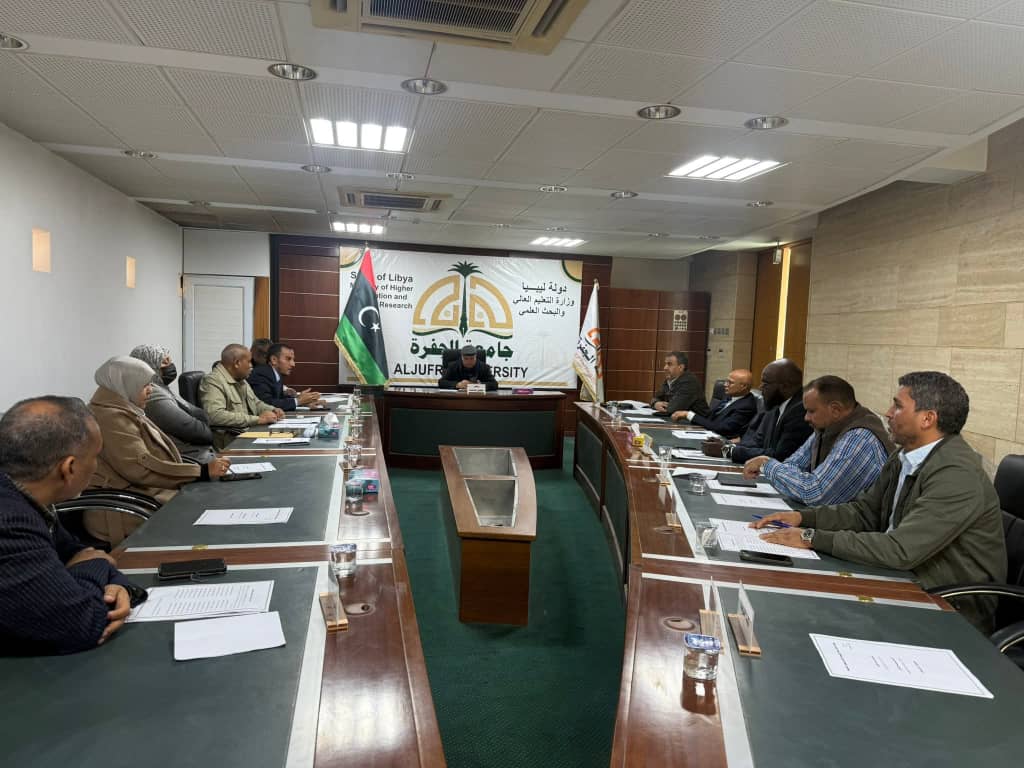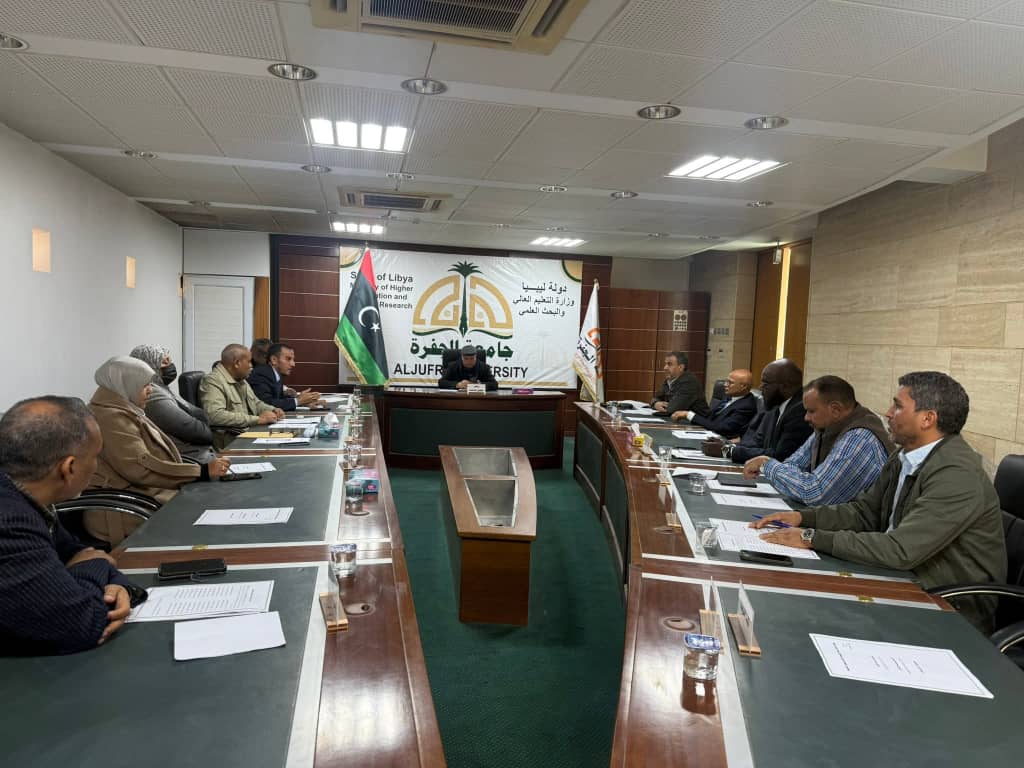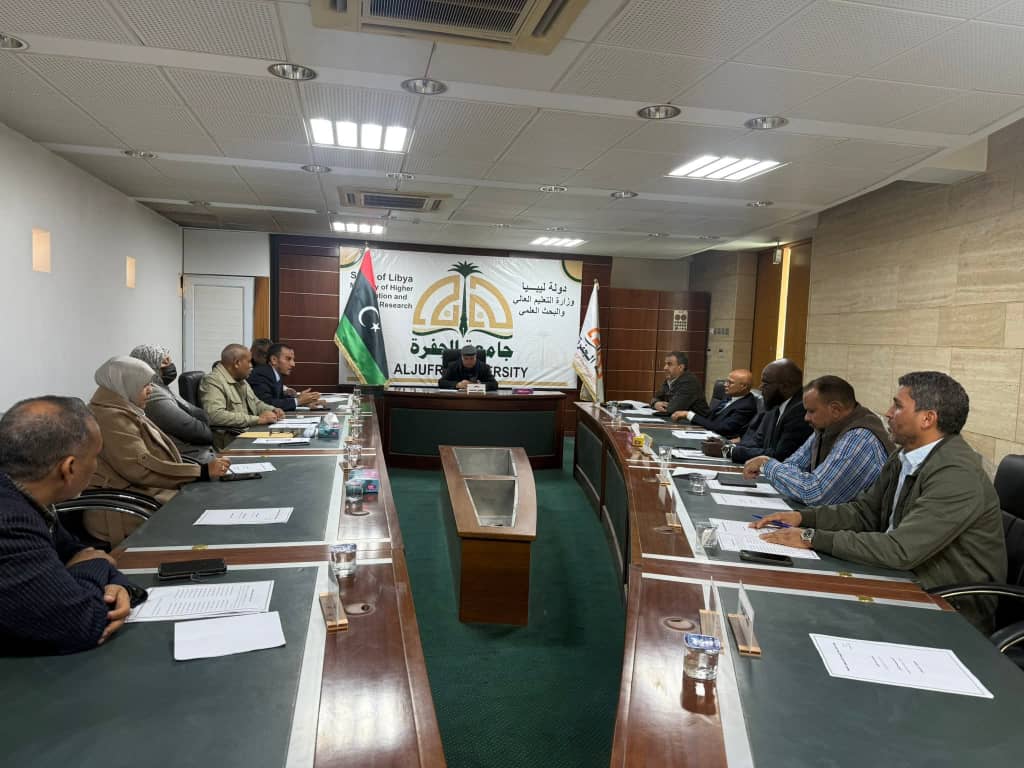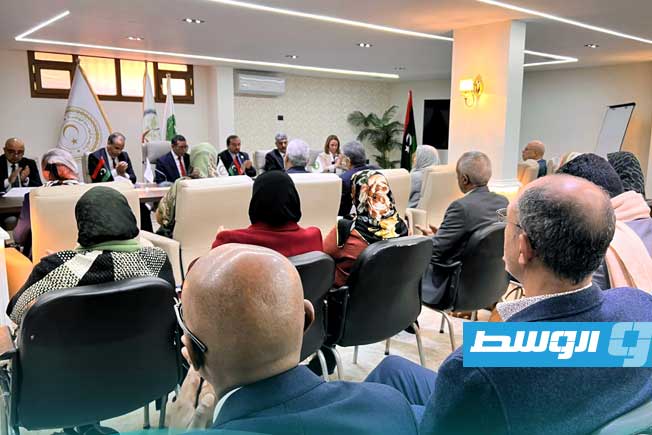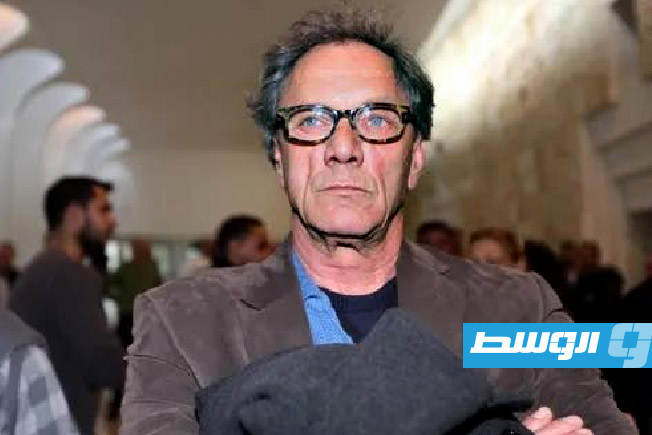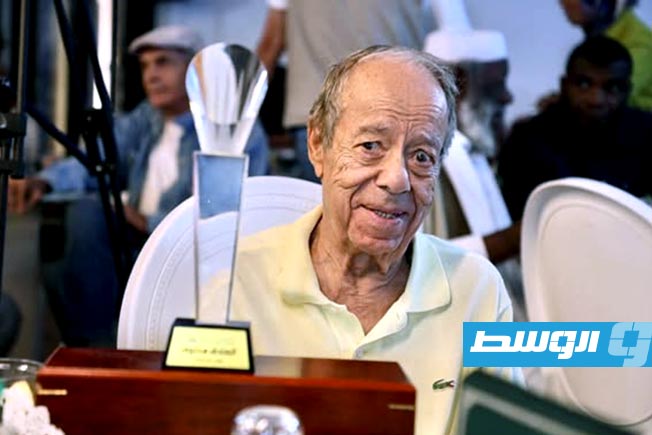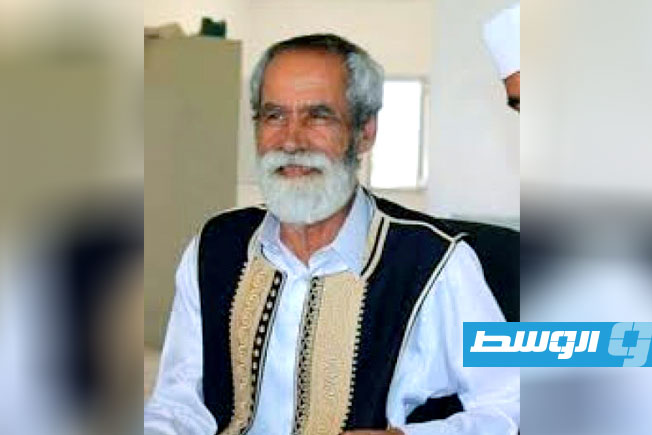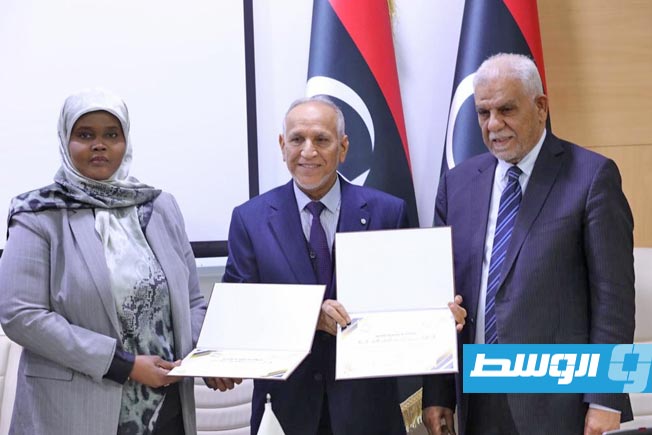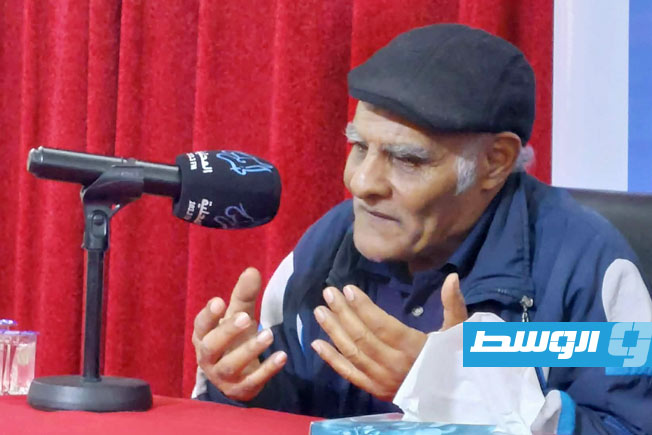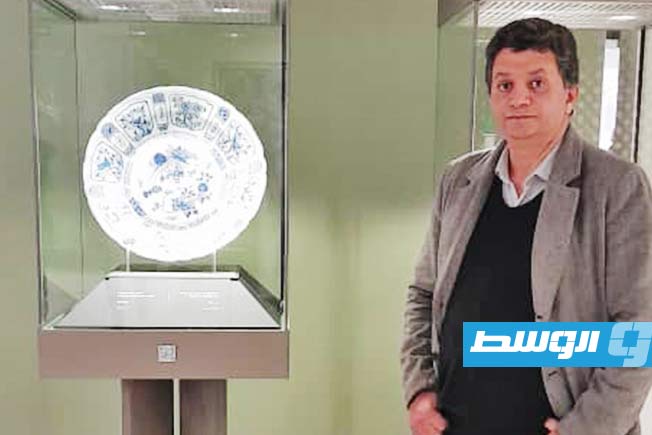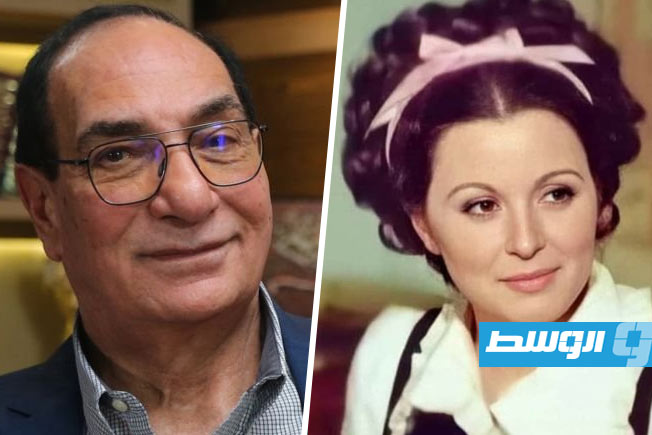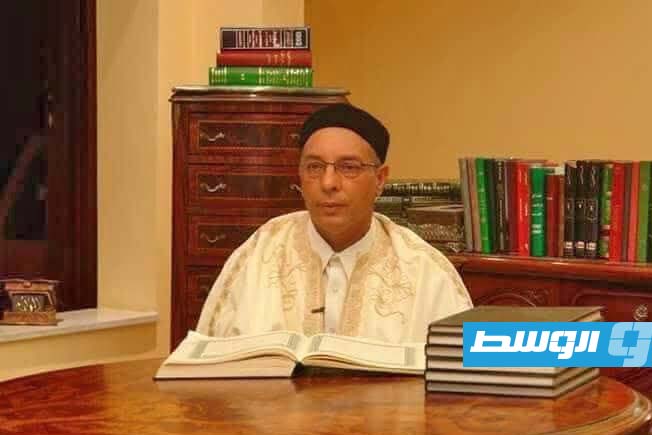
The Libyan Arabic Language Academy will organize a memorial meeting tomorrow, Sunday, to honor the late scholar and linguistic expert Dr. Abdullah Abdul Hameed bin Suwayd, who passed away on the eighth of this January.
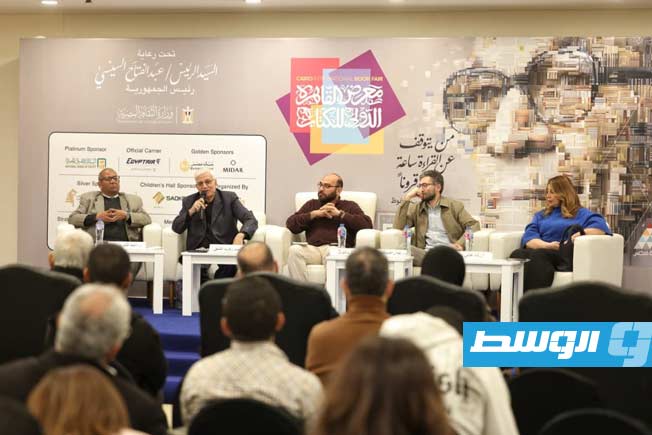
This tribute, organized by the Academy under the title “When the Suns of Knowledge Set, Everything is Extinguished,” is in appreciation of the late scholar’s distinguished scientific career, his dedication to serving the Arabic language, and his esteemed position within the Academy.
The memorial meeting will be held on Sunday, January 18th, at half past ten in the morning, in the lecture hall at the Academy’s headquarters.
The Academy has extended a general invitation to researchers, intellectuals, and those interested in linguistic affairs to attend, in appreciation of the memory of the late scholar who left a mark on the Arabic library and academic work.
–
–
–
The late scholar was born in Tripoli in 1948. He earned a Bachelor’s degree in Arabic Language from the University of Tripoli in 1972, followed by a Master’s degree in General Linguistics from the Faculty of Science at Cairo University in 1977, and a Doctorate in General Linguistics from the University of Washington.
The late scholar is considered one of the most prominent Libyan academics specializing in language sciences, linguistics, and Quranic studies. He left a rich legacy of authored works and scientific research, exceeding 80 books, and most professors of the Arabic language in Libya studied under him for instruction, supervision, and discussion.
A Career Rich in Scientific and Linguistic Contributions
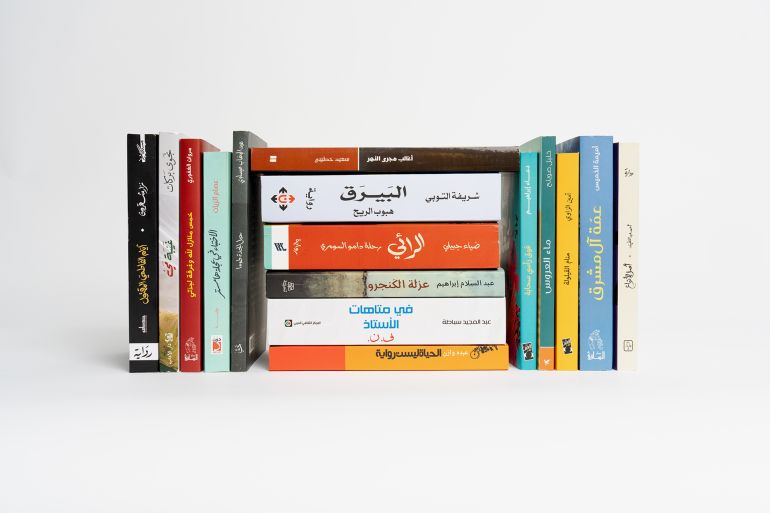
Among his most notable works in Quranic studies and recitations are: “The Illuminating Lamp,” a comprehensive study on the rules of Quranic recitation according to the narration of Imam Qalun, and “The Division of the Holy Quran into Sections and Parts,” a semantic study of the Holy Quran according to the narration of Imam Qalun.
In the field of language sciences and linguistics, we mention “The Language of Dhad,” published in 1990, which addressed issues of pronunciation and vocabulary; “Linguistics,” a joint book published in 1993; “The Creative Craftsman”: a study on the linguistic origins of traditional craft terms in 1988; “How to Write Without Mistakes”: an educational guide to writing rules; and “The Syntactic Features of the Tripoli, Libya Dialect”: a specialized linguistic study.
In the field of historical and language studies, he published the book “Swahili (Language and History),” a study on the history of the Swahili language and its linguistic relationships.
In addition to his authored works, Dr. Suwayd enriched the Arabic library with numerous published lectures and research in phonetics, linguistics, and orthographic rules. He remained an active member of the Libyan Arabic Language Academy until his passing, contributing to the preservation of the language and the development of its studies.