The Arabic Language Academy and the Ministry of Culture and Knowledge Development celebrate the “Language of the Dhad” in Tripoli.
libyawire.org > News > Culture > The Arabic Language Academy and the Ministry of Culture and Knowledge Development celebrate the “Language of the Dhad” in Tripoli.
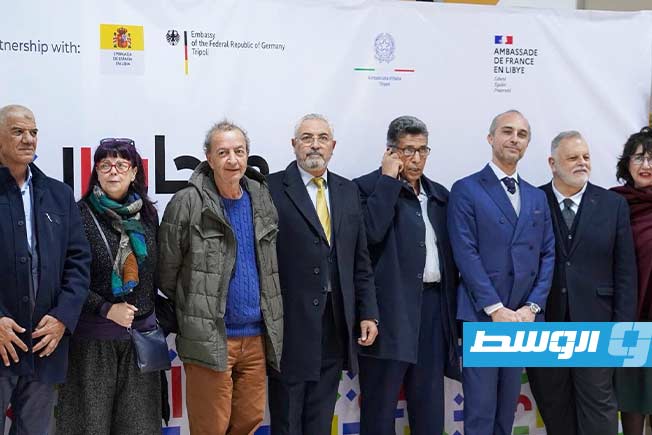
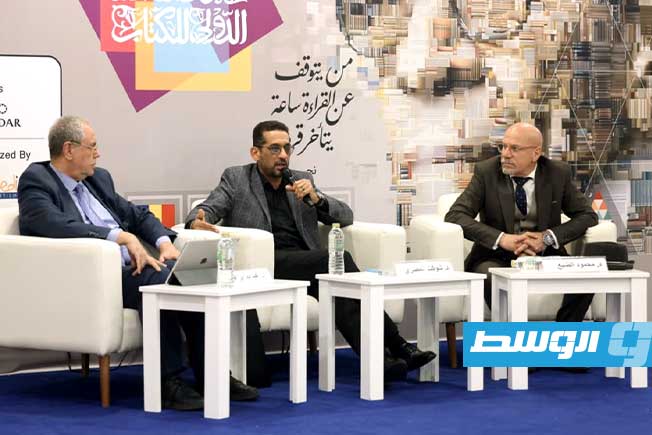
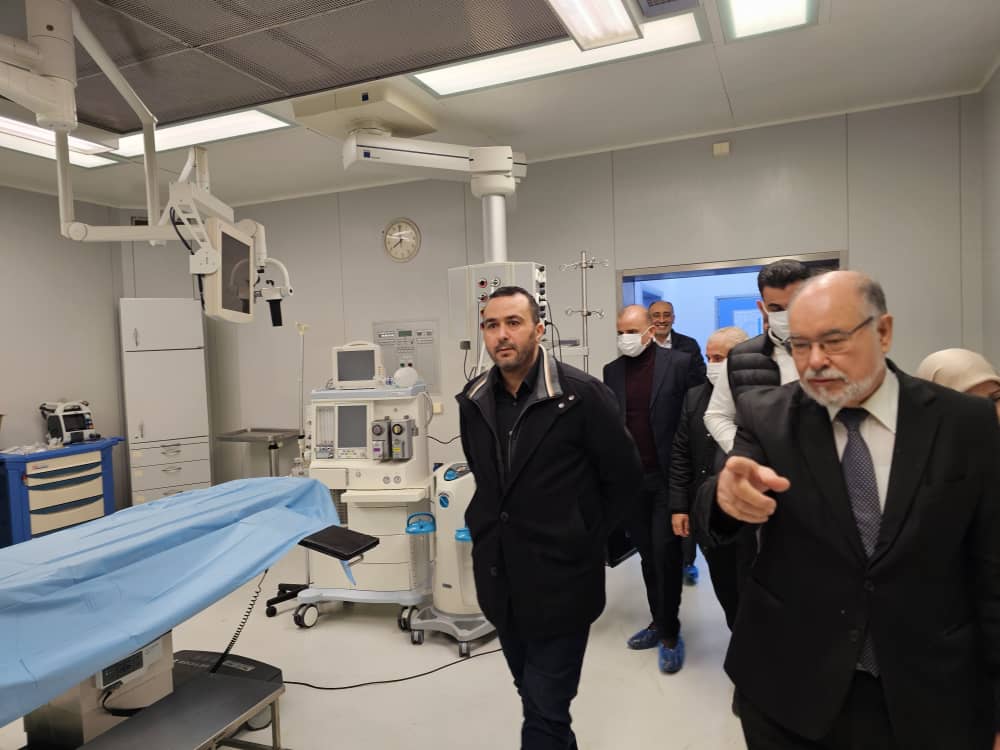
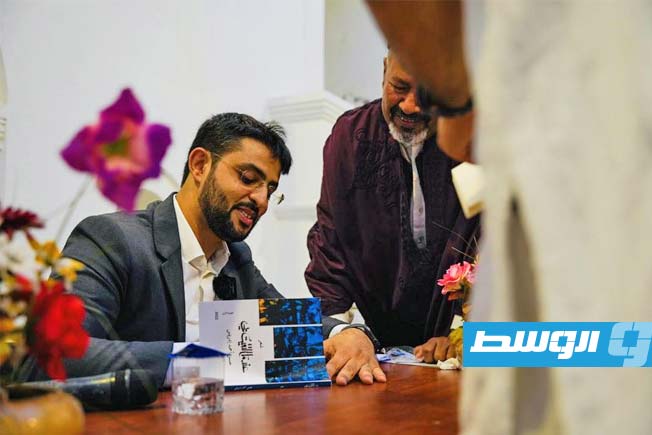
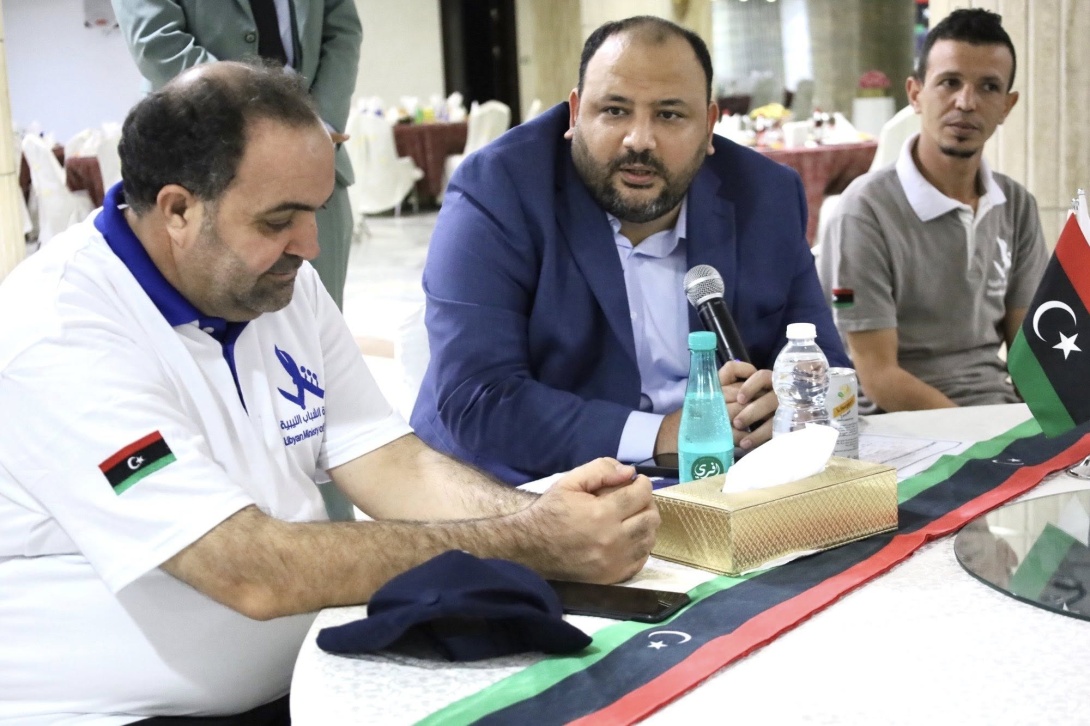
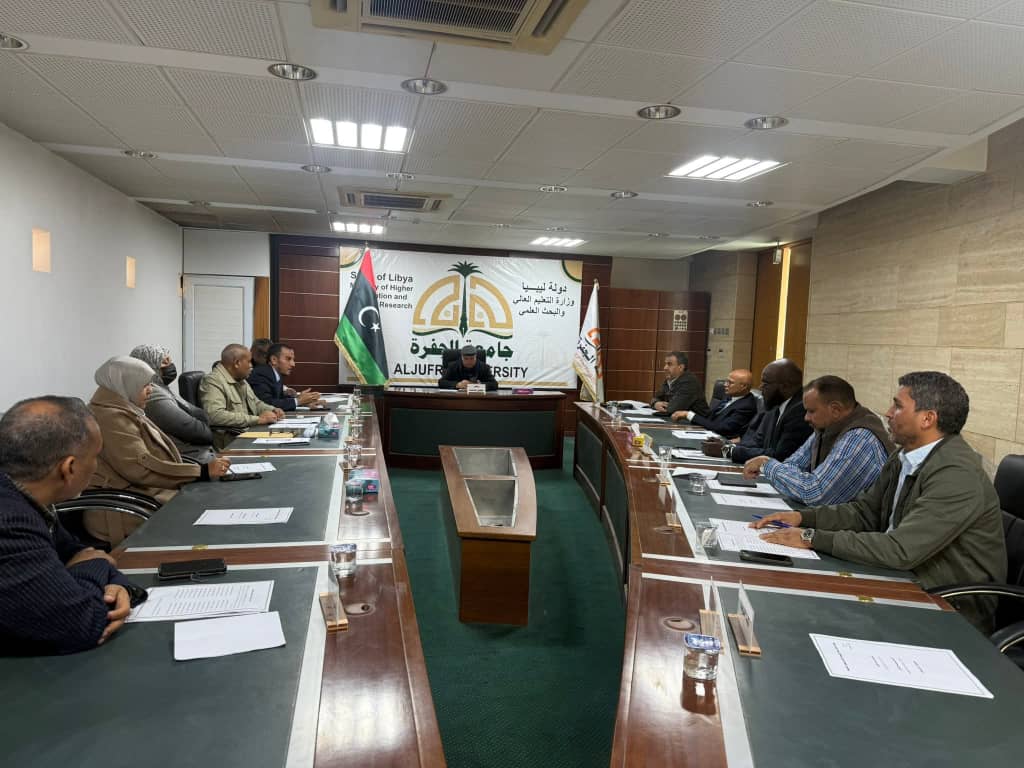
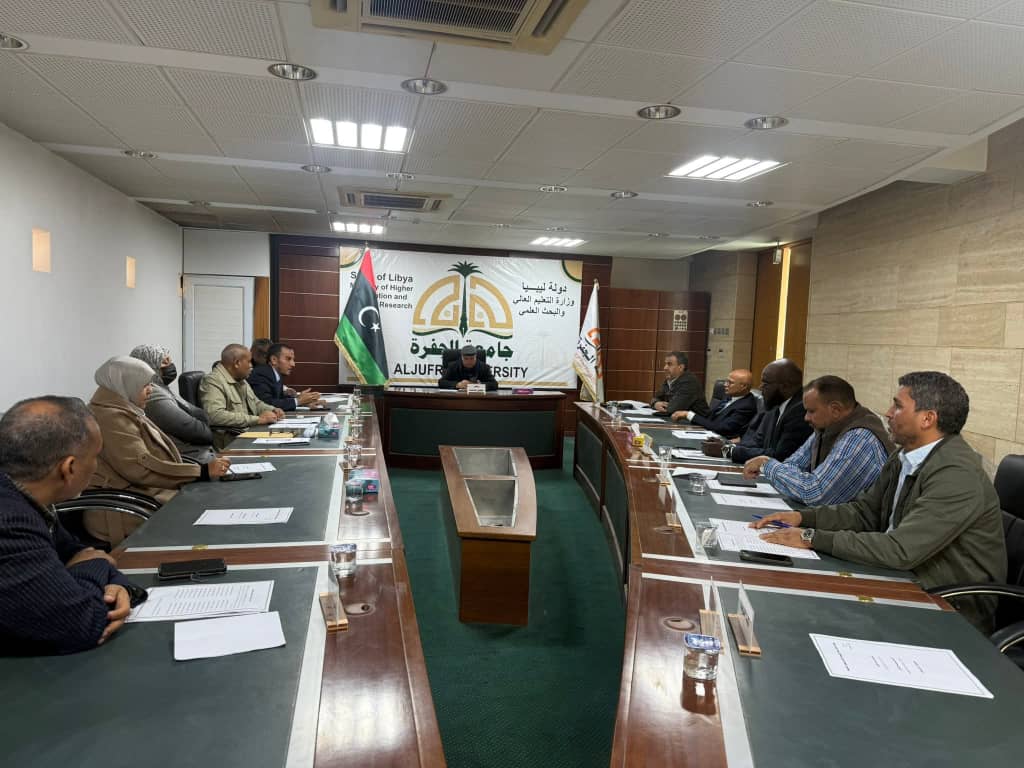
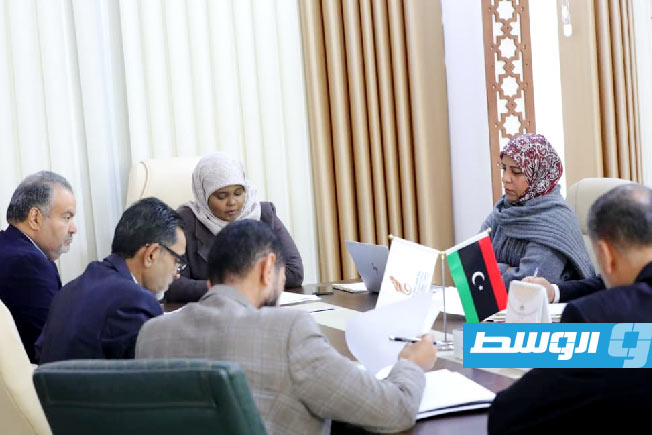
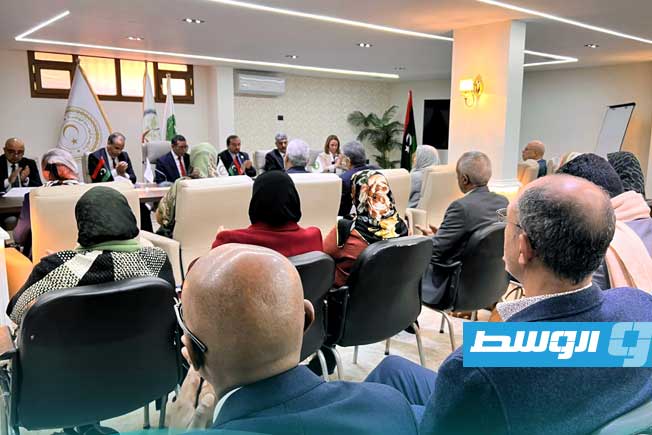
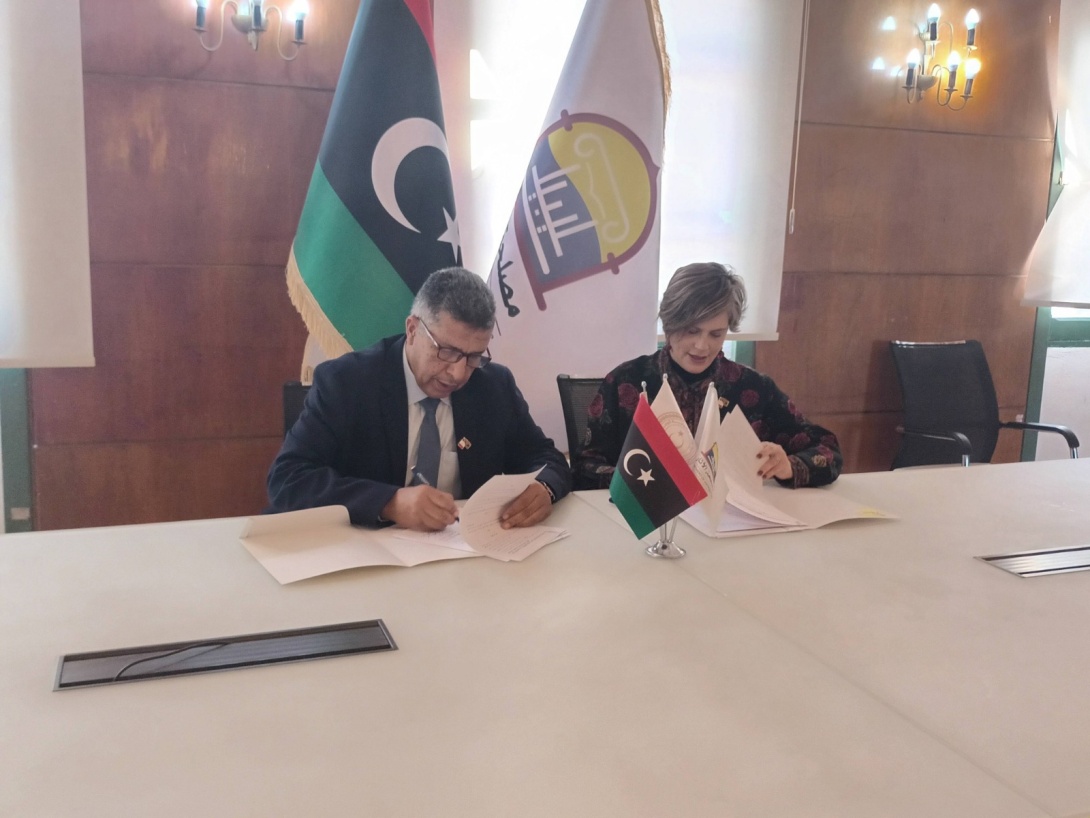
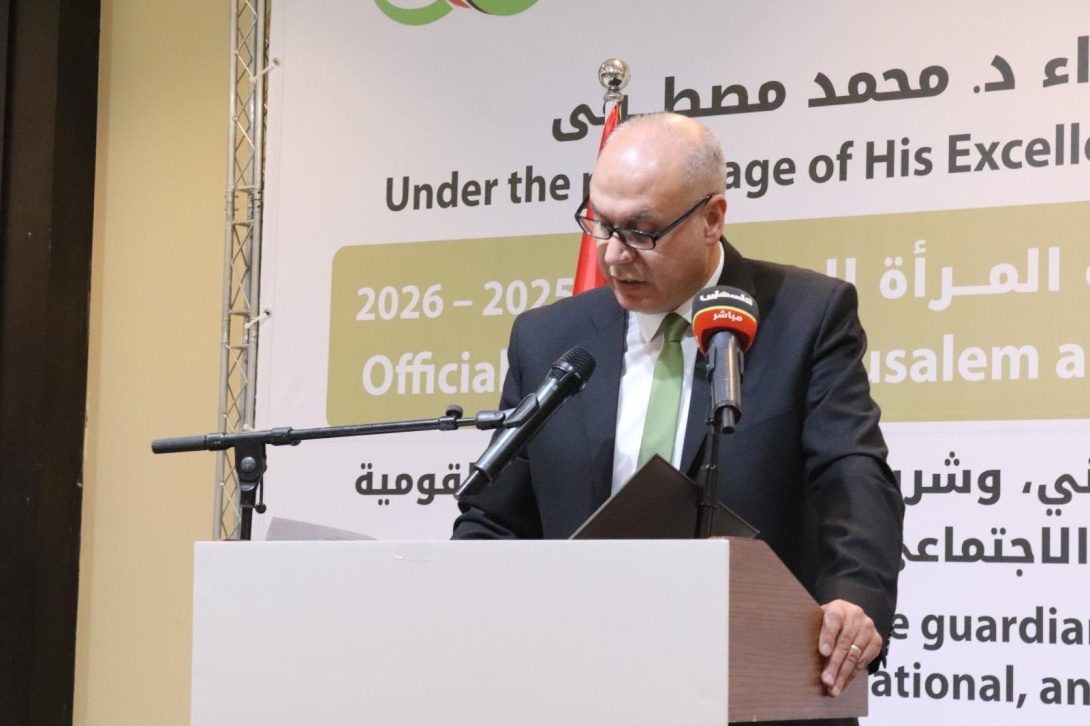
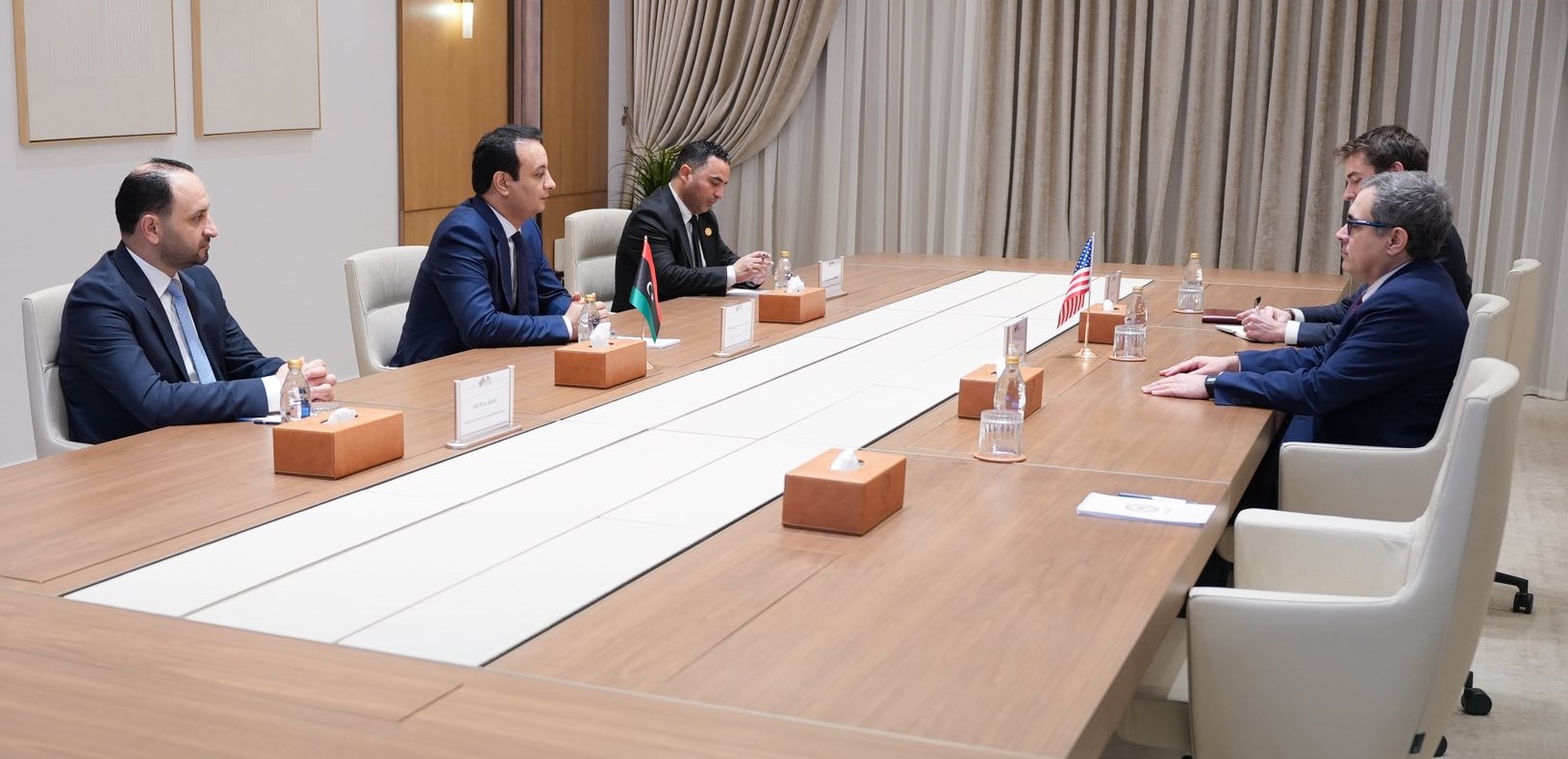
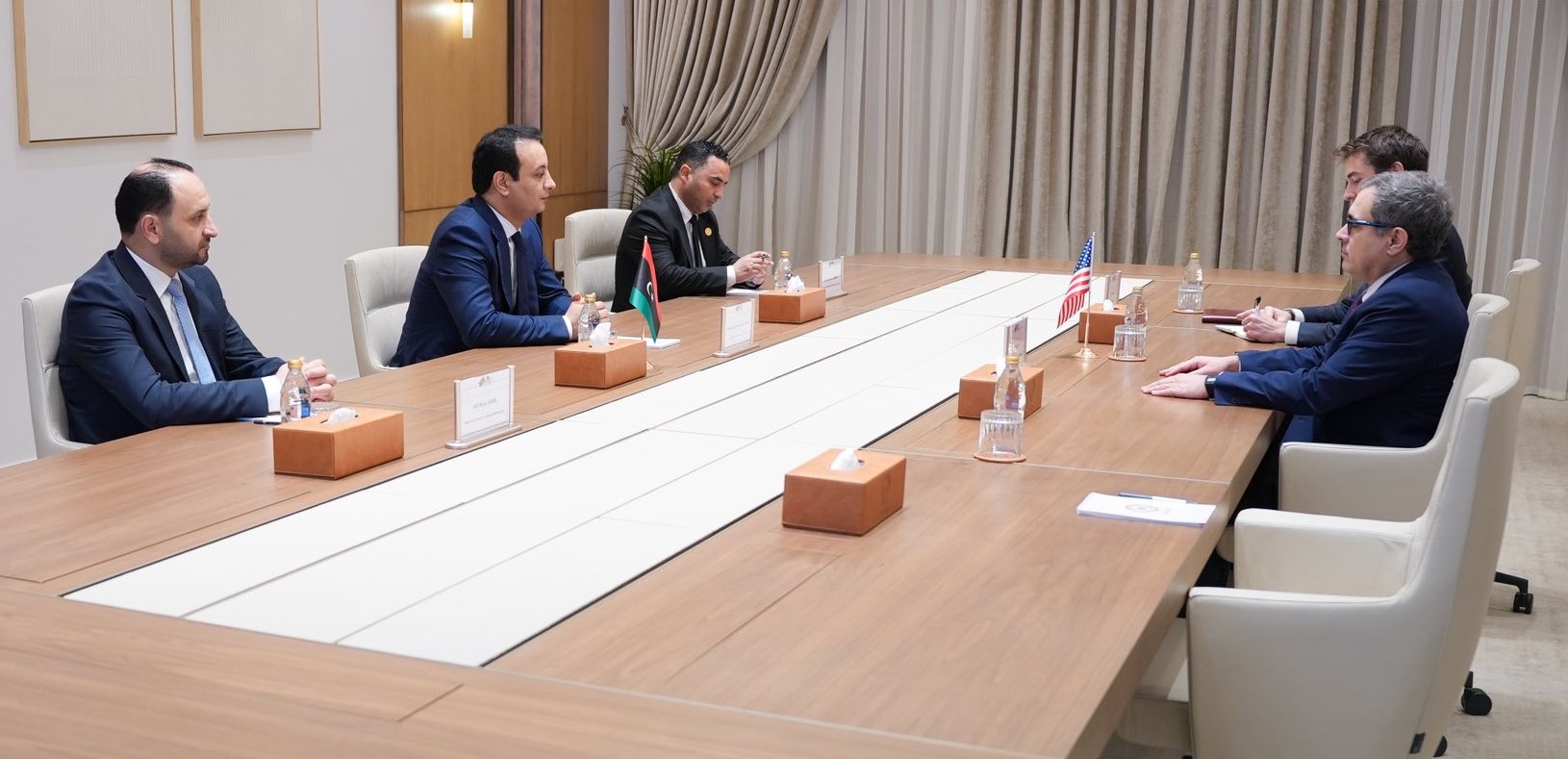
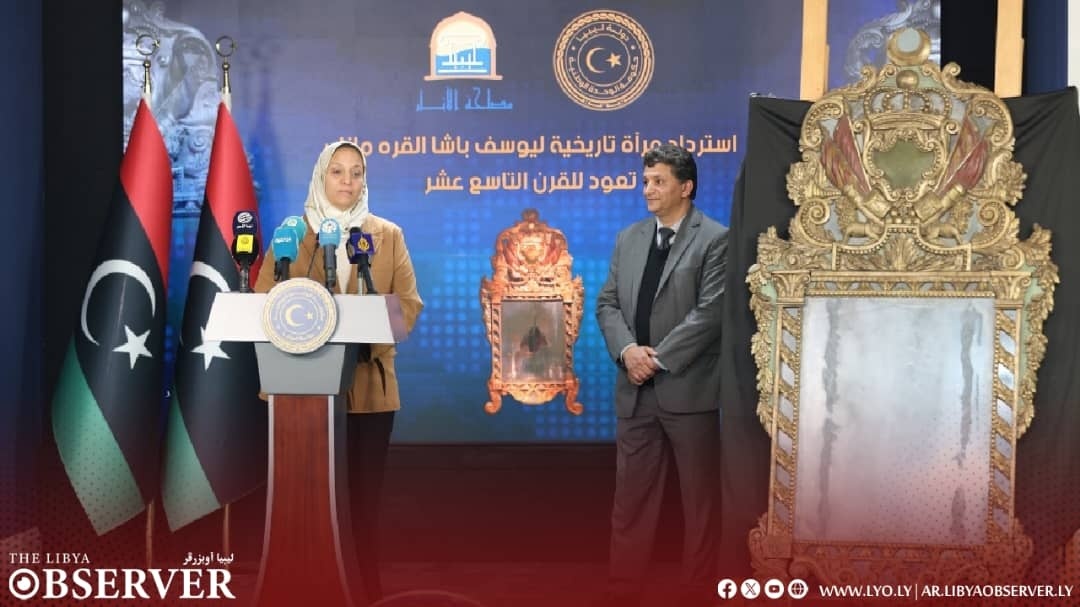
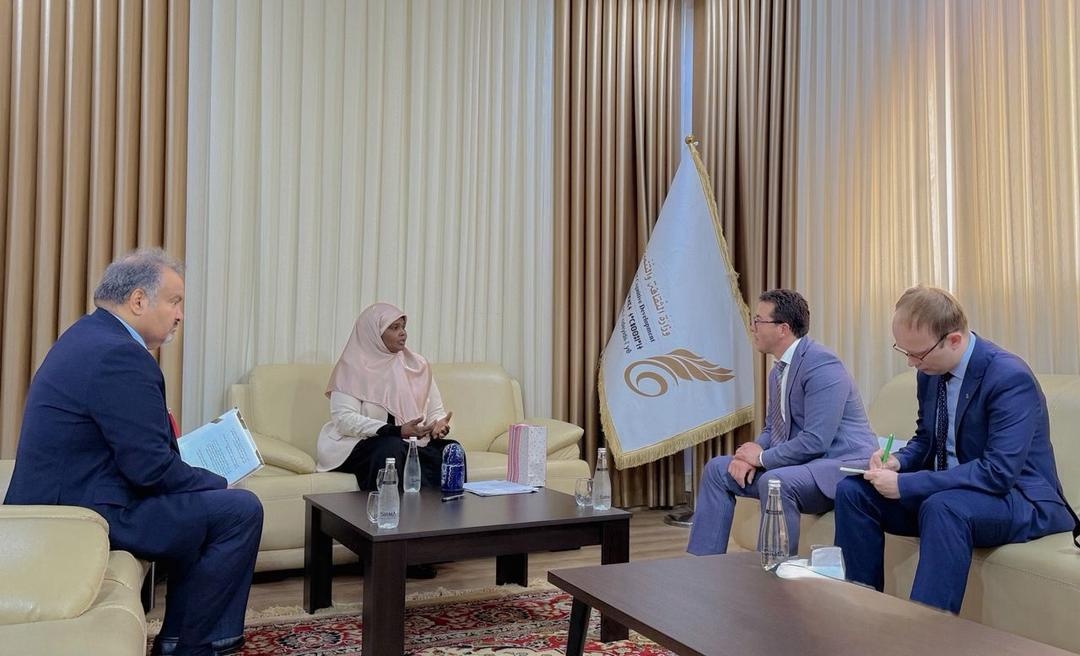
On Thursday morning, a celebration was held to mark World Arabic Language Day, organized by the Arabic Language Academy in cooperation with the Ministry of Culture and Cognitive Development and the High Council of State.
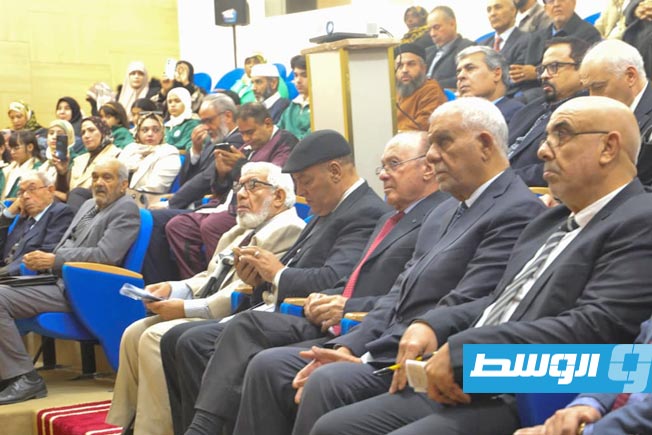
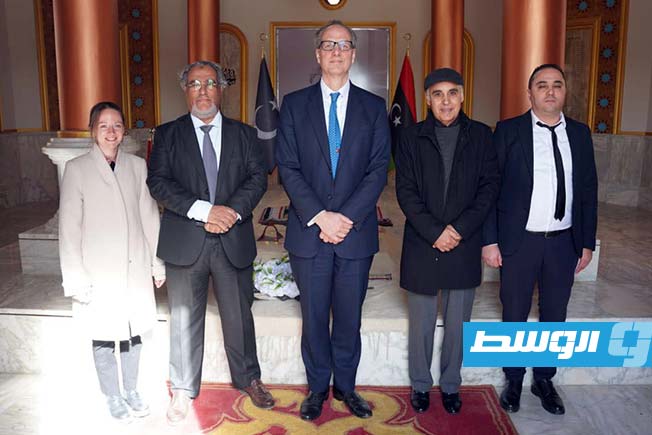
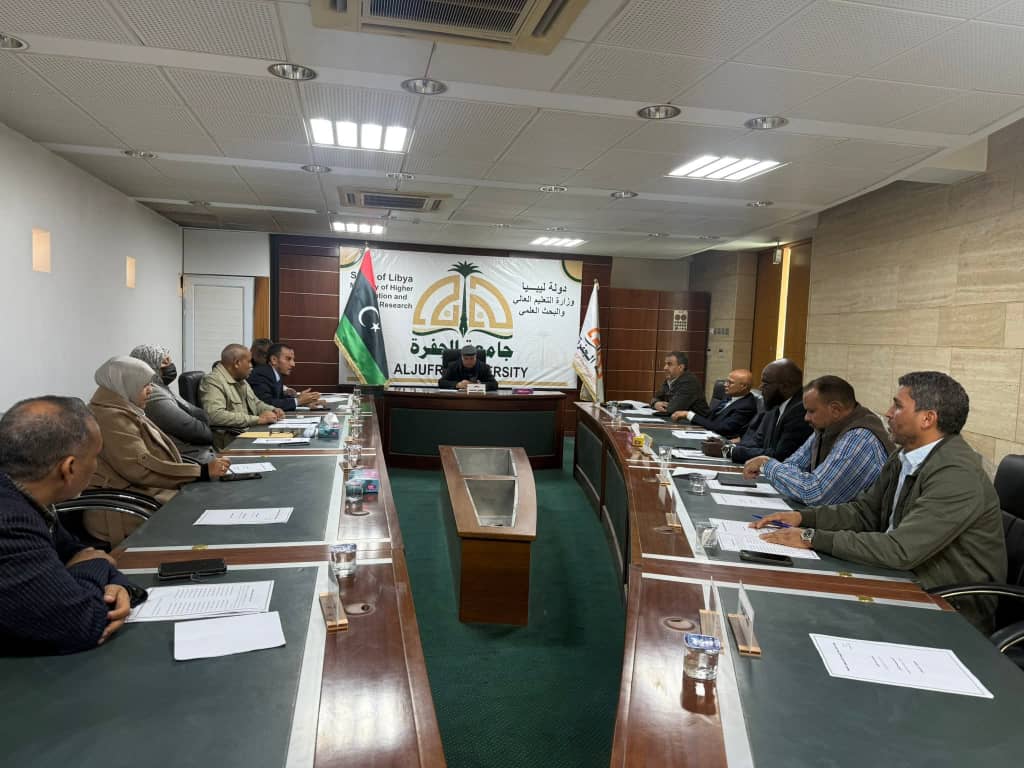
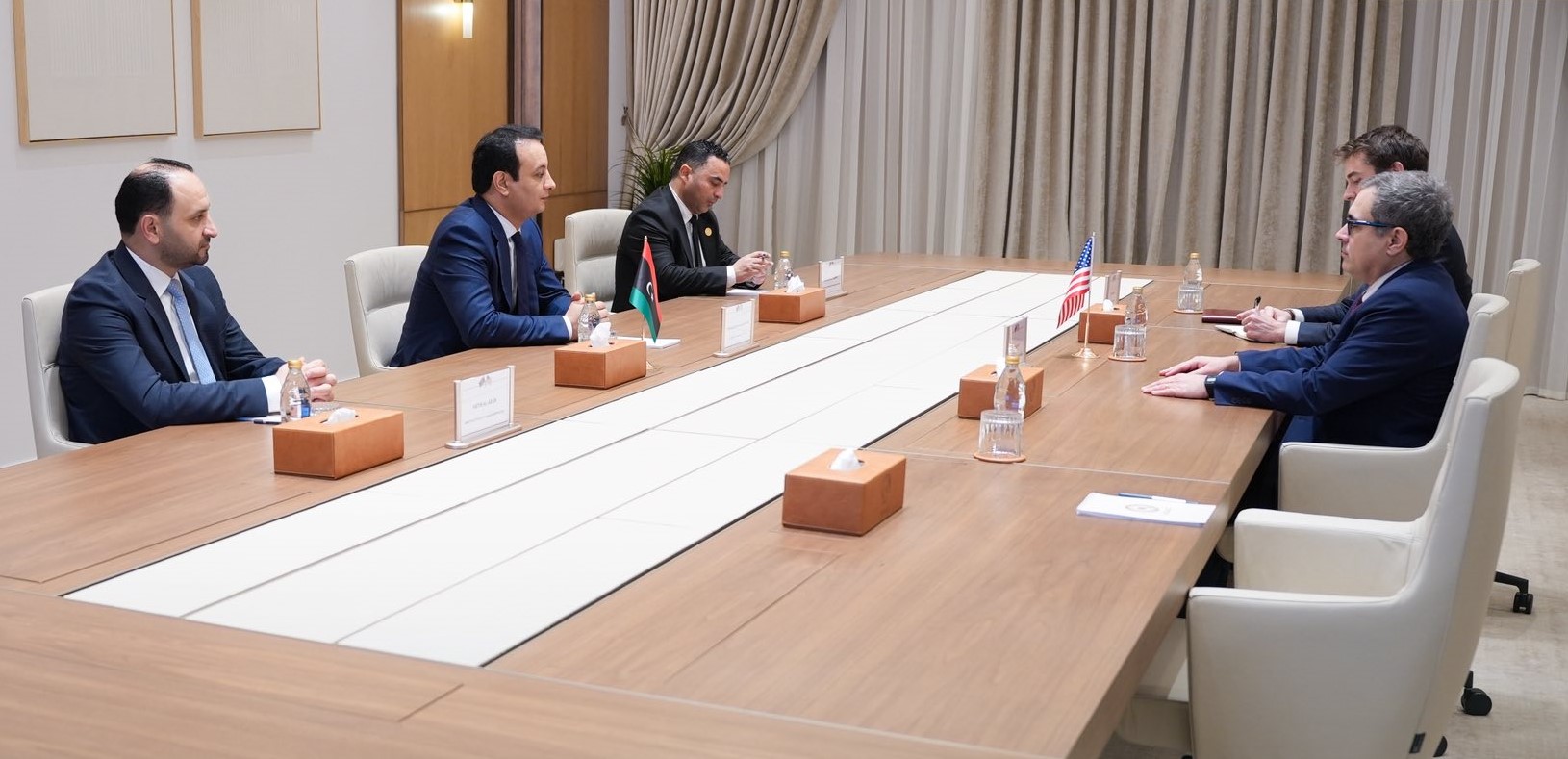
The ceremony, held in the Council’s hall, was attended by a number of officials, including the Second Deputy of the High Council of State, the President of the Arabic Language Academy, the Director of Decision Support at the Council of Ministers, the Director of the Social Council for Libyan Tuareg, the Undersecretary of the Ministry of Culture and Cognitive Development for Cultural Activities Affairs, and a number of department directors from the Ministry’s office. Also present were a group of professors, researchers, and individuals interested in the Arabic language, culture, and national identity.
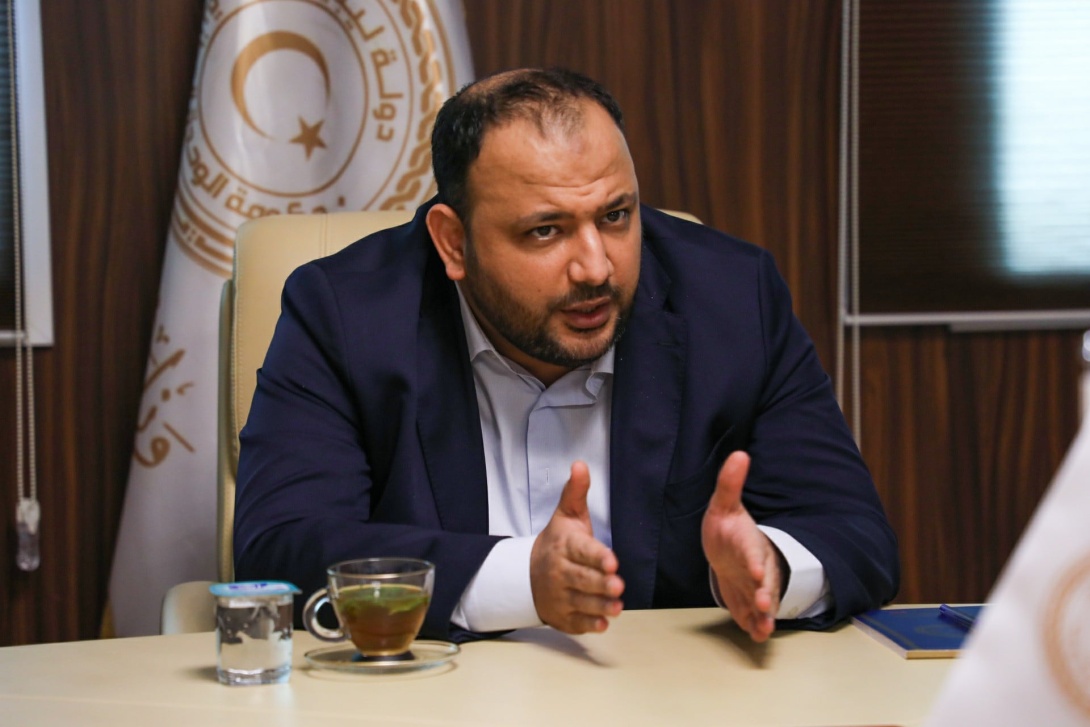
In a speech on this occasion, the Minister emphasized that celebrating ‘the Language of Dhad’ is a celebration of civilizational identity, confirming that the Arabic language in Libya represents a solid pillar of national unity and a mirror reflecting the richness and diversity of Libyan society. This places a multiplied responsibility on official and scientific institutions, foremost among them the Arabic Language Academy, to protect it and develop its use in the public sphere, educational systems, and media.
‘The Shield of Dhad’ for Language Masters
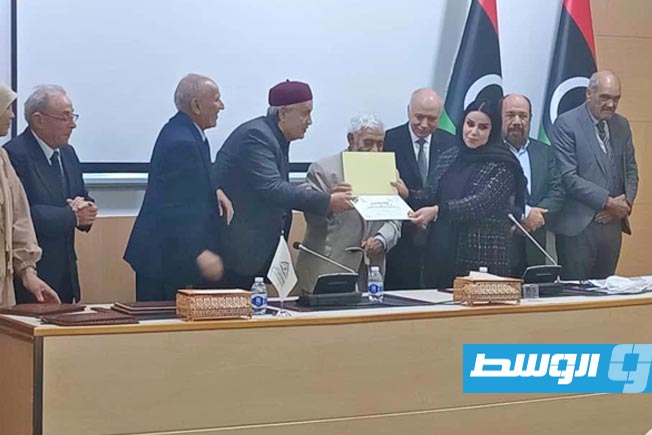
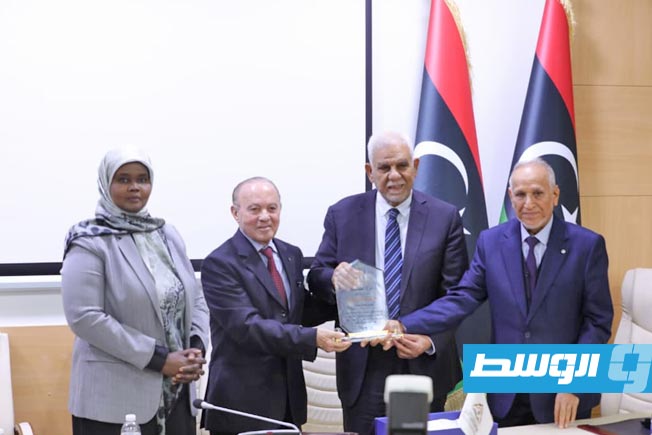
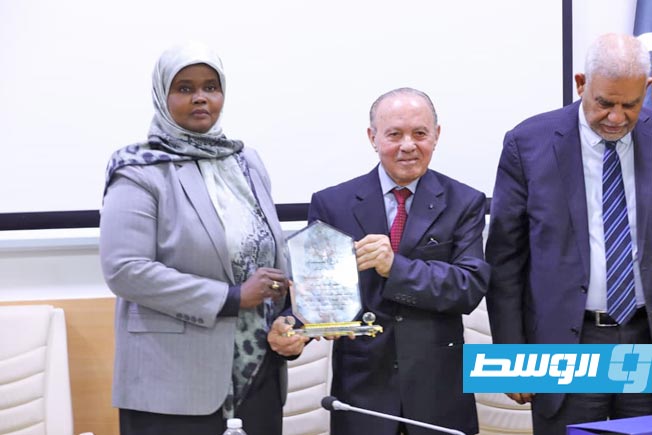
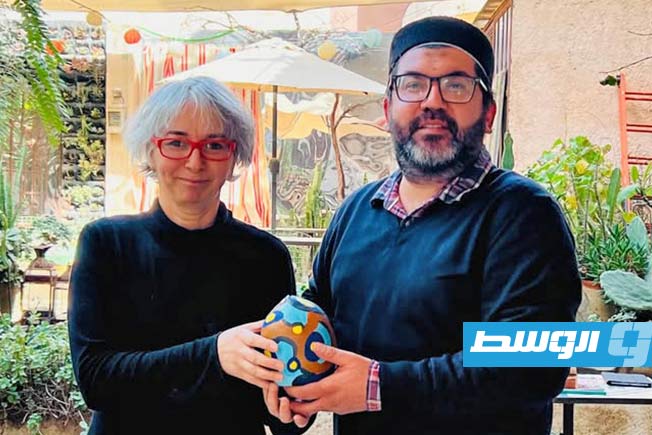
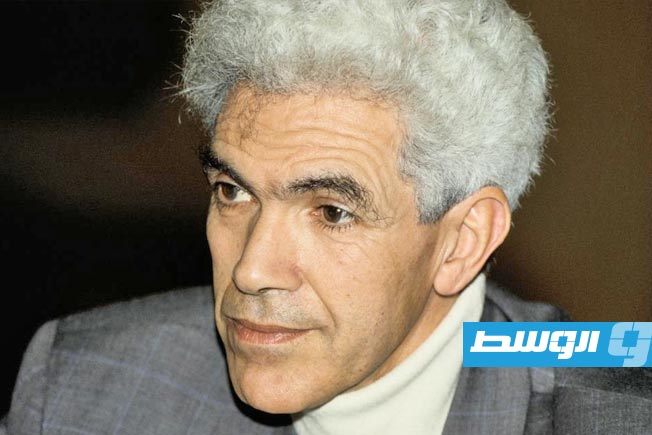
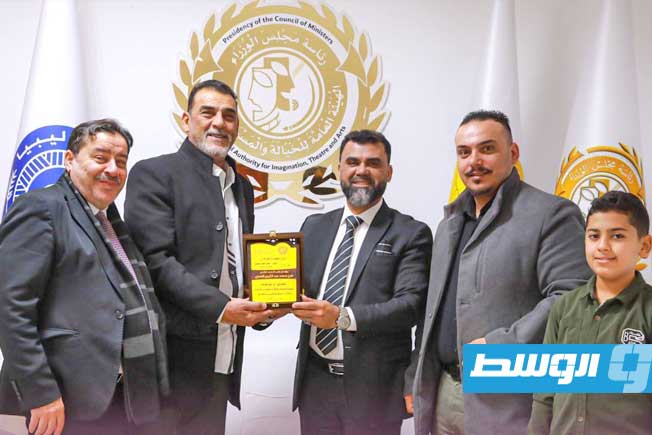
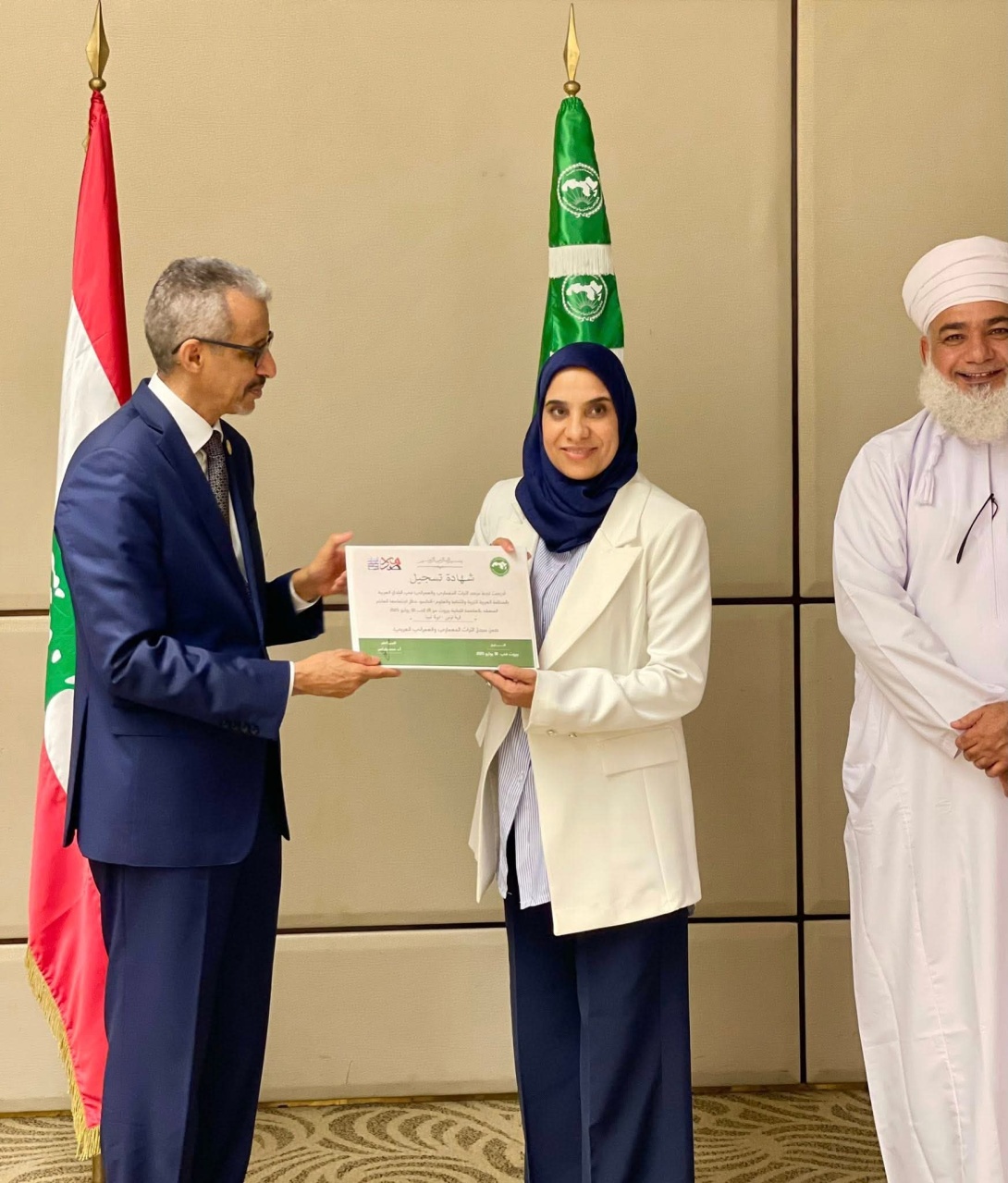
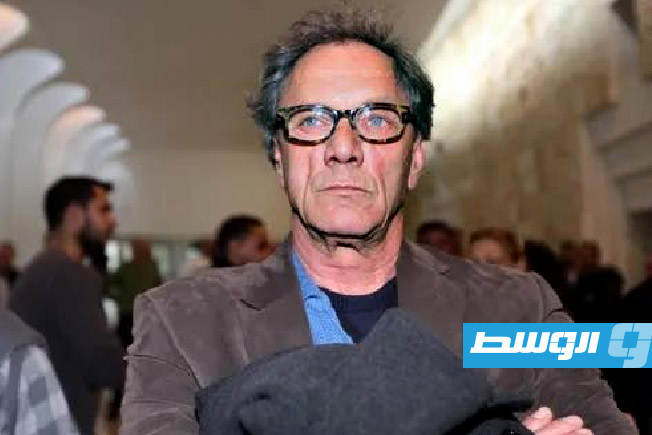
The occasion was crowned with the awarding of this year’s ‘Shield of Dhad’ to a member of the Arabic Language Academy from the sister state of Tunisia, in appreciation of his distinguished scientific efforts in serving the sciences of the language.
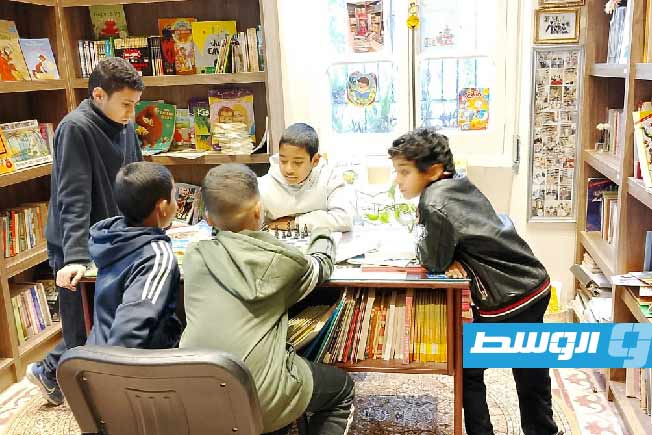
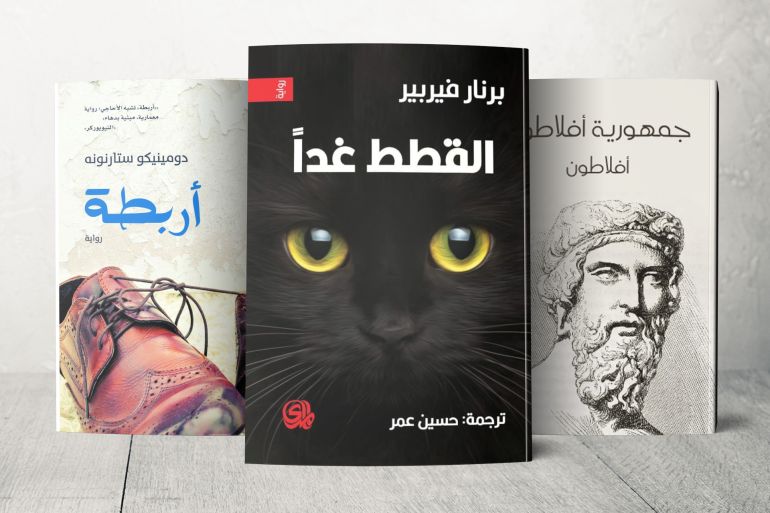
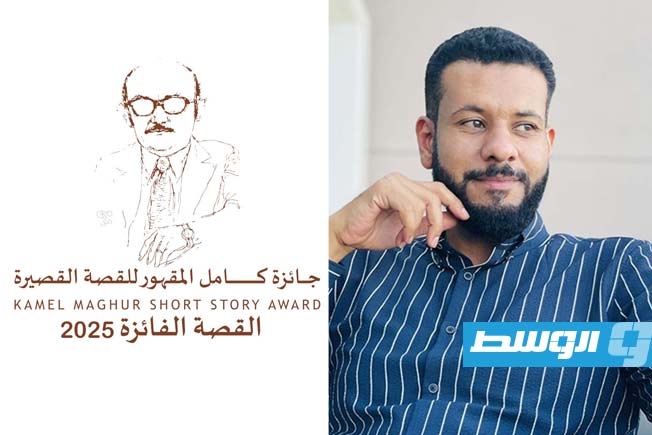
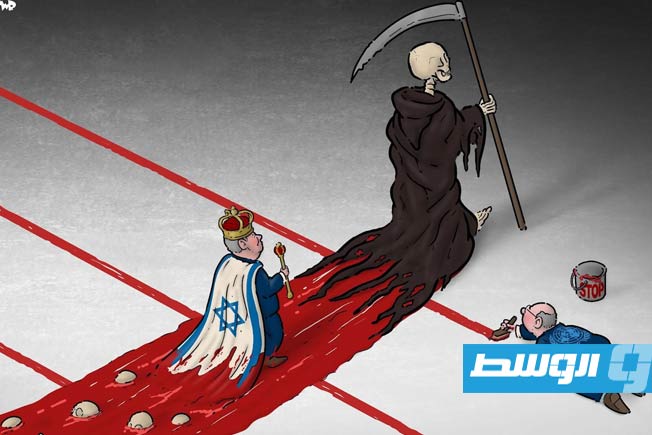
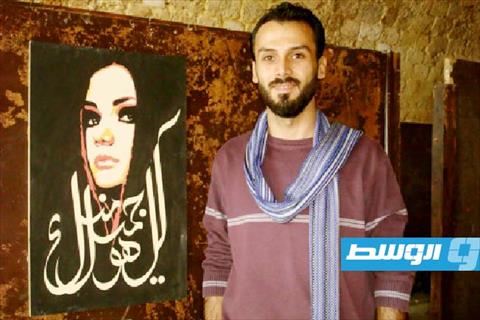
– Caricature by Halim – World Arabic Language Day (December 18)
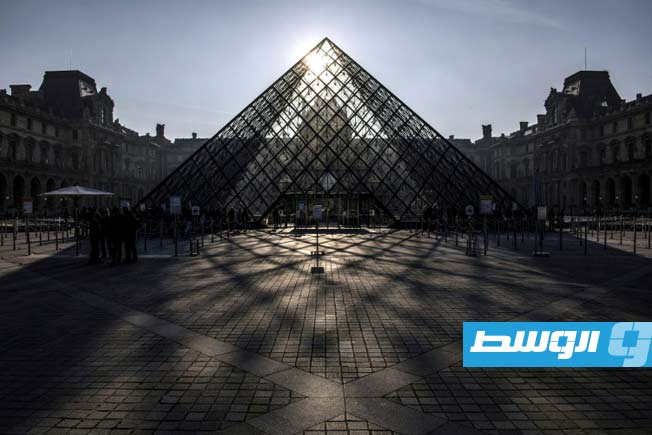
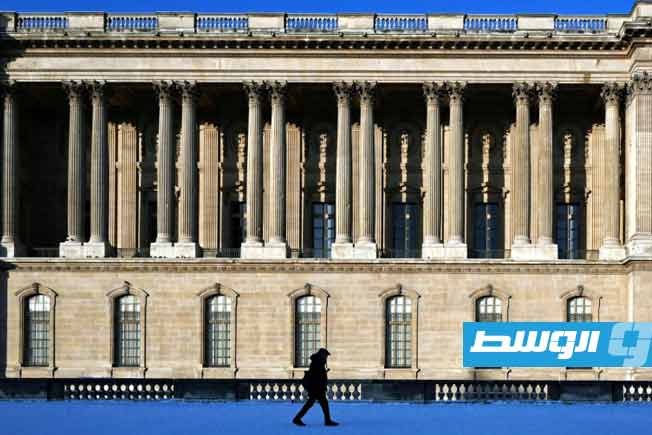
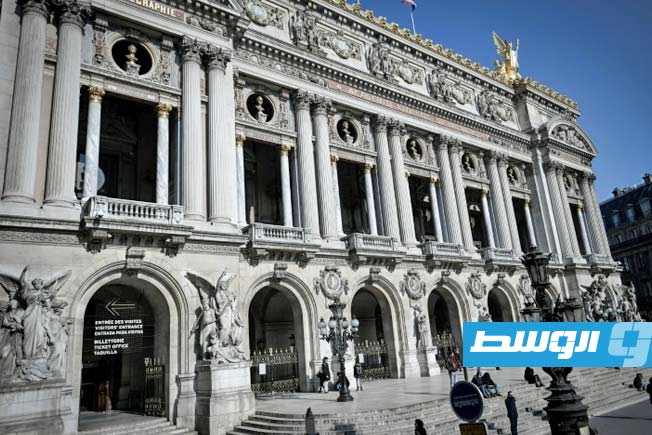
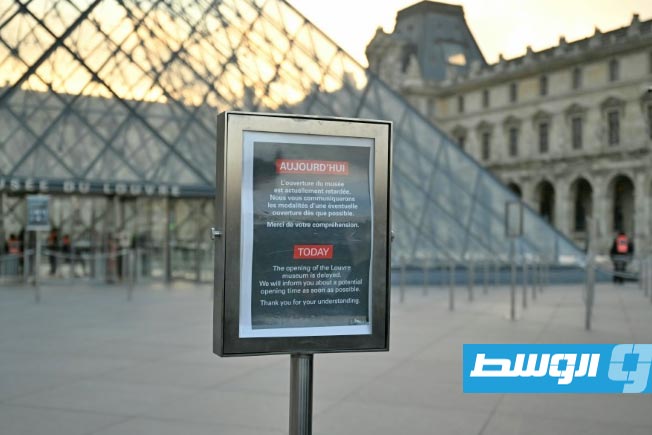
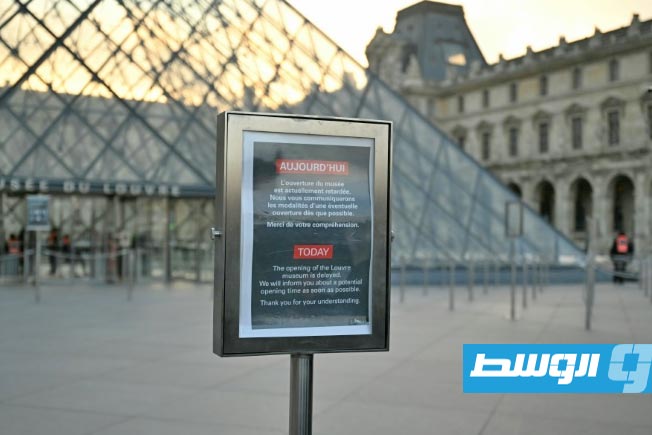
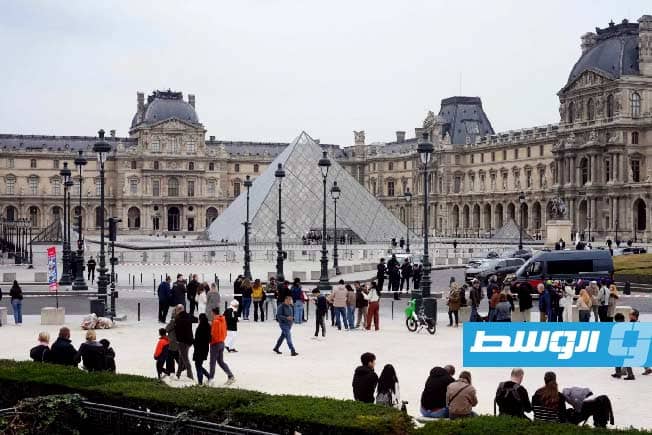
– Paris hosts ‘the Language of Dhad’.. UNESCO celebrates World Arabic Language Day 2025 under the slogan ‘Innovative Horizons’
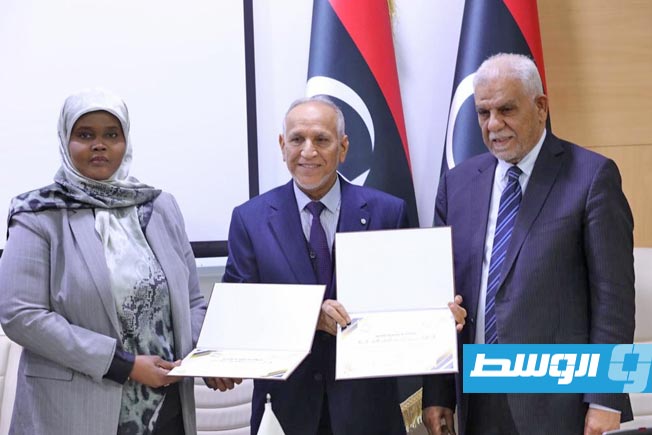
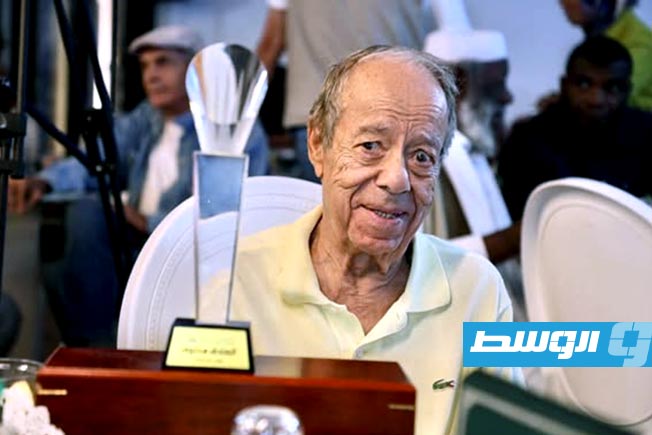
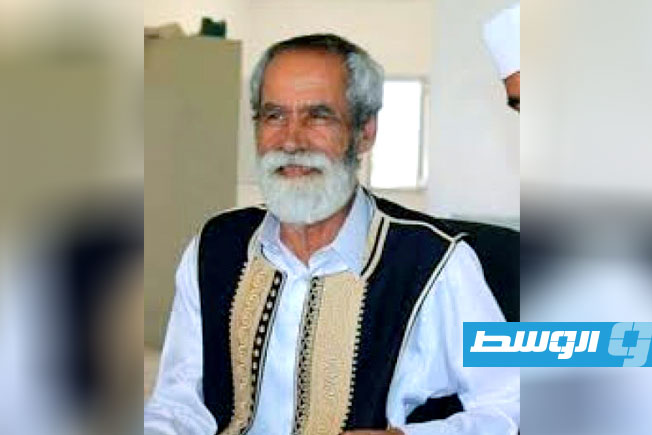
The recognition also included a group of researchers, professors, and historians who have spent years in linguistic research and scrutiny, painting a picture of intergenerational integration at the close of the celebration in order to preserve the nation’s linguistic and cultural trust.
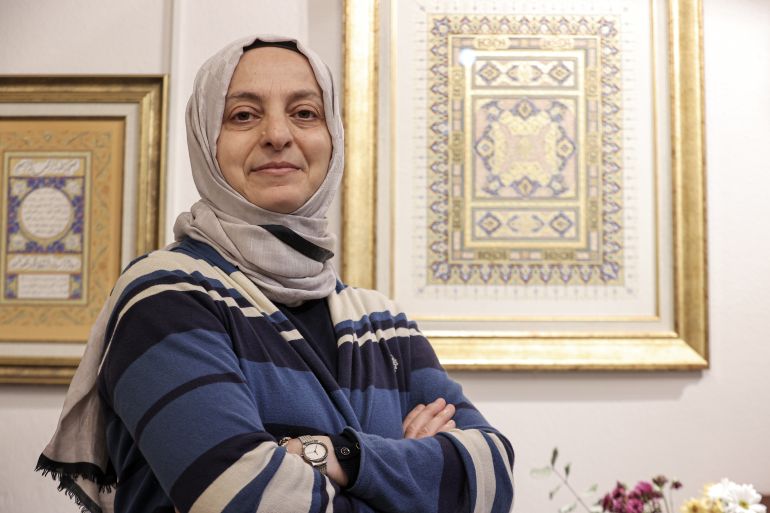
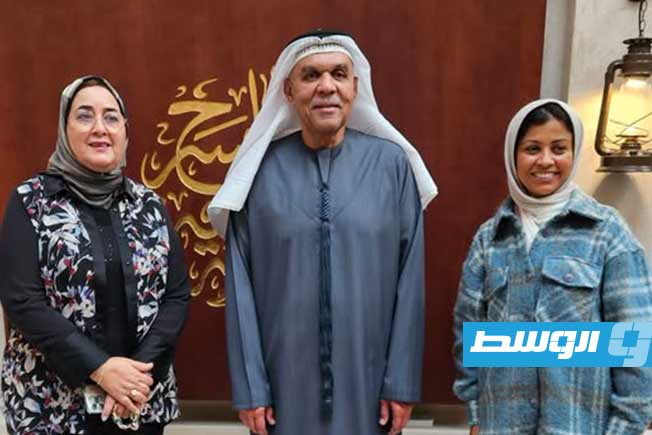
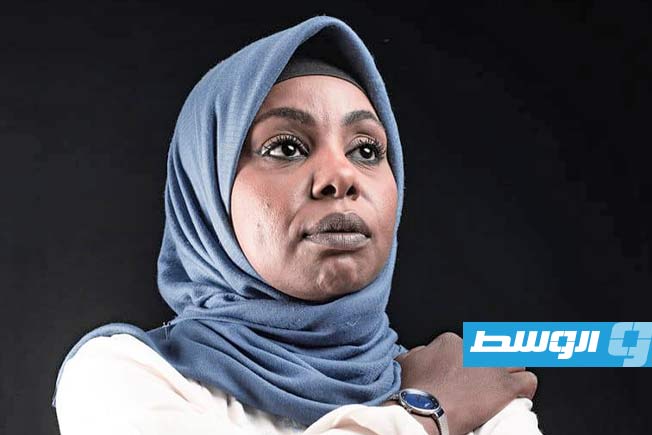
The organizing committee also took the initiative to honor the Minister of Culture in recognition of her efforts in supporting the presence of the Arabic language in the national scene.
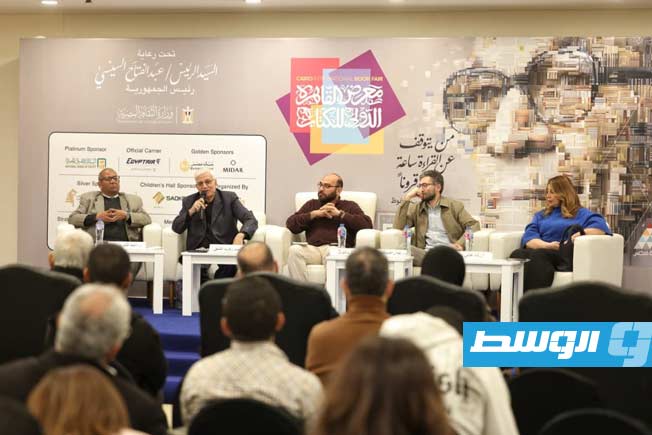
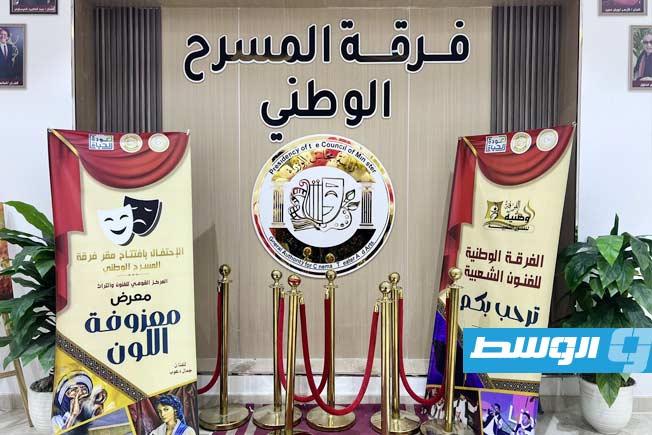
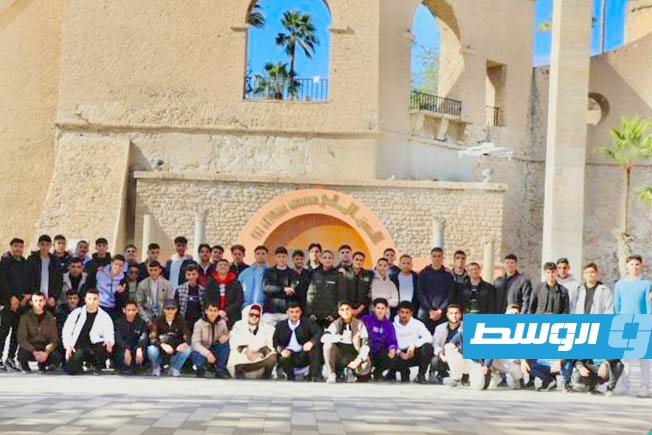
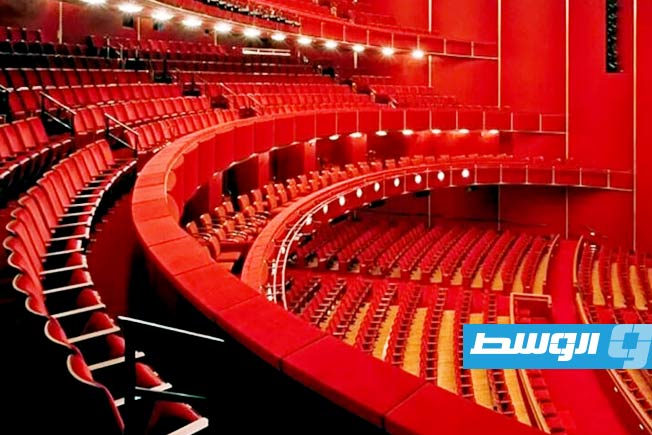
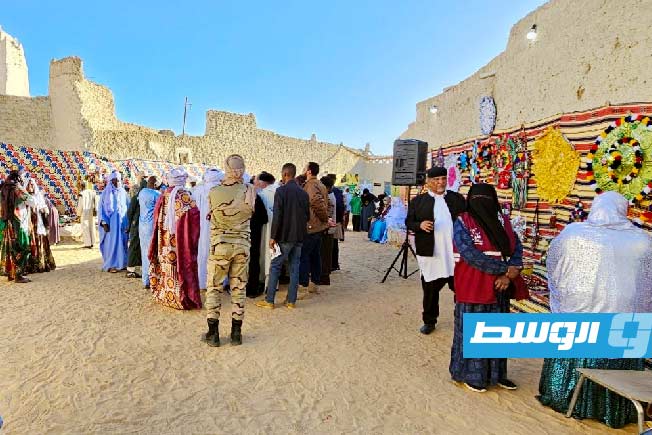
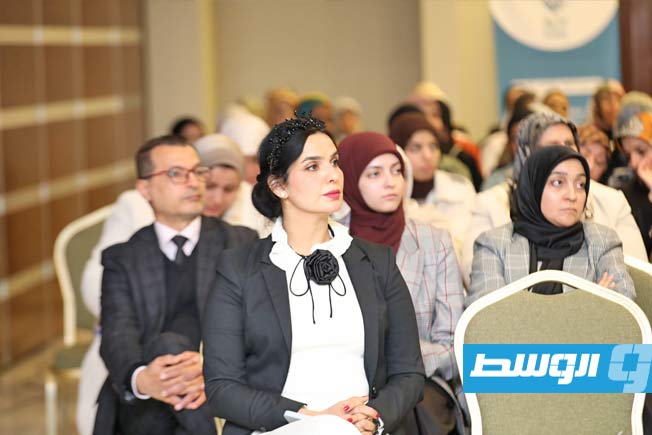
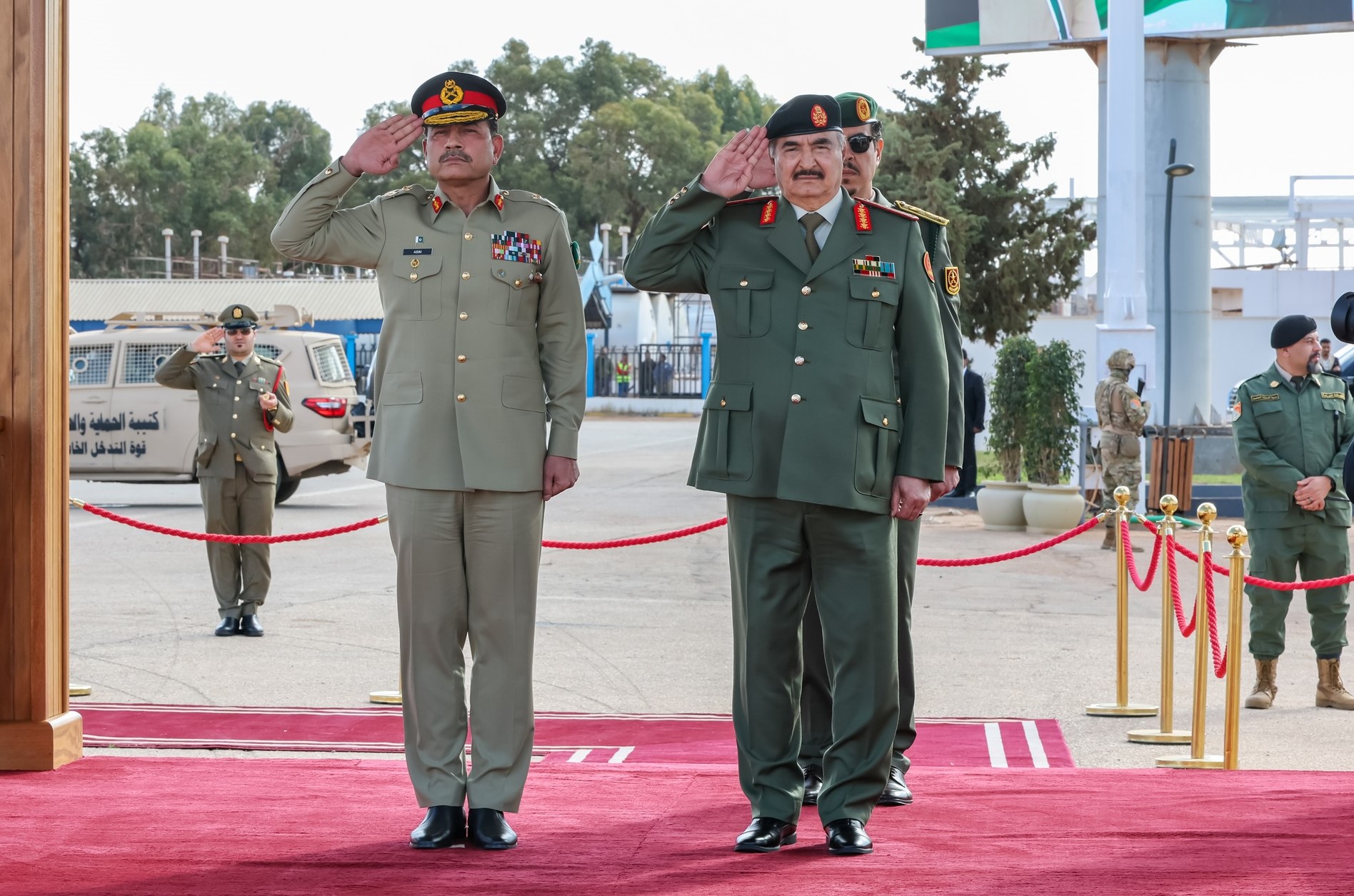
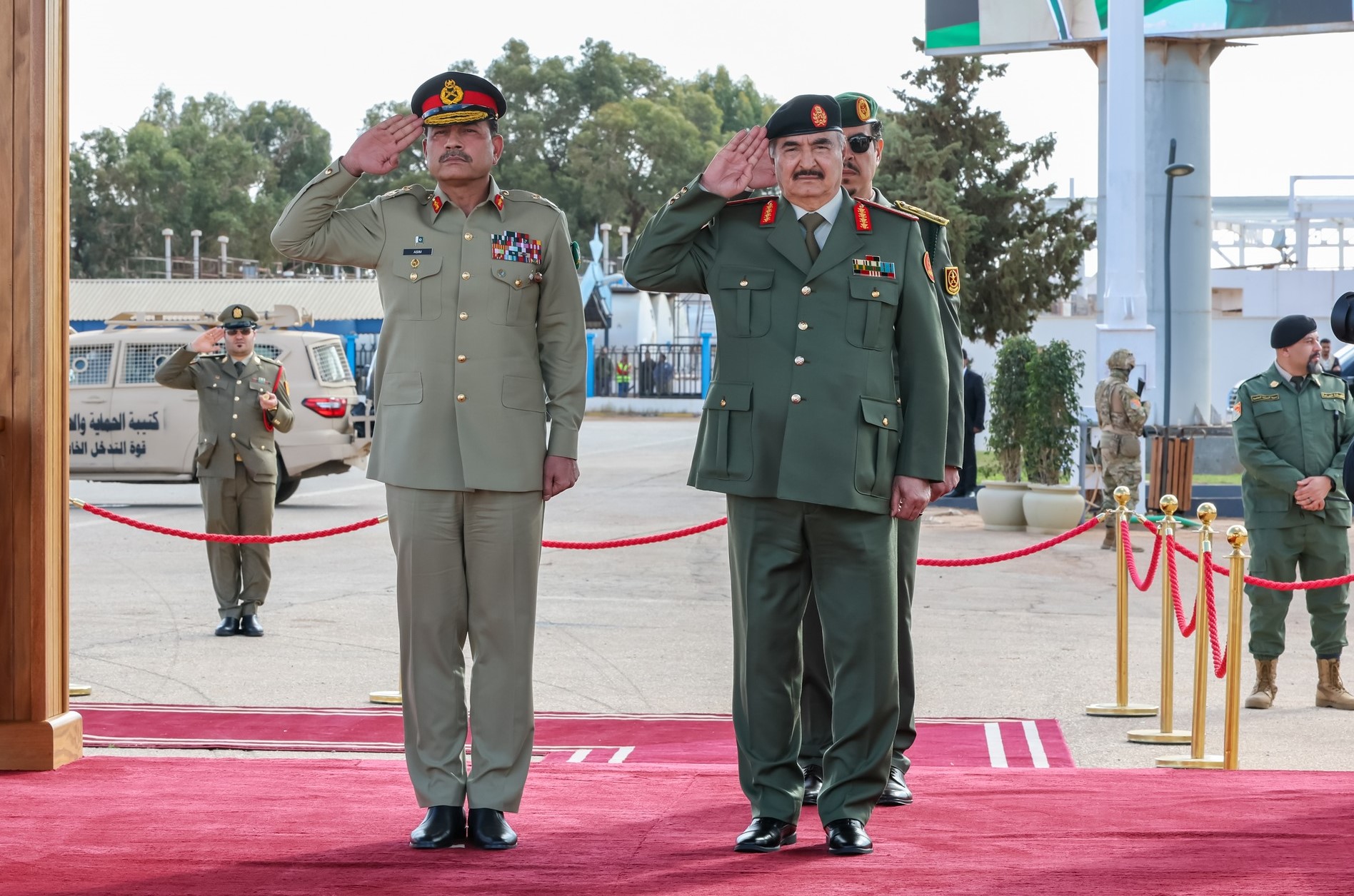
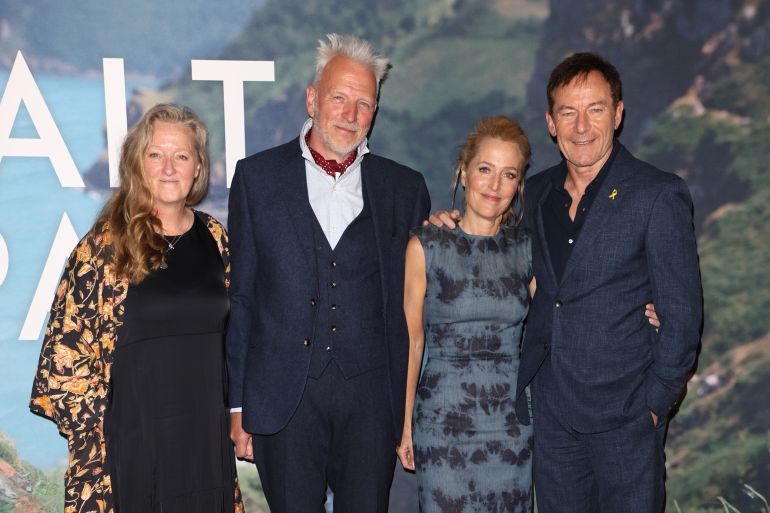
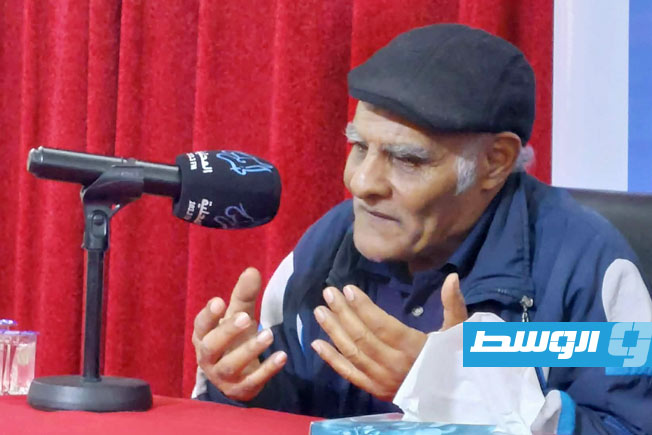
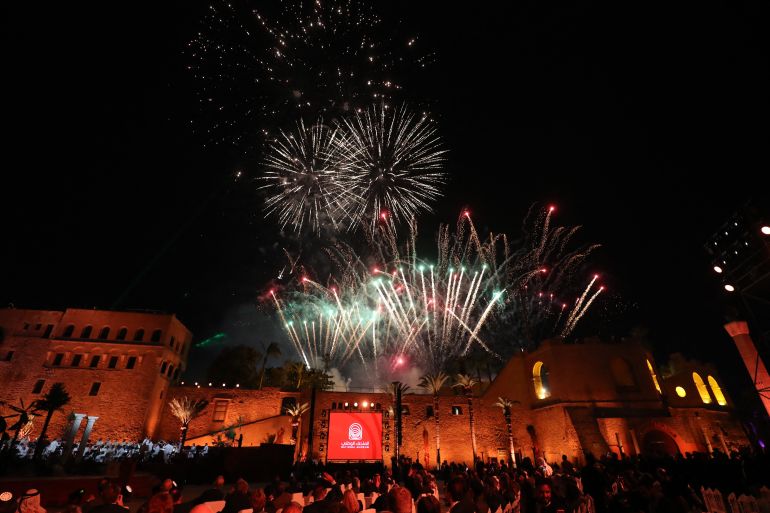
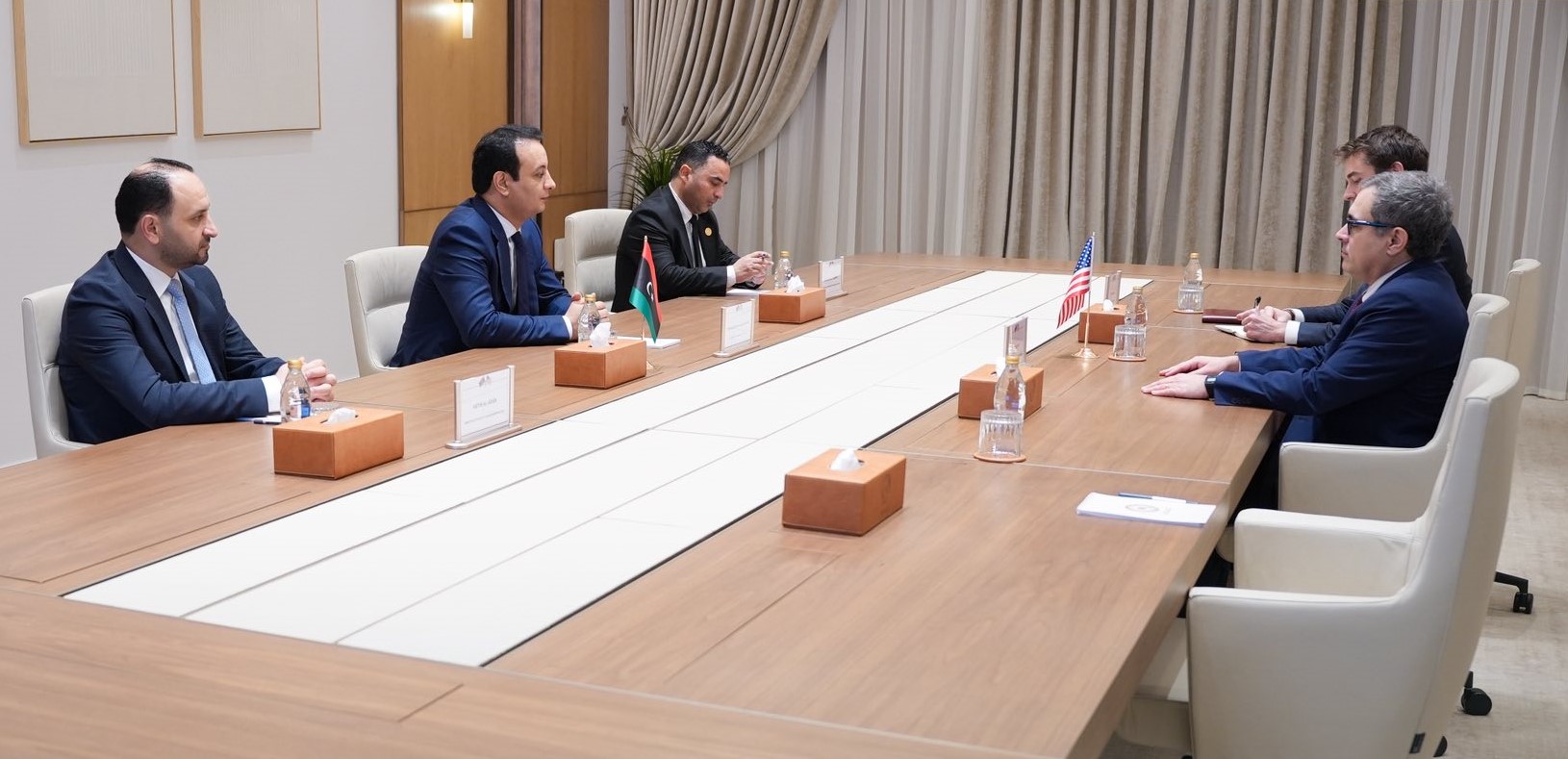
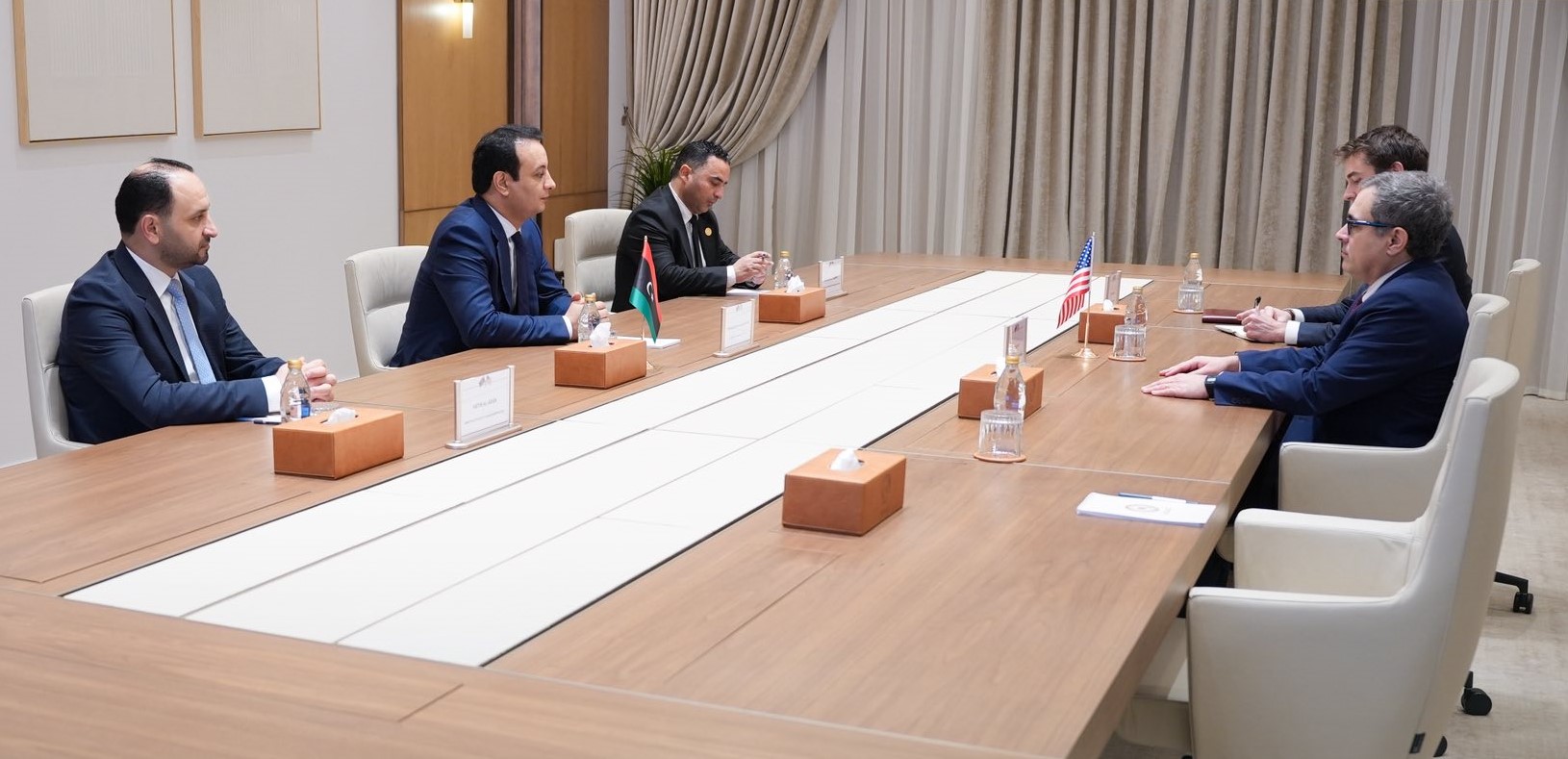
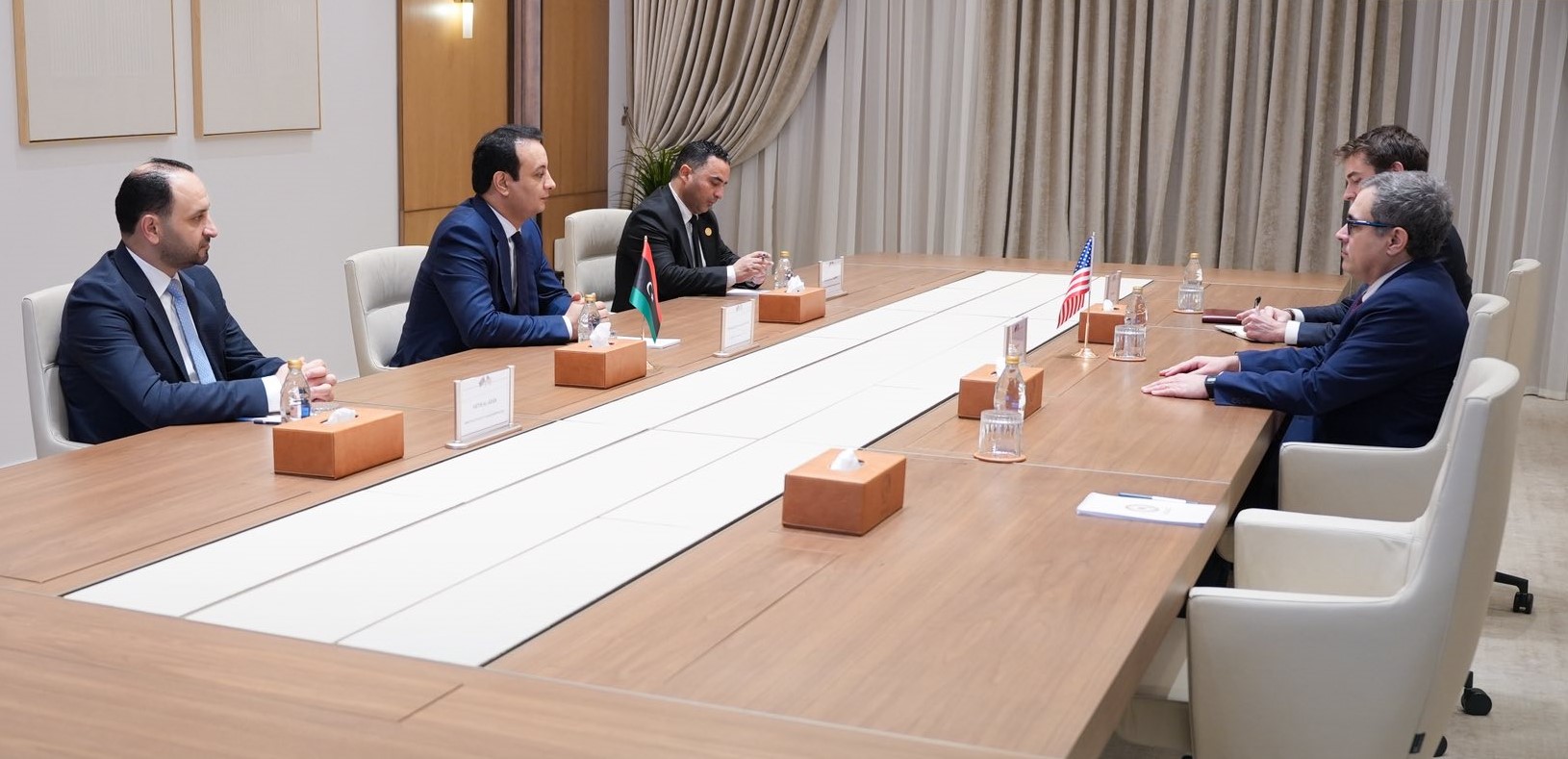
A view of the celebration by the Arabic Language Academy and the Ministry of Culture and Cognitive Development for World Arabic Language Day, and the honoring of pioneers, in Tripoli on December 18, 2025.A view of the celebration by the Arabic Language Academy and the Ministry of Culture and Cognitive Development for World Arabic Language Day, and the honoring of pioneers, in Tripoli on December 18, 2025.A view of the celebration by the Arabic Language Academy and the Ministry of Culture and
Arabic Language Academy
The Arabic Language Academy, founded in Cairo in 1932, is a leading institution dedicated to preserving the Arabic language and adapting it to modern needs. Its primary work involves coining new terms for contemporary concepts, researching classical Arabic, and publishing authoritative dictionaries and linguistic studies.
Ministry of Culture and Cognitive Development
The Ministry of Culture and Cognitive Development is a fictional or proposed government department, not an established historical or cultural site. Its concept suggests a focus on integrating cultural policy with the science of learning and mental processes. There is no real-world history for this specific entity.
Tripoli
Tripoli is the capital and largest city of Libya, located on the country’s Mediterranean coast. Historically, it was founded by the Phoenicians in the 7th century BC and has since been ruled by the Romans, Arabs, Ottomans, and Italians, serving as a major port and cultural crossroads. Its historic core, the medina of Old Tripoli, contains significant architecture from these various periods.
High Council of State
The High Council of State is a governmental body in Libya, established as part of the 2015 Libyan Political Agreement. It was designed to serve as an advisory and consensus-building authority, representing a broad spectrum of Libyan society and political factions during the country’s transitional period following the 2011 civil war.
Council’s hall
The Council’s Hall, often known as the Council Hall, is a historic building traditionally used as the meeting place for a city’s or town’s governing council. Its history is typically tied to the local governance and civic development of the area, with many such halls dating back centuries and featuring significant architectural styles.
Council of Ministers
The Council of Ministers is the principal executive and administrative authority of the European Union, responsible for proposing legislation and implementing decisions. It consists of government ministers from each EU member state, with its origins tracing back to the founding treaties of the 1950s that established the European Communities.
Social Council for Libyan Tuareg
The Social Council for Libyan Tuareg is a political and social organization representing the Tuareg ethnic group in Libya. It was formed to advocate for Tuareg rights and interests following the 2011 Libyan Civil War, addressing issues of political representation, cultural preservation, and development in their traditional southern territories.
Tunisia
Tunisia is a North African country with a rich history shaped by ancient civilizations, including the Phoenicians, Romans, and Arabs. Its cultural landscape is famously marked by the ruins of Carthage and the well-preserved Roman amphitheater at El Jem. The country’s medinas, such as in Tunis, reflect its deep Islamic heritage and architectural traditions.
Paris
Paris is the capital of France, historically founded as the Roman town of Lutetia in the 3rd century BC. It is globally renowned as a center for art, fashion, and culture, home to iconic landmarks like the Eiffel Tower, the Louvre Museum, and Notre-Dame Cathedral.
UNESCO
UNESCO (United Nations Educational, Scientific and Cultural Organization) is a specialized agency of the United Nations, founded in 1945 to promote world peace and security through international cooperation in education, the sciences, culture, and communication. It is perhaps best known for its World Heritage program, which identifies, protects, and preserves cultural and natural heritage sites around the globe considered to be of outstanding value to humanity.