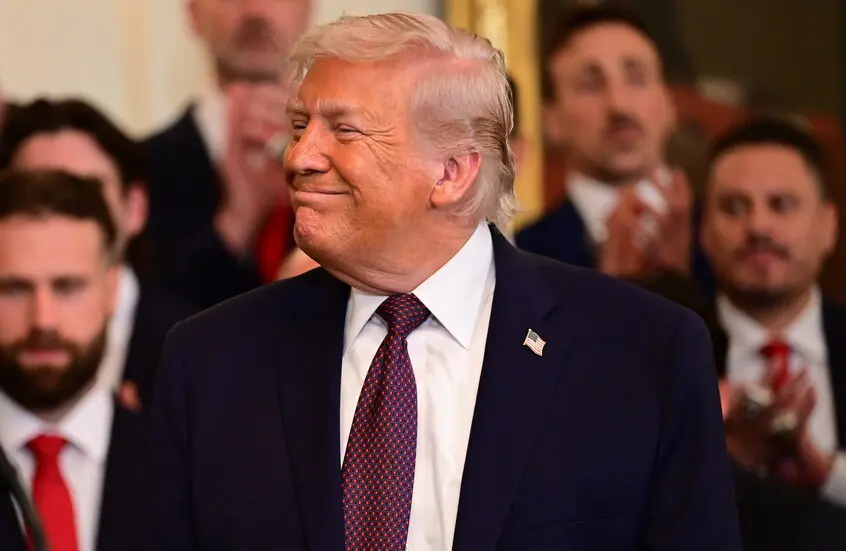
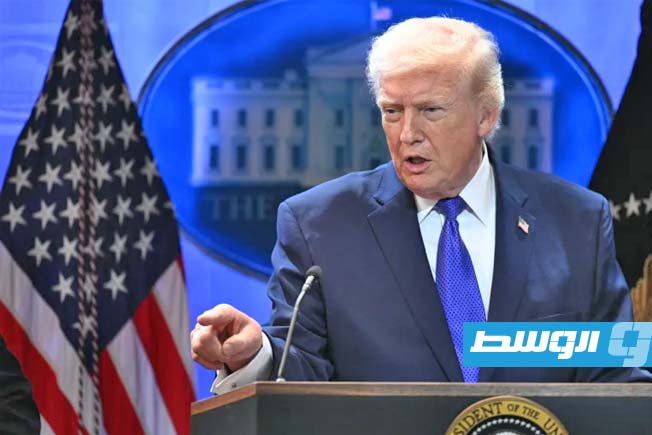
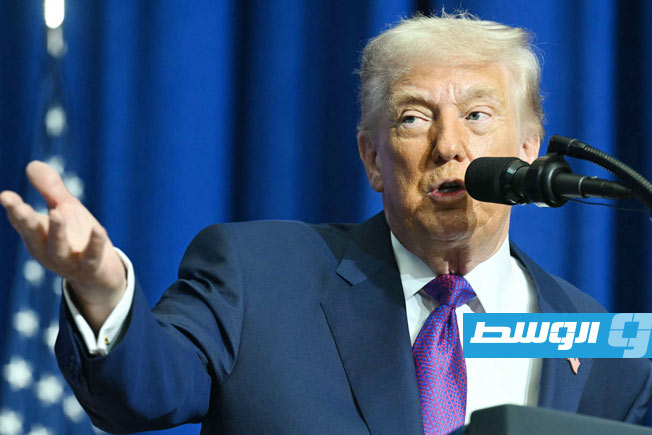
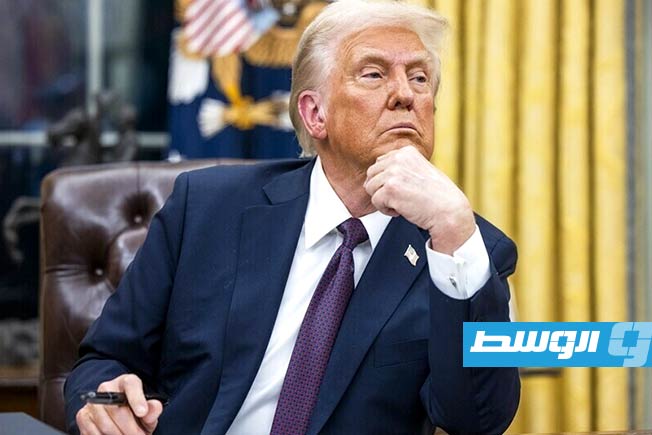
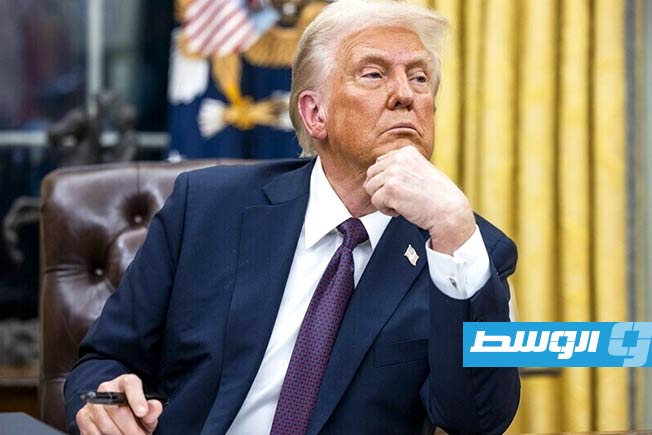
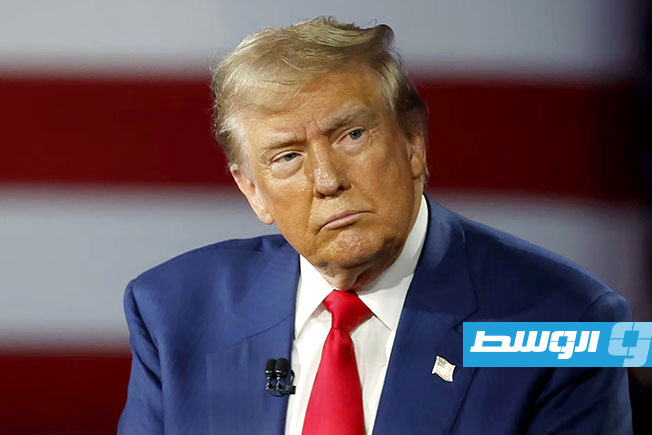
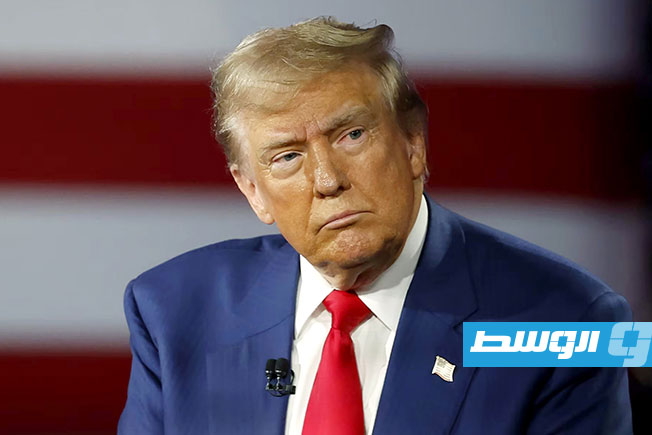
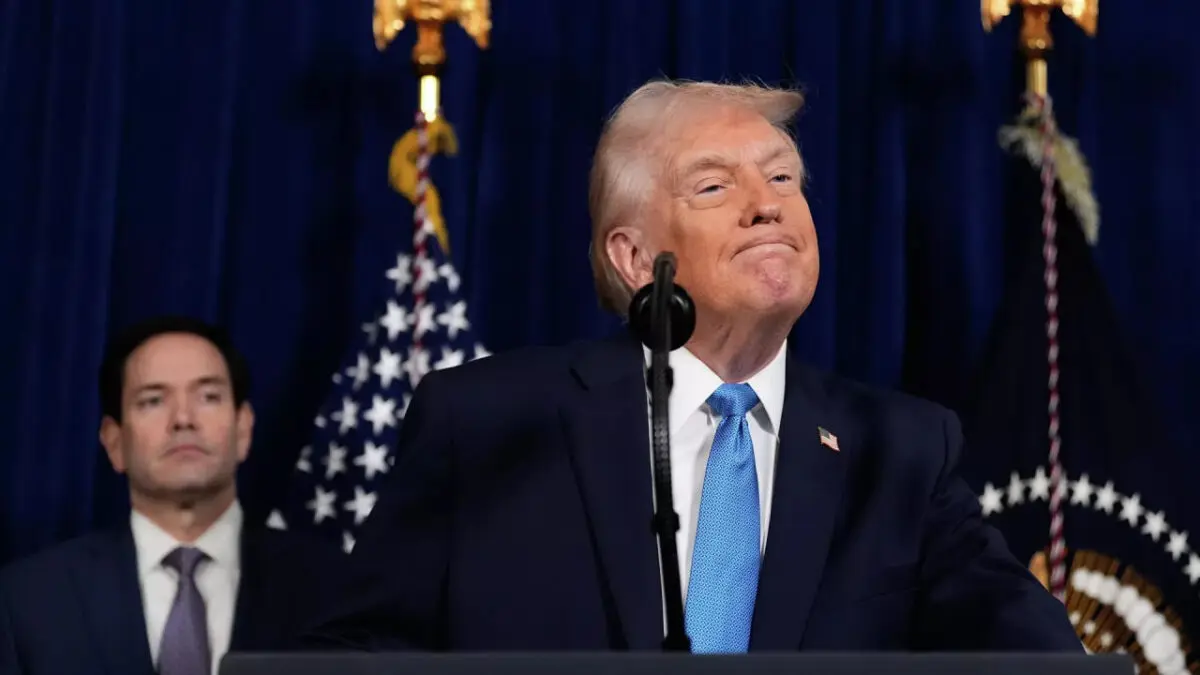
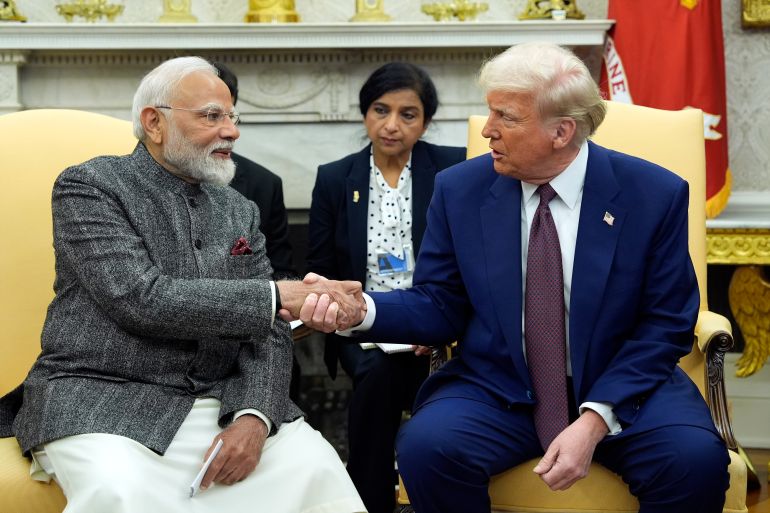
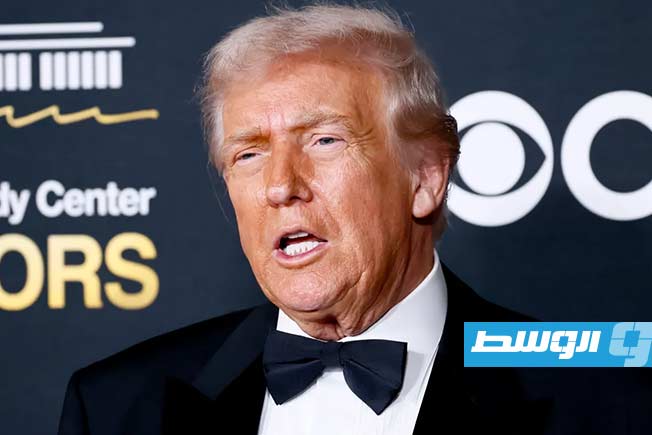
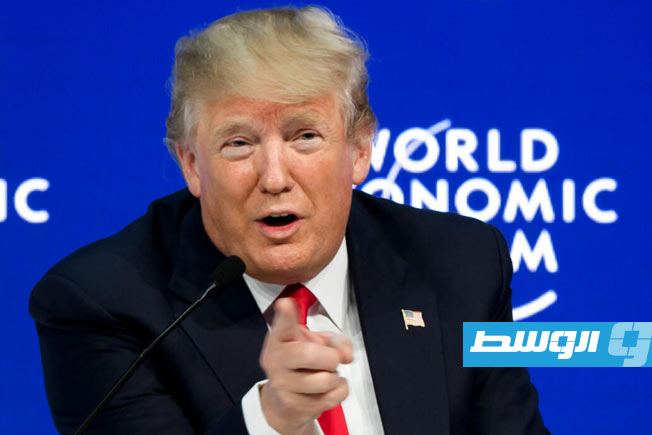
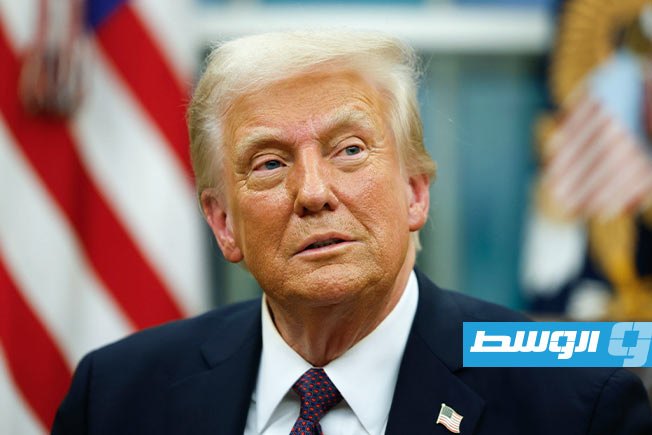
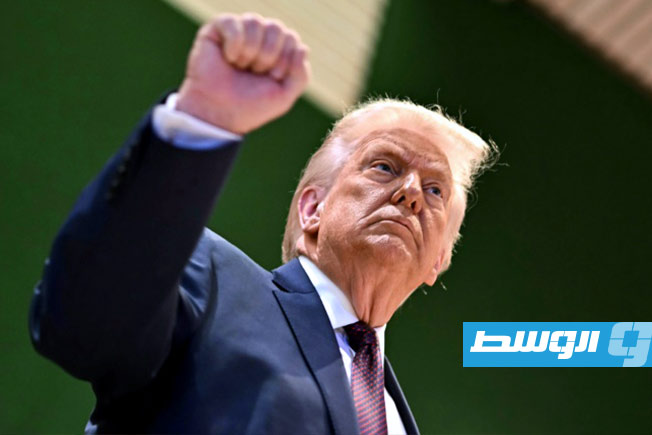
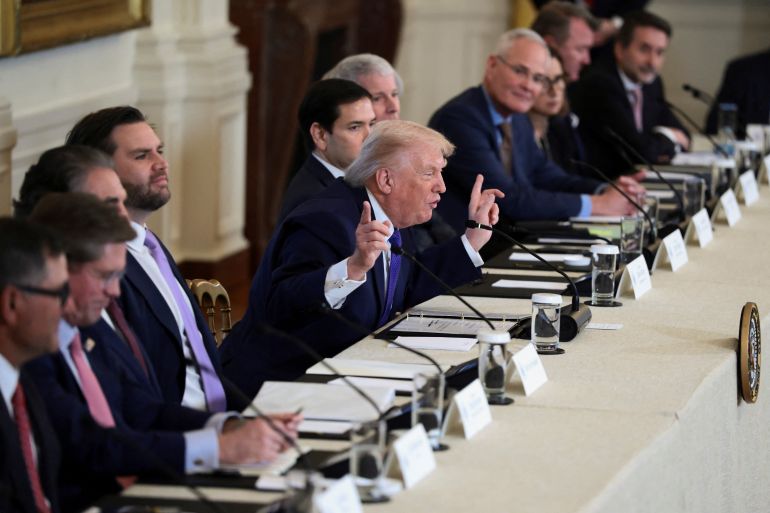
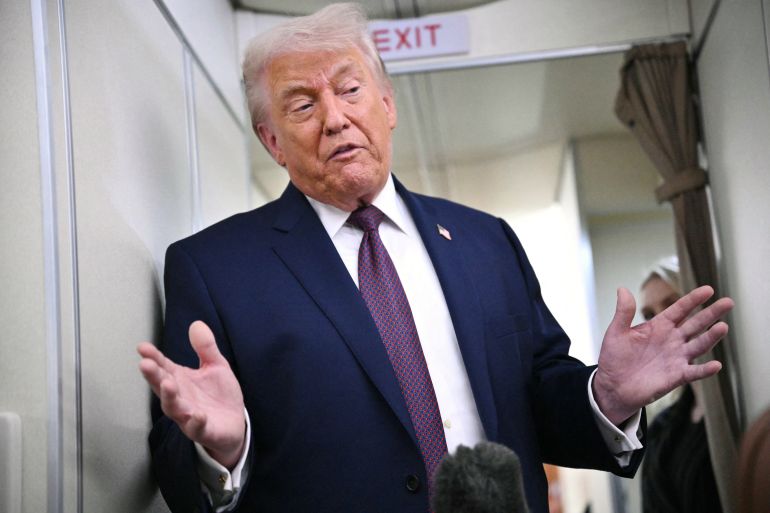
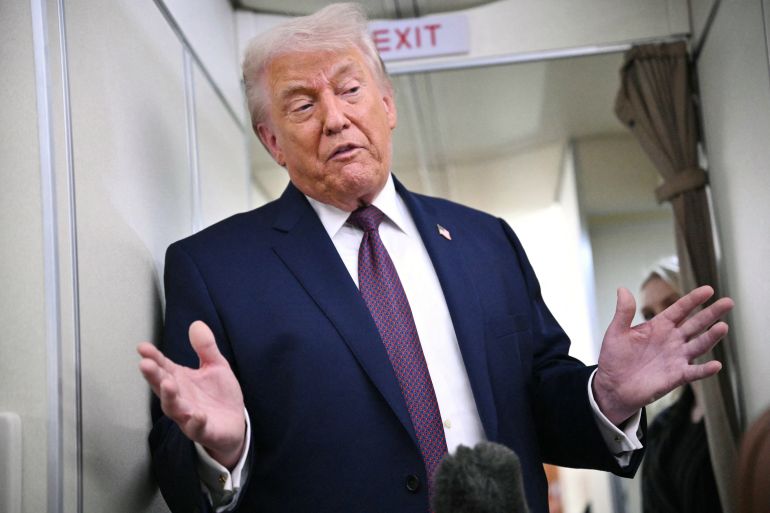
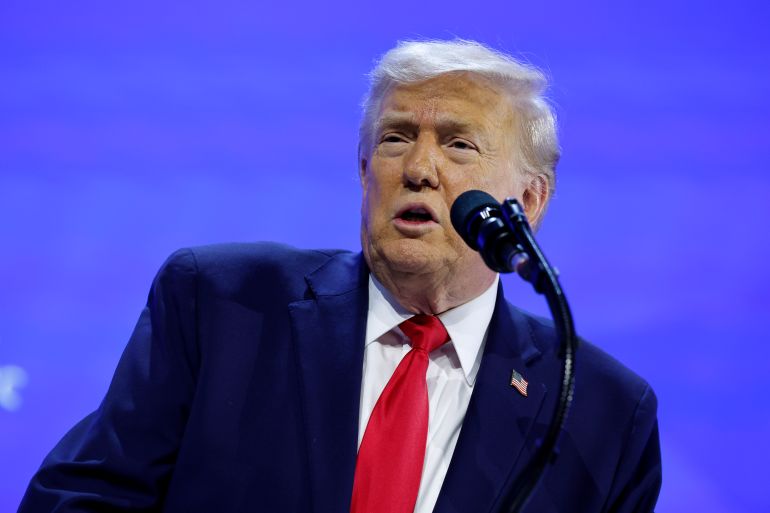
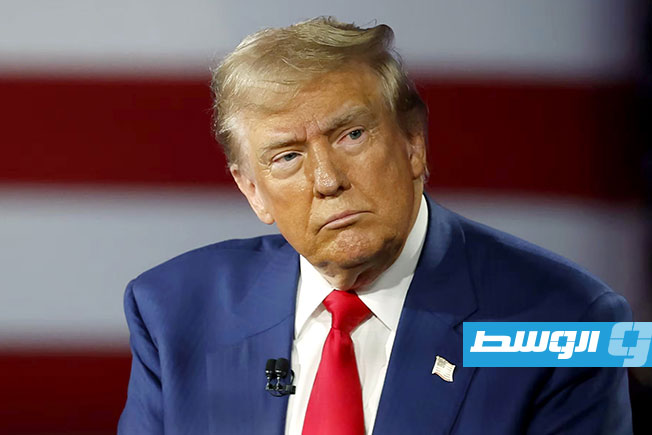
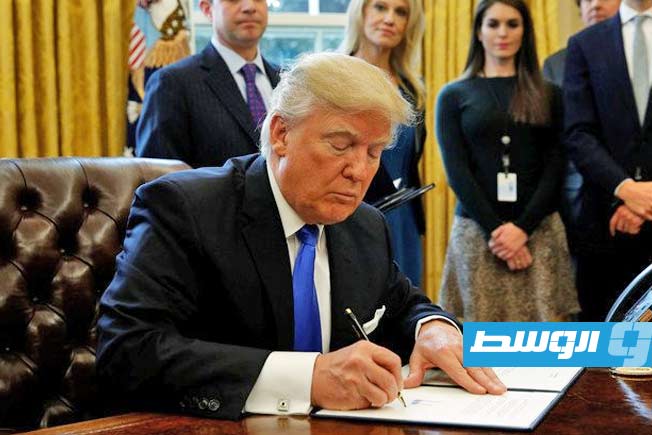
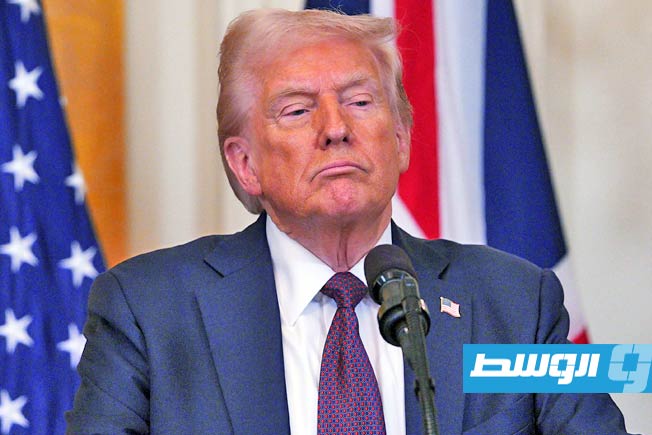
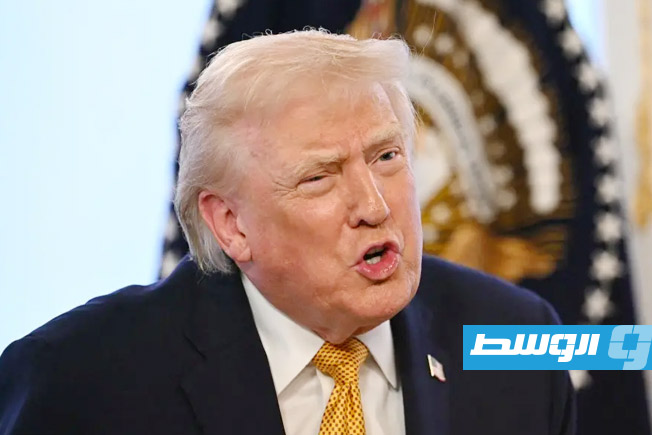
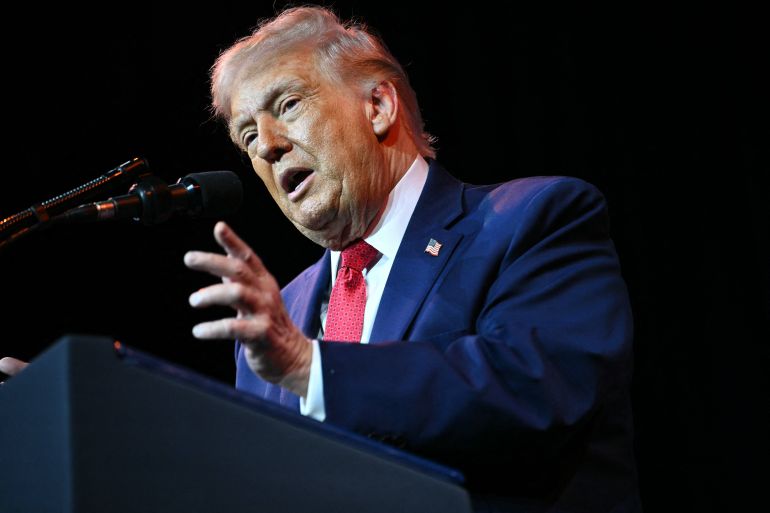
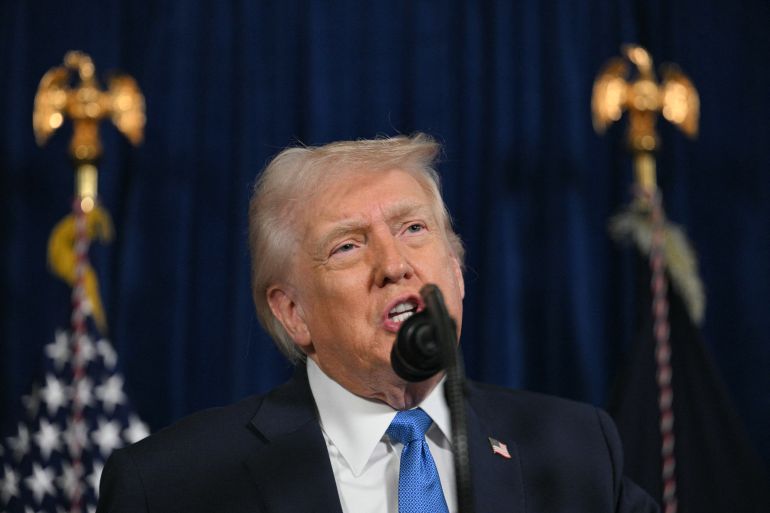
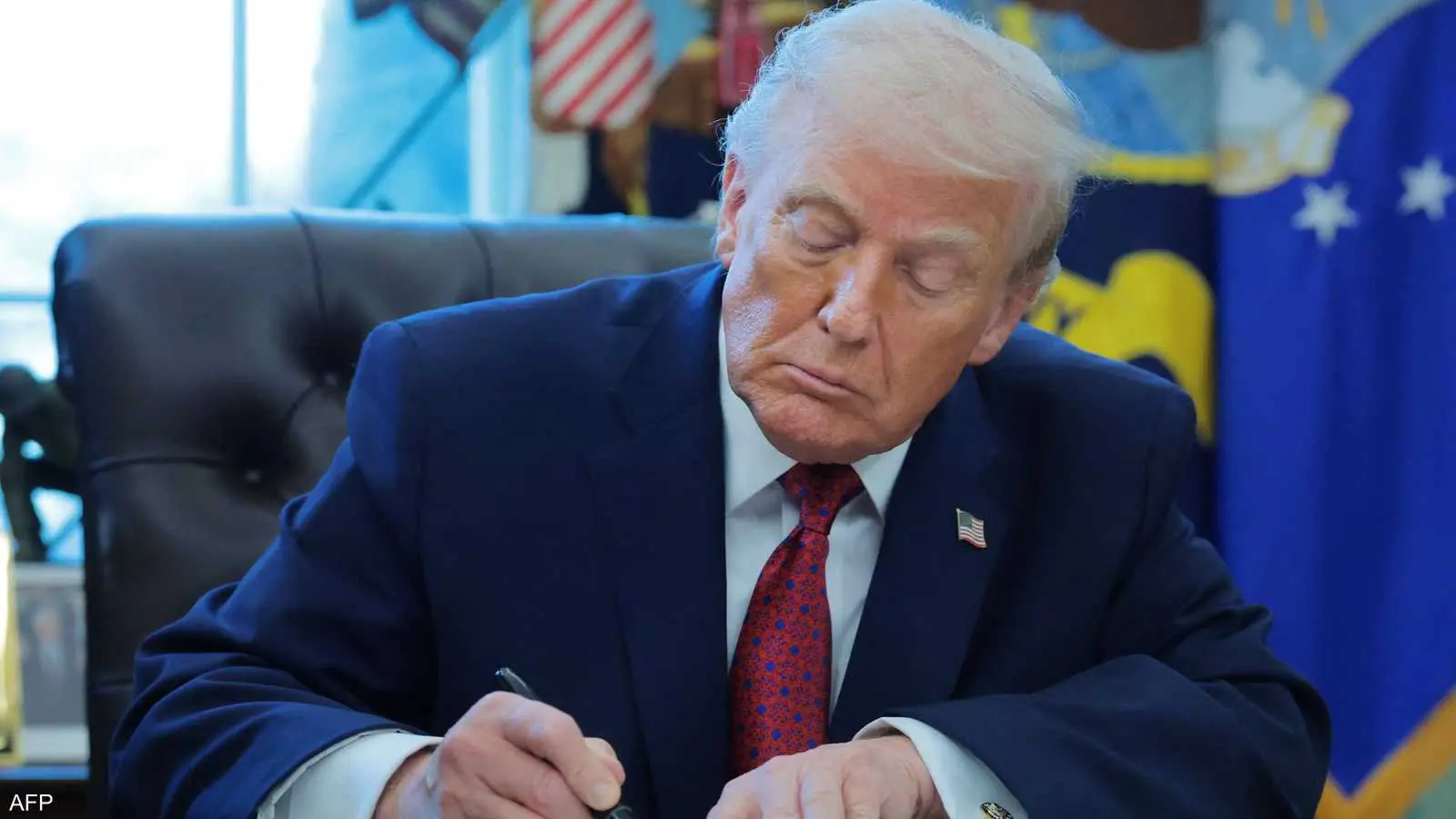
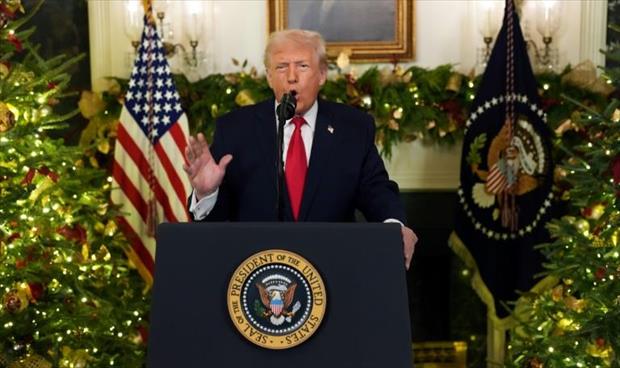
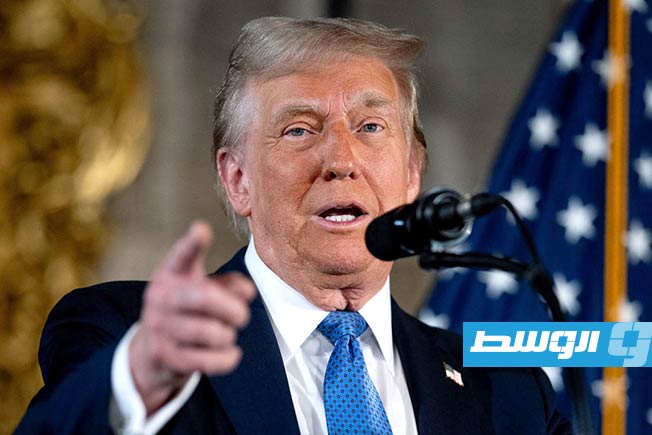
US President Donald Trump has signed a bill to fund the US government, ending the recent partial shutdown of government institutions.
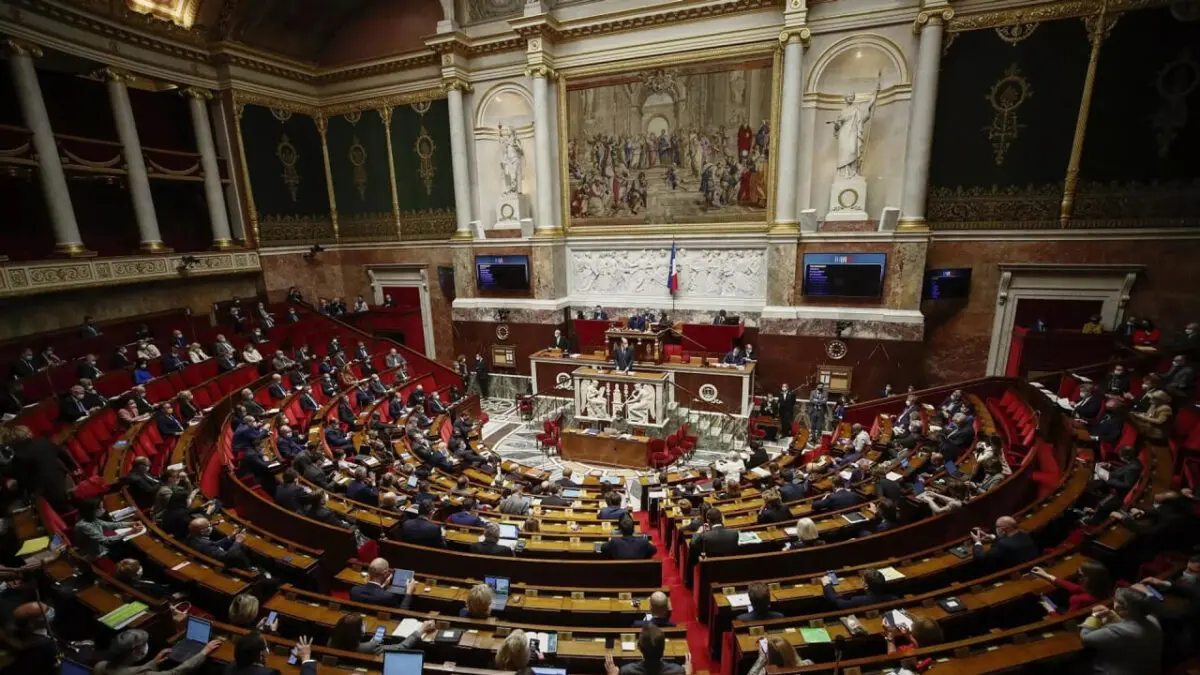
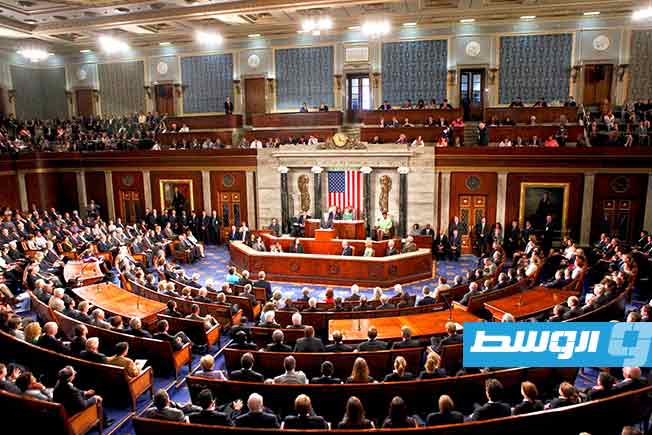
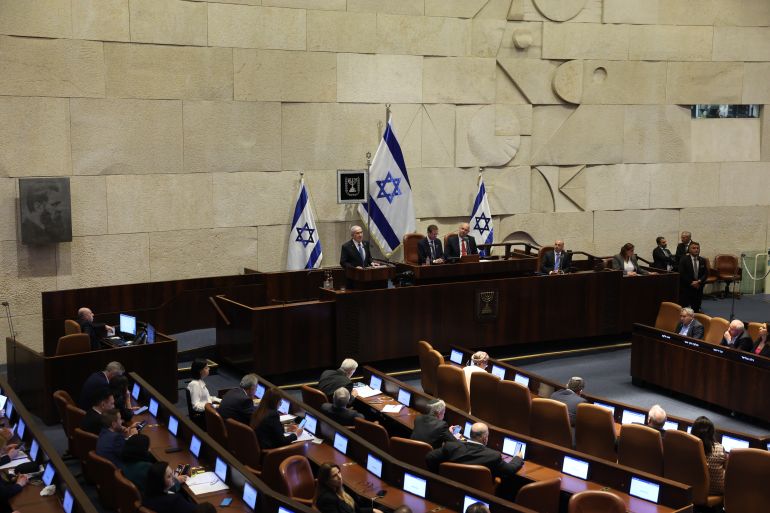
Under the new law, which was passed by the Republican-majority US House of Representatives last Tuesday, the US President has restored funding for a number of vital departments, including the Departments of War, Treasury, and State, until the end of the fiscal year on September 30, 2026.
In contrast, funding for the Department of Homeland Security was extended only until February 13 of next year, which was the main point of contention between Republican and Democratic lawmakers.
This disagreement arose against the backdrop of activities by US Immigration and Customs Enforcement (ICE) and the widespread protests following recent events in Minneapolis, making the partial funding for this department a major point of debate within Congress.
It is worth noting that the United States experienced the longest partial shutdown in US government history at the end of 2025, lasting 43 days from October 1 to November 12, 2025, after lawmakers had earlier reached a temporary agreement to extend government funding until January 30, 2026.
Partial US government shutdowns often arise from disagreements between Republicans and Democrats over the budgets of certain departments or sensitive policies such as immigration and defense.
The 2025 government shutdown is considered the longest since the founding of the United States and directly affected thousands of federal employees and public services.
US President Donald Trump’s signing of this law comes in the context of his administration’s efforts to stabilize government funding before the onset of new economic or social crises and to protect vital institutions from any potential stoppage.
United States
The United States is a federal republic founded in 1776 after declaring independence from Great Britain, with its modern government established by the Constitution in 1789. Its history encompasses westward expansion, the Civil War, industrialization, and its emergence as a global superpower in the 20th century. The nation is defined by its diverse population, democratic ideals, and significant cultural and economic influence worldwide.
US government
The US government is a federal republic established by the Constitution in 1789, following the American Revolution. It operates on a system of checks and balances between its three branches: the legislative (Congress), the executive (the President), and the judicial (the Supreme Court).
US House of Representatives
The US House of Representatives is the lower chamber of the United States Congress, established by the Constitution in 1789. It is composed of representatives elected from congressional districts, with membership based on state population, and holds primary responsibility for initiating revenue bills and impeaching federal officials.
Department of War
The Department of War was a United States Cabinet-level department established in 1789 to manage the army and national defense. It was headed by the Secretary of War until 1947, when it was reorganized and renamed as the Department of the Army within the newly created National Military Establishment (later the Department of Defense).
Department of Treasury
The United States Department of the Treasury is a federal executive department established by an Act of Congress in 1789 to manage government revenue. It is responsible for producing currency, collecting taxes, and advising on economic and financial policy. Its history is deeply tied to the nation’s founding, with Alexander Hamilton serving as its first Secretary.
Department of State
The United States Department of State is the federal executive department responsible for conducting American foreign policy and diplomatic relations. It was established in 1789, making it the first executive department formed following the ratification of the U.S. Constitution, and its first Secretary of State was Thomas Jefferson.
Department of Homeland Security
The Department of Homeland Security (DHS) is a United States federal agency established in November 2002 in response to the September 11, 2001 terrorist attacks. Its primary mission is to protect the United States from various threats, including terrorism, cybersecurity attacks, and natural disasters, by coordinating efforts across multiple federal, state, and local entities.
US Immigration and Customs Enforcement
US Immigration and Customs Enforcement (ICE) is a federal law enforcement agency under the Department of Homeland Security, established in 2003 following the reorganization after the September 11 attacks. Its primary missions are to enforce immigration laws, combat transnational crime, and protect national security and public safety within the United States.
ICE
ICE, or the U.S. Immigration and Customs Enforcement, is a federal law enforcement agency established in 2003 under the Department of Homeland Security following the September 11, 2001 attacks. It is responsible for enforcing immigration laws, combating transnational crime, and protecting national security within the United States.
Minneapolis
Minneapolis is a major city in Minnesota, founded on the Mississippi River’s Saint Anthony Falls, which provided hydropower for its early growth as a national flour milling center. Its name combines the Dakota word “minne” for water and the Greek “polis” for city, reflecting its deep indigenous roots and industrial history. Today, it is known for its vibrant arts scene, extensive park system, and modern urban landscape.
Congress
The United States Congress is the legislative branch of the federal government, established by Article I of the U.S. Constitution in 1789. It is a bicameral body consisting of the Senate and the House of Representatives, responsible for making federal laws, declaring war, and overseeing the budget.