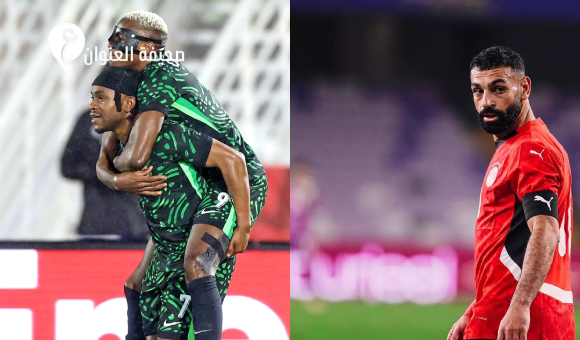
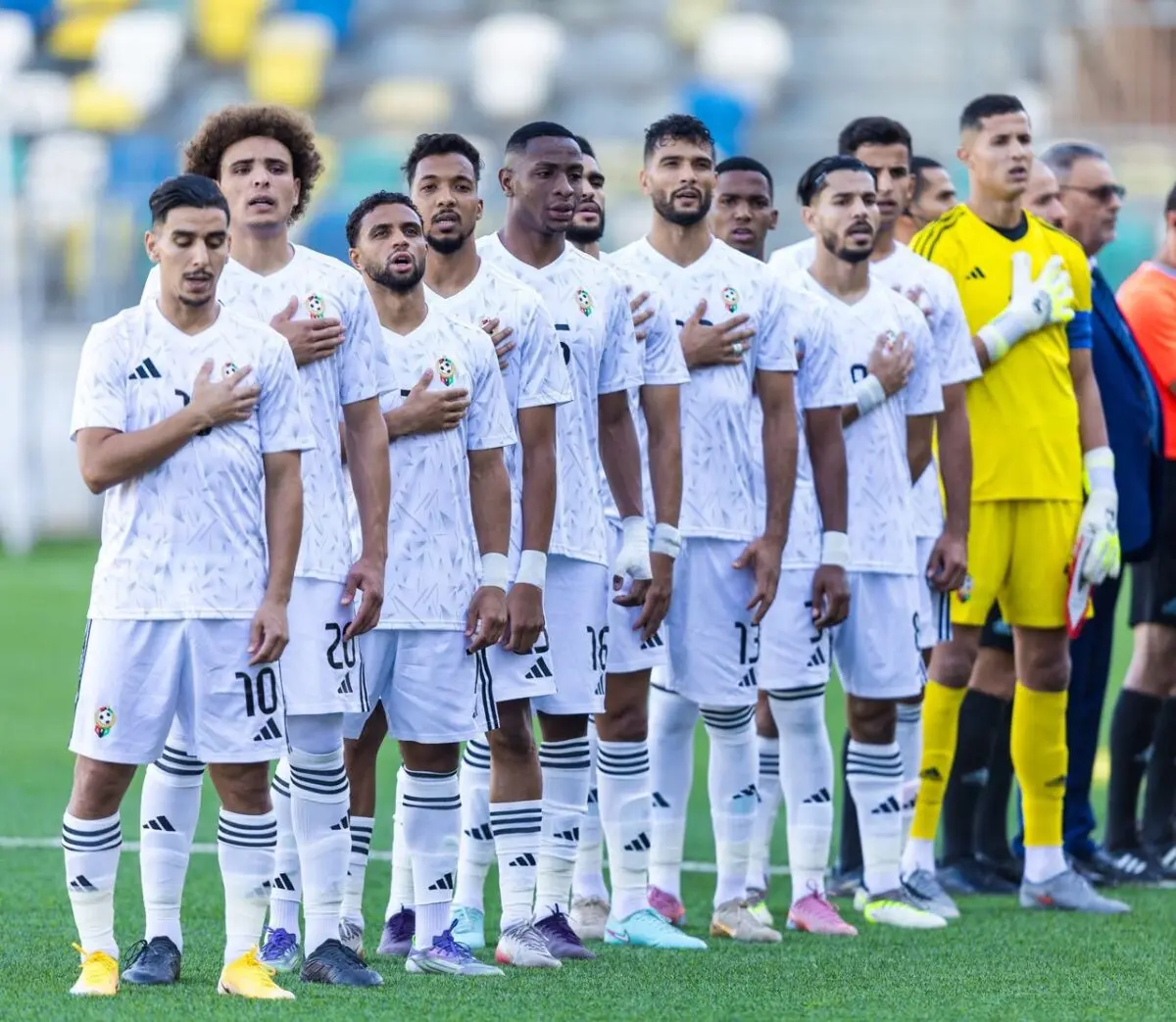
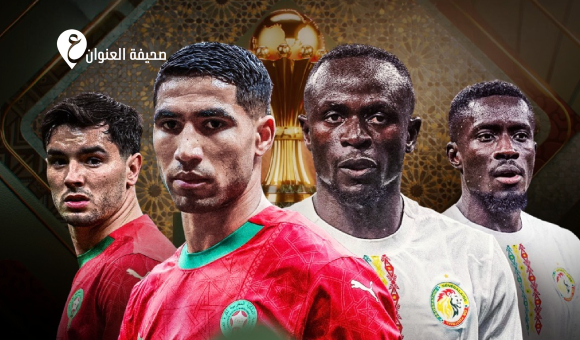
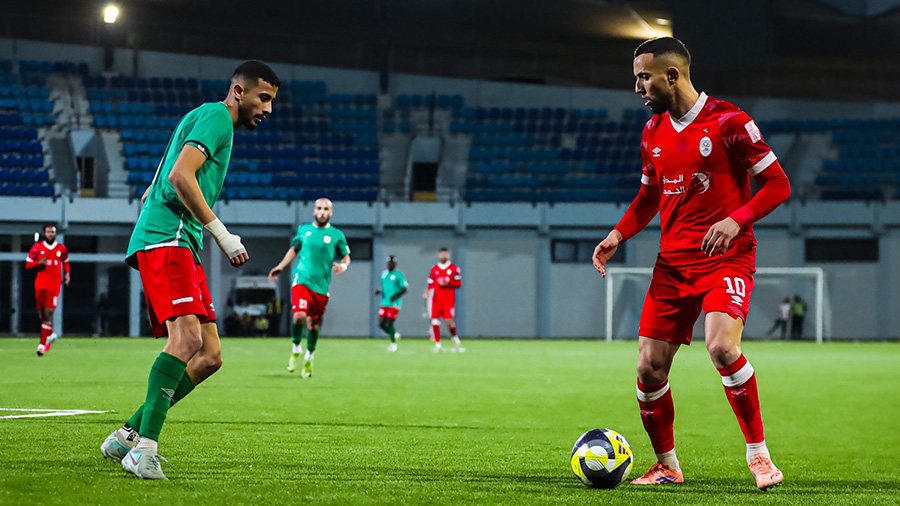
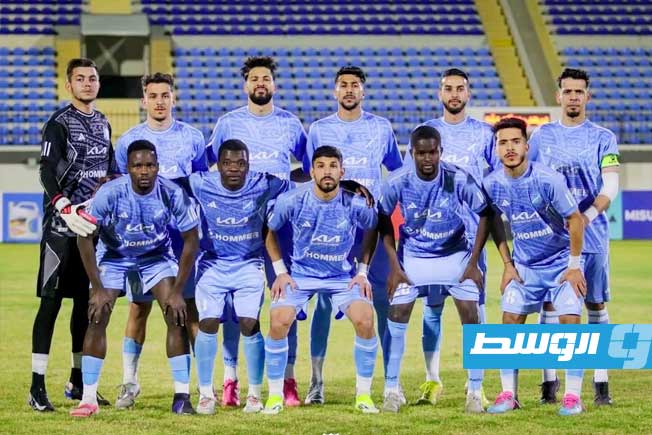
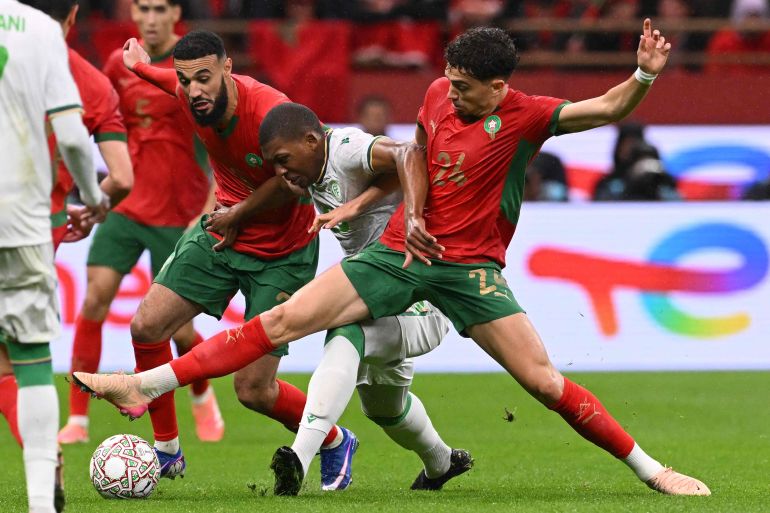
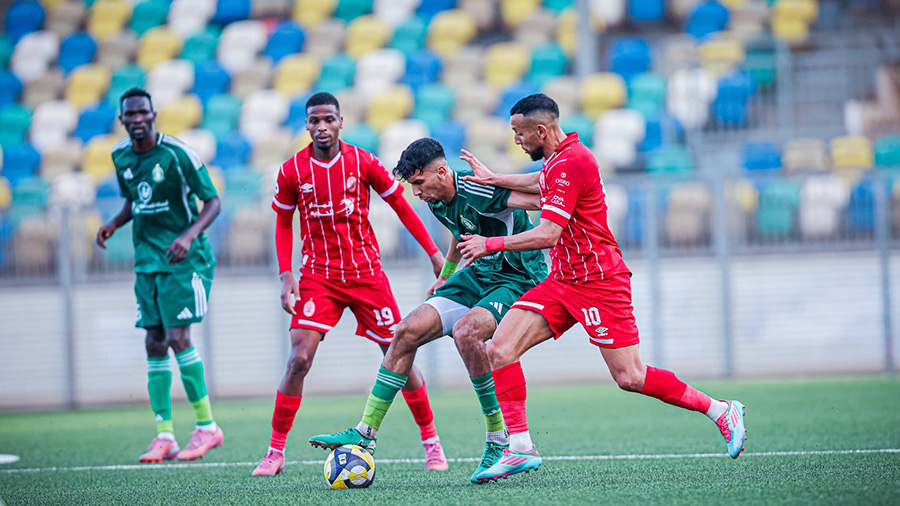
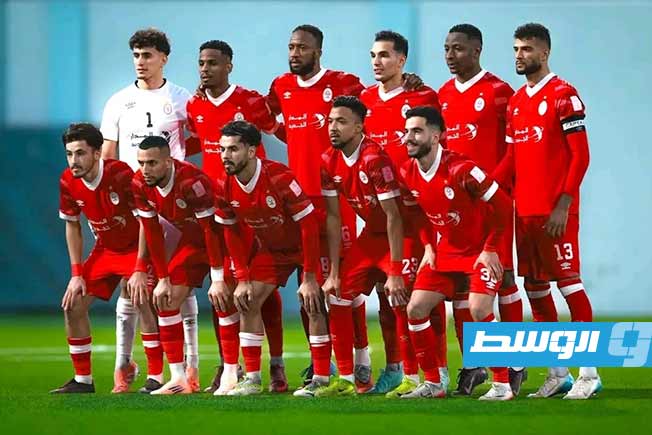
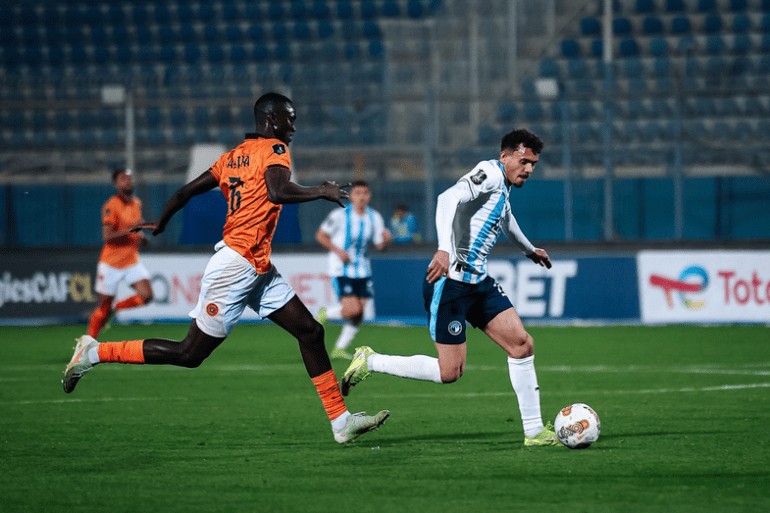
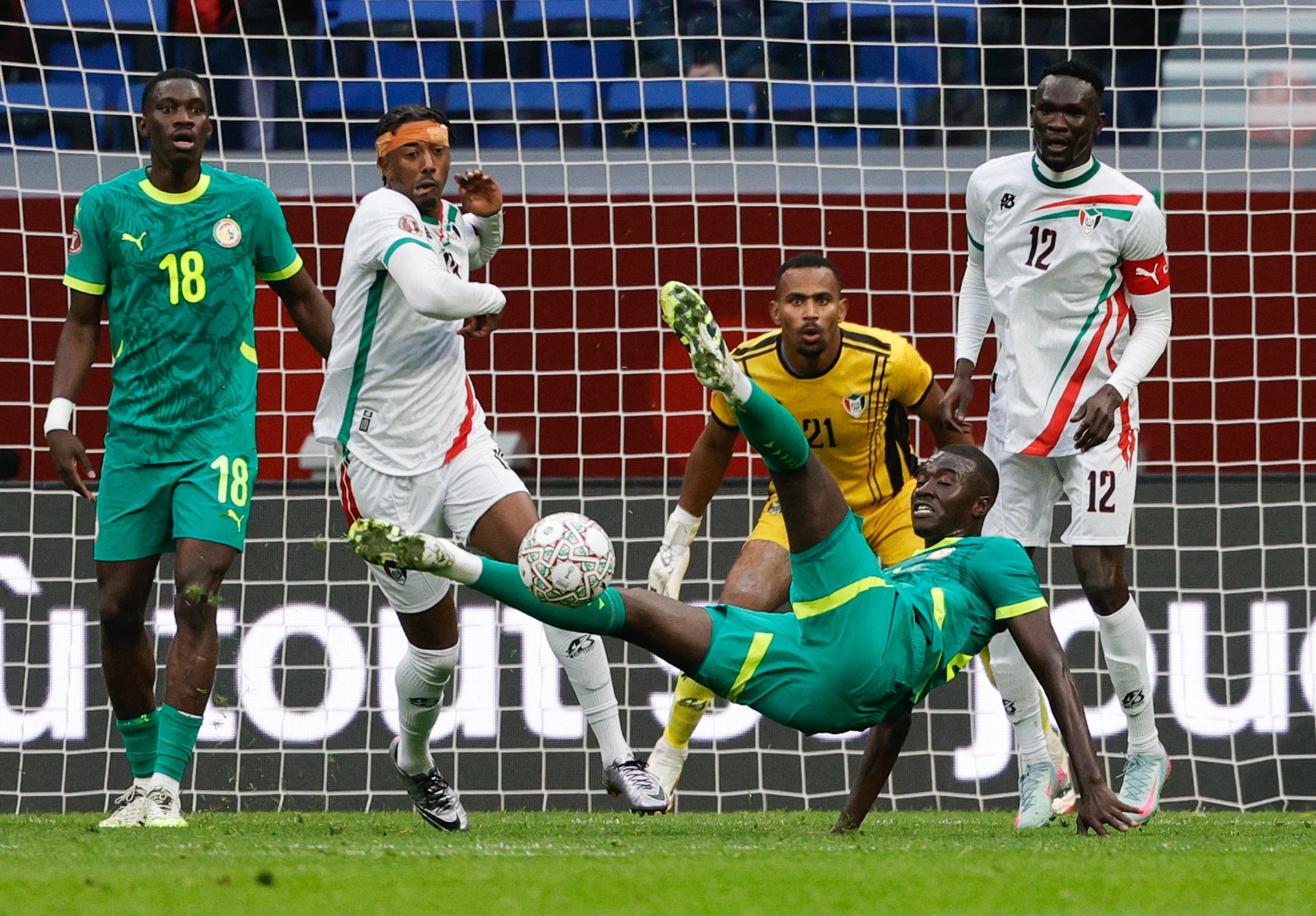
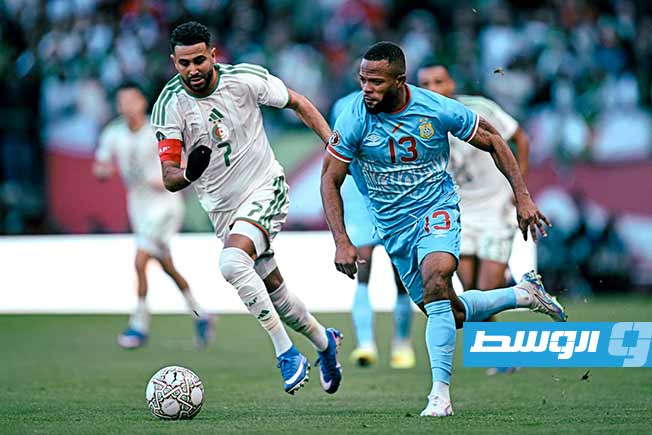
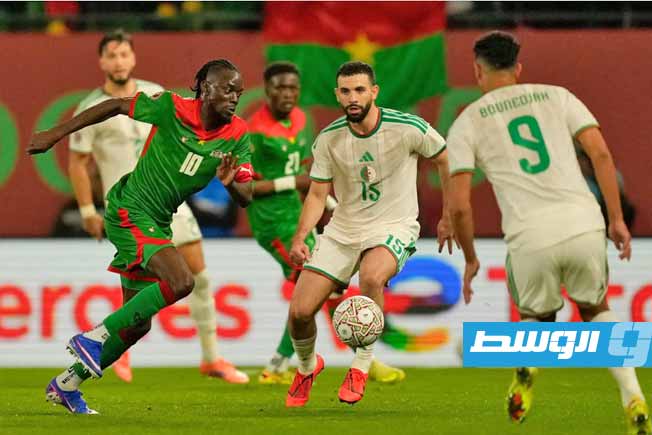
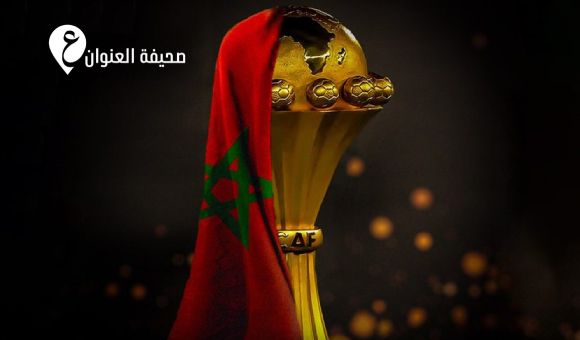
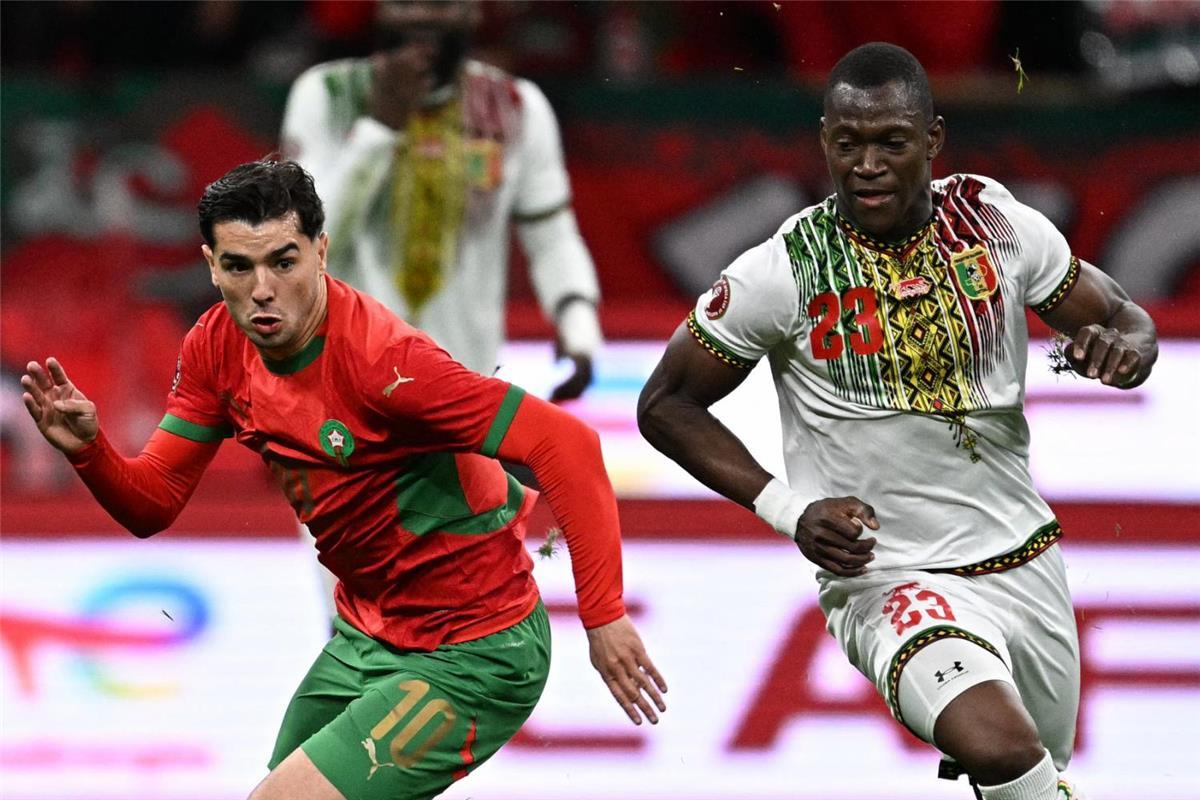
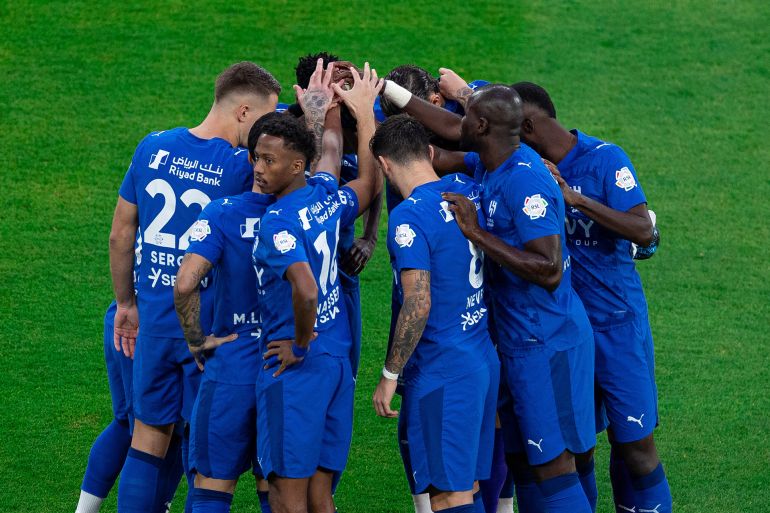
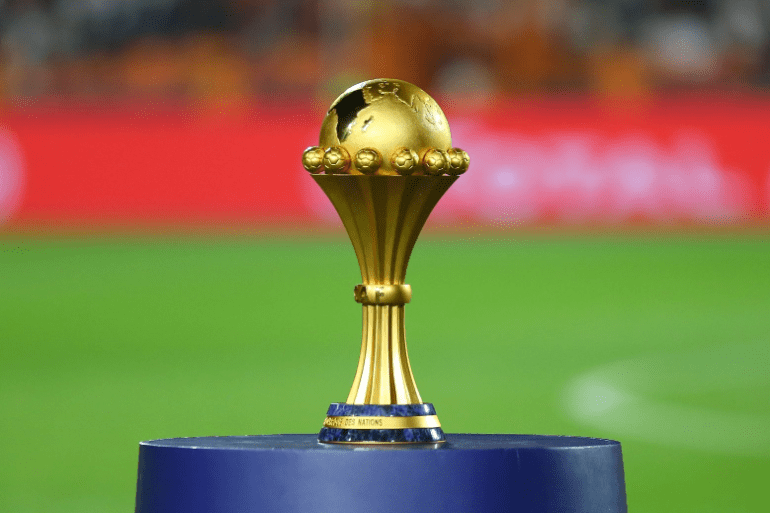
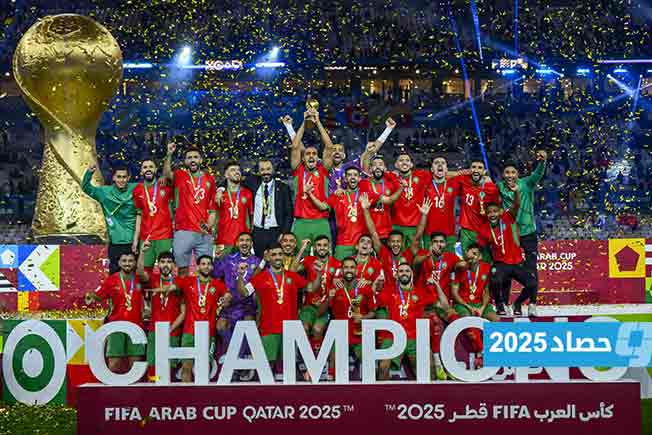
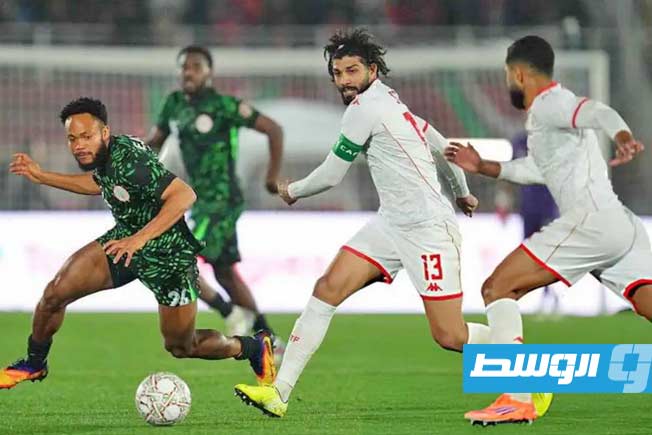
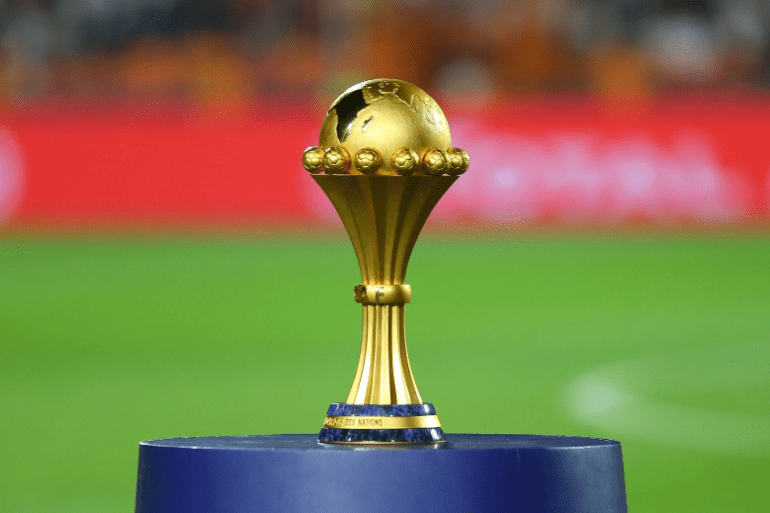
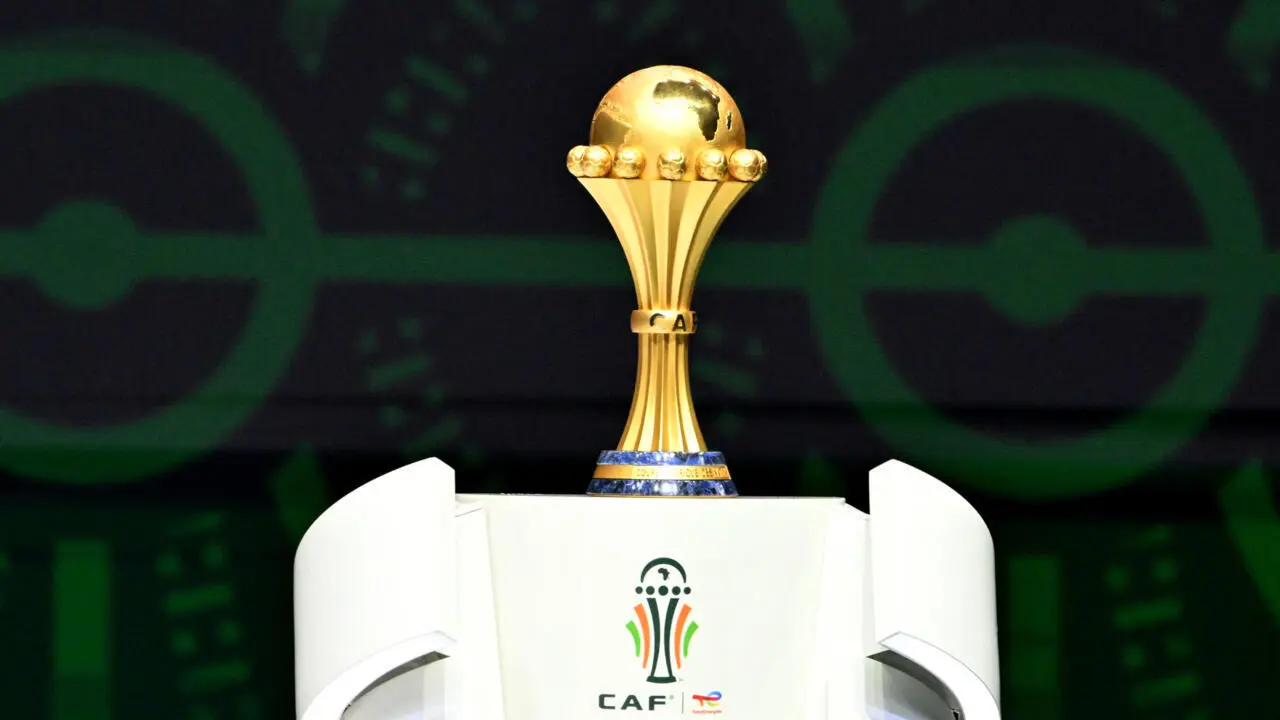
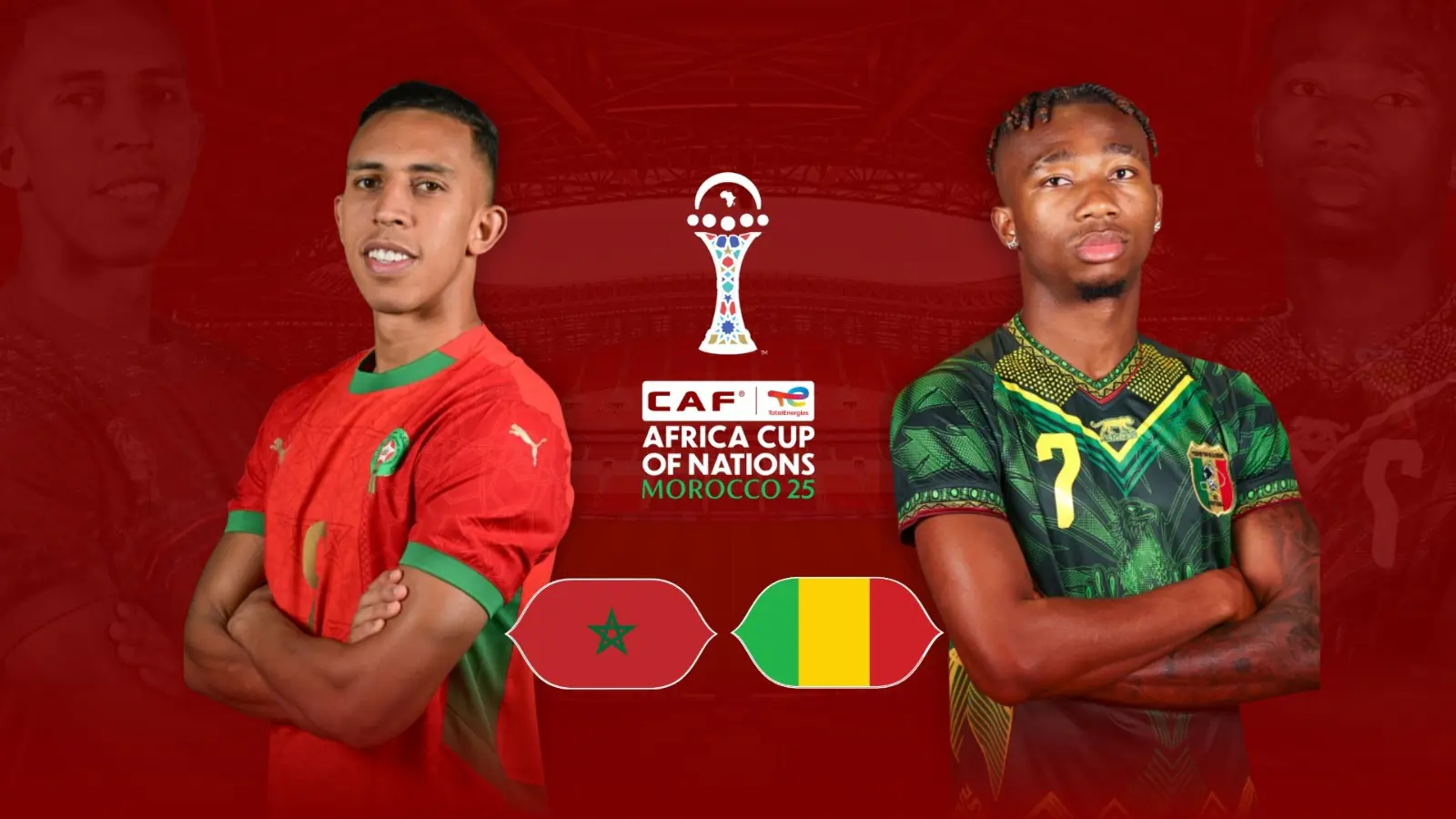
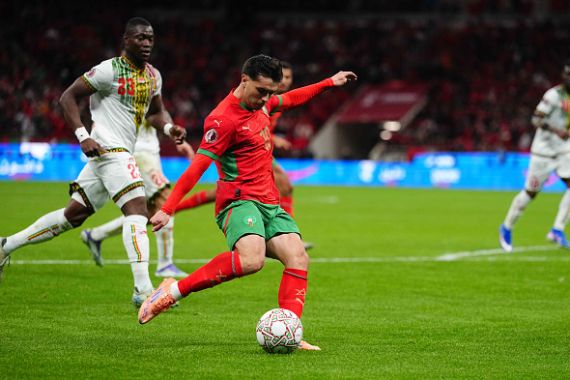
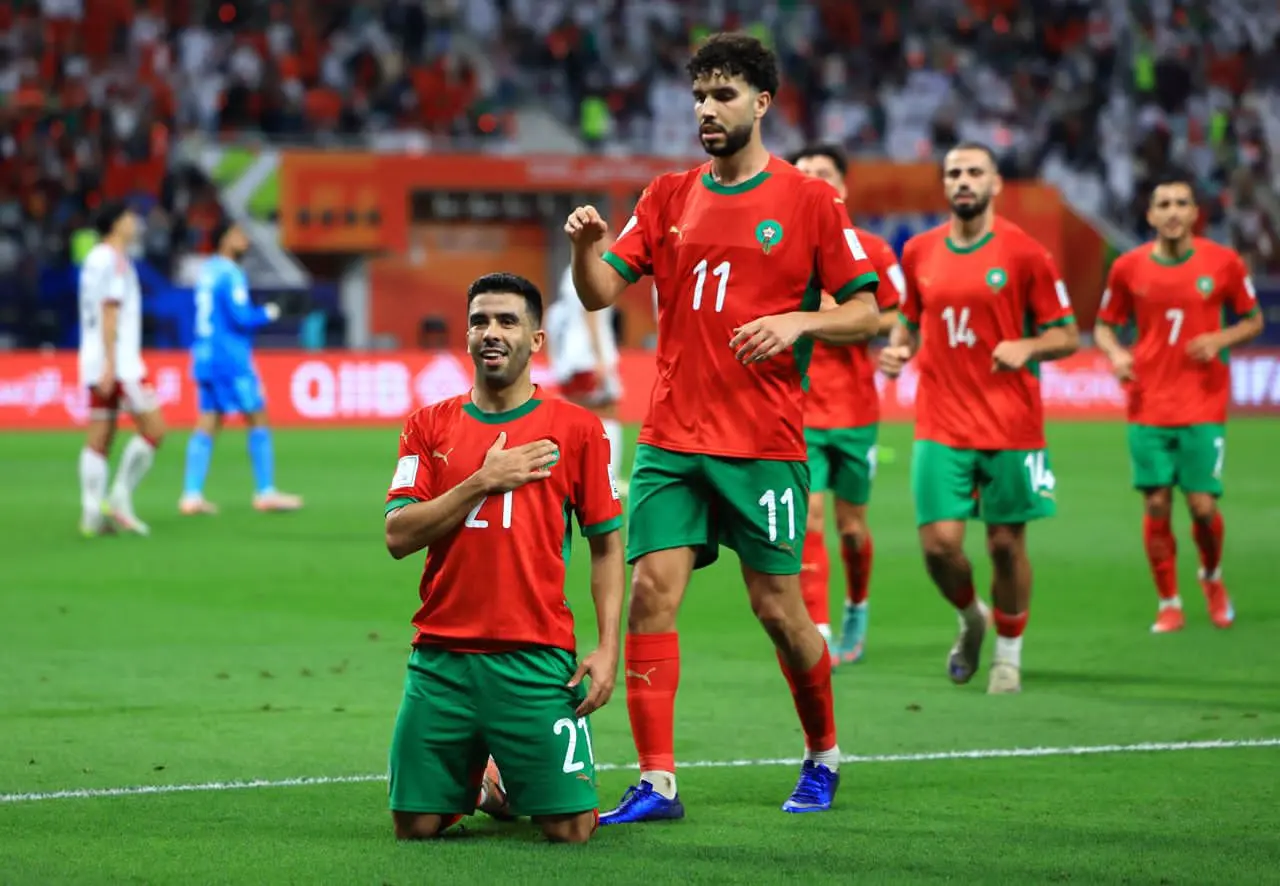
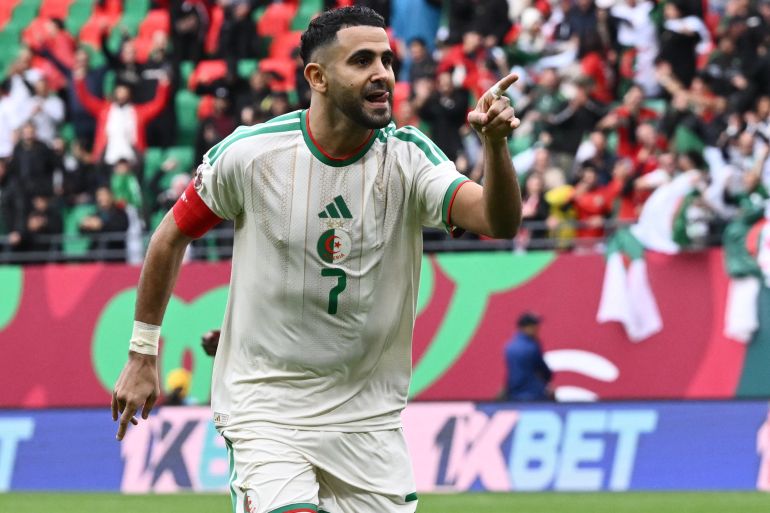
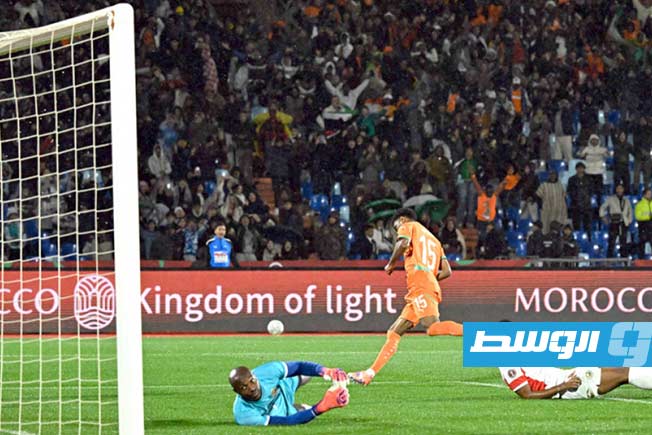
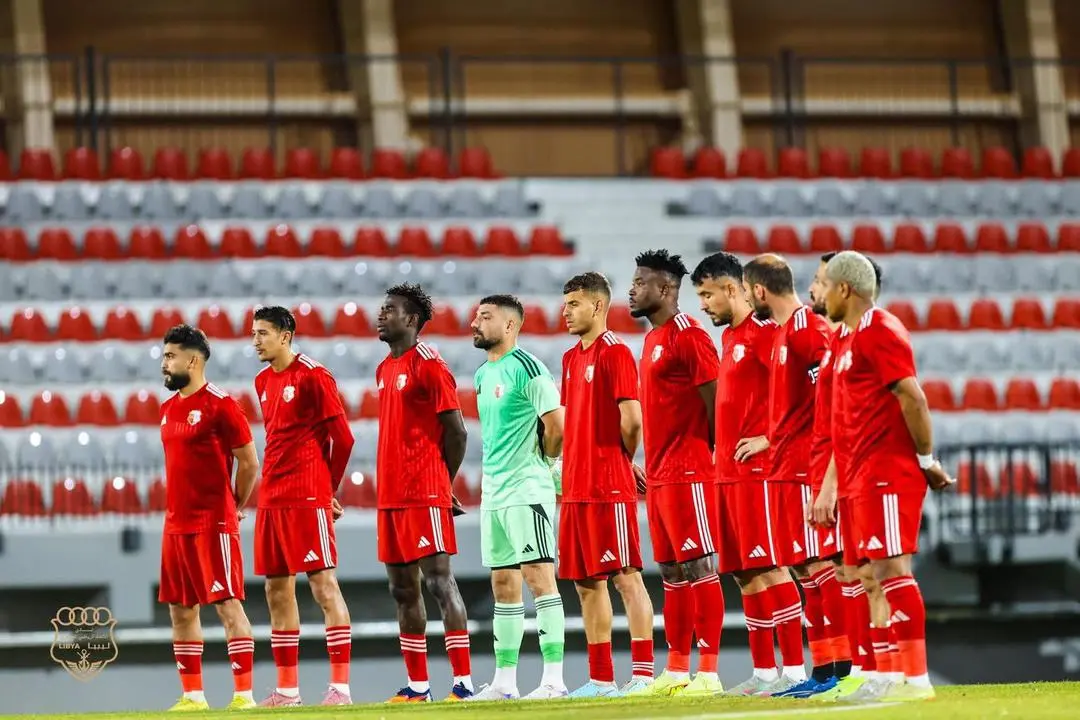
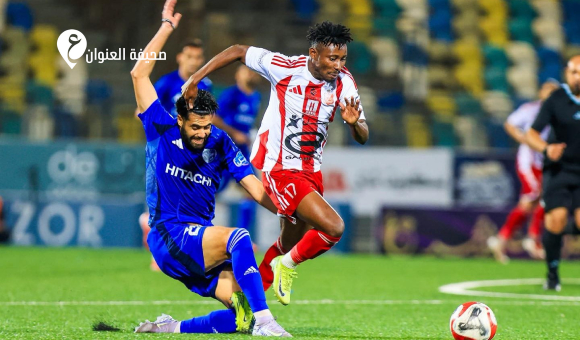
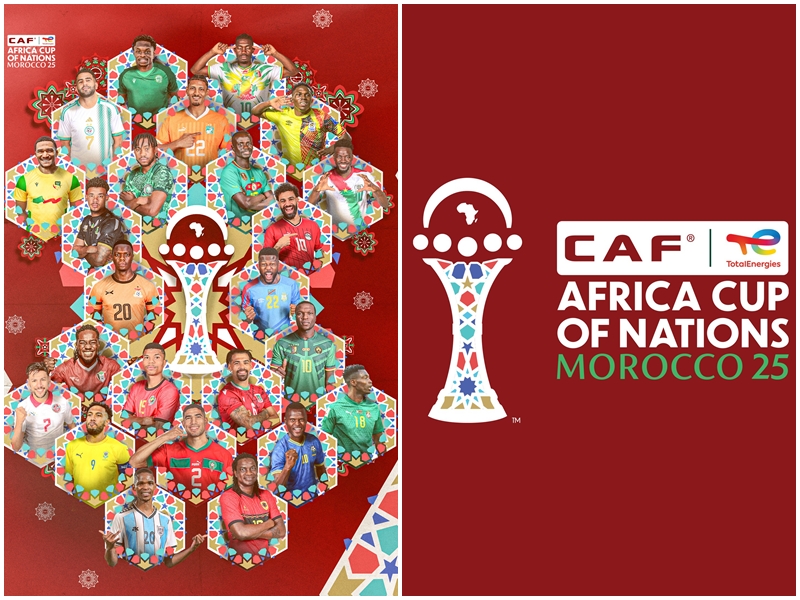
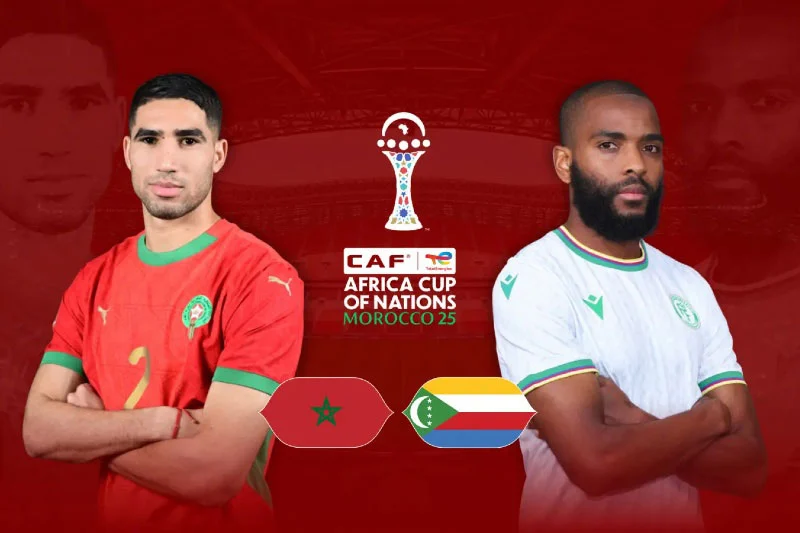
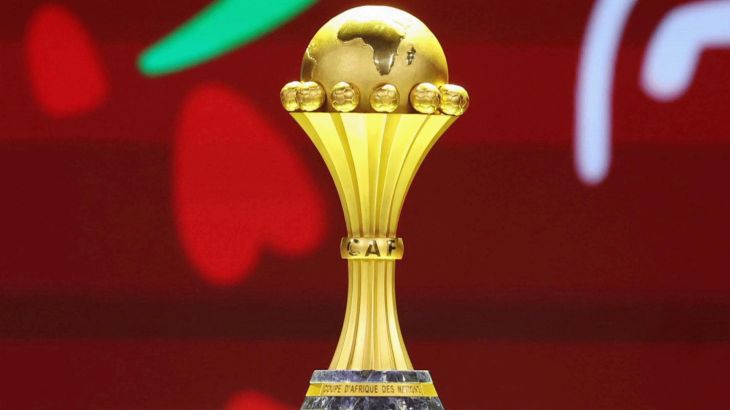
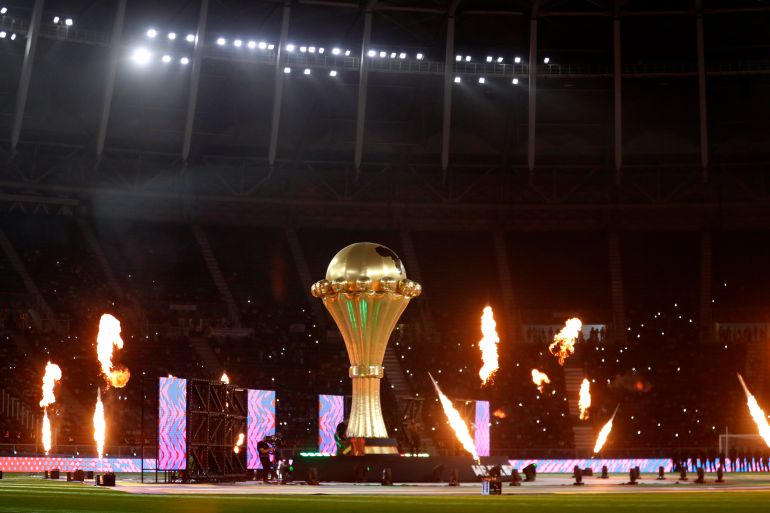
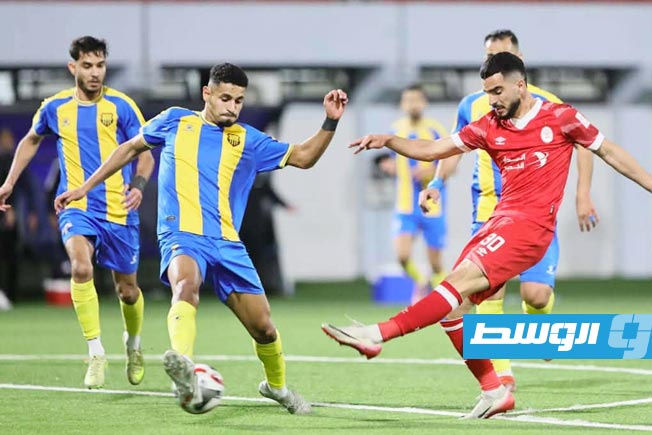
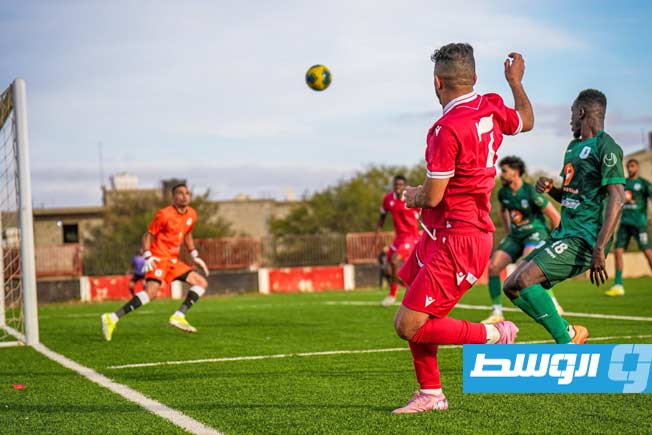
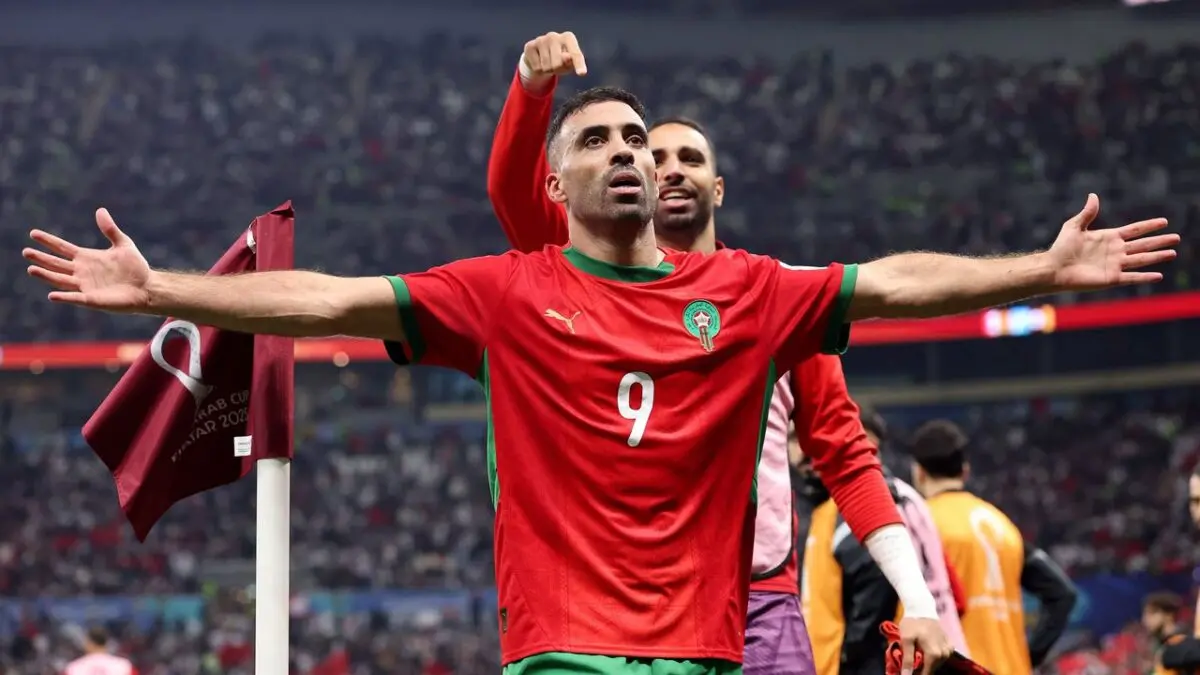
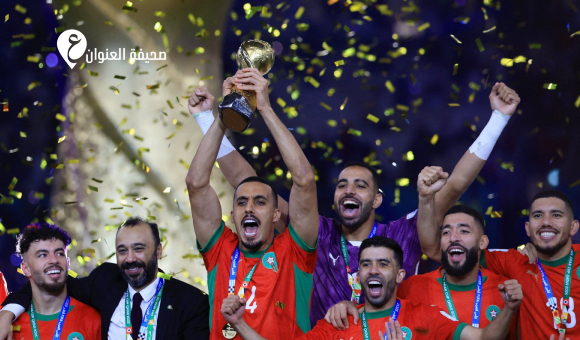
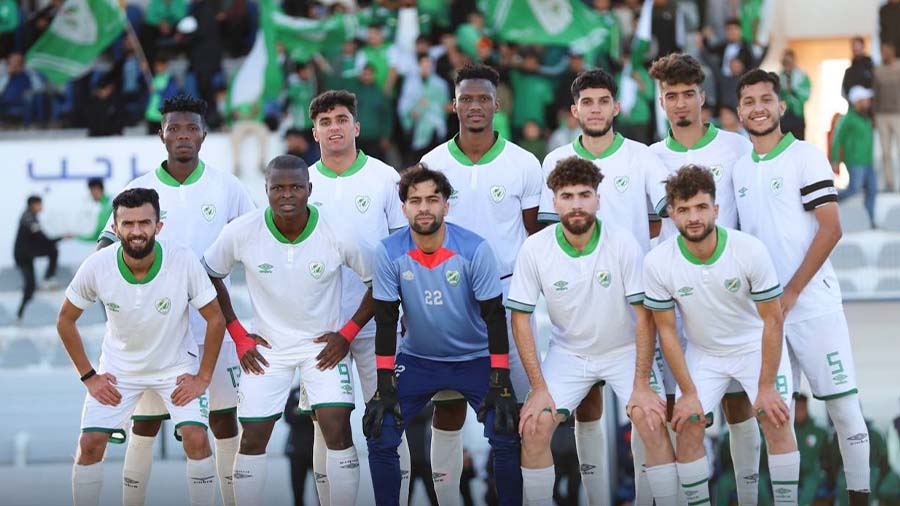
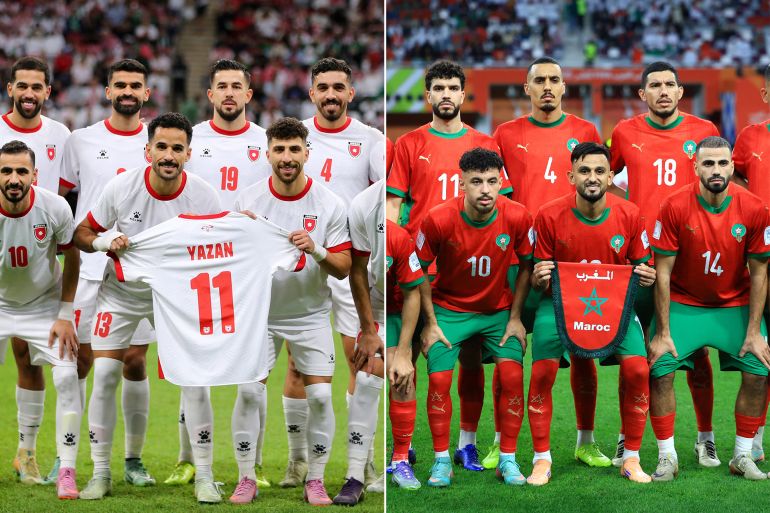
The African Football Confederation has clarified the qualification system for the Africa Cup of Nations, which will be held in Morocco next April.
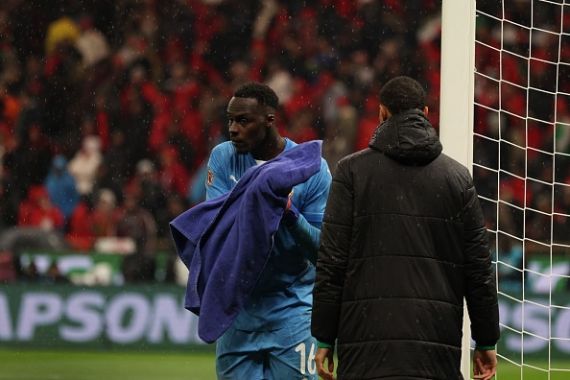
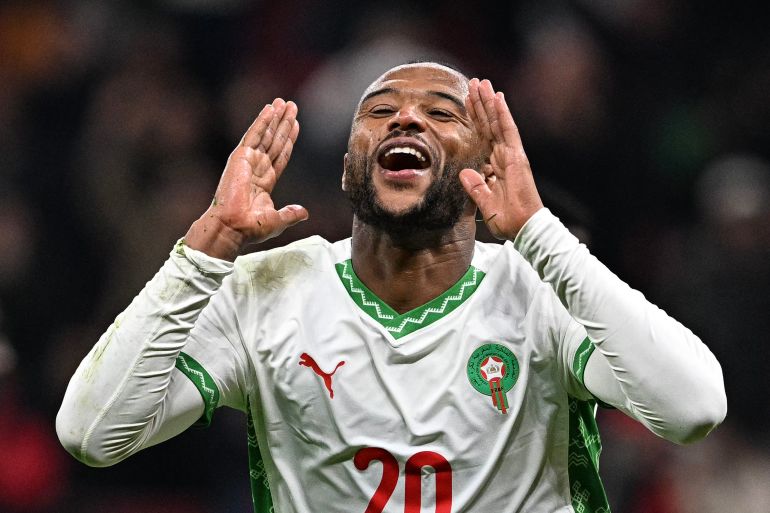
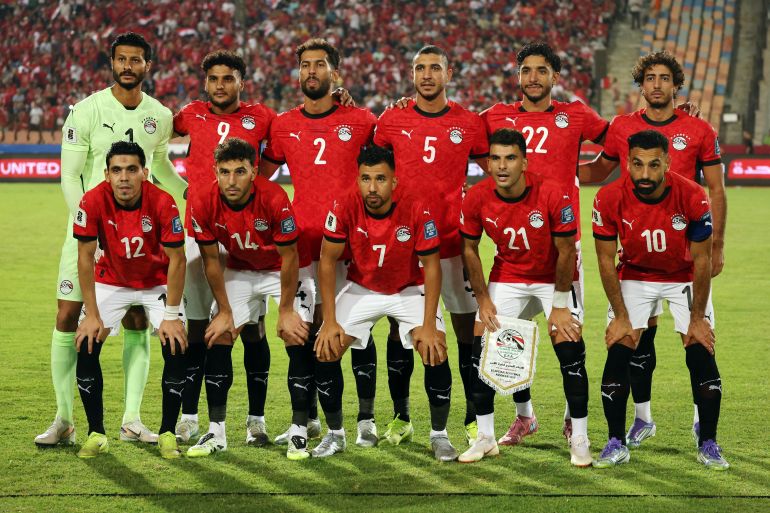
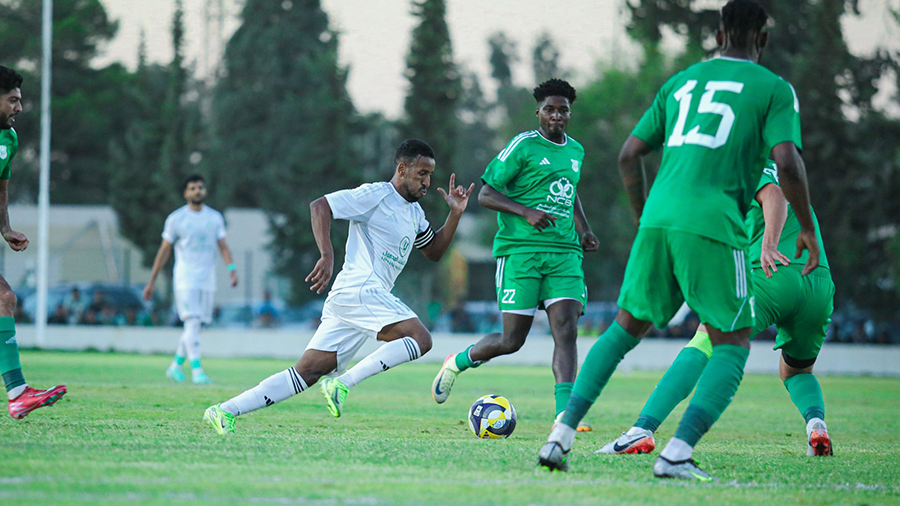
The national team, along with the teams from Egypt and Angola, have qualified directly for the final stage of the qualifiers due to their high ranking in the FIFA world rankings.
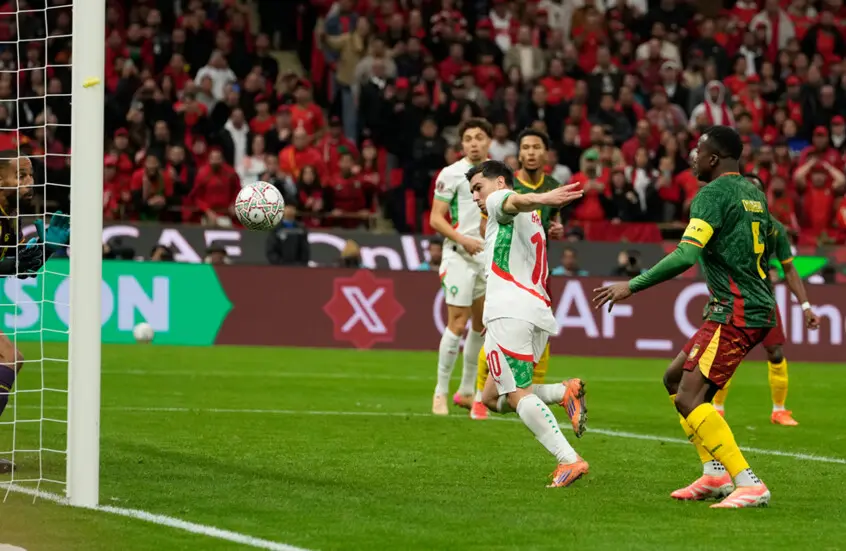
In the decisive round, the national team, Egypt, and Angola will face the teams that qualified from the first preliminary round: Cameroon, Cape Verde, Kenya, South Sudan, Zimbabwe, and Namibia.
The teams from Algeria, Ivory Coast, Mozambique, Zambia, Mauritania, Tanzania, Ghana, and Guinea will compete in the second round of qualifiers, from which four teams will advance to the African championship.
It is noted that a total of 7 teams will qualify for the Africa Cup of Nations, in addition to the Moroccan team, which qualifies automatically as the host nation of the tournament.
Morocco
Morocco is a North African country with a rich history shaped by indigenous Amazigh (Berber) cultures, Arab influence from the 7th century, and successive dynasties like the Almoravids and Almohads. Its cultural sites, such as the ancient city of Fez and the Koutoubia Mosque in Marrakech, reflect this blend of Arab, Islamic, and Amazigh heritage. The country’s historic medinas, kasbahs, and varied landscapes from the Sahara Desert to the Atlas Mountains are central to its identity.
Egypt
Egypt is home to one of the world’s oldest civilizations, with a recorded history spanning over 5,000 years and famed for its pharaonic monuments like the Pyramids of Giza and the Great Sphinx. Its rich cultural heritage includes influences from ancient Egyptian, Greco-Roman, Coptic Christian, and Islamic periods, making it a significant historical and archaeological center.
Angola
Angola is a country in southwestern Africa that gained independence from Portugal in 1975 after a long liberation war. Its history includes the powerful pre-colonial Kingdom of Kongo and a legacy as a major source of enslaved people during the transatlantic slave trade. Notable cultural sites include the Fortress of São Miguel in Luanda, a historic Portuguese colonial fort, and the rock paintings of Tchitundo-Hulu.
Cameroon
Cameroon is a Central African country known for its diverse geography, ranging from beaches and rainforests to savannas and mountains. Historically, it was a German protectorate in the late 19th century before being divided into French and British administrative zones after World War I, achieving full independence in 1960. Its culture is exceptionally varied, with over 200 ethnic groups and linguistic influences from French, English, and numerous indigenous languages.
Cape Verde
Cape Verde is an island nation off the coast of West Africa that was uninhabited until Portuguese explorers colonized it in the 15th century. It became a crucial hub in the Atlantic slave trade and later a significant center for transatlantic shipping, gaining independence from Portugal in 1975. Today, its culture reflects a blend of Portuguese and West African influences, particularly in its music, such as morna.
Kenya
Kenya is a country in East Africa known for its diverse landscapes, wildlife, and rich cultural heritage. Historically, it was a British colony until gaining independence in 1963, and it is considered the cradle of humanity with some of the oldest archaeological sites of early human ancestors. Today, it is a major hub for safari tourism and is famous for landmarks like the Maasai Mara National Reserve and its vibrant coastal Swahili culture.
South Sudan
South Sudan is the world’s youngest country, having gained independence from Sudan in 2011 after decades of civil war. Its history is deeply marked by conflict, including a long struggle for autonomy and a subsequent internal civil war that began in 2013. The country is home to diverse ethnic groups and cultures, with its capital in Juba.
Zimbabwe
Zimbabwe is a country in southern Africa, named after the historic stone ruins of Great Zimbabwe, which was the capital of a powerful kingdom from the 11th to 15th centuries. The modern nation gained independence from British colonial rule in 1980, following a prolonged liberation struggle.
Namibia
Namibia is a country in southwestern Africa known for its vast Namib Desert, Atlantic coastline, and diverse wildlife. It gained independence from South Africa in 1990 after a prolonged struggle, following earlier German colonial rule which ended after World War I. The country is also home to significant cultural sites like the ancient rock art at Twyfelfontein, a UNESCO World Heritage site.
Algeria
Algeria is a North African nation with a rich history shaped by indigenous Berber cultures, successive empires, and a pivotal struggle for independence from French colonial rule, which it achieved in 1962. It is home to diverse cultural sites, including the ancient Roman ruins at Timgad and Djemila, as well as the historic Casbah of Algiers, a UNESCO World Heritage site.
Ivory Coast
The Ivory Coast, officially known as Côte d’Ivoire, is a West African nation whose modern history is marked by French colonial rule from the late 19th century until it gained independence in 1960. Culturally, it is renowned for its diverse ethnic groups and is considered a major hub for music genres like *coupé-décalé*, as well as being home to UNESCO World Heritage sites such as the historic town of Grand-Bassam.
Mozambique
Mozambique is a country in Southeast Africa with a rich history shaped by Bantu-speaking peoples, Arab trade, and Portuguese colonization, which lasted from the 16th century until independence in 1975. Its cultural heritage is reflected in its music, dance, and historic sites like the Island of Mozambique, a UNESCO World Heritage site that was a former Portuguese trading post. Today, it is known for its diverse cultures, lengthy Indian Ocean coastline, and a blend of African, Arab, and Portuguese influences.
Zambia
Zambia is a landlocked country in southern Africa, historically home to various Bantu-speaking kingdoms before becoming a British protectorate known as Northern Rhodesia. It gained independence in 1964 and is renowned for the majestic Victoria Falls, a UNESCO World Heritage site it shares with Zimbabwe, and its expansive national parks like South Luangwa.
Mauritania
Mauritania is a country in Northwest Africa known for its vast Saharan desert landscapes and rich Islamic scholarship tradition, particularly in historic cities like Chinguetti. Its history includes ancient Berber kingdoms, its role as a center for trans-Saharan trade, and its formation as a modern nation after gaining independence from France in 1960. The country’s cultural heritage is deeply shaped by its Moorish and nomadic traditions.
Tanzania
Tanzania is an East African nation home to significant cultural and natural sites, most notably the island of Zanzibar with its historic Stone Town—a UNESCO World Heritage site reflecting Swahili coastal culture and a history of Arab, Persian, and European trade. The mainland also features the Kondoa Rock-Art Sites, ancient paintings dating back over two millennia, and was the location of important pre-colonial kingdoms and later German and British rule before independence in 1961.
Ghana
Ghana is a West African nation known for its rich history as the site of several pre-colonial empires, such as the Ashanti Kingdom, and as the first sub-Saharan African country to gain independence from colonial rule in 1957. Its cultural heritage is reflected in vibrant traditions, historic forts and castles along the coast, and its pivotal role in the Pan-African movement.
Guinea
Guinea is a West African country with a rich history as part of several pre-colonial empires, including the Mali Empire. It gained independence from France in 1958, becoming the first French colony in Africa to do so. The country is known for its significant mineral resources and diverse cultural traditions among its many ethnic groups.