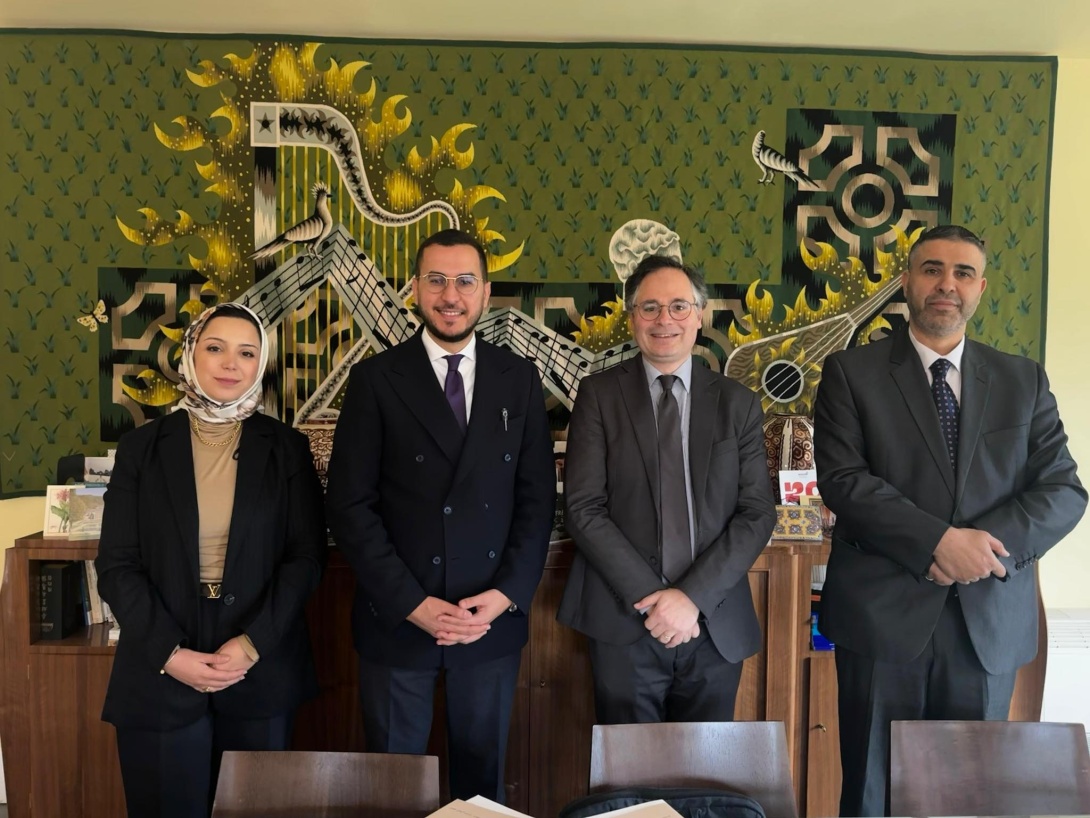
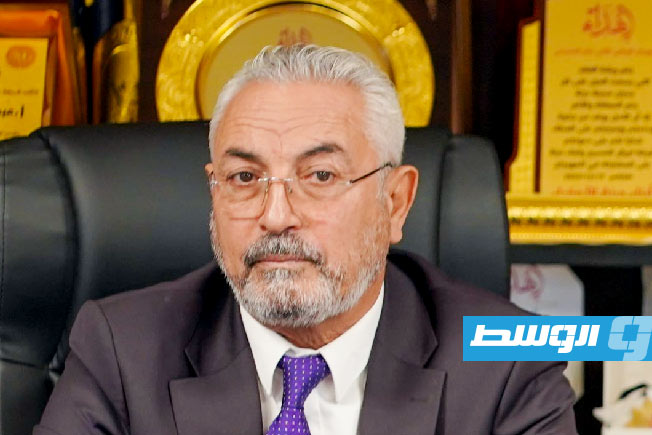
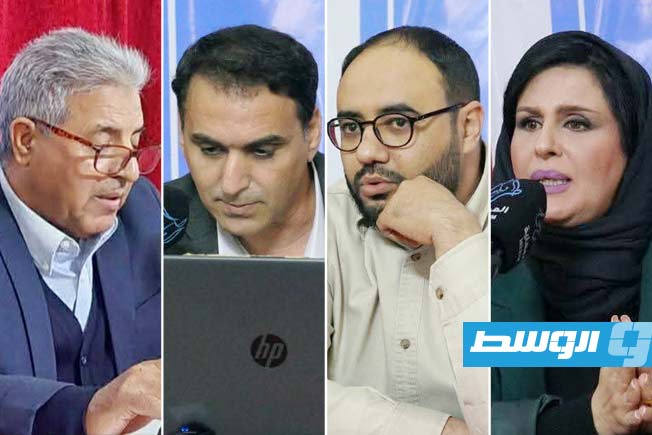
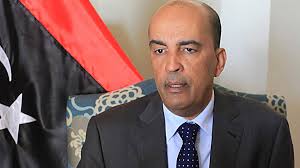
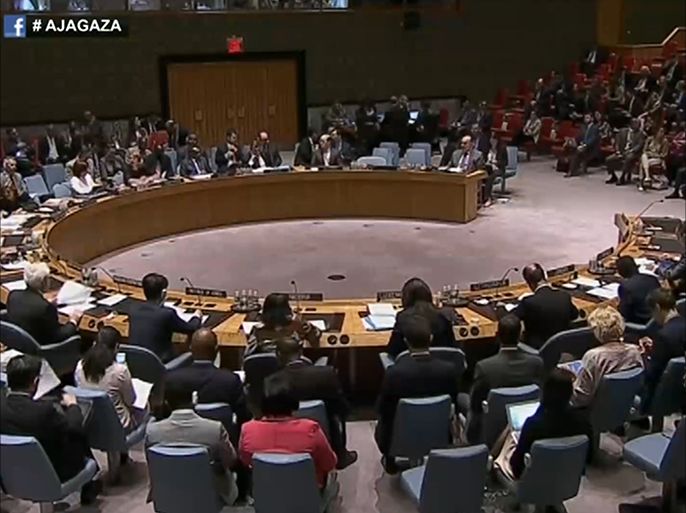
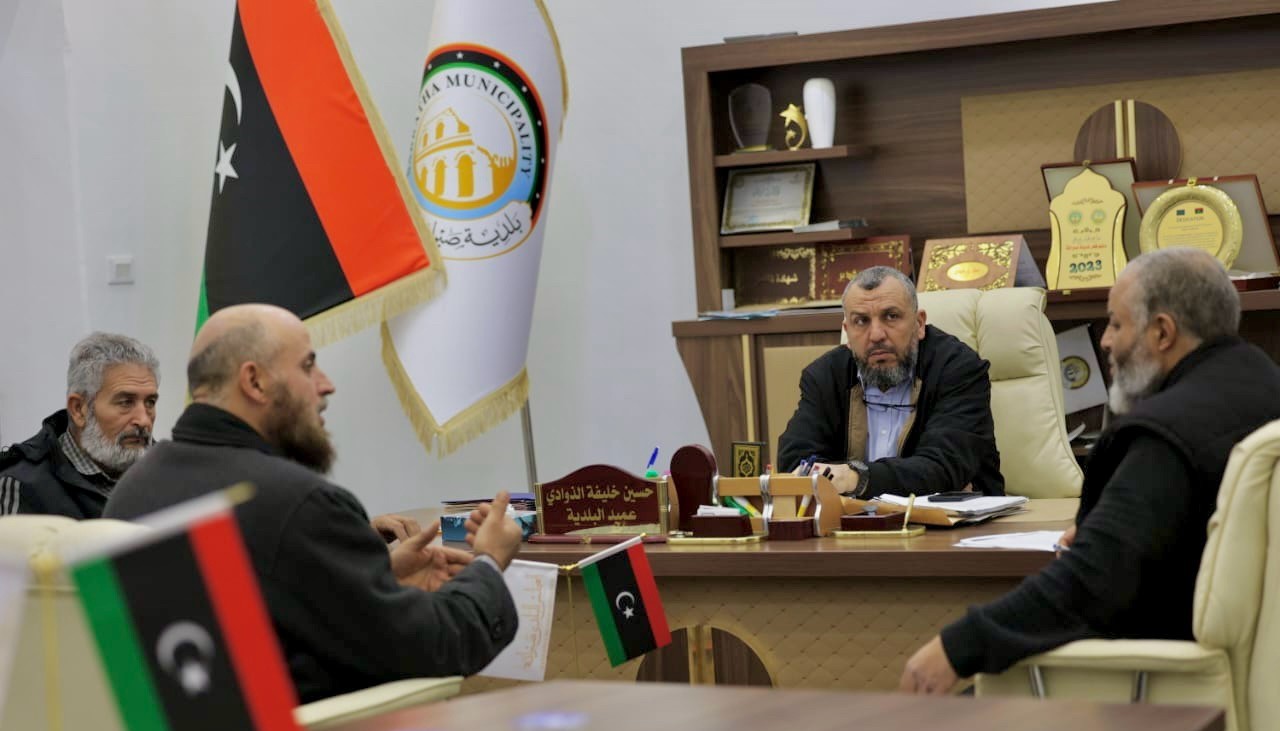
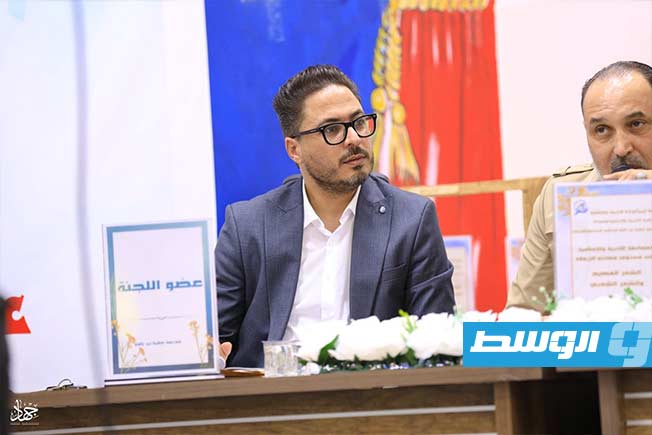
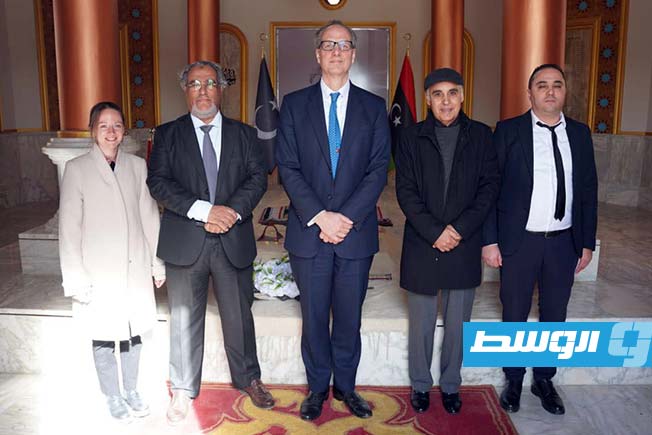
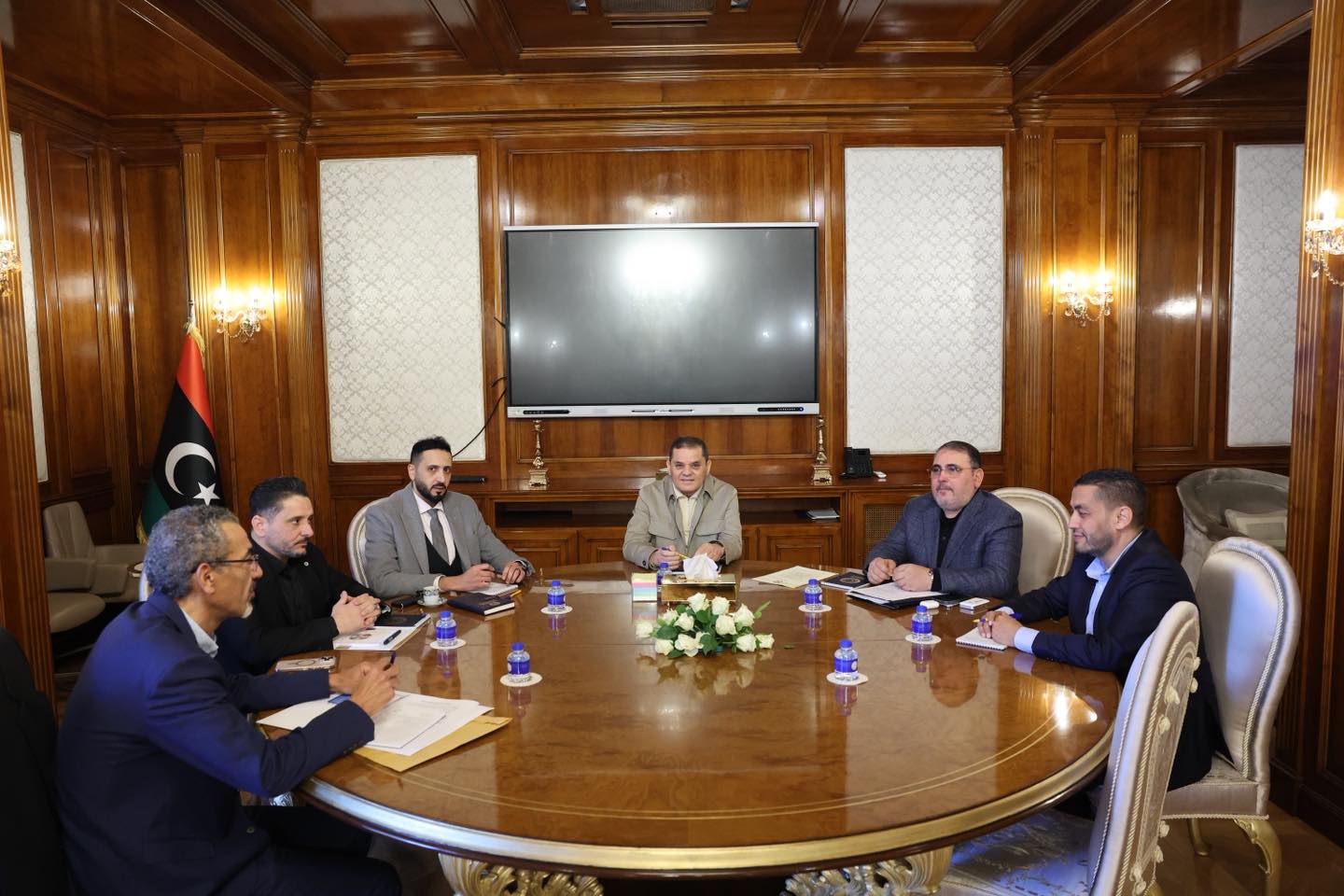
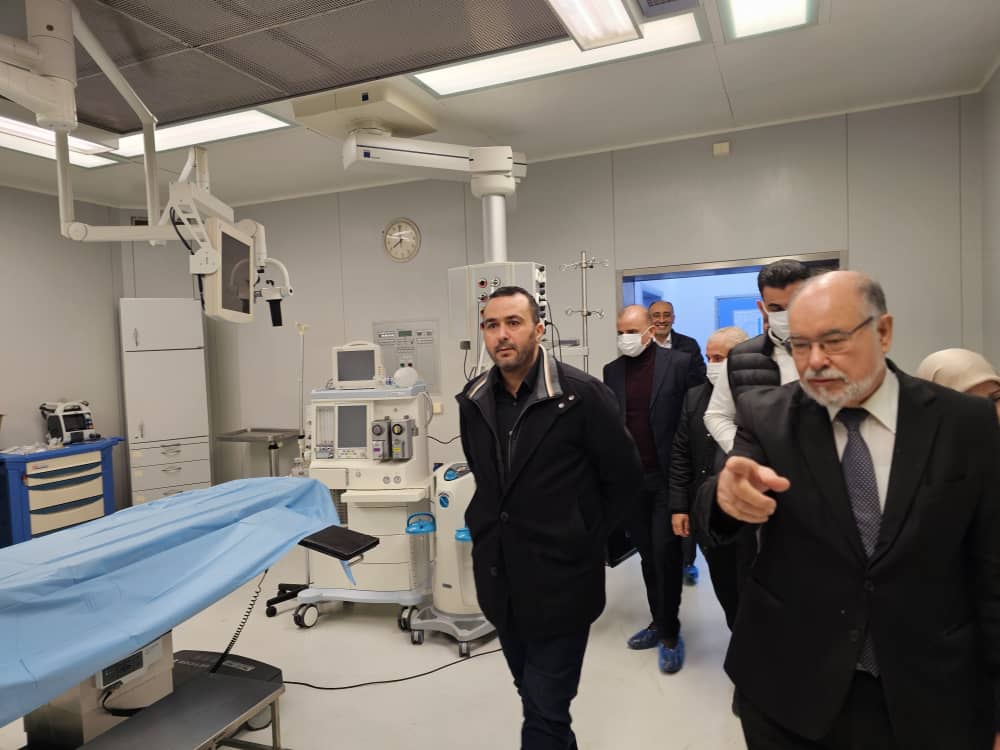
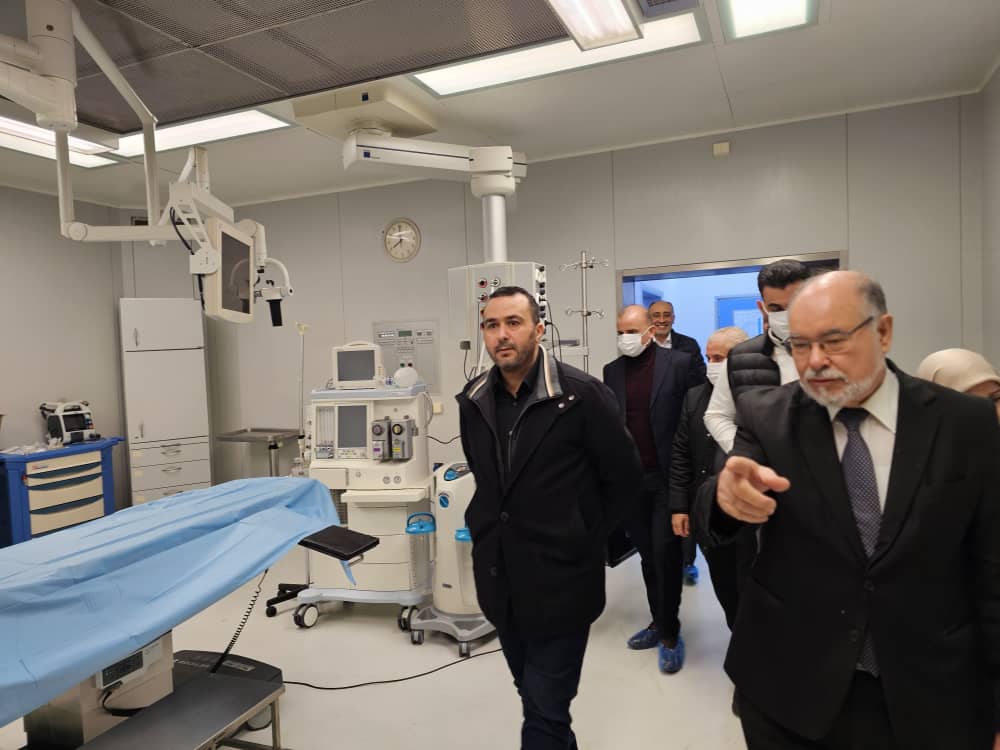
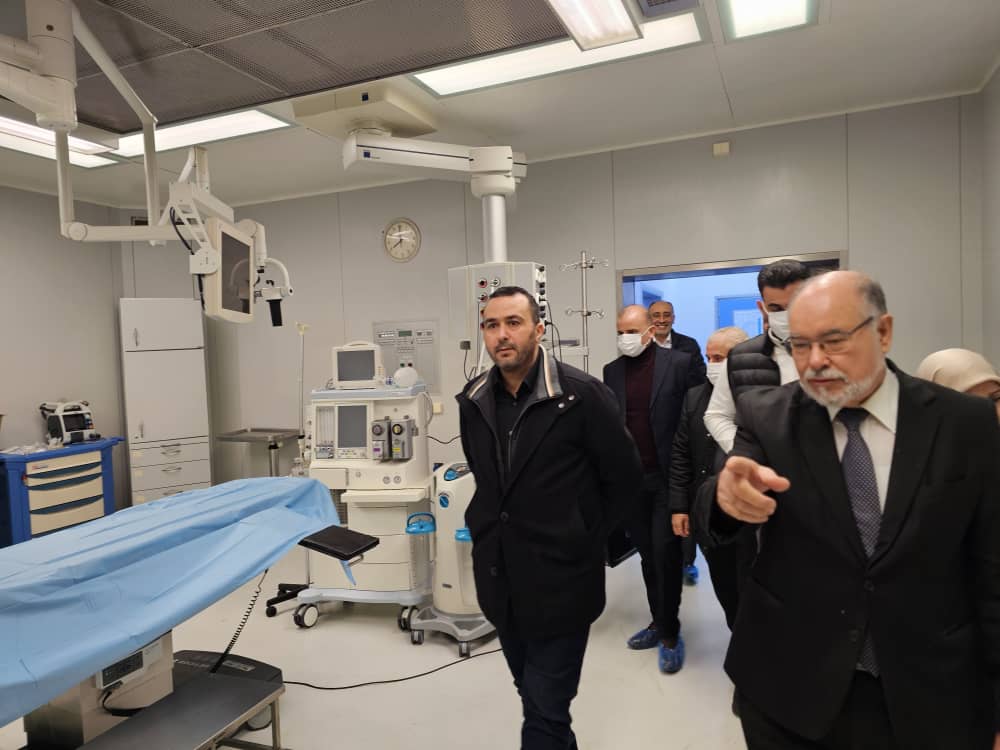
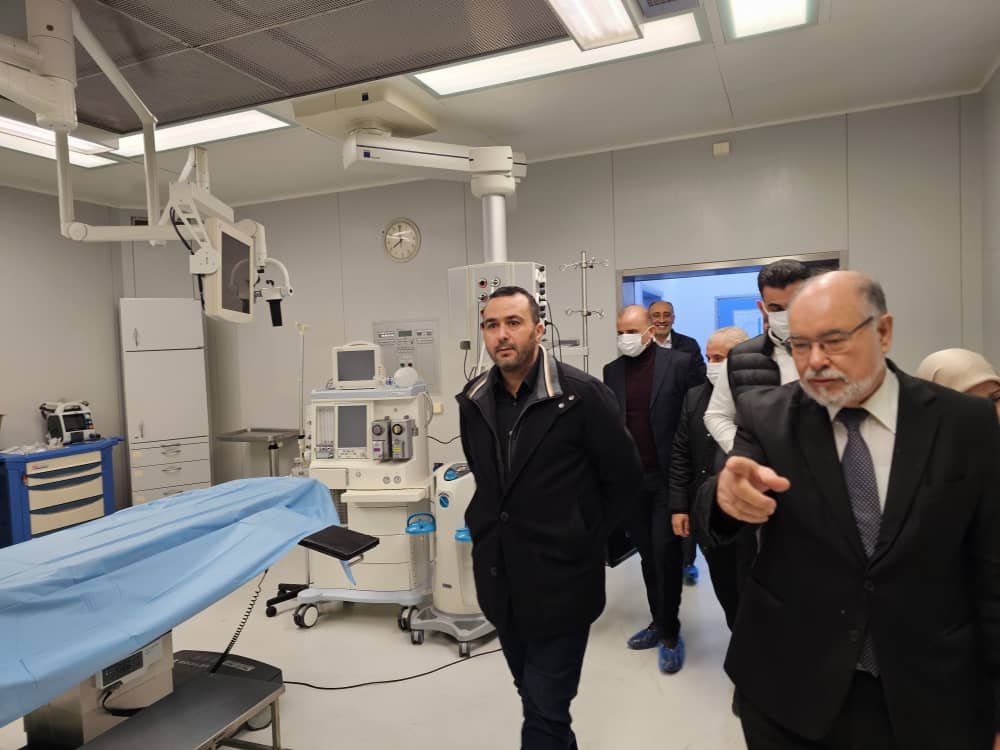
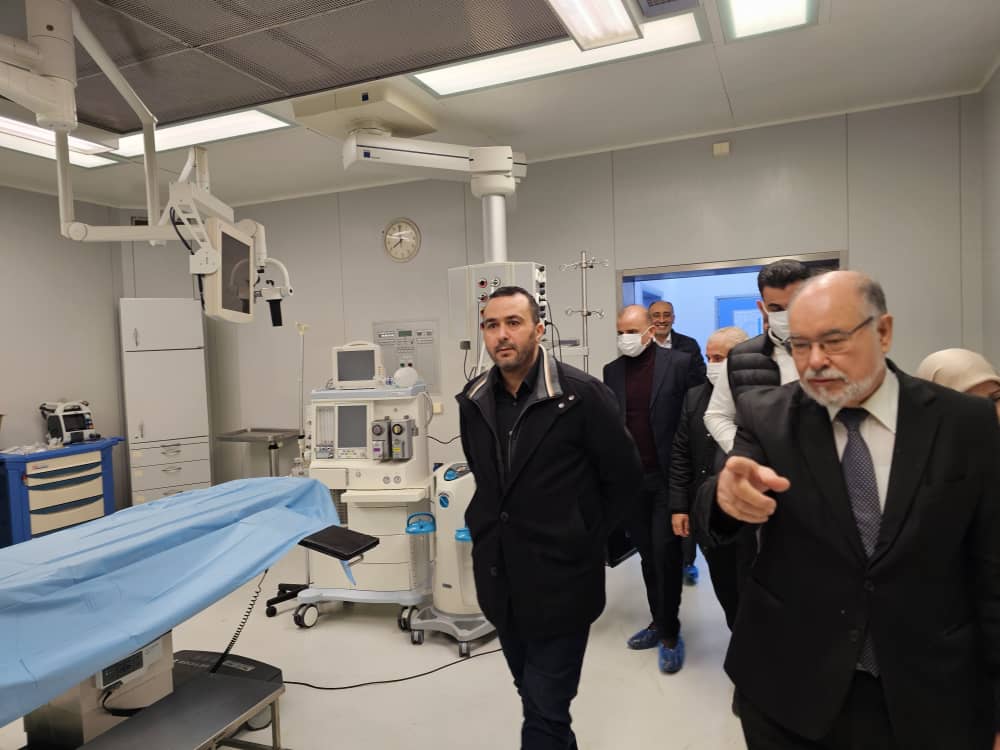
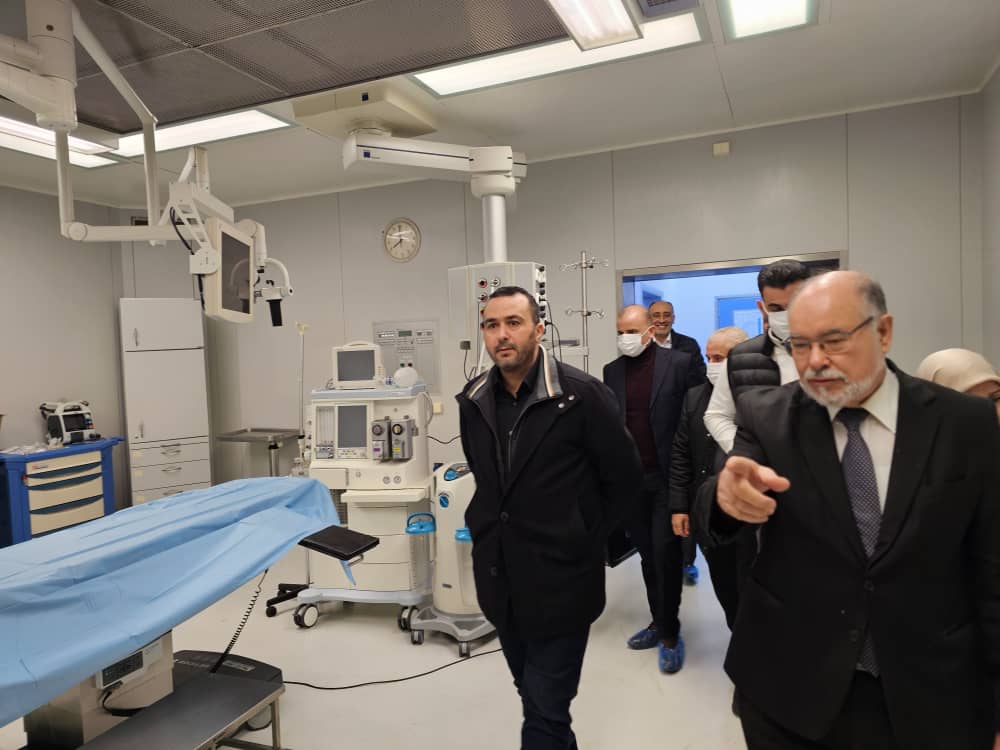
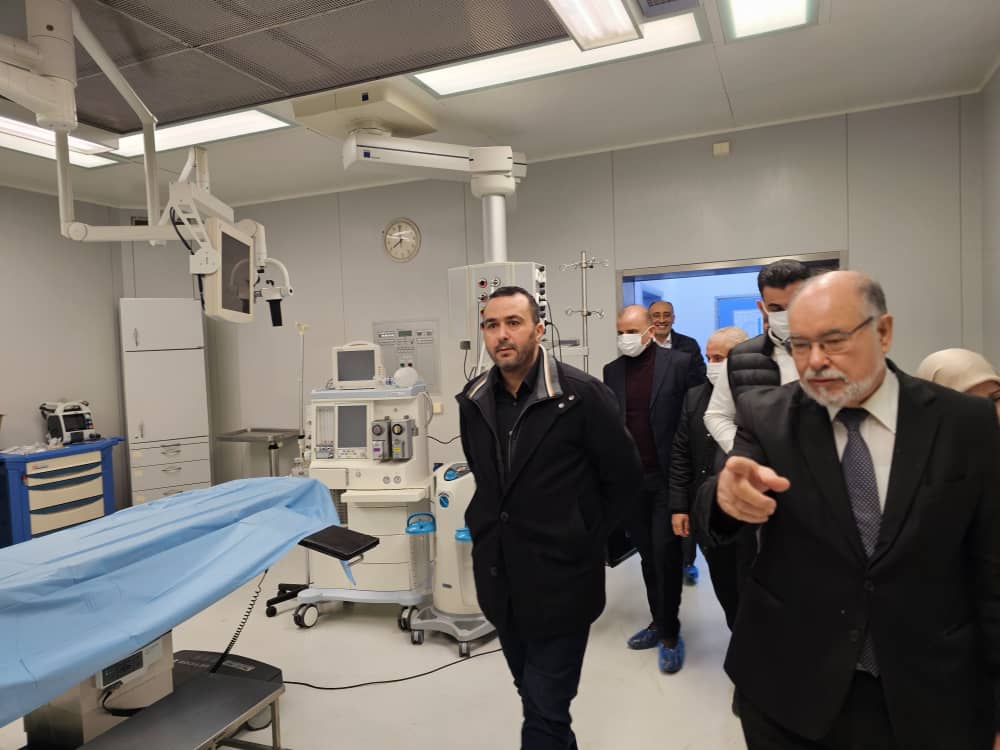
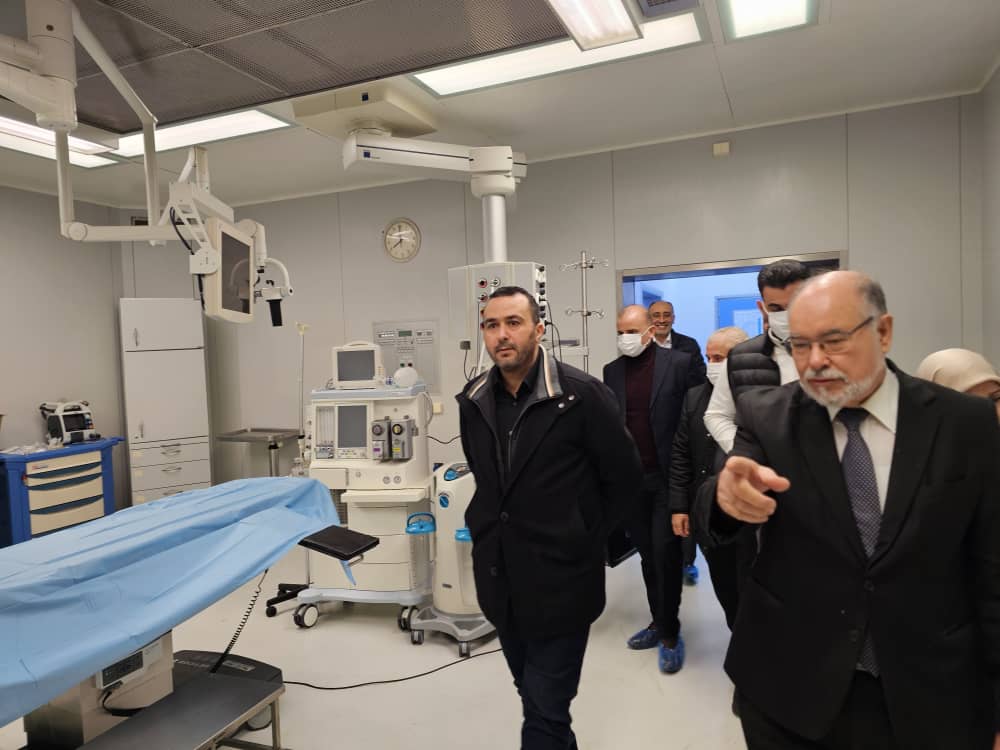
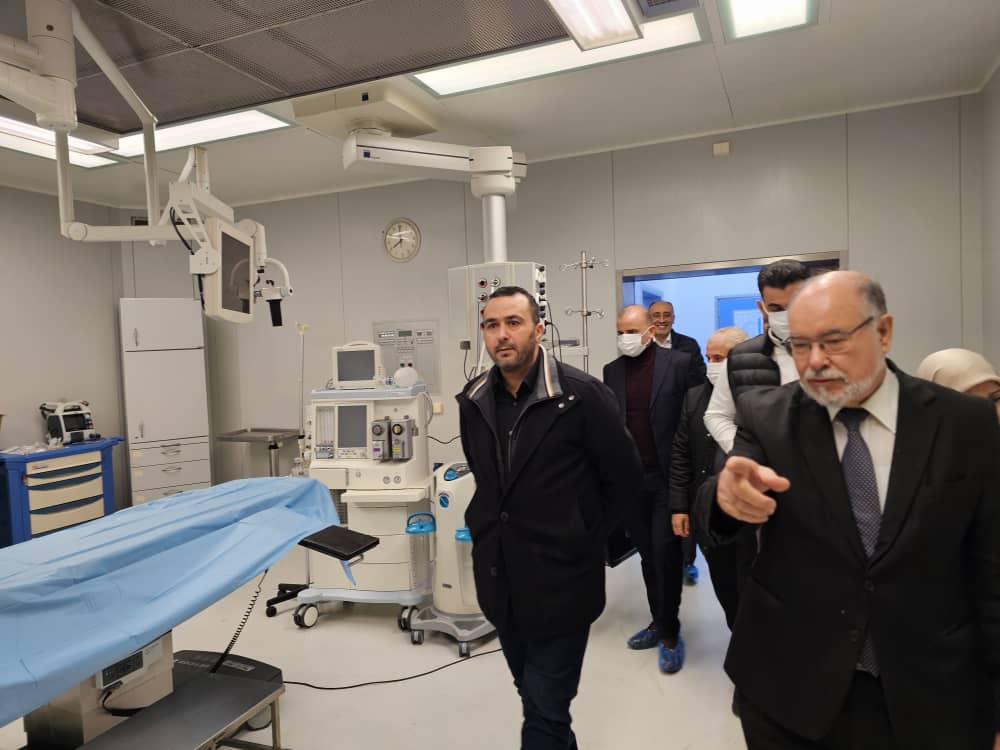
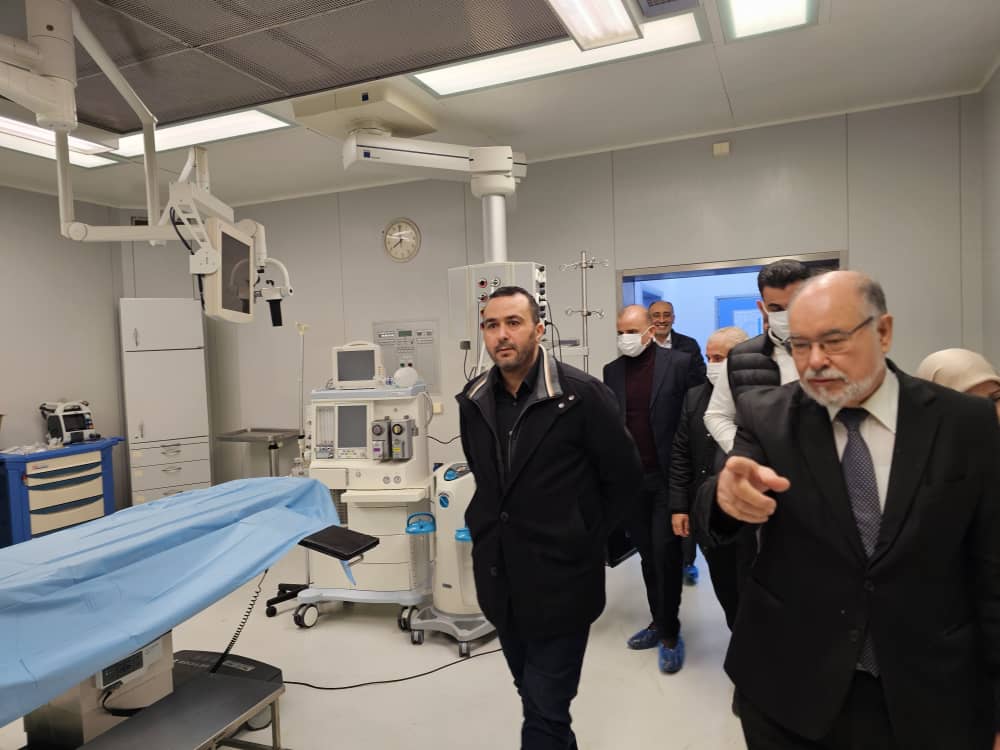
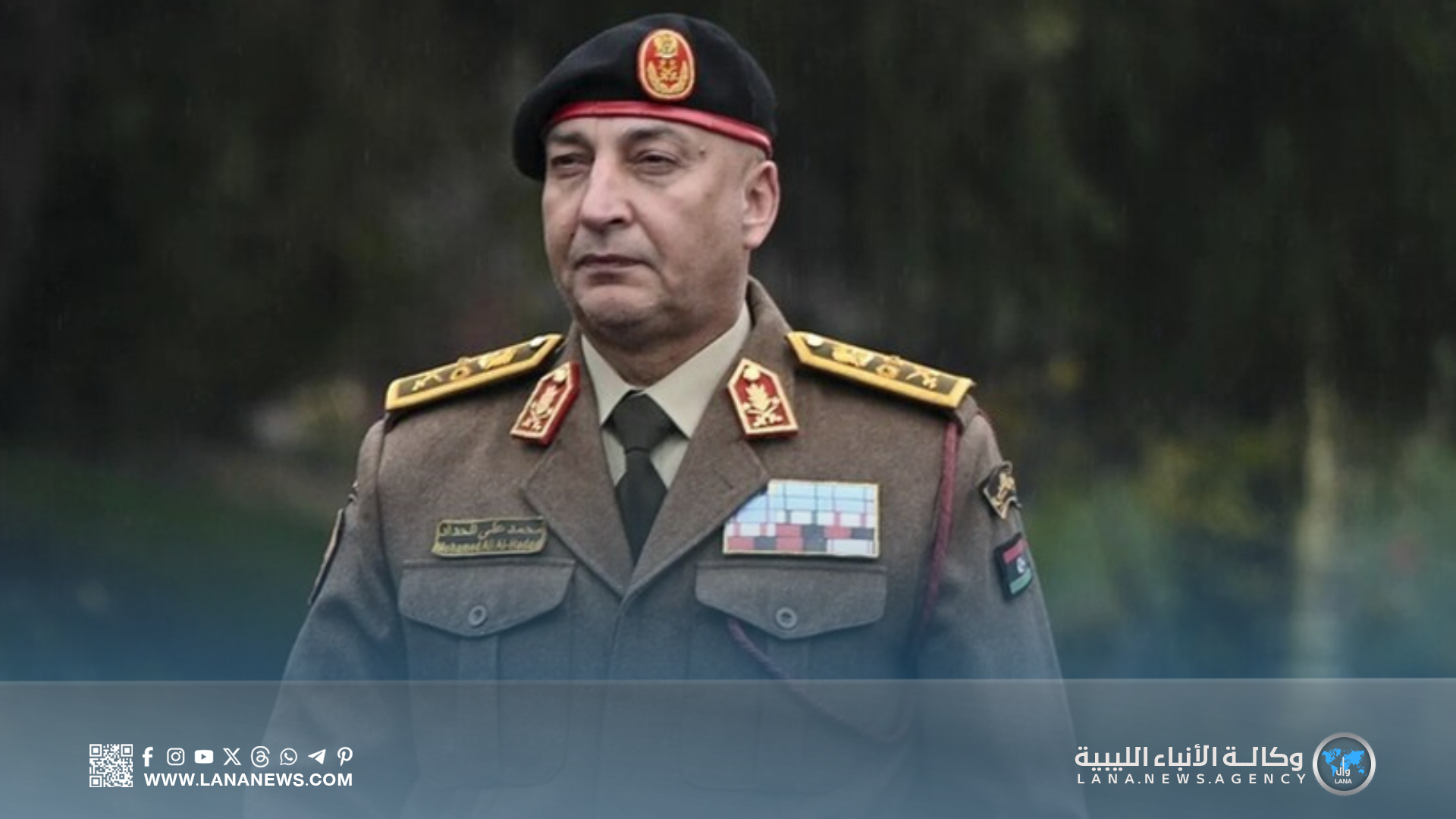
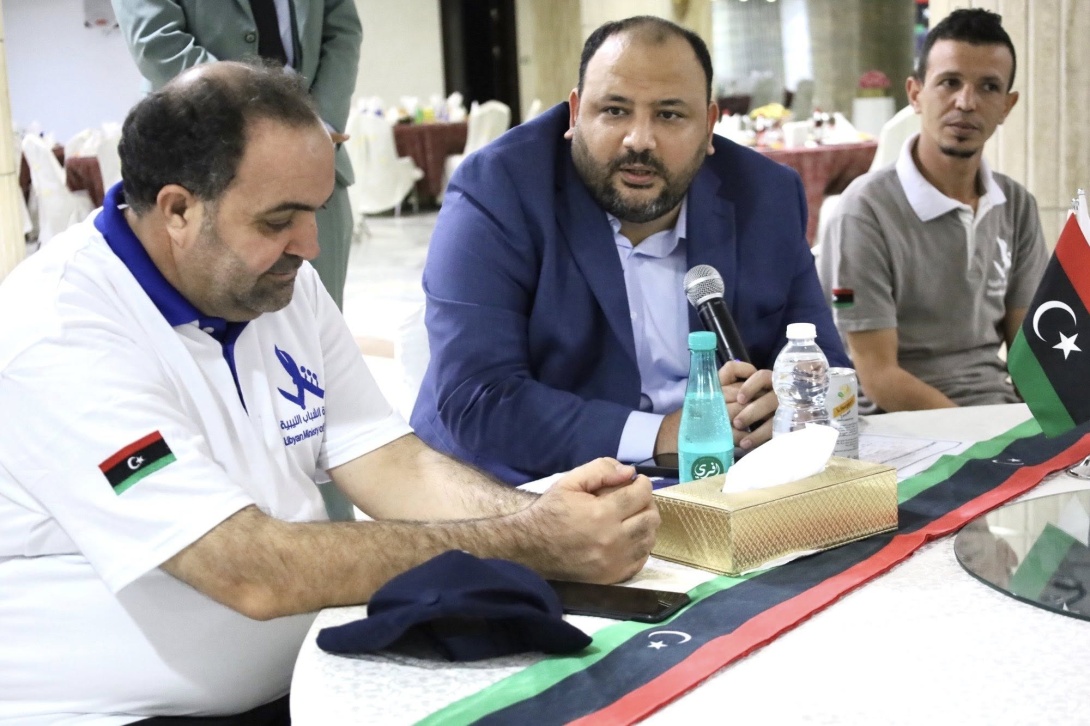
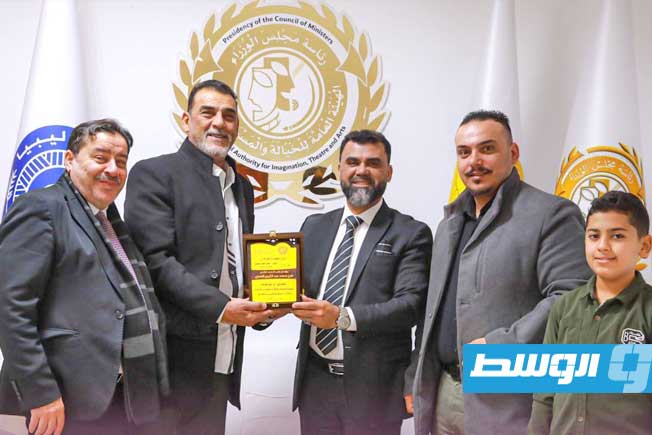
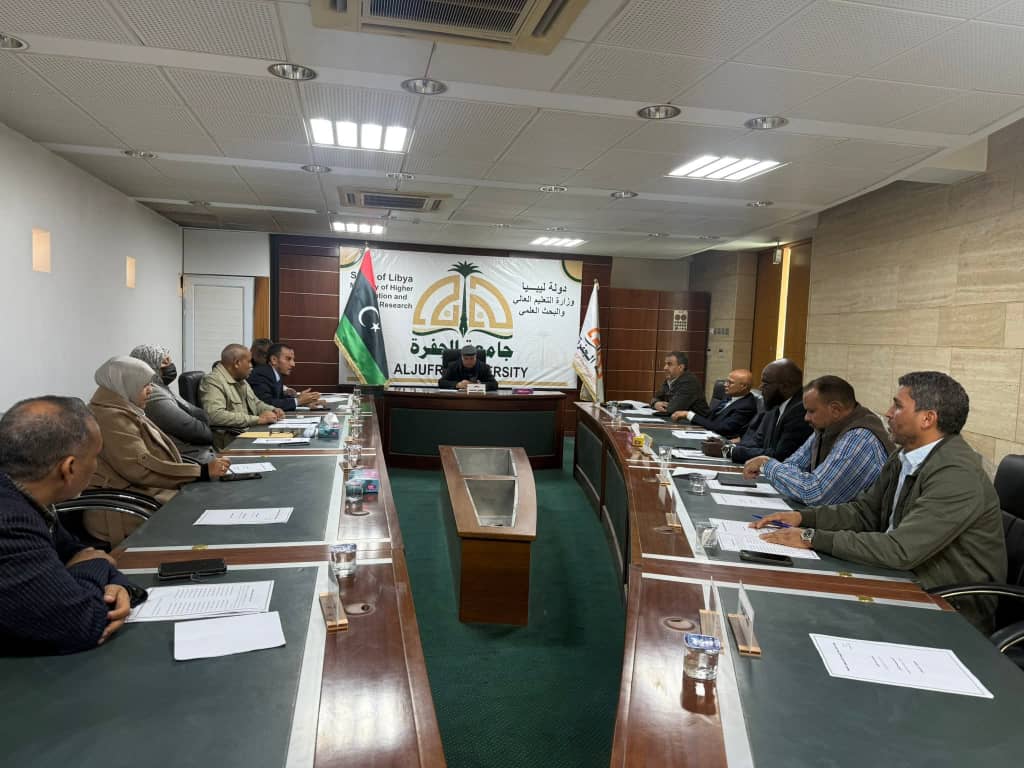
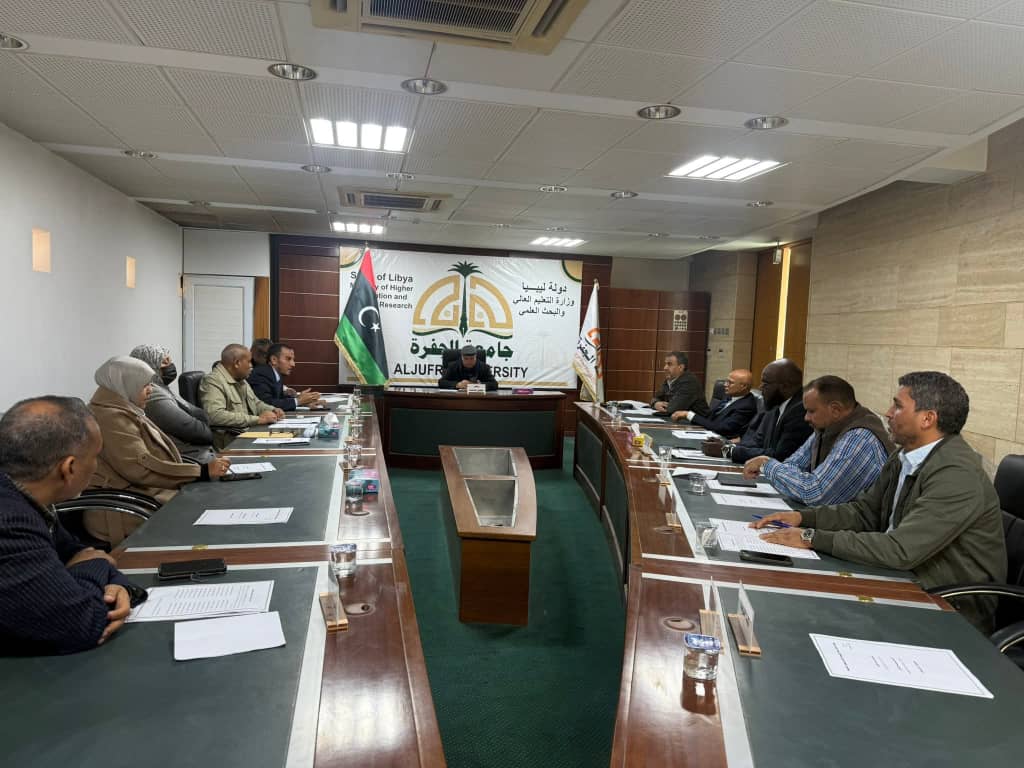
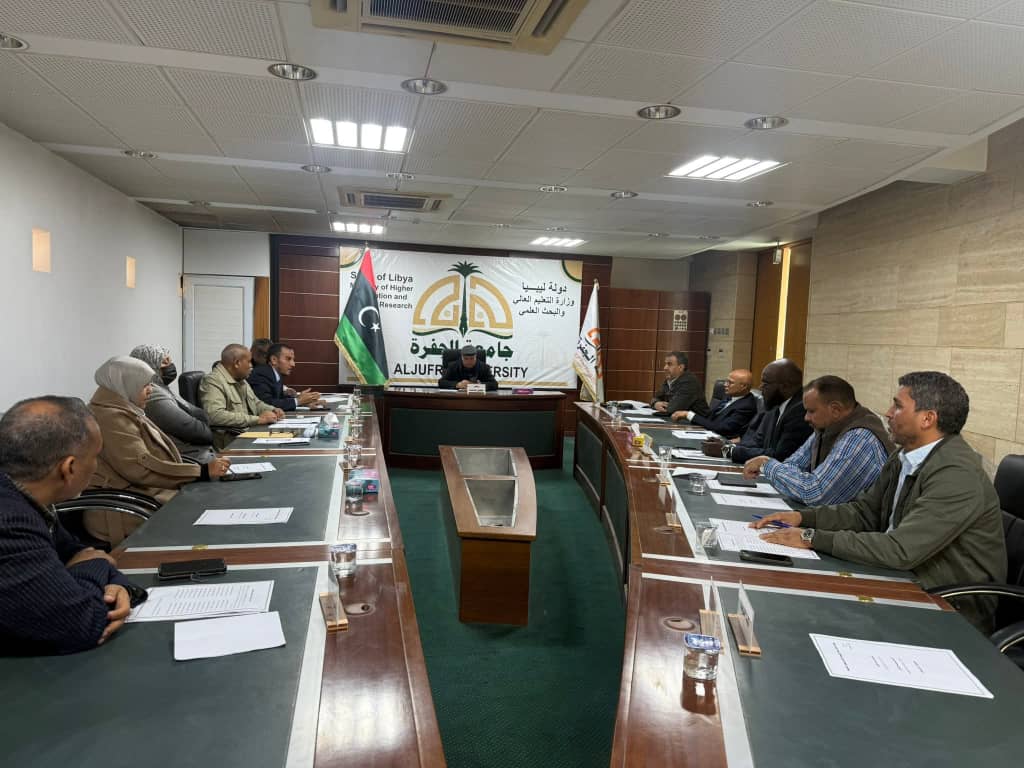
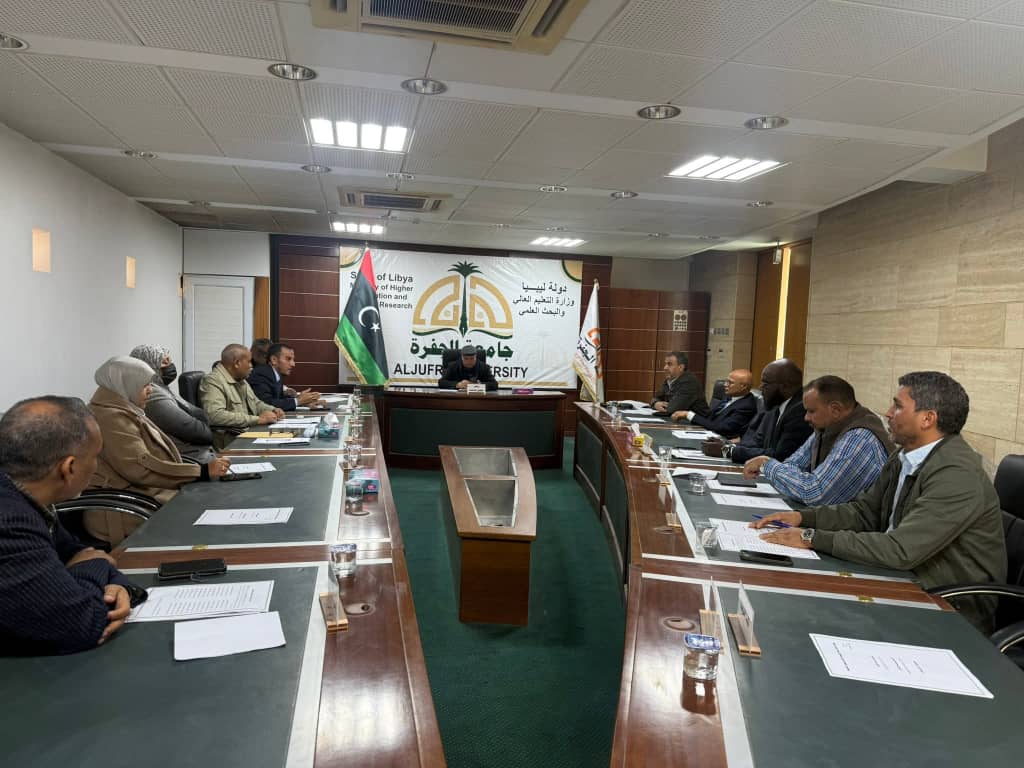
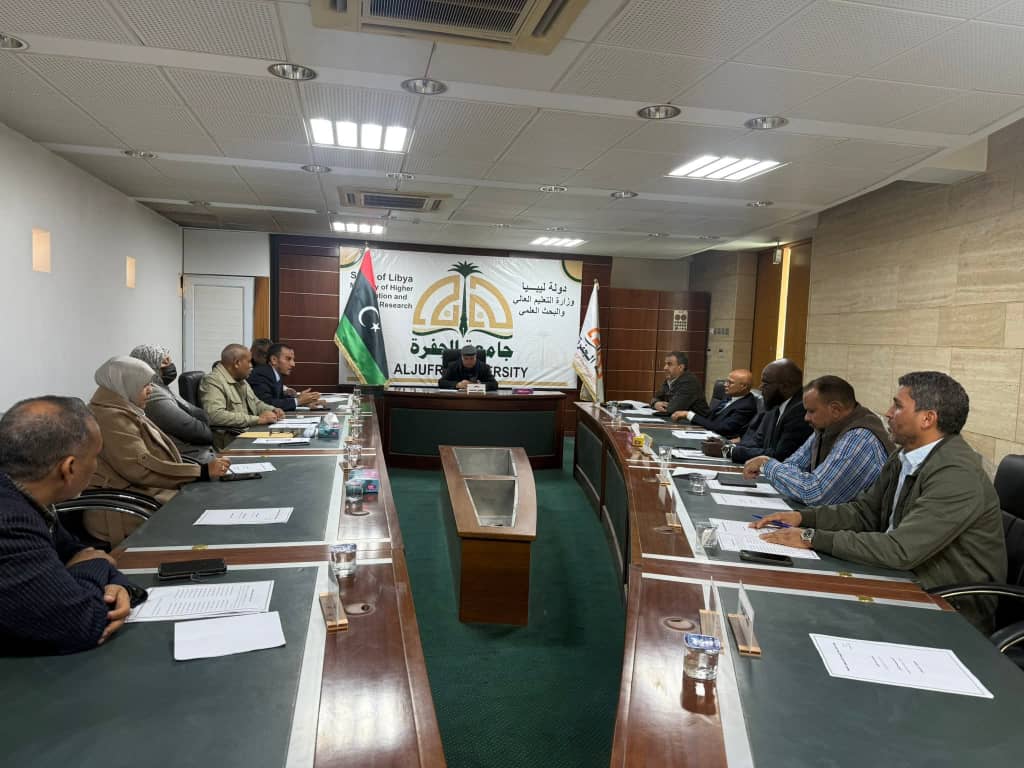
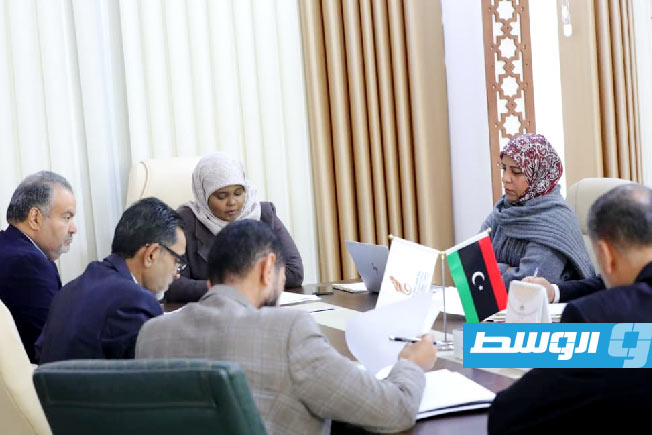
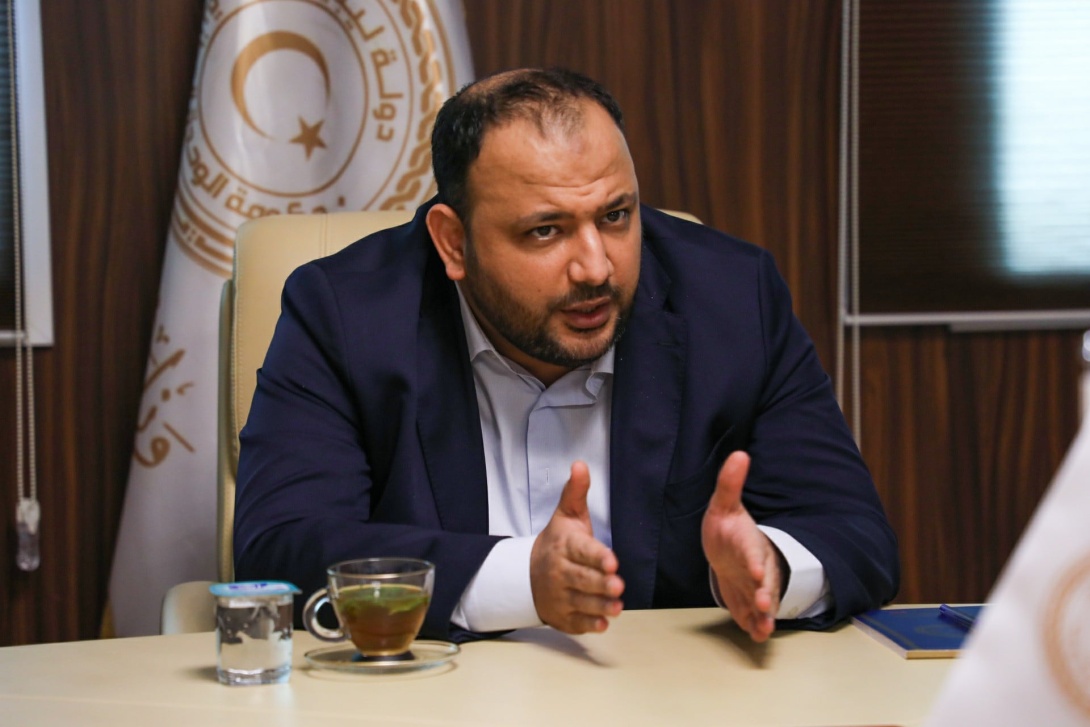
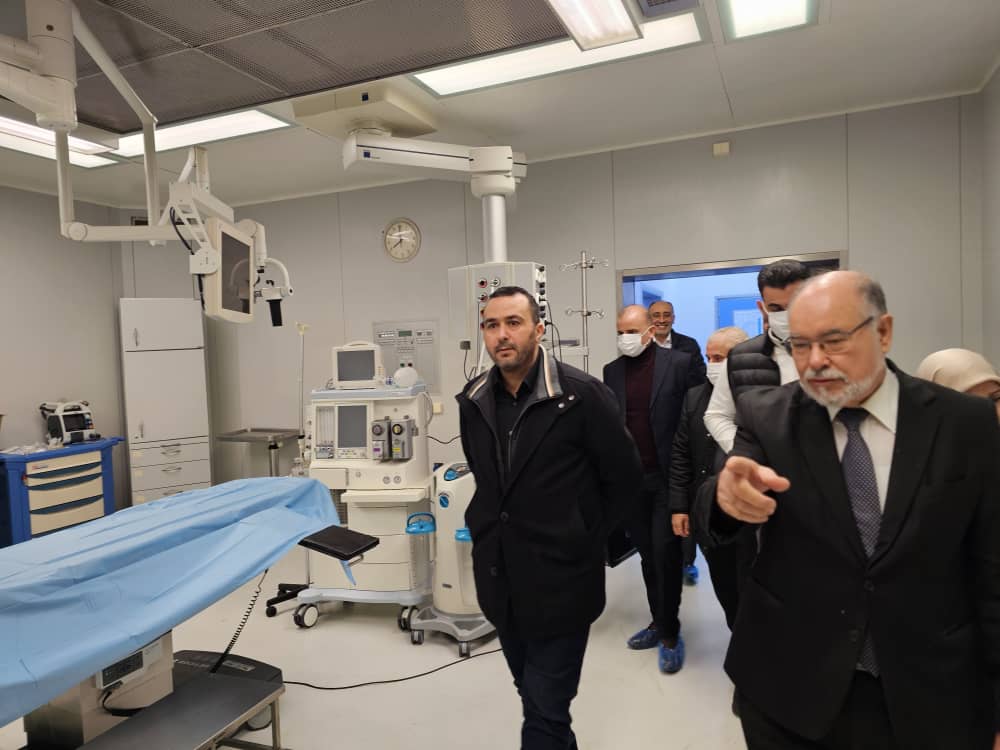
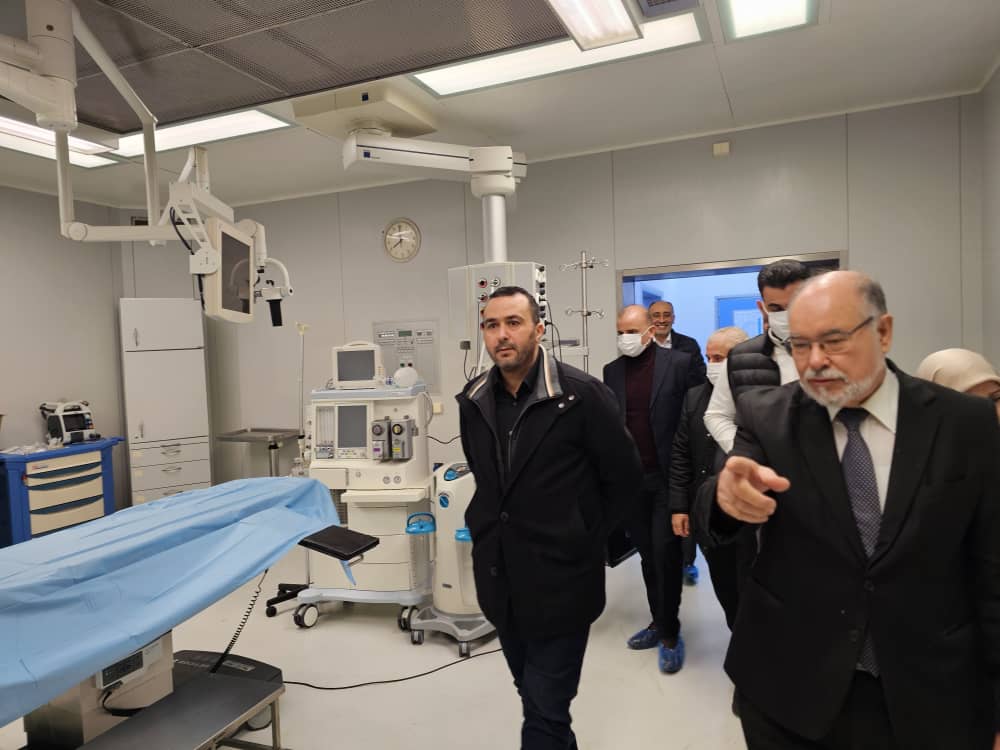
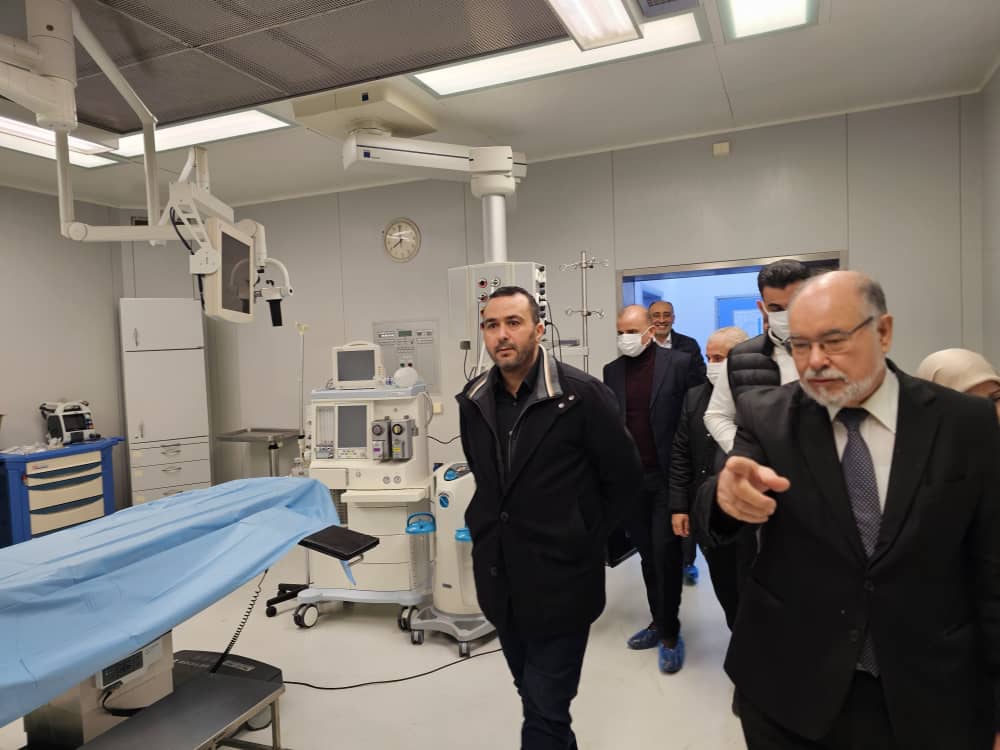
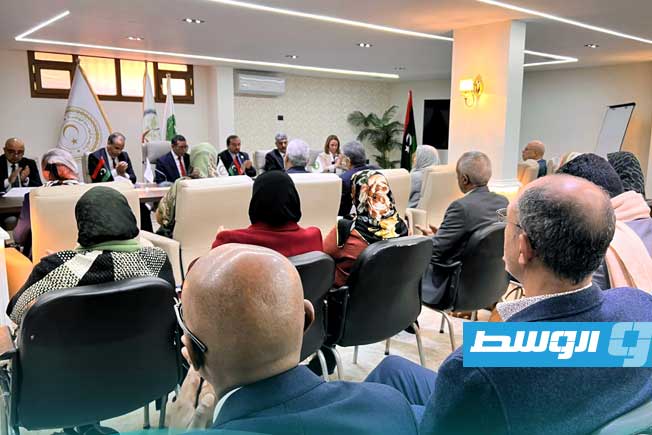
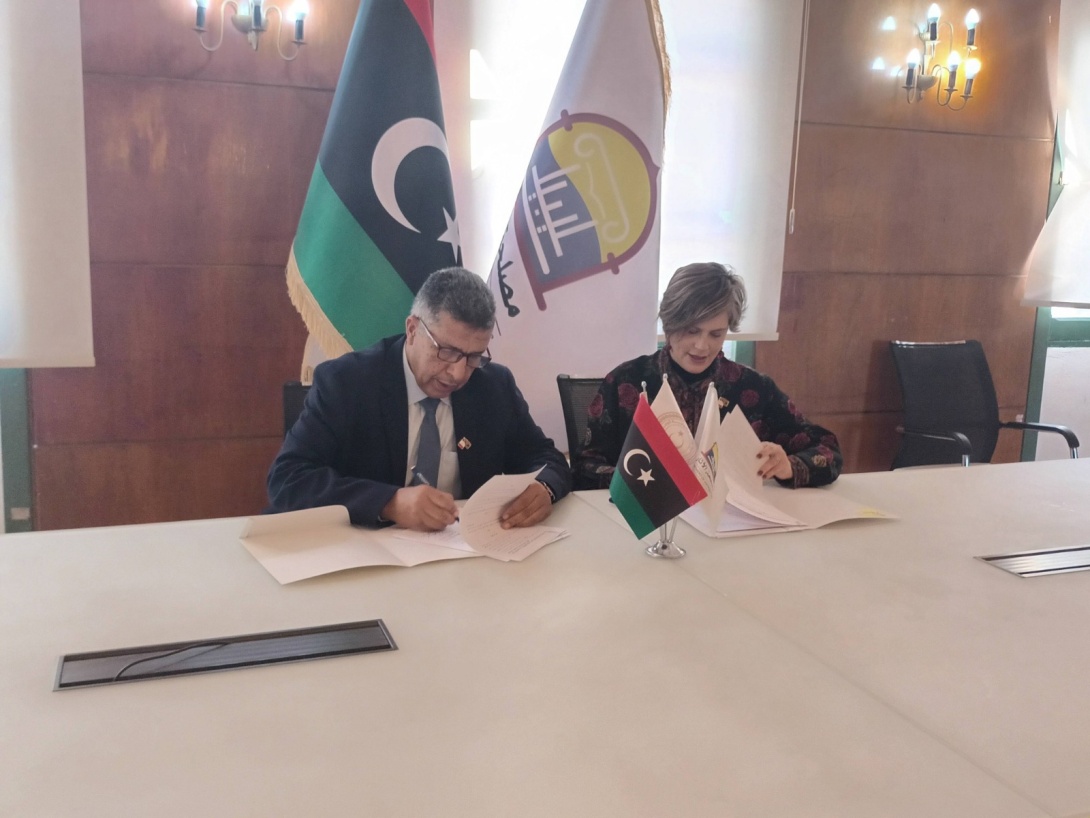
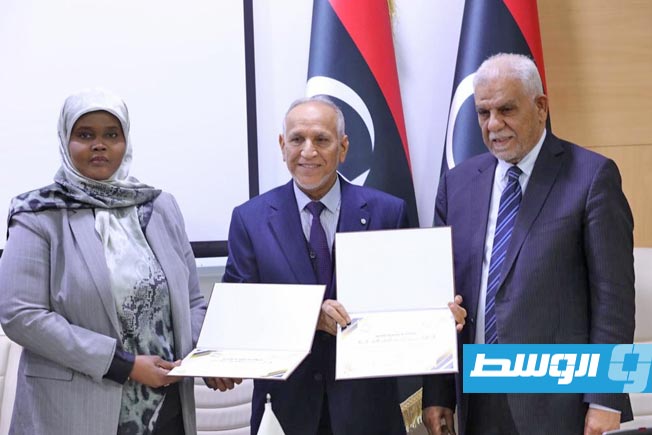
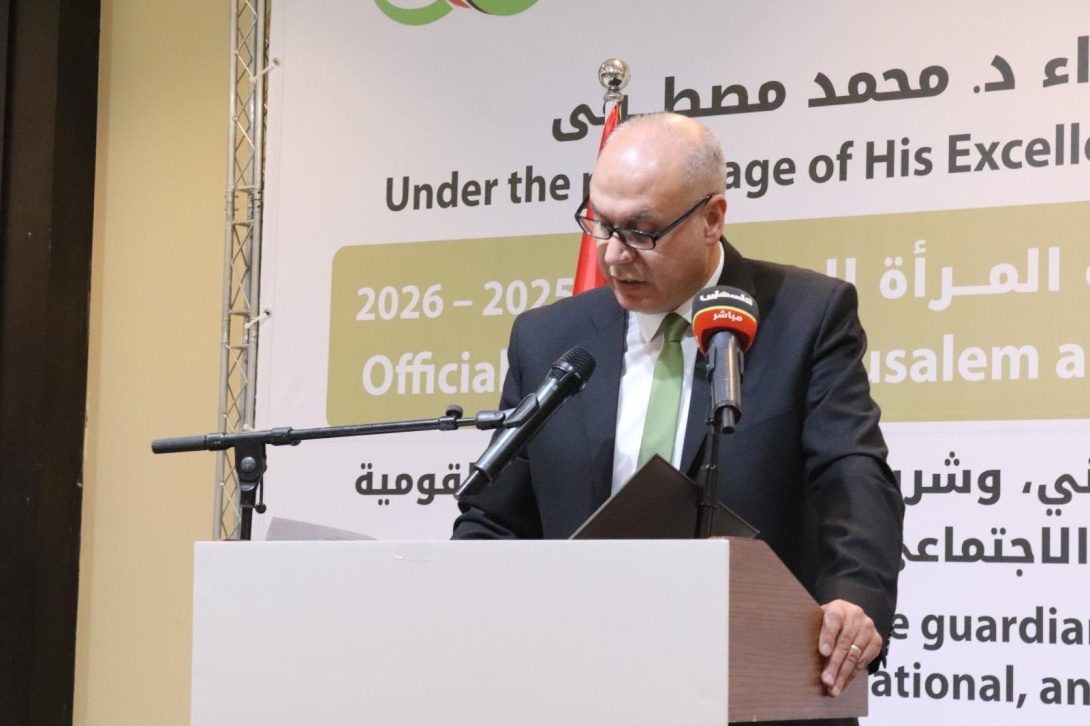
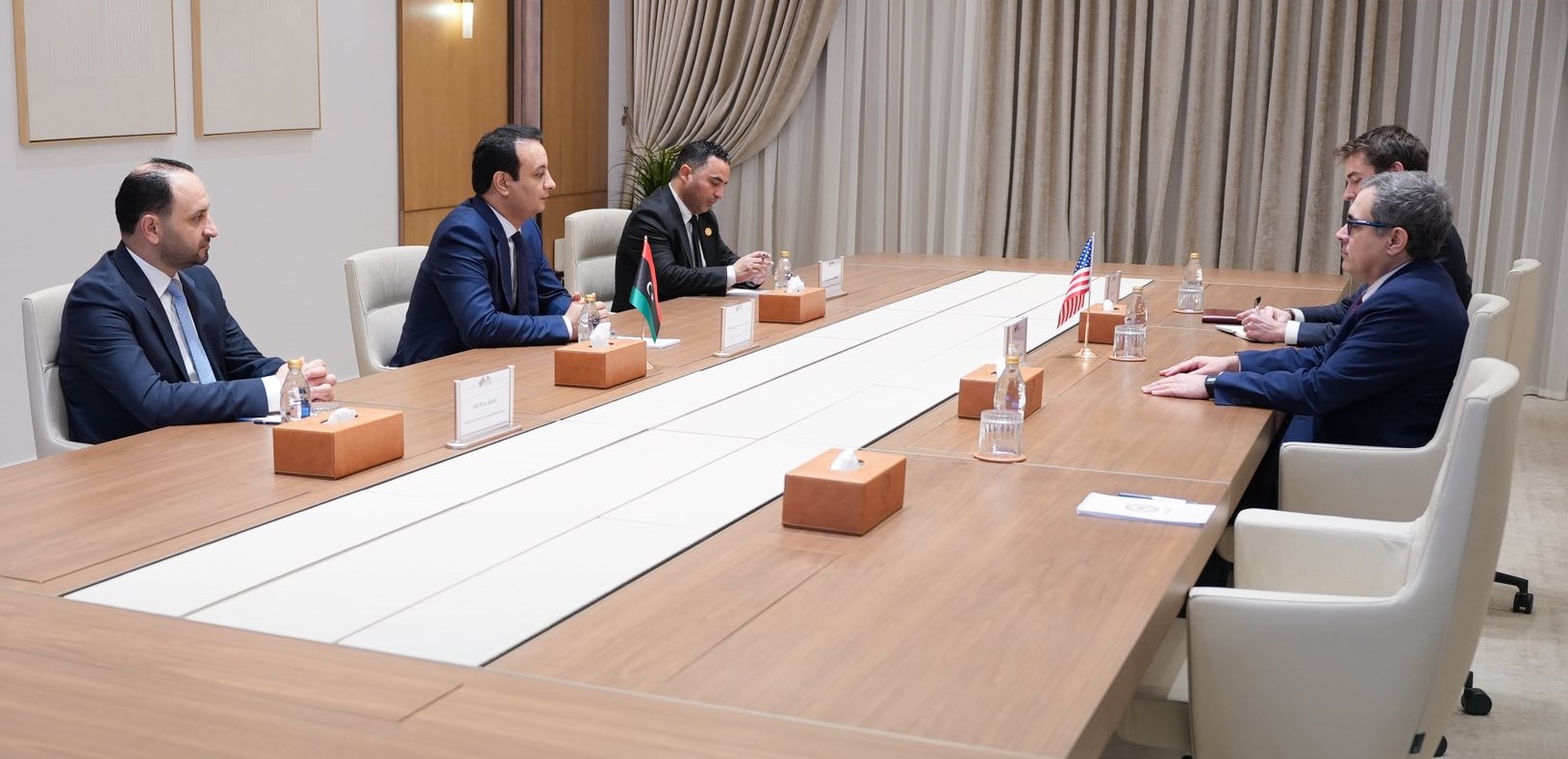
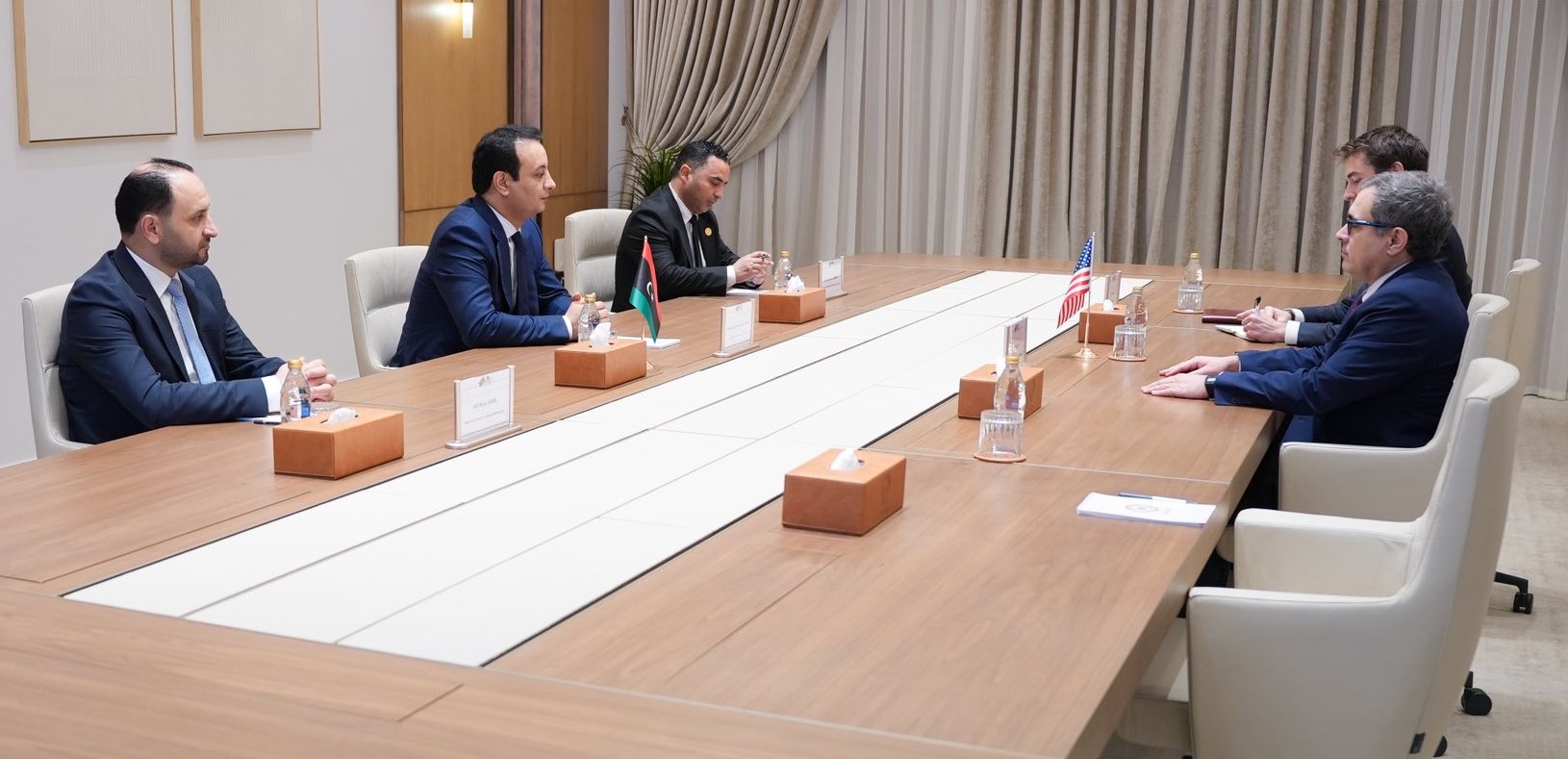
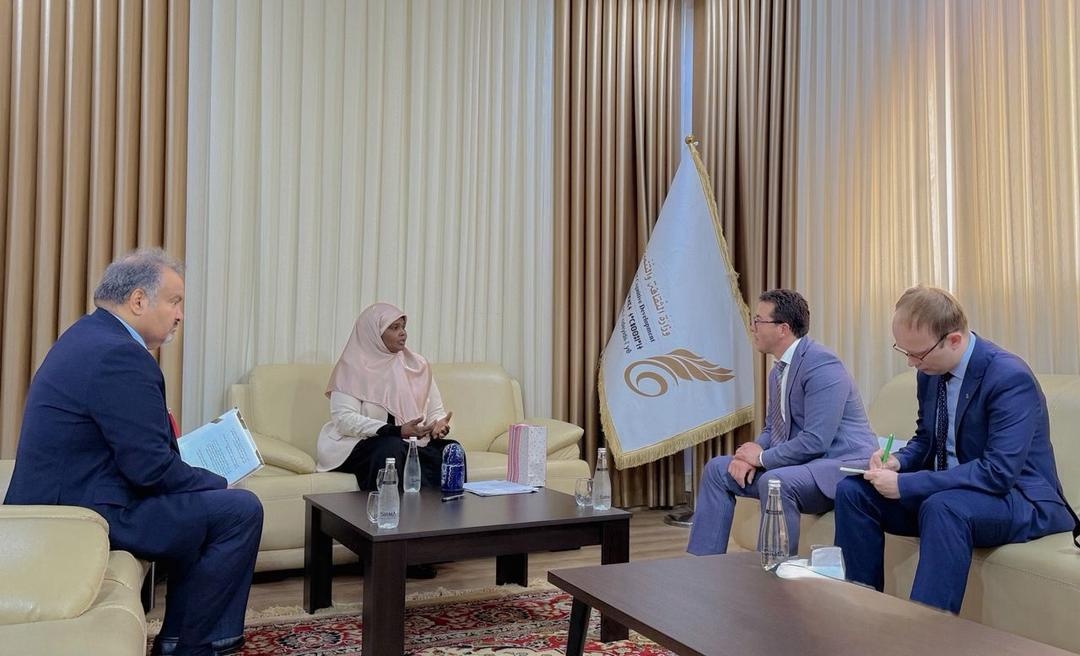
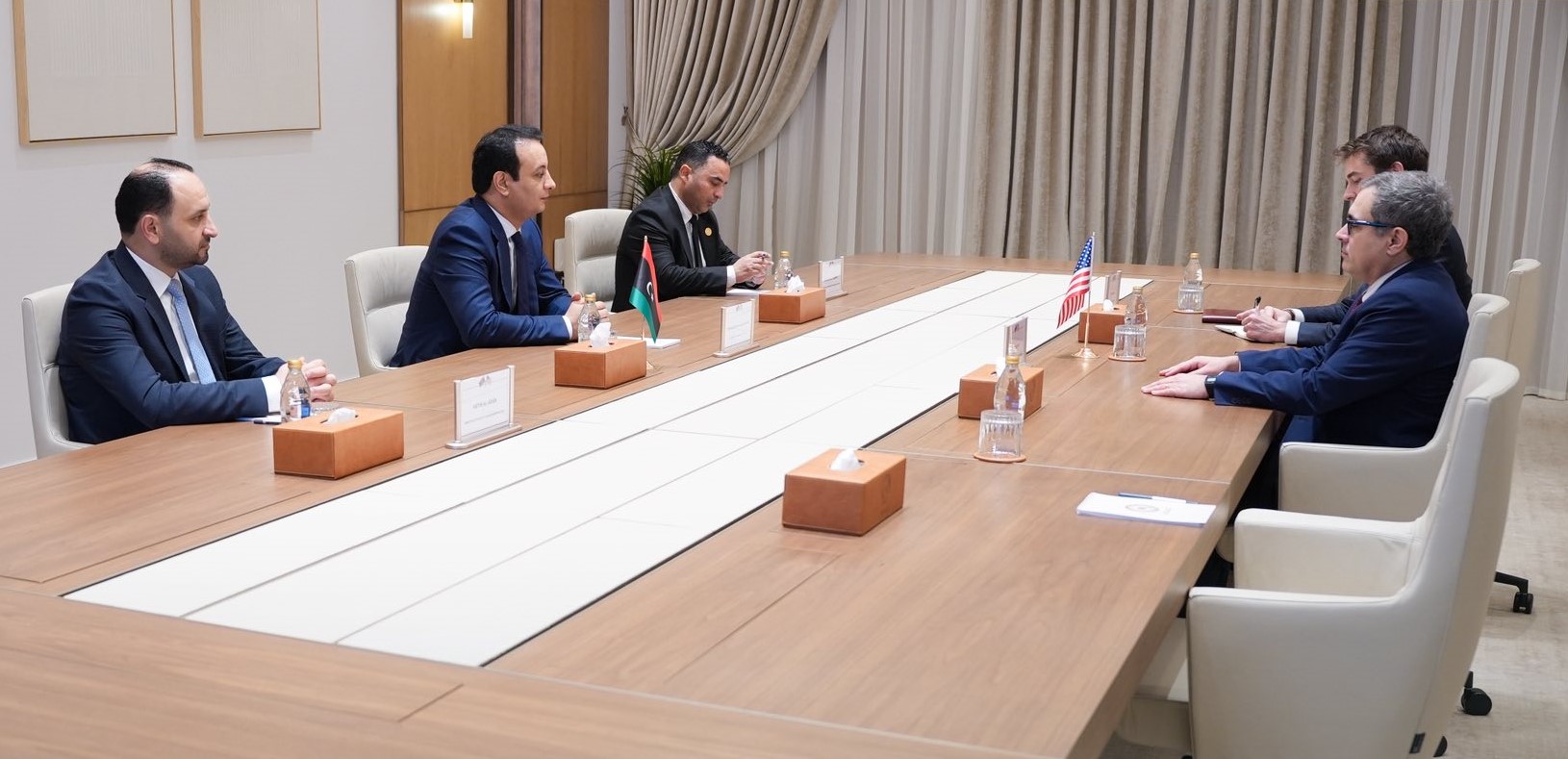
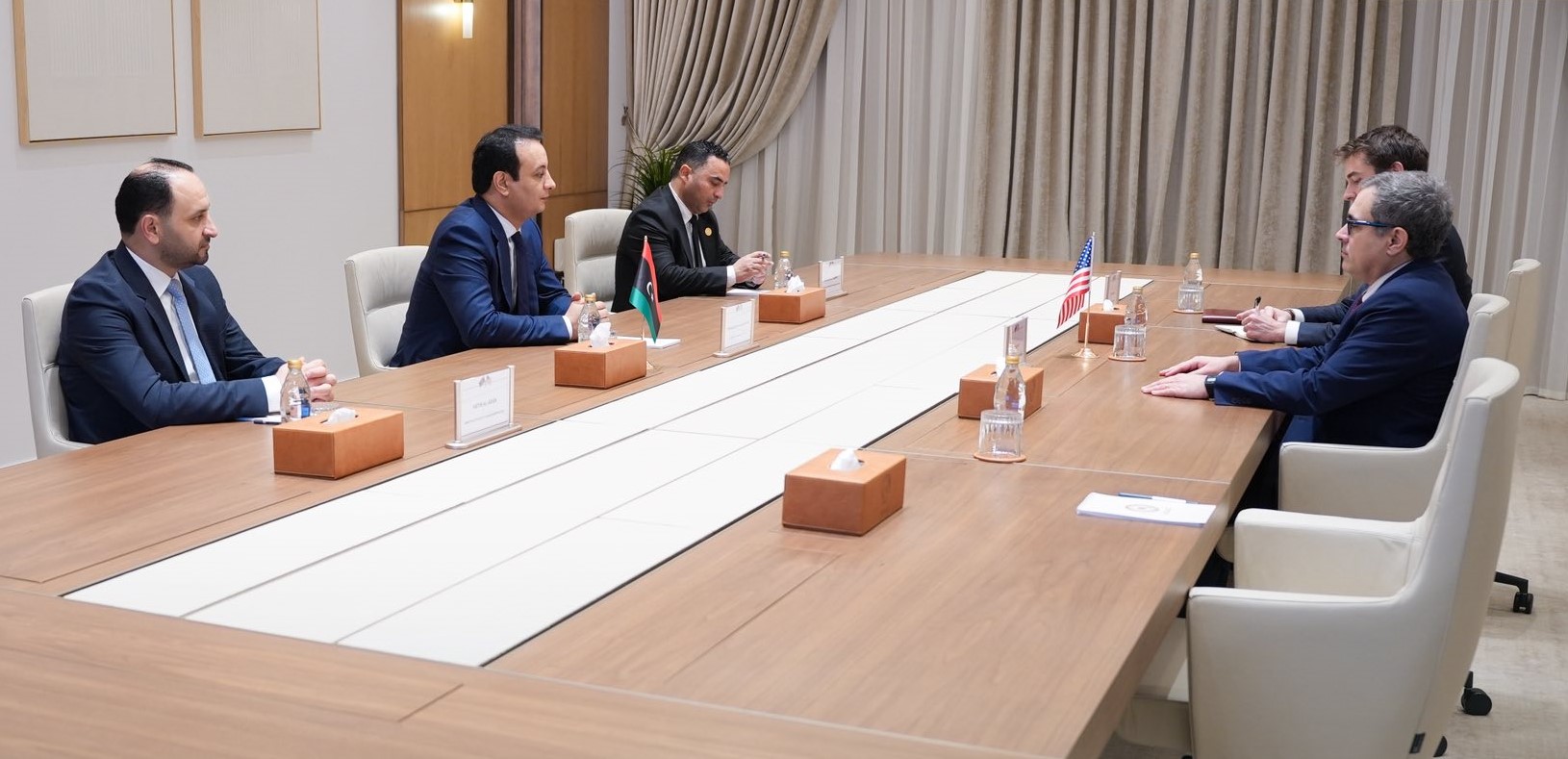
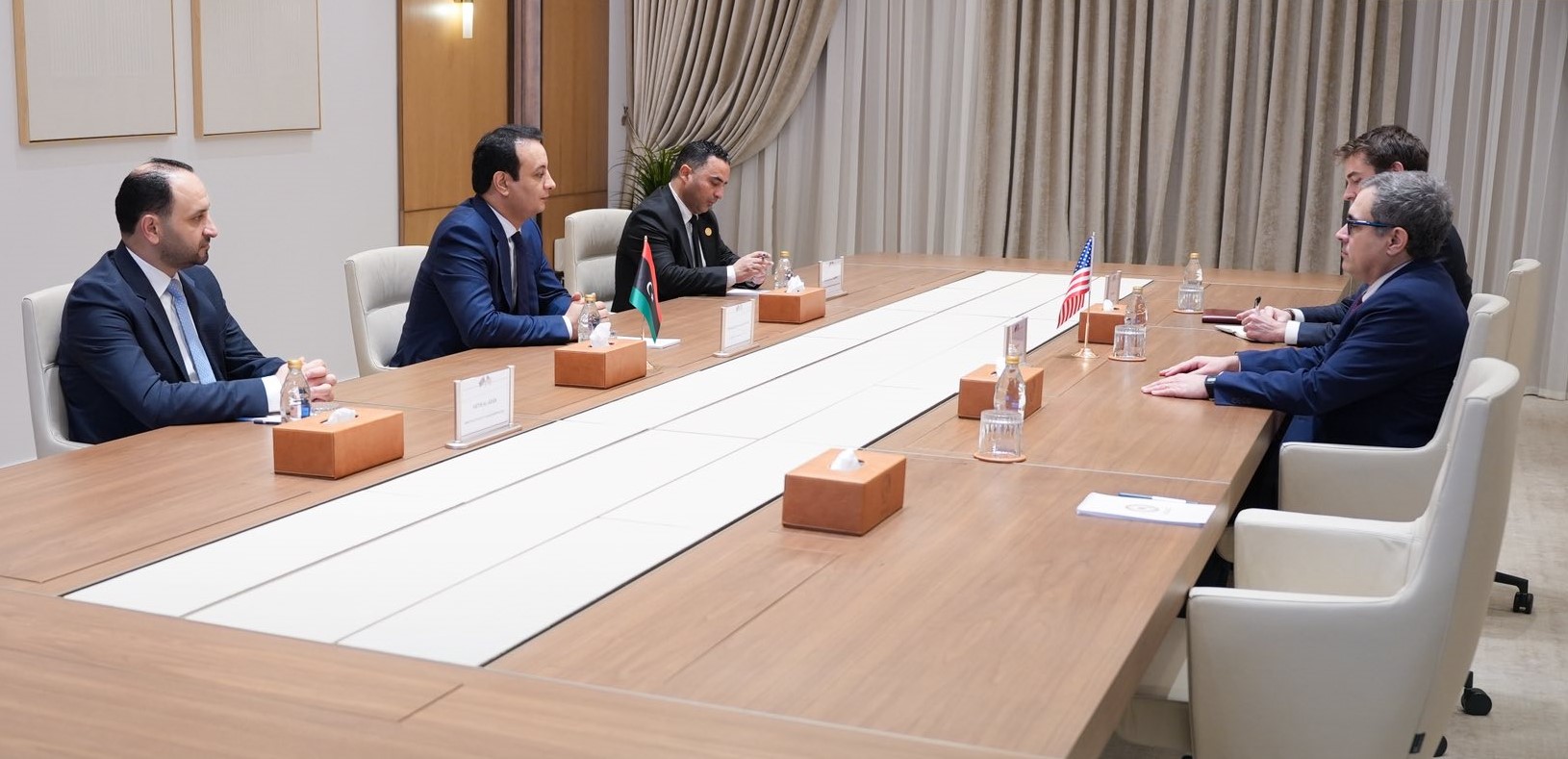
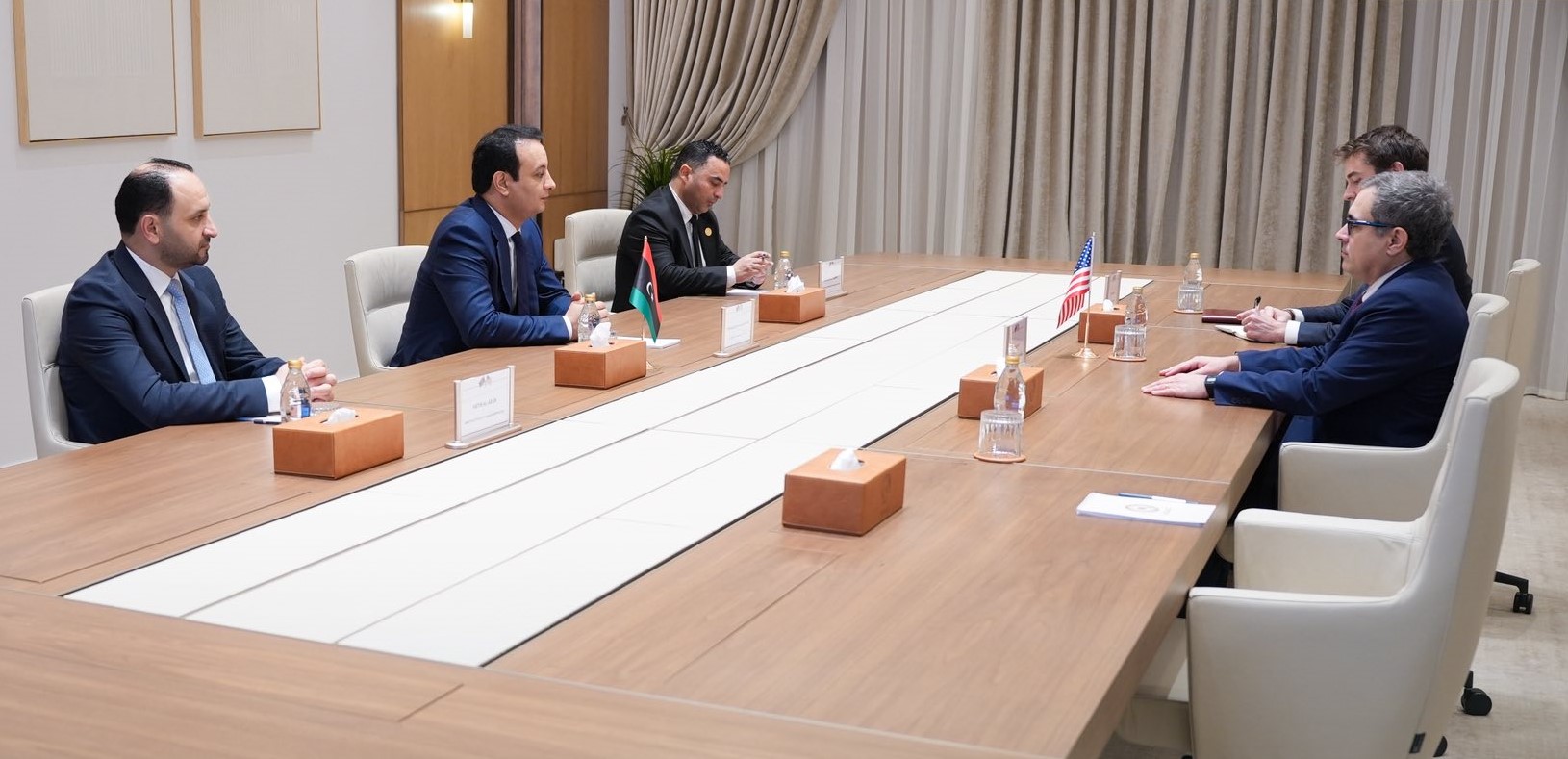
Tripoli, February 3, 2026 – The meeting held by the head of the Administrative Control Authority in Tripoli today, Tuesday, with the head and members of the committee concerned with reviewing and controlling documentary credits, was dedicated to following up on the credits file as one of the main components linked to the foreign exchange market, import, pricing, and financial stability.
According to the Administrative Control Authority, the meeting was attended by representatives from the Audit Bureau, the Central Bank of Libya, the Ministries of Finance, Economy and Trade, and the Tax and Customs authorities.
The meeting discussed mechanisms for approving and implementing the import plan for the year 2026, its alignment with foreign exchange management policies, and the approved controls for regulating the opening and execution of documentary credits. This aims to limit previous imbalances, ensure foreign currency is directed towards essential goods, enhance transparency, and combat misuse.
The head of the authority emphasized the necessity for the committee to carry out its tasks according to the specified timelines. He stressed the importance of controlling the documentary credits file, as it represents a direct extension of addressing imbalances in the foreign exchange market. He indicated that the success of any monetary or financial policies remains contingent on the integrity of import procedures, fair pricing, and strict oversight of the use of public resources.
He stressed that the authority will follow up on the implementation of the outcomes of this meeting in parallel with its follow-up on what was agreed upon with the parliamentary committee and the Central Bank of Libya. This is to ensure unified efforts, avoid policy duplication, and achieve financial discipline and market stability.
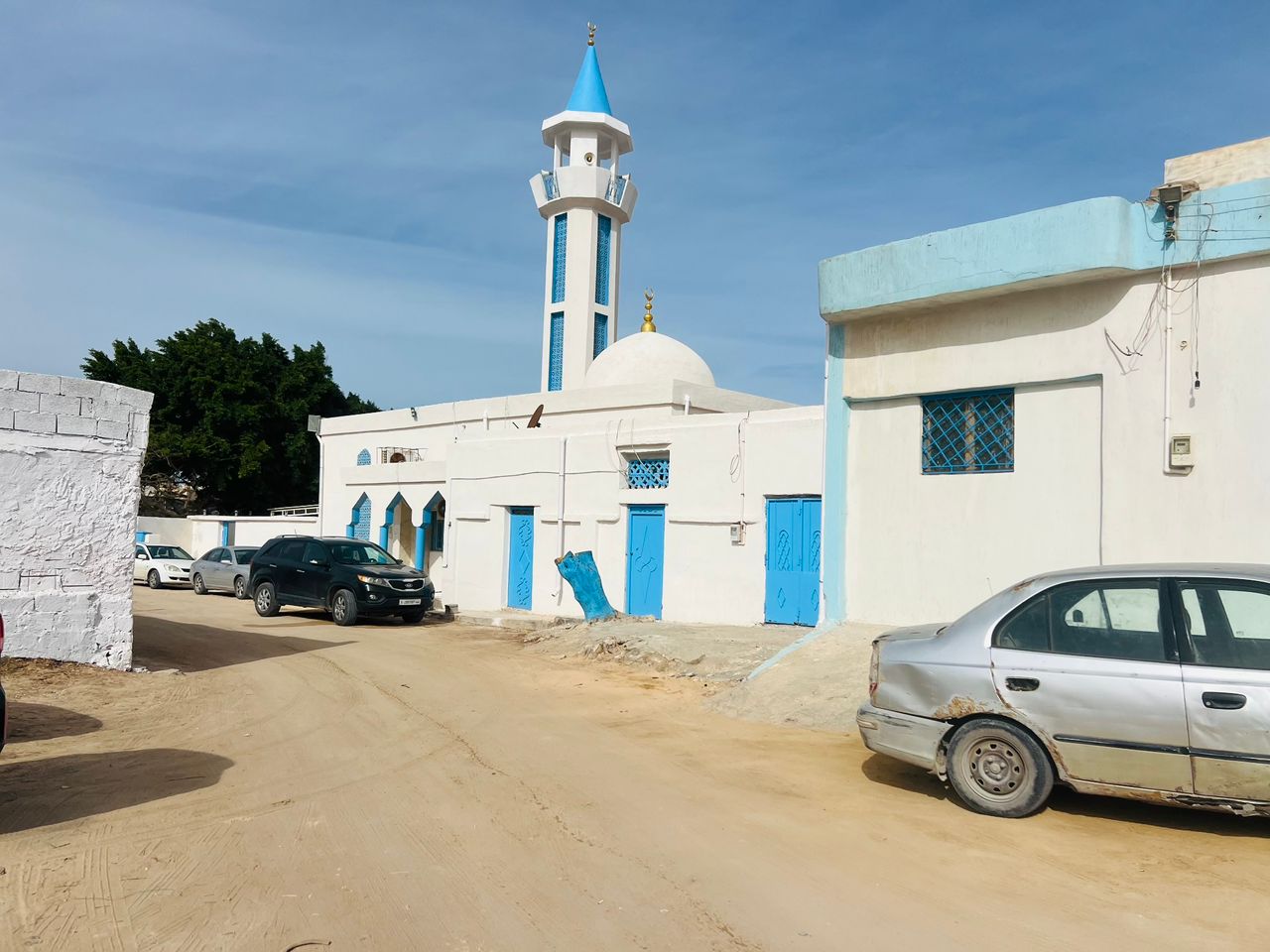
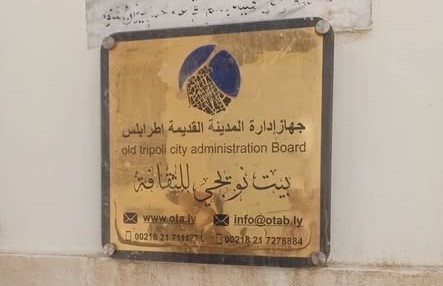
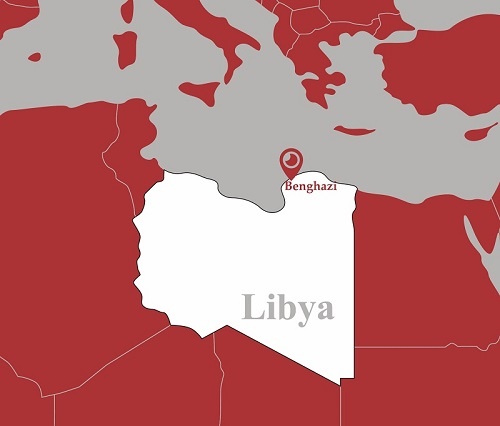
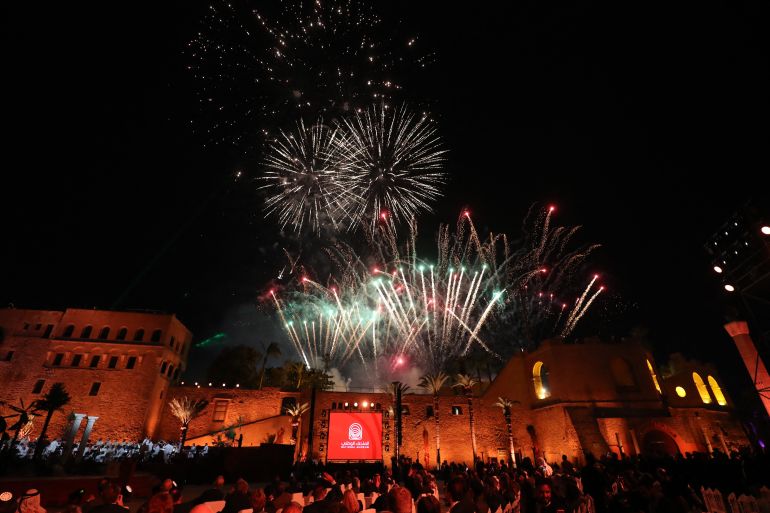
Tripoli
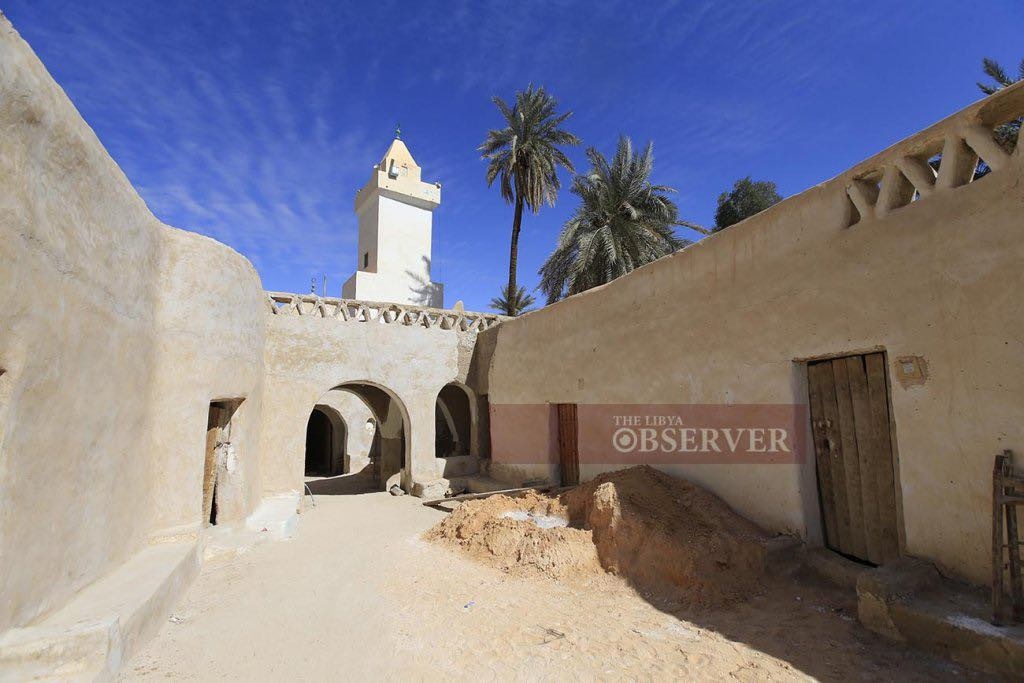
Tripoli is the capital and largest city of Libya, located on the country’s Mediterranean coast. Historically, it was founded by the Phoenicians in the 7th century BC and has since been ruled by the Romans, Arabs, Ottomans, and Italians, serving as a major port and cultural crossroads. Its historic core, the medina of Old Tripoli, contains well-preserved examples of its diverse architectural heritage.
Administrative Control Authority
The Administrative Control Authority is an Egyptian government body established in the 1960s, primarily responsible for combating corruption and ensuring administrative discipline within state institutions. It operates under the supervision of the presidency and has broad powers to investigate financial and administrative violations across the public sector.
Audit Bureau
The Audit Bureau is a governmental oversight institution responsible for reviewing public financial accounts and ensuring transparency. Its history typically dates back to the early 20th century in many countries, evolving from basic accounting offices into independent bodies that audit state expenditures and combat corruption.
Central Bank of Libya
The Central Bank of Libya is the country’s primary monetary authority, established in 1956 to issue currency and manage monetary policy. It has played a critical and often divisive role in Libya’s recent history, notably functioning as a unified financial institution during the post-2011 civil war period despite the country’s political fragmentation.
Ministries of Finance
The Ministries of Finance are the central government departments responsible for managing a nation’s revenue, budget, taxation, and economic policy. Their history is often tied to the formation of modern nation-states, evolving from simpler treasury functions into complex institutions that oversee fiscal stability and public spending.
Economy and Trade
The Economy and Trade section of a museum or cultural exhibit typically explores the historical development of commercial systems, from ancient barter to modern global markets. It often highlights key innovations, trade routes, and the impact of economic policies on societies throughout history. This area provides insight into how the exchange of goods and services has fundamentally shaped human civilization and international relations.
Tax and Customs authorities
The Tax and Customs authorities are government bodies responsible for collecting state revenue and regulating the flow of goods across national borders. Their history is deeply tied to the formation of modern nation-states, evolving from simple toll collectors and customs posts into complex administrative systems that enforce fiscal policy and trade laws.