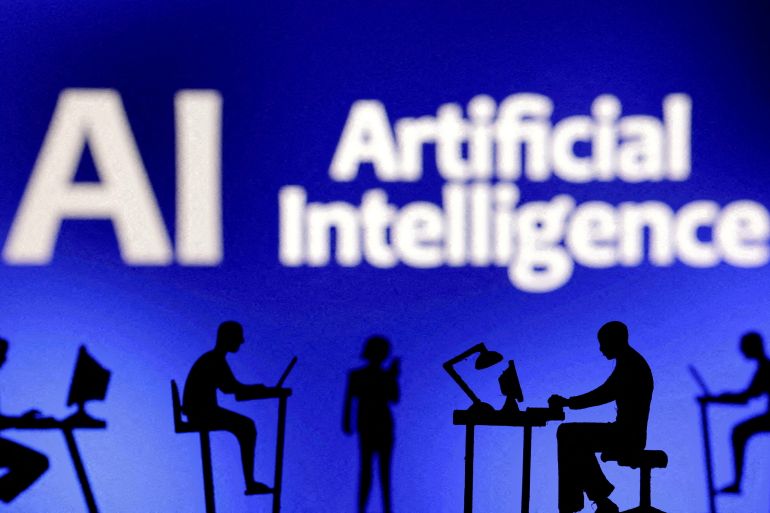
Through its blog, the American company OpenAI announced that ChatGPT began testing the integration of ads into the world’s most widely used AI-powered chatbot on Monday, a new feature expected to generate additional revenue in a highly competitive sector.
OpenAI stated: “We are starting to test ads in ChatGPT in the United States today. The test will include adult users subscribed to the free version or the lower-cost subscription.”
The company clarified that users who do not wish to see ads can disable them, but their interaction with ChatGPT will then be limited to “a limited number of free messages per day.”
This move follows OpenAI’s announcement in mid-January about launching ads for its US users.
– OpenAI signs a $38 billion contract with an Amazon subsidiary
– Musk seeks $134 billion in compensation from OpenAI and Microsoft
The competing company Anthropic mocked this decision during the final match of the American football championship, the Super Bowl, on Sunday; the developer of the Claude chatbot showed an ad featuring a man asking a chatbot for advice and receiving serious responses, before being interrupted by an ad for a fake dating site.
Altman: An “Entertaining” and “Misleading” Ad
The CEO of OpenAI described the ad as “entertaining” but “clearly misleading.”
In a statement issued on Monday, the company confirmed that “ads do not affect ChatGPT’s responses,” and clarified that this development will help “fund” the infrastructure and investments needed for its AI technology.
With paid subscribers constituting only a small percentage of the total one billion users, OpenAI faces pressure to generate new revenue streams.
Its market valuation has risen to $500 billion in the private investment sector since 2022, and the possibility of an IPO with a trillion-dollar valuation has been discussed. However, the company is depleting its resources at an alarming rate, largely due to the exorbitant cost of the computing power required to run AI.
By taking this step, OpenAI is following in the footsteps of giants like Google and Meta, whose strength primarily relies on ad revenue linked to their free services.