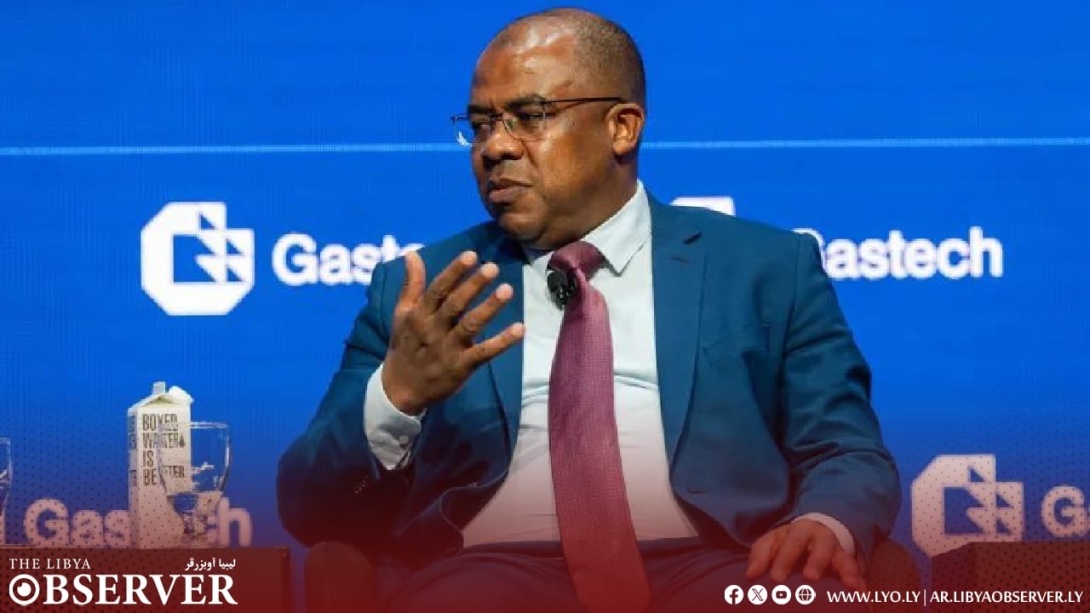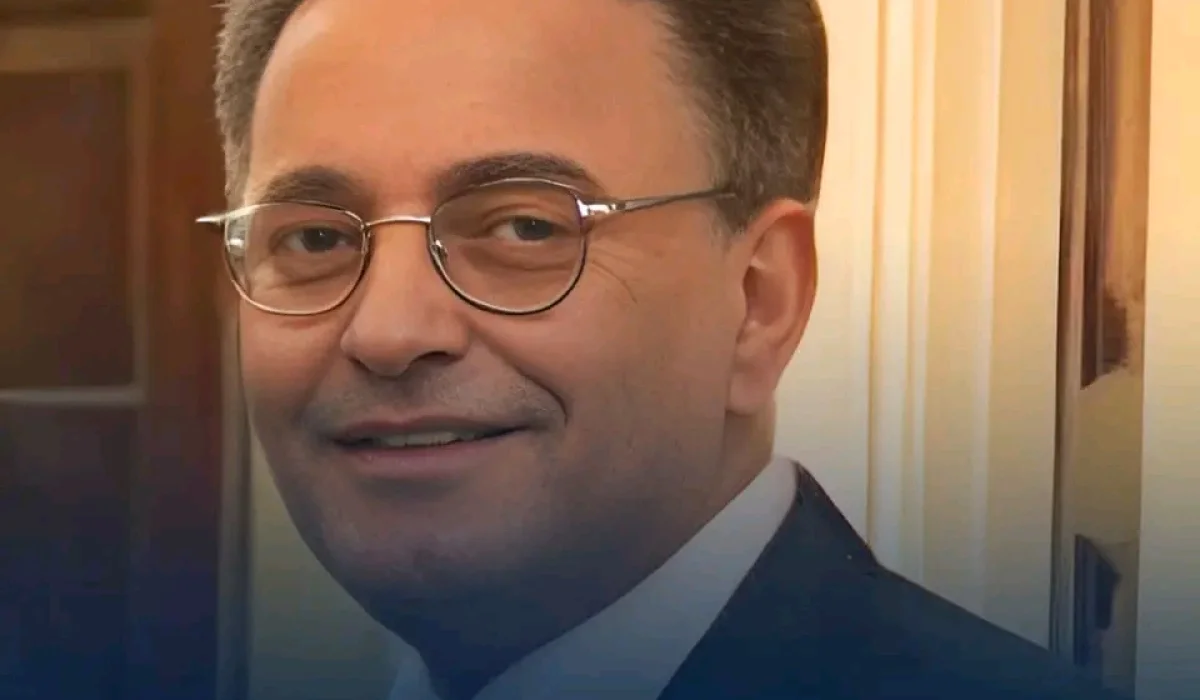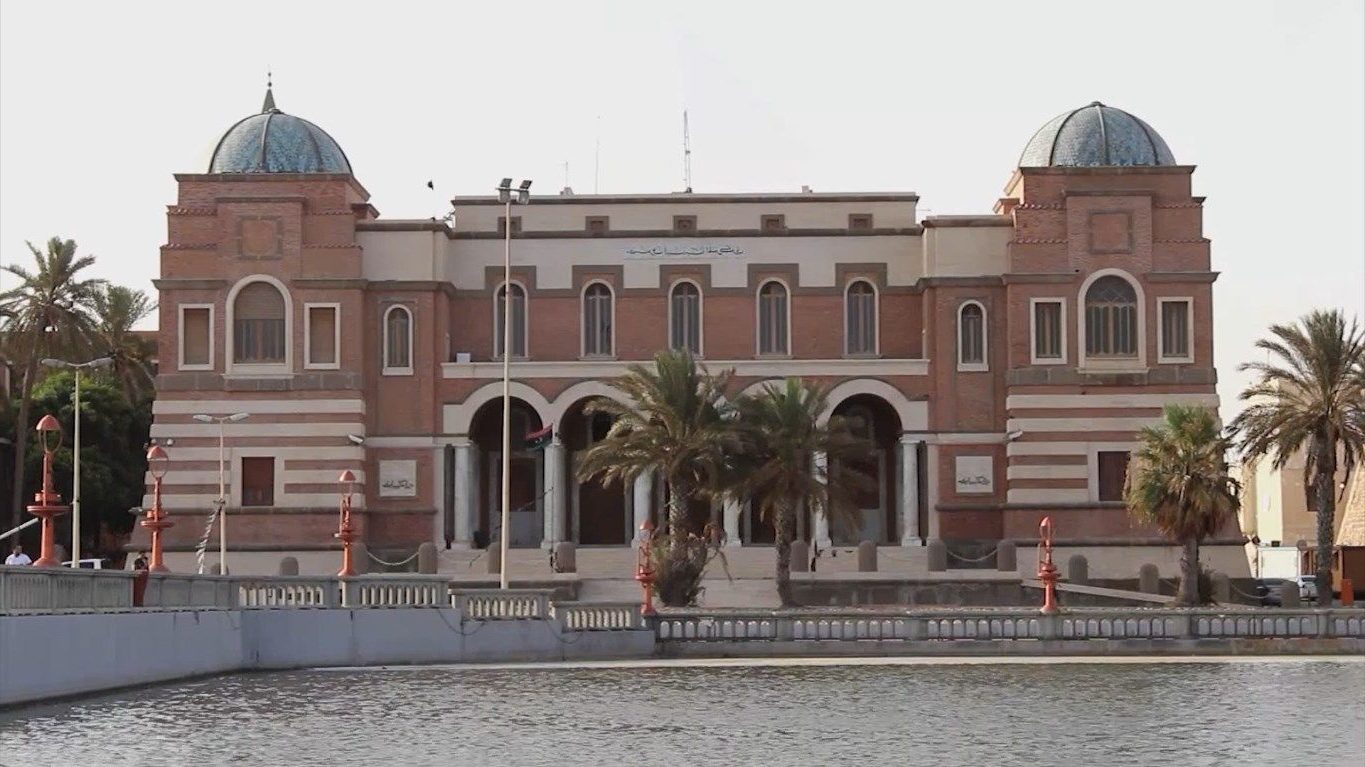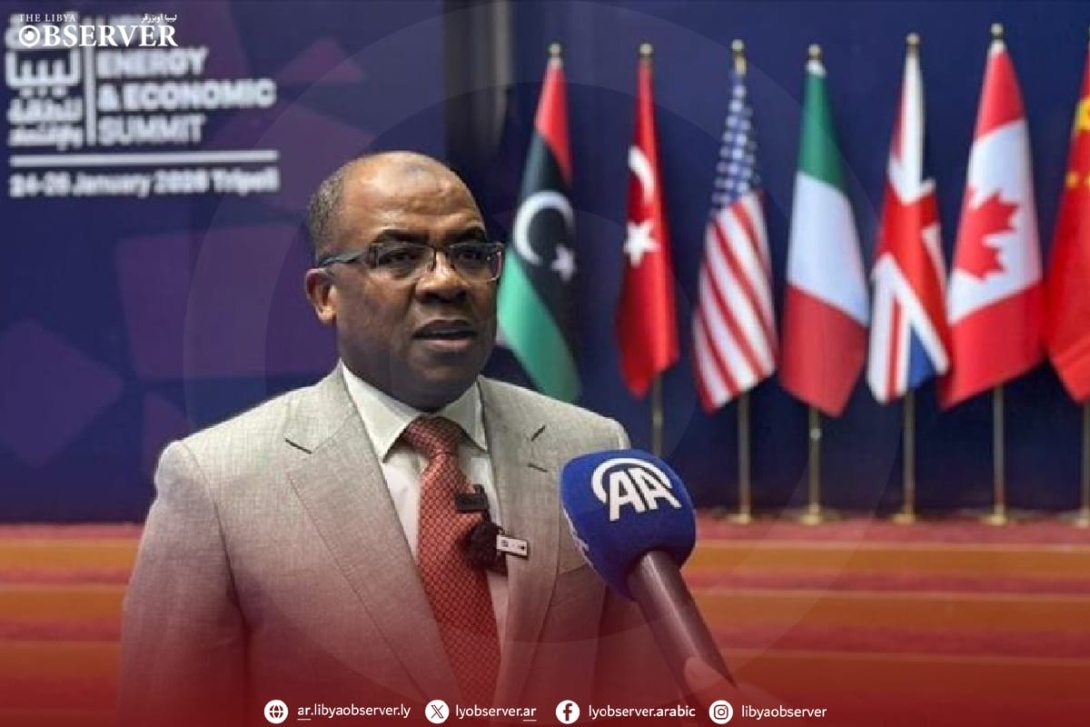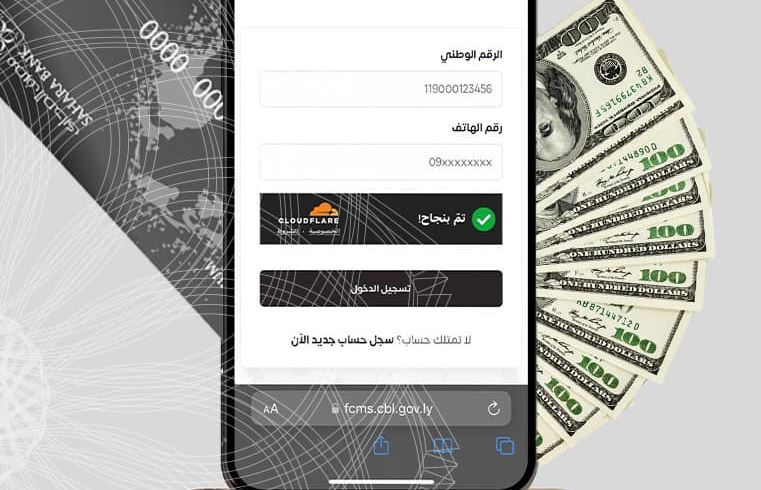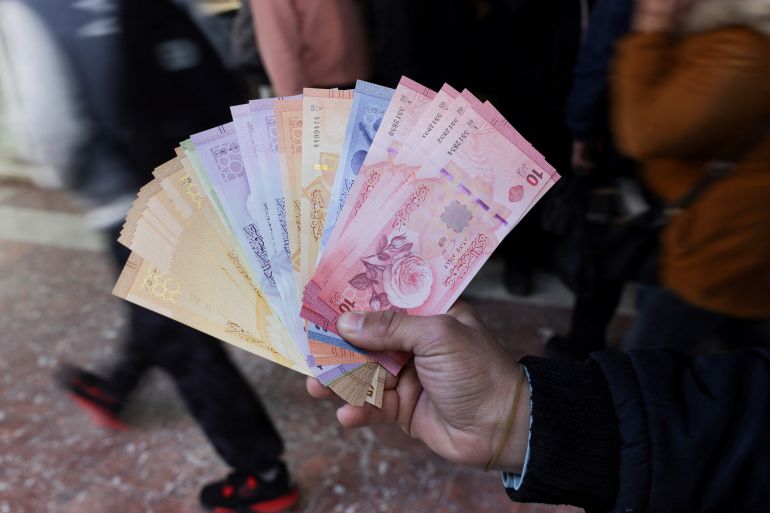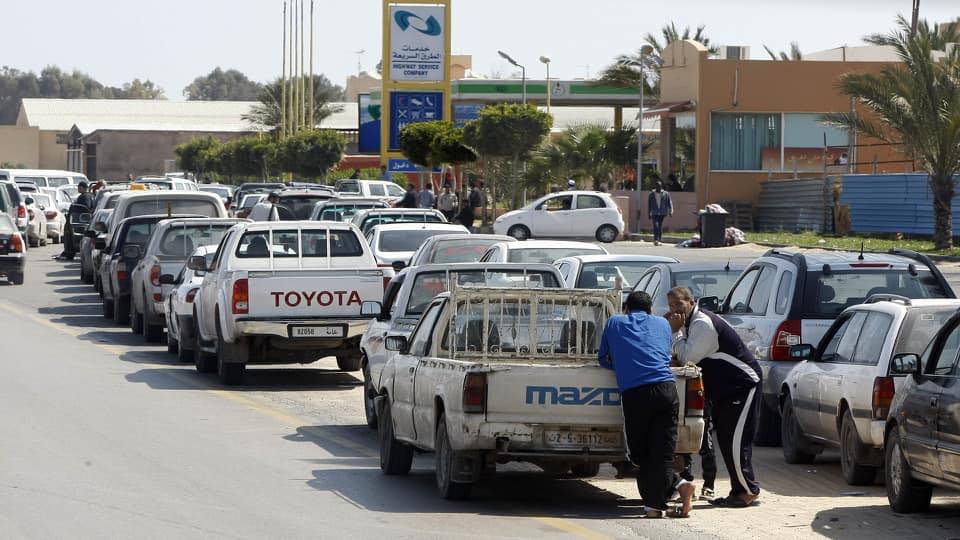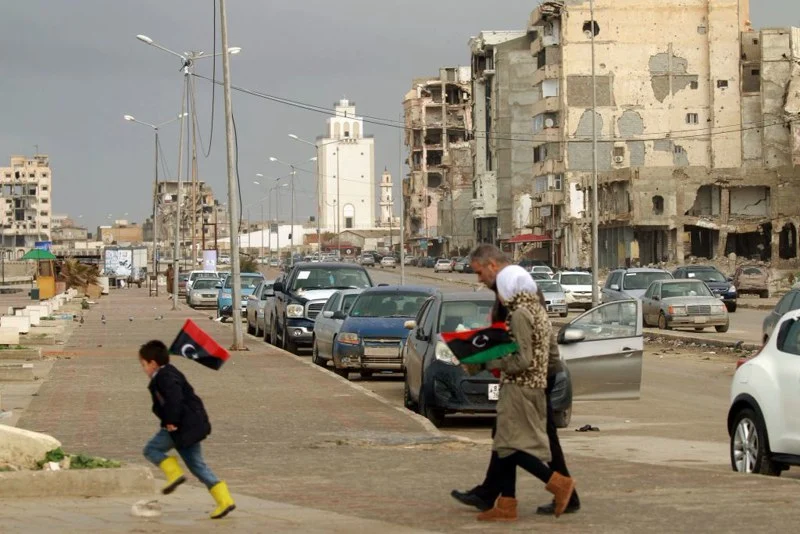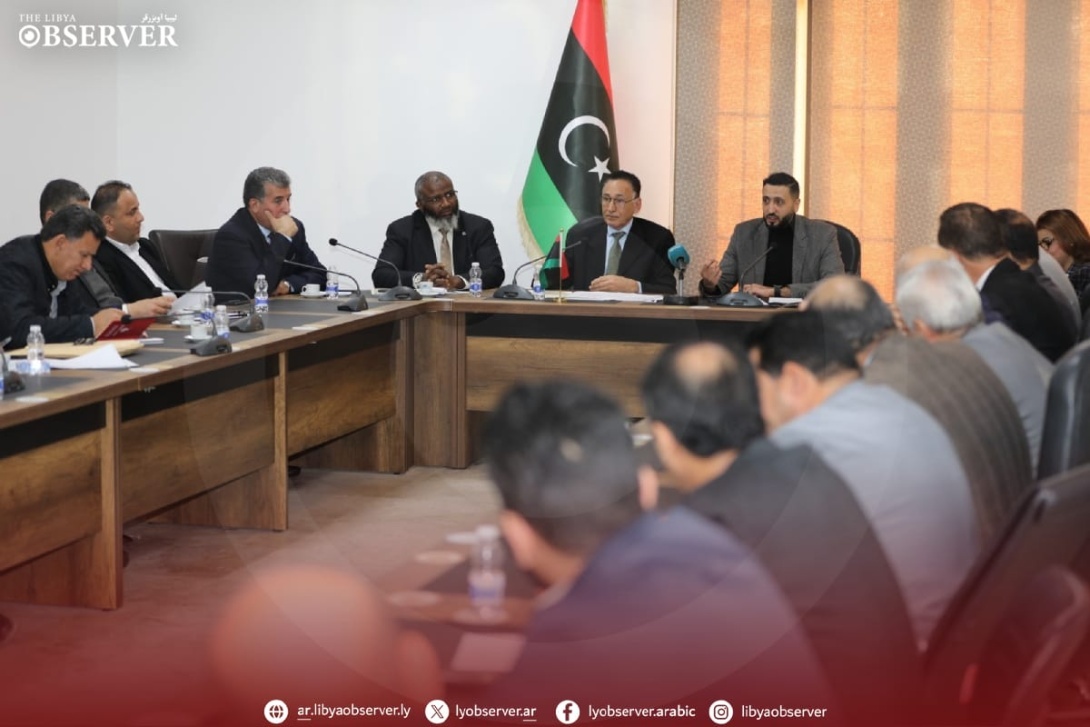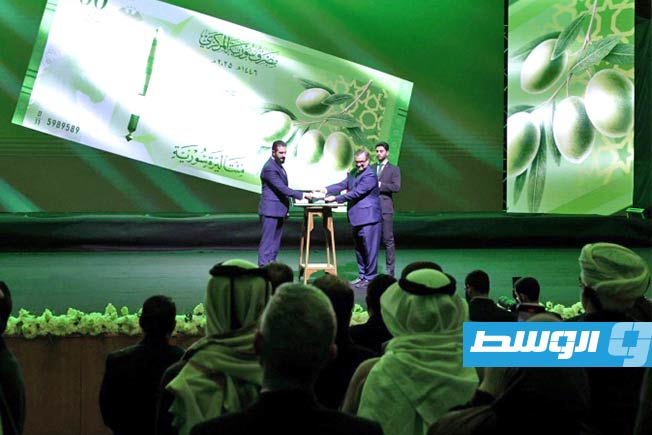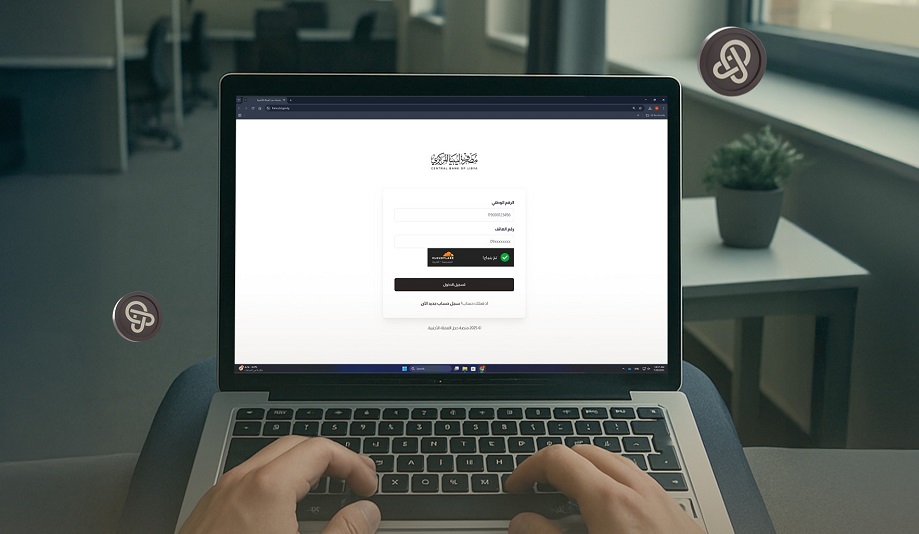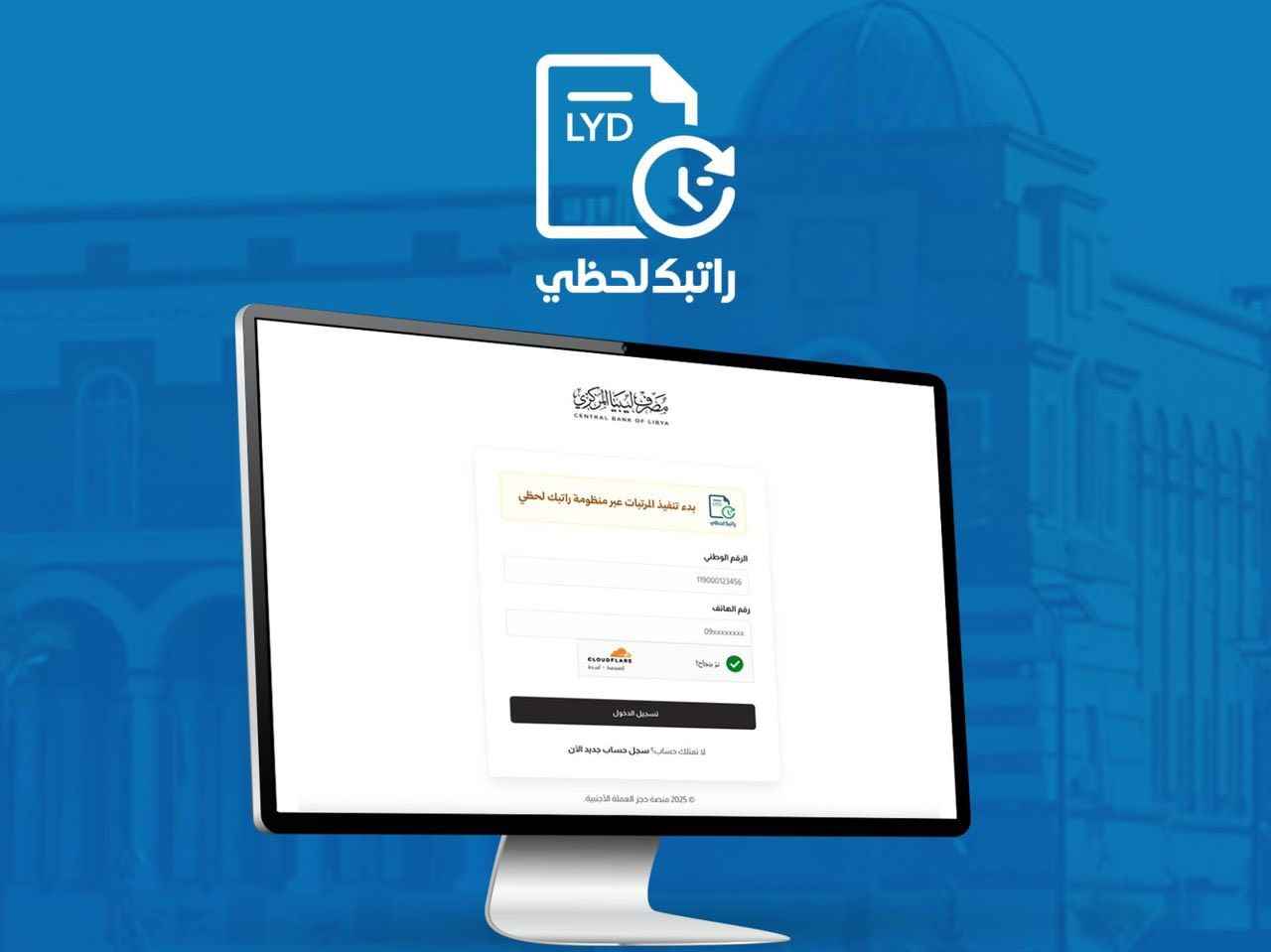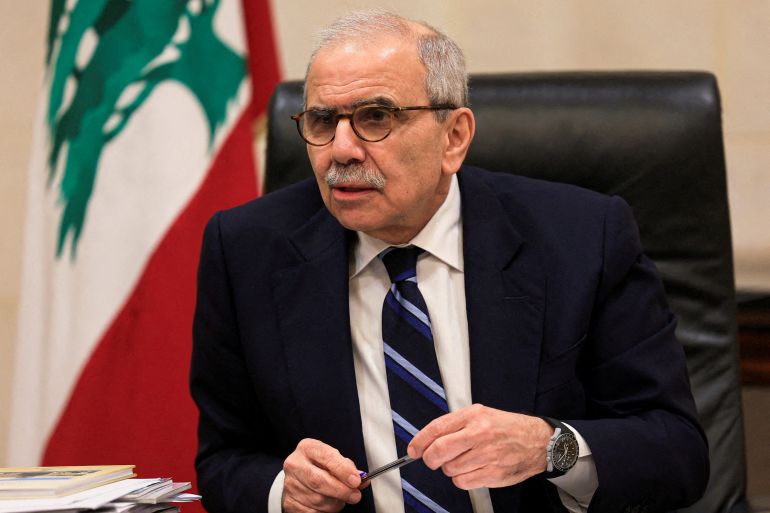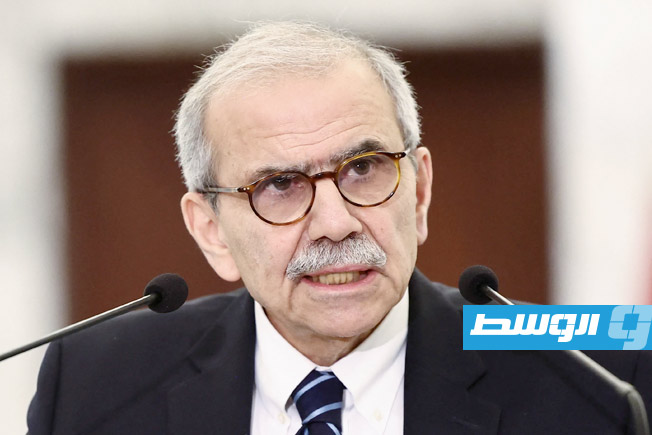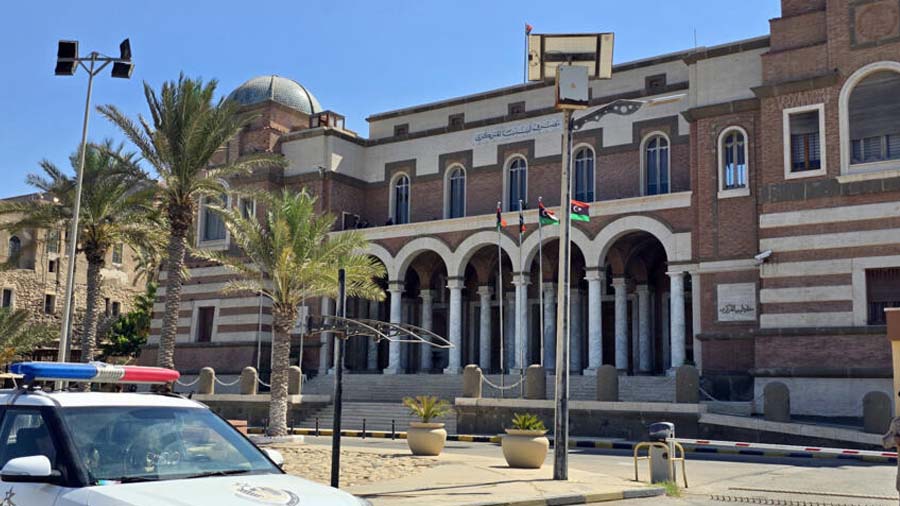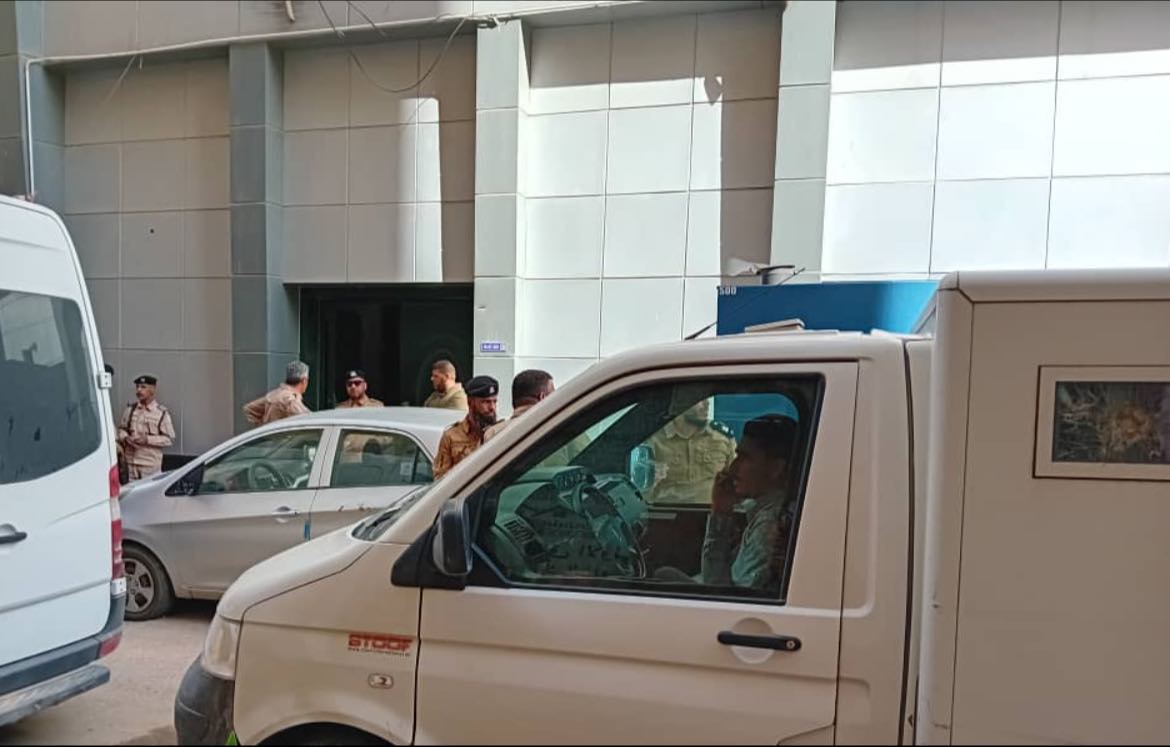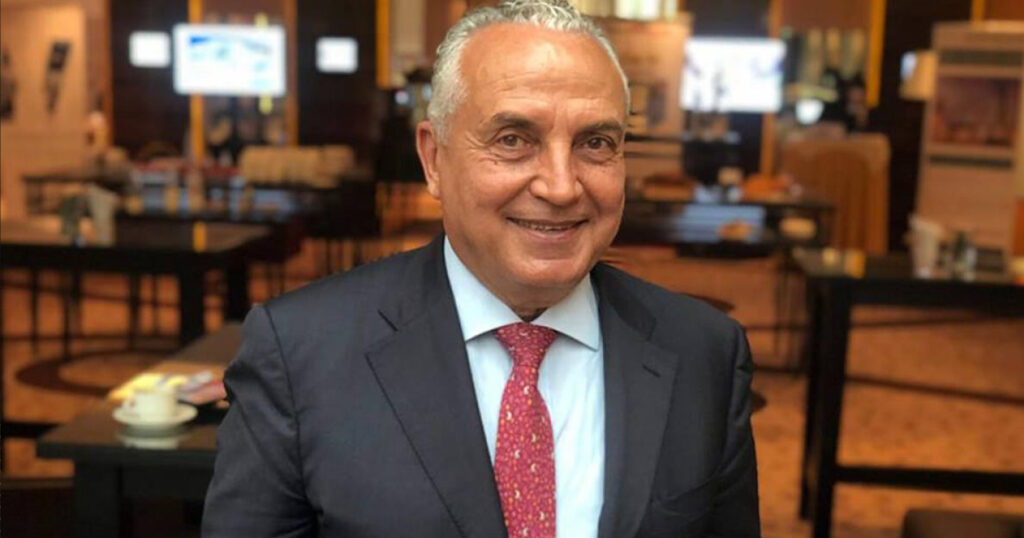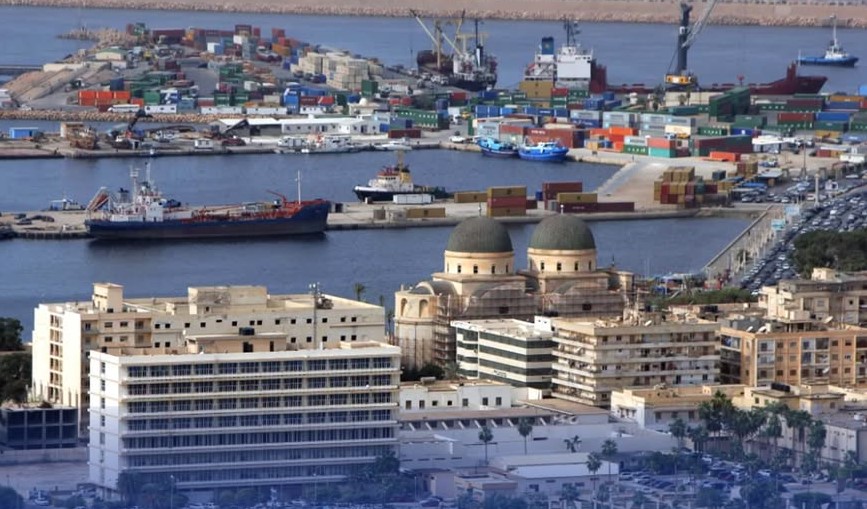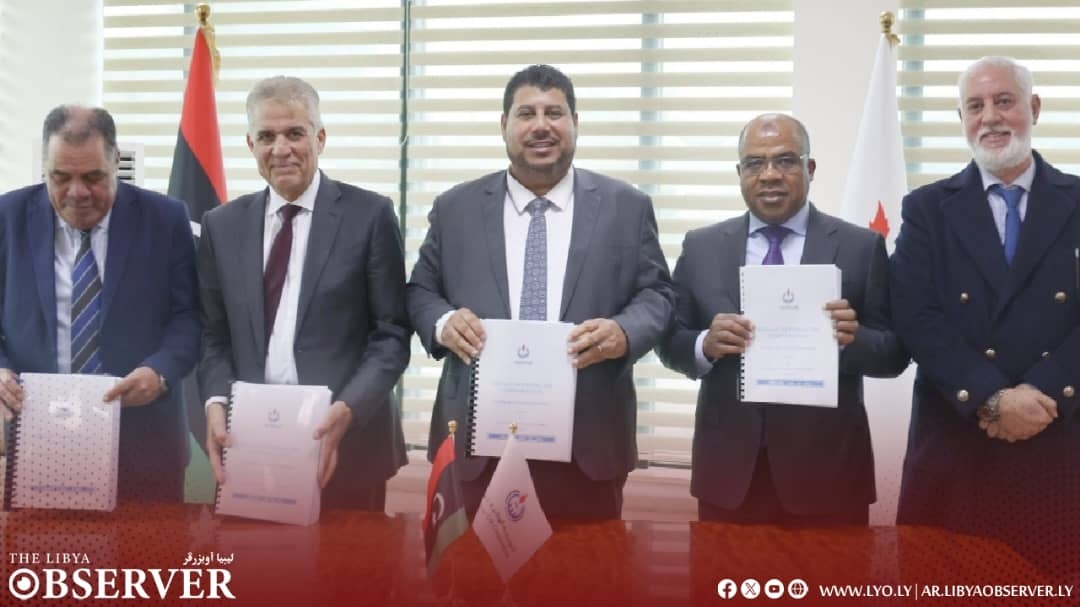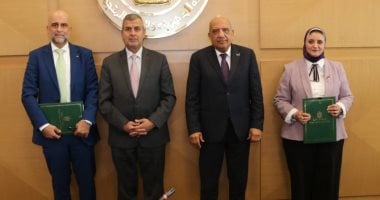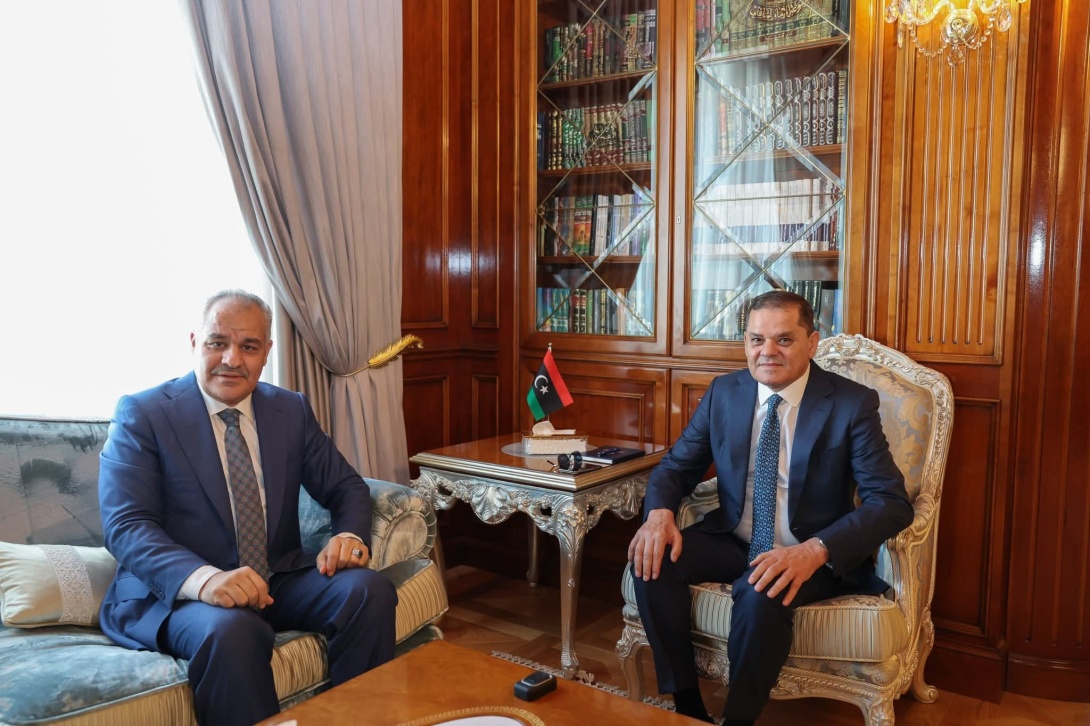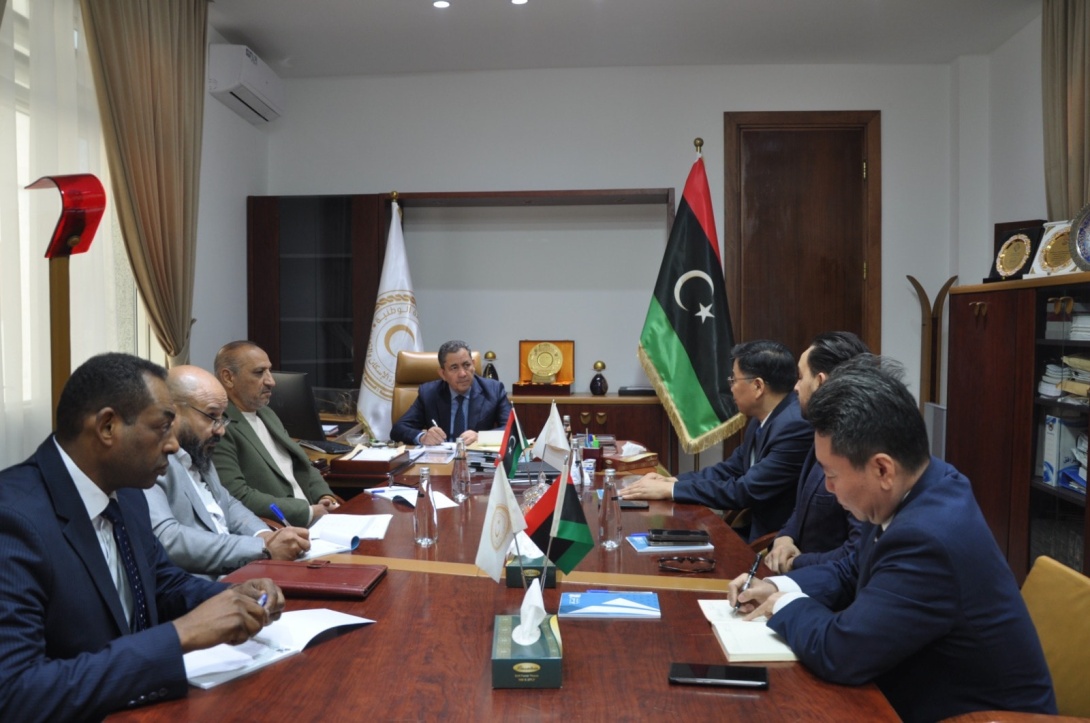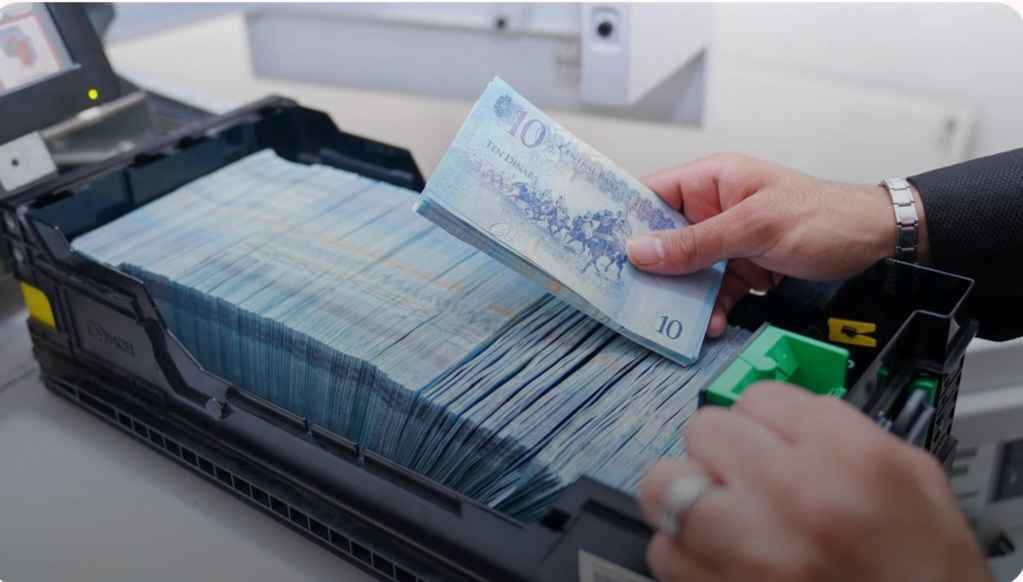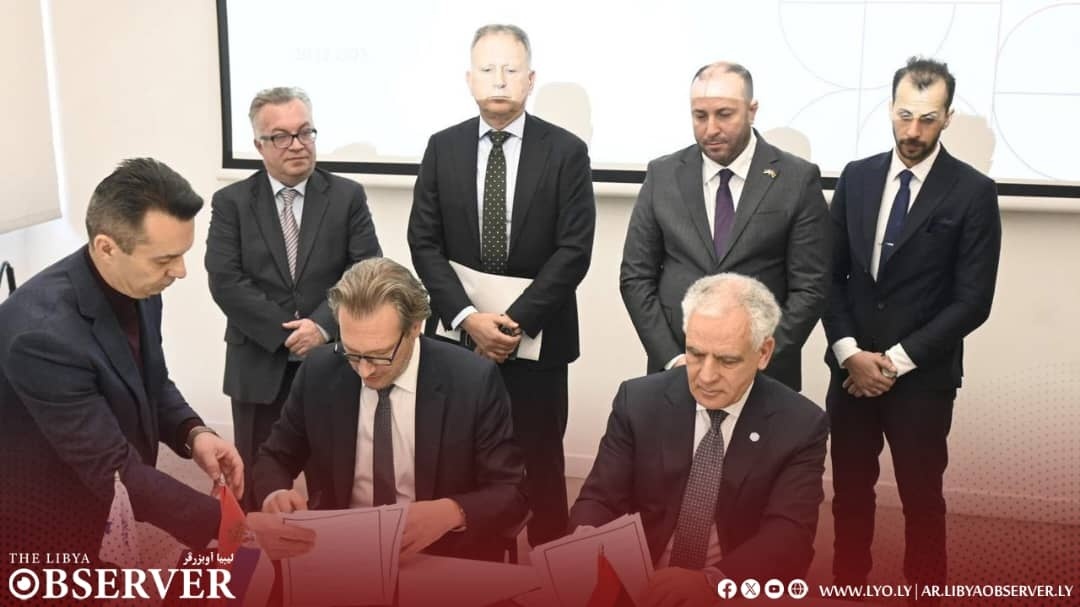
The Tax Authority has announced the official launch of the unified tax system, along with the introduction of several digital platforms scheduled to become operational in 2026.
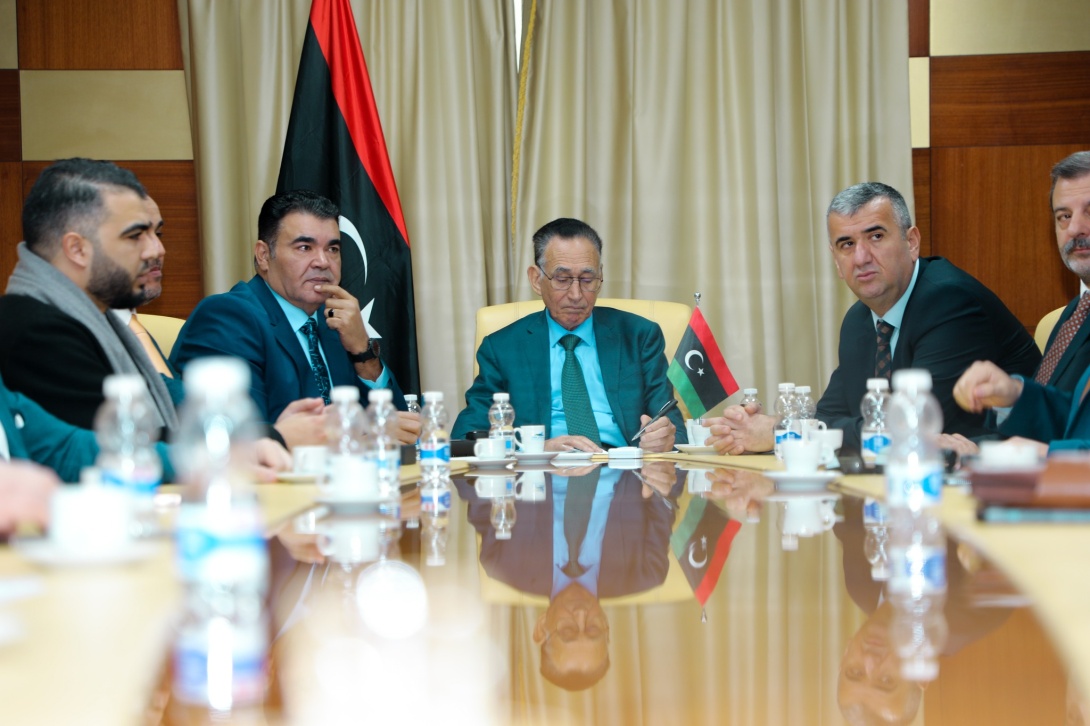
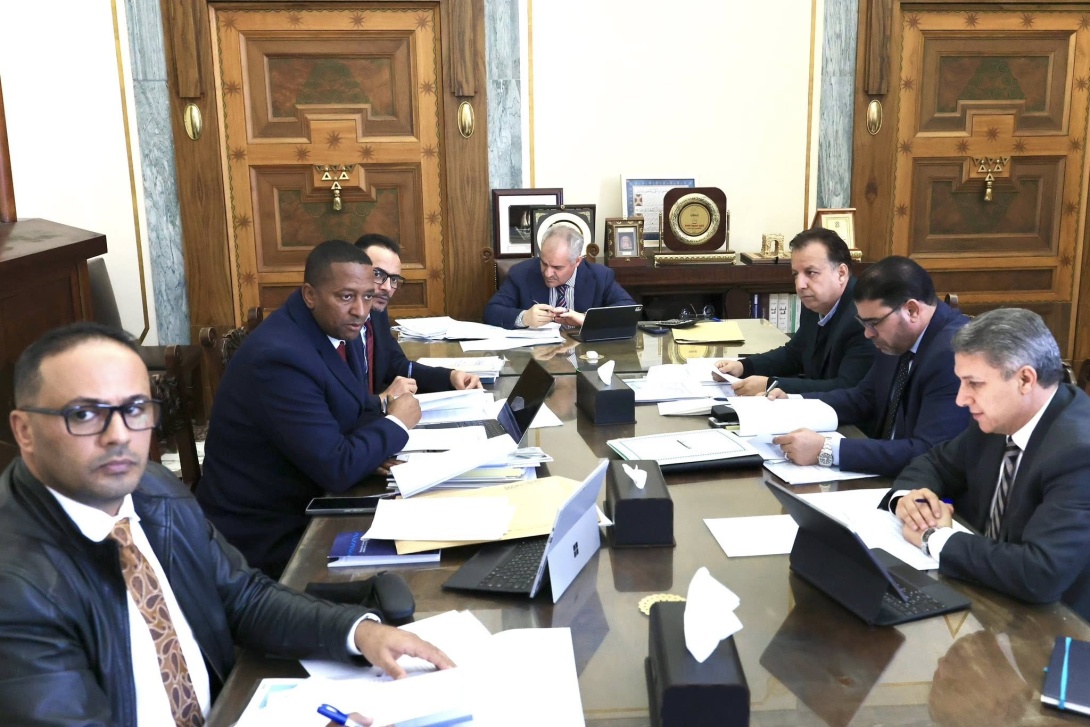
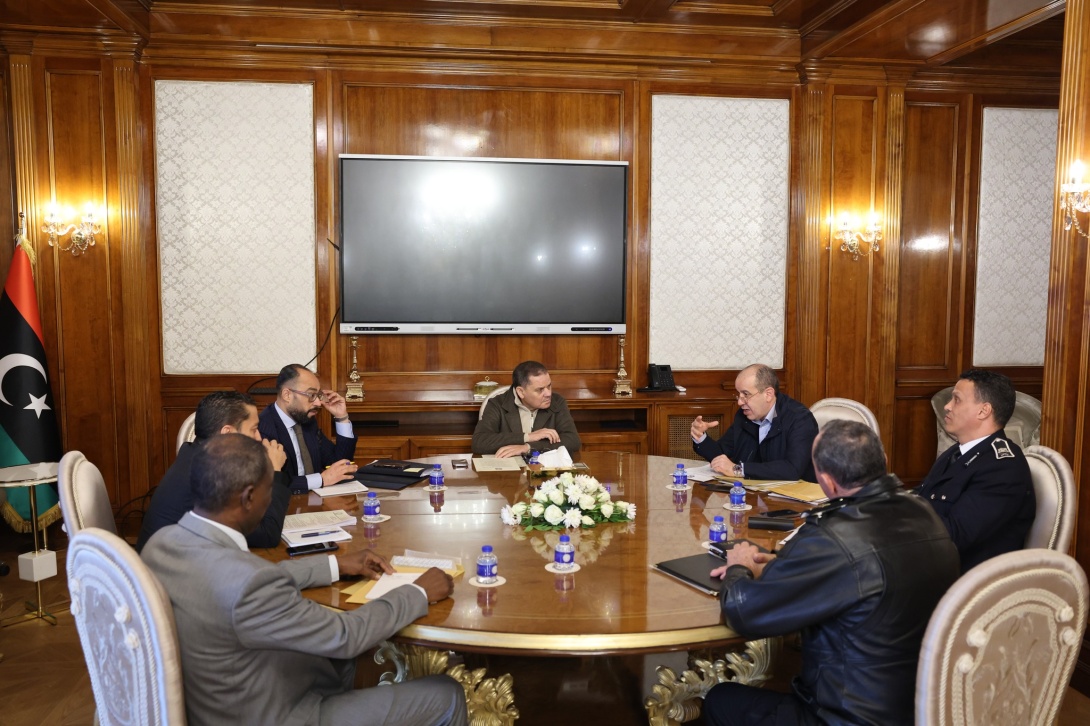
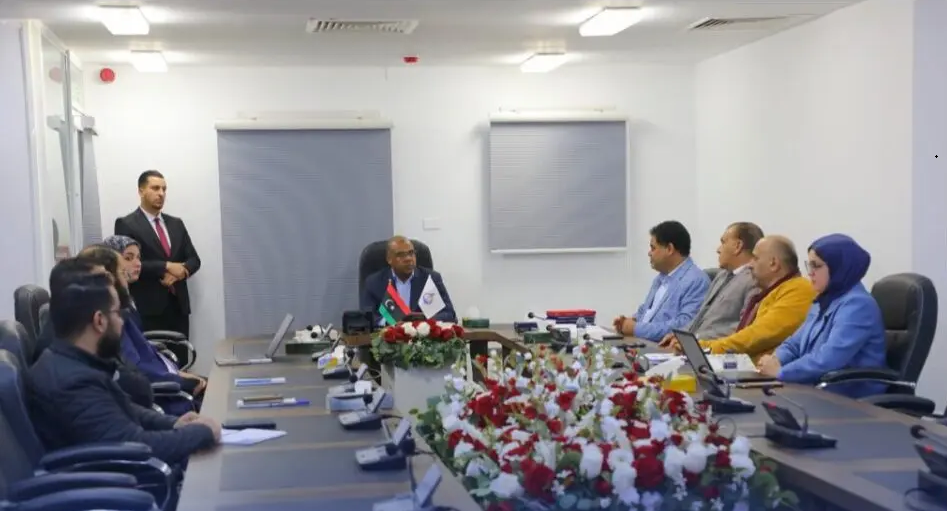
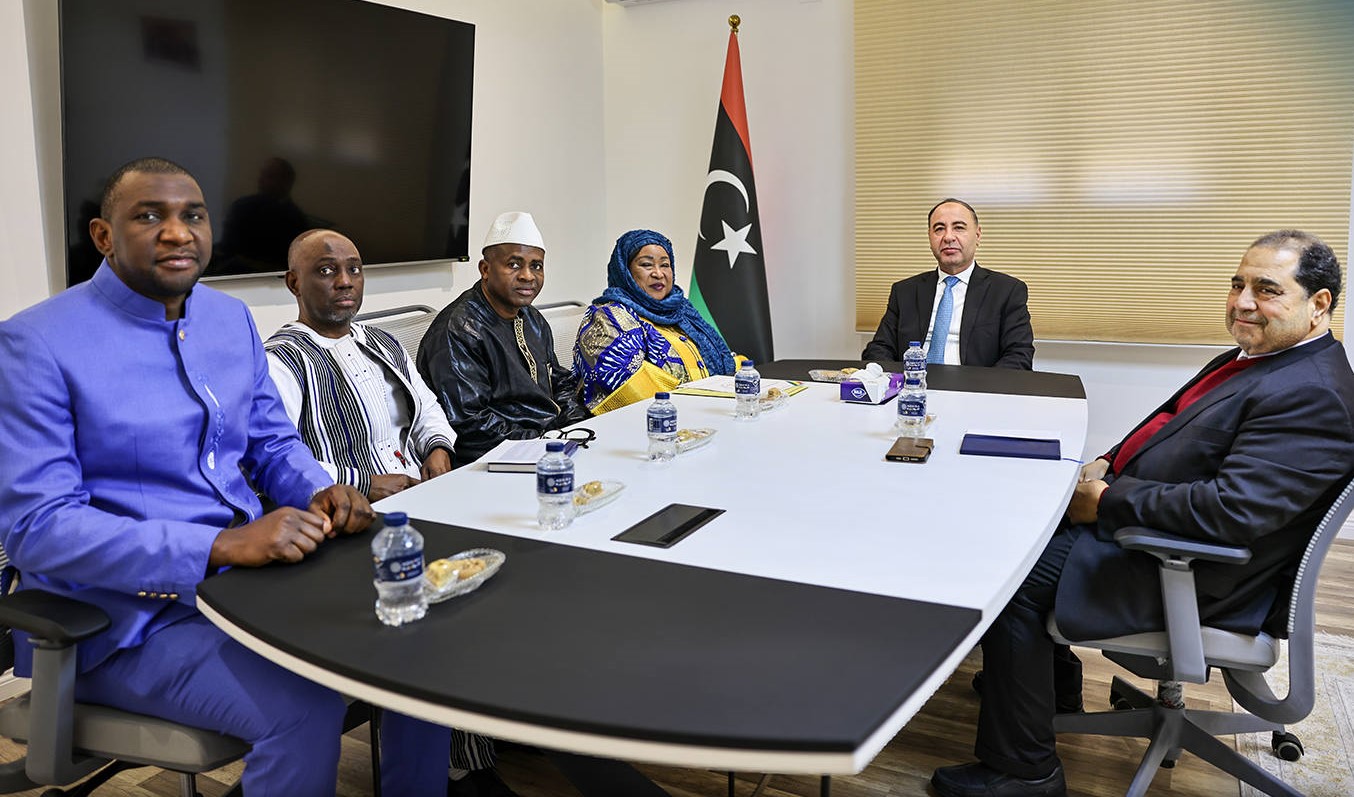
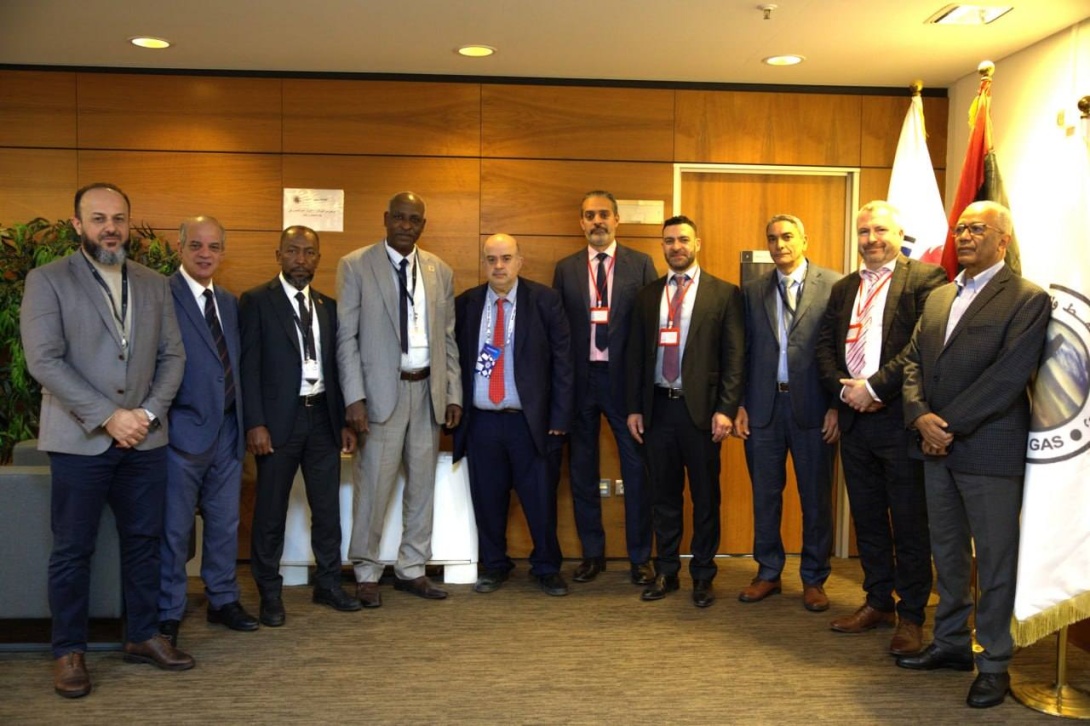
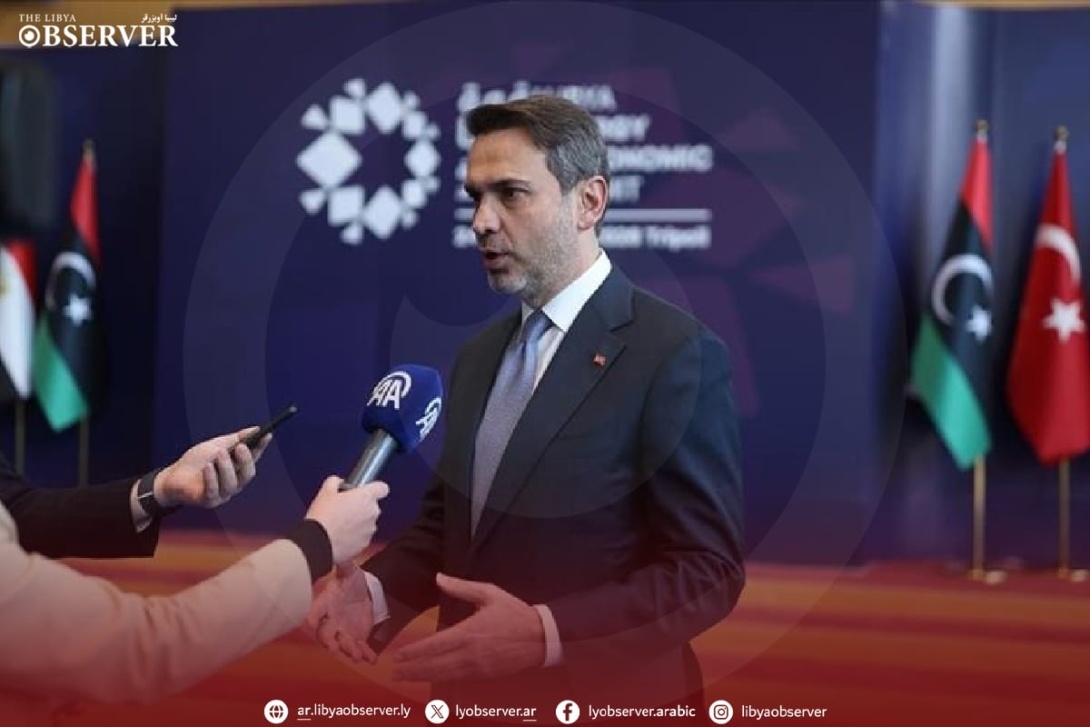
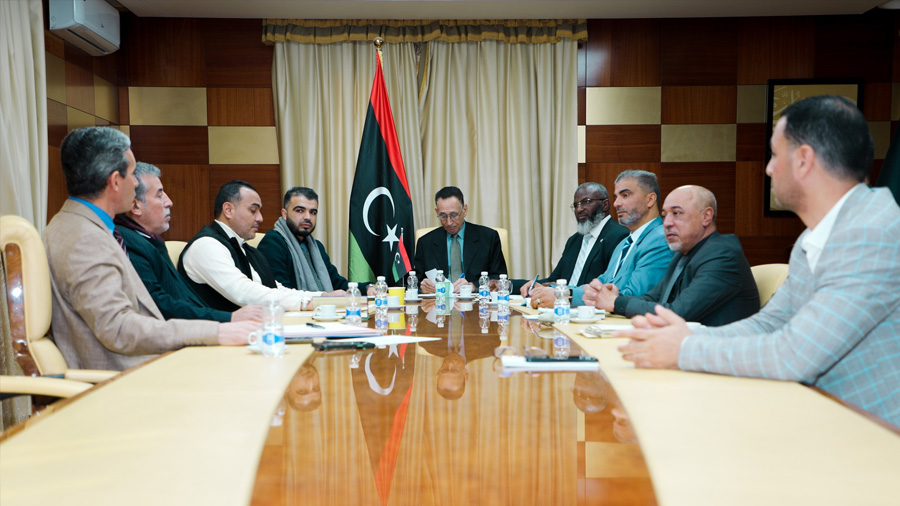
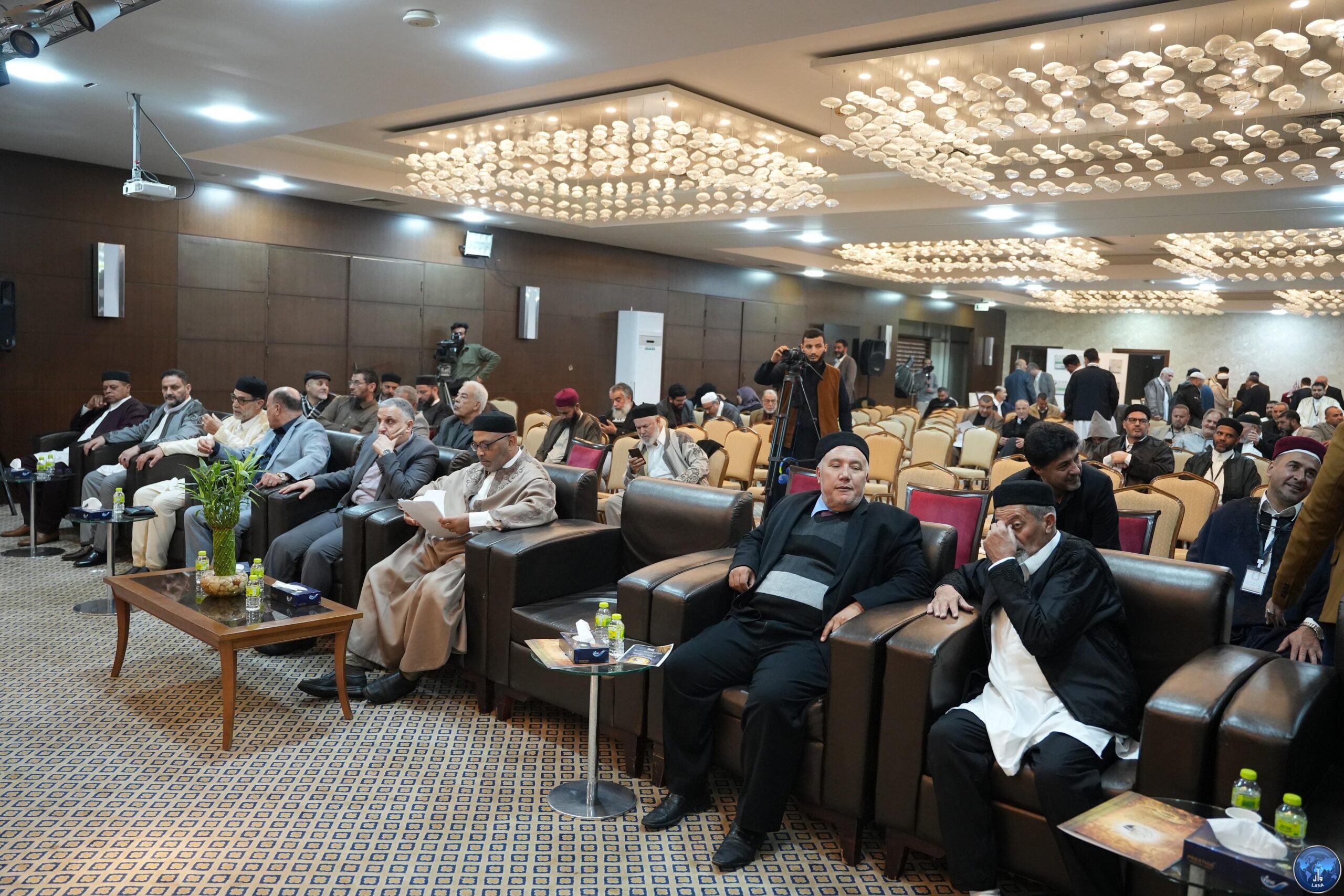
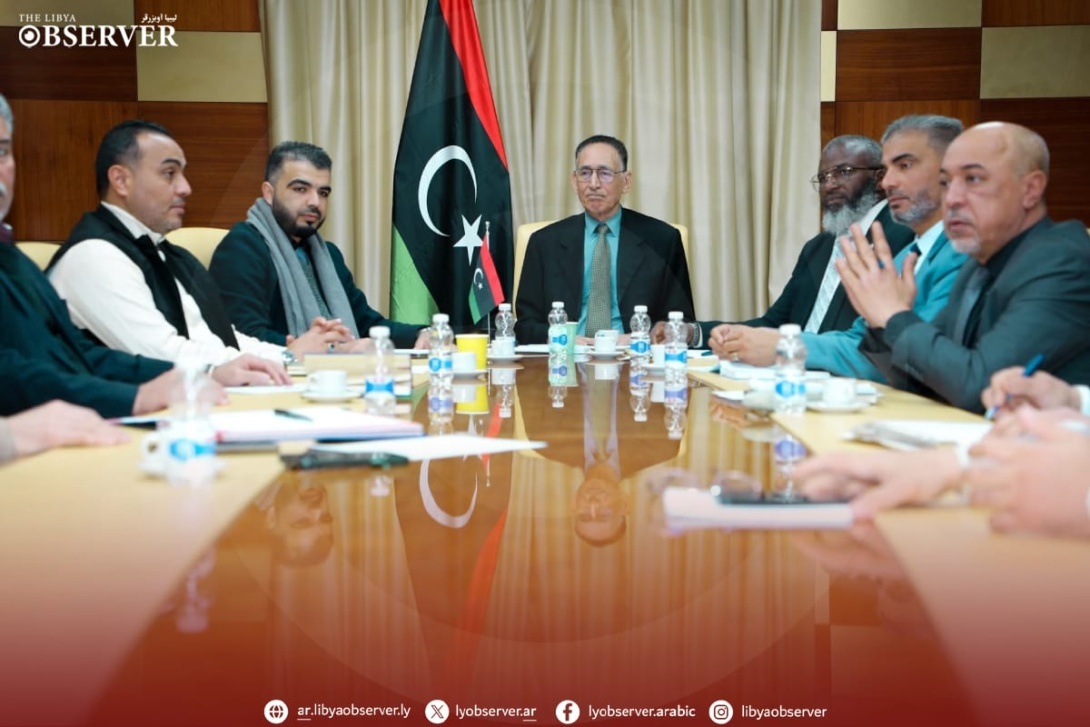
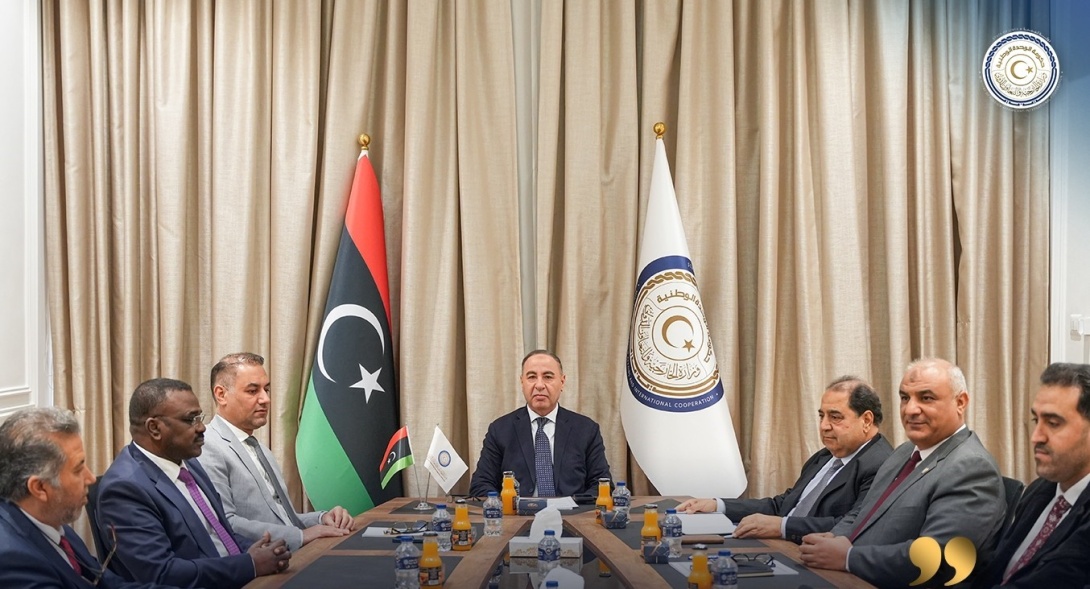
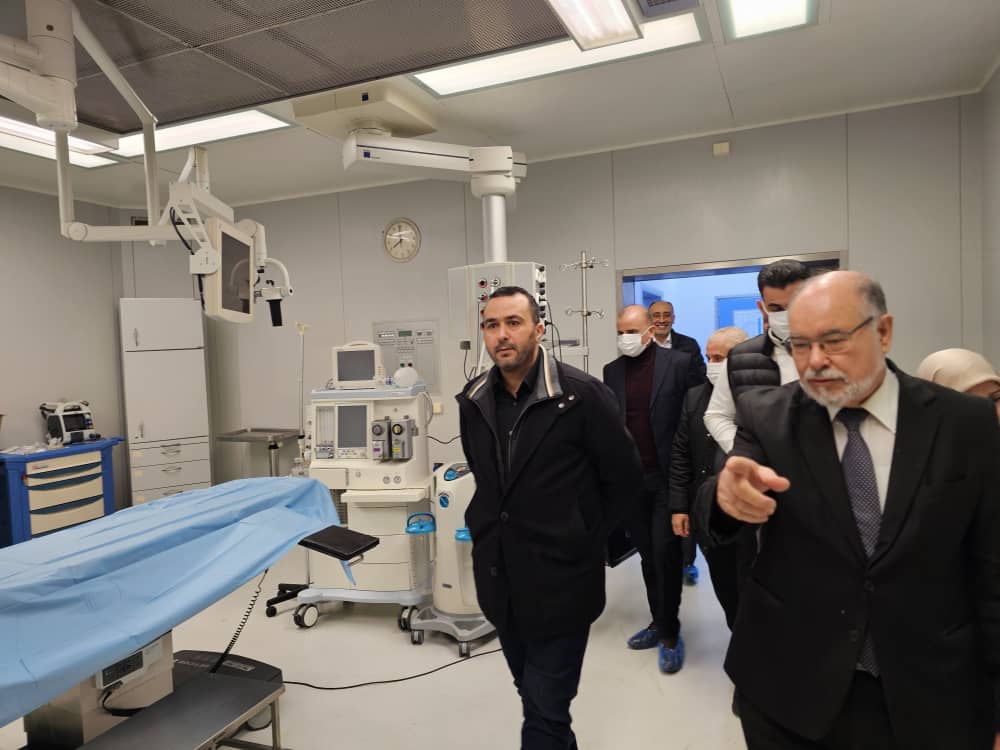
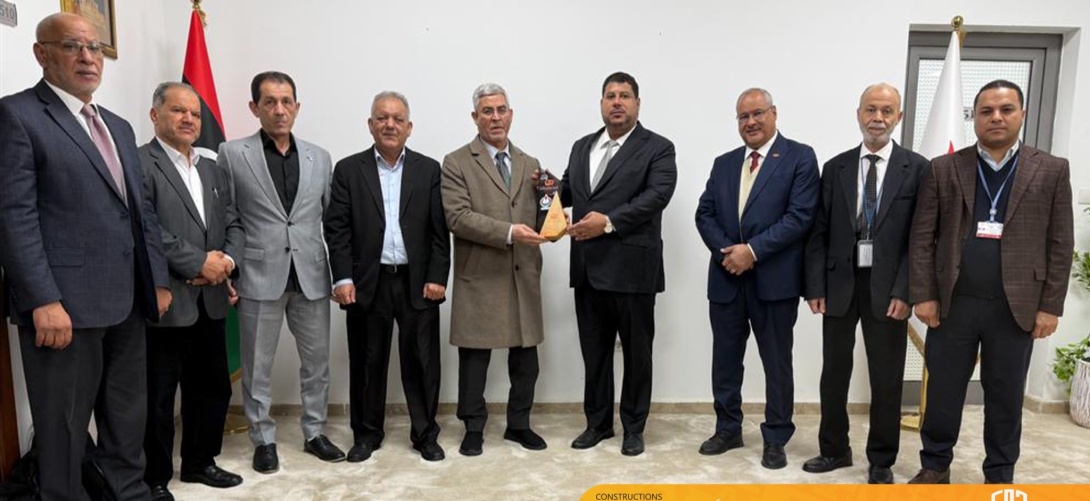
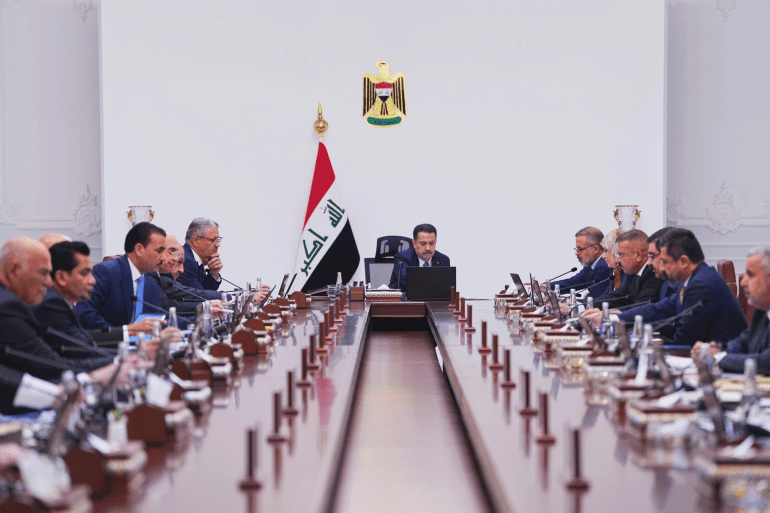
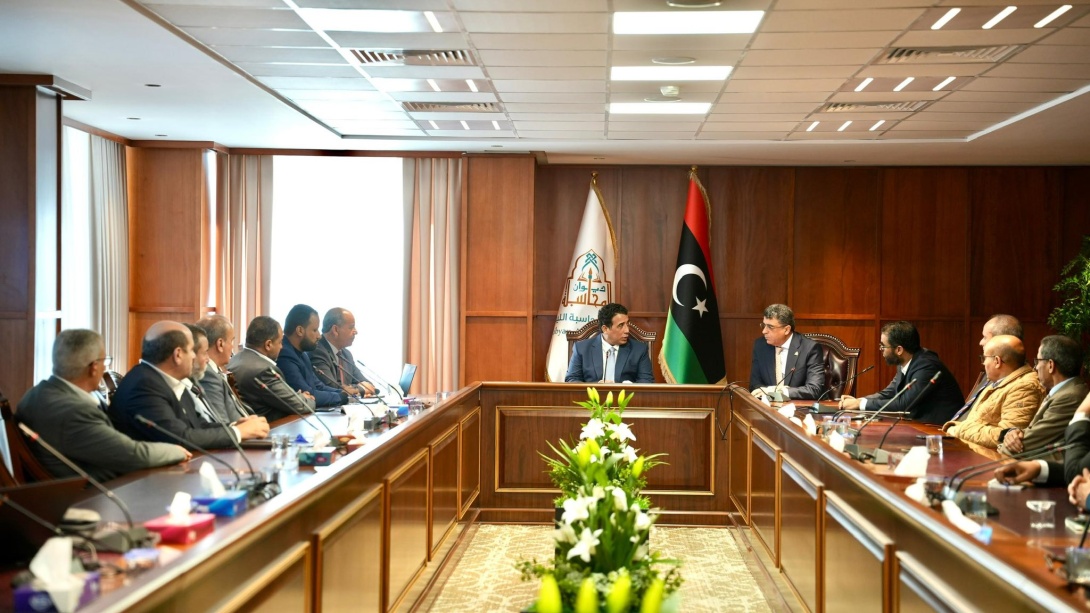
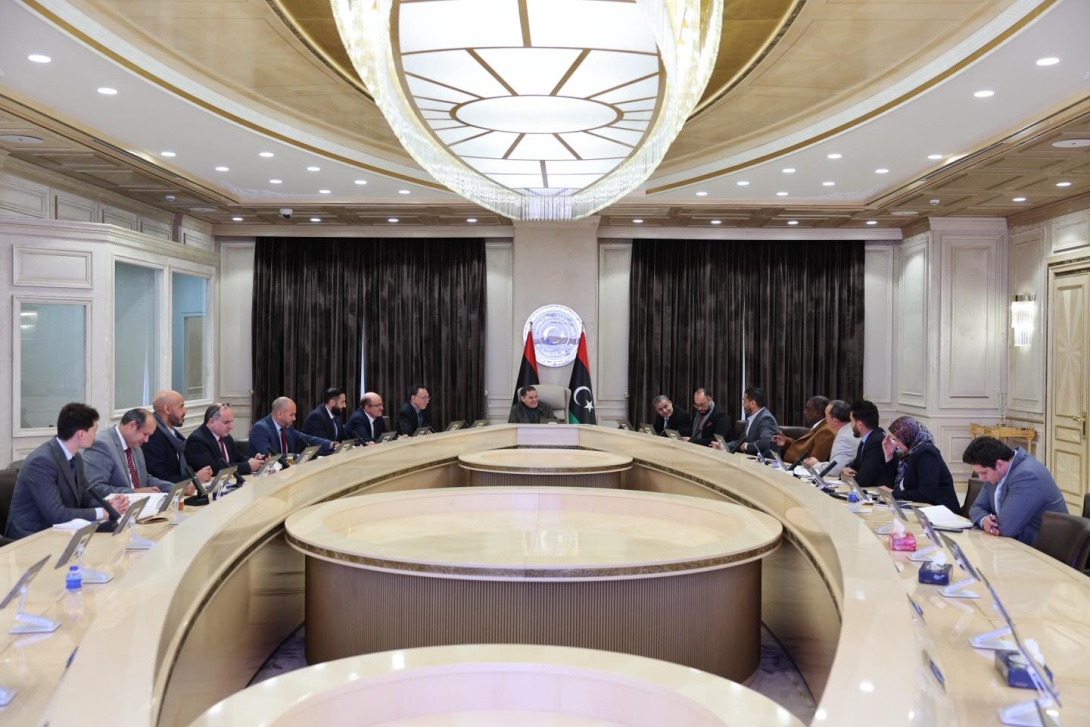
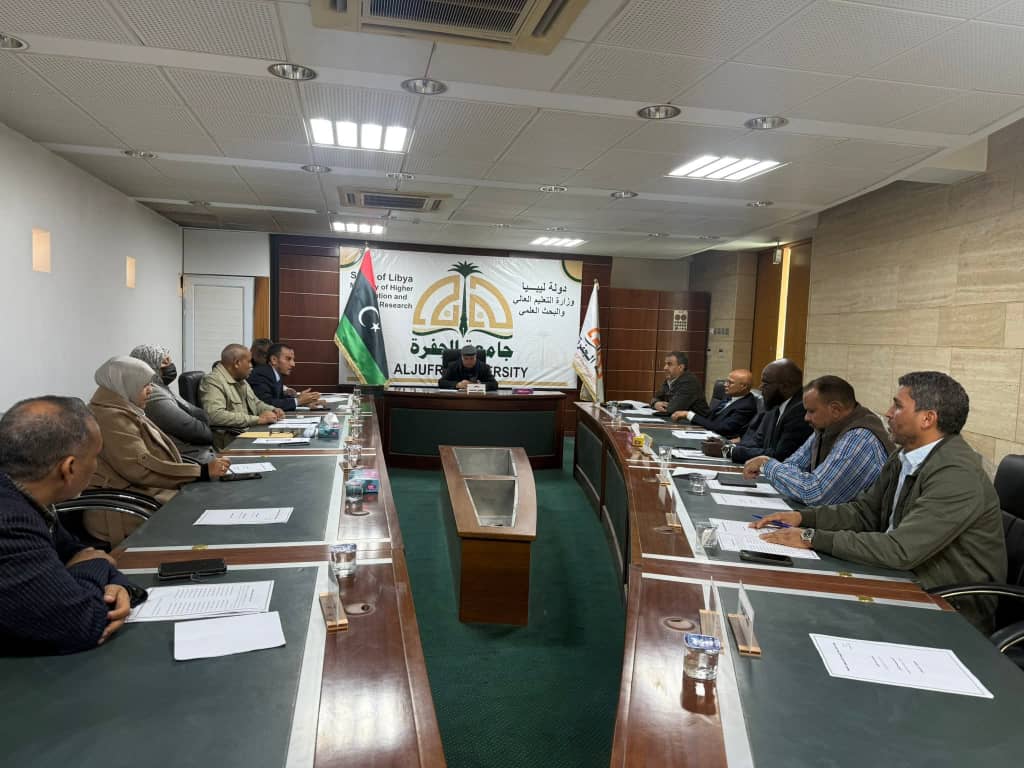
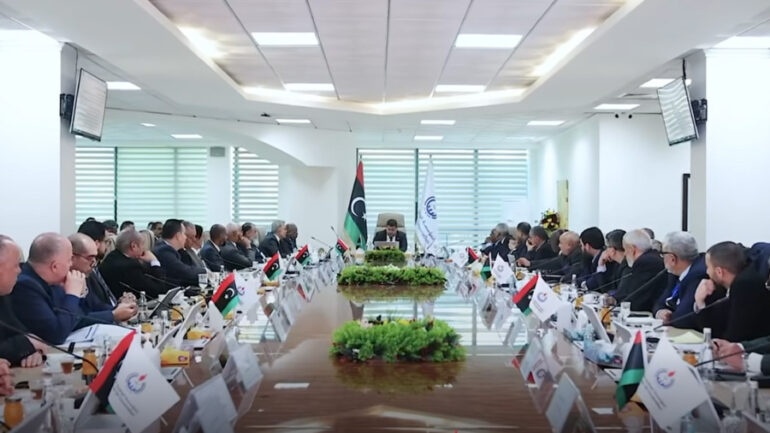
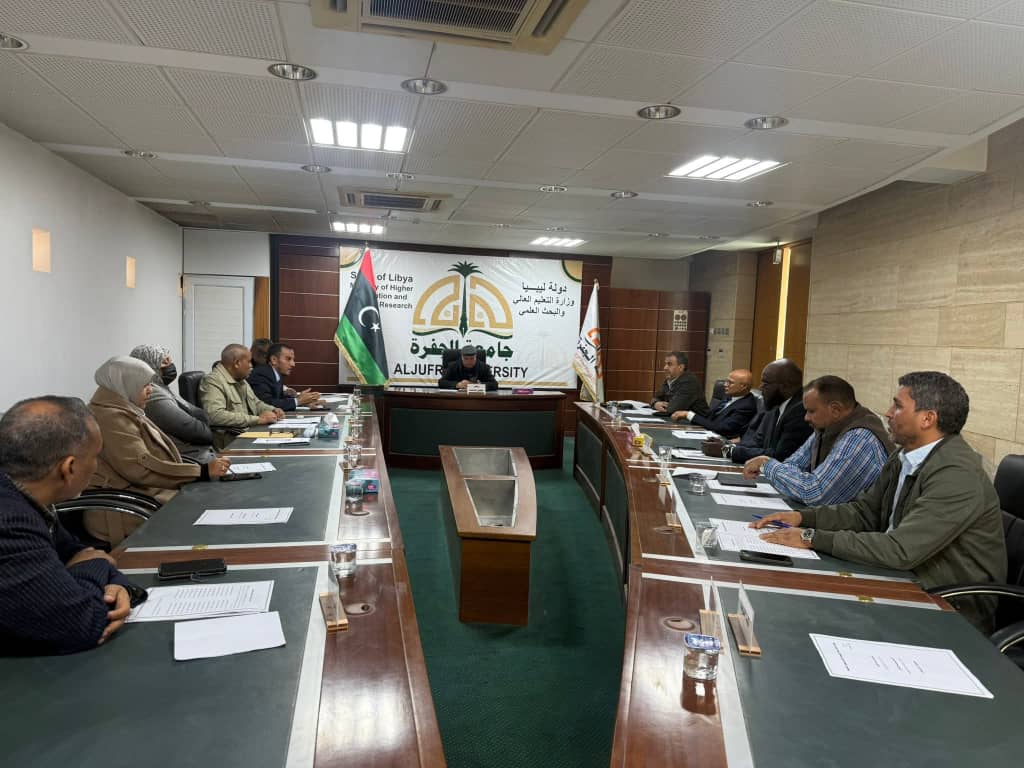
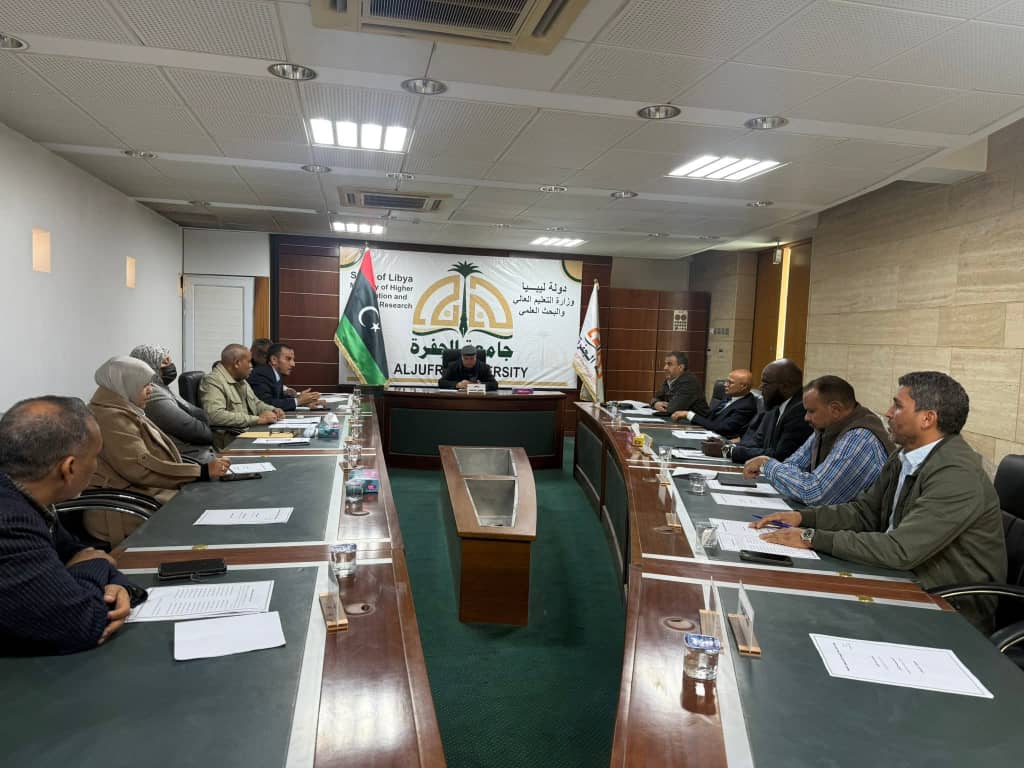
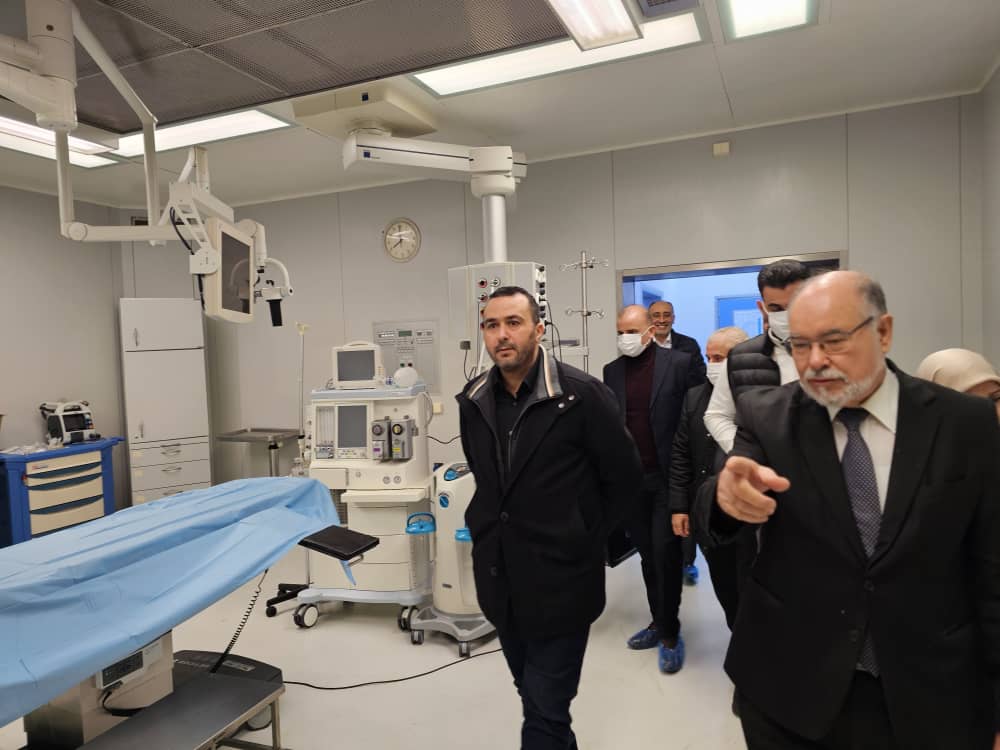
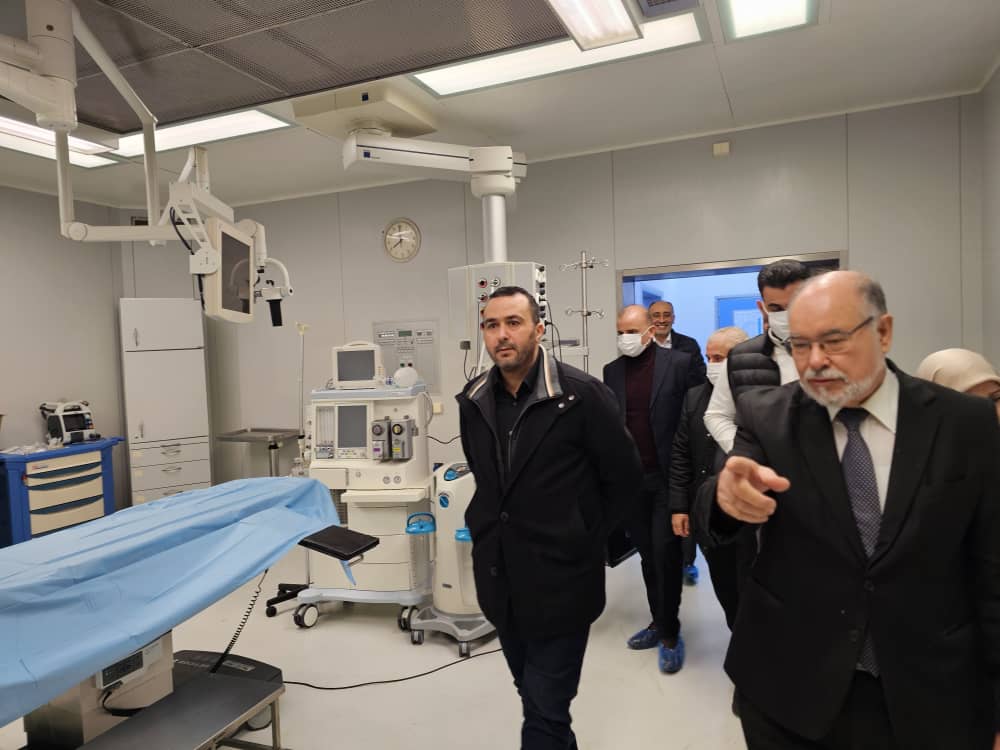
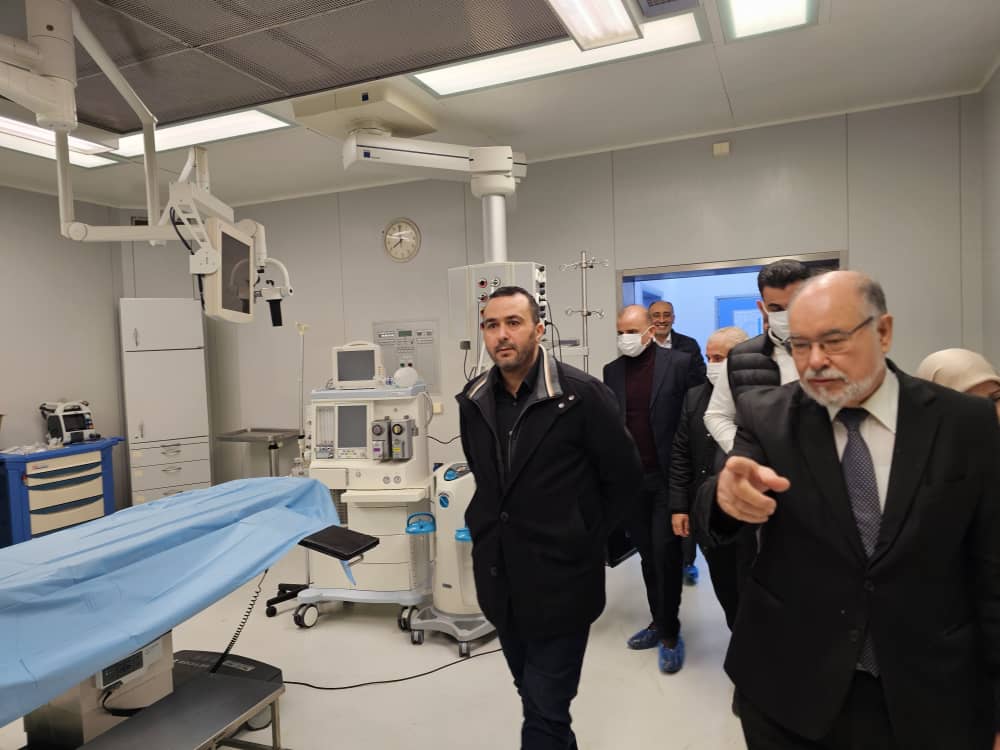
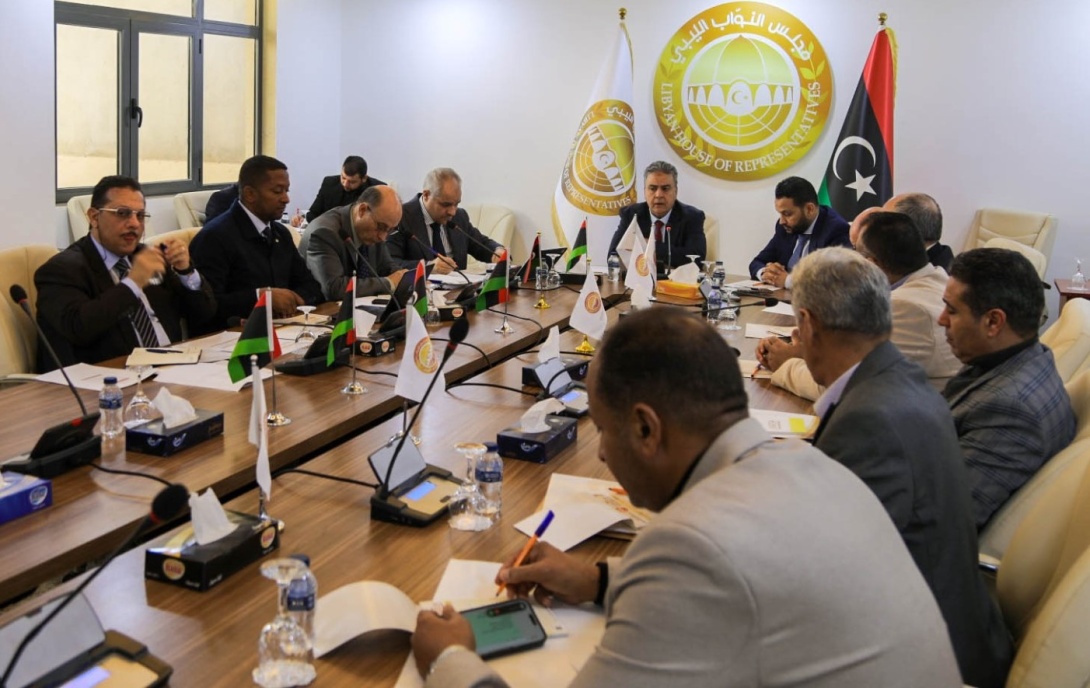
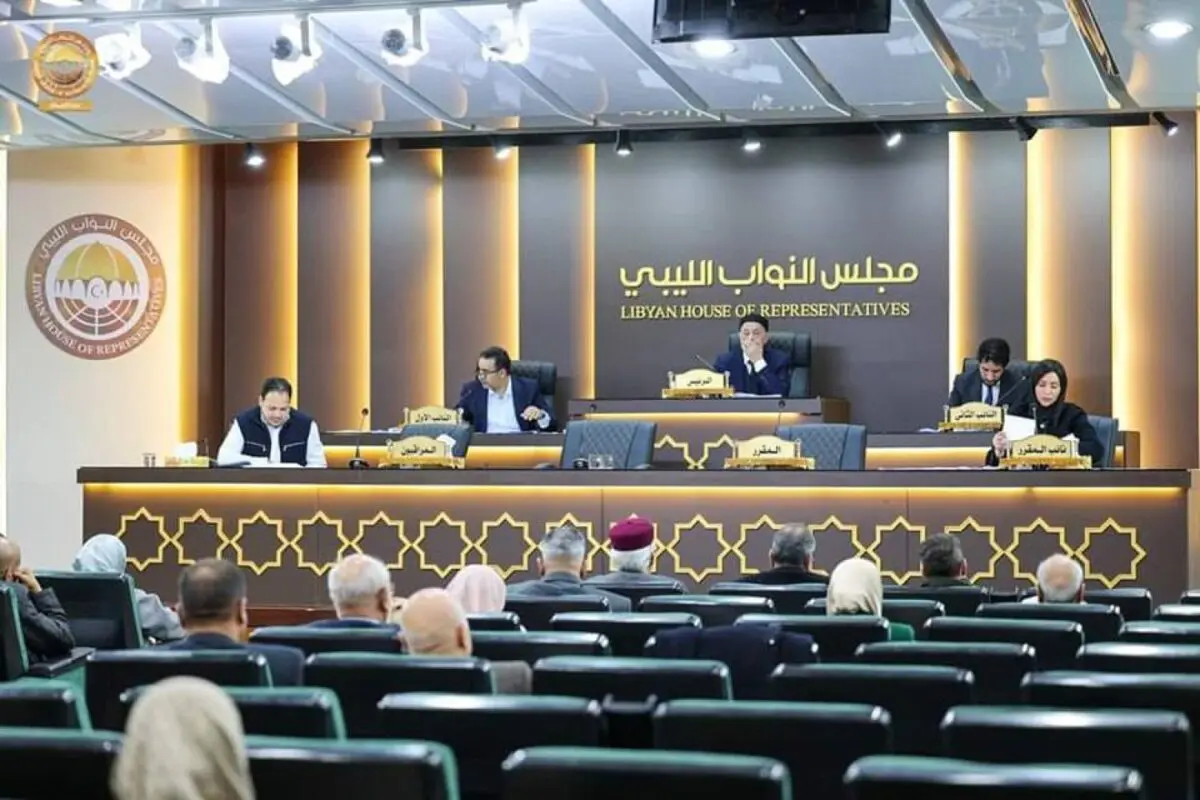
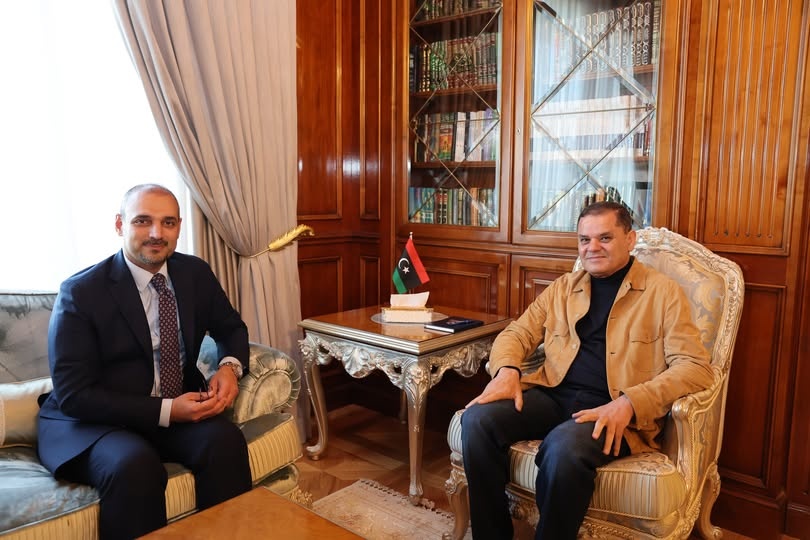
This announcement was made during the regular 2025 meeting of the directors of the Authority’s departments and offices nationwide, held in Tripoli.
The Head of the authority emphasized a commitment to overcoming all obstacles facing tax departments and offices and to providing the necessary resources to ensure more effective performance. It was also indicated that the role of the tax police will be activated in the coming phase, in direct coordination with the Minister of Interior.
Tax Authority
Here’s a breakdown of what a Tax Authority does, with examples:
### **Core Functions of a Tax Authority:**
1. **Policy & Legislation:** They often help design tax laws and regulations, though the laws themselves are usually passed by the legislature (e.g., Congress, Parliament).
2. **Collection:** They collect various types of taxes (income tax, corporate tax, sales tax/VAT, property tax, etc.).
3. **Assessment & Audits:** They review tax returns to ensure accuracy and compliance. This can involve audits of individuals or businesses.
4. **Enforcement:** They have the power to investigate tax evasion, impose penalties, interest on late payments, and initiate legal proceedings.
5. **Taxpayer Services:** They provide information, forms, guidance, and sometimes online filing systems to help taxpayers comply.
6. **Rulings & Guidance:** They issue official interpretations of complex tax laws for specific situations.
### **Examples of Major Tax Authorities:**
* **United States:** The **Internal Revenue Service (IRS)**.
* **United Kingdom:** **His Majesty’s Revenue and Customs (HMRC)**.
* **Canada:** The **Canada Revenue Agency (CRA)**.
* **European Union:** While each member state has its own (e.g., Germany’s *Bundeszentralamt für Steuern*), the **European Commission’s Directorate-General for Taxation and Customs Union** sets broader policy.
* **India:** The **Central Board of Direct Taxes (CBDT)** and the **Central Board of Indirect Taxes and Customs (CBIC)**.
* **Australia:** The **Australian Taxation Office (ATO)**.
### **Key Things to Know:**
* **Jurisdiction:** There can be multiple layers (e.g., in the U.S., you have the federal IRS, plus state tax authorities, and local city/county tax offices).
* **Power:** Tax authorities typically have significant legal powers, including the ability to seize assets, place liens on property, and access financial records.
* **Interaction:** For individuals and businesses, dealing with the tax authority is a regular part of financial life, through filing annual returns, making payments, and responding to inquiries.
**In short, the Tax Authority is the operational arm of the government for all matters related to taxes—it’s the entity that ultimately ensures public services are funded through tax revenue.**
Is there a specific country’s tax authority or a particular aspect (like audits or filing) you’d like to know more about?
Head of the authority
—
### **1. Government/Public Administration**
– **Chairperson or Director** of a regulatory agency (e.g., head of the Environmental Protection Authority).
– **Commissioner** of a public service body (e.g., head of the tax authority).
– **Secretary or Minister** overseeing a department (in some governmental systems).
—
### **2. Corporate/Organizational Context**
– **CEO or Managing Director** of an authoritative body within a company (e.g., head of the compliance authority).
– **Board Chair** of an institution with authoritative power (e.g., head of the disciplinary authority).
—
### **3. International Bodies**
– **Director-General** or **President** of an international authority (e.g., head of the International Atomic Energy Authority).
—
### **Key Responsibilities Often Include:**
– Setting strategic direction and policies.
– Overseeing operations and ensuring regulatory compliance.
– Representing the authority externally.
– Making high-level decisions and approvals.
—
If you have a **specific authority in mind** (e.g., a particular country’s institution, a corporate body, or a regulatory agency), feel free to share more details for a more precise explanation!
Minister of Interior
### **Core Responsibility**
The Minister of Interior is primarily responsible for **internal security, public safety, and domestic policy**. They oversee the nation’s affairs within its borders, acting as the government’s lead on matters of law, order, and citizenship.
### **Key Departments and Agencies Typically Under Their Purview**
The minister usually heads the **Ministry of the Interior (or Home Ministry)** and supervises:
* **National Police and Gendarmerie:** The primary civil law enforcement bodies.
* **Border Control and Immigration:** Managing borders, visas, residency, and citizenship.
* **Civil Defense and Emergency Services:** This can include fire services, disaster response, and civil protection.
* **Correctional Services:** Oversight of prisons and rehabilitation.
* **Domestic Intelligence and Security Agencies:** In many countries, the domestic counter-intelligence and anti-terrorism agency reports to the Interior Minister.
* **Local Government and Administration:** Overseeing the relationship between the national government and regional/local authorities (e.g., governors, prefects).
* **Elections:** In some countries, the ministry administers national elections and voter registration.
### **Primary Duties and Functions**
1. **Public Order and Safety:** Ensuring the safety of citizens, preventing crime, and responding to civil unrest or terrorism.
2. **Immigration Policy:** Developing and enforcing laws regarding asylum, immigration, naturalization, and deportation.
3. **Counter-Terrorism and Counter-Espionage:** Leading the domestic fight against terrorist threats and subversion.
4. **Disaster Management:** Coordinating national response to natural disasters, major accidents, and other emergencies.
5. **Administrative Oversight:** Managing the civil registry (births, deaths, marriages) and the functioning of local government.
### **Significance and Profile**
* **High-Profile and Sensitive:** This is often one of the most powerful and politically sensitive cabinet positions, as the minister is directly accountable for any major security failure or civil disturbance.
* **Close to the Head of Government:** The minister works very closely with the Prime Minister or President, as internal stability is paramount to a government’s survival.
* **Balance of Power:** The role requires balancing the enforcement of security with the protection of civil liberties and human rights, which can often lead to public and political controversy.
### **Examples by Country**
* **United States:** The closest equivalent is the **Secretary of Homeland Security** (oversees borders, terrorism, disaster response). The **Attorney General** heads law enforcement but is part of the Justice Department.
* **United Kingdom:** The **Home Secretary** is the title used.
* **France:** The **Minister of the Interior** (*Ministre de l’Intérieur*) is a supremely powerful role, also overseeing relations with local governments.
* **Germany:** The **Federal Minister of the Interior** (*Bundesminister des Innern*).
* **India:** The **Union Home Minister** is a pivotal figure, also managing internal boundaries and central police forces.
In summary, the **Minister of Interior is the government’s chief guardian of internal security and public order**, making the role fundamental to the state’s stability and the daily safety of its citizens.