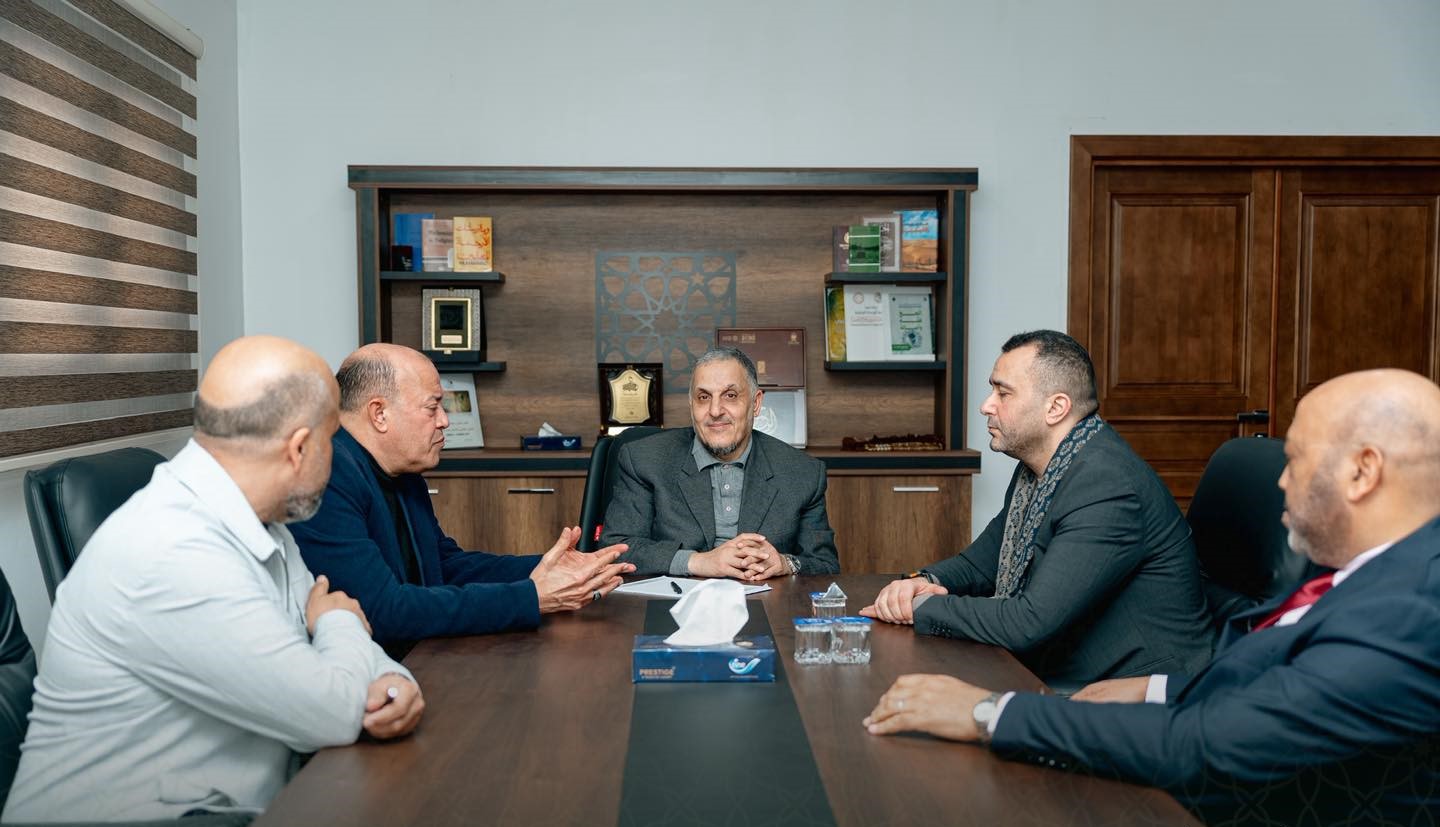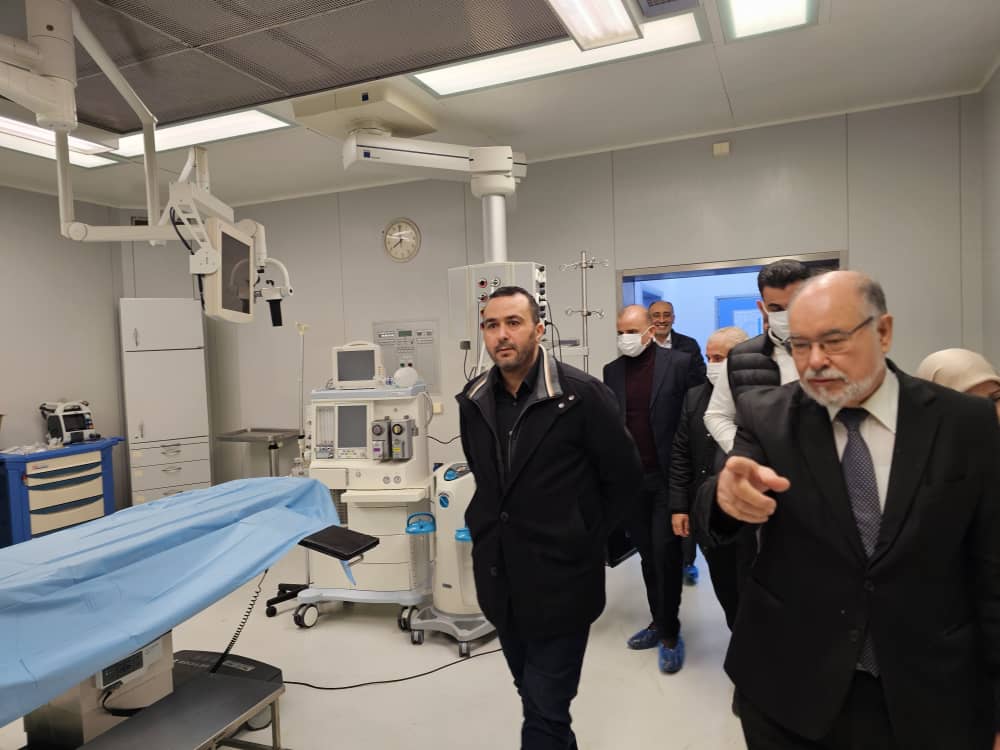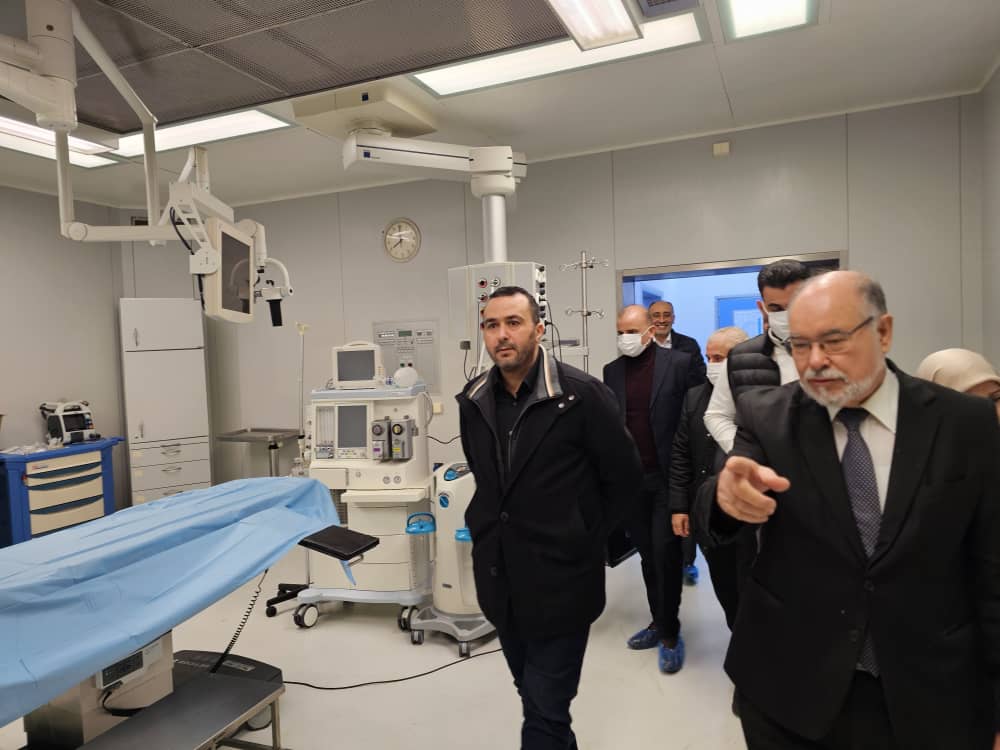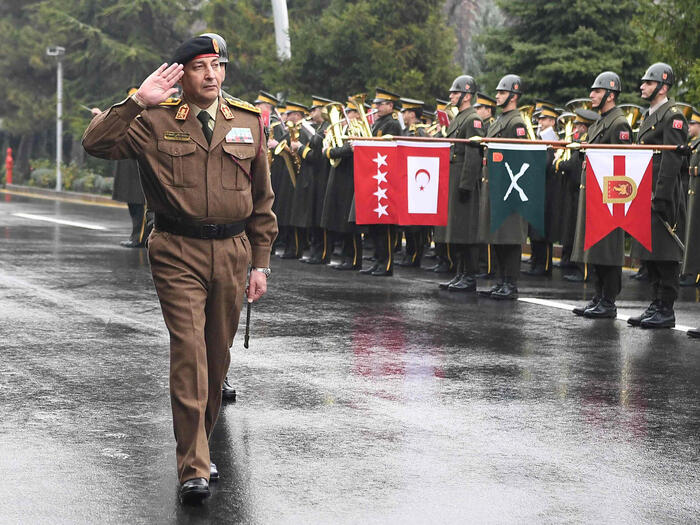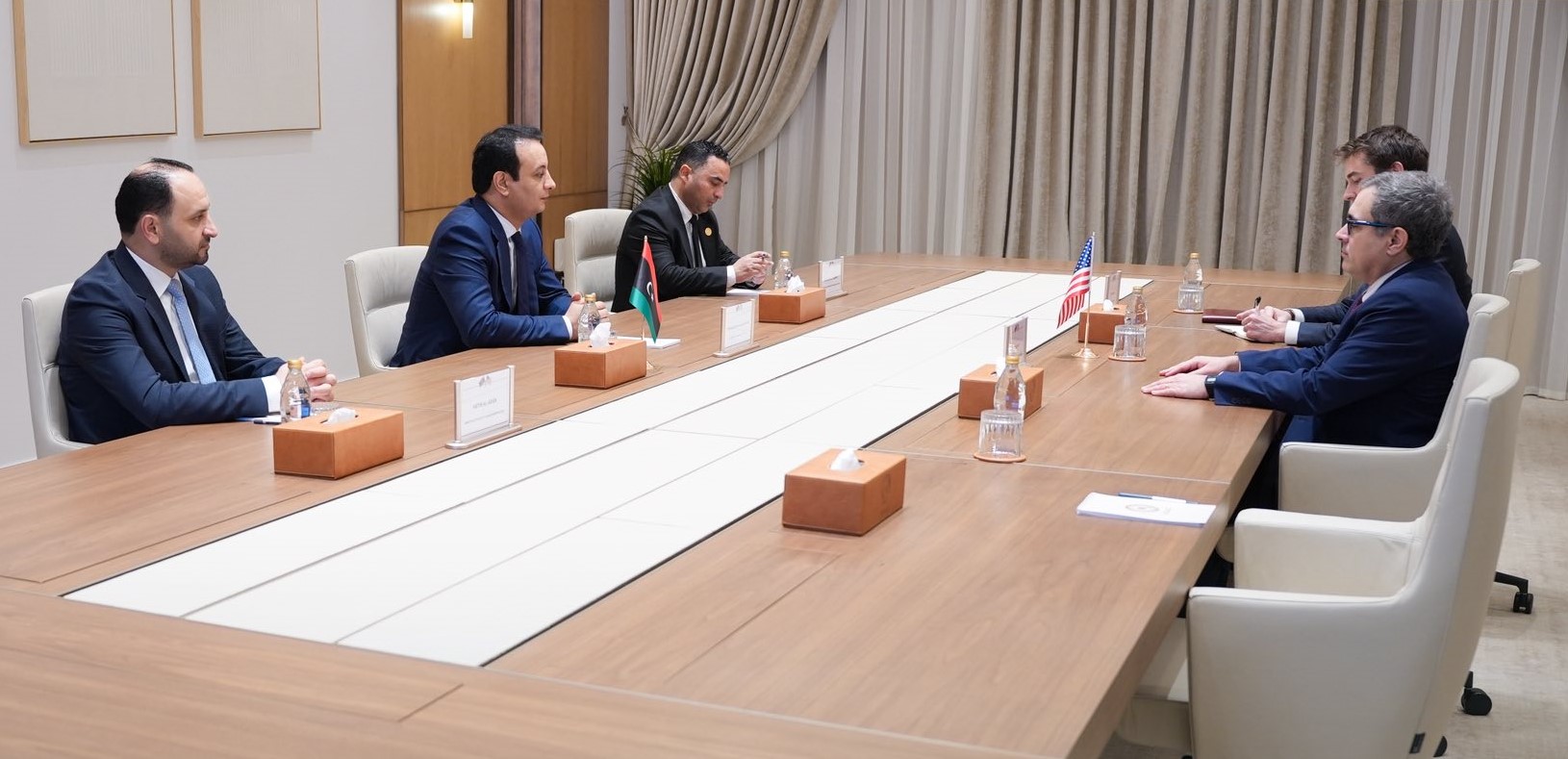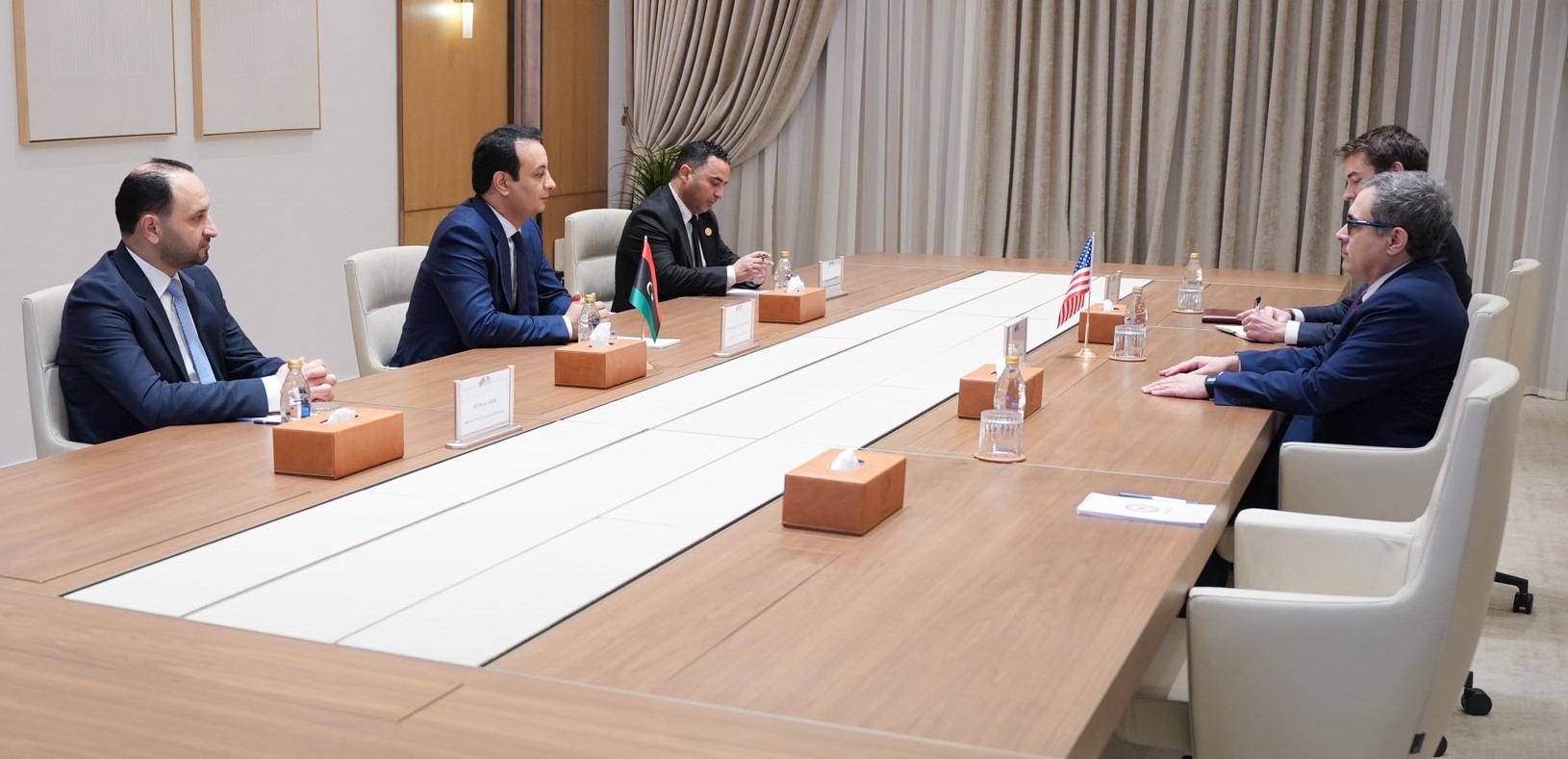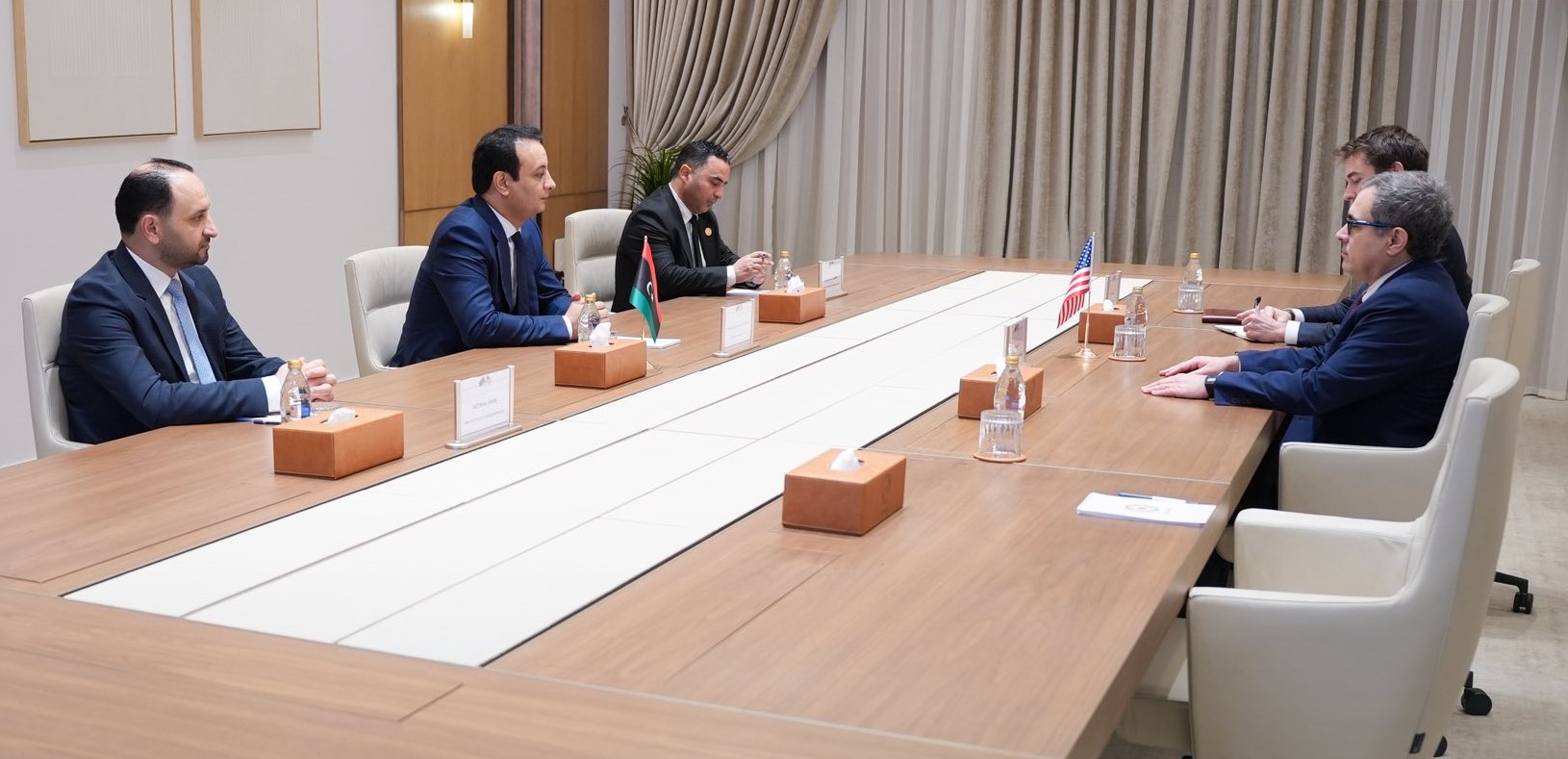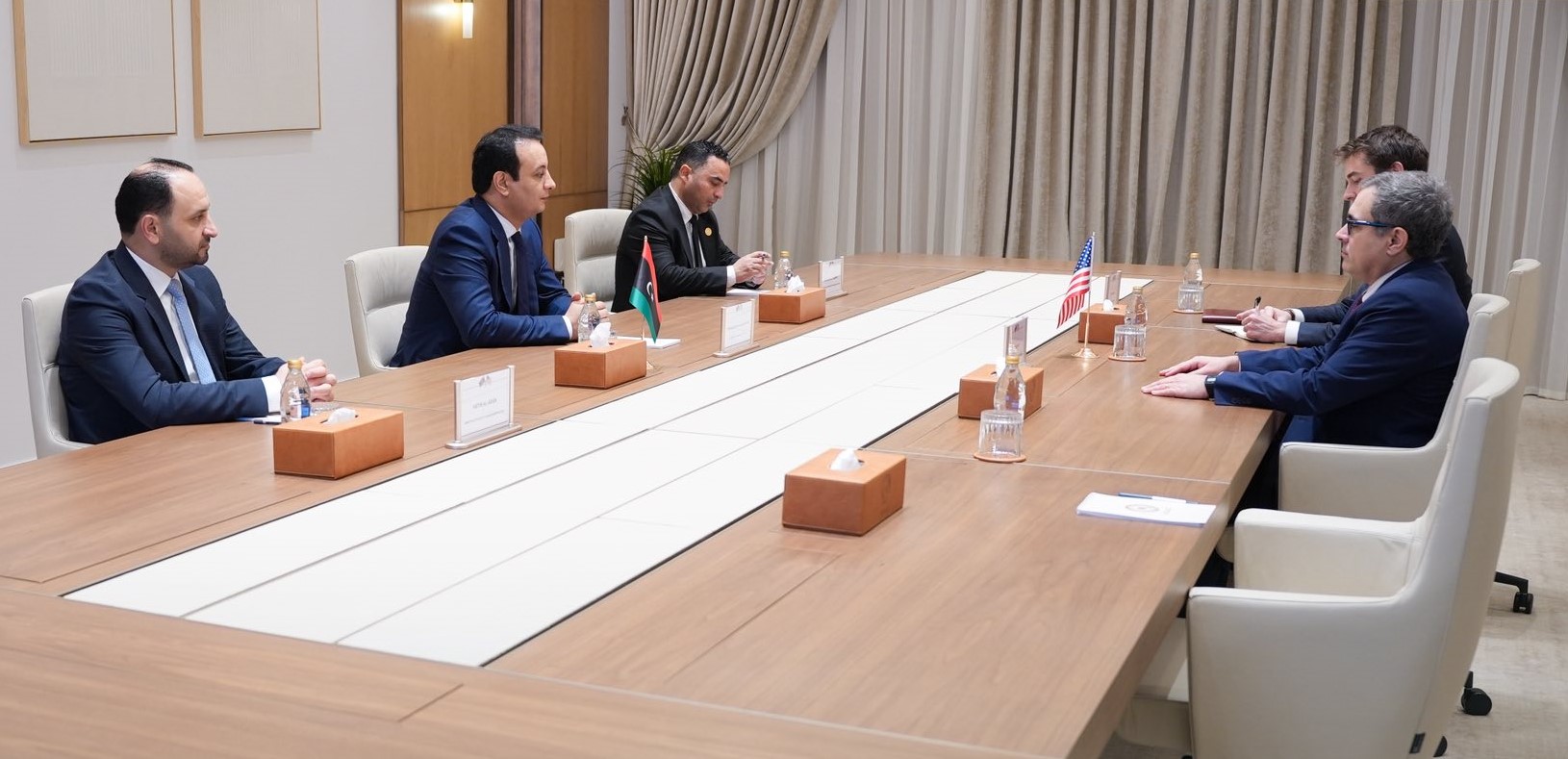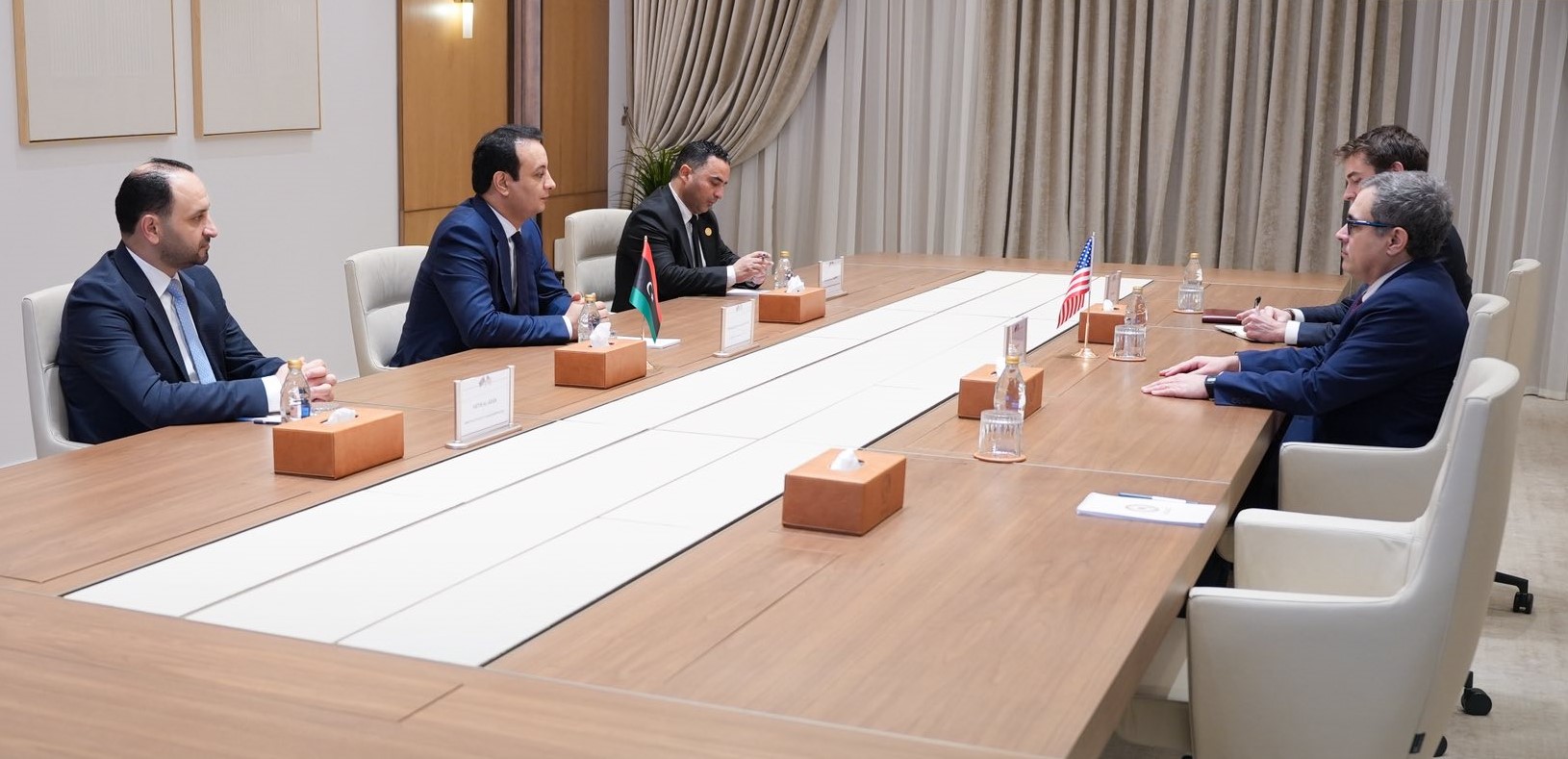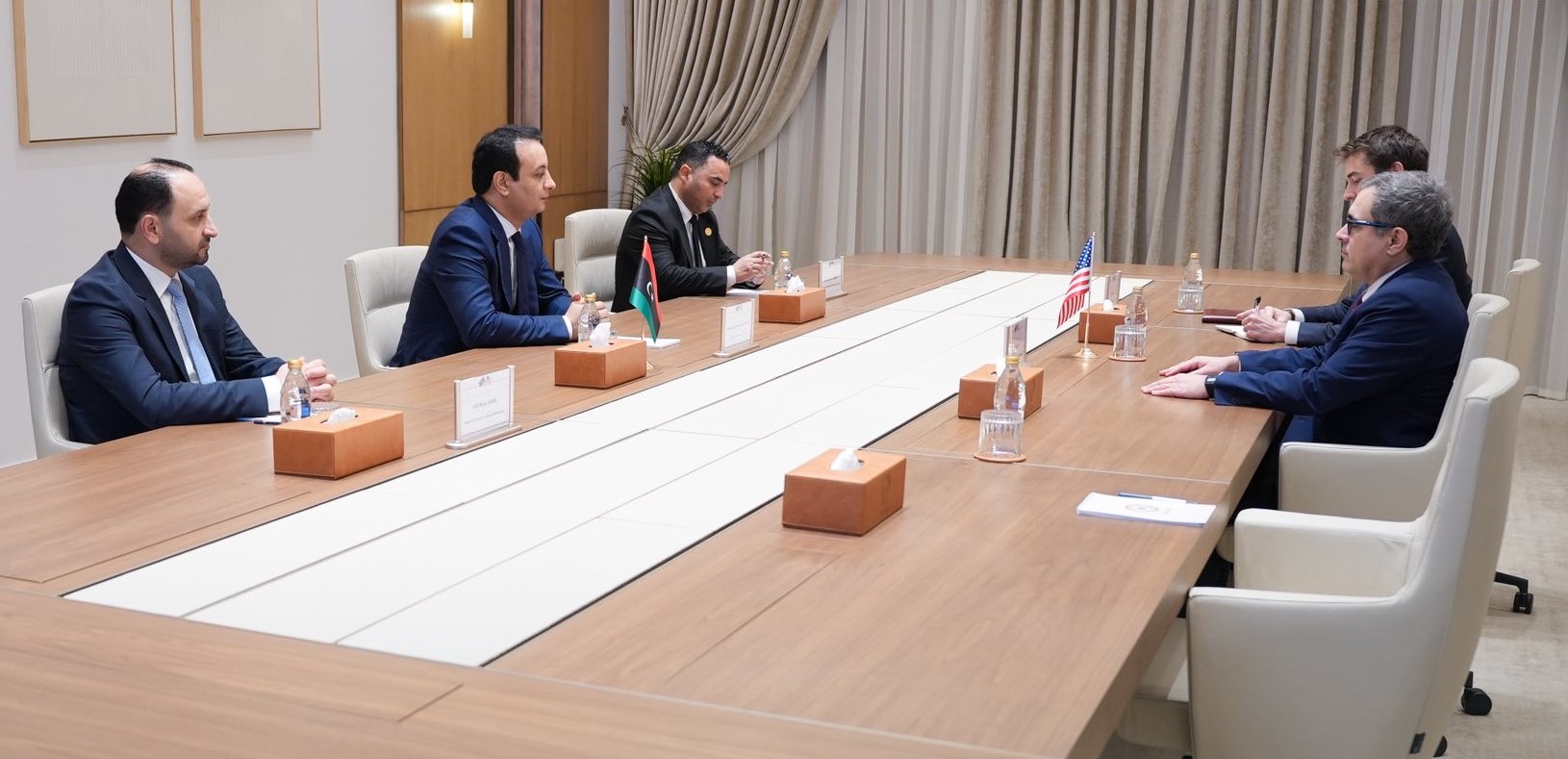
Paris, December 17, 2025 – The President of the High Council of State reviewed the political, security, and economic situation in the country with the Special Envoy of the French President to Libya at the Élysée Palace in Paris.
The President presented the High Council of State’s vision regarding developments in the political scene and the importance of pushing towards a comprehensive consensual path that leads to ending the state of division and achieving permanent stability.
The President of the High Council of State emphasized the necessity of supporting national efforts aimed at conducting electoral entitlements within a consensual constitutional and legal framework.
The two sides discussed the existing security challenges, ways to enhance stability and extend state authority, as well as the economic situation and its direct impact on citizens’ lives, and the need for urgent reforms to ensure sound management of resources and fair distribution.
For his part, the Special Envoy of the French President affirmed his country’s support for the Libyan political process led by Libyan parties and under the auspices of the United Nations, stressing the importance of dialogue and consensus among various institutions, and France’s readiness to contribute to supporting efforts aimed at achieving security, stability, and supporting development in Libya.
At the conclusion of the meeting, the two parties agreed on the importance of continued communication and coordination, and enhancing joint cooperation in a manner that serves the interest of the Libyan people and contributes to supporting regional and international stability.
President of the High Council of State
Here is a breakdown of how this title is used in different contexts:
### 1. **Libya (The Most Prominent Example)**
This is the most well-known current usage. In the Libyan political framework established after the 2011 civil war:
* **Role:** The High Council of State (HCS) is a consultative body, conceived as the *upper house* of the legislature, representing a broad spectrum of constituencies, especially from western Libya.
* **President:** The President of the HCS is a key political figure, often seen as a counterpart to the Speaker of the House of Representatives (based in eastern Libya). The position is central to peace negotiations and forming a unified government.
* **Current Holder:** **Mohamed Takala** (as of late 2023).
* **Significance:** The position is a major power center in Libya’s fragmented political landscape, vying for influence with the Tripoli-based Government of National Unity and the eastern-based authorities.
### 2. **Historical & Other Contexts**
The title can appear in other nations, typically indicating:
* **A Ceremonial Head of State:** In some historical or constitutional monarchies, a “High Council of State” might be a formal advisory council to the monarch, with its “President” being a senior official.
* **A Supreme Advisory Council:** In some governments, it can be the highest advisory body to the President or Prime Minister, comprising former leaders, elder statesmen, or military figures. Its president would hold significant informal influence.
* **A Transitional Governing Body:** Following a revolution or coup, a “High Council of State” might be formed as a collective presidency or supreme ruling council to steer the transition. Its president would act as the interim head of state.
### Key Distinction: President **of** vs. President **on**
* **President *of* the High Council of State:** This is the **chairperson or leader** of the council itself (e.g., Mohamed Takala in Libya).
* **President *on* (or *by*) the High Council of State:** This phrasing might indicate that the council **appoints or elects** the nation’s actual President.
**In summary:**
To understand the specific power and role of a “President of the High Council of State,” you **must identify the country and the historical moment**. Without that context, it generally refers to the presiding officer of a supreme advisory or legislative council, with its real authority ranging from purely ceremonial to critically powerful in a divided state.
Special Envoy of the French President to Libya
### Key Responsibilities Typically Include:
– **Mediation & Diplomacy:** Engaging with Libyan factions, regional actors, and international partners to support political dialogue, ceasefires, and elections.
– **Policy Coordination:** Aligning French diplomacy with EU, UN, and other multilateral efforts in Libya (e.g., UN Support Mission in Libya – UNSMIL).
– **Reporting:** Advising the French President and Ministry of Europe and Foreign Affairs on ground realities and political developments.
– **Crisis Management:** Addressing urgent issues such as security, migration, and economic stability in Libya.
### Context:
France has been actively involved in Libyan affairs since the 2011 uprising, focusing on counter-terrorism, stabilization, and mitigating regional spillovers. The envoy works alongside other key French positions (e.g., Ambassador to Libya, though often based temporarily outside due to security concerns).
### Recent Example:
– **Paul Soler** served as Special Envoy for Libya (2022–2023), operating under the French President’s office and the Ministry of Europe and Foreign Affairs.
### Why It Matters:
Libya’s stability affects Mediterranean security, migration routes, and energy markets—all direct interests for France and the EU. The envoy role underscores France’s commitment to a political solution in Libya, often in coordination with allies but sometimes drawing criticism for perceived unilateral moves.
If you need details on a **current officeholder** or specific French policy in Libya, I can look that up for you.