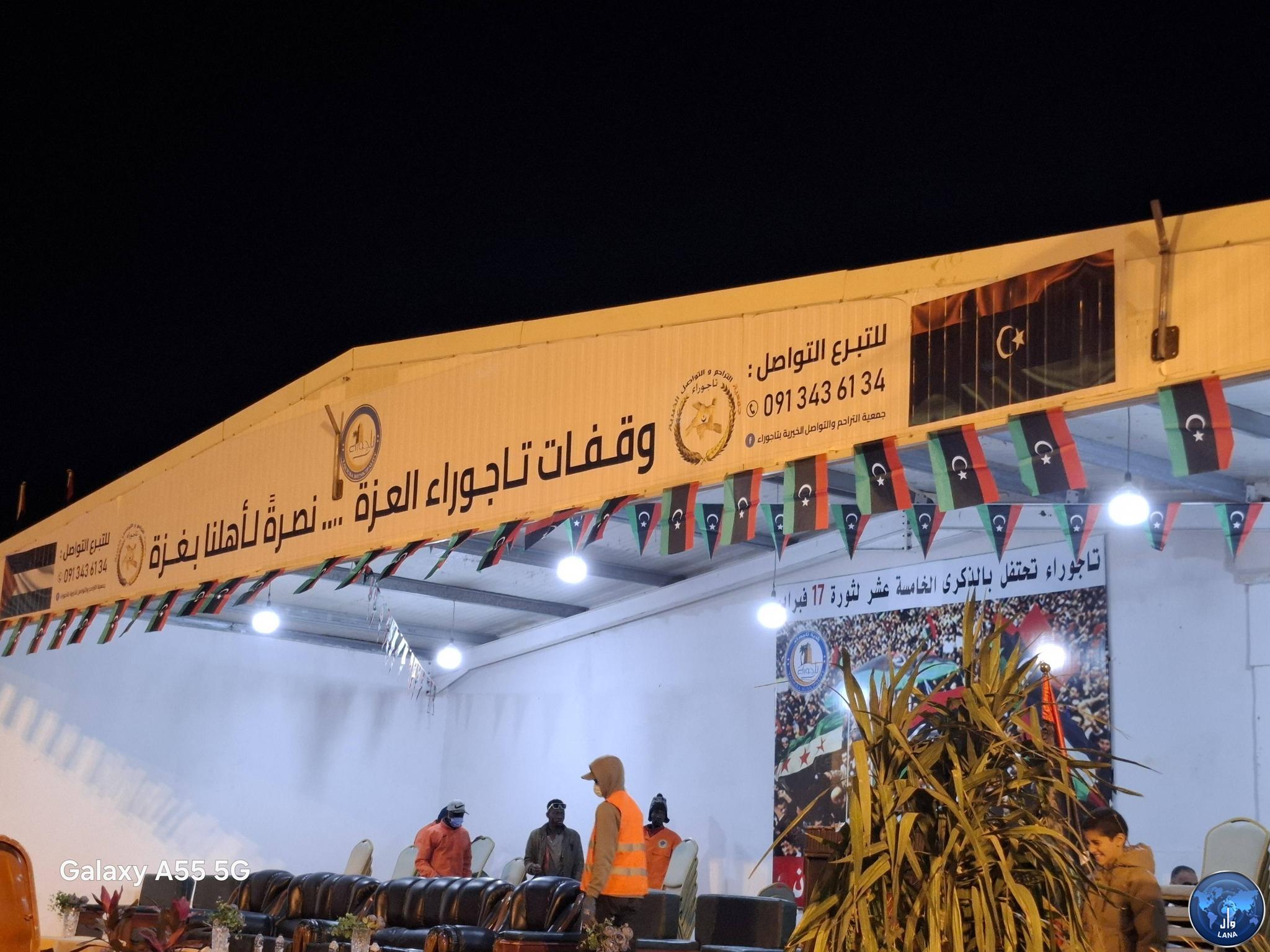
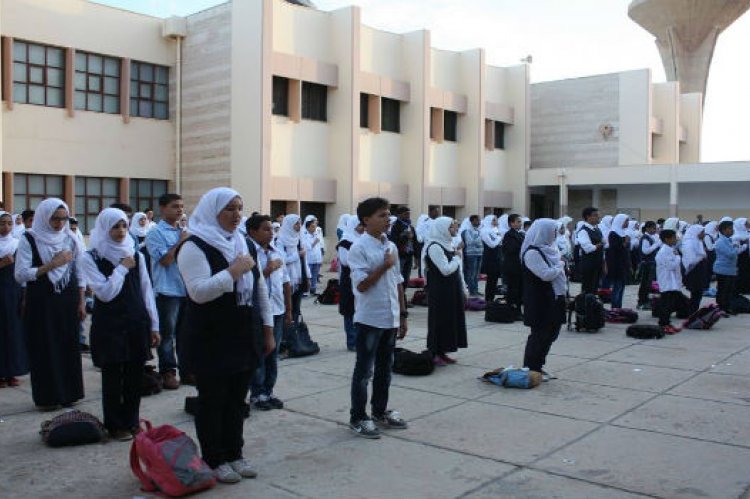
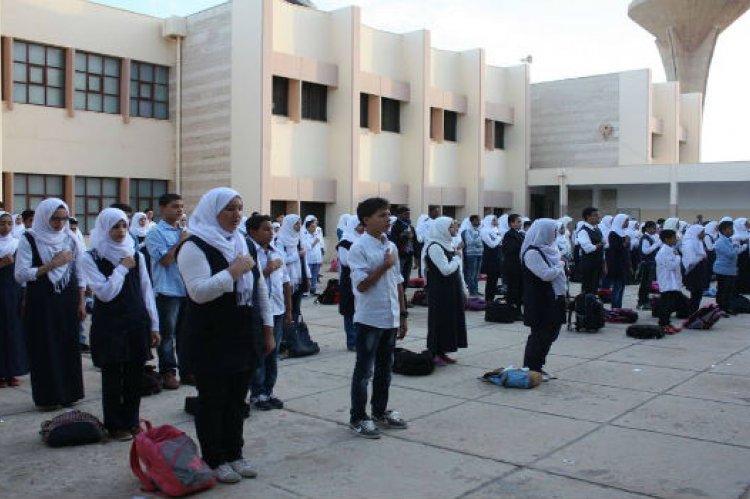
Tajoura, February 16, 2026 – The Tajoura municipality commemorated the fifteenth anniversary of the February 17 Revolution this Monday evening.
The celebrations commenced at the Martyrs’ Square in central Tajoura, attended by the municipality dean, the director of Tajoura security directorate, the head of the city’s council of elders and wise men, members of electoral lists and the elected municipal council, and a number of local residents.
The speeches delivered during the anniversary event reaffirmed commitment to the values and principles of the revolution, which stood for freedom, dignity, and ending decades of oppression and fear, while remembering the sacrifices of the martyrs who gave their lives in defense of the homeland.
The speeches on this occasion emphasized that February will remain a symbol of liberation and breaking chains, a moment to recall lessons and insights, with prayers for mercy for all who sacrificed sincerely for Libya. They stressed the necessity of safeguarding the revolution’s principles and preserving its path to achieve the people’s aspirations for justice and state-building.
Tajoura
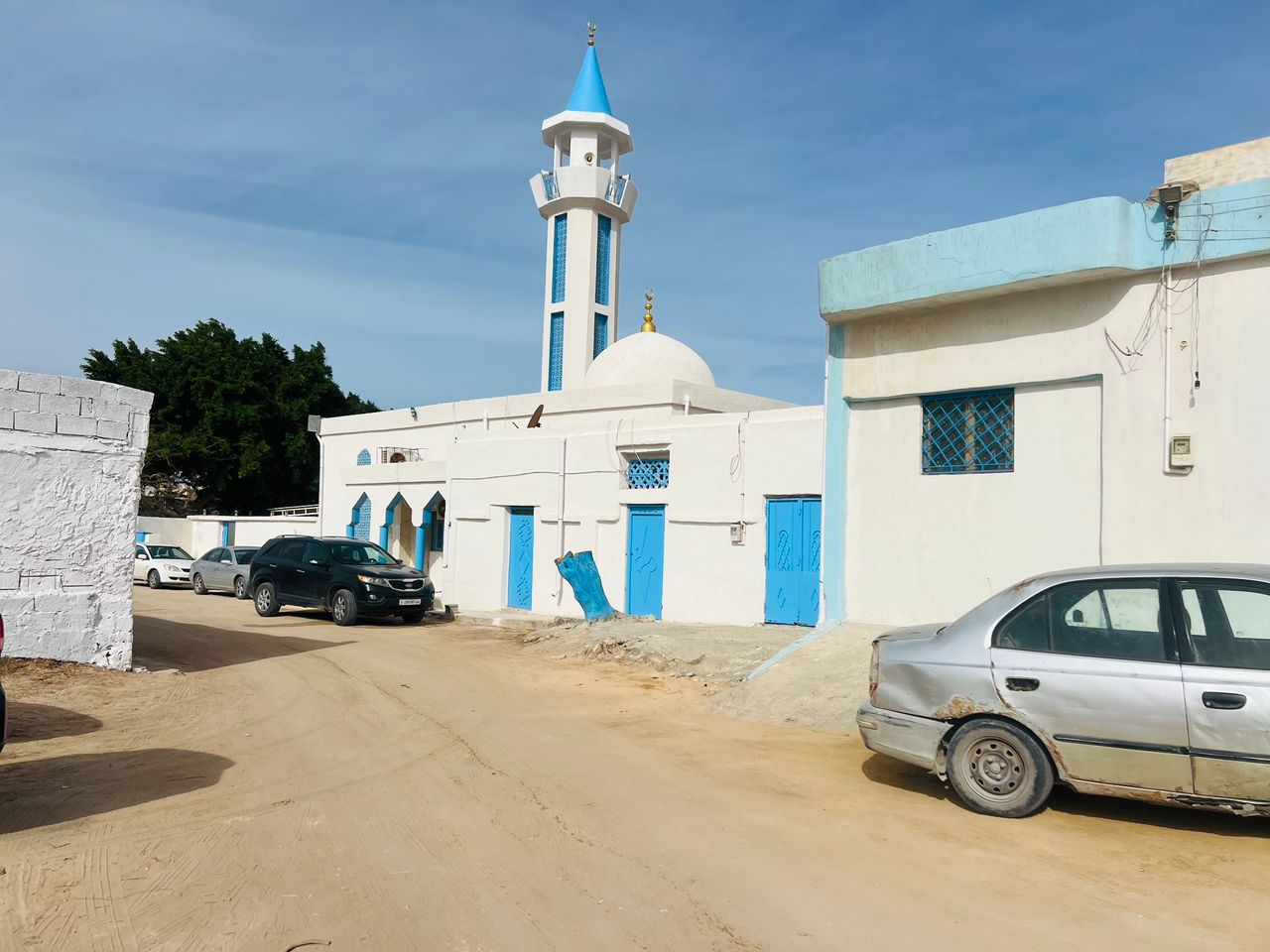
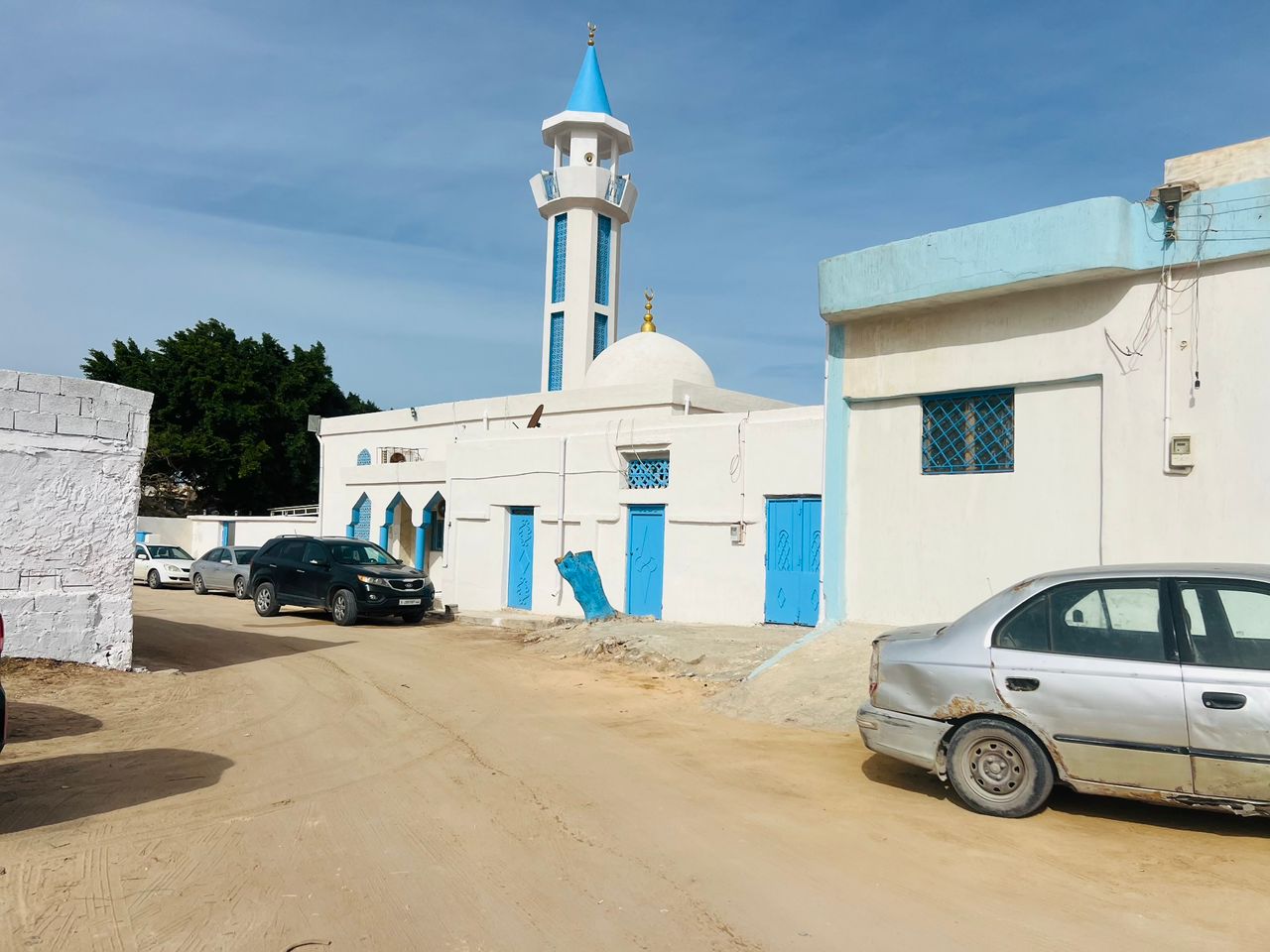
Tajoura is a historic coastal town in Libya, located east of Tripoli, known for its long-standing role as a trading port and its cultural significance. Historically, it was an important center for maritime commerce and Islamic scholarship, with its old town containing traditional architecture and mosques dating back centuries.
Martyrs’ Square
Martyrs’ Square is a major public plaza in downtown Beirut, Lebanon, historically known as a focal point for political and social gatherings. Its name commemorates Lebanese nationalists executed there by Ottoman authorities during World War I. The square remains a potent symbol of national memory and a site for public demonstrations.
Libya
Libya is a North African country with a rich history rooted in ancient civilizations like the Phoenicians and Romans, followed by centuries of Arab and Ottoman influence. In the modern era, it was an Italian colony before gaining independence in 1951, later becoming known for Muammar Gaddafi’s lengthy rule from 1969 until the 2011 revolution. The country is home to UNESCO World Heritage sites, such as the ruins of Leptis Magna, which testify to its significant historical legacy.