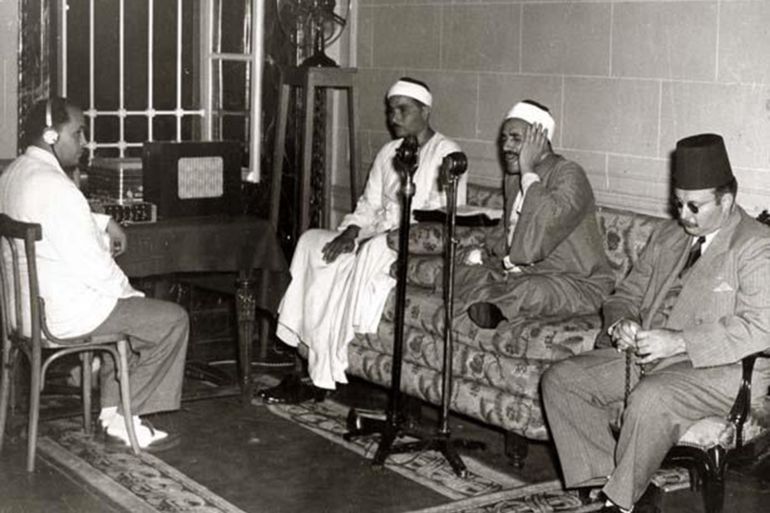
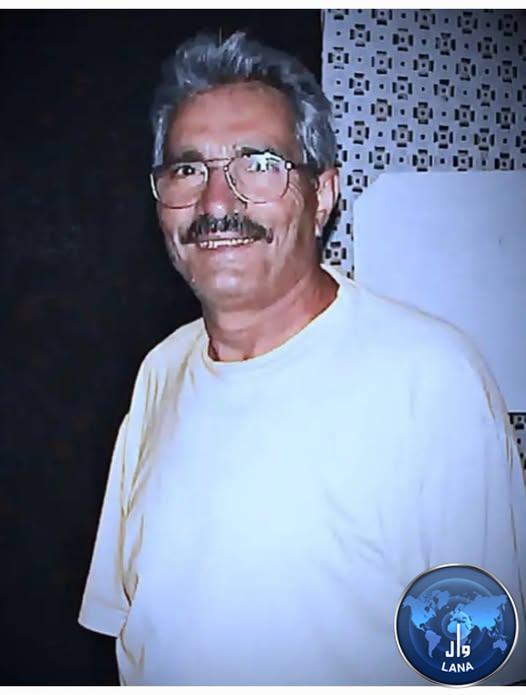
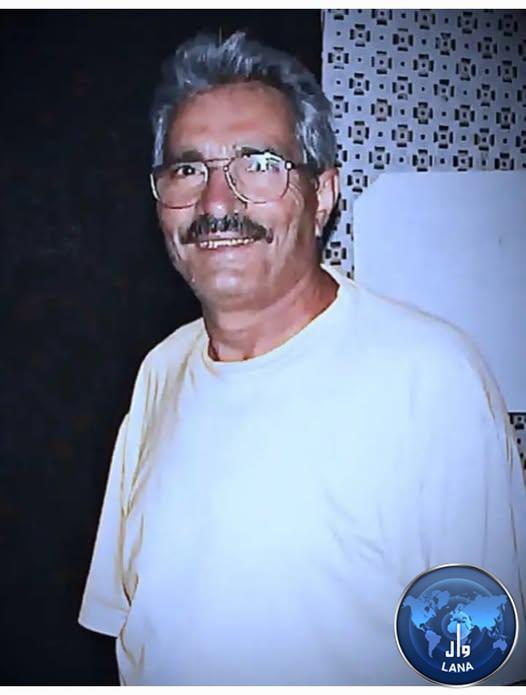
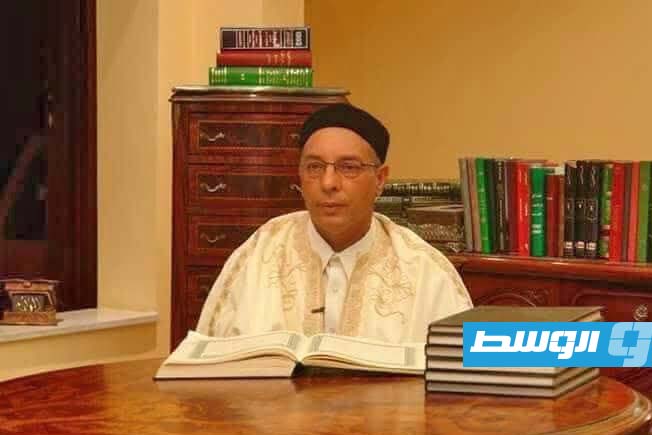
Cairo – In the city of Al-Fashn, south of the Beni Suef governorate in Upper Egypt in 1900, Taha Hassan Morsi was born to become one of the most influential voices in the history of Quranic recitation and religious hymns. His star shone brightly in the sky of the Quran and religious hymns, leaving an emotional and cultural impact that remains present to this day.
The name Taha El-Fashni is linked to his ancient city, which is considered the gateway between the northern and southern regions of Egypt. It is said that its name dates back to a Pharaonic princess who resided in the area and was known by the title “She of a Thousand Affairs.”
El-Fashni’s fame transcended borders, and his presence extended from the corners of Egypt to the Arab and Islamic worlds, until his name became a shining beacon in the collective auditory memory.
His Quranic impact, especially during the blessed month of Ramadan, was profoundly deep and influential, relying on an iconic, paradisiacal voice that remained a companion to iftar tables and the nights of the holy month for many long decades. He is the great reciter, the master of hymns, Sheikh Taha El-Fashni.
Part of the Ramadan Heritage
The voice of Sheikh Taha El-Fashni formed an integral pillar of the Ramadan heritage in Egypt. His voice was not merely a broadcast recitation but a complete Ramadan ritual and a luminous mark preceding the Maghrib call to prayer and the iftar cannon via the Egyptian radio airwaves.
He would recite from the Holy Quran, and among the most famous chapters associated with his name at this time was Surah Adh-Dhariyat. Its final verses would signal the arrival of iftar time, prompting mothers and children to move hot dishes from kitchens to the tables of those fasting, following a spiritual quenching that preceded the physical one.
El-Fashni was also a heavenly lyre that transported souls to the spheres of spiritual hymns just before the suhoor-ending cannon. Among his most famous works during this time are: “Wa Ya Ayyuha Al-Mukhtar” and “Bushraka Ya Nafsu Inna As-Sawma Zukaka.” He was also famous for his dawn hymns, dedicating impactful individual hymns before the call to prayer, which remained etched in the collective memory.
“Who among us forgets the hymn that Sheikh Taha El-Fashni used to present before the Fajr call to prayer? Everyone used to wait for it, listen to it, and enjoy it,” said an Egyptian media figure, speaking recently in one of his program episodes about the profound impact El-Fashni left on his consciousness, describing him as “the nightingale of the radio, the owner of the golden voice, and the king of hymns.”
This media figure was just one example of an entire generation saturated with El-Fashni’s vocal genius and inspired by it during the abundant nights of Ramadan.
The hymn “As-Salamu Alayka Ya Shahra As-Siyam” (Peace be upon you, O month of fasting) is considered El-Fashni’s most famous work and the one most associated with the sorrows of bidding farewell to the month of Ramadan in the Egyptian collective consciousness. His humble voice, chanting this hymn, became linked with the tears of worshippers as they repeated after him:
“Peace be upon you, O month of Ramadan. Peace be upon you, O month of the Quran. Peace be upon you, O month of Tarawih prayers. Peace be upon you, O month of lanterns. We bid you farewell while longing for you, and we part from you while regretting our separation from you. By God, O our month, do not complain to God about our actions.”
Over decades, El-Fashni left a deeply profound emotional and social impact on the audience of fasting people, until his voice became a pure Ramadan symbol, alongside the lantern
King Farouk
King Farouk was the last reigning king of Egypt, ruling from 1936 until he was overthrown in a military coup in 1952. His reign was marked by a lavish lifestyle and political instability, which contributed to the rise of the Egyptian revolution led by the Free Officers Movement.
Sheikh Taha El-Fashni
Sheikh Taha El-Fashni is a prominent mosque and religious complex located in the city of Tanta, Egypt, serving as the final resting place of the revered 19th-century Sufi saint Sheikh Taha El-Fashni. The site is a major destination for pilgrims, especially during the annual Moulid of Sayid Ahmed al-Badawi, reflecting its enduring importance in Egyptian Islamic culture and Sufi tradition.
Cairo
Cairo is the sprawling capital of Egypt, founded in 969 CE by the Fatimid dynasty. It is renowned for its rich history, serving as a center of the Islamic world and home to iconic landmarks like the Pyramids of Giza on its outskirts and the historic Islamic Cairo district with its ancient mosques and bazaars.
Al-Fashn
Al-Fashn is a city in the Beni Suef Governorate of Egypt, located along the Nile River. Historically, it has been an agricultural center known for its fertile land and traditional farming practices, contributing to the region’s economy for centuries.
Beni Suef
Beni Suef is a governorate in central Egypt, located along the Nile River south of Cairo. Historically, it has been an important agricultural region since ancient times, known for its fertile land and role in grain production. The area also contains several archaeological sites, including the Meidum Pyramid, which dates back to the Old Kingdom.
Upper Egypt
Upper Egypt refers to the southern region of Egypt along the Nile River, historically known as Ta-Shemau. It was the seat of powerful ancient kingdoms and is famed for its wealth of archaeological sites, including the temples of Luxor and Karnak, and the Valley of the Kings. This area was a crucial political and religious center during the Pharaonic era.
Egypt
Egypt is home to one of the world’s oldest civilizations, with a recorded history spanning over 5,000 years and famed for its monumental pharaonic achievements like the Pyramids of Giza and the Sphinx. Its rich cultural heritage, from ancient temples along the Nile to Islamic Cairo and Coptic sites, reflects a continuous legacy of influential empires and religions.
Ramadan
Ramadan is the ninth month of the Islamic lunar calendar, observed by Muslims worldwide as a month of fasting, prayer, reflection, and community. Its history is rooted in the Islamic tradition that it was during this month that the Quran was first revealed to the Prophet Muhammad. The fast from dawn to sunset commemorates this revelation and is one of the Five Pillars of Islam.
Surah Adh-Dhariyat
Surah Adh-Dhariyat is the 51st chapter of the Quran, consisting of 60 verses revealed in Mecca. Its name, meaning “The Scattering Winds,” is taken from its opening verses, which use vivid imagery of natural phenomena to affirm the truth of the Day of Judgment and the reality of divine messages delivered by earlier prophets.
Maghrib
“Maghrib” refers to the region of Northwest Africa encompassing modern-day Morocco, Algeria, Tunisia, Libya, and Mauritania. Historically, the term is derived from the Arabic word for “west,” as it was the western part of the Islamic empires following the Arab conquest in the 7th century. The area is known for its rich history, including Berber kingdoms, the medieval Almoravid and Almohad Caliphates, and diverse cultural influences from Arab, African, and Mediterranean civilizations.
Fajr
“Fajr” is not a specific place or cultural site, but the Persian word for “dawn.” It is most famously associated with the Fajr International Film Festival, a major annual cinematic event held in Tehran, Iran, which was established in 1982 following the Iranian Revolution to promote national cinema.
Tarawih
Tarawih refers to the special nightly prayers performed by Muslims during the holy month of Ramadan. These prayers are traditionally performed in congregation at mosques and have a historical tradition tracing back to the practices of the Prophet Muhammad and the early Muslim community.