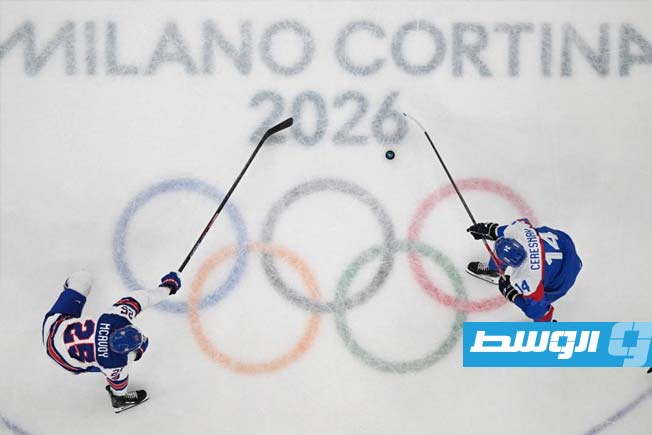
The Canadian and United States national teams will meet at the Santagolia Hall in Milan, Italy, in a heated battle for the men’s ice hockey gold medal at the Winter Olympic Games, in a final expected to be charged with tension.
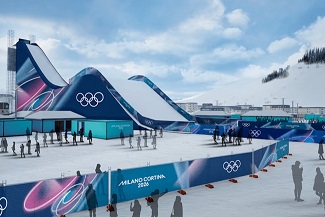
The final will be held tomorrow, Sunday, marking the last title to be awarded at the Milan-Cortina Winter Olympics.
A historic rivalry between the USA and Canada
Under normal circumstances, a match between Canada and the United States is a marquee event in itself, given the fierce rivalry between the two nations dating back to before the first Winter Olympics in 1924. This time, however, tensions have been heightened by recent political disputes between the two sides following verbal attacks launched by U.S. President Donald Trump against Canada in recent months.
Last winter, a match between the two teams held in Montreal saw a charged atmosphere, with Canadian fans booing during the U.S. national anthem, in addition to three on-ice altercations within just nine seconds of play.
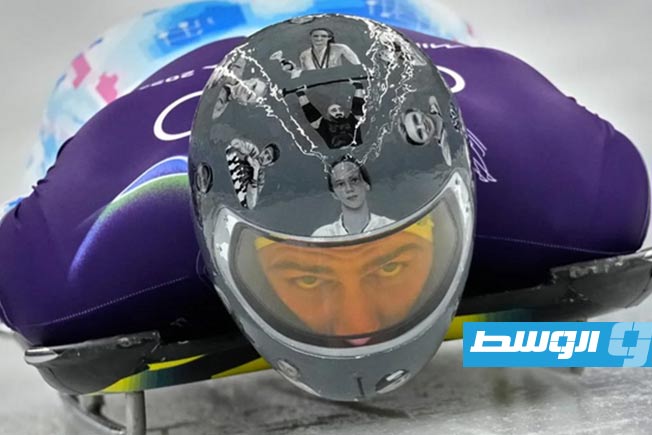
– Swiss athlete Faton wins first gold in skeleton
– Filipov wins first medal for neutral athletes at Winter Olympics
This showdown is also promising on a technical level, as it will feature a number of the sport’s top stars, thanks to the return of North American professional league players after a 12-year absence from the Winter Games.
USA
The United States of America is a federal republic founded in 1776 after declaring independence from Great Britain. Its history is marked by westward expansion, industrialization, and its emergence as a global superpower in the 20th century. The nation is defined by its diverse population, democratic institutions, and significant cultural influence worldwide.
Canada
Canada is a North American country formed in 1867 through Confederation, evolving from earlier British and French colonial territories. It is known for its vast landscapes, multicultural society, and a constitutional monarchy that recognizes both English and French as official languages.
Santagolia Hall
Santagolia Hall is a historic performance venue located in the city of Rijeka, Croatia, originally constructed in the late 19th century. It served as a key cultural and social hub, hosting concerts, balls, and theatrical performances during the peak of Rijeka’s urban development.
Milan
Milan is a major city in northern Italy, historically founded by the Celts before becoming a key center of the Roman Empire. It is globally renowned as a fashion and design capital, while also housing significant cultural landmarks such as the Duomo cathedral and Leonardo da Vinci’s fresco *The Last Supper*.
Italy
Italy is a country in Southern Europe with a rich cultural history that dates back to the Roman Empire, which was one of the largest and most influential civilizations of antiquity. It later became the birthplace of the Renaissance, a period of immense artistic and intellectual achievement centered in cities like Florence and Rome. Today, Italy is renowned for its historic landmarks, artistic treasures, and profound influence on Western culture, law, and cuisine.
Winter Olympic Games
The Winter Olympic Games are a major international multi-sport event held every four years for sports practiced on snow and ice. First held in 1924 in Chamonix, France, the Games have evolved to include a wide variety of disciplines and have been hosted across three continents.
Milan-Cortina Winter Olympics
The Milan-Cortina Winter Olympics, officially the 2026 Games, will be the first Winter Olympics hosted across two distinct Italian regions: Lombardy in the north and Veneto in the northeast. This marks Italy’s third time hosting the Winter Games, following Cortina d’Ampezzo in 1956 and Turin in 2006, and will utilize many existing venues from those prior events.
Montreal
Montreal is a major city in the Canadian province of Quebec, founded in 1642 as a French missionary settlement called Ville-Marie. It grew into a vital hub for the North American fur trade and later became a leading industrial and cultural center, famously hosting the 1967 World’s Fair and the 1976 Summer Olympics. Today, it is known for its vibrant arts scene, historic architecture, and unique bilingual French-English character.
Swiss
Switzerland, officially the Swiss Confederation, is a federal republic in Central Europe known for its long history of neutrality and direct democracy, formally established with the Federal Constitution of 1848. Its cultural identity is deeply rooted in its multilingual composition—German, French, Italian, and Romansh—and its tradition of cantonal autonomy dating back to the foundational alliance of three cantons in 1291. The country is globally recognized for its Alpine landscapes, political stability, and its historical role as a host for international diplomacy.
Winter Olympics
The Winter Olympics is a major international multi-sport event held every four years, featuring sports practiced on snow and ice. It was first held in Chamonix, France, in 1924, and has since grown to become a global celebration of winter sports, fostering international competition and cultural exchange.