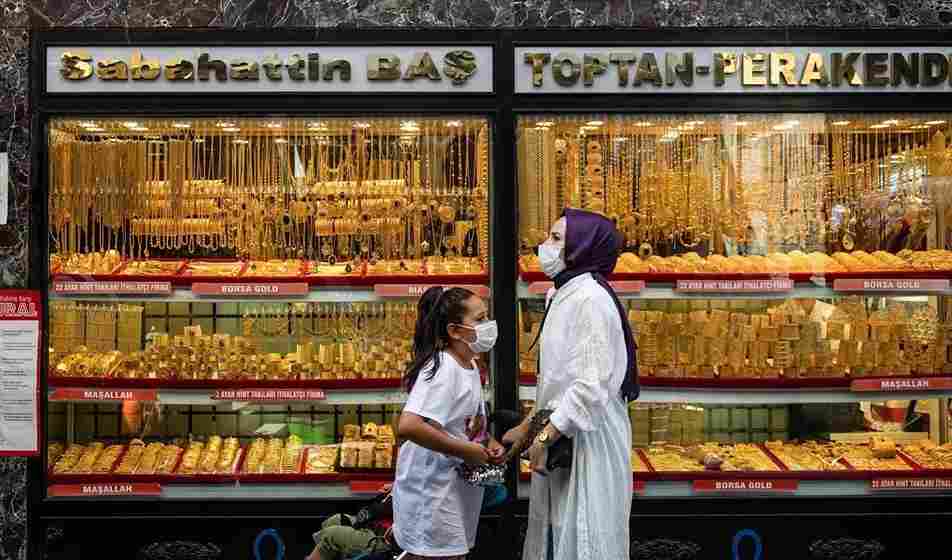
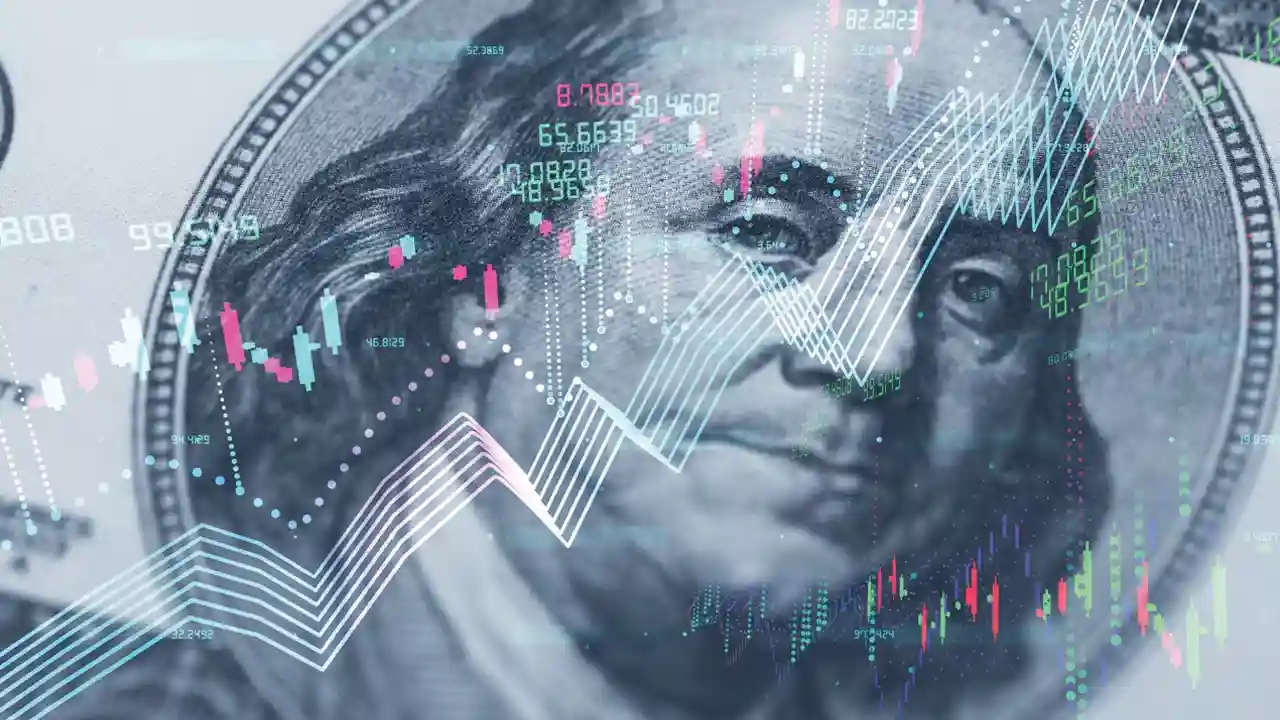
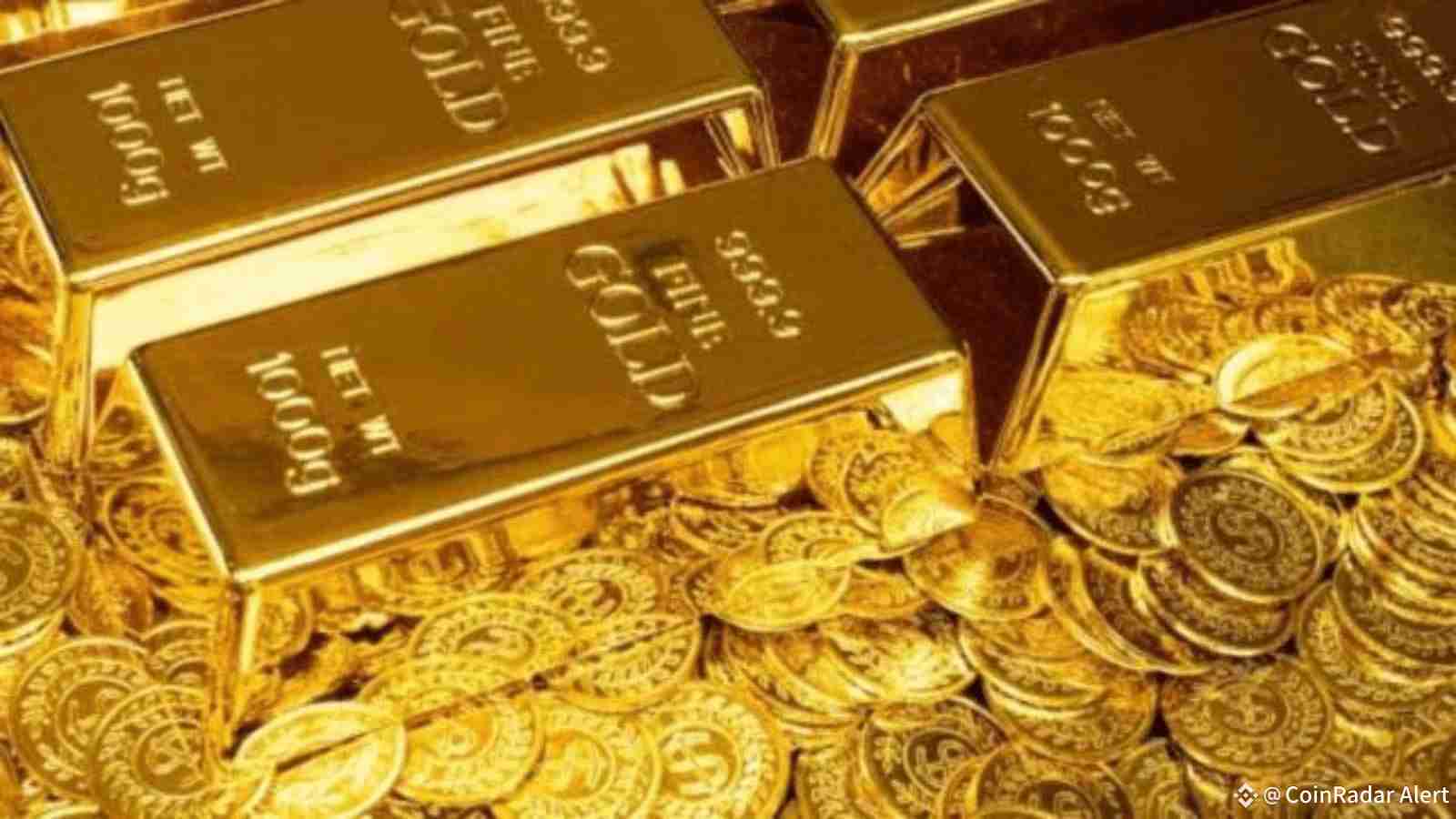
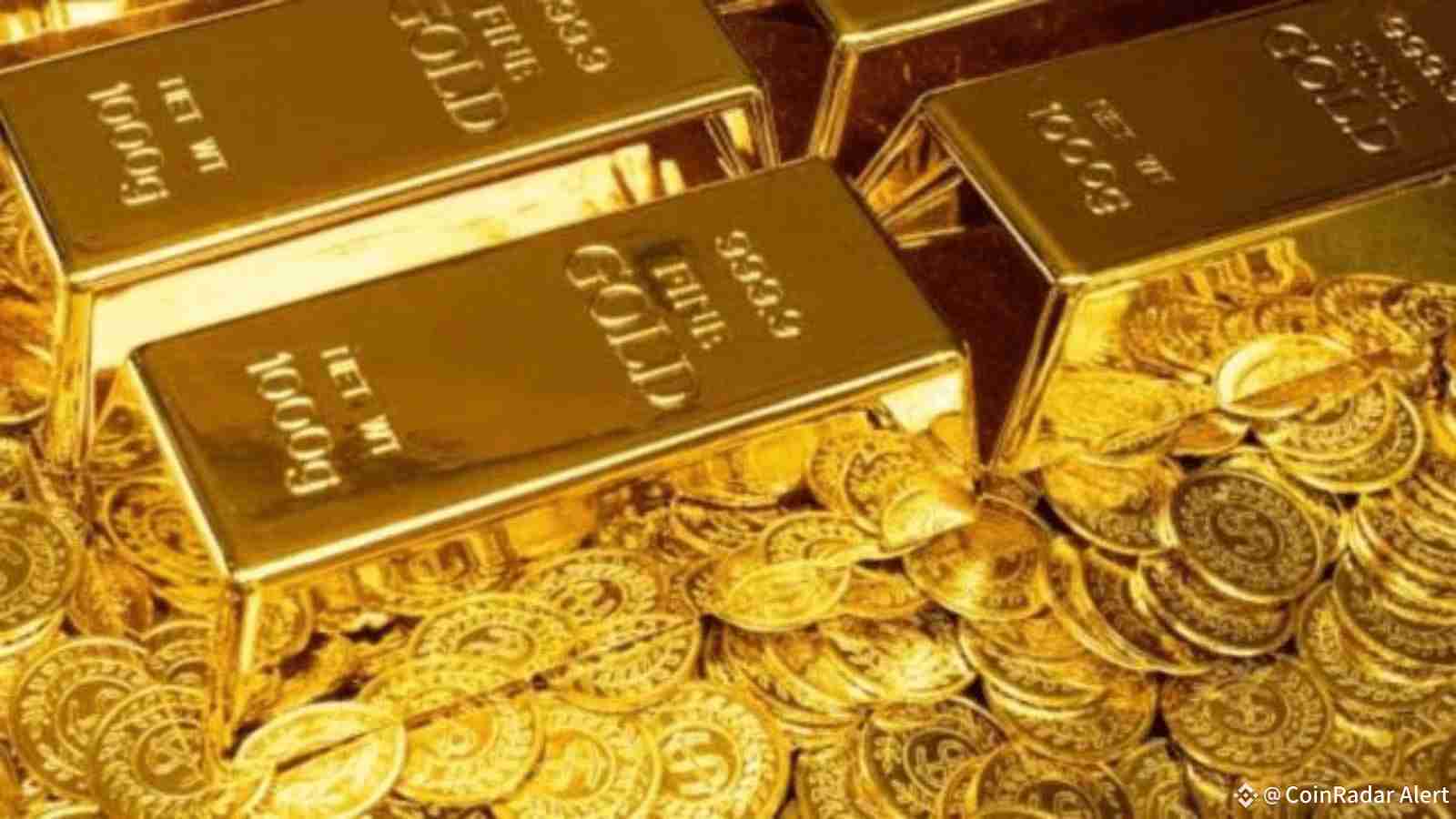
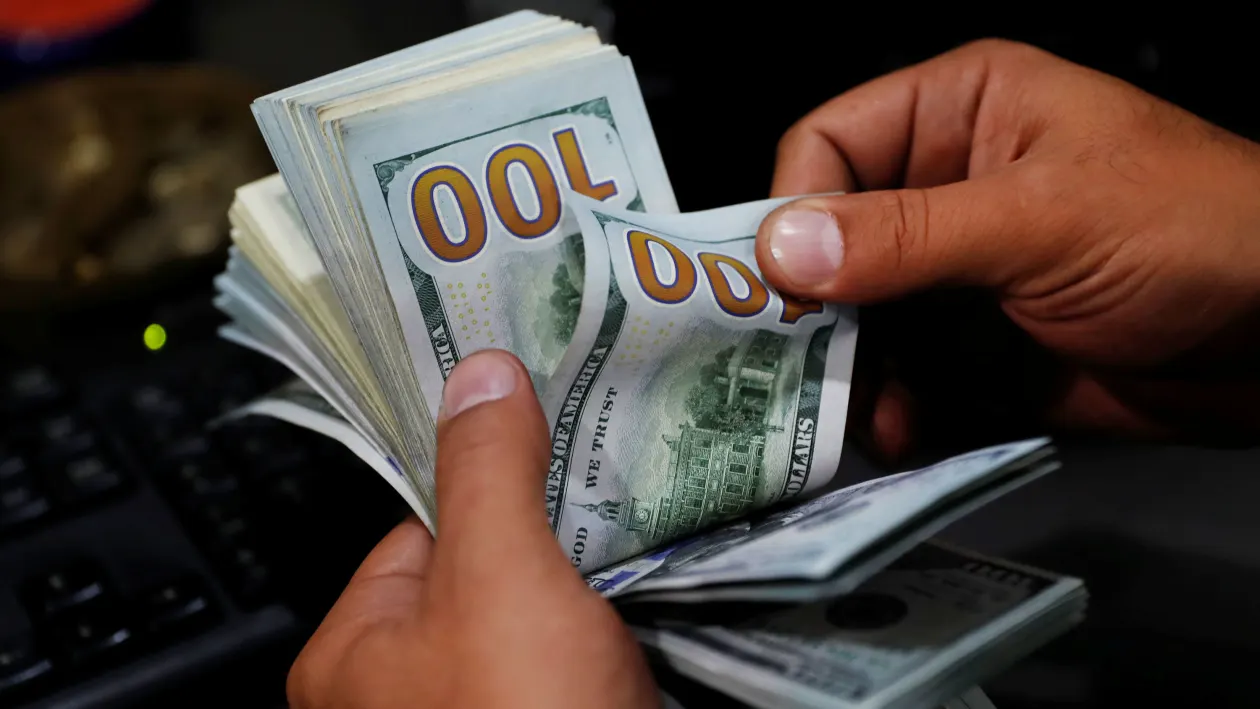
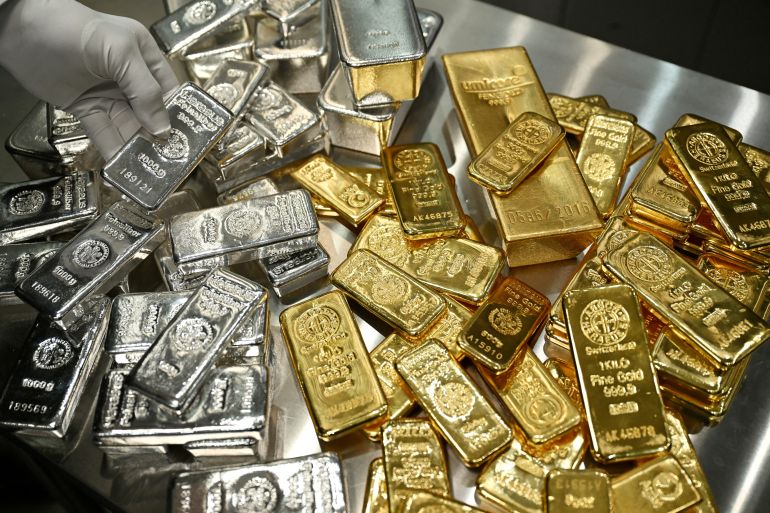
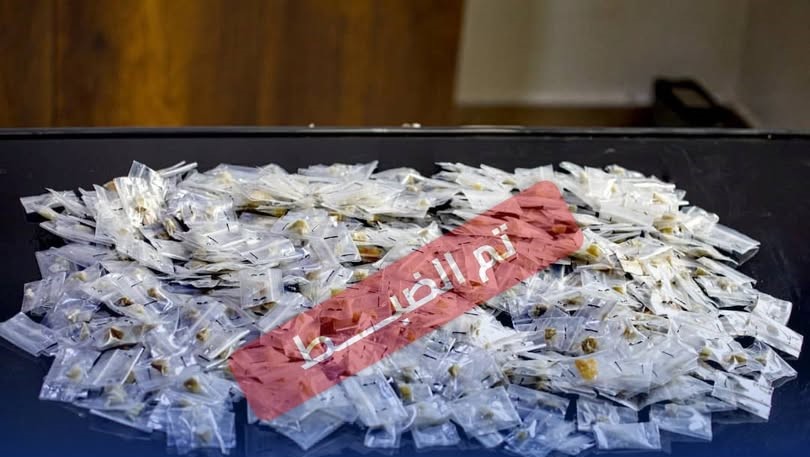
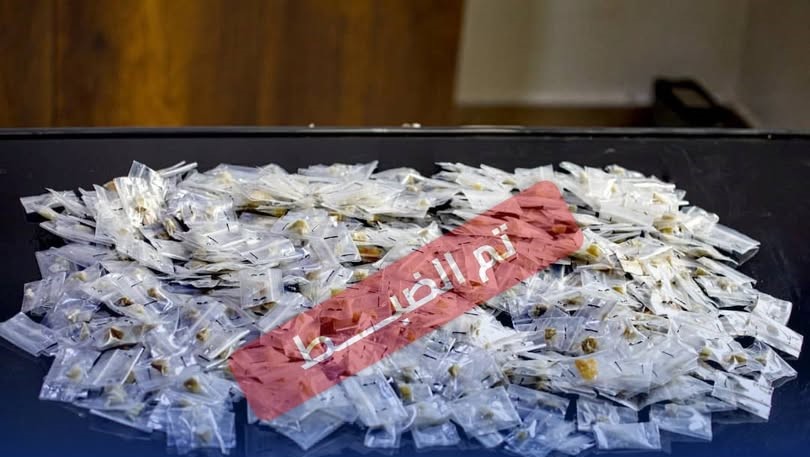
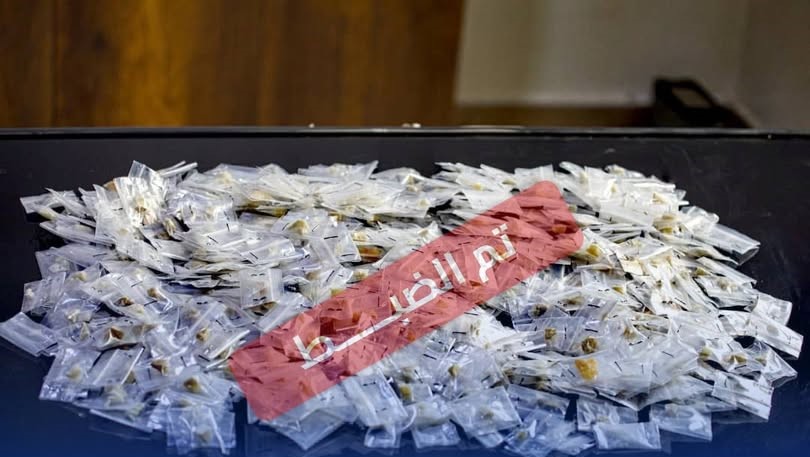
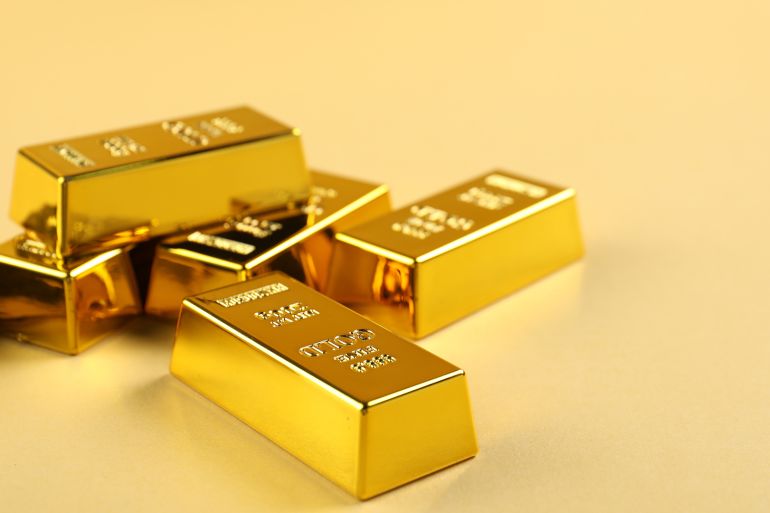
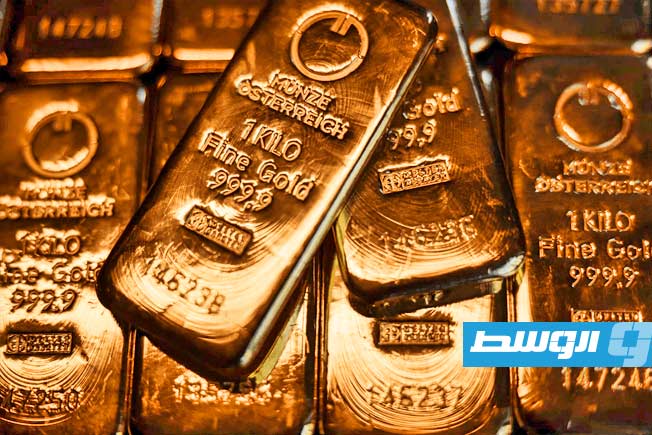
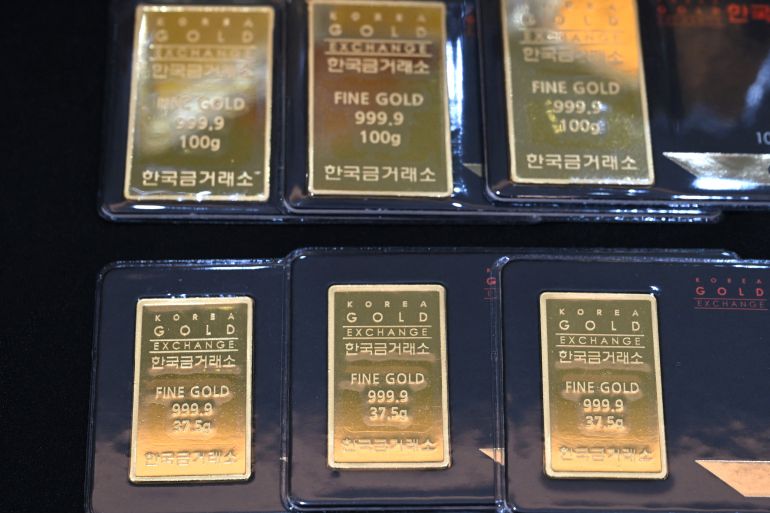
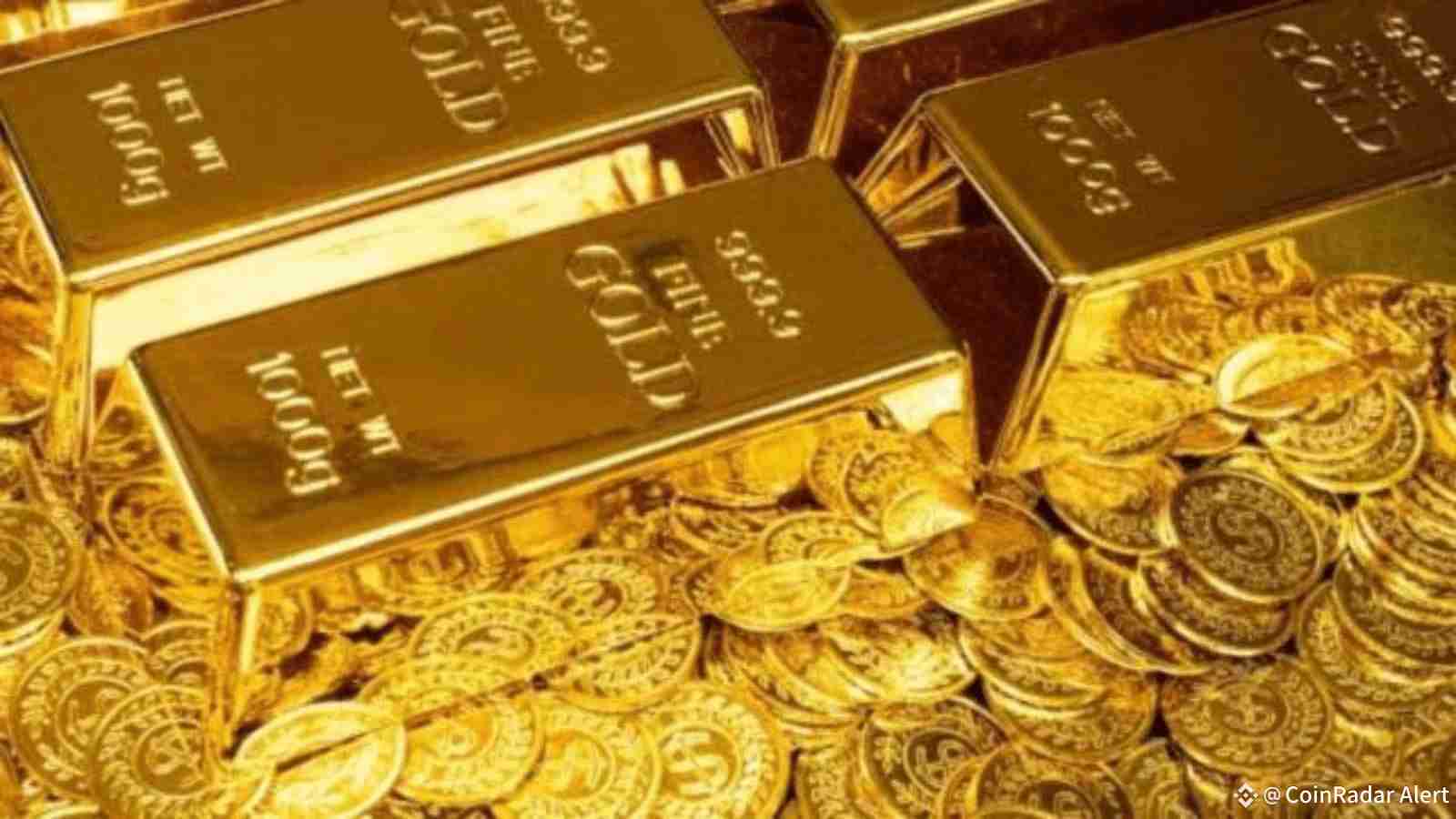
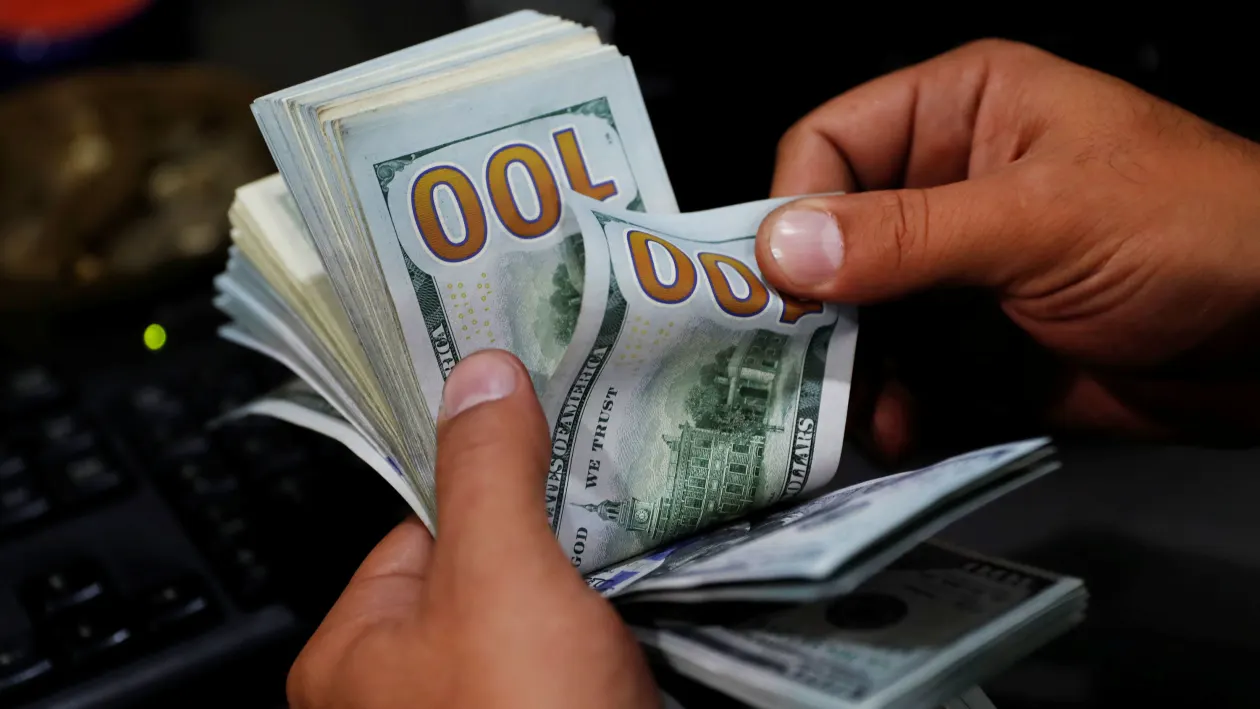
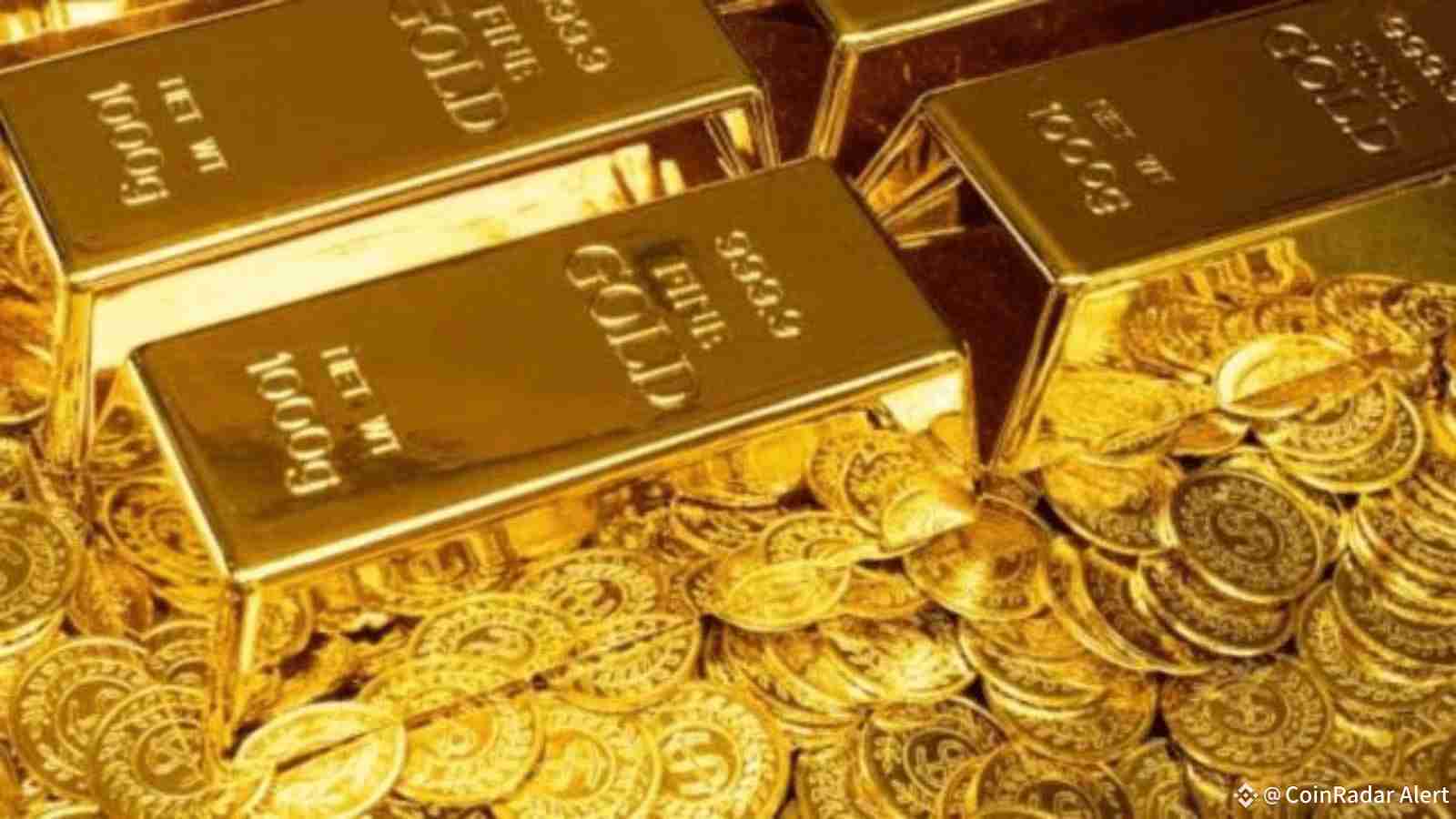
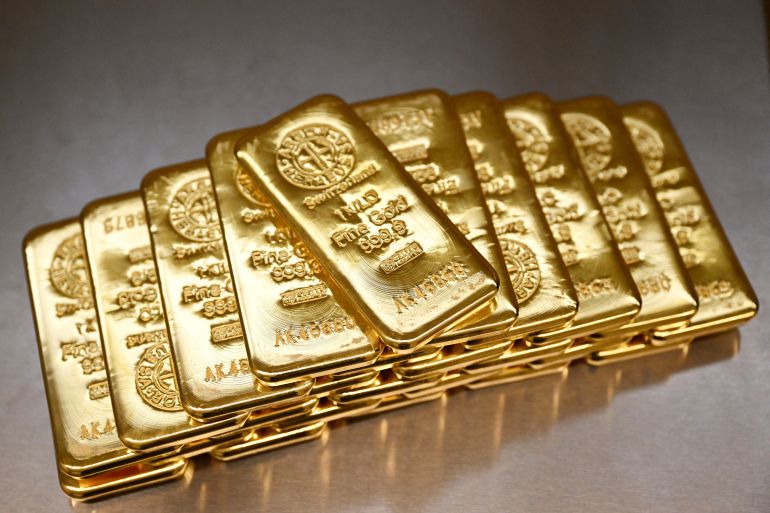
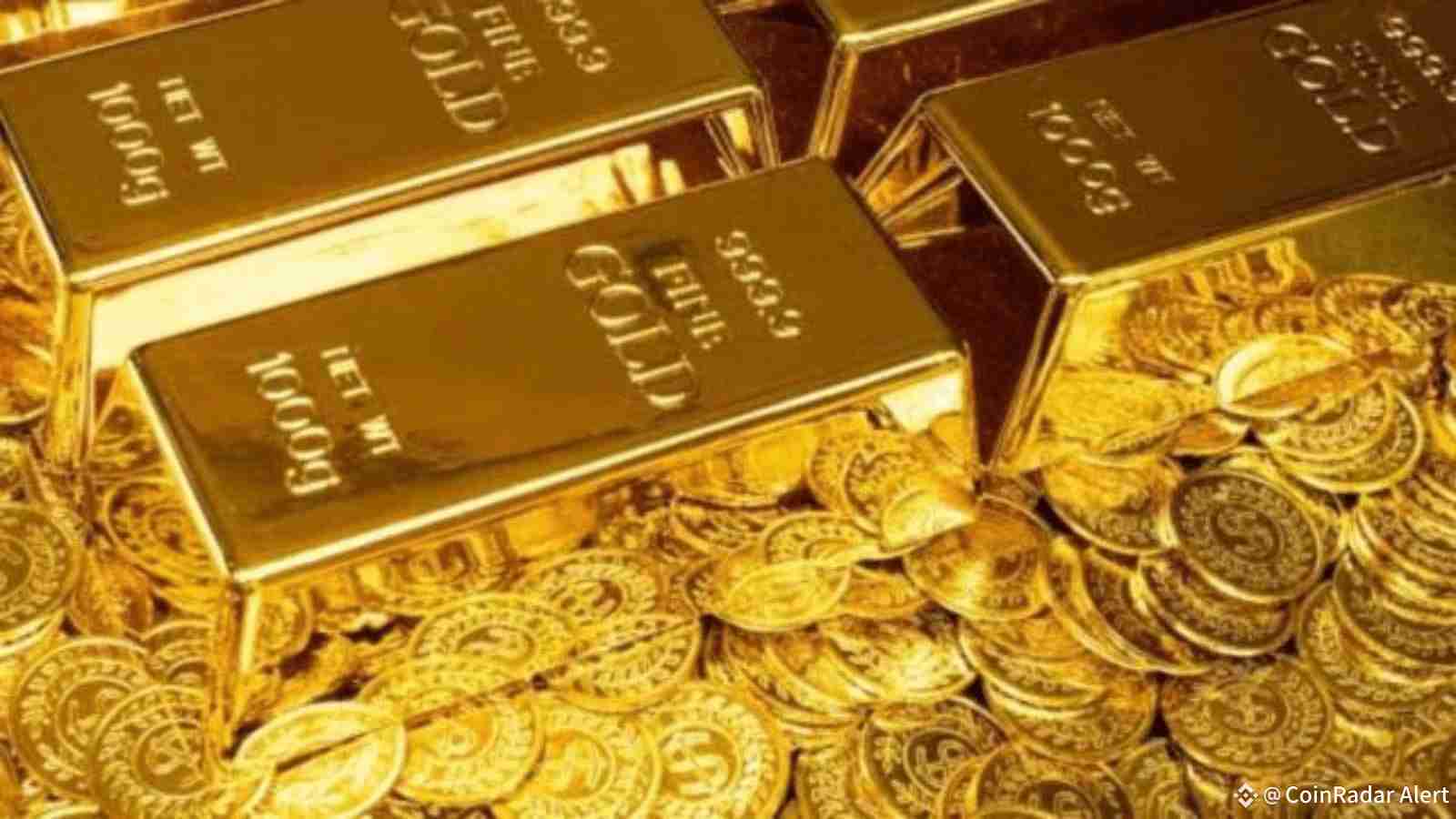
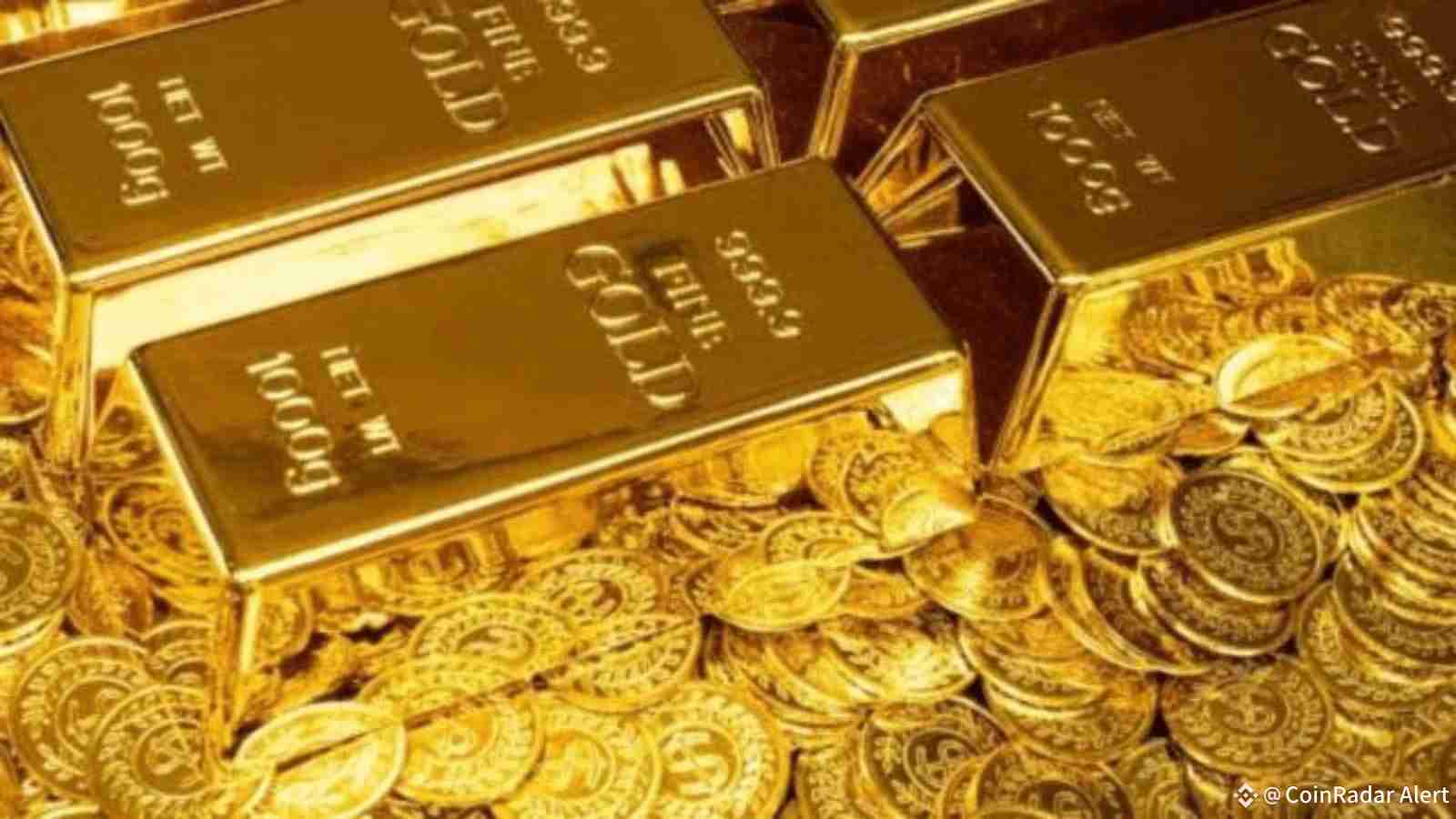
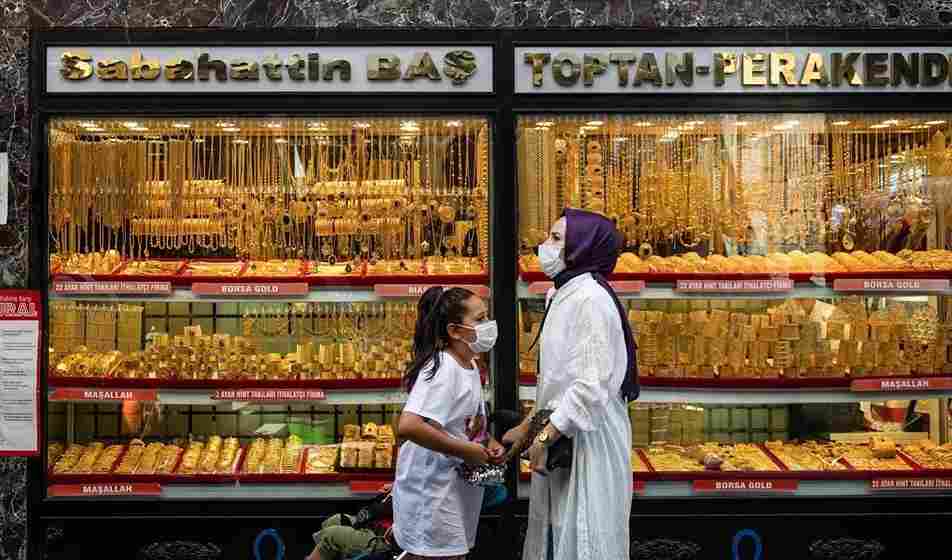
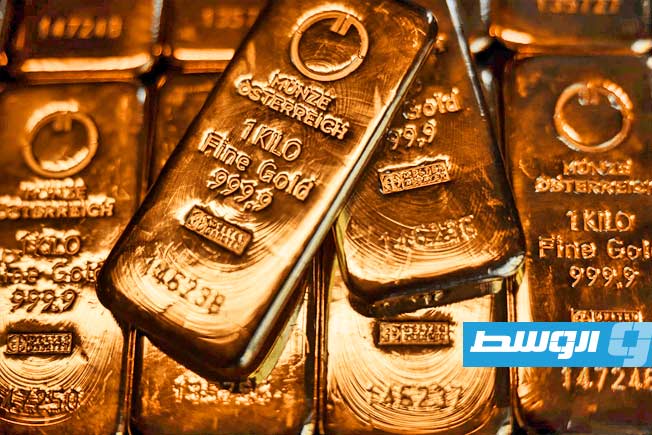
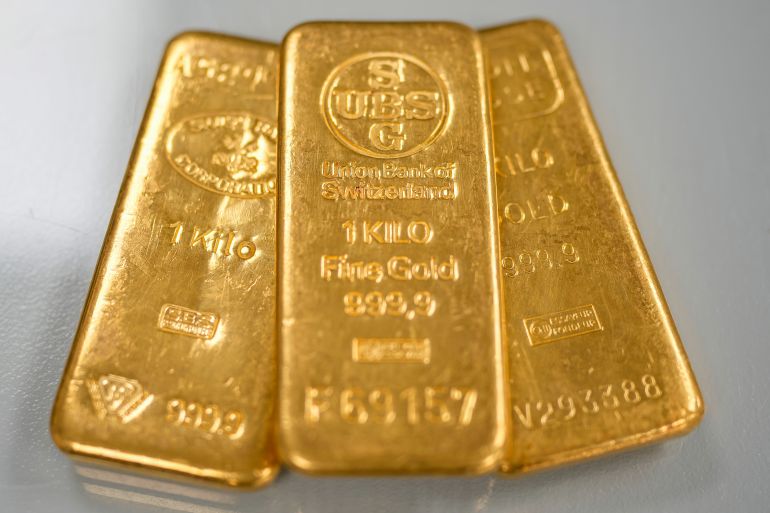
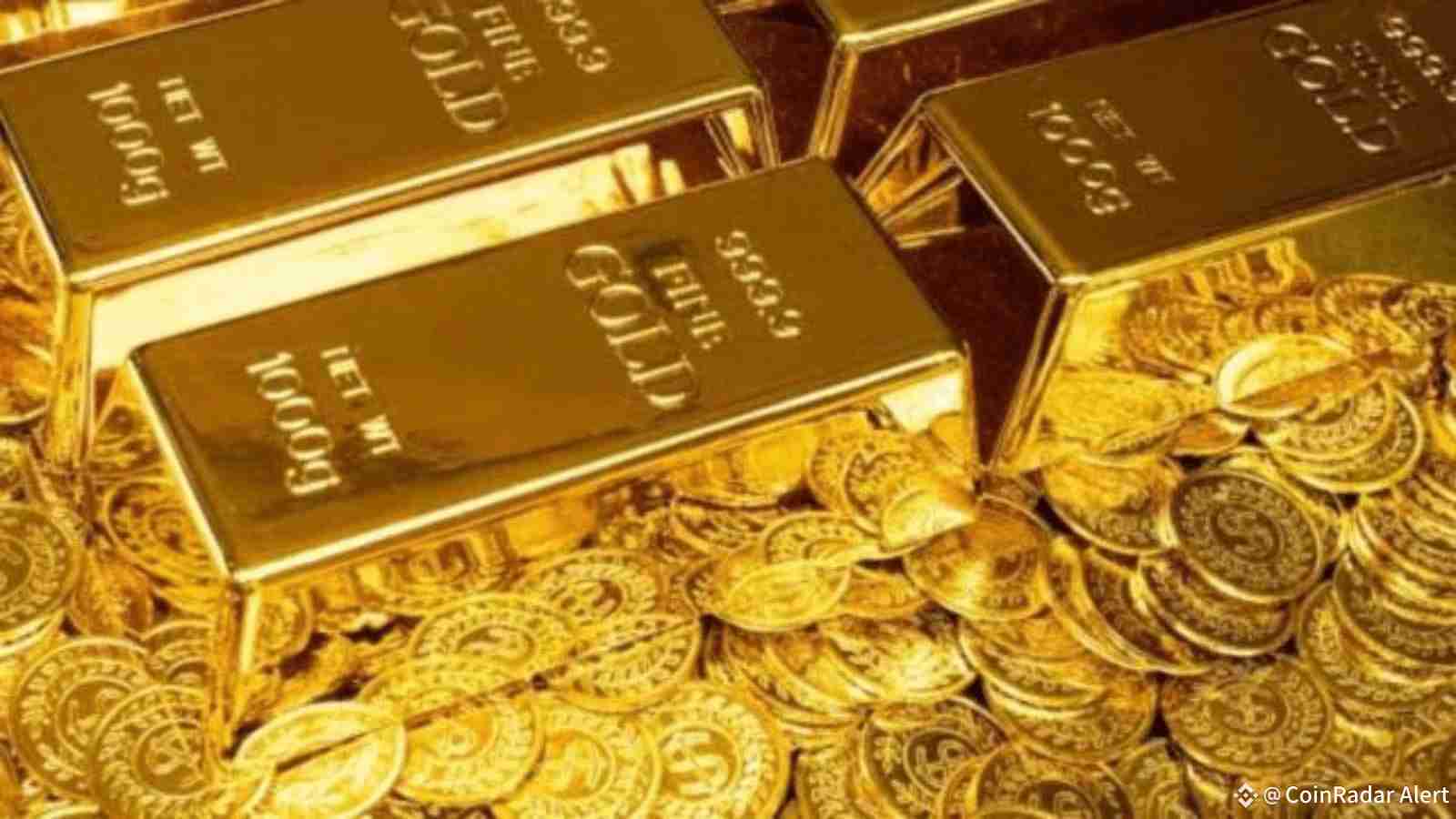
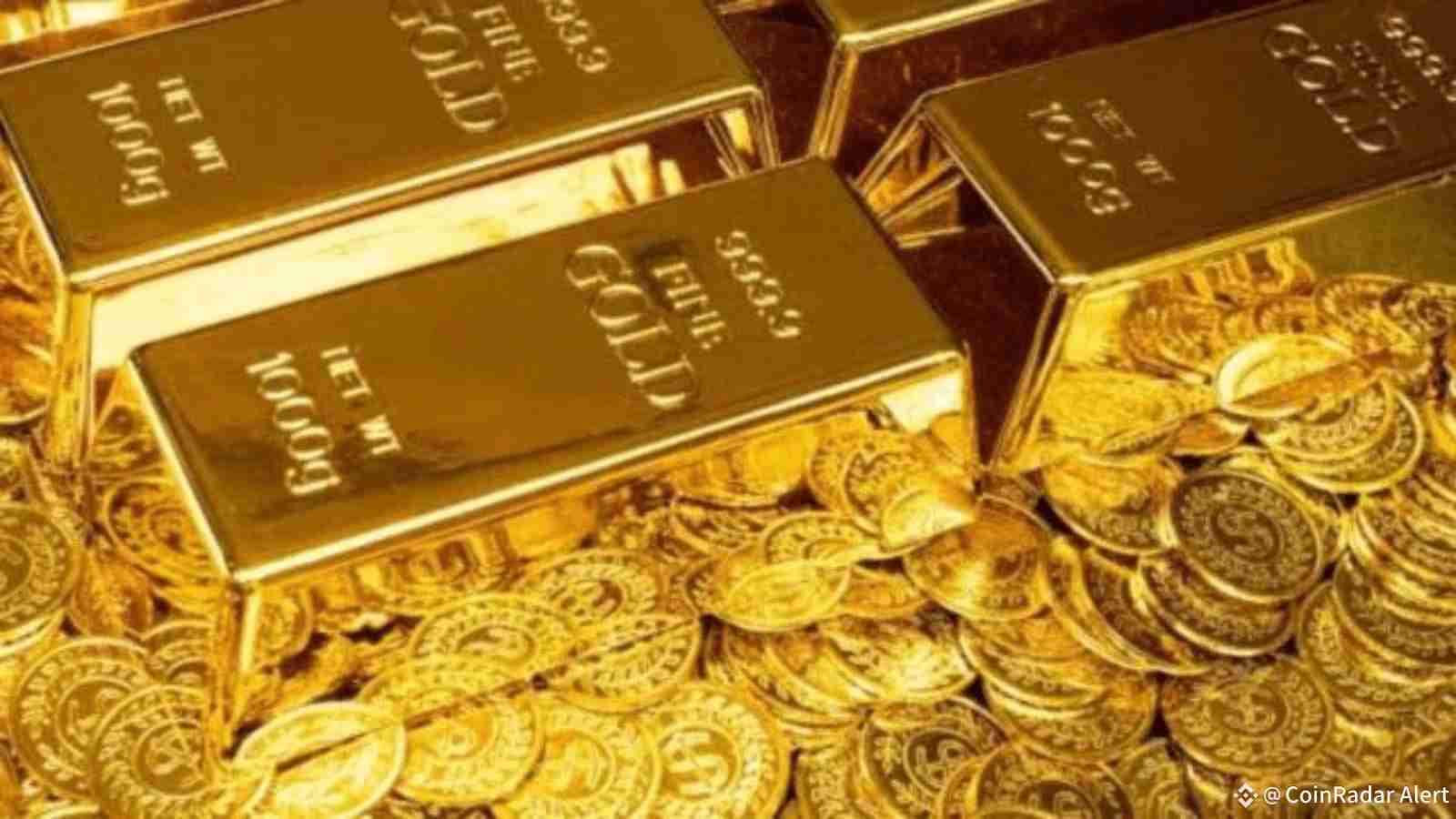
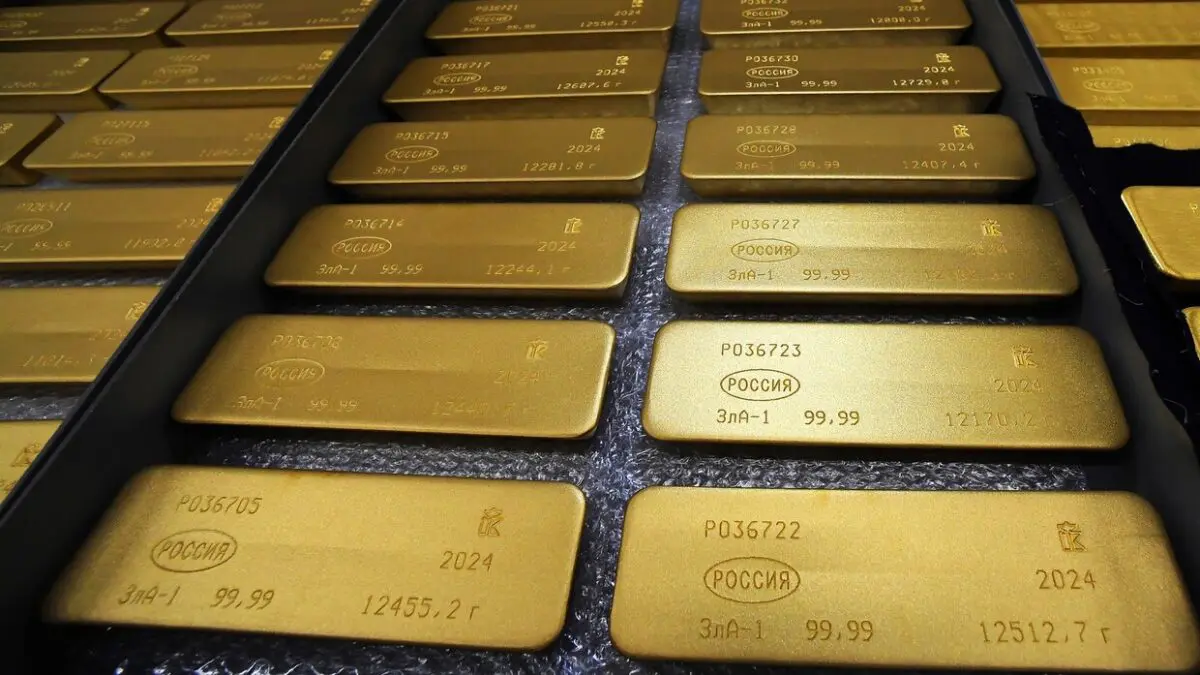
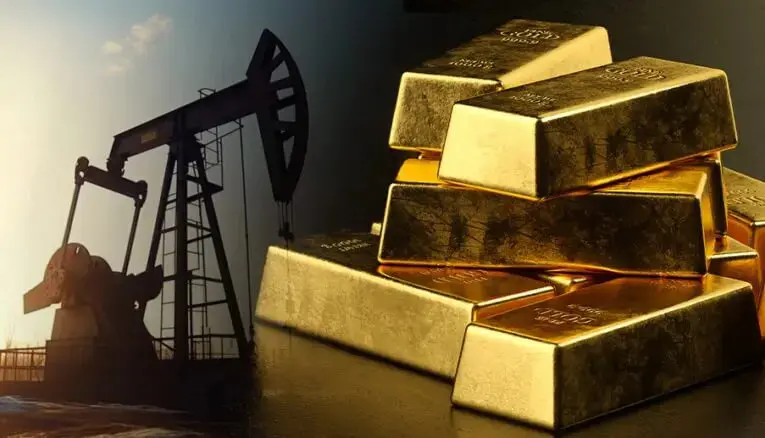
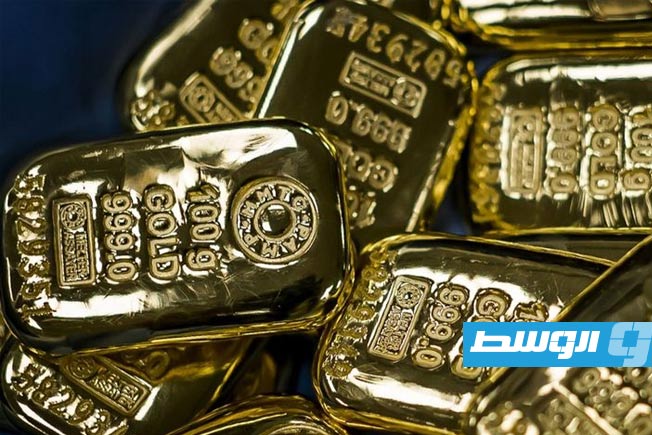
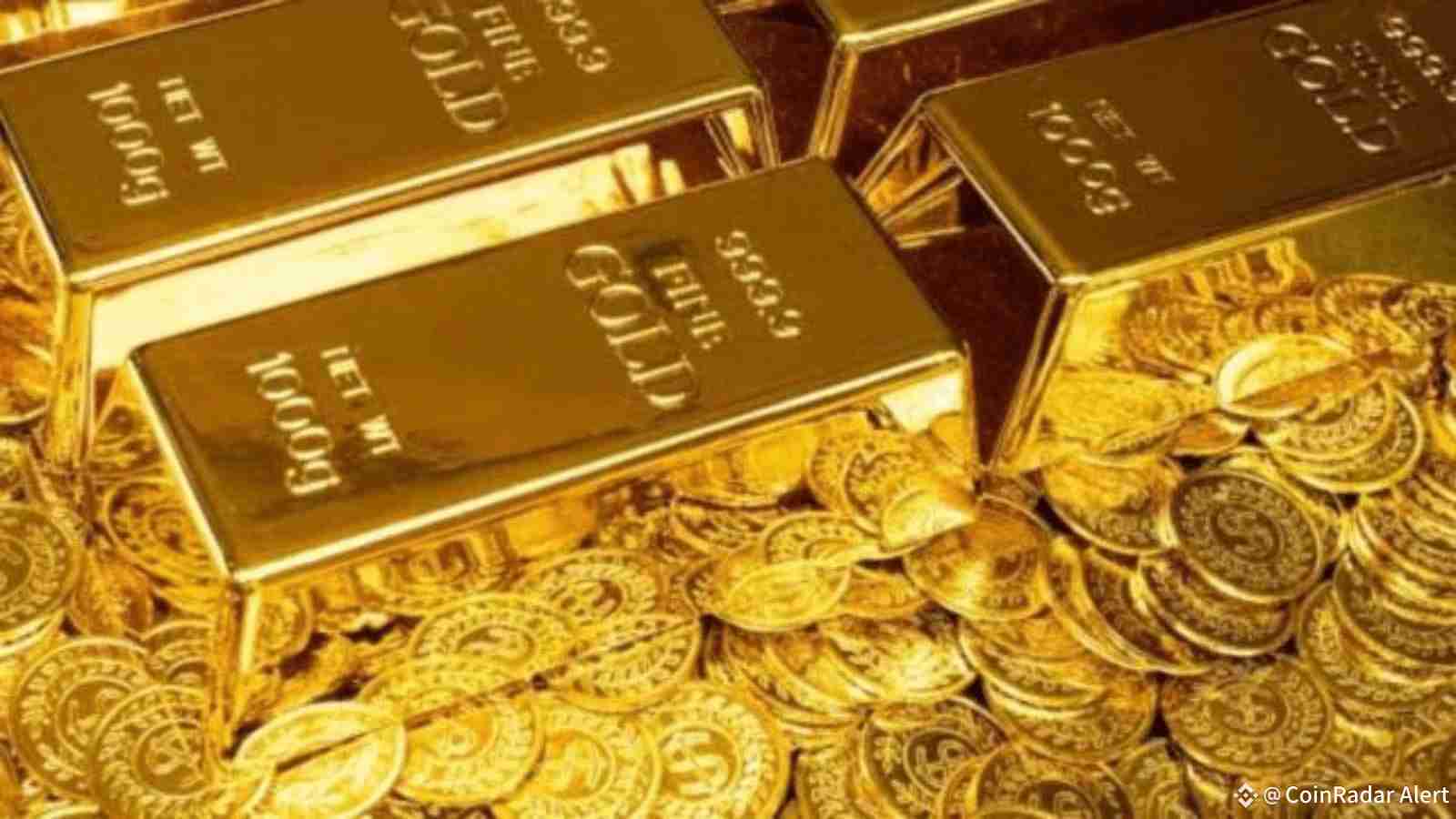
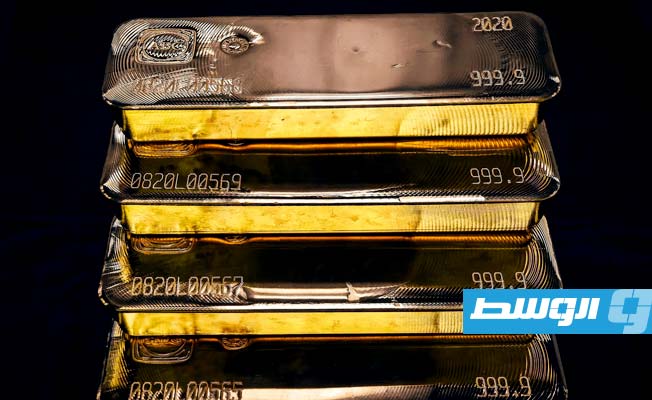
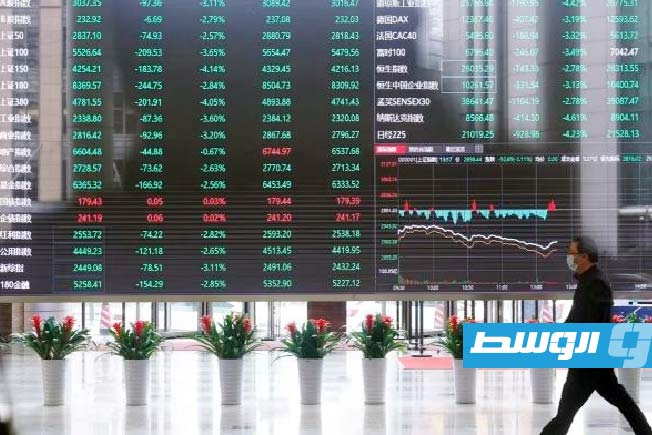
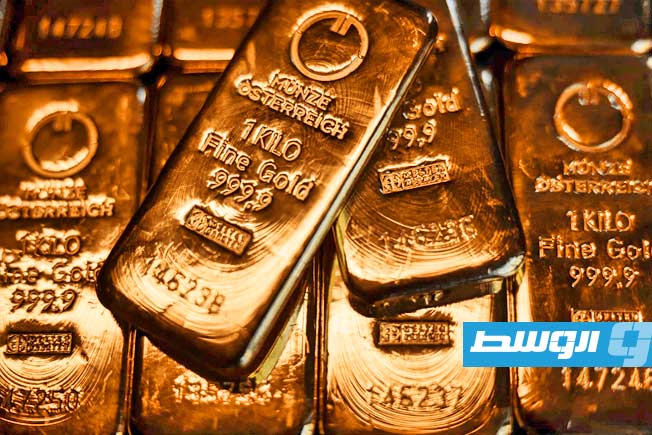
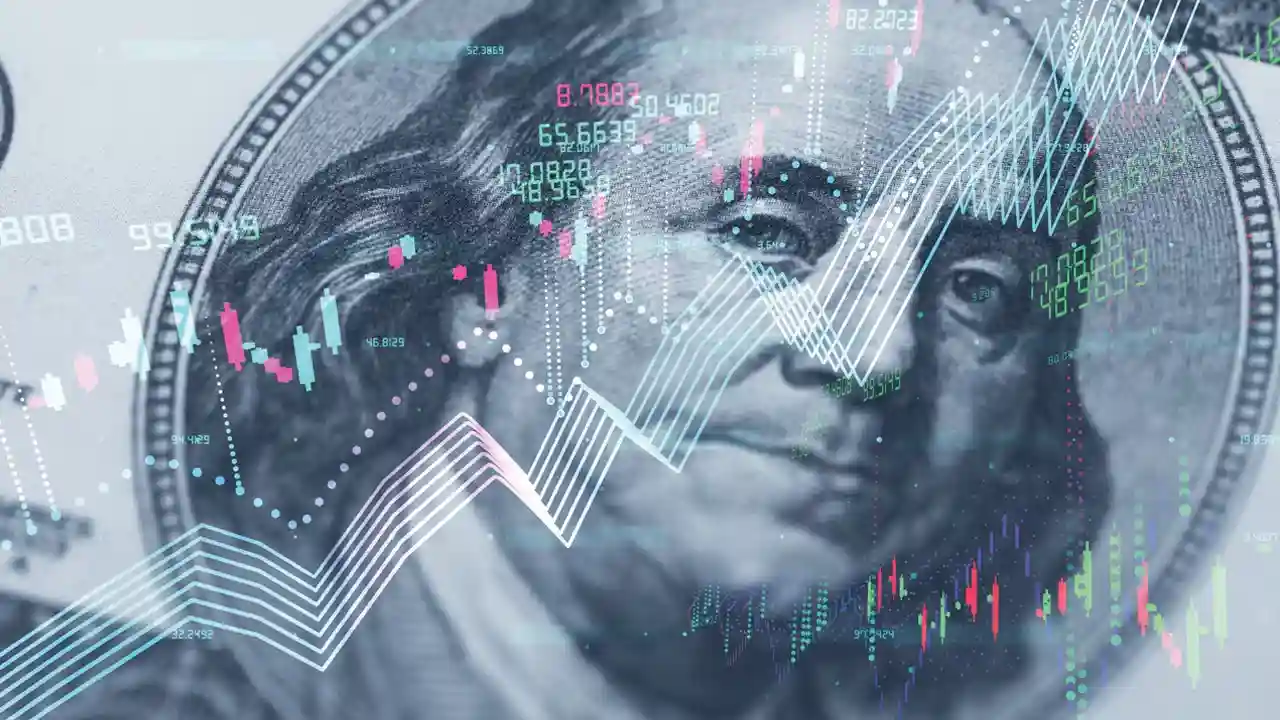
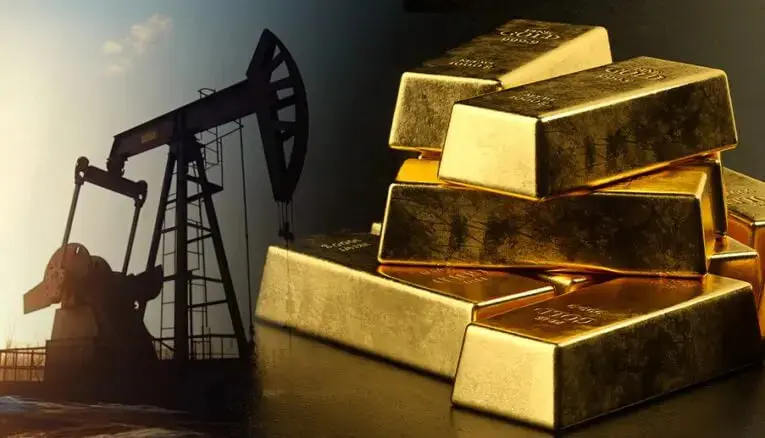
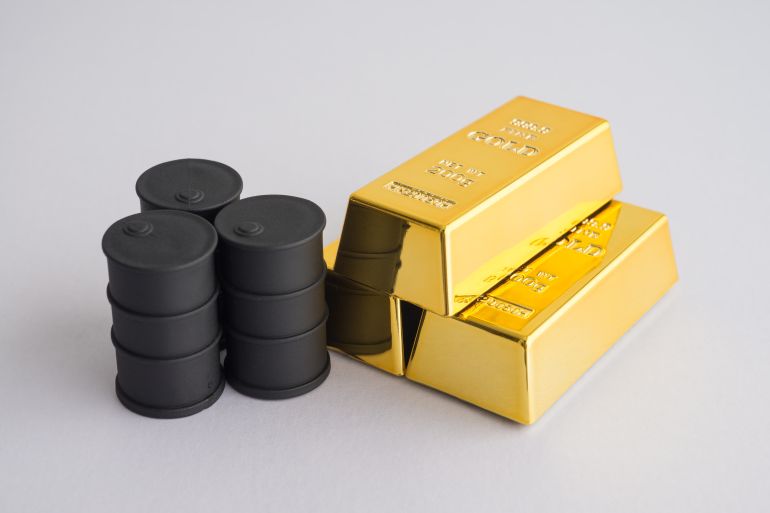
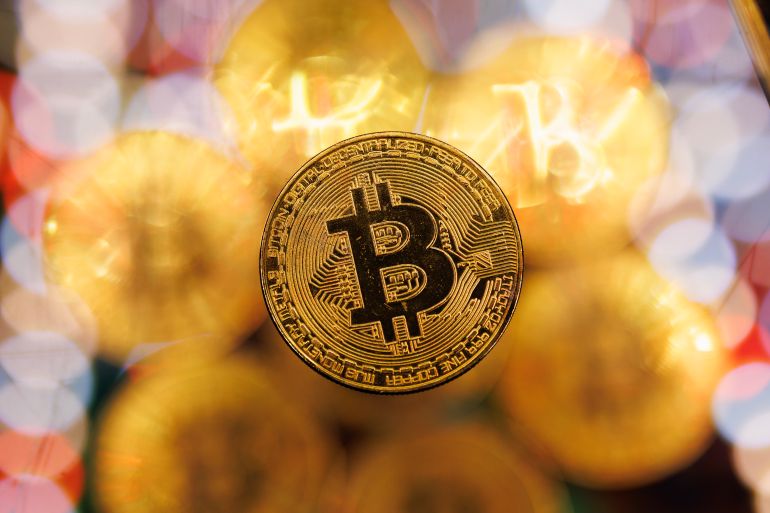
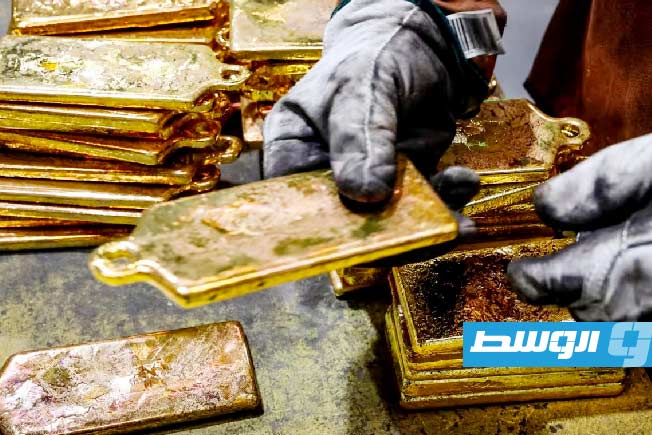
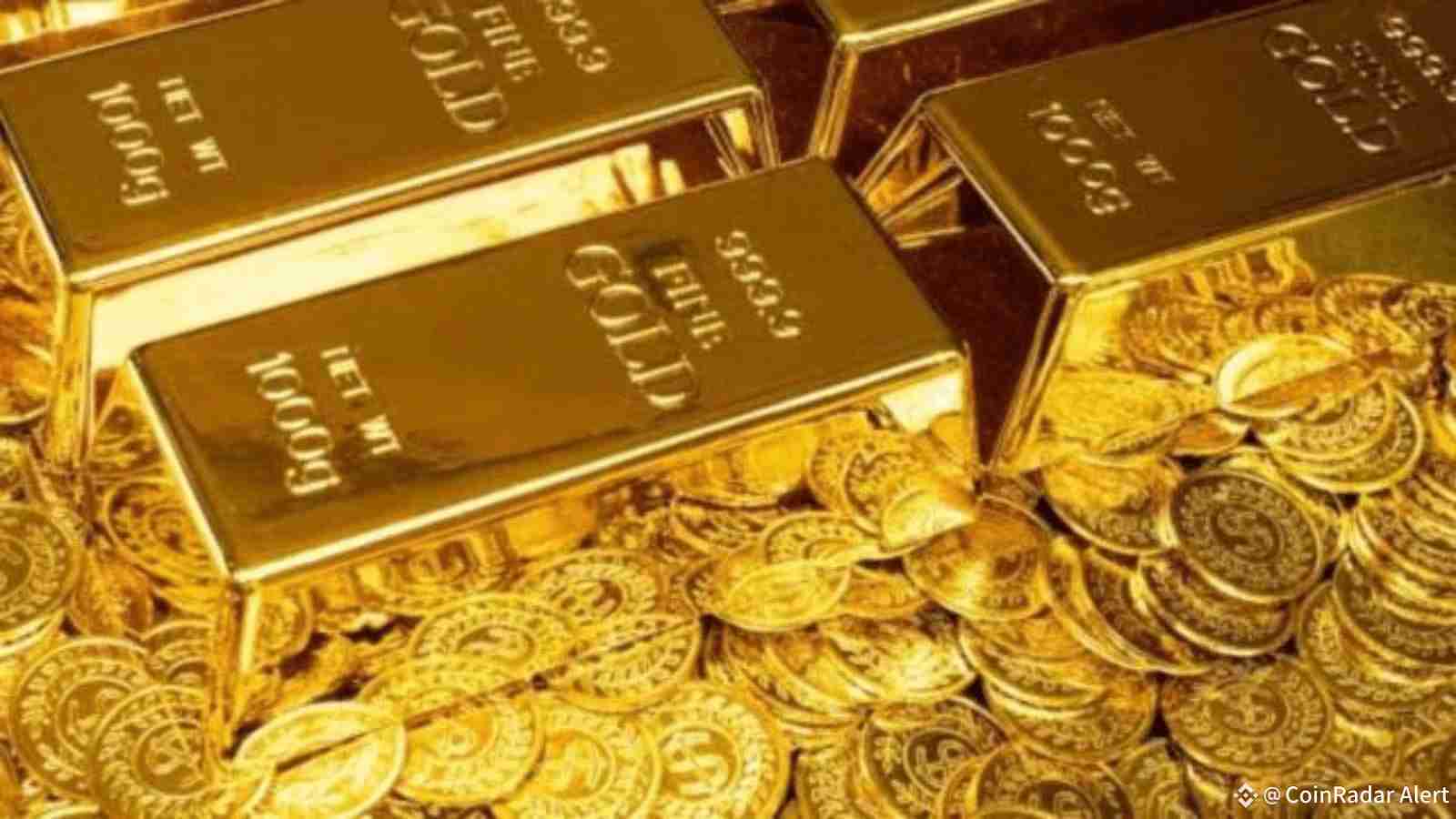
Precious metals markets experienced sharp volatility this Friday, with gold heading towards its worst daily performance since 1983 after losing around 12% of its value in the latest trades, briefly falling below the $5,000 per ounce mark.
According to market data, spot gold fell by 11% to $4,786.85 per ounce, just one day after hitting an unprecedented record high of $5,594.82 on Thursday. The yellow metal is still on track for strong monthly gains of up to 17%, the highest since 1982.
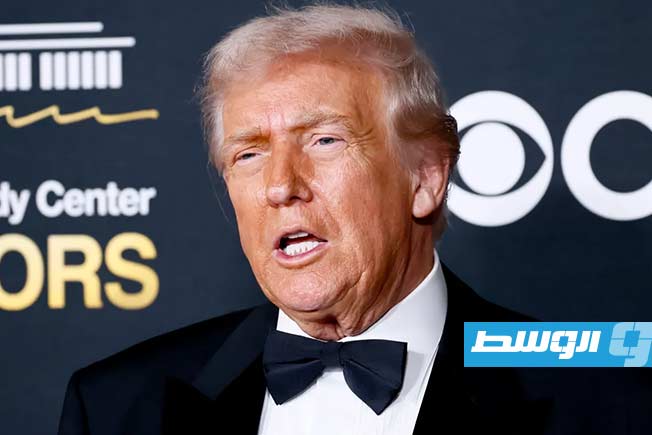
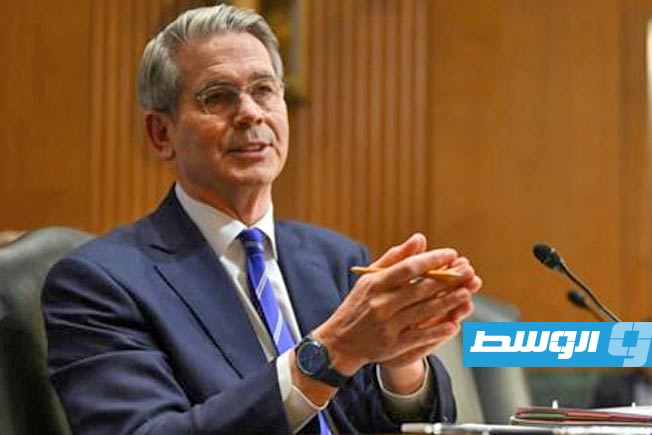
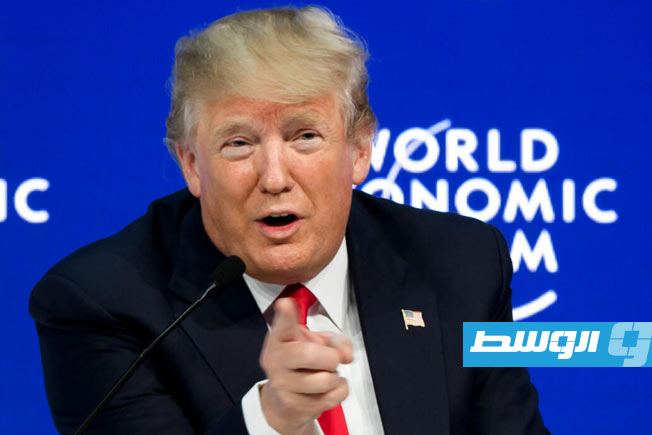
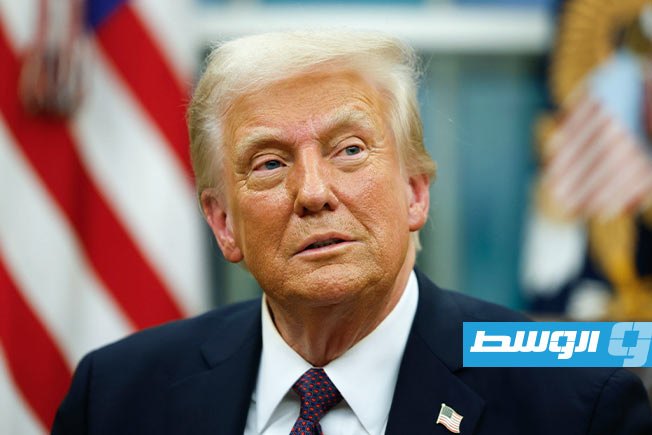
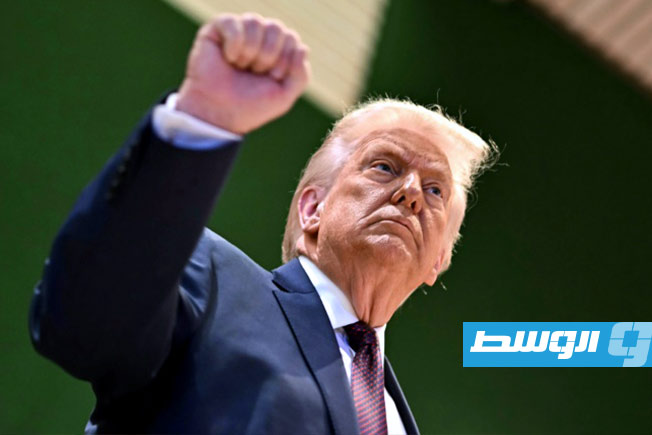
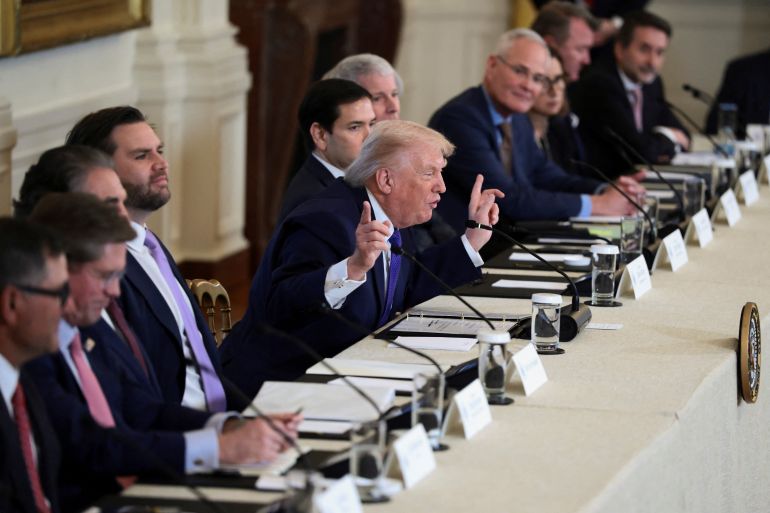
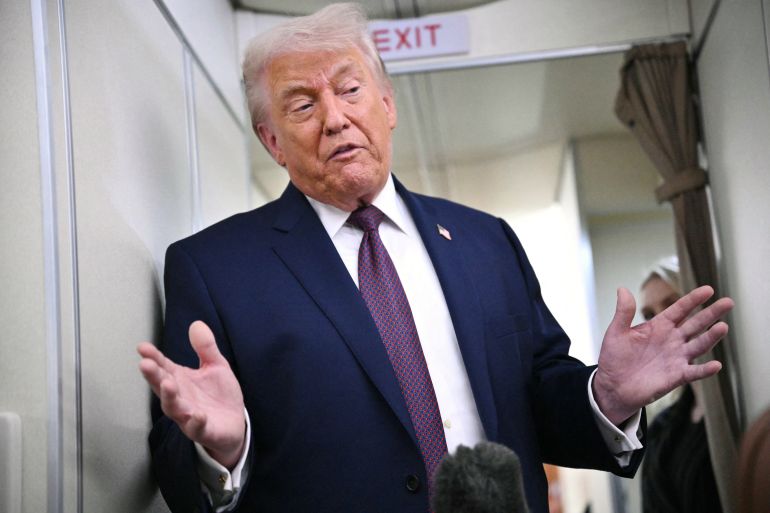
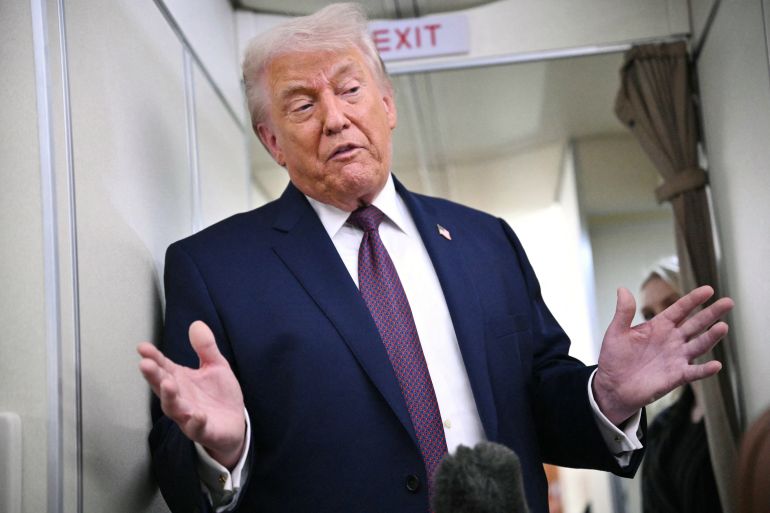
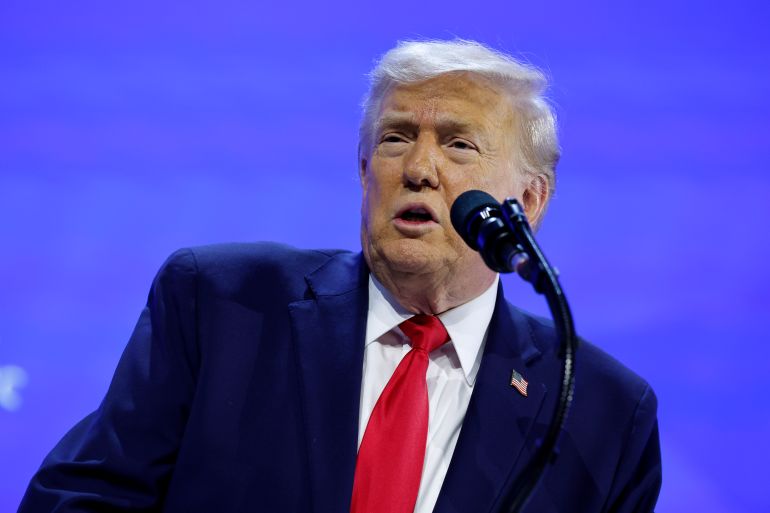
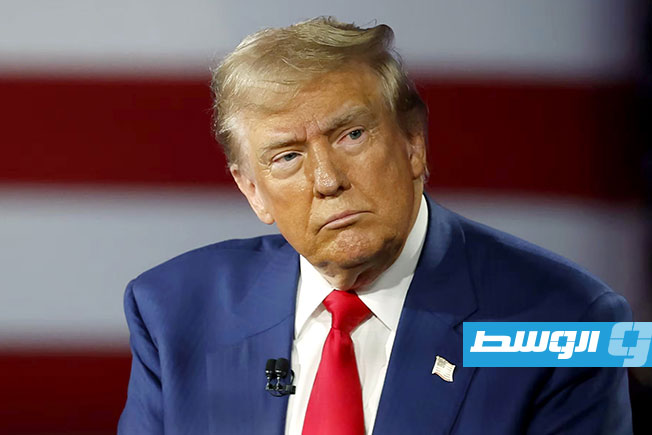
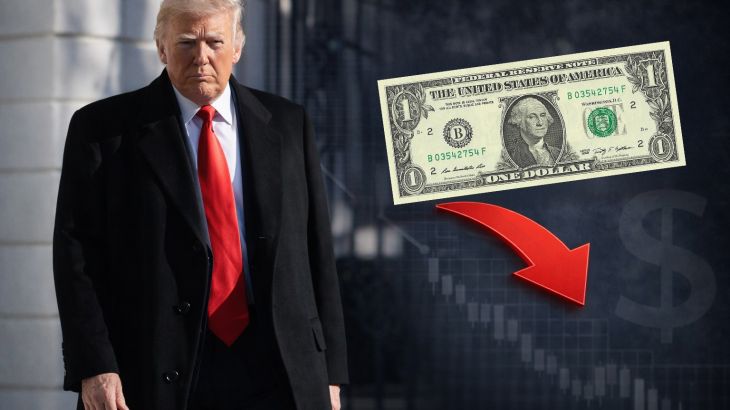
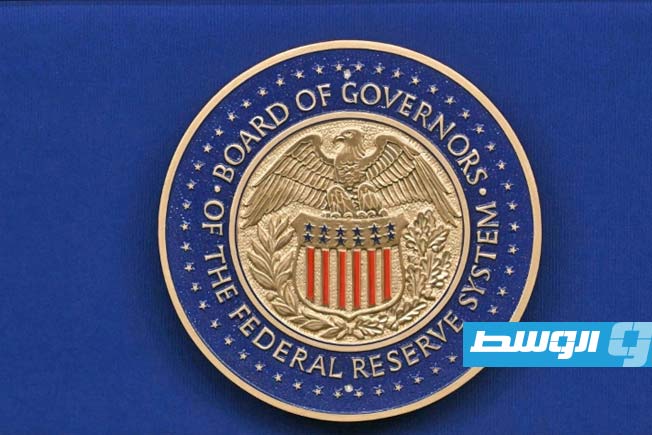
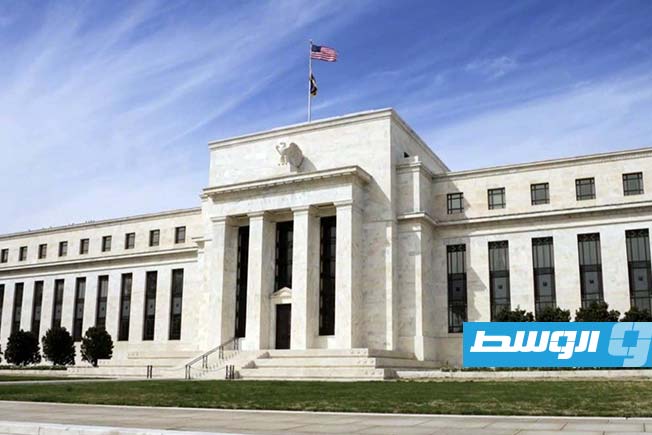
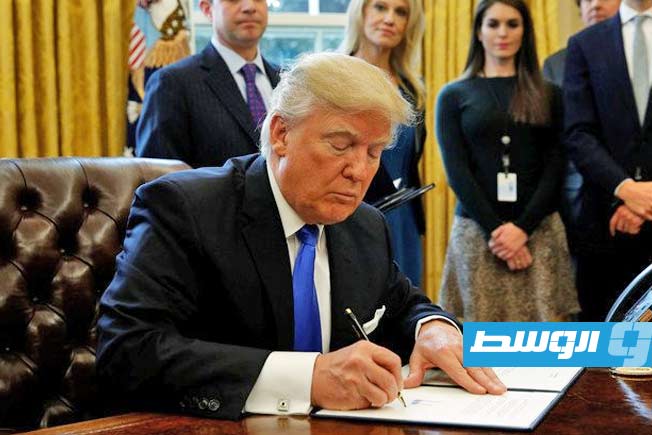
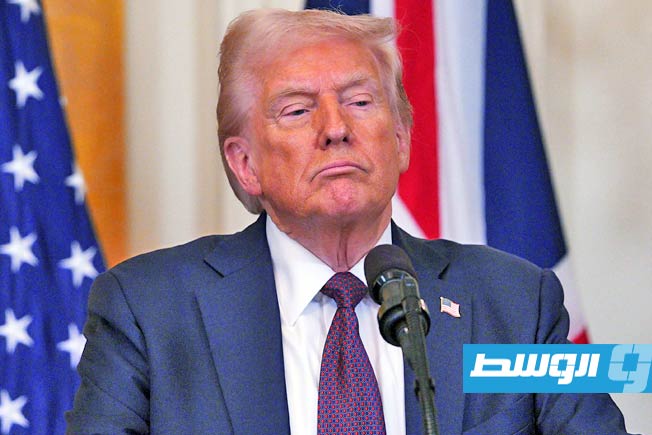
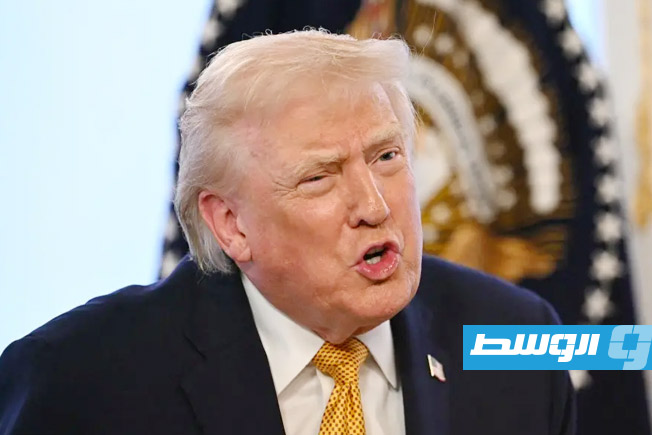
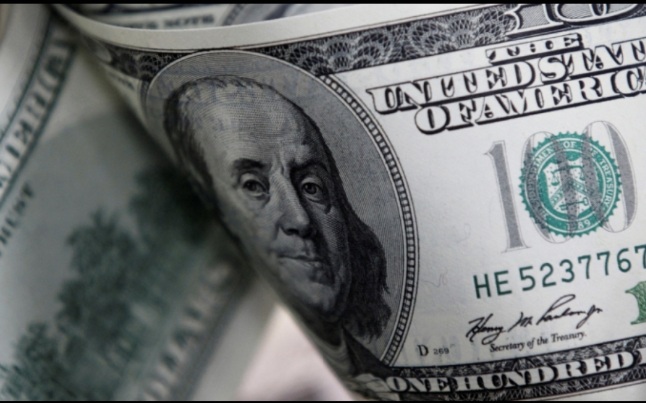
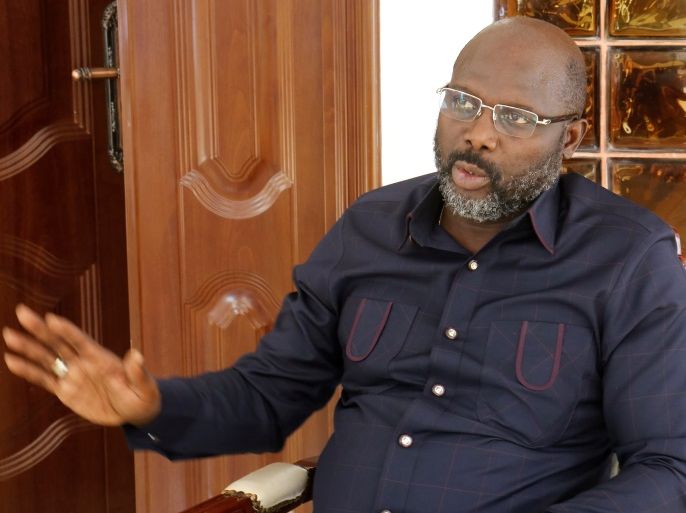
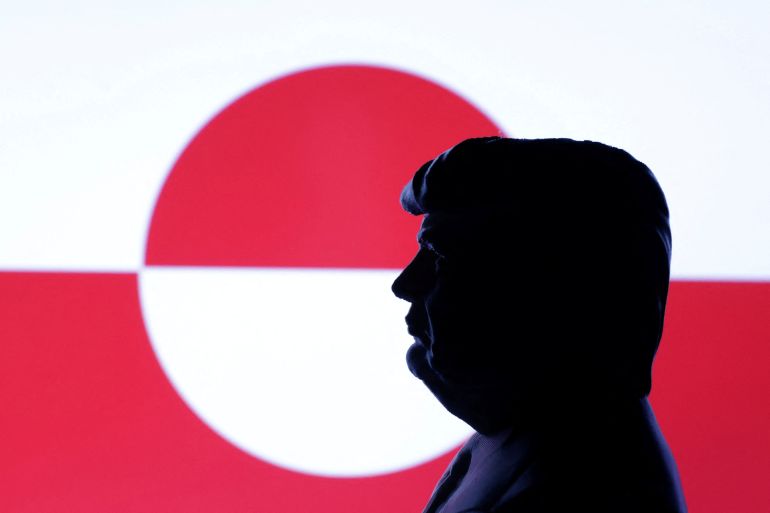
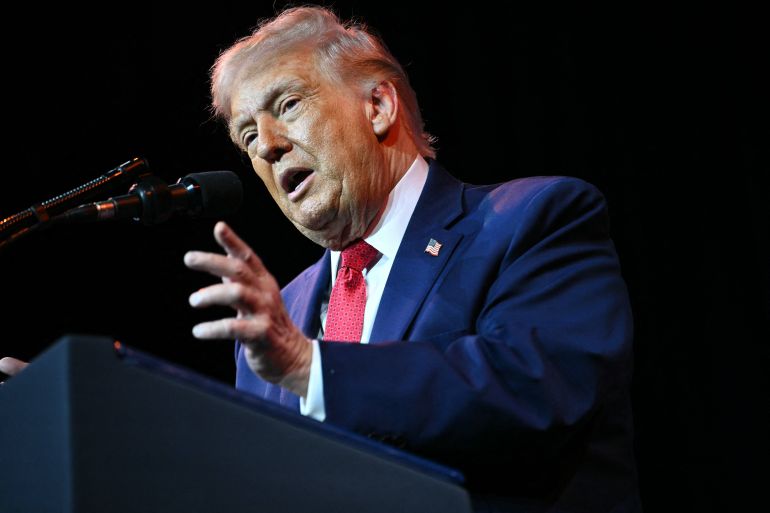
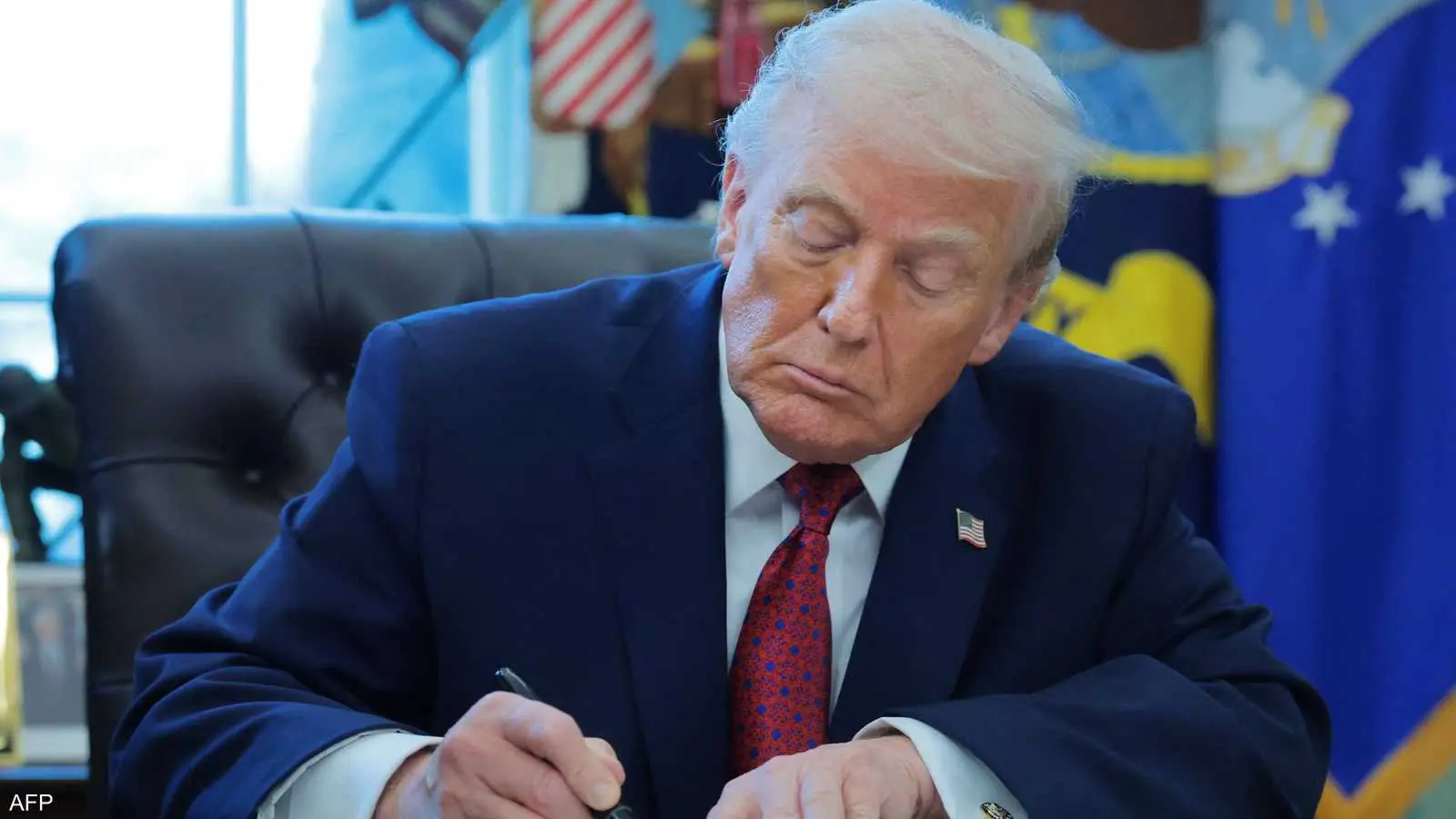
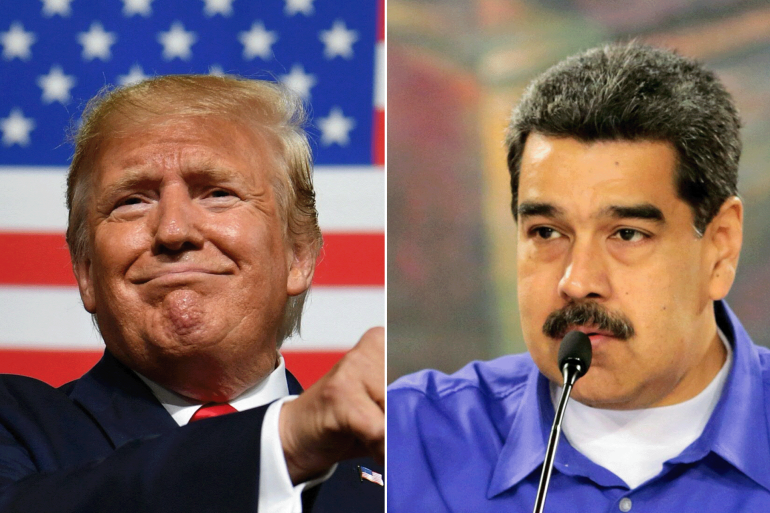
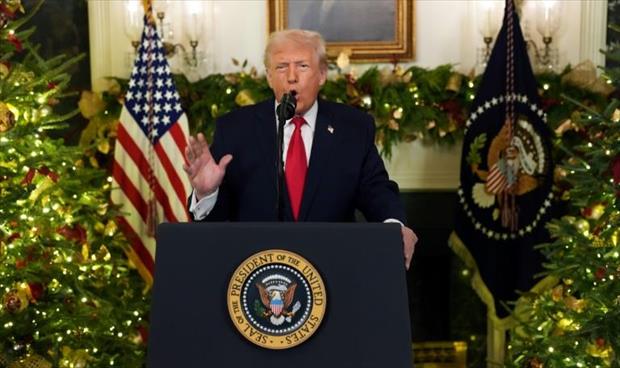
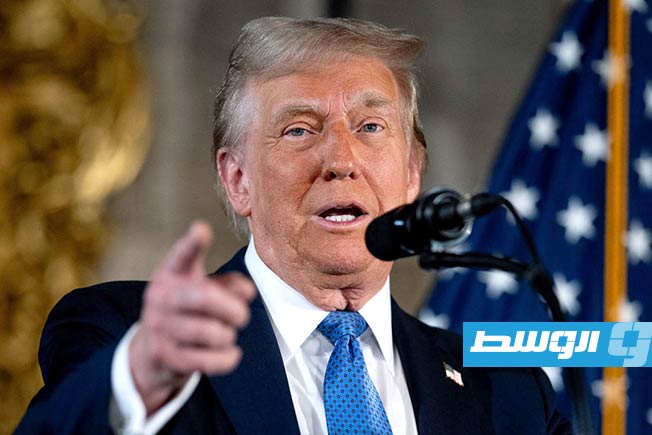
Analysts suggest the selling wave was driven by several factors, most notably the announcement by U.S. President Donald Trump nominating financial expert Kevin Warsh to chair the Federal Reserve, which bolstered expectations for monetary tightening and boosted the dollar’s value.
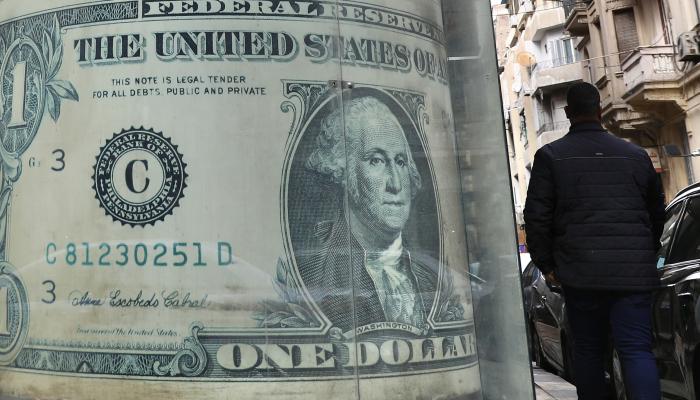
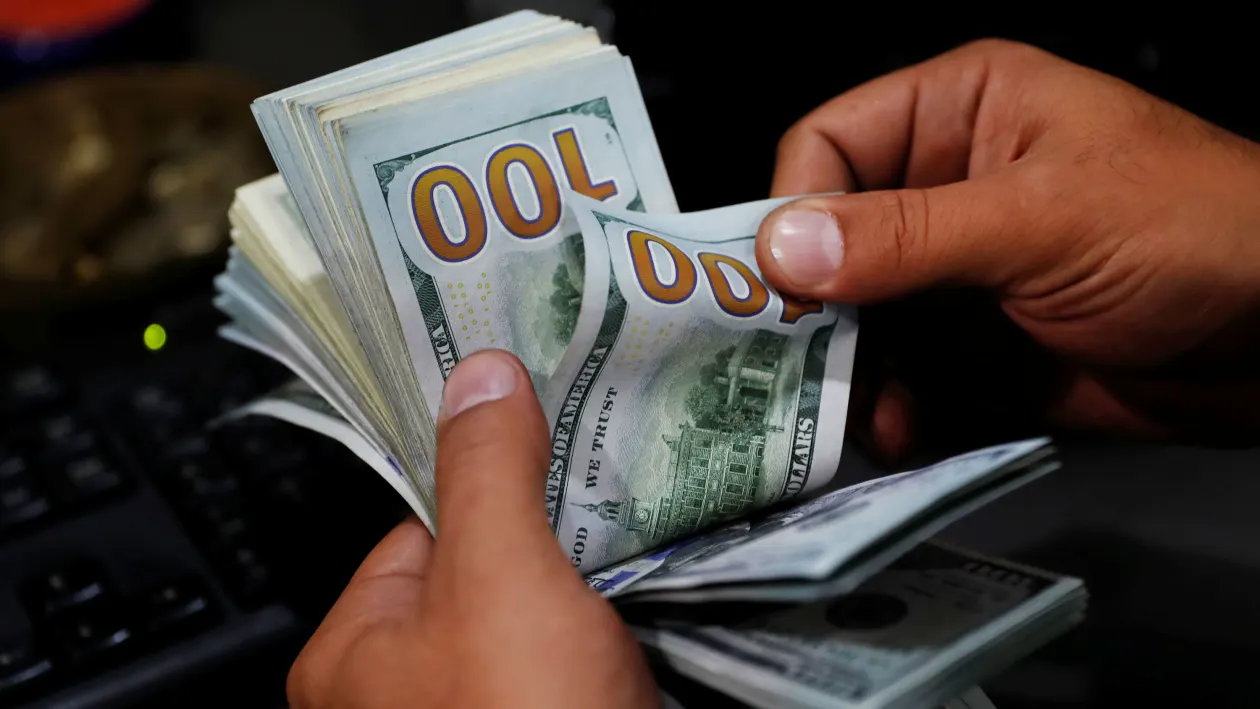
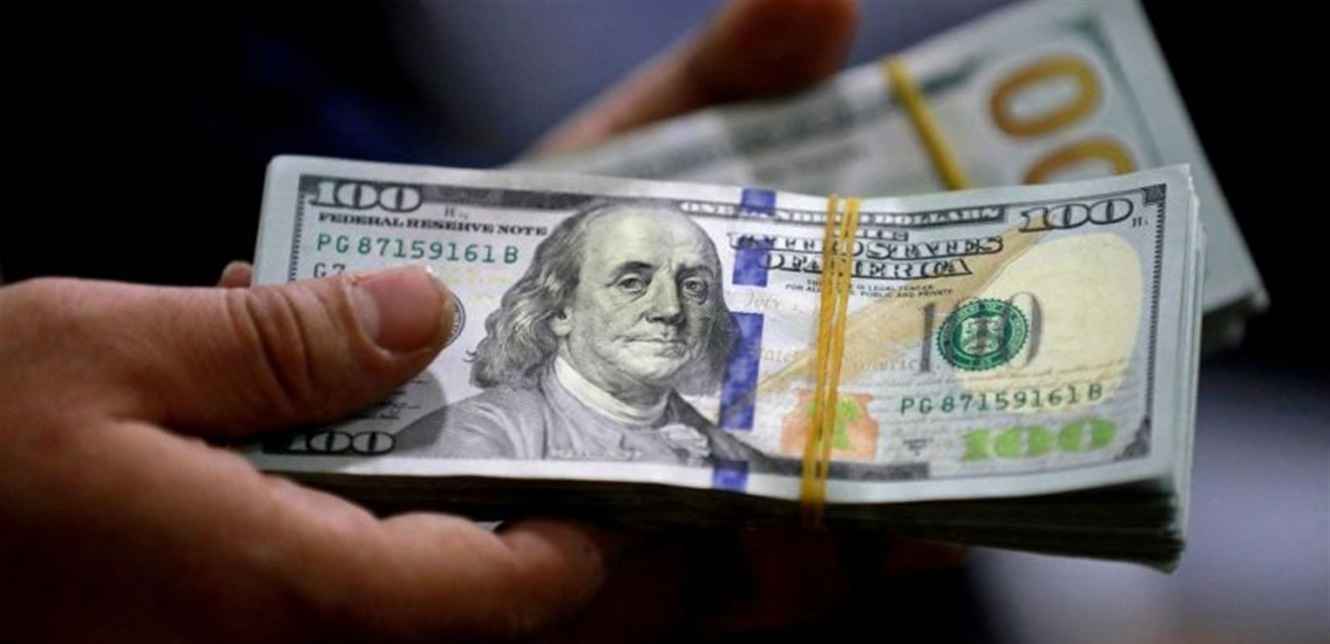
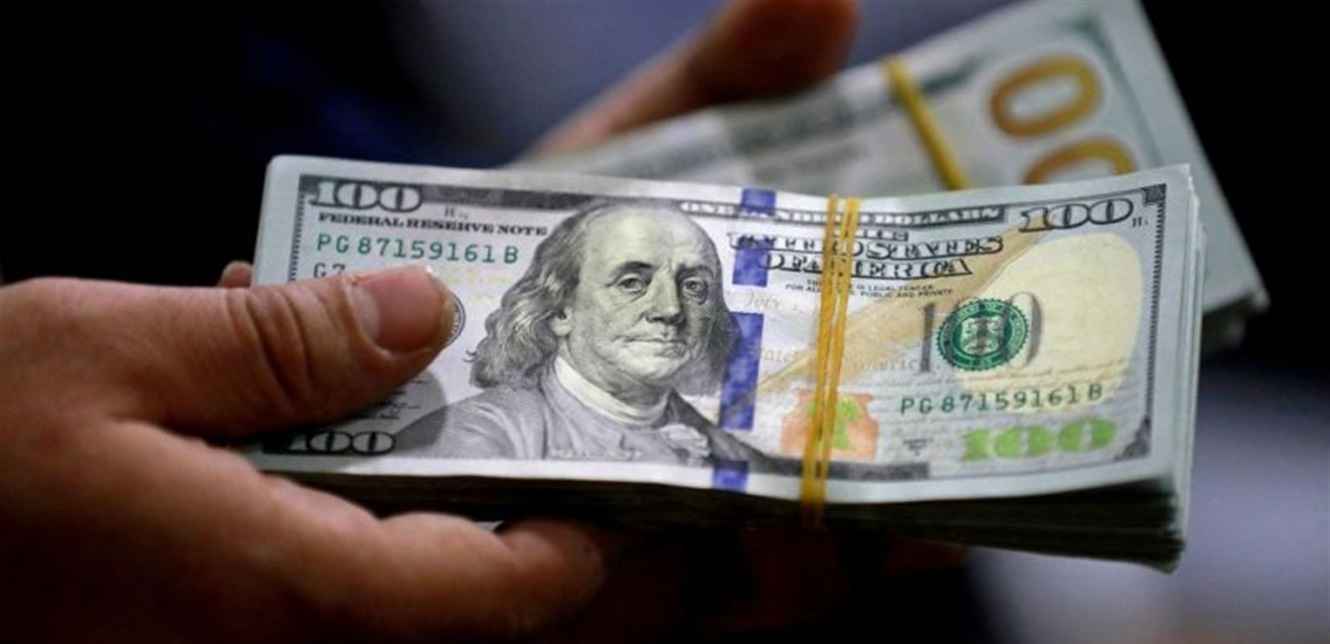
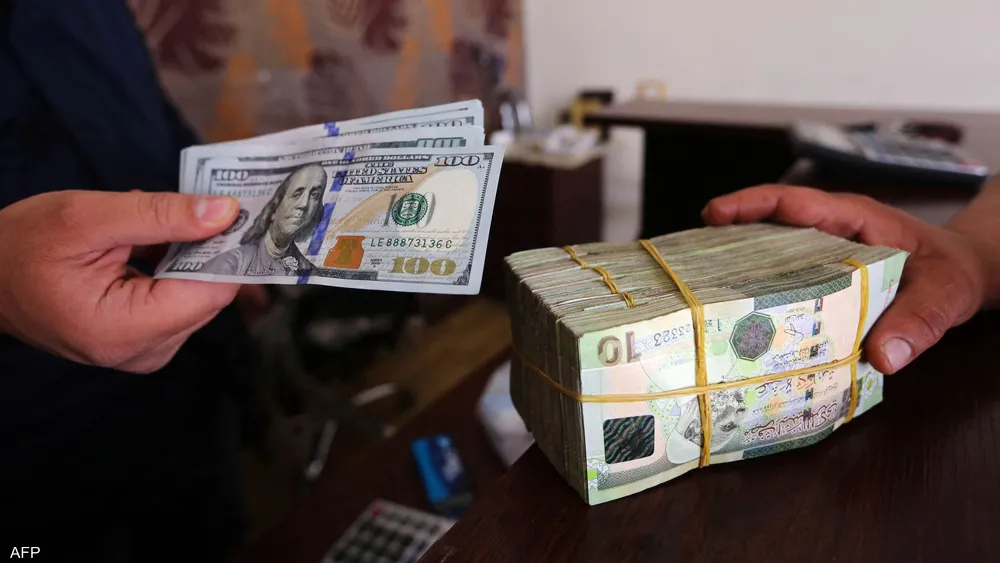
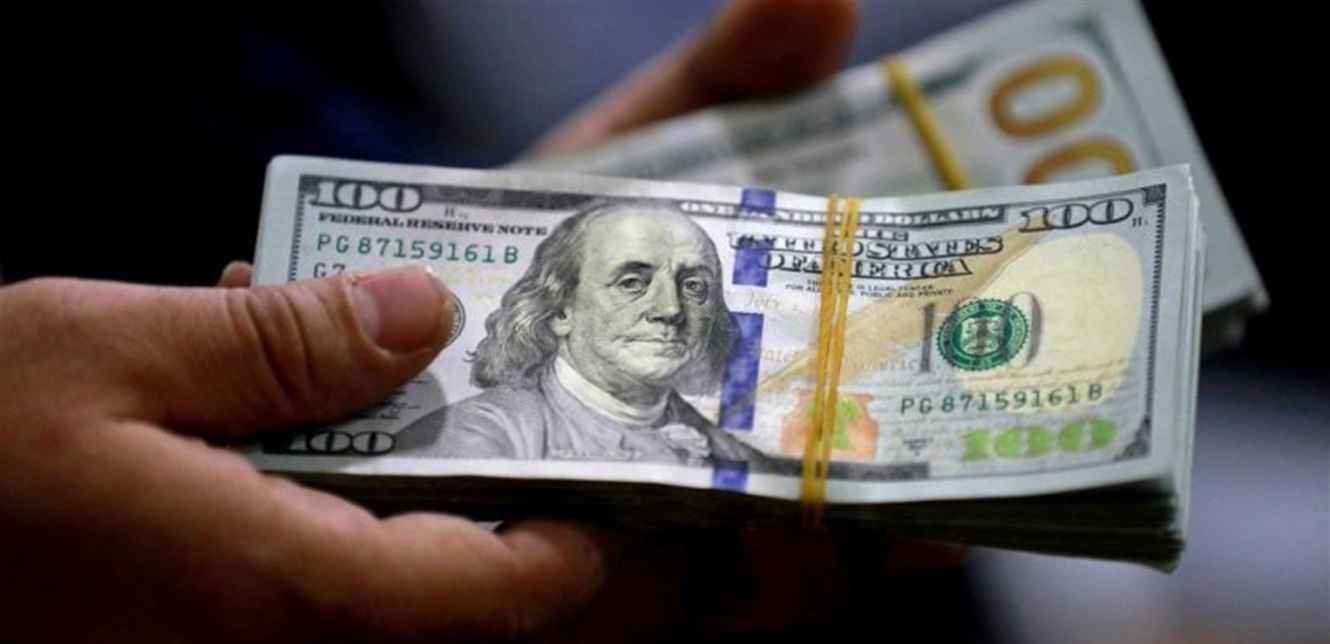
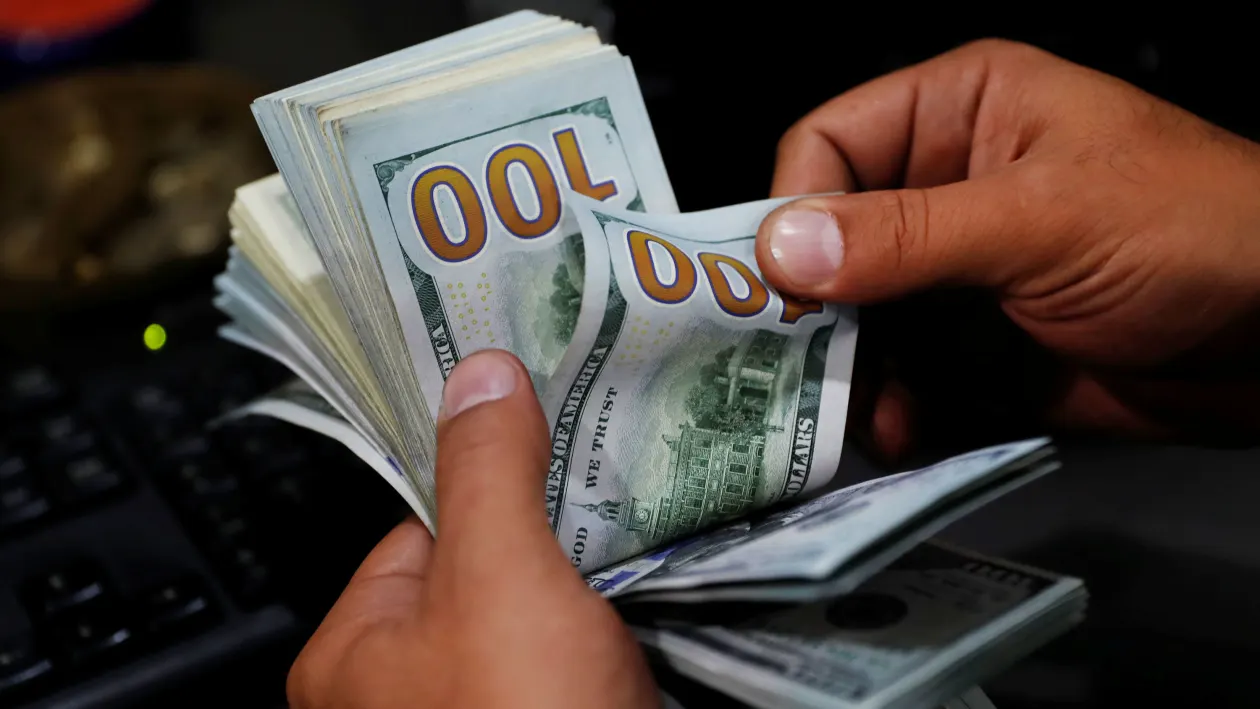
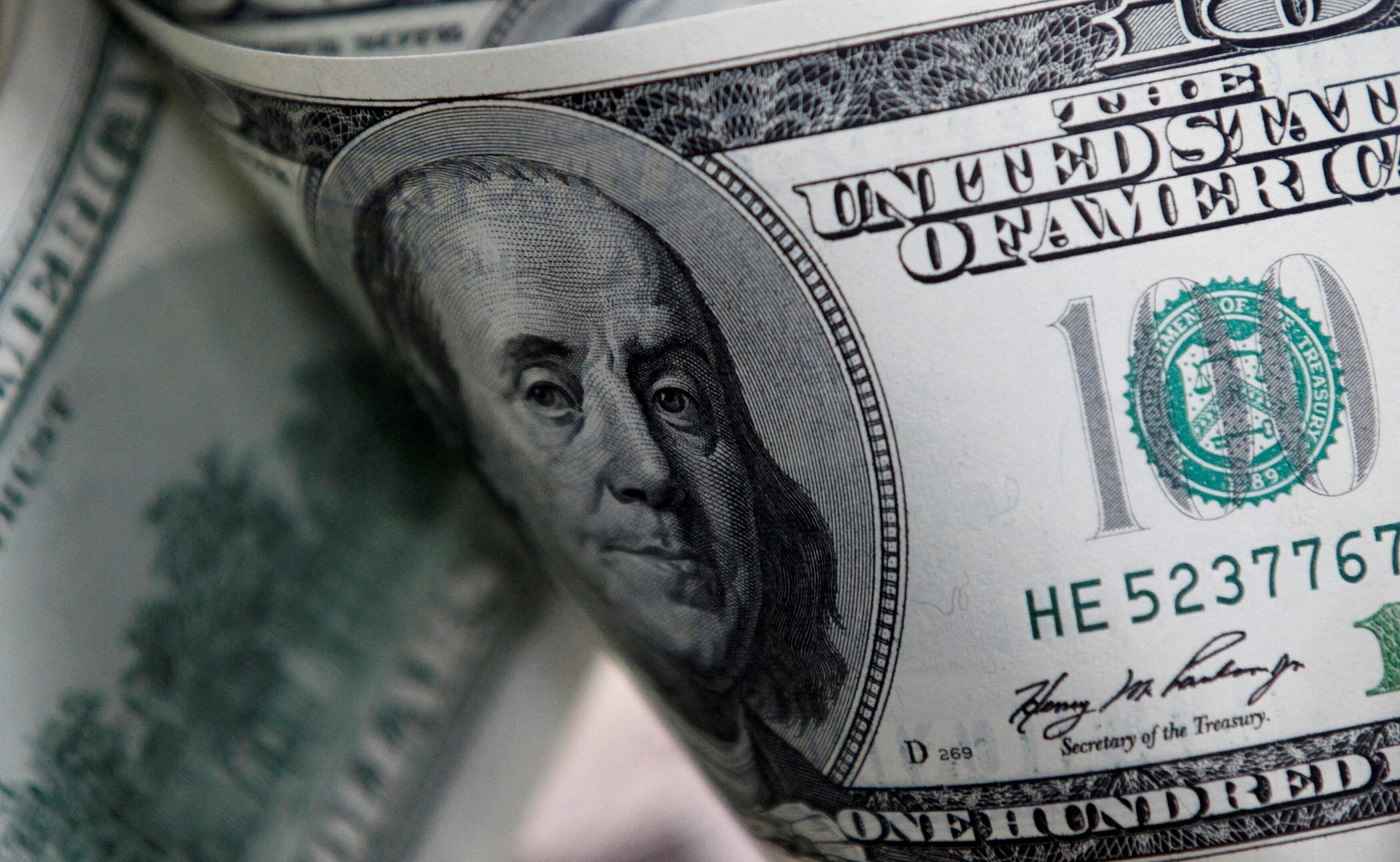
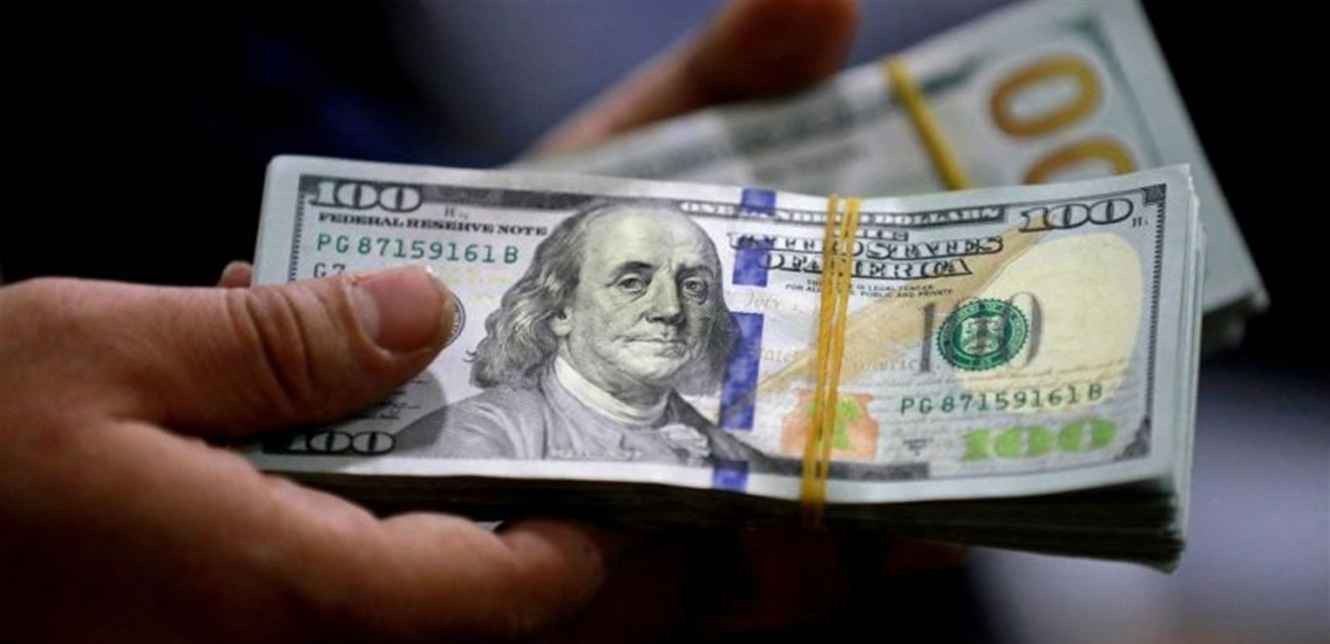
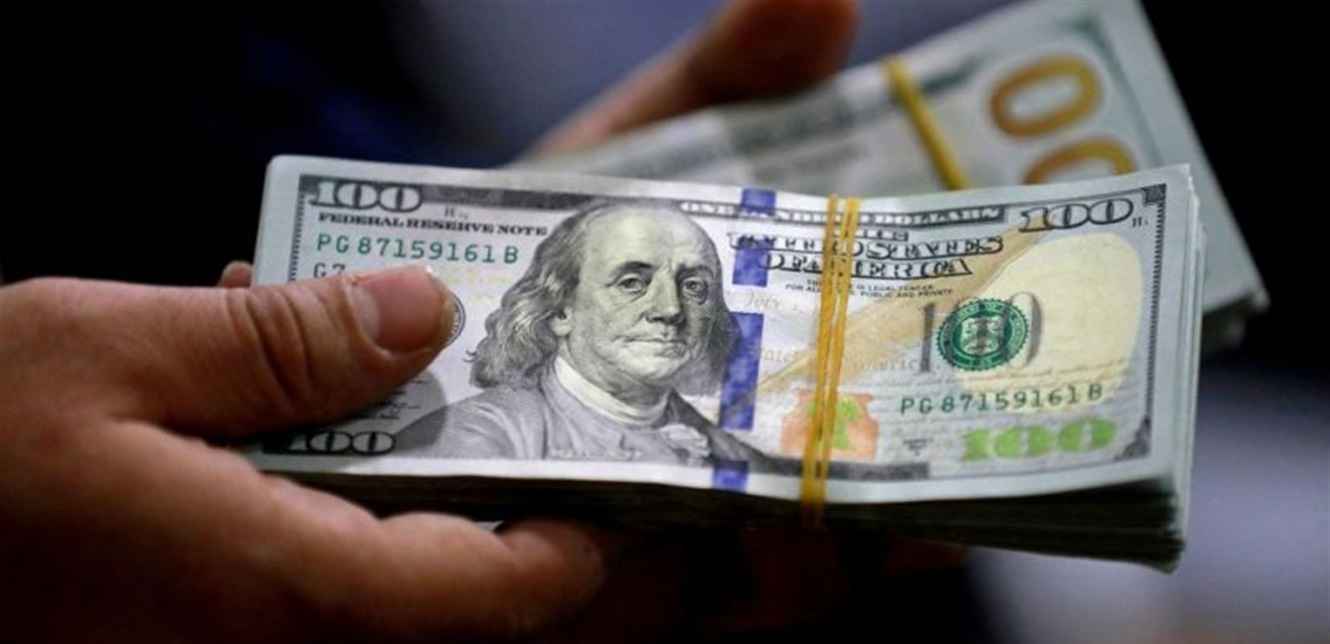
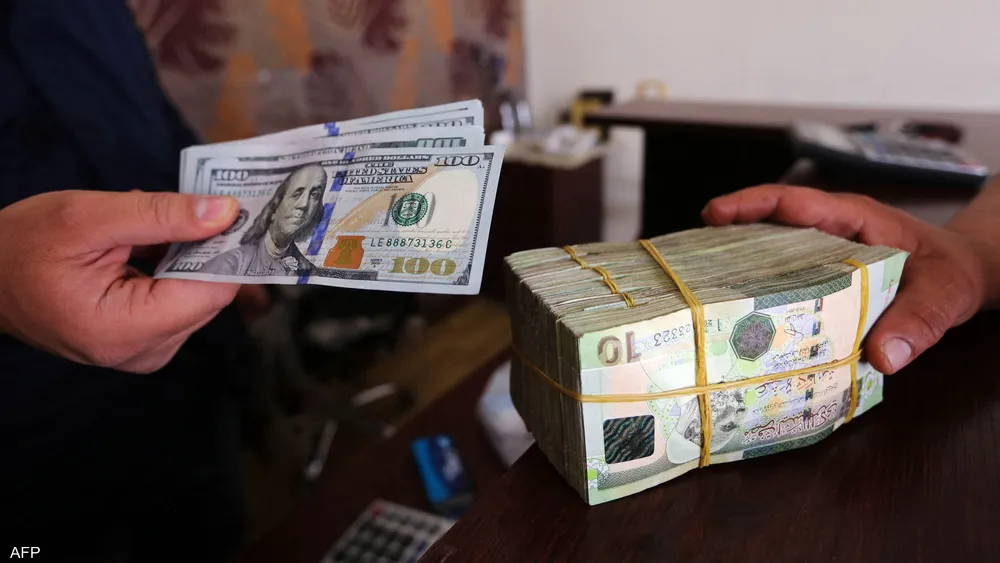
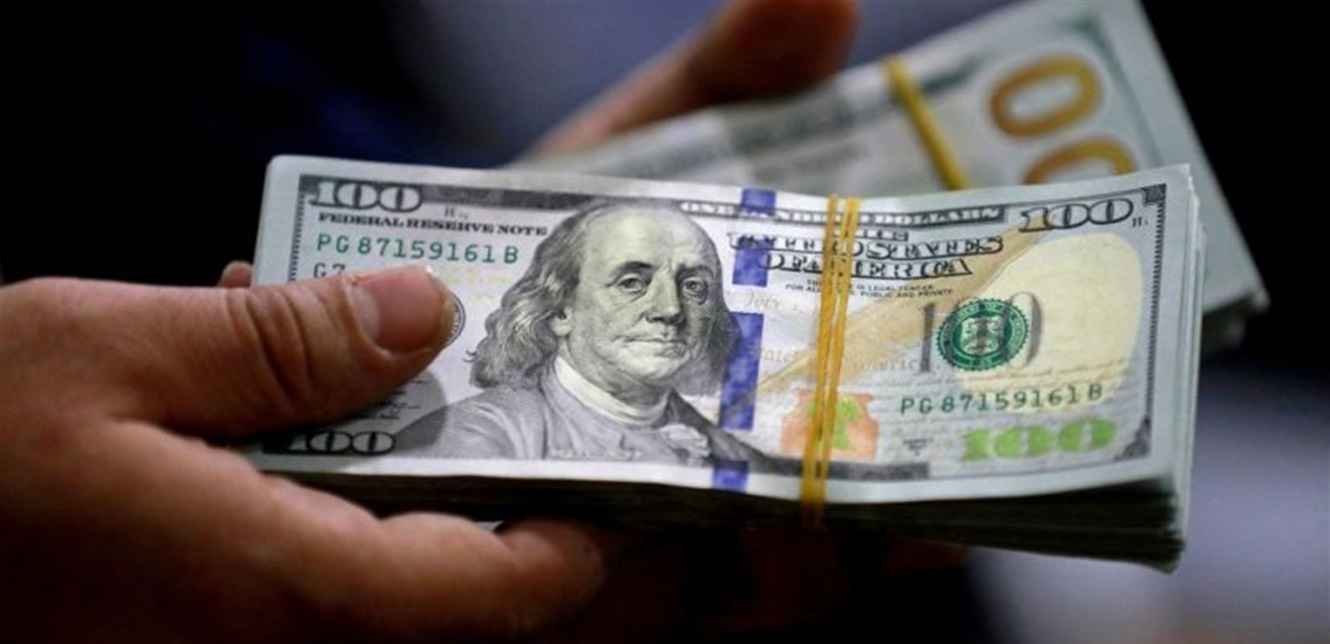
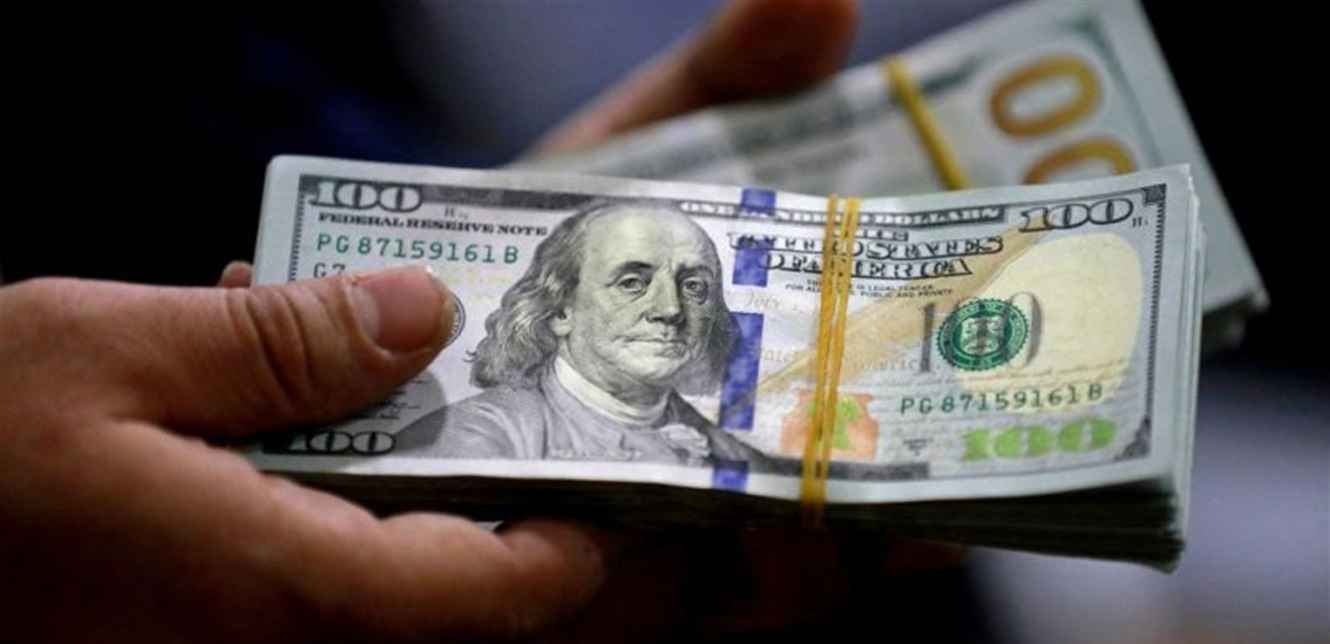
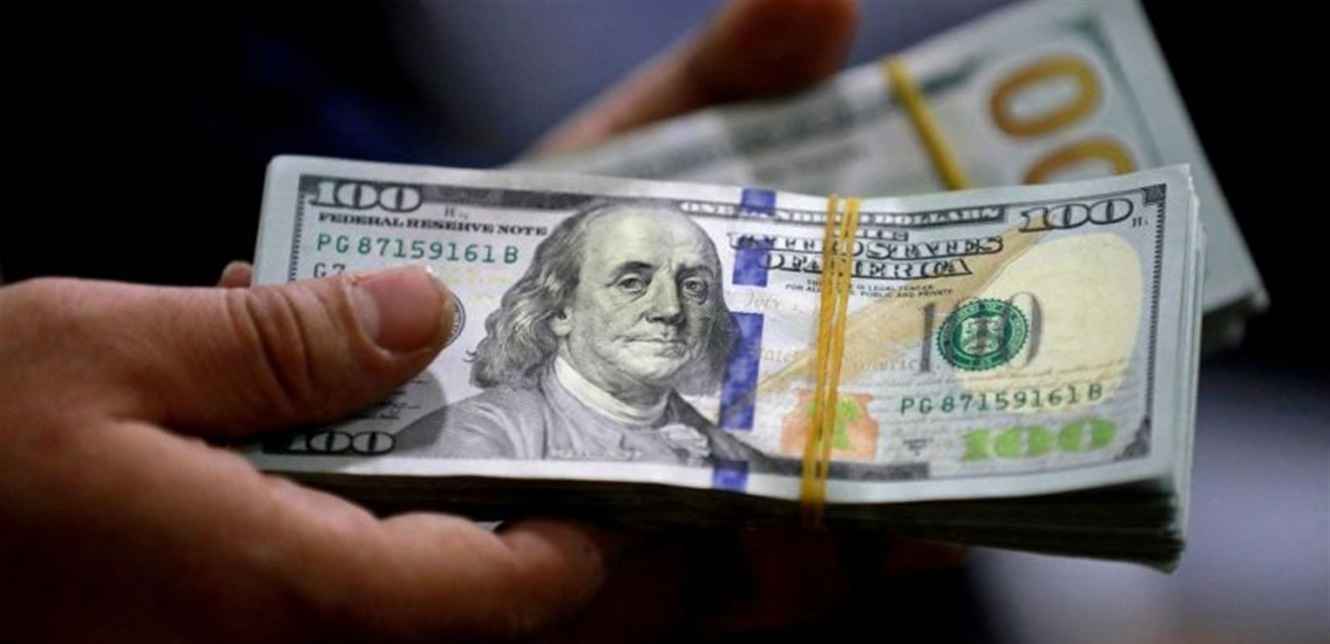
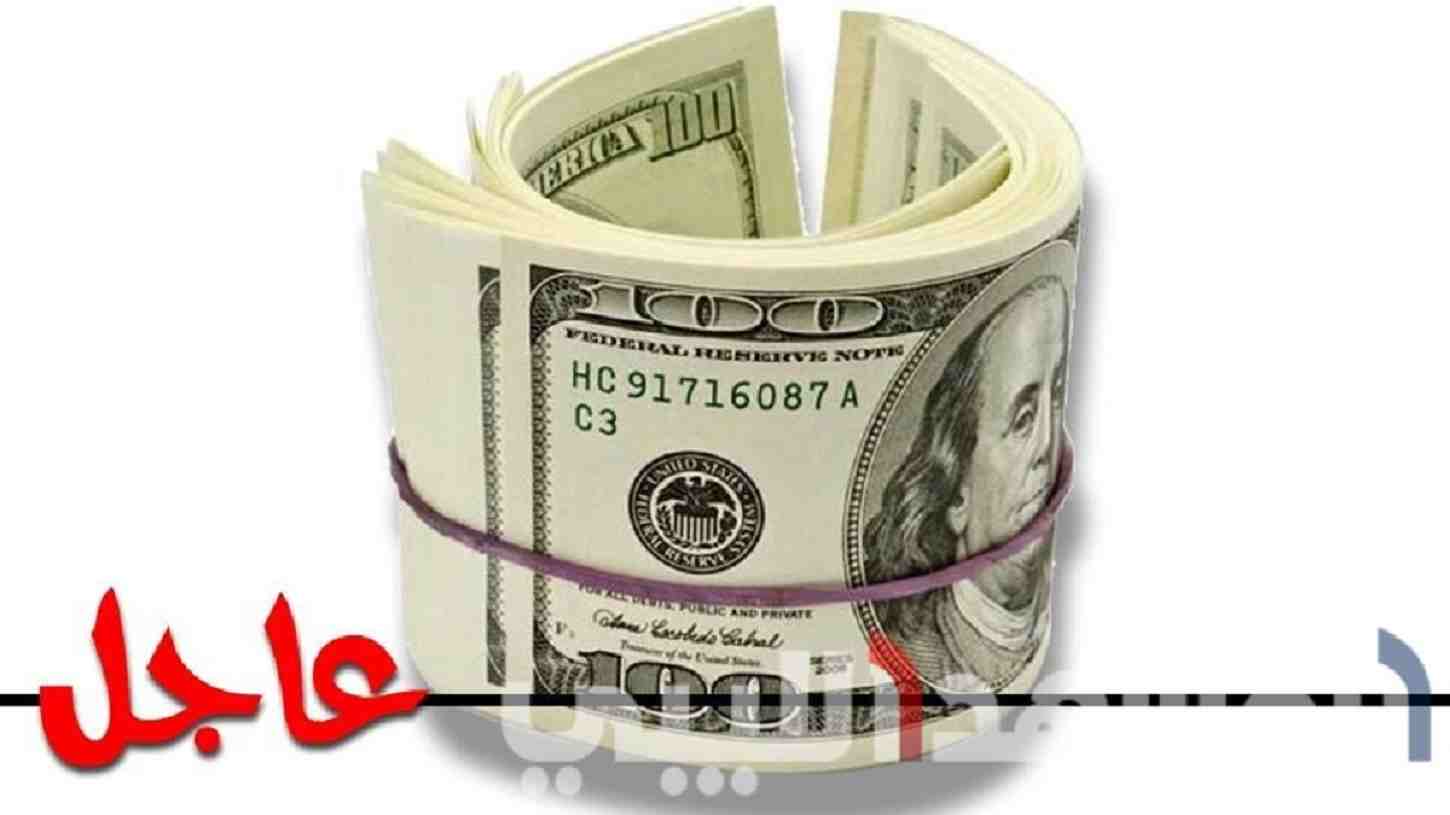
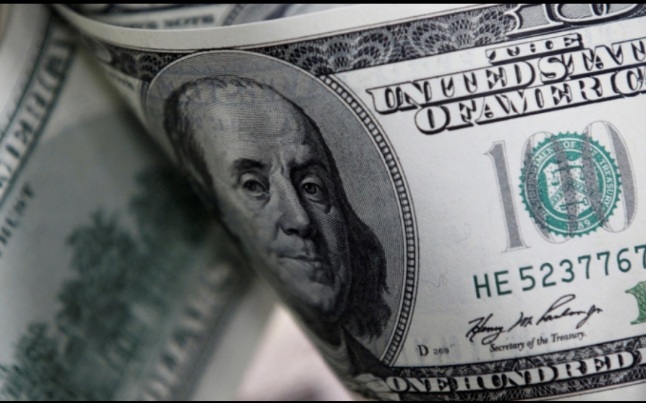
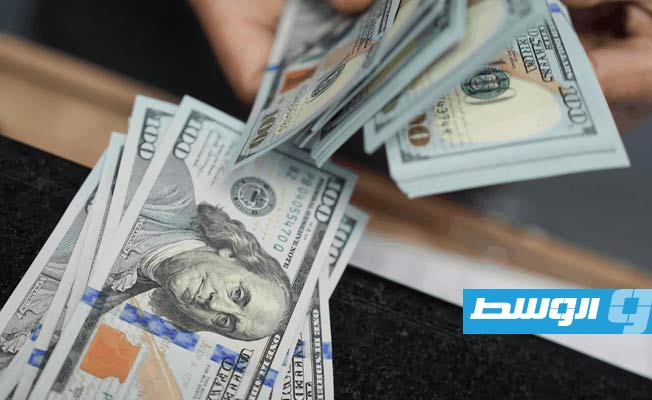
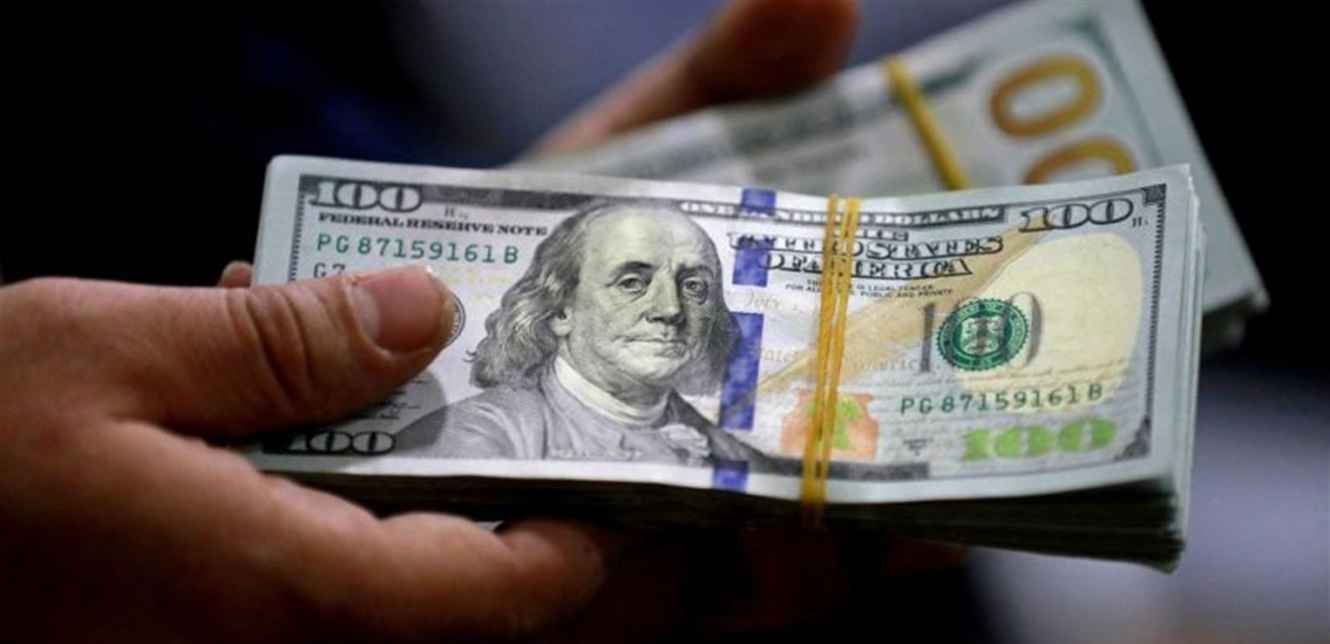
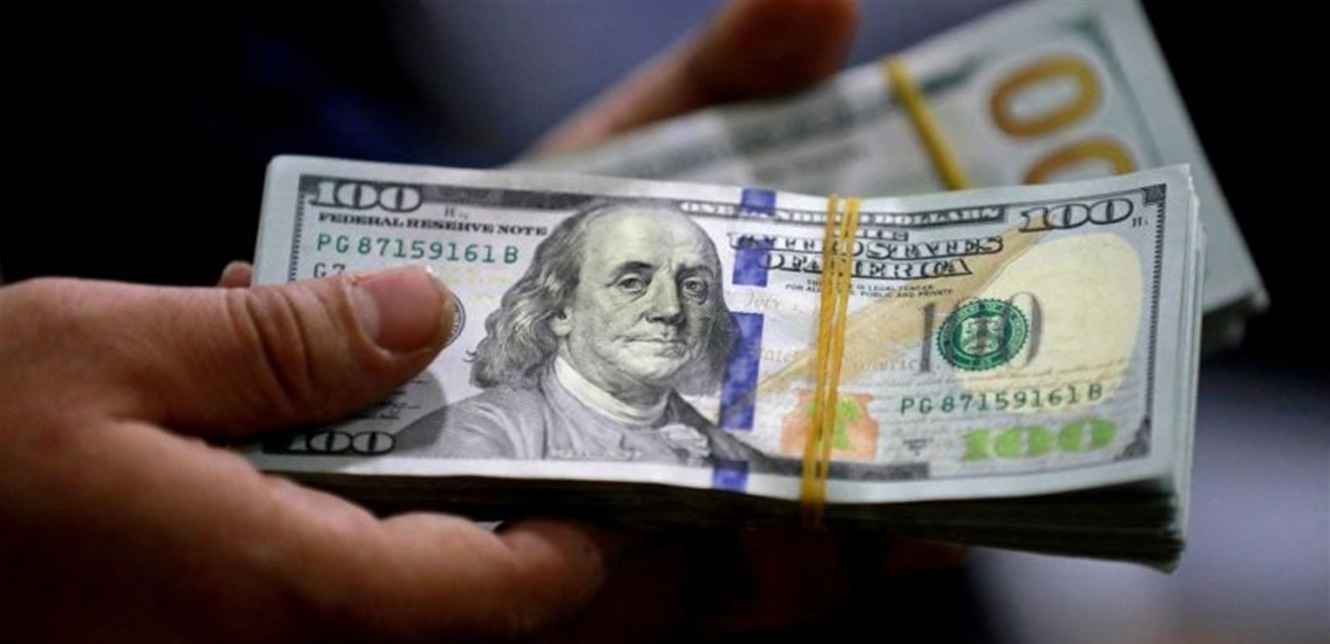
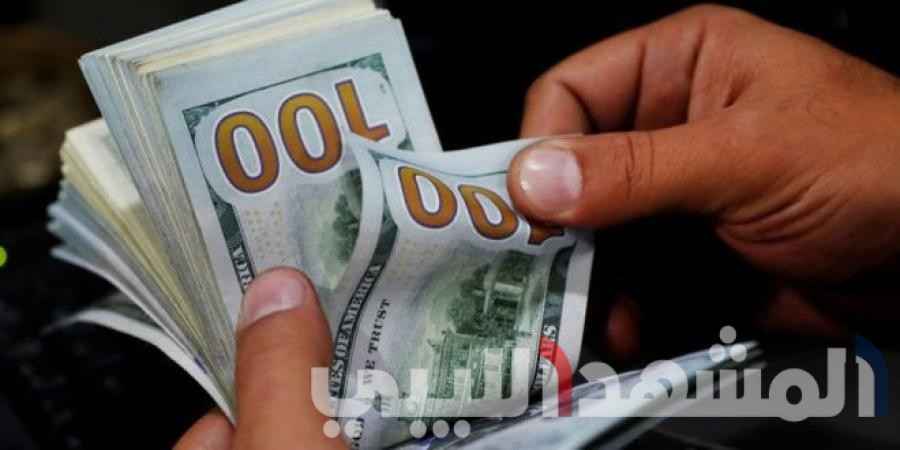
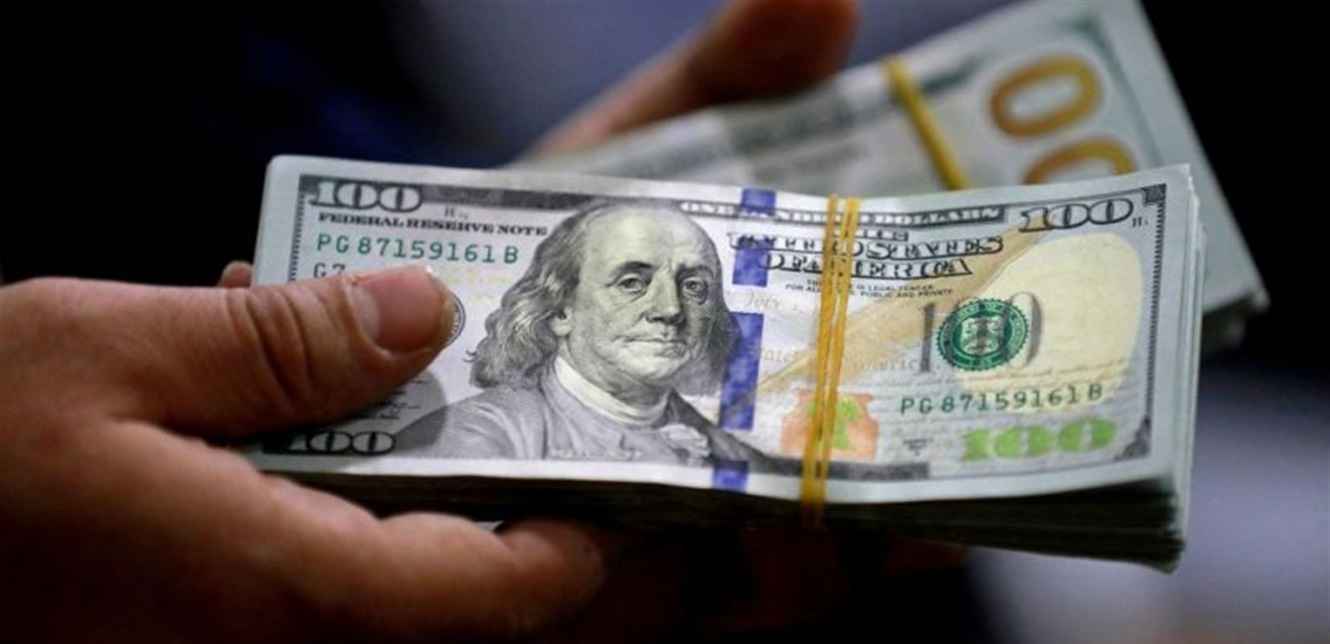
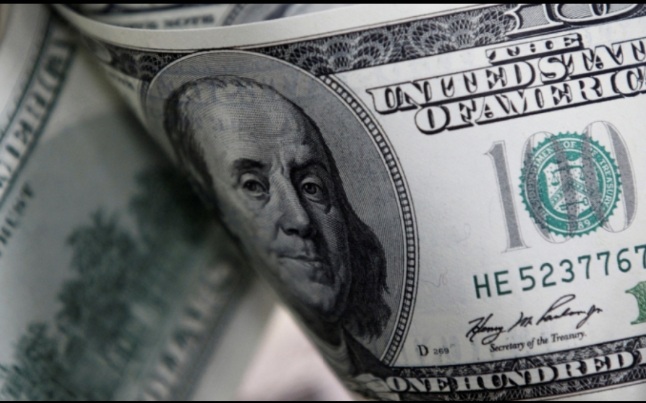
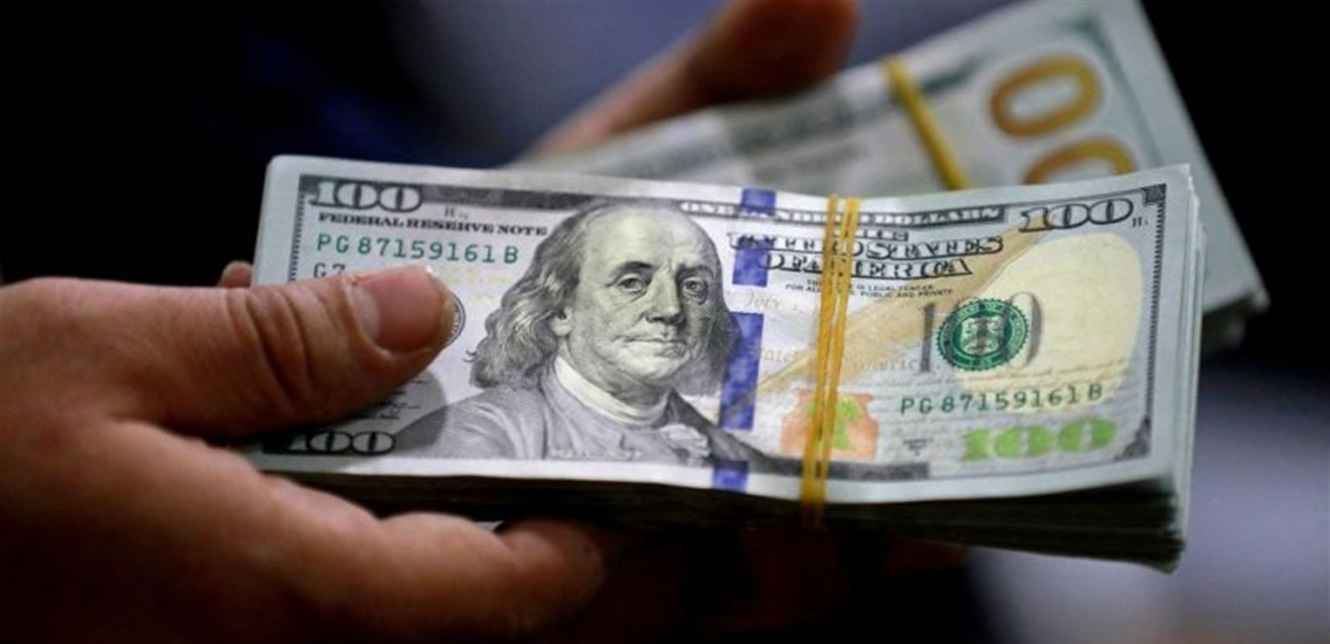
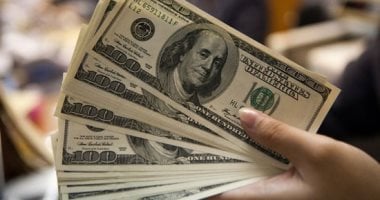
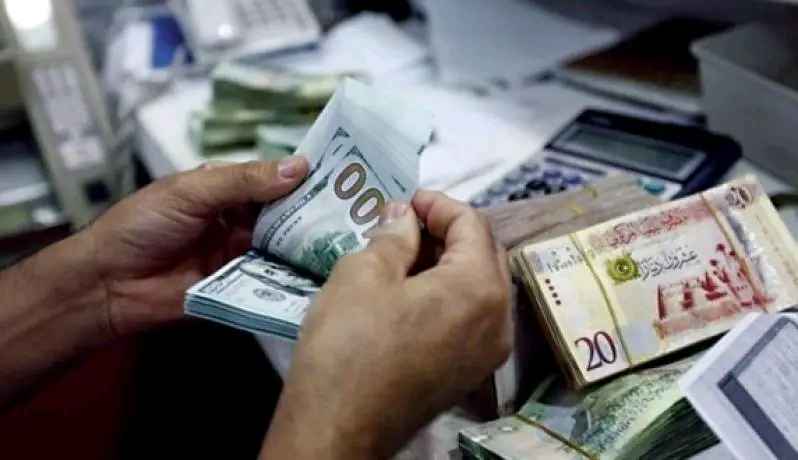
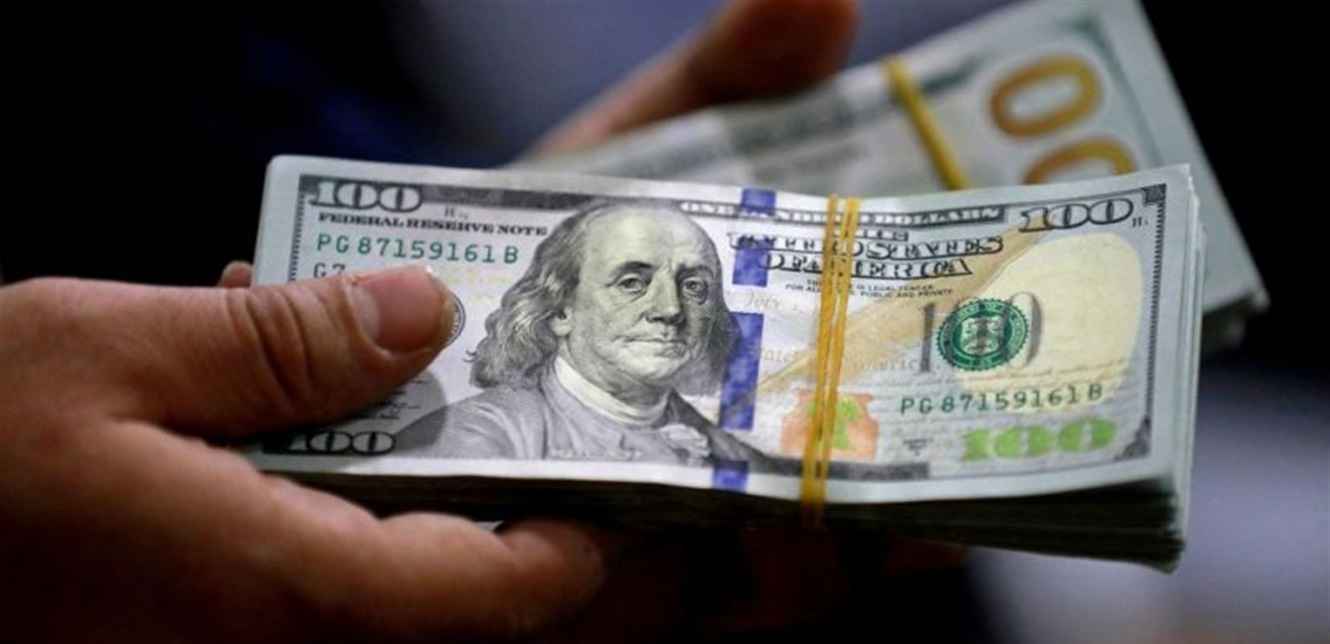
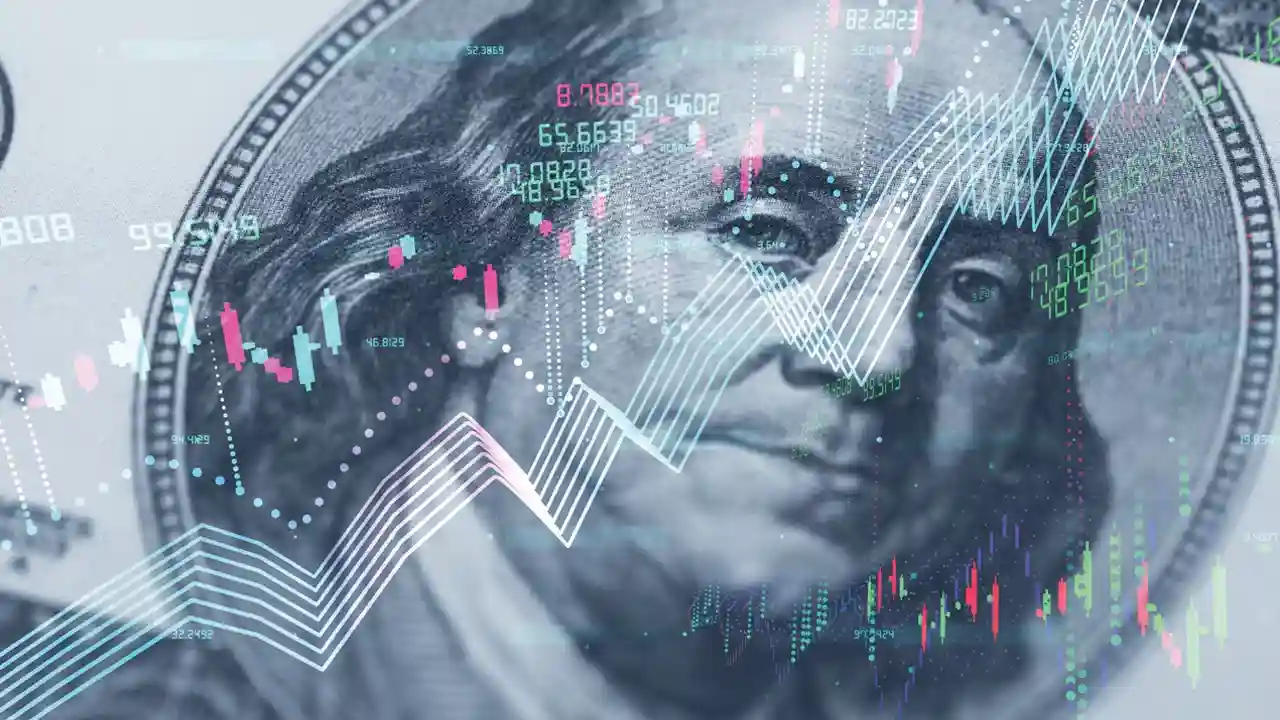
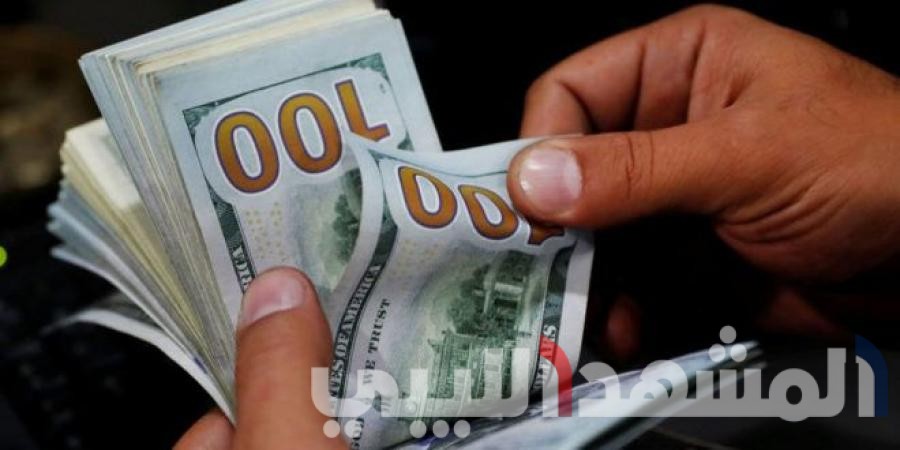
The dollar index rose by 0.4%, recovering from its lowest level in four years. This increased the cost of gold for holders of other currencies and prompted investors to engage in widespread profit-taking.
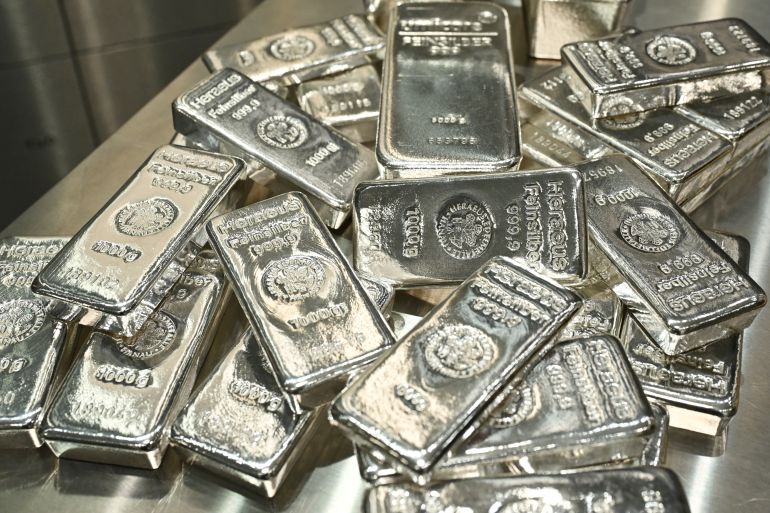
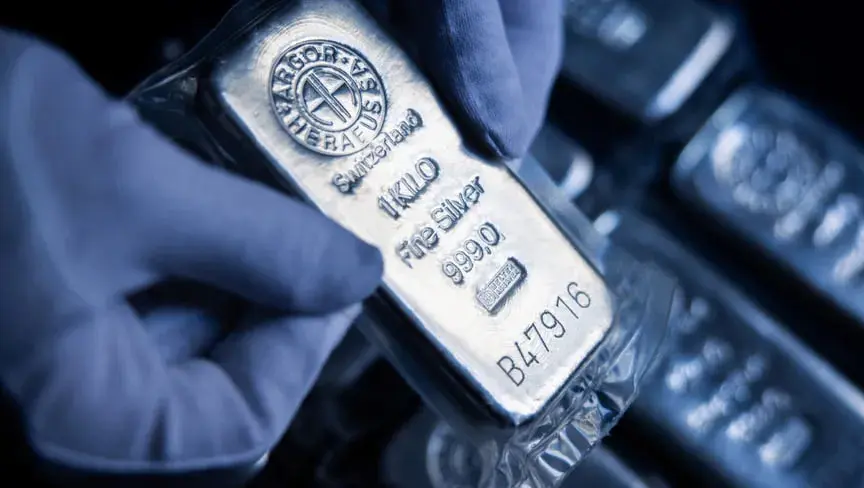
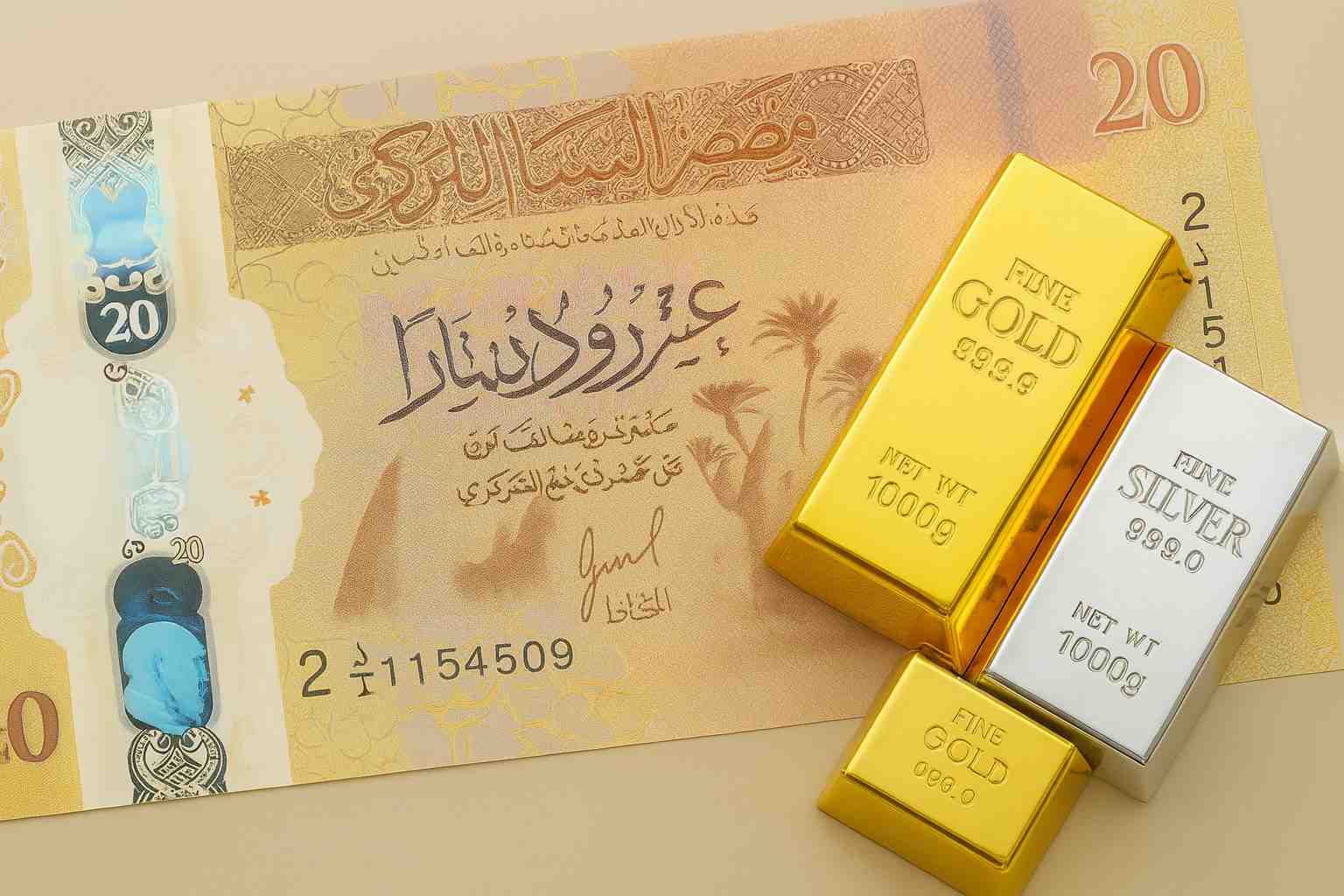
Similarly, silver continued its sharp decline, plummeting by more than 30% to $80.56 per ounce by 18:19 GMT, after having reached a record level of $121.64 on Thursday.
gold
Gold is not a specific place or cultural site, but a precious metal that has been mined and treasured by civilizations worldwide for thousands of years. Historically, its rarity and lustre have made it a universal symbol of wealth and power, used for coinage, jewelry, and religious artifacts from ancient Egypt to the empires of the Americas.
silver
Silver is a chemical element (Ag) historically used for coinage, jewelry, and tableware. Its mining and trade have played significant roles in economies and cultures, such as in the Spanish Empire following discoveries in the Americas. Today, it remains valuable for industrial applications, investment, and ornamental purposes.
U.S.
The United States of America is a federal republic founded in 1776 following its Declaration of Independence from Great Britain. Its history is marked by westward expansion, a civil war over slavery, and its emergence as a global superpower in the 20th century.
Federal Reserve
The Federal Reserve is the central banking system of the United States, established in 1913 by the Federal Reserve Act to provide the country with a safer, more flexible, and more stable monetary and financial system. It conducts national monetary policy, supervises and regulates banks, and works to maintain the stability of the financial system.
dollar
The dollar is the official currency of the United States, established by the Coinage Act of 1792. Its history is tied to the Spanish dollar and the early economic foundations of the nation, and it has evolved into the world’s primary reserve currency.