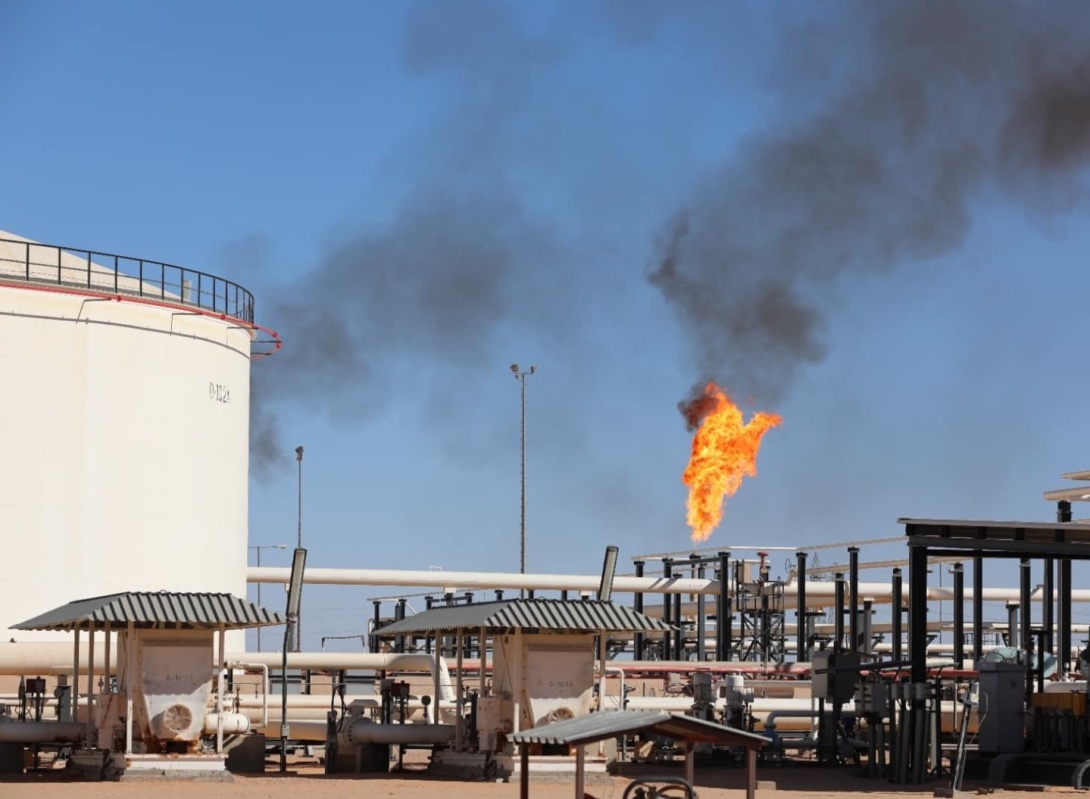
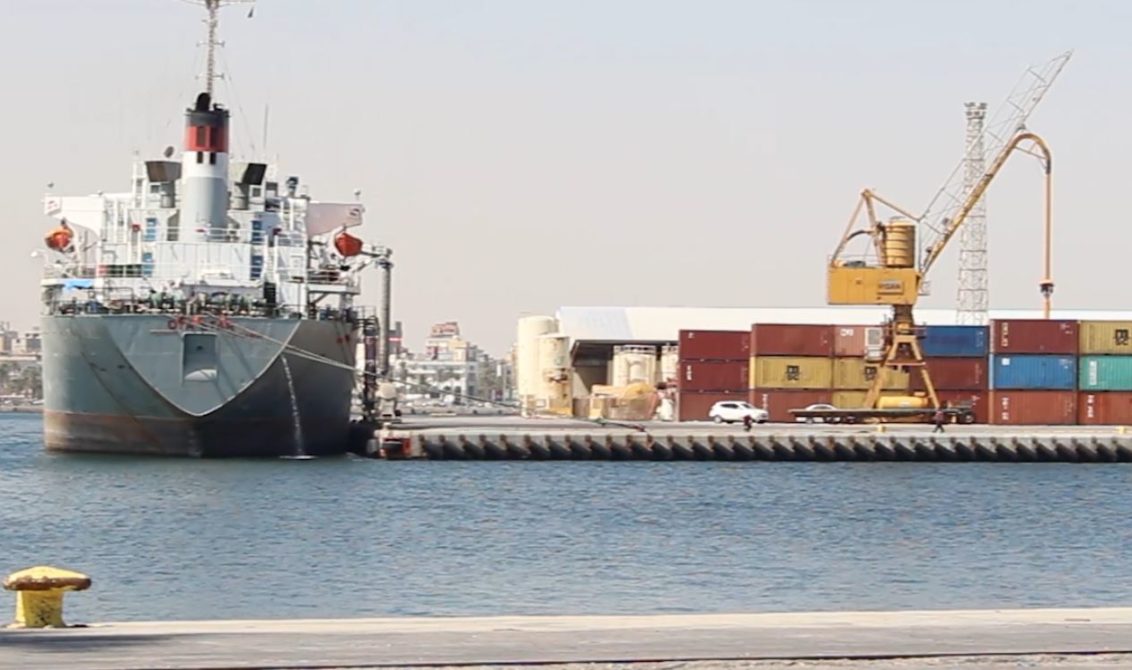
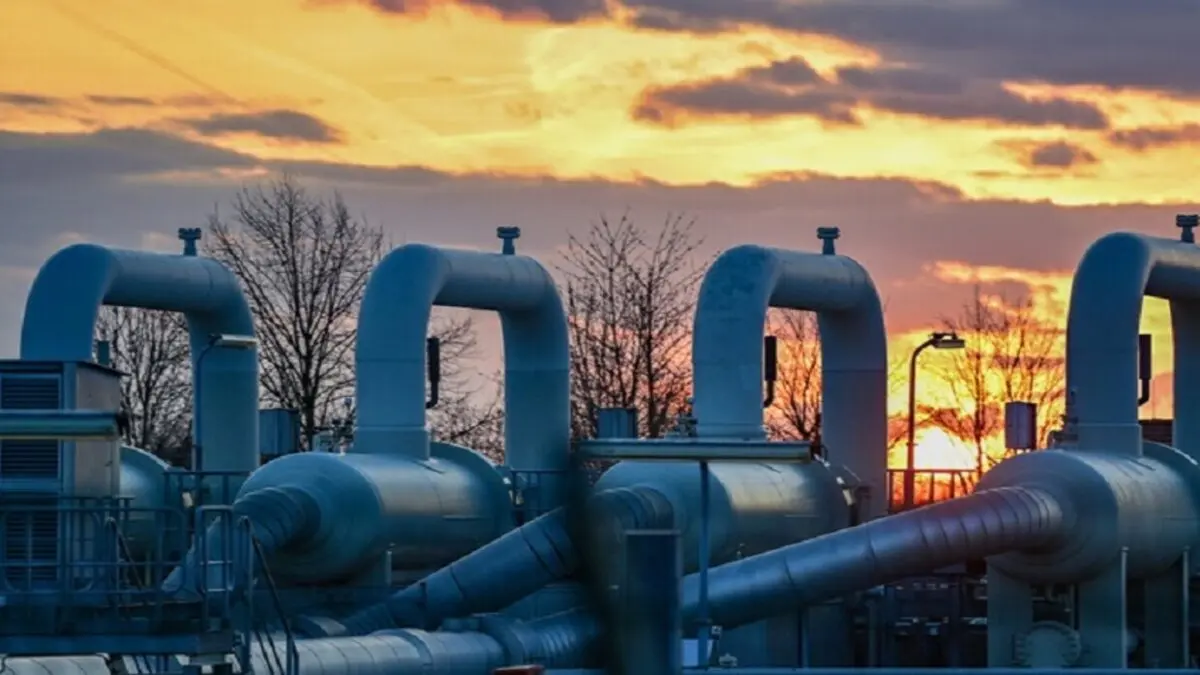
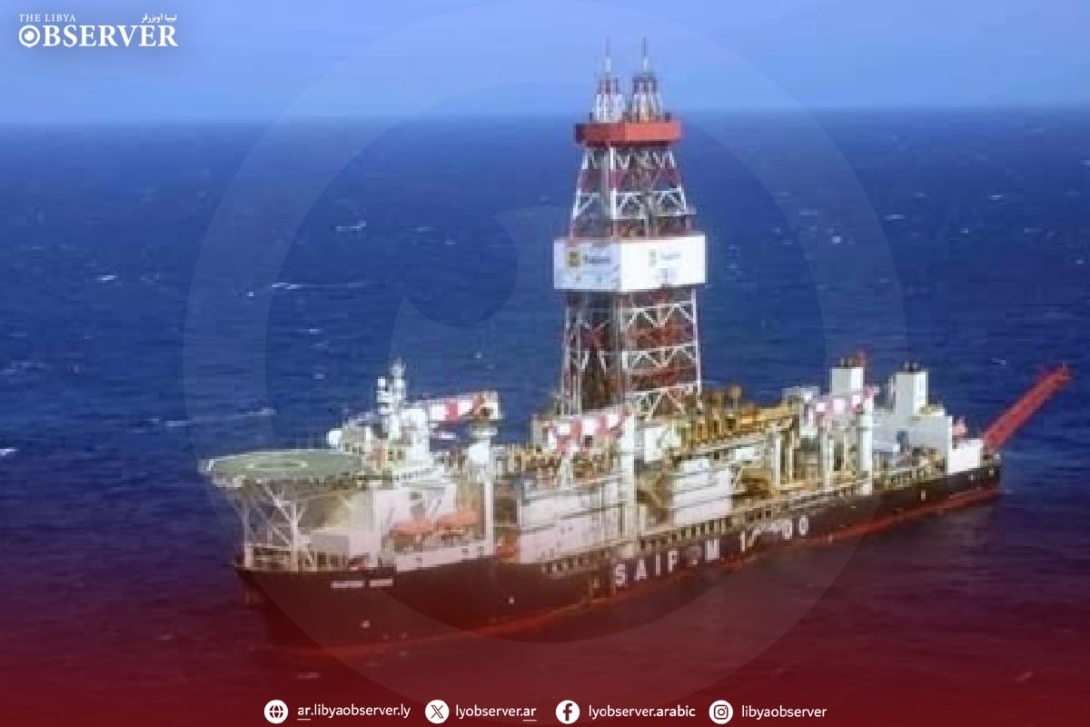
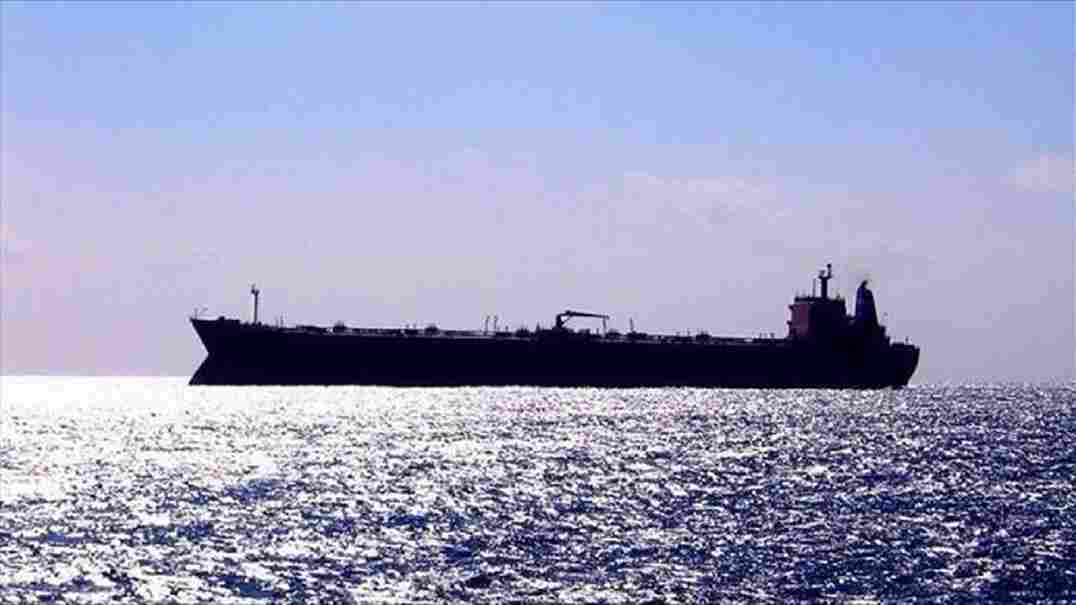
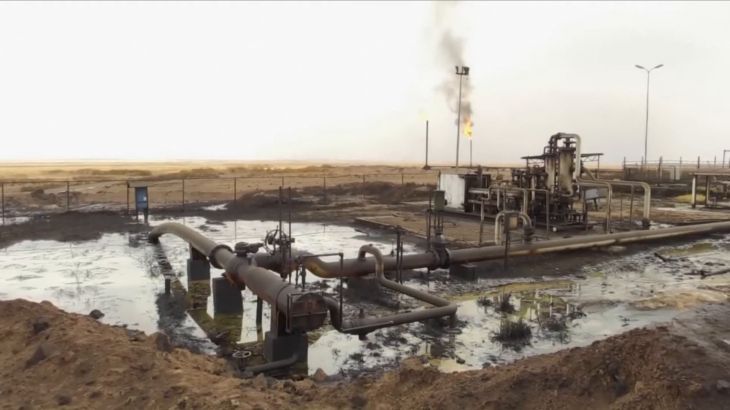
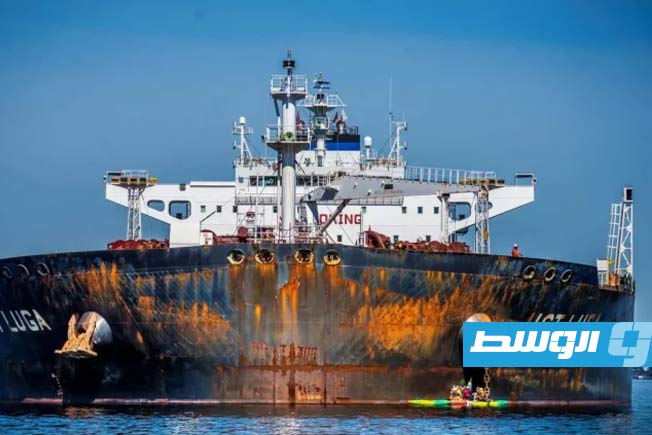
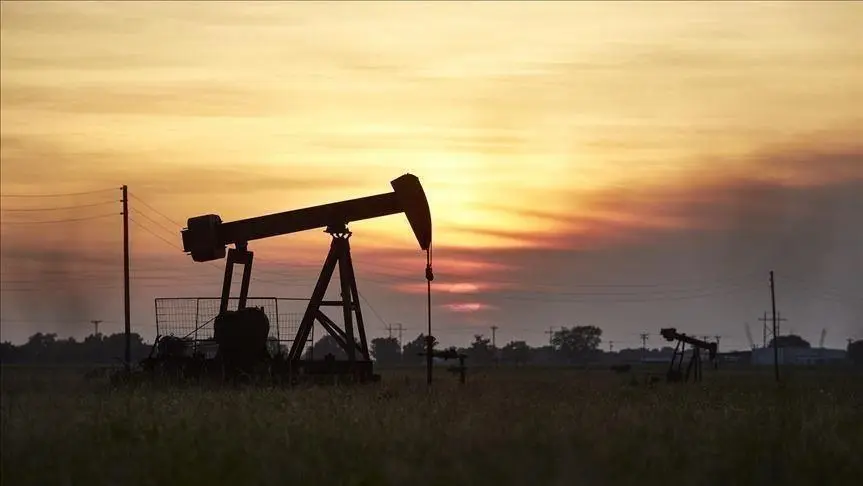
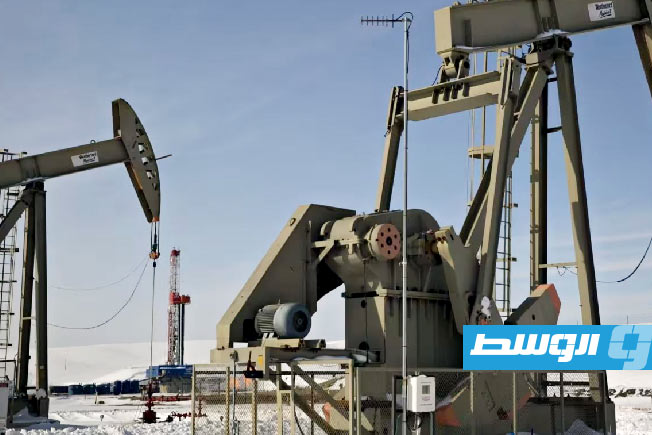
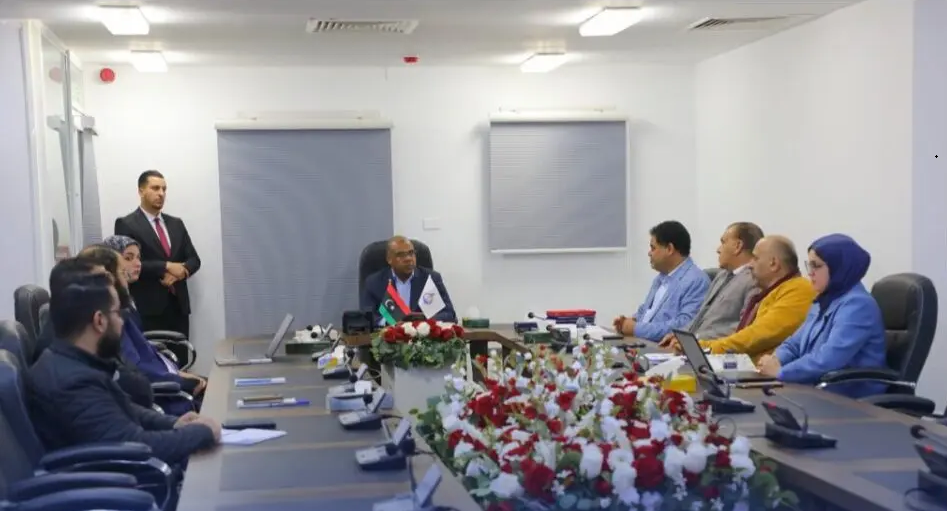
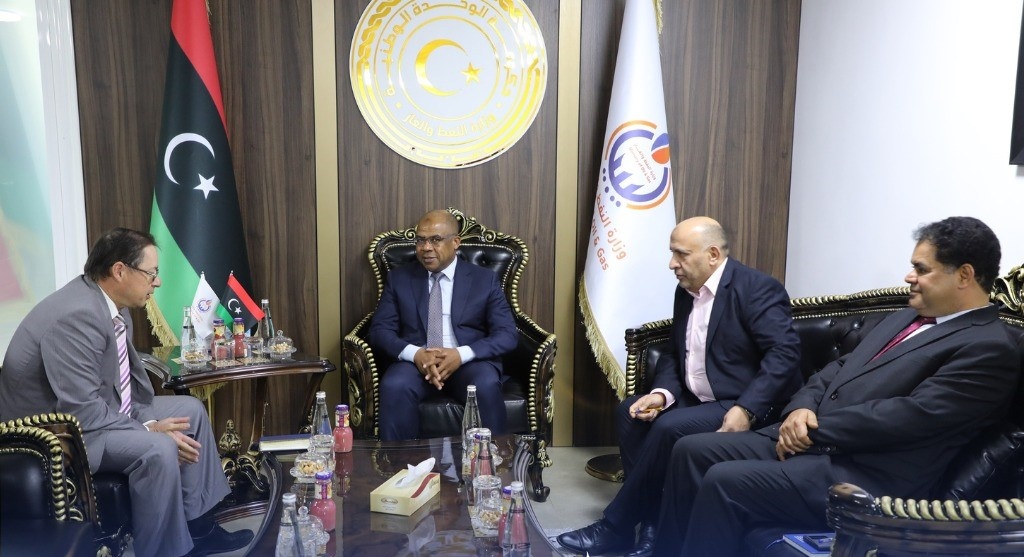
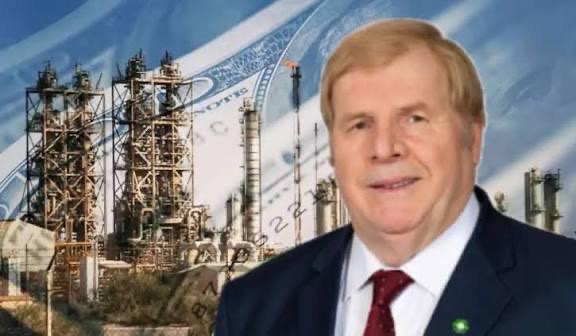
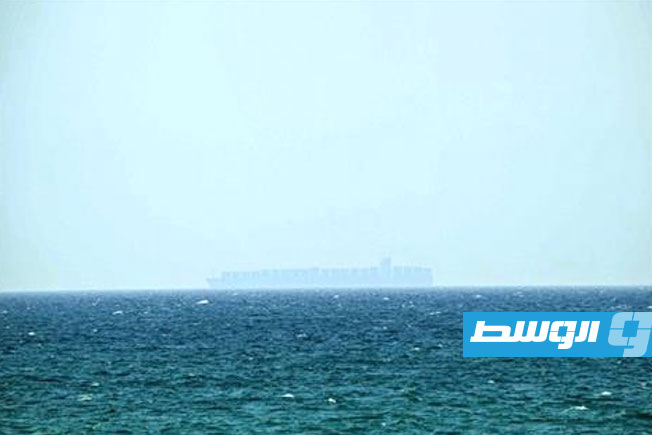
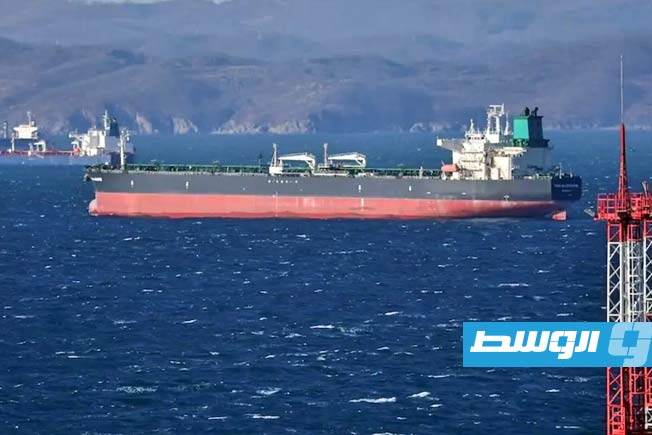
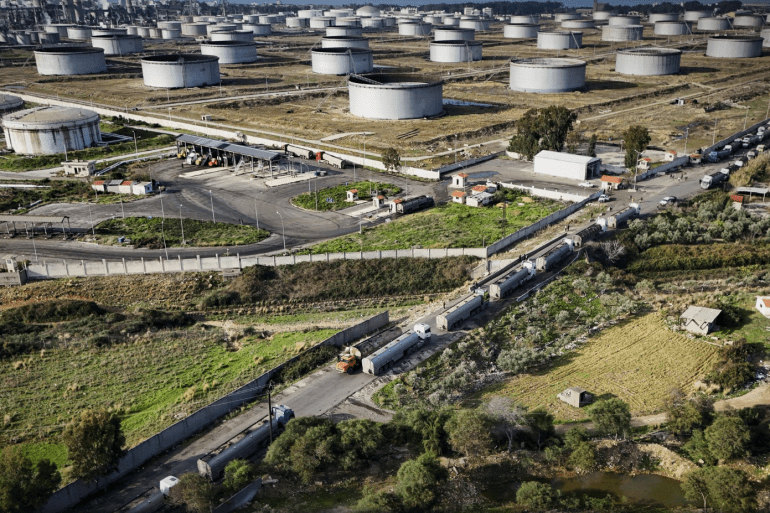
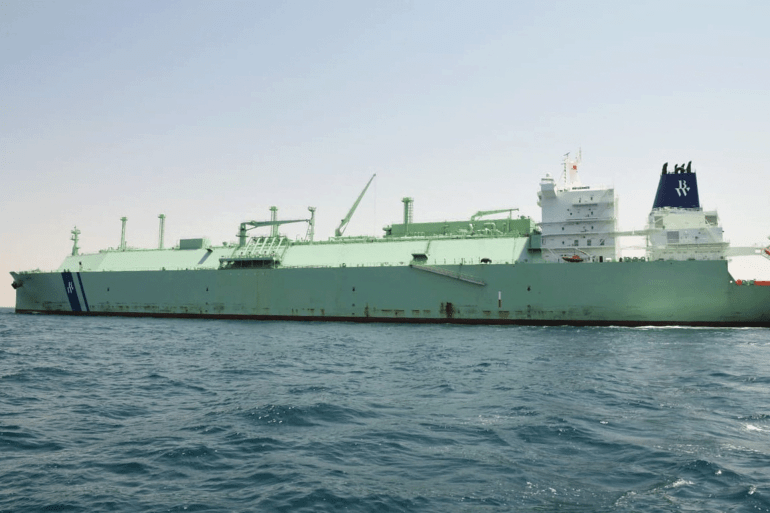
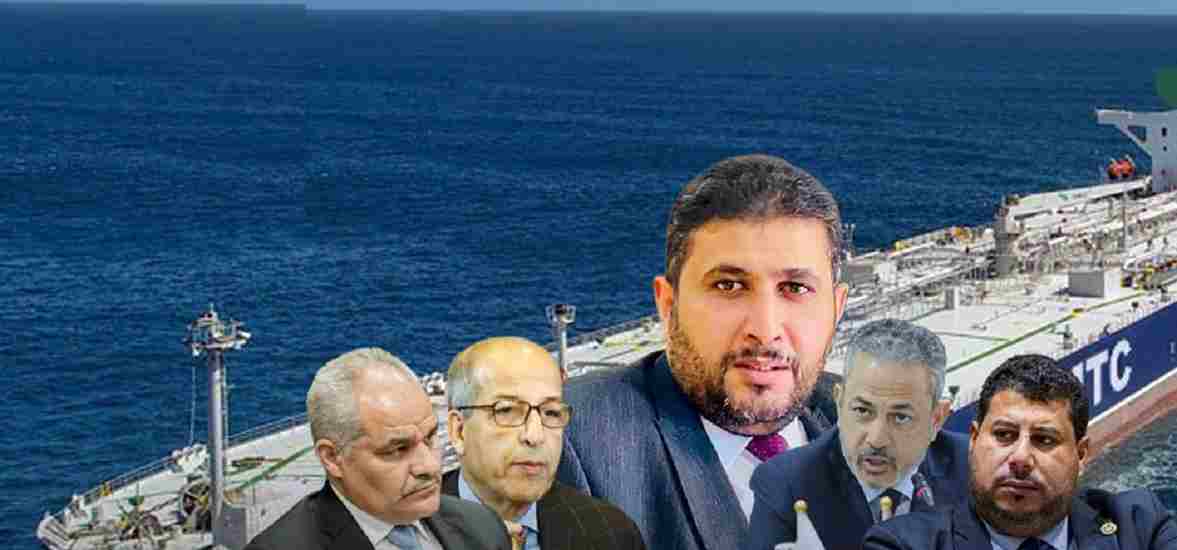
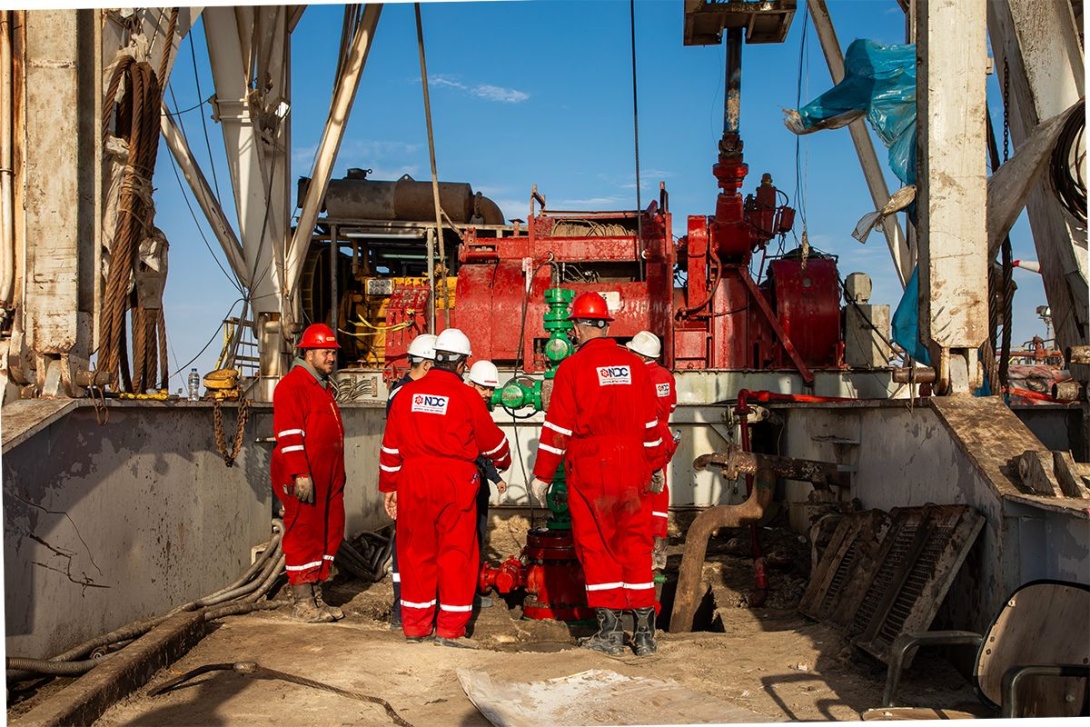
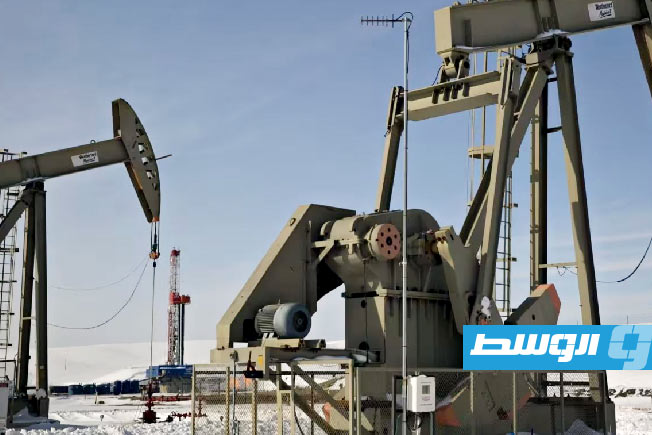
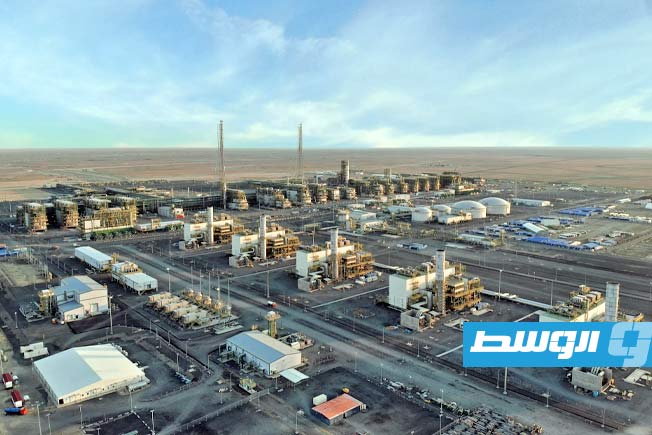
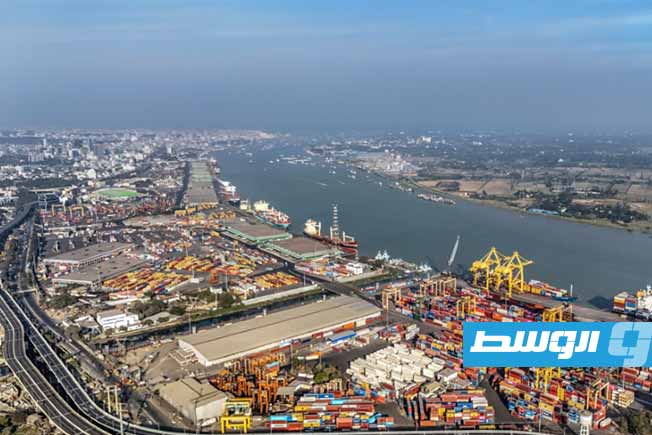
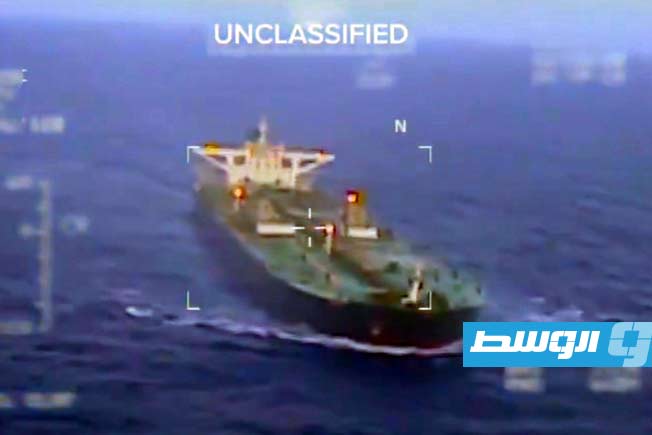
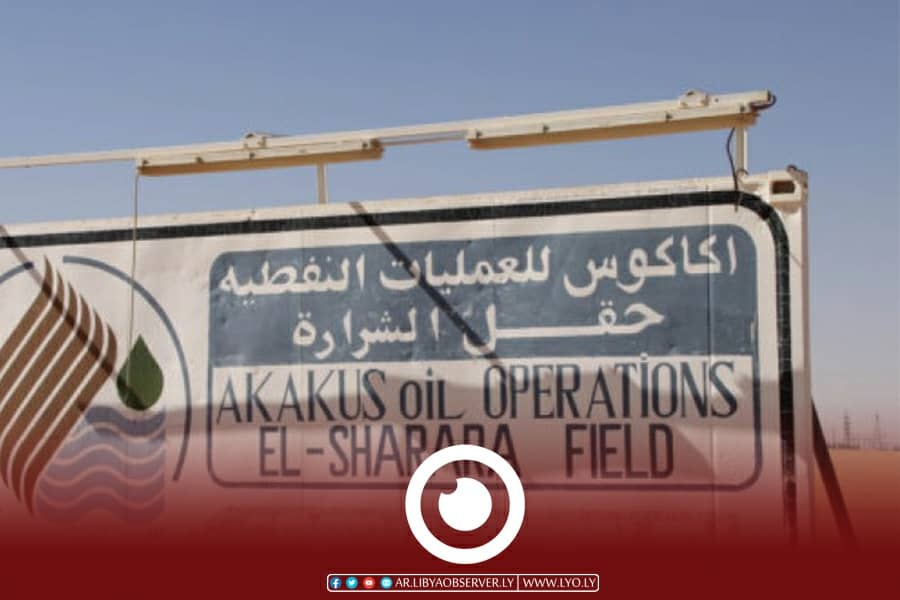
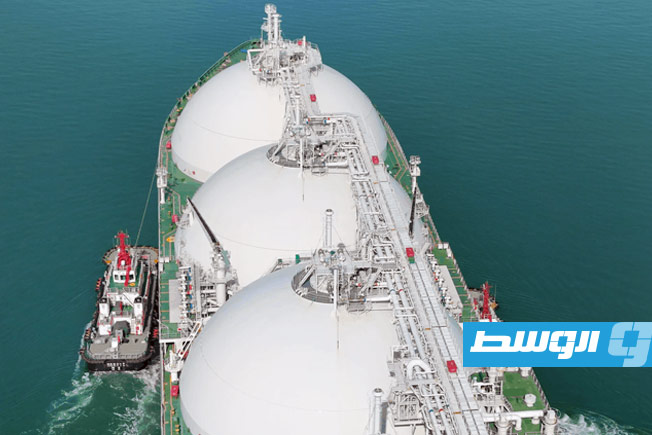
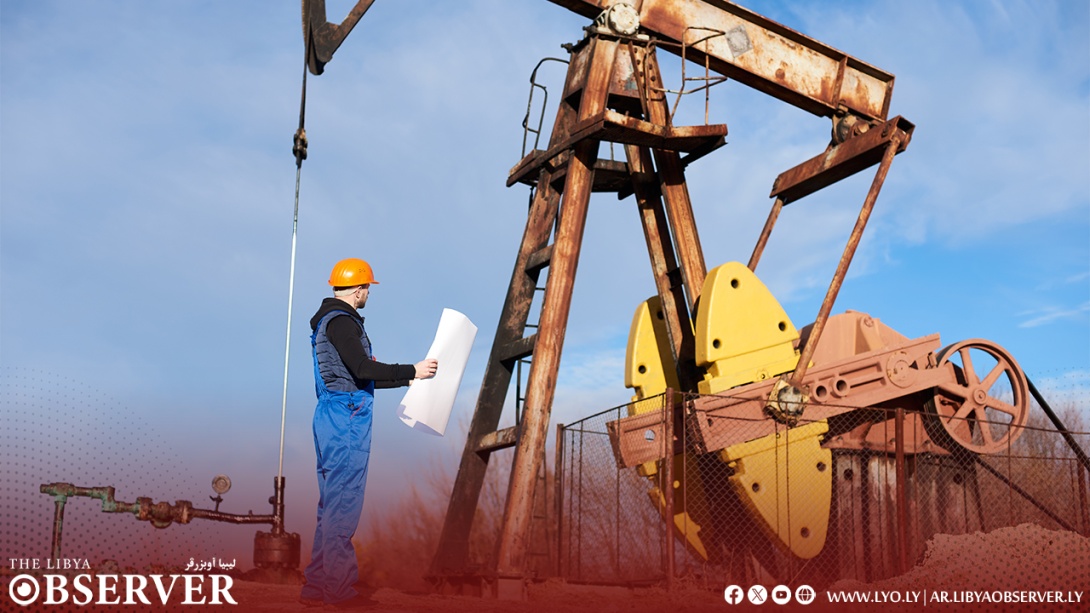
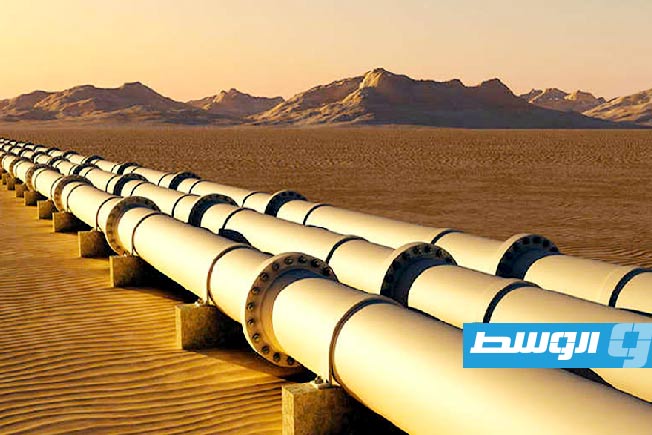
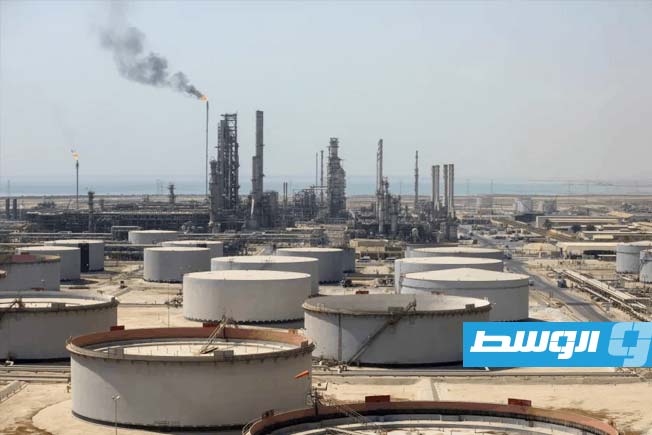
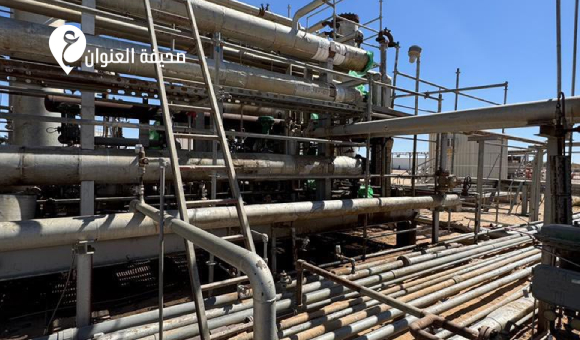
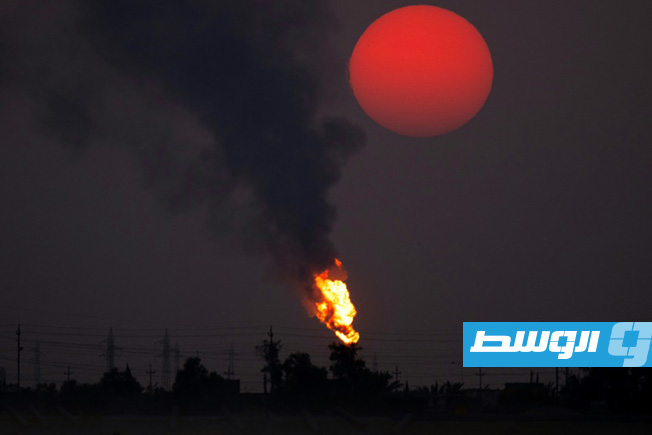
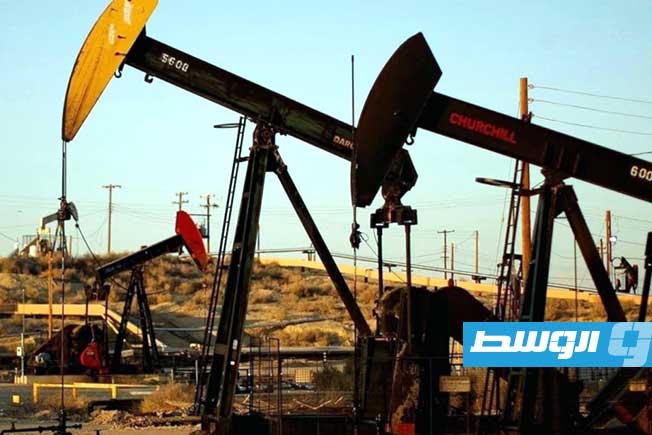
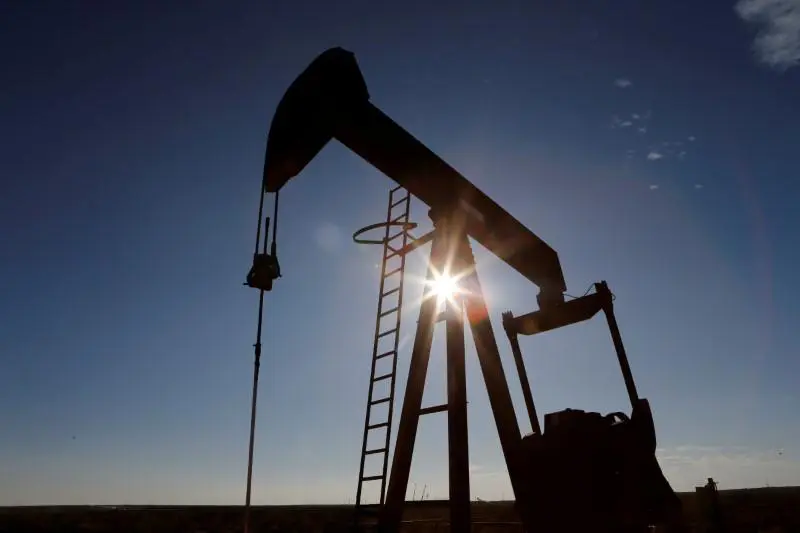
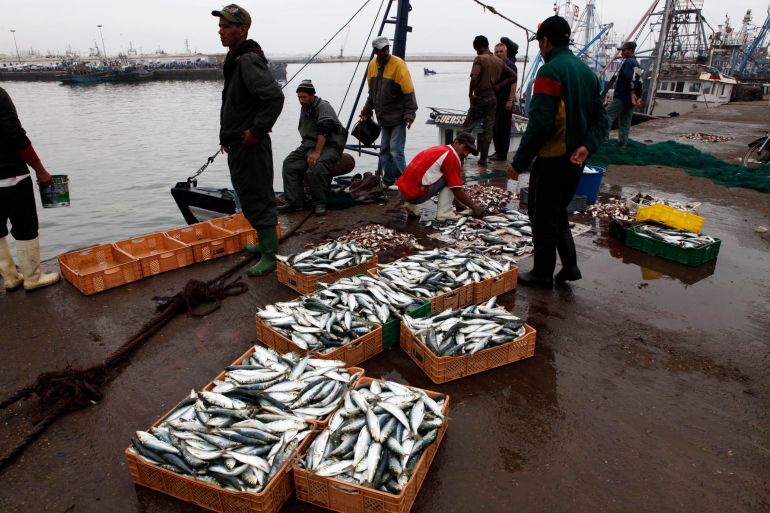
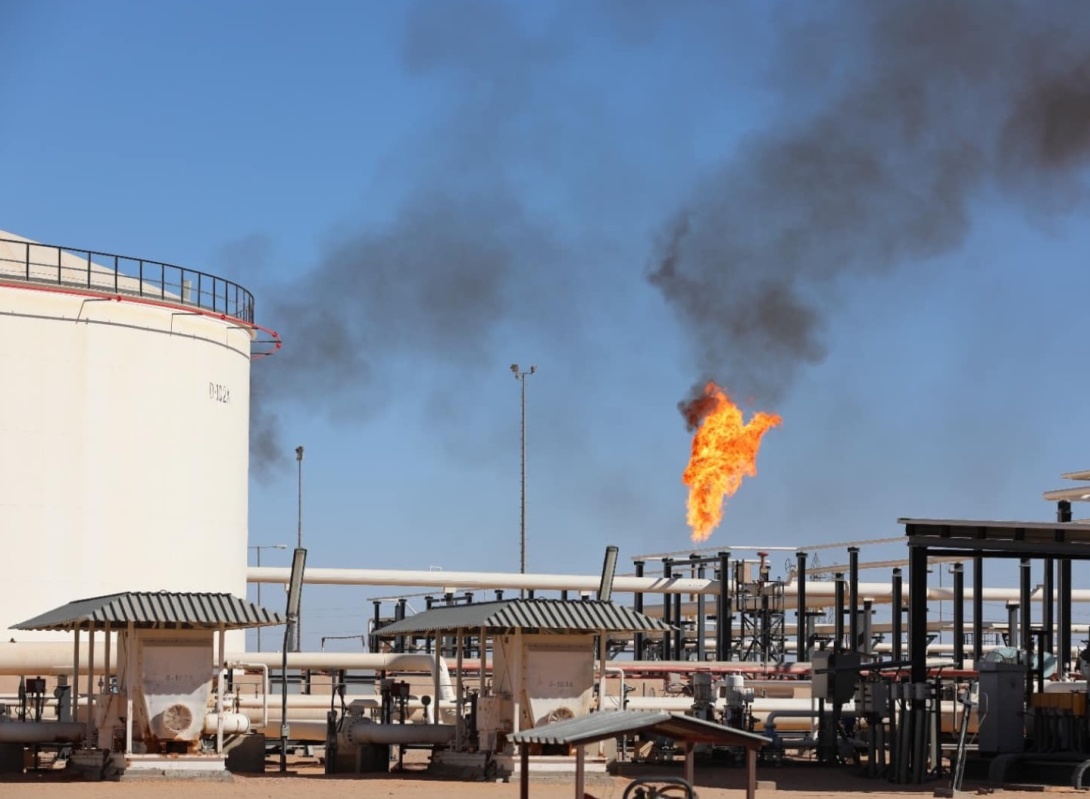
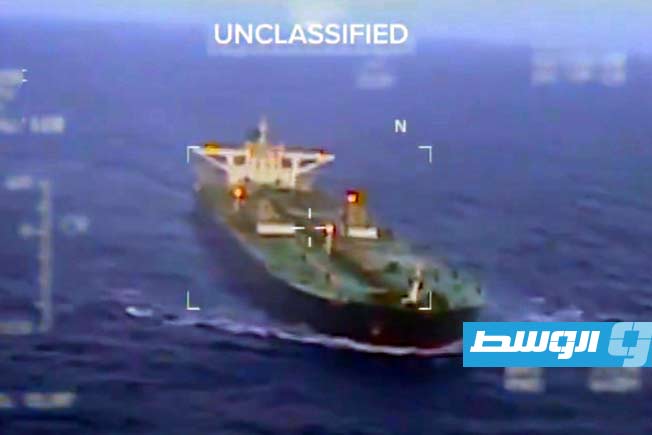
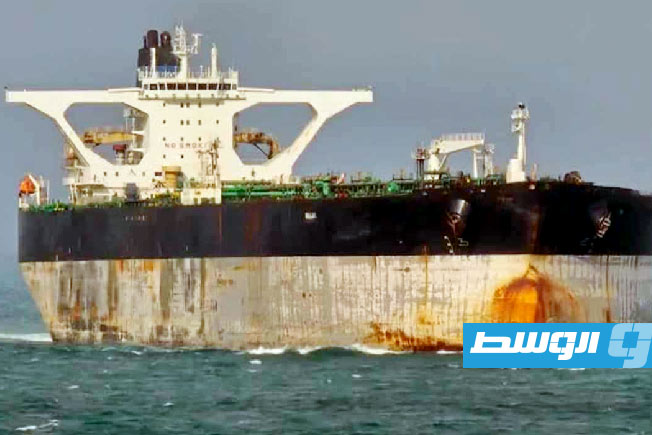
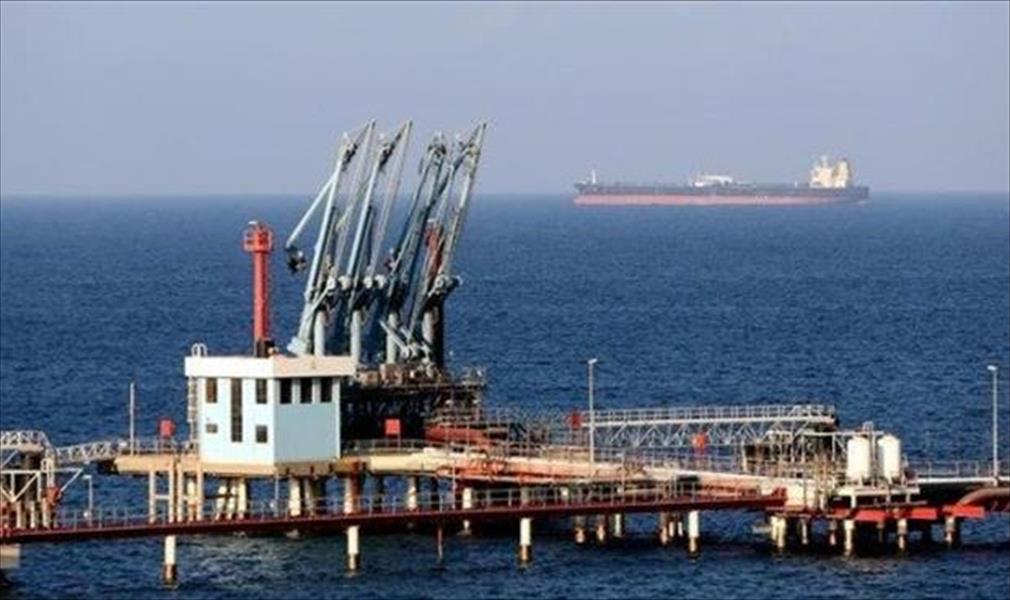
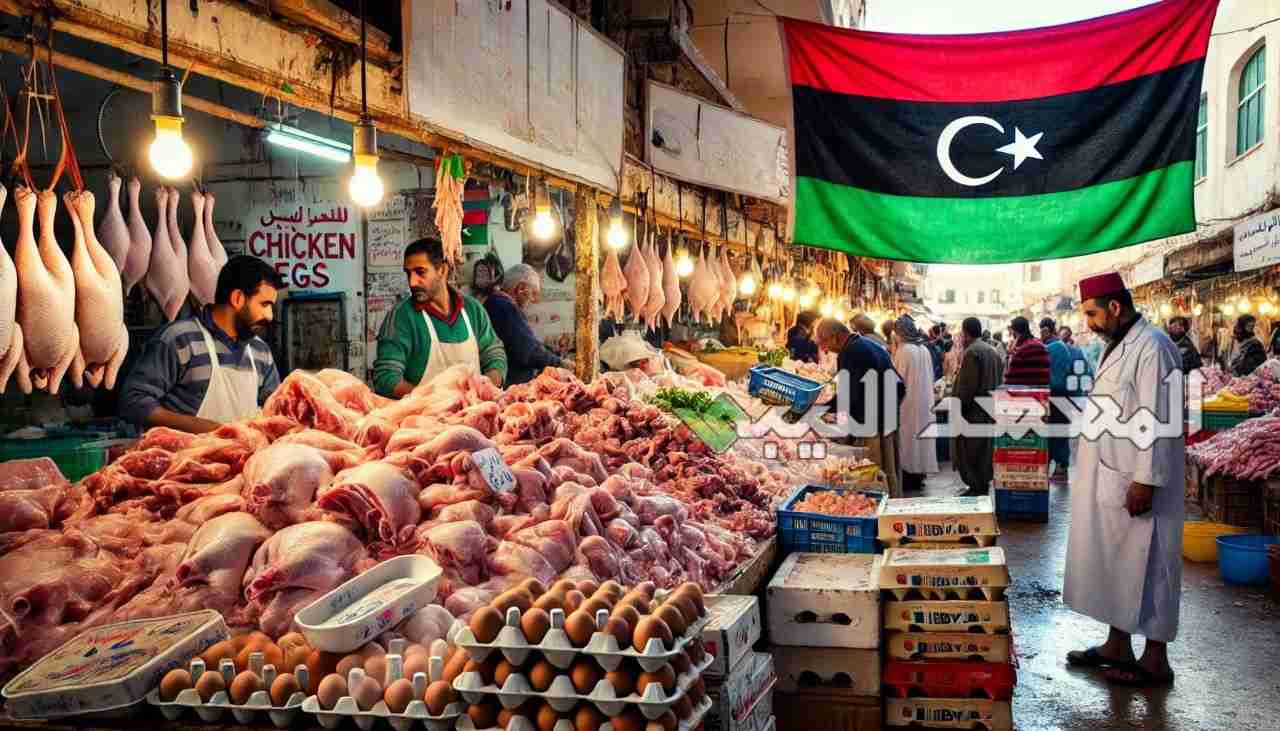
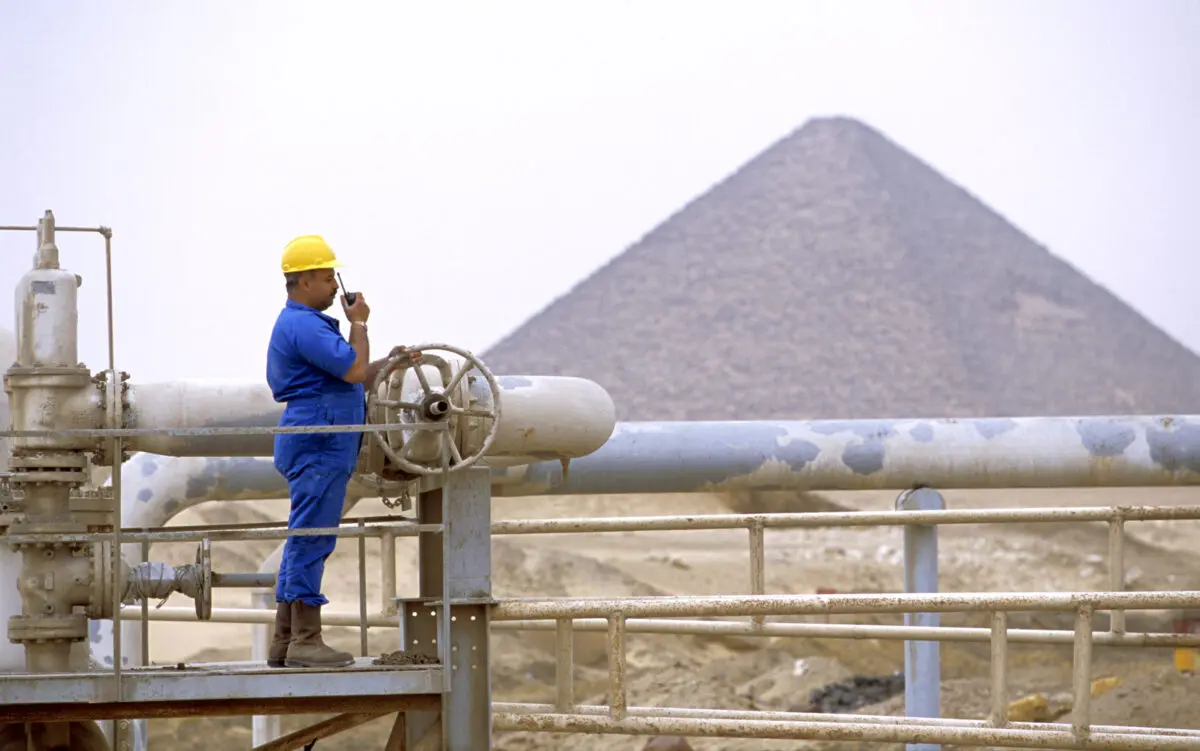
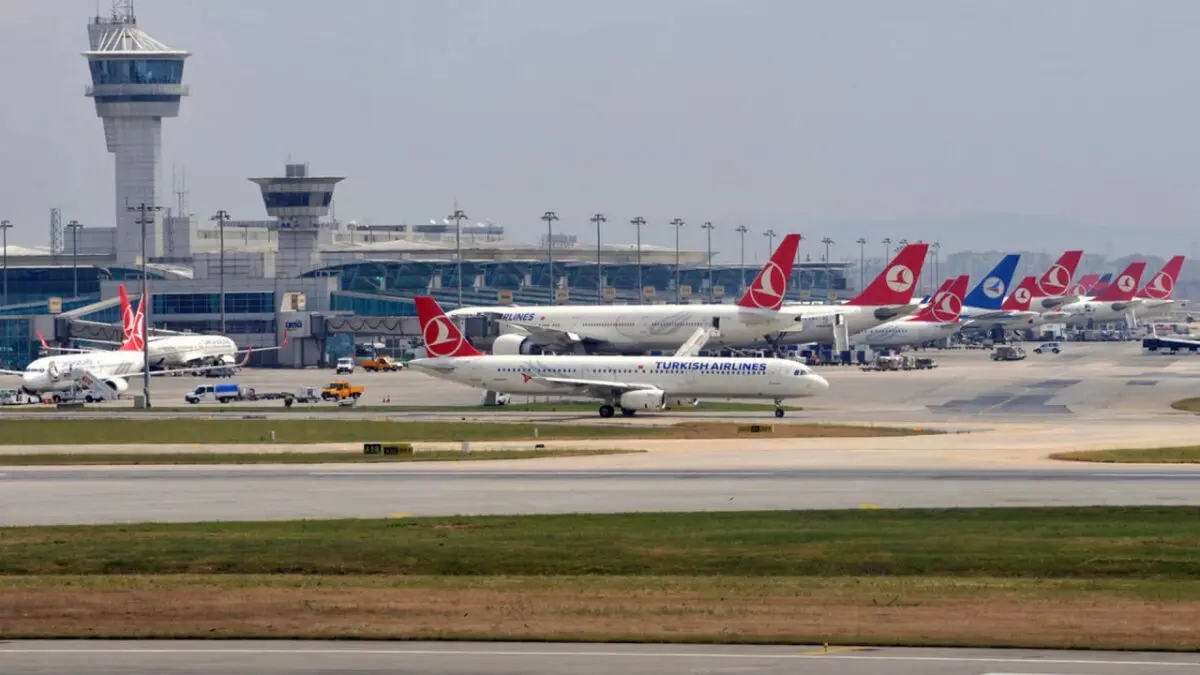
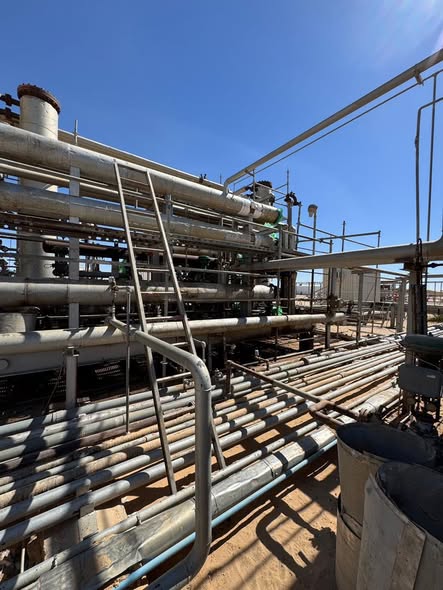
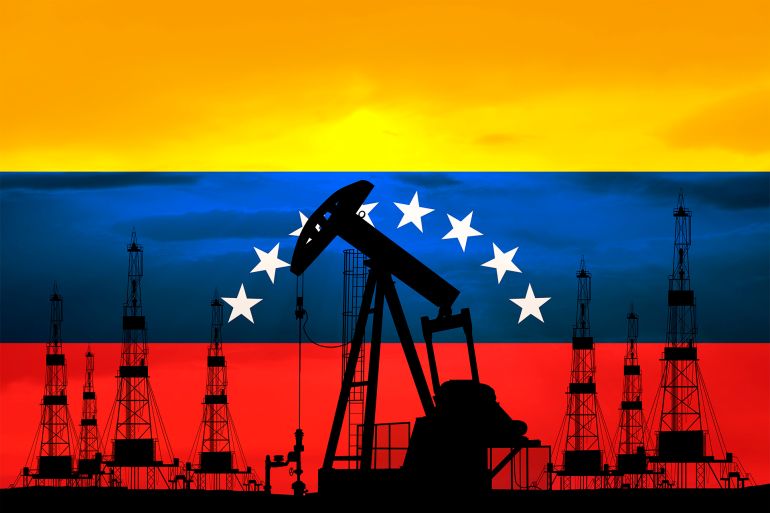
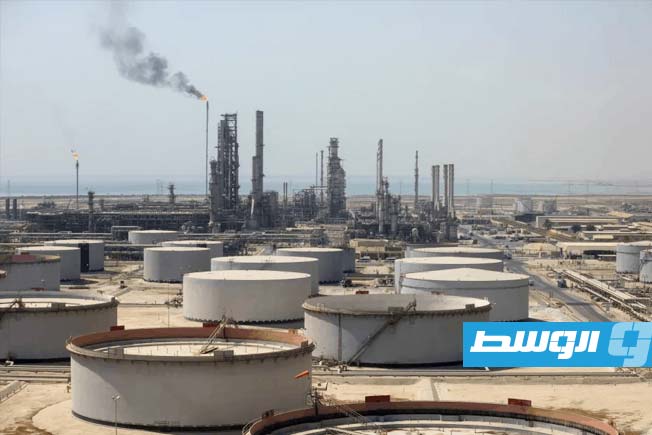
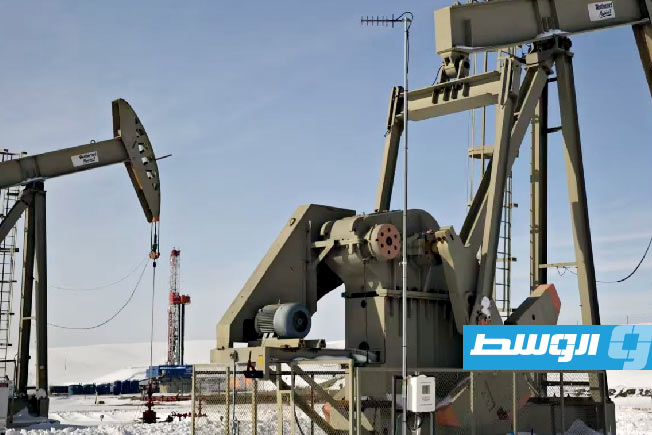
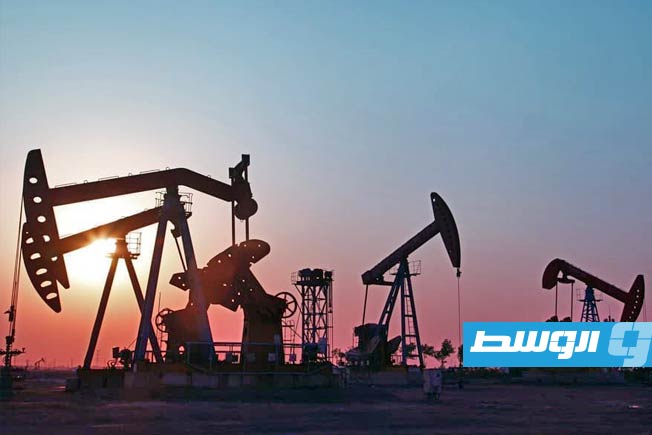
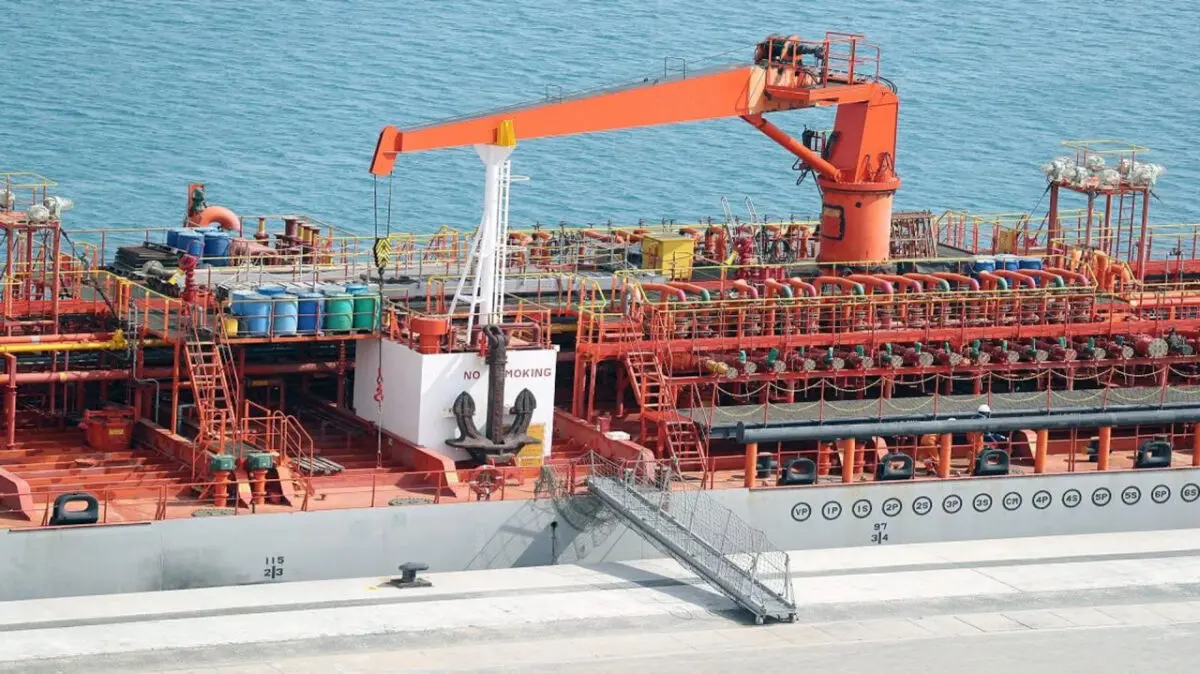
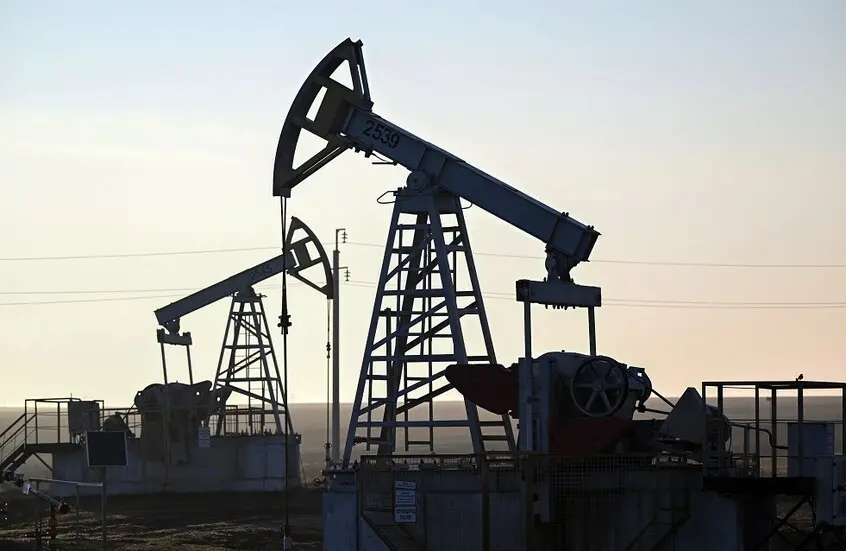
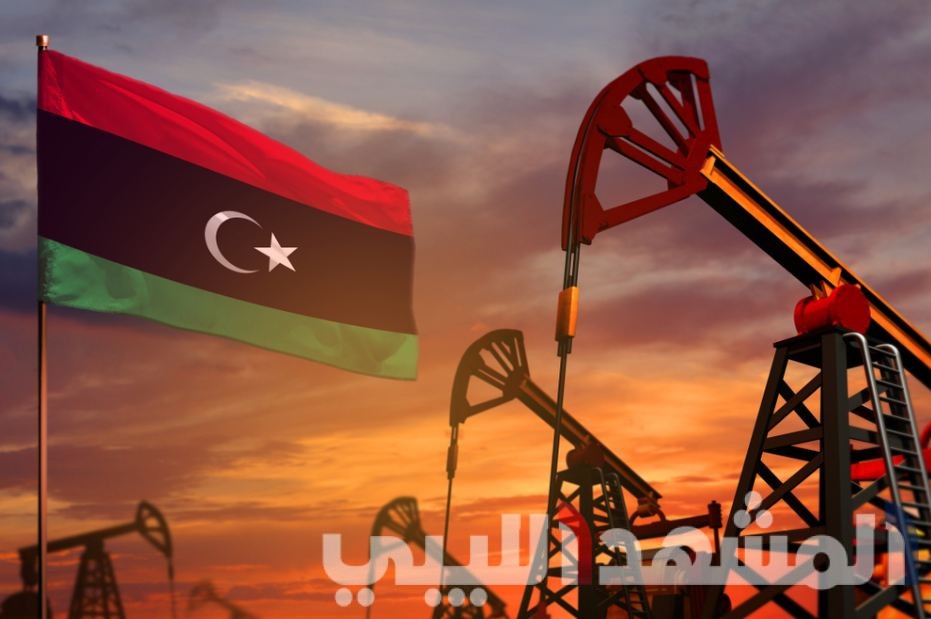
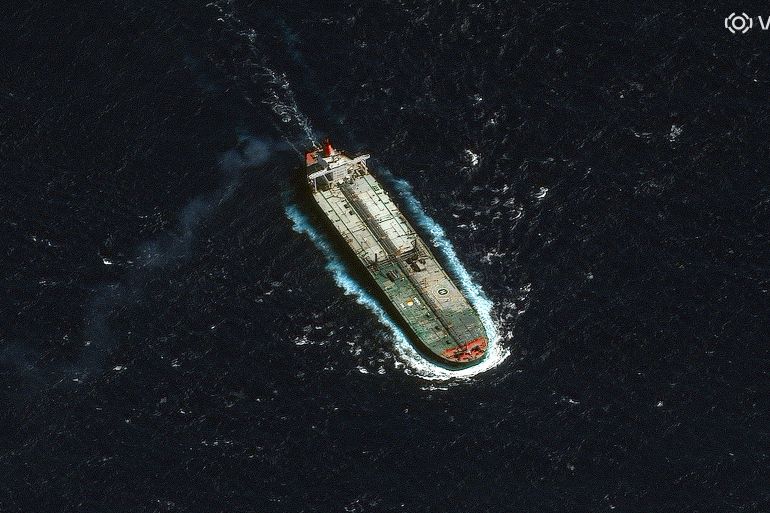
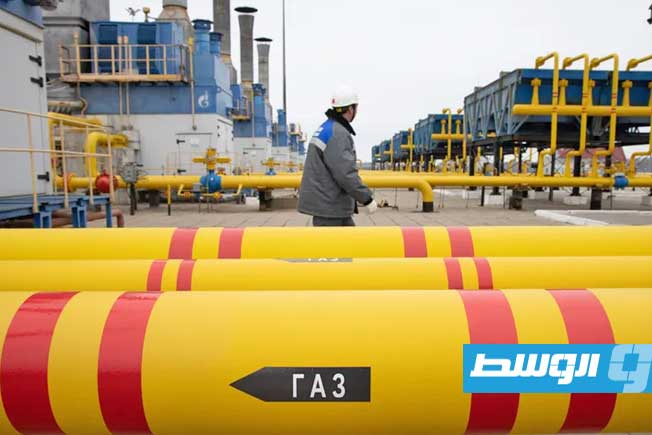
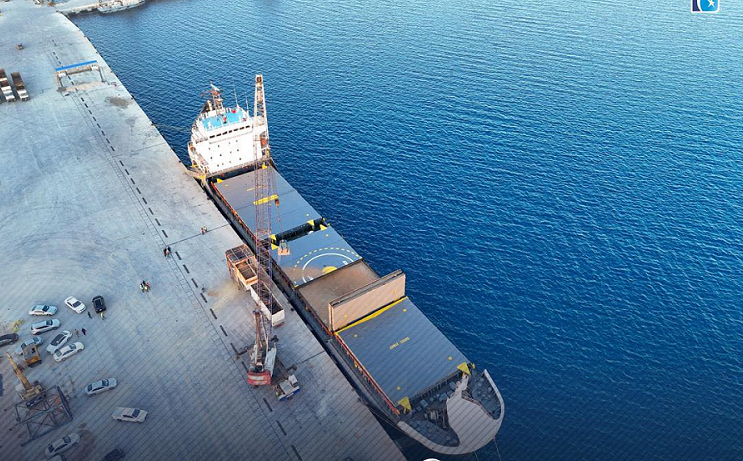
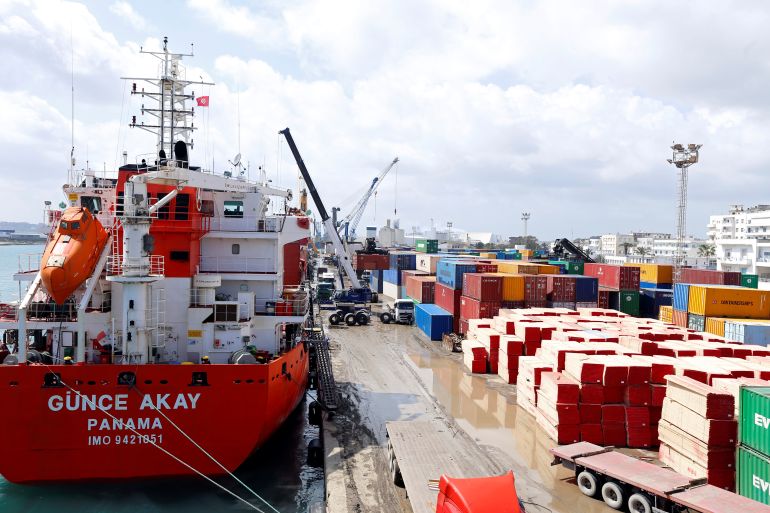
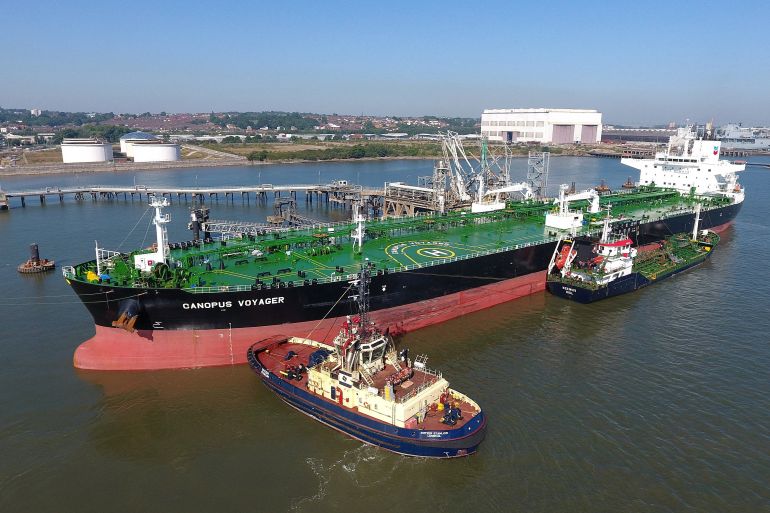
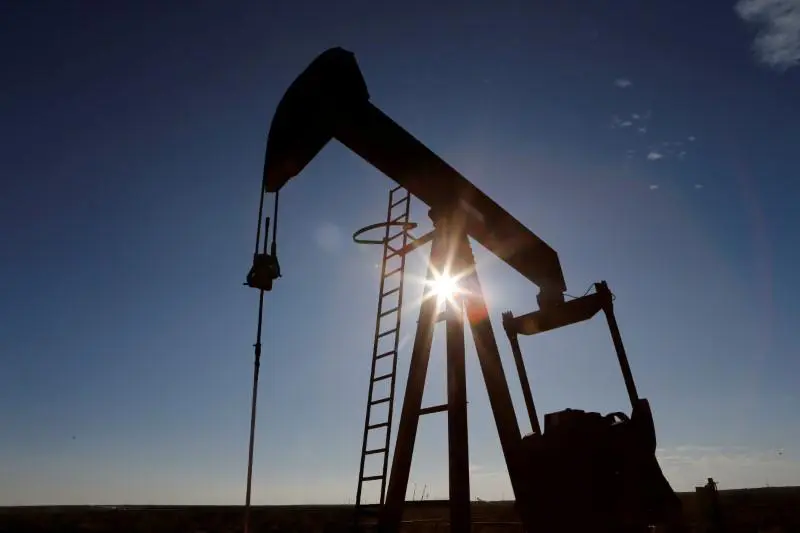
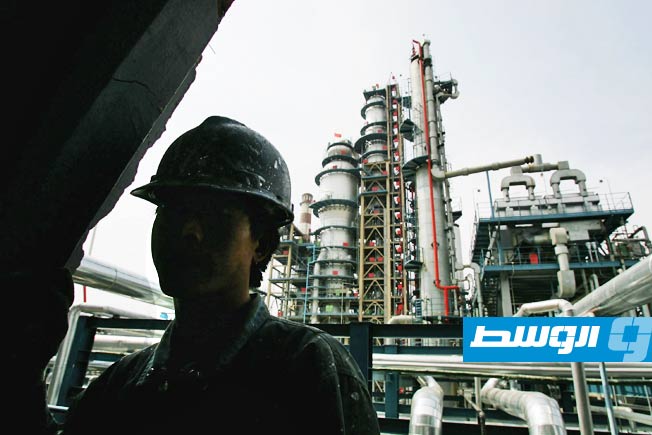
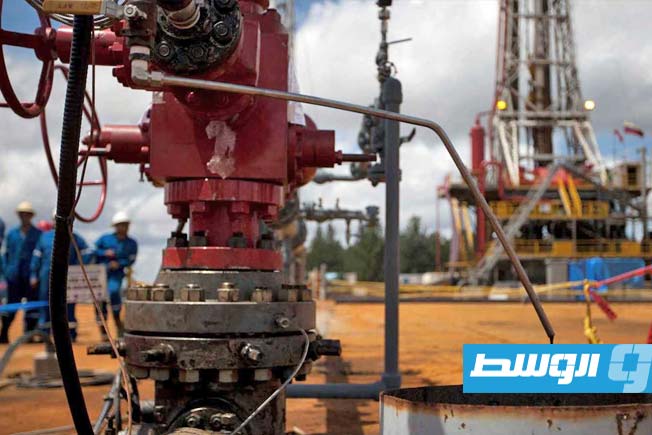
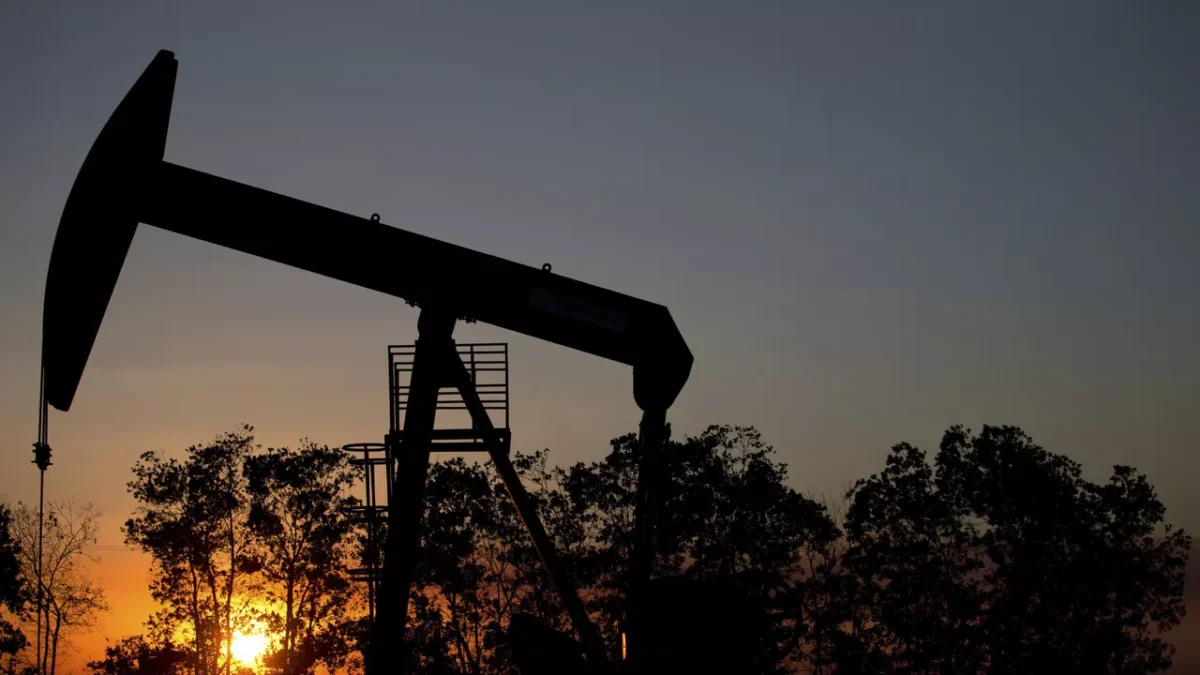
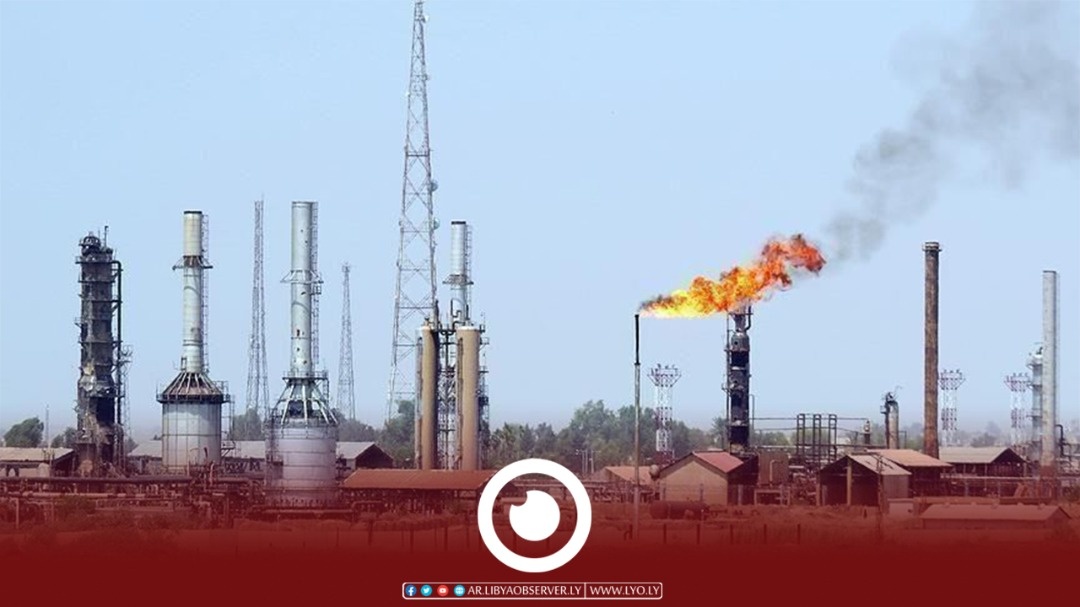
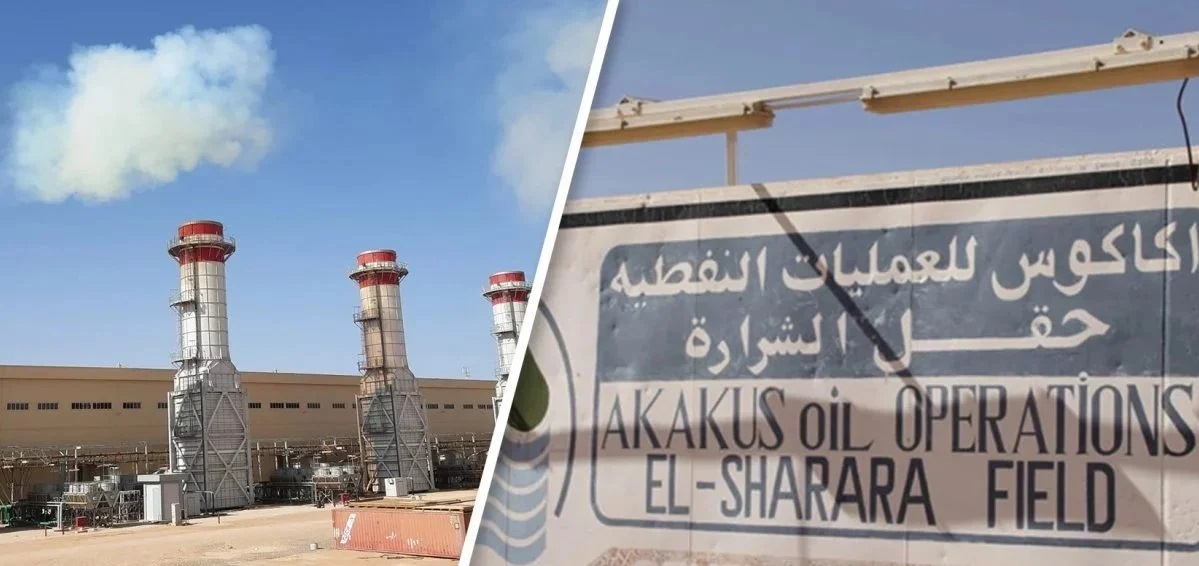
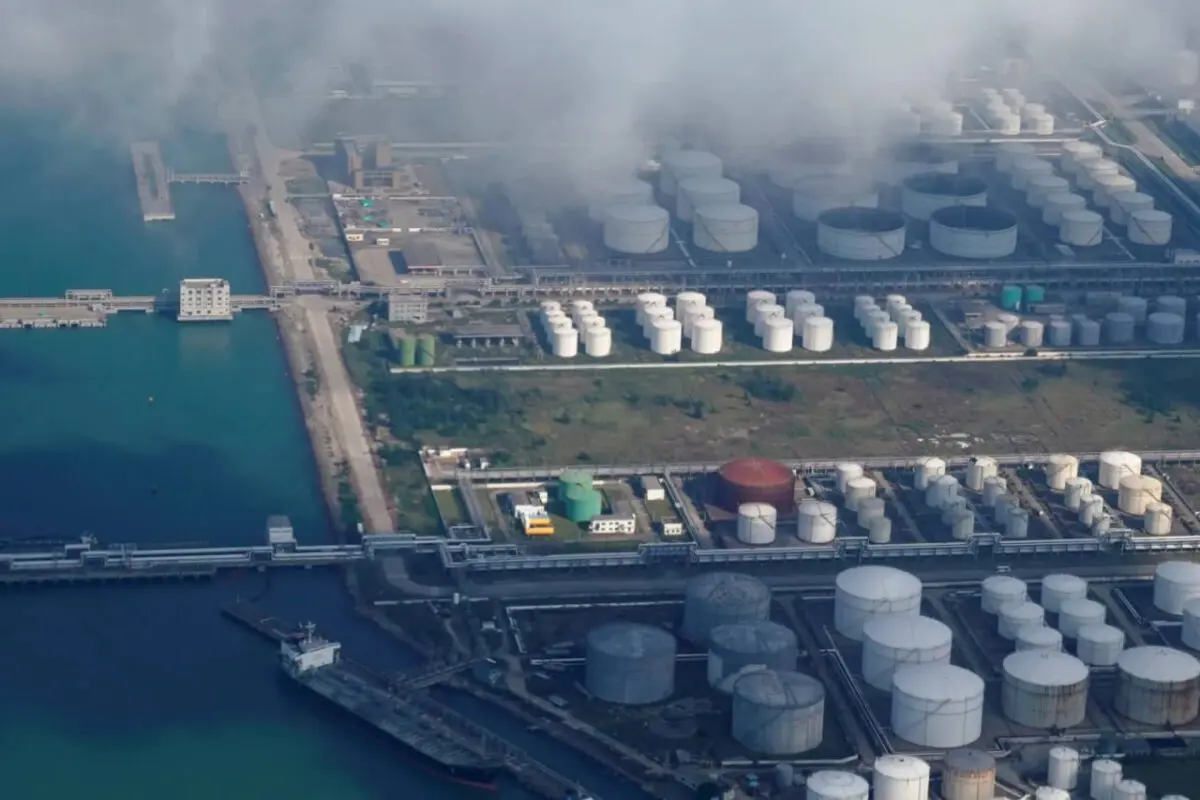
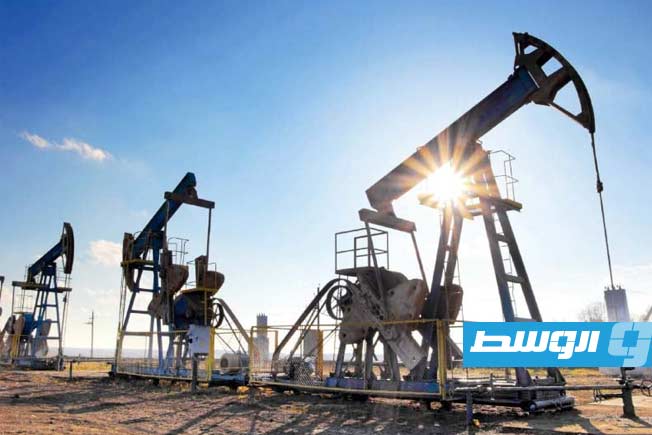
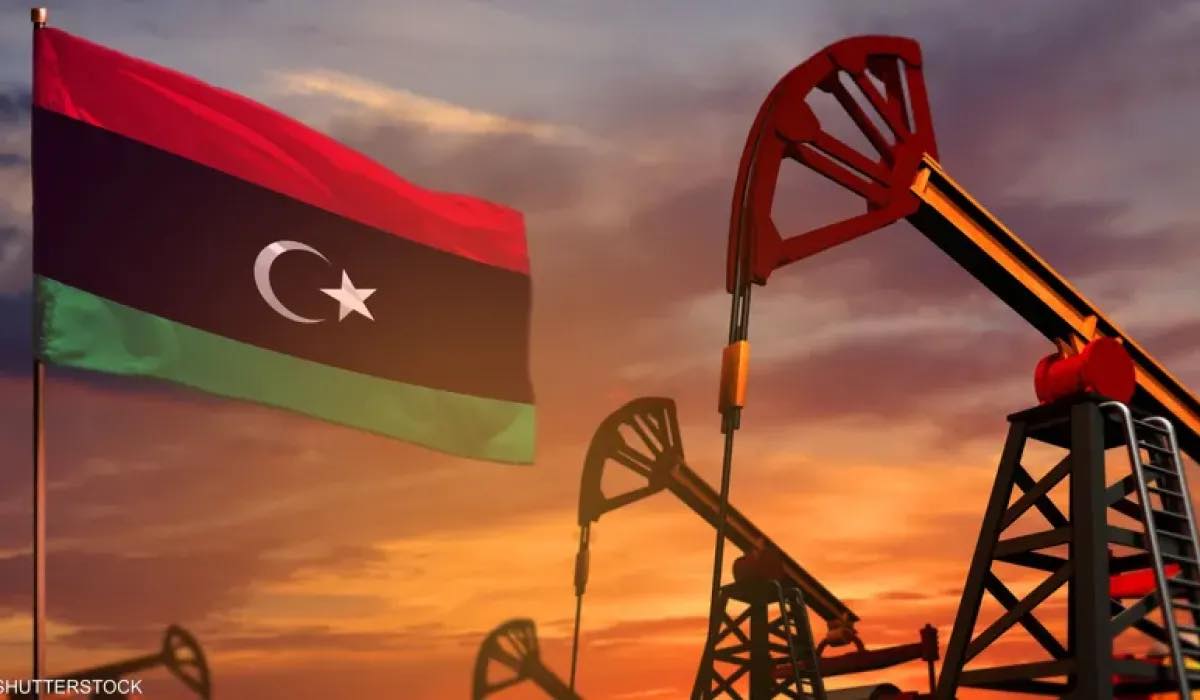
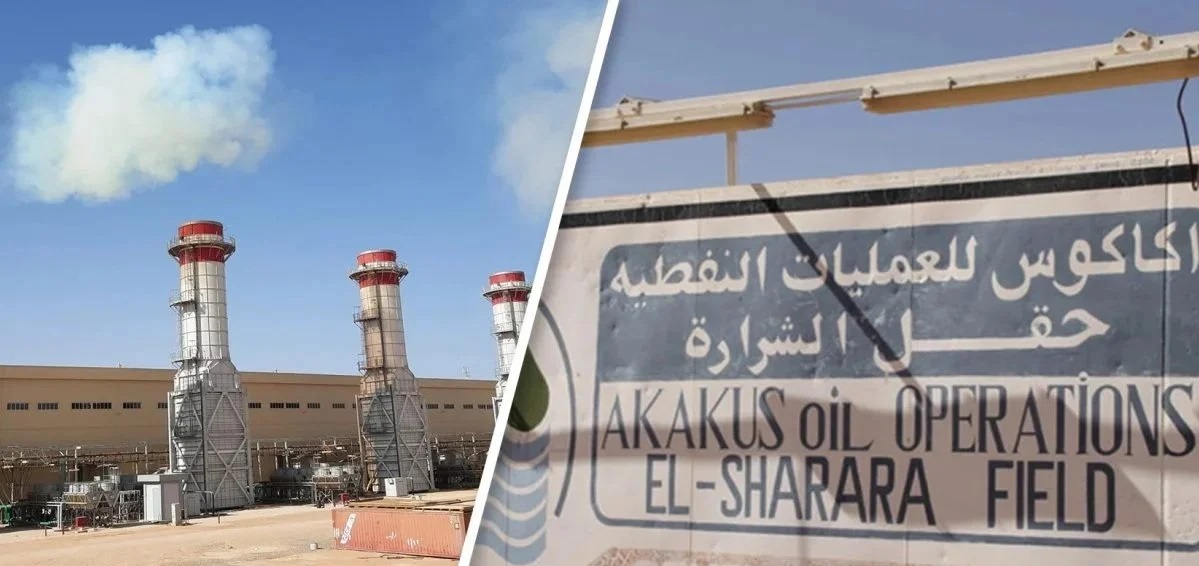
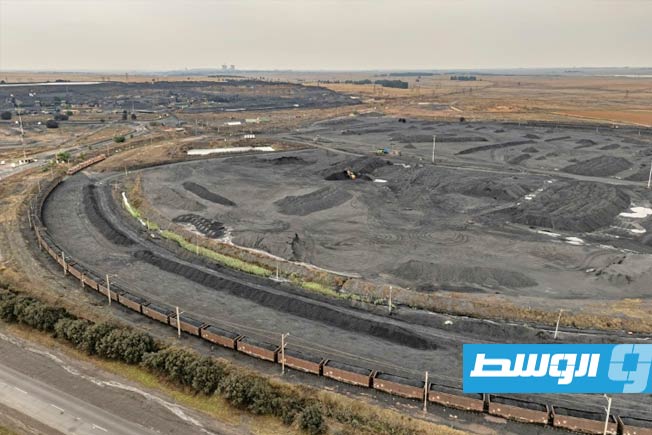
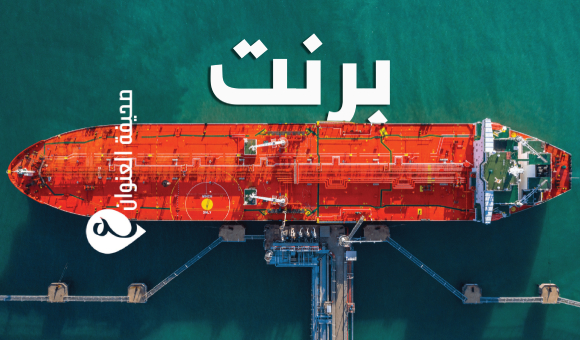
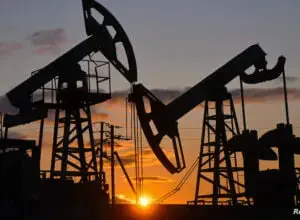
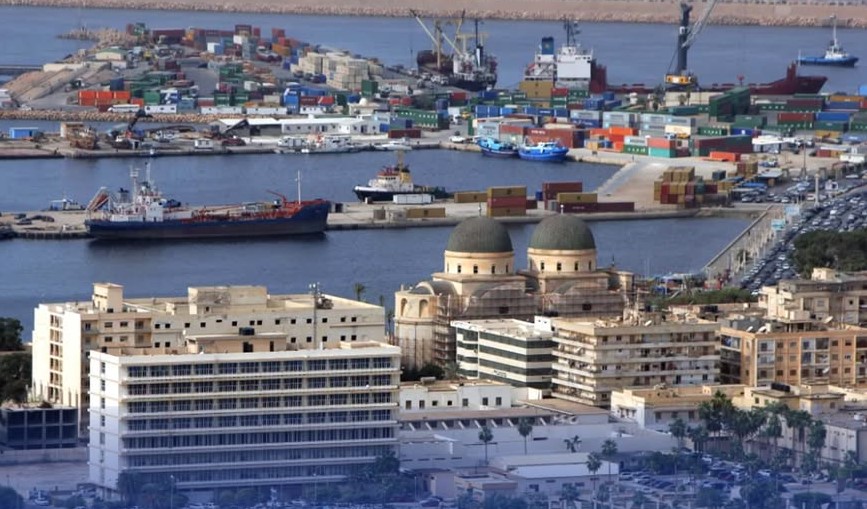
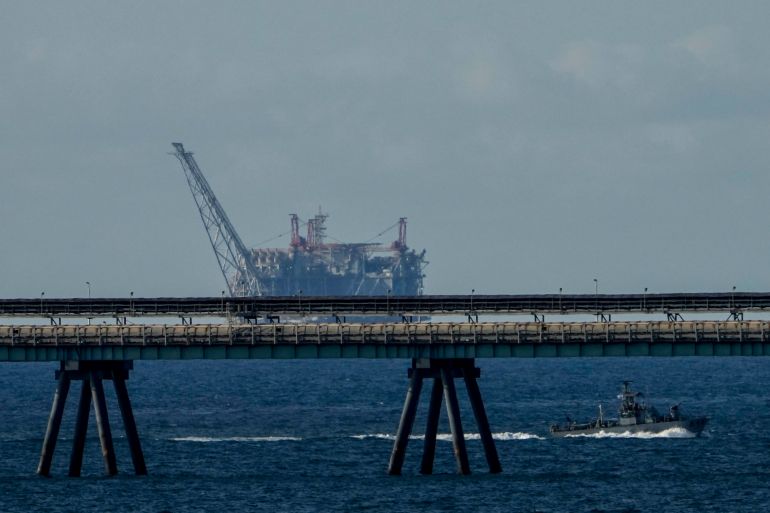
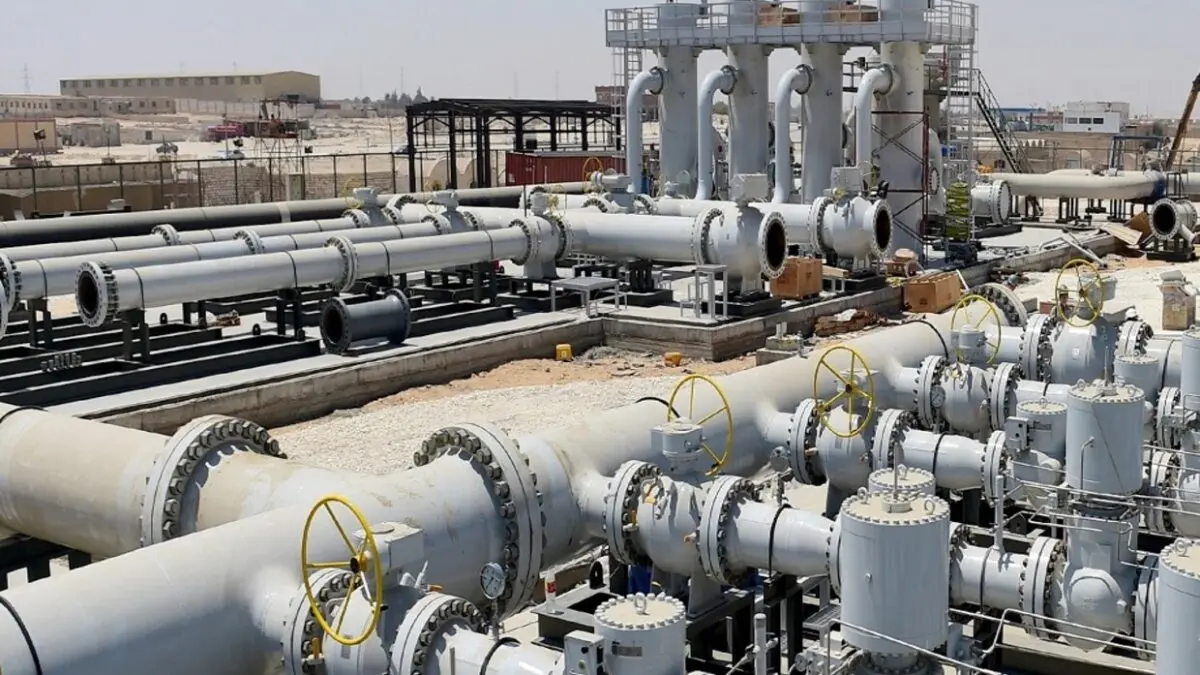
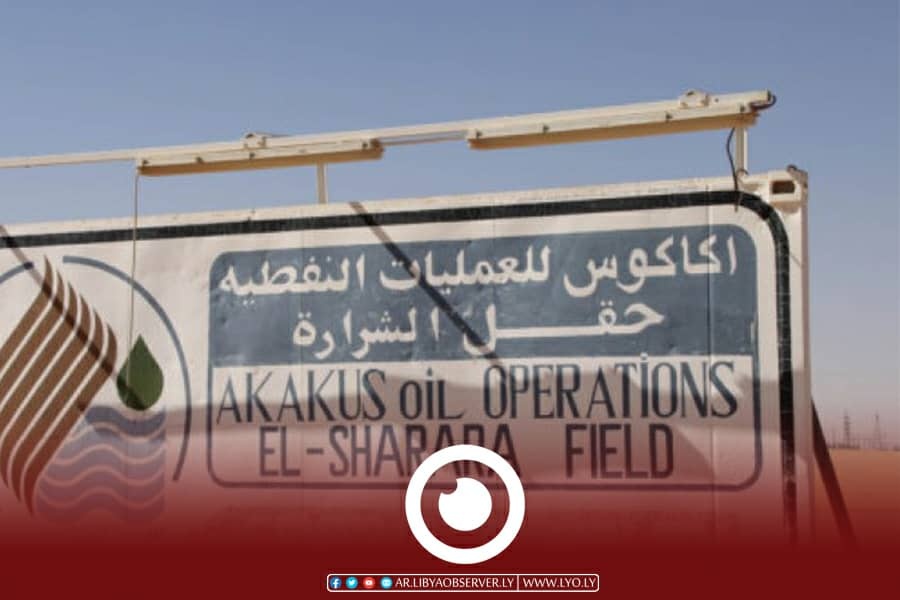
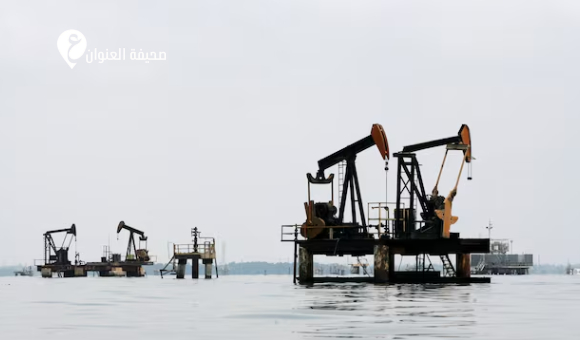
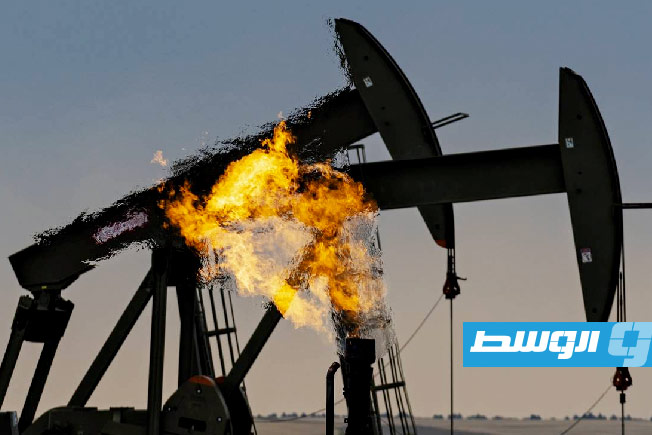
According to a leading provider of information and analytics, Libyan oil exports, particularly light Es Sider crude, have risen since October, in parallel with a relative improvement in security and production conditions.
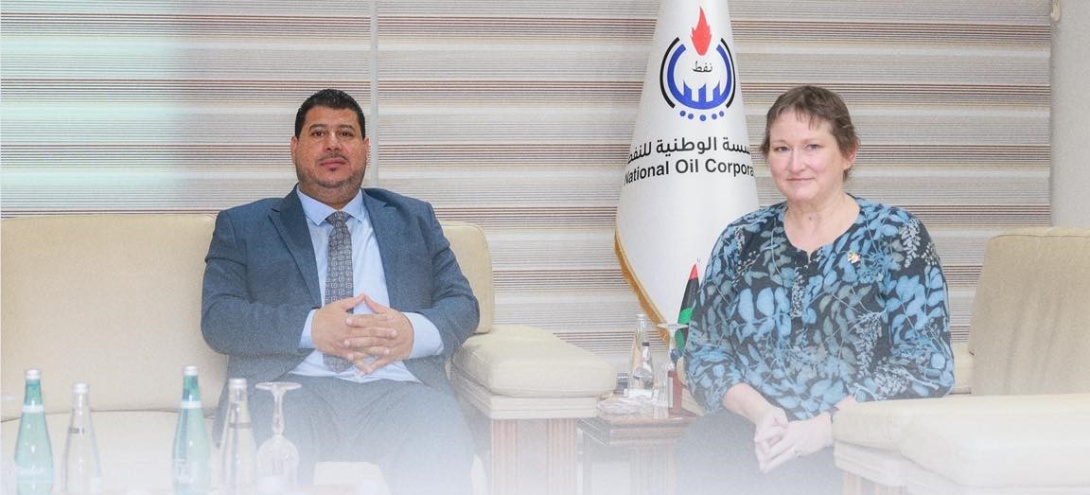
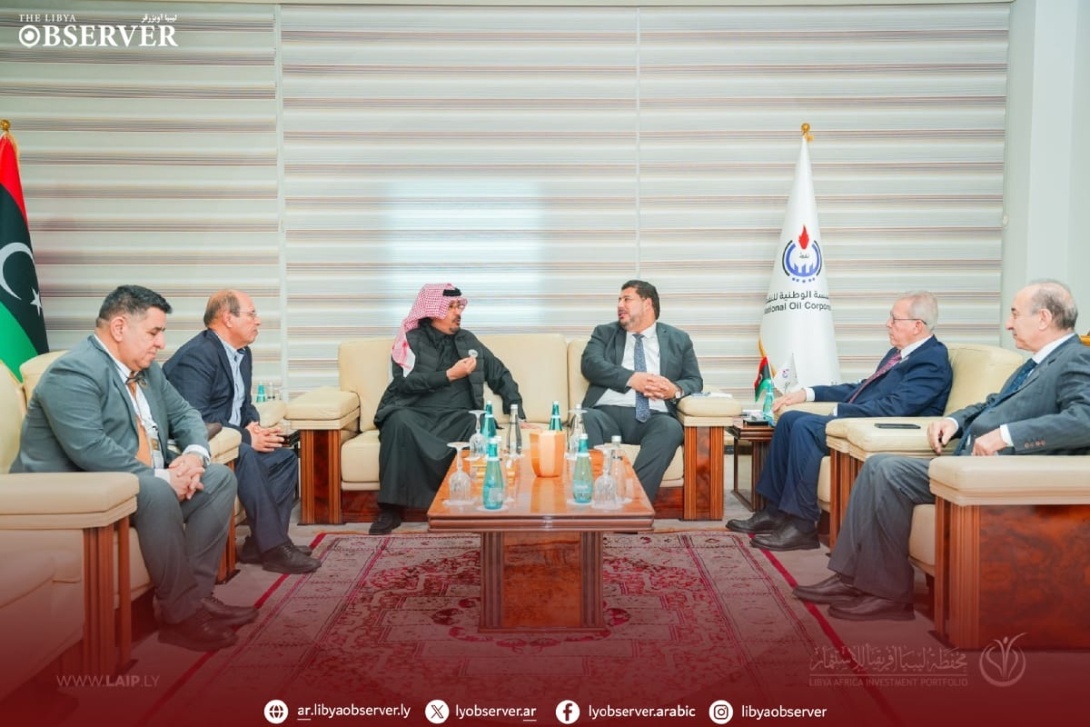
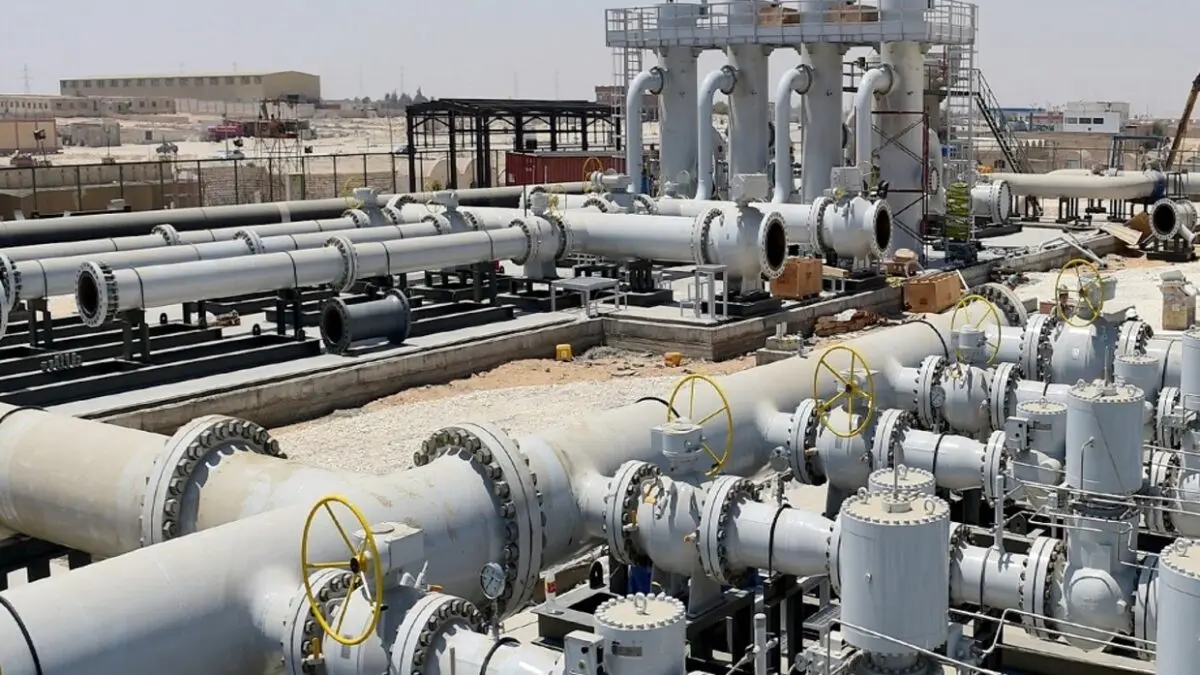
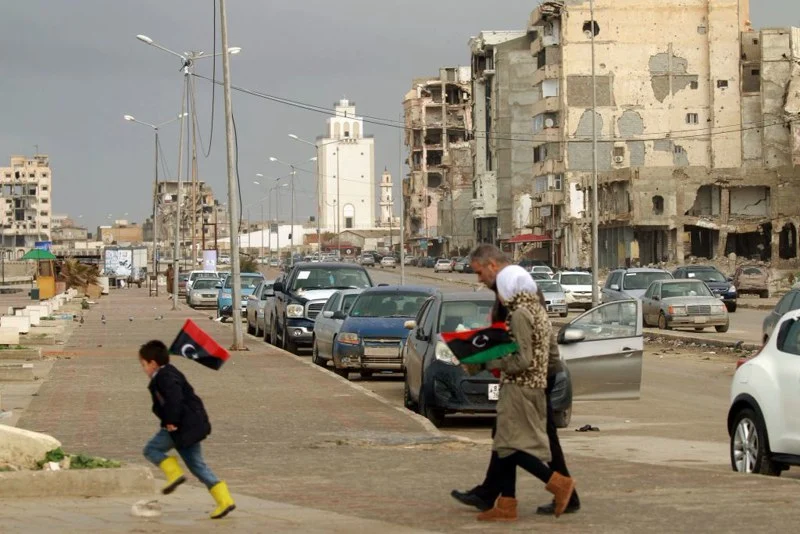
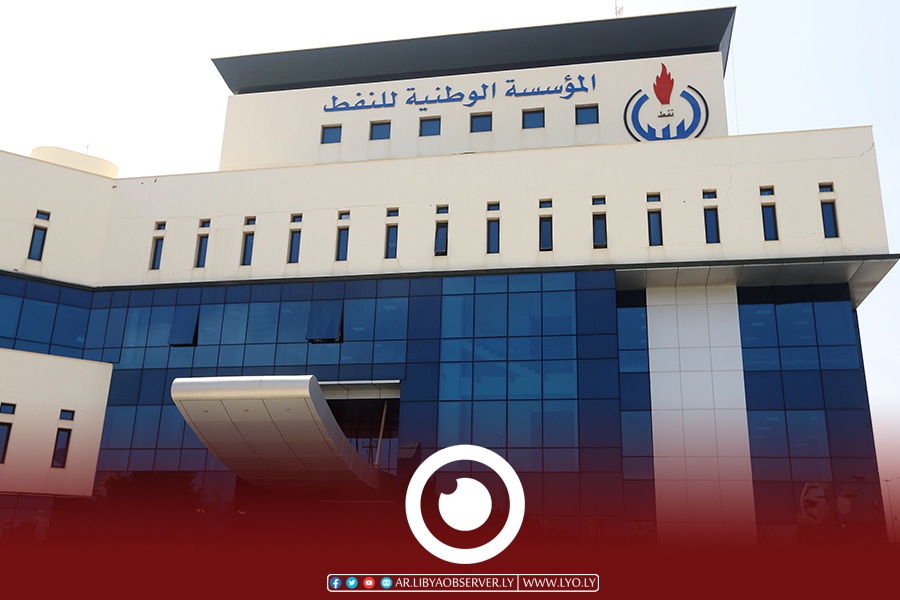
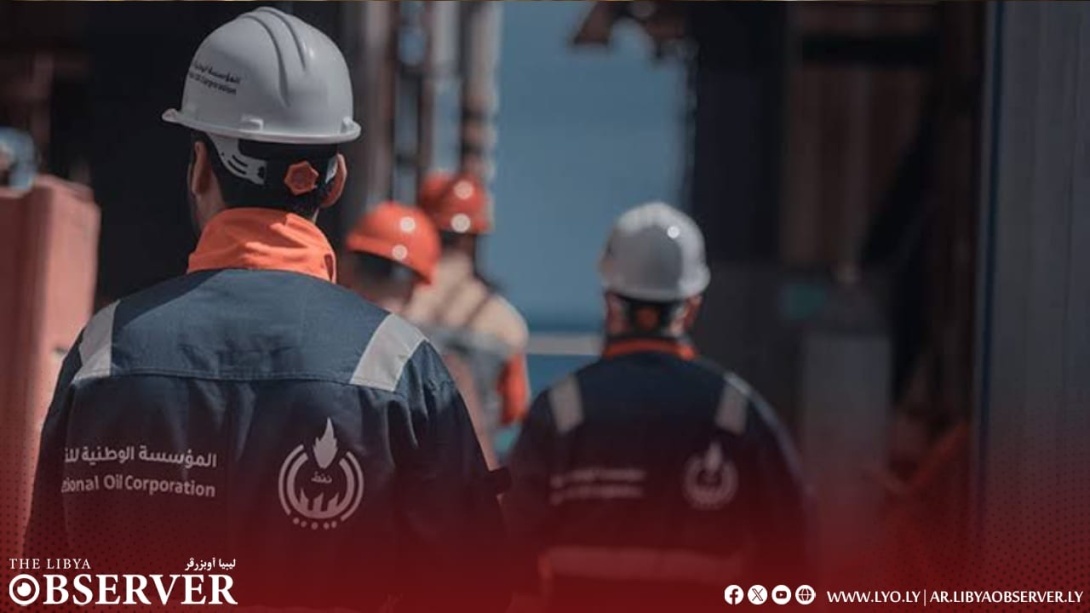
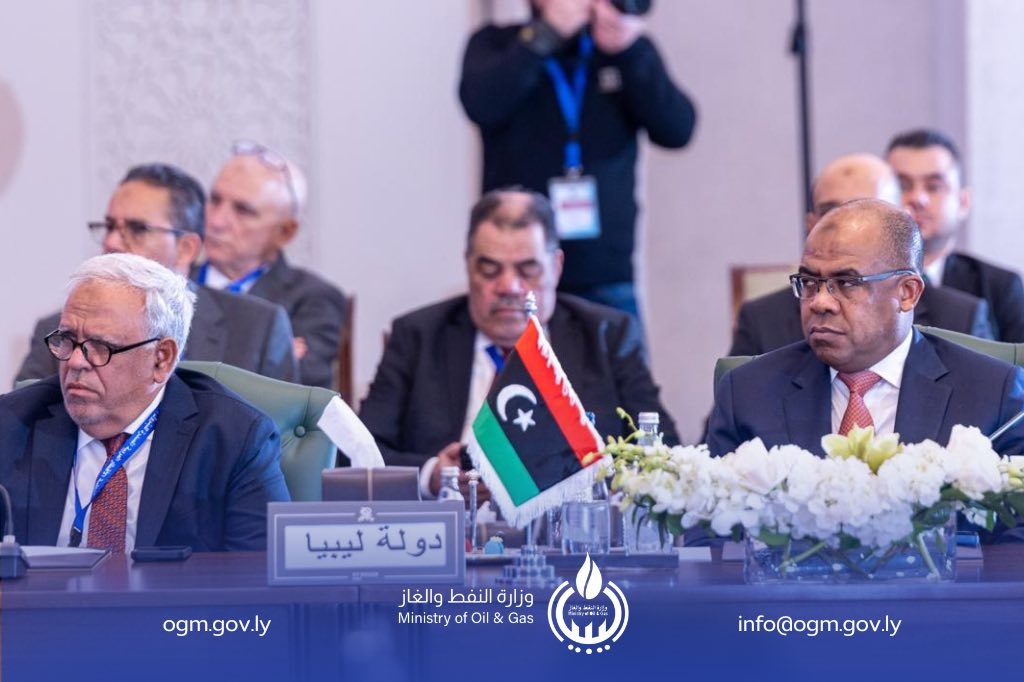
Libya’s oil production reached around 1.26 million barrels per day in September, its highest level since 2013. The National Oil Corporation aims to raise output to two million barrels per day by 2028, with expectations of a broader return of international oil companies starting in 2026.
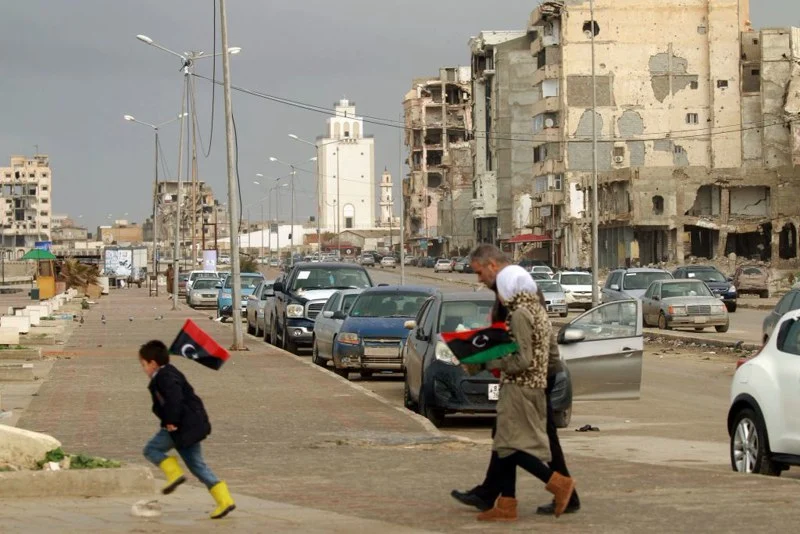
In contrast, it was warned that increased Libyan supplies could put pressure on European refinery profit margins in the short term. Analysts also cautioned that the security improvement has not yet translated into sustainable political stability, leaving the future of Libya’s energy sector dependent on political developments.
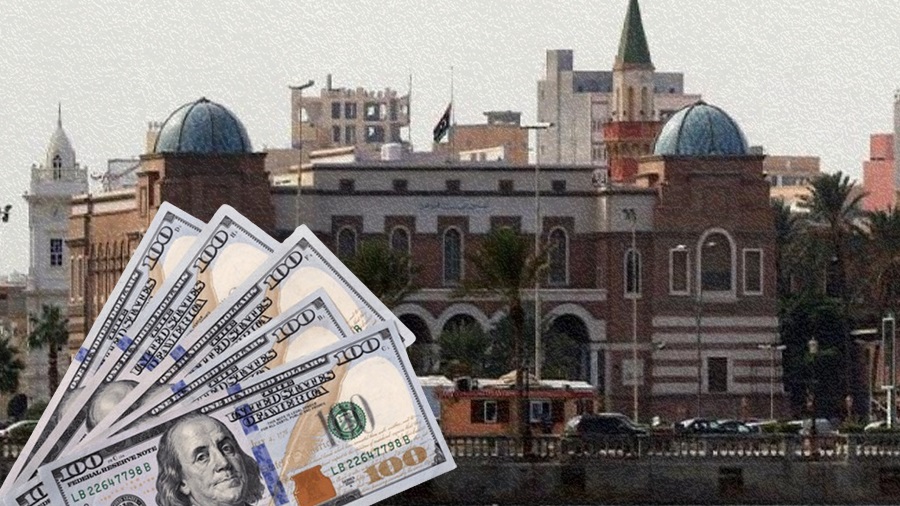
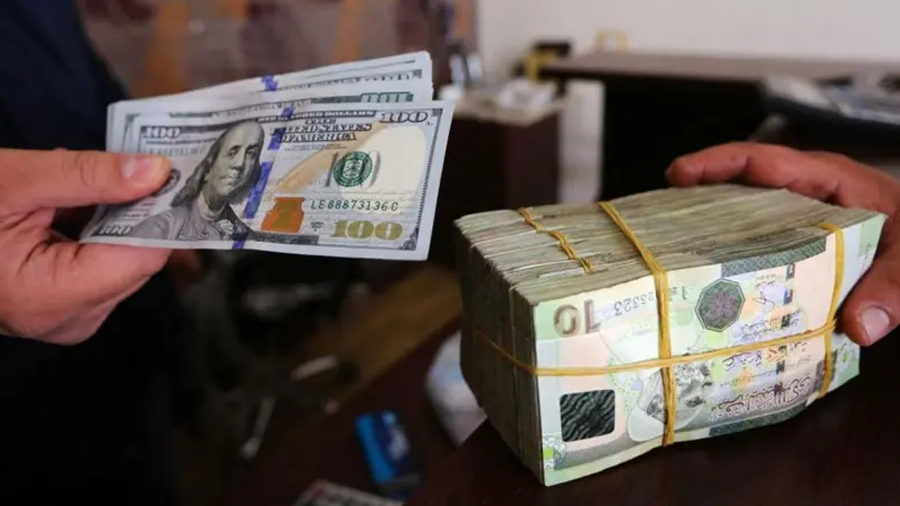
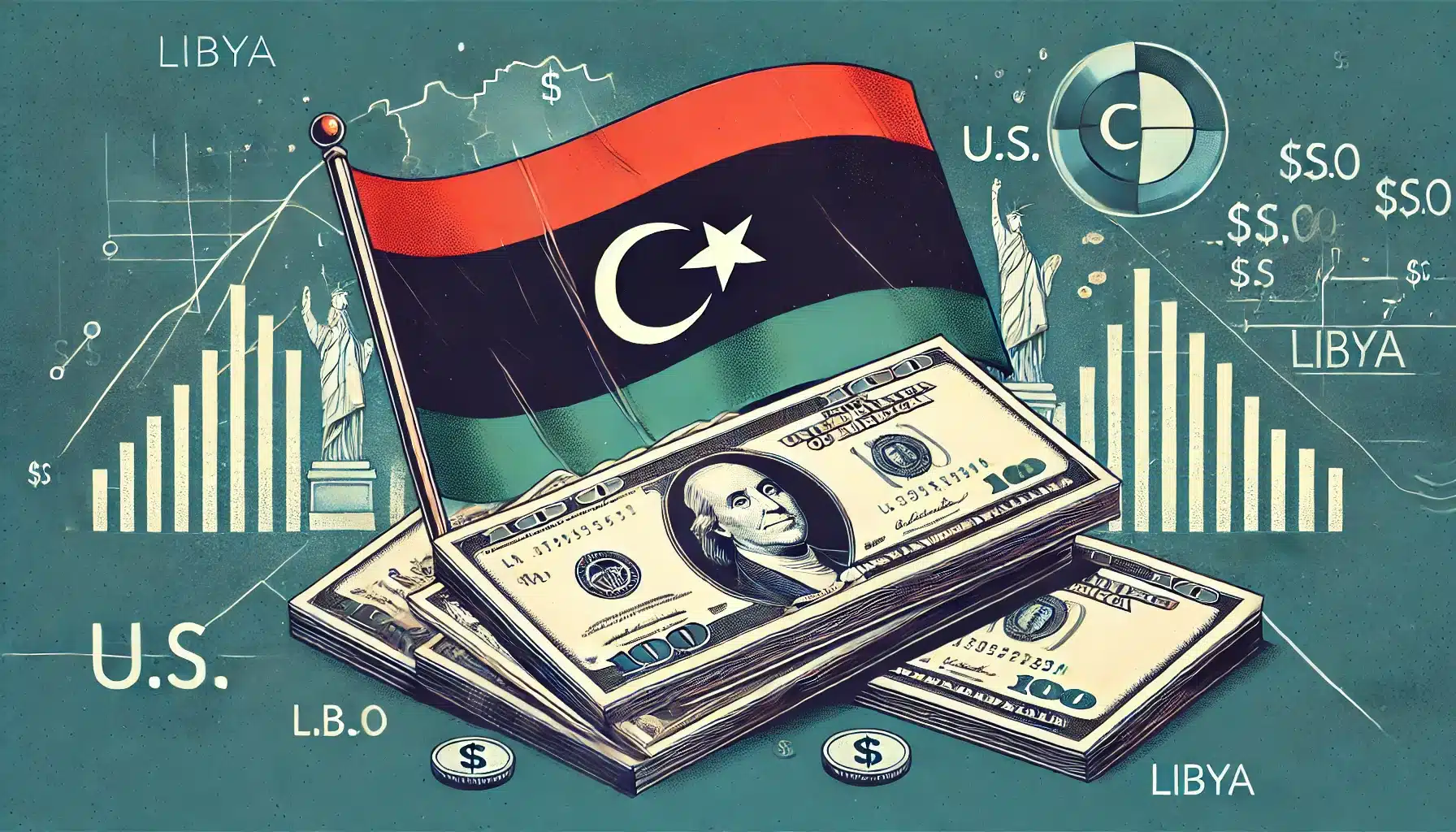
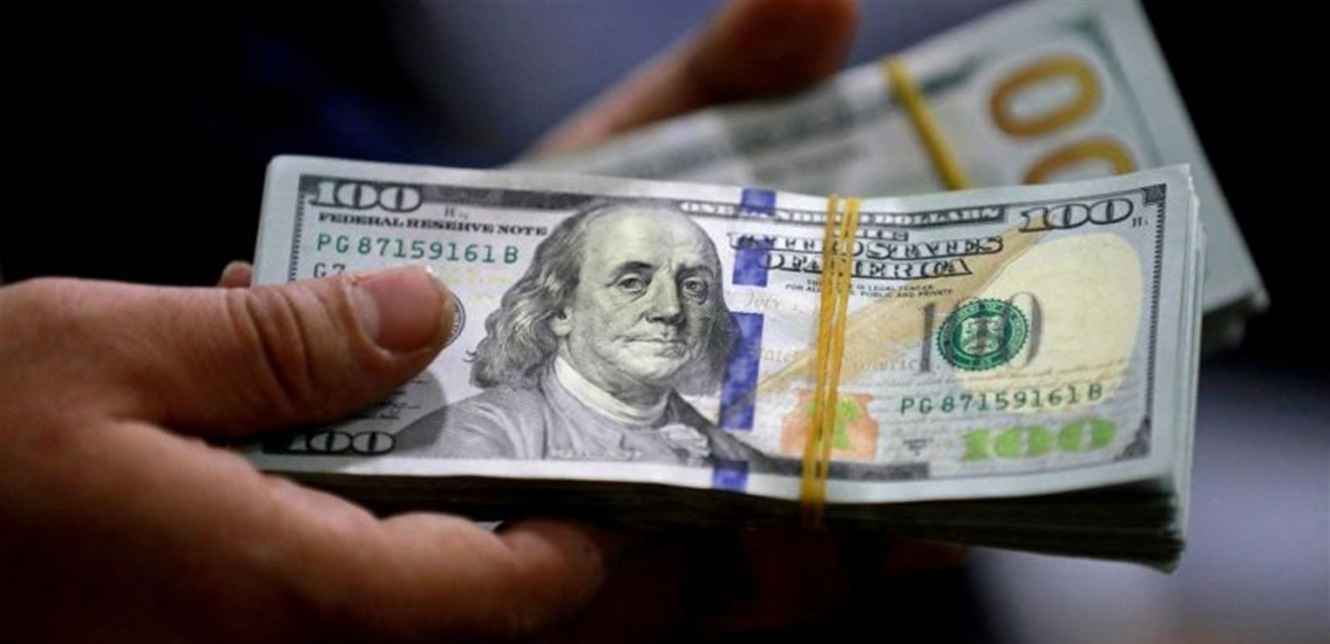
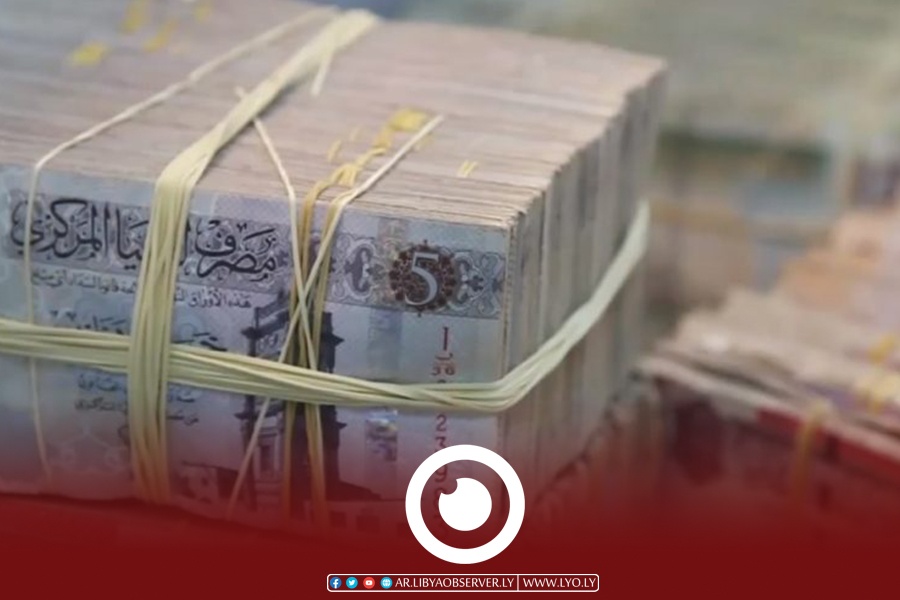
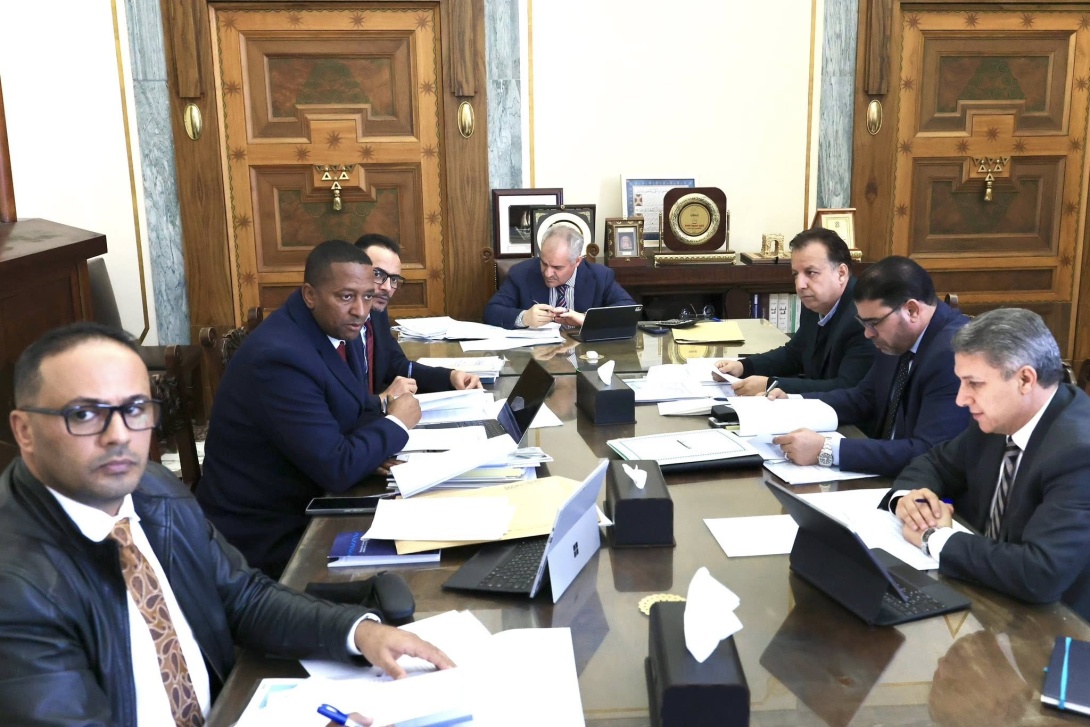
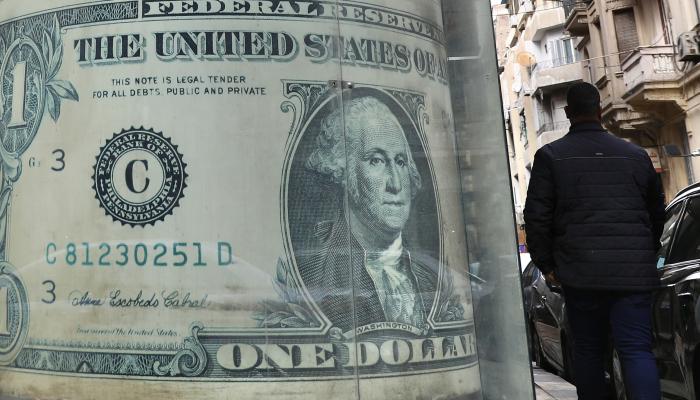
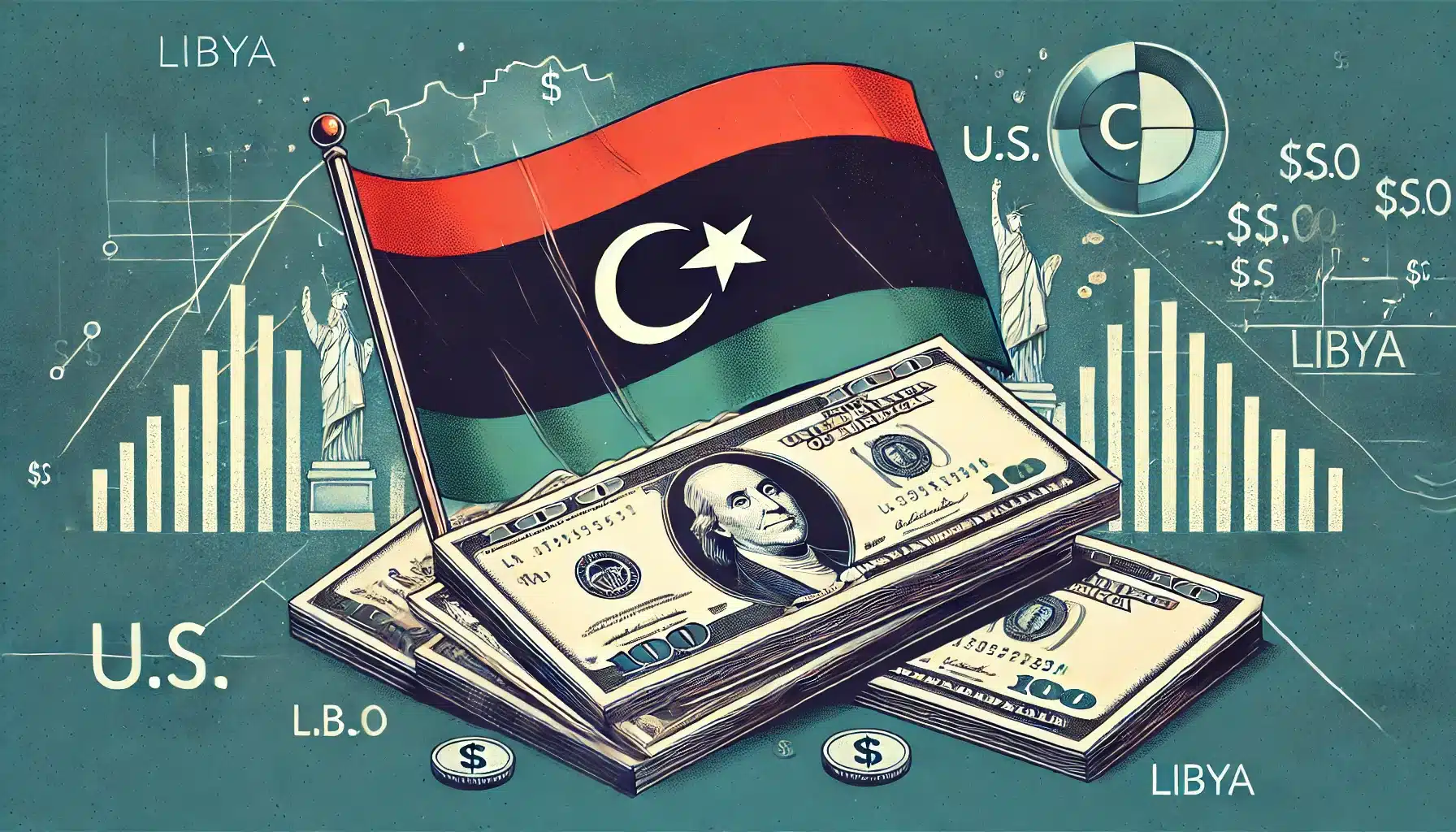
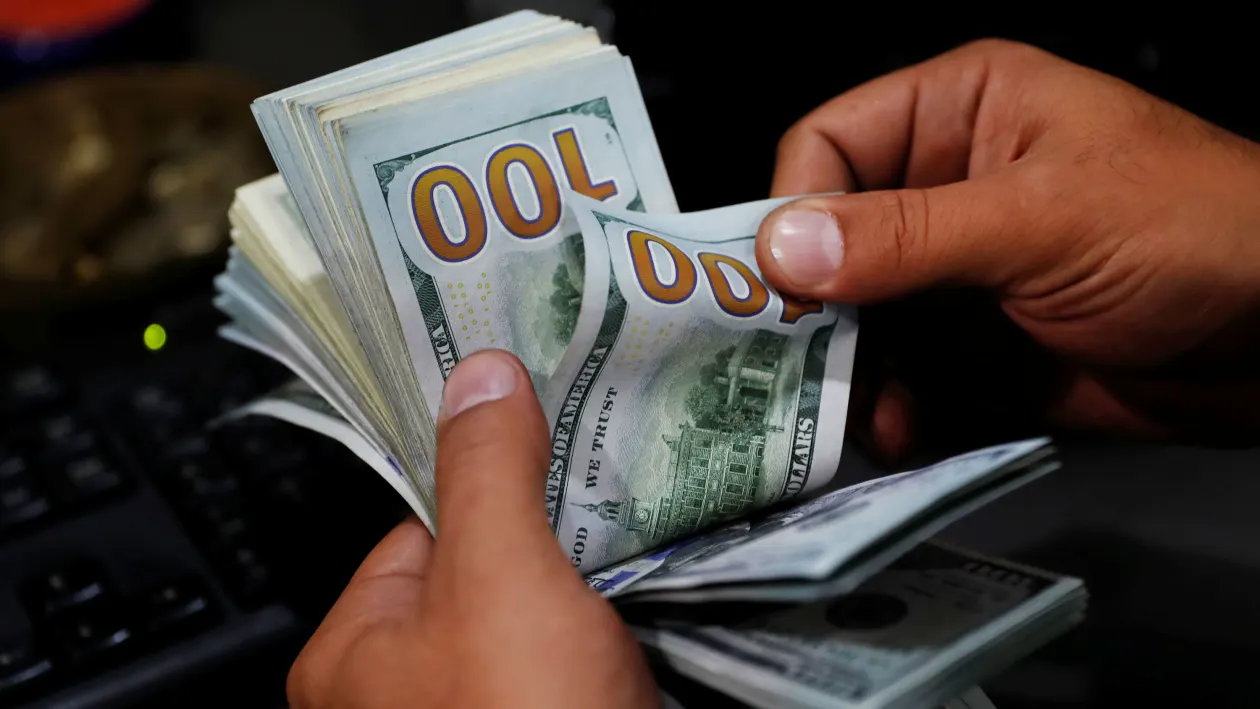
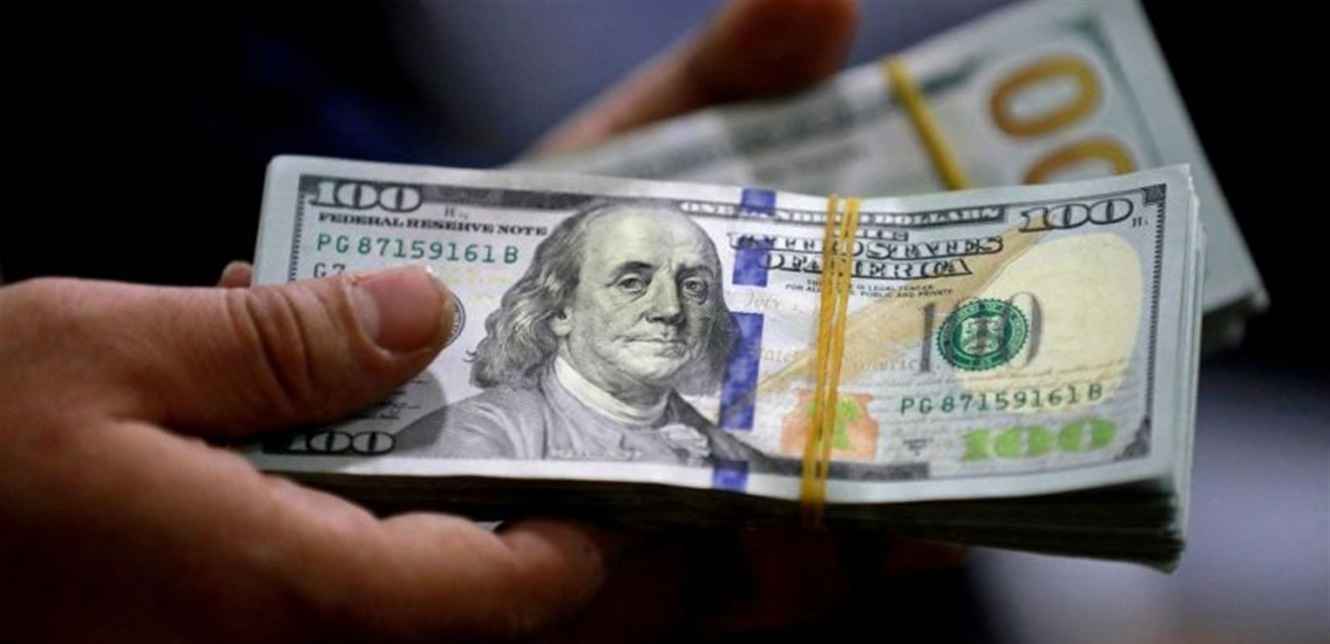
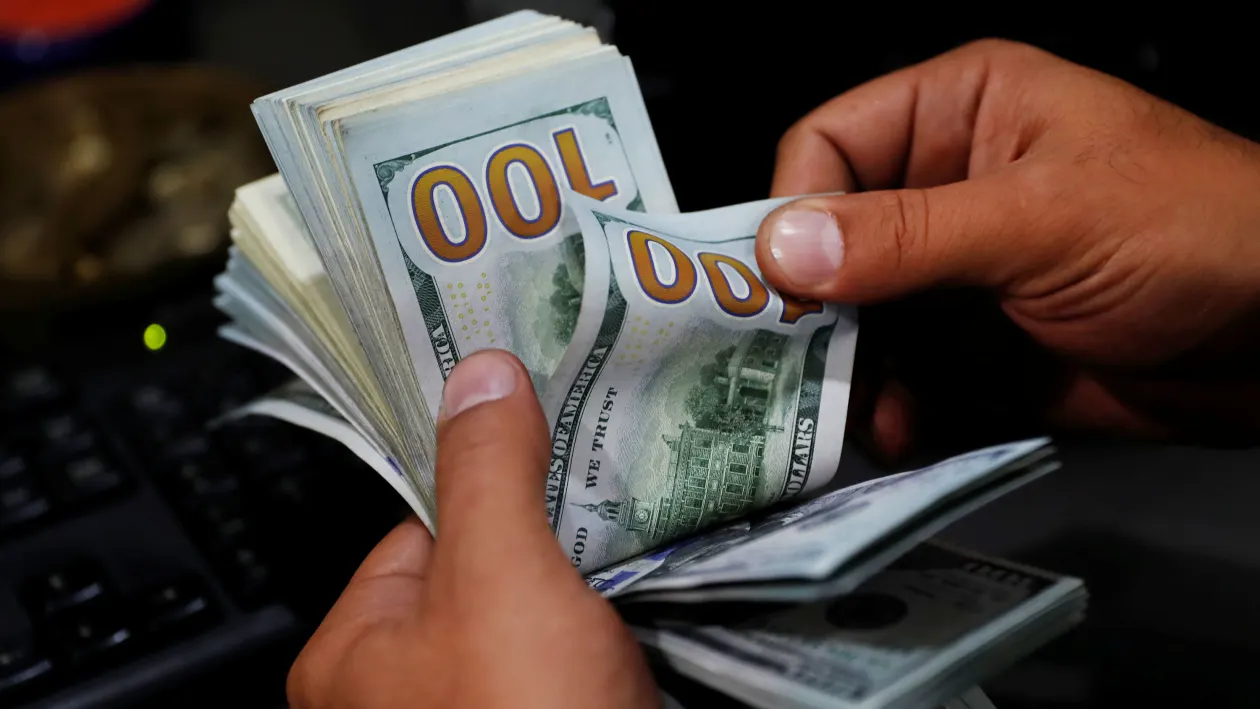
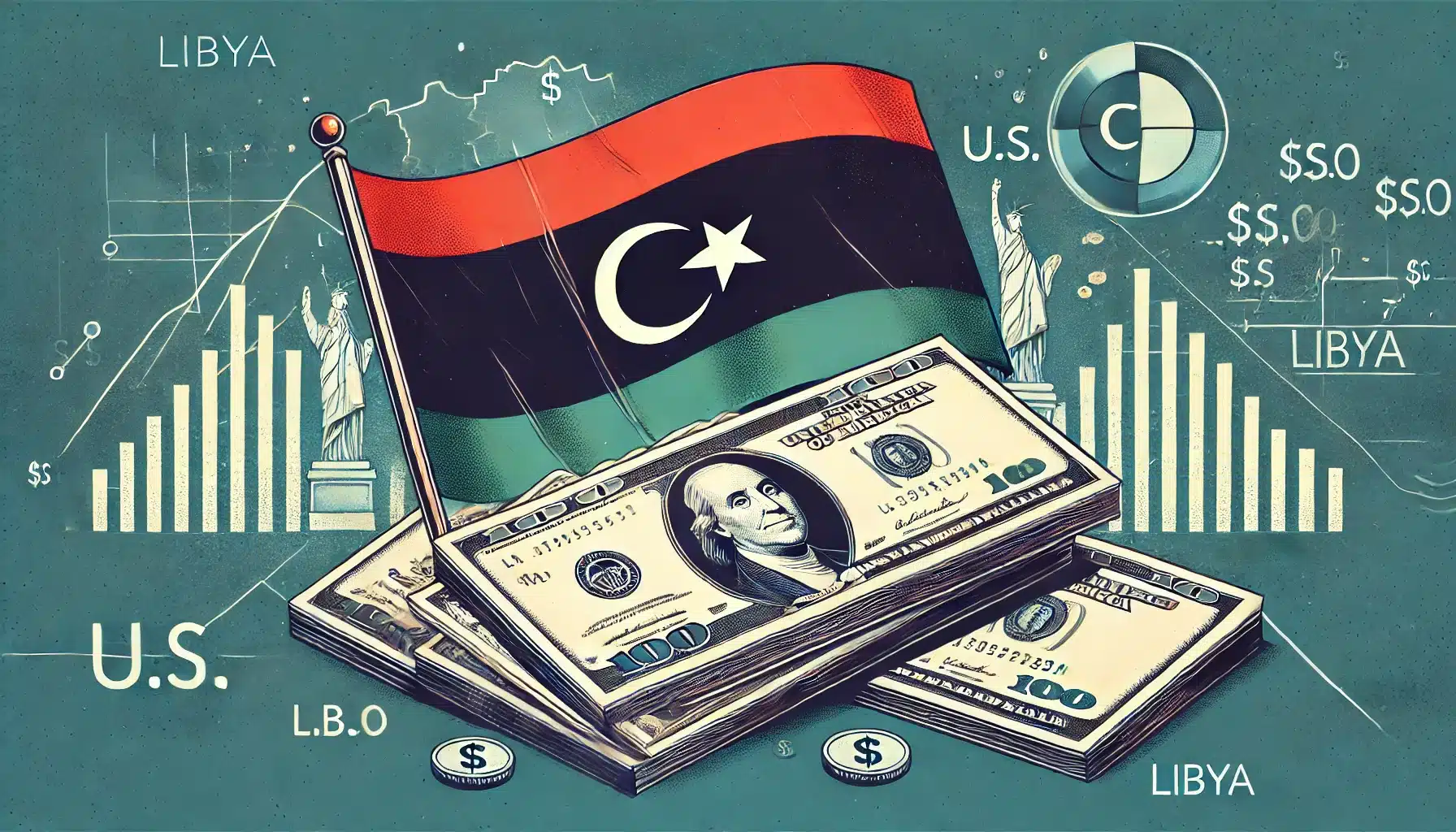
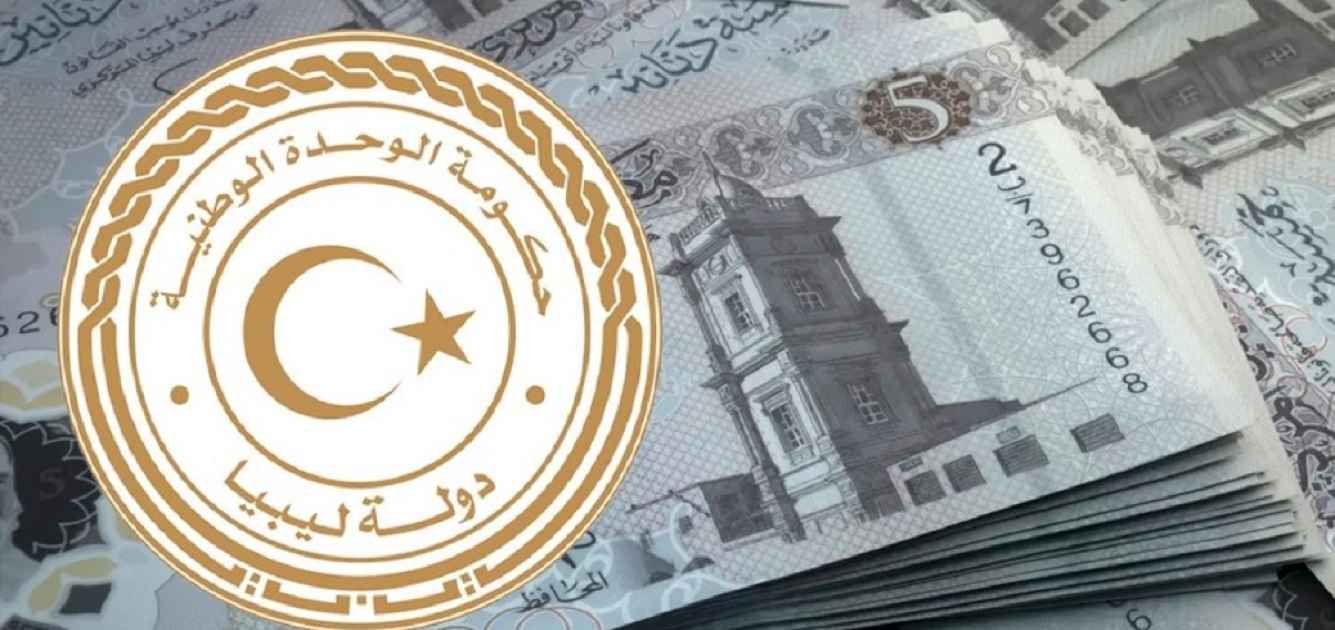
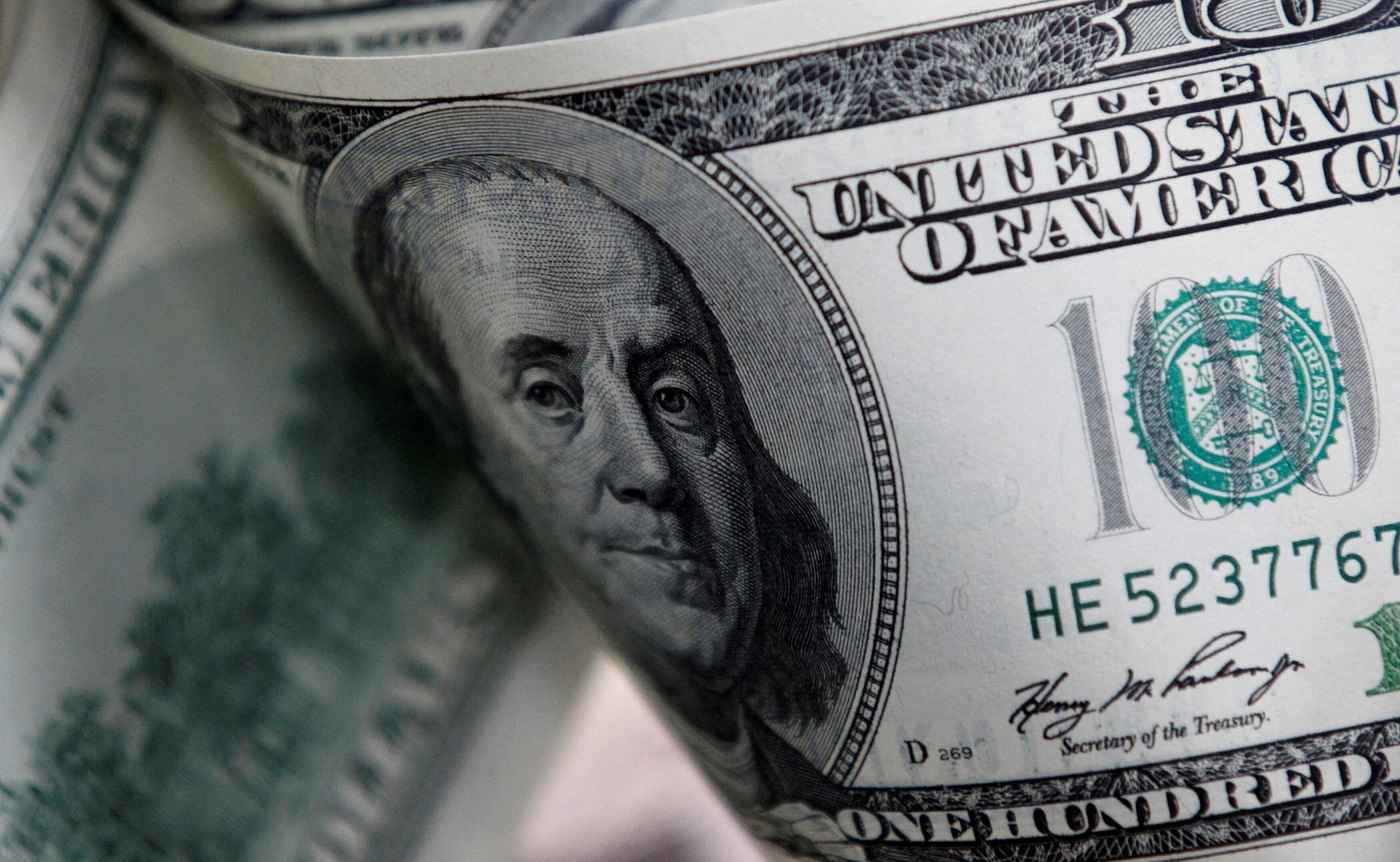
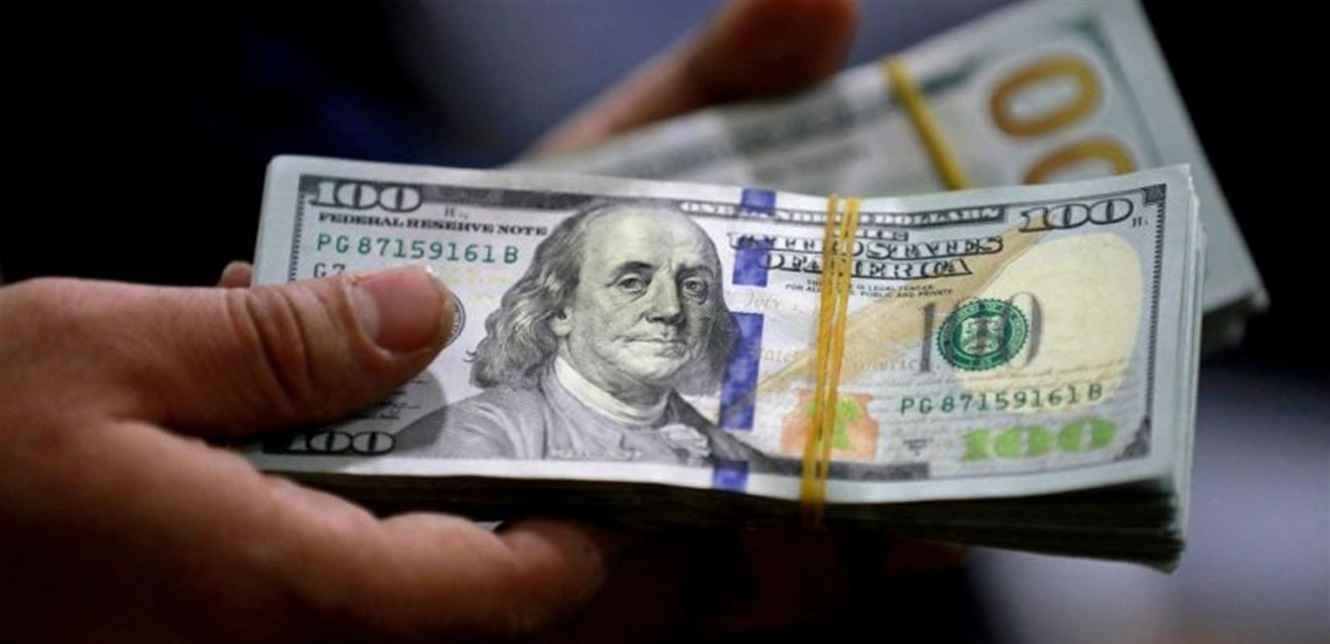
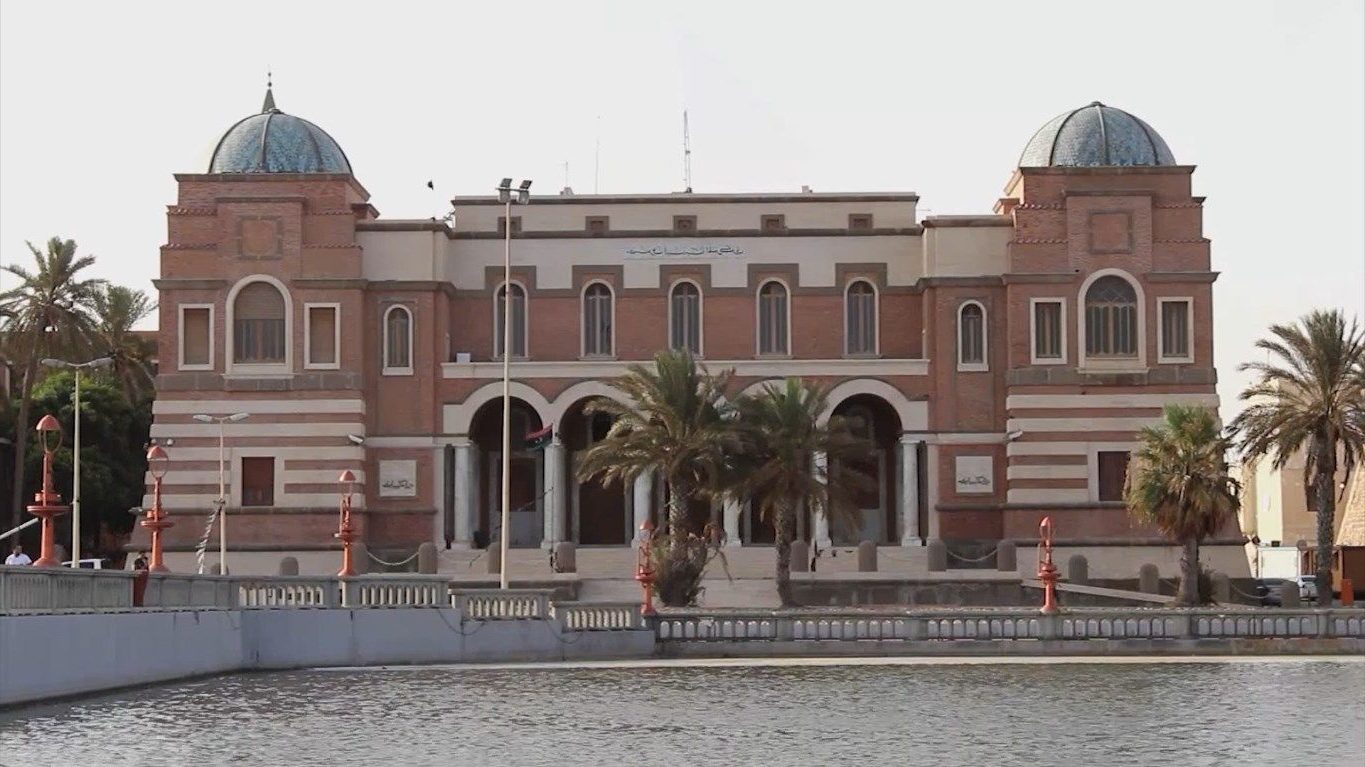
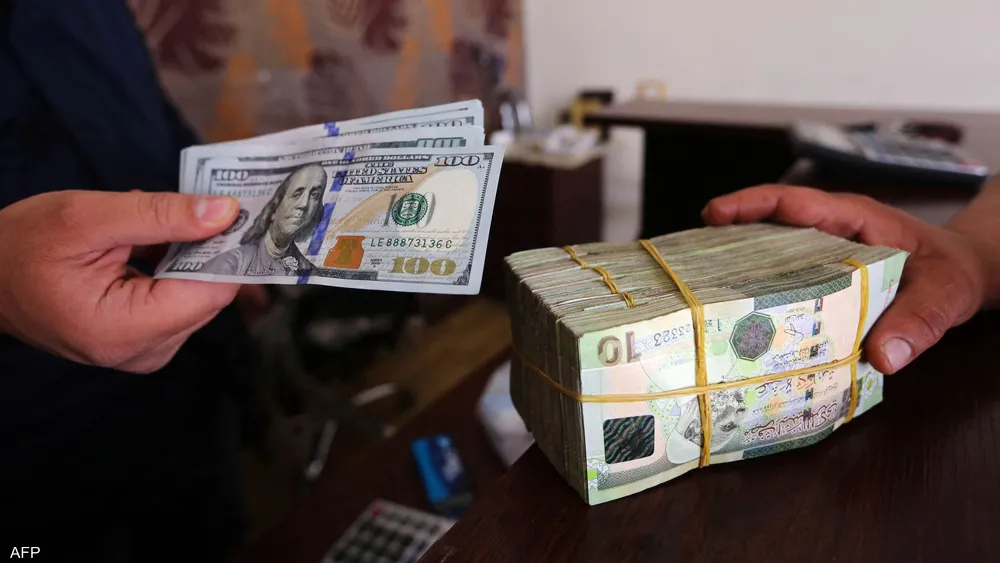
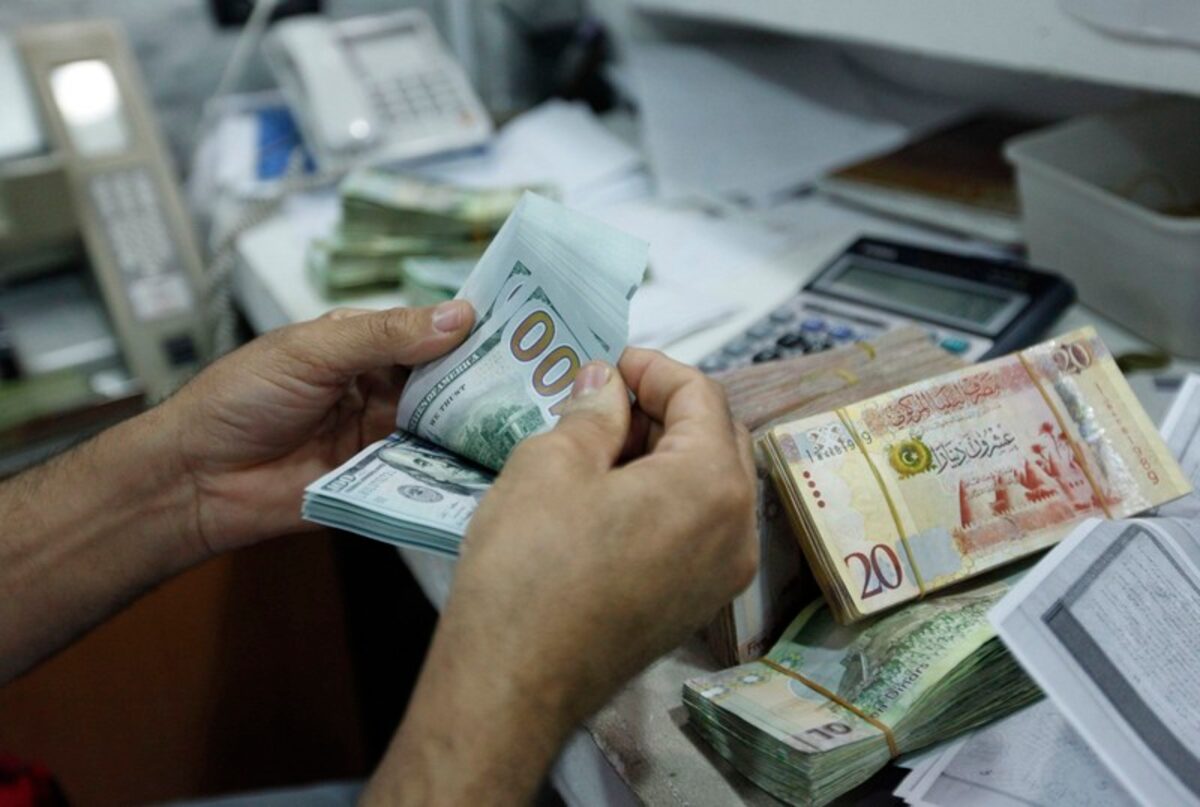
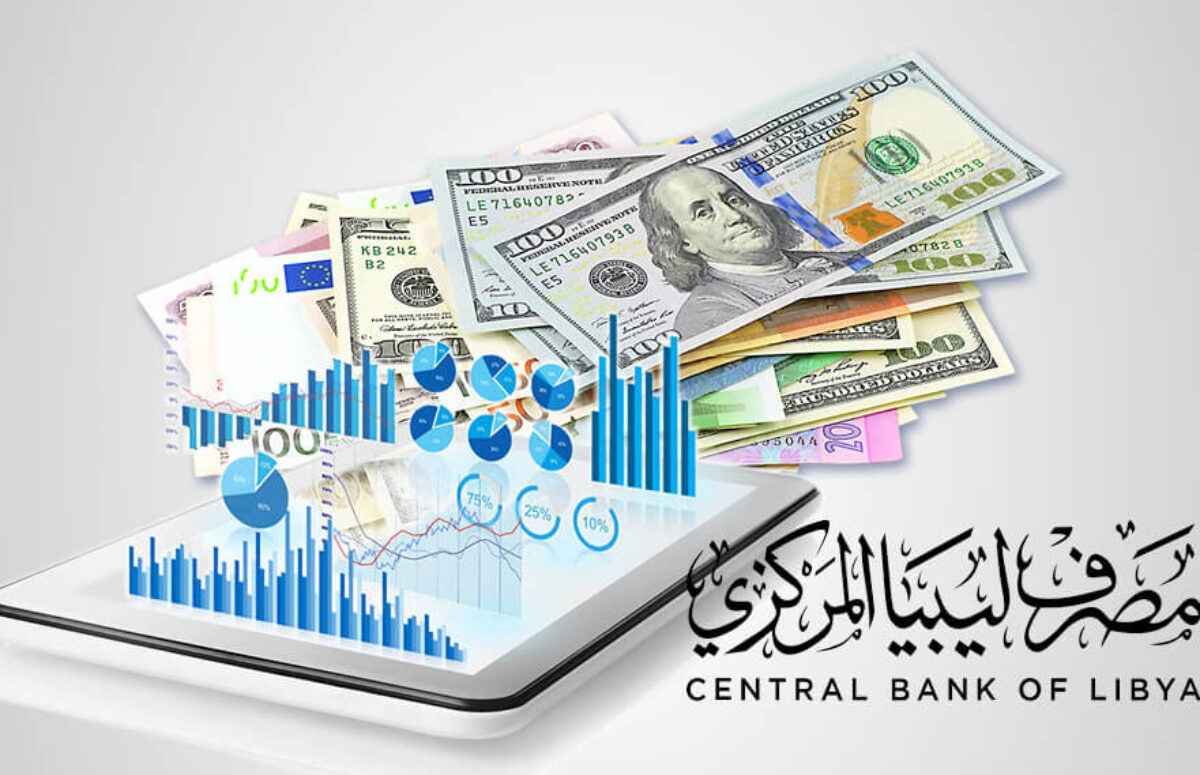
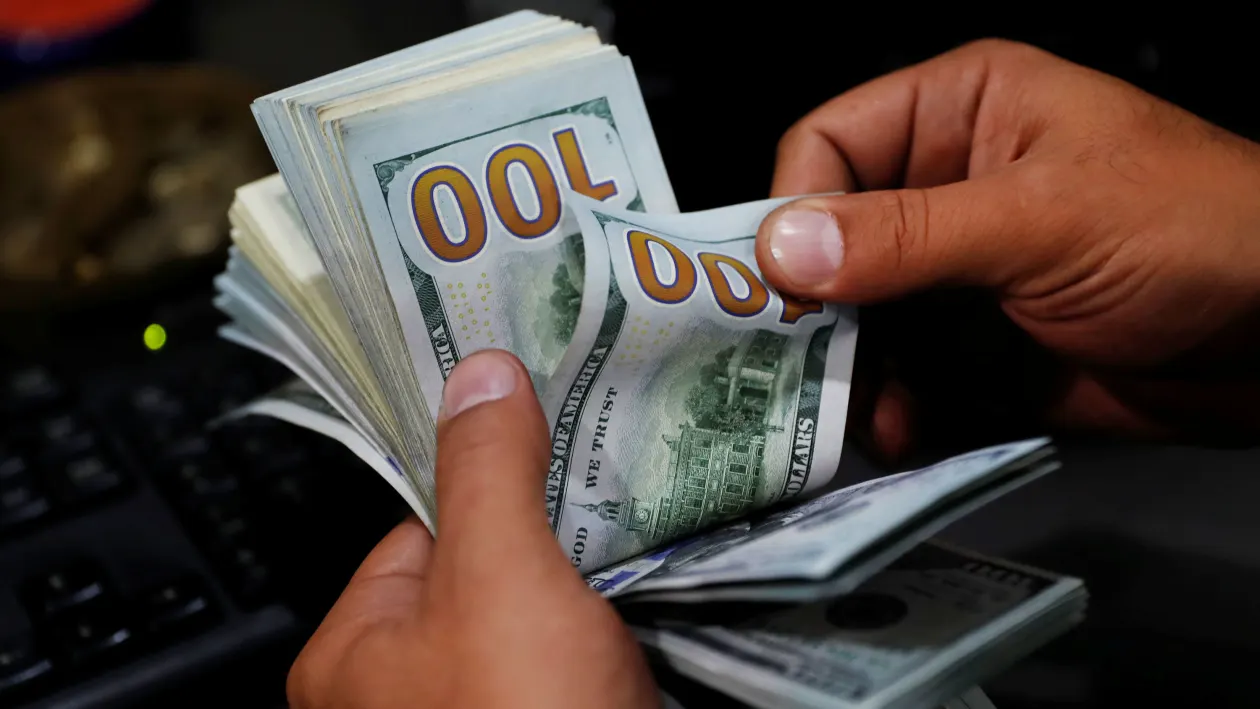
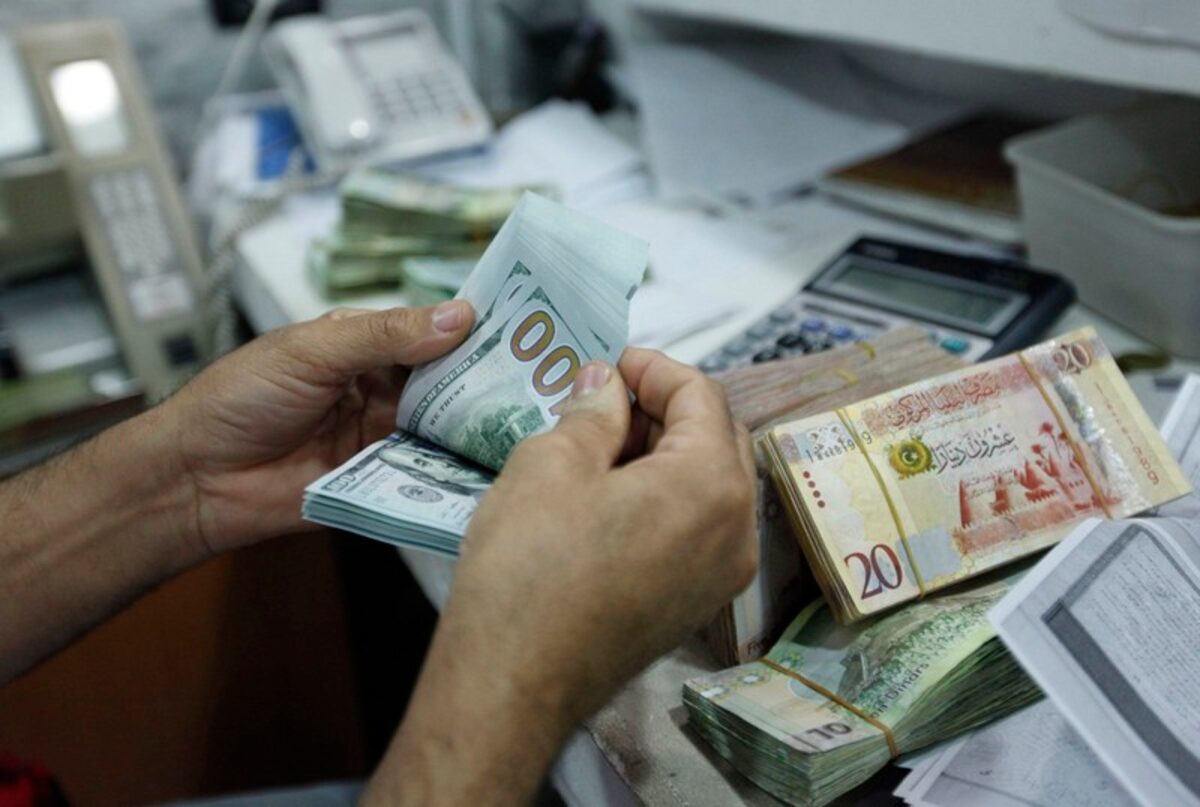
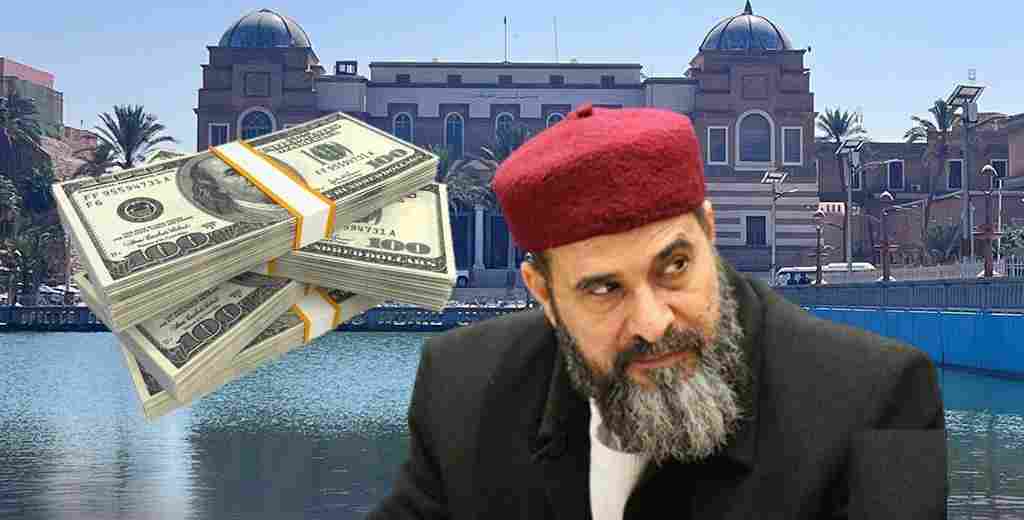
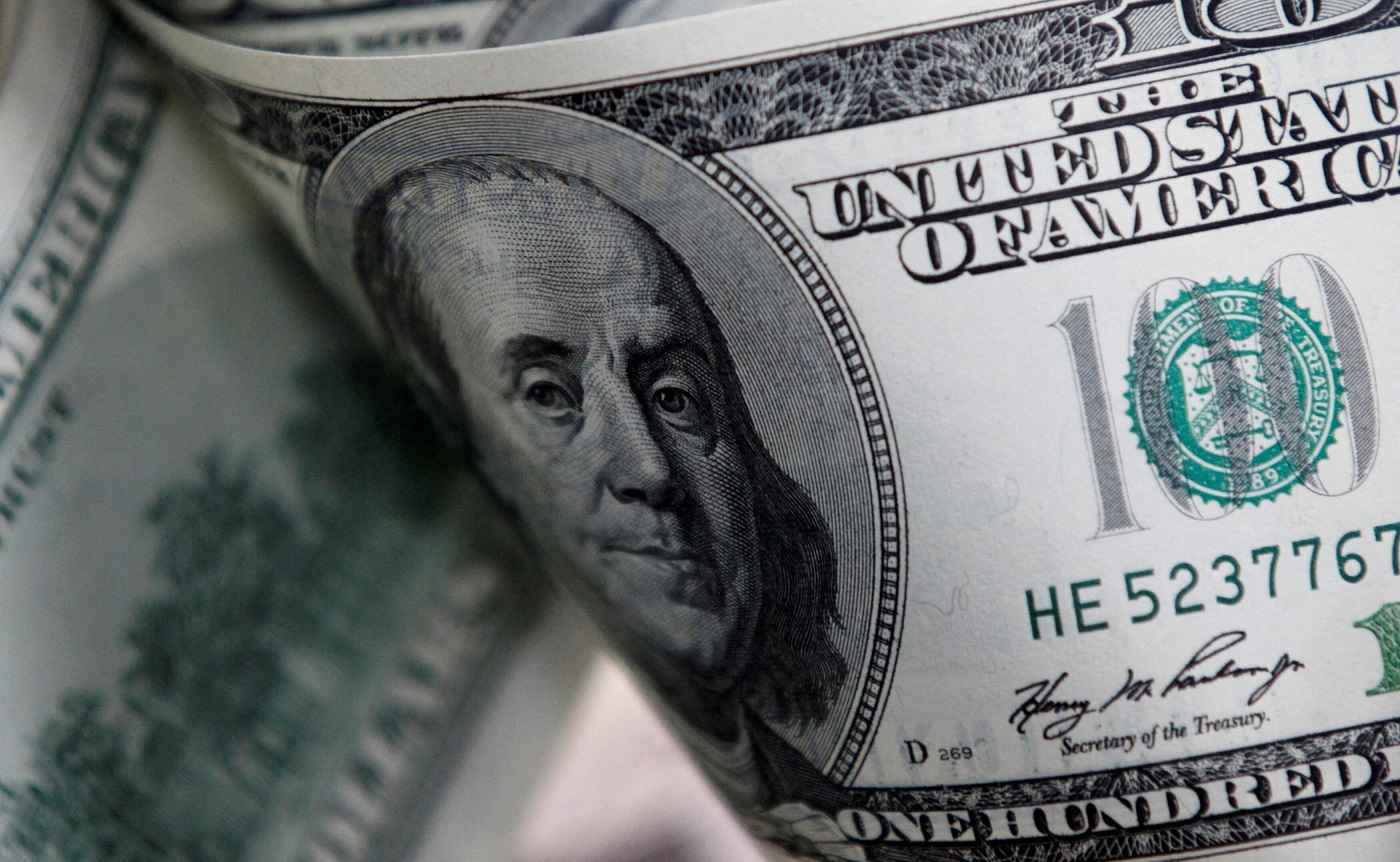
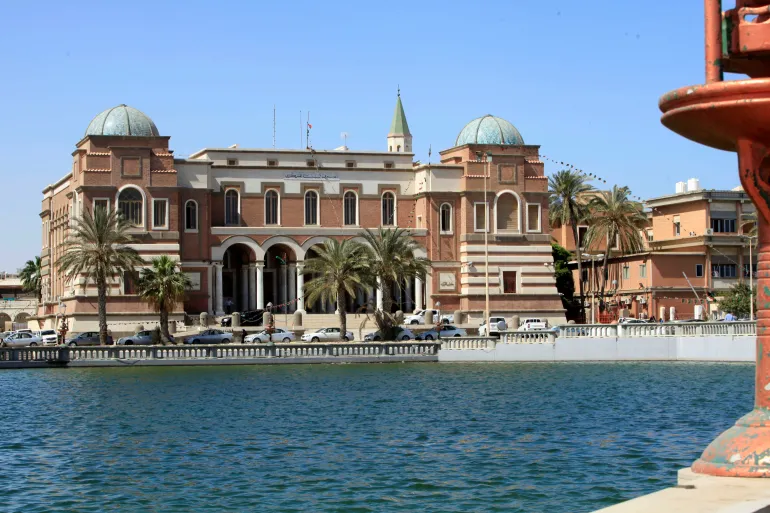
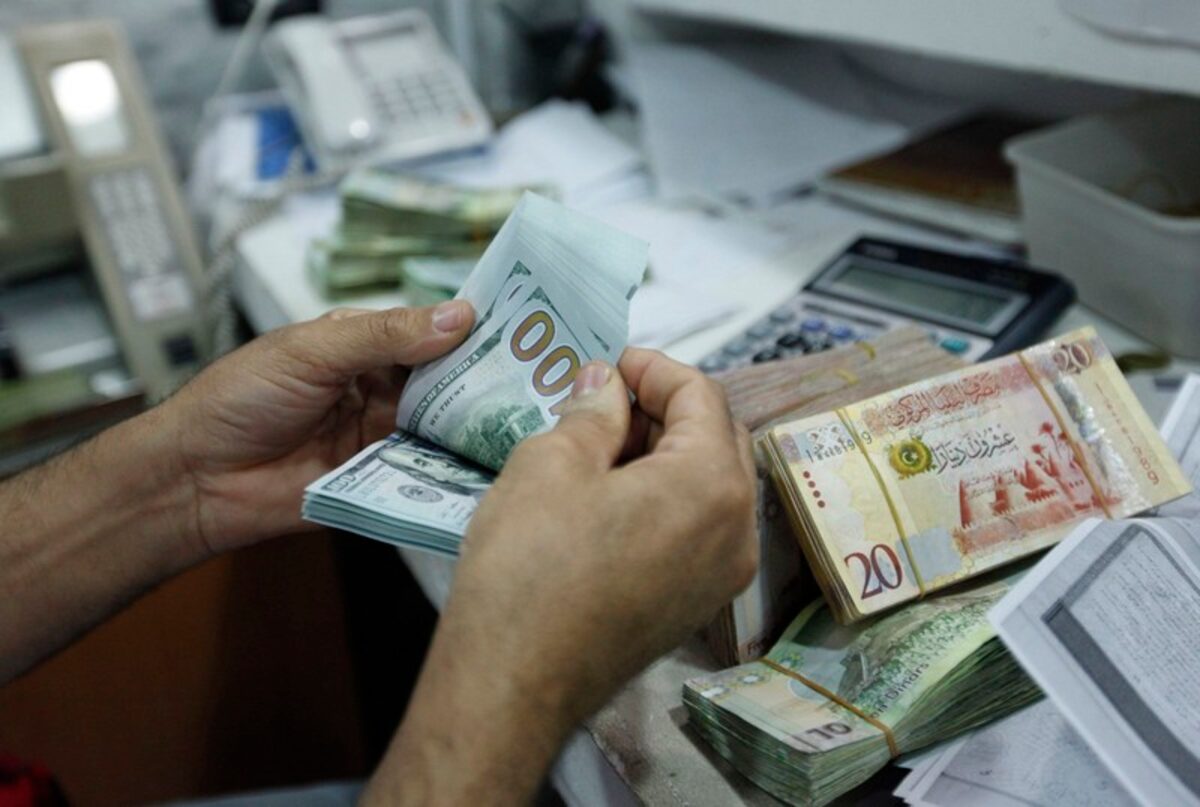
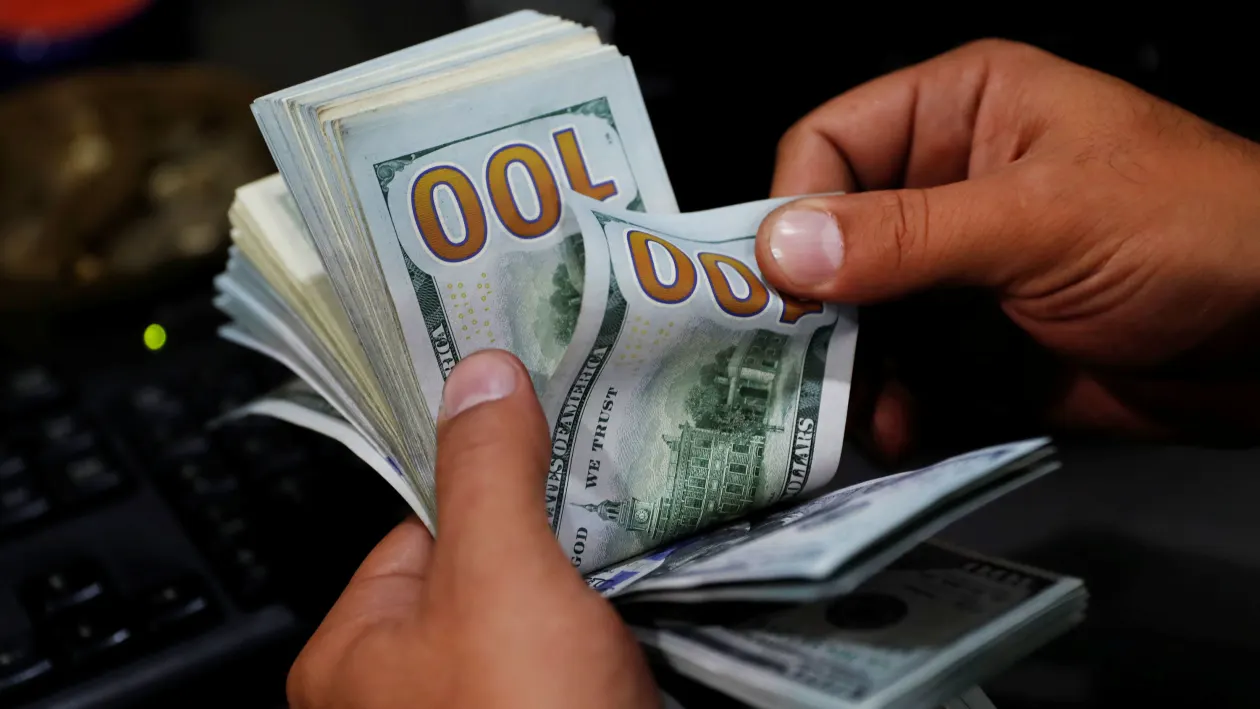
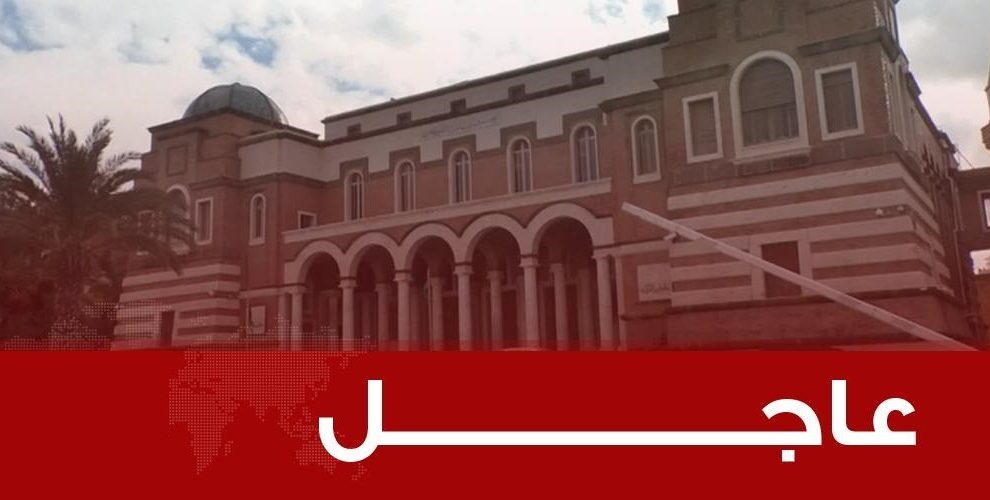
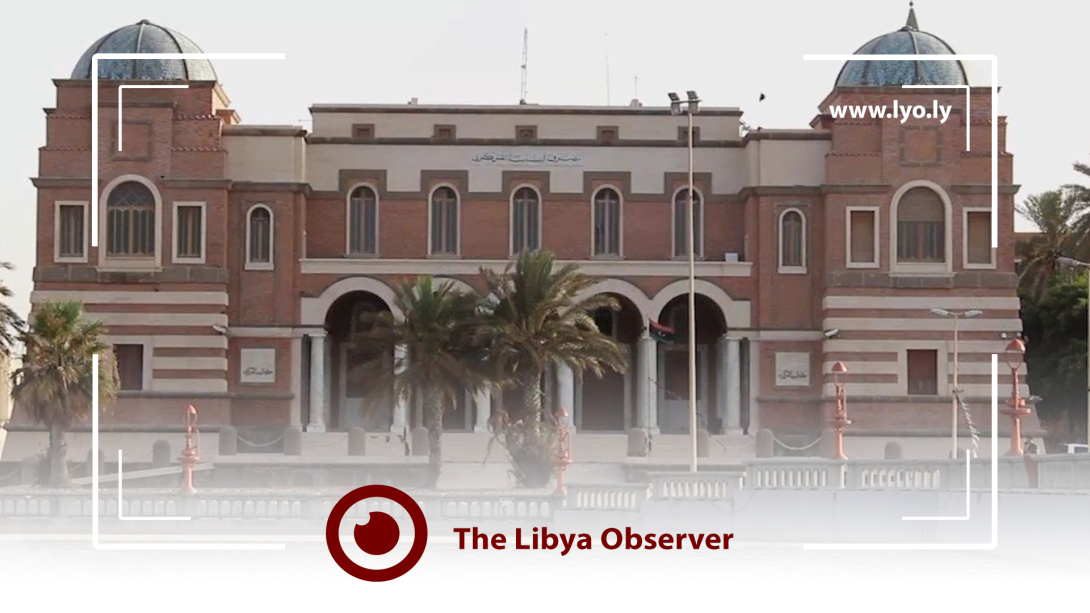
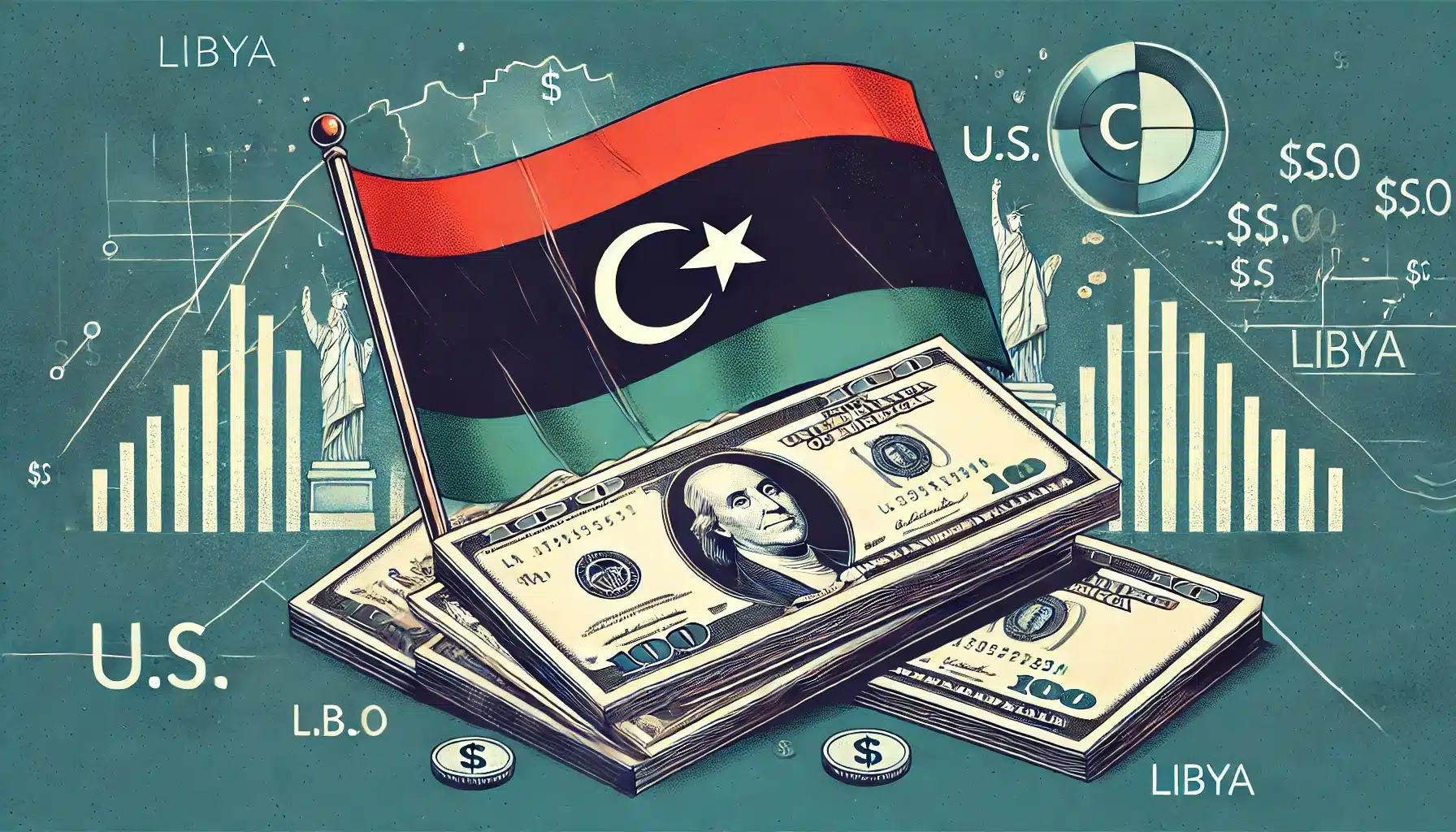
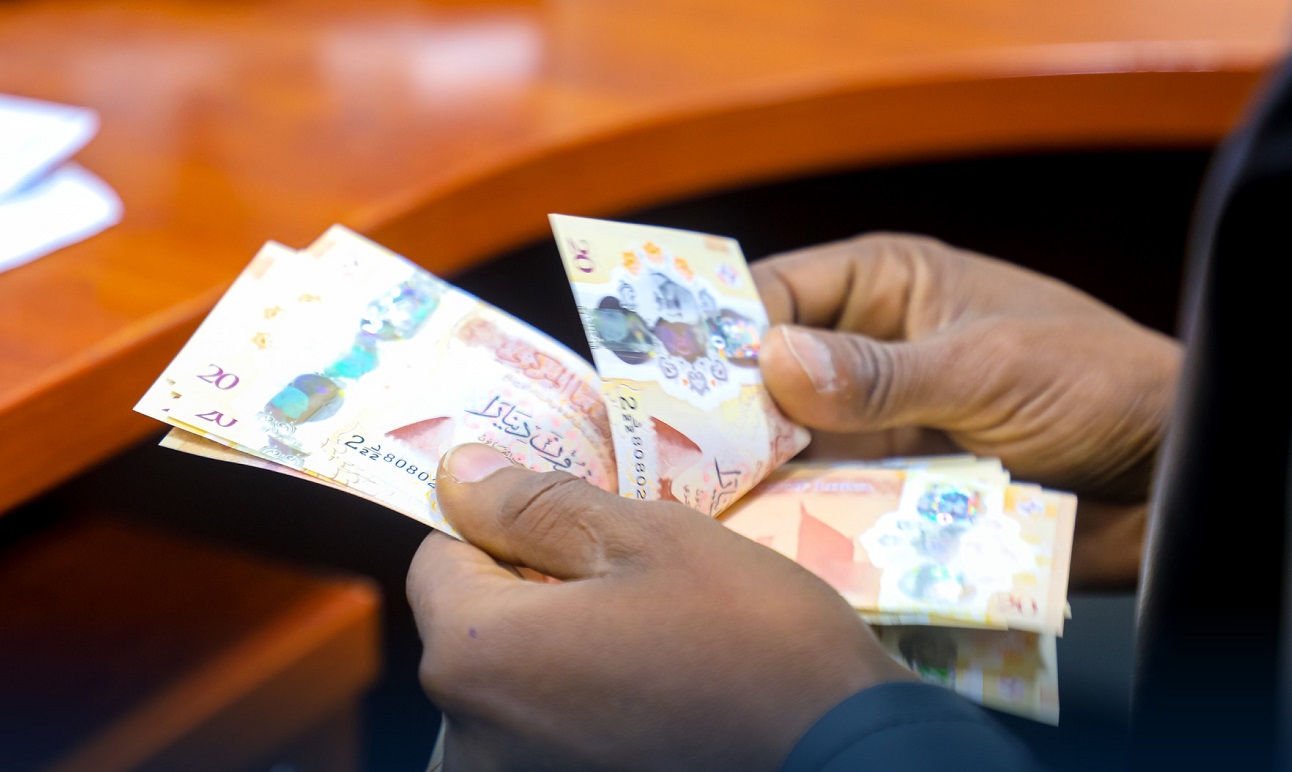
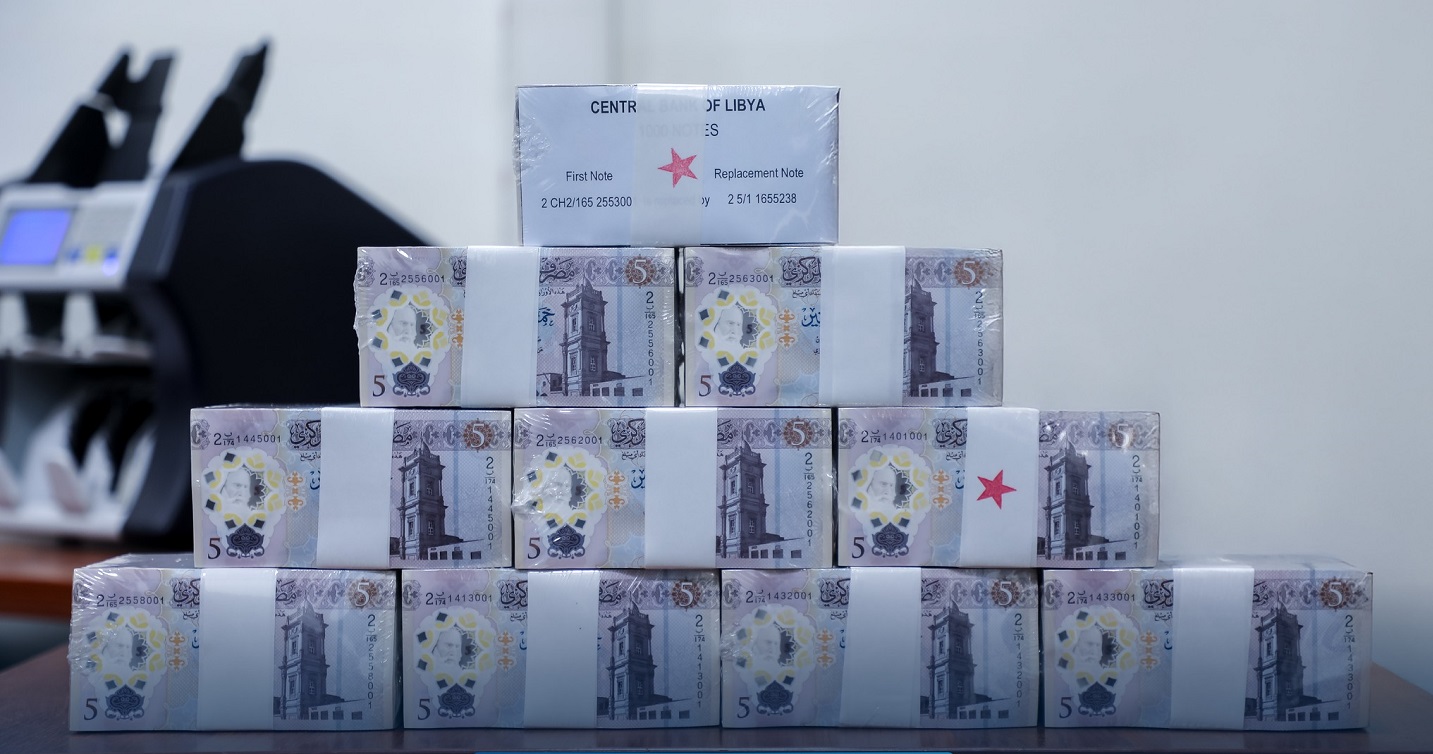
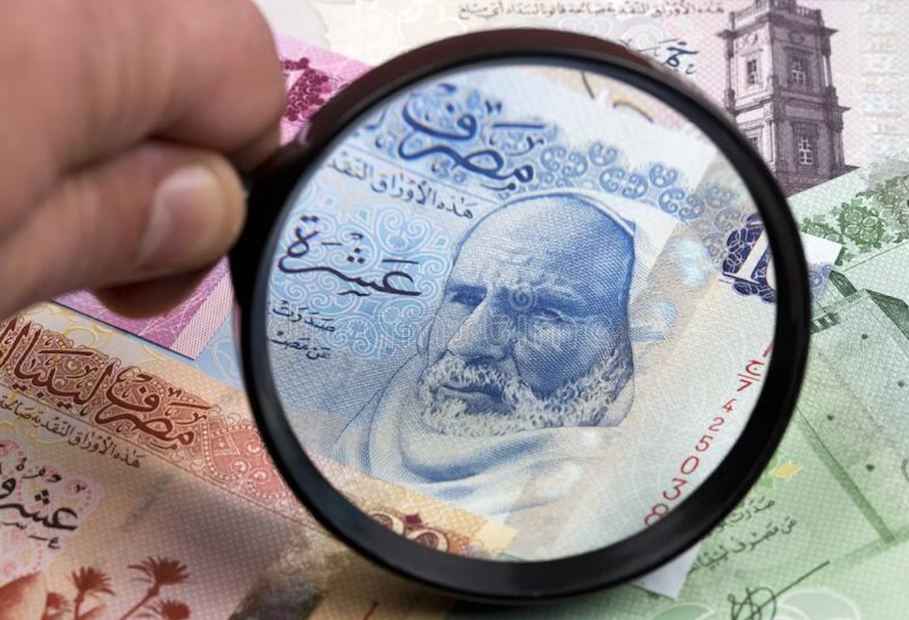
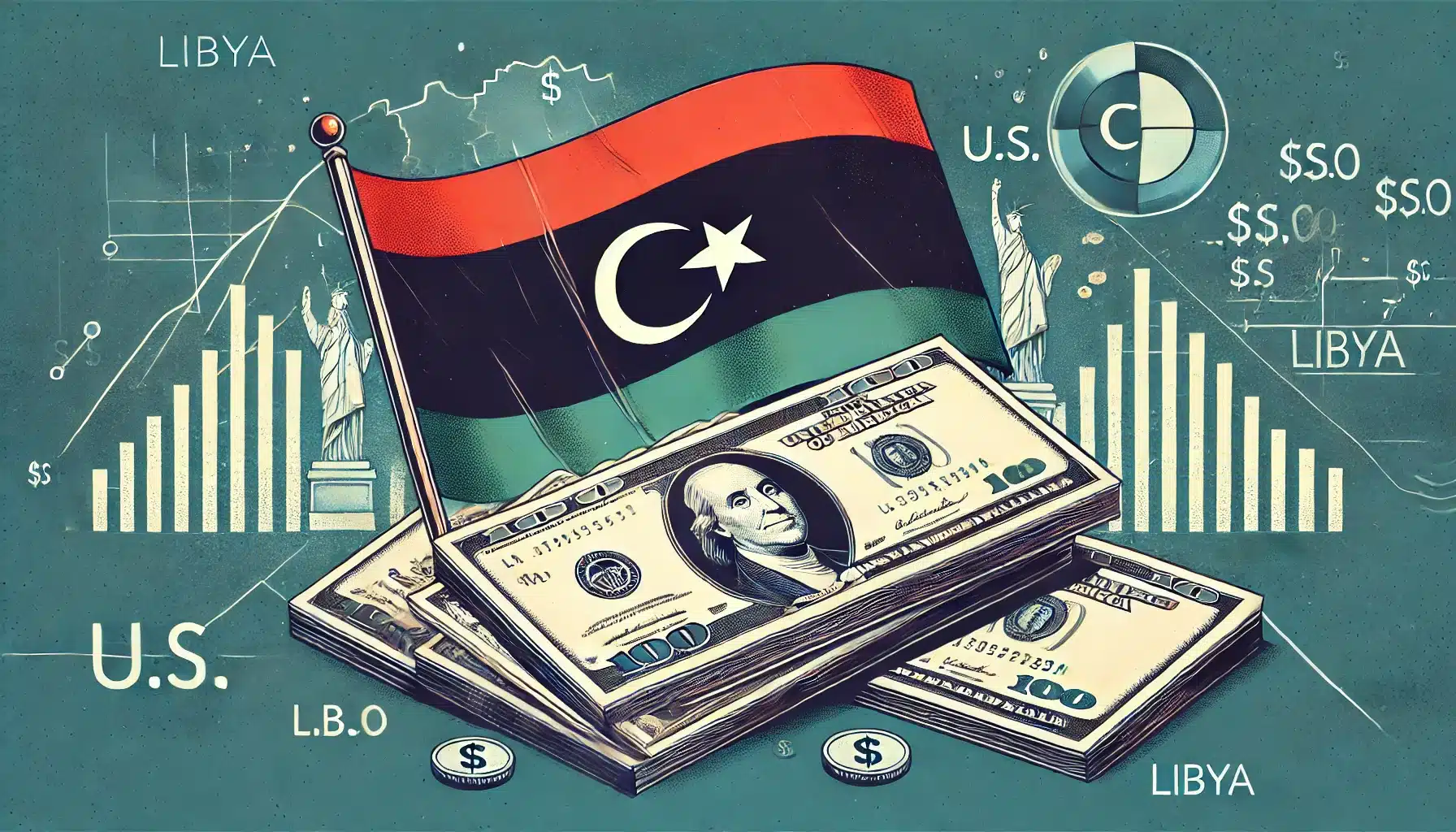
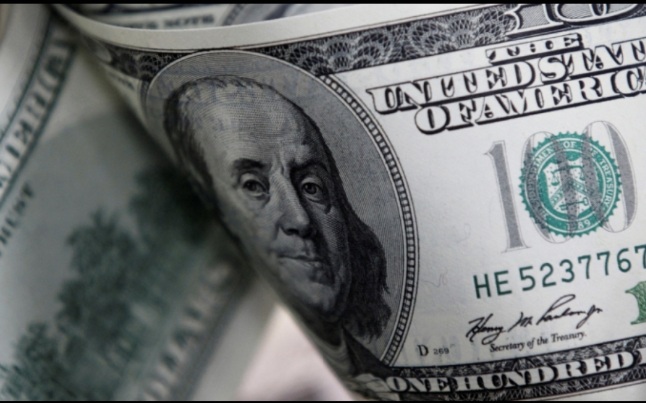
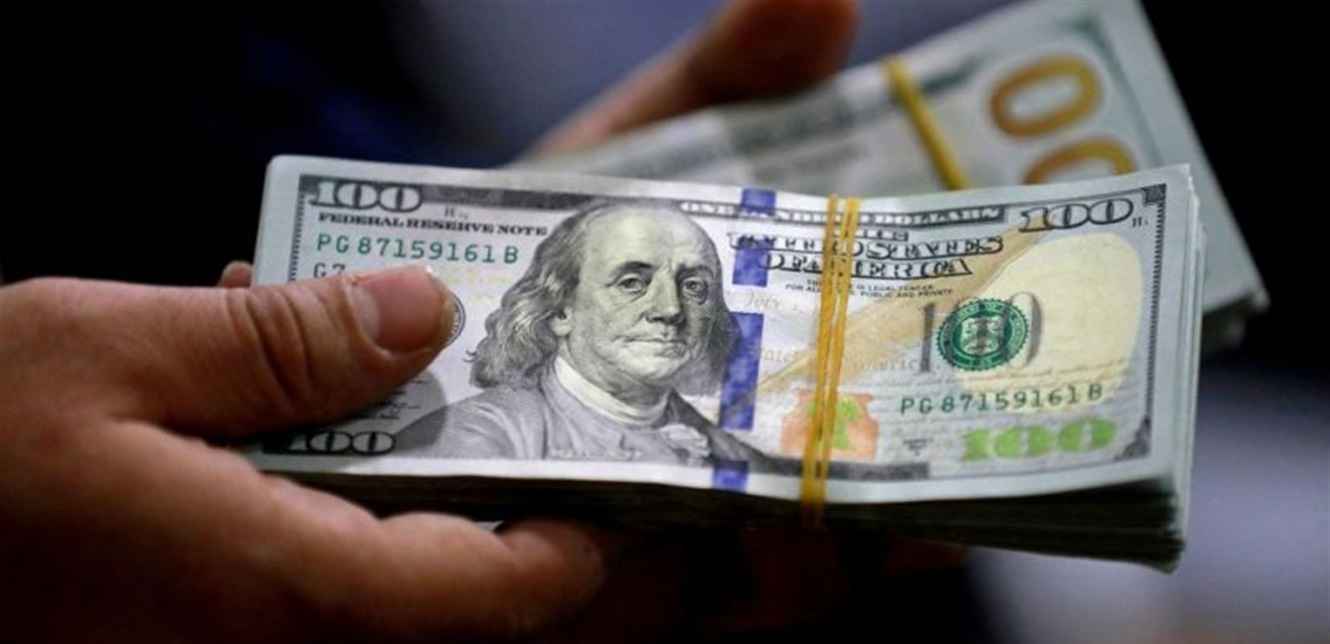
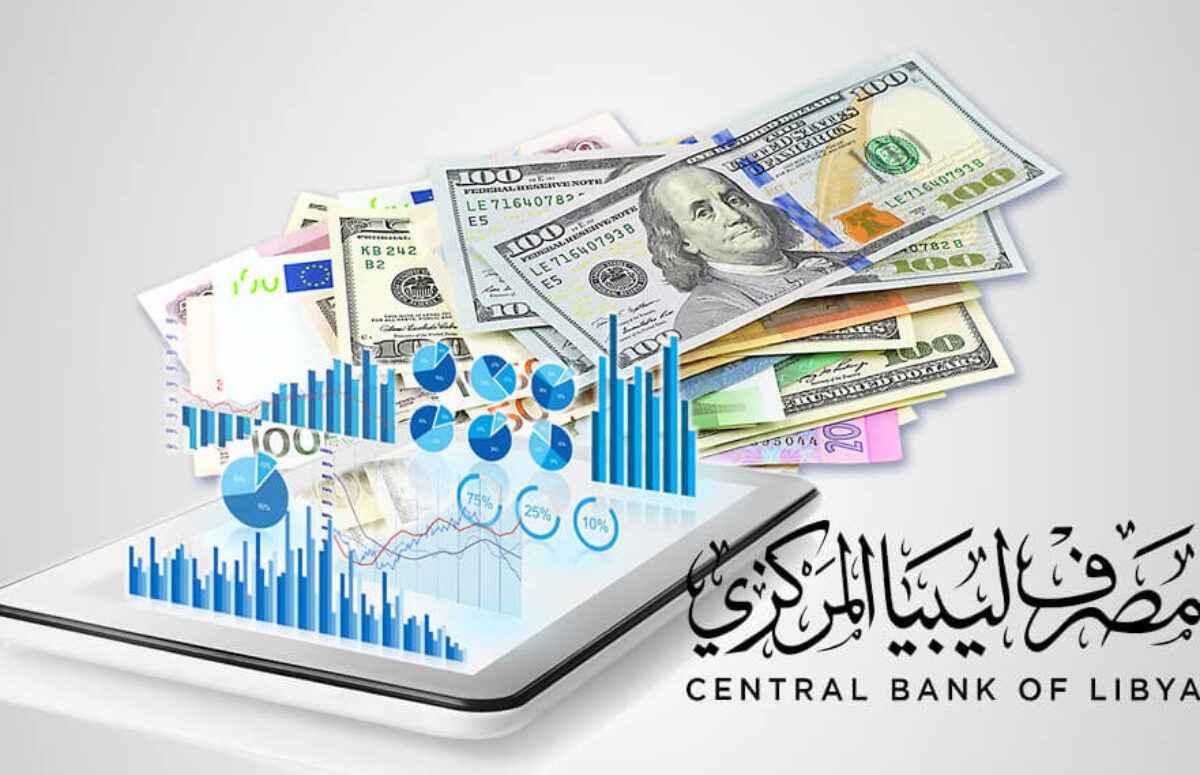
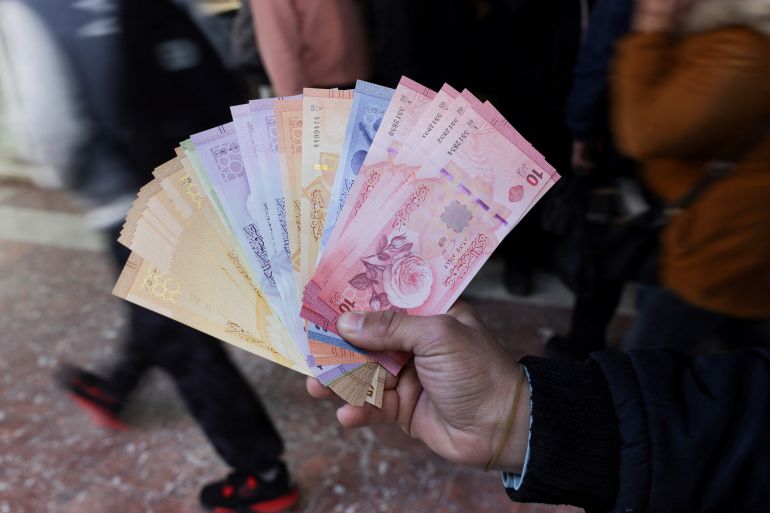
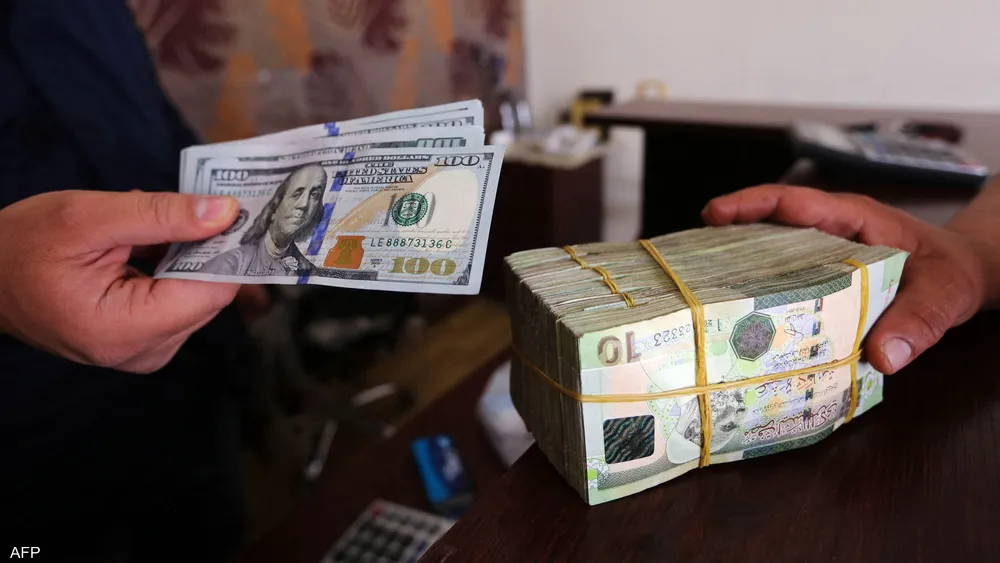
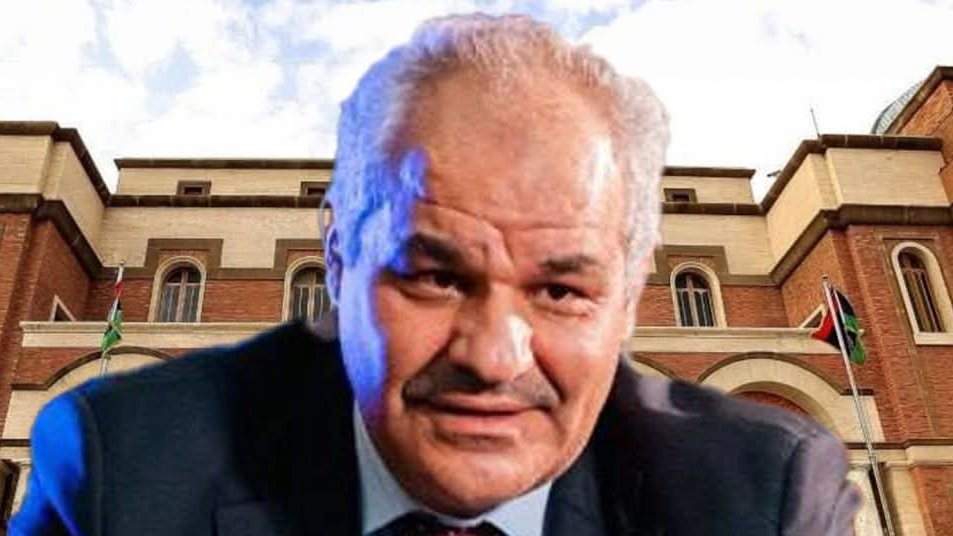
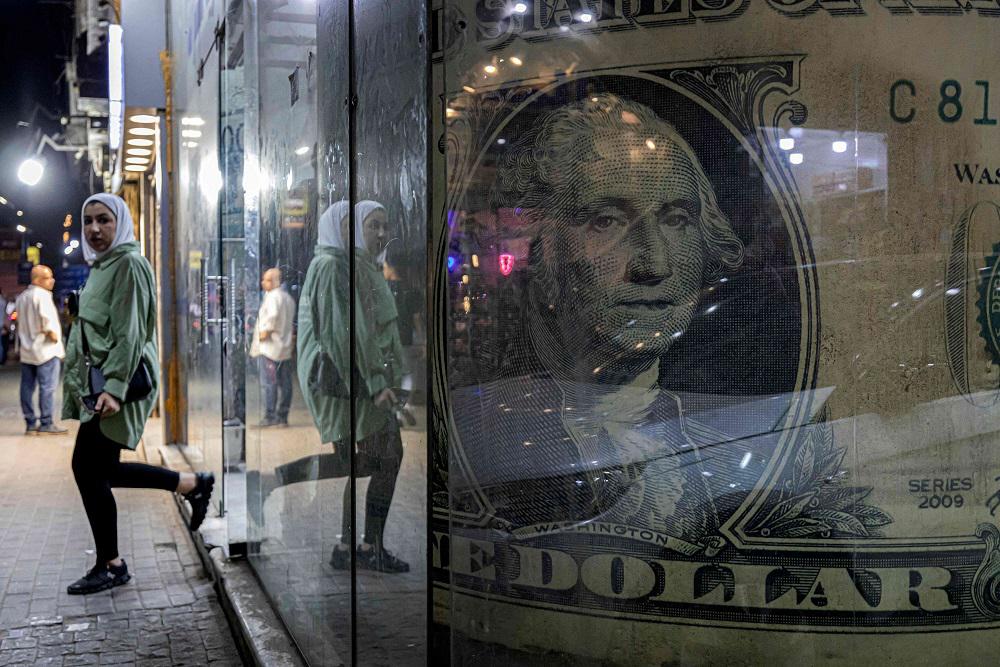
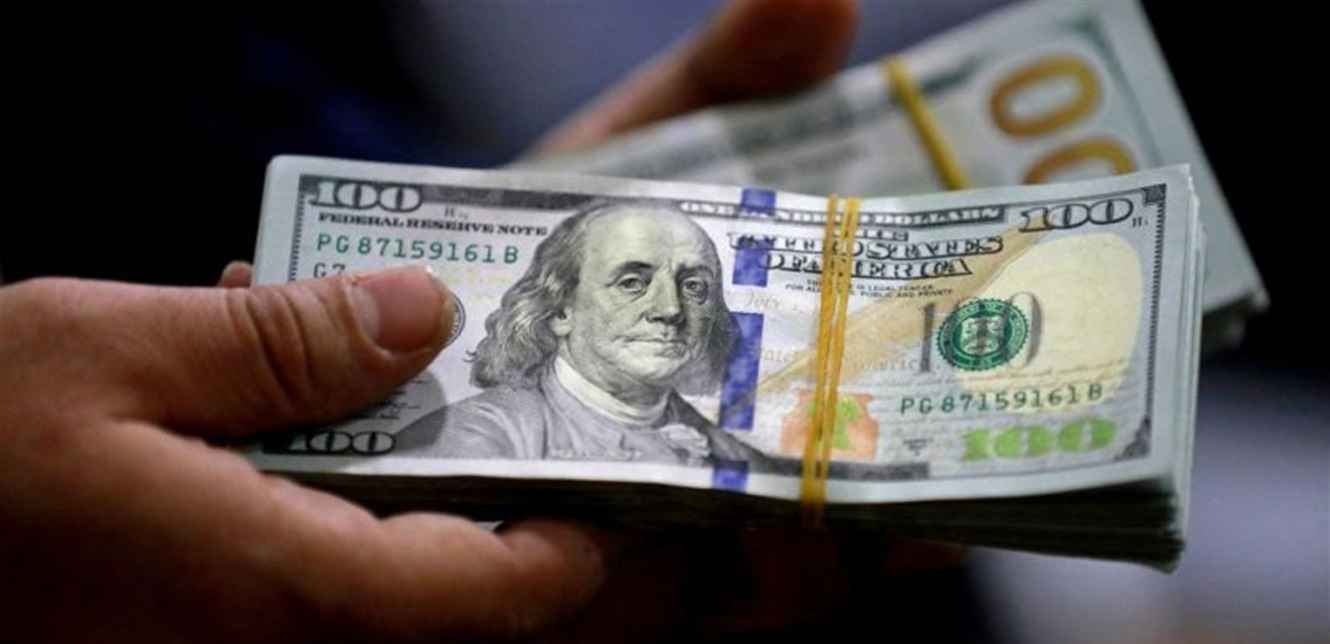
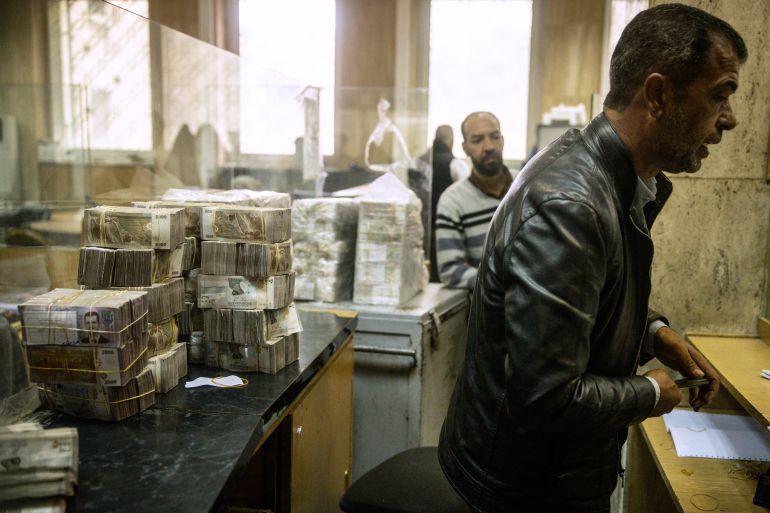
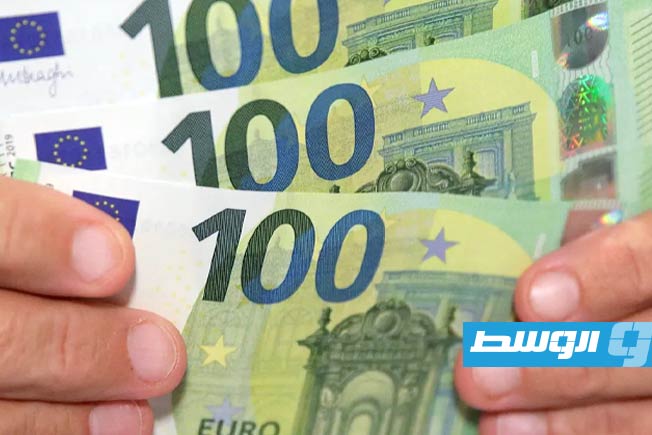
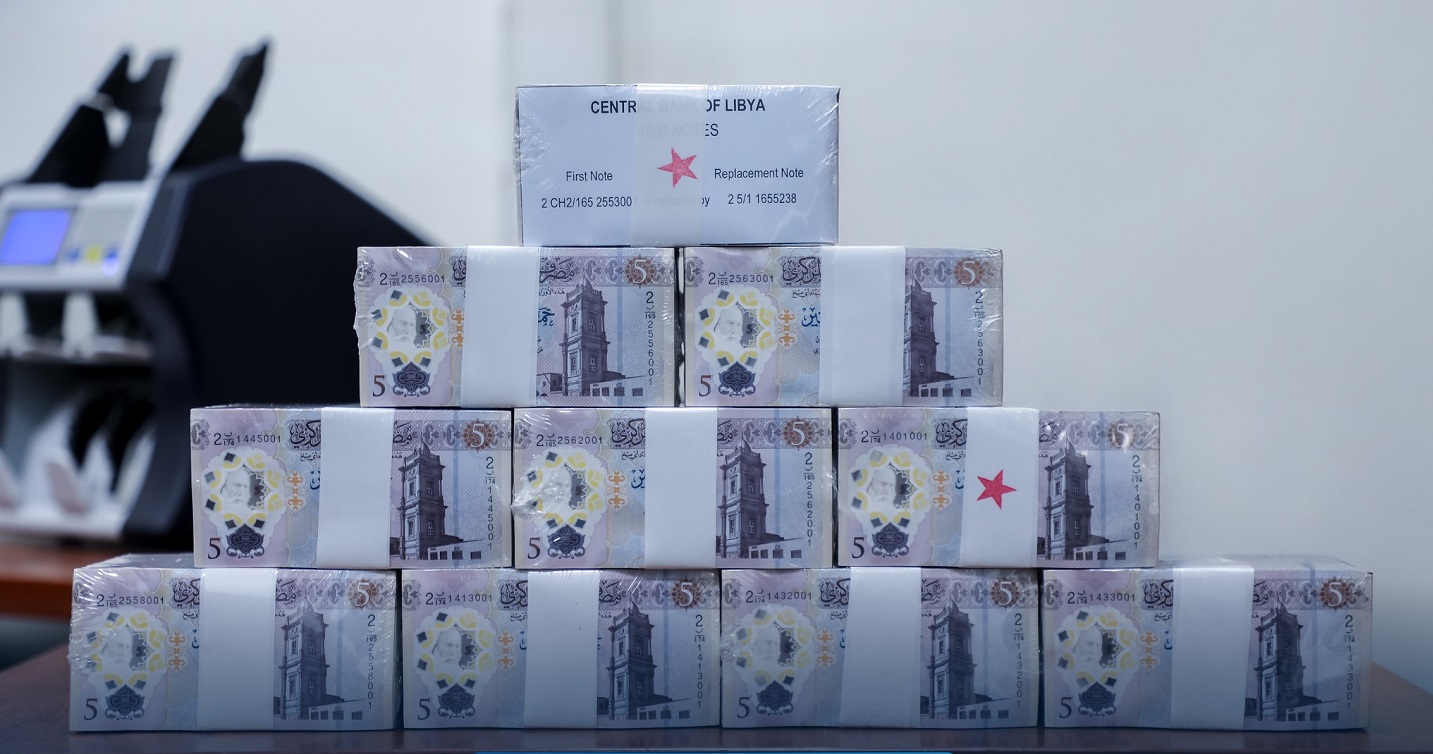
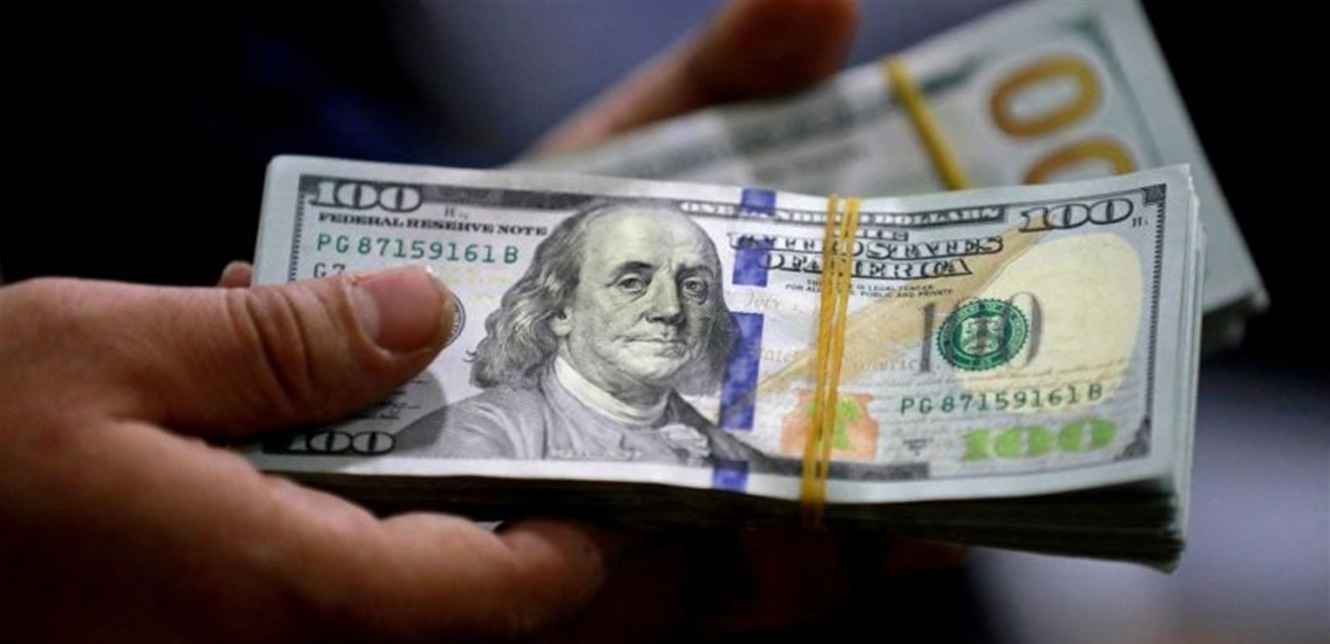
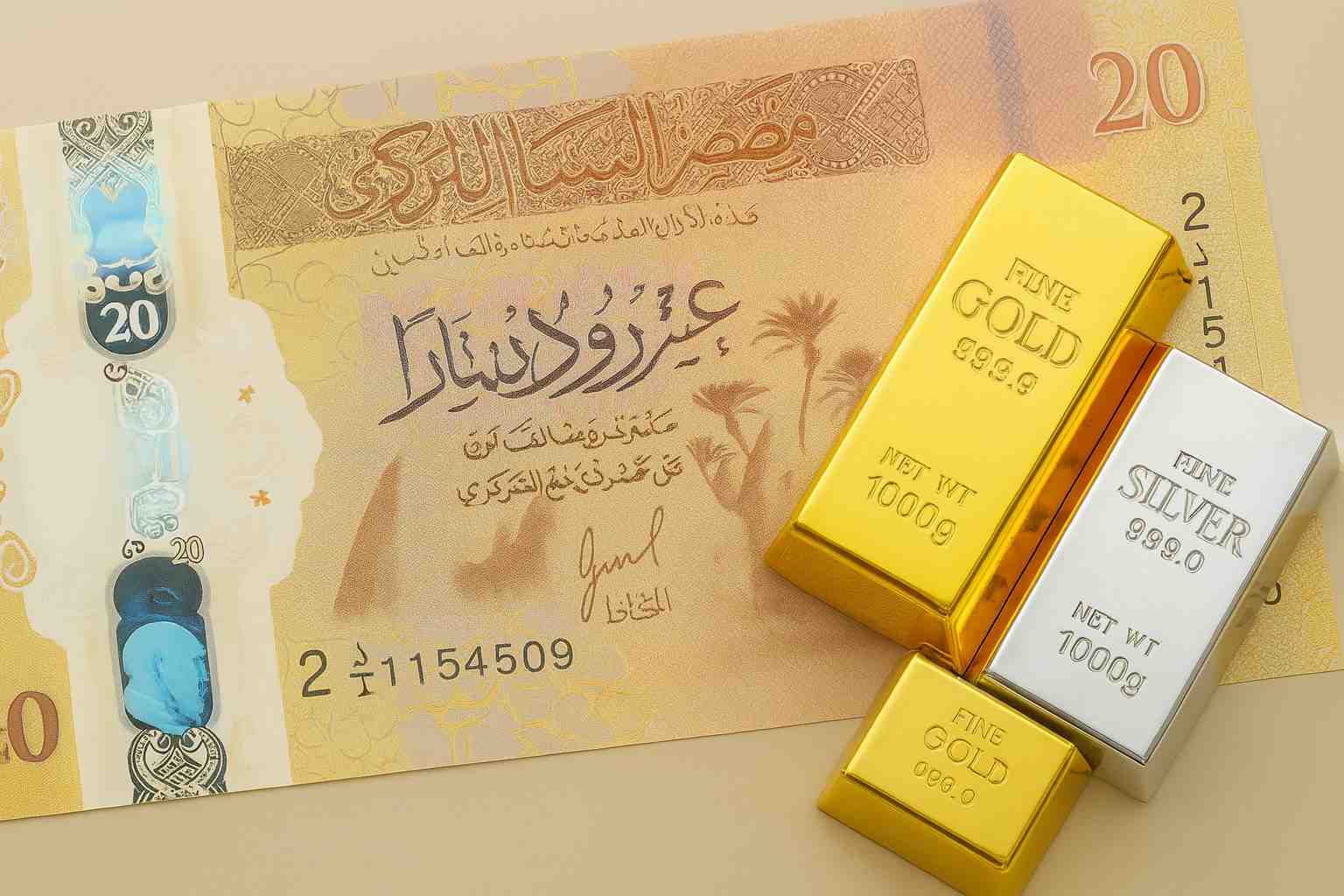
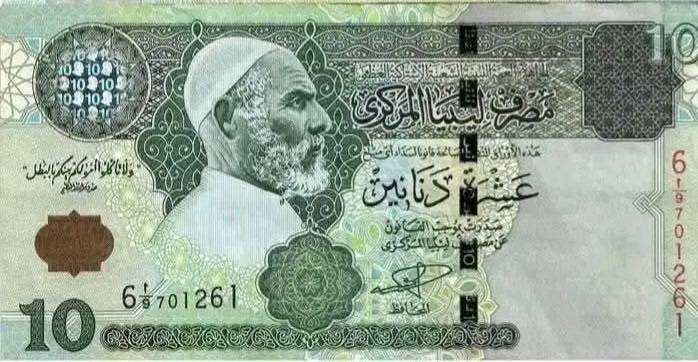
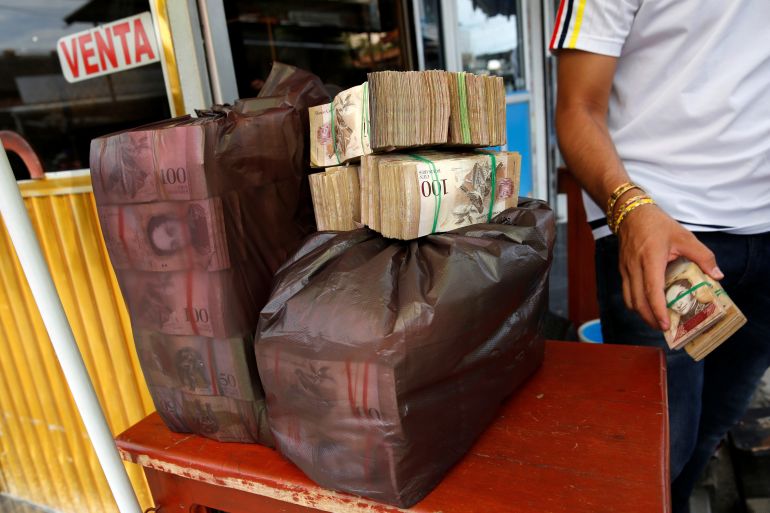
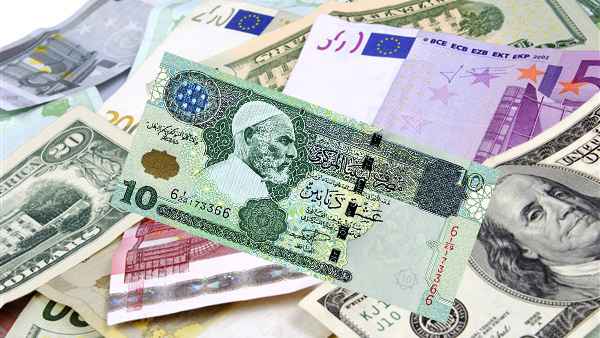
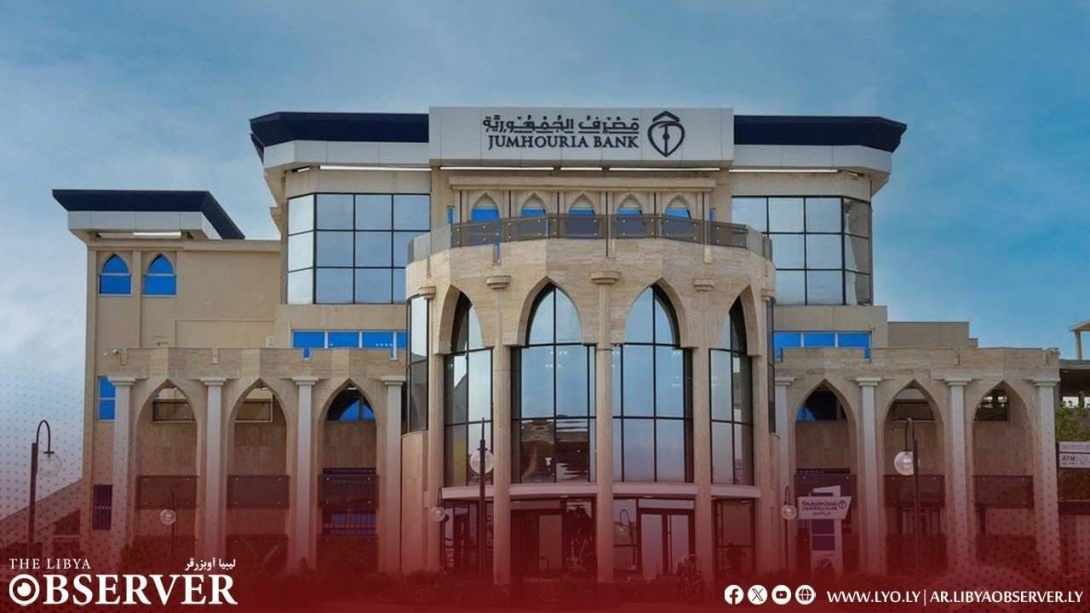
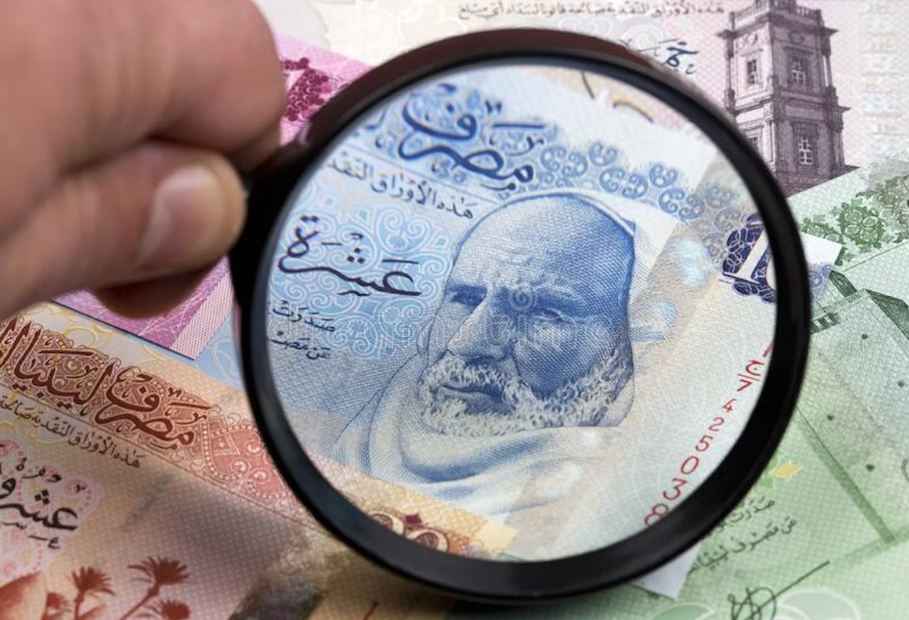
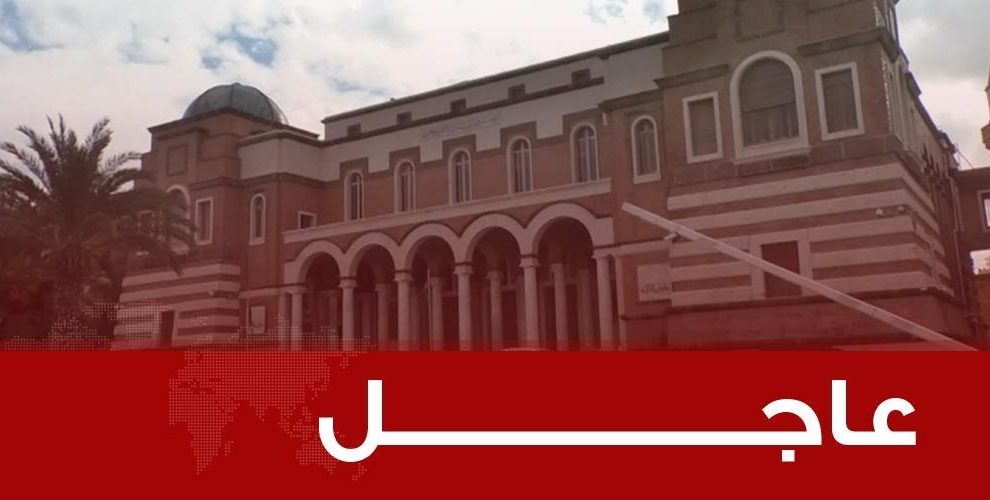
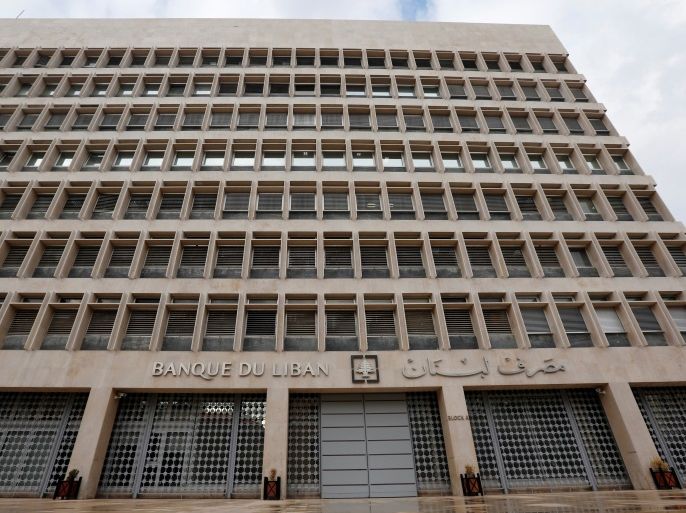
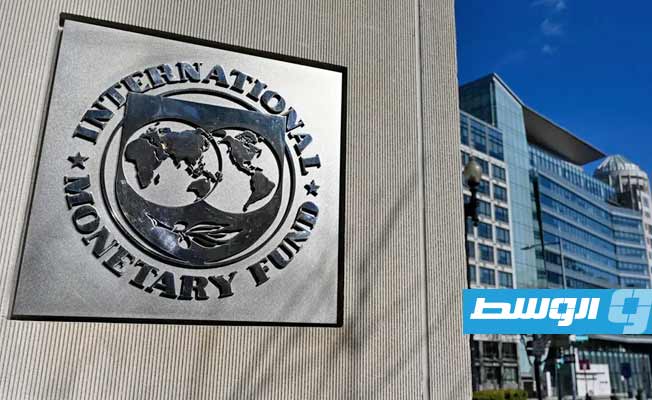
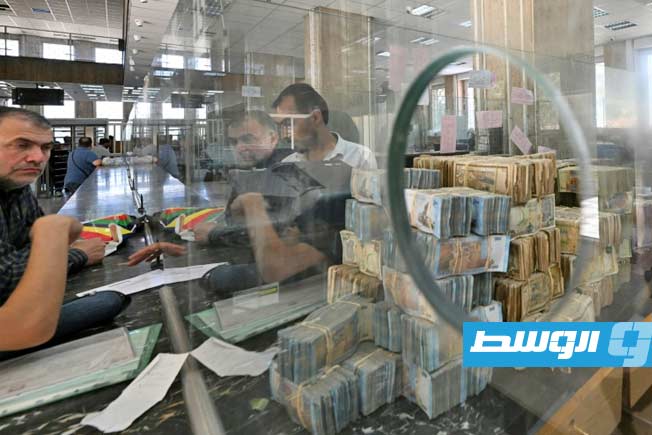
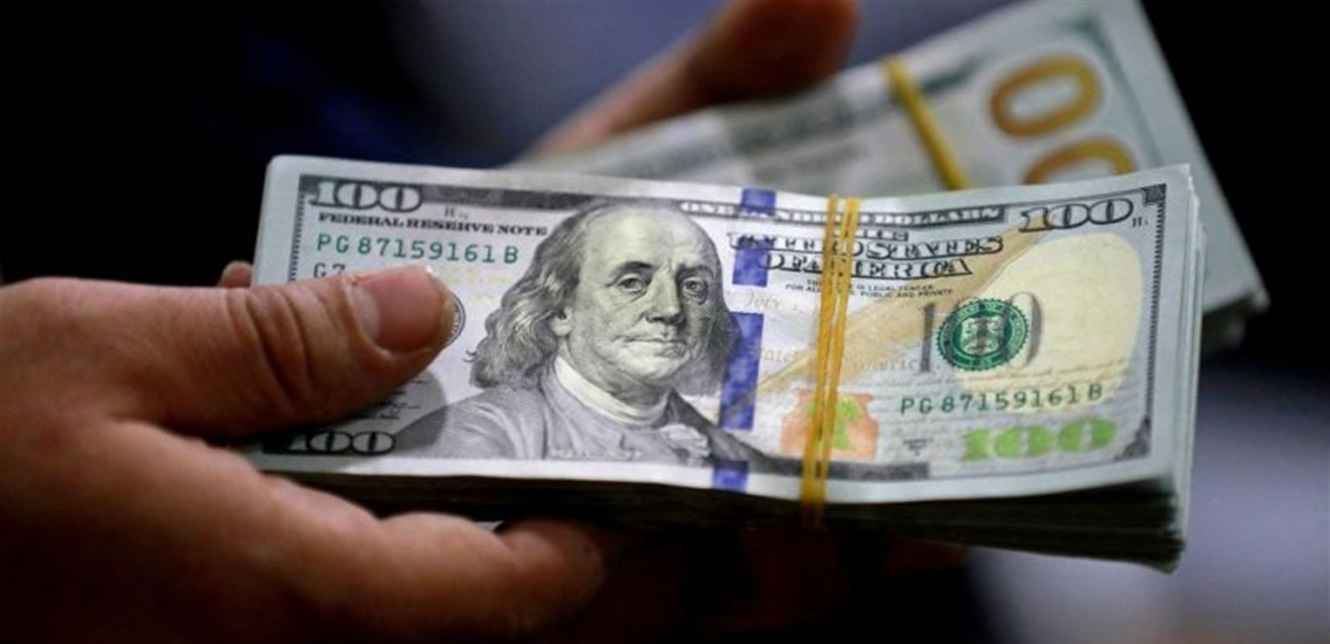
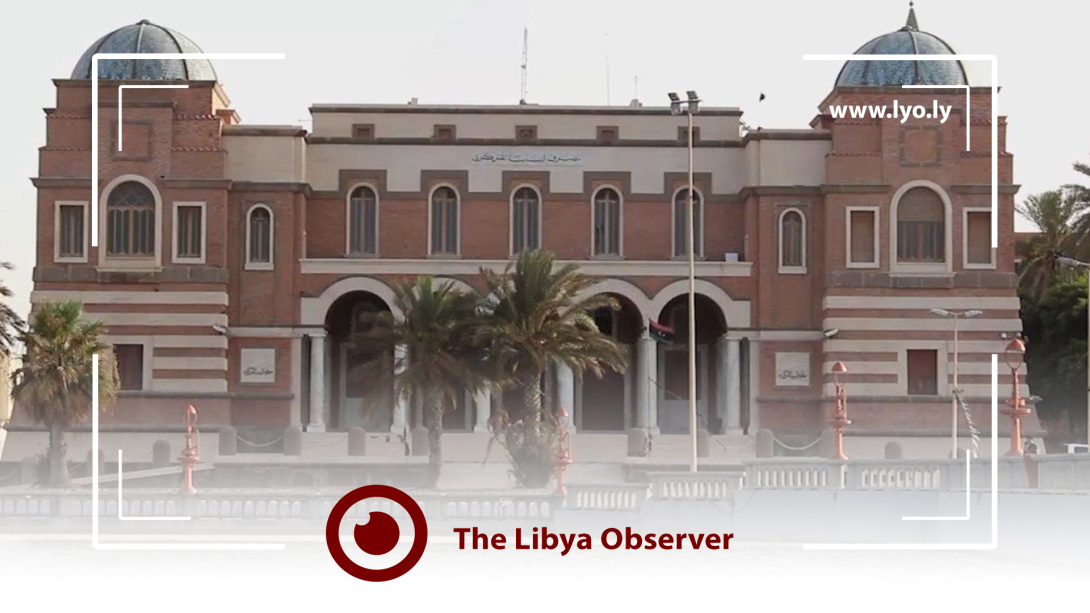
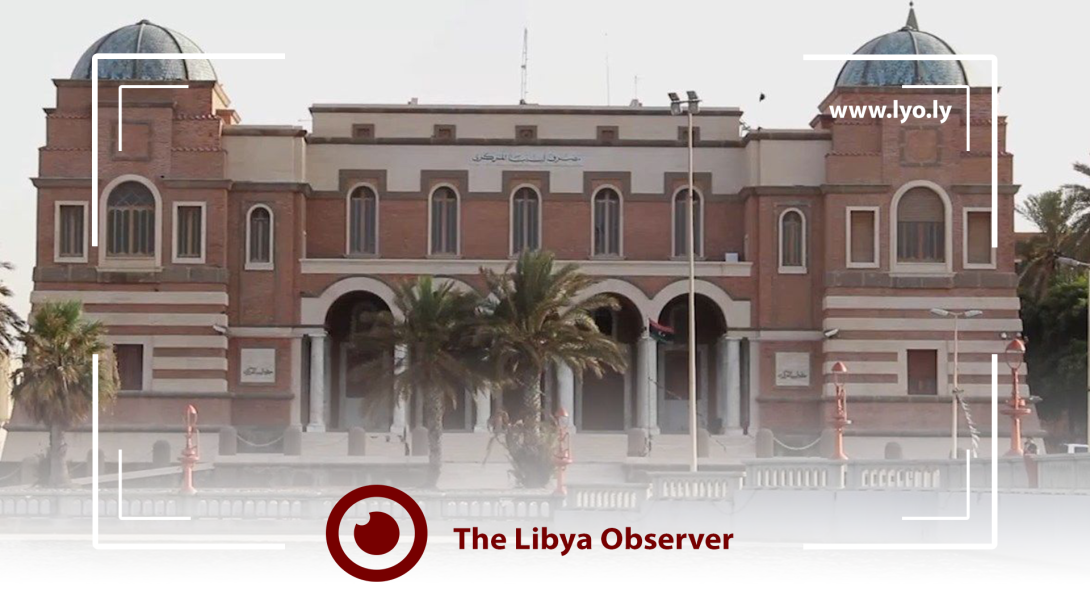
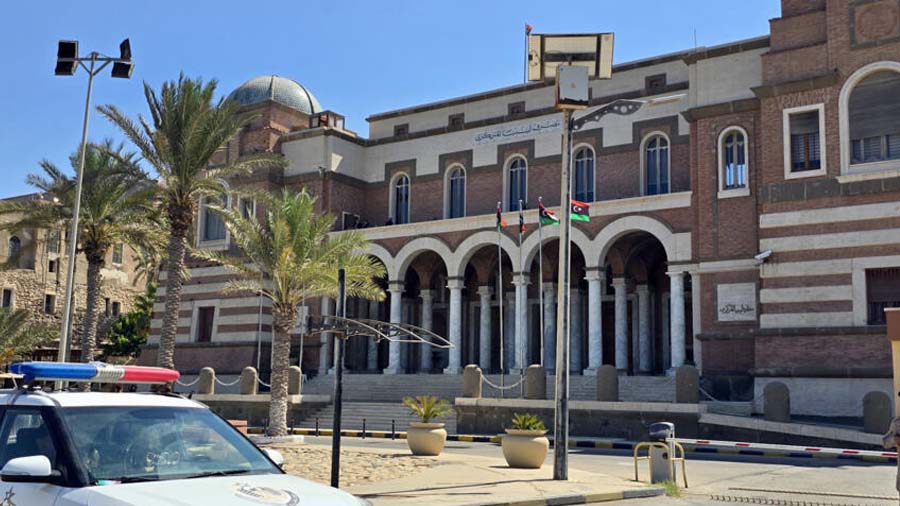
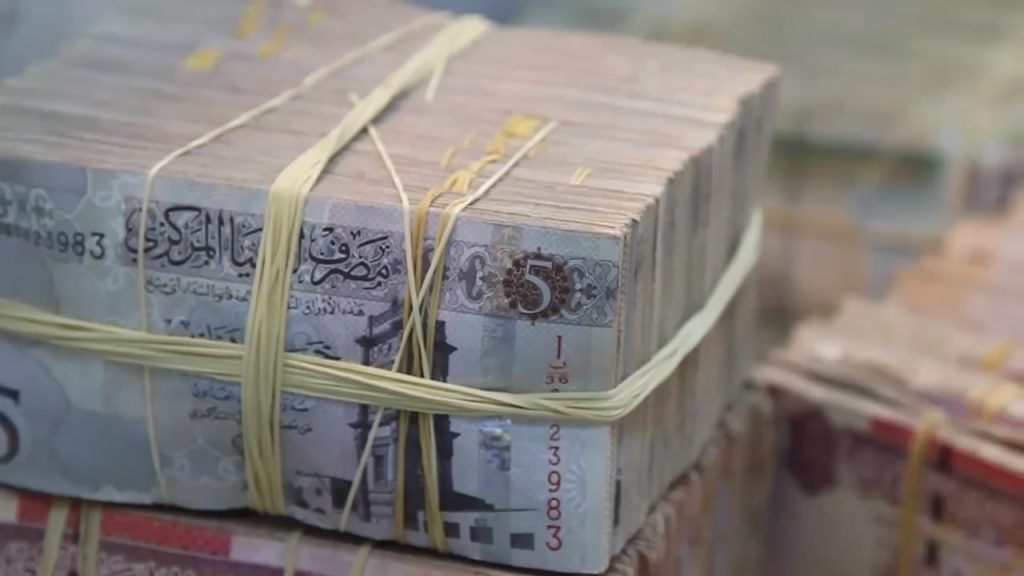
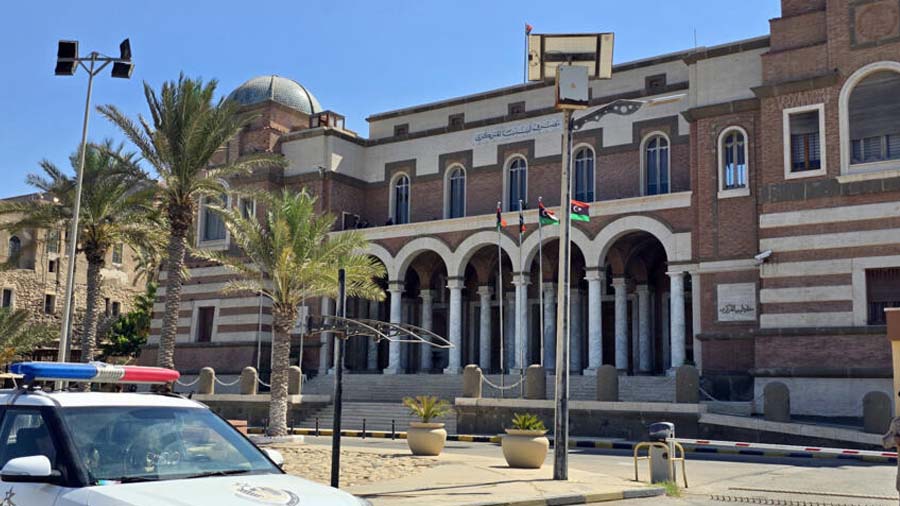
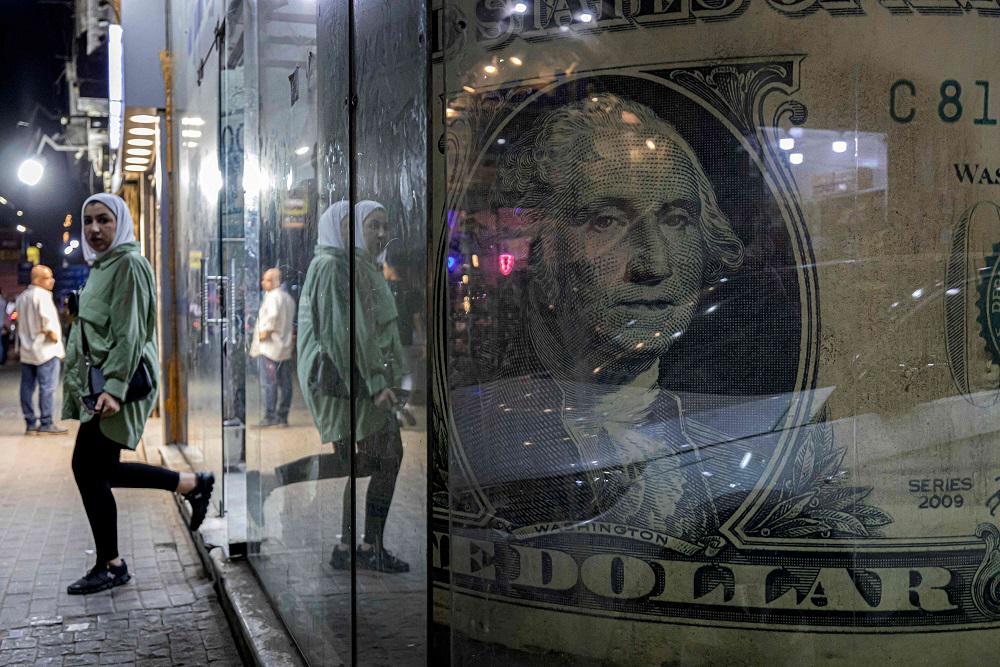
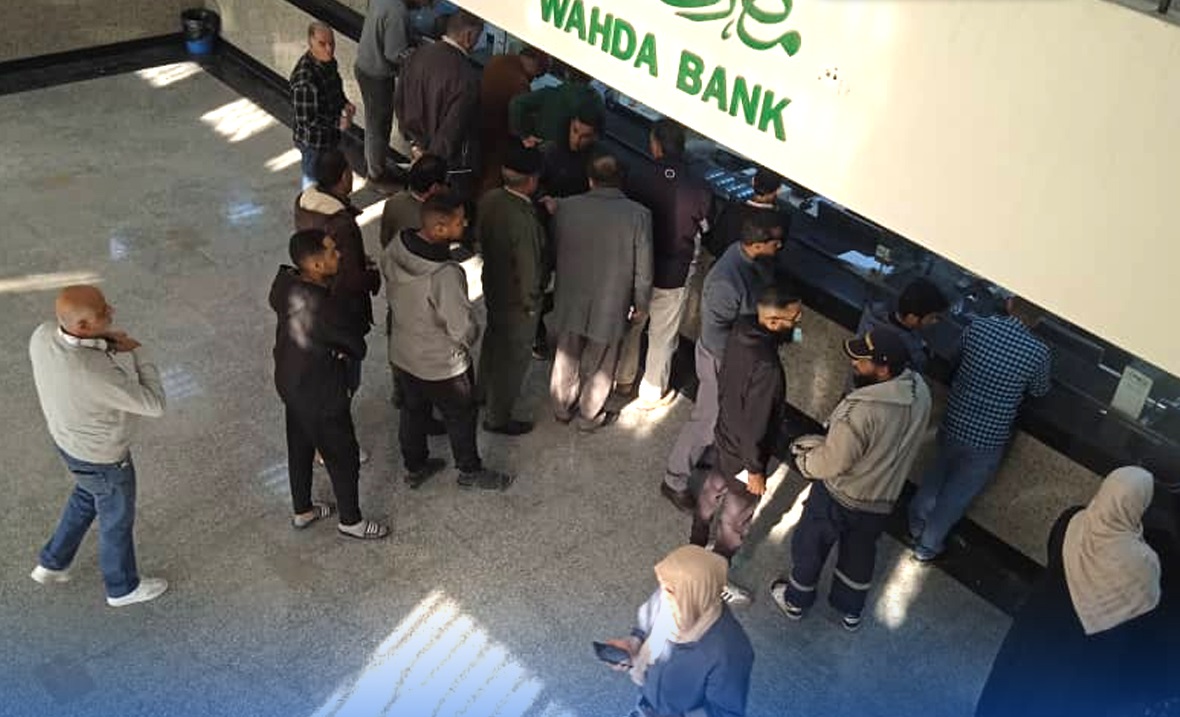
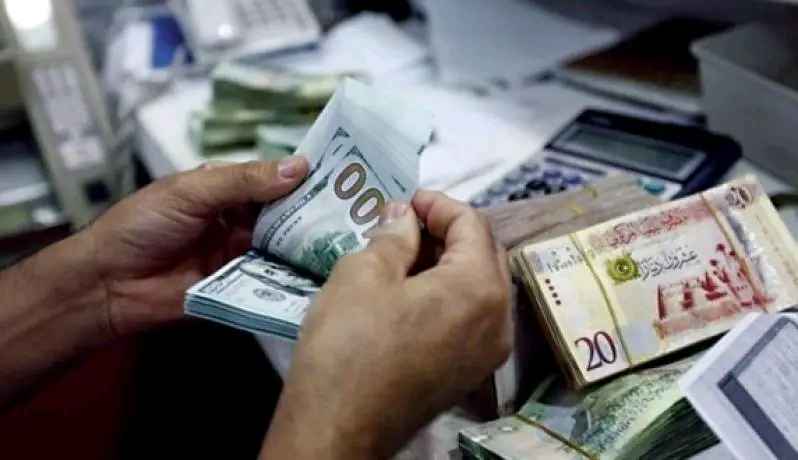
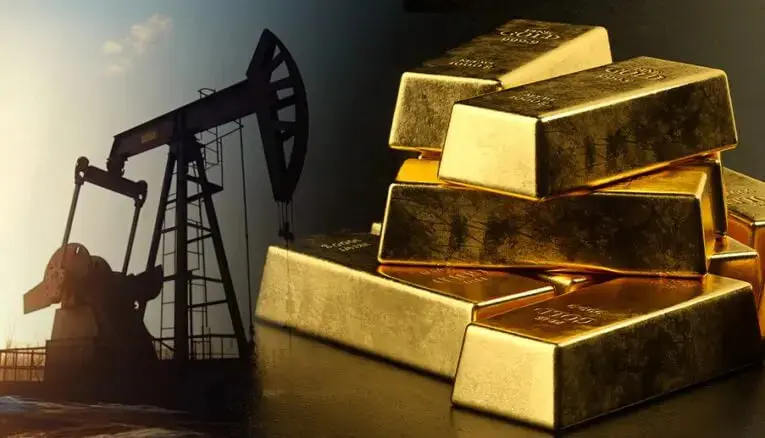
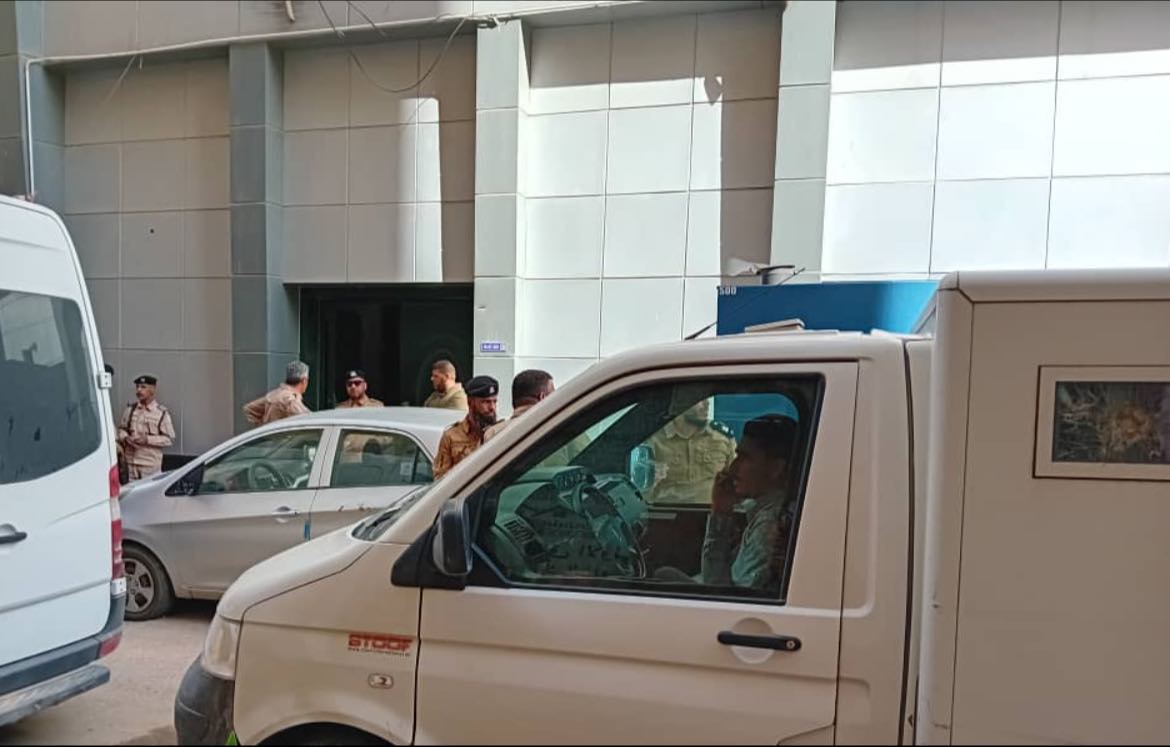
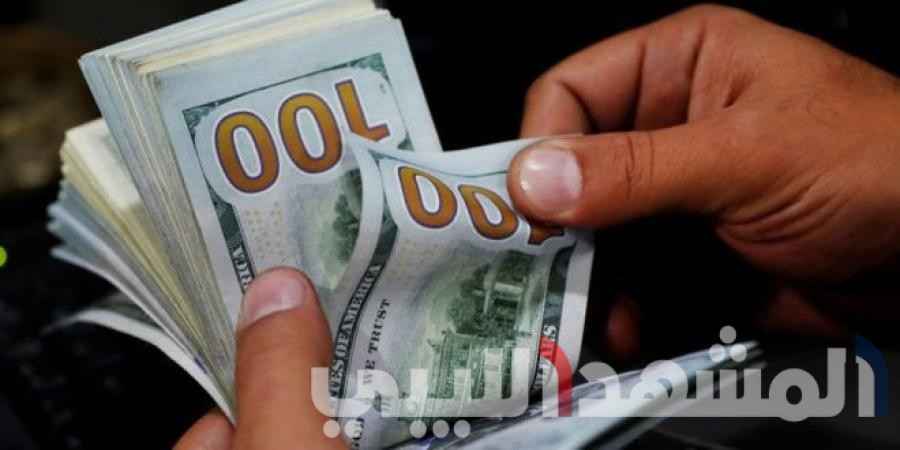
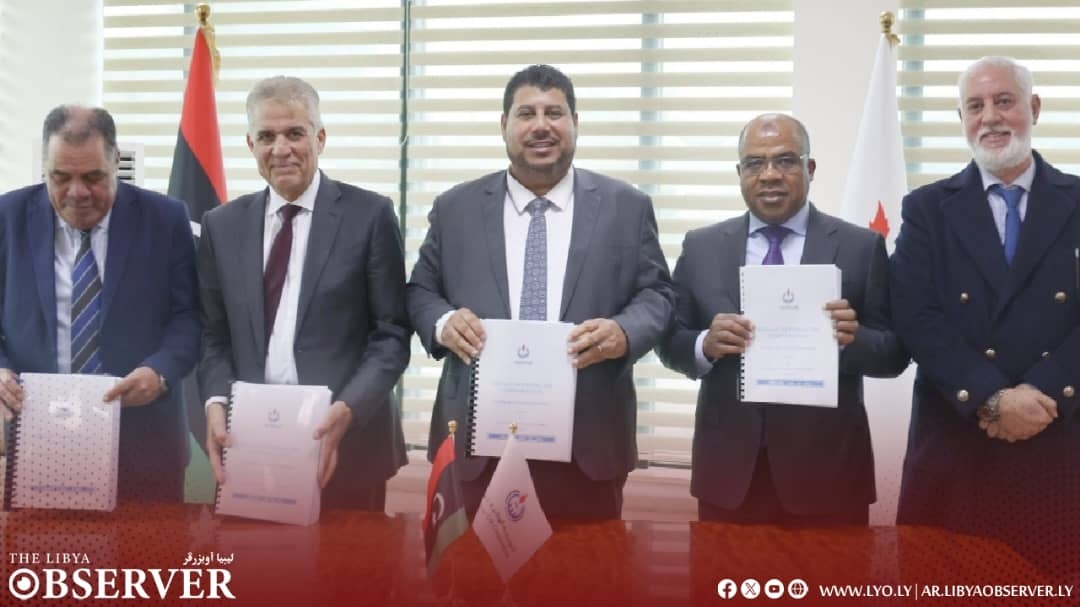
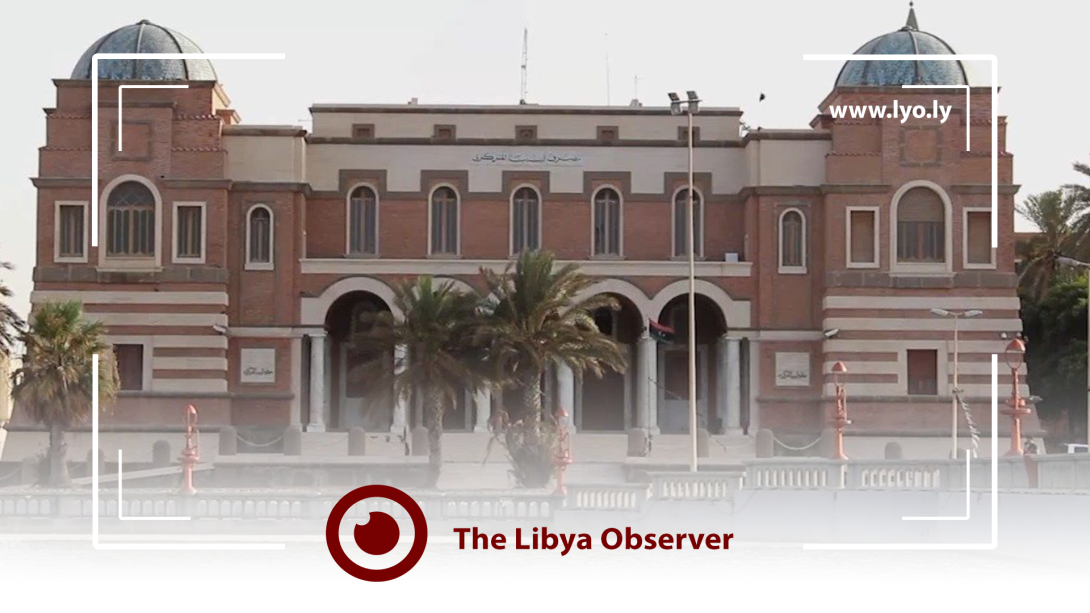
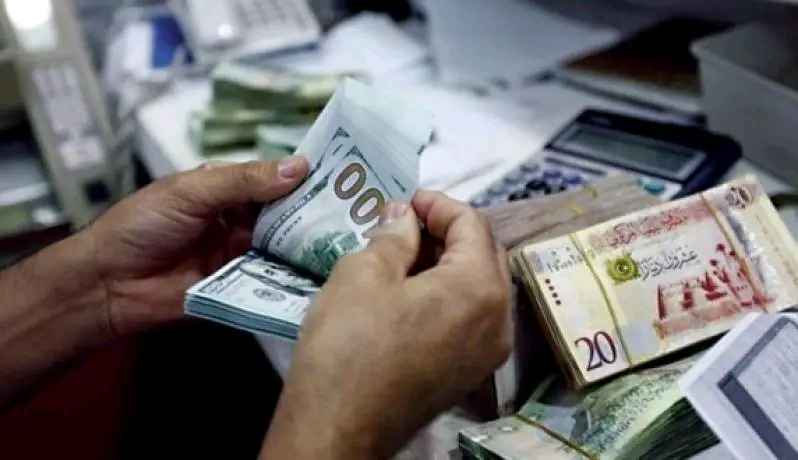
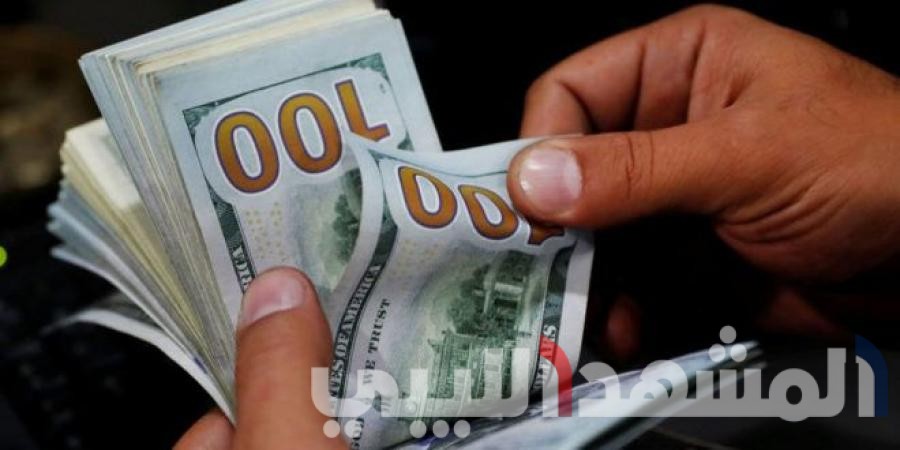
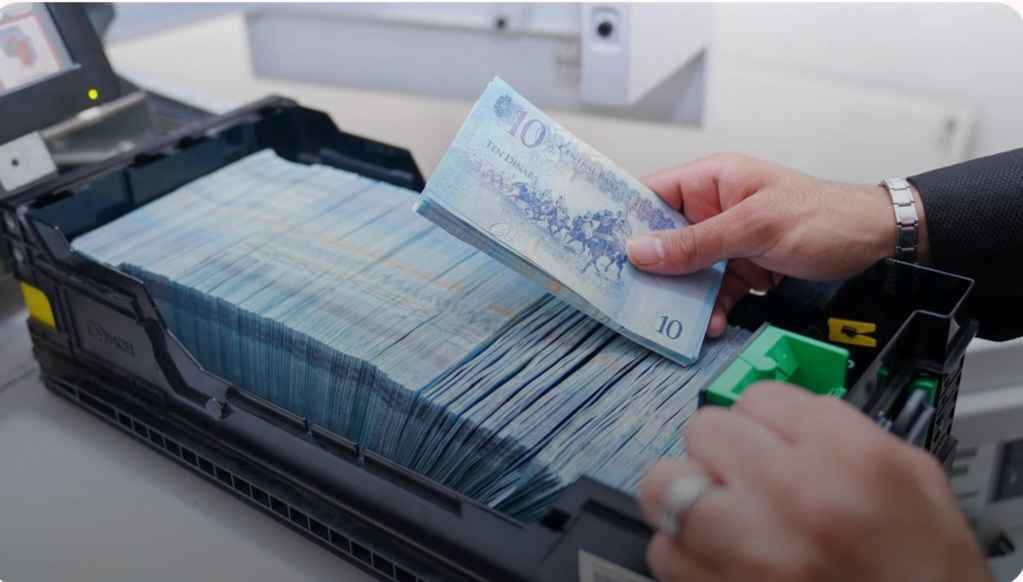
Meanwhile, the Central Bank of Libya announced a sharp decline in oil revenues transferred to it from the beginning of December through the 21st of the month, totaling no more than $581 million. The bank blamed the National Oil Corporation for failing to clearly transfer revenues during the recent period.
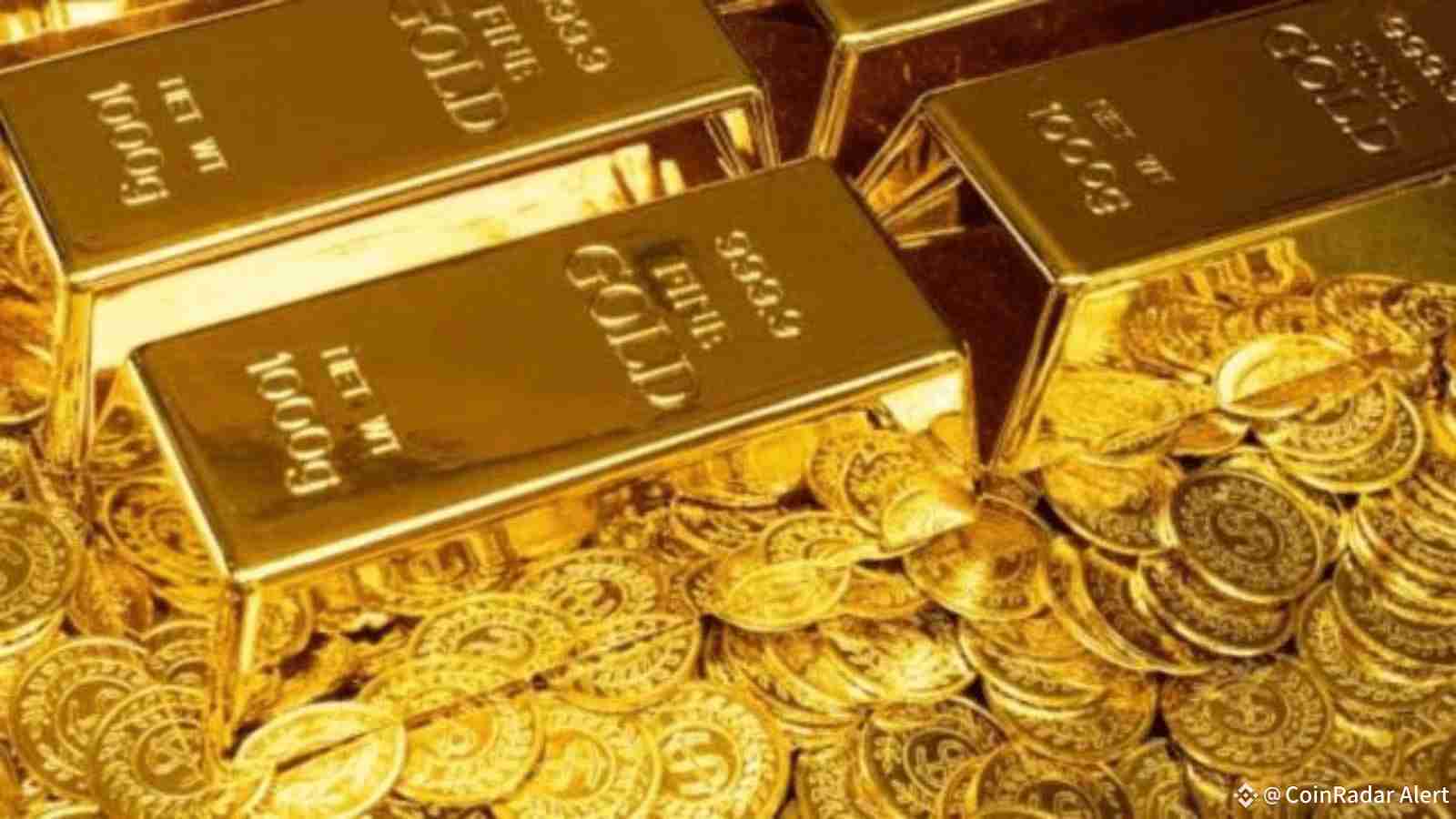
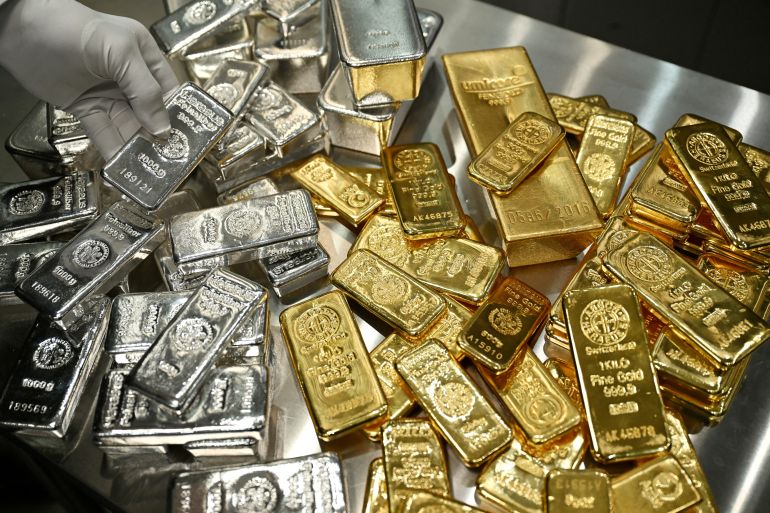
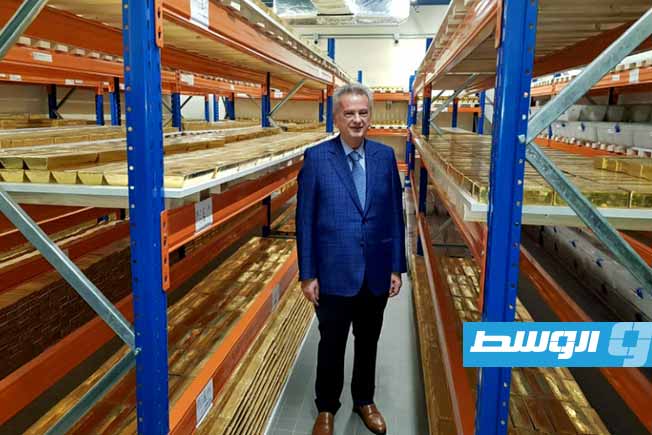
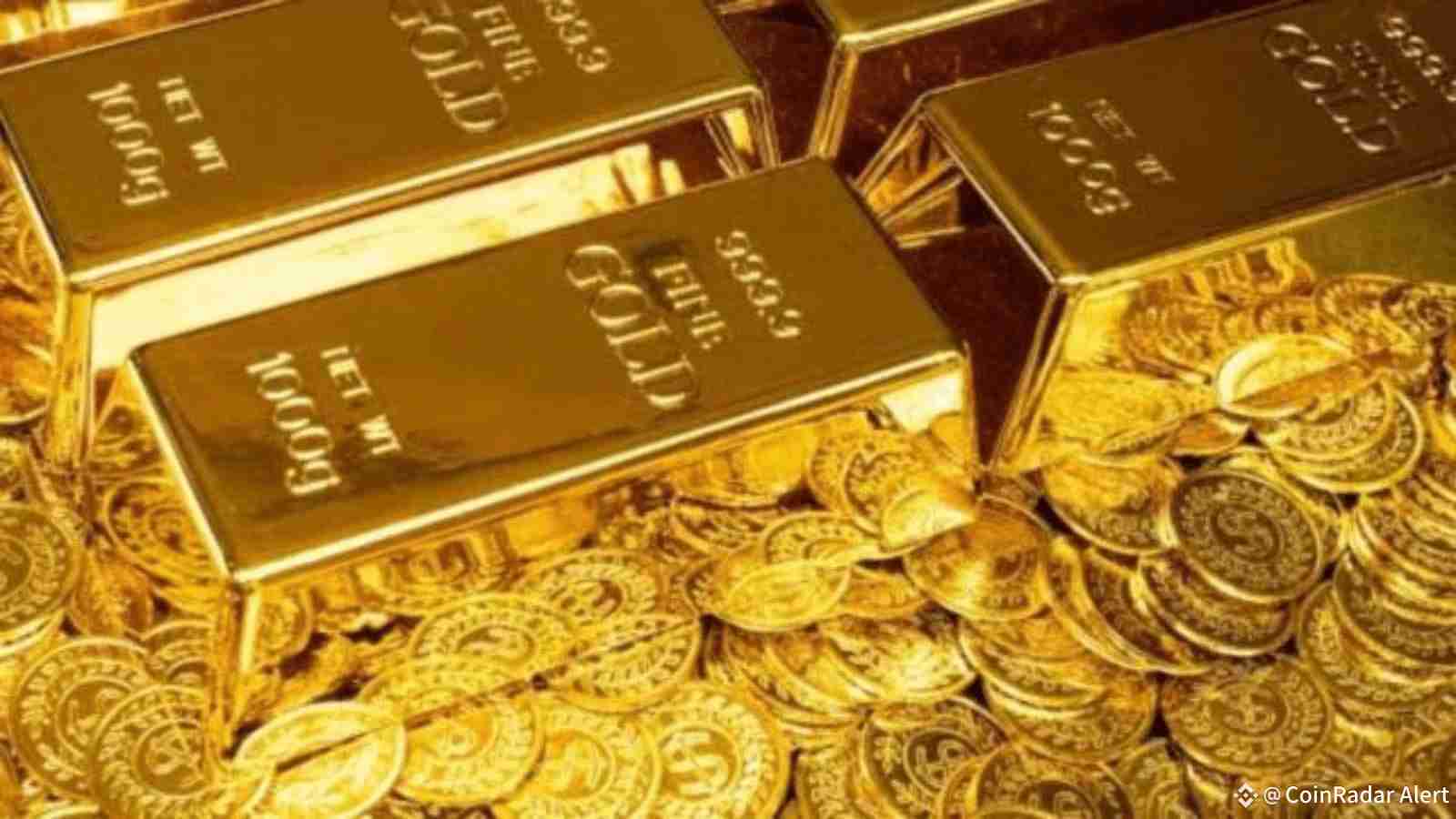
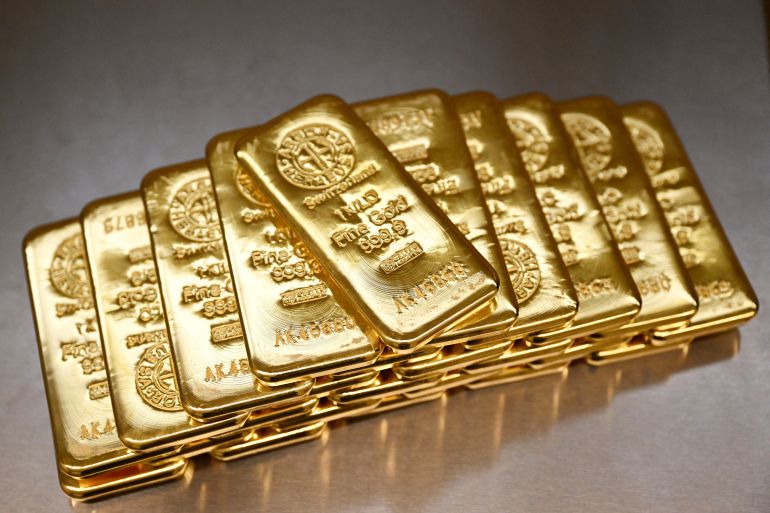
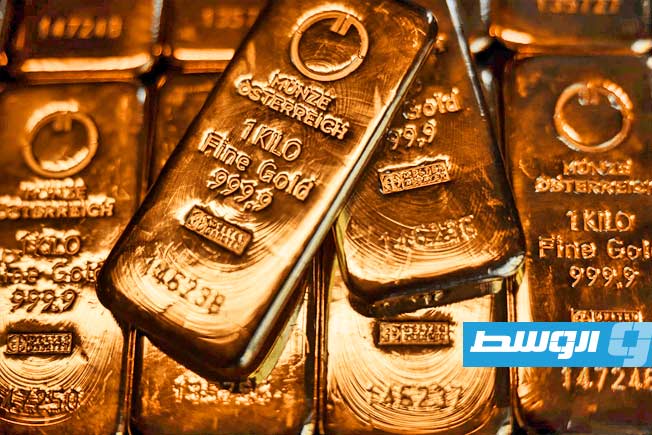
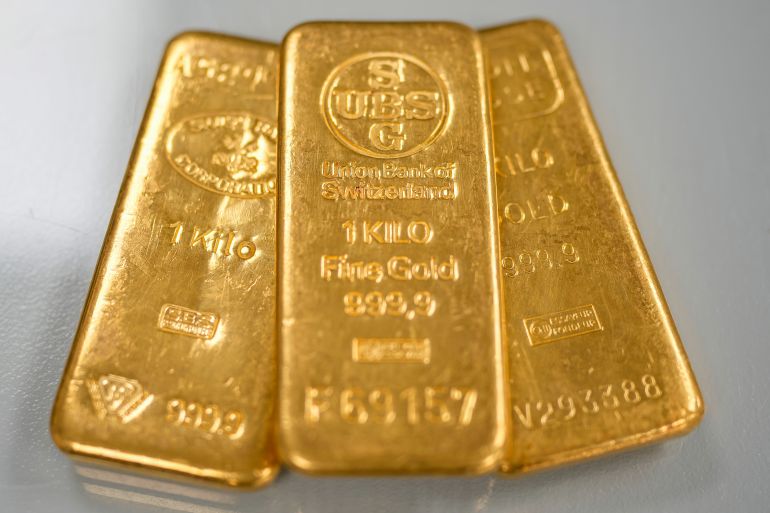
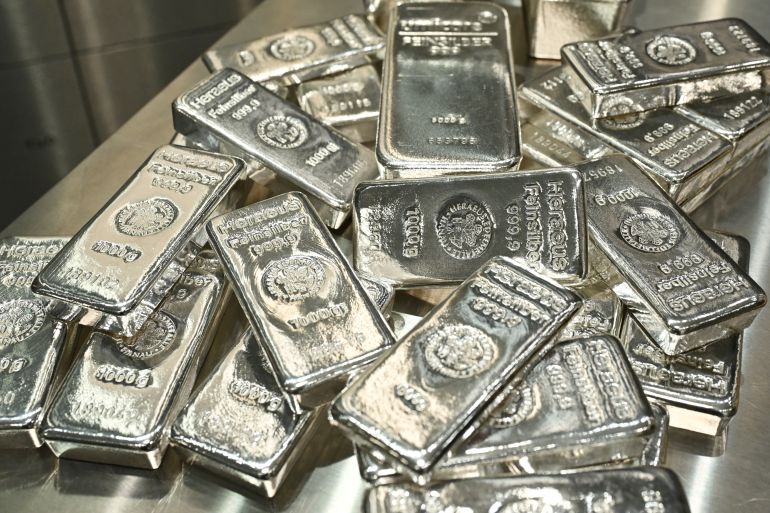
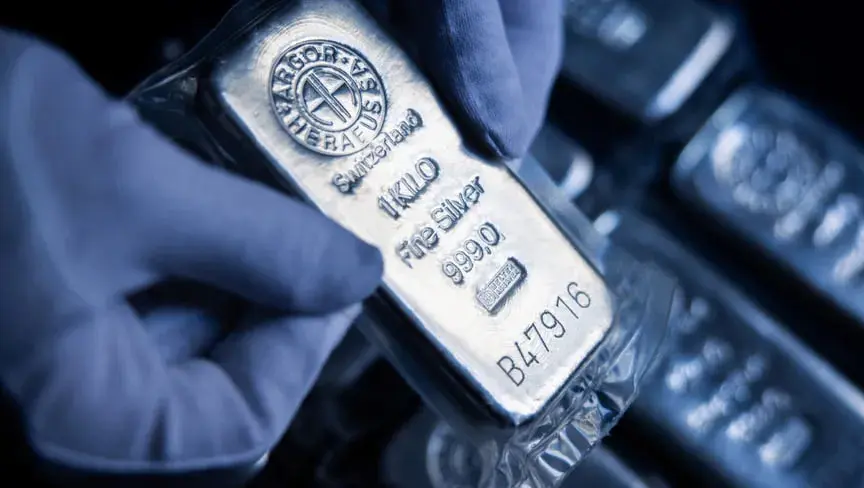
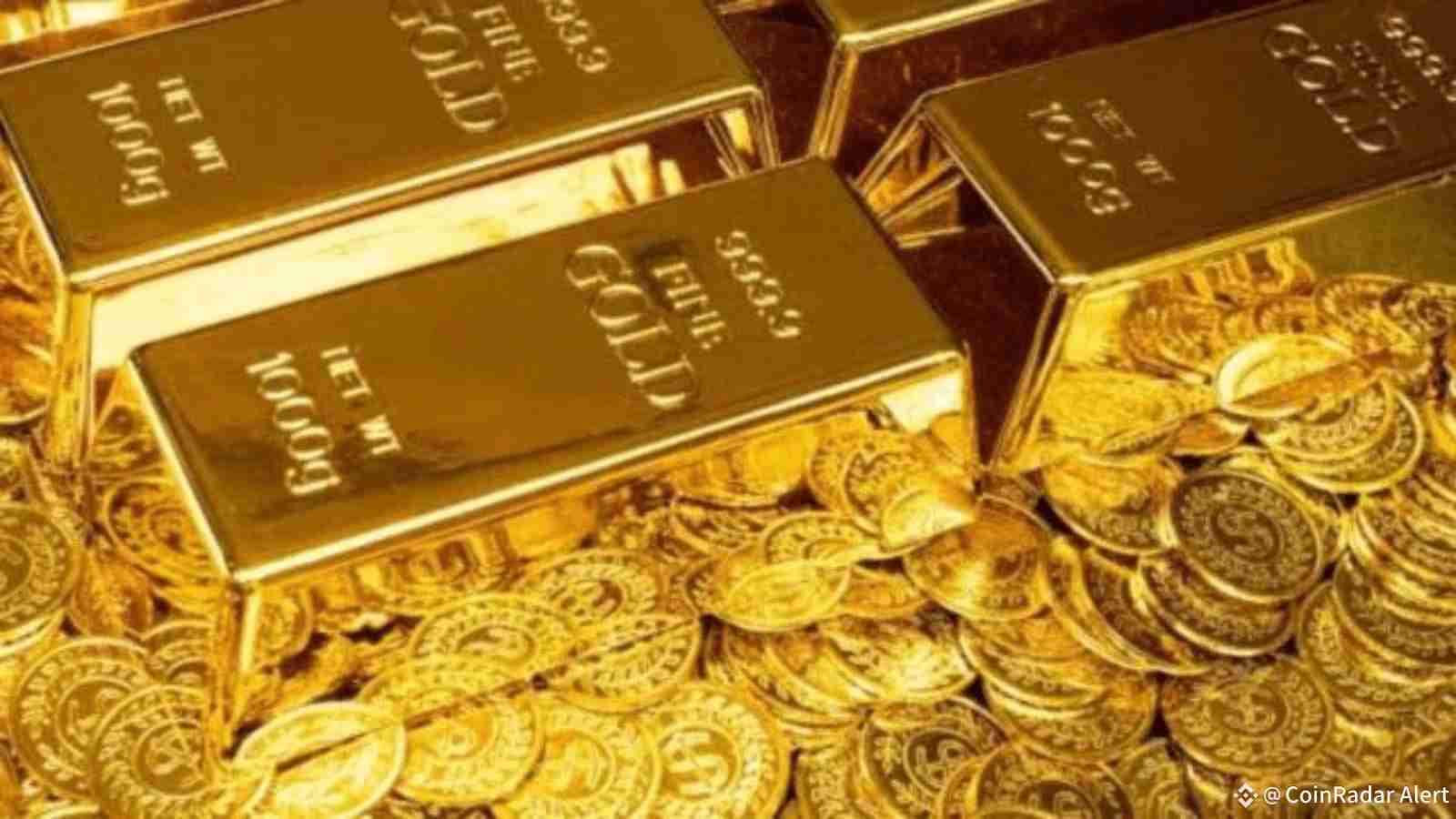
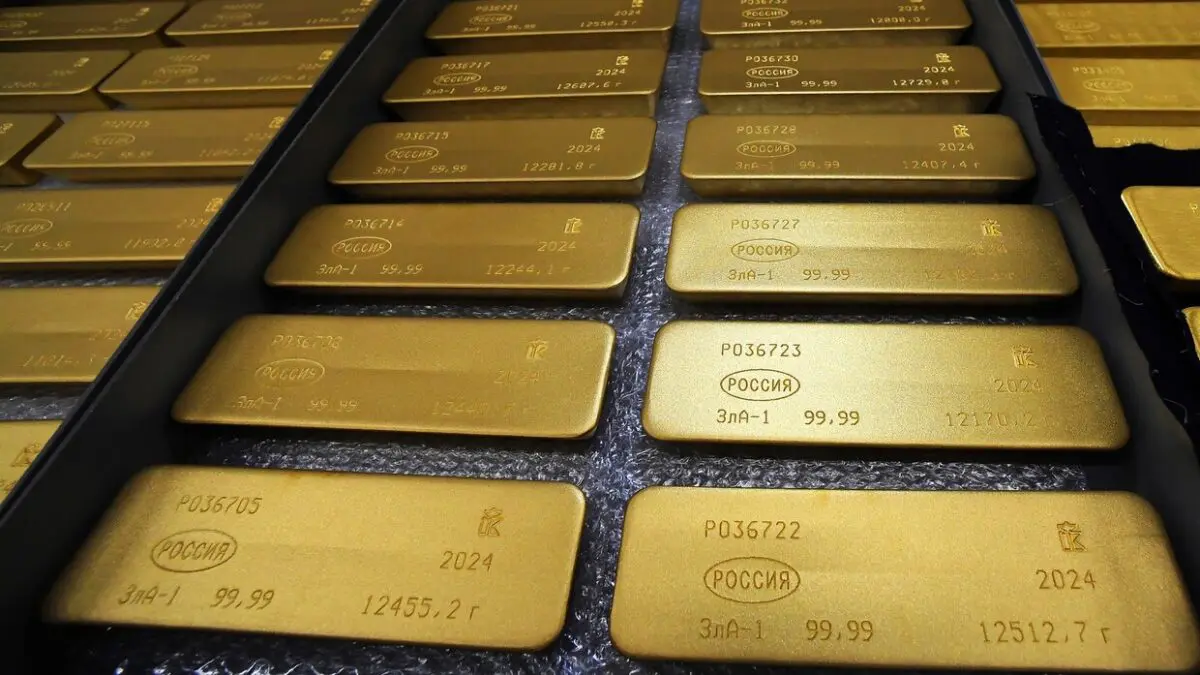
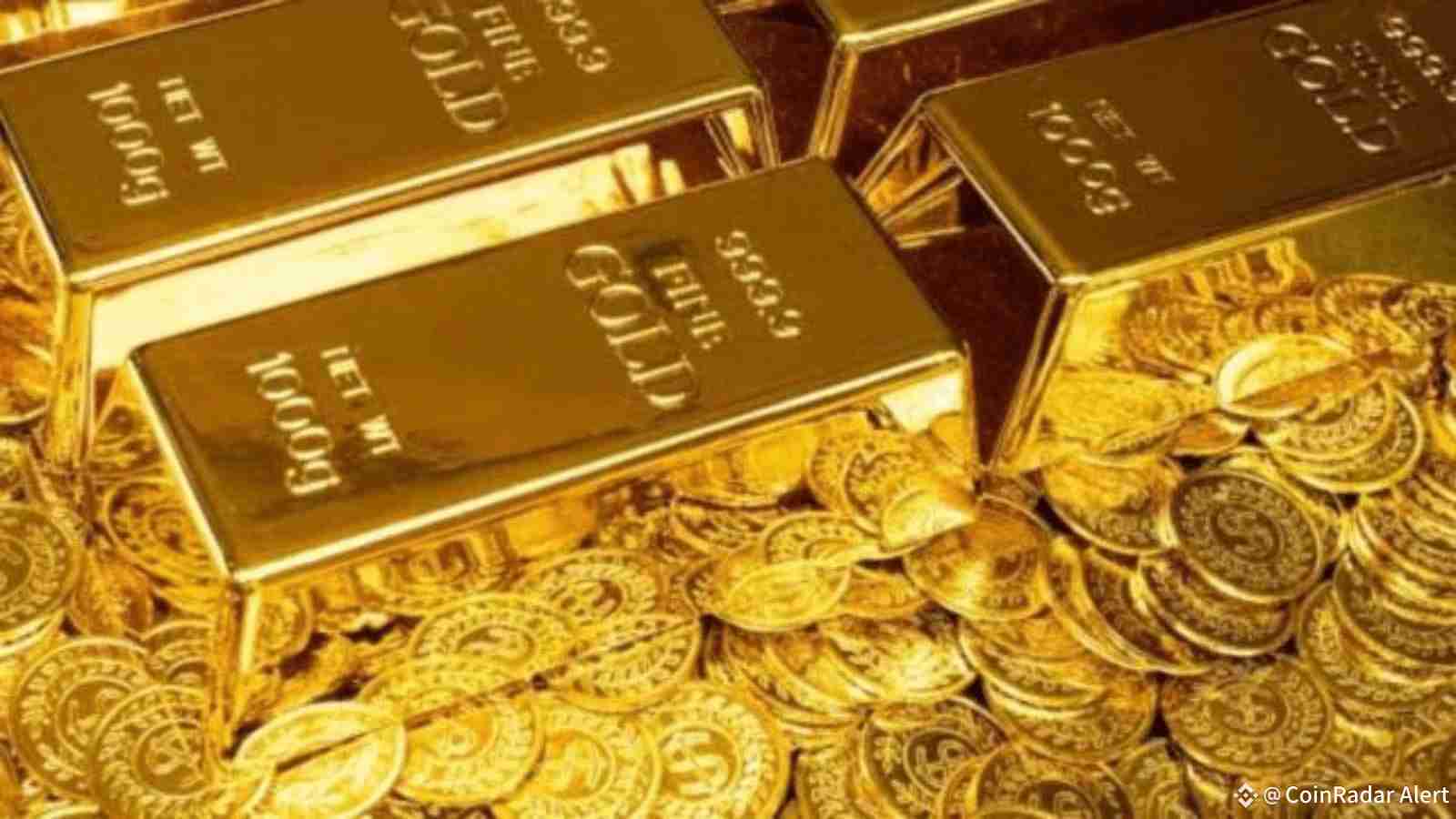
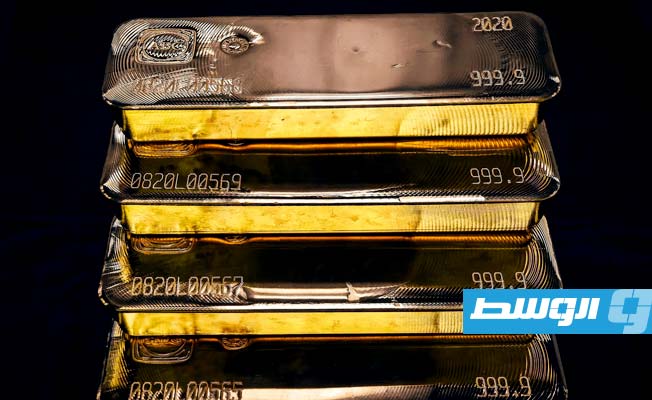
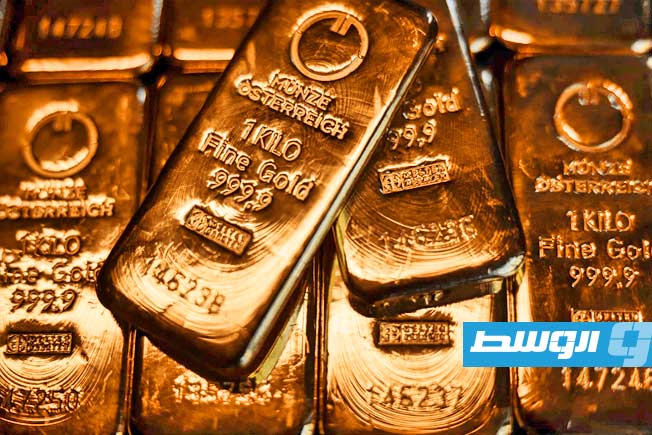
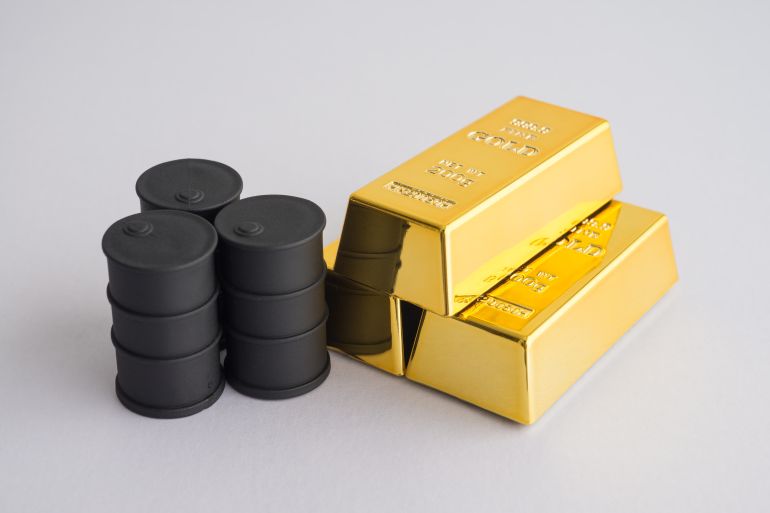
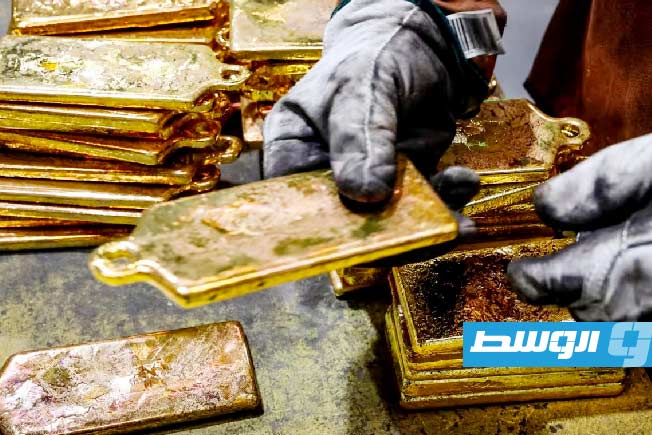
The central bank also revealed a deficit of about $7.8 billion in November, attributing it to the continued decline in oil revenues since September. It noted that covering this deficit relied on investment returns, deposits, and gold; temporary measures that do not address the root causes of the crisis.
Europe
Europe is a continent with a rich and complex history, shaped by ancient civilizations like Greece and Rome, the Middle Ages, the Renaissance, and periods of both conflict and cooperation. Its cultural landscape is defined by a vast array of historic sites, artistic movements, and diverse languages and traditions that have had a profound global influence.
Libya
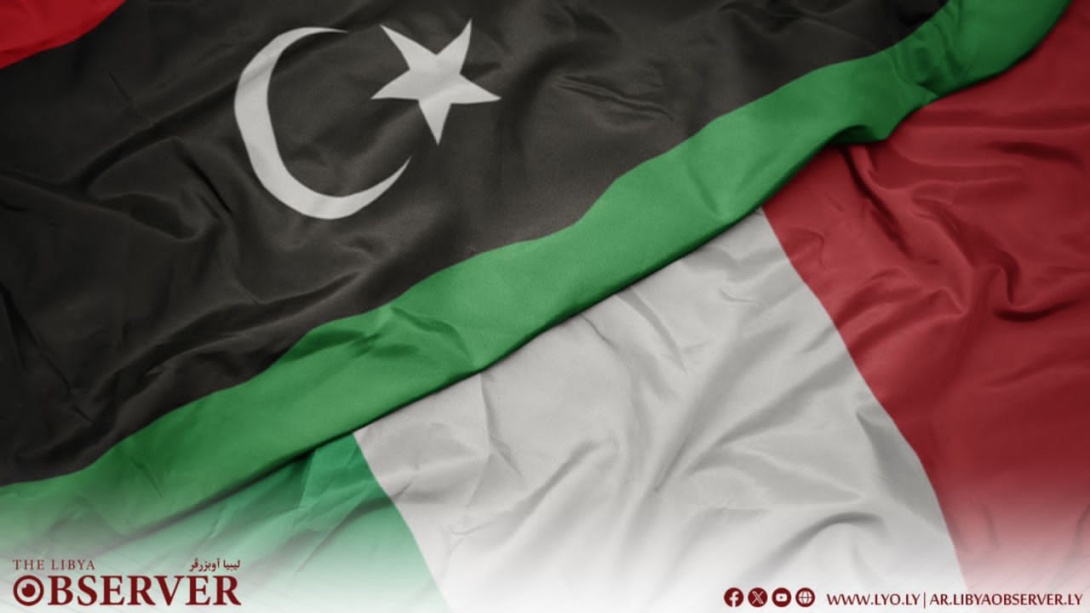
Libya is a North African country with a rich history rooted in ancient civilizations like the Phoenicians and Romans, followed by centuries of Arab and Ottoman influence. In the modern era, it was an Italian colony before gaining independence in 1951, later becoming known for Muammar Gaddafi’s lengthy rule from 1969 until the 2011 revolution. Its cultural sites include the well-preserved Roman ruins of Leptis Magna, a UNESCO World Heritage site.
Es Sider
Es Sider is a major oil port located on the coast of Libya. It was developed in the 1960s and has since been a crucial hub for the country’s petroleum exports. The facility has frequently been a focal point of conflict and blockades during periods of civil strife in Libya.
National Oil Corporation
The National Oil Corporation (NOC) is the state-owned oil company of Libya, established in 1970 to oversee the country’s petroleum sector. It manages all oil and gas production, exploration, and exports, playing a central role in Libya’s economy since the nationalization of its hydrocarbon industry.
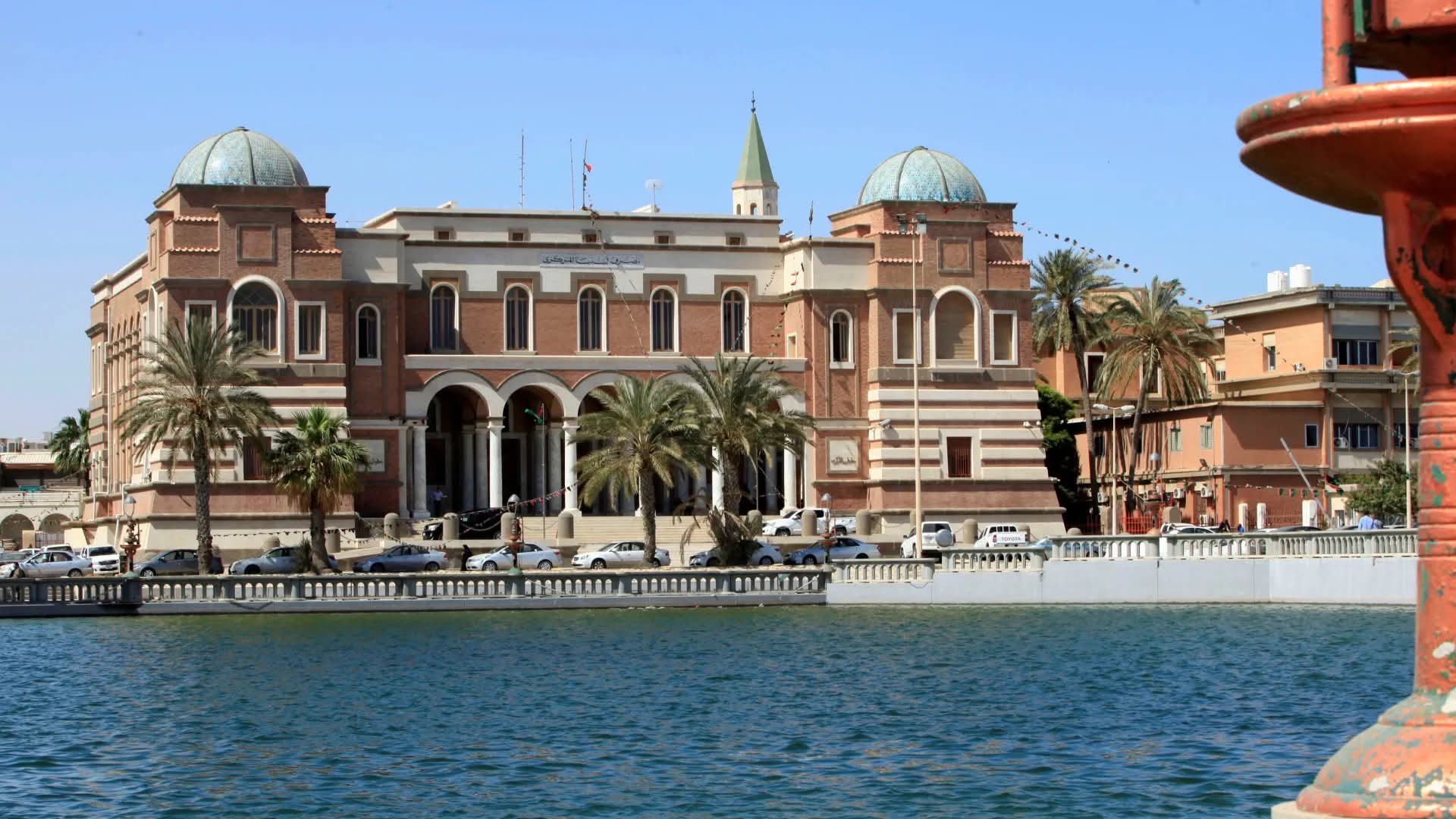
Central Bank of Libya
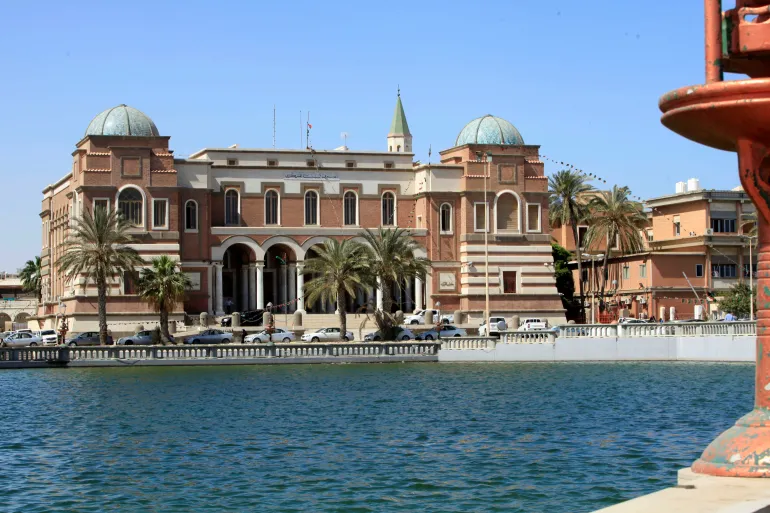
The Central Bank of Libya is the primary monetary authority of Libya, originally established in 1956 as the National Bank of Libya. It was later renamed and has played a critical, often divisive role in the country’s governance and economy, especially following the 2011 civil war when parallel institutions emerged in the east and west.