
A scientific study revealed that exposure to air pollutants at an early age increases the risk of children developing high blood pressure during their school years.
It was found that fine particles in the air can infiltrate the body during the fetal stage and after birth, affecting a child’s blood pressure during school age and even long-term heart health.
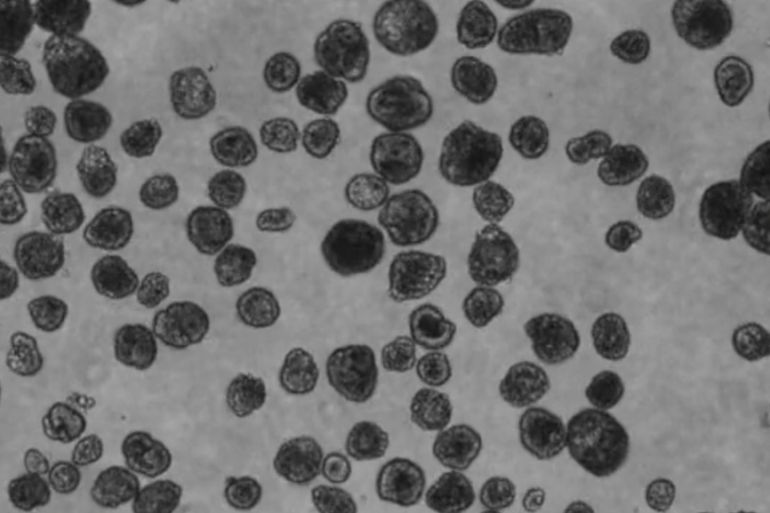
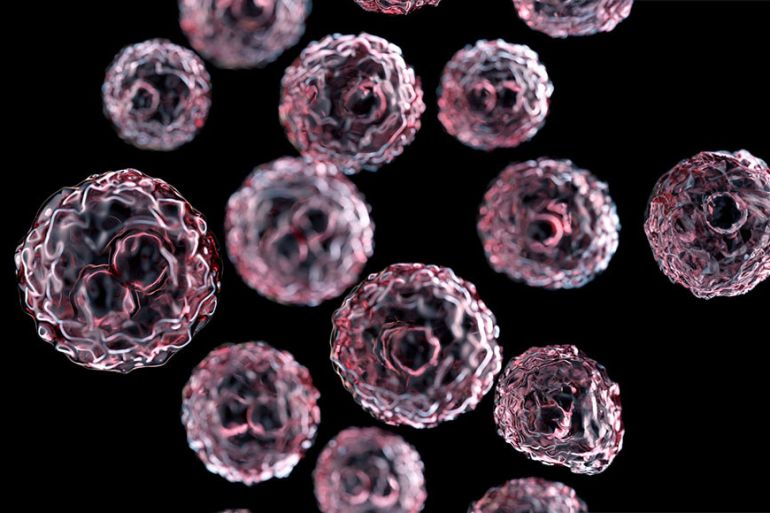
It was explained that fine particles are a type of pollutant formed in the air, and exposure to them, even at low levels, affects children’s health in the long term.
The study included more than 4,800 children aged between 5 and 12 years. The research measured their blood pressure levels and compared them to their level of exposure to air pollution during pregnancy and the first two years of life.
It was noted that exposure to air pollution before and immediately after birth is linked to increased blood pressure, particularly systolic pressure.
The study also showed that exposure to nitrogen dioxide, especially in the later stages of pregnancy, is associated with partially lower blood pressure in children, but further research in this area is deemed necessary.
These findings are considered particularly concerning, especially since the rates of high blood pressure in children have risen by approximately 80 percent over the past two decades.