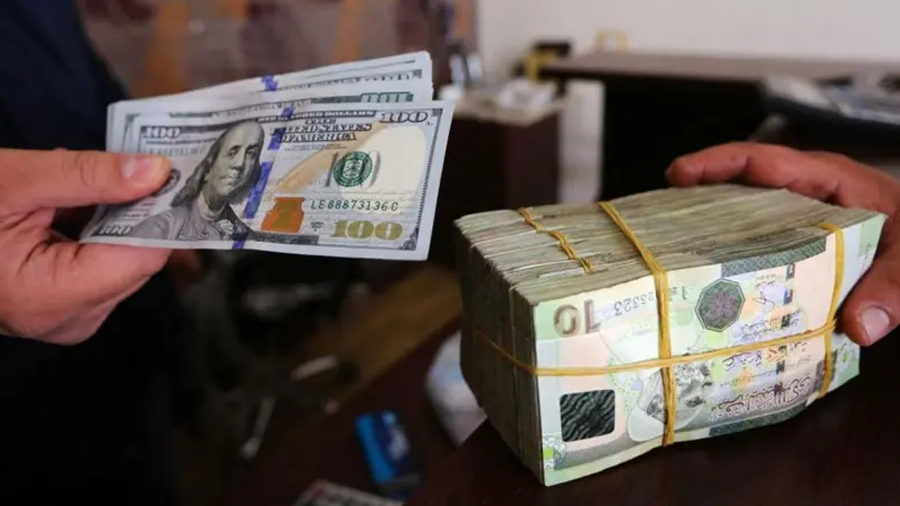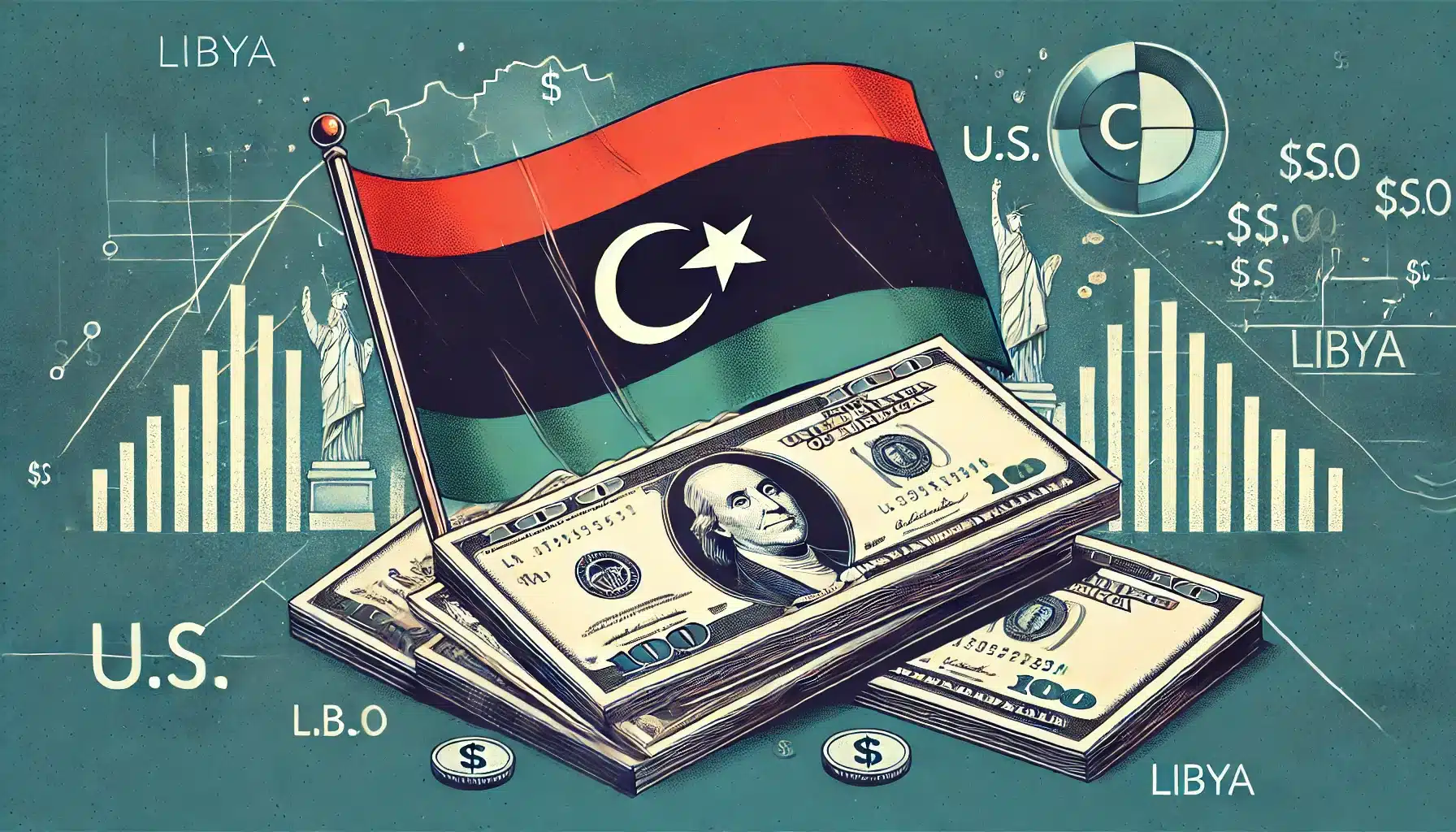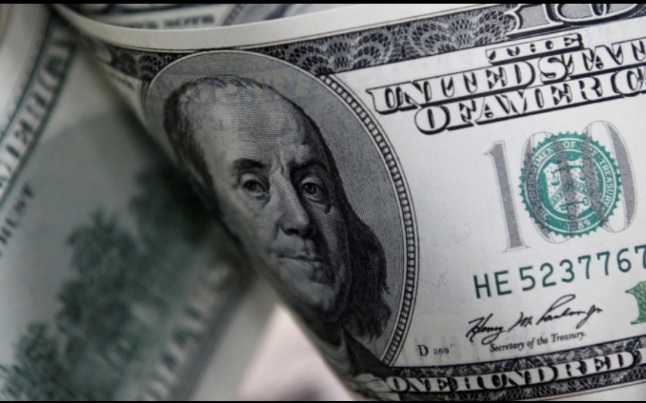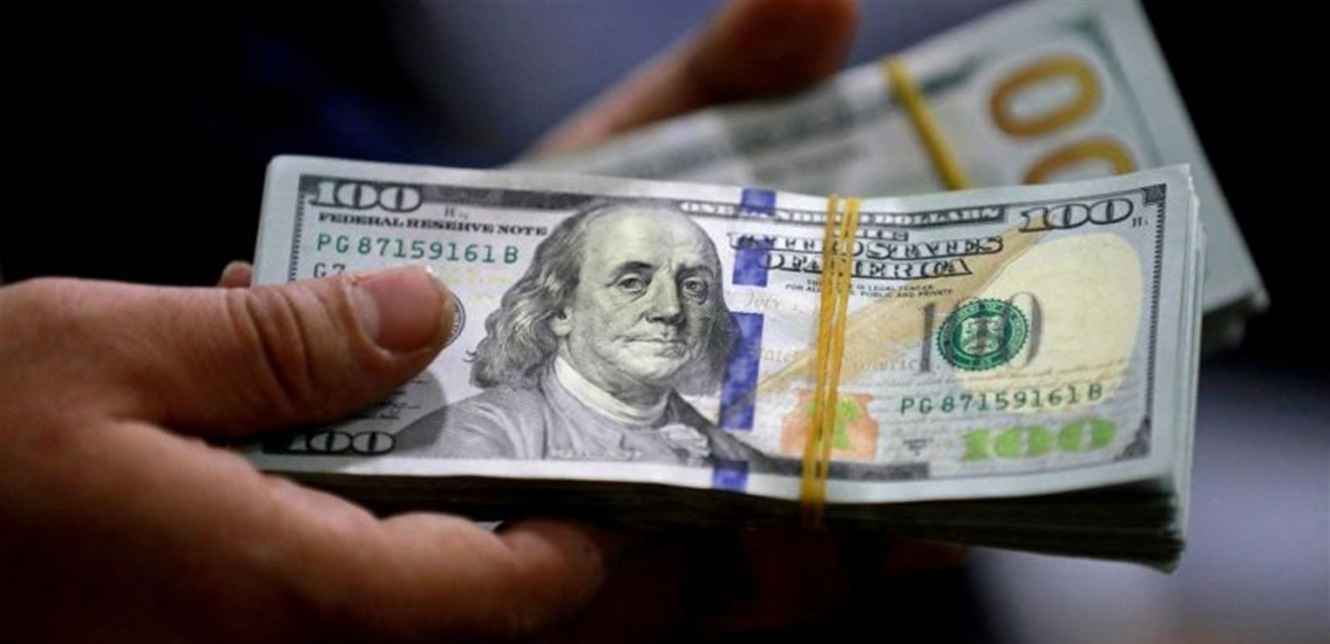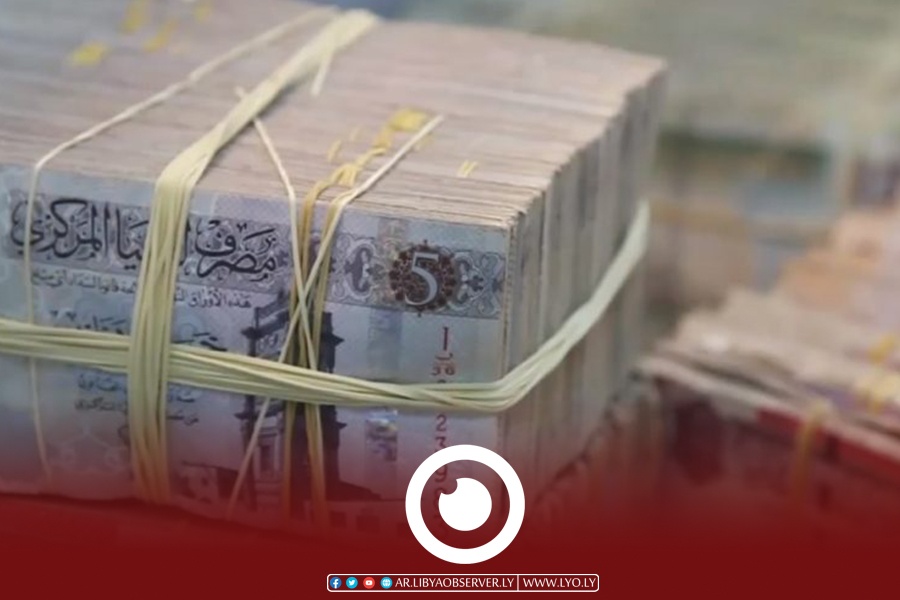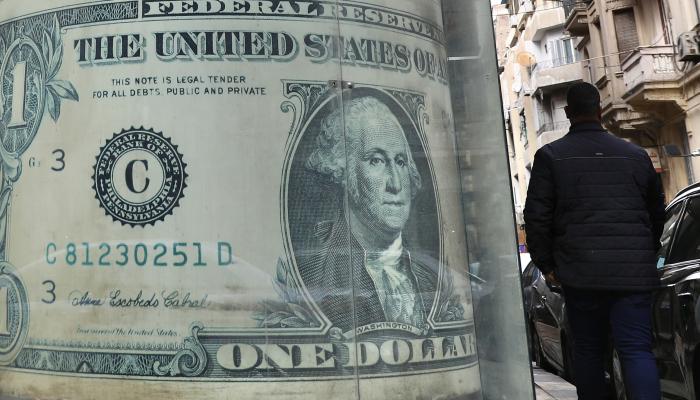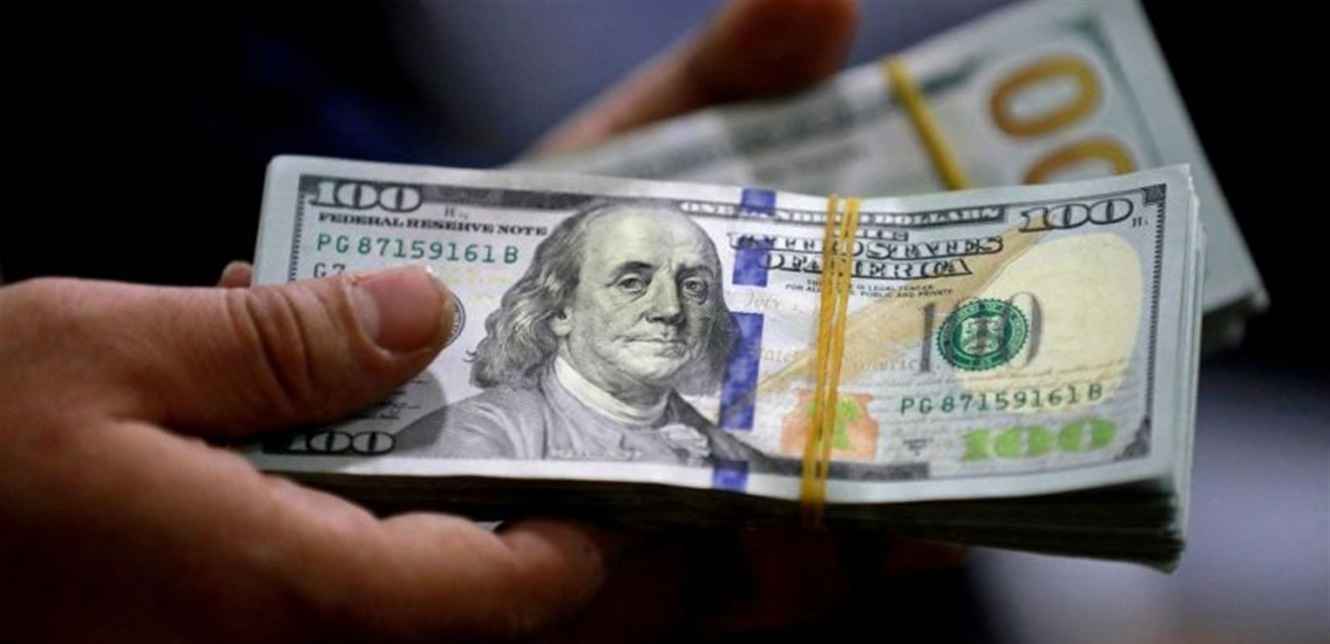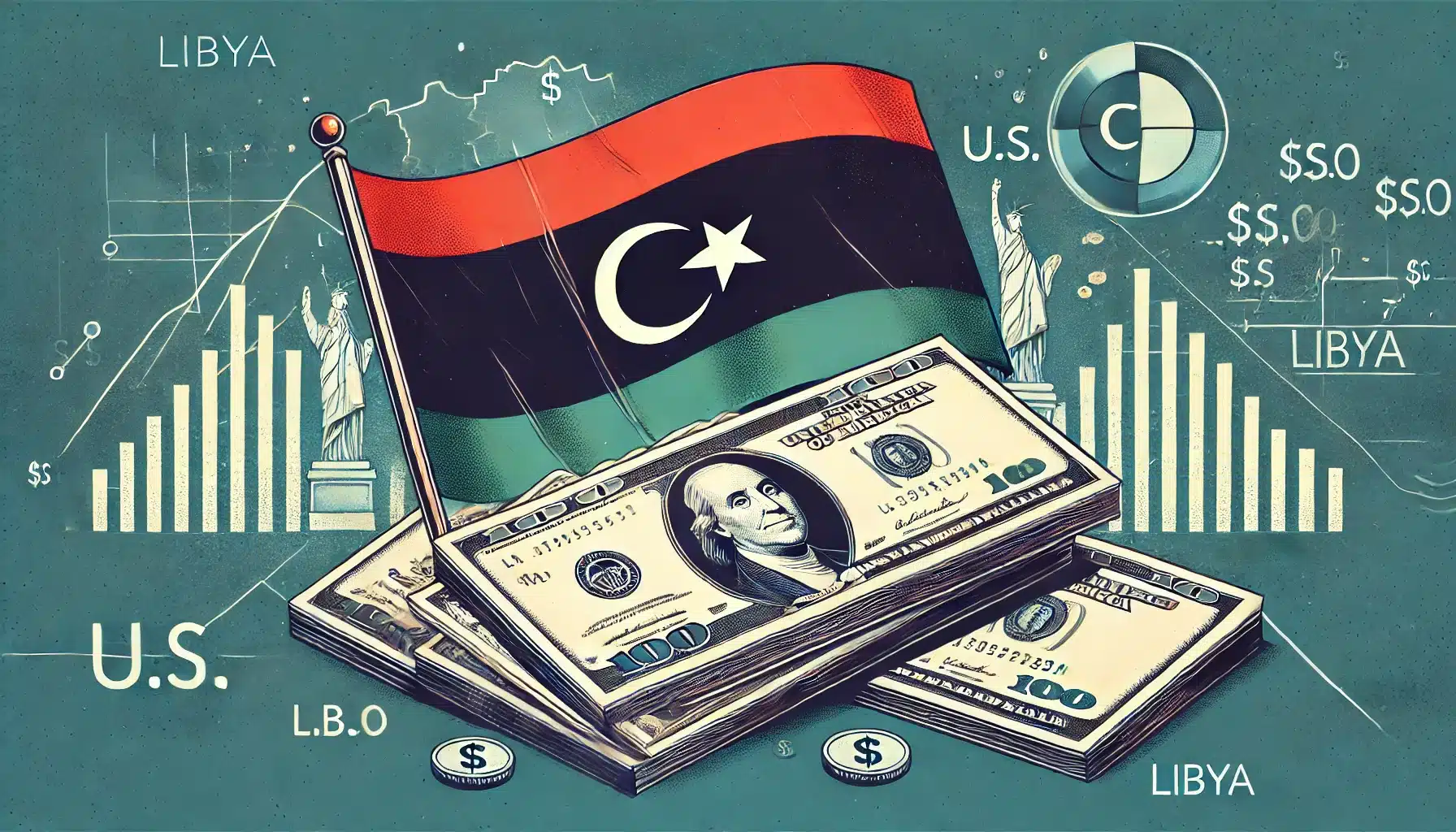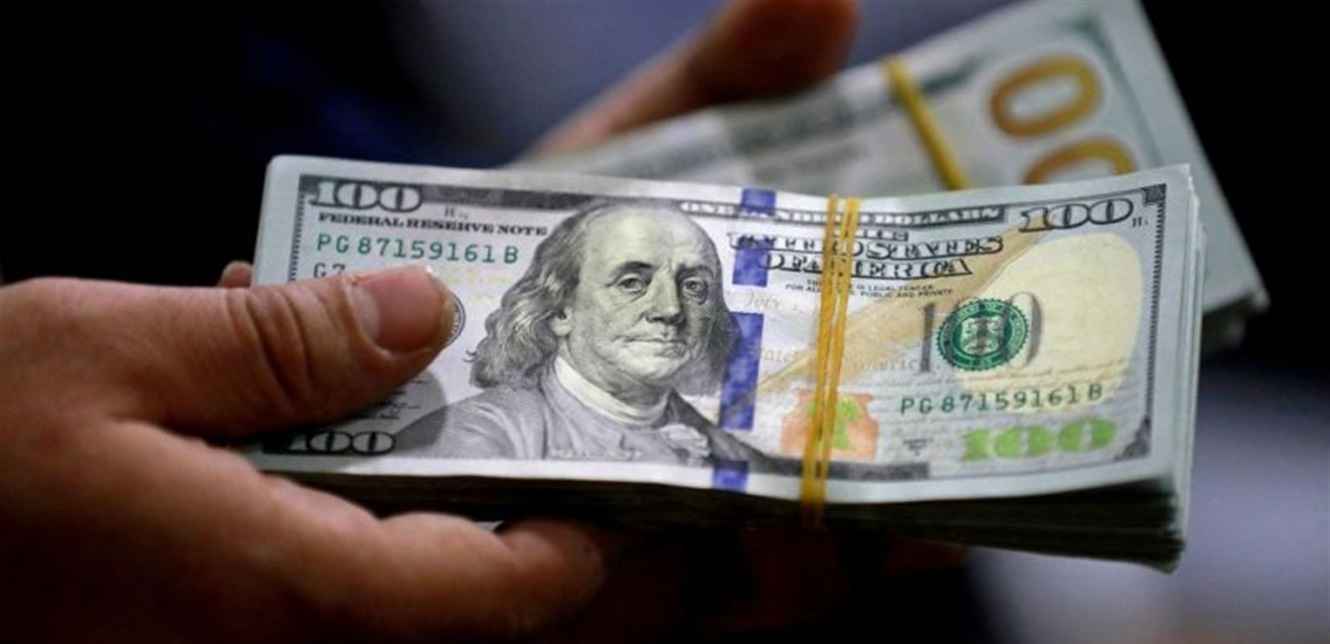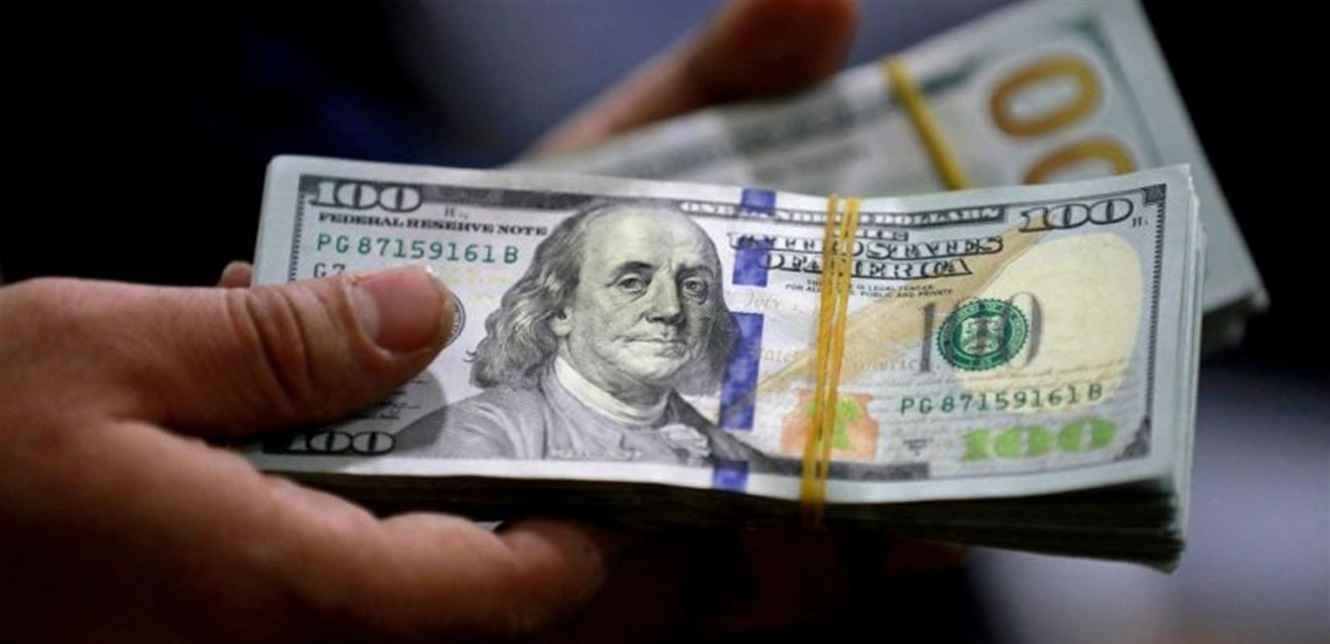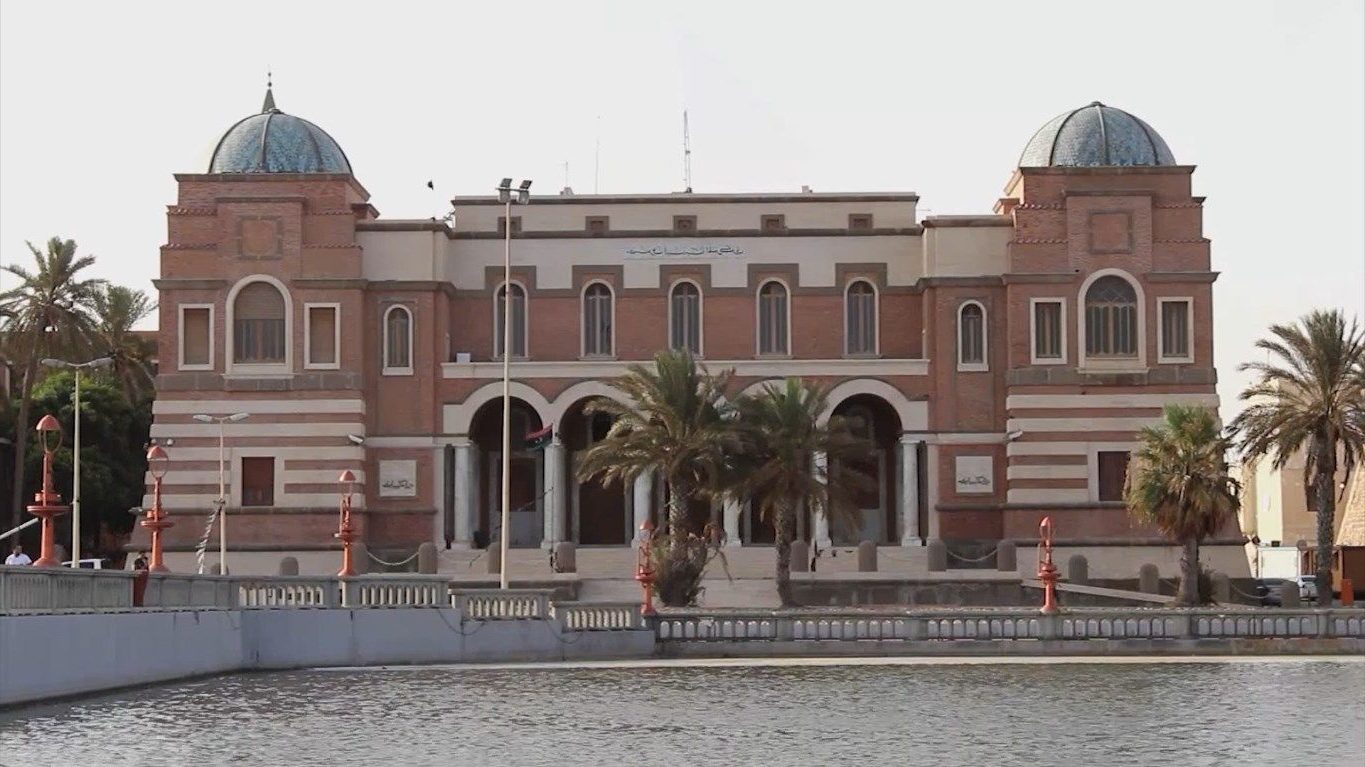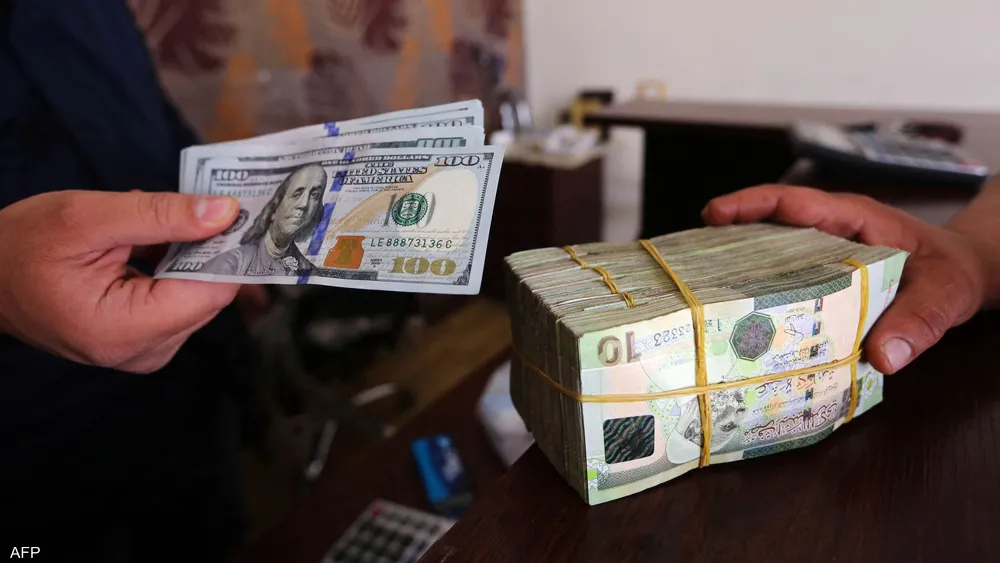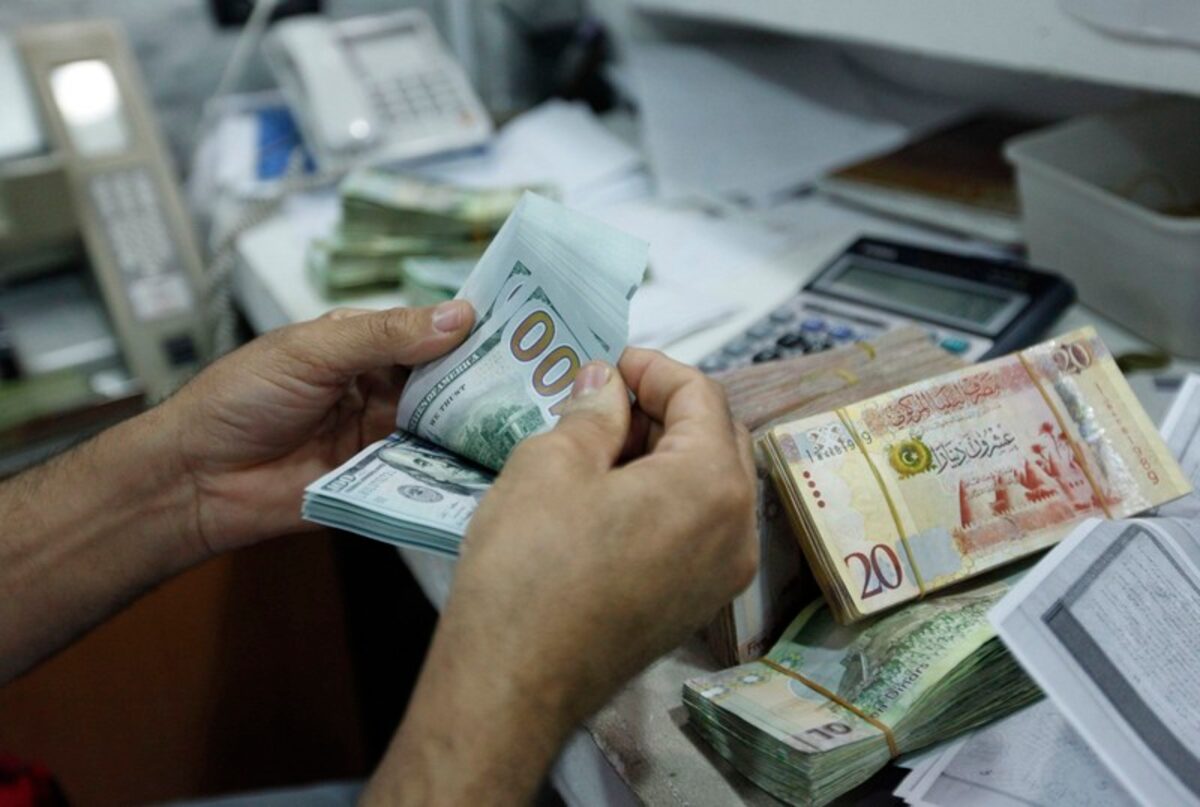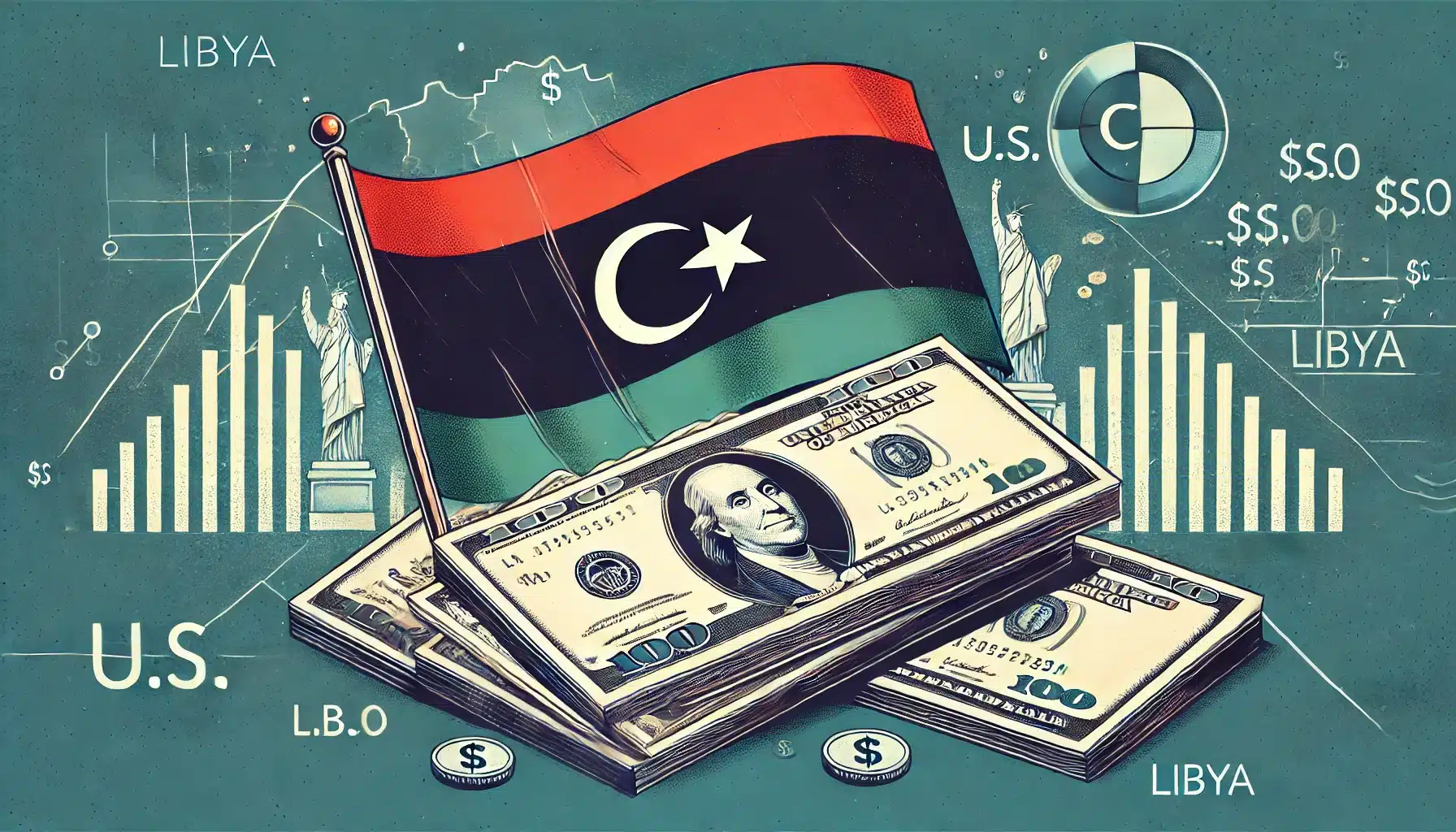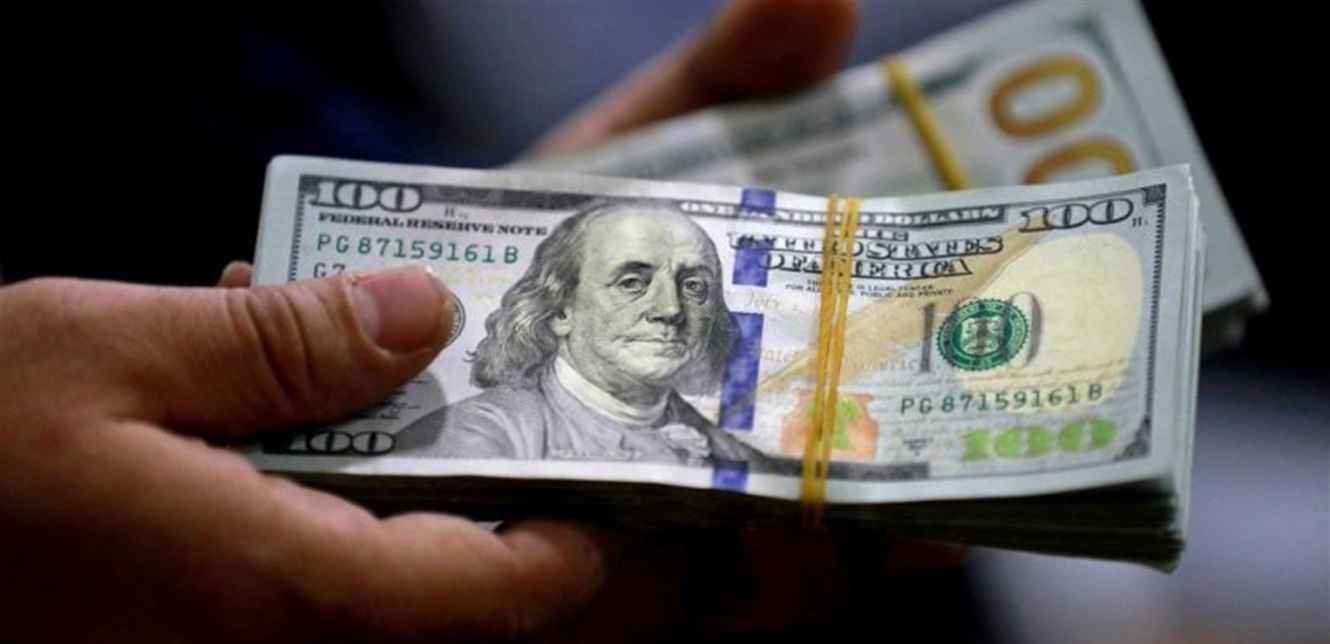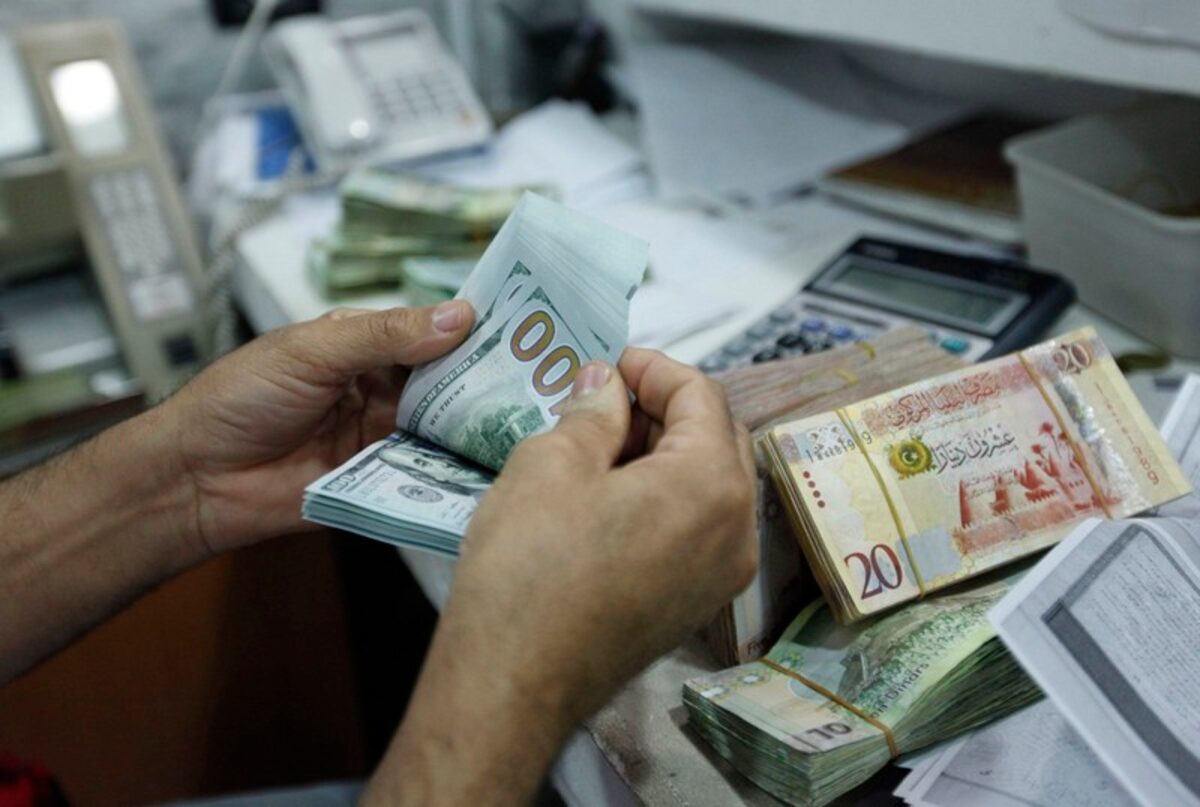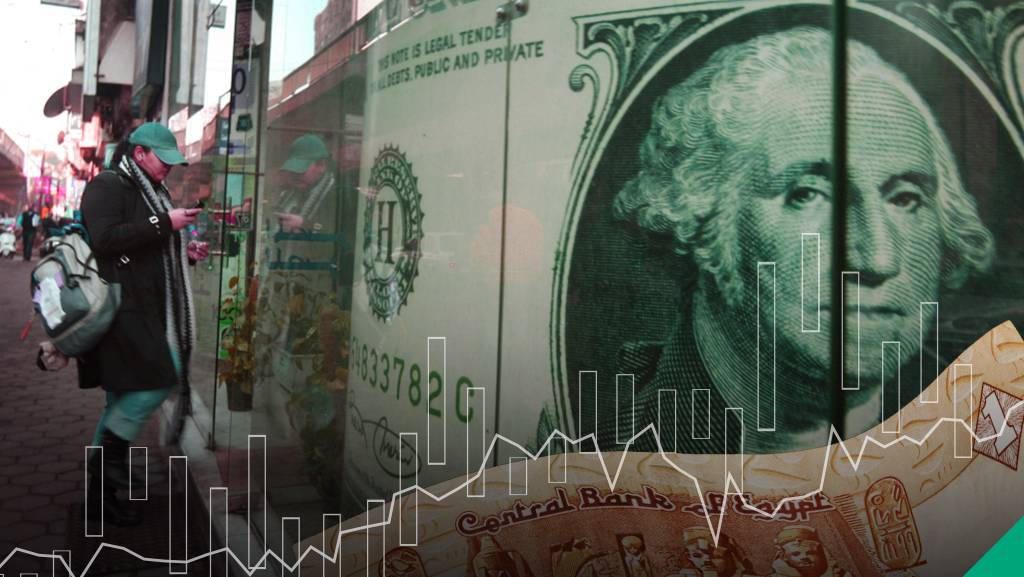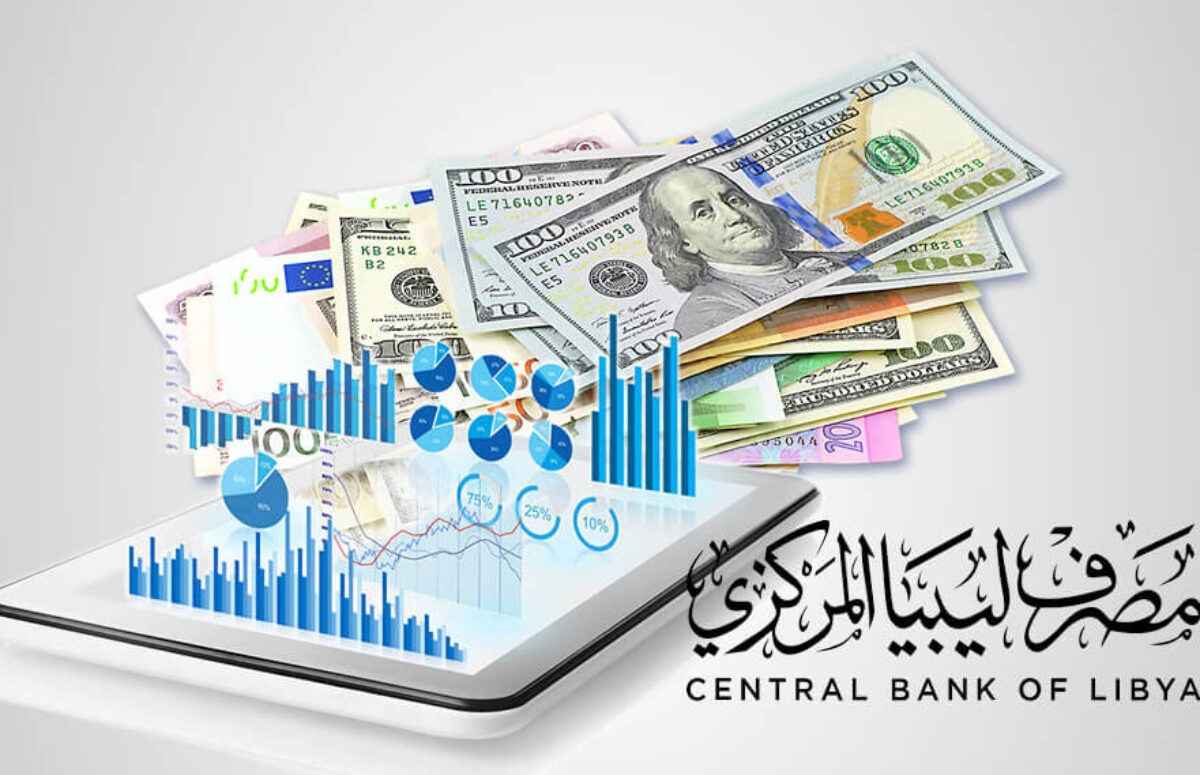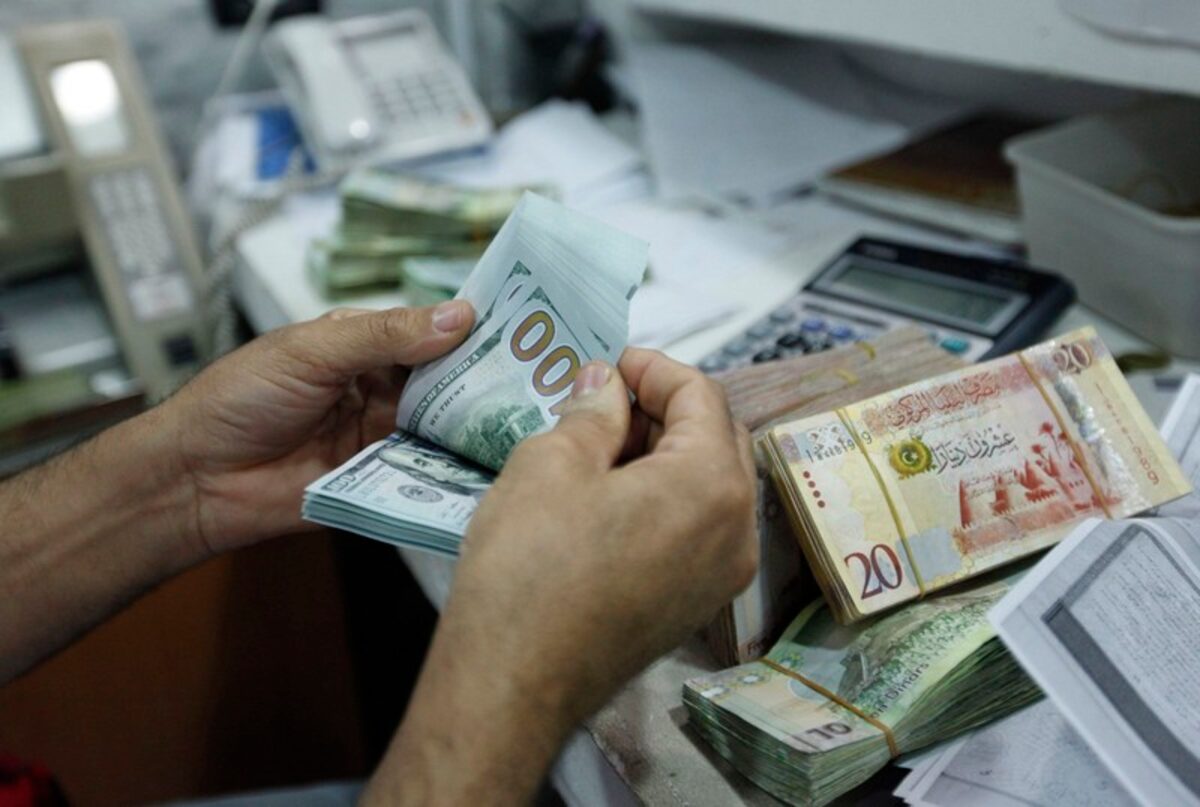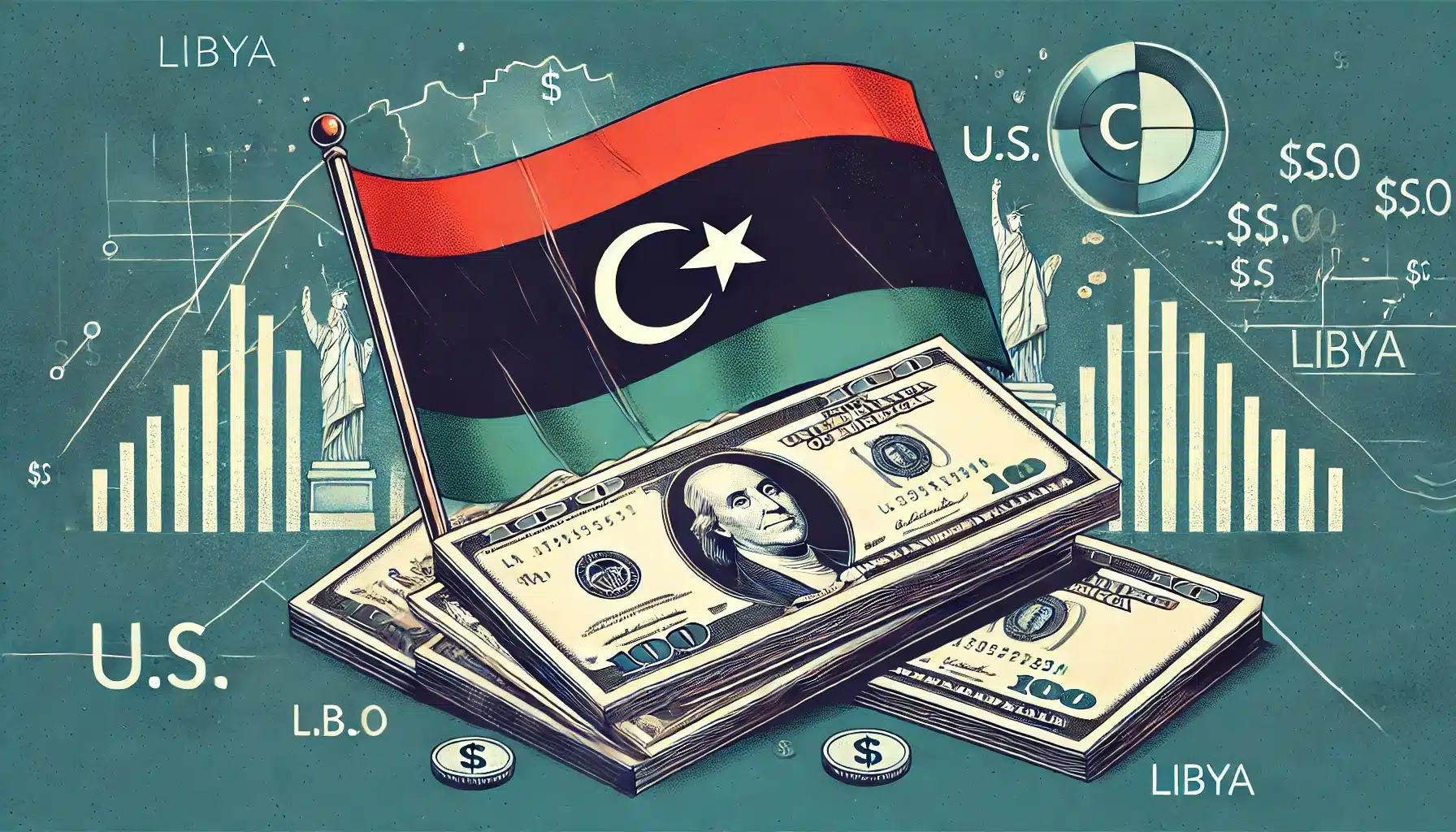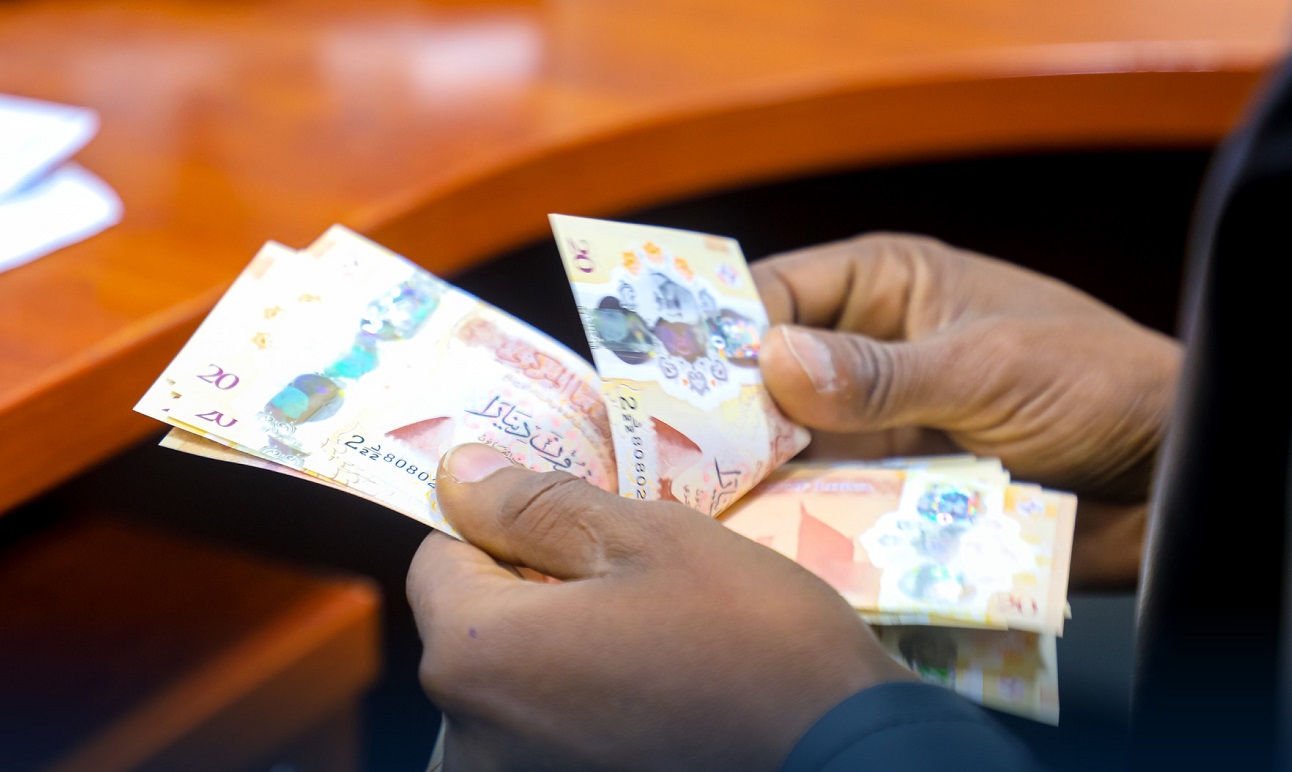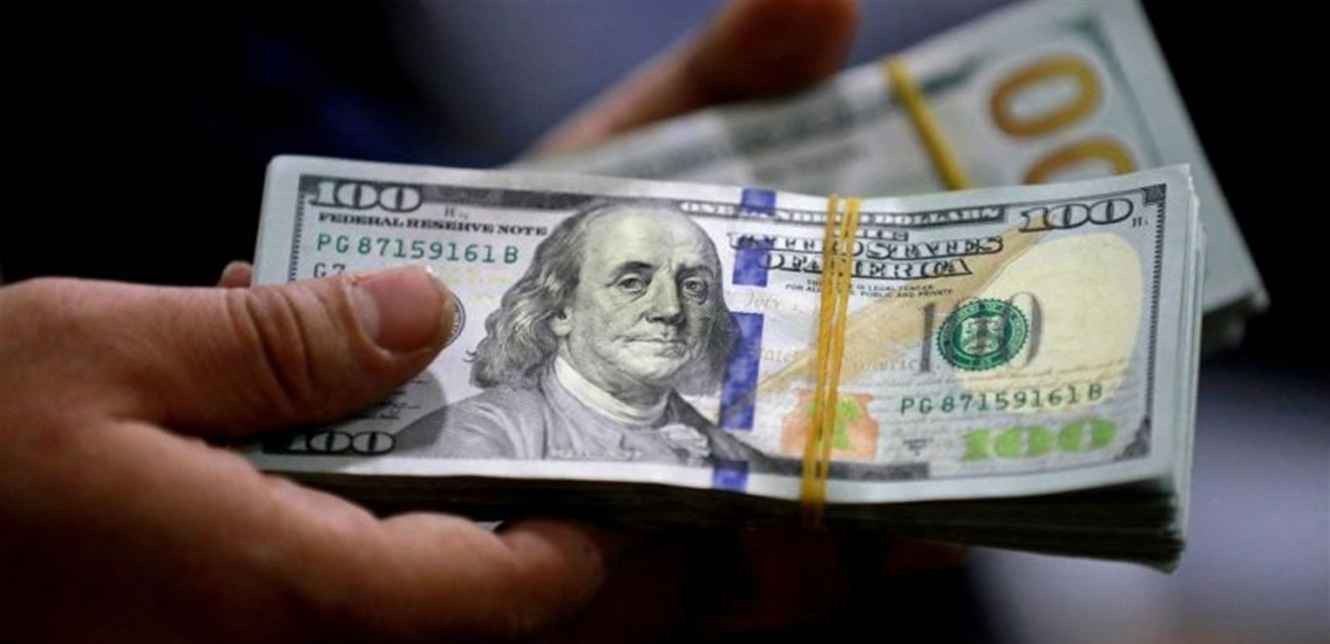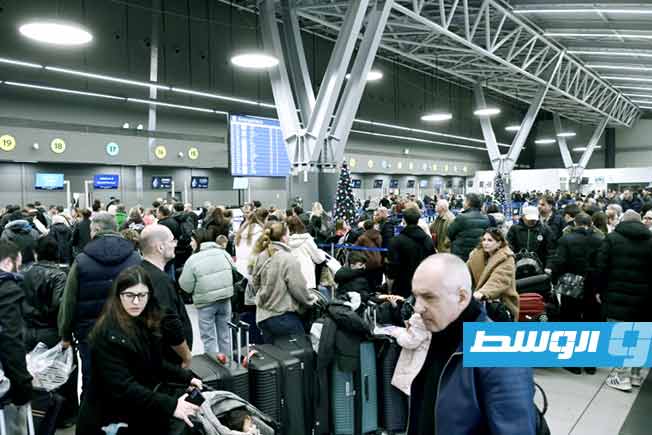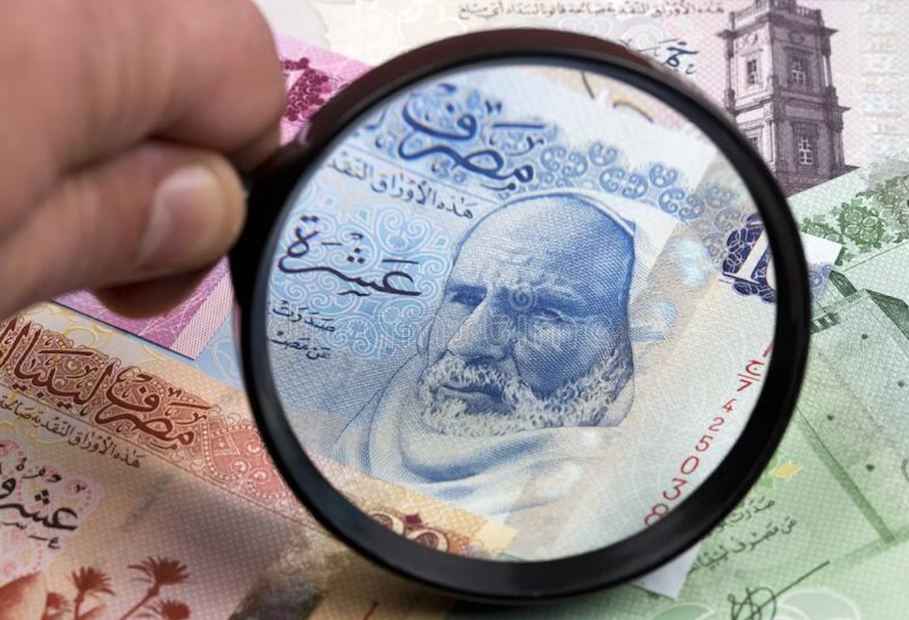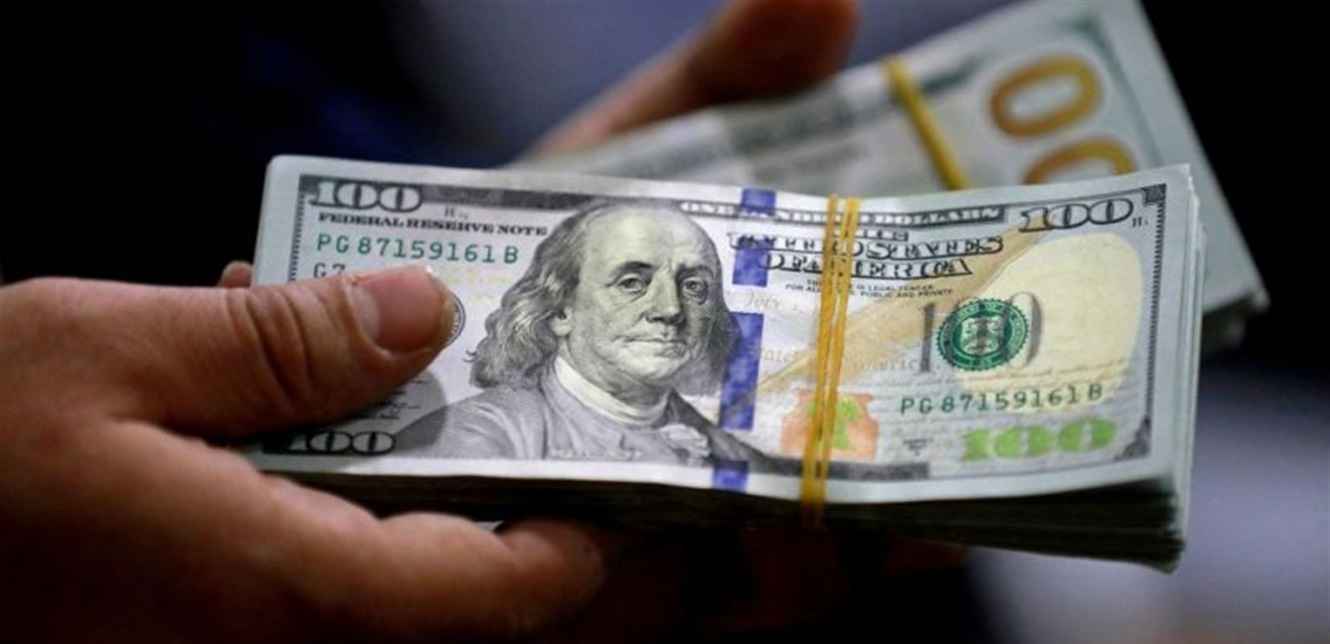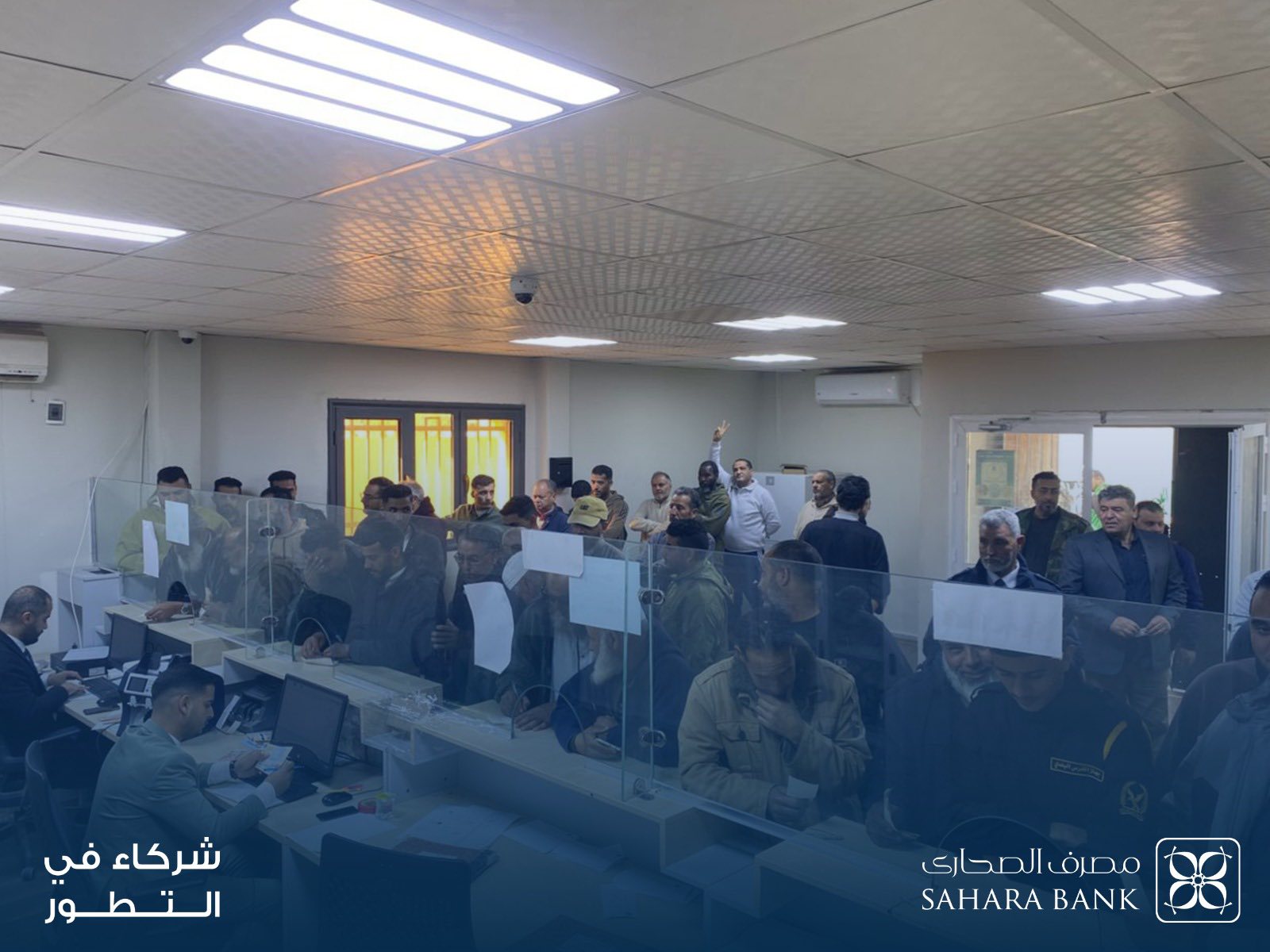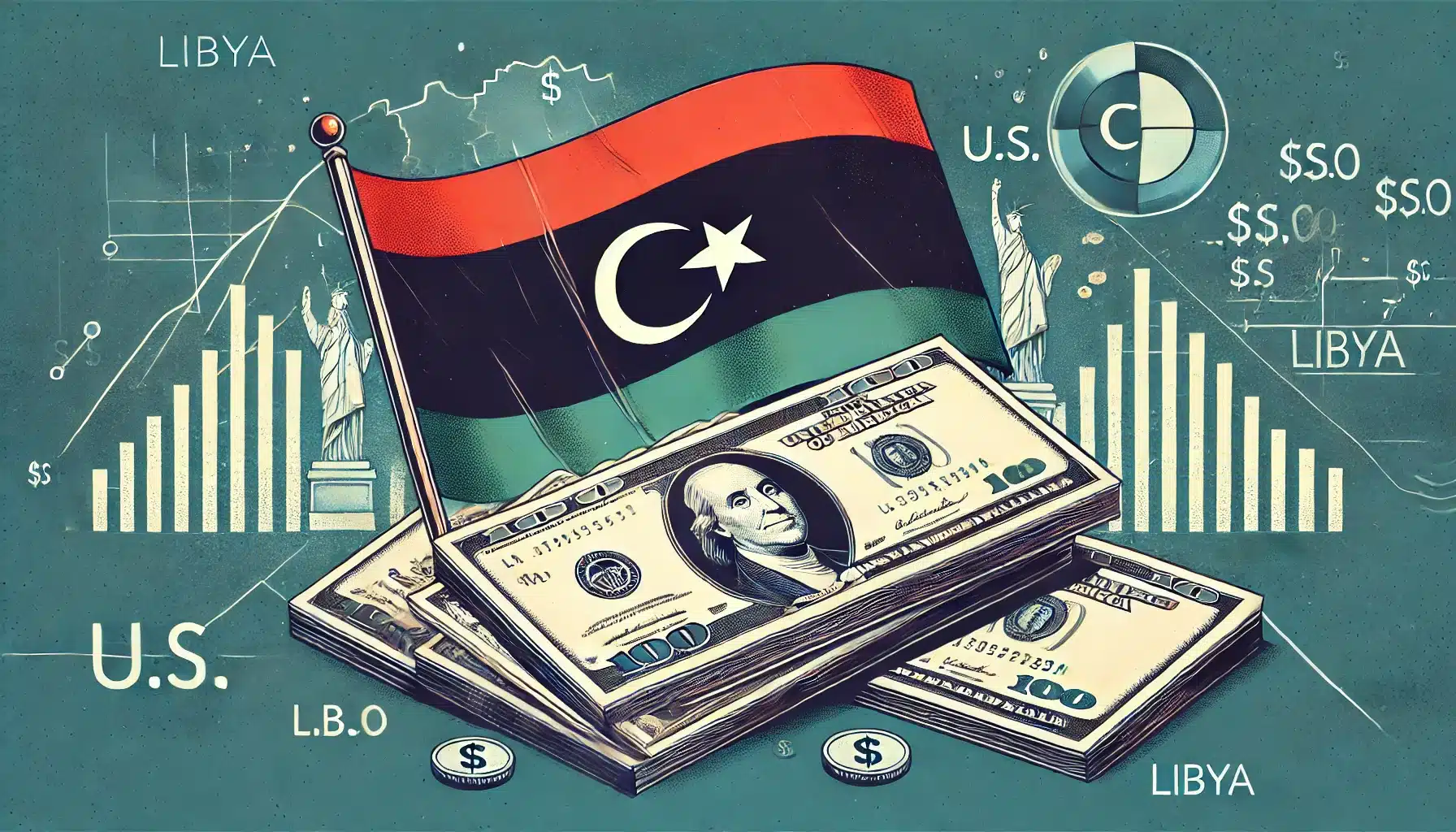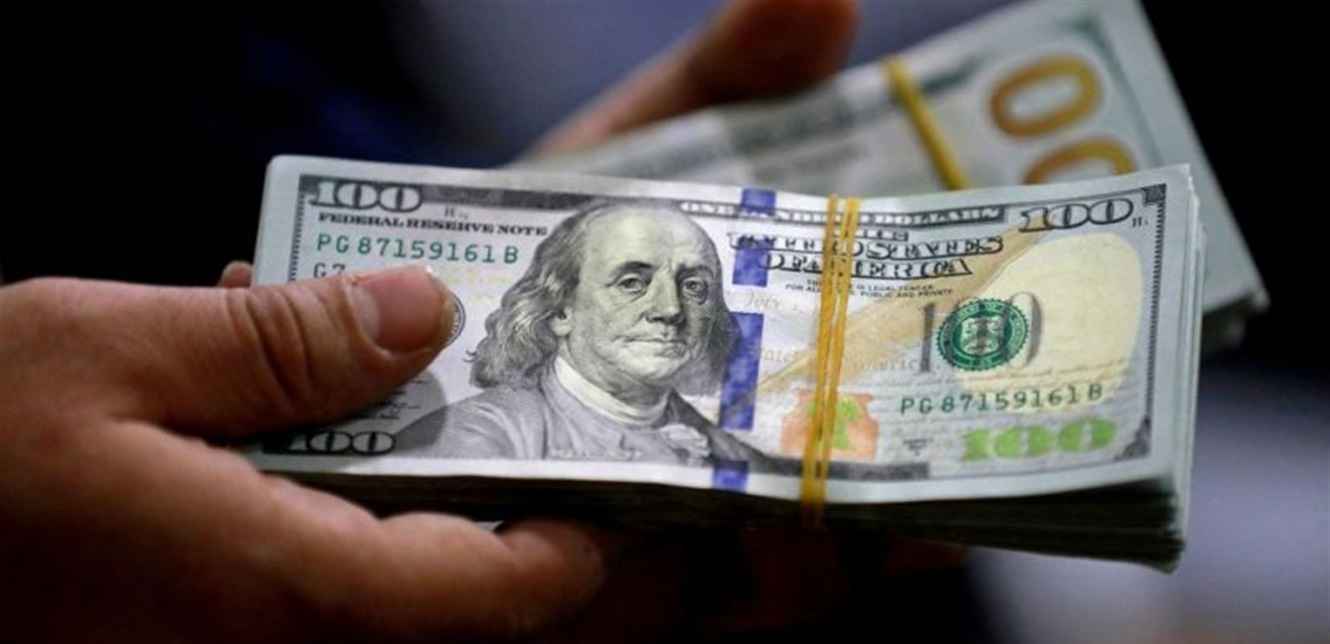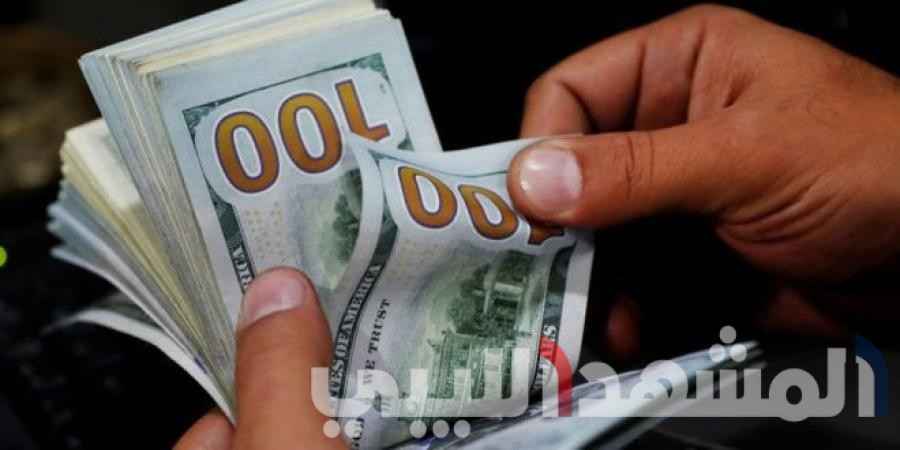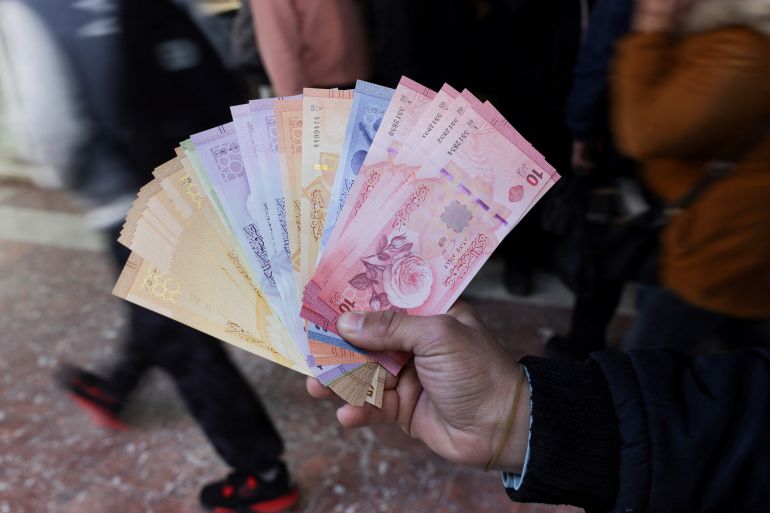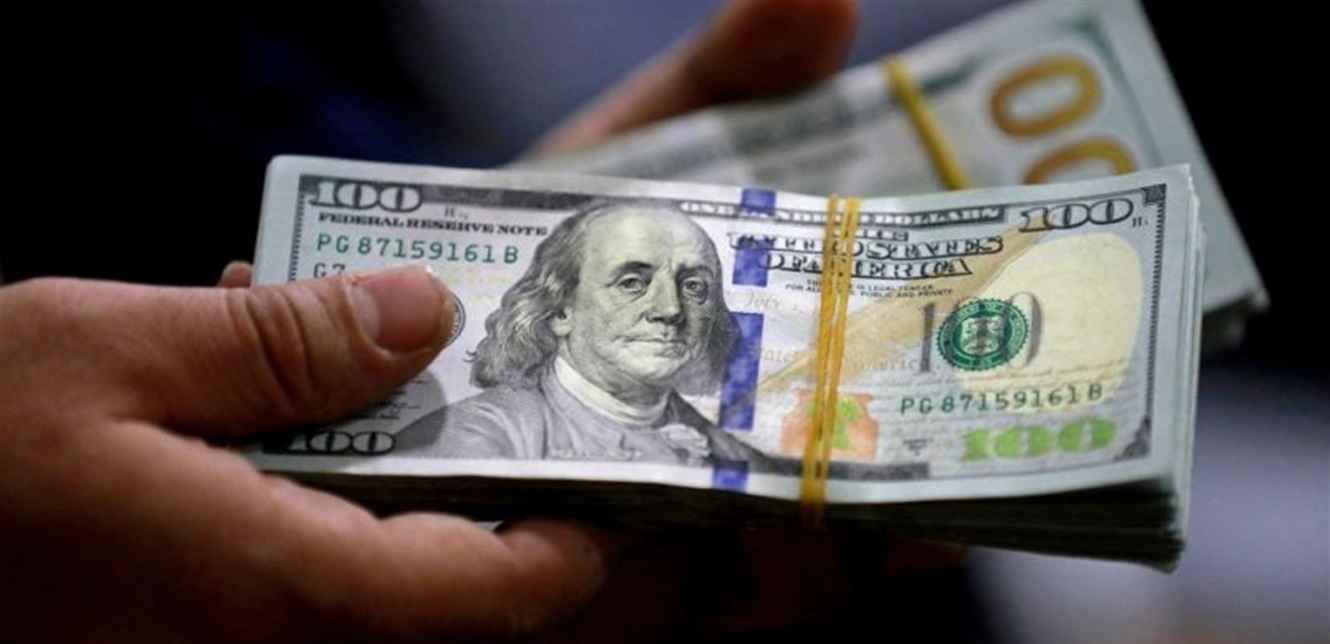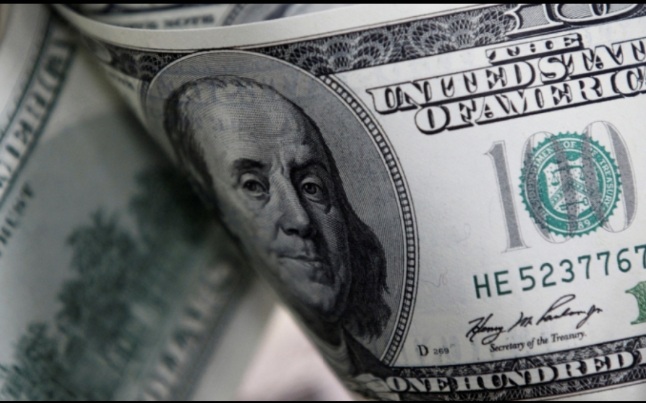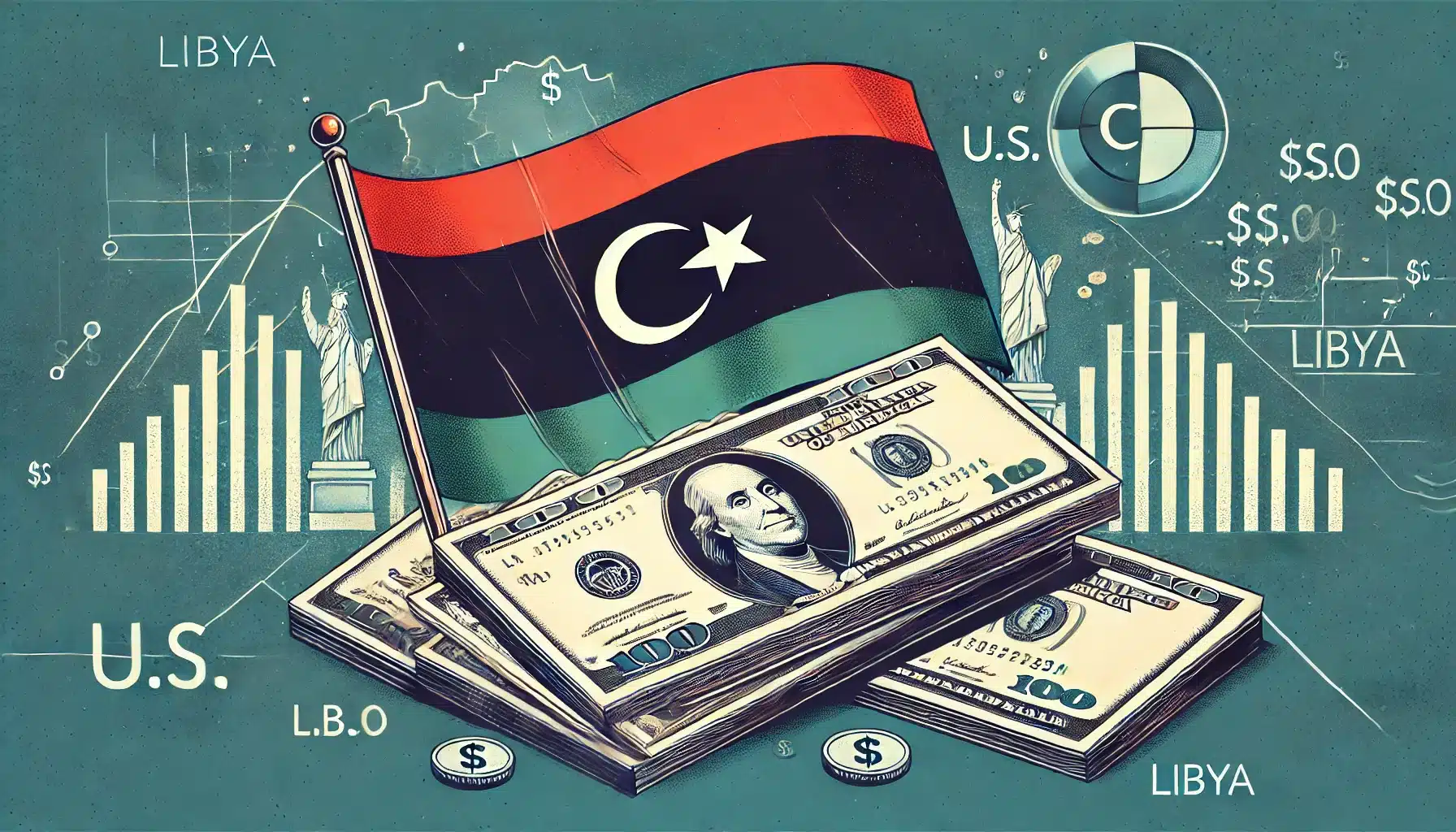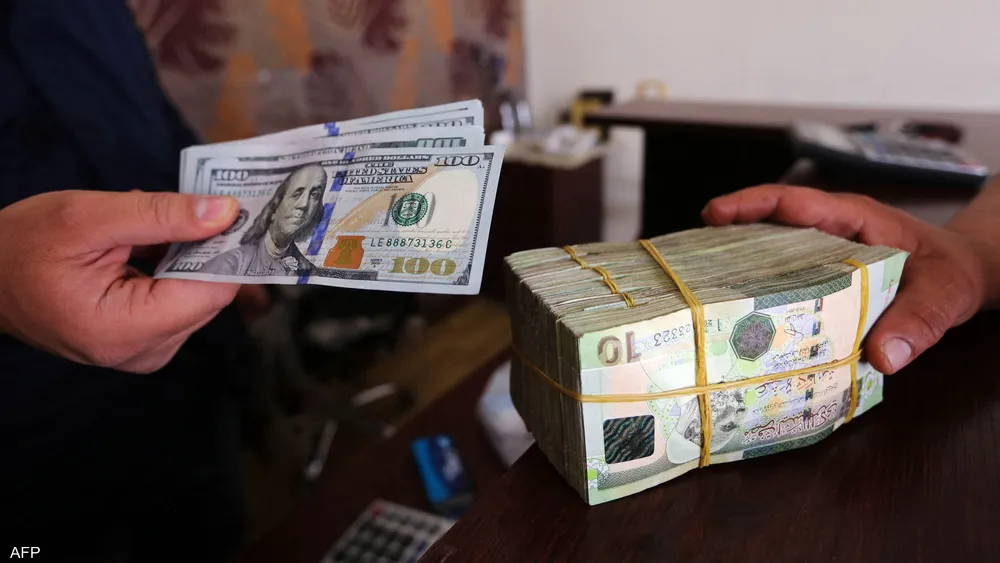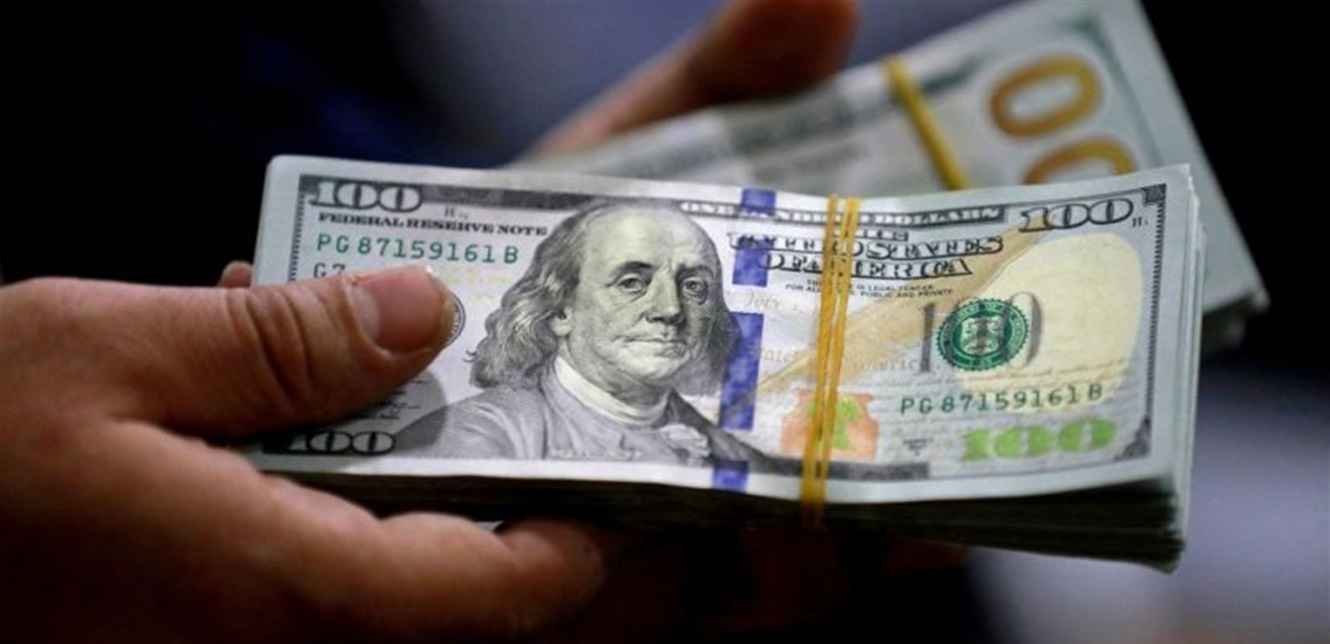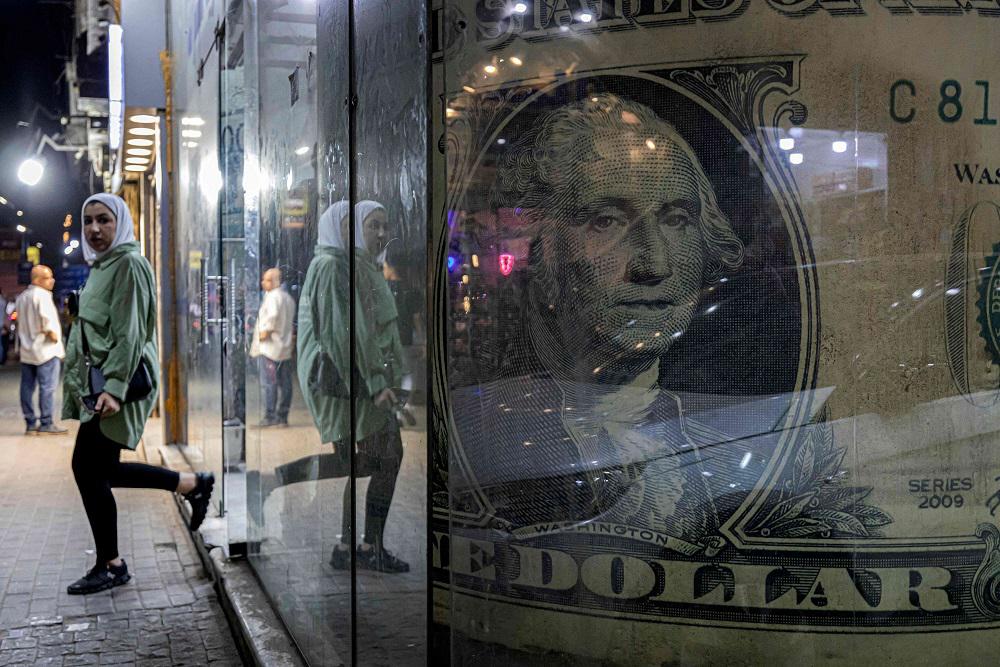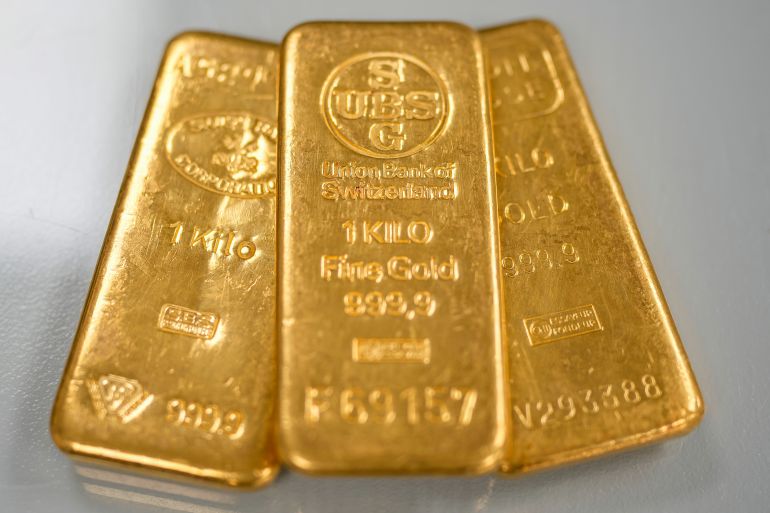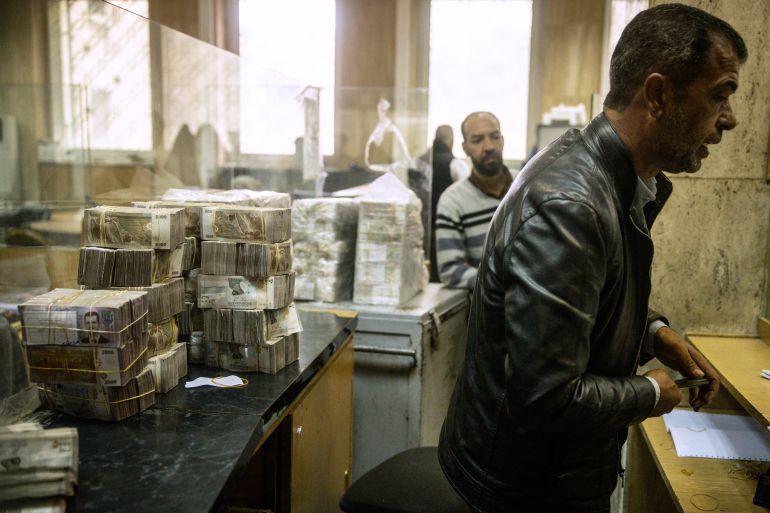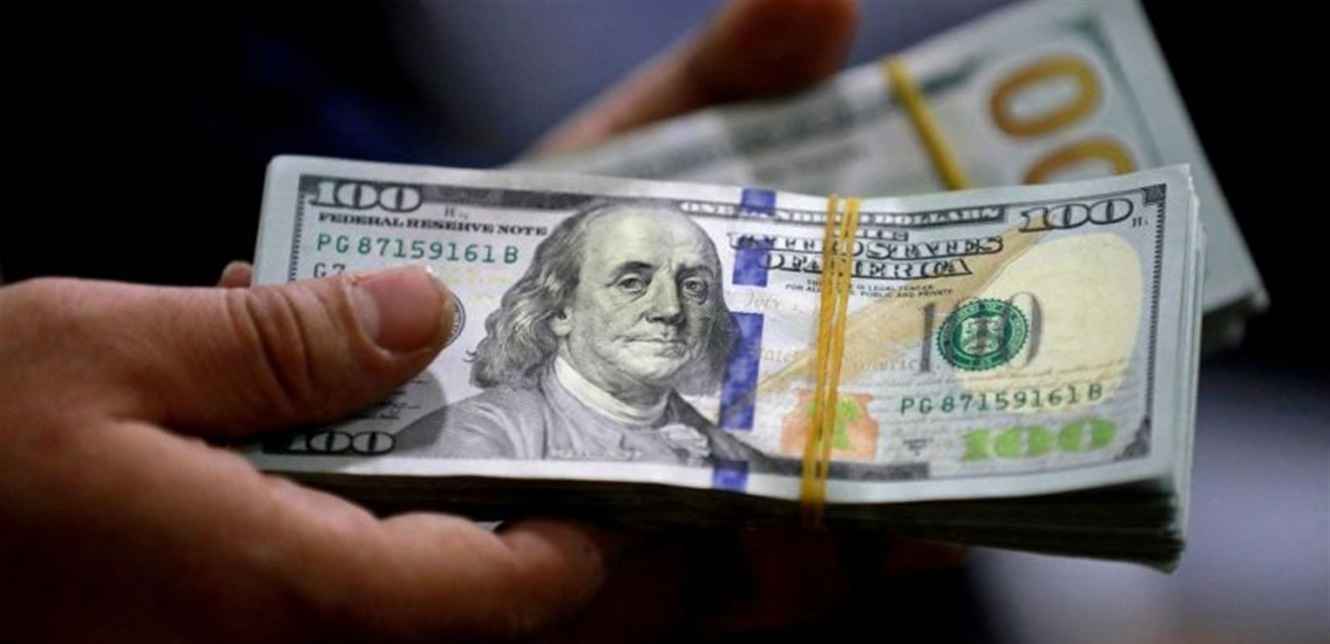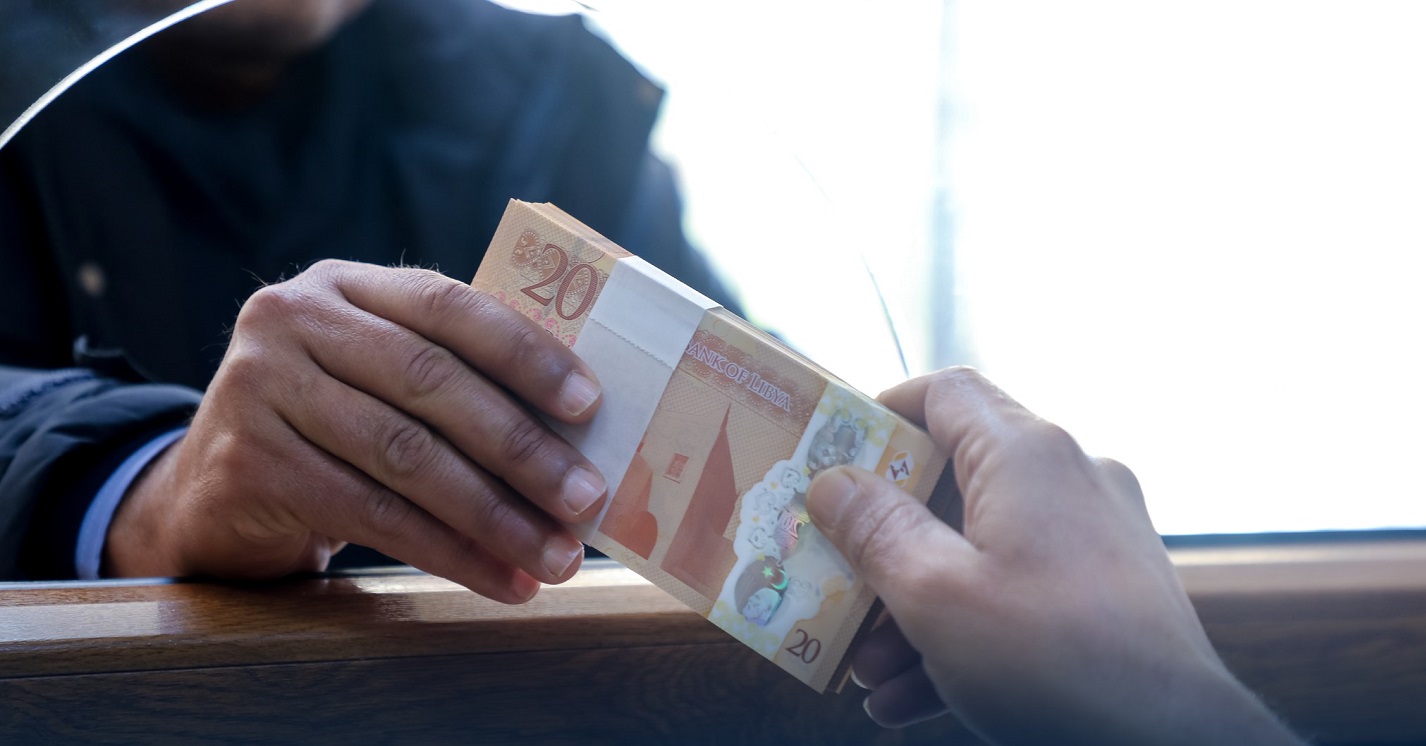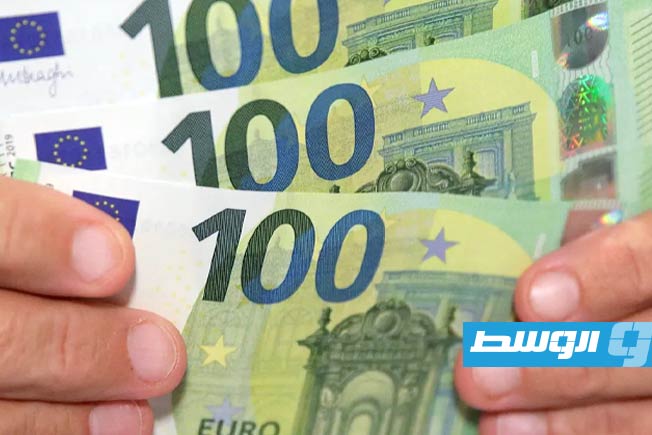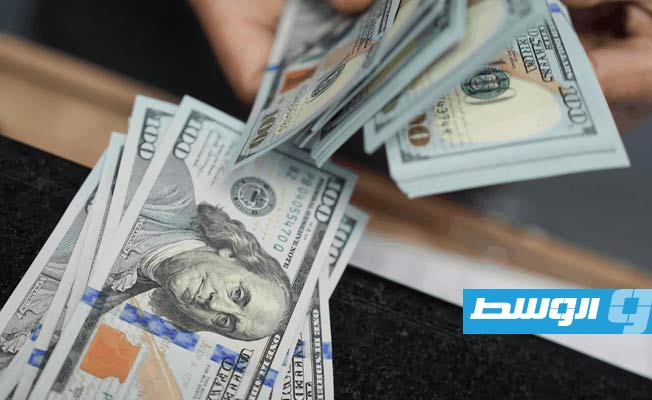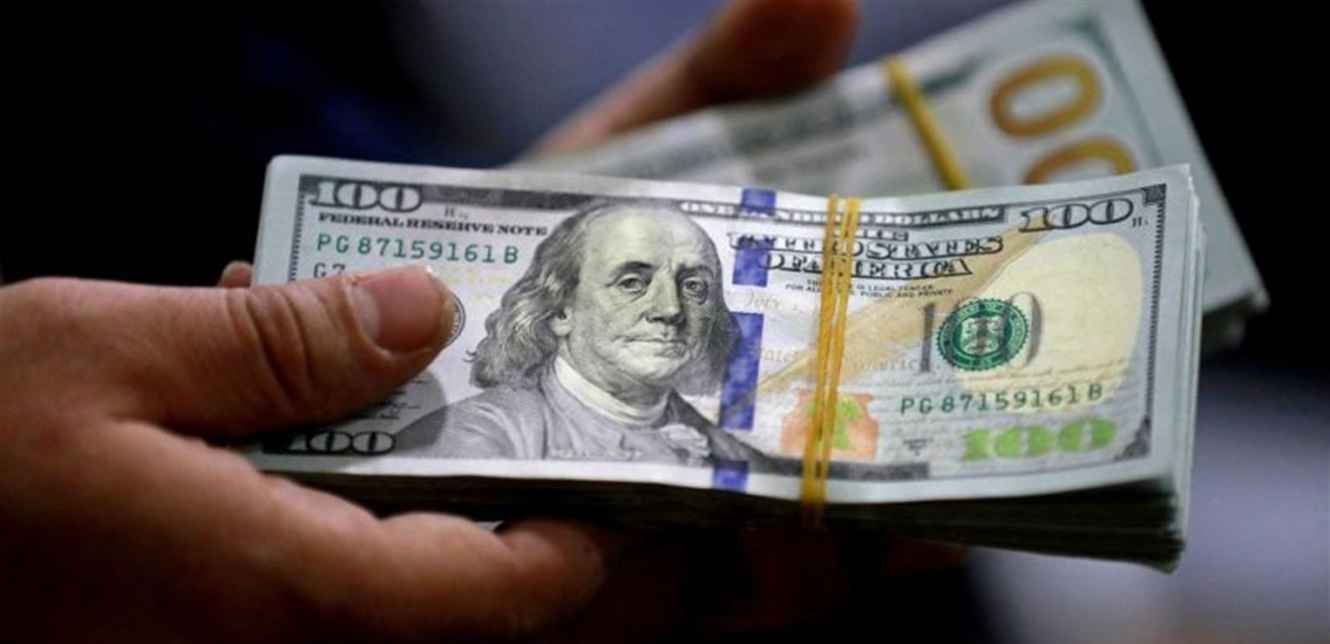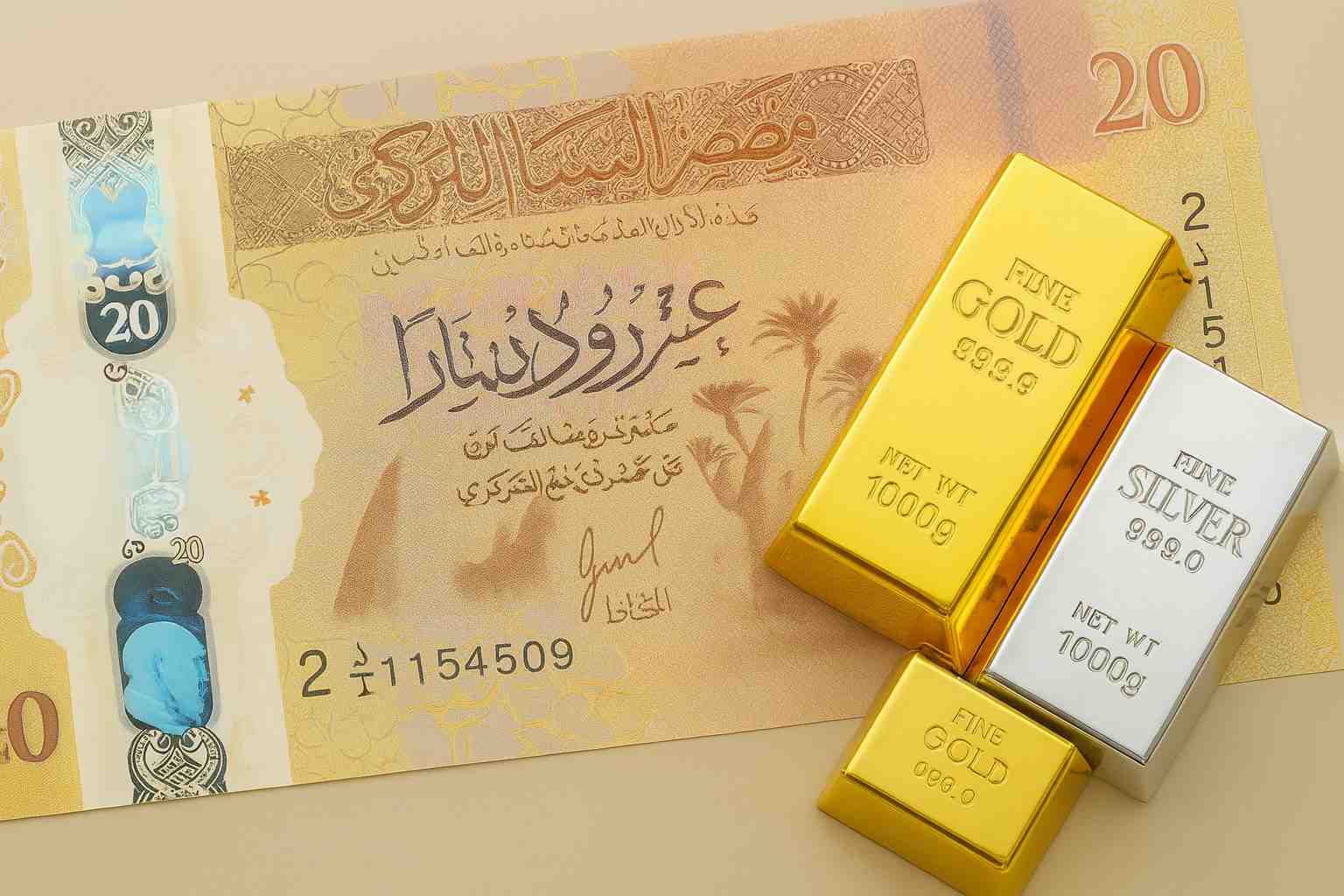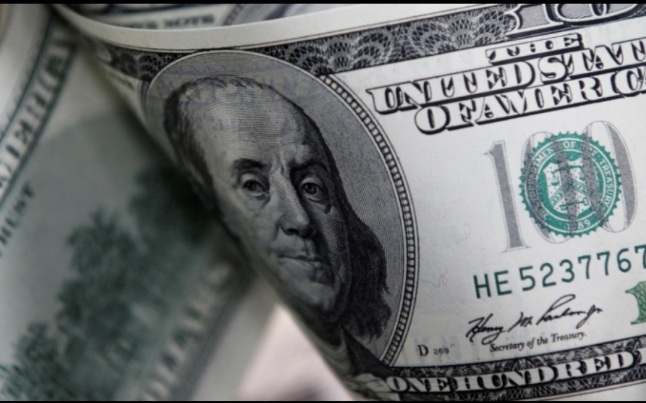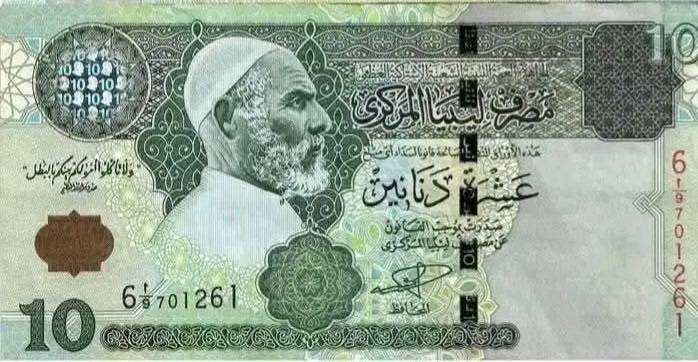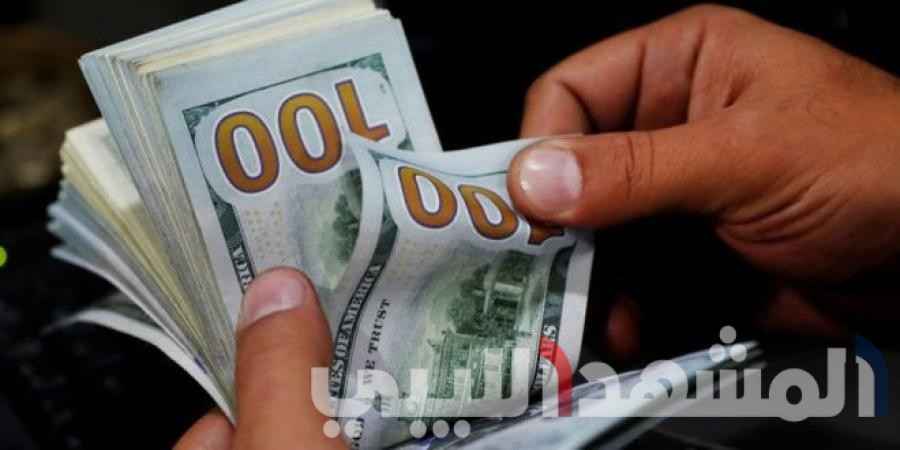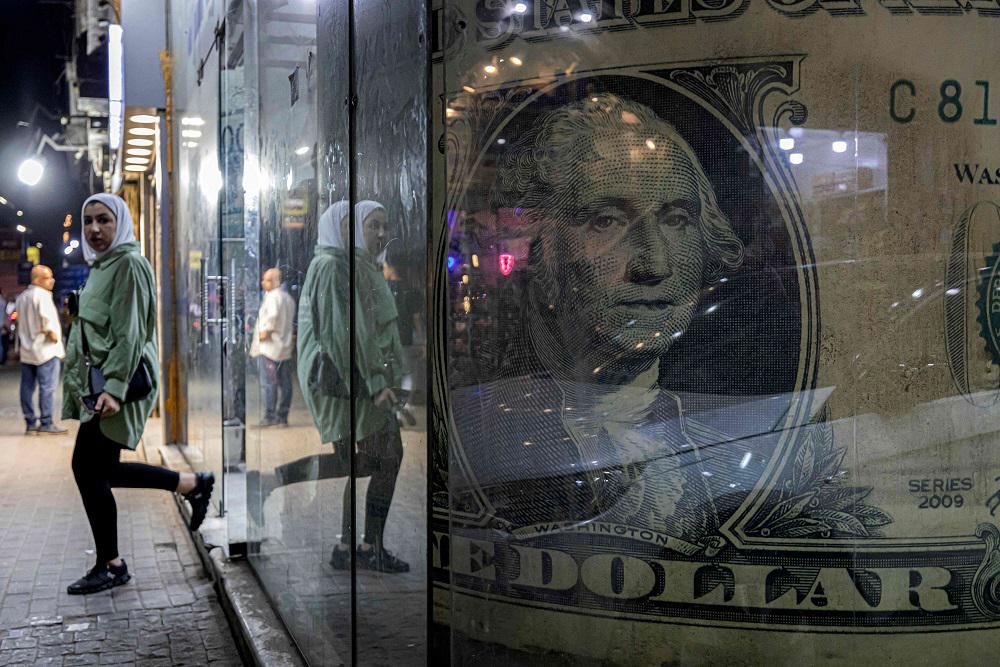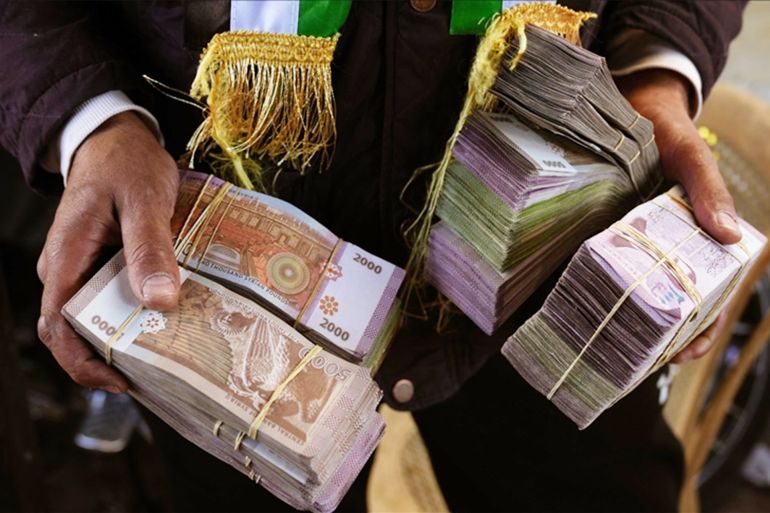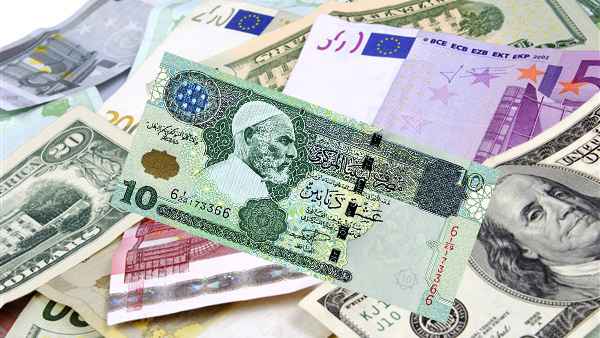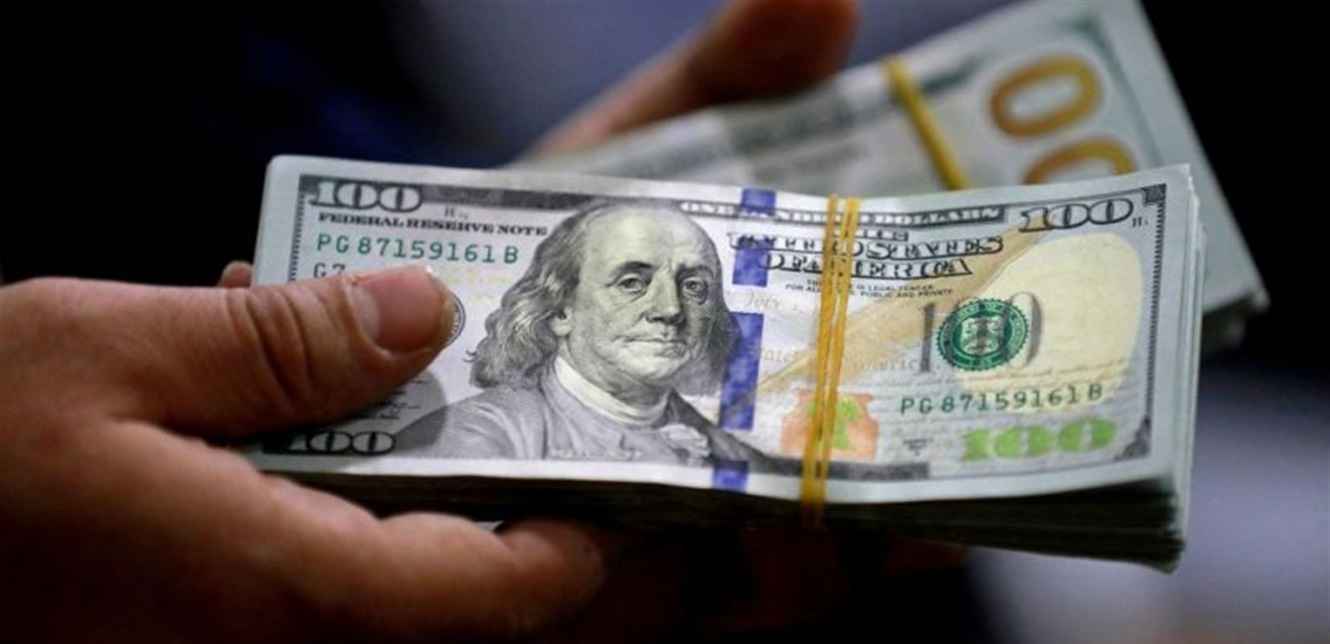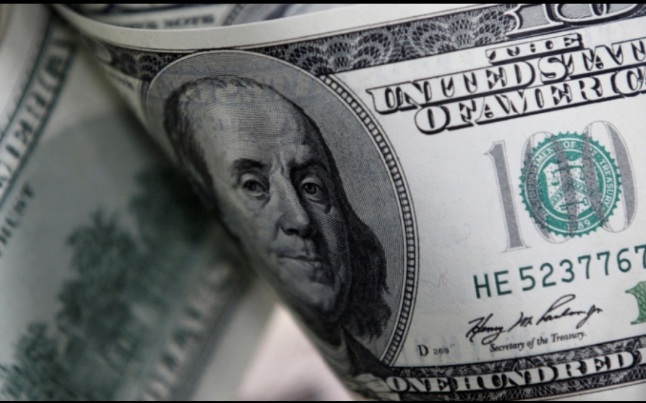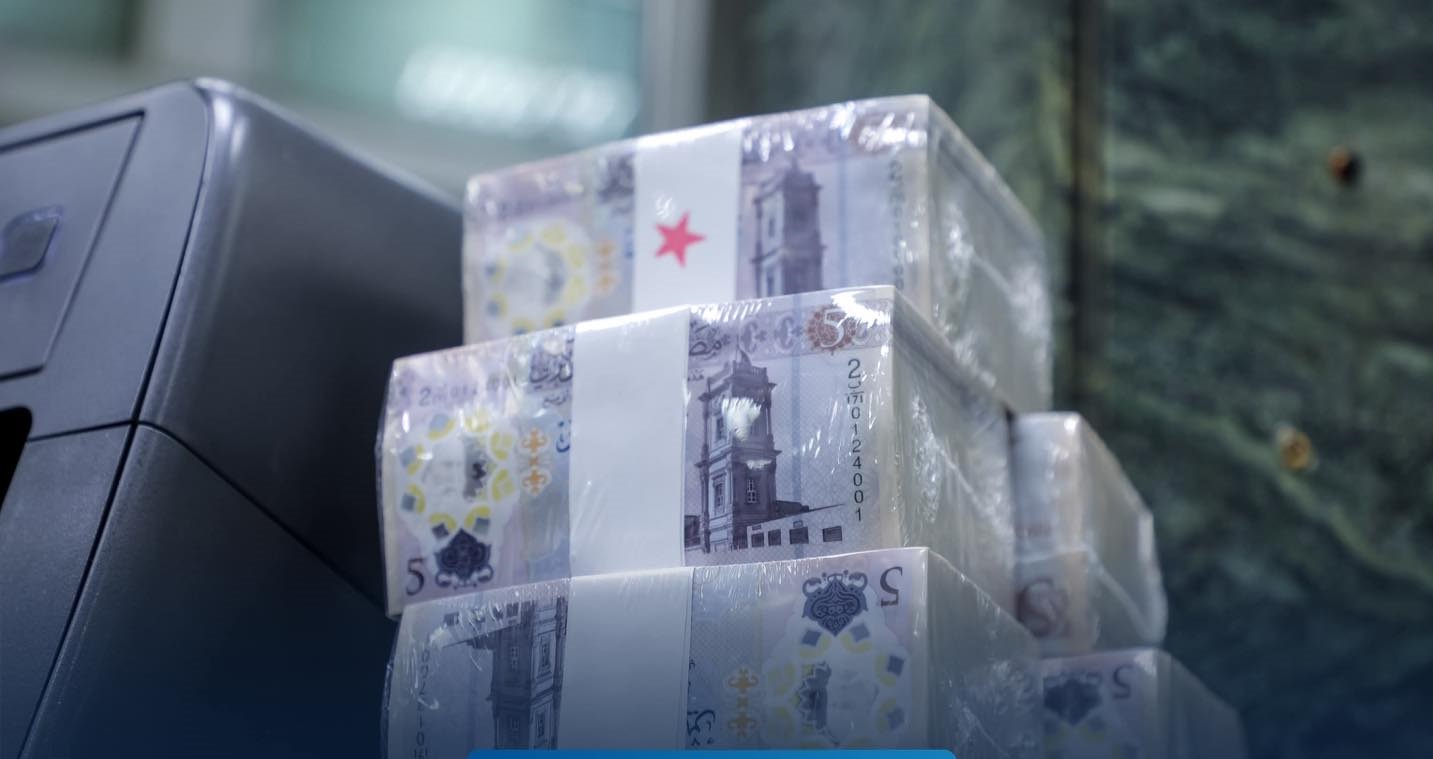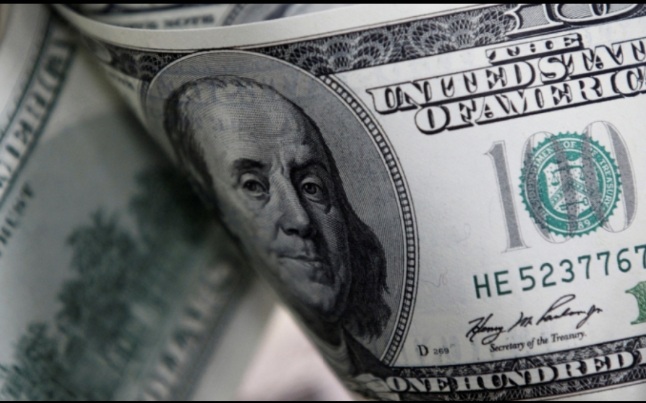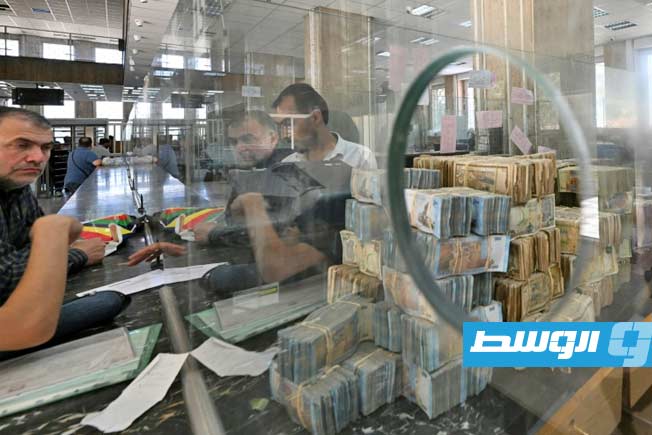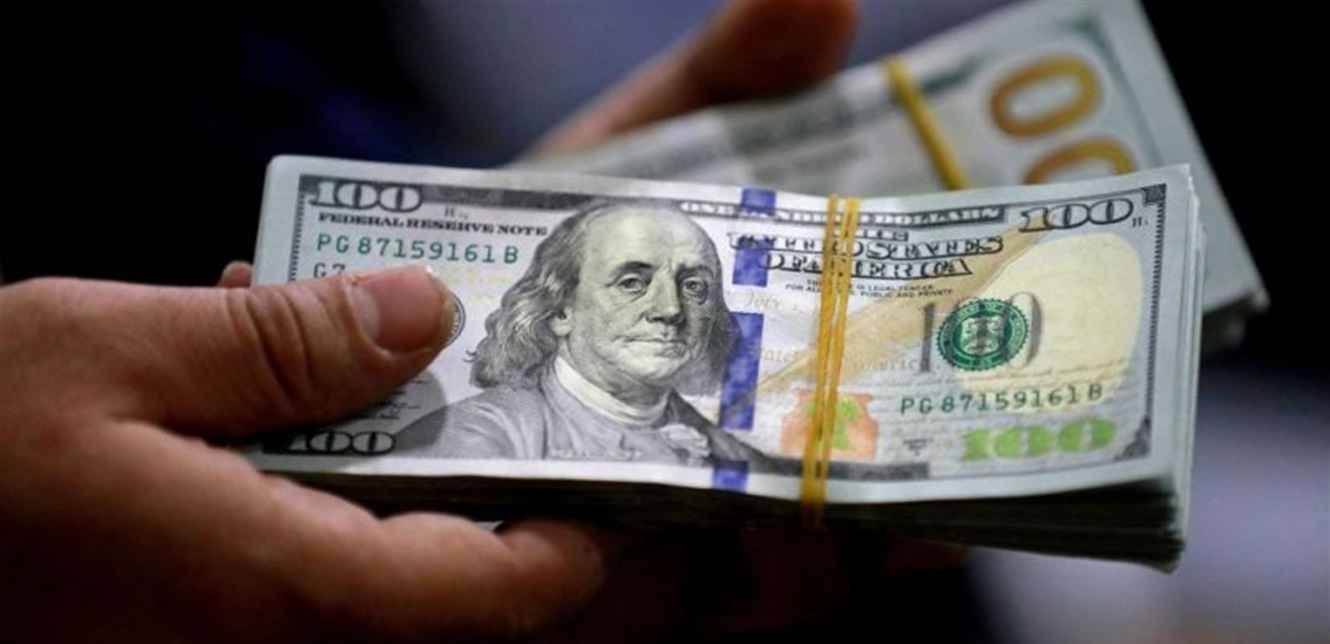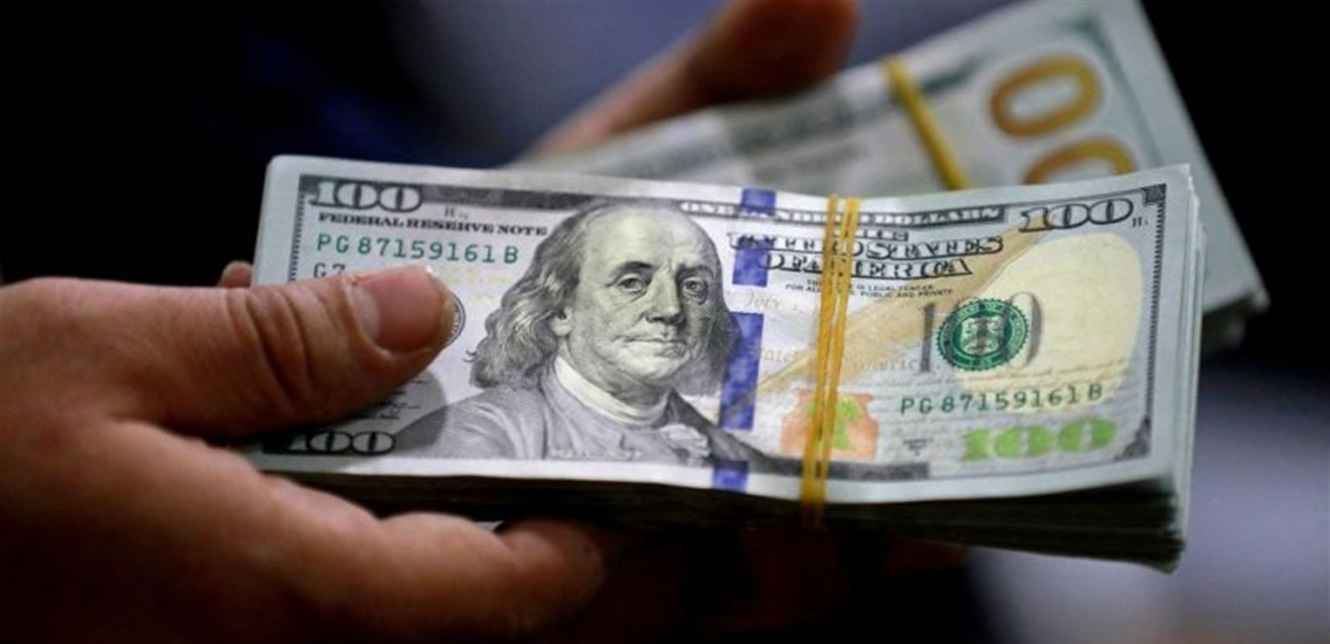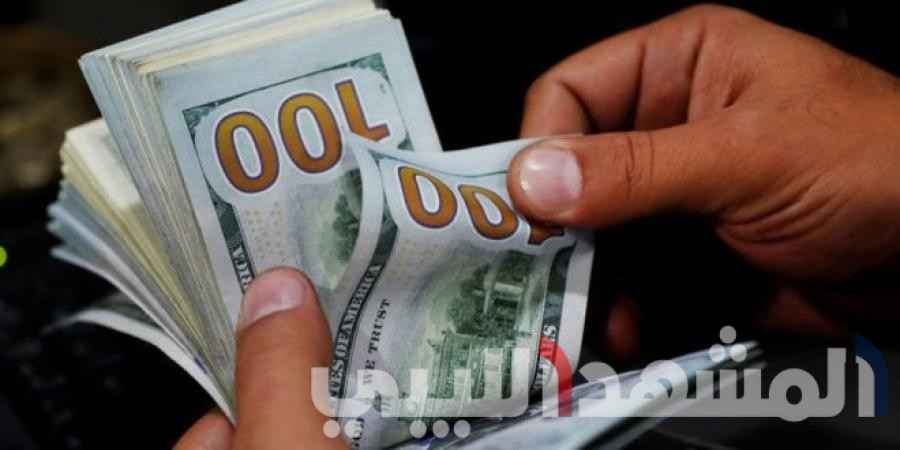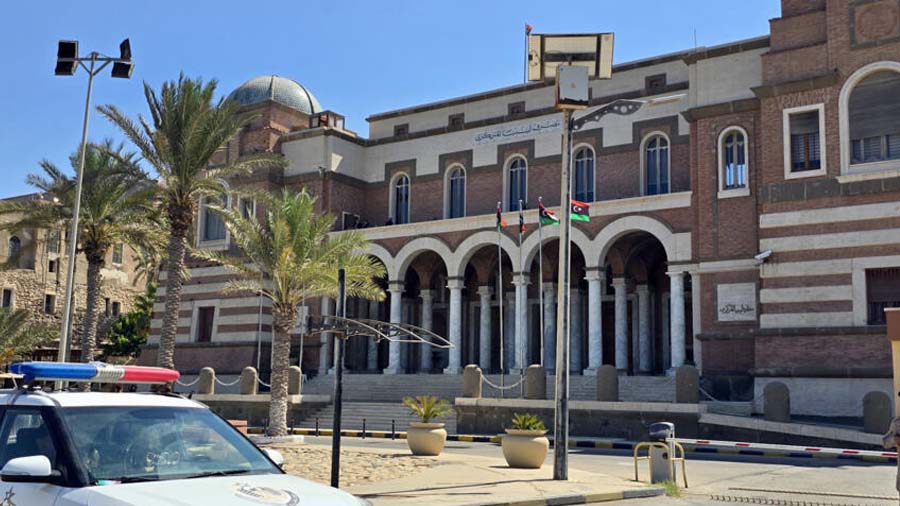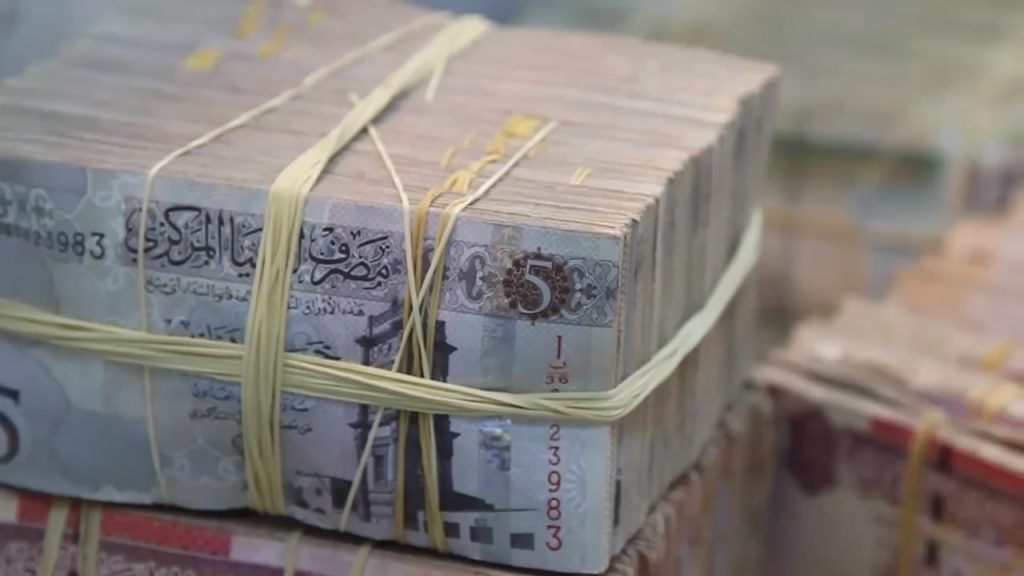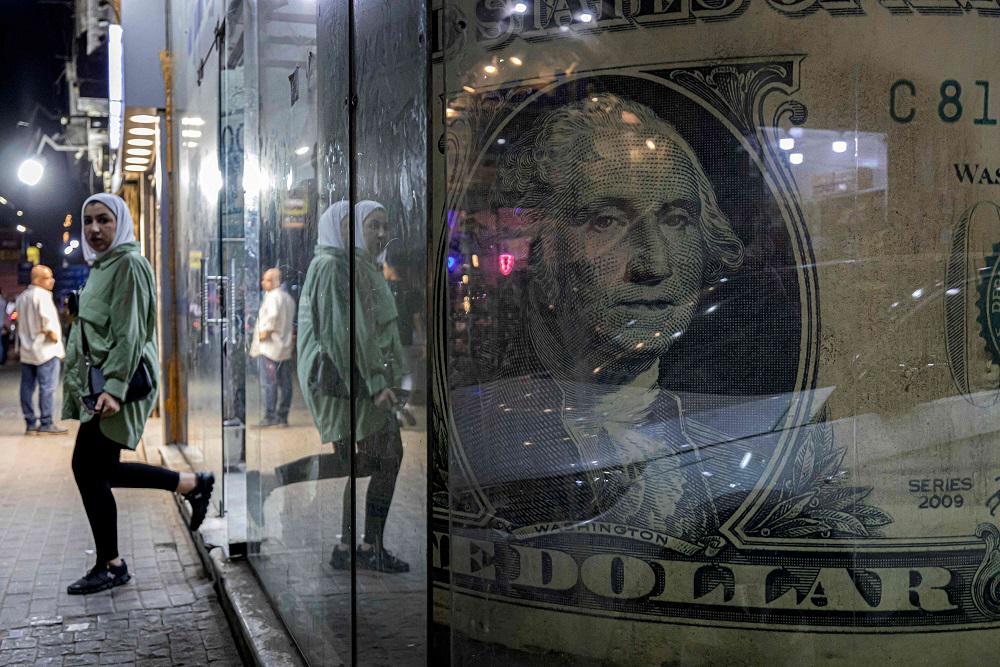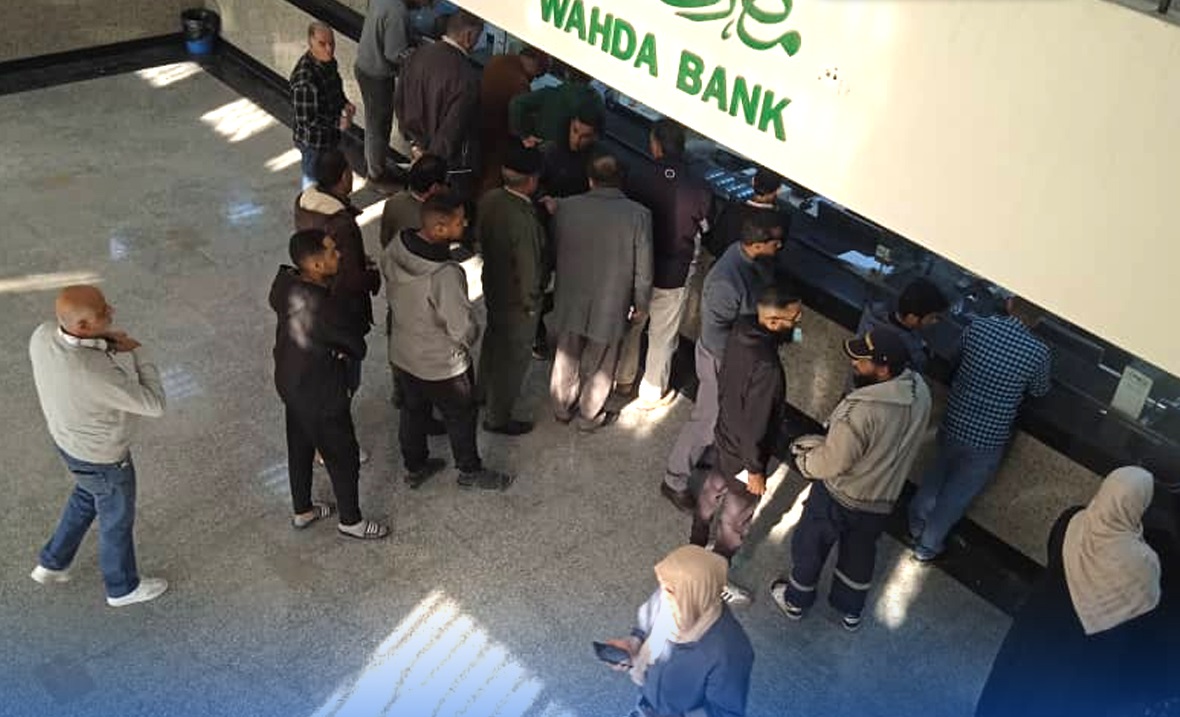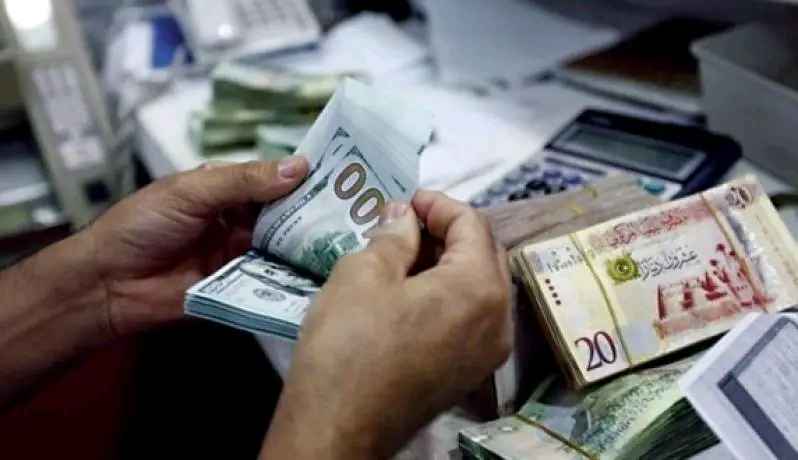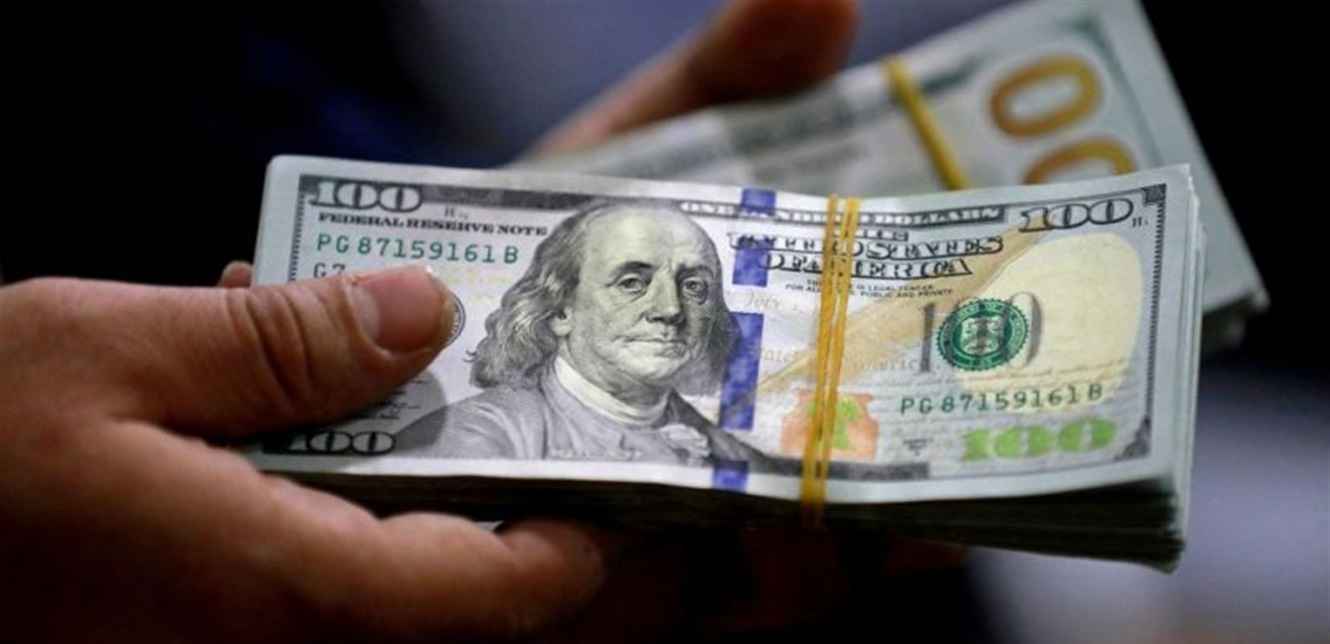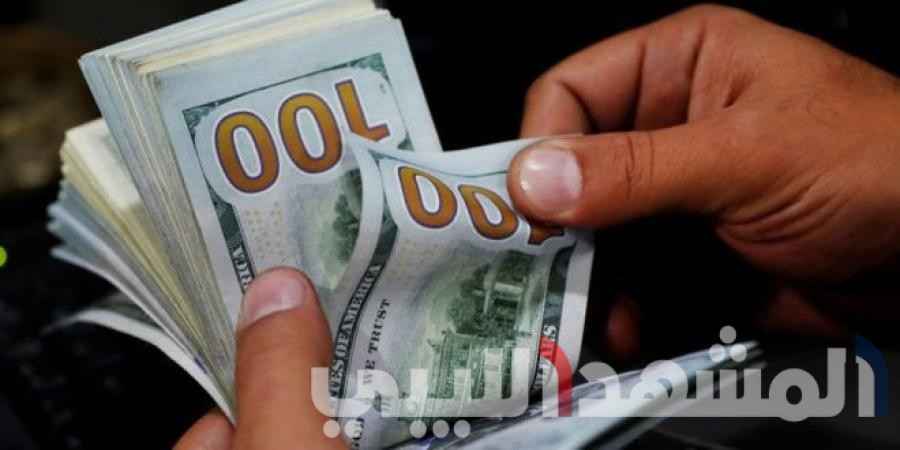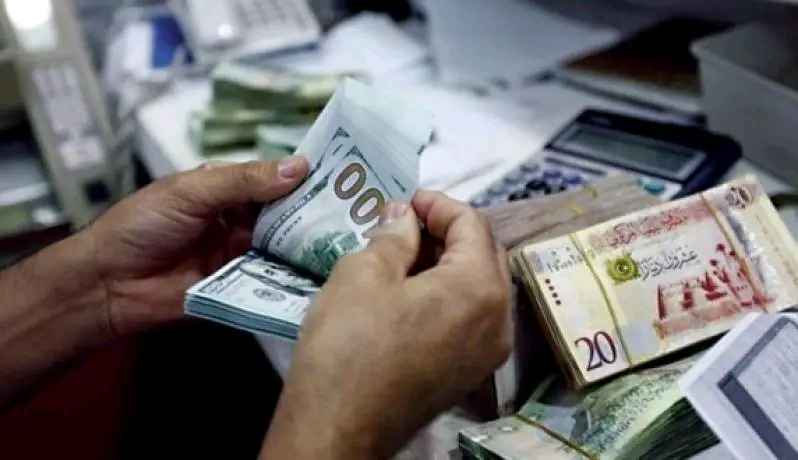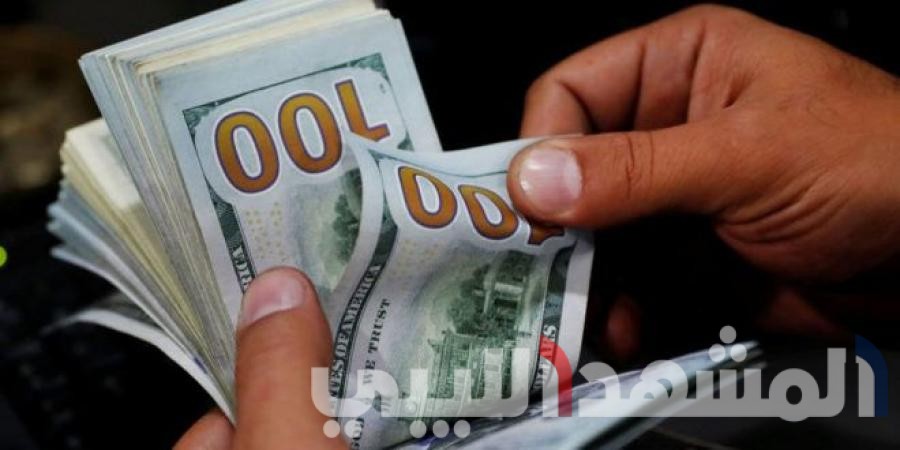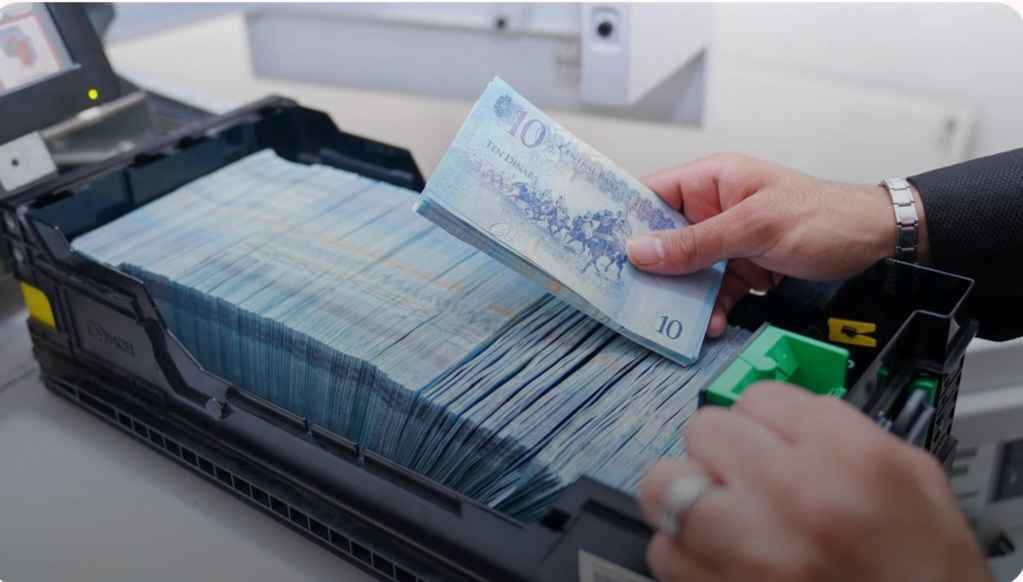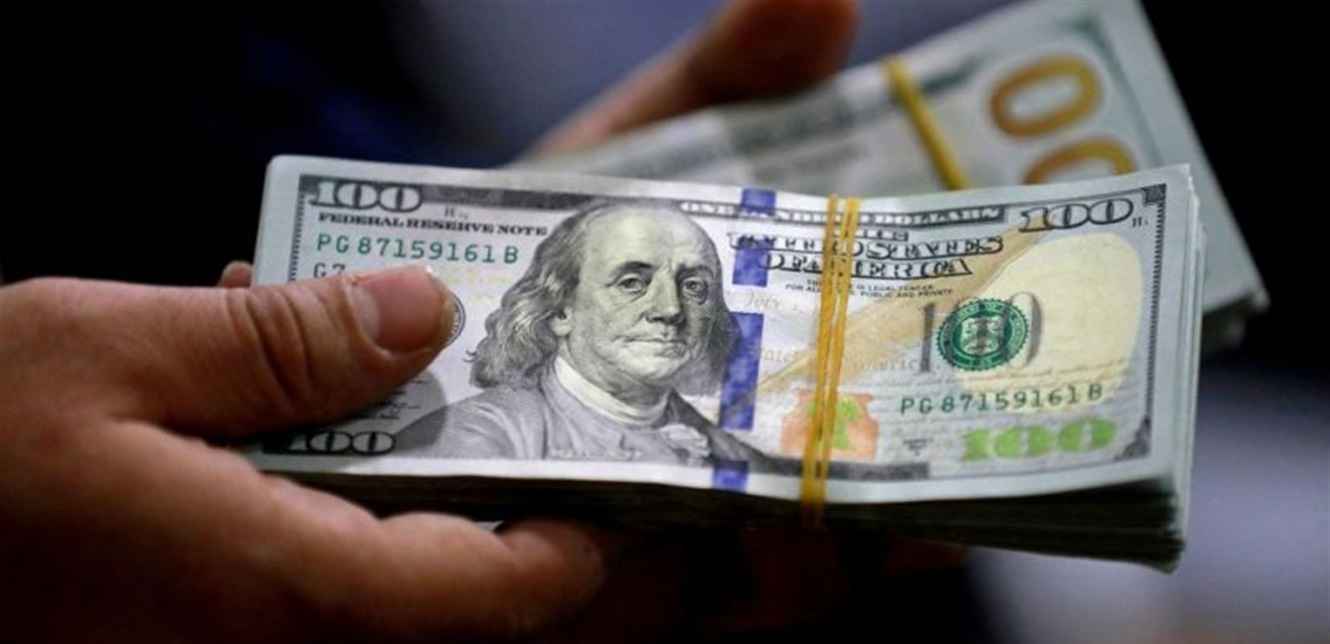
Tripoli | Economic Follow-up The exchange rates of the US dollar via bank checks in Libya recorded a continuous rise at the close of trading on Wednesday, January 7, 2026. Prices remained above the 10 dinar barrier in most commercial banks, rising by about 4 qirsh, with a slight difference recorded between the cities of Tripoli and Benghazi.
📊 Dollar Prices via Checks at Market Close
| Bank | Selling Price | Buying Price |
|---|---|---|
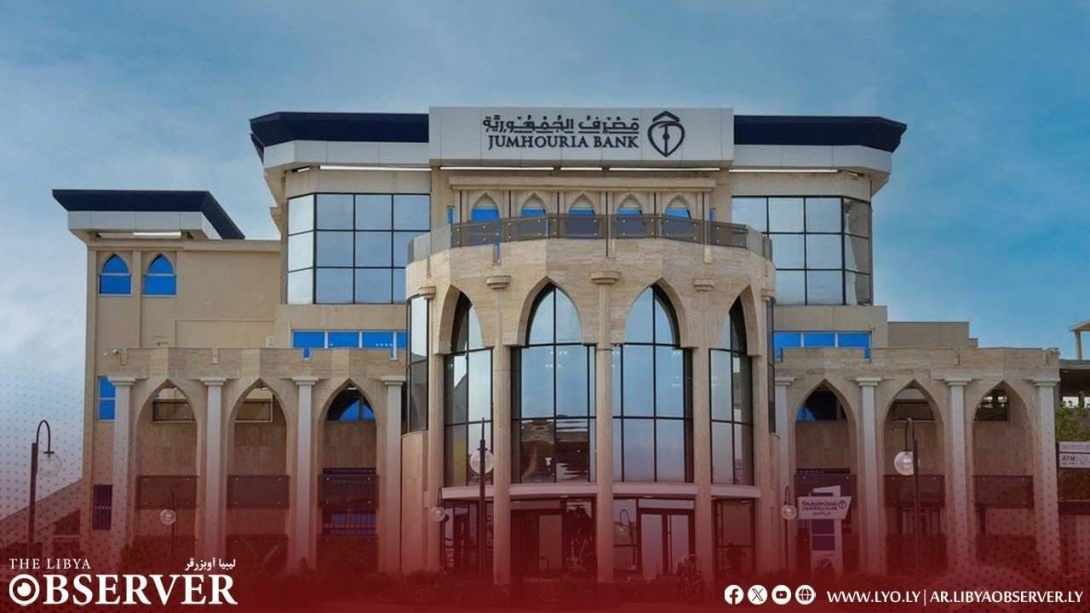
| Al-Jumhouria | 10.100 | 10.0975 |
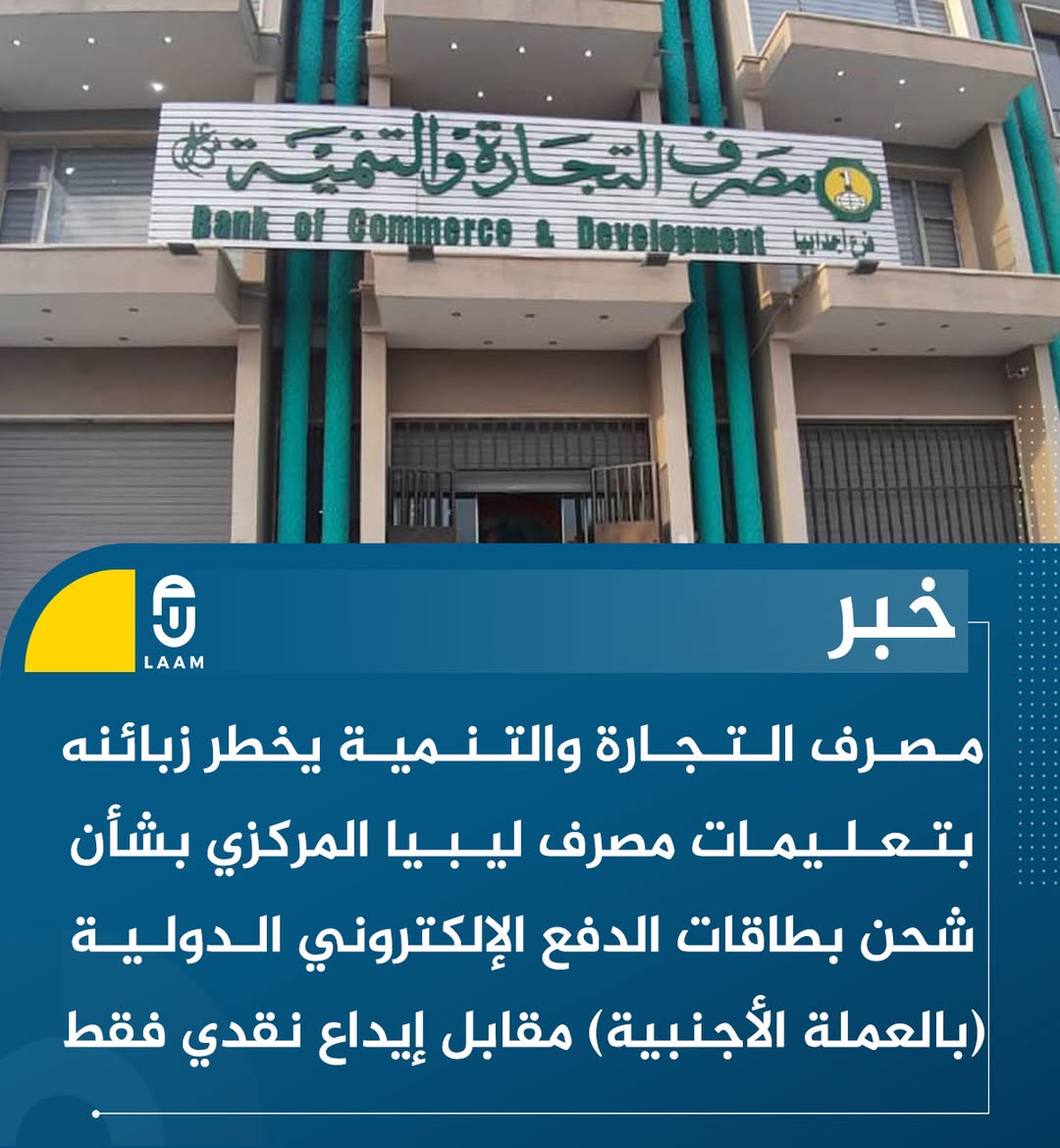
| Trade and Development/Tripoli | 10.110 | 10.1075 |
| National Commercial | 10.100 | 10.0975 |
| Al-Aman | 10.100 | 10.0975 |
| Al-Wahda/Tripoli | 10.110 | 10.1075 |
| Development/Benghazi | 10.130 | 10.1275 |
| Al-Wahda/Benghazi | 10.130 | 10.1275 |
| North Africa | 10.100 | 10.1075 |
| Al-Sahari | 10.090 | 10.0875 |
| Al-Waha | 10.100 | 10.0975 |
| Islamic | 10.090 | 10.0875 |
| Al-Muttahid | 10.080 | 10.0775 |
| Al-Nouran | 10.080 | 10.0775 |
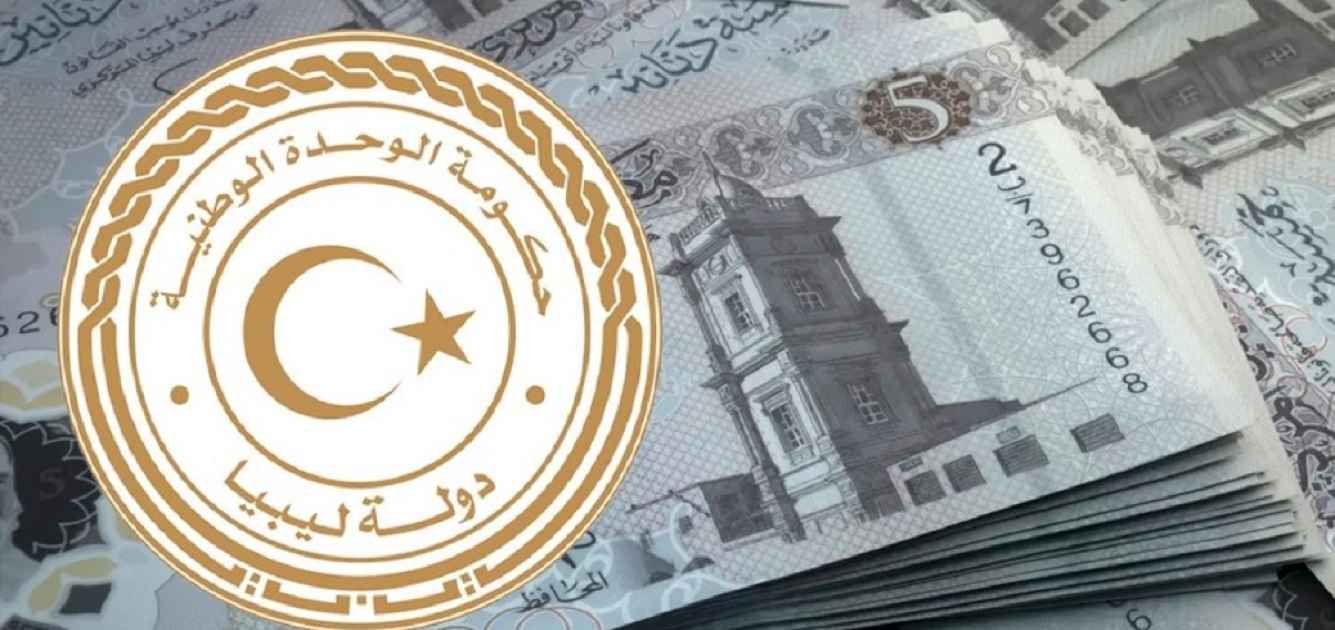
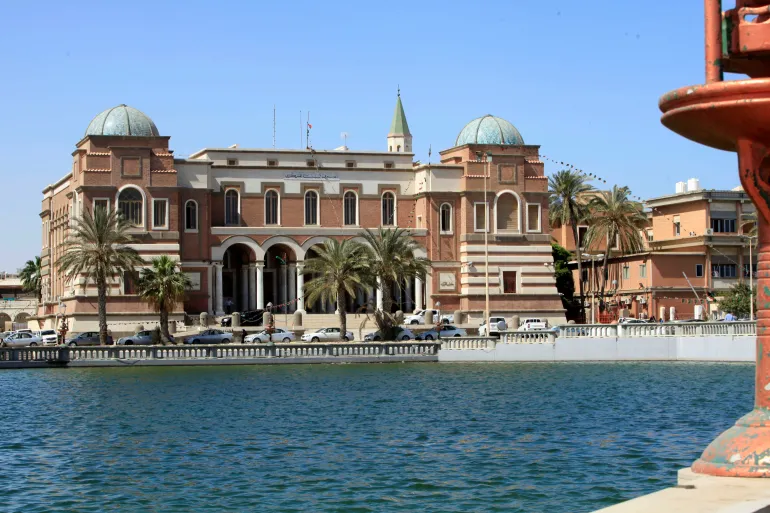
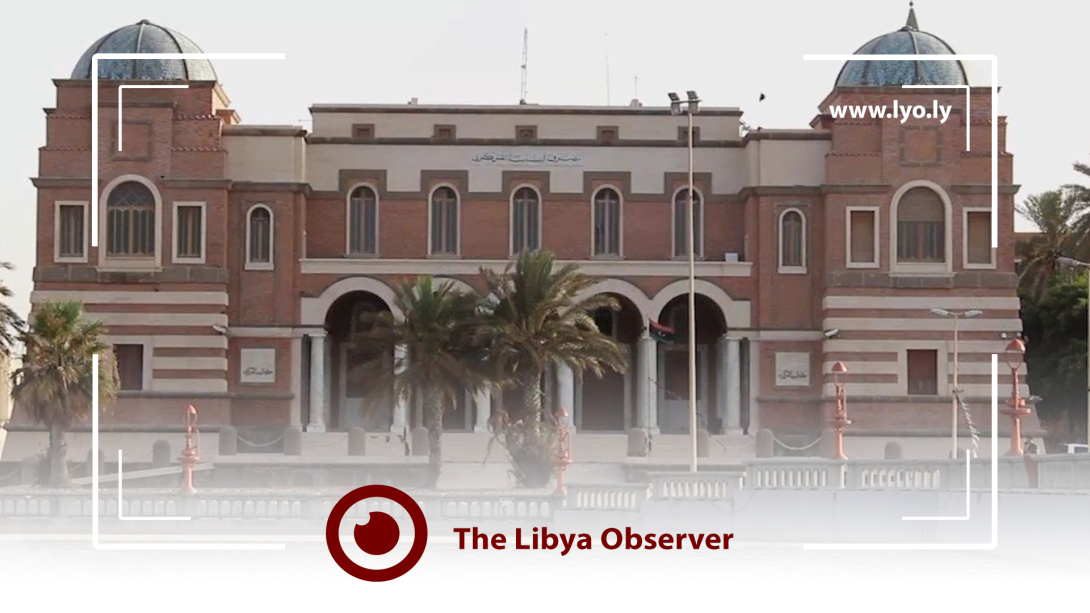
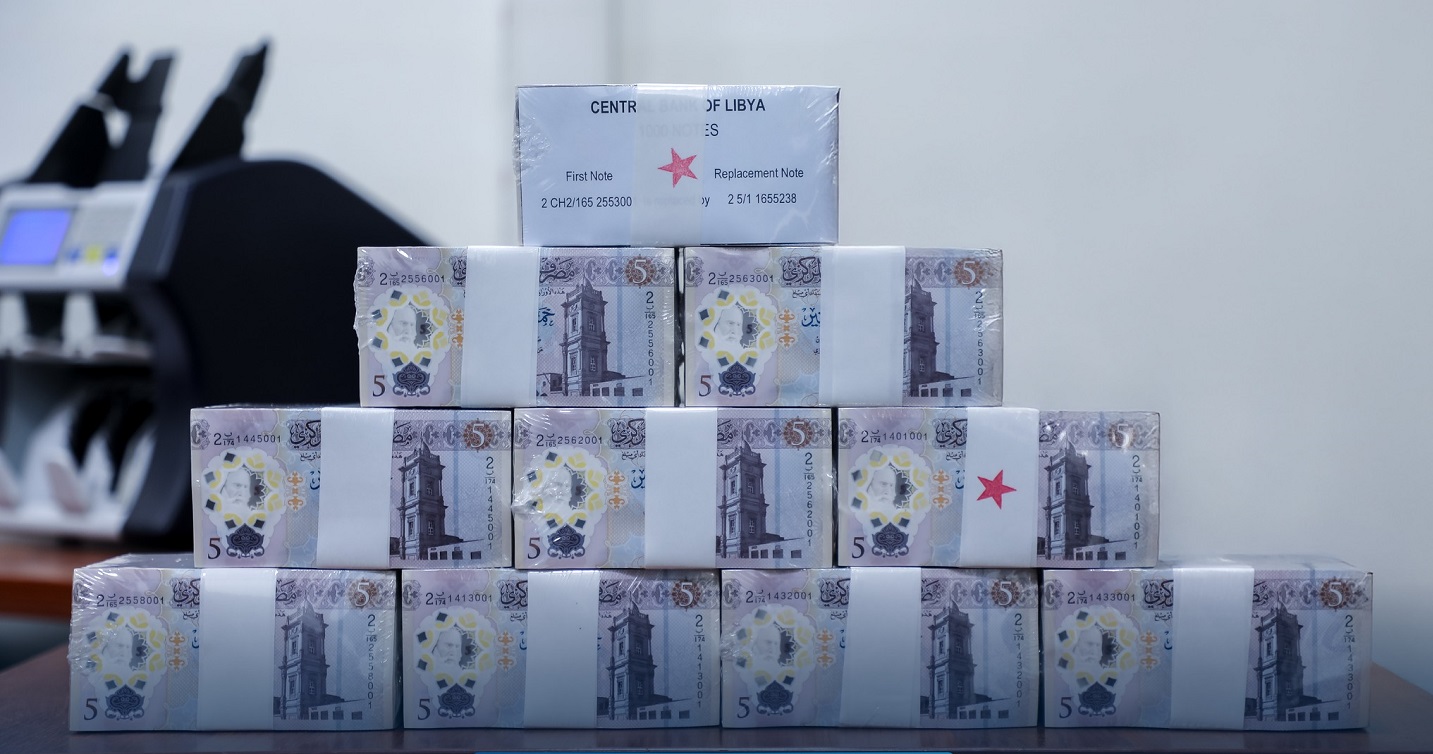
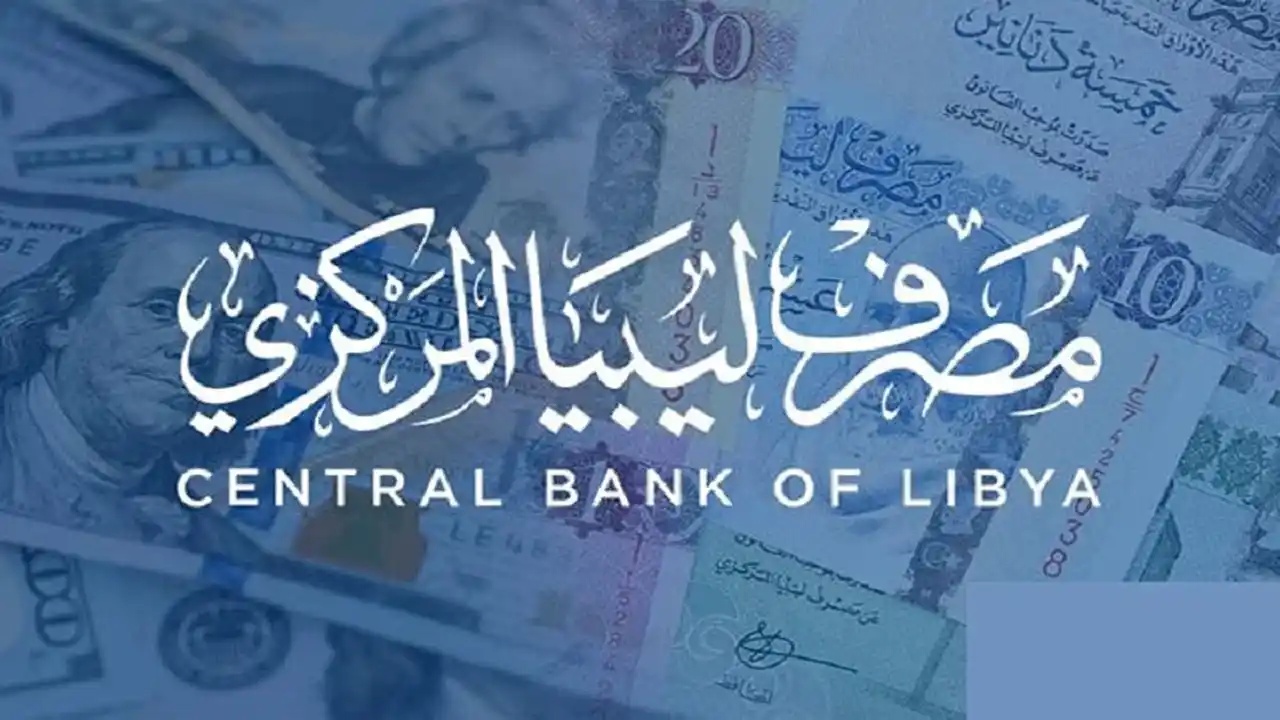
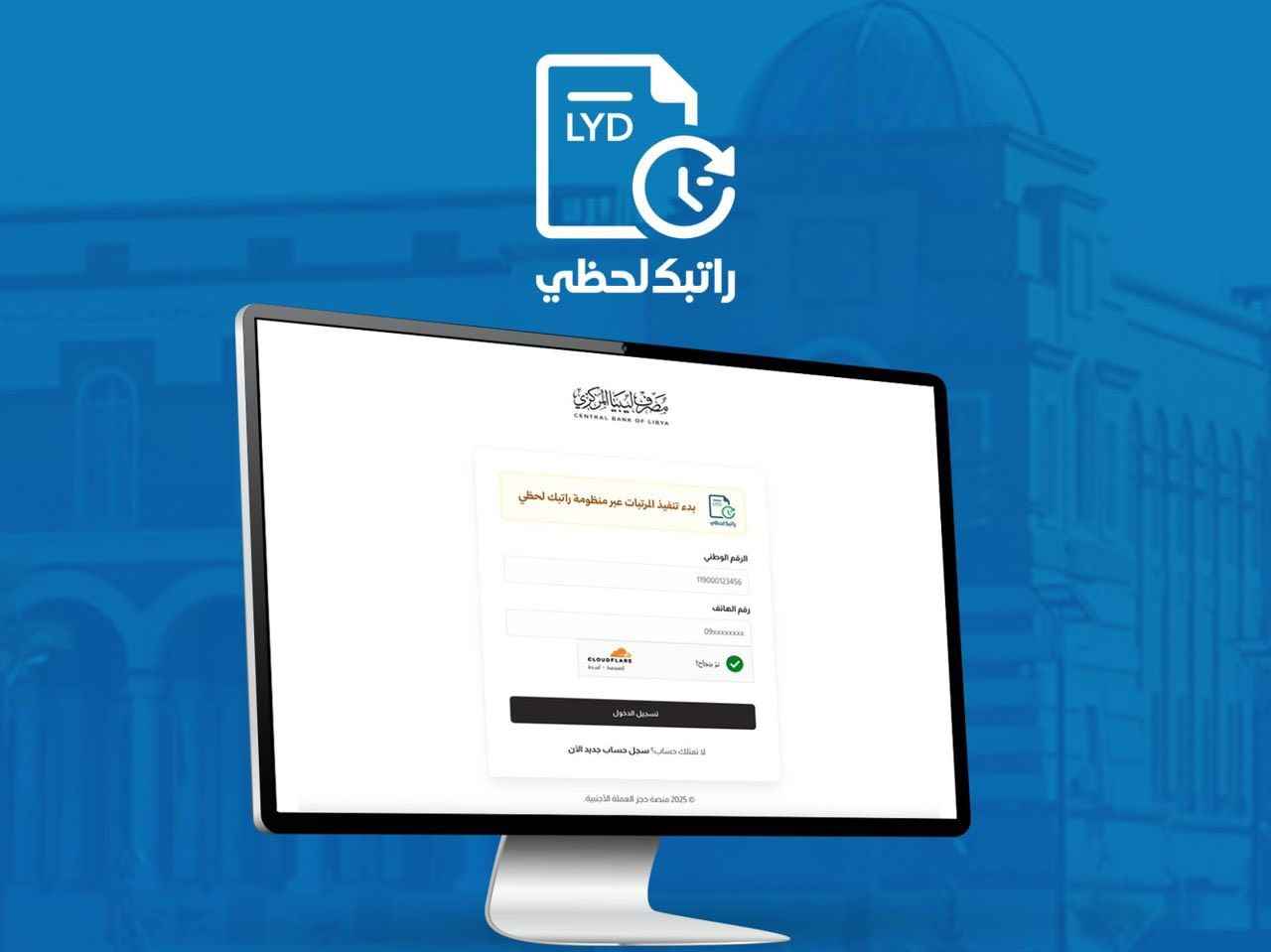
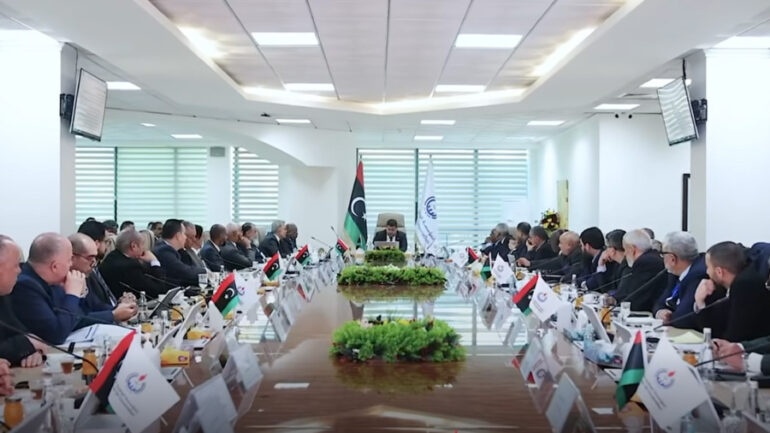
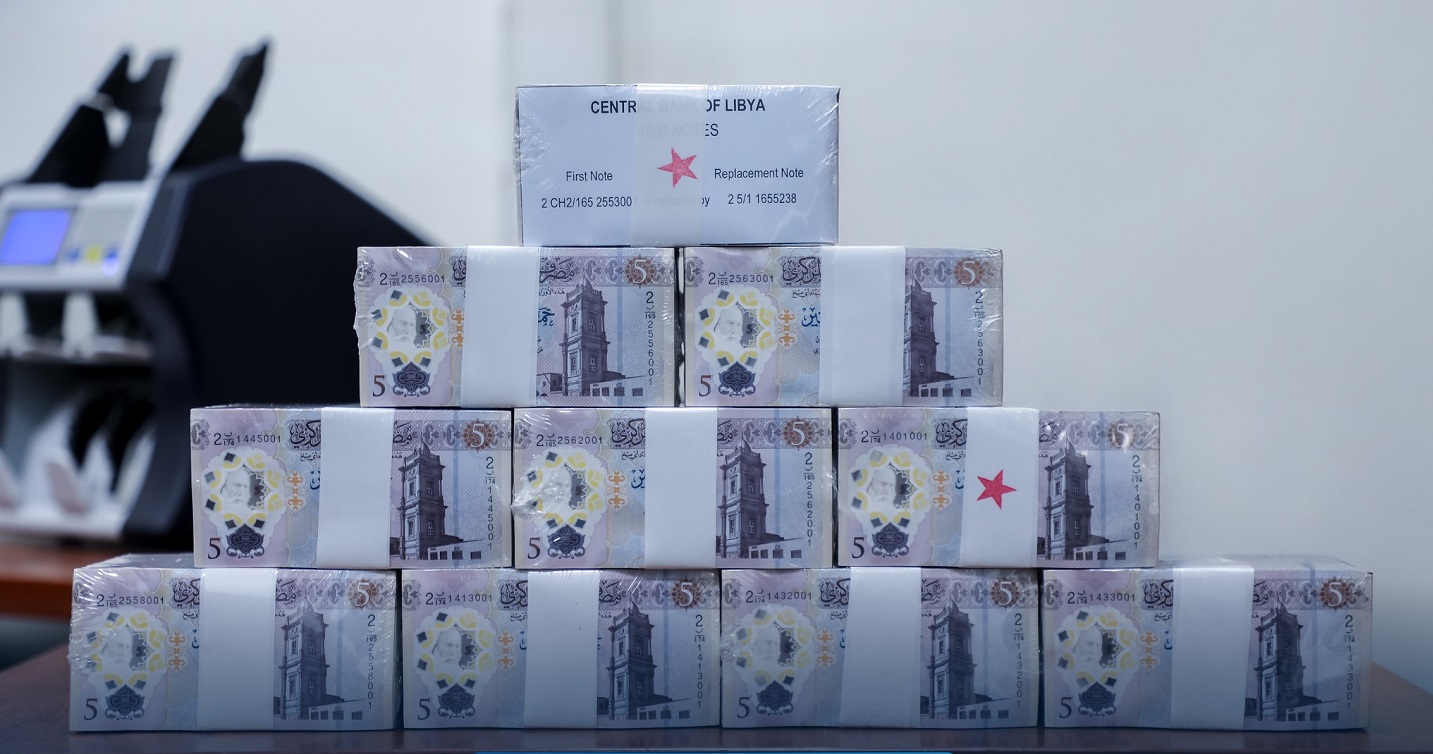
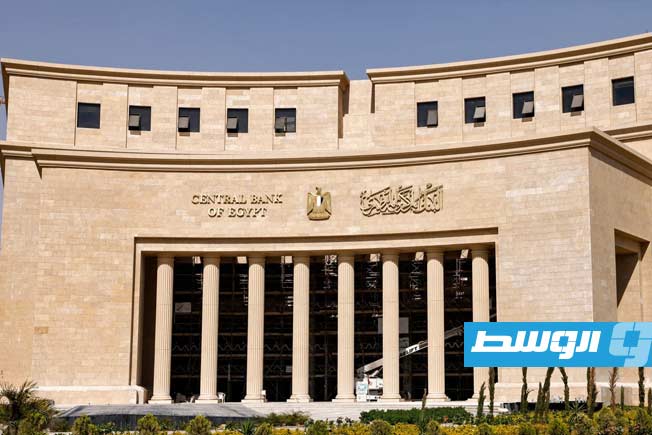
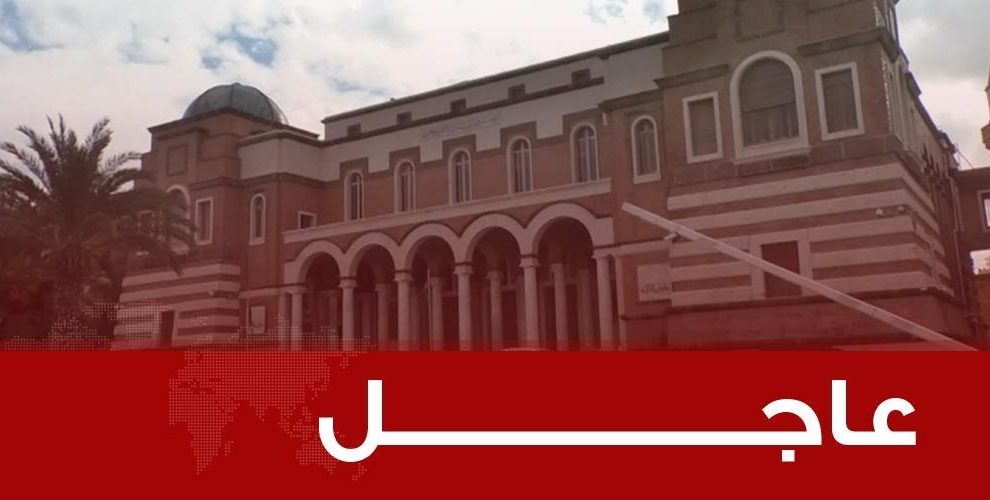
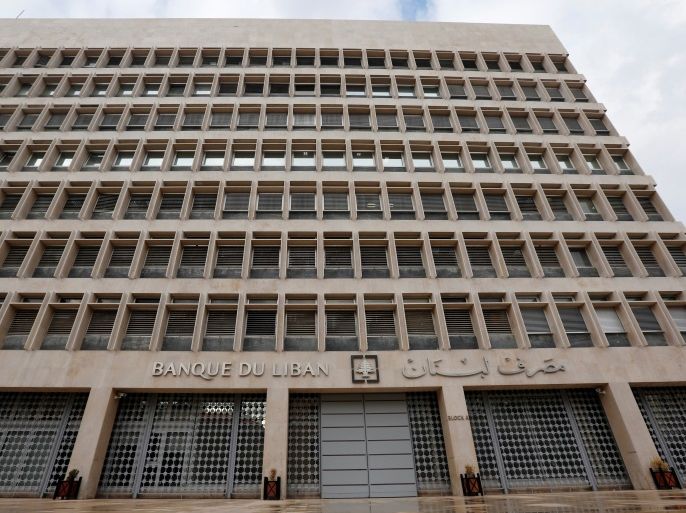
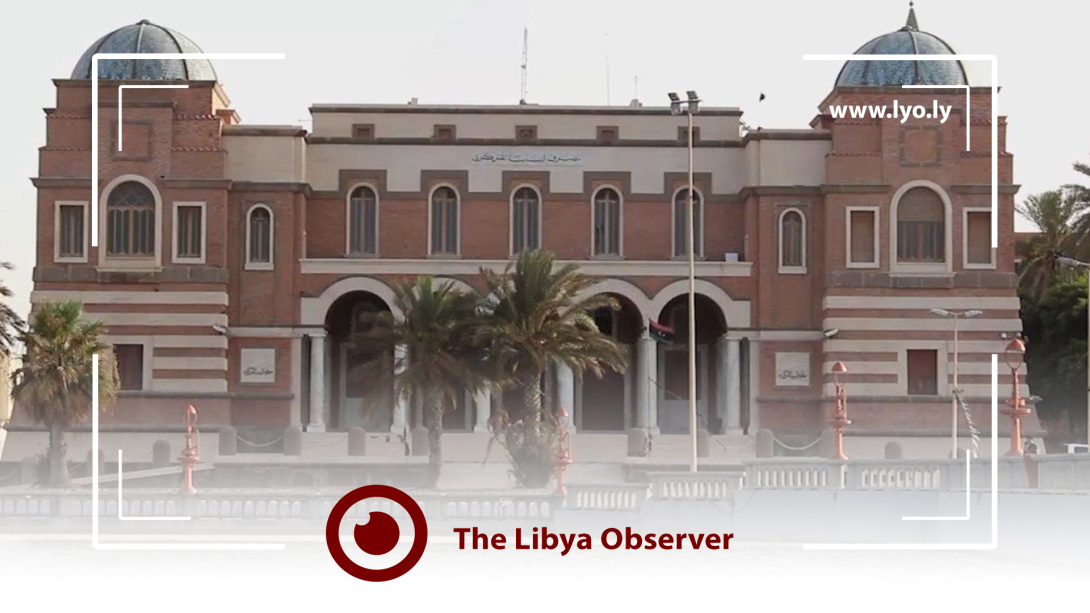
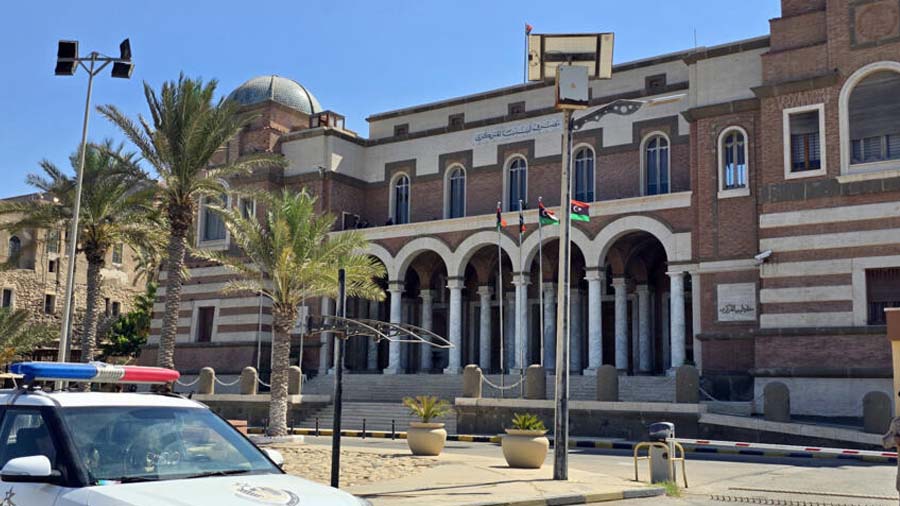
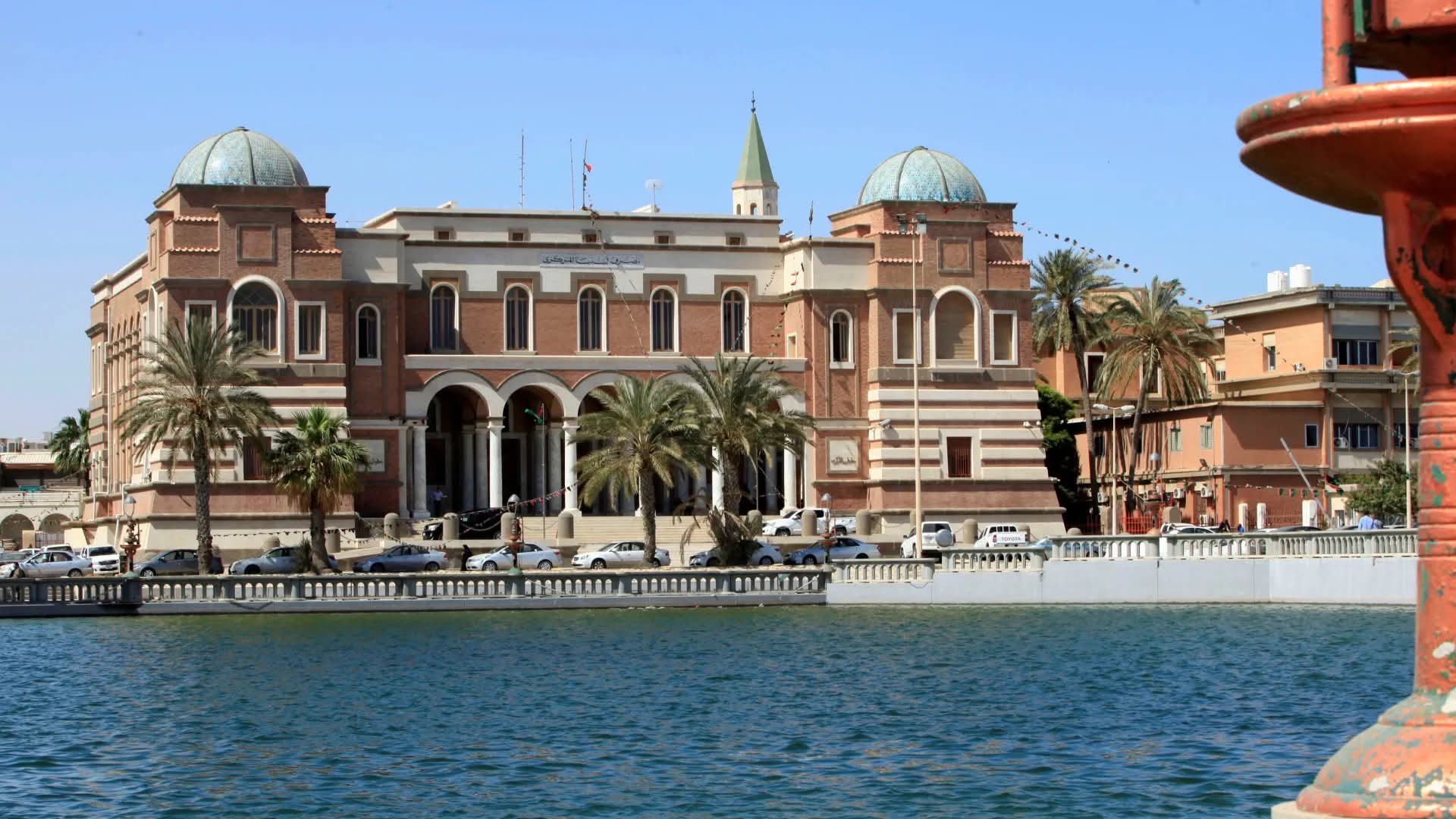
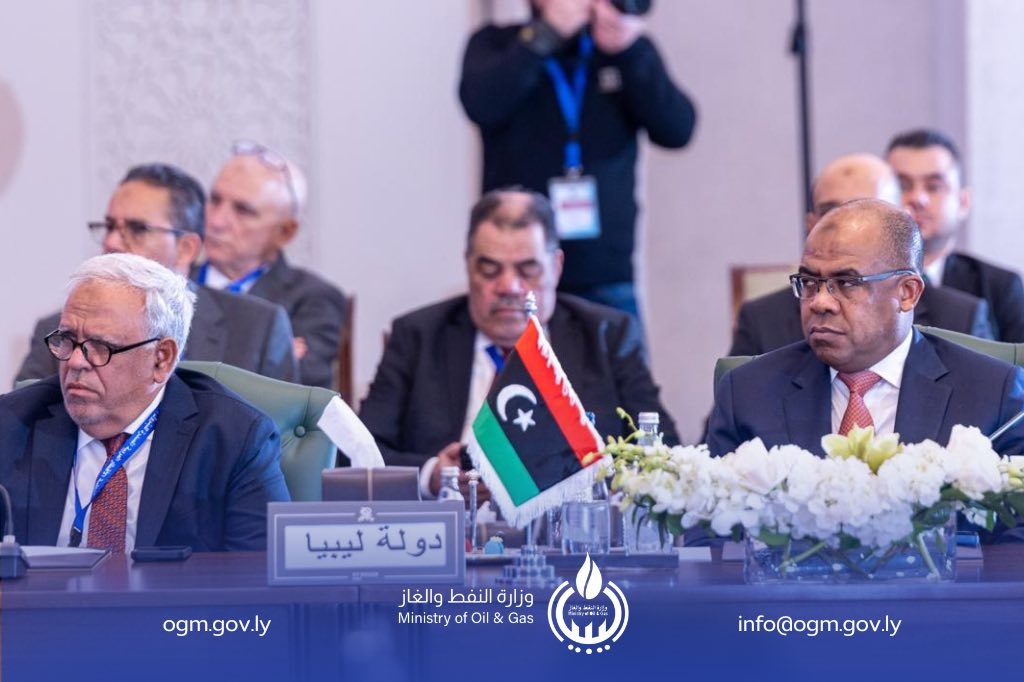
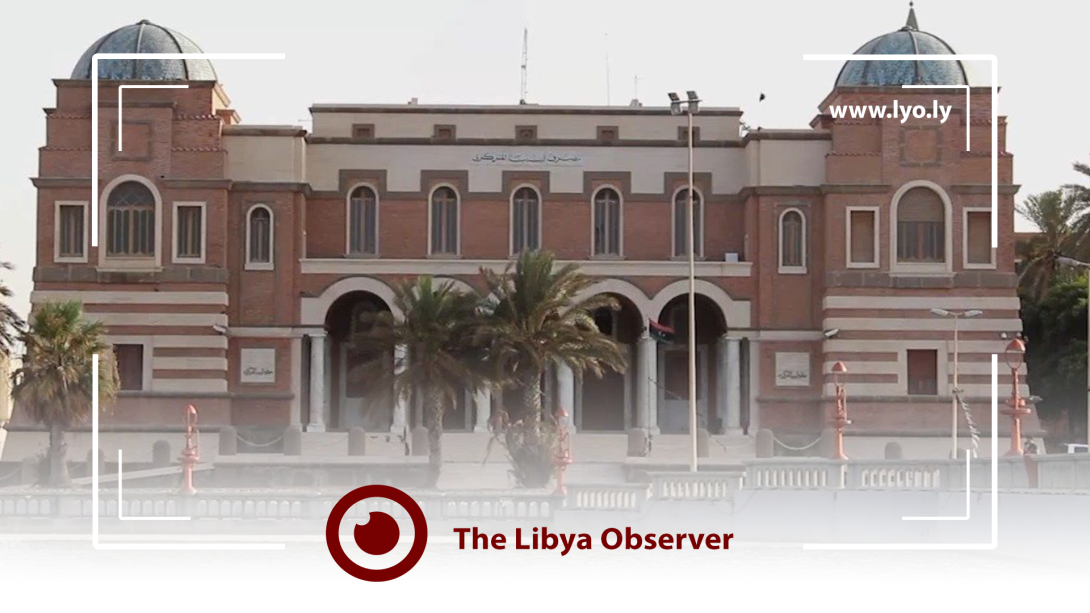
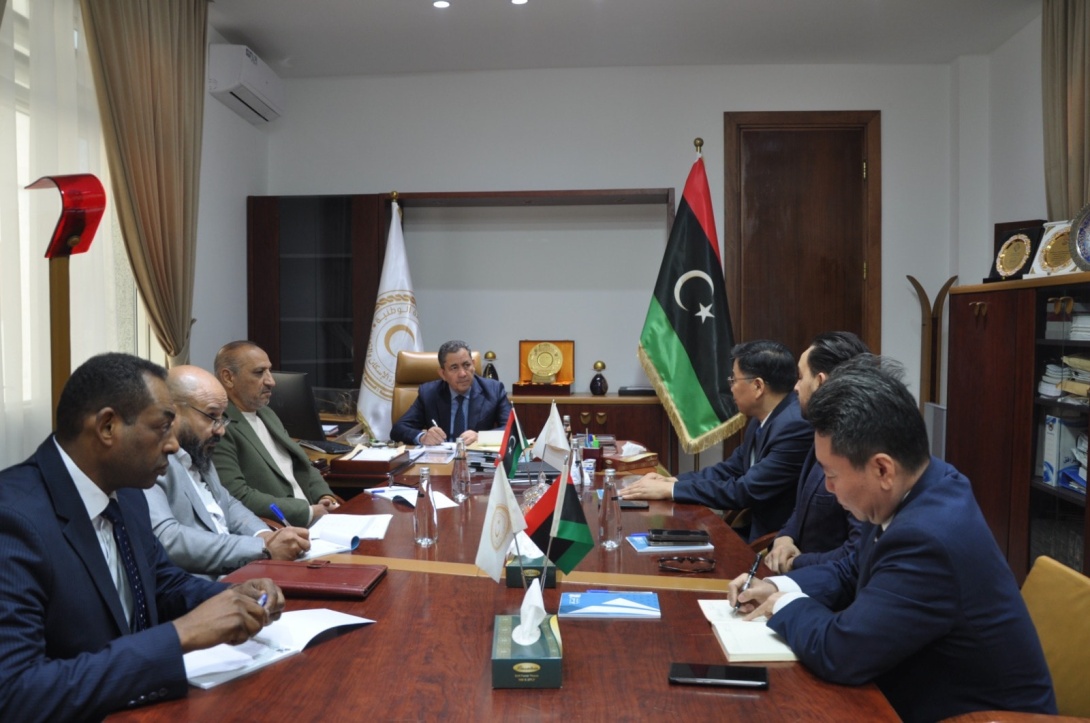
This coincides with a statement from a source at the Central Bank of Libya, announcing that the Central Bank has begun selling one billion dollars to commercial banks to cover various foreign currency requests, confirming the Central Bank’s intention to settle all remaining amounts.
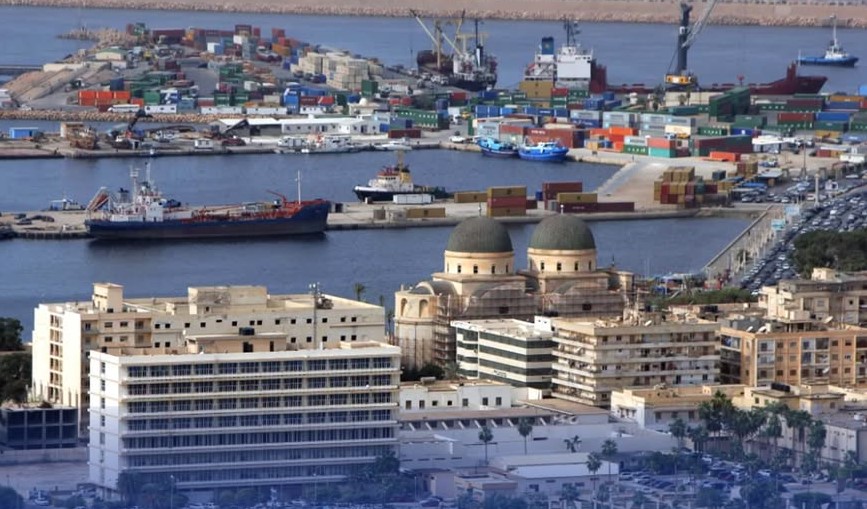
Tripoli
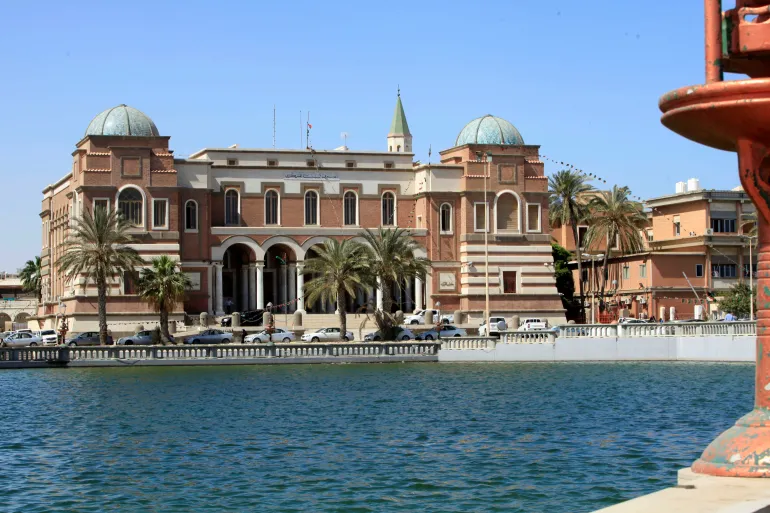
Tripoli is the capital and largest city of Libya, located on the country’s Mediterranean coast. Historically, it was founded by the Phoenicians in the 7th century BC and later became a significant Roman city, with its old medina showcasing centuries of influence from Arab, Ottoman, and Italian colonial rule.
Libya
Libya is a North African country with a rich history rooted in ancient civilizations like the Phoenicians and Romans, followed by centuries of Arab and Ottoman influence. In the modern era, it was an Italian colony before gaining independence in 1951, later becoming known for Muammar Gaddafi’s lengthy rule from 1969 until the 2011 revolution. The country is home to UNESCO World Heritage sites, such as the ruins of Leptis Magna, which attest to its significant historical legacy.
Benghazi
Benghazi is a major city in eastern Libya, historically significant as a center of trade and culture since its founding as the Greek colony of Euesperides. It played a pivotal role in the 2011 Libyan Civil War as a key base for the uprising against Muammar Gaddafi.
Al-Jumhouria
Al-Jumhouria is a major daily newspaper in Syria, founded in 1963 and owned by the Syrian government. It serves as an official media outlet, reflecting state perspectives on political, social, and cultural affairs within the country.
Trade and Development
The United Nations Conference on Trade and Development (UNCTAD) is a permanent intergovernmental body established in 1964 to promote the integration of developing countries into the world economy. Its history is rooted in addressing the trade and development challenges of the Global South, advocating for fairer international trade rules and development financing.
National Commercial
The National Commercial is a historic bank in Saudi Arabia, originally founded in 1953 as the first licensed commercial bank in the country. It played a foundational role in the kingdom’s modern financial system and has since evolved into a major financial institution.
Al-Aman
Al-Aman is a historic caravanserai located in Jordan, believed to have been built during the Umayyad Caliphate in the 8th century. It served as a crucial rest stop and trading post for travelers and merchants along ancient desert routes, providing shelter and security.
Al-Wahda
Al-Wahda, meaning “Unity” in Arabic, is a common name for significant public projects and landmarks across the Arab world, often symbolizing national cohesion. Historically, the most prominent is the Al-Wahda Dam on the Yarmouk River, a major water storage and hydroelectric facility completed in a 1987 agreement between Syria and Jordan. These sites generally represent modern development efforts and shared national or regional aspirations.
Development
Development is a planned city in Malaysia, established in 1995 as the country’s administrative capital to ease congestion in Kuala Lumpur. It houses the federal government’s executive and judicial branches and is known for its modern architecture and extensive green spaces.
North Africa
North Africa is a region encompassing countries such as Morocco, Algeria, Tunisia, Libya, and Egypt, historically defined by the Mediterranean Sea to the north and the Sahara Desert to the south. It has a rich and layered history, having been home to ancient civilizations like the Egyptians and Phoenicians, and later forming a core part of the Roman Empire, the Islamic Caliphates, and the Ottoman Empire. This complex past has created a diverse cultural tapestry blending indigenous Amazigh (Berber), Arab, and various European and African influences.
Al-Sahari
Al-Sahari is a traditional market located in the historic city of Tarim, within Yemen’s Hadhramaut region. It has served for centuries as a vital center for commerce and social gathering, reflecting the area’s deep history as a crossroads for trade routes and cultural exchange.
Al-Waha
Al-Waha, meaning “The Oasis” in Arabic, is a general term for many oasis settlements across the Arab world, historically vital as rest and trade stops in desert regions. These sites, like the Al-Ahsa Oasis in Saudi Arabia, have supported human habitation and agriculture for thousands of years due to their natural springs. They represent a traditional way of life and are often centers of date palm cultivation and cultural heritage.
Islamic
“Islamic” is not a specific place or cultural site, but a broad term referring to the religion of Islam and its associated civilization. This civilization has produced numerous historic sites, such as the Alhambra in Spain and the Dome of the Rock in Jerusalem, which reflect its rich artistic, architectural, and scholarly traditions spanning over 1,400 years.
Al-Muttahid
“Al-Muttahid” is a prominent cultural and social club in the city of Nablus, Palestine, historically known as a key gathering place for intellectuals, artists, and political figures. It was established in the early 20th century and has played a significant role in the city’s social and cultural life, often hosting discussions, literary events, and community activities.
Al-Nouran
Al-Nouran is a prominent mosque and Islamic cultural center located in the city of Aleppo, Syria. Historically, it was originally built as a church during the Byzantine era before being converted into a mosque following the Muslim conquest of the region. The site exemplifies the layered history of Aleppo, reflecting the area’s transition through different religious and cultural periods.
Central Bank of Libya
The Central Bank of Libya is the primary monetary authority of Libya, established in 1956 following the country’s independence. It has played a critical role in managing the nation’s financial system and currency, though its operations have been significantly disrupted and divided between rival administrations during the prolonged conflict following the 2011 revolution.