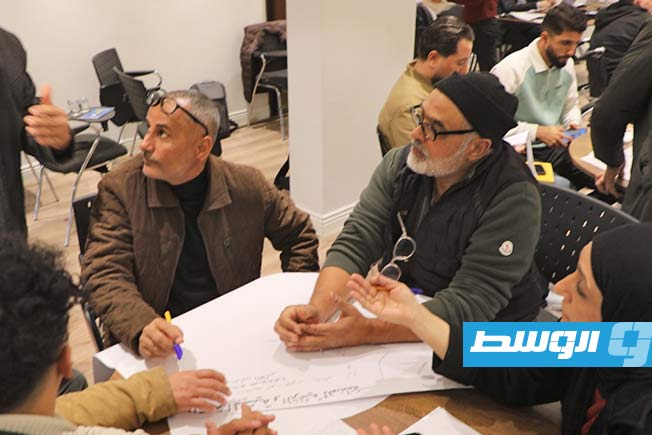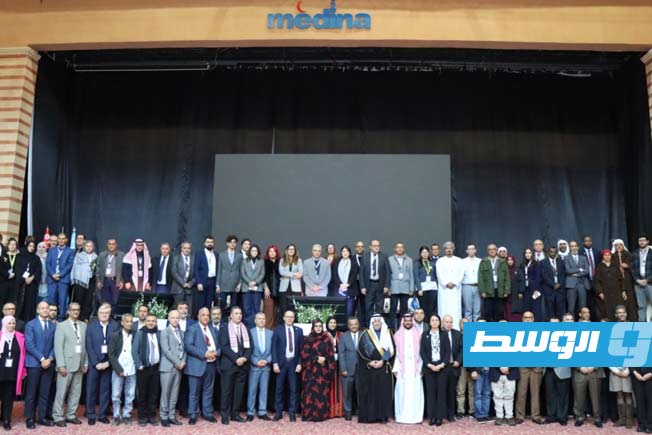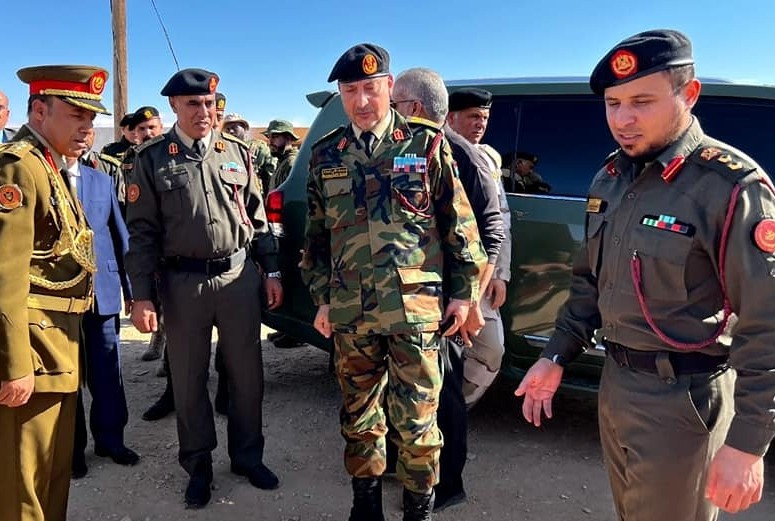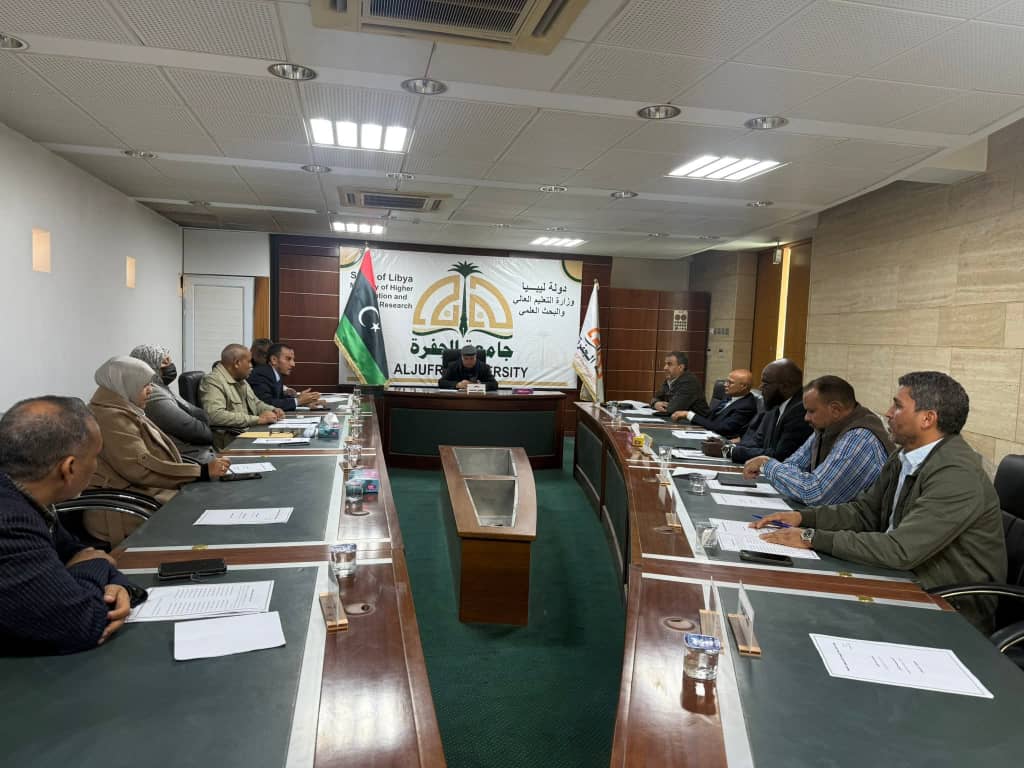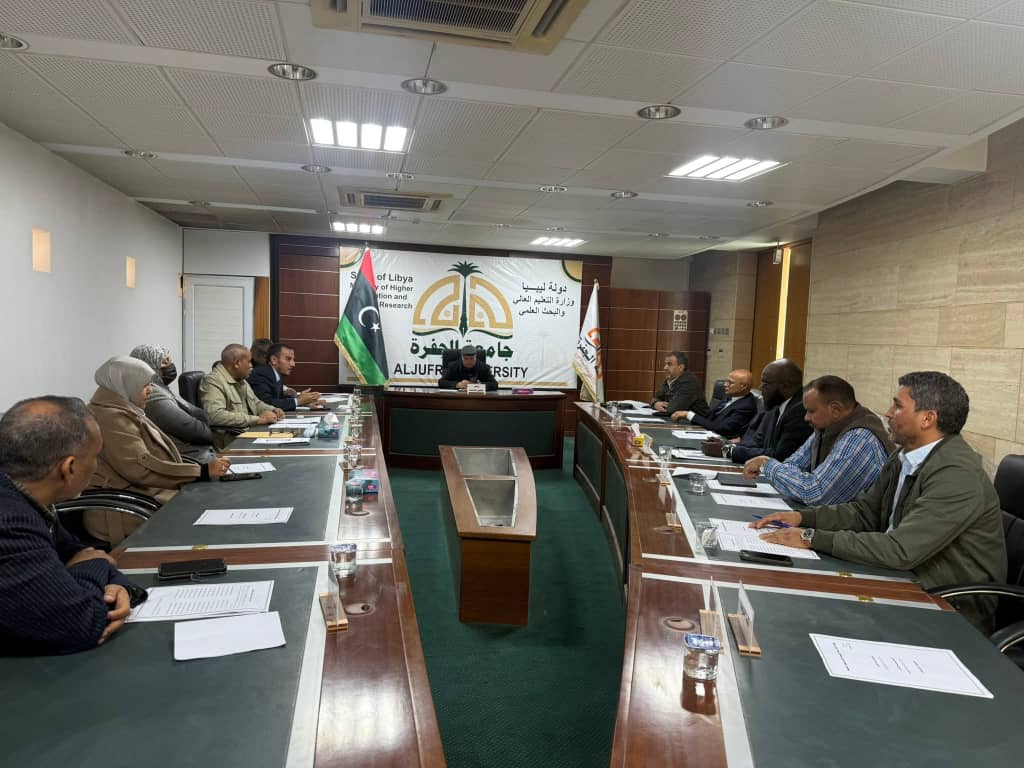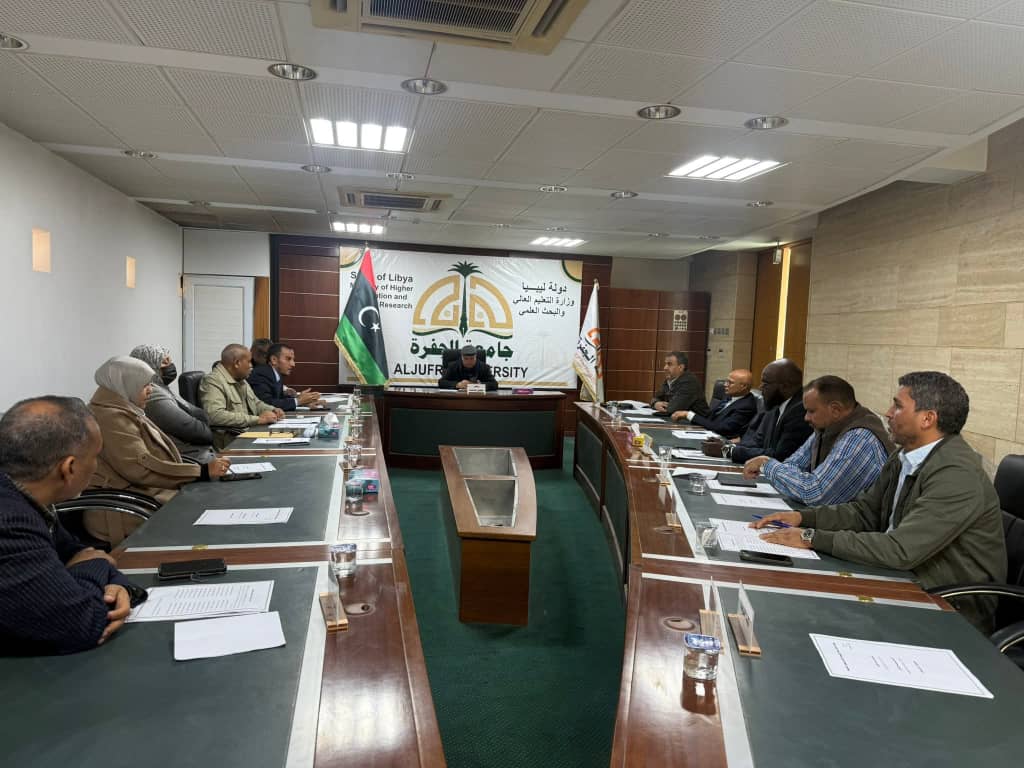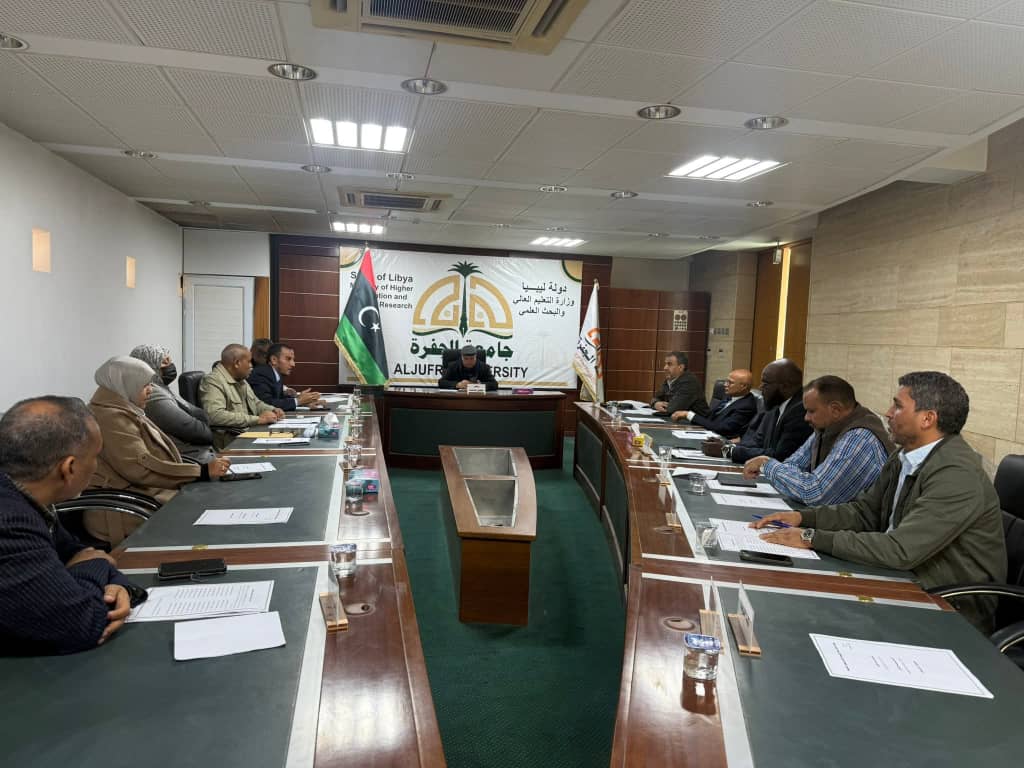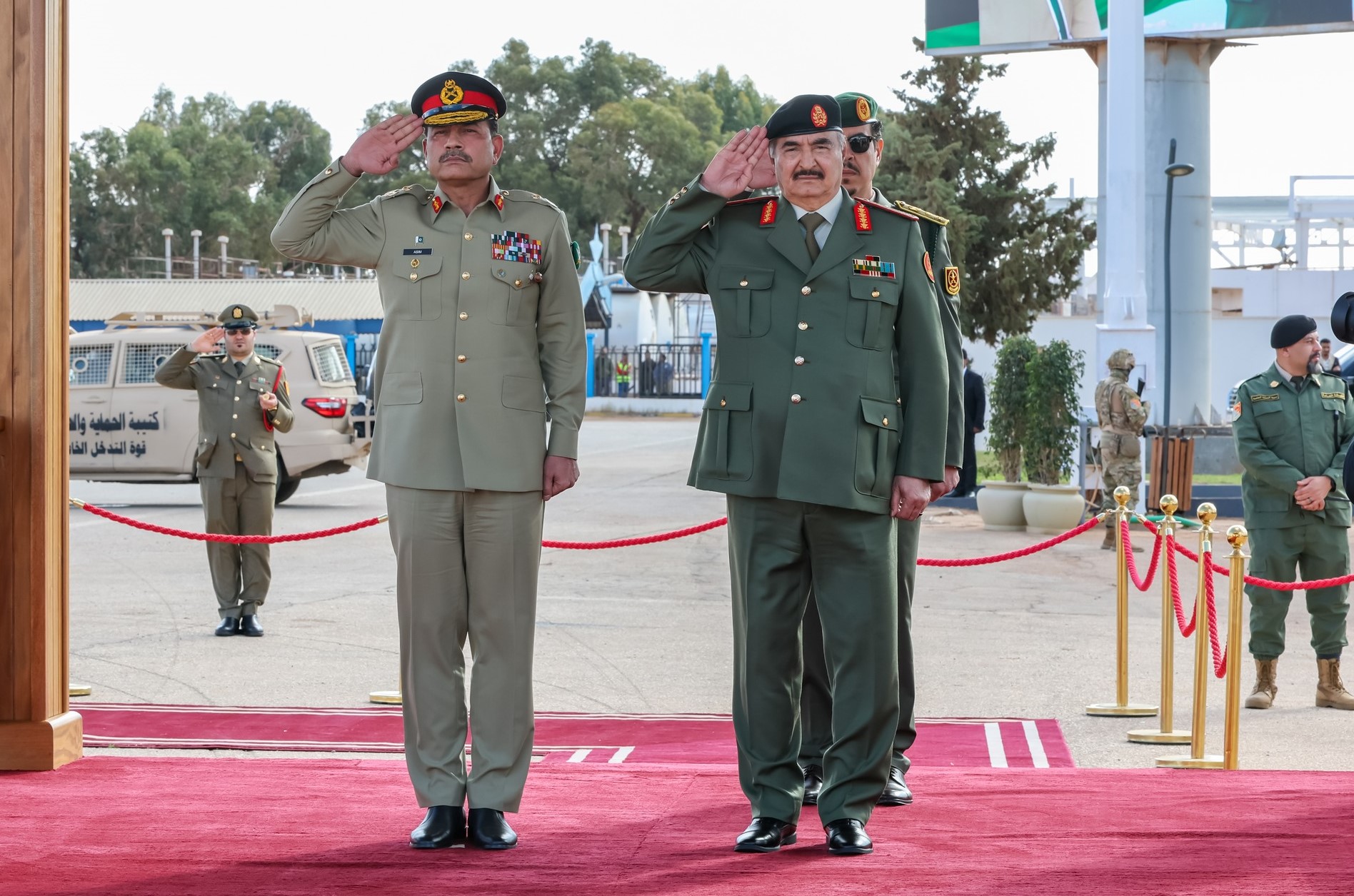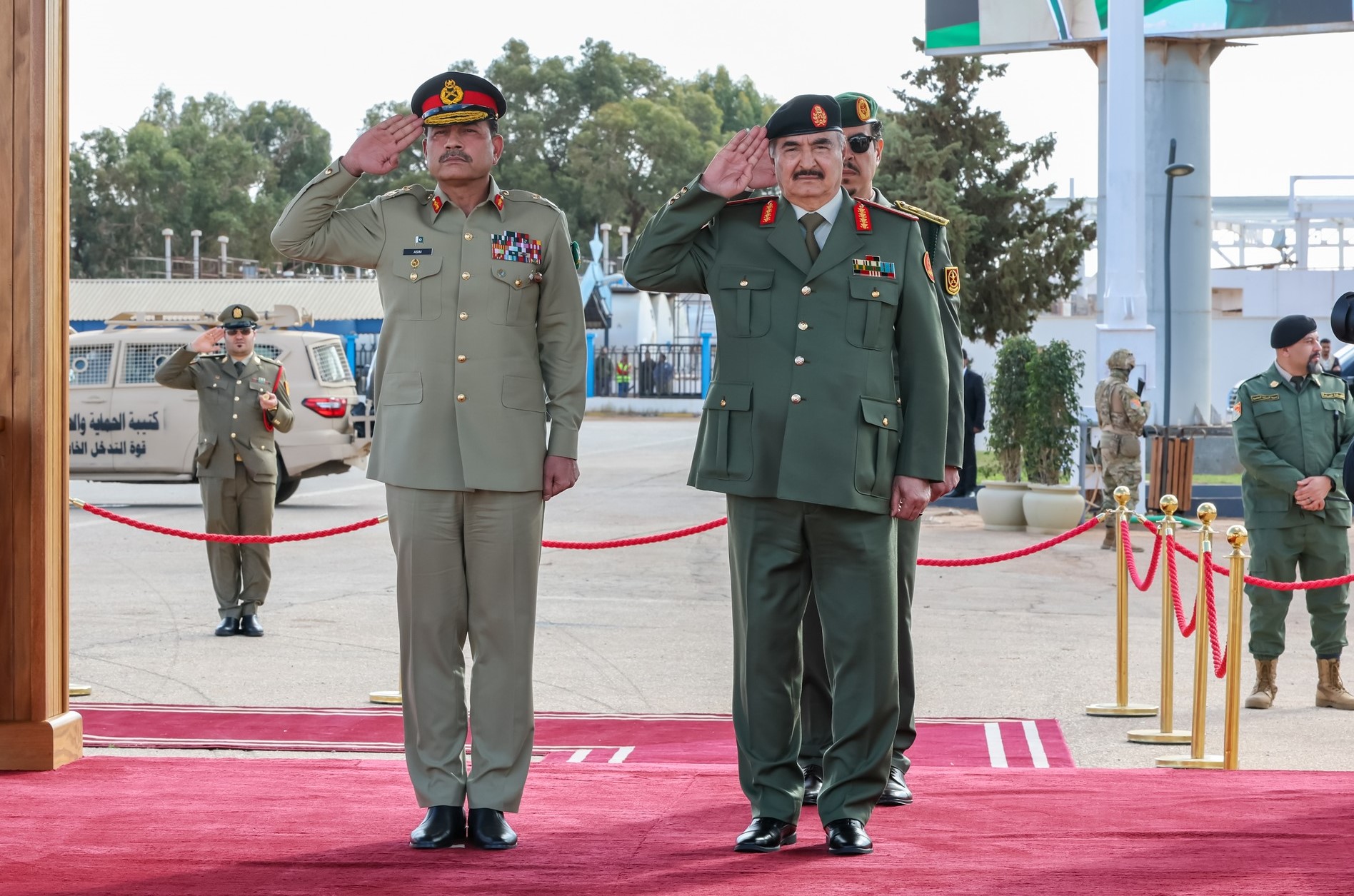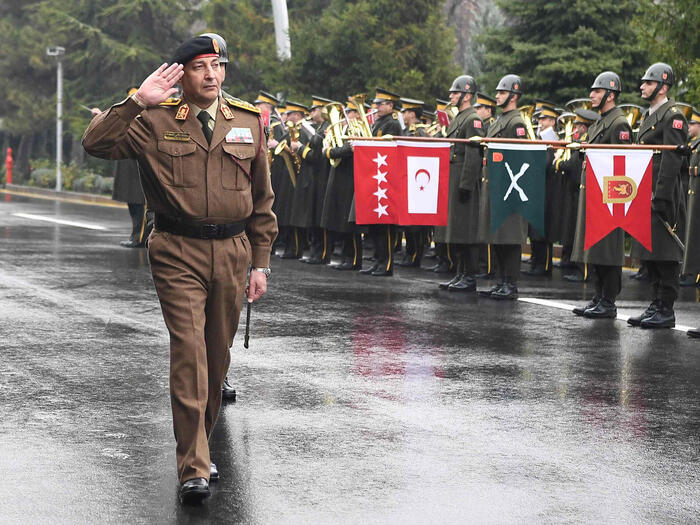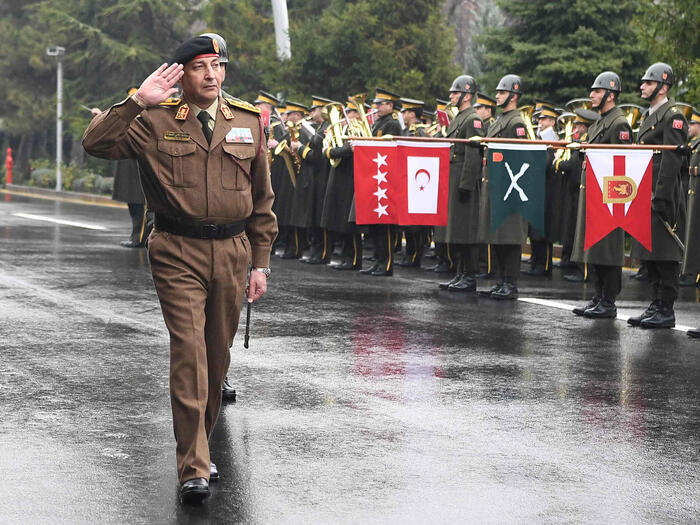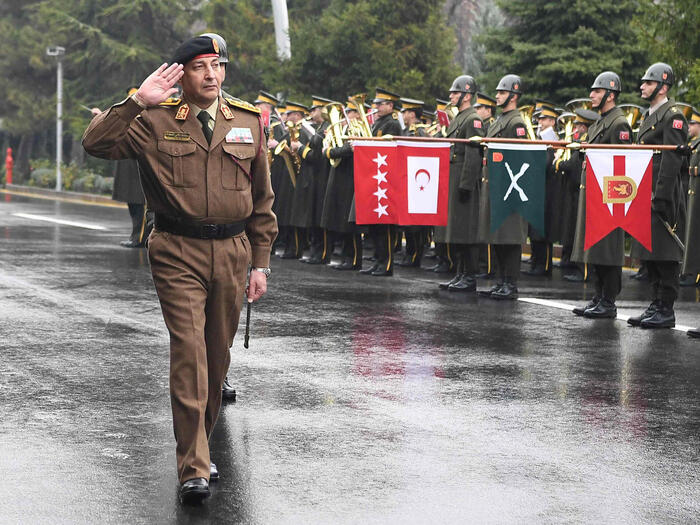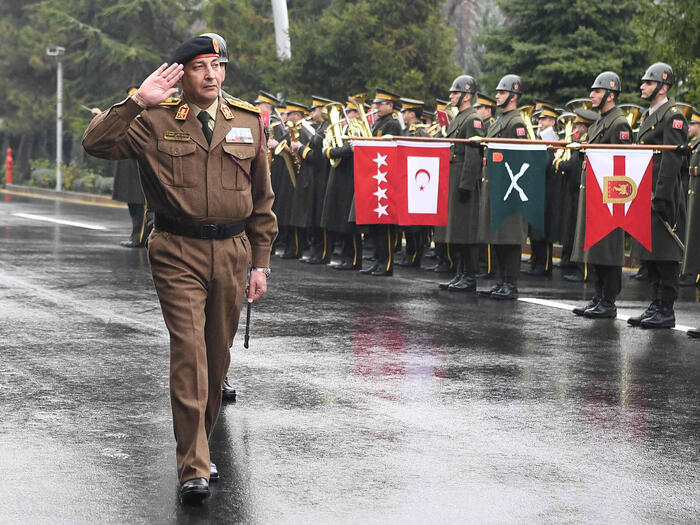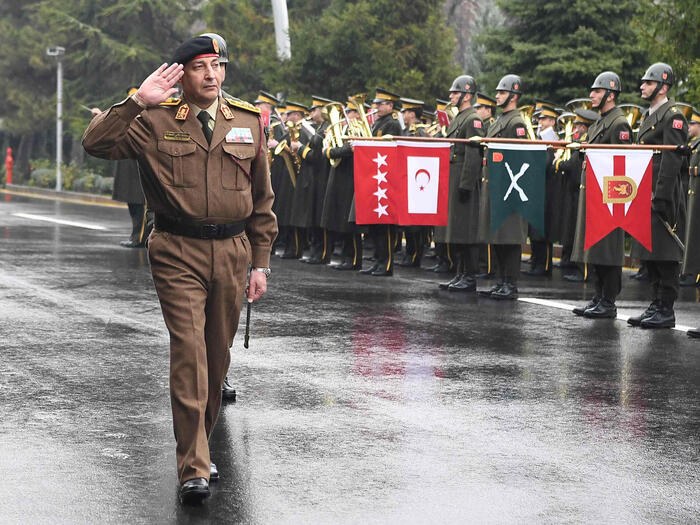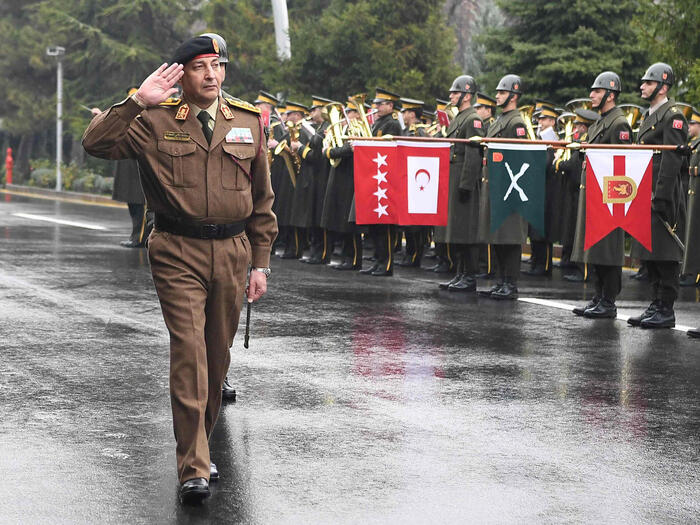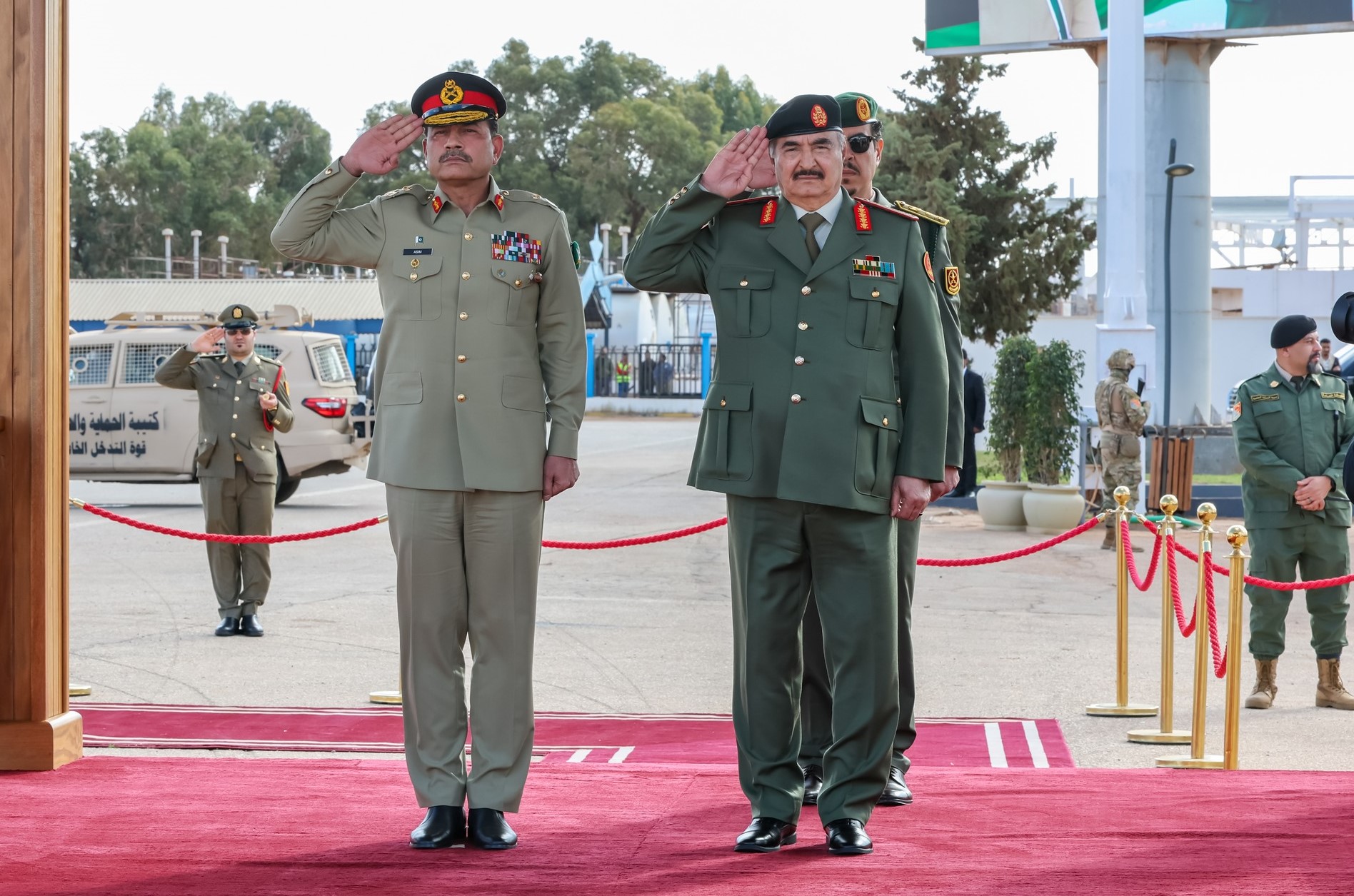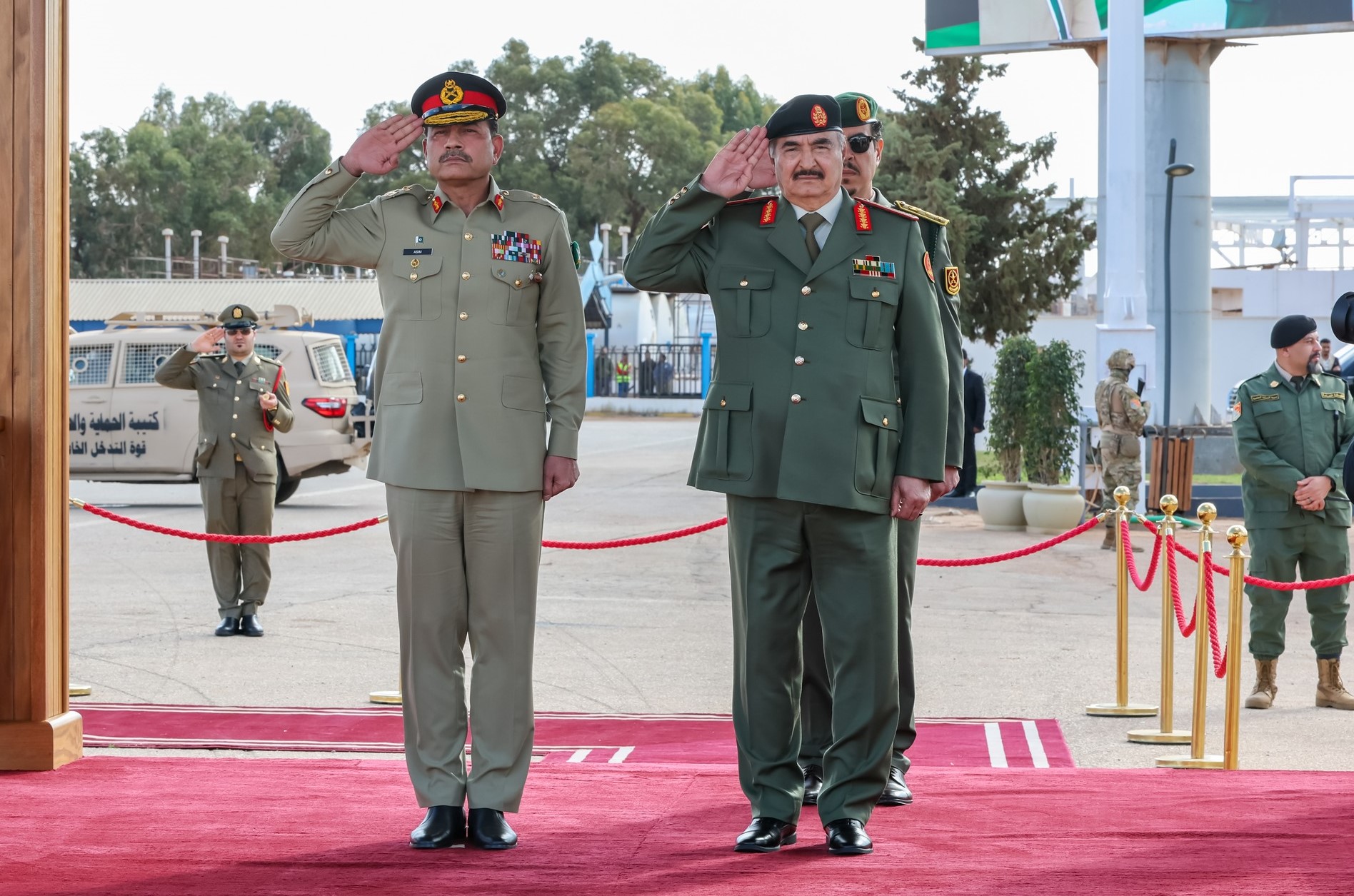
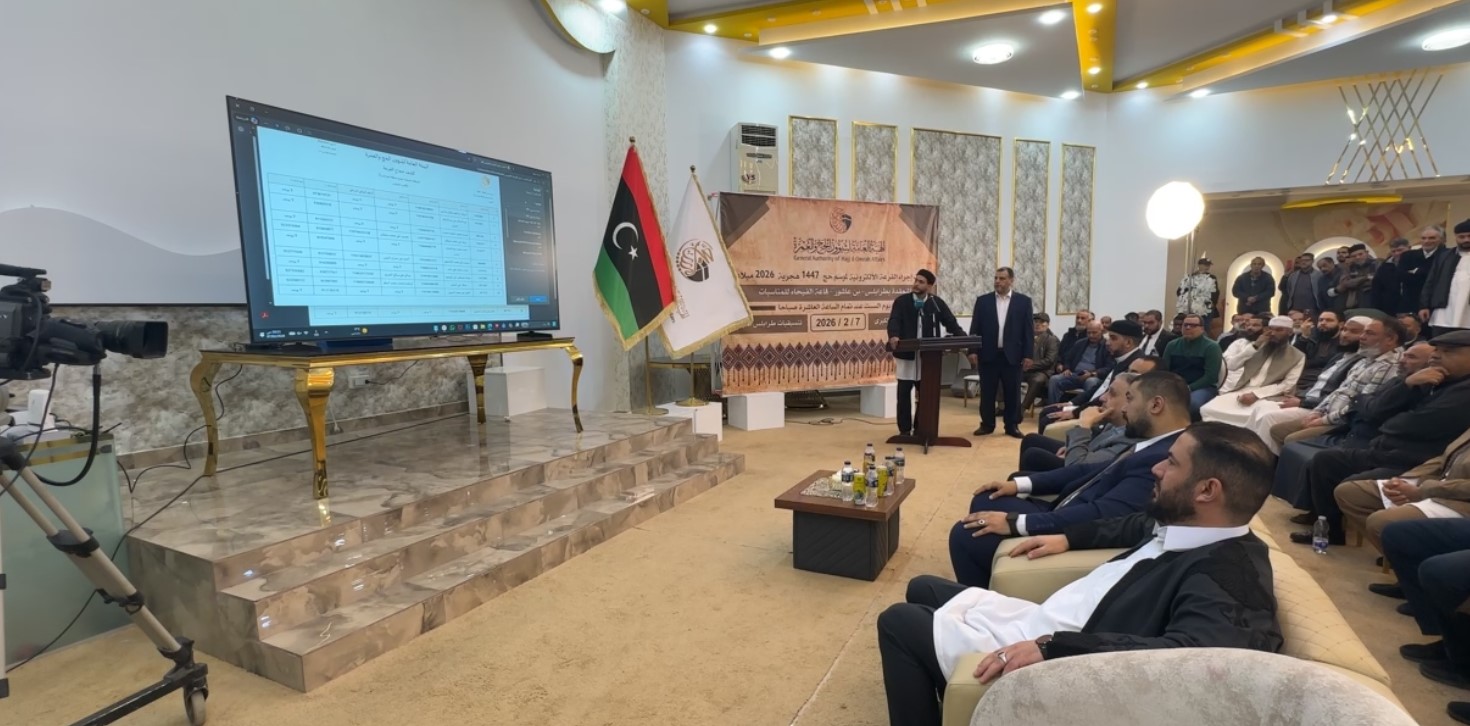
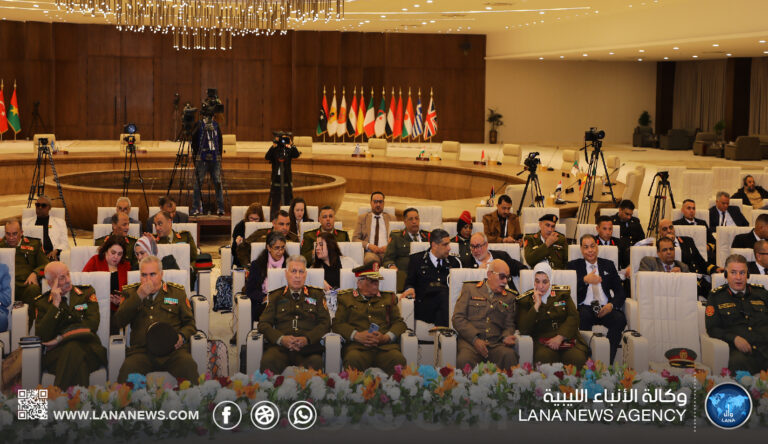
Benghazi, February 10, 2026 – The first day of the First Strategic Security Conference for Chiefs of Staff of Mediterranean Basin and Sub-Saharan countries commenced in Benghazi on Tuesday. The conference, organized by the General Command’s General Staff in Benghazi under the slogan “Joint Cooperation to Combat Cross-Border Crimes,” is being attended by a number of chiefs of staff, military and security leaders, academics, and international experts.
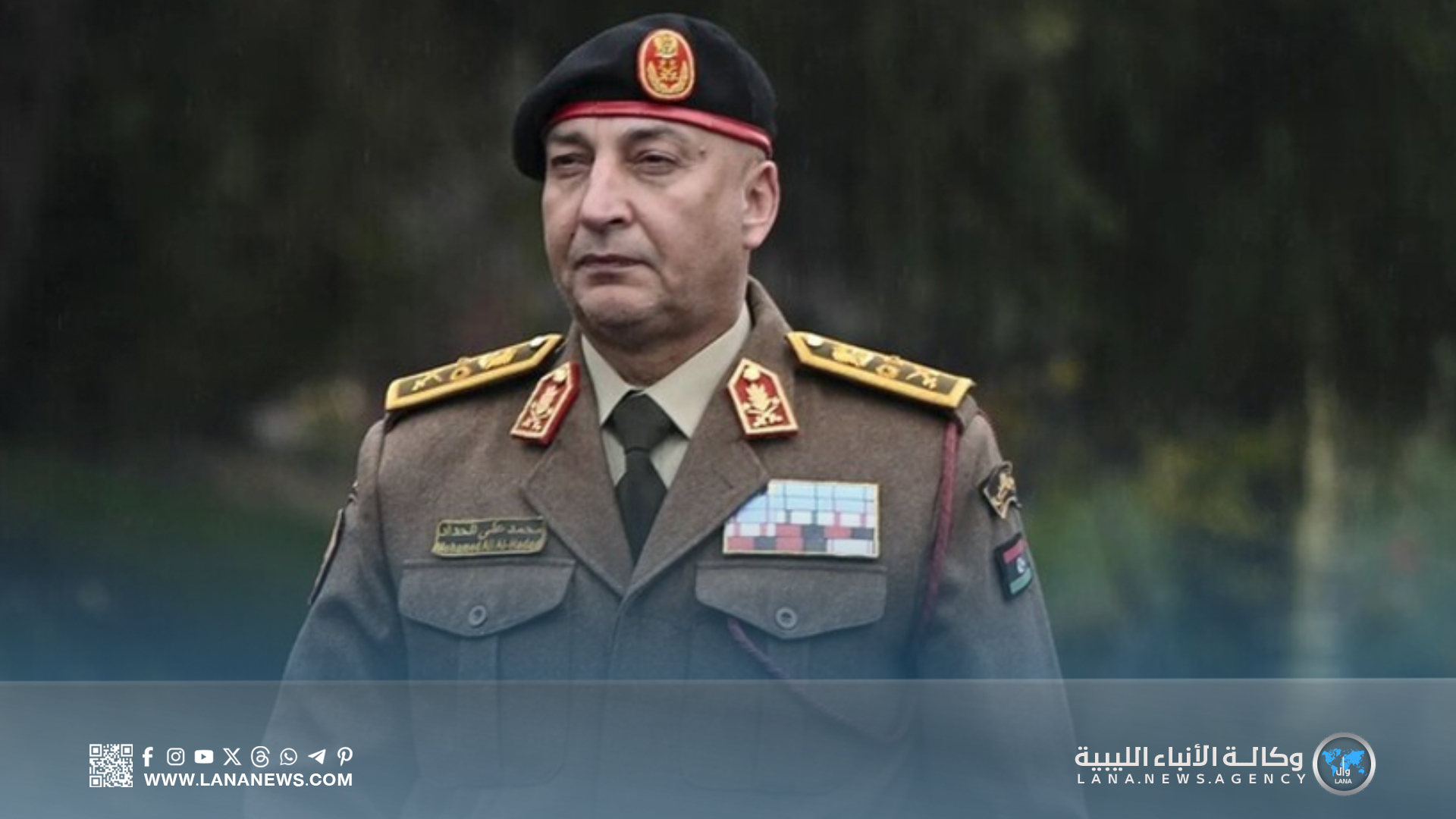
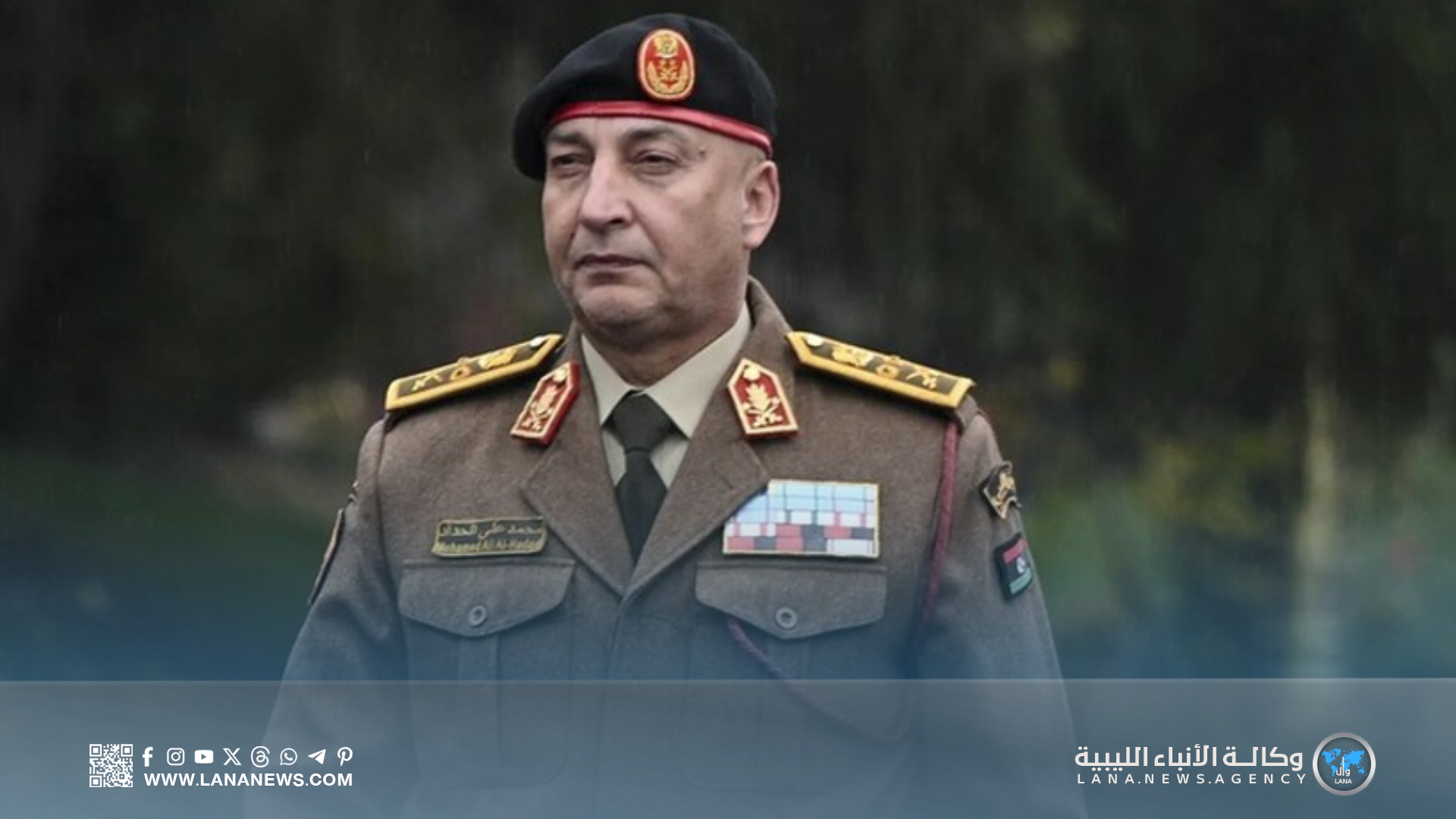
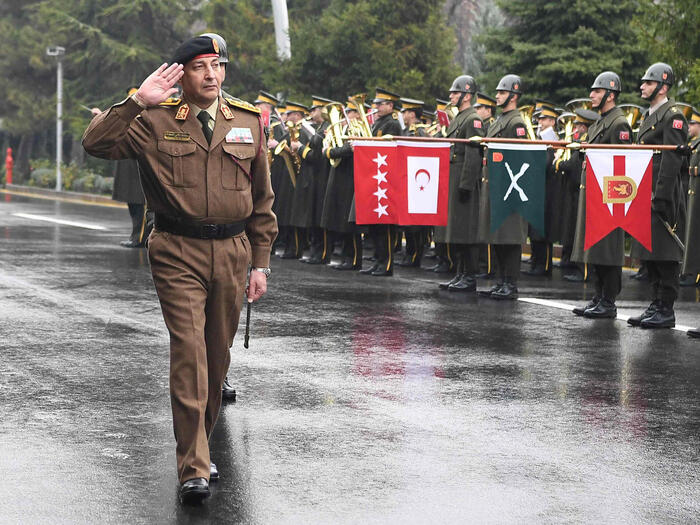
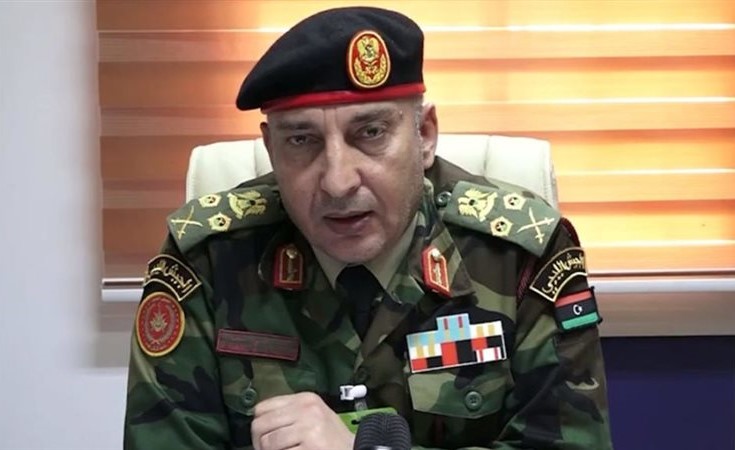
The opening ceremony was attended by the Chief of Staff of the General Command, General Khalifa Haftar, representatives from the United Nations, as well as ambassadors, heads of diplomatic missions, military attachés, and a number of researchers and specialists in the fields of security, counter-terrorism, organized crime, cybersecurity, and crisis management.
He stated that holding this conference highlights a collective awareness of the scale of growing challenges facing the countries of the region and a shared sense of responsibility towards their security and stability. He emphasized that cross-border crime has become a serious threat to the national security of states, due to the violations it carries that affect state sovereignty and societal security, and target national and international laws and systems.
The Chief of Staff stressed that security constitutes the fundamental pillar for the stability of peoples and the building of states, warning of the escalation of criminal activities, terrorist threats, human and drug trafficking networks, and cybercrimes, which thrive on weak international coordination and the expanding area of chaos.
The conference includes discussions on 47 research papers presented by local and international researchers and experts, including 18 international experts. These papers shed light on the current security situations and mechanisms for enhancing regional and international cooperation to combat organized crime, illegal migration flows, and terrorist and cybercrimes.
The research papers also address international agreements related to combating crime, and ways to unify efforts and exchange expertise between military and security institutions.
The conference continues for three days, from February 10 to 12, featuring scientific sessions and dialogues aimed at enhancing coordination between the chiefs of staff of the region’s countries and establishing practical foundations for joint security cooperation. This is intended to contribute to confronting current challenges and consolidating regional and international security and stability.