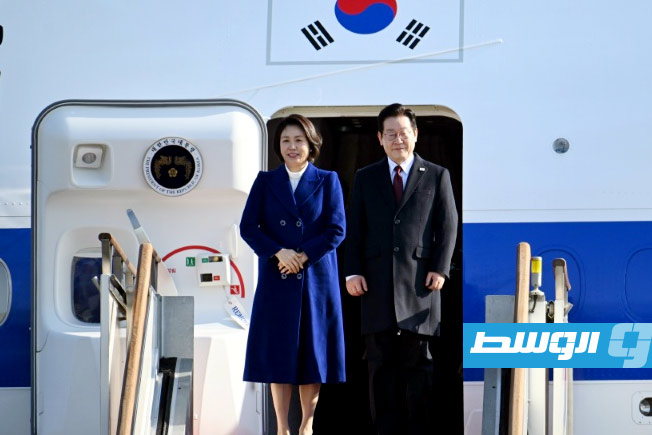
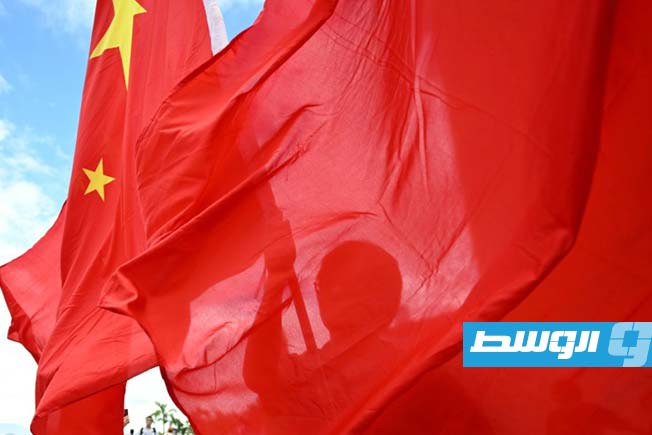
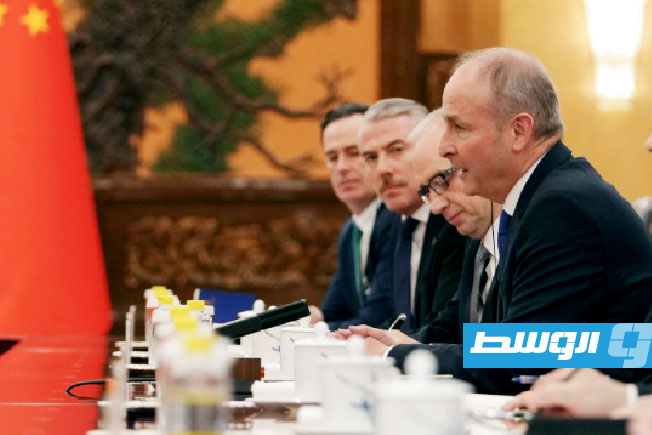
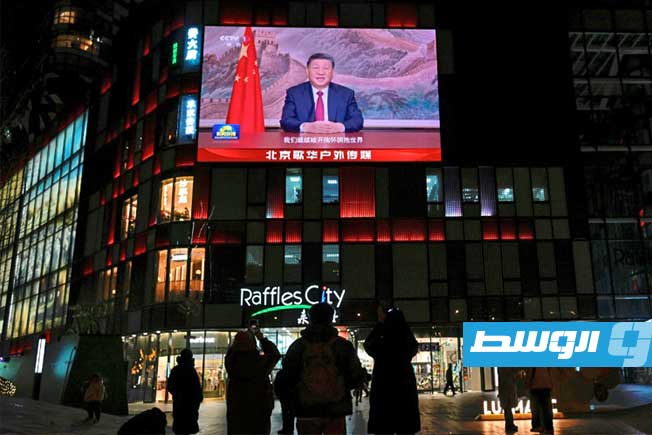
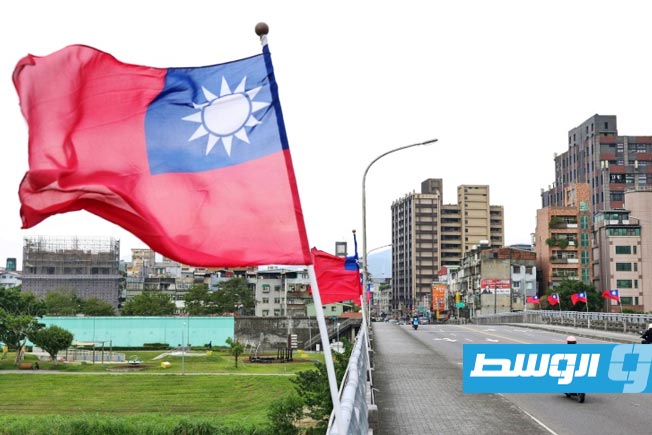
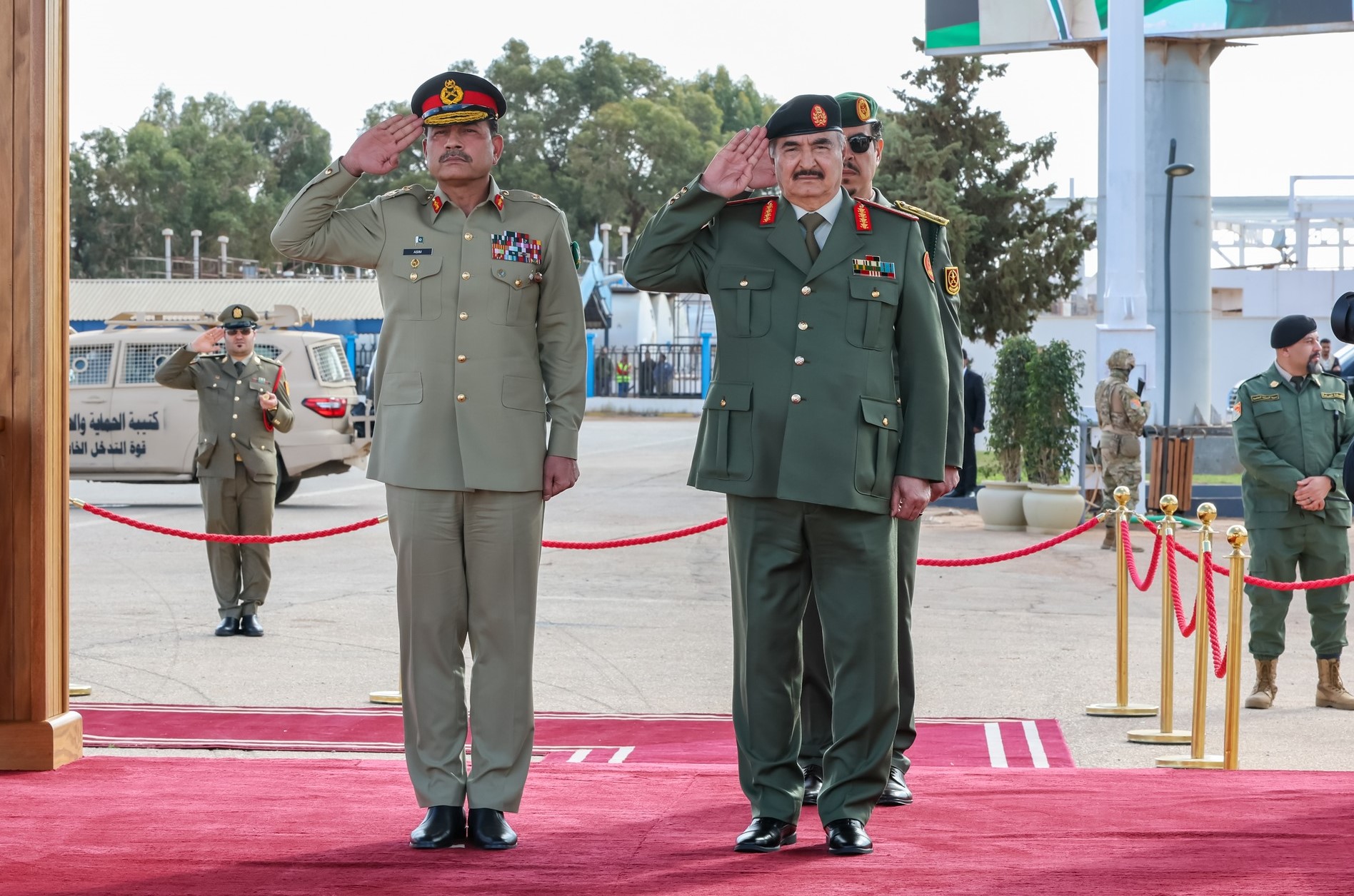
South Korean President Lee Jae-myung arrived in Beijing on Sunday, seeking to strengthen economic relations with China, his country’s largest trading partner. It is expected that he will avoid sensitive topics such as China’s recent military exercises around Taiwan in his talks. This marks the first official visit by a South Korean president to China since 2019.
Lee is accompanied by a delegation that includes heads of several companies, including Samsung and Hyundai. The South Korean President called for trade relations that are “more equitable and serve the interests of both countries.” He is scheduled to meet his Chinese counterpart, Xi Jinping, on Monday, followed by trade talks with a number of senior officials on Tuesday.
Startup Summit in Shanghai
The South Korean President will then travel to Shanghai, a financial center home to a large community of South Korean businesspeople. There, he will participate in a startup summit and visit the former site of the Korean government-in-exile during the Japanese rule of the peninsula.
In early December, Lee Jae-myung stated that Seoul should not take sides between Japan and China, at a time when relations between the two countries are strained over the Taiwan issue and accusations from Tokyo of Chinese vessels intruding into Japanese territorial waters.
Aftermath of the Venezuelan President’s Kidnapping
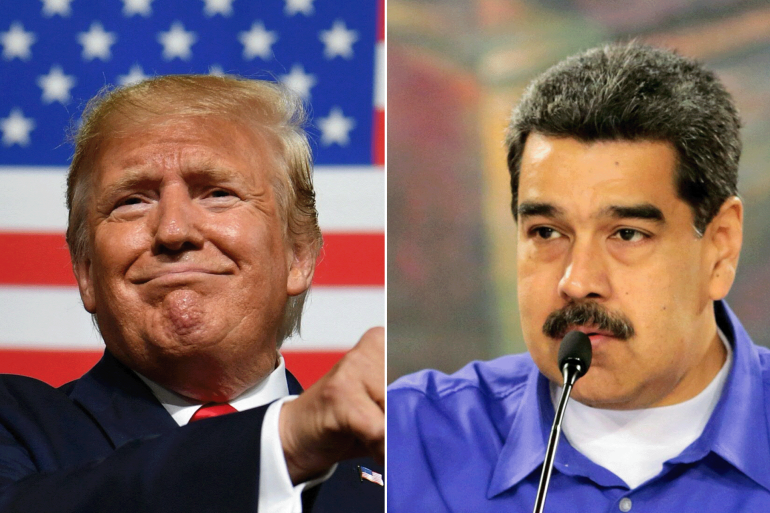
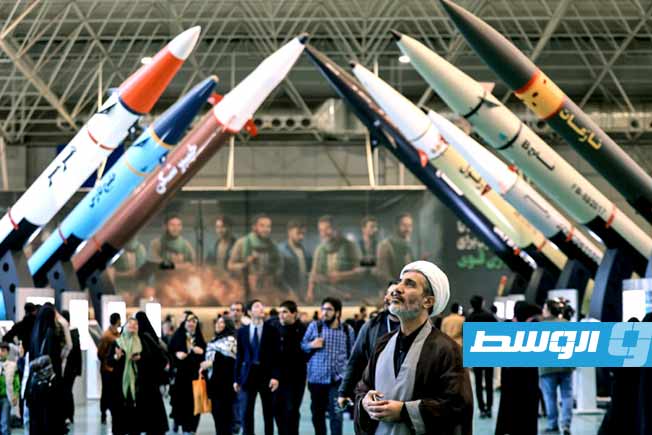
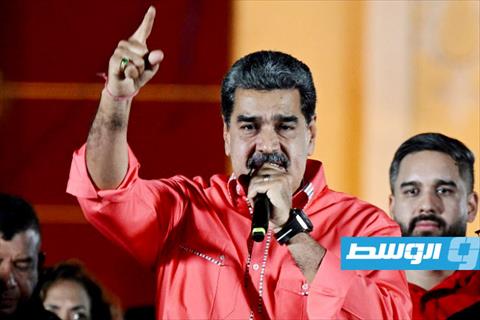
Hours before Lee Jae-myung’s departure for Beijing, the South Korean Defense Ministry announced that North Korea had launched what are suspected to be ballistic missiles. This came a day after the United States arrested the Venezuelan President, following a scenario that Pyongyang claims the U.S. has long intended to implement against North Korean officials.
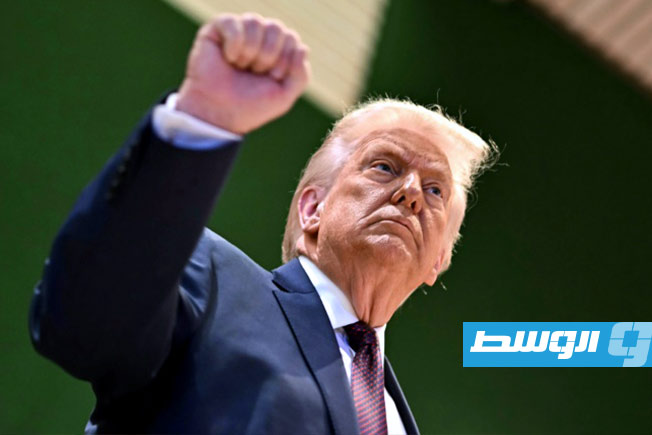
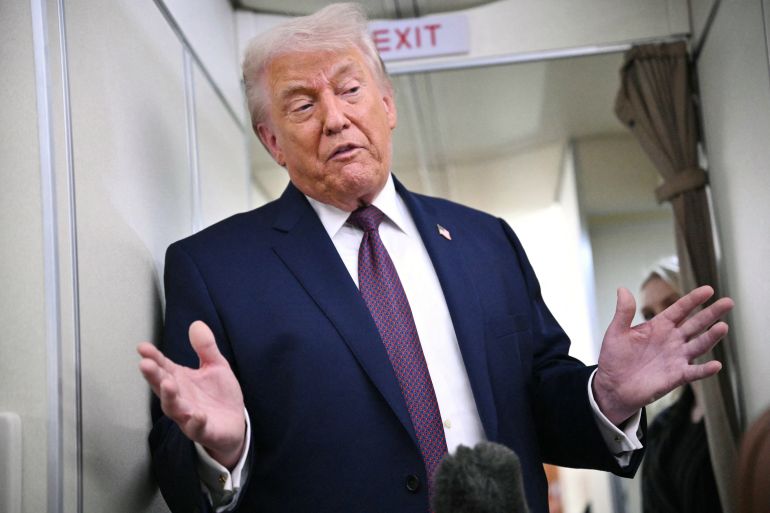
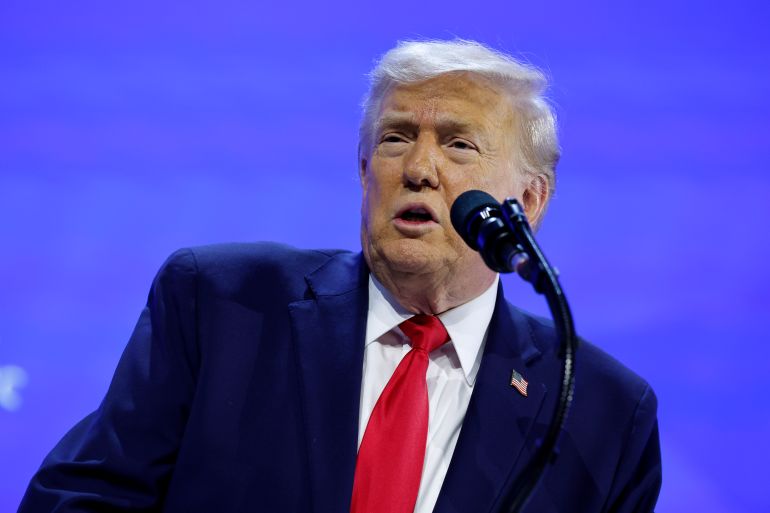
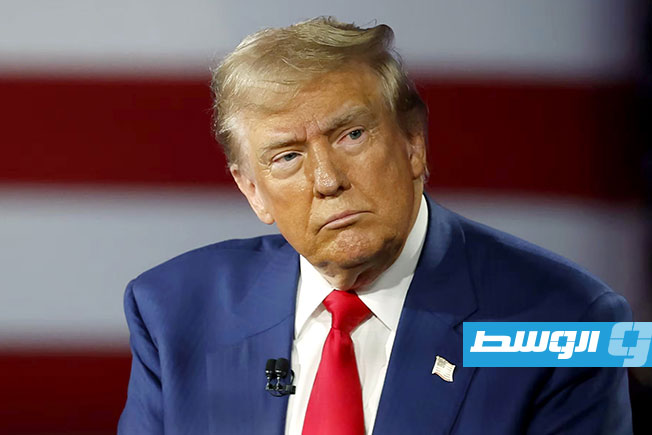
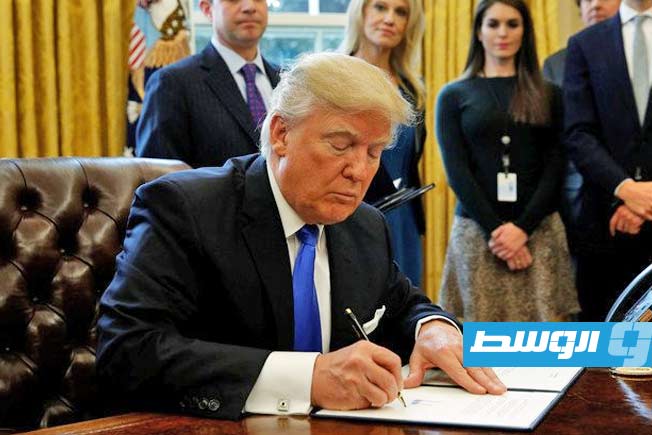
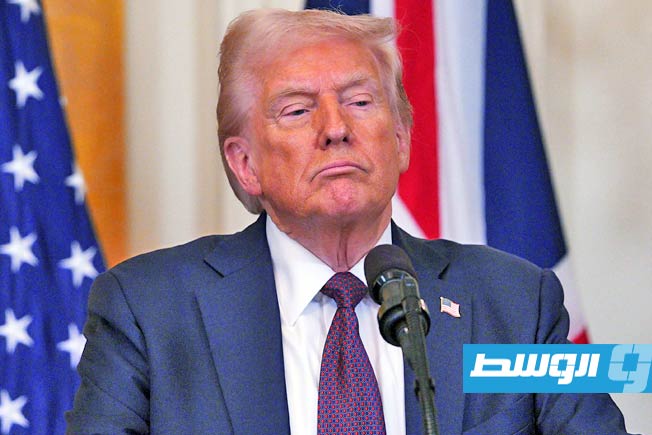
In November, North Korea conducted a ballistic missile launch test, following U.S. President Donald Trump’s approval of Seoul’s plan to develop a nuclear-powered submarine. Beijing’s influence, given its closeness to Pyongyang, could assist the South Korean President in his efforts to thaw relations with the North.
South Korea
South Korea, officially the Republic of Korea, is a country in East Asia located on the southern portion of the Korean Peninsula. Its modern history began with its establishment in 1948 following the post-World War II division of Korea, and it subsequently transformed from a war-torn nation into a high-tech industrialized democracy and global cultural exporter.
China
China is one of the world’s oldest continuous civilizations, with a recorded history spanning over four millennia. It is home to numerous UNESCO World Heritage sites, such as the Great Wall and the Forbidden City, which reflect its long imperial past and profound cultural achievements.
Beijing
Beijing is the capital of China, with a history spanning over three millennia as a significant political and cultural center. It served as the seat of imperial power during several dynasties, most notably the Ming and Qing, and is home to UNESCO World Heritage Sites like the Forbidden City and the Great Wall. Today, it is a major global metropolis that blends ancient historical architecture with modern urban development.
Taiwan
Taiwan is an island in East Asia with a complex history involving indigenous cultures, periods of Dutch and Spanish colonial rule, settlement by Han Chinese, and administration by various Chinese dynasties. It was later ceded to Japan in 1895 before being returned to the Republic of China after World War II. The island has since developed its own distinct democratic society while its political status remains a subject of international dispute.
Samsung
Samsung is a South Korean multinational conglomerate founded in 1938 as a trading company, which later expanded into electronics, shipbuilding, and construction. It is now globally recognized as a leading technology manufacturer, particularly for its smartphones and consumer electronics.
Hyundai
Hyundai is a major South Korean conglomerate founded in 1947 by Chung Ju-yung, initially as a construction company before expanding into automobiles, shipbuilding, and other industries. It is historically significant for playing a central role in South Korea’s rapid industrialization and economic growth, known globally for its Hyundai Motor Company.
Xi Jinping
Xi Jinping is the current President of the People’s Republic of China and General Secretary of the Communist Party of China, roles he has held since 2012 and 2013 respectively. His leadership is associated with major policy initiatives like the Belt and Road Initiative and a focus on national rejuvenation, often summarized as the “Chinese Dream.”
Shanghai
Shanghai is a major global financial hub and port city on China’s east coast, which grew from a small fishing village into a treaty port opened to foreign trade after the First Opium War in the mid-19th century. Its iconic skyline, including the Bund and Pudong district, reflects its history of international concessions and its rapid modern development.
Korean government-in-exile
The Korean government-in-exile was established in Shanghai in 1919 following the March 1st Movement against Japanese colonial rule. It operated from various cities in China before relocating to Chongqing, leading the independence movement and coordinating diplomatic efforts until Korea’s liberation in 1945.
Japan
Japan is an island nation in East Asia with a rich cultural history spanning millennia, including ancient imperial traditions, samurai culture, and periods of isolation. It is renowned for its blend of deep-rooted customs—such as Shinto and Buddhist practices—with rapid modernization and technological innovation following the Meiji Restoration and post-World War II recovery.
Venezuela
Venezuela is a South American country known for its diverse landscapes, including the Andes mountains, Amazon rainforest, and Caribbean coastline. Historically, it was a Spanish colony until achieving independence in the early 19th century under leaders like Simón Bolívar, and its modern economy has been heavily defined by its vast petroleum reserves.
North Korea
North Korea, officially the Democratic People’s Republic of Korea (DPRK), is a country in East Asia founded in 1948 following the post-World War II division of the Korean Peninsula. It is a single-party state led by the Kim dynasty, established by Kim Il-sung, and has been historically isolated due to its *juche* ideology of self-reliance and its nuclear weapons program.
United States
The United States is a federal republic founded in 1776 after declaring independence from Great Britain, with its current government established by the U.S. Constitution in 1789. It grew from thirteen original colonies to span the North American continent, becoming a global economic and military power in the 20th century. The nation’s history is marked by significant events including westward expansion, the Civil War, and major contributions to industry, technology, and popular culture.
Pyongyang
Pyongyang is the capital and largest city of North Korea, serving as the political, industrial, and cultural center of the country. Historically, it was the capital of ancient Korean kingdoms like Gojoseon and Goguryeo, though it was heavily rebuilt after being devastated during the Korean War, with its modern architecture and monuments largely reflecting the state ideology of Juche.
Donald Trump
Donald Trump is a businessman and media personality who served as the 45th President of the United States from 2017 to 2021. His presidency was marked by significant political polarization and a populist “America First” agenda.
Seoul
Seoul is the capital of South Korea, a bustling metropolis with a history stretching back over two thousand years. It served as the capital of the Joseon Dynasty from 1394, and historic sites like Gyeongbokgung Palace and the city gates stand alongside its modern skyscrapers. Today, it is a global center for technology and culture.