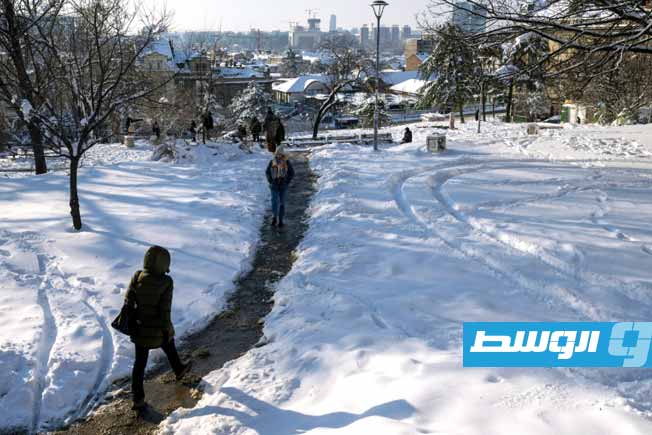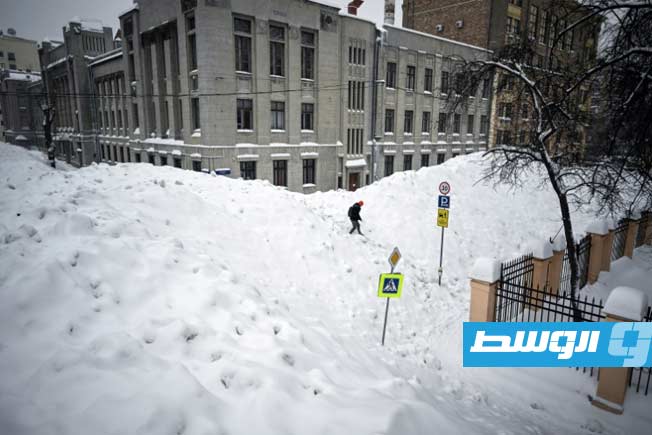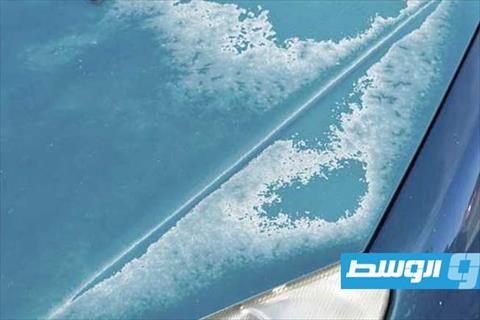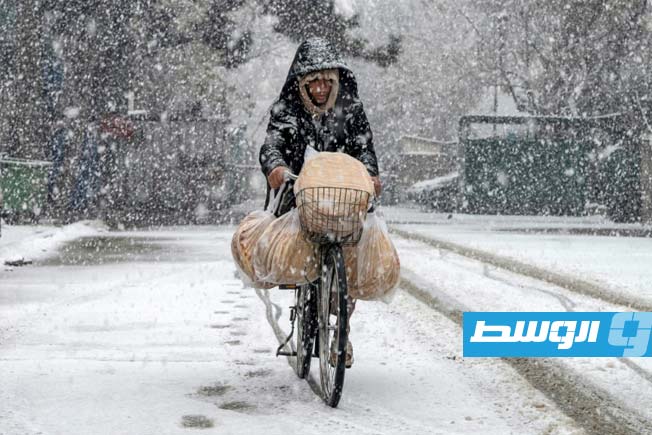
The first snowflakes falling in Kabul brought a sense of joy rarely felt by the city’s residents as children turned plastic bags into sleds in the streets, youths threw snowballs, and families went out to take pictures.
A 22-year-old resident and her family had been anticipating the snowfall because “half of winter had passed without snow (in Kabul), so people were really starting to worry and pray for it.” She recounts: “We didn’t stop checking the weather forecast, and we were very happy and relieved” when the snow fell on Thursday morning.
She says: “In recent years, when it snows in Kabul, it feels like a blessing.”
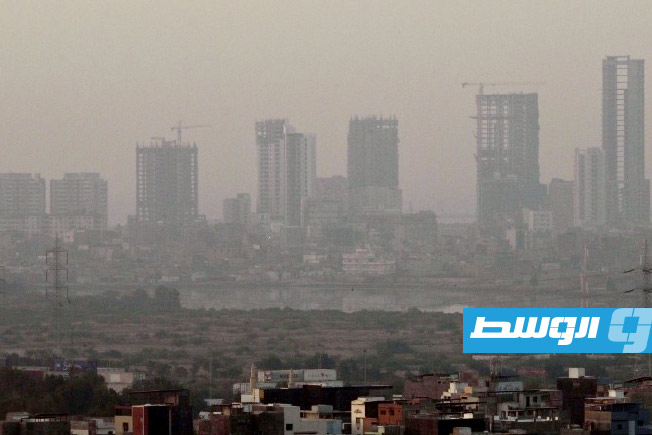
The Afghan capital is usually covered in white in December, but Kabul and its six million inhabitants are facing the consequences of climate change, which has endangered its water resources.
Due to increasing urban expansion and climate change, the groundwater in the Afghan capital could dry up by 2030, according to estimates from the UN program for sustainable urban development.
According to other UN studies, drought has affected half of Kabul’s wells, which are the main source of drinking water for the population.
Water Scarcity
A 32-year-old cook explains: “We all need water, and water is scarce in Kabul.”
– From rubble and clay… Gaza revives ‘mud houses’ to confront the siege and winter cold
– Iranians celebrate ‘Yalda’ night under pressure from inflation, stagnation, and winter cold
– Held in winter… donkey races attract youth in Bahrain
The well dug 100 meters deep, which supplied his family with water last year, has dried up.
He hopes that this snowfall will contribute to raising the groundwater level, ensuring his home has access to water this year.
In addition to his relief about water abundance, he seemed happy walking through streets covered with a thick layer of soft snow and free of cars.
He expresses his delight, saying, “Even though I had to walk for forty minutes because I couldn’t ride my bike to work, the scene was absolutely wonderful.”
In several Afghan provinces, 16 people, including several children, died over three days due to heavy snow and rain, according to local officials and the national disaster management authority.
Roads were closed and traffic was banned, with rescue teams working around the clock to assist stranded drivers and isolated residents in their villages.
But in Kabul, the snowfall did not result in any casualties, according to the authorities.
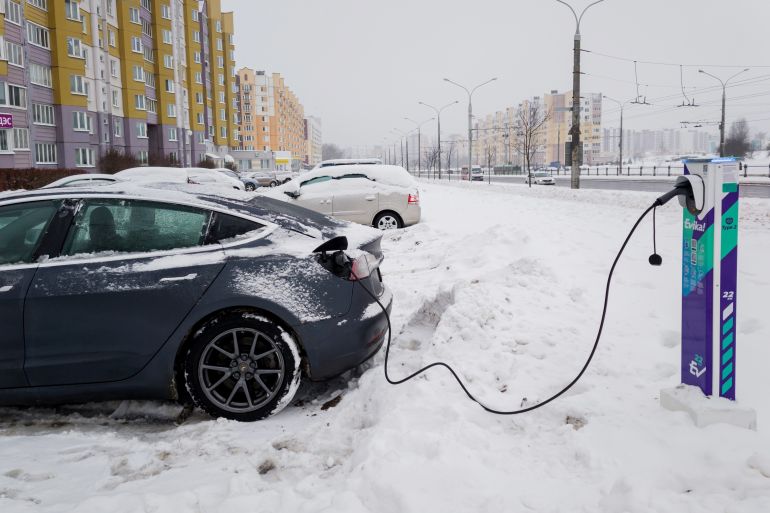
Also, traffic, which is usually heavy even on Fridays, was limited, as many drivers preferred to leave their vehicles parked.
Youths seized the opportunity to throw snowballs in the roads, while many customers rushed to buy hot soup or coffee from street vendors.