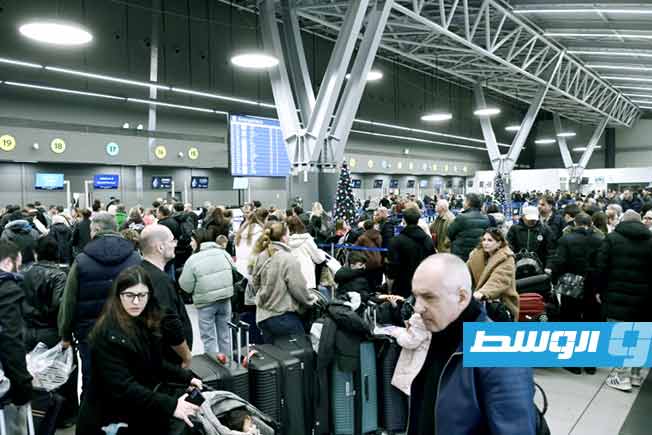
A severe cold wave, one of the coldest of the current winter, disrupted travel on Monday in Britain, France, and the Netherlands, where roads were closed, flights were suspended, and train services, including Eurostar, were canceled, just days after disruptions following a power outage.
Eurostar, which connects the United Kingdom to mainland Europe, asked travelers between London and the Netherlands to postpone their journeys, as trains could not run beyond Brussels due to bad weather.
Train services through the Channel Tunnel resumed on New Year’s Eve after a power cut had delayed thousands of travelers; some even spent an entire night on a train without electricity.
Suspension of train services in the Netherlands
Following the announcement of suspended train services in the Netherlands, Eurostar asked affected travelers not to go to the station. Six trains between London’s St Pancras International and Paris’s Gare du Nord were canceled, with most other trains delayed.
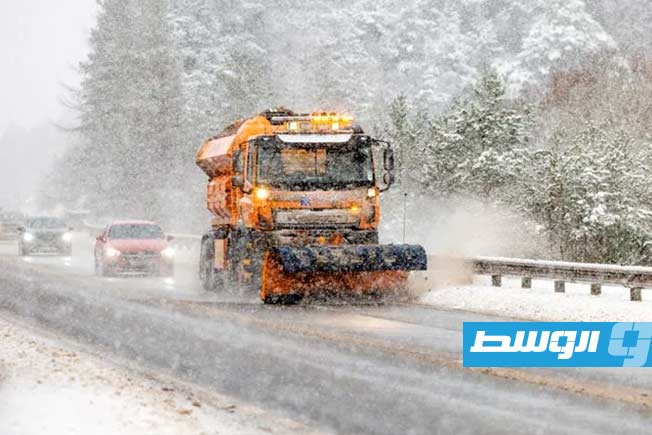
Meanwhile, Britain’s rail authority deployed snowplows in Scotland to clear accumulated snow from the tracks, which reached a thickness of 52 centimeters on Monday morning in Tomintoul, near Inverness in northeast Scotland.
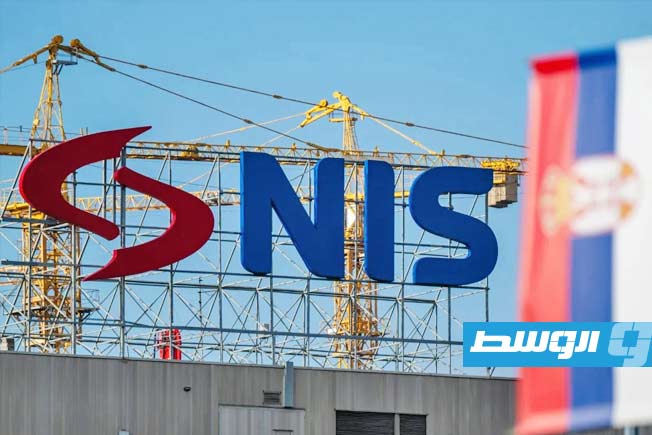
The Dutch railway company NS reported that its services were severely disrupted on Monday, especially in the Amsterdam area, with a reduced number of trains scheduled for some parts of the country on Tuesday.
Snowfall and ice in Scotland
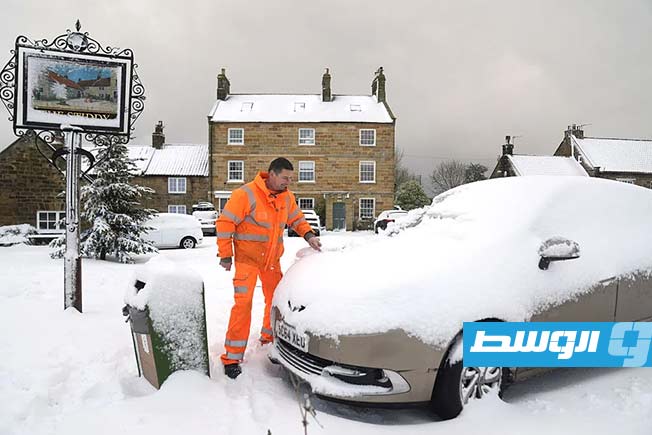
The UK Met Office issued new warnings for Monday and Tuesday regarding snowfall and ice in Scotland, Northern Ireland, and parts of northern England, noting that cold weather health alerts for all English regions would remain in effect until Friday.
The disruptions follow a cold spell that hit the UK in recent days, with temperatures dropping to -10.9°C at Shap Summit in Cumbria, northwest England, on Sunday night.
The Met Office forecast that “on Tuesday night, temperatures are expected to drop below freezing again across most of the country, with minimum temperatures over snow-covered areas potentially reaching -12°C.”
Authorities announced the closure of 212 schools in Northern Ireland, in addition to dozens of schools in Scotland, Wales, and northern England.
Flight cancellations
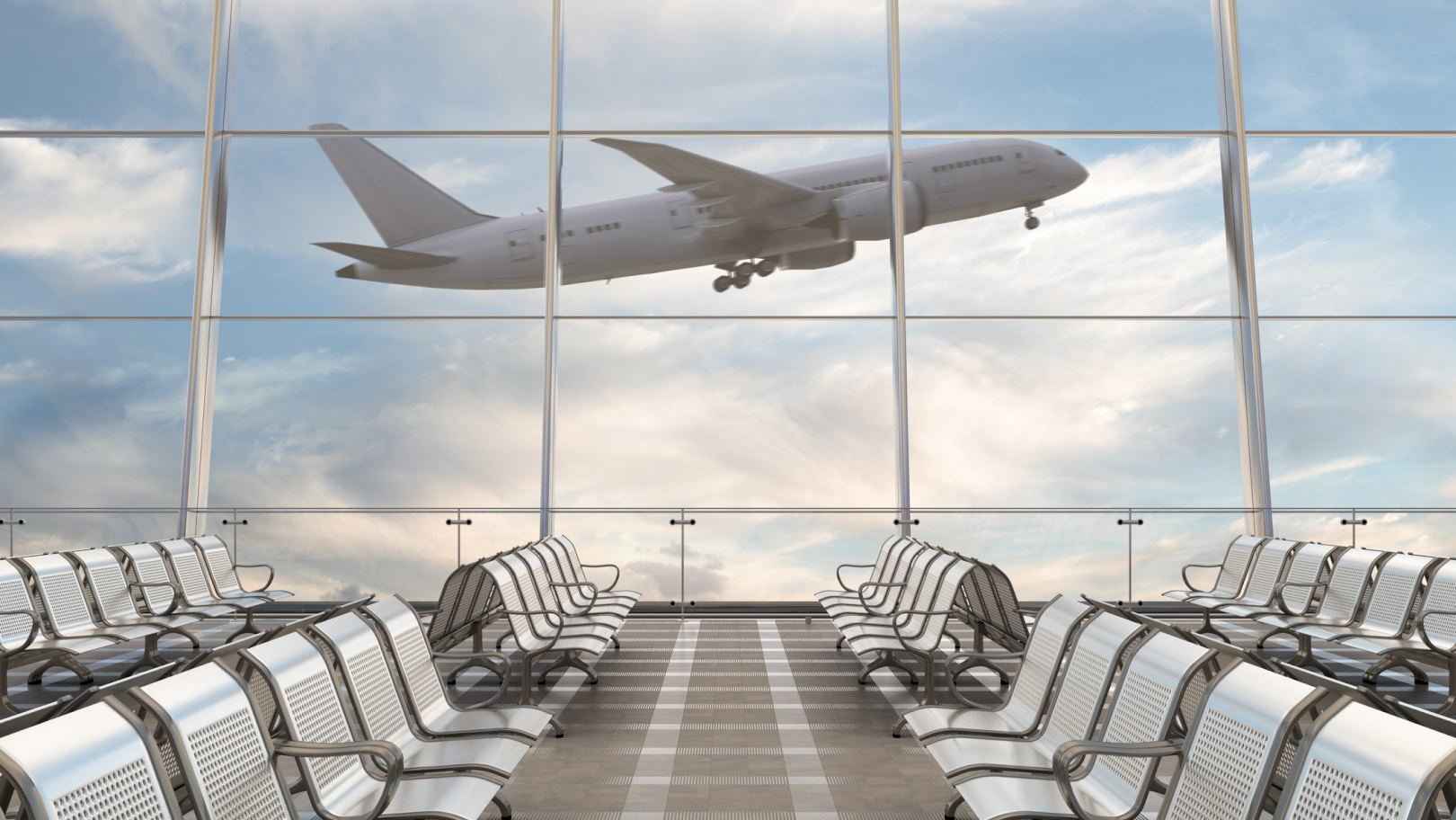
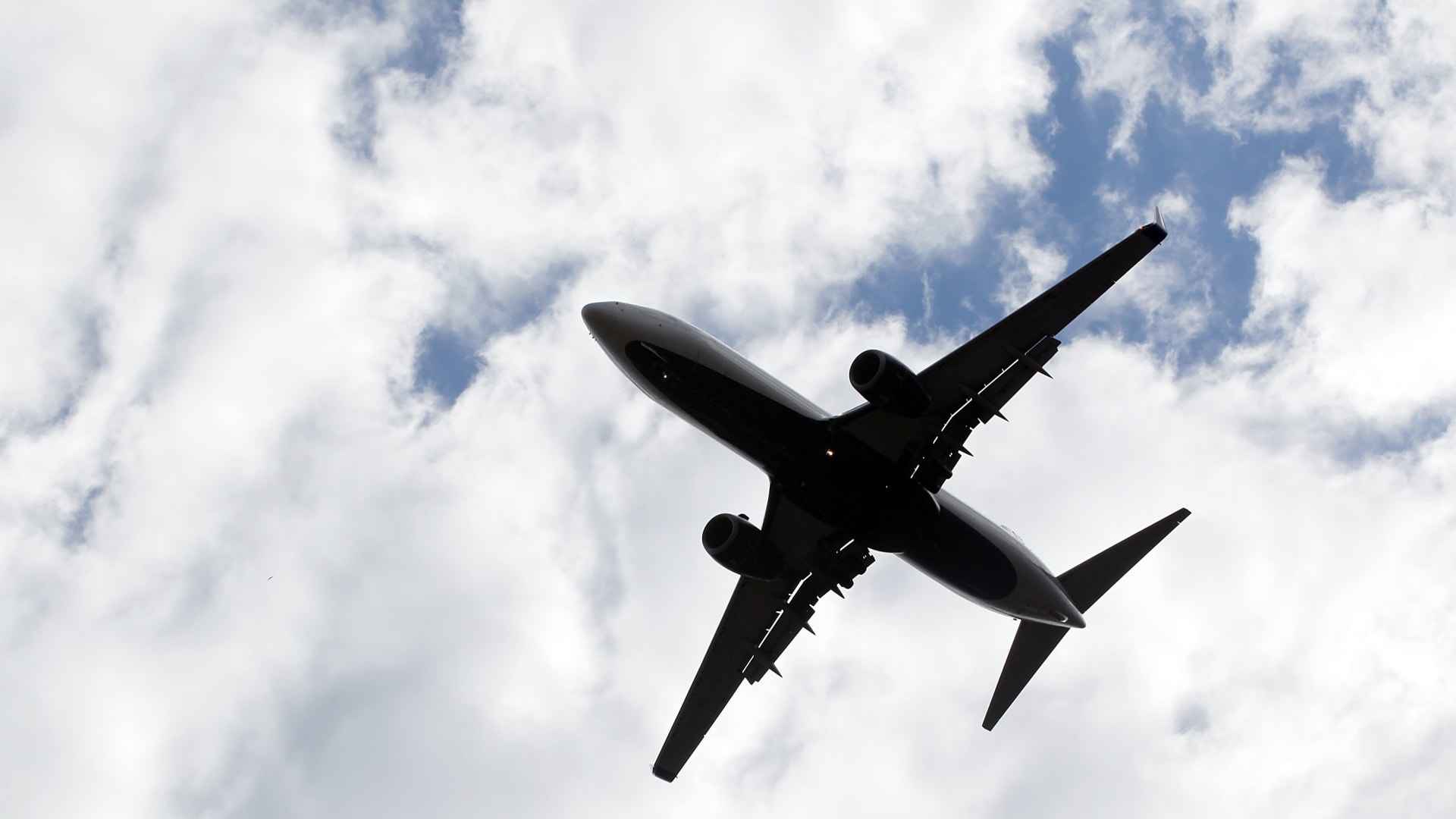
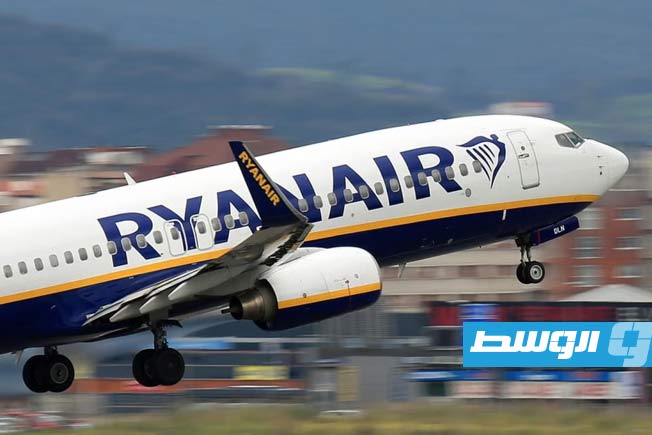
Flights were canceled at several airports, including Liverpool in northwest England, Aberdeen and Inverness in northeast Scotland, and Belfast in Northern Ireland.
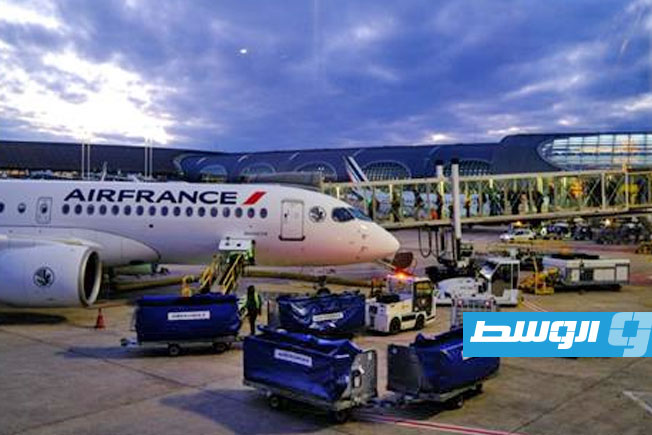
At Paris’s main Charles de Gaulle and Orly airports, heavy snowfall forced airlines to reduce their flights by 15%.
The French Transport Minister stated at a press conference that around 250 snowplows were on standby at the two airports, anticipating “cancellations and delays.”
At Amsterdam’s main Schiphol Airport, around 700 flights were canceled, more than half of the flights scheduled to depart or arrive on Monday.
Airport authorities expected reduced air traffic with further cancellations in the coming days due to bad weather.
Disruption to Paris bus network
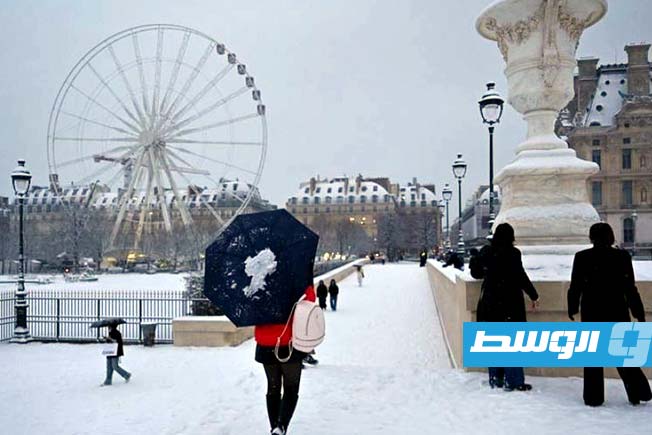
In Paris, snow and ice disrupted the bus network on Monday afternoon, and roads were severely affected, especially in the northwestern Normandy region and in the French capital, with heavy traffic congestion during rush hour.
On Monday evening, the French meteorological service issued an orange alert for snow and ice across much of northwestern France, including Paris, the second-highest alert level.
The service forecast sub-zero temperatures continuing through the evening and overnight, with temperatures expected to barely rise above freezing until Tuesday.
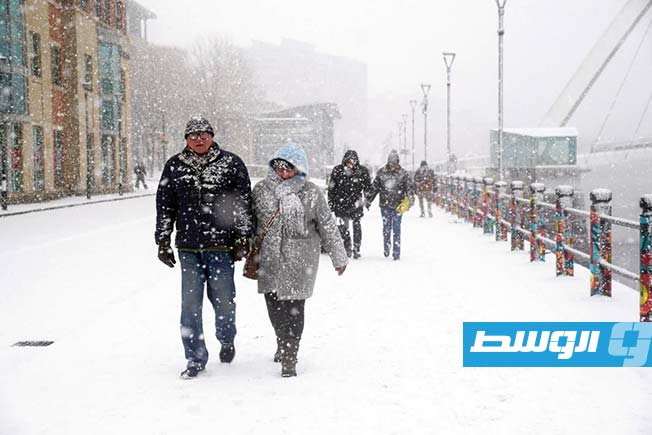
Snow covers streets and cities in Europe.Snow covers streets and cities in Europe.Snow covers streets and cities in Europe.
Britain
Britain is a sovereign island nation in northwestern Europe with a long and influential history, including the Roman occupation, the formation of the United Kingdom, and the vast British Empire. Its rich cultural heritage is reflected in institutions like the monarchy, Parliament, and landmarks such as Stonehenge and Westminster Abbey.
France
France is a Western European country with a rich cultural and historical legacy, dating from ancient Gaul through the rise of the Frankish Empire and its evolution into a major global power. It is renowned for its profound influence on art, philosophy, and politics, epitomized by landmarks like the Palace of Versailles and the Eiffel Tower, and by transformative historical events such as the French Revolution.
Netherlands
The Netherlands, historically known as the Dutch Republic, emerged as a major maritime and economic power in the 17th century. Its landscape, famously shaped by centuries of water management and land reclamation, is characterized by windmills, tulip fields, and extensive canal systems.
United Kingdom
The United Kingdom is a sovereign nation comprising England, Scotland, Wales, and Northern Ireland, with a history shaped by the Acts of Union in 1707 and 1800. It emerged as a major global power during the British Empire and is known for its constitutional monarchy and influential cultural heritage.
London
London is the capital city of the United Kingdom, founded as a Roman settlement called Londinium nearly 2,000 years ago. It has since grown into a major global financial and cultural centre, historically shaped by events like the Great Fire of 1666 and the expansion of the British Empire. Key landmarks include the Tower of London, Buckingham Palace, and the Houses of Parliament.
Brussels
Brussels is the capital city of Belgium and the de facto administrative center of the European Union. Its history dates back to a 10th-century fortress settlement, and it grew into a major commercial hub during the medieval period, renowned for its Grand Place square and Gothic town hall.
Channel Tunnel
The Channel Tunnel is a 50.5-kilometer rail tunnel beneath the English Channel, connecting Folkestone in England with Coquelles in France. Its construction began in 1988 and was completed in 1994, creating a critical fixed transport link between Great Britain and mainland Europe for both passenger and freight rail services.
St Pancras International
St Pancras International is a major railway station and hotel in London, originally opened in 1868. It is renowned for its grand Victorian Gothic architecture, designed by George Gilbert Scott, and was saved from demolition in the 1960s before being extensively renovated. Today, it serves as the London terminal for Eurostar services to continental Europe.
Paris
Paris is the capital of France, historically founded as the Roman town of Lutetia in the 3rd century BC. It is globally renowned for its iconic landmarks like the Eiffel Tower and the Louvre Museum, which reflect its long history as a center of art, politics, and culture.
Gare du Nord
Gare du Nord is a major railway station in Paris, France, first opened in 1846 and later rebuilt for the 1900 Exposition Universelle (World’s Fair). It is the busiest railway station in Europe by total passenger traffic and serves as a key hub for national trains and international services like the Eurostar to London.
Scotland
Scotland is a country within the United Kingdom, historically formed from the union of multiple ancient kingdoms and known for its long struggle to maintain independence from England, notably through figures like William Wallace and Robert the Bruce. Its distinct cultural identity is marked by traditions such as Highland games, the Gaelic language in some regions, and iconic symbols like the kilt and bagpipes.
Tomintoul
Tomintoul is a village in the Scottish Highlands, founded in 1779 by the 4th Duke of Gordon to establish a planned settlement in the region. It is often cited as one of the highest villages in the Scottish Highlands and is known today as a gateway for outdoor activities in the Cairngorms National Park.
Inverness
Inverness is a city in the Scottish Highlands, historically recognized as the capital of the Highlands and situated near the famous Loch Ness. Its history is deeply tied to Scottish clan conflicts and it is traditionally regarded as the site of the 11th-century castle of King Macbeth. The city’s modern identity is shaped by both its ancient past and its role as a contemporary cultural and administrative hub for the region.
Amsterdam
Amsterdam was founded as a small fishing village in the late 12th century and grew into a major global financial and cultural hub during the Dutch Golden Age of the 17th century. Its iconic concentric canals, built during this period, are now a UNESCO World Heritage site, reflecting the city’s historical wealth and innovative urban planning.
Northern Ireland
Northern Ireland is one of the four constituent countries of the United Kingdom, located on the island of Ireland. Its modern history is deeply shaped by the partition of Ireland in 1921, which created a political entity with a majority Protestant population, leading to decades of sectarian conflict known as “The Troubles” from the late 1960s until the Good Friday Agreement of 1998. Today, it has a devolved government and is known for its rugged coastline, including the Giant’s Causeway, and vibrant cities like Belfast and Derry/Londonderry.
England
England is a country within the United Kingdom with a rich history spanning millennia, from Roman settlement to its role as the heart of the expansive British Empire. Its cultural landscape is defined by globally influential contributions in language, literature, law, and constitutional government, as well as iconic landmarks like Stonehenge, Westminster Abbey, and the Tower of London.
Shap Summit
Shap Summit is a high mountain pass in the Pennines of Cumbria, England, historically known as a challenging point on the route between England and Scotland. Its location made it a significant transport corridor for centuries, notably for the old turnpike road, the West Coast Main Line railway, and later the M6 motorway.
Cumbria
Cumbria is a county in northwest England known for its scenic landscapes, including the Lake District National Park, a UNESCO World Heritage Site. Historically, the area was shaped by Roman occupation, medieval kingdoms, and later became a centre for the Romantic movement in the 18th and 19th centuries.
Wales
Wales is a country within the United Kingdom, located in the southwest of Great Britain, with a distinct Celtic cultural identity and its own Welsh language. Its history is marked by early Celtic settlement, Roman occupation, and a long struggle for independence against England, culminating in its conquest in the 13th century and later political integration. Today, it is a devolved nation with its own parliament, the Senedd, and is renowned for its medieval castles, rugged coastline, and rich traditions in music and poetry.
Liverpool
Liverpool is a historic port city in northwest England, which grew to global prominence during the 18th and 19th centuries through its involvement in the transatlantic trade. Its cultural significance is recognized by UNESCO, notably for its mercantile maritime history and as the birthplace of The Beatles.
Aberdeen
Aberdeen is a historic port city in northeast Scotland, traditionally known for its granite buildings and fishing industry. Its history dates back to at least the 12th century, and it later became a major centre for shipbuilding and the North Sea oil industry.
Belfast
Belfast is the capital and largest city of Northern Ireland, historically renowned as a major global hub for shipbuilding, most famously constructing the RMS Titanic in the early 20th century. The city’s modern history has been significantly shaped by the period of conflict known as “The Troubles,” though it has since undergone substantial redevelopment and is now a center for culture, politics, and education.
Charles de Gaulle
Charles de Gaulle is the name of a major international airport located in Roissy, near Paris, France, which opened in 1974. It is named after the French general and statesman Charles de Gaulle, who led the Free French Forces during World War II and later served as President of France. The airport is a primary European aviation hub and one of the busiest in the world.
Orly
Orly is a commune in the southern suburbs of Paris, France, internationally known as the location of Paris-Orly Airport, one of the country’s major aviation hubs. The airport’s history dates to the early 20th century, originally serving as a military airfield before becoming a primary commercial airport for Paris until the opening of Charles de Gaulle Airport. The area’s identity is now deeply intertwined with aviation and transportation.
Schiphol Airport
Schiphol Airport is the main international airport of the Netherlands, located southwest of Amsterdam. It opened as a military airbase in 1916 and was converted to civilian use in the 1920s, growing to become one of Europe’s major aviation hubs.
Normandy
Normandy is a coastal region in northern France, historically significant as the seat of the Duchy of Normandy, whose duke, William the Conqueror, invaded England in 1066. It is also globally remembered for the D-Day landings of Allied forces on its beaches in June 1944, a pivotal operation in World War II. Today, the region is famous for its picturesque landscapes, historic architecture like Mont-Saint-Michel, and culinary traditions such as Camembert cheese and Calvados brandy.
Eurostar
Eurostar is a high-speed railway service connecting London with cities such as Paris, Brussels, and Amsterdam via the Channel Tunnel. It began operations in 1994, revolutionizing travel between the UK and mainland Europe by significantly reducing journey times. The service is a prominent symbol of European integration and cross-border transportation.
UK Met Office
The UK Met Office is the United Kingdom’s national weather service, founded in 1854 under the leadership of Vice-Admiral Robert FitzRoy. It was originally established to aid maritime safety by providing storm warnings for sailors, and has since evolved into a world-leading authority on weather forecasting and climate science.
French meteorological service
The French meteorological service, known as Météo-France, is the national public administrative establishment responsible for weather forecasting and climatology. It was founded in 1993, succeeding earlier national weather services that date back to the 19th century. Its headquarters are located in Toulouse, and it operates a network of observation stations and supercomputers to provide forecasts and monitor climate change.