Title – Tripoli
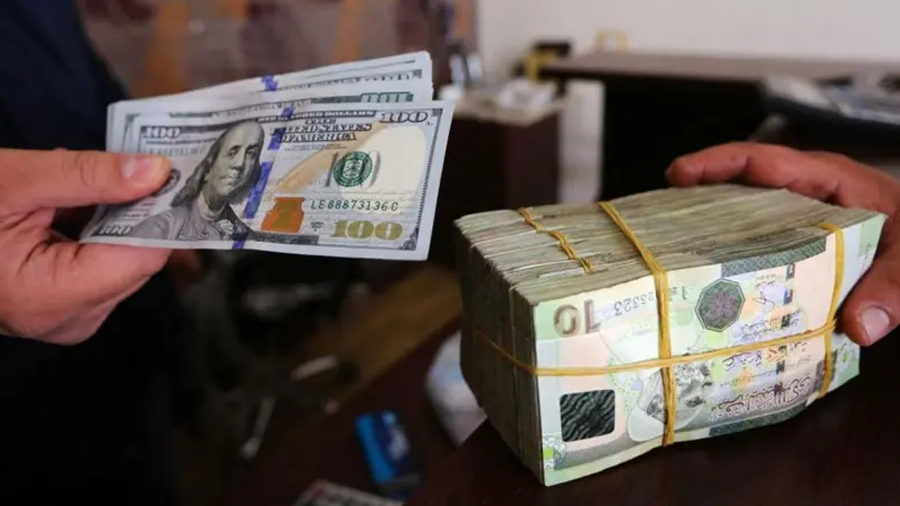
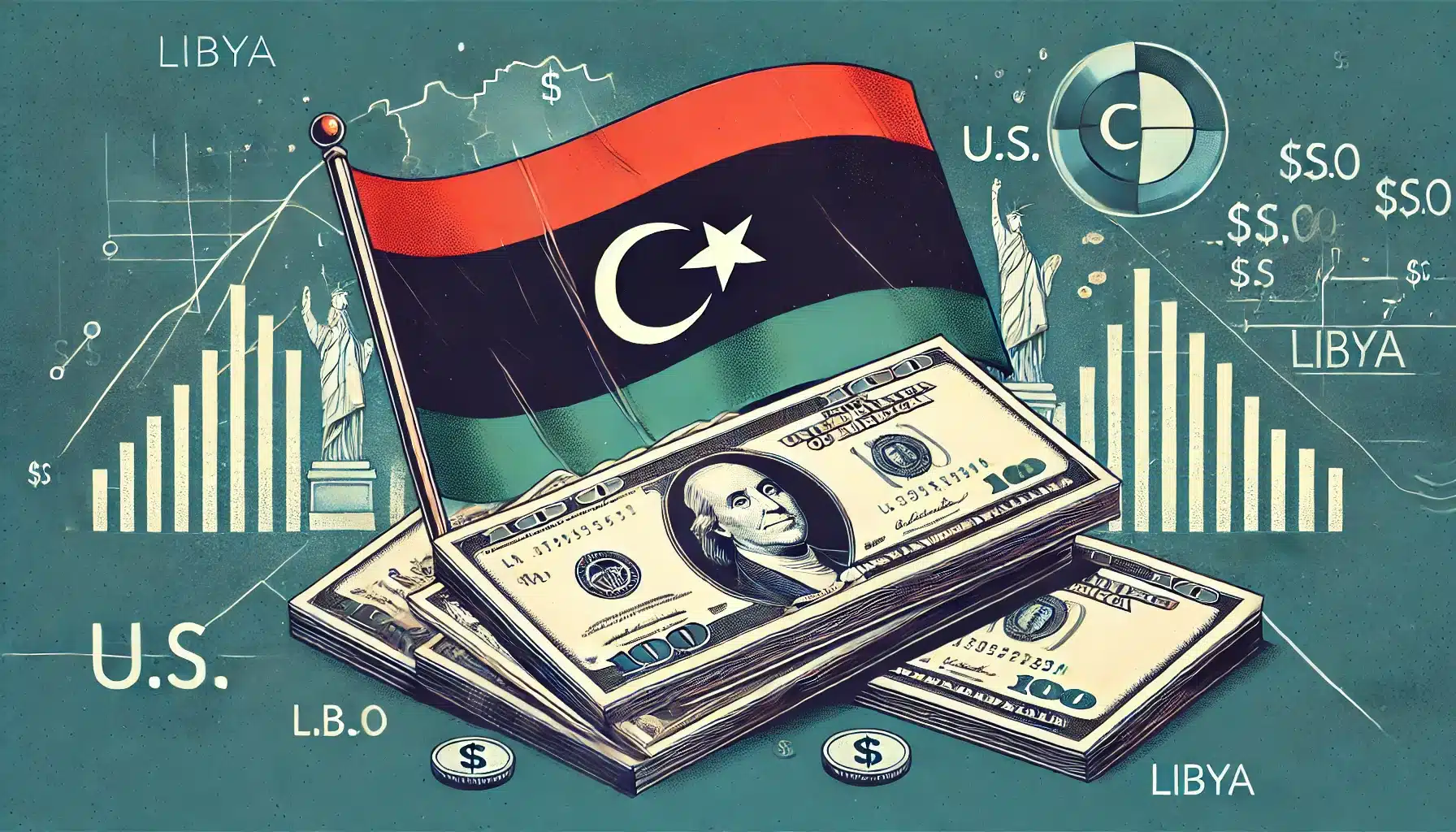
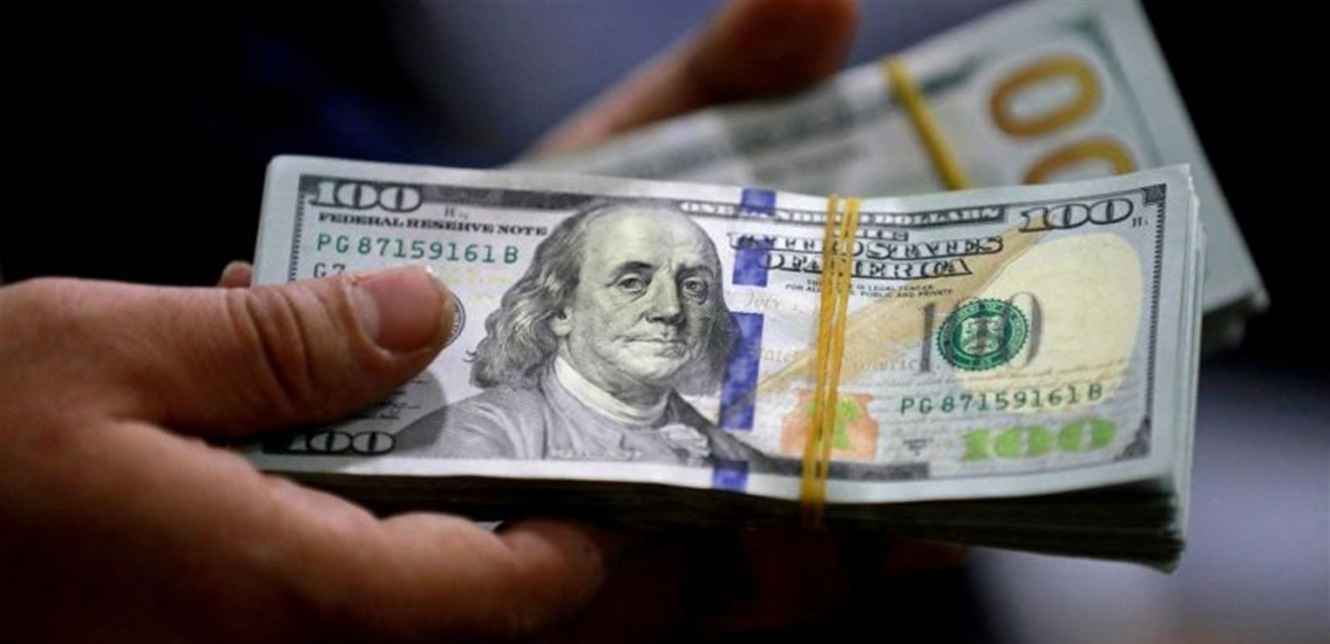
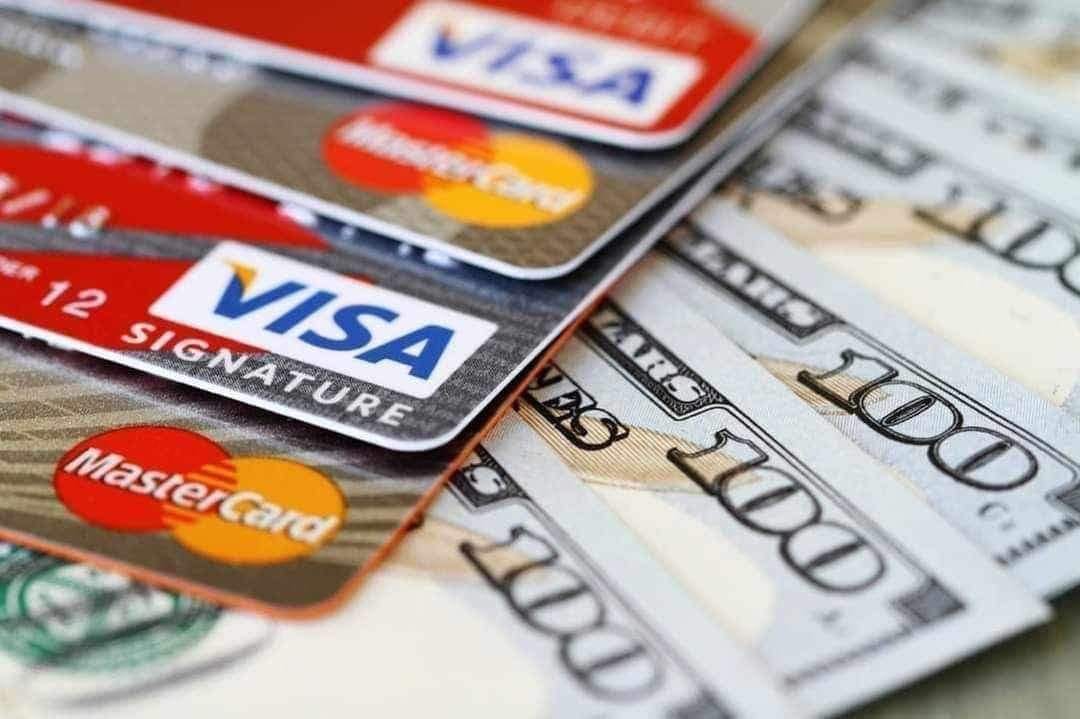
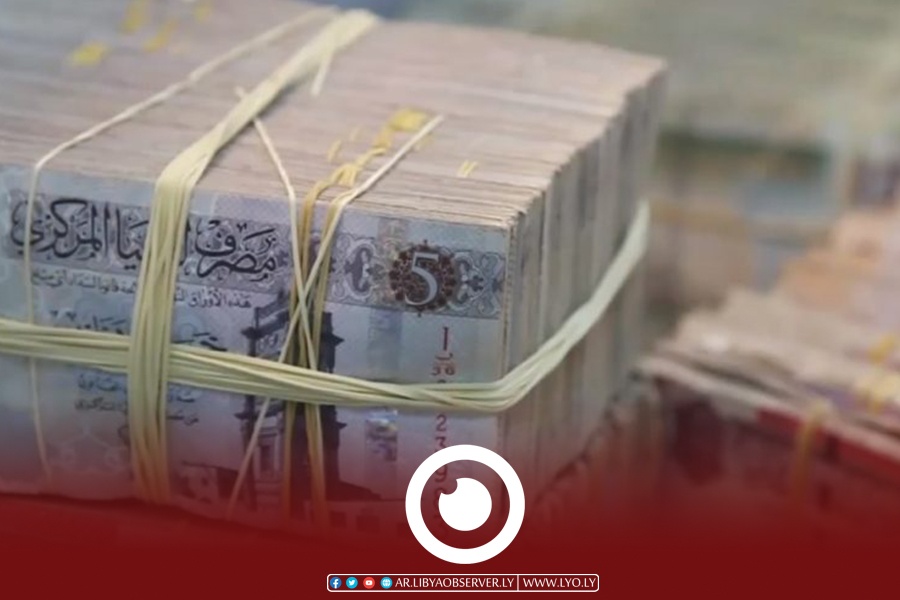
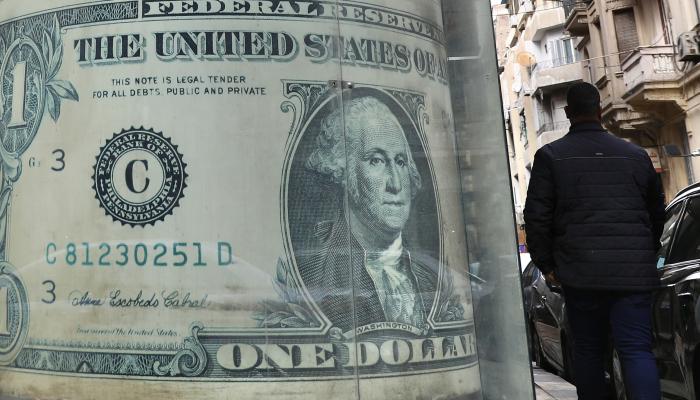
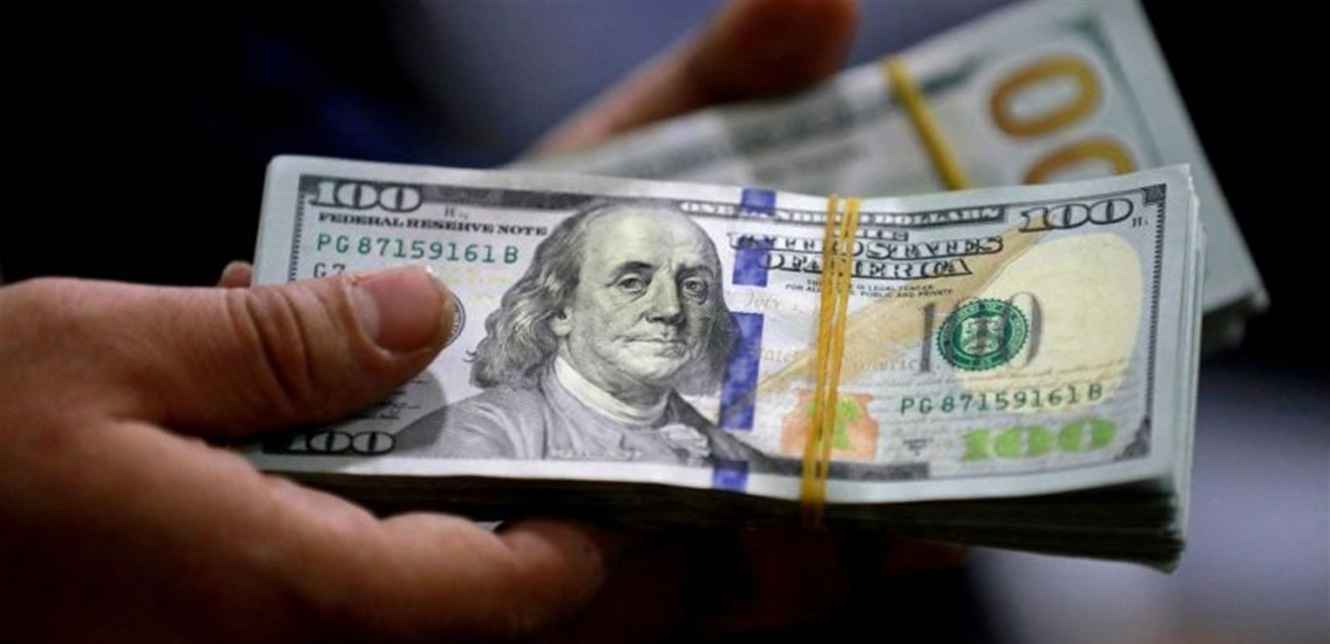
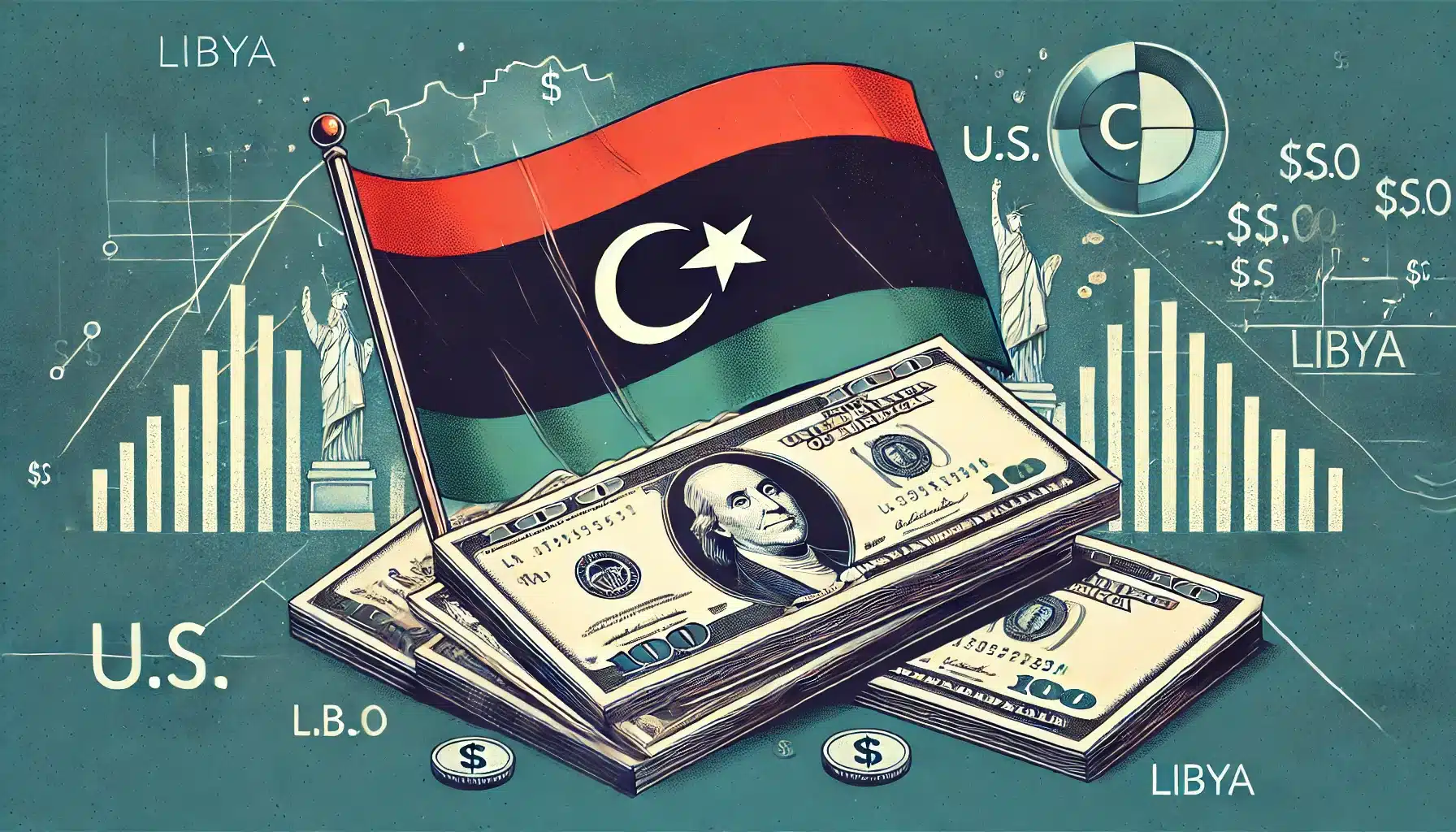
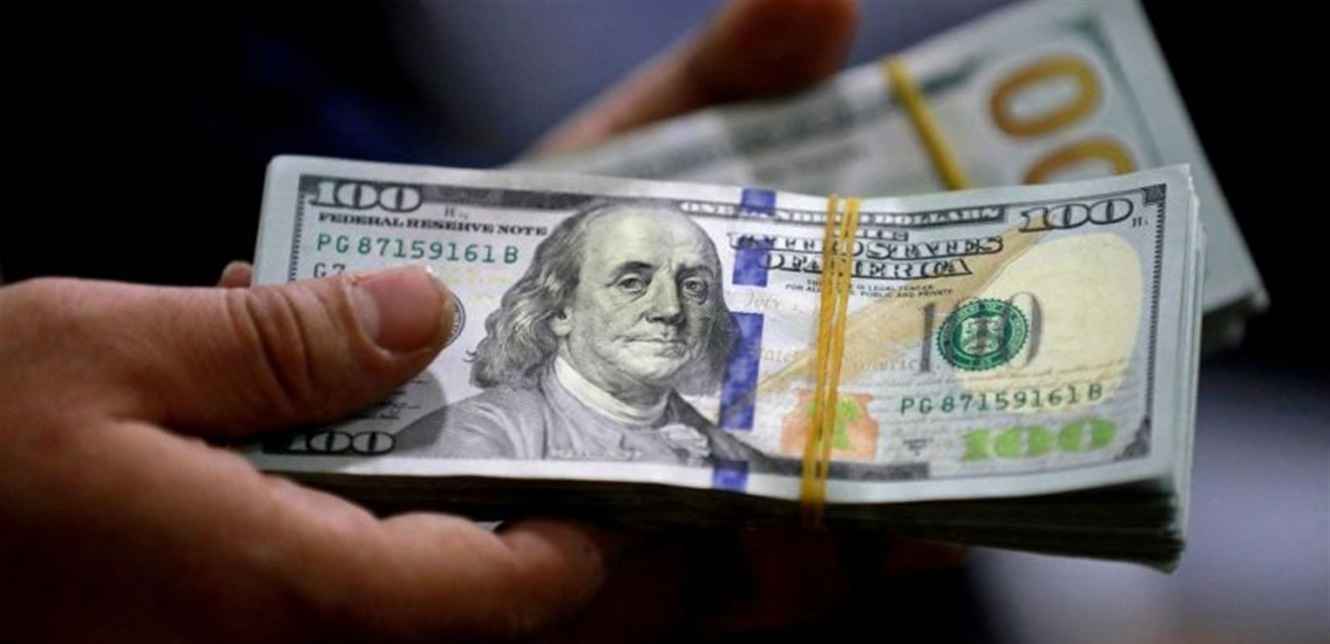
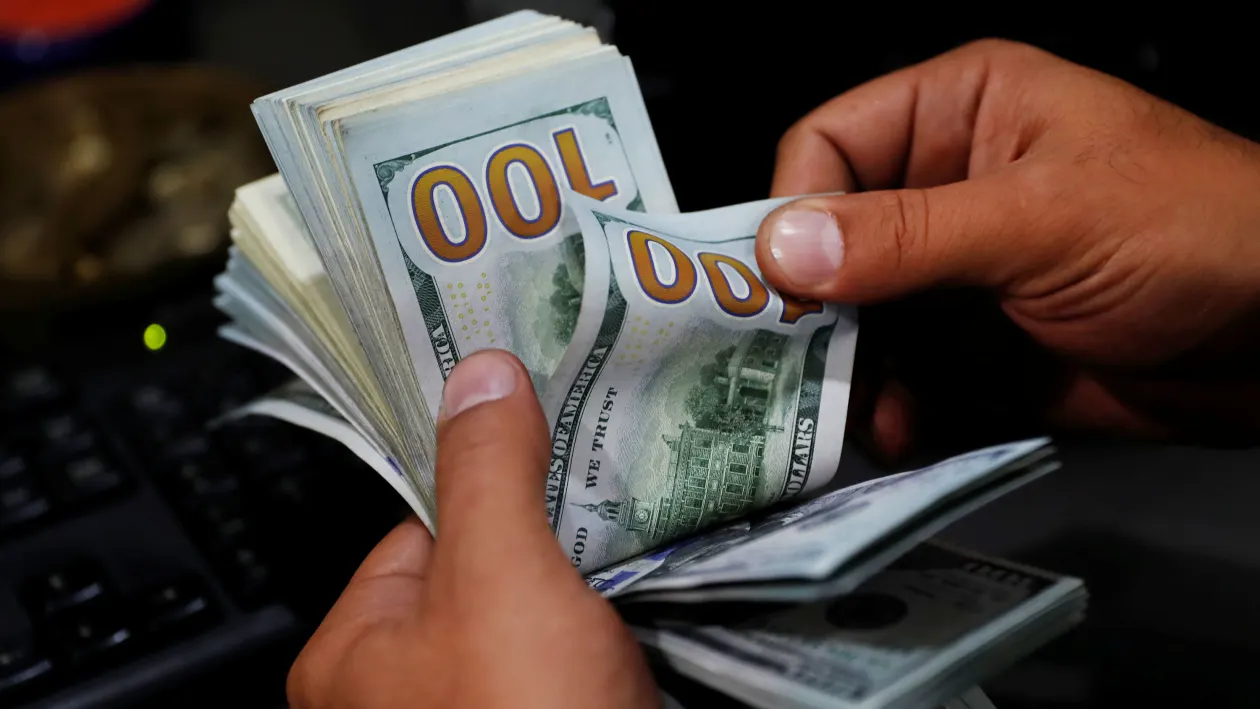
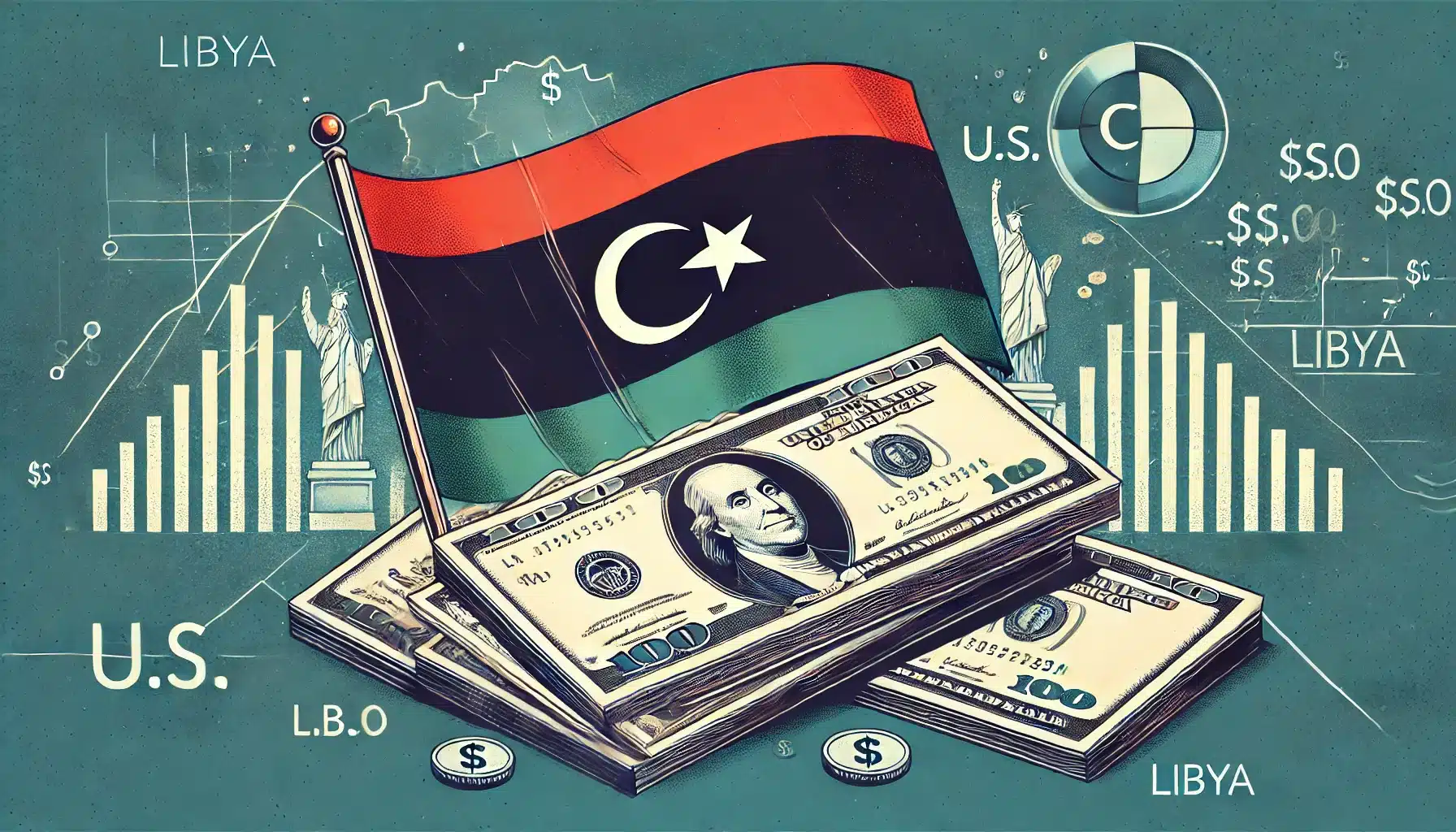
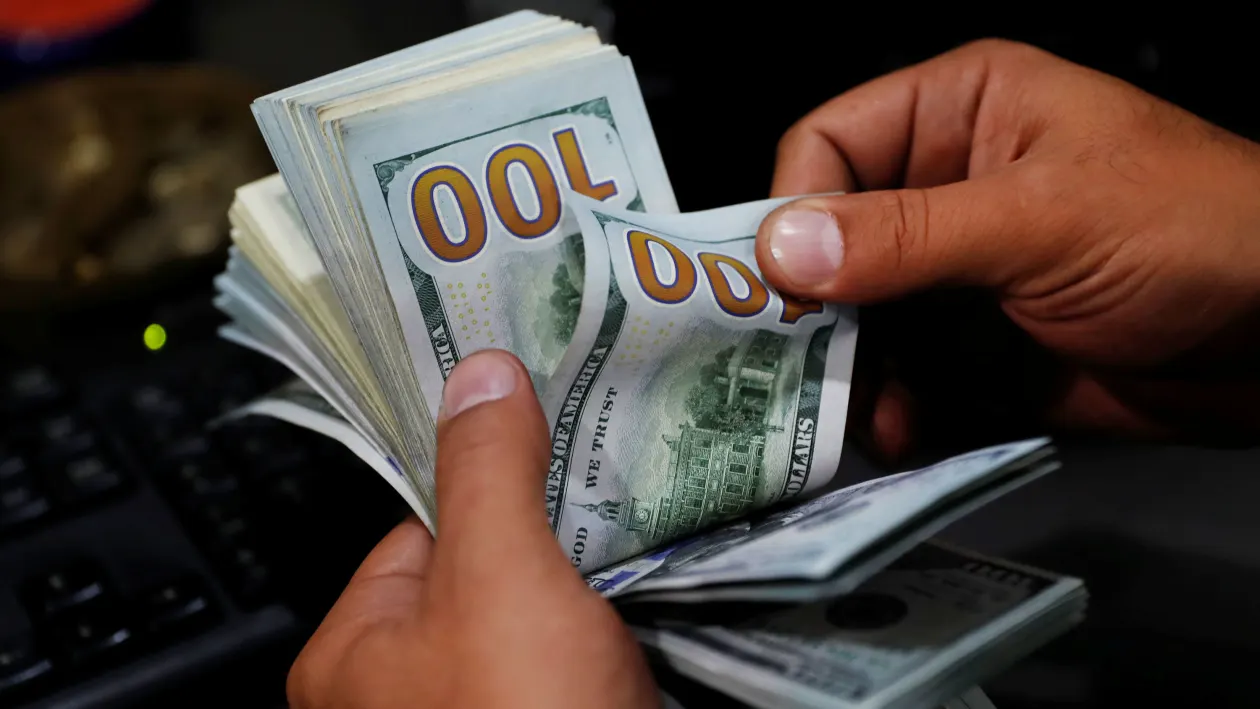
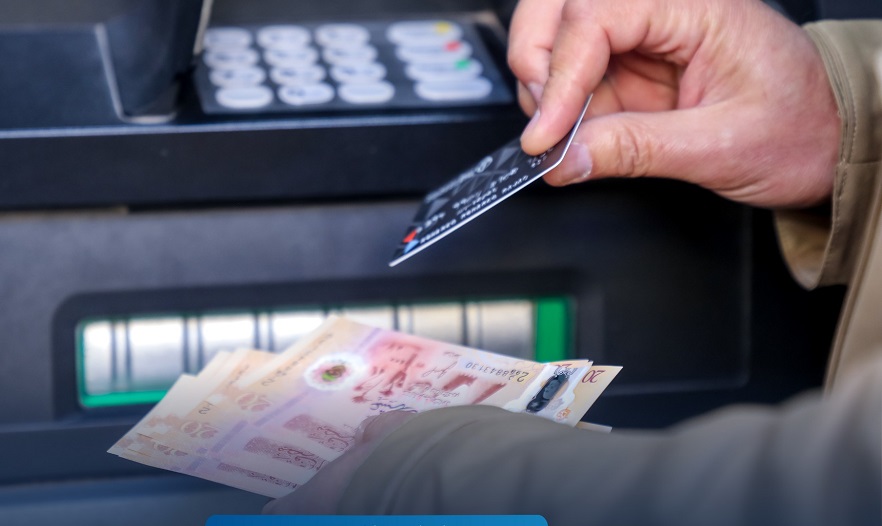
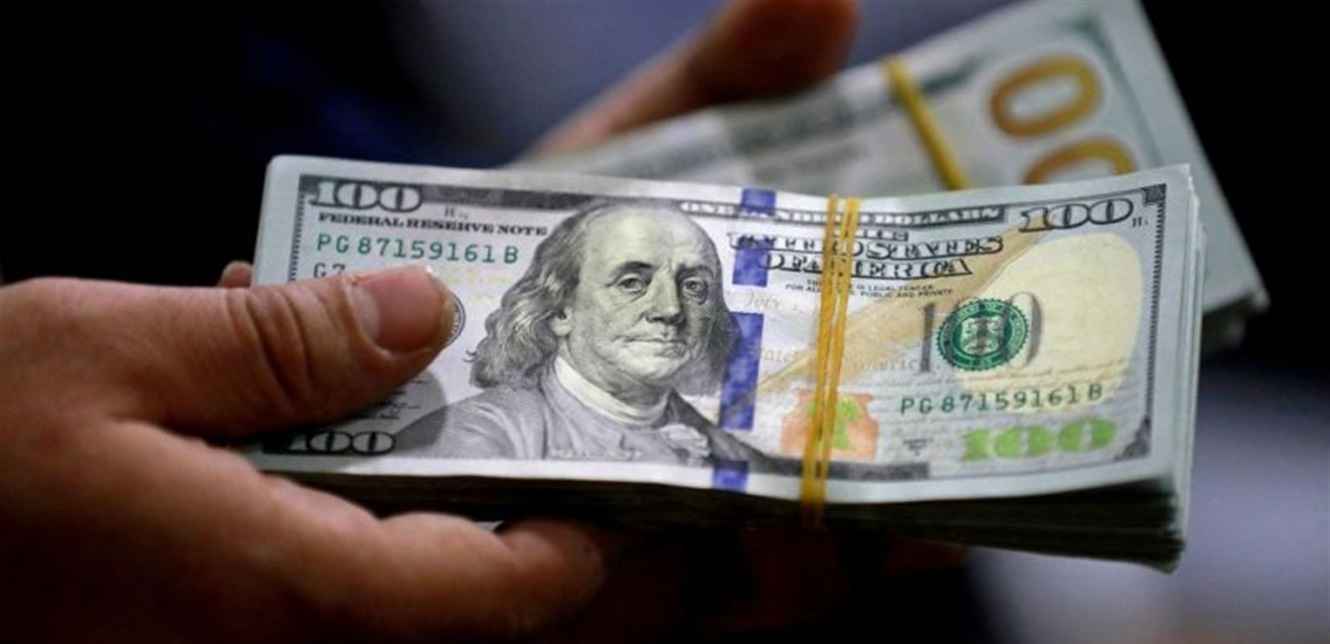
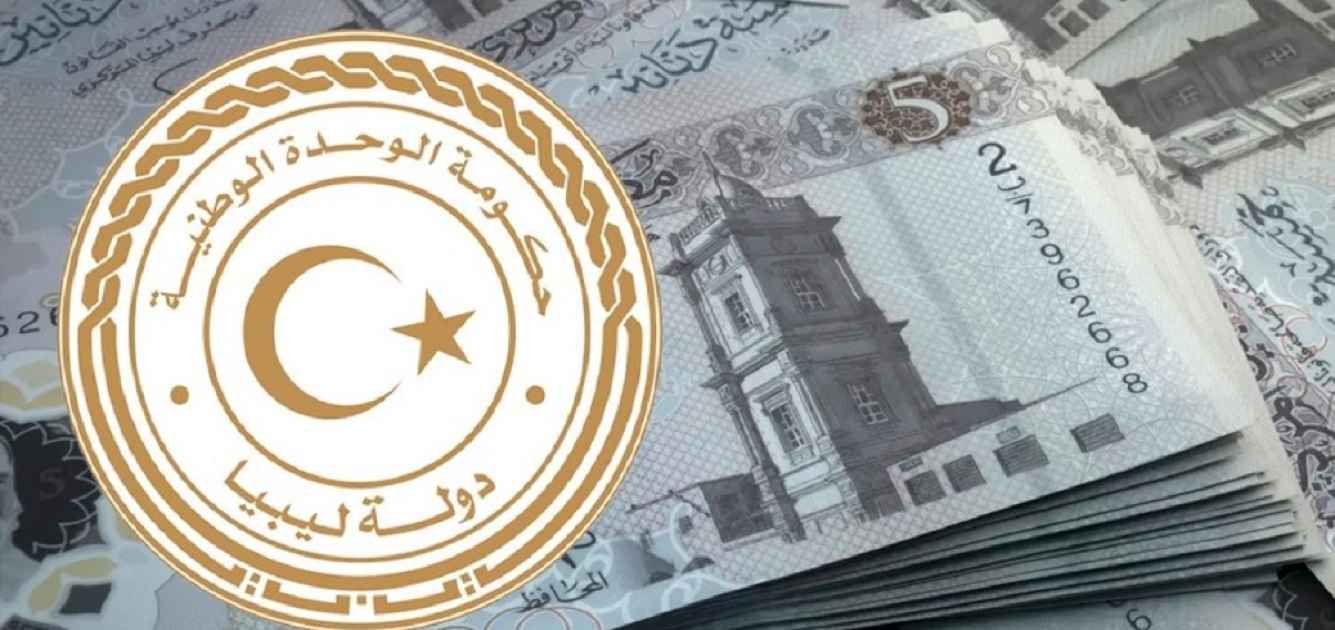
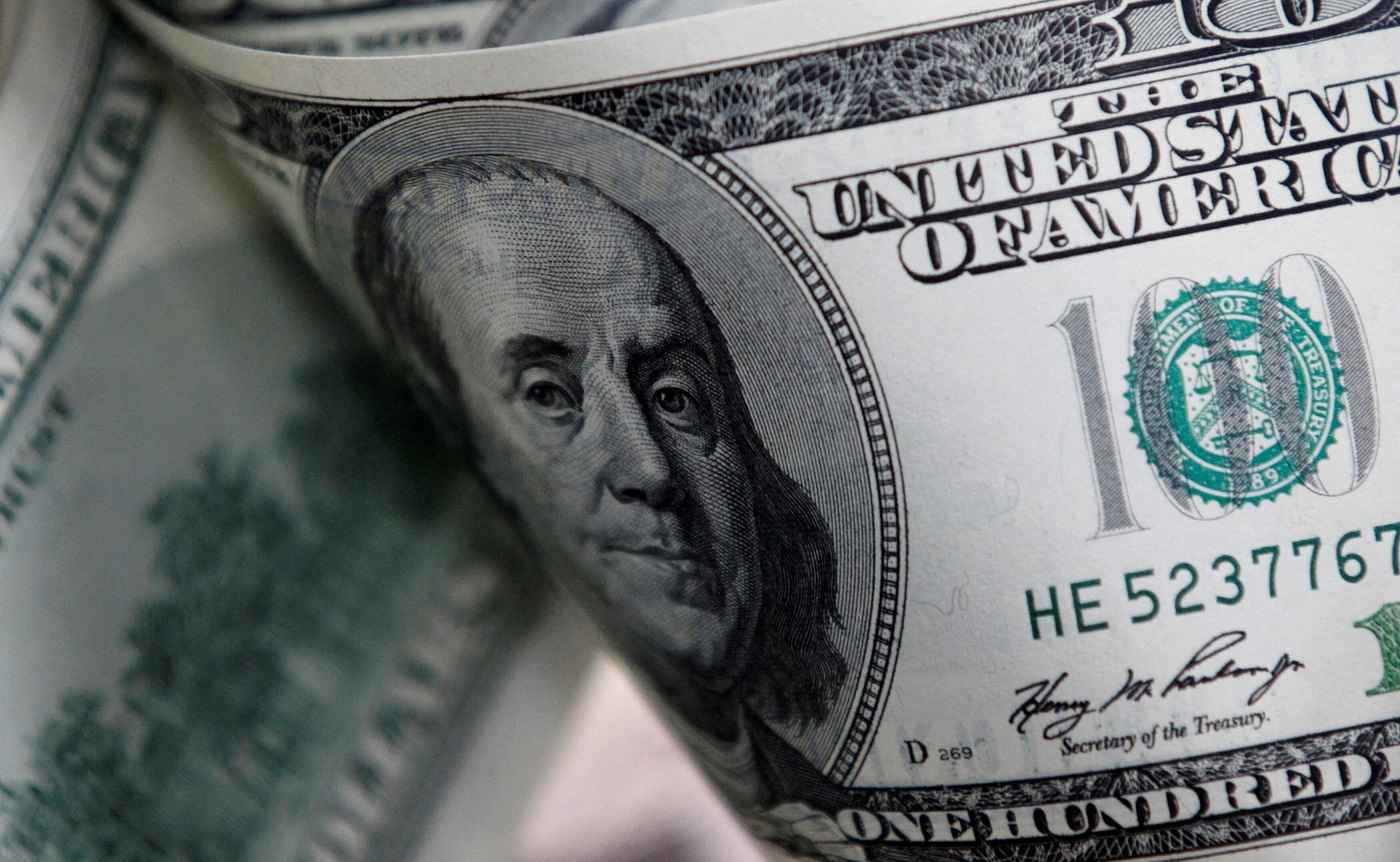
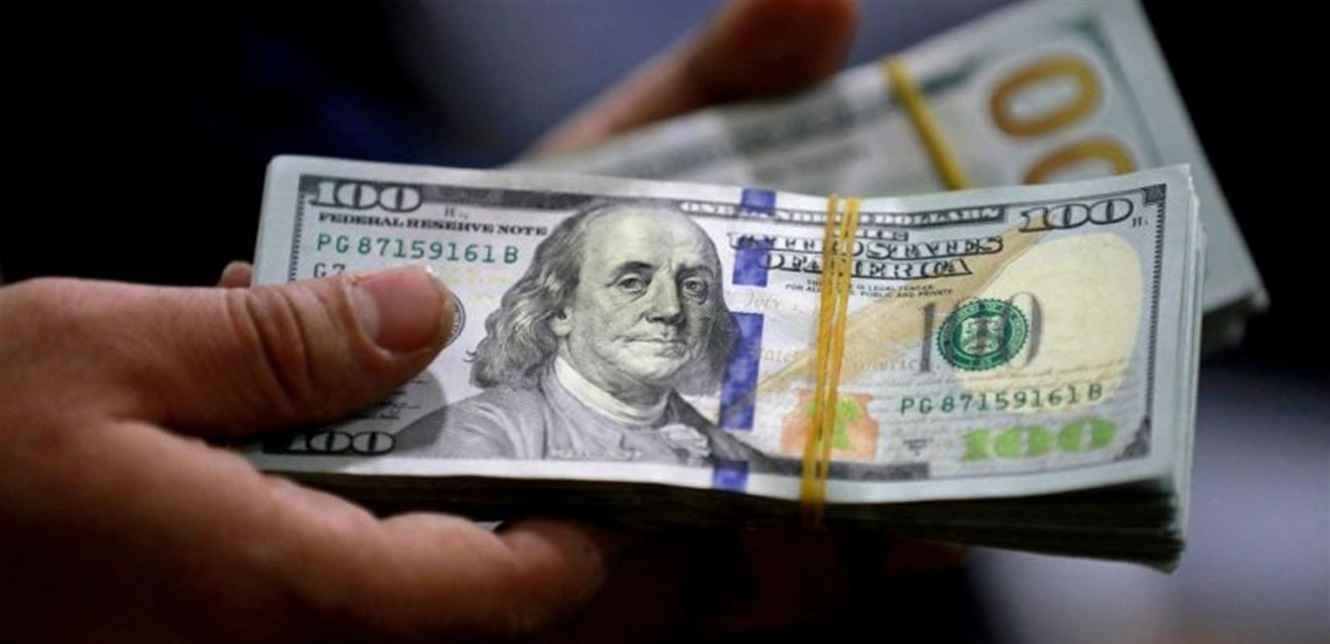
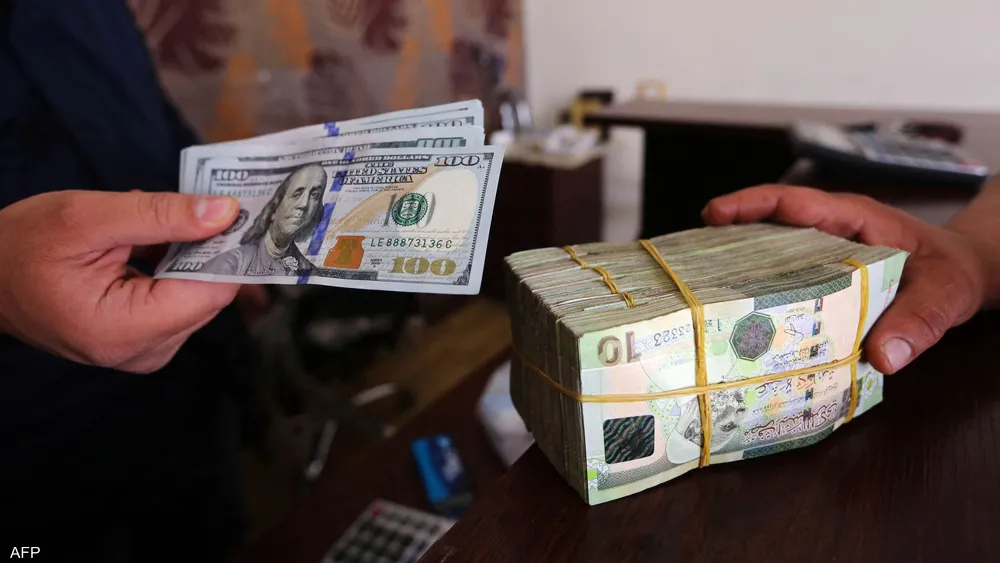
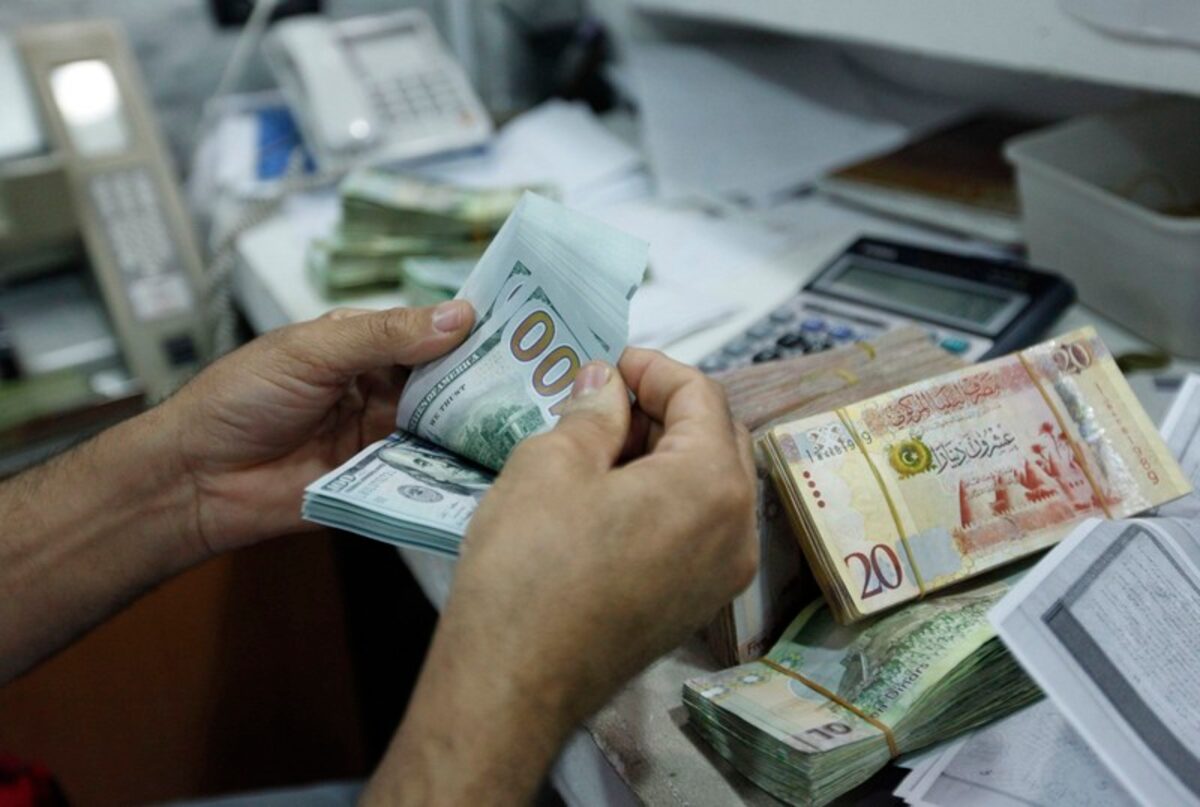
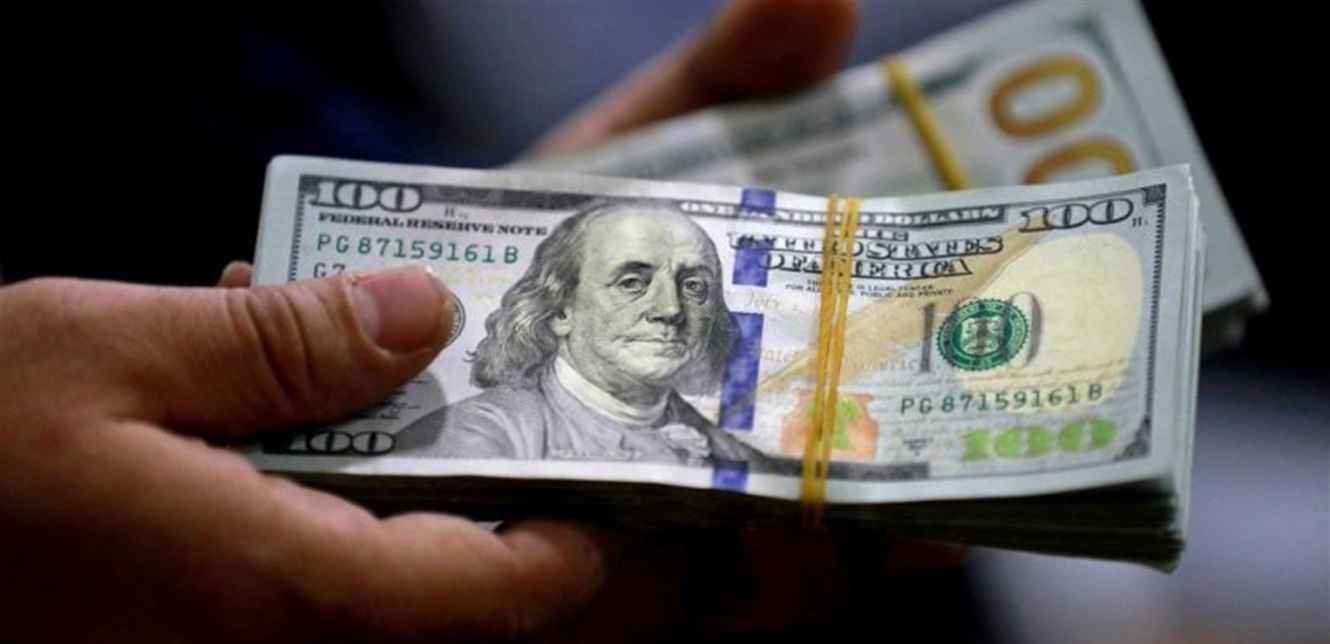
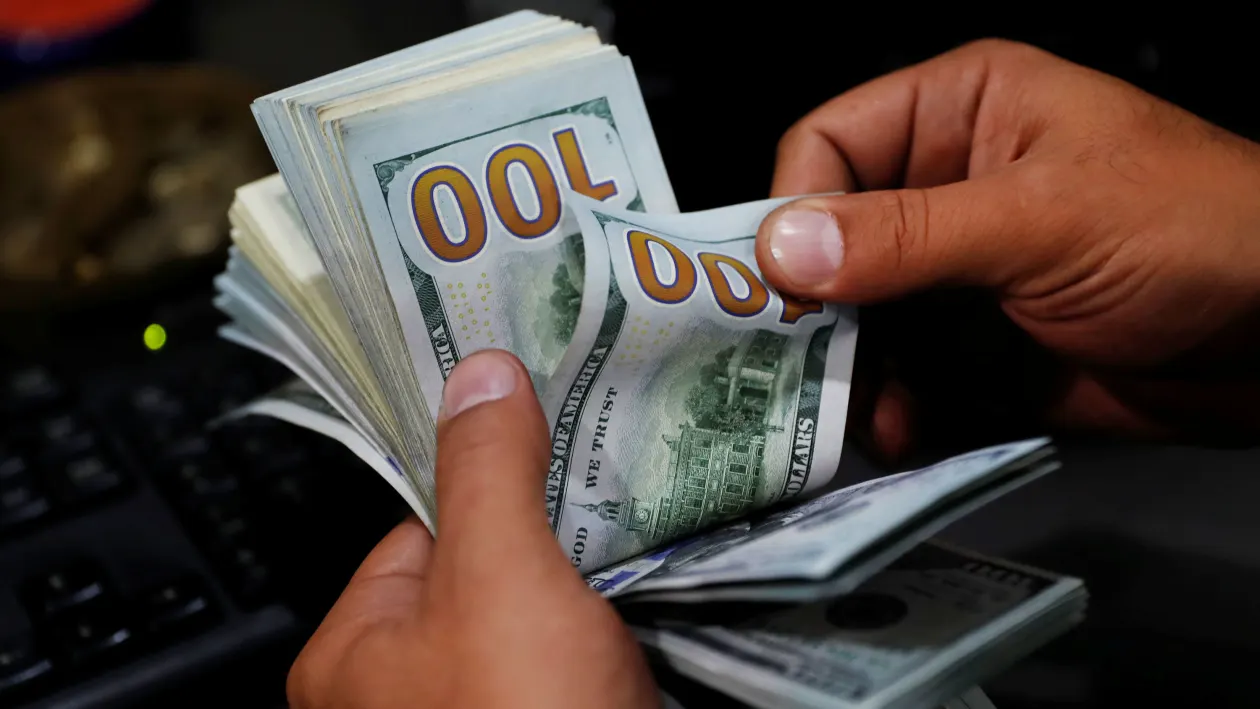
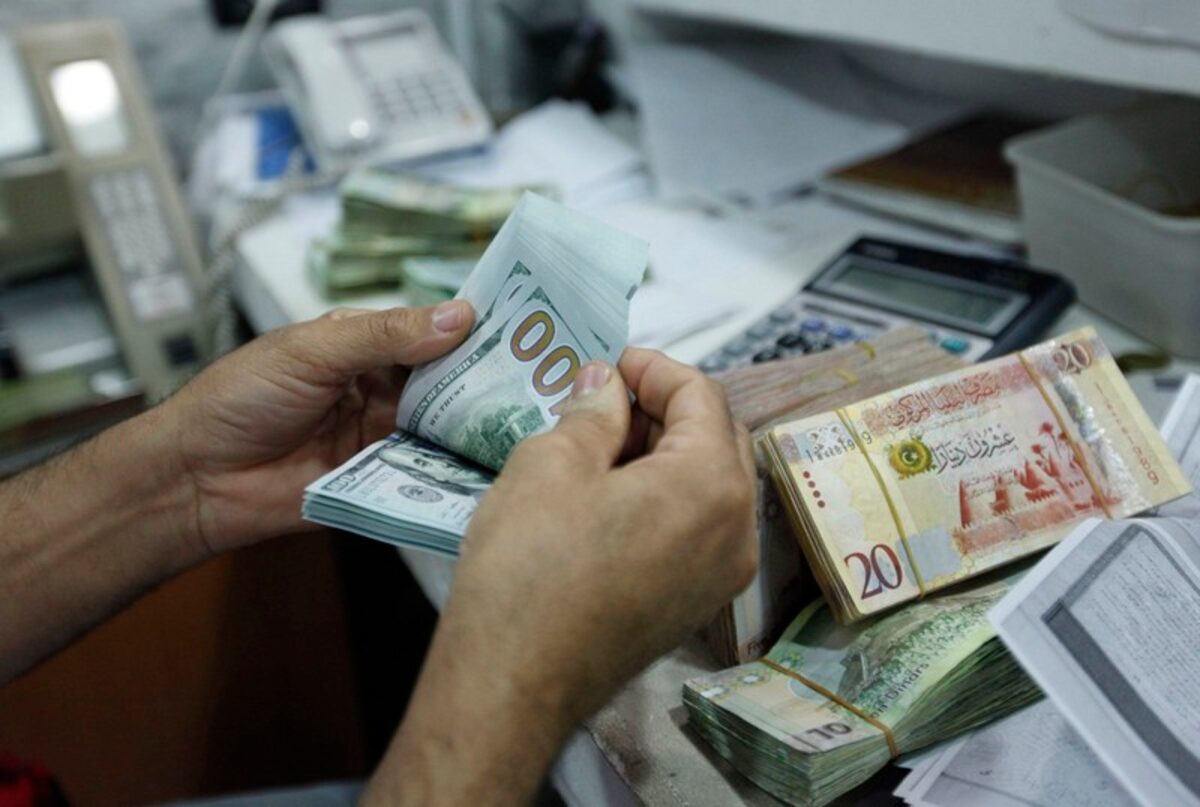
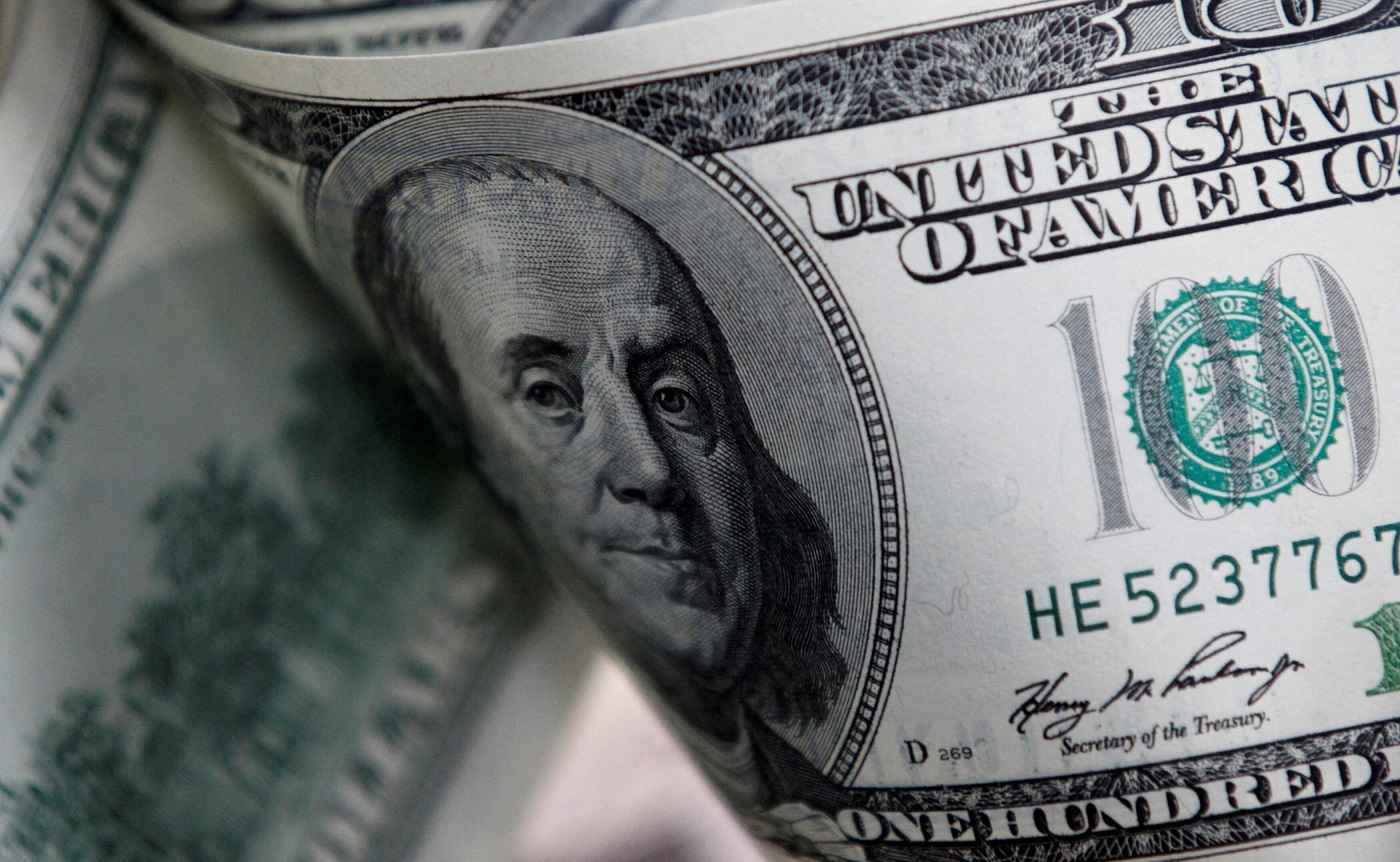
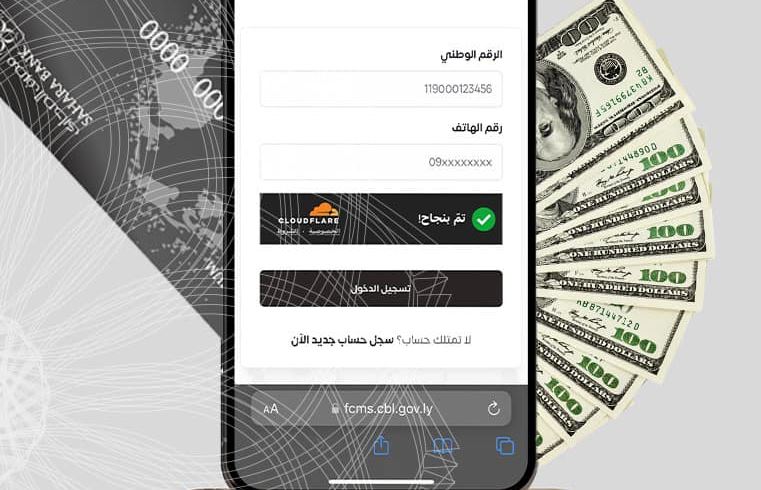
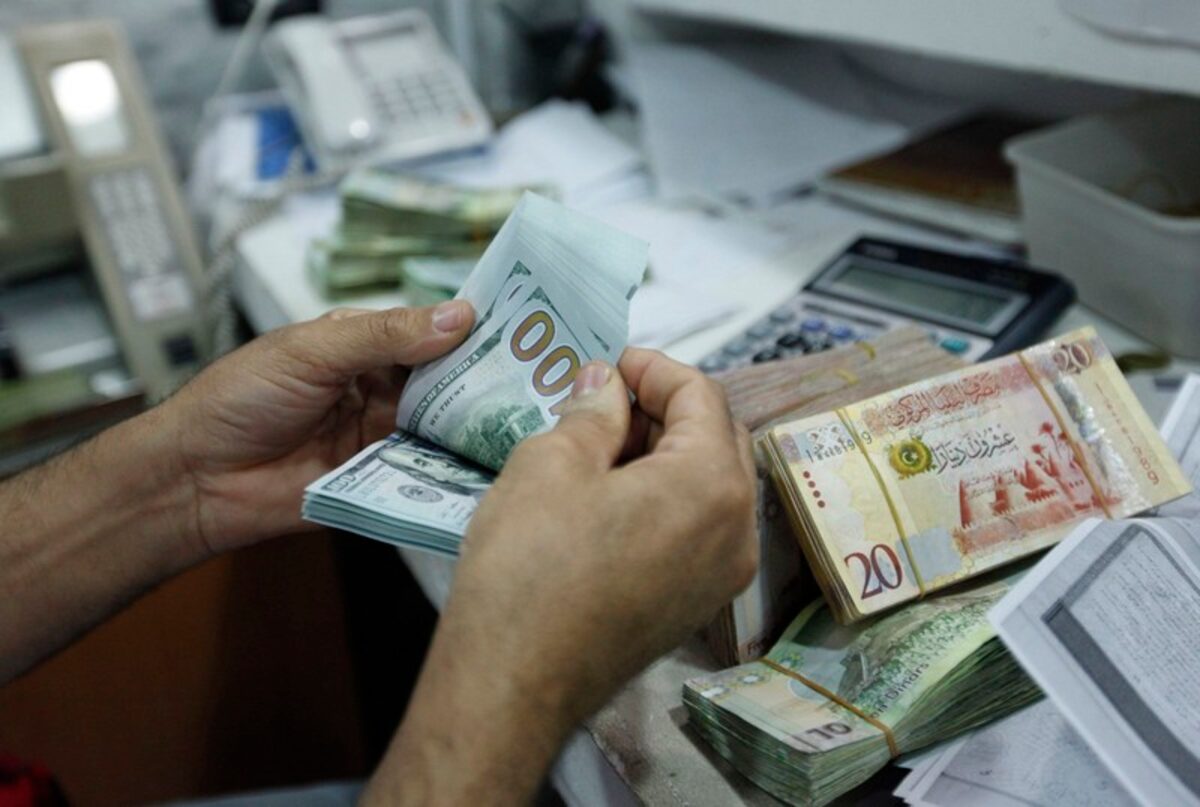
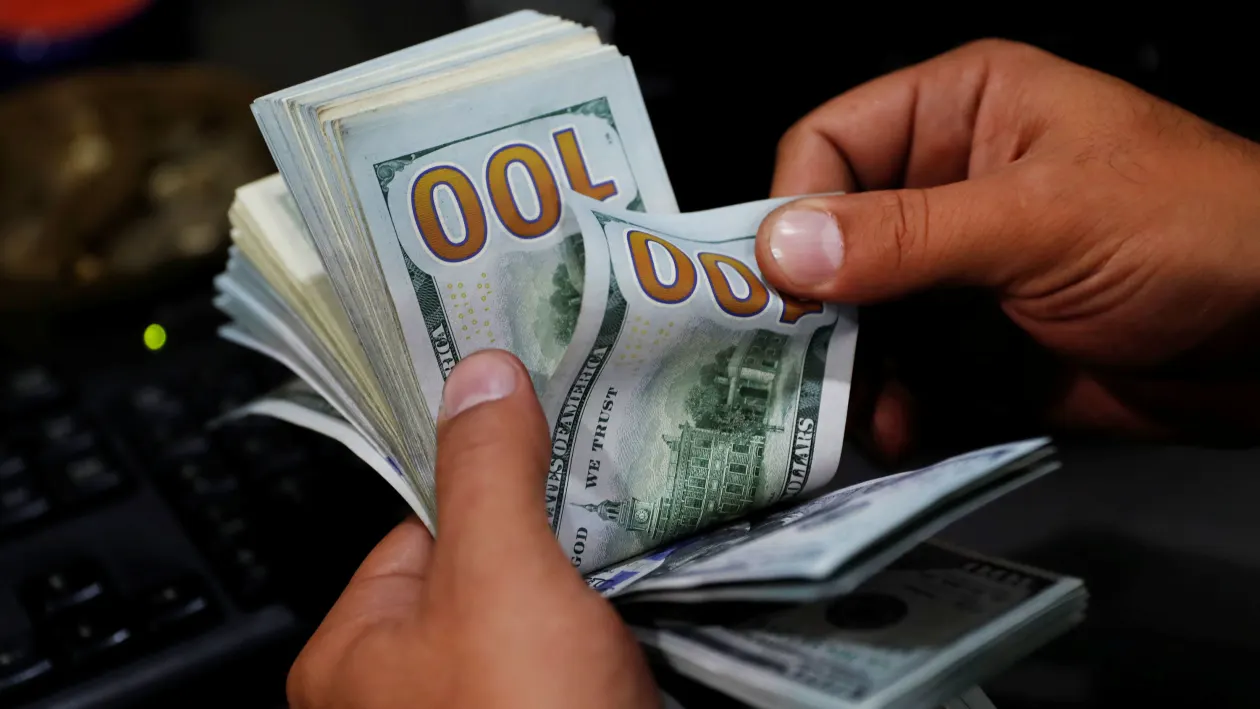
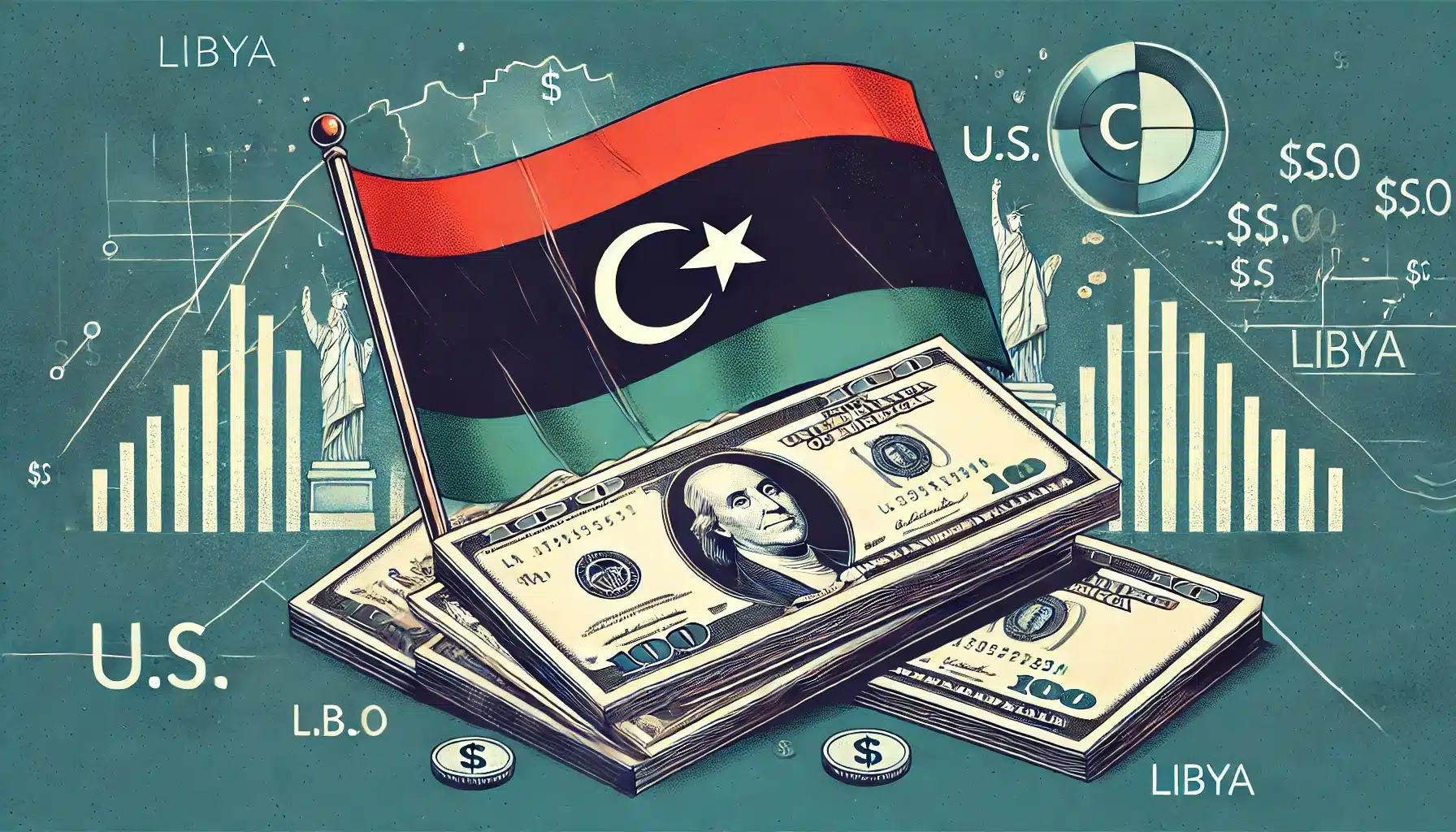
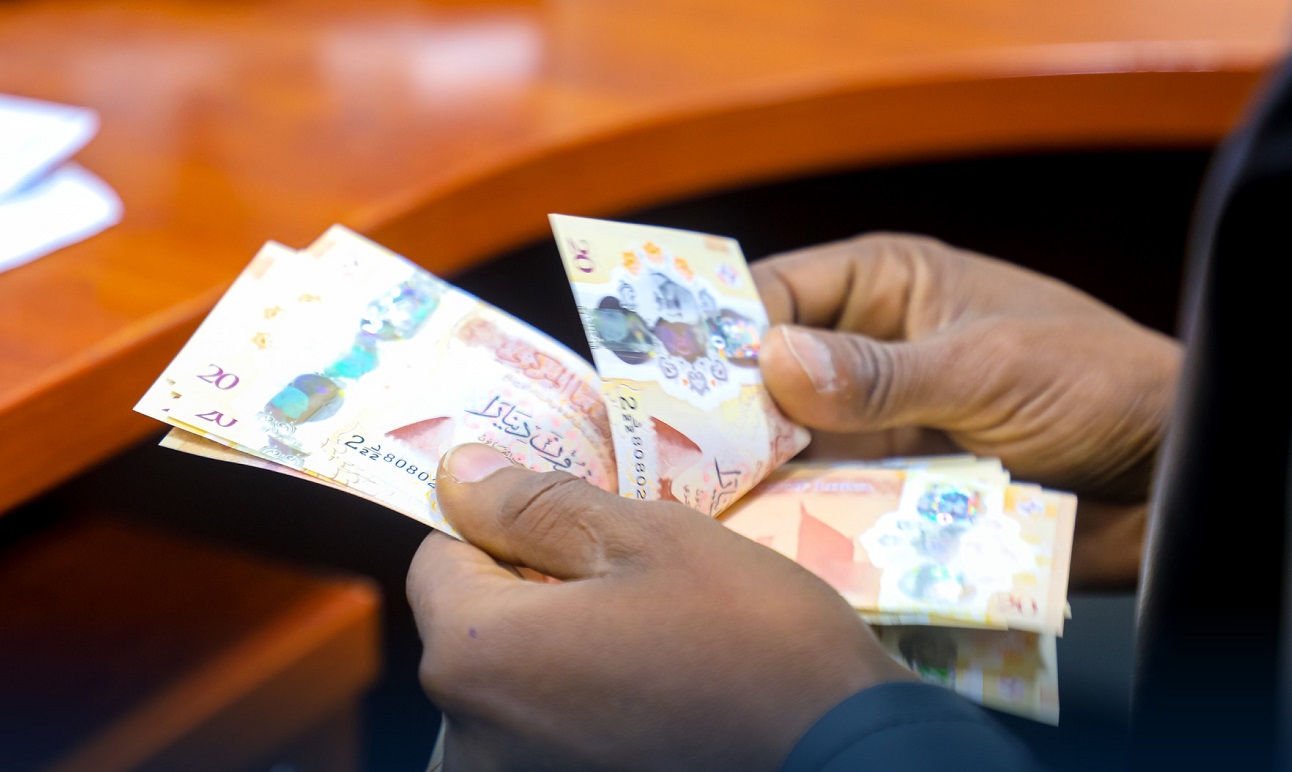
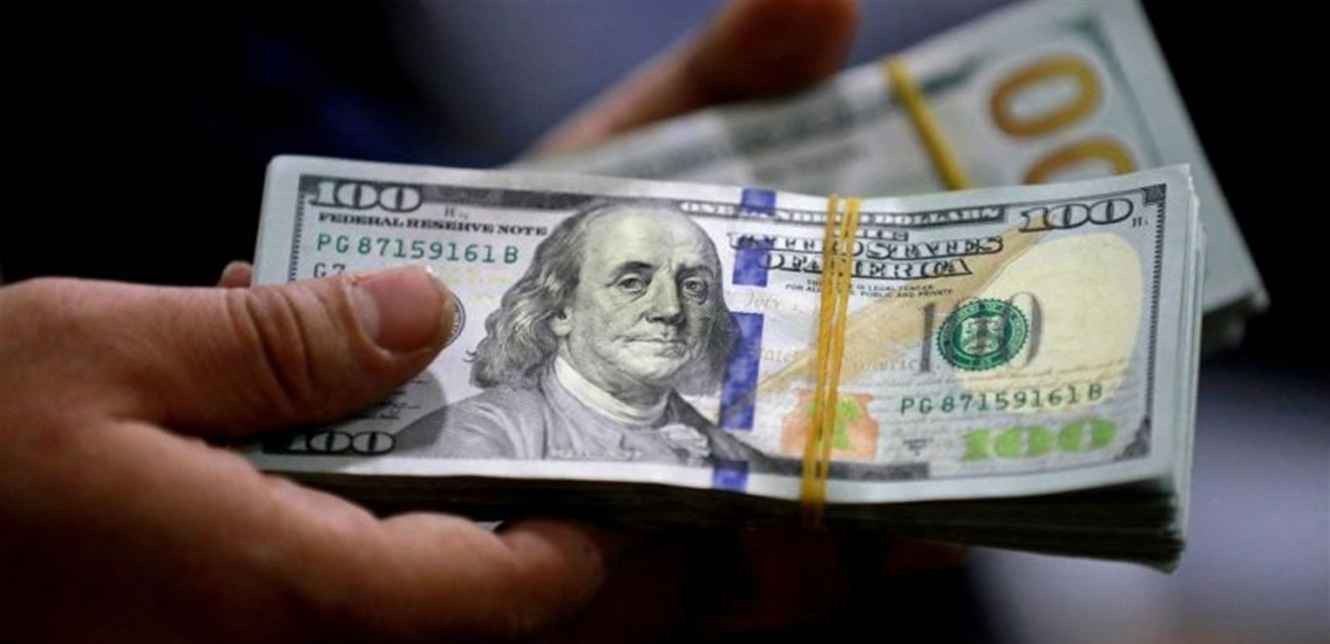
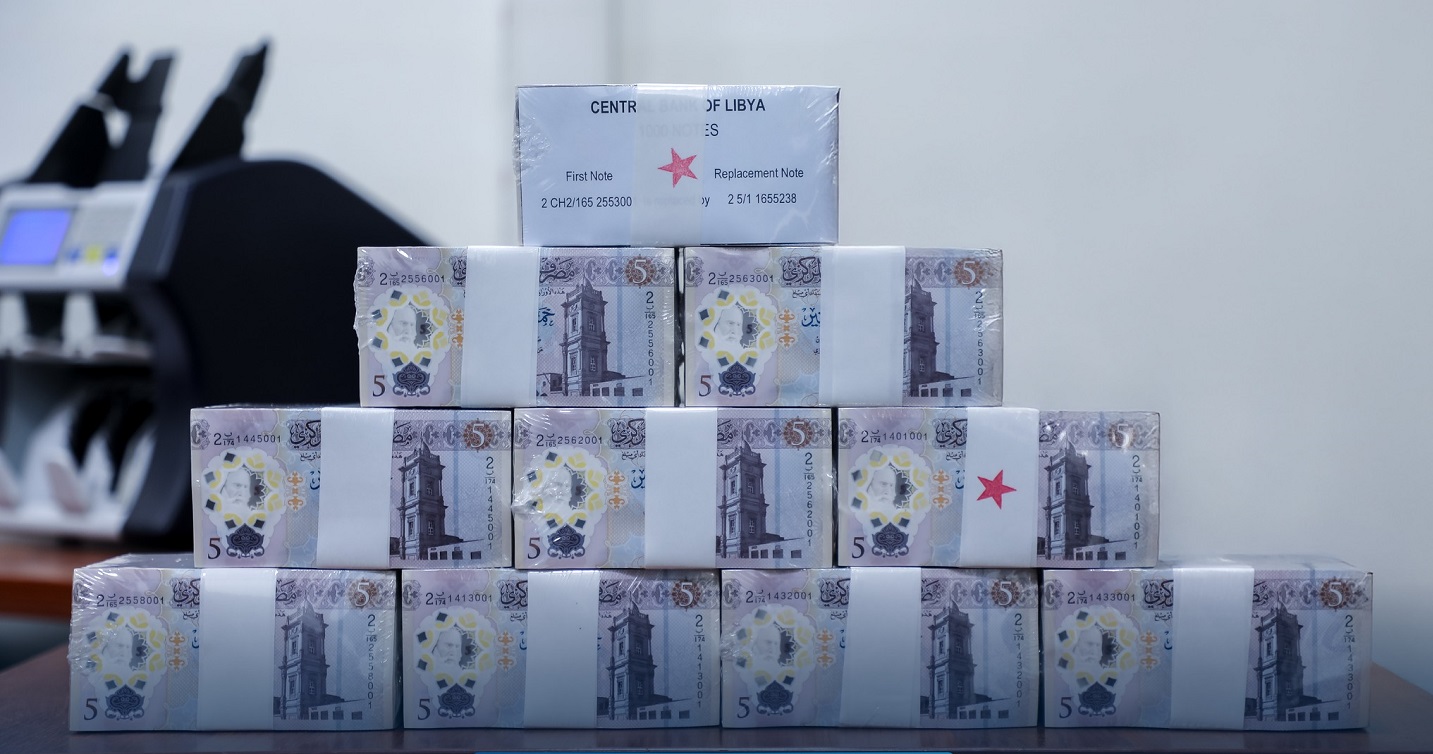
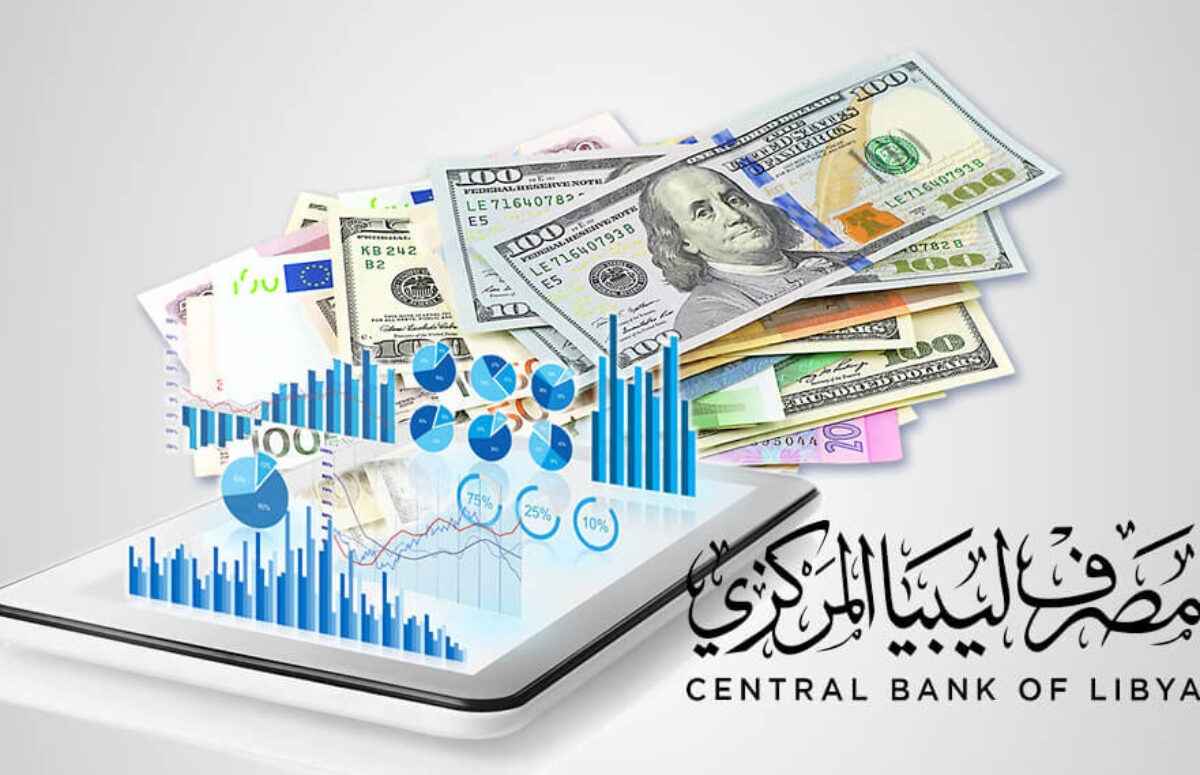
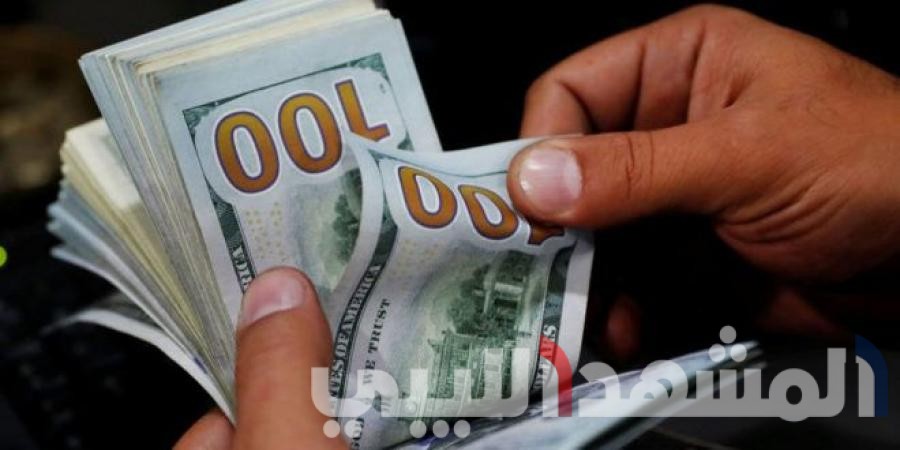
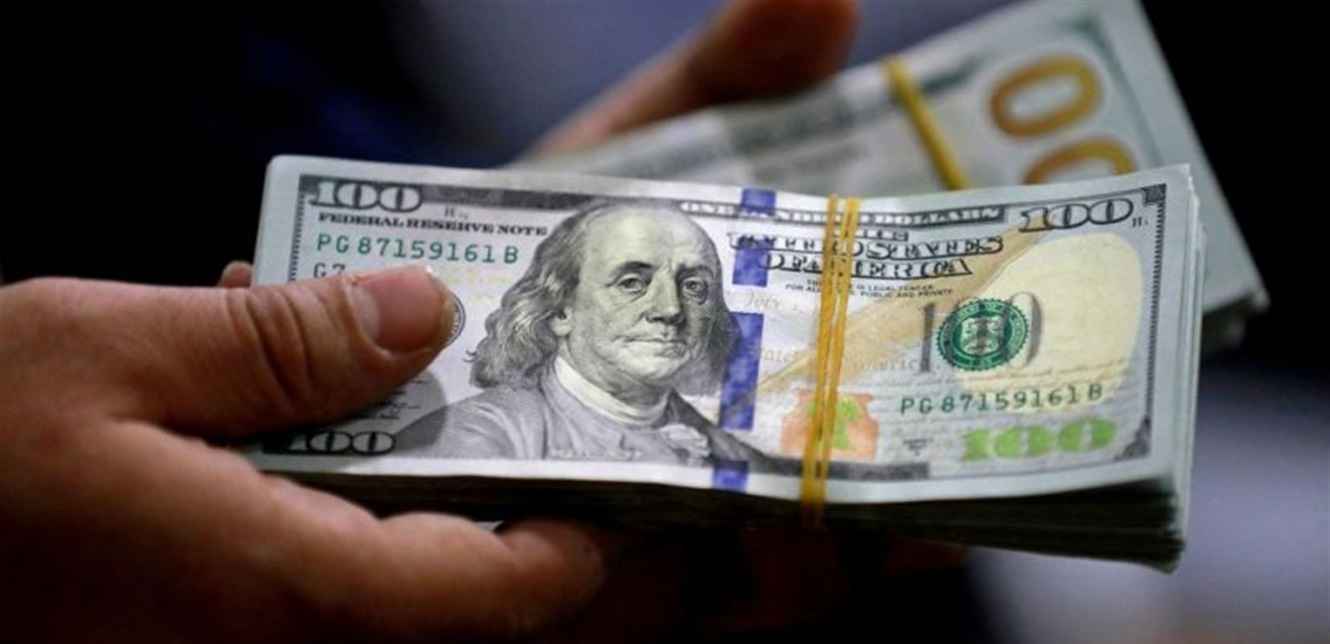
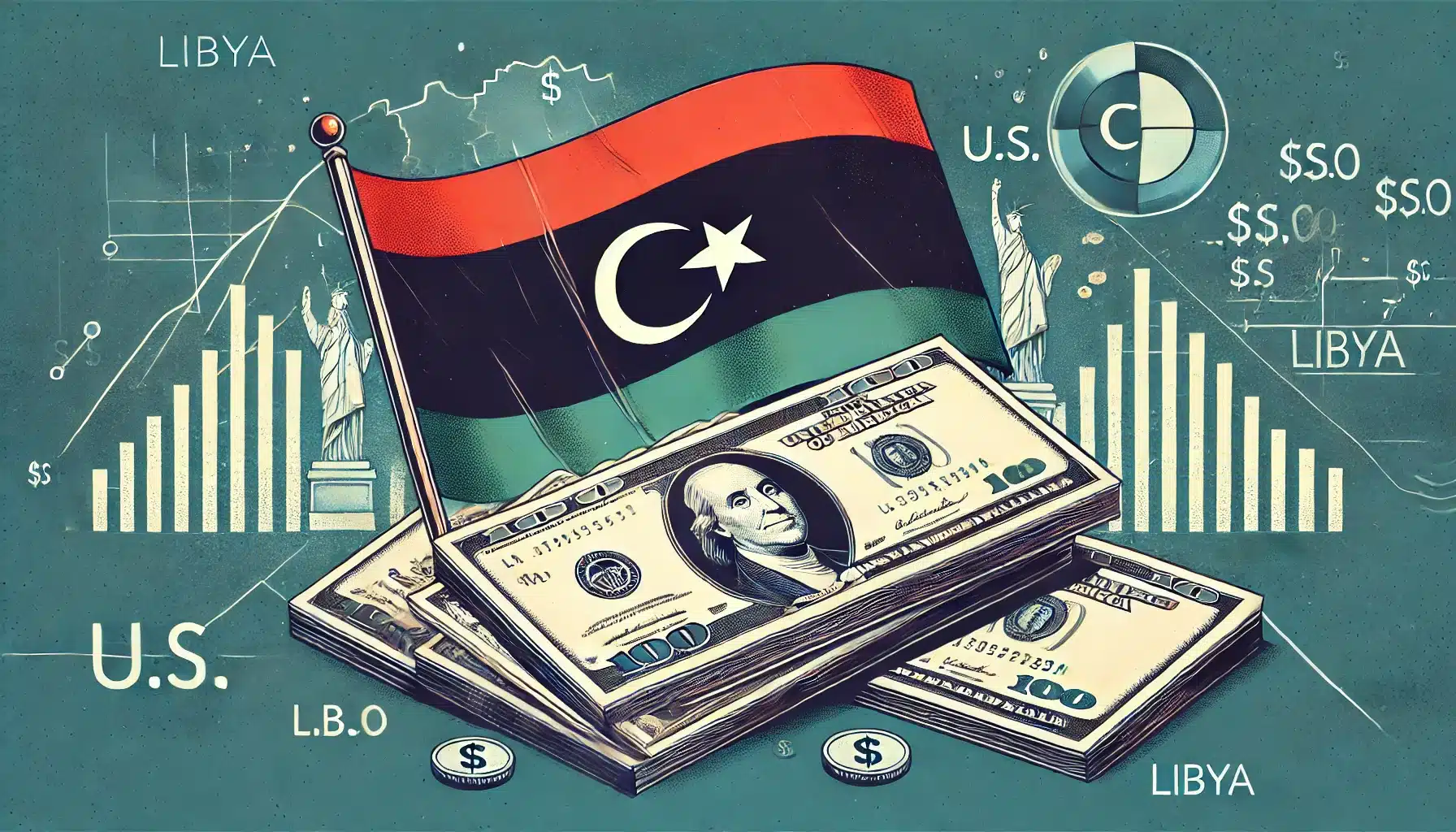
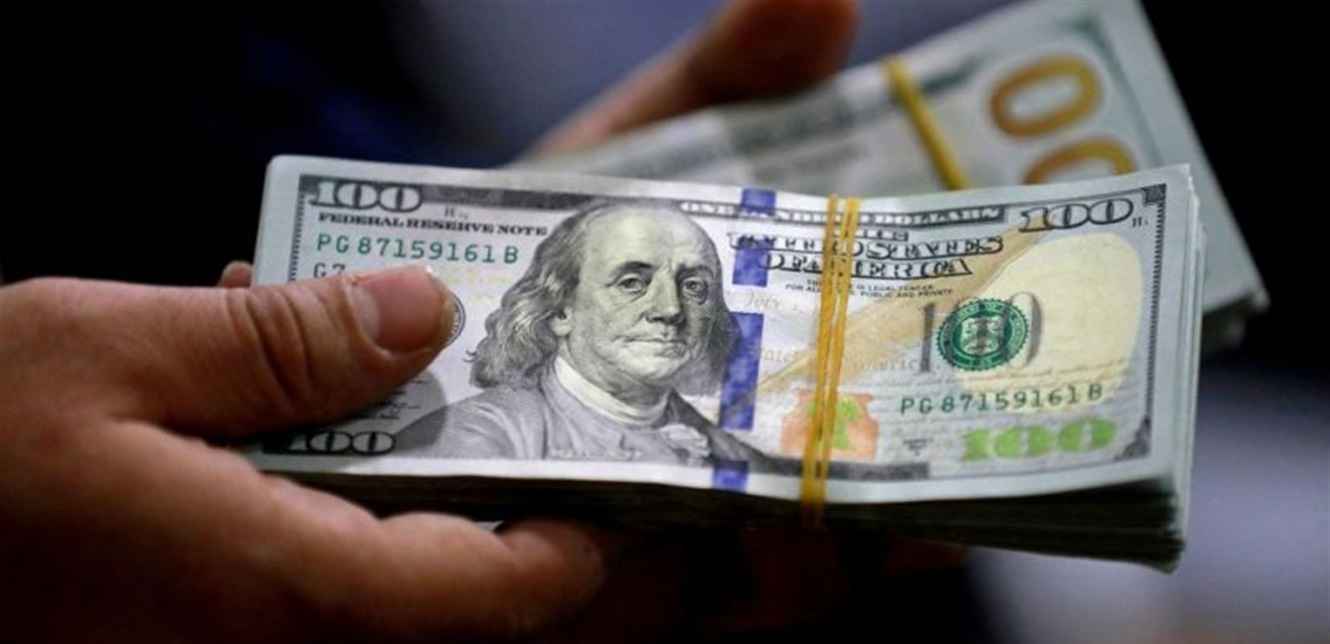
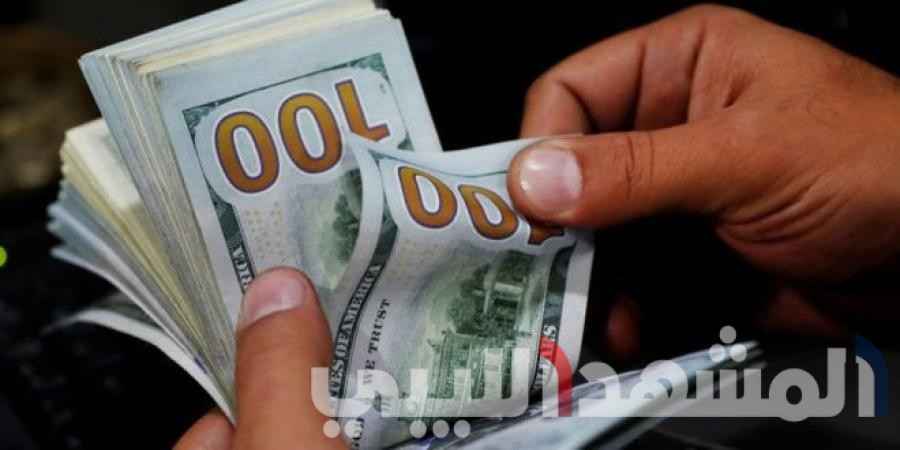
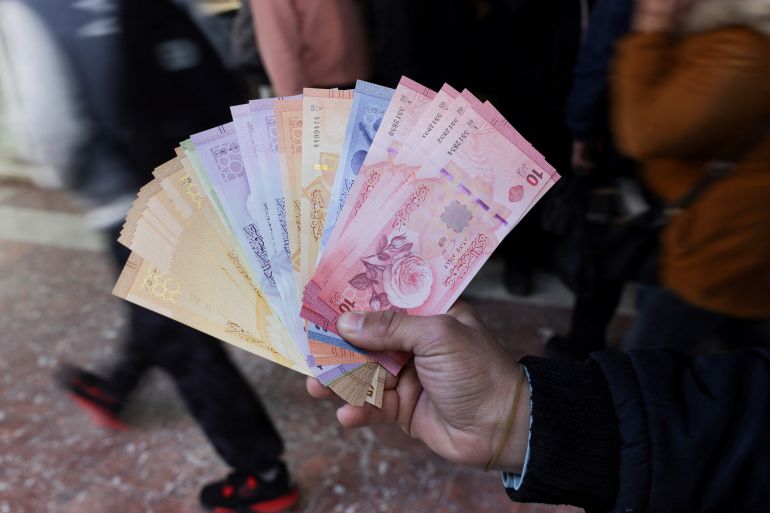
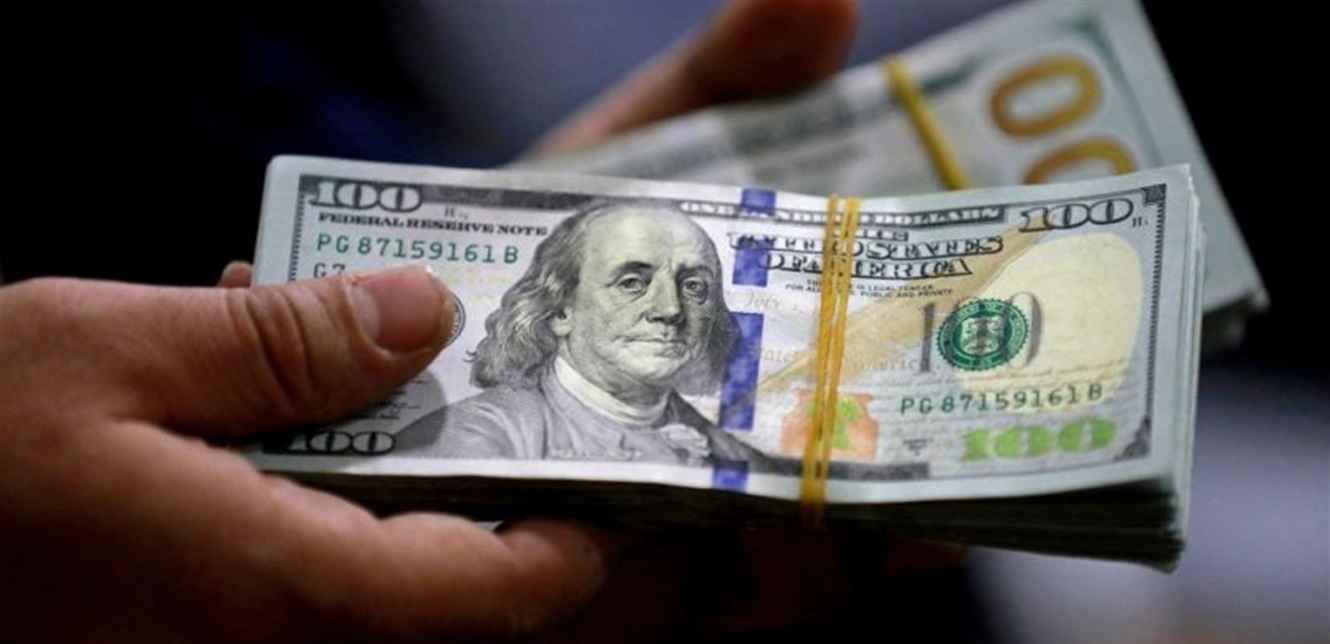
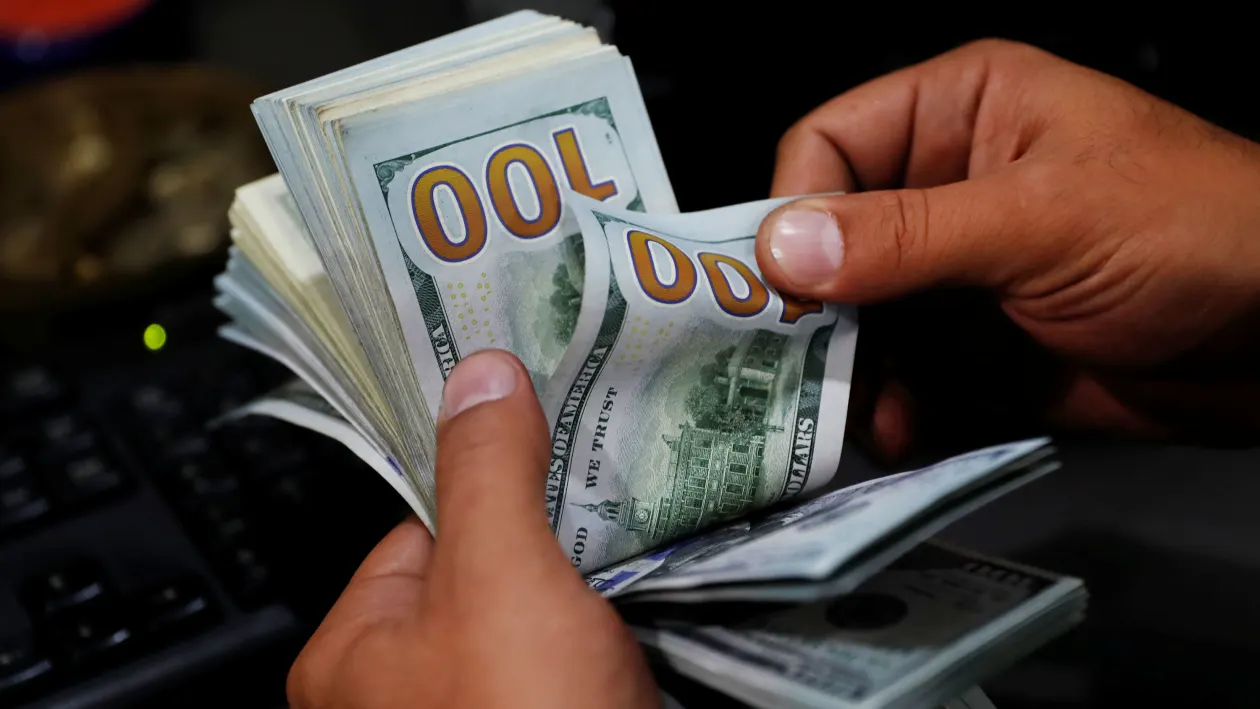
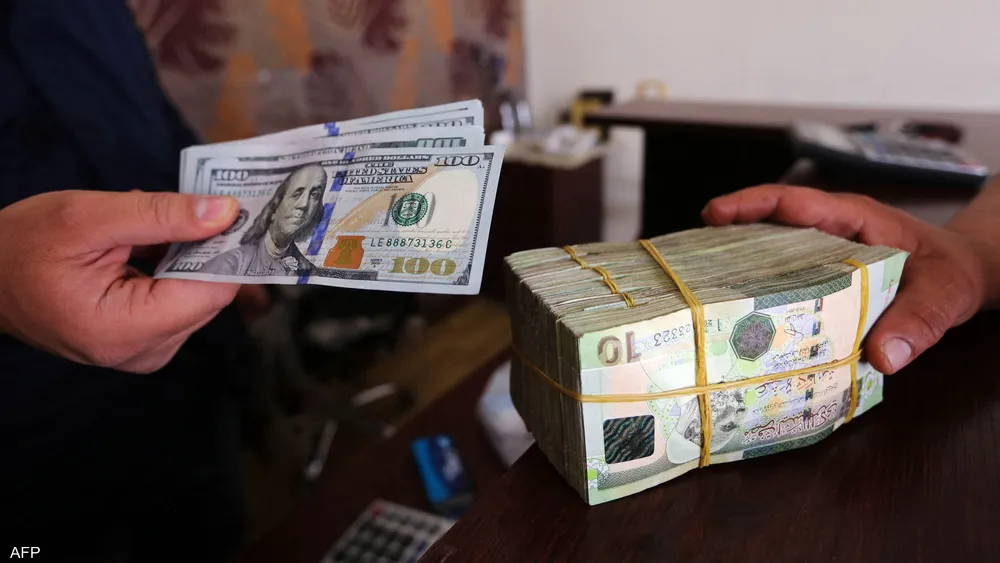
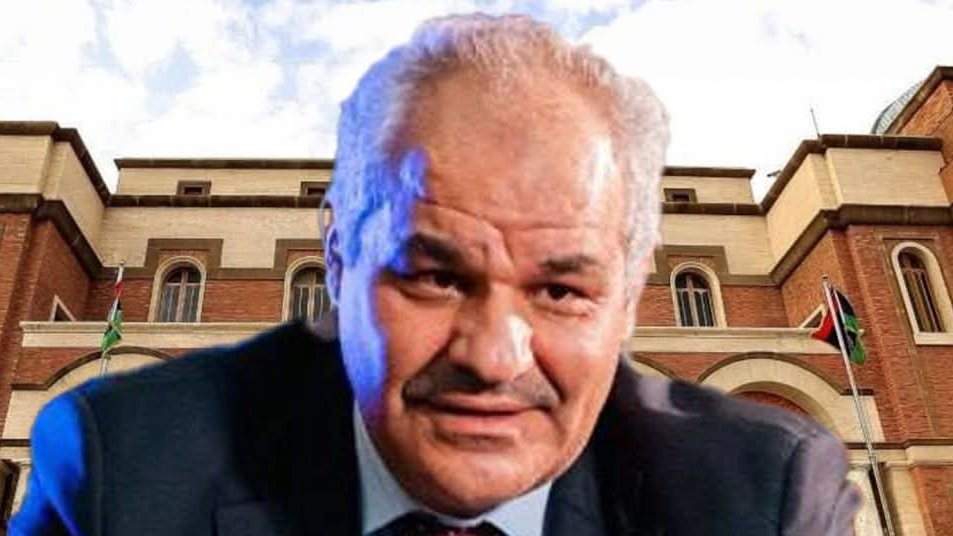
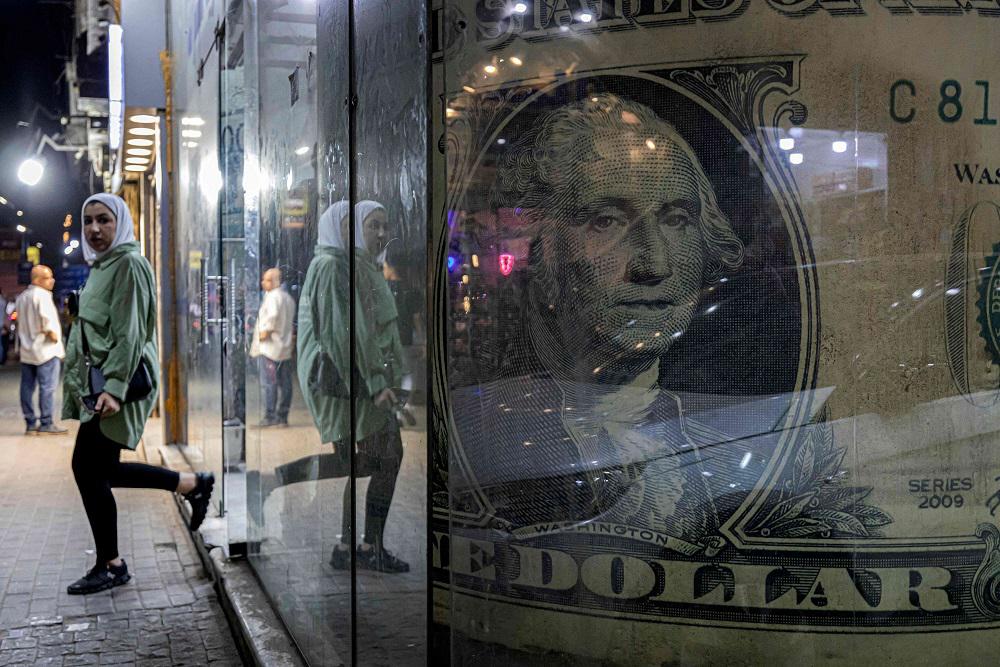
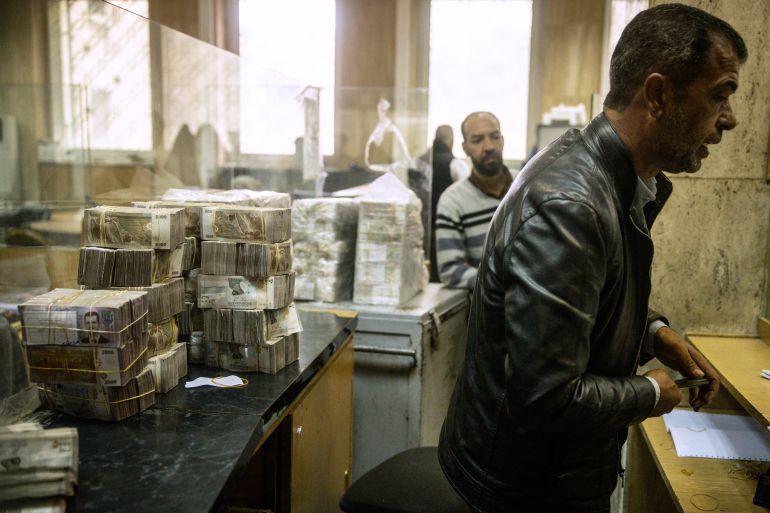
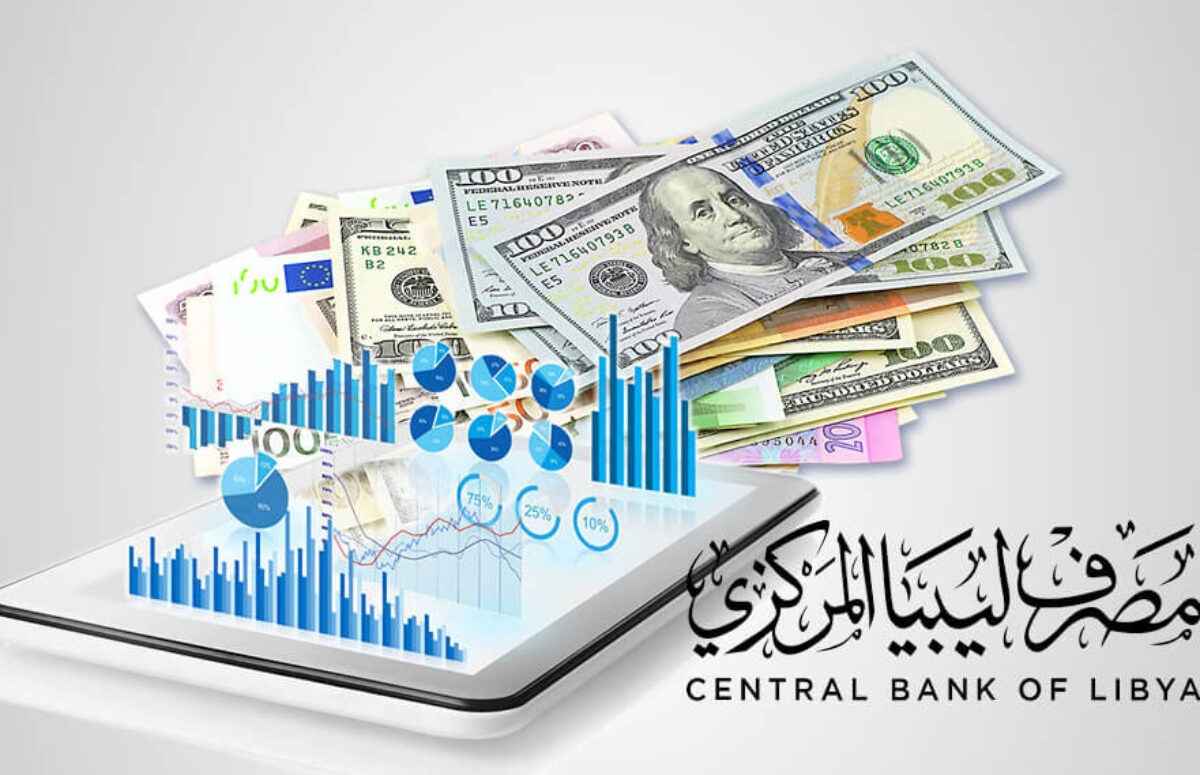
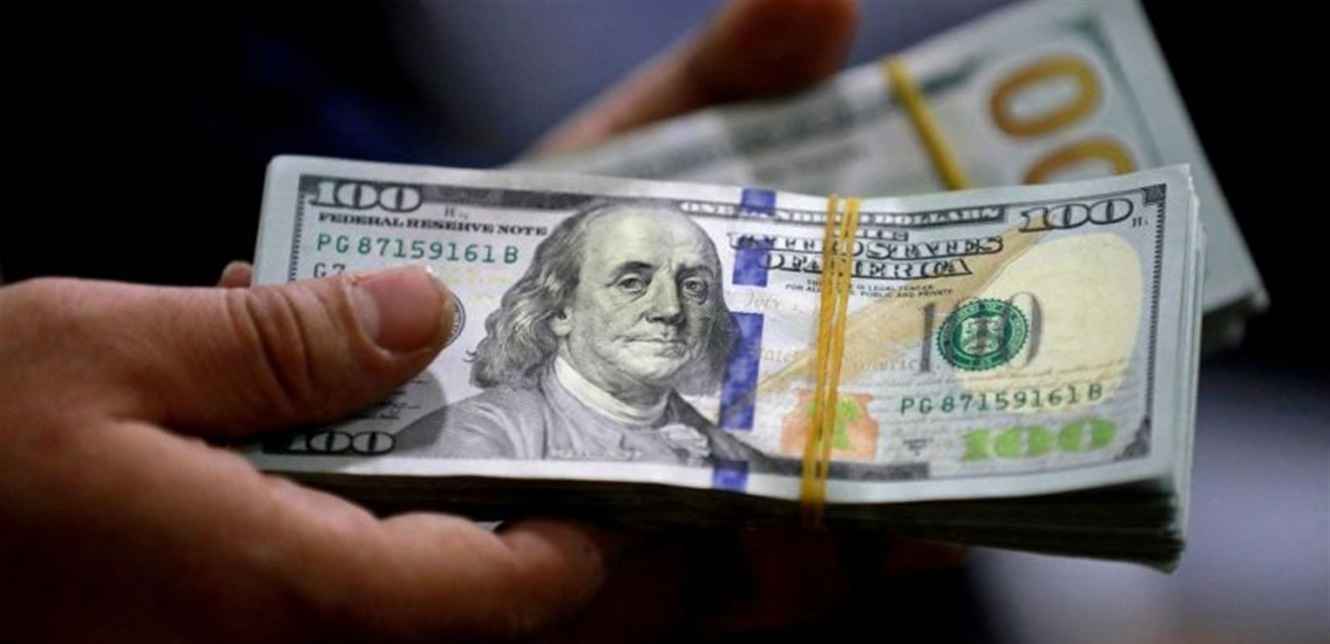
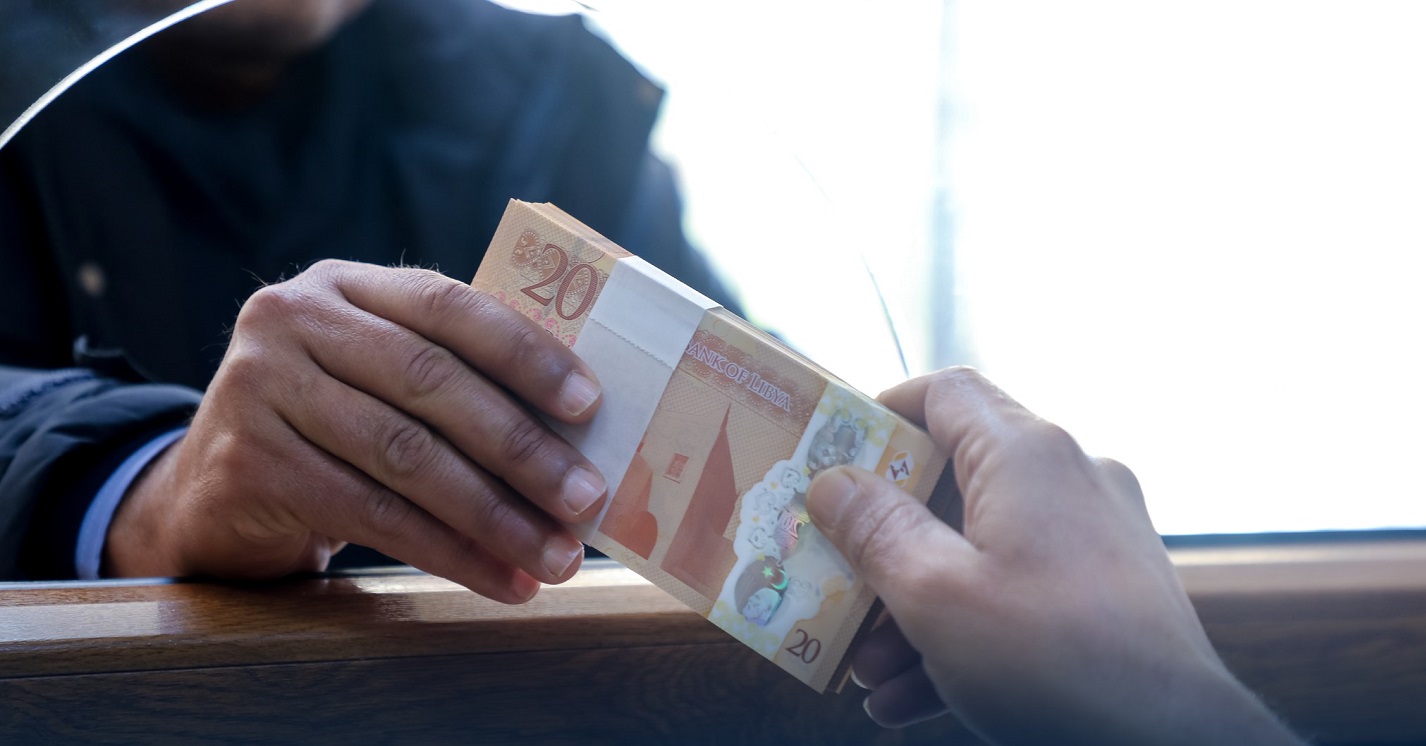
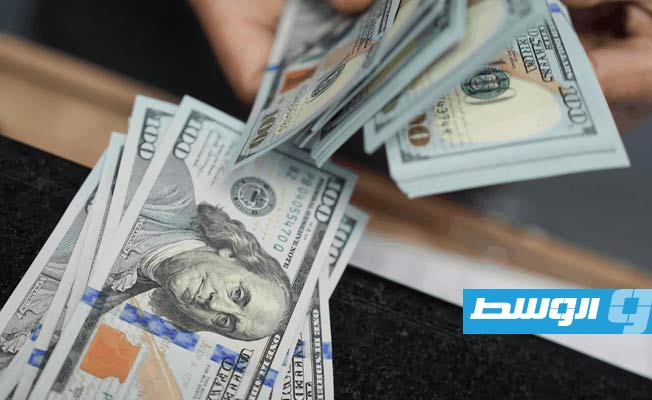
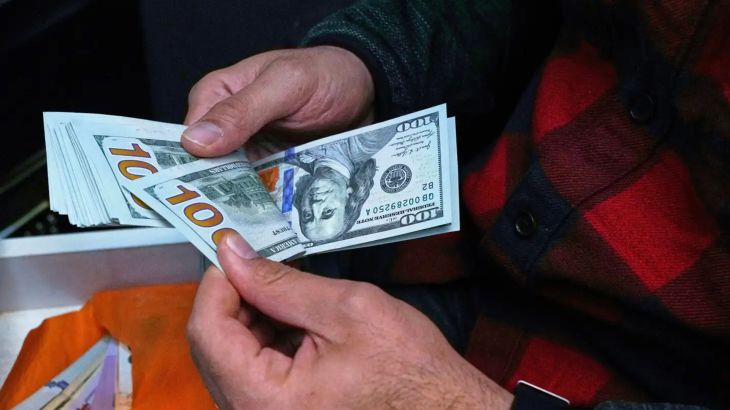
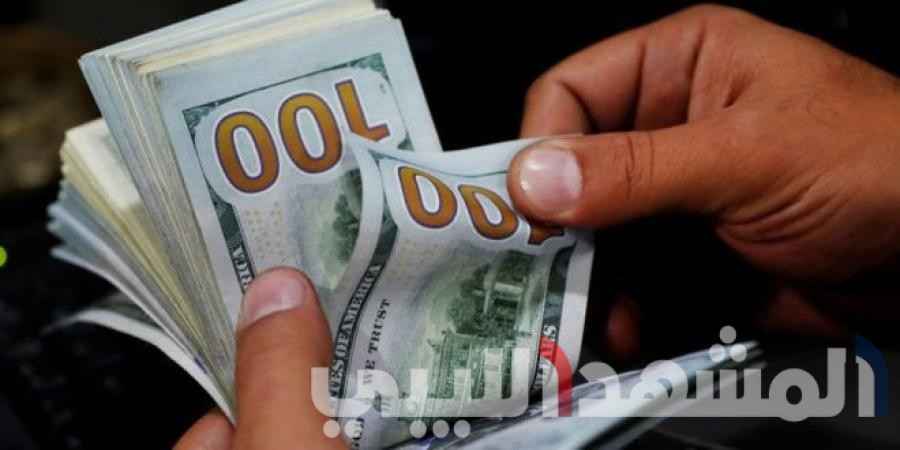
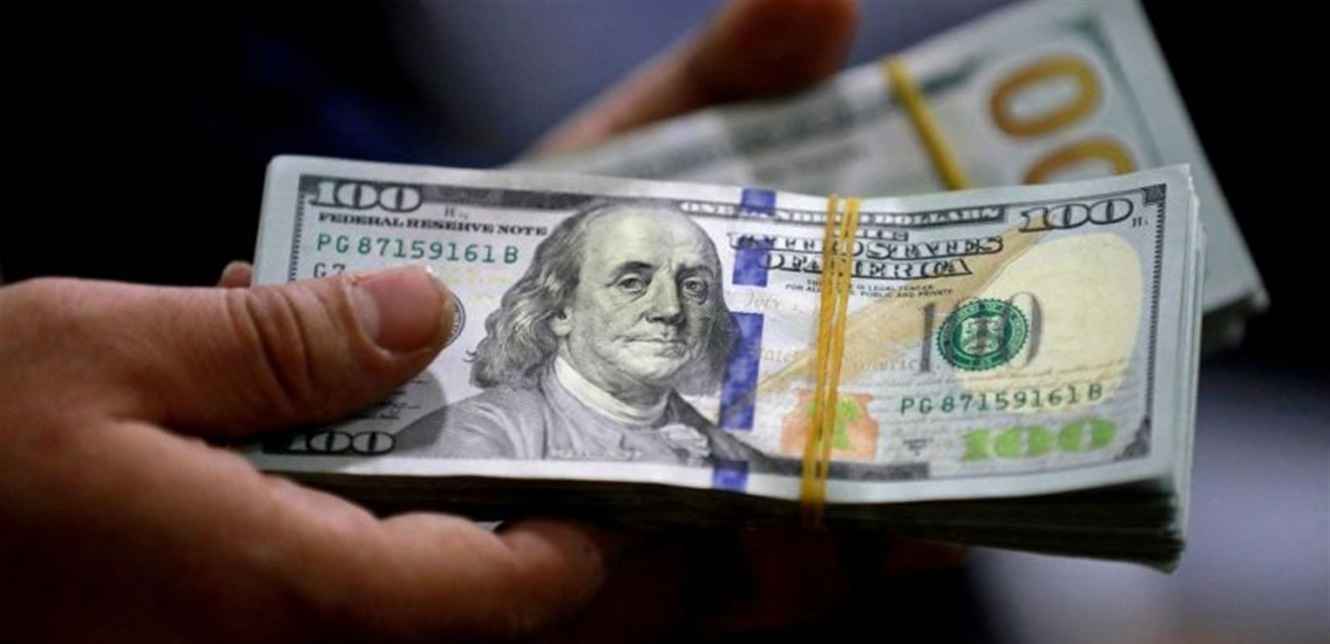
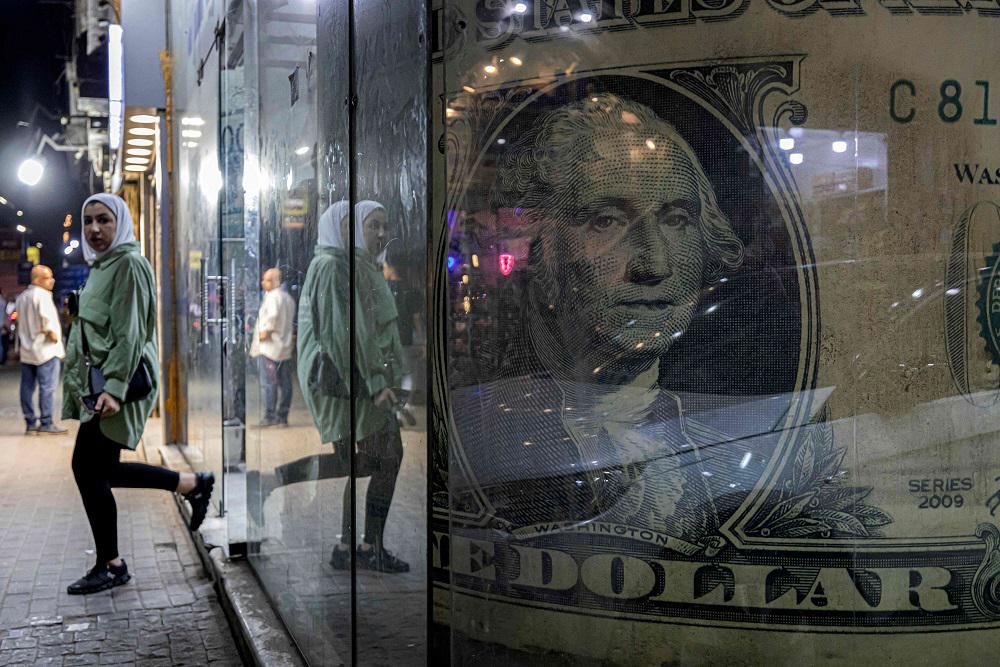
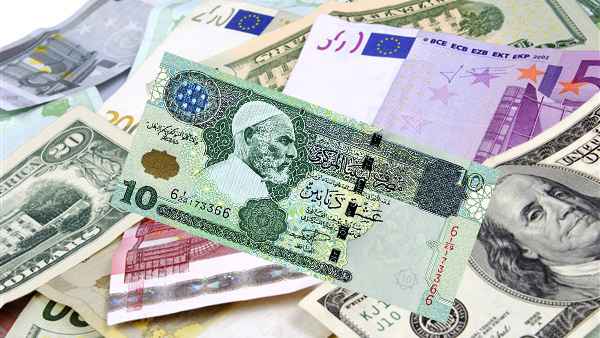
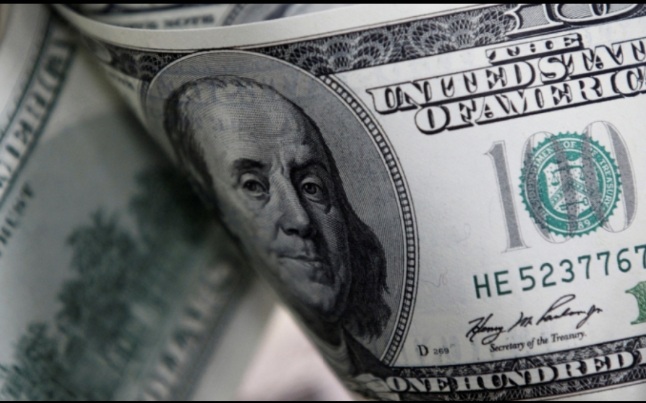
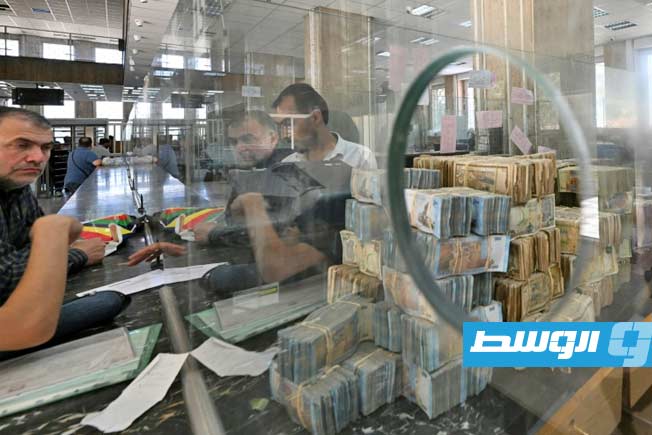
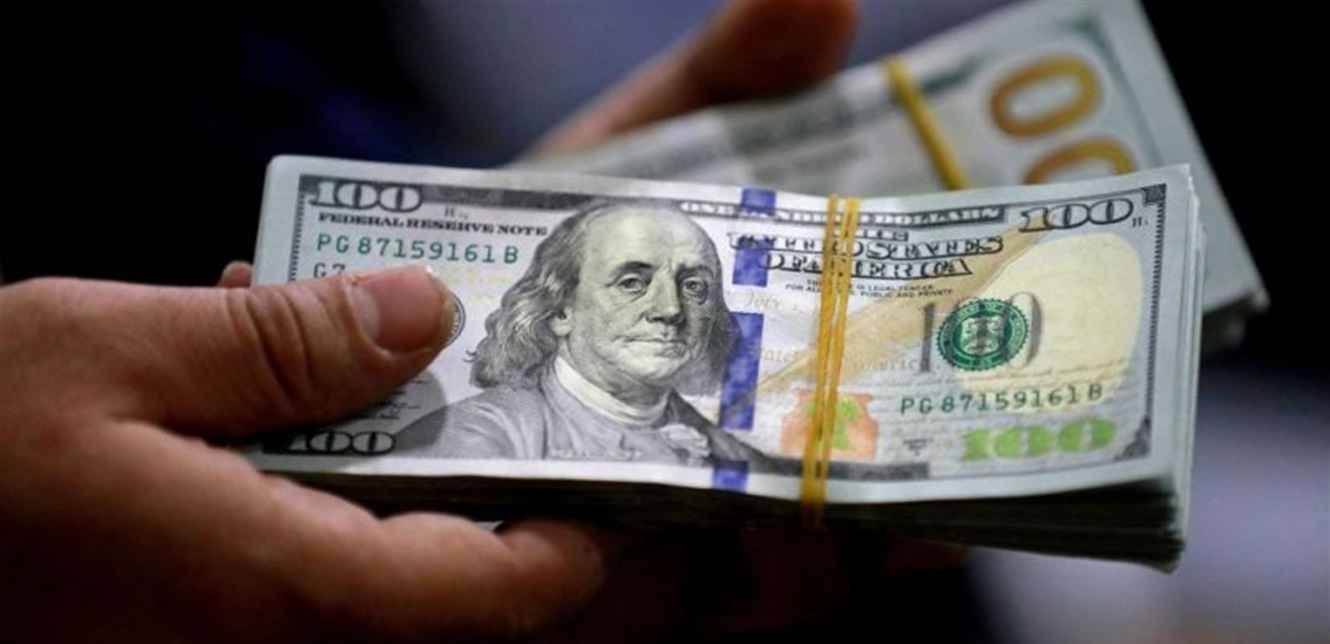
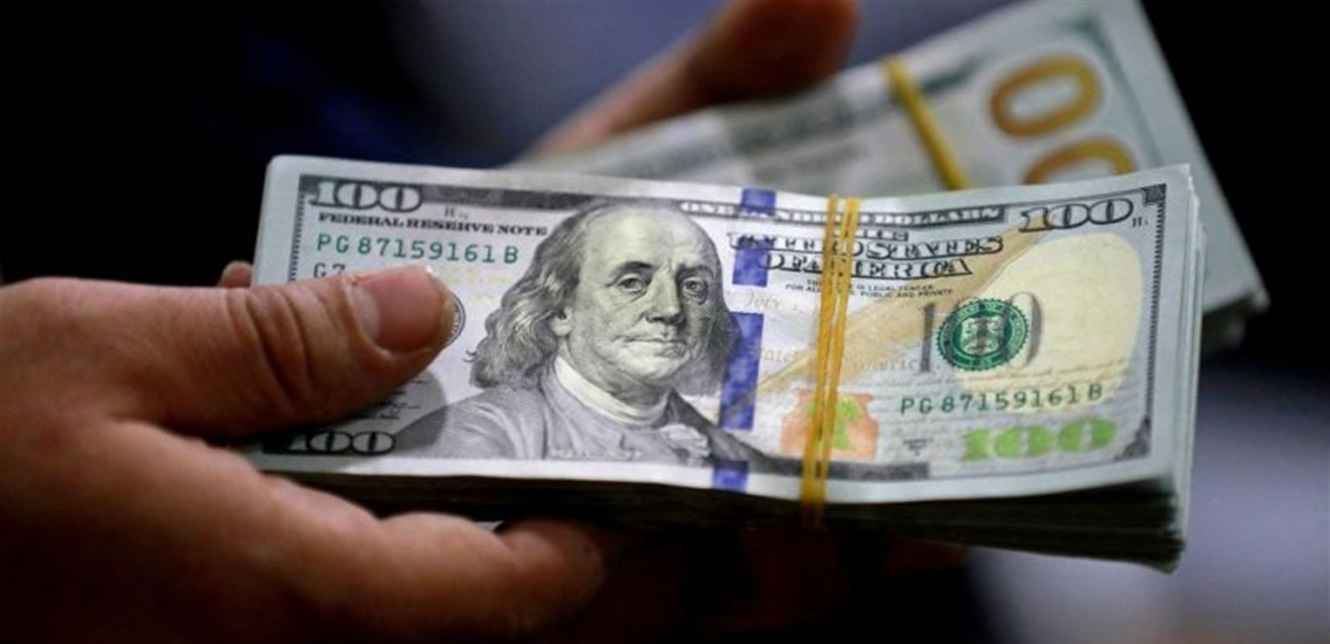
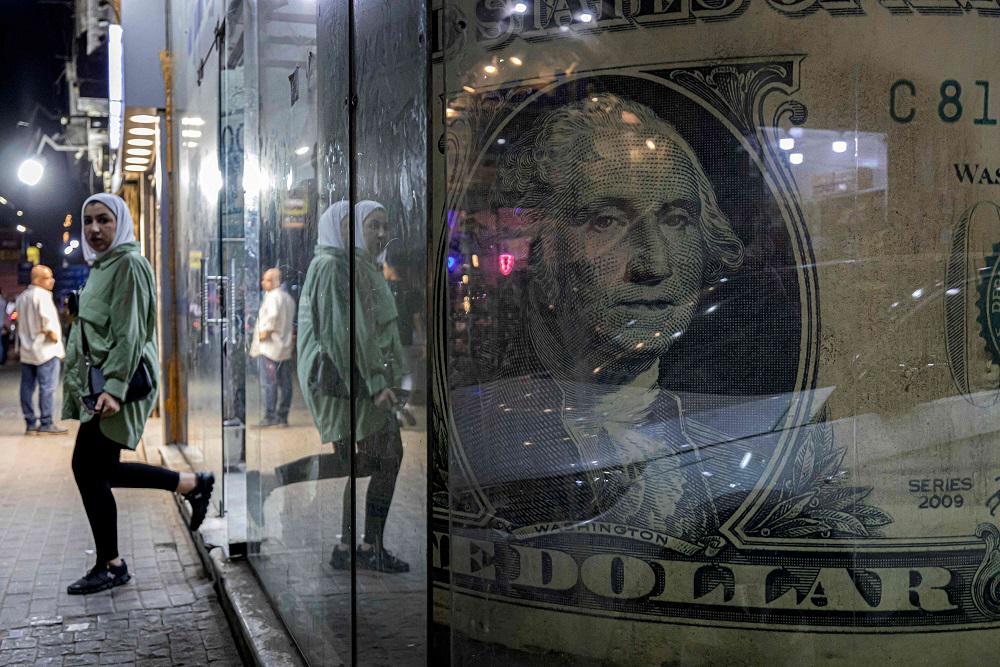
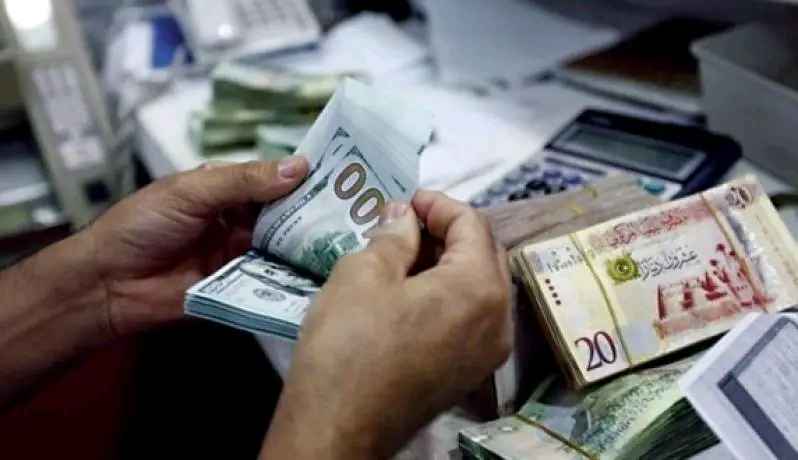
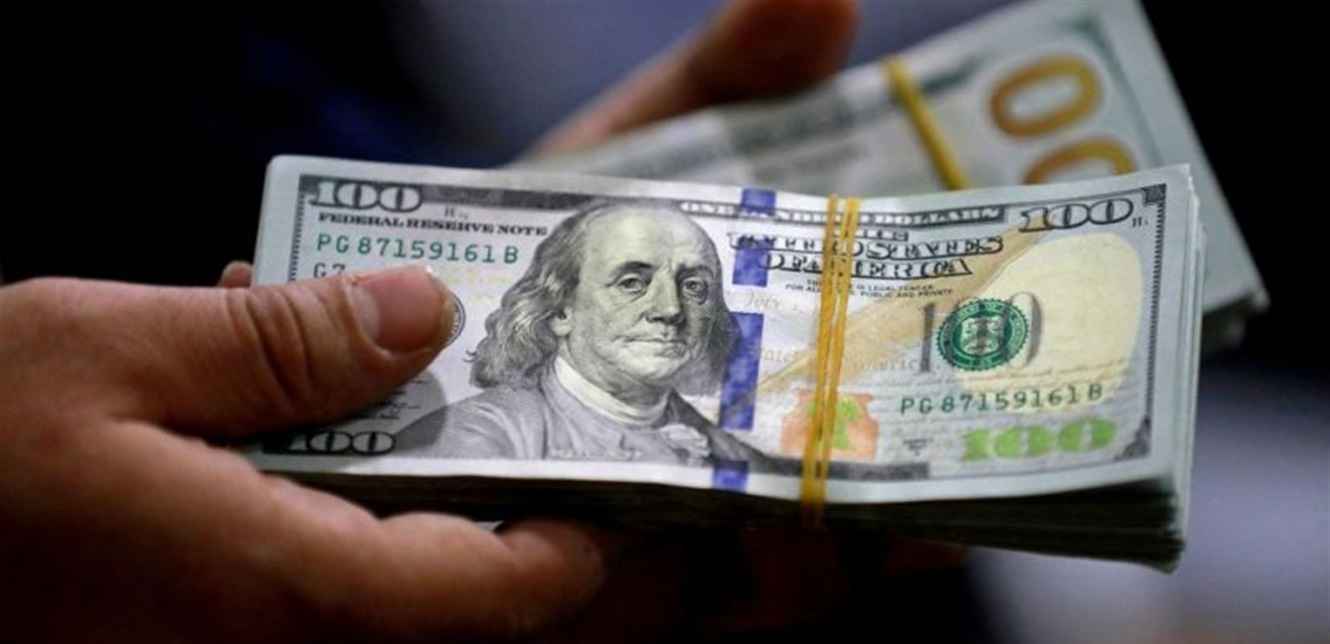
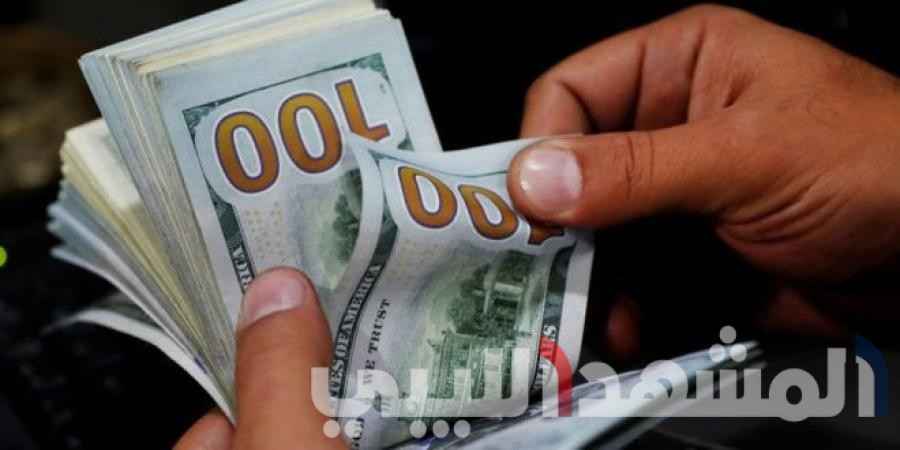
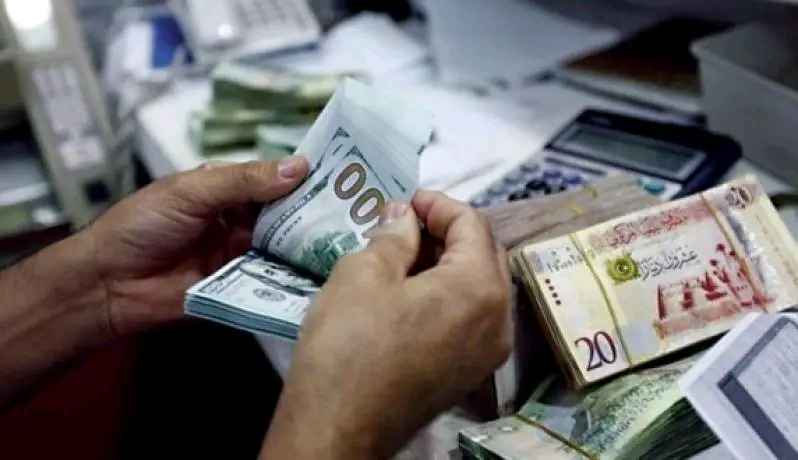
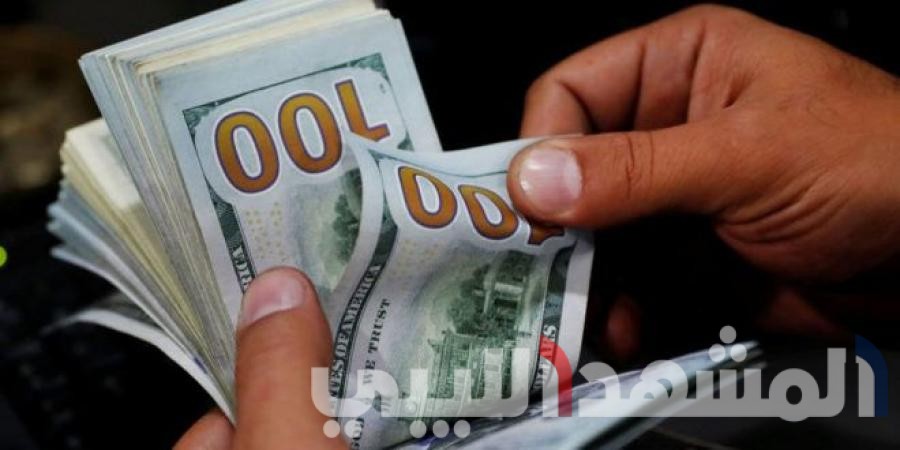
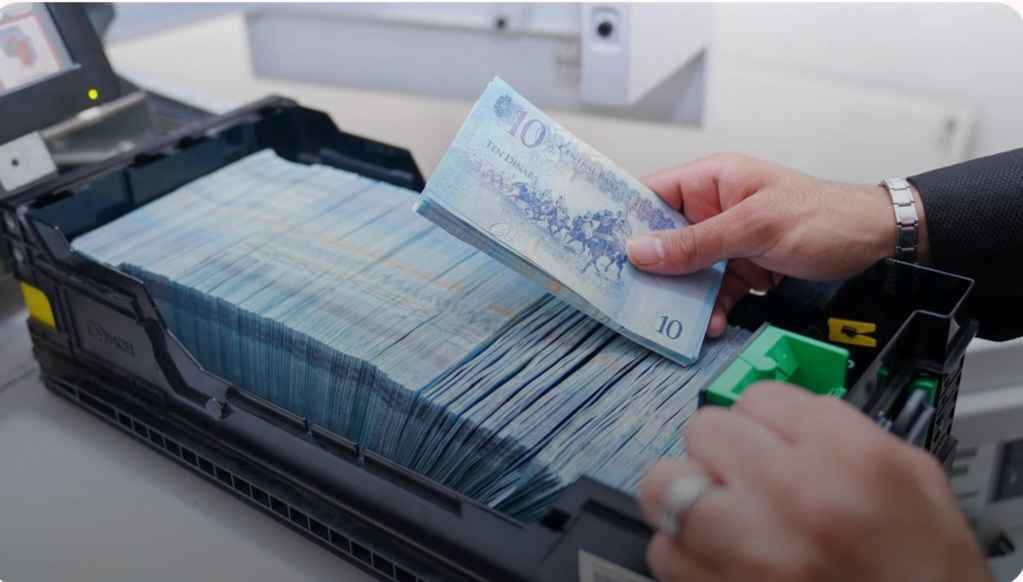
The exchange rate of the US dollar against the Libyan dinar recorded a slight increase in the official market on Thursday, reaching 6.36 dinars, compared to 6.35 dinars in Wednesday’s trading, according to an announcement.
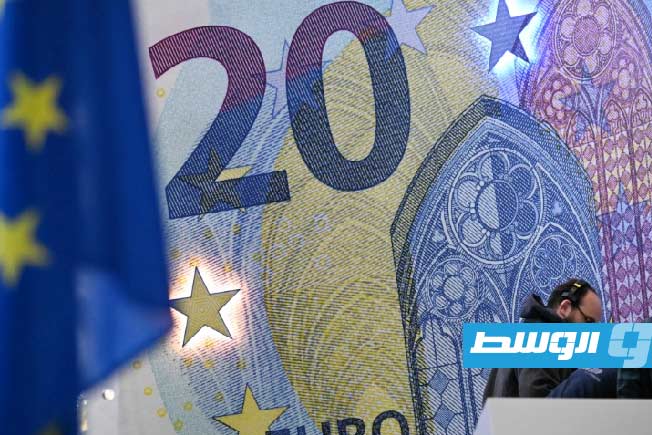
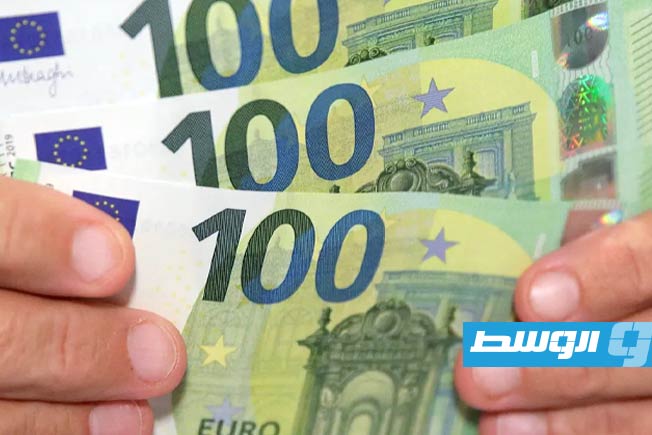
In contrast, the euro saw a limited decline, falling to 7.43 dinars after being at 7.45 dinars the previous day, while the British pound maintained its stability at 8.54 dinars.
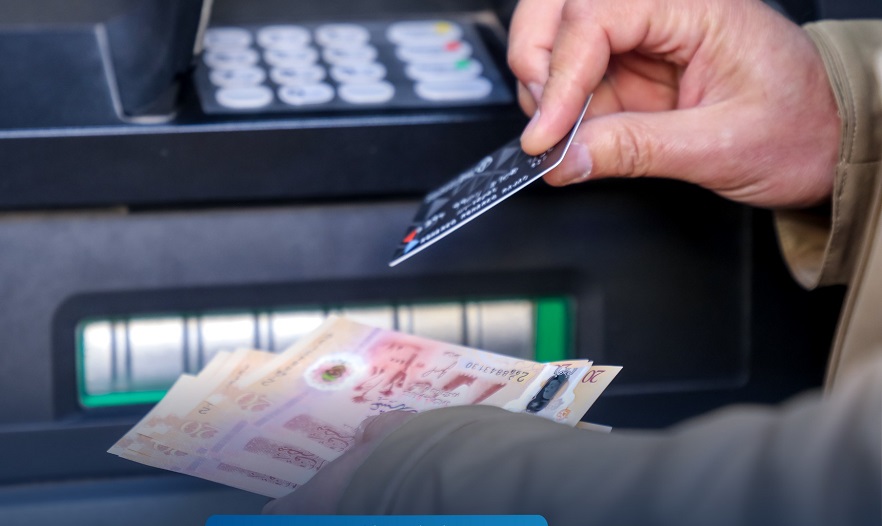
Regarding Arab currencies, the Saudi riyal continued its stability at 1.69 dinars, and the UAE dirham’s price remained fixed at 1.73 dinars, while the exchange rate for the Tunisian dinar rose to 2.21 dinars compared to 2.20 dinars yesterday.
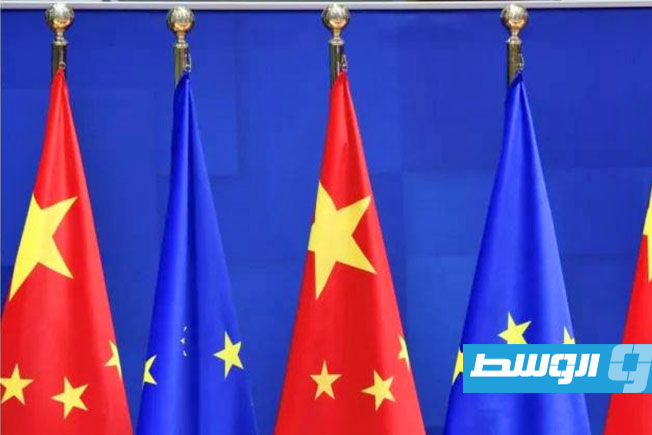
Data also showed no change in the exchange rates for both the Chinese yuan and the Turkish lira, which stabilized at 0.91 dinars and 0.14 dinars respectively.
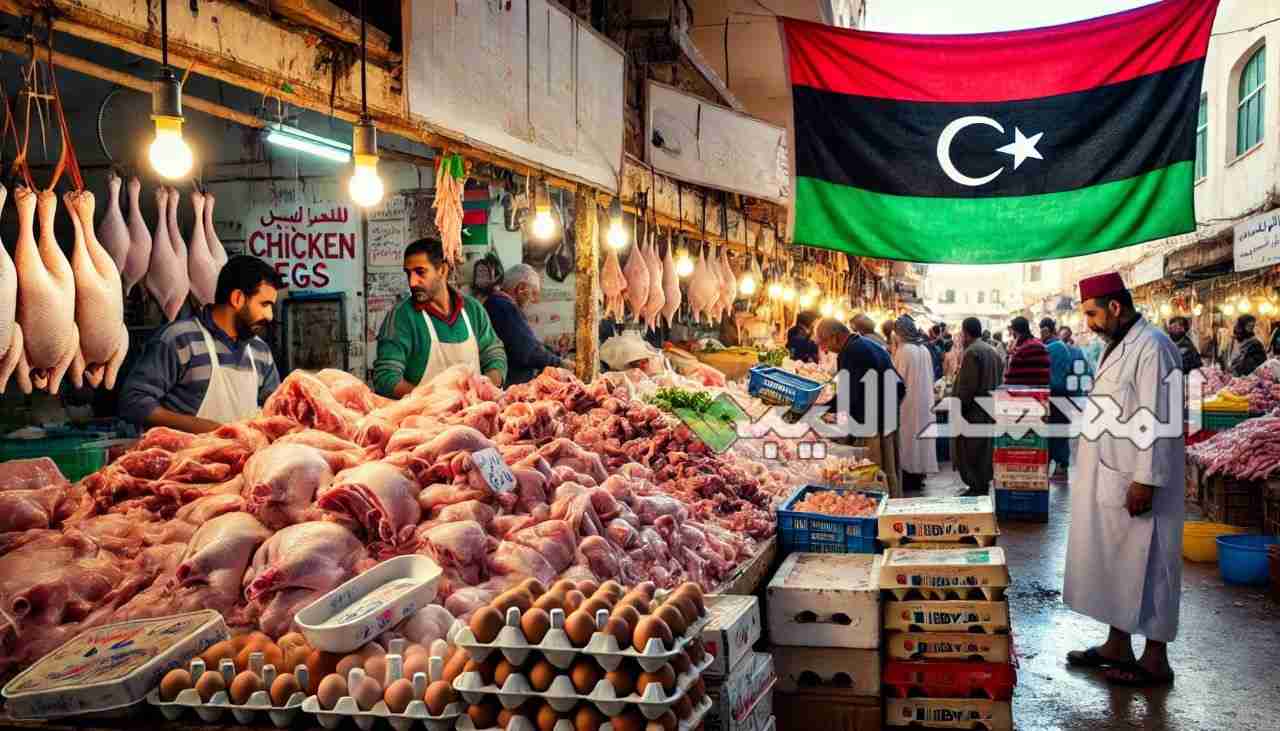
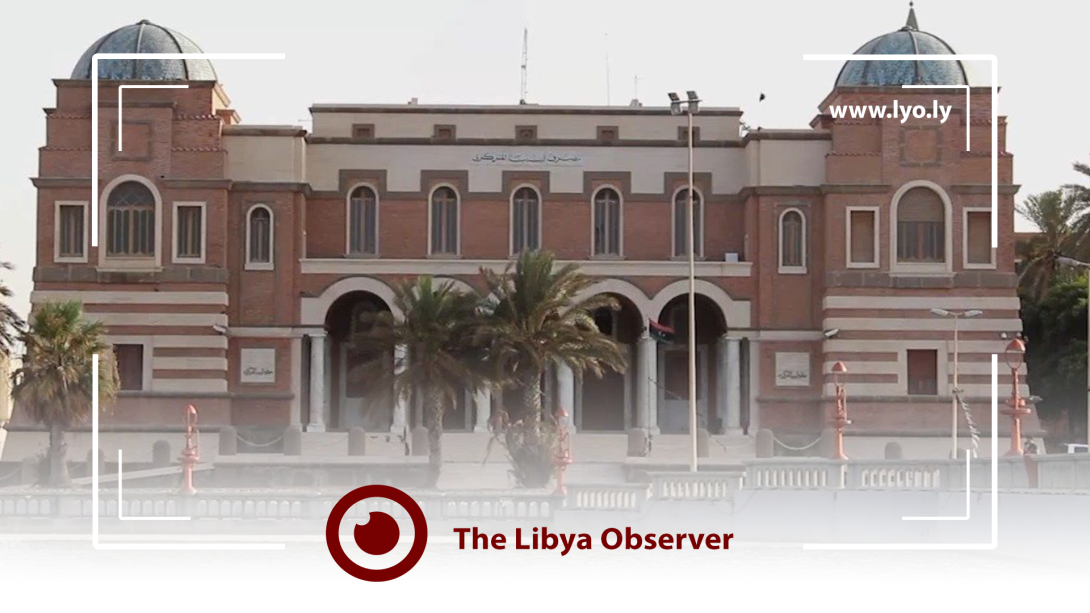
Tripoli
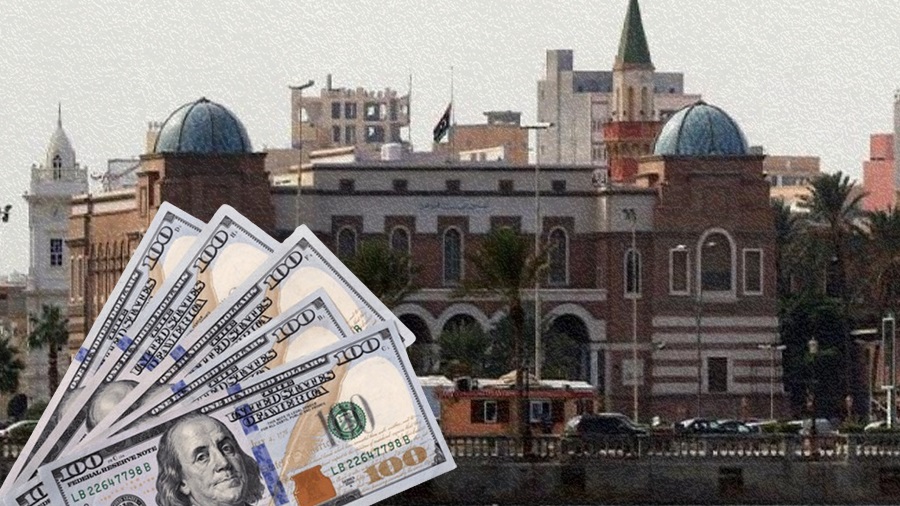
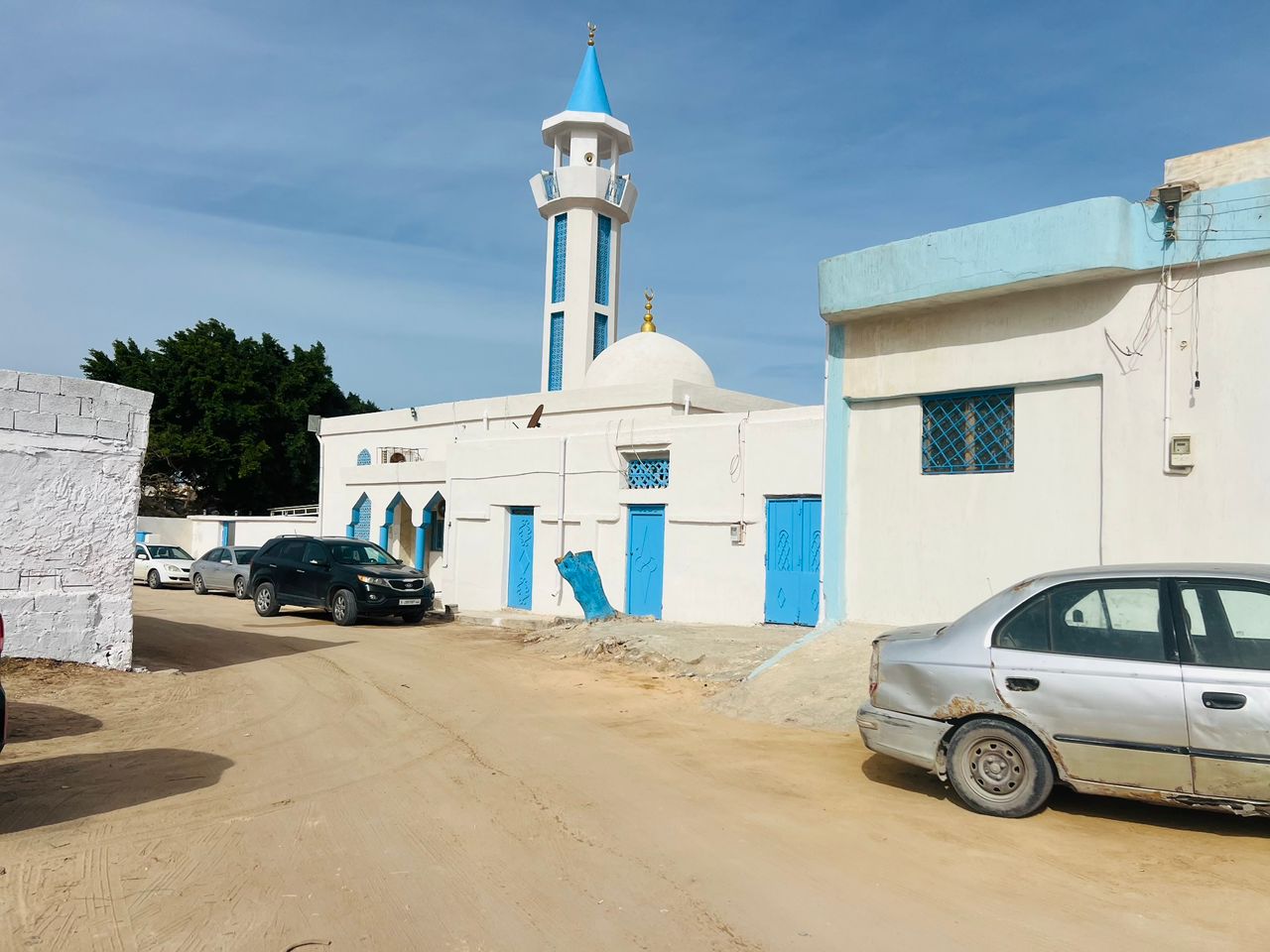
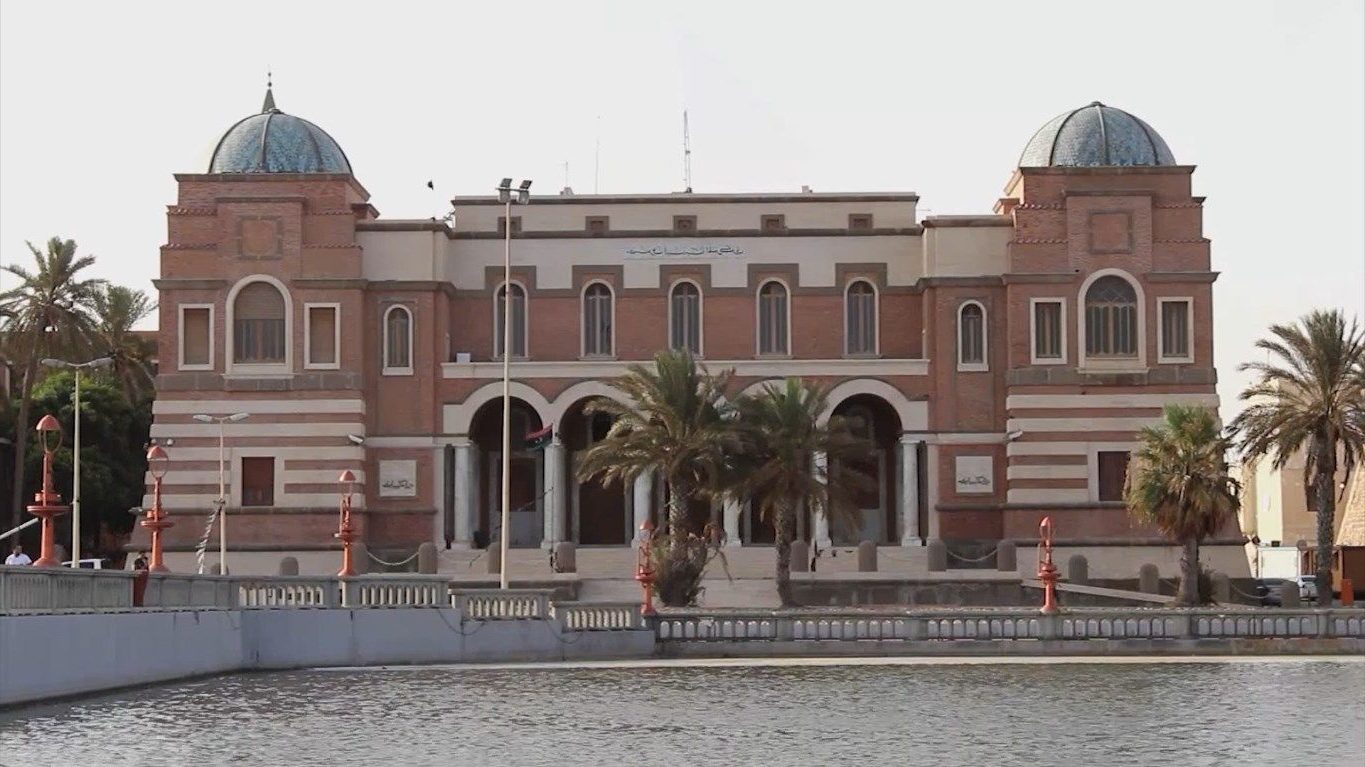
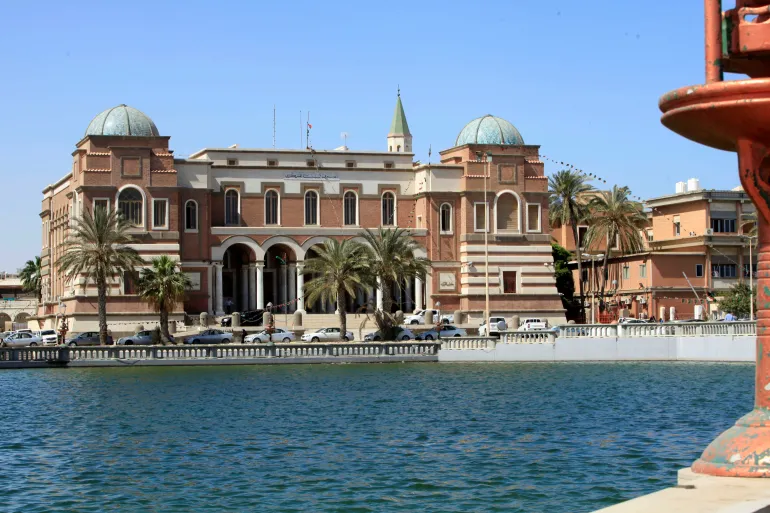
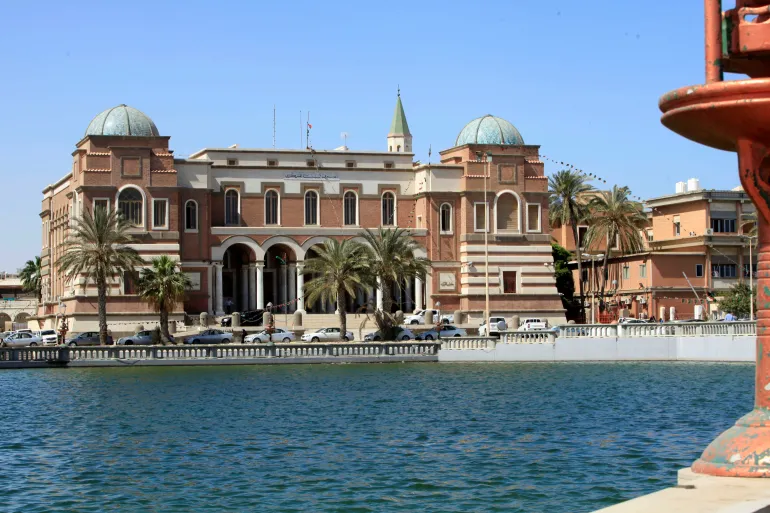
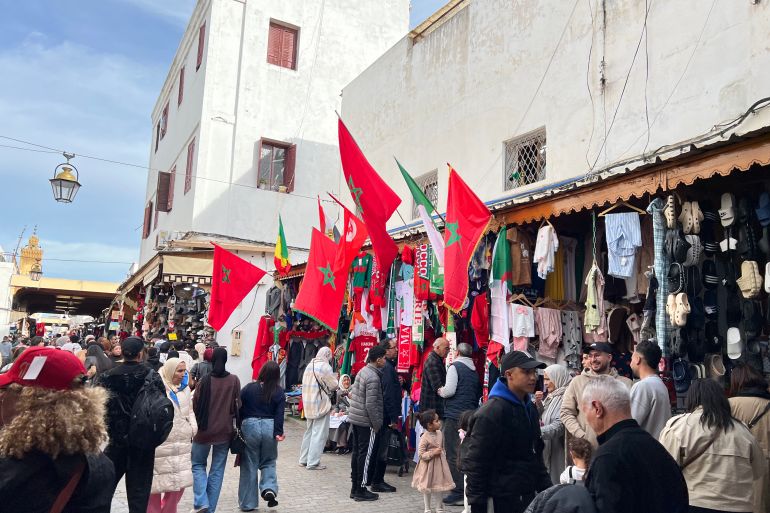
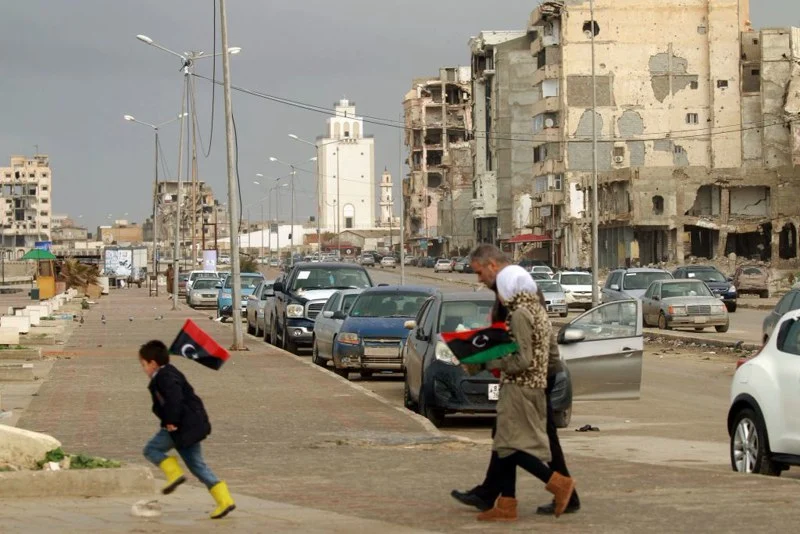
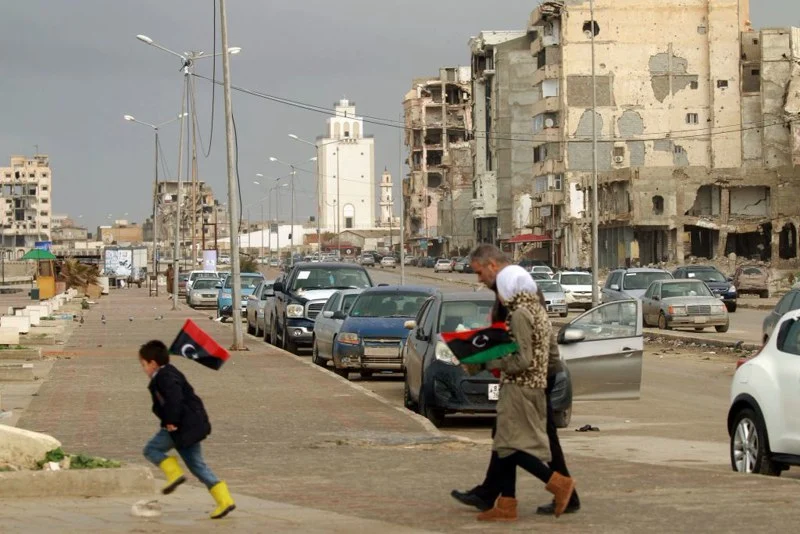
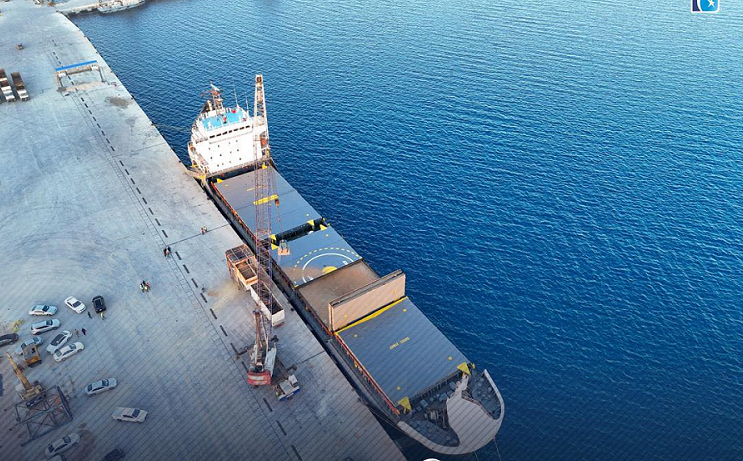
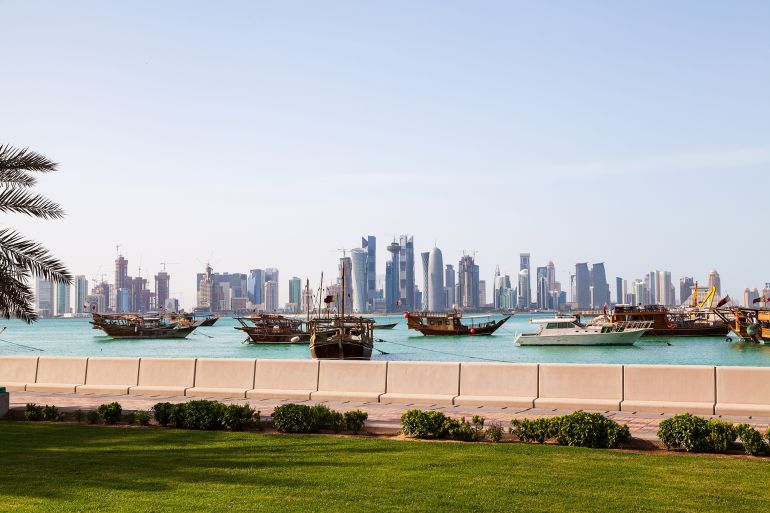
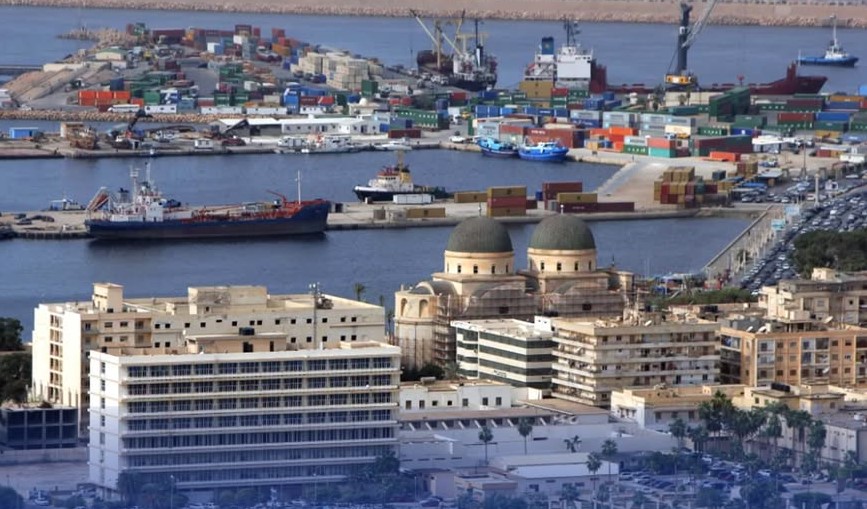
Tripoli is the capital and largest city of Libya, located on the country’s Mediterranean coast. Historically, it was founded by the Phoenicians in the 7th century BC and later became a significant Roman city, with its old quarter, the medina, showcasing centuries of influence from various ruling powers, including the Romans, Arabs, Ottomans, and Italians.
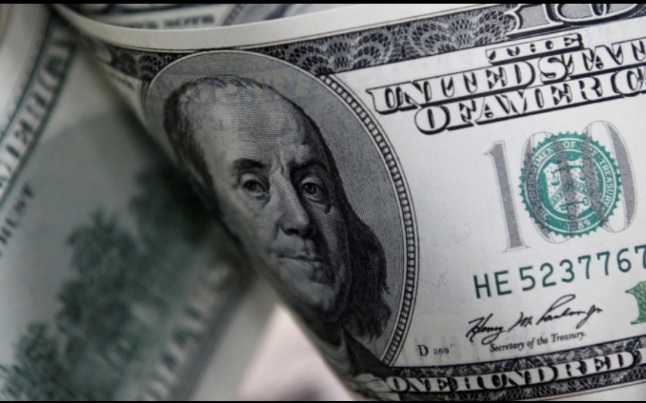
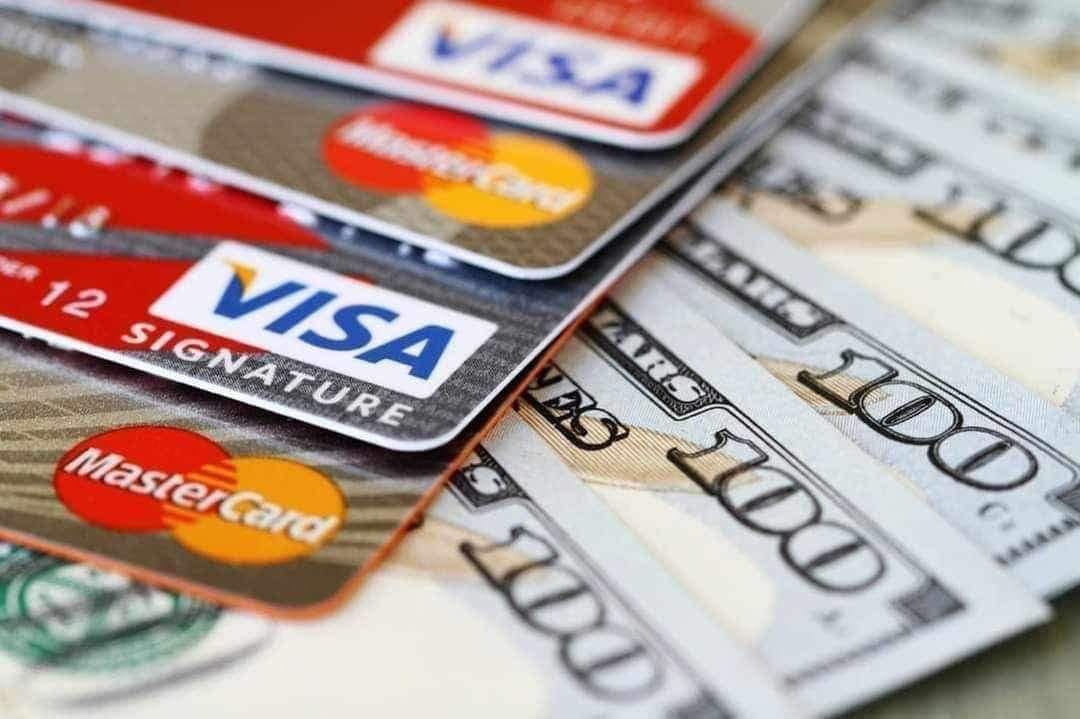
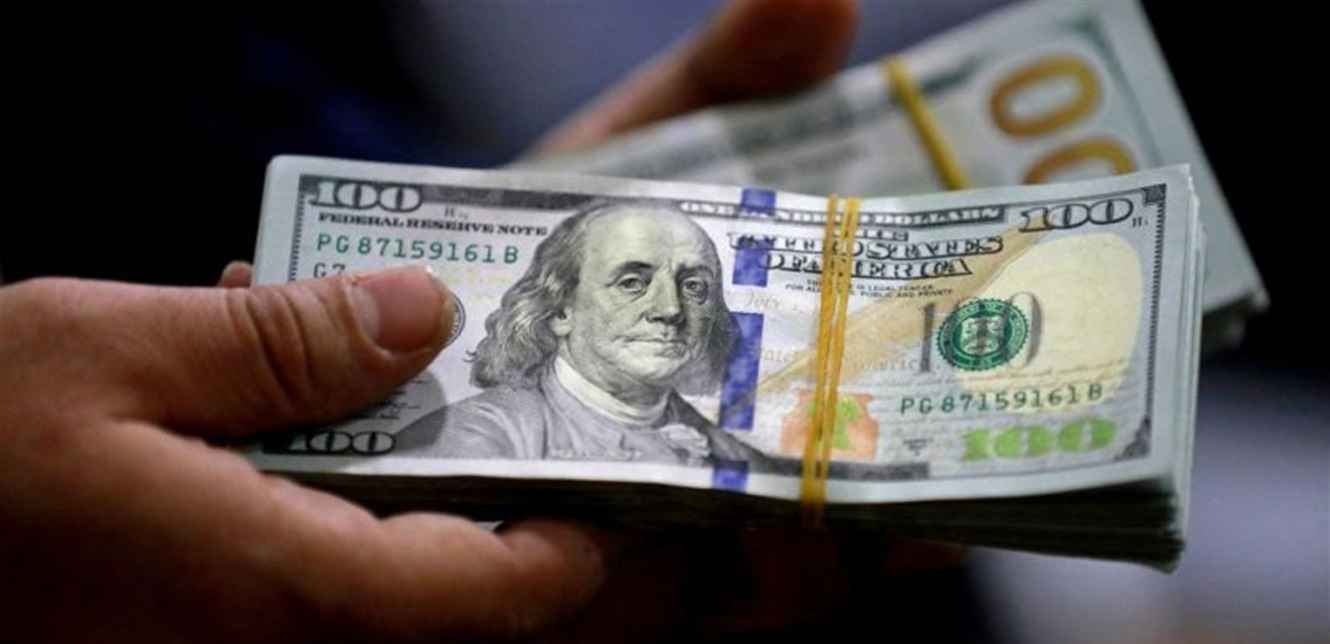
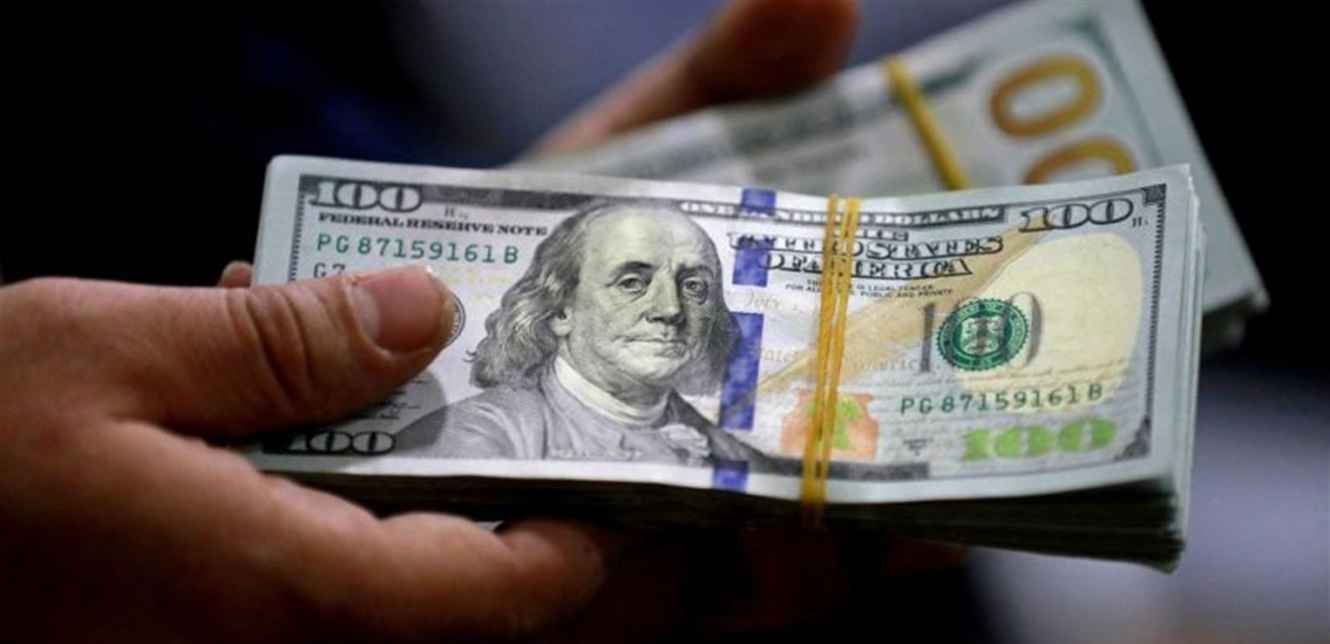
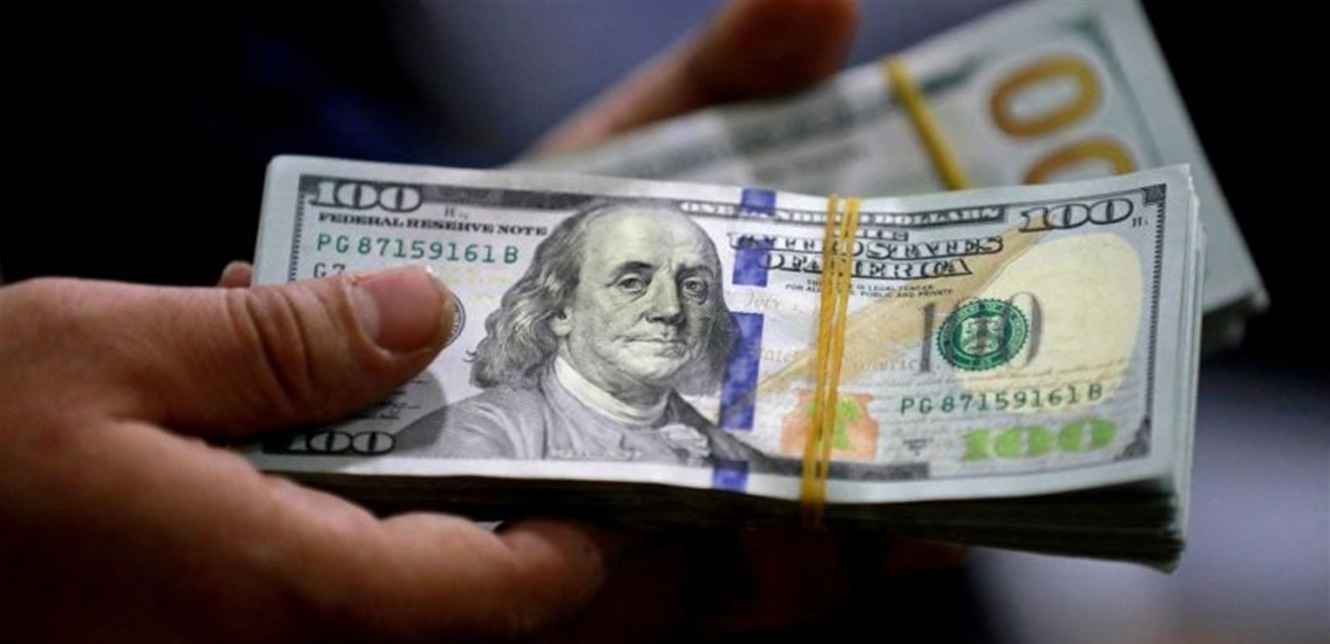
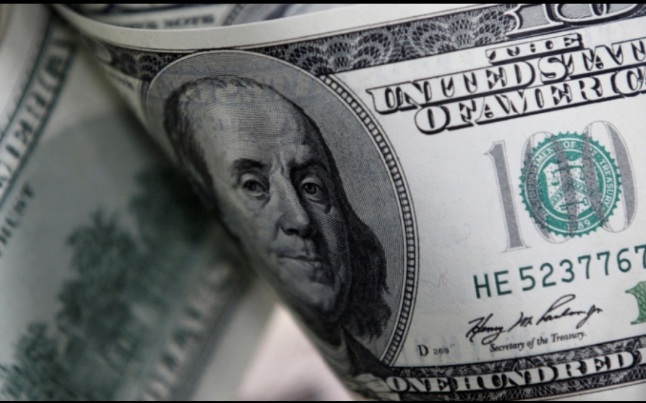
US dollar
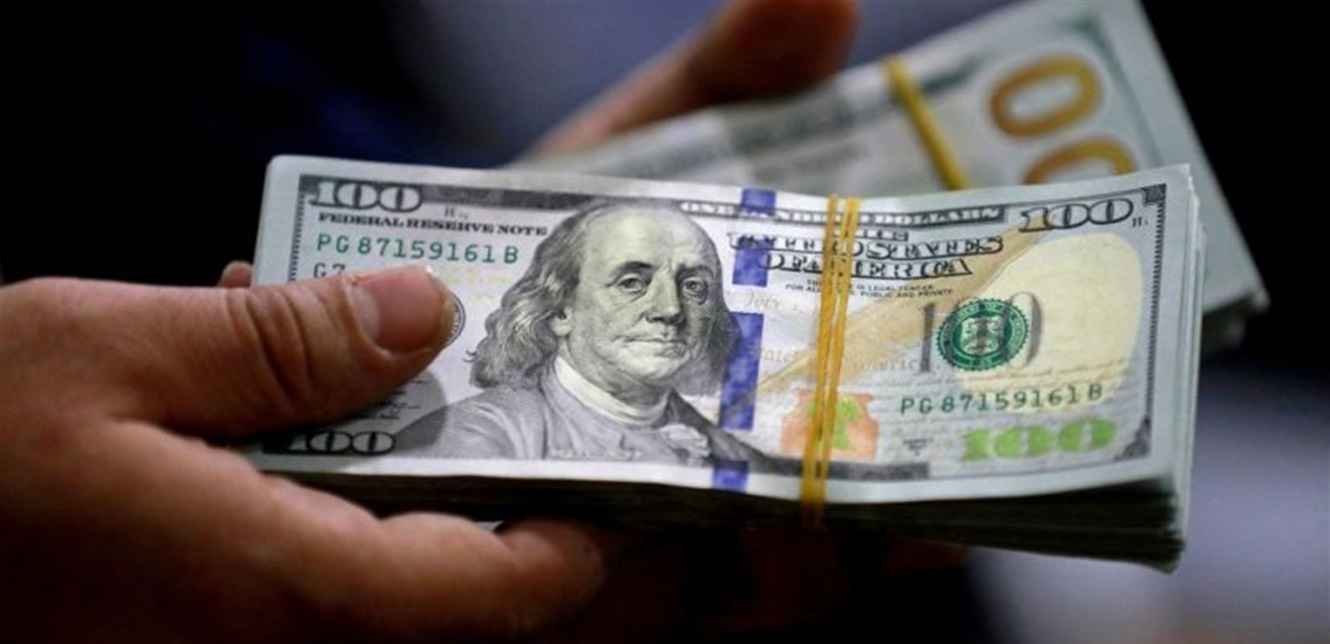
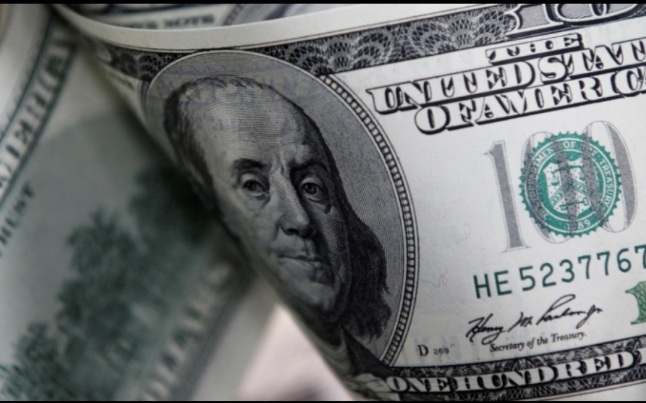
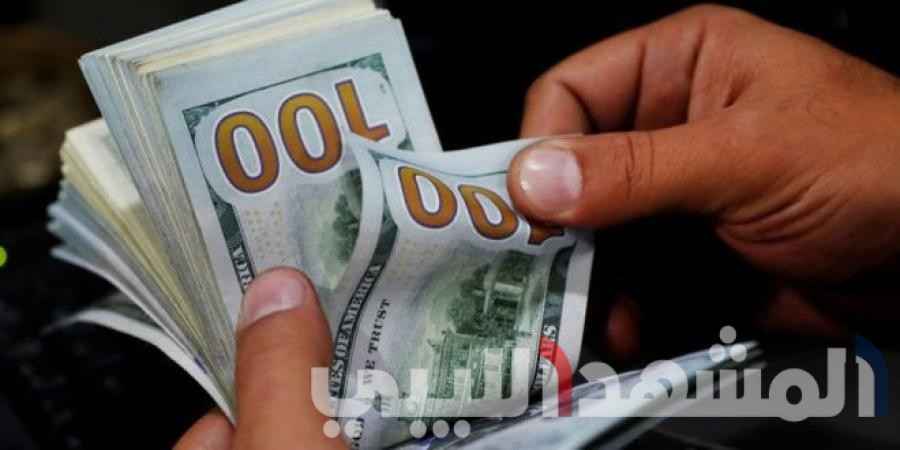
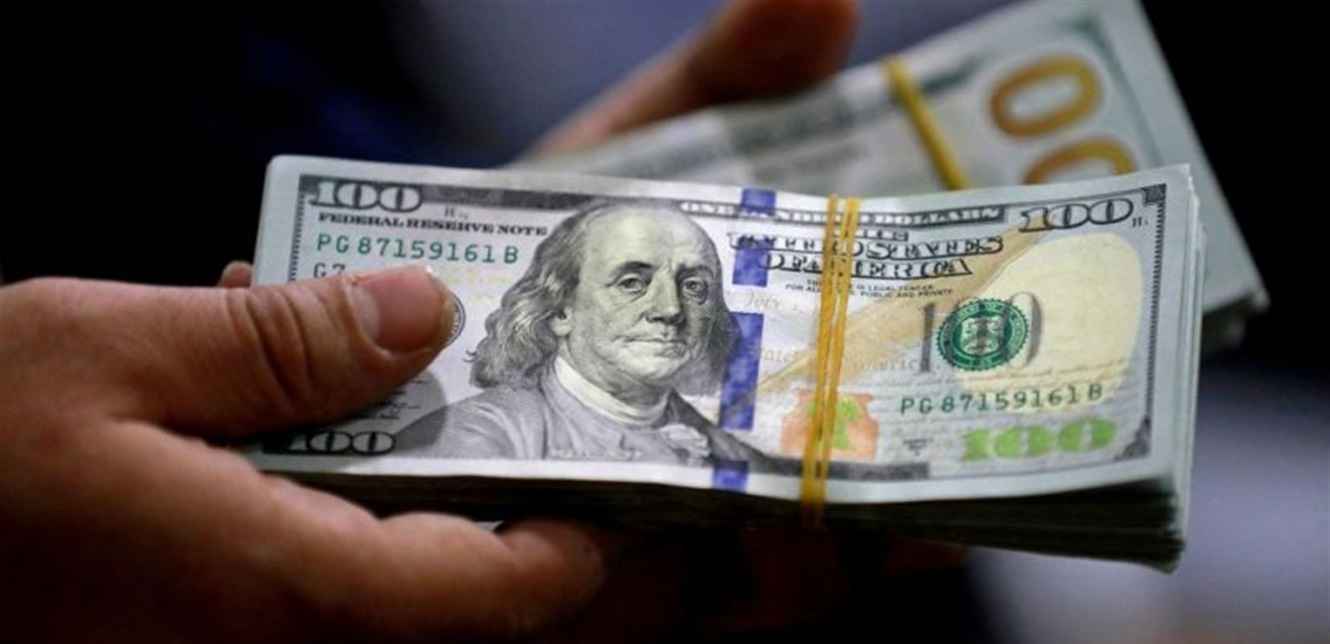
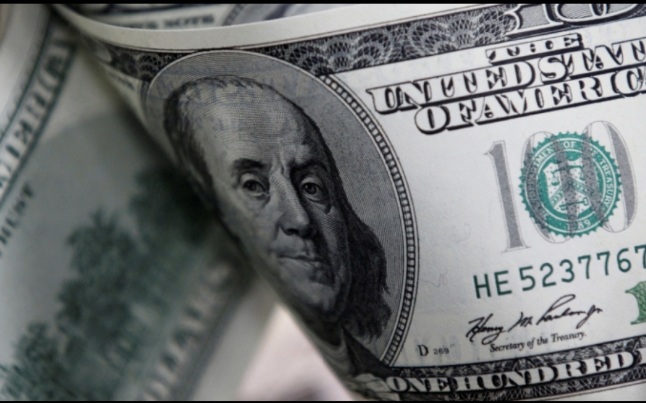
The US dollar is the official currency of the United States, established by the Coinage Act of 1792. It evolved from a system based on Spanish milled dollars and has become the world’s primary reserve currency since the Bretton Woods Agreement in 1944.
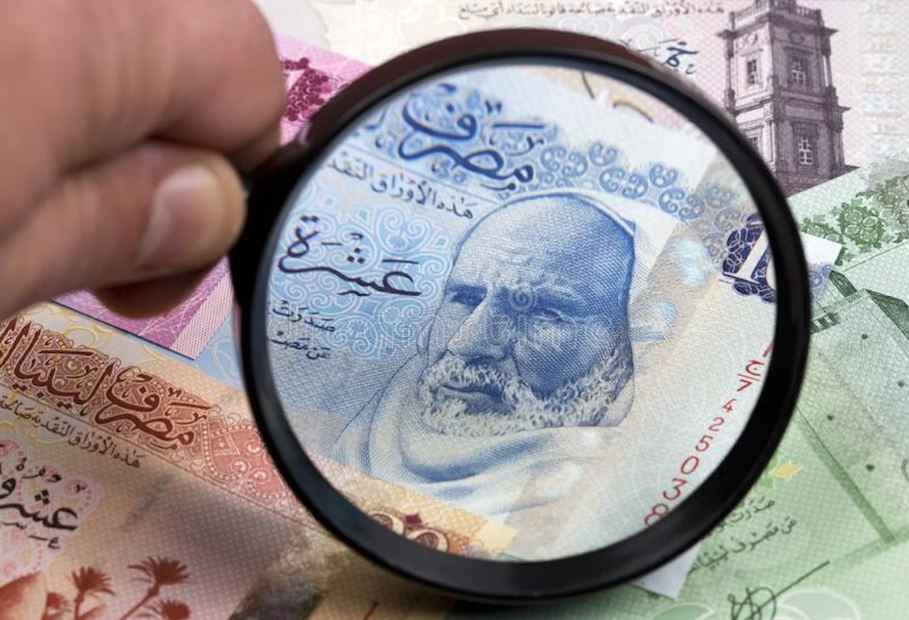
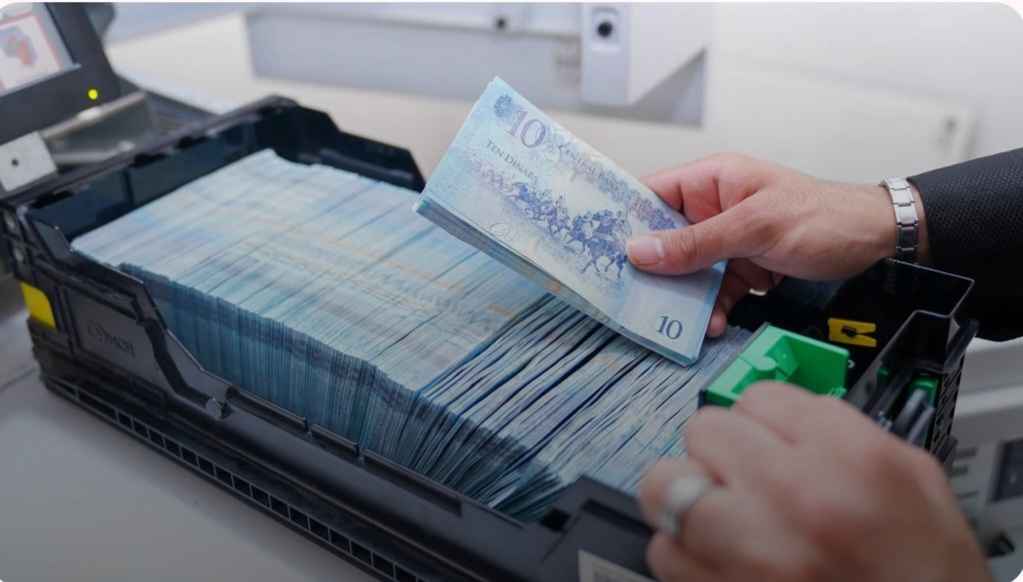
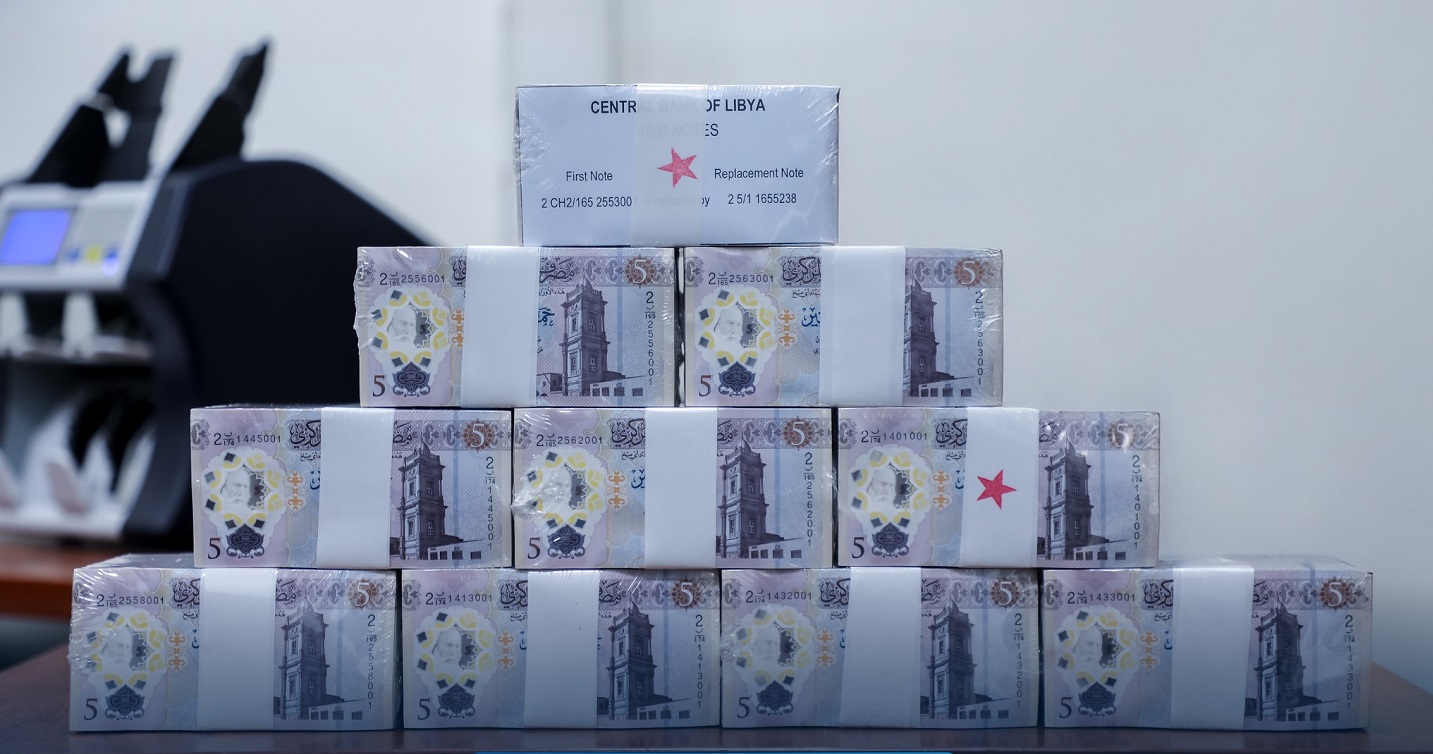
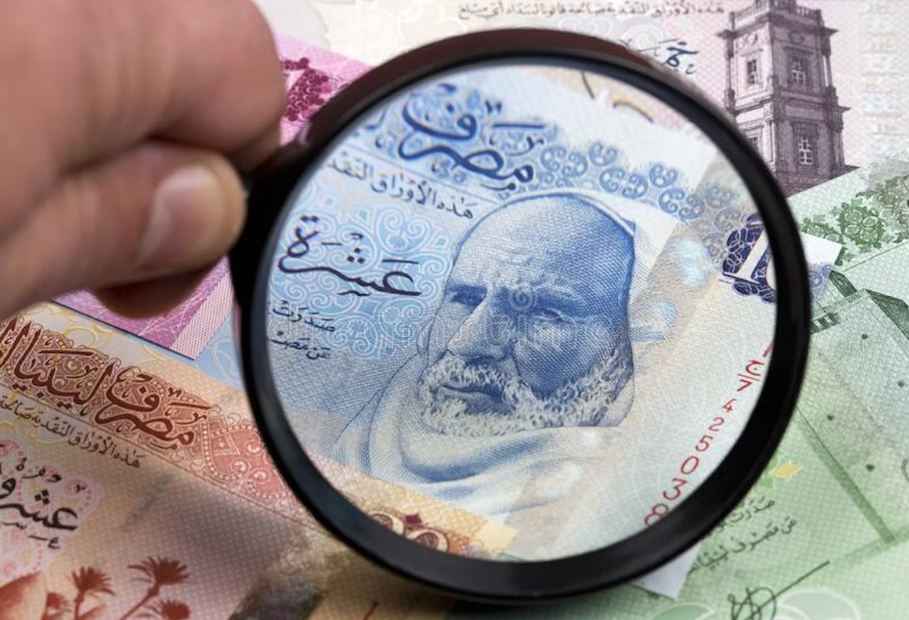
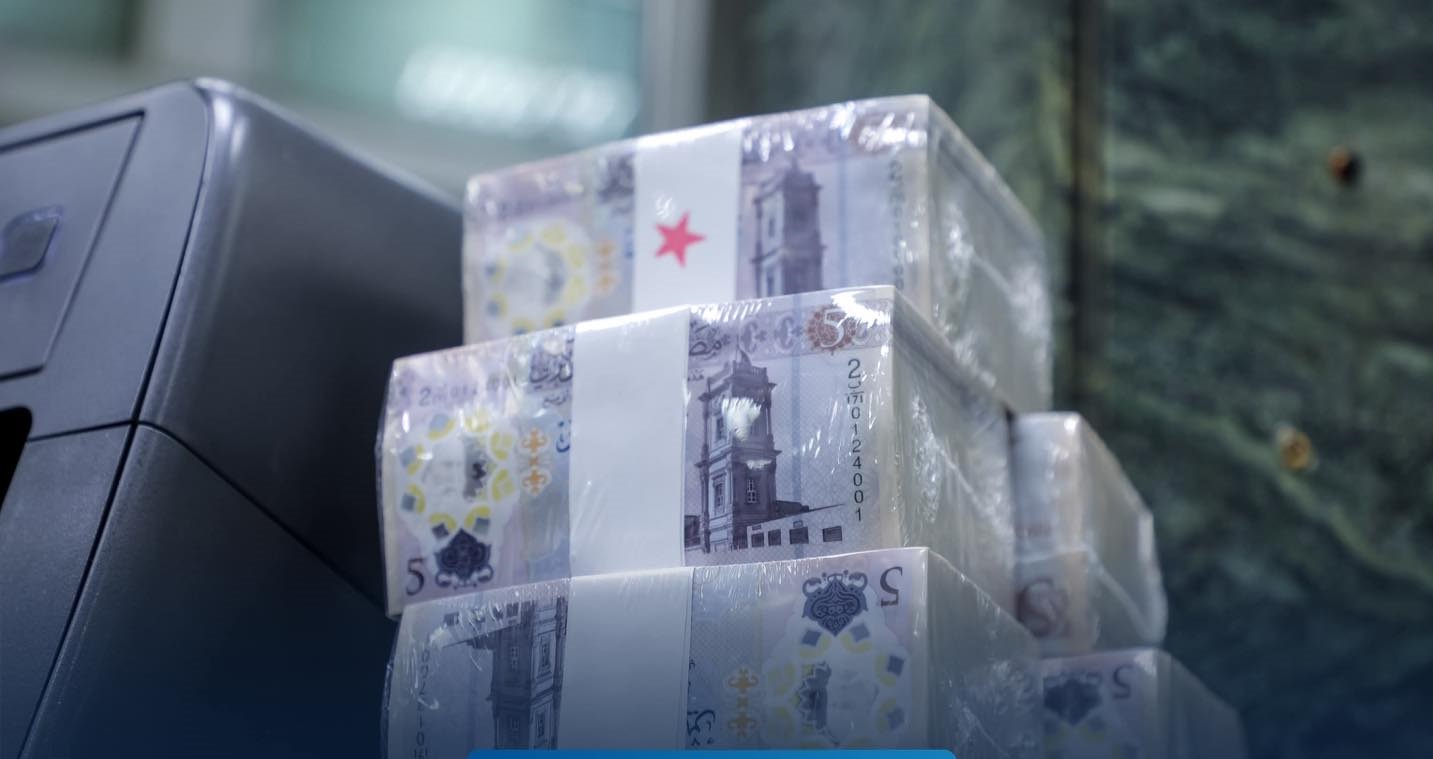
Libyan dinar
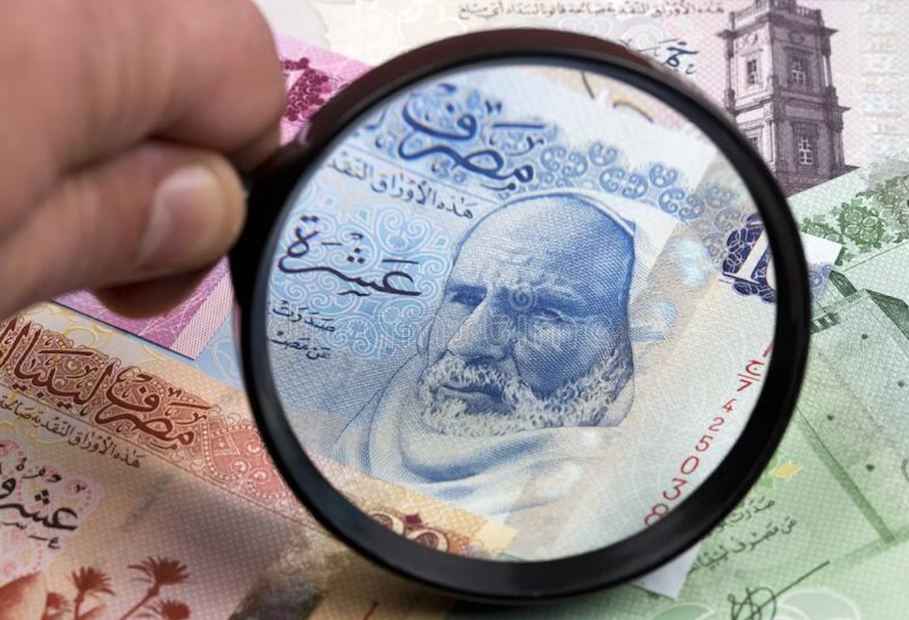
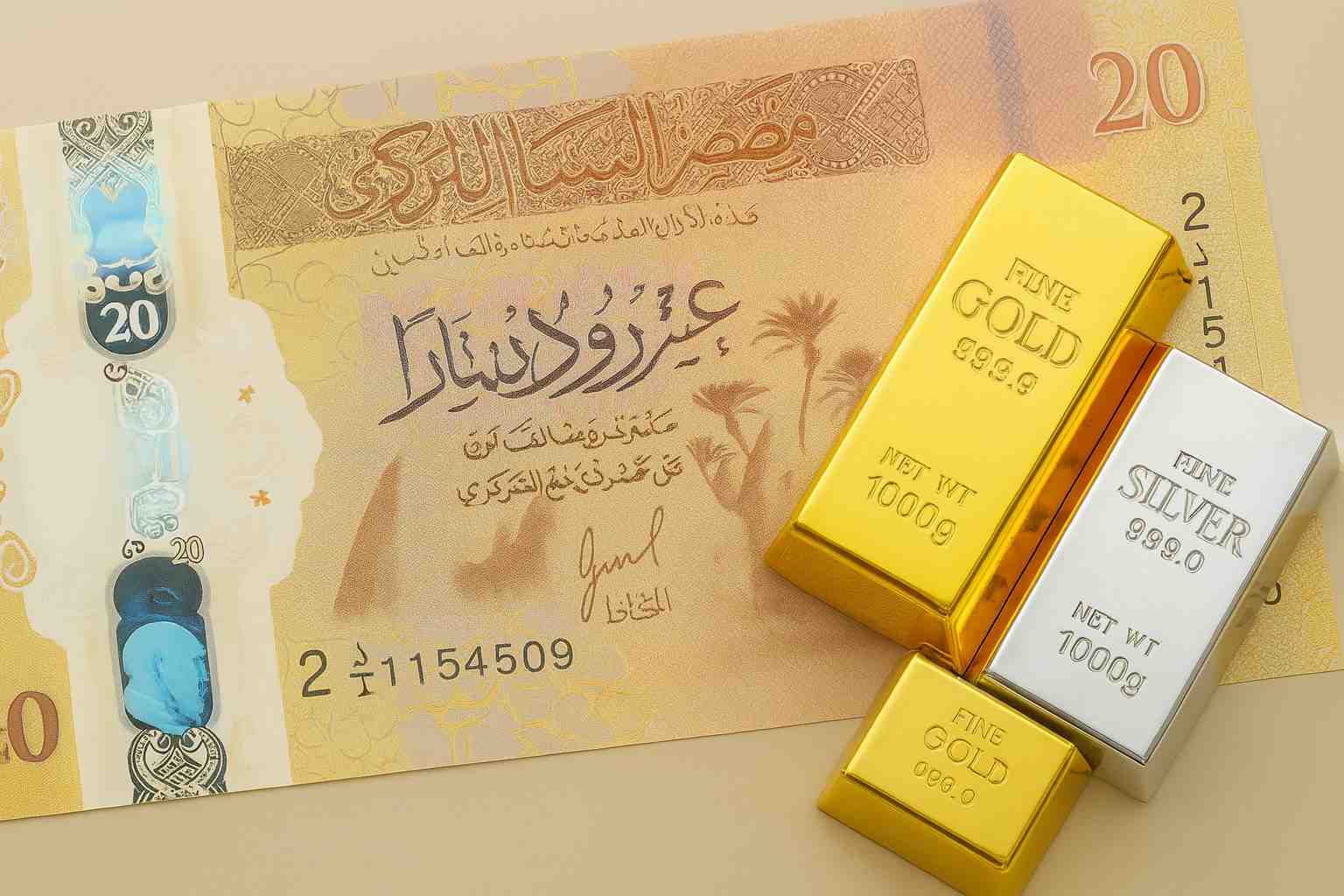
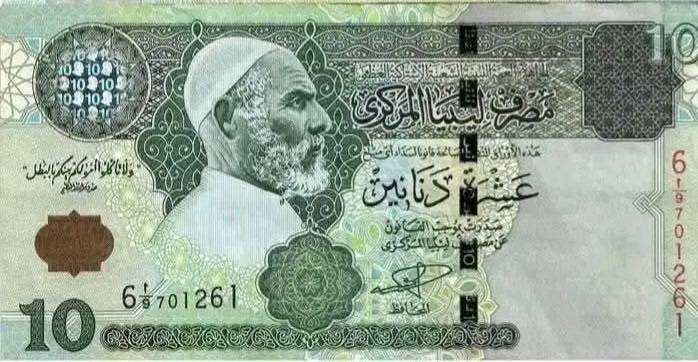
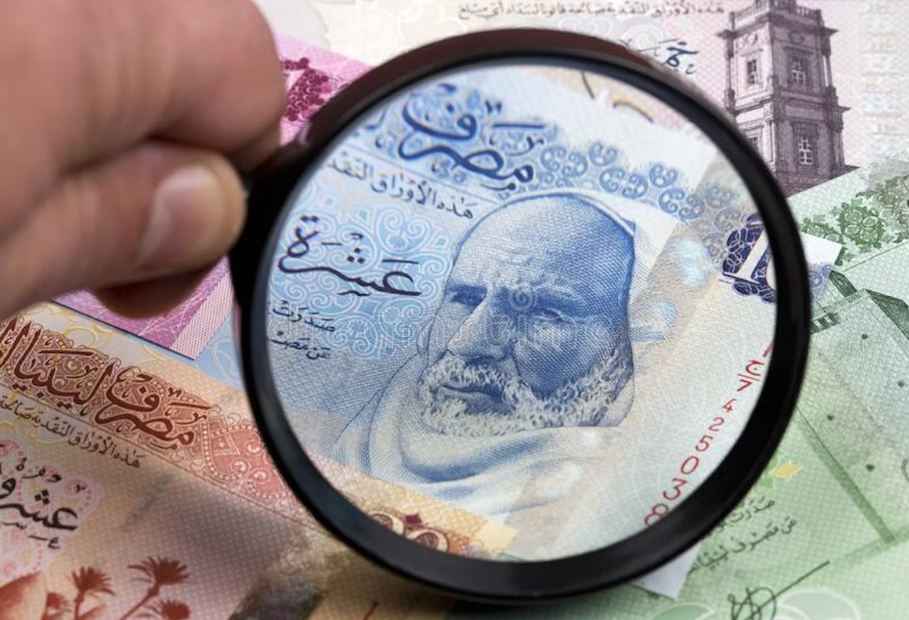
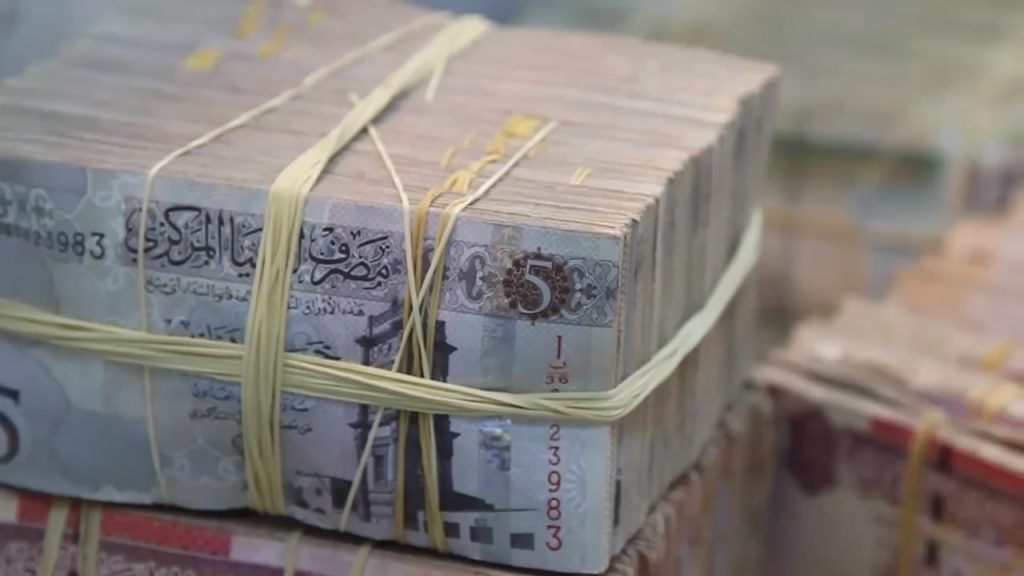
The Libyan dinar is the official currency of Libya, introduced in 1971 to replace the Libyan pound. It was established following the 1969 revolution that brought Muammar Gaddafi to power, symbolizing a move toward economic independence.
euro
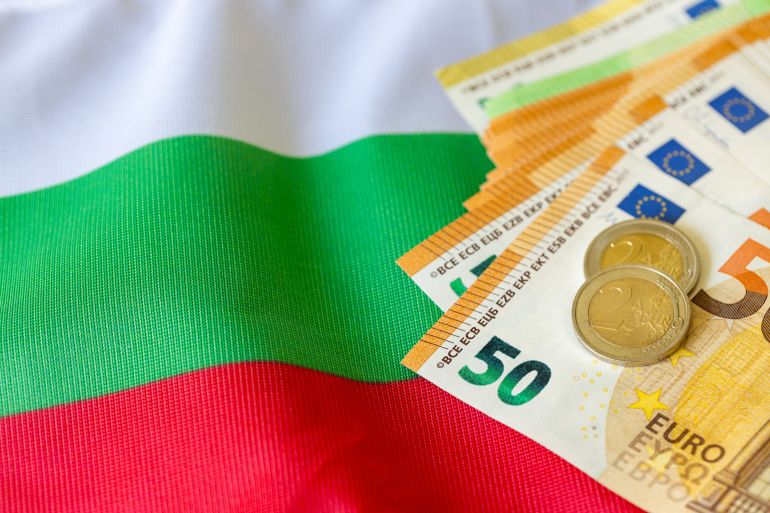
The Euro is the official currency of the European Union, used by 20 of its member states which form the Eurozone. It was introduced in non-physical form in 1999 and as physical banknotes and coins in 2002, with the goal of fostering economic integration and stability across Europe.
British pound
The British pound, officially known as pound sterling, is the world’s oldest currency still in use, with origins tracing back over 1,200 years to Anglo-Saxon times. Its name derives from the Latin “libra,” a unit of weight, and it was historically linked to silver before moving to the gold standard and eventually becoming a free-floating fiat currency.
Saudi riyal
The Saudi riyal is the official currency of Saudi Arabia, introduced in 1925 following the unification of the regions of Hejaz and Nejd. It replaced the Hejaz riyal and was initially pegged to the British pound before being re-pegged to the U.S. dollar in 1986.
UAE dirham
The UAE dirham is the official currency of the United Arab Emirates, introduced in 1973 to replace the Qatar and Dubai riyal. It was established following the country’s formation in 1971, symbolizing the economic union of the seven emirates.
Tunisian dinar
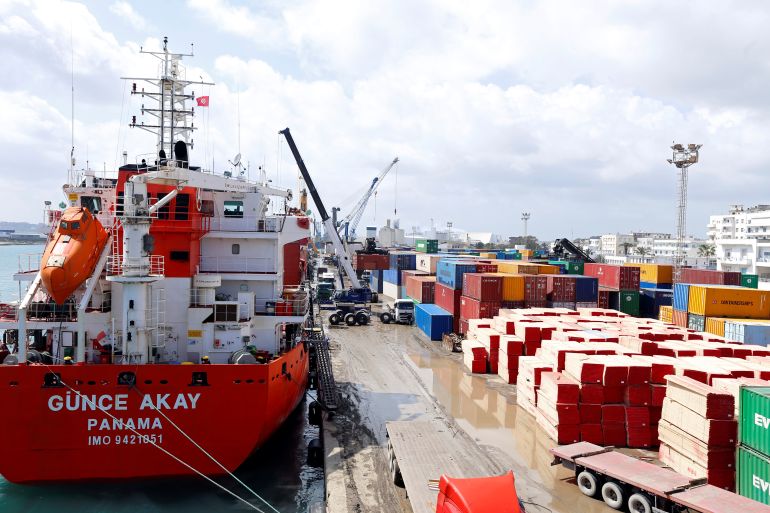
The Tunisian dinar is the official currency of Tunisia, introduced in 1960 to replace the Tunisian franc. Its establishment was a key part of the country’s post-independence economic policy, symbolizing national sovereignty after gaining independence from France in 1956.
Chinese yuan
The Chinese yuan, officially known as the renminbi (RMB), is the currency of the People’s Republic of China, with its modern form introduced by the Communist government in 1949. Its history dates back much further, with the term “yuan” originally referring to the silver dollar coins that circulated in the late Qing Dynasty during the 19th century.
Turkish lira
The Turkish lira is the official currency of Turkey and the Turkish Republic of Northern Cyprus. Its modern form was introduced in 2005 after a period of high inflation, removing six zeros from the old lira in a revaluation. The currency’s history dates back to the Ottoman lira, which was first issued in the mid-19th century.