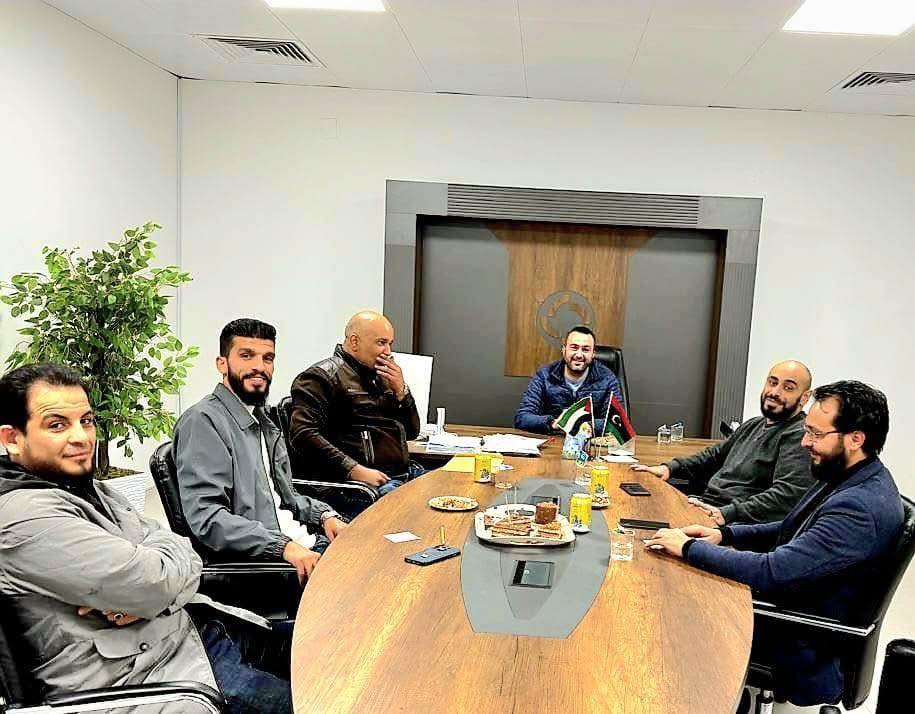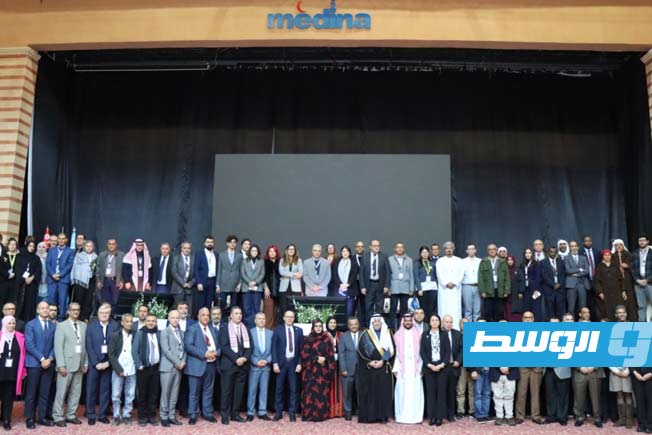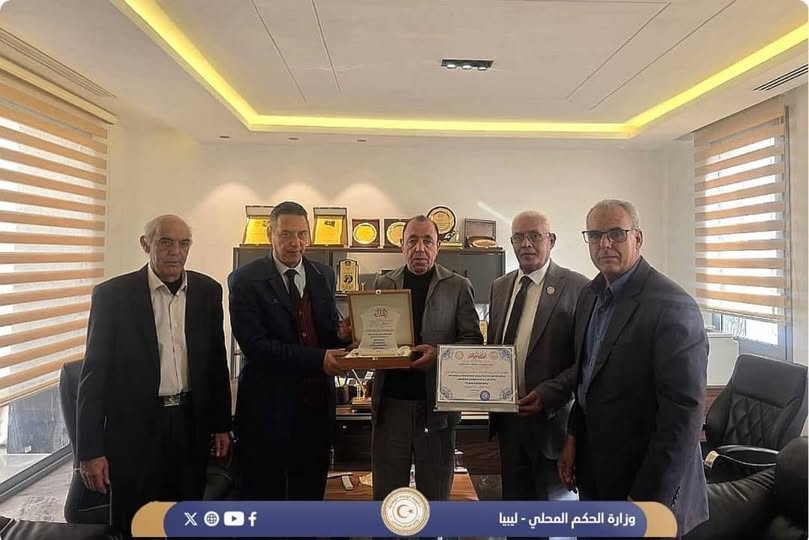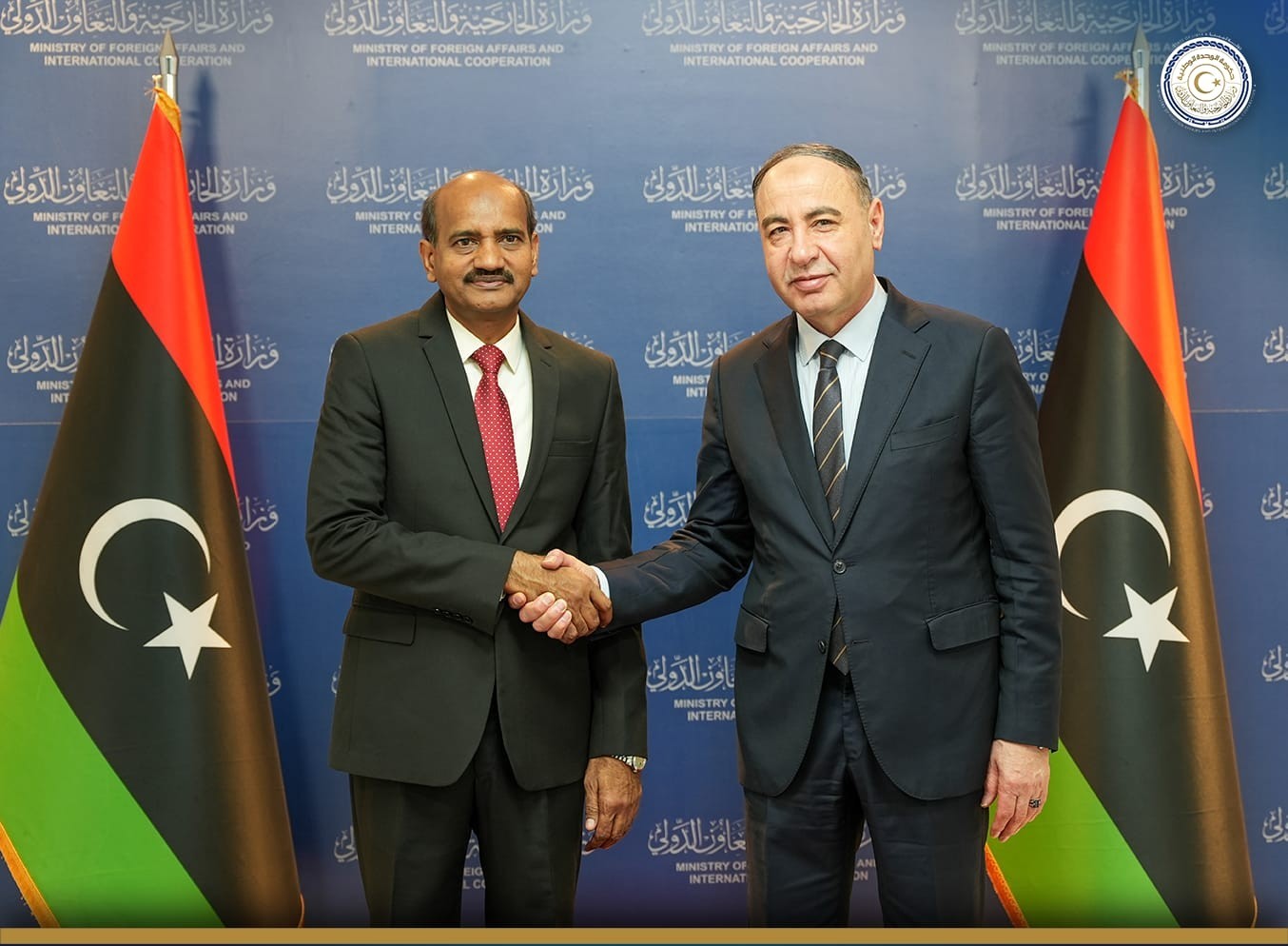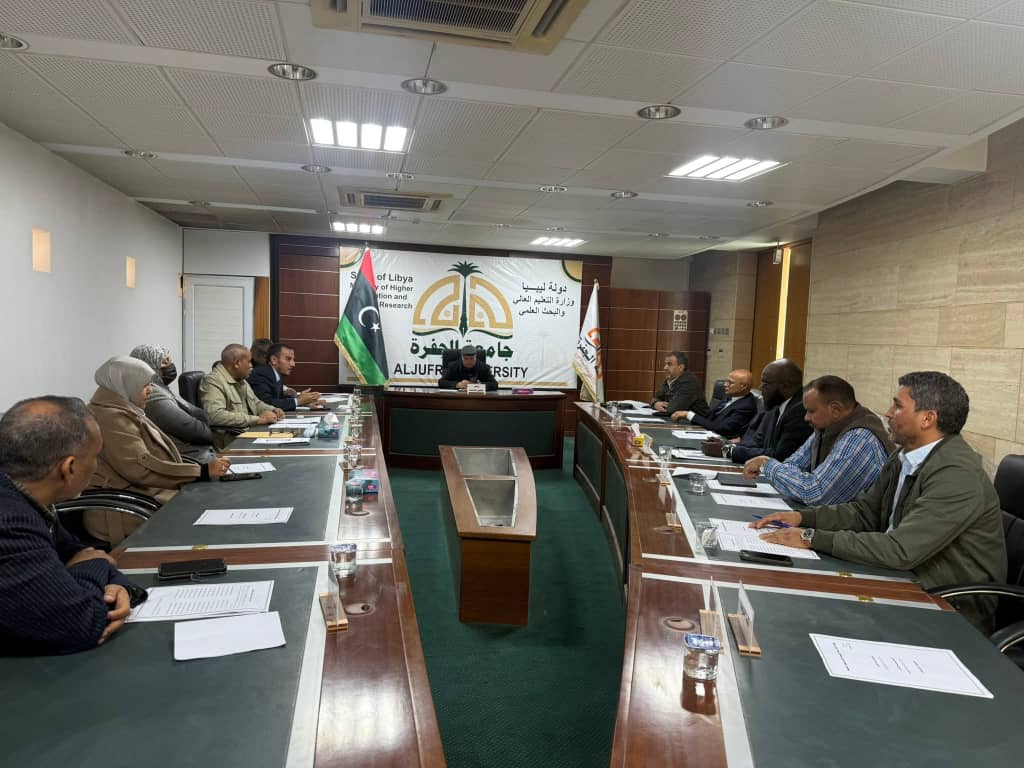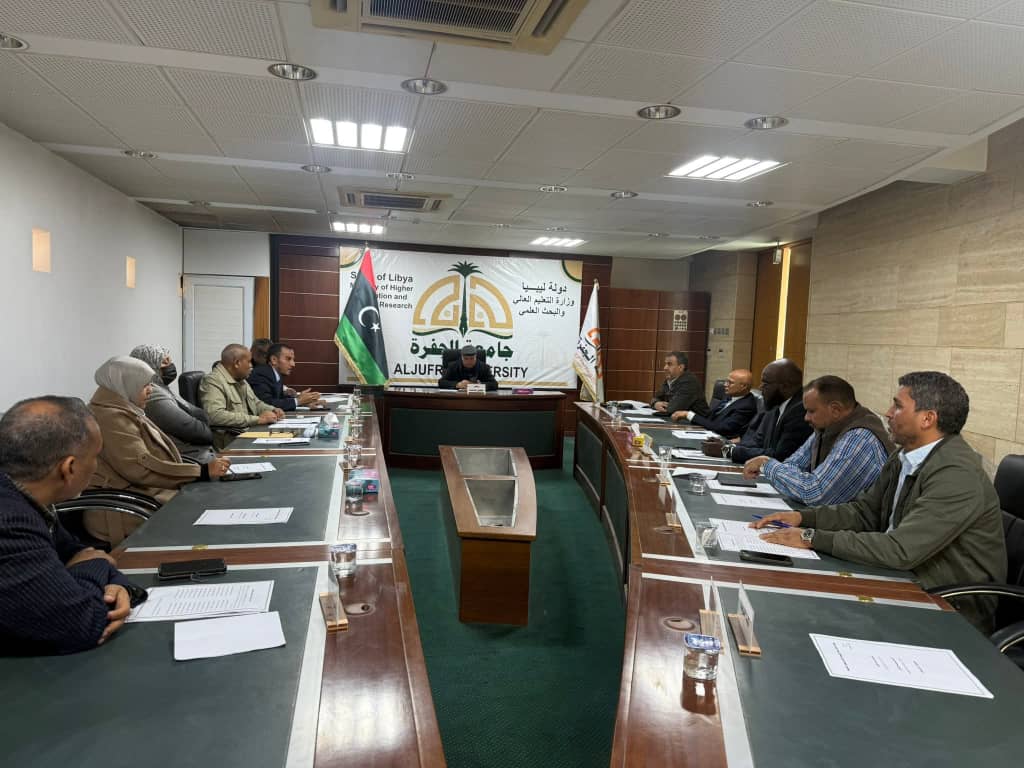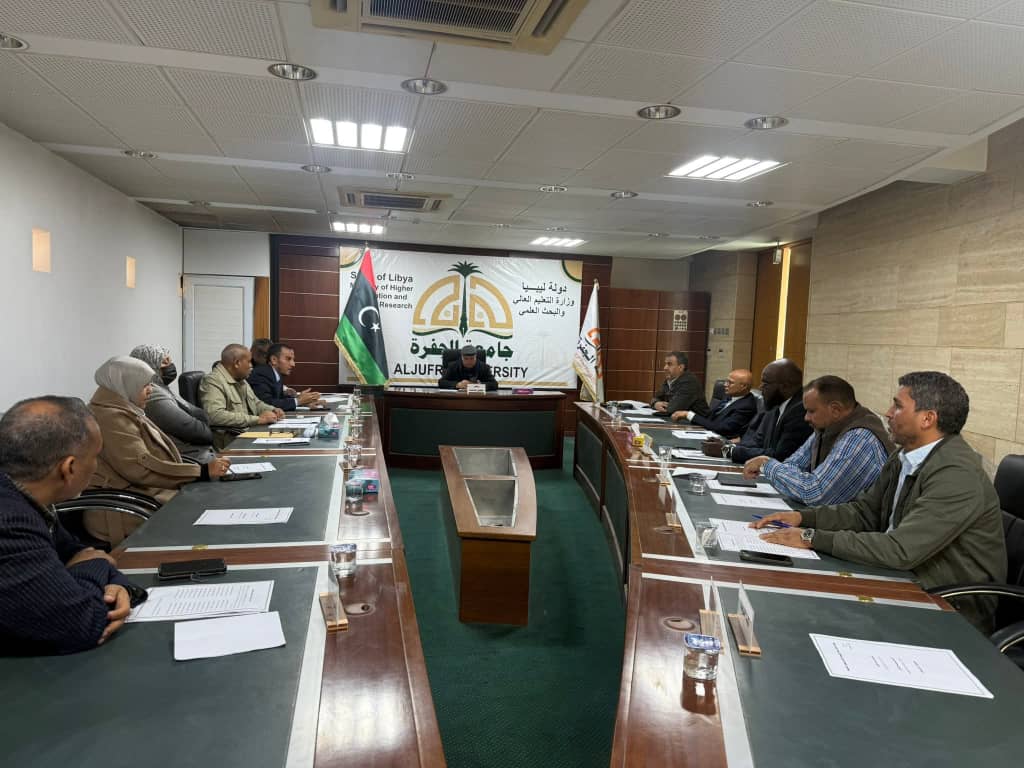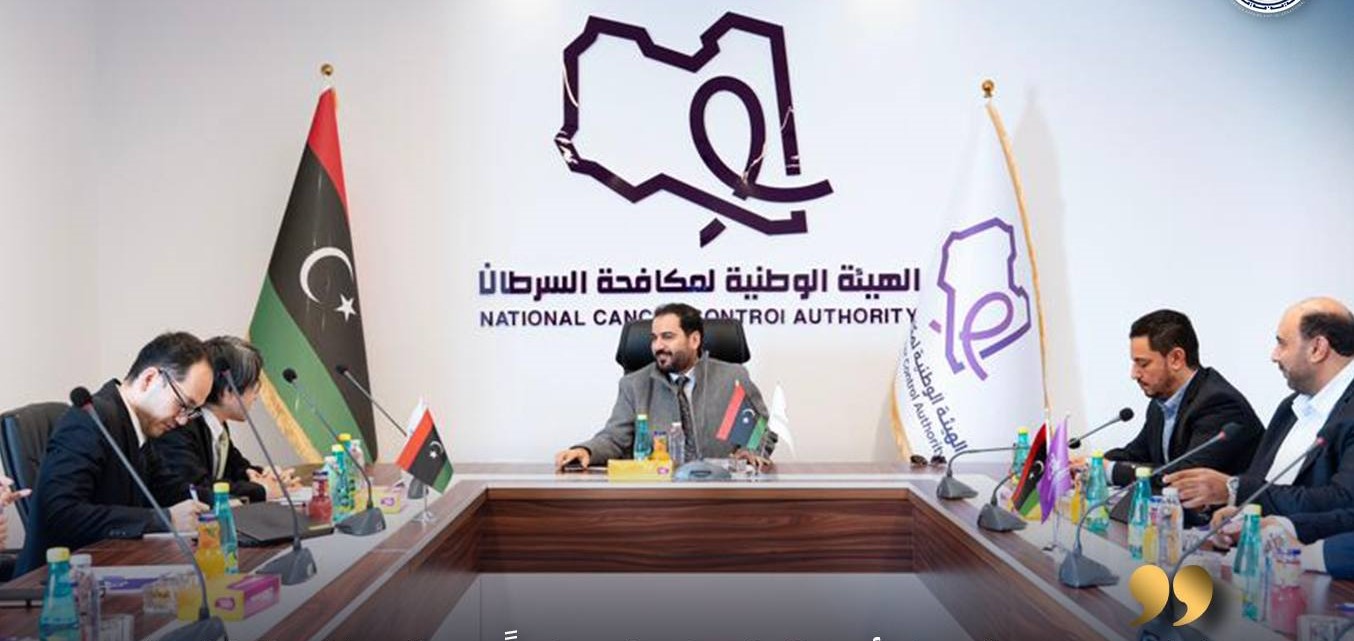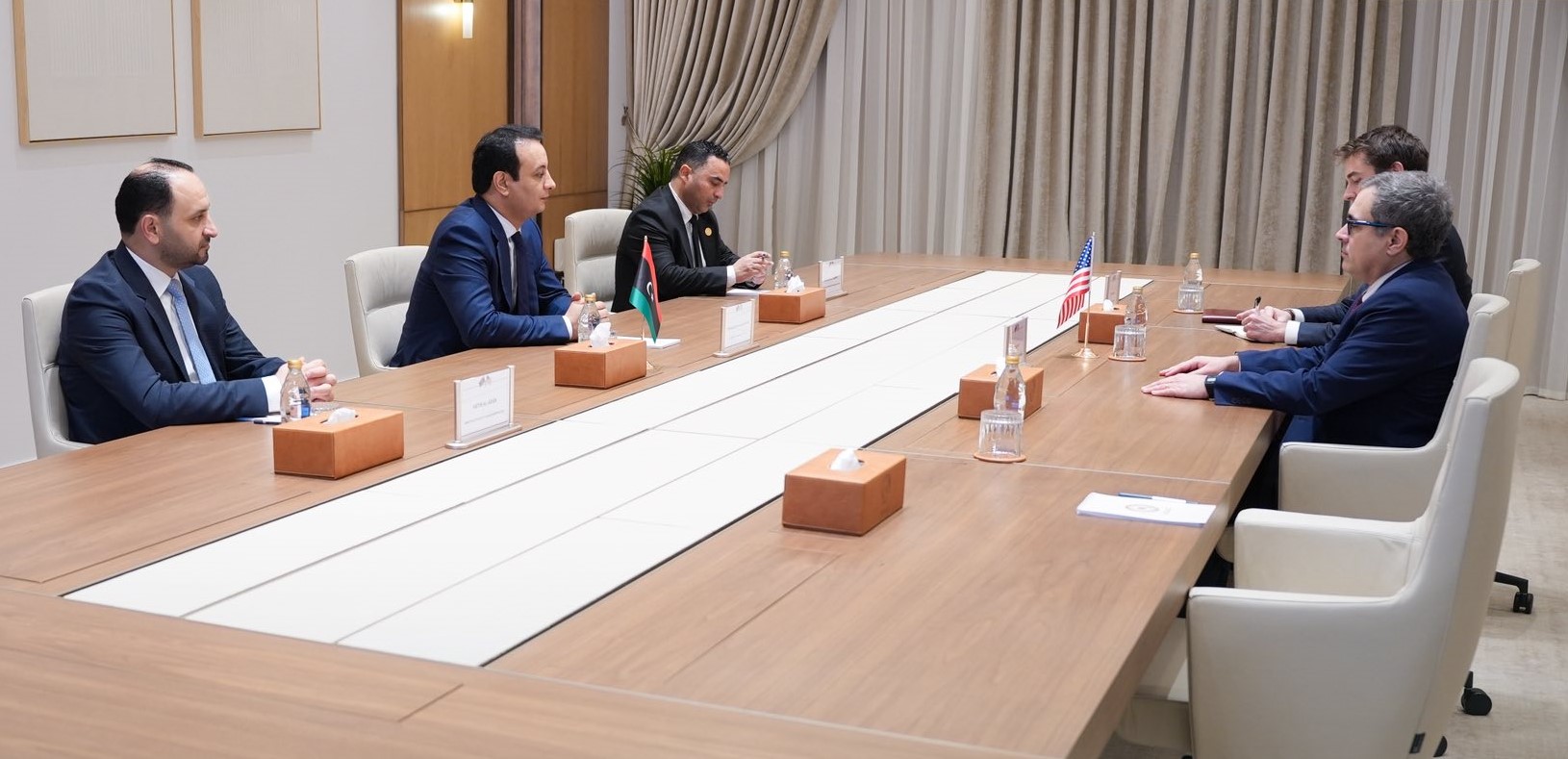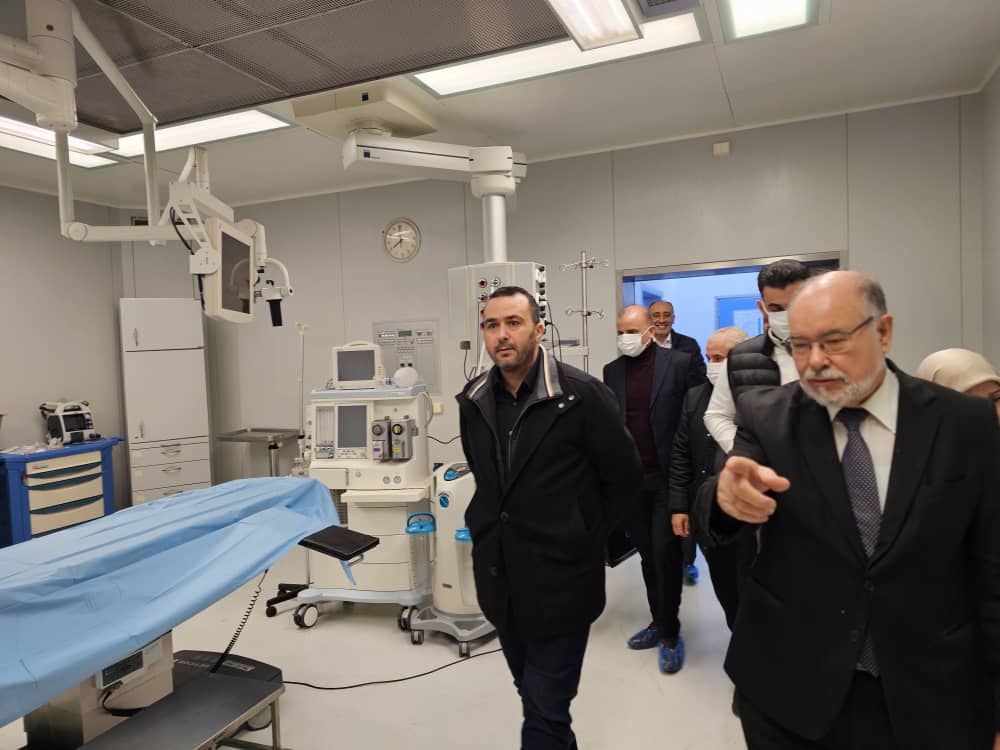
Nouakchott, January 4, 2026 – The head of the Libyan Audit Bureau met in Nouakchott with the President of the Mauritanian Court of Accounts to discuss avenues of cooperation between the two sides in oversight and institutional areas of mutual interest.
The meeting was attended by the Secretary-General of the Mauritanian Court of Accounts and advisors to the Court’s President. From the Libyan side, the meeting included the Director of the Audit Bureau Chief’s Office and the Director of the General Department for Oversight of the Energy Sector and Public Companies, in addition to the Ambassador of the State of Libya to Mauritania.
During the meeting, several topics were discussed, foremost among them the files of the Maghreb Coordination Committee for Financial and Accounting Oversight Bodies, ways to activate its role, and strengthening coordination and joint work mechanisms among member bodies. This aims to contribute to developing oversight performance at the regional level.
The meeting addressed prospects for bilateral cooperation between the Audit Bureau and the Mauritanian Court of Accounts, particularly in areas such as implementing joint oversight missions, exchanging technical expertise, and building and developing institutional capacities. This cooperation seeks to enhance the efficiency of oversight work, entrench principles of transparency, and support the system of accountability and sound management of public funds.
The two sides also discussed following up on the activity of some Libyan investments in the Islamic Republic of Mauritania, examining mechanisms for their follow-up and performance evaluation from a professional oversight perspective. This aims to ensure the integrity of financial procedures, protect investment assets, and achieve the highest levels of governance.
During the meeting, both sides emphasized the importance of digital transformation. Coordination was made to hold joint meetings between the information technology departments of the two institutions, aiming to develop electronic oversight systems, enhance the use of modern technologies in auditing and review work, and exchange pioneering experiences in the field of digital oversight.
The talks also included enhancing cooperation in the field of quality management systems and working to exchange experiences related to applying international quality standards in supreme audit institutions. This aims to ensure the unification of procedures, improve the outputs of oversight work, and elevate the level of oversight reports.
The two parties discussed the importance of preparing and updating oversight work manuals in accordance with international professional standards (INTOSAI), and exchanging approved models and experiences. This contributes to unifying methodologies and enhancing professionalism in performing oversight tasks.
In the context of human resource development, emphasis was placed on supporting and qualifying oversight personnel. This includes encouraging the acquisition of specialized professional certifications in the fields of accounting, auditing, and oversight, and implementing joint training programs that contribute to building a qualified generation of oversight professionals capable of keeping pace with contemporary challenges.