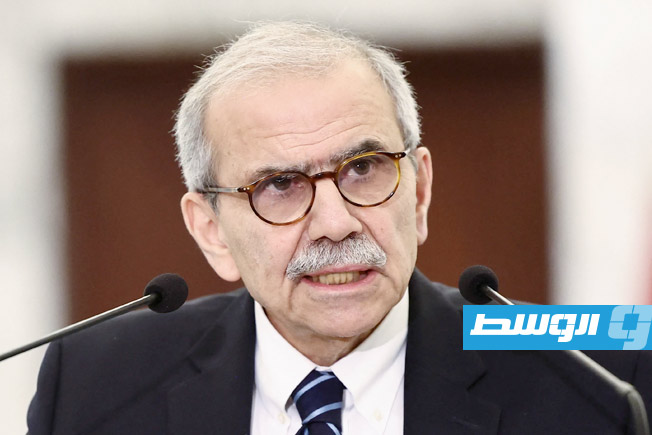
(Shakshak) discusses cooperation pathways with the United Nations Development Programme team to develop the oversight and anti-corruption system.
libyawire.org > News > Economy > (Shakshak) discusses cooperation pathways with the United Nations Development Programme team to develop the oversight and anti-corruption system.
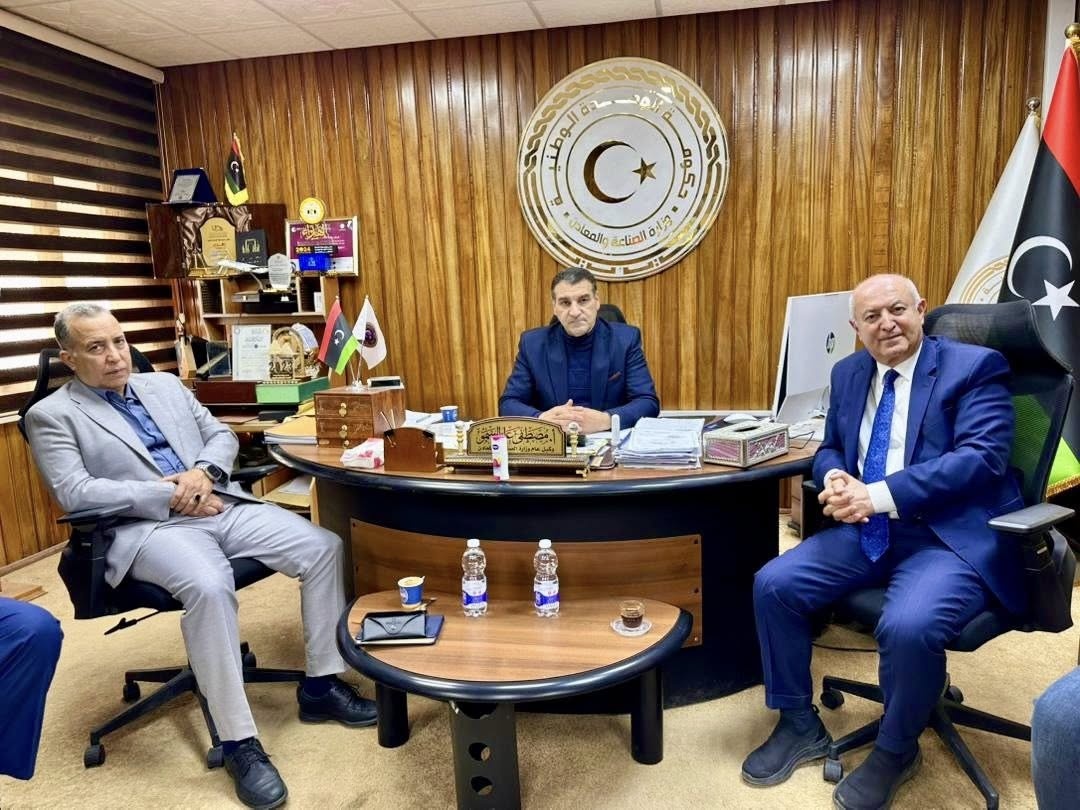
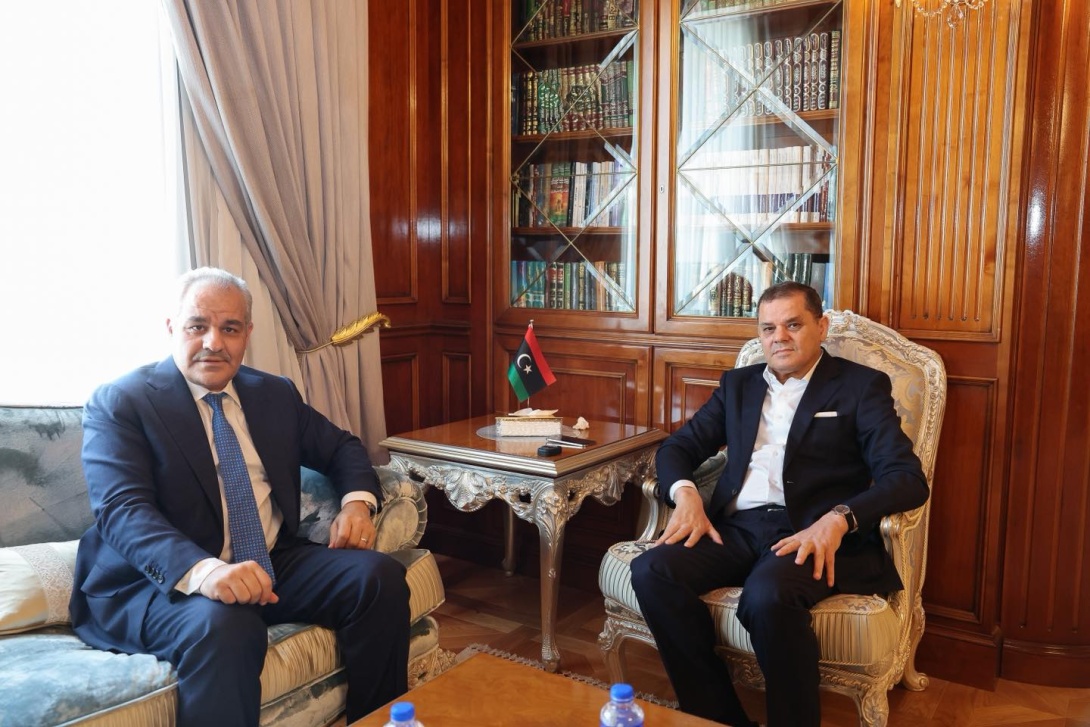
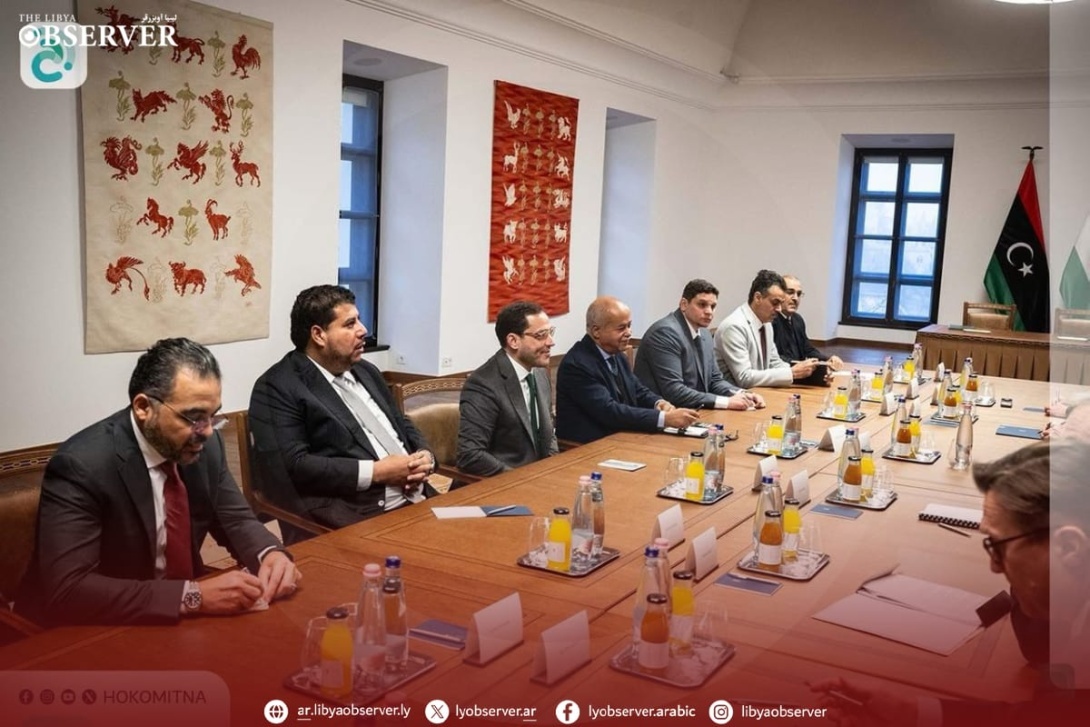
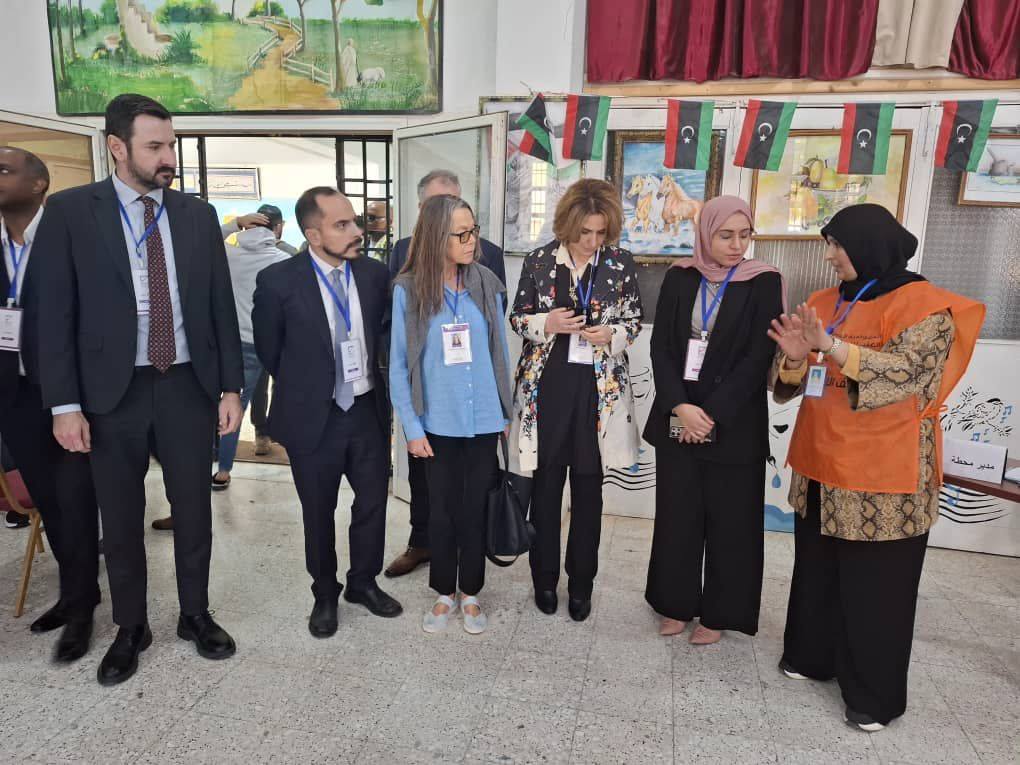
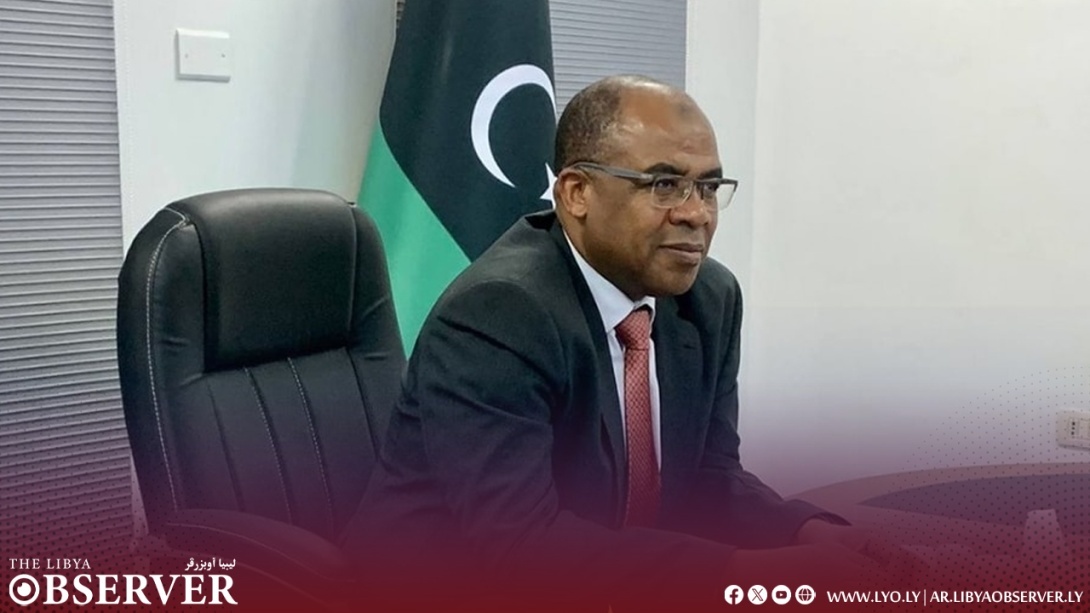
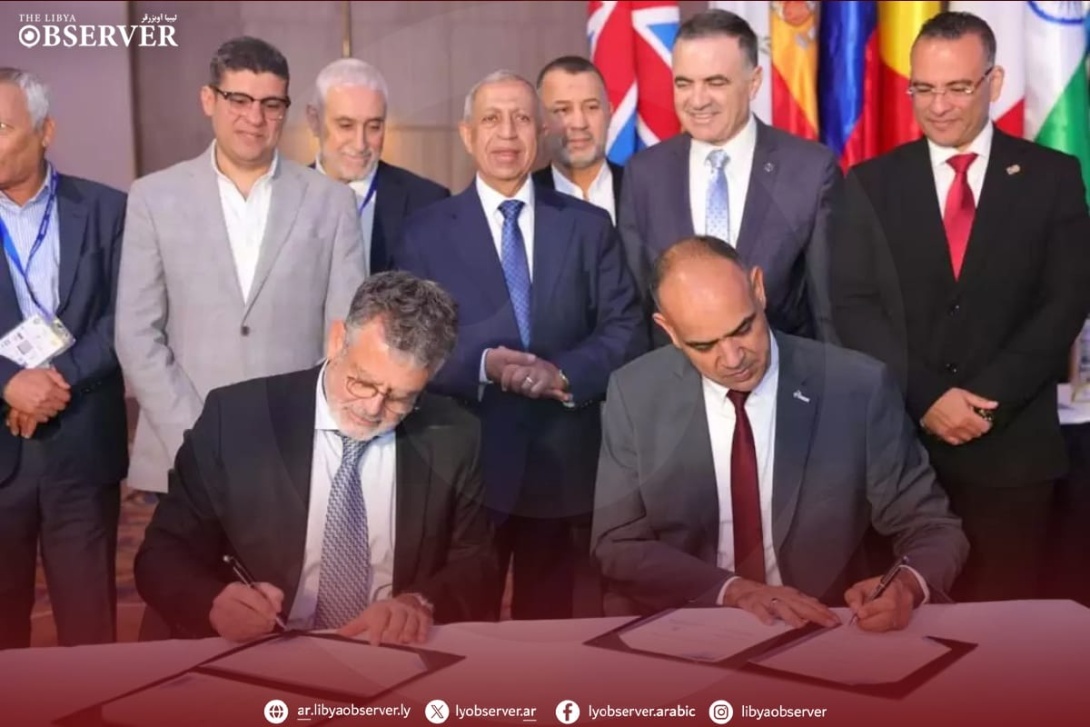
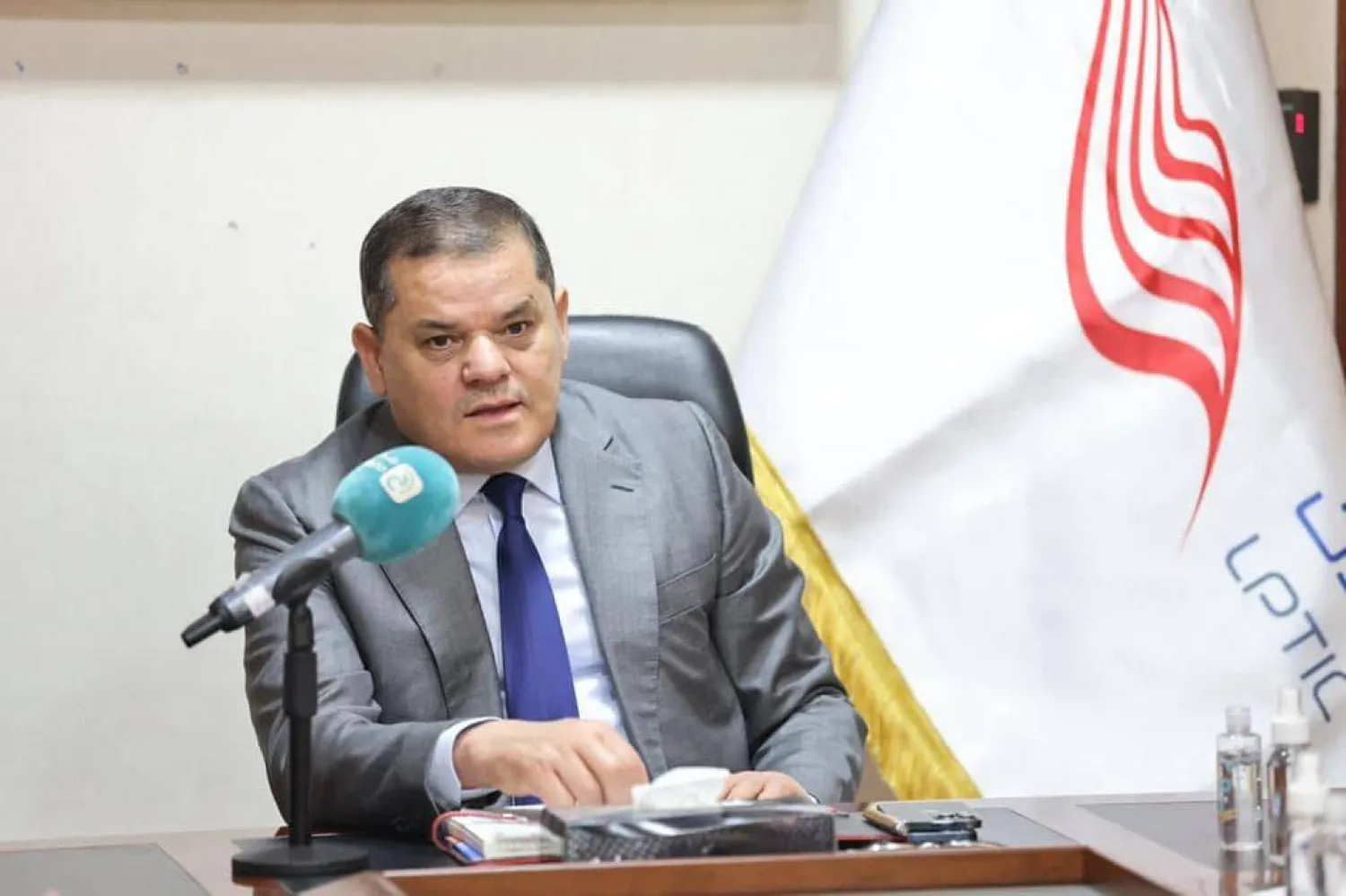
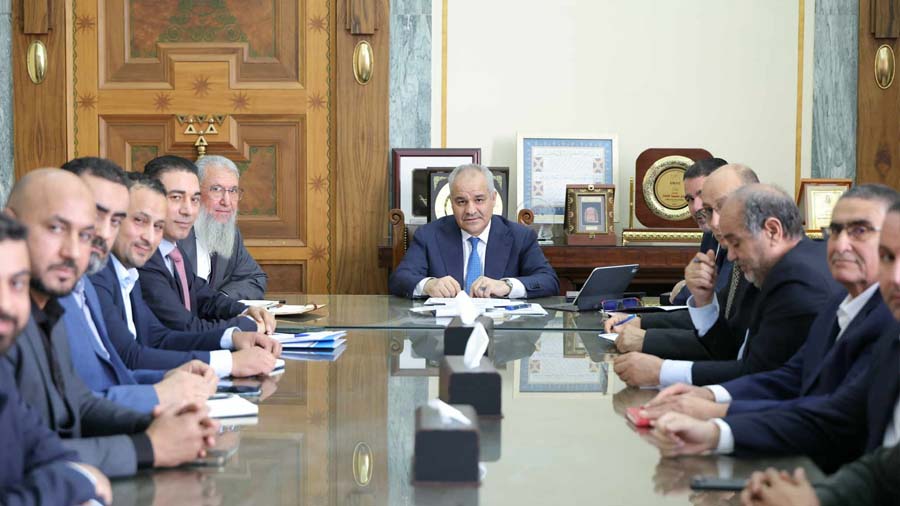
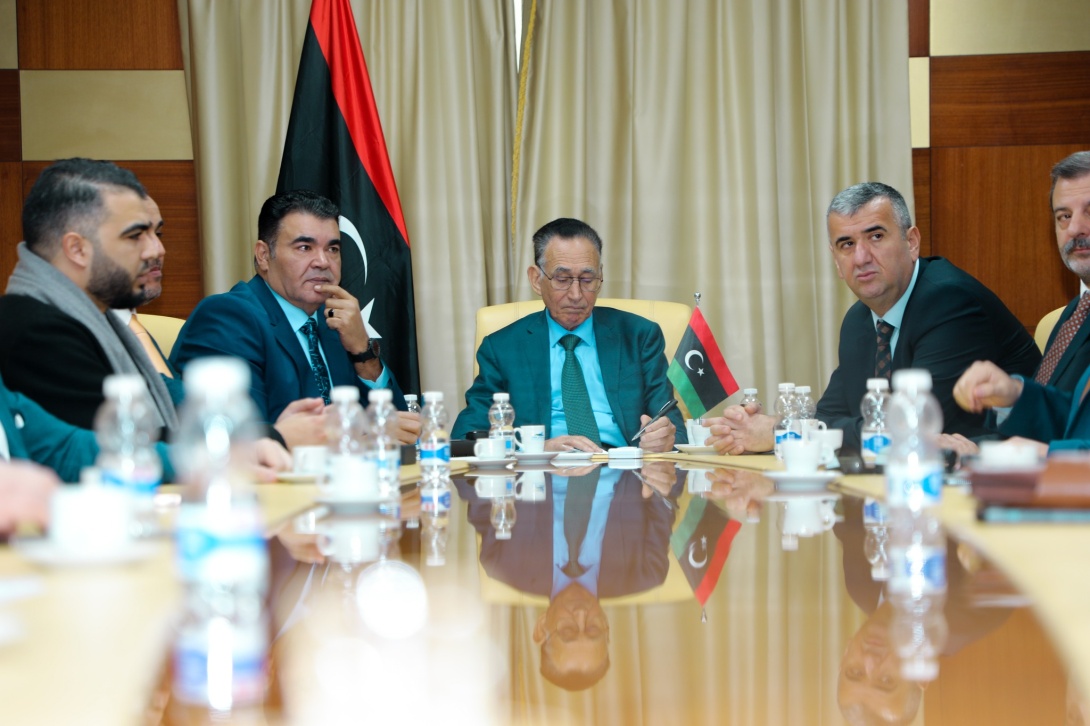
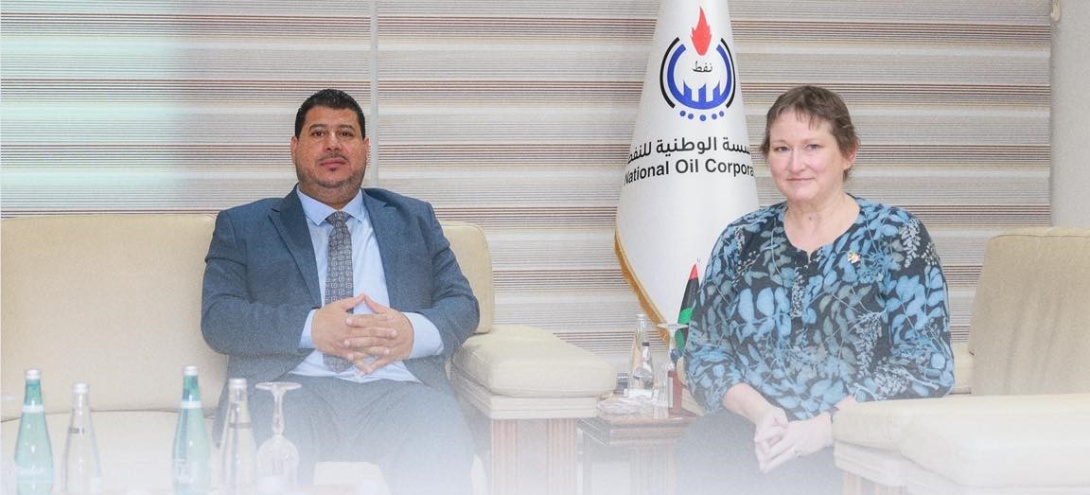
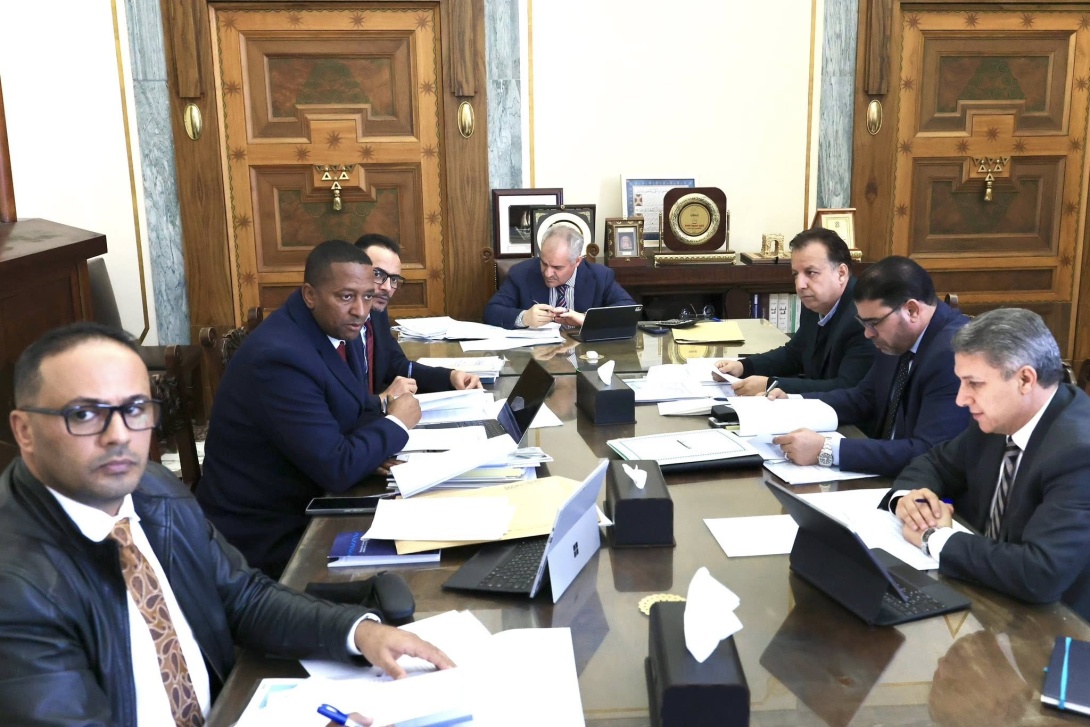
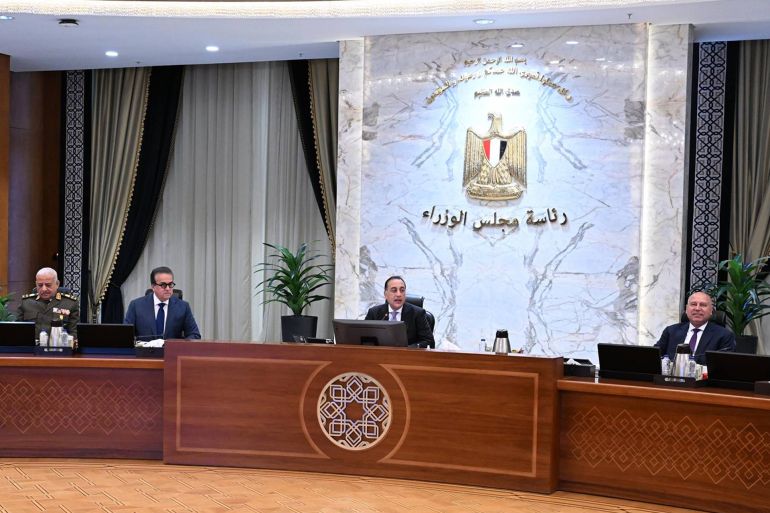
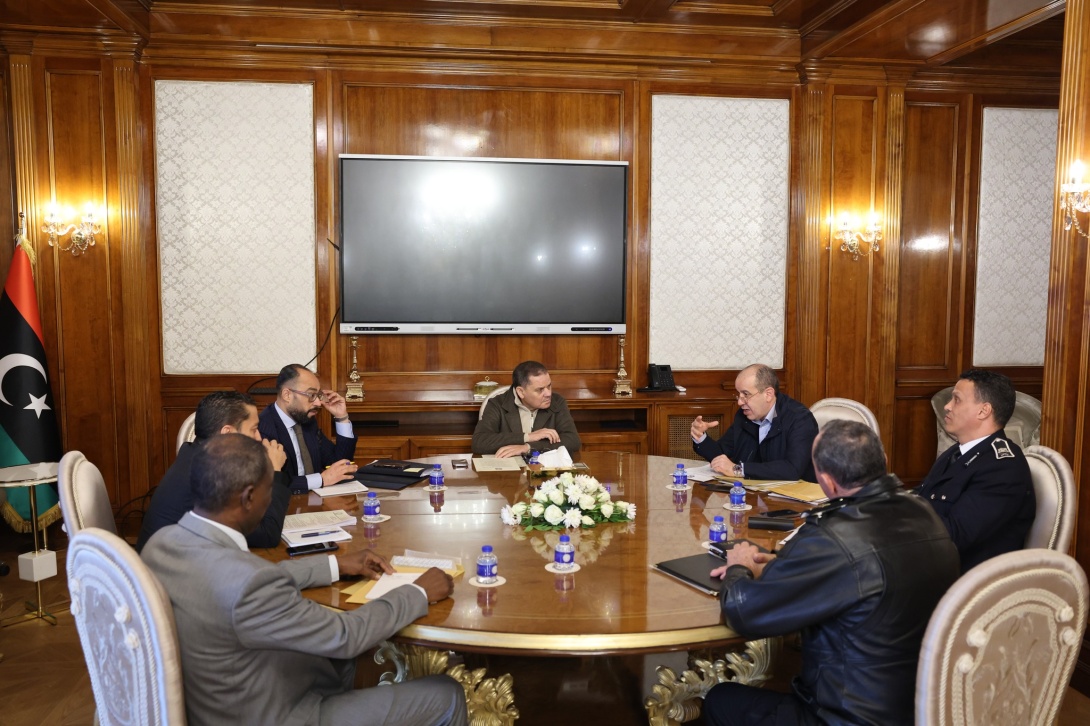
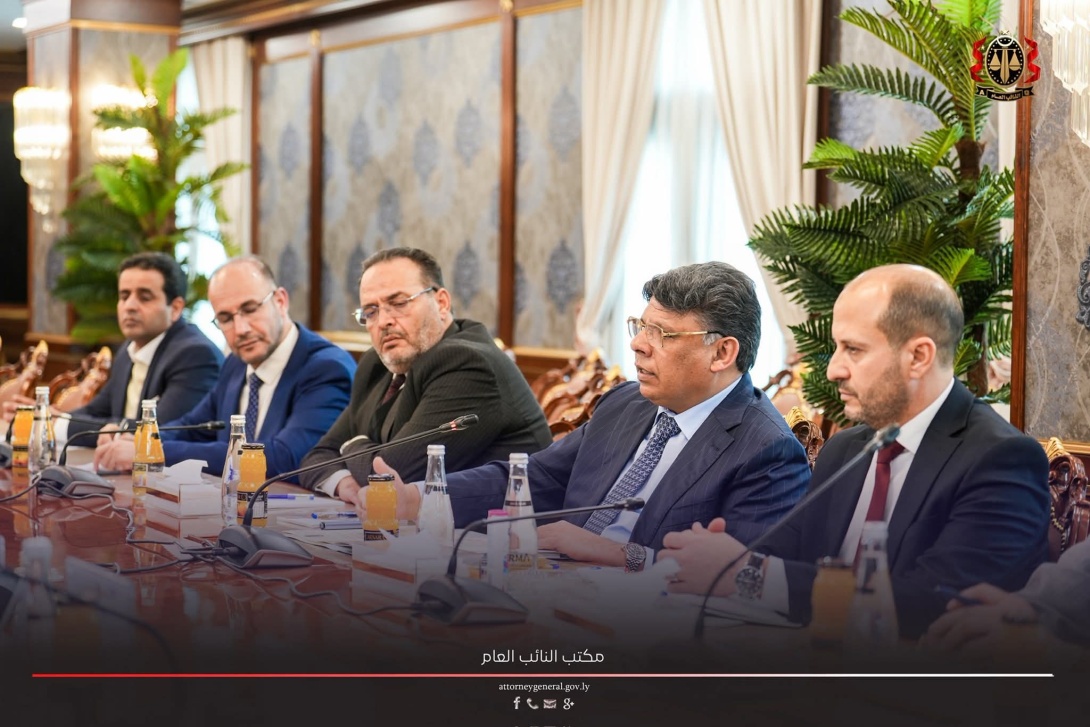
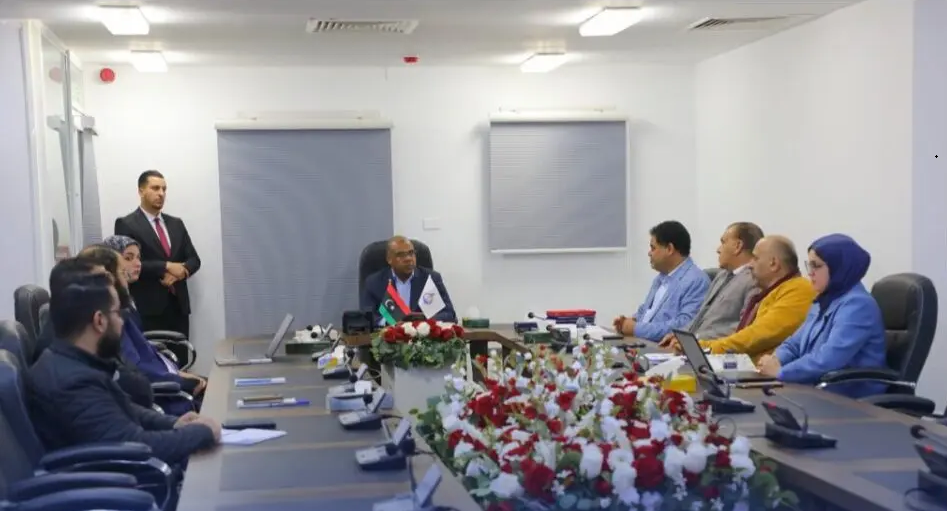
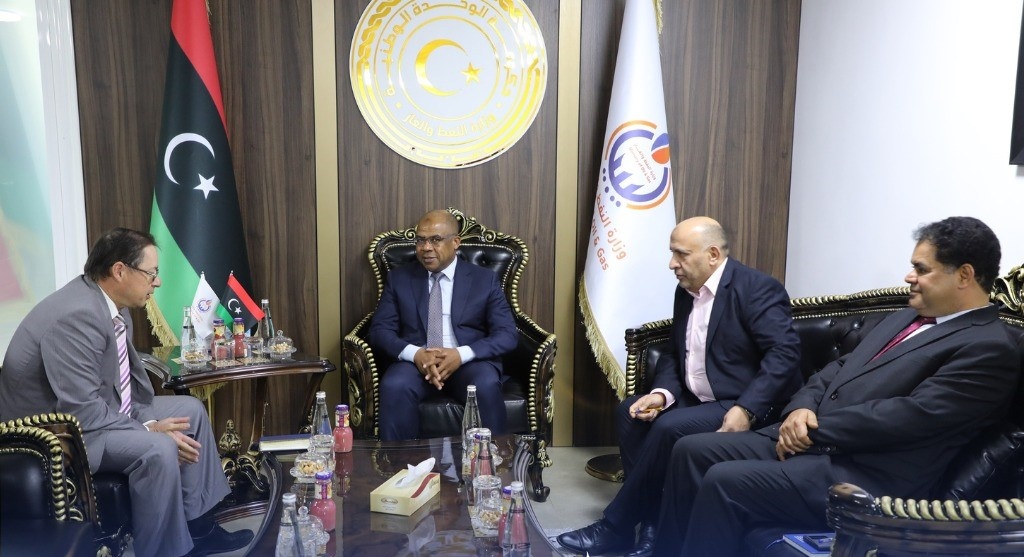
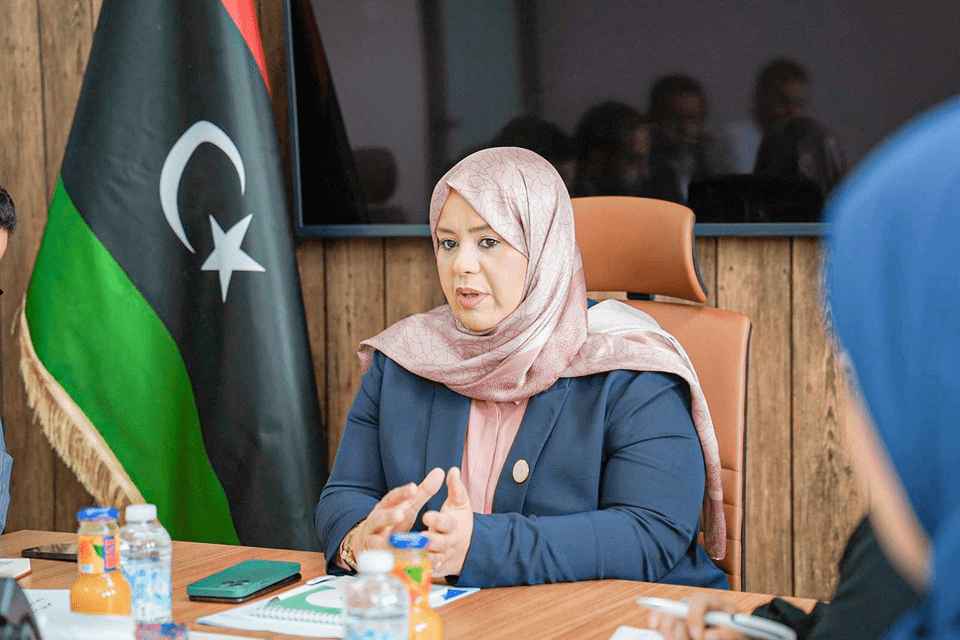
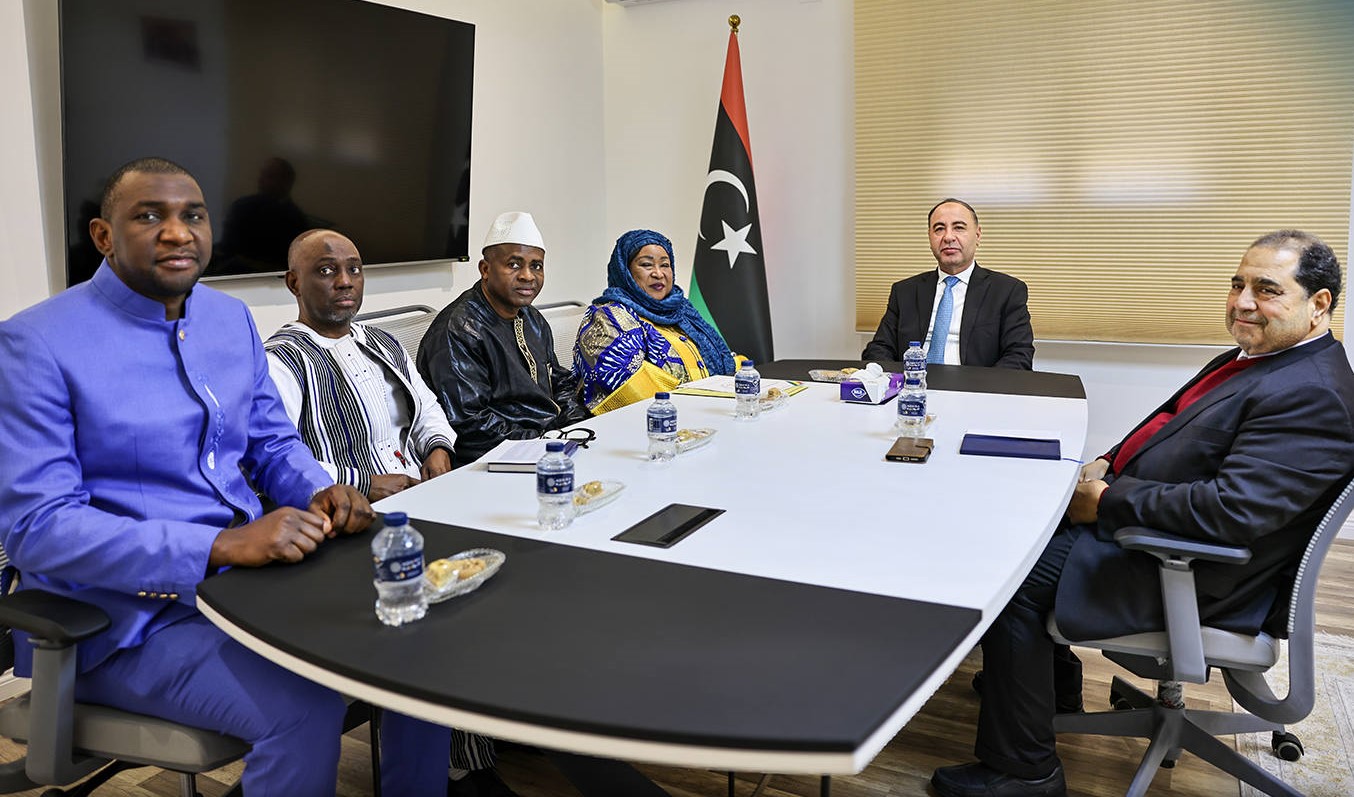
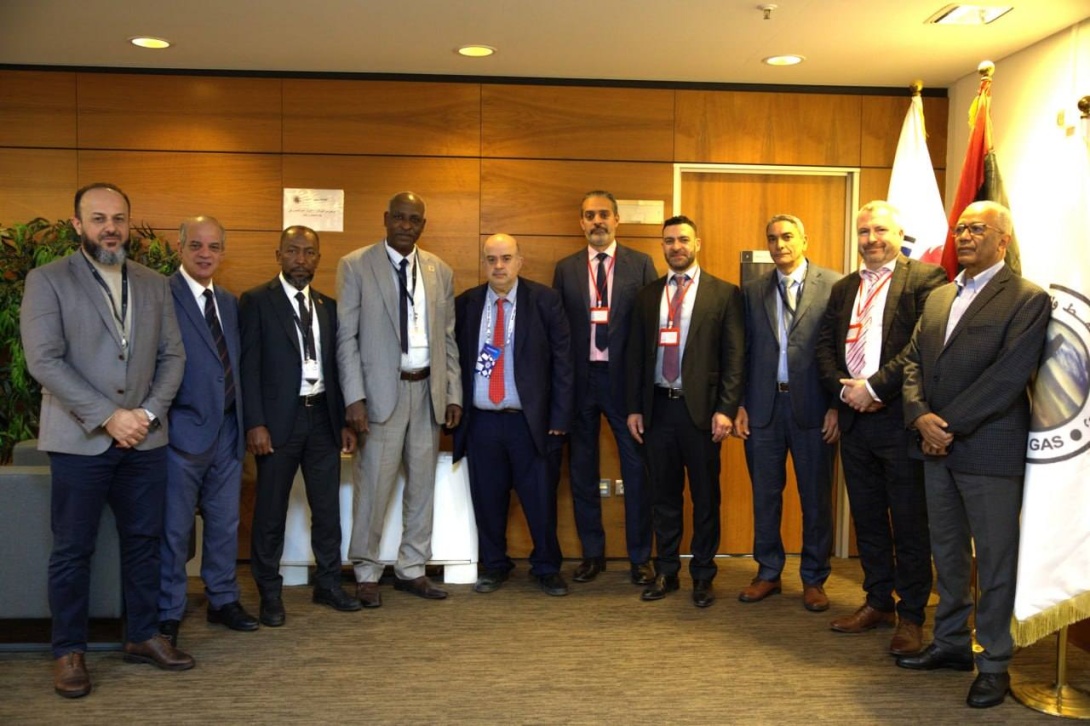
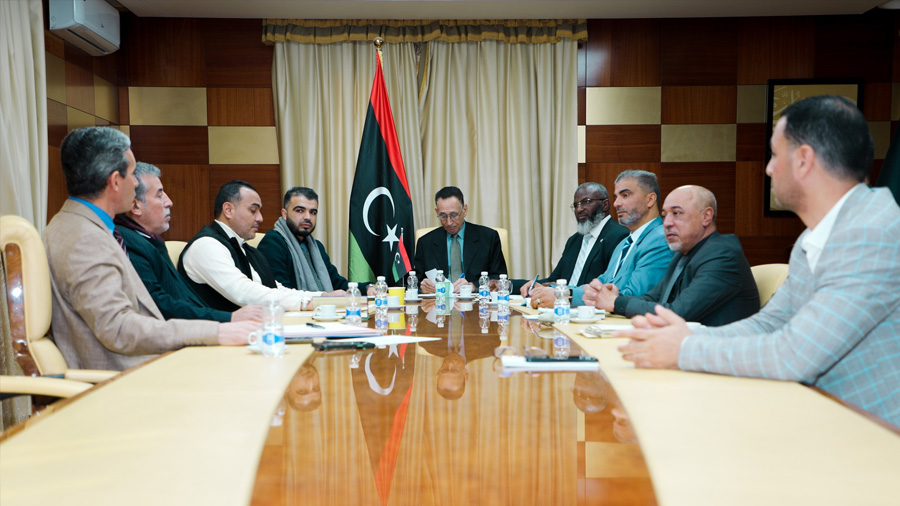
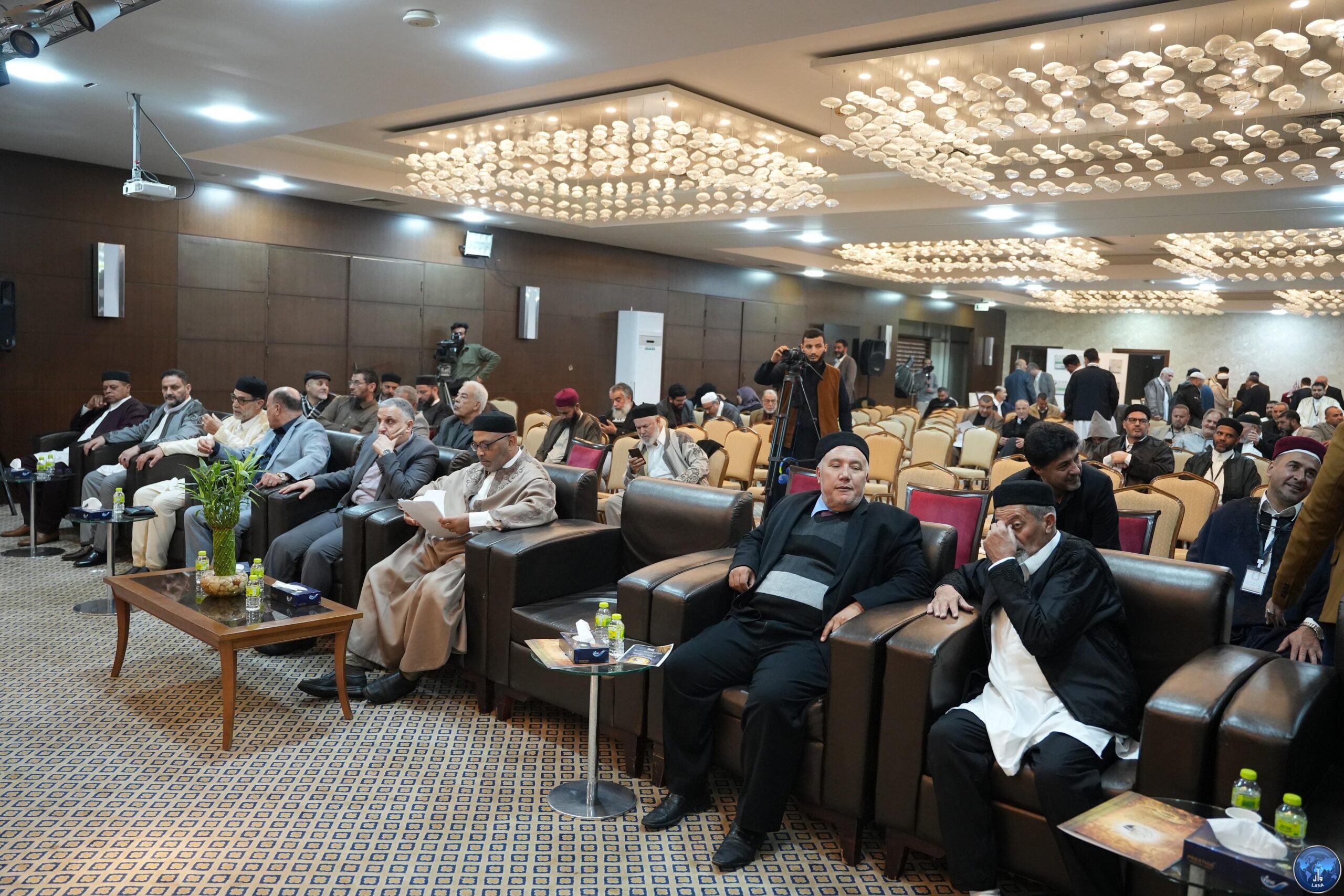
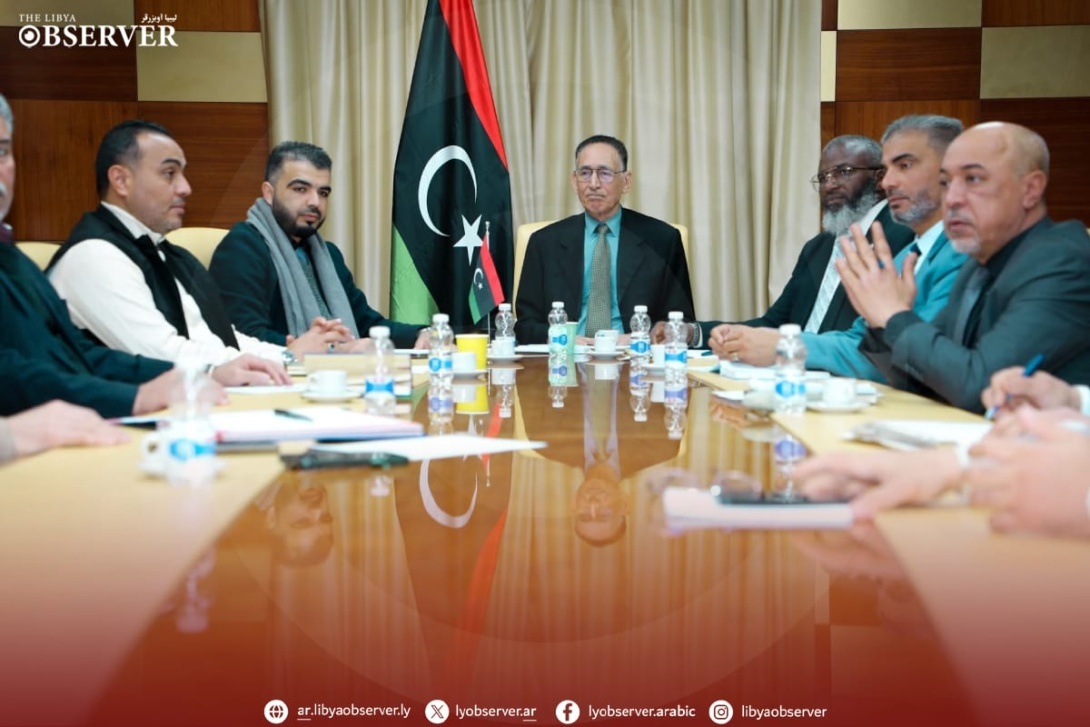
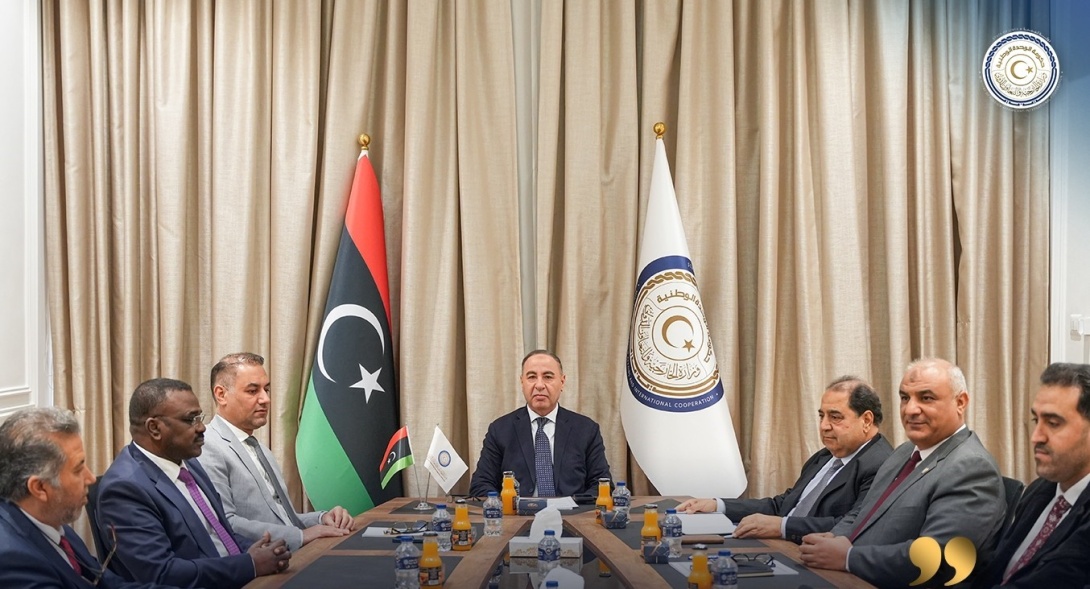
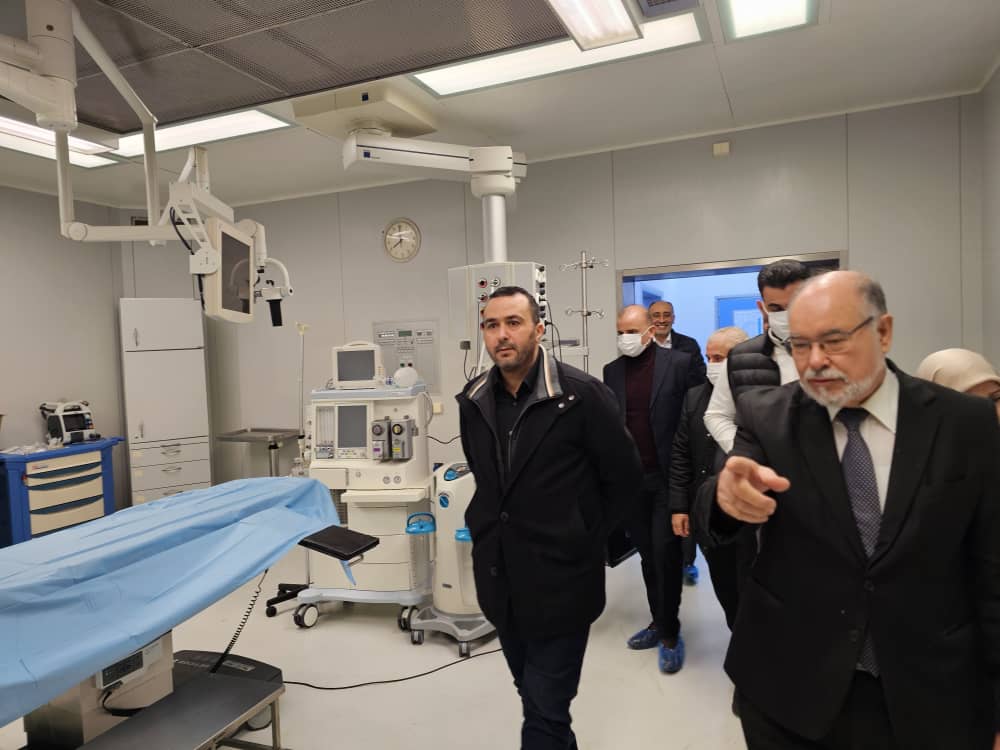
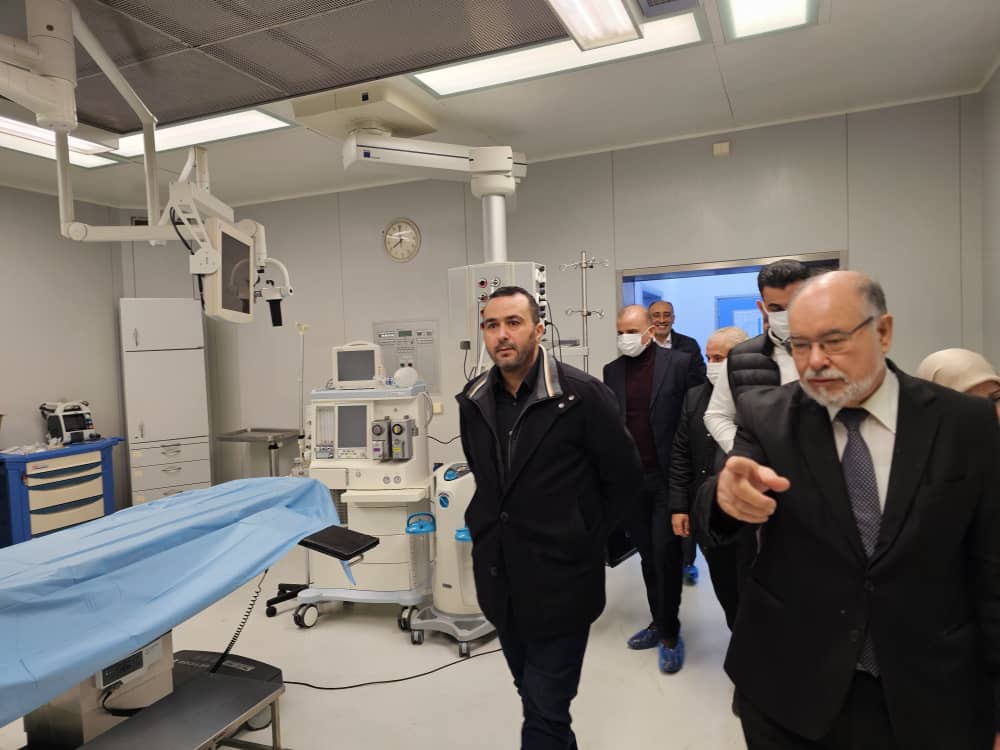
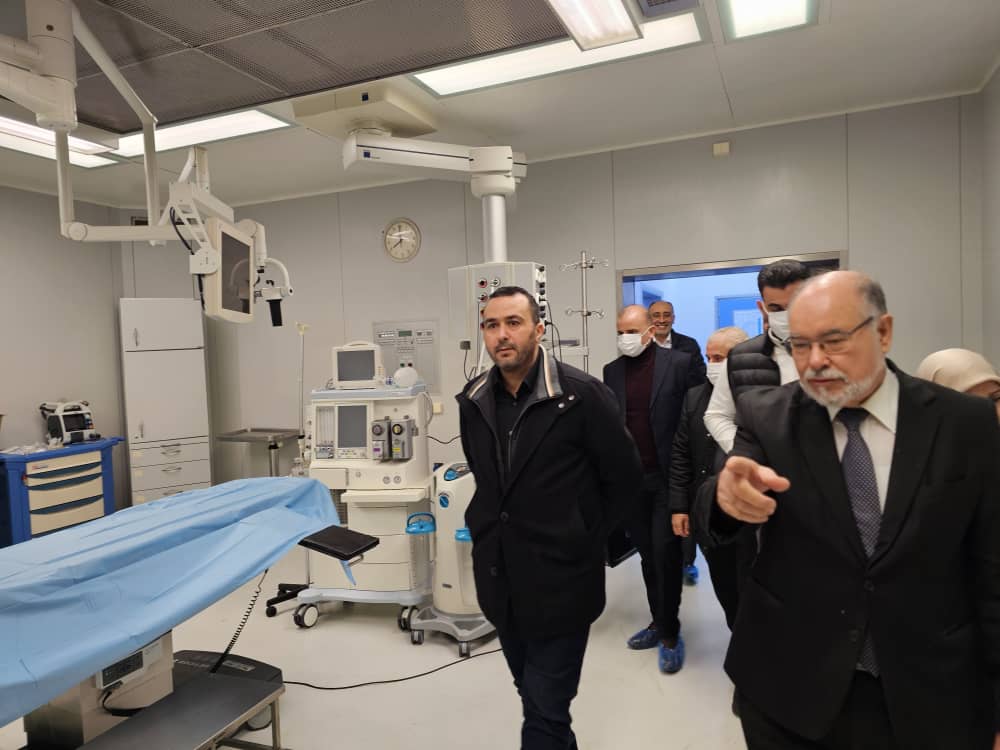
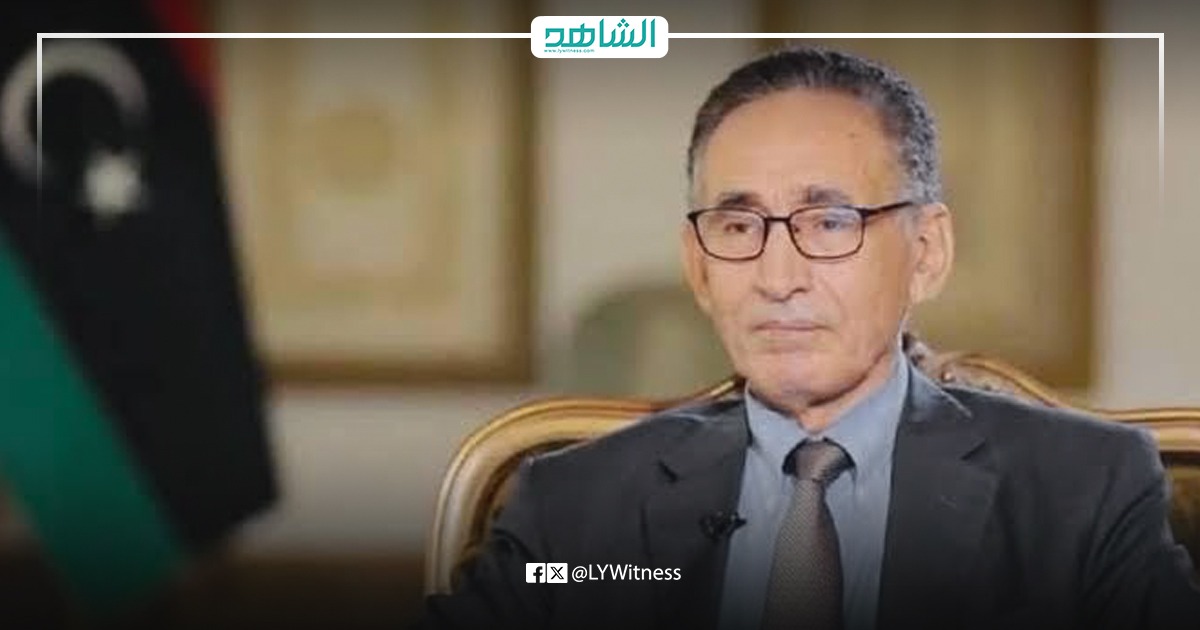
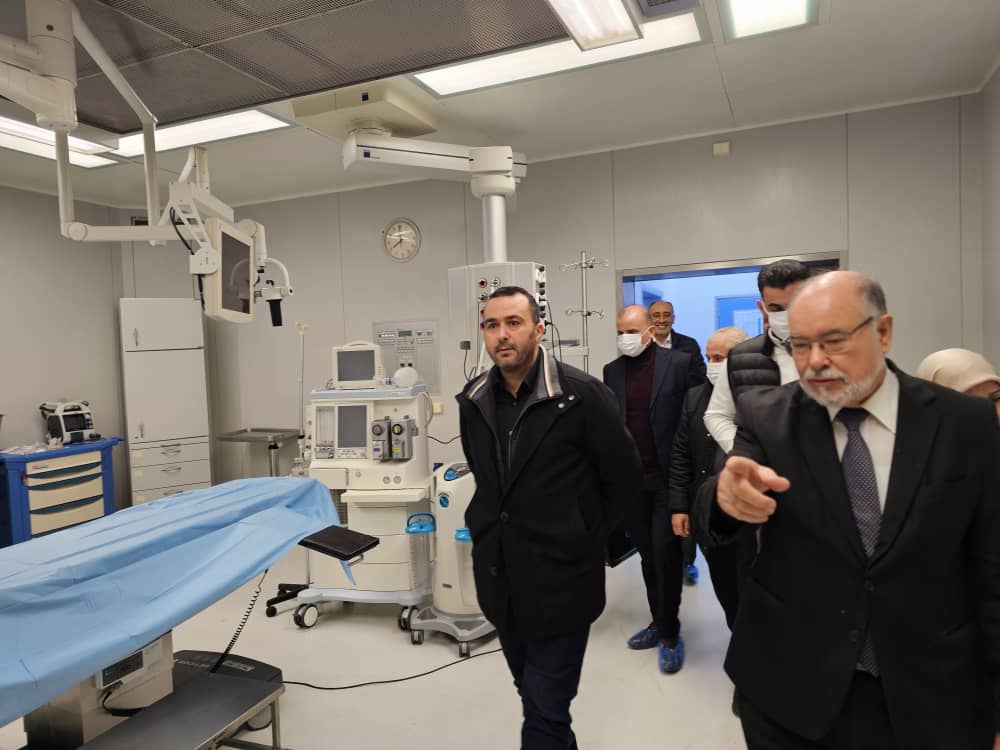
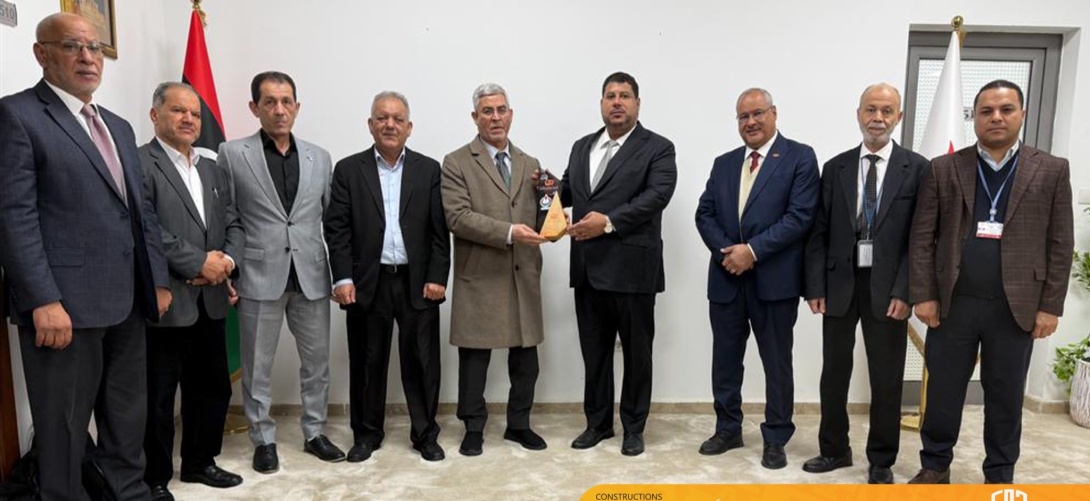
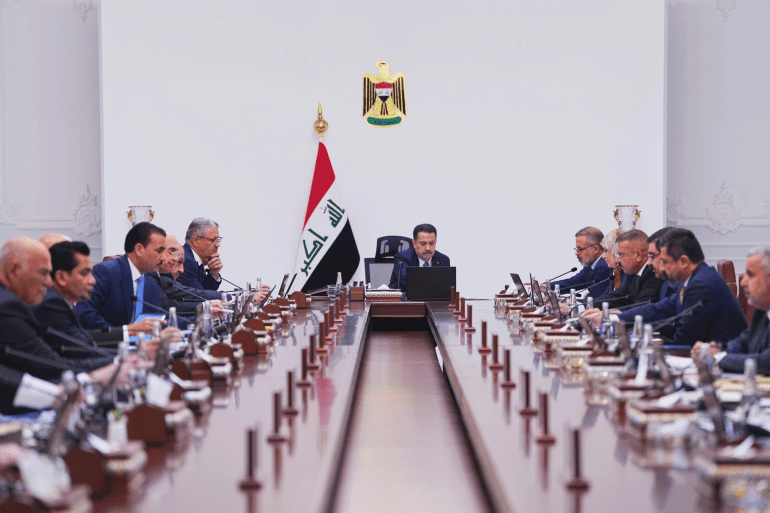
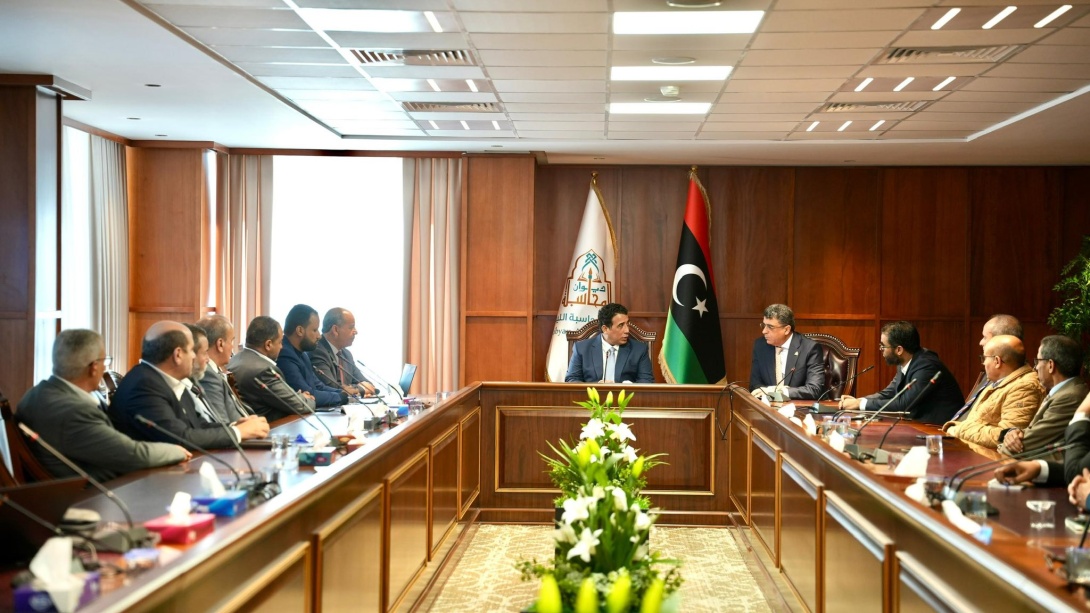
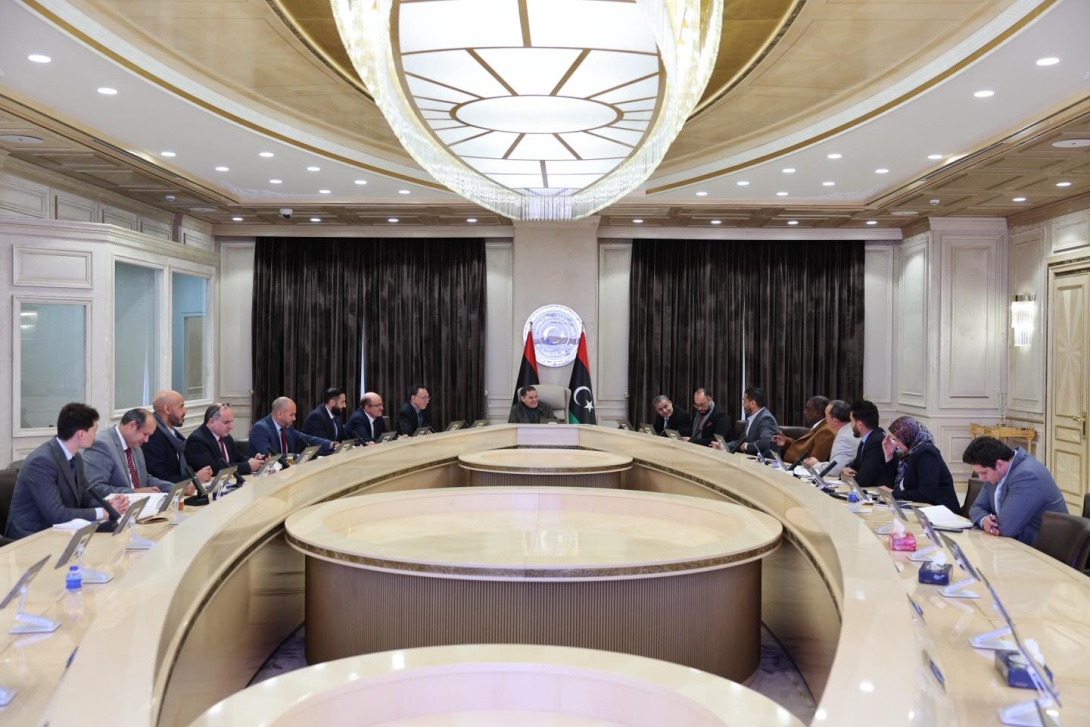
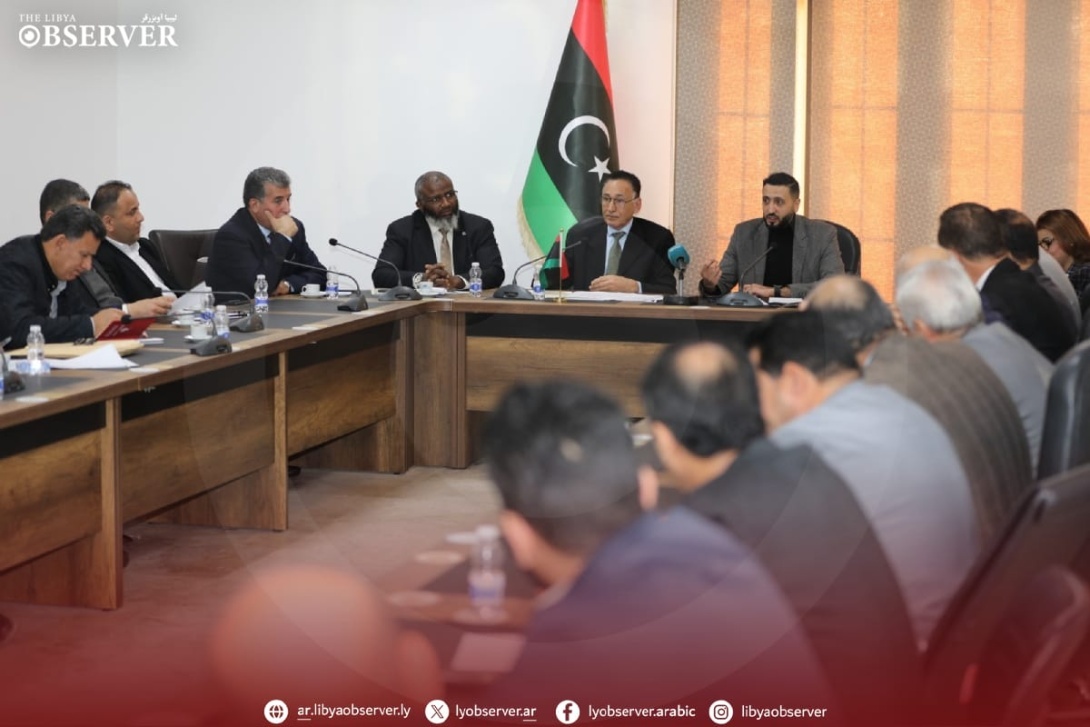
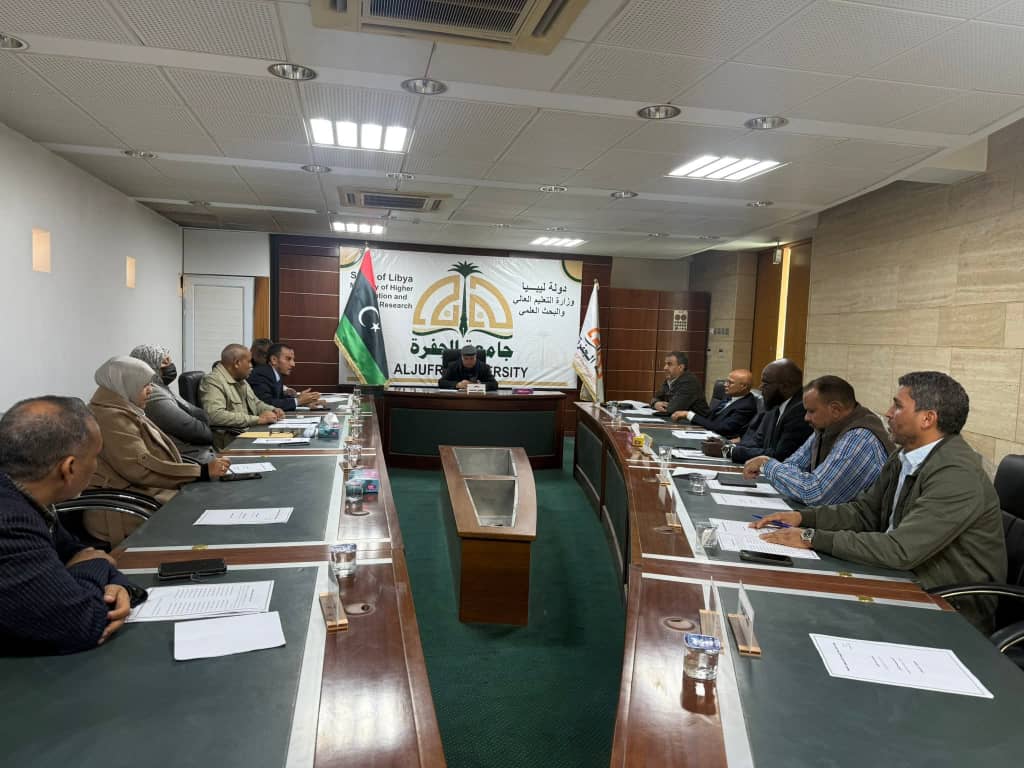
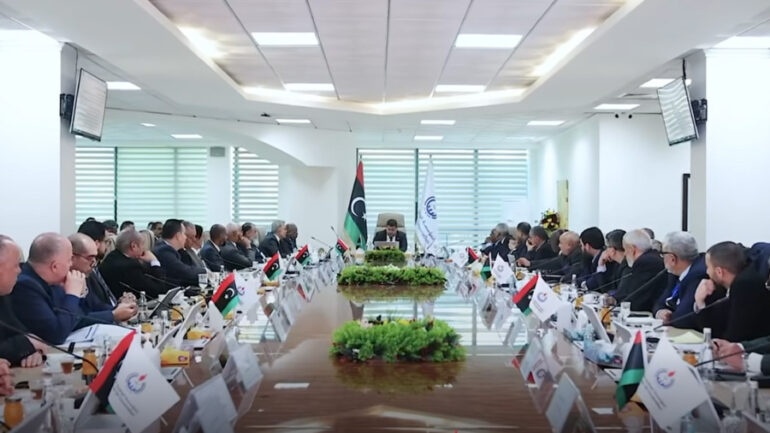
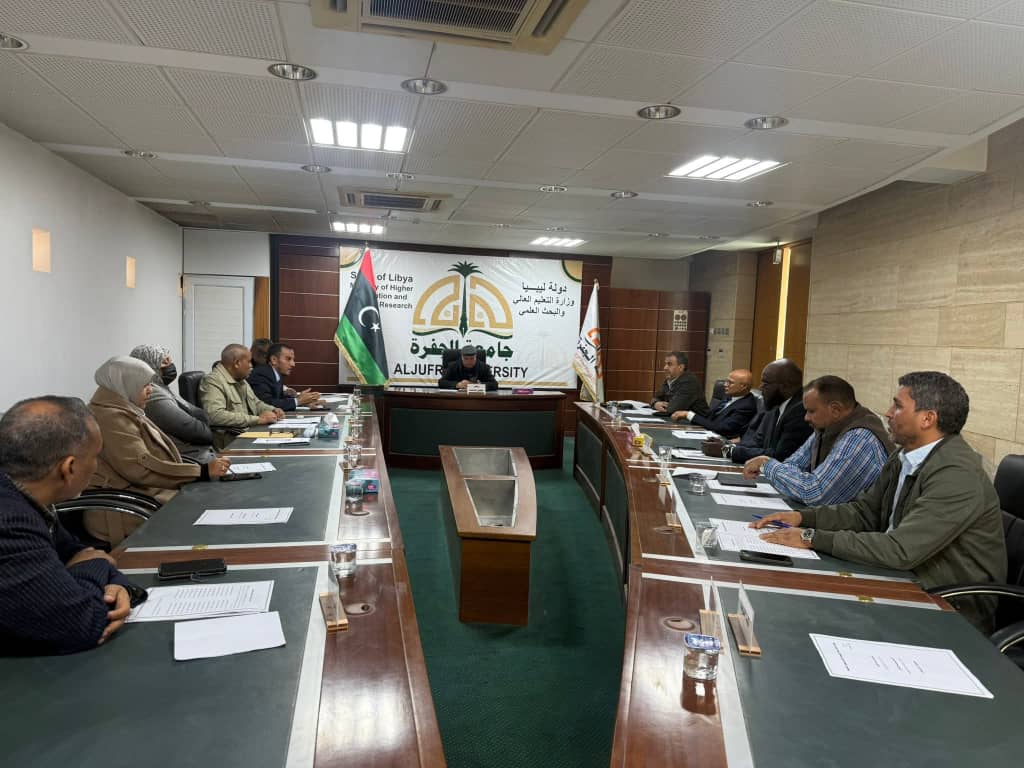
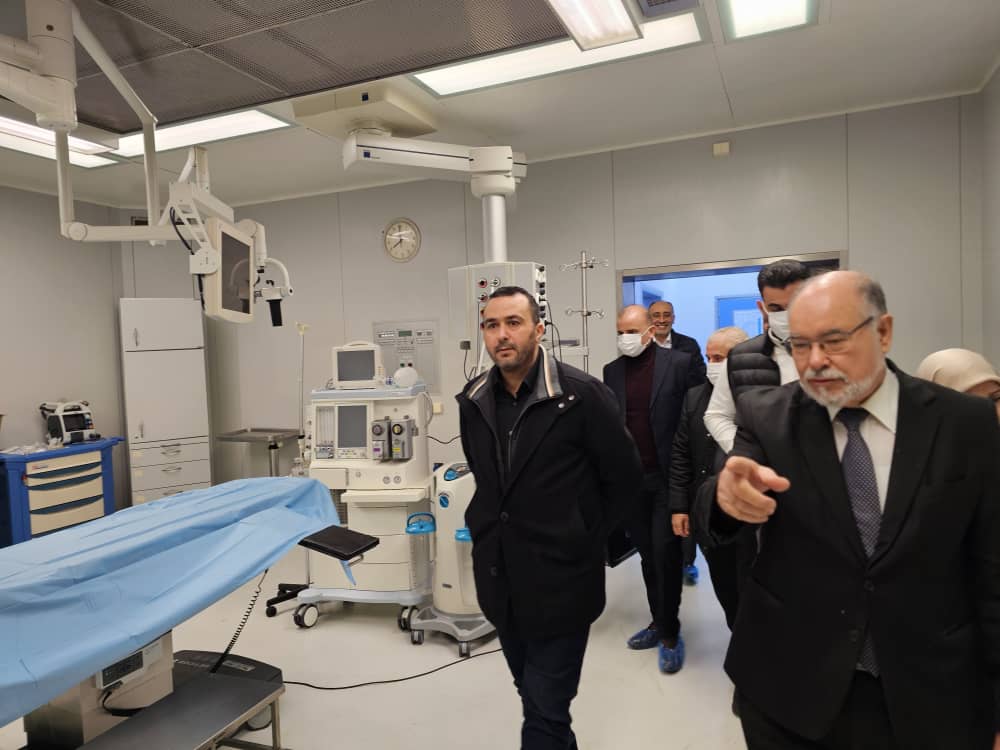
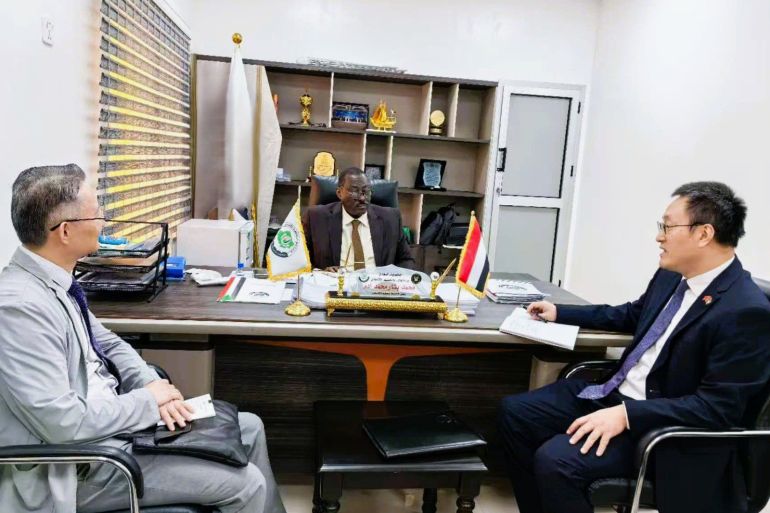
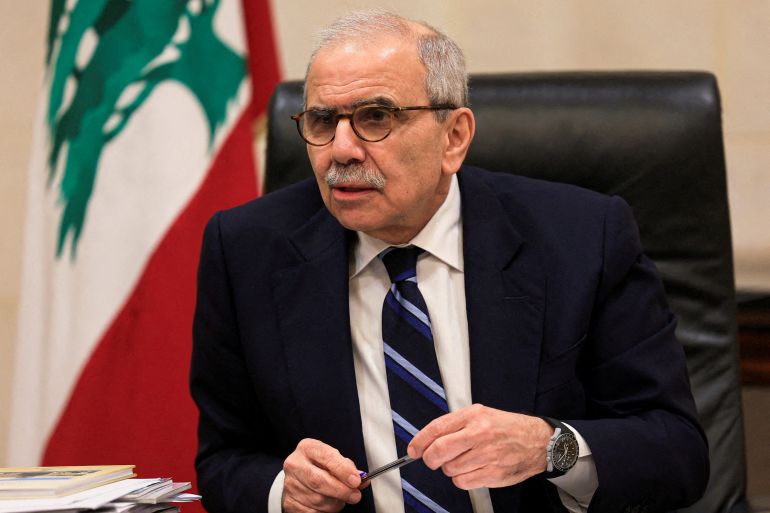
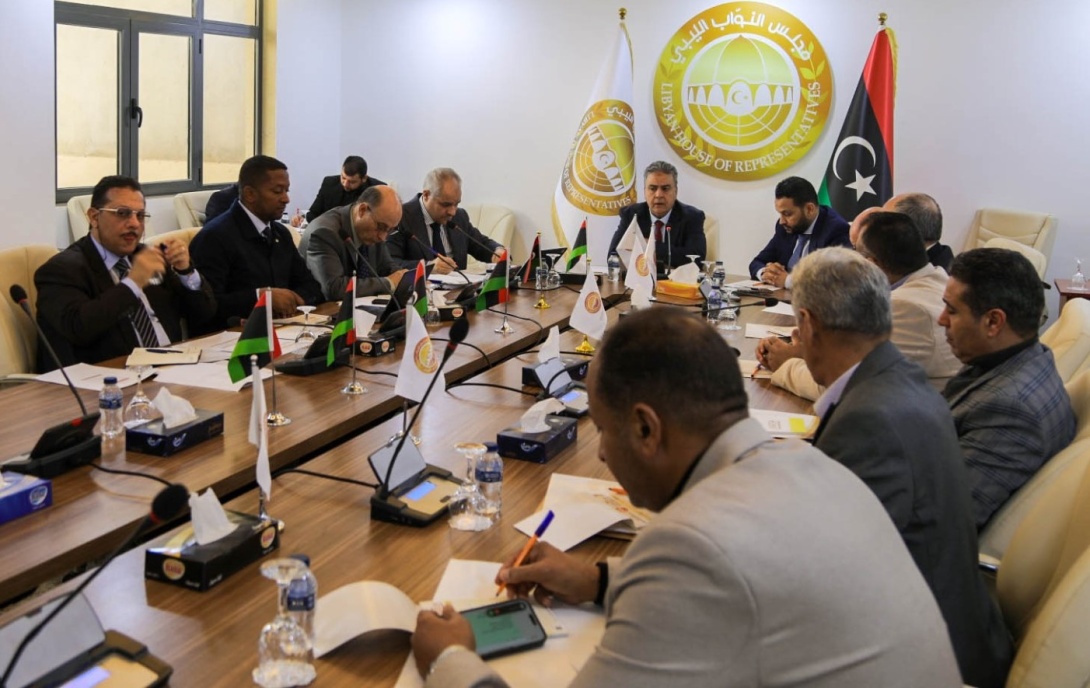
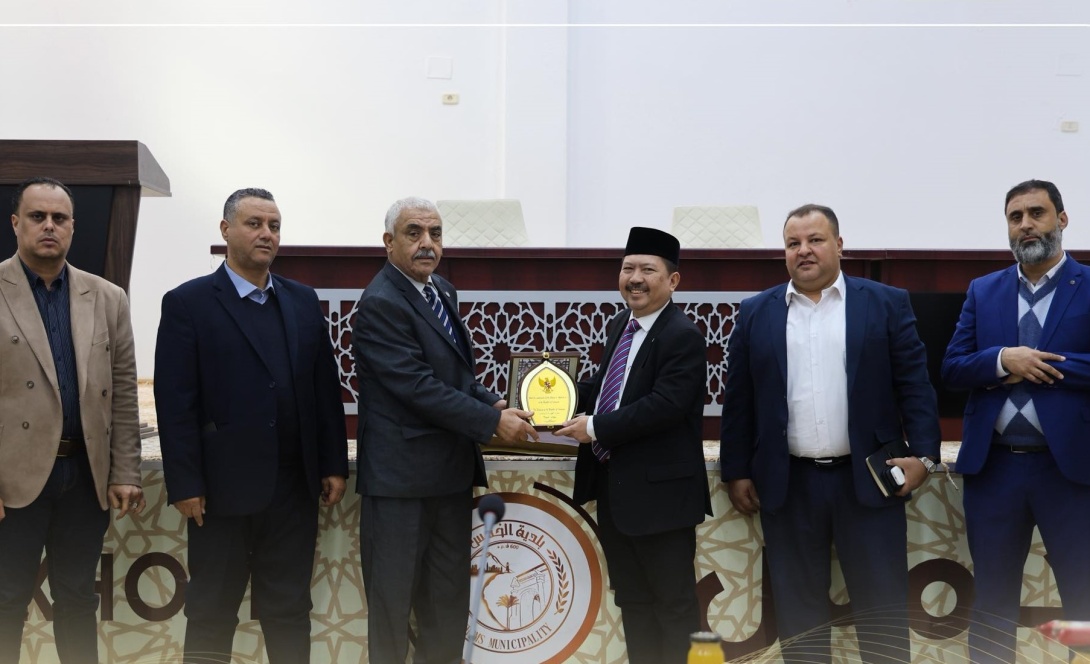
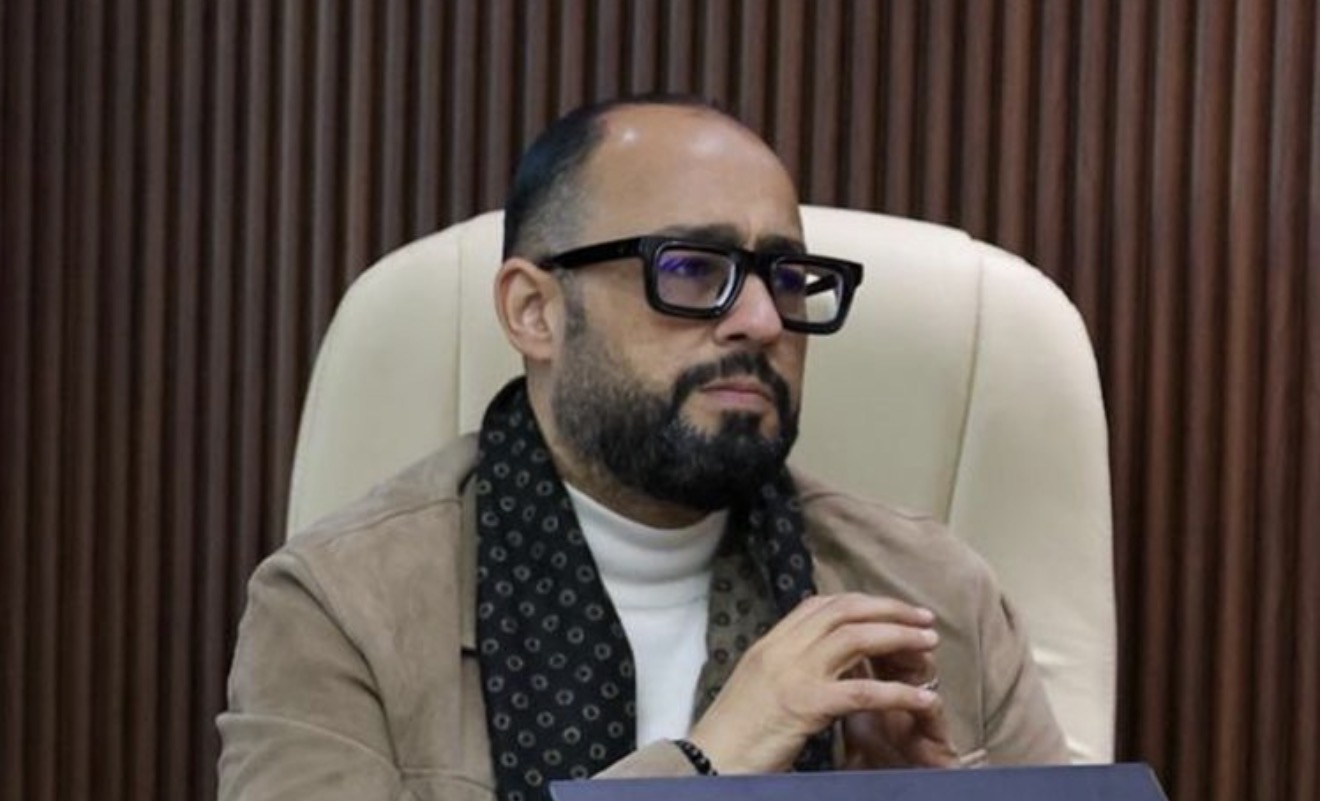
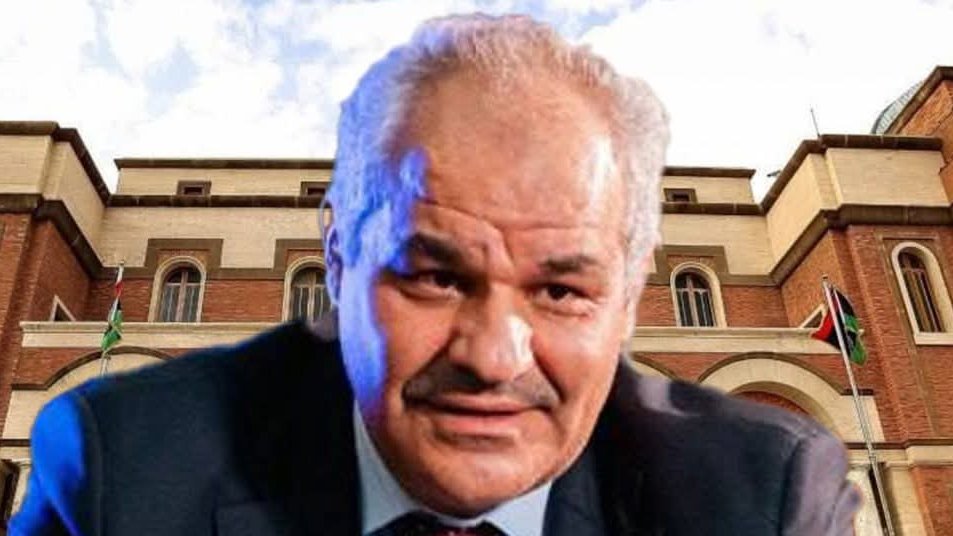
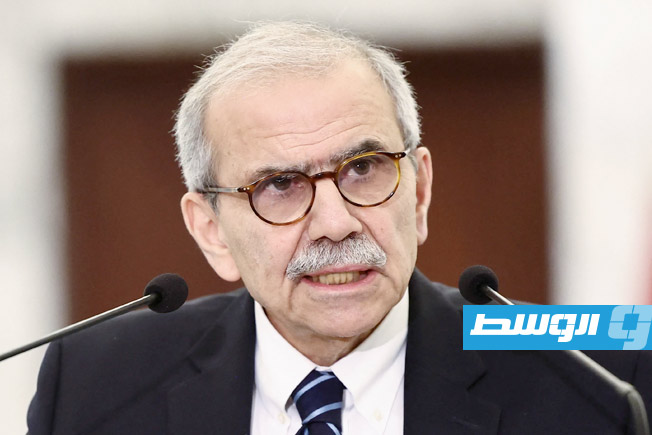
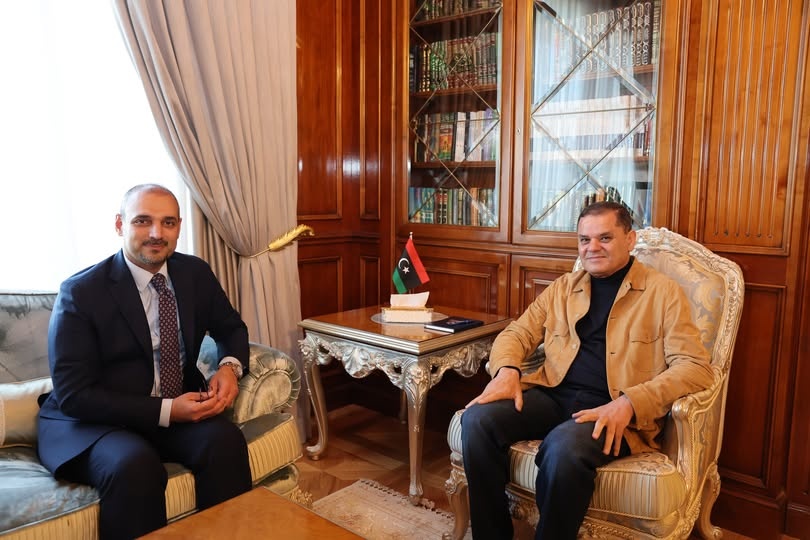
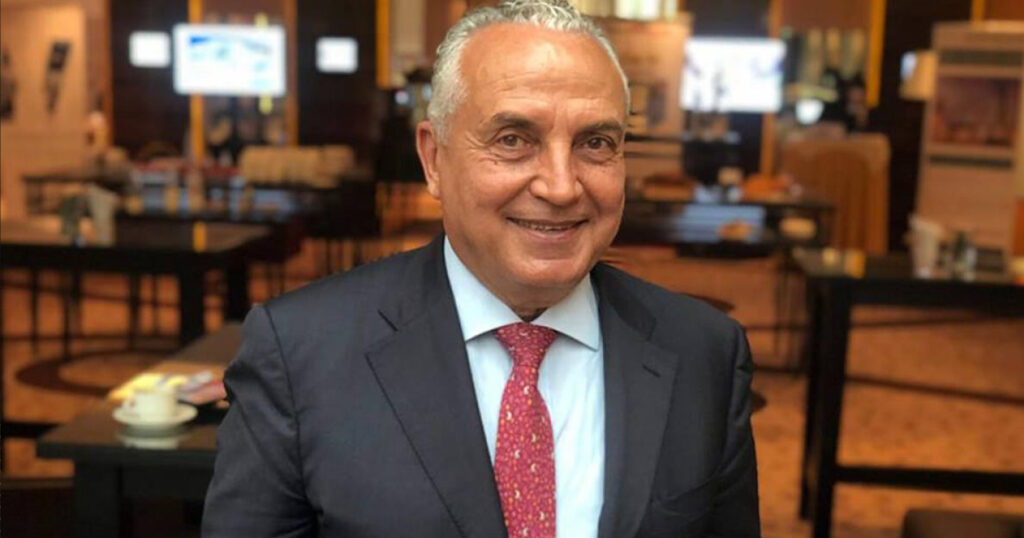
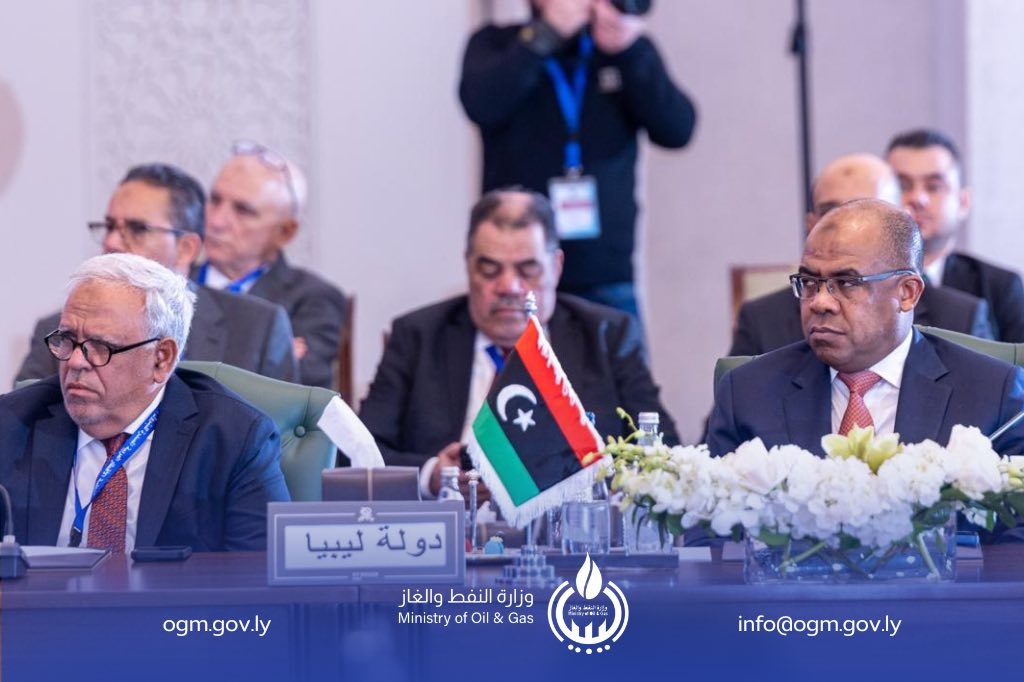
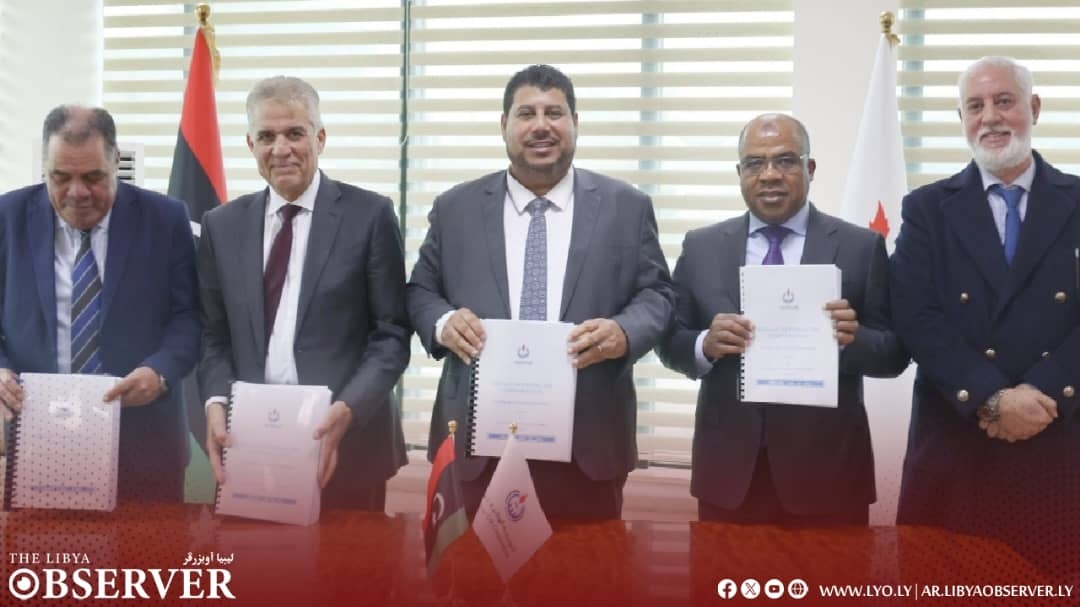
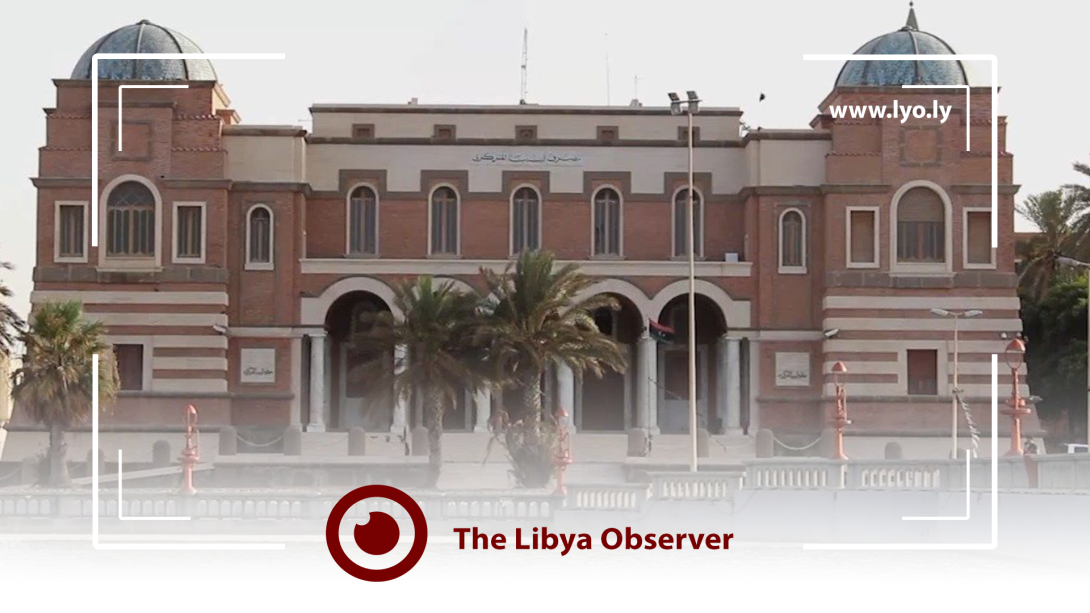
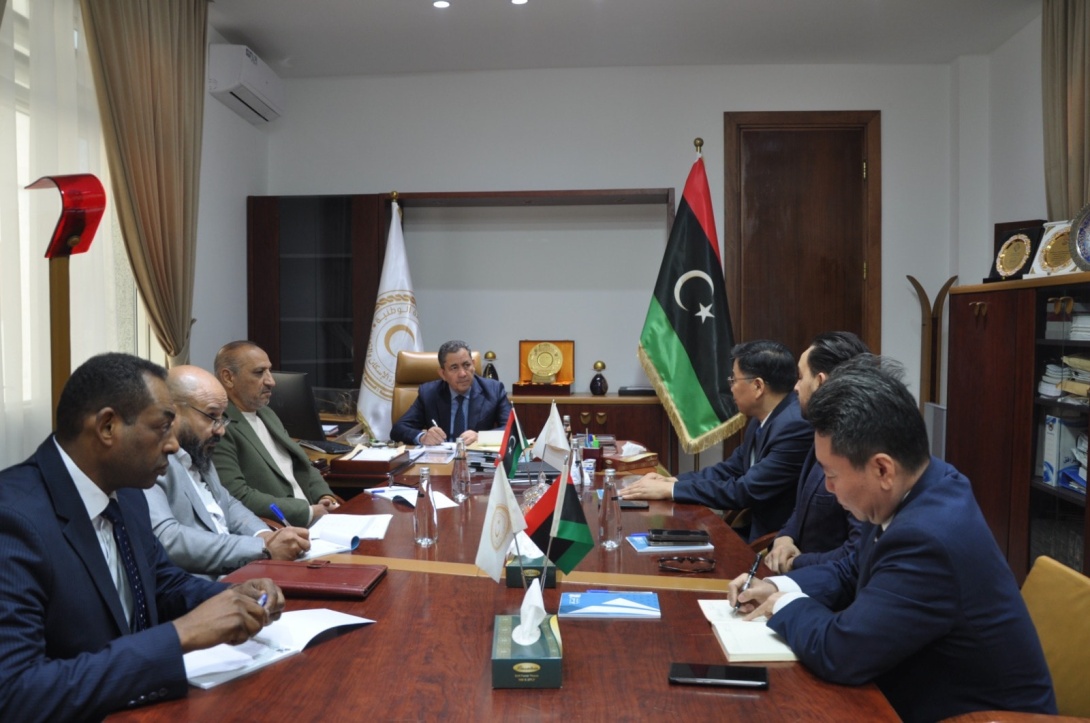
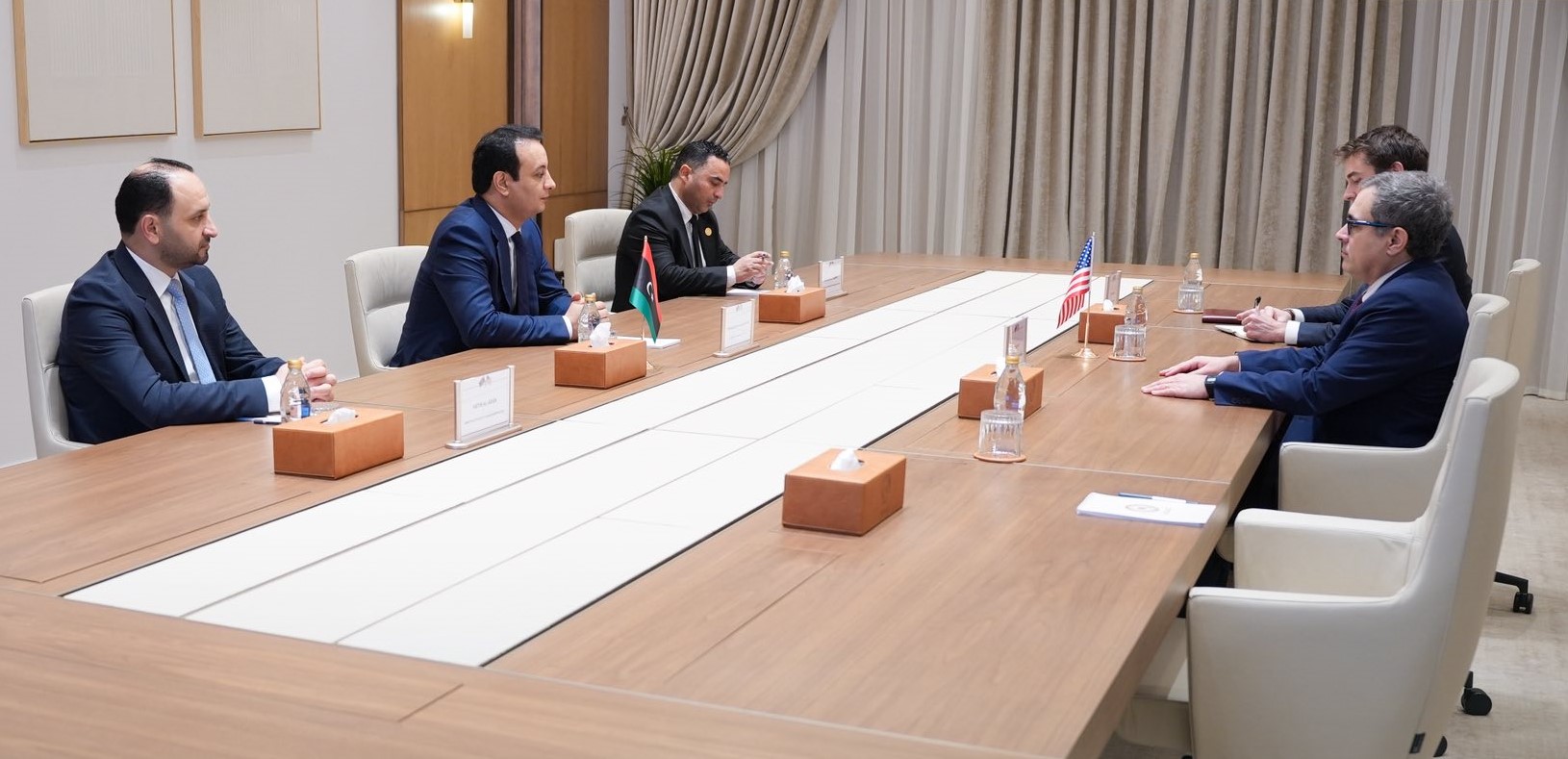
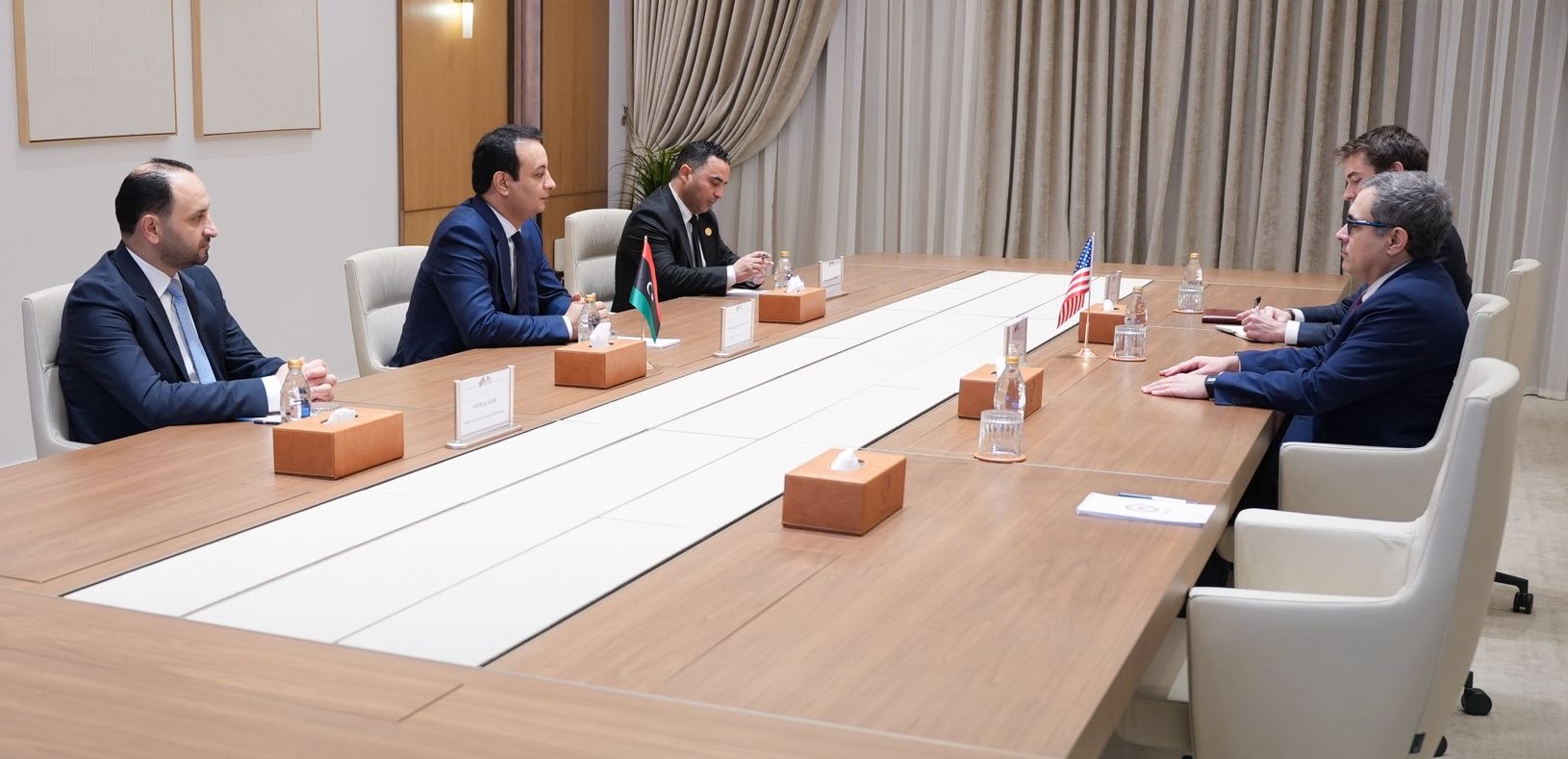
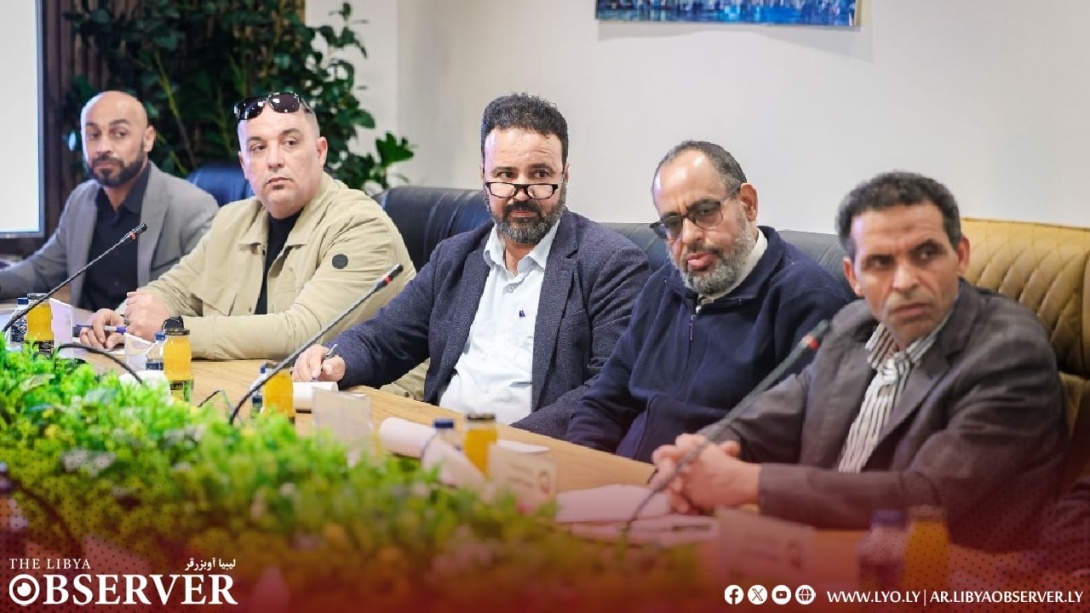
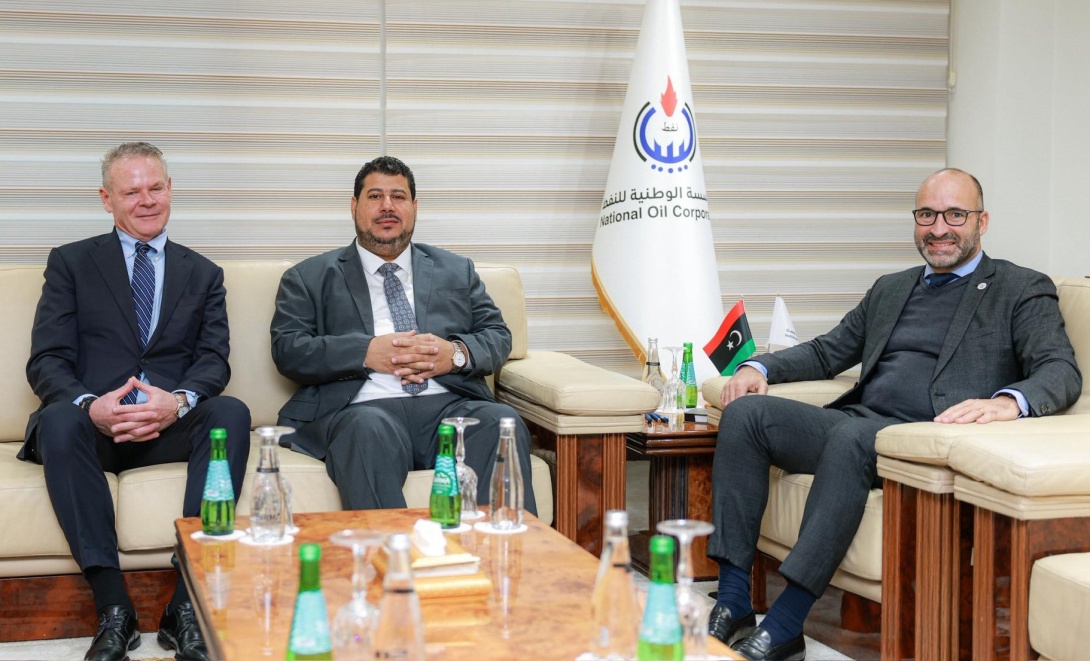
Tripoli, February 15, 2026 – The head of the Audit Bureau discussed with a team from the United Nations Development Programme (UNDP) support for the Bureau’s efforts in promoting the principles of transparency and accountability, and in developing tools and methods for oversight work and combating corruption.
The meeting reviewed existing cooperation paths and prospects for their development, focusing on supporting the Bureau’s efforts to enhance transparency and accountability principles, and to develop oversight tools and methods in line with international standards and best institutional practices.
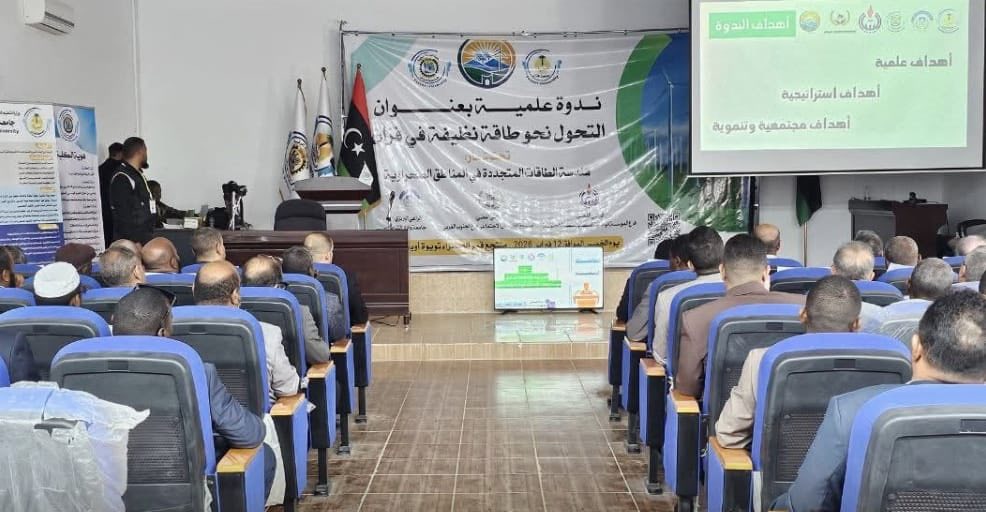
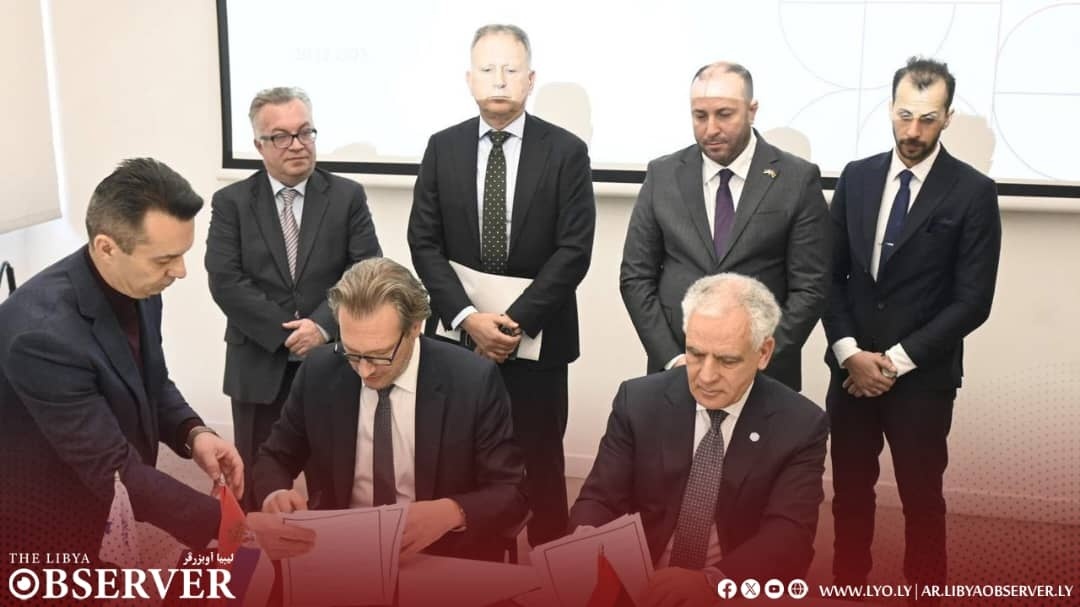
The meeting included a visual presentation on Georgia’s experience in combating corruption, drying up its sources, and reforming the public finance system. The presentation highlighted mechanisms for knowledge transfer and capacity building within oversight institutions.
The meeting also addressed the importance of aligning joint efforts and leveraging them to implement the National Anti-Corruption Strategy recently launched by the Audit Bureau in cooperation with the National Anti-Corruption Authority. This aims to enhance integration between oversight and institutional roles and support the adoption of effective preventive policies based on transparency and good governance.
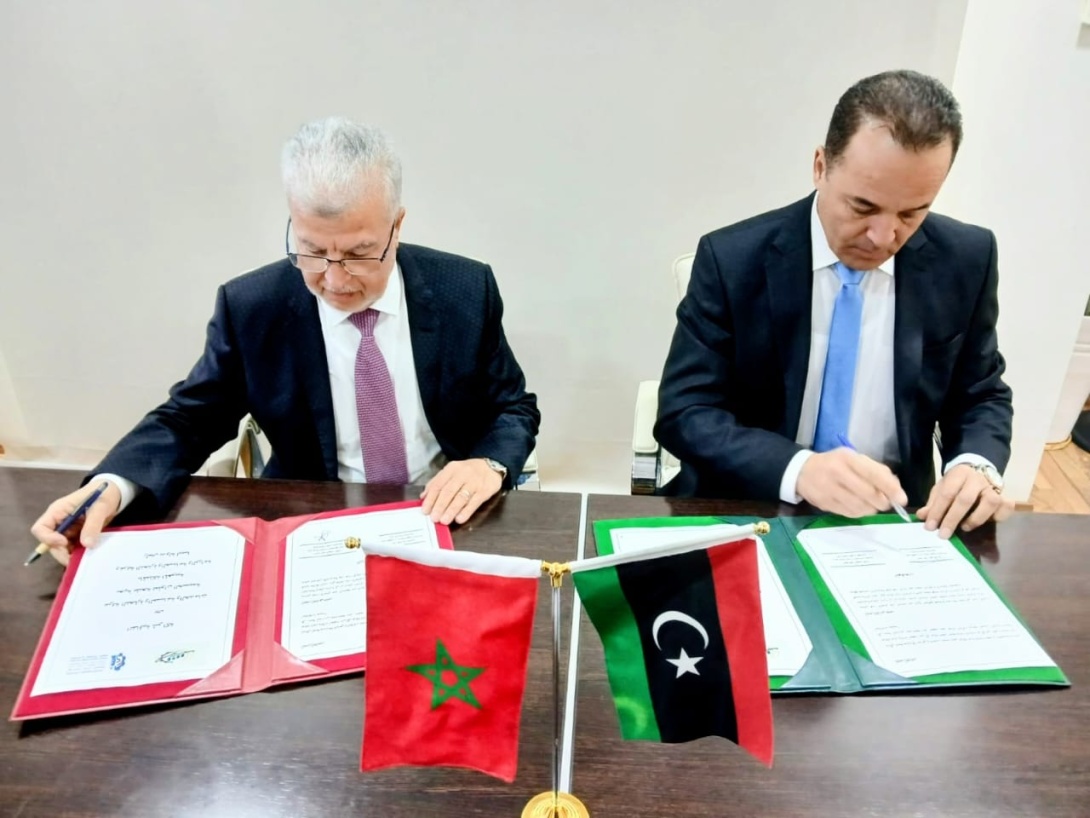
Both sides reaffirmed their commitment to continue implementing joint programs and to align upcoming initiatives with the strategic objectives outlined in the Memorandum of Understanding, in support of the institutional reform path and to enhance the effectiveness of oversight and financial performance in the country.
…
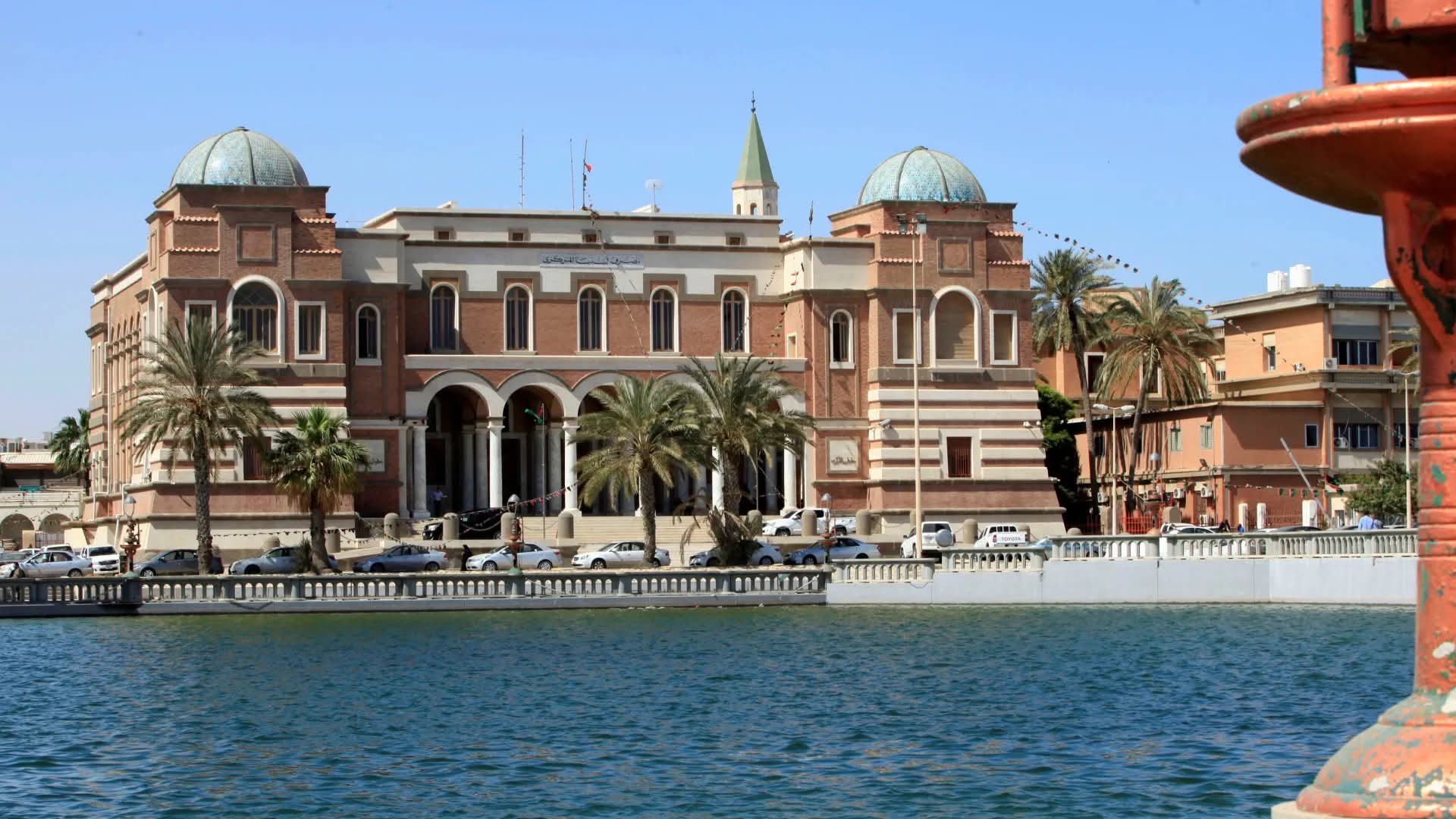
Tripoli
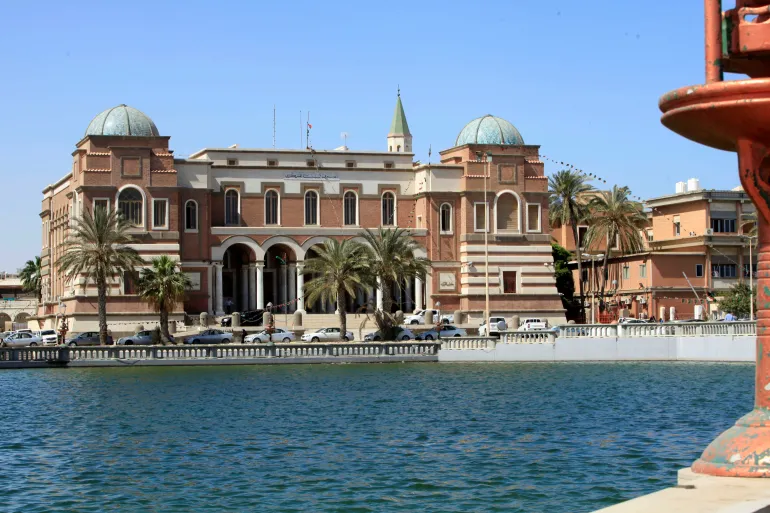
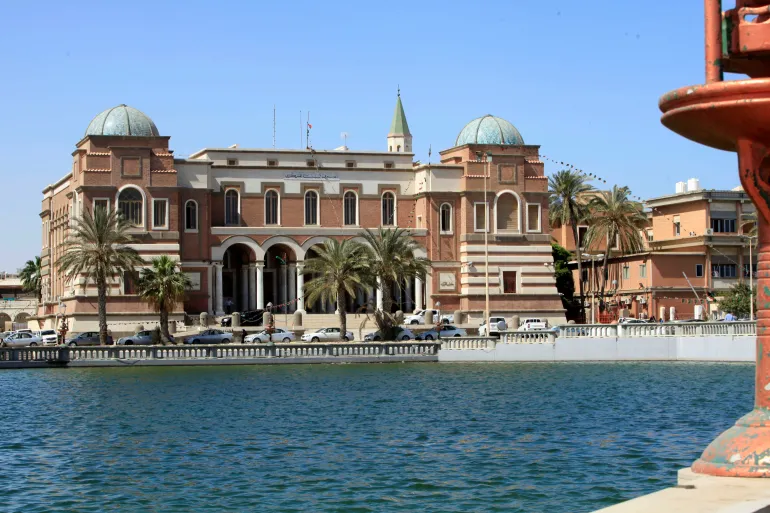
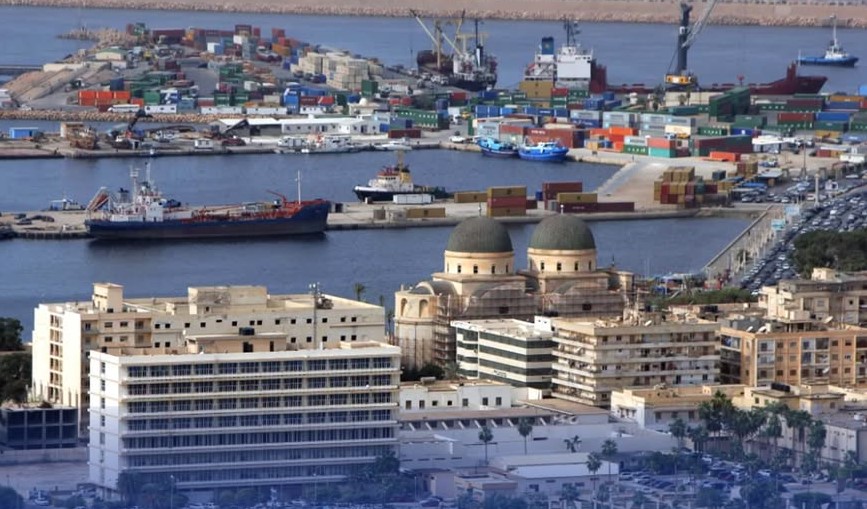
Tripoli is the capital and largest city of Libya, located on the country’s Mediterranean coast. Historically, it was founded by the Phoenicians in the 7th century BC and has since been ruled by the Romans, Arabs, Ottomans, and Italians, serving as a major port and cultural crossroads. Its historic center, the medina, contains significant landmarks like the Arch of Marcus Aurelius and the Red Castle (Assai al-Hamra).
Audit Bureau
The Audit Bureau is an independent government institution responsible for overseeing public financial management and ensuring transparency in state expenditures. Its history typically involves establishment as part of modern state-building efforts to combat corruption and promote fiscal accountability, with its specific founding date and legal framework varying by country.
United Nations Development Programme
The United Nations Development Programme (UNDP) is a global development network established in 1965 to help countries eradicate poverty and achieve sustainable development. It works in over 170 countries and territories, focusing on areas such as democratic governance, climate change, and crisis recovery.
UNDP
The United Nations Development Programme (UNDP) is a global development network established in 1965 by the UN General Assembly. It works in over 170 countries and territories to eradicate poverty, reduce inequalities, and build resilience to crises and shocks.
Georgia
Georgia is a country in the Caucasus region with a rich history dating back to ancient kingdoms like Colchis and Iberia, and it is widely considered one of the world’s oldest Christian nations, having adopted Christianity as its state religion in the early 4th century. Its cultural heritage is exemplified by sites like the cave city of Uplistsikhe, the medieval Gelati Monastery, and the diverse architecture of its capital, Tbilisi.
National Anti-Corruption Authority
The National Anti-Corruption Authority (often abbreviated as NACA or NAZA) is a government body established to investigate and combat corruption within a country’s public sector. Its history typically involves being created through specific legislation in response to political or social demands for greater transparency and accountability, though its founding date and precise powers vary by nation.