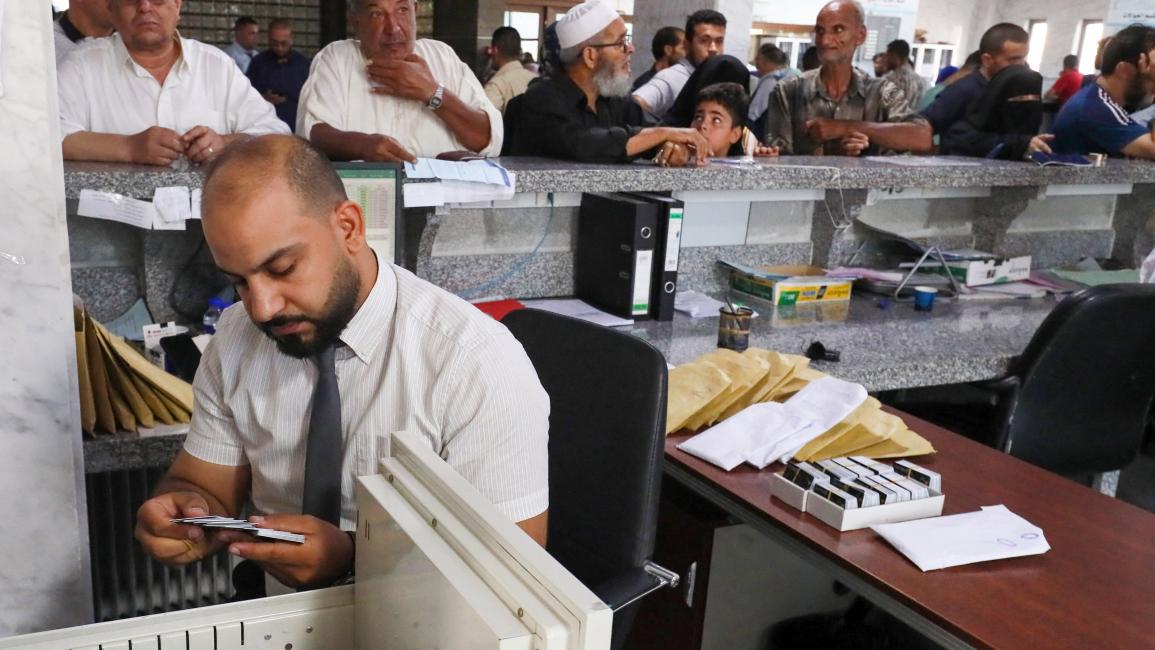
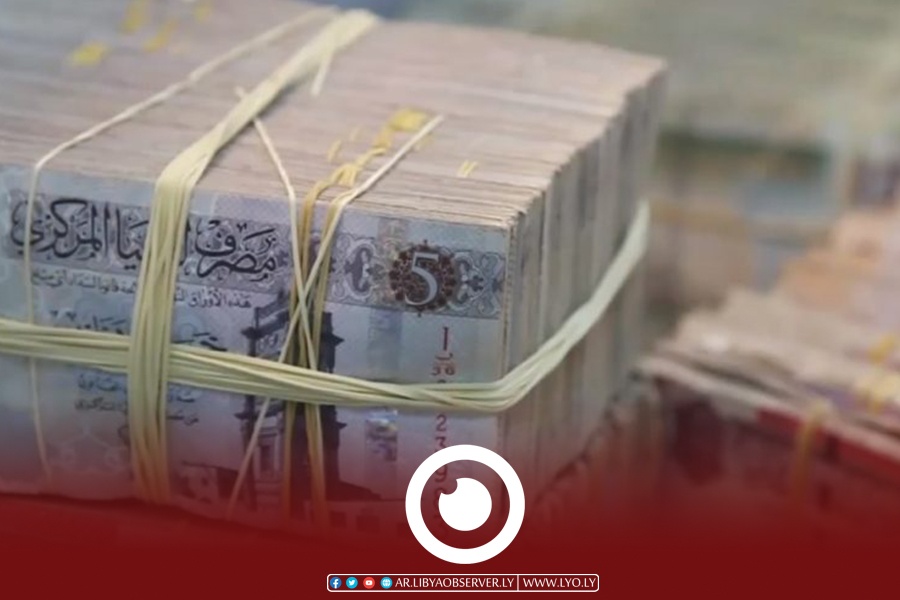
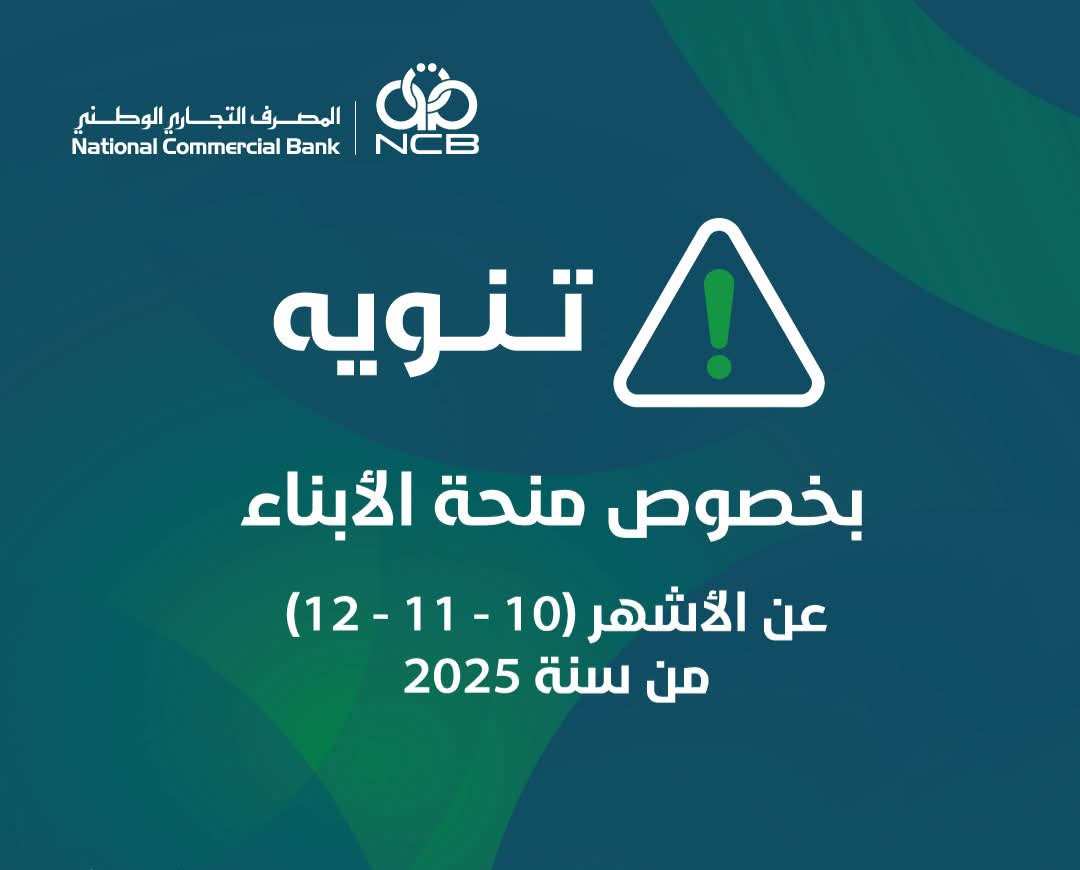
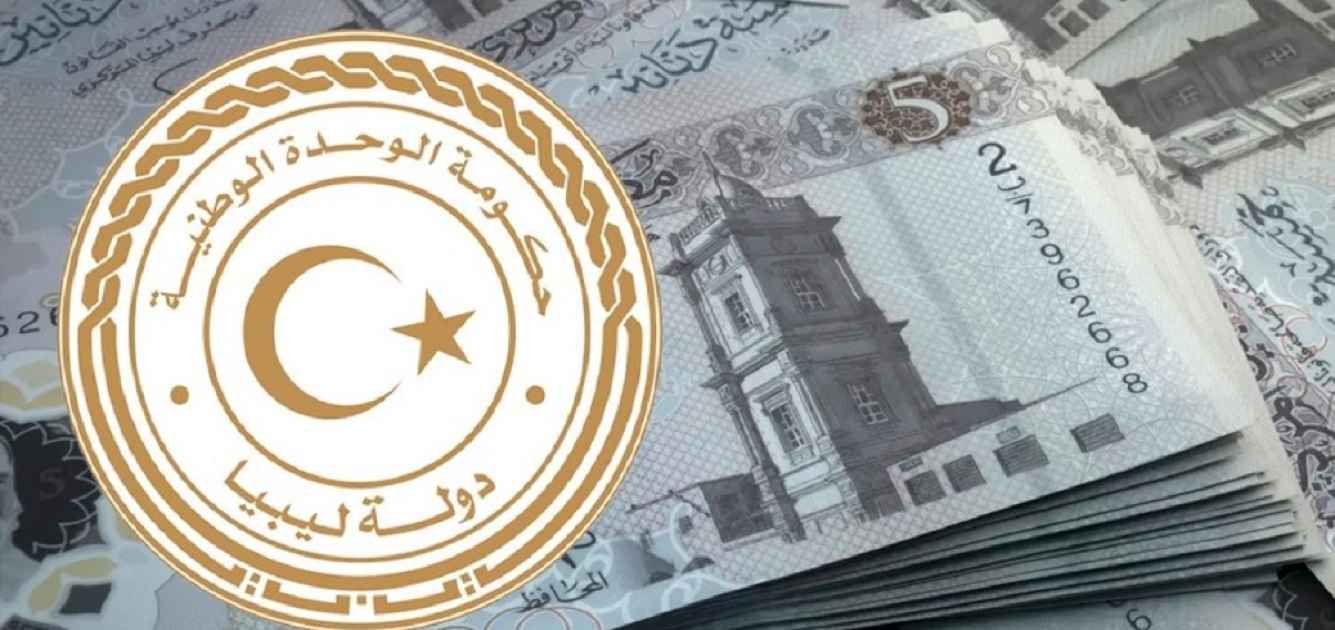
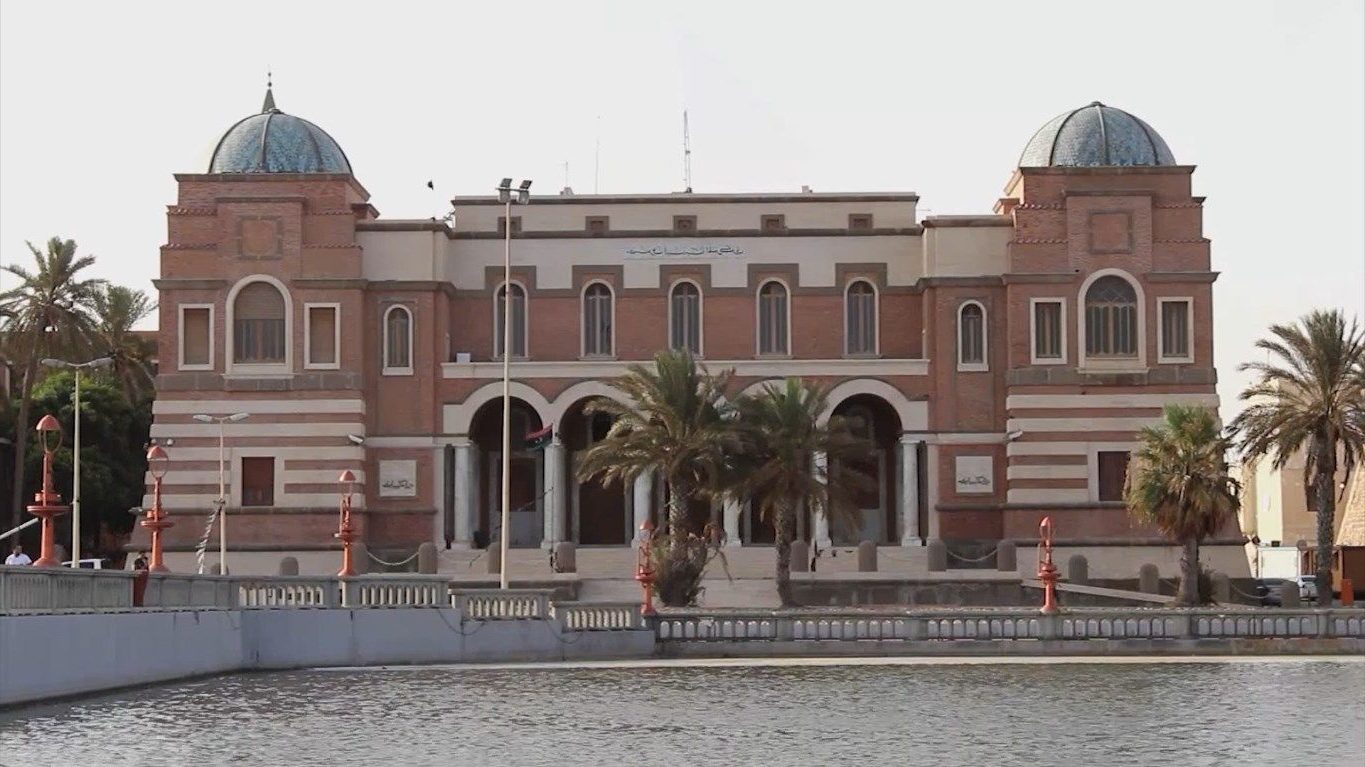
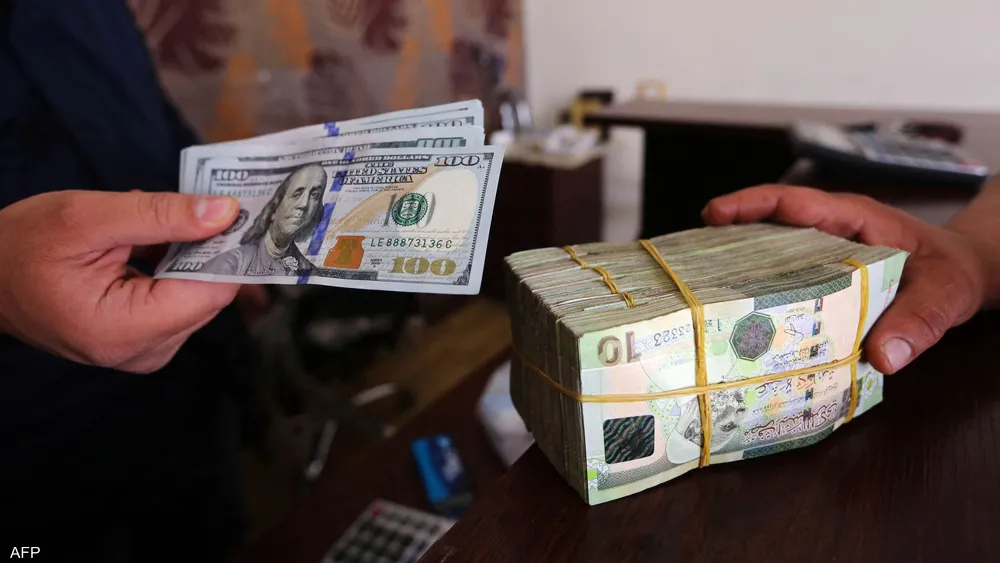
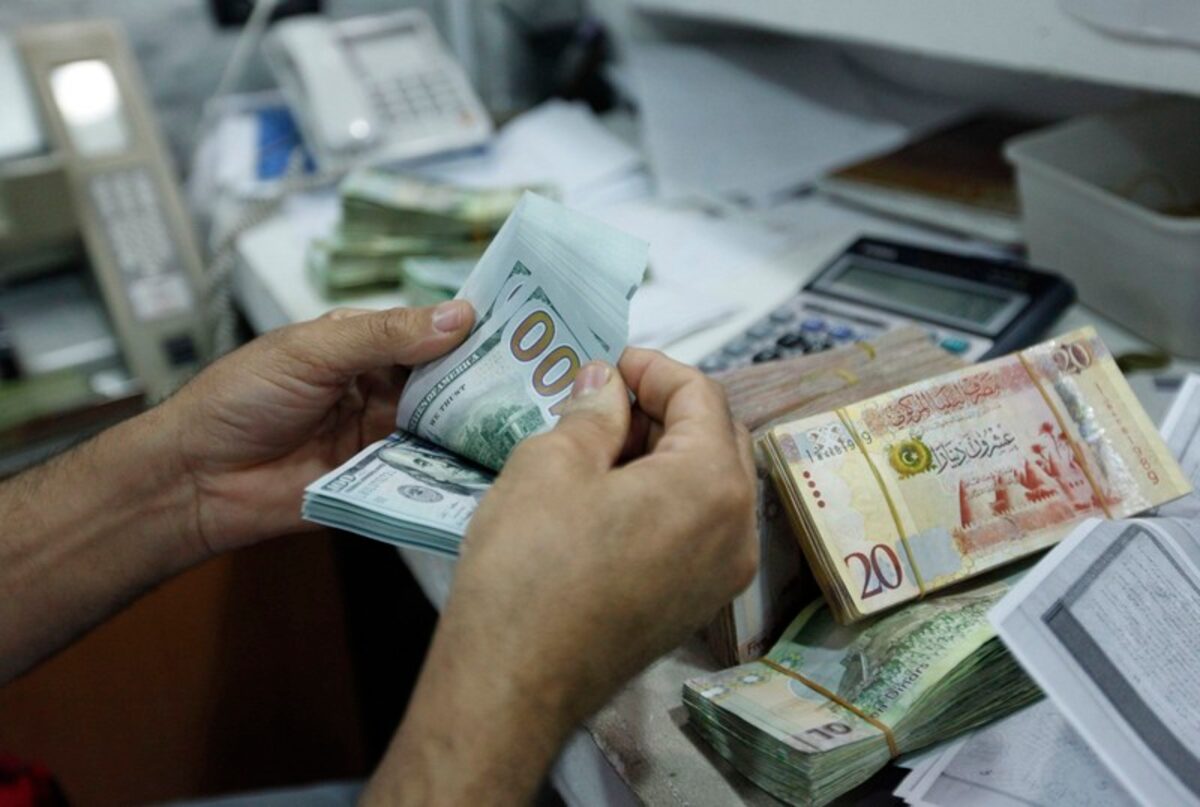
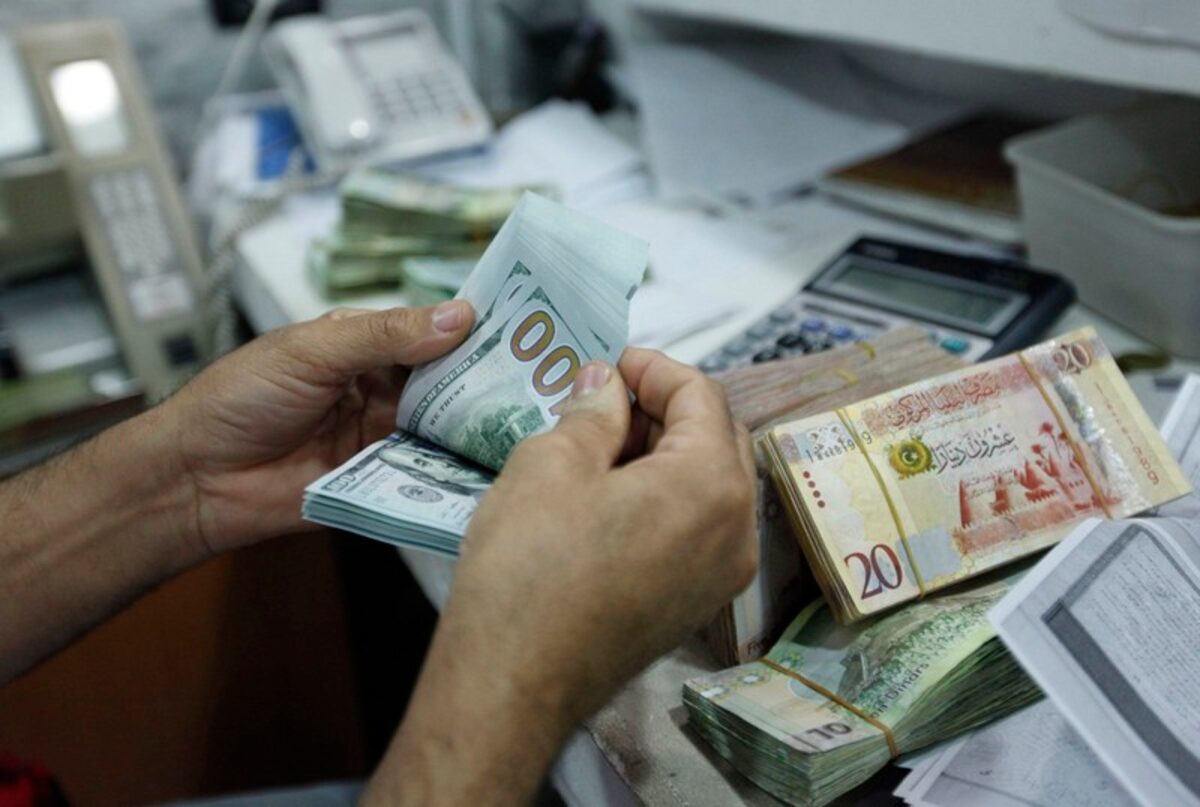
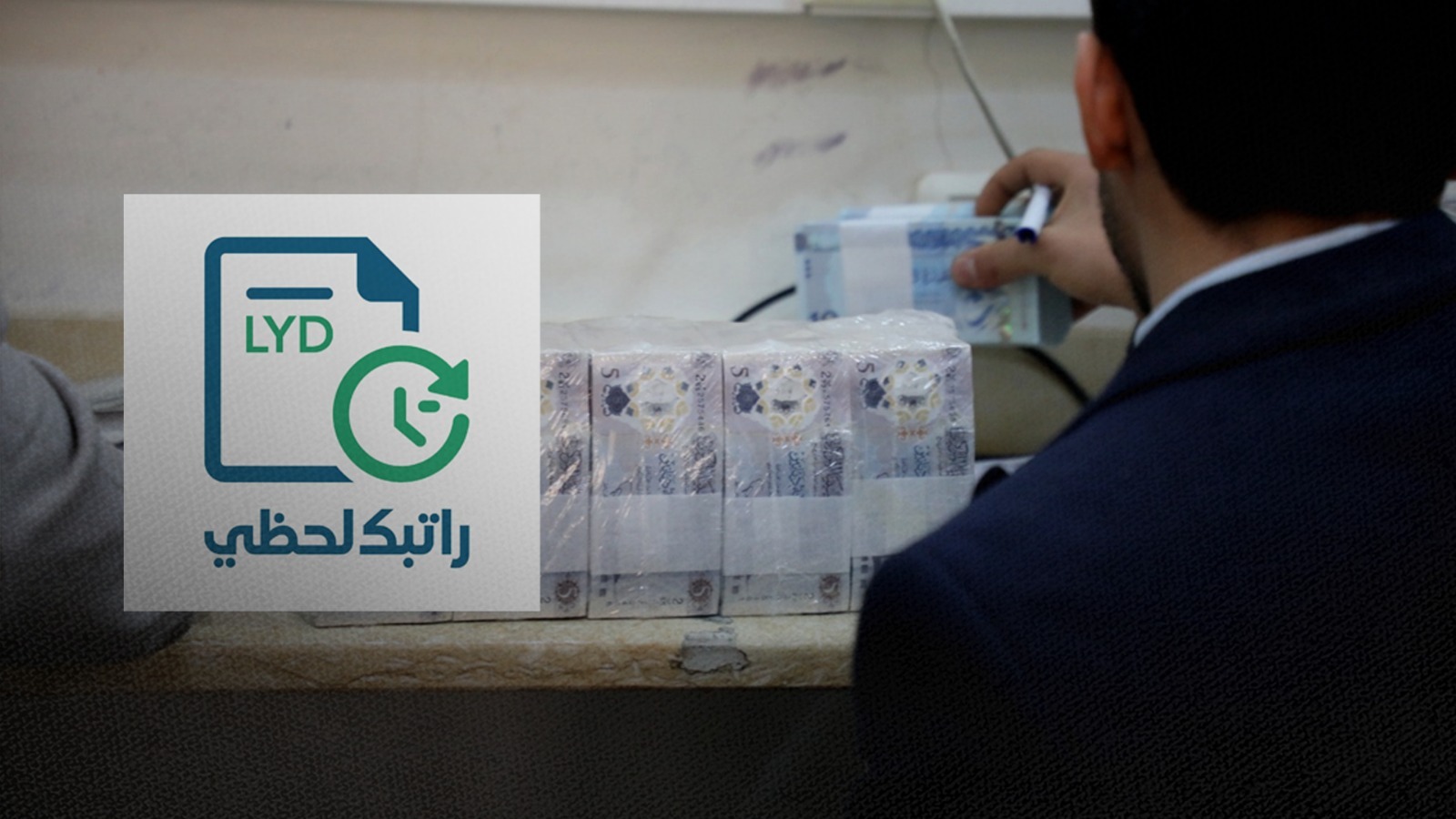
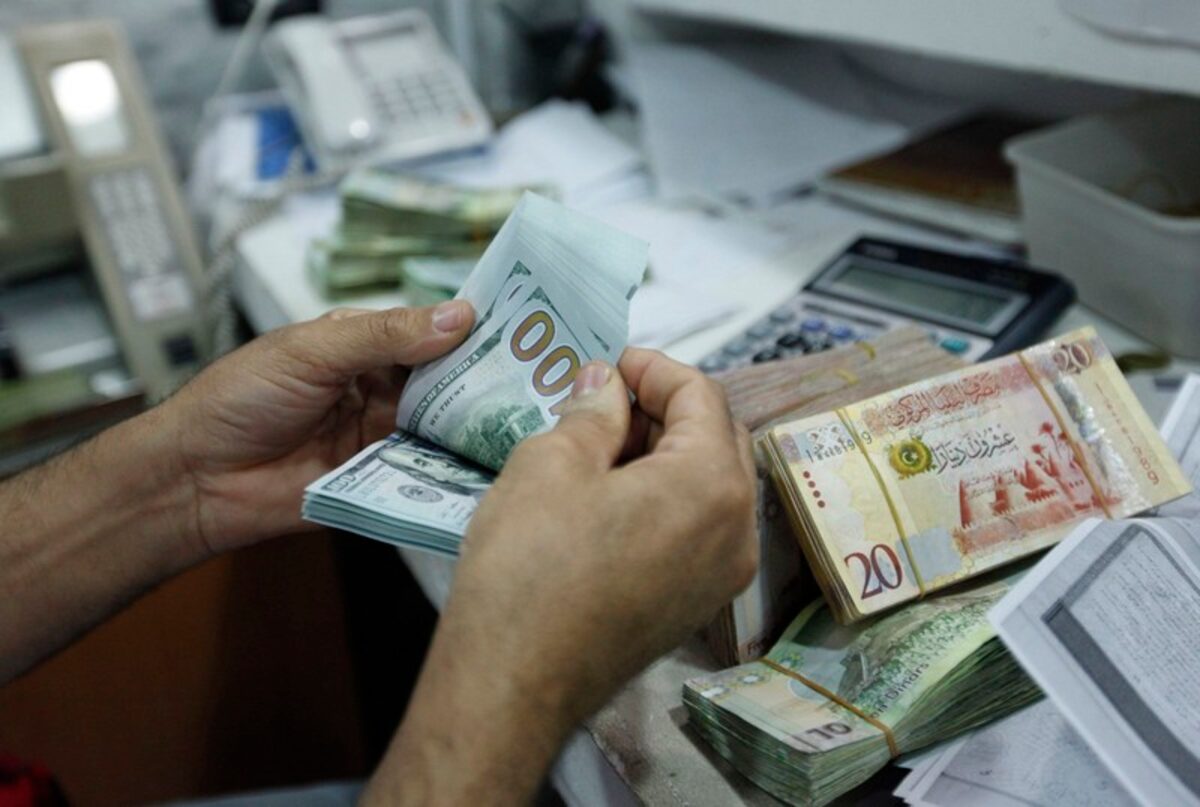
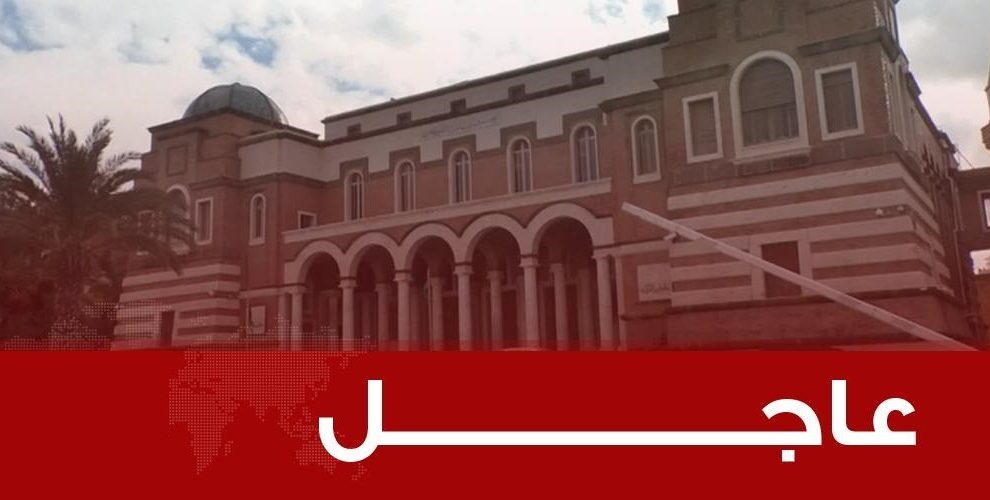
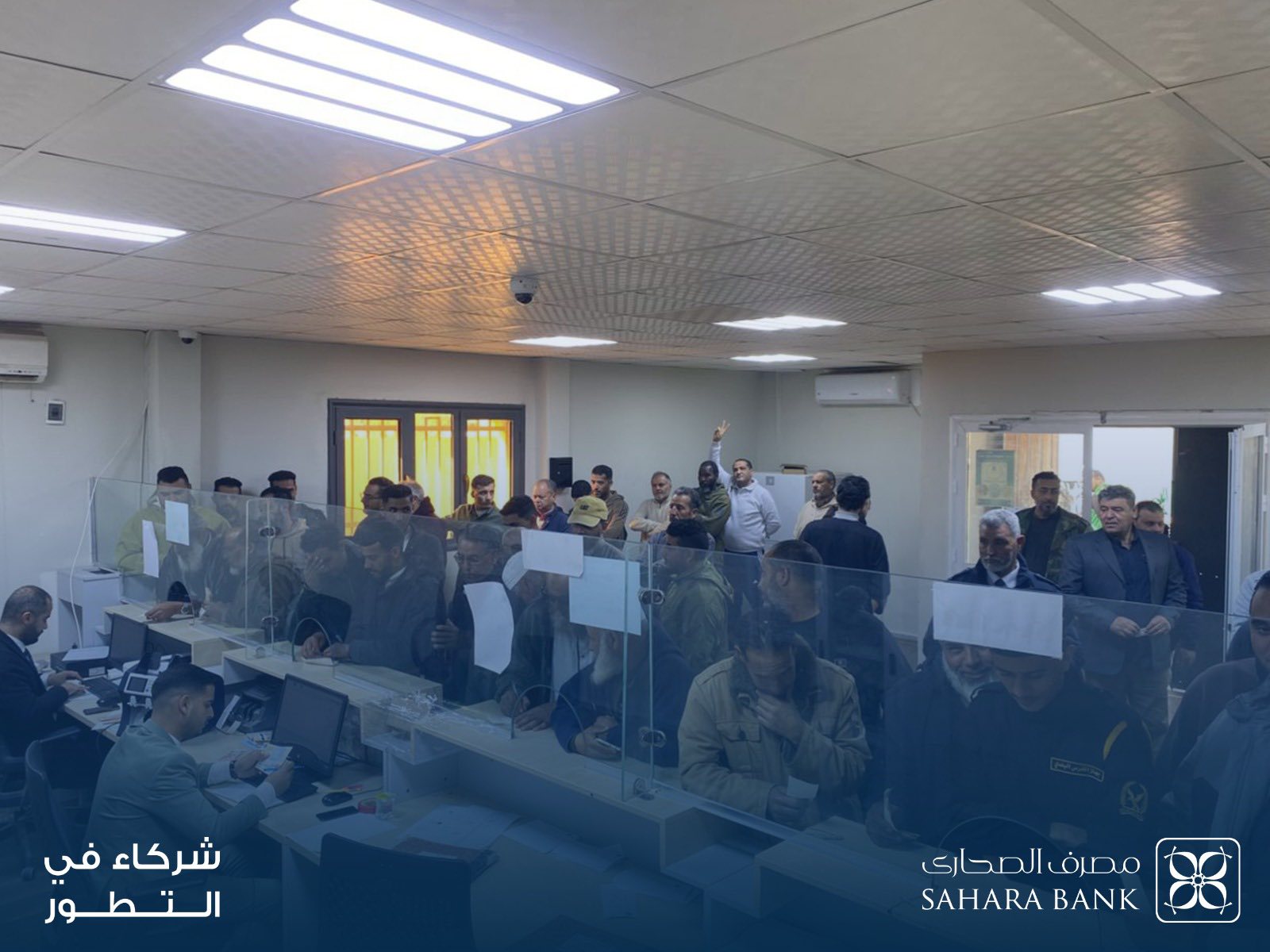
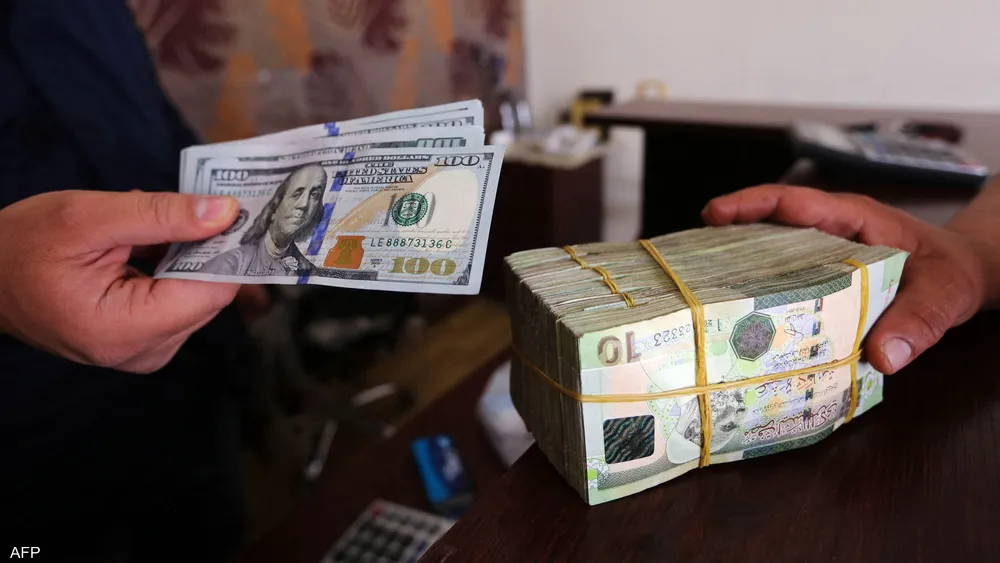
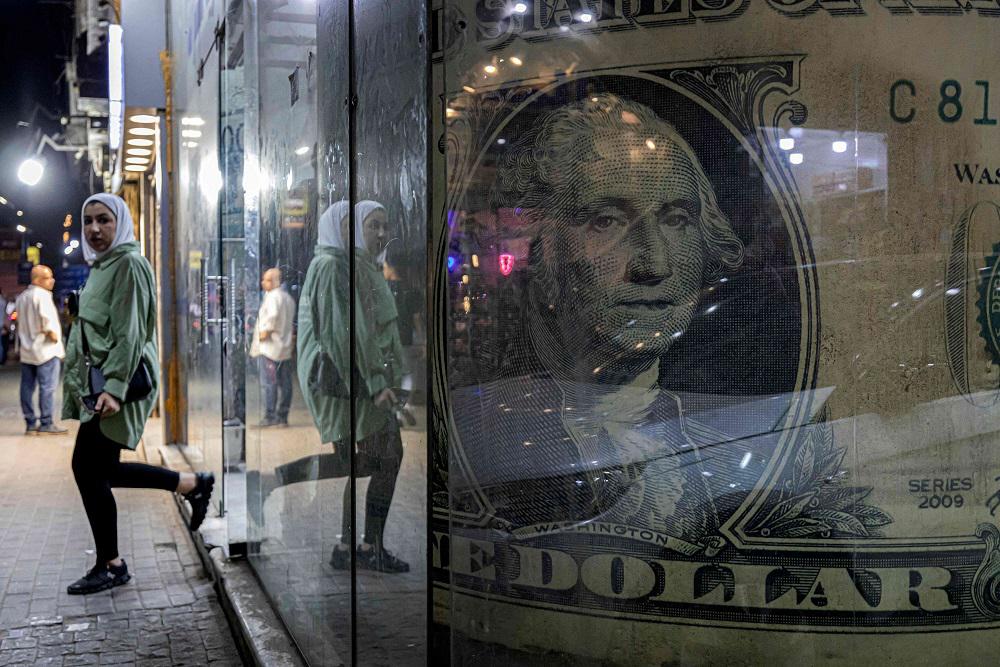
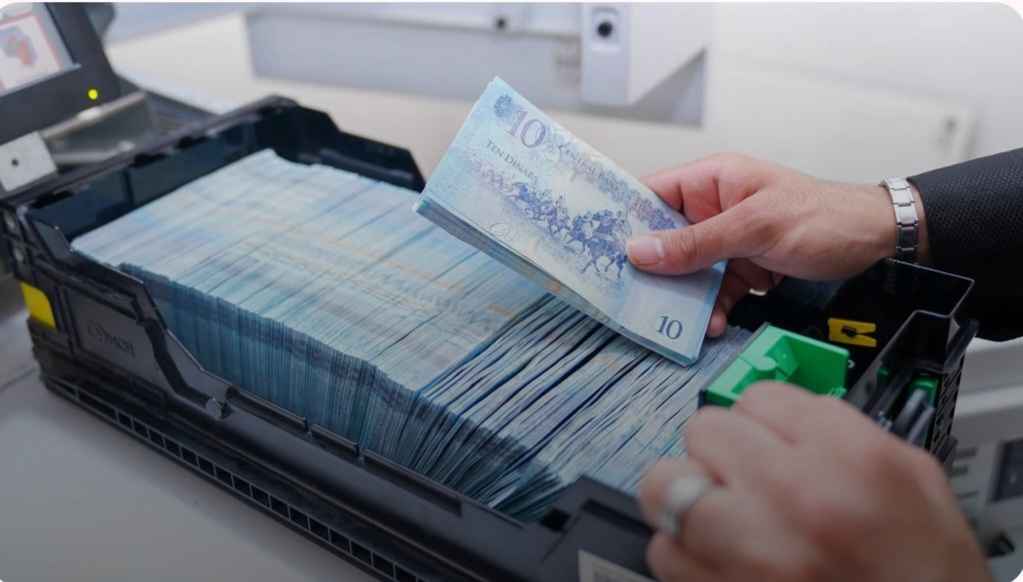
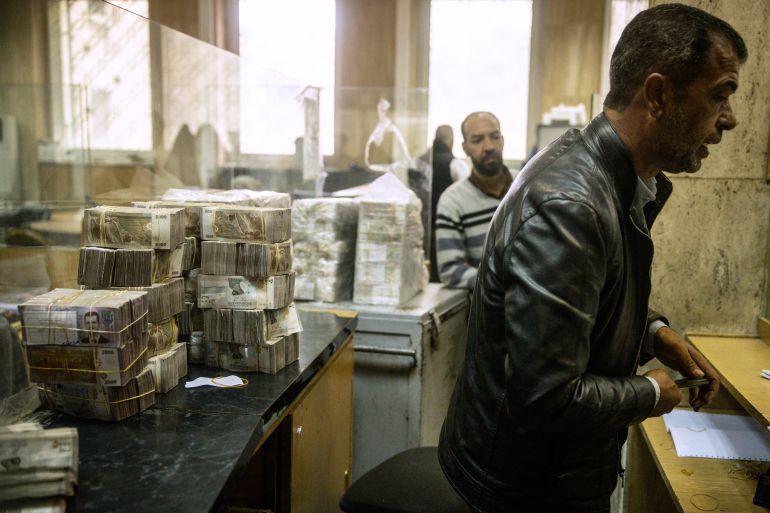
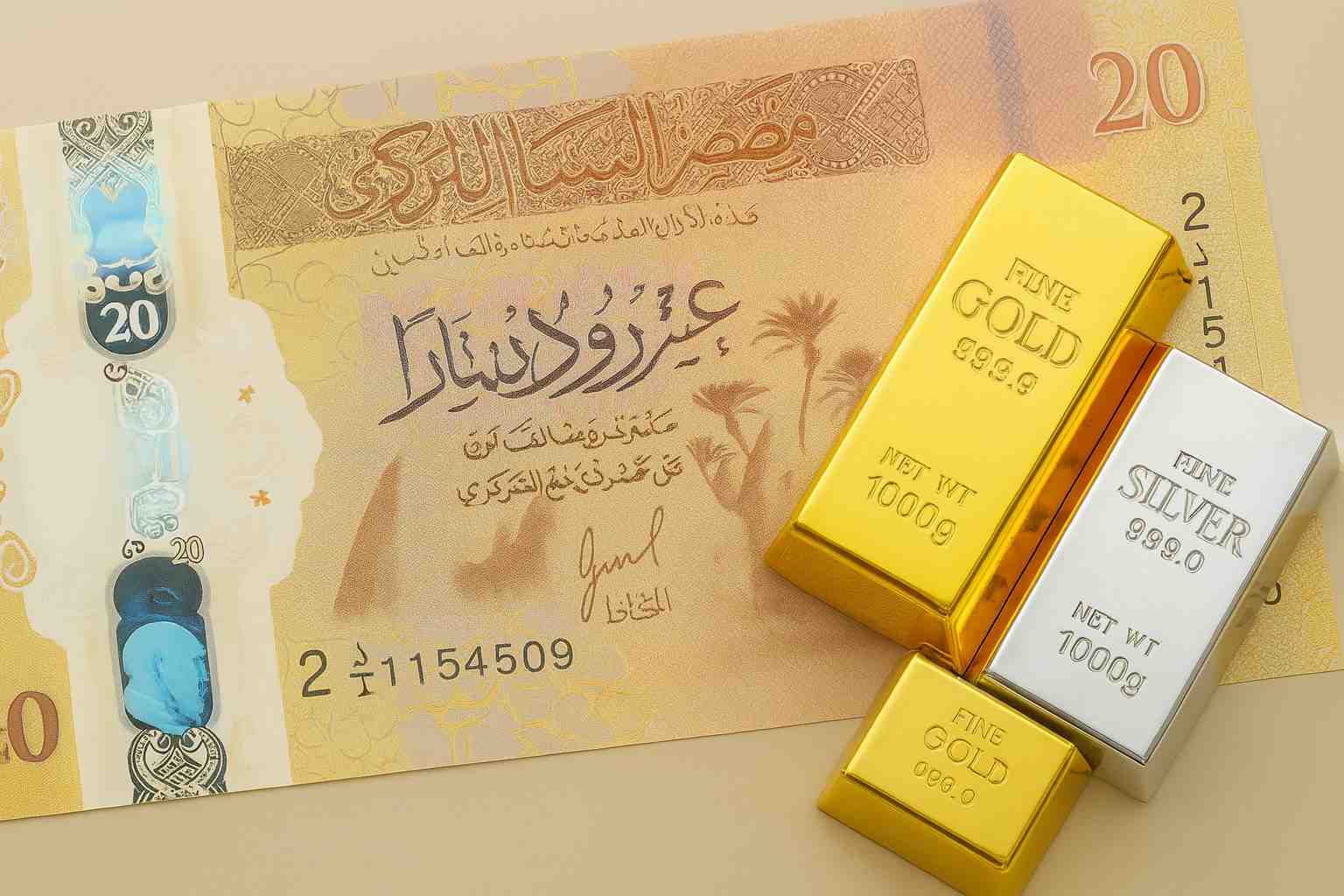
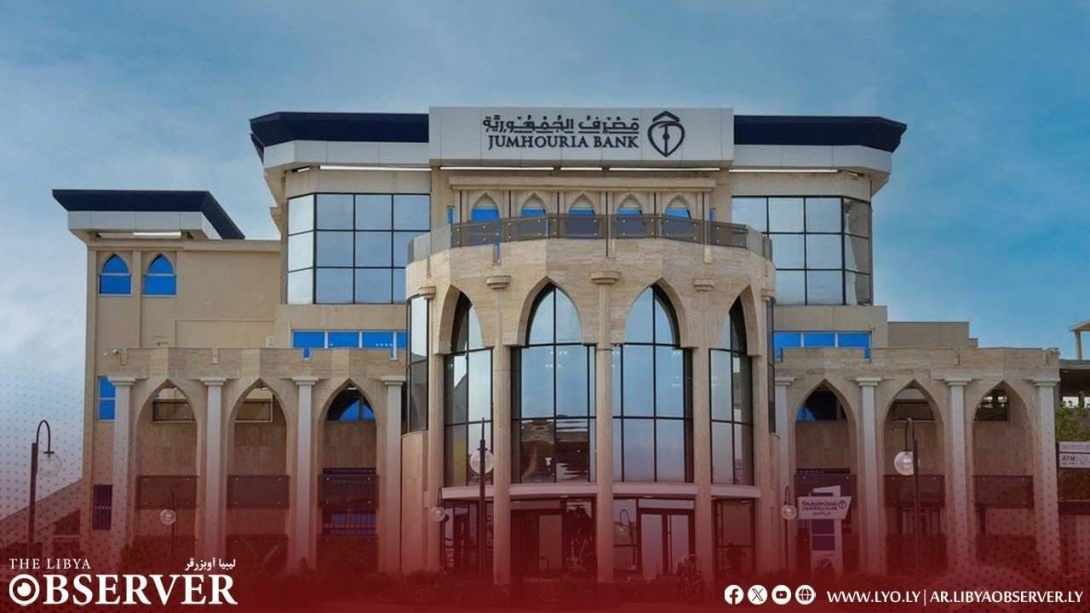
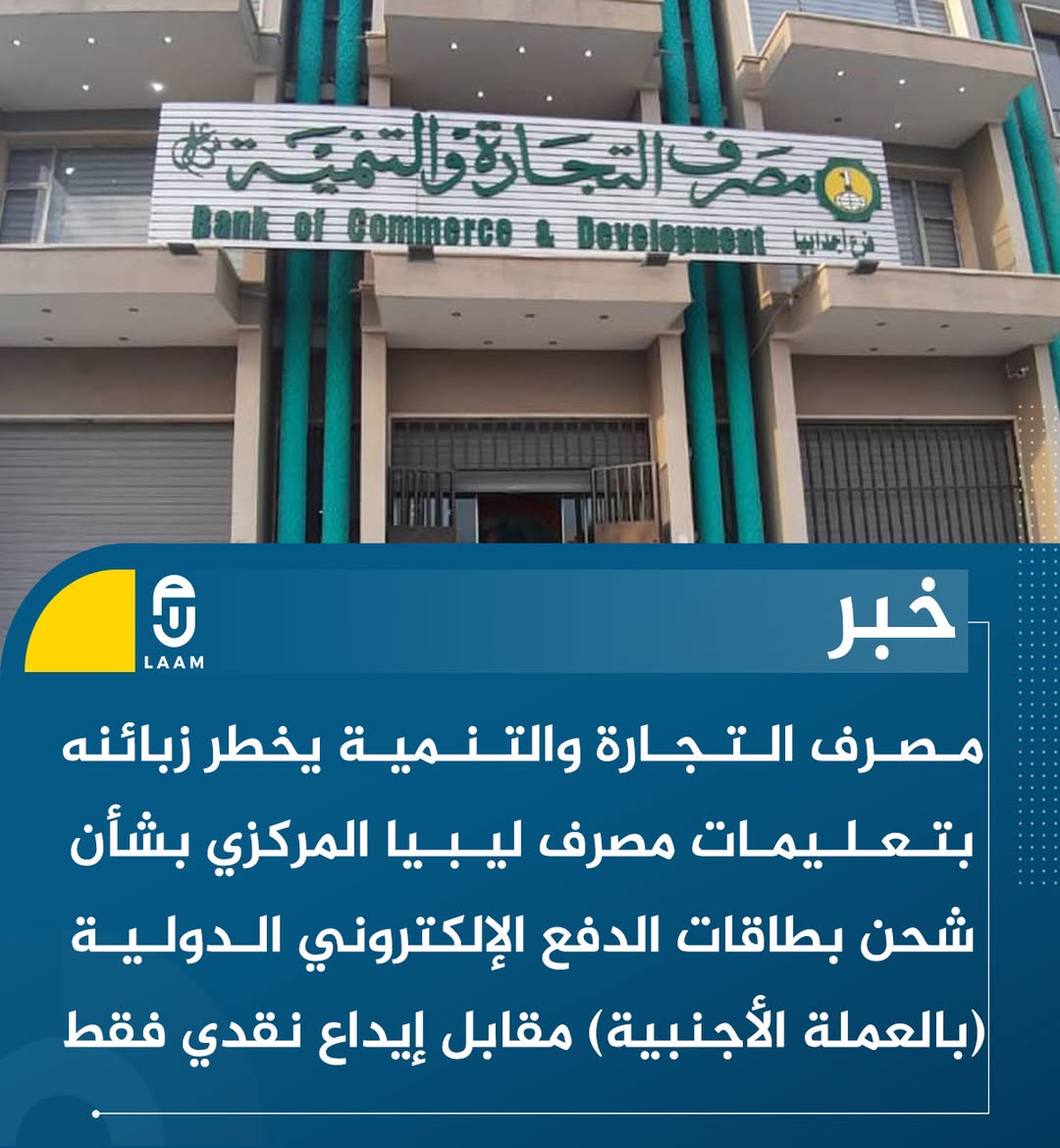
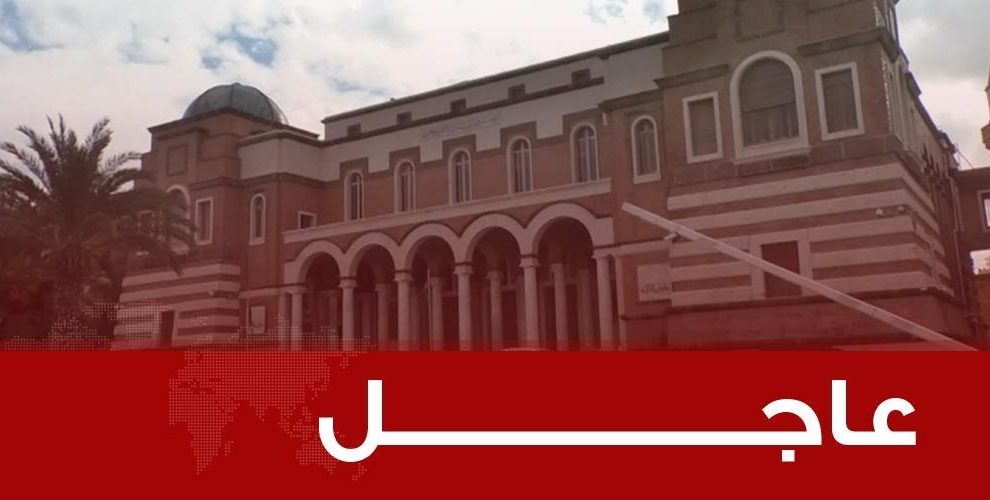
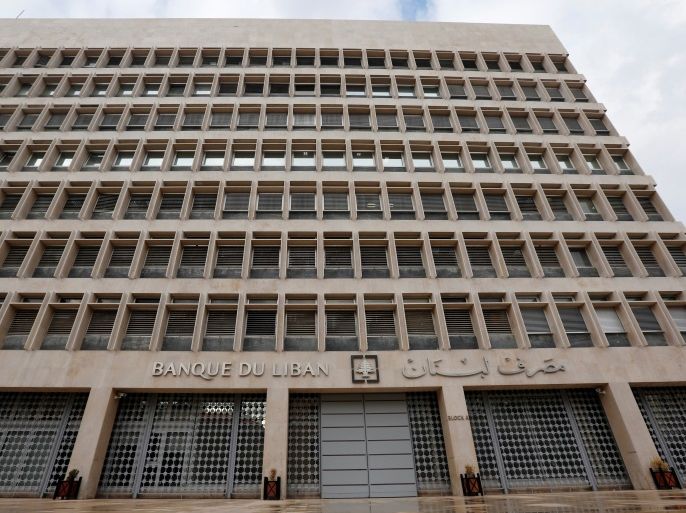
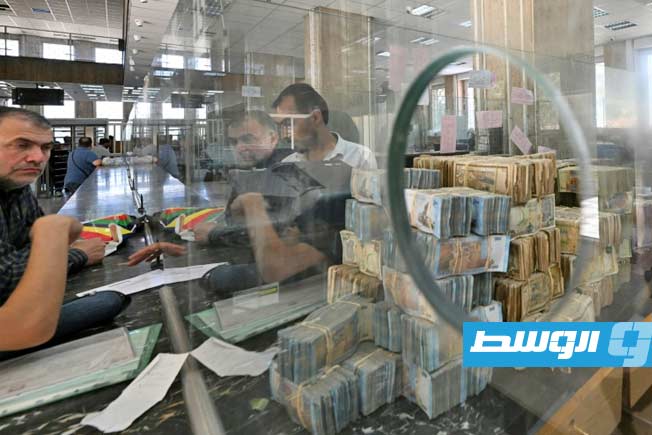
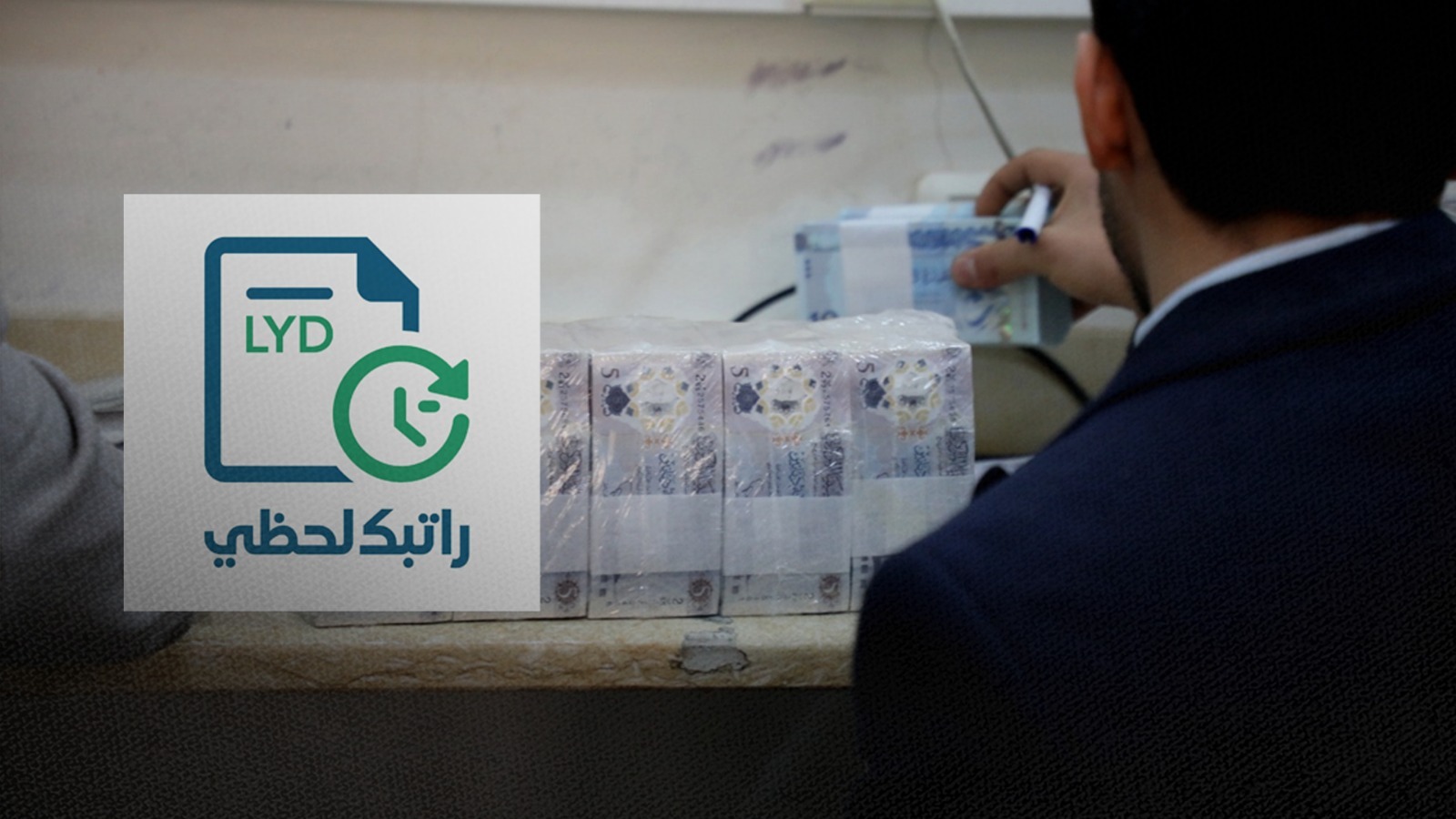
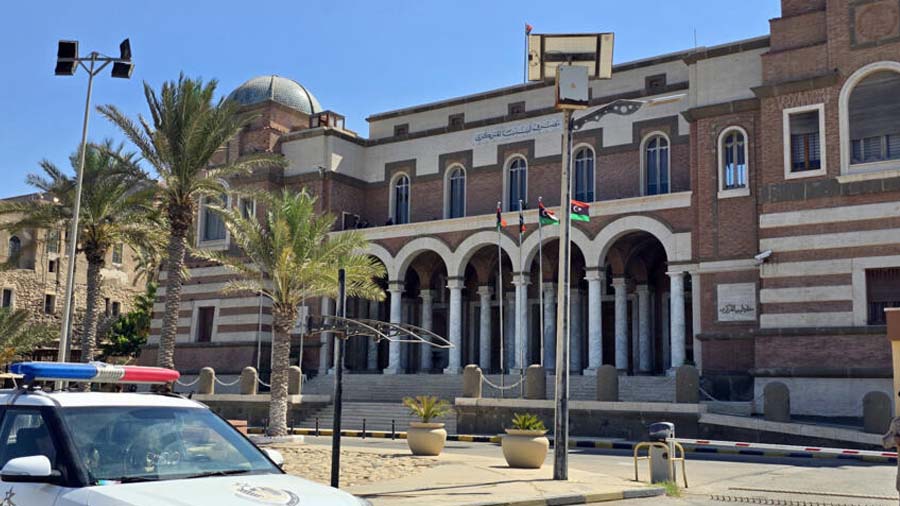
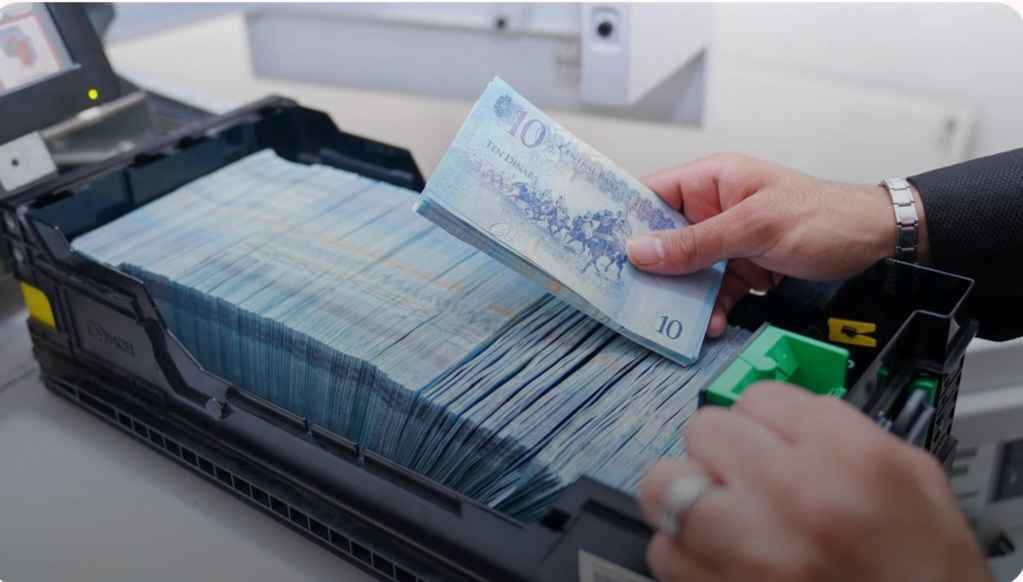
A number of commercial banks have announced that Thursday, January 1, 2026, will be considered an internal working day across all their branches and agencies. This is due to the annual closing of the 2025 fiscal year and in accordance with the instructions of the Central Bank of Libya.
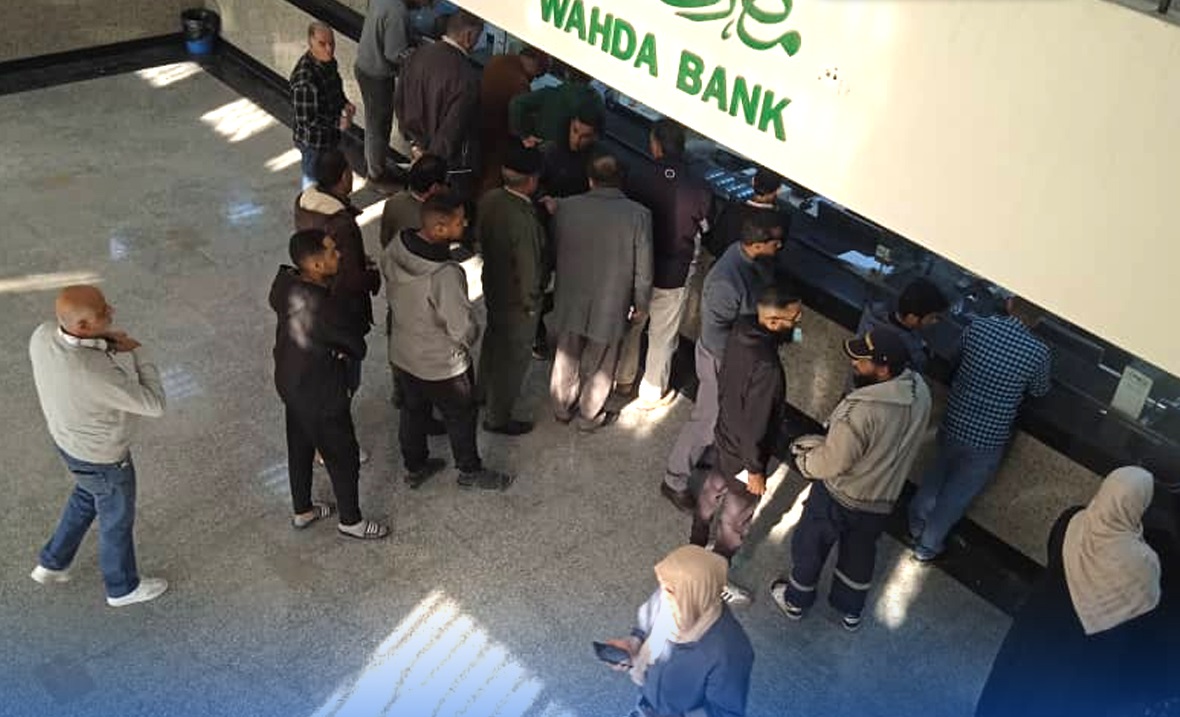
The banks clarified, in separate statements, that this measure comes as part of completing the accounting and administrative procedures related to the fiscal year closing, noting that branches will not receive the public on this day.
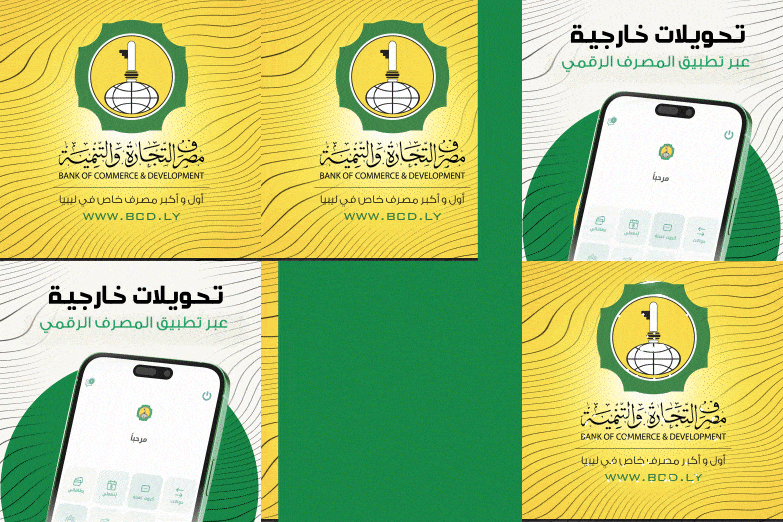
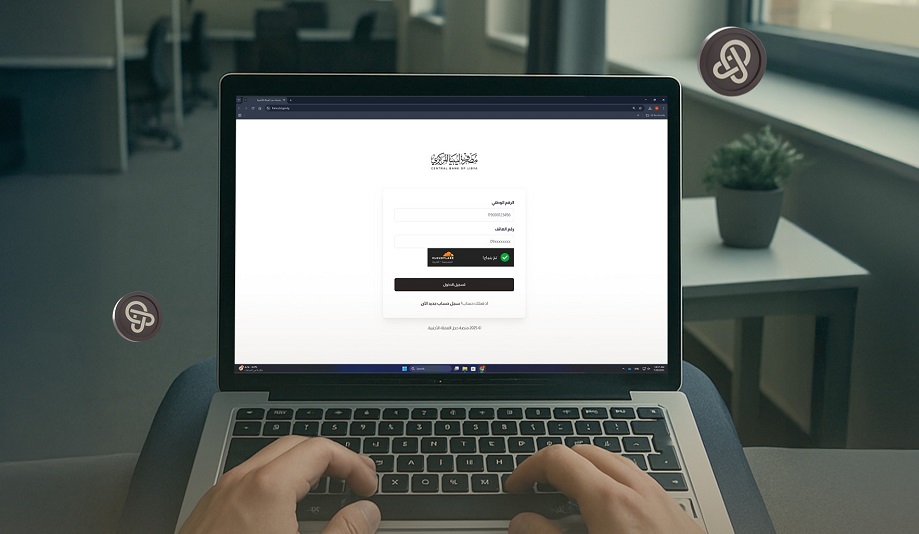
In the same context, the banks reassured their customers that electronic banking services will continue uninterrupted through various digital channels, including banking applications and electronic services, which will remain available 24/7.
The banks confirmed that these procedures are part of their commitment to ensuring the safety of financial operations and enhancing their readiness with the start of the new Gregorian year 2026, renewing their pledge to provide banking services that align with the highest standards of quality and efficiency.
commercial banks
Commercial banks are financial institutions that accept deposits from the public and provide loans for consumption and investment, forming the core of a modern economy’s payment system. Their history traces back to Renaissance-era Italy, with institutions like the Medici Bank, evolving significantly with the formal establishment of entities such as the Bank of England in 1694 to support state financing and commerce.
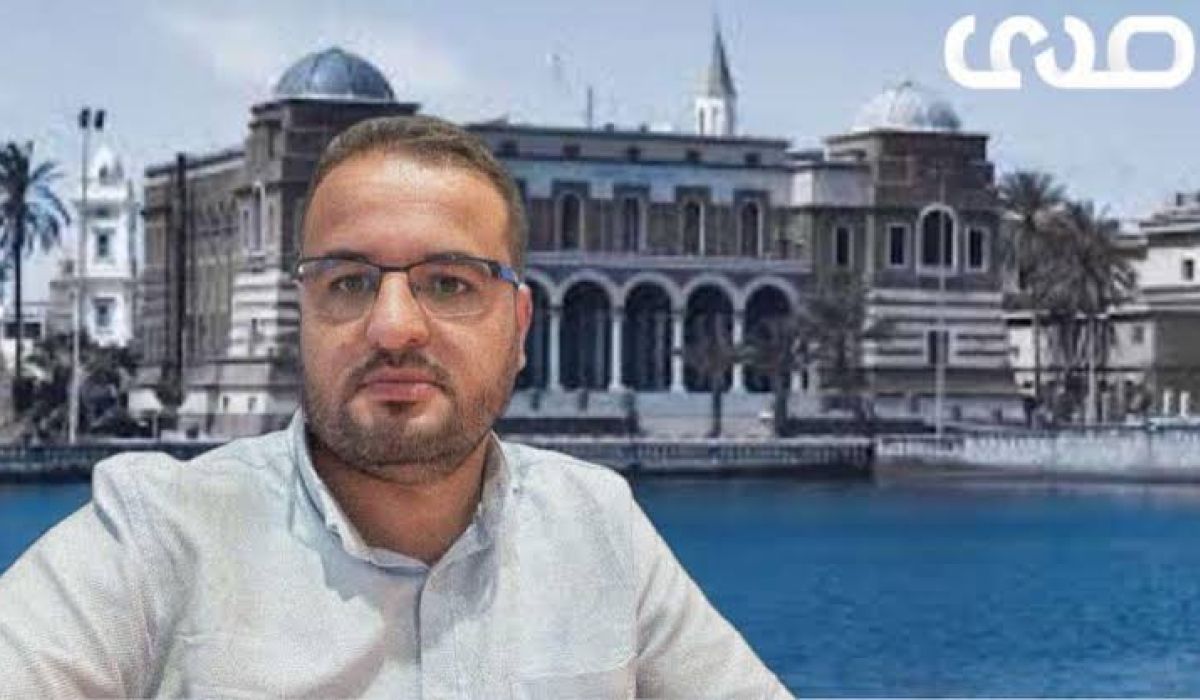
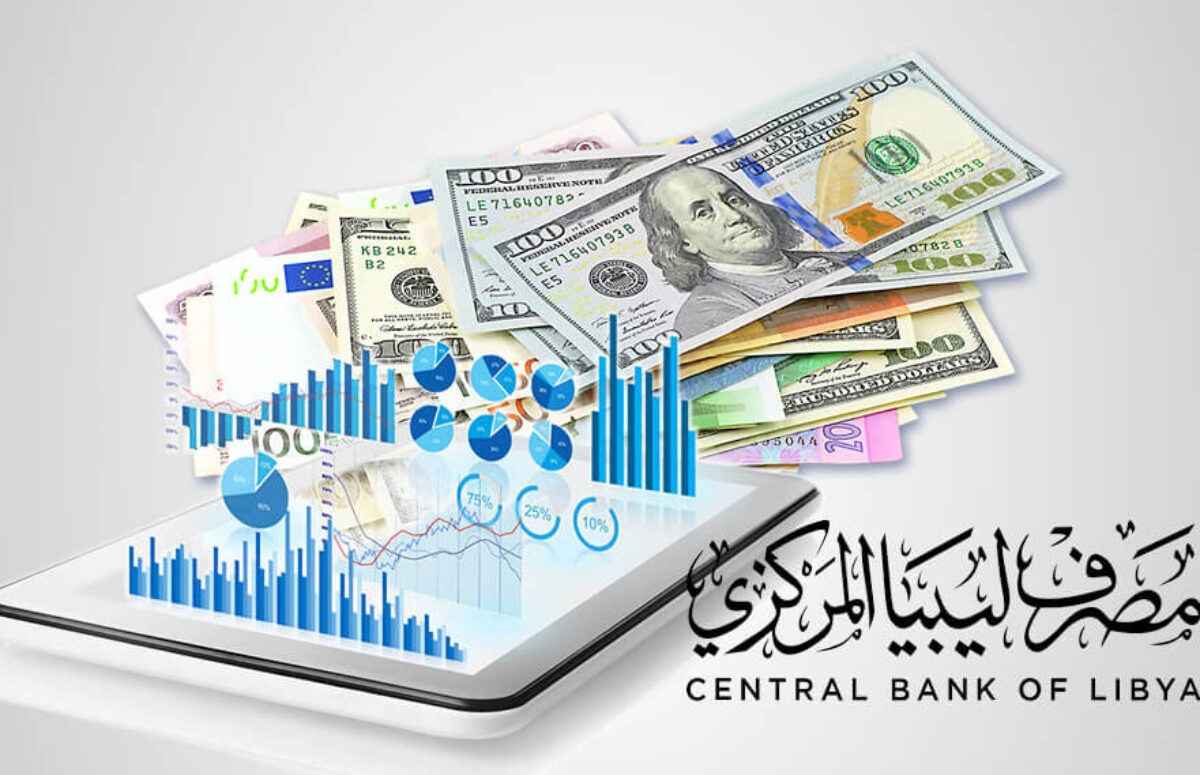
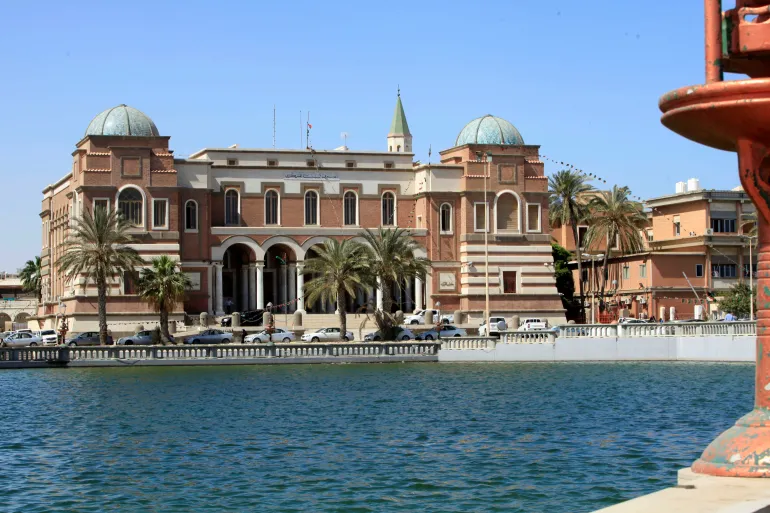
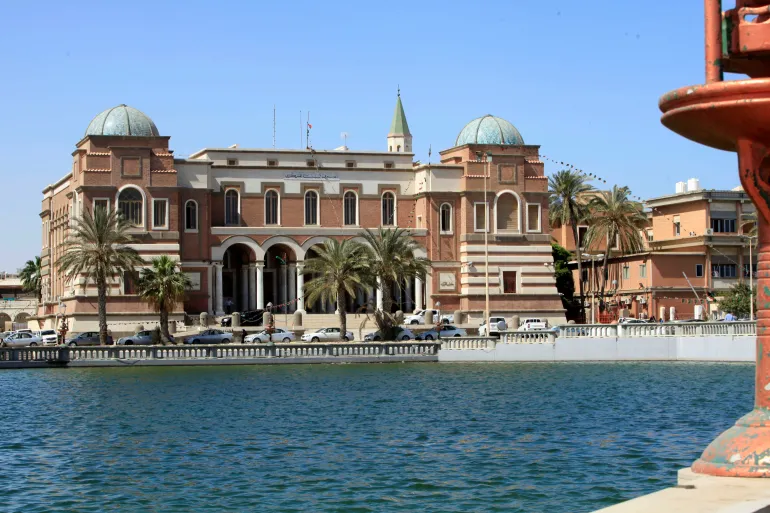
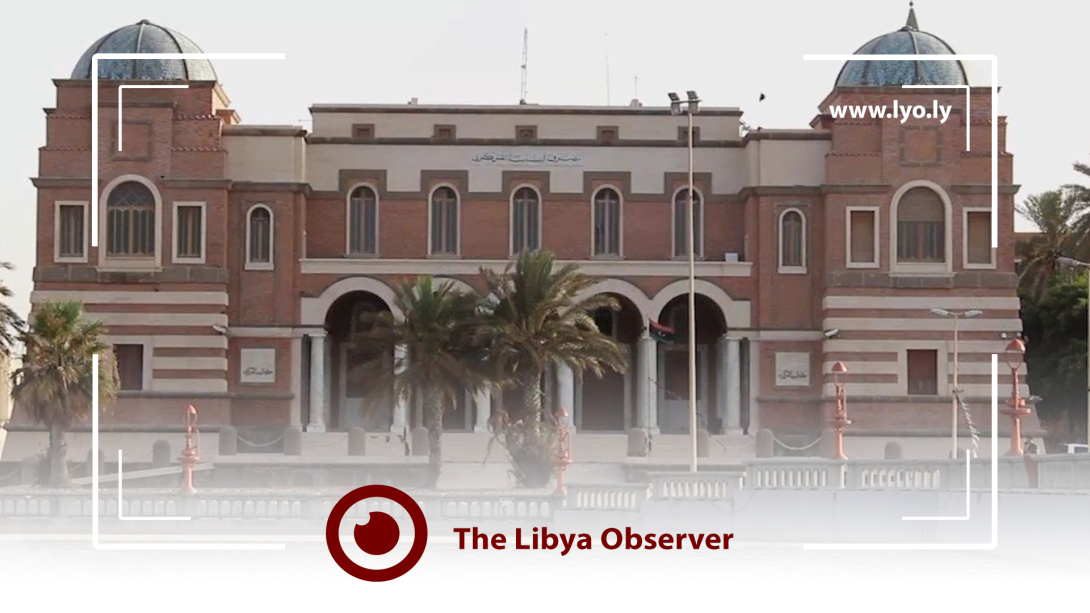
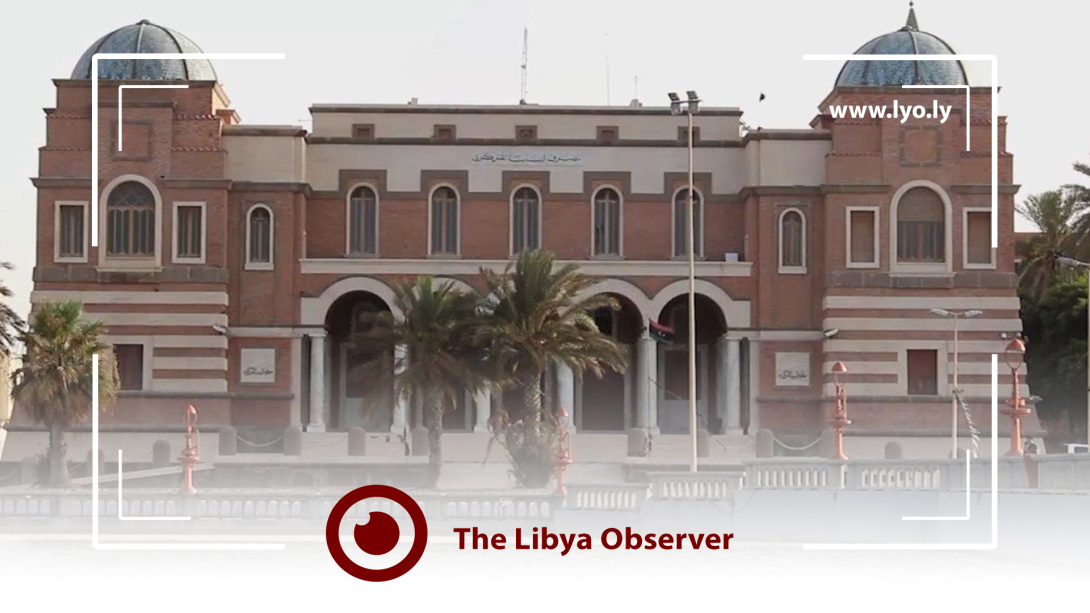
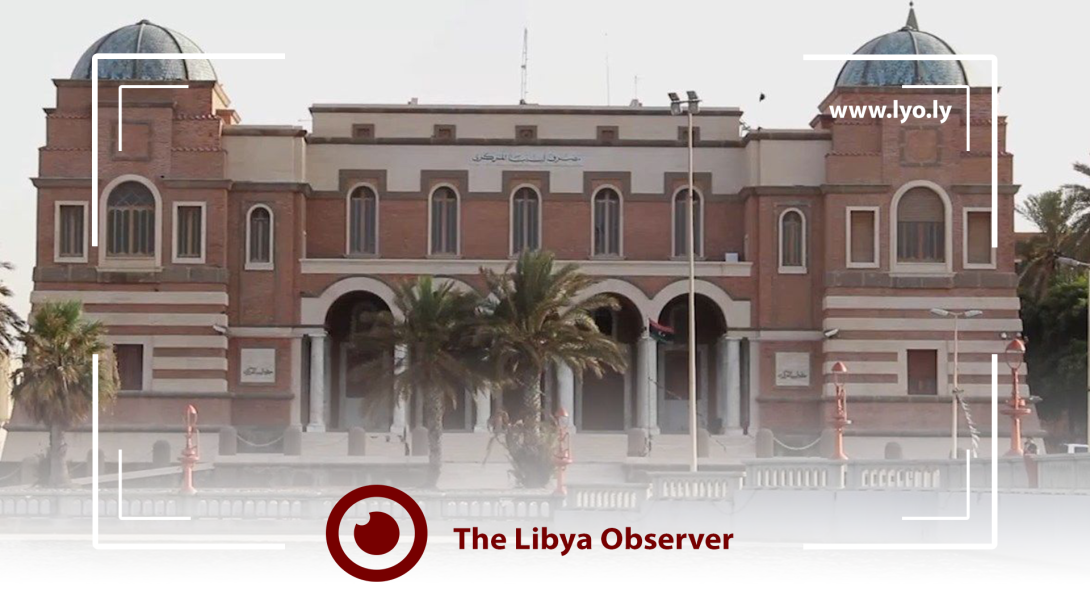
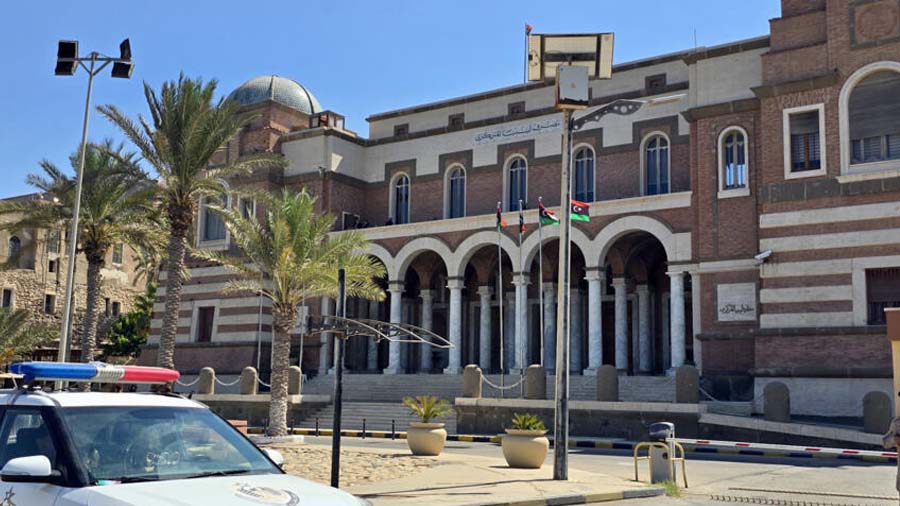
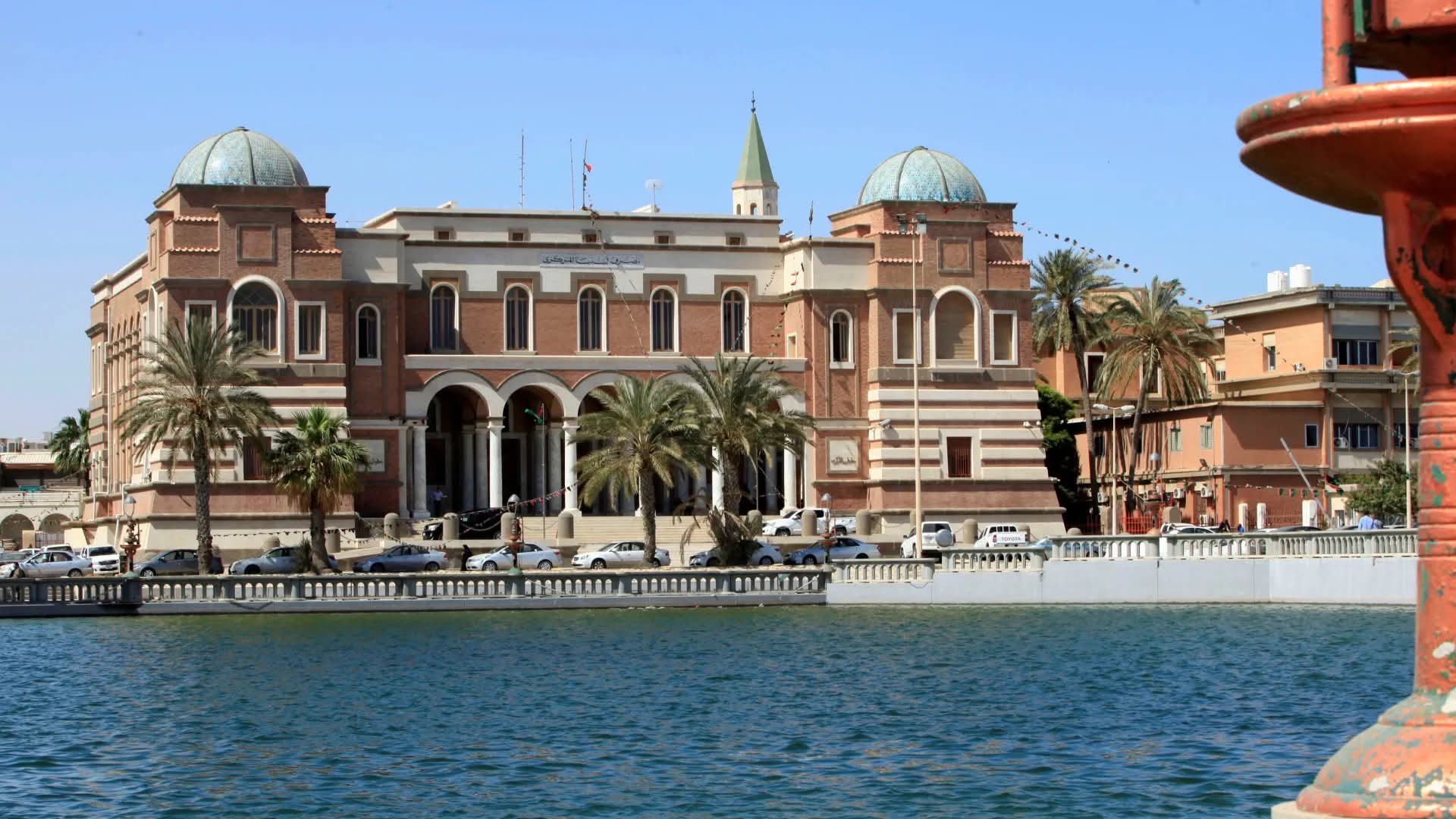
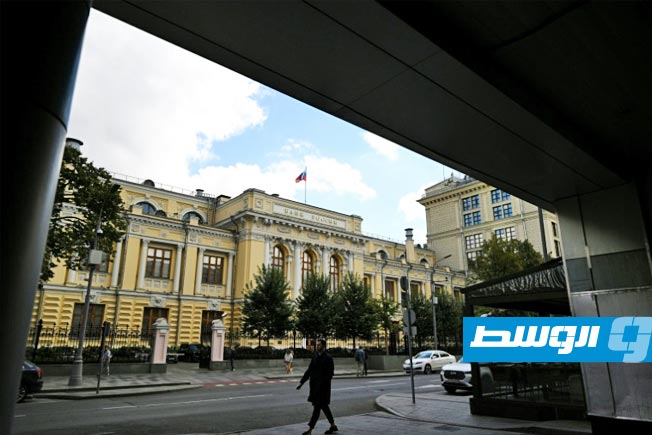
Central Bank of Libya
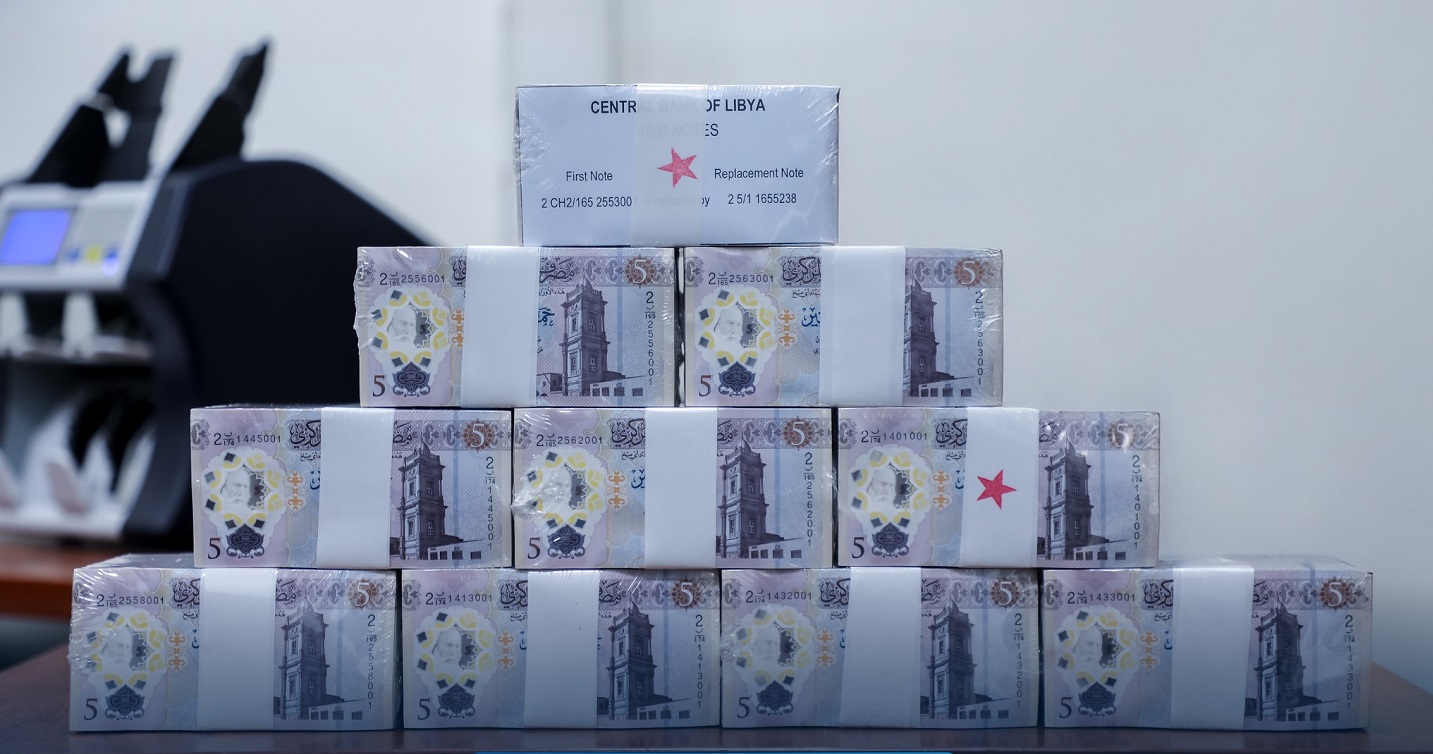
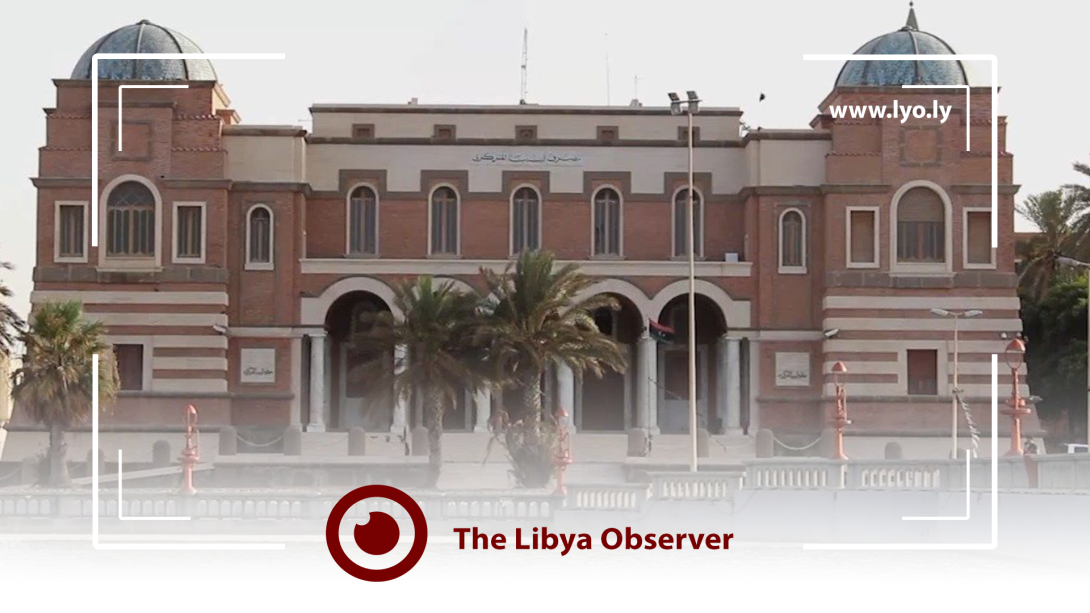
The Central Bank of Libya is the primary monetary authority of Libya, originally established in 1956 as the National Bank of Libya. It was later renamed in 1963 and has played a critical role in managing the country’s currency and financial stability through periods of significant political change, including the 2011 revolution and subsequent conflicts.
Libya
Libya is a North African country with a rich history rooted in ancient civilizations like the Phoenicians and Romans, followed by centuries of Arab and Ottoman influence. In the modern era, it was an Italian colony before gaining independence in 1951, later becoming known for Muammar Gaddafi’s lengthy rule from 1969 until the 2011 revolution. The country is home to UNESCO World Heritage sites, such as the ruins of Leptis Magna, which showcase its classical past.