Tripoli – Libyan businessman H. B. stated that the ongoing debate regarding foreign exchange market regulation policies is a normal matter, but he emphasized that the current monetary reality reflects the accumulation of past decisions that require urgent treatment.
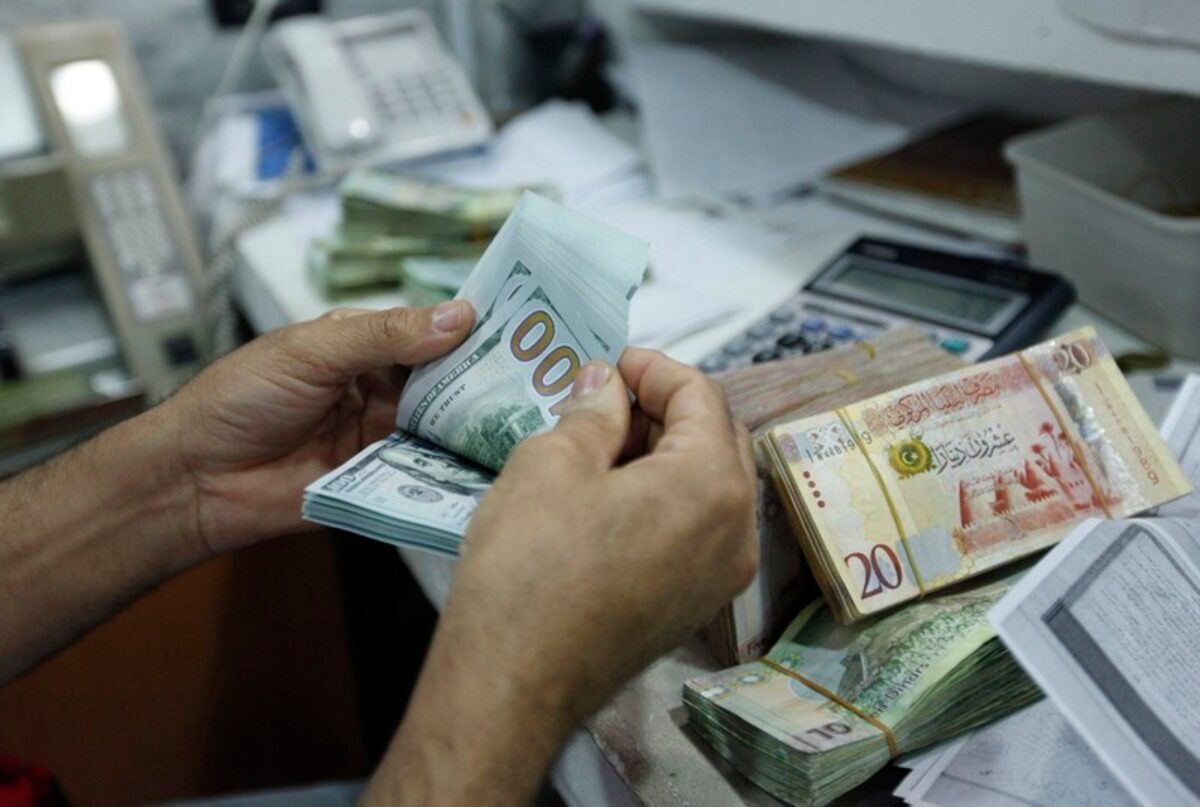
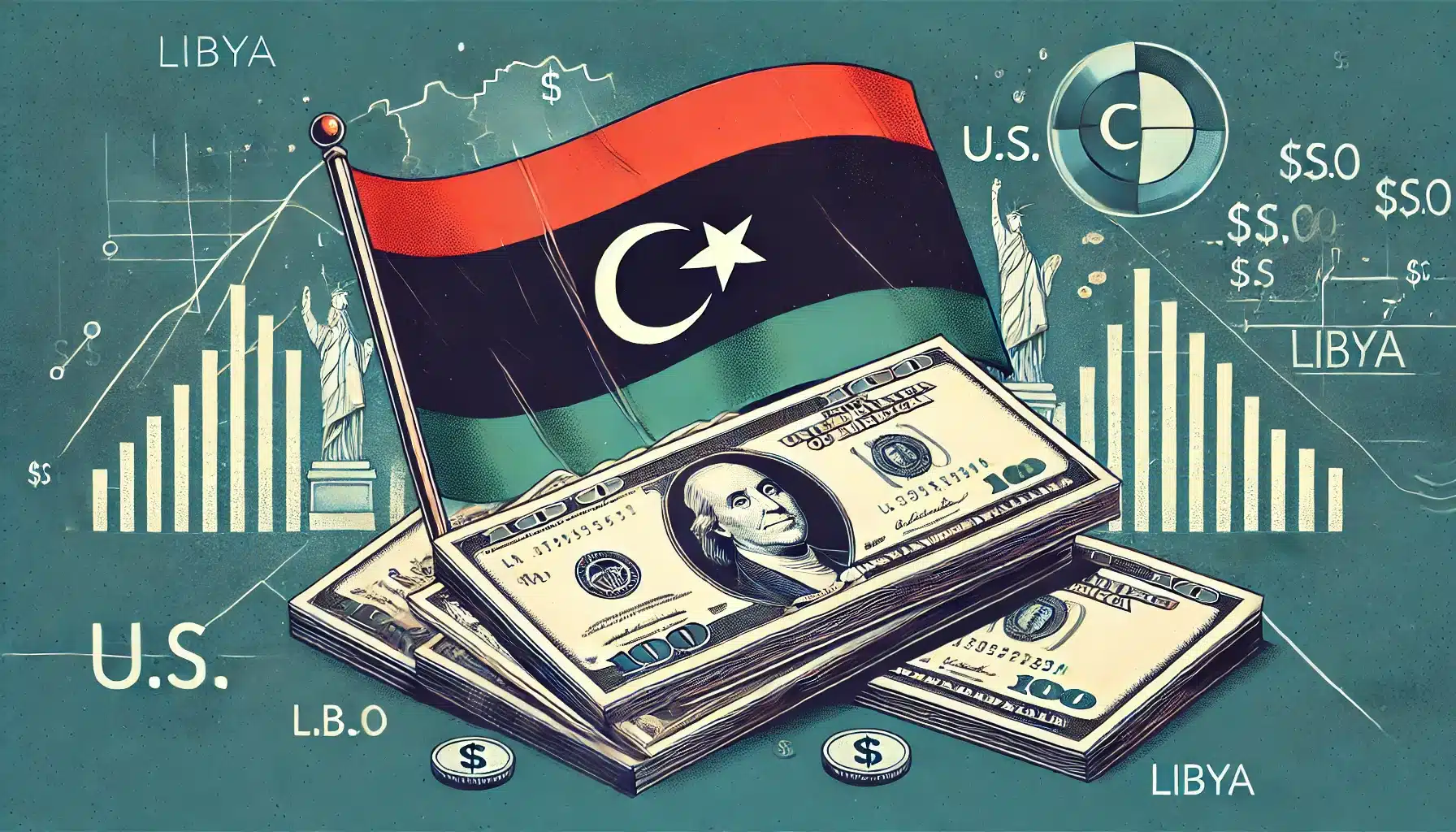
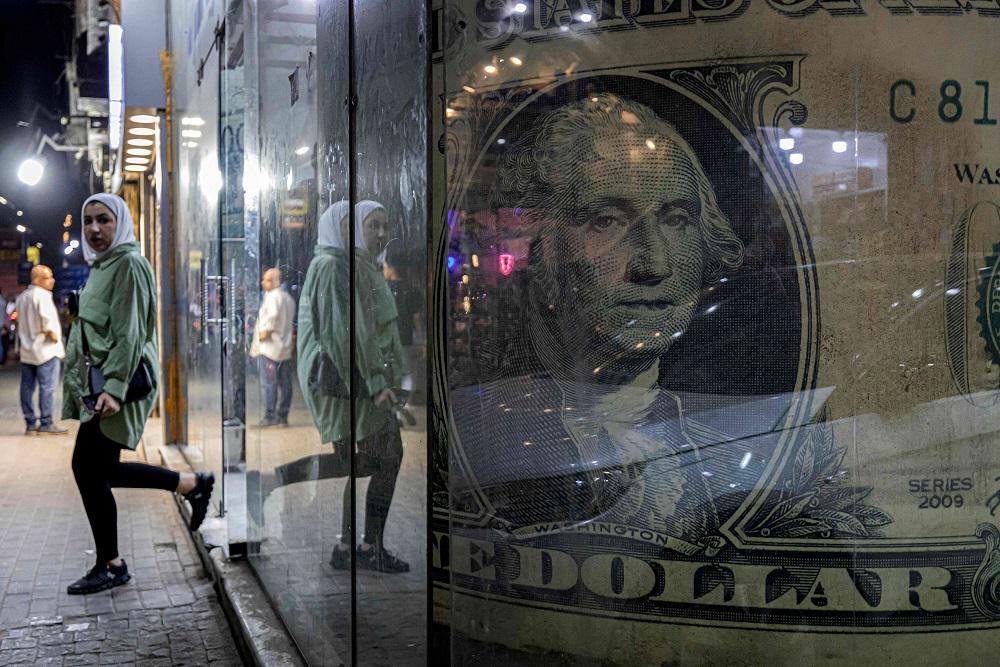
He explained that the fundamental flaw in the exchange market is not a scarcity of foreign currency, but rather the widening gap between the official rate and the parallel market rate, which ranges between 55% and 60%, considering that this fuels speculation and multiplies inflationary burdens on citizens.
He pointed out that selling dollars for personal purposes at the current ceiling and at a price lower than the equilibrium rate is one of the most prominent sources of quasi-guaranteed speculation, contributing about 22% of the price gap.
He affirmed that regulating the work of exchange companies and offices is a step in the right direction, provided it is done within a transparent framework based on a flexible exchange rate determined through periodic auctions, instead of administrative decisions. He also stressed that addressing what is known as “letter of credit corruption” is inseparable from reducing the price gap and closing the outlets for speculation.
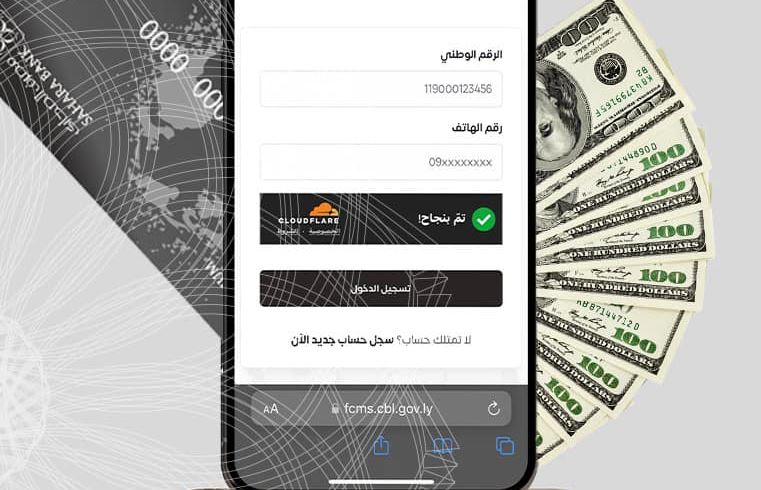
He added that some merchants’ rejection of the “ACI” tracking system and restricting imports to bank transfers reflects a desire to continue the chaos of multiple exchange rates and achieve unfair profits. He believed that the practical solution lies in adopting public and regular auctions for selling foreign currency in sufficient quantities, which would achieve a unified equilibrium exchange rate, curb inflation, and restore stability and confidence to the monetary system.