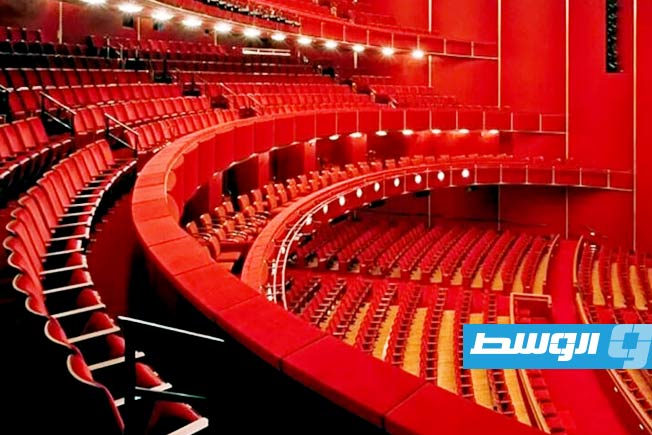
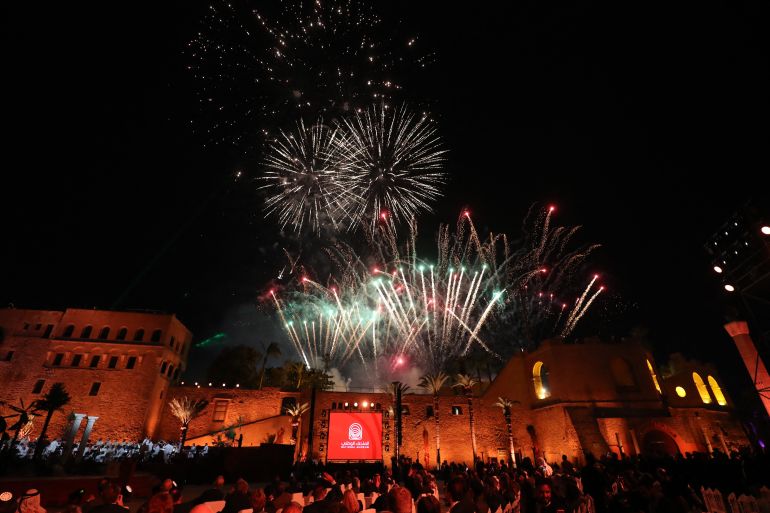
Russian Valentina Ivakina chooses her words carefully when explaining why she constantly attends the historic Bolshoi Theatre in Moscow, describing it as a desire to “escape from current problems” in her country, which has been embroiled in a bloody conflict with Ukraine for four years.
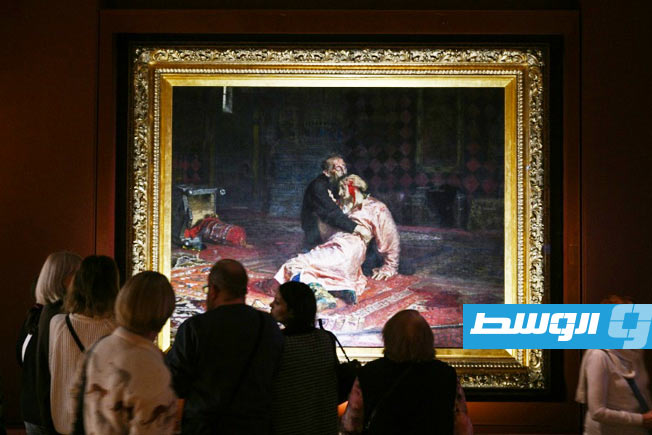
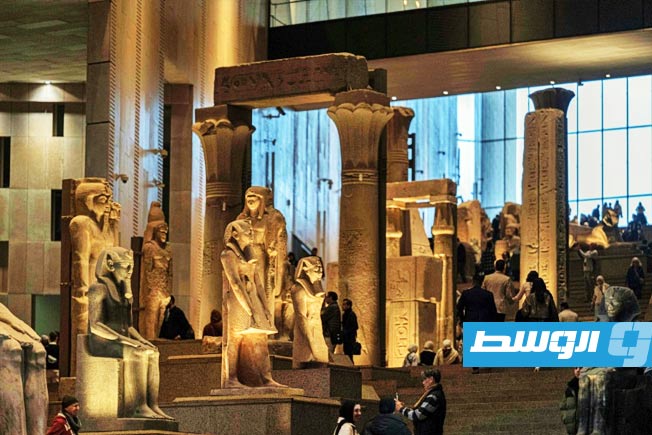
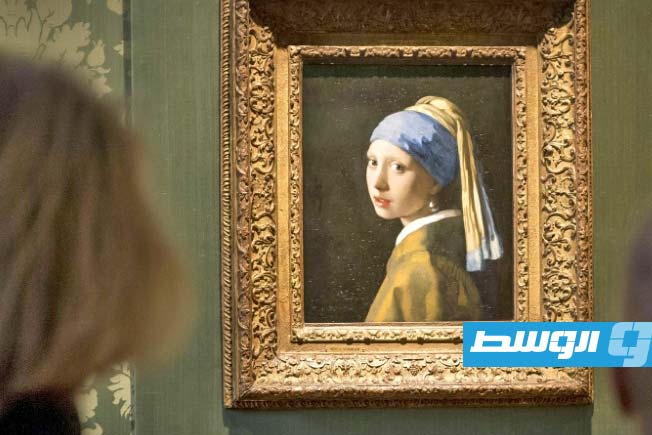
Valentina’s case reflects a widespread phenomenon in Russia; cultural venues in the capital are seeing unprecedented attendance. Concert halls are packed with crowds, the Tretyakov Gallery is bustling with visitors even mid-week, while tickets for the “Chagall” painter exhibition at the Pushkin Museum sell out online as soon as they go on sale.
According to the deputy mayor of Moscow, the number of visitors to museums in the Russian capital and St. Petersburg jumped by 30% in 2025 alone.
For Valentina (45), a marketing specialist, turning to art is the only alternative after opportunities to travel abroad have diminished; since the start of the large-scale offensive in February 2022, ties with the West have been severed, obtaining visas has become complicated, and many foreign messaging apps have been blocked.
In their public conversations, Russians limit themselves to using hints like “the circumstances” or “the problems” to refer to the four years of war that have left hundreds of thousands dead.
“A Feast in the Time of Plague”
Outside the Pushkin Museum, photographer Viktor Chelin (30) describes frequenting museums as a “silent conspiracy” where visitors feel united with others in admiring beauty, escaping a reality “we all fear and try to ignore to preserve some sense of normal life.”
Viktor invokes the description “A Feast in the Time of Plague,” the title of a play by Pushkin written during the cholera epidemic of 1831, to describe this feeling of enjoying art amidst tragedy.
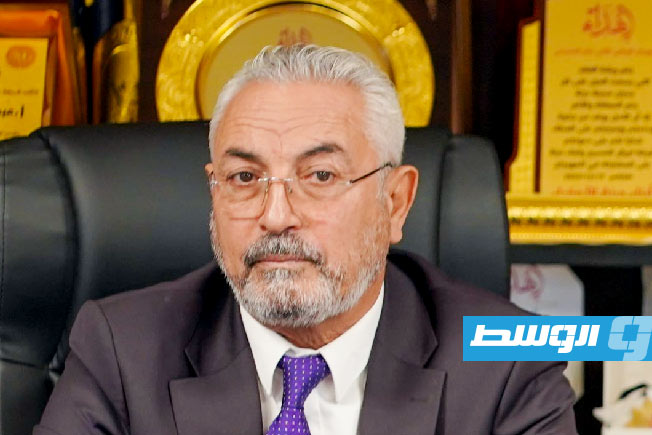
A sociologist, director of the independent Levada Center, believes this renewed interest in culture stems from Russians’ desire to “preserve their mental health and relationships with others” by avoiding the flow of bad news and steering clear of sharp political debates.
While opposition artists remain silent or leave the country, major cultural institutions limit themselves to offering classic performances that give visitors like Irina (79) “enthusiasm for life” and nourish their souls in a world where they are well aware of where “good and evil” lie.
Bolshoi Theatre
The Bolshoi Theatre is a historic opera and ballet house in Moscow, Russia, founded in 1776 by Empress Catherine the Great. It is renowned worldwide for its classical architecture and as the premier stage for Russian ballet and opera, having premiered iconic works like Tchaikovsky’s *Swan Lake*. The building, rebuilt after a fire in 1856, remains a symbol of Russian cultural prestige.
Moscow
Moscow is the capital and largest city of Russia, founded in 1147. It is a historic political and cultural center, famously home to the Kremlin fortress and Red Square, which are UNESCO World Heritage Sites. The city has played a central role in Russian history from the Tsardom through the Soviet era to the modern Russian Federation.
Ukraine
Ukraine is a country in Eastern Europe with a rich history dating back to the medieval state of Kyivan Rus. It has experienced periods of independence as well as rule by various empires, before re-establishing its sovereignty with the dissolution of the Soviet Union in 1991. The country is known for its diverse cultural heritage, Orthodox Christian cathedrals, and the Black Sea coastline.
Tretyakov Gallery
The Tretyakov Gallery in Moscow is one of the world’s foremost museums dedicated to Russian art, founded in 1856 by merchant Pavel Tretyakov. Its collection originated from Tretyakov’s personal acquisitions and was donated to the city of Moscow in 1892, forming the core of a national museum that now spans from medieval icons to 20th-century masterpieces.
Pushkin Museum
The Pushkin State Museum of Fine Arts in Moscow is one of Russia’s premier art museums, founded in 1912 and named after the poet Alexander Pushkin. Its collection spans from ancient civilizations to the present day, with a particular emphasis on European paintings, and it notably houses many artworks relocated to Russia from Germany after World War II.
St. Petersburg
St. Petersburg is a major Russian port city on the Baltic Sea, founded in 1703 by Tsar Peter the Great as a “window to the West.” It served as the imperial capital of Russia for over two centuries and is renowned for its grand Baroque and Neoclassical architecture, including landmarks like the Winter Palace and the State Hermitage Museum.
West
The American West is a vast region of the United States, historically defined by the 19th-century frontier and the concept of Manifest Destiny. Its history is marked by the displacement of Native American tribes, the Gold Rush, cattle ranching, and the expansion of the railroad, which collectively shaped its iconic cultural identity of rugged individualism and exploration.
Berlin Film Festival
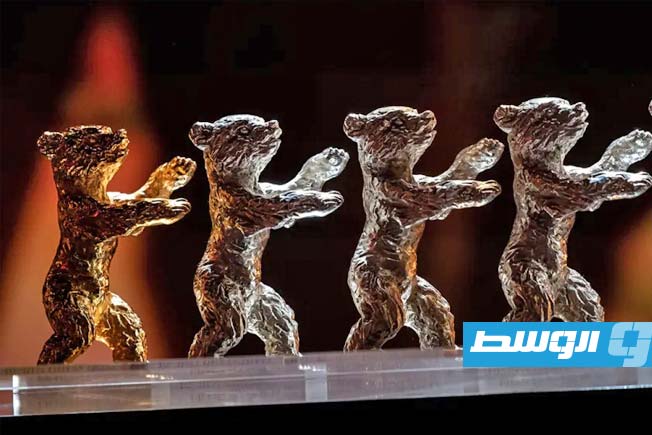
The Berlin International Film Festival, commonly known as the Berlinale, was founded in 1951 in West Berlin as a showcase of the free world during the Cold War. It has grown into one of the world’s largest and most prestigious public film festivals, renowned for its competitive section and the coveted Golden Bear award.
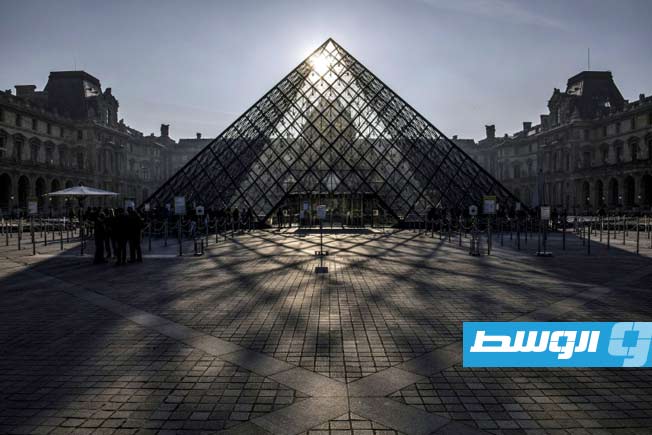
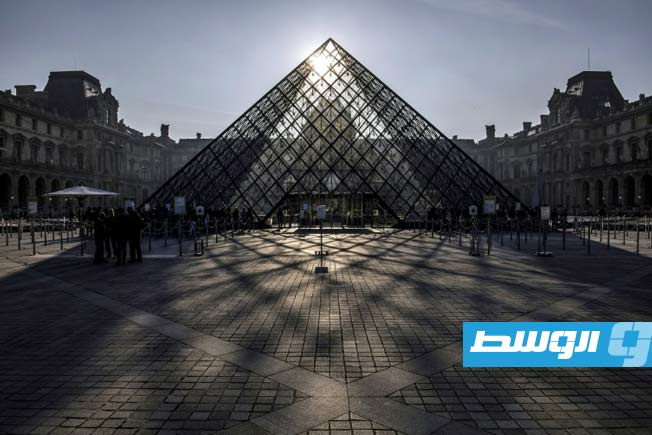
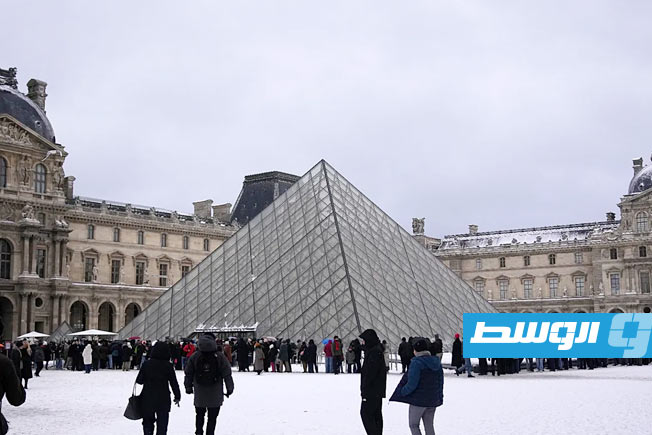
Louvre
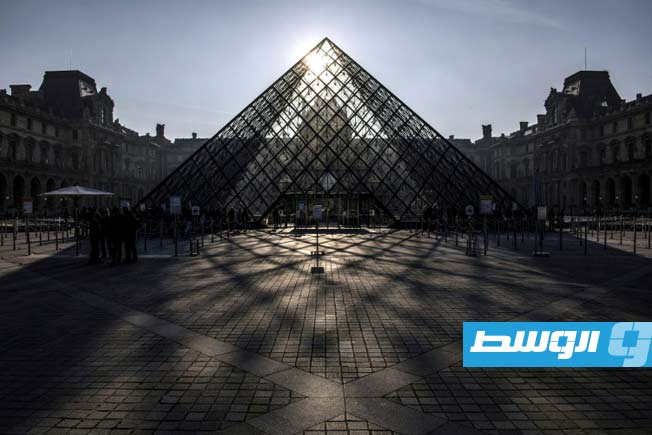
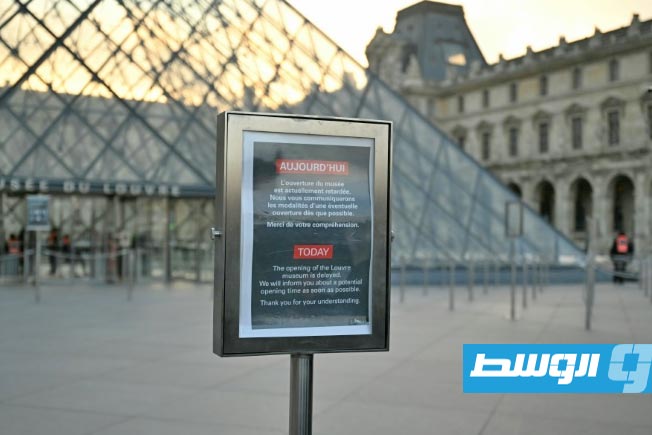
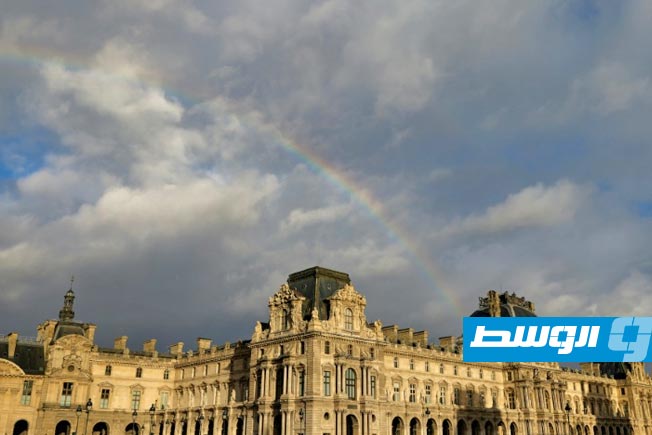
The Louvre in Paris is a historic monument and the world’s largest art museum, originally built as a fortress in the late 12th century before being transformed into a royal palace. It opened as a public museum in 1793 during the French Revolution and now houses iconic works like the *Mona Lisa* and the *Venus de Milo*.
Libyan
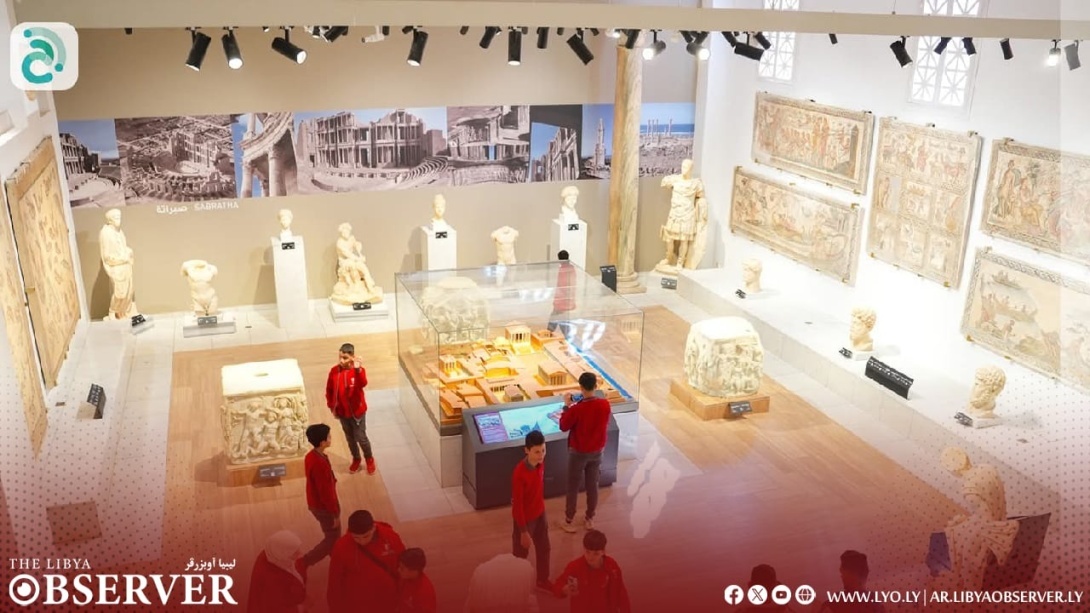
Libya is a North African country with a rich history that includes ancient Phoenician and Greek settlements, most notably at Cyrene. It later became part of the Roman Empire and, in the modern era, was an Italian colony before gaining independence in 1951. The country is home to five UNESCO World Heritage Sites, such as the archaeological site of Leptis Magna, which testify to its significant historical legacy.
Russia
Russia is the world’s largest country by area, spanning Eastern Europe and Northern Asia. Its history is marked by the rule of the Tsars, the Soviet Union era following the 1917 revolution, and its establishment as the Russian Federation in 1991. It is renowned for its vast landscapes, rich literary and artistic traditions, and iconic sites like the Kremlin and Red Square in Moscow.
Levada Center
The Levada Center is a Russian independent, non-governmental sociological research organization founded in 2003 by Yuri Levada. It is known for conducting public opinion polls on social and political issues in Russia, continuing the work of the former All-Union Center for the Study of Public Opinion (VTsIOM). The center has faced increasing pressure from the Russian government, being designated as a “foreign agent” in 2016.