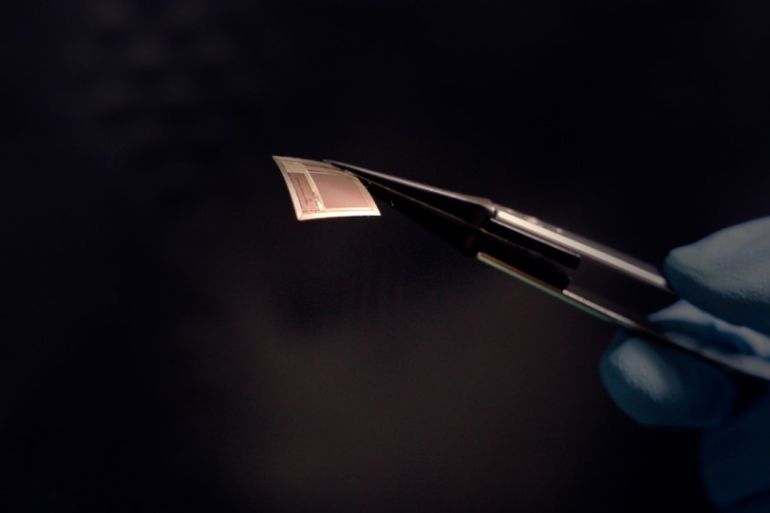
According to a recent publication in the journal Plant Physiology, researchers have created a device to directly and accurately monitor plant respiration while precisely tracking the amount of carbon and water they exchange with the air.
This device is expected to enable scientists to monitor the subtle movements of plant leaf stomata and measure the amount of gases exchanged with the atmosphere simultaneously. This could contribute to developing crops that grow smarter, stronger, and more drought-resistant.
Stomata Vision
A researcher explains: “The leaves of all plants are covered with tiny pores called stomata. Each stoma is a microscopic opening that allows carbon dioxide from the air to enter the leaf, where it is absorbed through photosynthesis and converted into sugars. The plant then uses these sugars for growth and to produce food, animal feed, fuel, and other raw materials that we and other living organisms on Earth depend on.”
The researcher continues: “Special cells surround the stomata, opening the pores in light and closing them in darkness. This allows photosynthesis to occur when conditions are favorable while minimizing water loss from inside the leaf to the atmosphere. However, when plants do not receive enough water—due to hot, dry weather or our neglect in watering them—they begin to dry out and do not grow well.”
Monitoring Plant Respiration
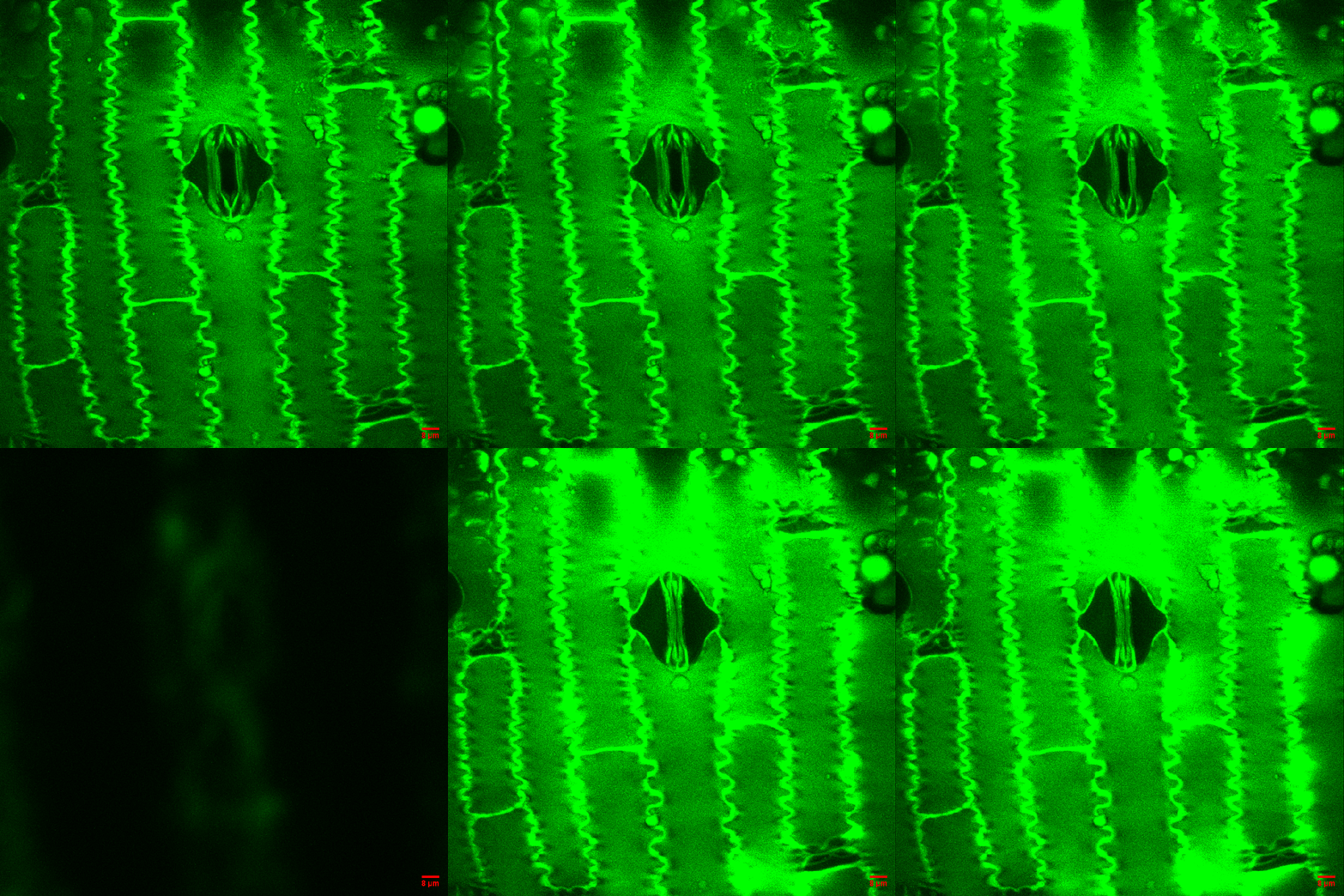
The researcher adds: “To see and monitor plant respiration, we created a new device we call ‘Stomata Vision.’ It performs special modifications to see and measure the degree of stomatal pore opening and calculate it. It also allows for the precise measurement of the extremely subtle changes in light, temperature, and humidity that the leaf is exposed to. At the same time, another part of the device measures the amount of carbon dioxide entering the leaf and the water vapor exiting it.”
The researcher clarifies that stomata are the cells responsible for regulating water use moment by moment and respond significantly to changes in environmental conditions. Previously, researchers could easily count and measure stomata, but it was difficult to observe how they adjust their pores in real-time in response to conditions, which have proven to be highly variable under specific circumstances.
Therefore, this tool allows for the precise study and measurement of stomatal behavior. For example, it can identify which plant improves its water-use efficiency by constricting its pores more than others under identical conditions. This plant can then be bred to pass on this trait to future crops.”
Importance of the New Device
These findings could change crop breeding methods. By identifying the physical and chemical signals that tell stomata when to open or close, and understanding how stomatal density affects this behavior, researchers can identify genetic traits associated with ‘smarter’ plants—crops that use water with maximum efficiency. Water availability represents the largest environmental factor hindering agricultural production. Improving water-use efficiency would help crops withstand increasing temperatures and drought.
The researcher says: “Using our new device to measure stomata and monitor how plants breathe can help develop crops that grow well with less water. This is crucial for agriculture in arid regions and will also help protect crop production in fertile agricultural areas when they face drought.”