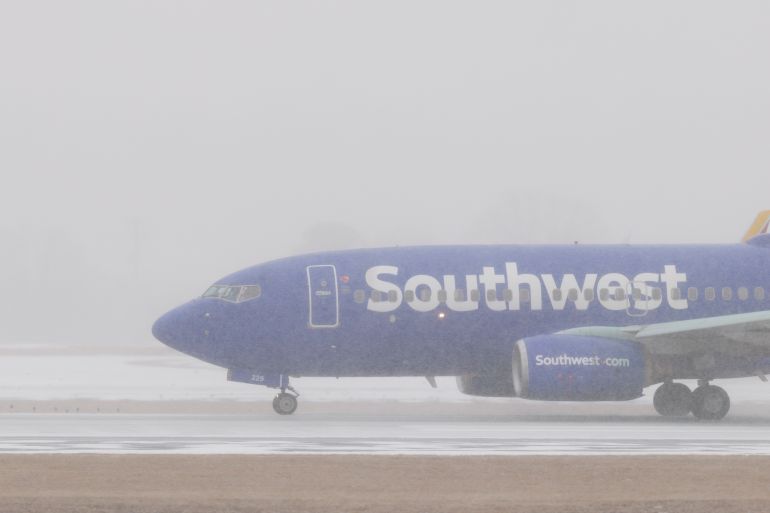
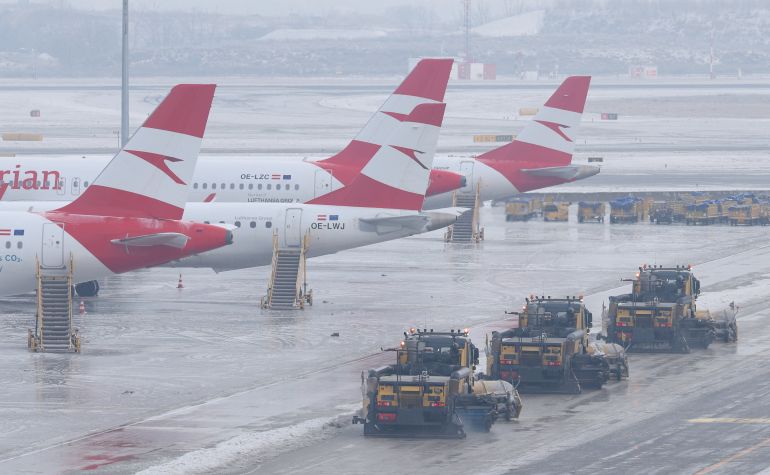
Researchers at an American university have developed a new sensor system that could help pilots, drivers, and automated safety systems in cars and airplanes detect ice and provide warnings before accidents occur.
According to a study published on January 26 in the journal “Scientific Reports,” ice on roads causes about 20% of weather-related car accidents annually, while ice accumulation on airplanes contributes to approximately 10% of fatal aviation accidents, as it affects the aircraft’s control capabilities.
A Dual System for Ice Detection
The lead author of the study states that the problem of aircraft icing is not theoretical; it has already caused tragic disasters. For example, a Brazilian airline plane crashed near São Paulo in August 2024 after its de-icing systems failed. Similarly, an Air France plane crashed into the Atlantic Ocean in 2009 after ice blocked the sensors measuring the aircraft’s speed, resulting in the death of all passengers.
He adds that air travel is increasing every year, and with it comes increased pressure to operate flights in more difficult weather conditions. He says, “Our technology can help aircraft, drones, cars, and trucks to be as safe and efficient as possible.”
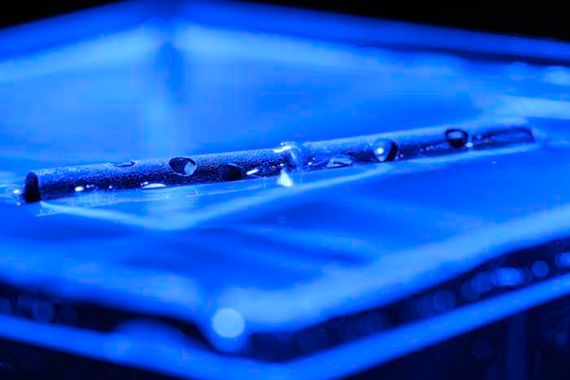
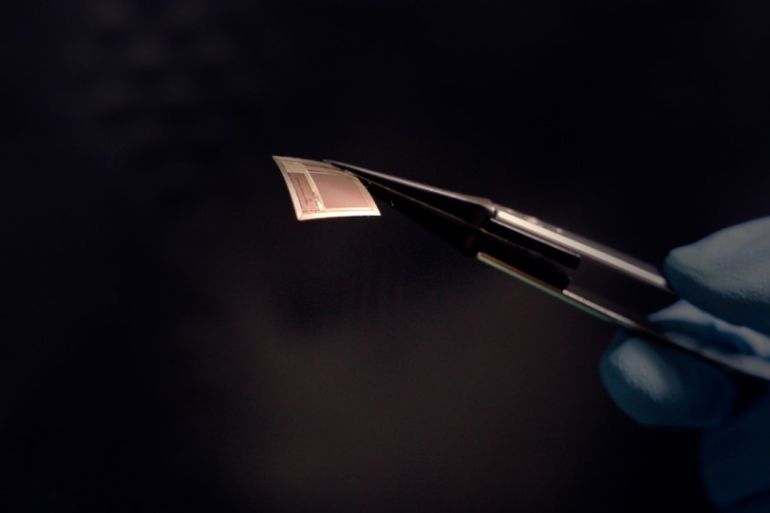
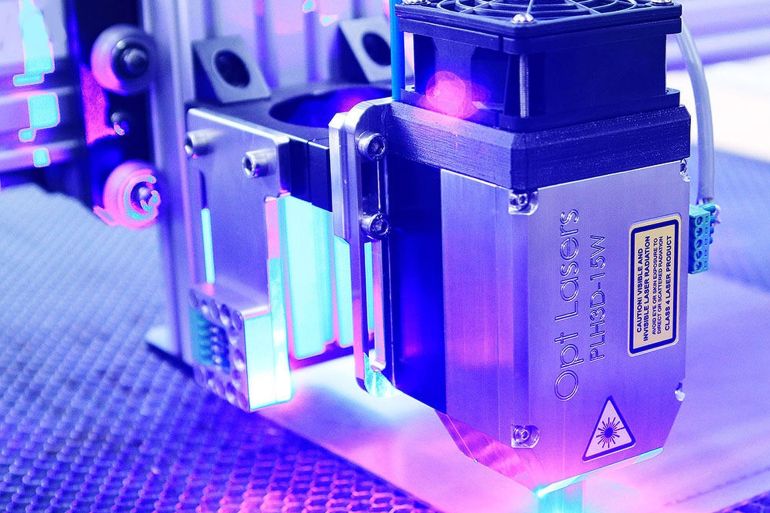
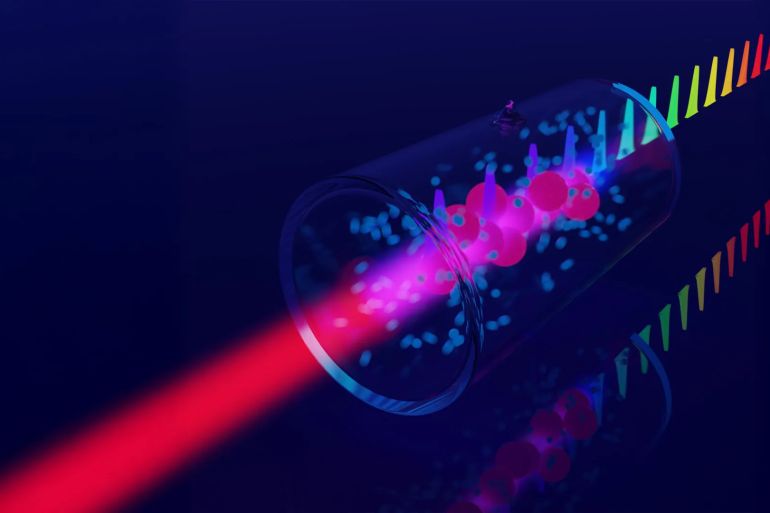
The new innovation relies on two integrated sensors working together. The system has already been tested on a small single-engine aircraft and on a light business jet equipped with scientific instruments to compare measurements. The first sensor – embedded within the aircraft’s surface – uses microwaves to detect the initial formation of ice directly on the aircraft’s body. The second sensor uses a laser for early detection of freezing rain and large water droplets within clouds, giving the pilot an opportunity to escape the danger zone before icing begins.
The researcher says this laser sensor could also be useful for cars and trucks by detecting ice on roads and warning drivers or automatically activating safety systems.
Aircraft icing is a global problem that can occur at any time of the year.
An Idea That Started from Mars
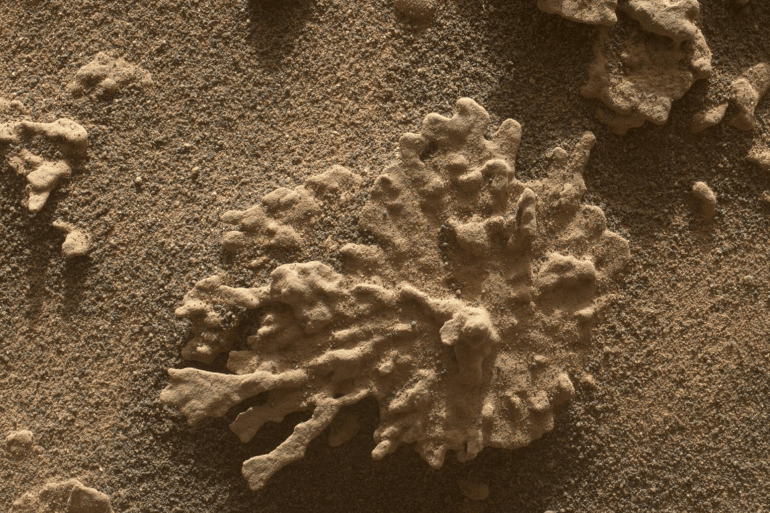
The lead author of the study indicates that the development of the microwave sensor did not start from aviation, but from space. The idea emerged after NASA’s “Phoenix” mission, which found evidence of liquid water on Mars. At that time, the research team was seeking to develop tools to help future missions distinguish between water and ice in soil, but their focus later shifted to aviation when the lead author noticed his plane was covered in ice one winter and realized he could not take off safely.
He adds: “Aircraft icing is a global problem that can occur at any time of the year, depending on altitude, location, and weather conditions. I realized I could do something about it because I am both a pilot and an atmospheric scientist.”
Today’s aircraft rely on protruding sensors that extend from the aircraft’s body to detect ice, but these sensors do not provide an accurate picture of what is happening on the aircraft’s surface itself. The new microwave sensor is embedded within the surface and can detect ice accumulation directly because the signal frequency changes when covered by water or when water turns to ice, according to the researcher.
In contrast, the laser sensor works by emitting three infrared
Nashville
Nashville is the capital of Tennessee, founded in 1779 and historically known as a major center for country music, earning it the nickname “Music City.” Its cultural significance is anchored by institutions like the Grand Ole Opry and a deep history in recording and live performance.
Tennessee
Tennessee is a U.S. state with a rich cultural history, known as a central hub for American music genres like blues, country, and rock ‘n’ roll. Historically, it played a significant role in the Civil War and was the site of pivotal events during the Civil Rights Movement.
Nashville International Airport
Nashville International Airport (BNA) opened in 1937 as Berry Field, named after a local aviation administrator. It has since grown into a major hub, undergoing significant expansions to accommodate the city’s growth as a center for music, tourism, and commerce.
São Paulo
São Paulo is Brazil’s largest city and a major financial hub, founded in 1554 by Jesuit missionaries as a small settlement. Its rapid growth began in the late 19th century, fueled by the coffee industry and subsequent waves of immigration from Europe, the Middle East, and Japan, which shaped its diverse cultural identity. Today, it is a sprawling metropolis known for its vibrant arts scene, significant economic influence, and architectural contrasts.
Atlantic Ocean
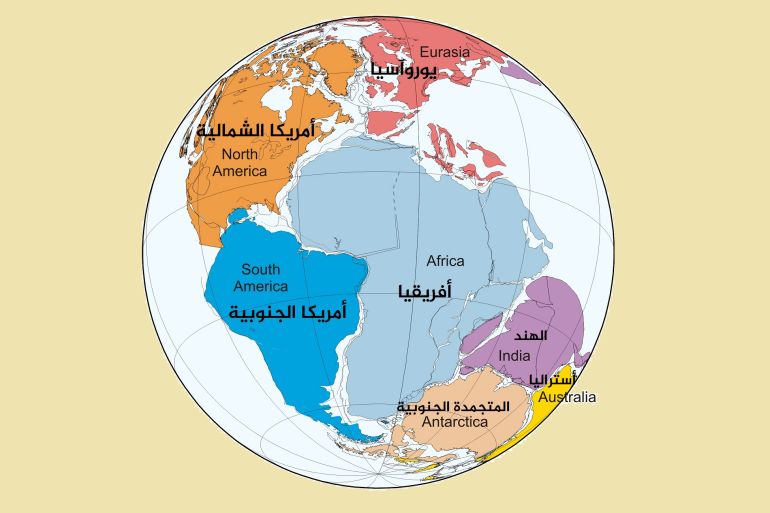
The Atlantic Ocean is Earth’s second-largest ocean, formed approximately 150 million years ago during the breakup of the supercontinent Pangaea. It has served as a critical corridor for exploration, trade, and cultural exchange between the Americas, Europe, and Africa throughout human history.
Vienna International Airport
Vienna International Airport, originally called Schwechat Airport, opened in 1938 and has since grown into Austria’s largest and busiest aviation hub. It serves as a major gateway to Central and Eastern Europe, with its modern terminals and facilities significantly expanded over the decades to accommodate increasing passenger traffic.
Schwechat
Schwechat is a town in eastern Austria, most widely known for being the location of Vienna International Airport. Historically, it developed from a Roman settlement and gained prominence in the 19th century due to its significant oil refinery and brewing industry, notably as the home of the Schwechater beer brand.
Austria
Austria is a Central European country with a rich history as the heart of the Habsburg Empire, which ruled much of Europe for centuries. Its cultural landscape is renowned for classical music, historic cities like Vienna and Salzburg, and Alpine traditions.
Mars
Mars is the fourth planet from the Sun and a prominent target for exploration due to its potential to have once harbored liquid water and possibly microbial life. Historically observed since antiquity, its modern history is defined by robotic missions from the 1960s onward, which have mapped its surface and studied its geology and climate.
NASA
NASA, or the National Aeronautics and Space Administration, is the United States government agency responsible for the nation’s civilian space program and aerospace research. It was established in 1958 in response to the Soviet Union’s launch of Sputnik, marking the beginning of the U.S.-Soviet space race. NASA is renowned for landmark achievements like the Apollo moon landings and the operation of the Space Shuttle and International Space Station.
Phoenix mission
The Phoenix mission was a NASA robotic spacecraft that landed in the northern polar region of Mars in May 2008. Its primary goal was to search for environments suitable for microbial life by studying the history of water and analyzing the planet’s soil and ice. The mission confirmed the presence of water ice just below the Martian surface before ceasing communications in November 2008.