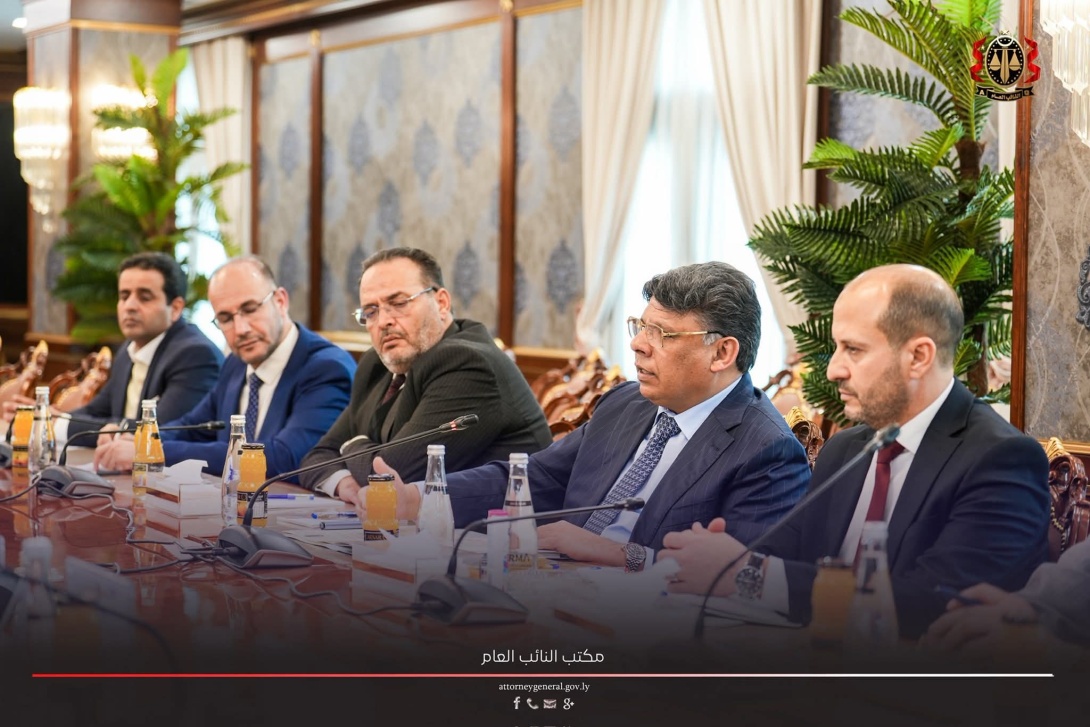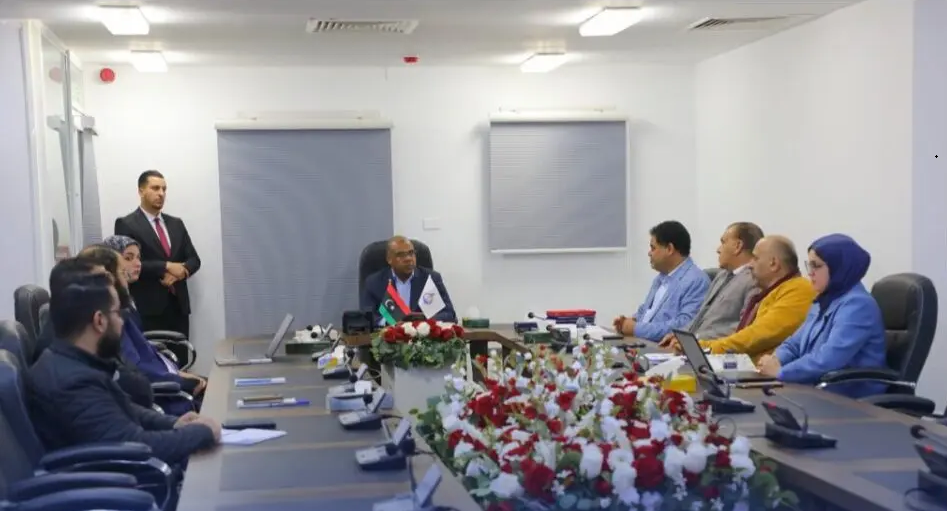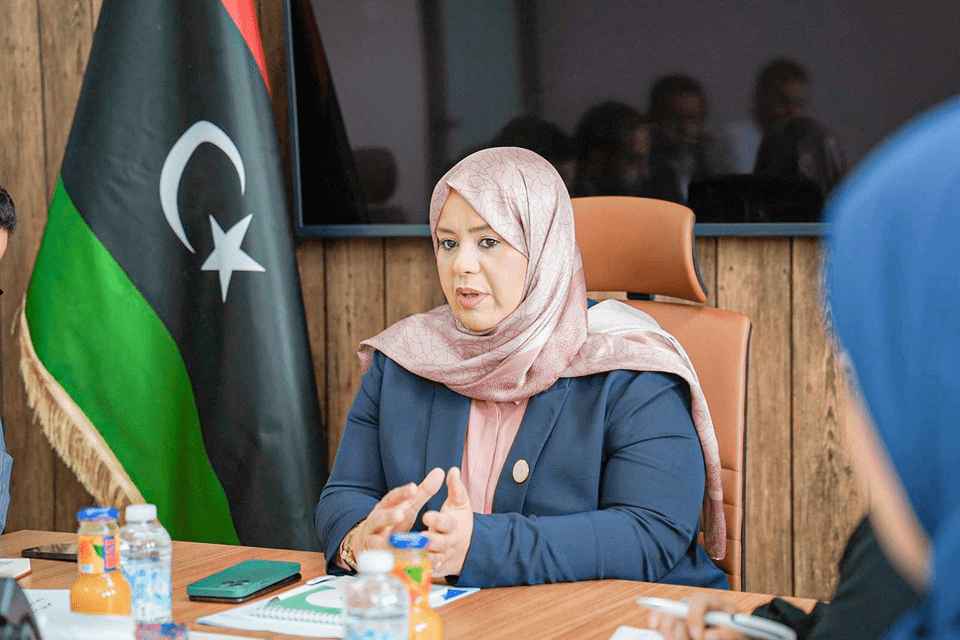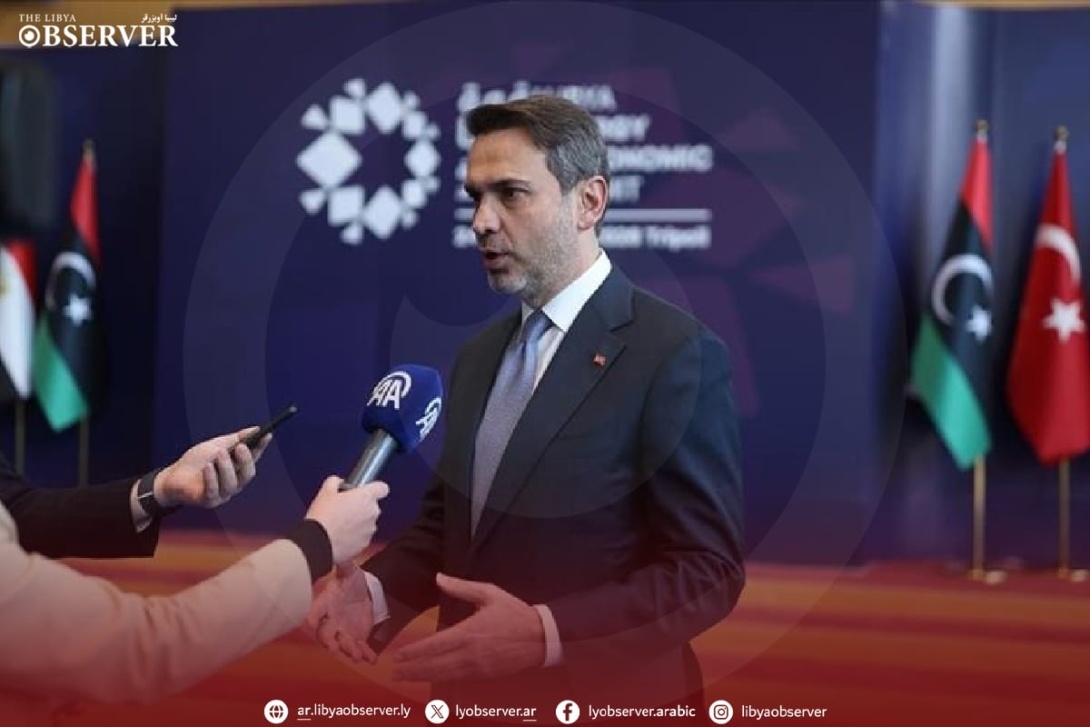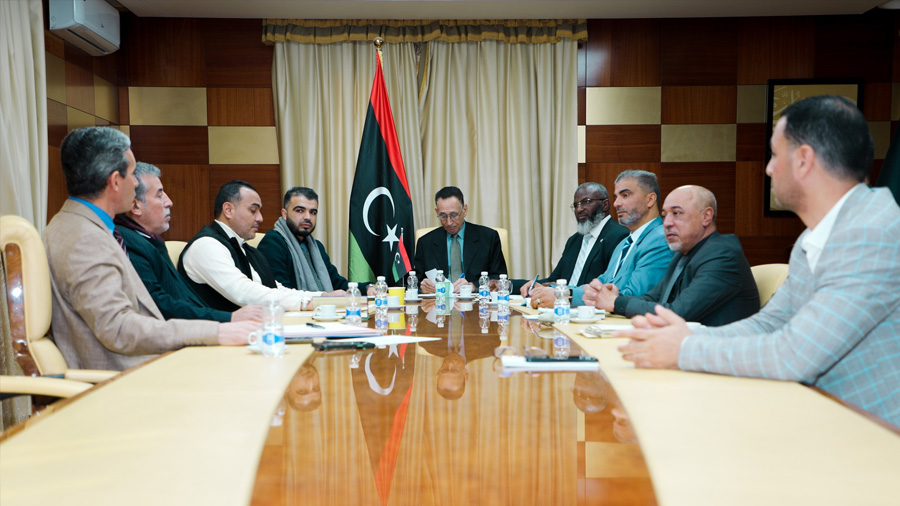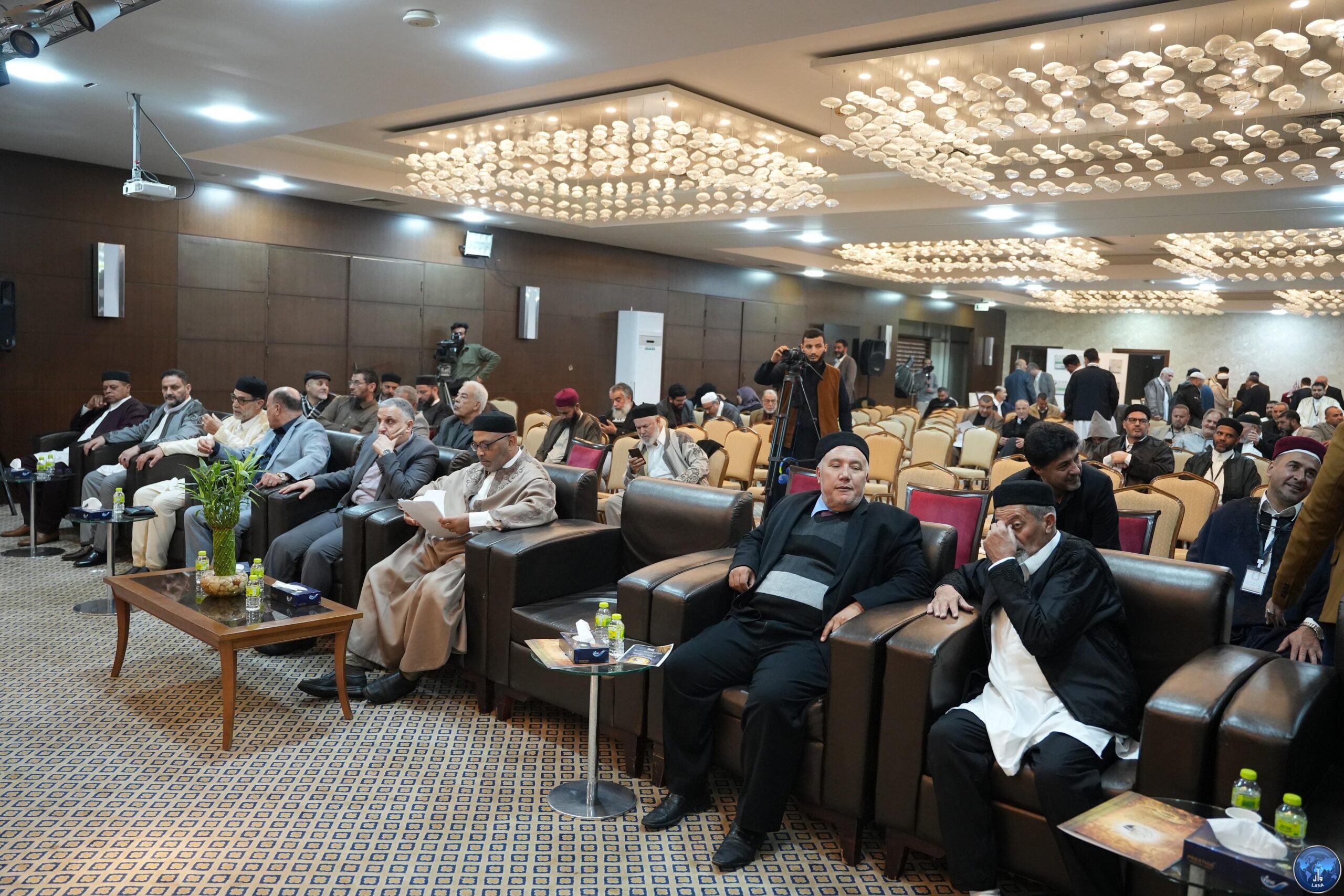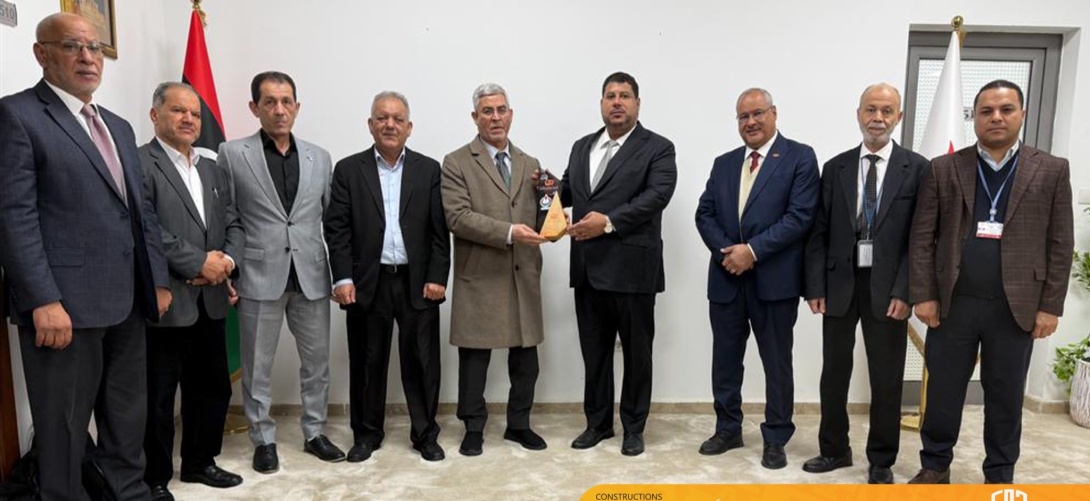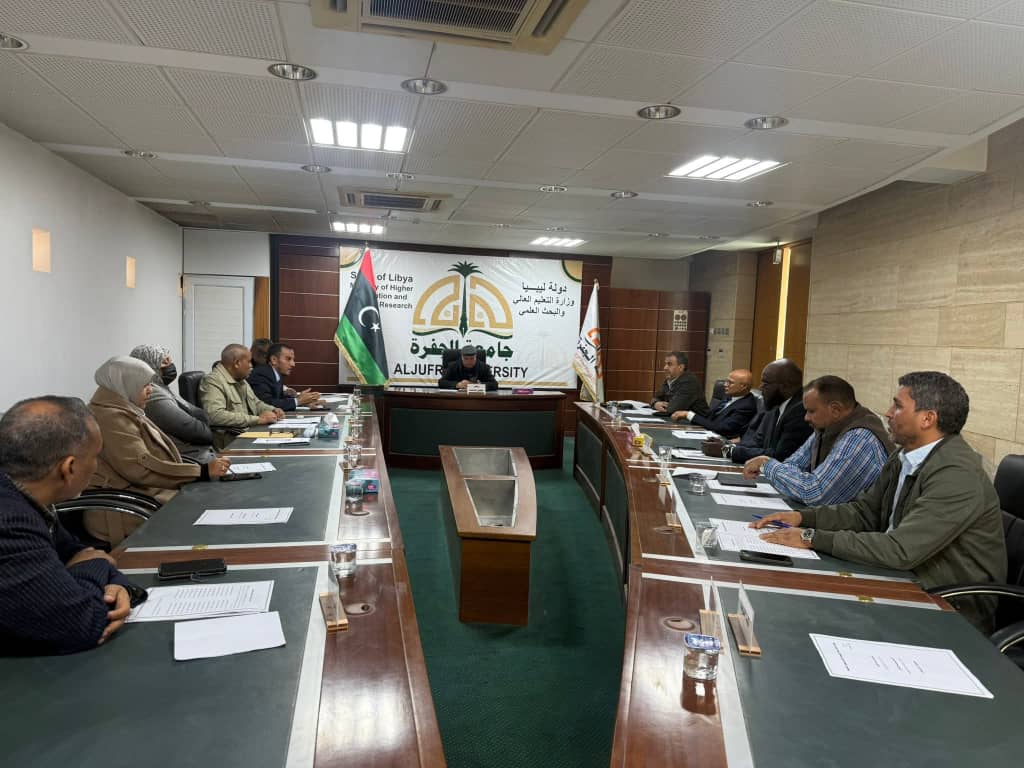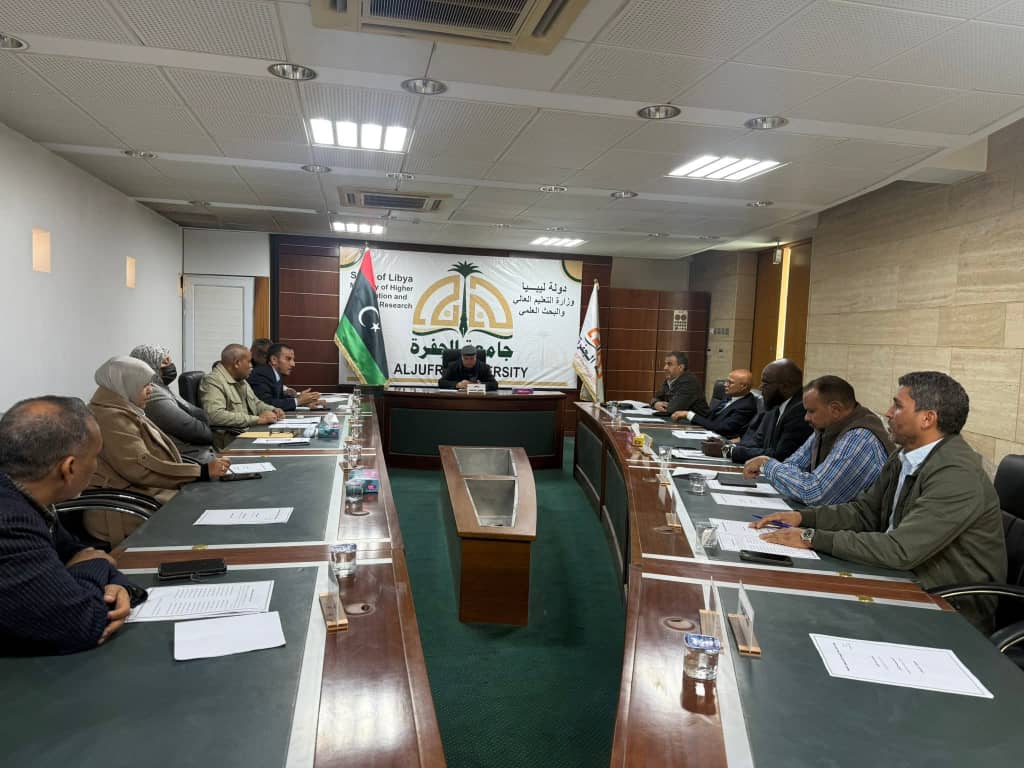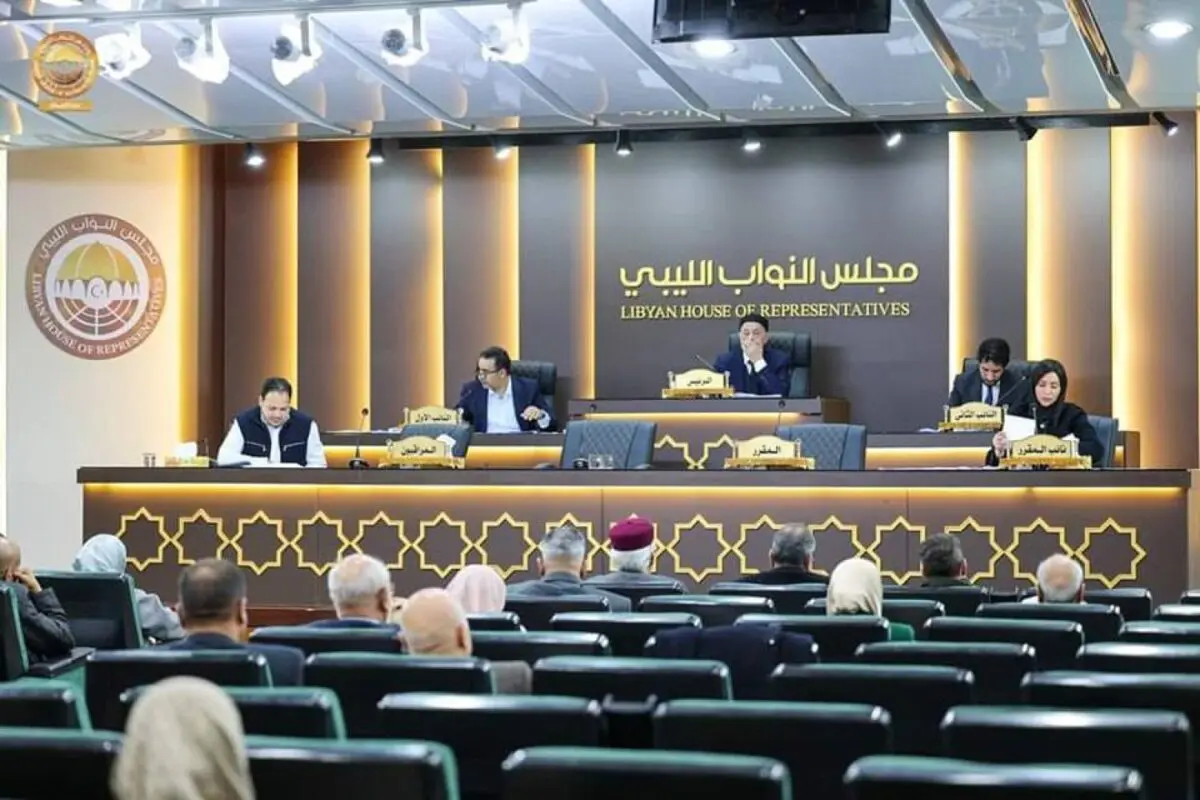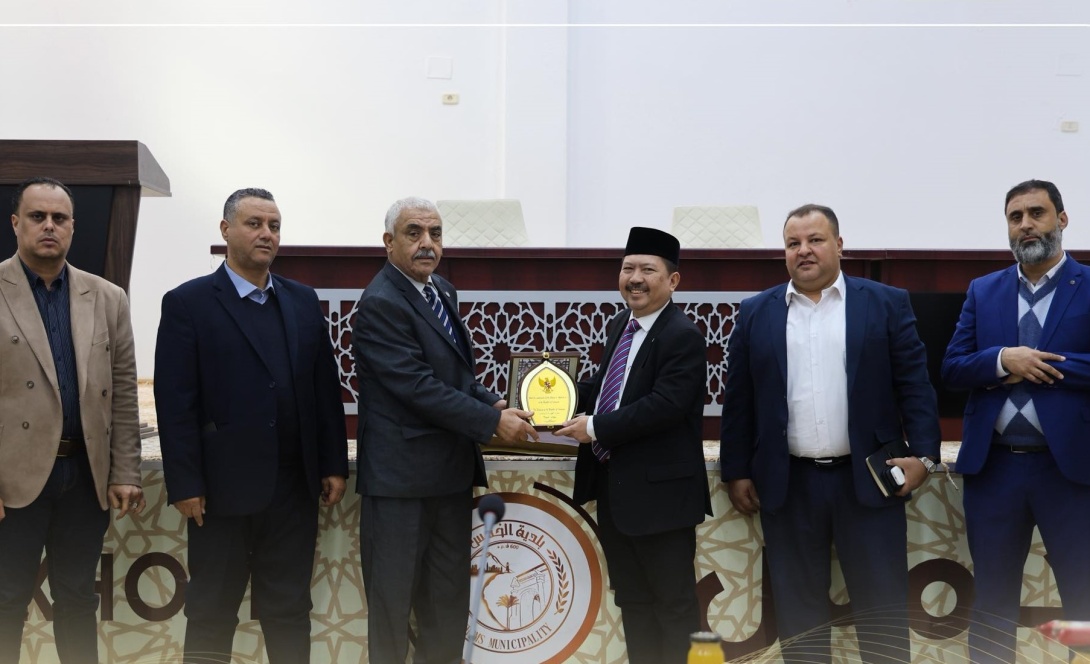
Tripoli, December 31, 2025 – The First International Scientific Conference of the Faculty of Media and Communication at the University of Tripoli, in its closing session, called for launching strategic communication campaigns to raise societal awareness of sustainable development goals, while adopting a simplified and engaging media language that considers different audience segments.
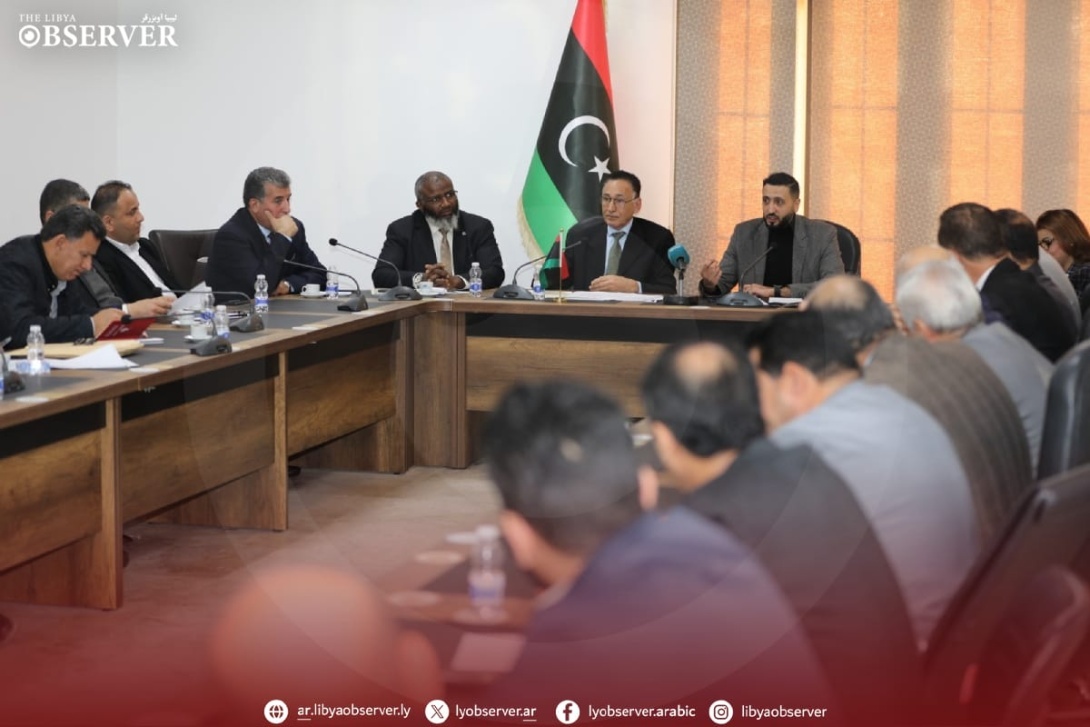
This came in a final statement issued by the conference on Wednesday, which included a number of recommendations aimed at activating the role of media in promoting stability and achieving sustainable development, following its launch yesterday, Tuesday, in the capital, Tripoli, with the participation of academics, researchers, and media professionals.
Conference participants called for including specialized academic courses in media and development within the study programs of media and communication faculties and departments in Libyan universities. This would contribute to preparing media cadres capable of keeping pace with the requirements of sustainable development and dealing with contemporary challenges, emphasizing the importance of employing media as an effective tool in building public awareness and supporting development paths.
The statement stressed the necessity of conducting periodic studies and research to measure public opinion trends and levels of societal awareness, and to identify knowledge gaps, by enhancing cooperation between Libyan universities and specialized research centers.
The conference’s recommendations affirmed the importance of developing legislation and laws regulating media work in Libya, ensuring the independence of media institutions, and raising the level of professionalism and commitment to ethical standards in media practice, especially in light of rapid digital transformations.
Regarding capacity building, the statement called for enhancing the efficiency of media professionals by organizing training courses and specialized programs in media coverage of sustainable development issues, alongside launching joint communication platforms via social media to facilitate the exchange of relevant information, data, and expertise.
It urged public and private media institutions to benefit from the outputs of media faculties and departments in Libyan universities, and to organize joint conferences and meetings that bring together academics and media professionals, to enhance the sense of national responsibility towards sustainable development issues.
In a related context, the statement recommended preparing a comprehensive national media strategy for crisis management, including clear communication mechanisms, specialized training programs in crisis media, verification of fake news, rumor management, and promoting the concept of preventive media.
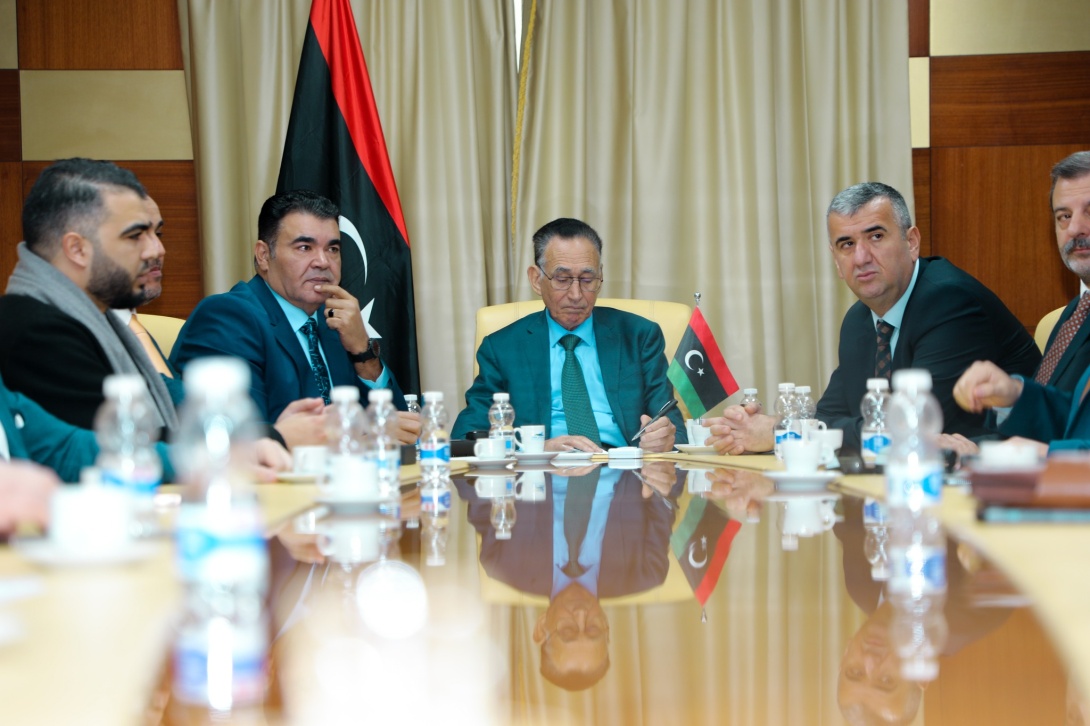
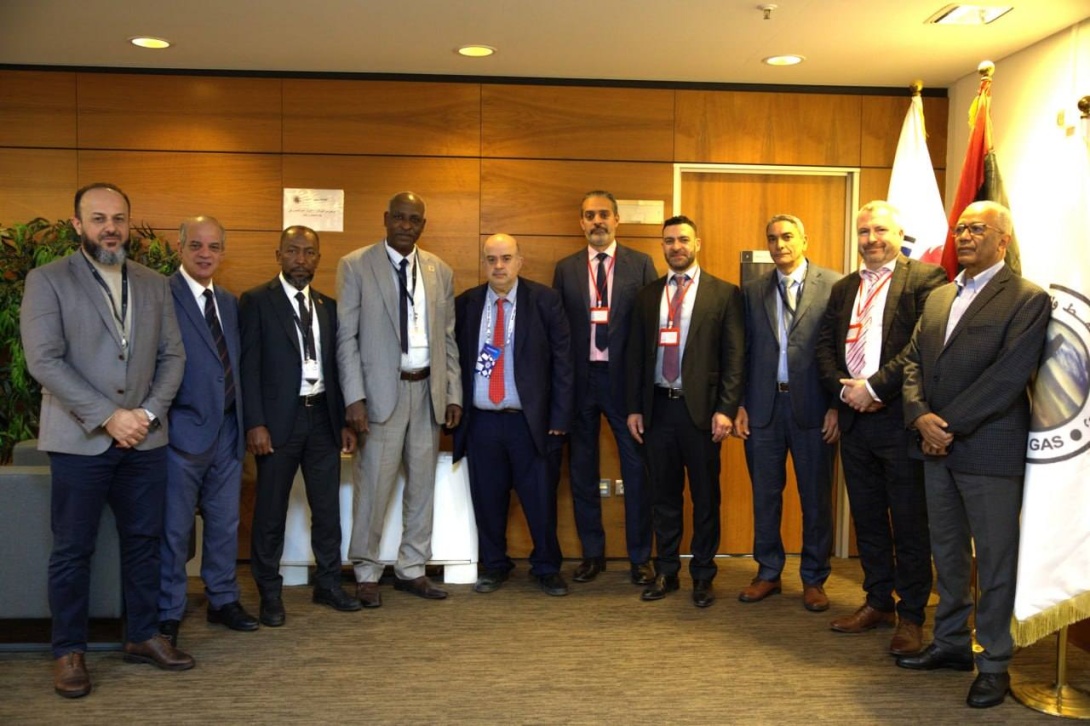
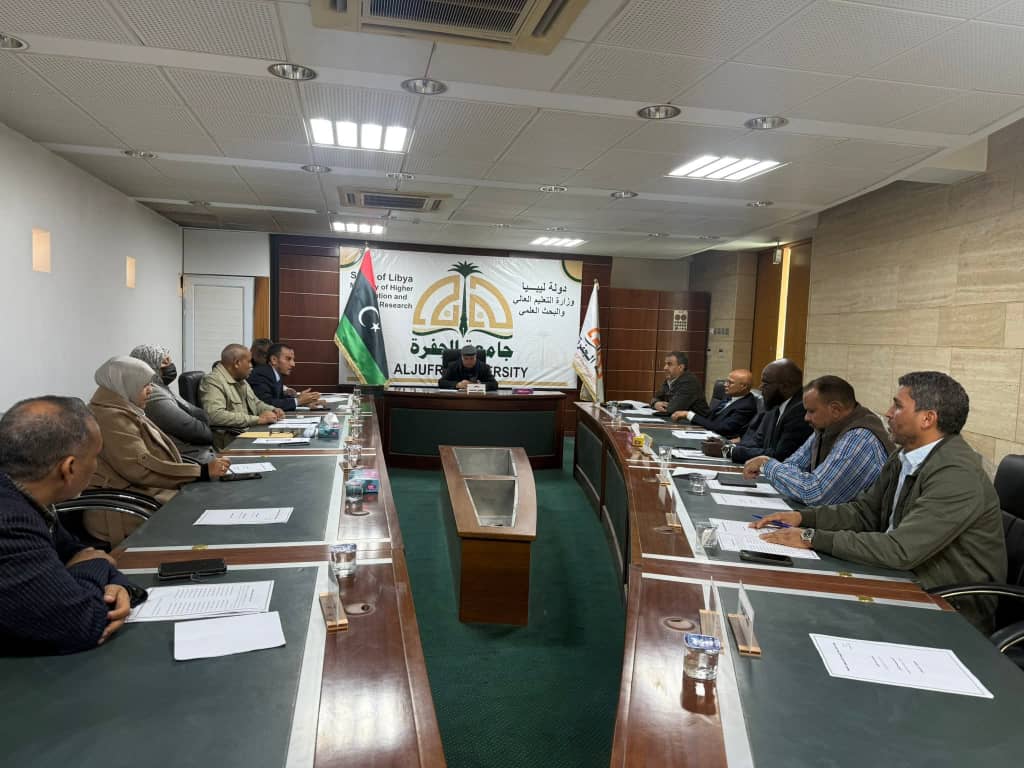
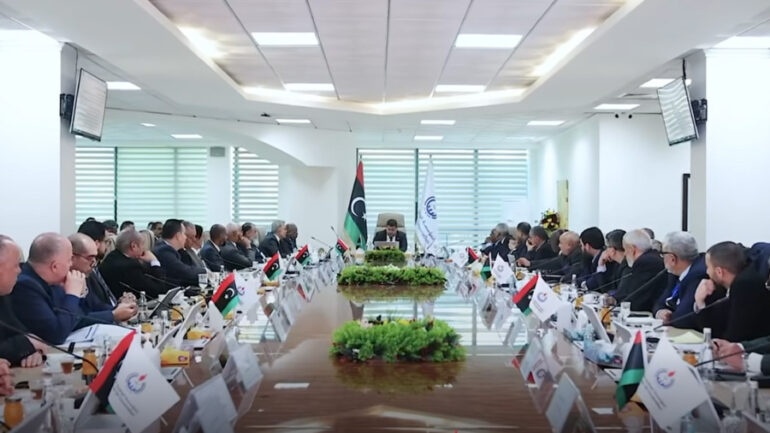
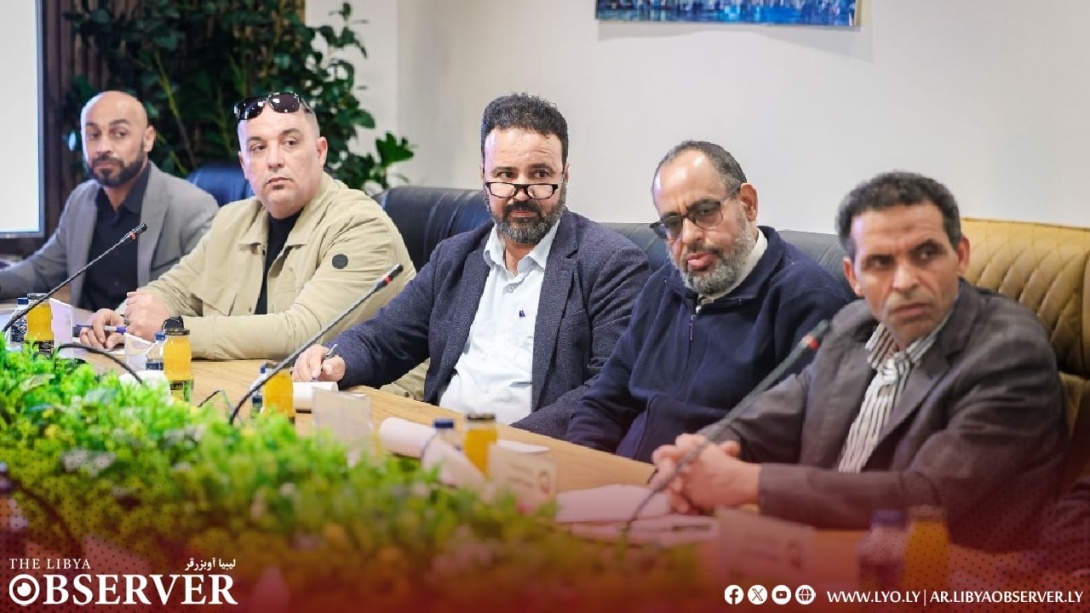
The conference proceedings had launched yesterday, Tuesday, organized by the Faculty of Media and Communication at the University of Tripoli, in cooperation with the Libyan Center for Studies and Policy Design, and lasted for two days. It discussed five main themes covering media and societal stability, media and sustainable development, digital media, media legislation and policies, in addition to media and intellectual security.
The conference is considered an important step towards enhancing scientific dialogue about the future of media and its role in building stable societies, and formulating shared visions that contribute to developing media performance in a way that serves societal issues and keeps pace with the requirements of development and stability.