Amid the political and cultural transformations witnessed in the Balkan region, Serbian Orientalism has emerged as an ideological tool with dimensions extending beyond the East.
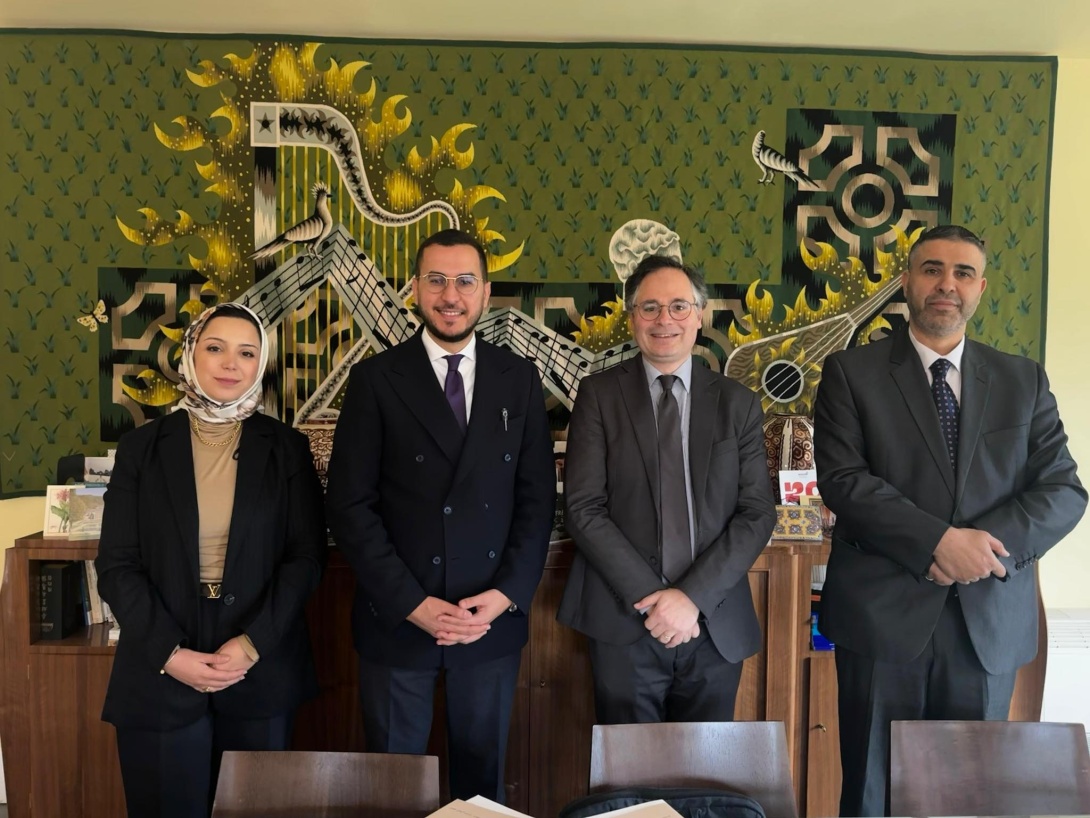
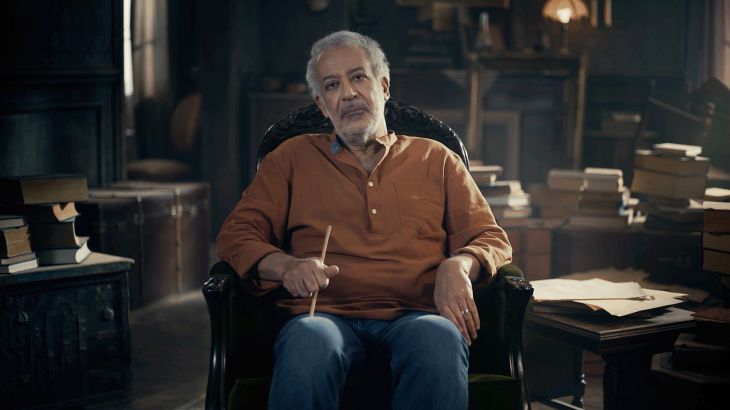
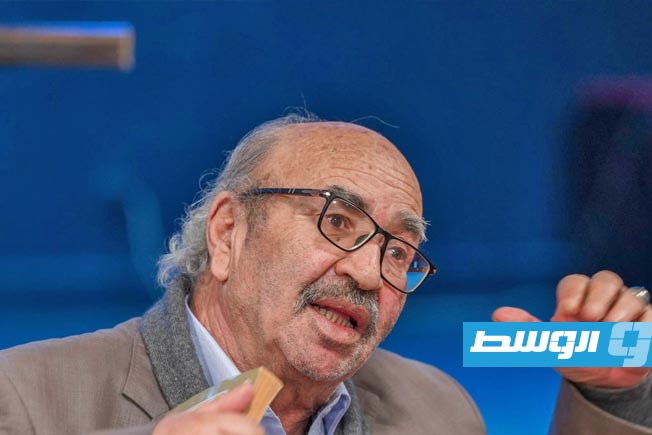
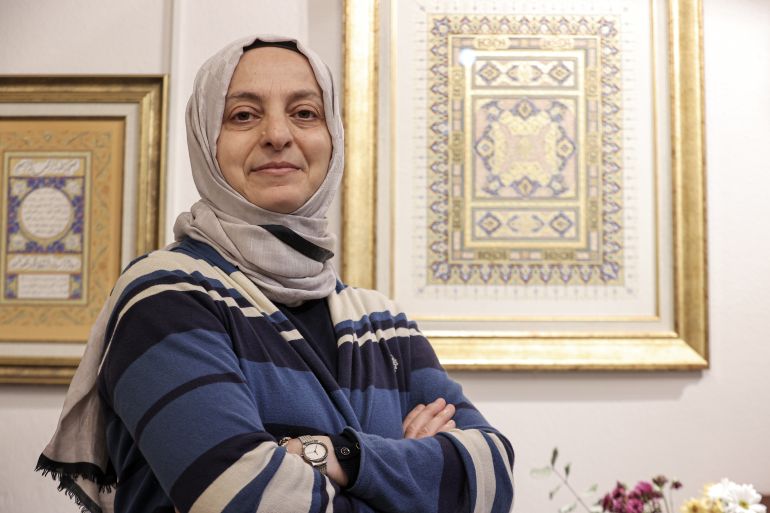
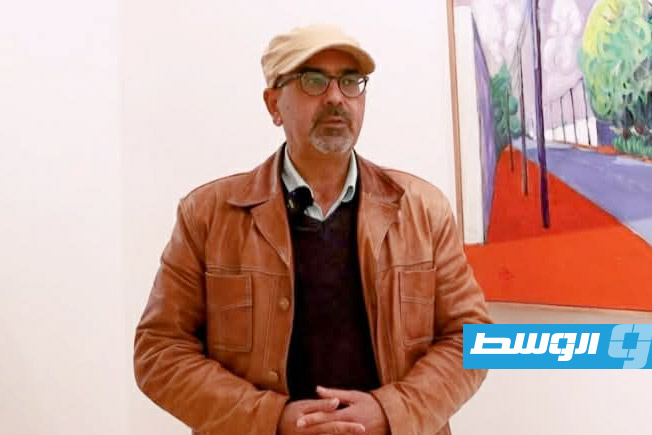
To understand the roots of this trend, an interview was conducted to deconstruct the structure of “Serbian Orientalism,” which transcended scholarly research to become an ideological and military tool targeting the existence of Muslims in the former Yugoslavia.
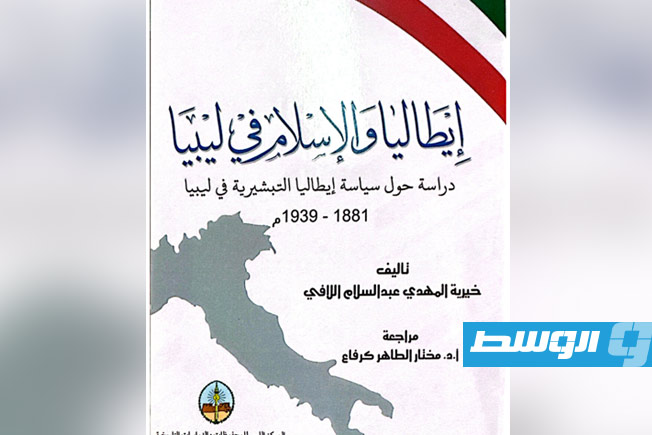
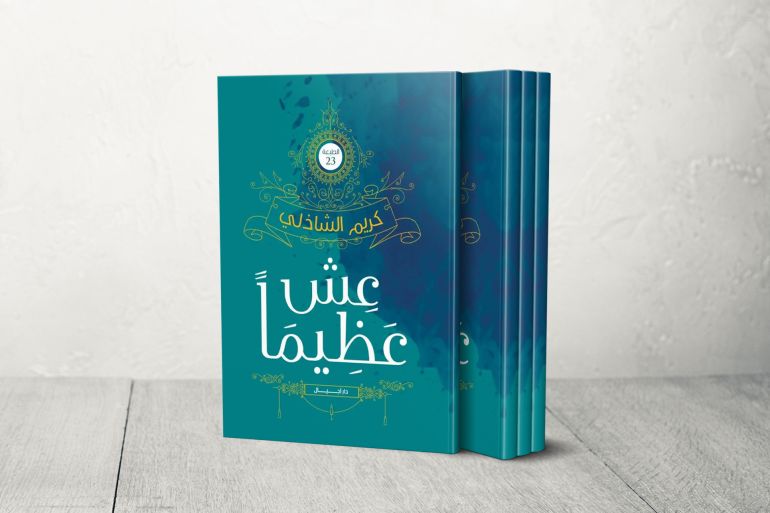
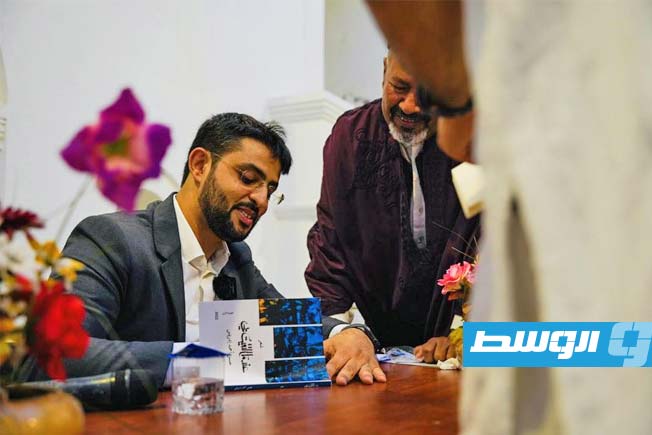
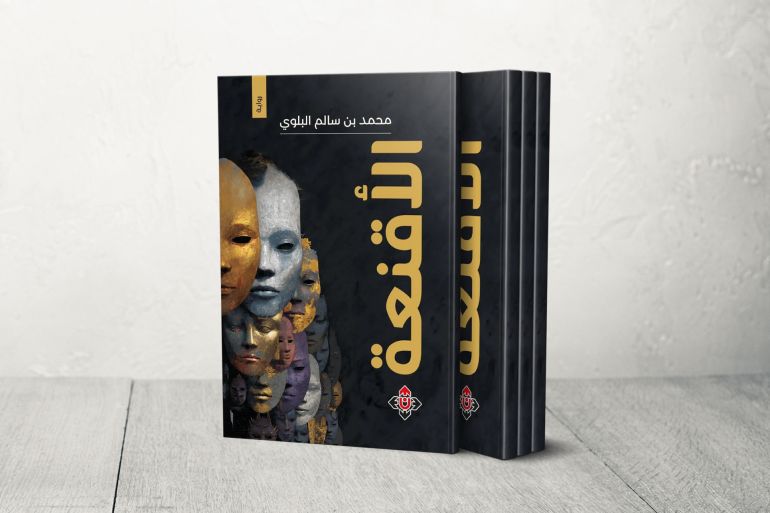
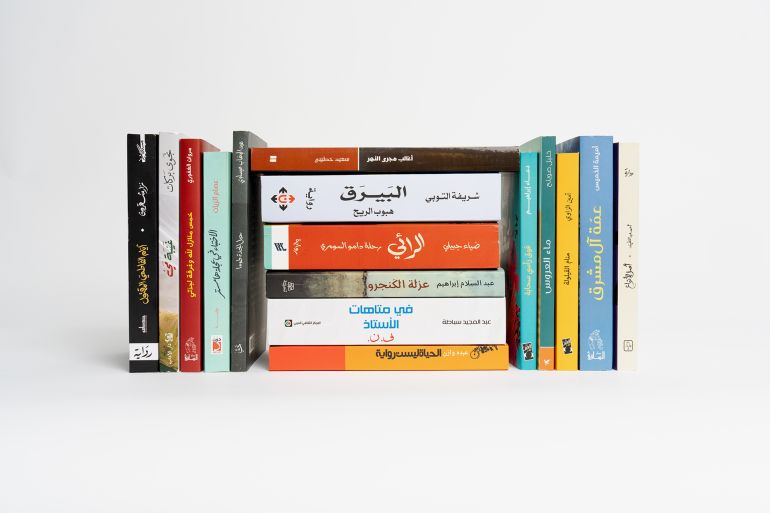
Several academic studies have been authored, most notably the first book “Ghazals of Ahmad Khatim Akofali Zadeh” in Arabic (2011), which deals with the spiritual, Sufi, and literary heritage of the Bosniaks.
It is stated that “Serbian Orientalism derives its epistemological reference from classical Western Orientalism,” adding that it is “deeply rooted in specific geopolitical necessities of the Balkan region, constituting both a discursive and ideological tool.”
It is emphasized that Serbs “focus on delegitimizing Muslims within the borders of the former Yugoslavia and stripping them of their humanity, employing tools ranging from explicit political and legal means to, at times, military ones.”
According to the analysis, Serbian Orientalists portrayed Muslims as “soulless beings,” “inherently deceitful by nature,” “jihadists lying in wait to invade Europe,” and “bloodthirsty terrorists.”
Here is the text of the interview:
-
How do you define Serbian Orientalism in the context of Bosnia and Herzegovina?
In this context, Serbian Orientalism functions as a local mode of knowledge production, aiming to define and entrench the image of the “Bosniak Muslim” as the essentialized “Other,” subsequently marginalizing them culturally and politically as a threat to the identity of the Serbian majority.
Although this Orientalism derives its epistemological reference from classical Western Orientalism, it is deeply rooted in specific geopolitical necessities of the Balkan region, forming a discursive and ideological tool used to construct the image of the Bosnian Muslim as a “civilizational other,” against which the Serbian national identity is defined and solidified.
Since its emergence in the 19th century to this day, Serbian Orientalist discourse has evolved as a strategic epistemological model, not limited to constructing the Muslim Other but also mobilizing material, institutional, and knowledge structures towards violent political goals.
-
Did Serbian Orientalism differ from classical Western Orientalism in its tools and objectives?
Although Serbian Orientalism draws its structure from Western Orientalist traditions, particularly in its emphasis on the Islam-Christianity dichotomy, it differs in its geographical proximity and direct political objectives.
It is not preoccupied with exoticizing or beautifying the East, as is the case in much Western literature, but rather focuses on delegitimizing Muslims within the borders of the former Yugoslavia and stripping them of their humanity.
Serbian Orientalism focuses on delegitimizing Muslims within the borders of the former Yugoslavia and stripping them of their humanity
Its tools consist of explicit political and legal means, even military ones at times, especially in the late 20th century, where this discourse became closely linked to the state apparatus and Serbian ethnic-nationalist projects.
-
Do you agree that Serbian Orientalism constructed, justified, and disseminated the discourses that fueled the idea of Serbian nationalism as the dominant political force in the Balkans?
Yes, without a doubt, Serbian Orientalist discourse played a foundational role in the formation and crystallization of Serbian nationalist tendencies. It actively contributed to manufacturing the “Muslim Other” and presenting it as an imminent danger threatening the imagined entity of the Serbian nation.
Through media, literature, and pseudo-academic texts, this discourse provided the epistemological framework and moral justification for the idea that Serbia represents the bulwark of Christian civilization in the Balkans, serving as a basis for justifying policies of exclusion, and later, genocide.
This is not subjective interpretation or impressionistic judgment but is based on public documents and records, including official speeches, publications, and media and academic output from the Serbian political, military, and intellectual elite.