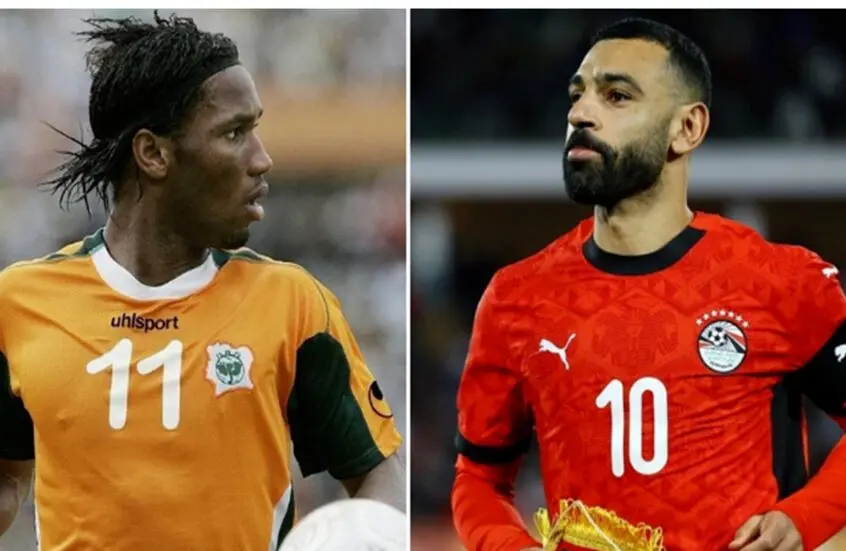
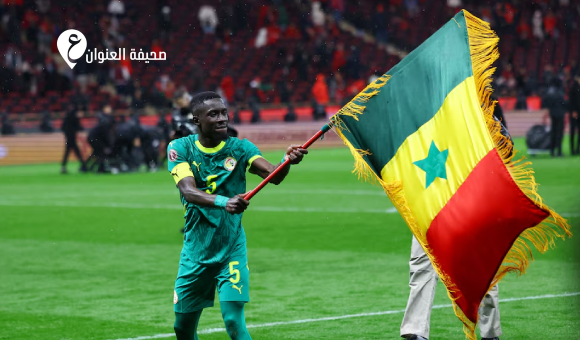
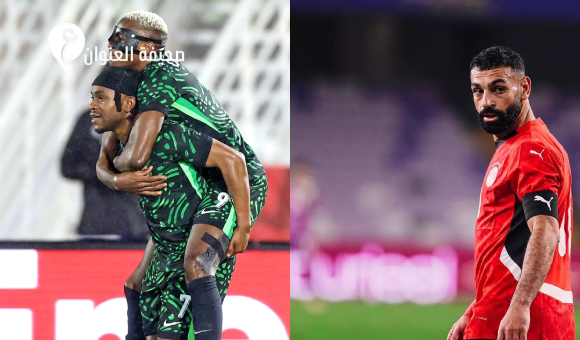
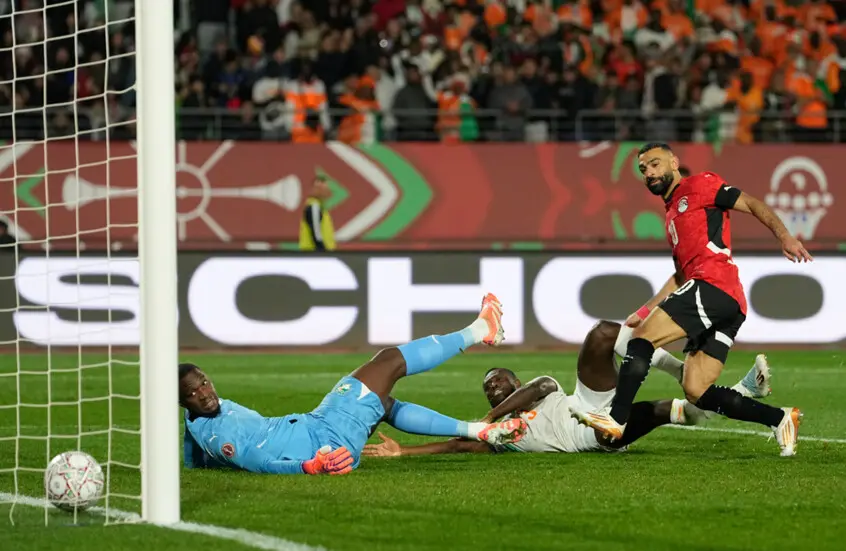
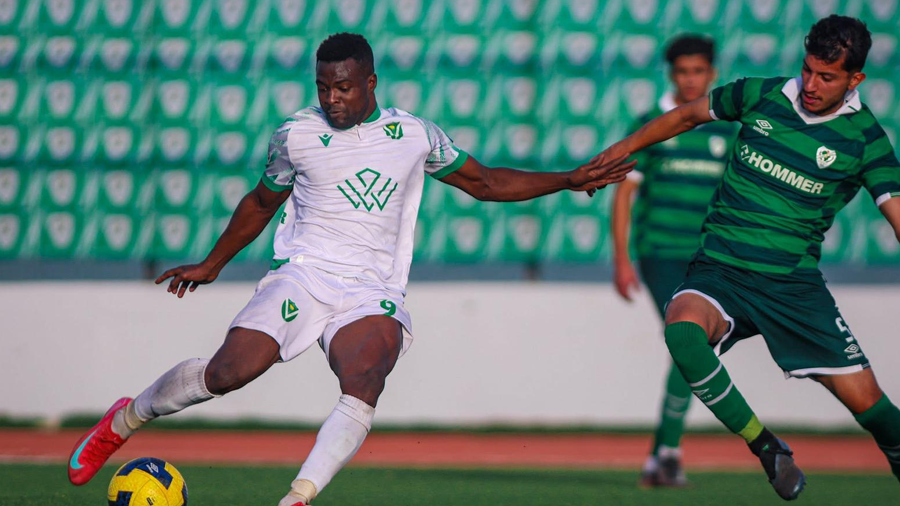
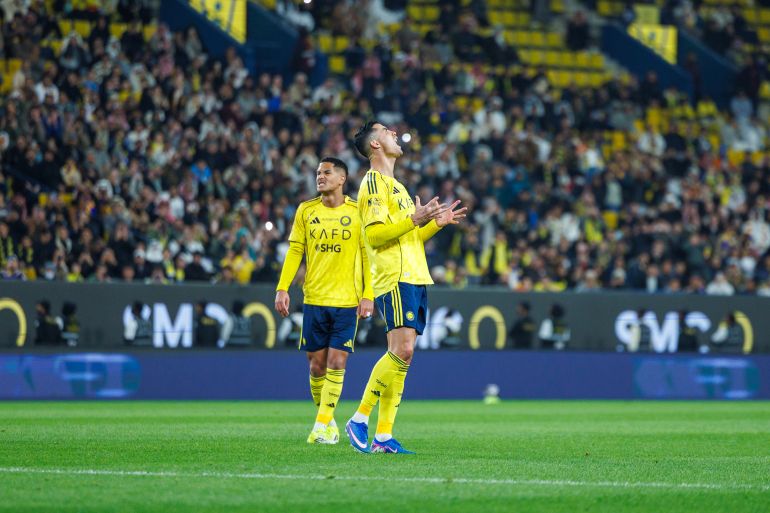
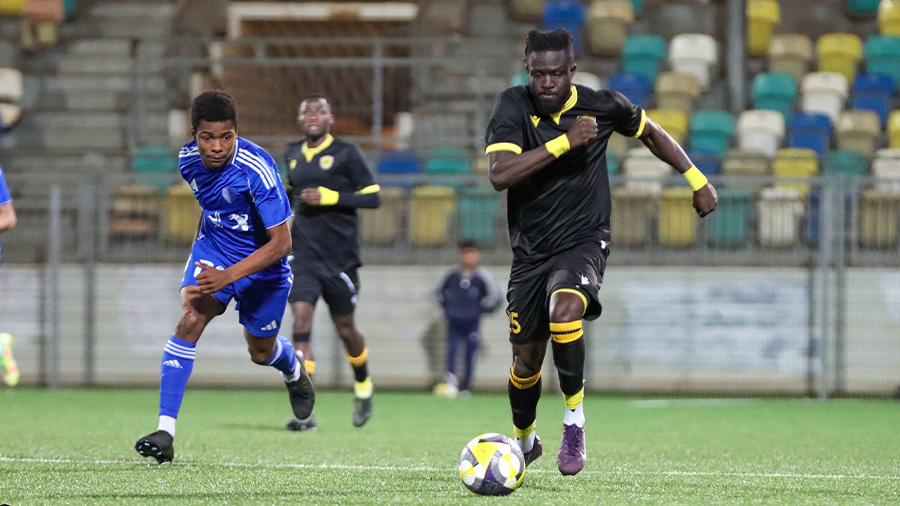
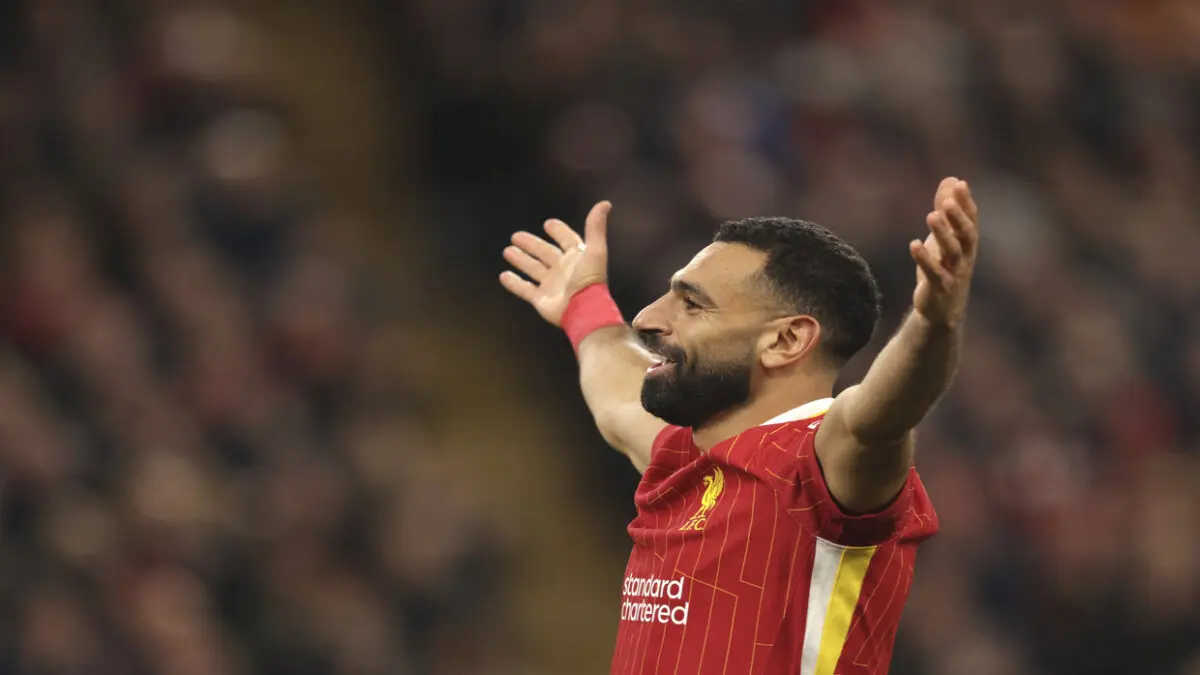
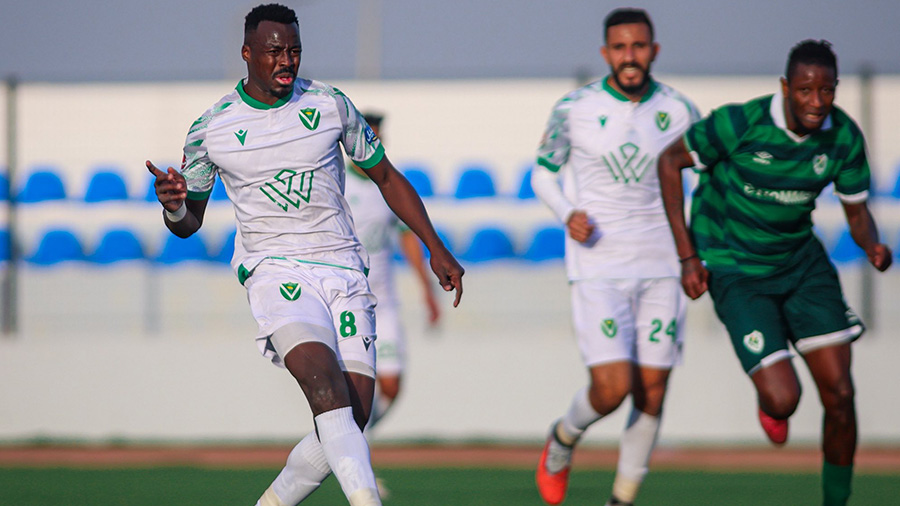
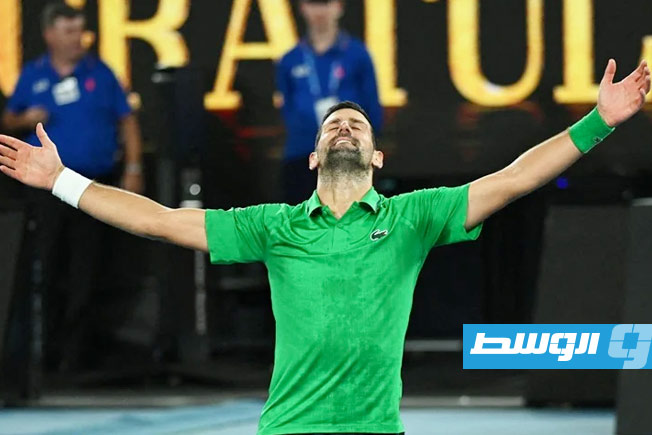
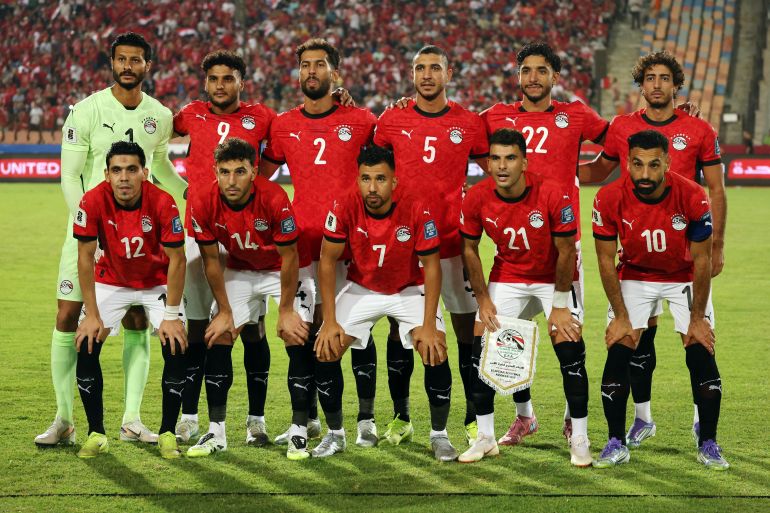
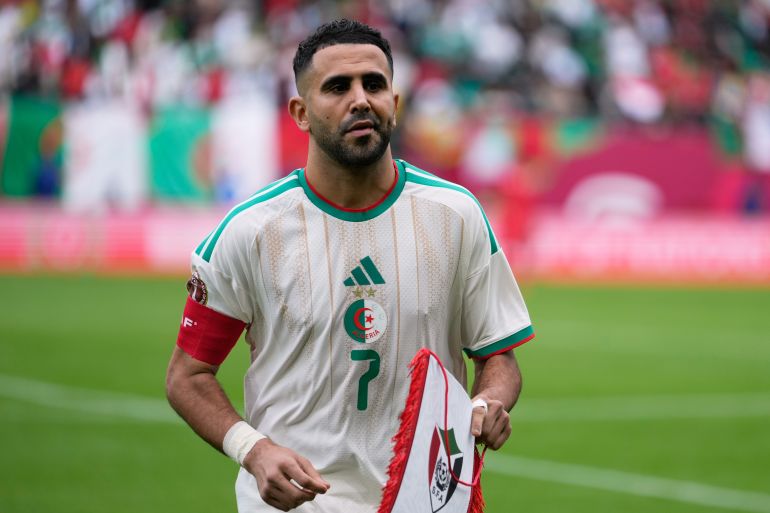
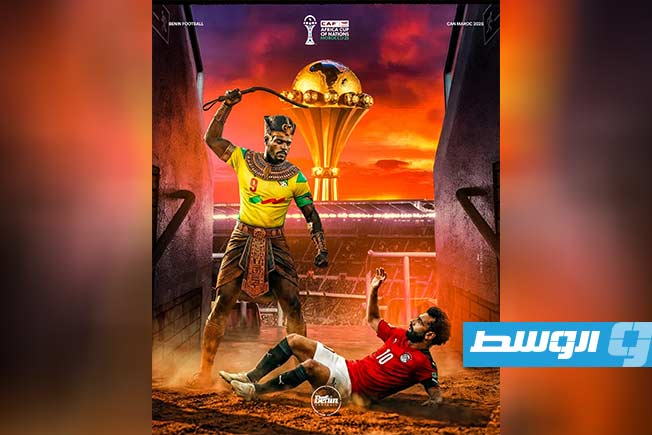
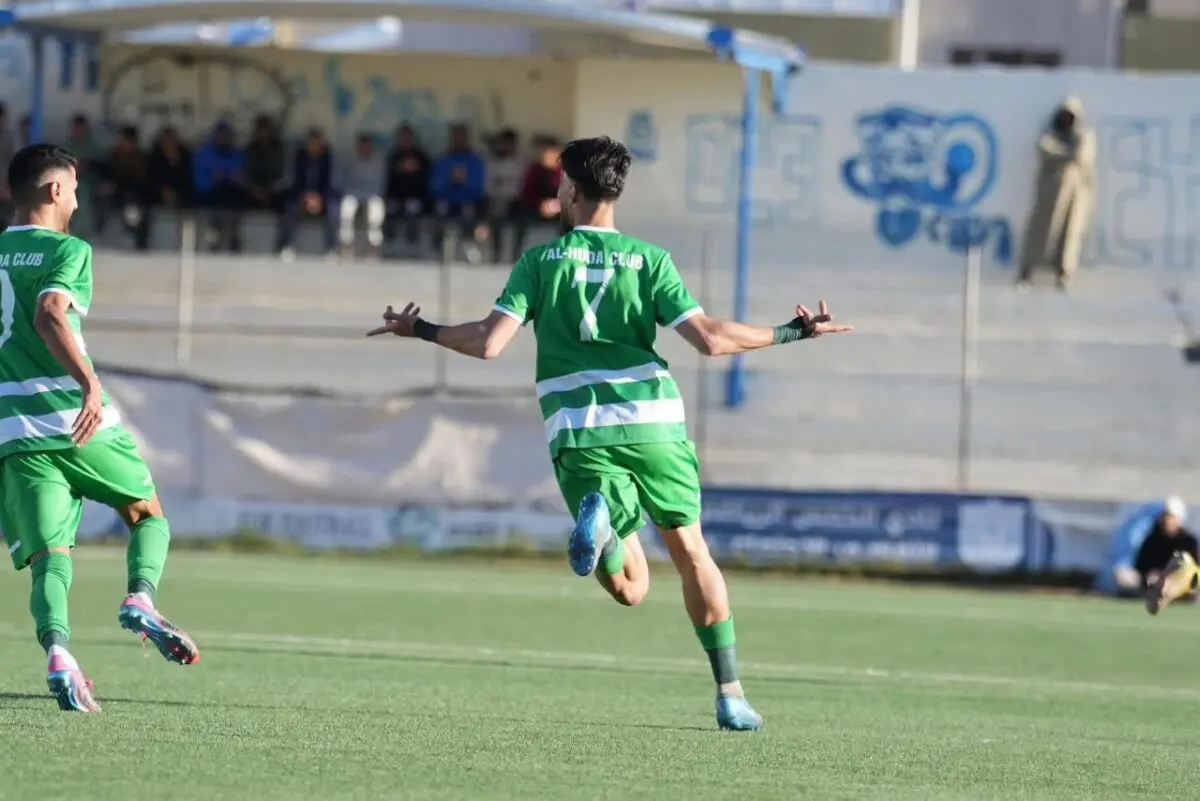
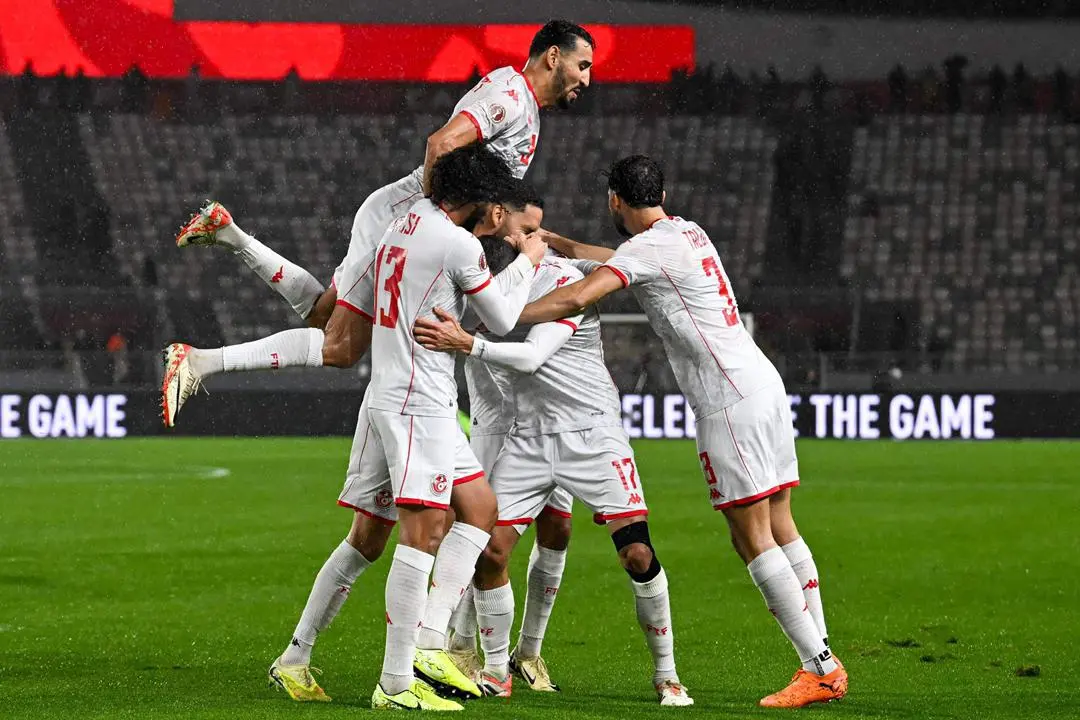
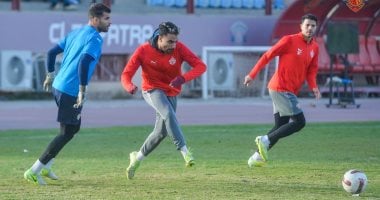
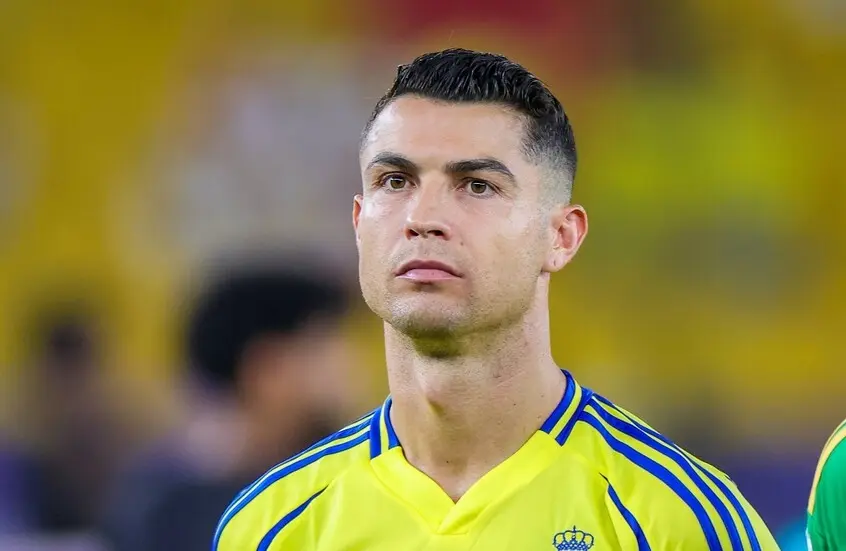
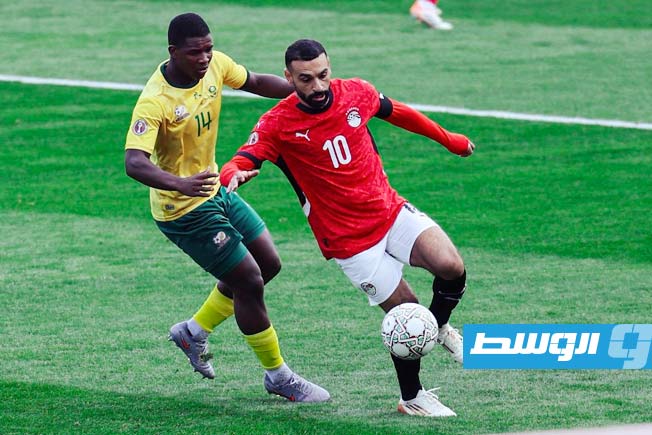
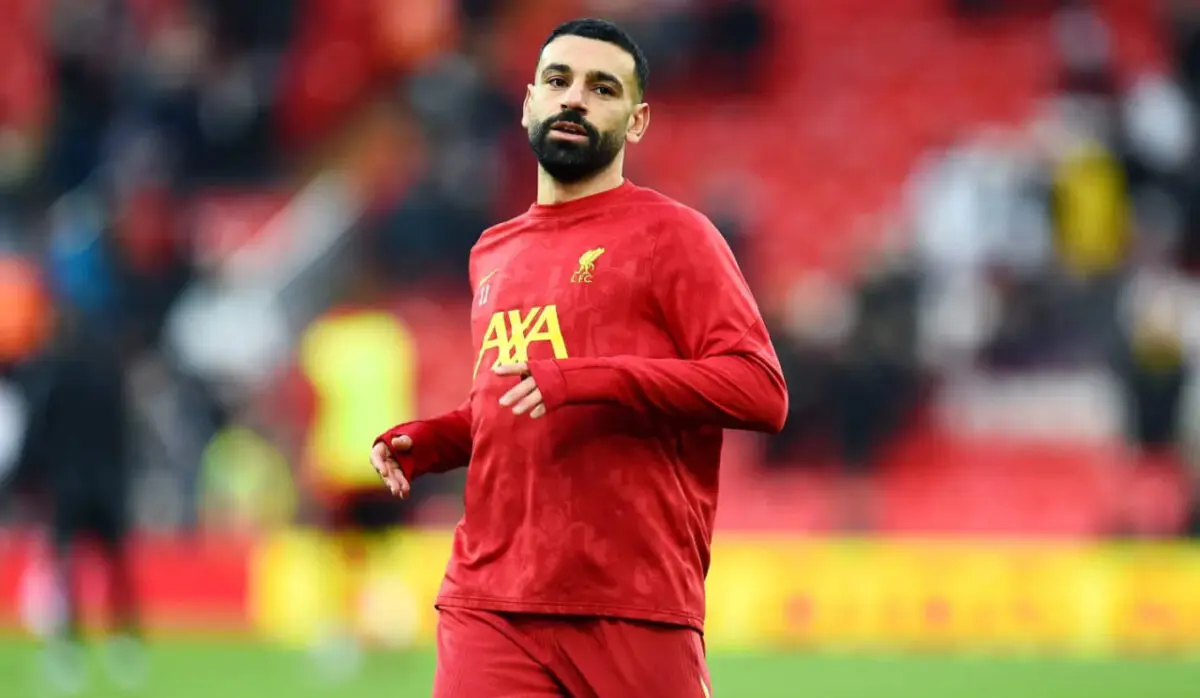
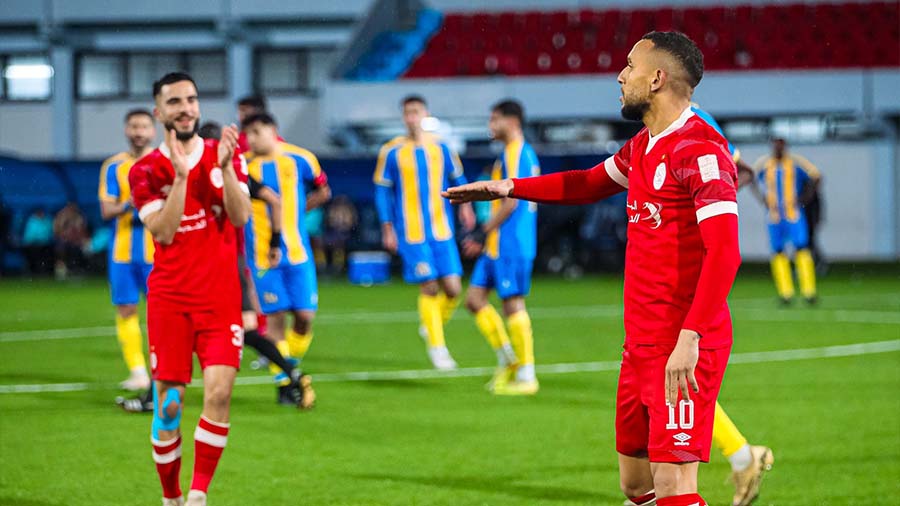
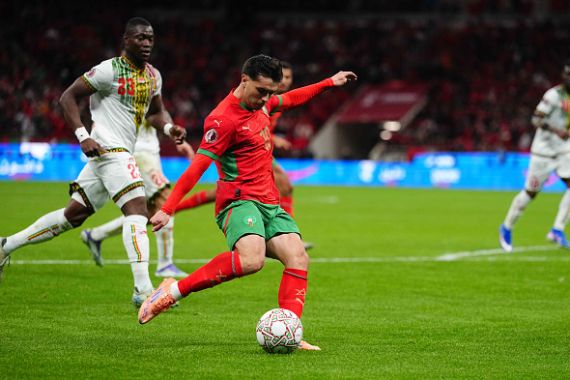
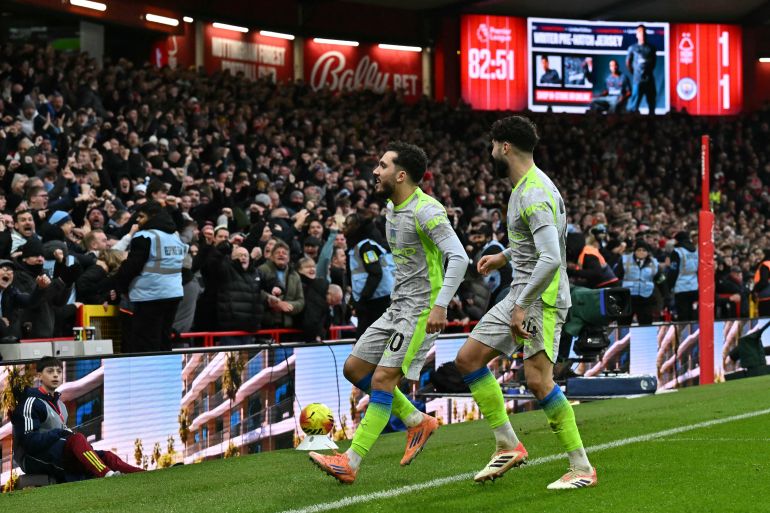
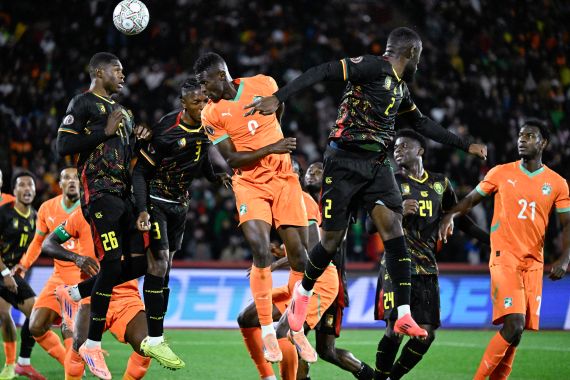
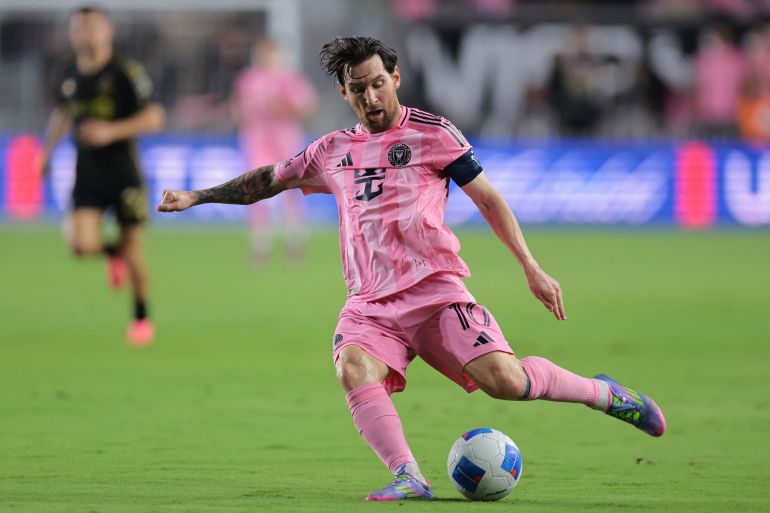
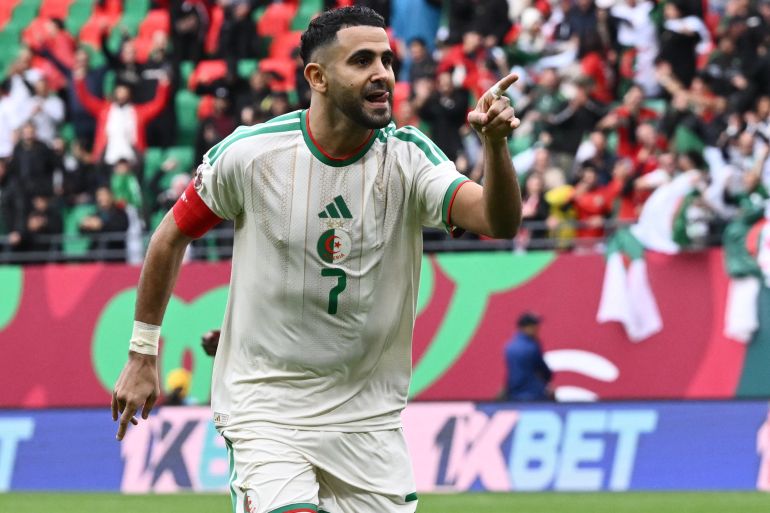
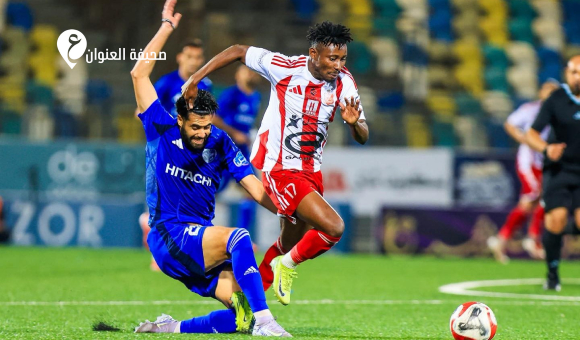
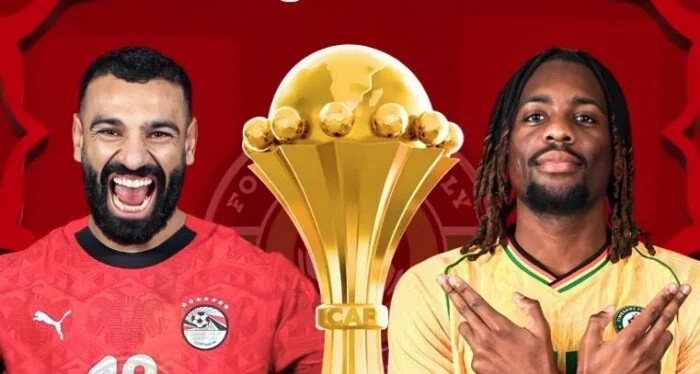
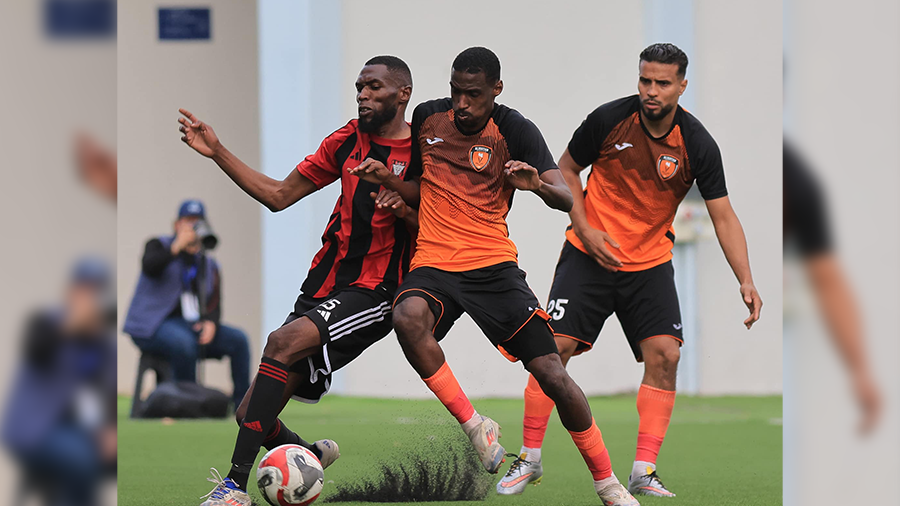
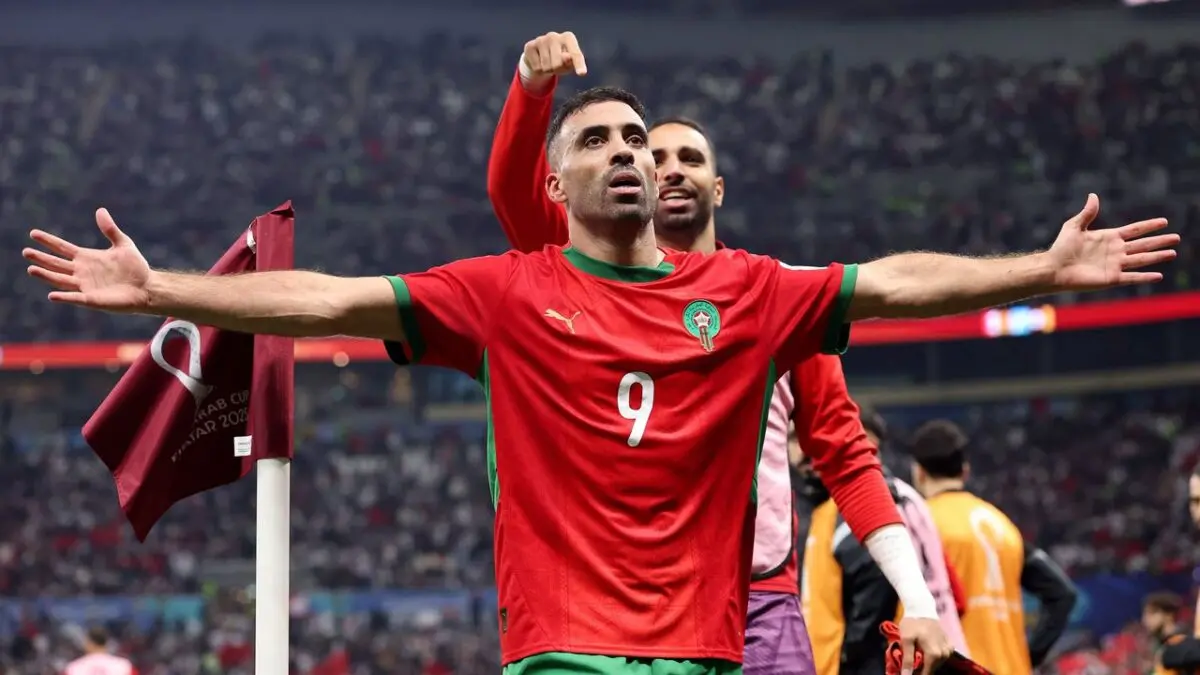
Egyptian star Mohamed Salah continues to shatter records in African football, after scoring his 65th international goal for the Egyptian national team. This equals the tally of Ivorian legend Didier Drogba, placing them joint fourth on the list of Africa’s all-time top international scorers.
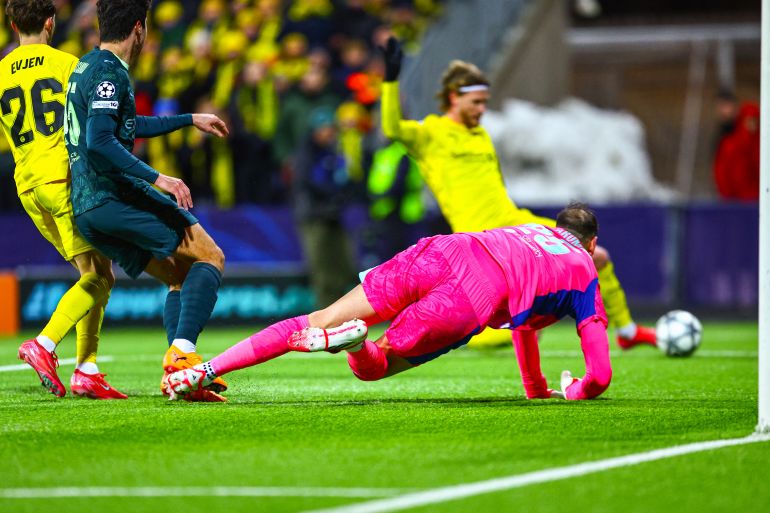
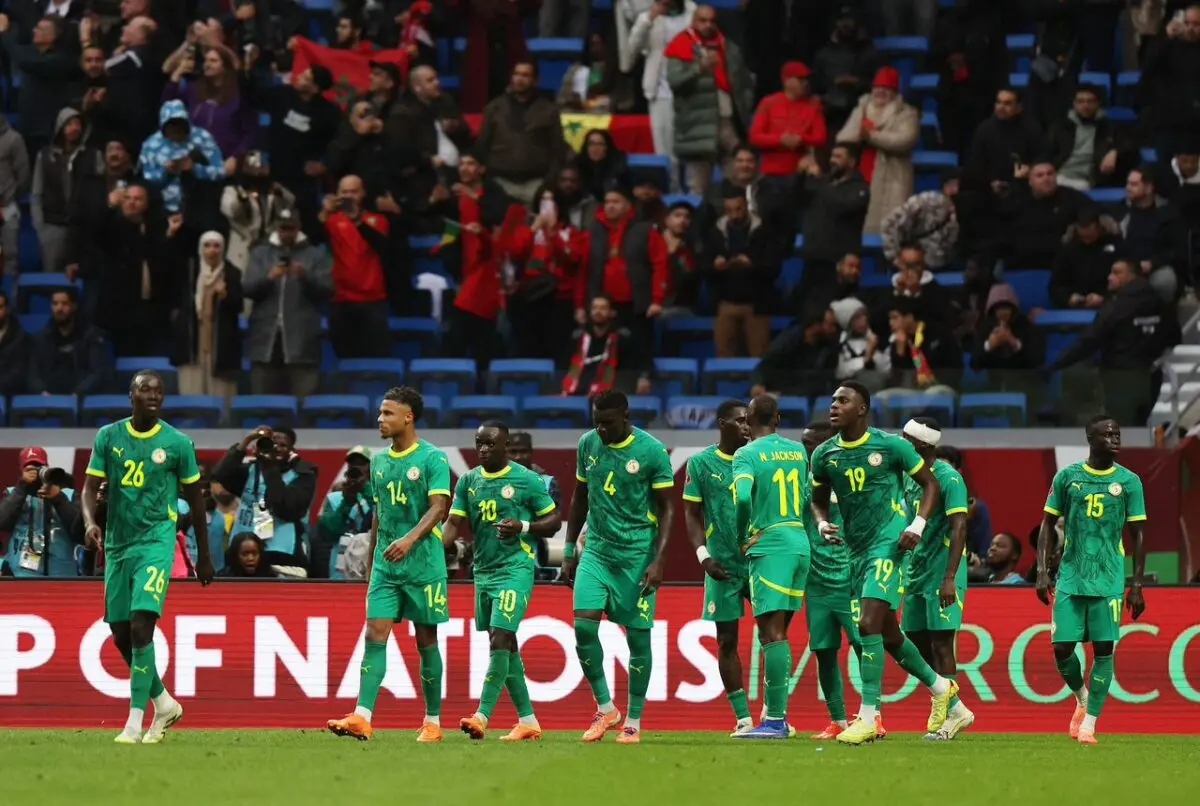
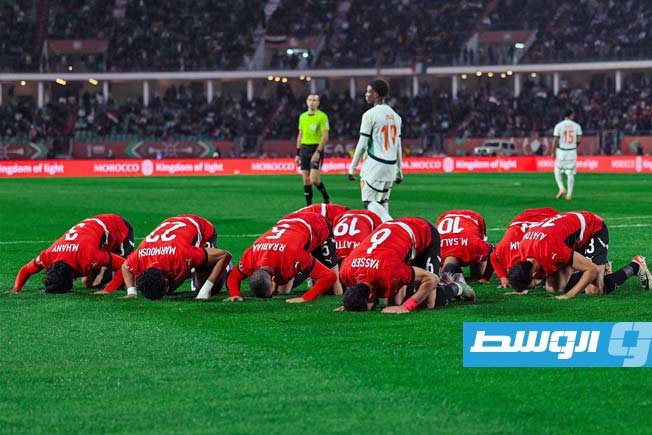
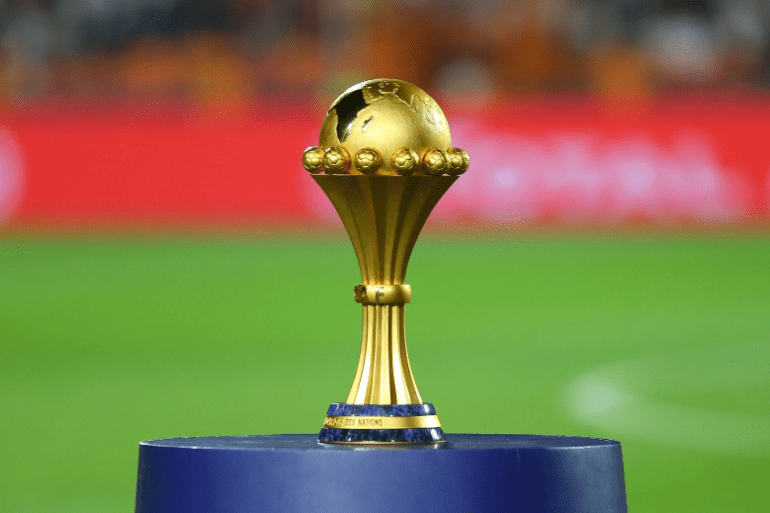
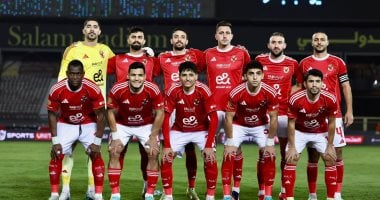
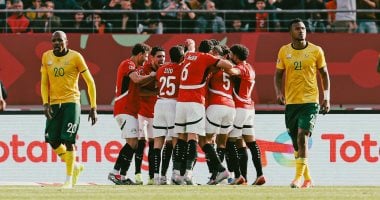
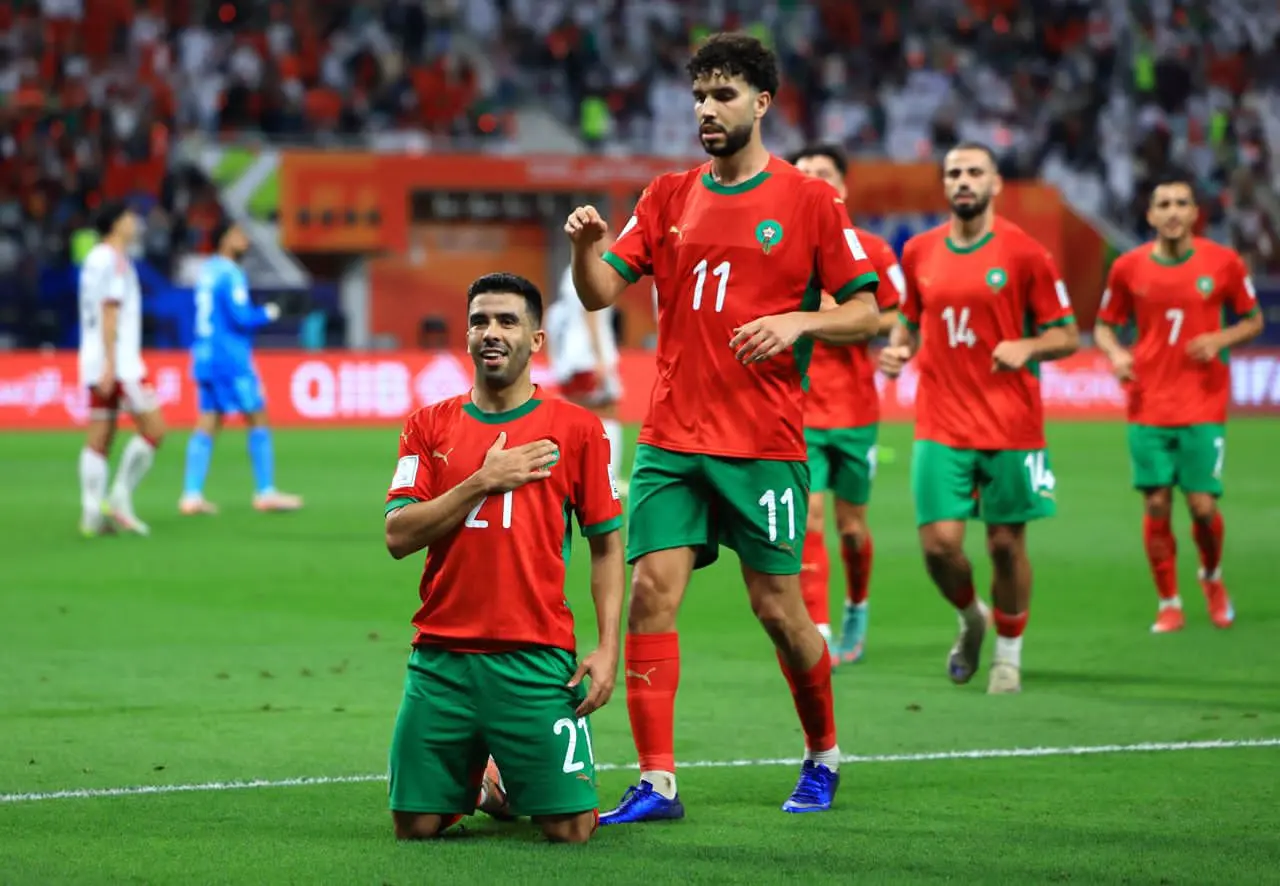
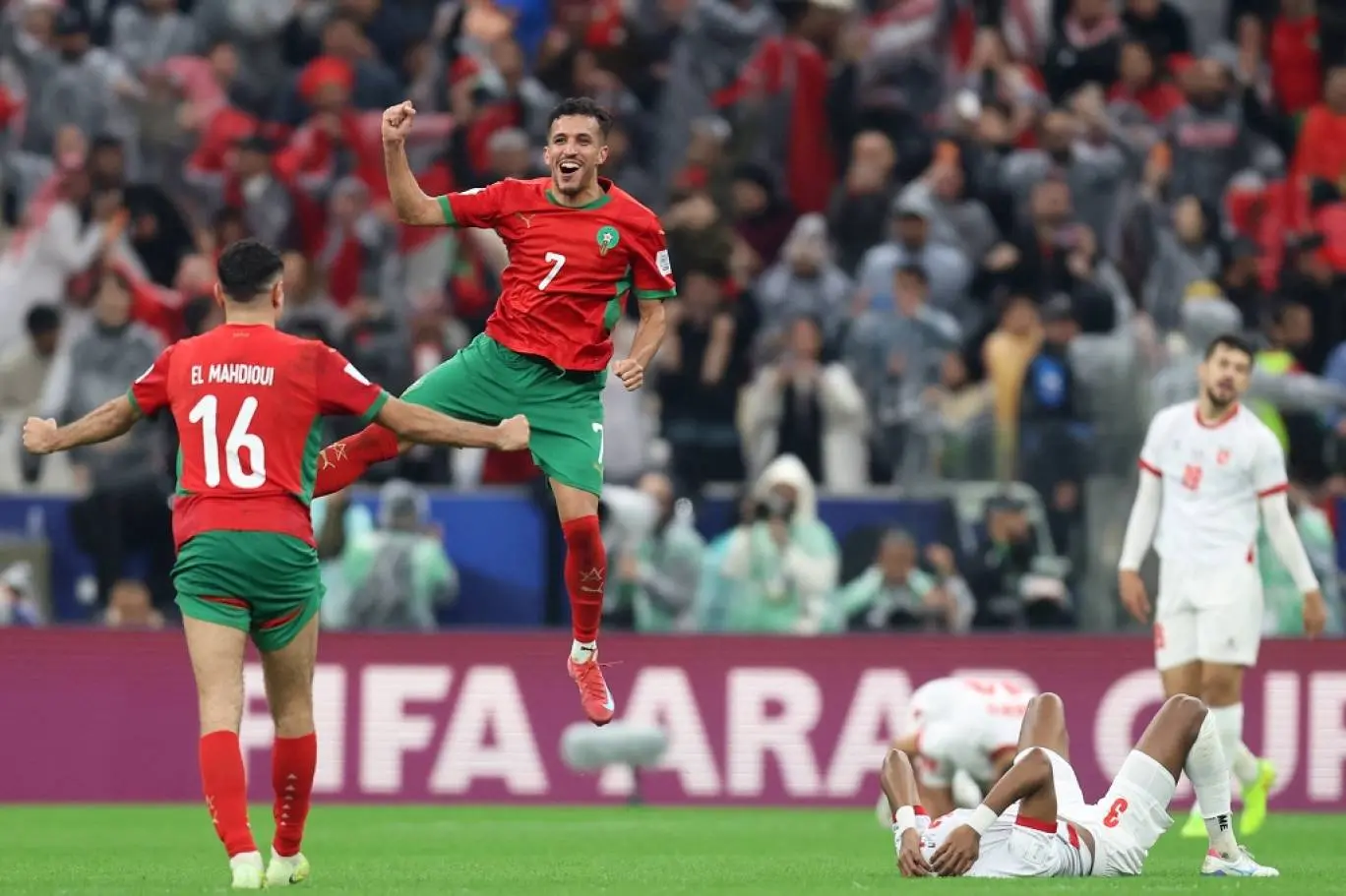
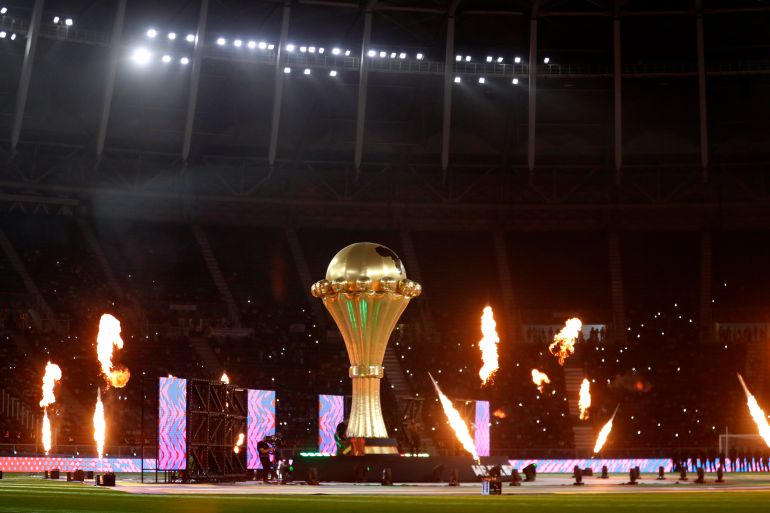
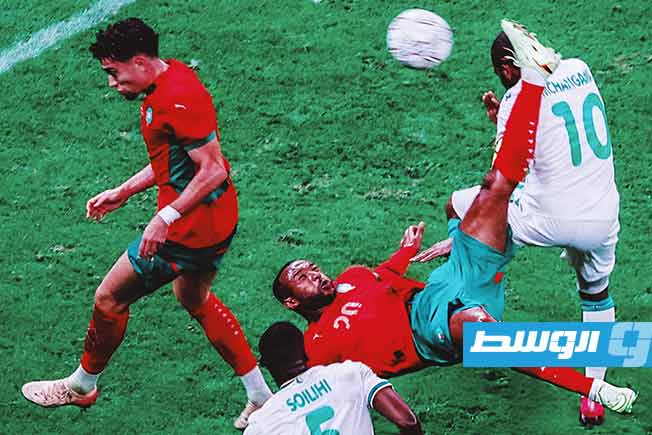
Salah scored the goal in Egypt’s 1-0 victory over South Africa in a match held yesterday, Friday, as part of the second round of Group 2 in the Africa Cup of Nations “Morocco 2025,” strengthening the team’s chances of competing for the top spot in the group.
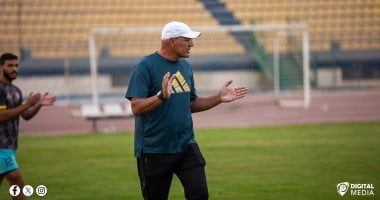
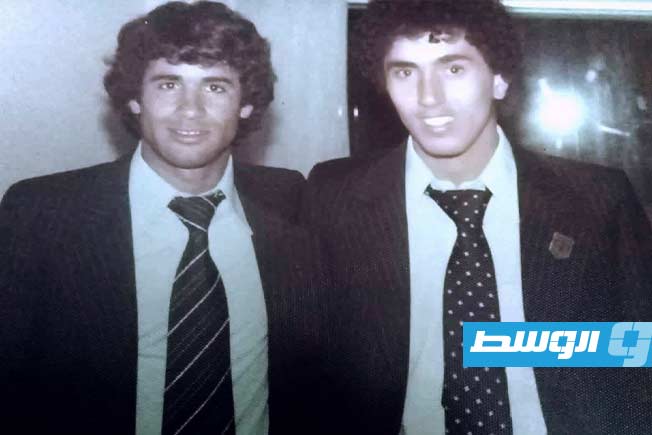
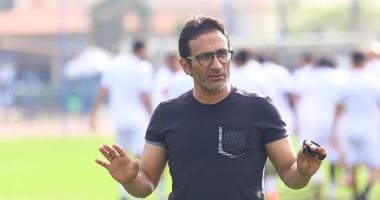
With this goal, Salah moves closer to Hossam Hassan, the current technical director of the Egyptian national team, who holds third place on the list of Africa’s top scorers with 68 goals. Salah is now just three goals away from entering the continent’s top three scorers.
The list of Africa’s top scorers for national teams is as follows:
- Godfrey Chitalu (Zambia): 79 goals
- Kina Phiri (Malawi): 71 goals
- Hossam Hassan (Egypt): 68 goals
- Didier Drogba (Ivory Coast): 65 goals
- Mohamed Salah (Egypt): 65 goals
Mohamed Salah is considered a symbol of African football in the last decade. His decisive goals for the Egyptian national team have helped strengthen Egypt’s standing on the continental stage. He is also striving to surpass the record for Africa’s top international scorer, reflecting the development of Egyptian and African football and cementing his place among the continent’s legends.
Egypt
Egypt is home to one of the world’s oldest civilizations, with a recorded history spanning over 5,000 years that includes the era of the pharaohs and the construction of iconic monuments like the Pyramids of Giza. Its rich cultural heritage, from ancient temples and hieroglyphs to its pivotal role in the Greco-Roman and Islamic worlds, continues to define its identity as a historic crossroads.
South Africa
South Africa is a country located at the southern tip of the African continent, known for its diverse cultures, languages, and dramatic landscapes. Its modern history is profoundly shaped by colonialism and the institutionalized racial segregation of apartheid, which ended in 1994 with the country’s first democratic elections and the presidency of Nelson Mandela.
Morocco
Morocco is a North African country with a rich history shaped by indigenous Amazigh (Berber) cultures, Arab influence from the 7th-century Islamic conquests, and later European colonial interests. It is known for historic imperial cities like Marrakech and Fez, which feature ancient medinas and Islamic architecture, as well as diverse landscapes from the Sahara Desert to the Atlas Mountains. The country gained independence from France and Spain in 1956 and is a constitutional monarchy with a unique blend of Arab, African, and European cultural influences.
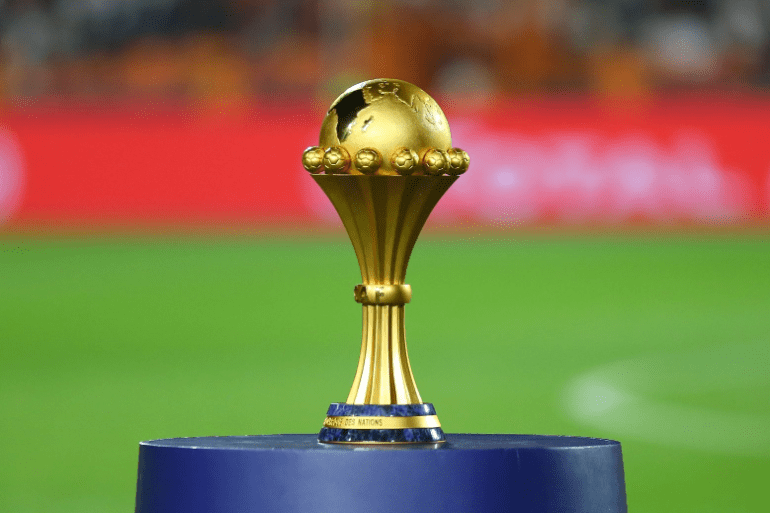
Africa Cup of Nations
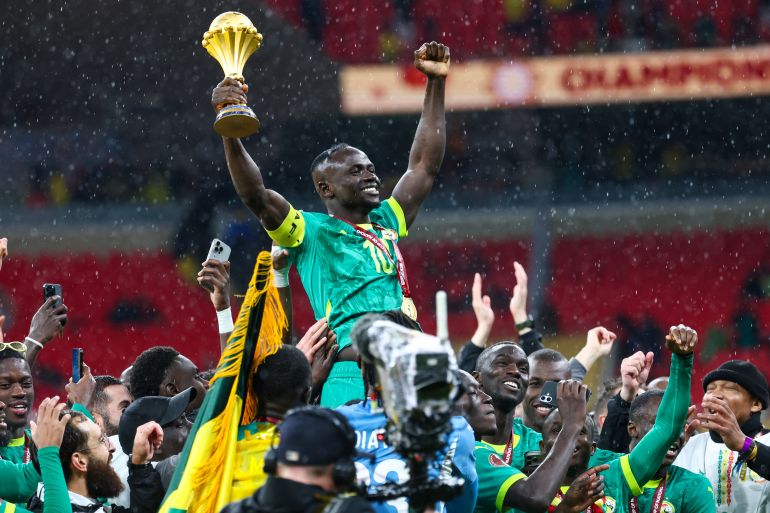
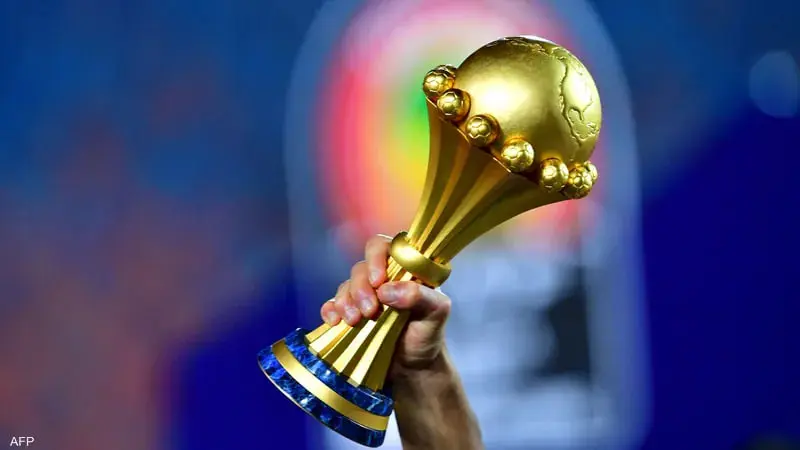
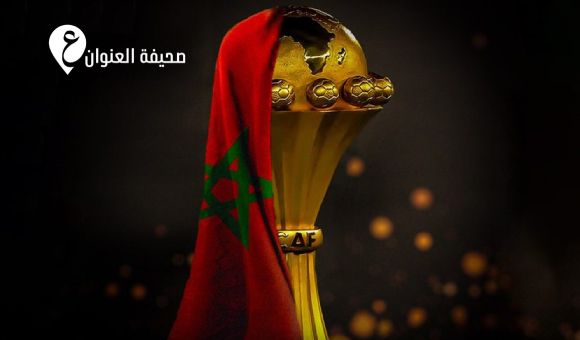
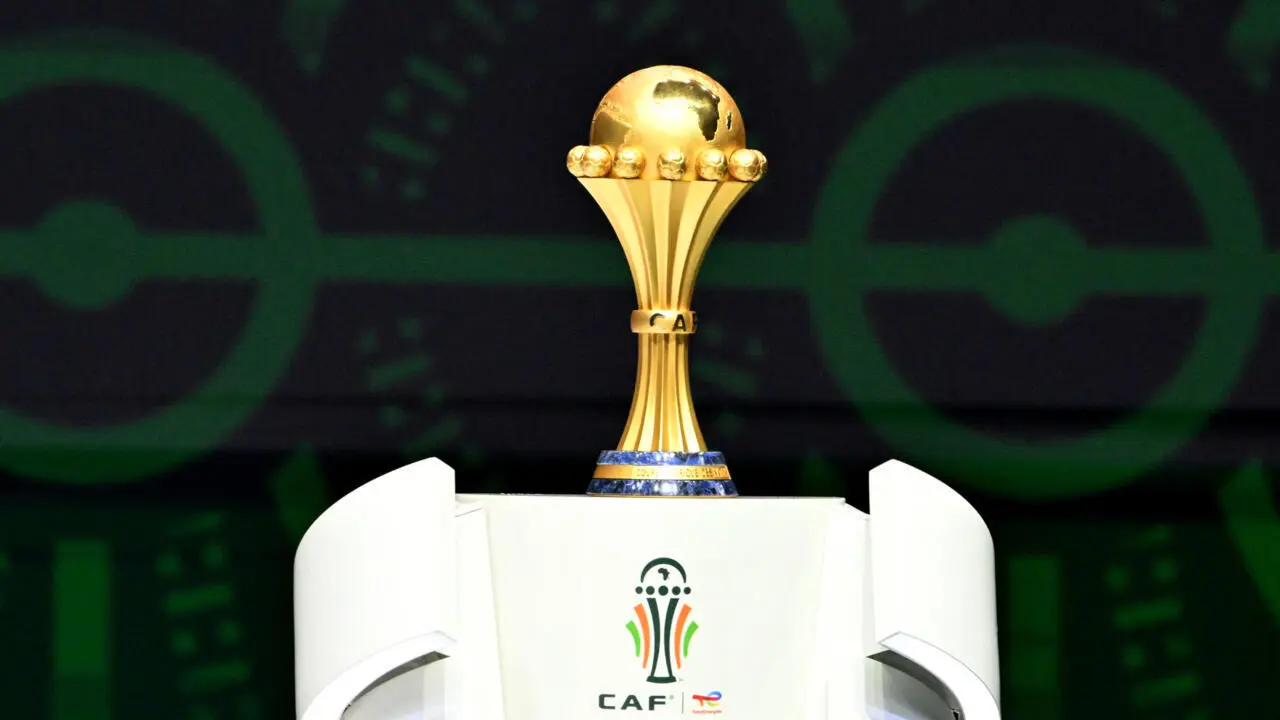
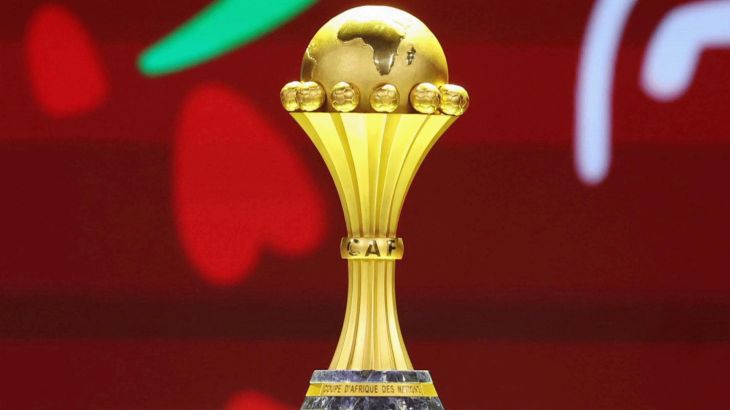
The Africa Cup of Nations (AFCON) is the premier international men’s football competition in Africa, first held in 1957. It was founded to unite African nations emerging from colonialism and is organized by the Confederation of African Football (CAF). The tournament has grown significantly in prestige and frequency, now held every two years.
Zambia
Zambia is a landlocked country in southern Africa, historically home to various Bantu-speaking kingdoms before becoming a British protectorate known as Northern Rhodesia. It gained independence in 1964 and is renowned for natural wonders like Victoria Falls, a UNESCO World Heritage site shared with Zimbabwe.
Malawi
Malawi is a landlocked country in southeastern Africa, named after the Maravi people who settled the region centuries ago. It is most famously known for Lake Malawi, a massive freshwater lake that accounts for about one-third of the country’s area and is a UNESCO World Heritage Site due to its unique biodiversity. The area became a British protectorate in the late 19th century, gaining independence as the nation of Malawi in 1964.
Ivory Coast
The Ivory Coast, officially known as Côte d’Ivoire, is a West African nation with a history shaped by pre-colonial kingdoms, French colonization from the late 19th century, and independence in 1960. Culturally, it is renowned for its diverse ethnic traditions and sites like the Basilica of Our Lady of Peace in Yamoussoukro, one of the world’s largest churches.