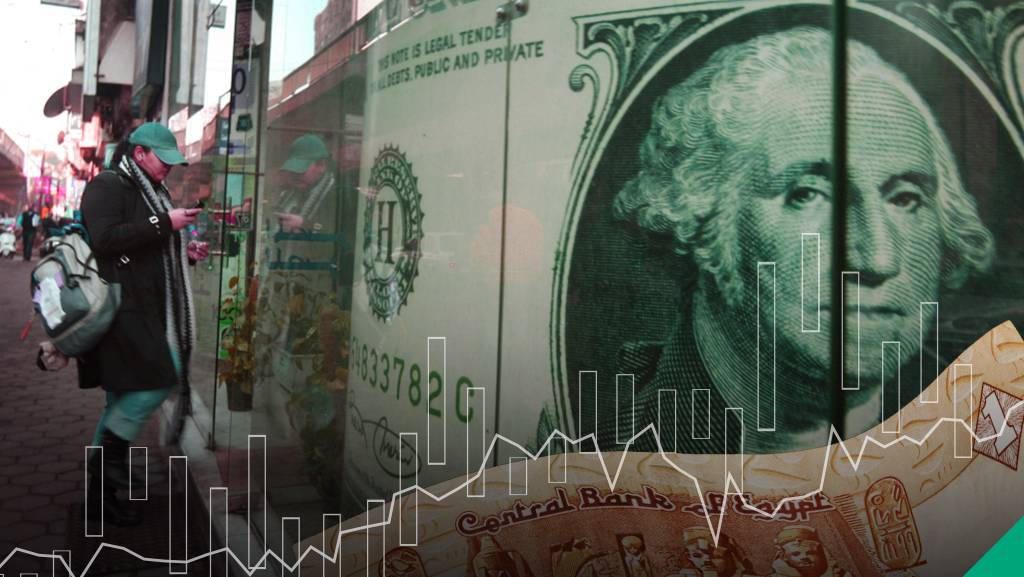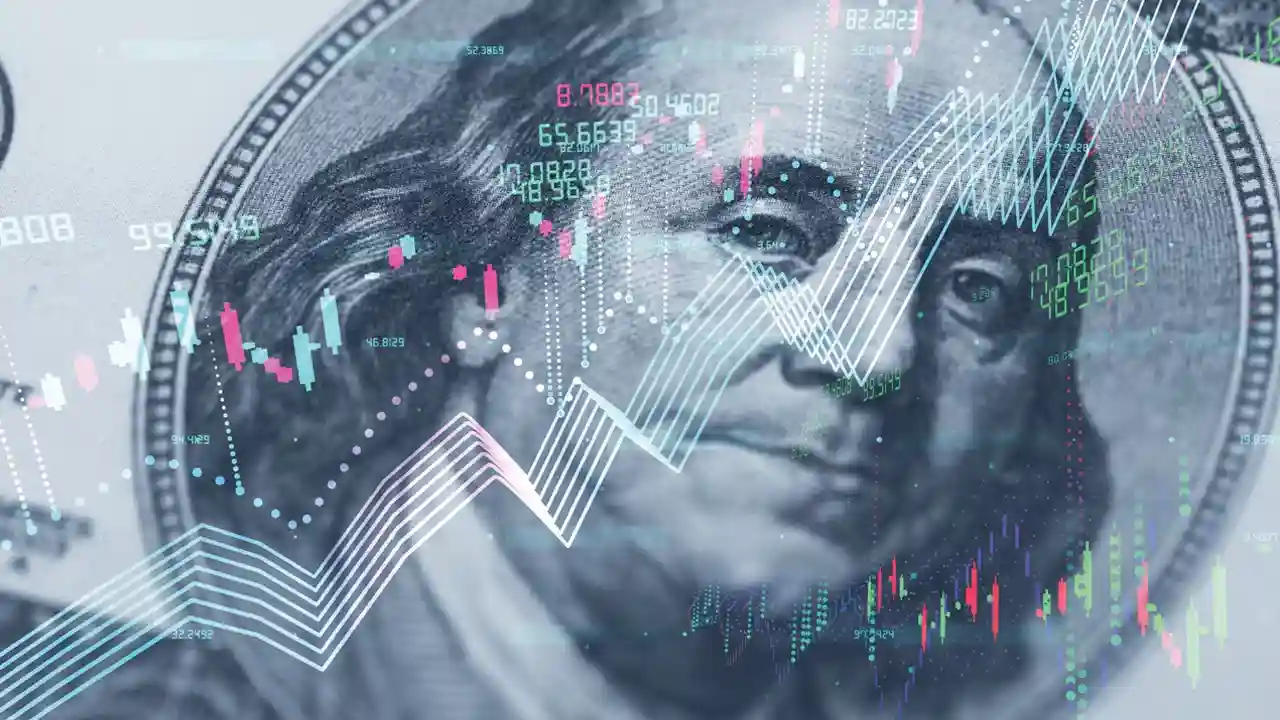
The Russian economy managed to avoid a recession in 2025, while also recording a significant decline in inflation rates. This outcome reflects a tightening of monetary policy and active government financial intervention, within an economic environment impacted by Western sanctions and the ongoing war.
Inflation fell below 6% in December 2025, according to official statistics, while the economy avoided sliding into a recession despite a slowdown in activity.
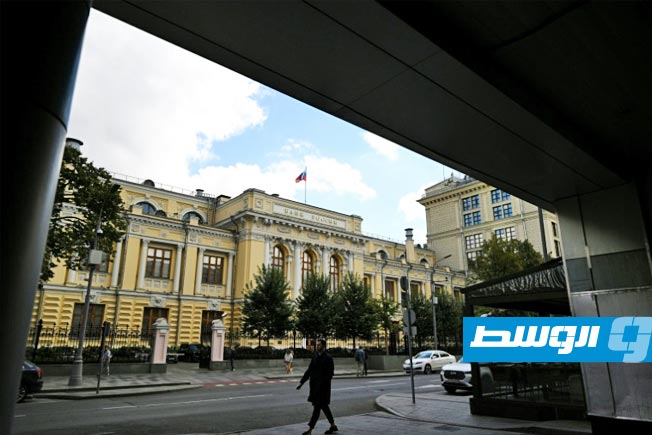
The Russian Central Bank has already entered a cycle of gradual reduction of its key rate, having cut it by about 5 percentage points over the year. This trend is expected to continue into 2026, in an attempt to balance curbing inflation with maintaining a minimum level of growth.
However, exiting the phase of an “overheated economy” did not come without cost. It was accompanied by a slowdown in the pace of investment and a clear disparity in the performance of industrial sectors, with some industries continuing to expand while others entered a state of stagnation or actual decline.
Unbalanced Industrial Growth
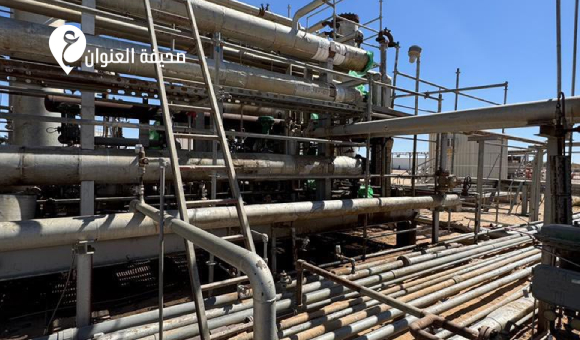
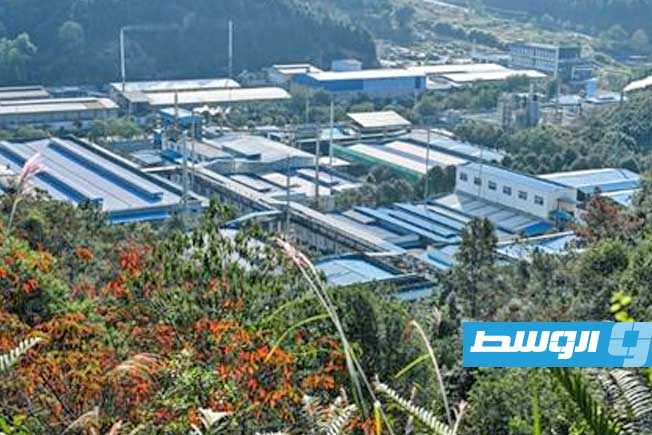
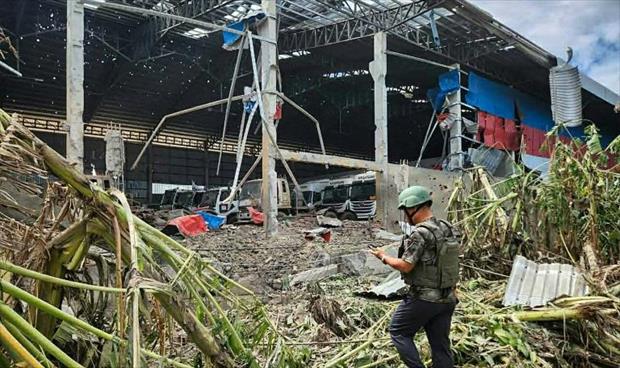
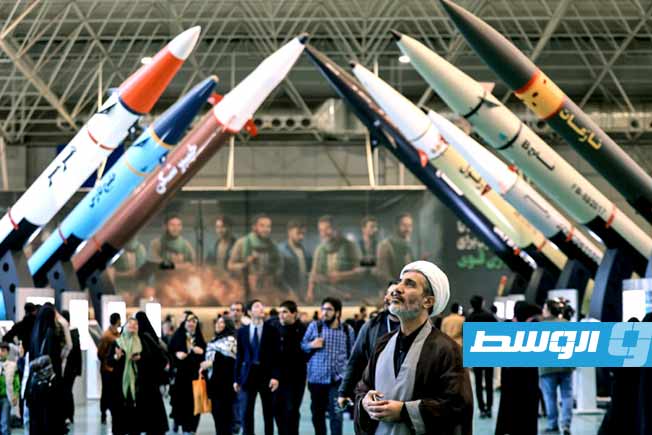
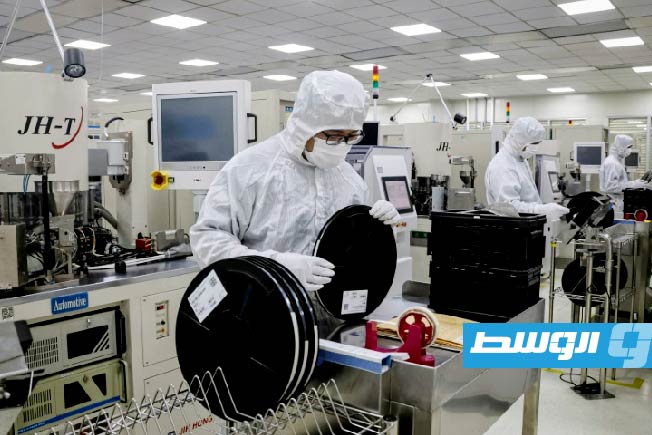
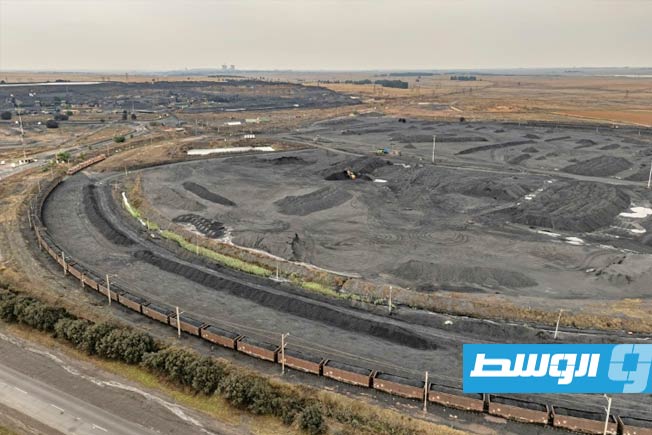
Industrial growth during the first ten months of 2025 was primarily concentrated in the engineering sector and the production of fabricated metals. Meanwhile, production declined in the light industry, food, timber, and utilities sectors.
This decline is attributed to high interest rates and financing costs, along with tax increases that limited companies’ ability to expand. The slowdown in growth is seen as the “price” the Russian economy is paying to control inflation.
Many companies are postponing their investment decisions in anticipation of a loosening of monetary policy during 2026–2027. The economic trajectory in the coming year will depend on several factors, most notably the direction of the interest rate, adjustments to precautionary restrictions, the development of foreign trade settlements, and the confidence levels of consumers and producers.
Calculated Slowdown Under Sanctions Pressure
Estimates point to an increasing slowdown in the Russian economy during the last quarter of 2025, without entering an actual recession, with annual GDP growth ranging between 0.5% and 2.5%.
Despite continued government spending as a key support factor, this performance is attributed to the tightening of monetary policy, the high interest rate, and declining investment due to Western sanctions and the war.
Official data showed that GDP growth reached 0.6% year-on-year in the third quarter of 2025. The Ministry of Economic Development has lowered its 2026 growth forecast to 1.3%, compared to European estimates hovering around 1%.
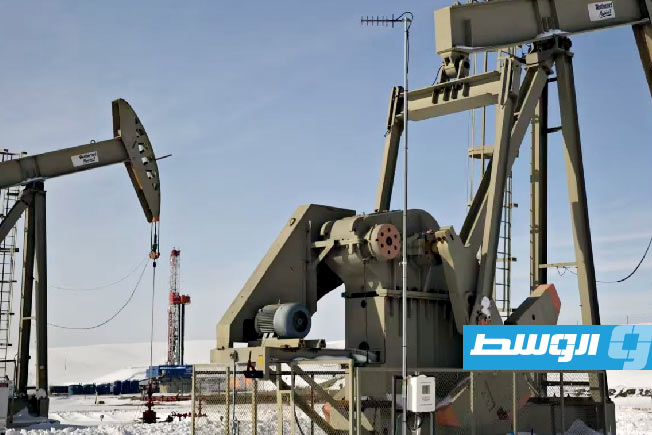
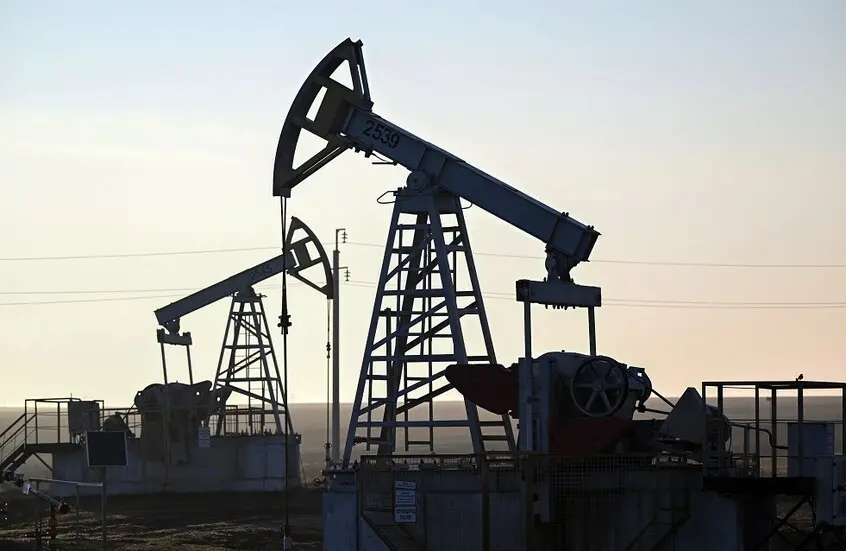
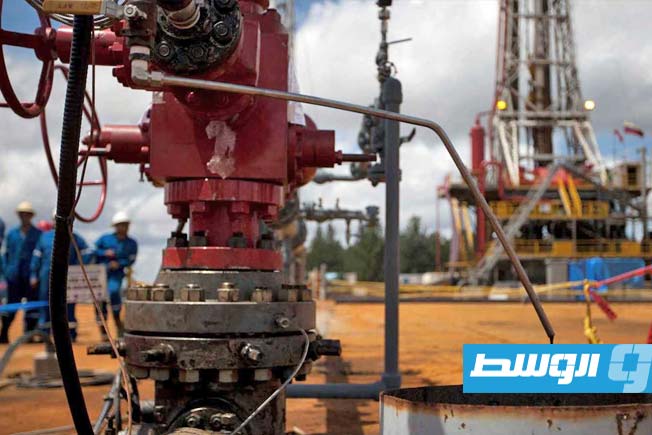
Sanctions have affected pivotal sectors such as banking, energy, and military industries, reducing investment attractiveness. Analysts note that high interest rates and taxes are putting pressure on companies and the labor market.
While it is emphasized that the current slowdown is a deliberate measure to curb inflation and that the economy is still far from recession, there are expectations of continued weak growth, close to zero, in 2026, as part of a long-term adaptation path to external constraints.