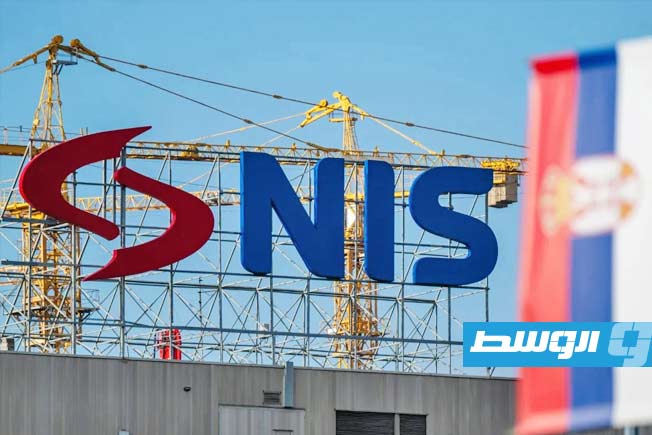
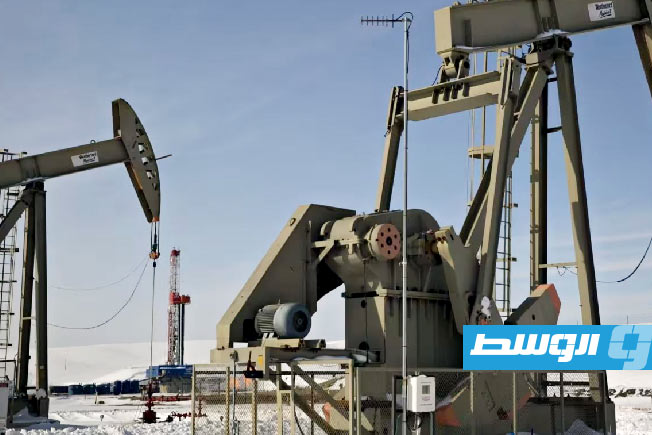
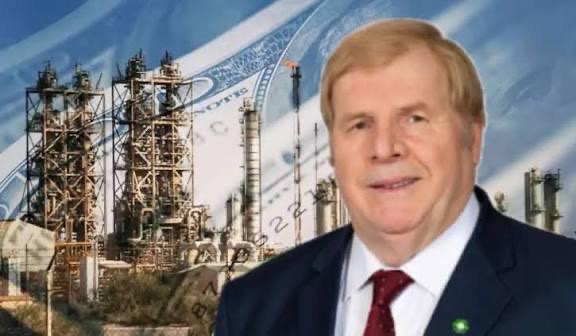
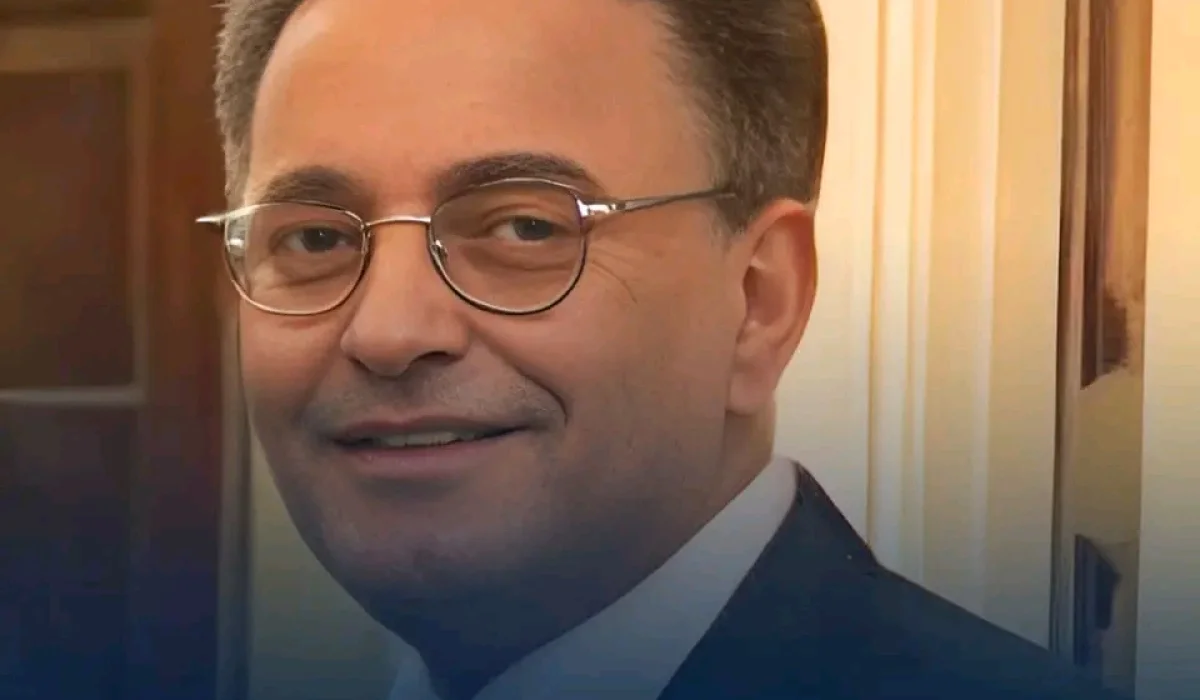
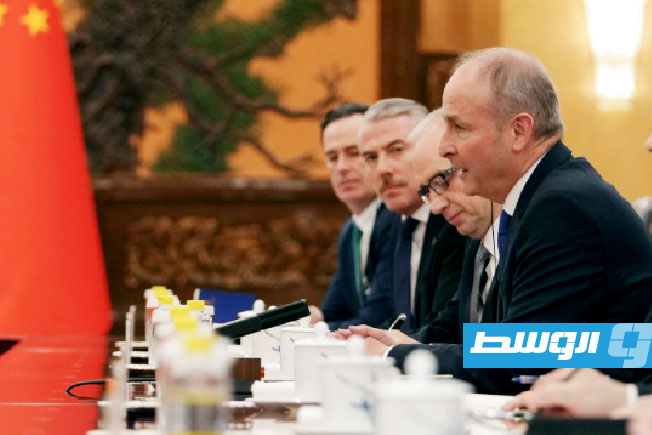
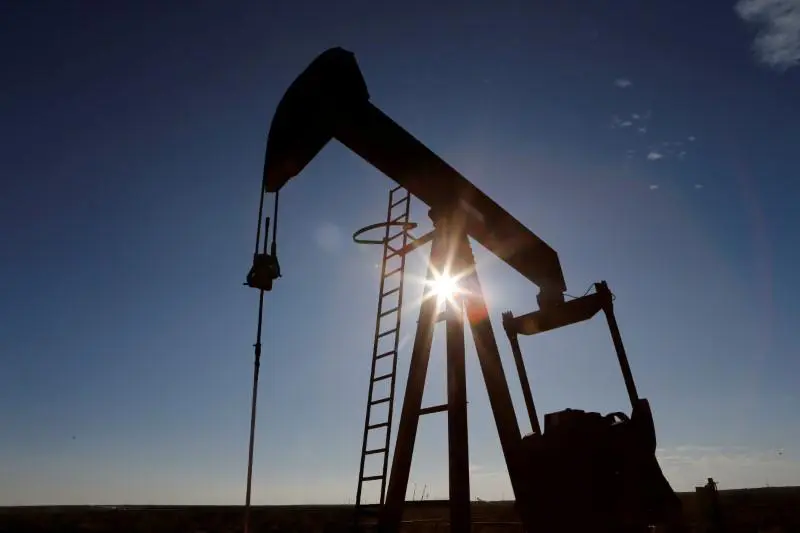
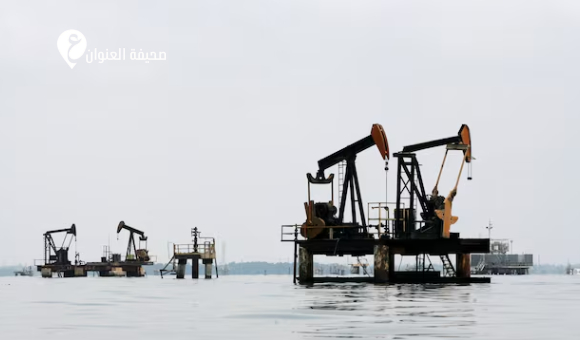
Serbia’s Energy Minister announced on Monday that the Russians, who own the majority stake in the largest oil company in her country—a company under U.S. sanctions due to Russian ownership—have agreed to sell their shares to a Hungarian energy group, with the potential involvement of Abu Dhabi in the deal.
The minister stated that the yet-to-be-finalized sale agreement will be sent to U.S. authorities for approval, as Serbia seeks to prevent its sole refinery from shutting down again due to further sanctions.
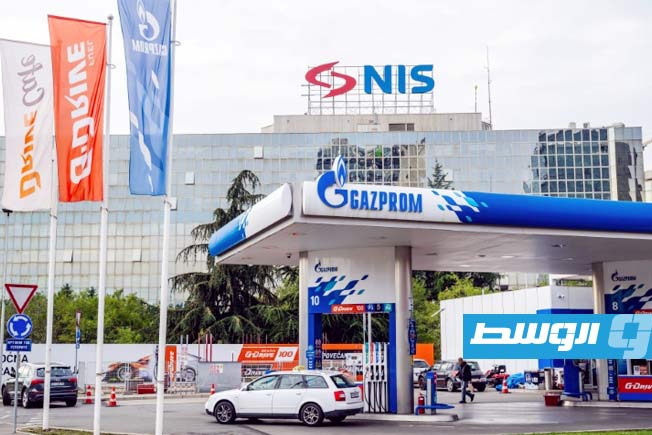
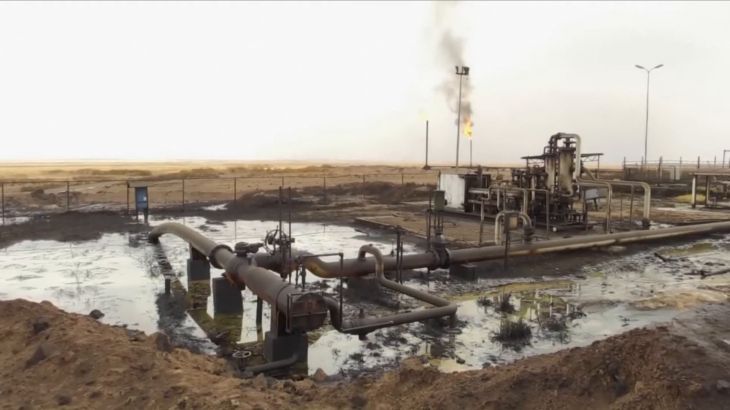
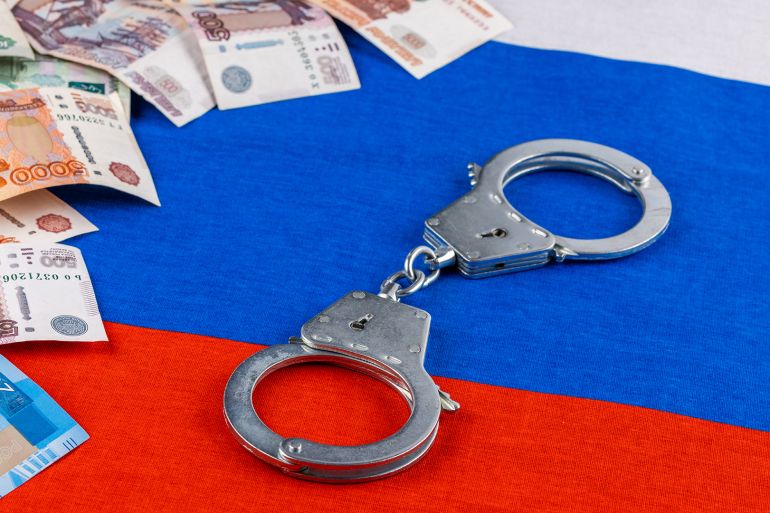
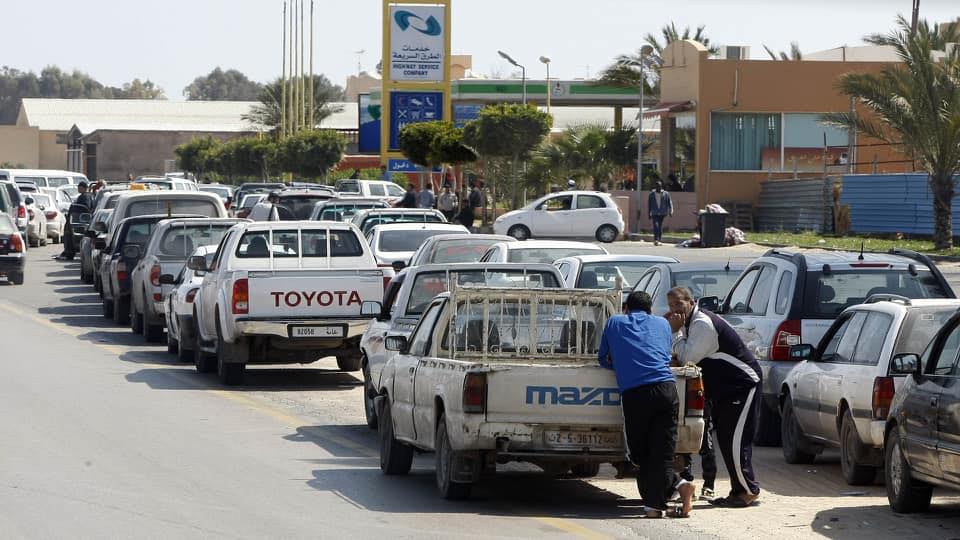
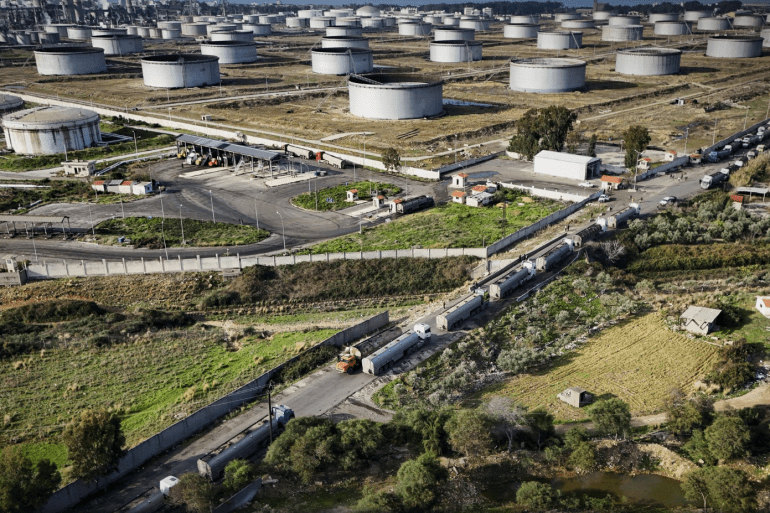
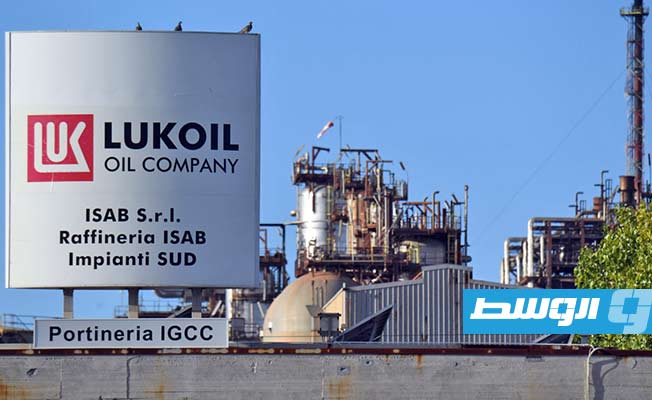
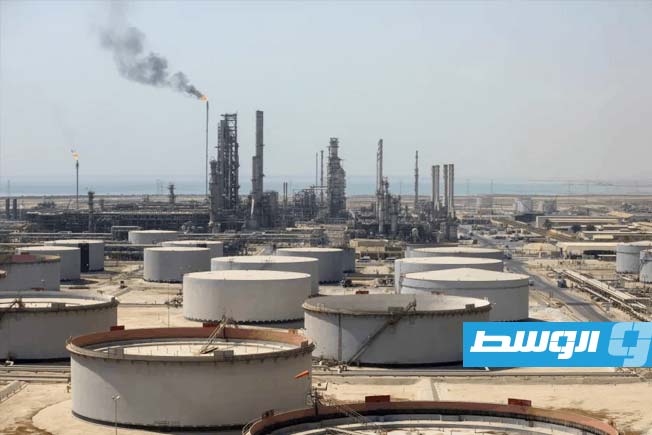
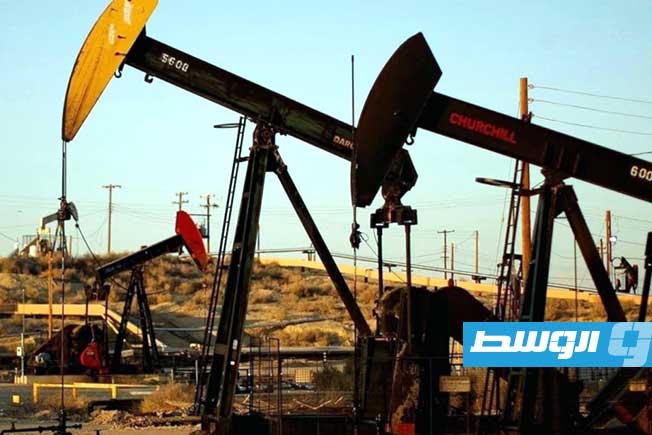
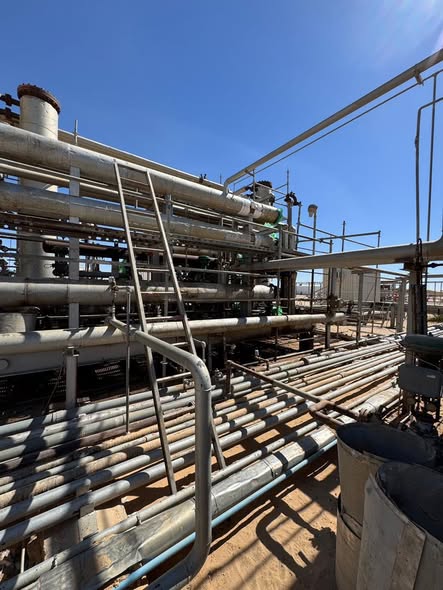
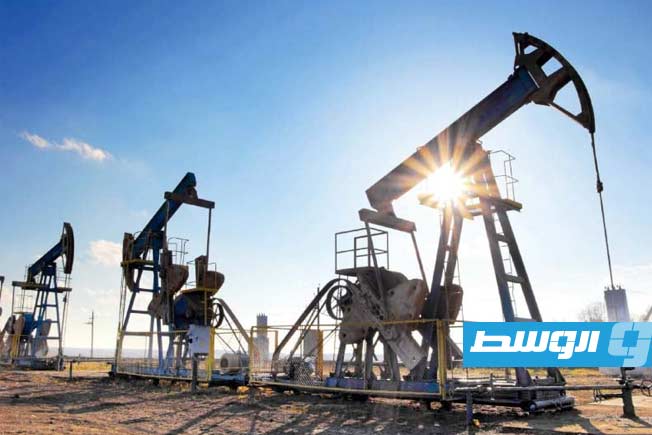
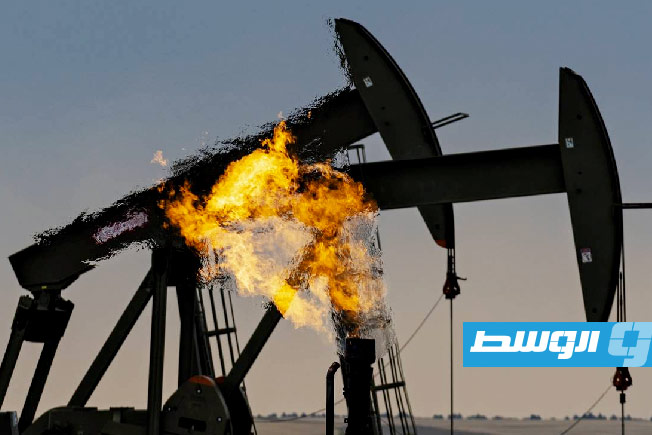
On October 9th, Washington imposed sanctions on Serbia’s major oil company, known by the abbreviation NIS, which owns about 20% of fuel stations, supplies roughly 80% of Serbia’s total fuel consumption, and operates the country’s only refinery.
Washington demanded the withdrawal of the two Russian companies, Gazprom and Intelligenz, from NIS’s capital—where they own about 56% of the shares—as a condition for lifting the sanctions. The minister stated in a video message on Monday that “MOL (Hungarian) and Gazprom Neft (Russian) have agreed on the basic terms of a sales and purchase agreement.”
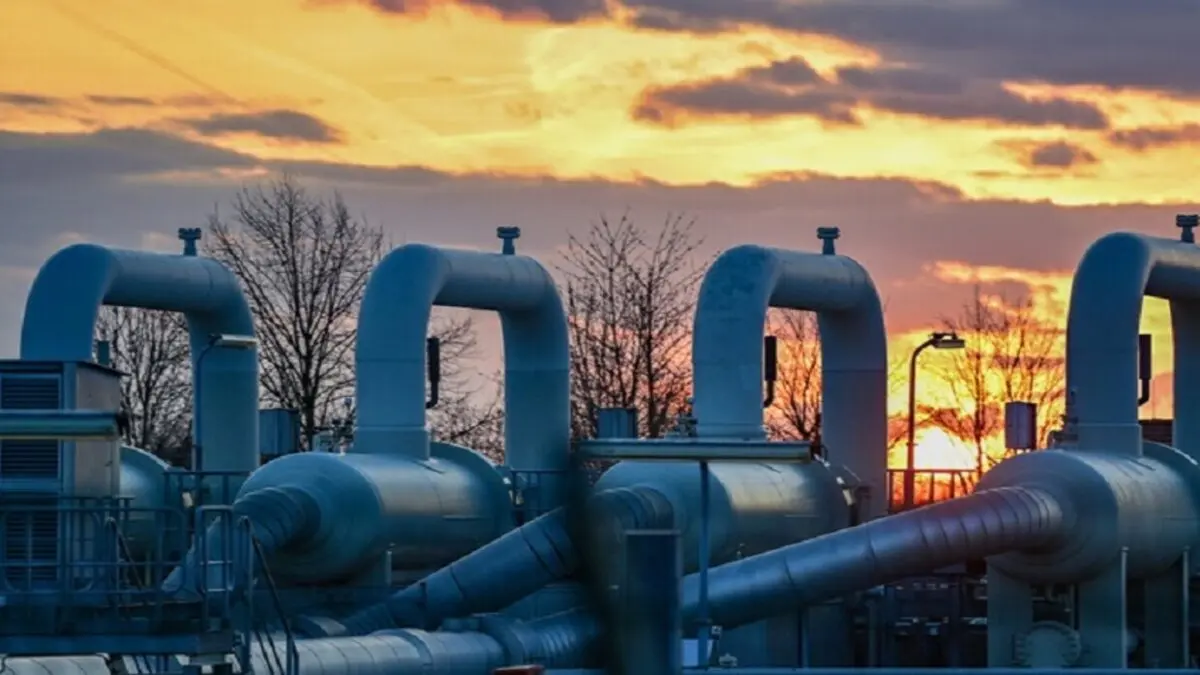
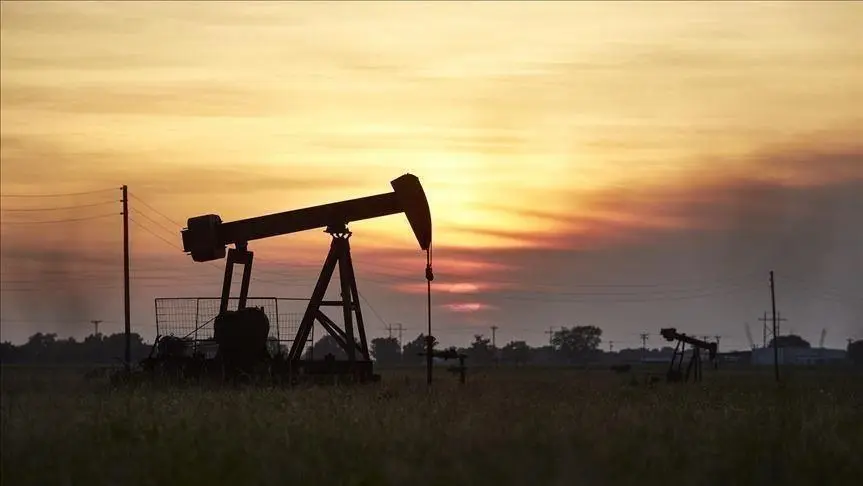
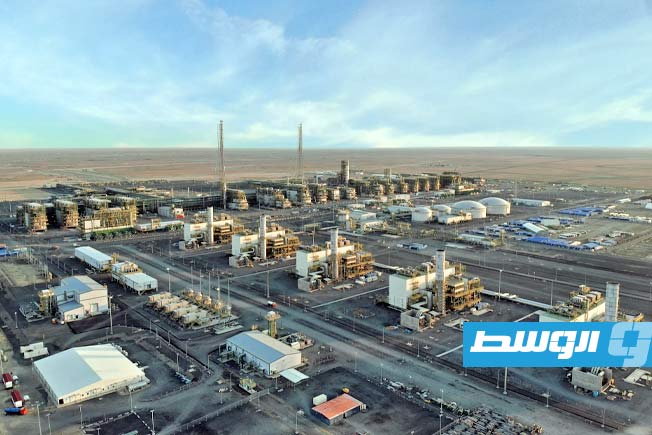
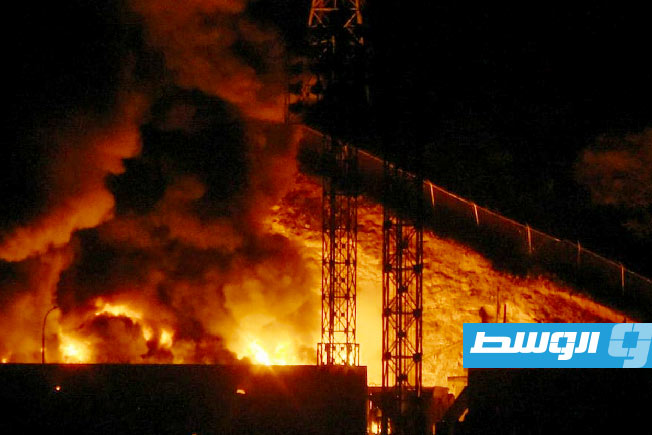
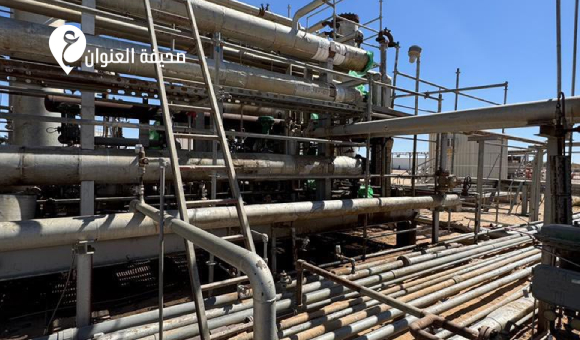
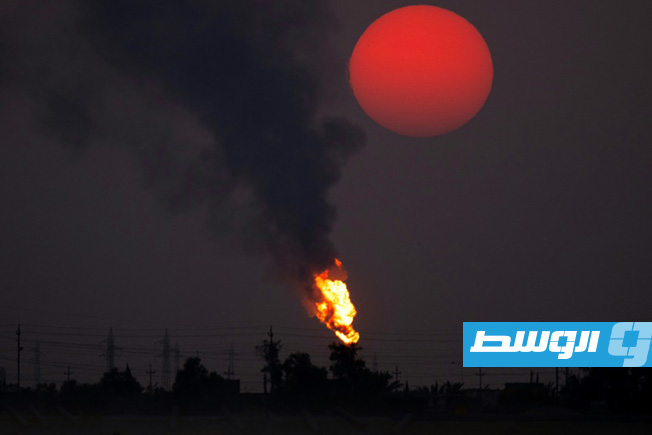
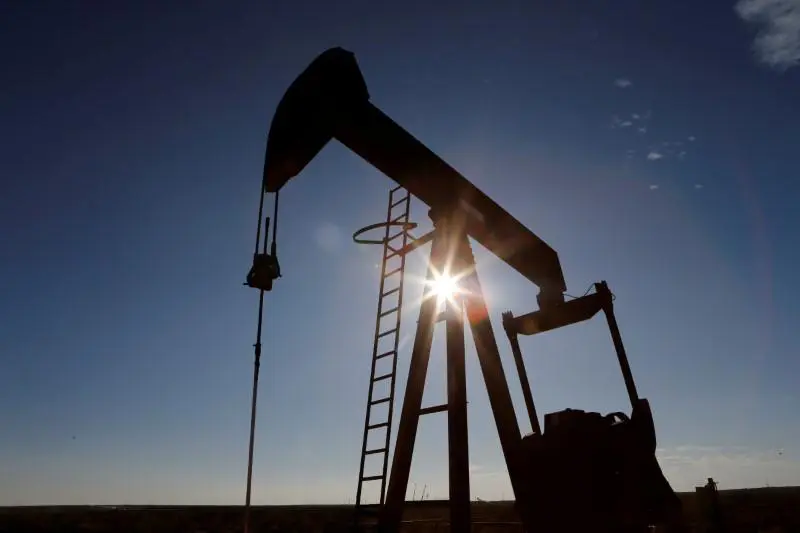
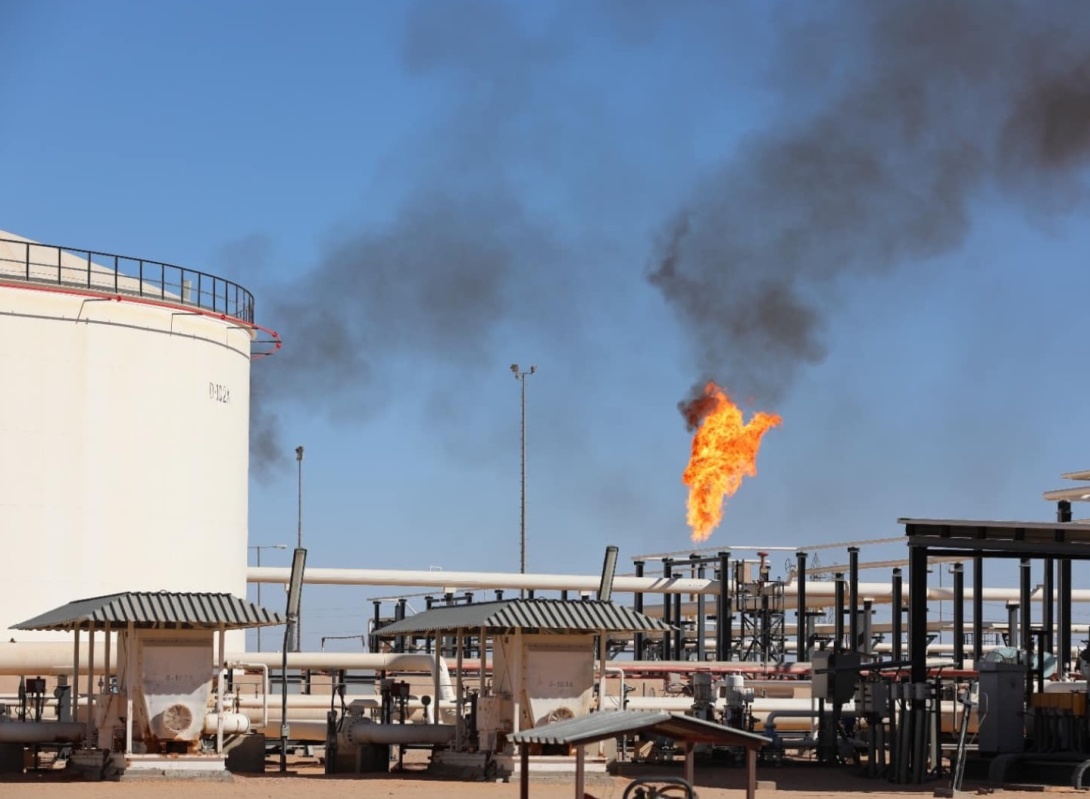
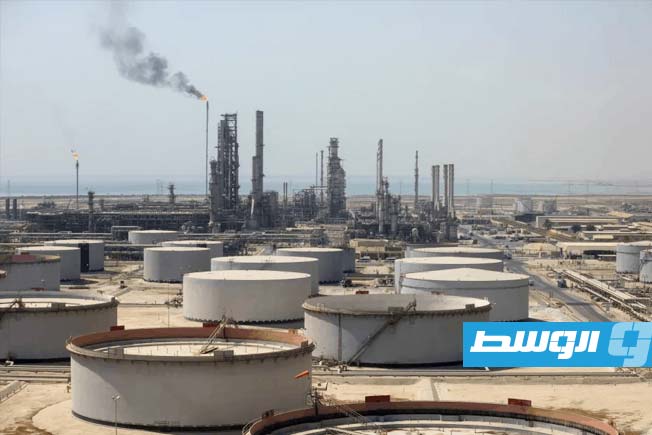
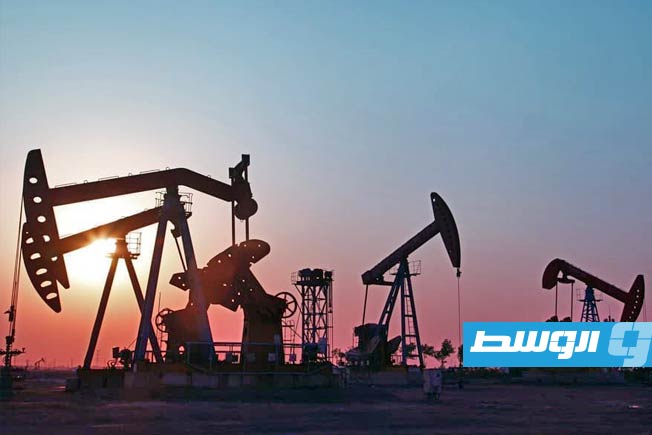
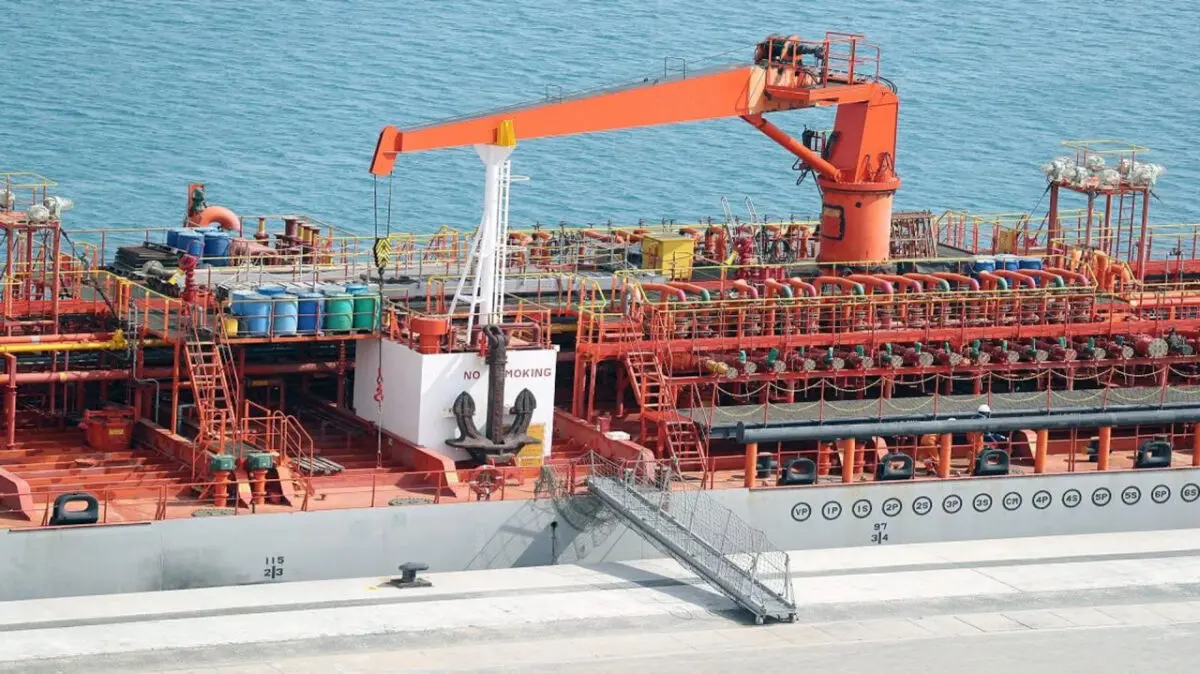
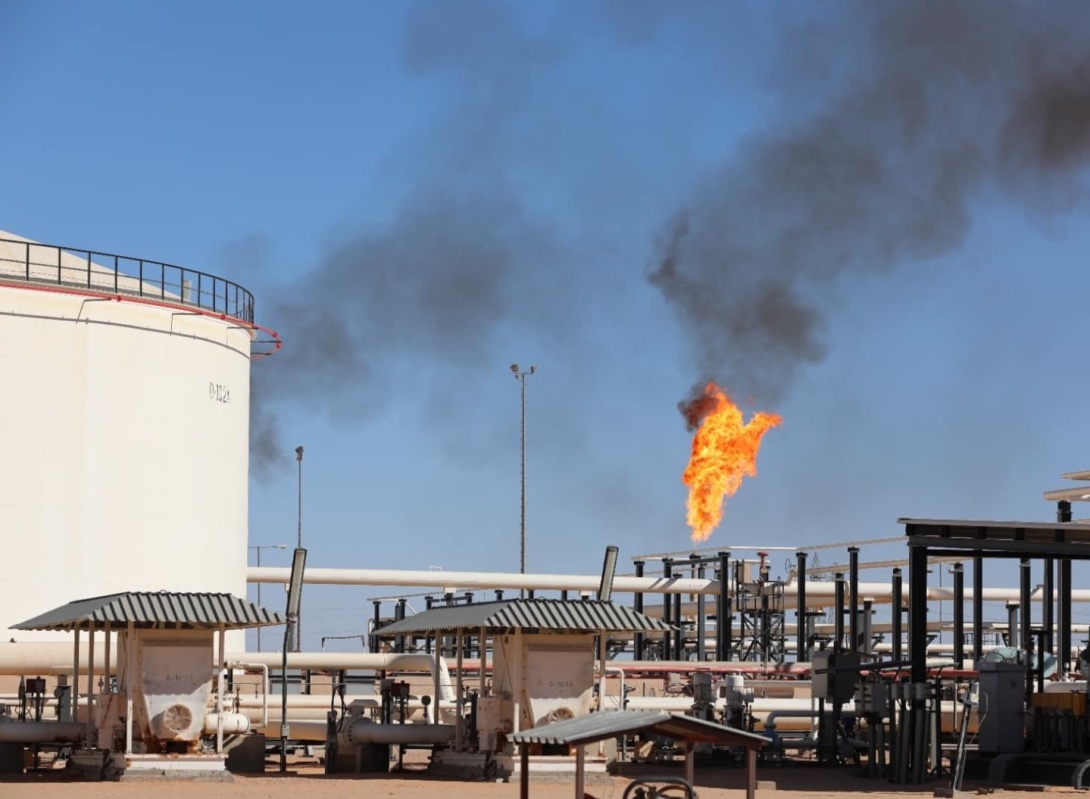
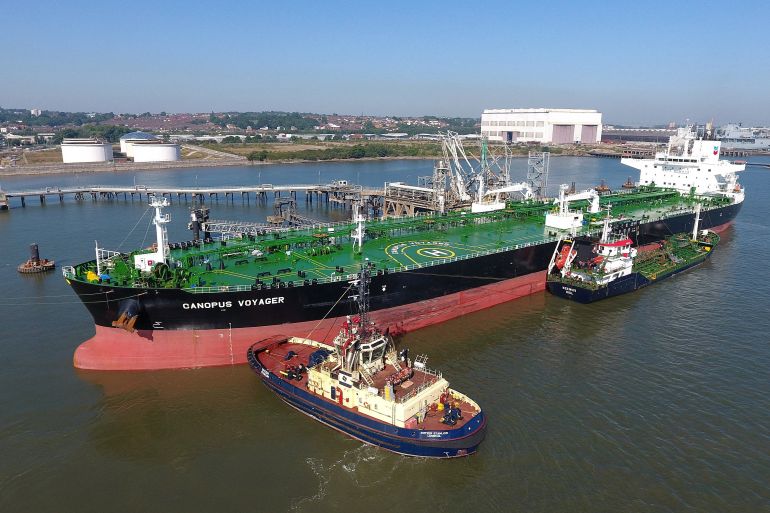
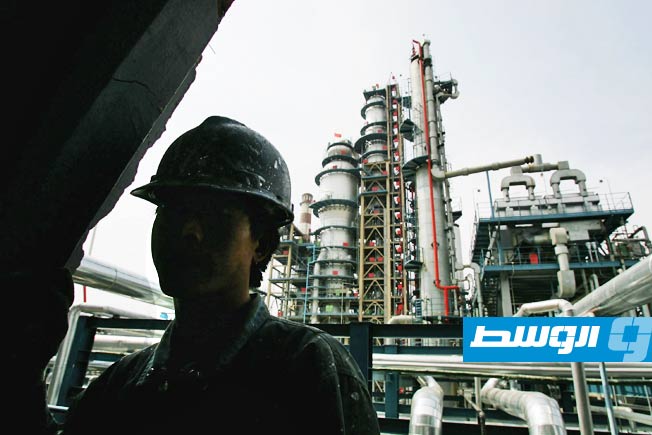
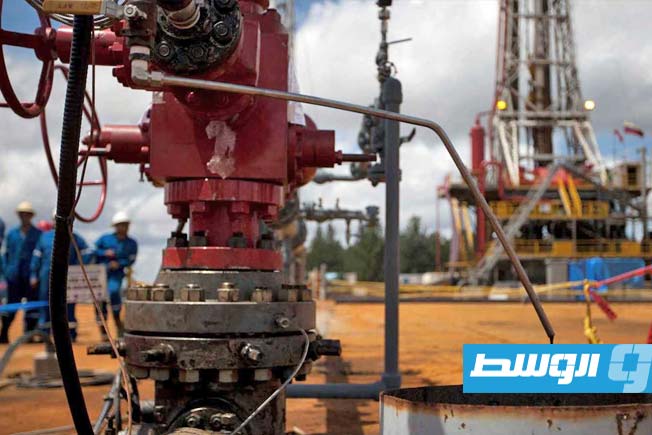
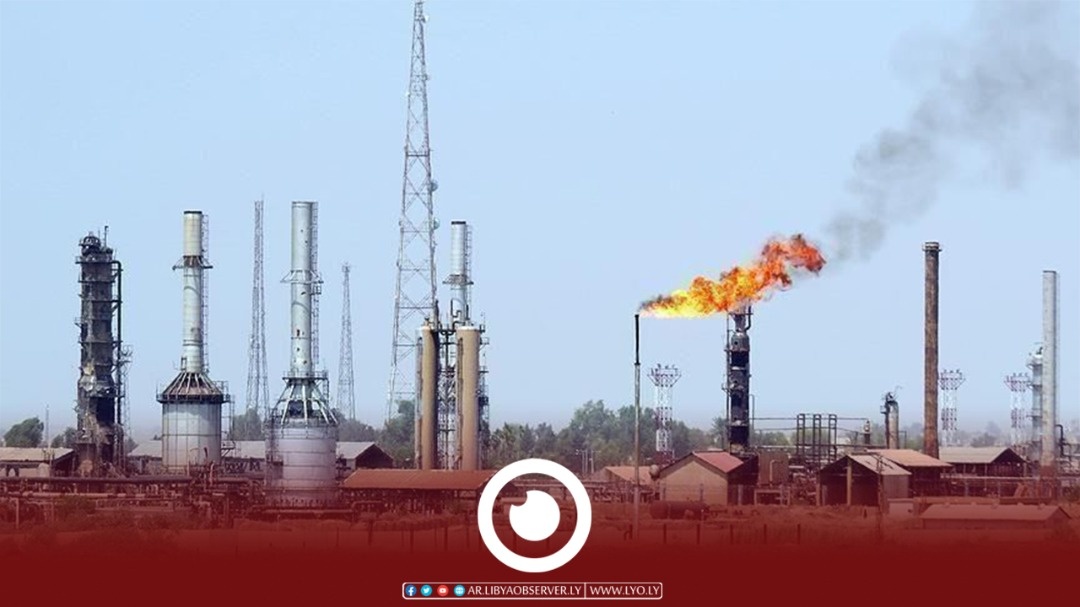
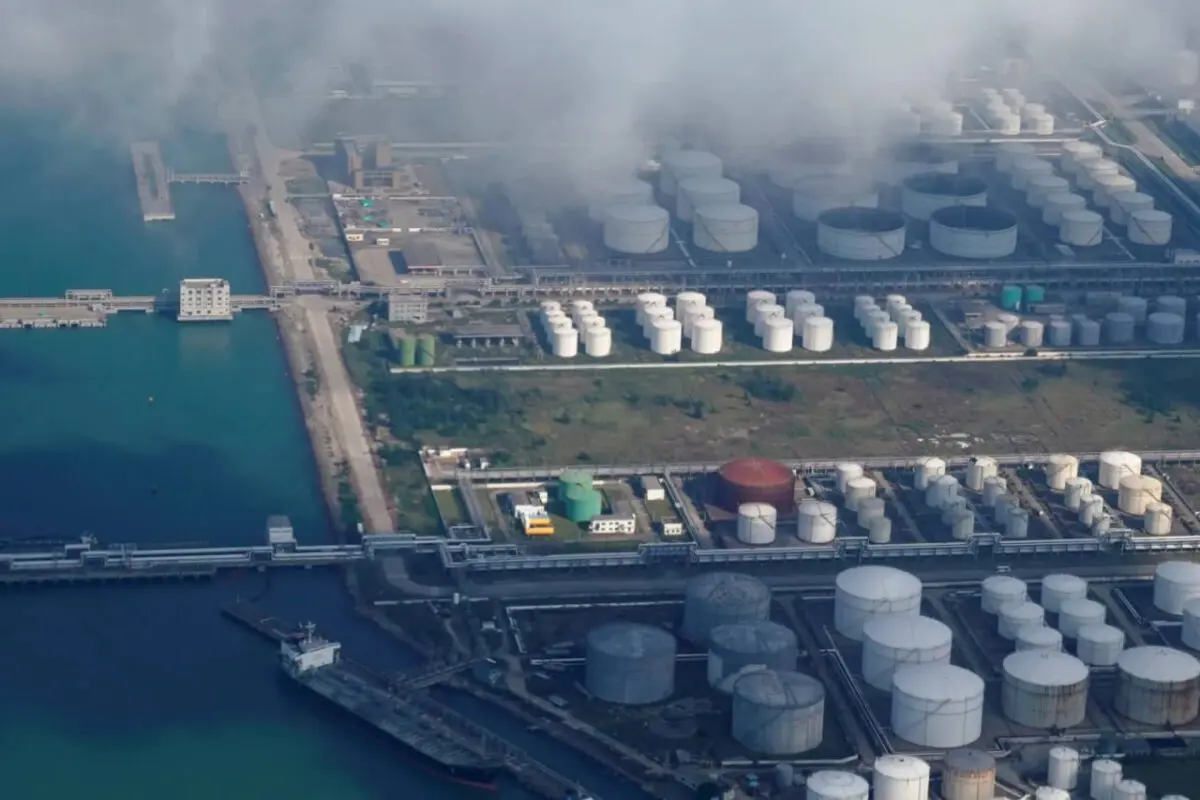
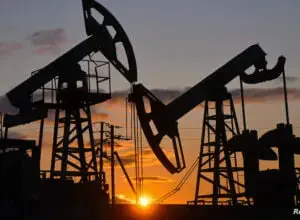
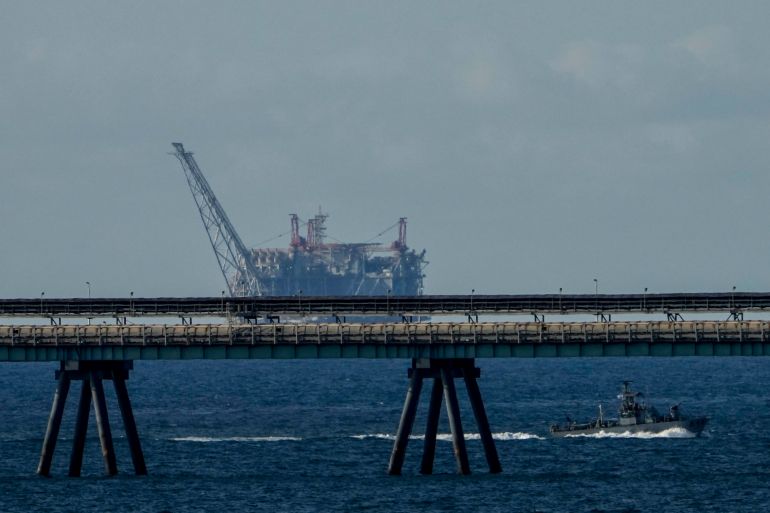
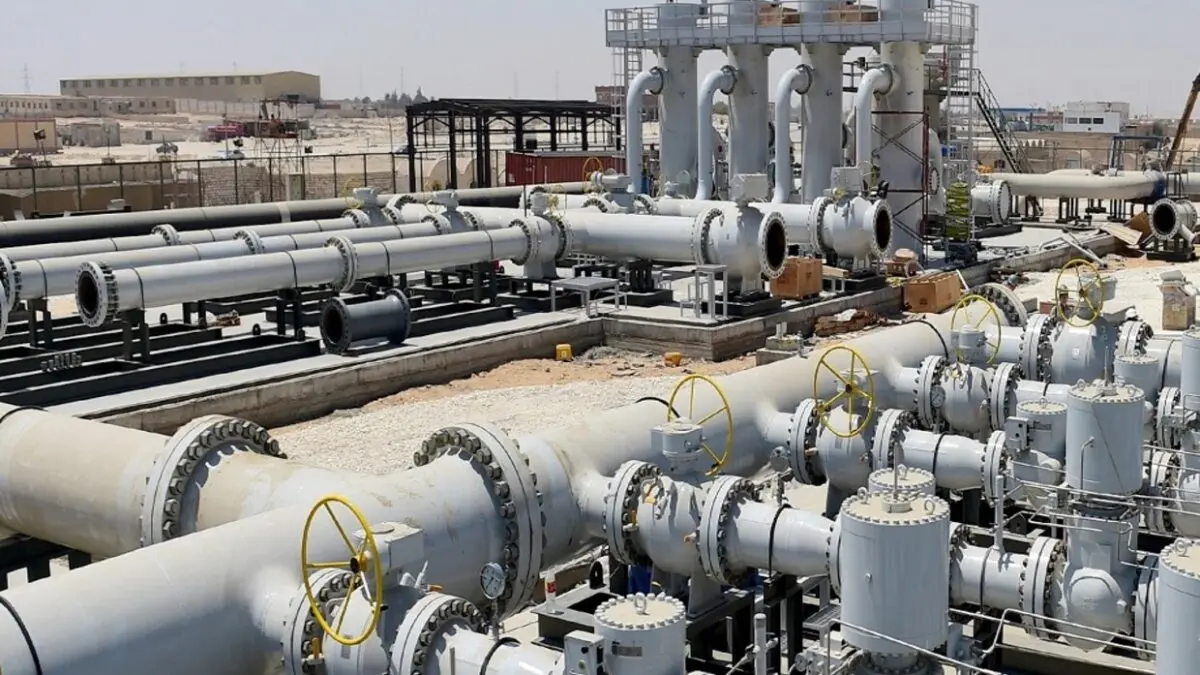
The sanctions imposed by Washington on NIS, part of an effort to stifle the Russian energy sector, led to the shutdown of Serbia’s sole oil refinery in early December.
On December 31st, the United States approved a temporary suspension of the sanctions, and the refinery resumed operations on Sunday. NIS obtained a license from the U.S. Office of Foreign Assets Control allowing it to continue operations until January 23rd, as well as a license to negotiate the sale of its shares, valid until March 24th.
The minister announced that “the details of the agreement still need to be negotiated,” noting that the Abu Dhabi National Oil Company (ADNOC) is also a party in the negotiations to purchase shares.
She revealed that Serbia has also increased its stake in the company to about 35% in an effort to “reach a share percentage that allows a broader margin for decision-making.”
In 2008, Serbia relinquished 51% of the shares in NIS to Gazprom and Gazprom Neft in exchange for 400 million euros. The Serbian state still owns about 30% of the company, while the remaining shares are distributed among small shareholders.
Gazprom Neft, which has invested billions in the company and is itself targeted by Russian sanctions, currently owns 45% of the shares in NIS.
The holding company Gazprom transferred its 11.3% stake to its partner Intelligenz in September. The Serbian minister confirmed that the Hungarian company MOL has pledged to continue operating the refinery, amid concerns that the facility might be dismantled after the deal is finalized.
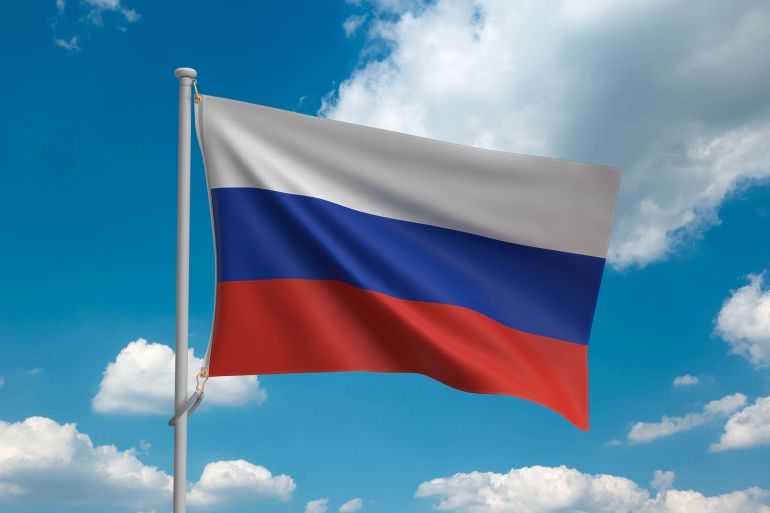
Russia
Russia is the world’s largest country by area, spanning Eastern Europe and Northern Asia. Its history is marked by the rule of the Tsars, the rise and fall of the Soviet Union in the 20th century, and its establishment as the modern Russian Federation in 1991. The nation is renowned for its vast landscapes, rich literary and artistic traditions, and globally influential cultural heritage.
Serbia
Serbia is a Balkan nation with a rich history dating back to medieval Slavic kingdoms, most notably the Serbian Empire under Stefan Dušan in the 14th century. It was a core part of Yugoslavia in the 20th century before becoming an independent republic again in 2006. Culturally, it is known for Orthodox Christian monasteries like Studenica, UNESCO-listed sites, and vibrant traditions in music and folklore.
Hungarian
Hungary is a landlocked country in Central Europe with a rich history dating back to the Magyar conquest in the late 9th century. Its cultural heritage is exemplified by sites like the Hungarian Parliament Building in Budapest, a neo-Gothic landmark completed in 1904, and the historic thermal bath culture influenced by both Ottoman and Roman eras.
Abu Dhabi
Abu Dhabi is the capital and second-most populous city of the United Arab Emirates, historically centered around a freshwater well and a fort established in the 18th century. It transformed from a modest pearling village into a global metropolis following the discovery of oil in the mid-20th century. Today, it is a major political, industrial, and cultural hub known for its modern architecture, such as the Sheikh Zayed Grand Mosque, alongside preserving elements of its heritage.
U.S.
The United States is a federal republic founded in 1776 after declaring independence from Great Britain, established through a revolutionary war and the subsequent adoption of its Constitution in 1787. It grew from thirteen original colonies into a global superpower, with a history shaped by westward expansion, industrial growth, and significant civil rights movements.
Washington
Washington, D.C., the capital of the United States, was founded in 1790 following the signing of the Residence Act and named after the nation’s first president, George Washington. The city was purposefully designed to serve as the seat of the federal government and is home to iconic landmarks such as the White House, the U.S. Capitol, and the Washington Monument.
NIS
NIS is the National Intelligence Service of South Korea, originally established in 1961 as the Korean Central Intelligence Agency (KCIA). It has undergone several reforms and name changes, evolving from a politically involved agency during authoritarian rule to a modern intelligence organization focused on national security and counterespionage.
Gazprom
Gazprom is a Russian majority state-owned multinational energy corporation, originally founded in 1989 as the Soviet Ministry of Gas Industry. It is the largest natural gas company in the world and a crucial entity in Russia’s economy and geopolitical strategy, controlling extensive gas reserves, production, and pipeline networks.
Intelligenz
“Intelligenz” is a historic café and restaurant located in the city of Lviv, Ukraine, which first opened in the early 20th century. It became a renowned meeting place for the city’s artists, writers, and intellectuals, serving as a cultural hub during the interwar period.
MOL
MOL is a Hungarian multinational oil and gas company, founded in 1991 following the restructuring of the state-owned oil and gas industry. It has since grown into a leading integrated Central and Eastern European corporation with operations spanning exploration, production, refining, and retail.
Gazprom Neft
Gazprom Neft is a major Russian oil and gas company, formed in 1995 as Sibneft before being acquired by the state-owned Gazprom in 2005. It is now one of Russia’s largest oil producers, with a history rooted in the privatization of the Soviet oil industry and subsequent state consolidation.
United States
The United States is a federal republic founded in 1776 after declaring independence from Great Britain, with its modern government established by the Constitution in 1789. Its history is marked by westward expansion, industrialization, and its emergence as a global superpower in the 20th century. The nation is defined by its diverse cultural heritage, shaped by immigration and a blend of indigenous, European, African, and other global influences.
U.S. Office of Foreign Assets Control
The U.S. Office of Foreign Assets Control (OFAC) is a financial intelligence and enforcement agency of the U.S. Treasury Department. It administers and enforces economic and trade sanctions based on U.S. foreign policy and national security goals, primarily against targeted foreign countries, regimes, terrorists, and narcotics traffickers. OFAC was formally created in 1950, though its roots trace back to the Trading with the Enemy Act of 1917.
Abu Dhabi National Oil Company
The Abu Dhabi National Oil Company (ADNOC) is a state-owned petroleum company founded in 1971, following the UAE’s independence. It manages the exploration, production, refining, and distribution of the Emirate of Abu Dhabi’s vast hydrocarbon resources, playing a central role in the nation’s economic development.
ADNOC
ADNOC (Abu Dhabi National Oil Company) is the state-owned oil and gas company of the United Arab Emirates, founded in 1971. It plays a central role in the UAE’s economy, managing the exploration, production, refining, and distribution of the country’s hydrocarbon resources.