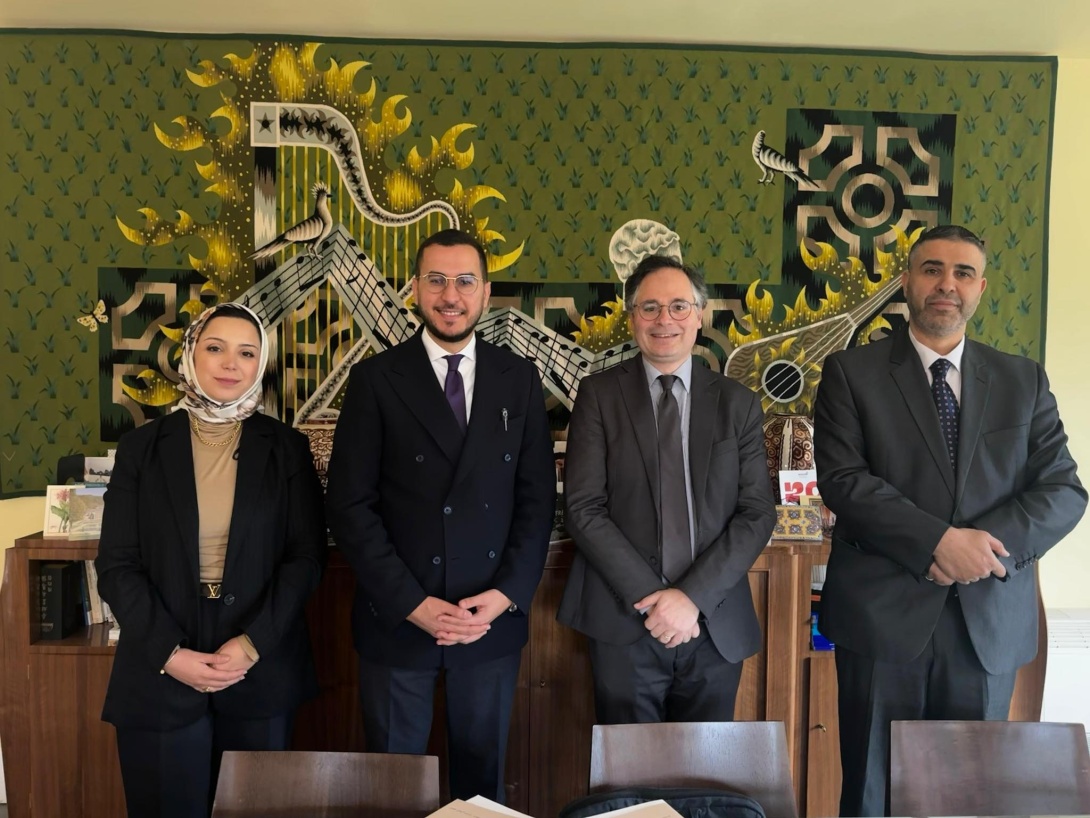
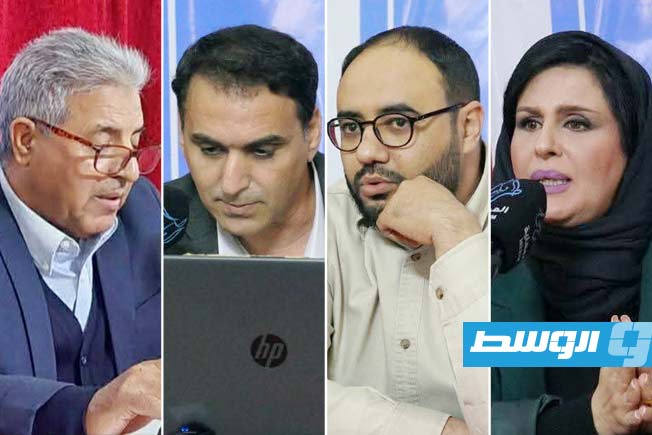
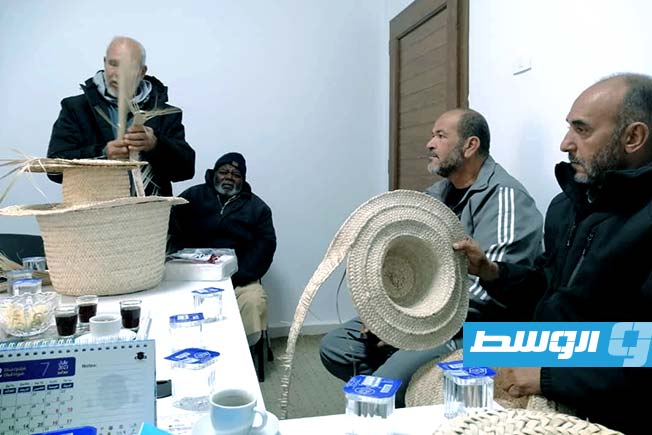
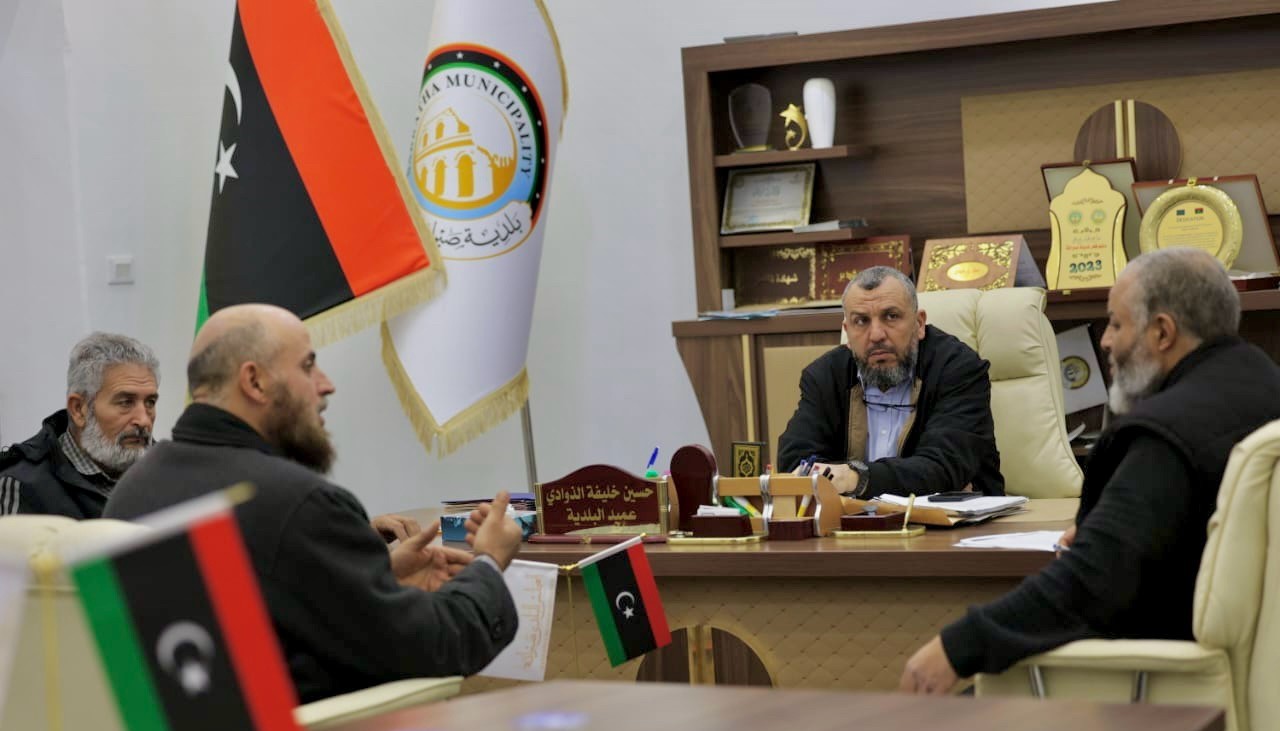
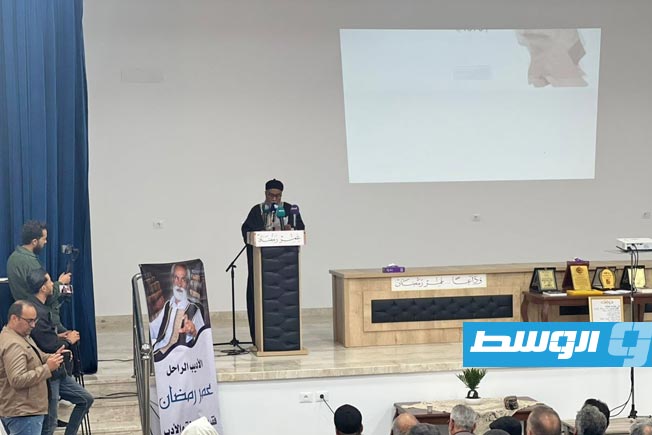
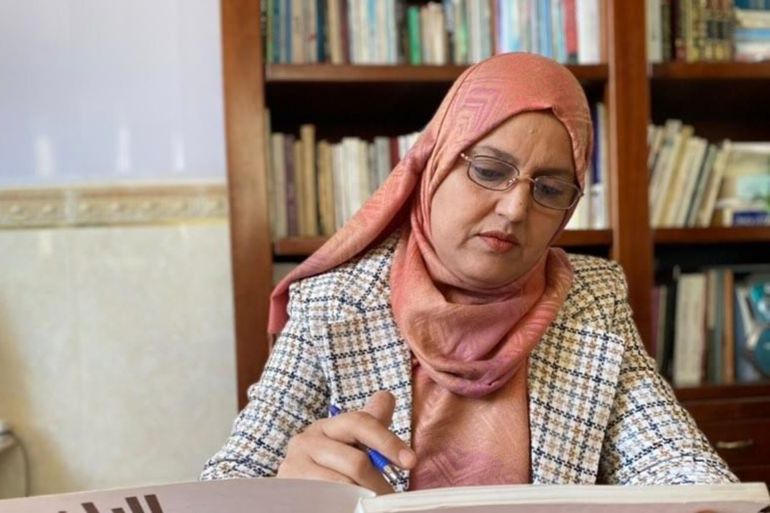
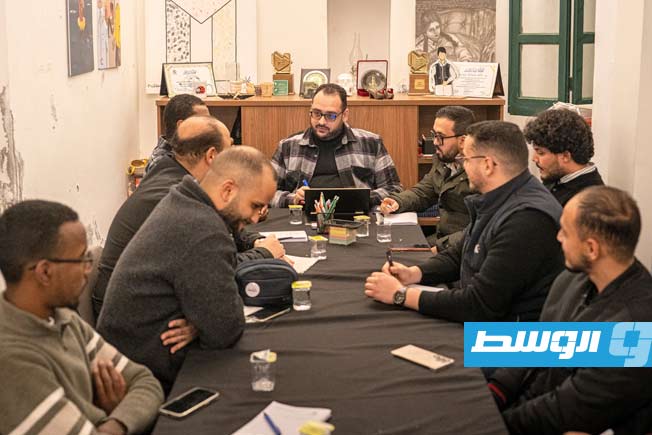
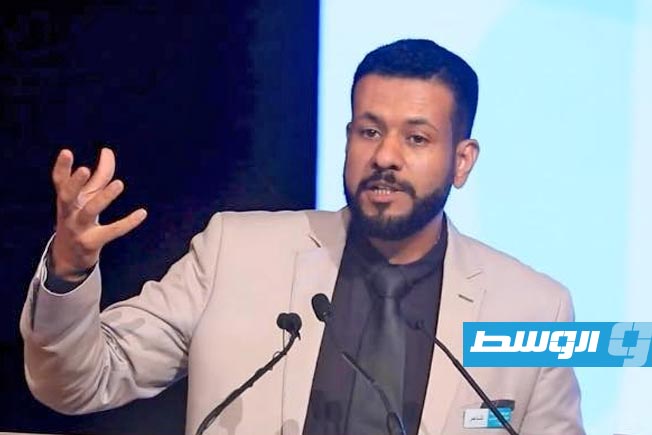
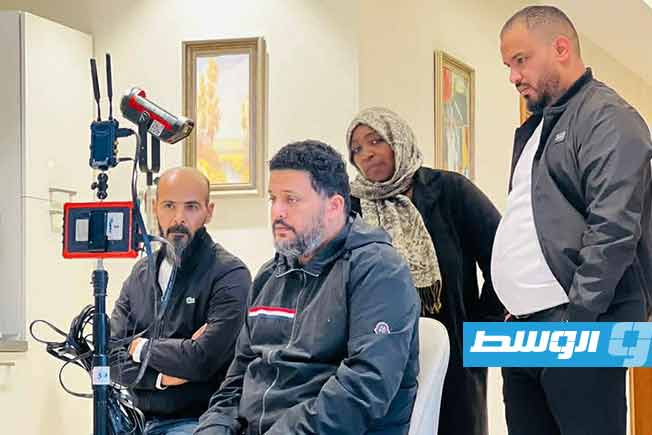
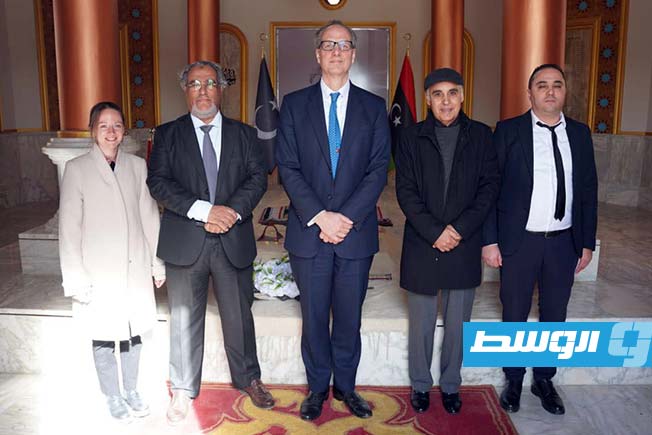
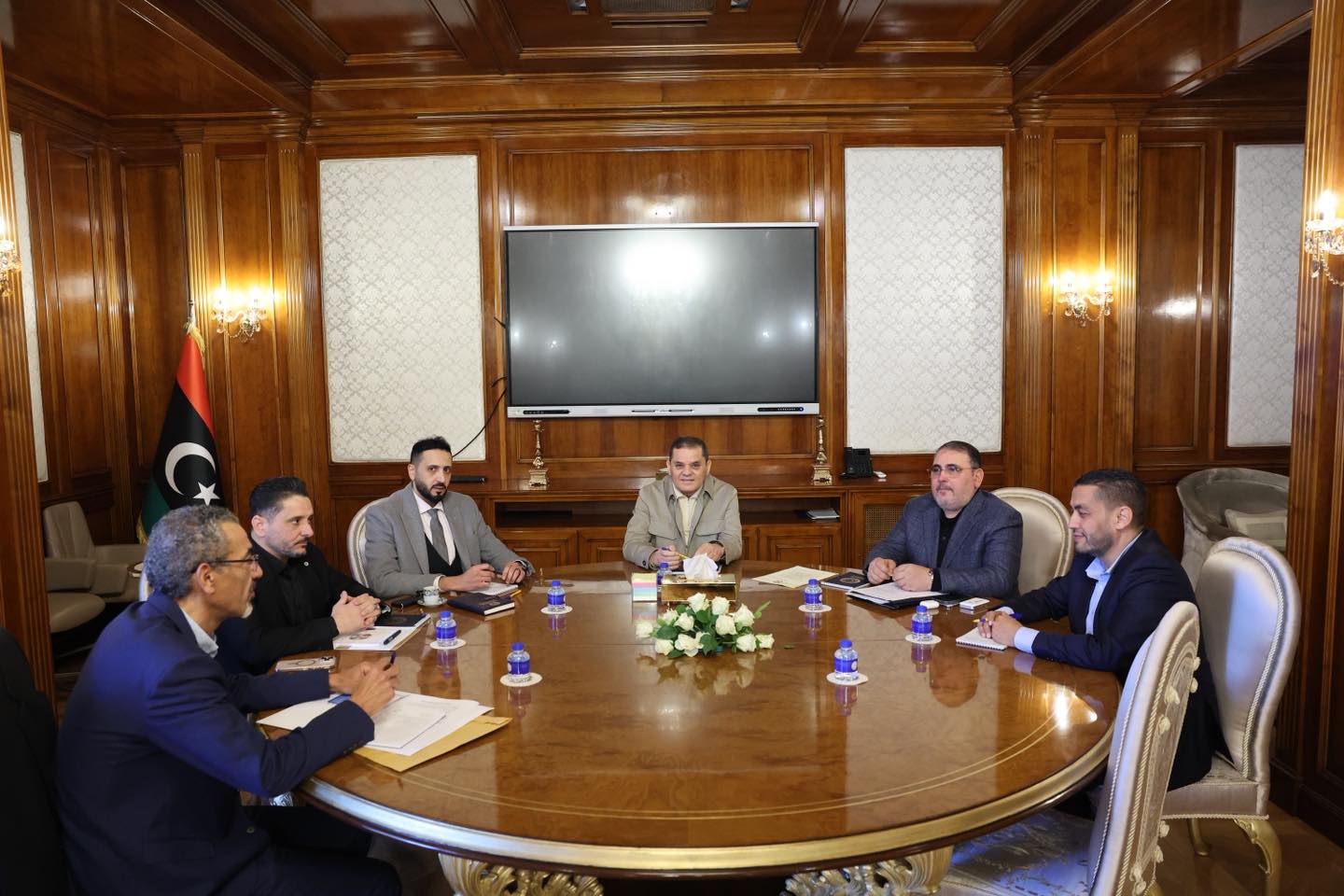
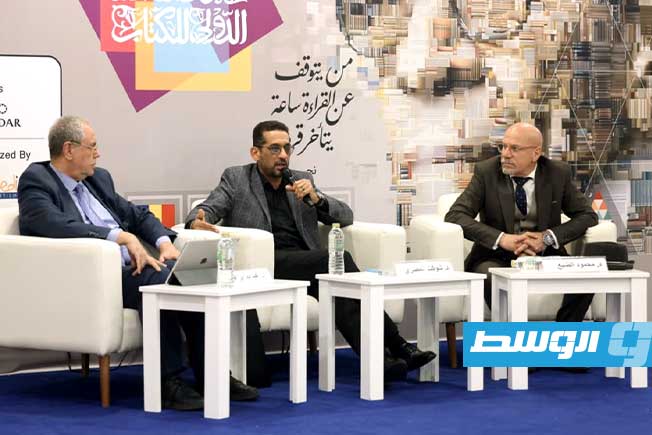
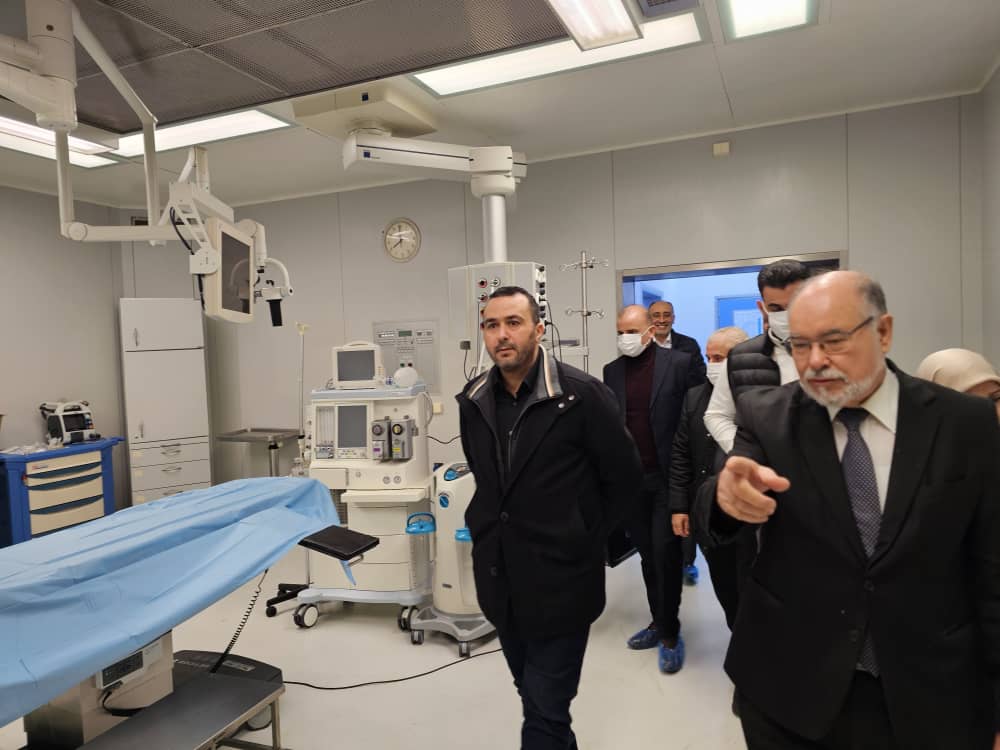
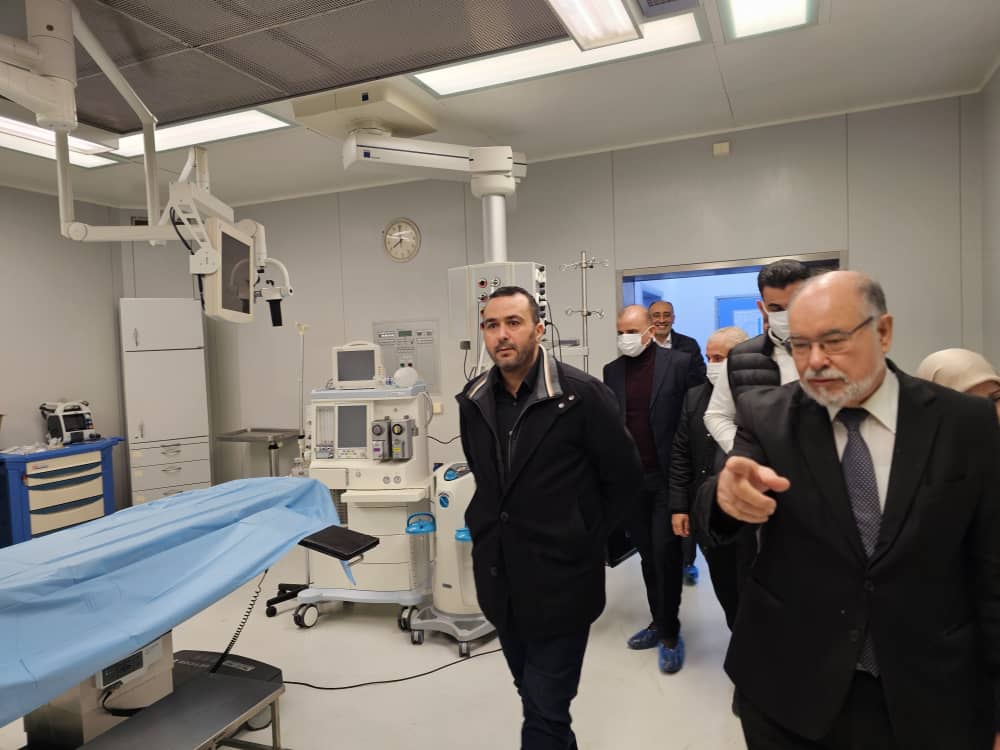
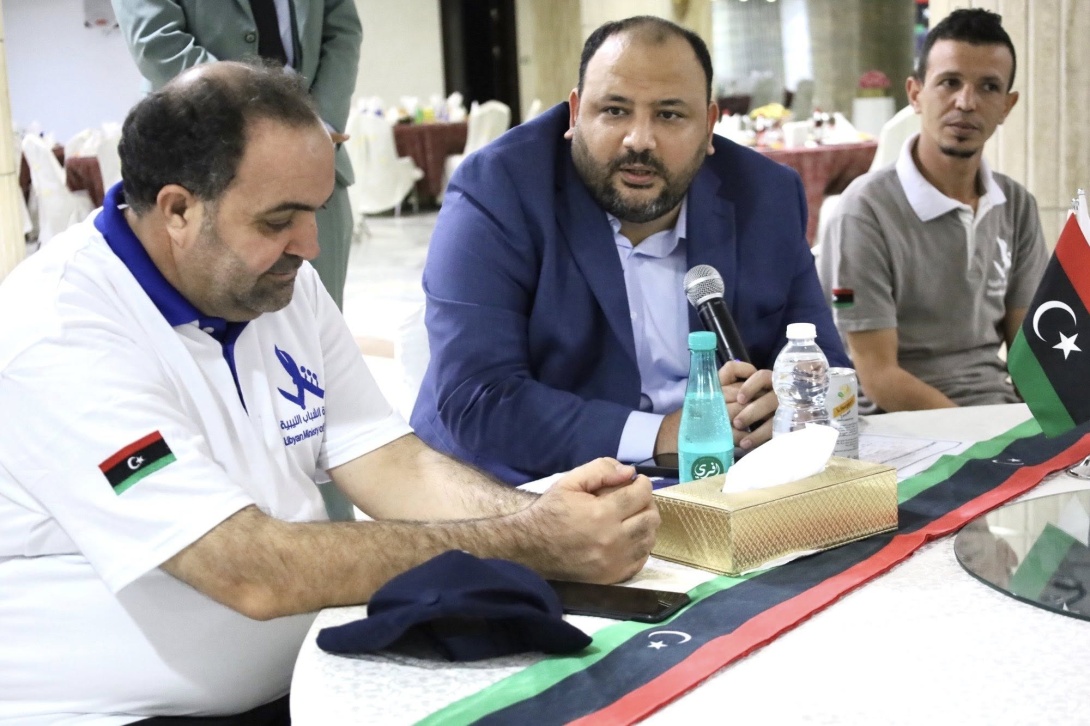
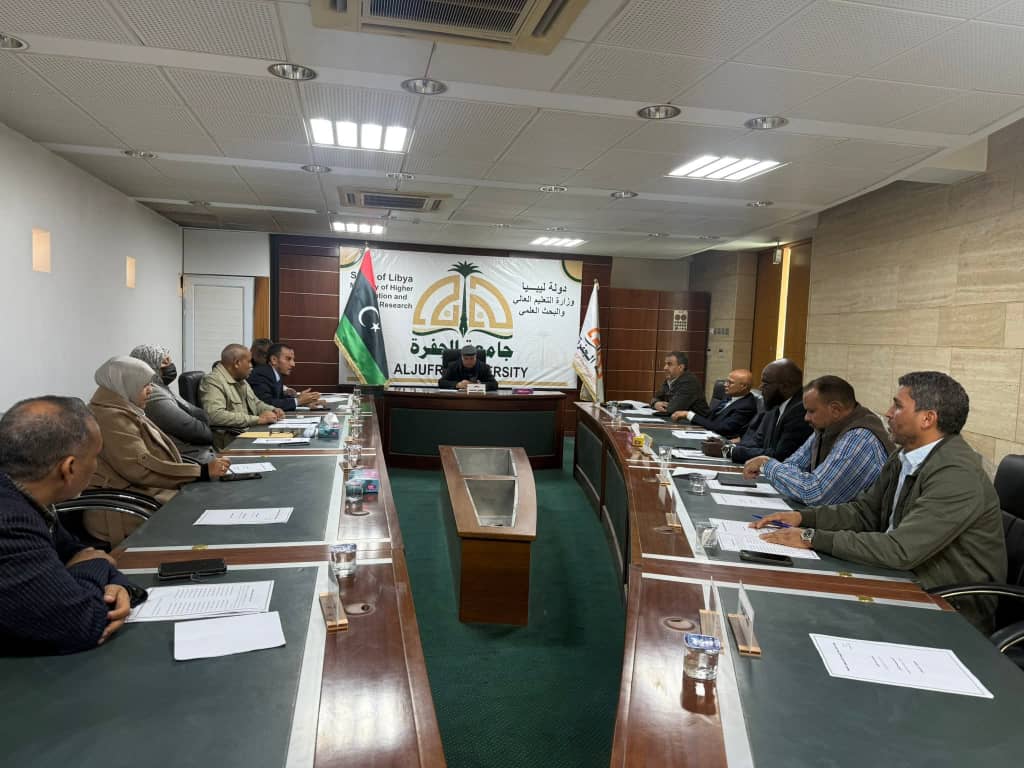
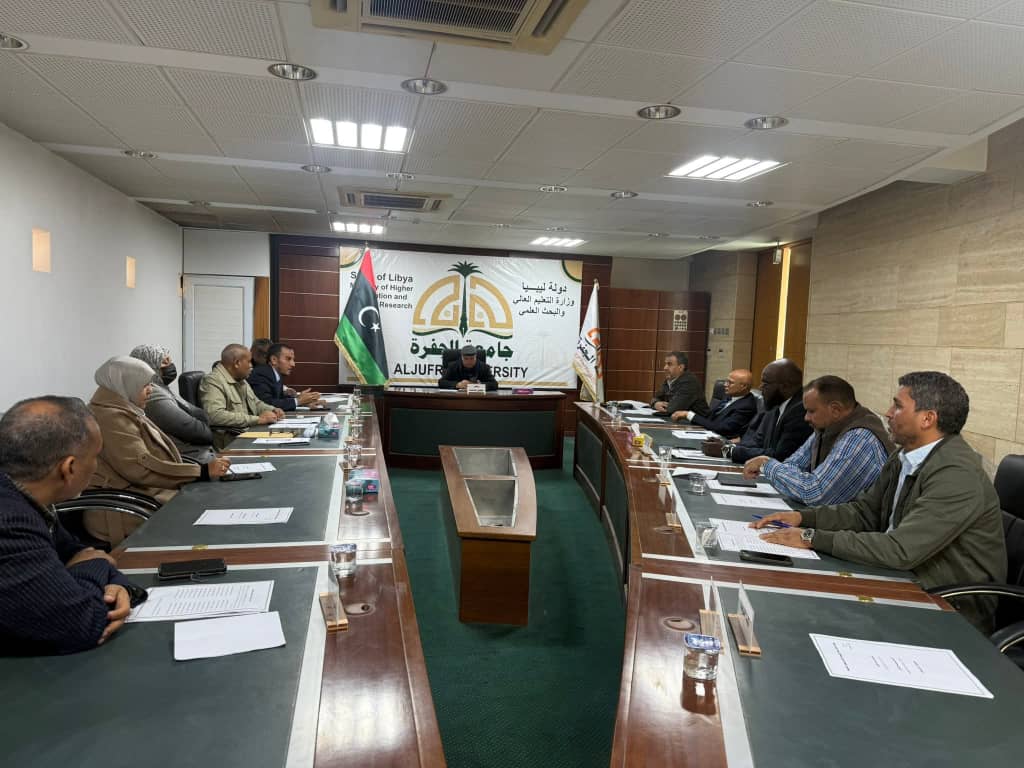
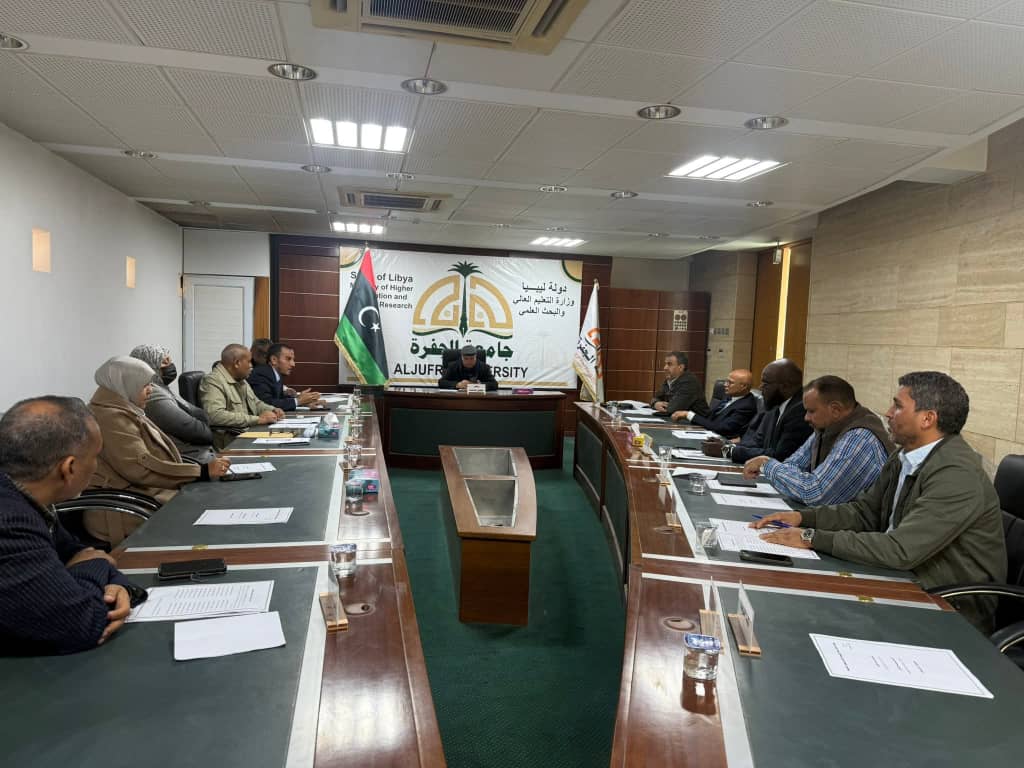
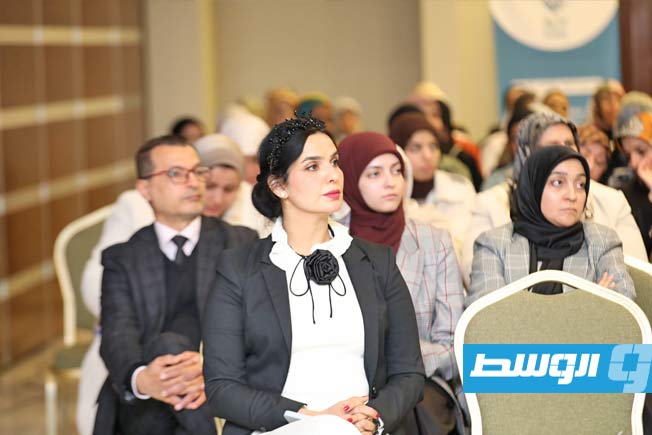
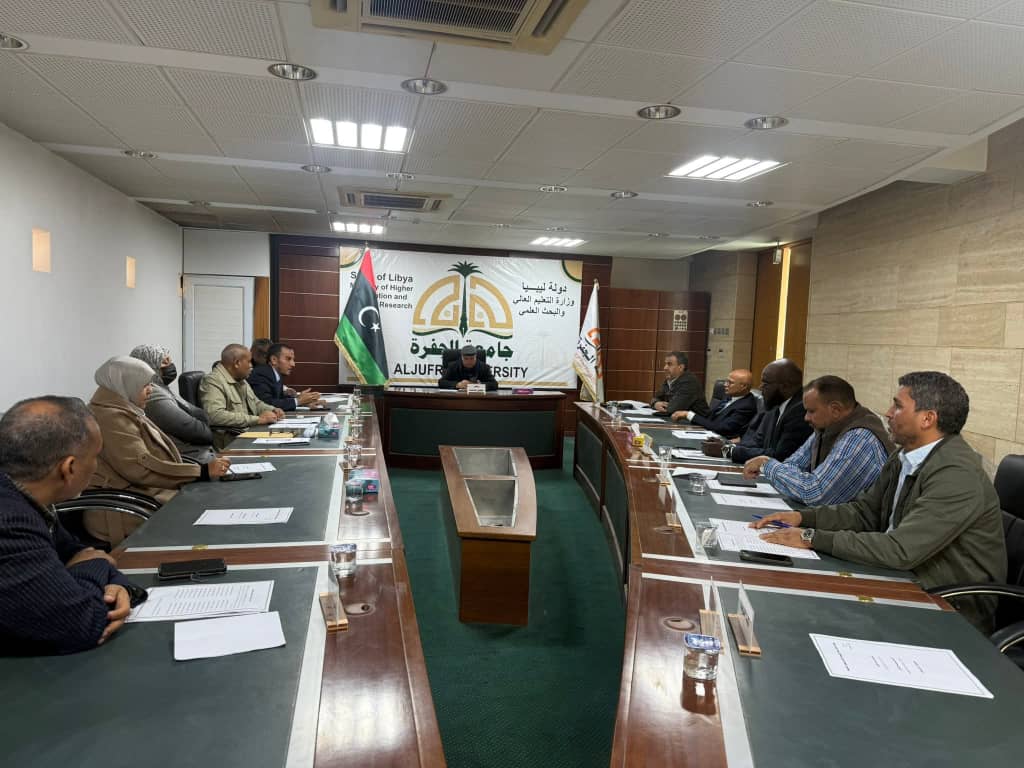
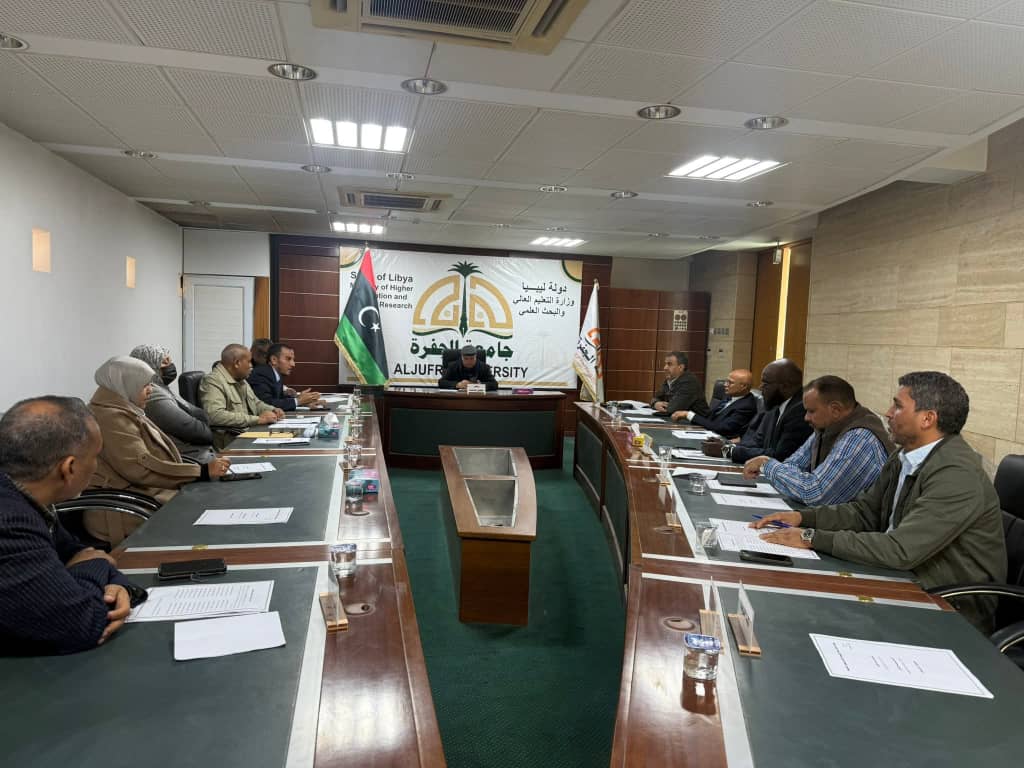
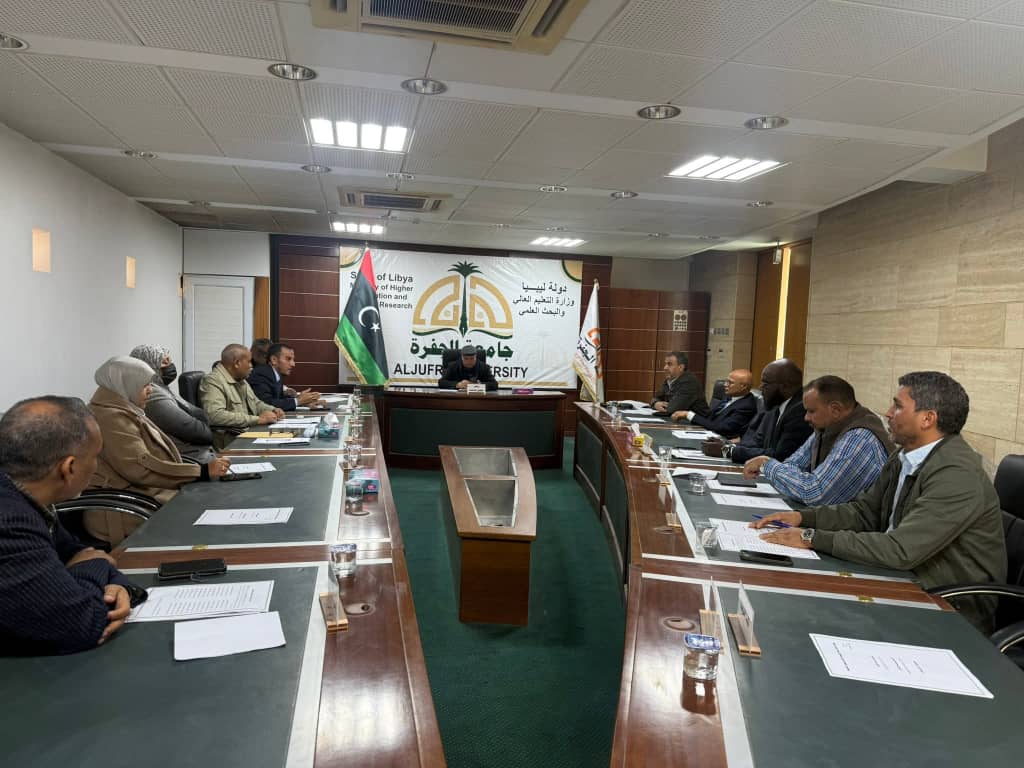
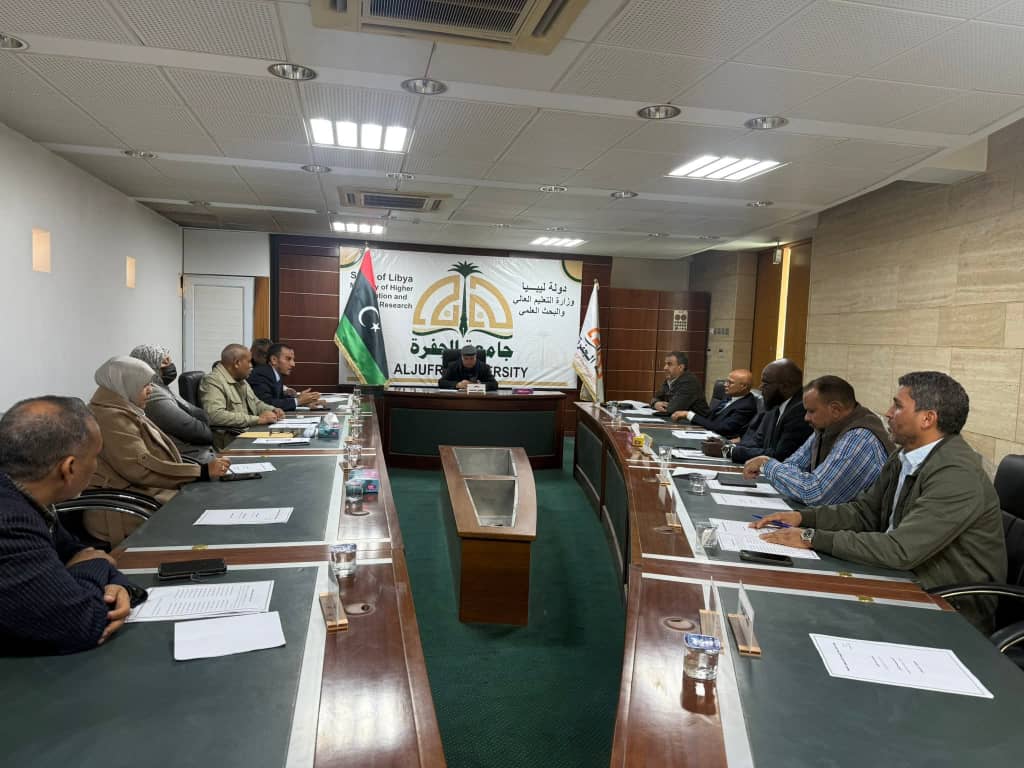
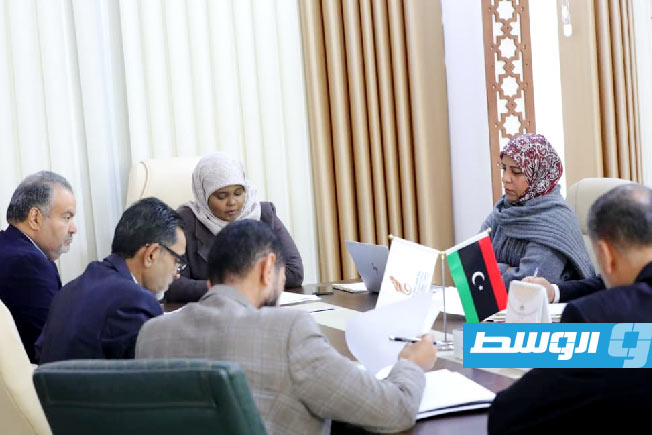
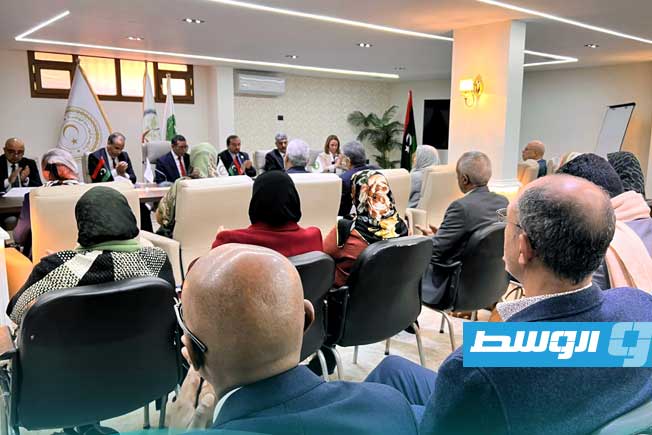
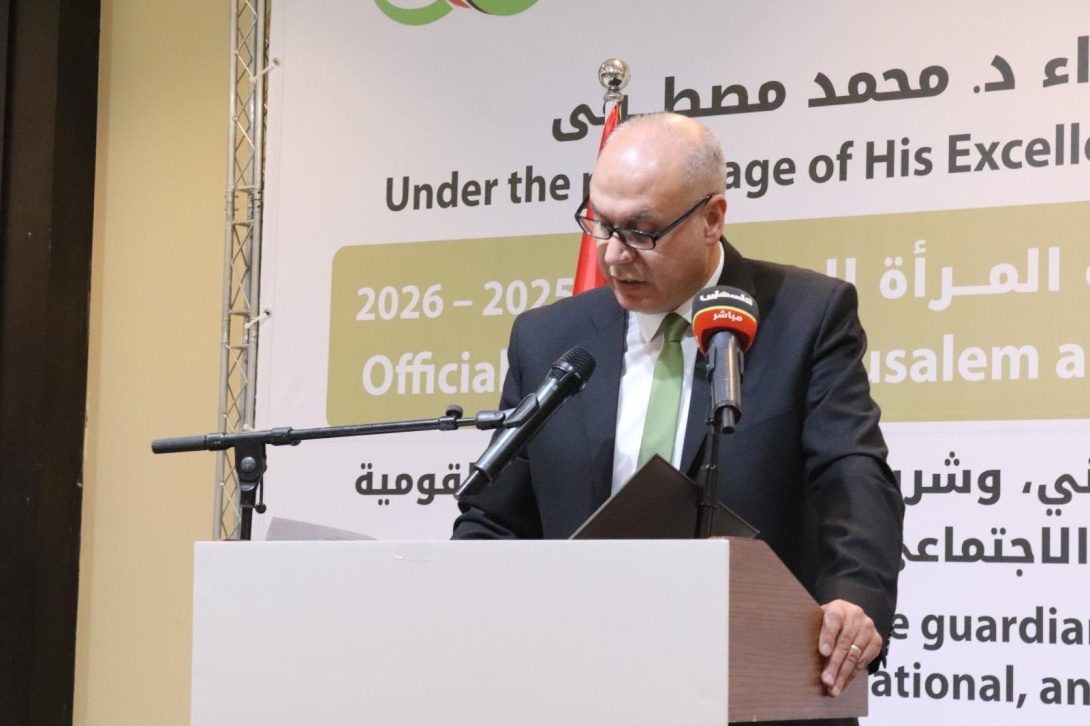
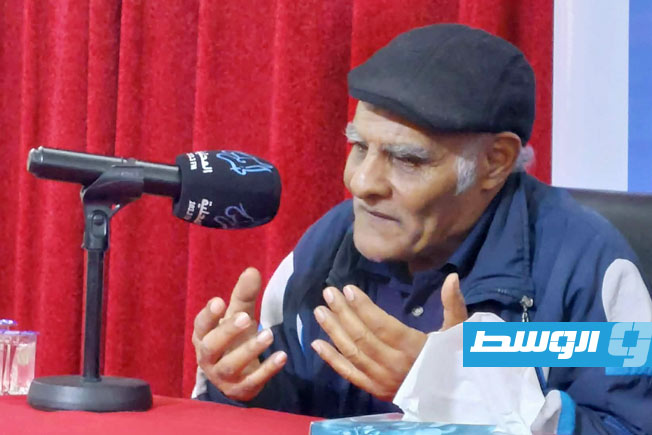
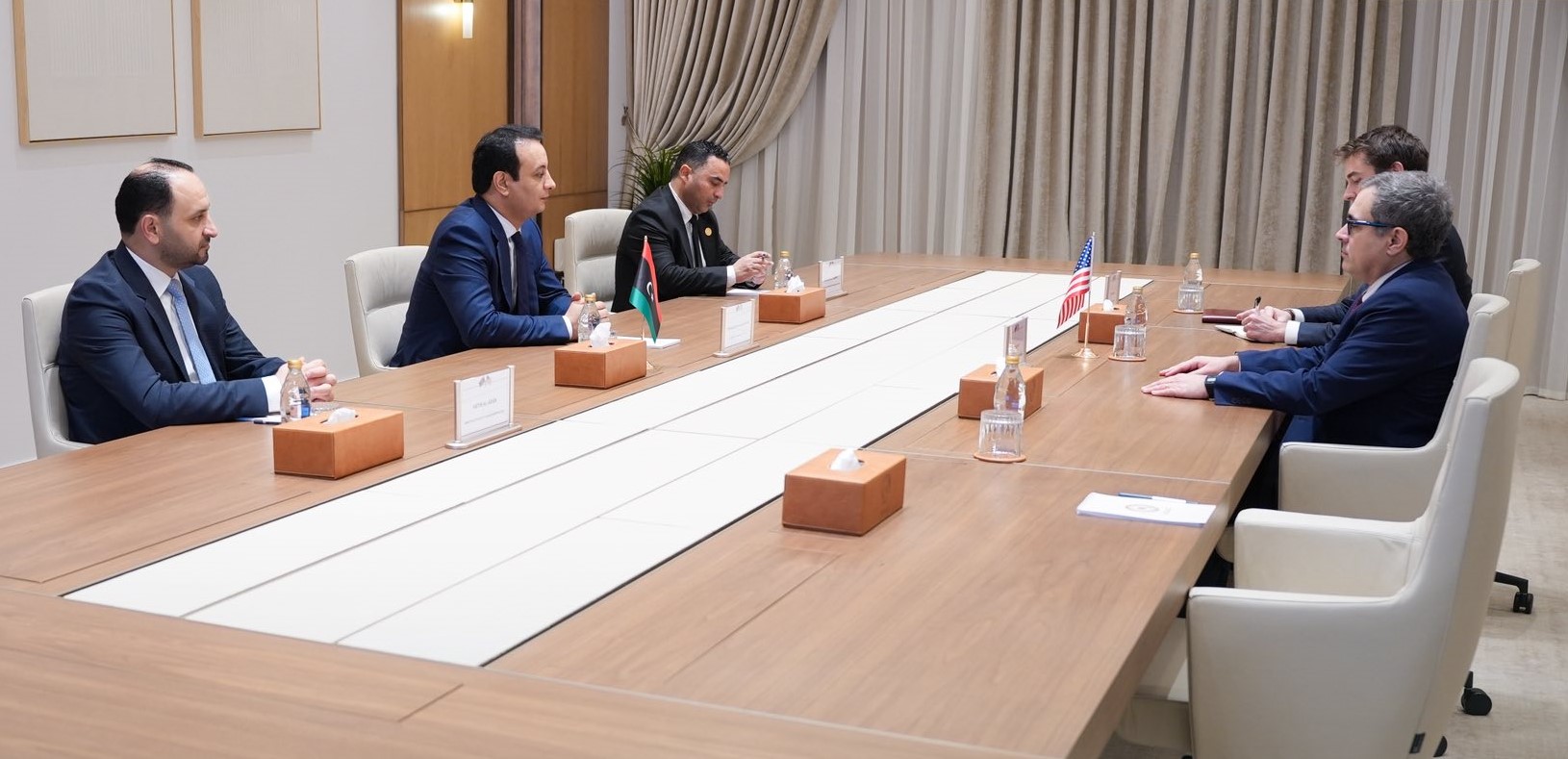
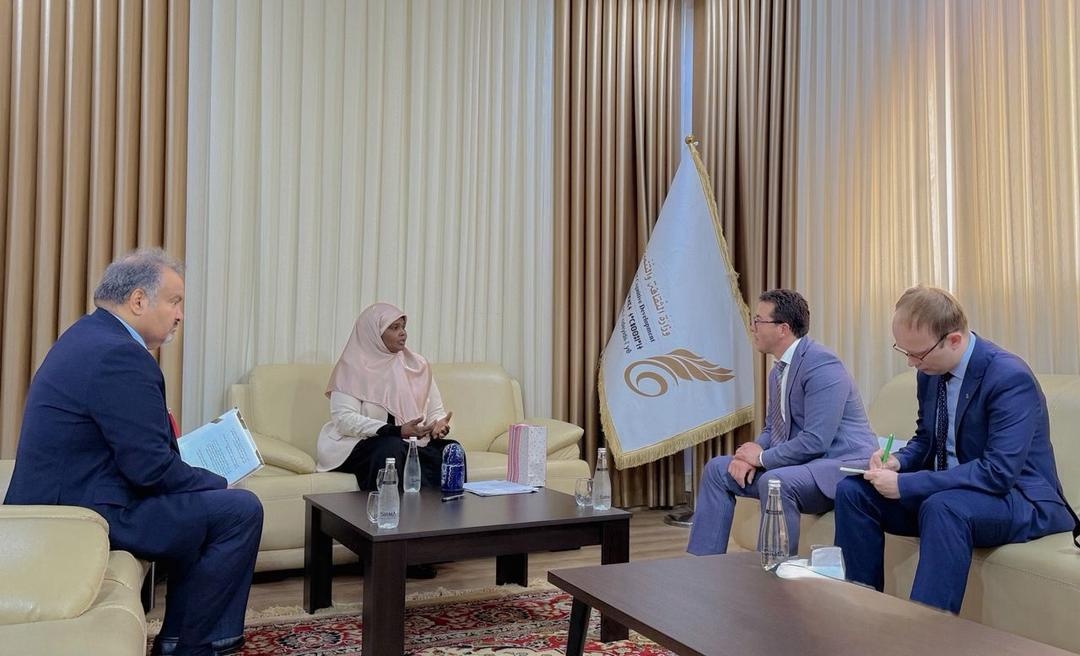
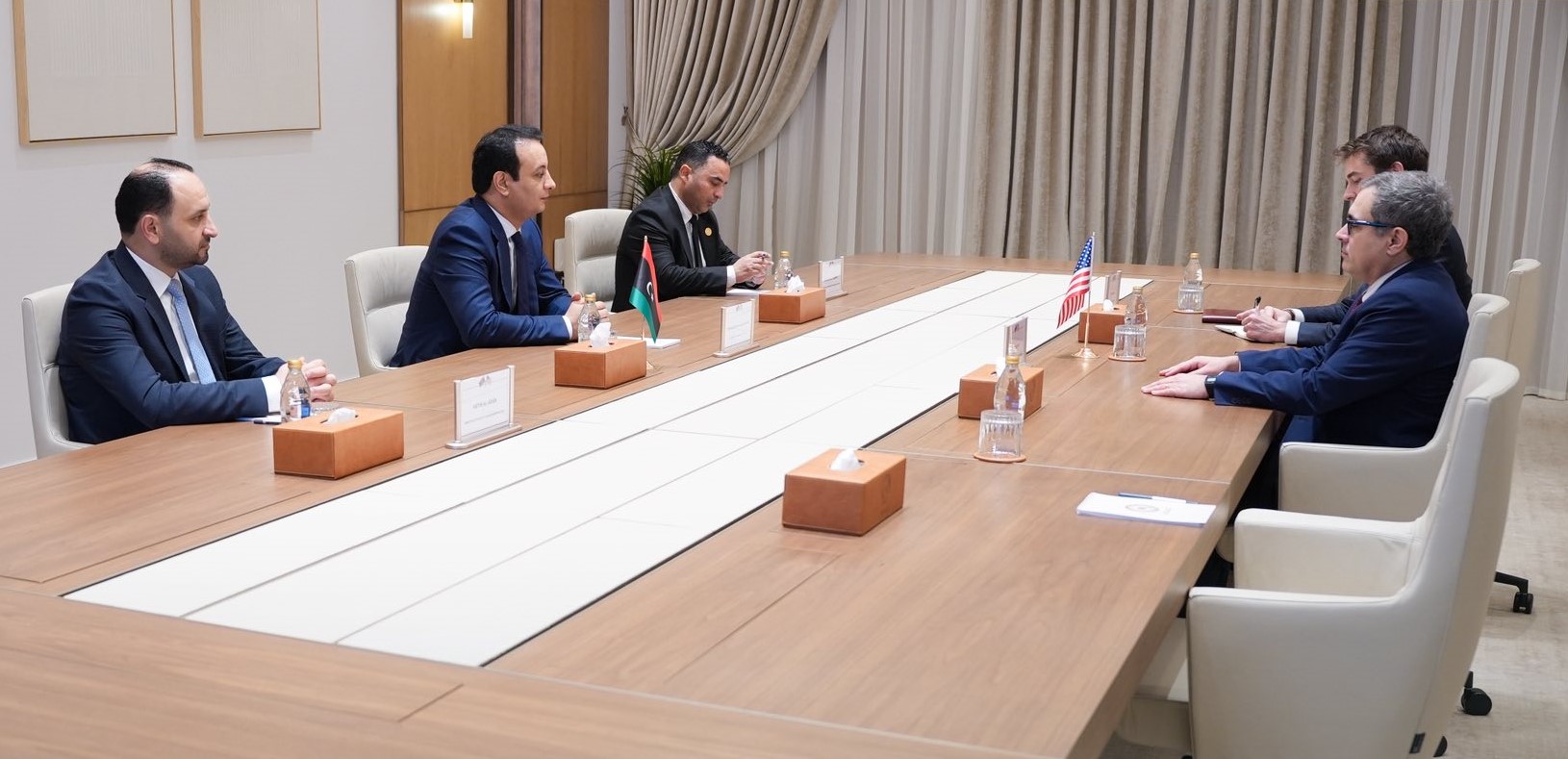
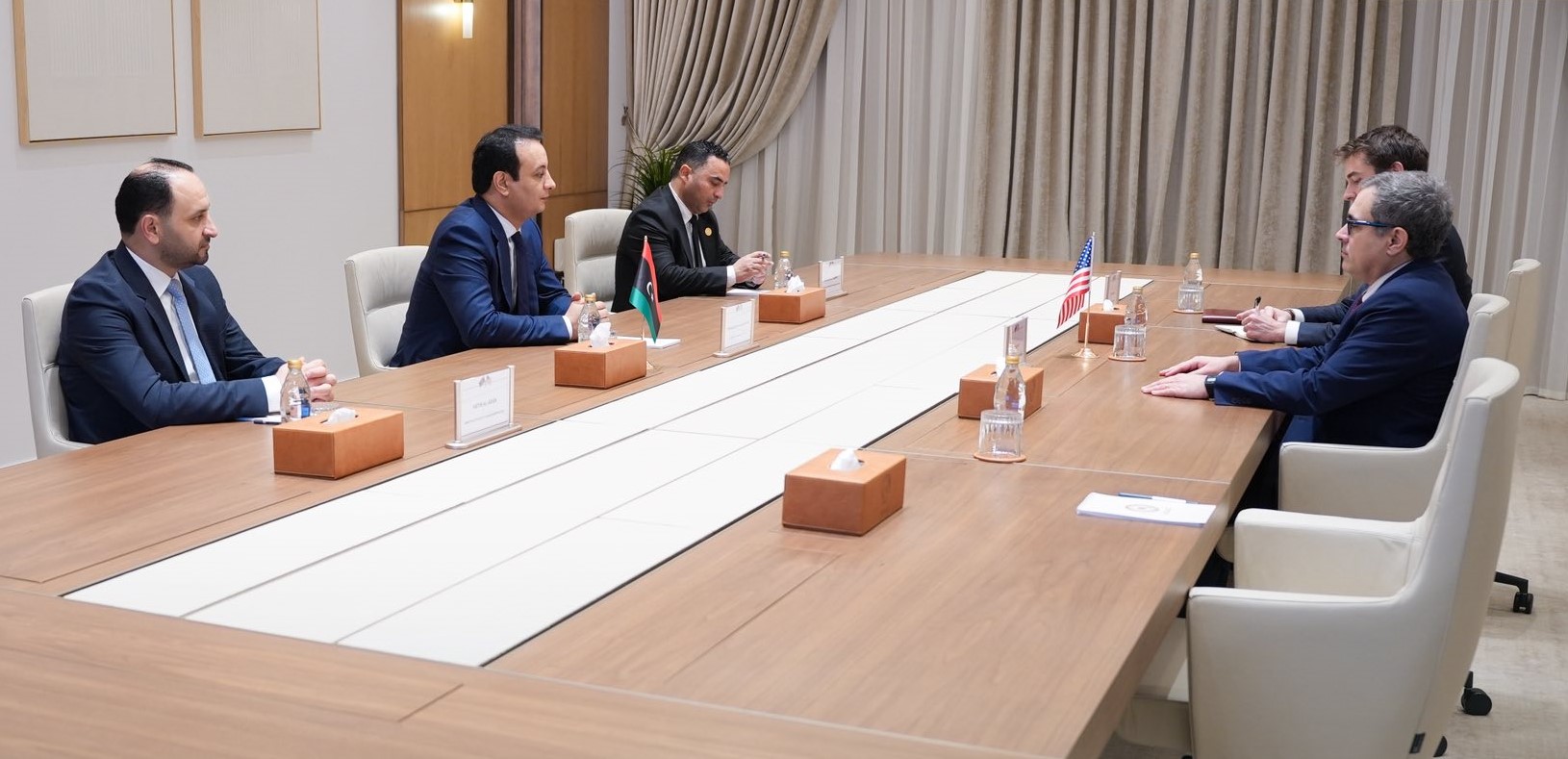
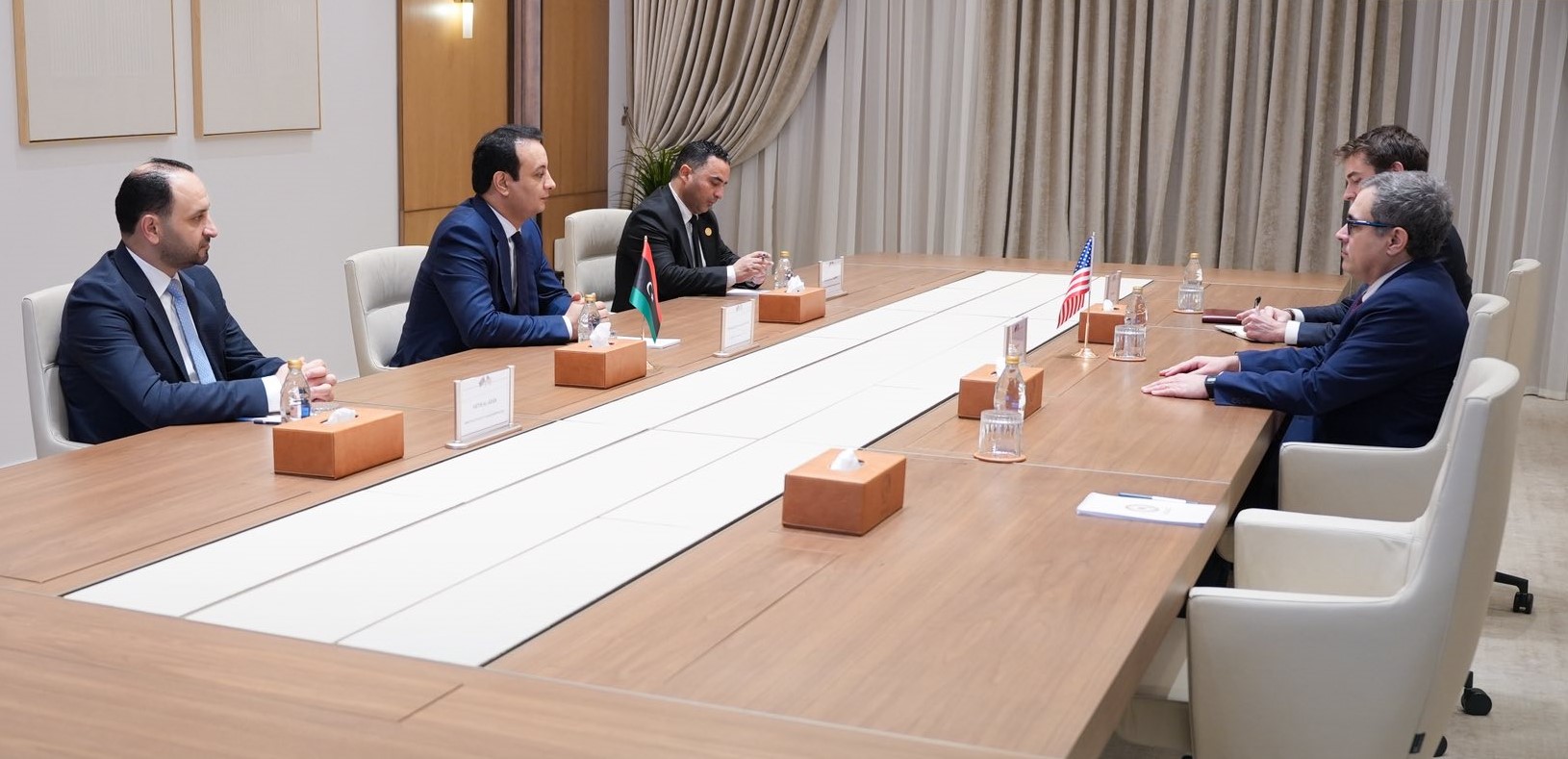
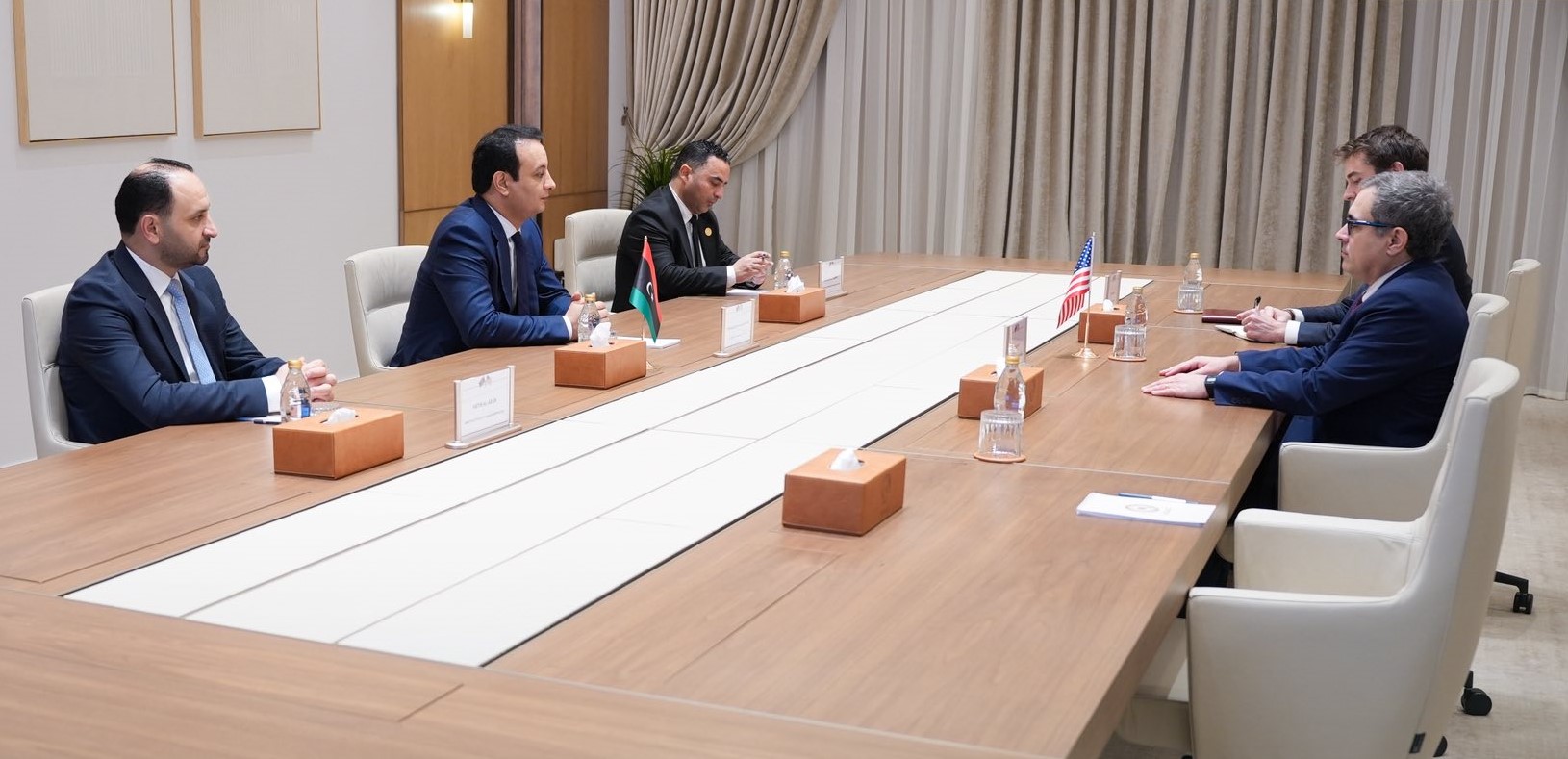
Tripoli, February 6, 2026 – The National Council for Economic and Social Development organized a roundtable session on coordinating and integrating data within the framework of Libya’s National Food Security Strategy.
The session – which saw broad participation from relevant government bodies, national institutions, and academic entities – discussed the Council’s crucial coordinating role in unifying national efforts and enhancing institutional integration in the field of data. Data was emphasized as a fundamental pillar for supporting decision-making and achieving sustainable food security, with a strong focus on the necessity of developing data exchange mechanisms among the concerned parties.
The session also featured an intervention from a representative of the Food and Agriculture Organization (FAO), which addressed the importance of the joint project and FAO’s role in supporting national efforts to improve spatial, agricultural, and marine data systems, and in building technical and institutional capacities to enhance evidence-based planning.
The session included technical presentations on the UTF/LIB/055 project, its scope and objectives, in addition to reviewing the data requirements necessary to support the project’s implementation. An initial inventory of available data was presented, along with the methodologies used in its preparation according to international standards and its linkage to the national context.
Discussion sessions were also dedicated to examining institutional, legal, and technical issues related to data sharing, data ownership, regulatory challenges, institutional coordination mechanisms, and identifying points of contact, formats, and timelines for data exchange between government entities.
The session’s proceedings concluded with an affirmation that all observations and proposals raised would be collected and placed within a reference framework for an integrated project. It was agreed that a subsequent workshop would be dedicated to refining these observations and formally adopting them, paving the way for initiating steps towards institutional coordination and data integration to support the implementation of the National Food Security Strategy. This aims to contribute to enhancing institutional integration, improving data management, and supporting the implementation of Libya’s National Food Security Strategy.
The session saw participation from representatives of a number of government bodies and national institutions, including the Ministries of Agriculture, Water Resources, Environment, and Transport, alongside the Urban Planning Authority, the General Information Authority, the Survey Department, the Libyan Center for Remote Sensing and Space Sciences, the National Center for Documentation and Information, the Agricultural Research Center, the Climate Change Research Center, the General Electricity Company, and the Maritime Fisheries Authority.
Tripoli
Tripoli is the capital and largest city of Libya, located on the country’s Mediterranean coast. Historically, it was founded by the Phoenicians in the 7th century BC and has since been ruled by the Romans, Arabs, Ottomans, and Italians, serving as a major port and cultural crossroads. Its historic core, the medina of Old Tripoli, contains significant architecture from these various periods.
Libya
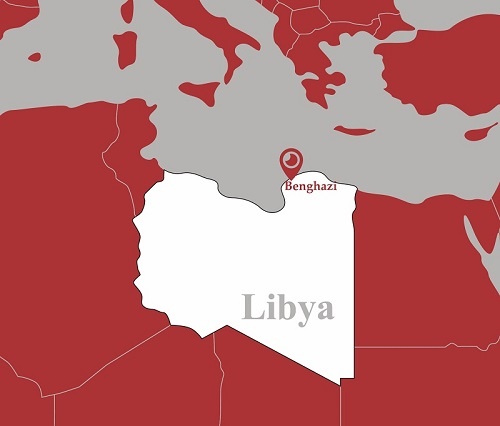
Libya is a North African country with a rich history rooted in ancient civilizations like the Phoenicians and Romans, followed by centuries of Arab and Ottoman influence. In the modern era, it was an Italian colony before gaining independence in 1951, later becoming known for Muammar Gaddafi’s lengthy rule from 1969 until the 2011 revolution. Its cultural heritage includes UNESCO World Heritage sites such as the ancient Greek city of Cyrene and the Roman ruins of Leptis Magna.
Food and Agriculture Organization (FAO)
The Food and Agriculture Organization (FAO) is a specialized agency of the United Nations, founded in 1945 to lead international efforts to defeat hunger and improve nutrition and food security. Its work involves providing policy advice, sharing knowledge, and supporting agricultural development and sustainable resource management worldwide.
National Council for Economic and Social Development
The National Council for Economic and Social Development (CNES) is a consultative body in Algeria, established in 1992. It serves as a forum for dialogue between the government and various economic and social partners to discuss and advise on national development policies.
Ministries of Agriculture
The Ministries of Agriculture refers to government departments responsible for agricultural policy, which exist in many countries. Their history is often tied to the industrialization of farming and the need for state-led food security and rural development programs in the 19th and 20th centuries. These ministries typically oversee areas such as crop production, livestock, fisheries, and sustainable land use.
Ministries of Water Resources
The Ministries of Water Resources in China is a key government body responsible for managing the nation’s water resources, flood control, and irrigation. It was established in 1949, following the founding of the People’s Republic of China, to centralize and address critical water management challenges for agriculture, industry, and population needs.
Ministries of Environment
The Ministries of Environment refers to government departments, typically at the national level, responsible for developing and enforcing policies related to environmental protection, conservation, and sustainability. Their establishment as formal cabinet-level ministries became widespread in the late 20th century, largely in response to growing global awareness of ecological issues like pollution and climate change. These ministries oversee regulations, manage natural resources, and work to meet international environmental agreements.
Ministries of Transport
The Ministries of Transport refers to the government departments responsible for national transportation policy, infrastructure, and regulation. Their history is often tied to the industrial revolution and the subsequent need to coordinate expanding networks of roads, railways, and later air and maritime systems. These ministries have evolved to address modern challenges like sustainability, safety, and technological innovation in transport.
Urban Planning Authority
The Urban Planning Authority is a governmental body responsible for overseeing the development and regulation of land use within a city or region. Its history is tied to the rise of modern cities in the 19th and 20th centuries, emerging from a need to manage growth, infrastructure, and public health through organized zoning and strategic plans. These authorities shape the built environment by implementing long-term visions for transportation, housing, and public spaces.
General Information Authority
The General Information Authority (GIA) was the state intelligence and security service of Libya under Muammar Gaddafi’s rule, established in the 1970s. It was notorious for surveillance, suppressing political dissent, and human rights abuses, functioning as a key instrument of the regime’s control until Gaddafi’s fall in 2011.
Survey Department
The Survey Department of Sri Lanka, originally established in 1800 as the Dutch Trigonometrical Survey, is the national agency responsible for mapping and land surveying. It played a crucial role in creating the country’s first comprehensive topographic maps during the British colonial period. Today, it remains the authoritative source for geospatial data, cadastral surveys, and national mapping.
Libyan Center for Remote Sensing and Space Sciences
The Libyan Center for Remote Sensing and Space Sciences is a national institution focused on applying satellite and remote sensing technology to areas such as environmental monitoring and urban planning. It was established to support scientific research and data-driven decision-making within Libya, reflecting the country’s investment in space-based technologies for development.
National Center for Documentation and Information
The National Center for Documentation and Information (NCDI) in Yemen was established in 1979 as a central institution for preserving the country’s documentary heritage. It serves as a national archive and library, collecting and safeguarding historical documents, manuscripts, and publications related to Yemeni history and culture.
Agricultural Research Center
The Agricultural Research Center (ARC) is a key Egyptian institution founded in 1971 to advance agricultural science and technology. It coordinates a vast network of research institutes and stations across the country, focusing on improving crop varieties, sustainable farming, and food security.
Climate Change Research Center
The Climate Change Research Center is a scientific institution dedicated to studying the causes, impacts, and potential solutions to global climate change. It was established in response to growing international concern over environmental changes, often tracing its origins to the late 20th or early 21st century as governments and academic bodies sought to consolidate expertise. Its work involves analyzing climate data, modeling future scenarios, and informing public policy.
General Electricity Company
The General Electricity Company (GEC) was a major British industrial conglomerate founded in 1886, originally as The General Electric Apparatus Company. It became a global leader in electrical engineering, manufacturing, and consumer electronics throughout much of the 20th century before undergoing significant restructuring and divestment in the late 1900s.
Maritime Fisheries Authority
The Maritime Fisheries Authority is a governmental body responsible for managing and regulating marine fisheries within a nation’s territorial waters. Its history typically involves evolving from earlier colonial or traditional fishing oversight into a modern regulatory agency focused on sustainable fishing practices and resource conservation. Such authorities play a key role in enforcing fishing laws, conducting research, and supporting the fishing industry.