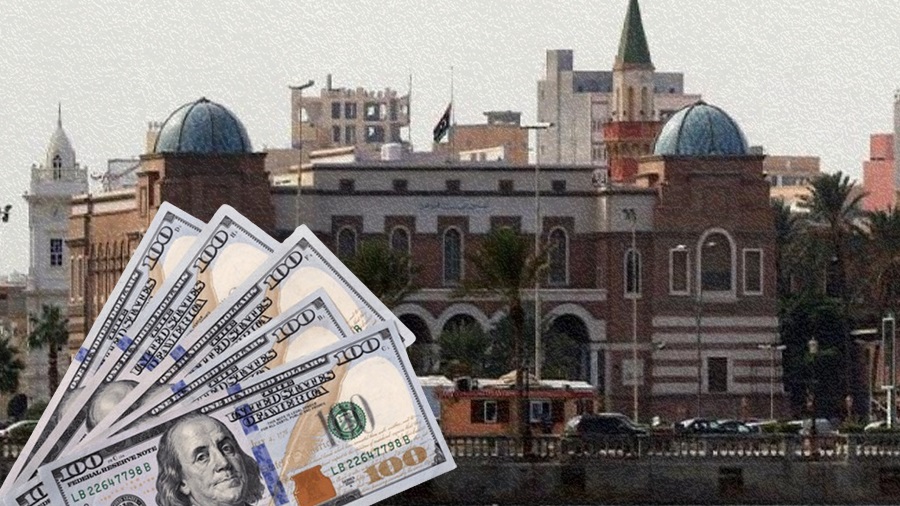
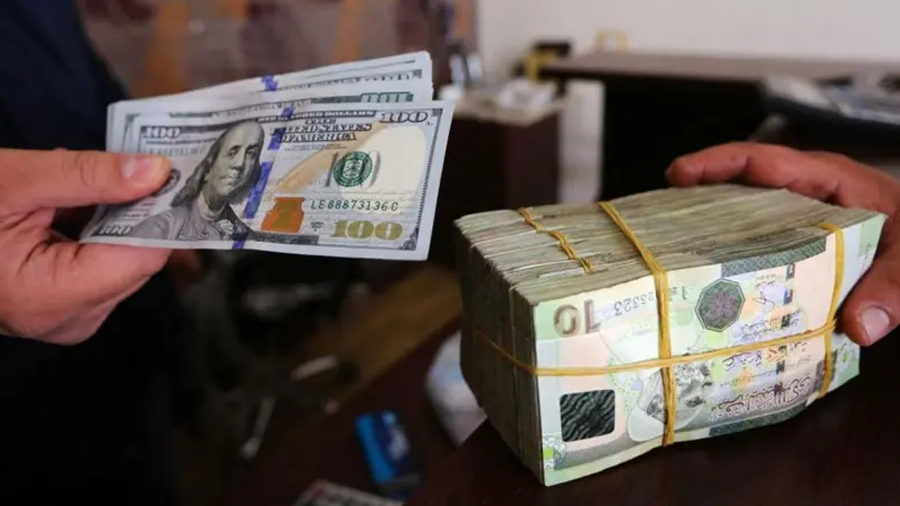
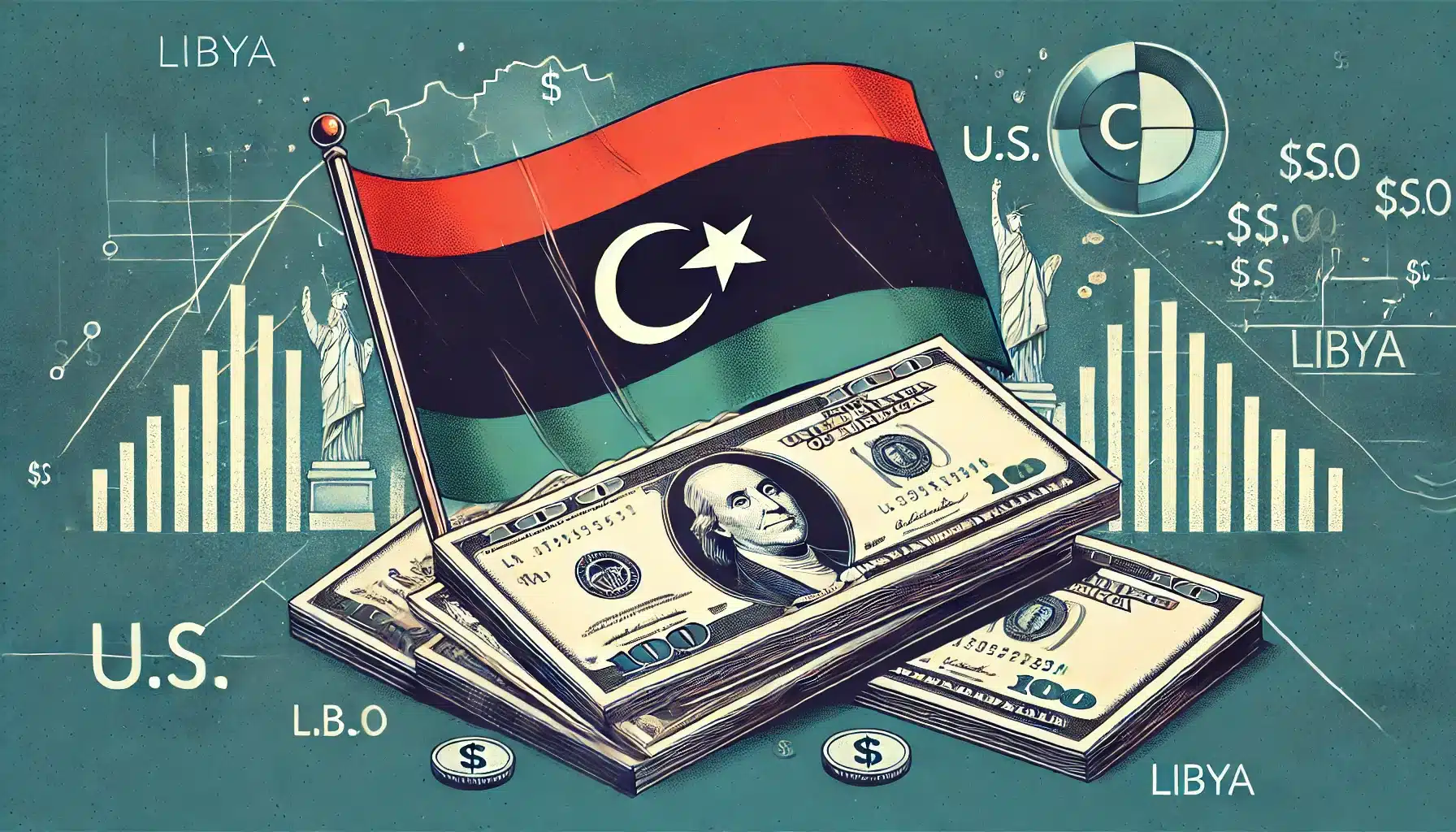
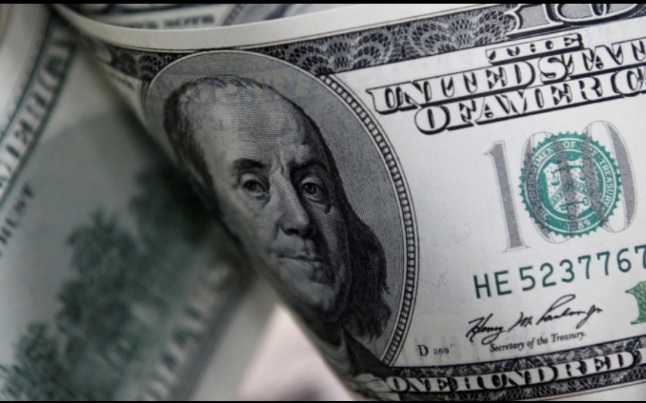
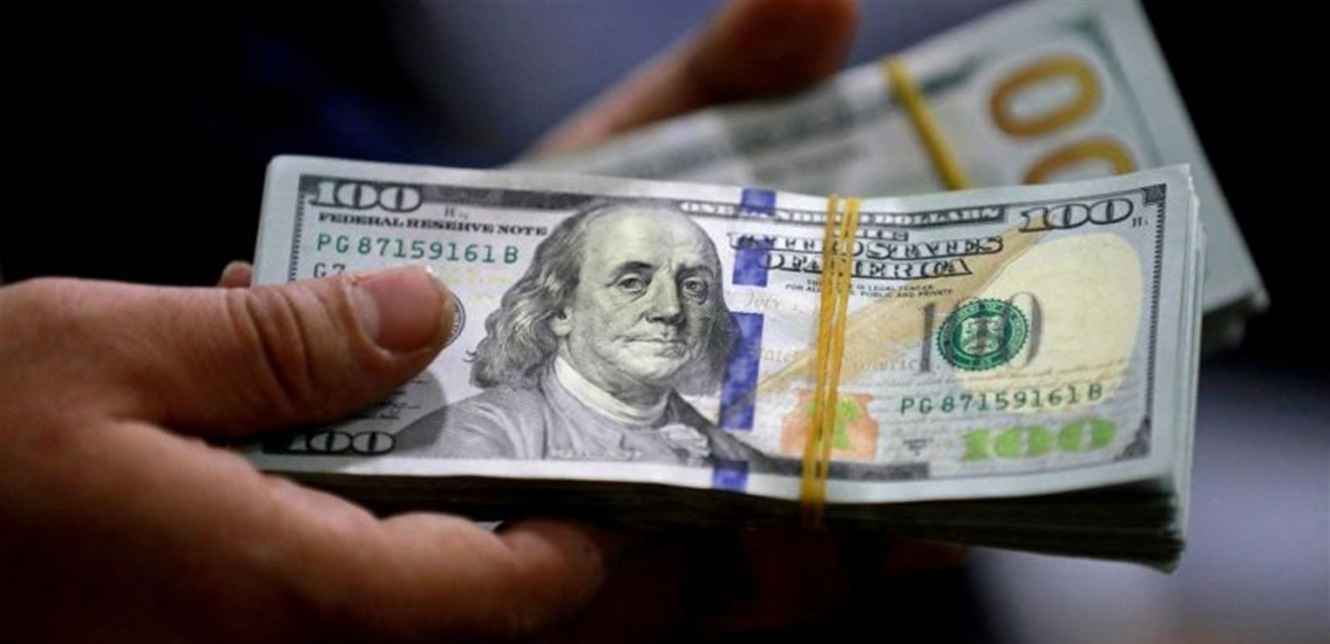
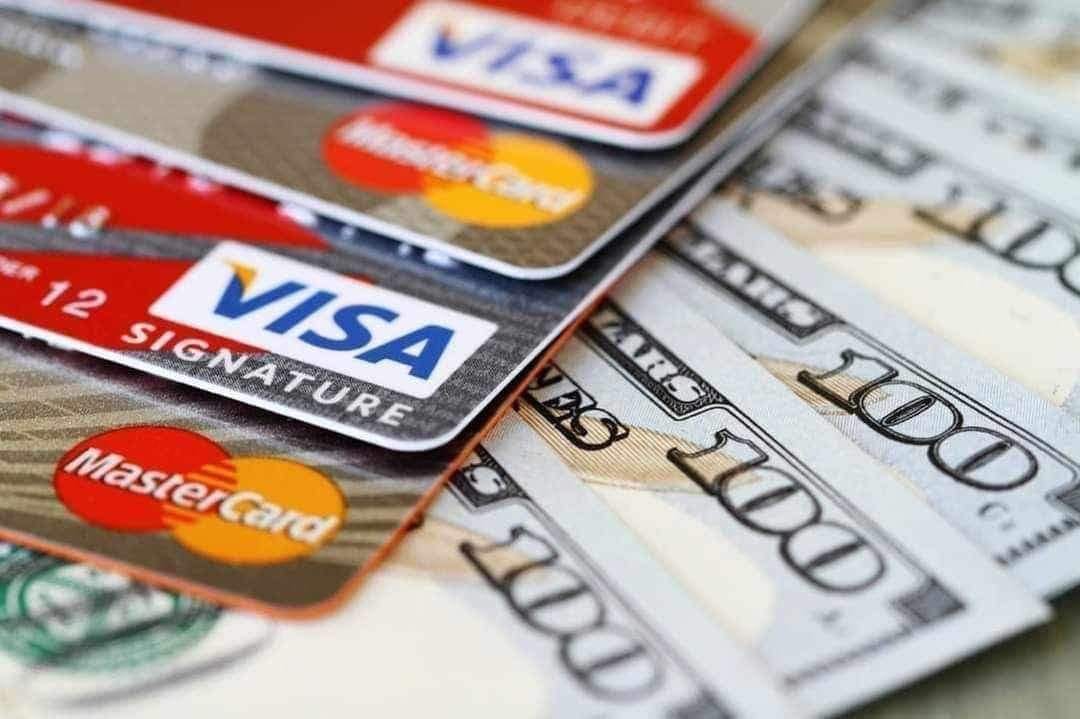
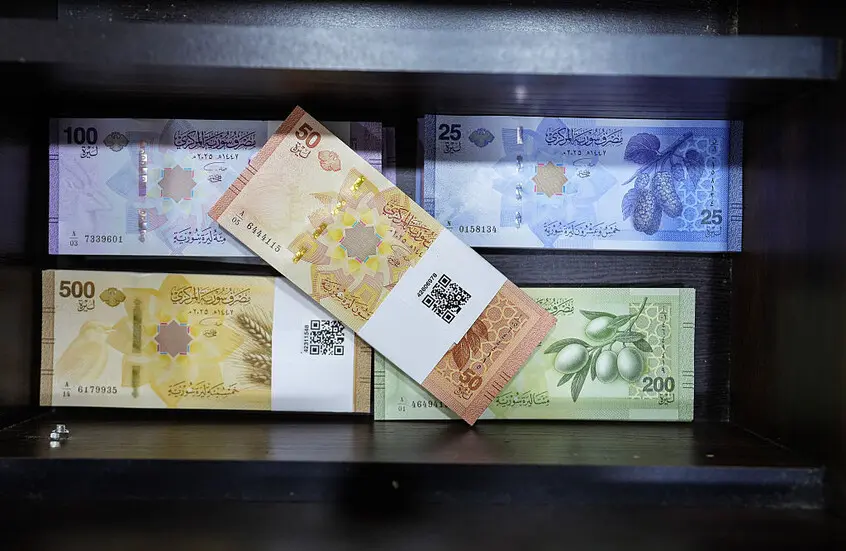
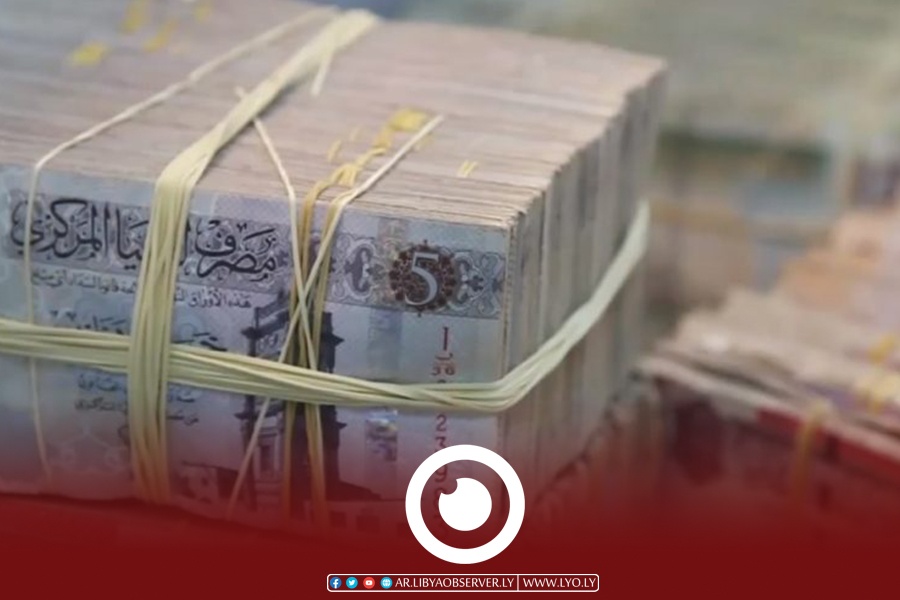
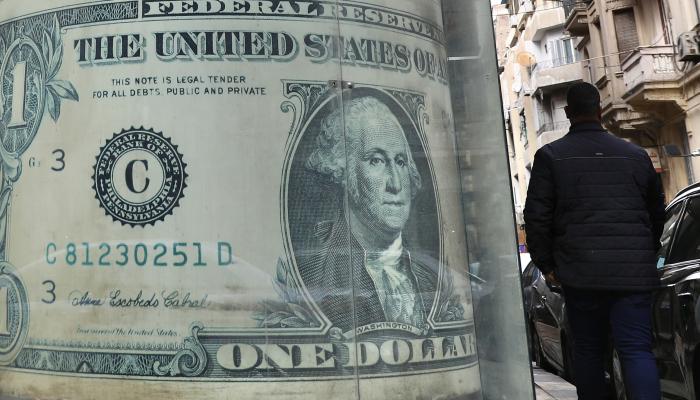
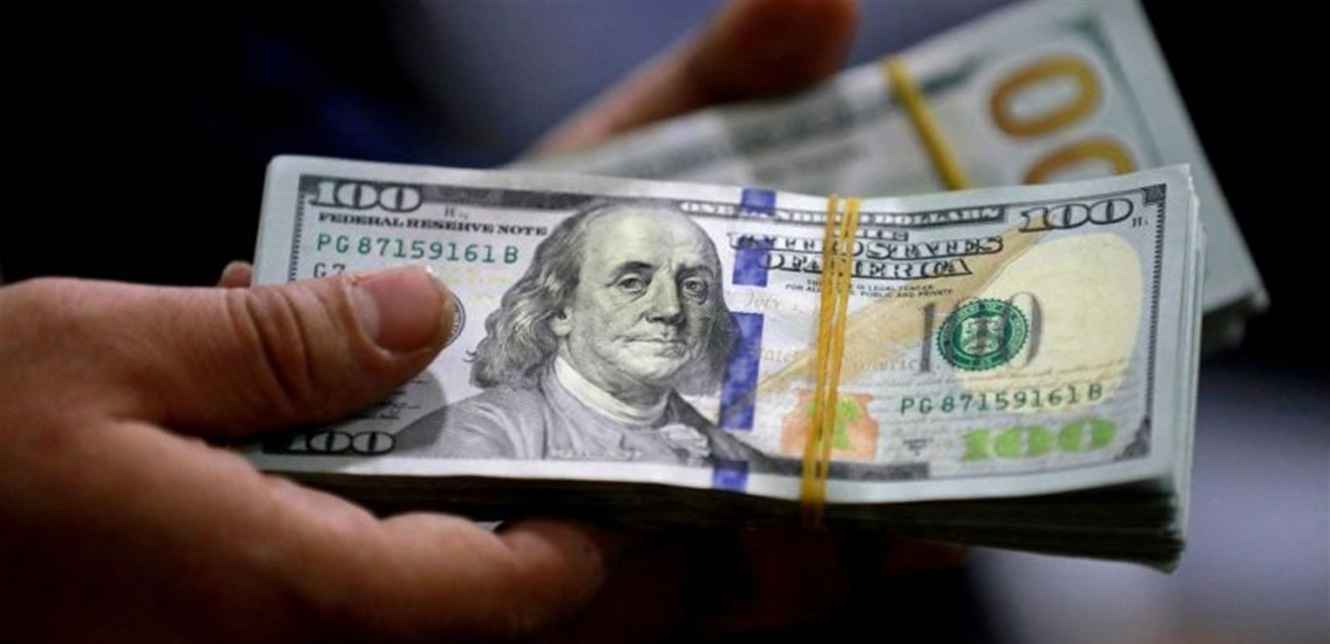
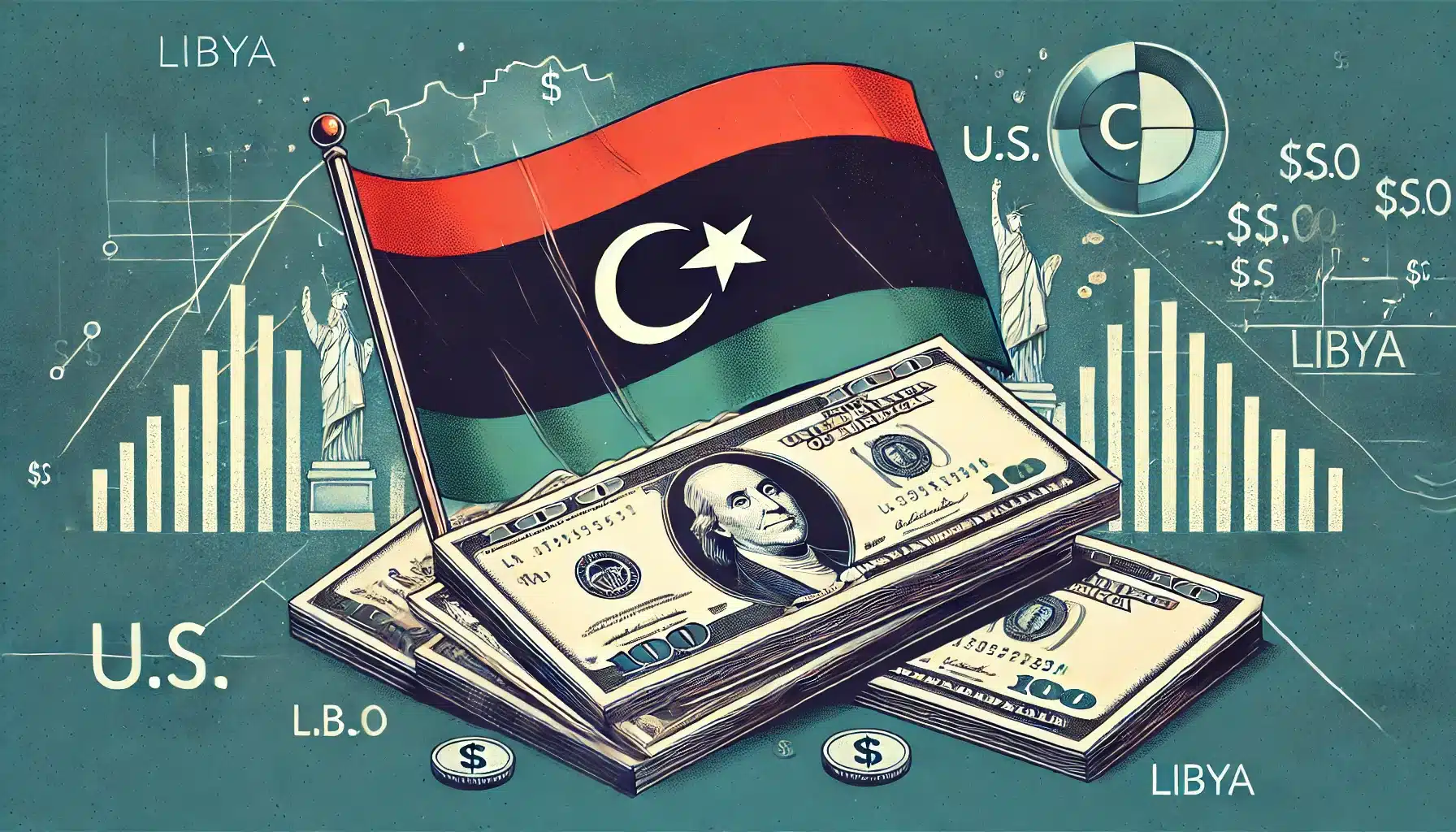
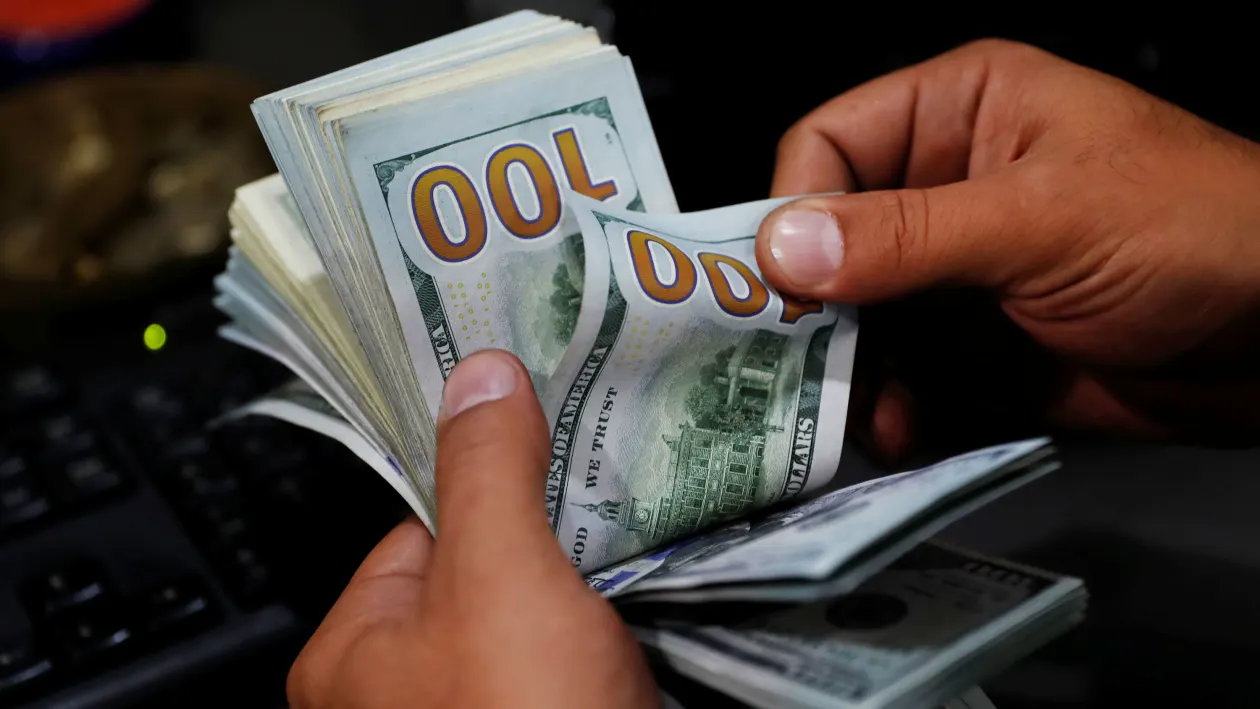
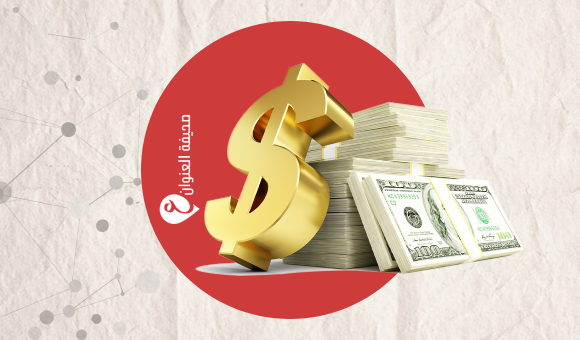
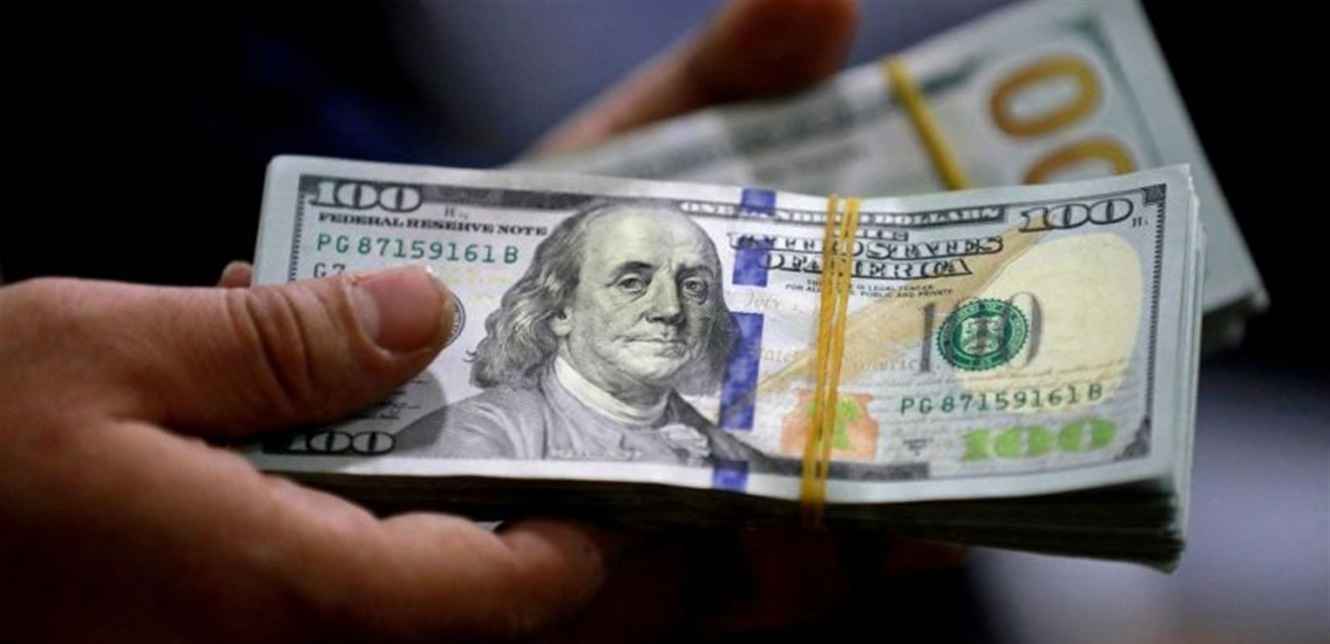
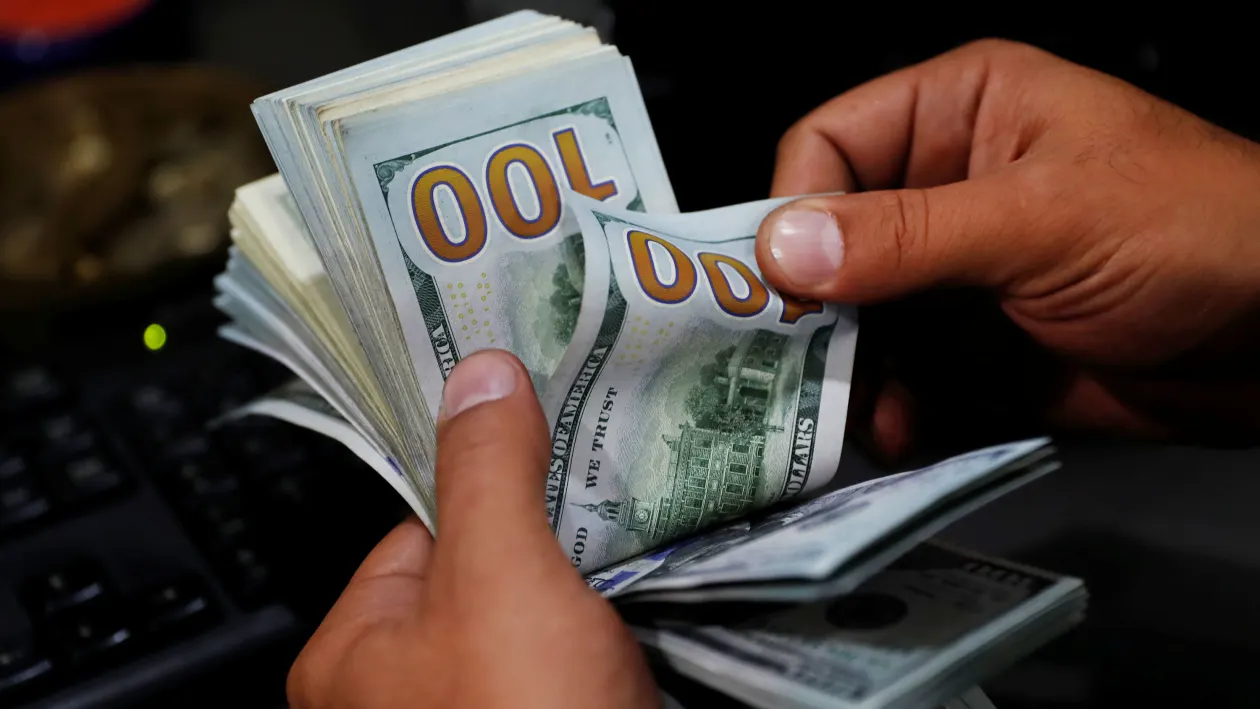
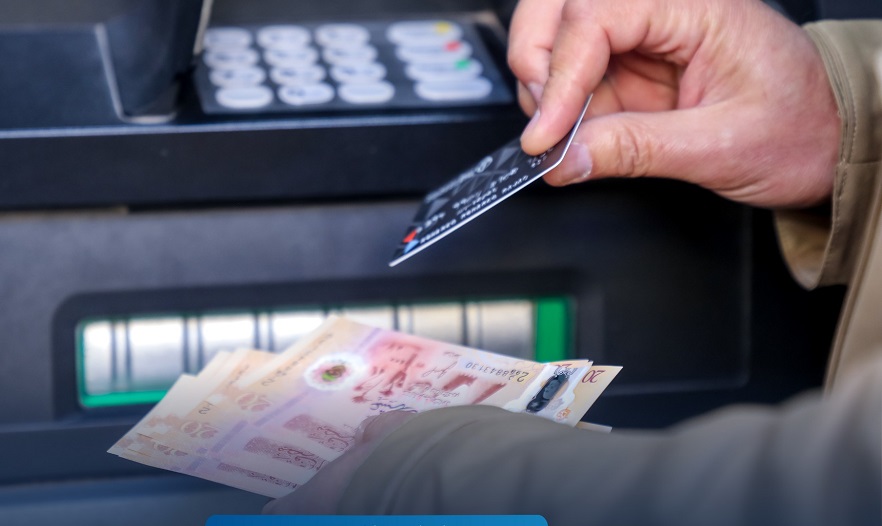
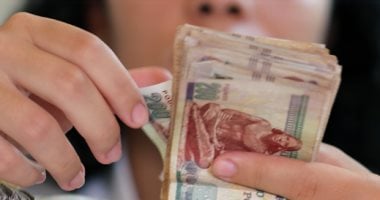
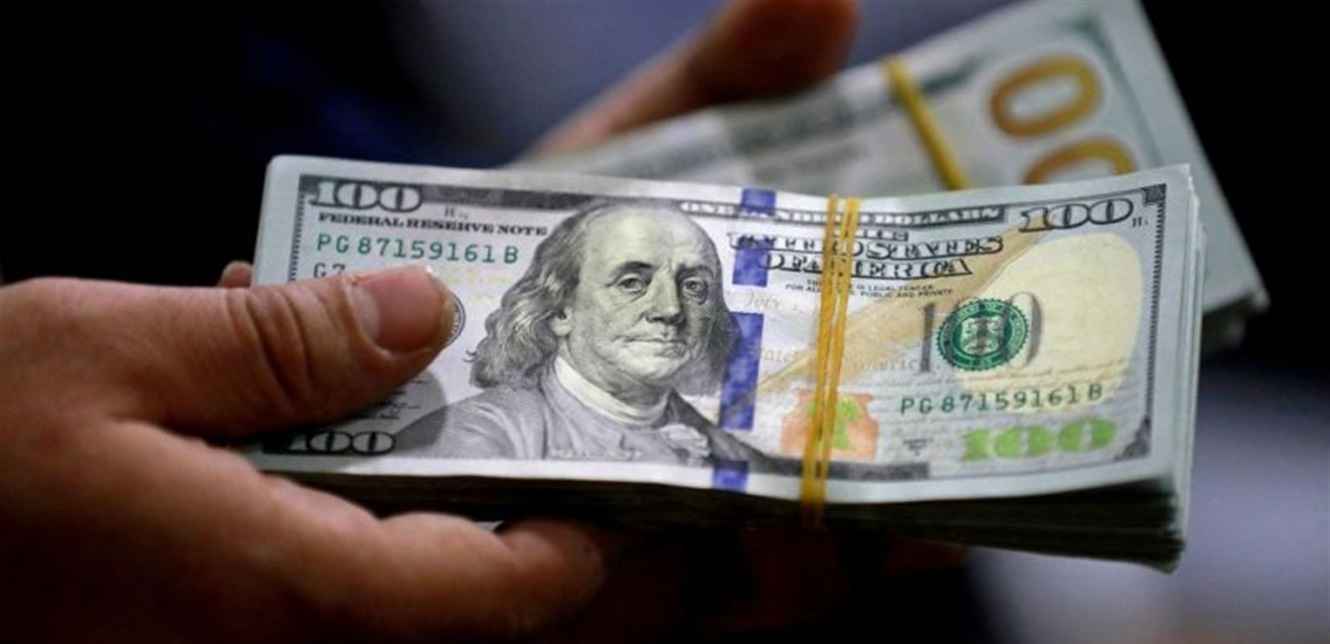
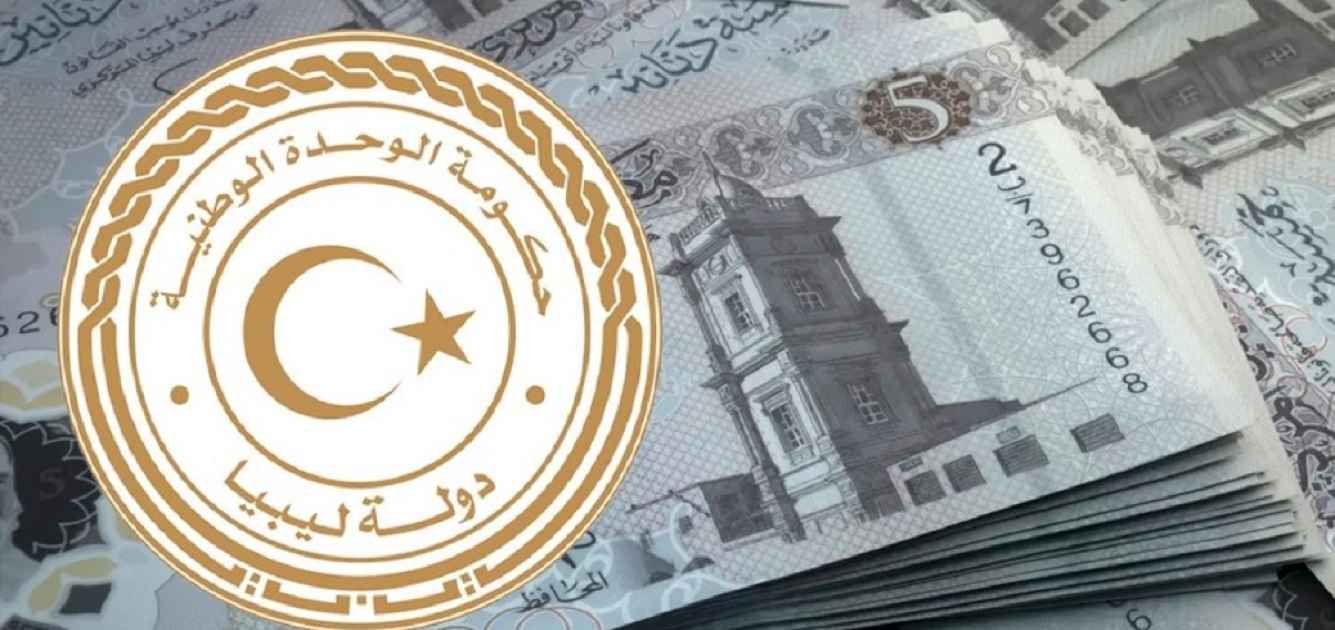
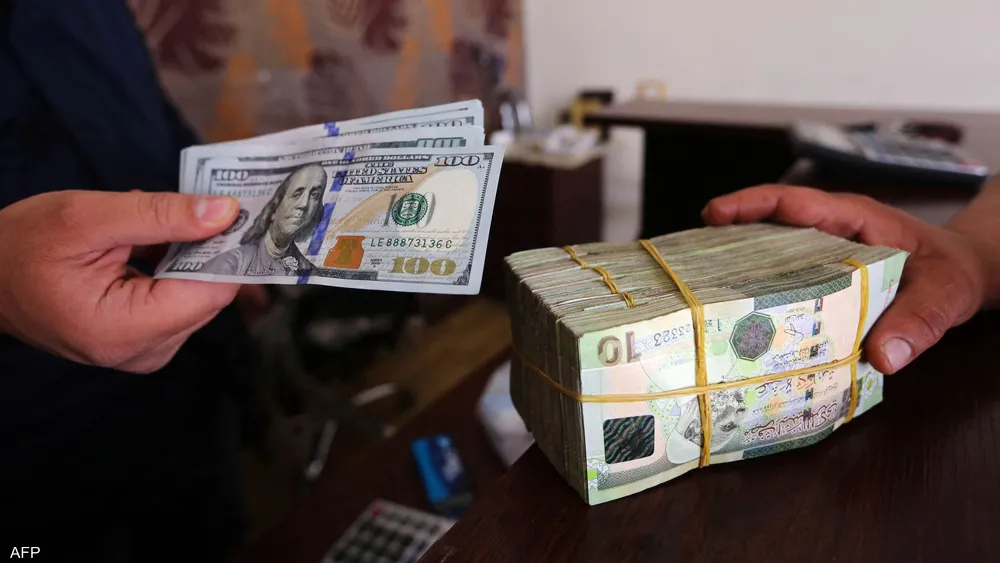
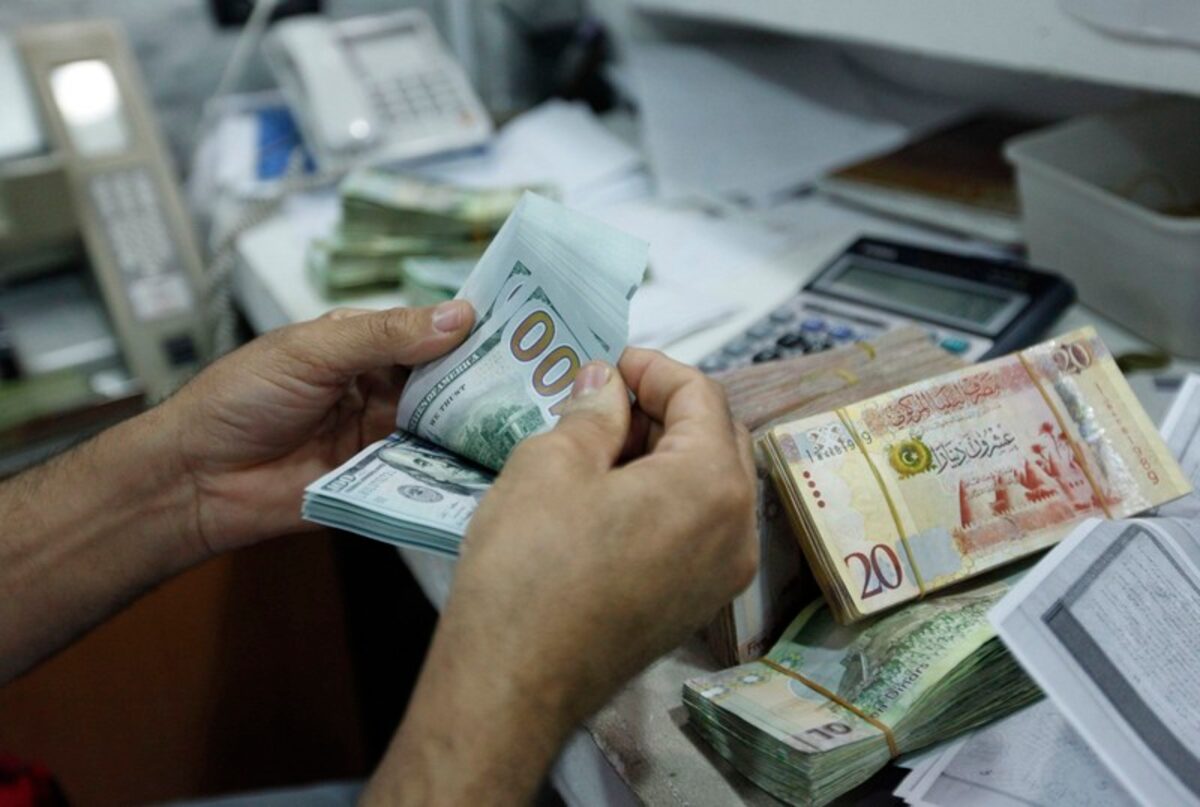
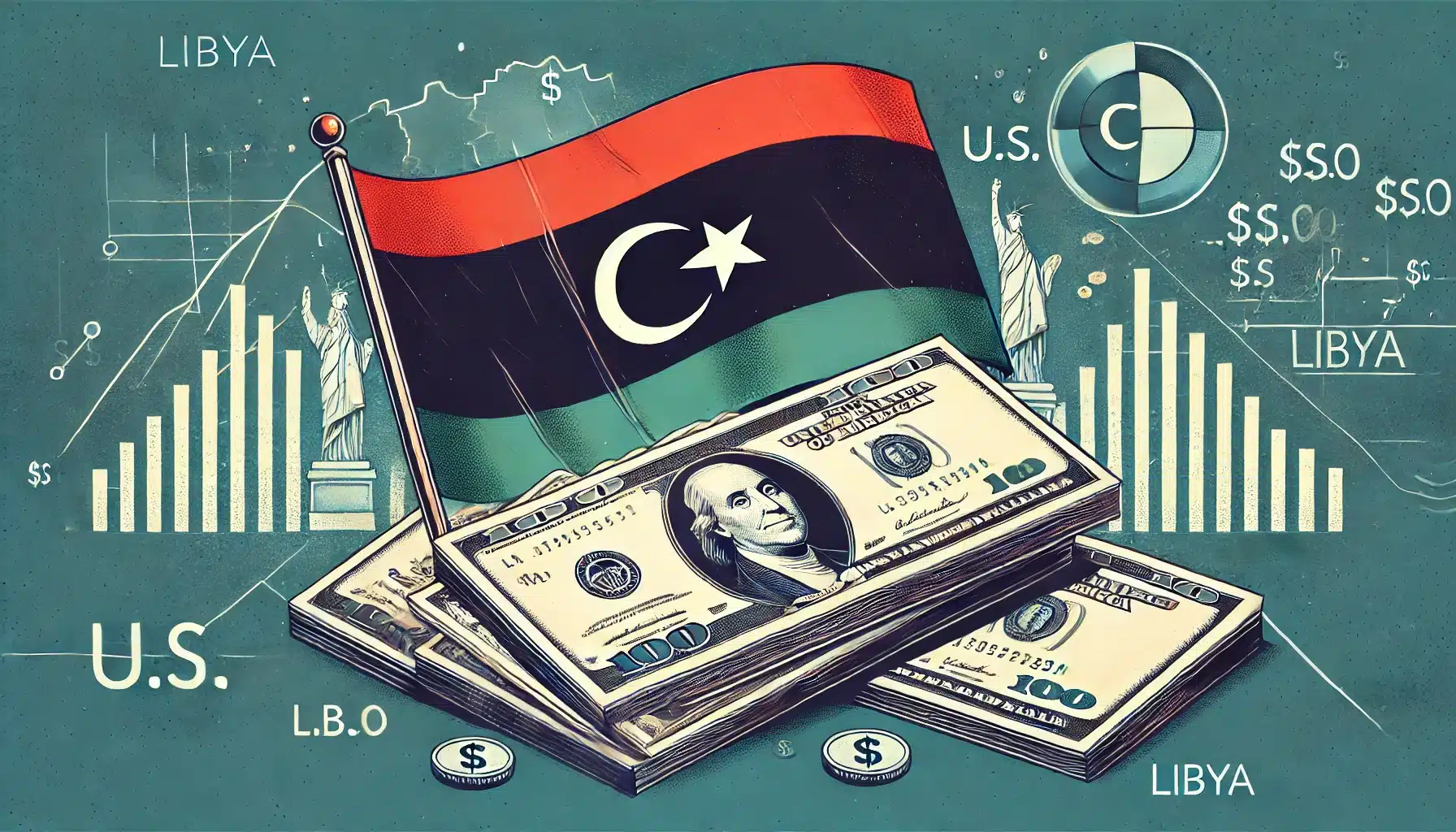
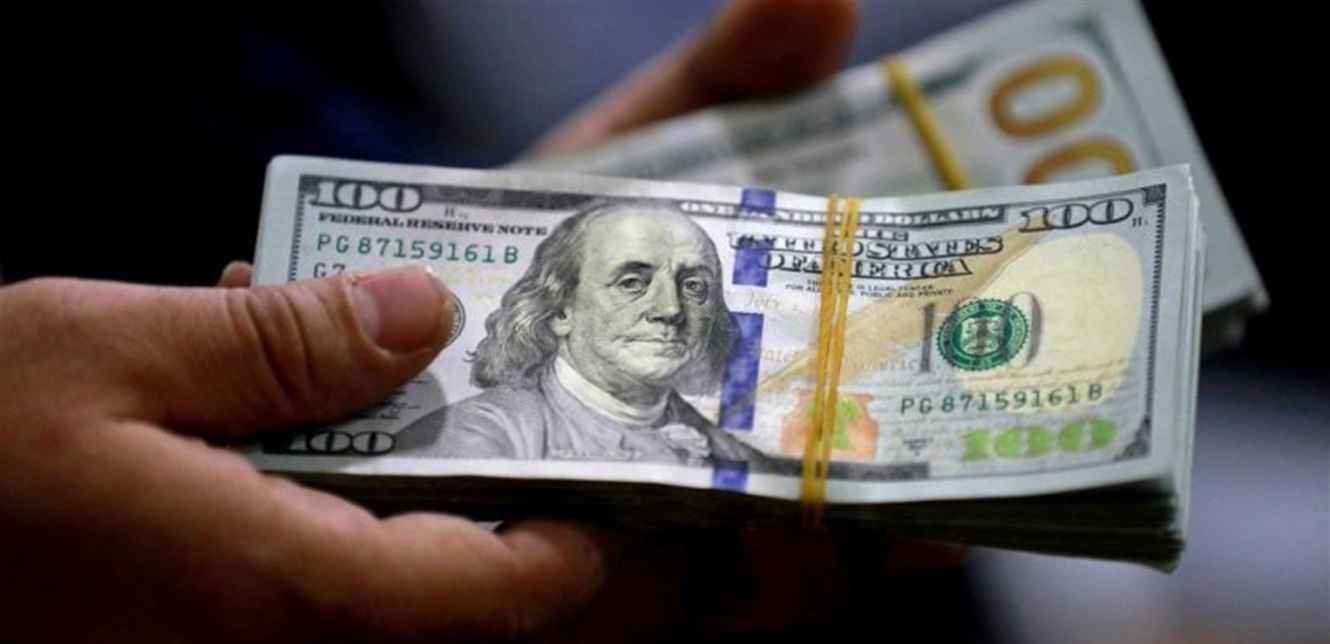
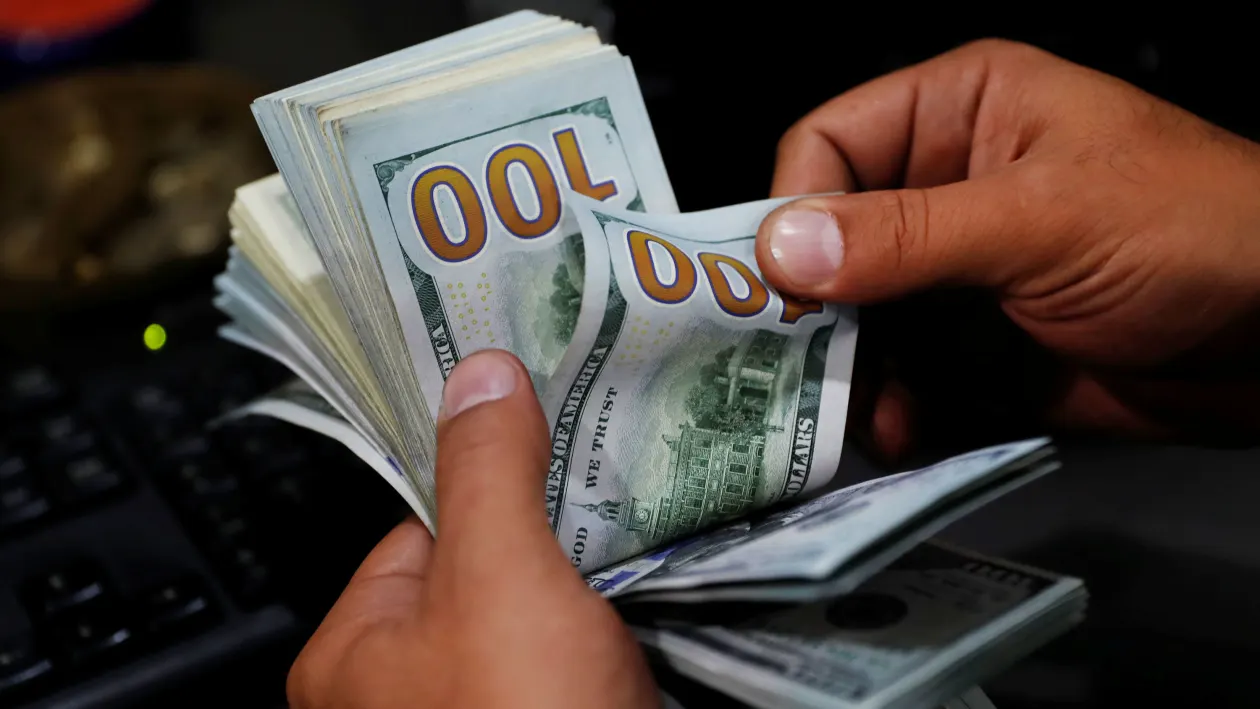
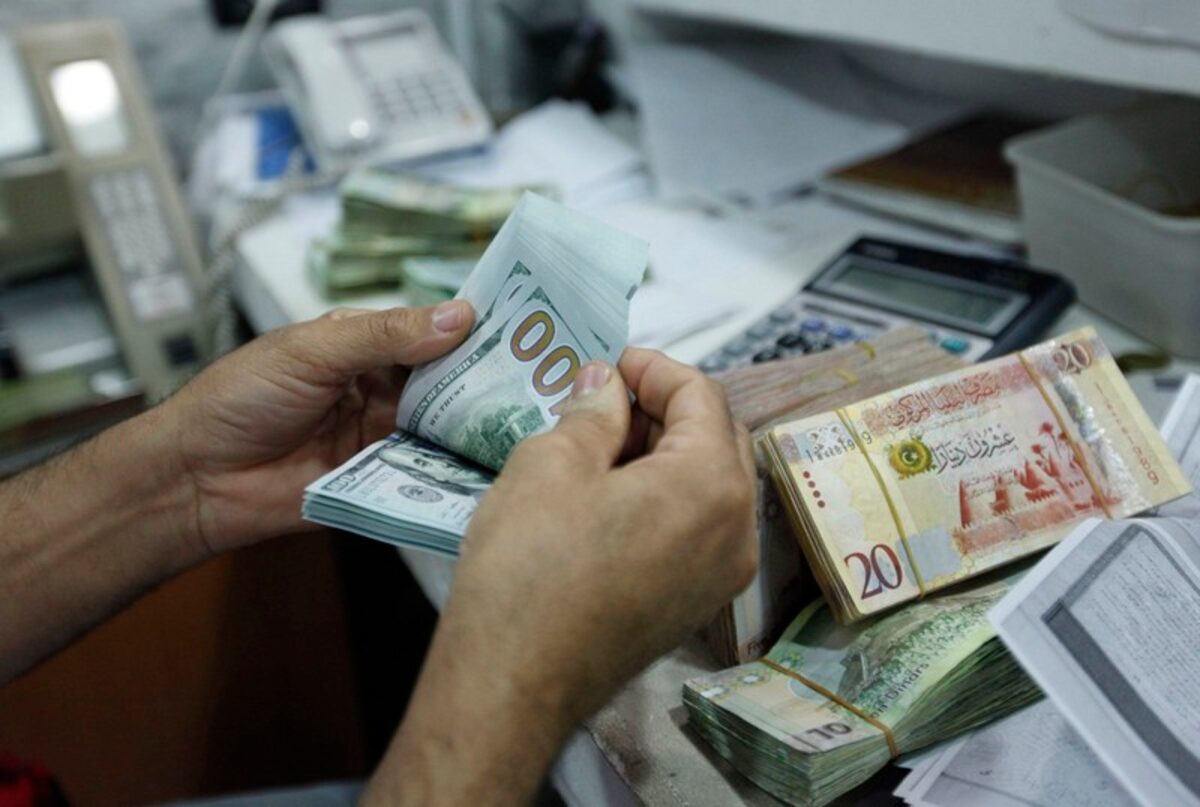
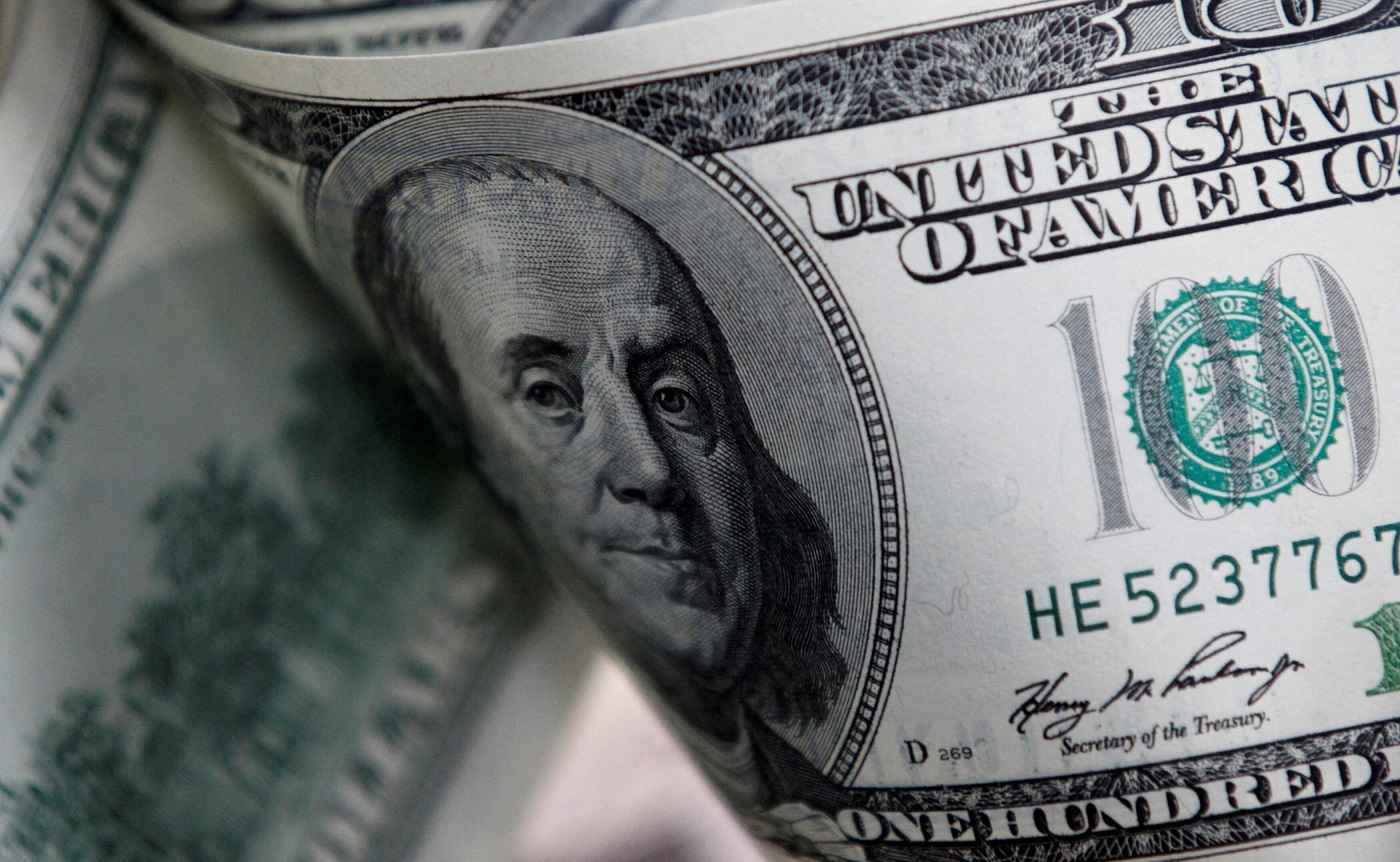
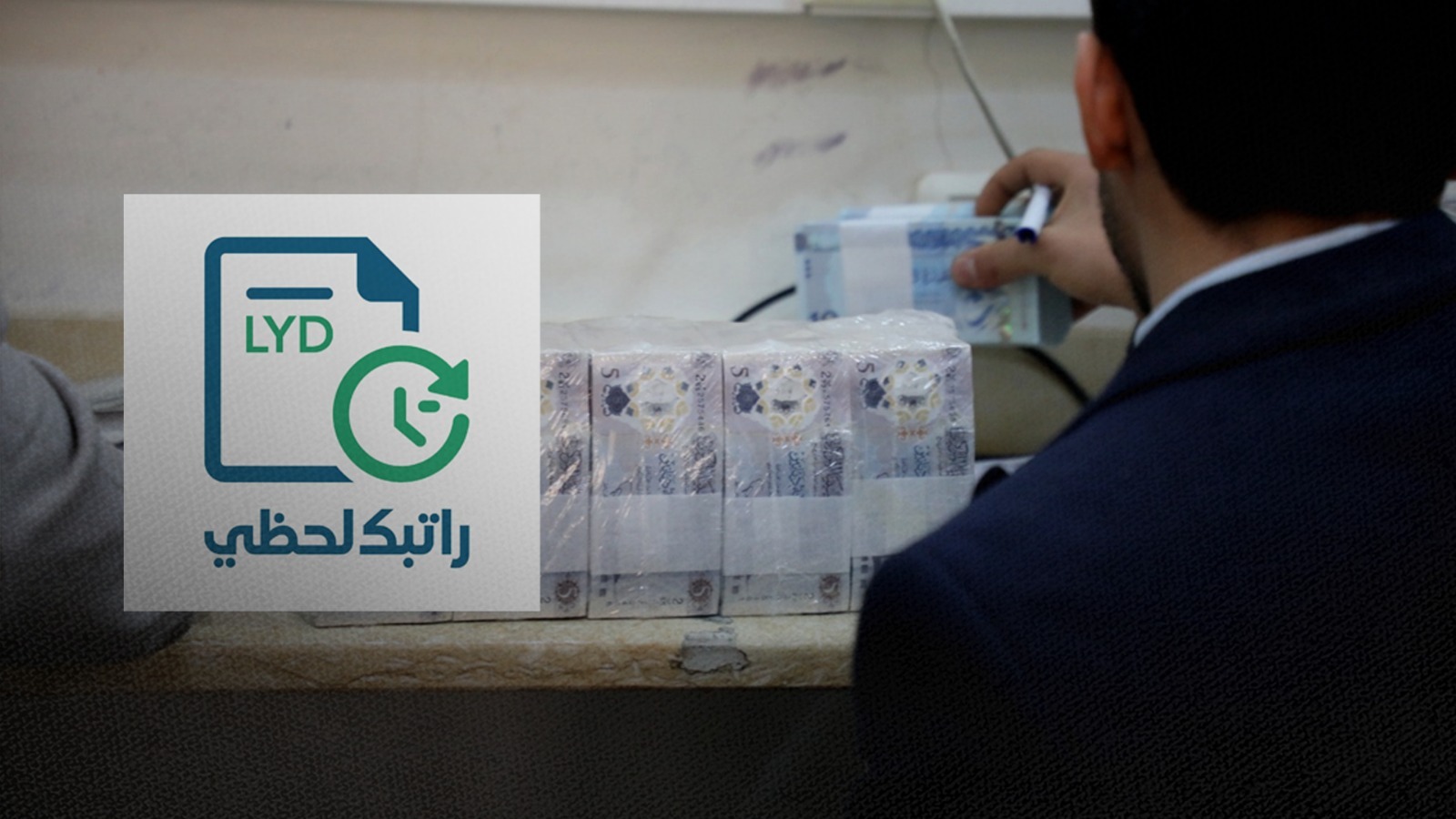
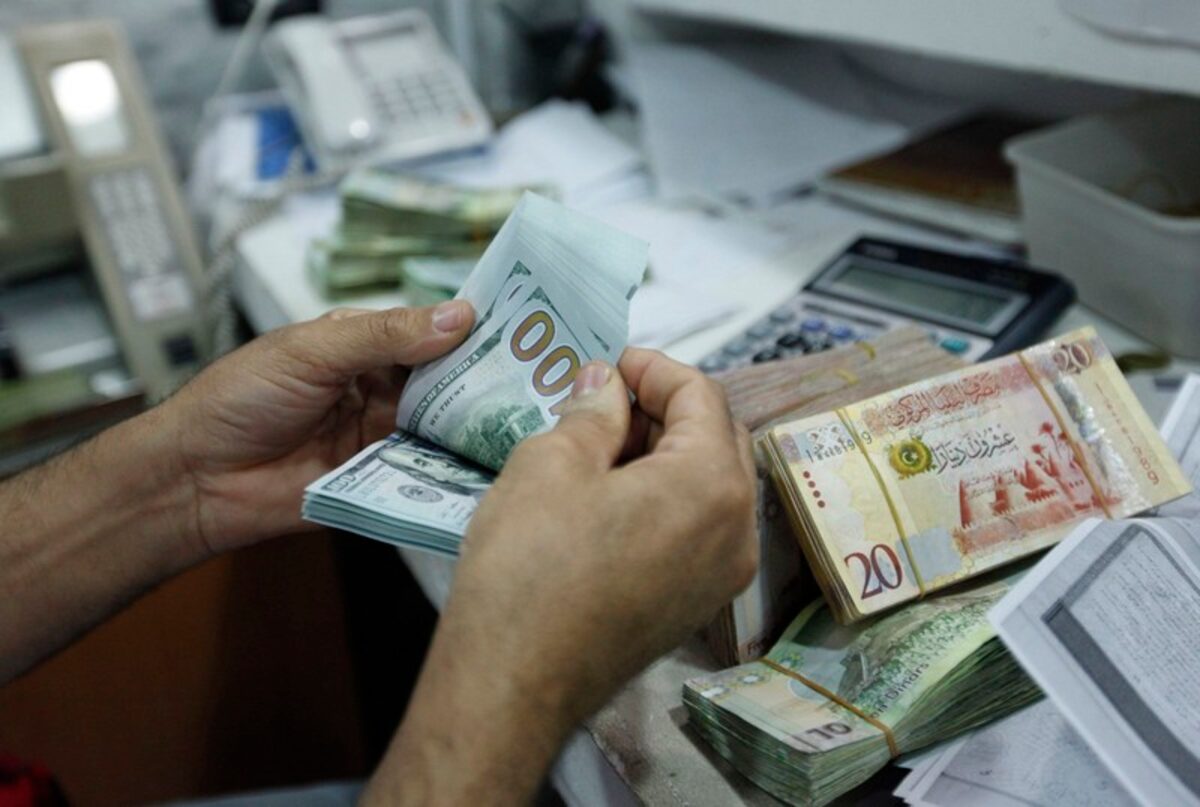
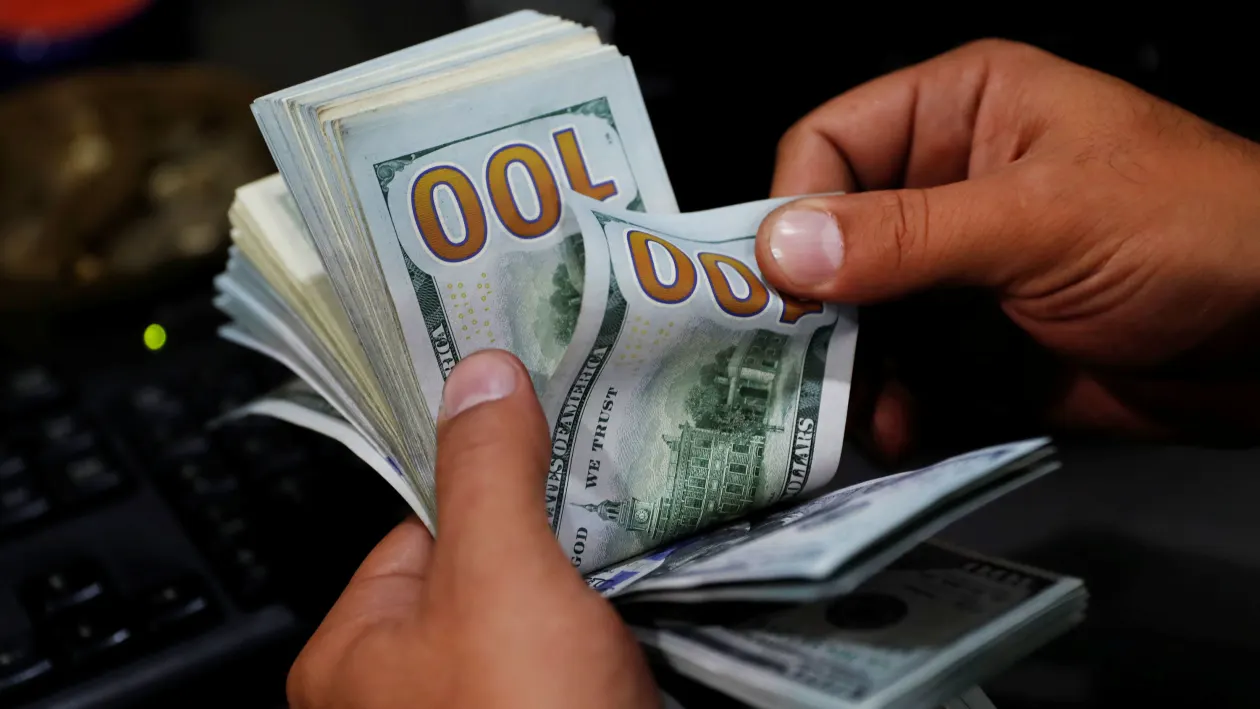
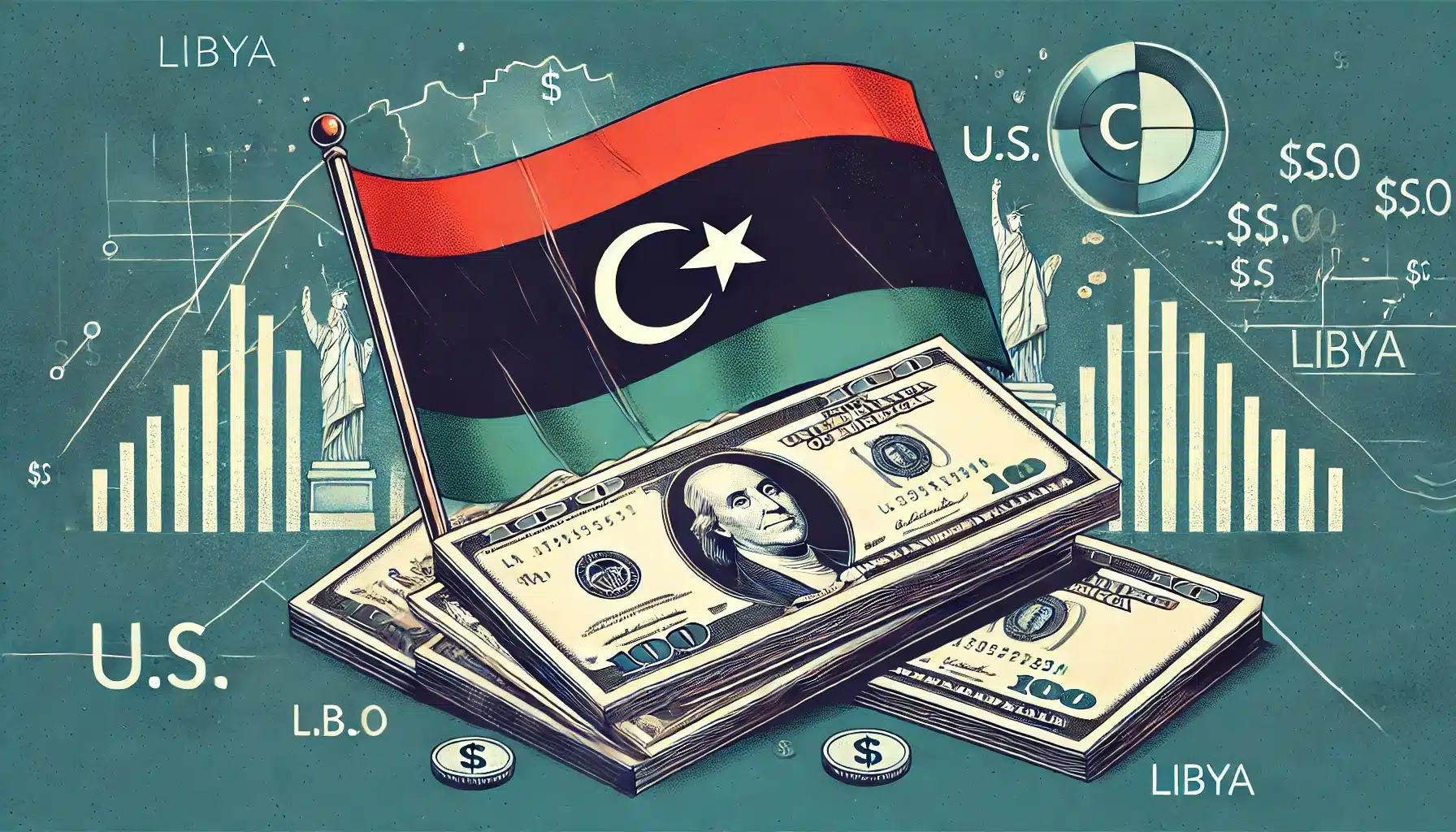
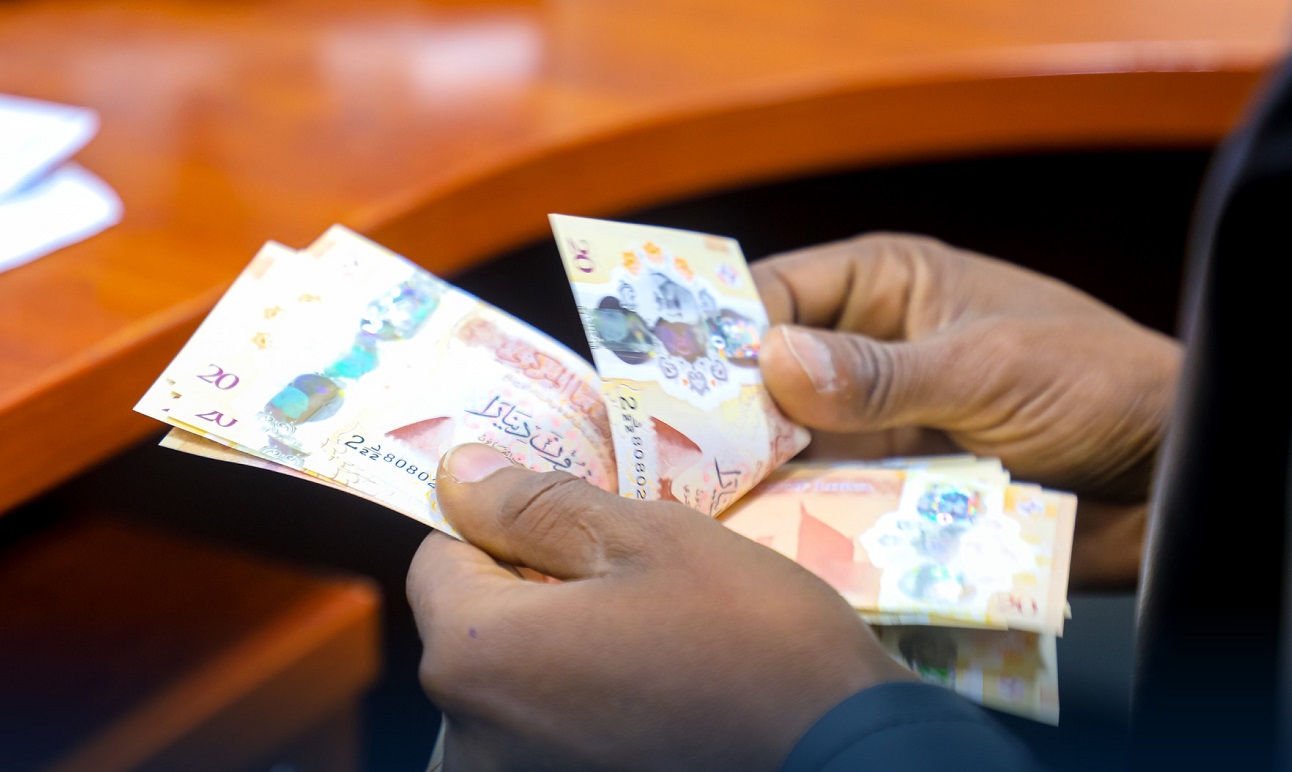
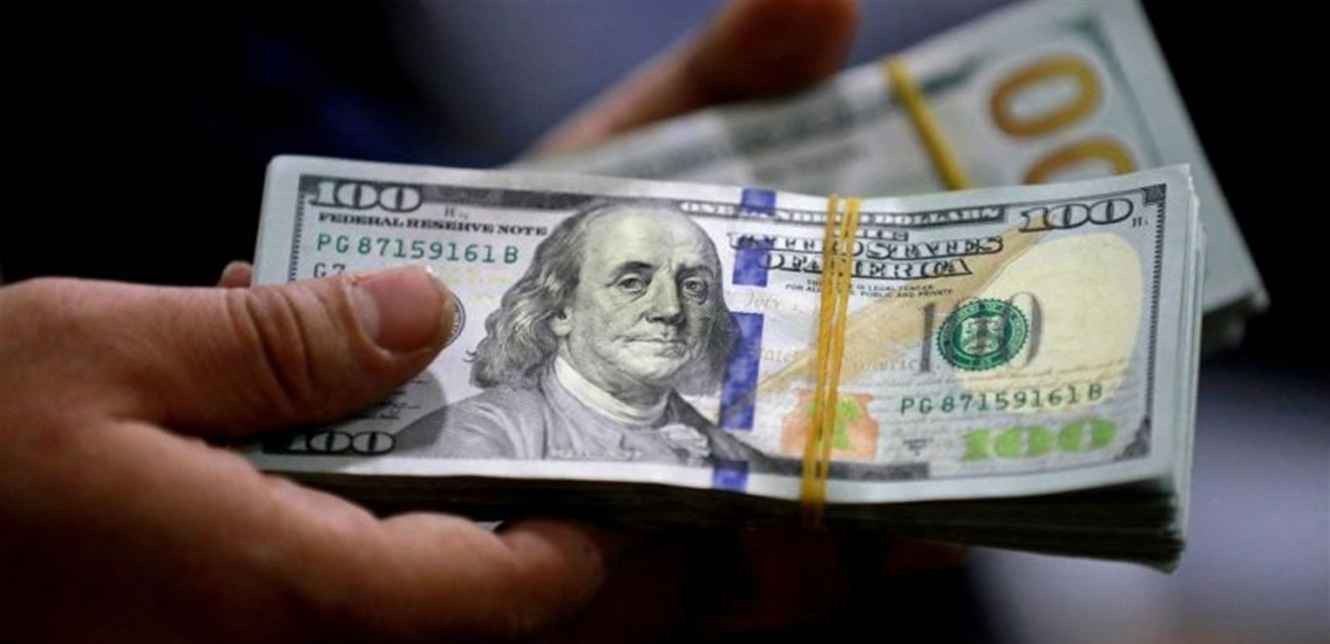
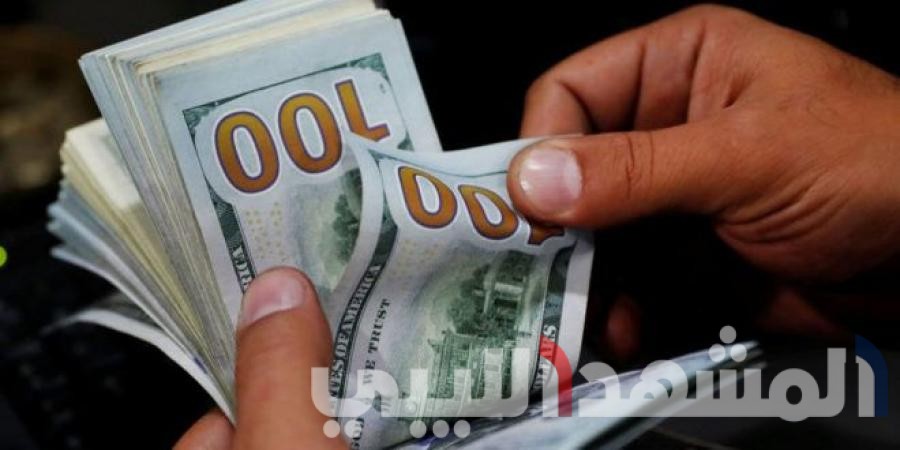
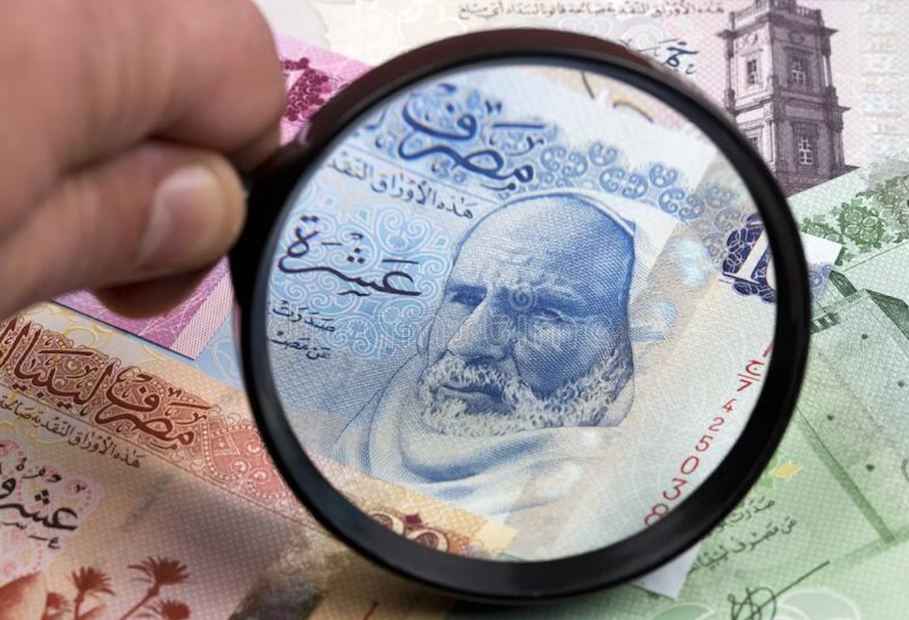
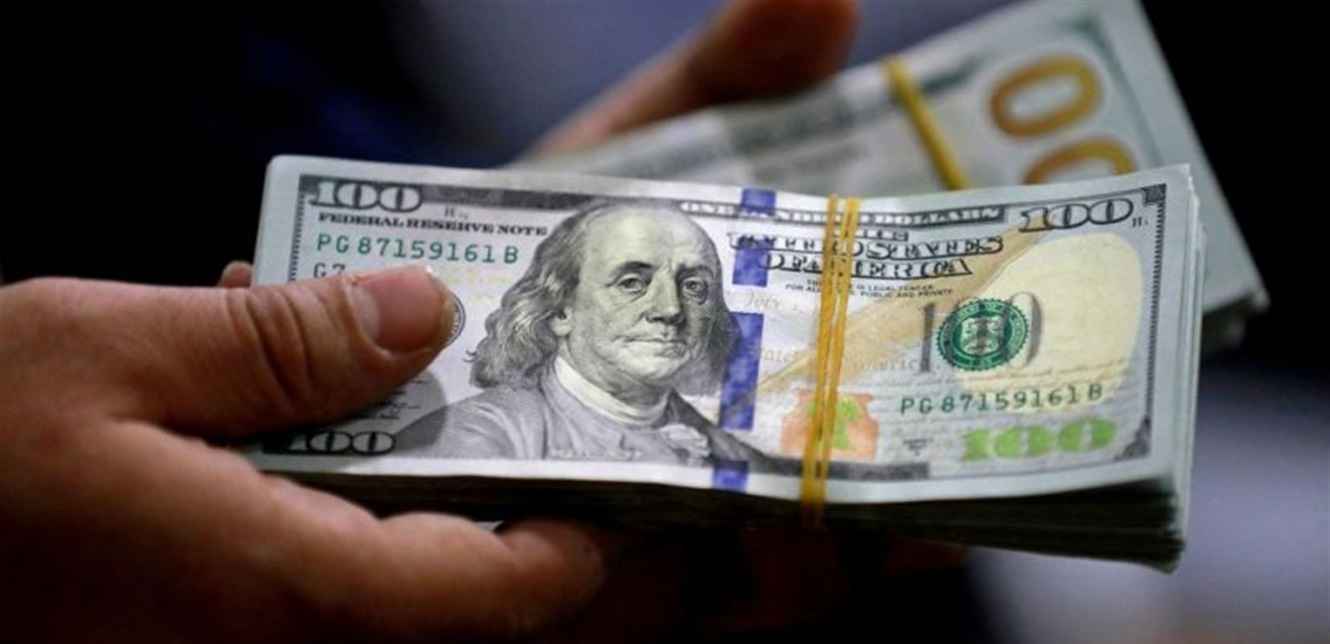
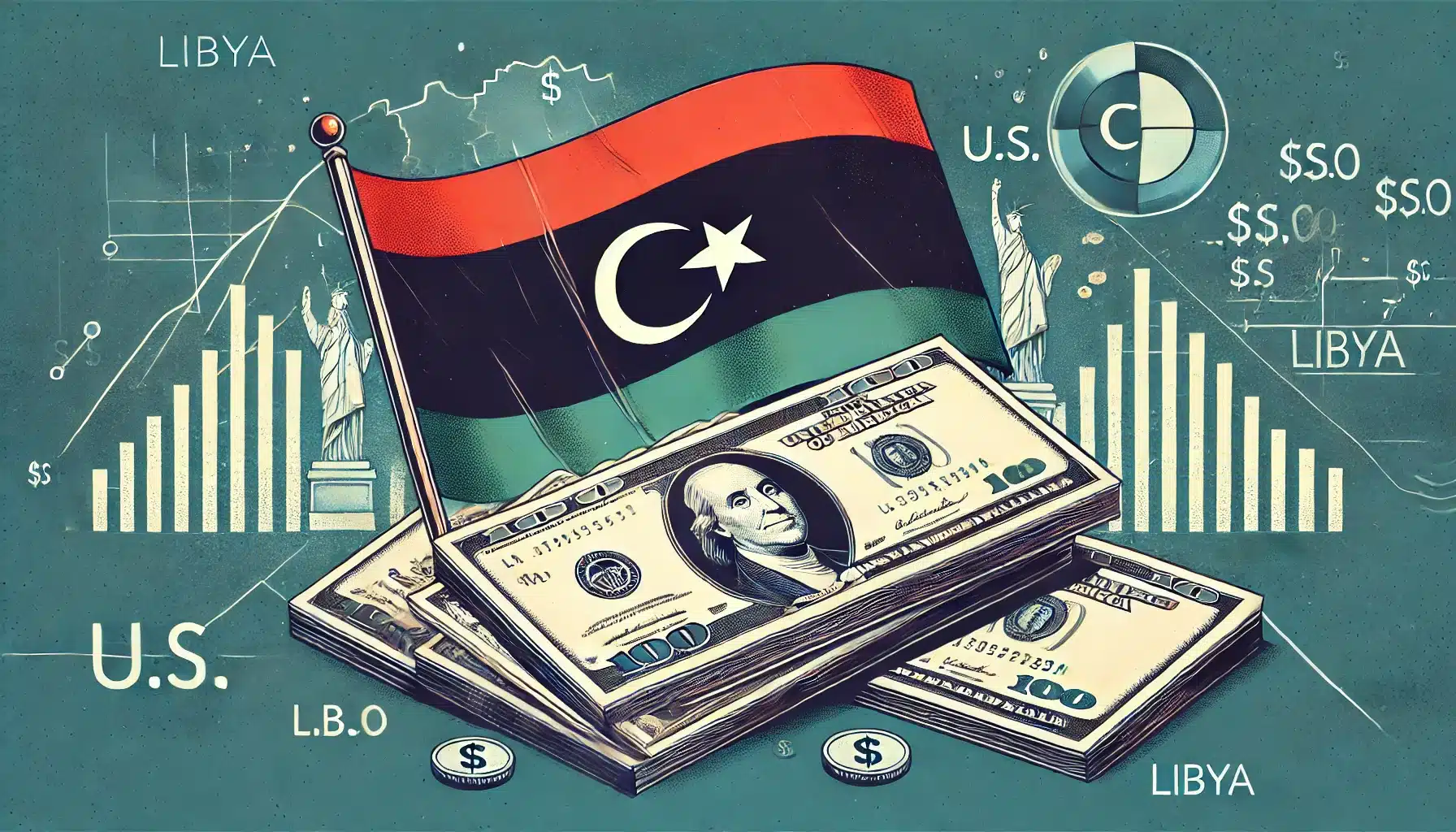
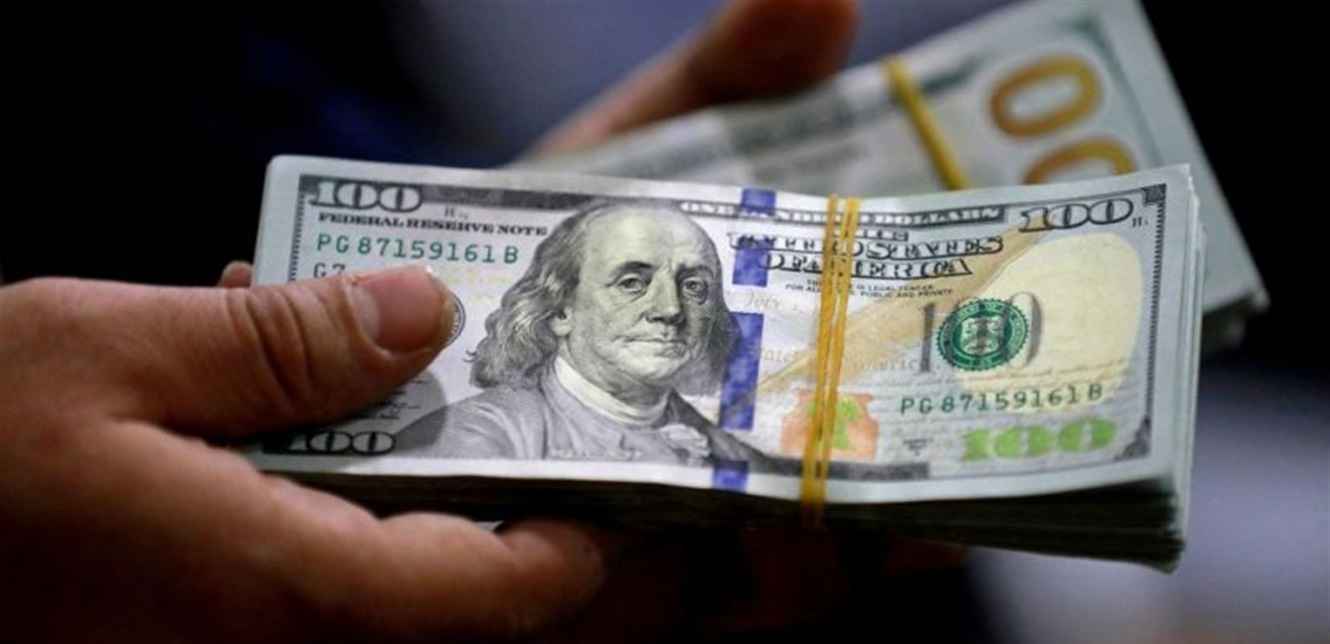
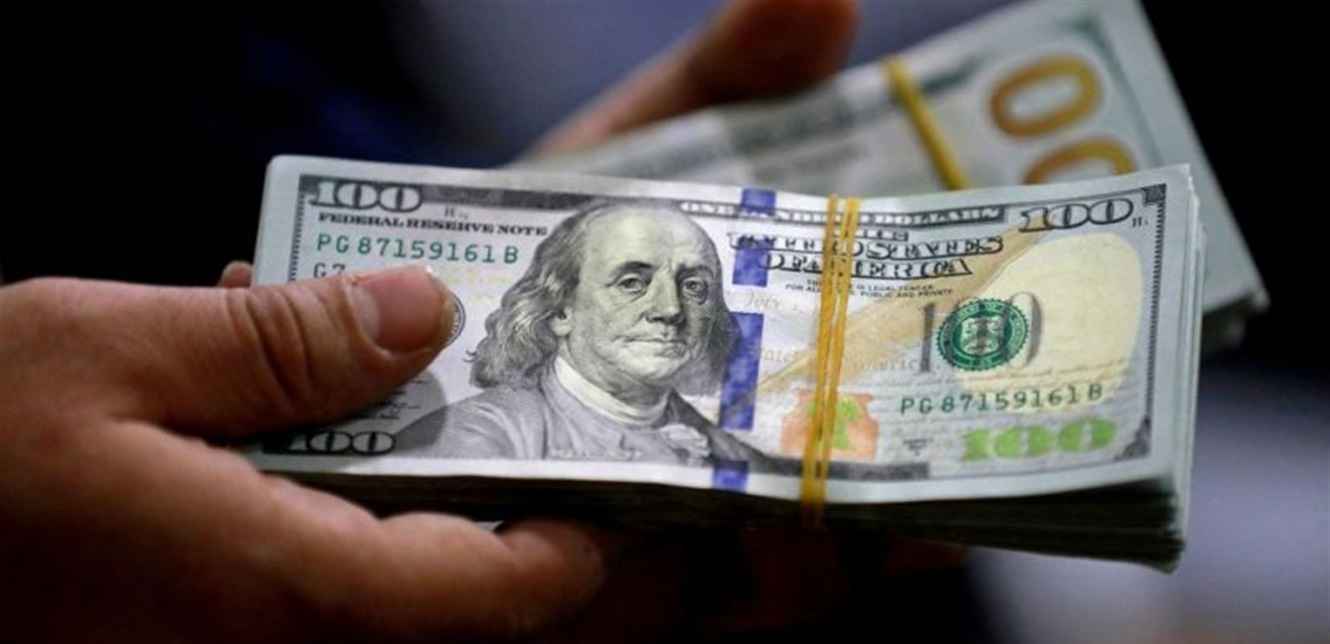
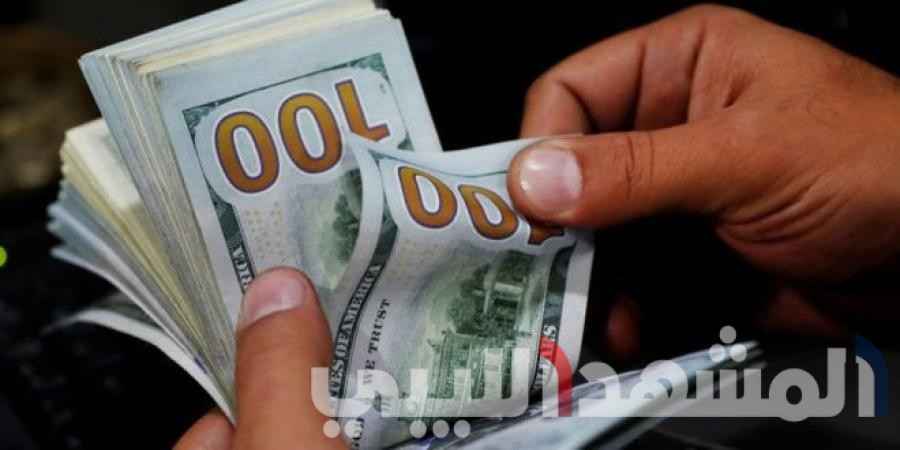
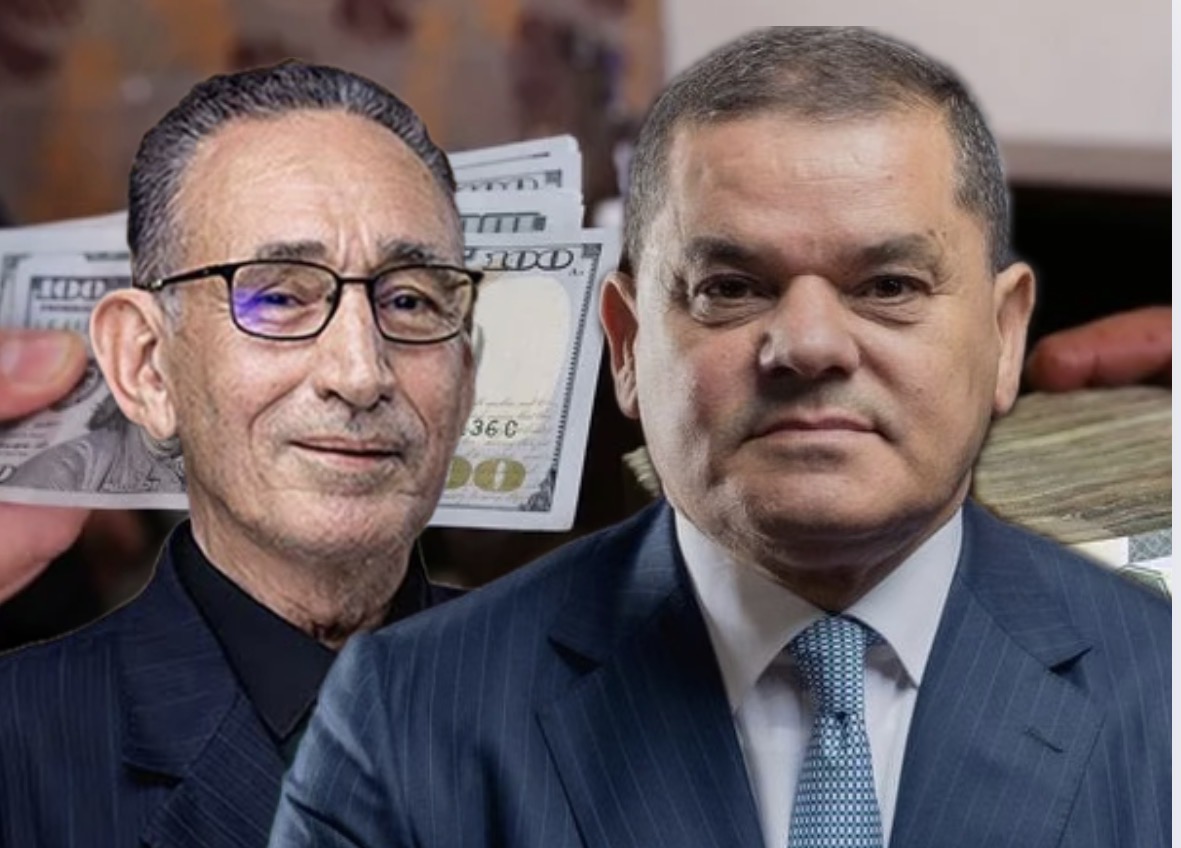
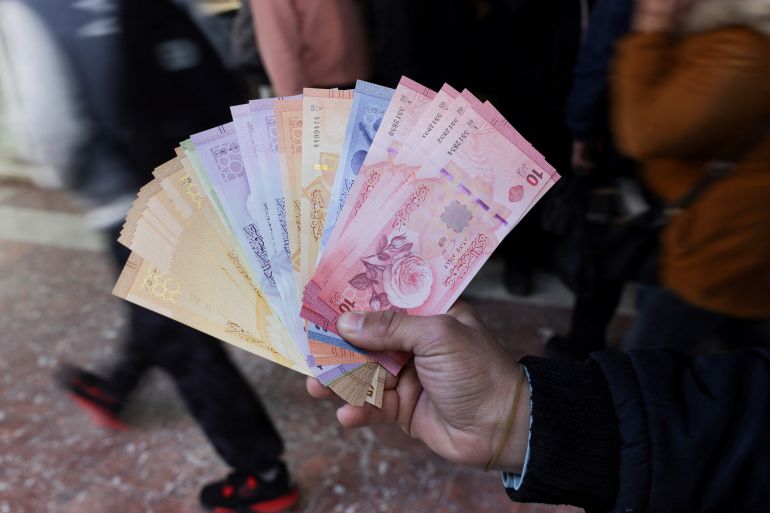
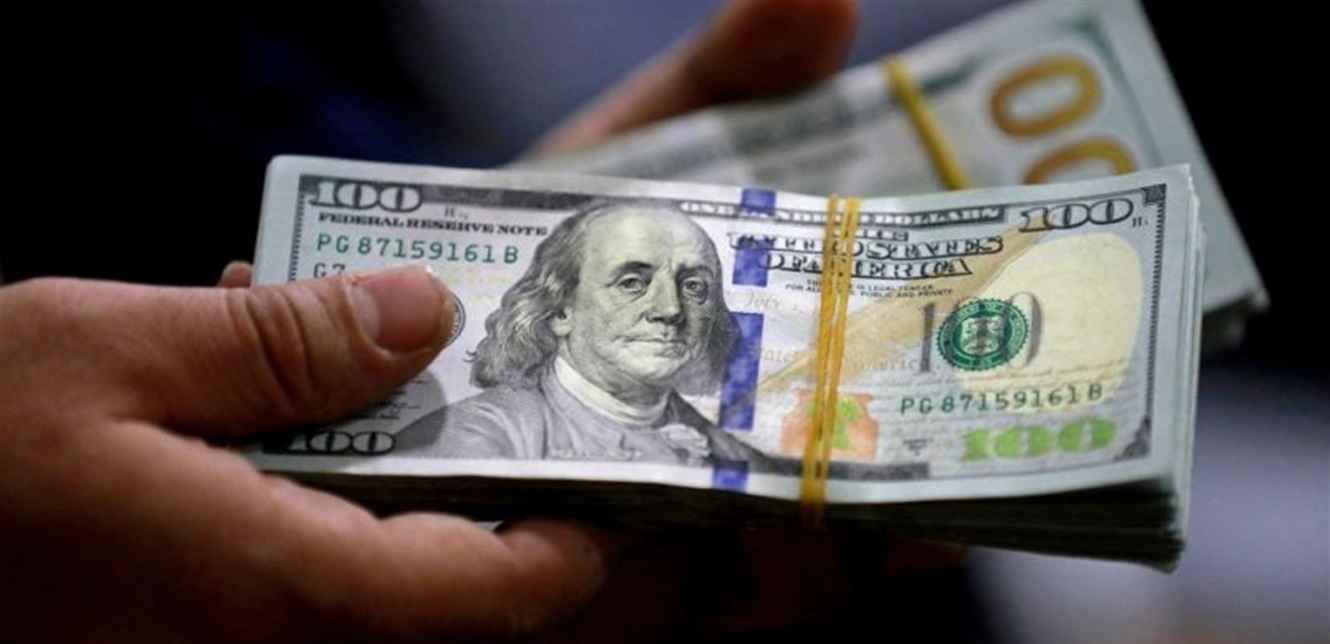
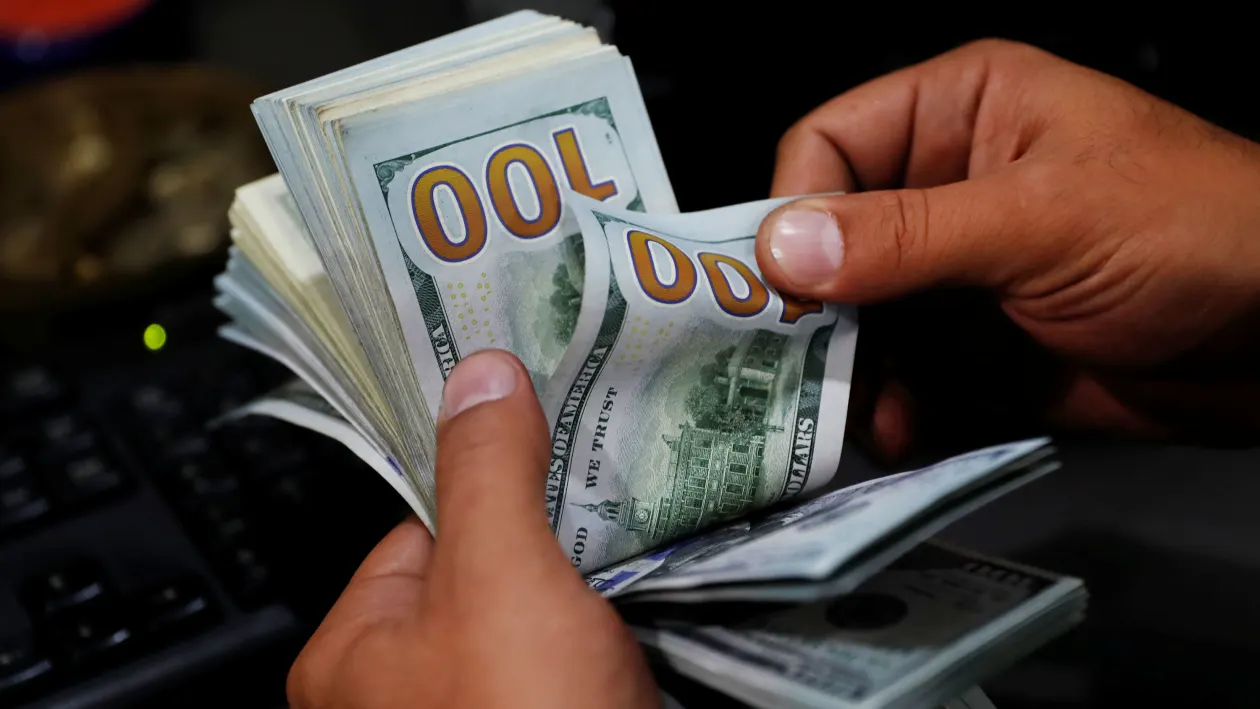
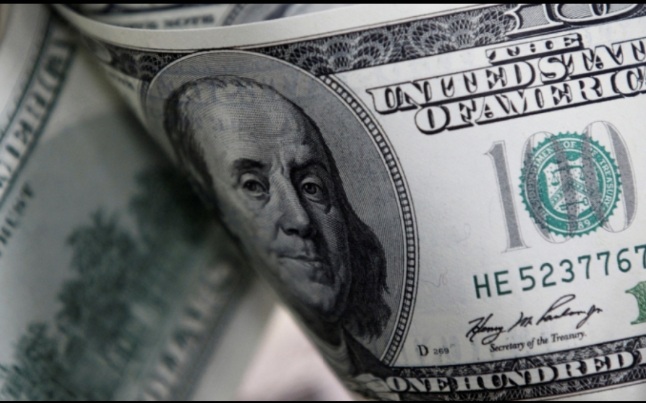
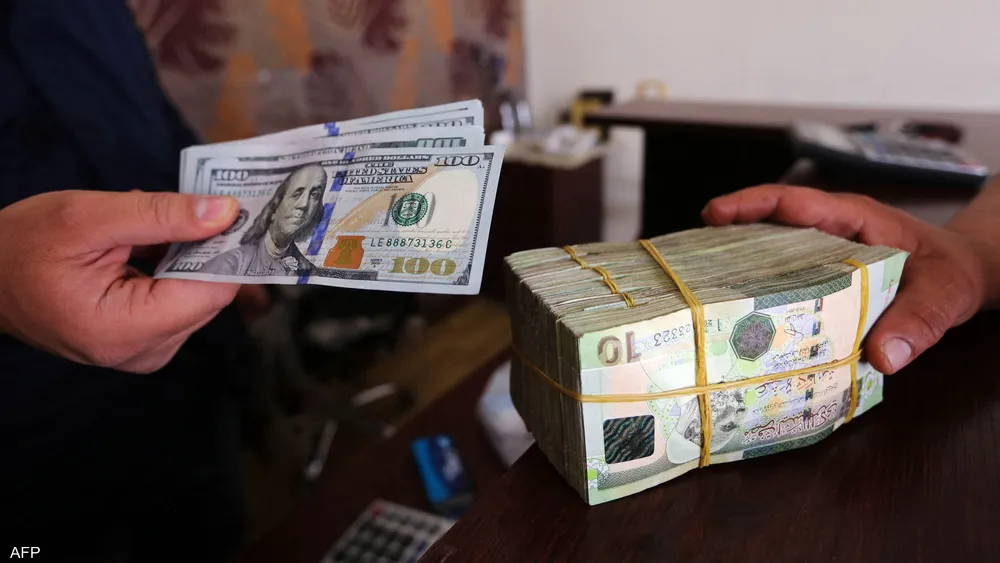
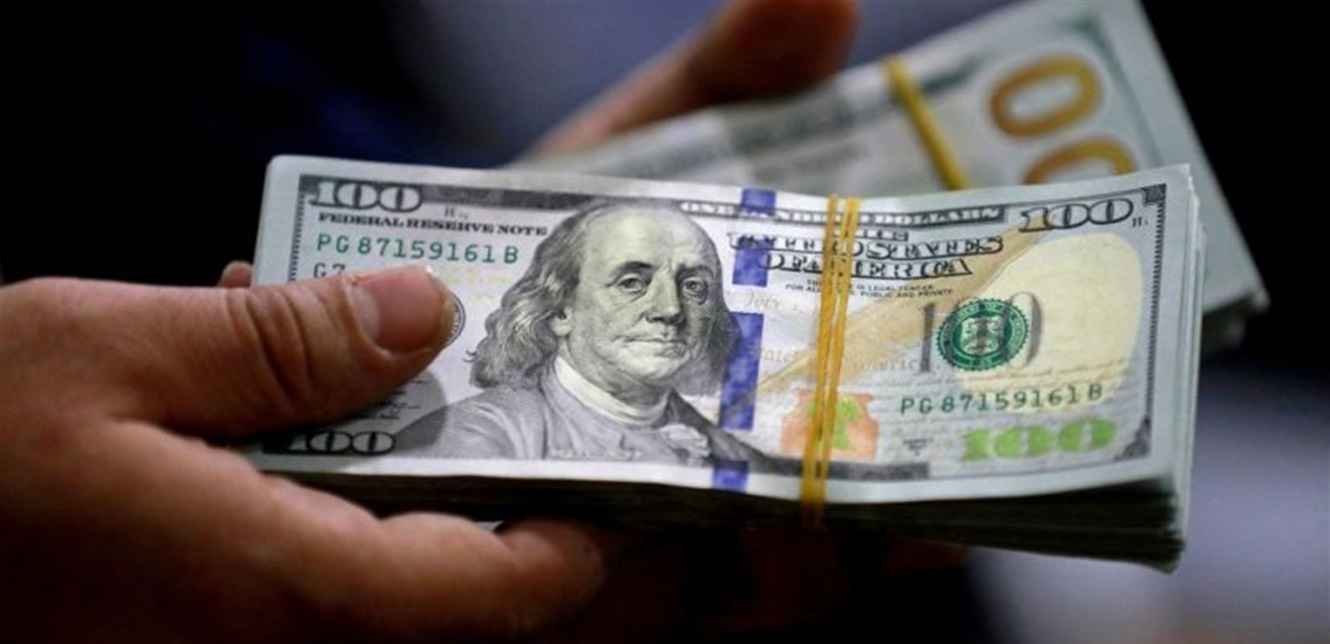
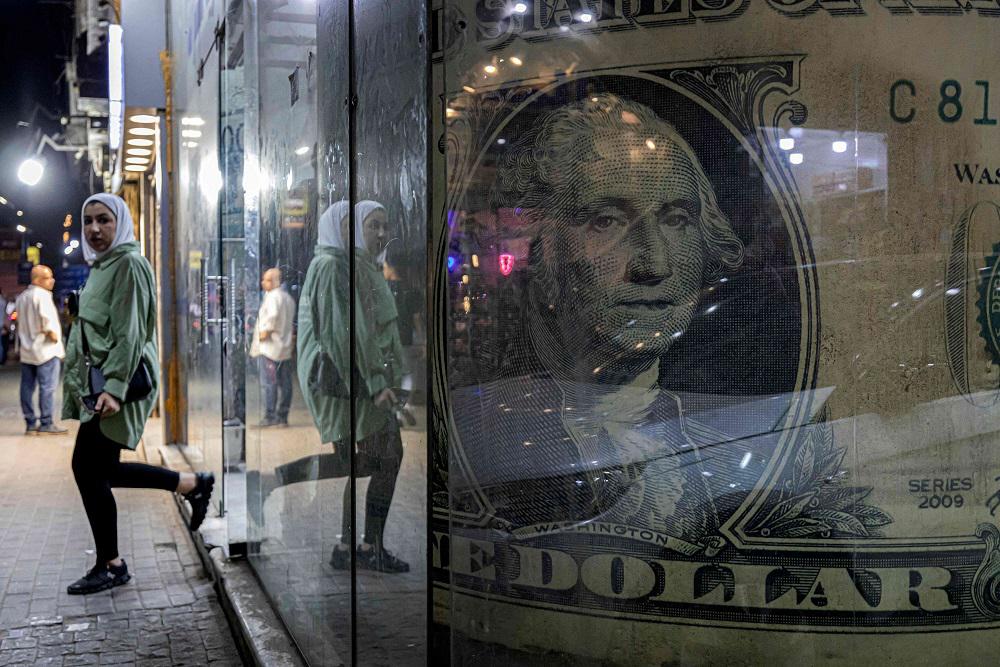
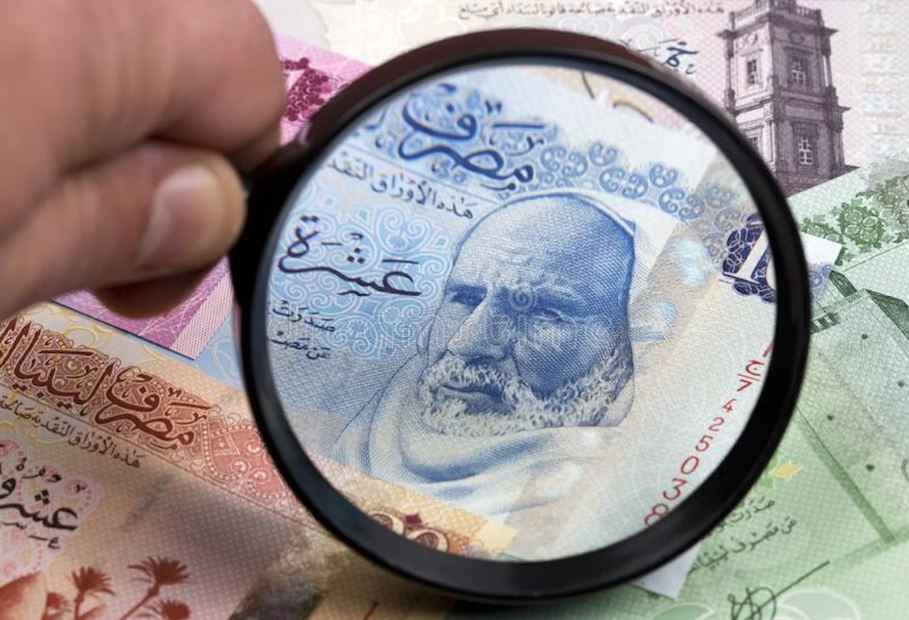
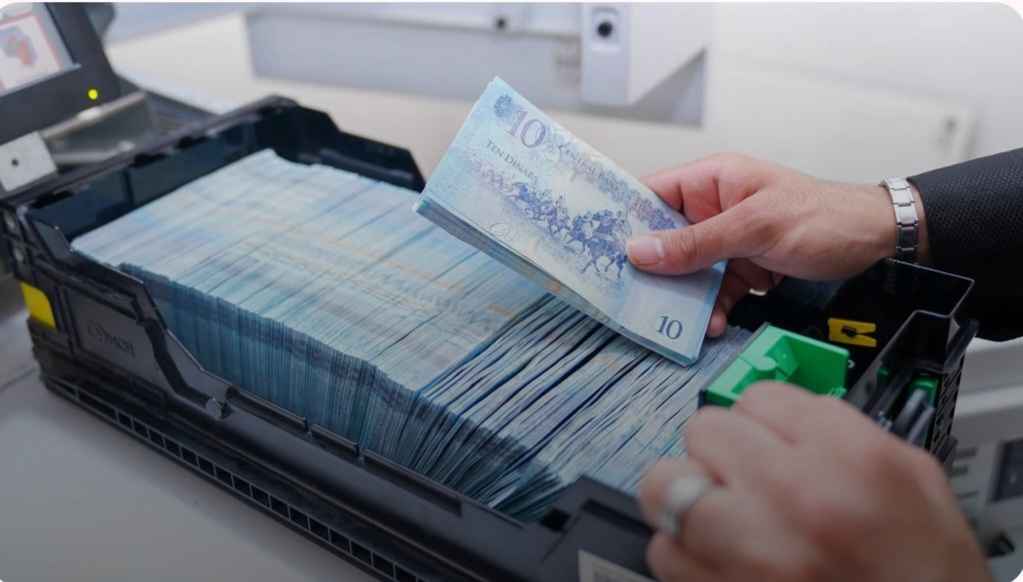
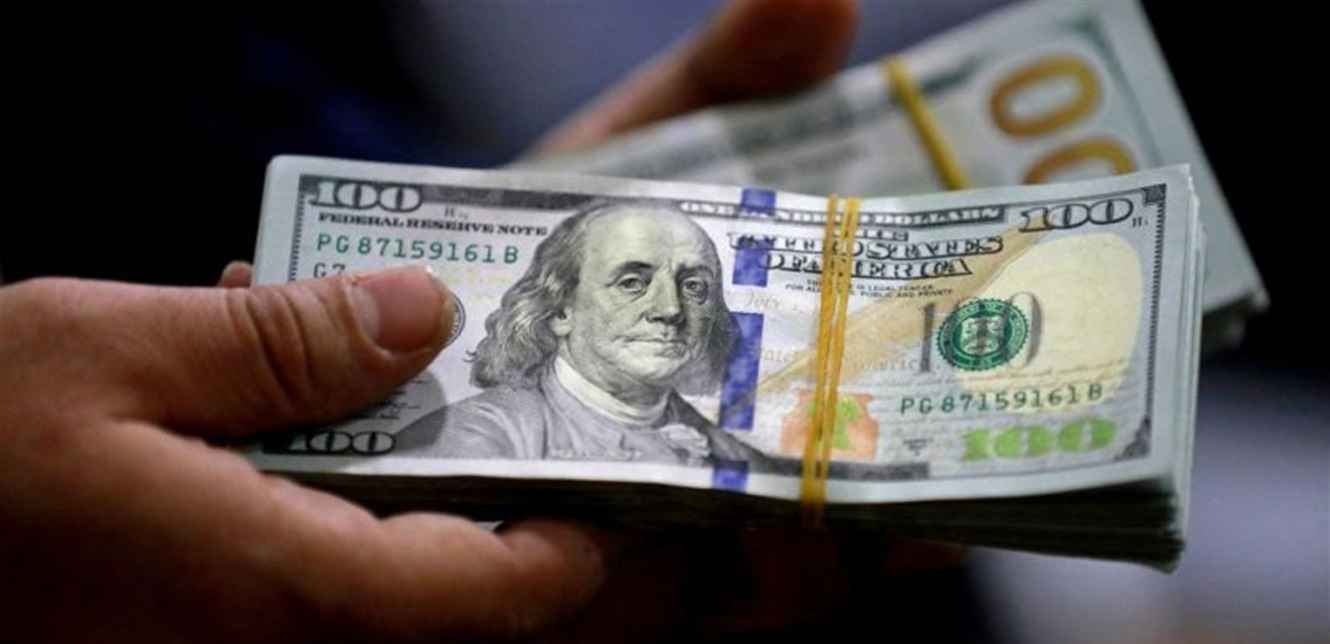
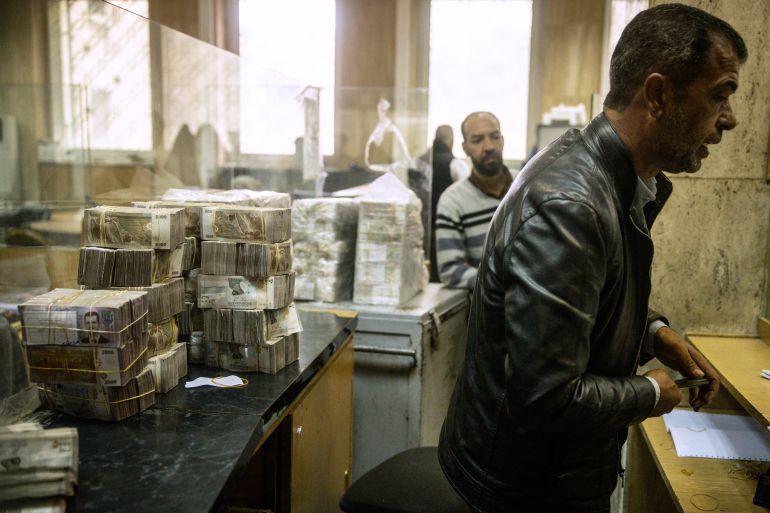
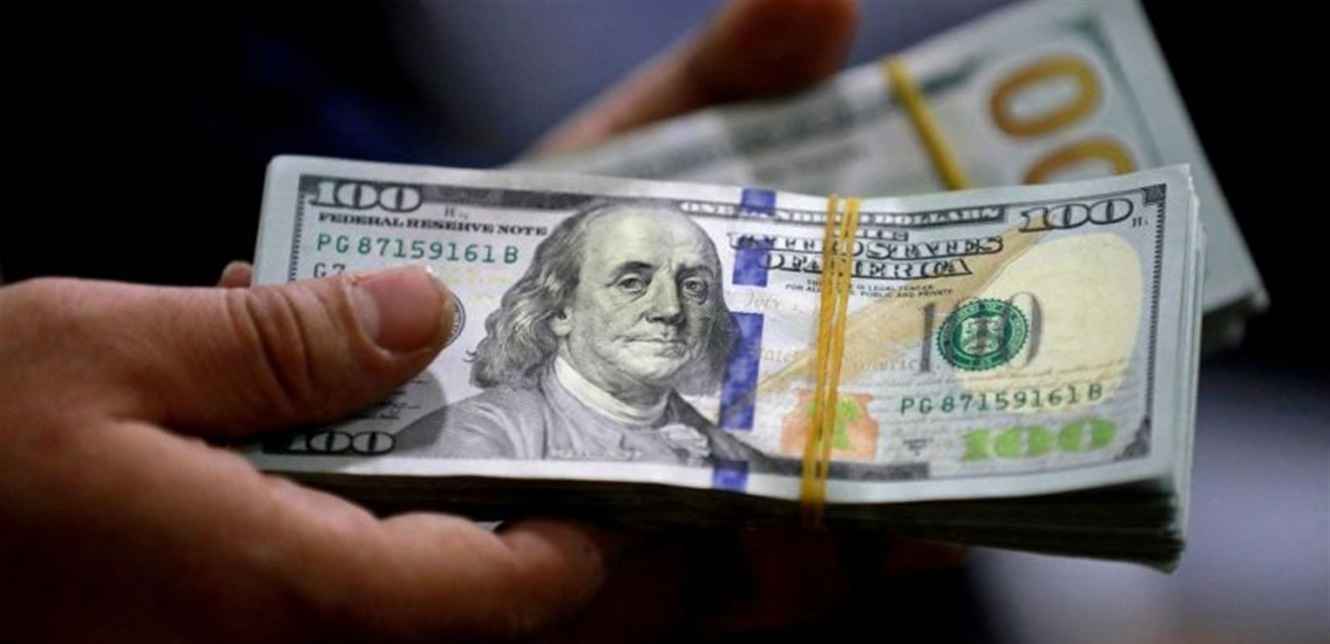
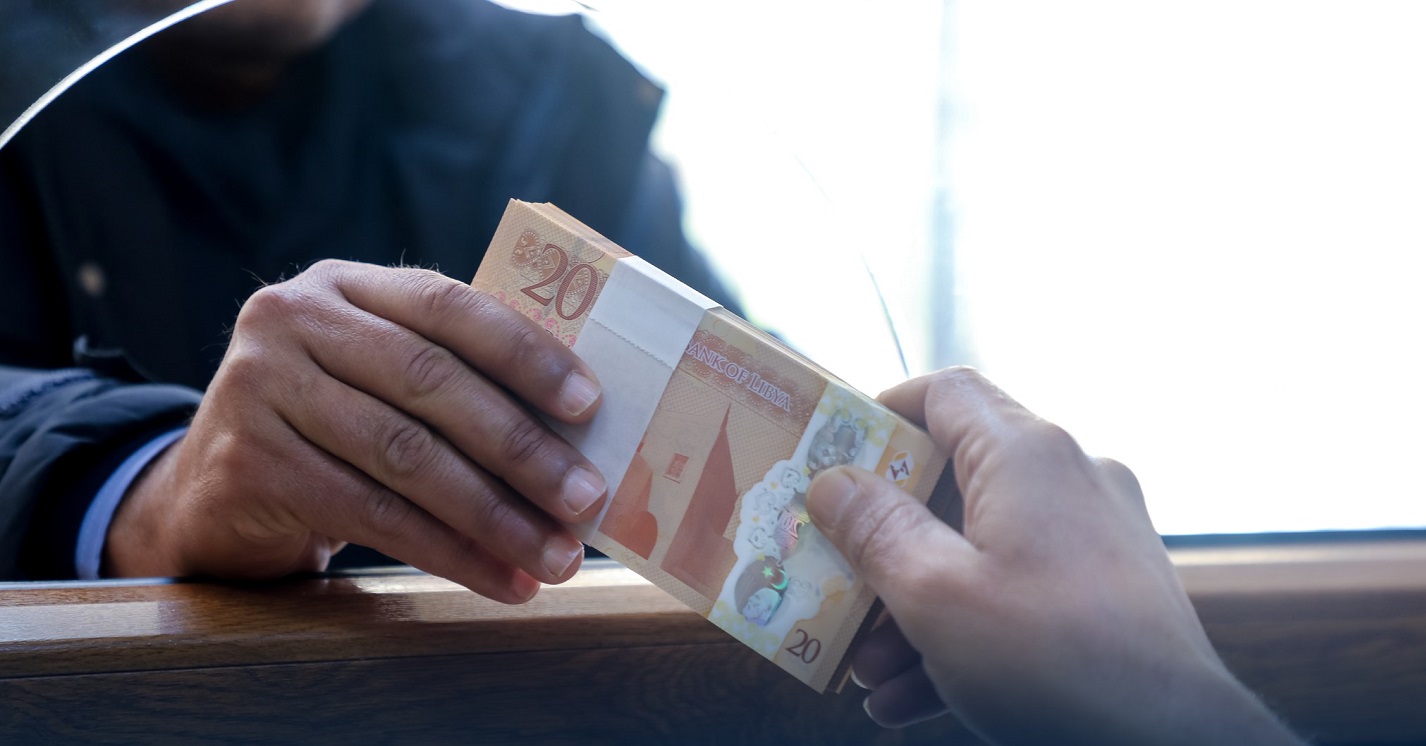
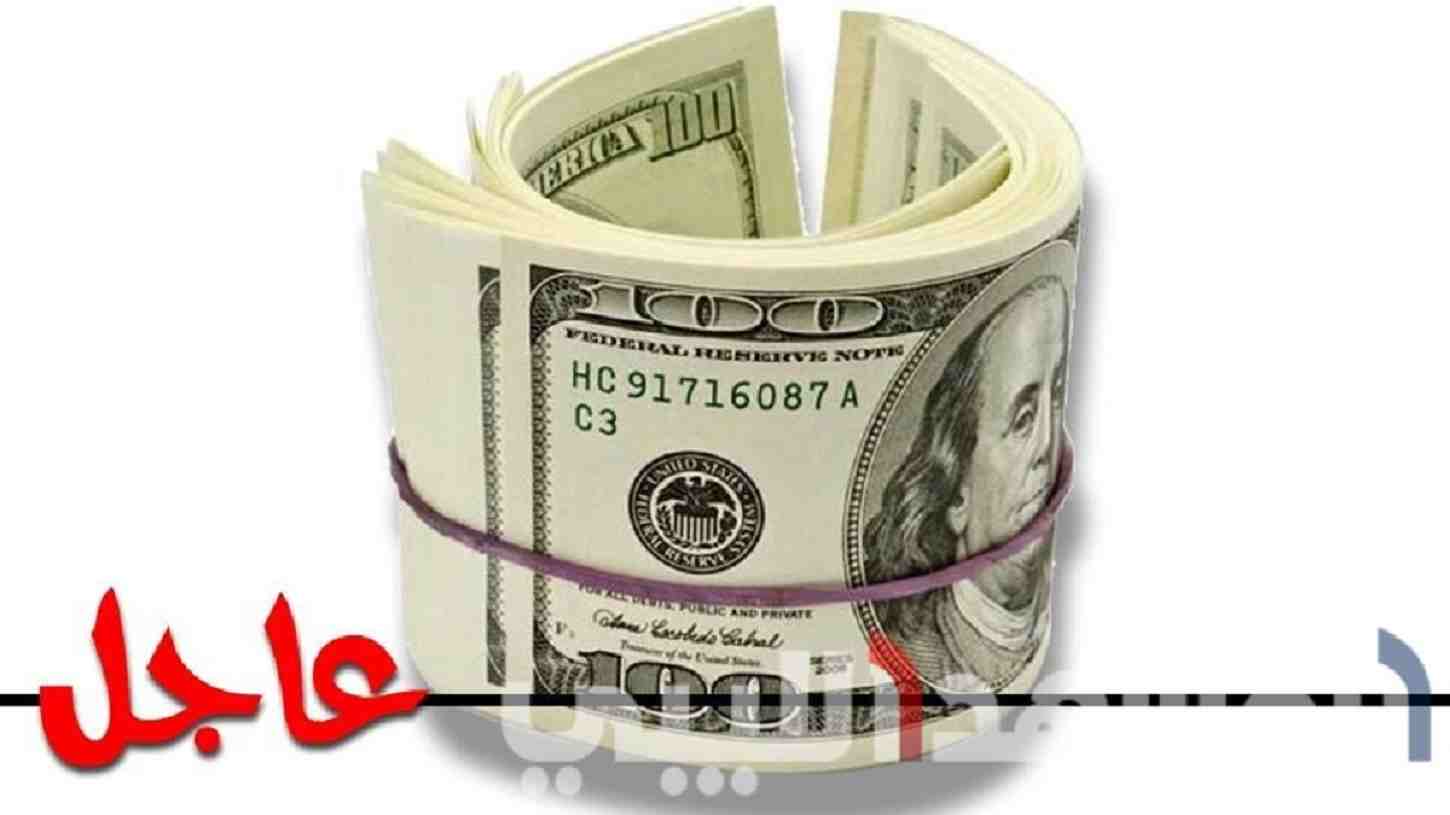
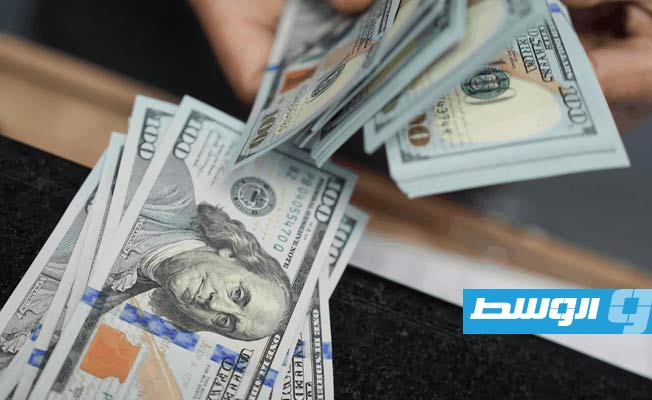
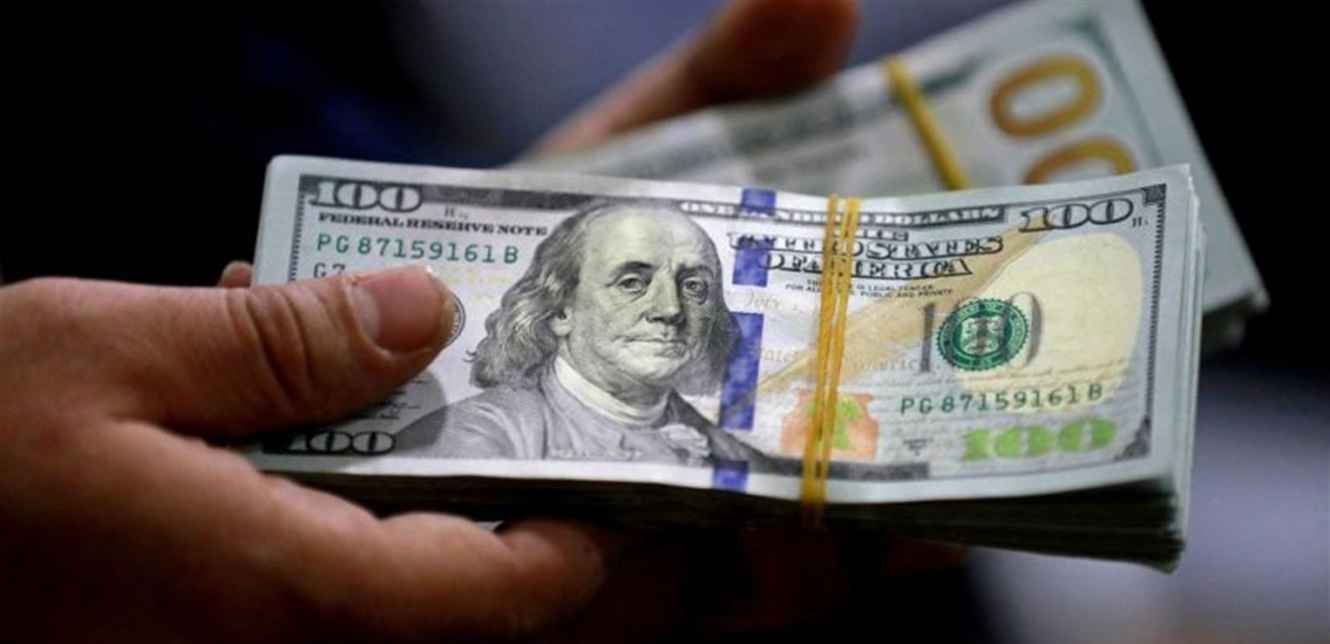
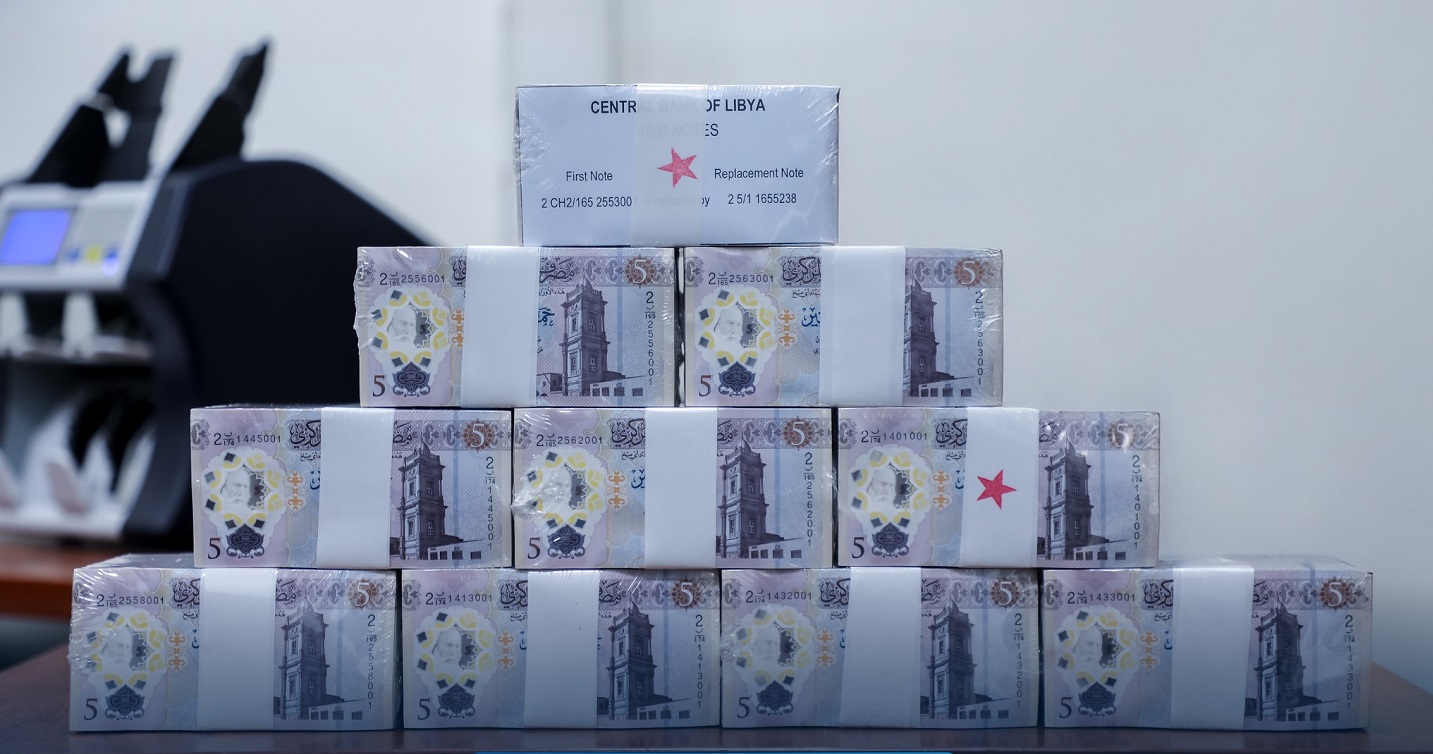
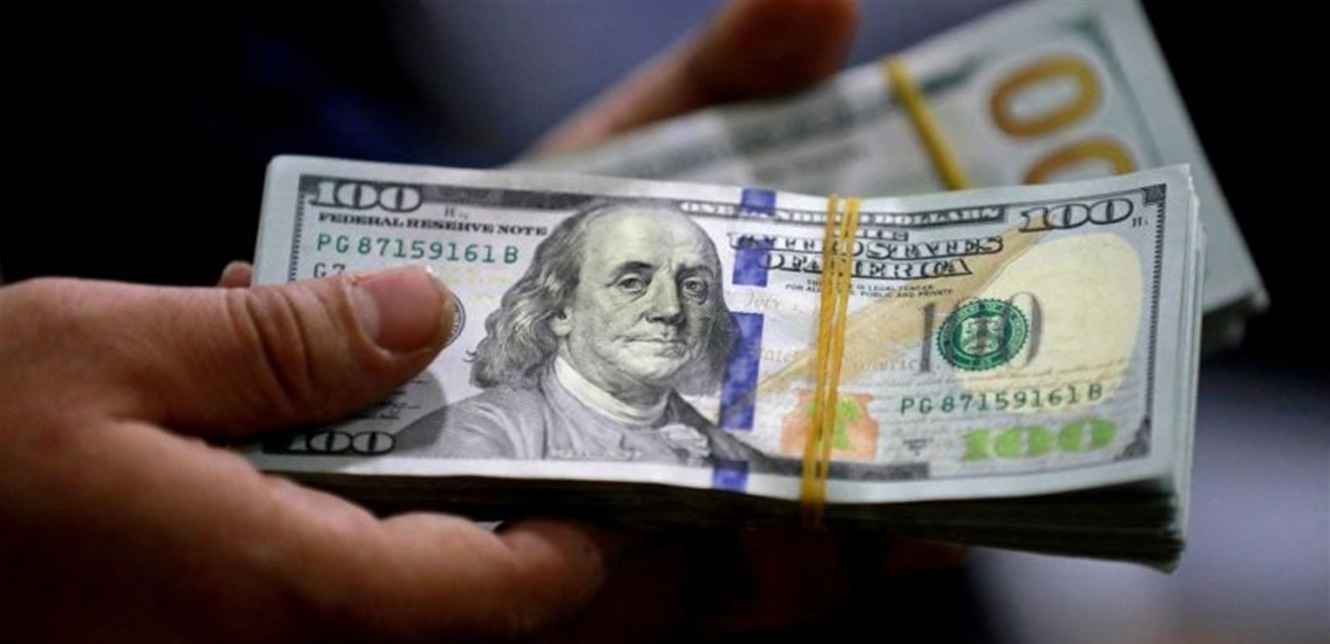
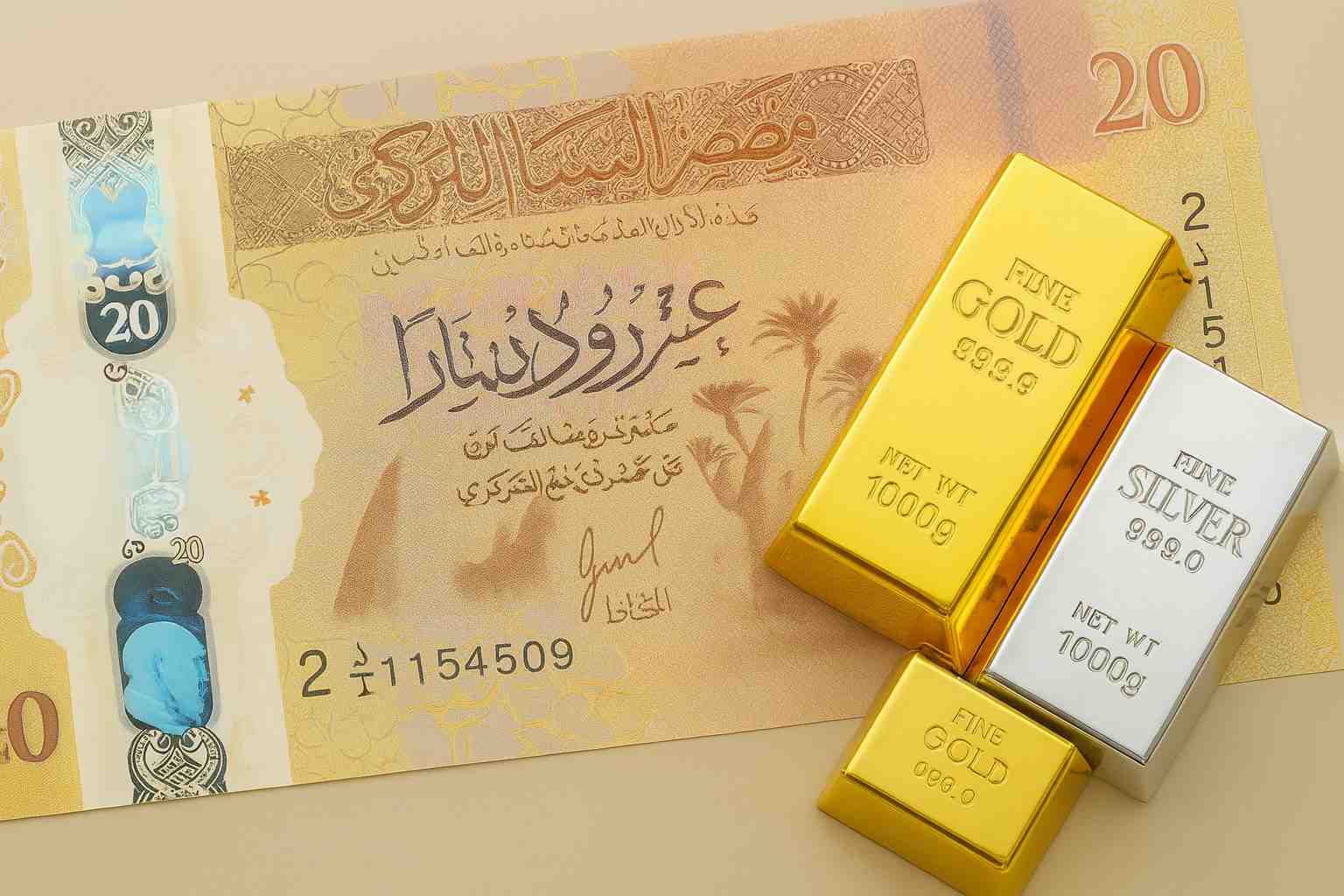
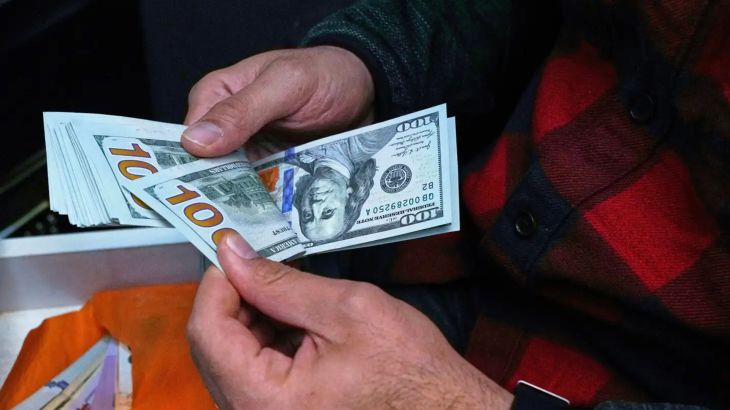
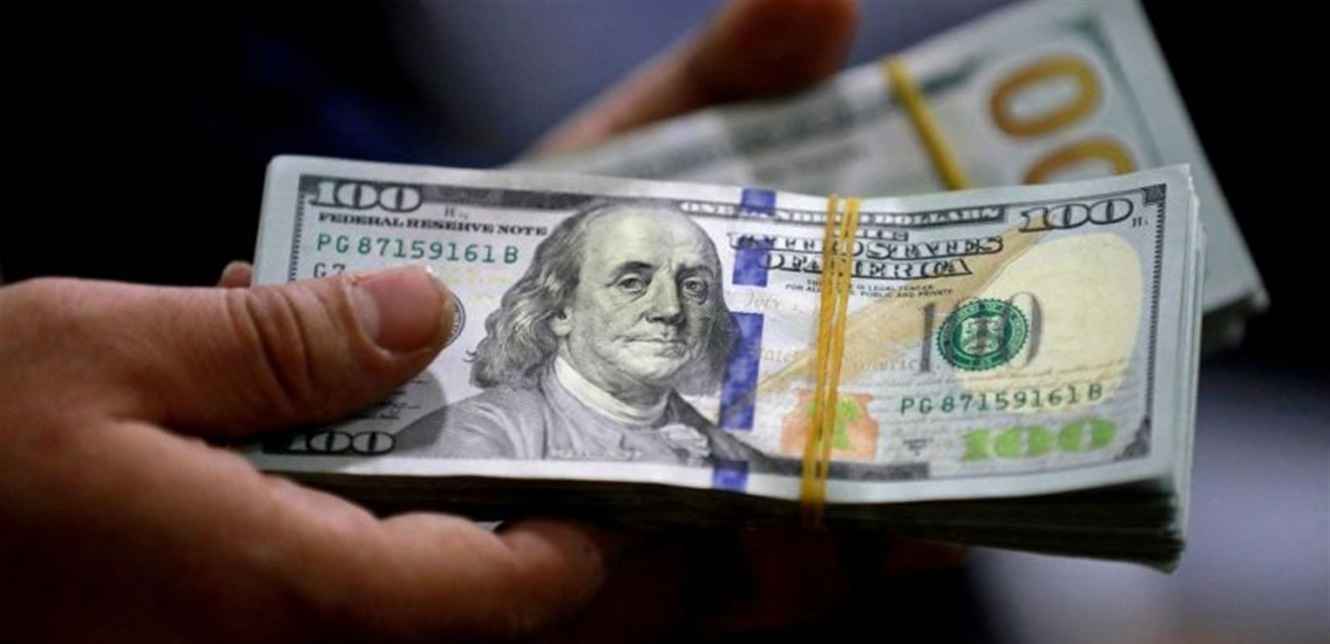
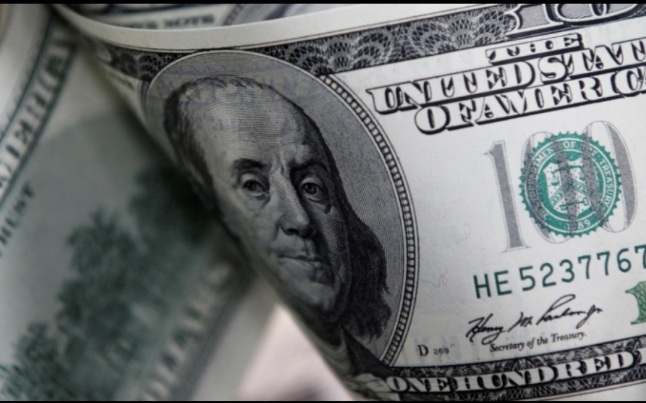
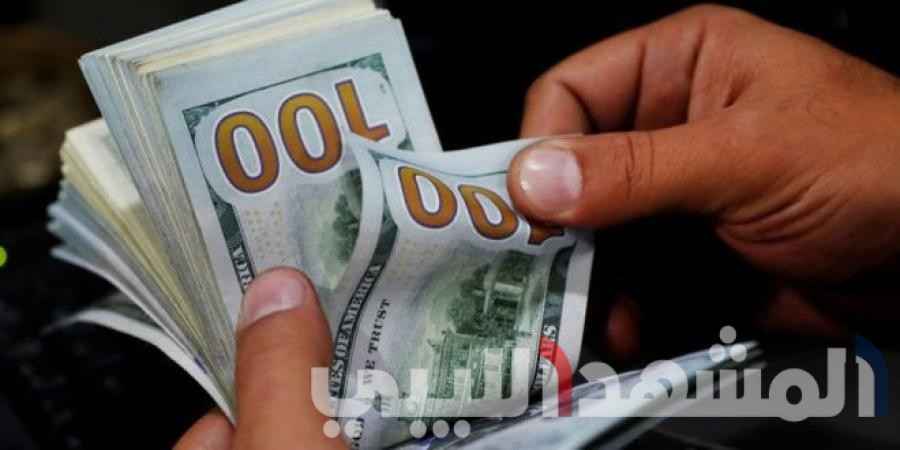
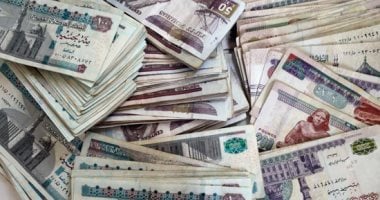
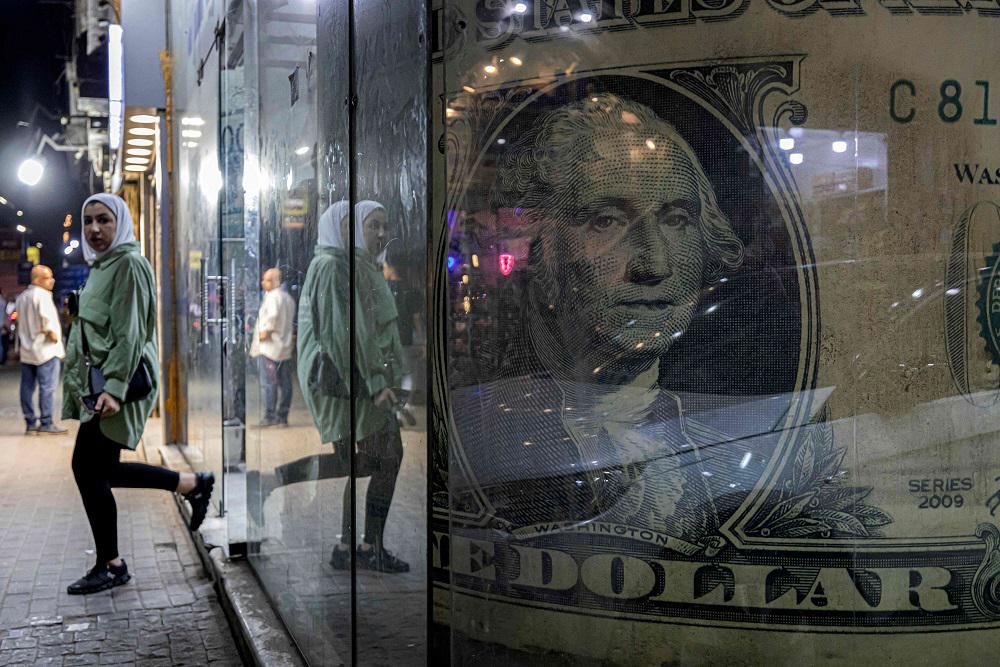
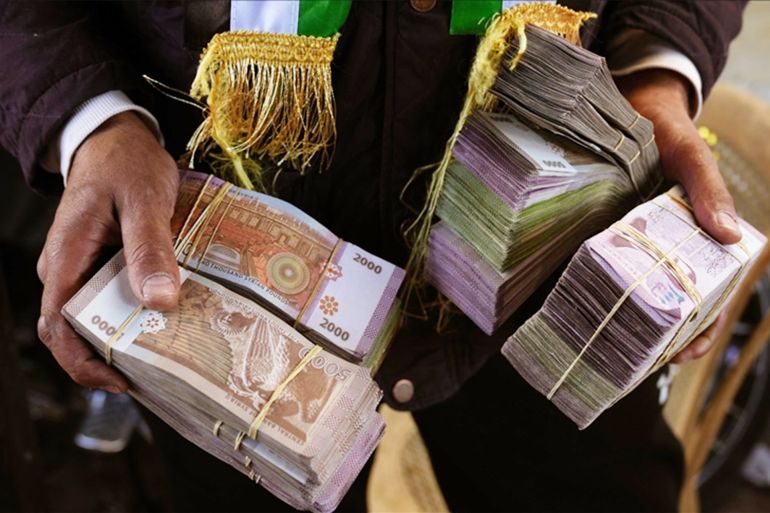
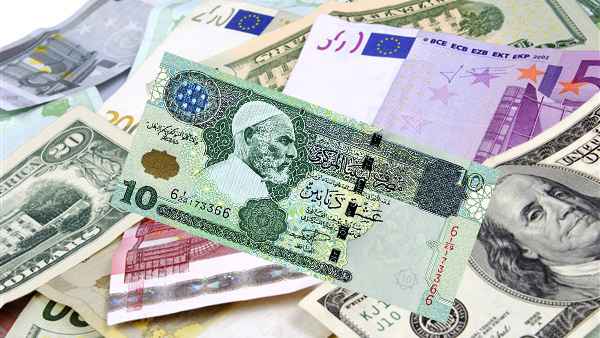
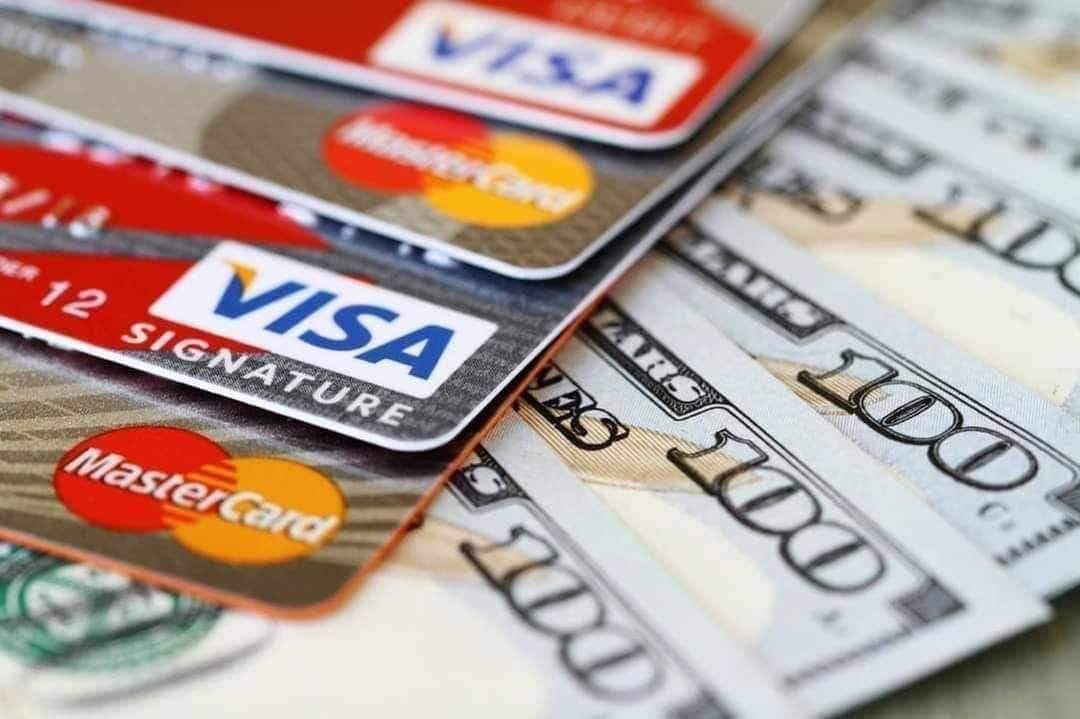
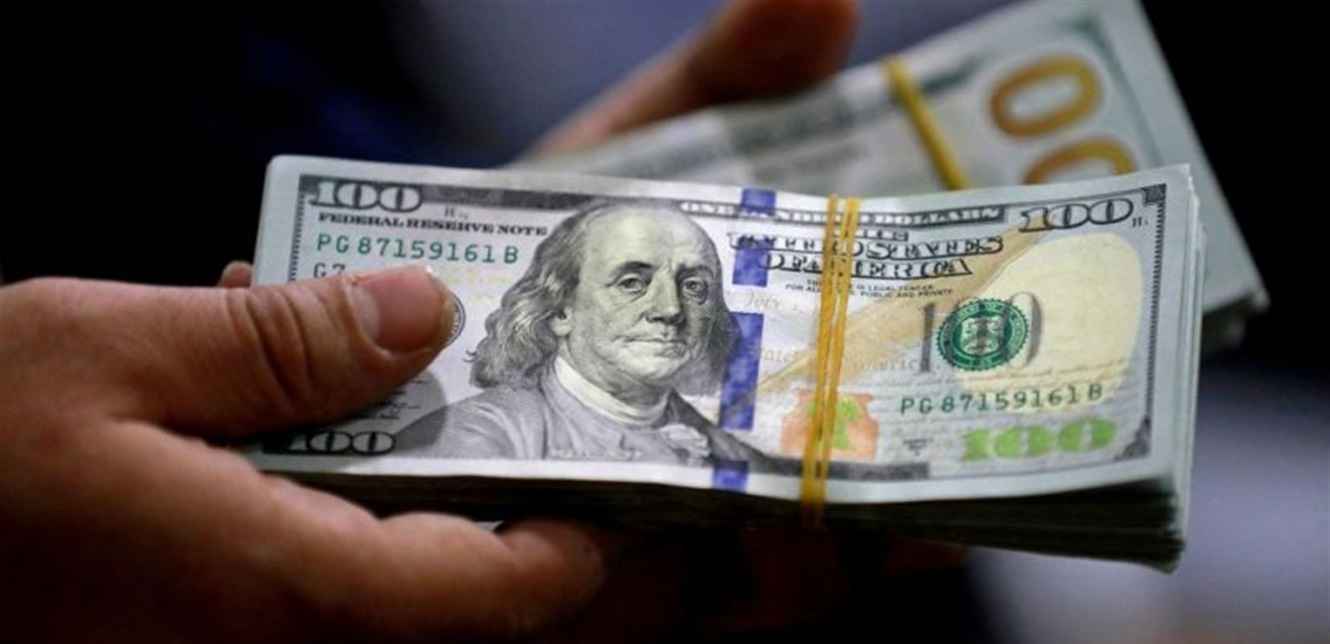
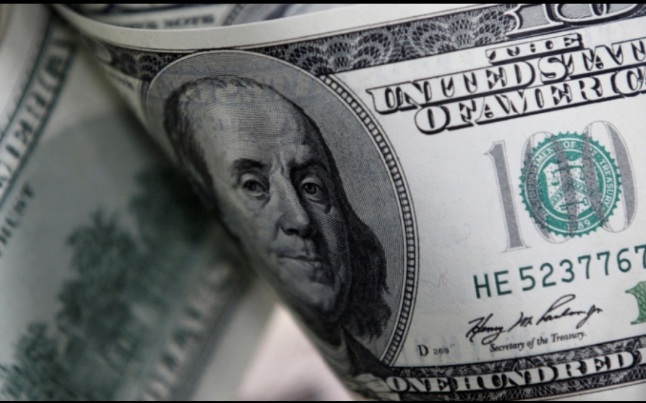
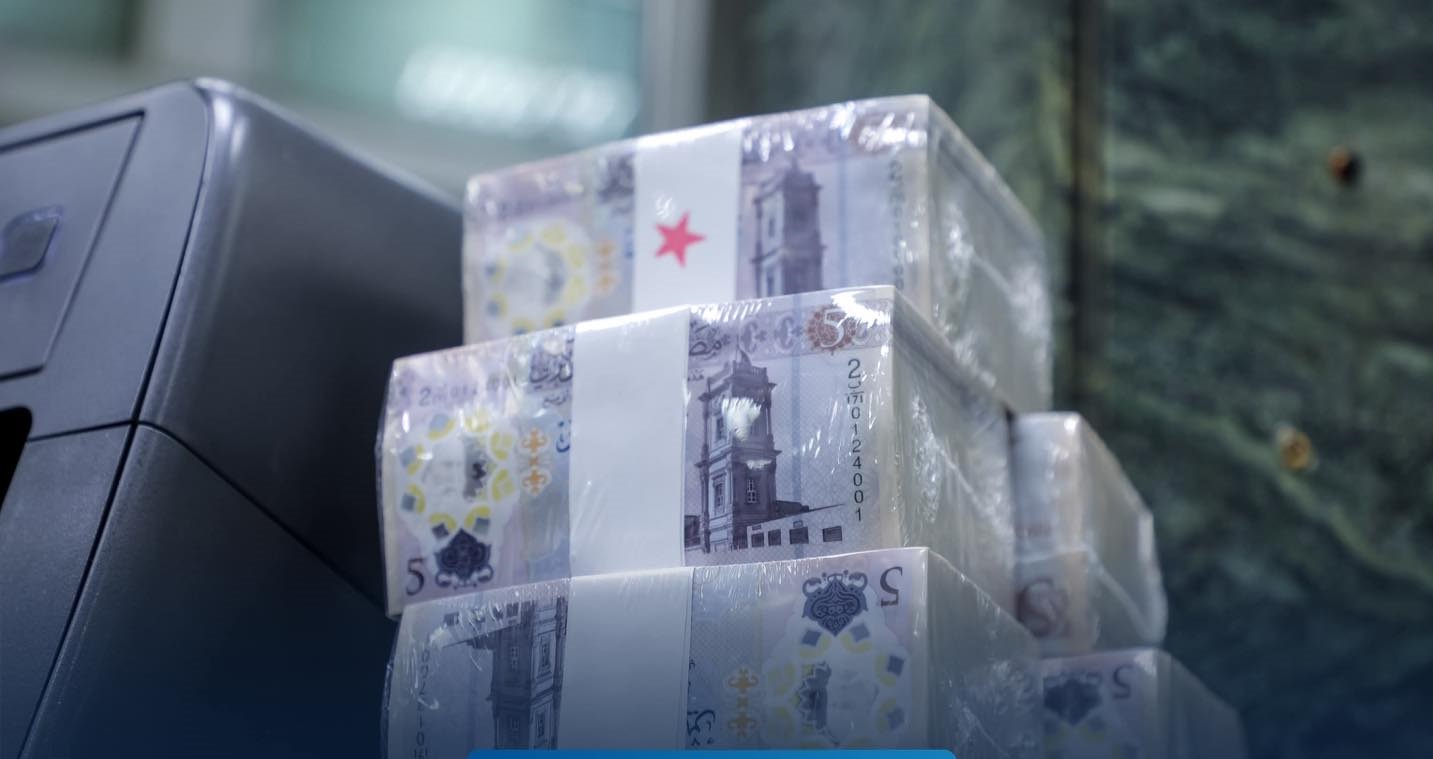
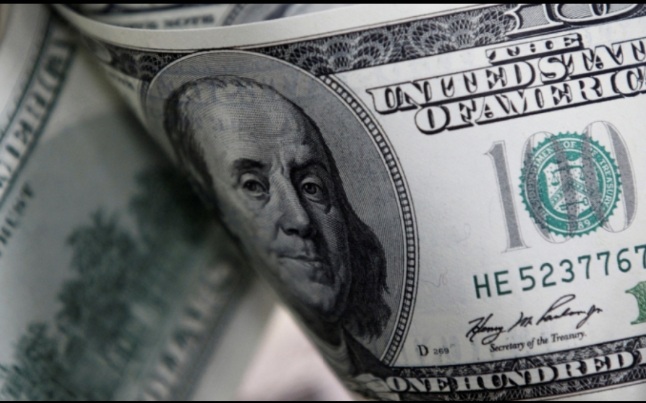
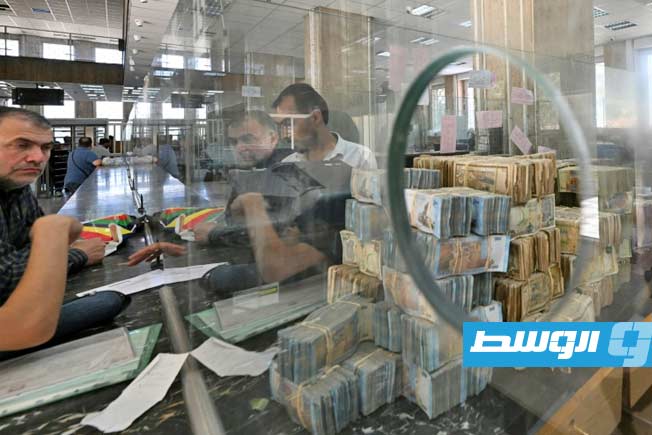
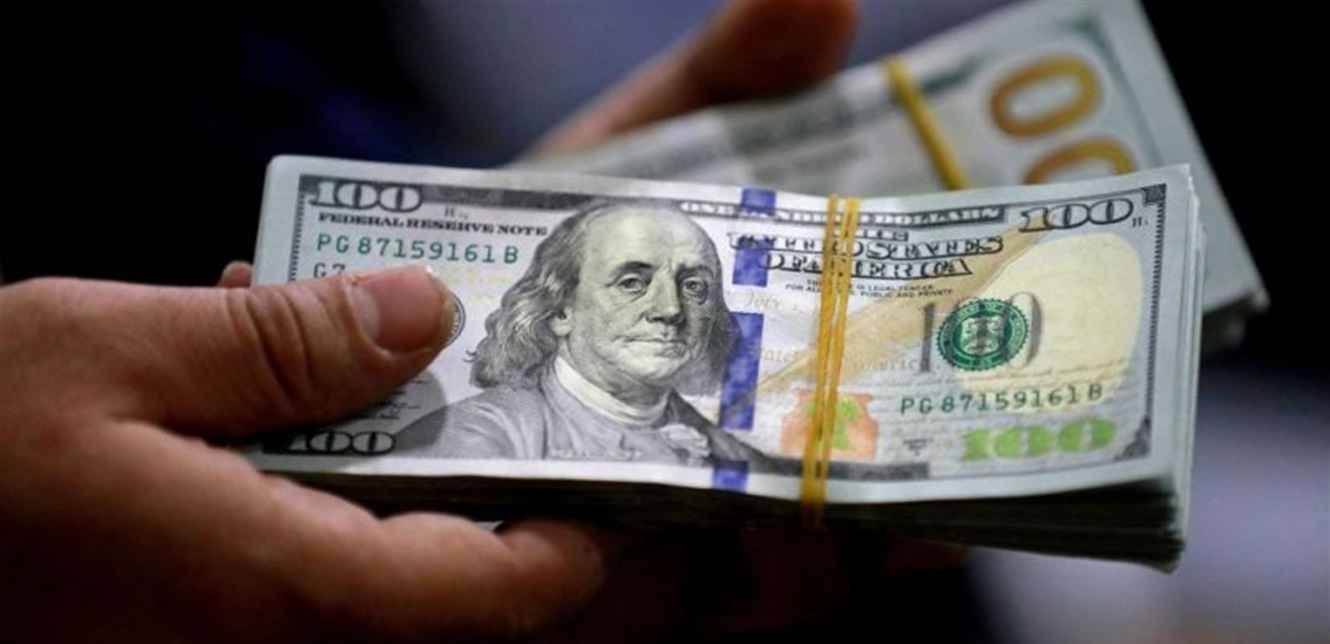
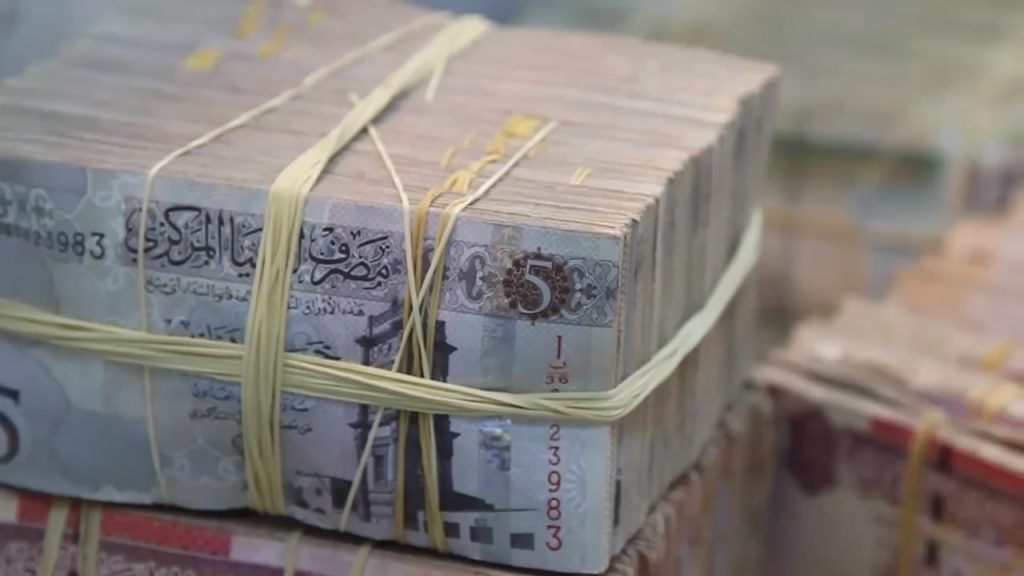
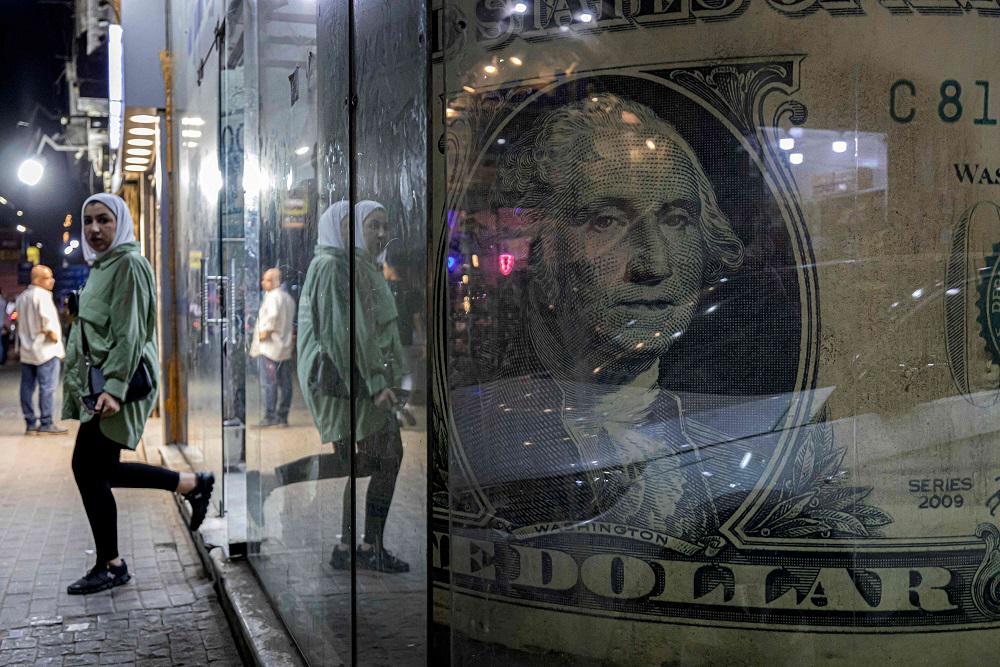
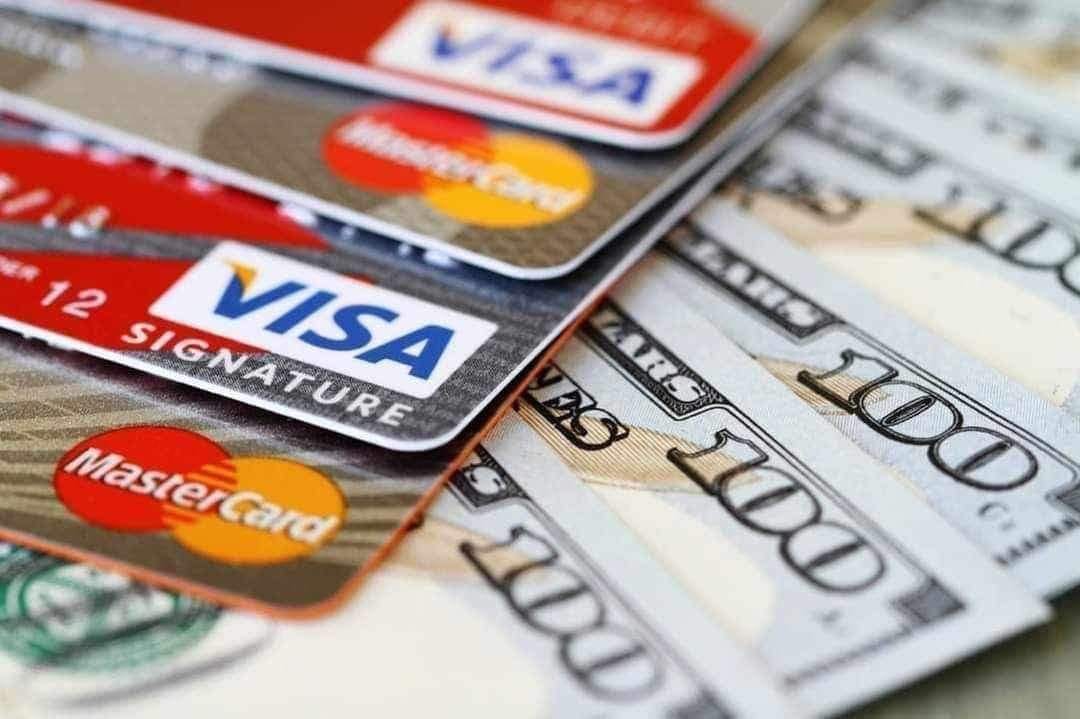
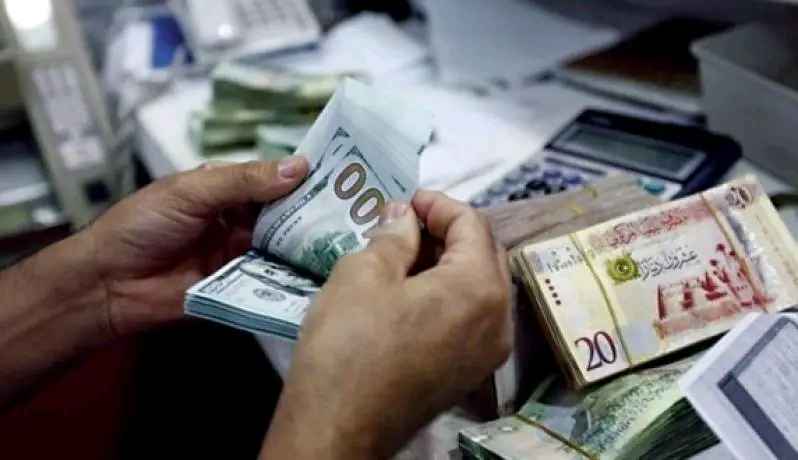
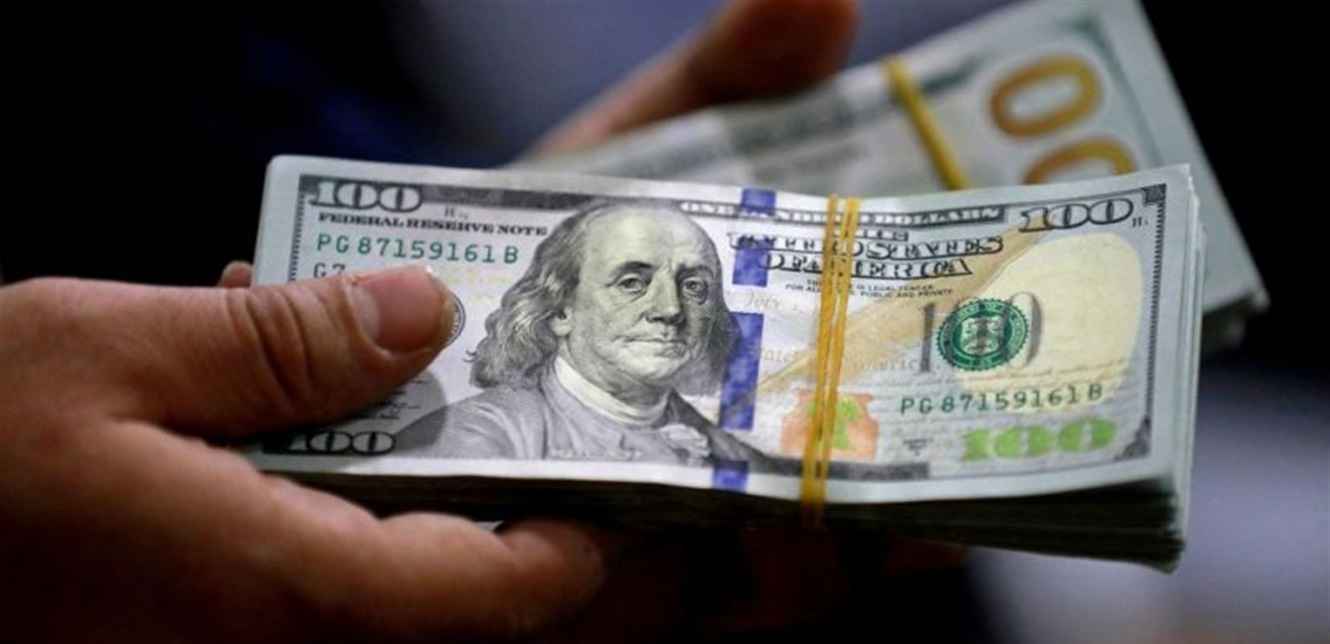
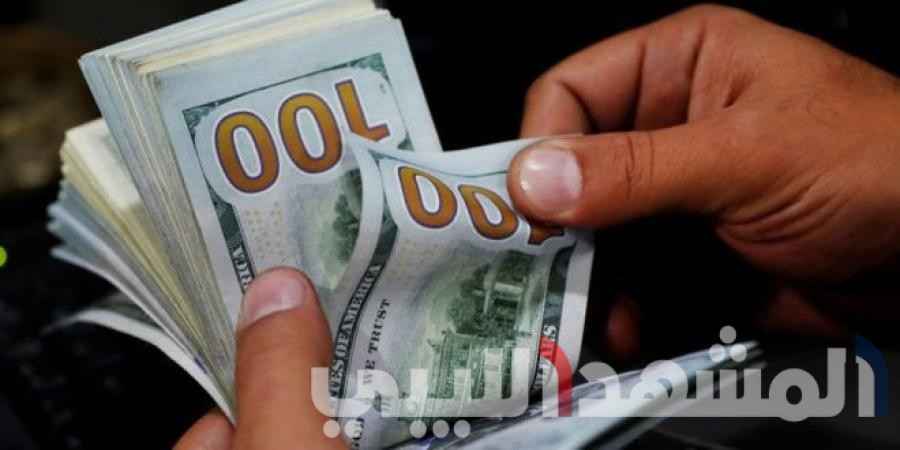
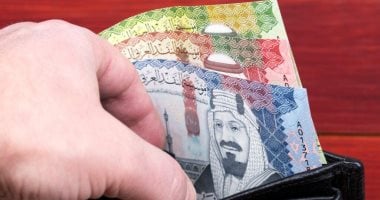
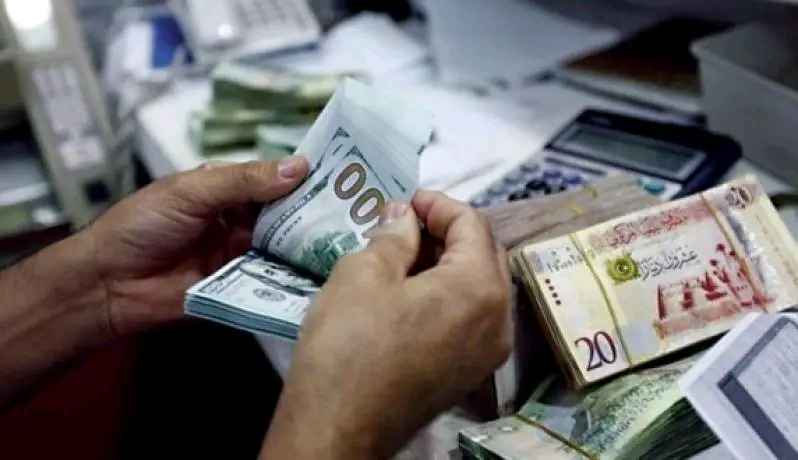
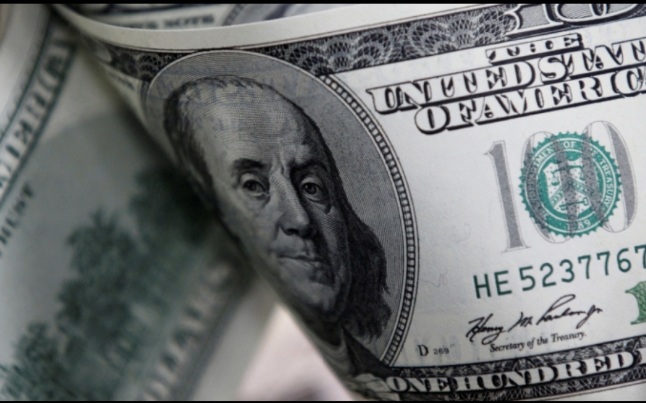
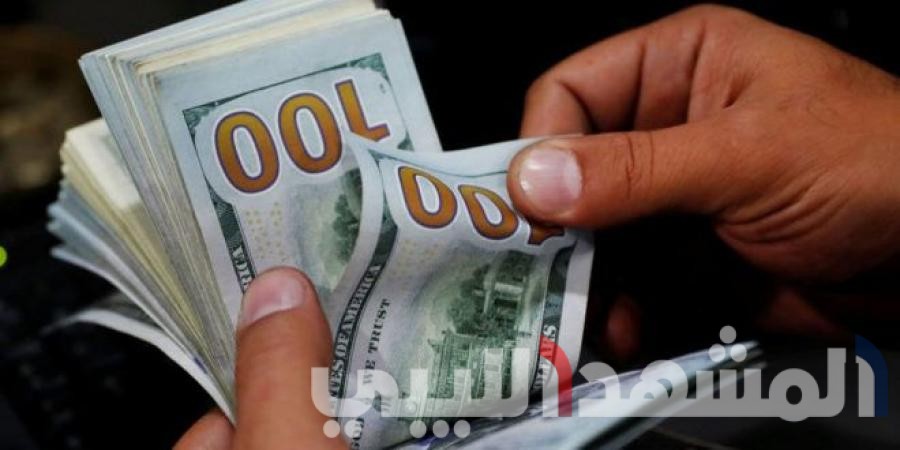
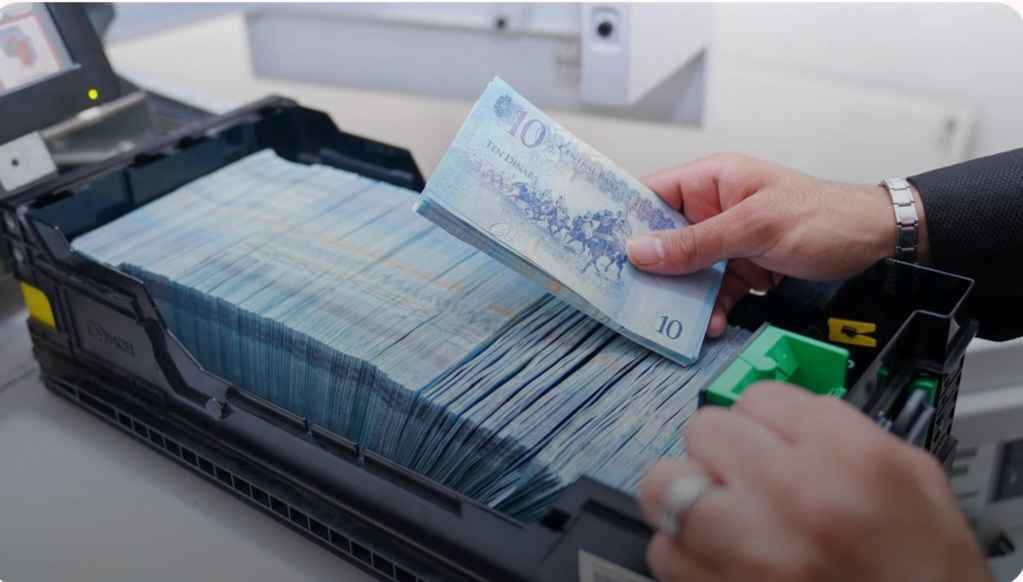
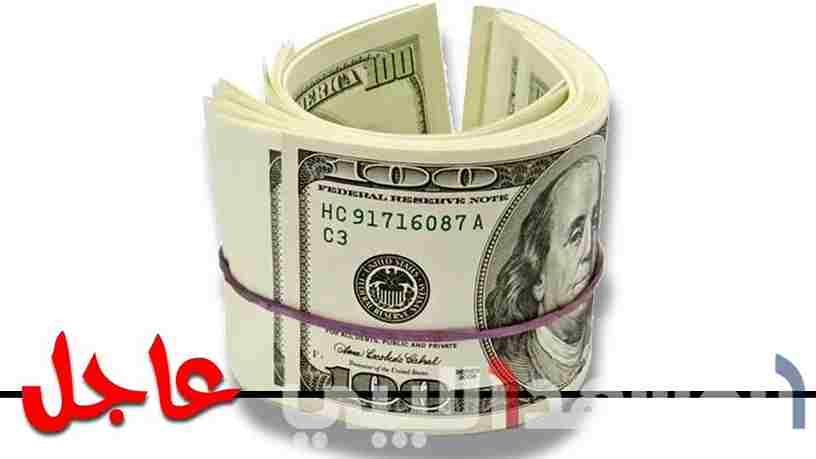
The US dollar recorded a continuous rise against the Libyan dinar in the parallel market on Monday, January 5, 2026, closing in Tripoli at 8.79 dinars.
In other cities, the closing price in Zliten was 8.79 dinars, while in Benghazi and Ajdabiya it was around 8.76 dinars, reflecting the continued slight disparity between regions.
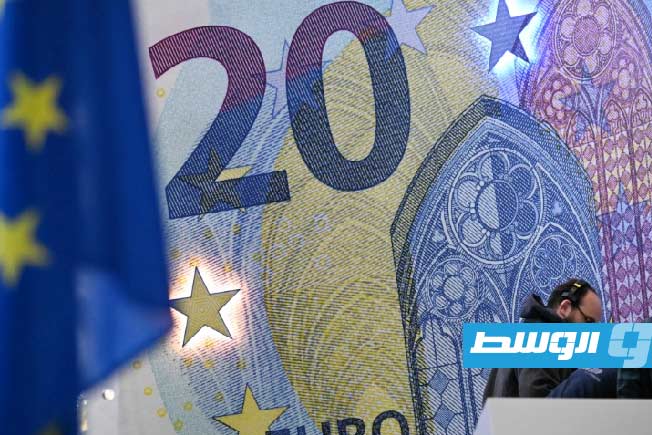
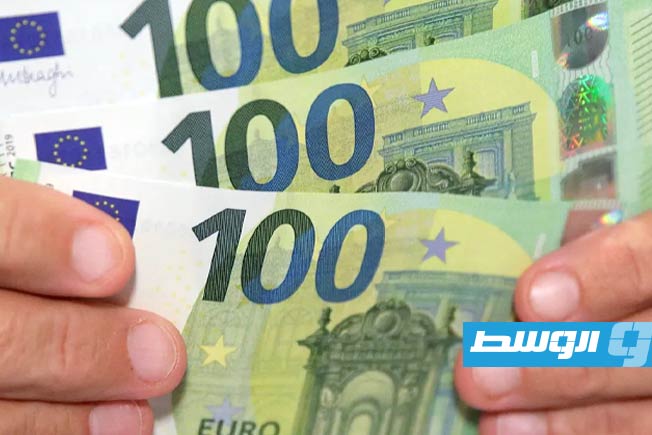
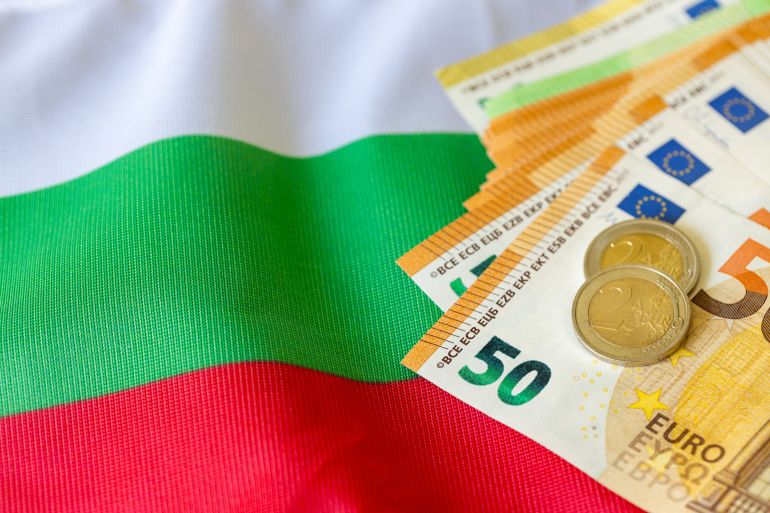
As for other foreign currencies, the Euro rose to 10.11 dinars, while the British Pound remained elevated, recording 11.50 dinars, according to traders and specialized pages on social media.
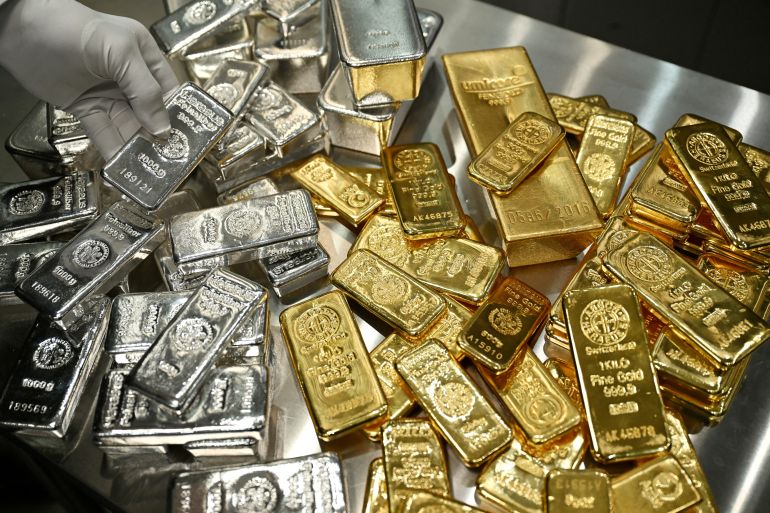
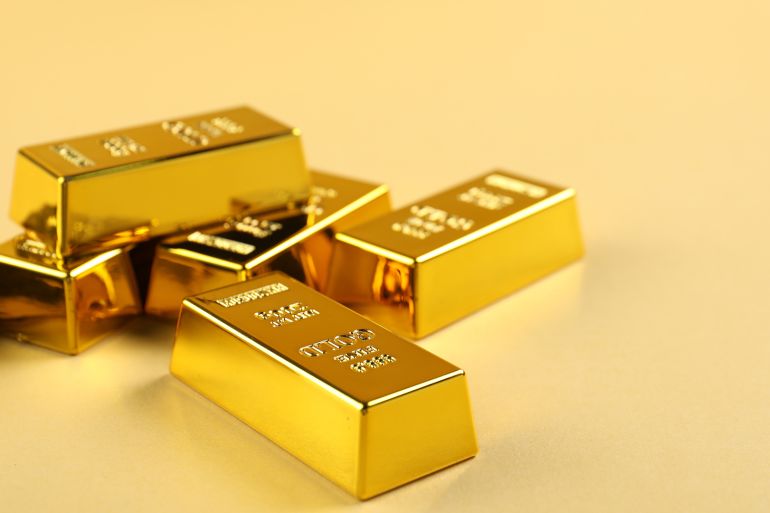
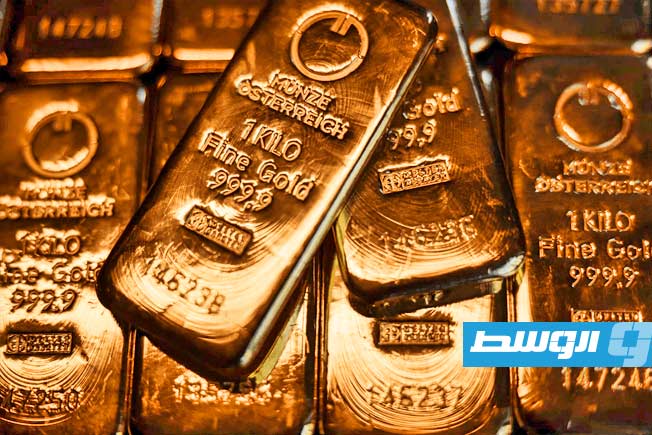
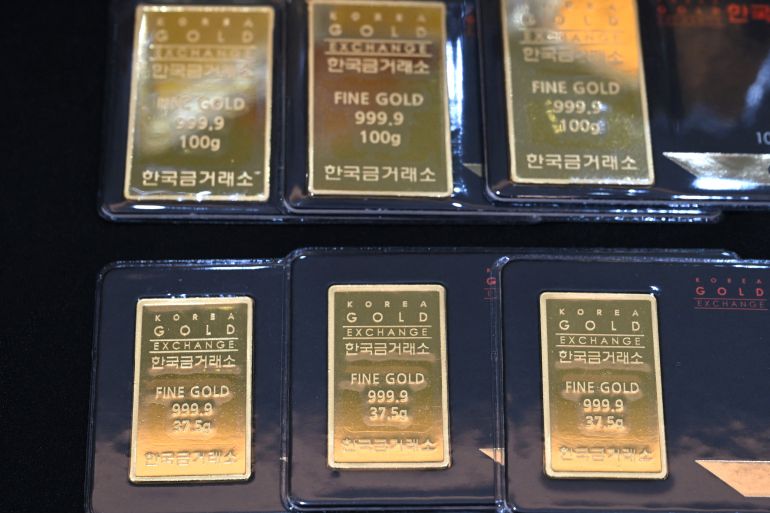
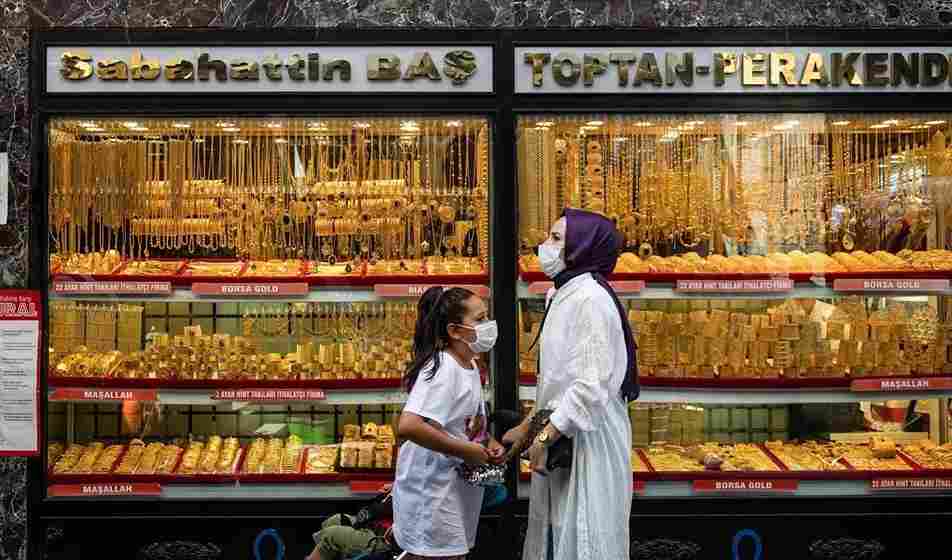
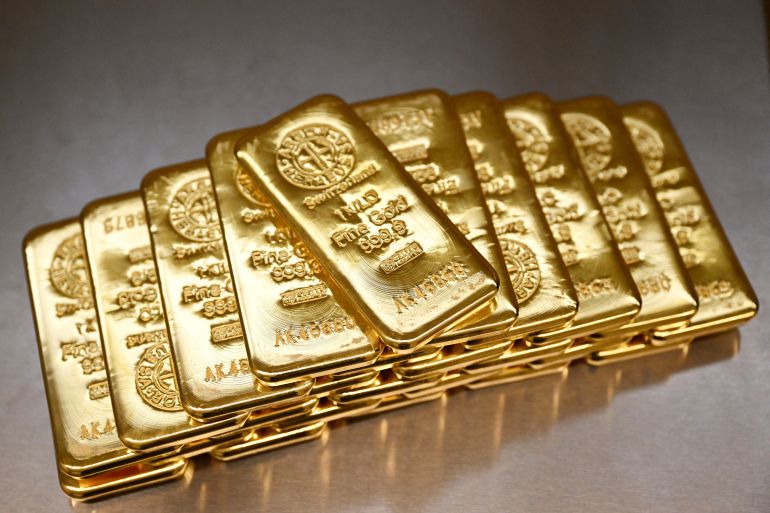
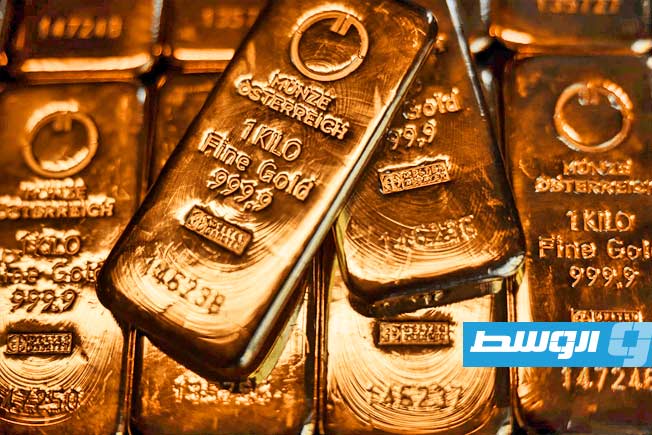
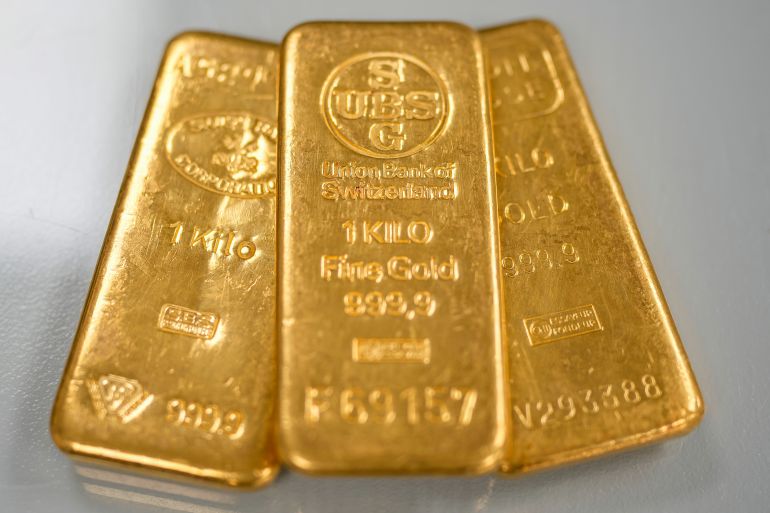
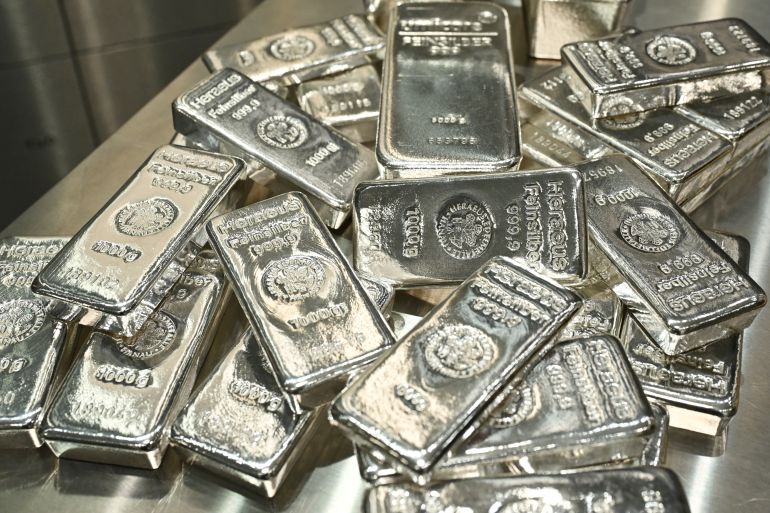
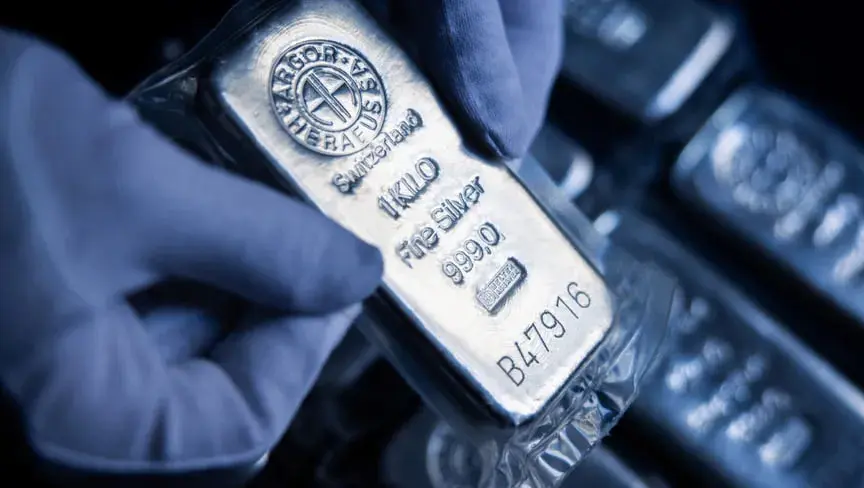
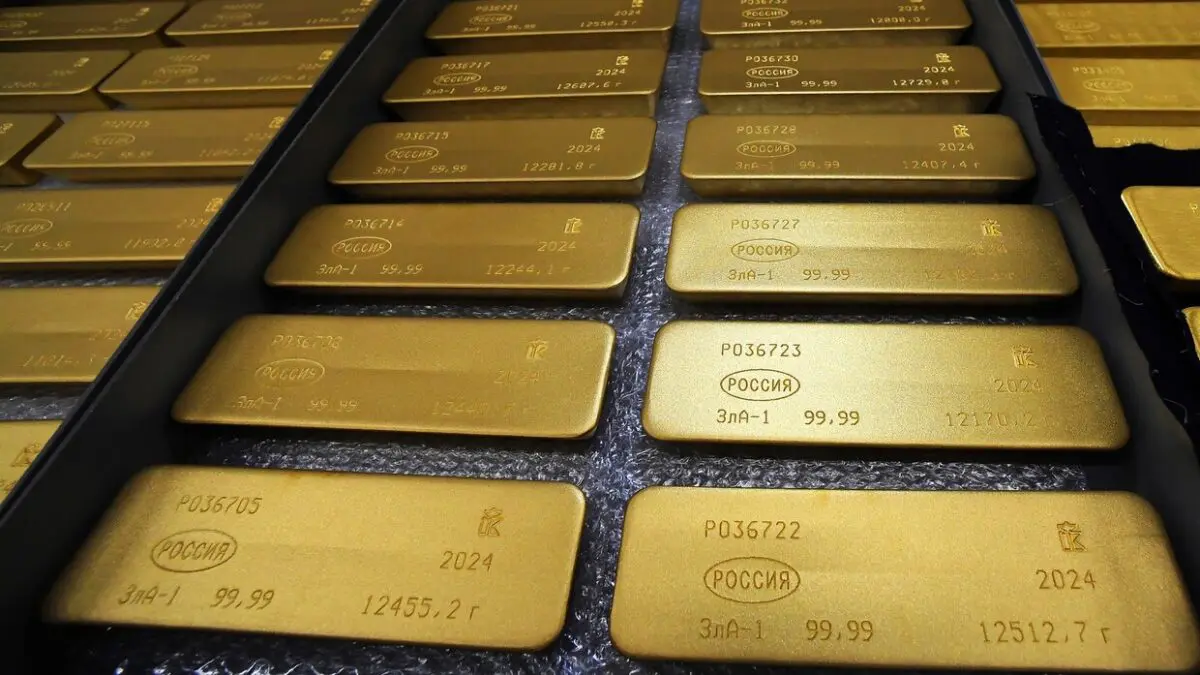
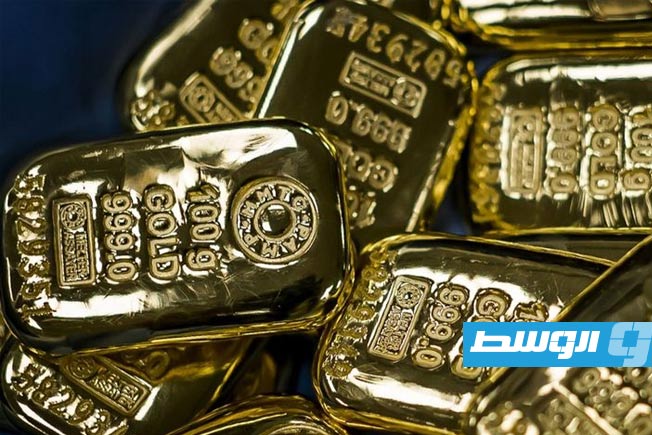
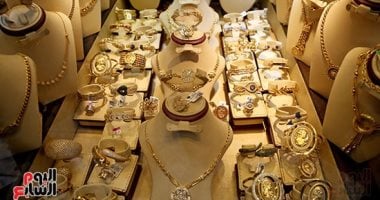
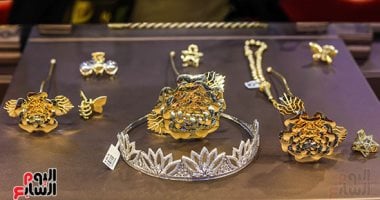
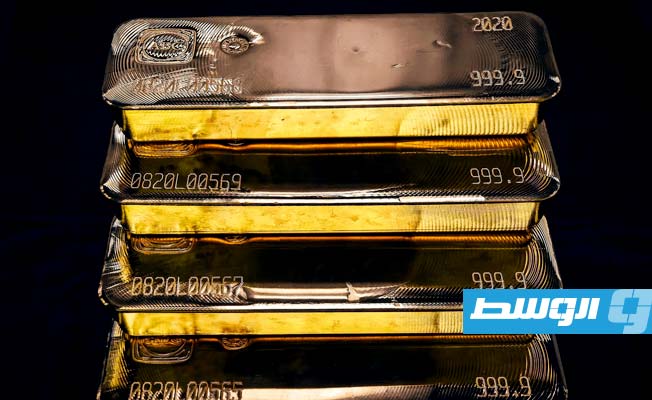
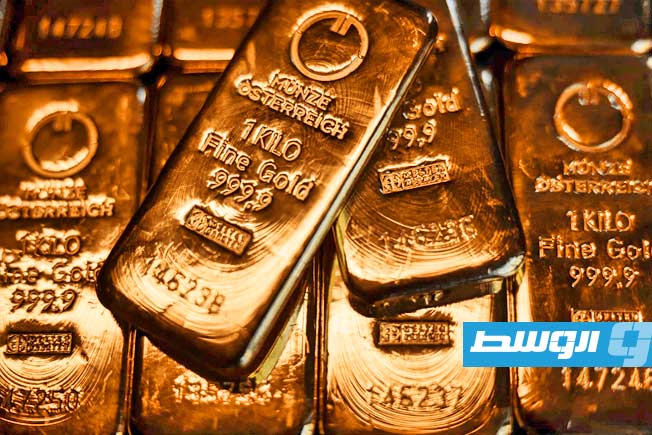
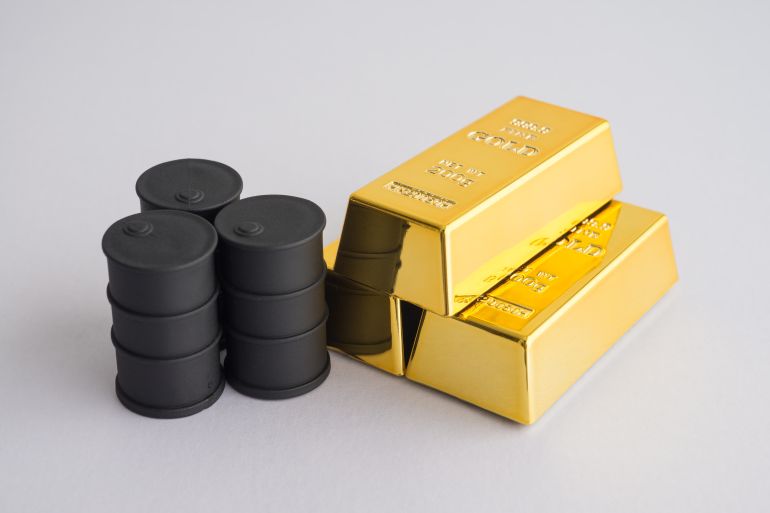
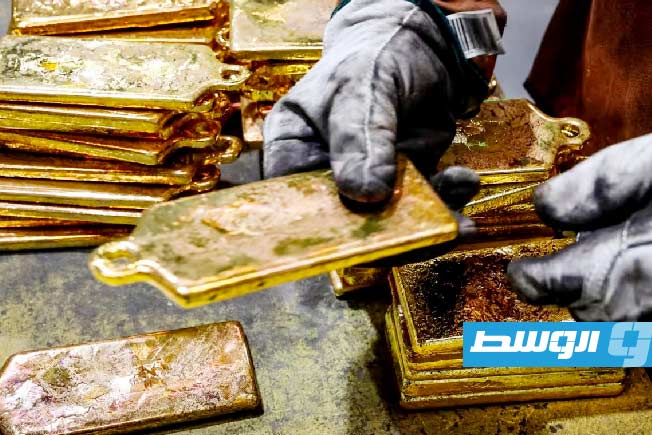
In the precious metals market, the price of an 18-karat scrap gold gram jumped significantly, reaching 915 dinars at the close. Meanwhile, foreign remittance prices were lower than the cash price, with the remittance dollar to Turkey at 8.78 dinars, the same price as remittances to Dubai.
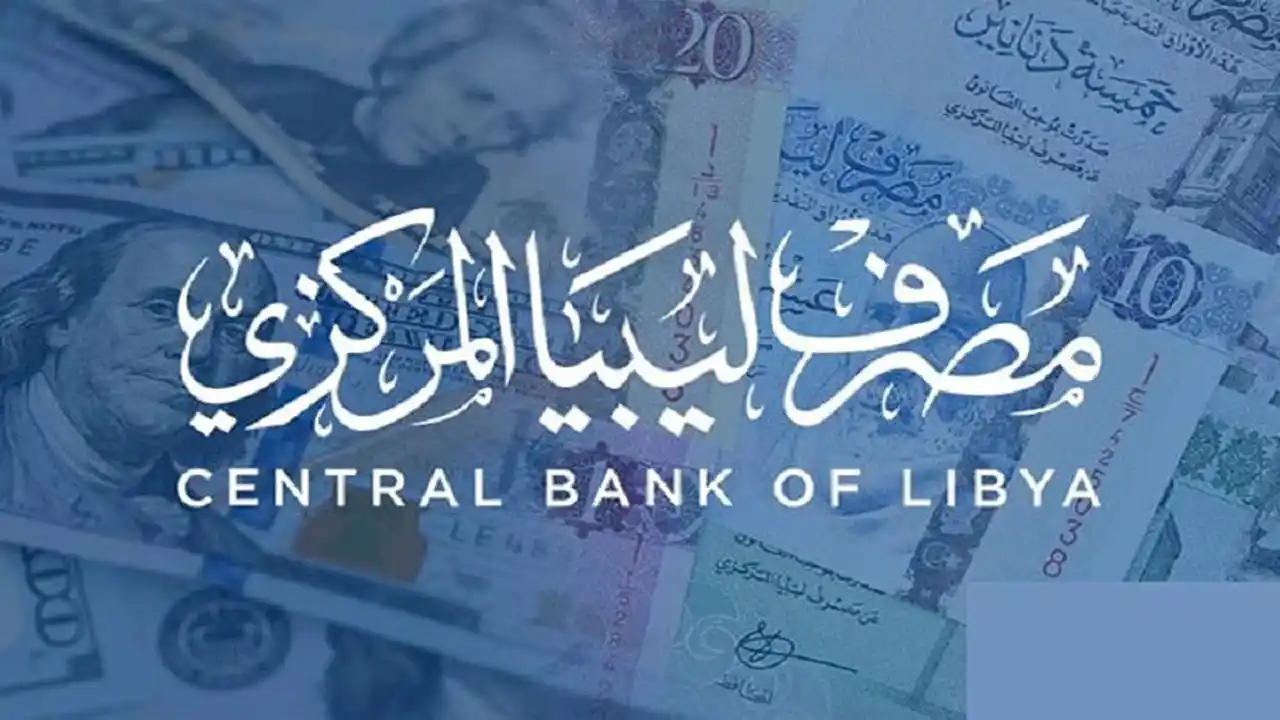
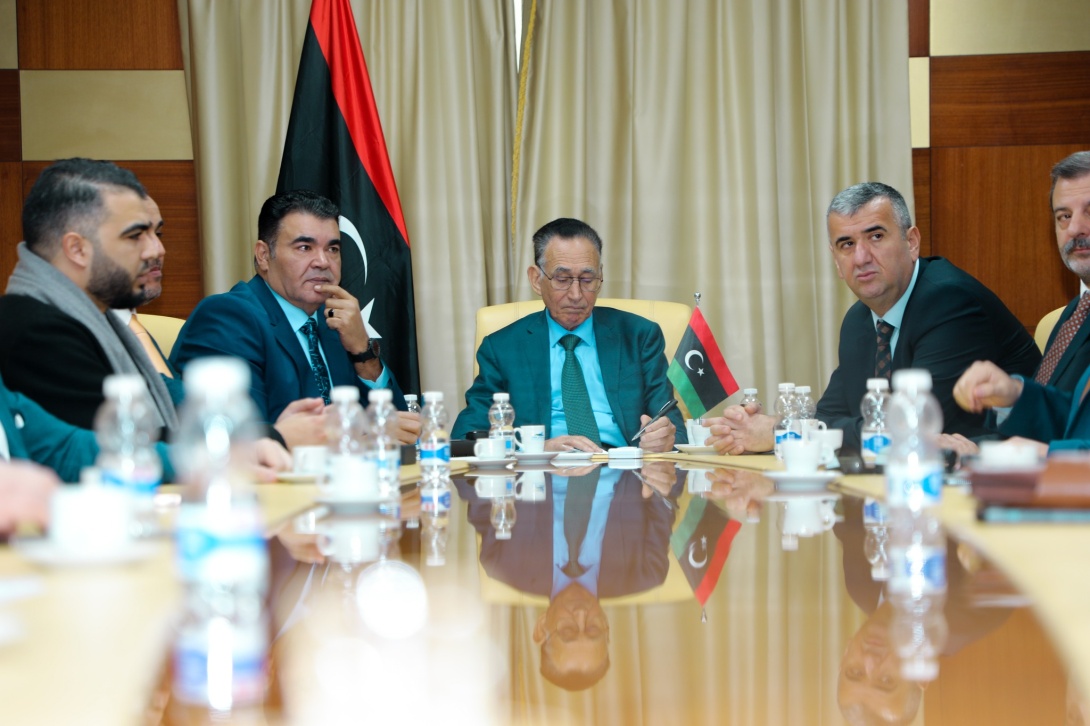
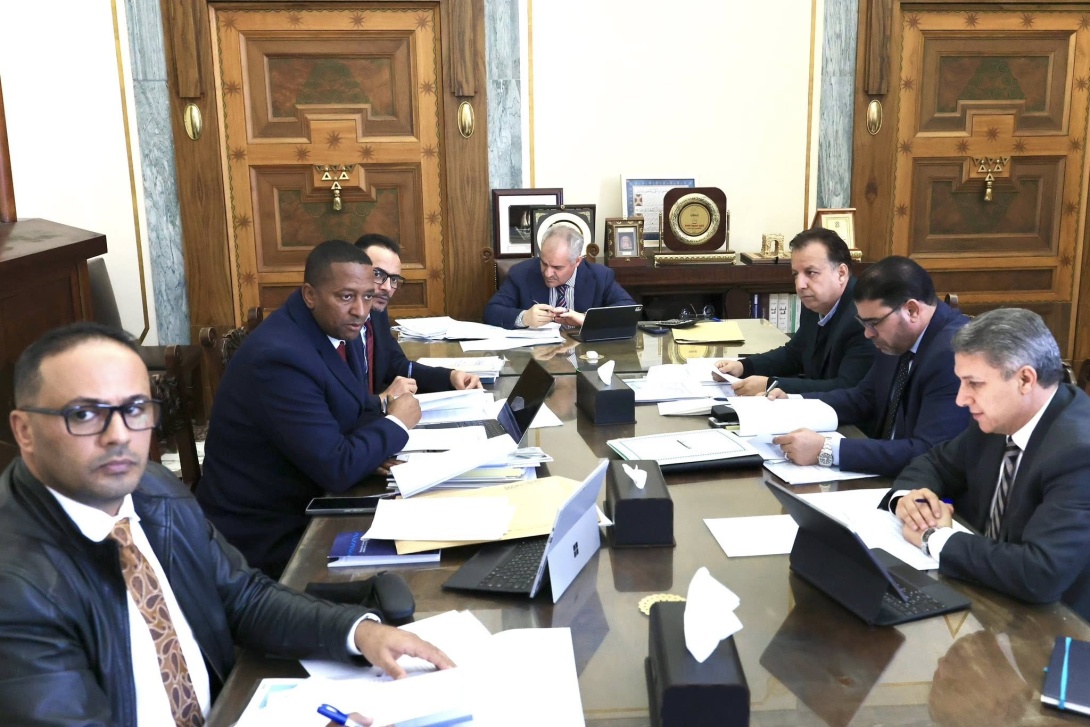
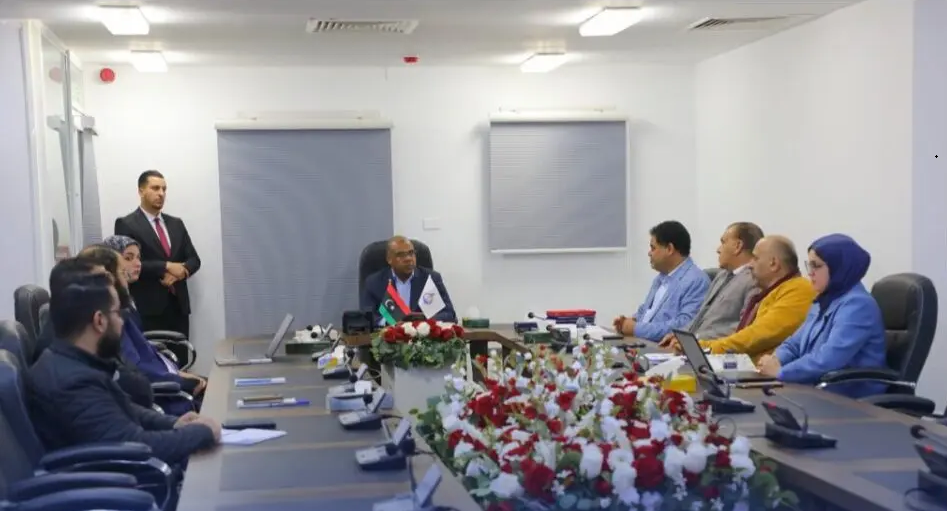
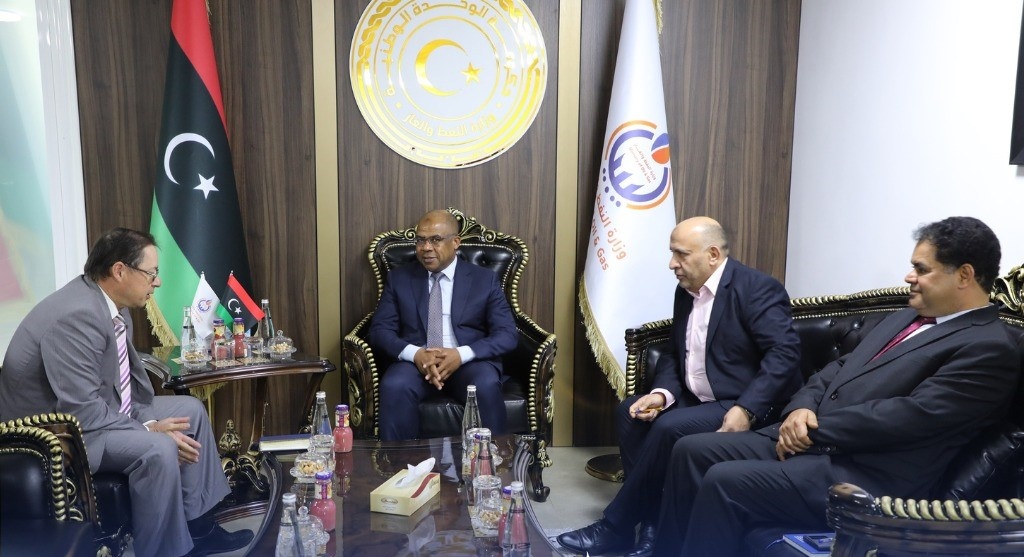
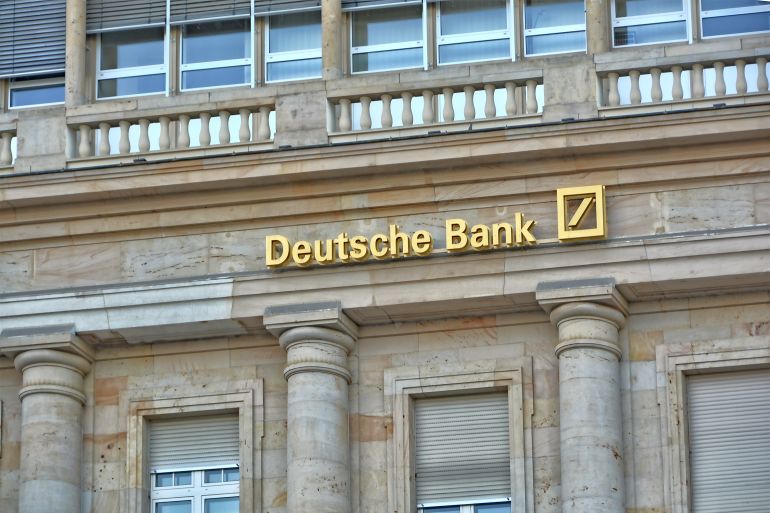
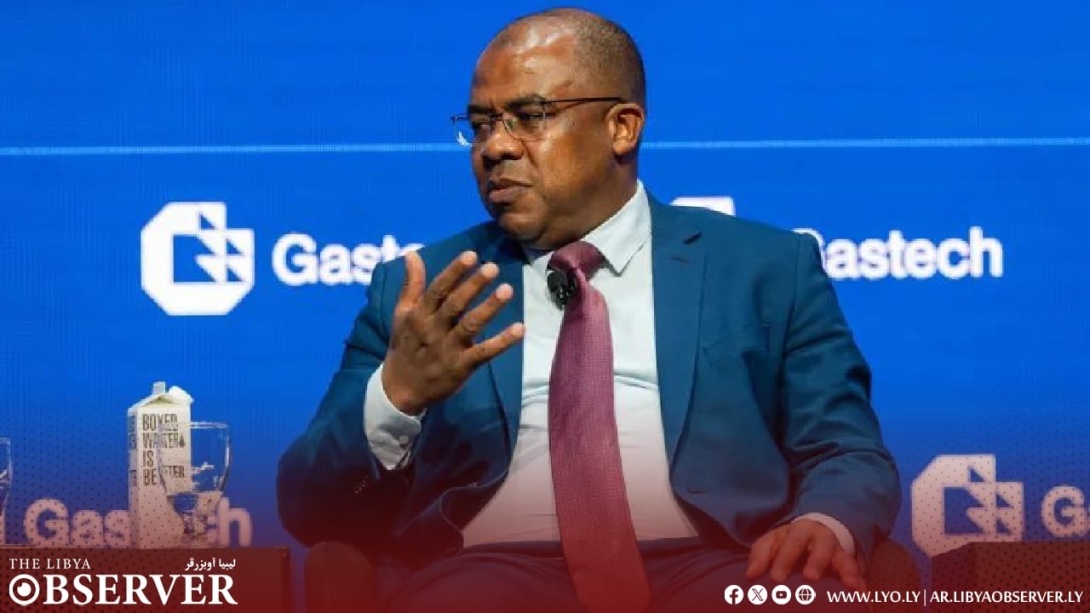
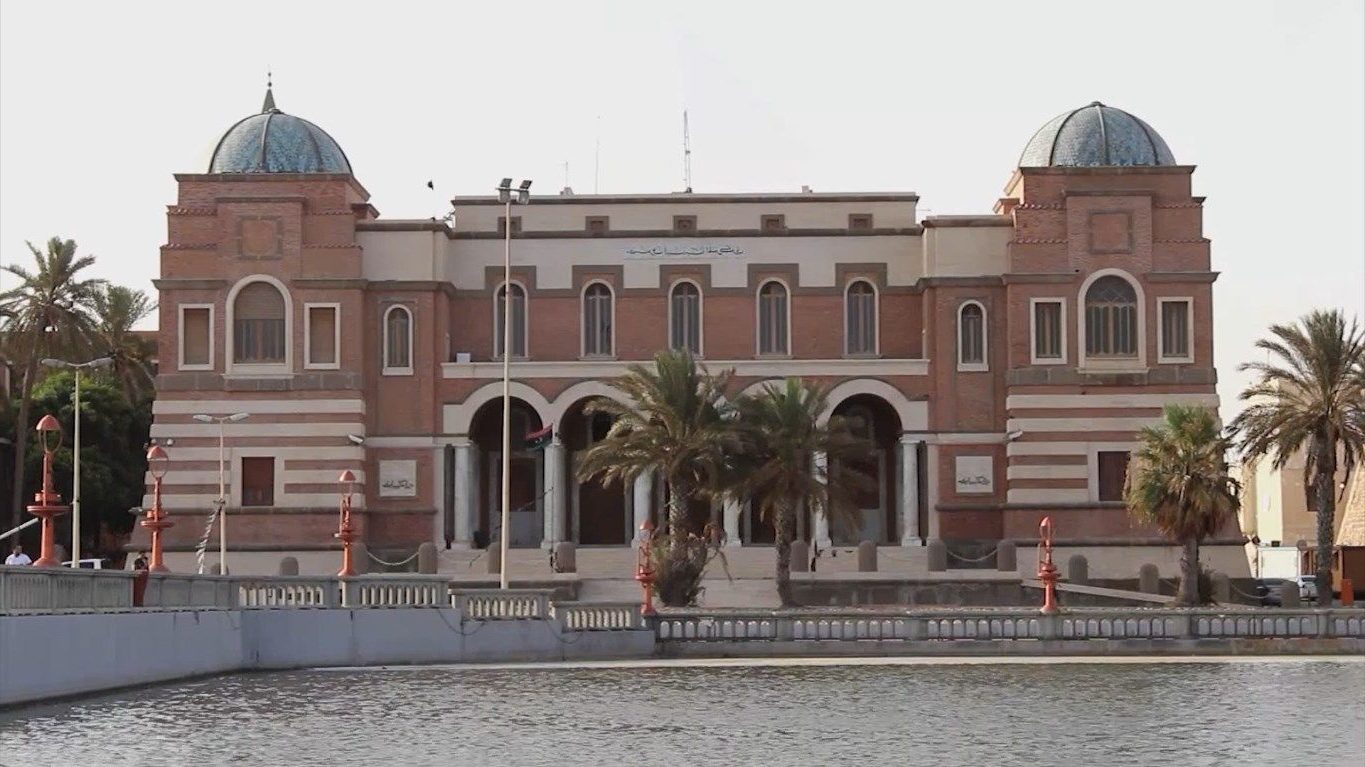
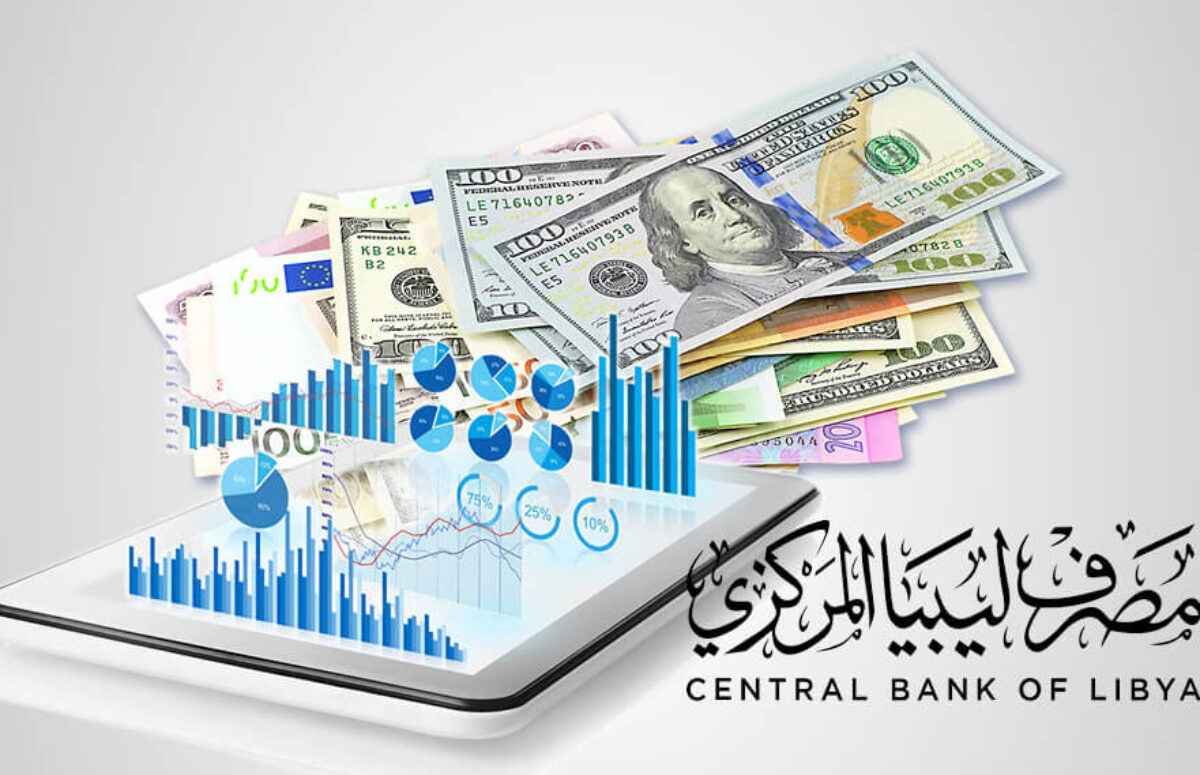
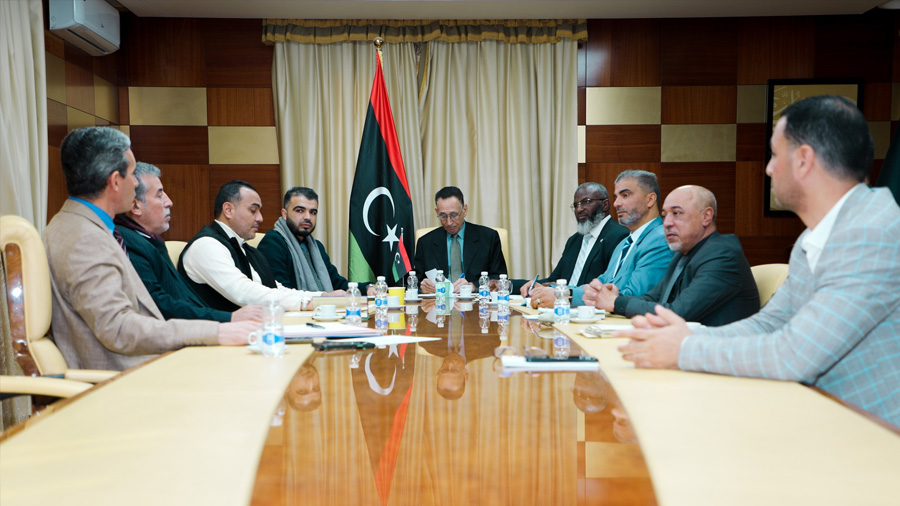
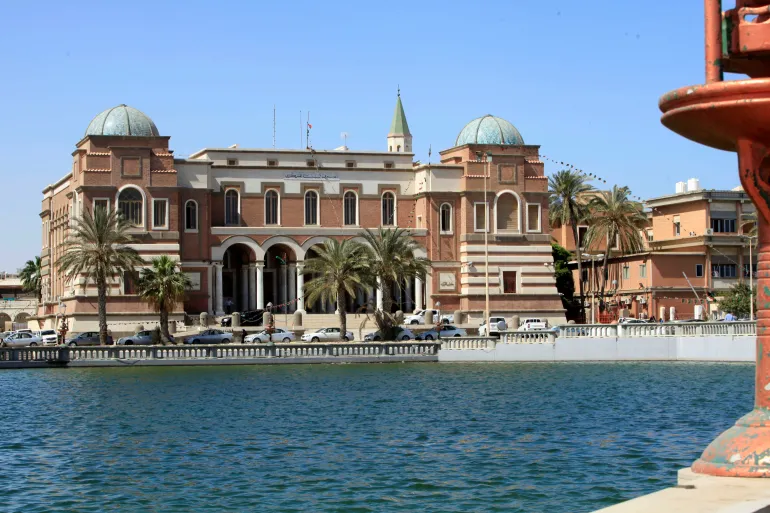
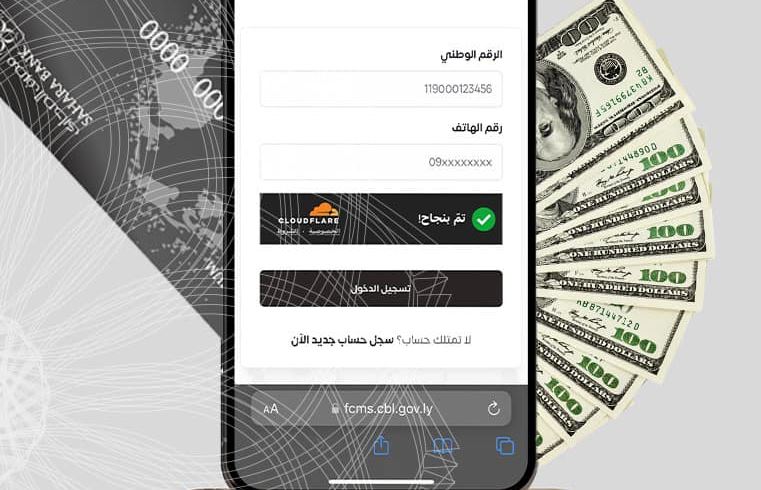
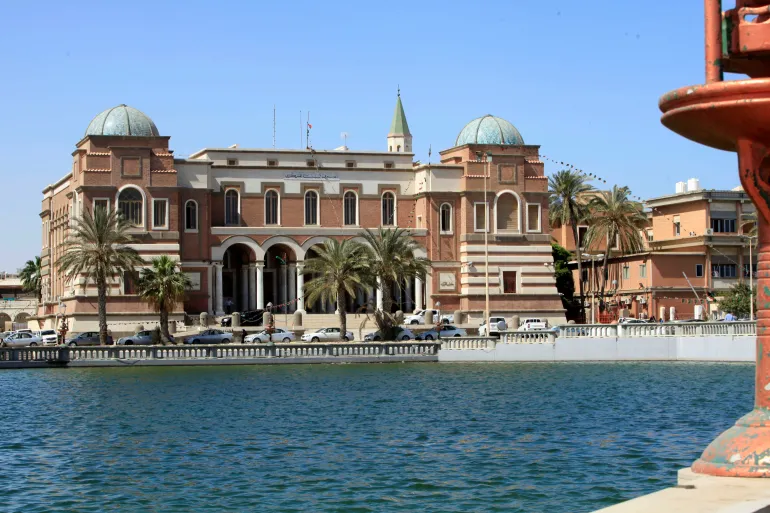
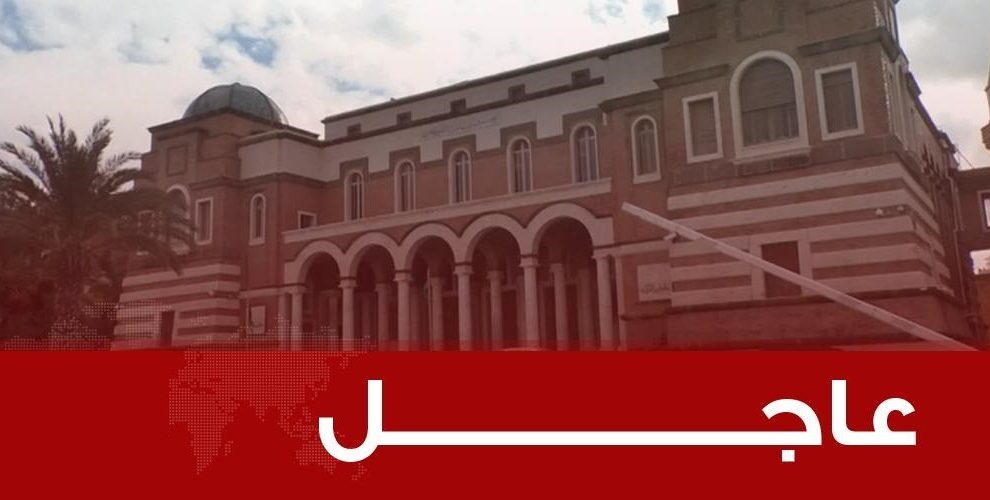
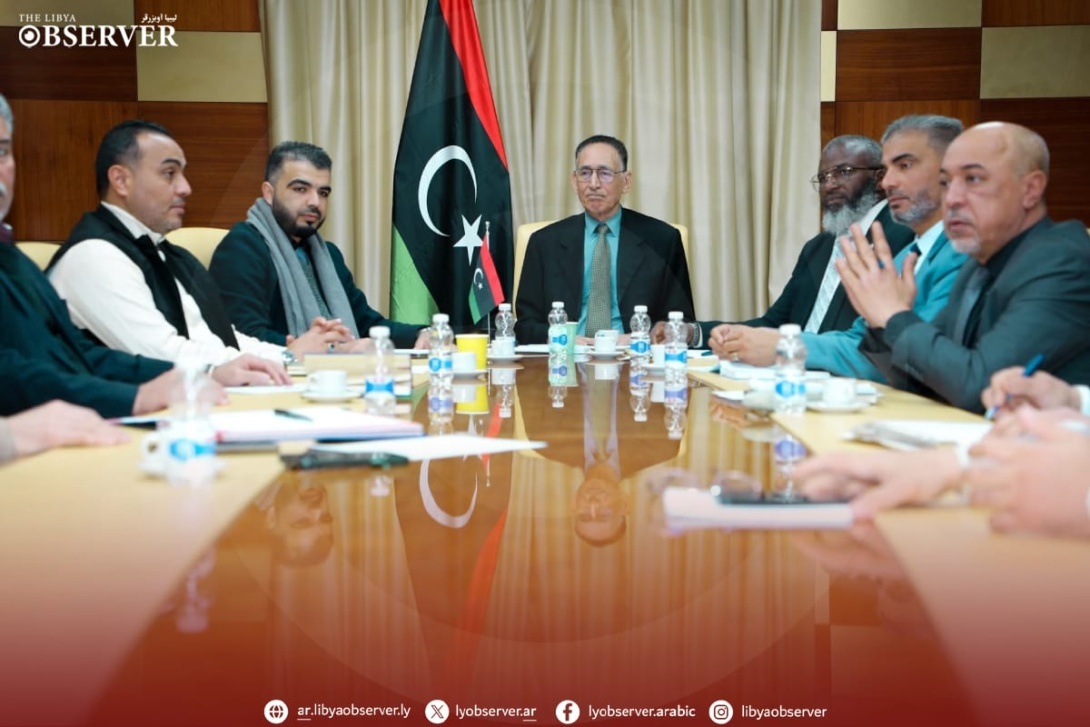
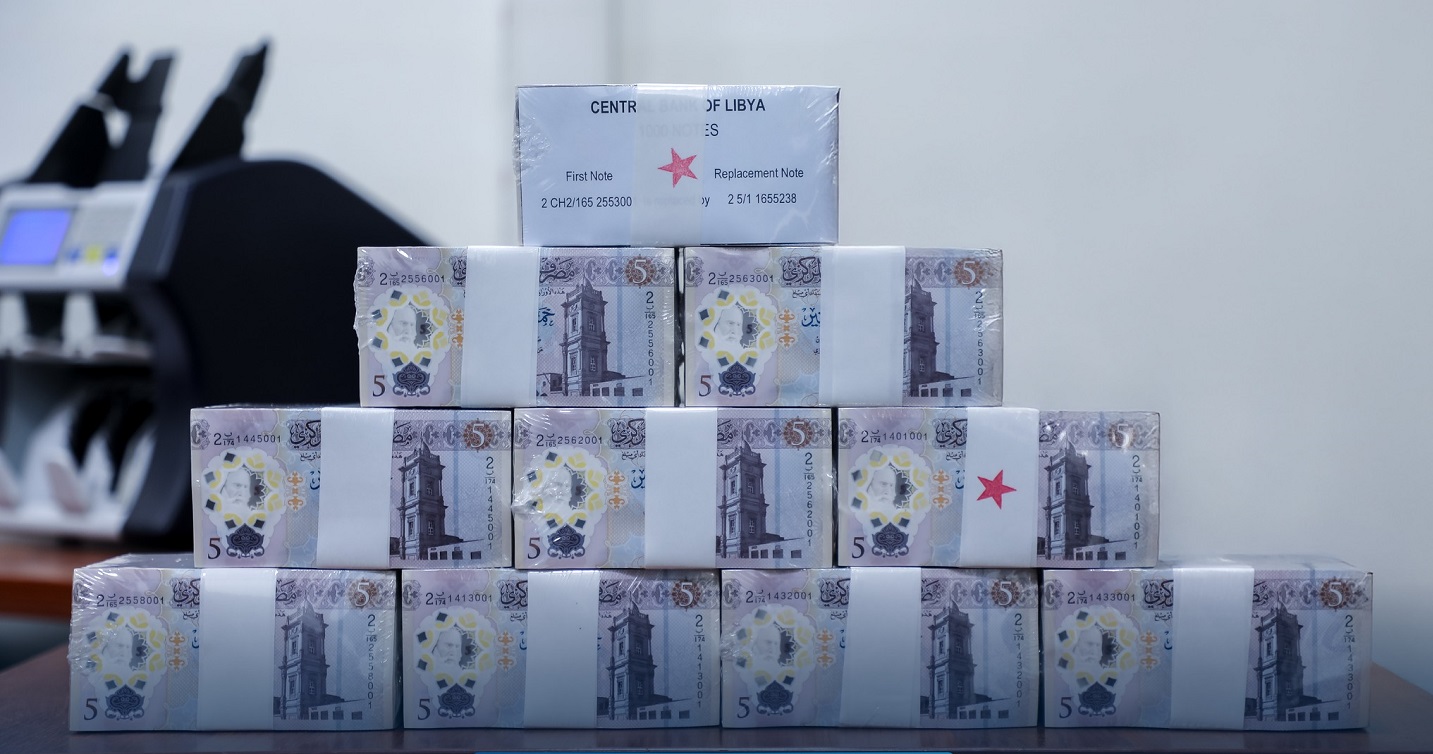
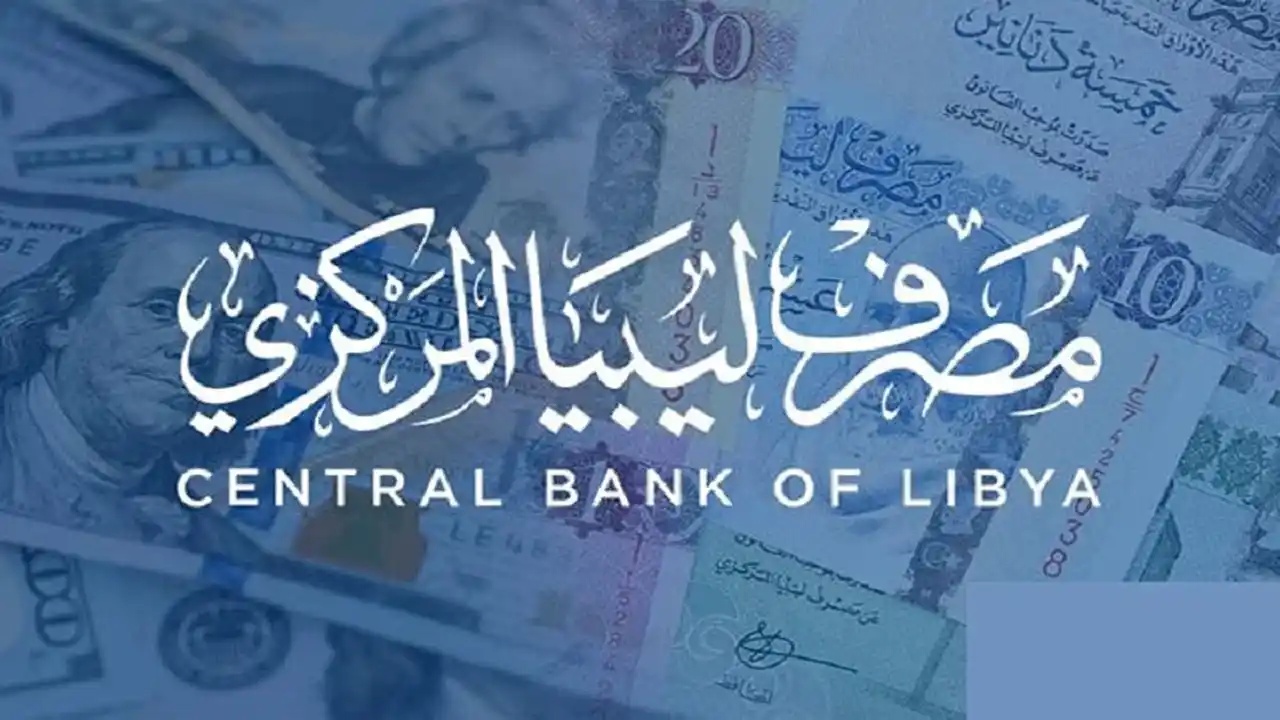
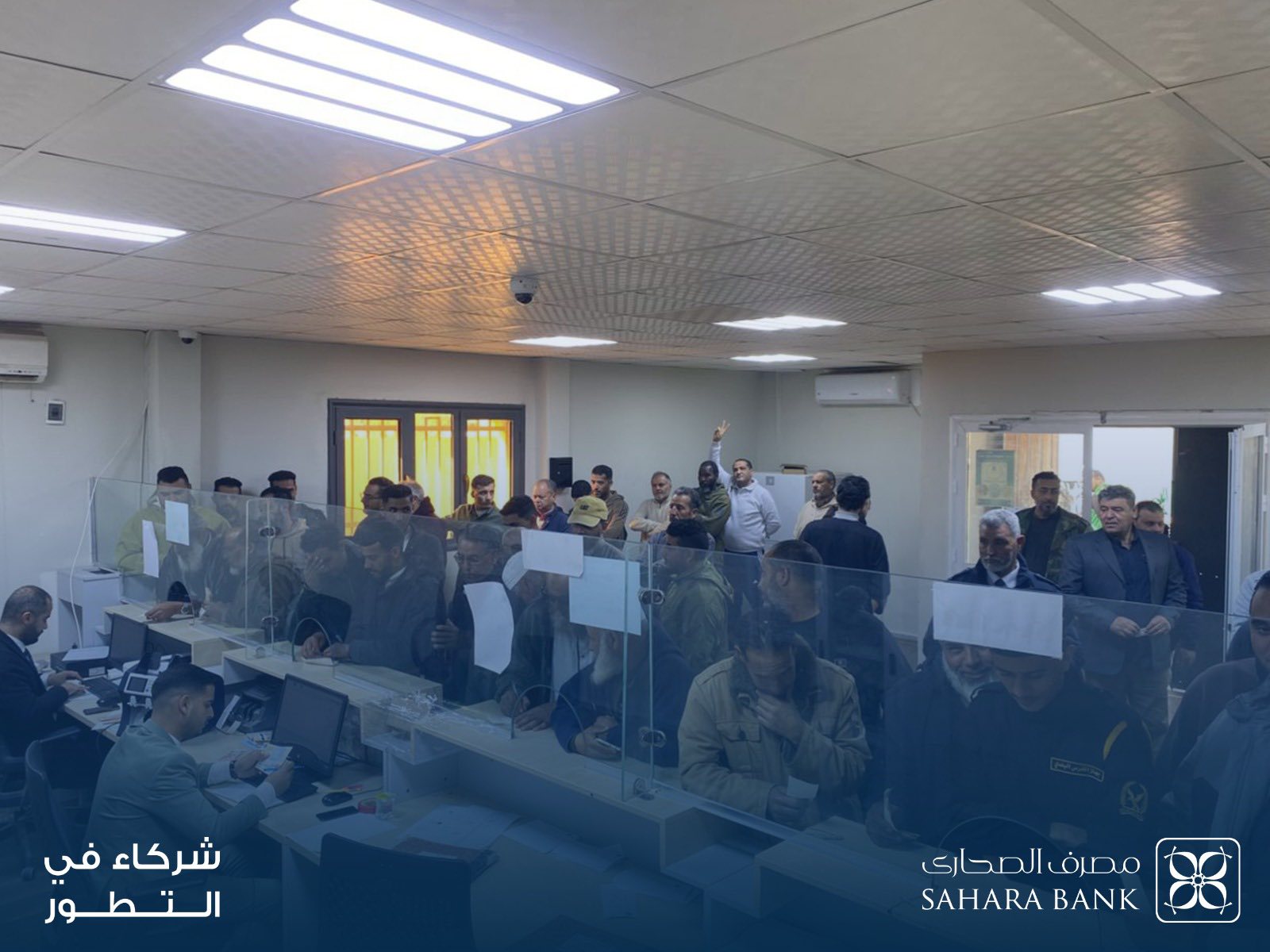
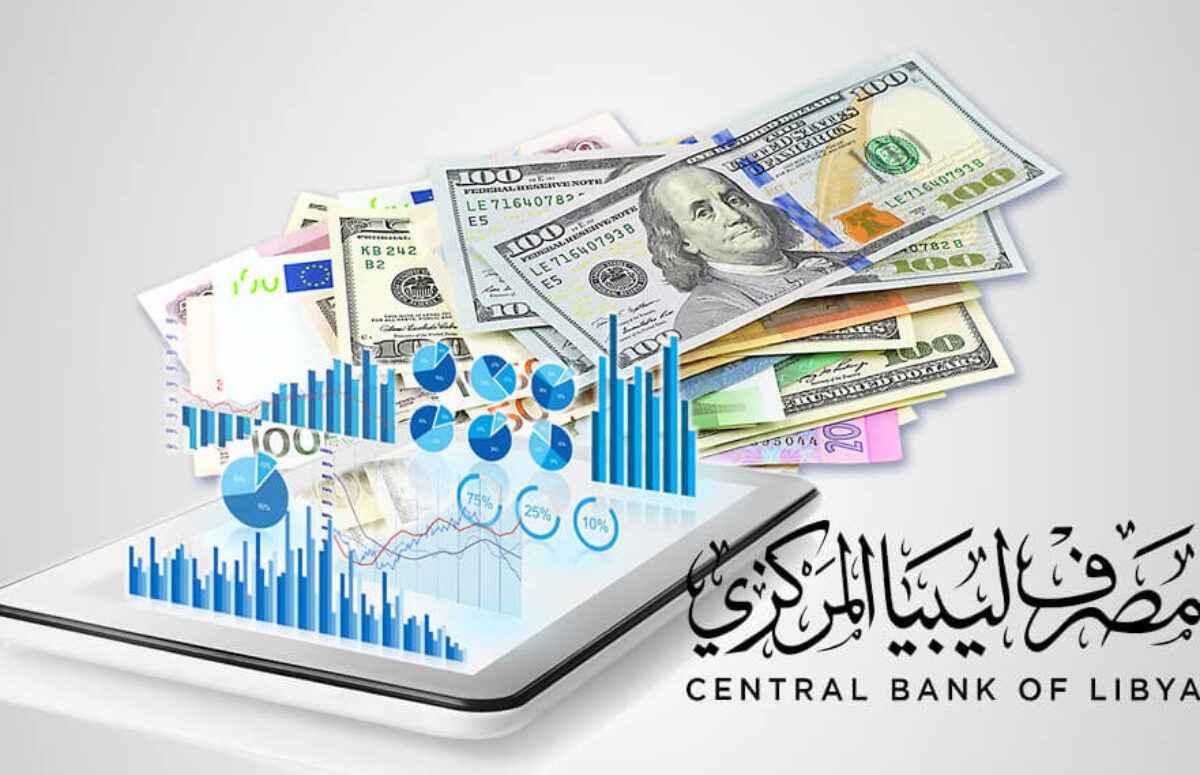
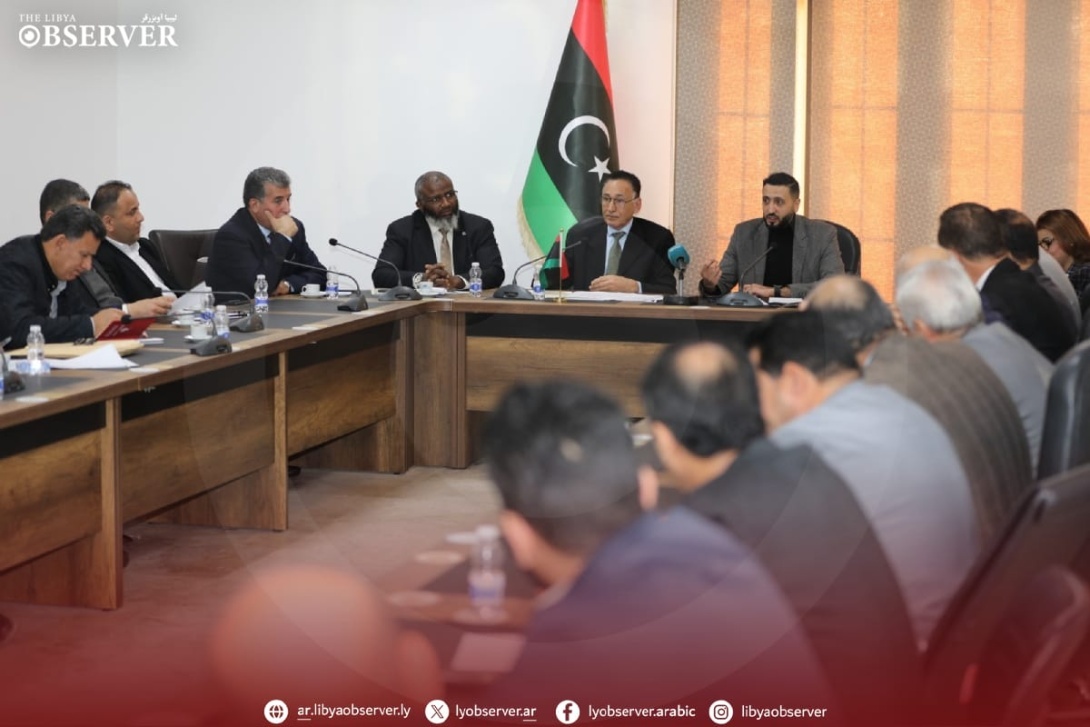
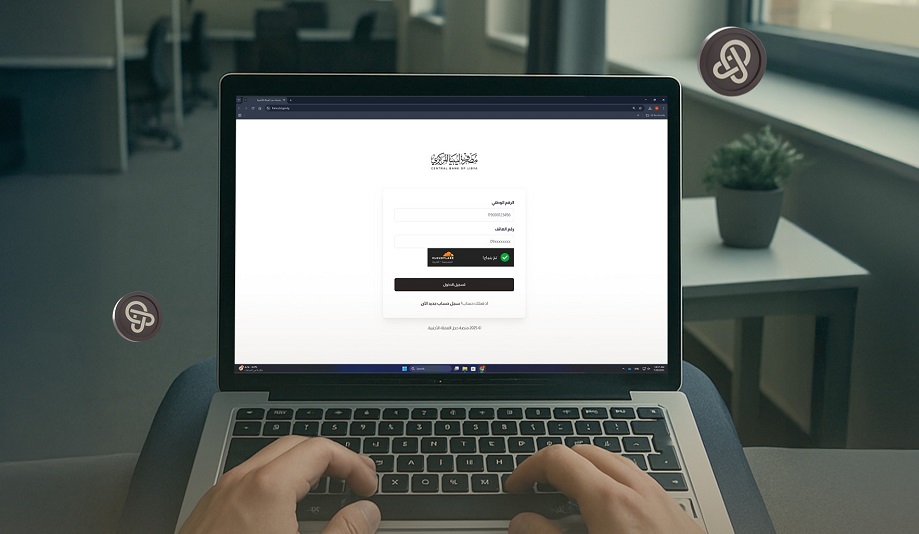
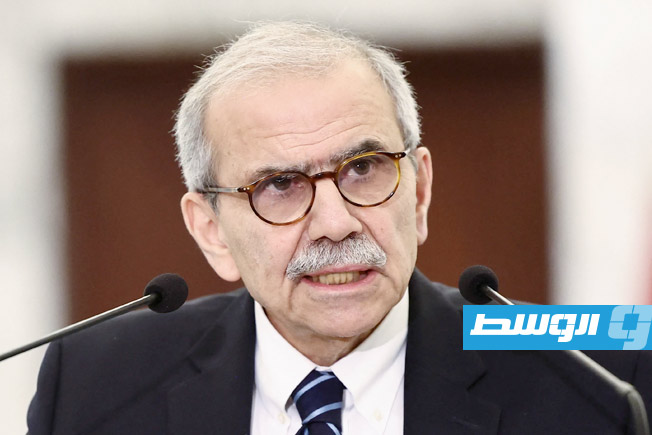
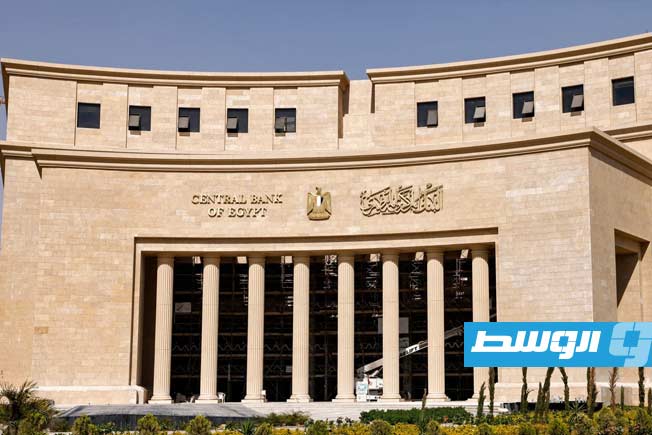
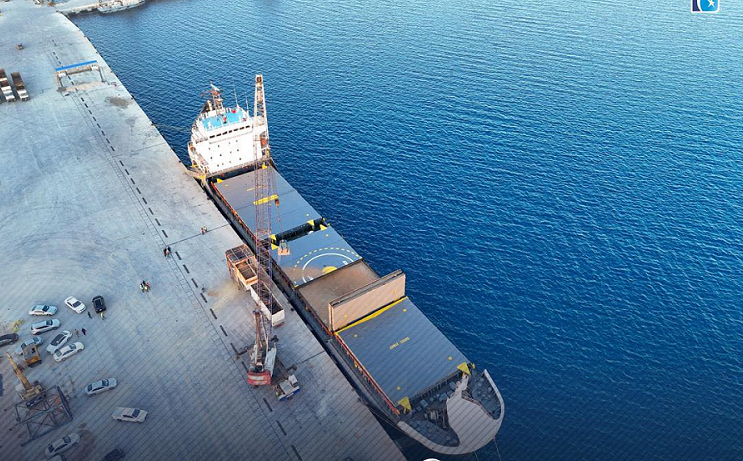
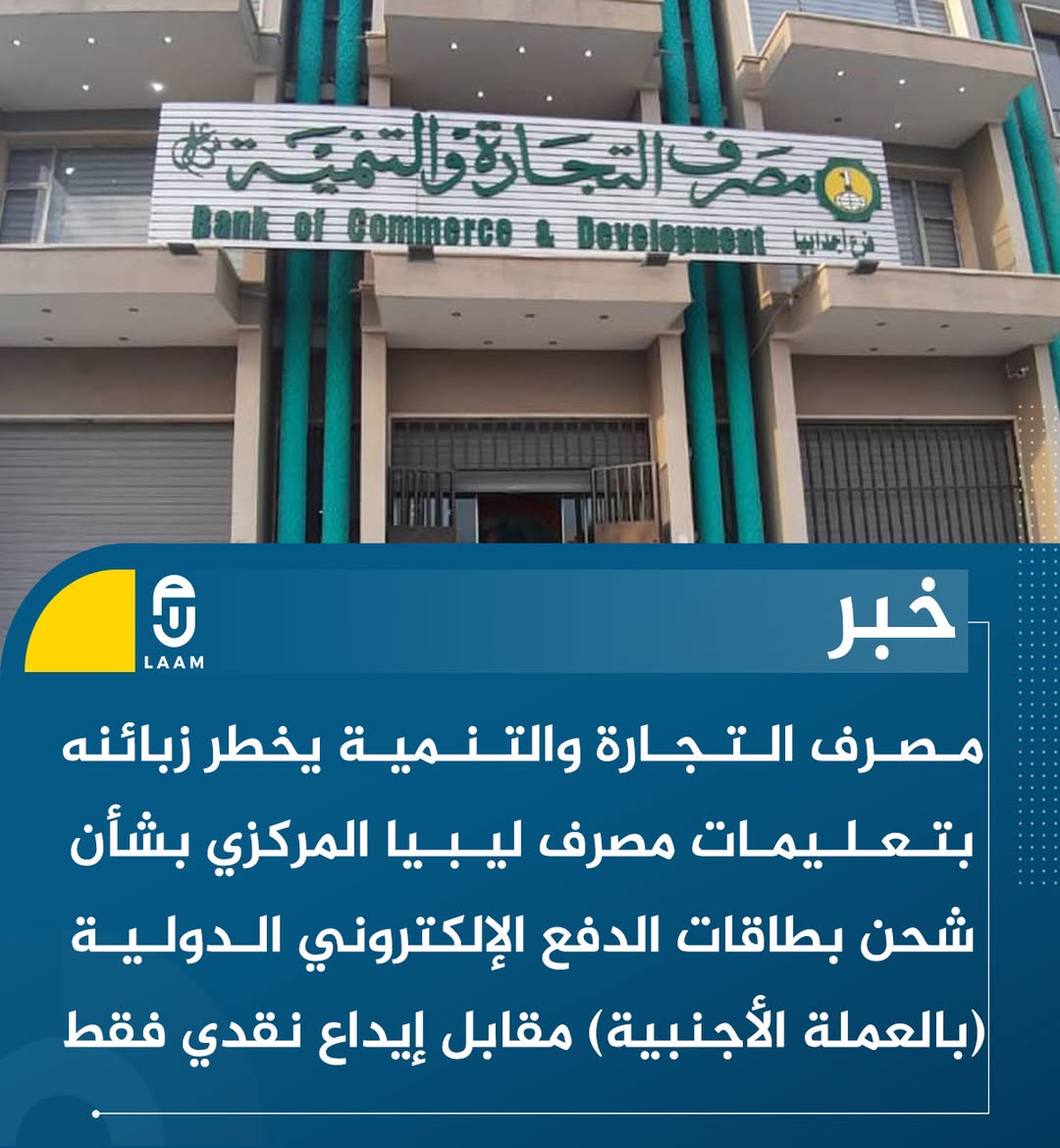
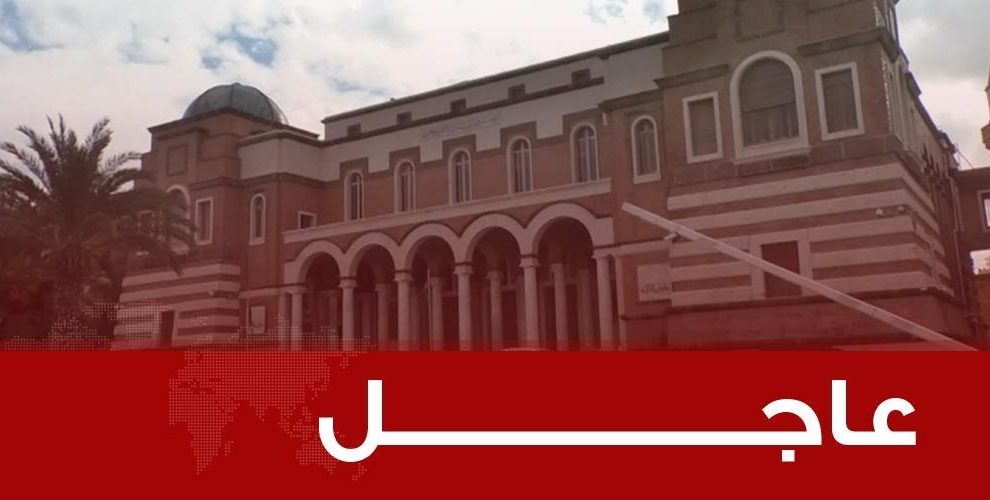
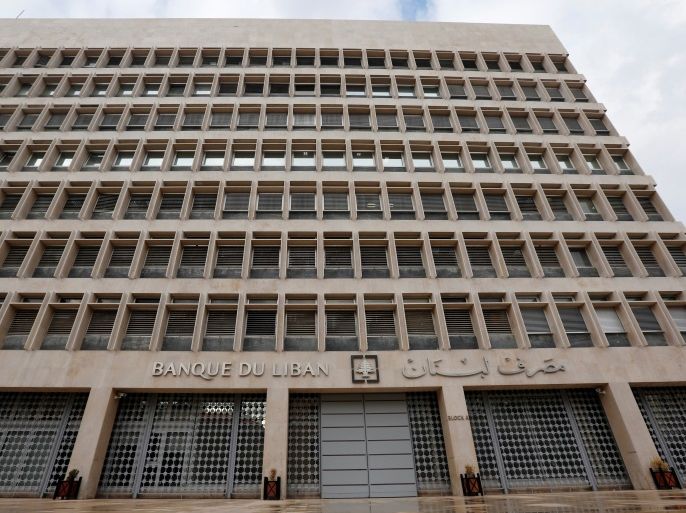
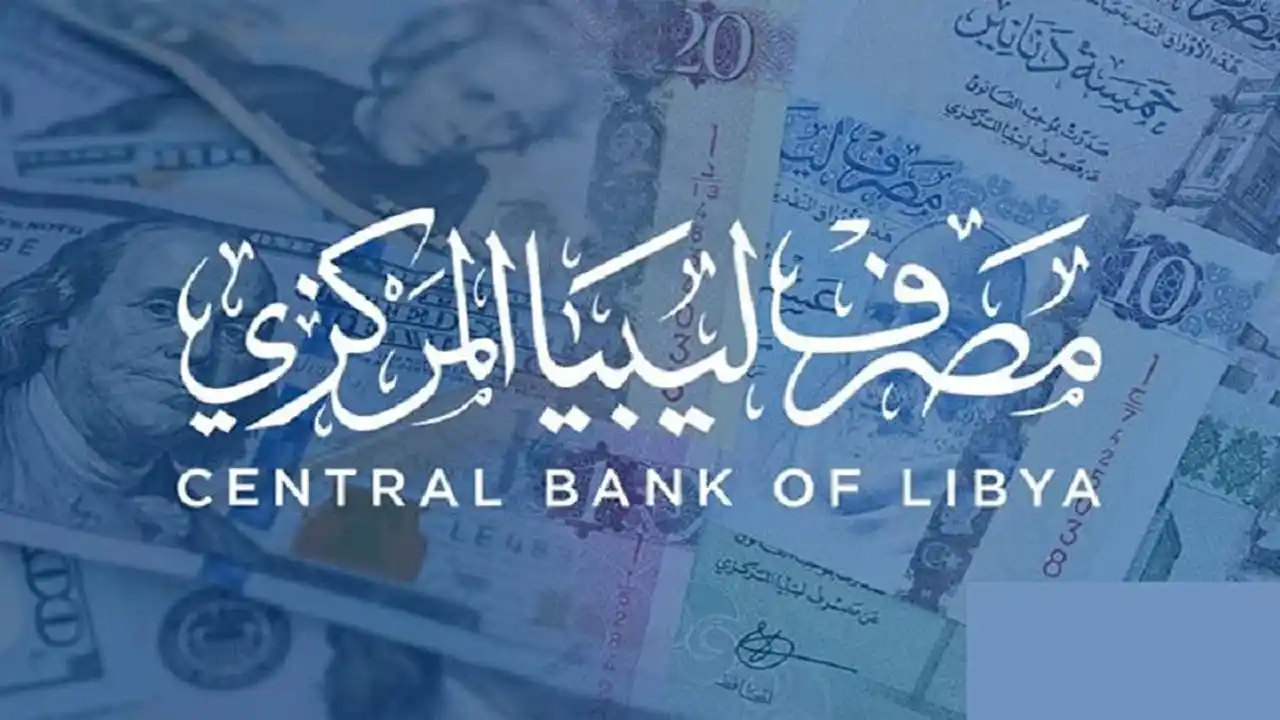
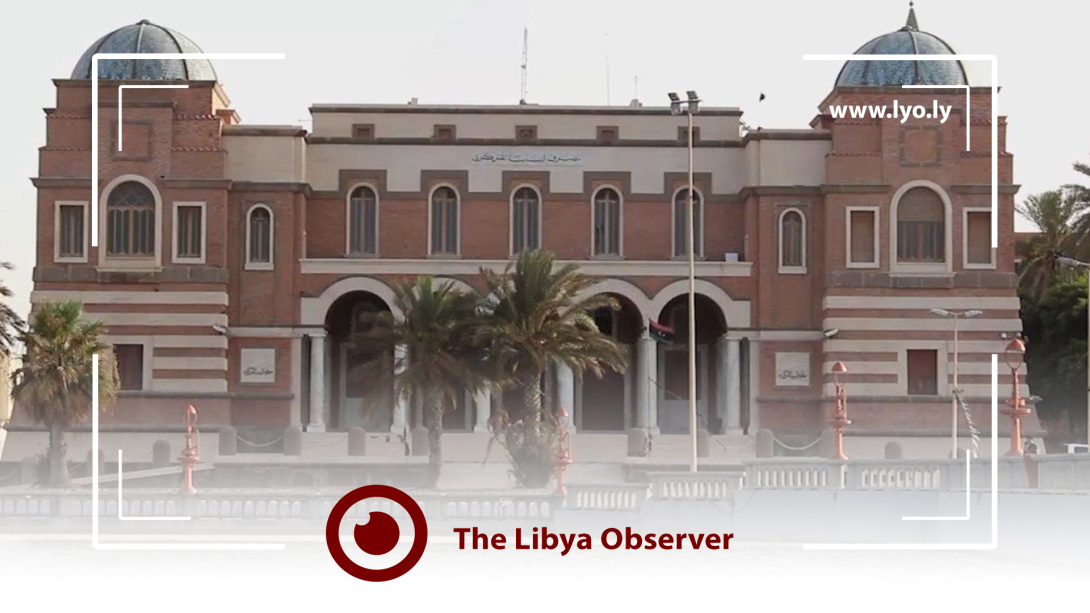
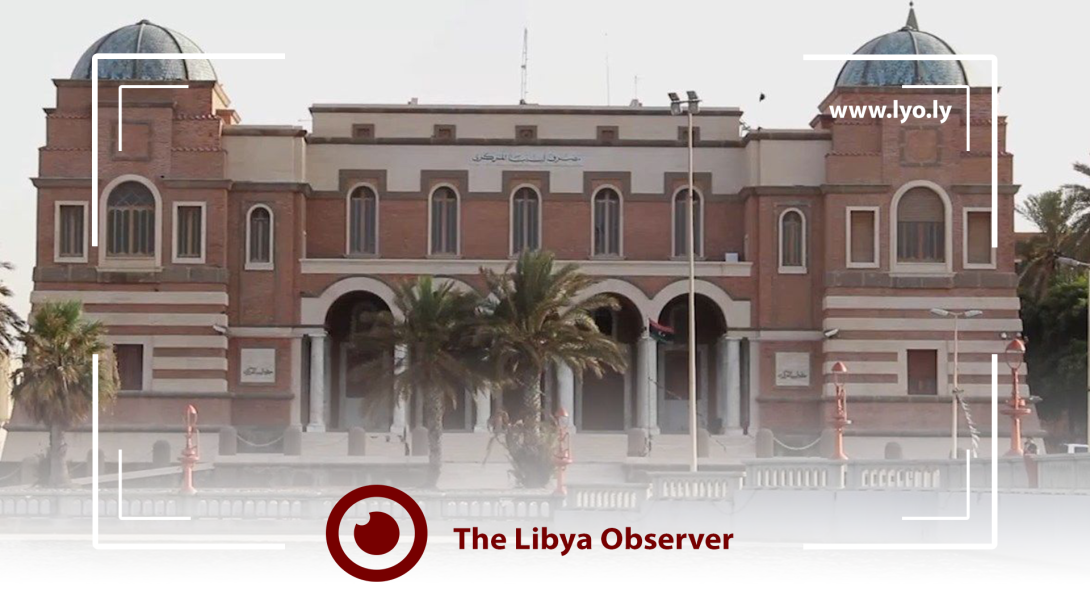
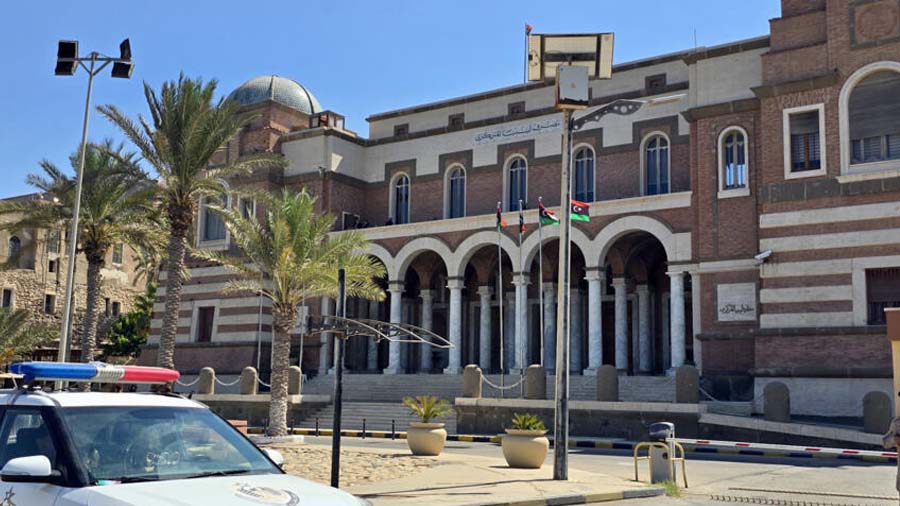
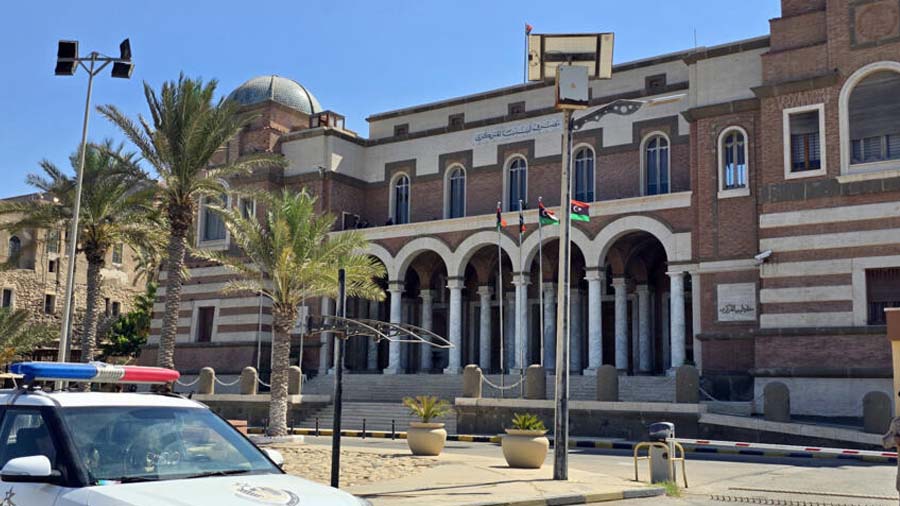
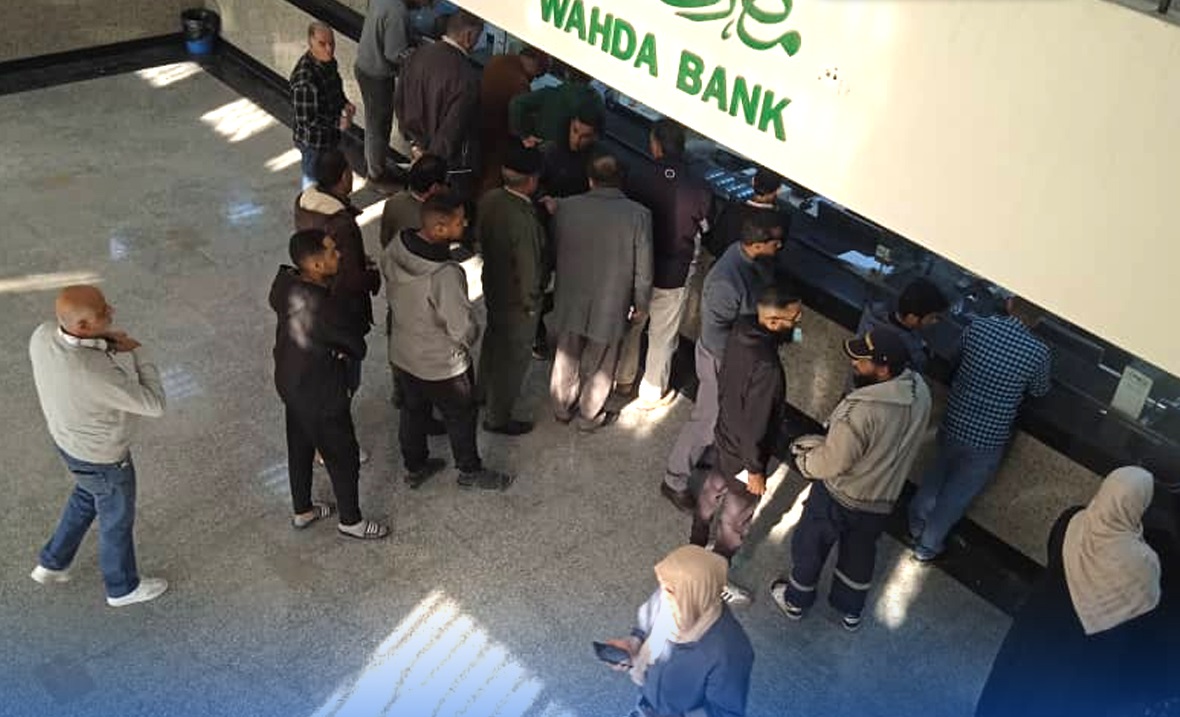
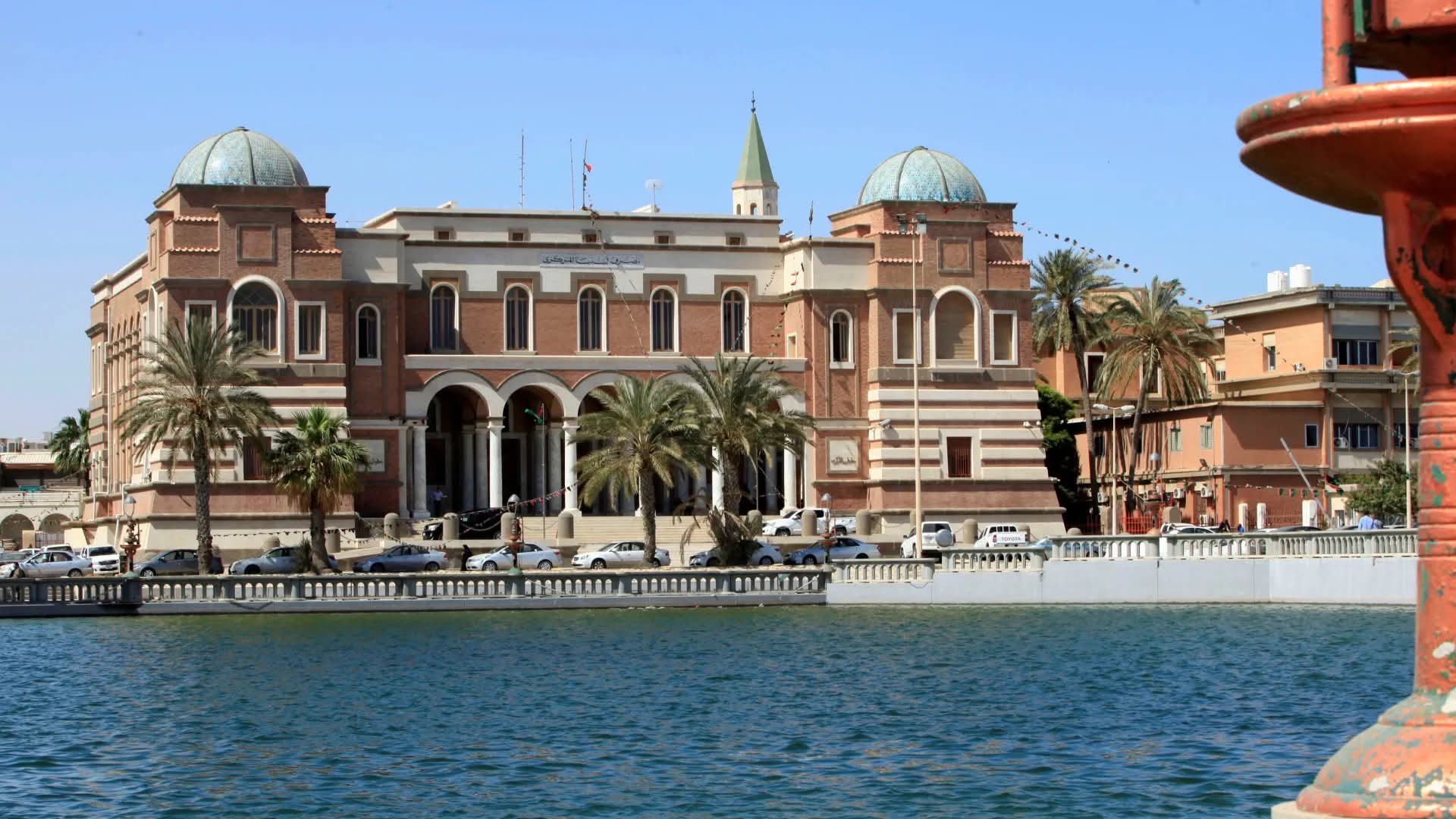
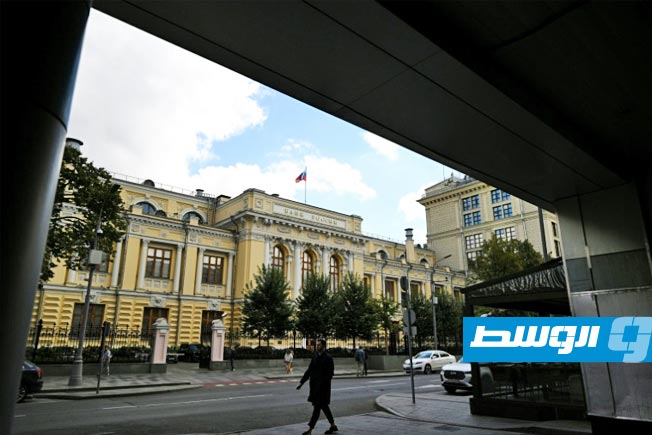
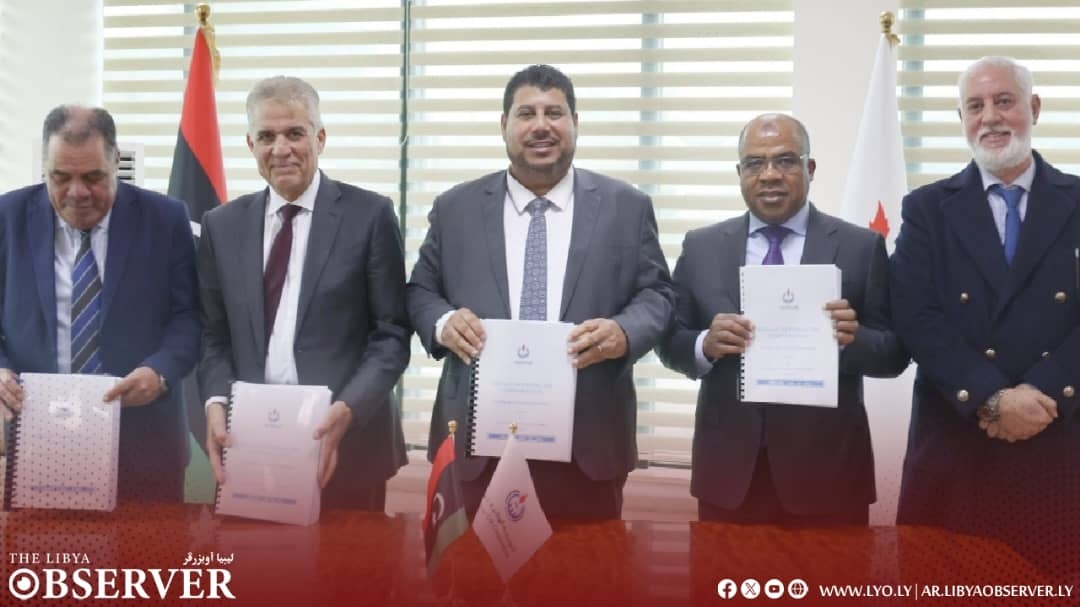
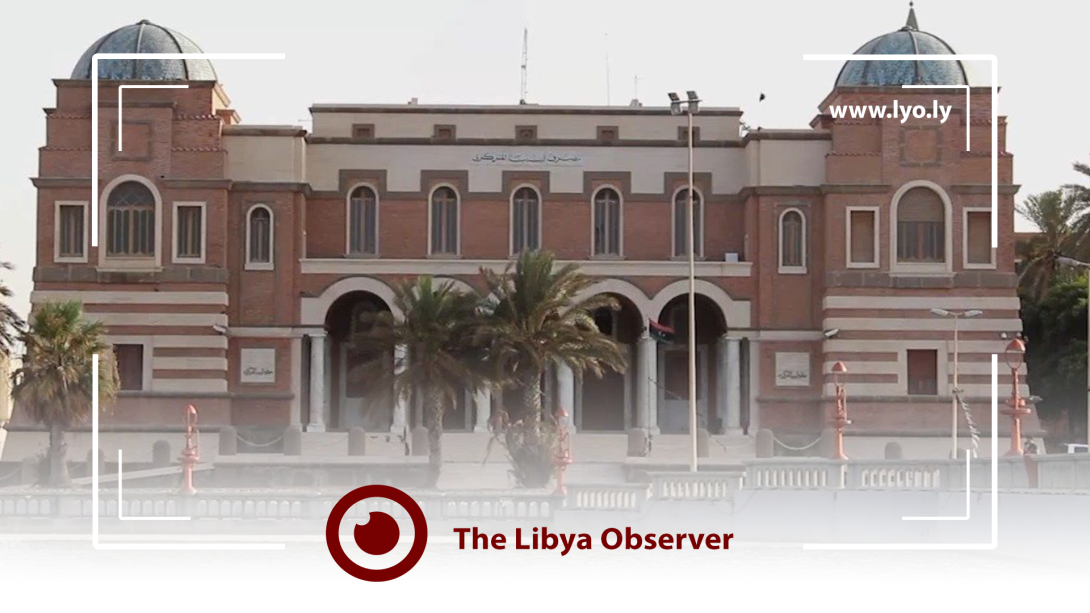
These levels come despite the announcement by the Central Bank of Libya that it has begun selling one billion dollars to commercial banks to cover various foreign currency demands, confirming its intention to settle all remaining amounts.
US dollar
The US dollar is the official currency of the United States, established by the Coinage Act of 1792. It evolved from a system based on Spanish milled dollars and became a global reserve currency following the Bretton Woods Agreement in 1944.
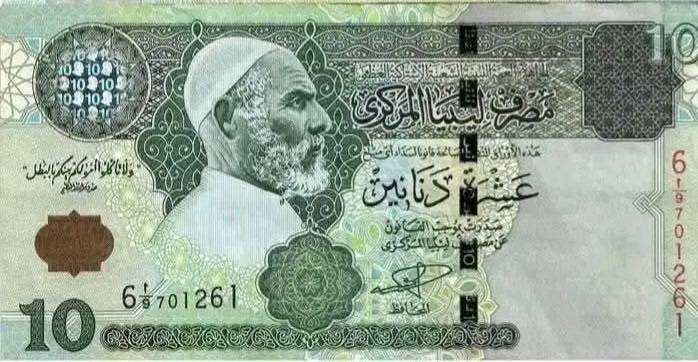
Libyan dinar
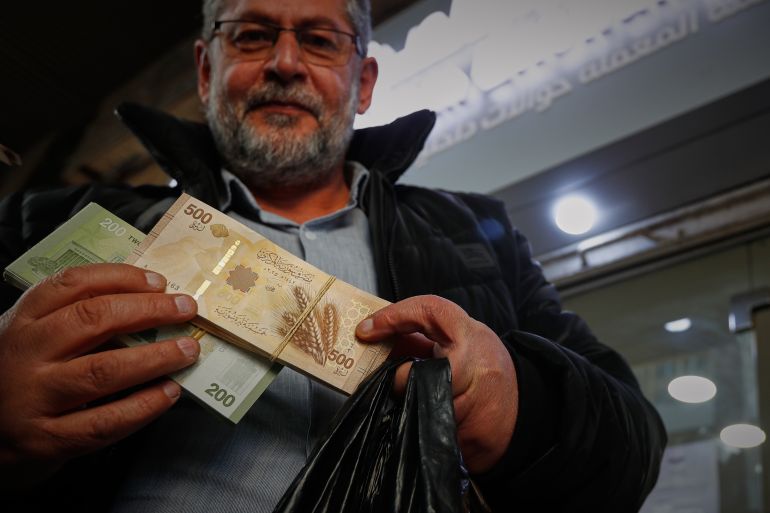
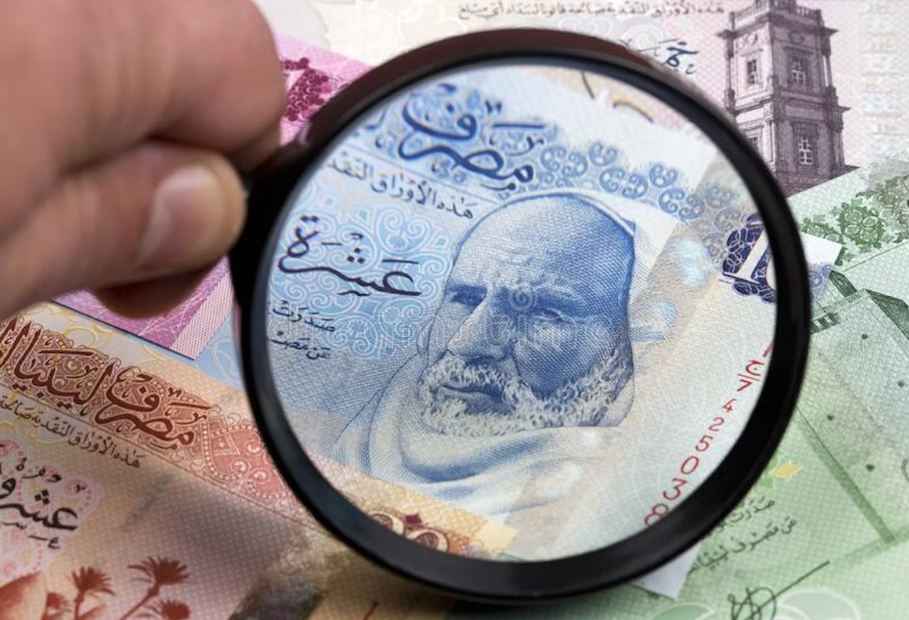
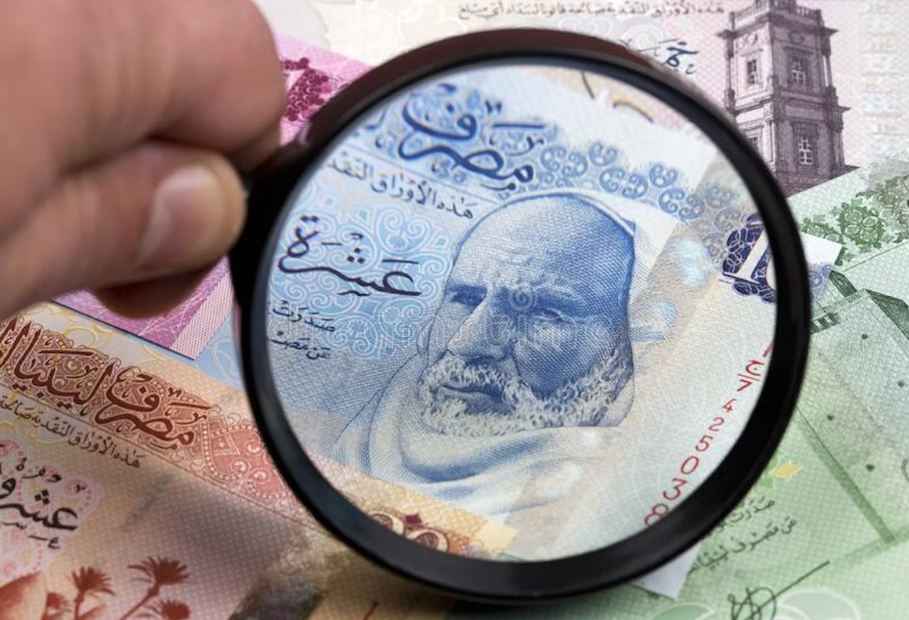
The Libyan dinar is the official currency of Libya, introduced in 1971 to replace the Libyan pound. It was established following the country’s independence and the rise of the Libyan Arab Republic, centralizing the monetary system.
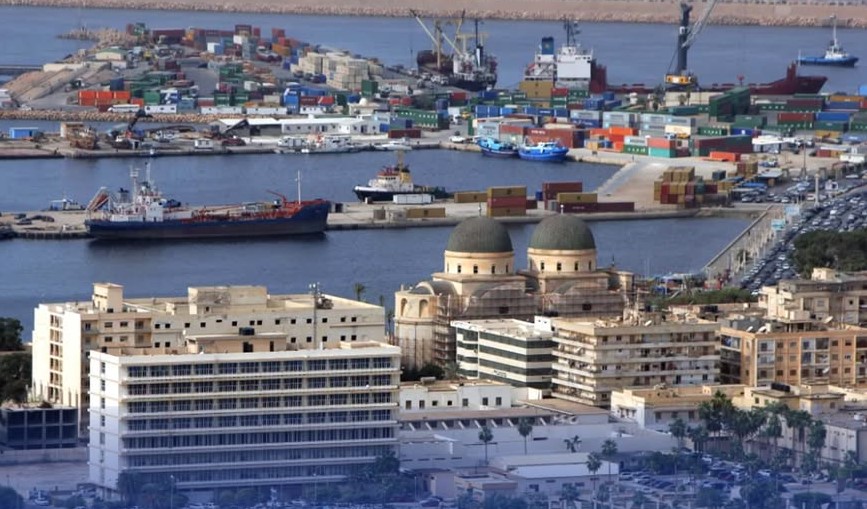
Tripoli
Tripoli is the capital and largest city of Libya, with a history dating back to the 7th century BC when it was founded by the Phoenicians. It later became a significant part of the Roman Empire, known as Oea, and has since been ruled by the Byzantines, Arabs, Ottomans, Italians, and finally achieved independence as part of modern Libya.
Zliten
Zliten is a coastal city in northwestern Libya, historically known for its role as a trading center and for the ancient Roman city of Leptis Magna located nearby. It is particularly famous for the Zliten Mosaic, a large and well-preserved 2nd-century Roman floor mosaic discovered in a villa within the city. The mosaic provides significant insight into daily life and artistic styles during the Roman period in North Africa.
Benghazi
Benghazi is a major city in Libya, historically significant as a center of trade and culture since its founding as the Greek colony of Euesperides in the 6th century BC. It later served as the provisional capital of Libya after the 2011 revolution and has been a focal point of the country’s modern political upheavals.
Ajdabiya
Ajdabiya is a city in northeastern Libya, historically significant as a key crossroads for trans-Saharan trade routes and later as a strategic military location. It was the site of several major battles during both World War II and the 2011 Libyan Civil War.
Euro
The Euro is the official currency of the Eurozone, which consists of 20 of the 27 member states of the European Union. It was introduced in non-physical form in 1999 and as physical banknotes and coins in 2002, representing a major step in European economic integration following the Maastricht Treaty.
British Pound
The British Pound, officially known as Pound Sterling, is the world’s oldest currency still in use, with origins tracing back to Anglo-Saxon times. It was historically a pound weight of sterling silver, which gave the currency its name, and it became the official currency of the United Kingdom following the unification of England and Scotland in 1707.
Turkey
Turkey is a transcontinental nation bridging Europe and Asia, with a rich history rooted in the ancient Anatolian civilizations, the Byzantine Empire, and later the powerful Ottoman Empire, which lasted for over six centuries until the modern Republic of Turkey was founded in 1923. Its cultural landscape is a unique blend of these diverse influences, visible in historic sites like Istanbul’s Hagia Sophia and the ancient ruins of Ephesus.
Dubai
Dubai is a major global city and emirate in the United Arab Emirates, historically known as a small fishing and pearling village. Its modern transformation began with the discovery of oil in the 1960s, which funded massive infrastructure projects and the development of its iconic skyline and economy. Today, it is renowned as a hub for tourism, luxury, and international business.
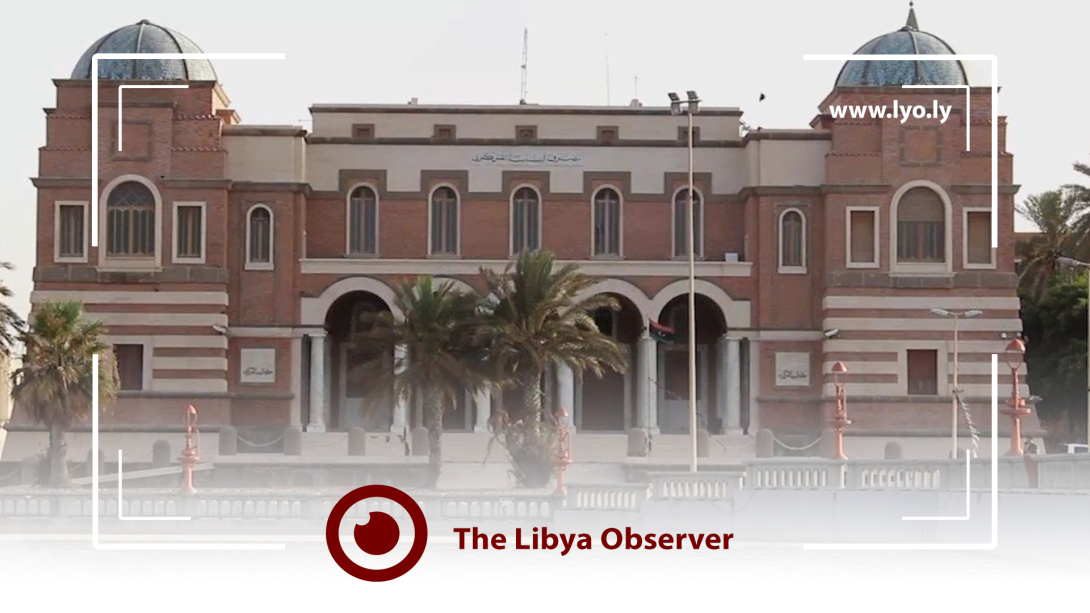
Central Bank of Libya
The Central Bank of Libya is the country’s primary monetary authority, established in 1956 to issue currency and manage monetary policy. It has played a critical and often divisive role in Libya’s recent history, notably functioning as a unified financial institution for both sides during the civil conflict that began in 2011.