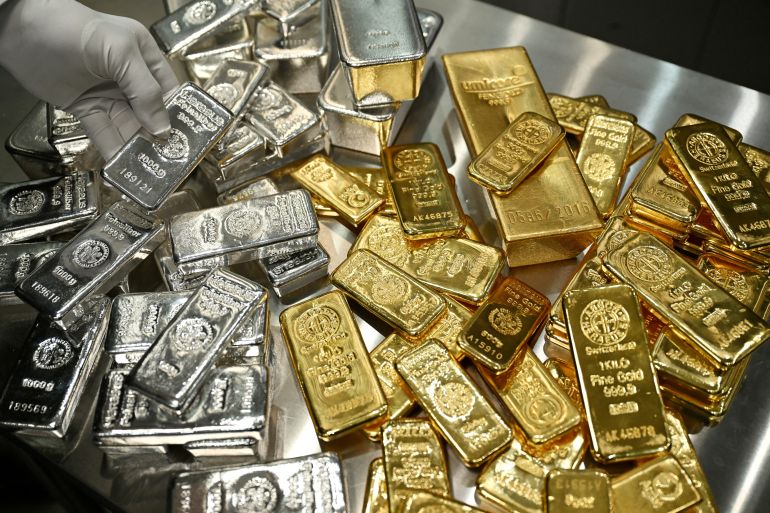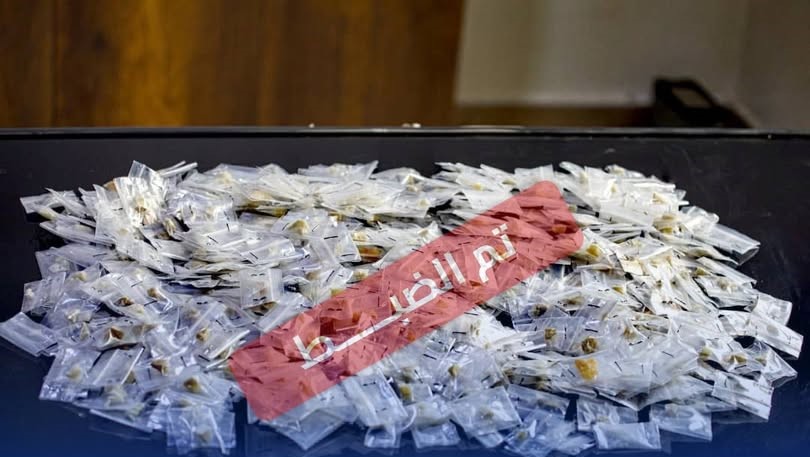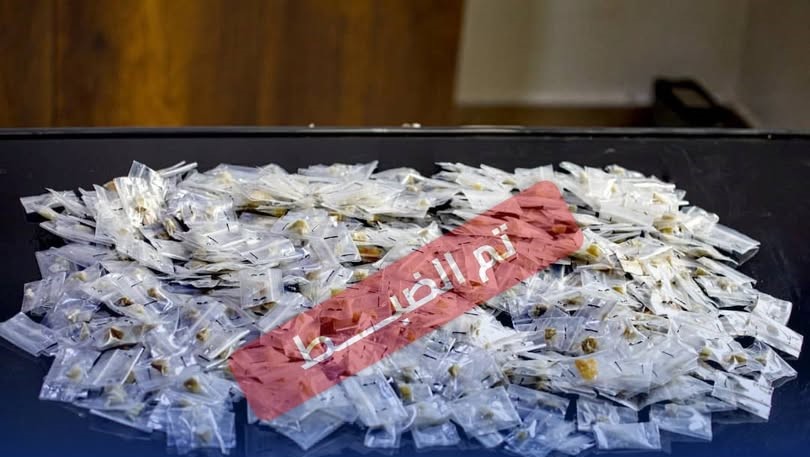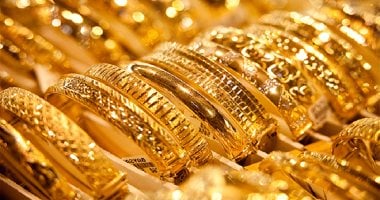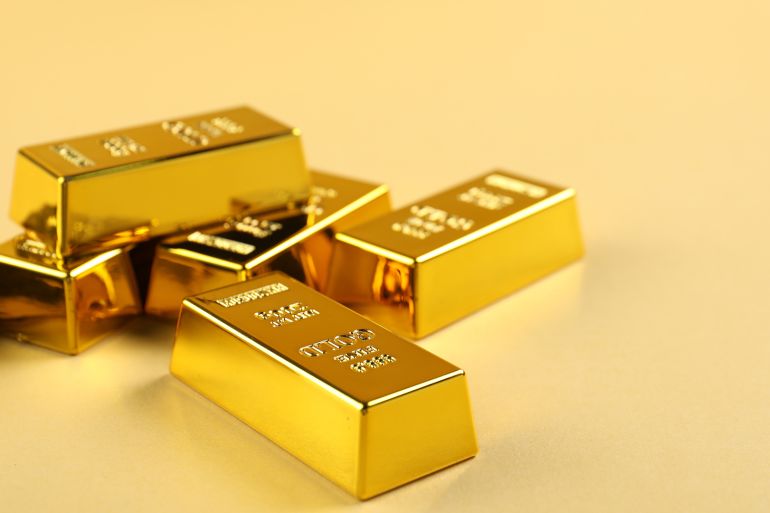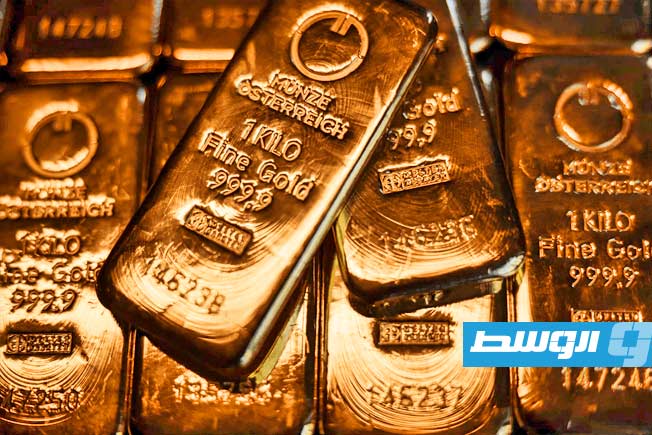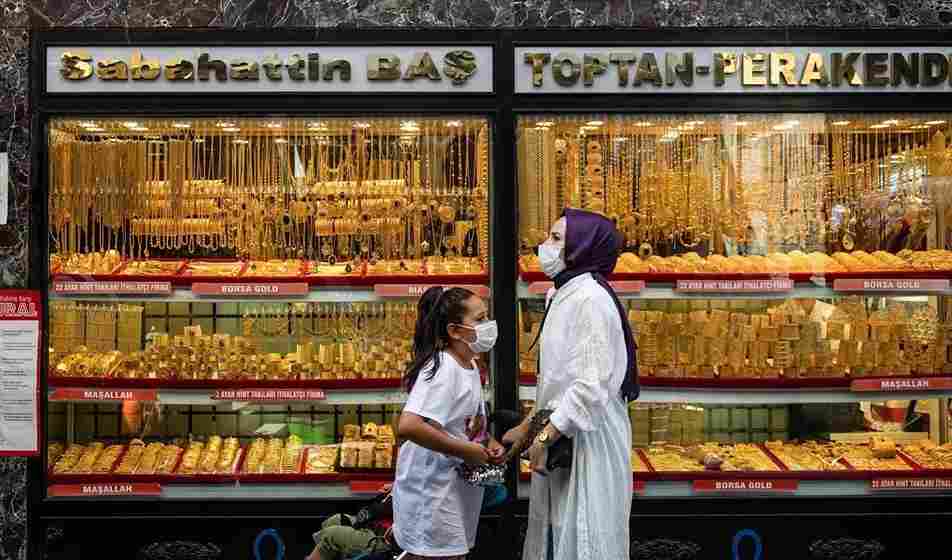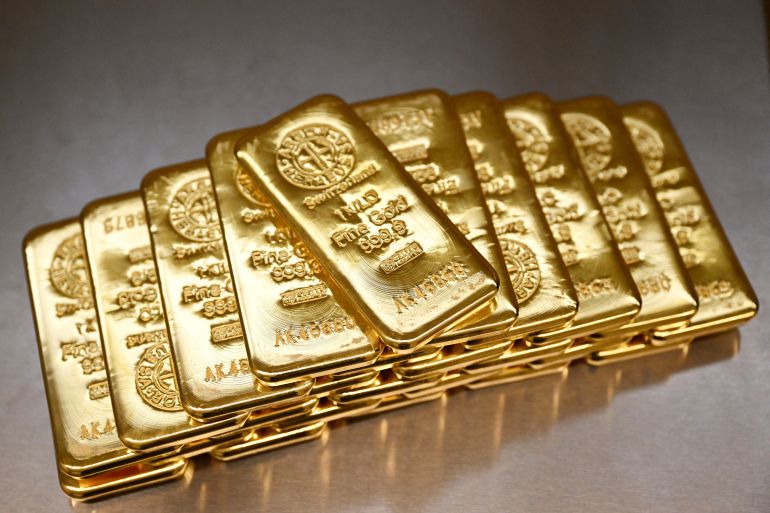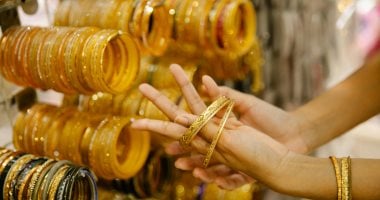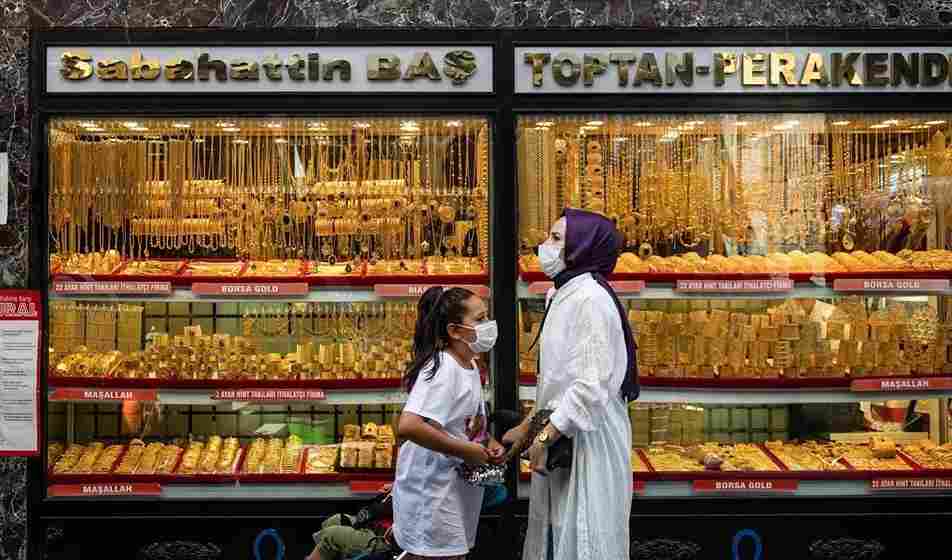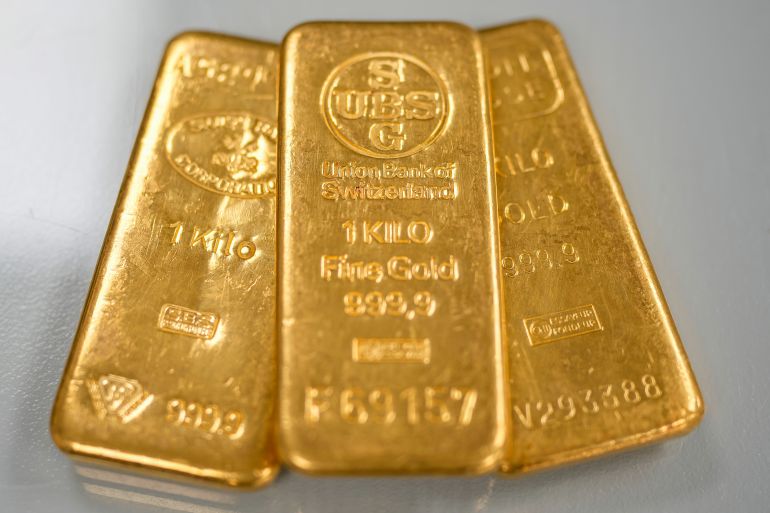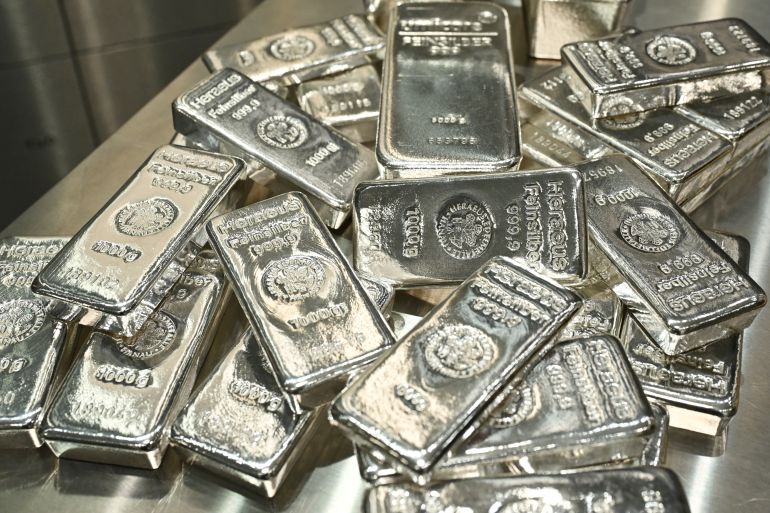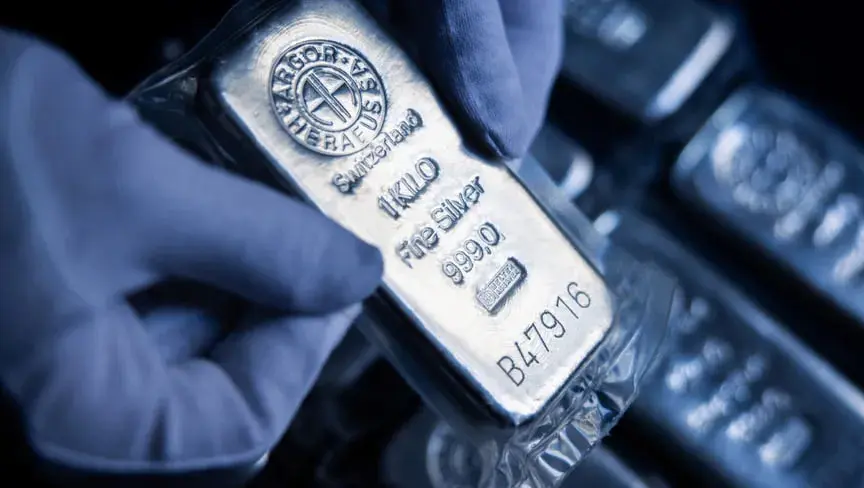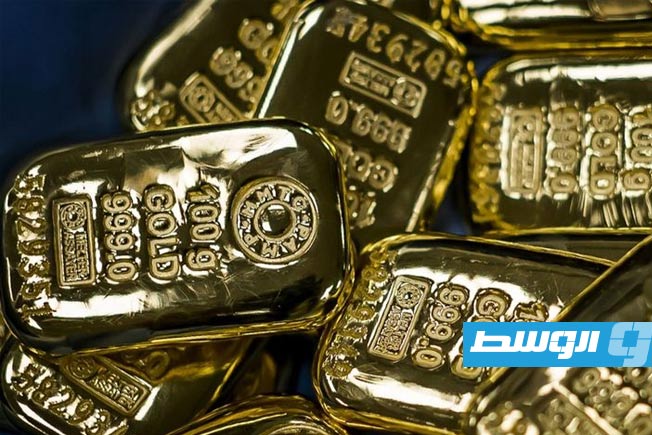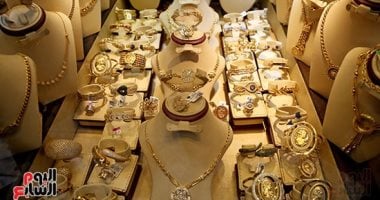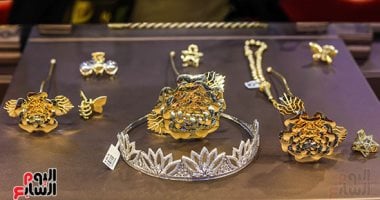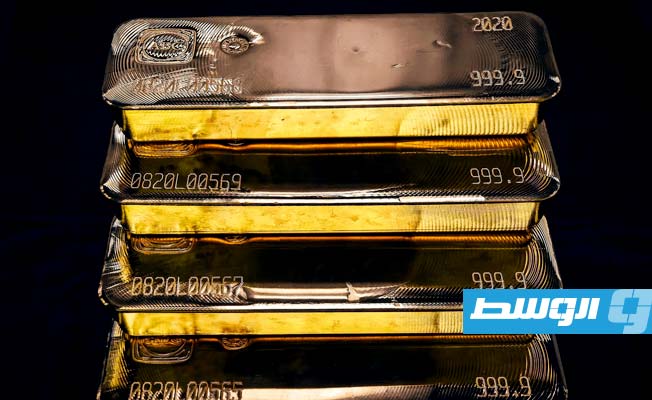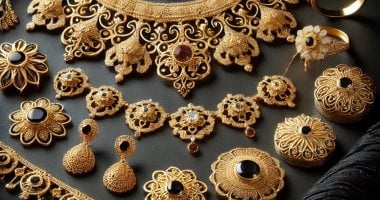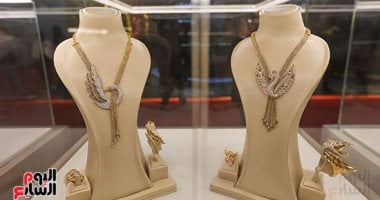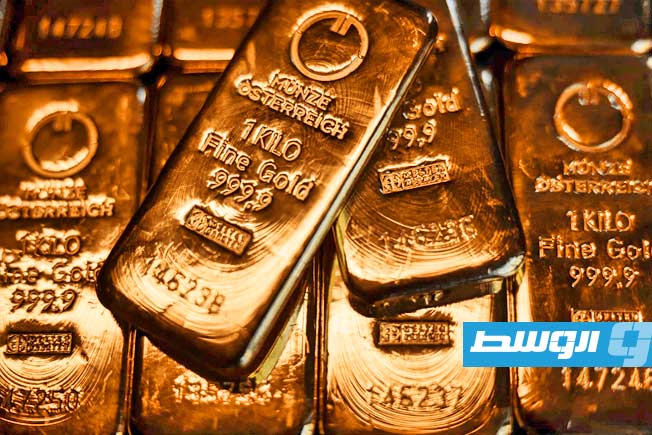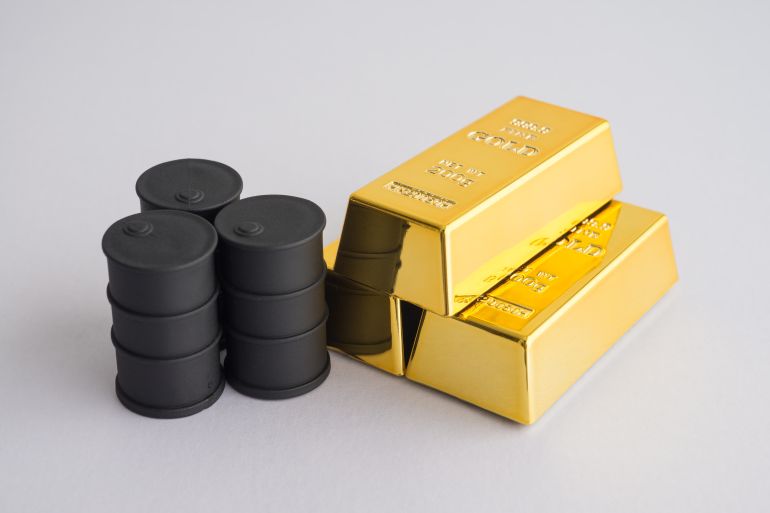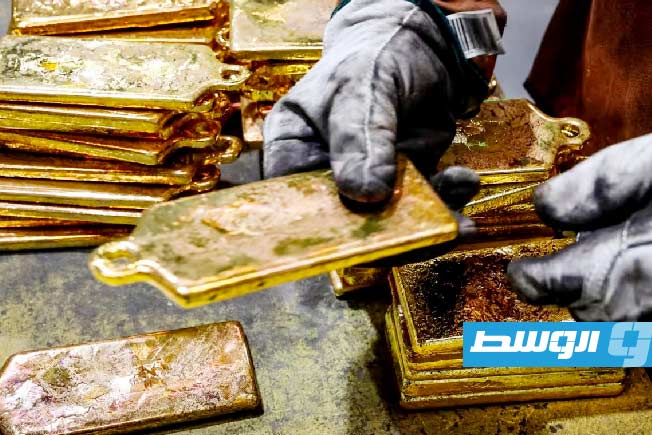
Tripoli, January 22, 2025 – As global precious metal prices rise, Libyan markets have recently witnessed a growing wave of silver sales. Silver has long been a part of the social and economic heritage, with its use not limited to jewelry but also extending to the production of traditional household utensils for a large number of Libyan families.
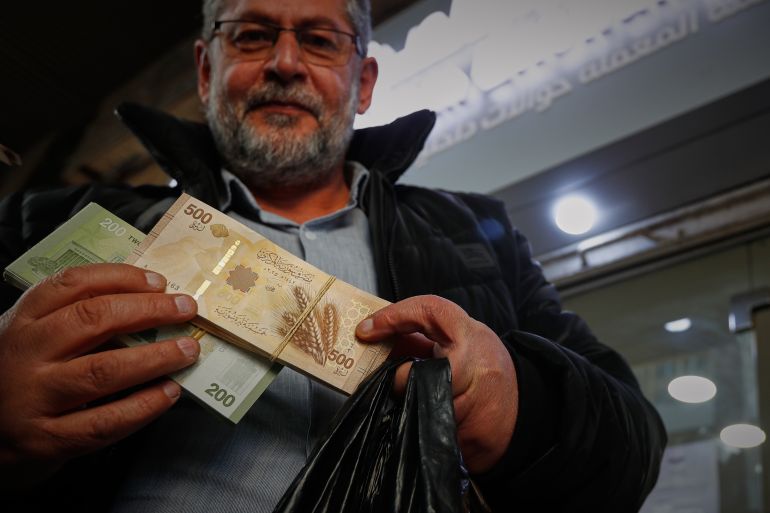
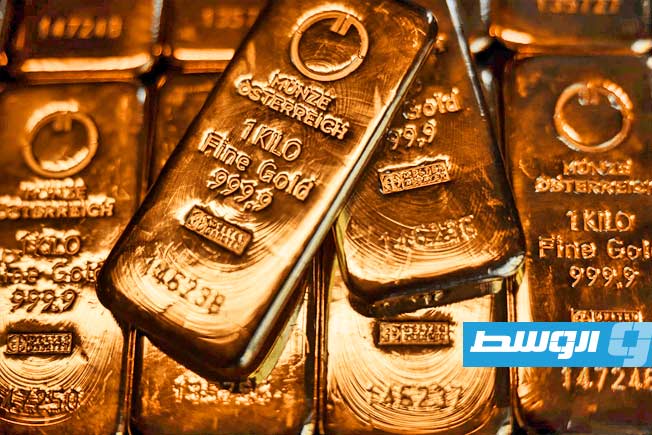
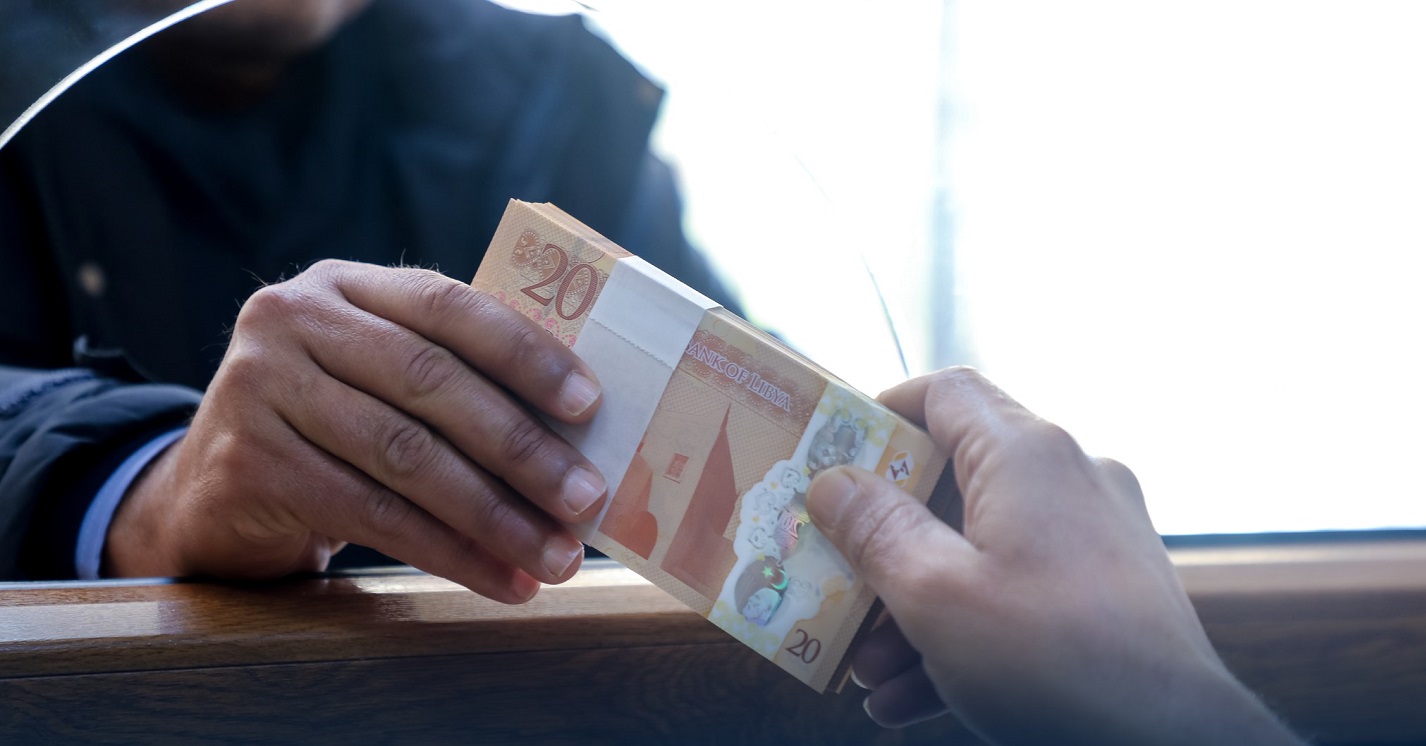
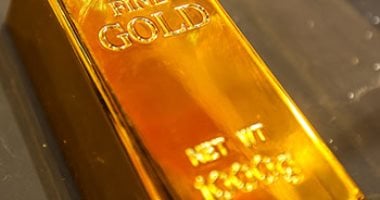
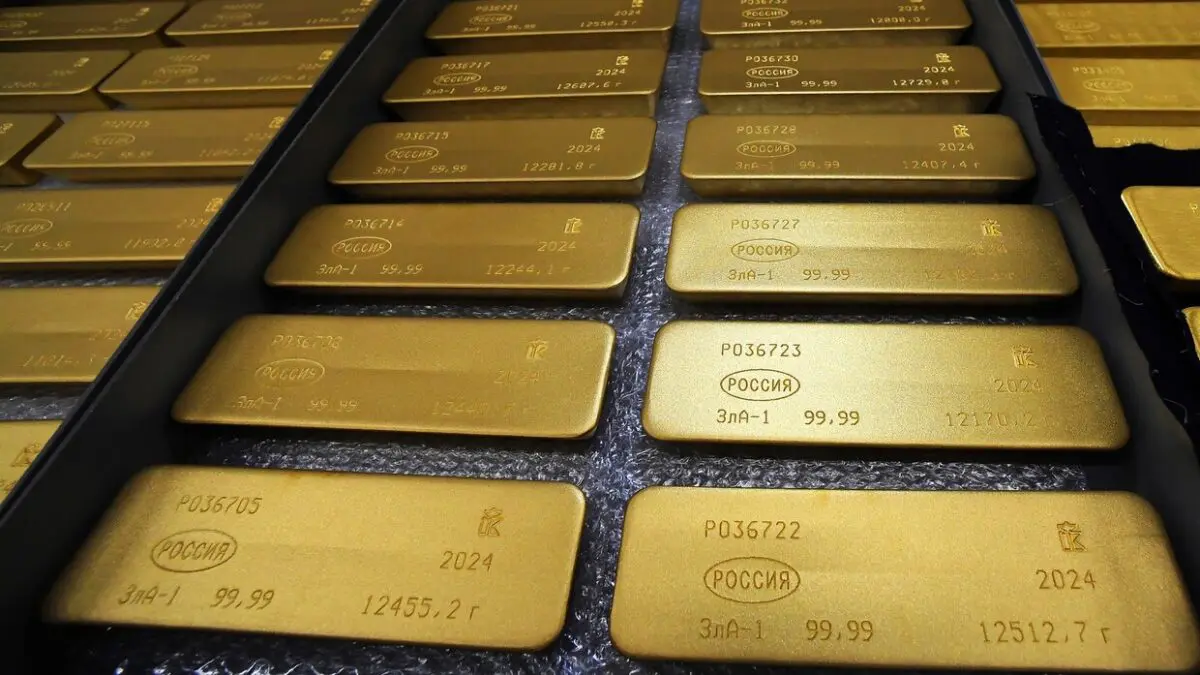
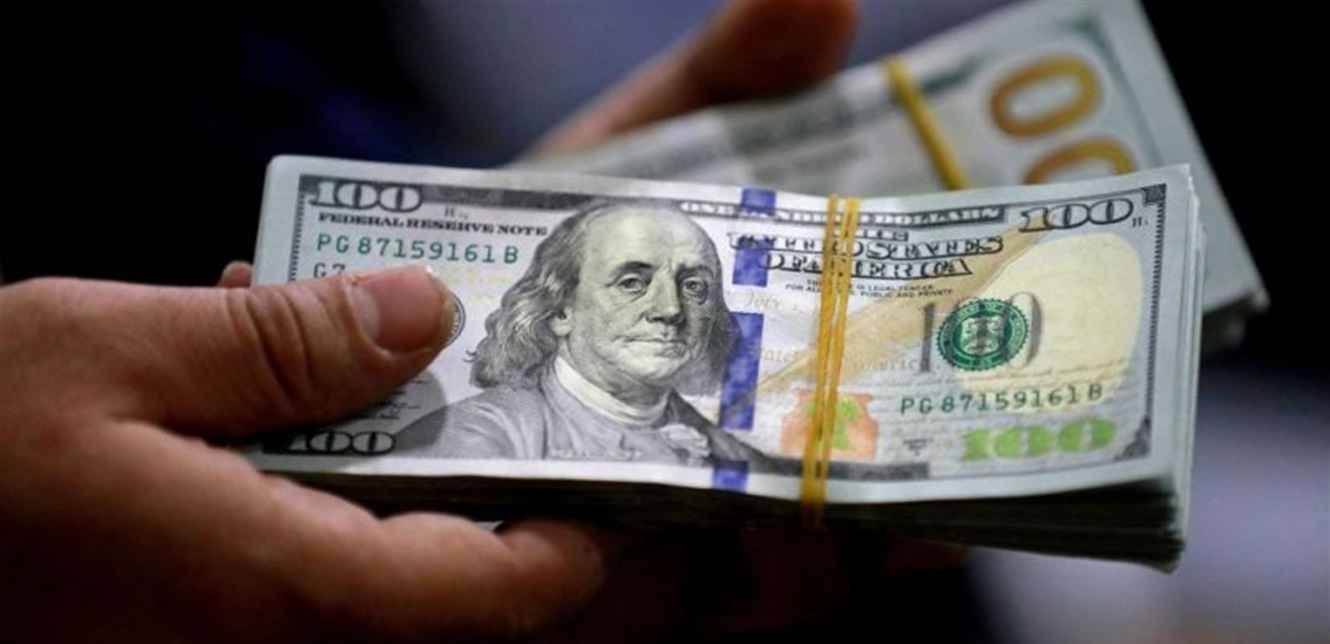
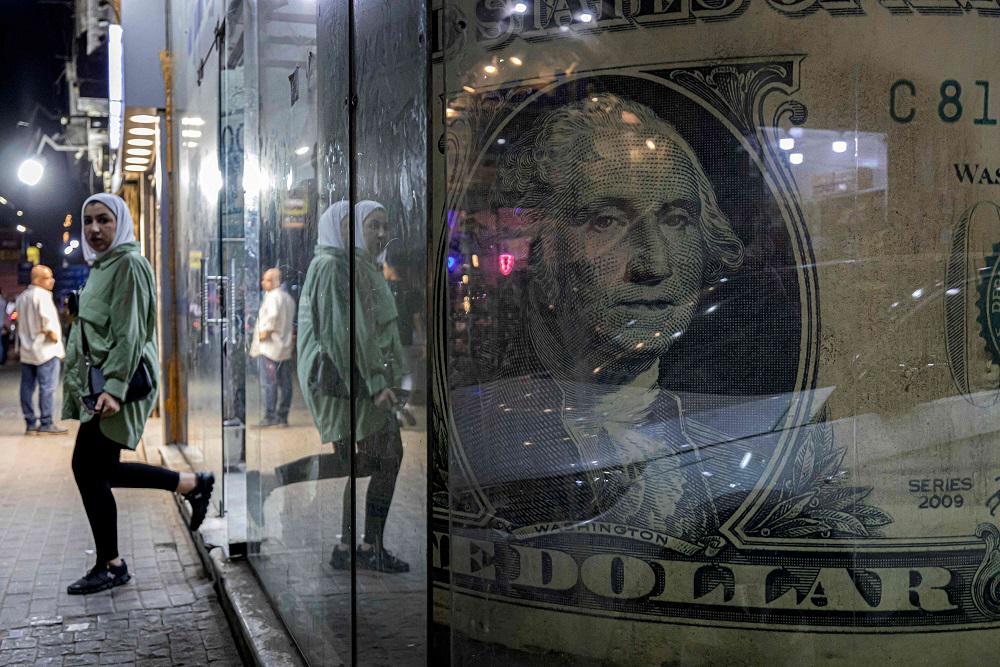
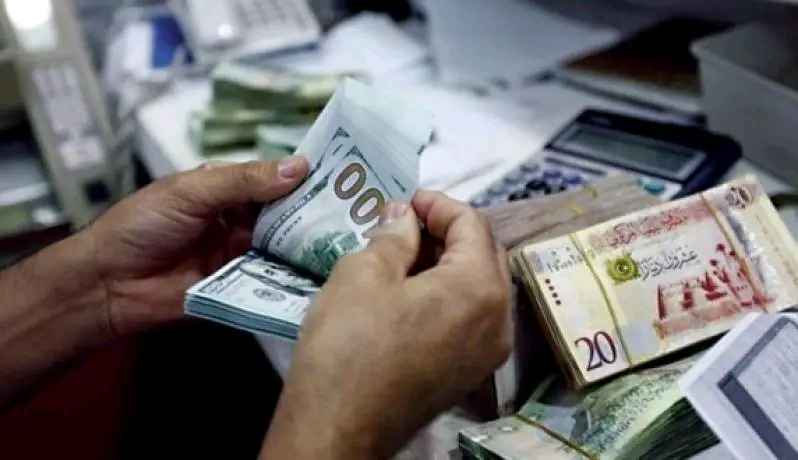
This wave reflects the depth of the living pressures facing a broad segment of citizens, as silver, similar to gold earlier, has become a last resort for providing liquidity amid rising prices and declining purchasing power.
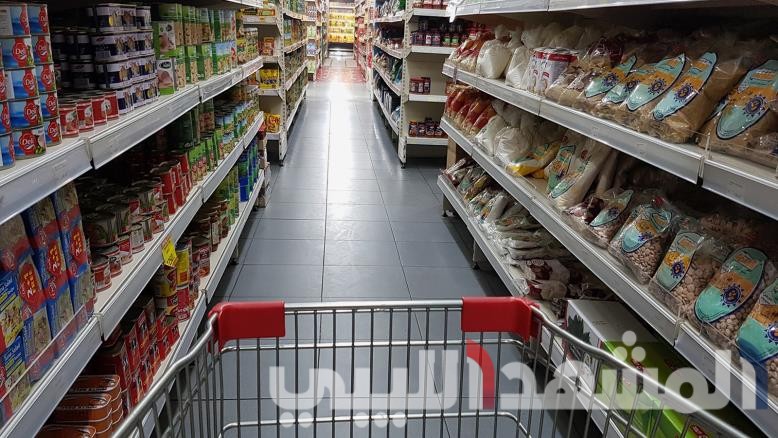
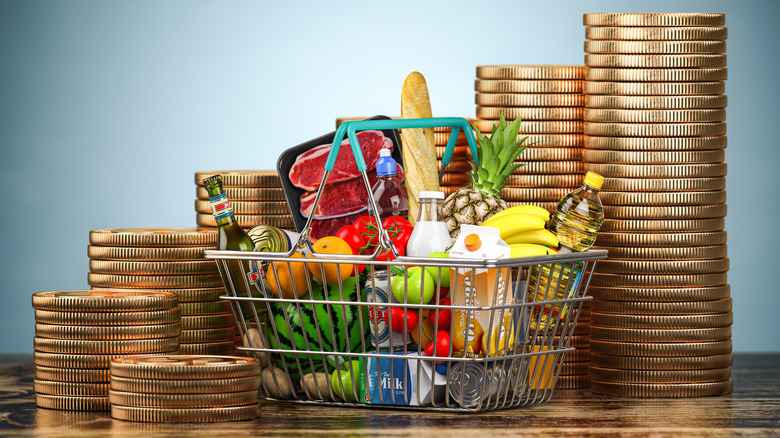
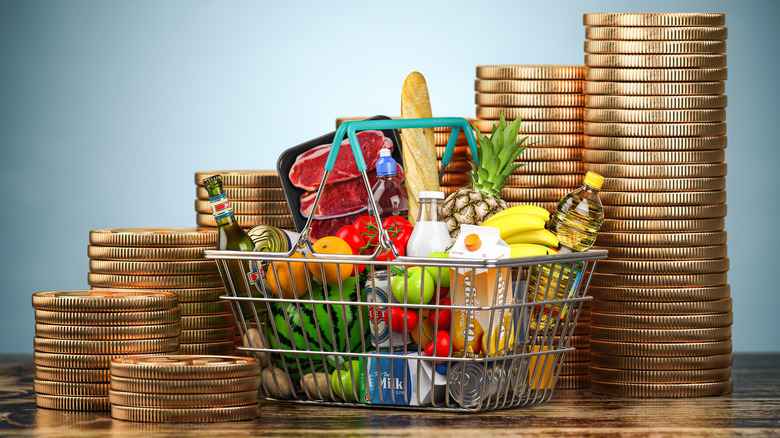
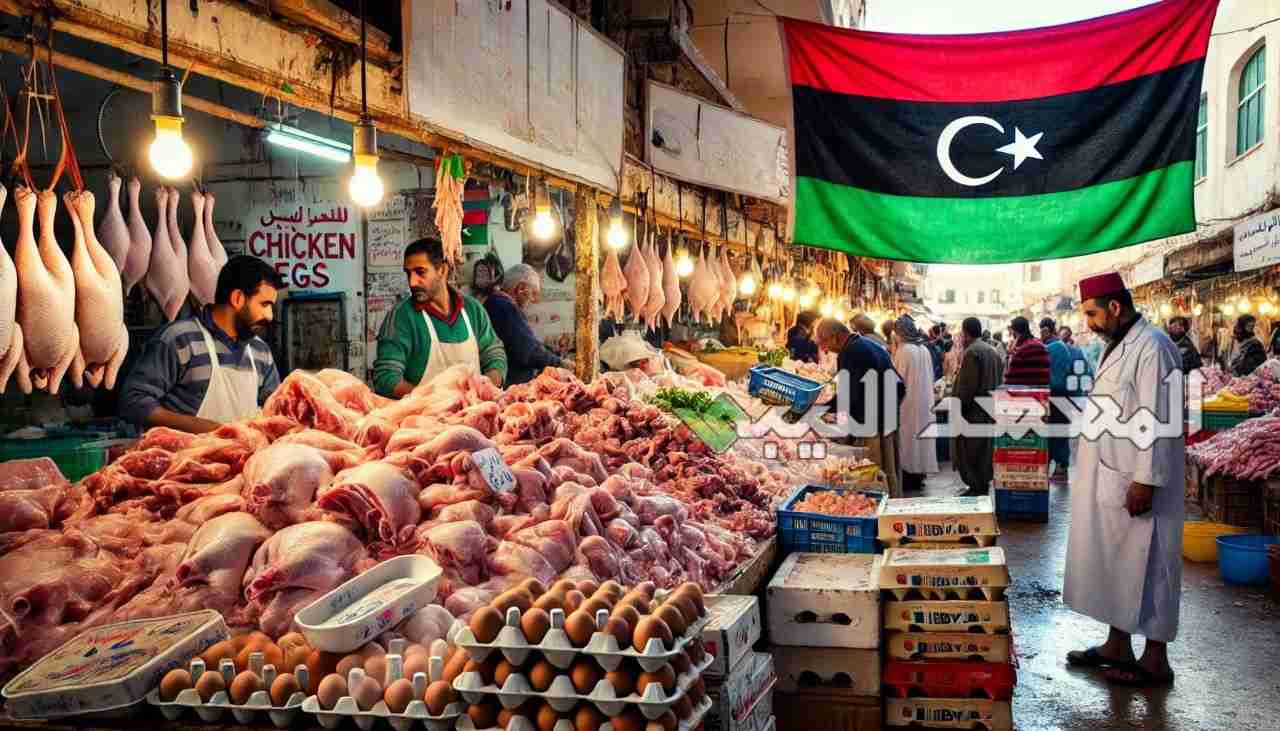
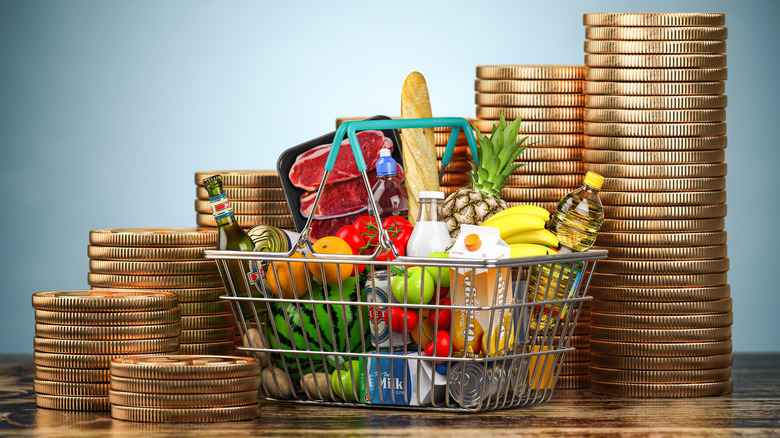
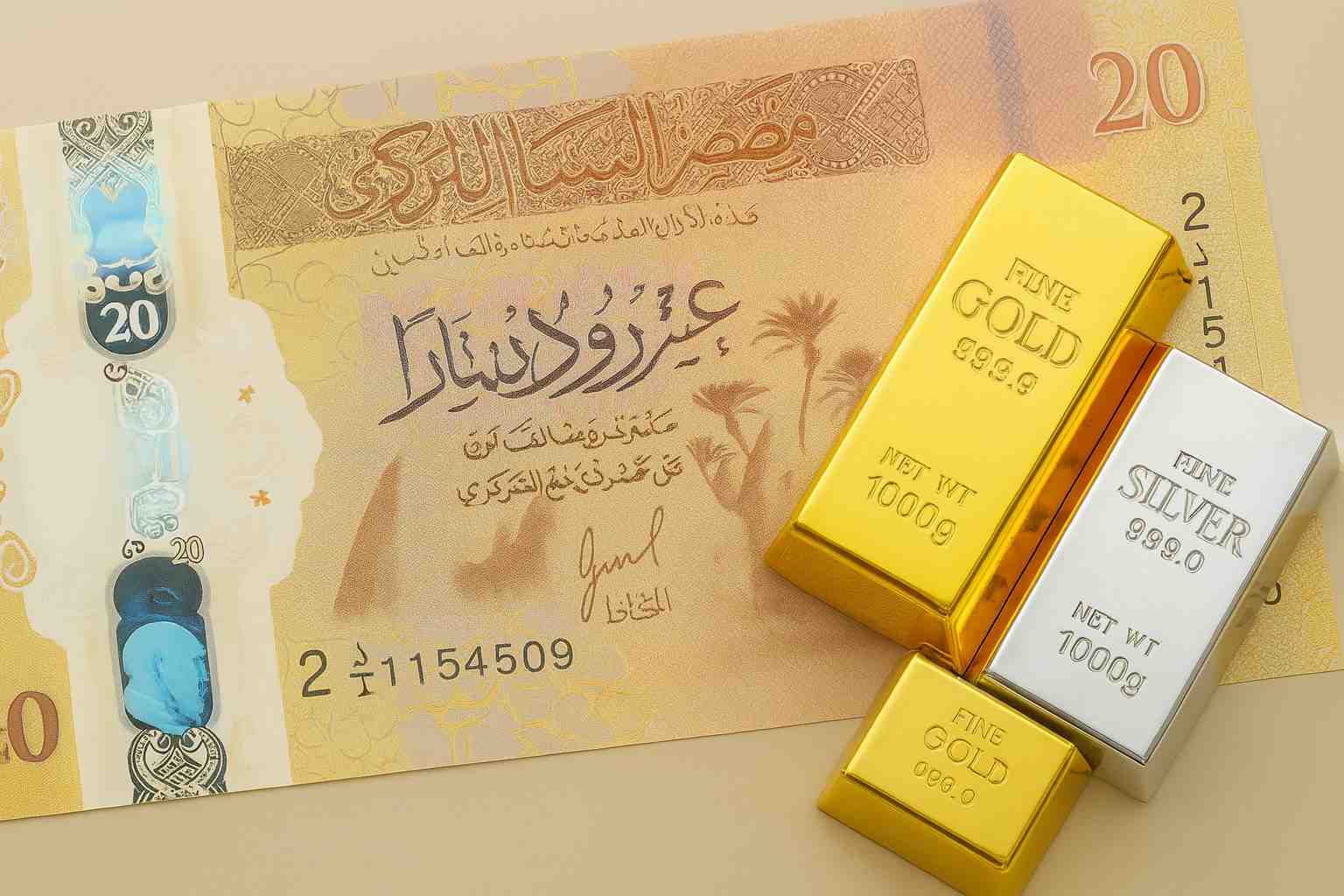
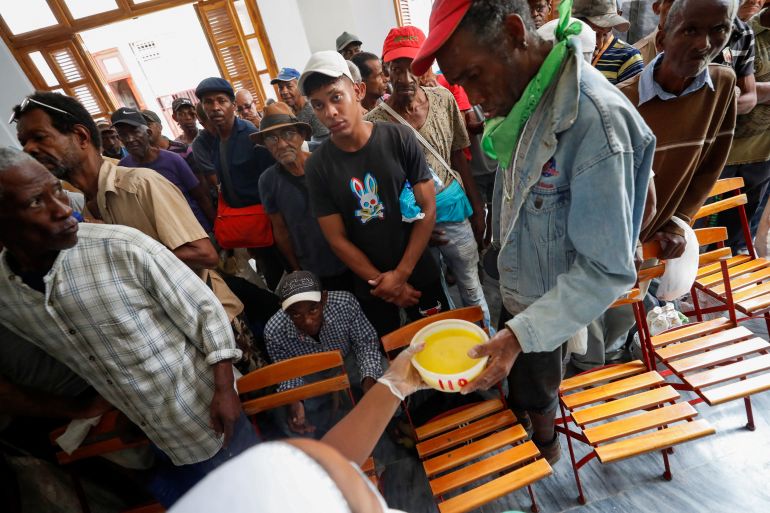
With silver reaching prices ranging between 16 and 18 dinars per gram, many families have been forced to part with silver possessions they have kept for decades, some of which hold symbolic and heritage value, in an attempt to cope with the costs of daily life, including food, medicine, and other basic necessities.
Observers note that this development signals the erosion of social savings reserves and a decline in stability indicators for a large segment of society that was previously considered the backbone of the market and consumption.
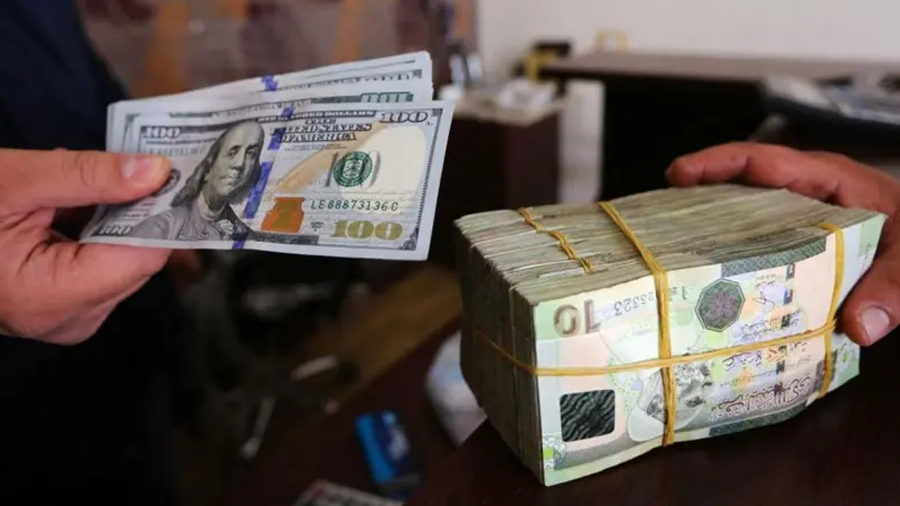
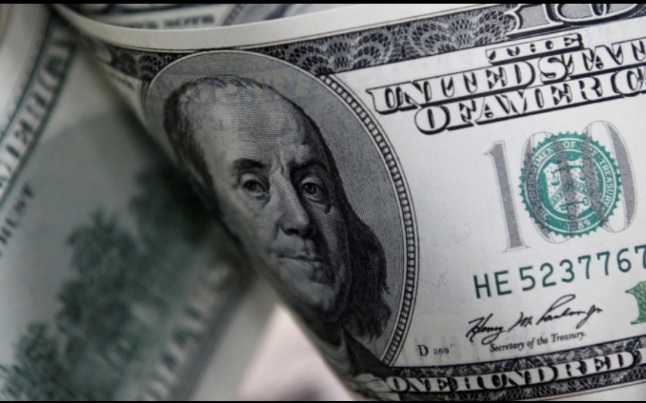
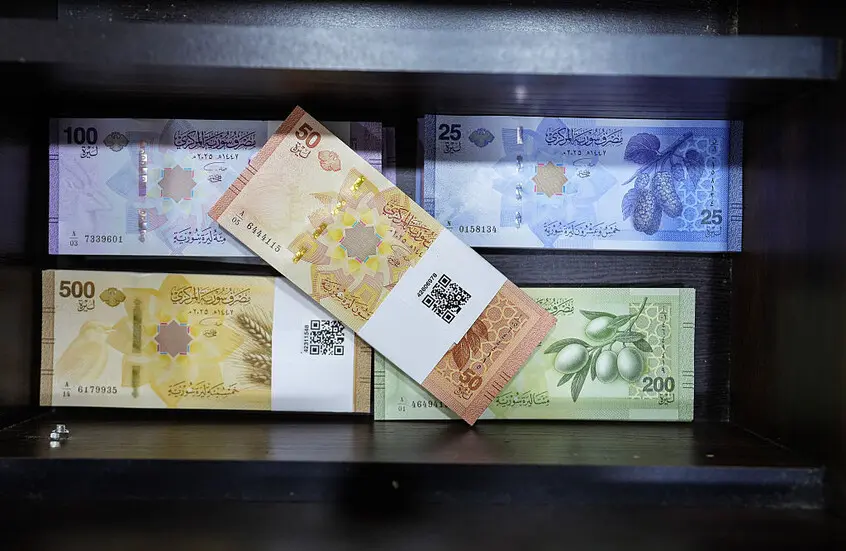
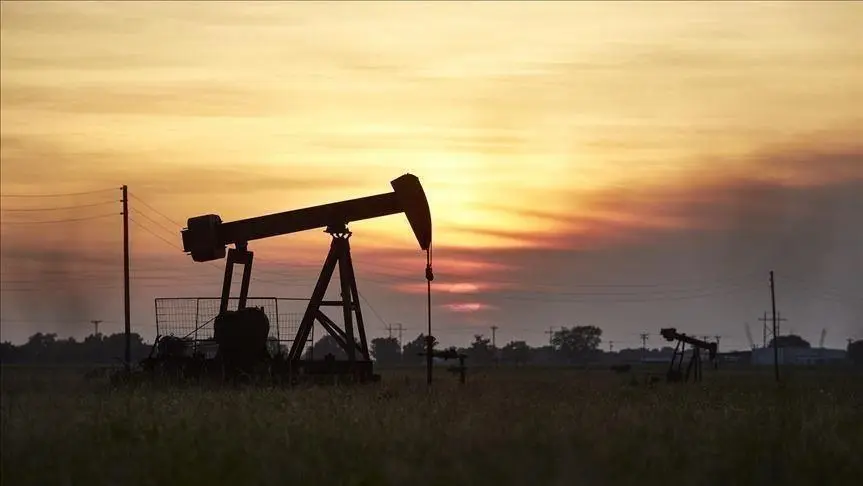
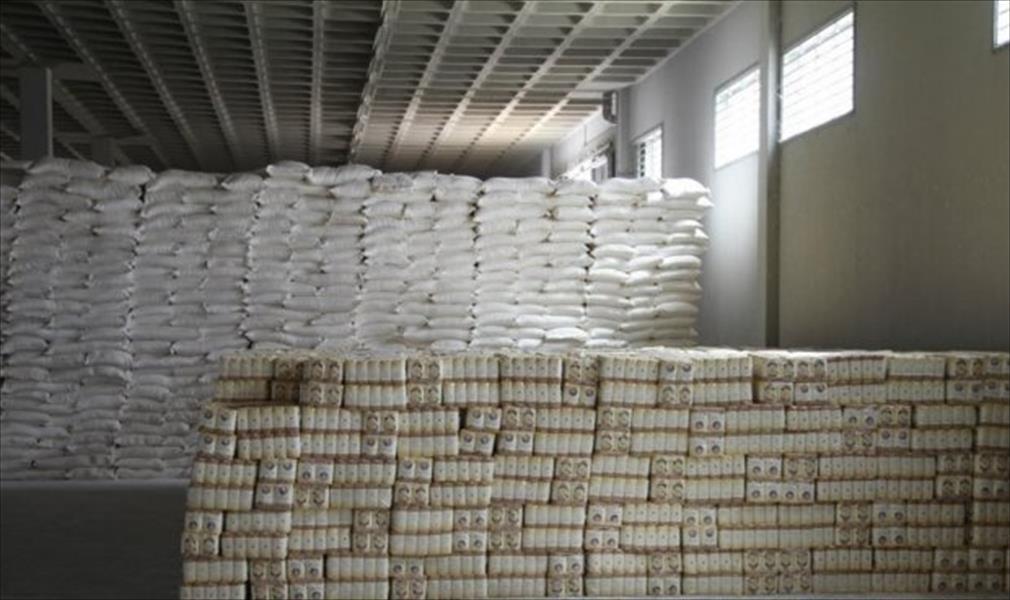
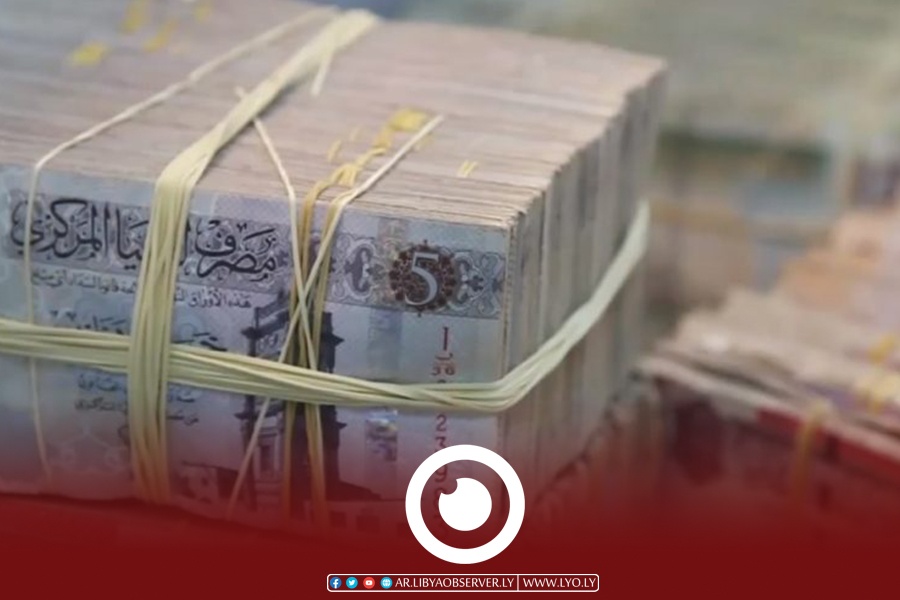
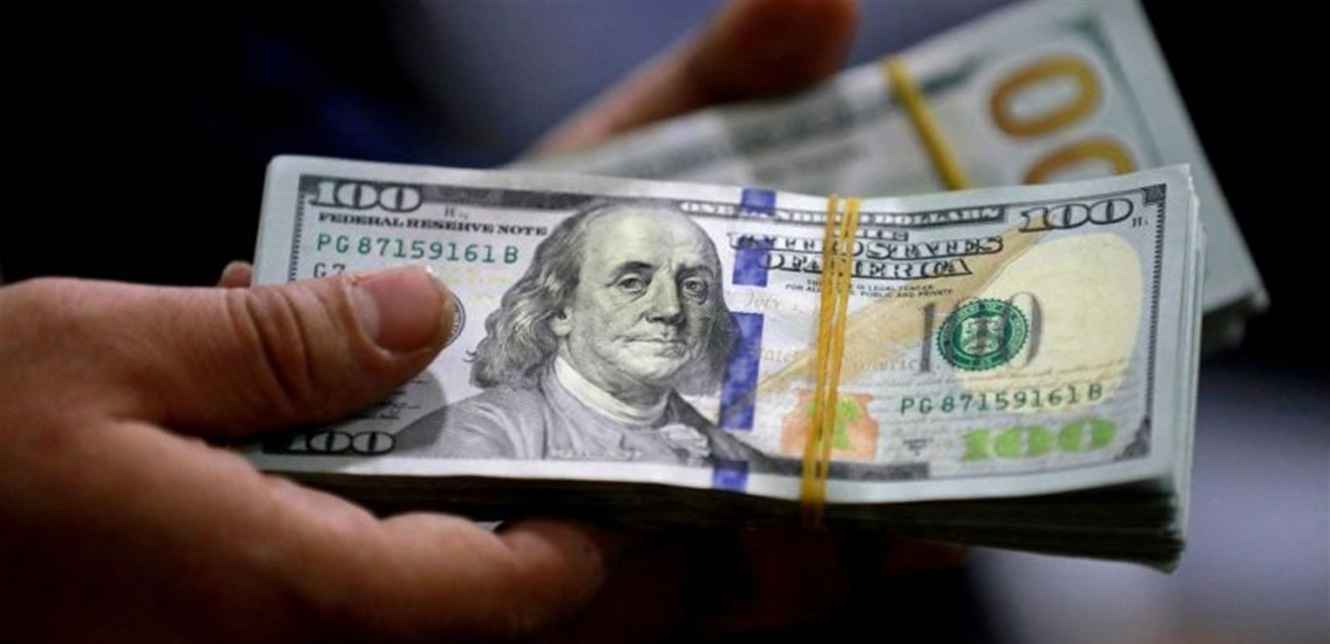
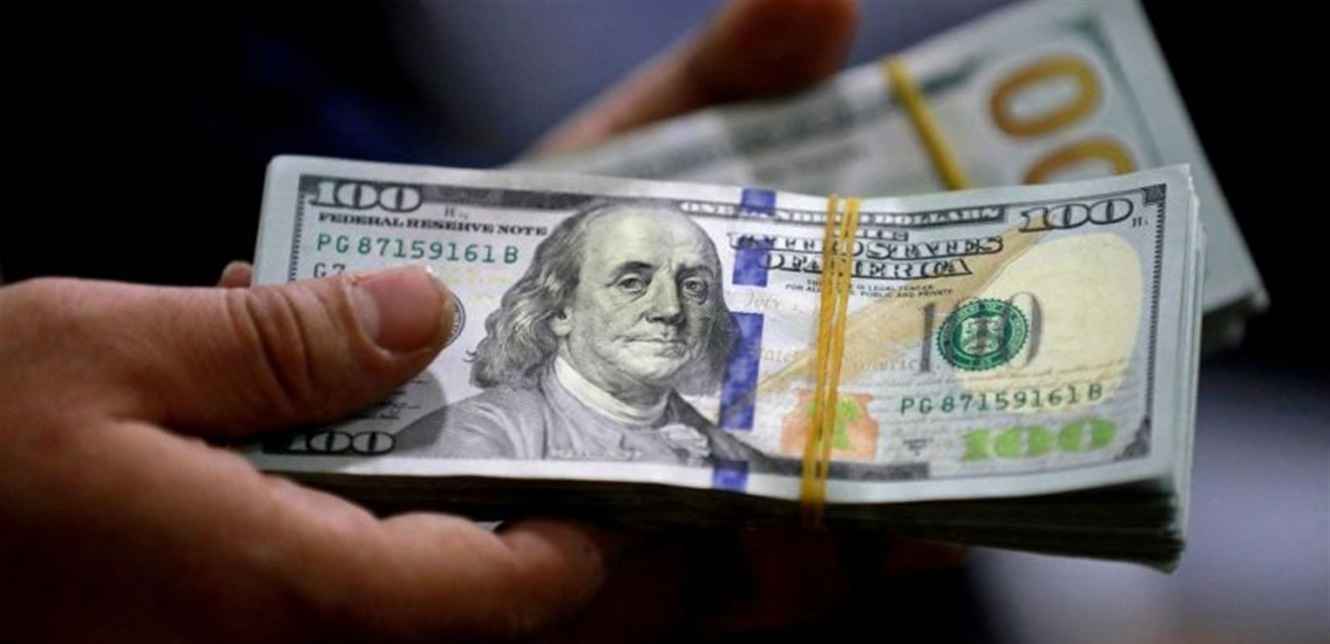
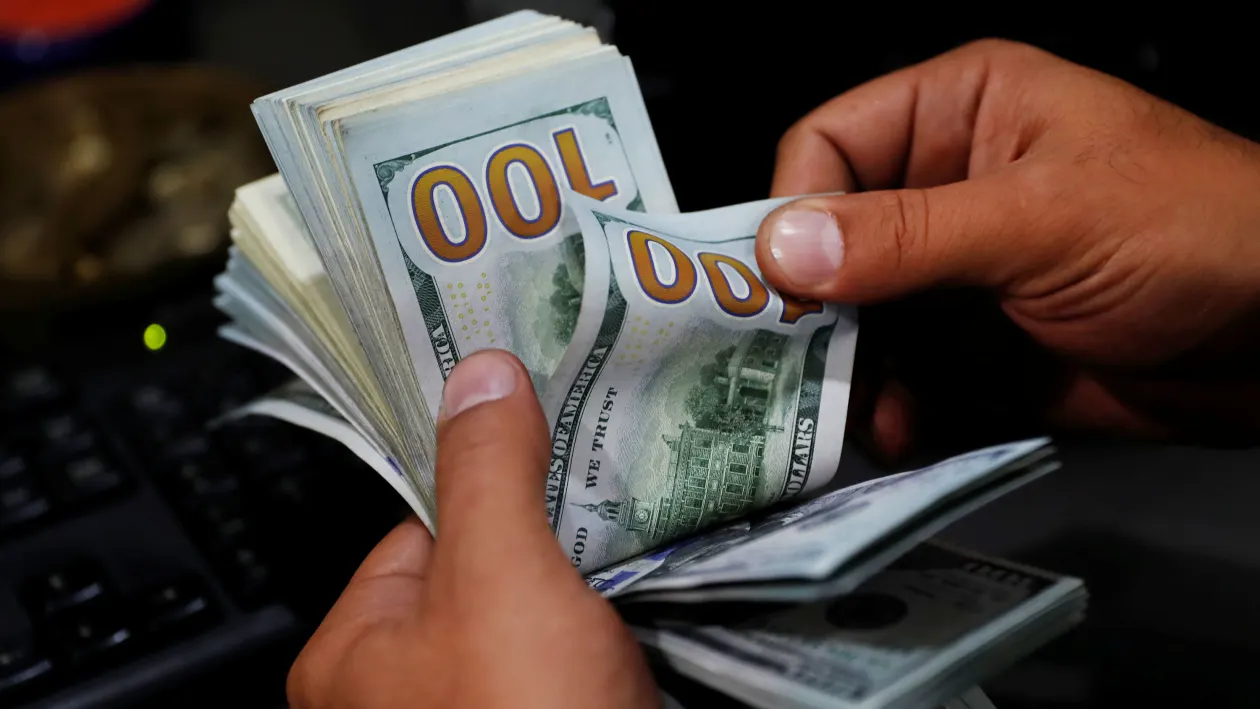
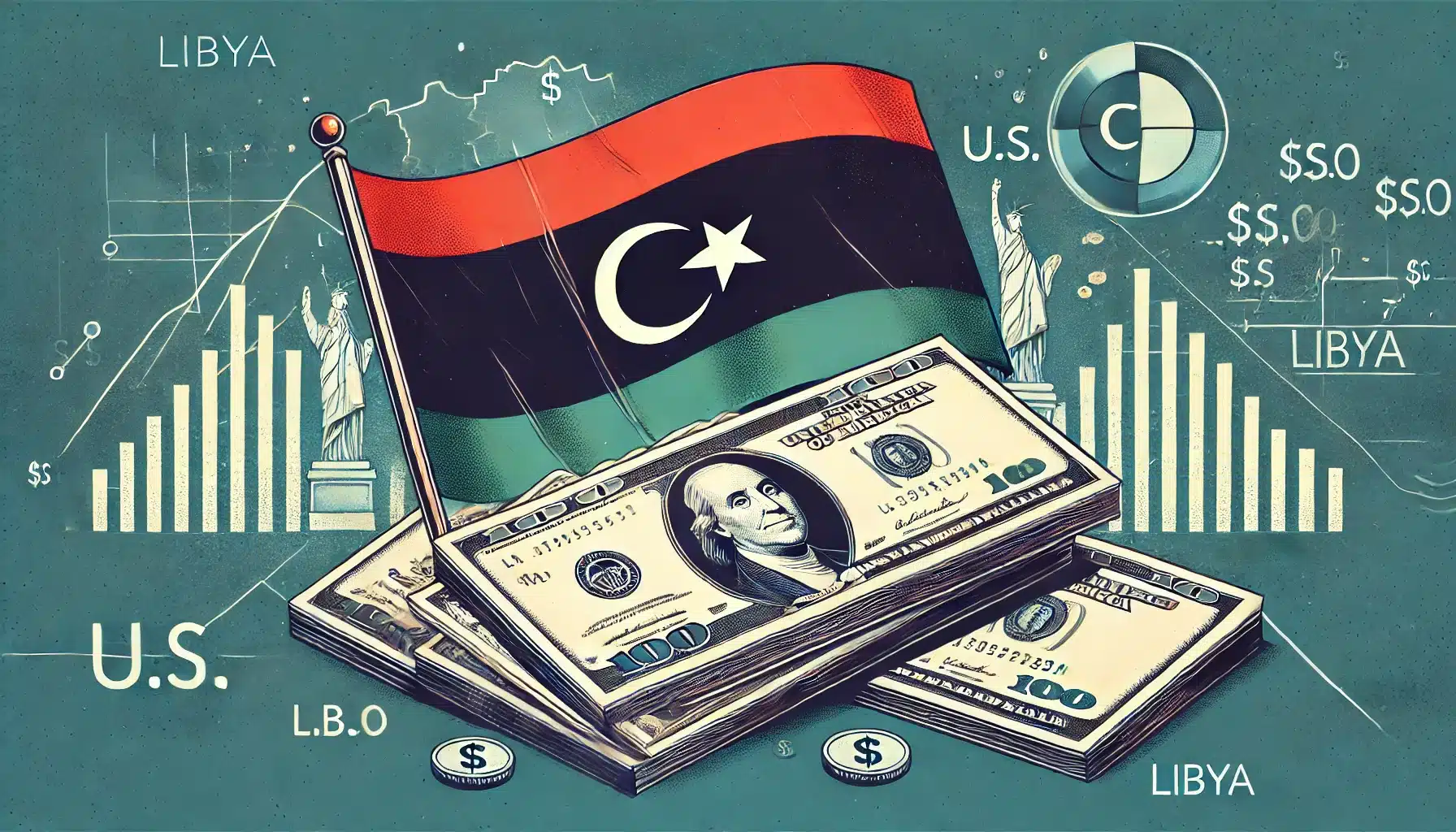
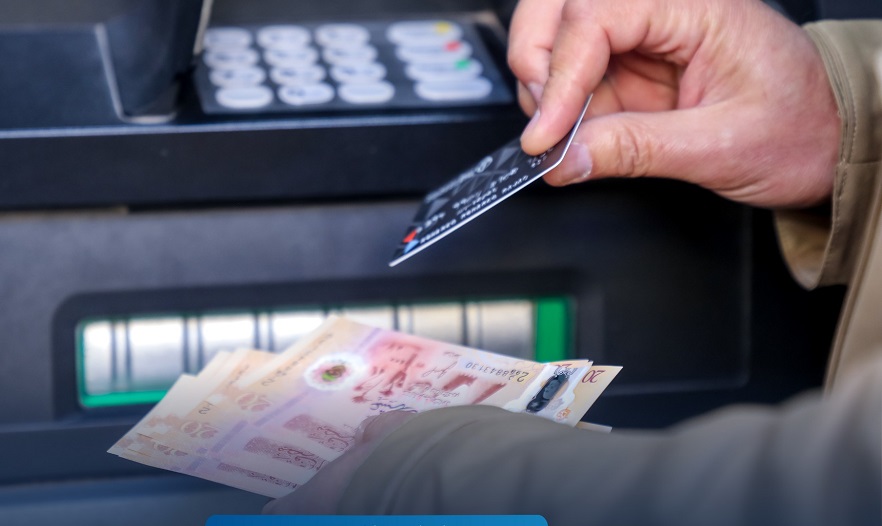
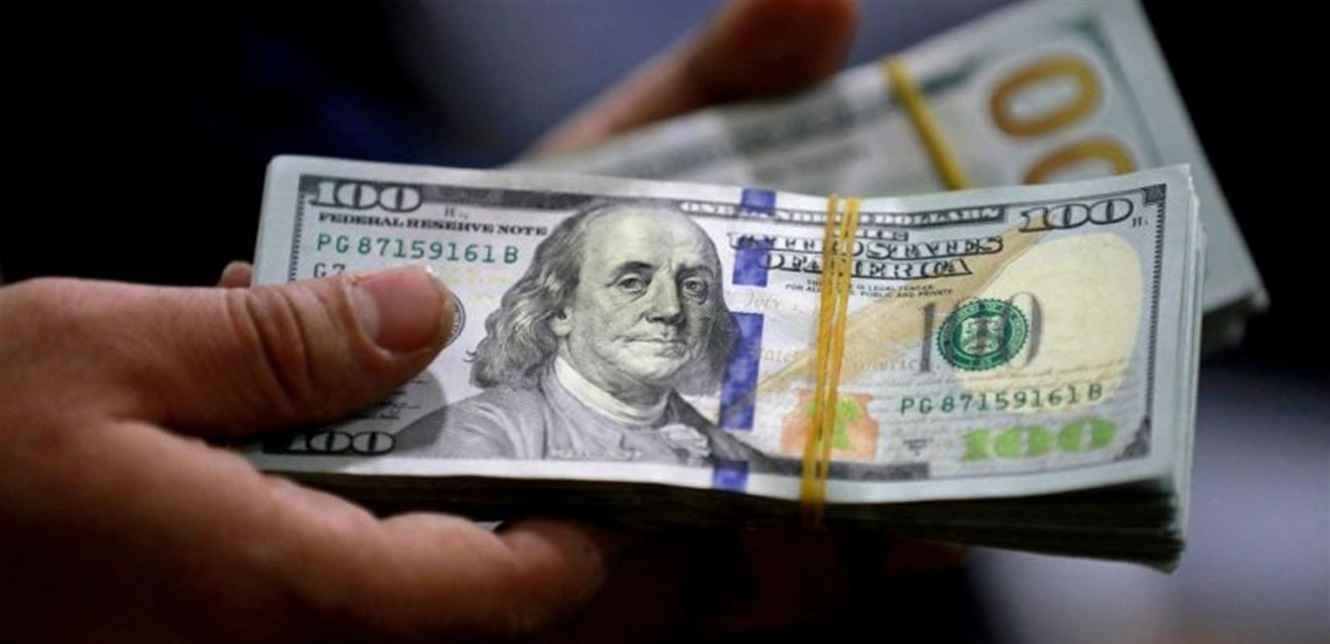
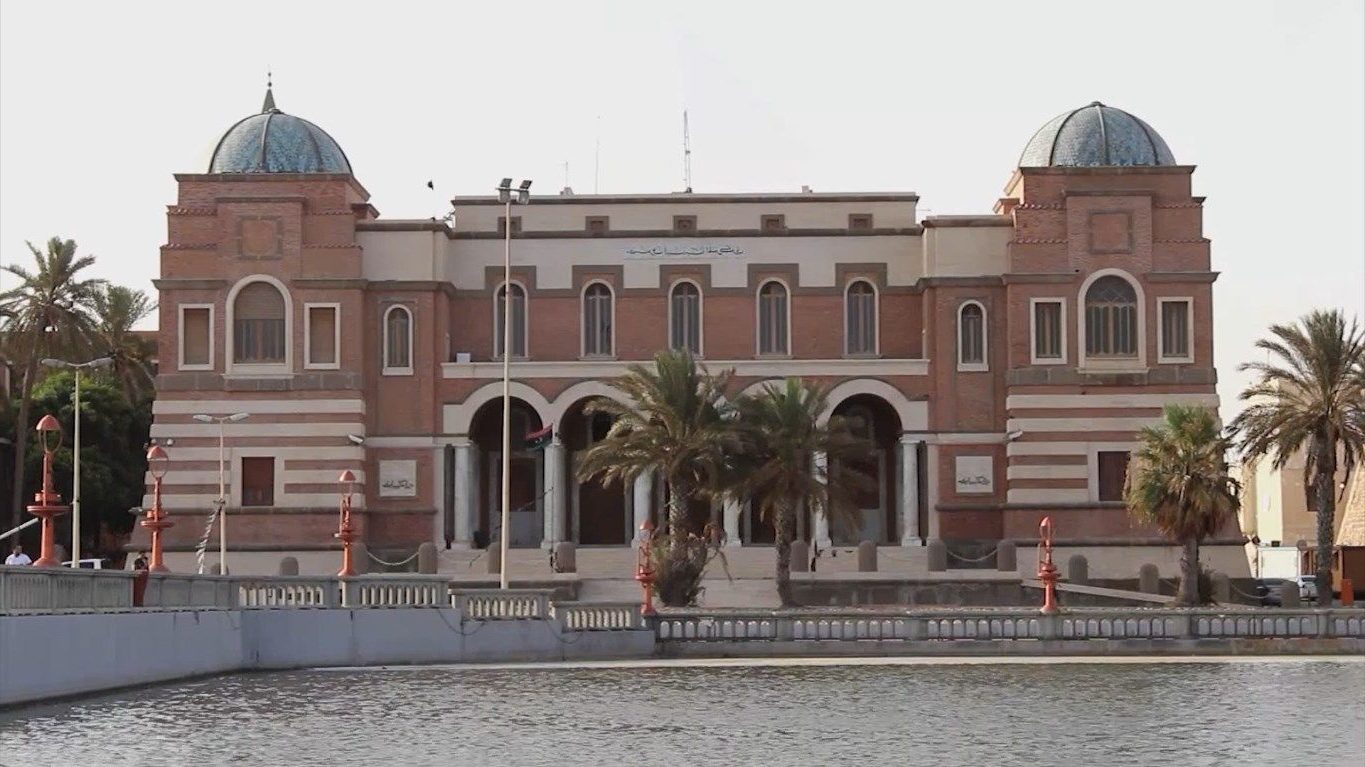
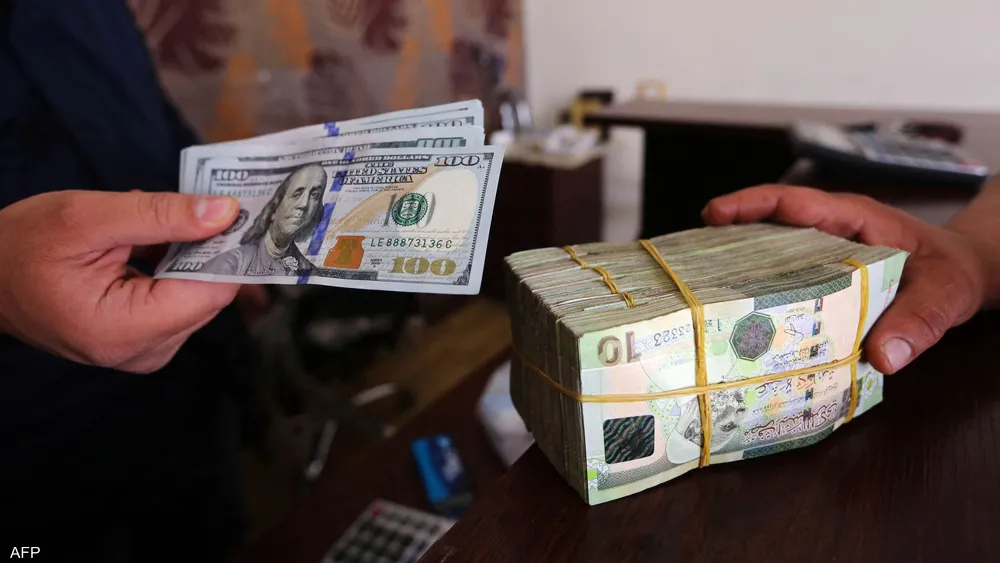
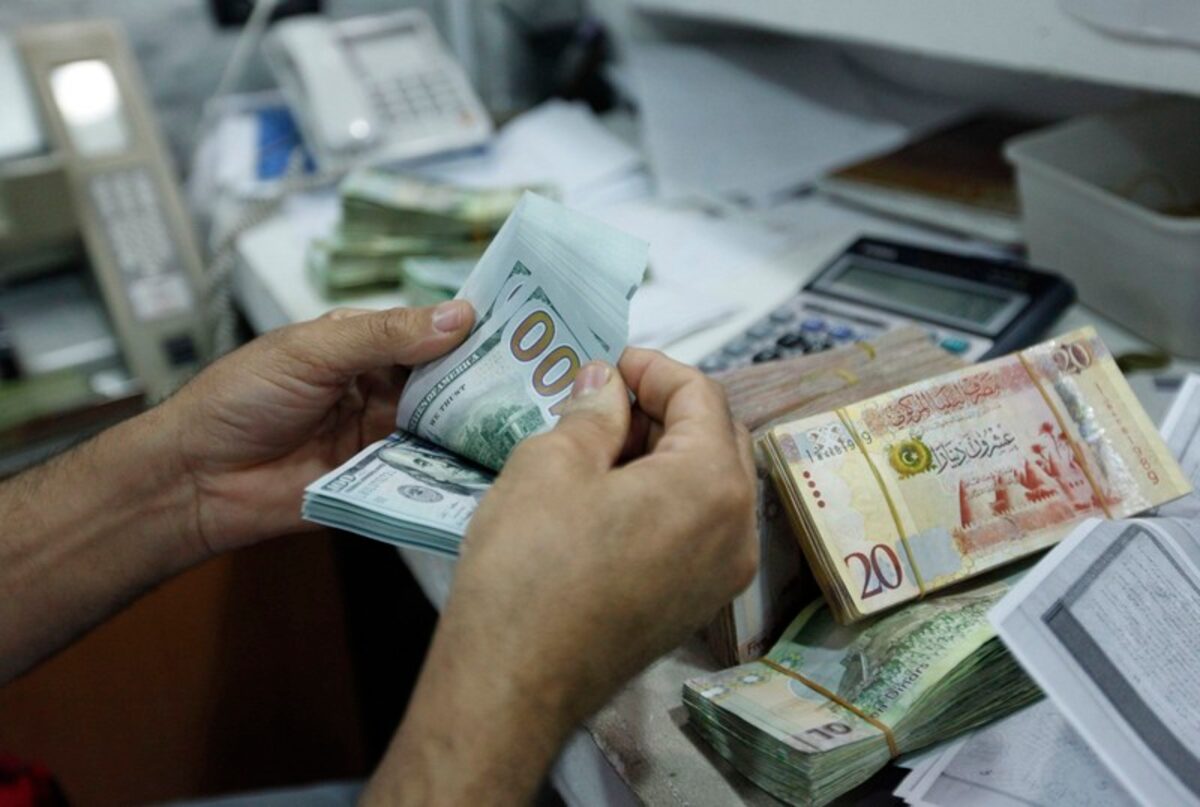
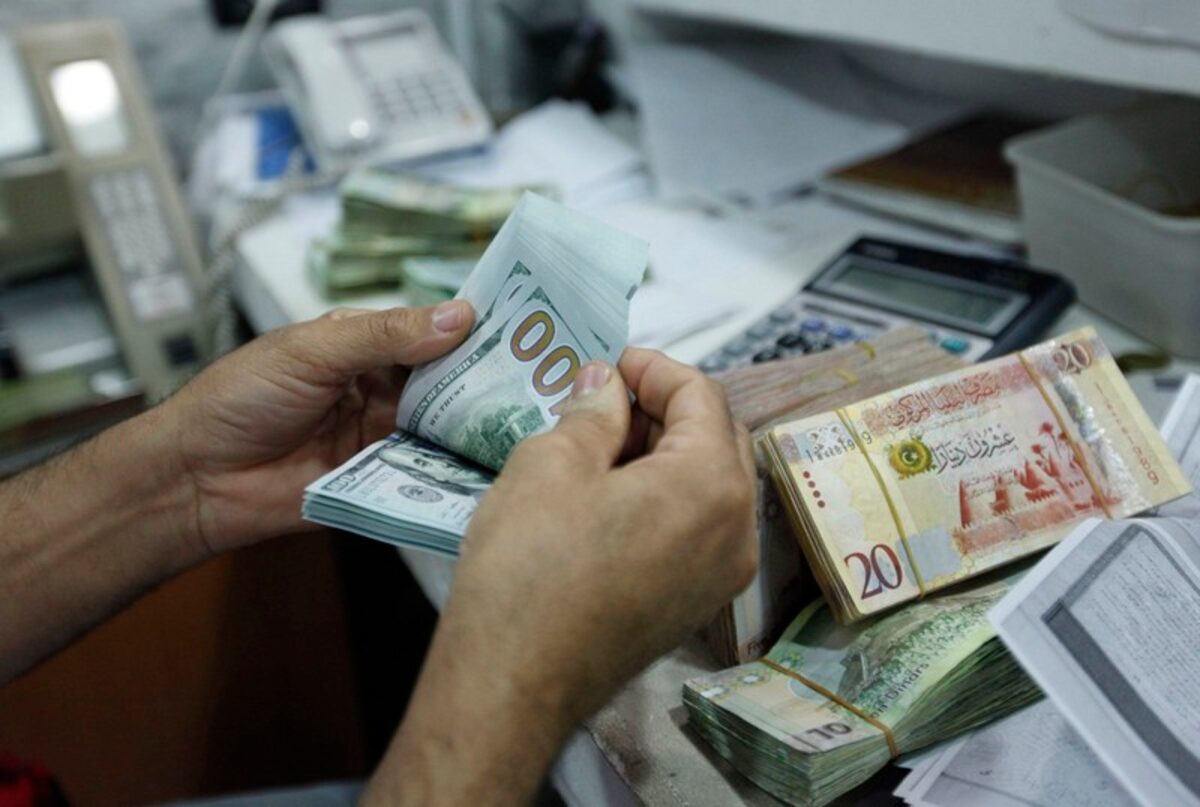
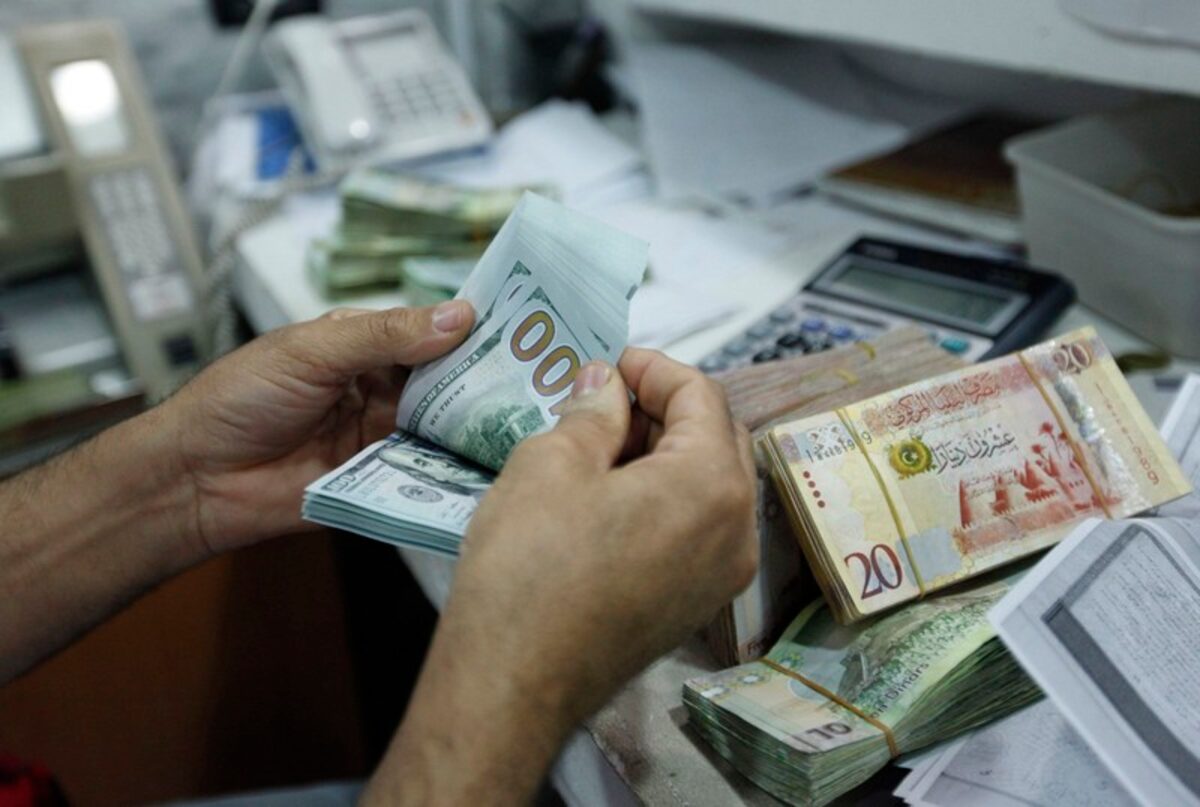
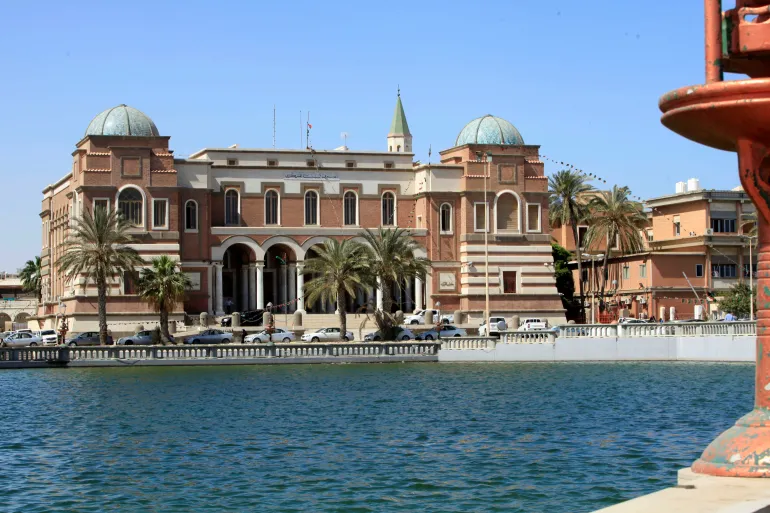
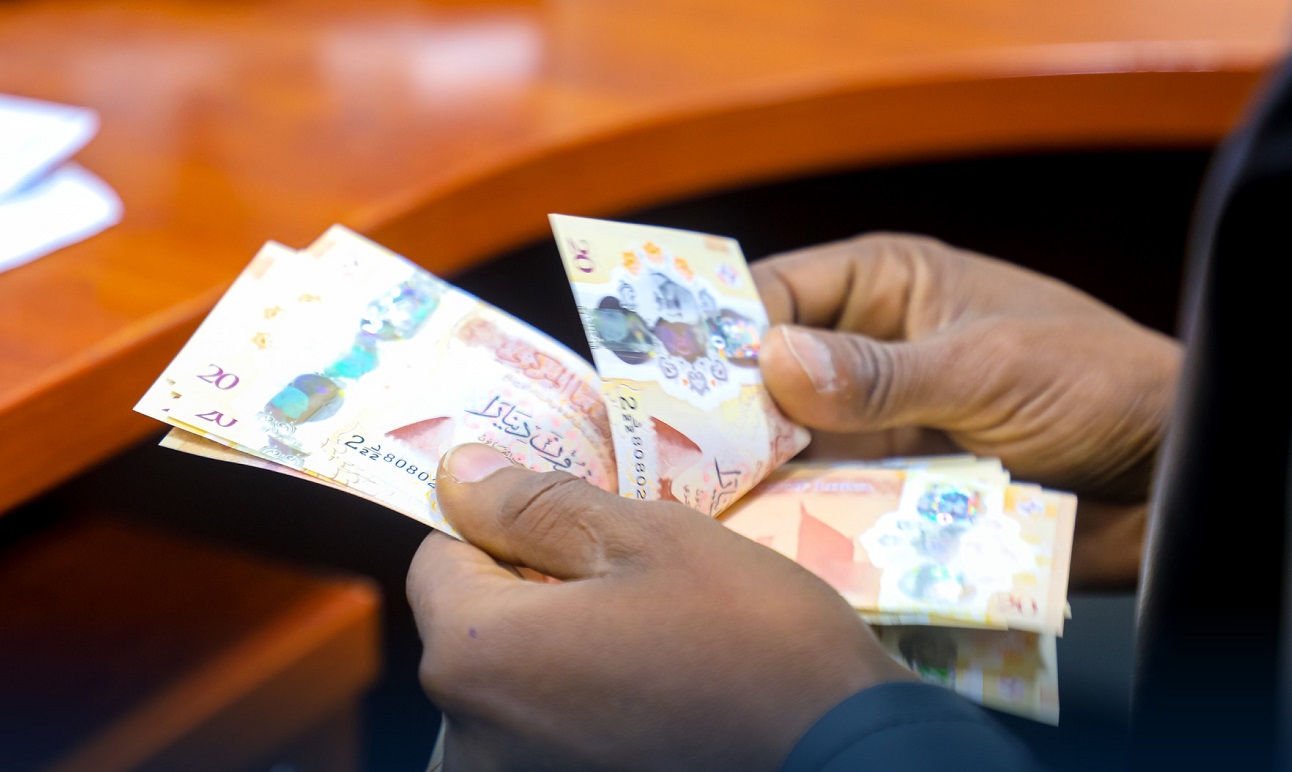
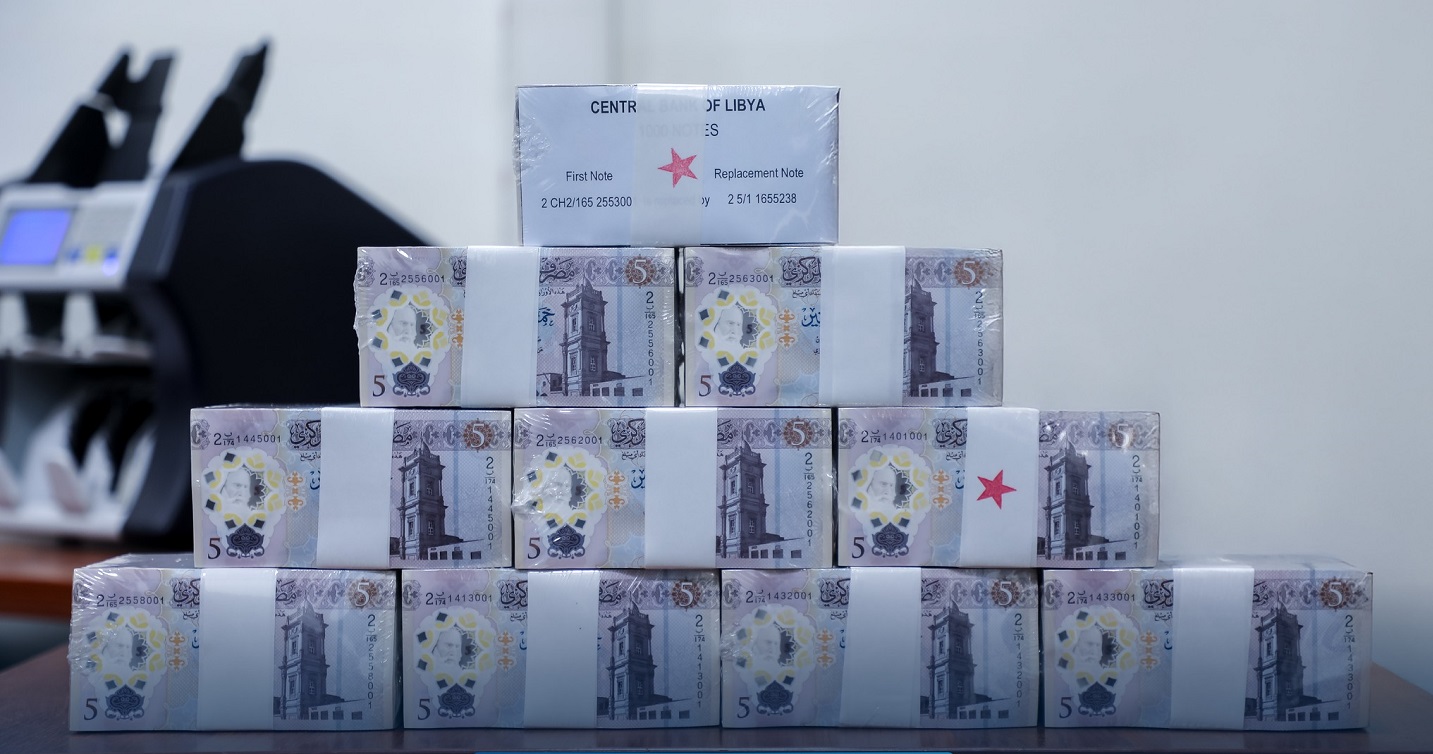
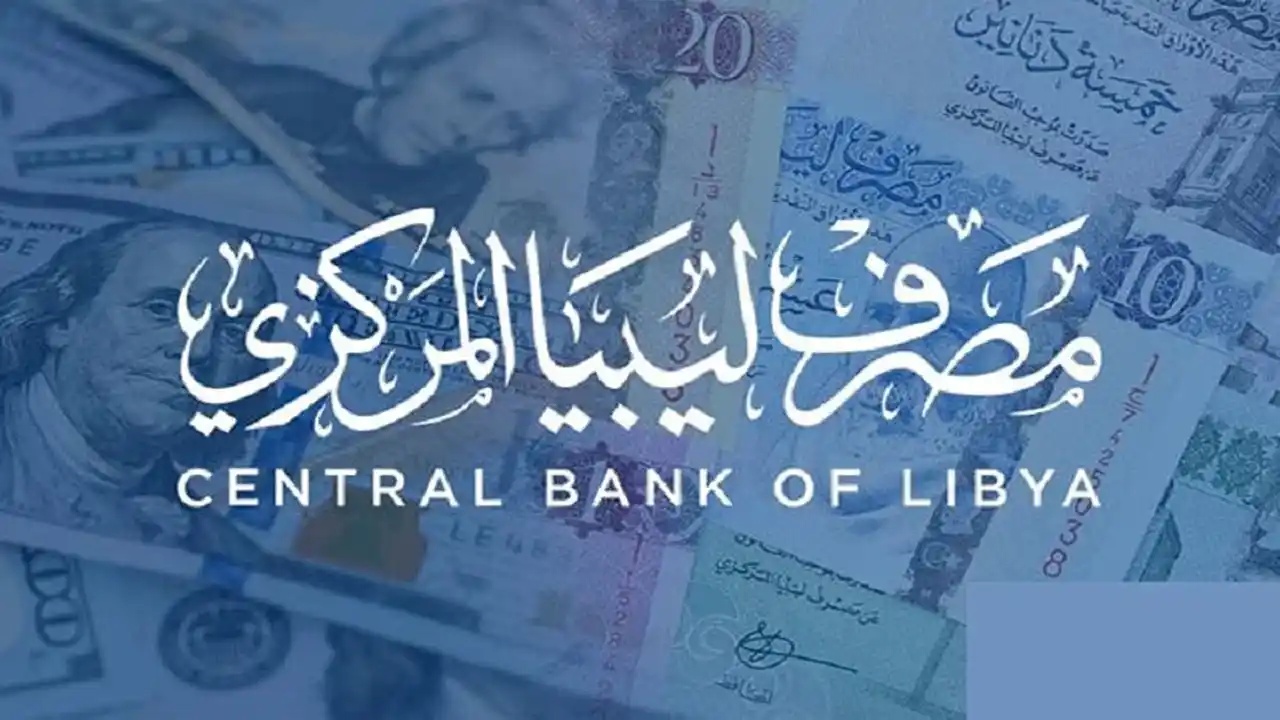
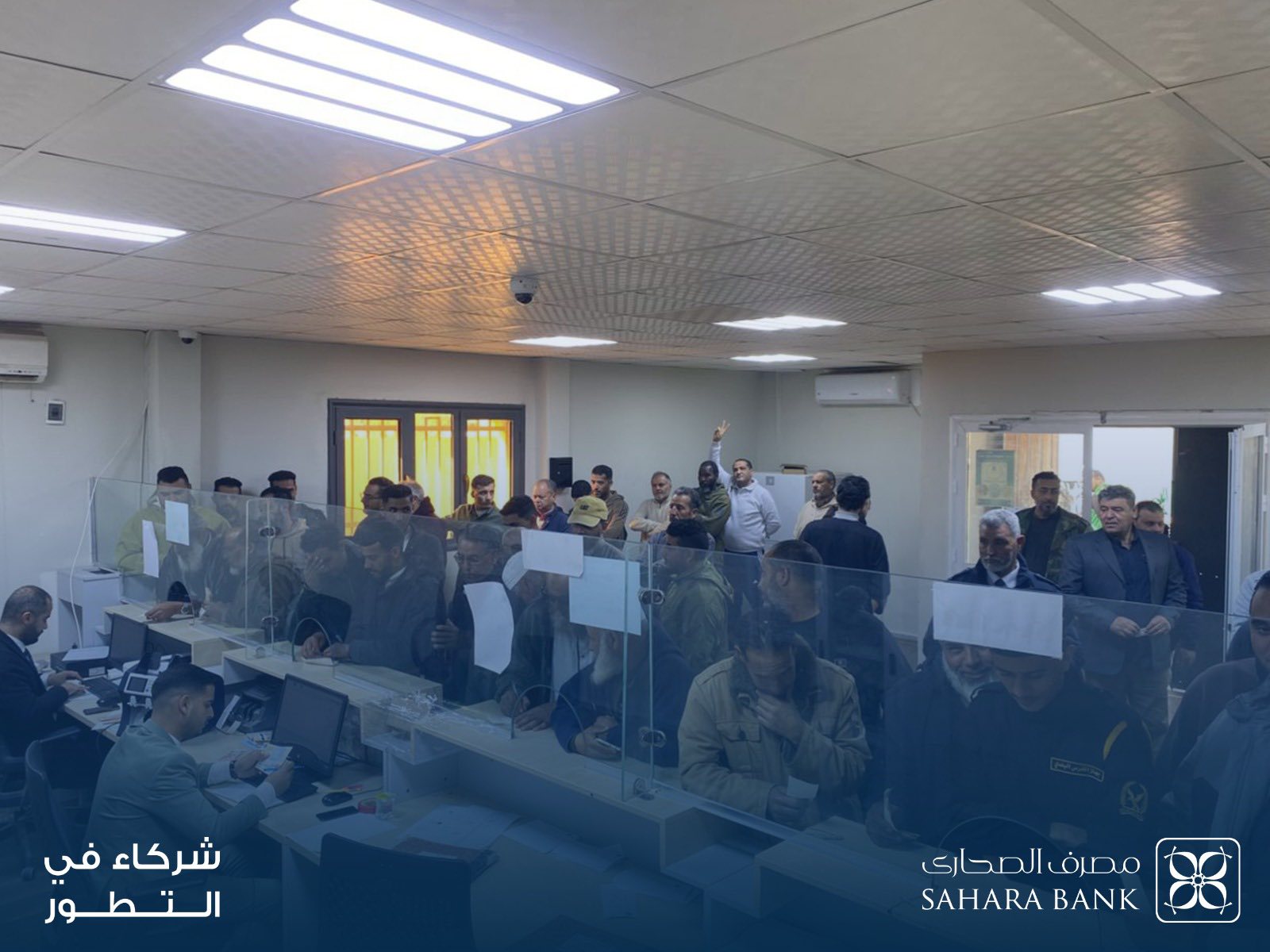
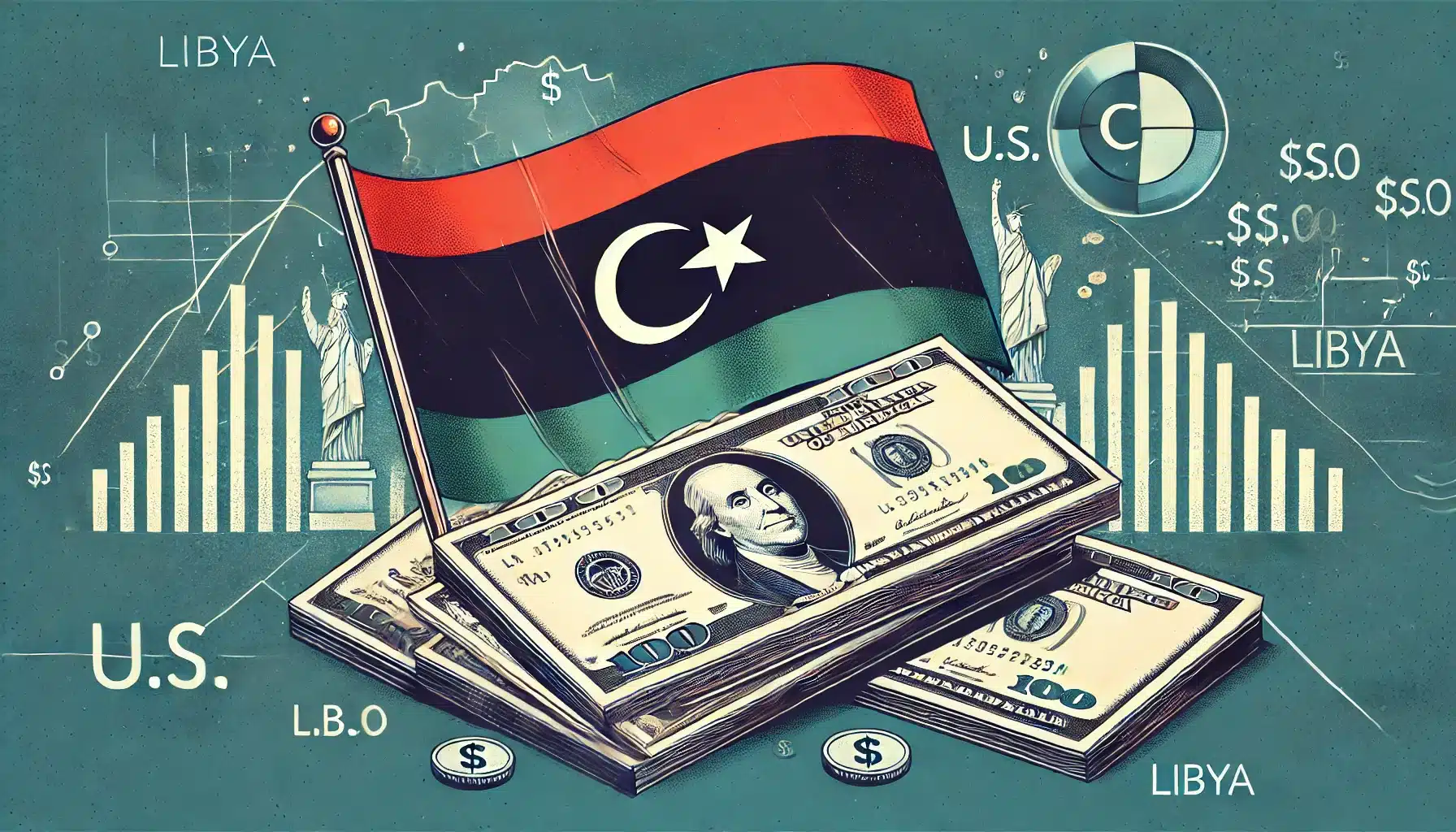
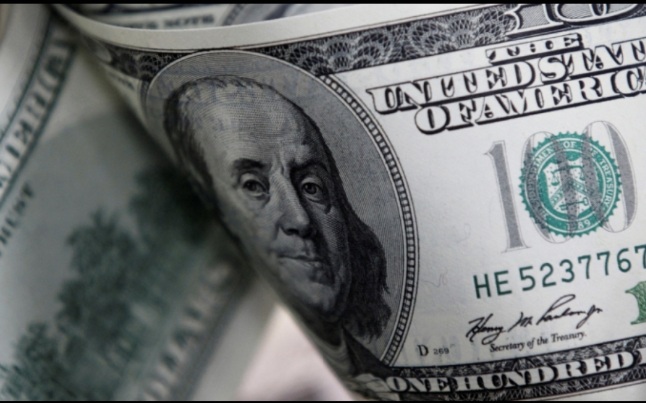
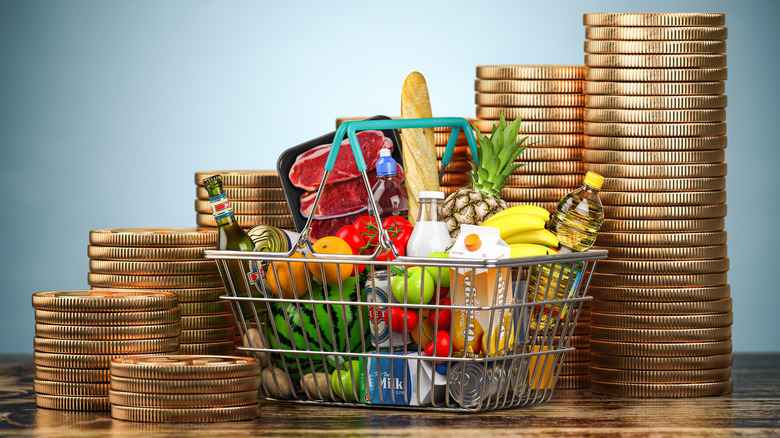
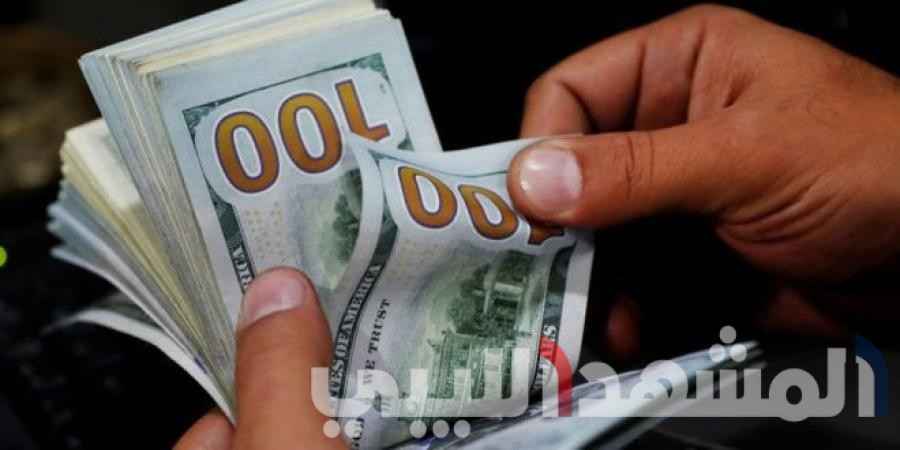
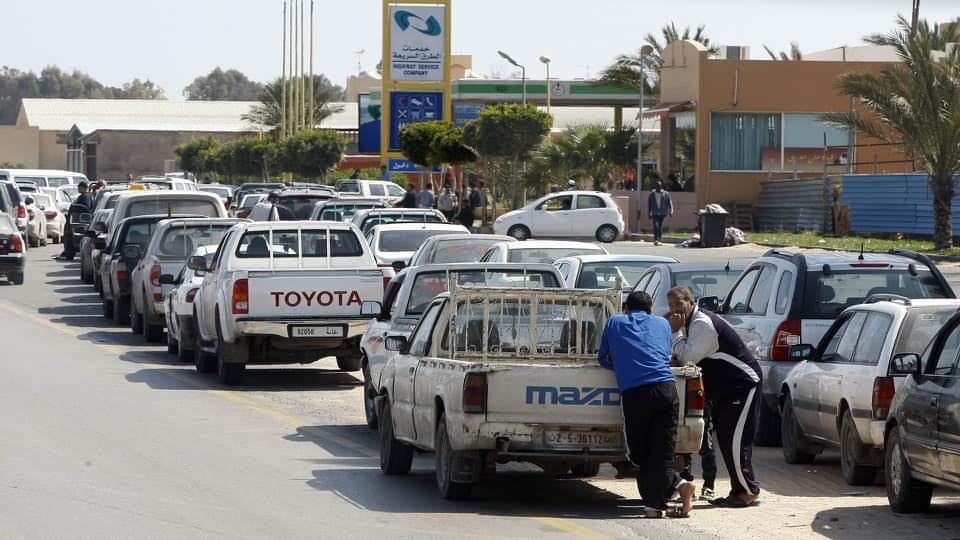
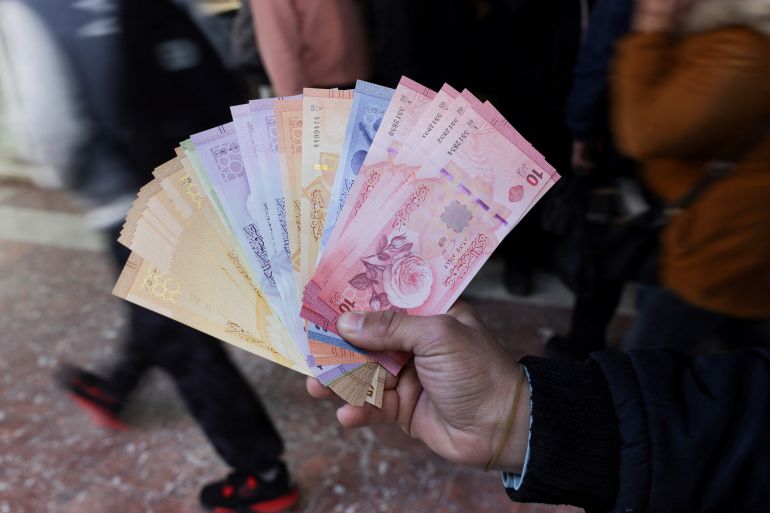
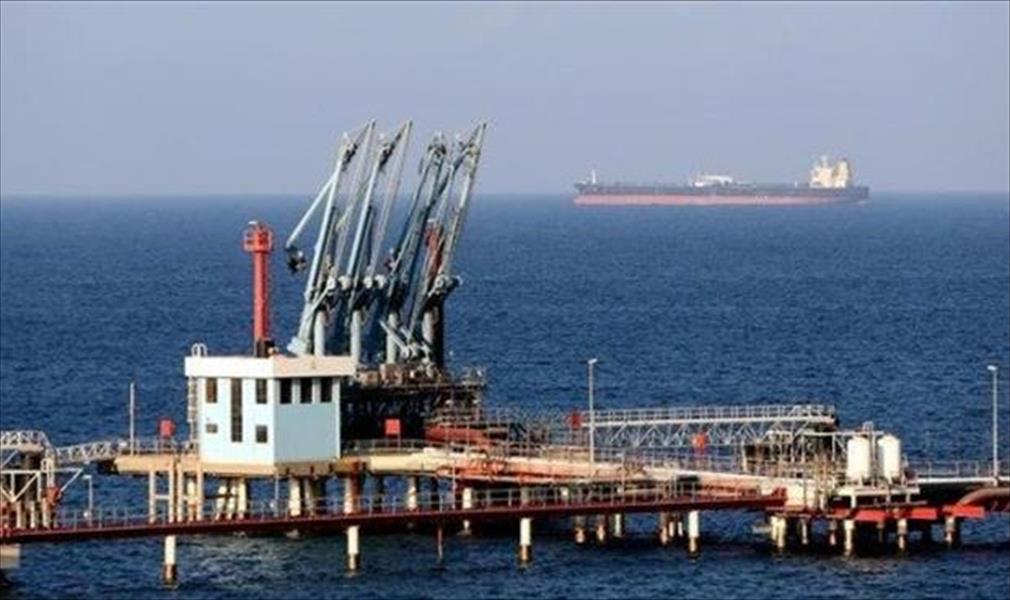
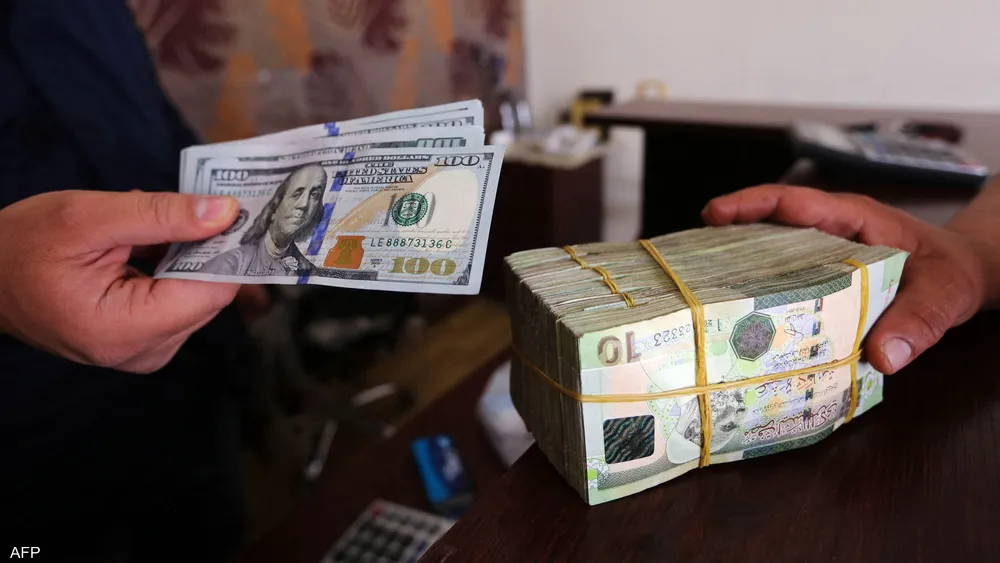
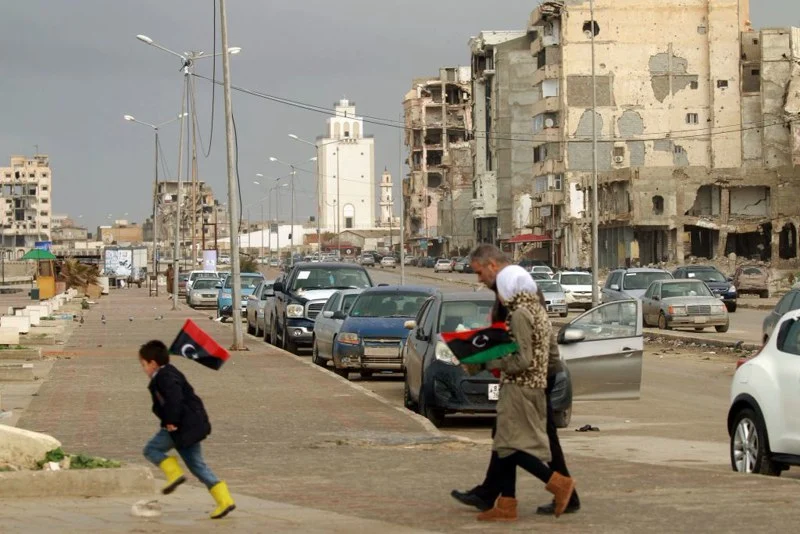
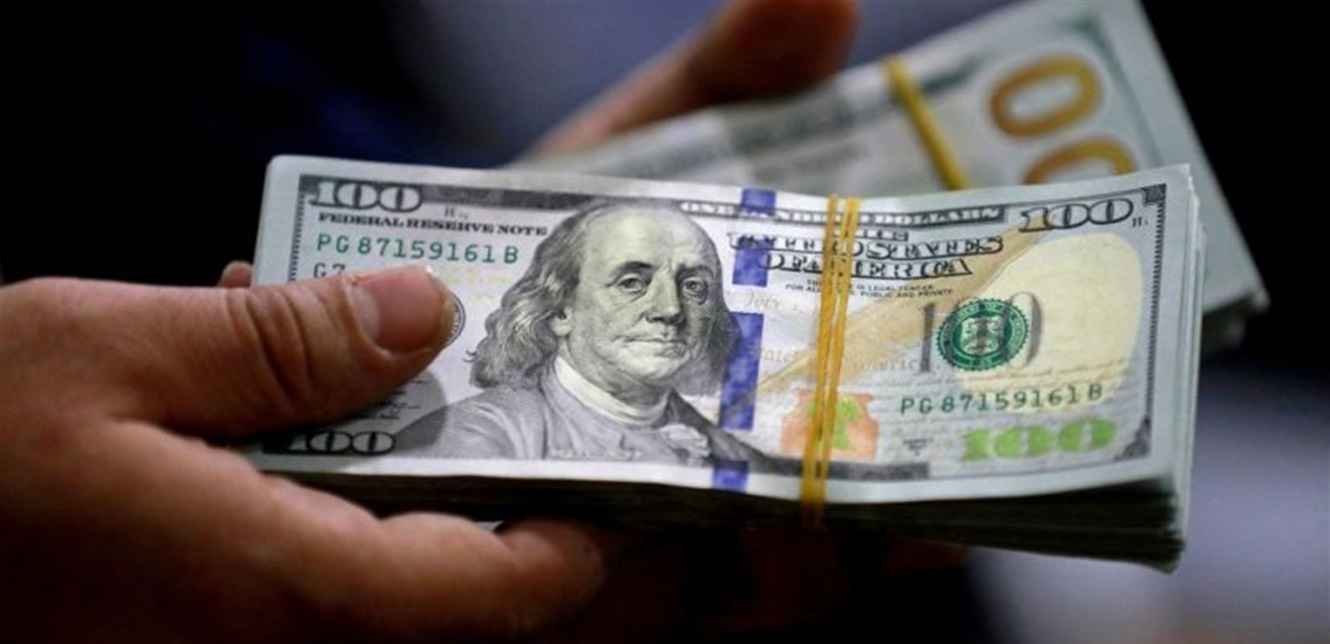
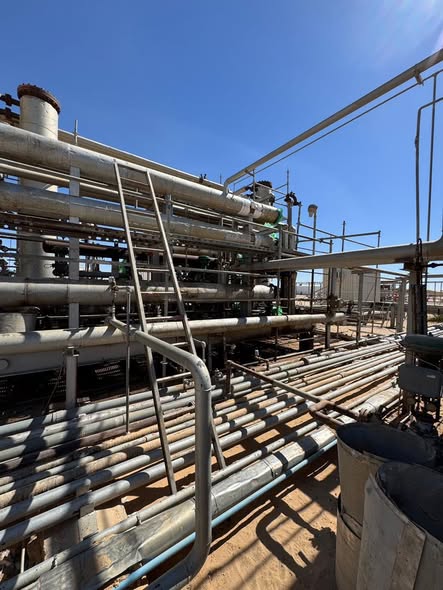
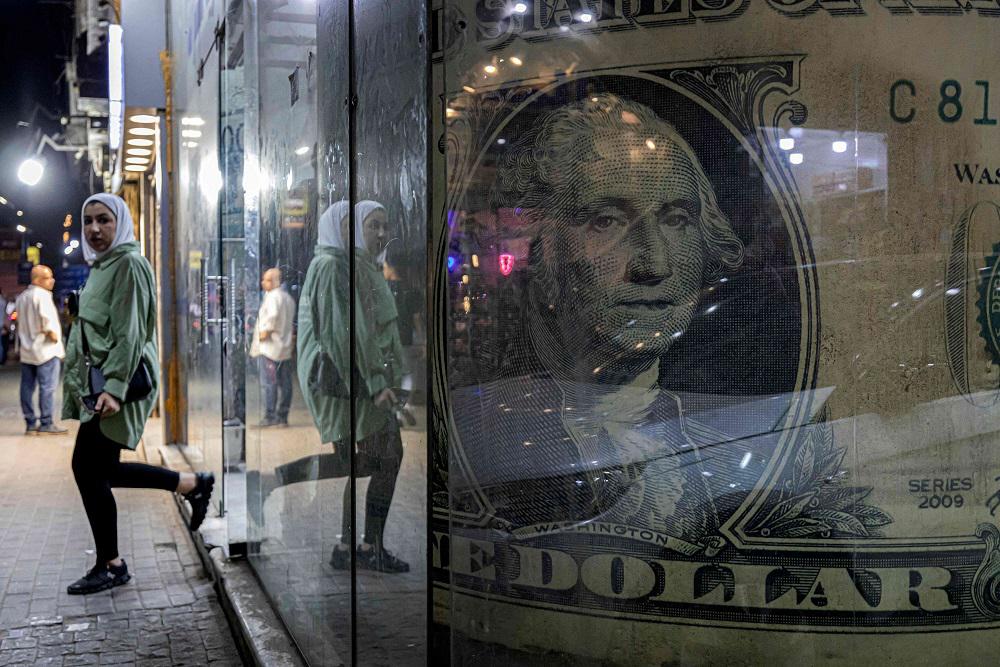
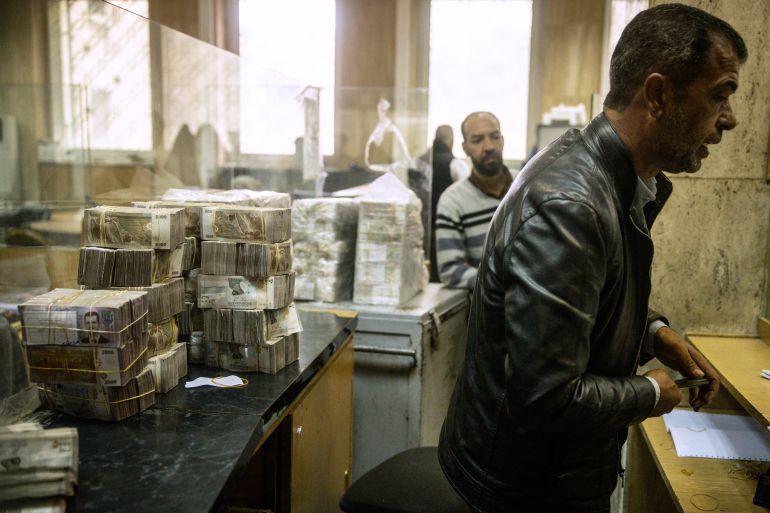
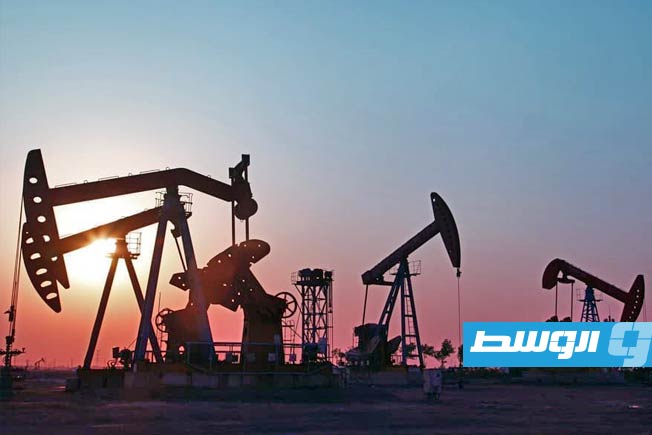
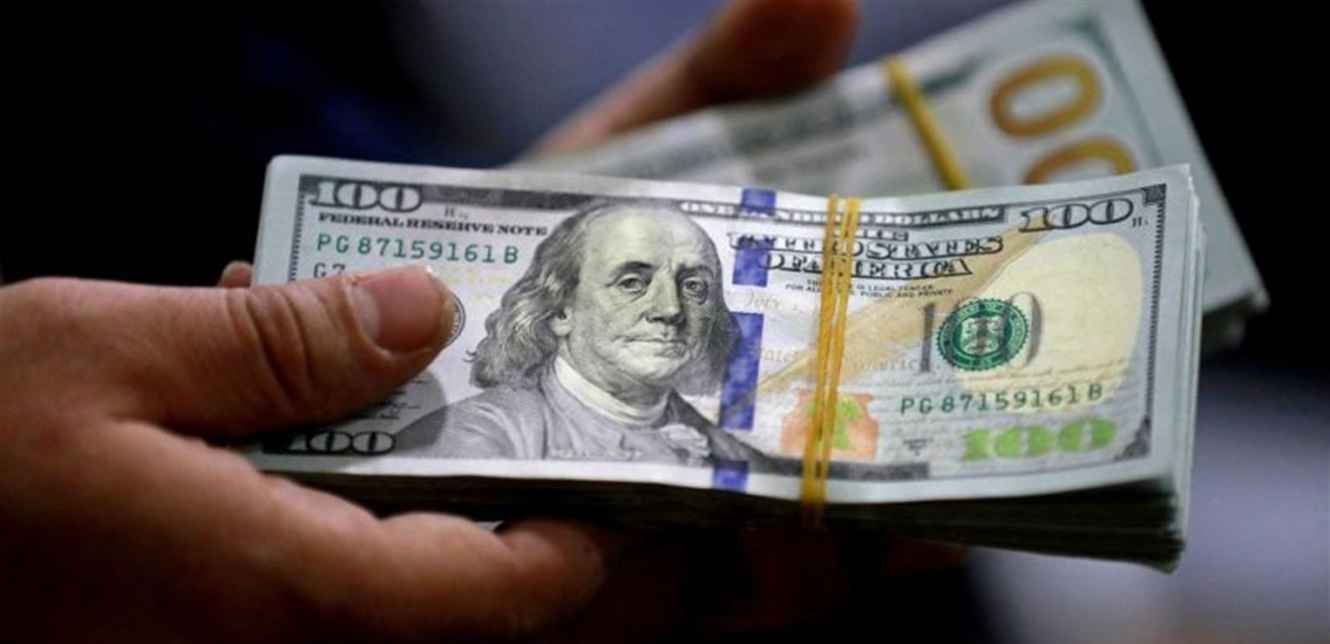
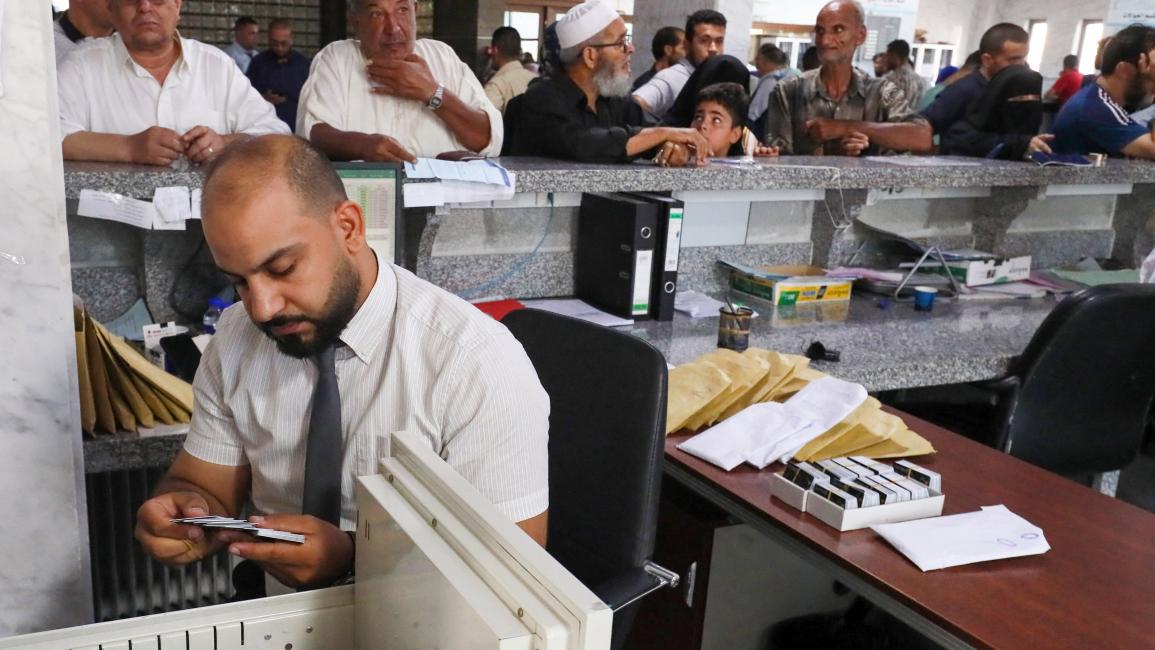
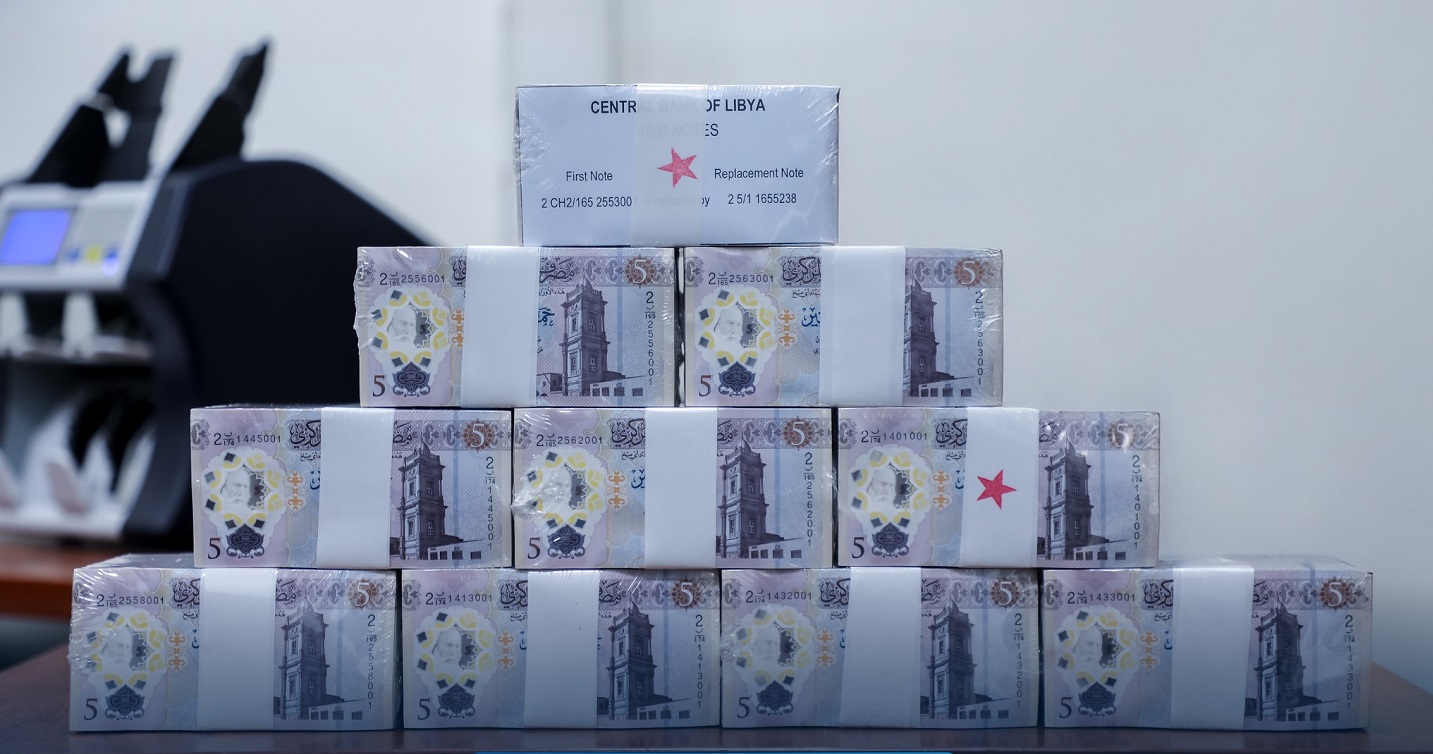
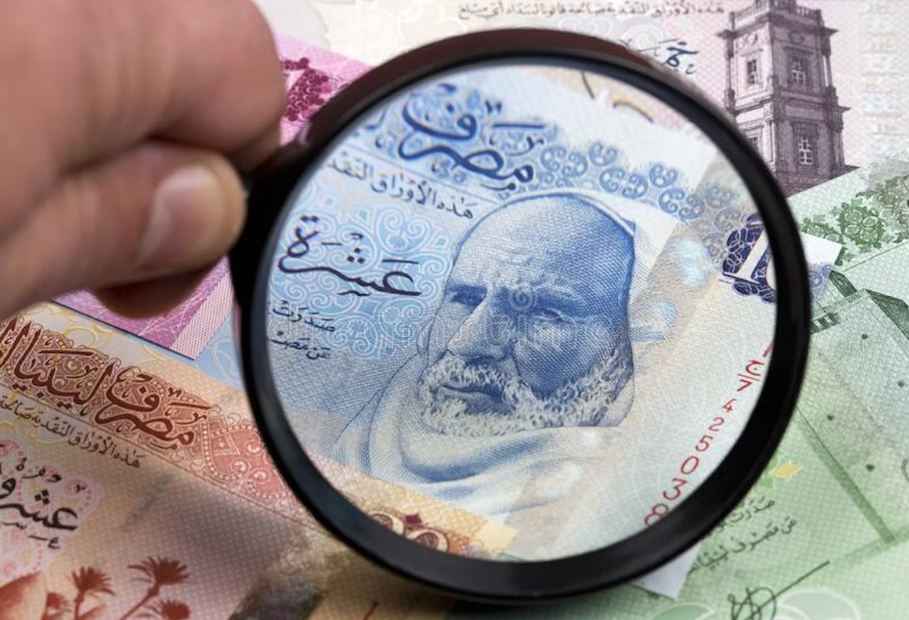
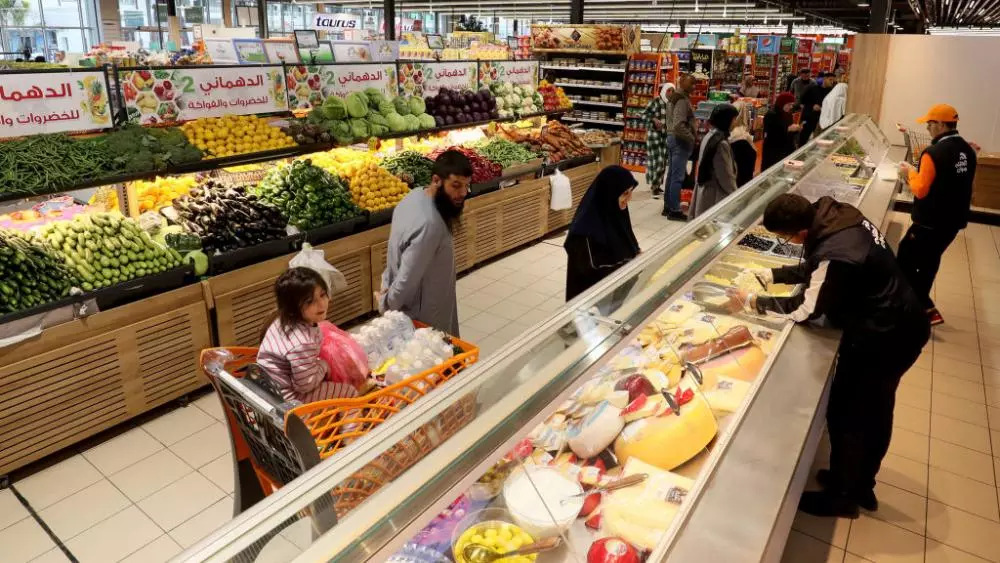
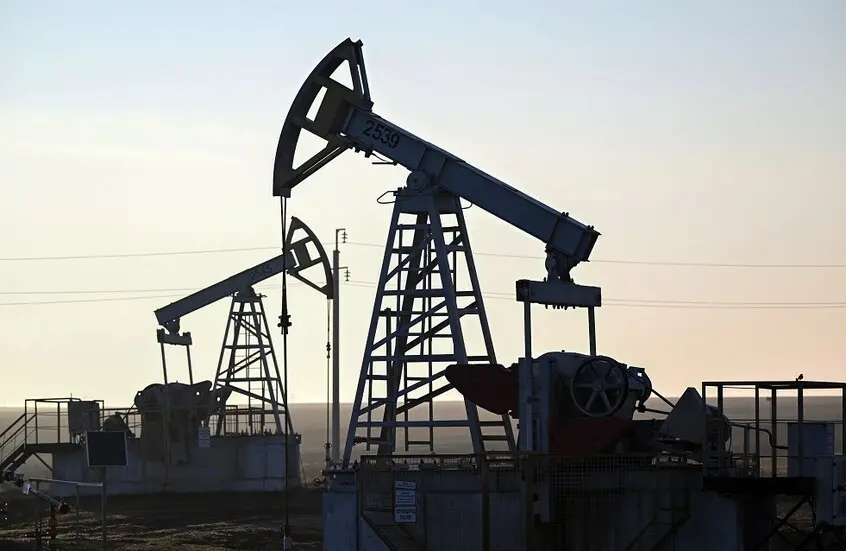
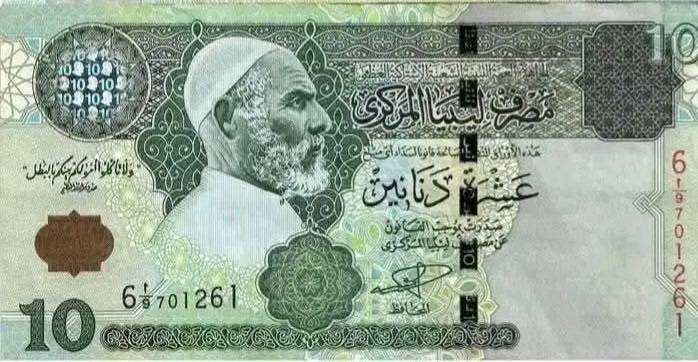
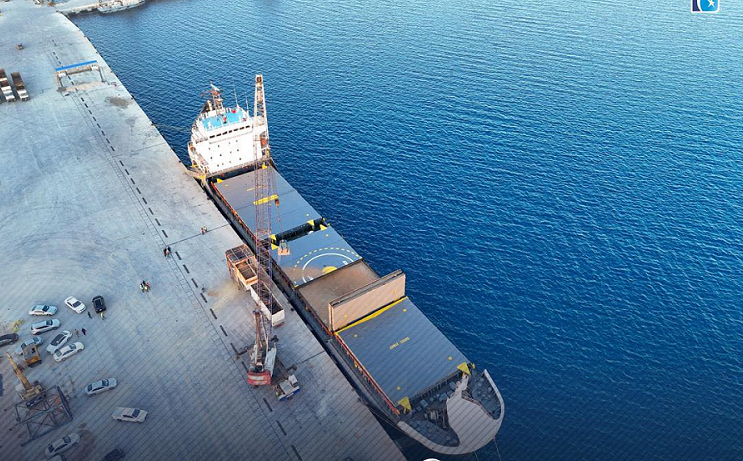
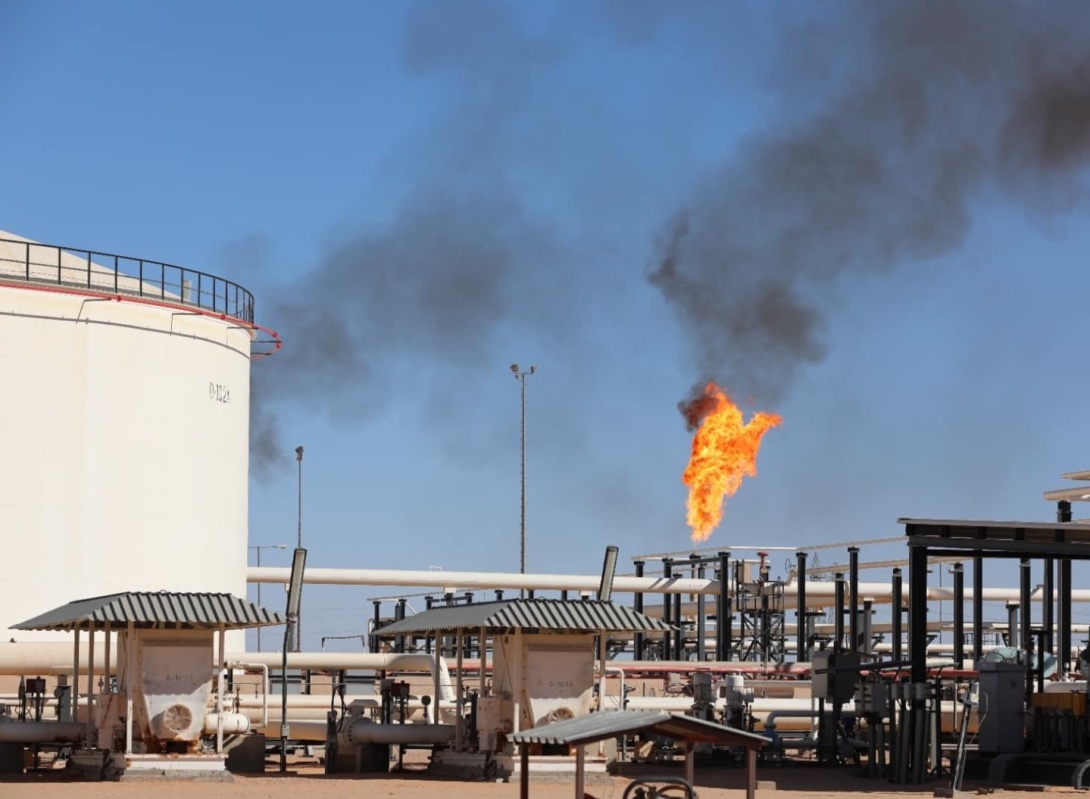
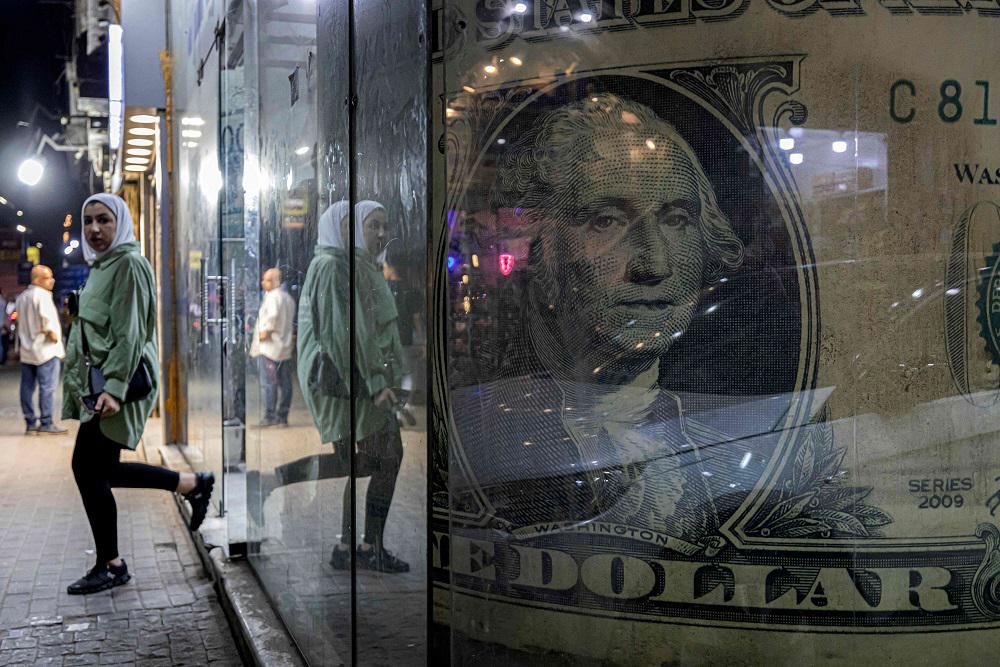
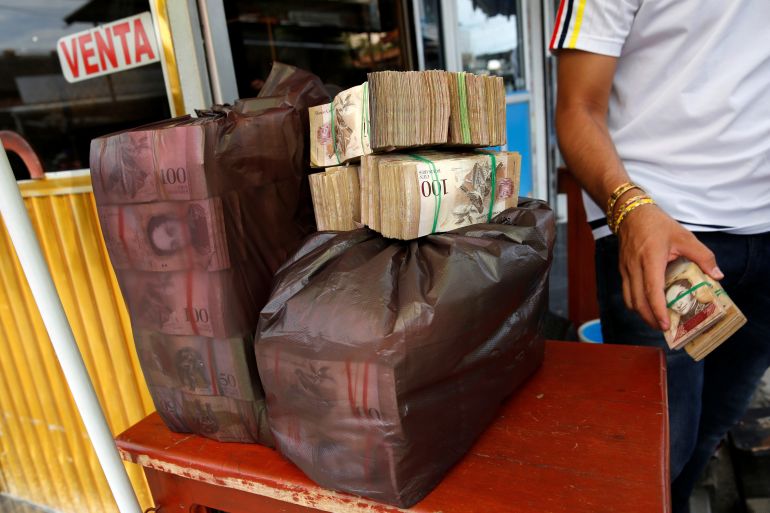
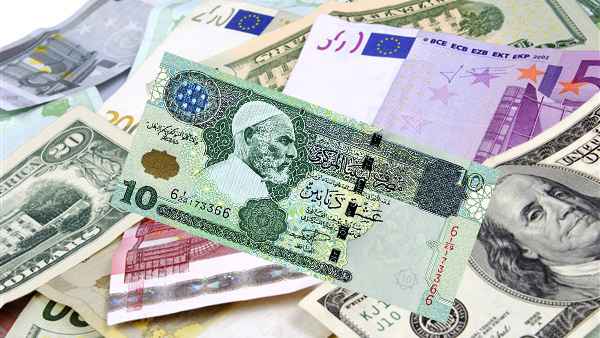
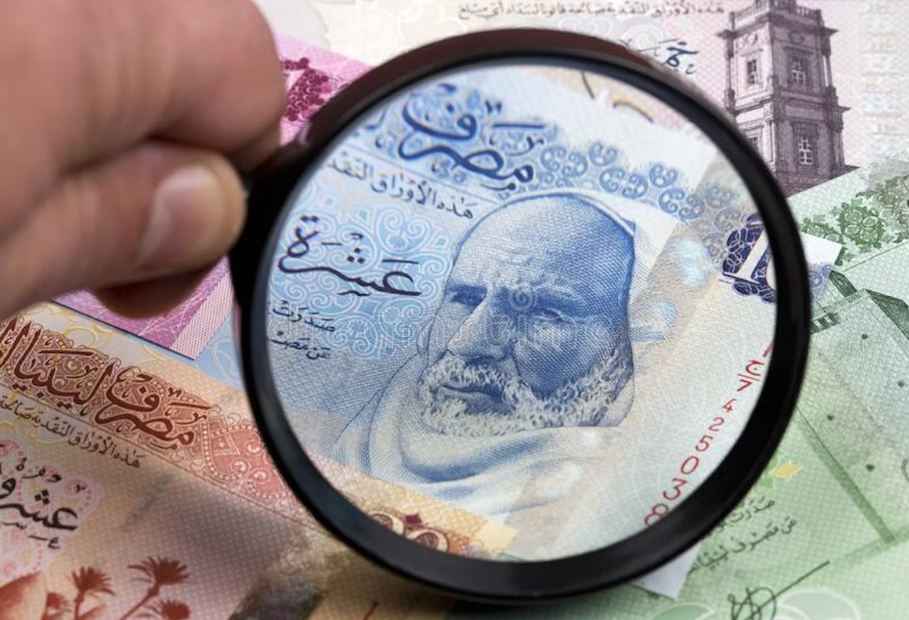
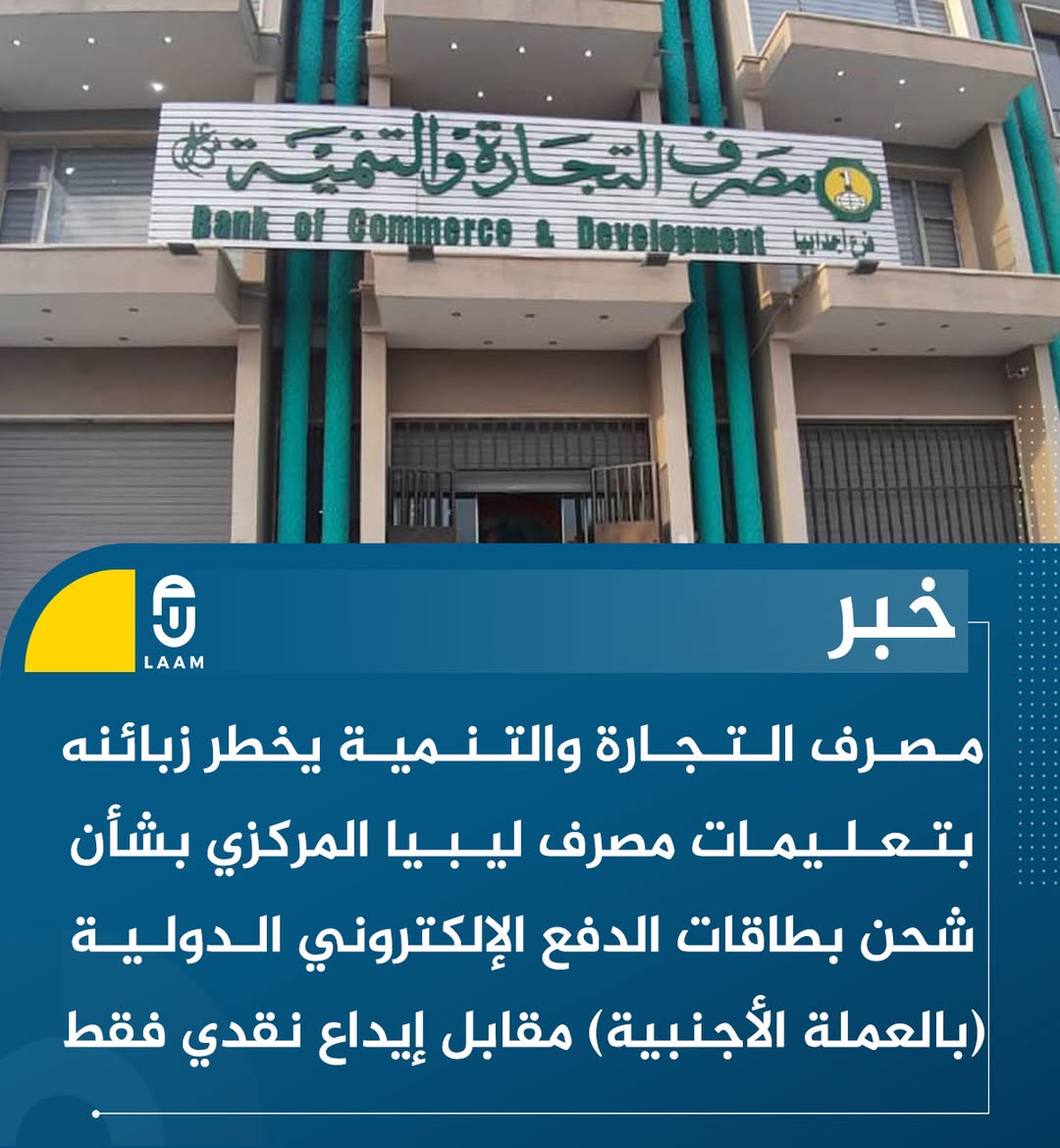
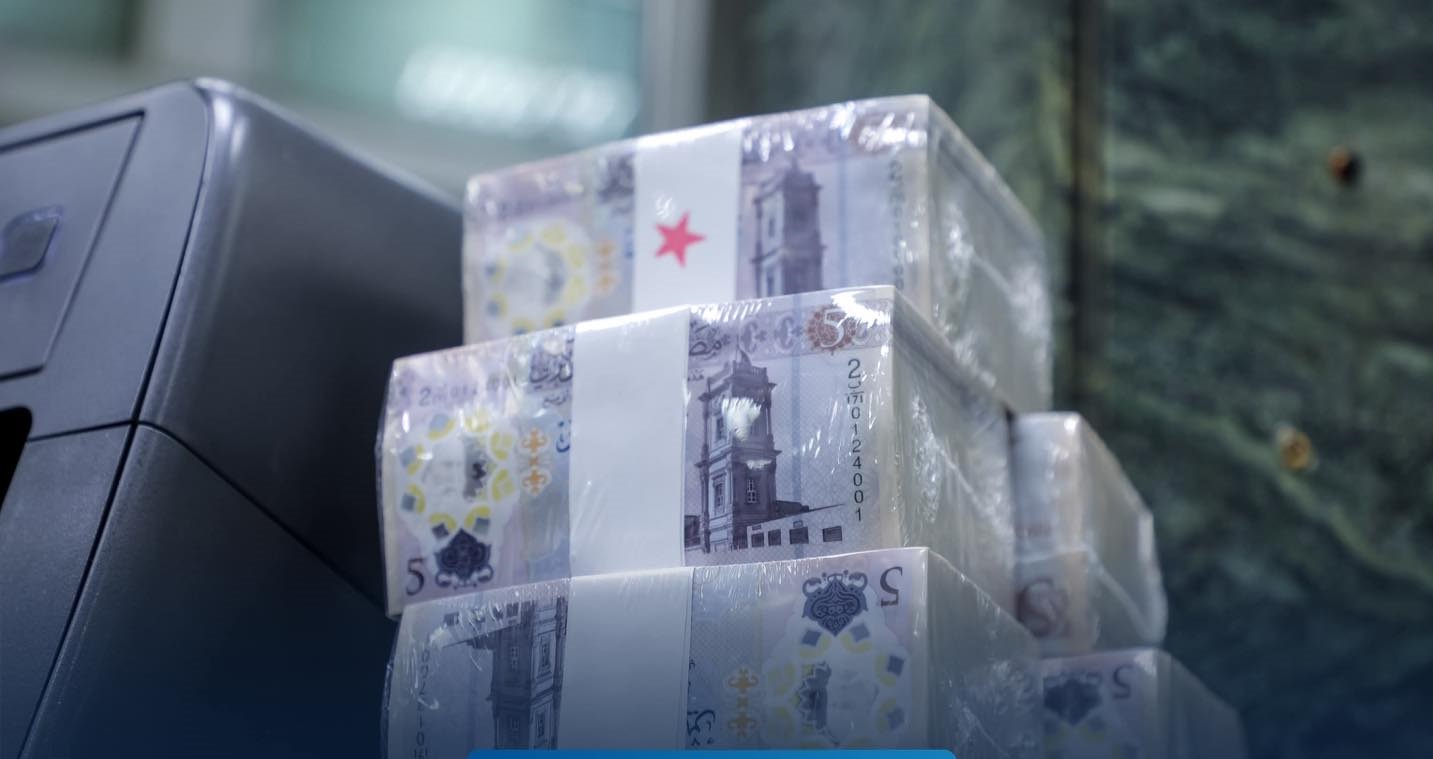
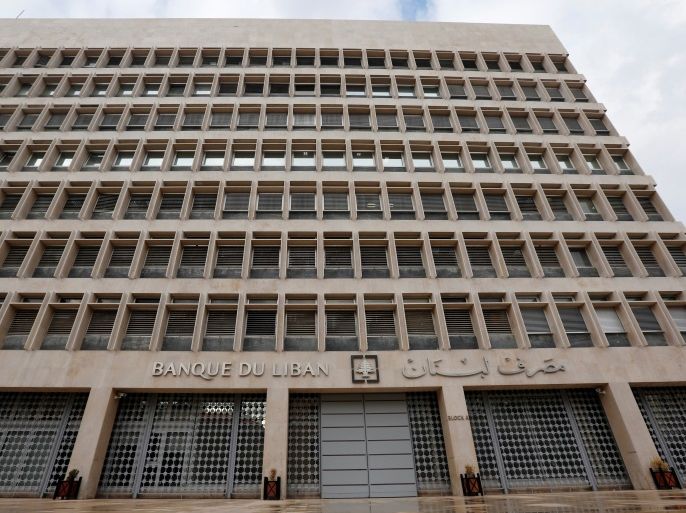
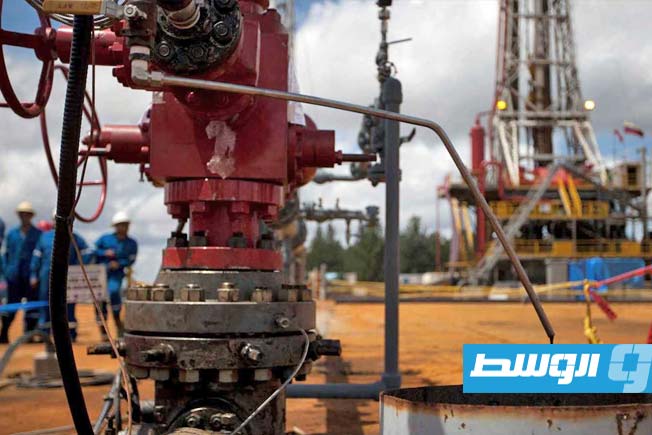
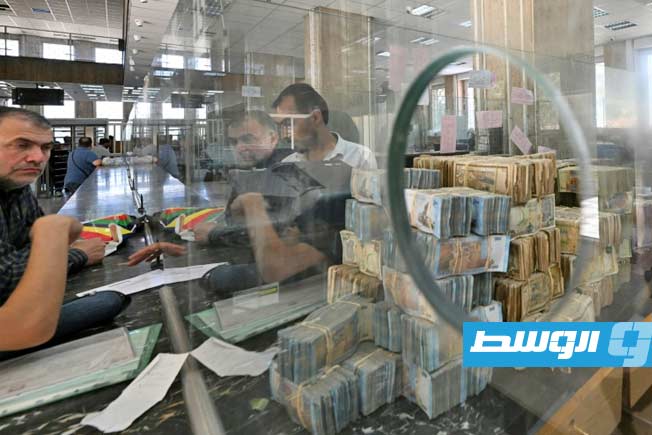
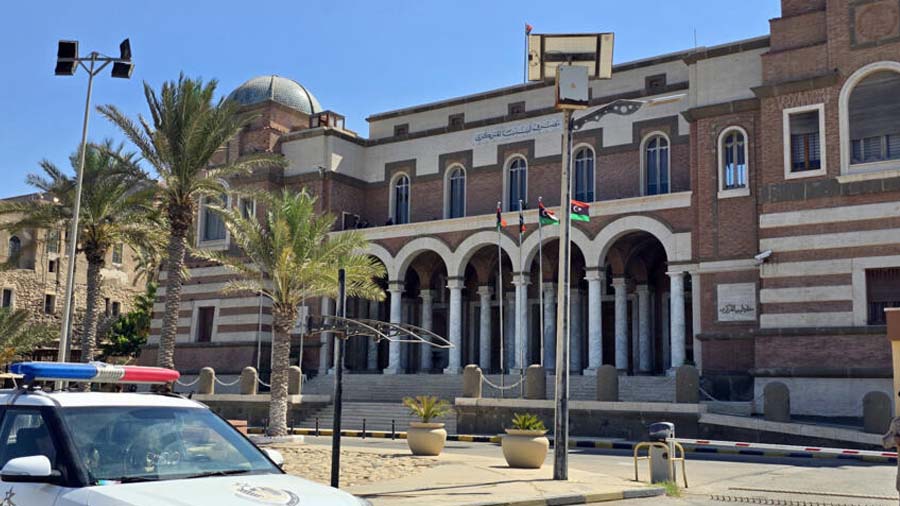
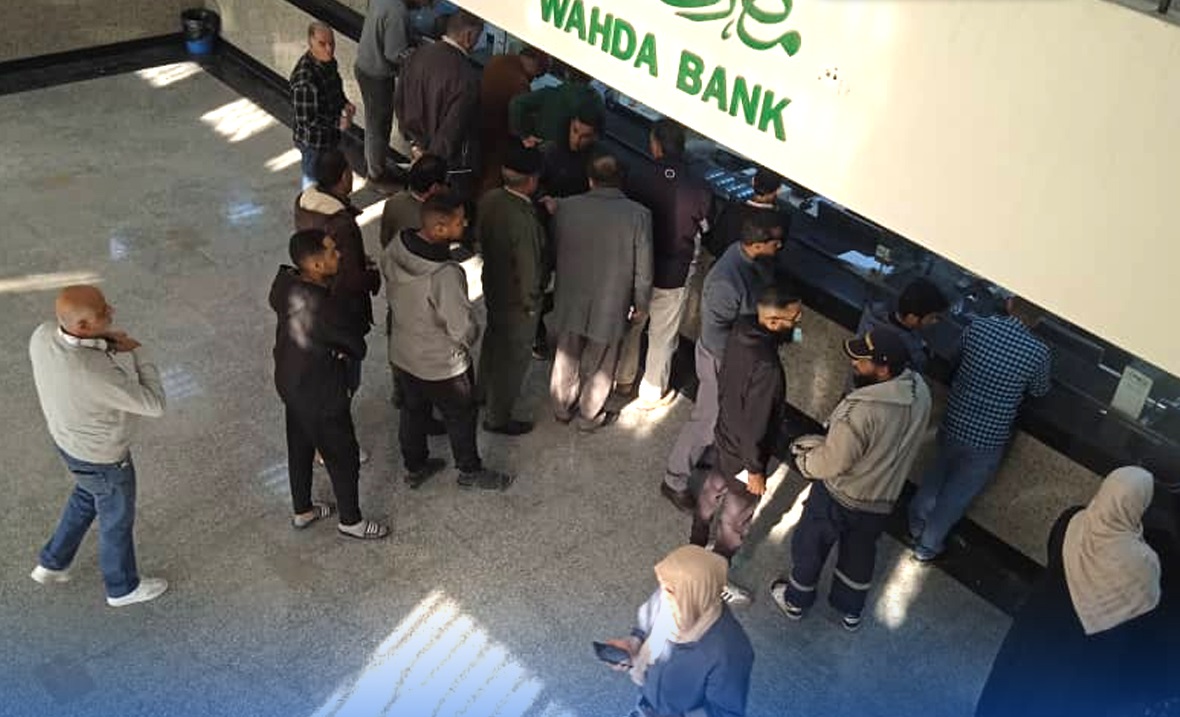
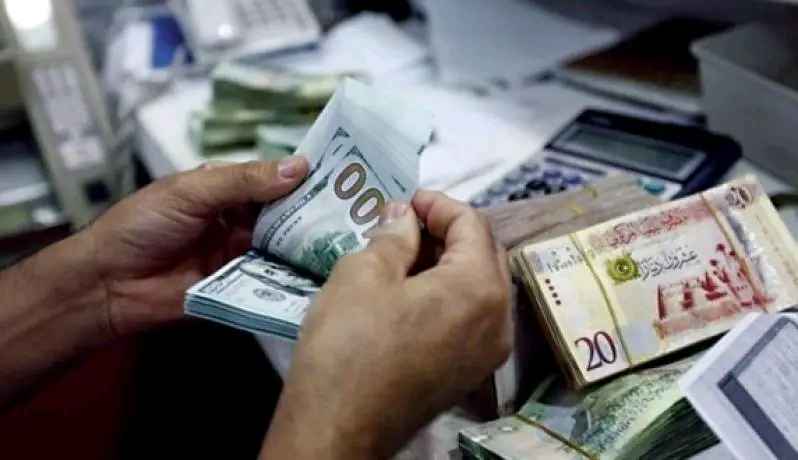
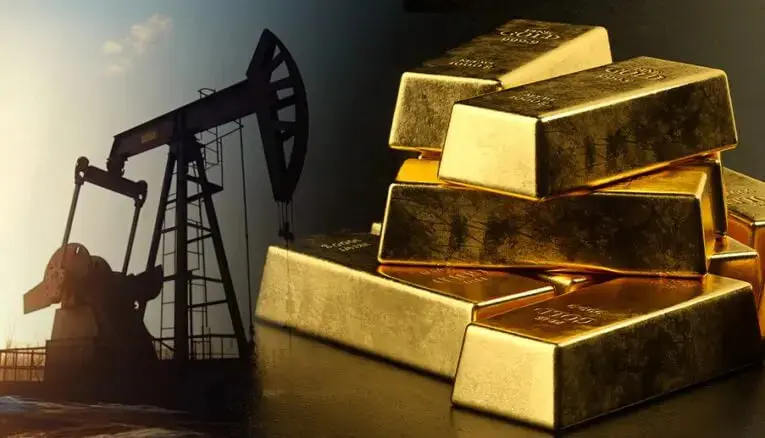
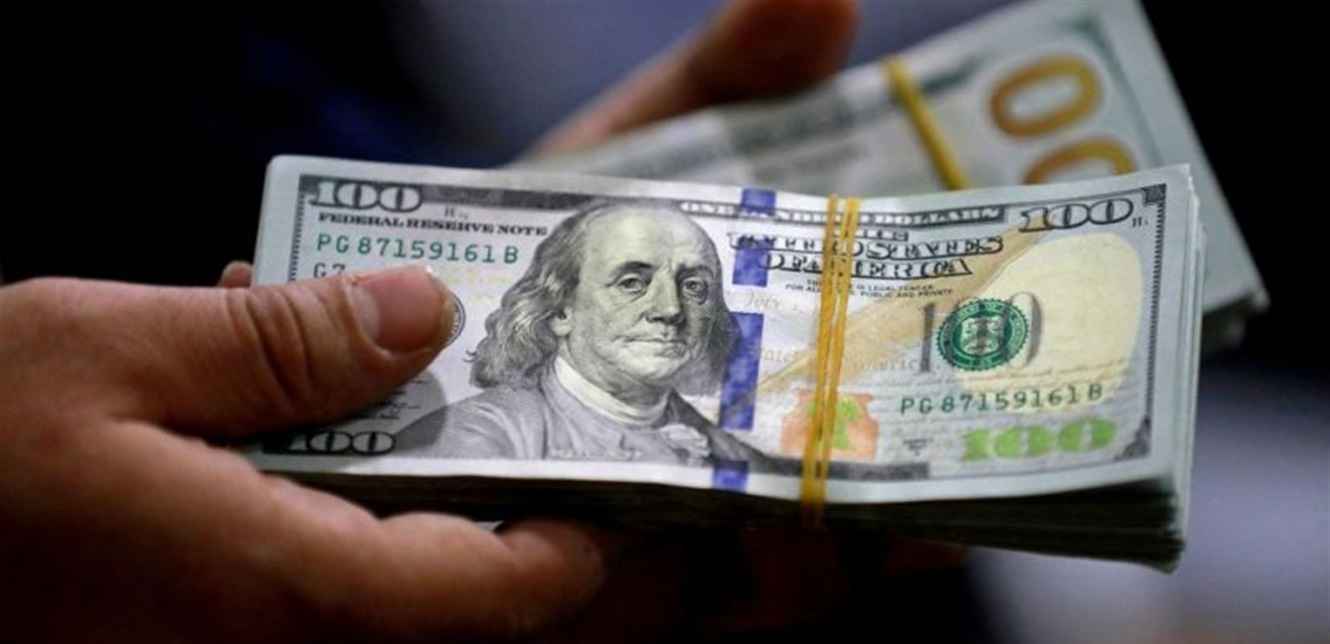
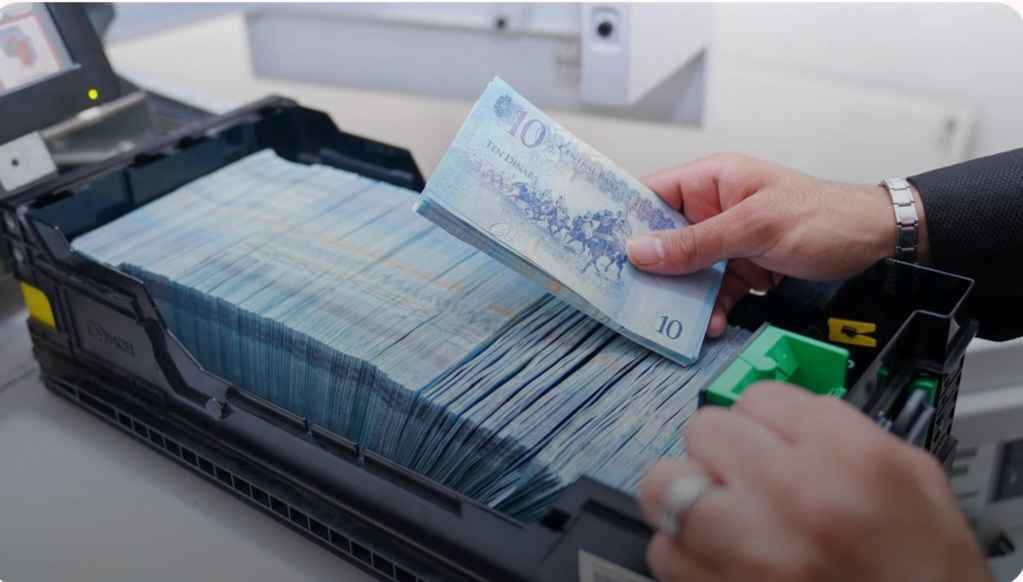
This is occurring against the backdrop of deteriorating economic conditions in Libya, manifested in a severe shortage of liquidity in banks, a continuous decline in the value of the Libyan dinar against foreign currencies, alongside weak oil revenues, rising prices of basic goods, and the erosion of citizens’ purchasing power.
These crises have been exacerbated by political deadlock and institutional division, which have prevented the unification of financial and economic policies and weakened public confidence in near-term solutions, driving many to liquidate their gold and silver savings to meet daily living requirements.