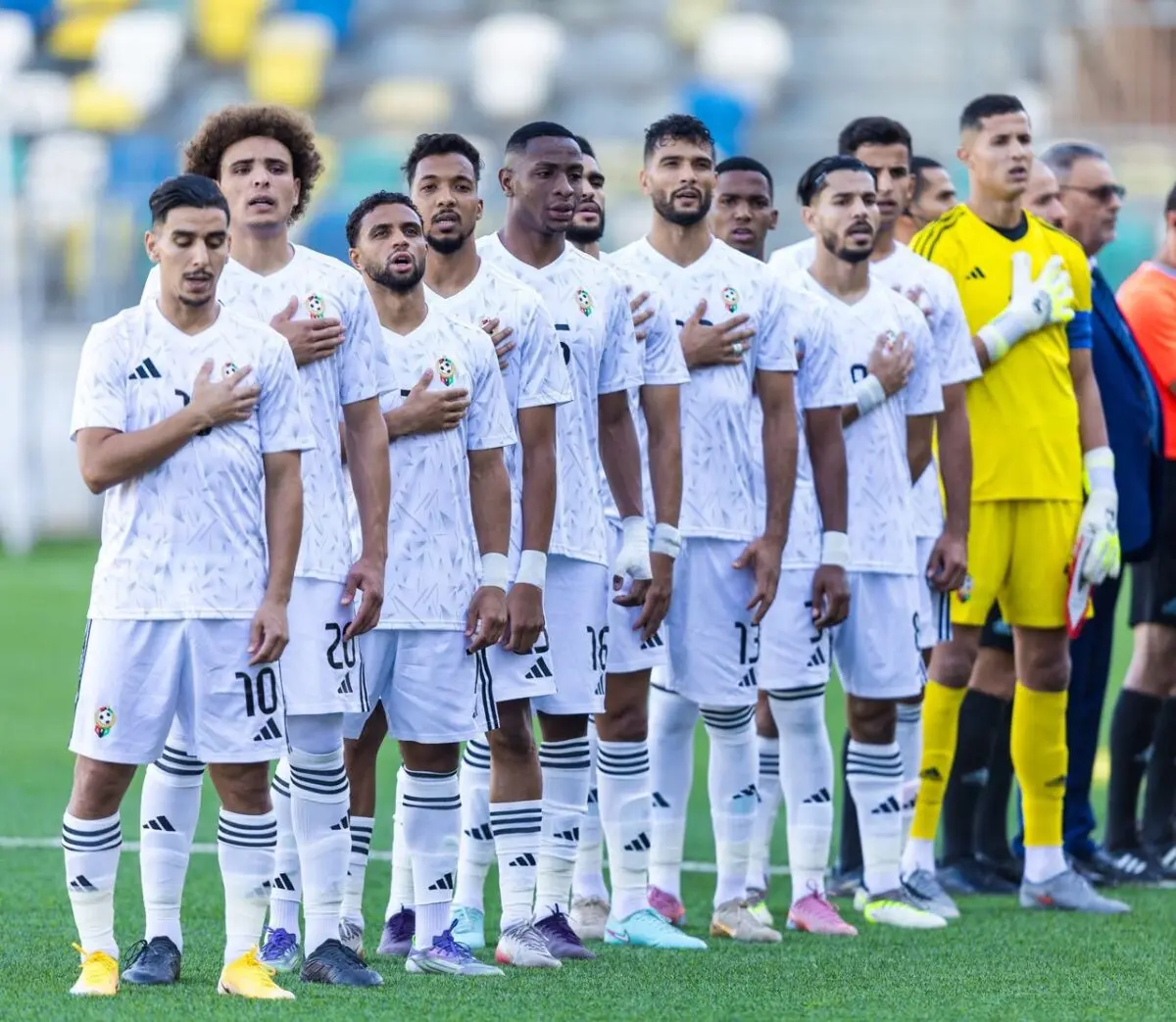
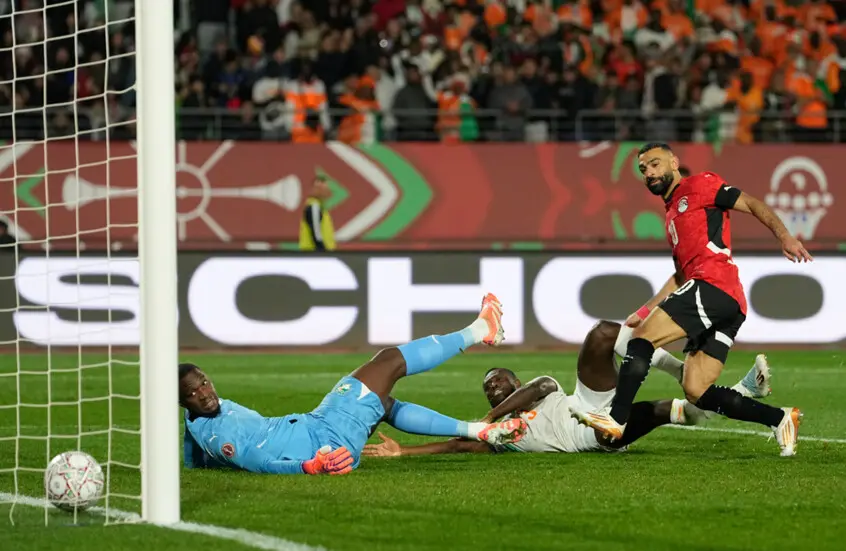
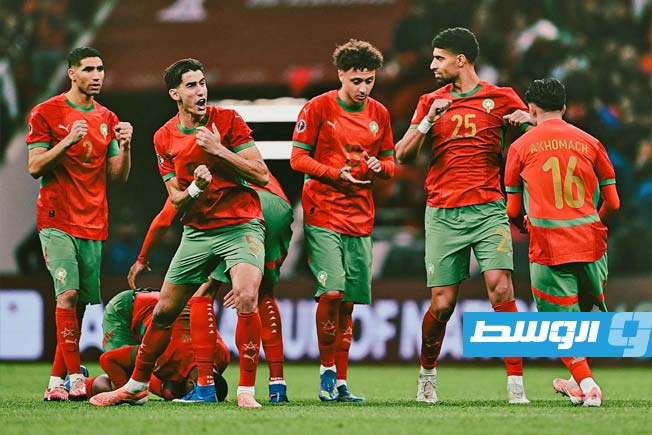
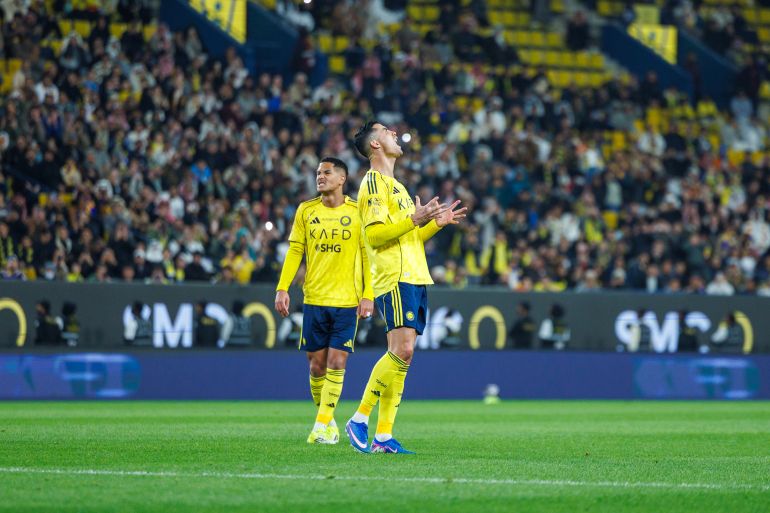
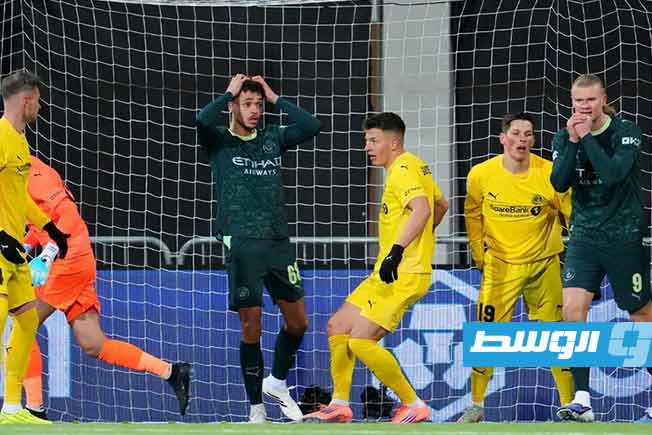
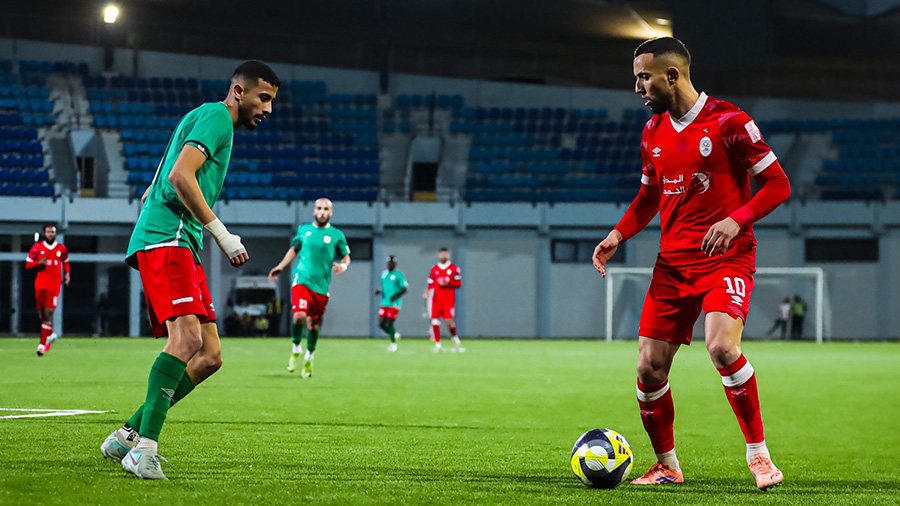
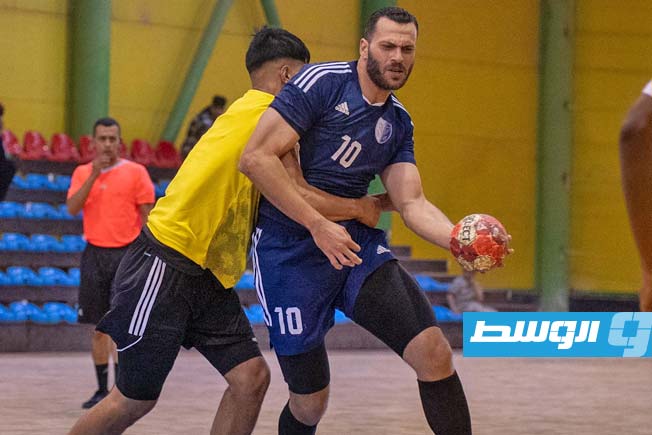
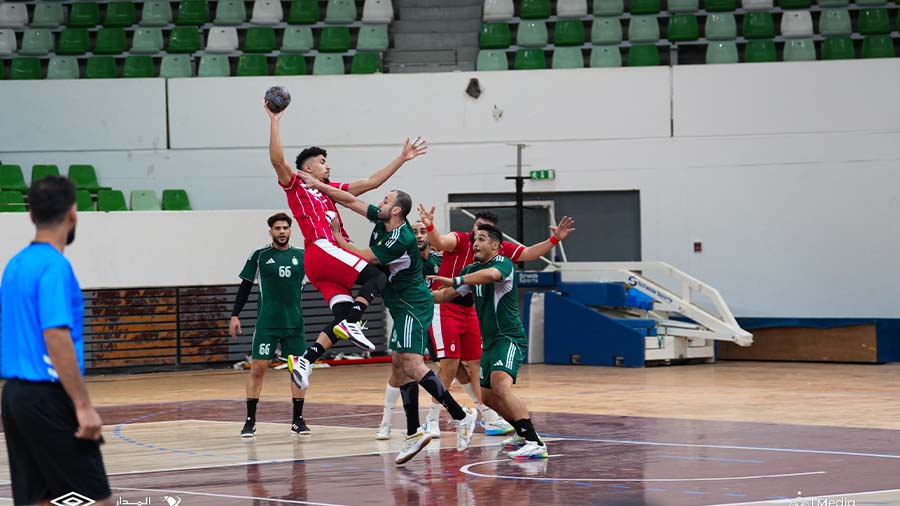
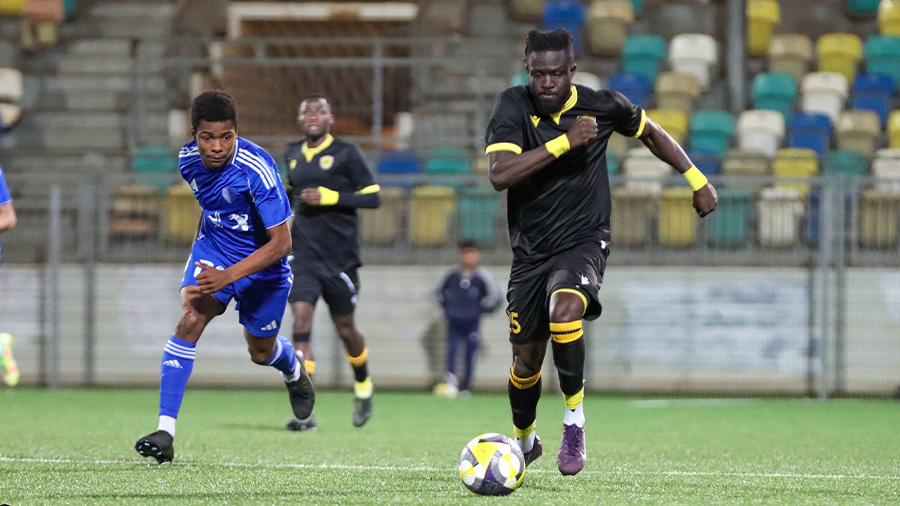
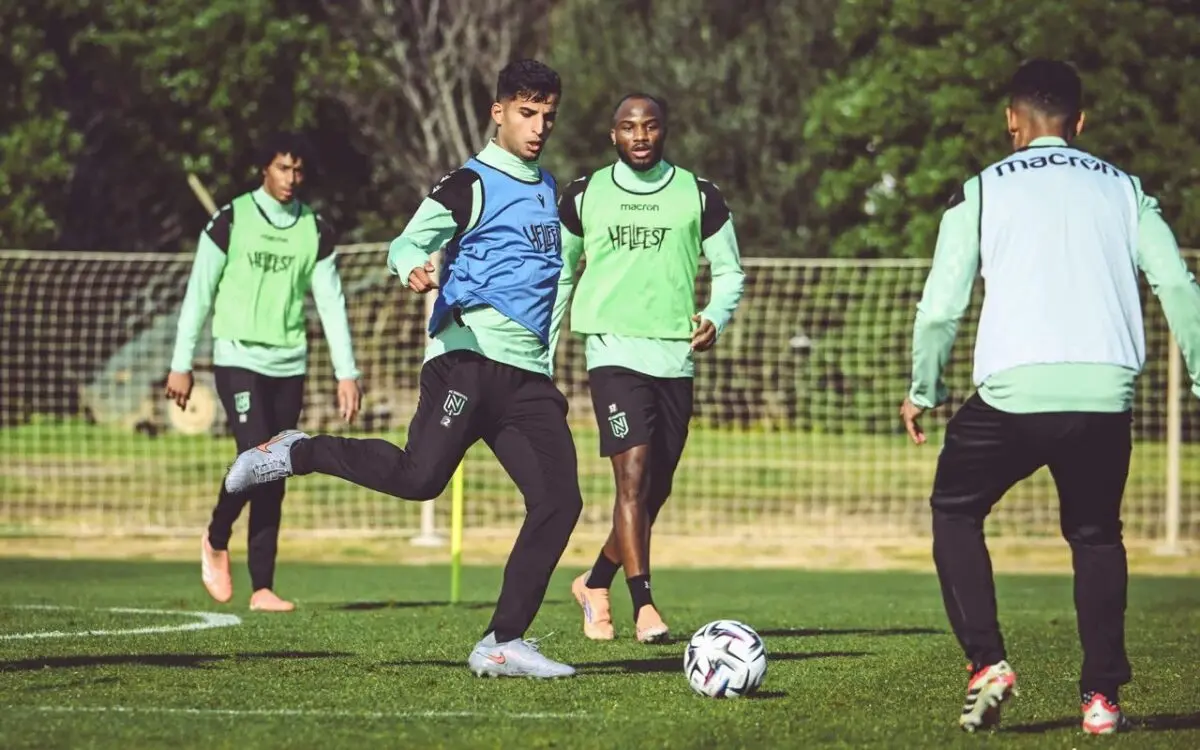
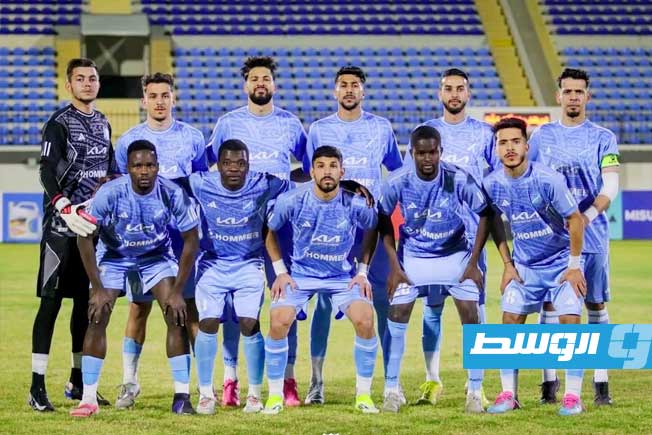
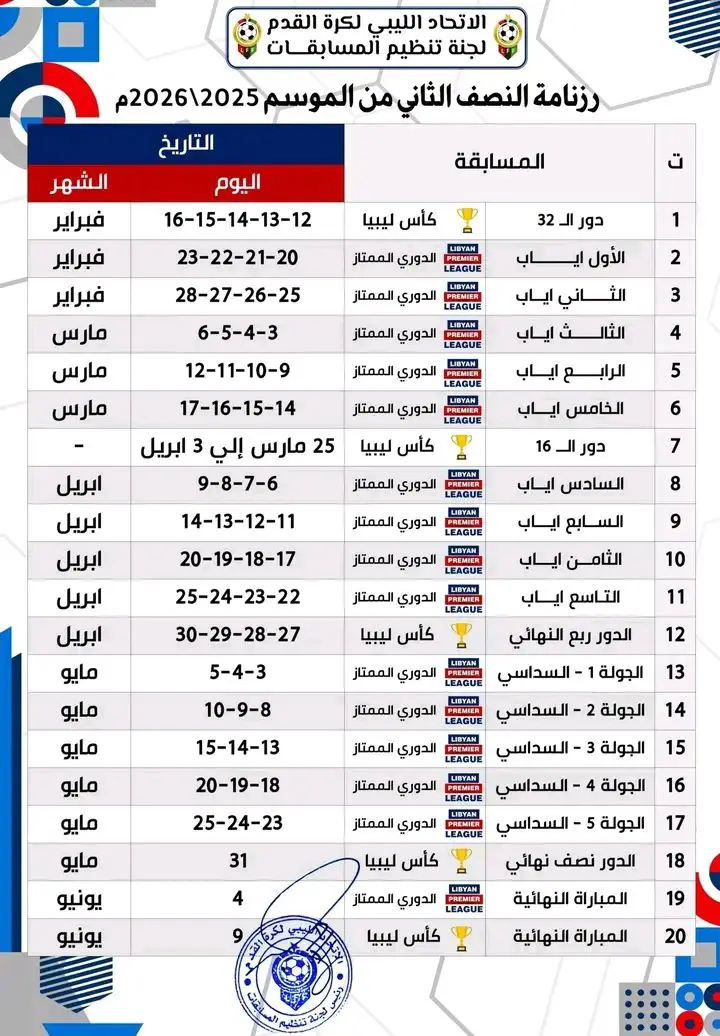
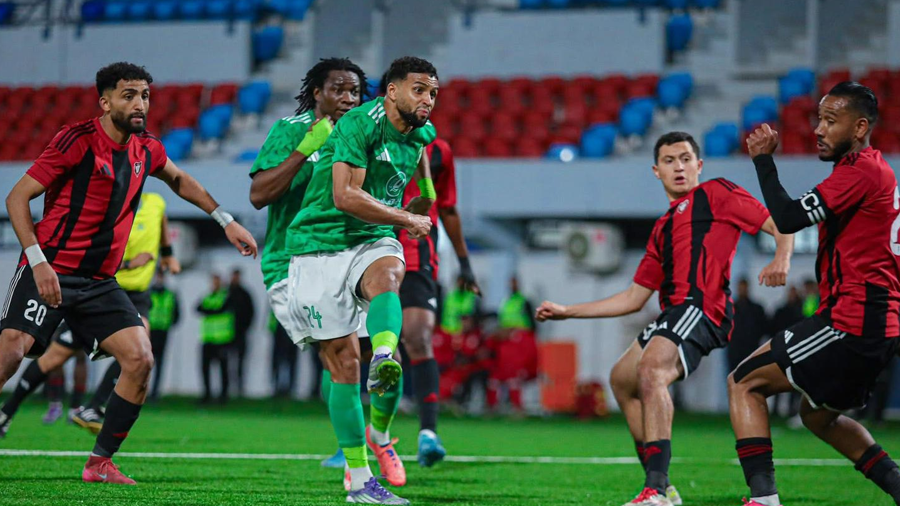
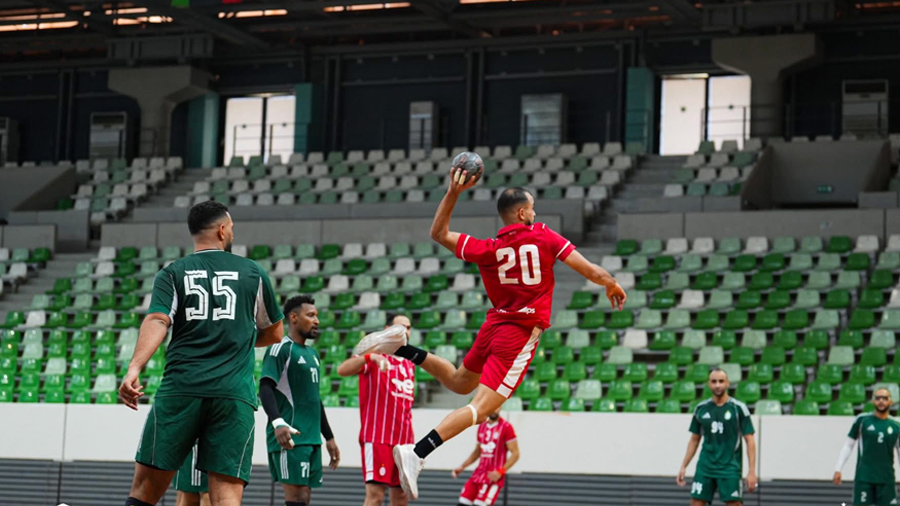
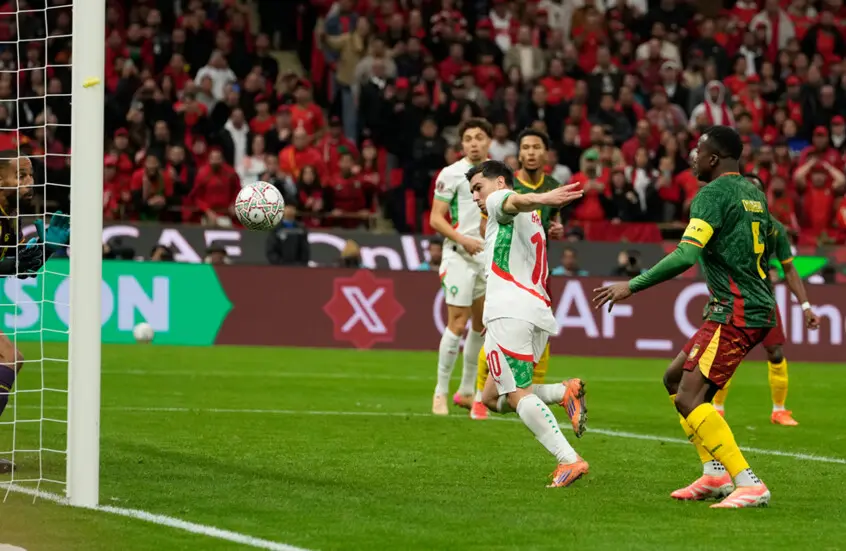
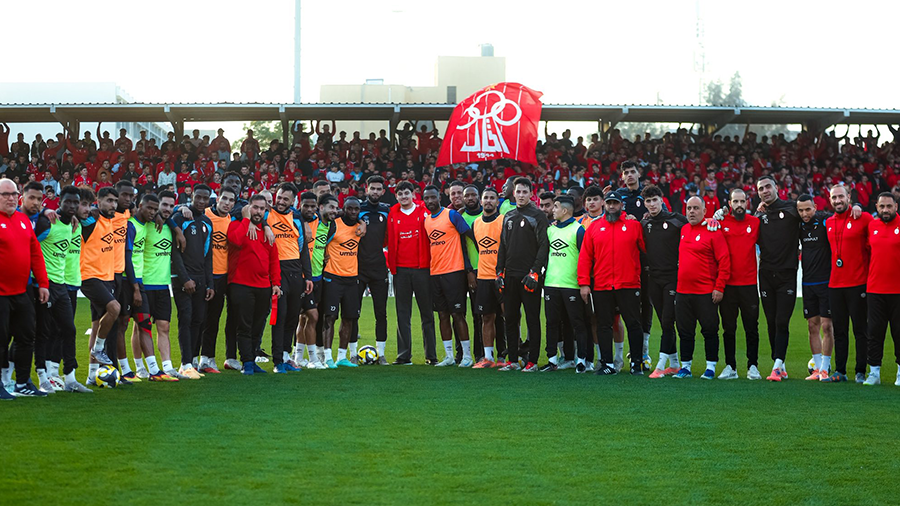
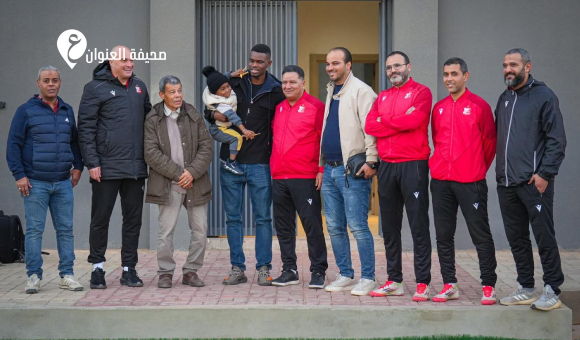
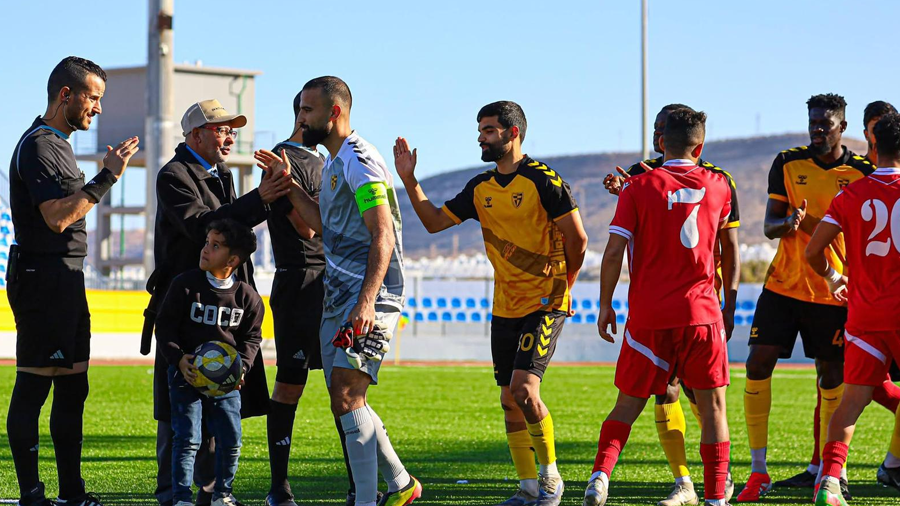
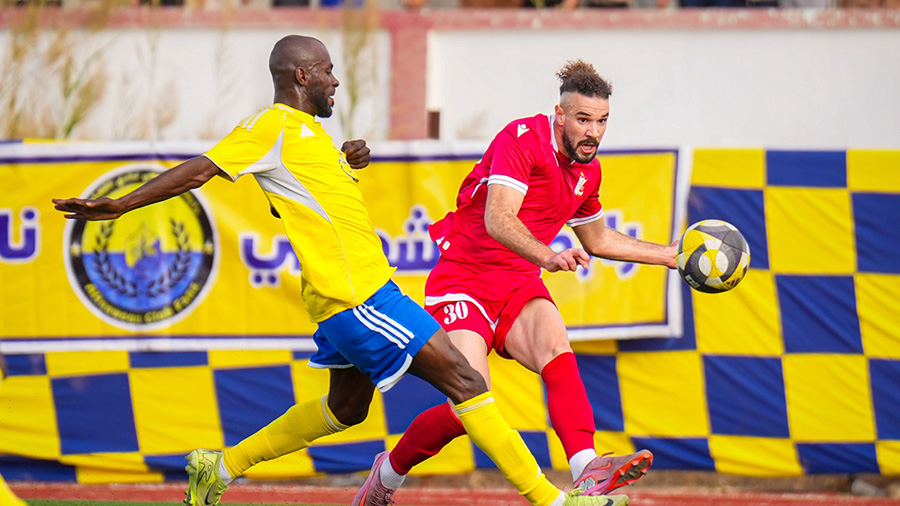
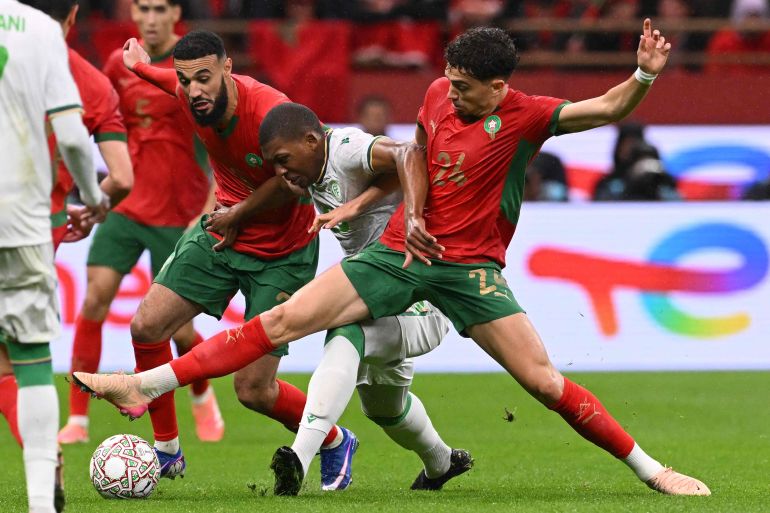
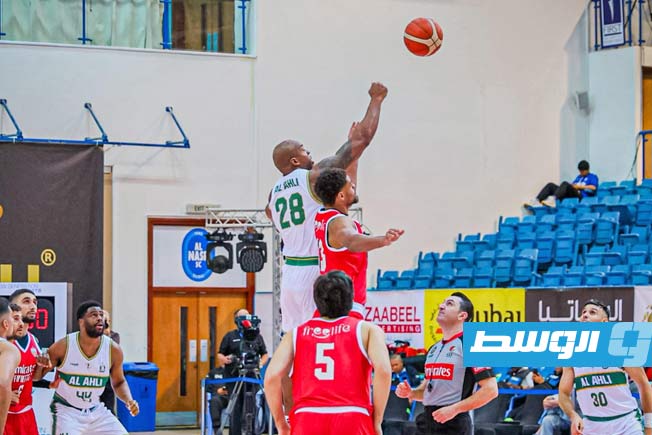
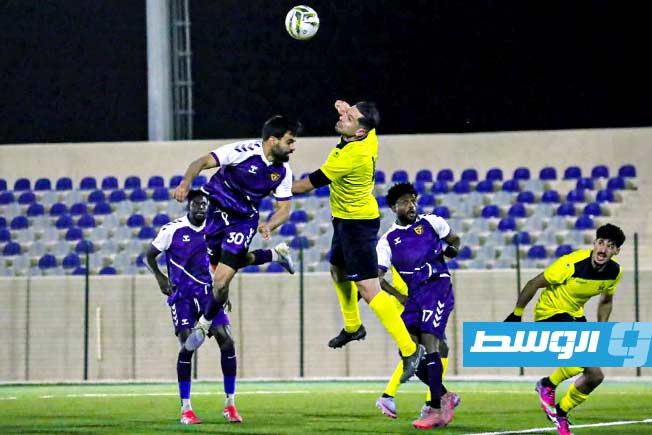
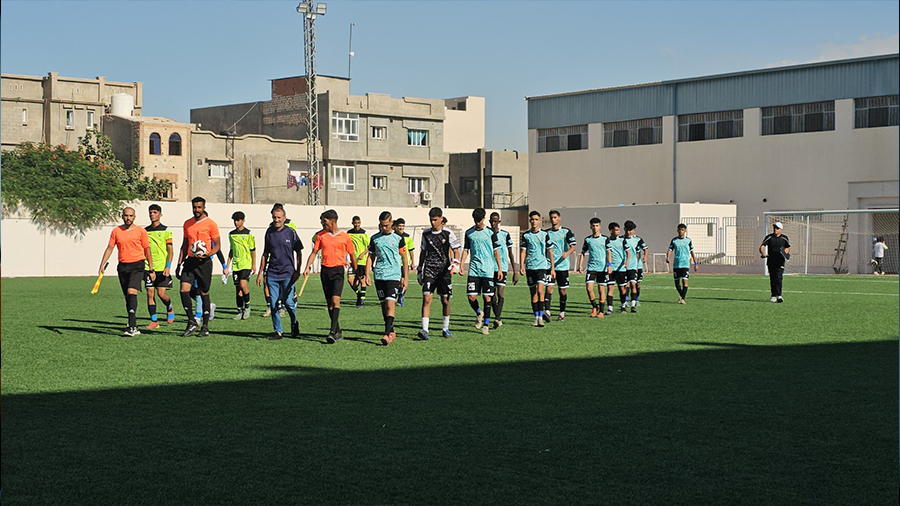
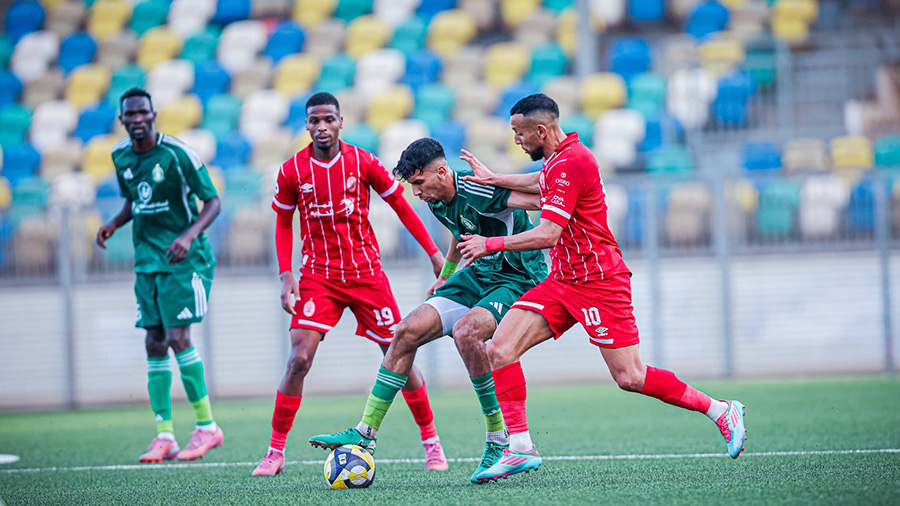
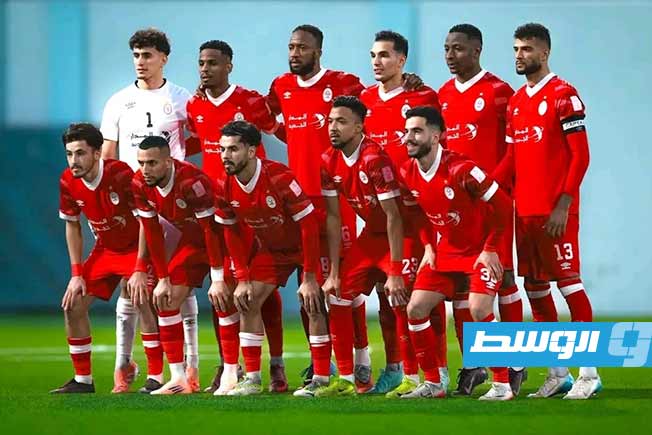
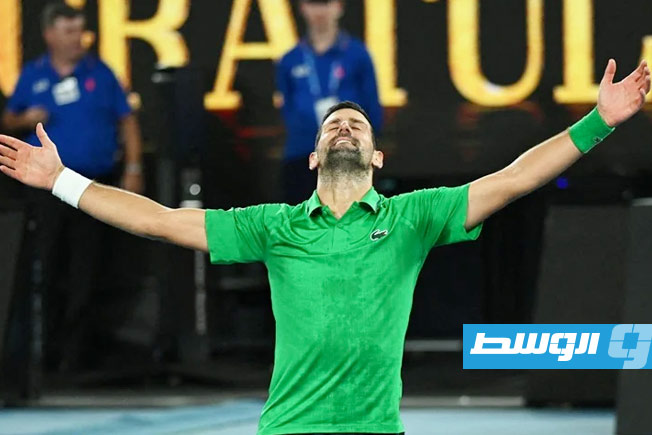
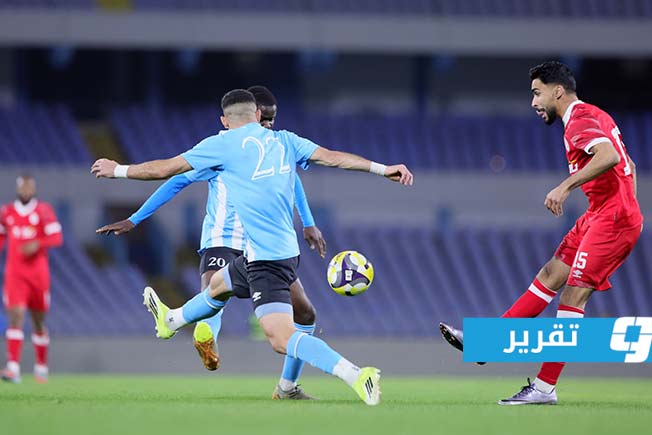
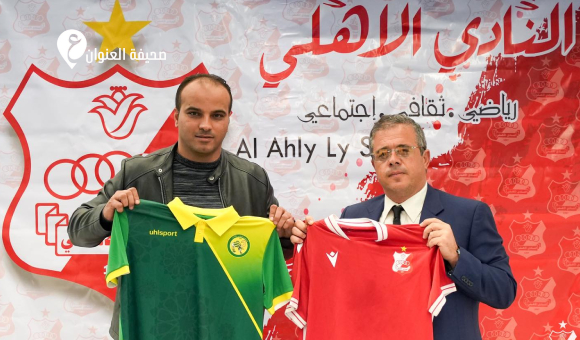
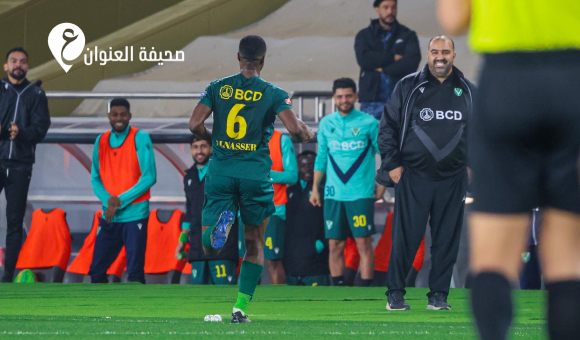
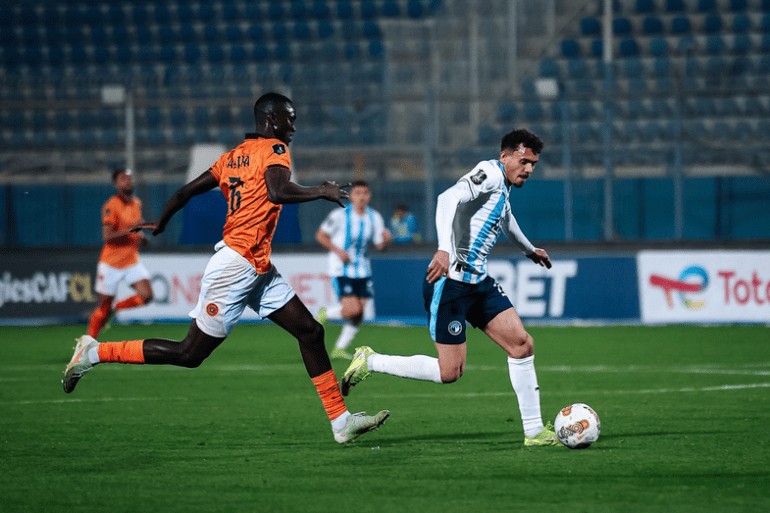
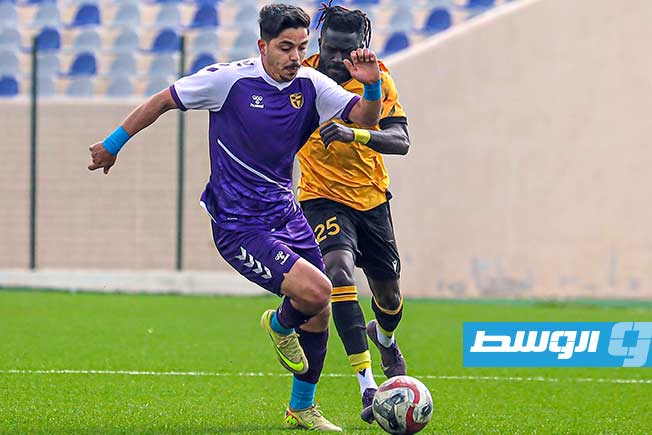
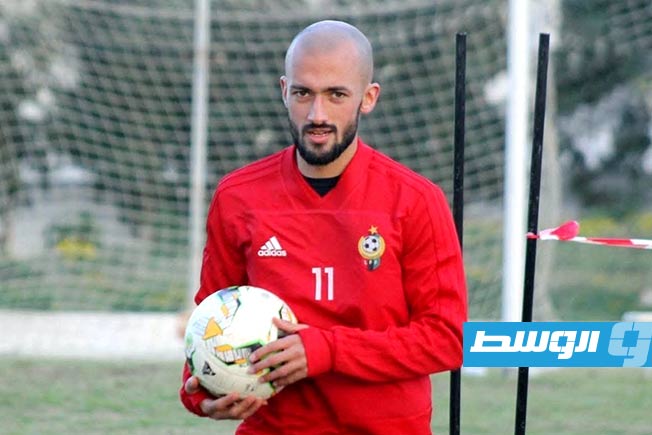
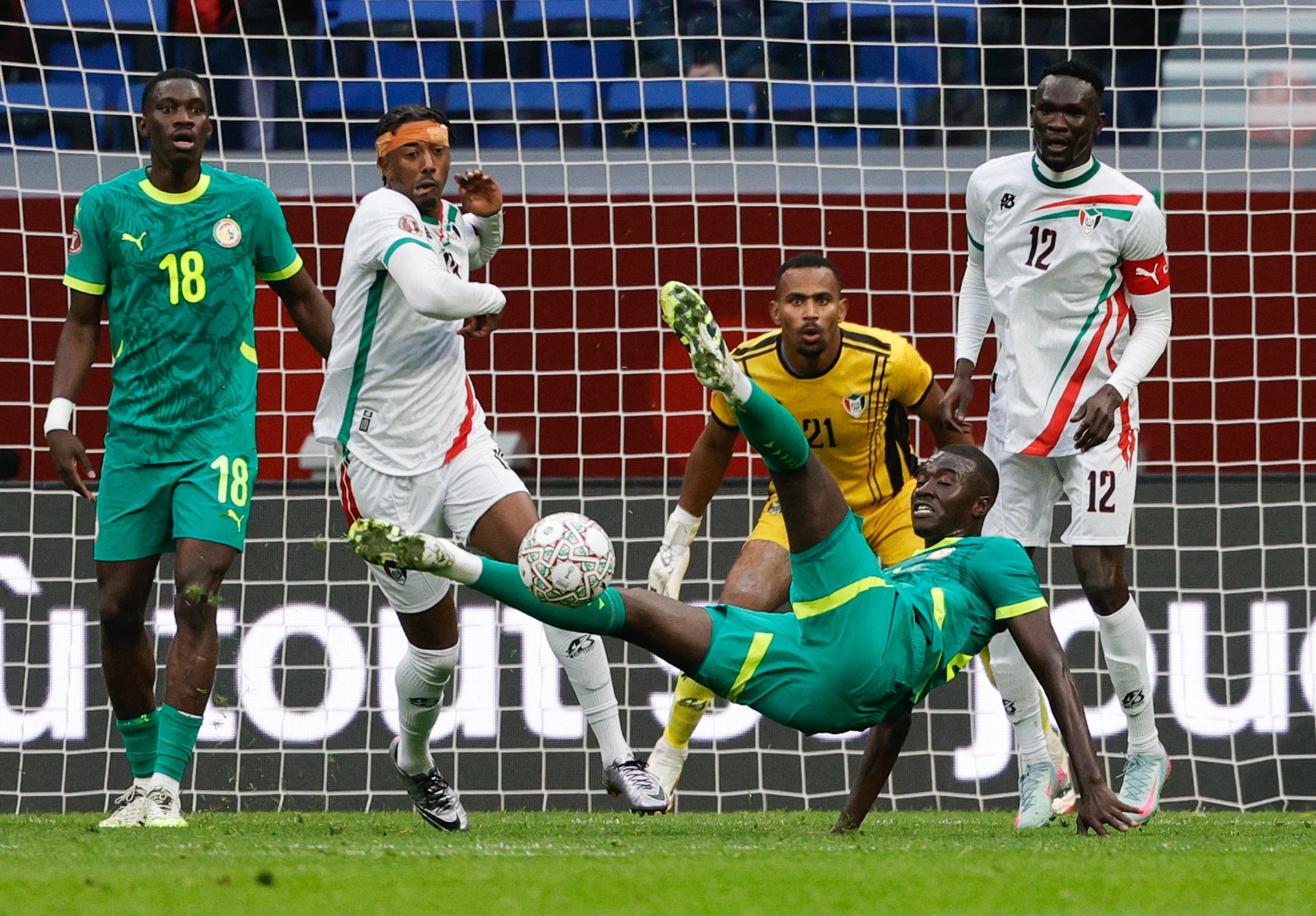
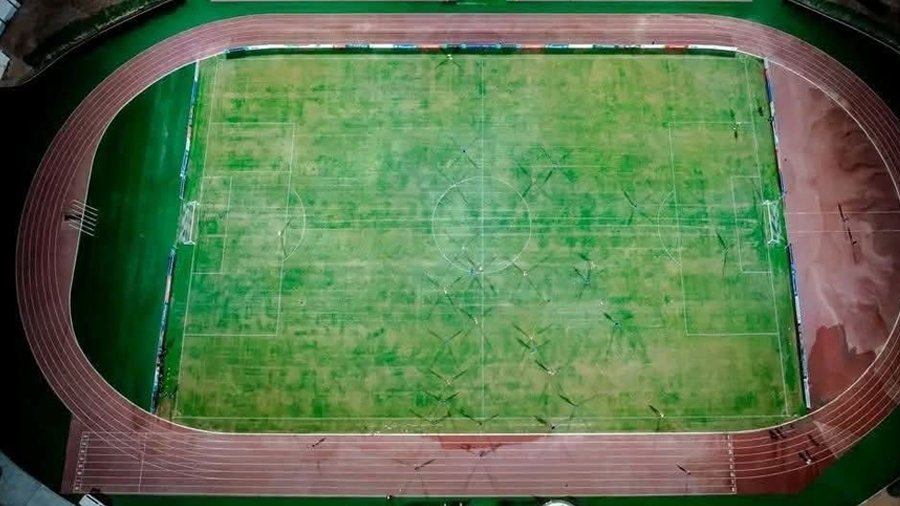
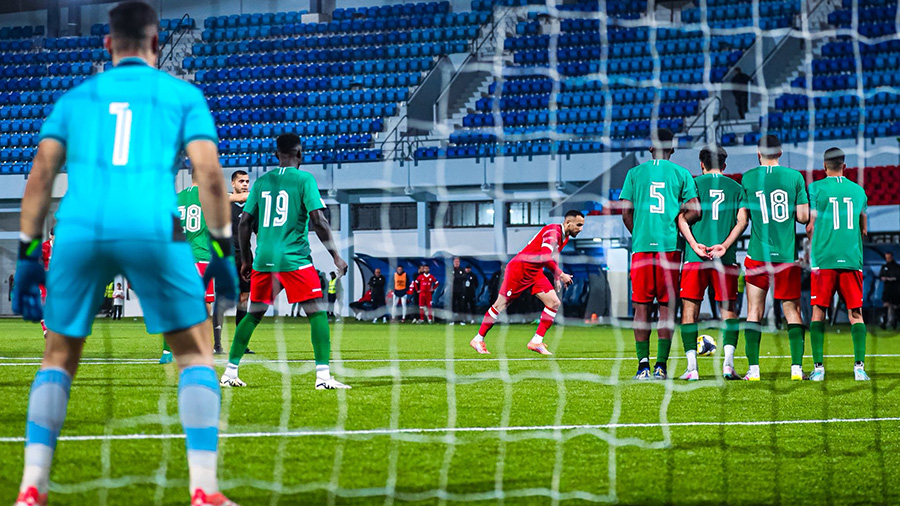
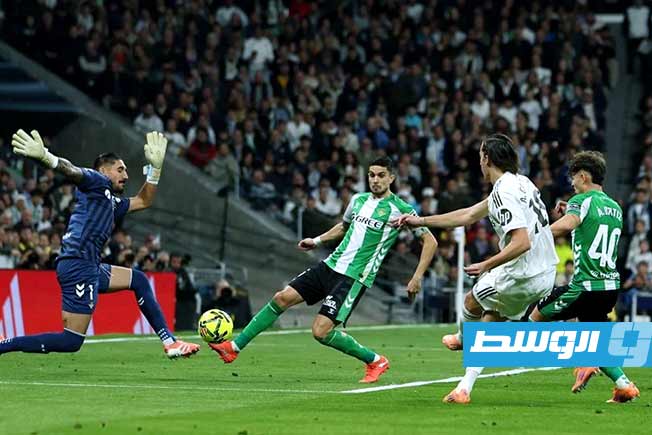
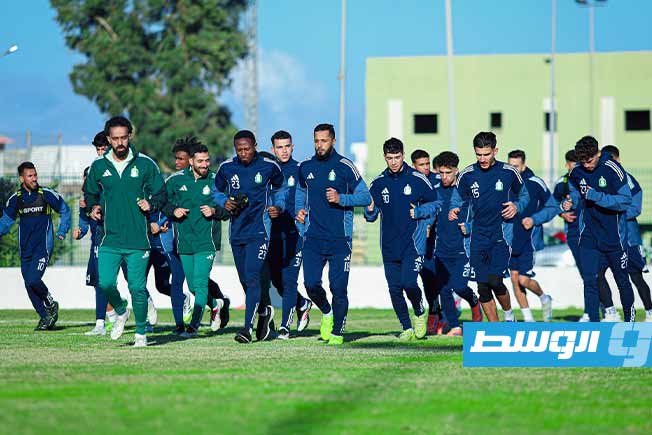
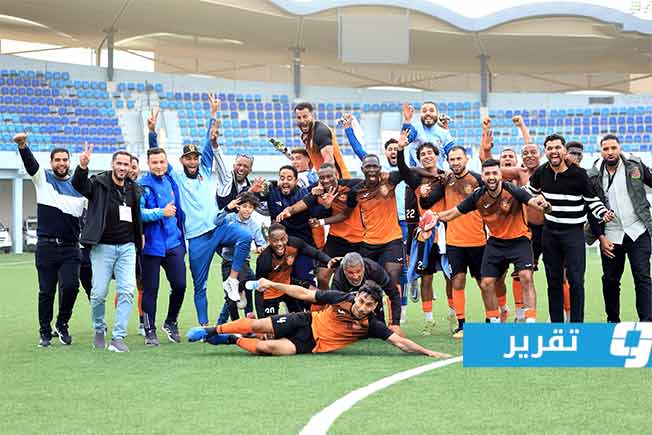
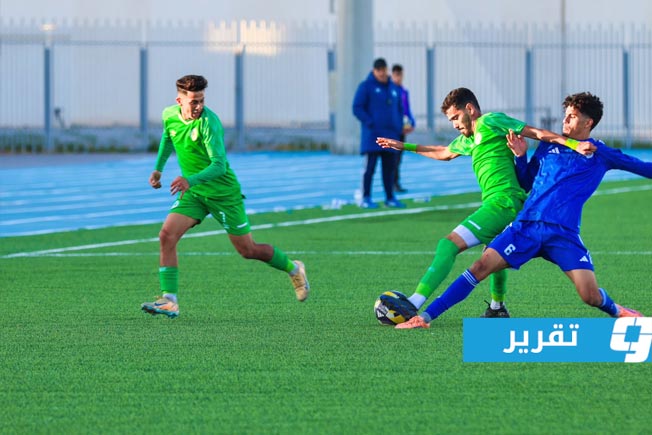
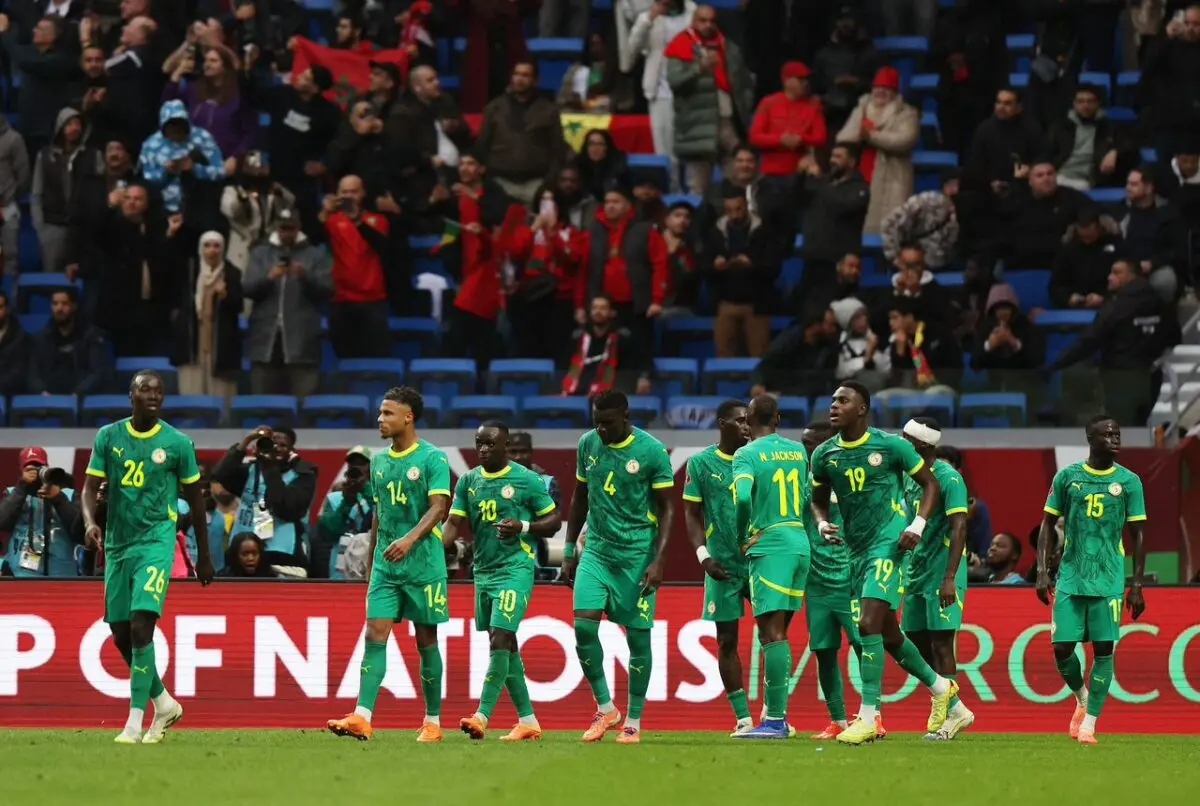
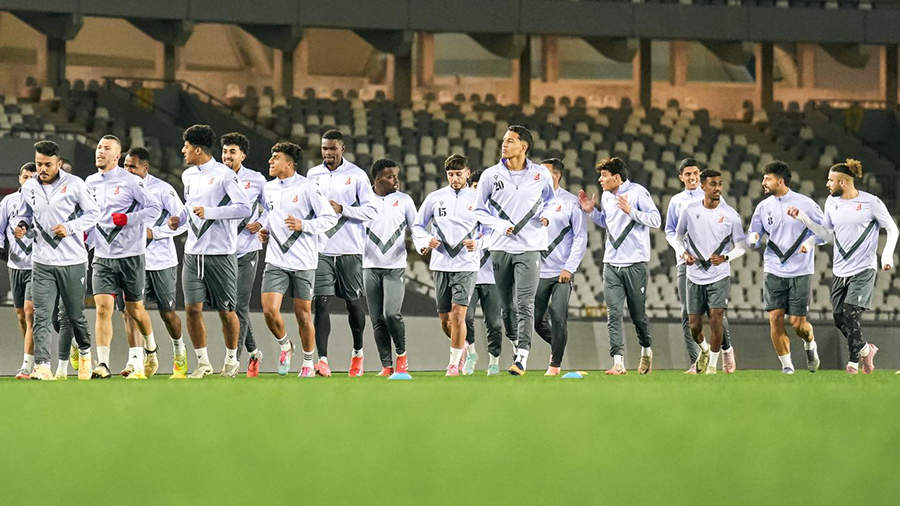
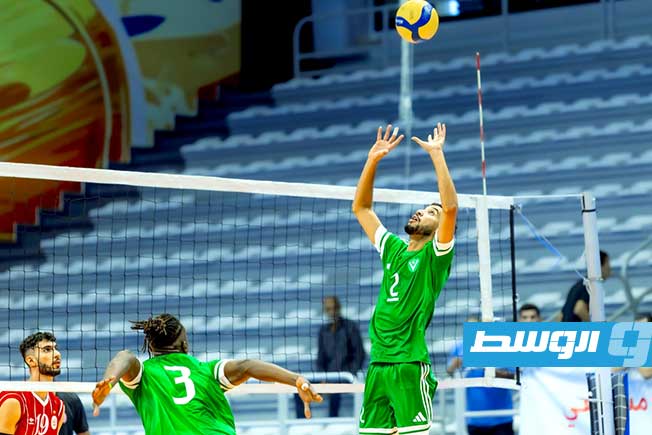
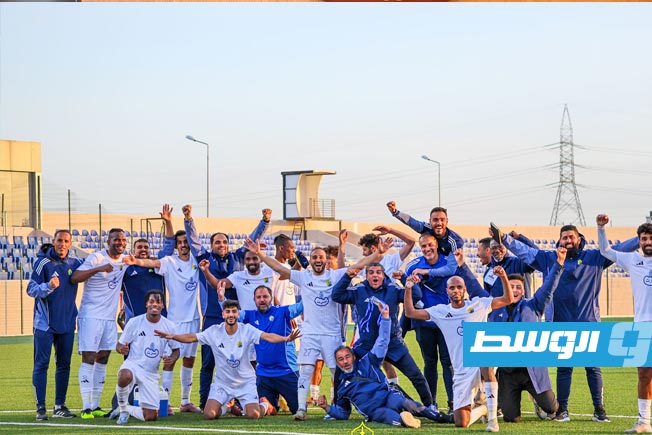
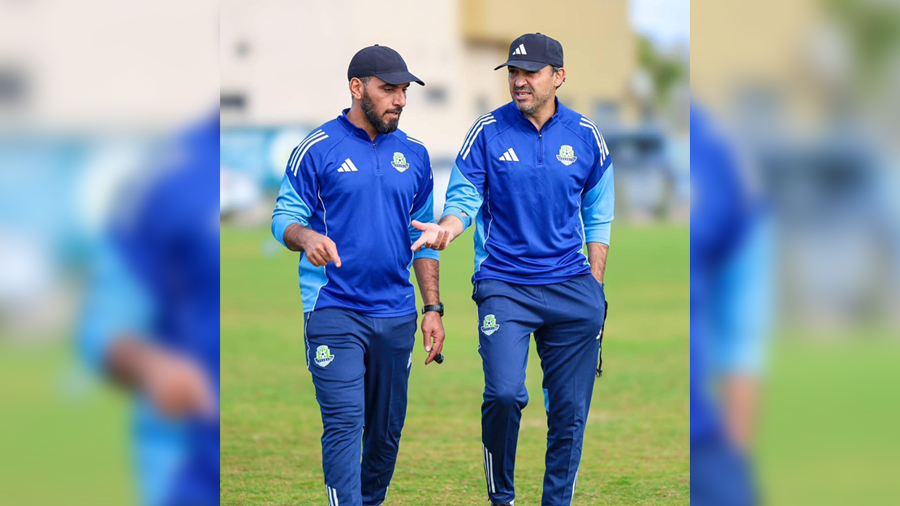
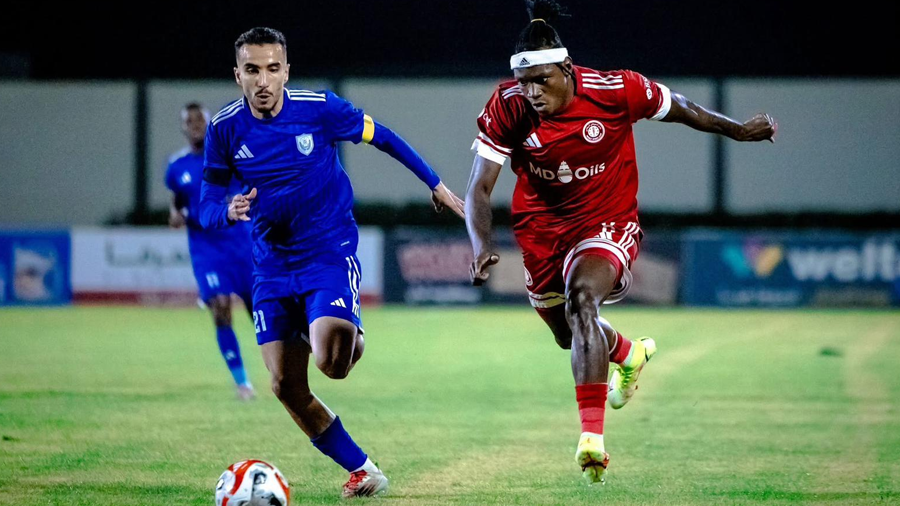
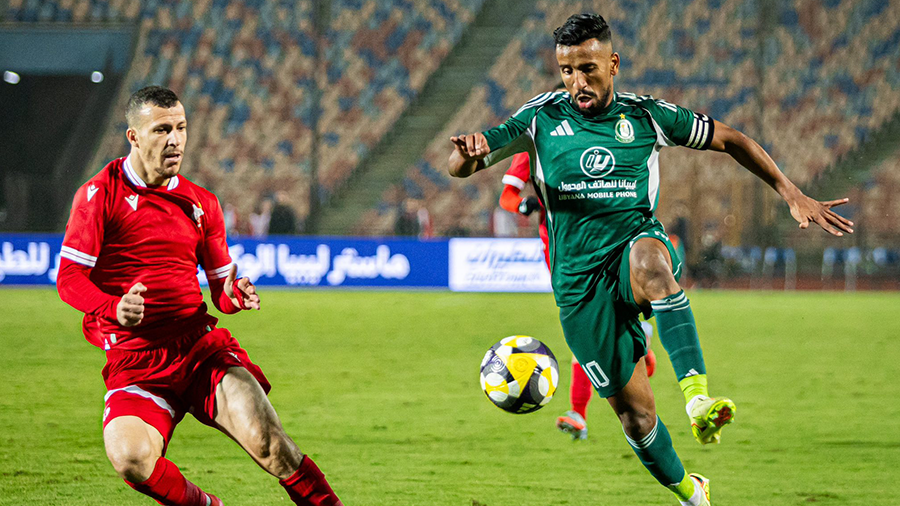
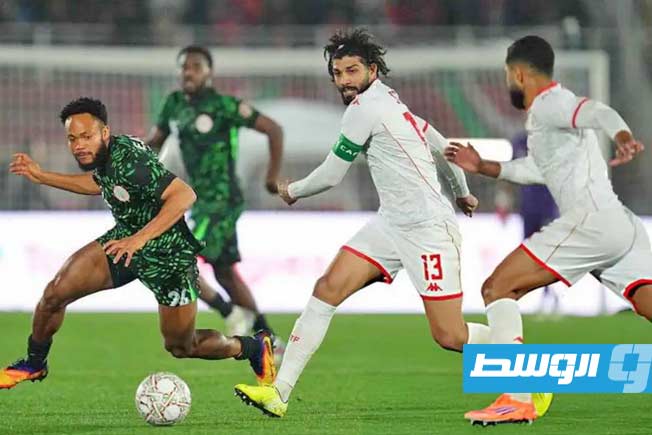
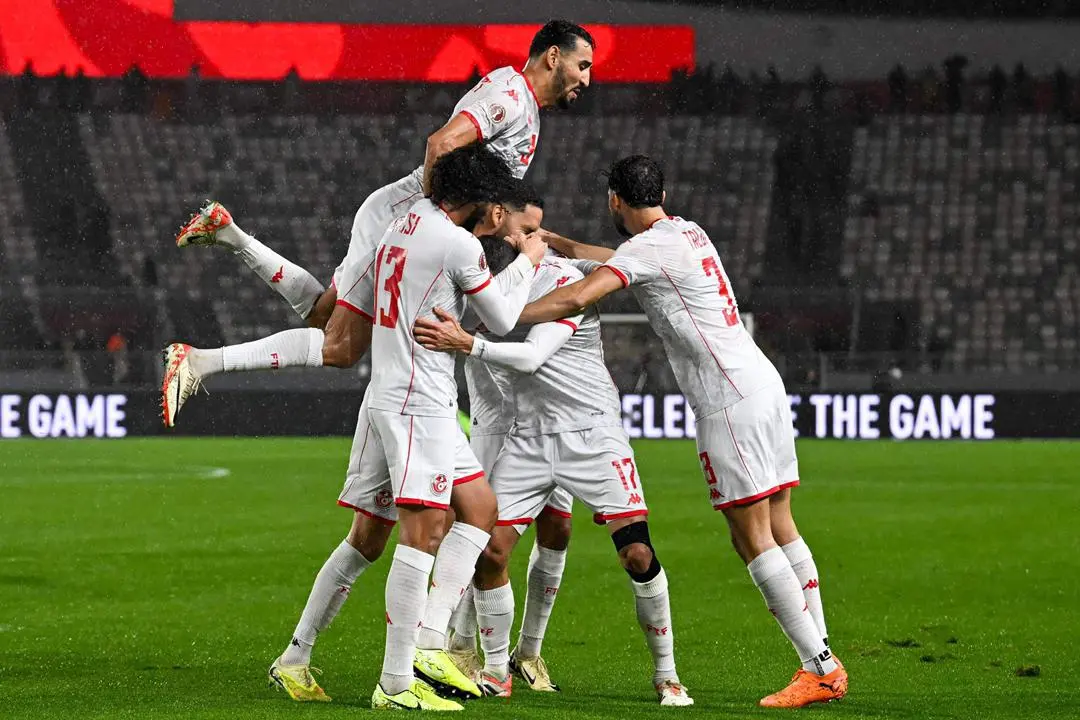
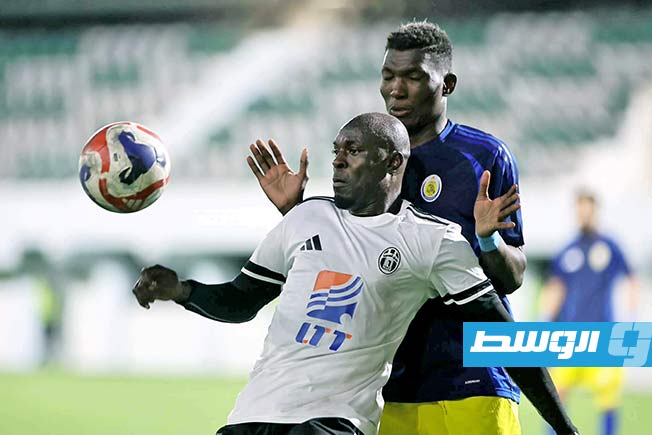
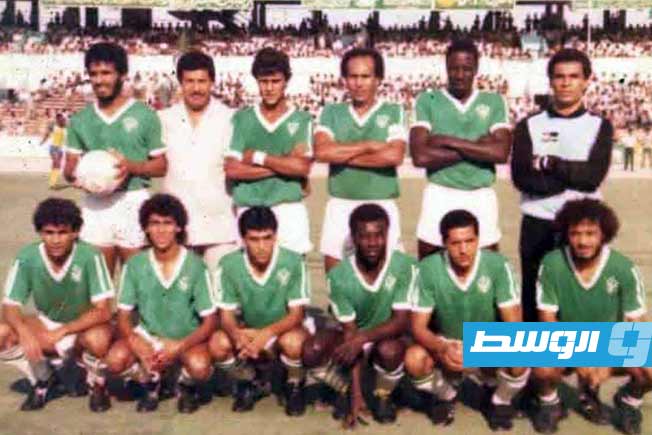
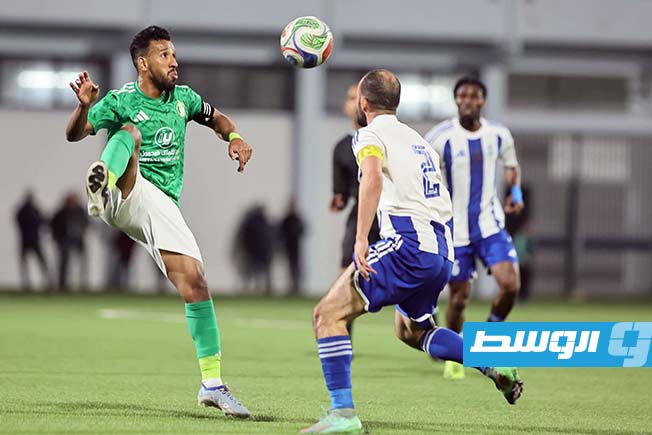
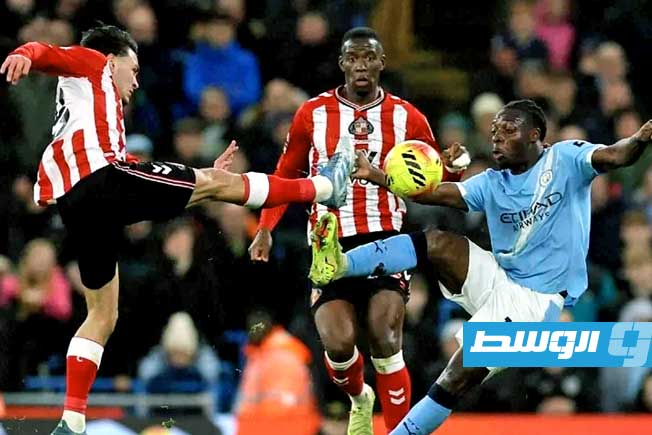
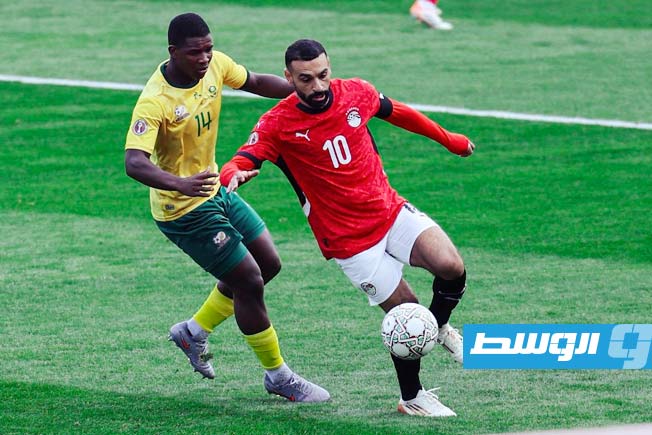
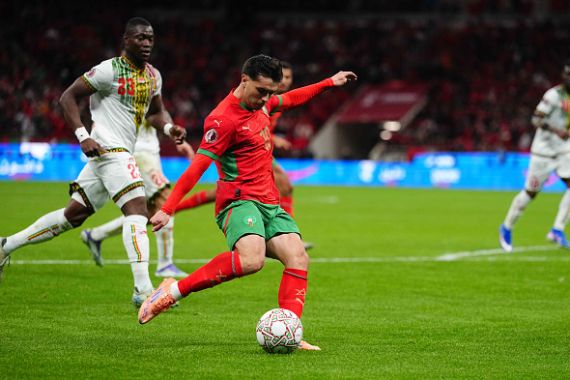
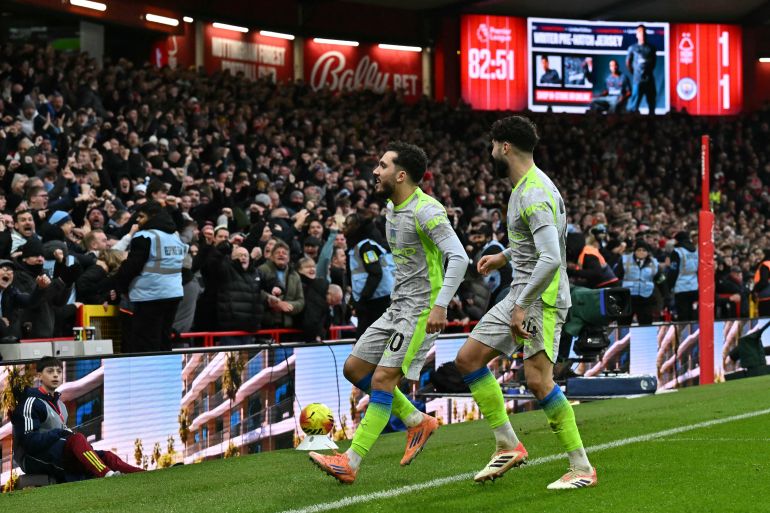
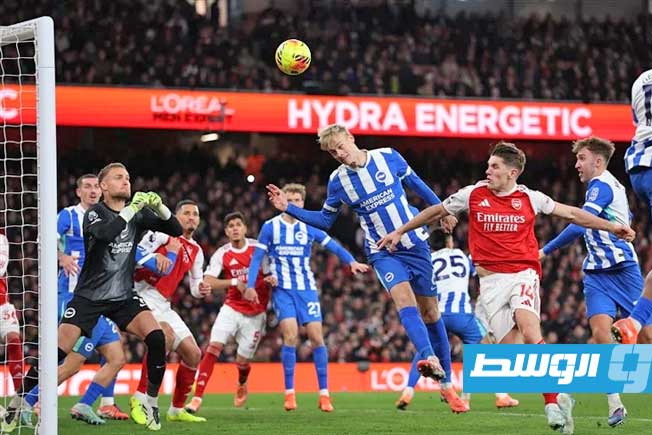
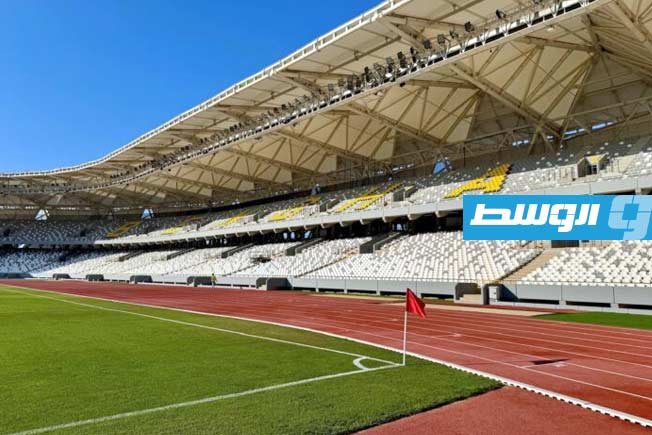
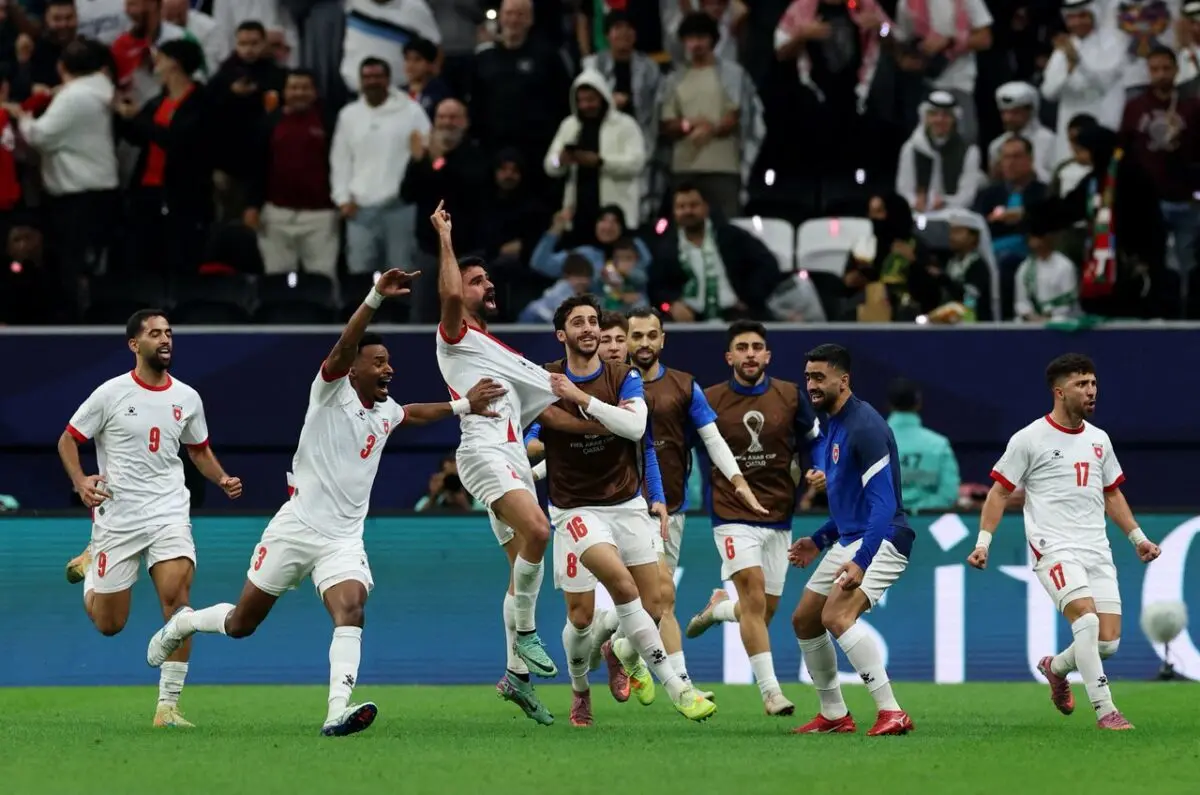
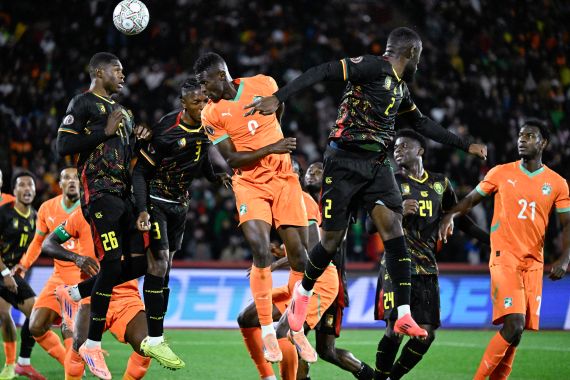
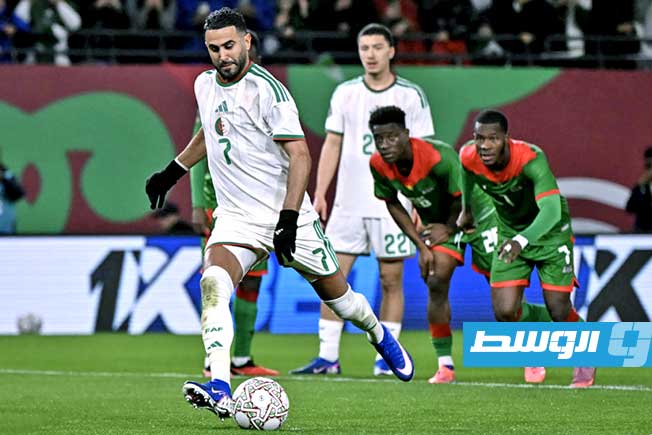
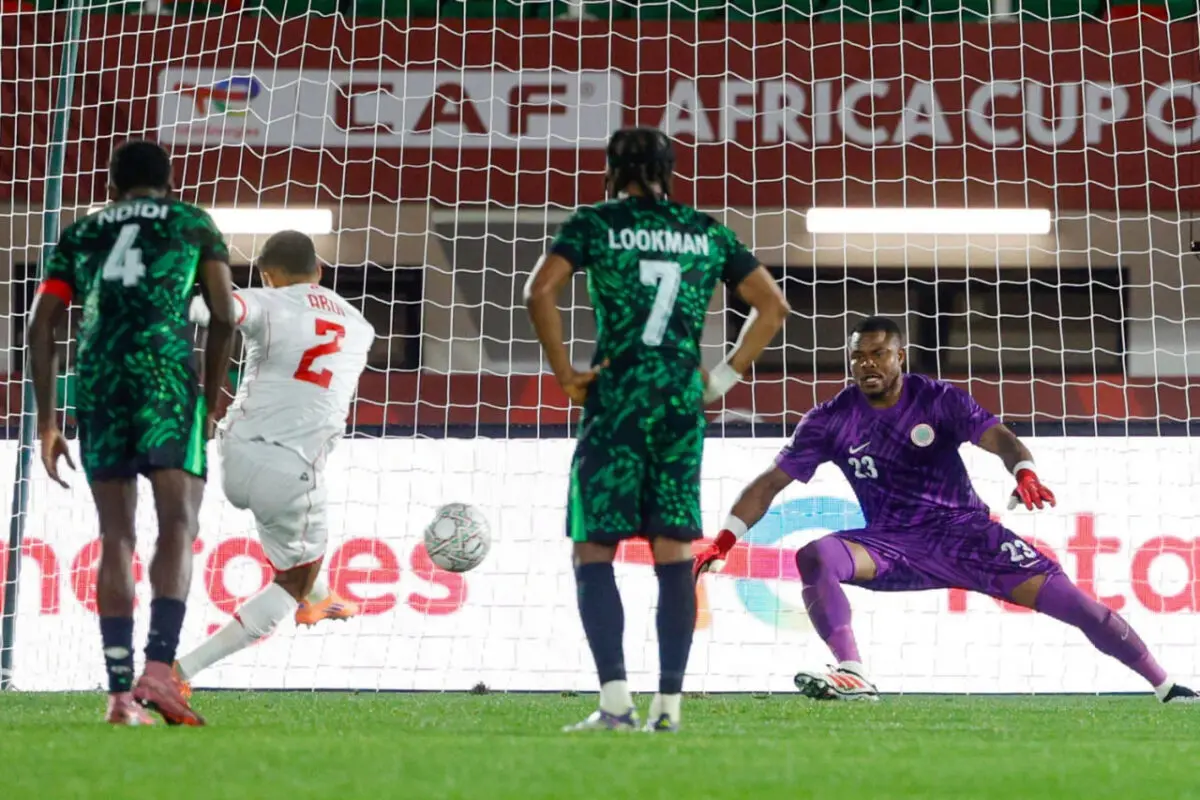
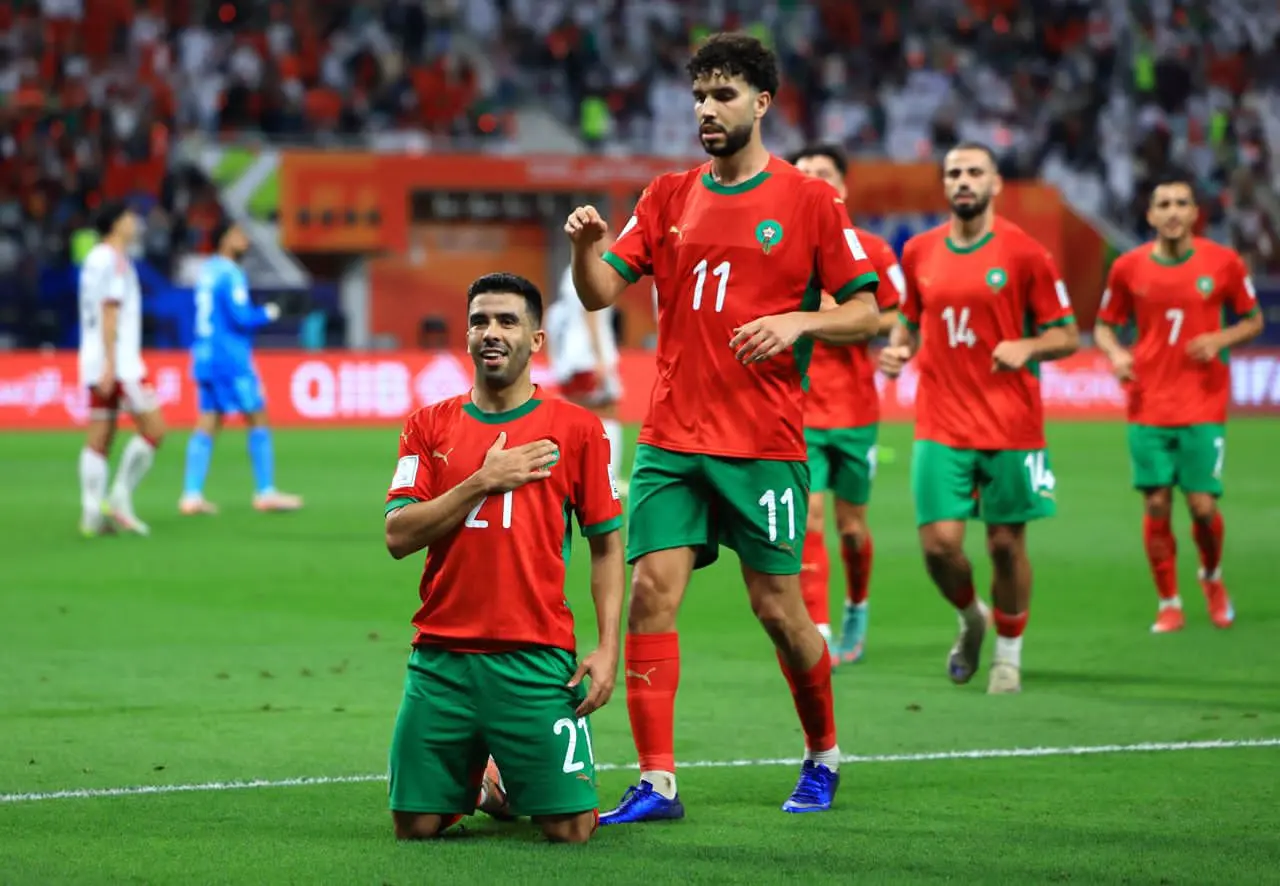
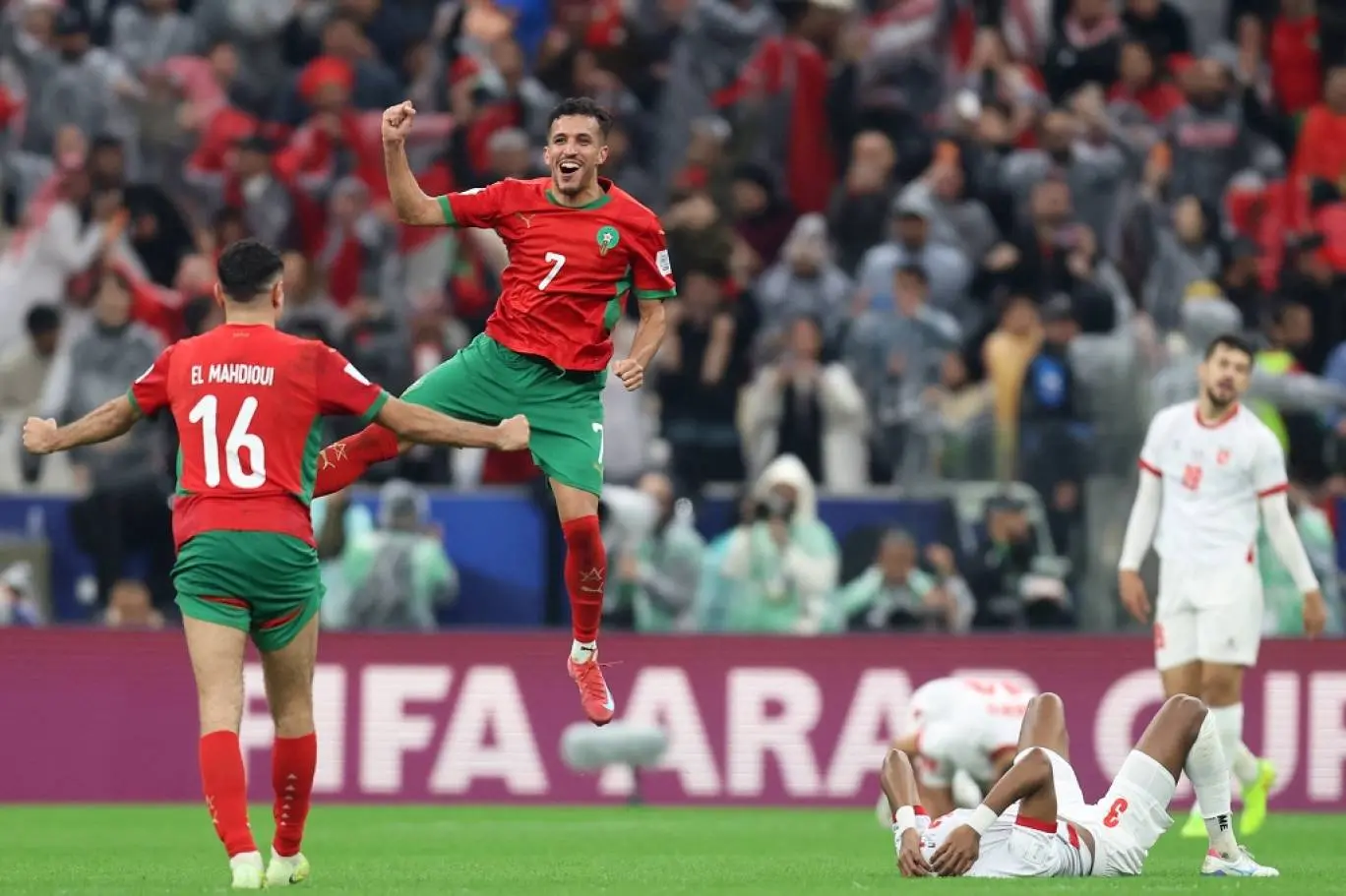
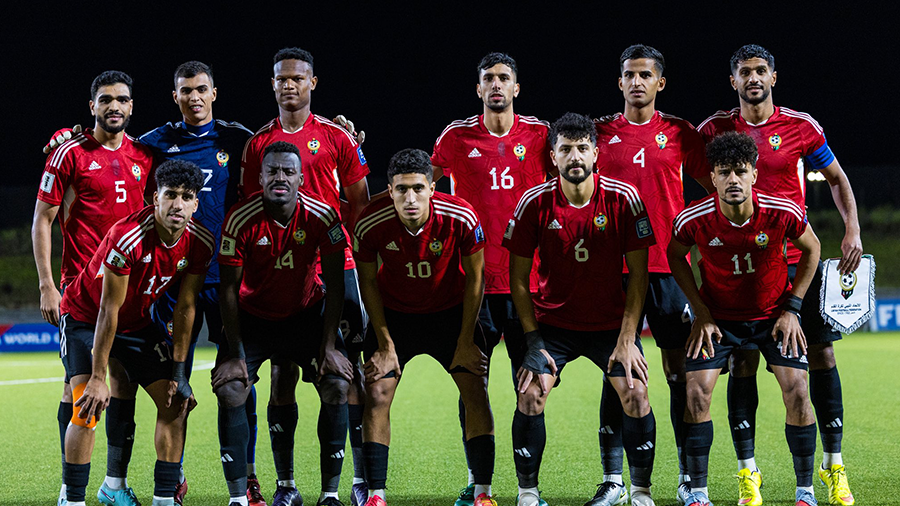
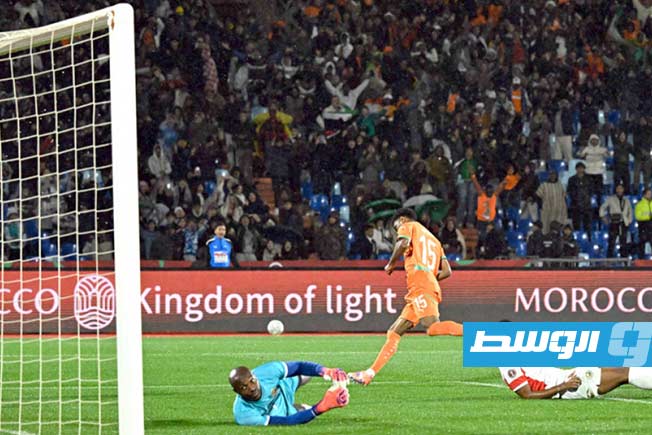
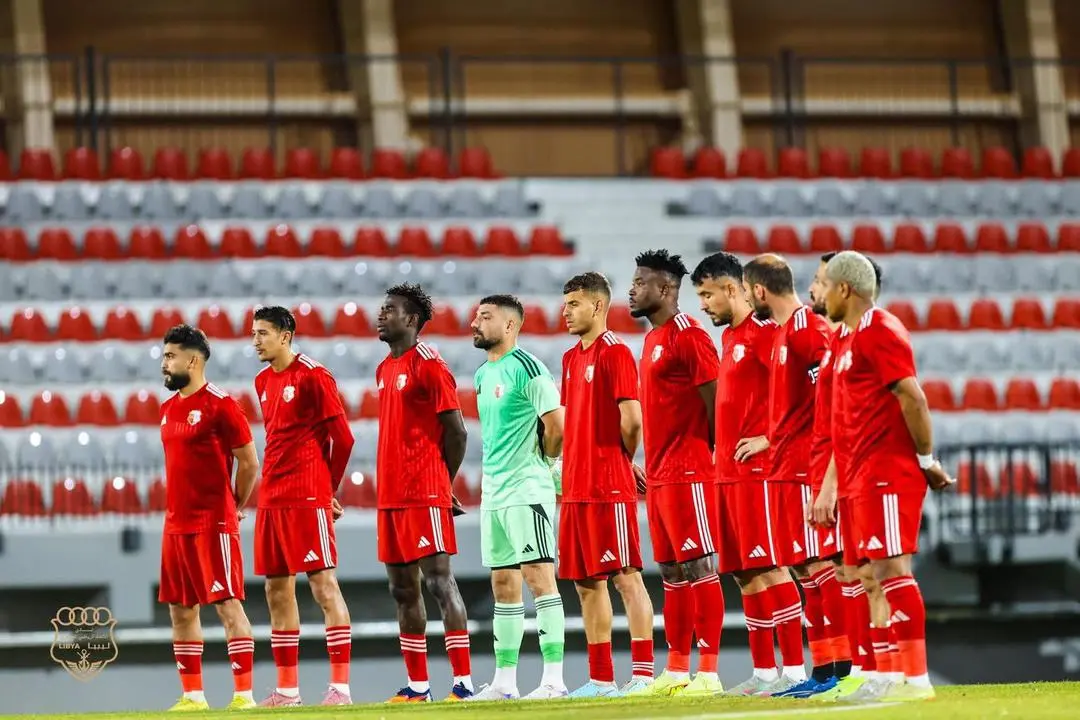
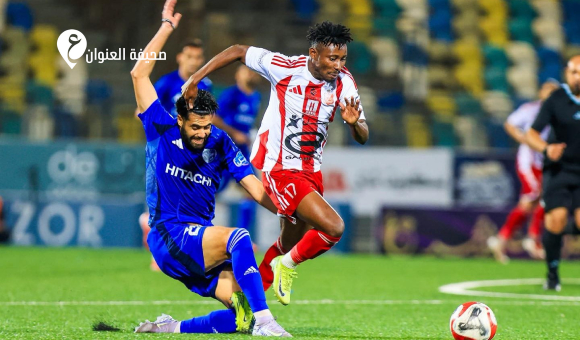
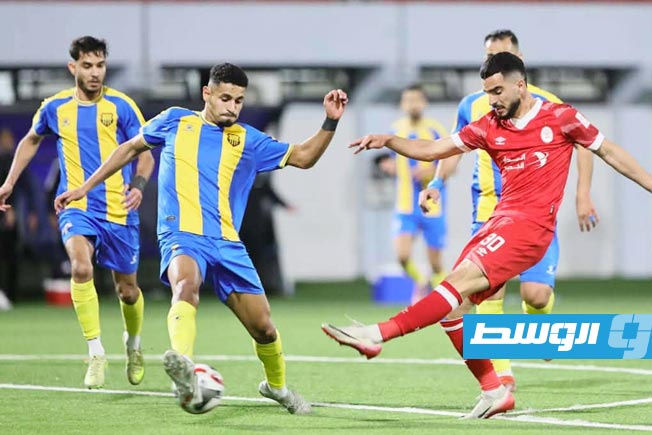
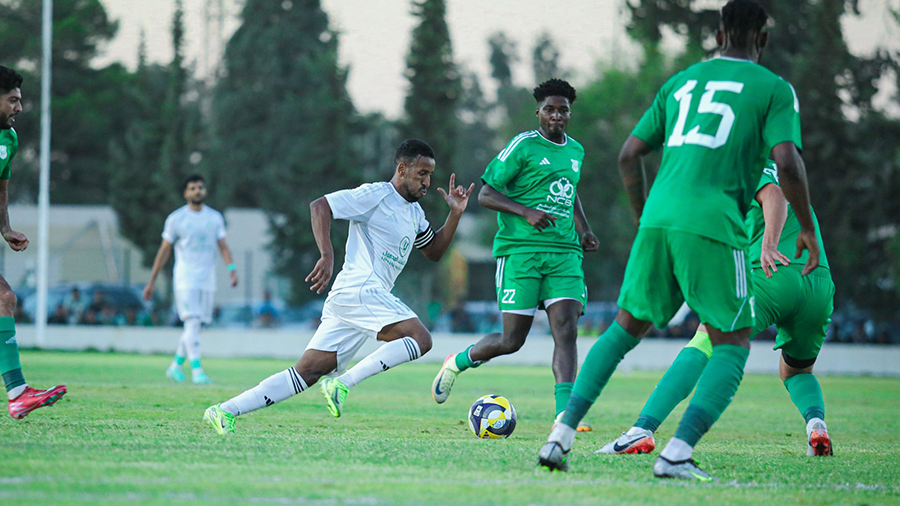
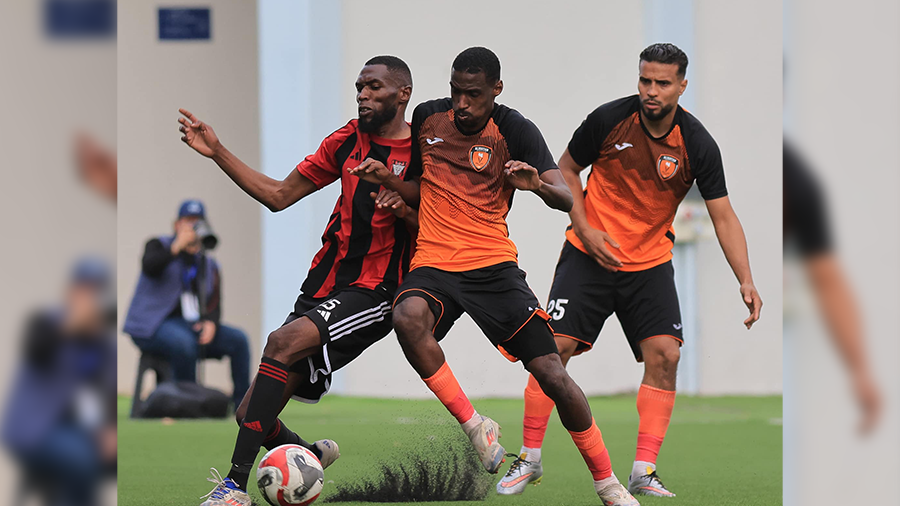
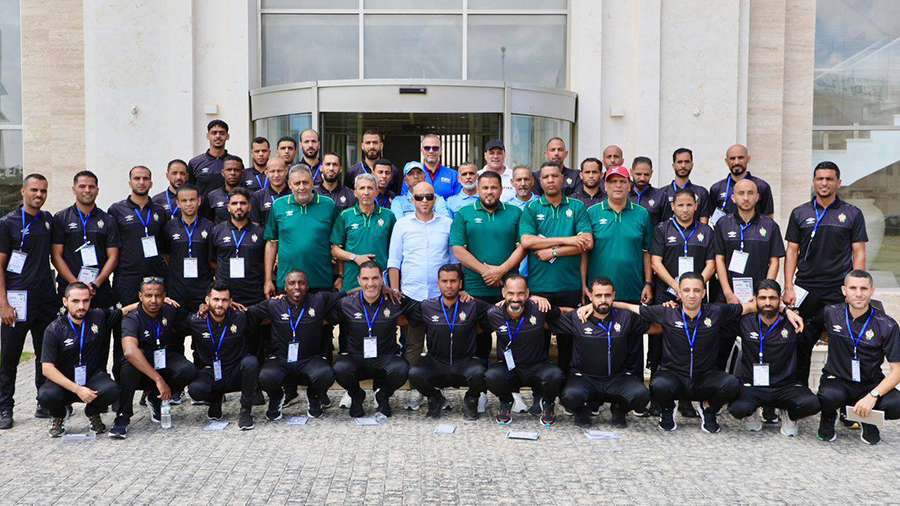
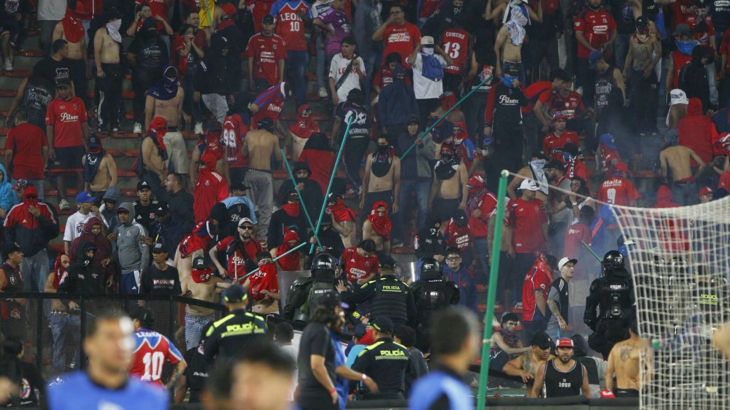
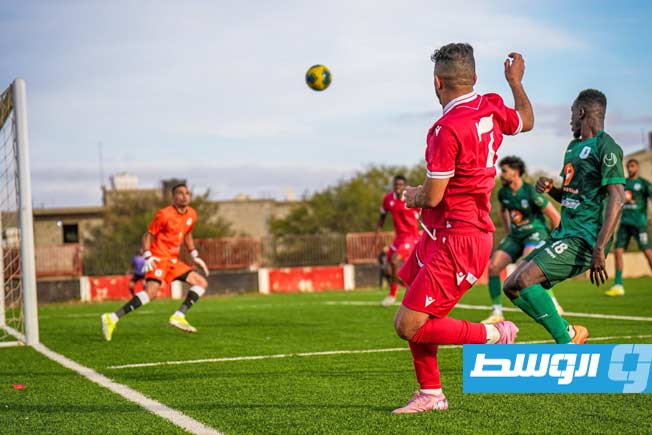
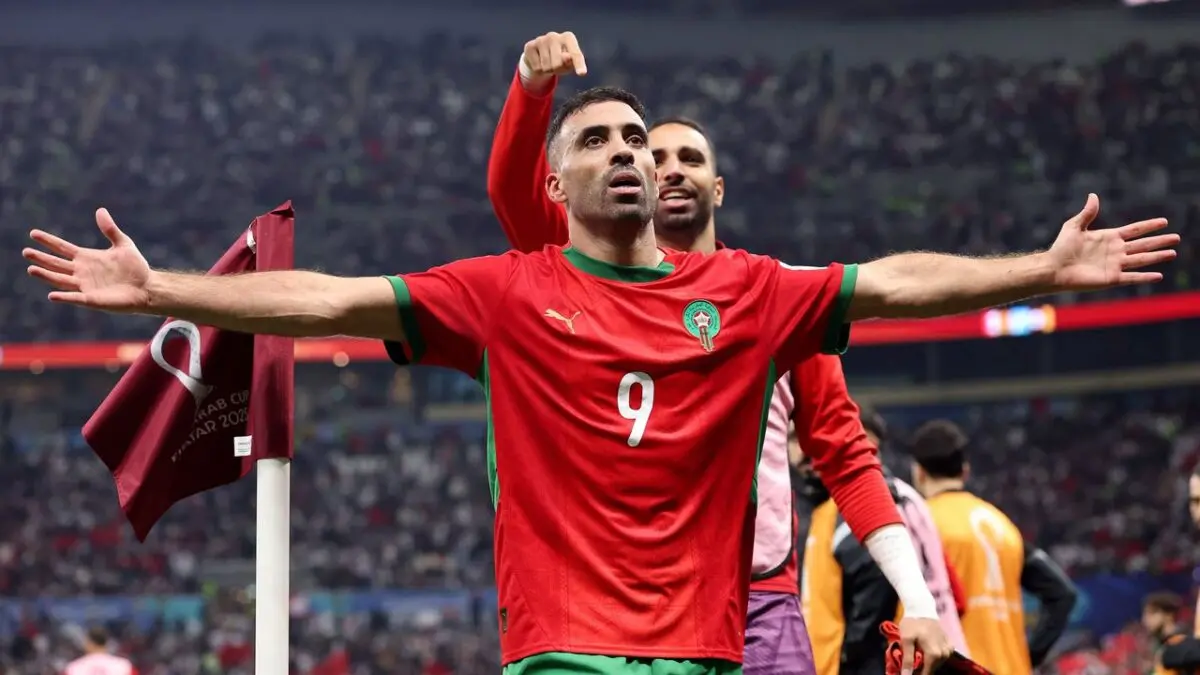
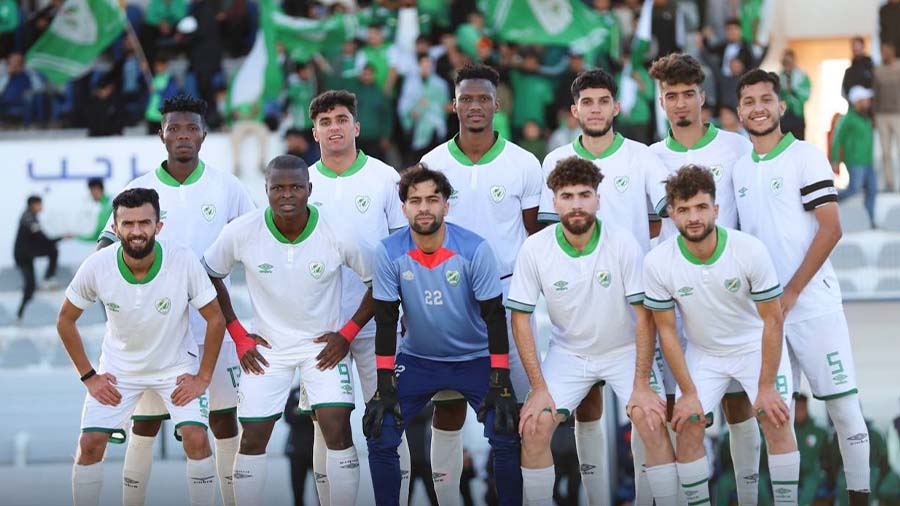
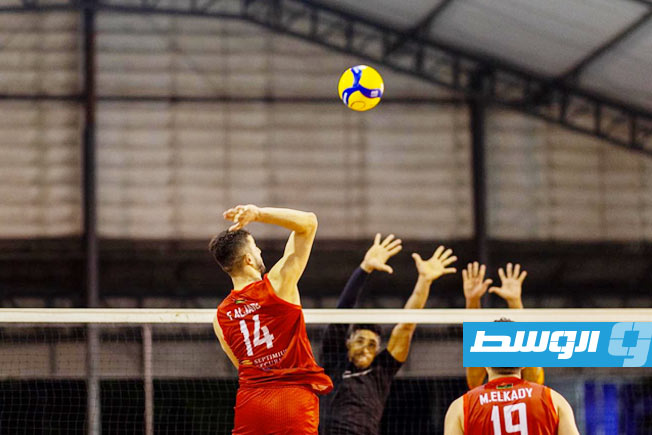
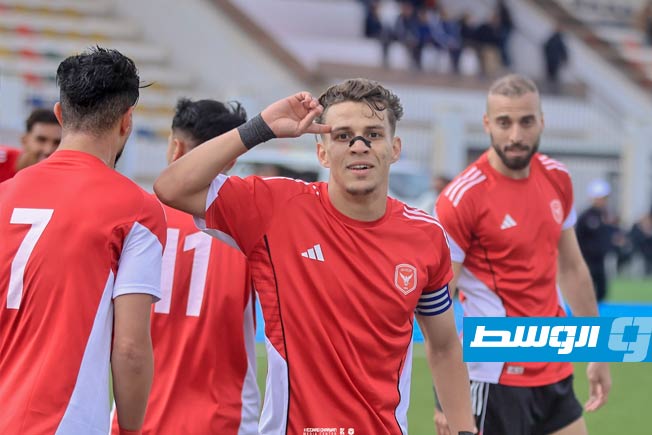
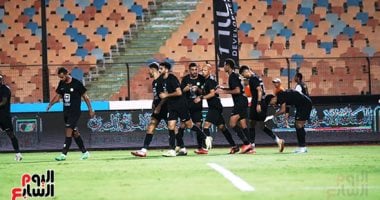
Tripoli, January 27, 2026 – In the seventh round of the Premier Football League, Al-Ahli Tripoli continued its positive results in Group One, defeating its host Abu Salim with a score of 1-0. Meanwhile, Al-Khums tied with its guest Al-Watan with a score of 1-1.
With these results, Al-Ahli Tripoli raised its points tally to 19 points, leading the standings, while Abu Salim’s points remained frozen at 5 points. Al-Watan’s points became 9 and Al-Khums’ 6 points.
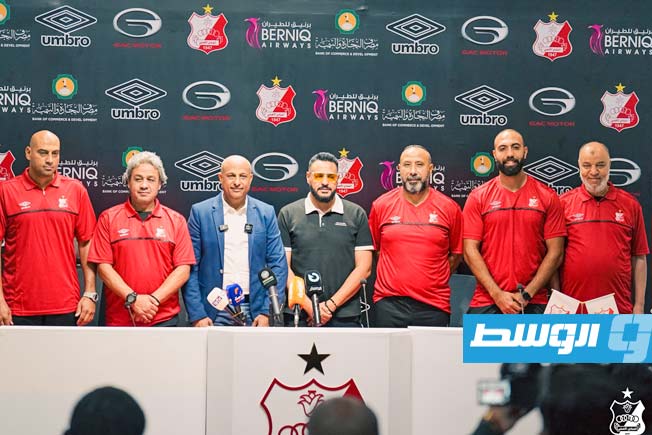
In Group Three, Al-Ahli Benghazi achieved an important victory over its guest Al-Burouq with two unanswered goals, while Al-Suqoor lost its match against Al-Sadaqa by three goals to nil. Consequently, Al-Ahli Benghazi’s points rose to 12, Al-Burouq’s points remained frozen at 4 points, while Al-Sadaqa’s points became 8, and Al-Suqoor’s 5 points.
…
Tripoli
Tripoli is the capital and largest city of Libya, located on the country’s Mediterranean coast. Historically, the site was founded by the Phoenicians in the 7th century BC and later became a major Roman city, with subsequent rule by the Byzantines, Arabs, Ottomans, and Italians shaping its diverse cultural heritage. Its historic core, the medina of Old Tripoli, features well-preserved examples of Islamic and colonial architecture.
Premier Football League
The Premier Football League, commonly known as the Premier League, is the top level of the English football league system. It was founded in 1992 when clubs in the Football League First Division broke away to take advantage of a lucrative television rights deal, revolutionizing the sport’s commercial and global profile.
Al-Ahli Tripoli
Al-Ahli Tripoli is a major sports club in Libya, founded in 1950 and based in the capital city of Tripoli. It is historically one of the country’s most successful and popular football clubs, with a significant role in Libyan sporting culture.
Abu Salim
Abu Salim is a district in Tripoli, Libya, best known internationally for the Abu Salim prison. The prison gained notoriety after a 1996 massacre where hundreds of inmates were killed, an event that later became a catalyst for the 2011 Libyan uprising. The district’s name is now inextricably linked to this pivotal and tragic chapter in modern Libyan history.
Al-Khums
Al-Khums is a coastal city in northwestern Libya, historically significant as the site of ancient Leptis Magna, a prominent Roman city founded in the 7th century BCE. The ruins of Leptis Magna, a UNESCO World Heritage Site, represent one of the best-preserved Roman archaeological sites in the Mediterranean.
Al-Watan
Al-Watan is a cultural and entertainment destination in Riyadh, Saudi Arabia, which opened in 2017 as part of the King Salman Park development. It is designed to showcase Saudi heritage, art, and innovation through interactive exhibits, gardens, and architectural spaces that reflect the nation’s identity.
Al-Ahli Benghazi
Al-Ahli Benghazi is a major sports club in Libya, most famous for its football team, which was founded in 1947 during the era of British administration. It is one of the oldest and most successful clubs in the country, historically serving as a significant cultural and social institution in the city of Benghazi.
Al-Burouq
Al-Burouq refers to the mythical winged creature that, according to Islamic tradition, carried the Prophet Muhammad during the Isra and Mi’raj (the Night Journey and Ascension). It is often depicted as a white steed with a human face and is said to have transported the Prophet from the Sacred Mosque in Mecca to the Al-Aqsa Mosque in Jerusalem.
Al-Suqoor
Al-Suqoor is a historical fortress located in the Asir Region of southwestern Saudi Arabia, known for its distinctive stone and mud-brick construction. It served as a key defensive stronghold and administrative center for the local tribes throughout its history, particularly during the period of the Ottoman Empire’s influence in the region.
Al-Sadaqa
Al-Sadaqa is a historic mosque located in the city of Mosul, Iraq, believed to have been originally built during the medieval Atabeg period. It is notably associated with the 12th-century ruler Nur al-Din Zangi, who is credited with its construction or significant endowment, reflecting its importance as a center of Islamic learning and community life.
Benghazi
Benghazi is a major city in eastern Libya, historically significant as a center of trade and culture since its founding as the Greek colony of Euesperides. It played a pivotal role in Libya’s modern history, serving as a co-capital and a focal point during the 2011 revolution.