After more than 4,500 years since its construction, parts of King Khufu’s boat were moved yesterday, Tuesday, to their new location in the Grand Egyptian Museum, where visitors will be able to follow its restoration work live over the next four years.
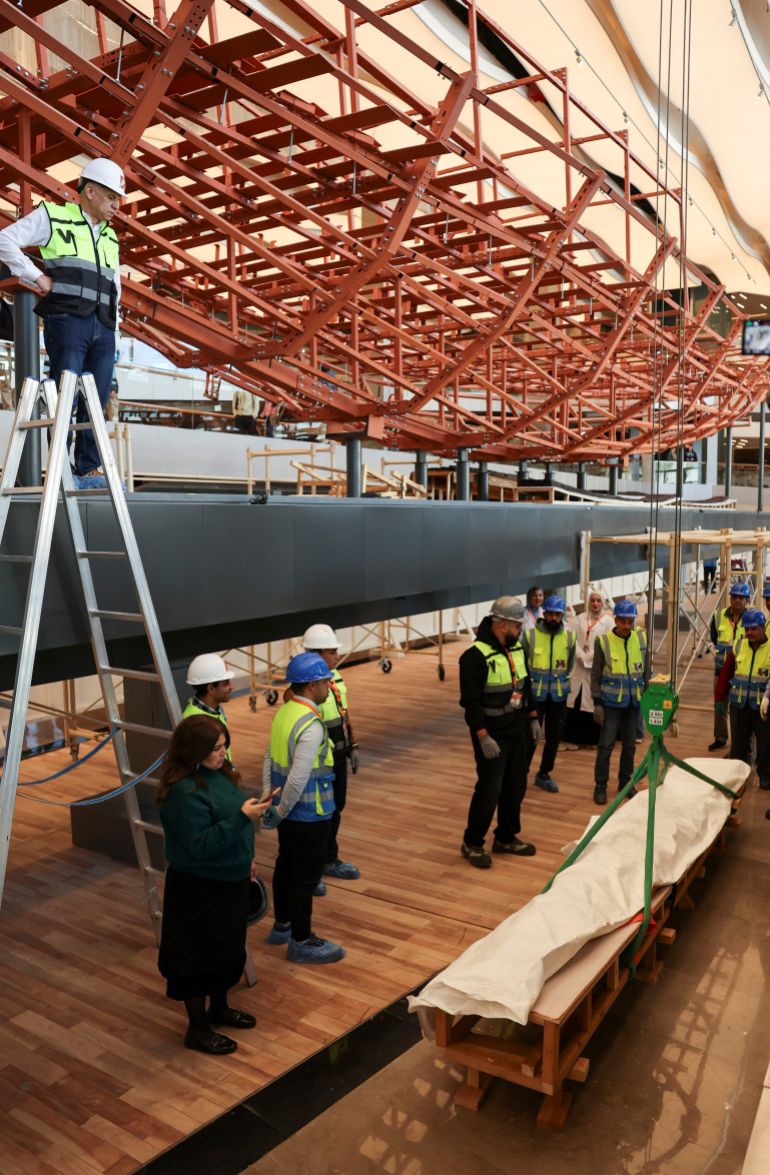
In the hall of the King Khufu Boat Museum, known as the “Solar Boats Museum,” attached to the Grand Museum, restorers, assisted by a small archaeological crane, lifted a wooden plank showing signs of wear, thereby placing the first piece out of 1,650 wooden planks that collectively form King Khufu’s boat.
The Oldest Boats in Human History
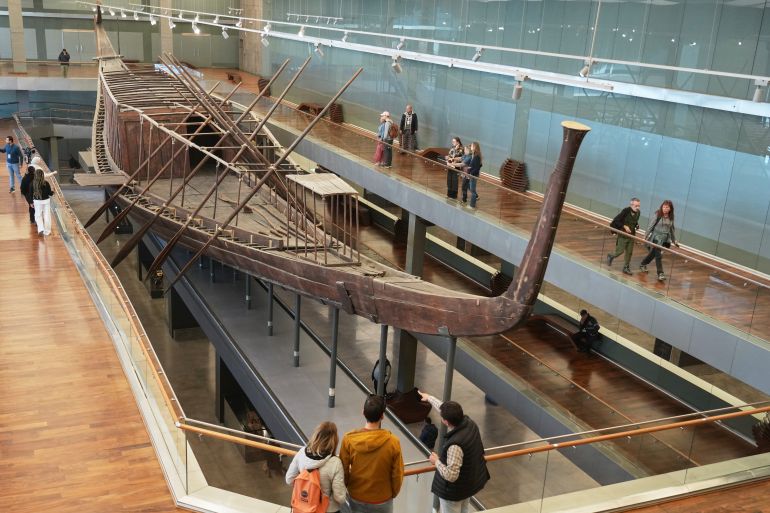
The museum houses, alongside the boat currently under restoration, another solar boat from the same era, found in better archaeological condition, which was previously displayed near the Giza Pyramids before being moved to the Grand Museum.
The two boats together are considered “the oldest known archaeological boats and the largest organic artifact ever discovered in human history.”
The boat, which is now about 4,650 years old, dates back to the reign of King Khufu, the builder of the Great Pyramid. It was discovered in 1954 inside a pit near the Giza Pyramids, but the extraction of its parts did not effectively begin until 2011.
It was explained that the wooden planks “had suffered thermal decomposition” and were in an extremely fragile state, which led several archaeological missions to hesitate to undertake this project.
It was noted that experts treated the boat’s planks and wooden oars using “internationally recognized organic materials,” including “nanocellulose and Klucel E” to reinforce, stabilize, and protect the decomposed wood.
The project is funded by a grant of $3.5 million, alongside the participation of experts in the restoration work.
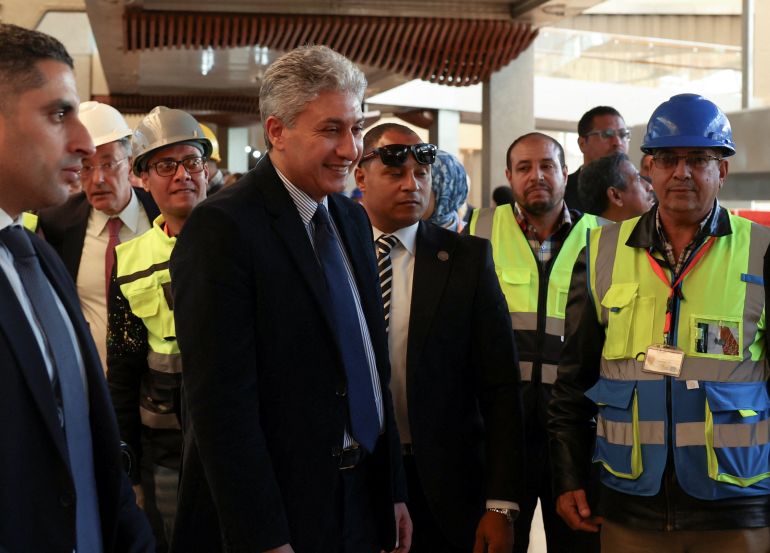
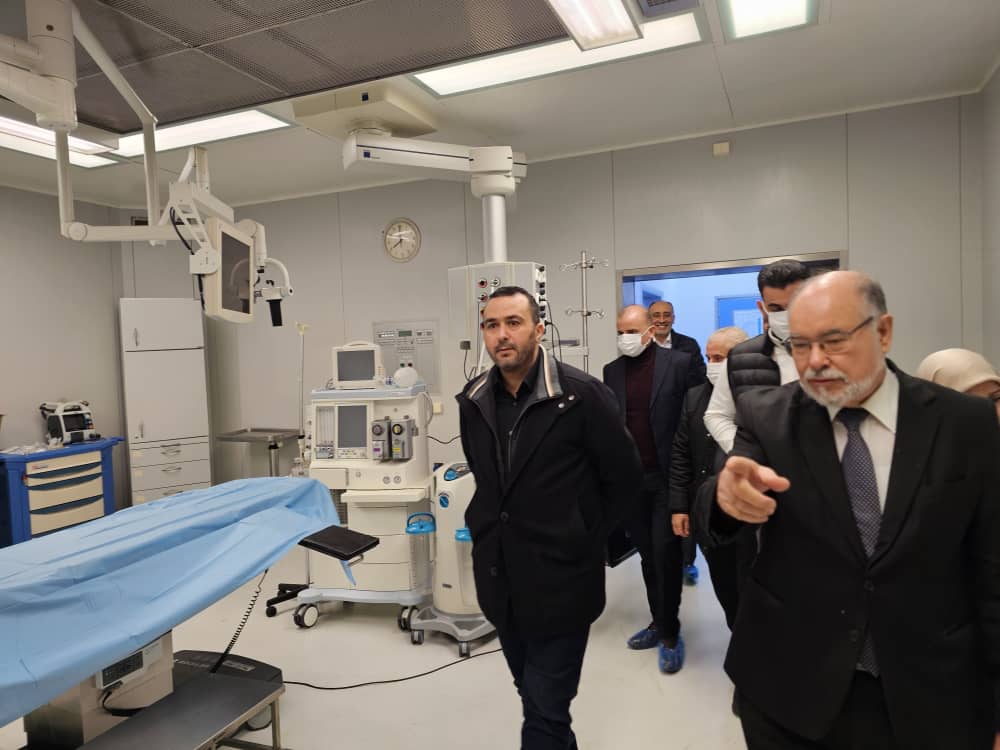
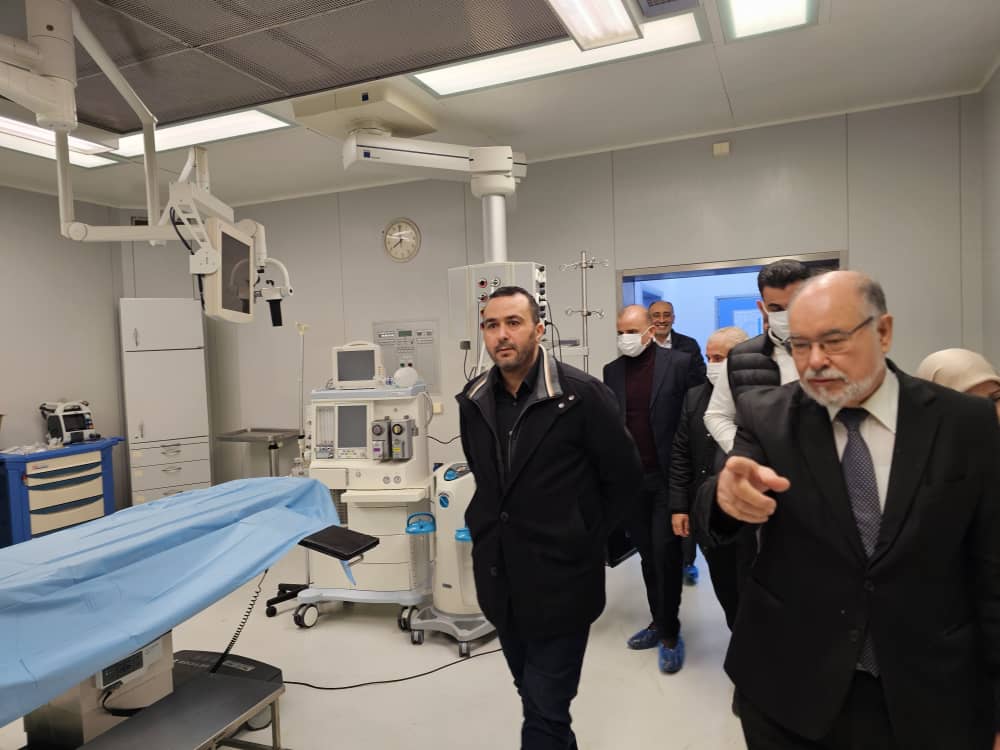
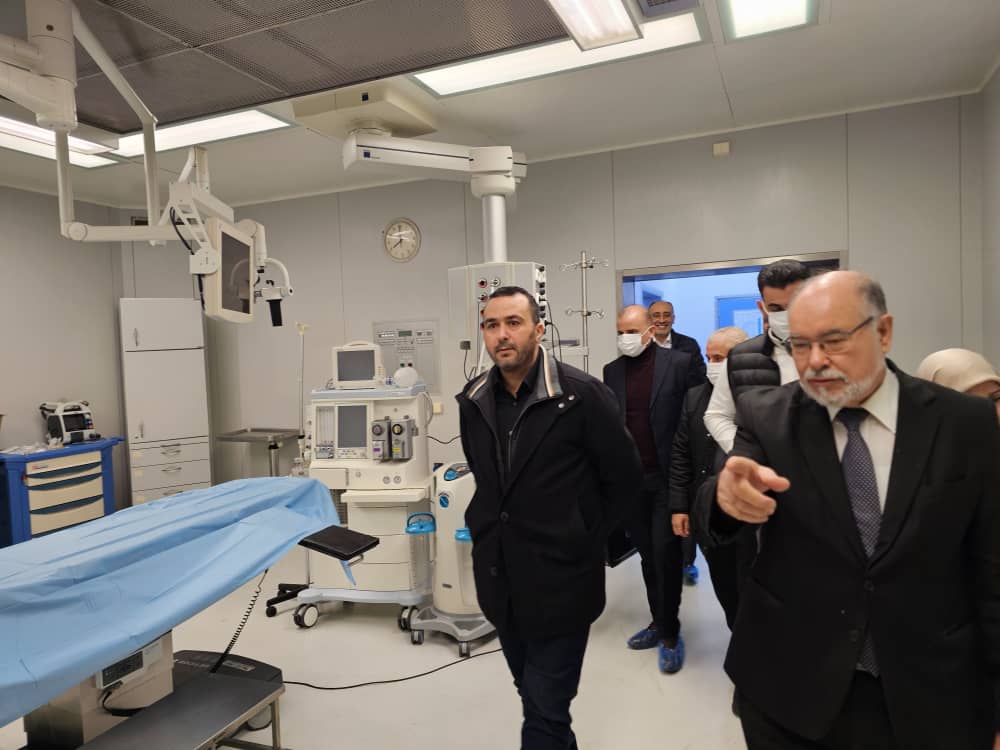
The Minister of Tourism and Antiquities (center), accompanied by archaeologists and workers, inspects an ancient wooden block surrounding the “Solar Boat”
The Minister of Tourism said, “Today we are witnessing one of the most important restoration projects of the 21st century… It is an important project for the museum, for history, and for humanity.”
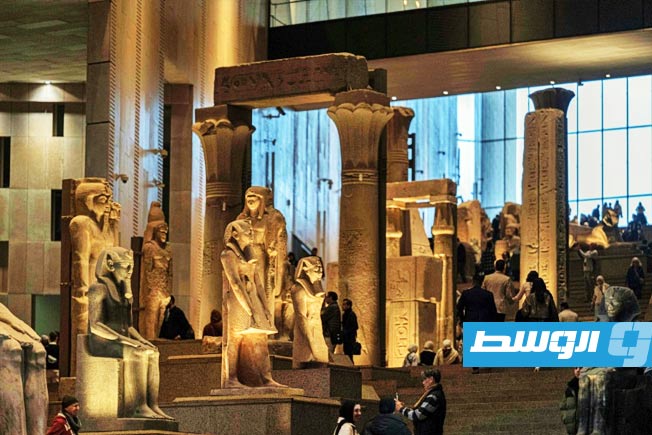
The Grand Egyptian Museum has seen an increasing influx of visitors since the beginning of November, following its official opening after two decades of construction and repeated delays.
It was stated that since its opening, “the museum receives an average of 15,000 visitors per day, but there have been days with larger numbers reaching up to 27,000 visitors per day.”
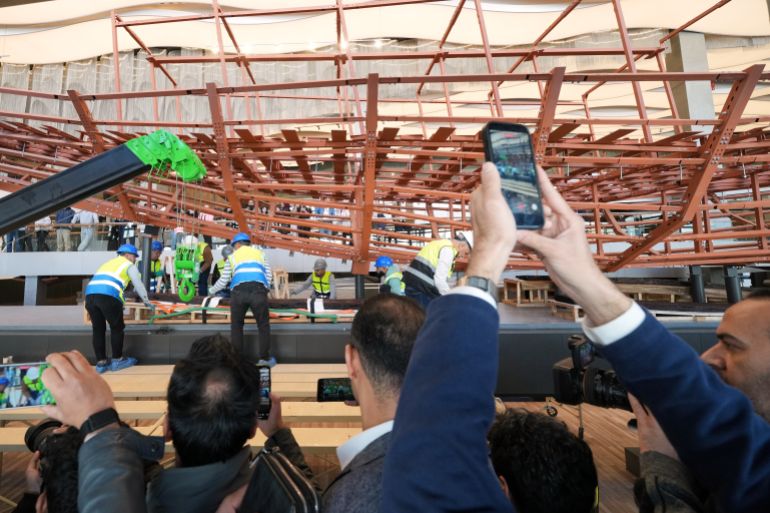
Visitors photograph archaeologists during the reassembly of the second solar boat of King Khufu
The Minister predicted that the number of tourists arriving in Egypt will increase by 7% during 2026, compared to nearly 19 million tourists during the current year.
The government is counting on a recovery in the tourism sector, which contributes about 9% of the GDP and provides job opportunities for about two million people, after it was damaged over the past decade due to political unrest and the COVID-19 pandemic
Grand Egyptian Museum
The Grand Egyptian Museum, located near the Giza pyramids, is a major modern museum project designed to house the world’s largest collection of Pharaonic antiquities. Its development, which began in the early 2000s, aims to relieve congestion at the older Egyptian Museum in Cairo and provide a state-of-the-art facility to showcase Egypt’s ancient heritage, including the complete Tutankhamun collection.
Giza
The Giza pyramid complex in Egypt is one of the world’s most iconic ancient sites, featuring the Great Pyramid of Khufu, the Pyramid of Khafre, the Pyramid of Menkaure, and the Great Sphinx. These monumental structures were built as royal tombs during the Old Kingdom period of Ancient Egypt, primarily in the 26th century BCE.
King Khufu Boat Museum
The King Khufu Boat Museum, located at the foot of the Great Pyramid of Giza in Egypt, houses a remarkably preserved cedarwood solar barque discovered in 1954. This ceremonial vessel, dating to around 2500 BCE, was buried for the pharaoh Khufu to use in the afterlife. The museum was specifically constructed around the meticulously reassembled boat to protect and display this ancient artifact.
Solar Boats Museum
The Solar Boats Museum at the Giza Plateau houses the reconstructed Khufu ship, a ceremonial vessel buried around 2500 BCE for the pharaoh Khufu. Discovered in 1954, this well-preserved cedarwood boat is believed to have been intended for the king’s use in the afterlife. The modern museum was specifically built to display this significant archaeological find.
Giza Pyramids
The Giza Pyramids are an ancient Egyptian necropolis on the Giza Plateau, most famously containing the Great Pyramid of Khufu. Built during the Fourth Dynasty of the Old Kingdom (around 2580–2560 BCE), these monumental tombs were constructed as eternal resting places for pharaohs and are among the world’s oldest and most iconic structures.
Great Pyramid
The Great Pyramid of Giza is the oldest and largest of the three pyramids in the Giza complex, built as a tomb for the Fourth Dynasty Egyptian pharaoh Khufu around 2560 BCE. It was constructed over a 20-year period and originally stood at 146.6 meters, remaining the world’s tallest man-made structure for over 3,800 years.
Egypt
Egypt is home to one of the world’s oldest civilizations, with a recorded history spanning over 5,000 years and famed for its pharaohs, pyramids, and monuments along the Nile River. Its cultural landscape is dominated by iconic ancient sites like the Giza pyramid complex and the Valley of the Kings, alongside later influences from Greco-Roman, Coptic Christian, and Islamic periods.