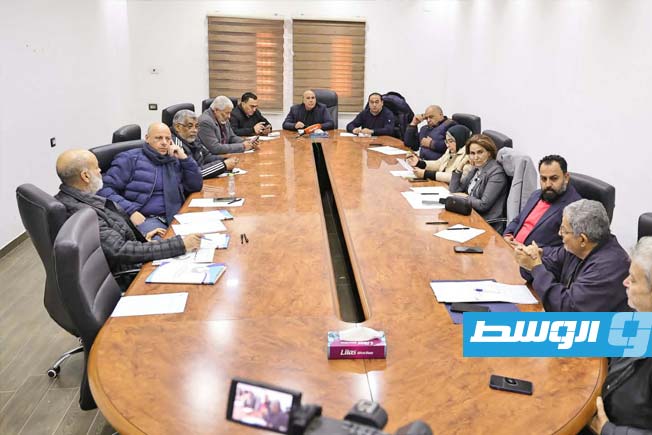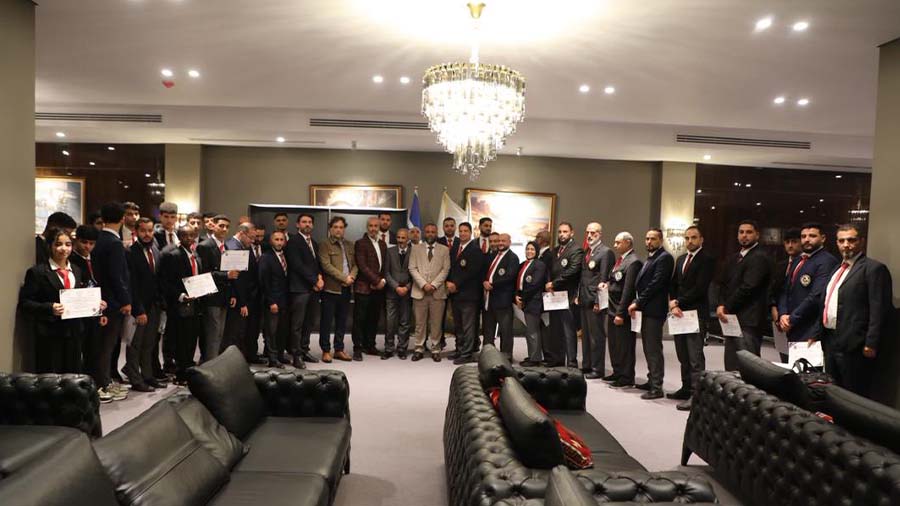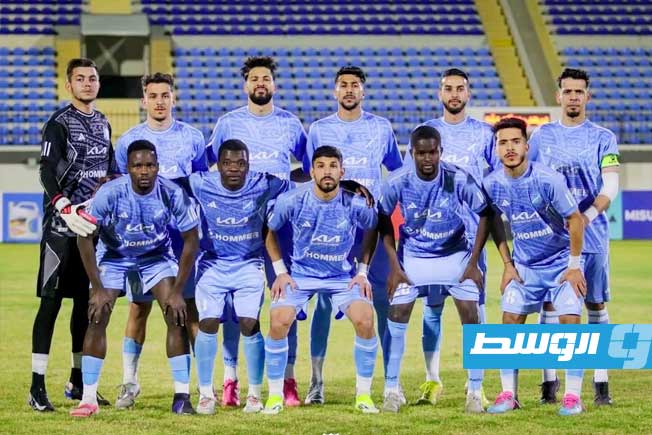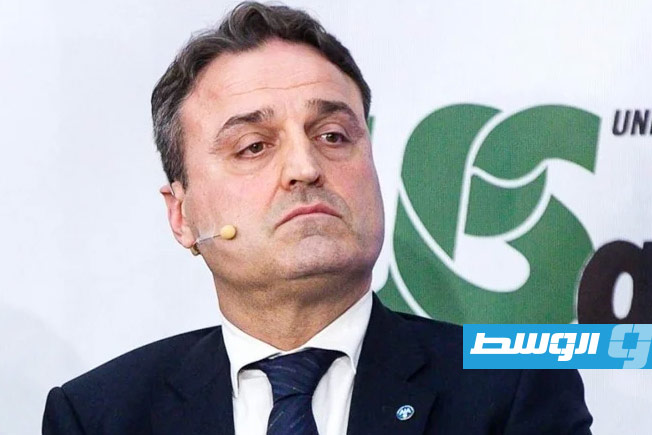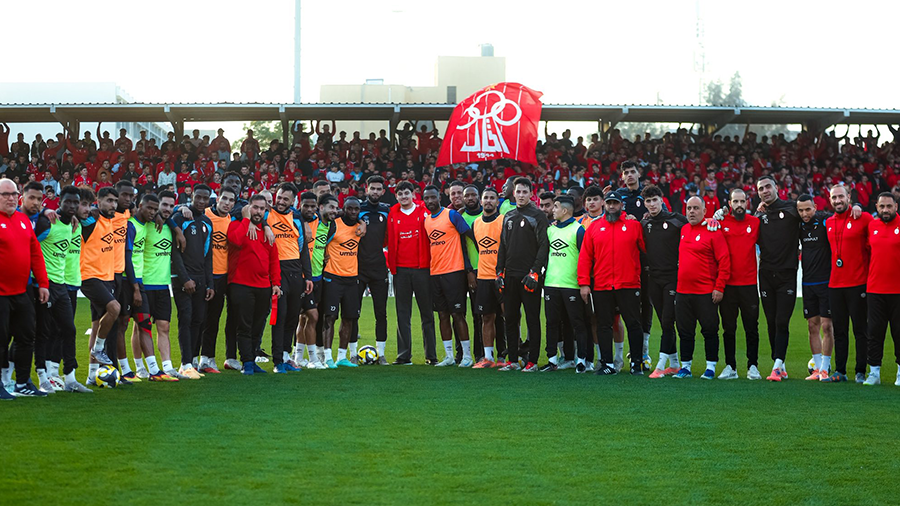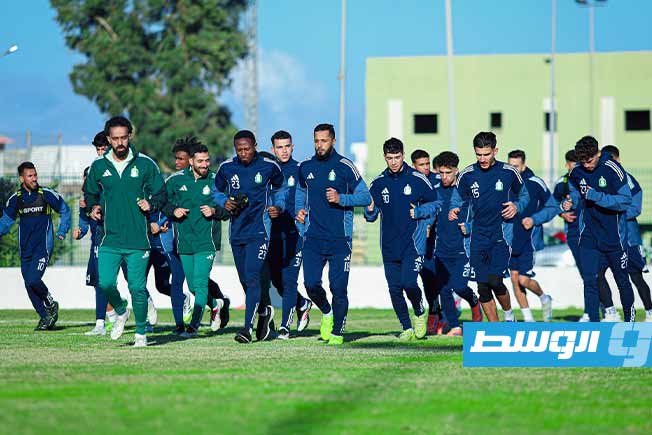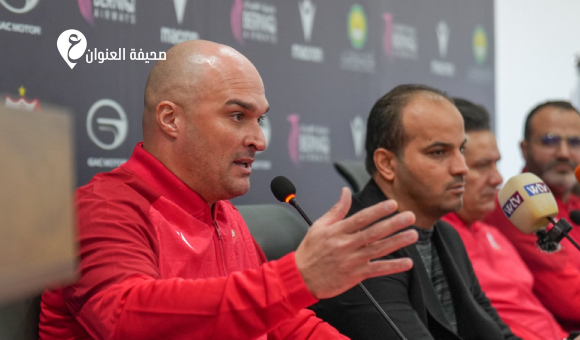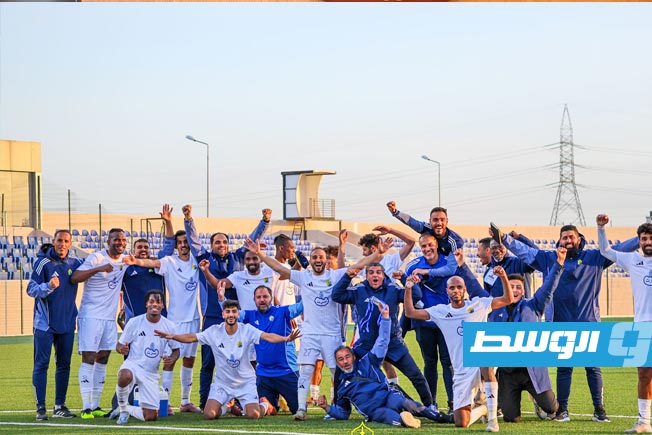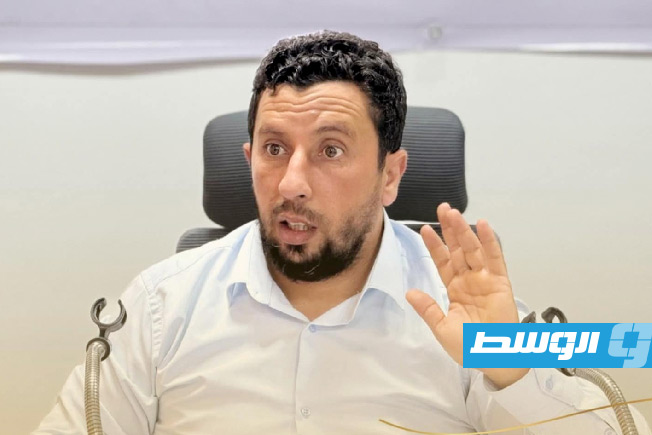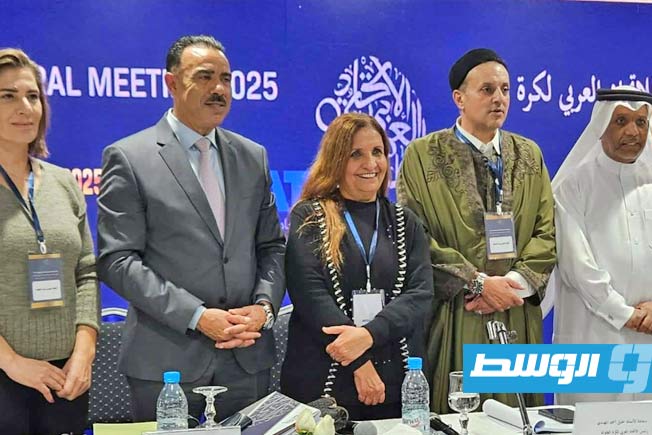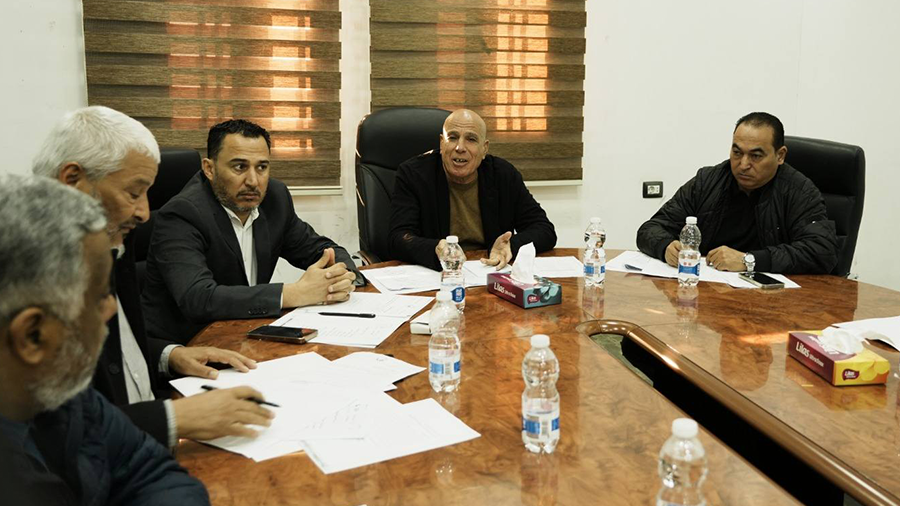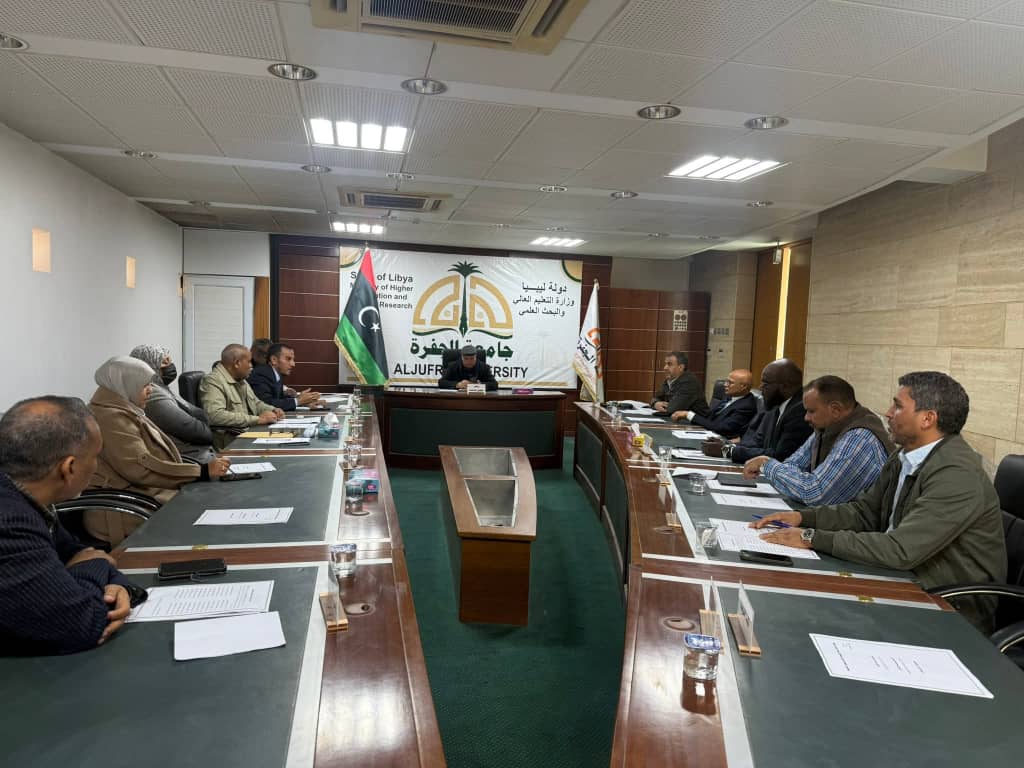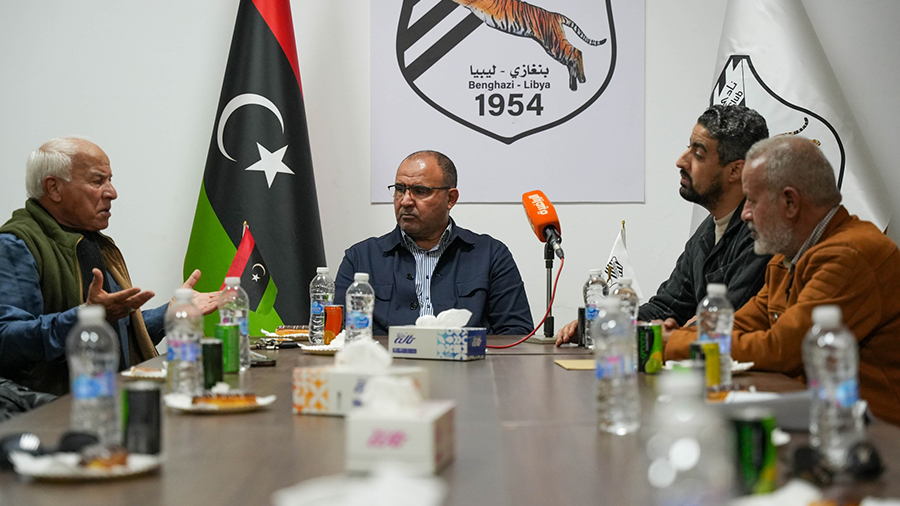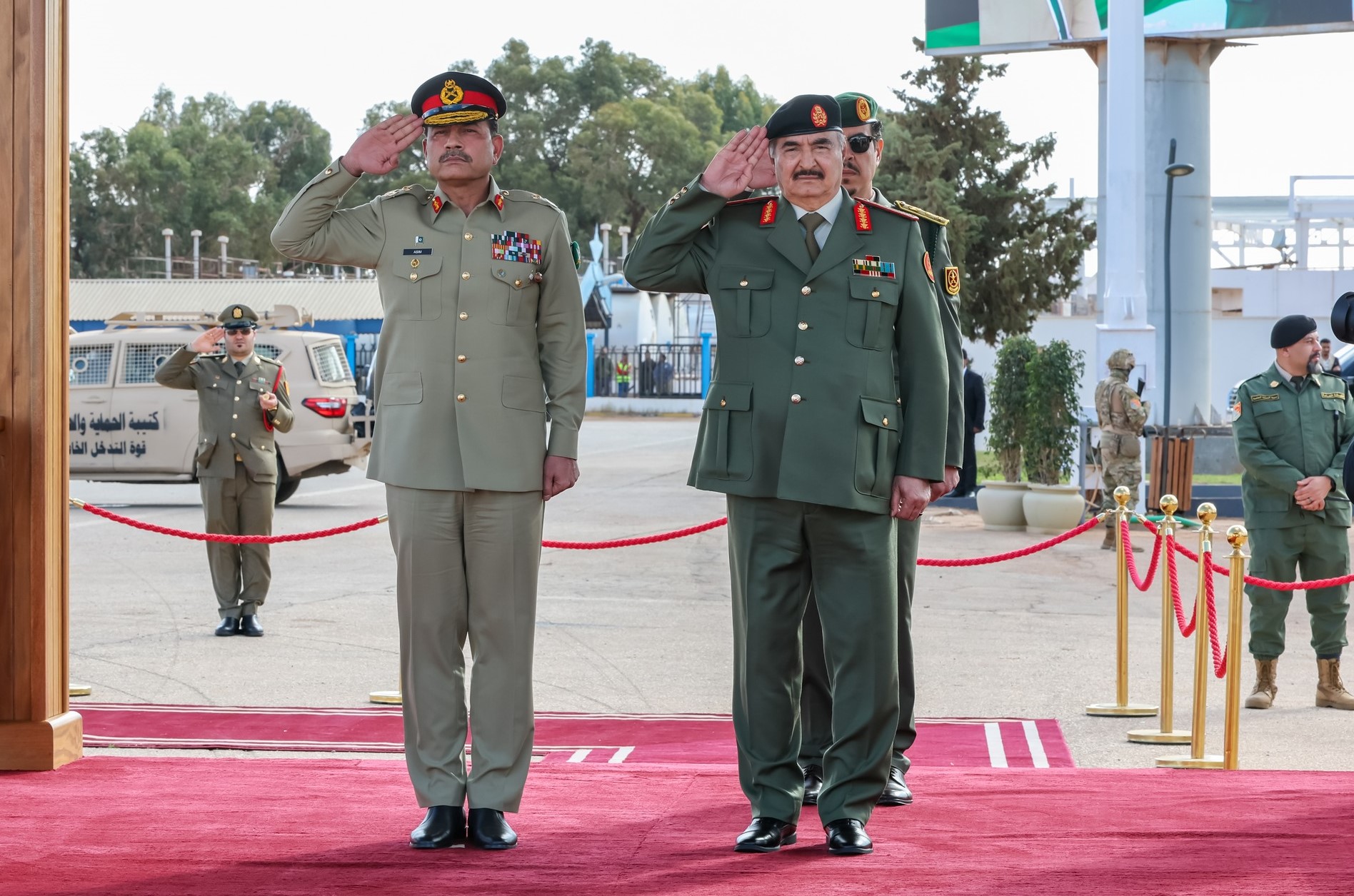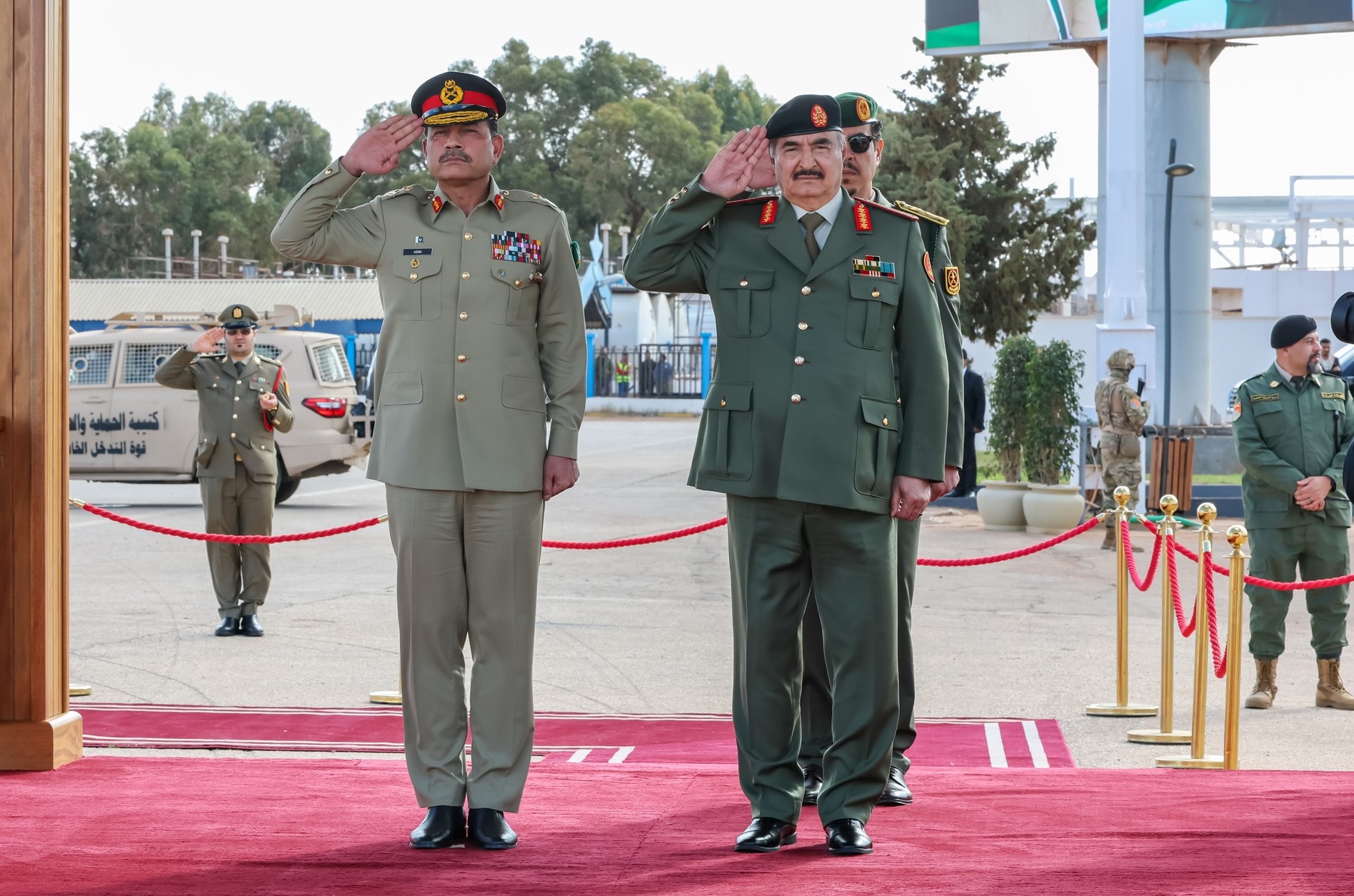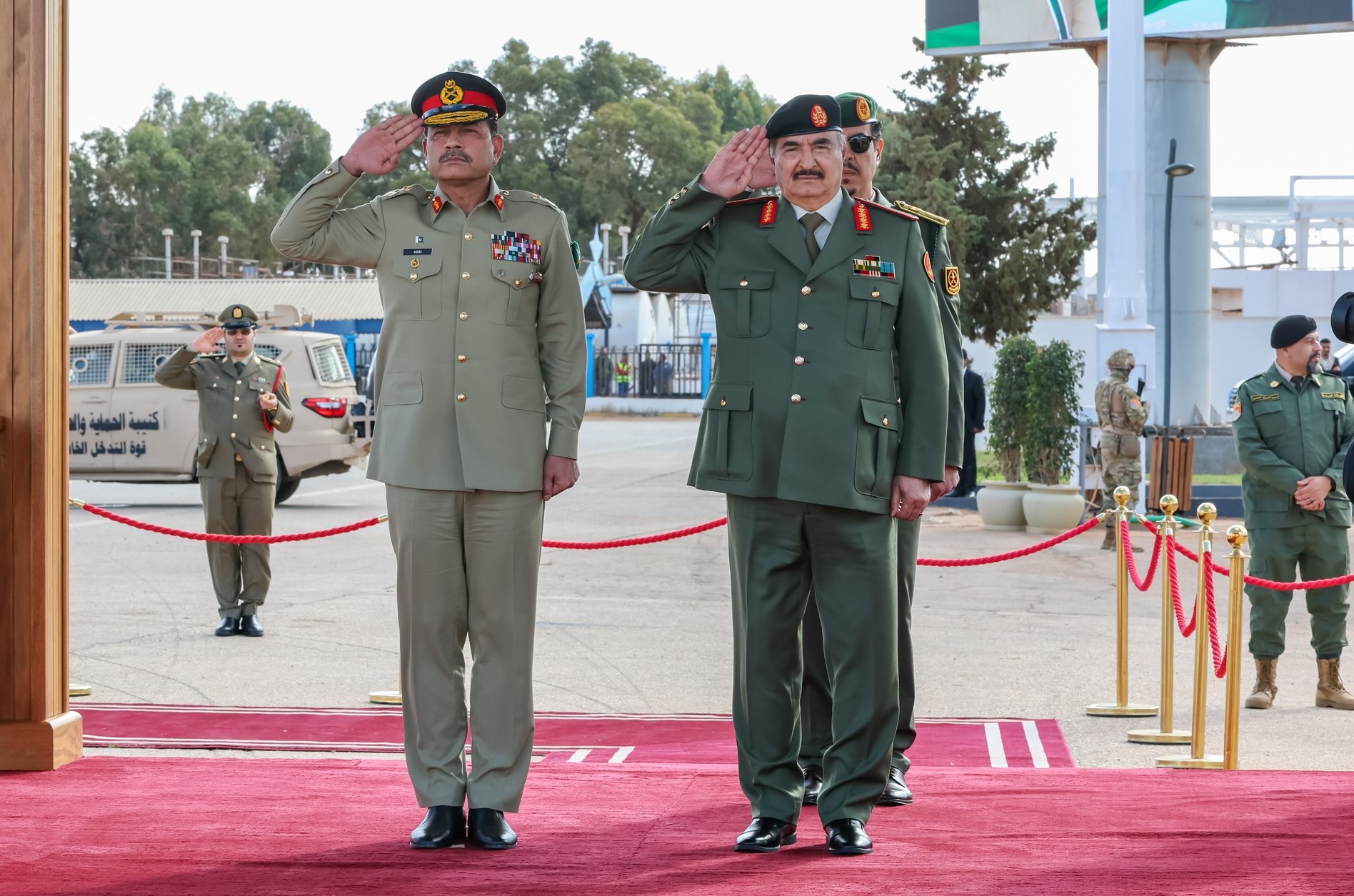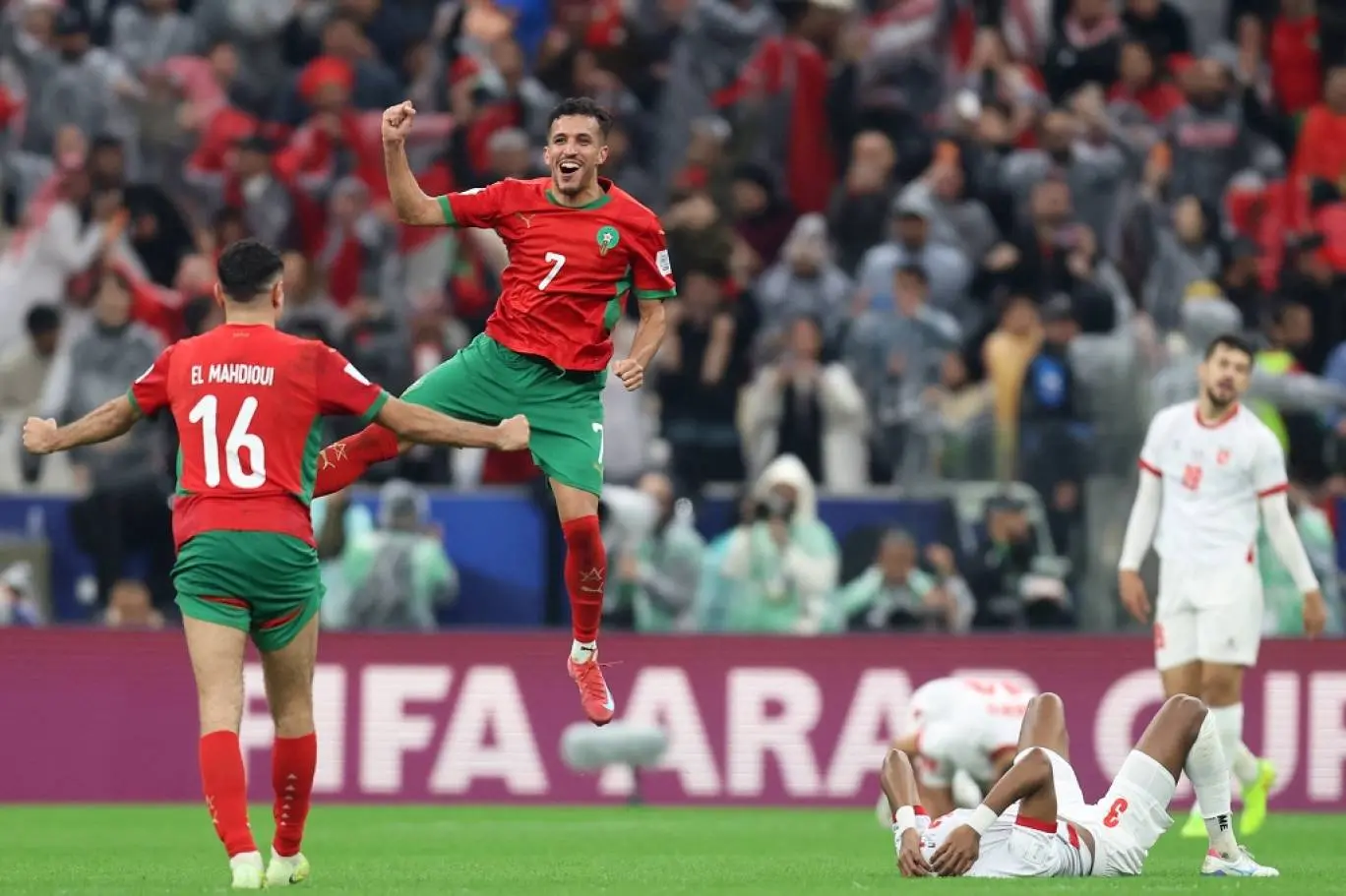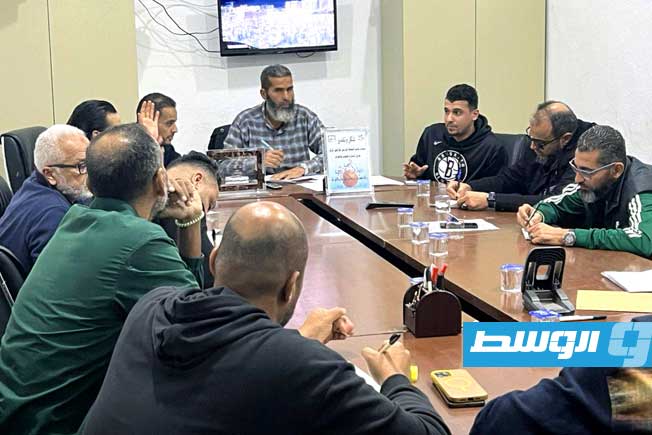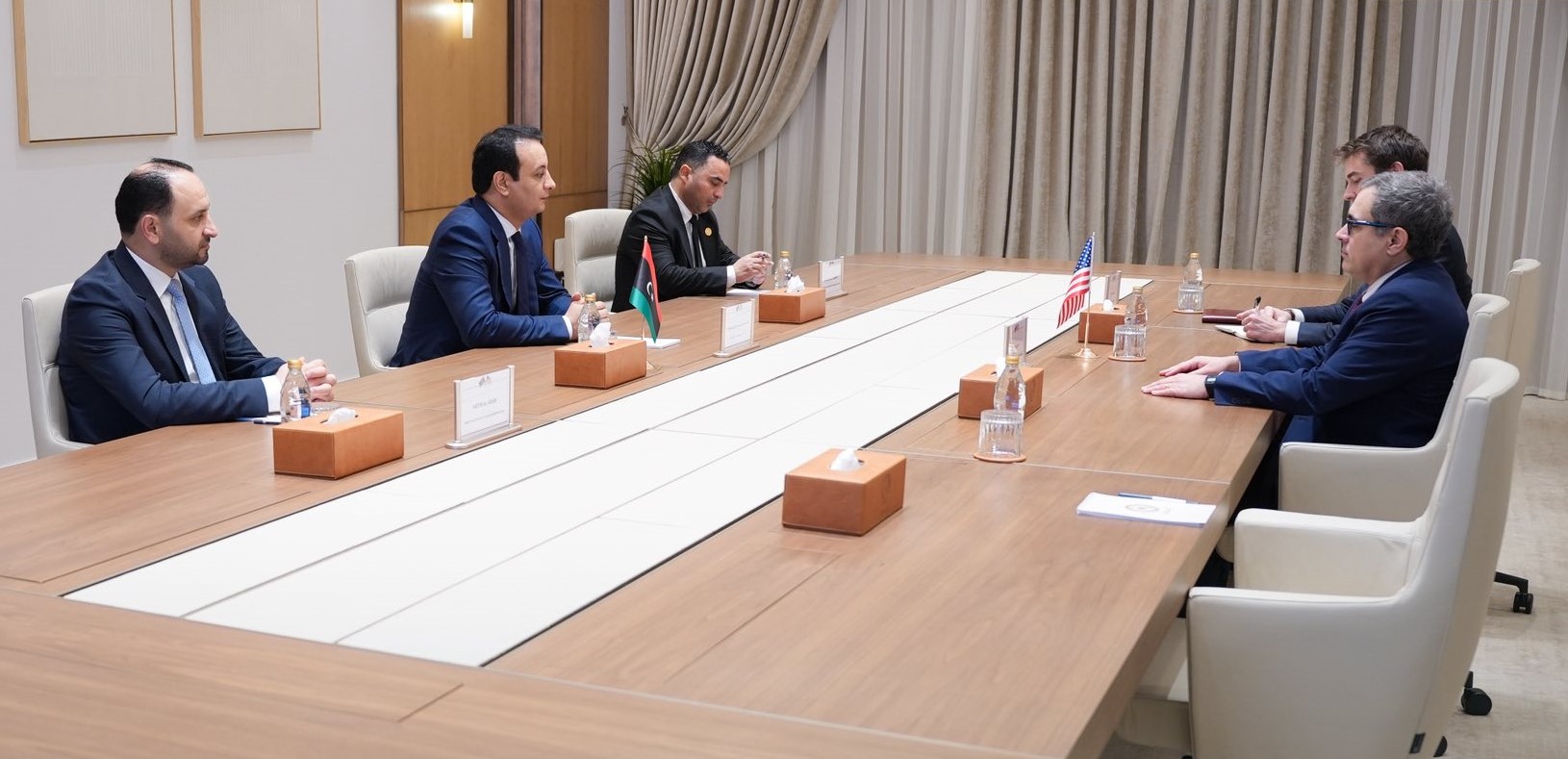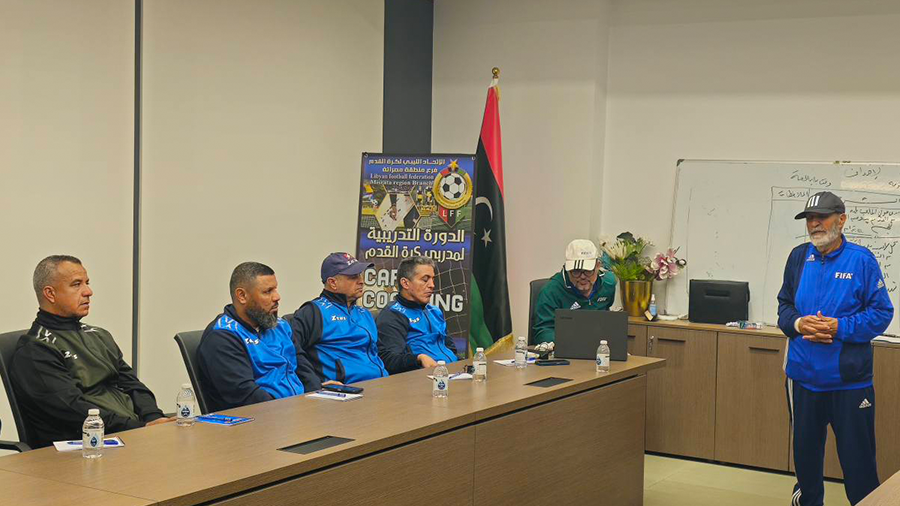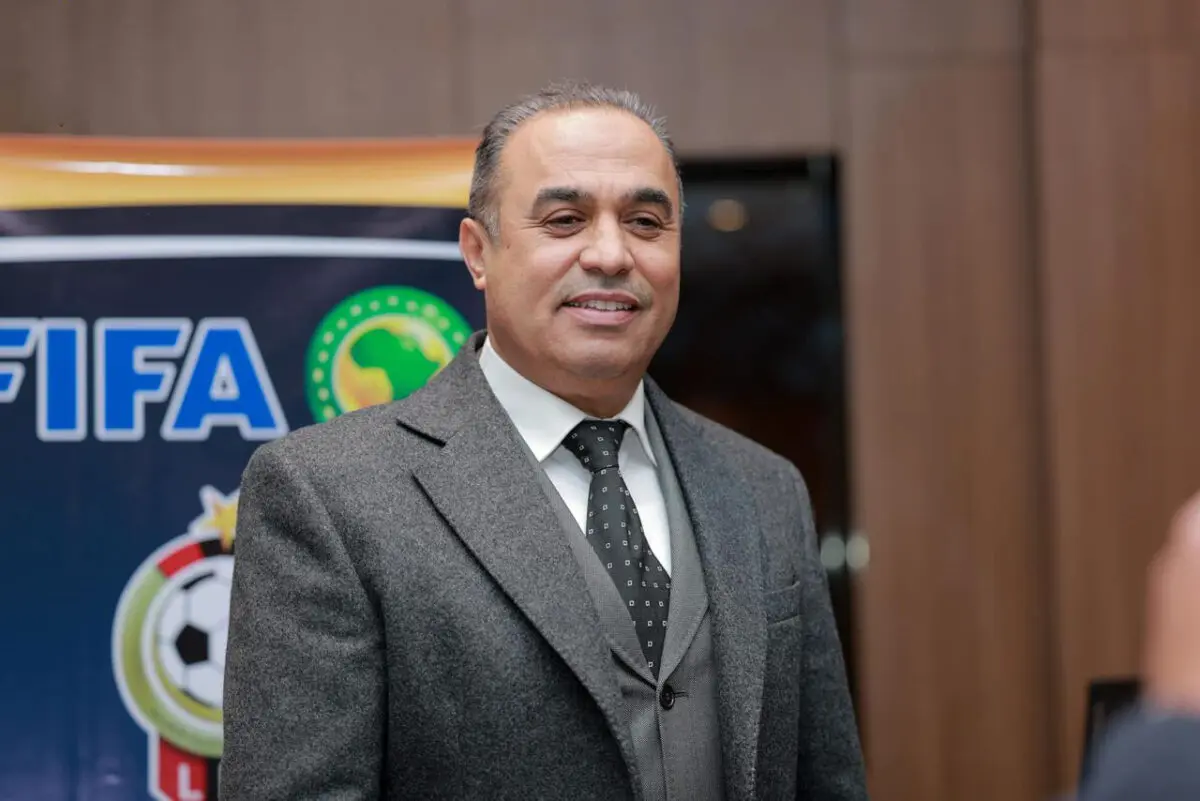
In a serious incident revealing the depth of the administrative crisis within the Libyan Football Federation, the Secretary-General of the Federation submitted his official resignation, citing “interference in his work and duties by the Chairman of the Board of the Al-Ittihad Al-Askari Sports Club,” as stated verbatim in the content of the letter addressed to the Chairman of the Federation’s Board of Directors.
The resignation was not trivial, nor did it come for personal or health reasons. Instead, it was laden with a serious accusation that strikes at the core of institutional work, confirming that the Secretary-General is no longer able to perform his duties under direct interventions that strip the position of its legal and administrative substance.
Instead of opening an internal investigation, clarifying the truth of the interferences, or even issuing a statement to the public, the Football Federation chose the easiest and most dangerous path simultaneously: issuing an immediate decision to appoint a new Secretary-General on the very same day the resignation was submitted.
An urgent decision, without explanation, without accountability, as if the problem was with the person, not the reason for the resignation.
If the Secretary-General resigned due to interference:
• Which party interfered?
• Will these interferences stop with the new Secretary-General?
• Or has the position become a mere facade managed from behind the scenes?
Appointing a replacement does not negate the accusation, nor does it erase the cause. Instead, it confirms that the crisis is deeper than merely changing names.
In this context, the President of the Federation finds himself in the crosshairs of criticism, as he is the primary official responsible for the administrative climate within the Federation and for protecting the independence of executive positions, foremost among them the position of Secretary-General.
Either the interference occurred with his knowledge, or he failed to prevent it. In both cases, responsibility exists and cannot be bypassed with a swift appointment decision.
What happened reinforces the image of a federation managed by reactions, not by governance:
• No press conferences
• No explanatory statements
• No respect for the public’s right to know
This raises legitimate questions about the extent of the Federation’s commitment to its statutes and the regulations of the International Federation of Association Football (FIFA), which emphasize administrative independence and non-interference.
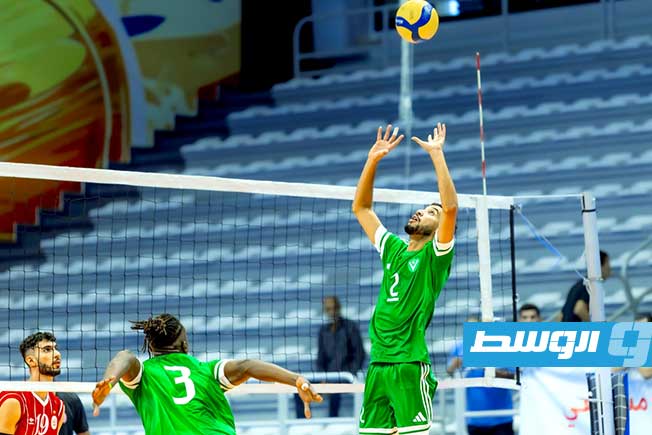
Libyan football does not suffer from a lack of competence, but from interferences that exclude, decisions that silence, and management that refuses to acknowledge the crisis.
Therefore, a resignation due to interference is not a passing event but a clear warning. Appointing a new Secretary-General immediately does not extinguish the fire; it confirms it is burning.