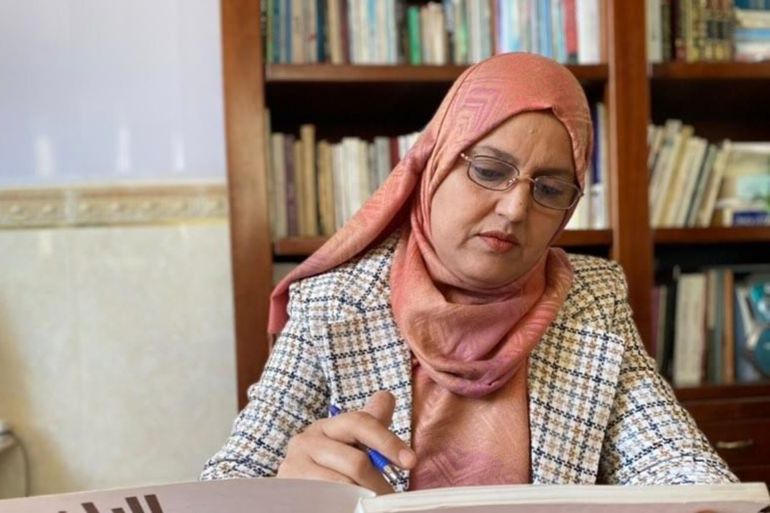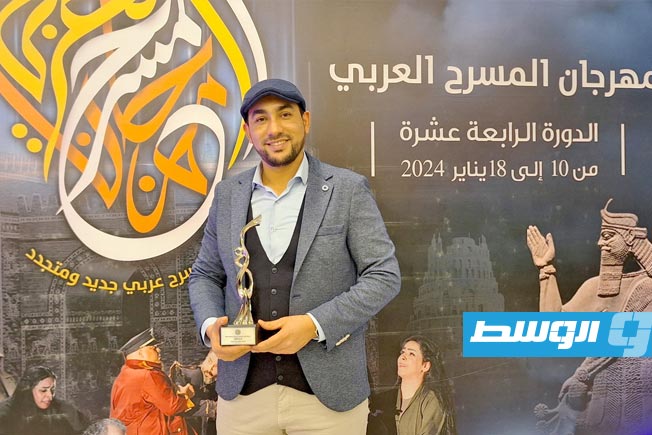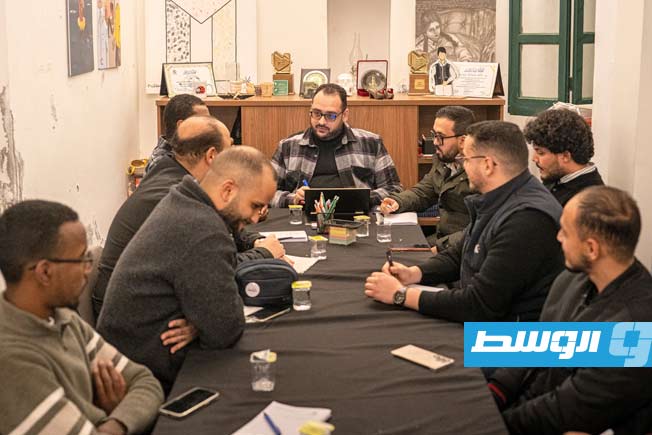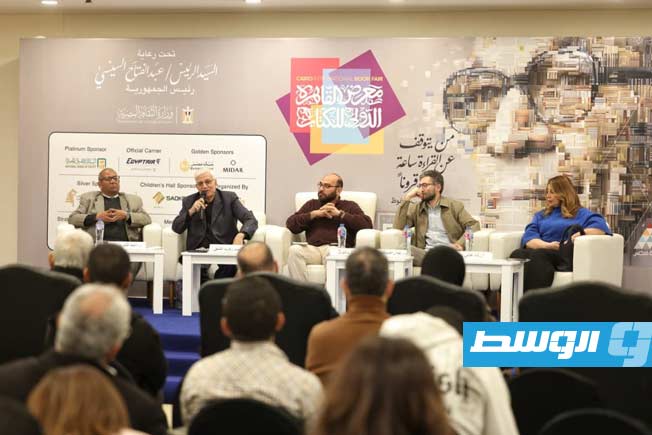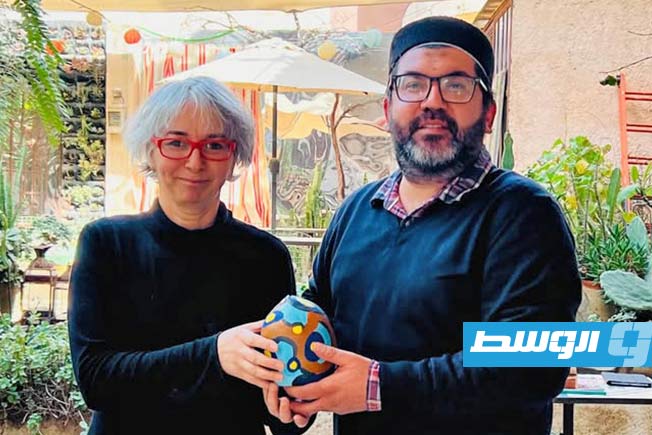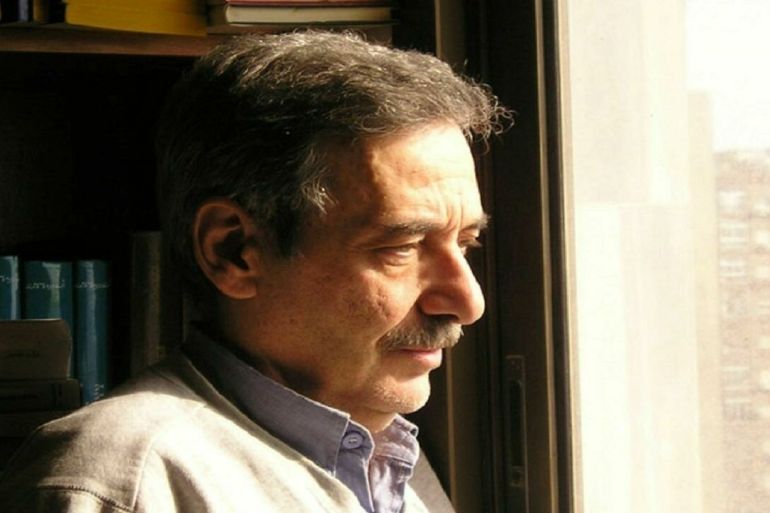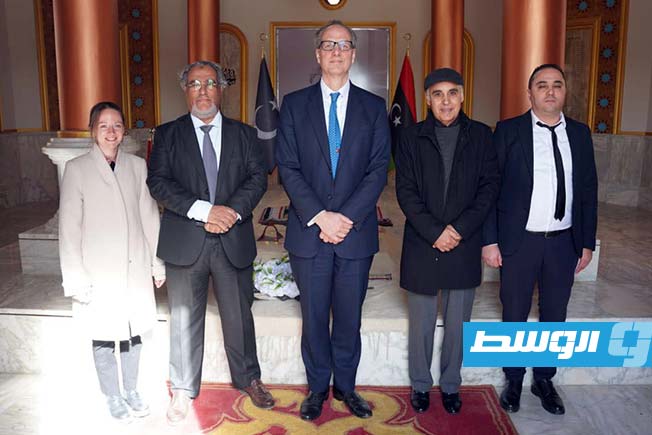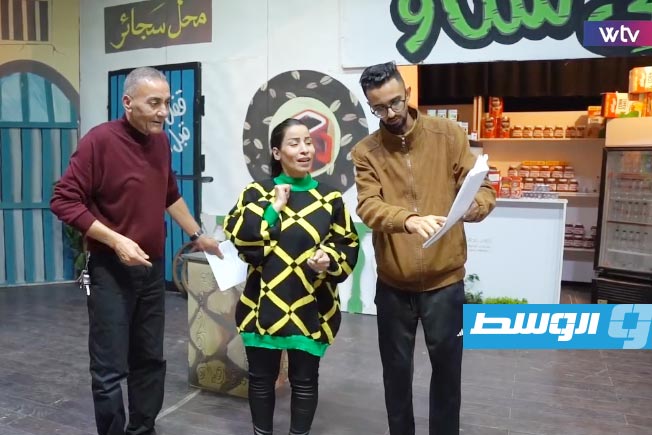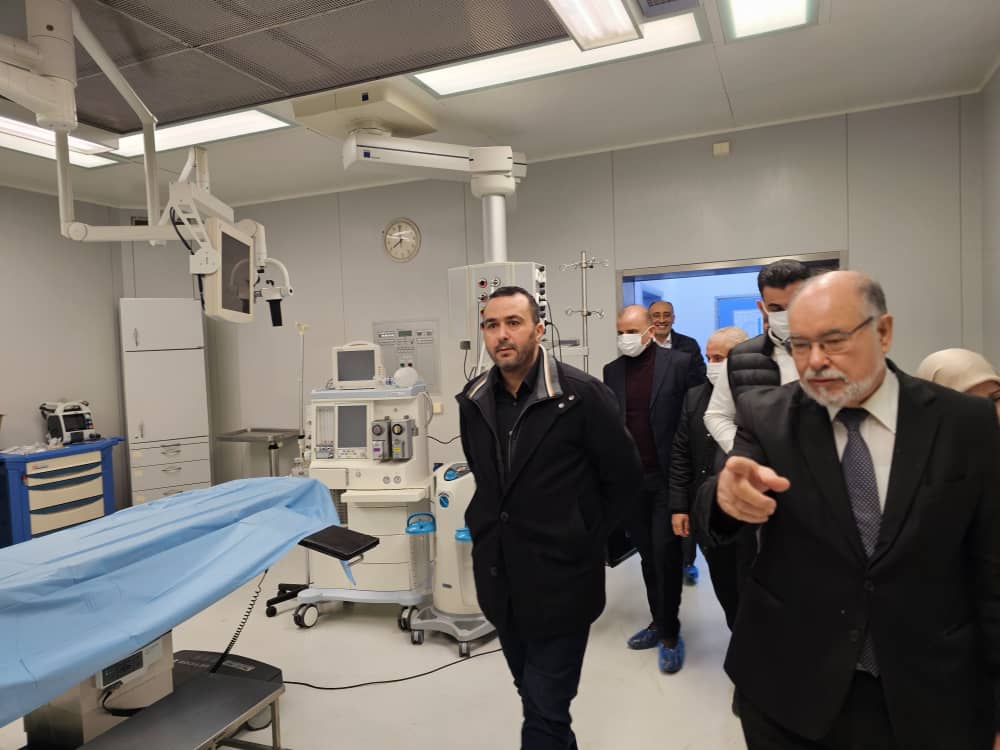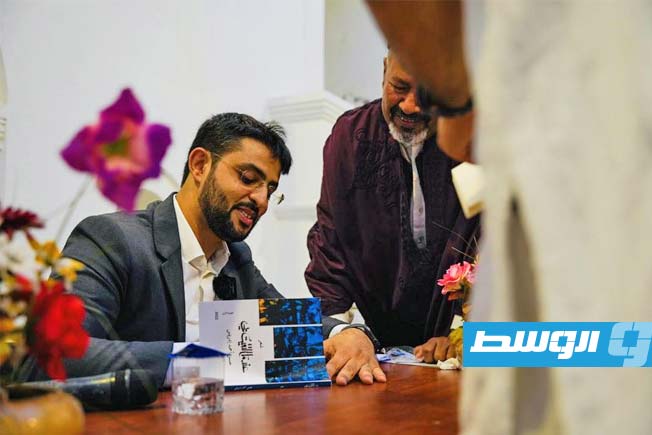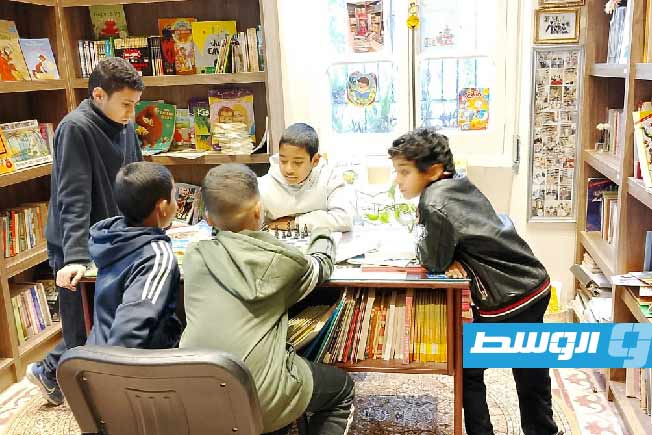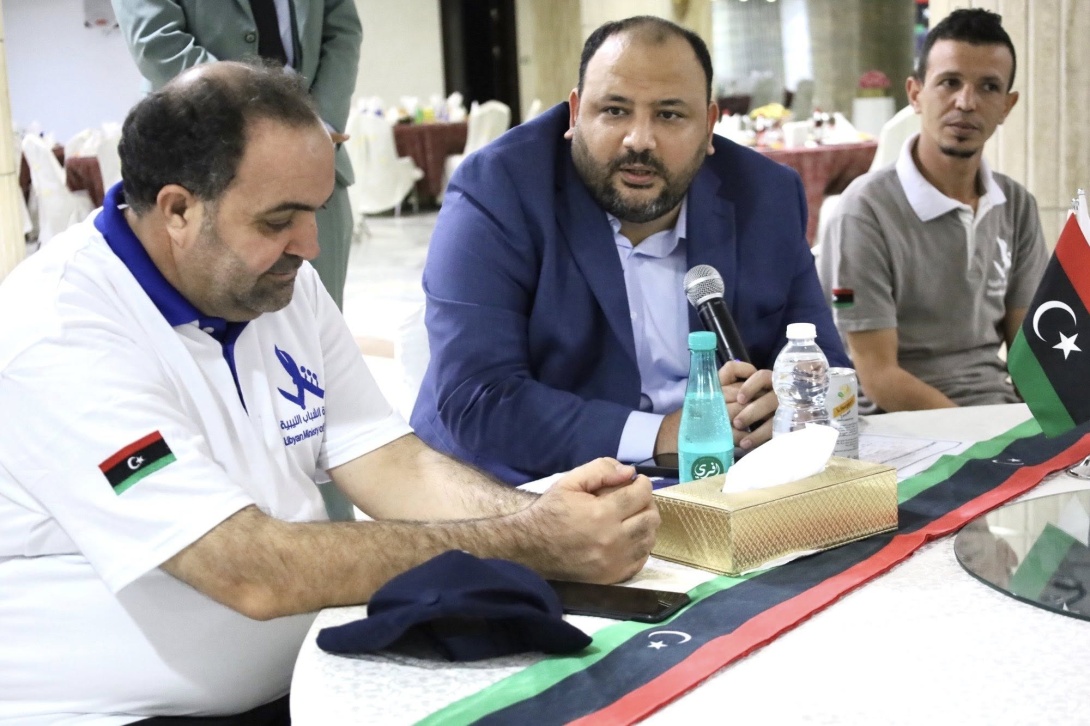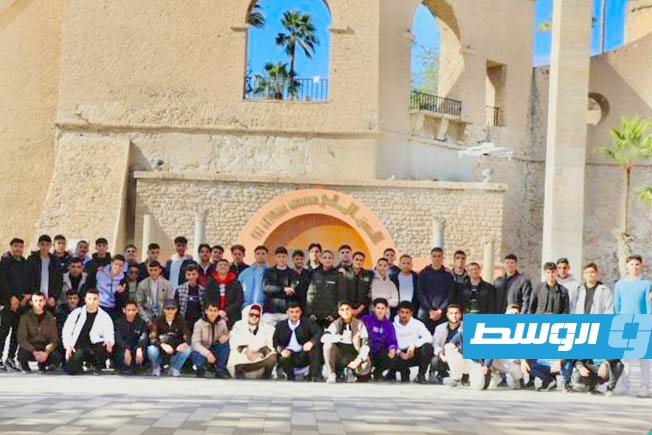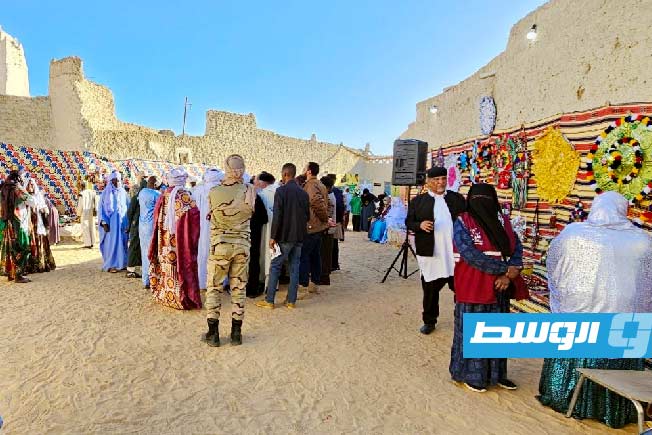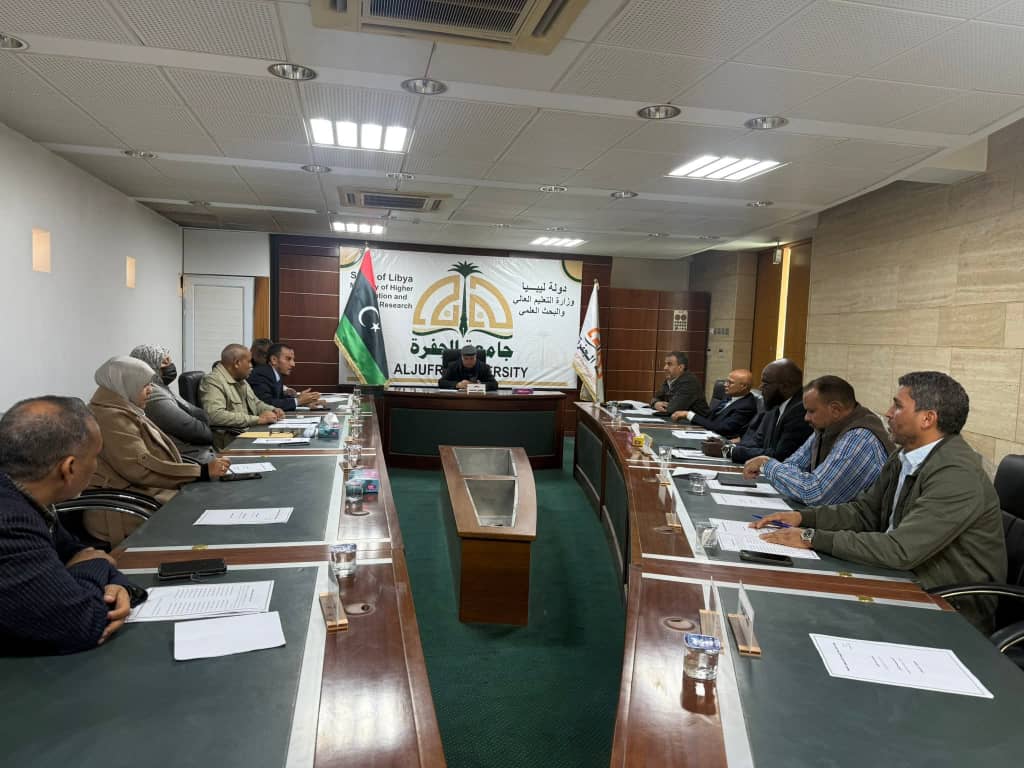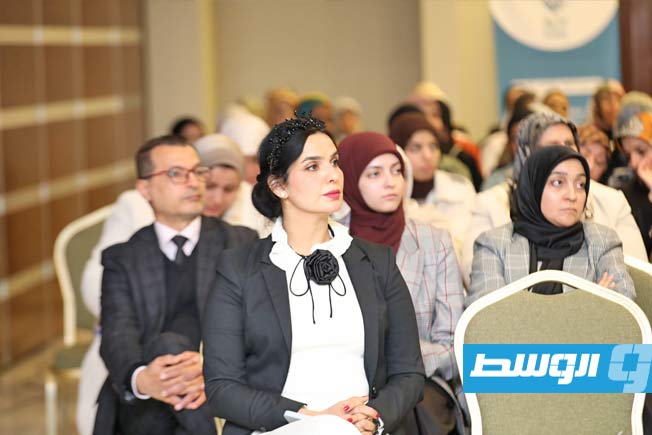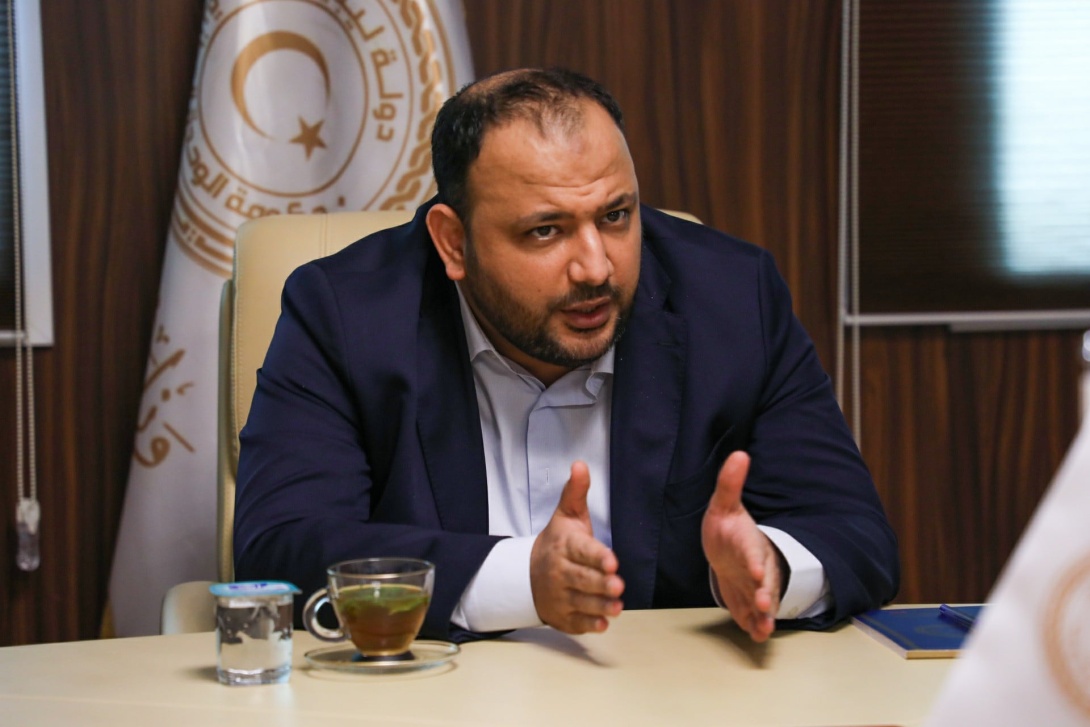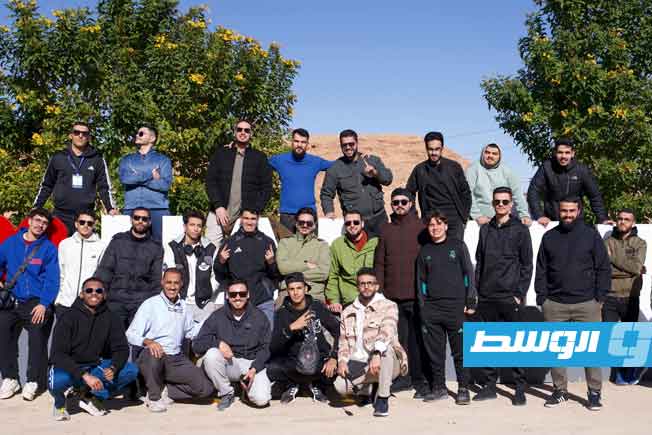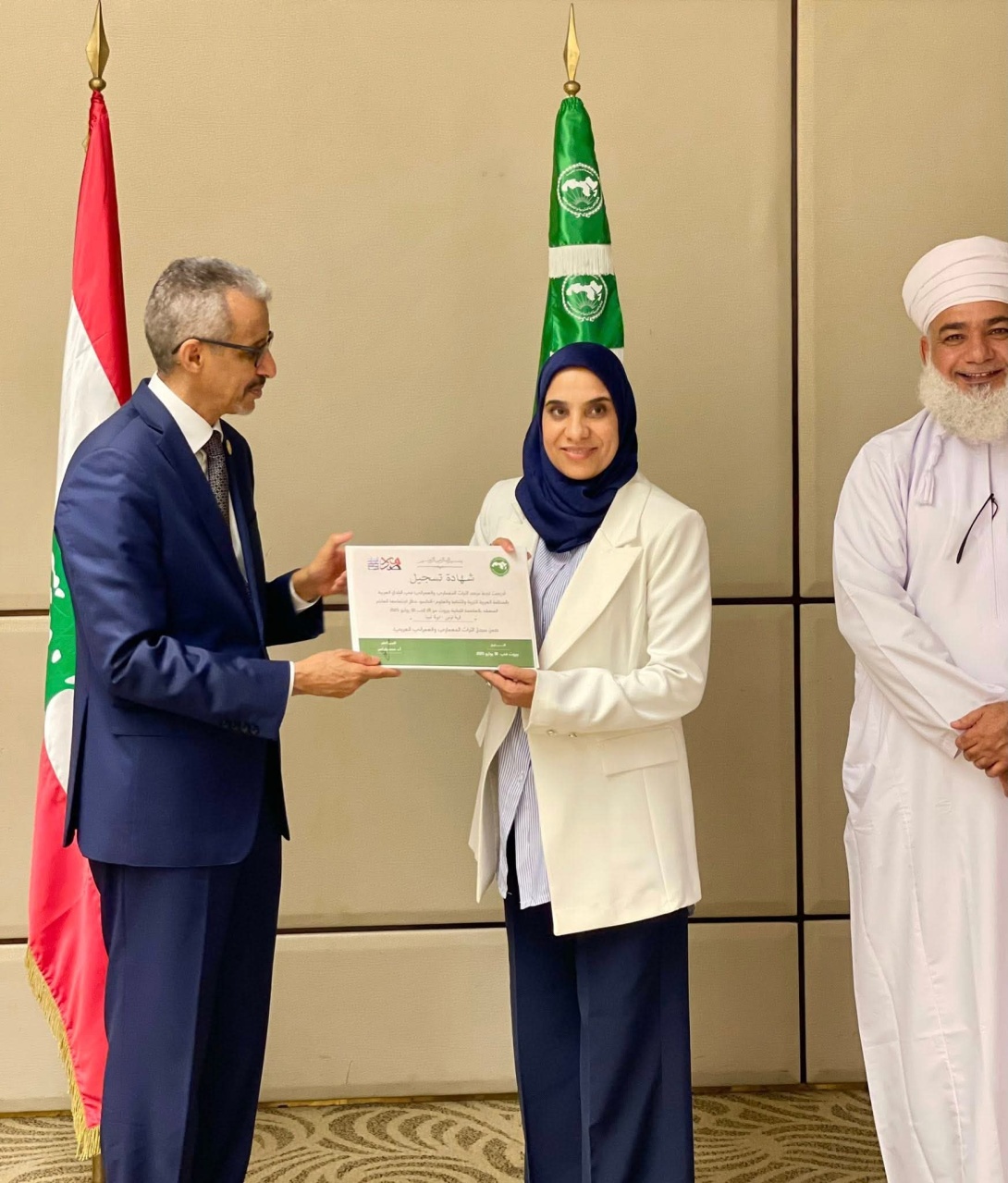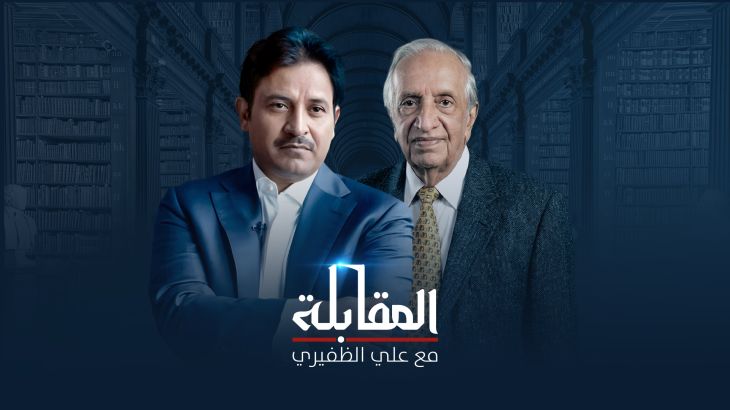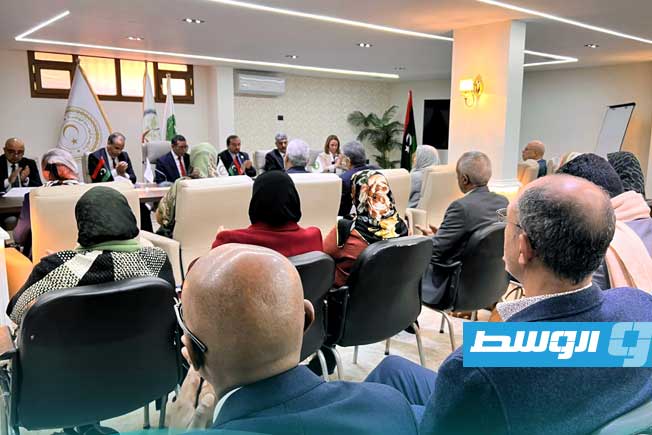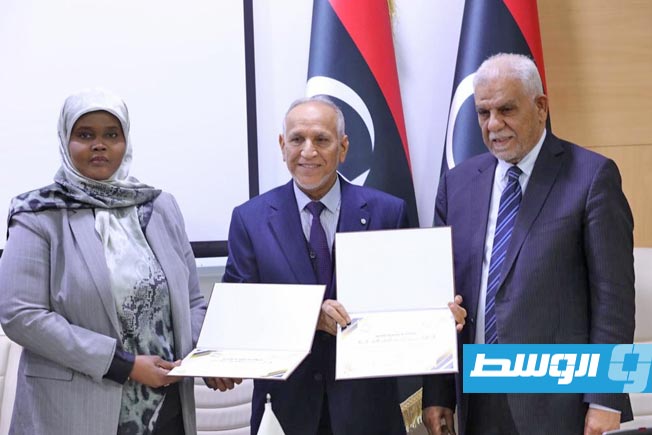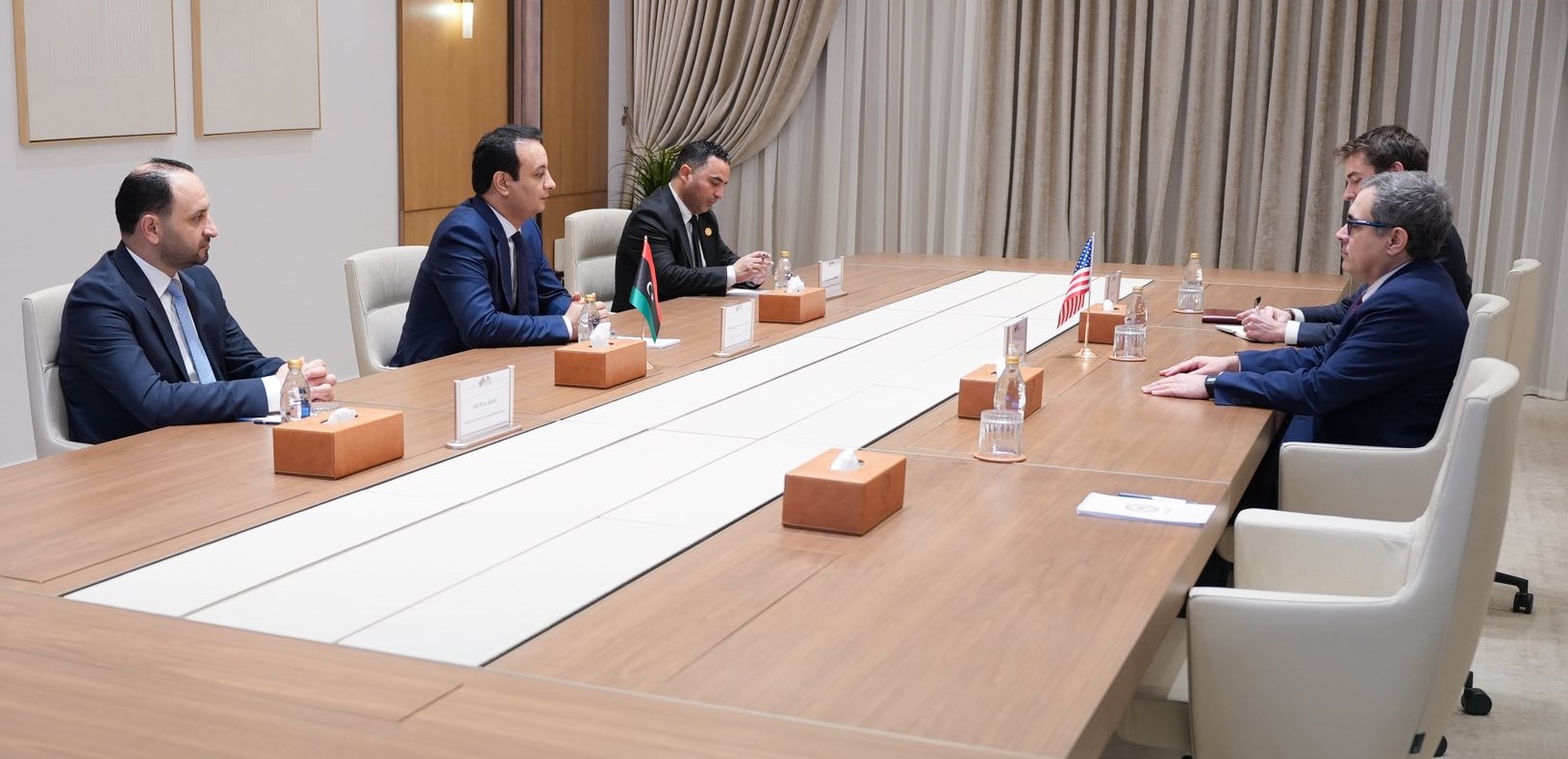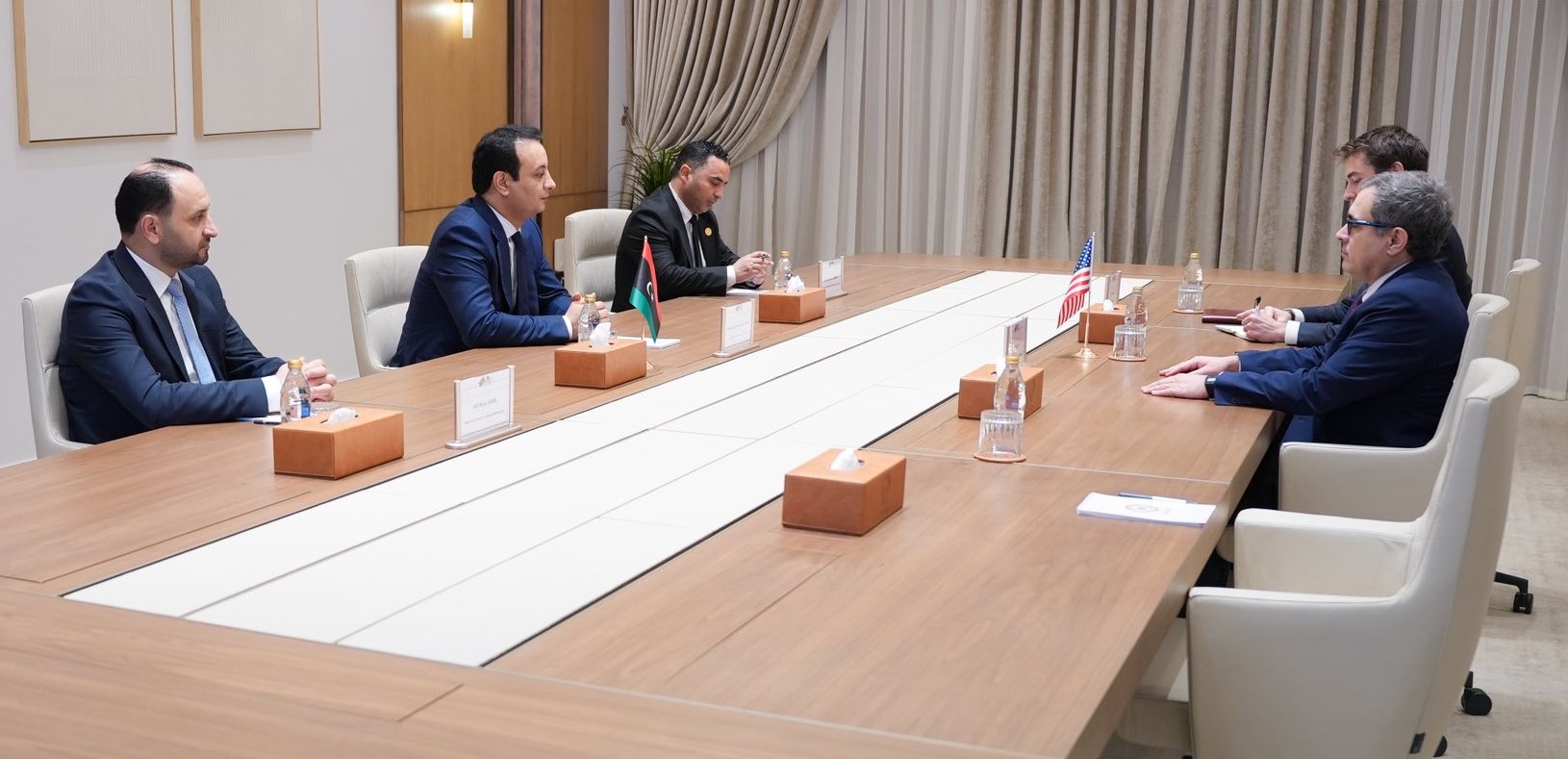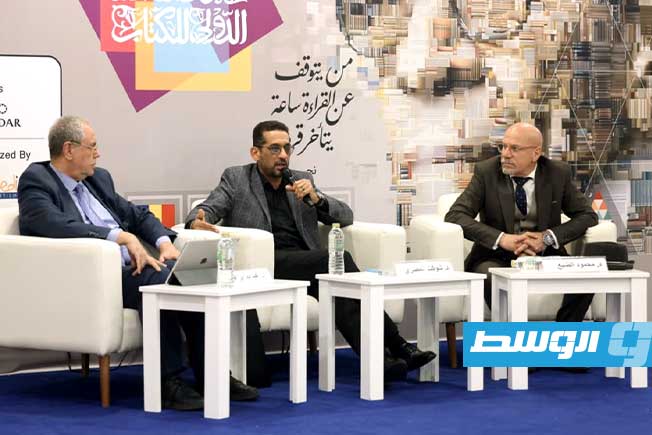
Participants in the New Orientalism symposium. (Cairo International Book Fair)
Researchers at the ‘New Orientalism’ symposium, held recently as part of the Cairo International Book Fair, confirmed that New Orientalism is no longer just a research trend, but a comprehensive epistemological project to dismantle religious and cultural narratives in our region. It operates through universities, research centers, media, and the arts, which requires building a critical awareness capable of understanding and accountability, rather than merely resorting to rejection or denial.
One participant stated that discussing New Orientalism cannot be separated from our current Arab reality, and it is no longer just theoretical ideas circulated by academic elites, but has become a current with clear political and cultural manifestations.
They added: “The continued presence of foreign military bases in the Arab region, and the shift of Arabs from dependence on the West to dependence on the East, then back again to the West, reflects the impact of contemporary Orientalist discourse that reinforces an image of incapacity and inability to achieve independence.”
Reliance on Soft Tools
It was considered that the most dangerous aspect of New Orientalism is its reliance on soft tools, described as the ‘contemporary trinity’: technology, the knowledge society, and directed behavioral psychology, which are used to reshape collective consciousness and control minds through social media and ‘algorithms’.
A warning was issued that “this current no longer operates only through academic studies, but has extended to cinema, arts, and media, and has contributed to entrenching dangerous stereotypes, sometimes equating Muslims with terrorists.”
There was a warning that targeting the Arabic language represents one of the most dangerous tools for dismantling identity, explaining that “the decline in teaching Arabic in some universities, and its replacement with foreign languages in education and assessment, gradually leads to the alienation of new generations from their language and culture.”
Features and Shadows of New Orientalism
Another participant stated that the features of New Orientalism began to appear after World War II, with national liberation movements and the decline of direct colonialism, adding that among the reasons for the emergence of New Orientalism is also the exhaustion of Old Orientalism’s subjects and objectives, and its inability to keep pace with modern methodologies in studying language, structure, narrative, and semiotics.
It was revealed that New Orientalism, which grew in the mid-1970s, relied on comparative historical criticism methodologies, in which Jewish and Christian religious texts were stripped of their sanctity, and then these methodologies were transferred to the study of Islamic texts.
It was clarified that this current focused on ‘early Islam or nascent Islam’, casting doubt on the Arabic sources that documented this period on the pretext of their late recording, and built upon that the hypothesis of denying the ‘Islamic event’, claiming that Islam was formulated later to give the Arab state political legitimacy.
Suspicious Research and Media Centers
In a complementary critical vision, a warning was issued that New Orientalism does not operate only within Western universities, but finds its extension within the Arab world itself through research and media centers that fund Arab writers and thinkers to write.
Regarding methods of confrontation, participants agreed that translation represents one of the most important paths of confrontation, calling for the translation of foundational works of New Orientalism instead of leaving them confined to foreign languages.
– ‘Tanarut’ group sets date for its symposium on the Orientalism book
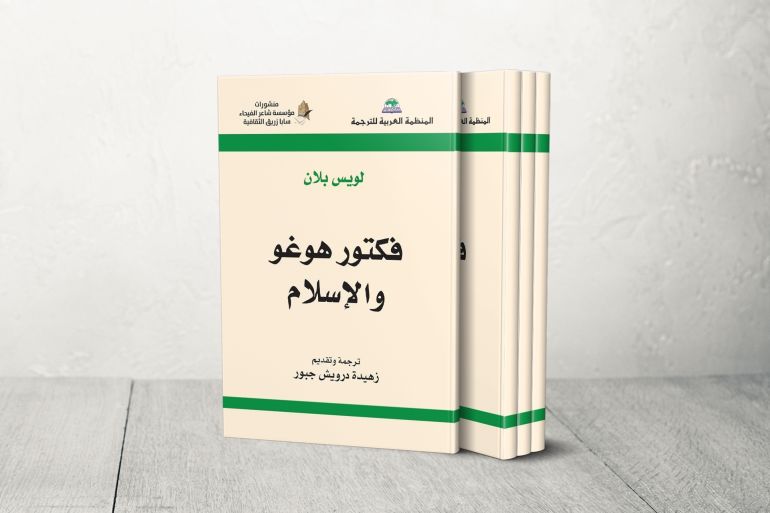
It was added that such books, despite their epistemological importance, do not find their way to publication in the Arab world, which reflects a state of fleeing from intellectual confrontation and burying one’s head in the sand. It was emphasized that translating New Orientalism books represents a fundamental step to understanding this current before judging it.