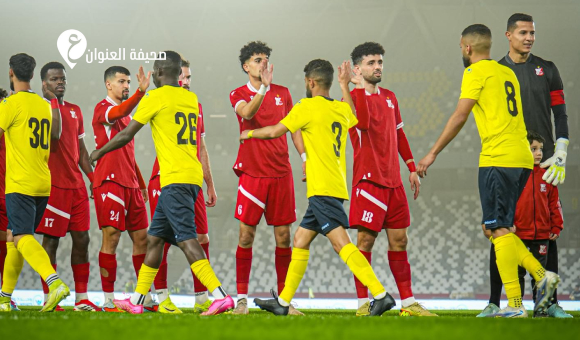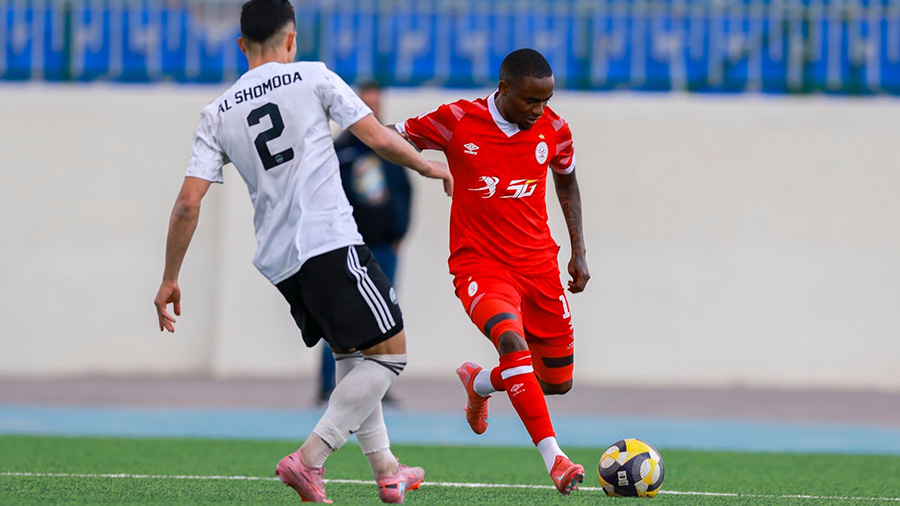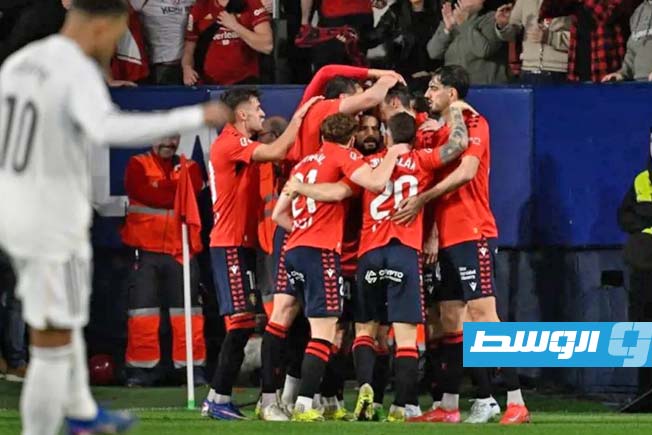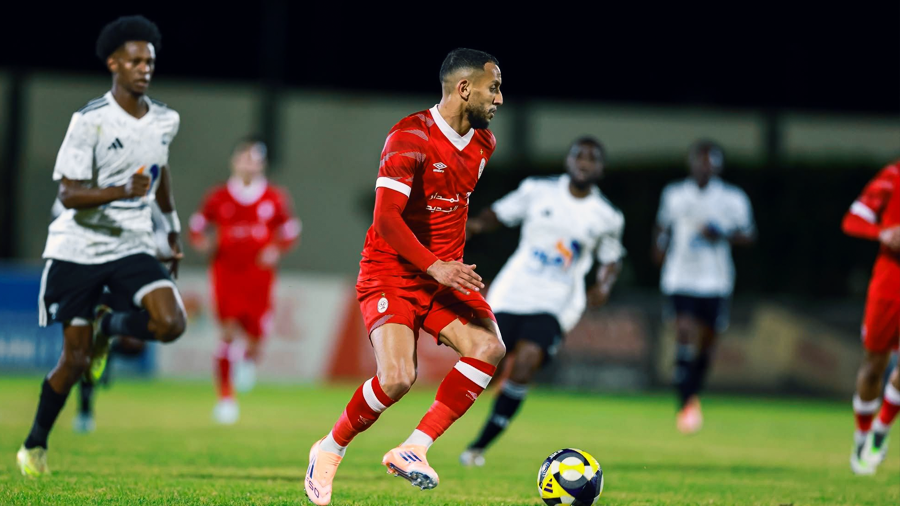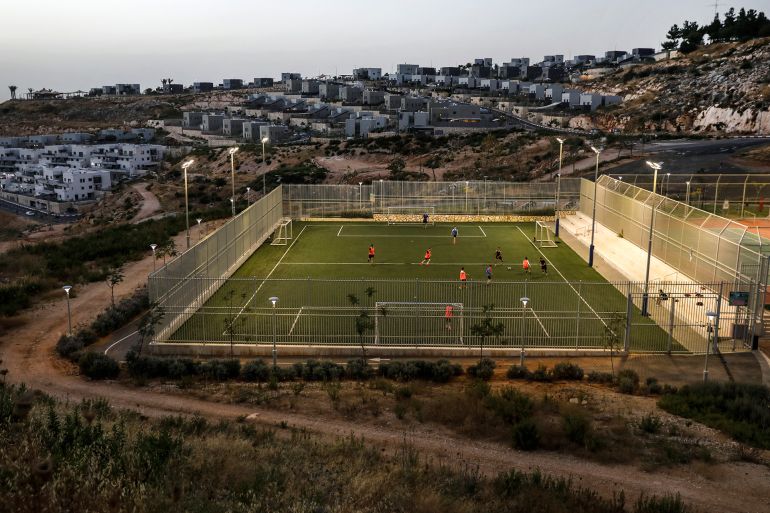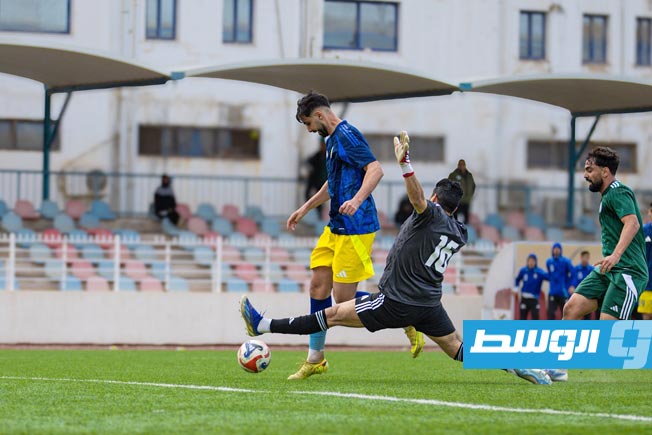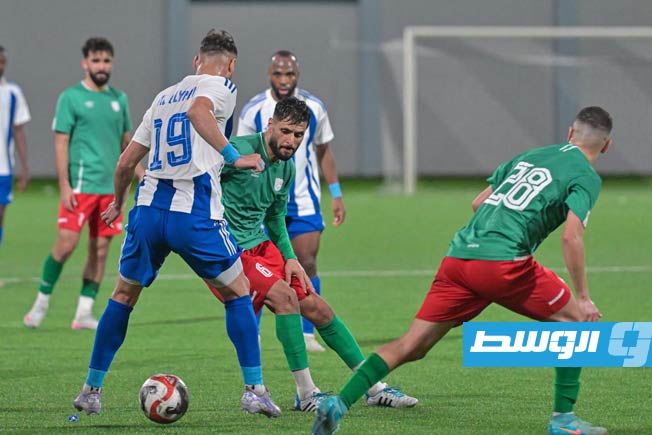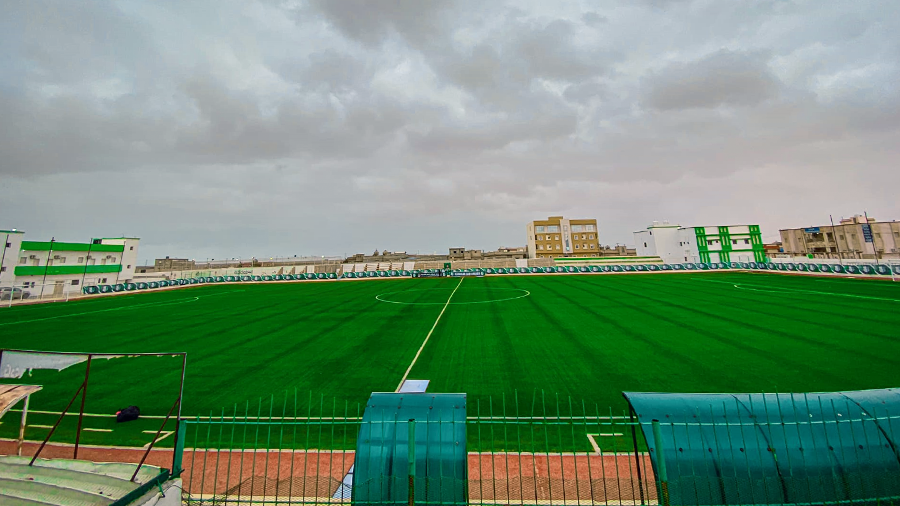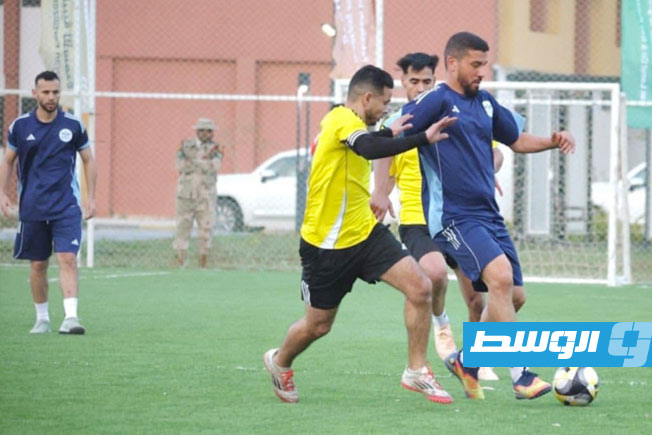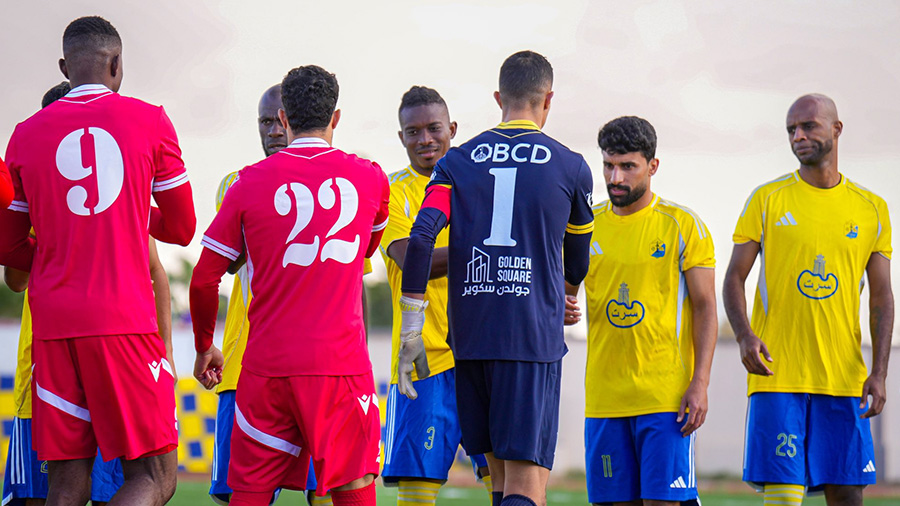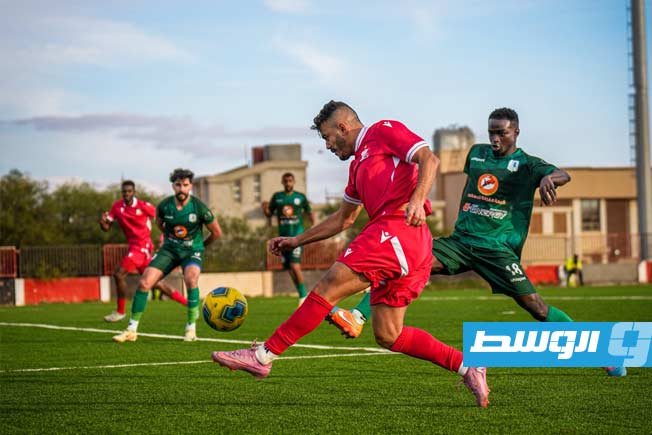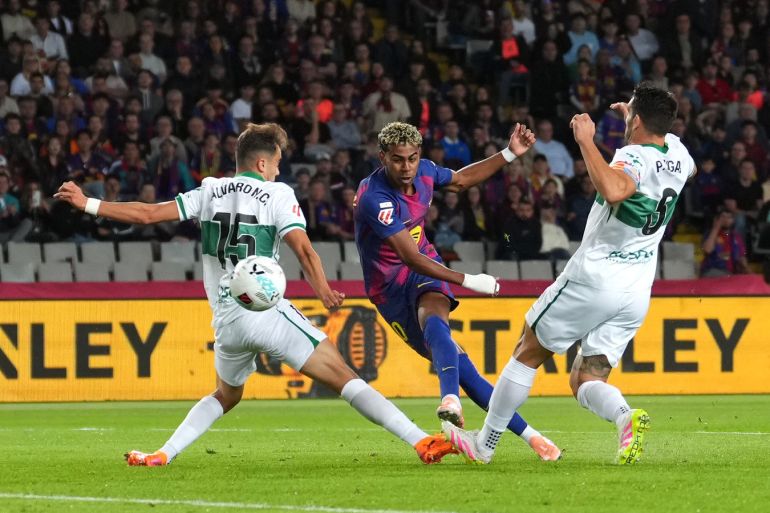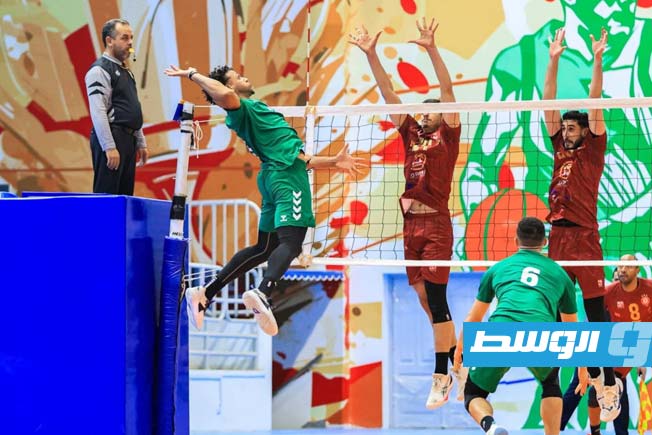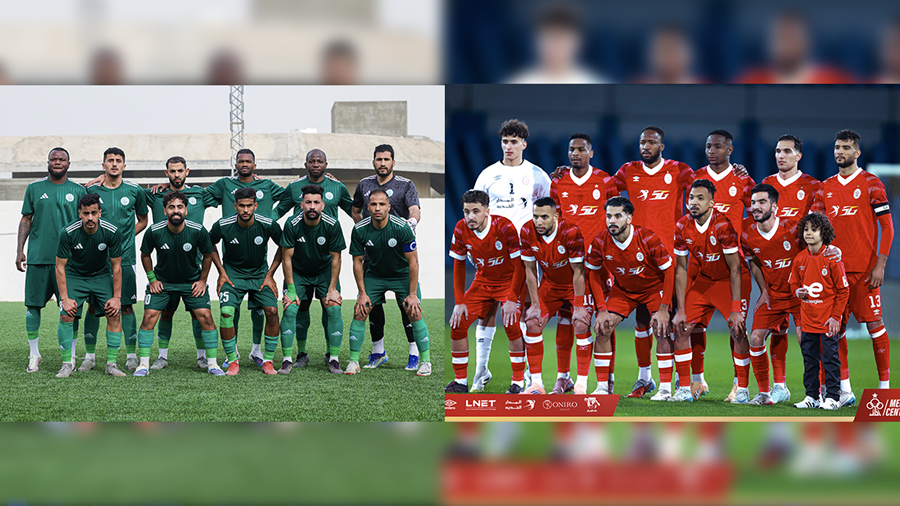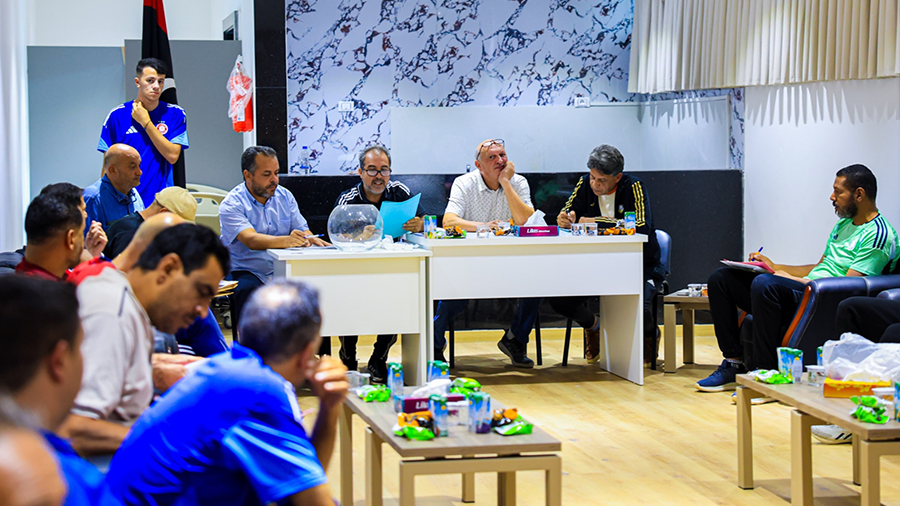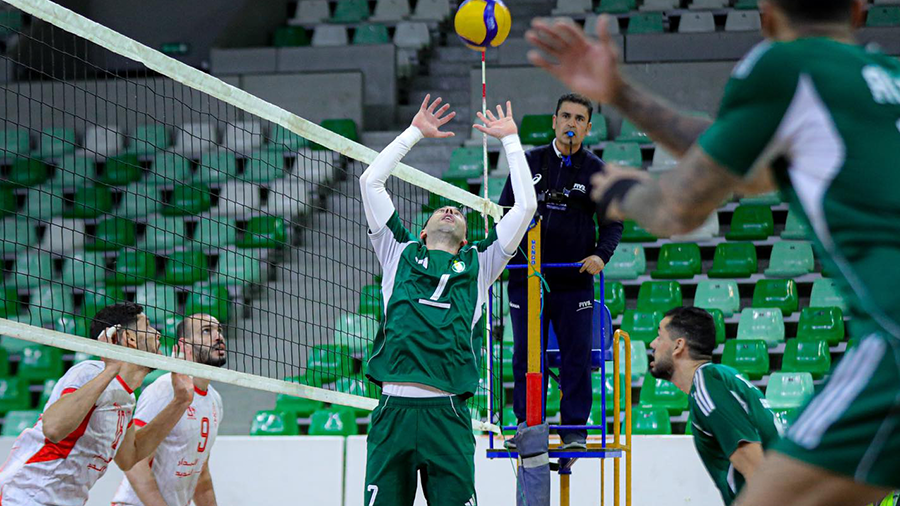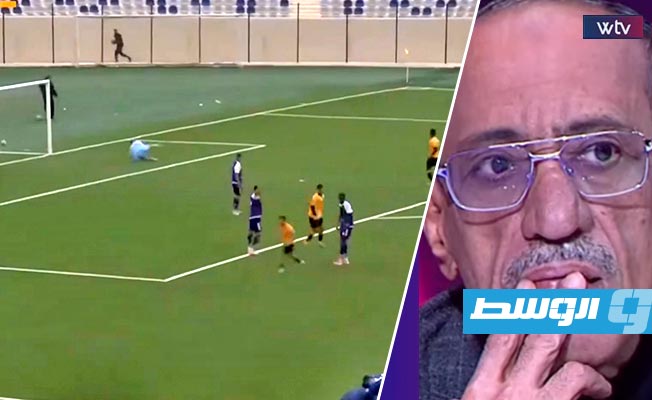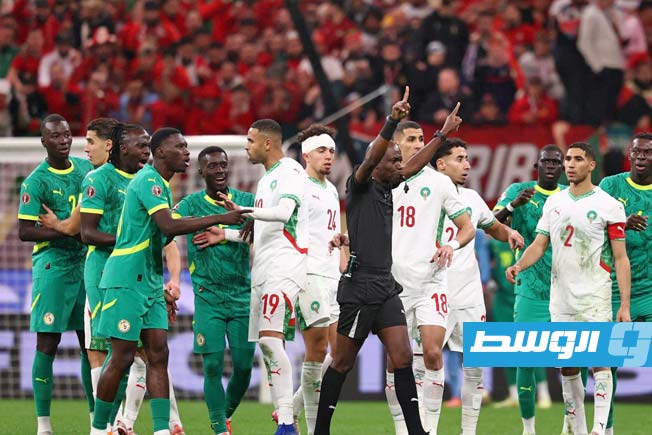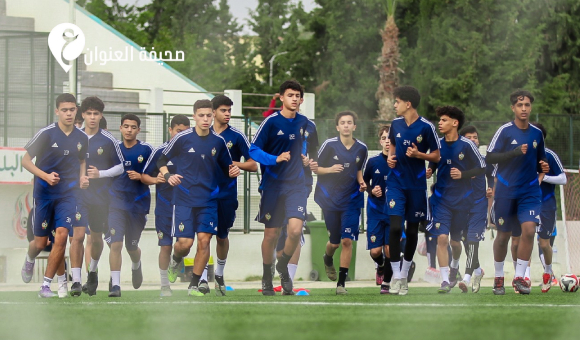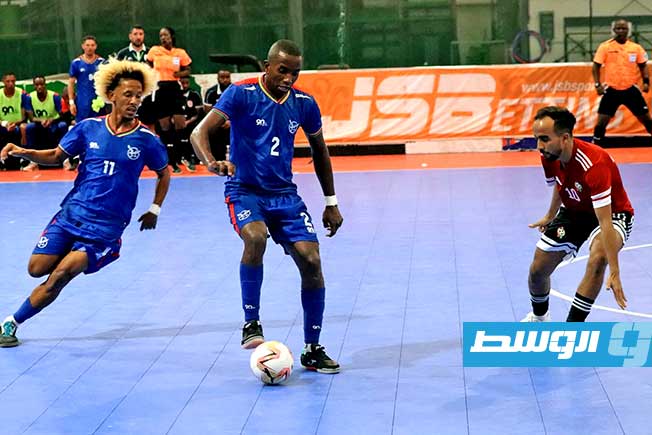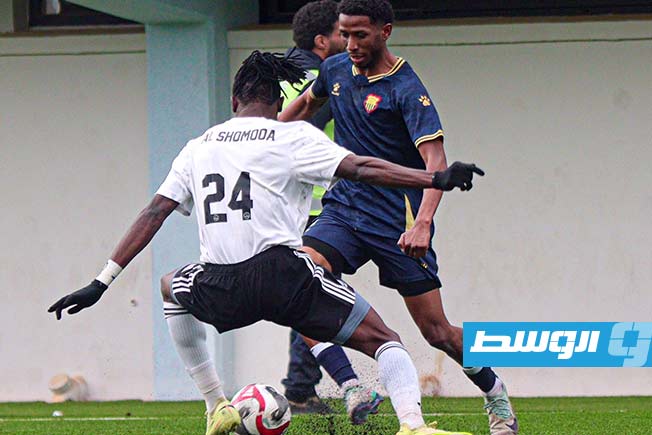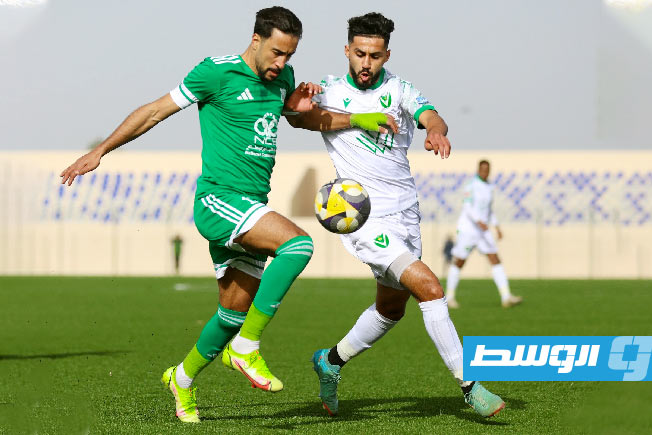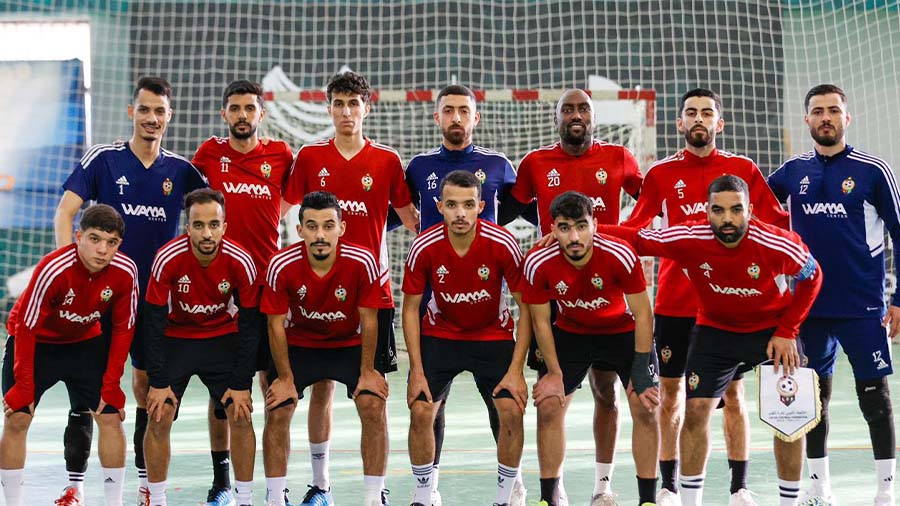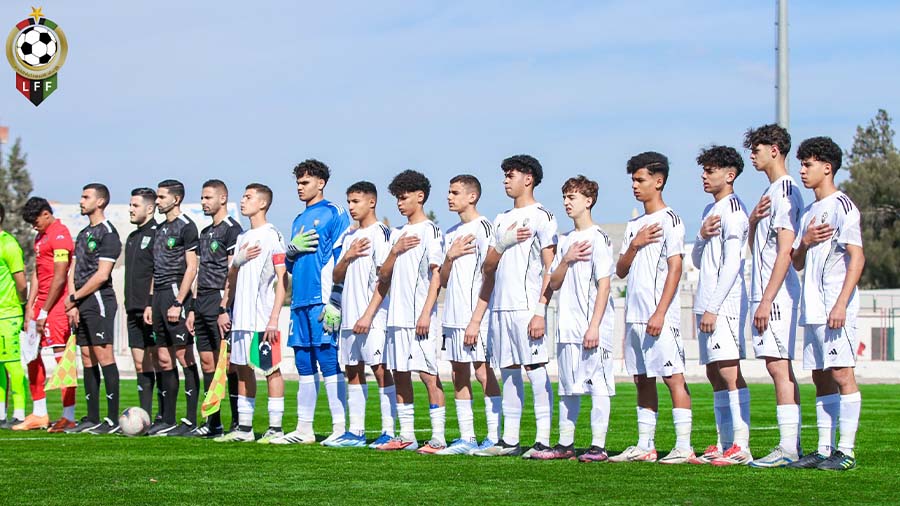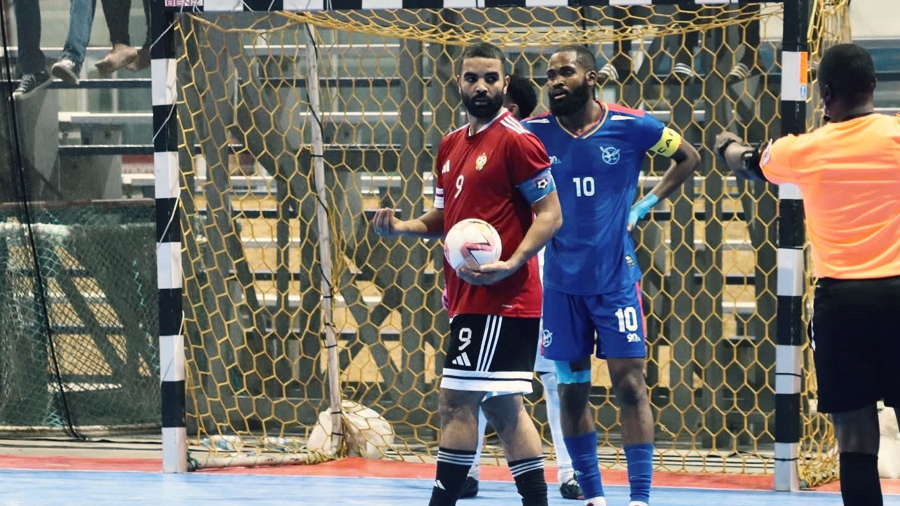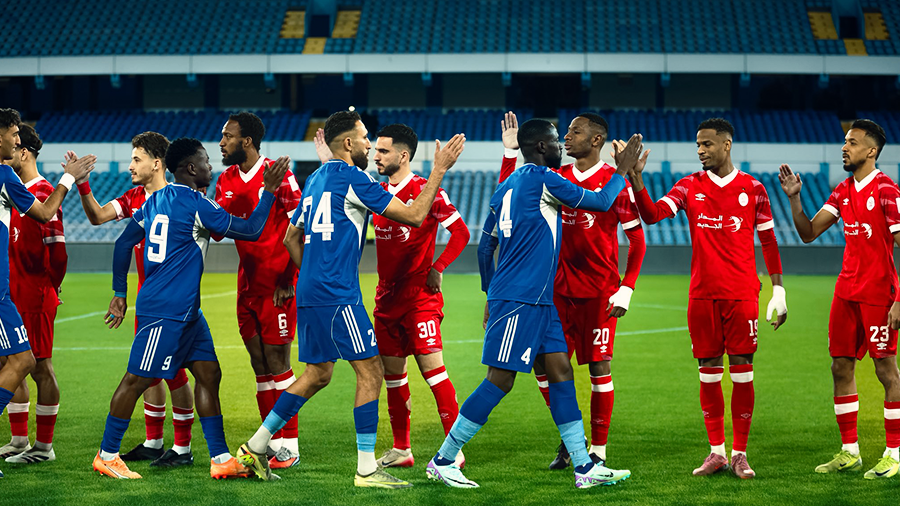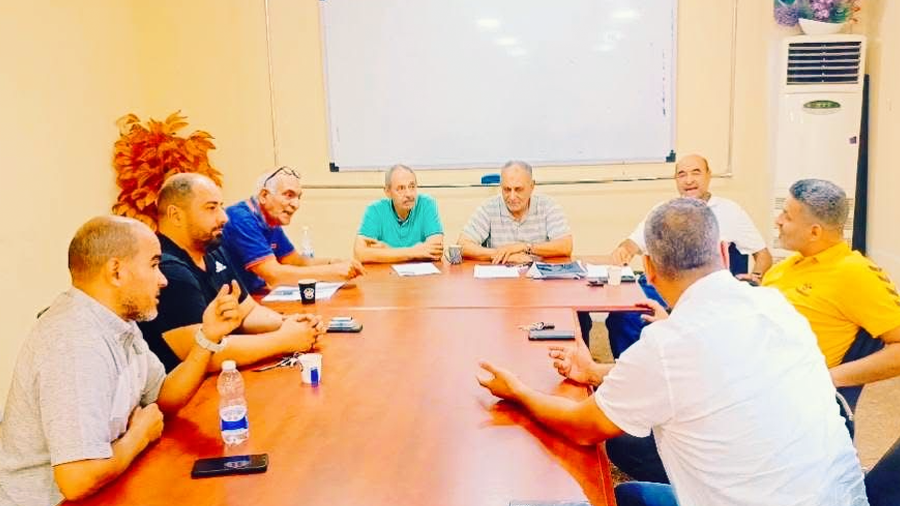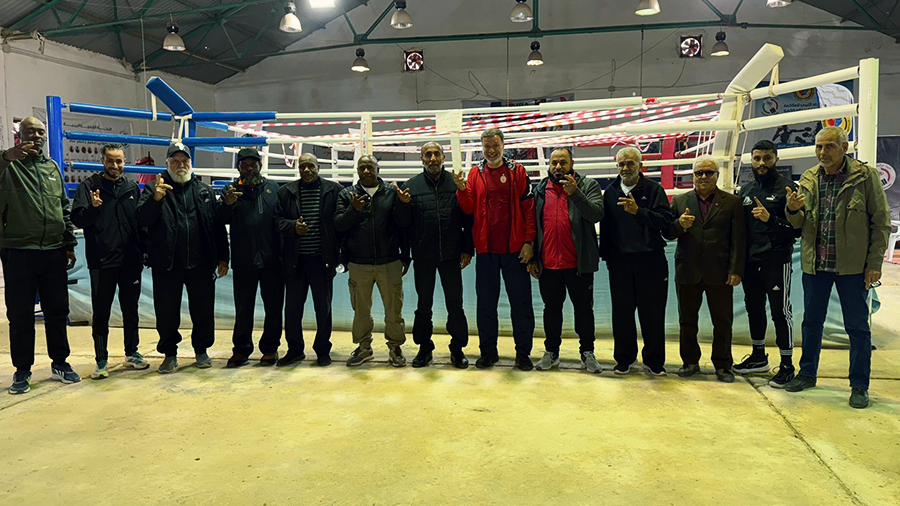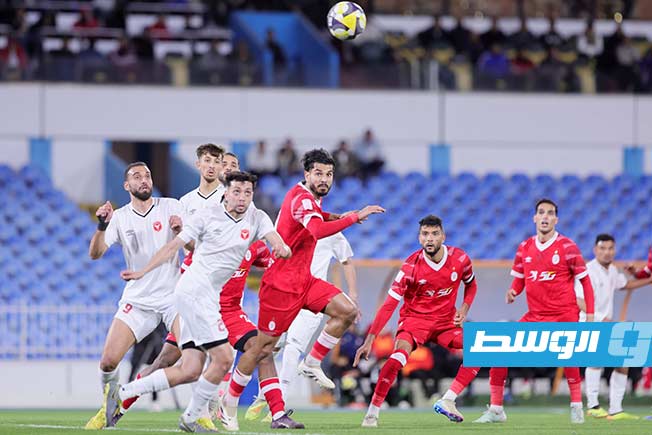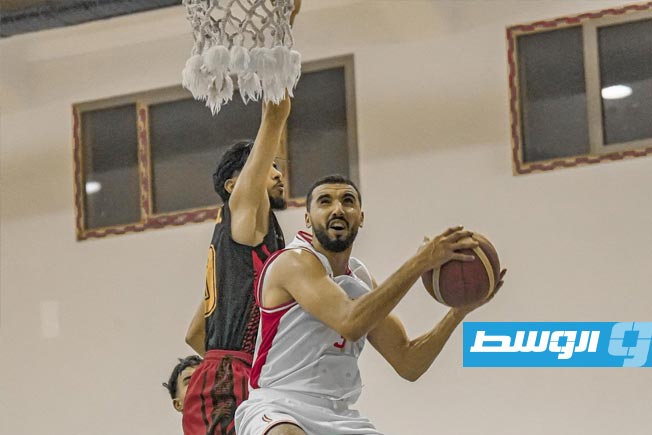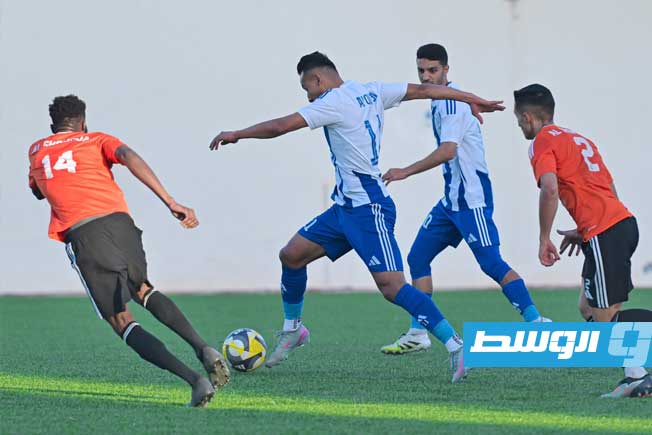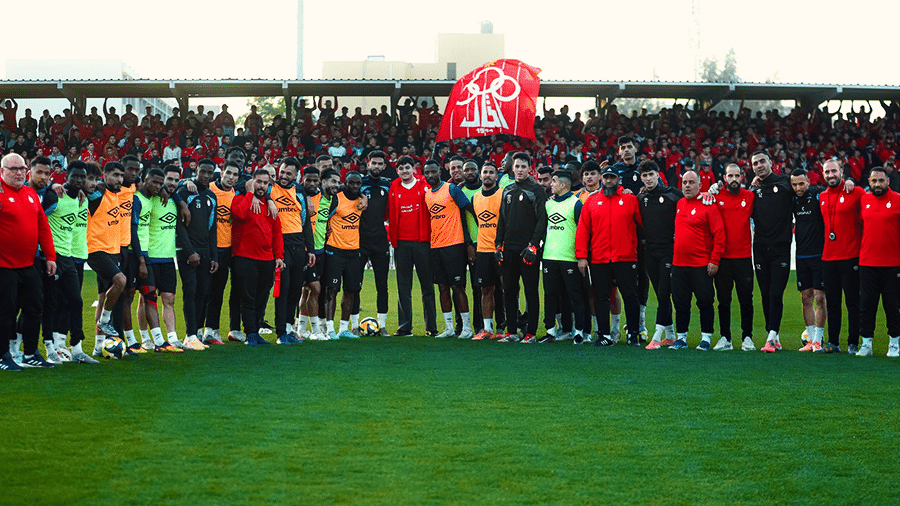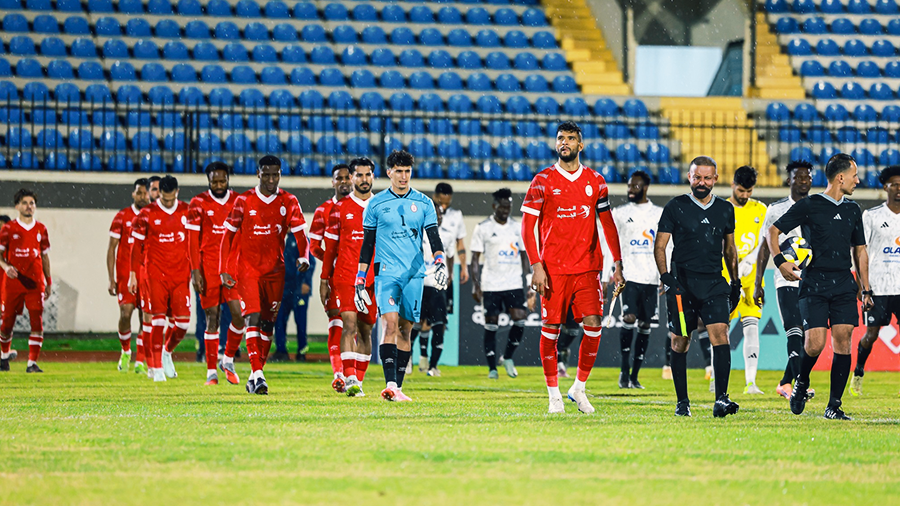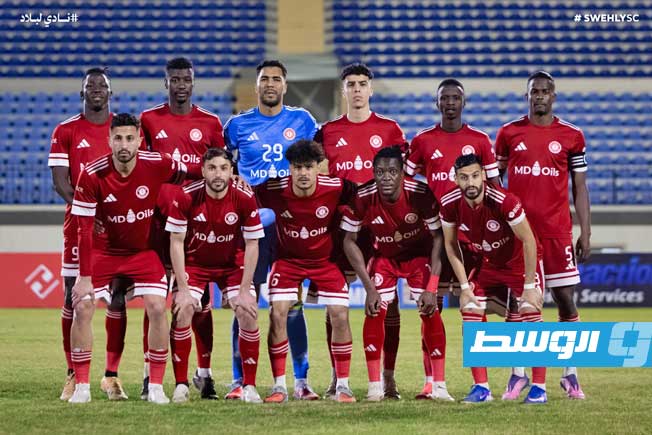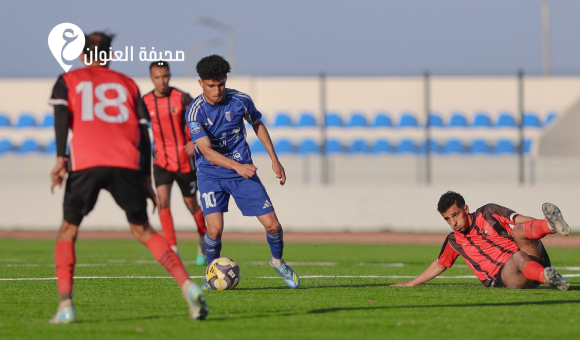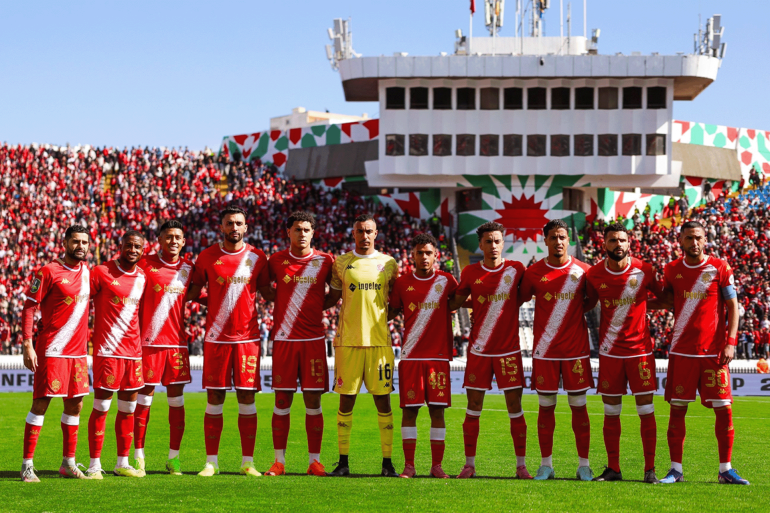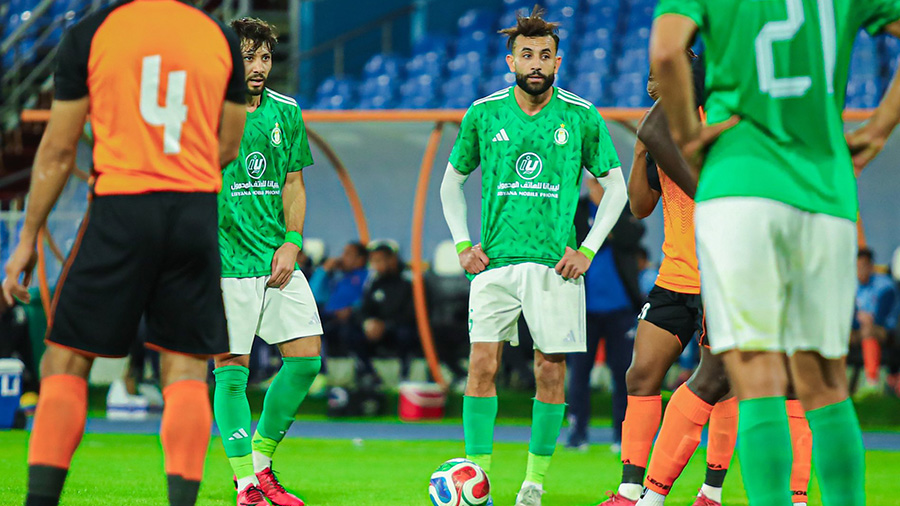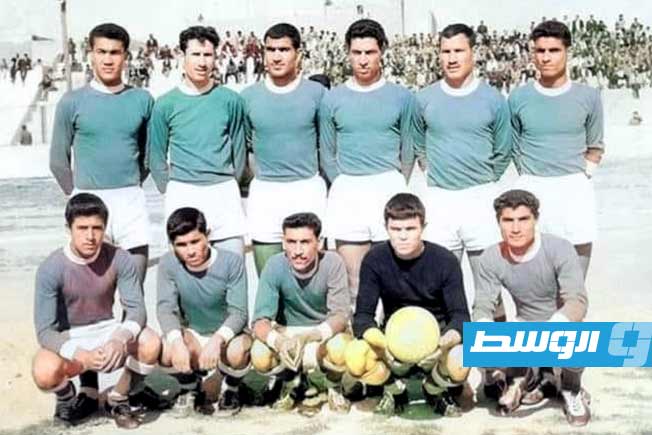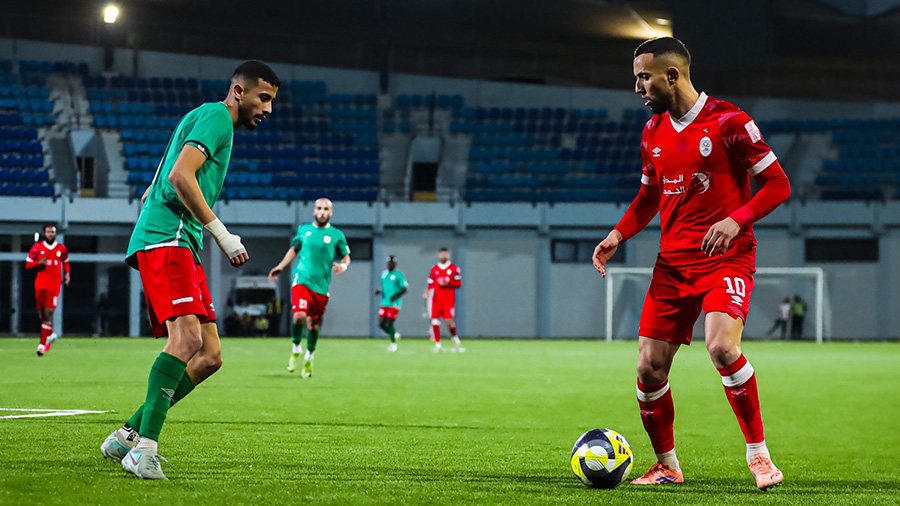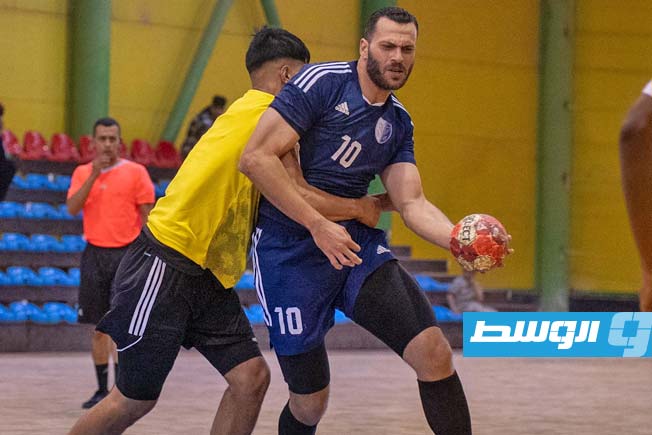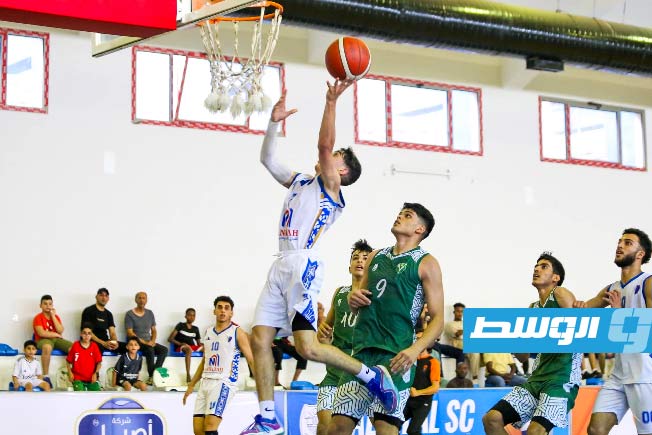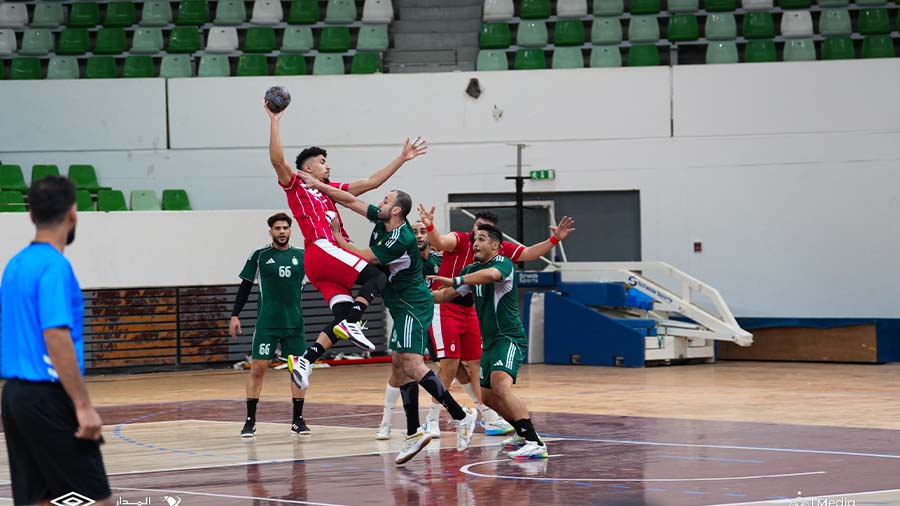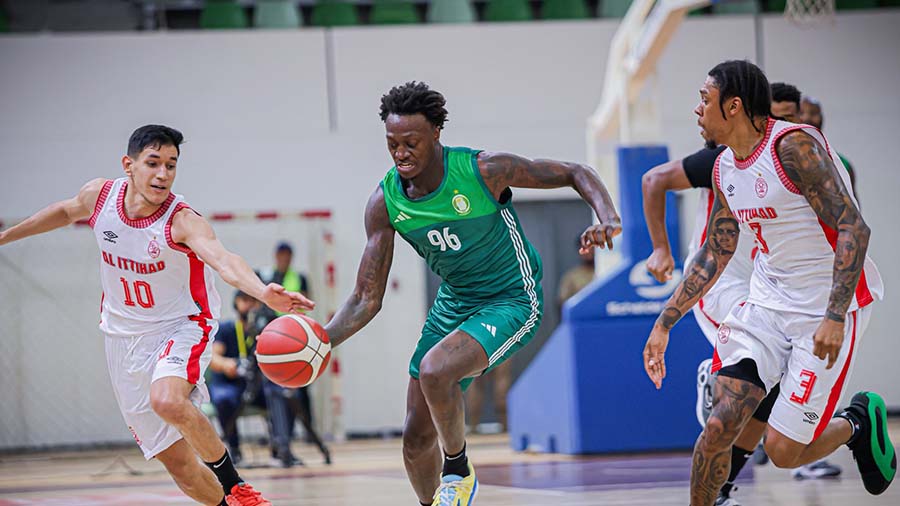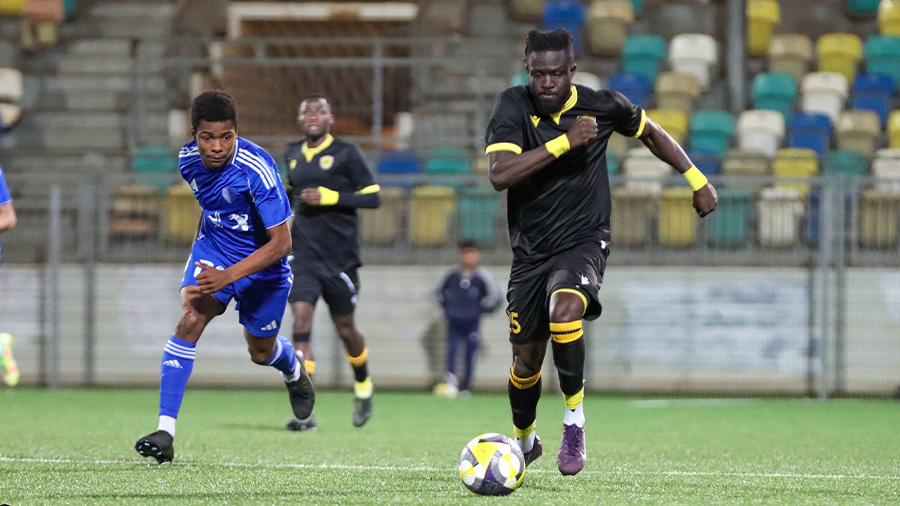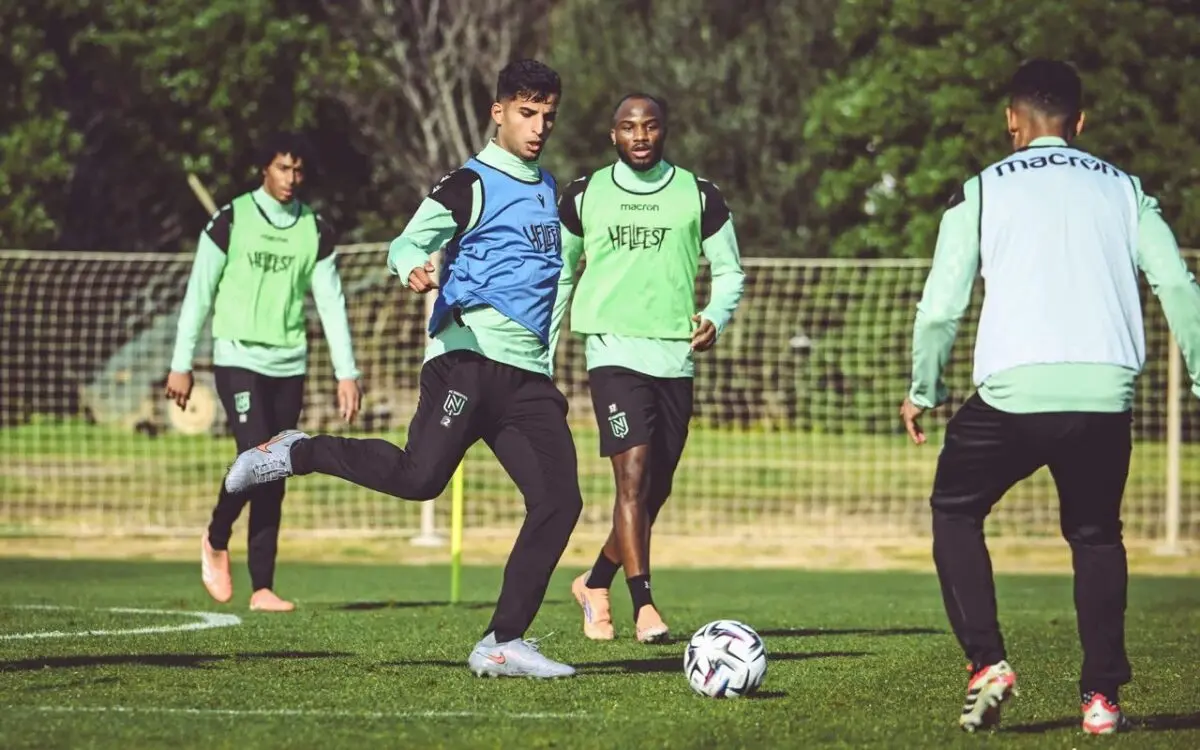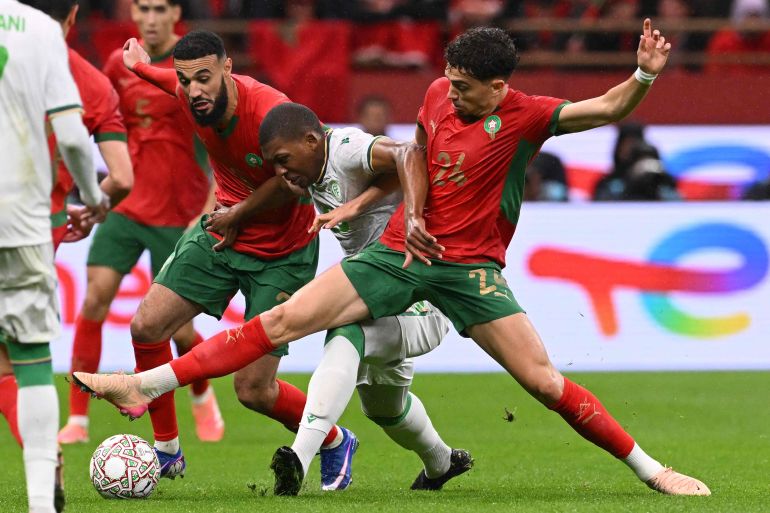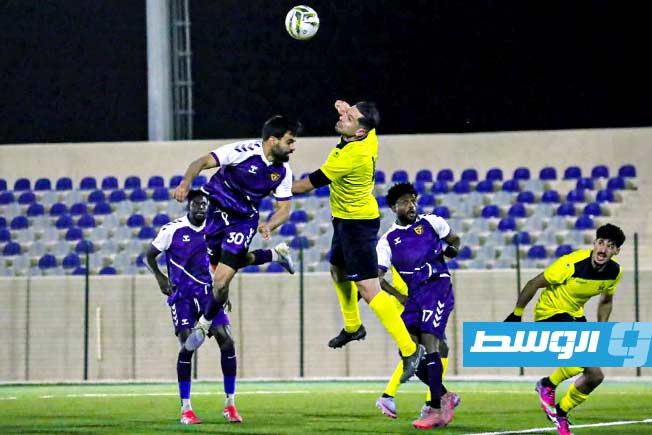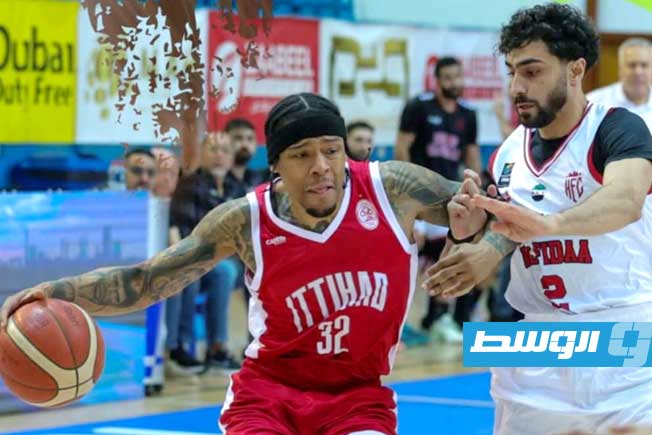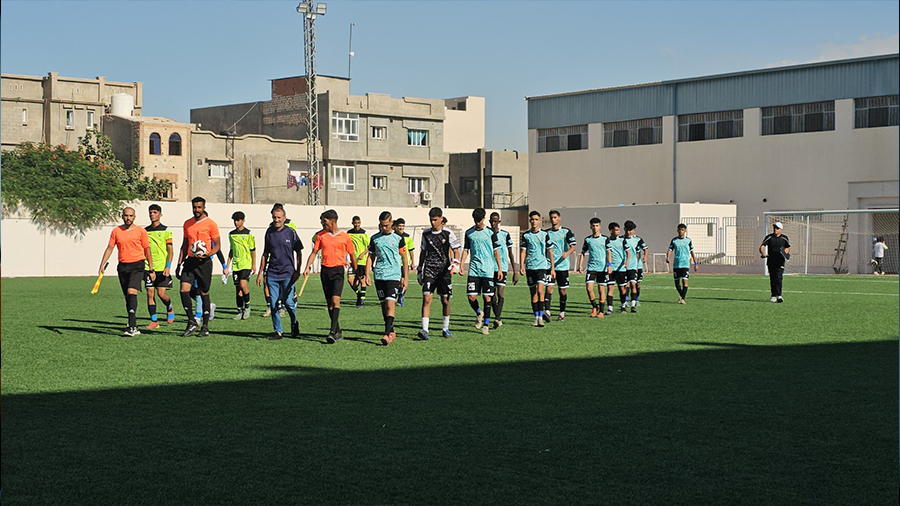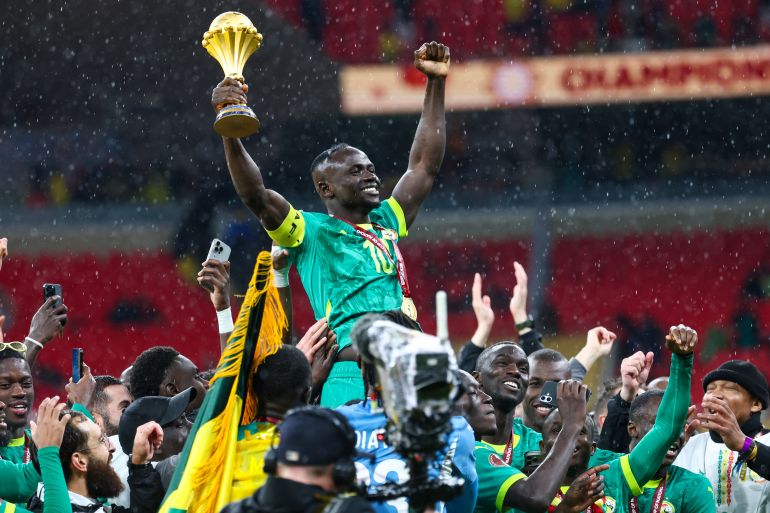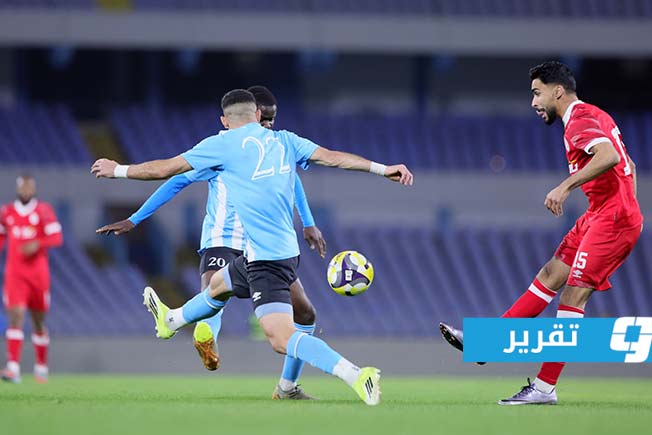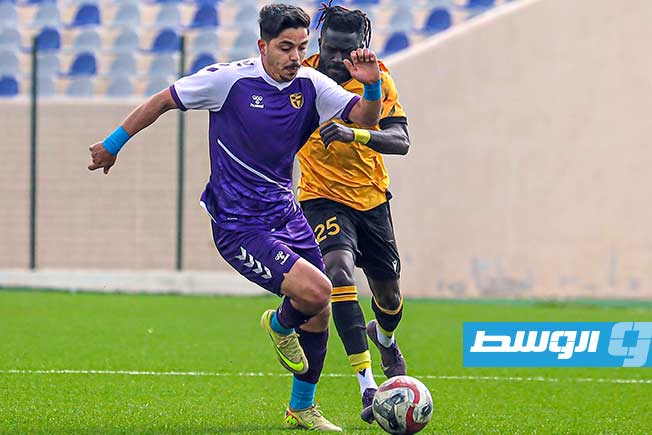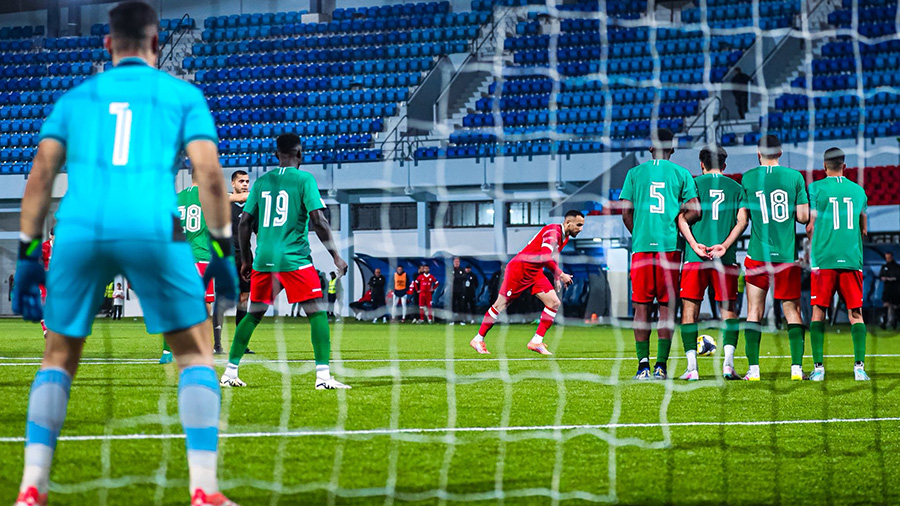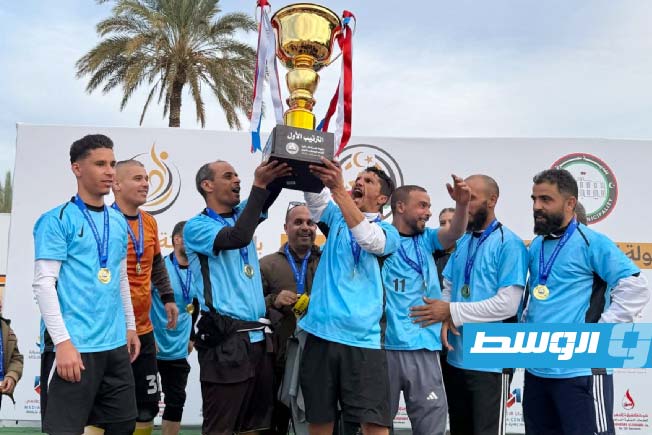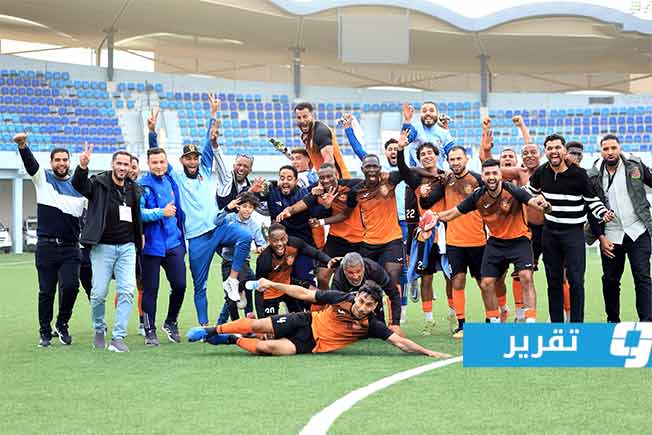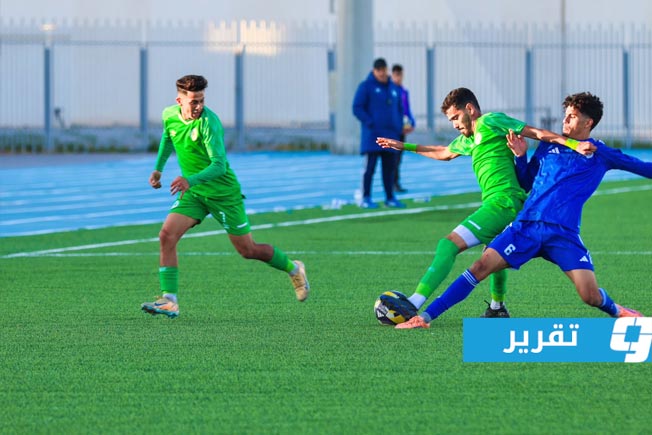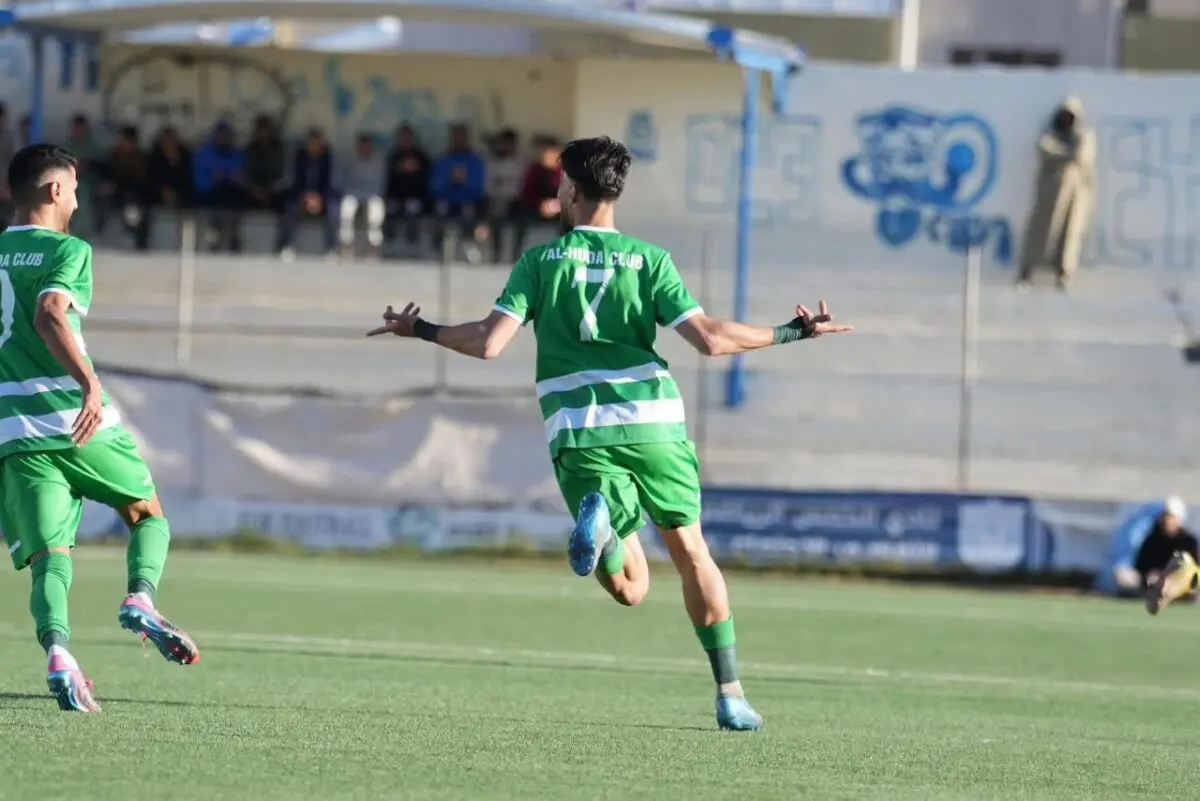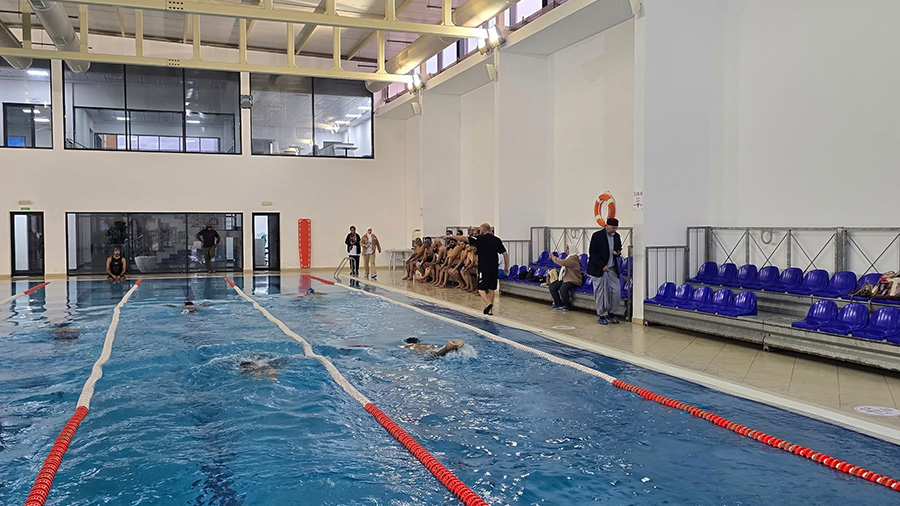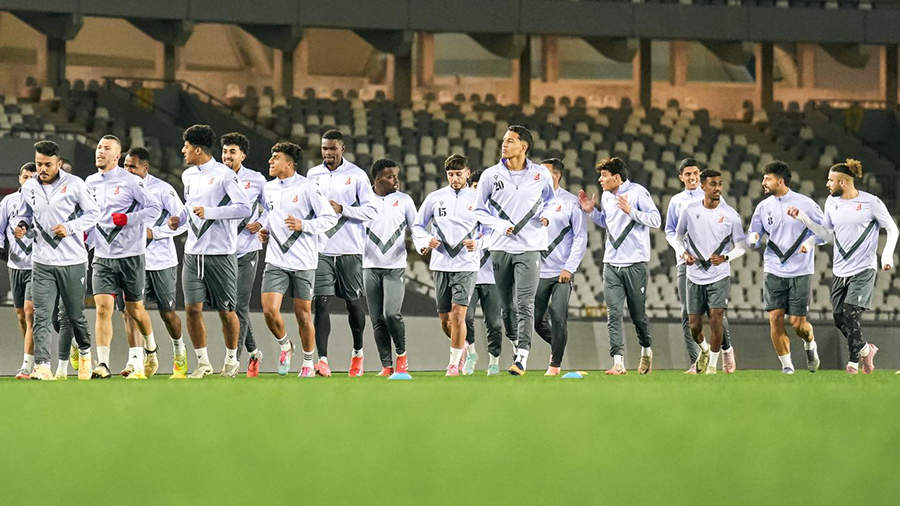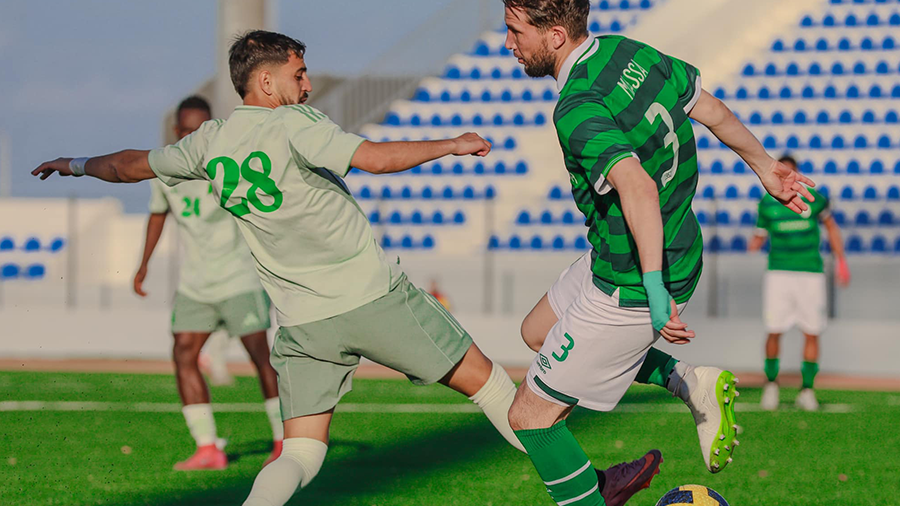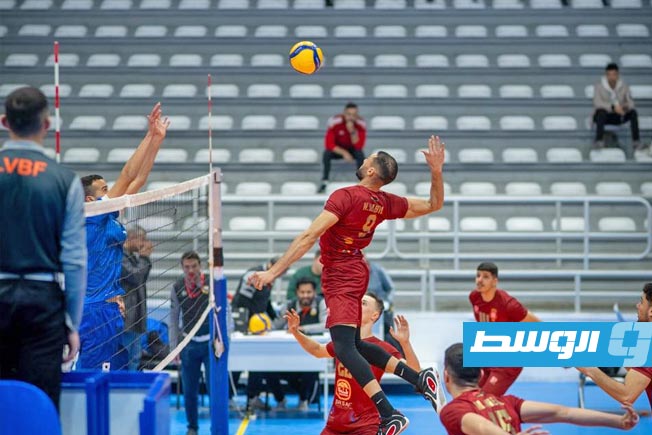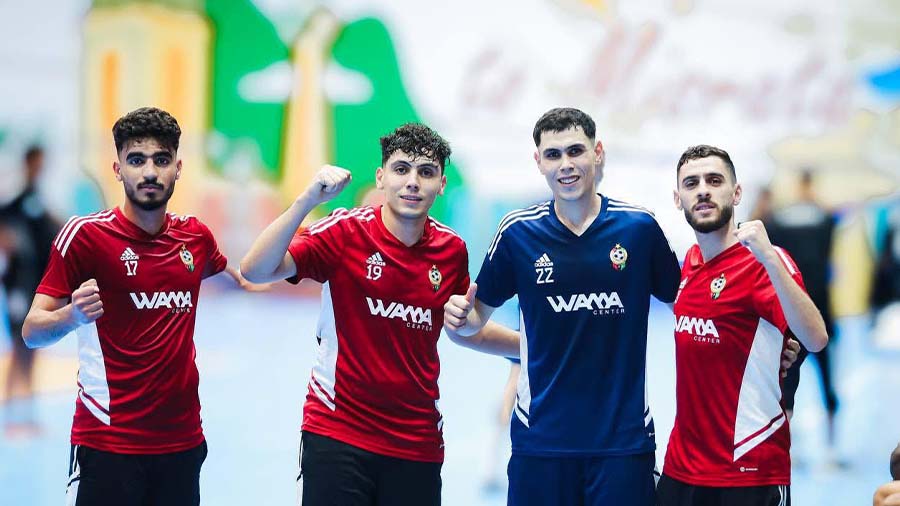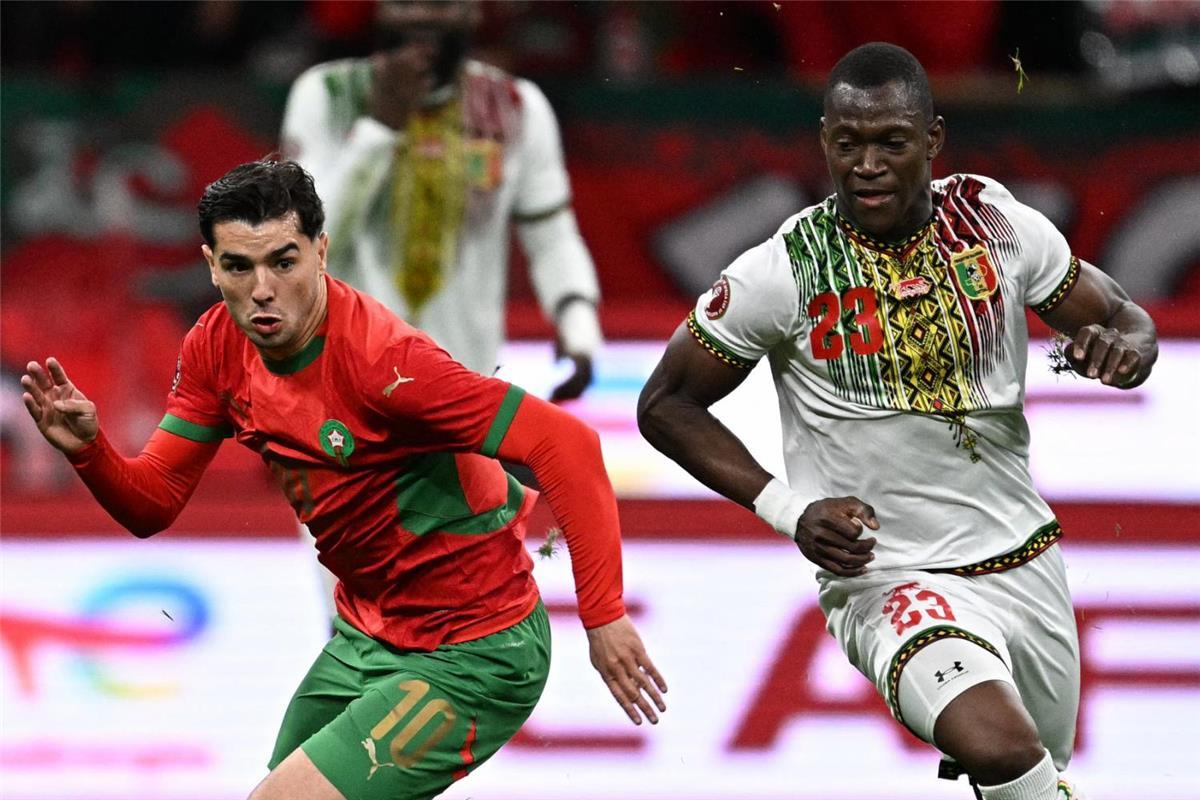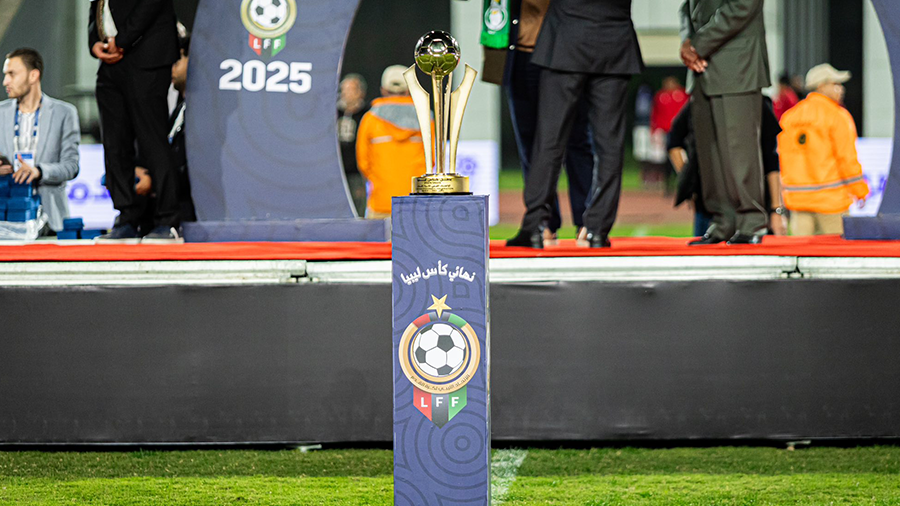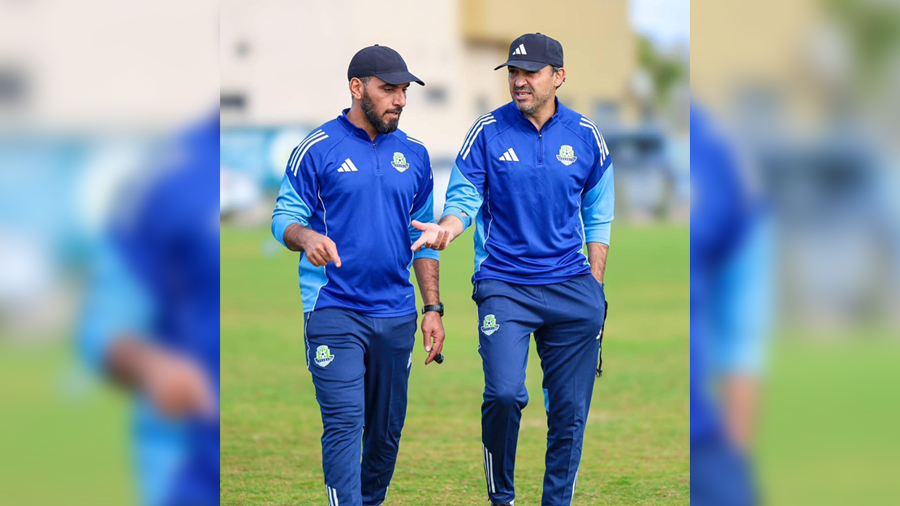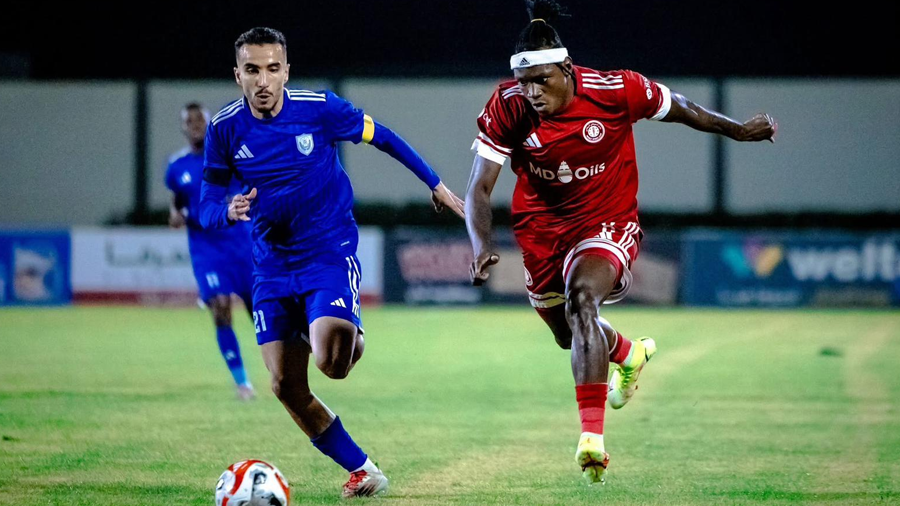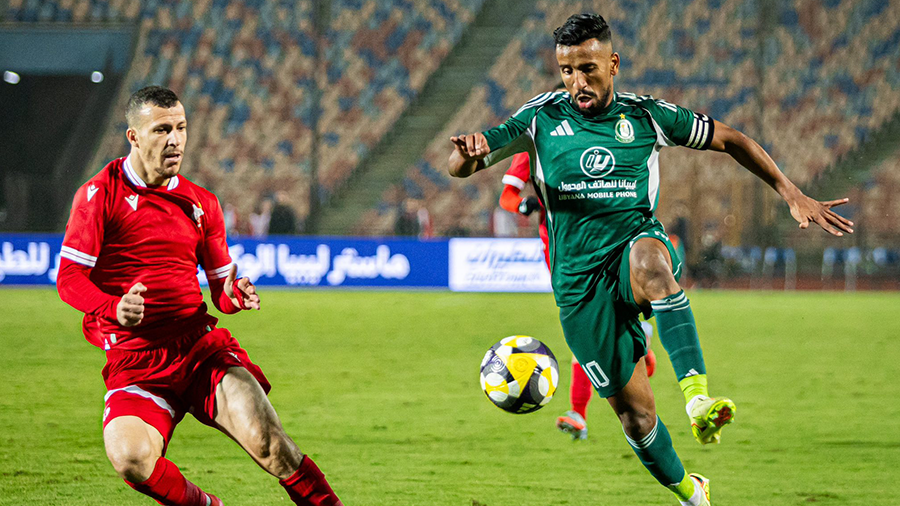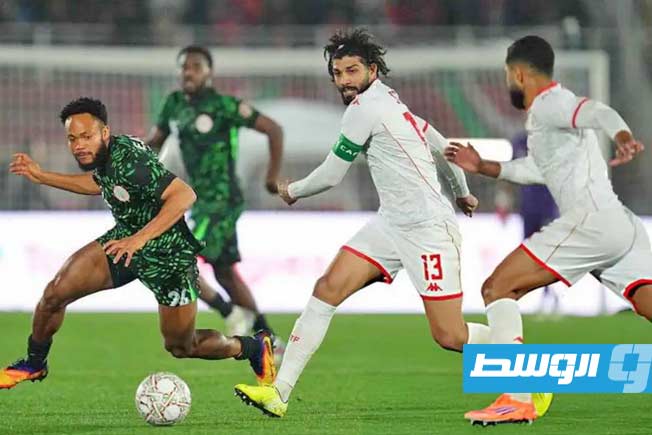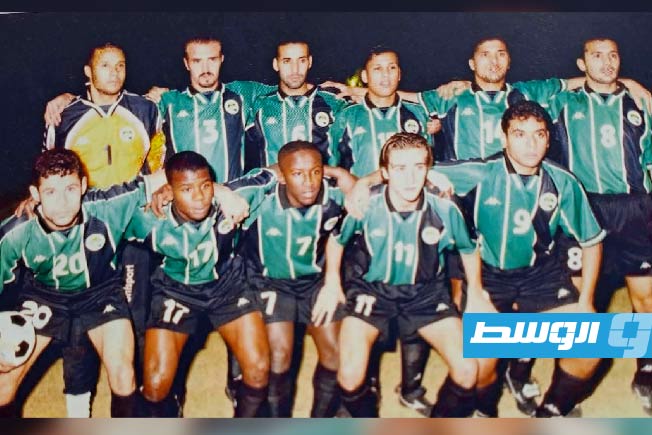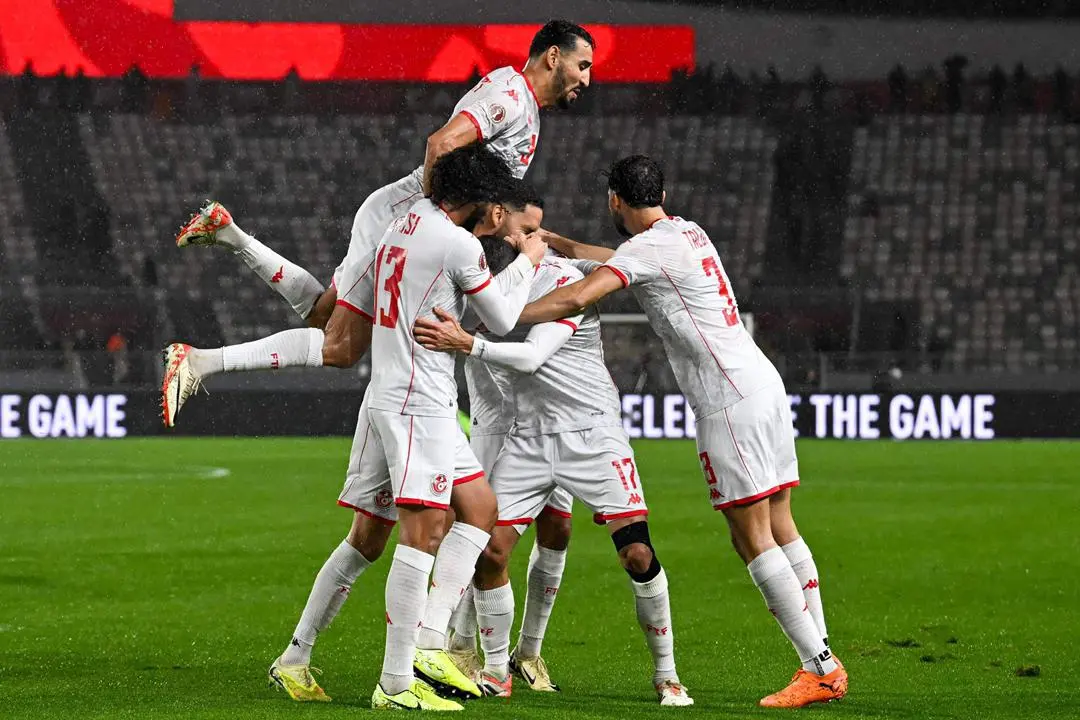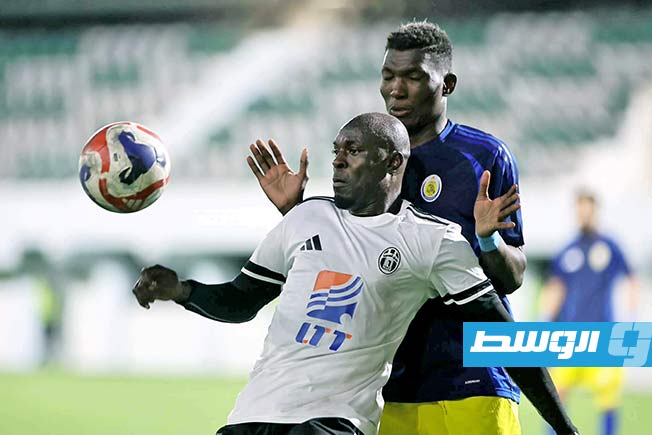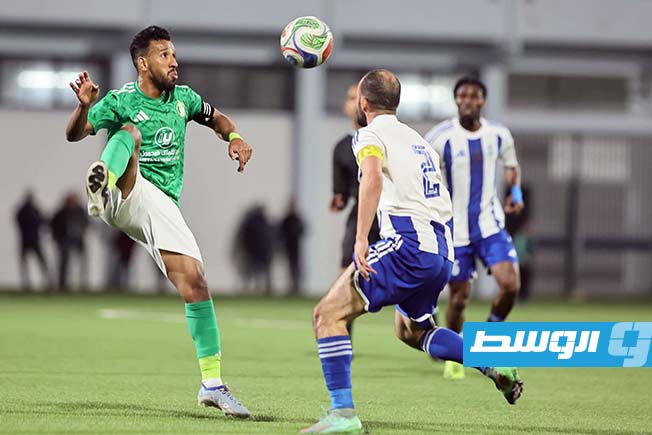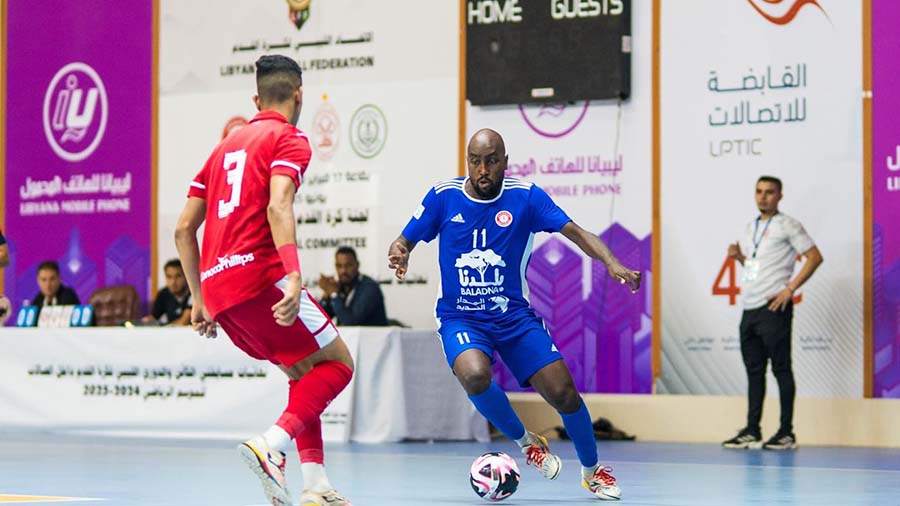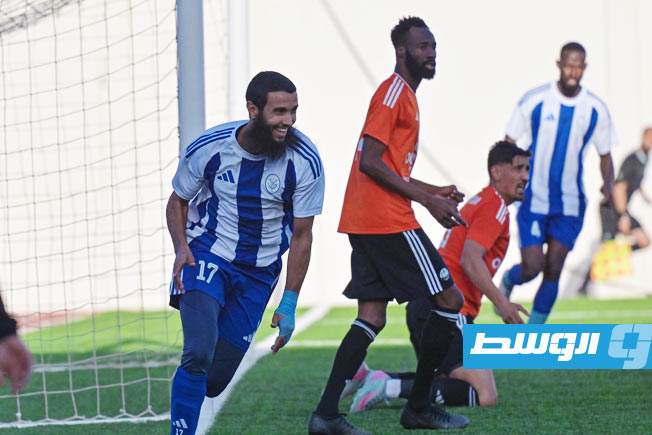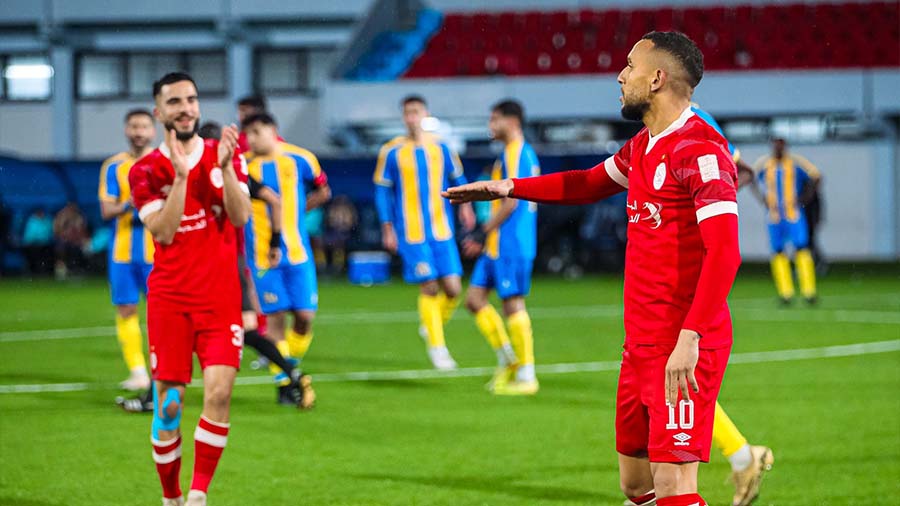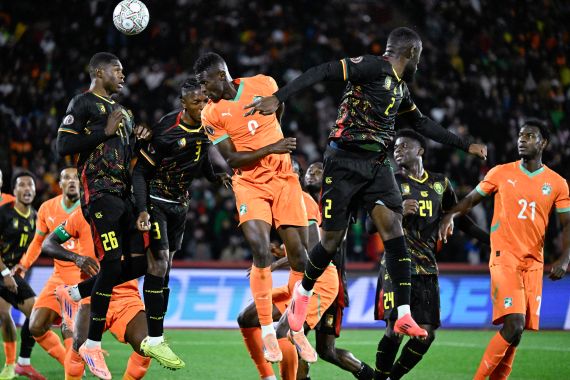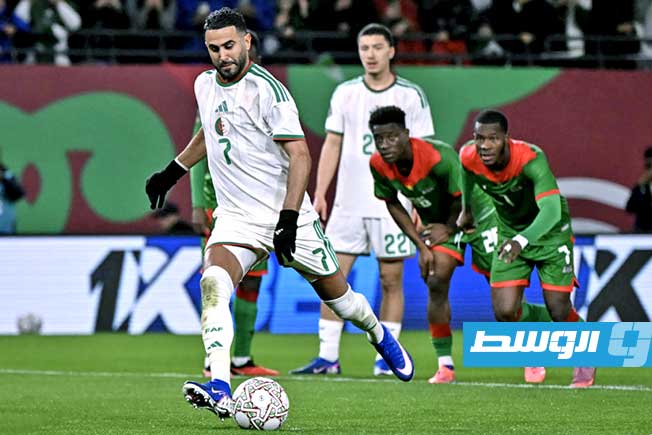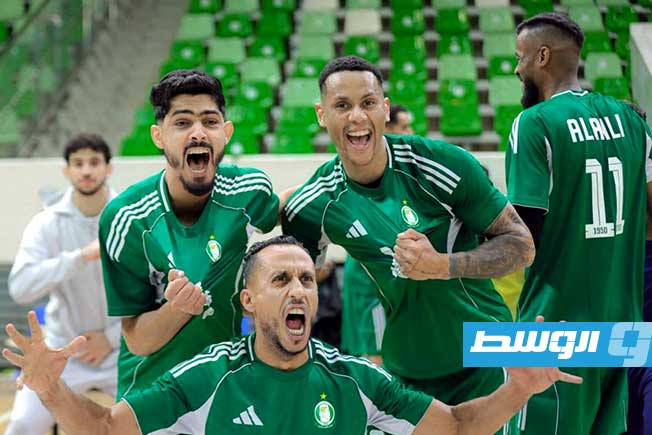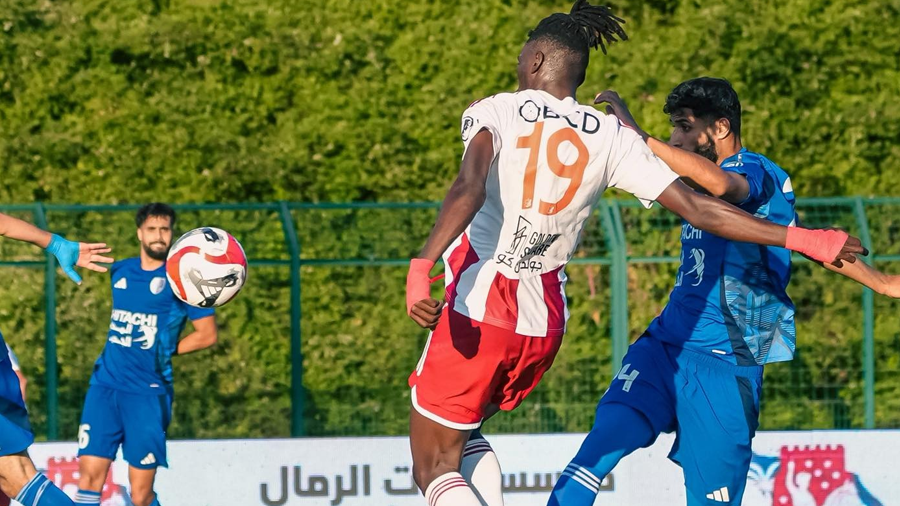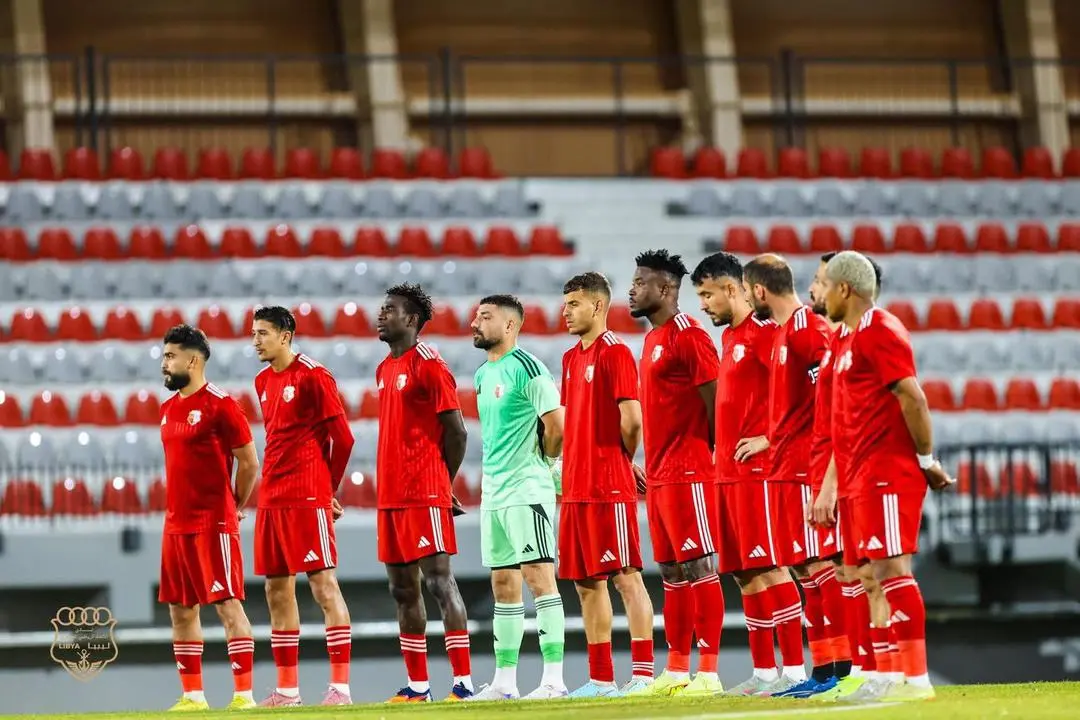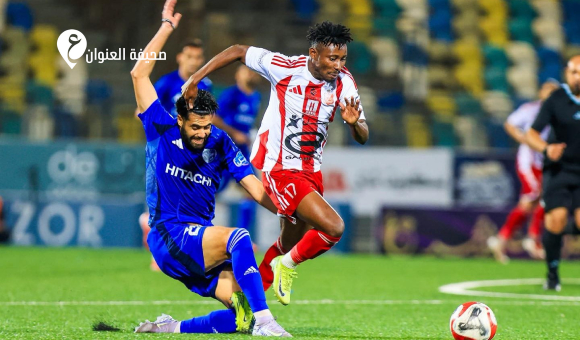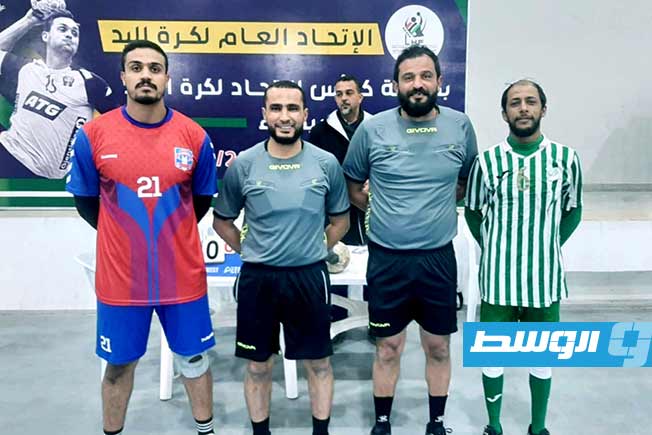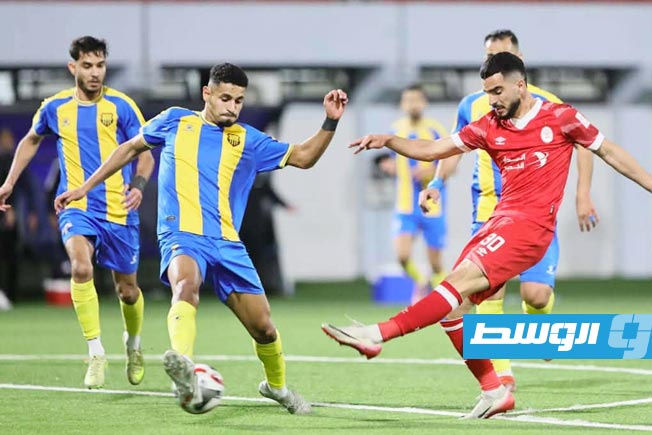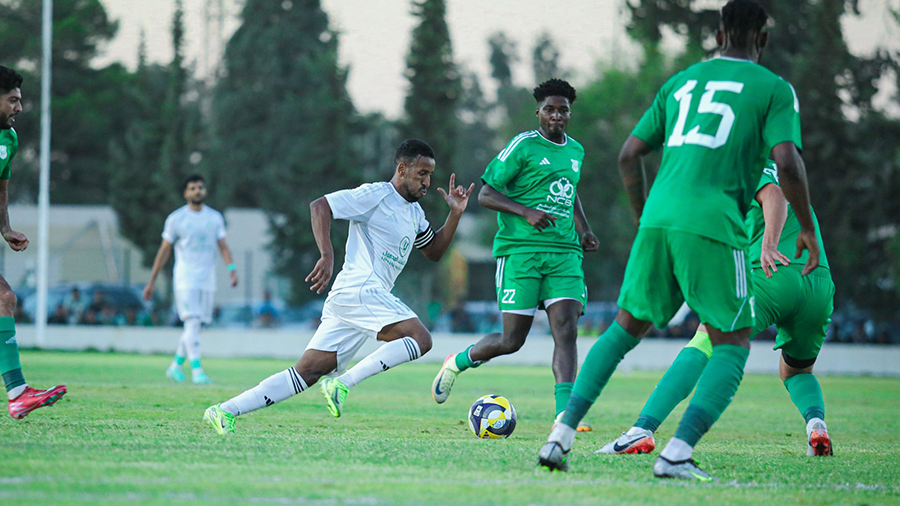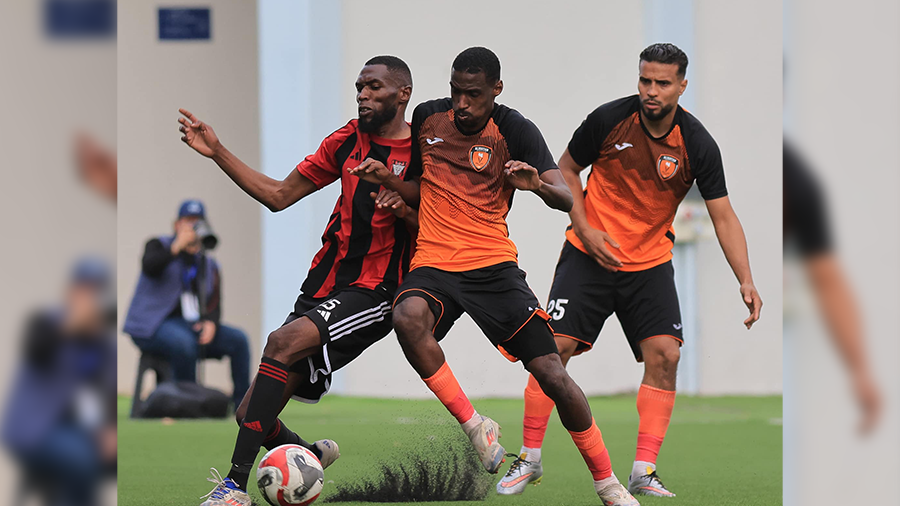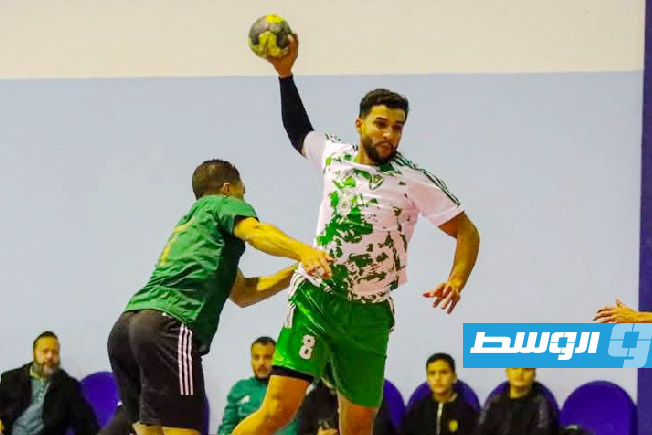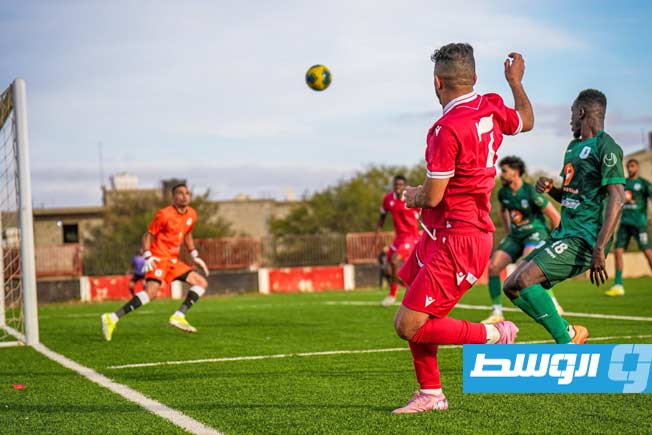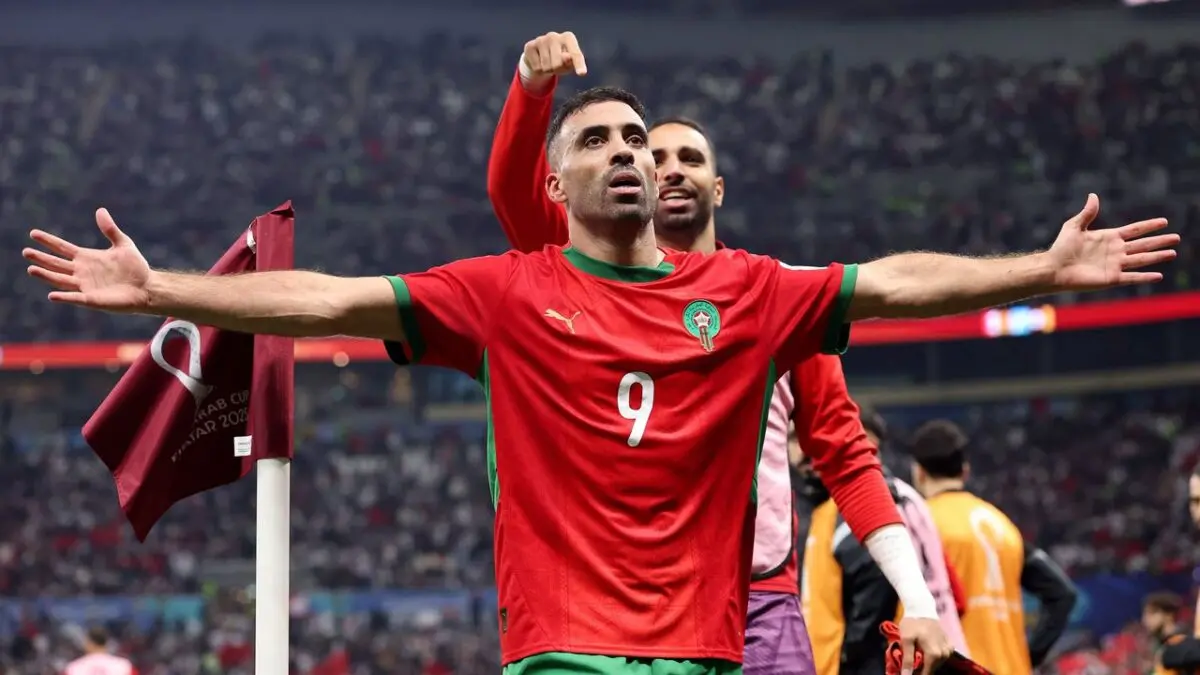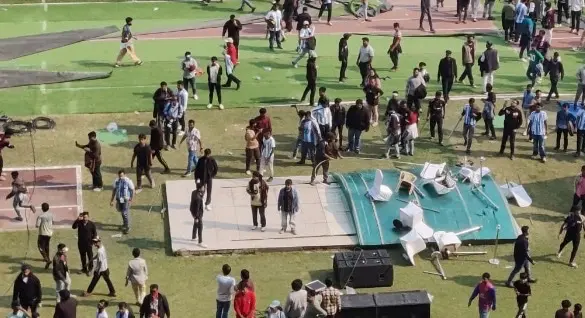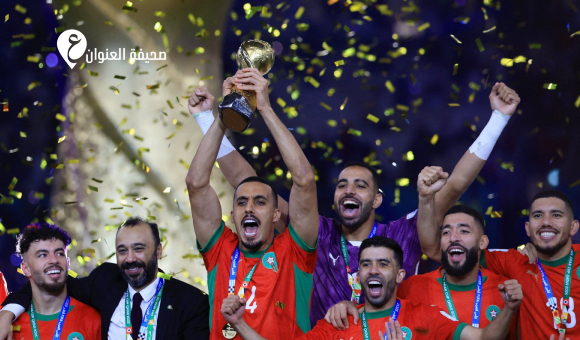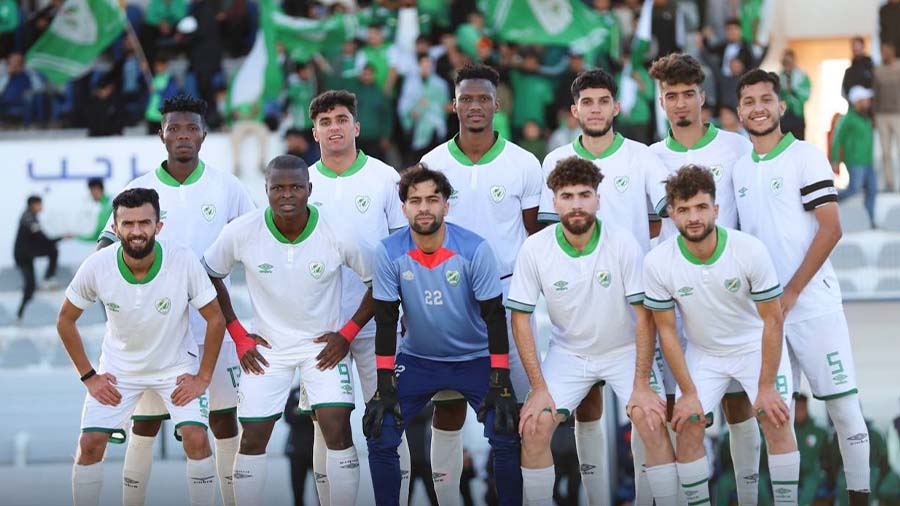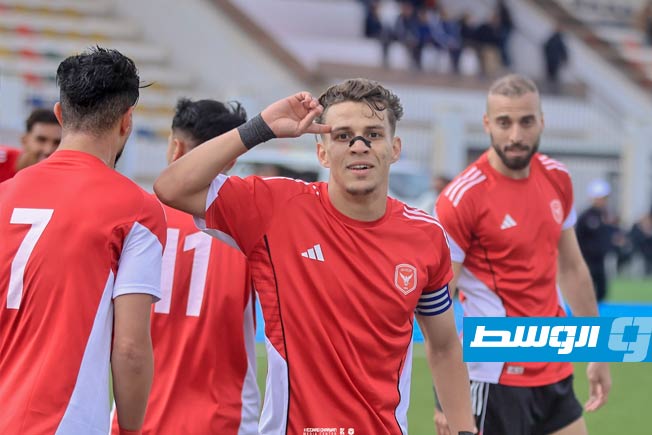
Over the years, the blessed month of Ramadan in Libya has been distinguished by sports activity and football competitions. There is hardly a street or neighborhood without a sporting event, especially activities related to football. Ramadan football leagues have become a prominent feature during the holy month, an old story that renews itself every season.
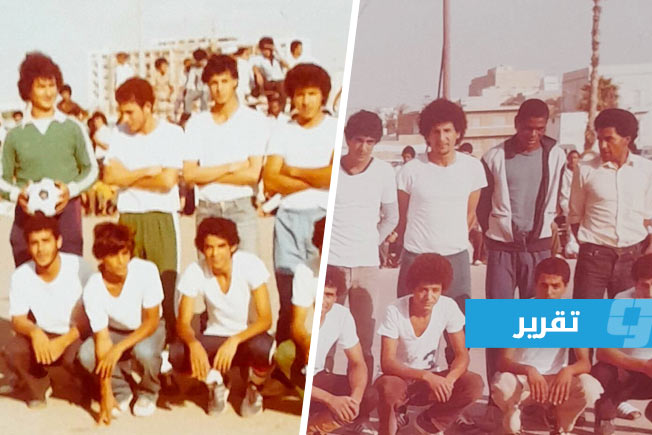
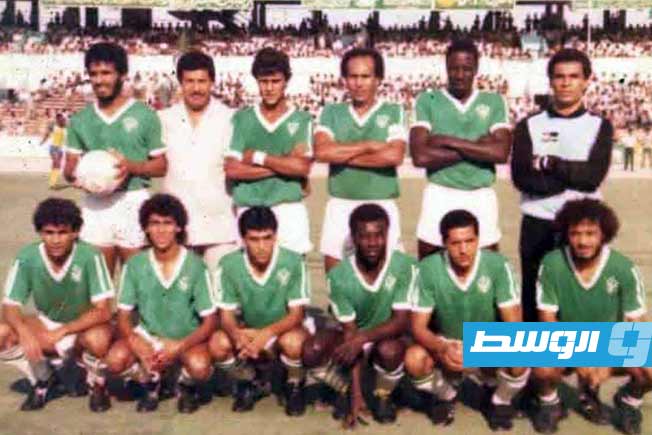
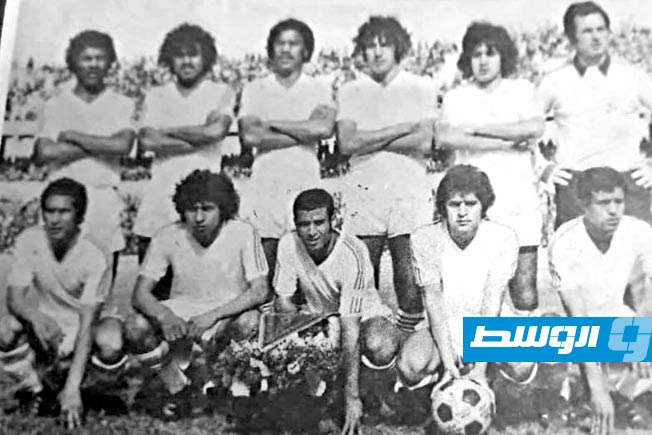
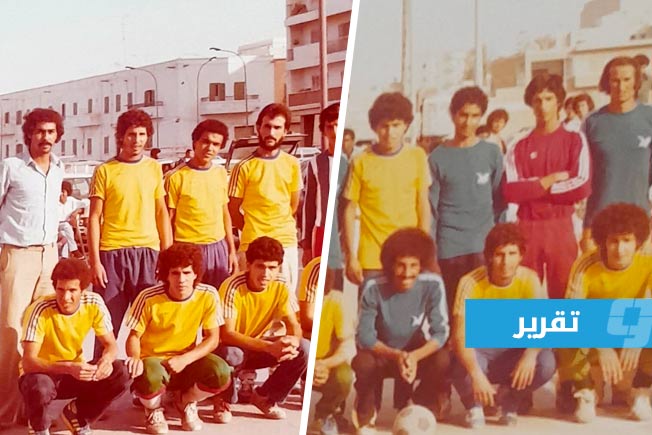
The Al-Dhareeh League in the heart and center of Benghazi city is considered one of the oldest and most prestigious Ramadan football leagues at the small-pitch level. After leagues were held on large pitches, the idea of organizing a league on small pitches emerged in the late 1970s. Following the halt of official football activity, players found only these leagues to practice their hobby and put an end to the state of stagnation. Football fans found no outlet for entertainment and filling their free time except by organizing Ramadan leagues in several neighborhoods of Benghazi city, making it the only outlet for the sports audience.
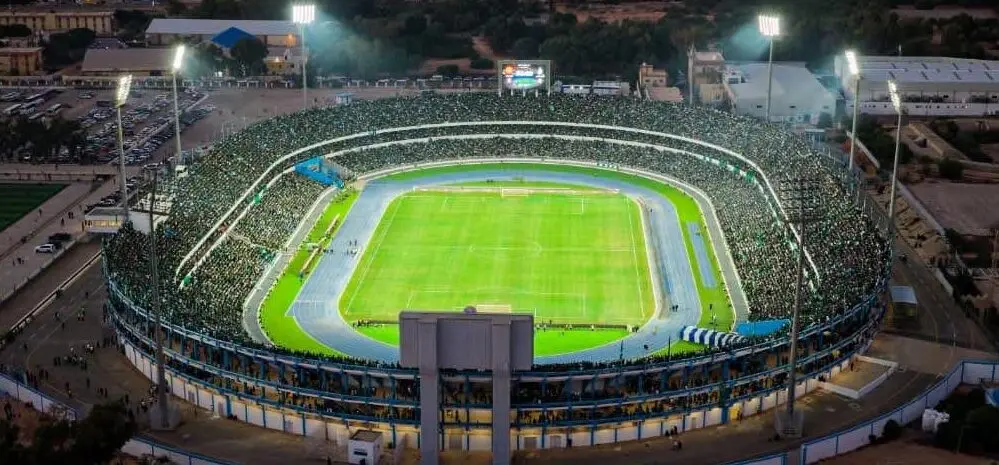
The story begins at Al-Dhareeh Stadium
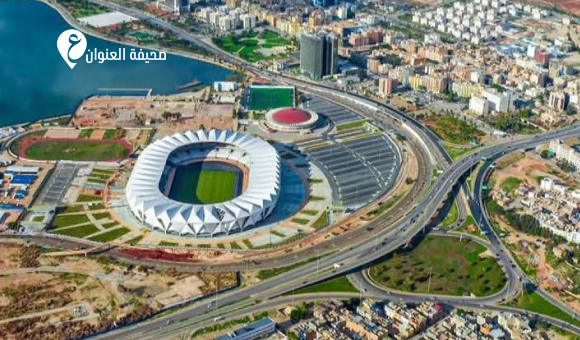
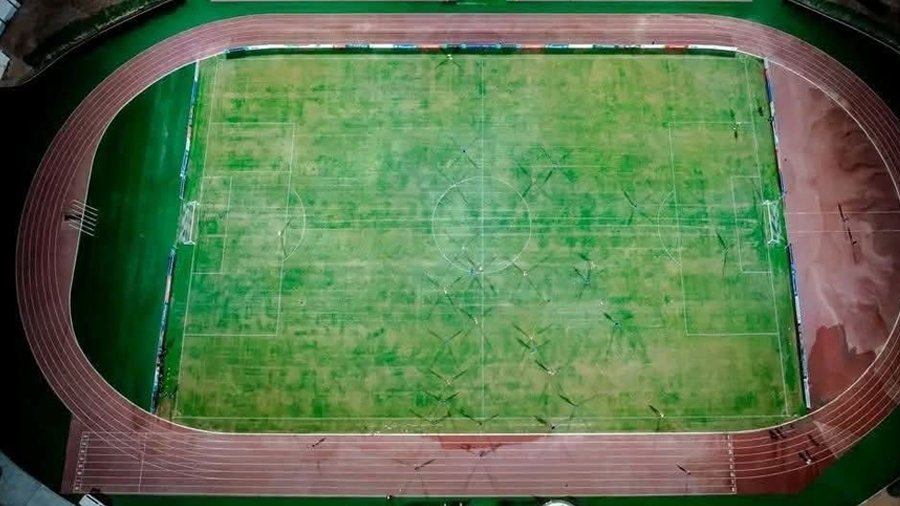
The starting point and beginning of the story was from Al-Dhareeh Stadium in Benghazi city. The establishment of this league coincided with the halt of official football activity in the late 1970s. It was the league of stars, fame, and spotlights, a meeting point for all sports lovers and a destination for all interested parties. It filled the football void that dominated the scene and compensated for the absence of official football competitions.
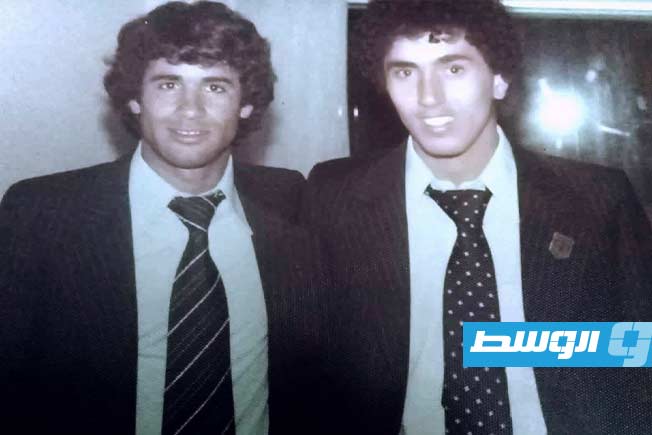
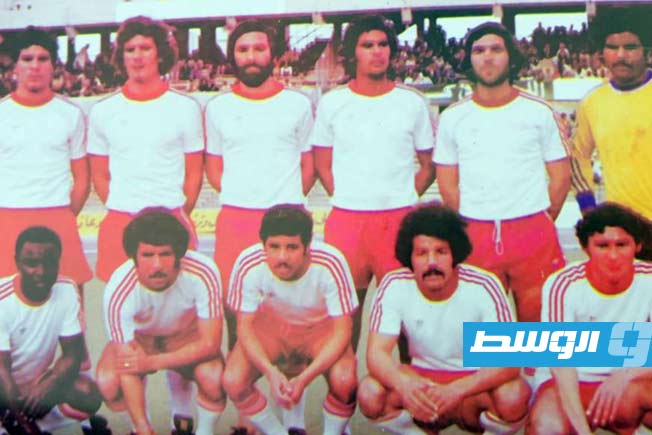
This league witnessed significant participation from the most prominent stars of the past generation from various clubs in its first season of appearance, spreading the phenomenon of small pitches that later spread to other areas and neighborhoods of Benghazi city.
Generations after generations passed through the gates of those pitches, contributing to making the event and becoming the premier popular game that tops the days of the holy month. There is hardly an area or square without a Ramadan league being held. Competition intensified and reached its peak in attracting stars to participate and excel in terms of organization, presentation, motivation, encouragement of stars, inviting them to participate, and adding value.
The famous and historic Al-Burka area was another important station for holding Ramadan leagues at the small-pitch level. The first Ramadan league was held at Al-Burka Square during Ramadan in the mid-1980s, witnessing the participation of the most prominent stars from various clubs. The historic Sidi Hussein area also had an early and prominent presence in Ramadan leagues in the late 1970s, but on the dirt surface of one of its pitches.
Voluntary initiatives fueled by enthusiasm
What distinguished these initiatives was that they were carried out through individual efforts and the enthusiasm of youth. In these Ramadan leagues, which the people of Benghazi still recall their beautiful memories and are keen to revive their activity, which was also famous for the emergence of many talents among supervisors, organizers, and those interested in these community leagues… Days passed and years went by, and the small-pitch league during the holy month gained and attracted a large popular base, enjoying watching the players’ skills. Everyone began eagerly awaiting the arrival of the holy month each year to watch the stars of the small pitches, whose circle of organization expanded after it gained its own stars, organizers, patrons, and audiences. The story of Ramadan leagues continued from generation to generation, persisting to this day.
Ramadan competitions in a different form
However, small football pitches evolved, donned a new attire, and spread across various Libyan cities. Other generations emerged, gaining widespread fame, and the exciting competition between neighborhoods to excel in organizing Ramadan leagues increased. These successes also led to more interest in the game’s base, its dissemination, and the organization of its official competitions, where local competitions gathering various clubs and their teams were held for the first time.
Distinctly festive Ramadan atmospheres
During the Ramadan football leagues, Benghazi city lives in a distinctly festive Ramadan football atmosphere. Various pitches are bustling with holding Ramadan matches and reviving these football manifestations and evenings in a scene that is almost uniform across all parts of the city, reflecting their attachment and love for the premier popular game, both in following and practicing it.