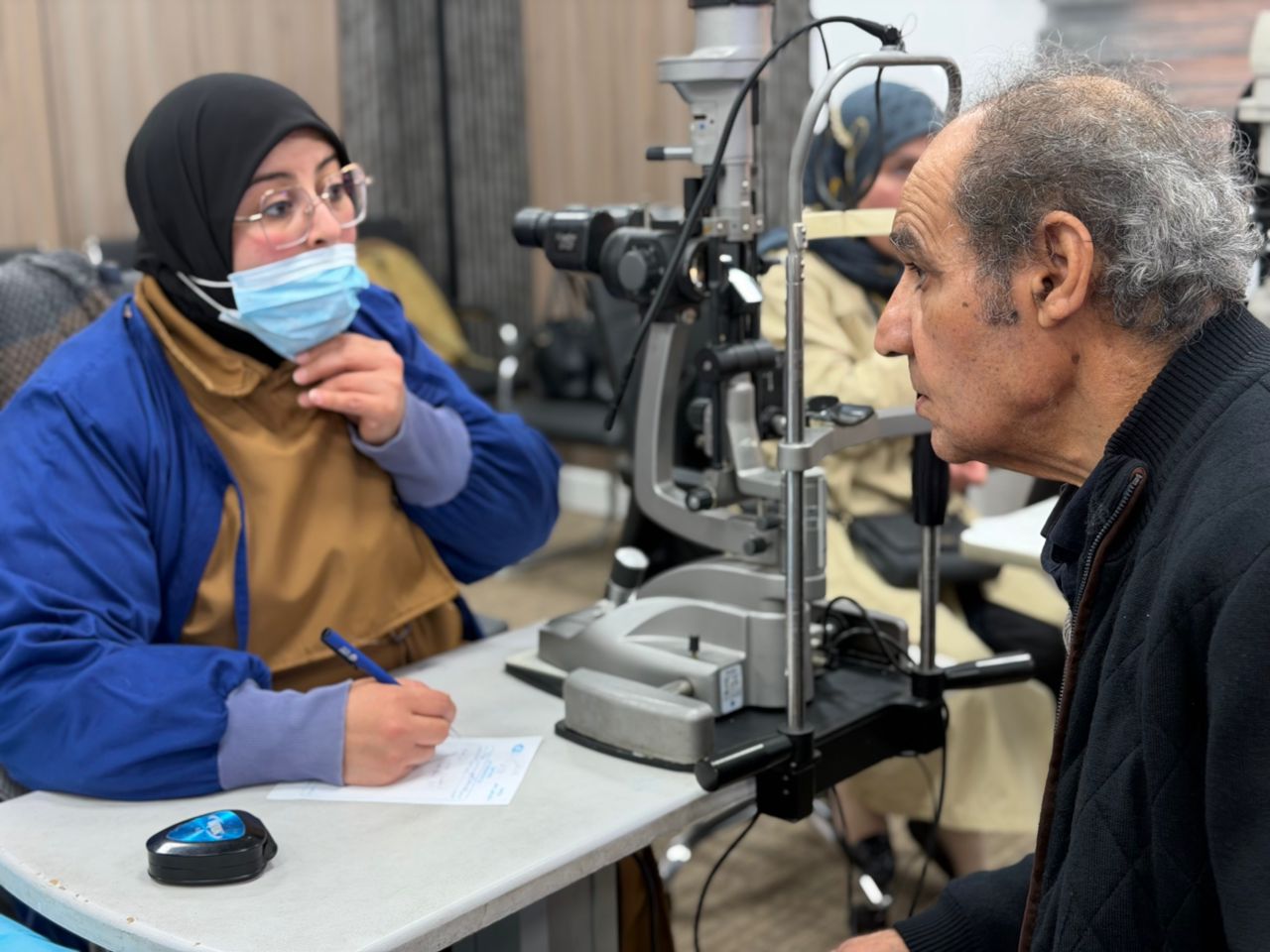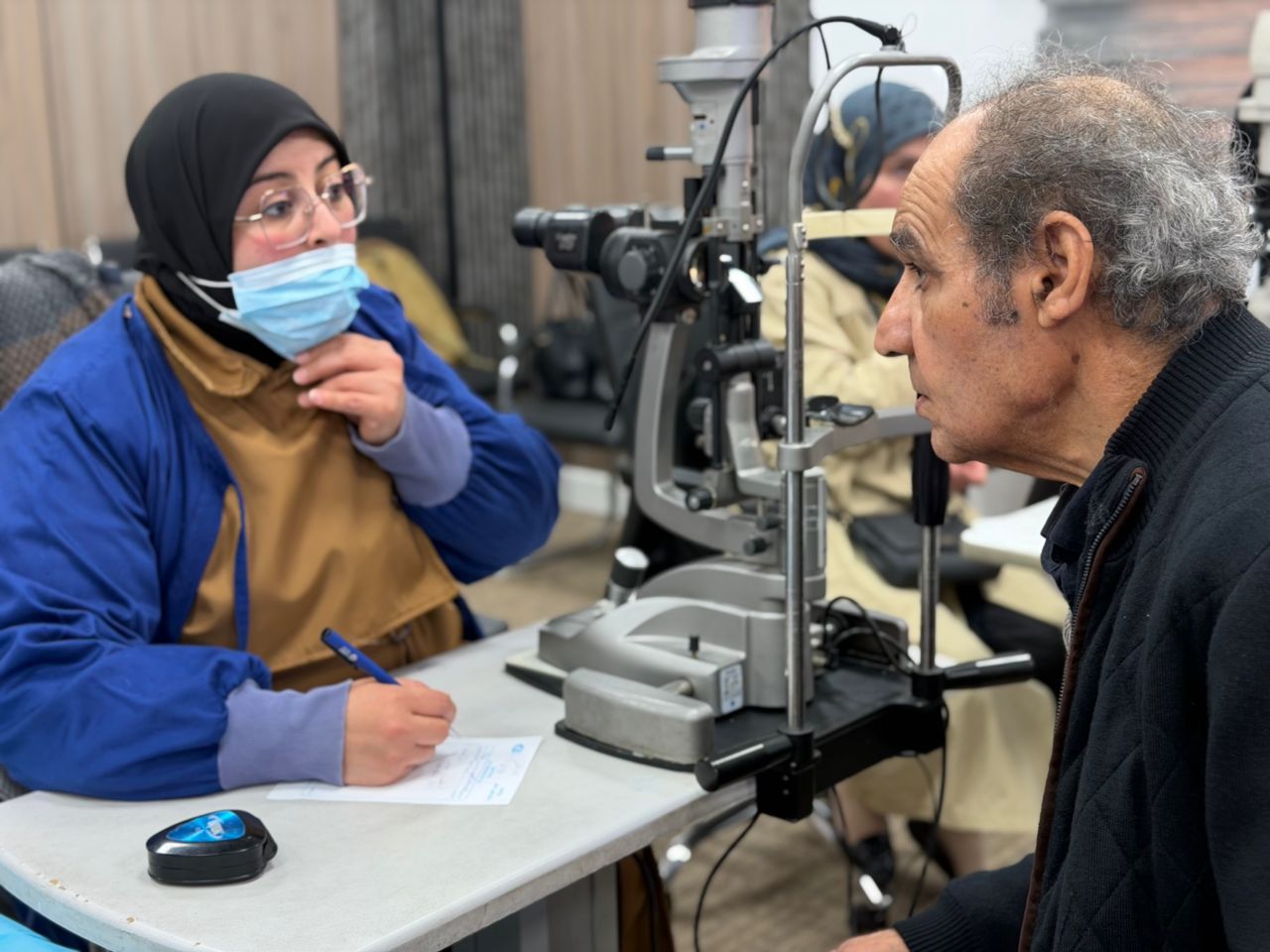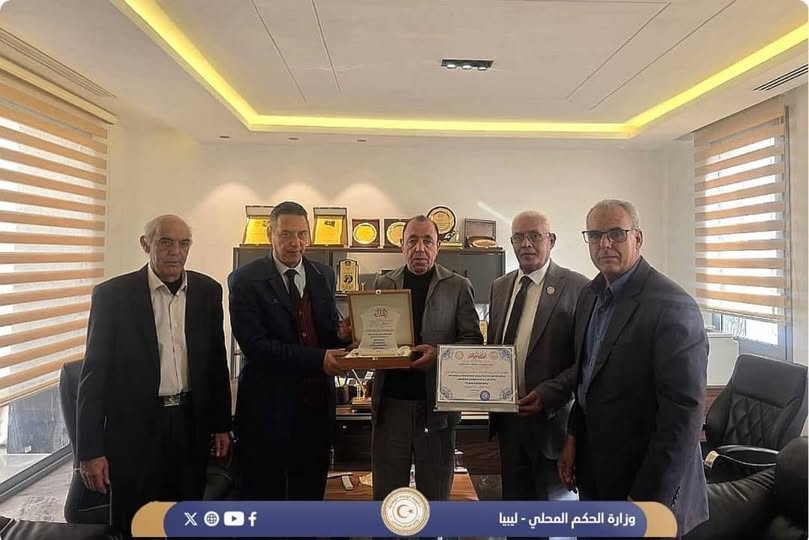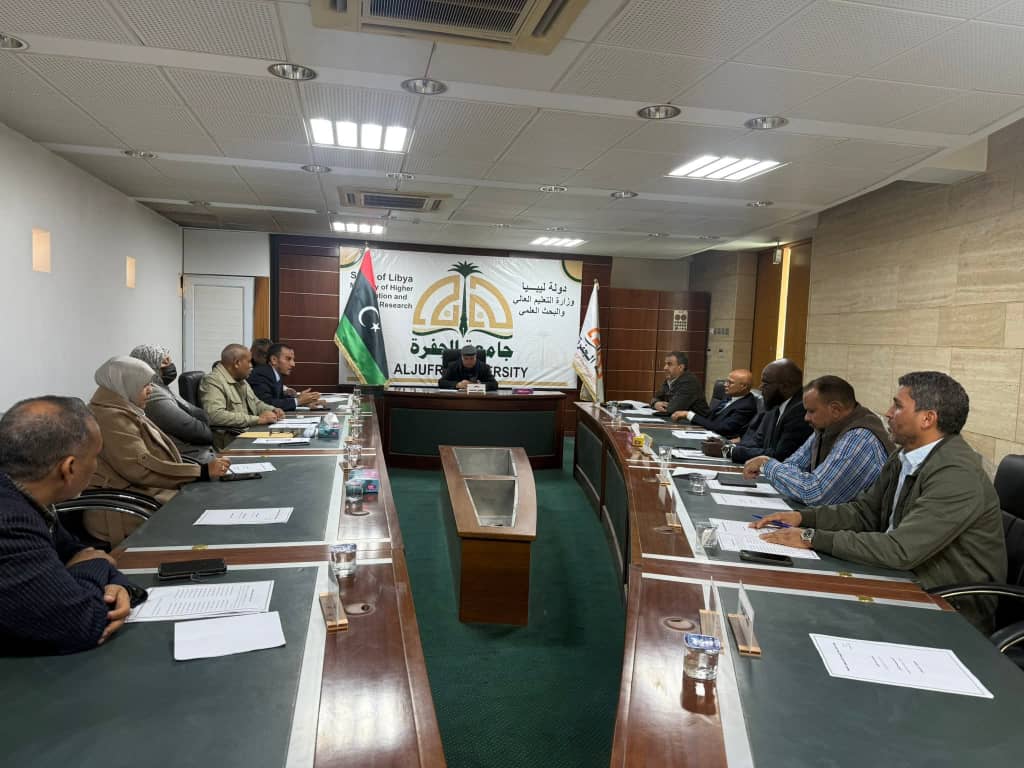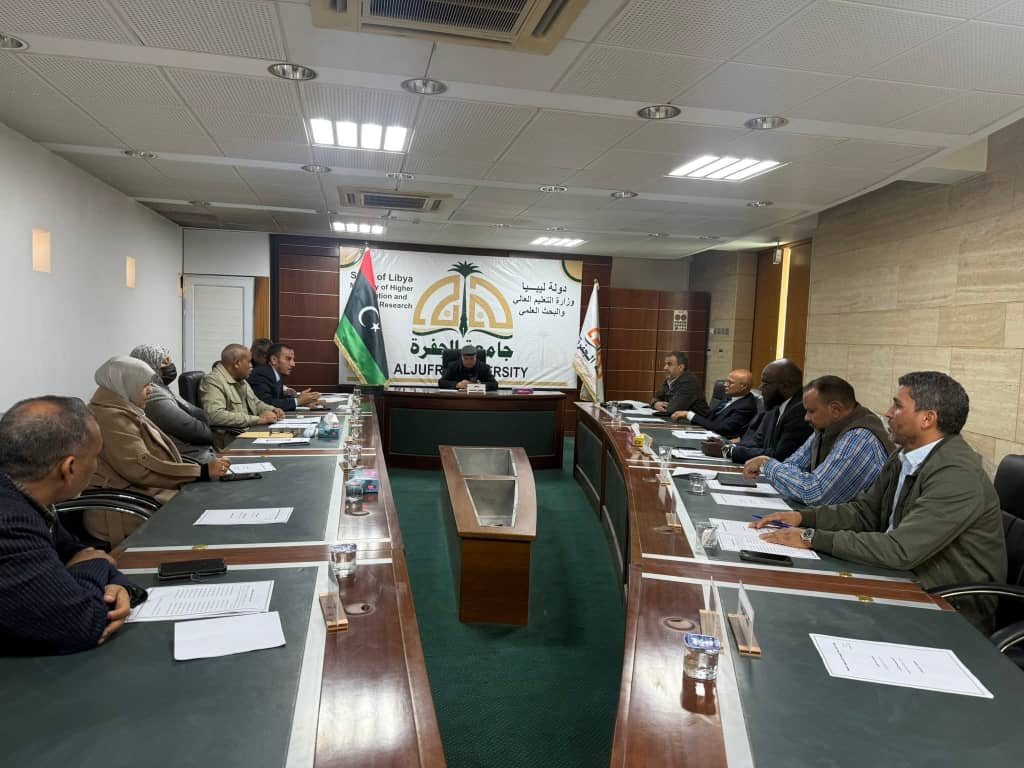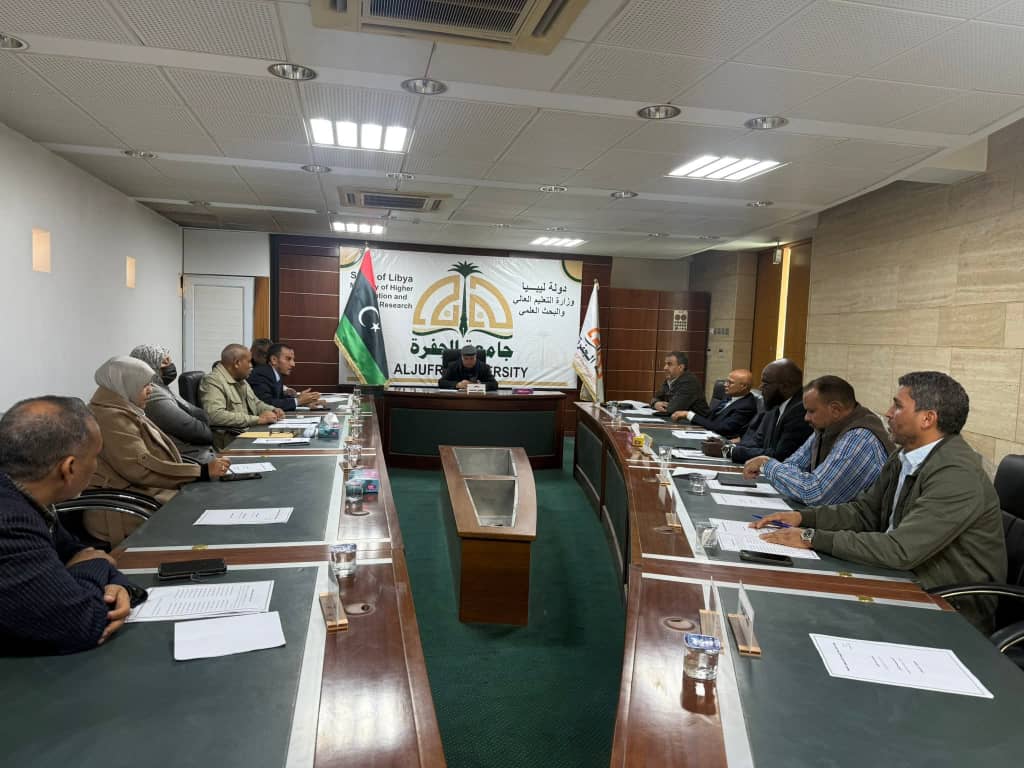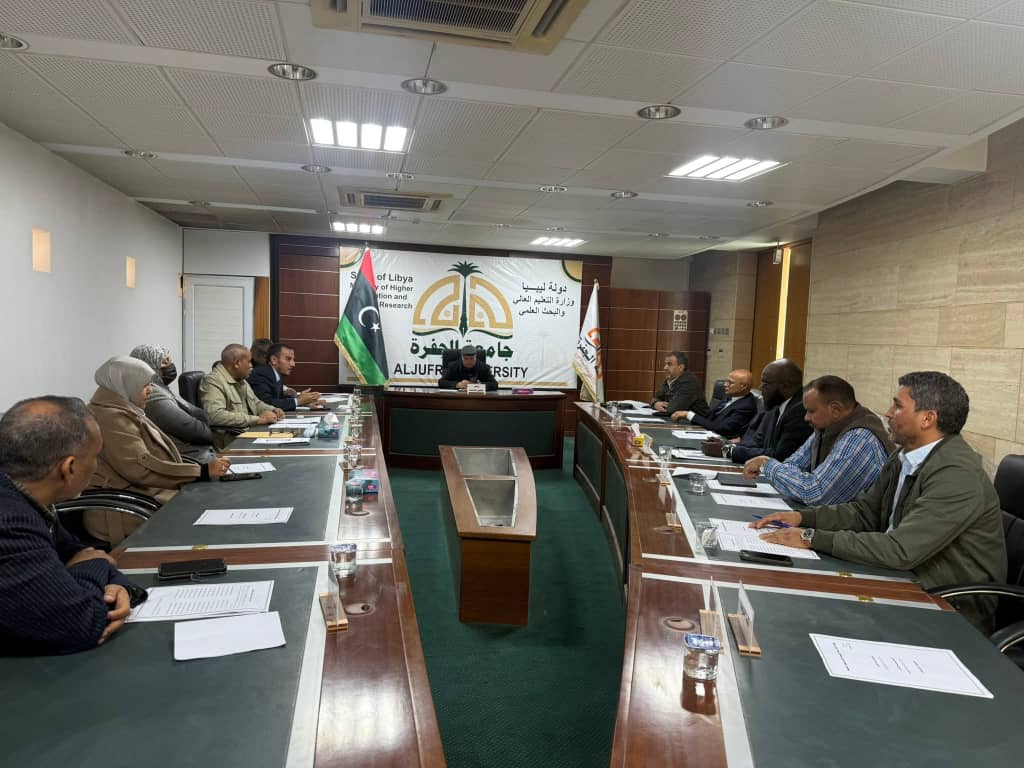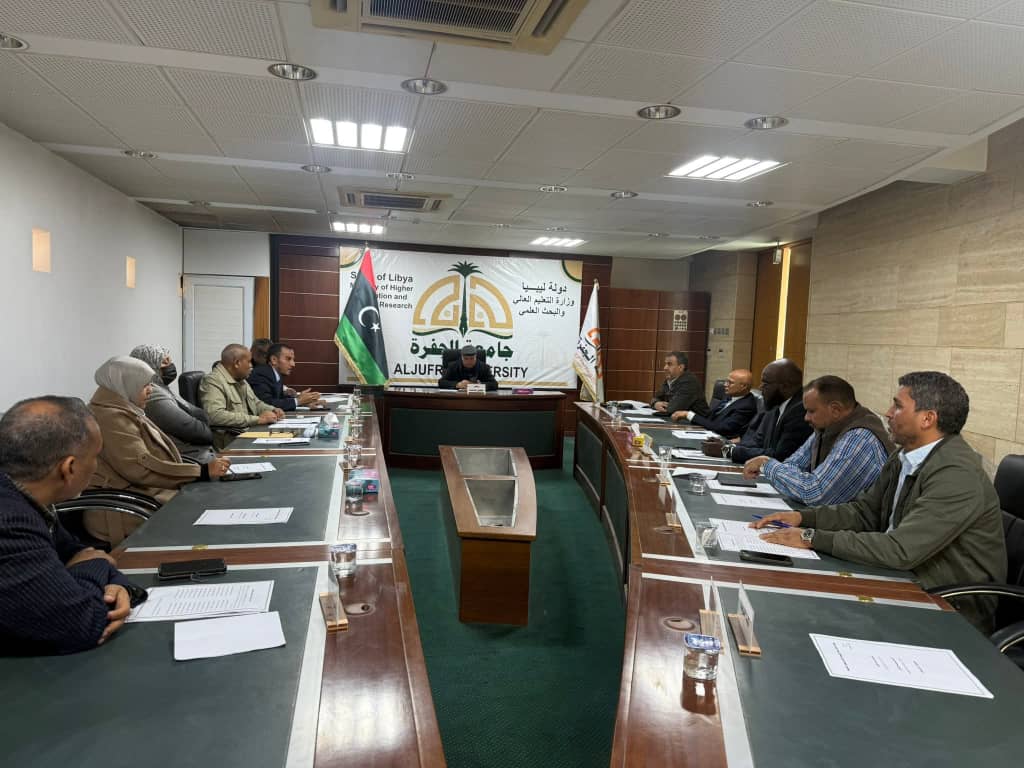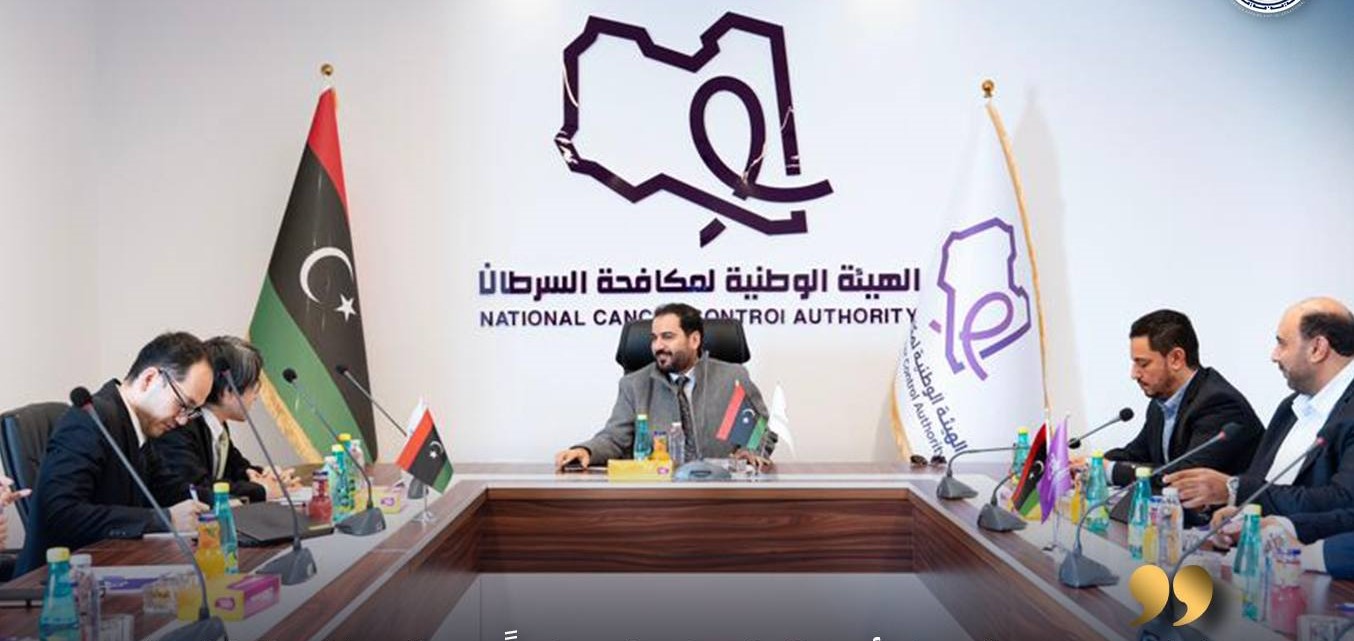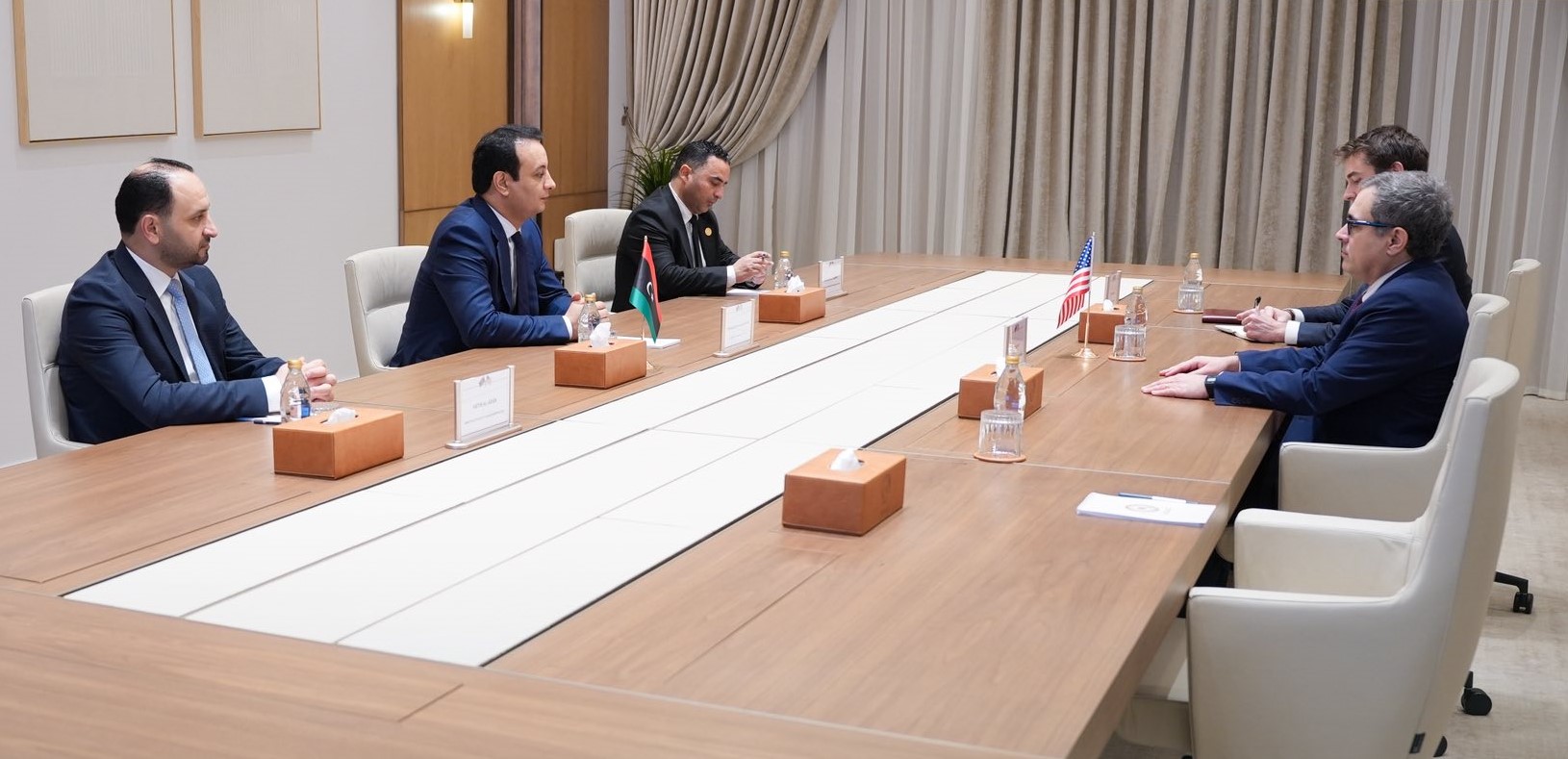
Tripoli, December 20, 2025 – The Renewable Energy Authority, in cooperation with the German Agency for International Cooperation (GIZ), organized a workshop dedicated to discussing the draft of a renewable energy law project in Libya. This represents the first comprehensive national legal framework to regulate the renewable energy sector in Libya after years of legislative void.
The project, which will be presented to the relevant authorities to complete ratification procedures, is the culmination of a national path led by the Renewable Energy Authority in partnership with various relevant entities. Its aim is to establish the first comprehensive legal framework that allows for the optimal exploitation of the country’s vast natural potential, particularly in the fields of solar and wind energy.
It was emphasized that the convening of this workshop is not merely a technical meeting or a formal procedure, but rather represents an official announcement of the launch of the legislative path to adopt the first comprehensive national law for renewable energies. This law will keep pace with the accelerating global transformations in the energy sector and place Libya among the countries seeking to gradually break free from dependence on fossil fuels and build a modern and sustainable energy system.
It was further stressed that the anticipated law will form the cornerstone in building an energy system capable of attracting investments, enhancing the stability of electricity supplies, and supporting the national economy, thereby strengthening energy security and serving sustainable development goals.
The discussions focused on a comprehensive review of the draft law’s articles to ensure clarity of powers, enhance governance and transparency principles, and create an attractive legislative environment for investment, while aligning the law’s provisions with national policies and sustainable development goals.
Participants confirmed that the absence of a legislative framework has been the most prominent obstacle to developing the renewable energy sector since the Authority’s establishment. They considered this workshop to represent the actual starting point for breaking the state of stagnation and beginning a new phase based on institutional planning, opening the door for the private sector to contribute to developing this vital sector.
The workshop concluded its proceedings by approving the draft law project and referring it to the relevant authorities to complete the ratification procedures. This law is seen as playing an active role in diversifying energy sources, reducing dependence on fossil fuels, creating quality job opportunities, lowering carbon emissions, enhancing economic stability, and contributing to addressing the challenges of climate change.