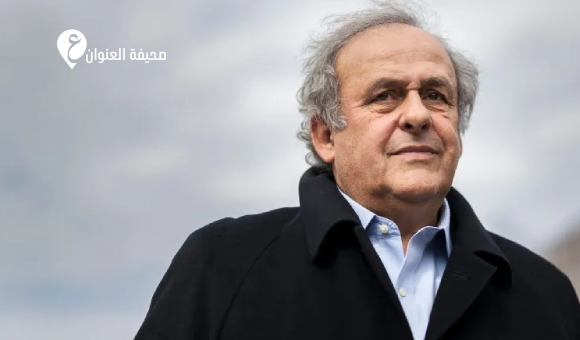
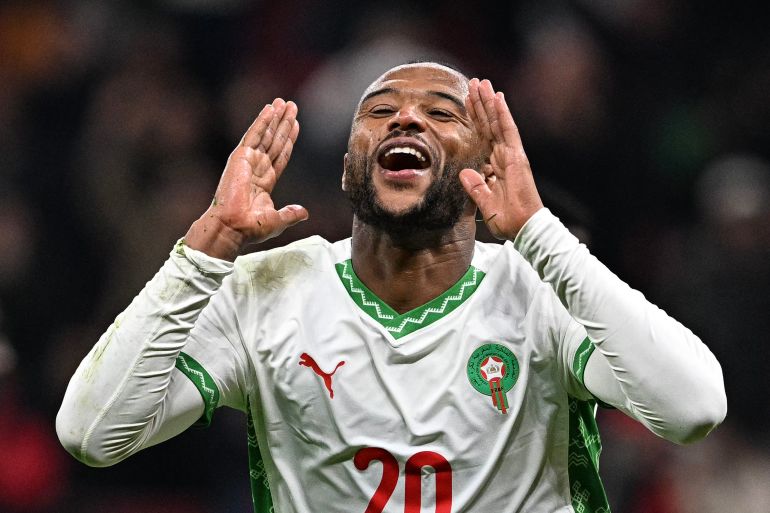
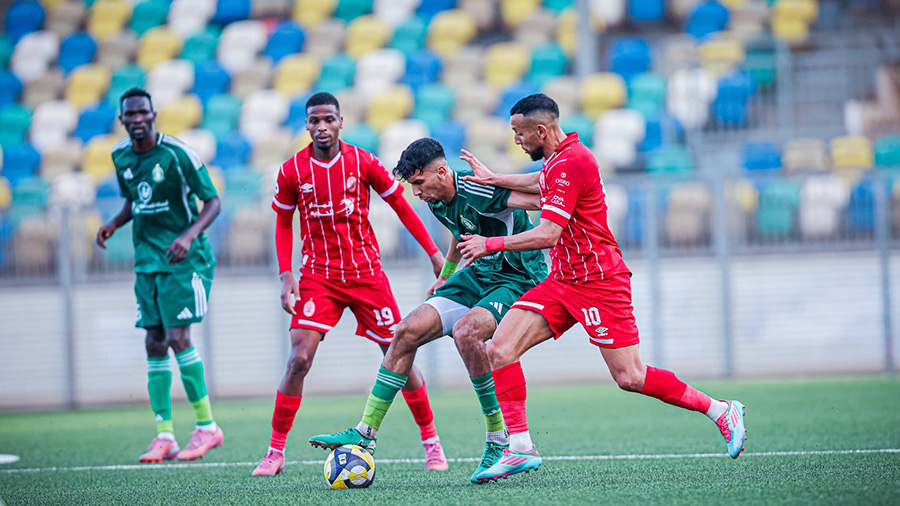
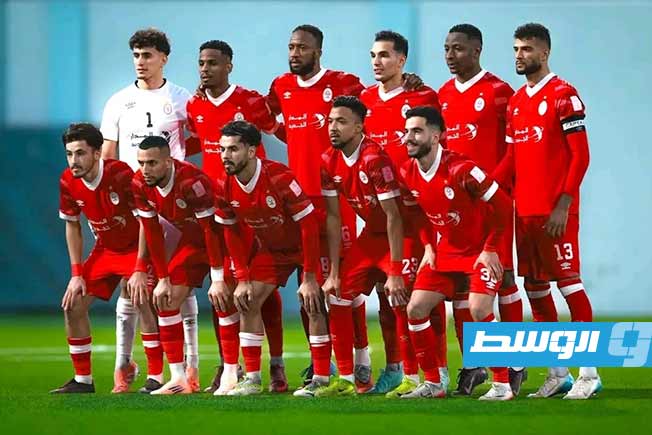
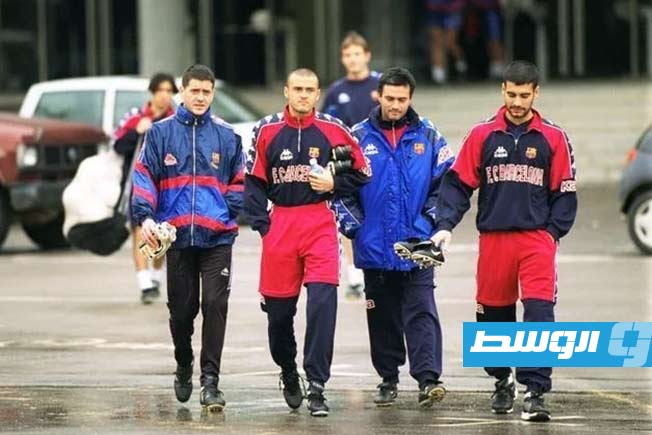
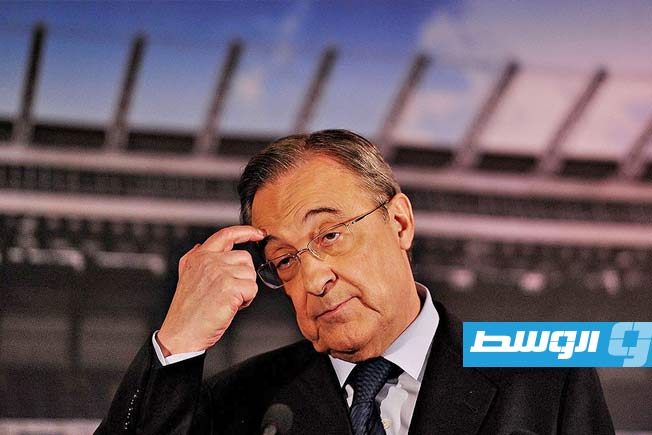
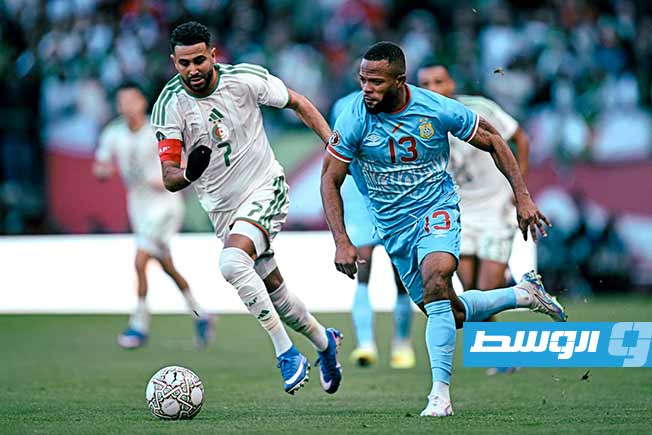
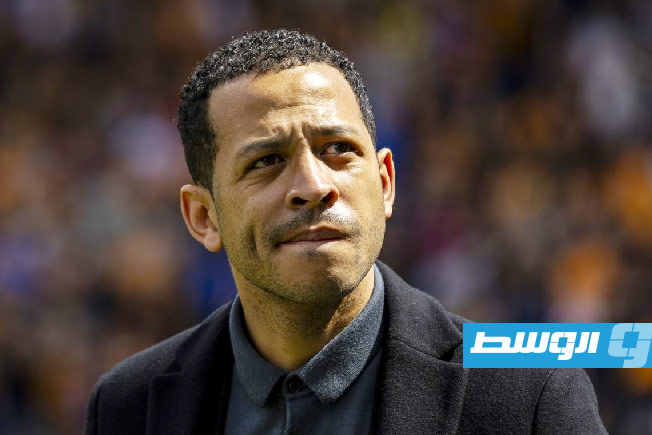
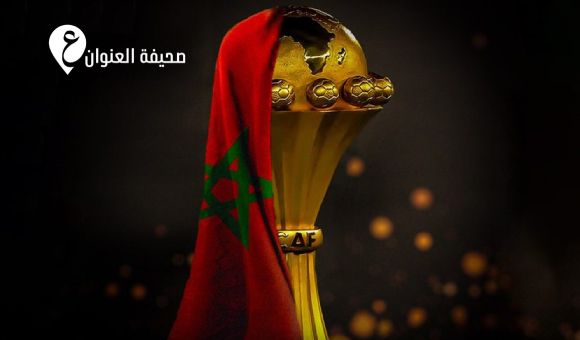
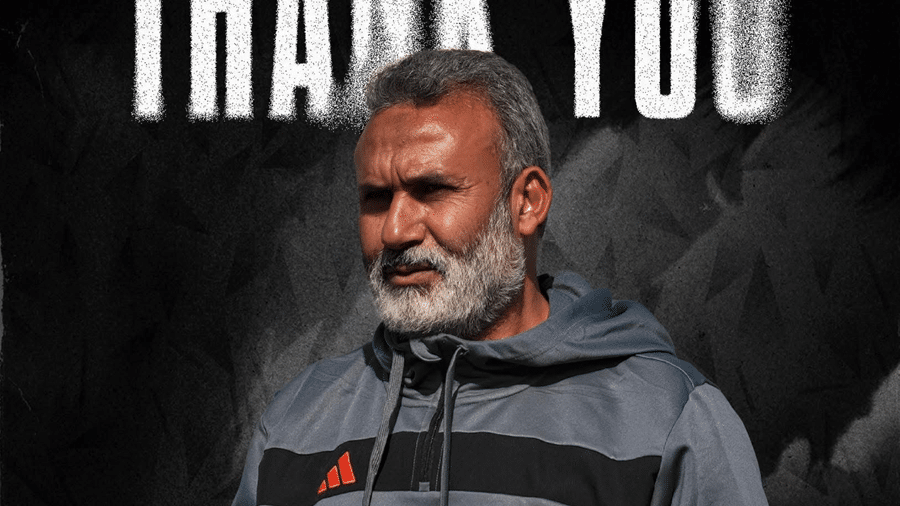
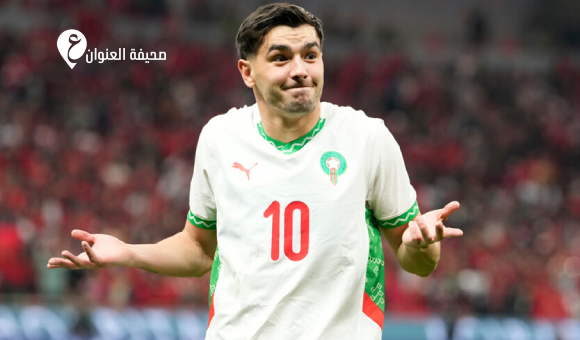
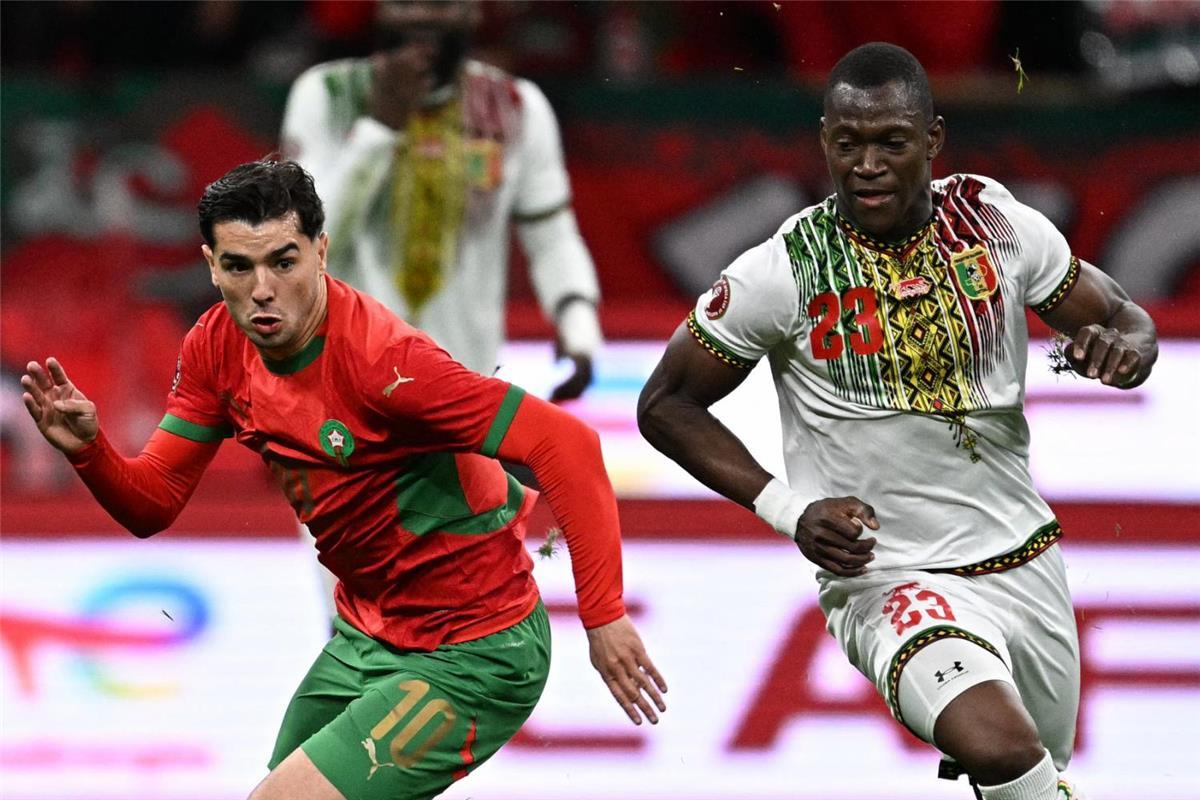
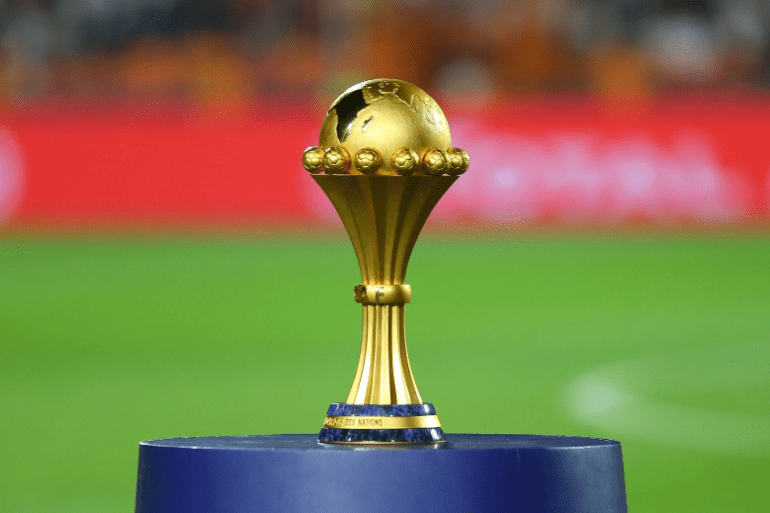
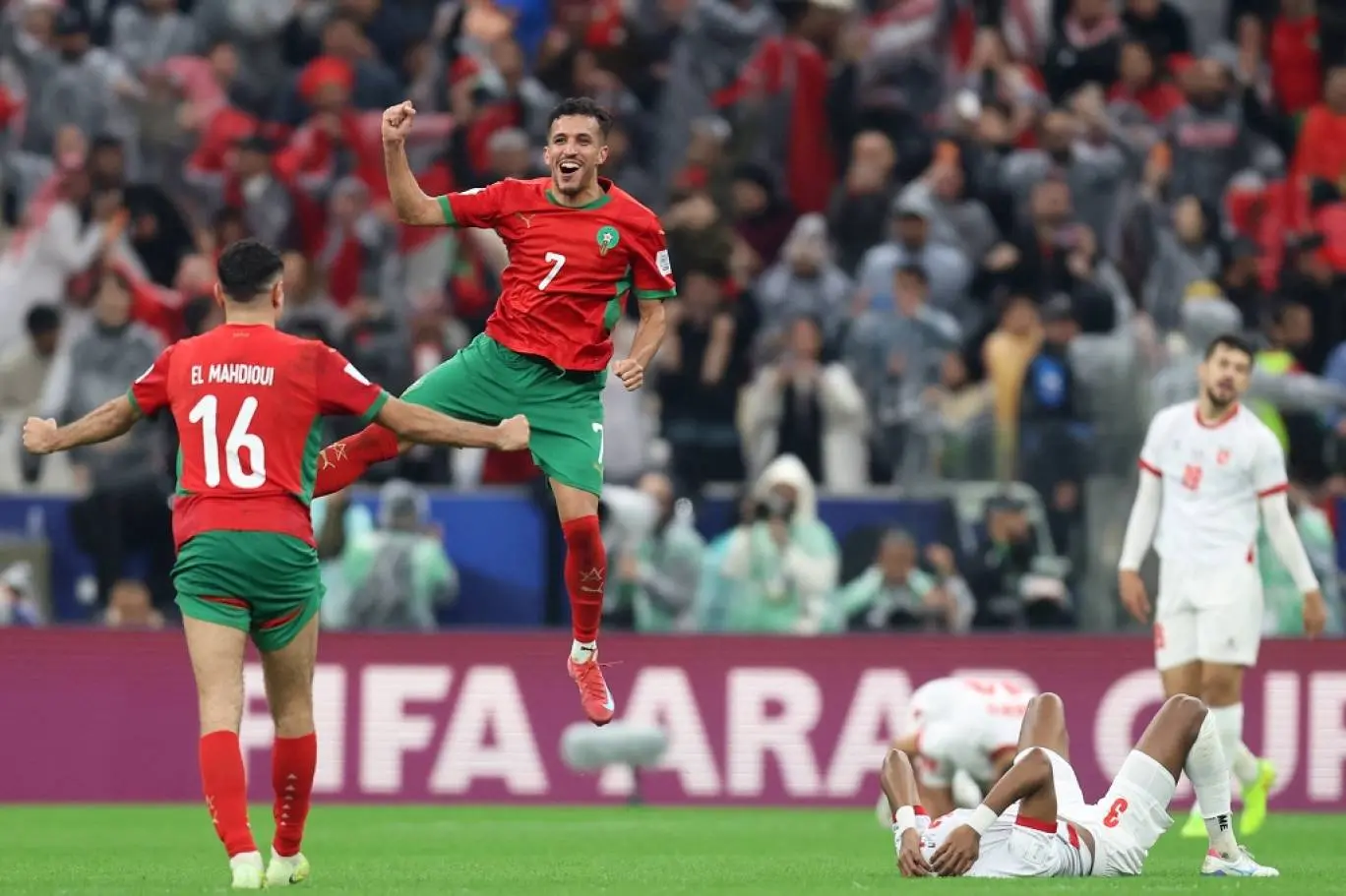
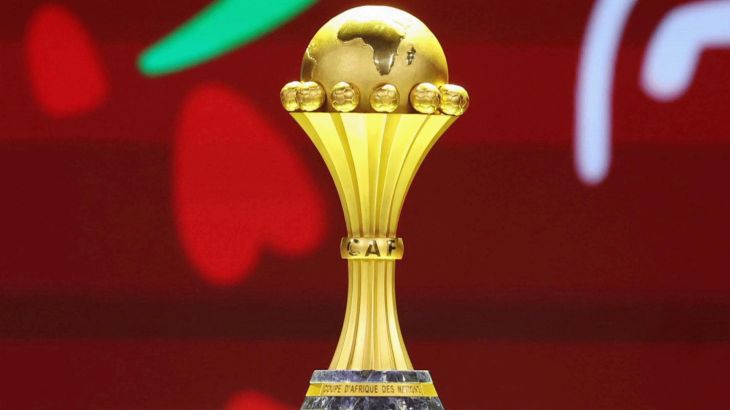
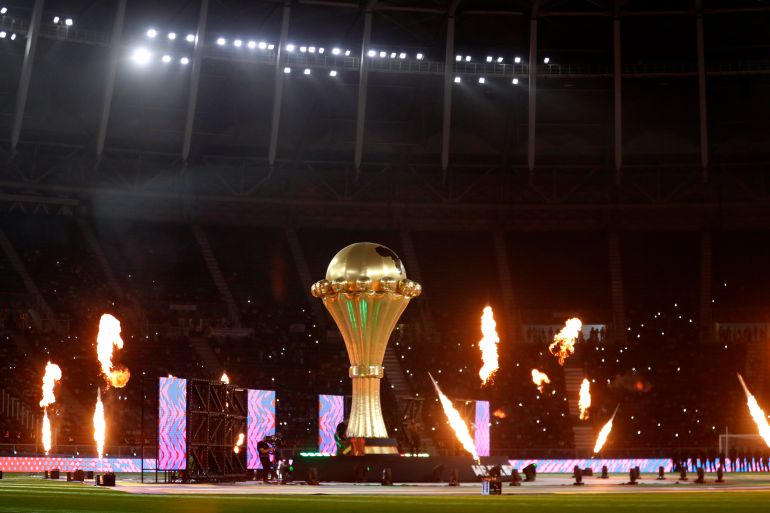
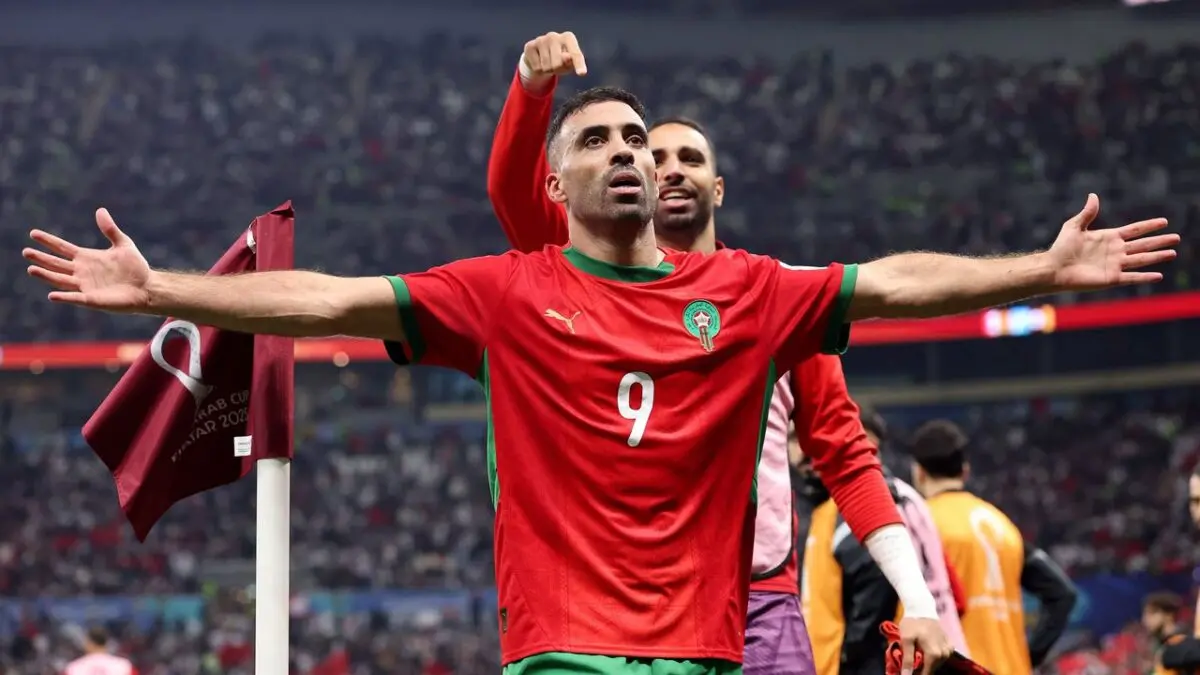
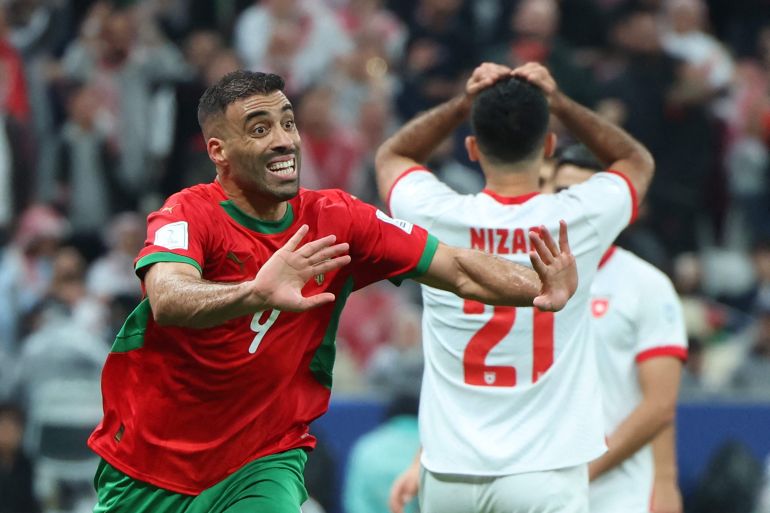
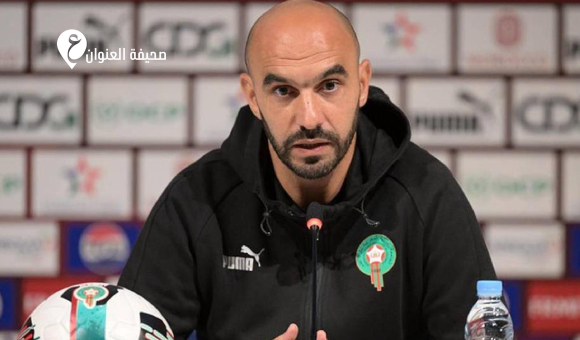
Hervé Renard, the former head coach of the Moroccan national football team, has strongly criticized Brahim Díaz, the star of the Atlas Lions, after he missed a penalty in the final of the 2025 Africa Cup of Nations.
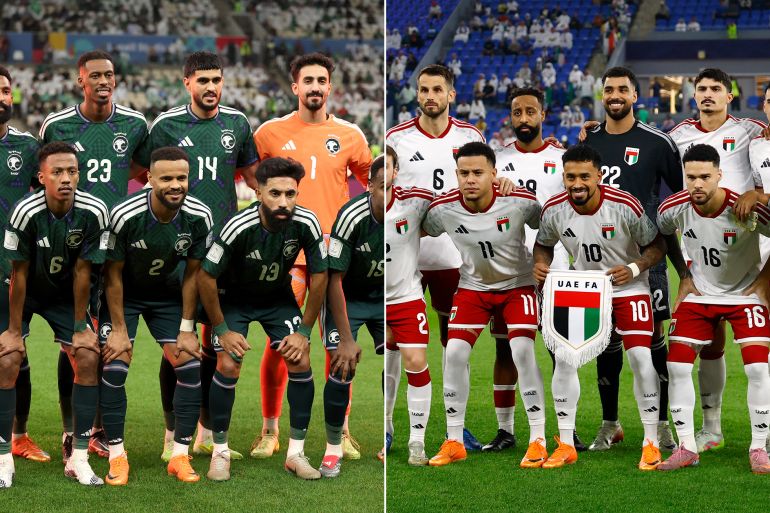
The French coach, who currently manages the Saudi Arabian national team, described that moment as a serious failure to take responsibility, indicating that he would have imposed a harsh penalty on Díaz if he were still coaching the Moroccan team.
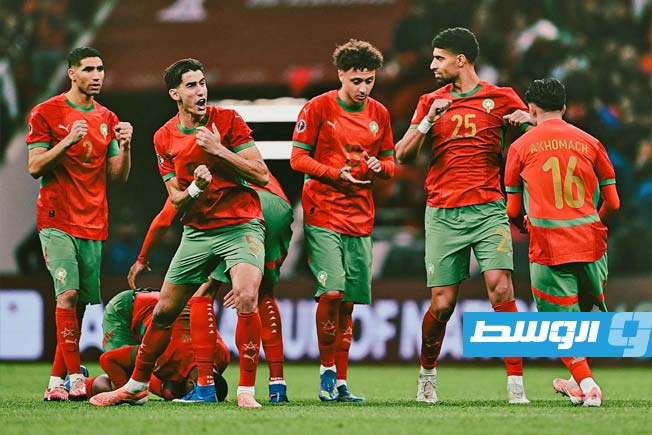
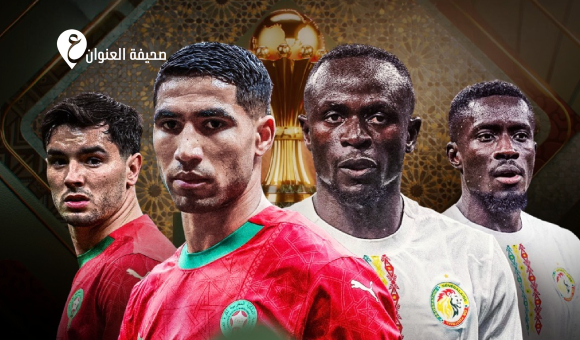
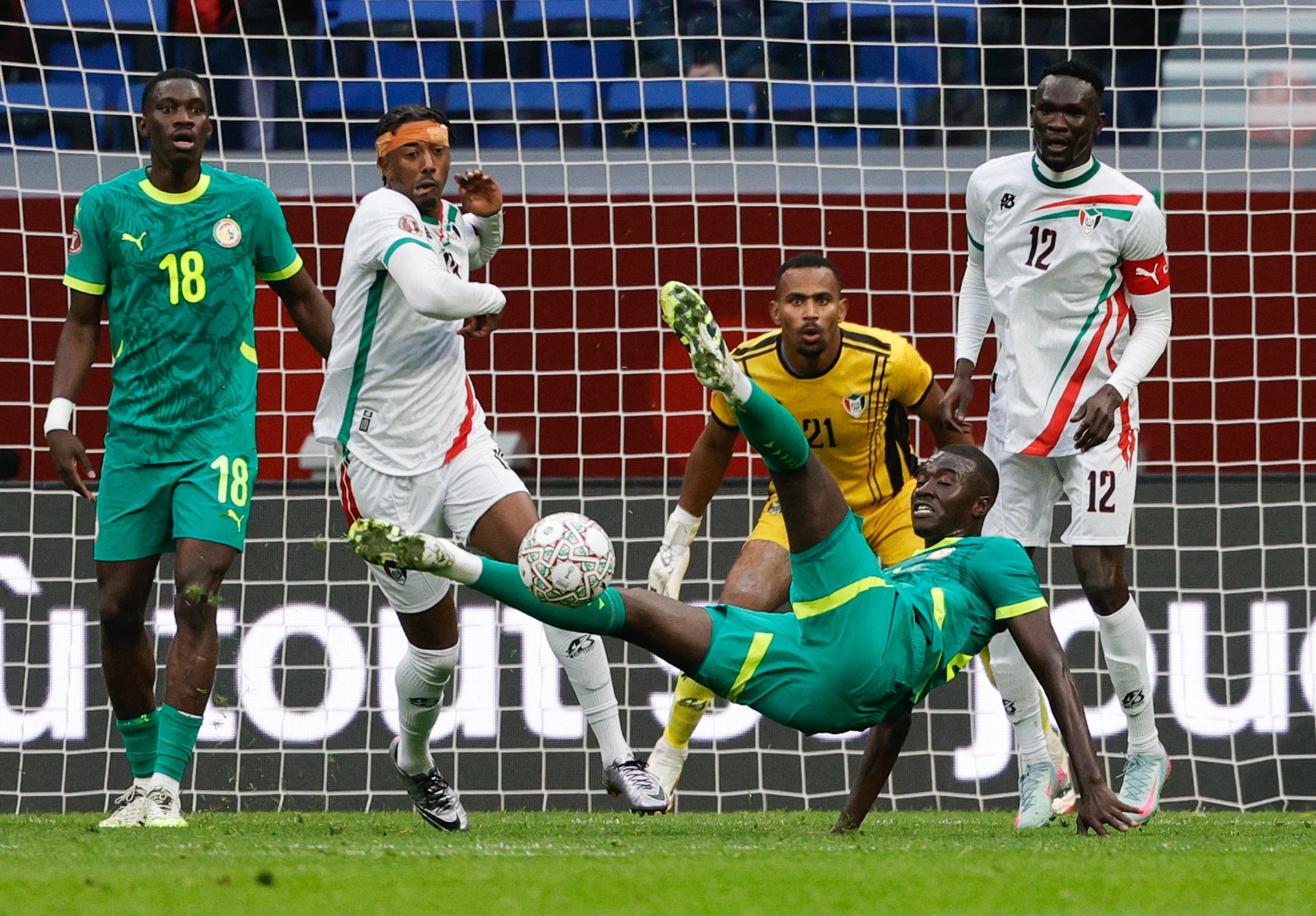
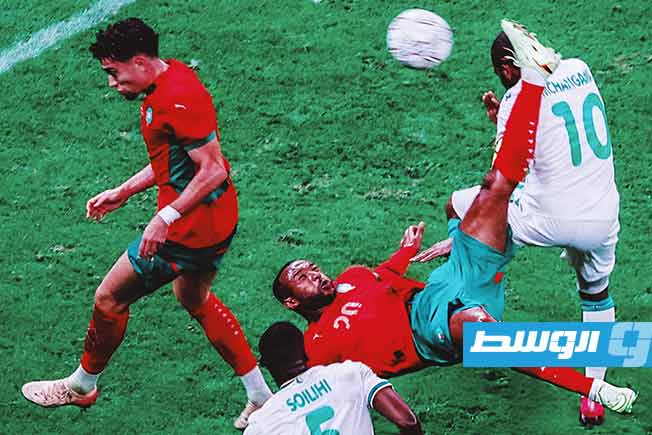
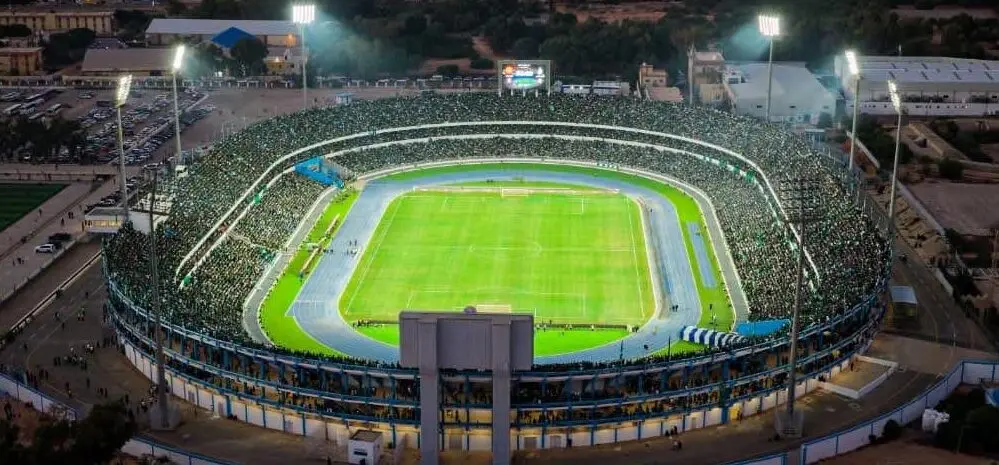
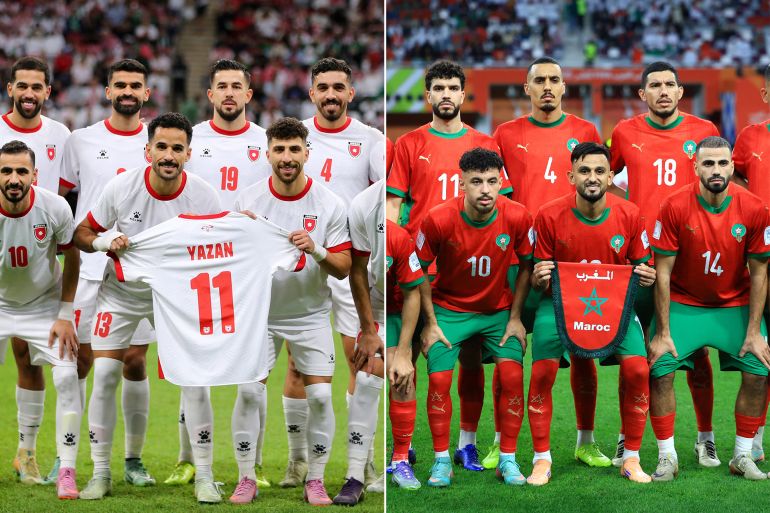
The continental competition’s final between the teams of Morocco and Senegal, held on Sunday at the Prince Moulay Abdellah Stadium in the Moroccan capital Rabat, witnessed heated events in the final moments of regular time.
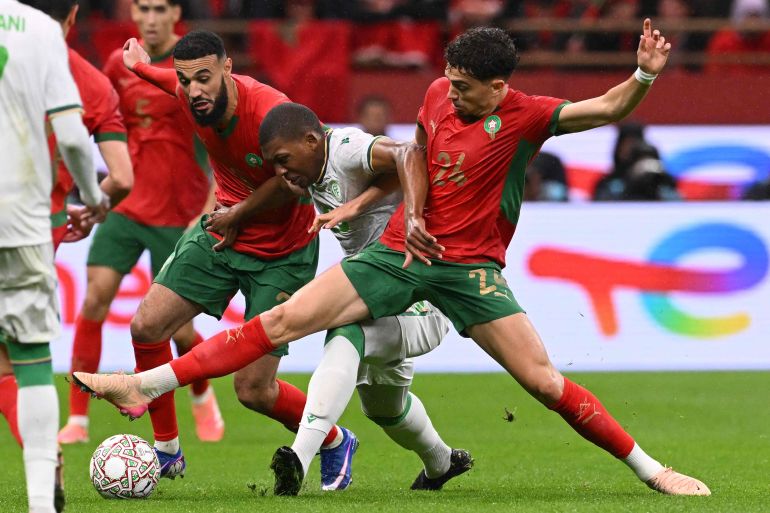
While the match was heading towards a goalless draw in the sixth minute of second-half stoppage time, the Moroccan team was awarded a penalty after Díaz was pulled down inside the penalty area.
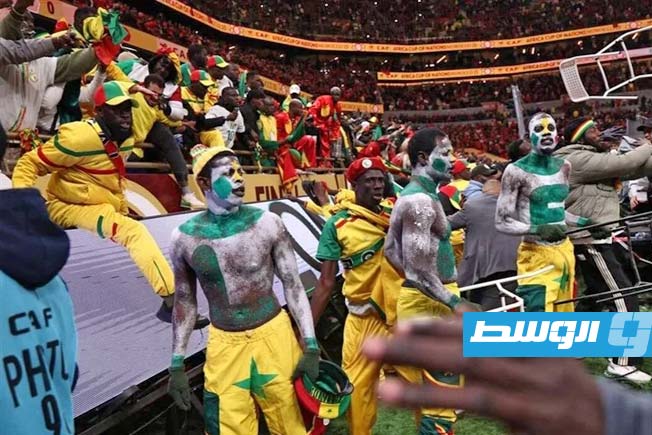
The decision sparked intense anger among the Senegalese team, whose players threatened to withdraw from the match before play resumed after an 18-minute stoppage, but the drama was not over yet.
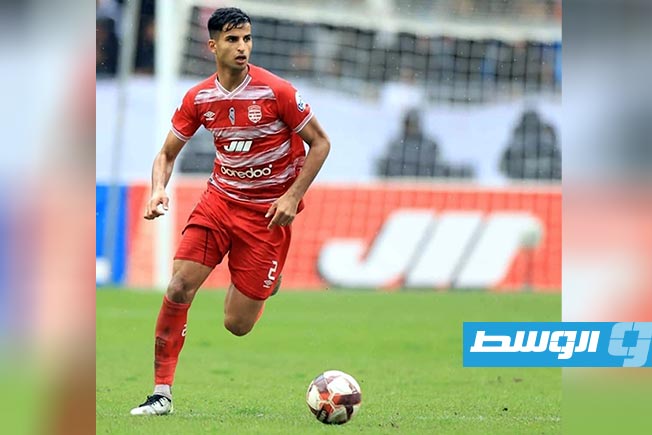
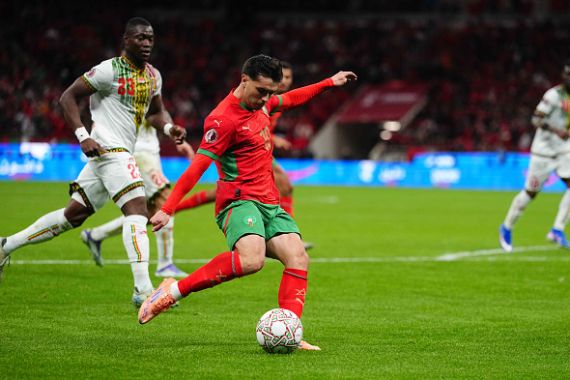
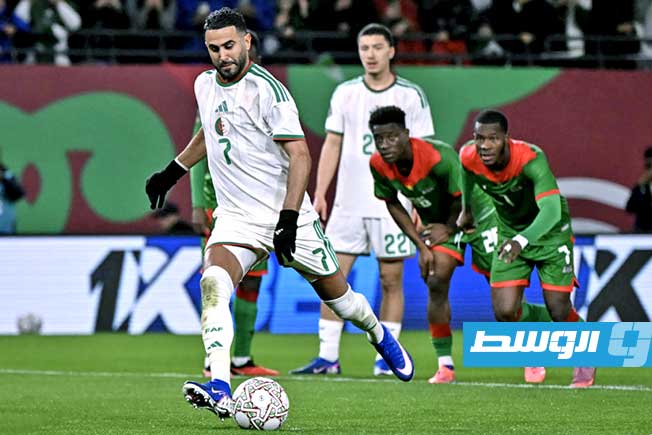
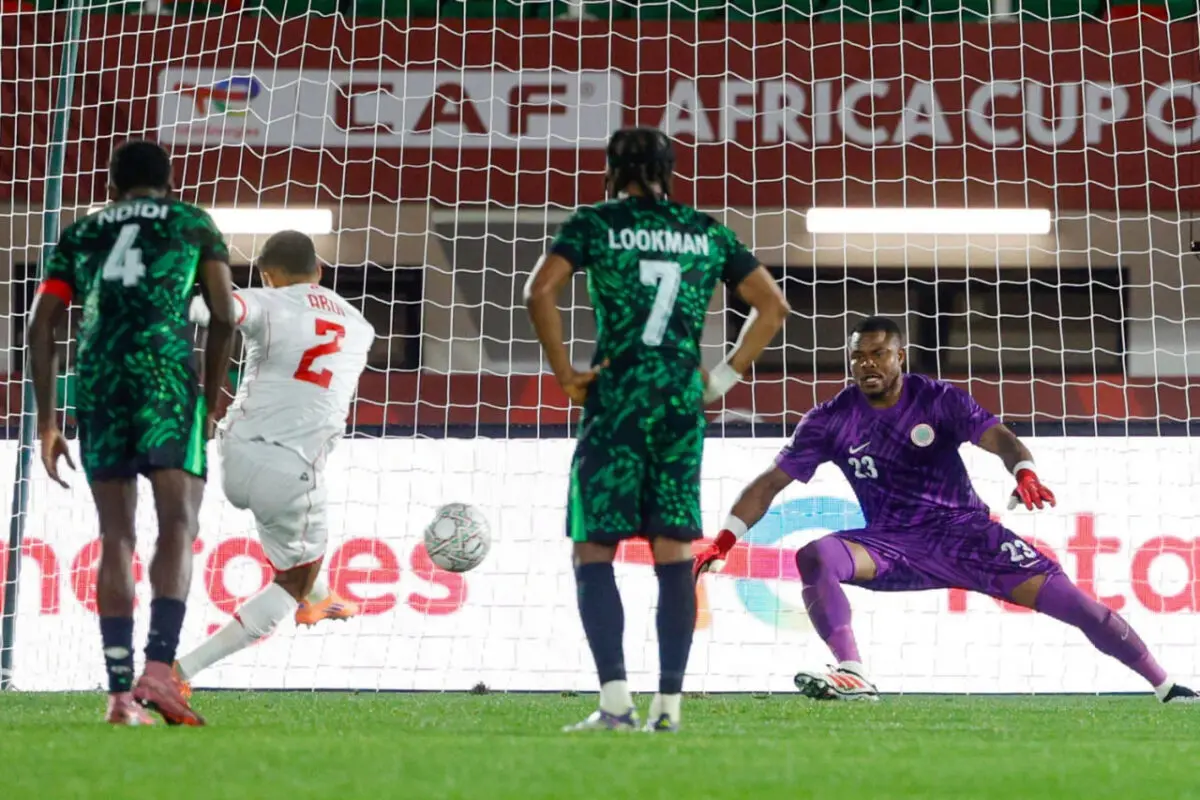
Díaz, the star of Spain’s Real Madrid, stepped up to take the penalty and attempted a Panenka-style chip, but the shot was too weak and straight down the middle, allowing Édouard Mendy, the Senegalese goalkeeper, to catch the ball easily.
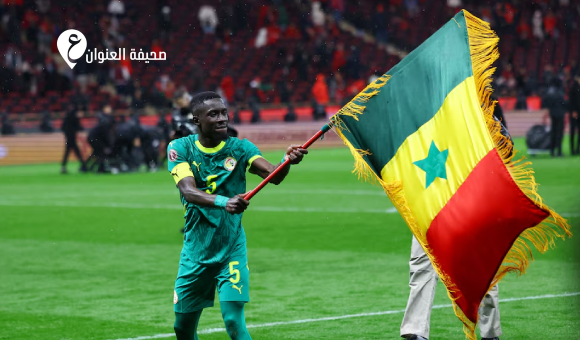
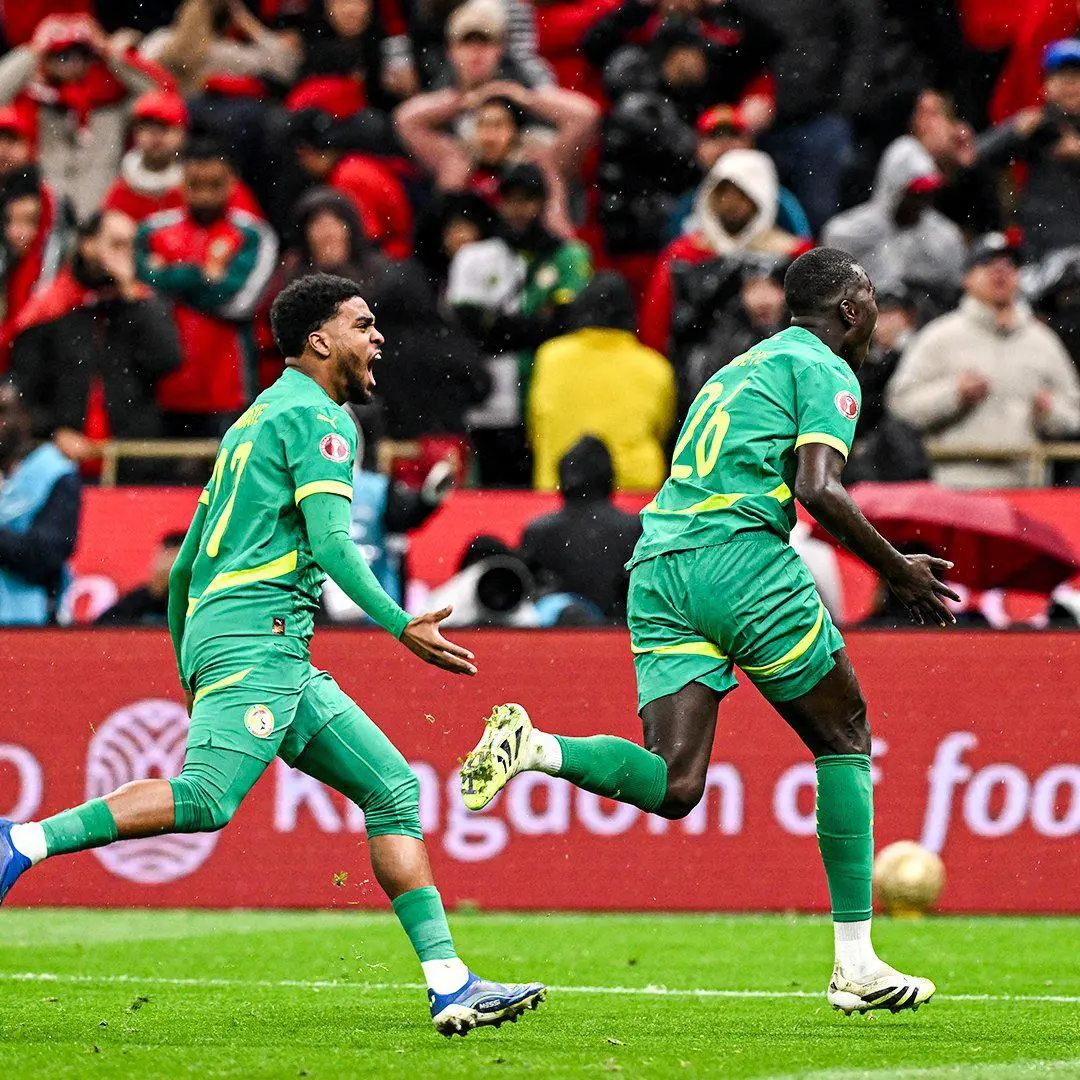
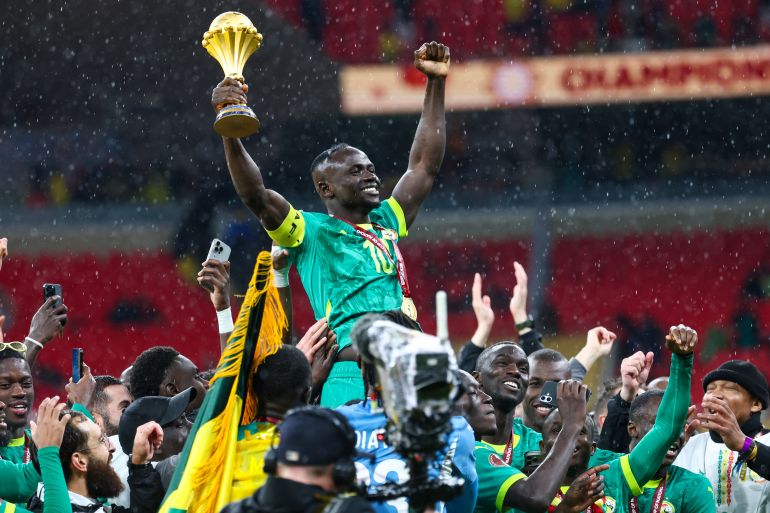
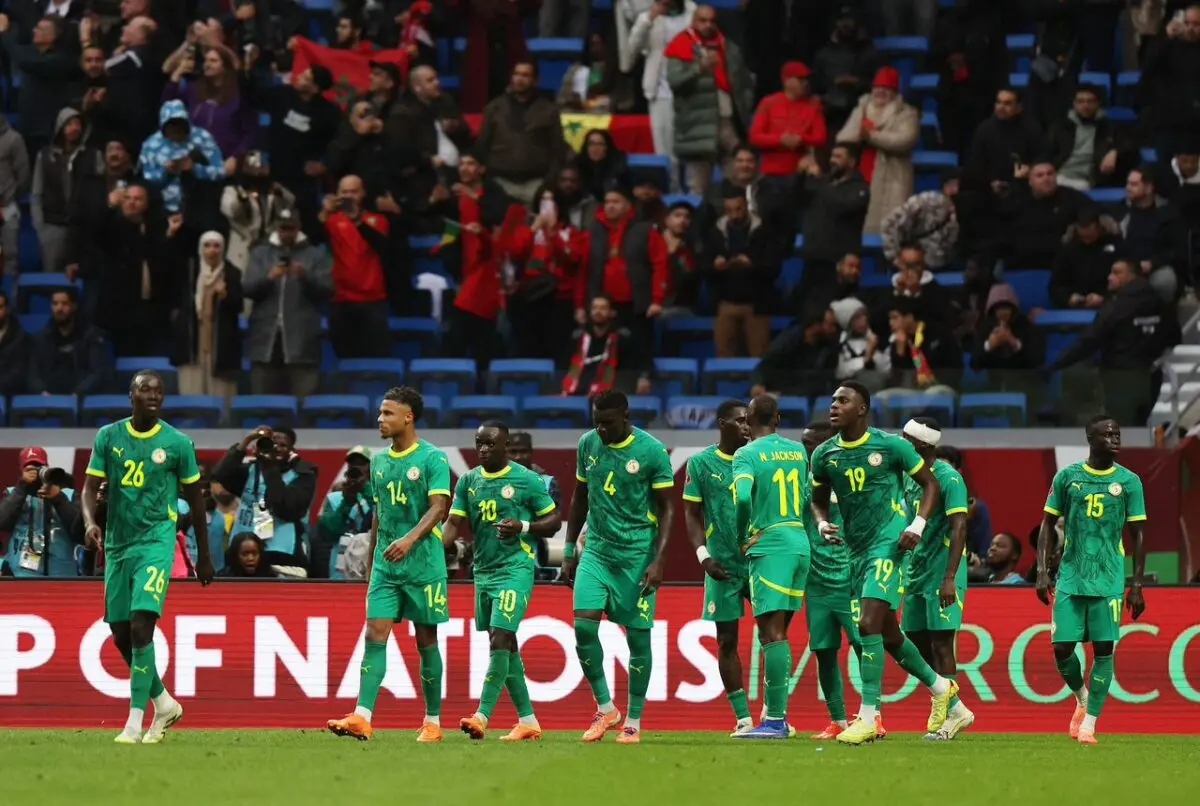
Punishment came swiftly from the Senegalese team, which scored the championship-winning goal in extra time through a powerful strike from their player Pape Gueye, securing the Teranga Lions’ second title in the tournament.
Renard Comments on the Incident
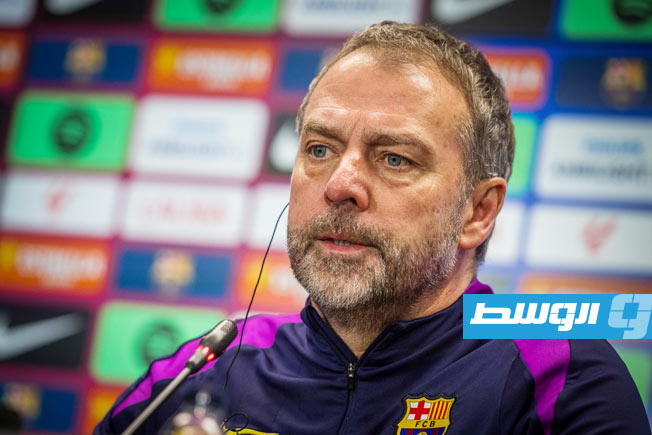
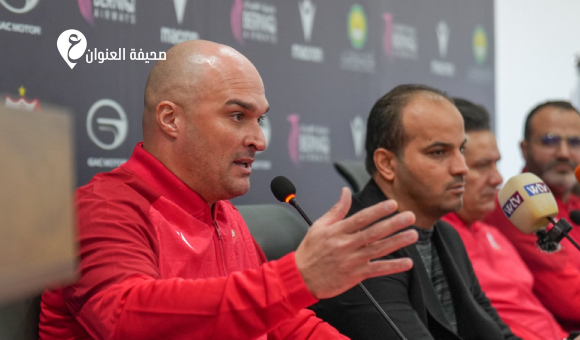
Renard, who won the Africa Cup of Nations with Zambia in 2012 and Ivory Coast in 2015, stated that while missing a penalty can be forgiven, he would not be lenient in such critical situations.
Renard said: “Missing a penalty is acceptable, but in cases like this, I am firm and do not show leniency.”
He explained, “This is considered a disregard for an entire country and an entire people who have strived for success for 50 years.”
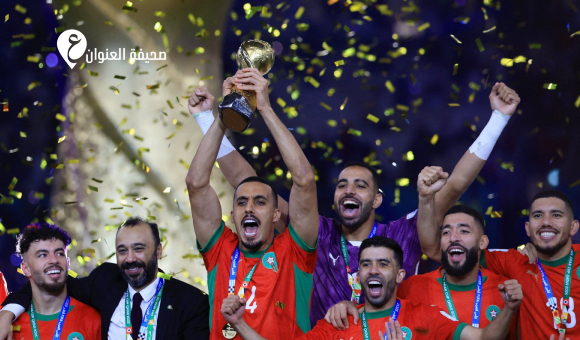
Díaz later apologized to the Moroccan fans for causing the disappointment that befell them, as they had dreamed of winning the title for the second time in their national team’s history. The team’s only previous triumph was in 1976 in Ethiopia.
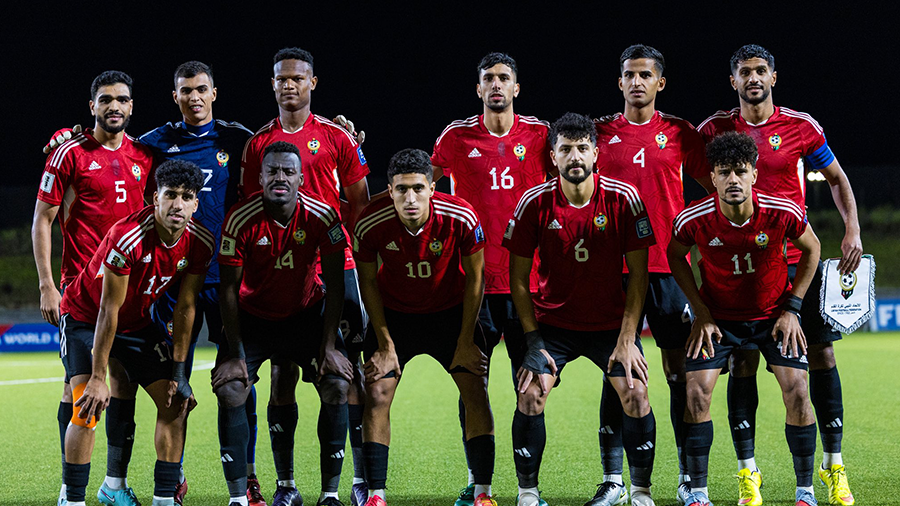
Moroccan national football team
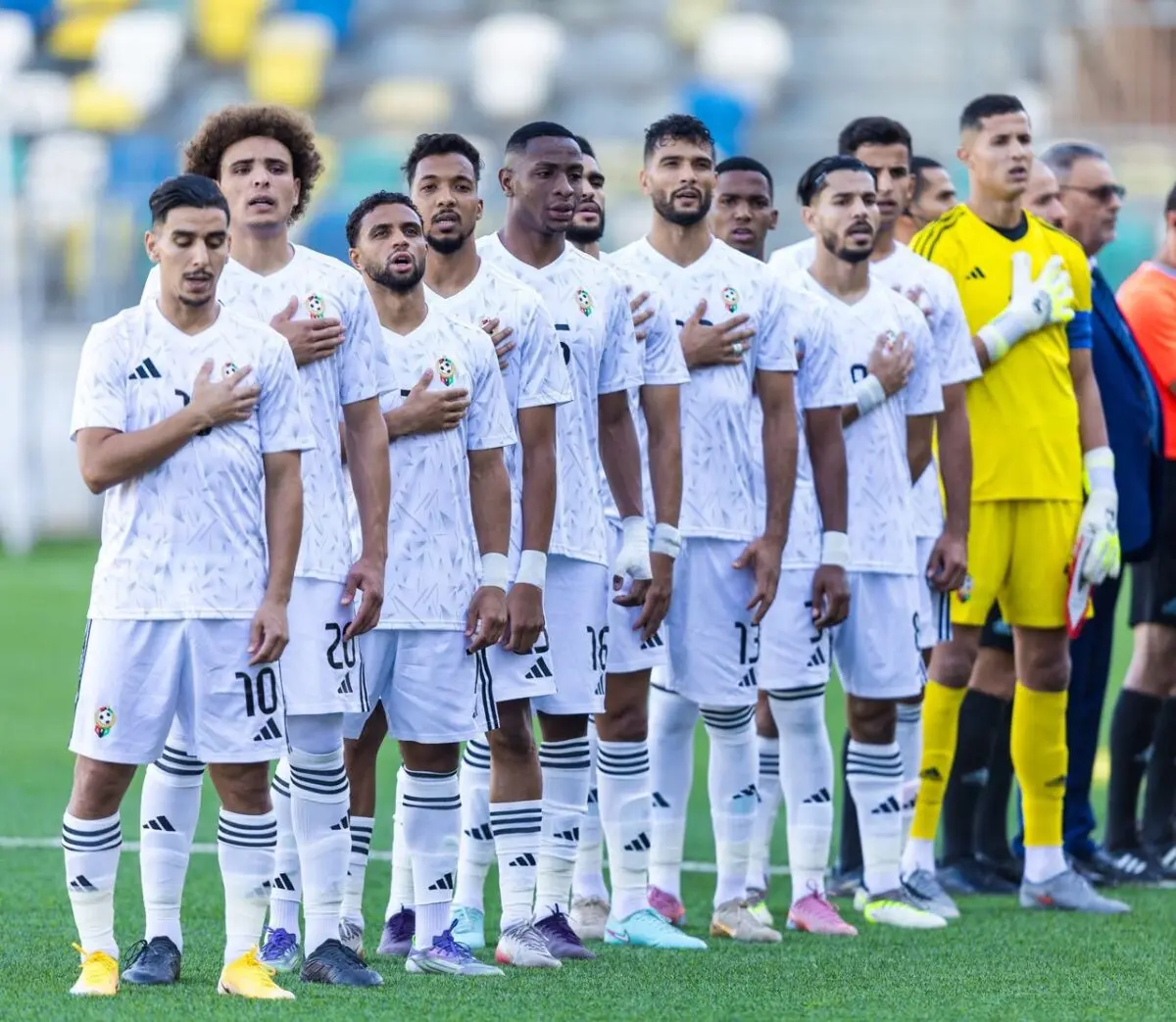
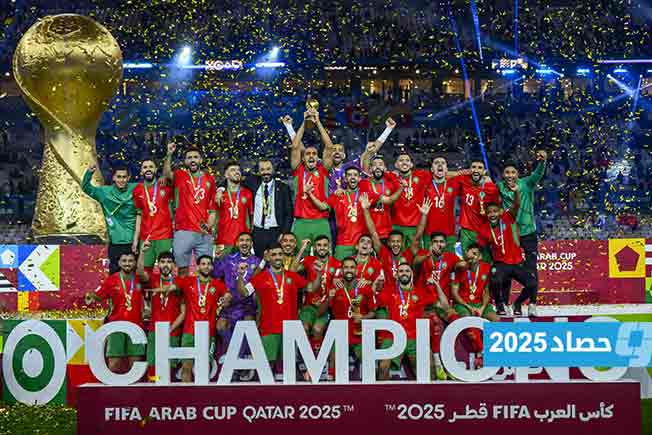
The Moroccan national football team, known as the Atlas Lions, is the men’s senior team representing Morocco in international football. Founded in 1955, the team made history by becoming the first African and Arab nation to reach the FIFA World Cup semi-finals in 2022.
Atlas Lions
The Atlas Lions is the nickname for the Moroccan national football team, derived from the Barbary lion that historically inhabited the Atlas Mountains. The name symbolizes strength and national pride, and the team’s history includes becoming the first African and Arab nation to reach a World Cup semi-final in 2022.
Africa Cup of Nations
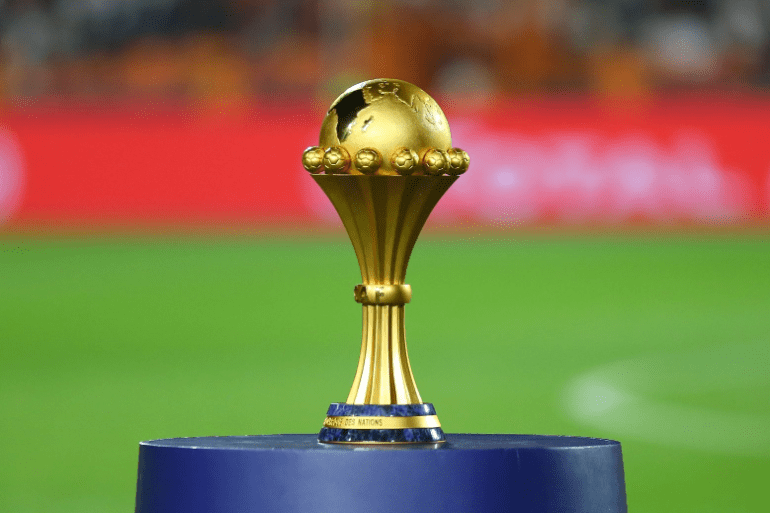
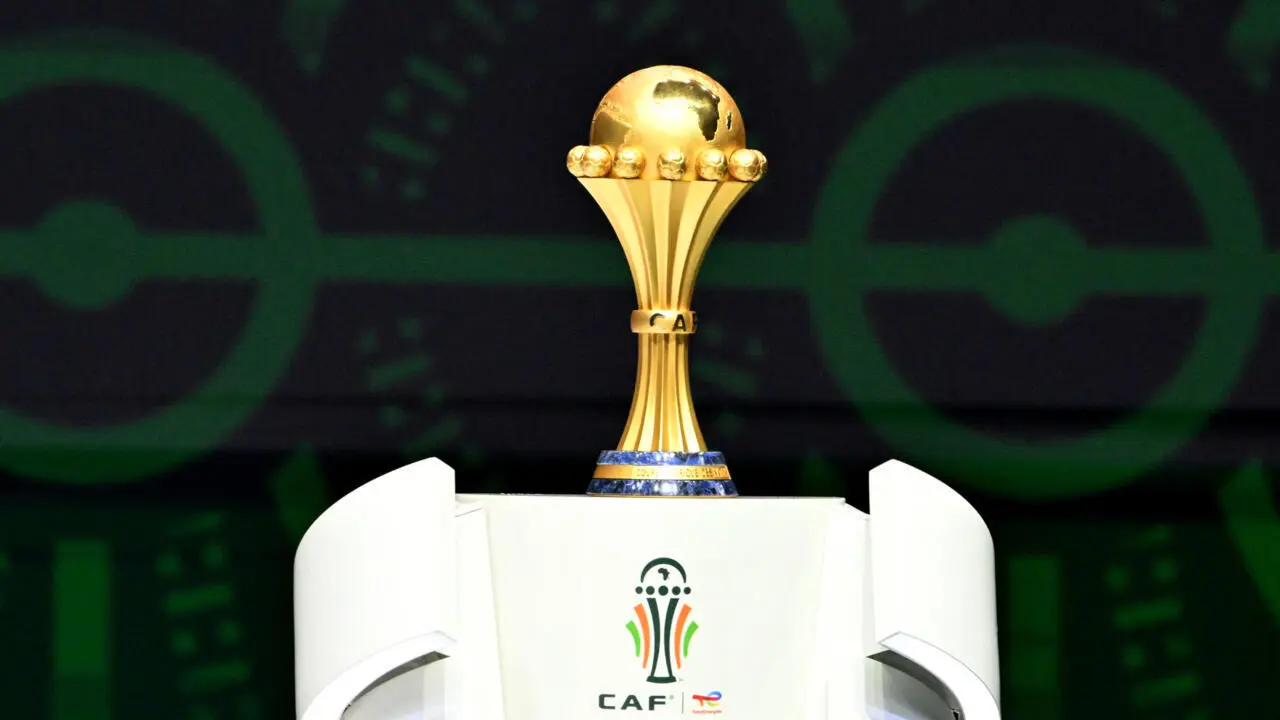
The Africa Cup of Nations (AFCON) is the premier international men’s football competition in Africa, first contested in 1957. It was established by the Confederation of African Football (CAF) and has grown from three founding nations to a major continental tournament held every two years.
Saudi Arabian national team
The Saudi Arabian national football team, established in 1956, is governed by the Saudi Arabian Football Federation. It is historically one of Asia’s most successful teams, having won the AFC Asian Cup three times and made multiple FIFA World Cup appearances since its debut in 1994.
Morocco
Morocco is a North African country with a rich history shaped by indigenous Amazigh (Berber) cultures, Arab influence from the 7th century, and successive dynasties like the Almoravids and Almohads. Its cultural sites, such as the ancient city of Fez and the Koutoubia Mosque in Marrakech, reflect this blend of Arab, Islamic, and Amazigh heritage. The country’s historic medinas, kasbahs, and varied landscapes from the Sahara Desert to the Atlas Mountains contribute to its distinct cultural identity.
Senegal
Senegal is a West African nation known for its rich cultural heritage and historical significance as a former center of the transatlantic slave trade and French colonial rule. It gained independence from France in 1960 and is celebrated for its vibrant music, art, and the influential Sufi brotherhoods that shape its society.
Prince Moulay Abdellah Stadium
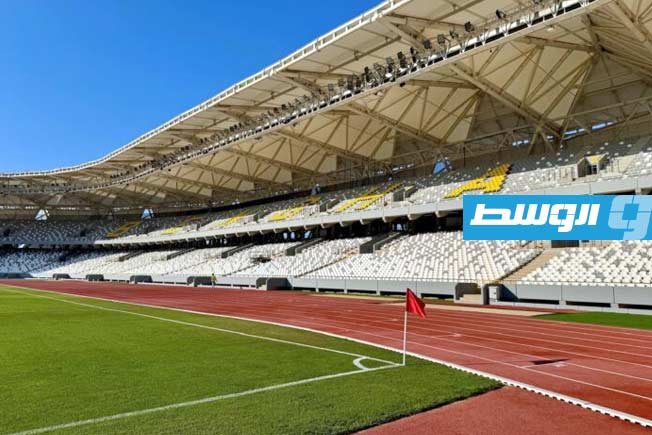
Prince Moulay Abdellah Stadium is a major sports venue in Rabat, Morocco, named after Prince Moulay Abdellah, the brother of King Hassan II. It was originally constructed in 1983 and later renovated to host the 2019 African Games, serving as a key site for football matches and athletic events.
Rabat
Rabat is the capital city of Morocco, founded in the 12th century by the Almohad Caliphate as a ribat (fortified monastery). It is now a modern political and administrative center, recognized as a UNESCO World Heritage site for its well-preserved historic quarters, including the Hassan Tower and the Chellah necropolis.
Real Madrid
Real Madrid is a professional football club based in Madrid, Spain, founded in 1902. It is one of the world’s most successful and widely supported clubs, historically renowned for its European dominance, particularly during the 1950s and its record number of UEFA Champions League titles.
Spain
Spain is a southwestern European country with a rich history shaped by successive influences, including Roman rule, Islamic Al-Andalus, and the unification of Christian kingdoms. Its cultural identity is profoundly marked by this layered past, visible in landmarks like the Alhambra palace and Gothic cathedrals, and in traditions such as flamenco and regional festivals.
Zambia
Zambia is a landlocked country in southern Africa, historically inhabited by Bantu-speaking groups before coming under British colonial rule as Northern Rhodesia until gaining independence in 1964. It is renowned for its vast natural resources, particularly copper, and for attractions like Victoria Falls, one of the world’s largest waterfalls, which it shares with Zimbabwe.
Ivory Coast
The Ivory Coast, officially known as Côte d’Ivoire, is a West African nation whose modern history is marked by French colonial rule until its independence in 1960. It is renowned for its cultural diversity, with over 60 ethnic groups, and its historical significance as a major center of the trans-Saharan trade routes and later a key exporter of cocoa and coffee.
Ethiopia
Ethiopia is a historically significant nation in the Horn of Africa, widely recognized as one of the world’s oldest countries and the only African nation to never be permanently colonized. It is home to ancient sites like the rock-hewn churches of Lalibela and the ruins of Aksum, which was a major empire dating back to the first century AD.