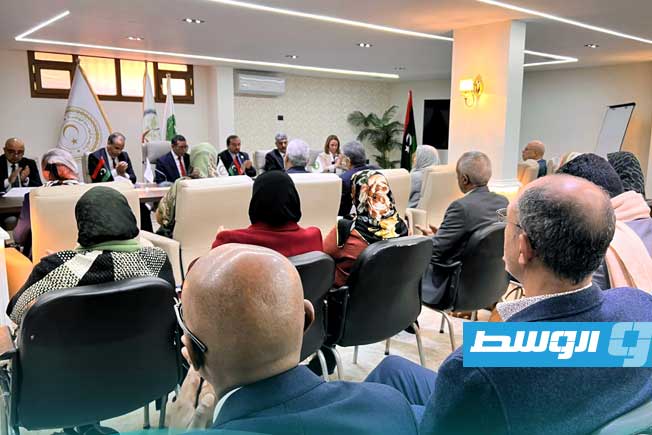
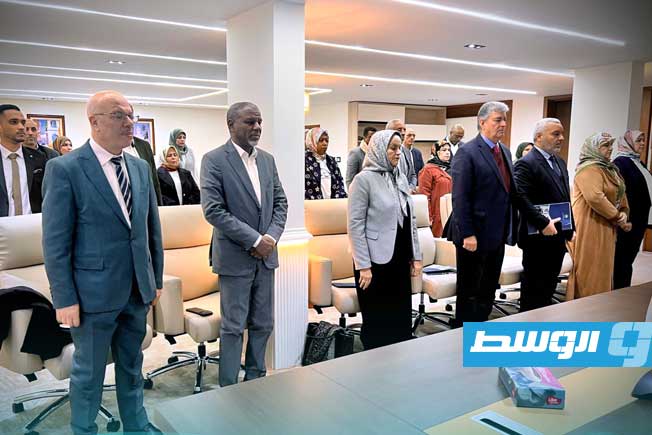
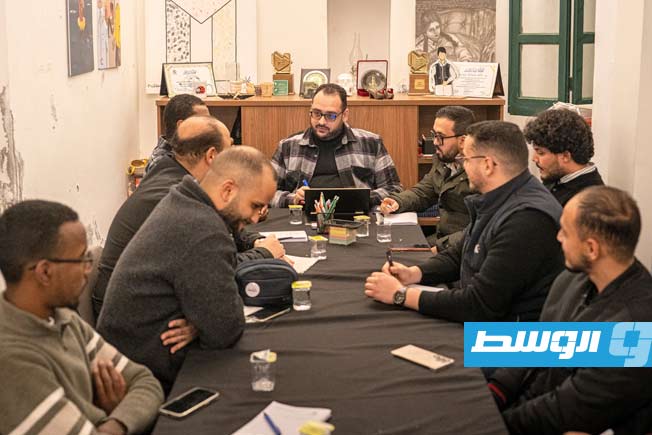
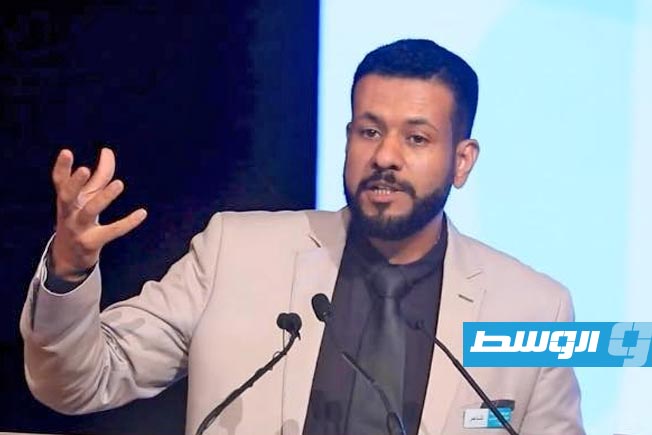
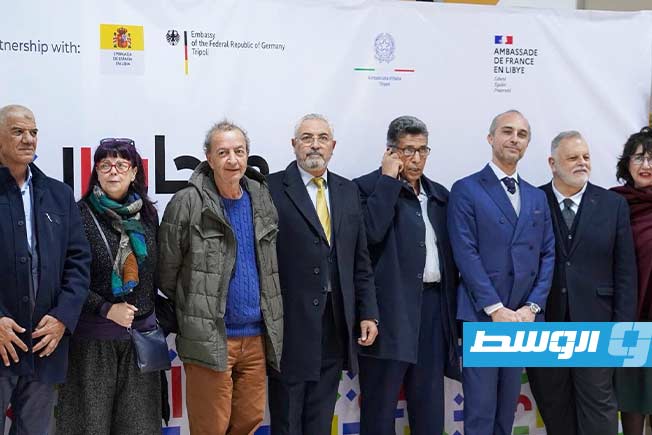
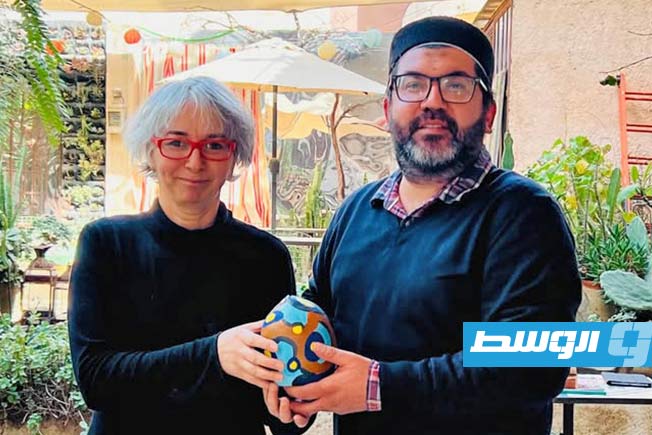
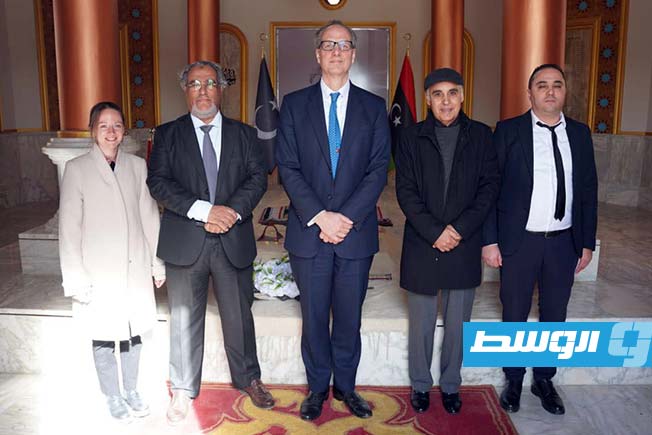
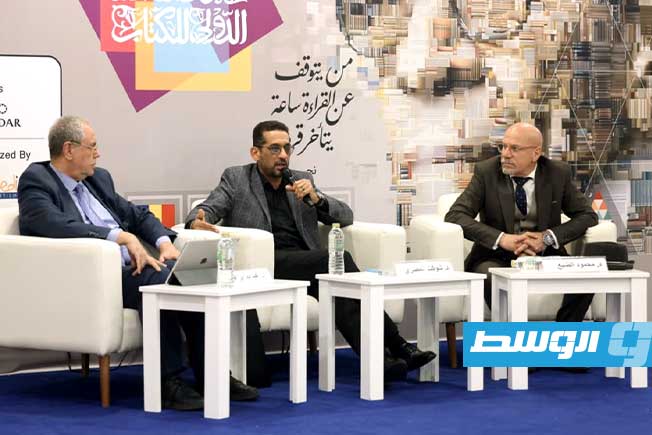
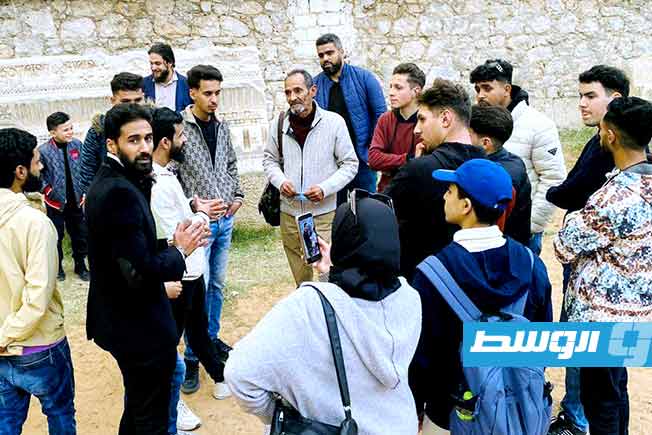
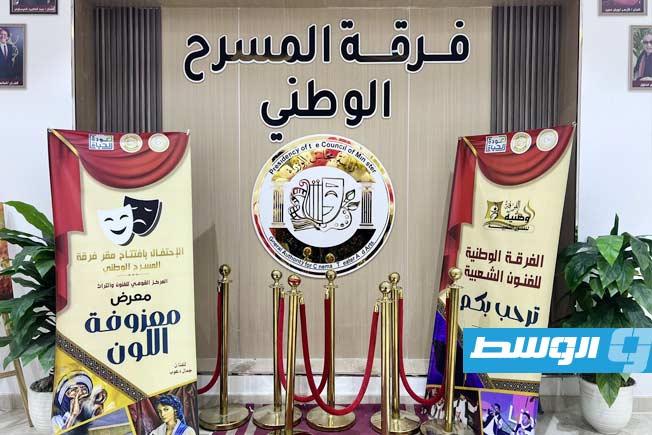
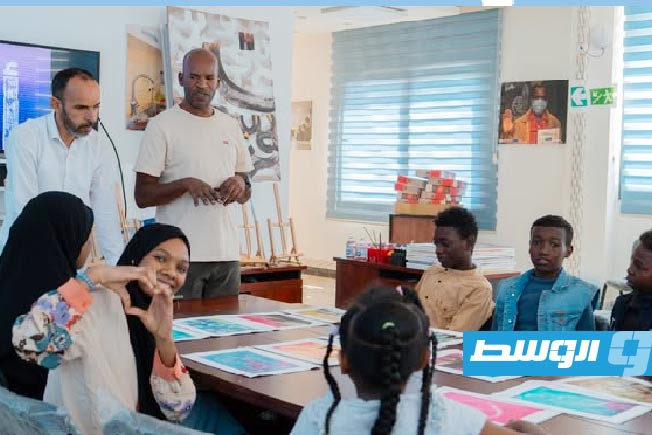
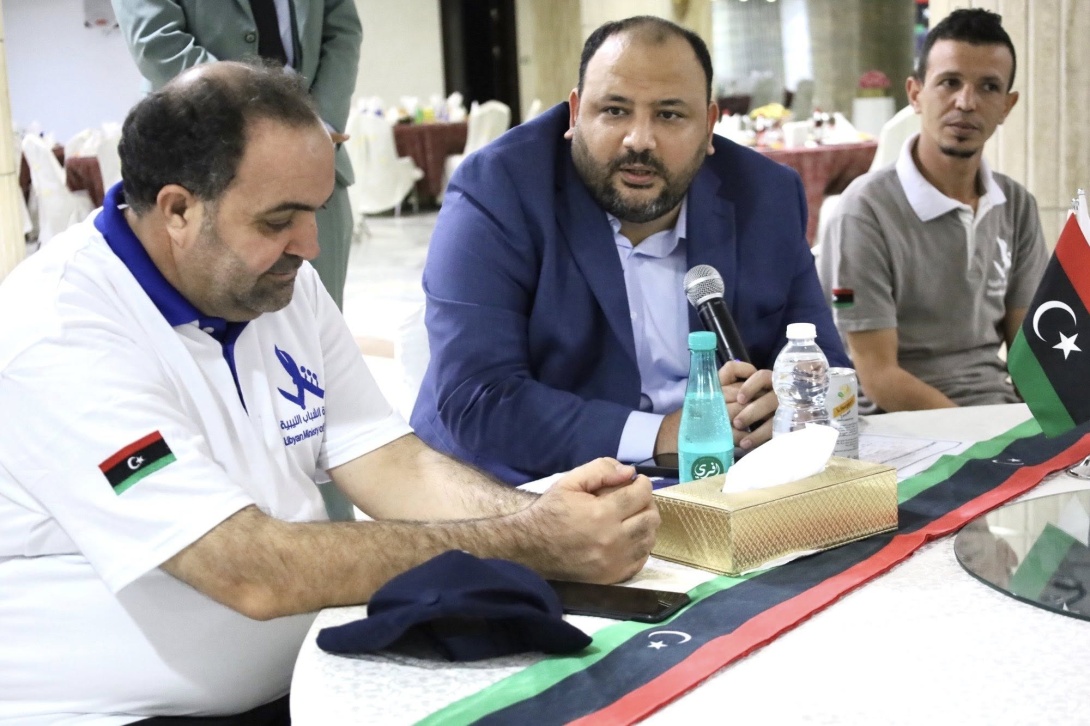
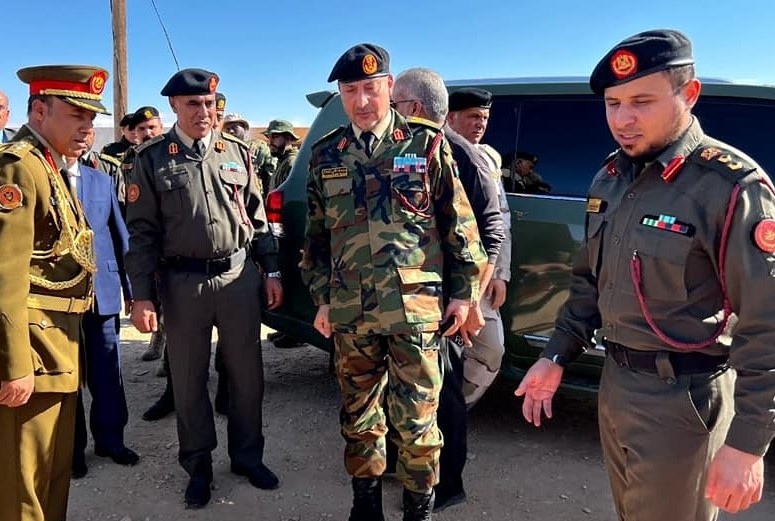
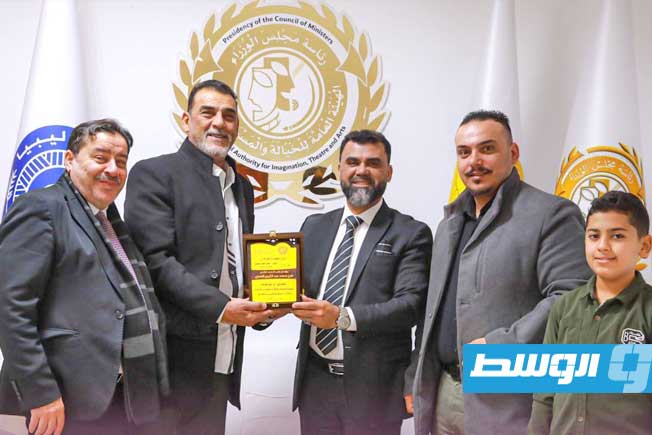
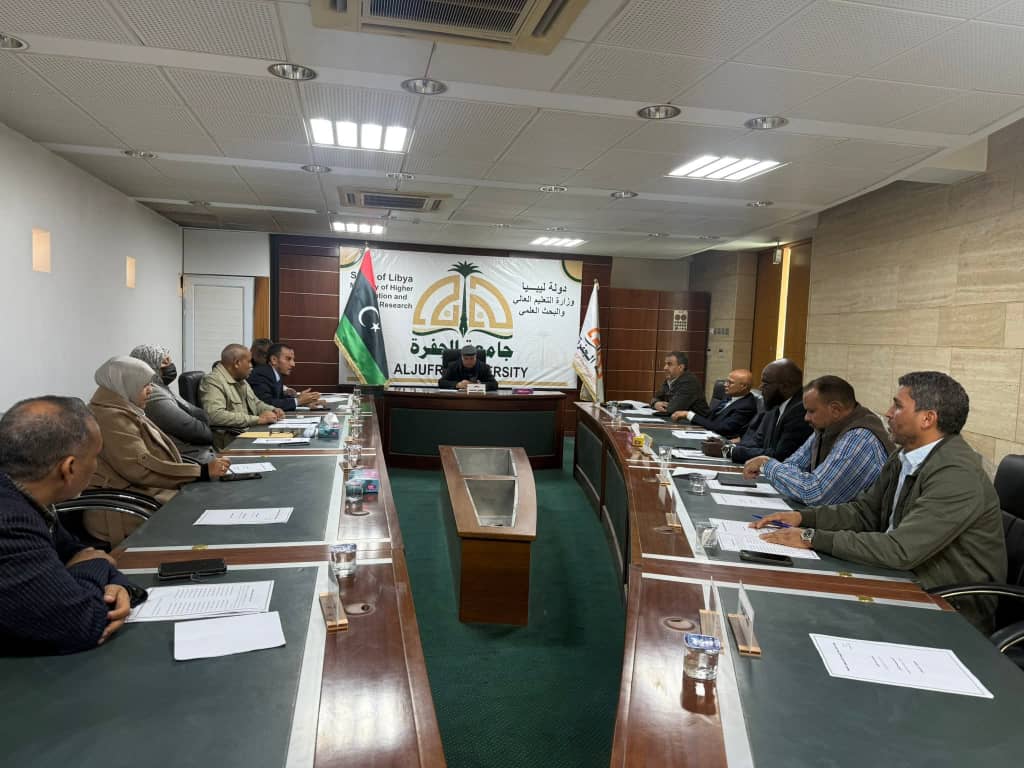
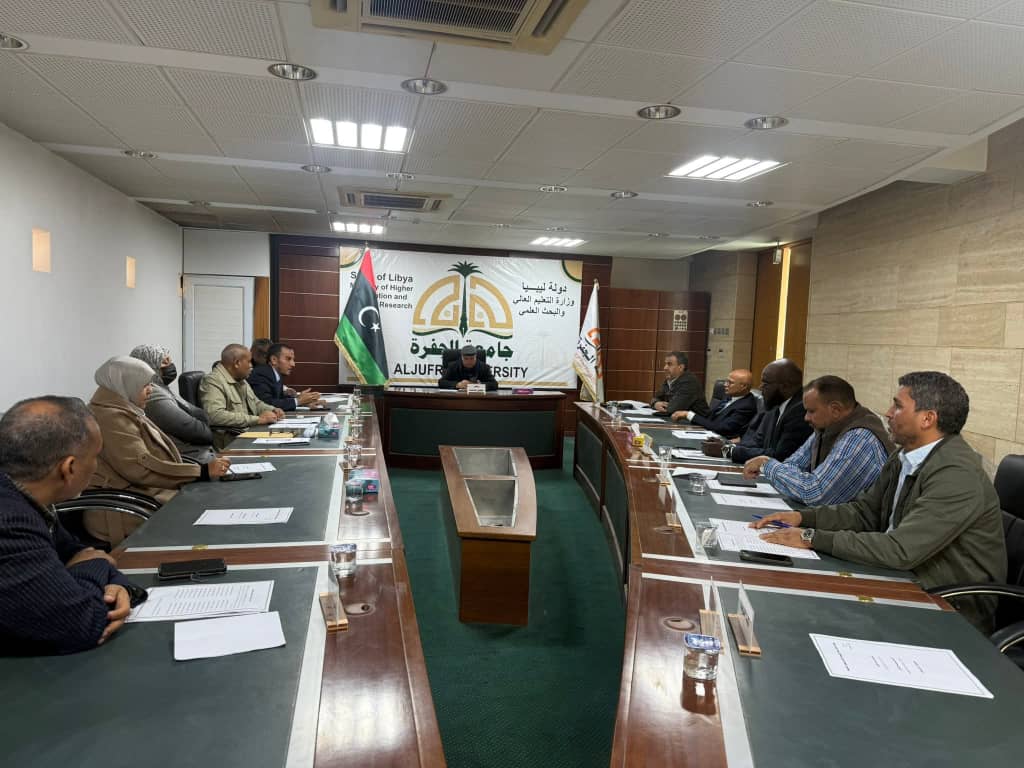
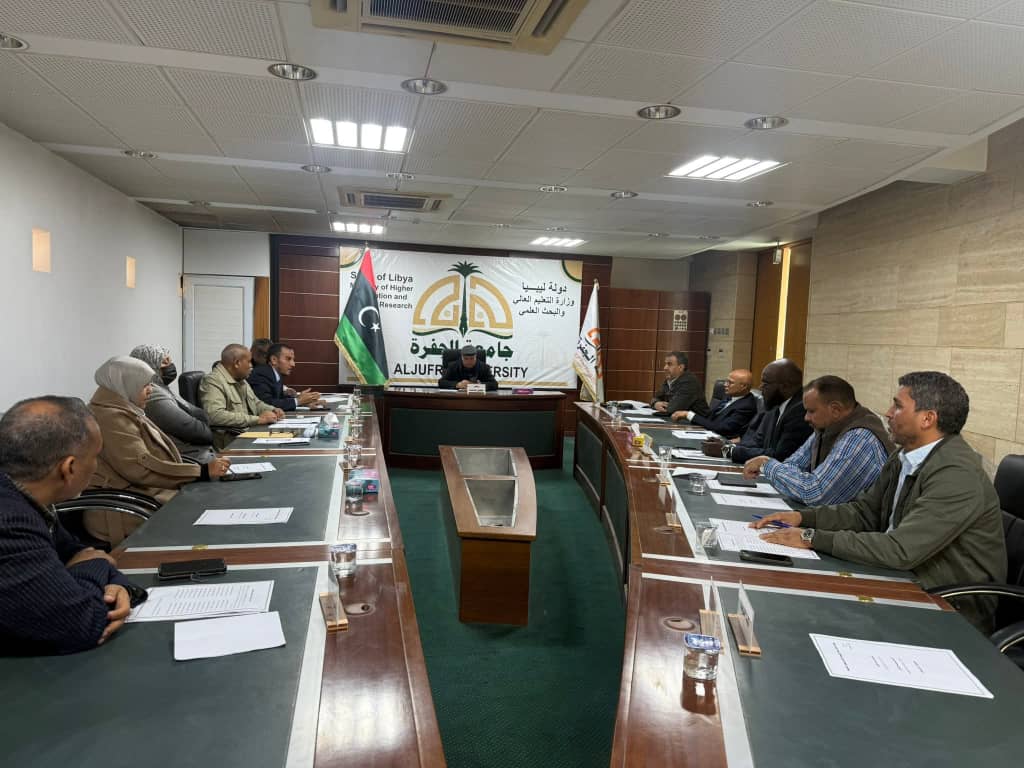
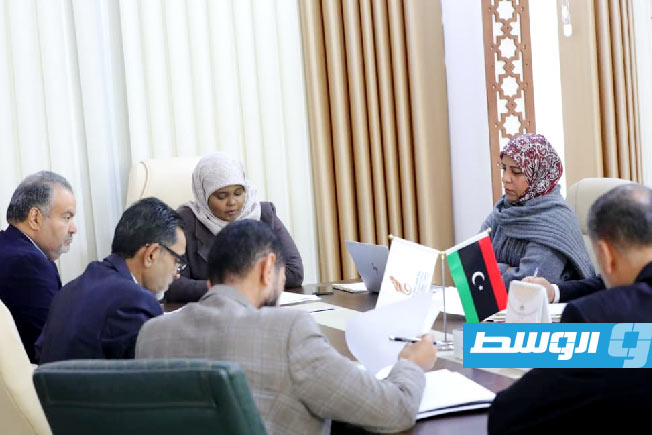
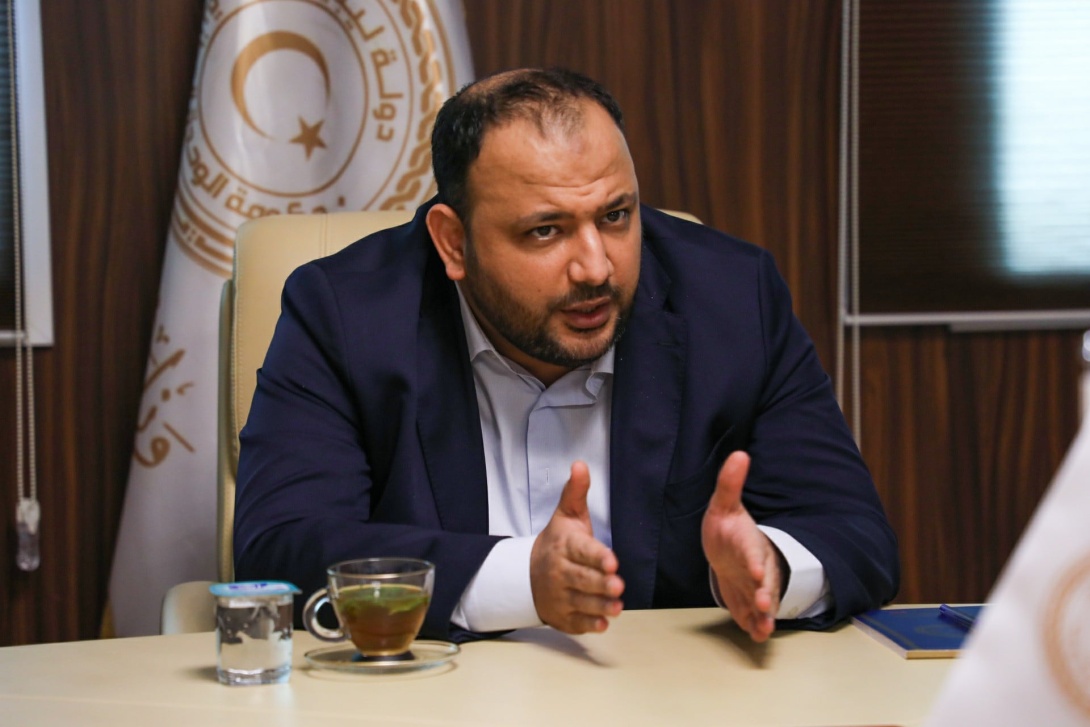
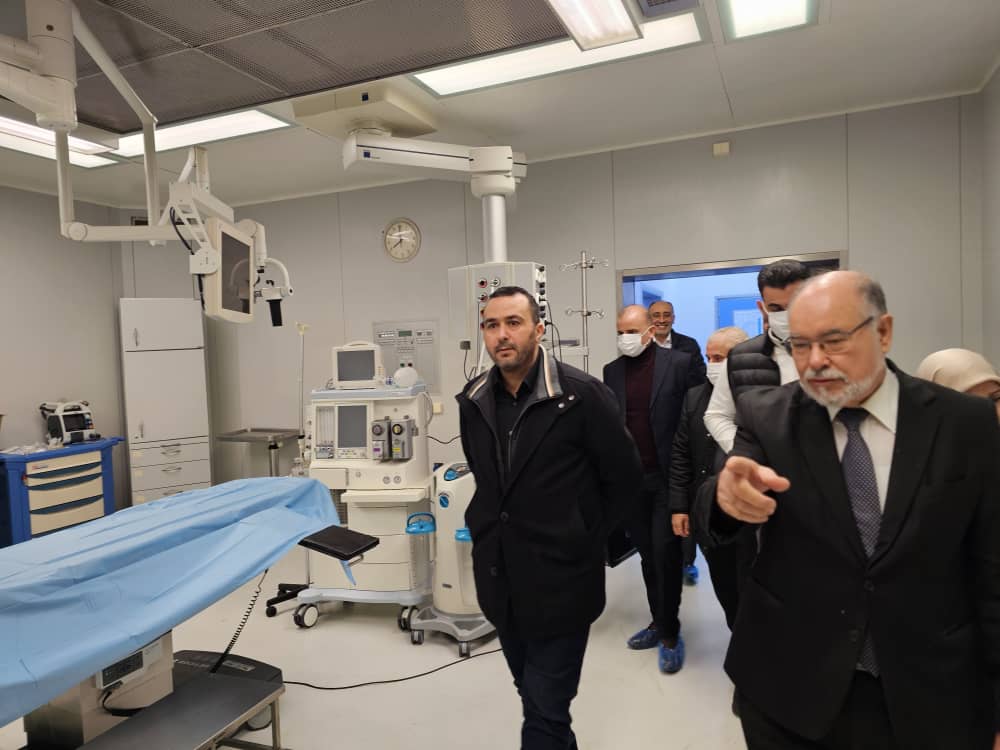
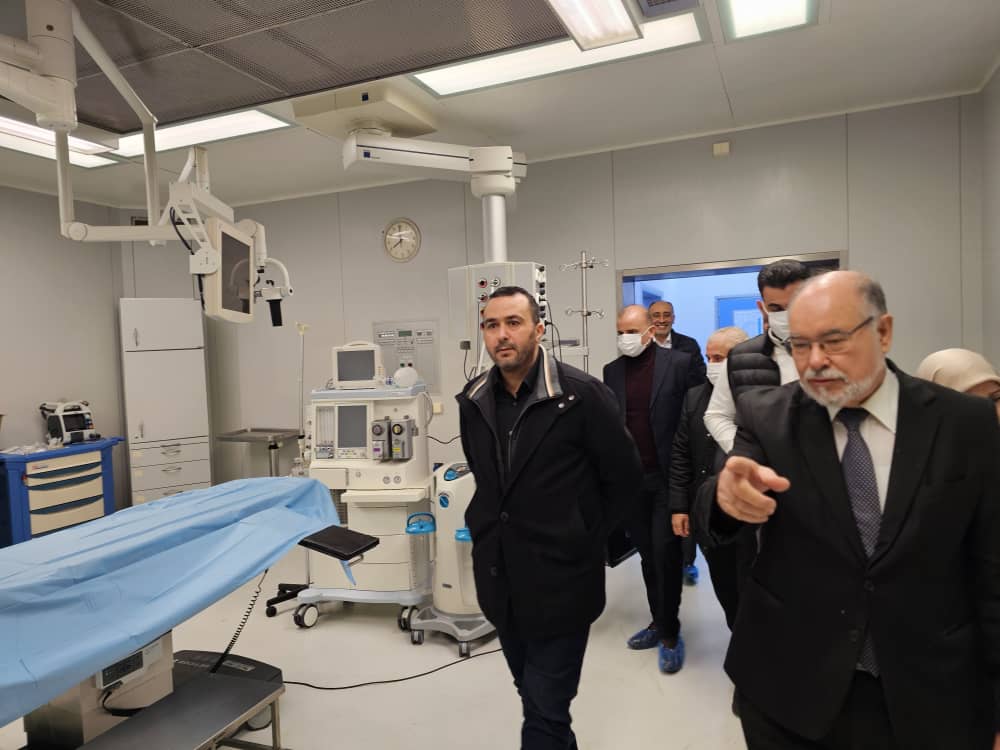
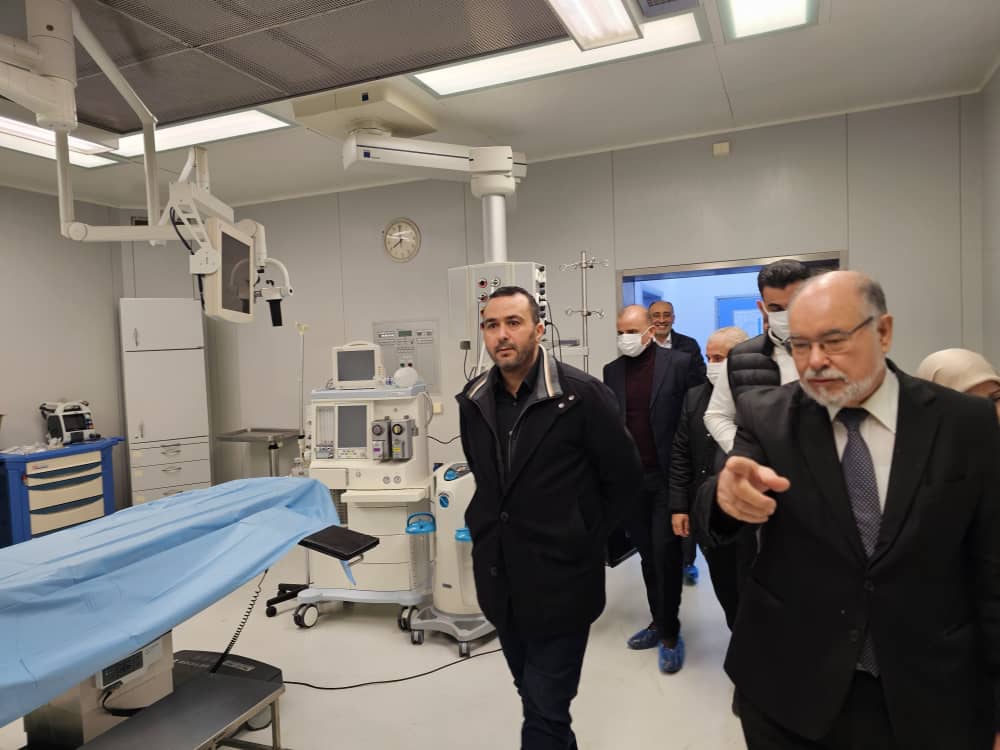
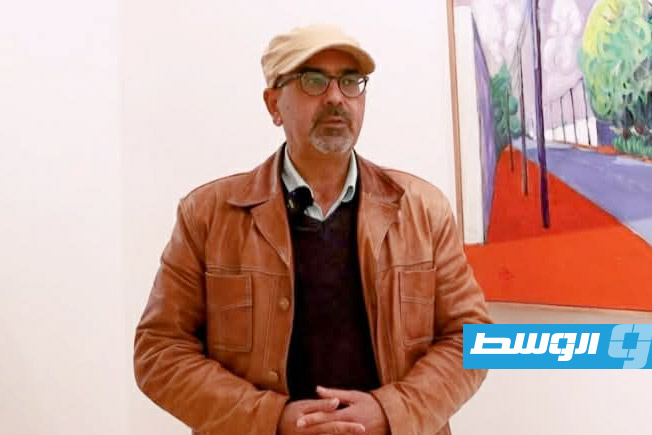
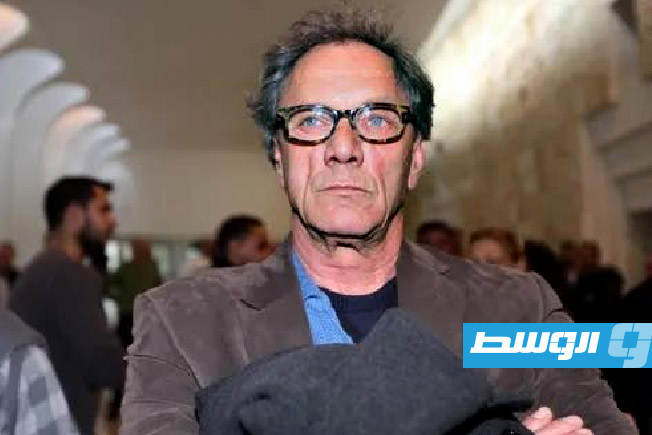
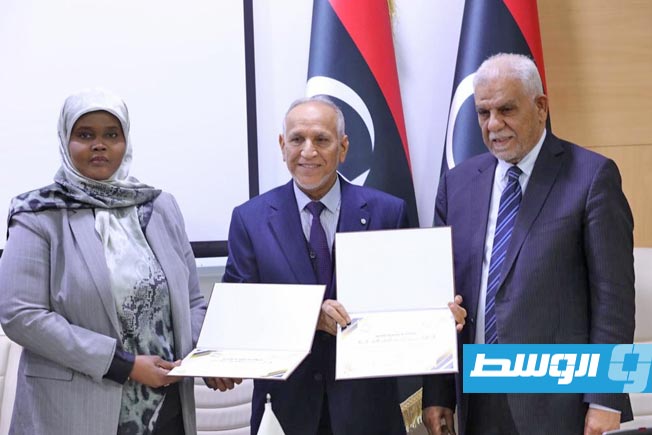
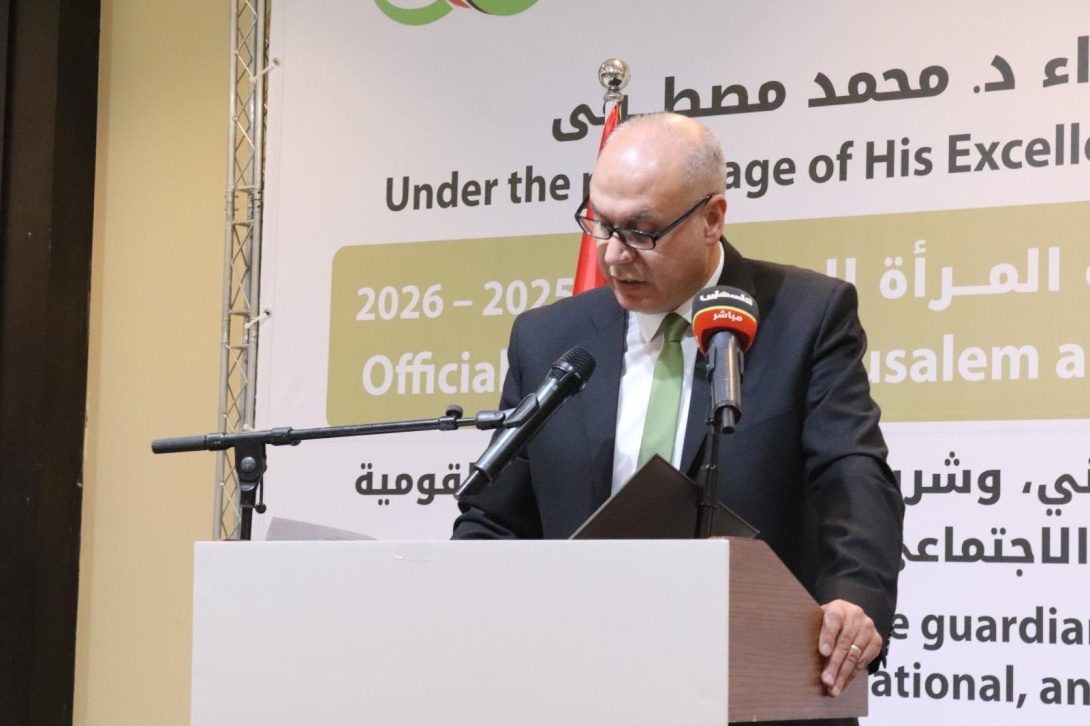
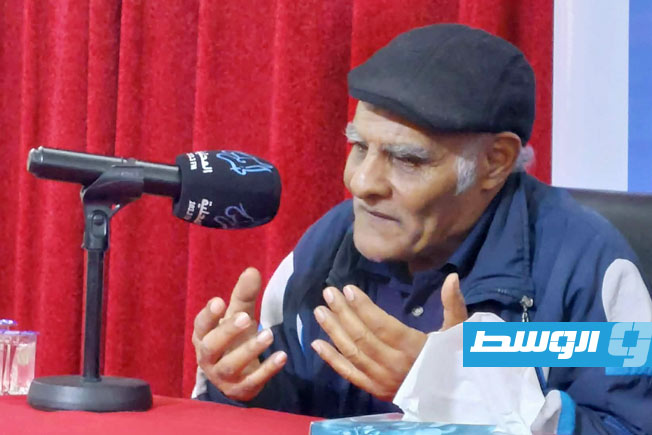
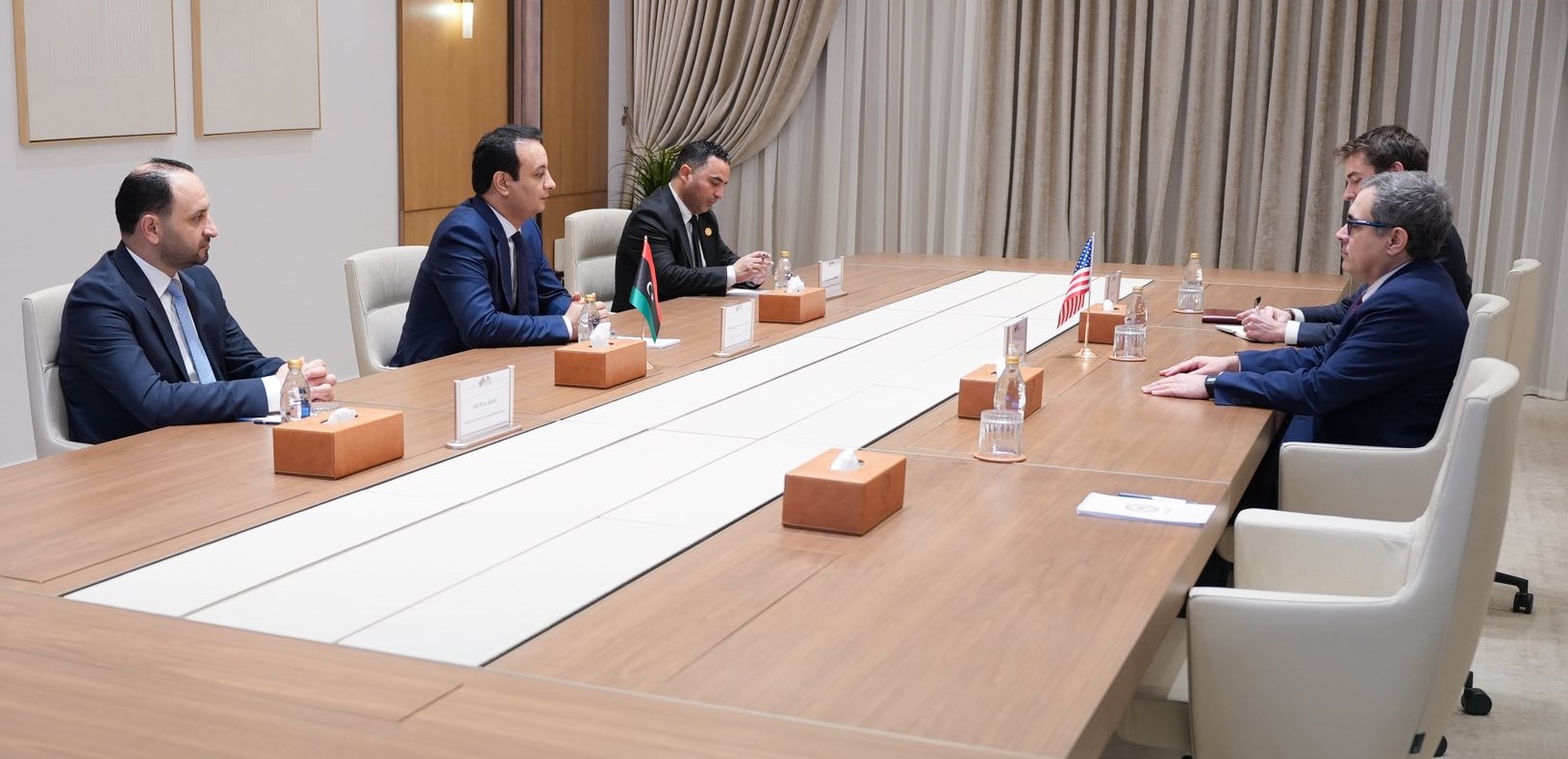
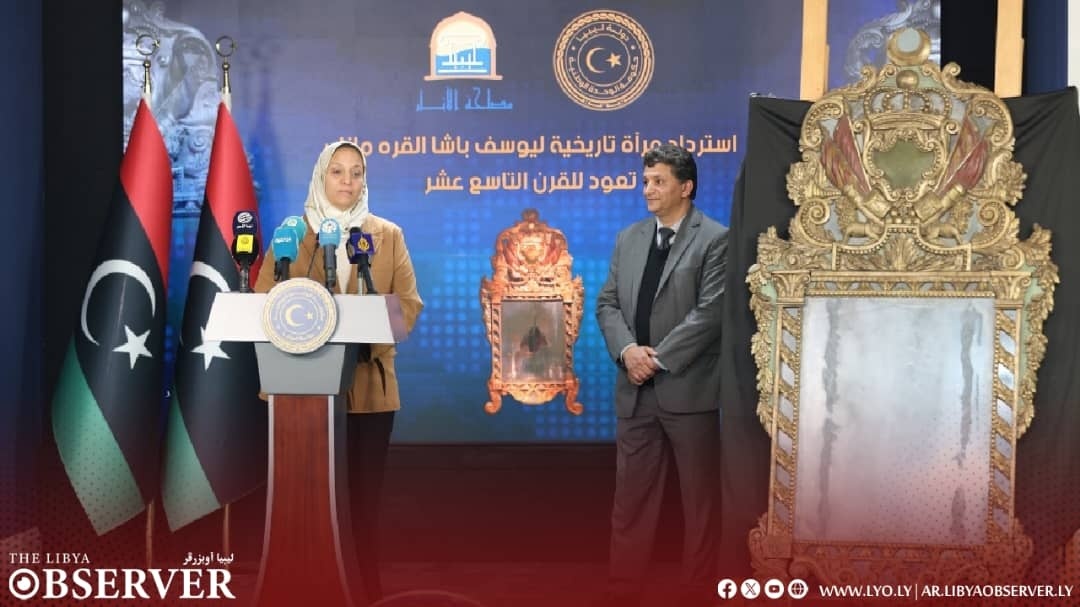
Opening of the ALECSO Sub-Regional Forum on Citizenship Education, Sunday, December 28, 2025.
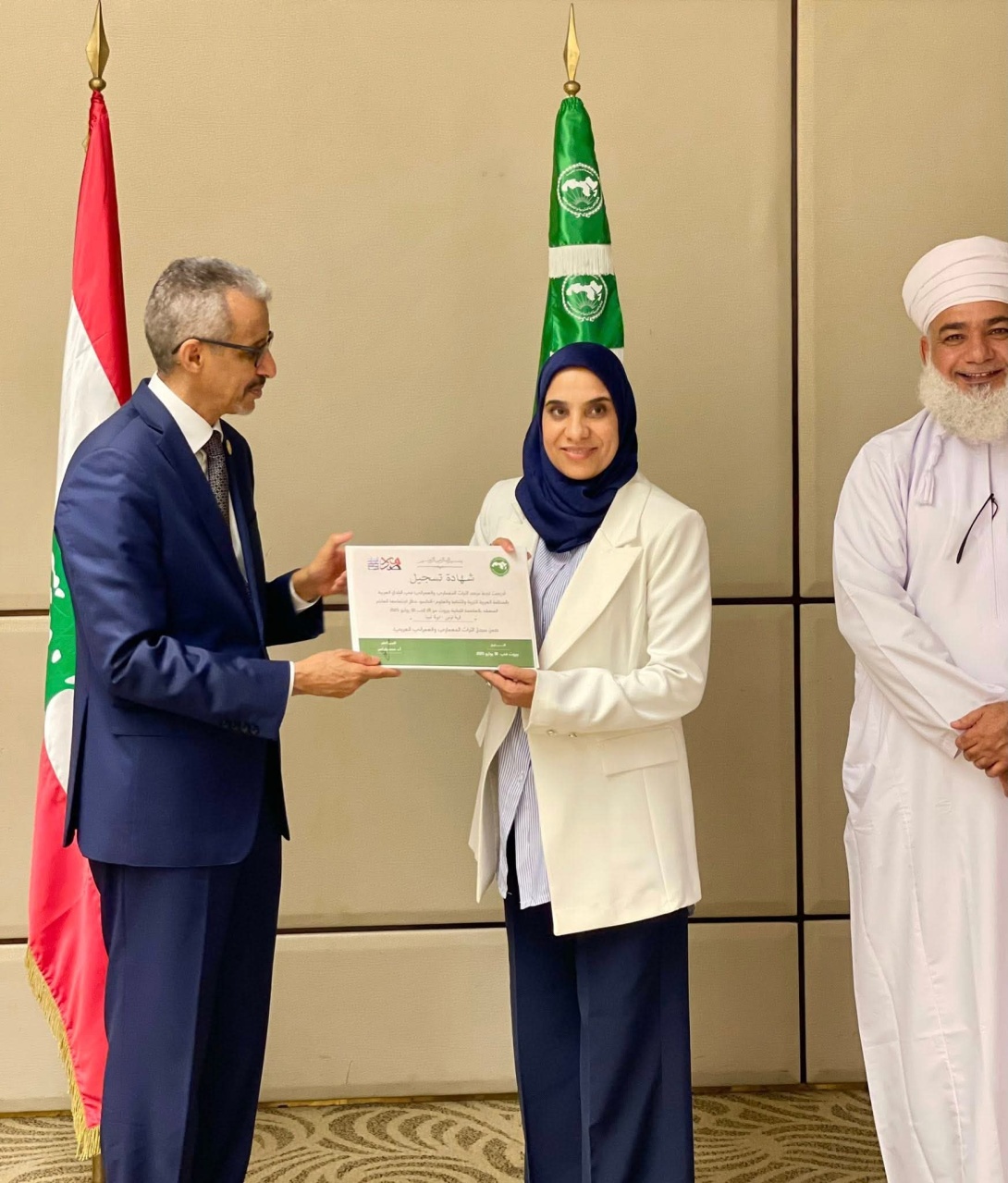
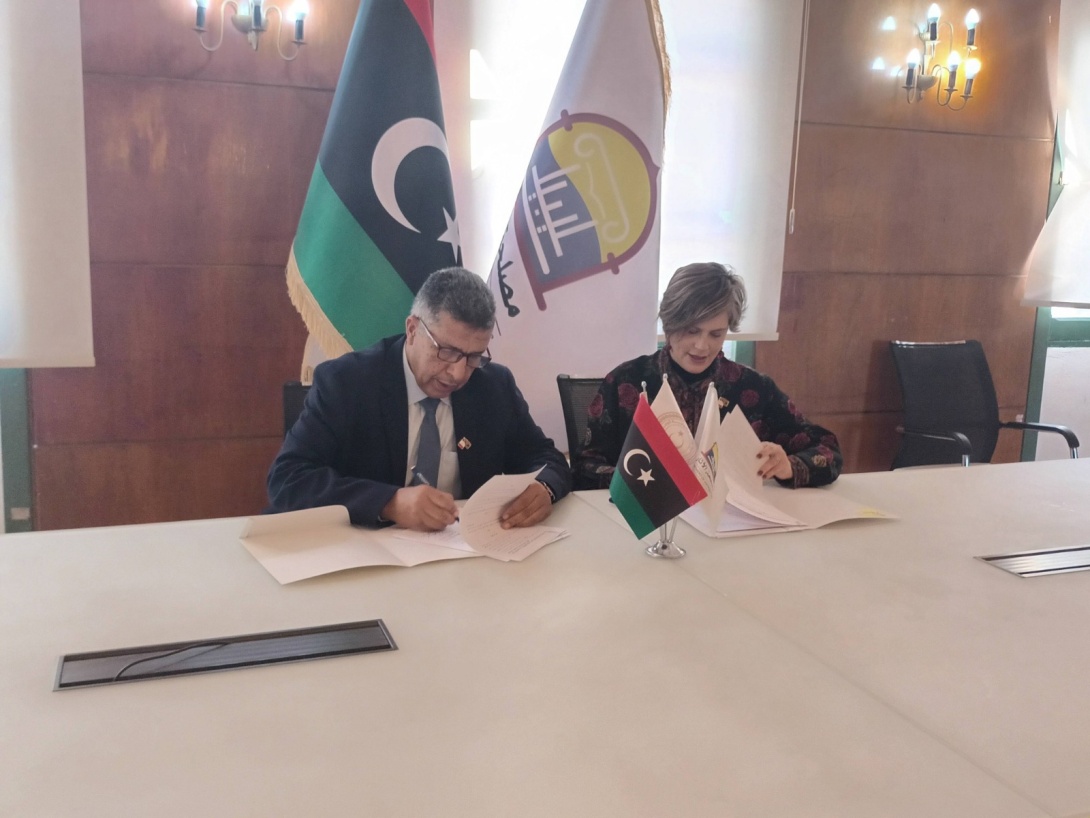
The proceedings of the ALECSO Sub-Regional Forum on Citizenship Education opened today, Sunday, at the headquarters of the Libyan National Commission for Education, Culture and Science in Tripoli. This is in cooperation with the Arab League Educational, Cultural and Scientific Organization (ALECSO), as part of supporting Arab efforts to entrench the values of active citizenship and promote shared human values among youth and adolescents.
Participants in the forum’s opening emphasized the importance of citizenship education as a fundamental entry point for strengthening national belonging, consolidating Arab identity, spreading a culture of peace and tolerance, and confronting manifestations of extremism, violence, and hate speech. This contributes to building conscious generations capable of positive participation in their societies and protecting cultural and human diversity.
Integrating Citizenship Values into Educational Curricula and Promoting Critical Thinking
The forum also included discussions on scientific and educational themes related to integrating citizenship values into educational curricula, promoting critical thinking, developing community participation skills, and the role of curricular and extracurricular activities in building a responsible citizen, in harmony with sustainable development goals and visions for developing education in the Arab world.
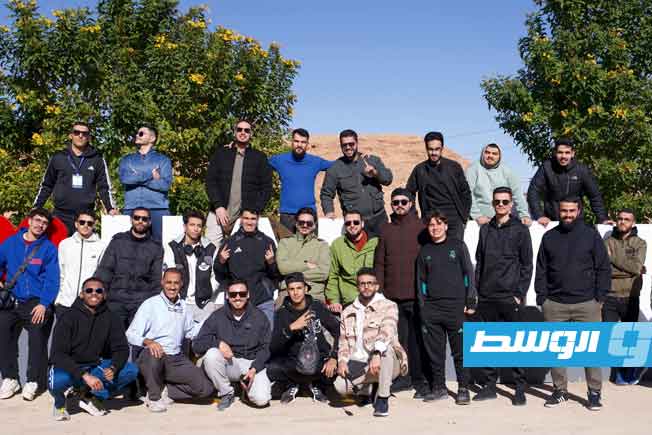
According to a statement, the forum witnessed the participation of a select group of experts and specialists from some Maghreb countries, including Tunisia, Algeria, and Morocco, alongside experts from Libya representing various relevant national institutions.
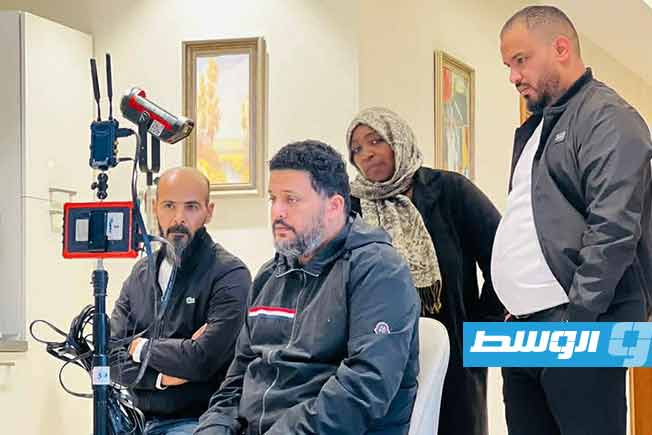
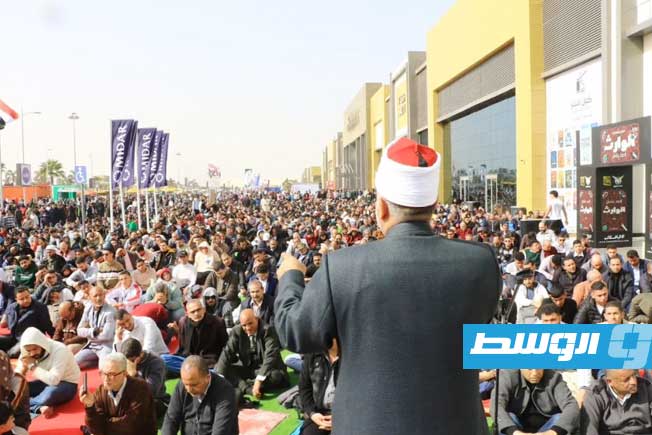
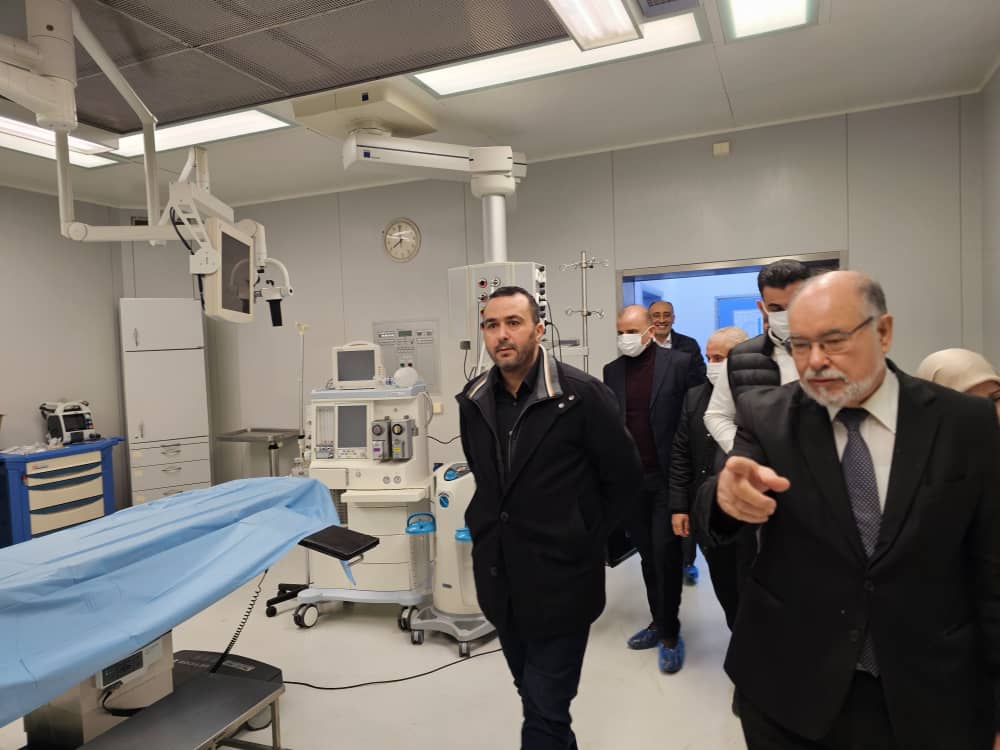
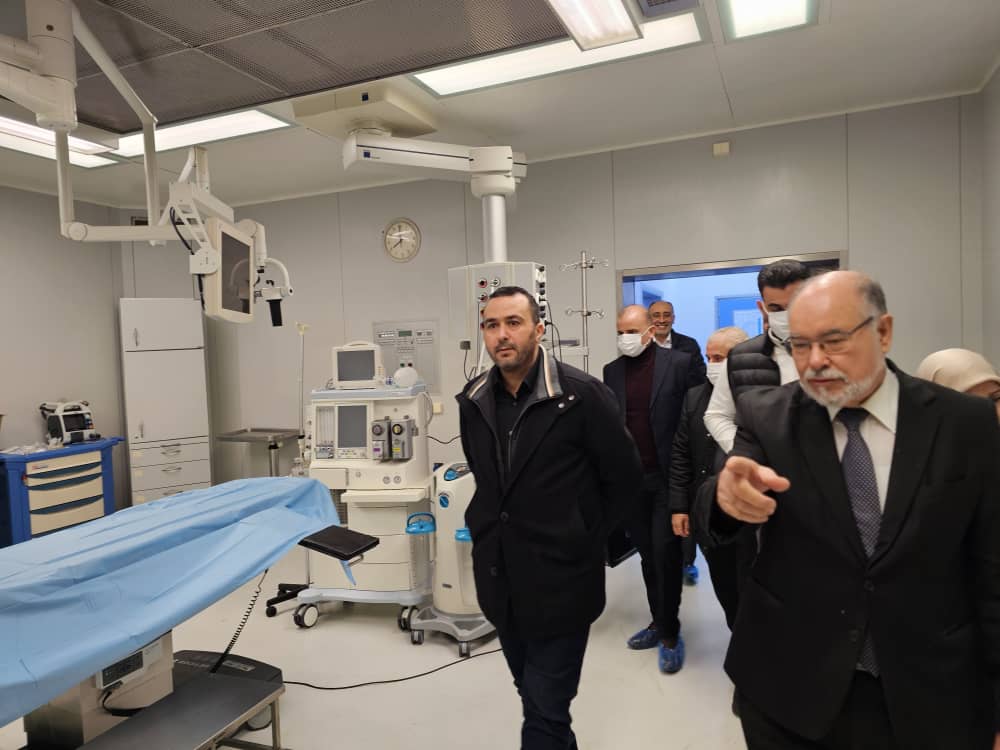
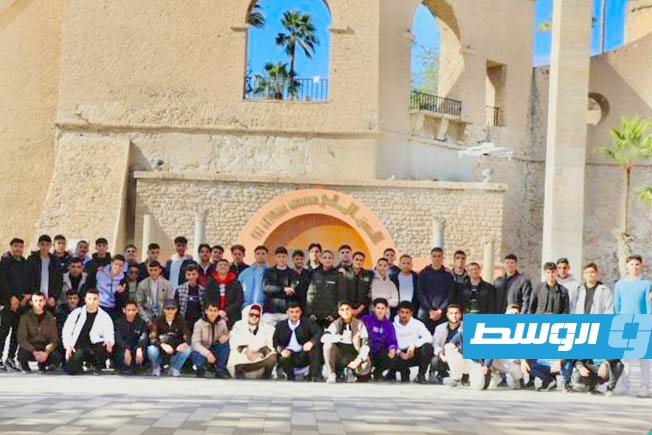
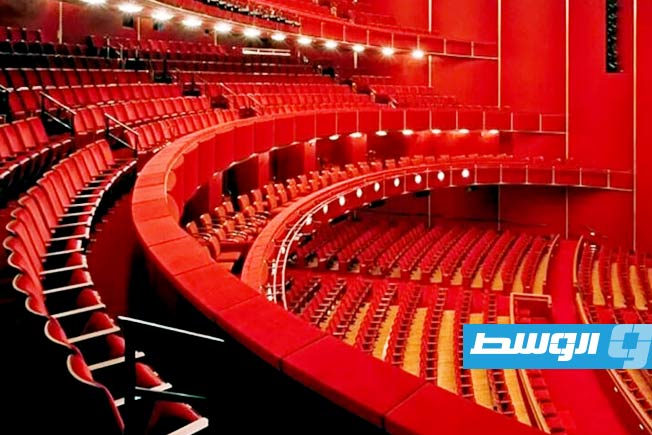
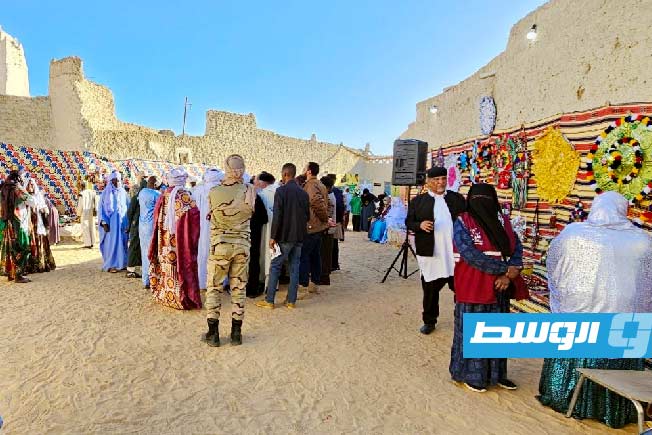
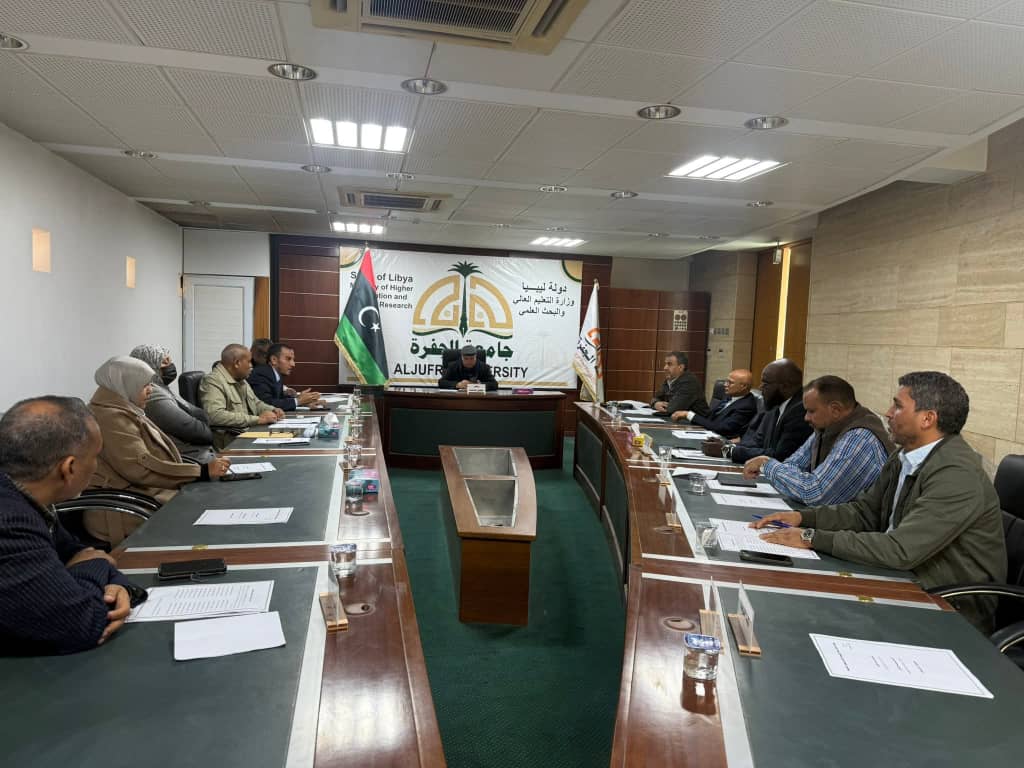
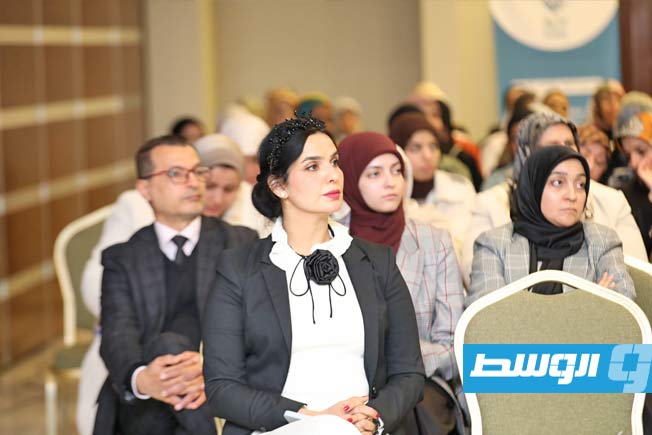
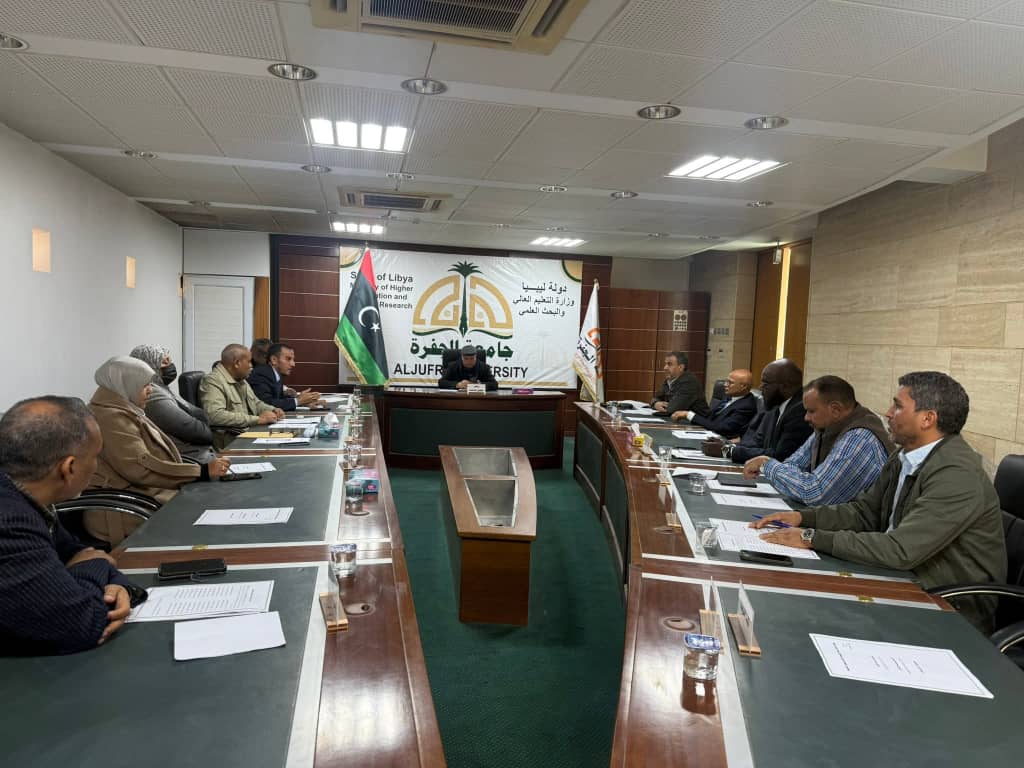
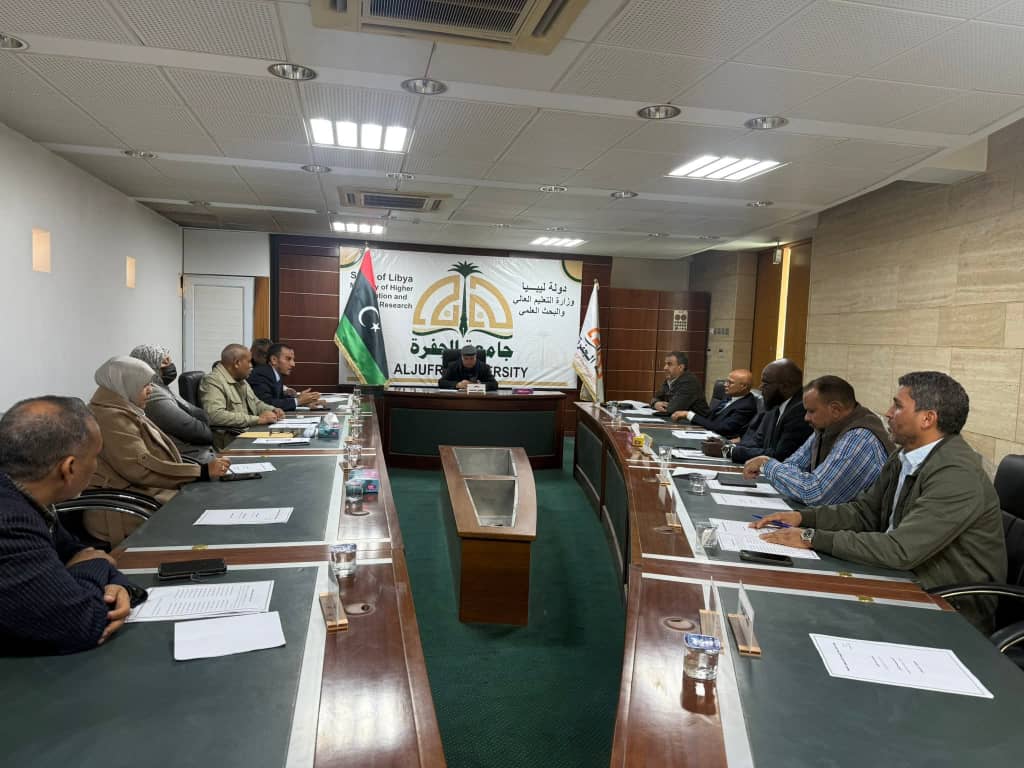
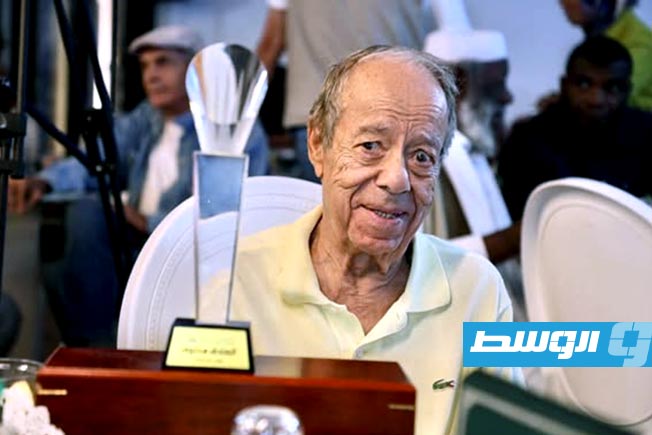
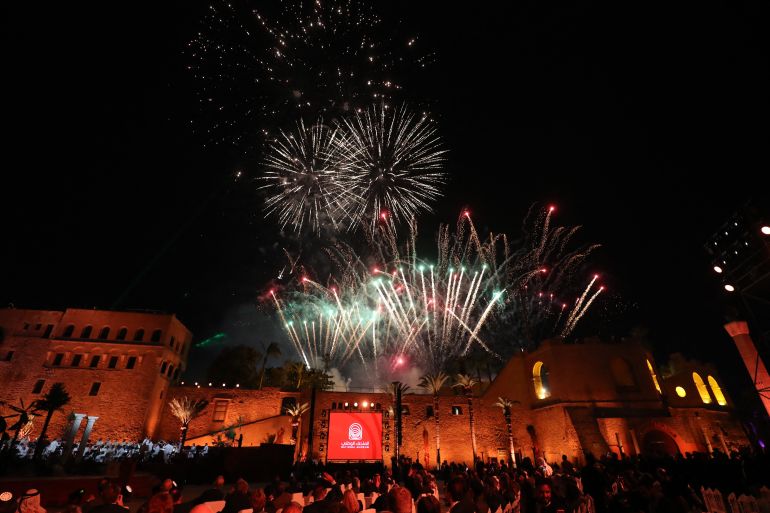
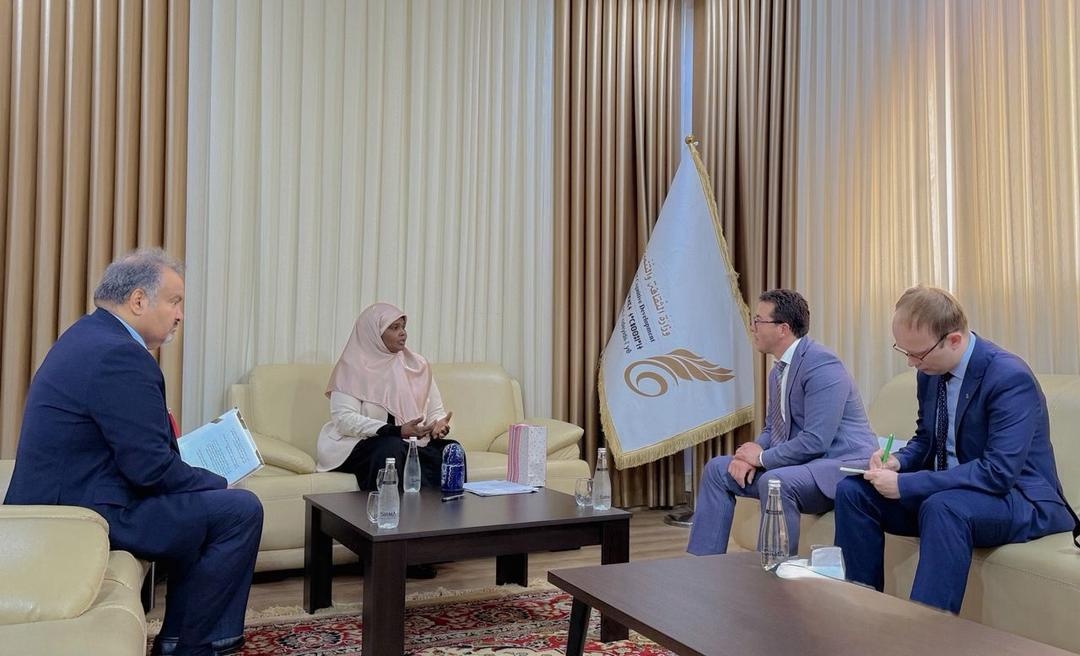
A view of the audience at the opening of the ALECSO Sub-Regional Forum on Citizenship Education, Sunday, December 28, 2025.
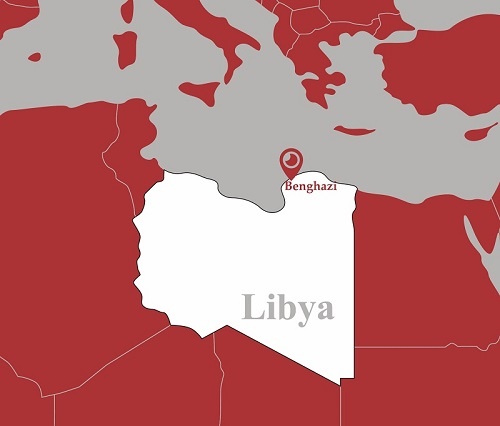
Tripoli
Tripoli is the capital and largest city of Libya, located on the country’s Mediterranean coast. Historically, it was founded by the Phoenicians in the 7th century BC and later became a significant Roman city, with its ancient core, the medina of Oea, still standing today. The city has since been ruled by a succession of powers, including the Spanish, Knights of St. John, Ottomans, and Italians, which have all left their mark on its architecture and culture.
Libyan National Commission for Education, Culture and Science
The Libyan National Commission for Education, Culture and Science is a governmental body responsible for coordinating Libya’s national policies and international cooperation in the fields of education, culture, and scientific development. It was established to align with and implement the objectives of UNESCO within the country, serving as a key liaison since Libya’s engagement with the global organization.
Arab League Educational, Cultural and Scientific Organization
The Arab League Educational, Cultural and Scientific Organization (ALECSO) is a specialized institution of the Arab League, founded in 1970 to coordinate and promote collaboration in education, culture, and science across the Arab world. Its history is rooted in efforts to preserve Arab cultural heritage and advance scientific development following a resolution from the 1964 Arab Summit. It is headquartered in Tunis, Tunisia.
Maghreb countries
The Maghreb countries—primarily Morocco, Algeria, Tunisia, Libya, and Mauritania—comprise a region in Northwest Africa united by shared Amazigh (Berber), Arab, and Islamic cultural heritage. Historically, the area was home to ancient Amazigh kingdoms, experienced Roman and Ottoman rule, and was largely colonized by France and Italy in the 19th and 20th centuries before gaining independence. Today, the region is defined by its distinct blend of Mediterranean and Saharan influences, as well as the ongoing political and economic cooperation through the Arab Maghreb Union.
Tunisia
Tunisia is a North African country with a rich history shaped by Phoenician, Roman, Arab, Ottoman, and French influences, evident in sites like the ancient city of Carthage. Its culture is a distinctive blend of Arab, Berber, and Mediterranean traditions. The country is also known as the birthplace of the Arab Spring, which began with protests there in 2010-2011.
Algeria
Algeria is a North African country with a rich history shaped by ancient Berber kingdoms, Roman rule, and centuries as part of the Ottoman Empire before becoming a French colony in the 19th century. It gained independence in 1962 after a prolonged war of liberation, and its cultural heritage includes numerous UNESCO World Heritage sites, such as the Roman ruins of Timgad and the historic Casbah of Algiers.
Morocco
Morocco is a North African country with a rich history shaped by indigenous Amazigh (Berber) cultures, Arab influence from the 7th century, and successive dynasties like the Almoravids and Almohads. Its cultural sites, such as the ancient Roman ruins of Volubilis and the historic medinas of Fez and Marrakech, reflect this diverse heritage and its role as a crossroads of civilizations.
Libya
Libya is a North African country with a rich history rooted in ancient civilizations like the Phoenicians and Romans, followed by centuries of Arab and Ottoman influence. In the modern era, it was an Italian colony before gaining independence in 1951, later becoming known for Muammar Gaddafi’s lengthy rule from 1969 until the 2011 revolution. The country is home to UNESCO World Heritage sites, such as the ruins of Leptis Magna, which testify to its significant historical legacy.