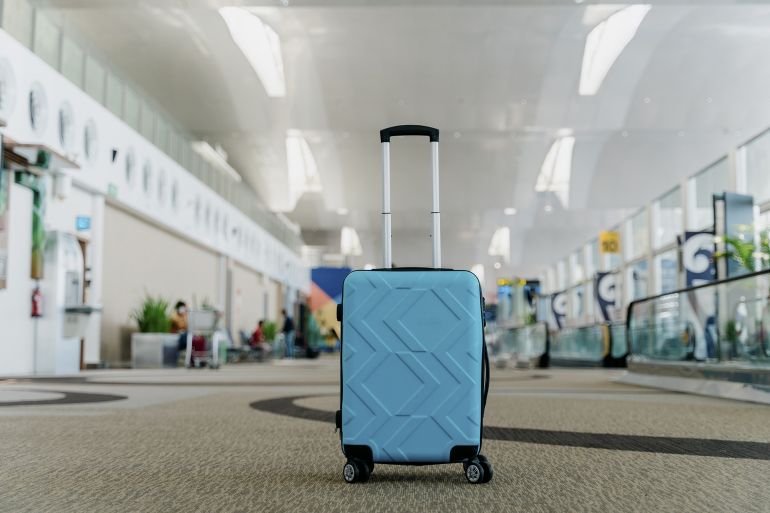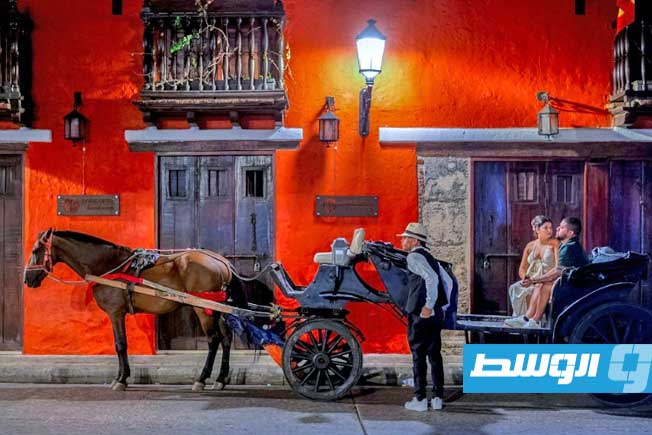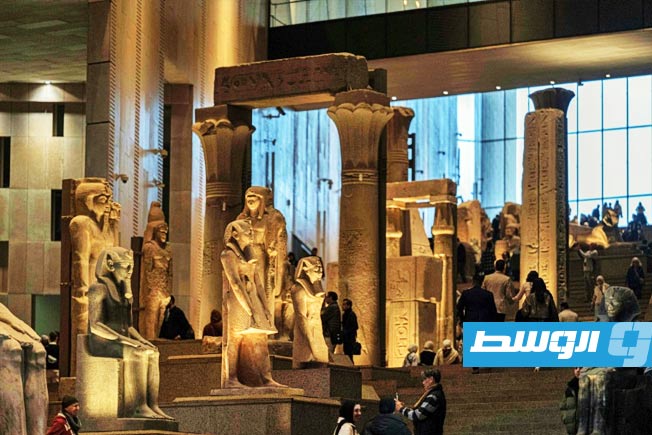
The United Nations tourism body announced on Tuesday that global tourism reached a new record level in 2025, with 1.52 billion international tourists registered worldwide, thanks to significant increases in Asia and Africa.
“Demand for travel remained high throughout 2025, despite high inflation in tourism service prices and geopolitical tensions,” according to a statement.
Earlier, the improvement in Libya’s domestic tourism sector during 2025 was reviewed, with the number of incoming tourists increasing to 282 thousand, a growth of approximately 60% during the first half of last year.
A report published on Friday indicated that this growth was achieved thanks to the development of some key tourist areas and attractions, as well as an improvement in the internal security situation.
It highlighted measures taken by the authorities to encourage international tourism, most notably the introduction of an electronic visa system in 2024, in addition to the completion of renovation works at major tourist sites and the opening of new attractions.
Recovery in the Tourism Sector
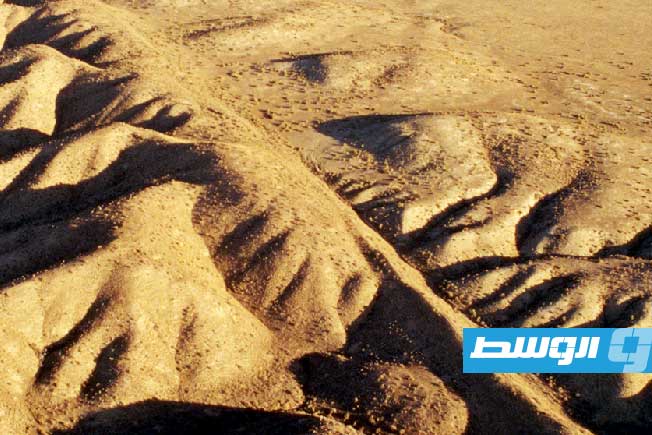
Over the past two years, Libya has made strenuous efforts to attract foreign tourism to the country, after years of civil war and repeated armed clashes since 2020, which made most areas in Libya a non-preferred destination for international travelers seeking adventure.
However, these trends are witnessing a positive change, as the authorities in Libya are taking a number of measures aimed at opening the doors to international visitors, while tourism companies are adding new tourist programs to the country.
Although Libya remains a difficult and potentially risky tourist destination, tourism there is experiencing noticeable growth. The report here praised the electronic visa system, introduced in 2024, which eliminated a lengthy bureaucratic process that used to take many months.