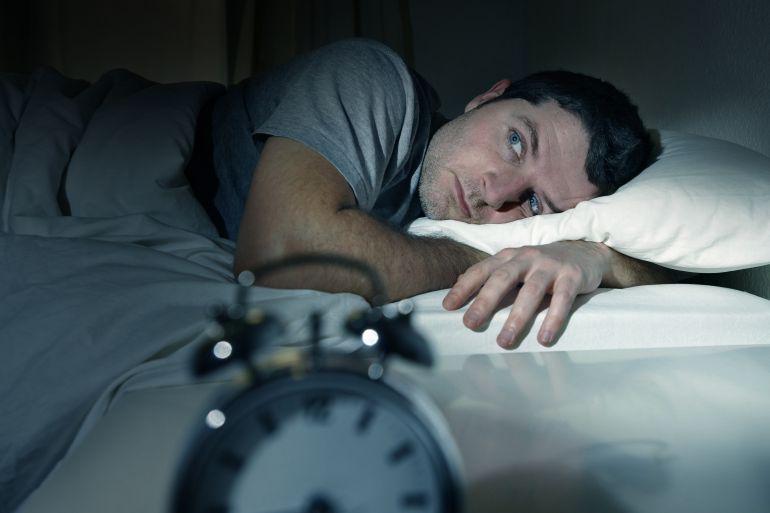
A recent study revealed that sleep deprivation not only affects feelings of fatigue and concentration but also extends its impact to increasing the accumulation of fat in the abdominal area, particularly visceral fat linked to serious diseases.
According to the study, sleeping only four hours per day for two weeks led to noticeable changes in the distribution of fat within the body.
Increase in Abdominal Fat
The results showed that participants who limited their sleep to four hours per night experienced a 9% increase in total abdominal fat compared to those who got adequate sleep.
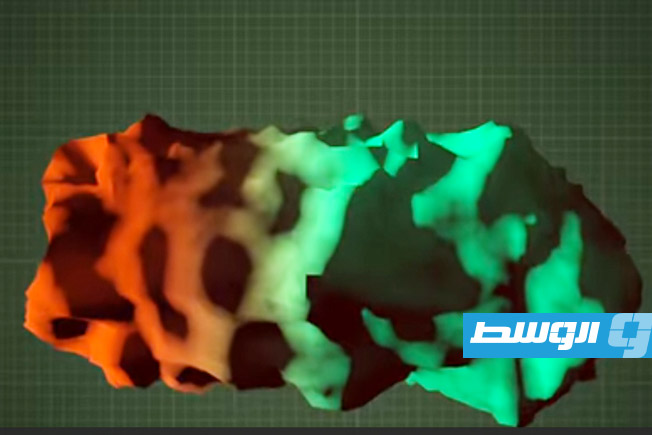
Visceral fat—the deep fat surrounding internal organs in the abdominal cavity—increased by 11%, which is concerning given this type of fat’s association with cardiovascular disease, type 2 diabetes, and metabolic disorders.
More Calories Without Additional Burning
The researchers also found that sleep deprivation was linked to a significant increase in food consumption. Participants consumed over 300 extra calories per day during the sleep deprivation period, with protein intake rising by about 13% and fat by 17%.
Despite participants staying awake longer, their energy expenditure rate remained almost constant. This means the body did not compensate for the extra calories by increasing consumption but rather stored them, particularly in the abdominal area.

It was noted that the increase in food intake was most evident during the initial days of sleep deprivation before consumption returned to its usual level. However, visceral fat continued to rise even after that.
Invisible Fat… and Significant Risks
The researchers explained that visceral fat does not accumulate under the skin but deep within the abdomen around the liver, intestines, and other organs, making it invisible from the outside. Its danger lies in its close association with serious chronic diseases.
The findings suggest that sleep deprivation may redirect fat storage towards this internal area, even if weight or calorie intake decreases during a recovery period.
Does Later Sleep Compensate for the Damage?
The study showed that compensating for sleep later does not necessarily reverse the accumulation of visceral fat in the short term. Even with increased sleep hours and reduced food intake after the deprivation period, internal fat levels continued to rise.
Researchers believe this indicates that sleep deprivation represents an independent trigger for visceral fat accumulation, warranting its treatment as a modifiable risk factor.
Health experts recommend that adults get between 7 and 9 hours of sleep per day. Regular physical activity and a balanced diet also contribute to reducing abdominal fat accumulation and improving metabolism.
For shift workers, it is advised to maintain as regular sleep schedules as possible, create a quiet and dark sleep environment, and adhere to healthy eating habits to mitigate the negative effects of sleep disruption.