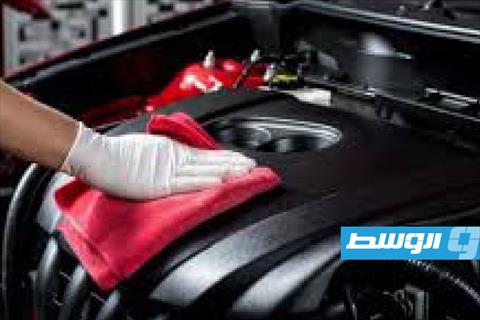
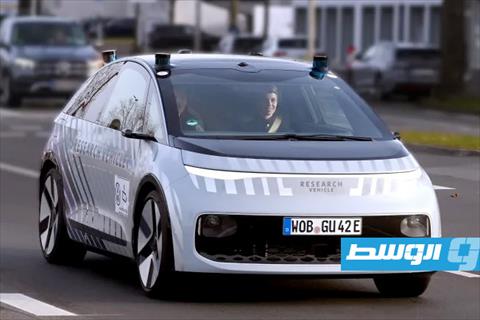
A car engine’s sound is an important indicator of its mechanical condition, and any unusual increase in its noise may be a warning message that should not be ignored. Below are the most common causes, explained in a simple and clear manner:
Low Engine Oil
– A low engine oil level increases friction between internal parts, causing a loud and rough noise. The situation may develop into serious damage if not addressed quickly.
Damaged or Clogged Air Filter
– When the air filter is dirty or clogged, insufficient air reaches the engine, forcing it to work harder, which results in a louder-than-normal sound.
Exhaust System Malfunction (Muffler)
– Any hole or leak in the muffler or exhaust pipe allows noise to escape without being muffled, making the engine sound loud and clear, especially during acceleration.
Problem with the Engine Belt or Pulleys
– Wear or looseness of the engine belt can cause a high-pitched squealing or whining noise, and the sound increases when starting the car or increasing speed.
Noticing abnormal sounds early helps avoid larger breakdowns and higher costs. Therefore, it is recommended to have the car checked immediately upon noticing any significant change in the engine’s sound.
car engine
A car engine is a mechanical device that converts fuel into motion, powering vehicles through internal combustion. Its modern form evolved from the late 19th century, building upon earlier steam engines, with key innovations like the four-stroke cycle enabling the widespread adoption of automobiles.
engine oil
Engine oil is not a place or cultural site, but a lubricant used in internal combustion engines. Its history is tied to the development of the automobile in the late 19th and early 20th centuries, evolving from simple animal and vegetable oils to the complex, refined petroleum-based and synthetic formulations used today.
air filter
“Air filter” is not a specific place or cultural site, but a general term for a device that removes contaminants from the air. Historically, the development of modern air filtration accelerated in the mid-20th century, driven by industrial needs and growing public health awareness of air quality.
exhaust system
An exhaust system is not a place or cultural site, but a mechanical component of a vehicle or machine designed to guide exhaust gases away from the engine. Its development has been closely tied to automotive history, evolving significantly with the advent of emission control regulations in the mid-20th century to reduce environmental pollution.
muffler
A muffler is not a place or cultural site, but an automotive part designed to reduce engine noise. Historically, the need for mufflers grew with the widespread adoption of the internal combustion engine in the late 19th and early 20th centuries to address increasing noise pollution from vehicles.
exhaust pipe
An exhaust pipe is a component of a vehicle’s exhaust system, designed to channel toxic gases away from the engine and its occupants. Historically, its development became critical with the rise of the internal combustion engine in the late 19th and early 20th centuries, evolving to incorporate materials and designs that improve efficiency and reduce environmental impact.
engine belt
“Engine belt” does not refer to a recognized place or cultural site. The term is commonly used in mechanics to describe a flexible loop that drives engine components, such as a timing belt or serpentine belt. It has no significant historical or cultural background as a location.
pulleys
Pulleys are simple machines consisting of a wheel on an axle designed to support movement and change of direction of a taut cable or belt. Historically, they have been used since ancient times, with early evidence in Mesopotamia and later advancements by Archimedes in ancient Greece. Their development significantly contributed to engineering, construction, and the mechanization of various industries.