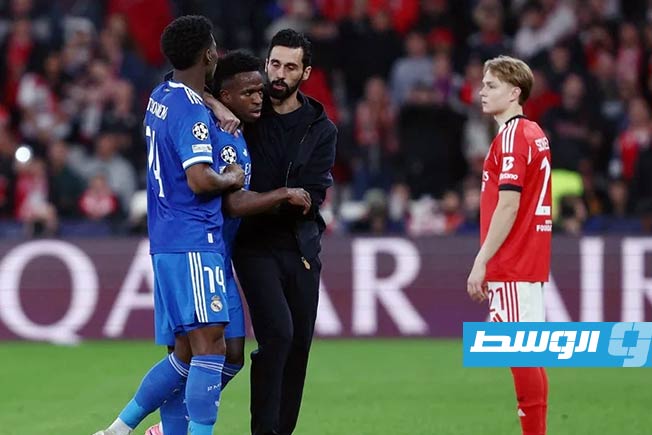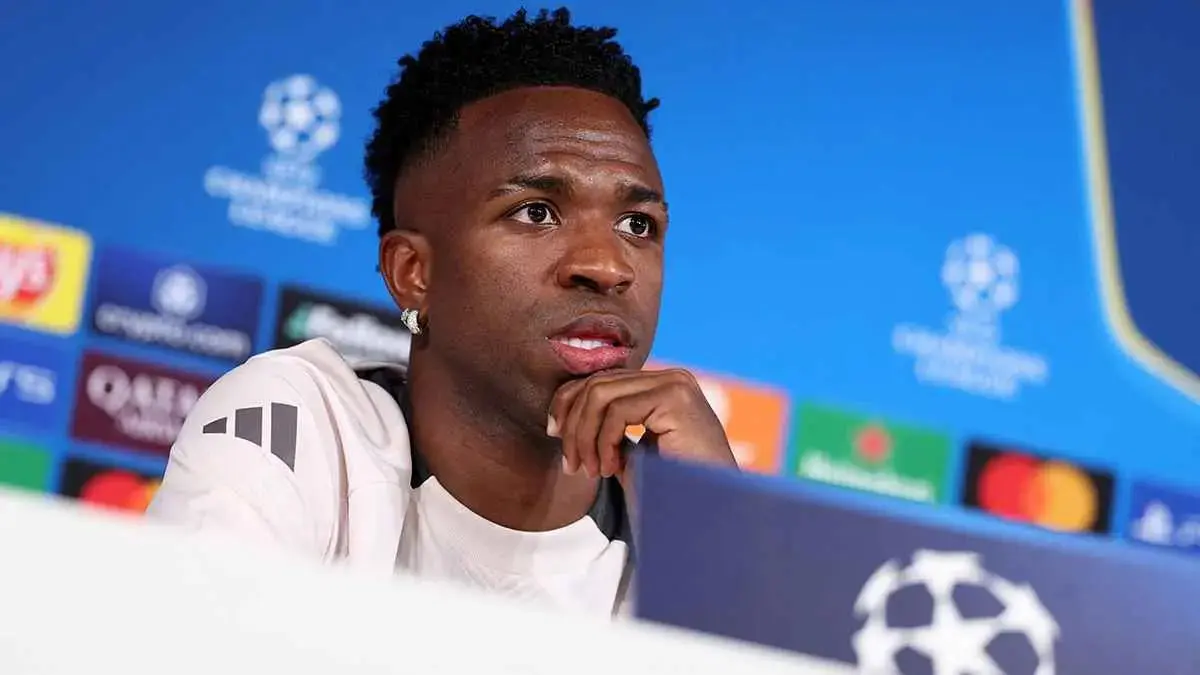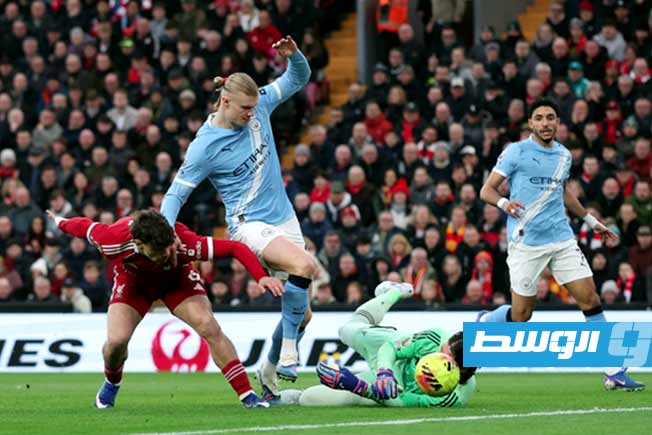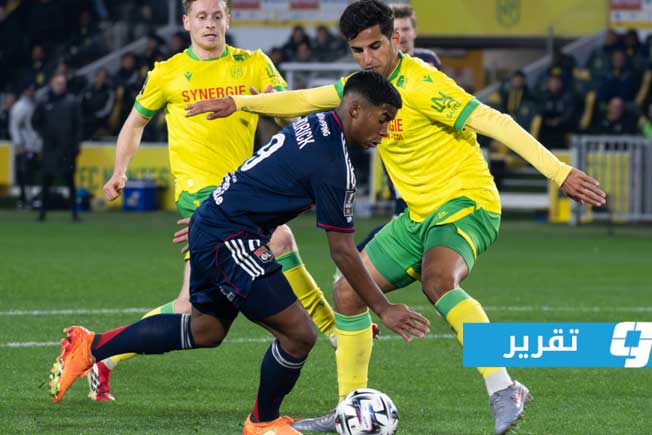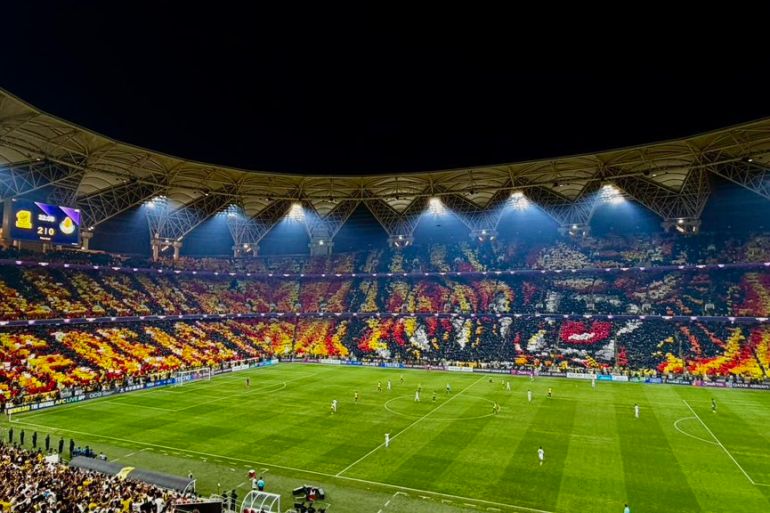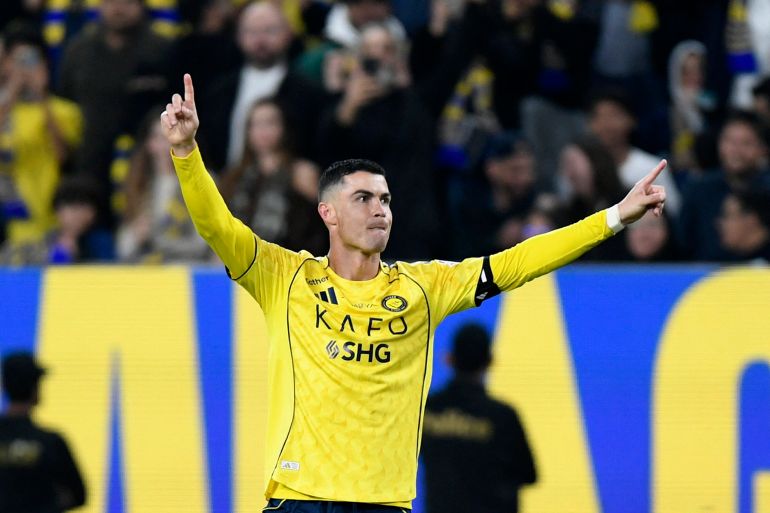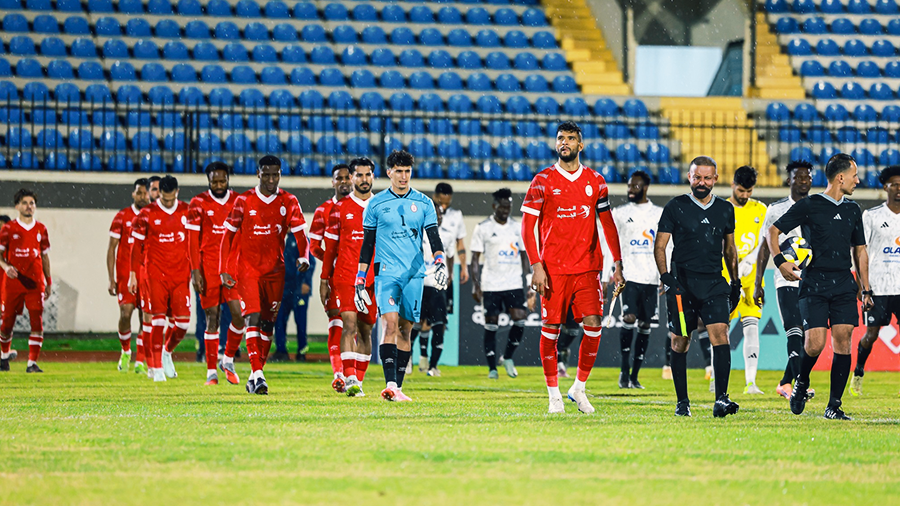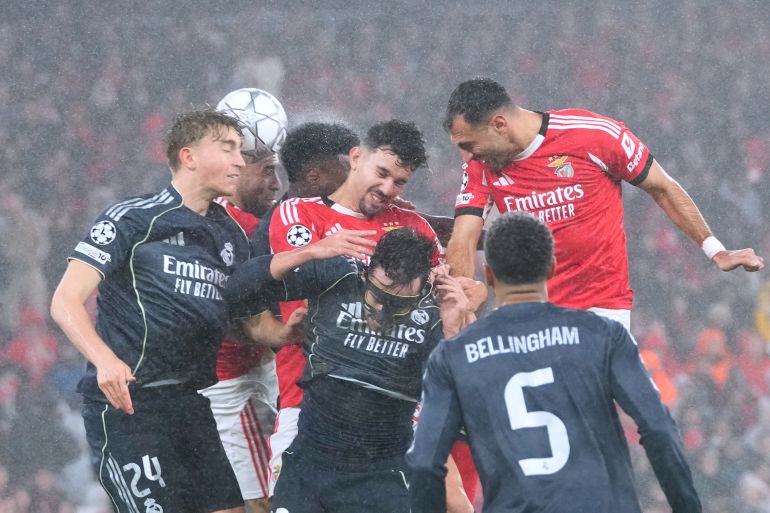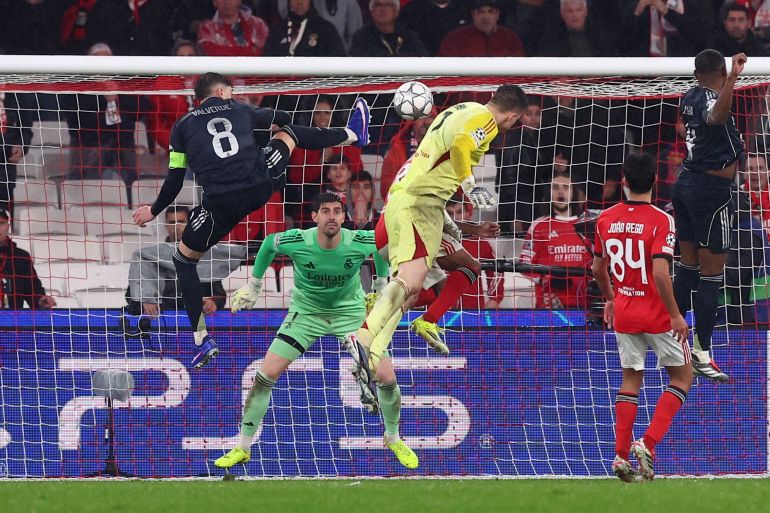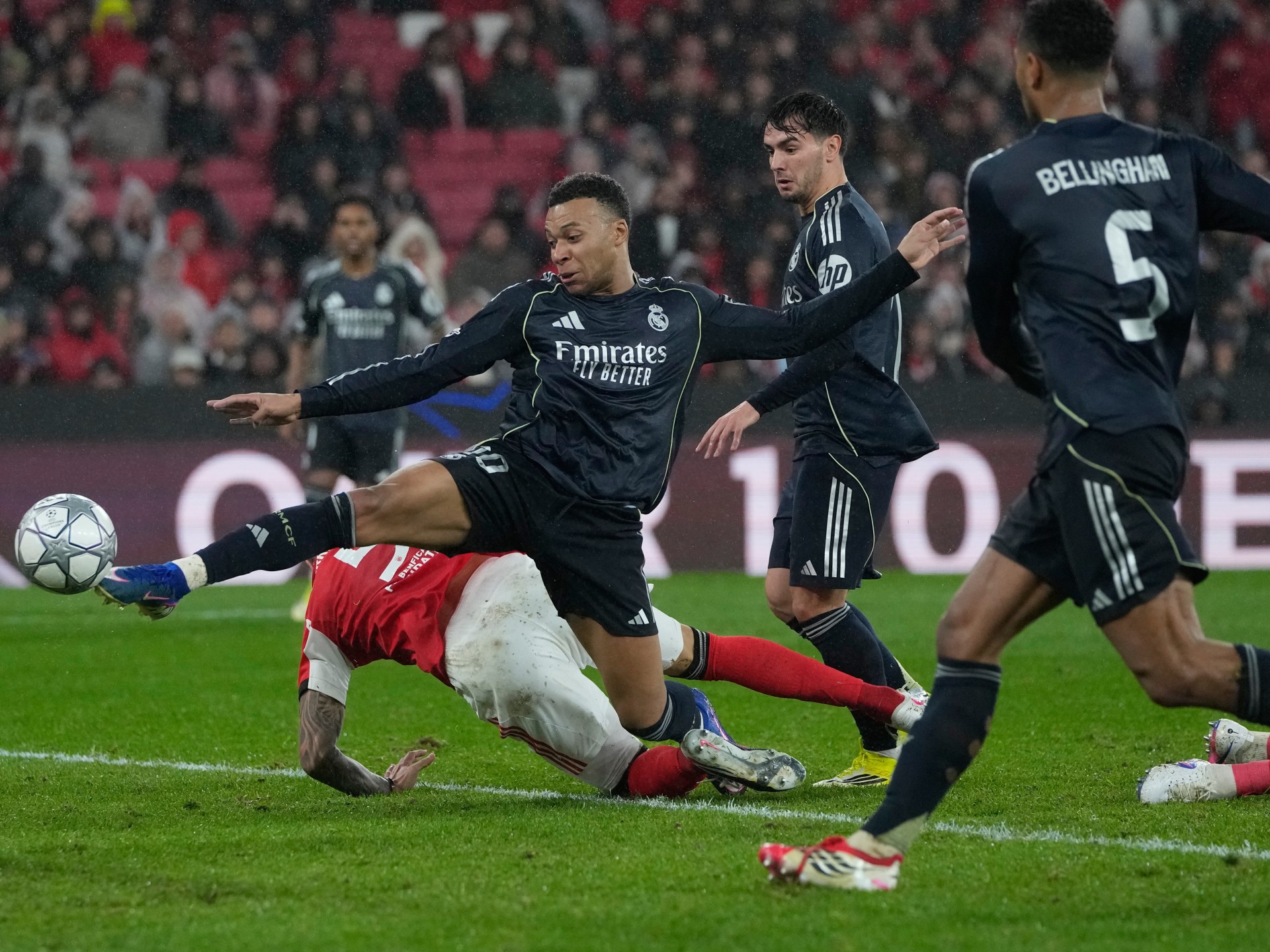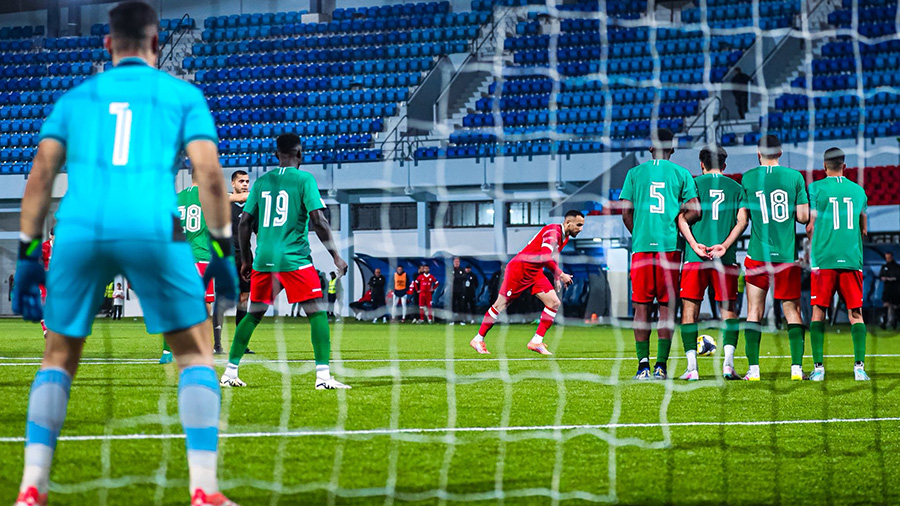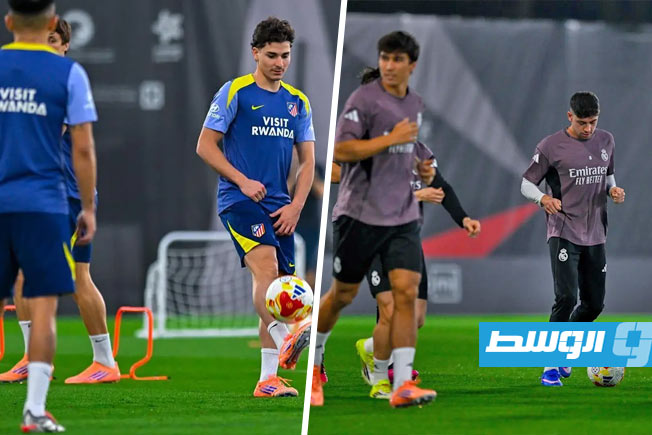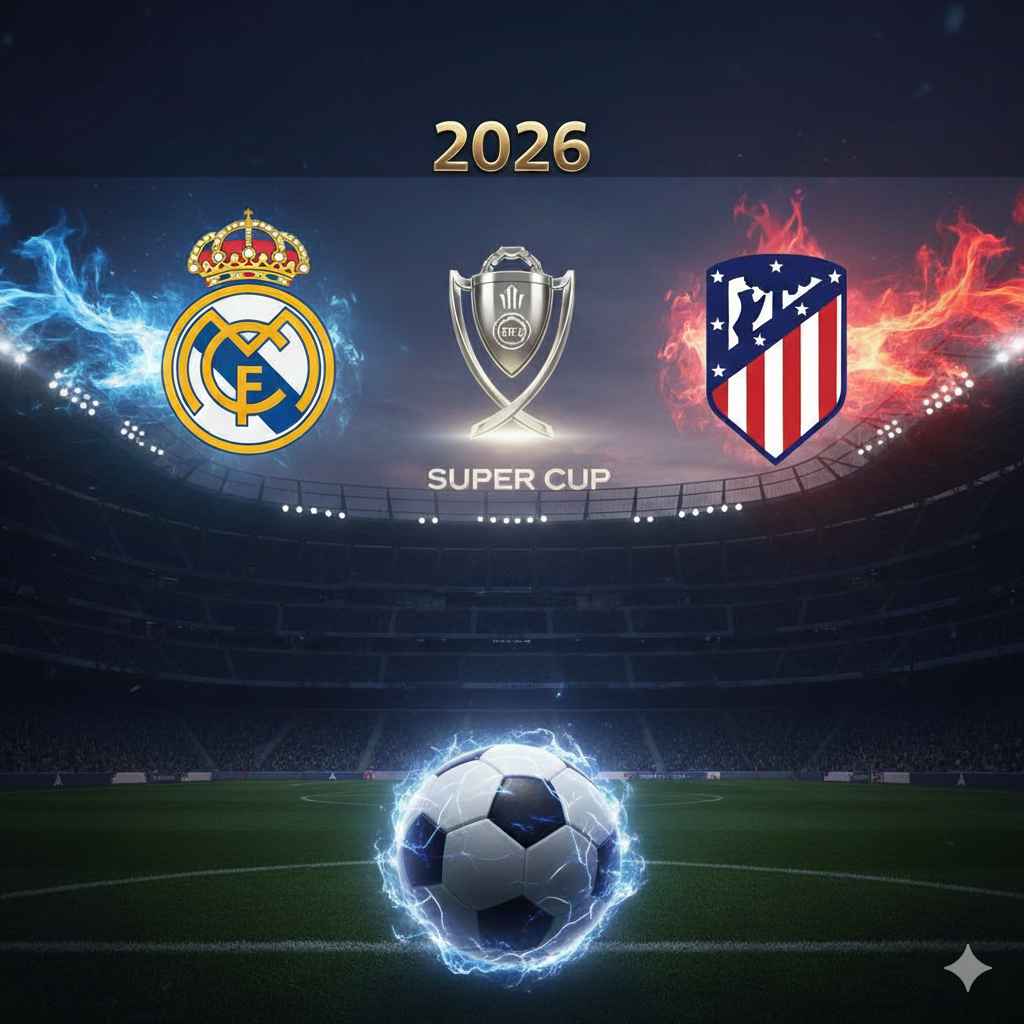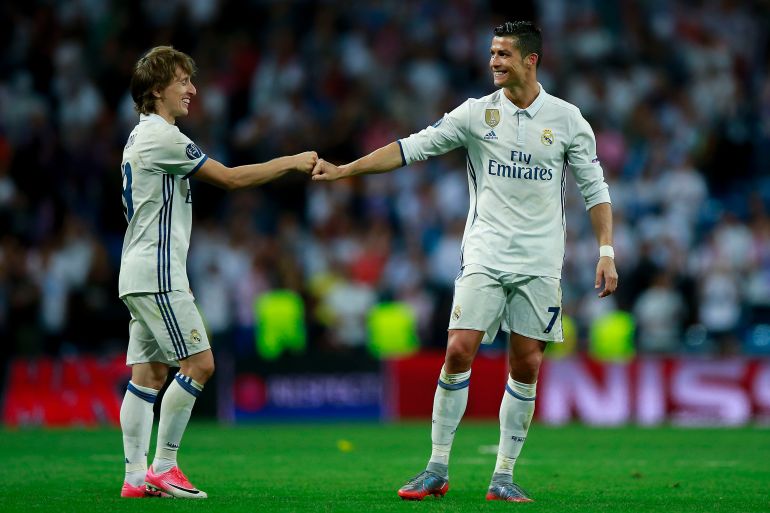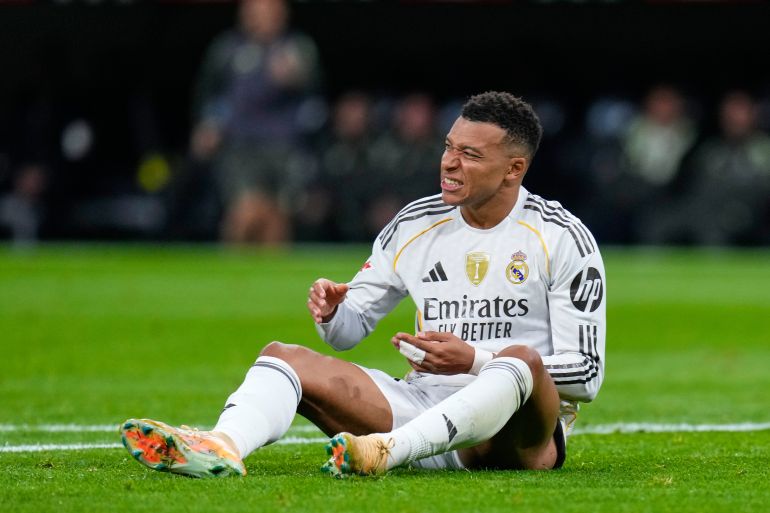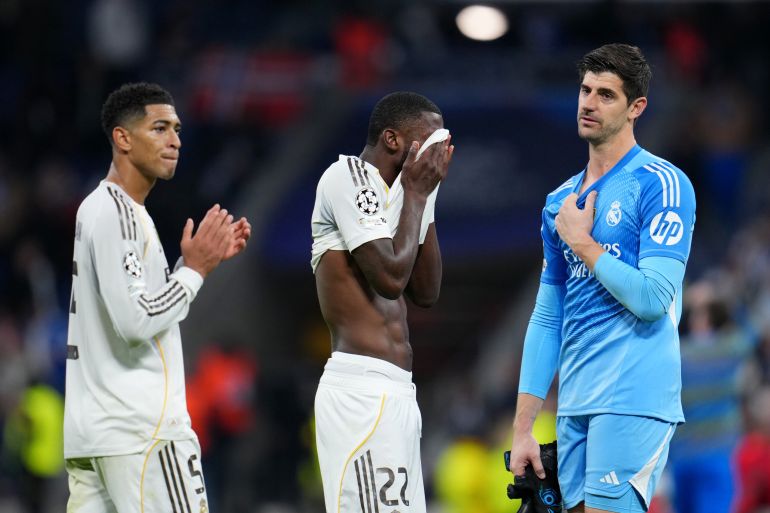
Benfica hosts Real Madrid on Tuesday evening at the Estadio da Luz, in the first leg of the playoff to qualify for the UEFA Champions League round of 16, a match that once again highlights the multiple connections that have linked the two clubs over the years.
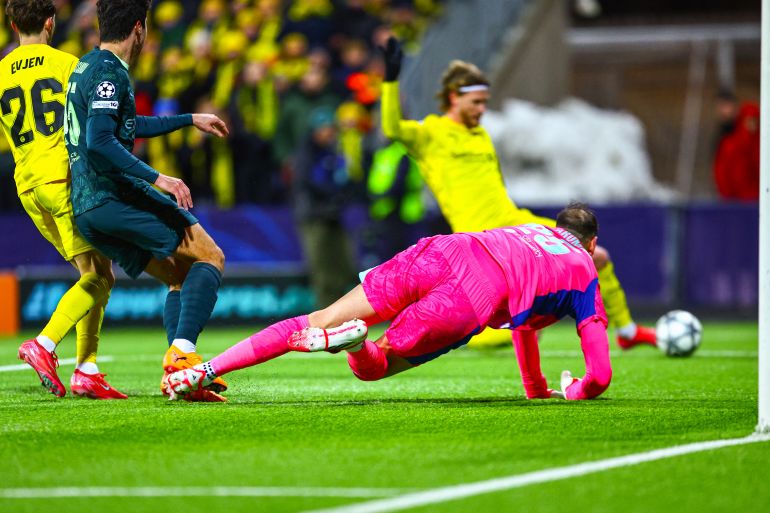
The match follows a previous encounter between the two teams in the group stage of the current edition, where Benfica secured a dramatic last-minute victory, giving the Portuguese team a morale boost ahead of the new clash.
Di Maria and Carreras Among the Most Famous to Have Played for Both Clubs
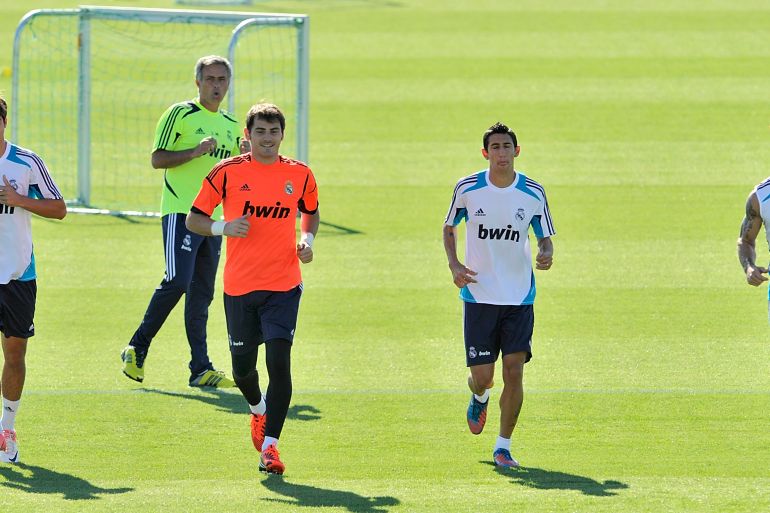
The history of the two clubs has seen a number of players transfer between them, most notably Argentine Angel Di Maria, who shone with Benfica before moving to Real Madrid and winning domestic and continental titles with them.
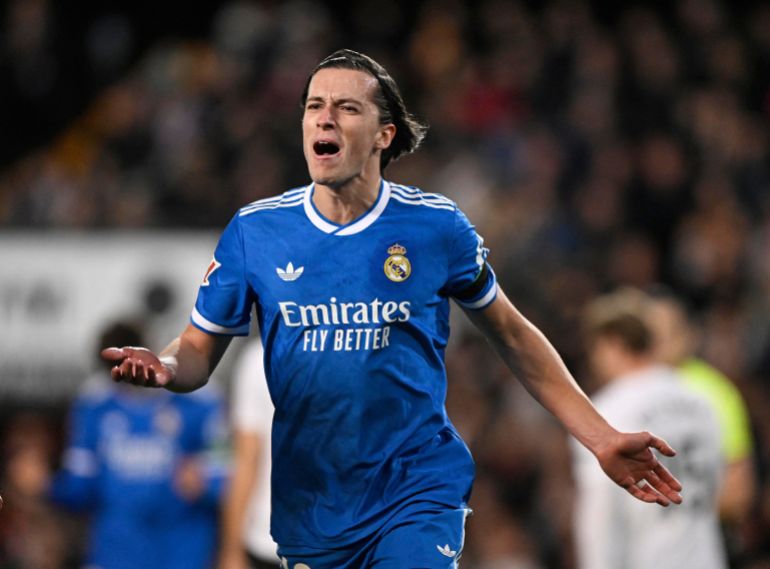
The name of Spanish full-back Alvaro Carreras also stands out, having played for Benfica before returning to the Royal Club, serving as another example of the intersection between the two teams.
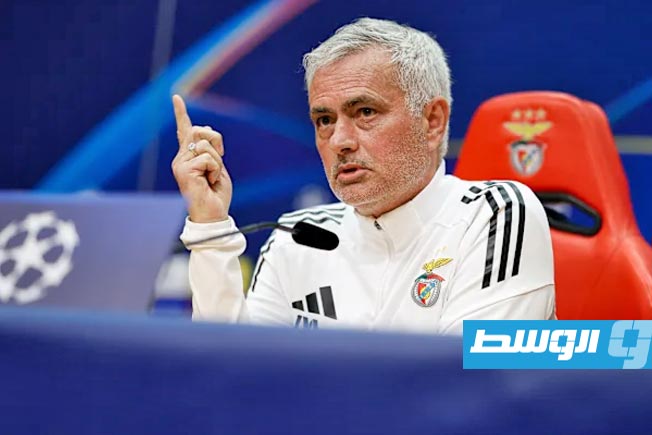
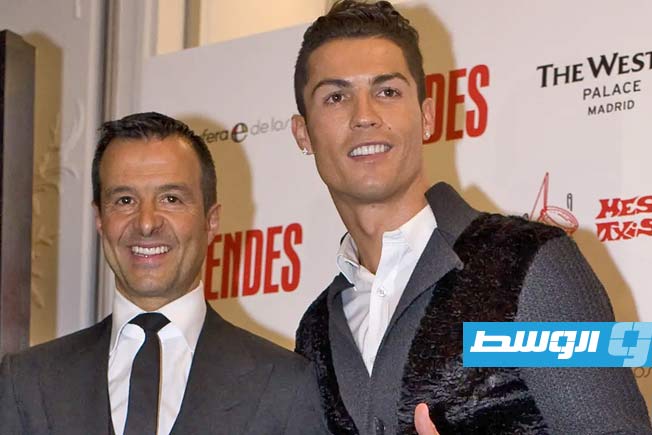
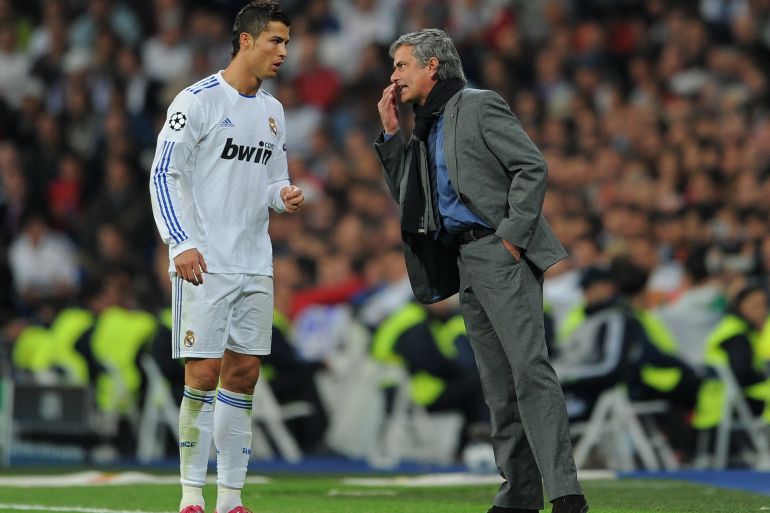
The relationship is not limited to players, as Portuguese coach Jose Mourinho has previously managed both teams at different points in his career, reflecting how the connections extend to the technical staff as well.
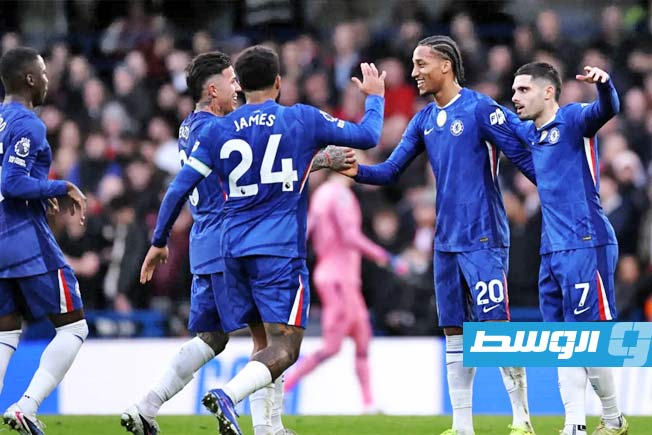
Real Madrid enters the encounter with the ambition of continuing its usual continental journey, while Benfica seeks to capitalize on the home ground and crowd advantage to achieve a positive result ahead of the second leg.
Between a shared history and names that have left their mark on both clubs, the upcoming match appears to be an extension of an intertwined football relationship, renewed this time in one of Europe’s most prominent continental competitions.
Top 14 Players Who Have Worn the Colors of Both Clubs
The history of Real Madrid and Benfica has seen 14 players defend the colors of both clubs at different times. Here are the most notable ones in brief:
- Angel Di Maria: Excelled with Benfica before moving to Real Madrid (2010-2013), where he played 163 matches and scored 30 goals.
- Fabio Coentrao: Played for Benfica (2007-2010) then for Real Madrid (2011-2016), winning several titles with the Spanish club.
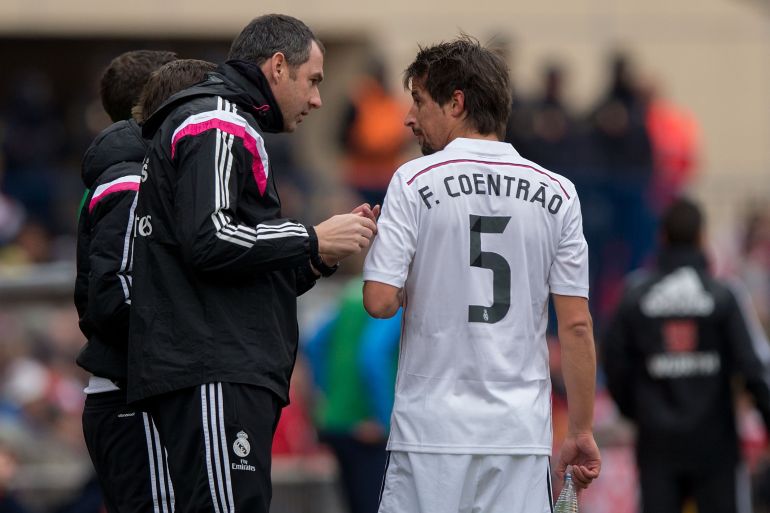
Coentrao transferred from Benfica to Real Madrid in 2011 for a fee of around 33 million euros. - Ezequiel Garay: Had a brief stint with Real Madrid before shining defensively with Benfica between 2011 and 2013.
- Javi Garcia: Came through the ranks at Real Madrid before playing an important role in Benfica’s midfield.
- Javier Saviola: Defended the colors of Real Madrid for two seasons,
MADRID
Madrid is the capital and largest city of Spain, officially established as the capital by King Philip III in 1606. Its history dates back to a 9th-century Moorish fortress, and it later became the center of the vast Spanish Empire, with its historic center featuring landmarks like the Royal Palace and the Plaza Mayor.SPAIN
Spain is a southwestern European country with a rich and diverse cultural history shaped by successive influences, including Roman rule, Islamic Al-Andalus, and the unification of the Christian kingdoms. Its cultural sites, such as the Alhambra palace and the Sagrada Família basilica, reflect this complex historical tapestry. Modern Spain is a constitutional monarchy known for its vibrant regional identities, artistic heritage, and global cultural impact.Valdebebas training ground
The Valdebebas training ground, officially known as Ciudad Real Madrid, is the state-of-the-art training complex for Real Madrid CF, opened in 2005. It serves as the primary training facility for the club’s first team and youth academy, and it was a key part of the club’s modernization under President Florentino Pérez.Estadio da Luz
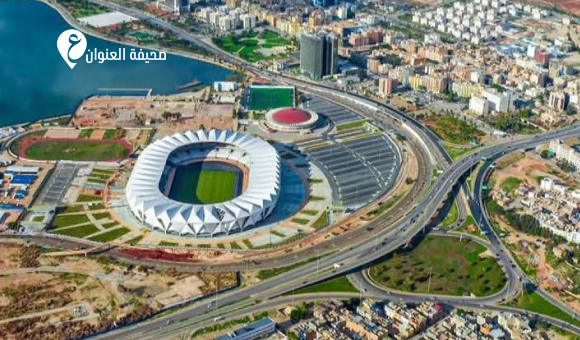
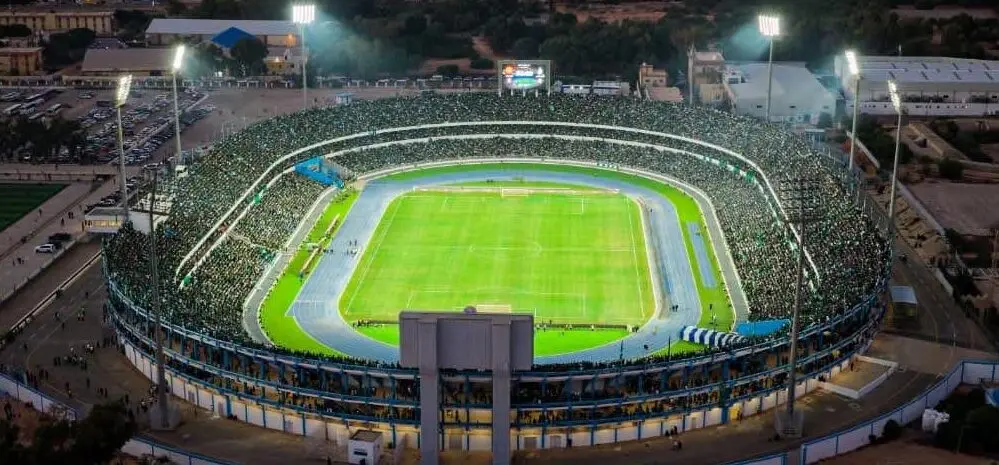
Estadio da Luz, officially named Estádio do Sport Lisboa e Benfica, is the home stadium of the S.L. Benfica football club in Lisbon, Portugal. The current stadium opened in 2003, replacing the original “Cathedral” built on the same site in 1954, and it hosted the UEFA Euro 2004 final.UEFA Champions League
The UEFA Champions League is an annual club football competition organized by the Union of European Football Associations (UEFA). It was first introduced in the 1955–56 season as the European Champion Clubs’ Cup, evolving into its current format in 1992 to include a round-robin group stage. It is widely considered the most prestigious club tournament in European football.Benfica
Benfica is a historic district in Lisbon, Portugal, best known as the home of Sport Lisboa e Benfica, one of the country’s most successful football clubs founded in 1904. The area’s modern identity is deeply intertwined with the club’s history and its iconic Estádio da Luz stadium, which was rebuilt for the UEFA Euro 2004 tournament.Real Madrid
Real Madrid is a professional football club based in Madrid, Spain, founded in 1902. It is one of the world’s most successful and widely supported clubs, historically renowned for its European dominance, particularly during the 1950s and its record number of UEFA Champions League titles.Angel Di Maria
Angel Di María is not a place or cultural site, but a professional Argentine footballer. He is best known for his key role in Argentina’s 2022 FIFA World Cup victory and for winning numerous club titles with teams like Real Madrid and Paris Saint-Germain. His career began at Rosario Central in Argentina before he moved to Europe in 2007.Alvaro Carreras
“Alvaro Carreras” does not refer to a known place or cultural site. It appears to be a personal name, most likely a misspelling or confusion with the Spanish footballer **Álvaro Carreras**, a professional player for Manchester United. Therefore, no historical summary for a place or site can be provided.Jose Mourinho
Jose Mourinho is a highly successful Portuguese football manager known for his tactical acumen and charismatic, often controversial, personality. He rose to prominence by winning the UEFA Champions League with FC Porto in 2004, before achieving further domestic and European success with clubs like Chelsea, Inter Milan, Real Madrid, and Manchester United. His career is defined by a pragmatic, defensively solid coaching style and a record of winning major trophies in multiple countries.Estadio de Mestalla
Estadio de Mestalla is the historic home stadium of Valencia CF, a football club in Spain. It was inaugurated in 1923, making it one of the oldest stadiums in La Liga, and has hosted numerous significant matches throughout its history, including the 1982 FIFA World Cup.Valencia
Valencia is a historic city on Spain’s eastern coast, founded as a Roman colony in 138 BC and later shaped by centuries of Moorish rule. It is renowned for its City of Arts and Sciences complex, the Gothic-style Valencia Cathedral, and the annual Fallas festival.Fabio Coentrao
Fabio Coentrao is a retired Portuguese professional footballer, not a place or cultural site. He was a left-back best known for his time with Real Madrid and the Portuguese national team, winning multiple trophies including the UEFA Champions League and UEFA Euro 2016.Vicente Calderon Stadium
The Vicente Calderón Stadium was the home of Atlético Madrid from 1966 until its closure in 2017, named after a former club president. It was renowned for its intense atmosphere and its unique location straddling the Manzanares River in Madrid. The stadium was demolished in 2020 to make way for a riverside park.Ezequiel Garay
Ezequiel Garay is not a place or cultural site, but a retired Argentine professional footballer who played as a central defender. His career included playing for clubs such as Racing Club, Real Madrid, and Valencia, and he was a member of the Argentine national team that reached the 2014 FIFA World Cup Final.Javi Garcia
Javi García is a Spanish professional football manager and former player, best known for his midfield career at clubs like Real Madrid, Benfica, and Manchester City. After retiring, he transitioned into management, taking charge of teams such as Rayo Vallecano in La Liga. His career is defined by his tactical discipline as a player and his ongoing development as a coach.Javier Saviola
Javier Saviola is a retired Argentine professional footballer, not a place or cultural site. He was known for his prolific scoring early in his career with River Plate in Buenos Aires, before playing for European clubs like Barcelona and Real Madrid. Saviola also represented the Argentine national team in multiple international tournaments.